Visual abstracts
New randomized trials and meta-analyses from leading journals at a glance: who was studied, what was compared, and what was found. Every paper is free to read in full.
All specialtiesCardiology 1943Oncology 1659Gastroenterology & Hepatology 738Infectious Disease 1224Neurology 803Psychiatry & Mental Health 948Pulmonology 829Critical Care 561Endocrinology & Diabetes 1043Pediatrics 1155Surgery 977Orthopedics & Sports Medicine 361Neurosurgery 247Cardiothoracic & Vascular Surgery 213Plastic & Reconstructive Surgery 301Nephrology 403Rheumatology 277Hematology 421Dermatology 220Ophthalmology 226Obstetrics & Gynecology 631Public & Global Health 376Radiology & Imaging 267Anesthesiology 388Urology 336ENT (Otolaryngology) 259Emergency Medicine 219Allergy & Immunology 126Geriatrics 413Family Medicine & Primary Care 228Medical Genetics & Genomics 210Pathology & Laboratory Medicine 63Physical Medicine & Rehabilitation 338Palliative Care 168Nutrition 523Digital Health & AI 1017General Medicine 151
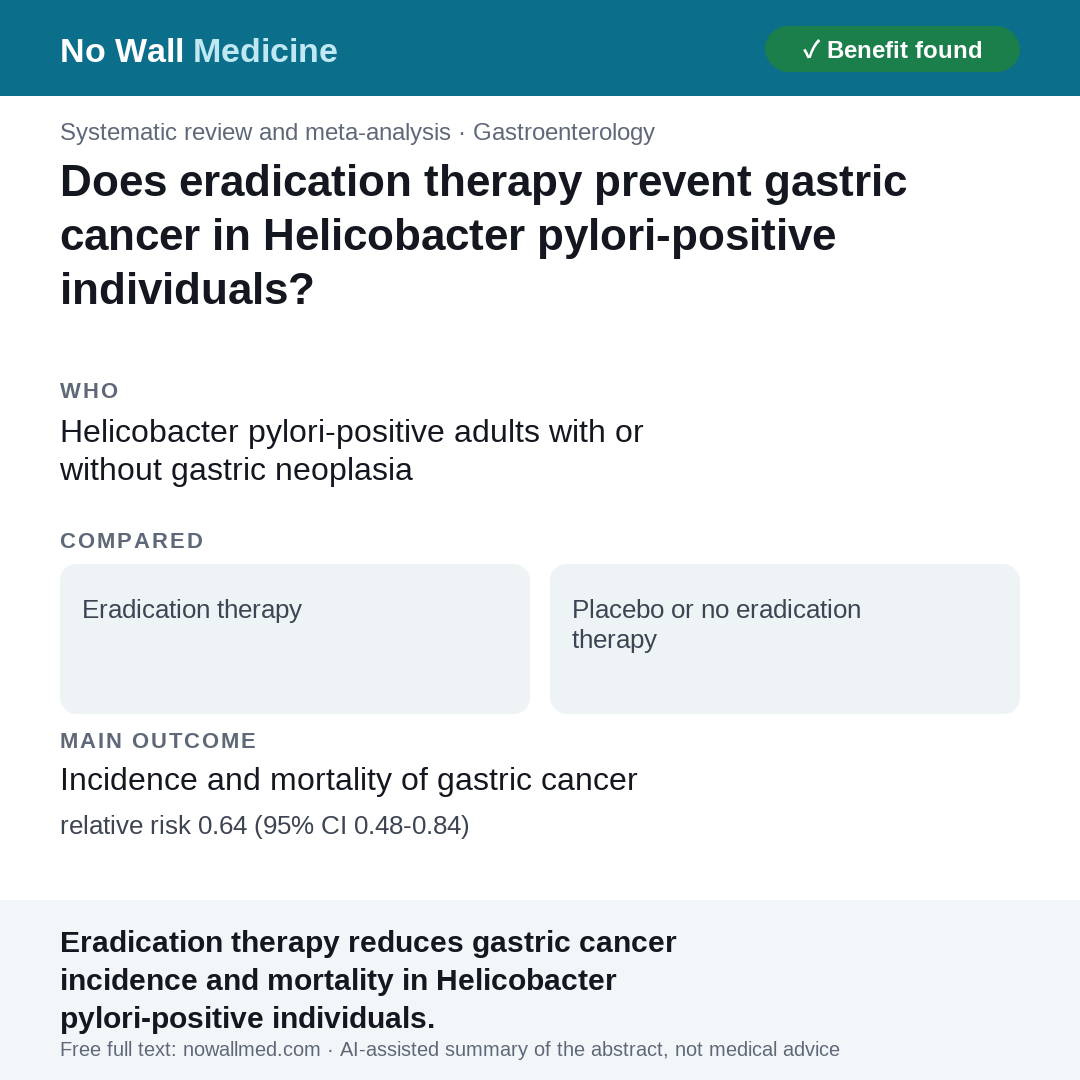
Eradication Therapy to Prevent Gastric Cancer in Helicobacterpylori-Positive Individuals: Systematic Review and Meta-Analysis of Randomized Controlled Trials and Observational Studies
Systematic review and meta-analysisBenefit found
Does eradication therapy prevent gastric cancer in Helicobacter pylori-positive individuals?
Who
Helicobacter pylori-positive adults with or without gastric neoplasia
Compared
Eradication therapy
Placebo or no eradication therapy
Main outcome
Incidence and mortality of gastric cancer
Result: relative risk 0.64 (95% CI 0.48-0.84)
Bottom line: Eradication therapy reduces gastric cancer incidence and mortality in Helicobacter pylori-positive individuals.
Gastroenterology · 2025-01-15Download image
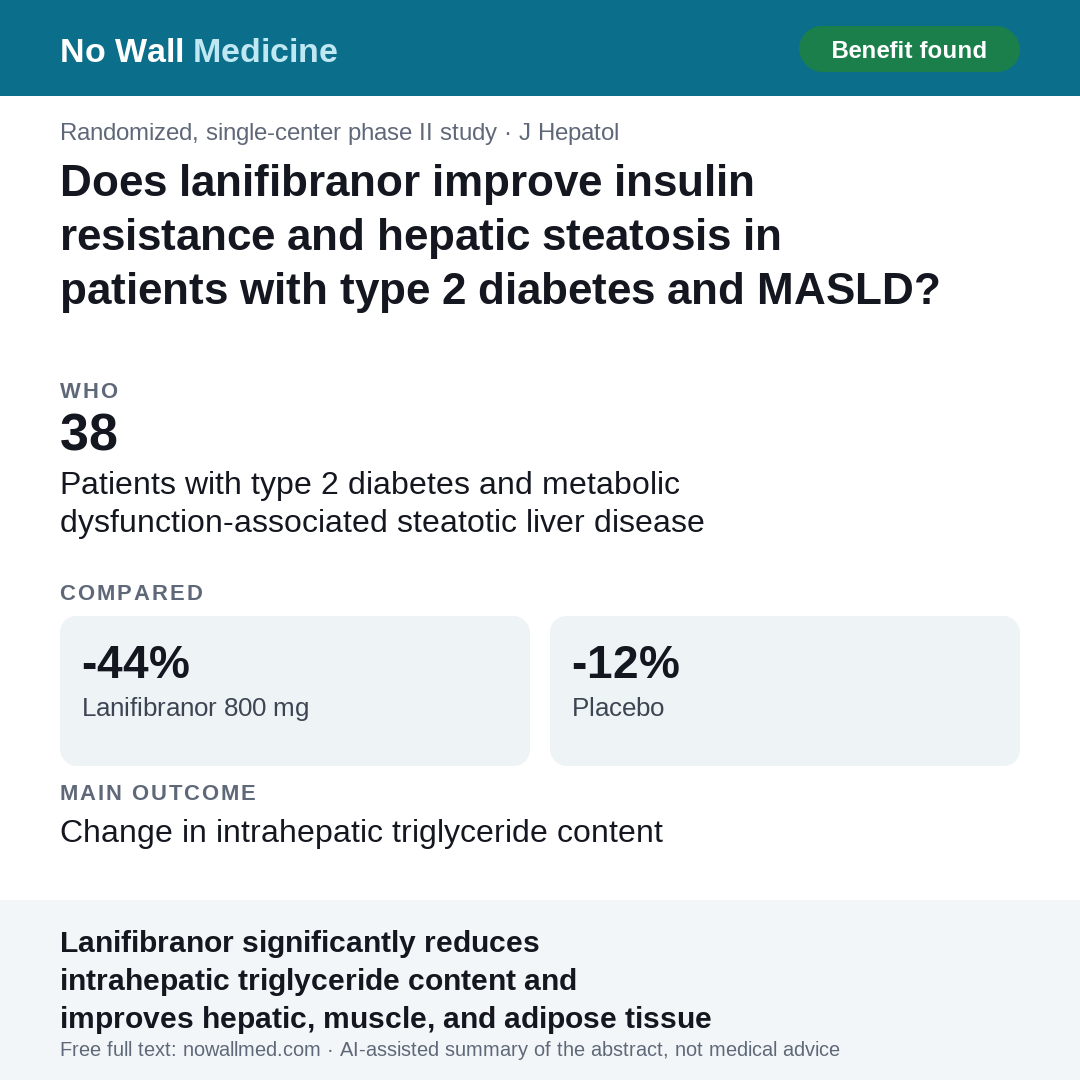
Pan-PPAR agonist lanifibranor improves insulin resistance and hepatic steatosis in patients with T2D and MASLD
Randomized, single-center phase II studyBenefit found
Does lanifibranor improve insulin resistance and hepatic steatosis in patients with type 2 diabetes and MASLD?
Who
38
Patients with type 2 diabetes and metabolic dysfunction-associated steatotic liver disease · Single-center
Compared
-44%Lanifibranor 800 mg
-12%Placebo
Main outcome
Change in intrahepatic triglyceride content
Result: least squares mean difference -31%, 95% CI -51 to -12%
Bottom line: Lanifibranor significantly reduces intrahepatic triglyceride content and improves hepatic, muscle, and adipose tissue insulin sensitivity.
J Hepatol · 2025-01-15Download image
Safety and Efficacy of Tranexamic Acid in General Surgery
Subgroup analysis of a randomized clinical trialBenefit found
Is prophylactic tranexamic acid safe and effective in general surgery?
Who
9535
Patients 45 years or older undergoing noncardiac surgery · International, multicenter
Compared
8.0%Tranexamic acid
10.5%Placebo
Main outcome
Composite of life-threatening, major, or critical organ bleeding
Result: hazard ratio 0.74 (95% CI 0.59-0.93)
Bottom line: In general surgery, tranexamic acid significantly reduced perioperative bleeding without increasing cardiovascular risk.
JAMA Surg · 2025-01-15Download image

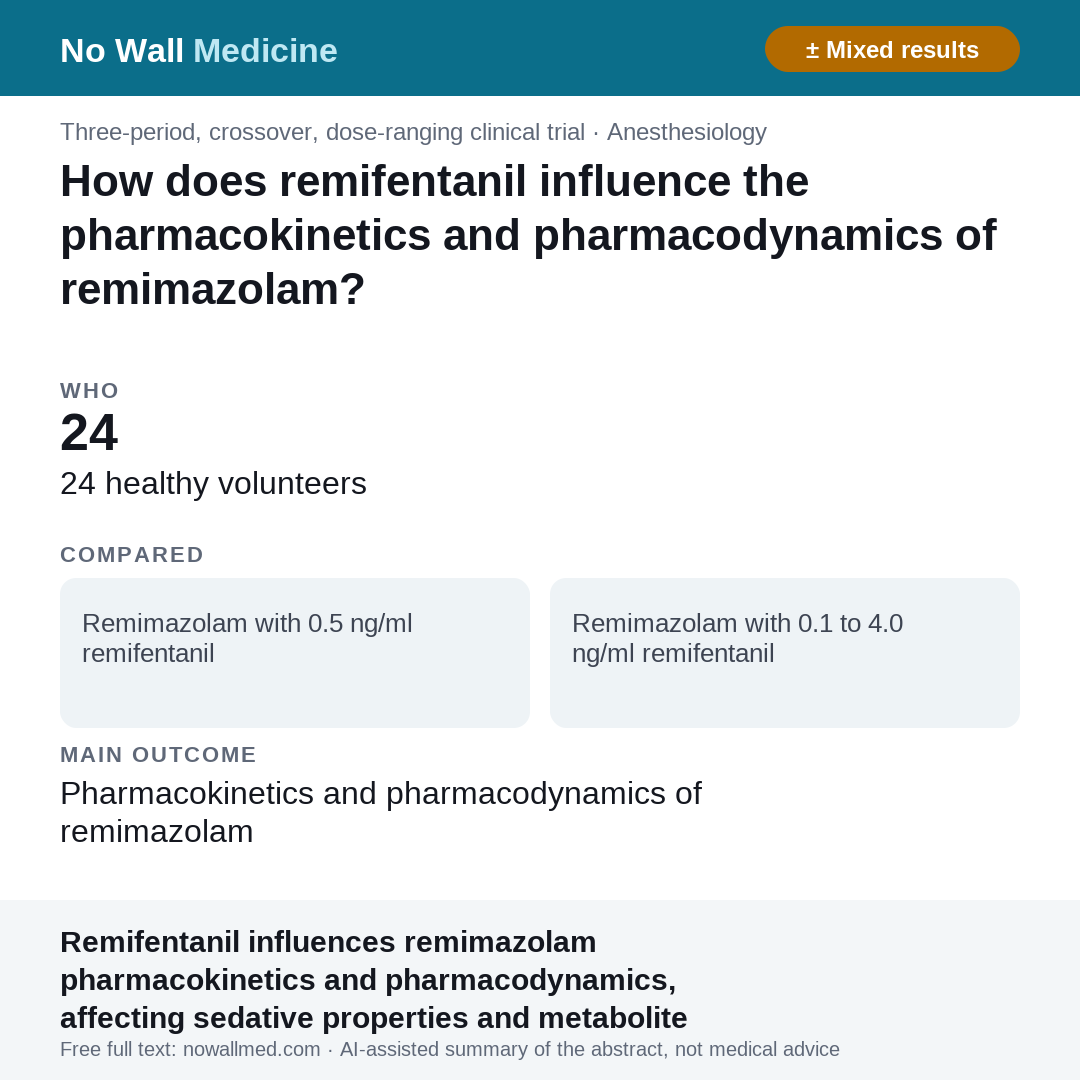
Influence of Remifentanil on the Pharmacokinetics and Pharmacodynamics of Remimazolam in Healthy Volunteers
Three-period, crossover, dose-ranging clinical trialMixed results
How does remifentanil influence the pharmacokinetics and pharmacodynamics of remimazolam?
Who
24
24 healthy volunteers
Compared
Remimazolam with 0.5 ng/ml remifentanil
Remimazolam with 0.1 to 4.0 ng/ml remifentanil
Main outcome
Pharmacokinetics and pharmacodynamics of remimazolam
Result: half-maximum inhibition at 8.0 ng/ml (95% CI, 5.5 to 13.4 ng/ml)
Bottom line: Remifentanil influences remimazolam pharmacokinetics and pharmacodynamics, affecting sedative properties and metabolite clearance.
Anesthesiology · 2025-01-15Download image
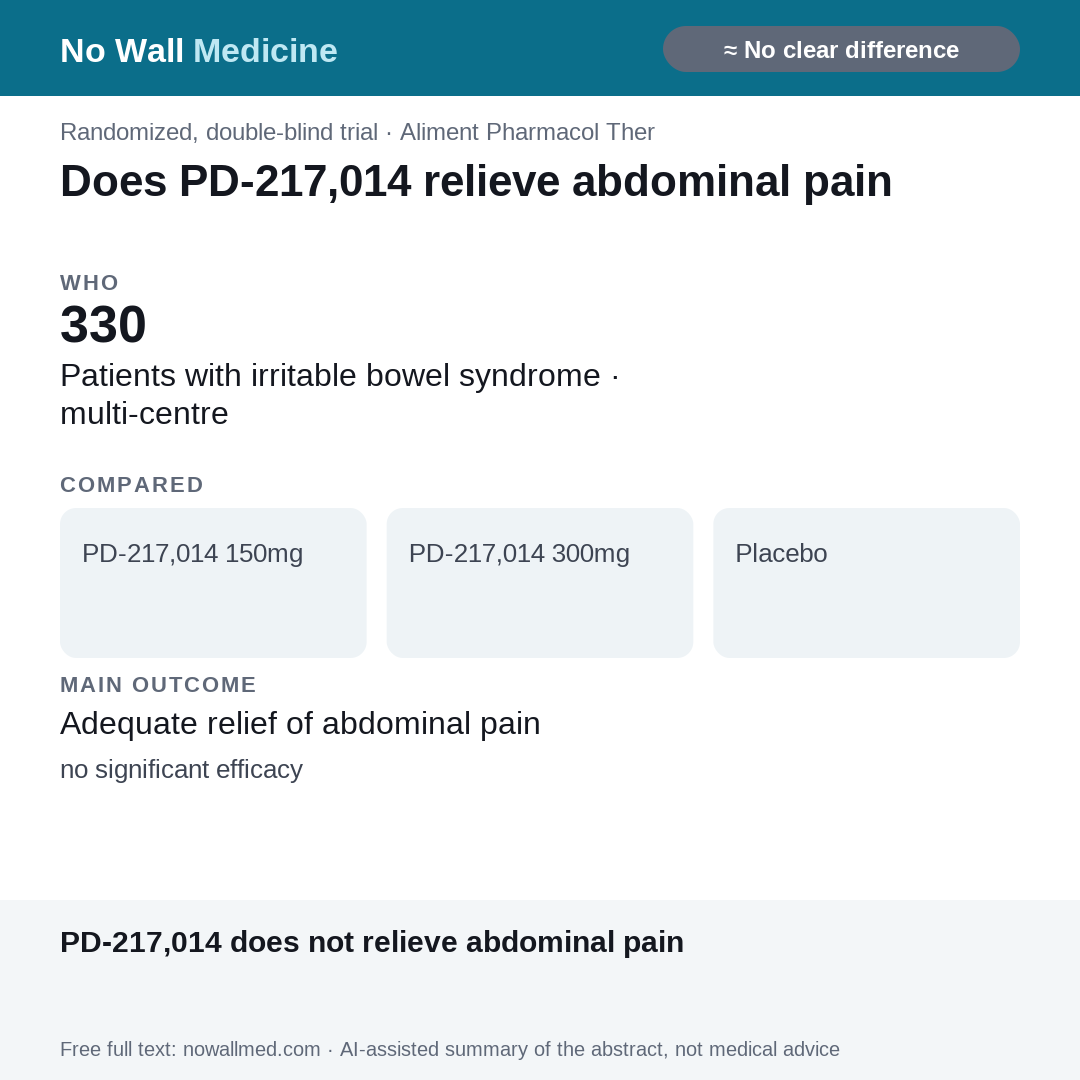
Clinical Trial: Study to Investigate the Efficacy and Safety of the Alpha-2-Delta Ligand PD-217,014 in Patients With Irritable Bowel Syndrome
Randomized, double-blind trialNo clear difference
Does PD-217,014 relieve abdominal pain
Who
330
Patients with irritable bowel syndrome · multi-centre
Compared
PD-217,014 150mg
PD-217,014 300mg
Placebo
Main outcome
Adequate relief of abdominal pain
Result: no significant efficacy
Bottom line: PD-217,014 does not relieve abdominal pain
Limitation: no large-scale studies before
Aliment Pharmacol Ther · 2025-01-15Download image
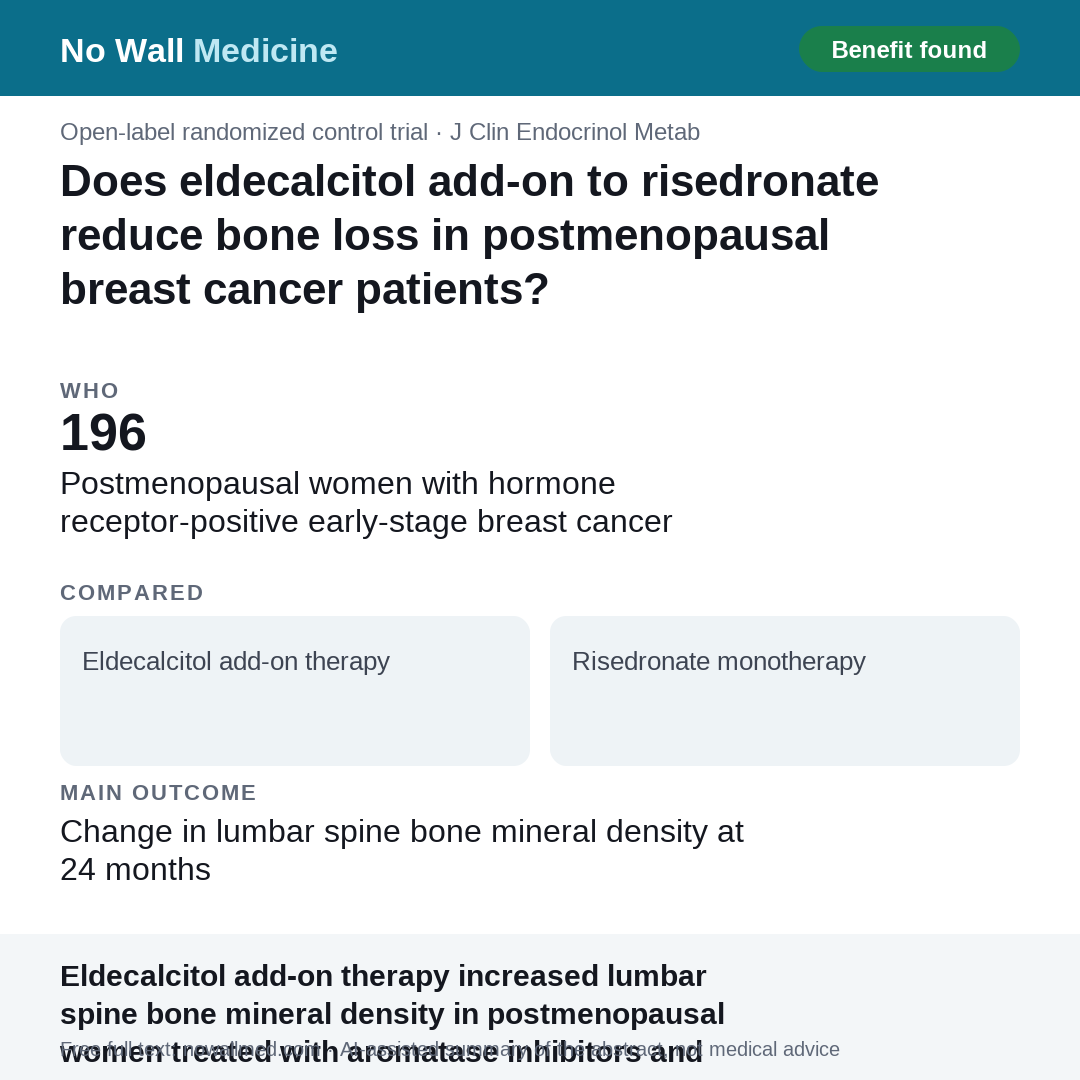
Eldecalcitol Add-on to Risedronate Reduces Bone Loss From Aromatase Inhibitors in Postmenopausal Breast Cancer Patients
Open-label randomized control trialBenefit found
Does eldecalcitol add-on to risedronate reduce bone loss in postmenopausal breast cancer patients?
Who
196
Postmenopausal women with hormone receptor-positive early-stage breast cancer treated with risedronate
Compared
Eldecalcitol add-on therapy
Risedronate monotherapy
Main outcome
Change in lumbar spine bone mineral density at 24 months
Result: 0.020 g/cm2 [95% CI: 0.010-0.029 g/cm2]
Bottom line: Eldecalcitol add-on therapy increased lumbar spine bone mineral density in postmenopausal women treated with aromatase inhibitors and risedronate.
J Clin Endocrinol Metab · 2025-01-15Download image
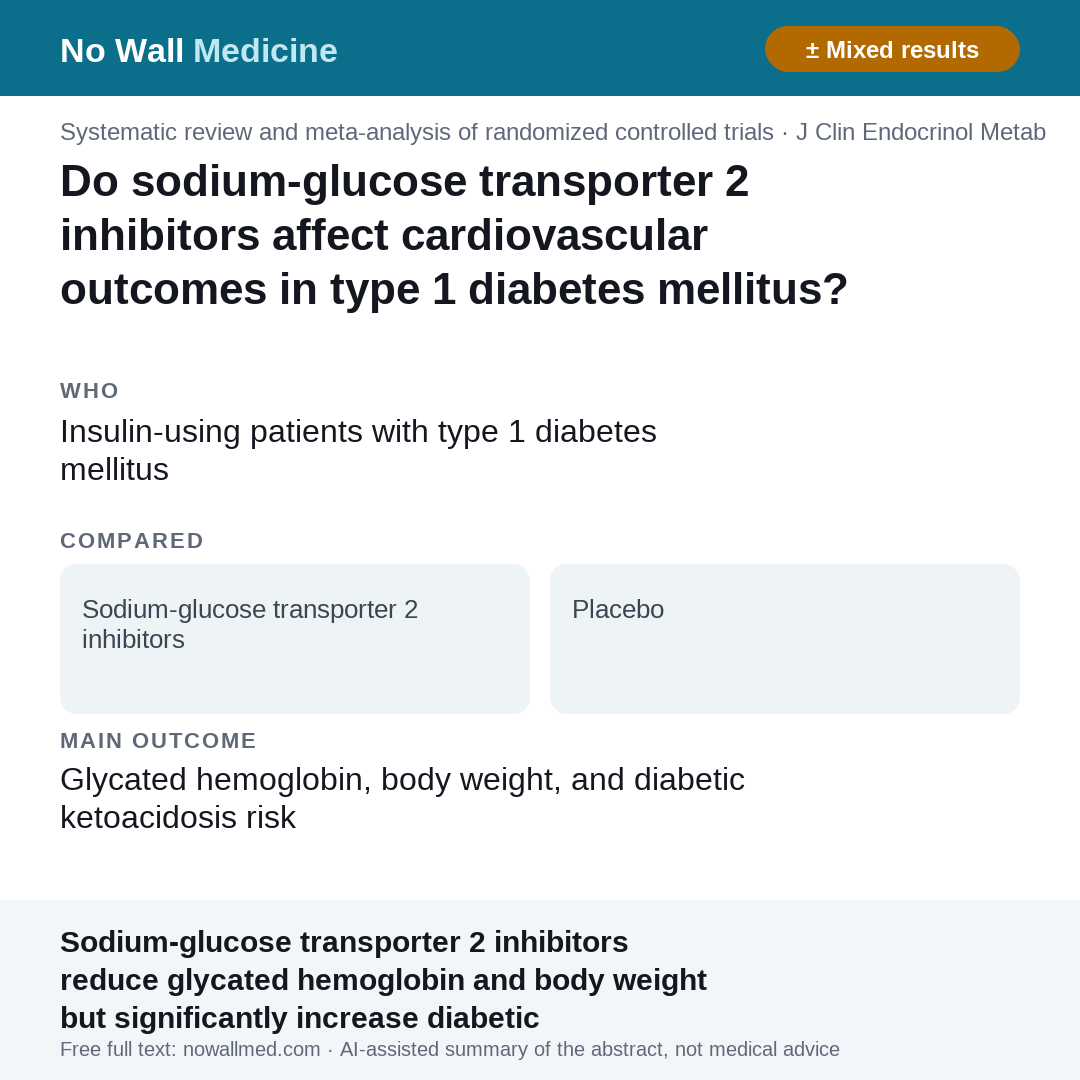
Effect of Sodium-glucose Transporter 2 Inhibitors on Cardiovascular Outcomes in Type 1 Diabetes Mellitus: A Systematic Review and Meta-analysis of Randomized Controlled Trials
Systematic review and meta-analysis of randomized controlled trialsMixed results
Do sodium-glucose transporter 2 inhibitors affect cardiovascular outcomes in type 1 diabetes mellitus?
Who
Insulin-using patients with type 1 diabetes mellitus
Compared
Sodium-glucose transporter 2 inhibitors
Placebo
Main outcome
Glycated hemoglobin, body weight, and diabetic ketoacidosis risk
Result: risk ratio 4.45 (95% CI 2.81-7.05) for diabetic ketoacidosis
Bottom line: Sodium-glucose transporter 2 inhibitors reduce glycated hemoglobin and body weight but significantly increase diabetic ketoacidosis risk.
J Clin Endocrinol Metab · 2025-01-15Download image
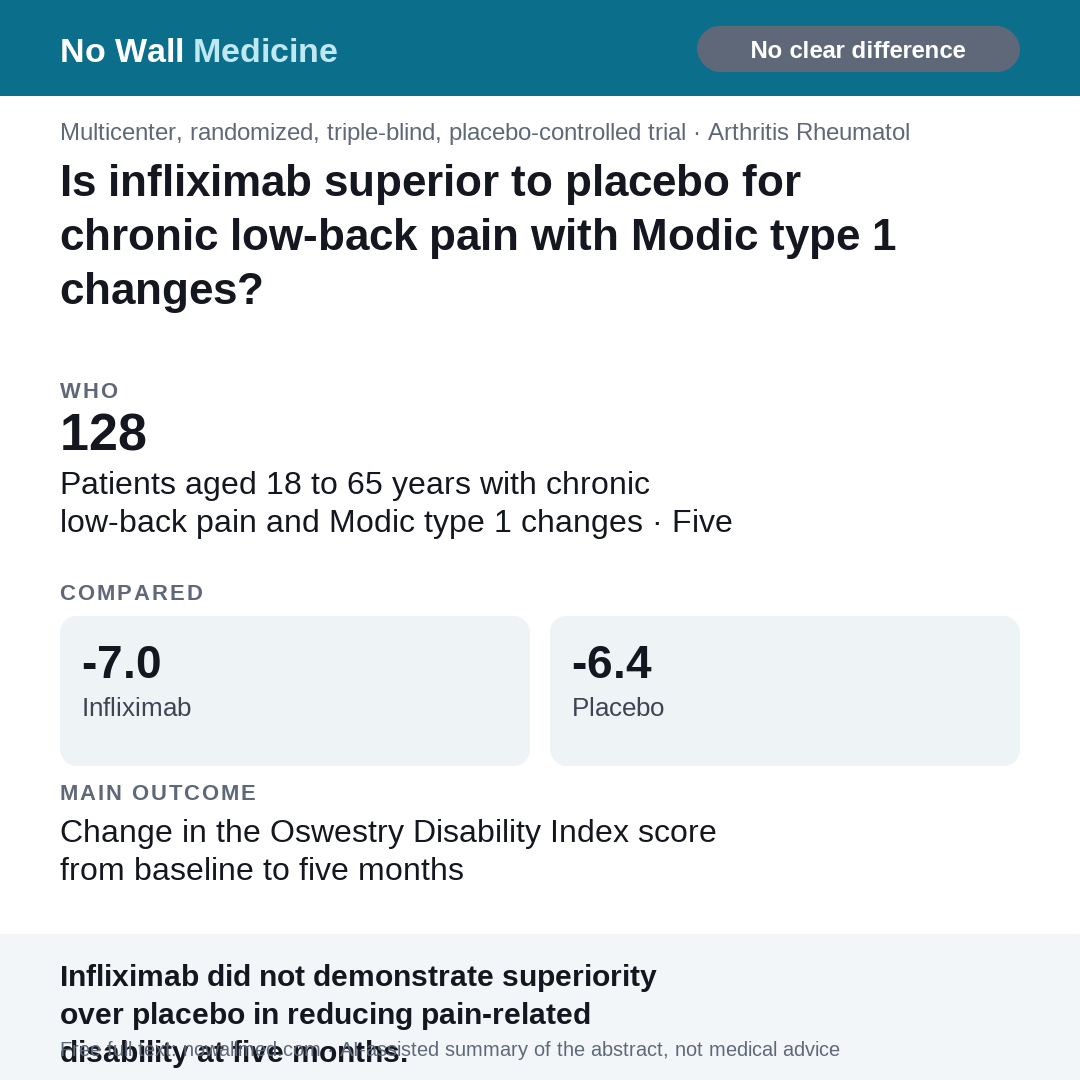
Efficacy of a Tumor Necrosis Factor Inhibitor in Chronic Low-Back Pain With Modic Type 1 Changes: A Randomized Controlled Trial
Multicenter, randomized, triple-blind, placebo-controlled trialNo clear difference
Is infliximab superior to placebo for chronic low-back pain with Modic type 1 changes?
Who
128
Patients aged 18 to 65 years with chronic low-back pain and Modic type 1 changes · Five Norwegian public hospitals
Compared
-7.0Infliximab (±9.7)
-6.4Placebo (±10.4)
Main outcome
Change in the Oswestry Disability Index score from baseline to five months
Result: 1.3 ODI points (95% confidence interval -2.1 to 4.6)
Bottom line: Infliximab did not demonstrate superiority over placebo in reducing pain-related disability at five months.
Arthritis Rheumatol · 2025-01-15Download image
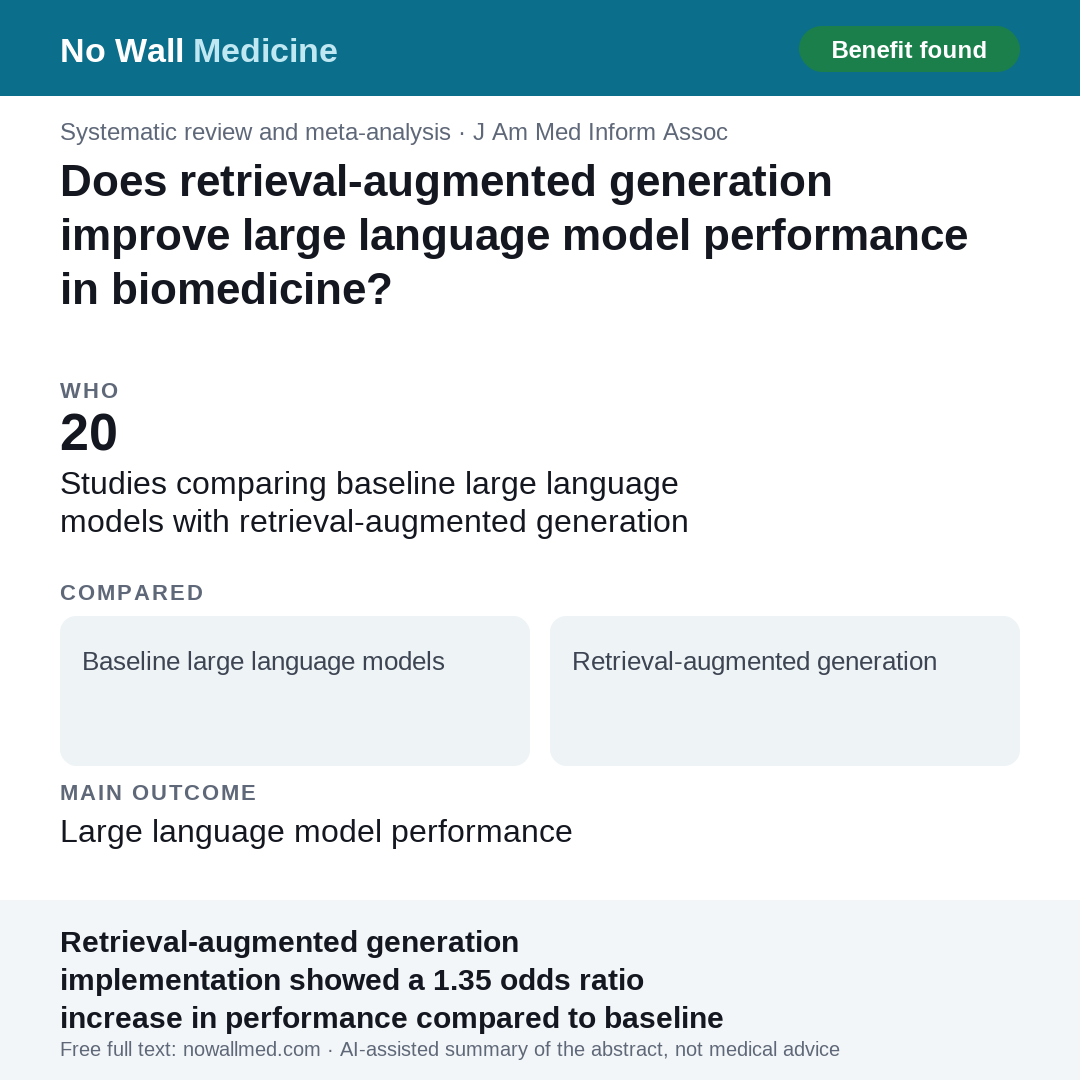
Improving large language model applications in biomedicine with retrieval-augmented generation: a systematic review, meta-analysis, and clinical development guidelines
Systematic review and meta-analysisBenefit found
Does retrieval-augmented generation improve large language model performance in biomedicine?
Who
20
Studies comparing baseline large language models with retrieval-augmented generation
Compared
Baseline large language models
Retrieval-augmented generation
Main outcome
Large language model performance
Result: odds ratio 1.35 (95% CI 1.19-1.53)
Bottom line: Retrieval-augmented generation implementation showed a 1.35 odds ratio increase in performance compared to baseline large language models.
J Am Med Inform Assoc · 2025-01-15Download image
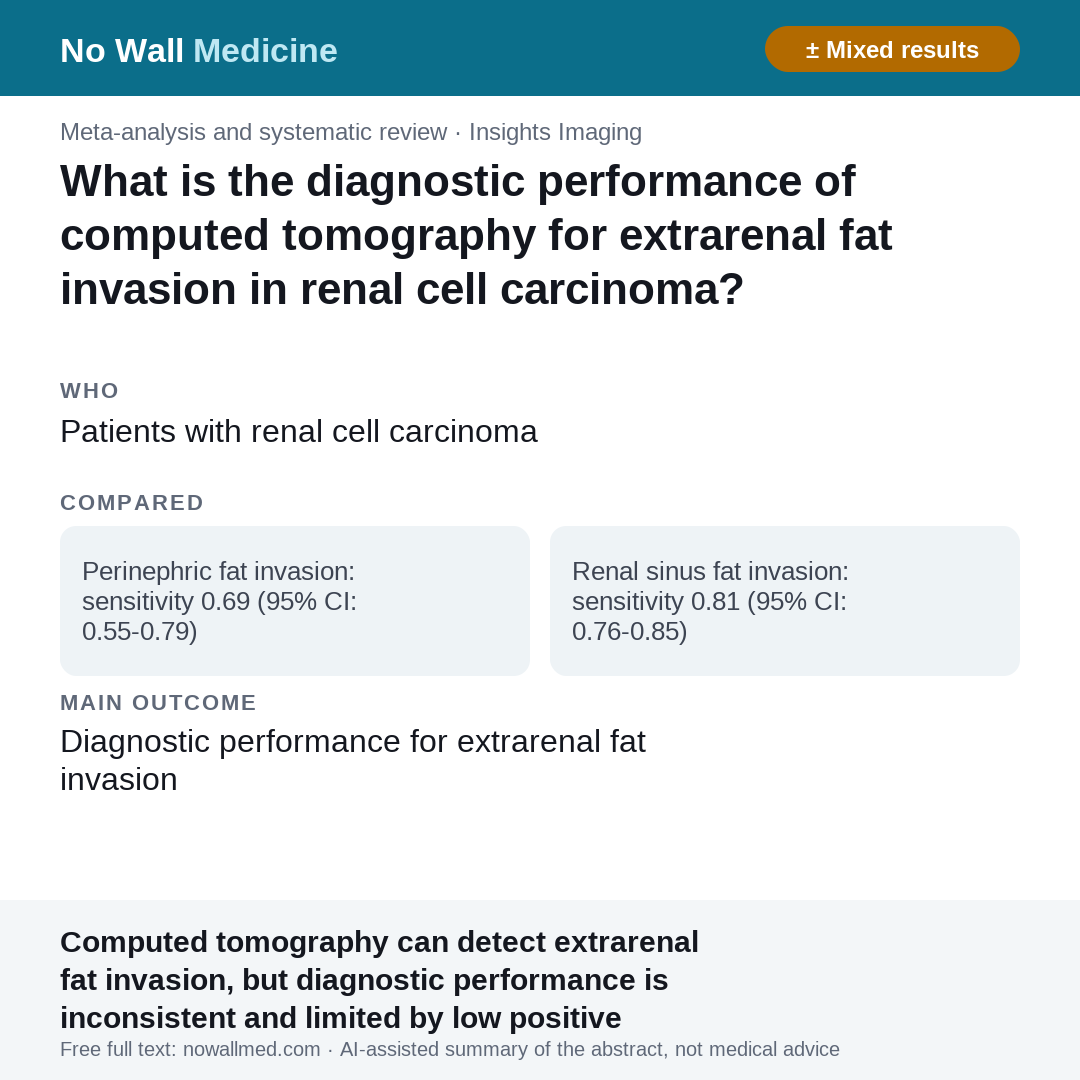
Diagnostic performance of CT for extrarenal fat invasion in renal cell carcinoma: a meta-analysis and systematic review
Meta-analysis and systematic reviewMixed results
What is the diagnostic performance of computed tomography for extrarenal fat invasion in renal cell carcinoma?
Who
Patients with renal cell carcinoma
Compared
Perinephric fat invasion: sensitivity 0.69 (95% CI: 0.55-0.79)
Renal sinus fat invasion: sensitivity 0.81 (95% CI: 0.76-0.85)
Main outcome
Diagnostic performance for extrarenal fat invasion
Bottom line: Computed tomography can detect extrarenal fat invasion, but diagnostic performance is inconsistent and limited by low positive sample rates.
Limitation: Low positive sample in the current studies and low positive likelihood ratio.
Insights Imaging · 2025-01-15Download image
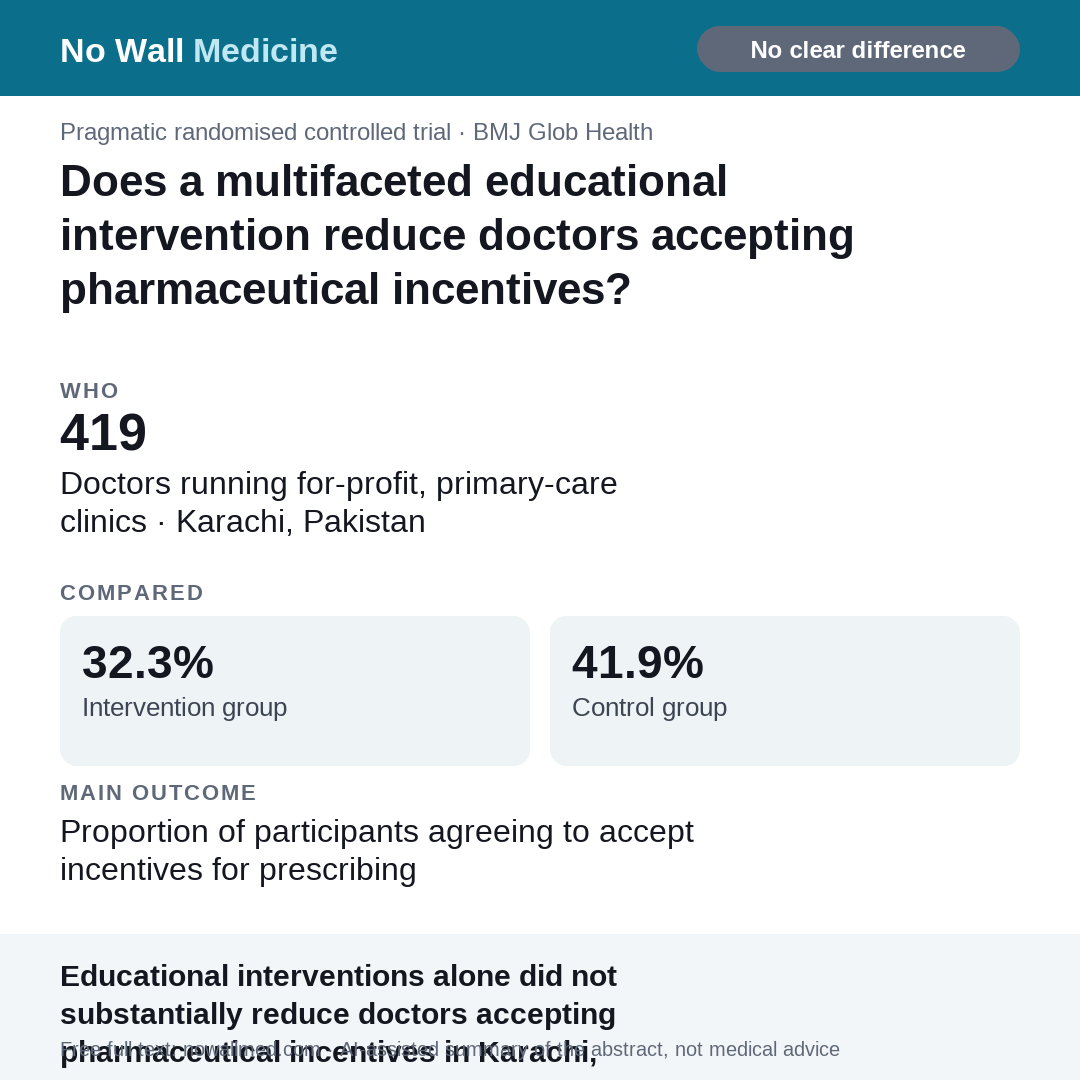
Doctors taking bribes from pharmaceutical companies is common and not substantially reduced by an educational intervention: a pragmatic randomised controlled trial in Pakistan
Pragmatic randomised controlled trialNo clear difference
Does a multifaceted educational intervention reduce doctors accepting pharmaceutical incentives?
Who
419
Doctors running for-profit, primary-care clinics · Karachi, Pakistan
Compared
32.3%Intervention group
41.9%Control group
Main outcome
Proportion of participants agreeing to accept incentives for prescribing
Result: odds ratio 0.70 (95% CI 0.40 to 1.20)
Bottom line: Educational interventions alone did not substantially reduce doctors accepting pharmaceutical incentives in Karachi, Pakistan.
BMJ Glob Health · 2025-01-15Download image
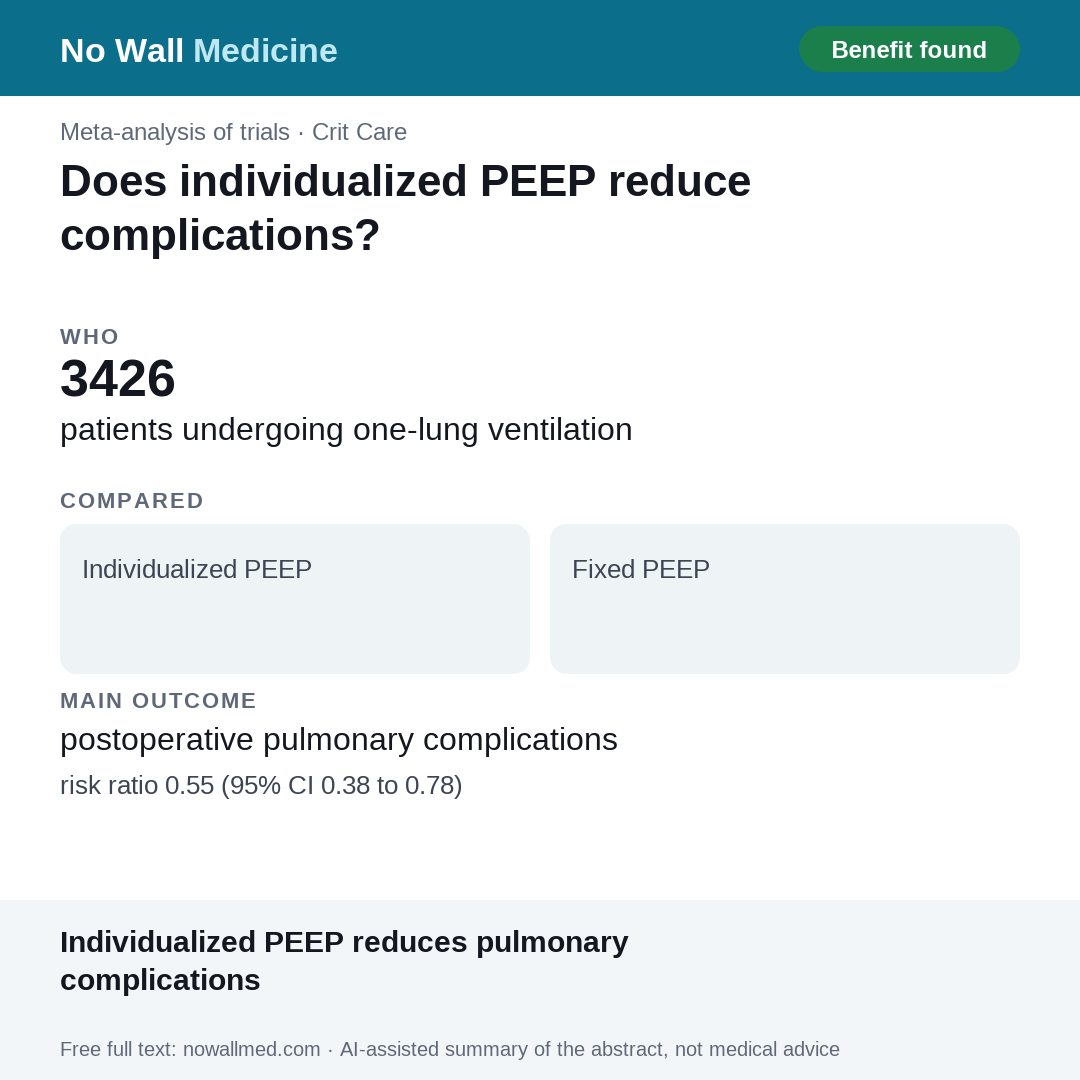
Individualized PEEP titration by lung compliance during one-lung ventilation: a meta-analysis
Meta-analysis of trialsBenefit found
Does individualized PEEP reduce complications?
Who
3426
patients undergoing one-lung ventilation
Compared
Individualized PEEP
Fixed PEEP
Main outcome
postoperative pulmonary complications
Result: risk ratio 0.55 (95% CI 0.38 to 0.78)
Bottom line: Individualized PEEP reduces pulmonary complications
Crit Care · 2025-01-15Download image
One-year results of an eHealth intervention on anxiety in patients undergoing abdominal aortic aneurysm surgery: randomized clinical trial
Randomized clinical trialNo clear difference
Does an eHealth intervention maintain anxiety-lowering effects one year after abdominal aortic aneurysm surgery?
Who
120
Patients scheduled for surgical repair of abdominal aortic aneurysm · Single-centre
Compared
-0.33eHealth intervention and psychosocial support
-0.35Standard care and follow-up
Main outcome
Anxiety mean score (Hospital Anxiety and Depression Scale-Anxiety)
Result: P = 0.868
Bottom line: The eHealth intervention did not result in a sustained reduction in anxiety symptoms compared with standard care at one year.
Limitation: Limited acceptability of an eHealth tool in people with abdominal aortic aneurysm
BJS Open · 2025-01-15Download image
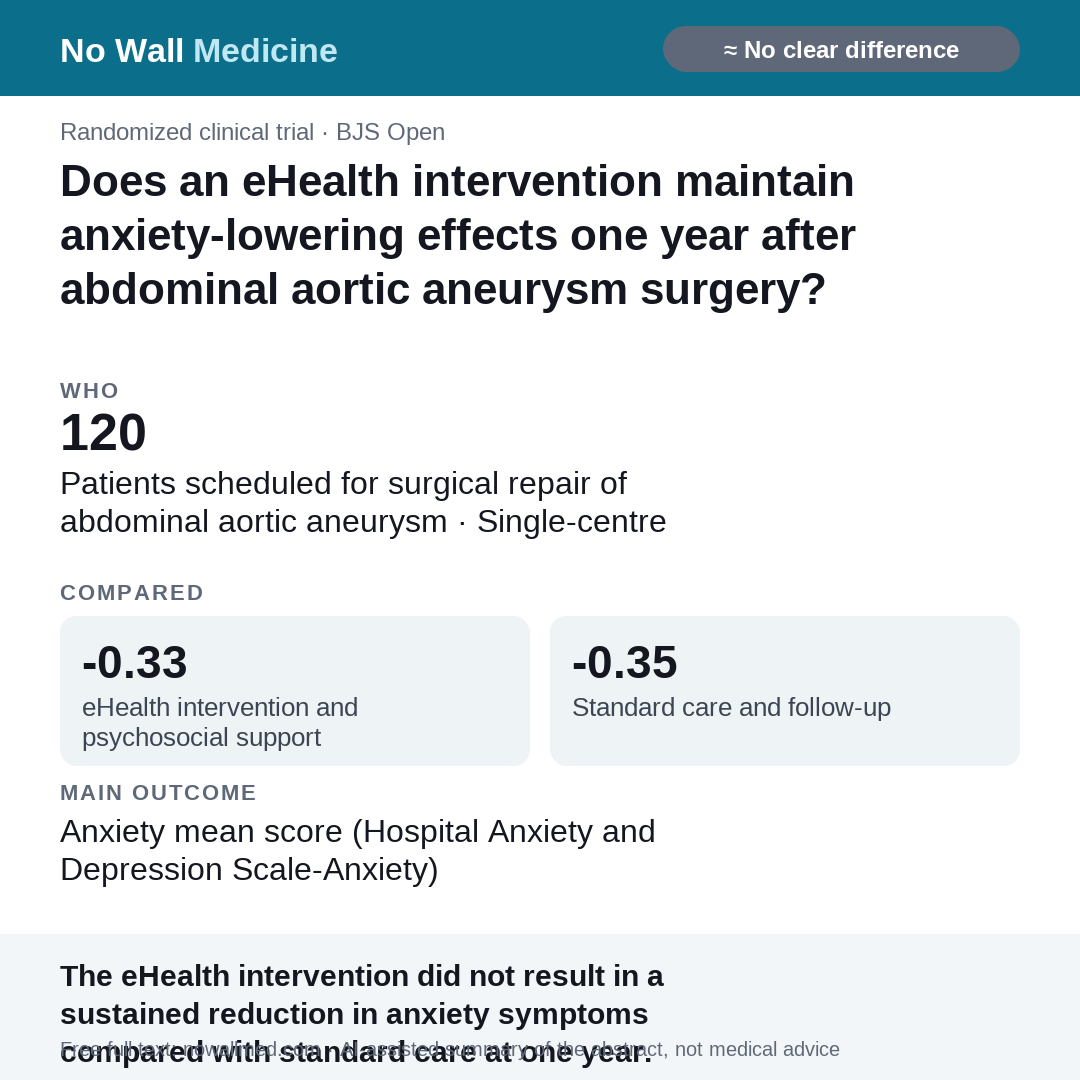
Patient-Centered mHealth Intervention to Improve Self-Care in Patients With Chronic Heart Failure: Phase 1 Randomized Controlled Trial
Phase 1 randomized controlled trialUnclear result
Does the iCardia4HF mHealth intervention improve self-care in patients with chronic heart failure?
Who
27
Patients with stage C heart failure, aged 40 years or older
Compared
iCardia4HF plus usual care: maintenance Cohen d=0.19 (95% CI -0.65 to 1.02)
usual care only
Main outcome
change in heart failure self-care subscale scores
Result: maintenance Cohen d=0.19 (95% CI -0.65 to 1.02)
Bottom line: The iCardia4HF mHealth intervention was feasible, acceptable, and safe, but a larger trial is needed to confirm efficacy.
J Med Internet Res · 2025-01-15Download image
CLINTERVENTIONAL protocol: a randomized controlled trial to evaluate clinical consultations and audiovisual tools for interventional radiology
Single-center randomized controlled trialUnclear result
Do clinical consultations and audiovisual tools improve patient outcomes in interventional radiology?
Who
428
Patients undergoing interventional radiology procedures · Single-center
Compared
Control group
Experimental group
Main outcome
Patient knowledge, satisfaction, and anxiety
Bottom line: This protocol describes a trial to evaluate consultations and videos for interventional radiology patients.
Eur Radiol Exp · 2025-01-15Download image
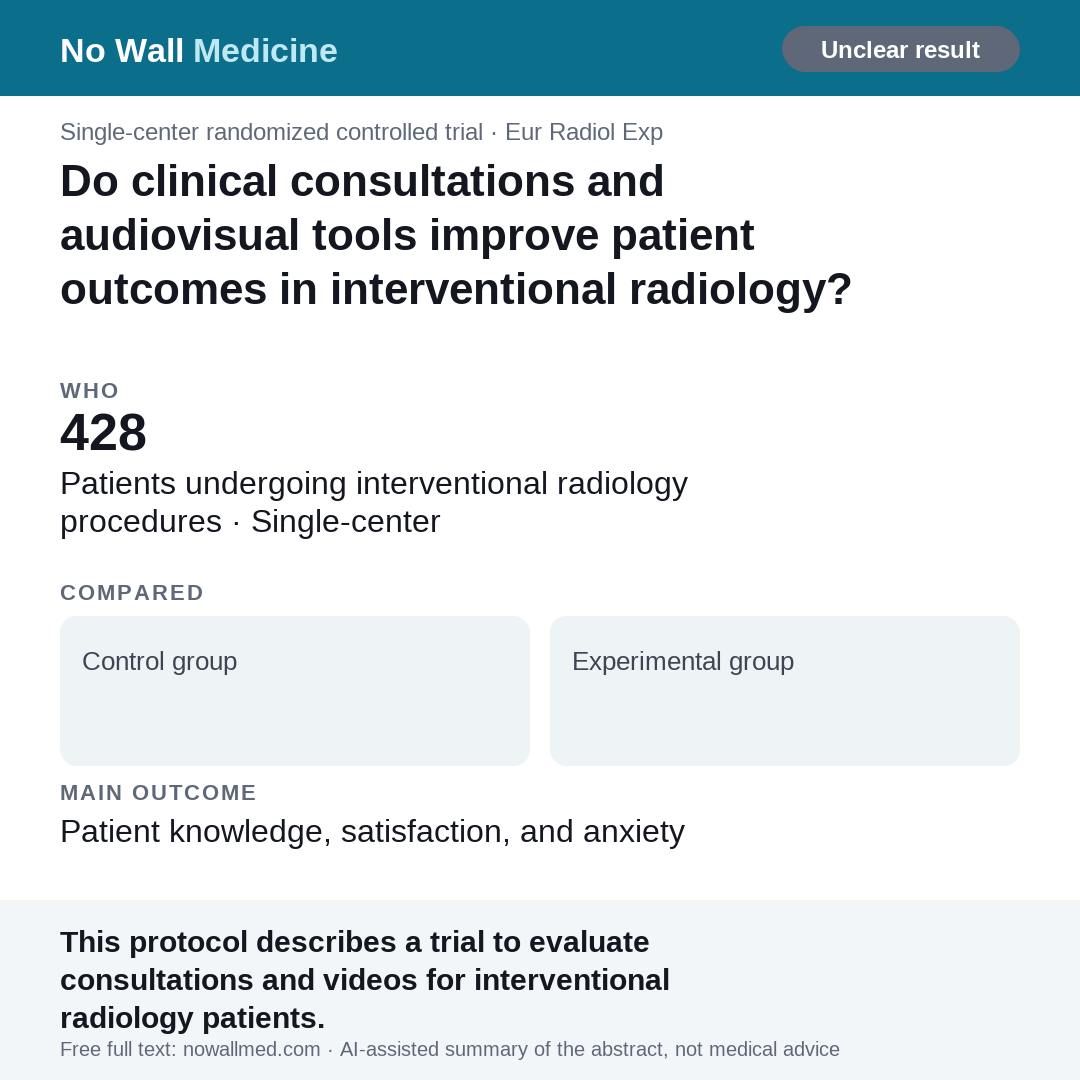
Screening for Osteoporosis to Prevent Fractures: A Systematic Evidence Review for the US Preventive Services Task Force
Systematic evidence reviewBenefit found
Does osteoporosis screening prevent hip and major osteoporotic fractures?
Who
42009
Older, higher-risk women
Compared
Screening
Usual care
Main outcome
Hip, clinical vertebral, major osteoporotic, and total fractures
Result: pooled relative risk 0.83 (95% CI 0.73-0.93) for hip fractures
Bottom line: Screening in higher-risk women 65 years or older was associated with small absolute risk reduction in hip and major fractures.
Limitation: No evidence evaluated screening with bone mineral density alone or screening in men or younger women.
JAMA · 2025-01-14Download image
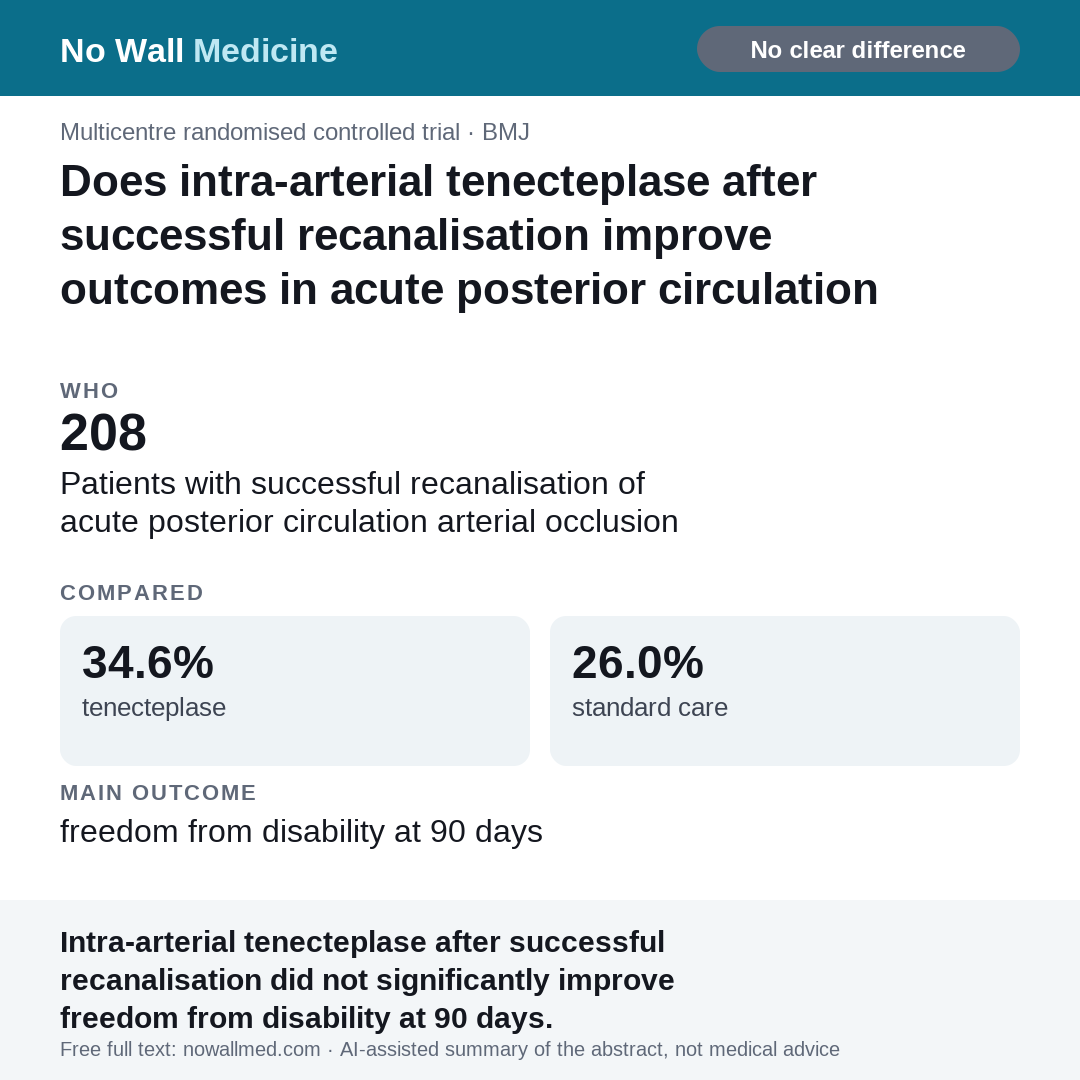
Intra-arterial tenecteplase after successful endovascular recanalisation in patients with acute posterior circulation arterial occlusion (ATTENTION-IA): multicentre randomised controlled trial
Multicentre randomised controlled trialNo clear difference
Does intra-arterial tenecteplase after successful recanalisation improve outcomes in acute posterior circulation occlusion?
Who
208
Patients with successful recanalisation of acute posterior circulation arterial occlusion · 31 hospitals in China
Compared
34.6%tenecteplase
26.0%standard care
Main outcome
freedom from disability at 90 days
Result: adjusted risk ratio 1.36 (95% confidence interval 0.92 to 2.02)
Bottom line: Intra-arterial tenecteplase after successful recanalisation did not significantly improve freedom from disability at 90 days.
BMJ · 2025-01-14Download image
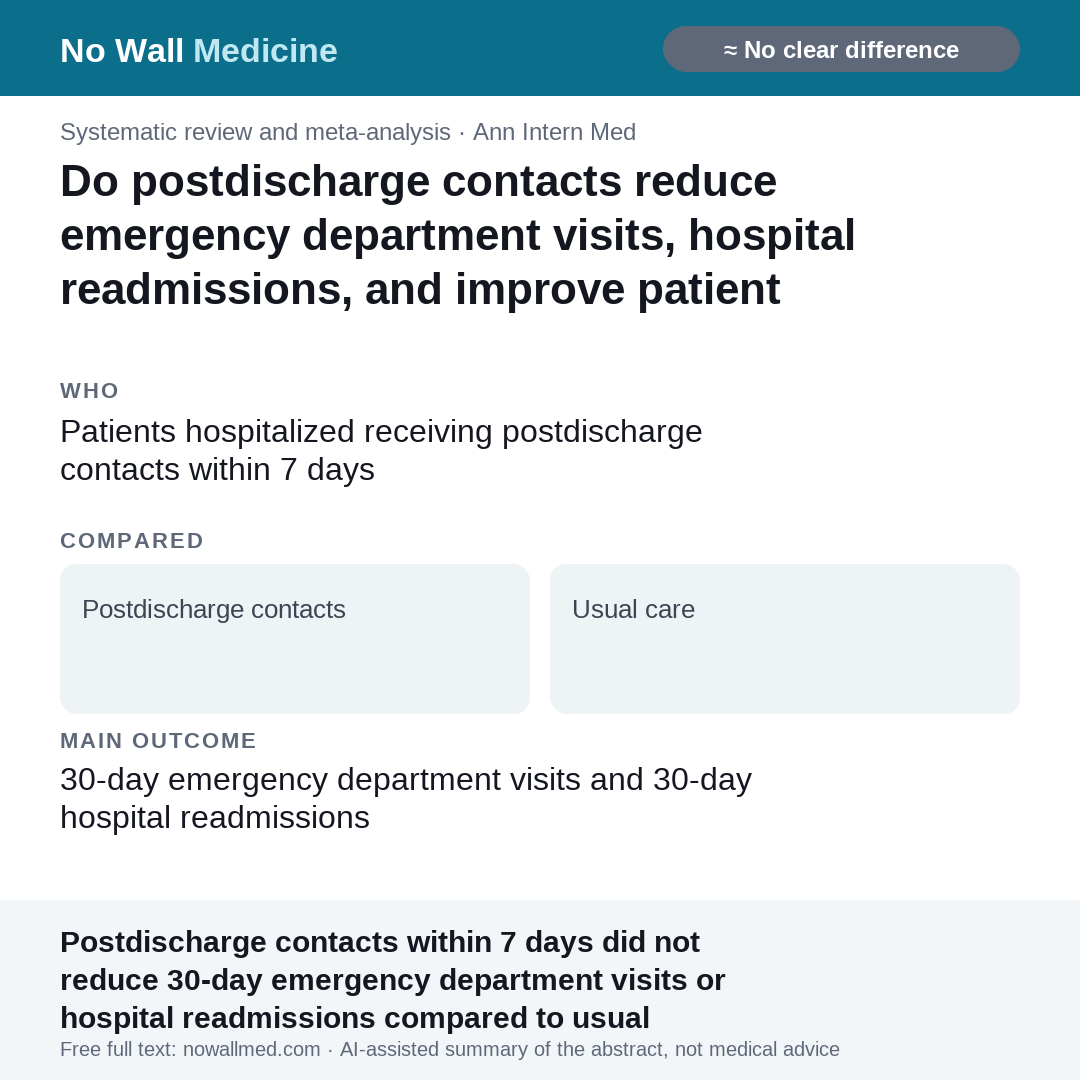
Effectiveness of Synchronous Postdischarge Contacts on Health Care Use and Patient Satisfaction : A Systematic Review and Meta-analysis
Systematic review and meta-analysisNo clear difference
Do postdischarge contacts reduce emergency department visits, hospital readmissions, and improve patient satisfaction?
Who
Patients hospitalized receiving postdischarge contacts within 7 days
Compared
Postdischarge contacts
Usual care
Main outcome
30-day emergency department visits and 30-day hospital readmissions
Result: risk difference 0.00 (95% CI -0.02 to 0.03) for emergency department visits; risk difference 0.00 (CI -0.02 to 0.02) for hospital readmissions
Bottom line: Postdischarge contacts within 7 days did not reduce 30-day emergency department visits or hospital readmissions compared to usual care.
Limitation: Adherence and fidelity to postdischarge contact interventions were poorly described.
Funded by: Department of Veterans Affairs
Ann Intern Med · 2025-01-14Download image
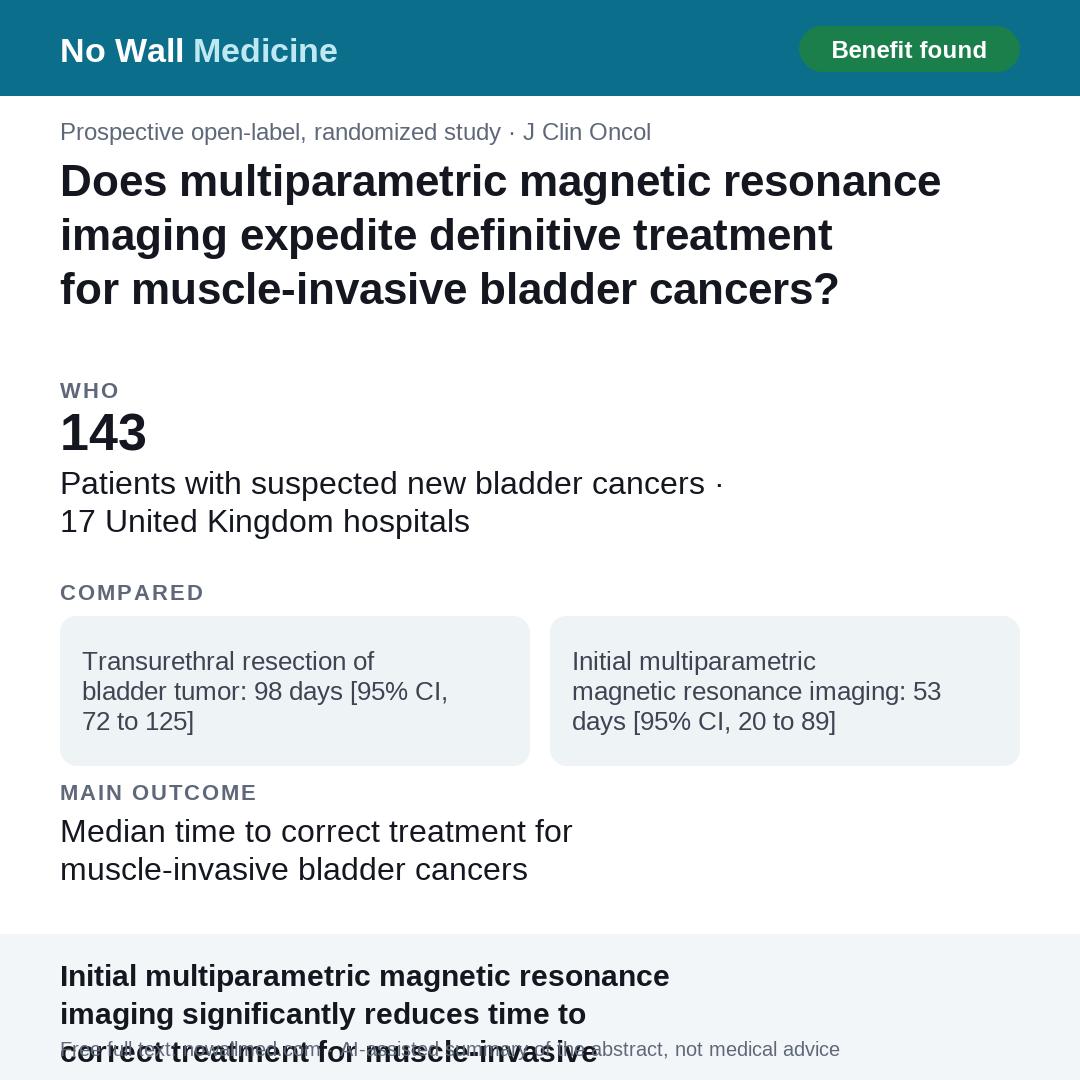
Randomized Comparison of Magnetic Resonance Imaging Versus Transurethral Resection for Staging New Bladder Cancers: Results From the Prospective BladderPath Trial
Prospective open-label, randomized studyBenefit found
Does multiparametric magnetic resonance imaging expedite definitive treatment for muscle-invasive bladder cancers?
Who
143
Patients with suspected new bladder cancers · 17 United Kingdom hospitals
Compared
Transurethral resection of bladder tumor: 98 days [95% CI, 72 to 125]
Initial multiparametric magnetic resonance imaging: 53 days [95% CI, 20 to 89]
Main outcome
Median time to correct treatment for muscle-invasive bladder cancers
Result: 53 days [95% CI, 20 to 89] vs 98 days [95% CI, 72 to 125]
Bottom line: Initial multiparametric magnetic resonance imaging significantly reduces time to correct treatment for muscle-invasive bladder cancers compared to transurethral resection.
J Clin Oncol · 2025-01-14Download image
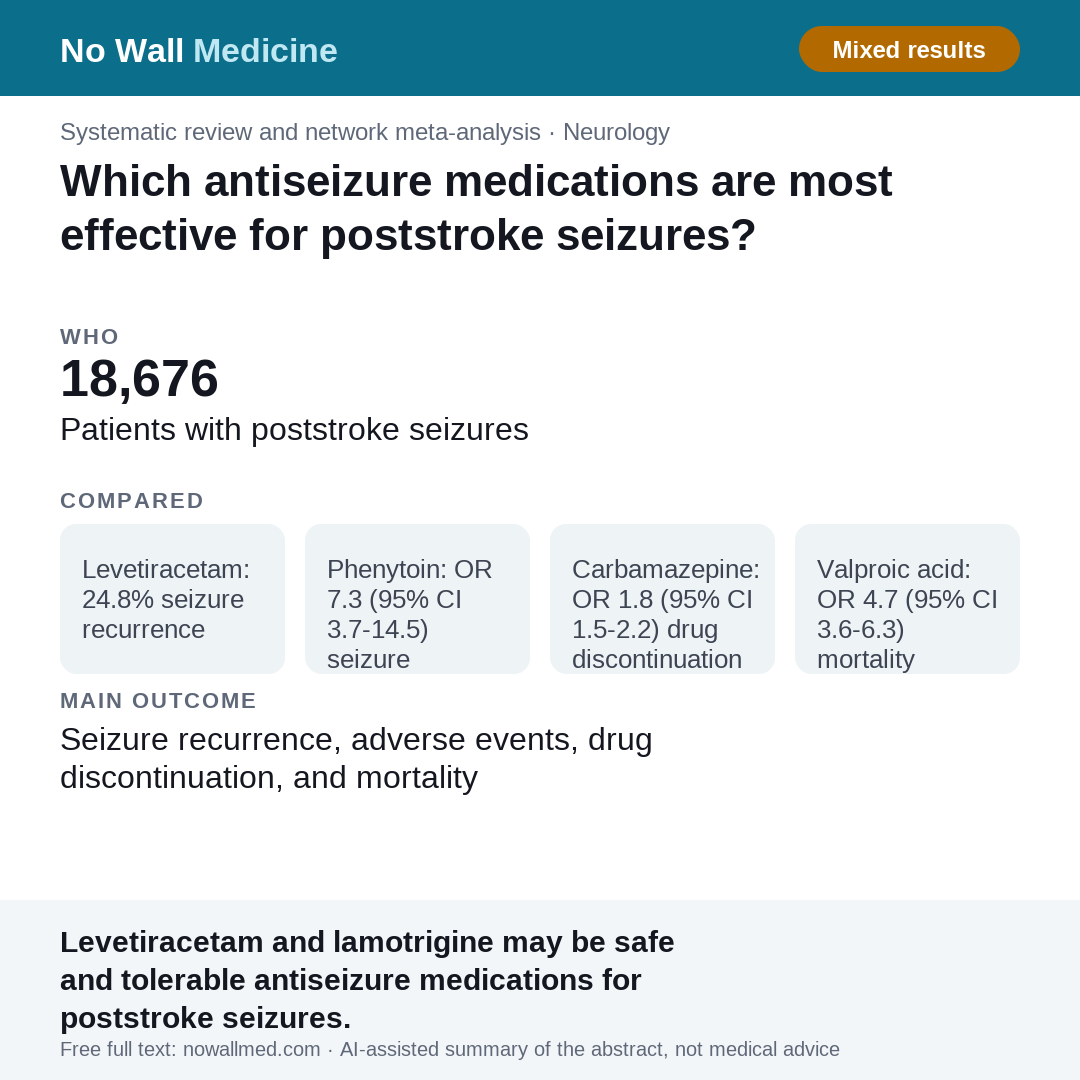
Antiseizure Medications in Poststroke Seizures: A Systematic Review and Network Meta-Analysis
Systematic review and network meta-analysisMixed results
Which antiseizure medications are most effective for poststroke seizures?
Who
18,676
Patients with poststroke seizures
Compared
Levetiracetam: 24.8% seizure recurrence
Phenytoin: OR 7.3 (95% CI 3.7-14.5) seizure recurrence
Carbamazepine: OR 1.8 (95% CI 1.5-2.2) drug discontinuation
Valproic acid: OR 4.7 (95% CI 3.6-6.3) mortality
Main outcome
Seizure recurrence, adverse events, drug discontinuation, and mortality
Bottom line: Levetiracetam and lamotrigine may be safe and tolerable antiseizure medications for poststroke seizures.
Limitation: Findings should be interpreted cautiously owing to bias and confounding risks.
Neurology · 2025-01-14Download image