Visual abstracts
New randomized trials and meta-analyses from leading journals at a glance: who was studied, what was compared, and what was found. Every paper is free to read in full.
All specialtiesCardiology 4832Oncology 4114Gastroenterology & Hepatology 1934Infectious Disease 3824Neurology 1899Psychiatry & Mental Health 2256Pulmonology 2082Critical Care 1345Endocrinology & Diabetes 2572Pediatrics 2940Surgery 2525Orthopedics & Sports Medicine 926Neurosurgery 534Cardiothoracic & Vascular Surgery 671Plastic & Reconstructive Surgery 591Nephrology 1124Rheumatology 823Hematology 1104Dermatology 620Ophthalmology 543Obstetrics & Gynecology 1684Public & Global Health 1056Radiology & Imaging 641Anesthesiology 962Urology 754ENT (Otolaryngology) 503Emergency Medicine 489Allergy & Immunology 313Geriatrics 981Family Medicine & Primary Care 541Medical Genetics & Genomics 675Pathology & Laboratory Medicine 157Physical Medicine & Rehabilitation 751Palliative Care 424Nutrition 1580Digital Health & AI 2195General Medicine 321
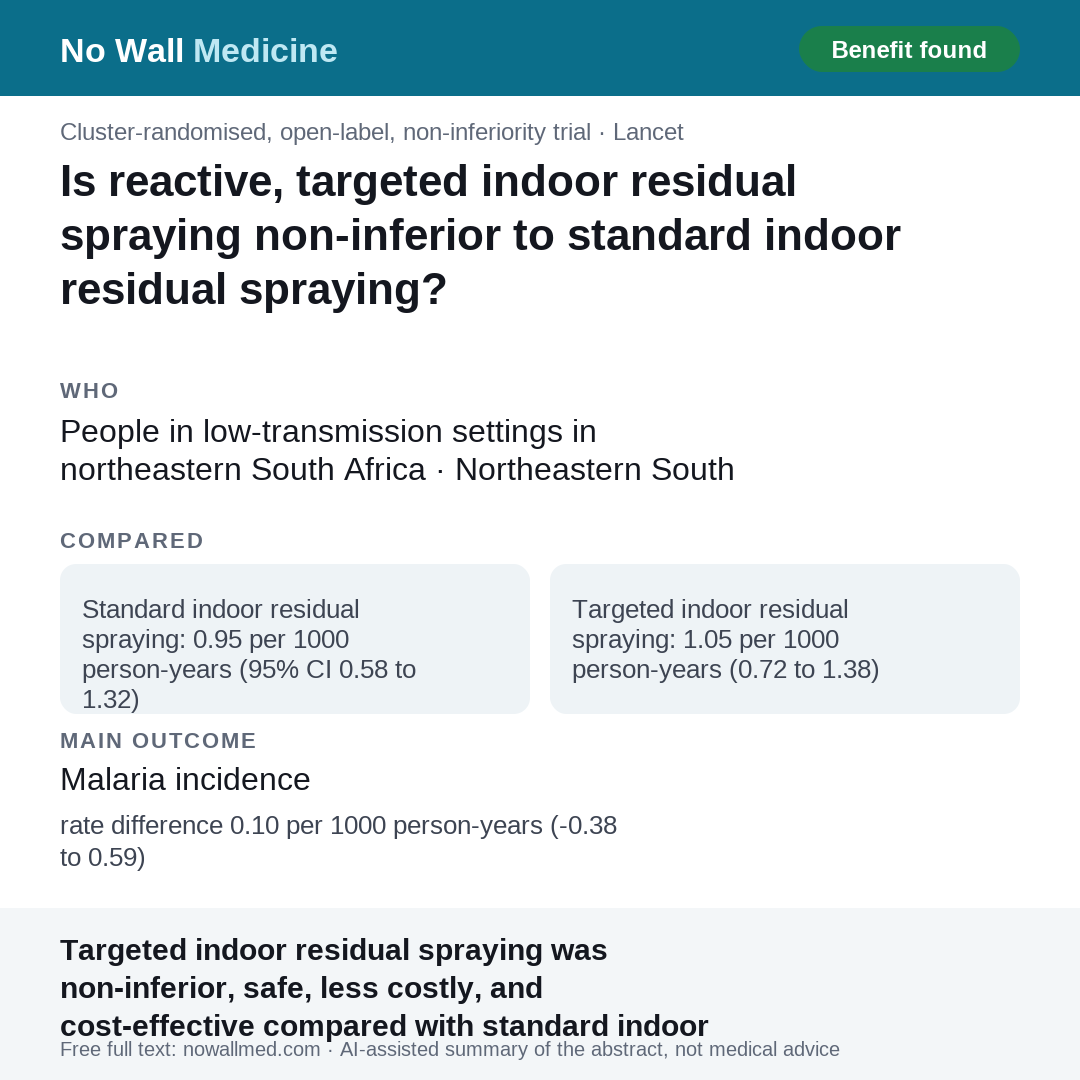
Effectiveness and cost-effectiveness of reactive, targeted indoor residual spraying for malaria control in low-transmission settings: a cluster-randomised, non-inferiority trial in South Africa
Cluster-randomised, open-label, non-inferiority trialBenefit found
Is reactive, targeted indoor residual spraying non-inferior to standard indoor residual spraying?
Who
People in low-transmission settings in northeastern South Africa · Northeastern South Africa
Compared
Standard indoor residual spraying: 0.95 per 1000 person-years (95% CI 0.58 to 1.32)
Targeted indoor residual spraying: 1.05 per 1000 person-years (0.72 to 1.38)
Main outcome
Malaria incidence
Result: rate difference 0.10 per 1000 person-years (-0.38 to 0.59)
Bottom line: Targeted indoor residual spraying was non-inferior, safe, less costly, and cost-effective compared with standard indoor residual spraying.
Funded by: Joint Global Health Trials
Lancet · 2021-02-28Download image
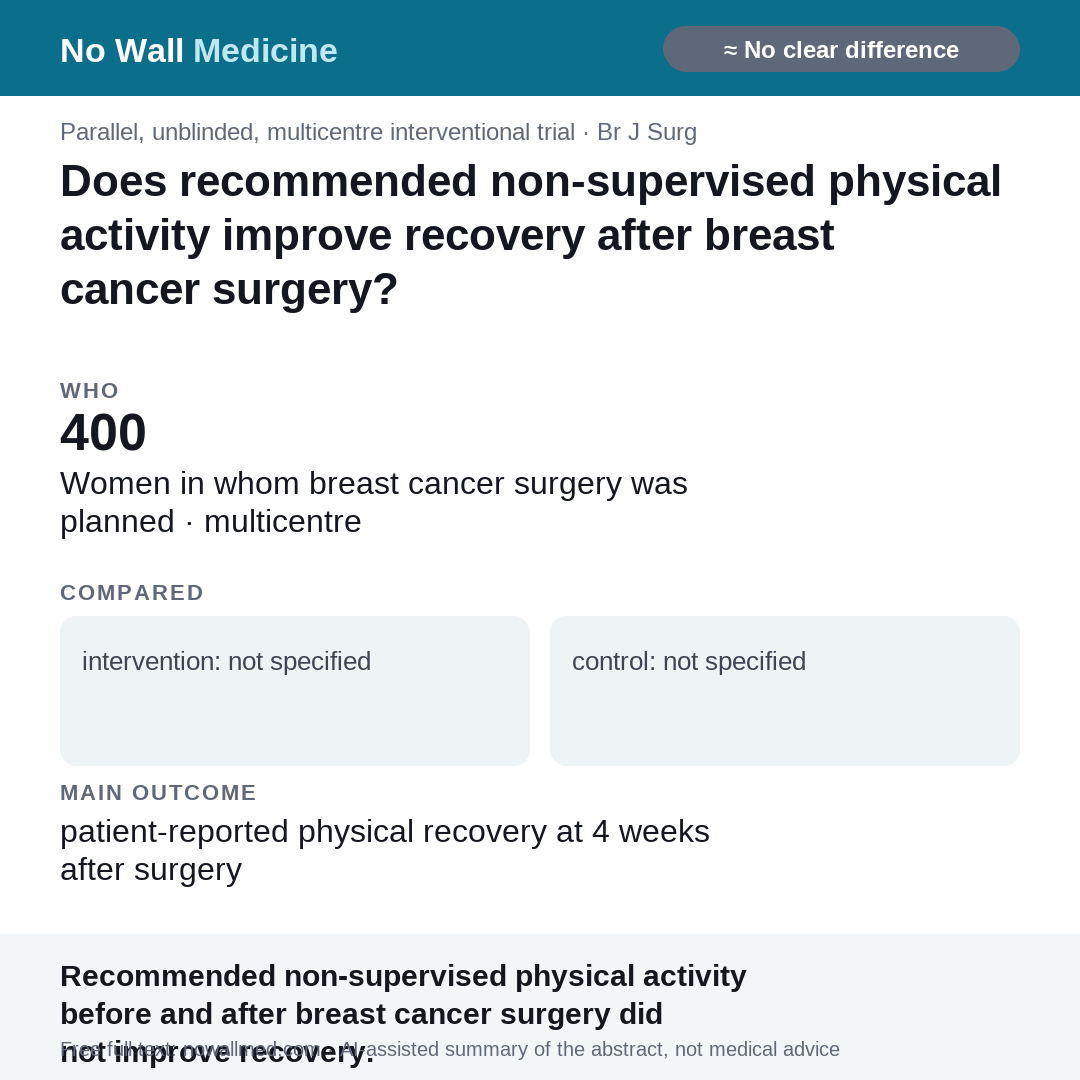
Recovery after breast cancer surgery following recommended pre and postoperative physical activity: (PhysSURG-B) randomized clinical trial
Parallel, unblinded, multicentre interventional trialNo clear difference
Does recommended non-supervised physical activity improve recovery after breast cancer surgery?
Who
400
Women in whom breast cancer surgery was planned · multicentre
Compared
intervention: not specified
control: not specified
Main outcome
patient-reported physical recovery at 4 weeks after surgery
Result: risk ratio 1.03 (95 per cent c.i. 0.95 to 1.13)
Bottom line: Recommended non-supervised physical activity before and after breast cancer surgery did not improve recovery.
Br J Surg · 2021-02-28Download image
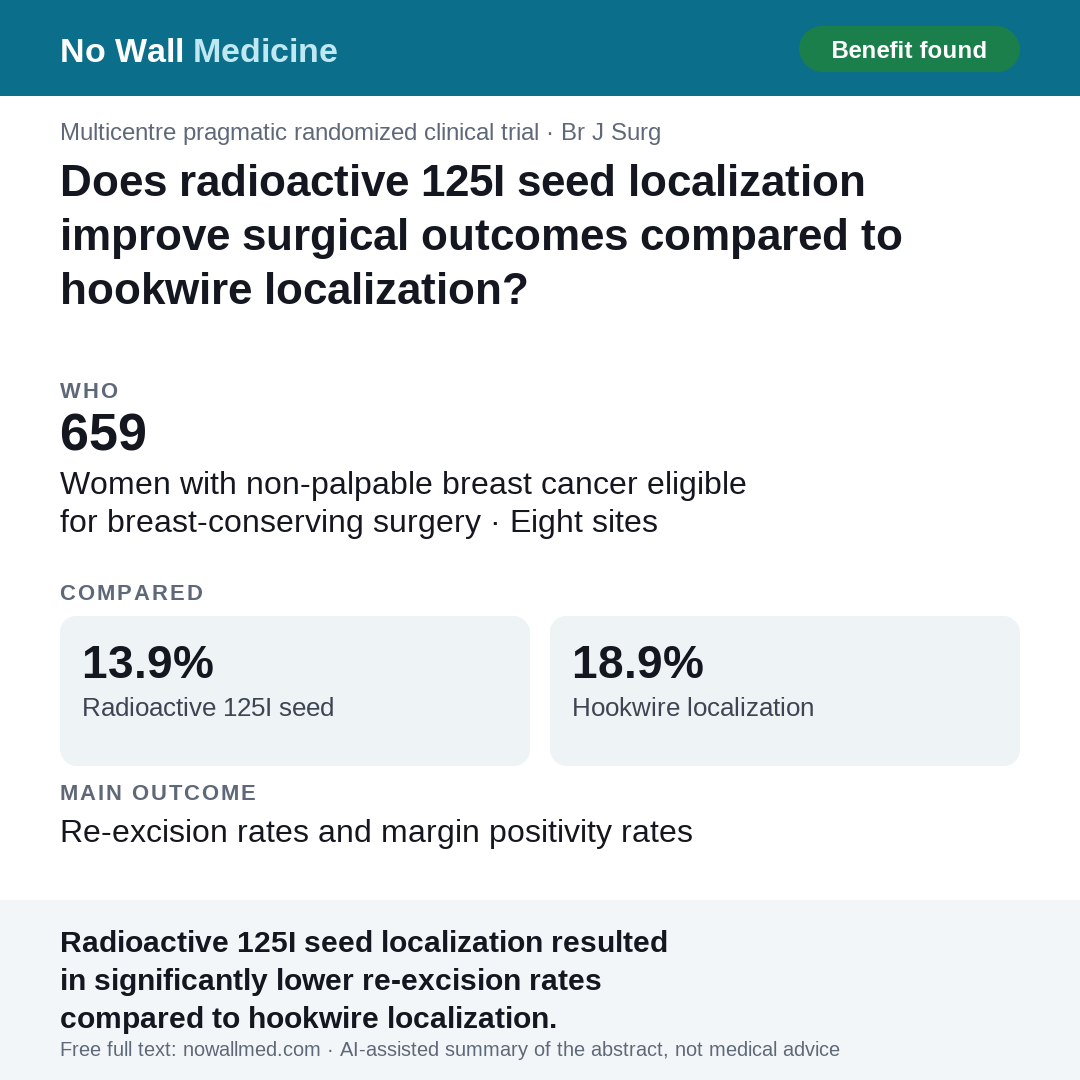
Surgical outcomes after radioactive 125I seed versus hookwire localization of non-palpable breast cancer: a multicentre randomized clinical trial
Multicentre pragmatic randomized clinical trialBenefit found
Does radioactive 125I seed localization improve surgical outcomes compared to hookwire localization?
Who
659
Women with non-palpable breast cancer eligible for breast-conserving surgery · Eight sites
Compared
13.9%Radioactive 125I seed
18.9%Hookwire localization
Main outcome
Re-excision rates and margin positivity rates
Bottom line: Radioactive 125I seed localization resulted in significantly lower re-excision rates compared to hookwire localization.
Br J Surg · 2021-02-28Download image
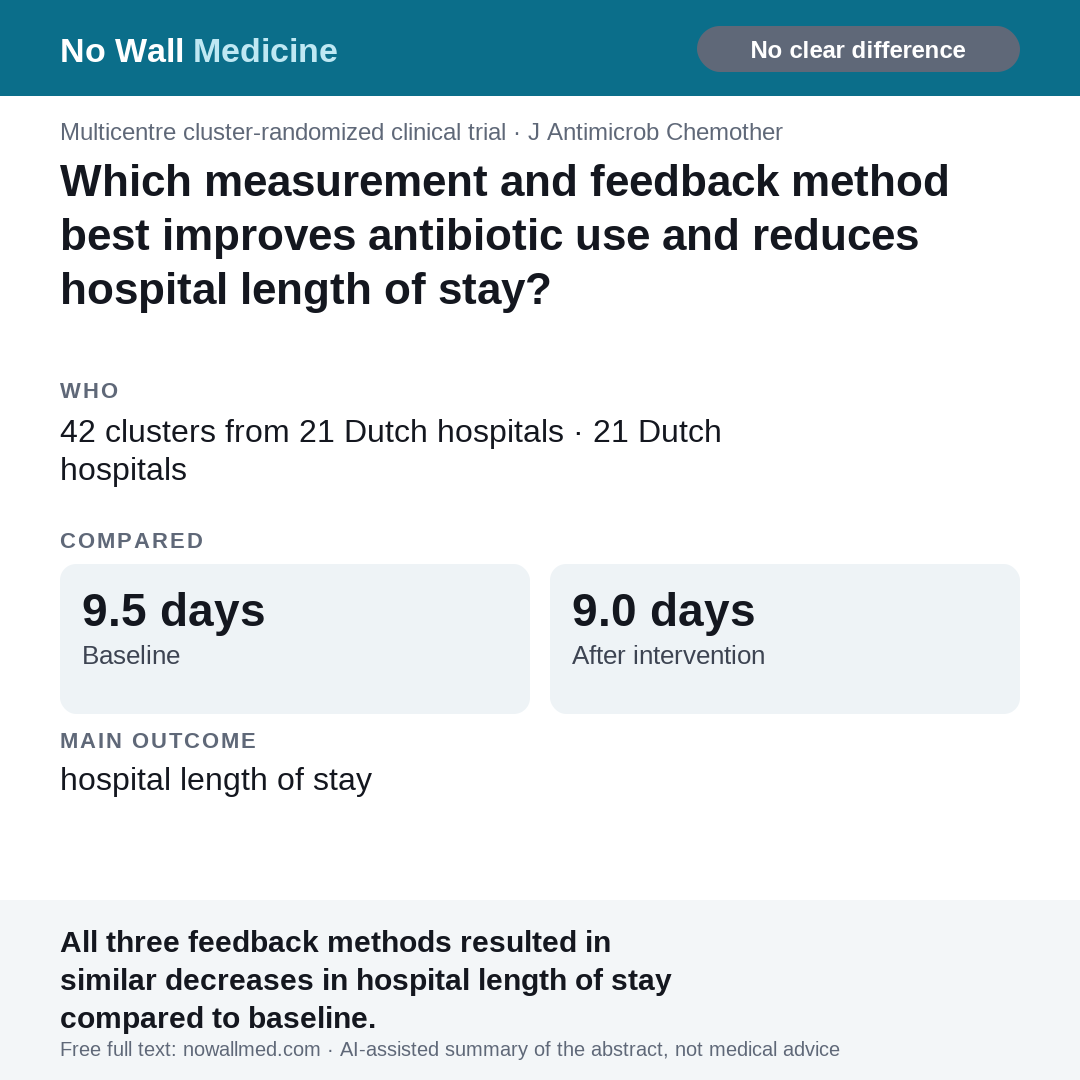
A multicentre cluster-randomized clinical trial to improve antibiotic use and reduce length of stay in hospitals: comparison of three measurement and feedback methods
Multicentre cluster-randomized clinical trialNo clear difference
Which measurement and feedback method best improves antibiotic use and reduces hospital length of stay?
Who
42 clusters from 21 Dutch hospitals · 21 Dutch hospitals
Compared
9.5 daysBaseline (95% CI 8.9-10.1)
9.0 daysAfter intervention (95% CI 8.5-9.6)
Main outcome
hospital length of stay
Bottom line: All three feedback methods resulted in similar decreases in hospital length of stay compared to baseline.
J Antimicrob Chemother · 2021-02-28Download image
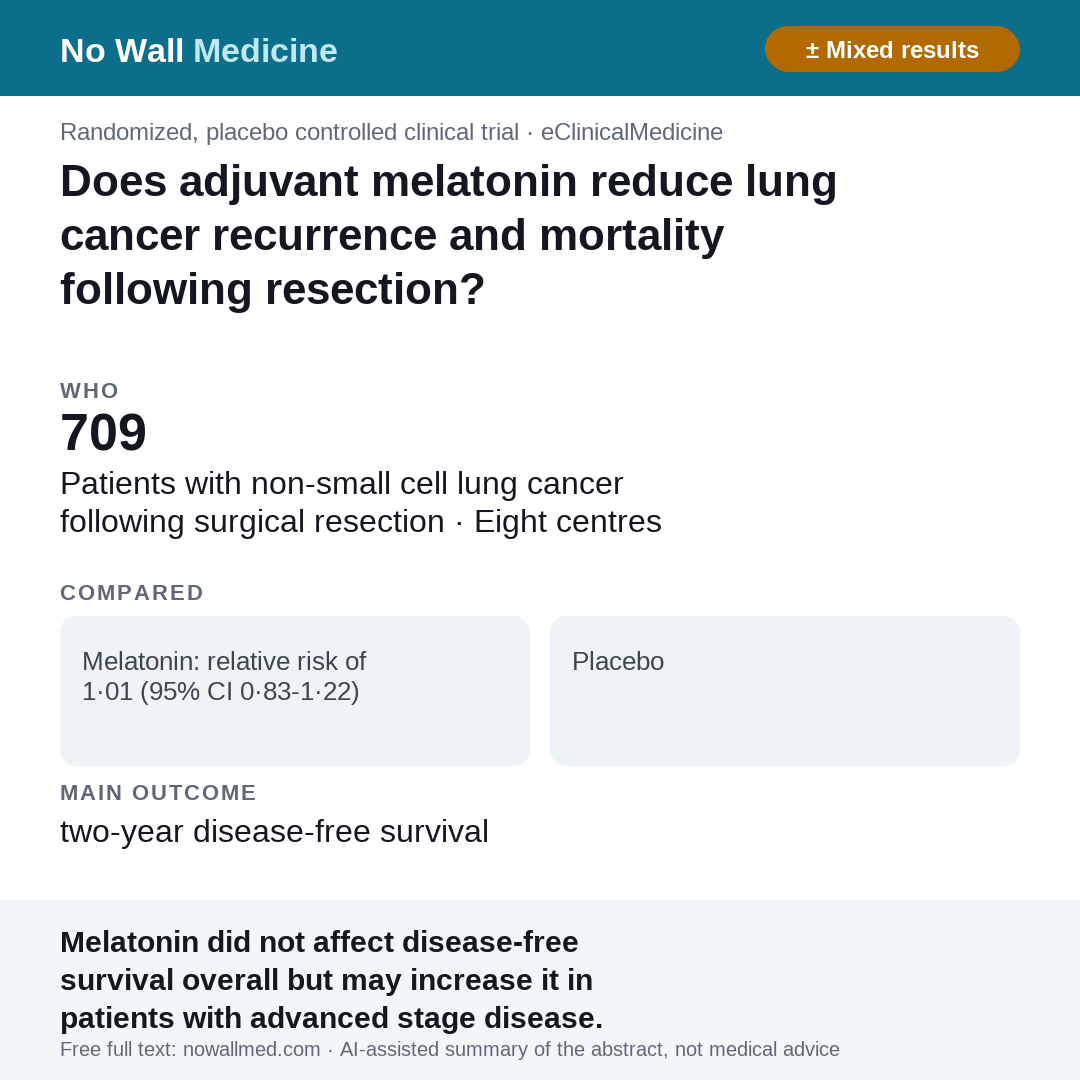
Adjuvant melatonin for the prevention of recurrence and mortality following lung cancer resection (AMPLCaRe): A randomized placebo controlled clinical trial
Randomized, placebo controlled clinical trialMixed results
Does adjuvant melatonin reduce lung cancer recurrence and mortality following resection?
Who
709
Patients with non-small cell lung cancer following surgical resection · Eight centres
Compared
Melatonin: relative risk of 1·01 (95% CI 0·83-1·22)
Placebo
Main outcome
two-year disease-free survival
Result: relative risk 1·01 (95% CI 0·83-1·22)
Bottom line: Melatonin did not affect disease-free survival overall but may increase it in patients with advanced stage disease.
Limitation: Further study is needed to confirm the positive result in late stage disease.
Funded by: Lotte and John Hecht Memorial Foundation and Gateway for Cancer Research Foundation
eClinicalMedicine · 2021-02-27Download image
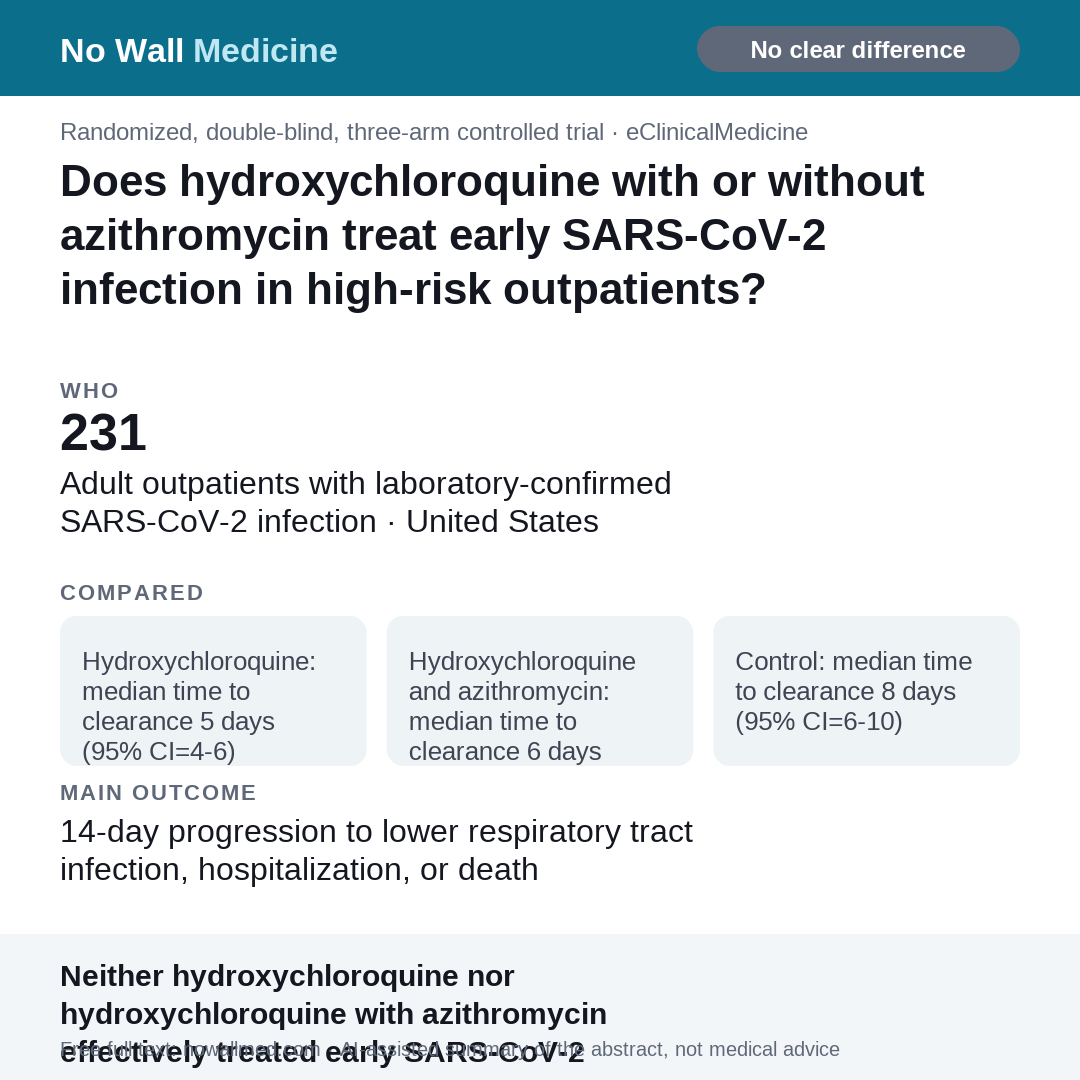
Hydroxychloroquine with or without azithromycin for treatment of early SARS-CoV-2 infection among high-risk outpatient adults: A randomized clinical trial
Randomized, double-blind, three-arm controlled trialNo clear difference
Does hydroxychloroquine with or without azithromycin treat early SARS-CoV-2 infection in high-risk outpatients?
Who
231
Adult outpatients with laboratory-confirmed SARS-CoV-2 infection · United States
Compared
Hydroxychloroquine: median time to clearance 5 days (95% CI=4-6)
Hydroxychloroquine and azithromycin: median time to clearance 6 days (95% CI=4-8)
Control: median time to clearance 8 days (95% CI=6-10)
Main outcome
14-day progression to lower respiratory tract infection, hospitalization, or death
Result: hazard ratio 1.62 (95% CI 1.01-2.60) for HCQ viral clearance
Bottom line: Neither hydroxychloroquine nor hydroxychloroquine with azithromycin effectively treated early SARS-CoV-2 infection in outpatients.
Funded by: Bill & Melinda Gates Foundation and NCATS/NIH
eClinicalMedicine · 2021-02-27Download image
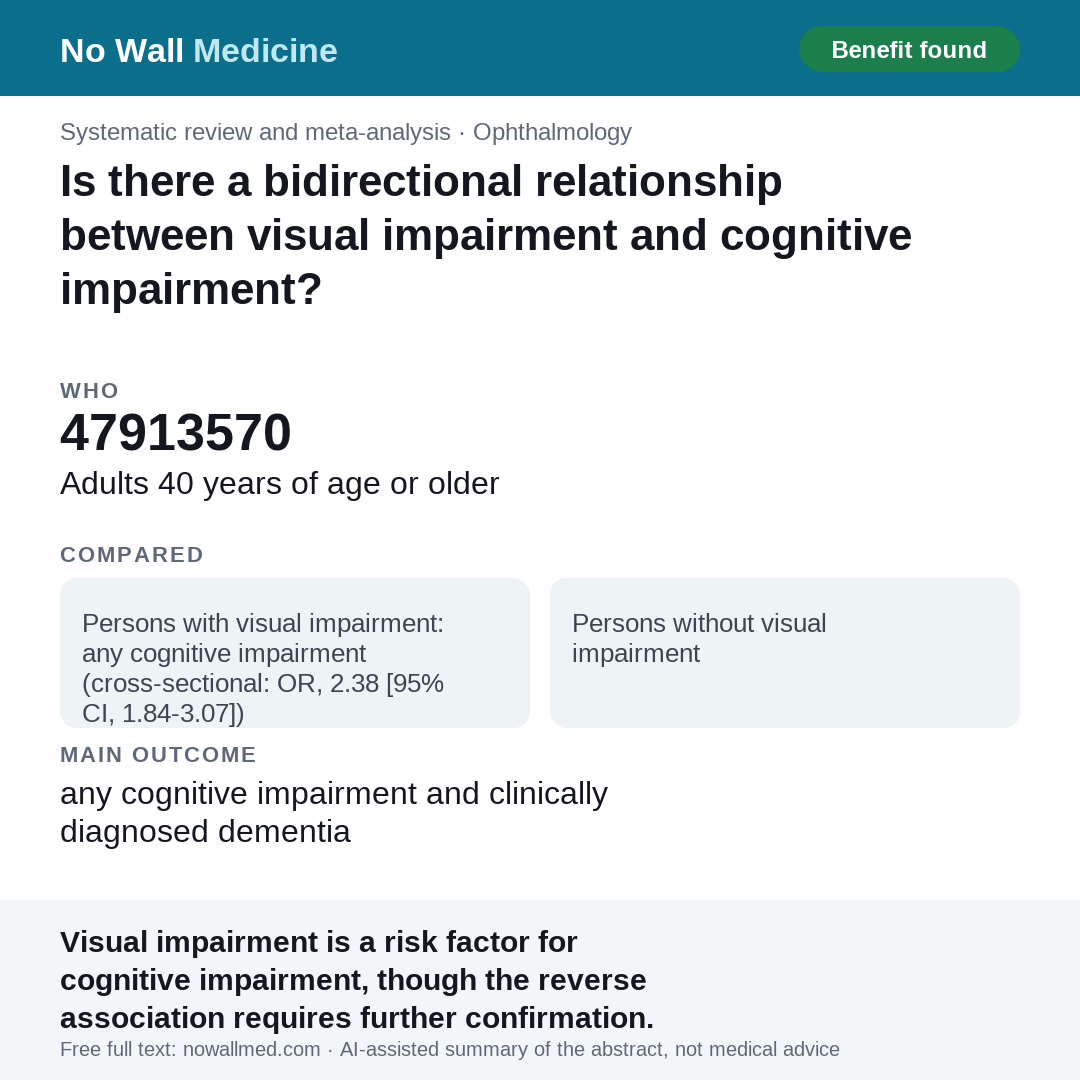
The Bidirectional Relationship between Vision and Cognition: A Systematic Review and Meta-analysis
Systematic review and meta-analysisBenefit found
Is there a bidirectional relationship between visual impairment and cognitive impairment?
Who
47913570
Adults 40 years of age or older
Compared
Persons with visual impairment: any cognitive impairment (cross-sectional: OR, 2.38 [95% CI, 1.84-3.07])
Persons without visual impairment
Main outcome
any cognitive impairment and clinically diagnosed dementia
Result: OR, 2.38 [95% CI, 1.84-3.07]
Bottom line: Visual impairment is a risk factor for cognitive impairment, though the reverse association requires further confirmation.
Limitation: Meta-analyses on cognitive impairment as a risk factor for visual impairment could not be conducted due to insufficient data.
Ophthalmology · 2021-02-27Download image
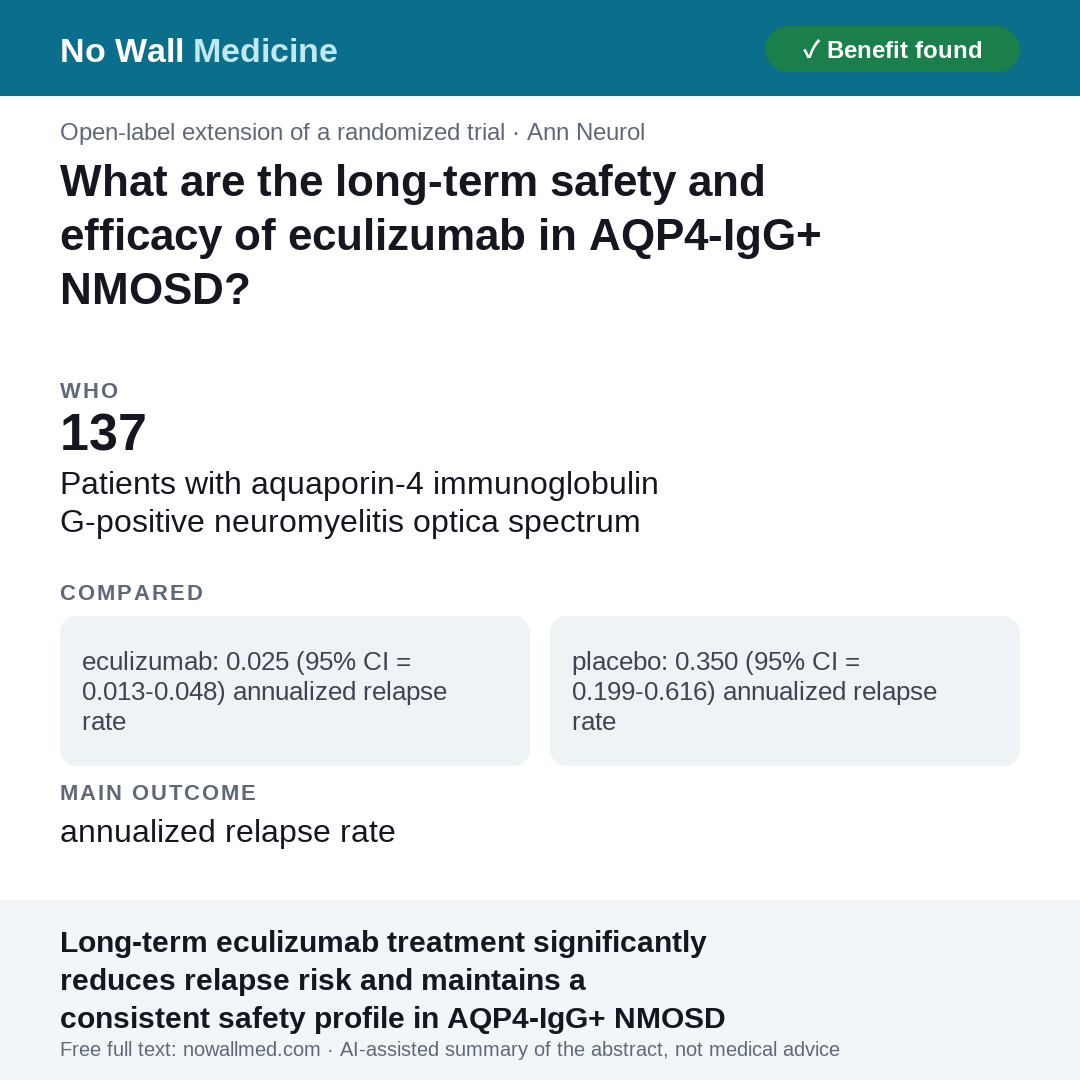
Long-Term Safety and Efficacy of Eculizumab in Aquaporin-4 IgG-Positive NMOSD
Open-label extension of a randomized trialBenefit found
What are the long-term safety and efficacy of eculizumab in AQP4-IgG+ NMOSD?
Who
137
Patients with aquaporin-4 immunoglobulin G-positive neuromyelitis optica spectrum disorder
Compared
eculizumab: 0.025 (95% CI = 0.013-0.048) annualized relapse rate
placebo: 0.350 (95% CI = 0.199-0.616) annualized relapse rate
Main outcome
annualized relapse rate
Result: 0.025 (95% CI = 0.013-0.048) versus 0.350 (95% CI = 0.199-0.616)
Bottom line: Long-term eculizumab treatment significantly reduces relapse risk and maintains a consistent safety profile in AQP4-IgG+ NMOSD patients.
Ann Neurol · 2021-02-27Download image
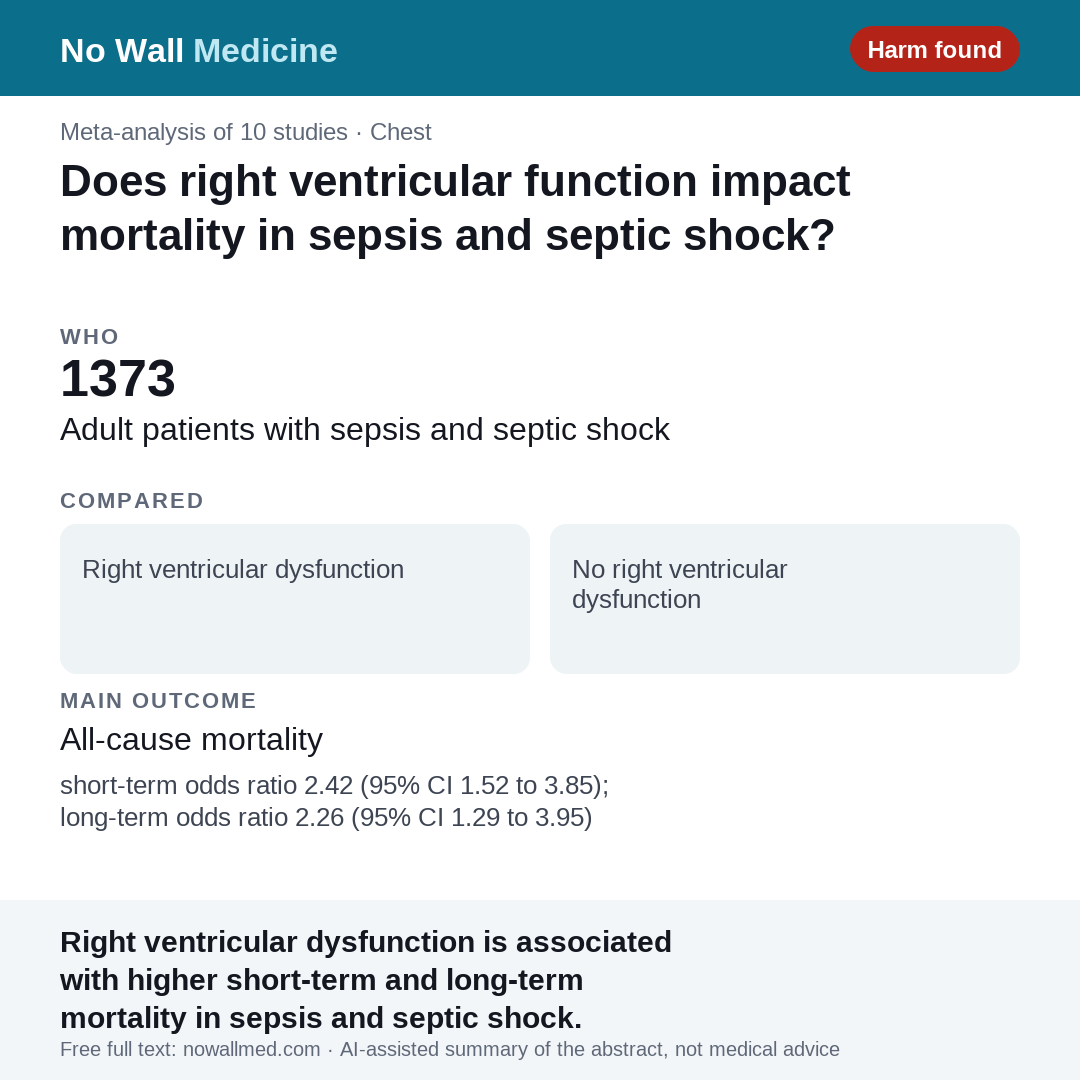
Impact of Right Ventricular Dysfunction on Short-term and Long-term Mortality in Sepsis: A Meta-analysis of 1,373 Patients
Meta-analysis of 10 studiesHarm found
Does right ventricular function impact mortality in sepsis and septic shock?
Who
1373
Adult patients with sepsis and septic shock
Compared
Right ventricular dysfunction
No right ventricular dysfunction
Main outcome
All-cause mortality
Result: short-term odds ratio 2.42 (95% CI 1.52 to 3.85); long-term odds ratio 2.26 (95% CI 1.29 to 3.95)
Bottom line: Right ventricular dysfunction is associated with higher short-term and long-term mortality in sepsis and septic shock.
Chest · 2021-02-27Download image
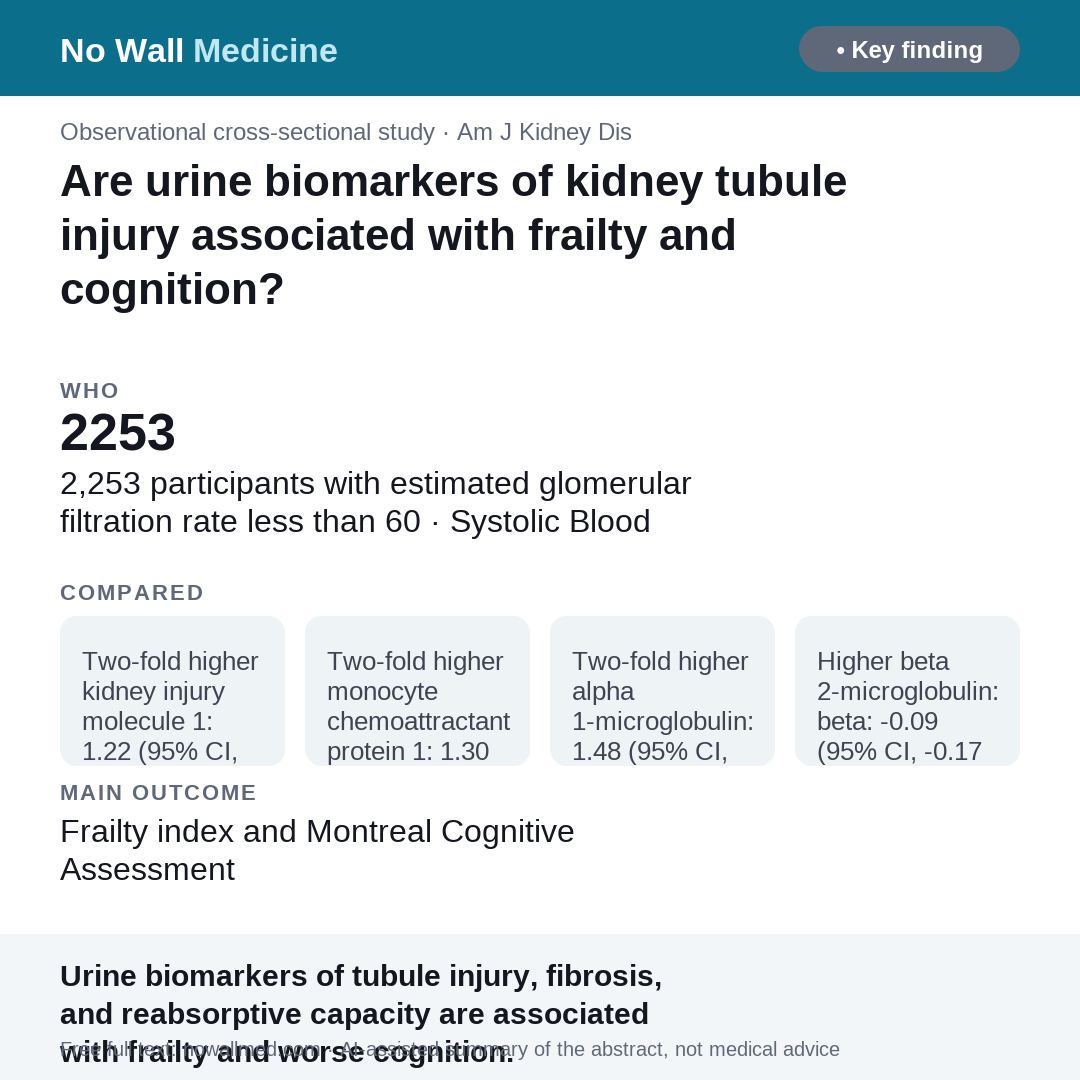
Association of Urine Biomarkers of Kidney Tubule Injury and Dysfunction With Frailty Index and Cognitive Function in Persons With CKD in SPRINT
Observational cross-sectional studyBenefit found
Are urine biomarkers of kidney tubule injury associated with frailty and cognition?
Who
2253
2,253 participants with estimated glomerular filtration rate less than 60 · Systolic Blood Pressure Intervention Trial
Compared
Two-fold higher kidney injury molecule 1: 1.22 (95% CI, 1.01-1.49) greater odds of being frail
Two-fold higher monocyte chemoattractant protein 1: 1.30 (95% CI, 1.04-1.64) greater odds of being frail
Two-fold higher alpha 1-microglobulin: 1.48 (95% CI, 1.11-1.96) greater odds of being frail
Higher beta 2-microglobulin: beta: -0.09 (95% CI, -0.17 to -0.01) cognitive score
Main outcome
Frailty index and Montreal Cognitive Assessment
Bottom line: Urine biomarkers of tubule injury, fibrosis, and reabsorptive capacity are associated with frailty and worse cognition.
Limitation: Cross-sectional design, and frailty index may not be generalizable in other populations.
Am J Kidney Dis · 2021-02-27Download image
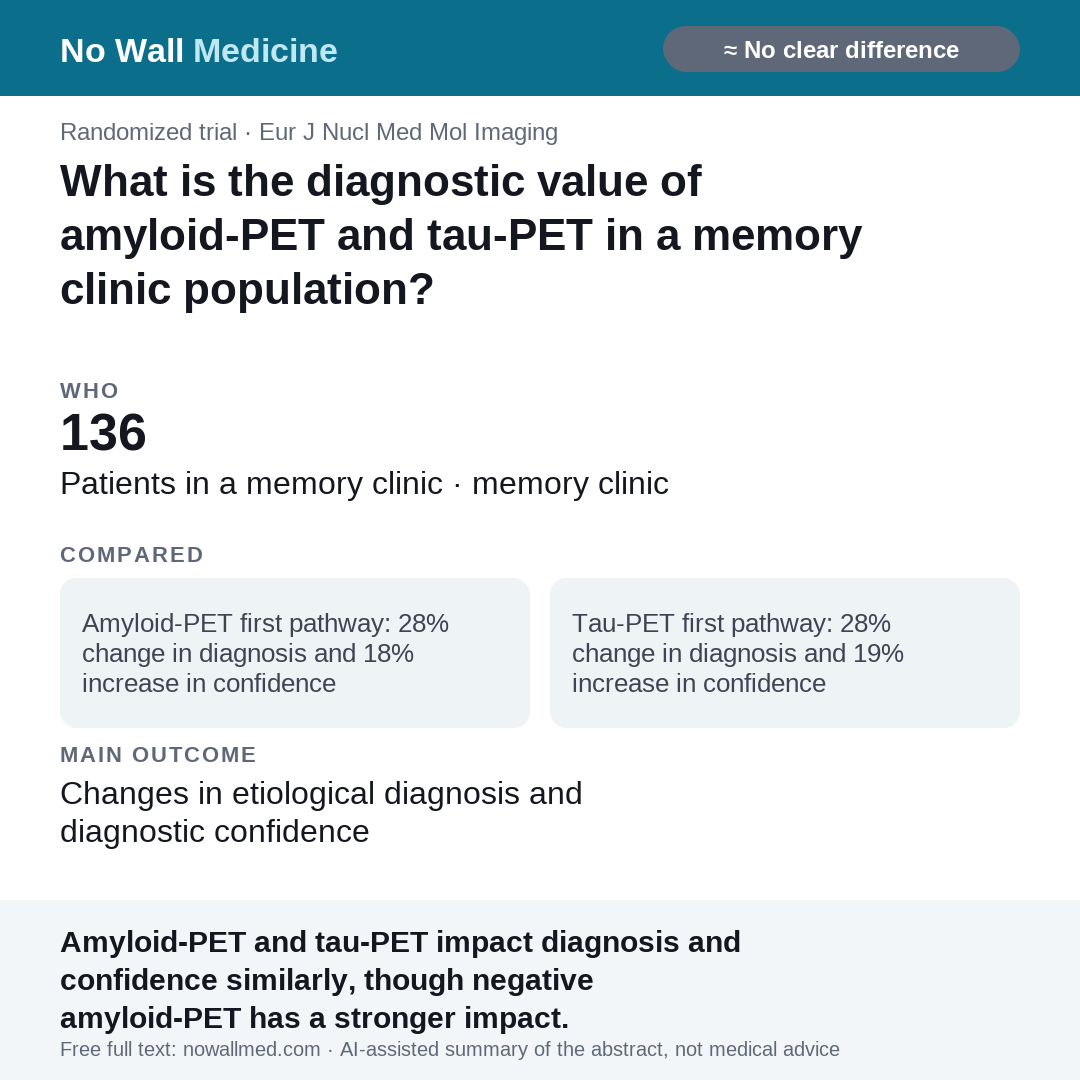
Diagnostic value of amyloid-PET and tau-PET: a head-to-head comparison
Randomized trialNo clear difference
What is the diagnostic value of amyloid-PET and tau-PET in a memory clinic population?
Who
136
Patients in a memory clinic · memory clinic
Compared
Amyloid-PET first pathway: 28% change in diagnosis and 18% increase in confidence
Tau-PET first pathway: 28% change in diagnosis and 19% increase in confidence
Main outcome
Changes in etiological diagnosis and diagnostic confidence
Bottom line: Amyloid-PET and tau-PET impact diagnosis and confidence similarly, though negative amyloid-PET has a stronger impact.
Eur J Nucl Med Mol Imaging · 2021-02-27Download image
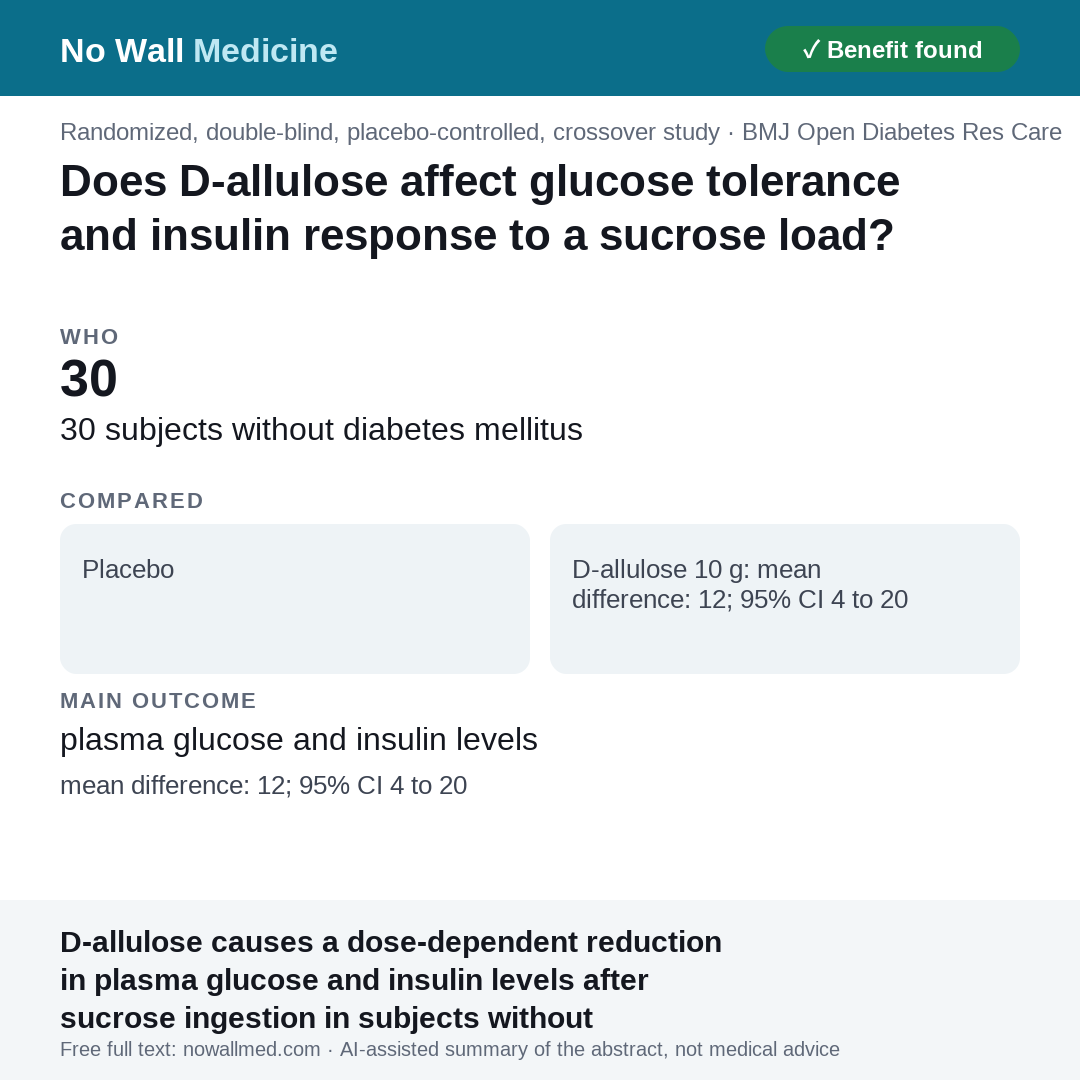
Effects of D-allulose on glucose tolerance and insulin response to a standard oral sucrose load: results of a prospective, randomized, crossover study
Randomized, double-blind, placebo-controlled, crossover studyBenefit found
Does D-allulose affect glucose tolerance and insulin response to a sucrose load?
Who
30
30 subjects without diabetes mellitus
Compared
Placebo
D-allulose 10 g: mean difference: 12; 95% CI 4 to 20
Main outcome
plasma glucose and insulin levels
Result: mean difference: 12; 95% CI 4 to 20
Bottom line: D-allulose causes a dose-dependent reduction in plasma glucose and insulin levels after sucrose ingestion in subjects without diabetes.
Limitation: This is a pilot study with small sample size.
BMJ Open Diabetes Res Care · 2021-02-27Download image
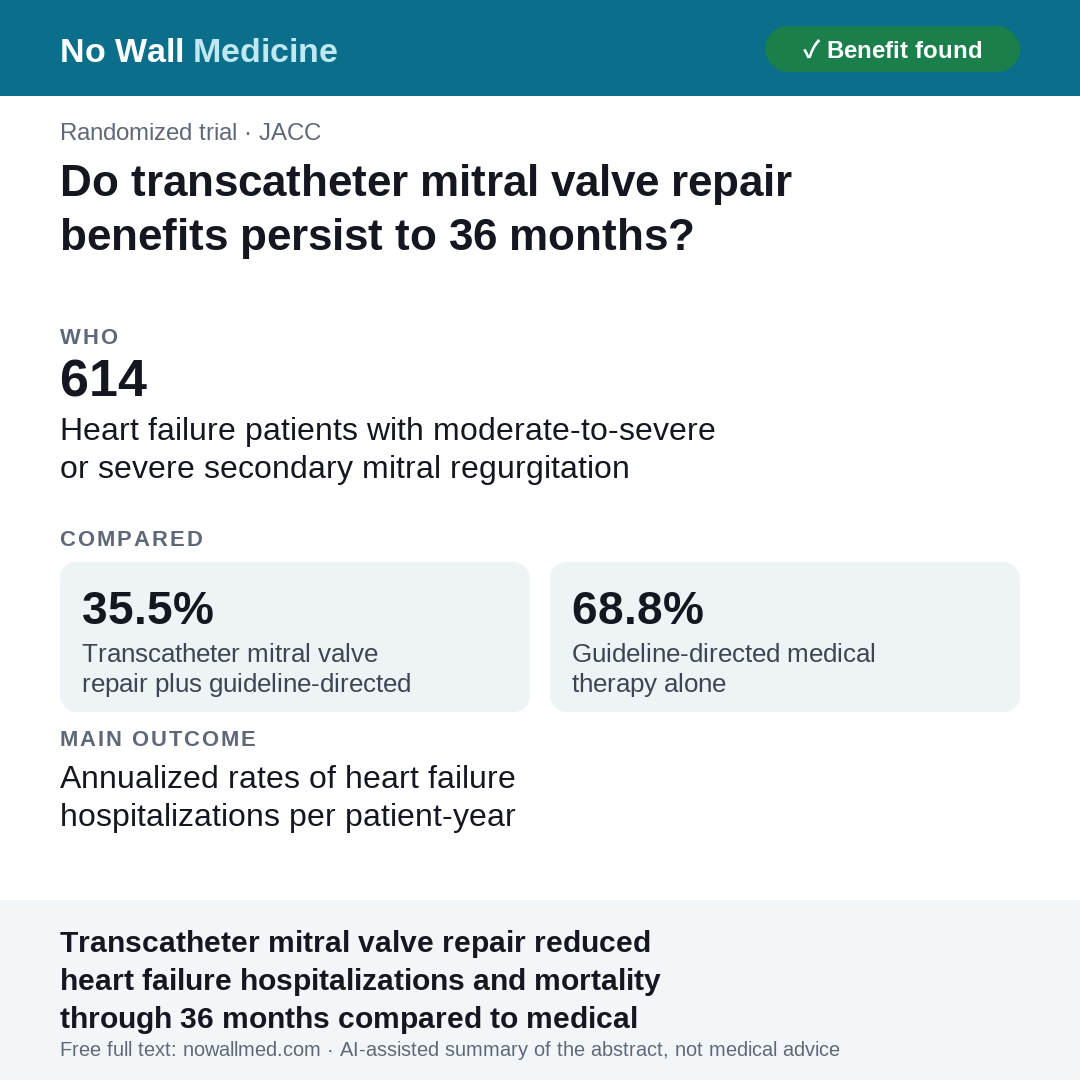
3-Year Outcomes of Transcatheter Mitral Valve Repair in Patients With Heart Failure
Randomized trialBenefit found
Do transcatheter mitral valve repair benefits persist to 36 months?
Who
614
Heart failure patients with moderate-to-severe or severe secondary mitral regurgitation
Compared
35.5%Transcatheter mitral valve repair plus guideline-directed medical therapy
68.8%Guideline-directed medical therapy alone
Main outcome
Annualized rates of heart failure hospitalizations per patient-year
Result: hazard ratio 0.49 (95% CI 0.37 to 0.63)
Bottom line: Transcatheter mitral valve repair reduced heart failure hospitalizations and mortality through 36 months compared to medical therapy alone.
JACC · 2021-02-26Download image
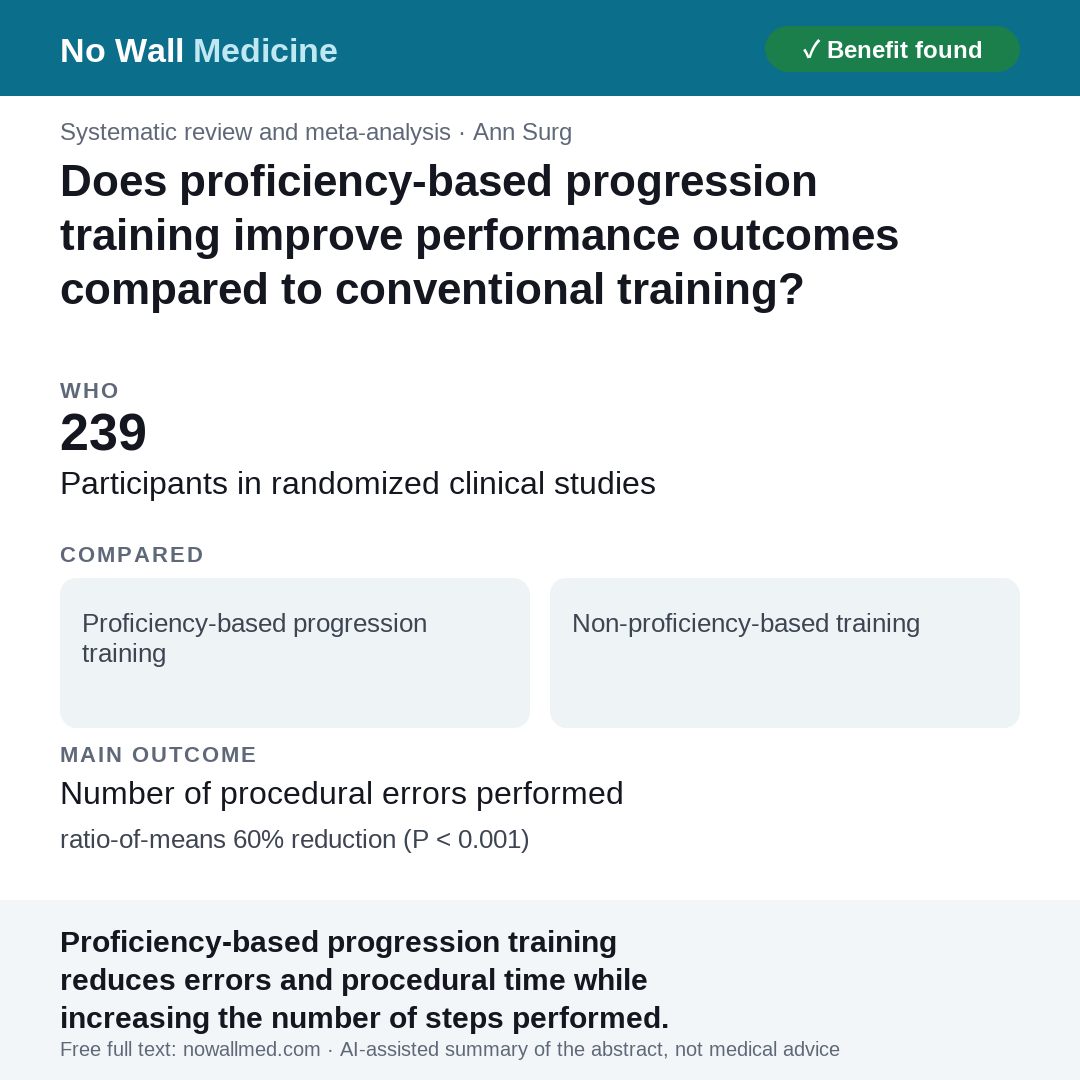
A Systematic Review and Meta-analysis on the Impact of Proficiency-based Progression Simulation Training on Performance Outcomes
Systematic review and meta-analysisBenefit found
Does proficiency-based progression training improve performance outcomes compared to conventional training?
Who
239
Participants in randomized clinical studies
Compared
Proficiency-based progression training
Non-proficiency-based training
Main outcome
Number of procedural errors performed
Result: ratio-of-means 60% reduction (P < 0.001)
Bottom line: Proficiency-based progression training reduces errors and procedural time while increasing the number of steps performed.
Ann Surg · 2021-02-26Download image
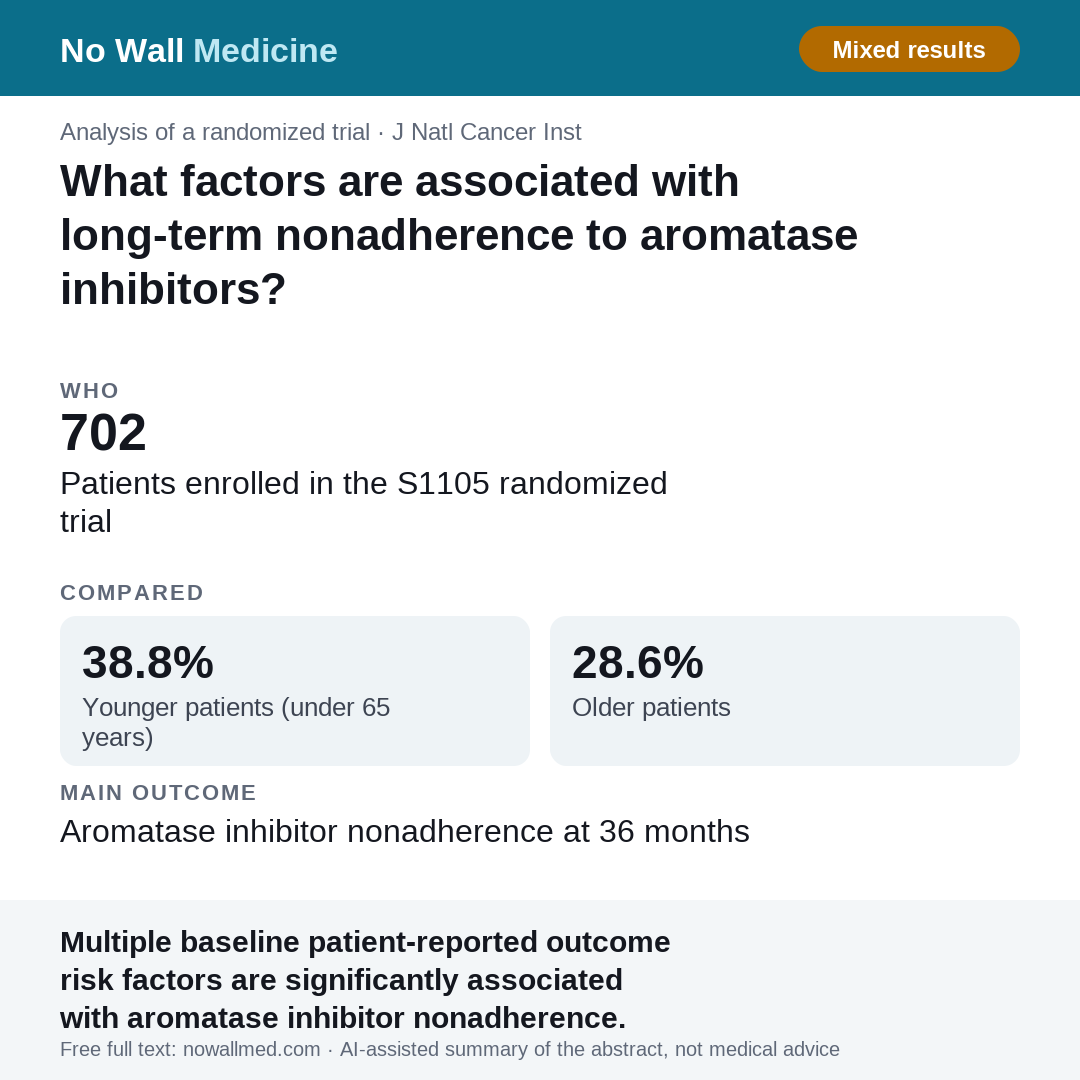
Patient-Reported Outcomes and Long-Term Nonadherence to Aromatase Inhibitors
Analysis of a randomized trialMixed results
What factors are associated with long-term nonadherence to aromatase inhibitors?
Who
702
Patients enrolled in the S1105 randomized trial
Compared
38.8%Younger patients (under 65 years)
28.6%Older patients
Main outcome
Aromatase inhibitor nonadherence at 36 months
Result: odds ratio 1.51 (95% CI 1.05 to 2.16)
Bottom line: Multiple baseline patient-reported outcome risk factors are significantly associated with aromatase inhibitor nonadherence.
J Natl Cancer Inst · 2021-02-26Download image
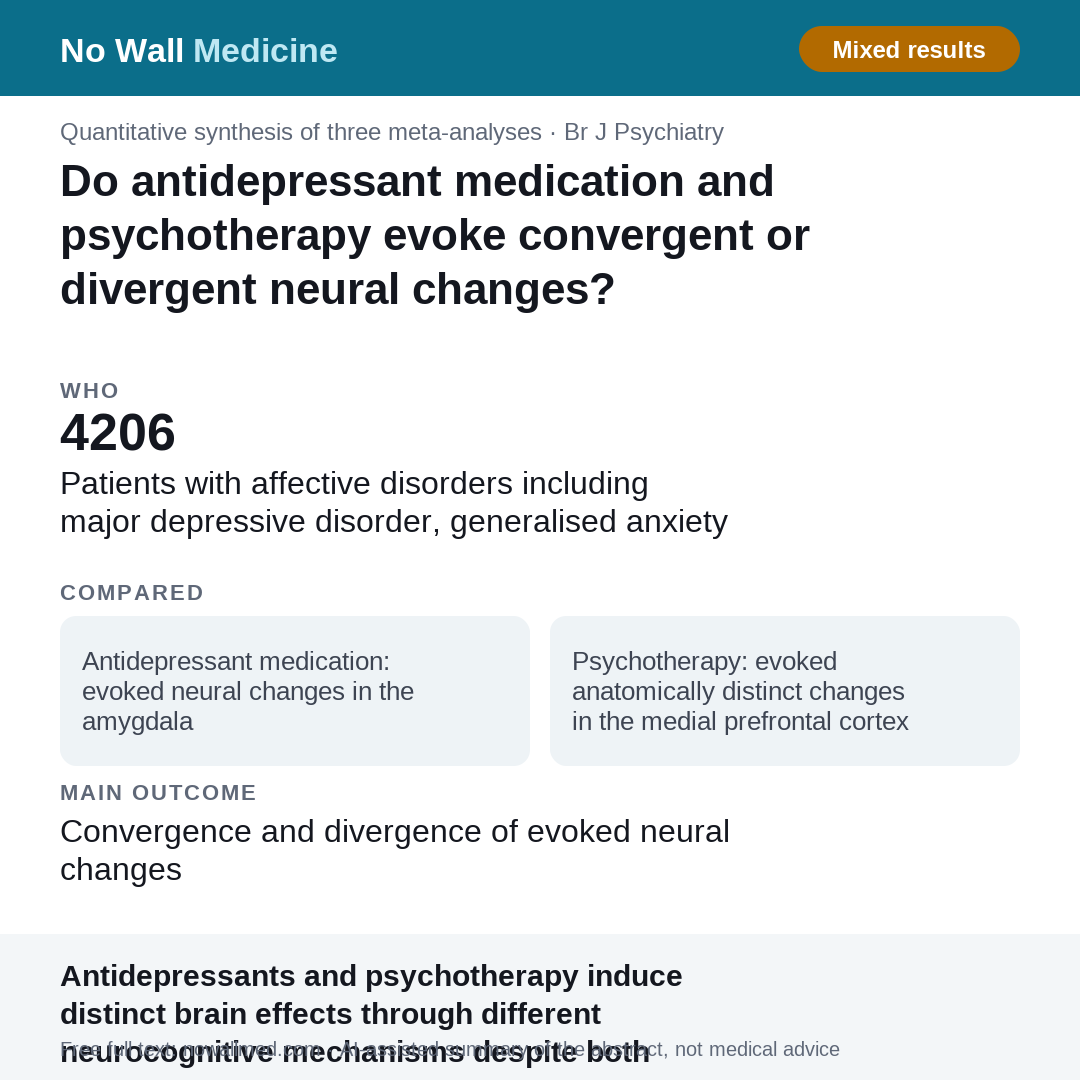
Neural effects of antidepressant medication and psychological treatments: a quantitative synthesis across three meta-analyses
Quantitative synthesis of three meta-analysesMixed results
Do antidepressant medication and psychotherapy evoke convergent or divergent neural changes?
Who
4206
Patients with affective disorders including major depressive disorder, generalised anxiety disorder and panic disorder
Compared
Antidepressant medication: evoked neural changes in the amygdala
Psychotherapy: evoked anatomically distinct changes in the medial prefrontal cortex
Main outcome
Convergence and divergence of evoked neural changes
Bottom line: Antidepressants and psychotherapy induce distinct brain effects through different neurocognitive mechanisms despite both affecting the affect network.
Br J Psychiatry · 2021-02-26Download image
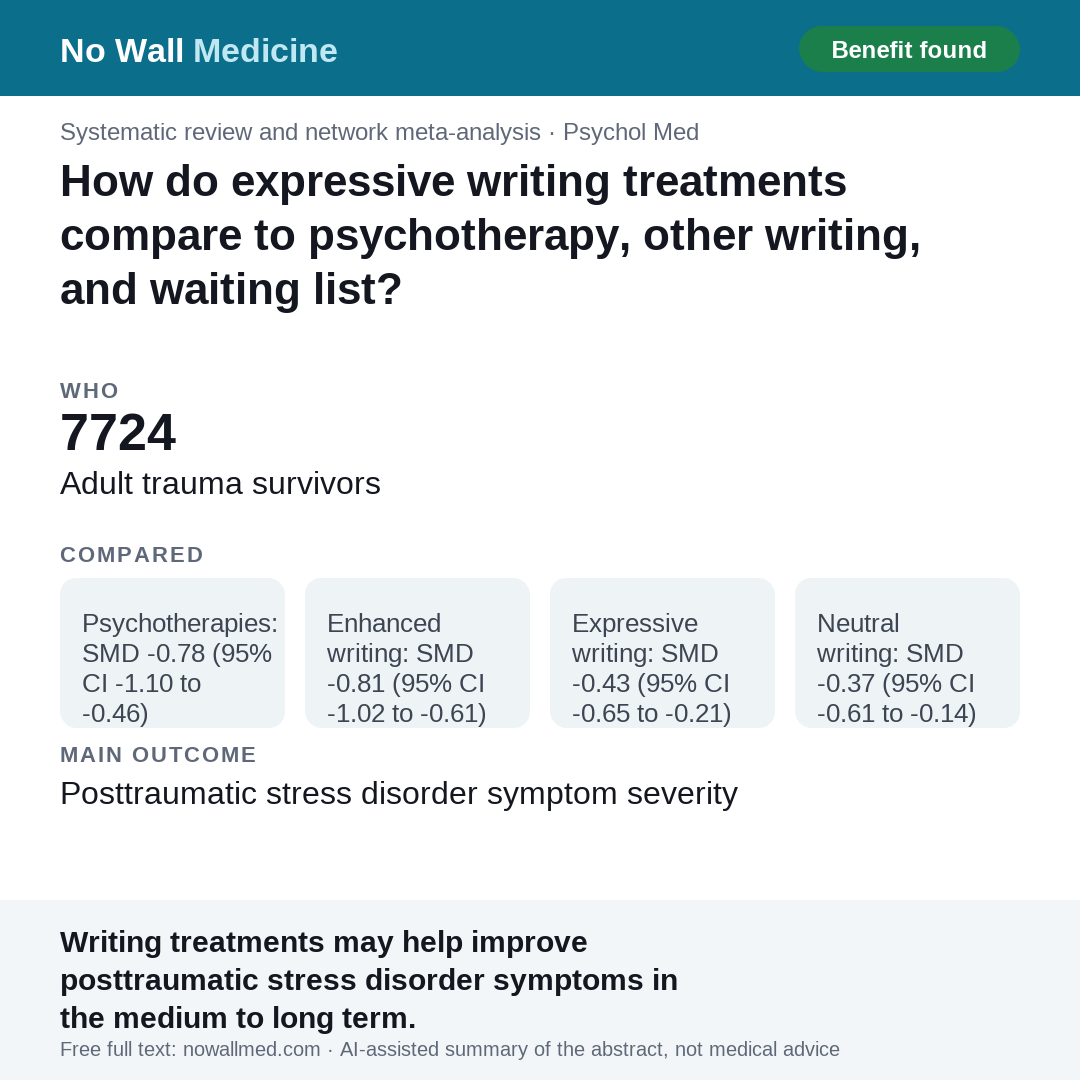
Comparative efficacy and acceptability of expressive writing treatments compared with psychotherapy, other writing treatments, and waiting list control for adult trauma survivors: a systematic review and network meta-analysis
Systematic review and network meta-analysisBenefit found
How do expressive writing treatments compare to psychotherapy, other writing, and waiting list?
Who
7724
Adult trauma survivors
Compared
Psychotherapies: SMD -0.78 (95% CI -1.10 to -0.46)
Enhanced writing: SMD -0.81 (95% CI -1.02 to -0.61)
Expressive writing: SMD -0.43 (95% CI -0.65 to -0.21)
Neutral writing: SMD -0.37 (95% CI -0.61 to -0.14)
Main outcome
Posttraumatic stress disorder symptom severity
Bottom line: Writing treatments may help improve posttraumatic stress disorder symptoms in the medium to long term.
Limitation: Considerable heterogeneity, inconsistency, and elevated risk of bias in all included studies.
Psychol Med · 2021-02-26Download image
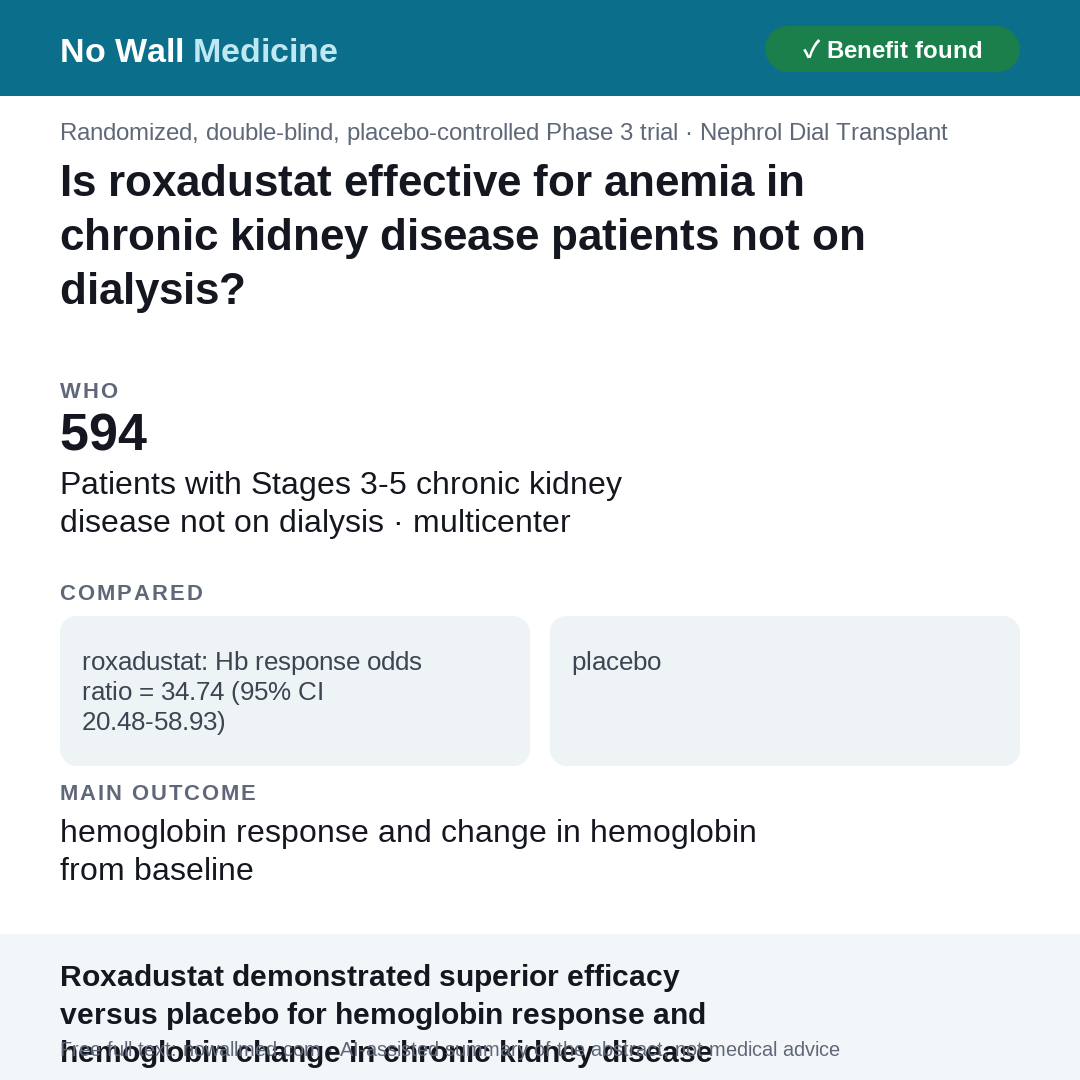
Roxadustat for the treatment of anemia in chronic kidney disease patients not on dialysis: a Phase 3, randomized, double-blind, placebo-controlled study (ALPS)
Randomized, double-blind, placebo-controlled Phase 3 trialBenefit found
Is roxadustat effective for anemia in chronic kidney disease patients not on dialysis?
Who
594
Patients with Stages 3-5 chronic kidney disease not on dialysis · multicenter
Compared
roxadustat: Hb response odds ratio = 34.74 (95% CI 20.48-58.93)
placebo
Main outcome
hemoglobin response and change in hemoglobin from baseline
Result: odds ratio = 34.74 (95% CI 20.48-58.93)
Bottom line: Roxadustat demonstrated superior efficacy versus placebo for hemoglobin response and hemoglobin change in chronic kidney disease patients.
Nephrol Dial Transplant · 2021-02-26Download image
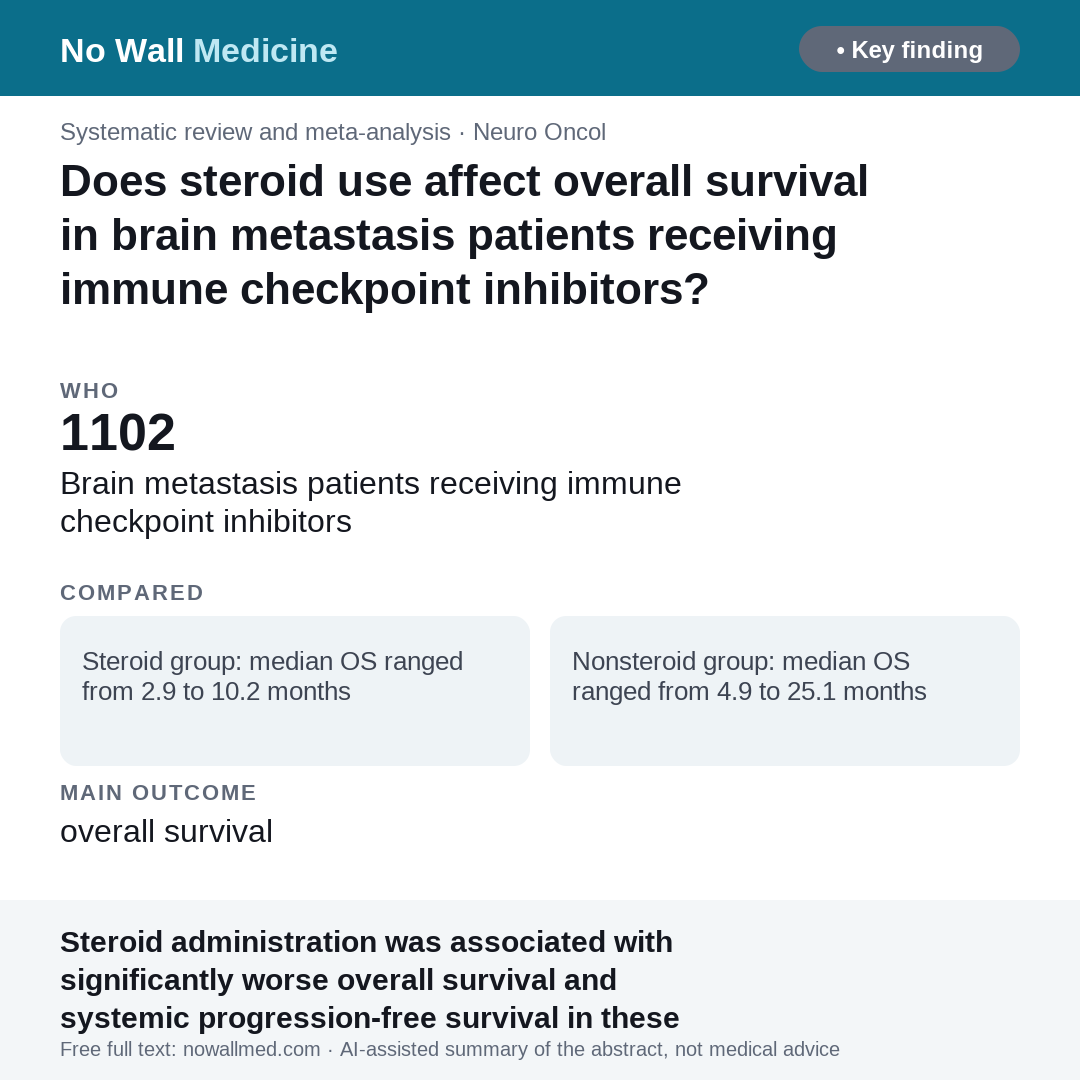
The combined use of steroids and immune checkpoint inhibitors in brain metastasis patients: a systematic review and meta-analysis
Systematic review and meta-analysisHarm found
Does steroid use affect overall survival in brain metastasis patients receiving immune checkpoint inhibitors?
Who
1102
Brain metastasis patients receiving immune checkpoint inhibitors
Compared
Steroid group: median OS ranged from 2.9 to 10.2 months
Nonsteroid group: median OS ranged from 4.9 to 25.1 months
Main outcome
overall survival
Result: hazard ratio 1.84 (95% CI 1.22-2.77)
Bottom line: Steroid administration was associated with significantly worse overall survival and systemic progression-free survival in these patients.
Limitation: Further research on dose, timing, and duration of steroids is needed.
Neuro Oncol · 2021-02-26Download image
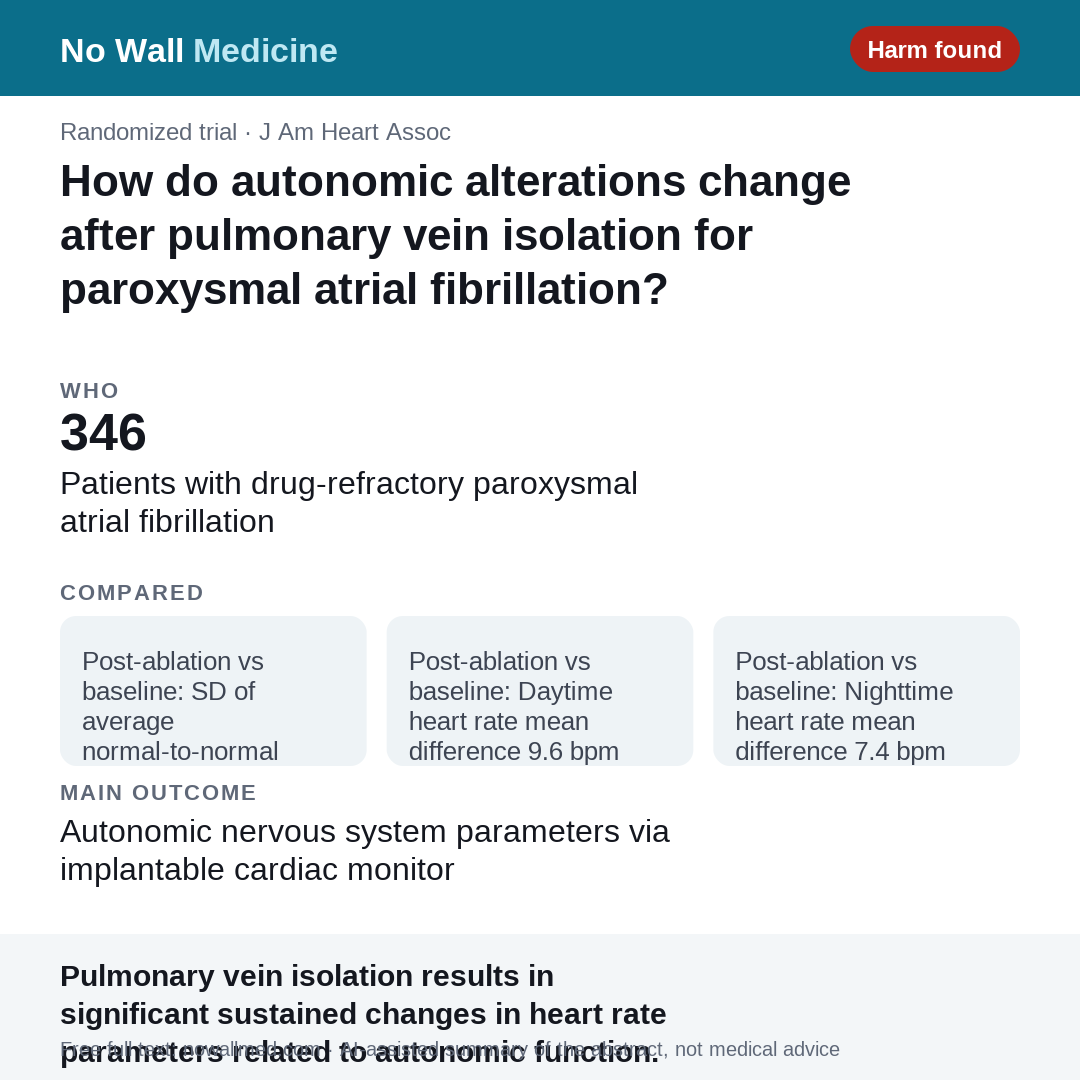
Autonomic Alterations After Pulmonary Vein Isolation in the CIRCA-DOSE (Cryoballoon vs Irrigated Radiofrequency Catheter Ablation) Study
Randomized trialHarm found
How do autonomic alterations change after pulmonary vein isolation for paroxysmal atrial fibrillation?
Who
346
Patients with drug-refractory paroxysmal atrial fibrillation
Compared
Post-ablation vs baseline: SD of average normal-to-normal mean difference 19.3 ms
Post-ablation vs baseline: Daytime heart rate mean difference 9.6 bpm
Post-ablation vs baseline: Nighttime heart rate mean difference 7.4 bpm
Main outcome
Autonomic nervous system parameters via implantable cardiac monitor
Bottom line: Pulmonary vein isolation results in significant sustained changes in heart rate parameters related to autonomic function.
J Am Heart Assoc · 2021-02-26Download image