Visual abstracts
New randomized trials and meta-analyses from leading journals at a glance: who was studied, what was compared, and what was found. Every paper is free to read in full.
All specialtiesCardiology 4877Oncology 4138Gastroenterology & Hepatology 1942Infectious Disease 3837Neurology 1905Psychiatry & Mental Health 2273Pulmonology 2143Critical Care 1365Endocrinology & Diabetes 2580Pediatrics 2980Surgery 2559Orthopedics & Sports Medicine 931Neurosurgery 537Cardiothoracic & Vascular Surgery 674Plastic & Reconstructive Surgery 591Nephrology 1133Rheumatology 823Hematology 1109Dermatology 621Ophthalmology 543Obstetrics & Gynecology 1686Public & Global Health 1058Radiology & Imaging 648Anesthesiology 986Urology 764ENT (Otolaryngology) 503Emergency Medicine 511Allergy & Immunology 313Geriatrics 981Family Medicine & Primary Care 562Medical Genetics & Genomics 676Pathology & Laboratory Medicine 159Physical Medicine & Rehabilitation 757Palliative Care 444Nutrition 1588Digital Health & AI 2201General Medicine 321
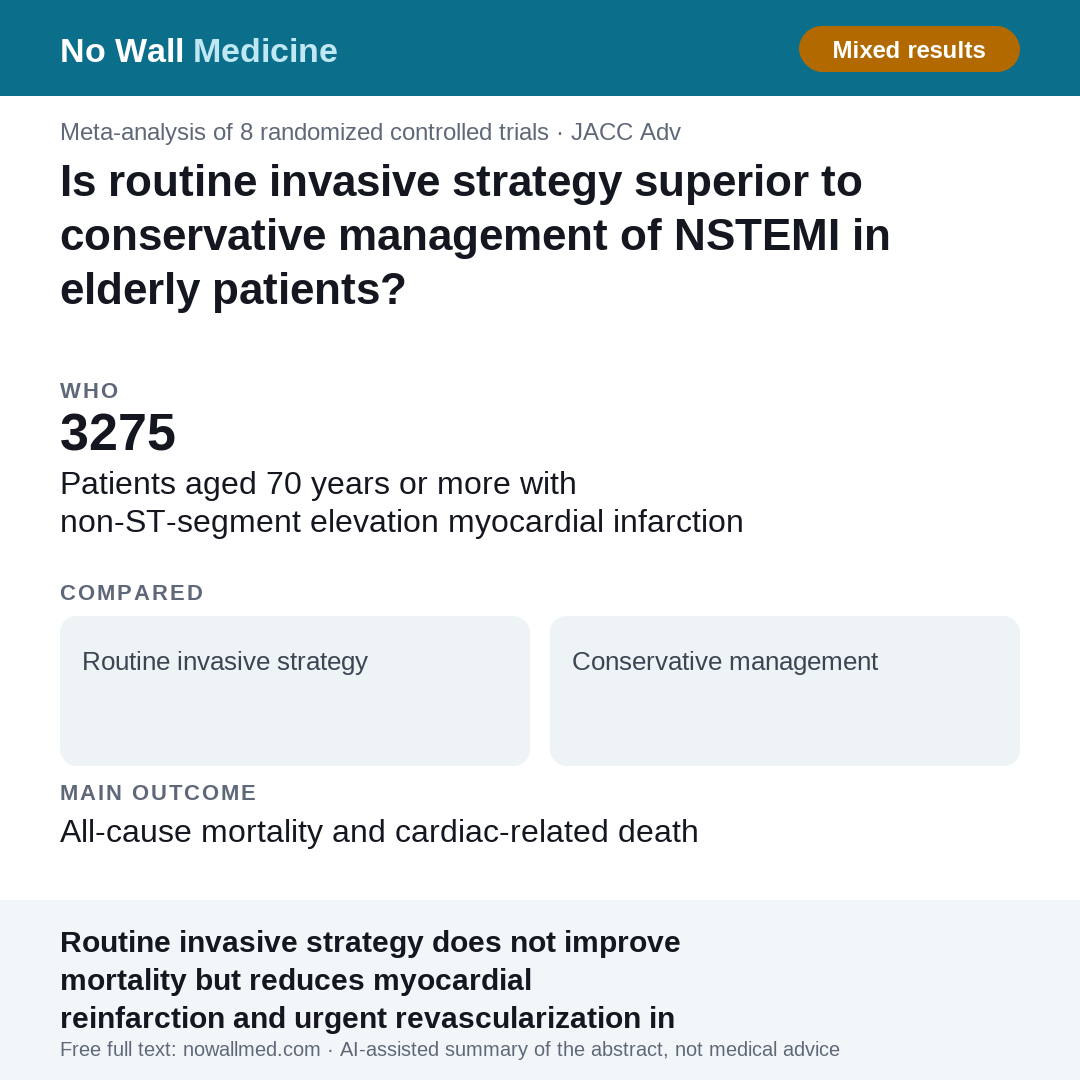
Routine Invasive vs Conservative Management of NSTEMI in Elderly Patients: Updated Meta-Analysis of Randomized Trials
Meta-analysis of 8 randomized controlled trialsMixed results
Is routine invasive strategy superior to conservative management of NSTEMI in elderly patients?
Who
3275
Patients aged 70 years or more with non-ST-segment elevation myocardial infarction
Compared
Routine invasive strategy
Conservative management
Main outcome
All-cause mortality and cardiac-related death
Result: OR: 1.07 (95% CI: 0.90-1.26)
Bottom line: Routine invasive strategy does not improve mortality but reduces myocardial reinfarction and urgent revascularization in elderly patients.
JACC Adv · 2025-10-29Download image
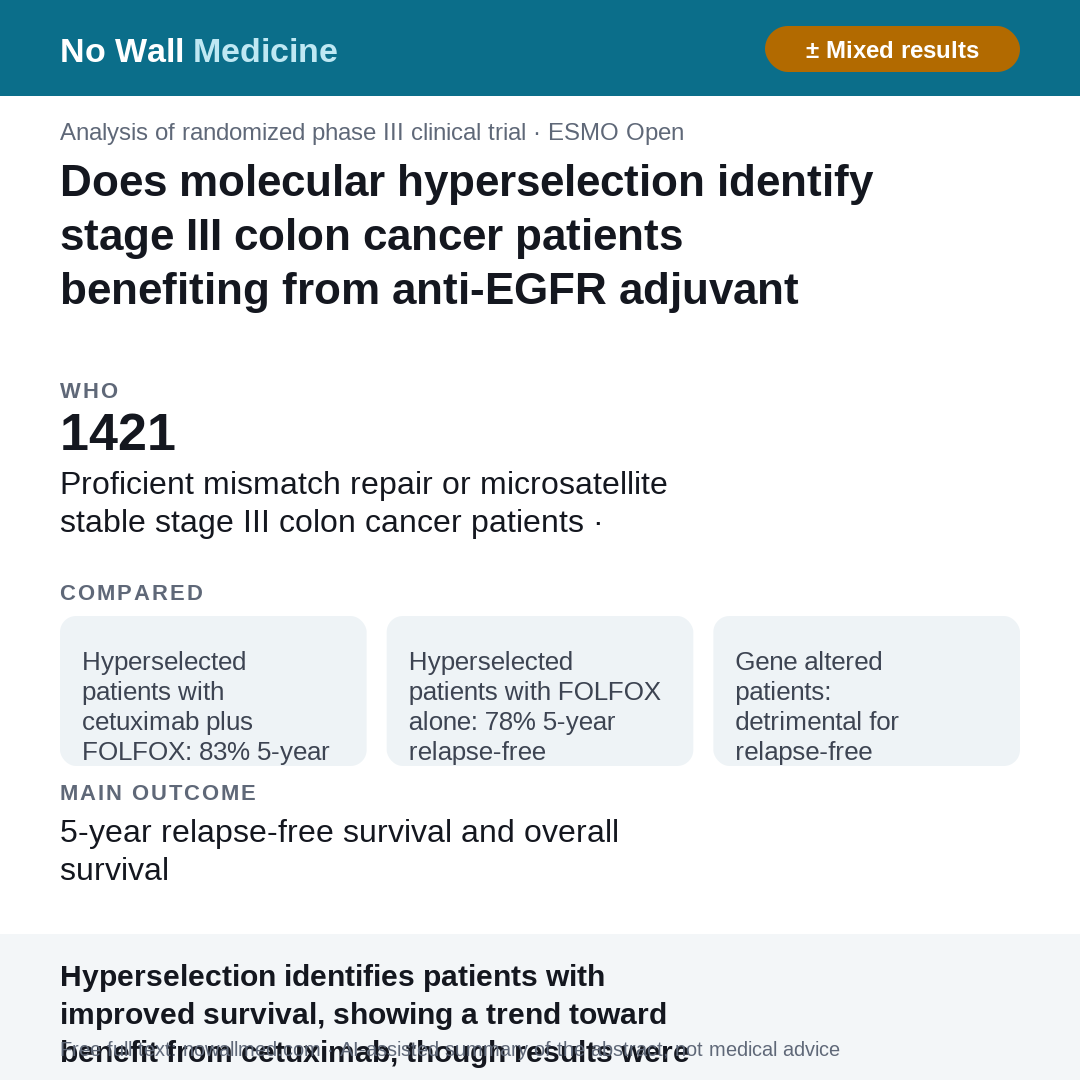
Negative hyperselection of patients with stage III colon cancer receiving anti-EGFR-based adjuvant treatment
Analysis of randomized phase III clinical trialMixed results
Does molecular hyperselection identify stage III colon cancer patients benefiting from anti-EGFR adjuvant treatment?
Who
1421
Proficient mismatch repair or microsatellite stable stage III colon cancer patients · PETACC-8 clinical trial
Compared
Hyperselected patients with cetuximab plus FOLFOX: 83% 5-year relapse-free survival
Hyperselected patients with FOLFOX alone: 78% 5-year relapse-free survival
Gene altered patients: detrimental for relapse-free survival and overall survival
Main outcome
5-year relapse-free survival and overall survival
Result: hazard ratio 0.81 (95% CI 0.55-1.19)
Bottom line: Hyperselection identifies patients with improved survival, showing a trend toward benefit from cetuximab, though results were not statistically significant.
ESMO Open · 2025-10-29Download image
Multi-network dynamical structure of the human brain in the setting of chronic pain: a coordinate-based meta-analysis
Coordinate-based meta-analysisMixed results
What is the multi-network dynamical structure of the human brain in chronic pain?
Who
resting-state functional Magnetic Resonance Imaging studies on chronic pain
Compared
chronic pain conditions
chronic pain mechanisms
Main outcome
multinetwork dynome of chronic pain
Bottom line: Chronic pain involves tripartite network dysfunction encompassing the Default Mode, Central Executive, and Salience networks.
Brain Commun · 2025-10-29Download image

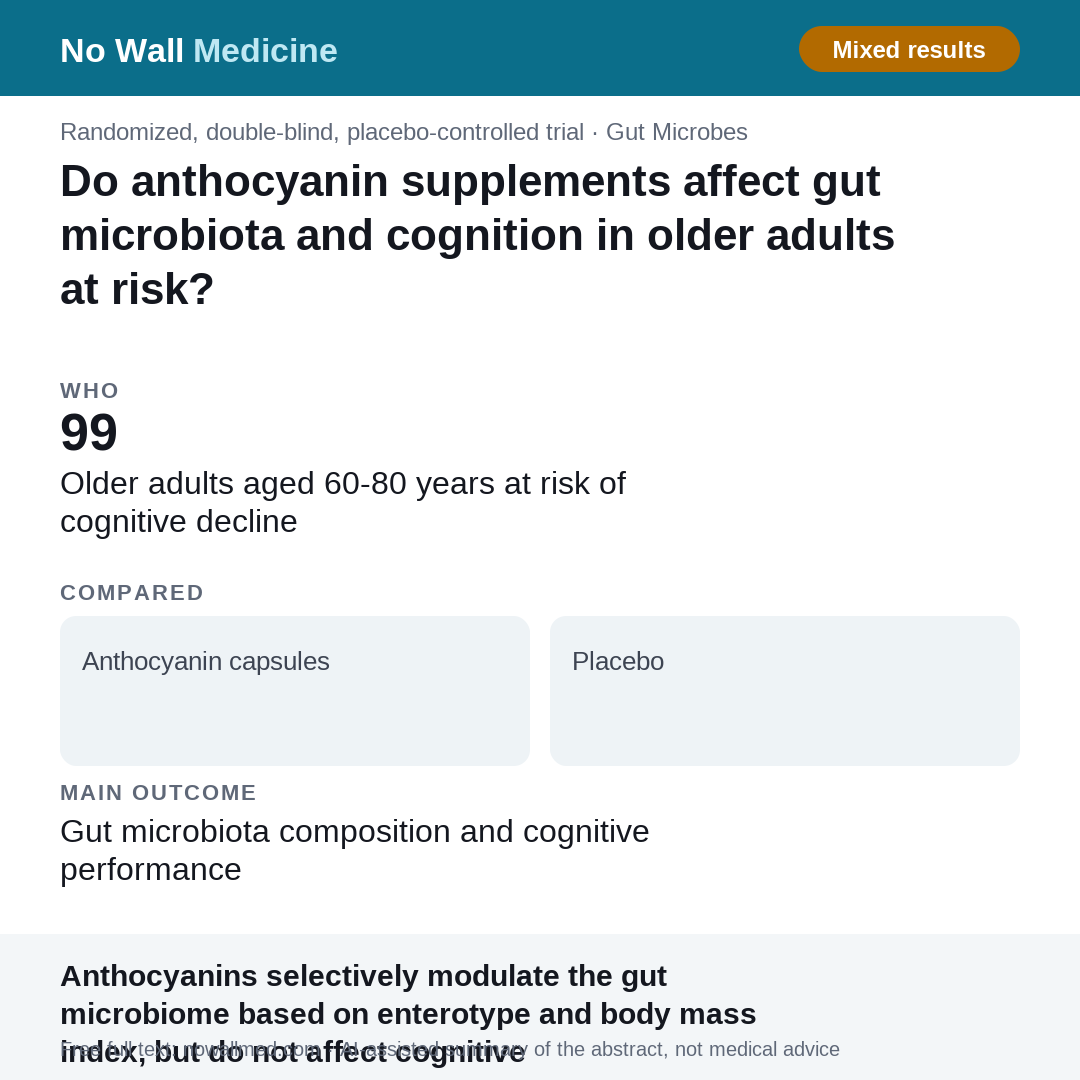
Gut enterotype- and body mass index (BMI)-dependent effects of anthocyanin supplementation on gut microbiota composition in individuals at risk for cognitive decline: a randomized placebo-controlled trial
Randomized, double-blind, placebo-controlled trialMixed results
Do anthocyanin supplements affect gut microbiota and cognition in older adults at risk?
Who
99
Older adults aged 60-80 years at risk of cognitive decline
Compared
Anthocyanin capsules
Placebo
Main outcome
Gut microbiota composition and cognitive performance
Bottom line: Anthocyanins selectively modulate the gut microbiome based on enterotype and body mass index, but do not affect cognitive performance.
Gut Microbes · 2025-10-29Download image
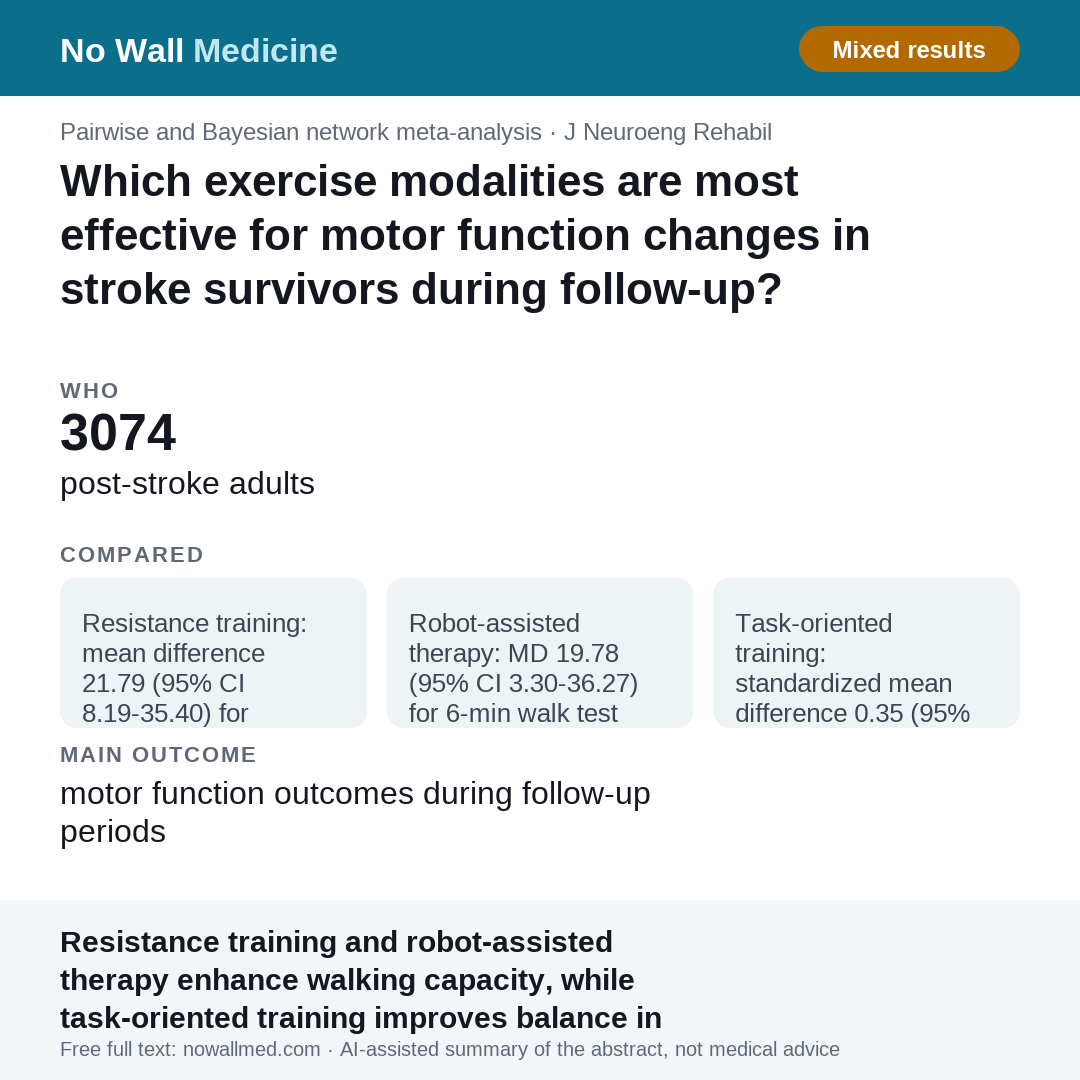
Optimal exercise modalities for post-intervention motor function changes in stroke survivors: a pairwise and network meta-analysis
Pairwise and Bayesian network meta-analysisMixed results
Which exercise modalities are most effective for motor function changes in stroke survivors during follow-up?
Who
3074
post-stroke adults
Compared
Resistance training: mean difference 21.79 (95% CI 8.19-35.40) for 6-min walk test
Robot-assisted therapy: MD 19.78 (95% CI 3.30-36.27) for 6-min walk test
Task-oriented training: standardized mean difference 0.35 (95% CI 0.07-0.64) for balance
Main outcome
motor function outcomes during follow-up periods
Bottom line: Resistance training and robot-assisted therapy enhance walking capacity, while task-oriented training improves balance in stroke survivors.
Limitation: Evidence for upper and lower limb recovery remains inconclusive due to small trial numbers.
J Neuroeng Rehabil · 2025-10-29Download image
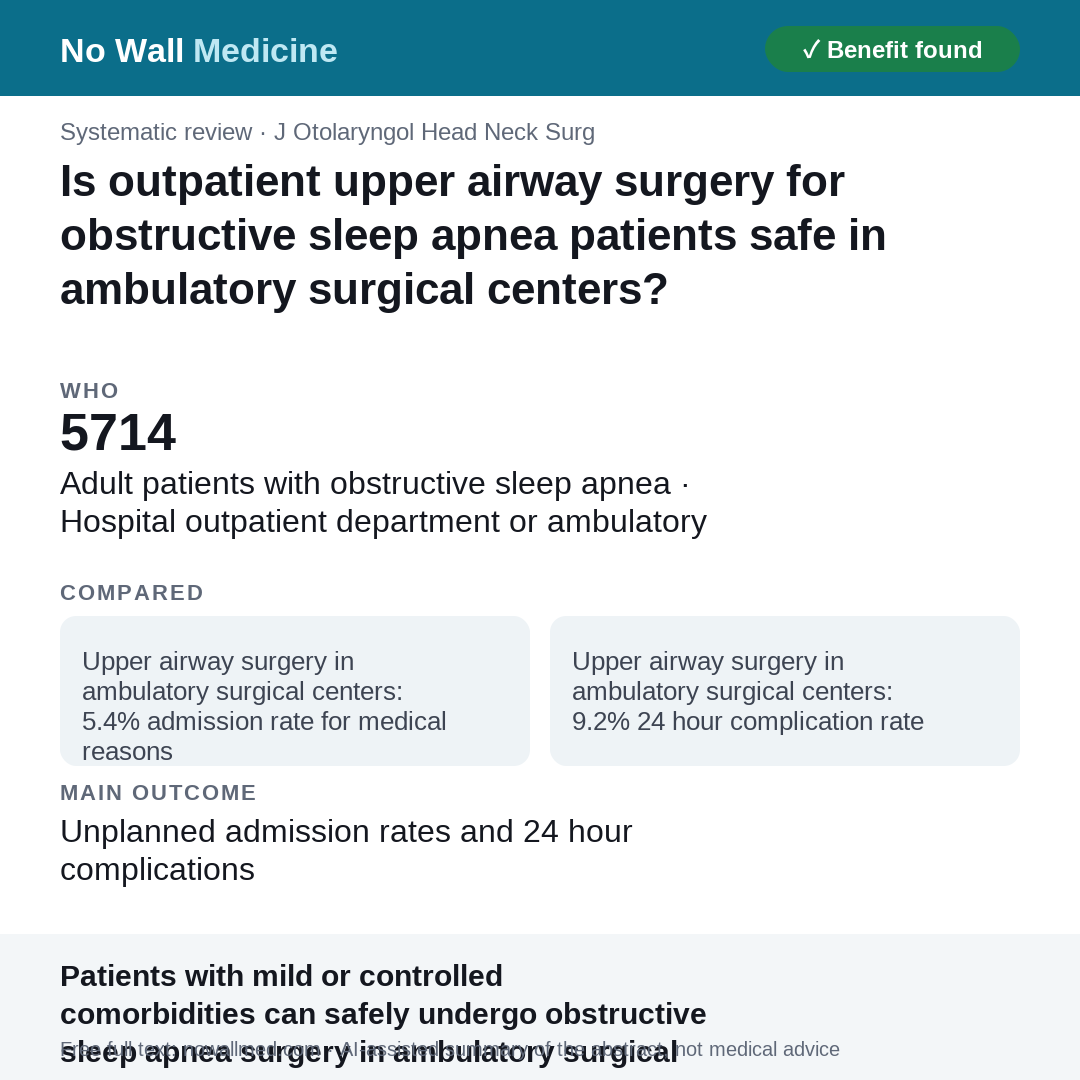
Systematic Review on the Safety of Outpatient Upper Airway Surgery for Obstructive Sleep Apnea Patients in Ambulatory Surgical Centers
Systematic reviewBenefit found
Is outpatient upper airway surgery for obstructive sleep apnea patients safe in ambulatory surgical centers?
Who
5714
Adult patients with obstructive sleep apnea · Hospital outpatient department or ambulatory surgical center
Compared
Upper airway surgery in ambulatory surgical centers: 5.4% admission rate for medical reasons
Upper airway surgery in ambulatory surgical centers: 9.2% 24 hour complication rate
Main outcome
Unplanned admission rates and 24 hour complications
Bottom line: Patients with mild or controlled comorbidities can safely undergo obstructive sleep apnea surgery in ambulatory surgical centers.
Limitation: Future studies should use larger populations and prospective study designs.
J Otolaryngol Head Neck Surg · 2025-10-29Download image
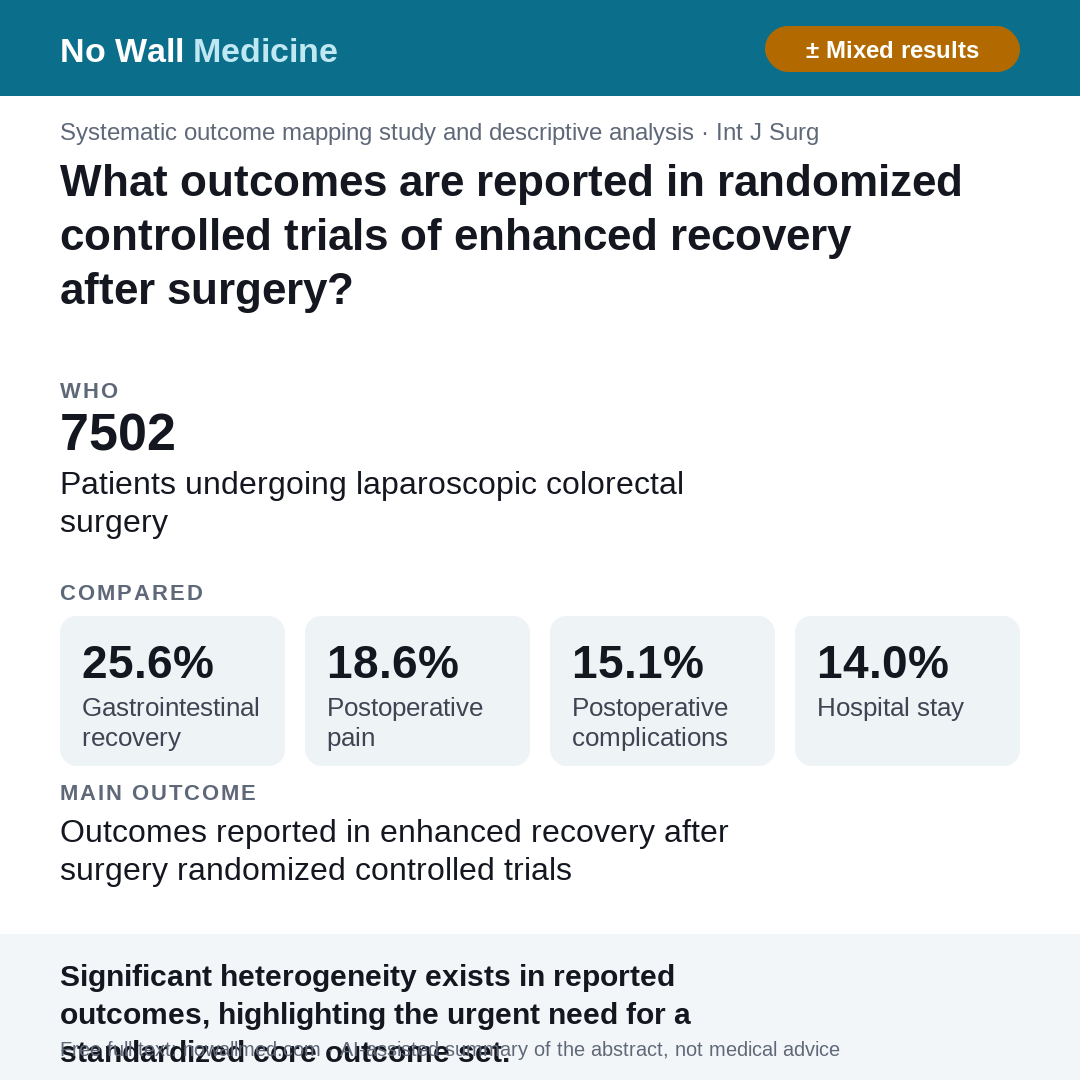
Outcomes of enhanced recovery after surgery in laparoscopic colorectal surgery: a systematic outcome mapping study and descriptive analysis to inform a core outcome set
Systematic outcome mapping study and descriptive analysisMixed results
What outcomes are reported in randomized controlled trials of enhanced recovery after surgery?
Who
7502
Patients undergoing laparoscopic colorectal surgery
Compared
25.6%Gastrointestinal recovery
18.6%Postoperative pain
15.1%Postoperative complications
14.0%Hospital stay
Main outcome
Outcomes reported in enhanced recovery after surgery randomized controlled trials
Bottom line: Significant heterogeneity exists in reported outcomes, highlighting the urgent need for a standardized core outcome set.
Limitation: Outcome definitions and measurement tools varied widely with no consistent standardization.
Int J Surg · 2025-10-28Download image
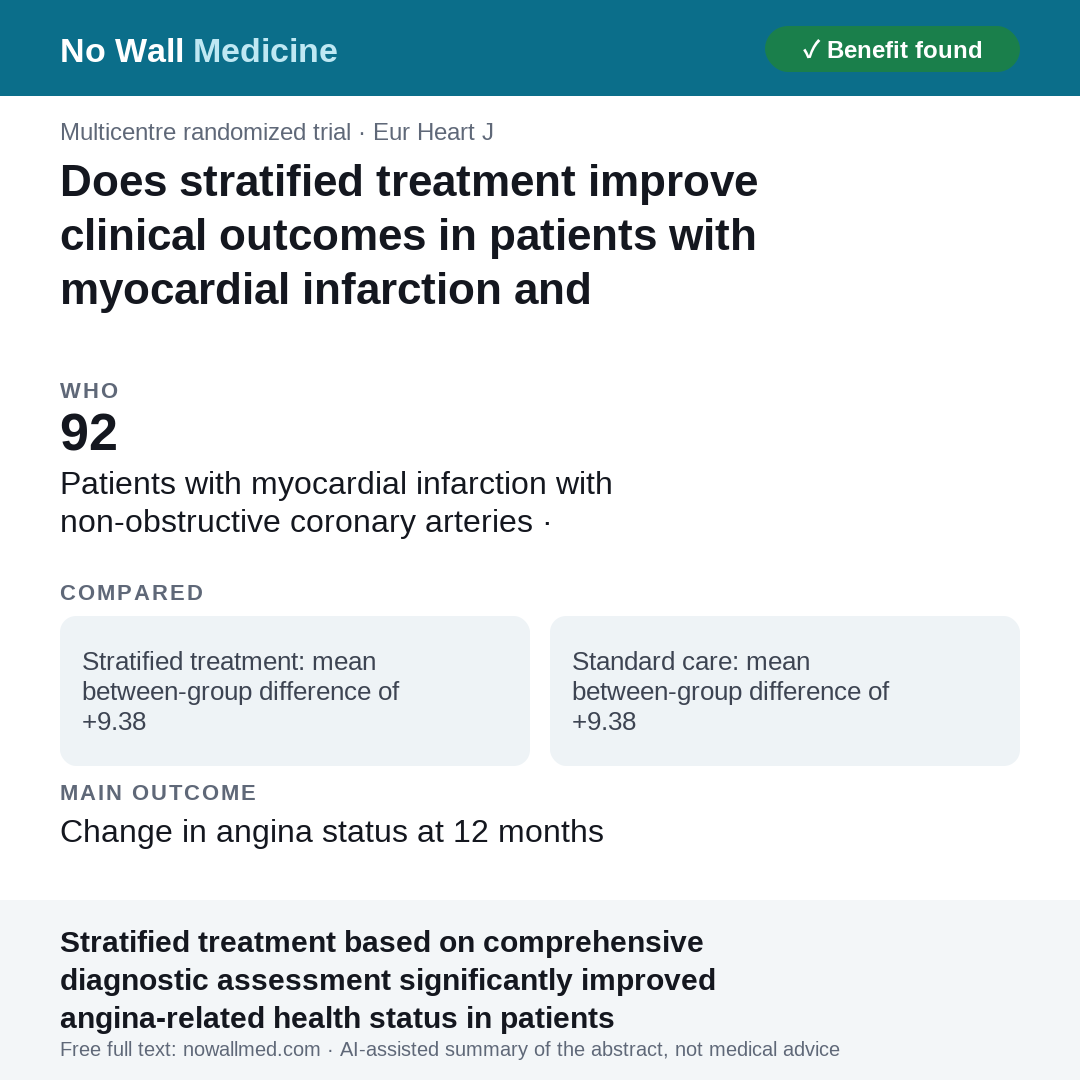
Stratified treatment of myocardial infarction with non-obstructive coronary arteries: the PROMISE trial
Multicentre randomized trialBenefit found
Does stratified treatment improve clinical outcomes in patients with myocardial infarction and non-obstructive coronary arteries?
Who
92
Patients with myocardial infarction with non-obstructive coronary arteries · Multicentre
Compared
Stratified treatment: mean between-group difference of +9.38
Standard care: mean between-group difference of +9.38
Main outcome
Change in angina status at 12 months
Result: +9.38 (95% confidence interval 6.81 to 11.95)
Bottom line: Stratified treatment based on comprehensive diagnostic assessment significantly improved angina-related health status in patients with MINOCA.
Eur Heart J · 2025-10-28Download image
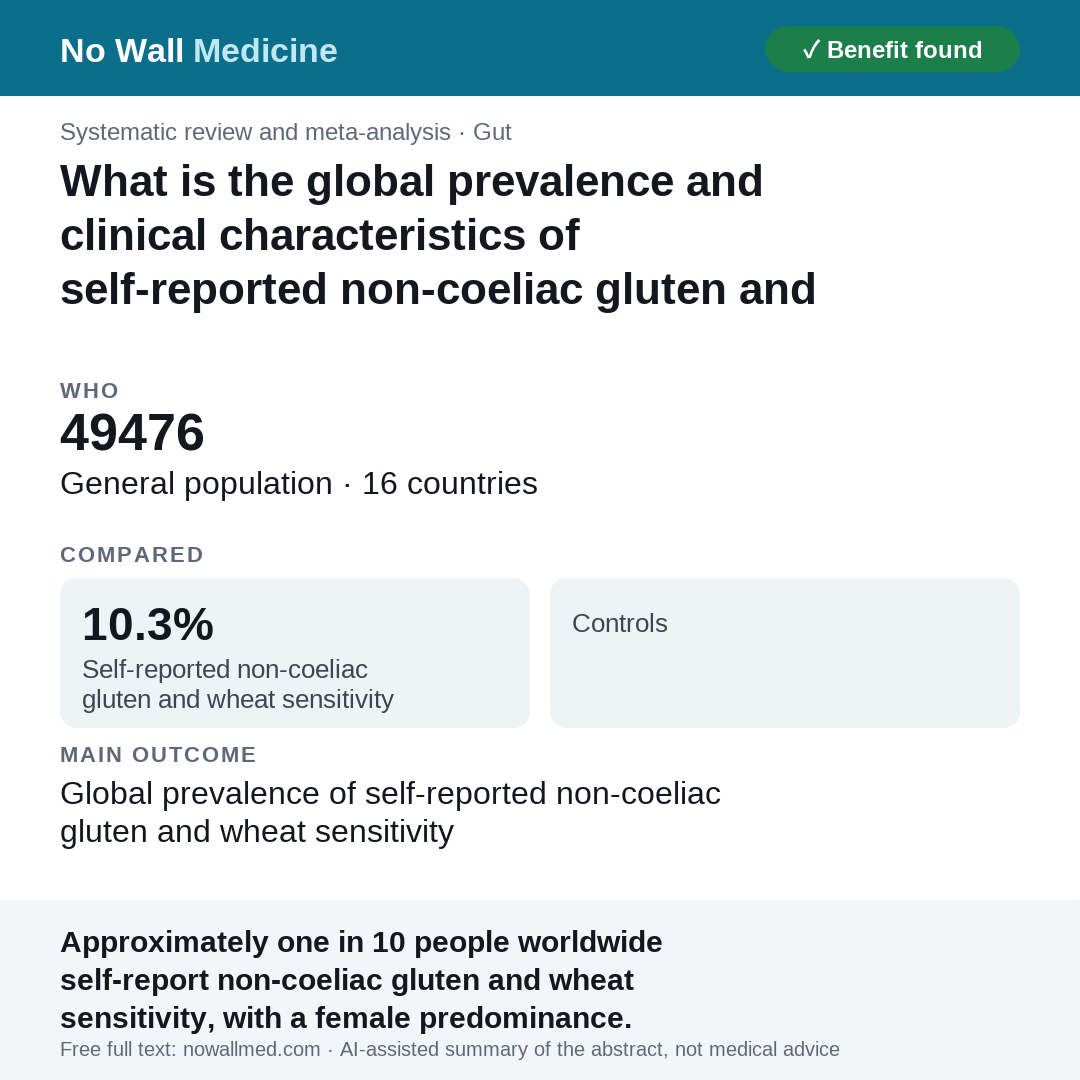
Global prevalence of self-reported non-coeliac gluten and wheat sensitivity: a systematic review and meta-analysis
Systematic review and meta-analysisBenefit found
What is the global prevalence and clinical characteristics of self-reported non-coeliac gluten and wheat sensitivity?
Who
49476
General population · 16 countries
Compared
10.3%Self-reported non-coeliac gluten and wheat sensitivity (95% CI 7.0% to 14.0%)
Controls
Main outcome
Global prevalence of self-reported non-coeliac gluten and wheat sensitivity
Bottom line: Approximately one in 10 people worldwide self-report non-coeliac gluten and wheat sensitivity, with a female predominance.
Gut · 2025-10-28Download image
Psychometric properties of the NIH Toolbox Cognition Battery composites in older adults at risk for Alzheimer's disease and related dementias: A systematic review
Systematic reviewBenefit found
What are the psychometric properties of the National Institutes of Health Toolbox Cognition Battery composites?
Who
Older adults with and without Alzheimer's disease and related dementias
Compared
Crystallized composite: proficient psychometric evidence
Fluid composite: developing due to limited data
Main outcome
Psychometric performance of composite scores
Bottom line: The National Institutes of Health Toolbox Cognition Battery shows general psychometric robustness in older adults.
Limitation: Limited research focuses on these composites in older adult and Alzheimer's populations.
Alzheimers Dement · 2025-10-28Download image

Sleep dysregulation in ADHD children: a systematic review and meta-analysis
Meta-analysis of 44 studiesHarm found
Do ADHD children have sleep differences
Who
2239, 57181
ADHD children and typically developing children
Compared
ADHD children
Typically developing children
Main outcome
sleep metrics
Bottom line: ADHD children have impaired sleep
Psychol Med · 2025-10-28Download image

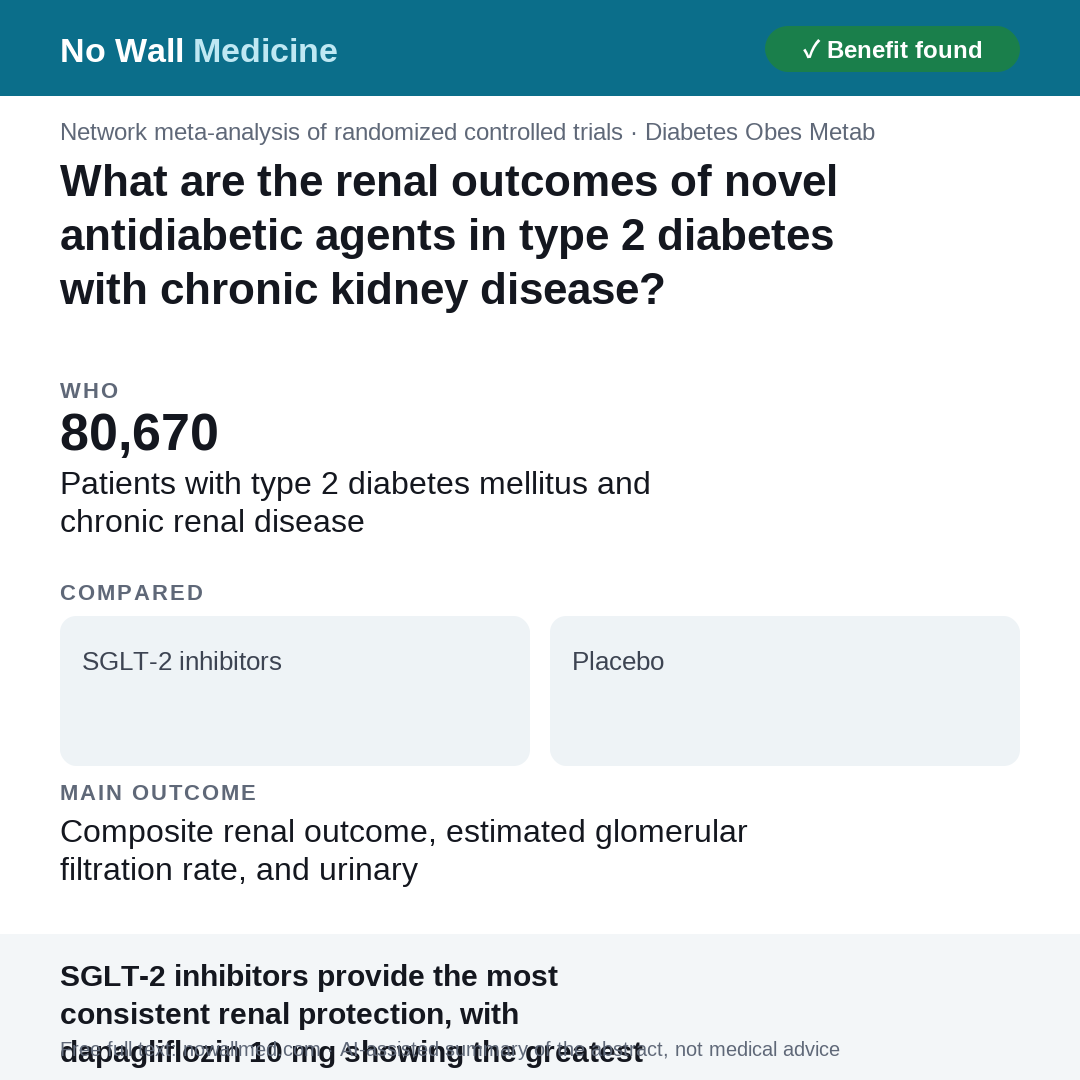
Comparison of the renal outcomes of novel antidiabetic agents in patients with type 2 diabetes with chronic kidney disease: A systematic review and network meta-analysis of randomized controlled trials
Network meta-analysis of randomized controlled trialsBenefit found
What are the renal outcomes of novel antidiabetic agents in type 2 diabetes with chronic kidney disease?
Who
80,670
Patients with type 2 diabetes mellitus and chronic renal disease
Compared
SGLT-2 inhibitors
Placebo
Main outcome
Composite renal outcome, estimated glomerular filtration rate, and urinary albumin-to-creatinine ratio
Result: dapagliflozin 10 mg OR 0.55 (95% CI 0.42-0.72)
Bottom line: SGLT-2 inhibitors provide the most consistent renal protection, with dapagliflozin 10 mg showing the greatest efficacy.
Diabetes Obes Metab · 2025-10-28Download image
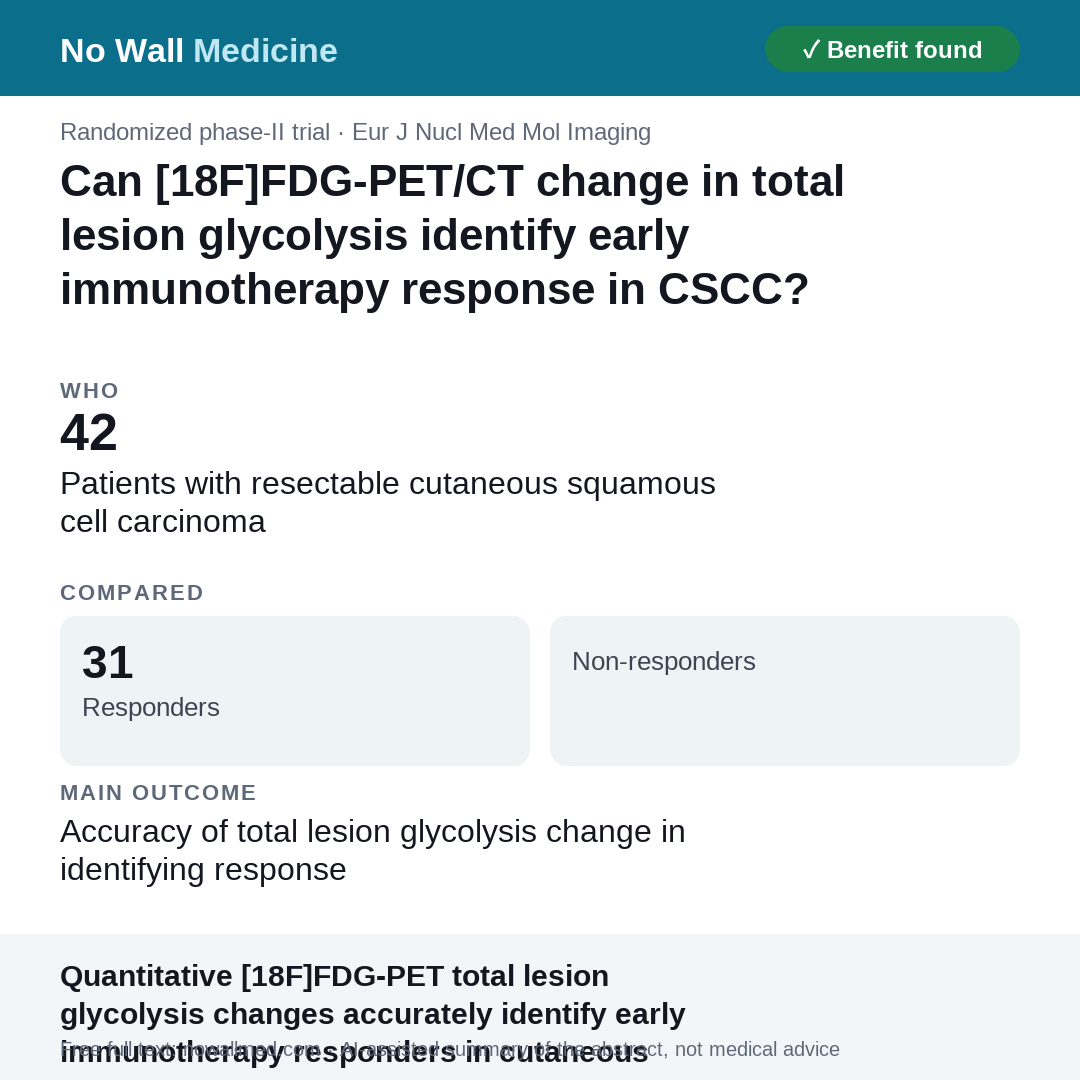
[18F]FDG-PET/CT's change in total lesion glycolysis can accurately identify early response upon neoadjuvant immunotherapy prior to curative-intent surgery in cutaneous squamous cell carcinoma; MATISSE trial
Randomized phase-II trialBenefit found
Can [18F]FDG-PET/CT change in total lesion glycolysis identify early immunotherapy response in CSCC?
Who
42
Patients with resectable cutaneous squamous cell carcinoma
Compared
31Responders (74%)
Non-responders
Main outcome
Accuracy of total lesion glycolysis change in identifying response
Bottom line: Quantitative [18F]FDG-PET total lesion glycolysis changes accurately identify early immunotherapy responders in cutaneous squamous cell carcinoma.
Eur J Nucl Med Mol Imaging · 2025-10-28Download image
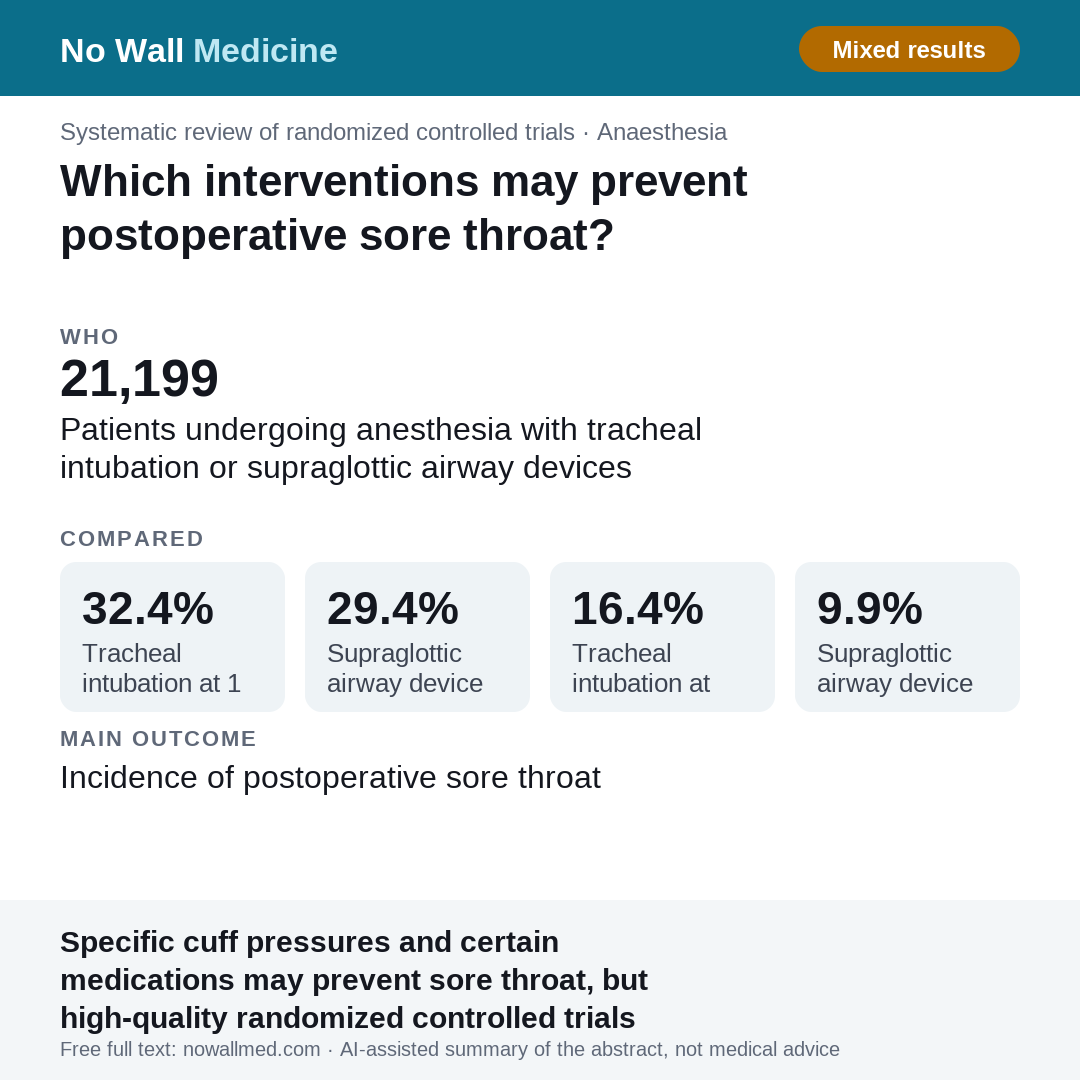
Postoperative sore throat: a systematic review
Systematic review of randomized controlled trialsMixed results
Which interventions may prevent postoperative sore throat?
Who
21,199
Patients undergoing anesthesia with tracheal intubation or supraglottic airway devices
Compared
32.4%Tracheal intubation at 1 hour (95%CI 26.9-38.5%)
29.4%Supraglottic airway device at 1 hour (95%CI 20.5-40.2%)
16.4%Tracheal intubation at 24 hours (95%CI 13.6-19.8%)
9.9%Supraglottic airway device at 24 hours (95%CI 6.7-14.4%)
Main outcome
Incidence of postoperative sore throat
Bottom line: Specific cuff pressures and certain medications may prevent sore throat, but high-quality randomized controlled trials are lacking.
Limitation: Extensive methodological heterogeneity and a lack of high-quality randomized controlled trials.
Anaesthesia · 2025-10-28Download image
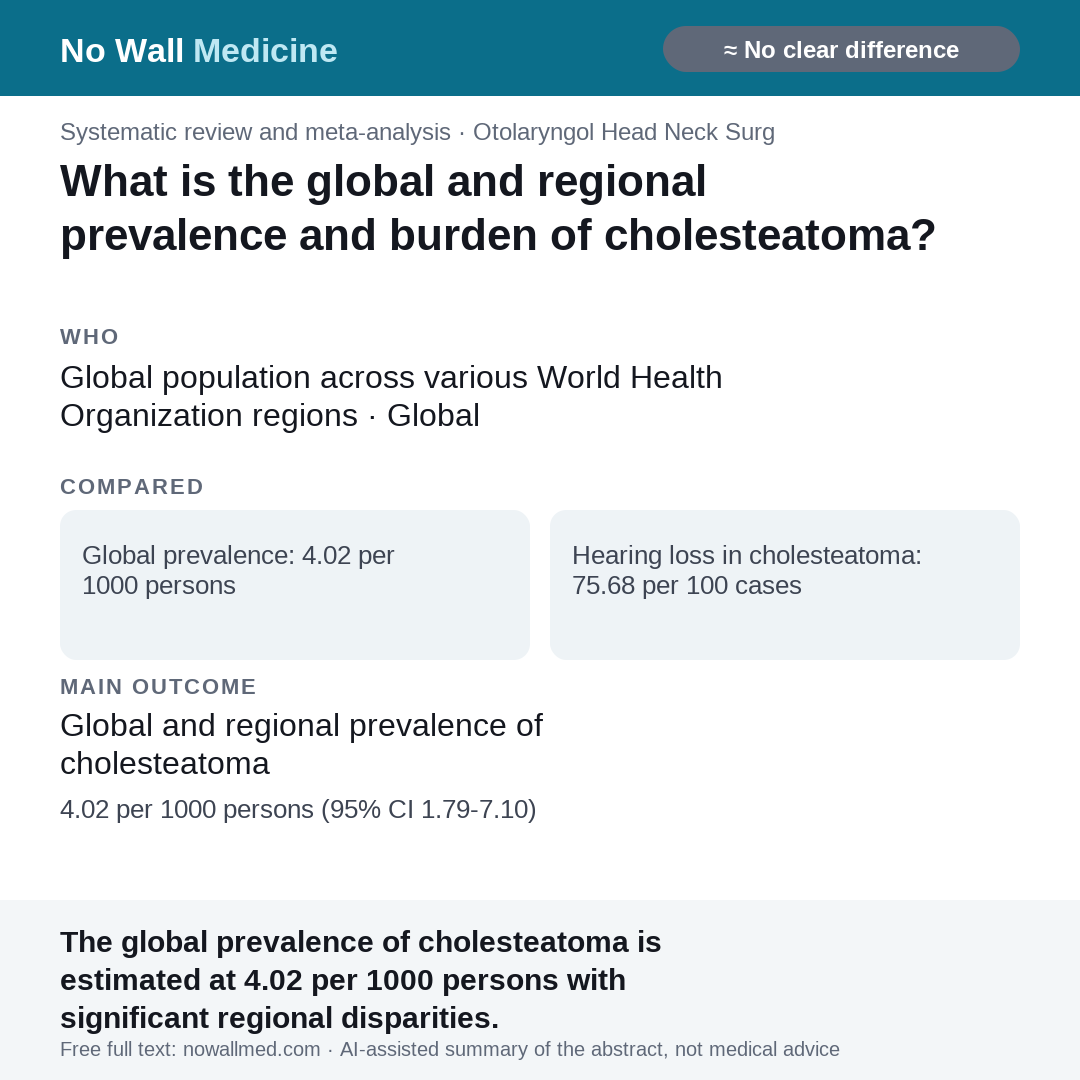
The Global Burden of Cholesteatoma: A Systematic Review and Meta-analysis
Systematic review and meta-analysisNo clear difference
What is the global and regional prevalence and burden of cholesteatoma?
Who
Global population across various World Health Organization regions · Global
Compared
Global prevalence: 4.02 per 1000 persons
Hearing loss in cholesteatoma: 75.68 per 100 cases
Main outcome
Global and regional prevalence of cholesteatoma
Result: 4.02 per 1000 persons (95% CI 1.79-7.10)
Bottom line: The global prevalence of cholesteatoma is estimated at 4.02 per 1000 persons with significant regional disparities.
Otolaryngol Head Neck Surg · 2025-10-28Download image
Diagnostic utility of speech-based biomarkers in mild cognitive impairment: a systematic review and meta-analysis
Systematic review and meta-analysisBenefit found
What is the diagnostic utility of speech-based biomarkers for identifying mild cognitive impairment?
Who
Individuals with mild cognitive impairment and cognitively unimpaired individuals
Compared
Speech-based biomarkers: 80.0% accuracy
Speech-based biomarkers: 78.0% area under the curve
Speech-based biomarkers: 80.0% sensitivity
Speech-based biomarkers: 77.0% specificity
Main outcome
Diagnostic utility in differentiating mild cognitive impairment from cognitively unimpaired individuals
Result: 80.0% accuracy (95% CI 70.0%-89.0%)
Bottom line: Speech analysis shows moderate classification performance for distinguishing mild cognitive impairment from cognitively unimpaired individuals.
Limitation: Variations in study methodologies, speech analysis protocols, and need for validation in diverse populations.
Age Ageing · 2025-10-28Download image

Cardiac magnetic resonance imaging reduces radiation exposure in emergency department patients with chest pain: A secondary analysis from the CMR IMPACT trial
Randomized trial secondary analysisBenefit found
Does stress cardiac magnetic resonance imaging reduce radiation exposure compared to invasive angiography?
Who
312
Adult patients with indeterminate troponin presenting to the emergency department · 4 United States sites
Compared
Cardiac magnetic resonance imaging: 4.7 ± 5.7 mSv
Invasive angiography: 7.8 ± 5.8 mSv
Main outcome
Cumulative radiation exposure from index through one year
Bottom line: Cardiac magnetic resonance imaging was associated with decreased radiation exposure compared to invasive angiography in patients with chest pain.
Am J Emerg Med · 2025-10-28Download image

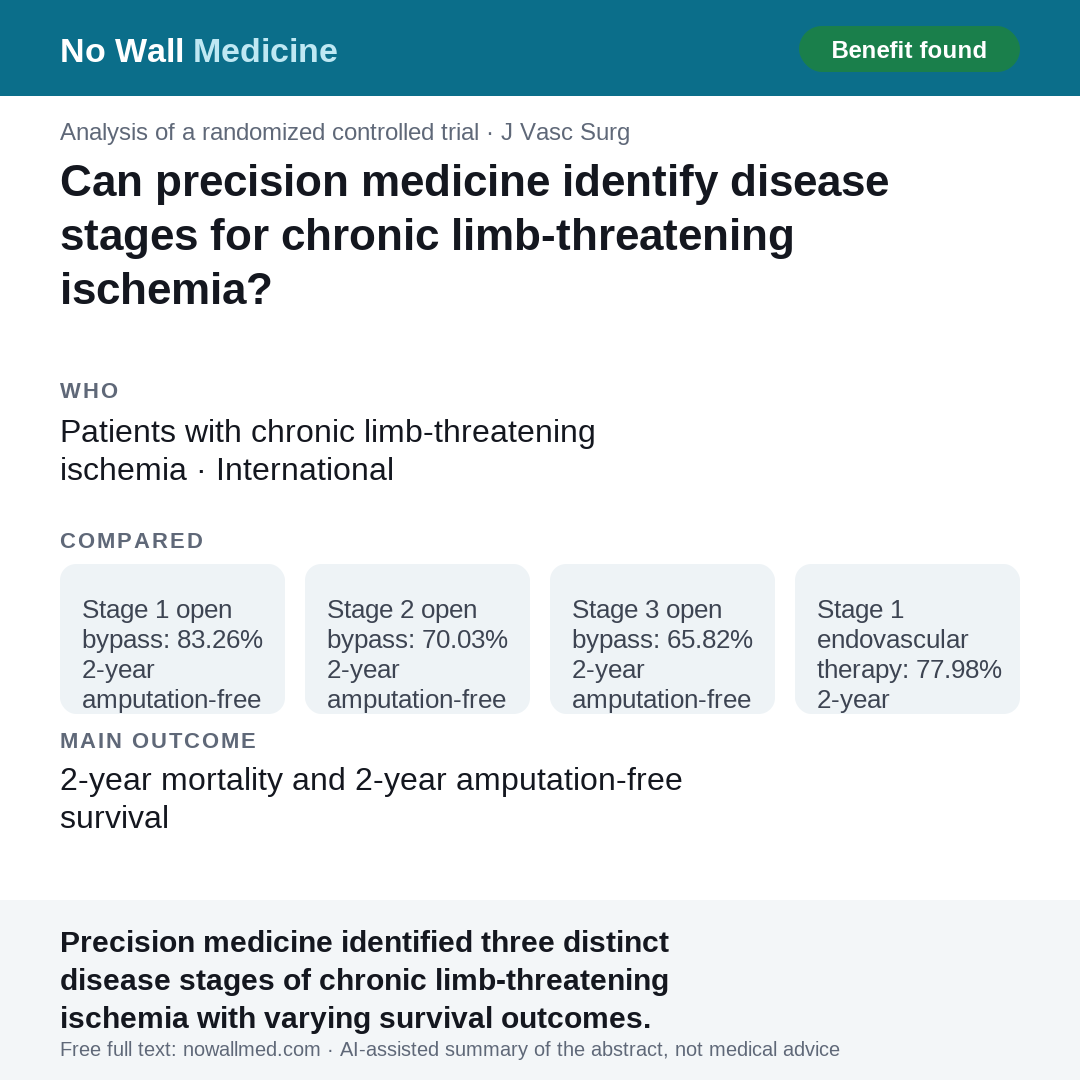
Using precision medicine methods to identify disease stages for chronic limb-threatening ischemia in participants of the BEST-CLI trial
Analysis of a randomized controlled trialBenefit found
Can precision medicine identify disease stages for chronic limb-threatening ischemia?
Who
Patients with chronic limb-threatening ischemia · International
Compared
Stage 1 open bypass: 83.26% 2-year amputation-free survival
Stage 2 open bypass: 70.03% 2-year amputation-free survival
Stage 3 open bypass: 65.82% 2-year amputation-free survival
Stage 1 endovascular therapy: 77.98% 2-year amputation-free survival
Main outcome
2-year mortality and 2-year amputation-free survival
Bottom line: Precision medicine identified three distinct disease stages of chronic limb-threatening ischemia with varying survival outcomes.
J Vasc Surg · 2025-10-28Download image
Adverse health outcomes among migrant workers and transnational families in the Asia-Pacific: a systematic review and meta-analysis
Systematic review and meta-analysisHarm found
What is the health status of migrant workers and transnational families in the Asia-Pacific?
Who
86620
Migrant workers and their transnational families in the Asia-Pacific · 17 Asia-Pacific countries
Compared
Migrant workers: 37% prevalence of at least one work-related morbidity
Local workers
Main outcome
Work-related morbidity and mortality
Result: relative risk 1.29 (95% CI 1.10-1.52)
Bottom line: Migrant workers in the Asia-Pacific face higher risks of work-related morbidity compared to local workers.
Funded by: Ministry of Education, Taiwan; Wellcome Trust; UK Medical Research Council; NIHR; la Caixa Foundation
Lancet Reg Health West Pac · 2025-10-28Download image

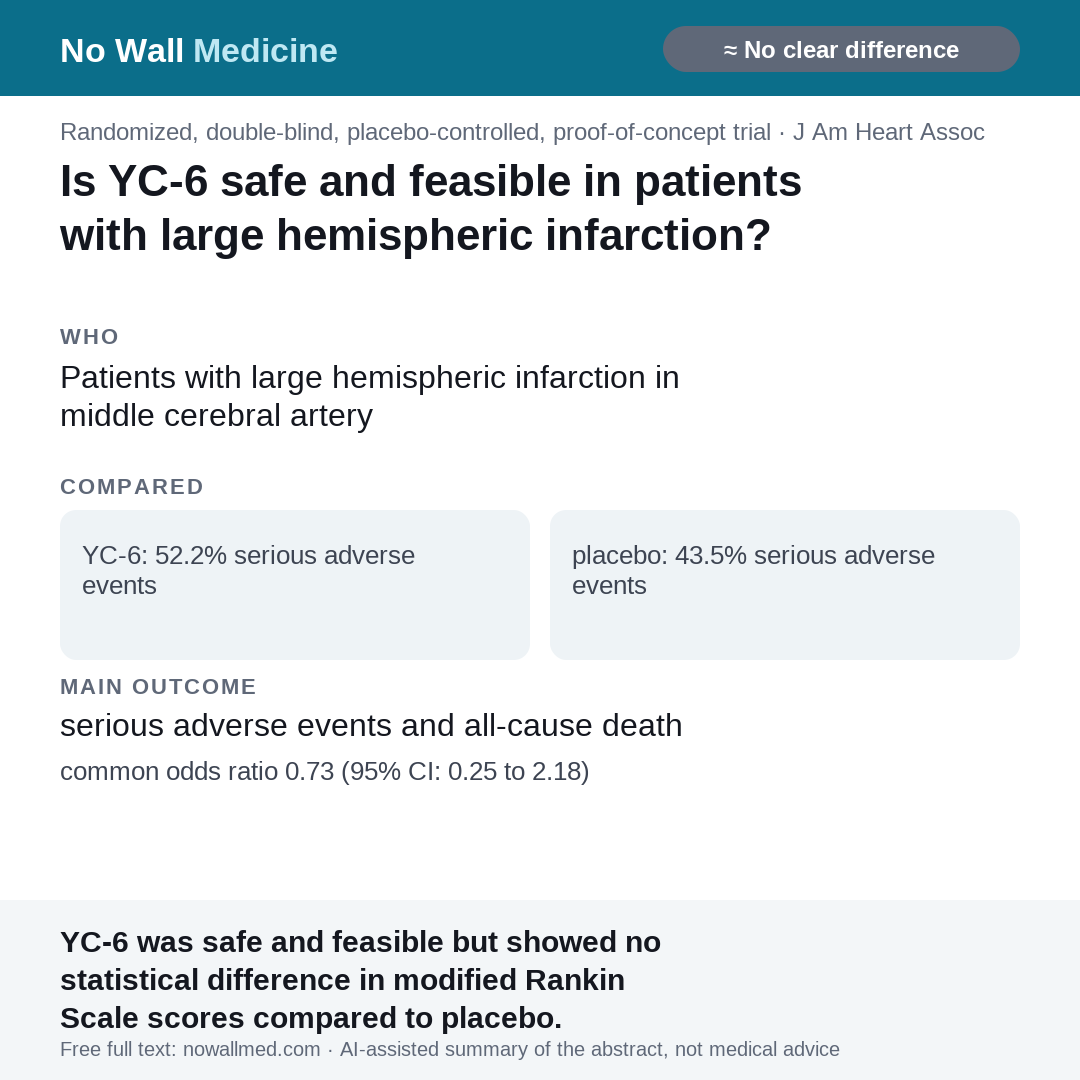
Safety and Feasibility of YC-6 in Patients With Large Hemispheric Infarction: A Randomized Clinical Trial
Randomized, double-blind, placebo-controlled, proof-of-concept trialNo clear difference
Is YC-6 safe and feasible in patients with large hemispheric infarction?
Who
Patients with large hemispheric infarction in middle cerebral artery
Compared
YC-6: 52.2% serious adverse events
placebo: 43.5% serious adverse events
Main outcome
serious adverse events and all-cause death
Result: common odds ratio 0.73 (95% CI: 0.25 to 2.18)
Bottom line: YC-6 was safe and feasible but showed no statistical difference in modified Rankin Scale scores compared to placebo.
J Am Heart Assoc · 2025-10-28Download image