Visual abstracts
New randomized trials and meta-analyses from leading journals at a glance: who was studied, what was compared, and what was found. Every paper is free to read in full.
All specialtiesCardiology 4877Oncology 4138Gastroenterology & Hepatology 1942Infectious Disease 3837Neurology 1905Psychiatry & Mental Health 2273Pulmonology 2143Critical Care 1365Endocrinology & Diabetes 2580Pediatrics 2980Surgery 2559Orthopedics & Sports Medicine 931Neurosurgery 537Cardiothoracic & Vascular Surgery 674Plastic & Reconstructive Surgery 591Nephrology 1133Rheumatology 823Hematology 1109Dermatology 621Ophthalmology 543Obstetrics & Gynecology 1686Public & Global Health 1058Radiology & Imaging 648Anesthesiology 986Urology 764ENT (Otolaryngology) 503Emergency Medicine 511Allergy & Immunology 313Geriatrics 981Family Medicine & Primary Care 562Medical Genetics & Genomics 676Pathology & Laboratory Medicine 159Physical Medicine & Rehabilitation 757Palliative Care 444Nutrition 1588Digital Health & AI 2201General Medicine 321
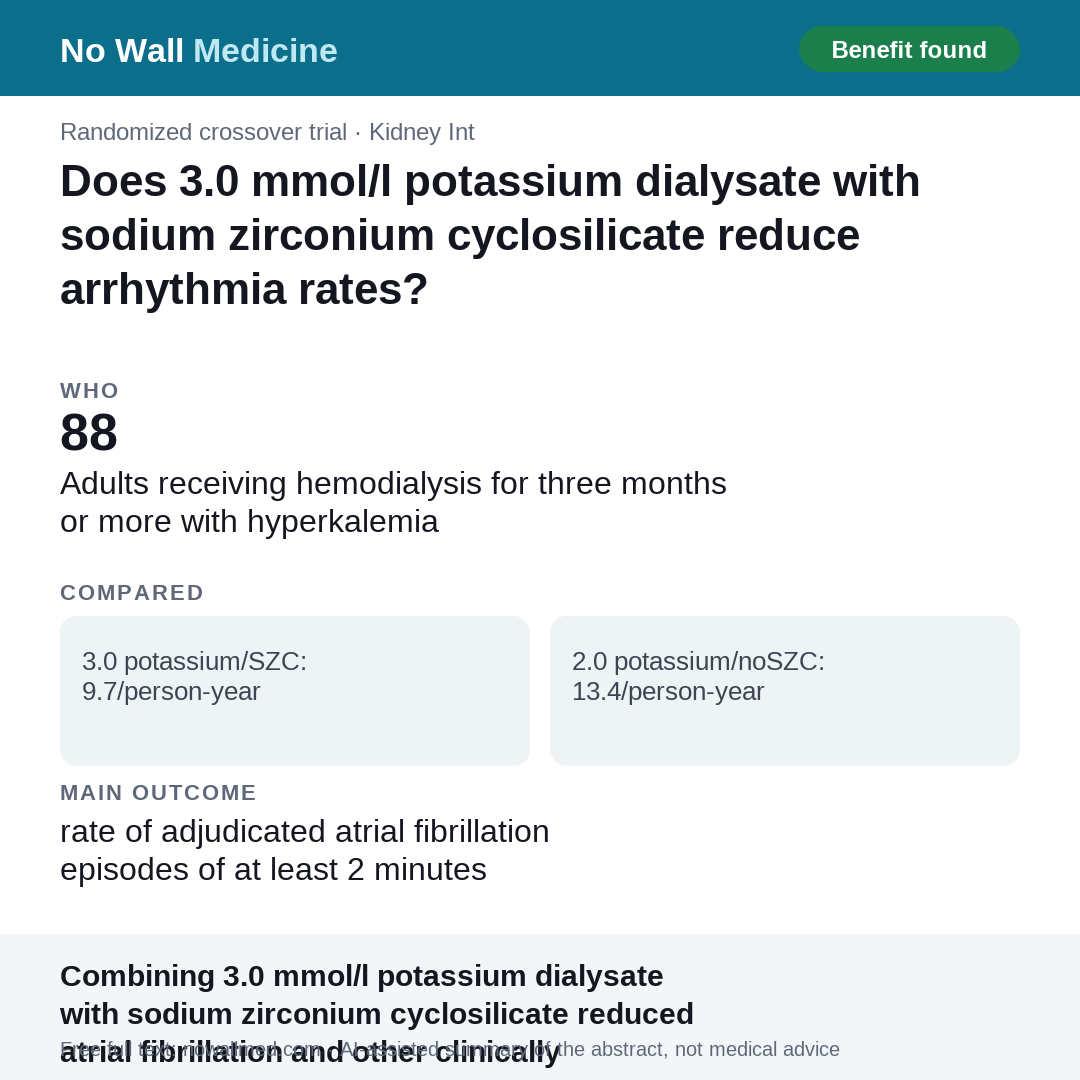
Effects of dialysate potassium concentration of 3.0 mmol/l with sodium zirconium cyclosilicate on dialysis-free days versus dialysate potassium concentration of 2.0 mmol/l alone on rates of cardiac arrhythmias in hemodialysis patients with hyperkalemia
Randomized crossover trialBenefit found
Does 3.0 mmol/l potassium dialysate with sodium zirconium cyclosilicate reduce arrhythmia rates?
Who
88
Adults receiving hemodialysis for three months or more with hyperkalemia
Compared
3.0 potassium/SZC: 9.7/person-year
2.0 potassium/noSZC: 13.4/person-year
Main outcome
rate of adjudicated atrial fibrillation episodes of at least 2 minutes
Result: modeled rate ratio 0.52 (95% confidence interval 0.41-0.65)
Bottom line: Combining 3.0 mmol/l potassium dialysate with sodium zirconium cyclosilicate reduced atrial fibrillation and other clinically significant arrhythmia rates.
Kidney Int · 2024-10-26Download image
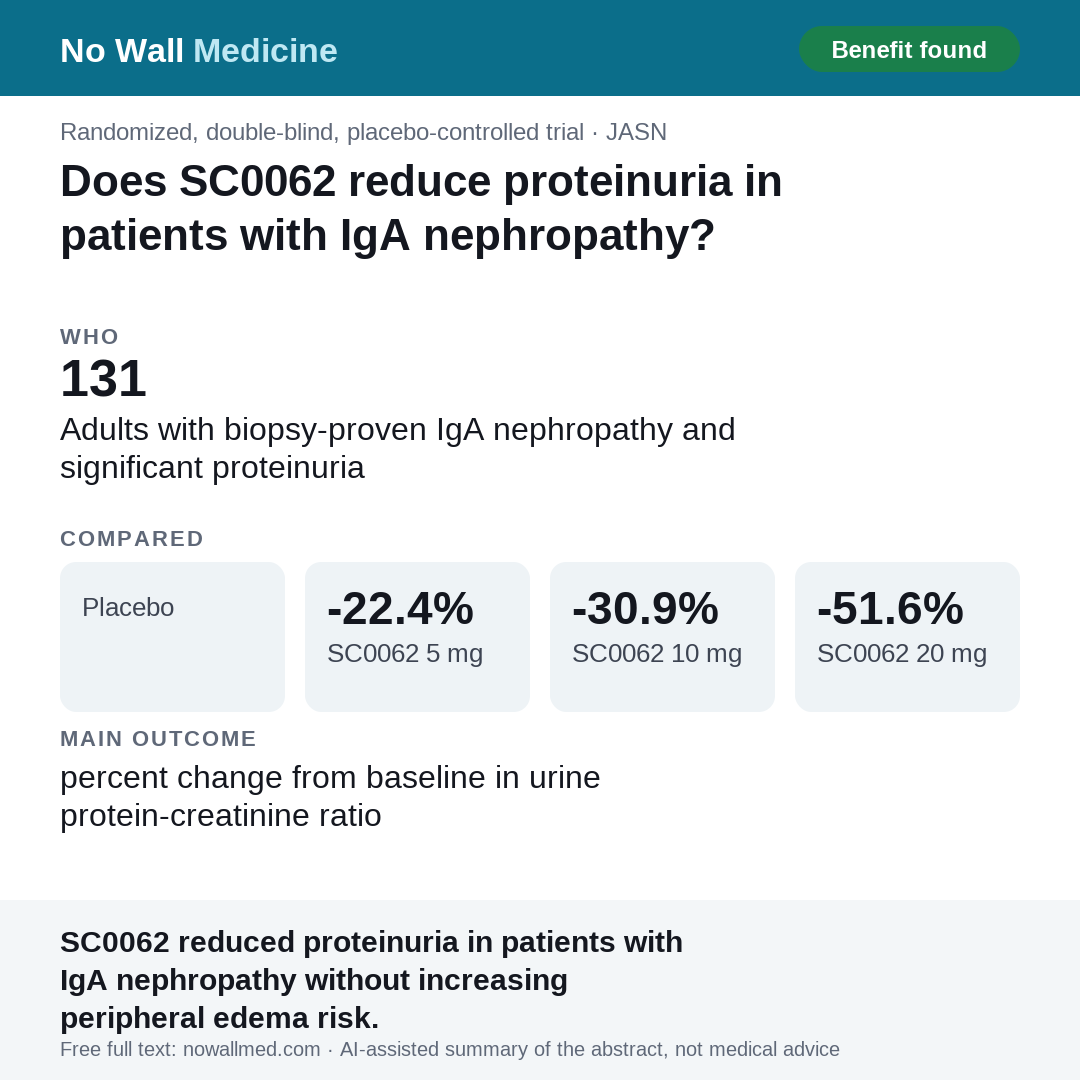
The Selective Endothelin Receptor Antagonist SC0062 in IgA Nephropathy: A Randomized Double-Blind Placebo-Controlled Clinical Trial
Randomized, double-blind, placebo-controlled trialBenefit found
Does SC0062 reduce proteinuria in patients with IgA nephropathy?
Who
131
Adults with biopsy-proven IgA nephropathy and significant proteinuria
Compared
Placebo
-22.4%SC0062 5 mg (-42.2 to 4.3)
-30.9%SC0062 10 mg (-48.6 to -7.0)
-51.6%SC0062 20 mg (-64.2 to -34.6)
Main outcome
percent change from baseline in urine protein-creatinine ratio
Bottom line: SC0062 reduced proteinuria in patients with IgA nephropathy without increasing peripheral edema risk.
JASN · 2024-10-26Download image
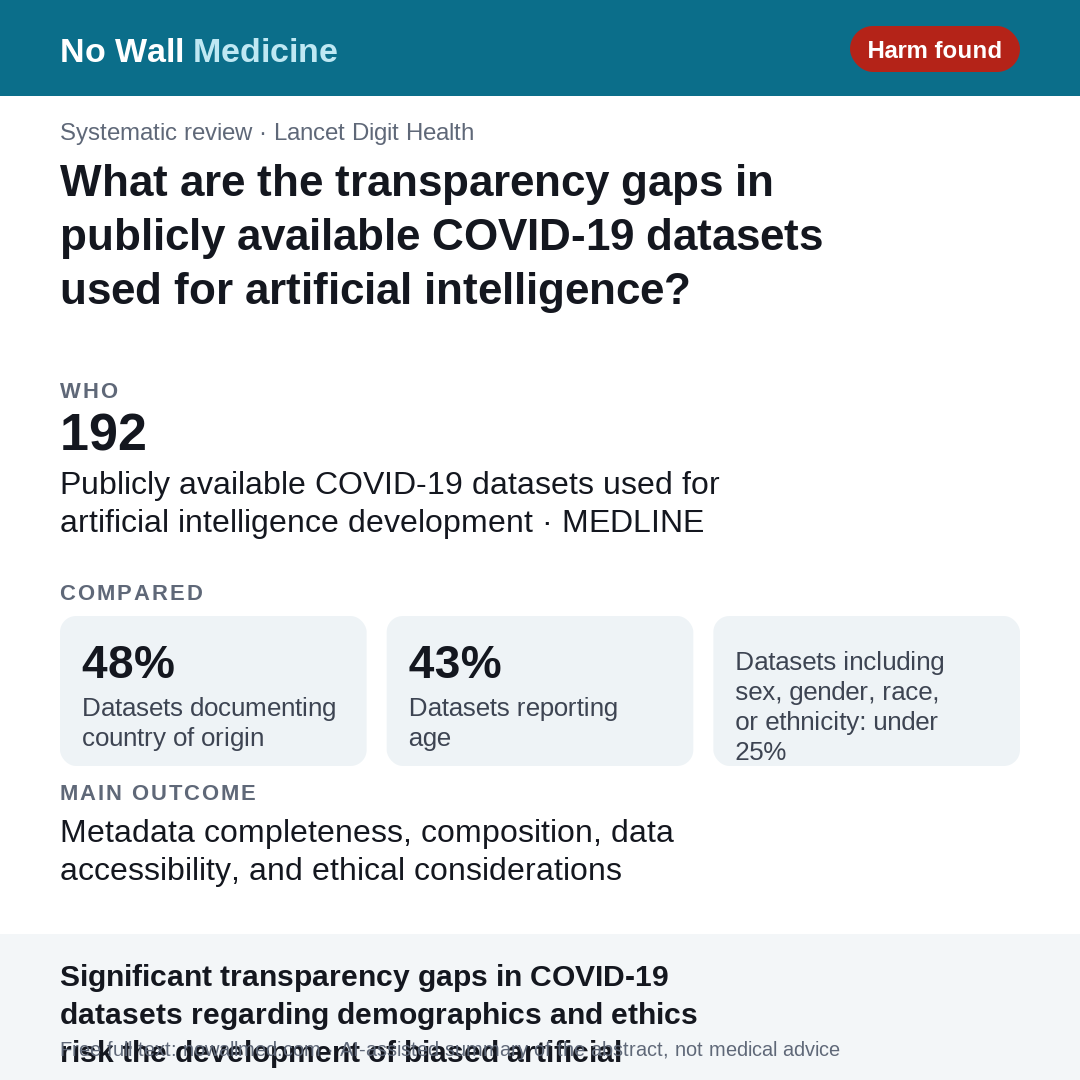
Revealing transparency gaps in publicly available COVID-19 datasets used for medical artificial intelligence development-a systematic review
Systematic reviewHarm found
What are the transparency gaps in publicly available COVID-19 datasets used for artificial intelligence?
Who
192
Publicly available COVID-19 datasets used for artificial intelligence development · MEDLINE and Google Dataset Search
Compared
48%Datasets documenting country of origin
43%Datasets reporting age
Datasets including sex, gender, race, or ethnicity: under 25%
Main outcome
Metadata completeness, composition, data accessibility, and ethical considerations
Bottom line: Significant transparency gaps in COVID-19 datasets regarding demographics and ethics risk the development of biased artificial intelligence models.
Lancet Digit Health · 2024-10-26Download image
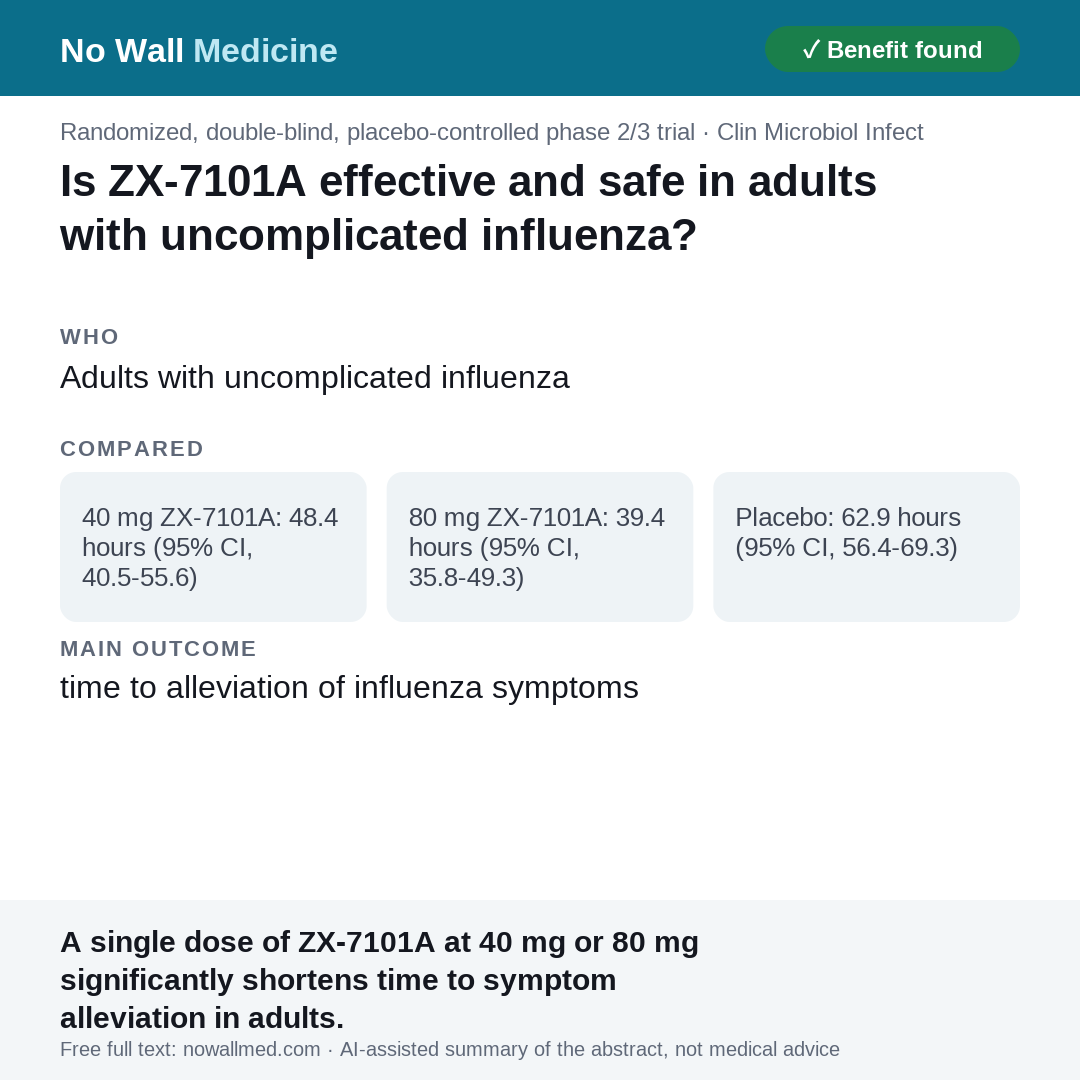
Efficacy and safety of ZX-7101A, an inhibitor of influenza cap-dependent endonuclease, in adults with uncomplicated influenza: a randomized, double-blind, placebo-controlled phase 2/3 trial
Randomized, double-blind, placebo-controlled phase 2/3 trialBenefit found
Is ZX-7101A effective and safe in adults with uncomplicated influenza?
Who
Adults with uncomplicated influenza
Compared
40 mg ZX-7101A: 48.4 hours (95% CI, 40.5-55.6)
80 mg ZX-7101A: 39.4 hours (95% CI, 35.8-49.3)
Placebo: 62.9 hours (95% CI, 56.4-69.3)
Main outcome
time to alleviation of influenza symptoms
Bottom line: A single dose of ZX-7101A at 40 mg or 80 mg significantly shortens time to symptom alleviation in adults.
Clin Microbiol Infect · 2024-10-26Download image
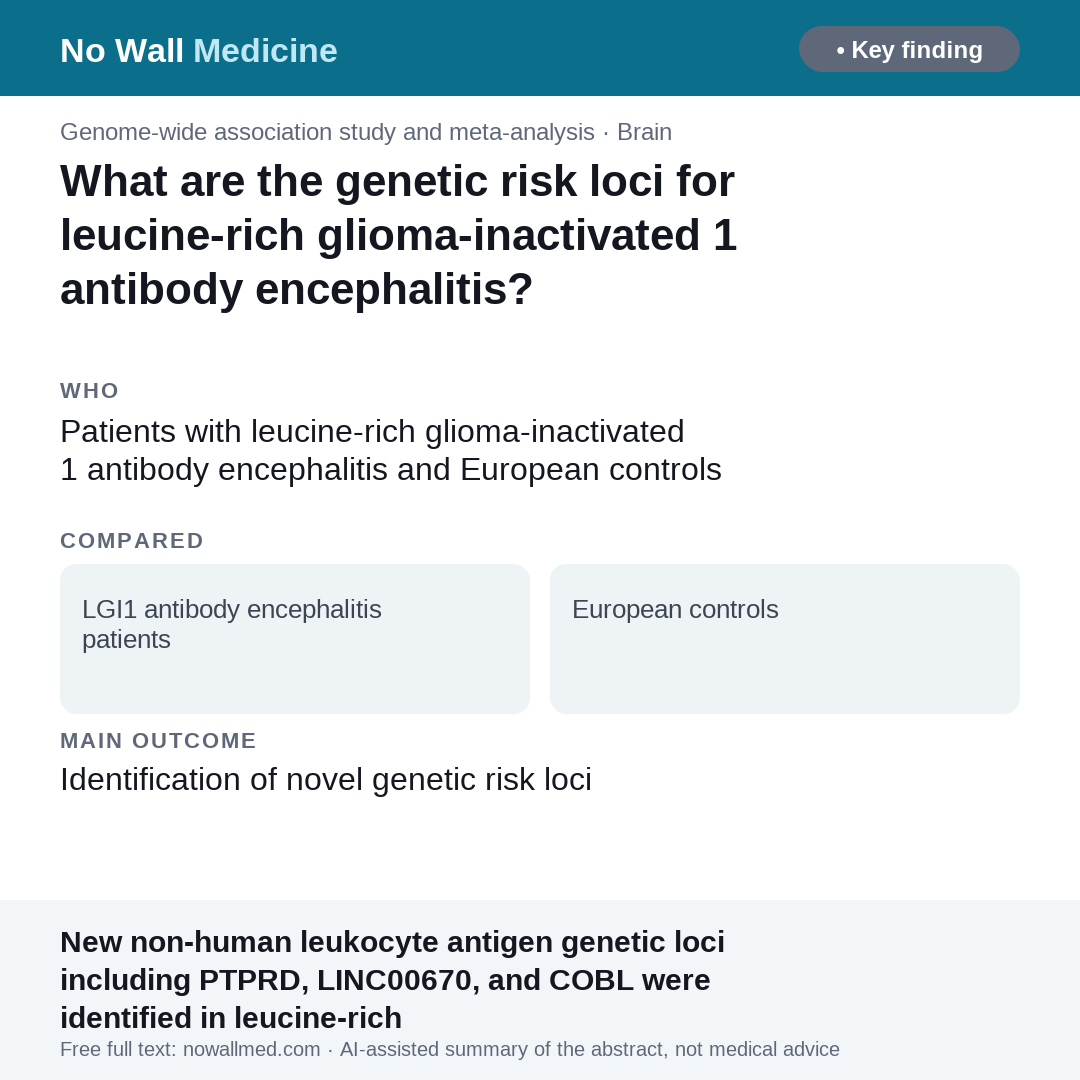
Novel risk loci in LGI1-antibody encephalitis: genome-wide association study discovery and validation cohorts
Genome-wide association study and meta-analysisBenefit found
What are the genetic risk loci for leucine-rich glioma-inactivated 1 antibody encephalitis?
Who
Patients with leucine-rich glioma-inactivated 1 antibody encephalitis and European controls · France, United States, Britain, and Ireland
Compared
LGI1 antibody encephalitis patients
European controls
Main outcome
Identification of novel genetic risk loci
Bottom line: New non-human leukocyte antigen genetic loci including PTPRD, LINC00670, and COBL were identified in leucine-rich glioma-inactivated 1 antibody encephalitis.
Brain · 2024-10-26Download image
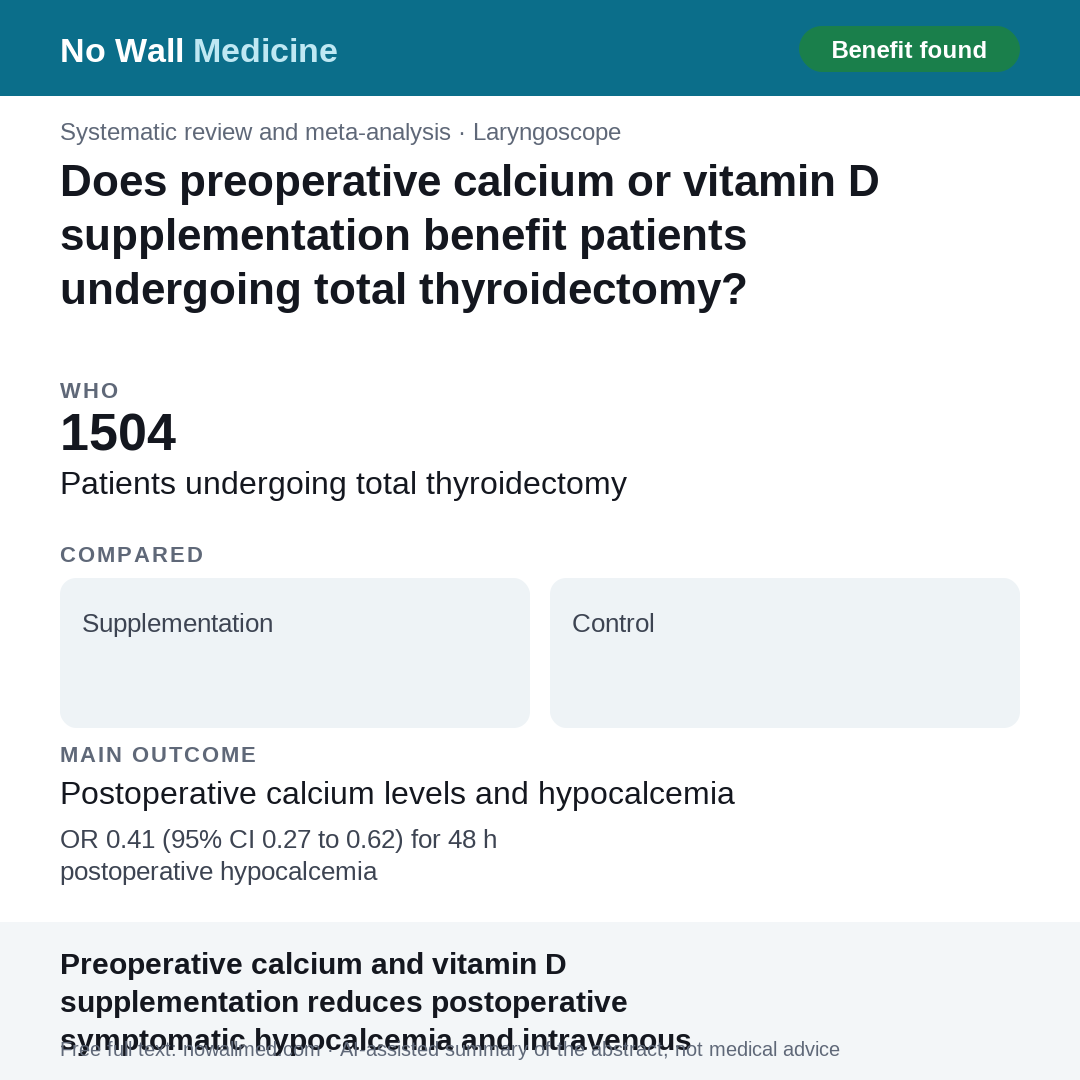
Preoperative Calcium or Vitamin D Supplement in Thyroidectomy: A Systematic Review and Meta-Analysis
Systematic review and meta-analysisBenefit found
Does preoperative calcium or vitamin D supplementation benefit patients undergoing total thyroidectomy?
Who
1504
Patients undergoing total thyroidectomy
Compared
Supplementation
Control
Main outcome
Postoperative calcium levels and hypocalcemia
Result: OR 0.41 (95% CI 0.27 to 0.62) for 48 h postoperative hypocalcemia
Bottom line: Preoperative calcium and vitamin D supplementation reduces postoperative symptomatic hypocalcemia and intravenous calcium supplementation needs.
Laryngoscope · 2024-10-26Download image
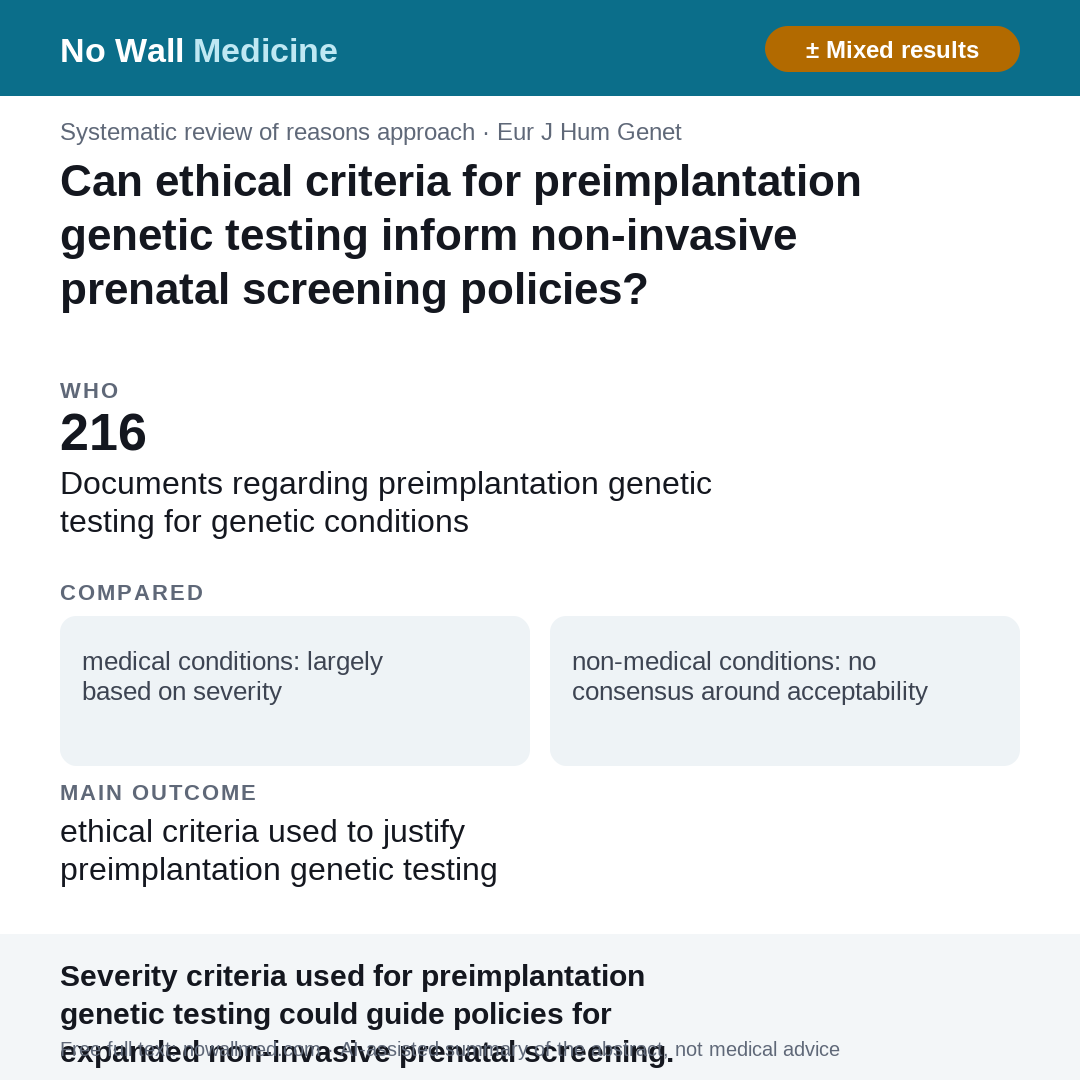
Defining ethical criteria to guide the expanded use of Noninvasive Prenatal Screening (NIPS): Lessons about severity from preimplantation genetic testing
Systematic review of reasons approachMixed results
Can ethical criteria for preimplantation genetic testing inform non-invasive prenatal screening policies?
Who
216
Documents regarding preimplantation genetic testing for genetic conditions
Compared
medical conditions: largely based on severity
non-medical conditions: no consensus around acceptability
Main outcome
ethical criteria used to justify preimplantation genetic testing
Bottom line: Severity criteria used for preimplantation genetic testing could guide policies for expanded non-invasive prenatal screening.
Eur J Hum Genet · 2024-10-26Download image
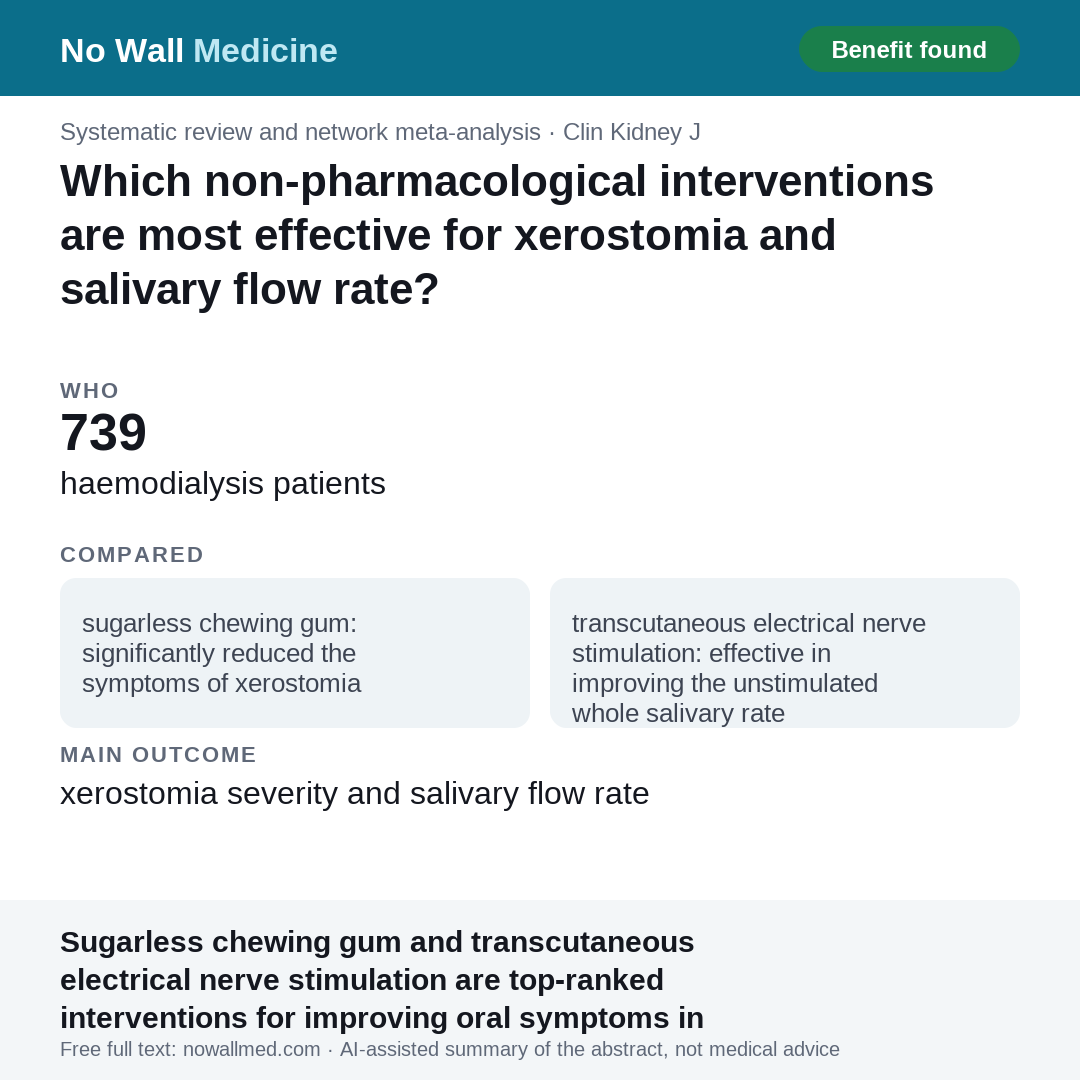
Comparative efficacy of non-pharmacological interventions on xerostomia and salivary flow rate among haemodialysis patients: A systematic review and network meta-analysis
Systematic review and network meta-analysisBenefit found
Which non-pharmacological interventions are most effective for xerostomia and salivary flow rate?
Who
739
haemodialysis patients
Compared
sugarless chewing gum: significantly reduced the symptoms of xerostomia
transcutaneous electrical nerve stimulation: effective in improving the unstimulated whole salivary rate
Main outcome
xerostomia severity and salivary flow rate
Bottom line: Sugarless chewing gum and transcutaneous electrical nerve stimulation are top-ranked interventions for improving oral symptoms in dialysis patients.
Clin Kidney J · 2024-10-26Download image
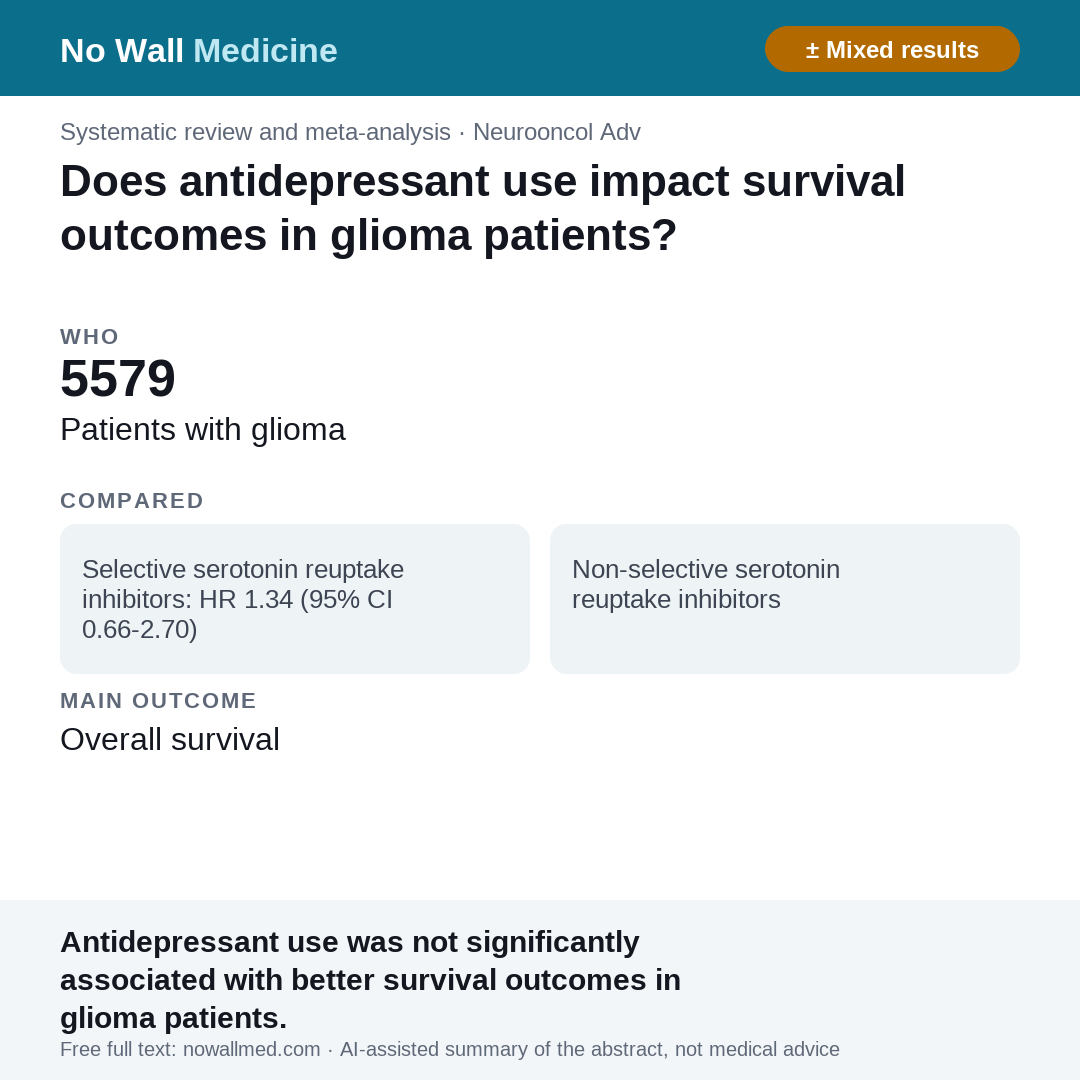
Impact of antidepressant use on survival outcomes in glioma patients: A systematic review and meta-analysis
Systematic review and meta-analysisMixed results
Does antidepressant use impact survival outcomes in glioma patients?
Who
5579
Patients with glioma
Compared
Selective serotonin reuptake inhibitors: HR 1.34 (95% CI 0.66-2.70)
Non-selective serotonin reuptake inhibitors
Main outcome
Overall survival
Bottom line: Antidepressant use was not significantly associated with better survival outcomes in glioma patients.
Limitation: Future clinical research should address patient heterogeneity to clarify effects.
Neurooncol Adv · 2024-10-26Download image
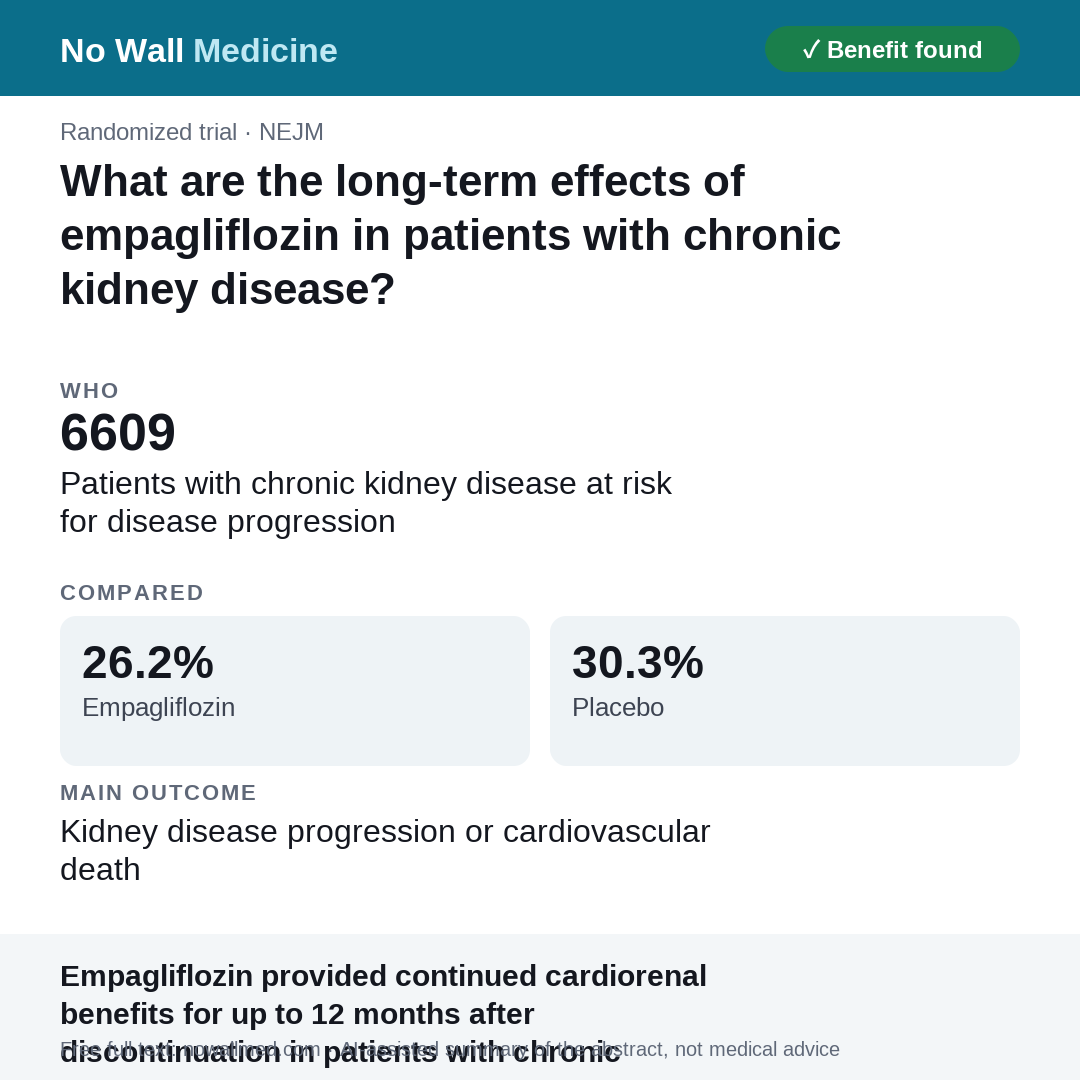
Long-Term Effects of Empagliflozin in Patients with Chronic Kidney Disease
Randomized trialBenefit found
What are the long-term effects of empagliflozin in patients with chronic kidney disease?
Who
6609
Patients with chronic kidney disease at risk for disease progression
Compared
26.2%Empagliflozin
30.3%Placebo
Main outcome
Kidney disease progression or cardiovascular death
Result: hazard ratio 0.79 (95% CI 0.72 to 0.87)
Bottom line: Empagliflozin provided continued cardiorenal benefits for up to 12 months after discontinuation in patients with chronic kidney disease.
Funded by: Boehringer Ingelheim and others
NEJM · 2024-10-25Download image
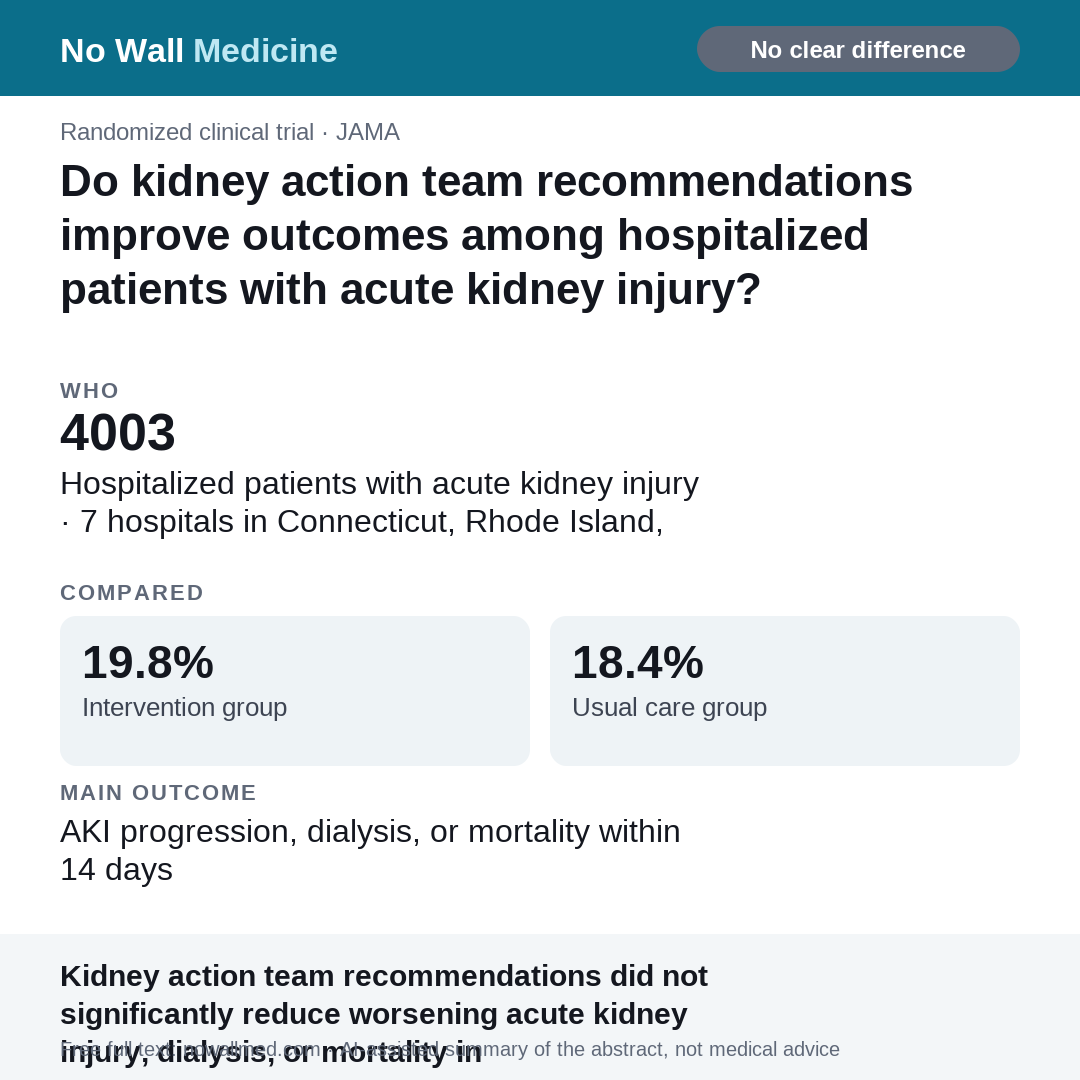
Early, Individualized Recommendations for Hospitalized Patients With Acute Kidney Injury: A Randomized Clinical Trial
Randomized clinical trialNo clear difference
Do kidney action team recommendations improve outcomes among hospitalized patients with acute kidney injury?
Who
4003
Hospitalized patients with acute kidney injury · 7 hospitals in Connecticut, Rhode Island, and Maryland
Compared
19.8%Intervention group
18.4%Usual care group
Main outcome
AKI progression, dialysis, or mortality within 14 days
Result: difference, 1.4%, 95% CI, -1.1% to 3.8%
Bottom line: Kidney action team recommendations did not significantly reduce worsening acute kidney injury, dialysis, or mortality in hospitalized patients.
JAMA · 2024-10-25Download image
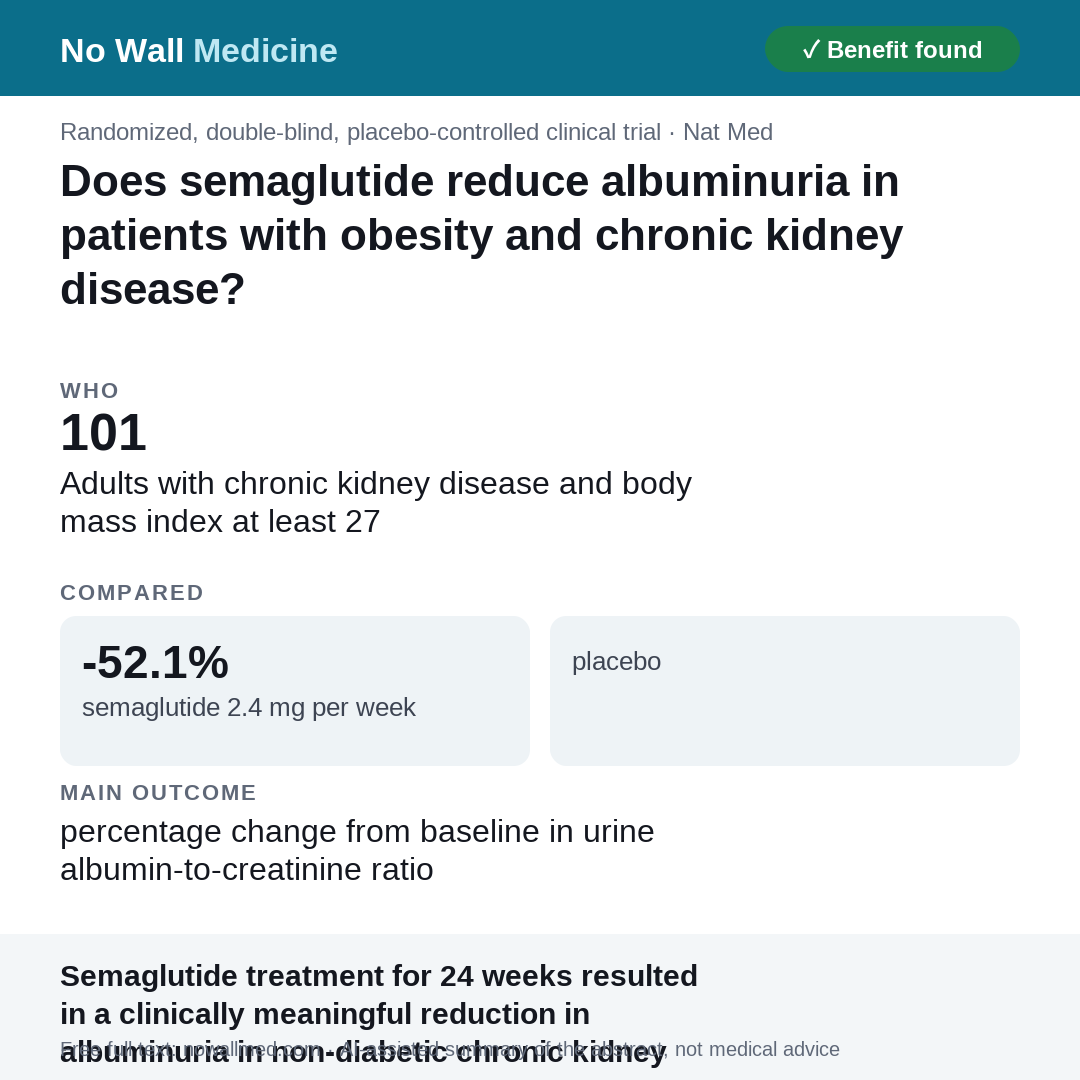
Semaglutide in patients with overweight or obesity and chronic kidney disease without diabetes: a randomized double-blind placebo-controlled clinical trial
Randomized, double-blind, placebo-controlled clinical trialBenefit found
Does semaglutide reduce albuminuria in patients with obesity and chronic kidney disease?
Who
101
Adults with chronic kidney disease and body mass index at least 27
Compared
-52.1%semaglutide 2.4 mg per week
placebo
Main outcome
percentage change from baseline in urine albumin-to-creatinine ratio
Result: -52.1% (95% confidence interval -65.5, -33.4)
Bottom line: Semaglutide treatment for 24 weeks resulted in a clinically meaningful reduction in albuminuria in non-diabetic chronic kidney disease patients.
Nat Med · 2024-10-25Download image
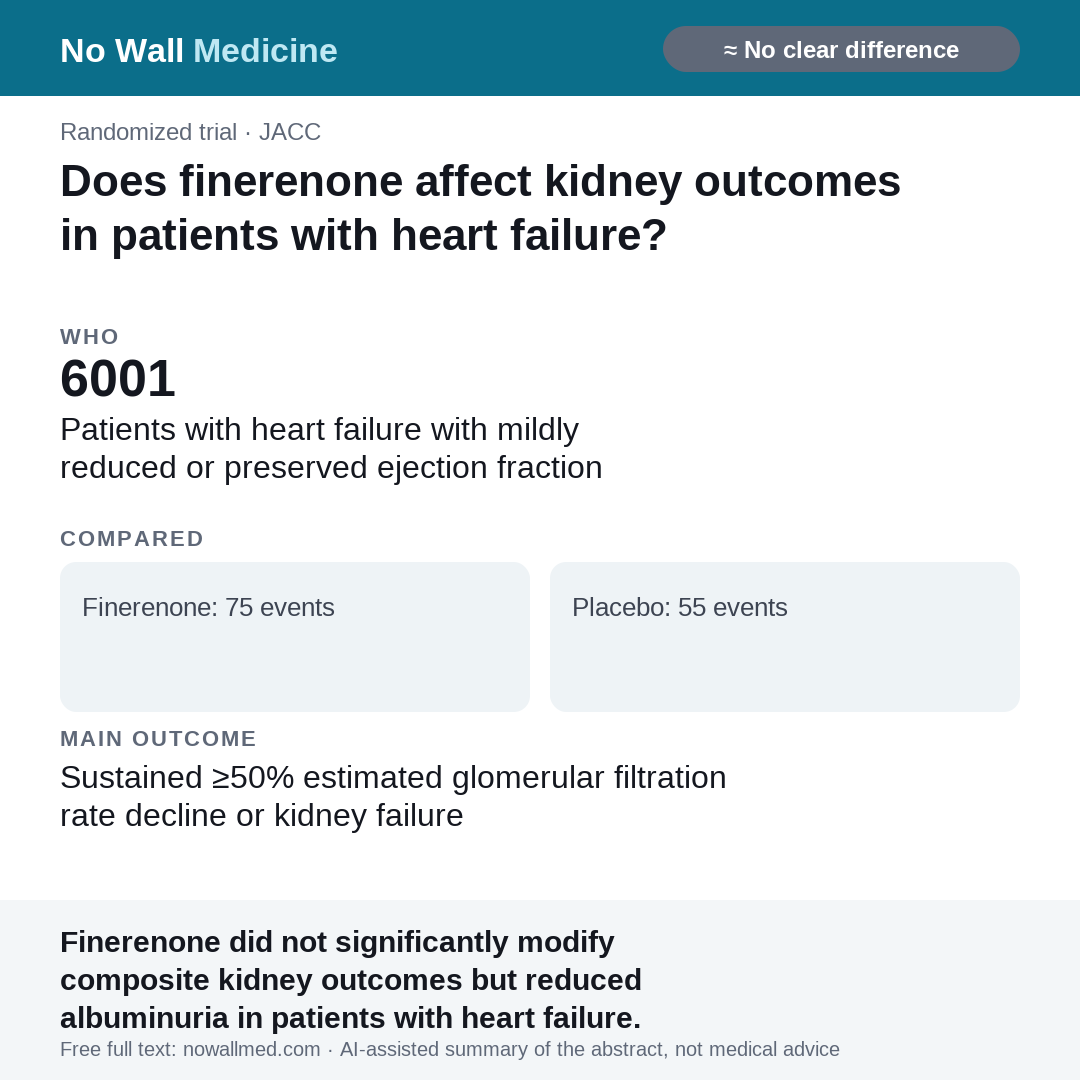
Finerenone and Kidney Outcomes in Patients With Heart Failure: The FINEARTS-HF Trial
Randomized trialNo clear difference
Does finerenone affect kidney outcomes in patients with heart failure?
Who
6001
Patients with heart failure with mildly reduced or preserved ejection fraction
Compared
Finerenone: 75 events
Placebo: 55 events
Main outcome
Sustained ≥50% estimated glomerular filtration rate decline or kidney failure
Result: hazard ratio 1.33 (95% CI 0.94-1.89)
Bottom line: Finerenone did not significantly modify composite kidney outcomes but reduced albuminuria in patients with heart failure.
JACC · 2024-10-25Download image
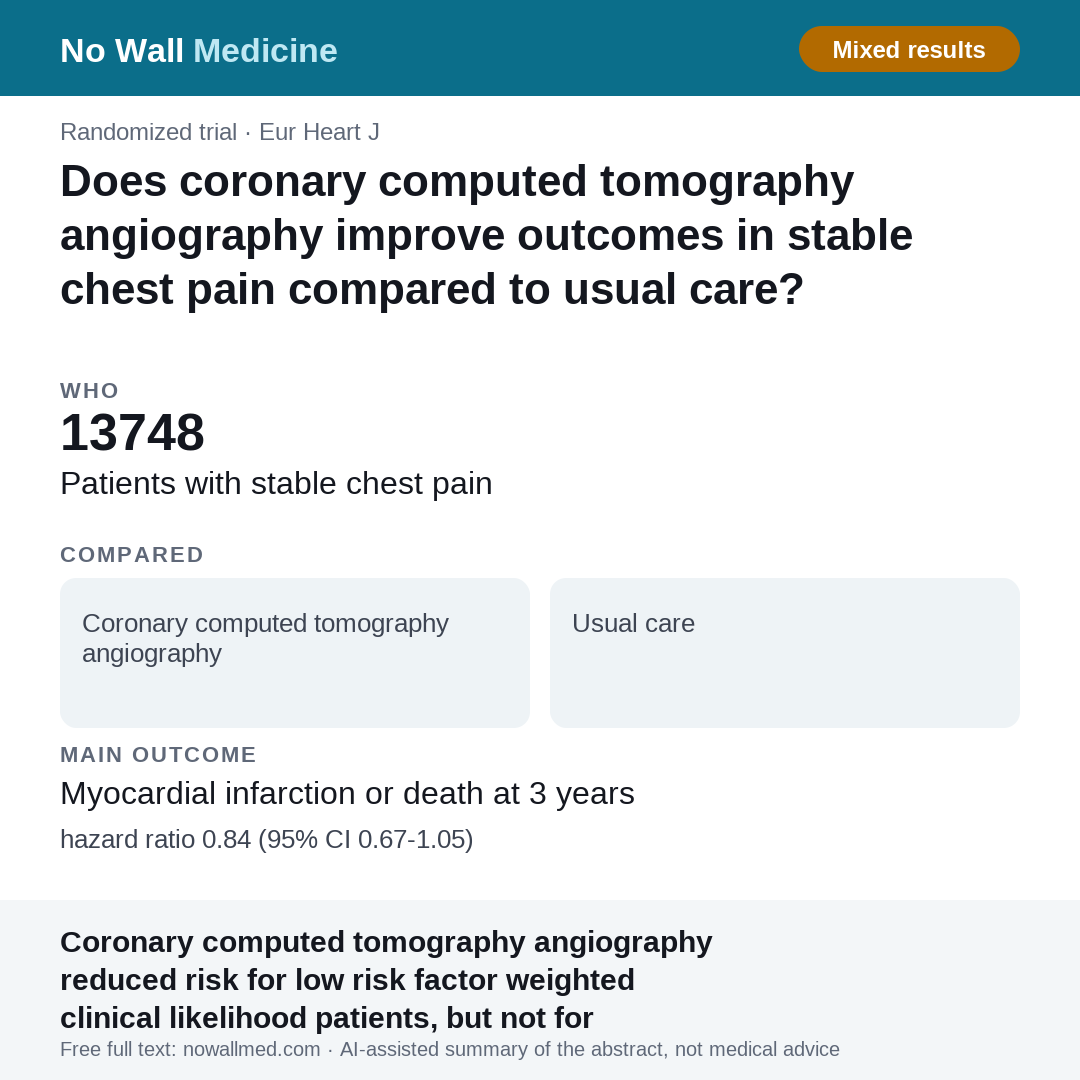
Clinical risk prediction, coronary computed tomography angiography, and cardiovascular events in new-onset chest pain: the PROMISE and SCOT-HEART trials
Randomized trialMixed results
Does coronary computed tomography angiography improve outcomes in stable chest pain compared to usual care?
Who
13748
Patients with stable chest pain
Compared
Coronary computed tomography angiography
Usual care
Main outcome
Myocardial infarction or death at 3 years
Result: hazard ratio 0.84 (95% CI 0.67-1.05)
Bottom line: Coronary computed tomography angiography reduced risk for low risk factor weighted clinical likelihood patients, but not for others.
Eur Heart J · 2024-10-25Download image
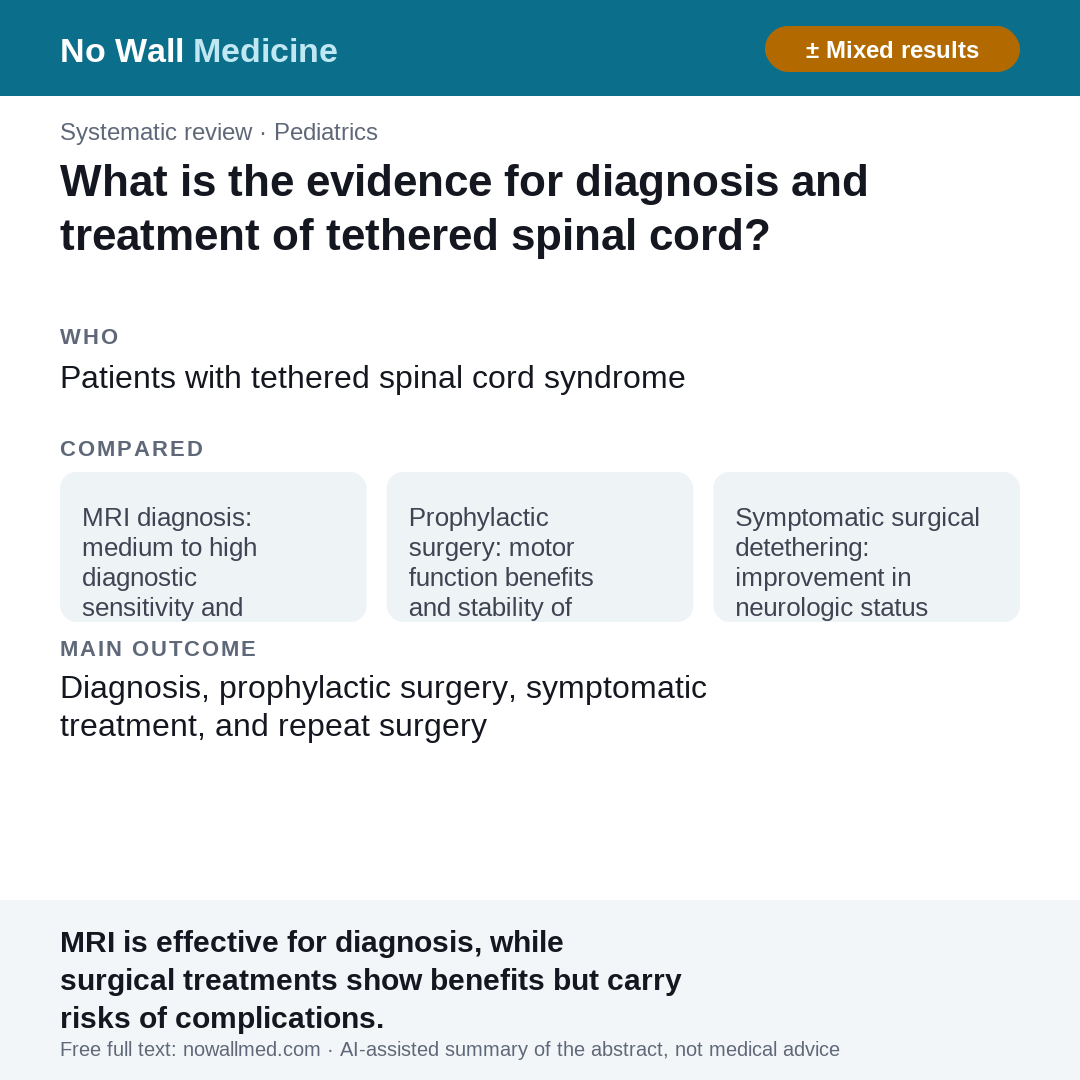
Diagnosis and Treatment of Tethered Spinal Cord: A Systematic Review
Systematic reviewMixed results
What is the evidence for diagnosis and treatment of tethered spinal cord?
Who
Patients with tethered spinal cord syndrome
Compared
MRI diagnosis: medium to high diagnostic sensitivity and specificity
Prophylactic surgery: motor function benefits and stability of neurologic status
Symptomatic surgical detethering: improvement in neurologic status
Main outcome
Diagnosis, prophylactic surgery, symptomatic treatment, and repeat surgery
Bottom line: MRI is effective for diagnosis, while surgical treatments show benefits but carry risks of complications.
Limitation: Insufficient evidence for clinical impact, ambulation, quality of life, and over- or undertreatment.
Pediatrics · 2024-10-25Download image
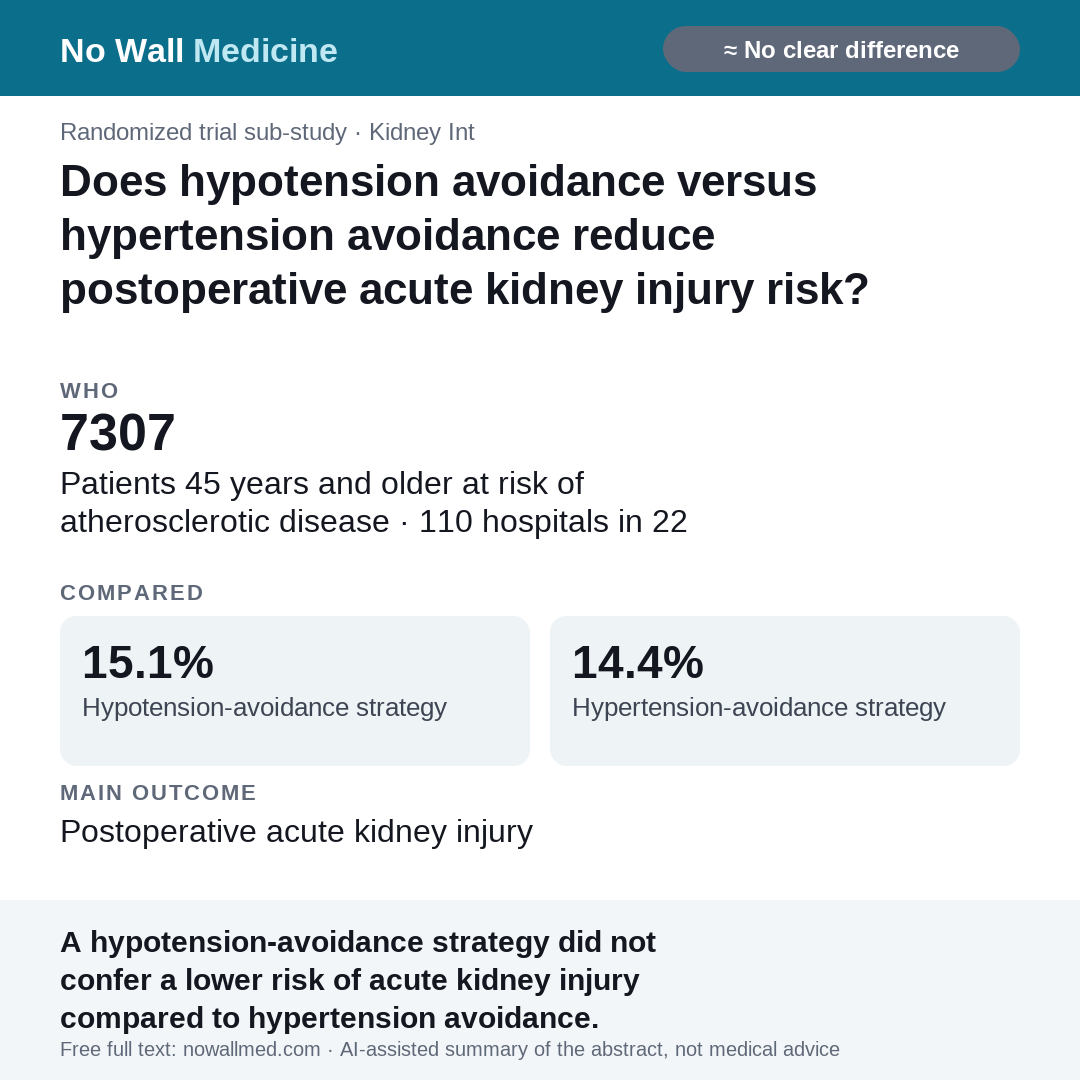
A sub-study of the POISE-3 randomized trial examined effects of a perioperative hypotension-avoidance strategy versus a hypertension-avoidance strategy on the risk of acute kidney injury
Randomized trial sub-studyNo clear difference
Does hypotension avoidance versus hypertension avoidance reduce postoperative acute kidney injury risk?
Who
7307
Patients 45 years and older at risk of atherosclerotic disease · 110 hospitals in 22 countries
Compared
15.1%Hypotension-avoidance strategy
14.4%Hypertension-avoidance strategy
Main outcome
Postoperative acute kidney injury
Bottom line: A hypotension-avoidance strategy did not confer a lower risk of acute kidney injury compared to hypertension avoidance.
Kidney Int · 2024-10-25Download image
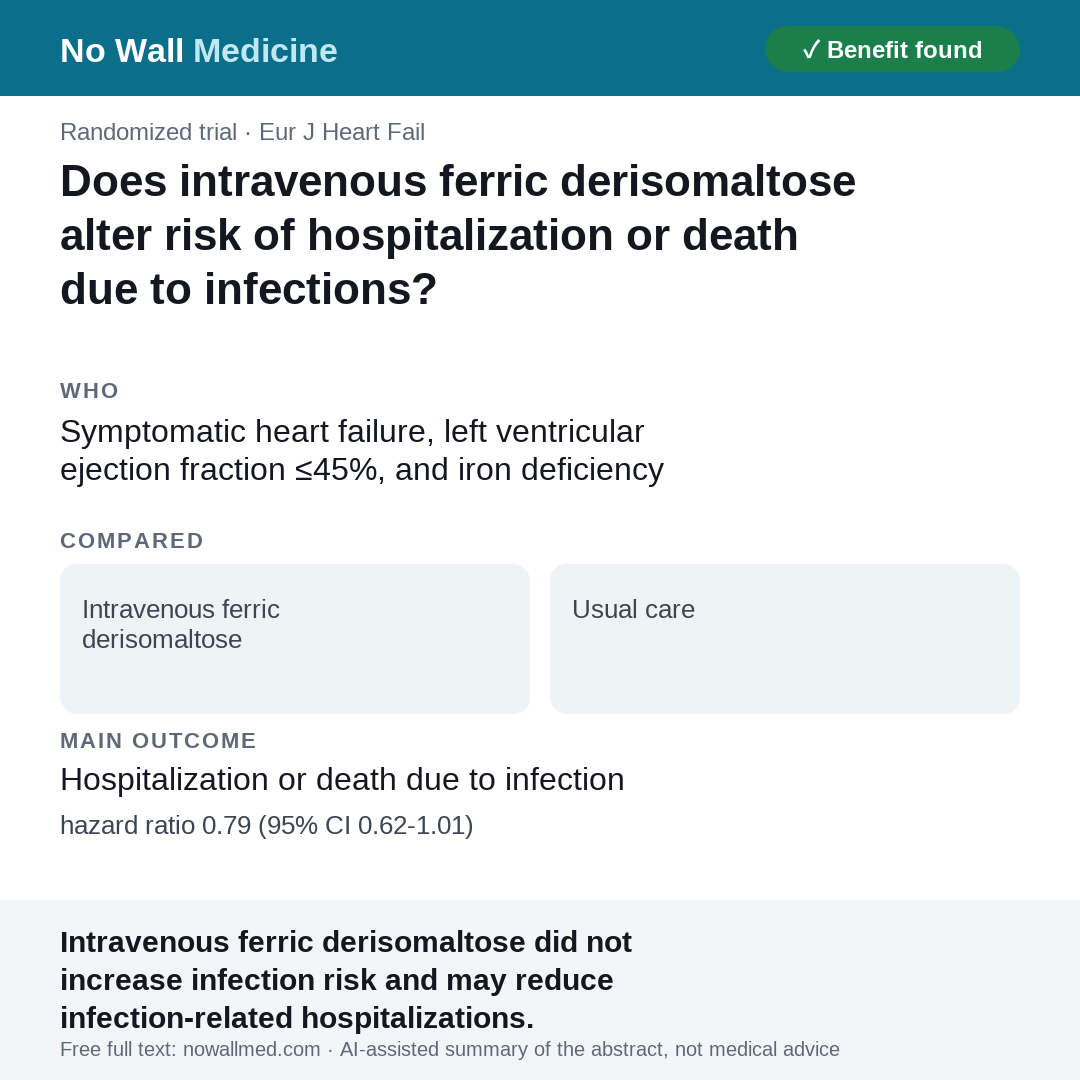
Effect of correcting iron deficiency on the risk of serious infection in heart failure: Insights from the IRONMAN trial
Randomized trialBenefit found
Does intravenous ferric derisomaltose alter risk of hospitalization or death due to infections?
Who
Symptomatic heart failure, left ventricular ejection fraction ≤45%, and iron deficiency
Compared
Intravenous ferric derisomaltose
Usual care
Main outcome
Hospitalization or death due to infection
Result: hazard ratio 0.79 (95% CI 0.62-1.01)
Bottom line: Intravenous ferric derisomaltose did not increase infection risk and may reduce infection-related hospitalizations.
Eur J Heart Fail · 2024-10-25Download image
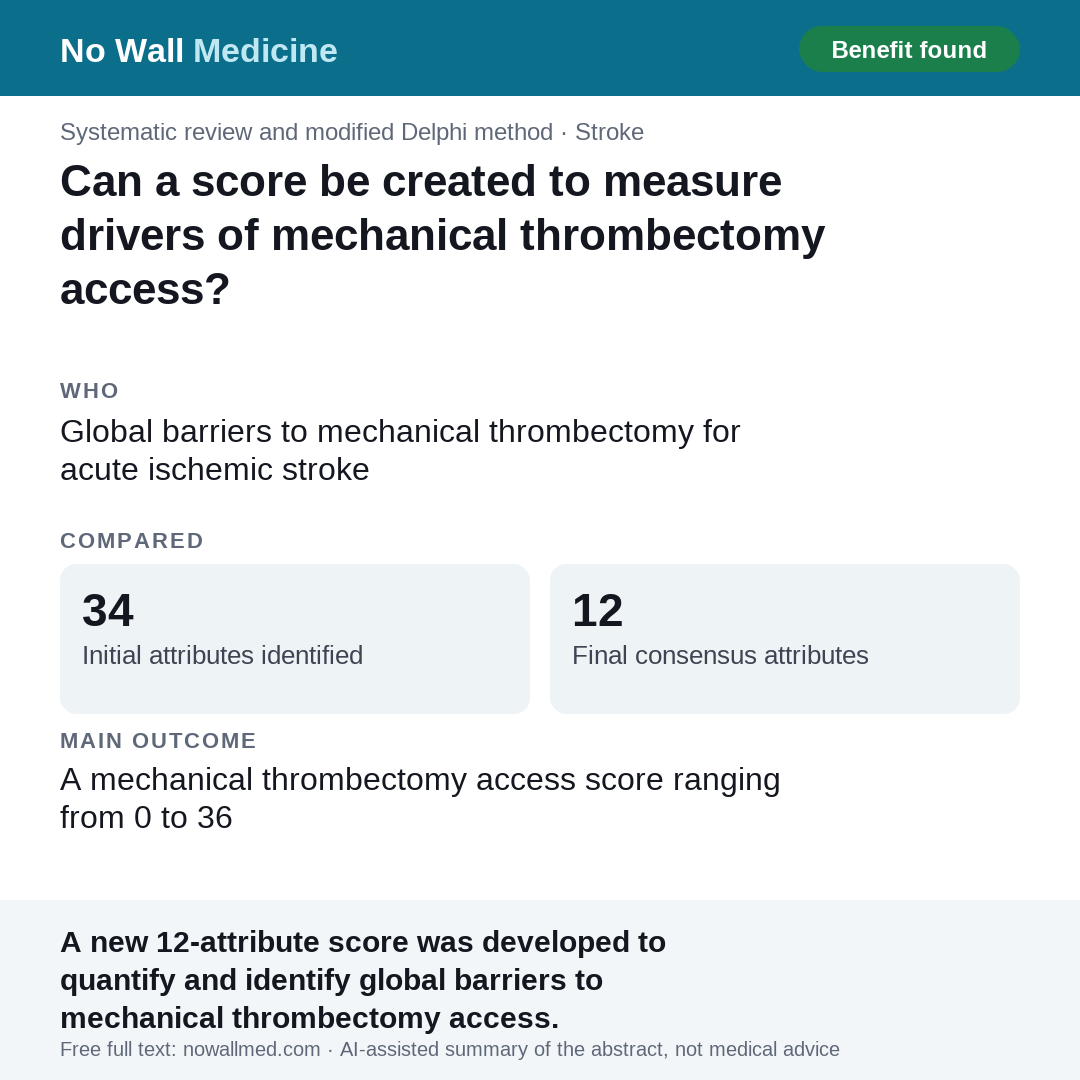
Mechanical Thrombectomy Access Score: A Systematic Review and Modified Delphi of Global Barriers to Endovascular Therapy
Systematic review and modified Delphi methodBenefit found
Can a score be created to measure drivers of mechanical thrombectomy access?
Who
Global barriers to mechanical thrombectomy for acute ischemic stroke
Compared
34Initial attributes identified
12Final consensus attributes
Main outcome
A mechanical thrombectomy access score ranging from 0 to 36
Bottom line: A new 12-attribute score was developed to quantify and identify global barriers to mechanical thrombectomy access.
Stroke · 2024-10-25Download image
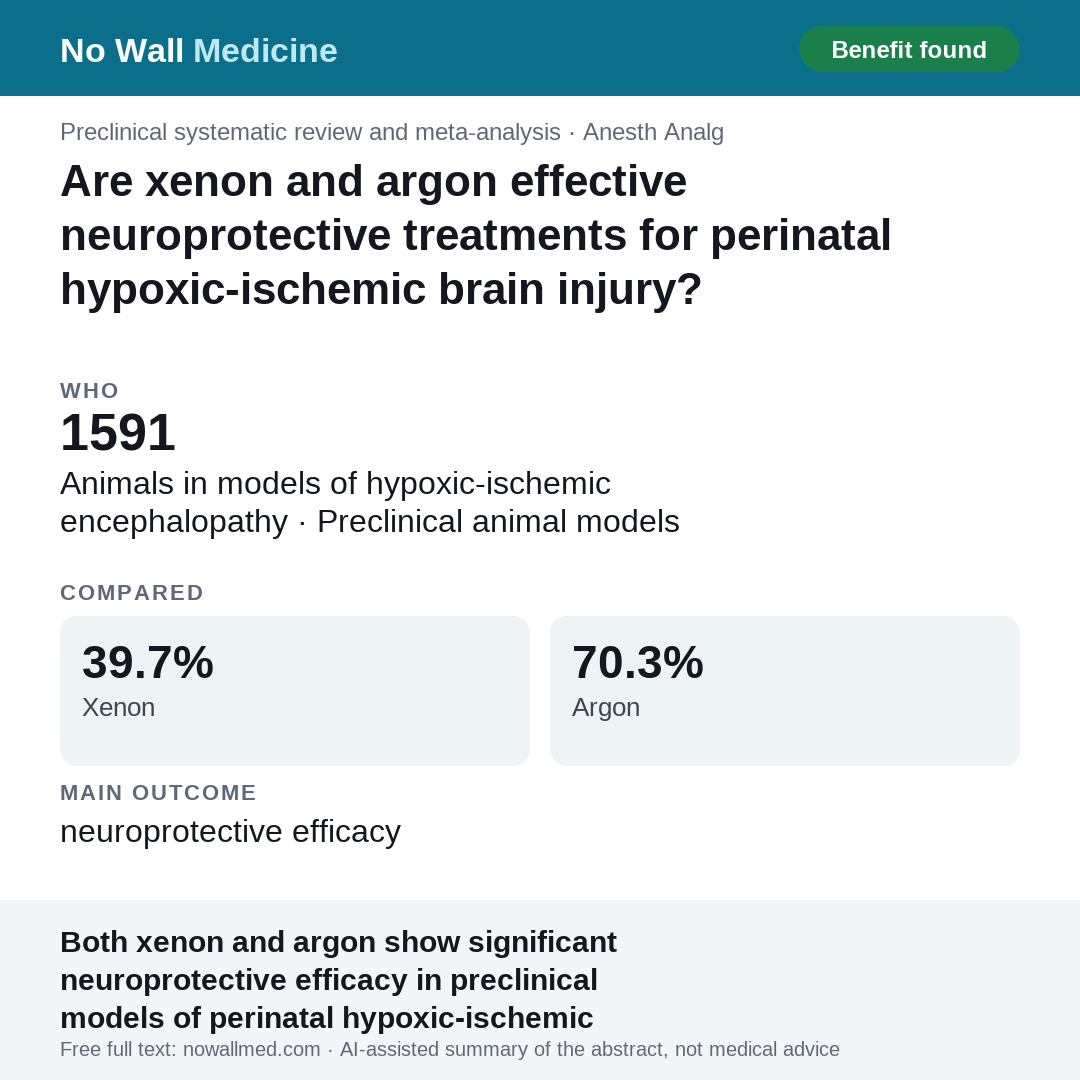
Xenon and Argon as Neuroprotective Treatments for Perinatal Hypoxic-Ischemic Brain Injury: A Preclinical Systematic Review and Meta-Analysis
Preclinical systematic review and meta-analysisBenefit found
Are xenon and argon effective neuroprotective treatments for perinatal hypoxic-ischemic brain injury?
Who
1591
Animals in models of hypoxic-ischemic encephalopathy · Preclinical animal models (mice, rats, and pigs)
Compared
39.7%Xenon (95% confidence interval 28.3%-51.1%)
70.3%Argon (95% confidence interval 59.0%-81.7%)
Main outcome
neuroprotective efficacy
Bottom line: Both xenon and argon show significant neuroprotective efficacy in preclinical models of perinatal hypoxic-ischemic encephalopathy.
Anesth Analg · 2024-10-25Download image
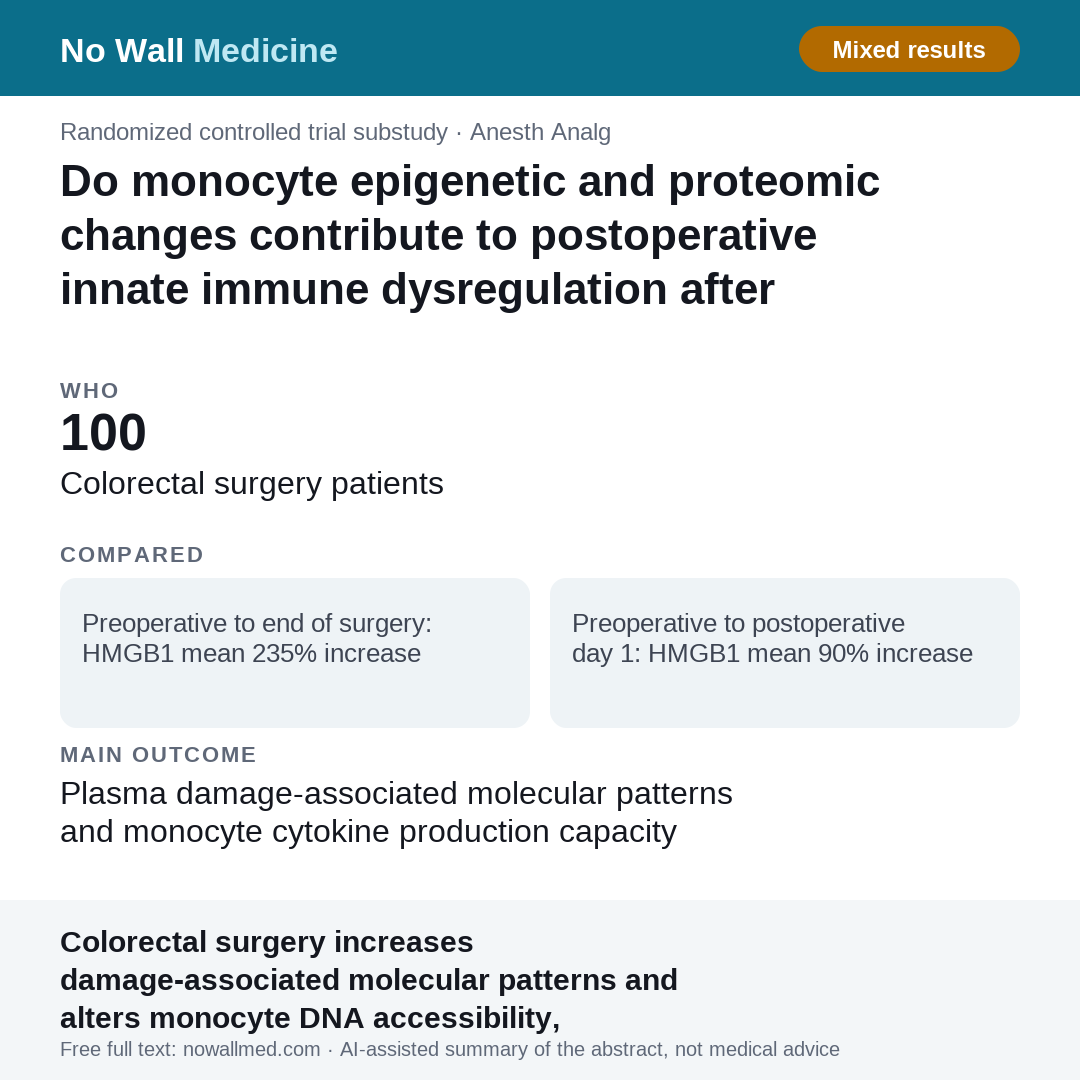
Postoperative Innate Immune Dysregulation, Proteomic, and Monocyte Epigenomic Changes After Colorectal Surgery: A Substudy of a Randomized Controlled Trial
Randomized controlled trial substudyMixed results
Do monocyte epigenetic and proteomic changes contribute to postoperative innate immune dysregulation after colorectal surgery?
Who
100
Colorectal surgery patients
Compared
Preoperative to end of surgery: HMGB1 mean 235% increase
Preoperative to postoperative day 1: HMGB1 mean 90% increase
Main outcome
Plasma damage-associated molecular patterns and monocyte cytokine production capacity
Bottom line: Colorectal surgery increases damage-associated molecular patterns and alters monocyte DNA accessibility, potentially contributing to postoperative immune dysregulation.
Anesth Analg · 2024-10-25Download image