Visual abstracts
New randomized trials and meta-analyses from leading journals at a glance: who was studied, what was compared, and what was found. Every paper is free to read in full.
All specialtiesCardiology 1668Oncology 1451Gastroenterology & Hepatology 624Infectious Disease 1066Neurology 688Psychiatry & Mental Health 837Pulmonology 718Critical Care 487Endocrinology & Diabetes 912Pediatrics 988Surgery 830Orthopedics & Sports Medicine 313Neurosurgery 213Cardiothoracic & Vascular Surgery 190Plastic & Reconstructive Surgery 261Nephrology 343Rheumatology 228Hematology 367Dermatology 182Ophthalmology 198Obstetrics & Gynecology 545Public & Global Health 321Radiology & Imaging 229Anesthesiology 335Urology 299ENT (Otolaryngology) 225Emergency Medicine 189Allergy & Immunology 109Geriatrics 362Family Medicine & Primary Care 206Medical Genetics & Genomics 180Pathology & Laboratory Medicine 53Physical Medicine & Rehabilitation 292Palliative Care 150Nutrition 447Digital Health & AI 886General Medicine 135
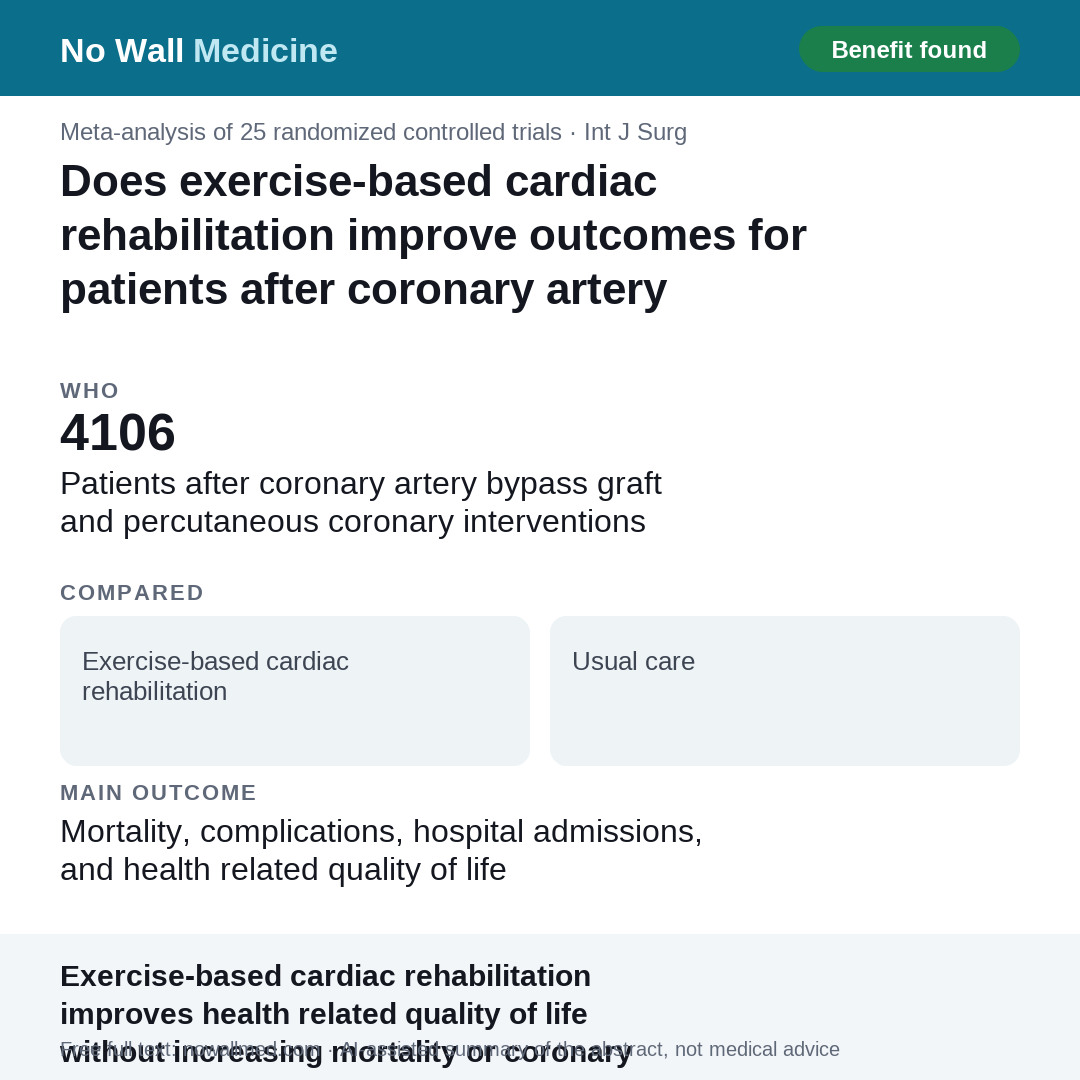
Exercise-based cardiac rehabilitation for patients undergoing coronary artery operation: a systematic review and meta-analysis based on current randomized controlled trials
Meta-analysis of 25 randomized controlled trialsBenefit found
Does exercise-based cardiac rehabilitation improve outcomes for patients after coronary artery operation?
Who
4106
Patients after coronary artery bypass graft and percutaneous coronary interventions
Compared
Exercise-based cardiac rehabilitation
Usual care
Main outcome
Mortality, complications, hospital admissions, and health related quality of life
Result: standardized mean difference 0.24 (95% CI 0.11-0.38) for health related quality of life
Bottom line: Exercise-based cardiac rehabilitation improves health related quality of life without increasing mortality or coronary artery complications.
Int J Surg · 2025-03-01Download image
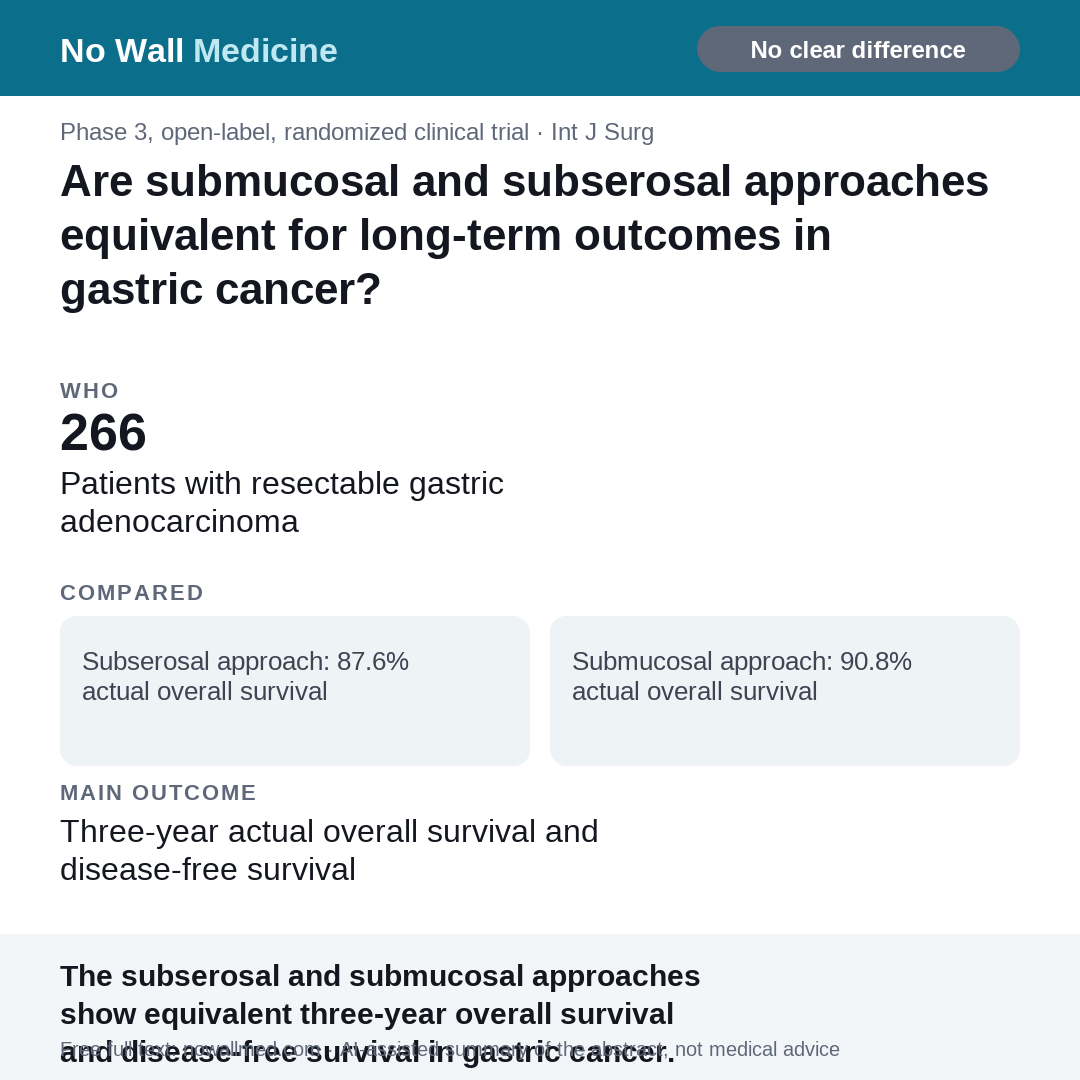
Comparison of a submucosal and subserosal approach in ICG-guided laparoscopic lymphadenectomy in gastric cancer patients: long-term outcomes of a phase 3 randomized clinical trial
Phase 3, open-label, randomized clinical trialNo clear difference
Are submucosal and subserosal approaches equivalent for long-term outcomes in gastric cancer?
Who
266
Patients with resectable gastric adenocarcinoma
Compared
Subserosal approach: 87.6% actual overall survival
Submucosal approach: 90.8% actual overall survival
Main outcome
Three-year actual overall survival and disease-free survival
Bottom line: The subserosal and submucosal approaches show equivalent three-year overall survival and disease-free survival in gastric cancer.
Int J Surg · 2025-03-01Download image
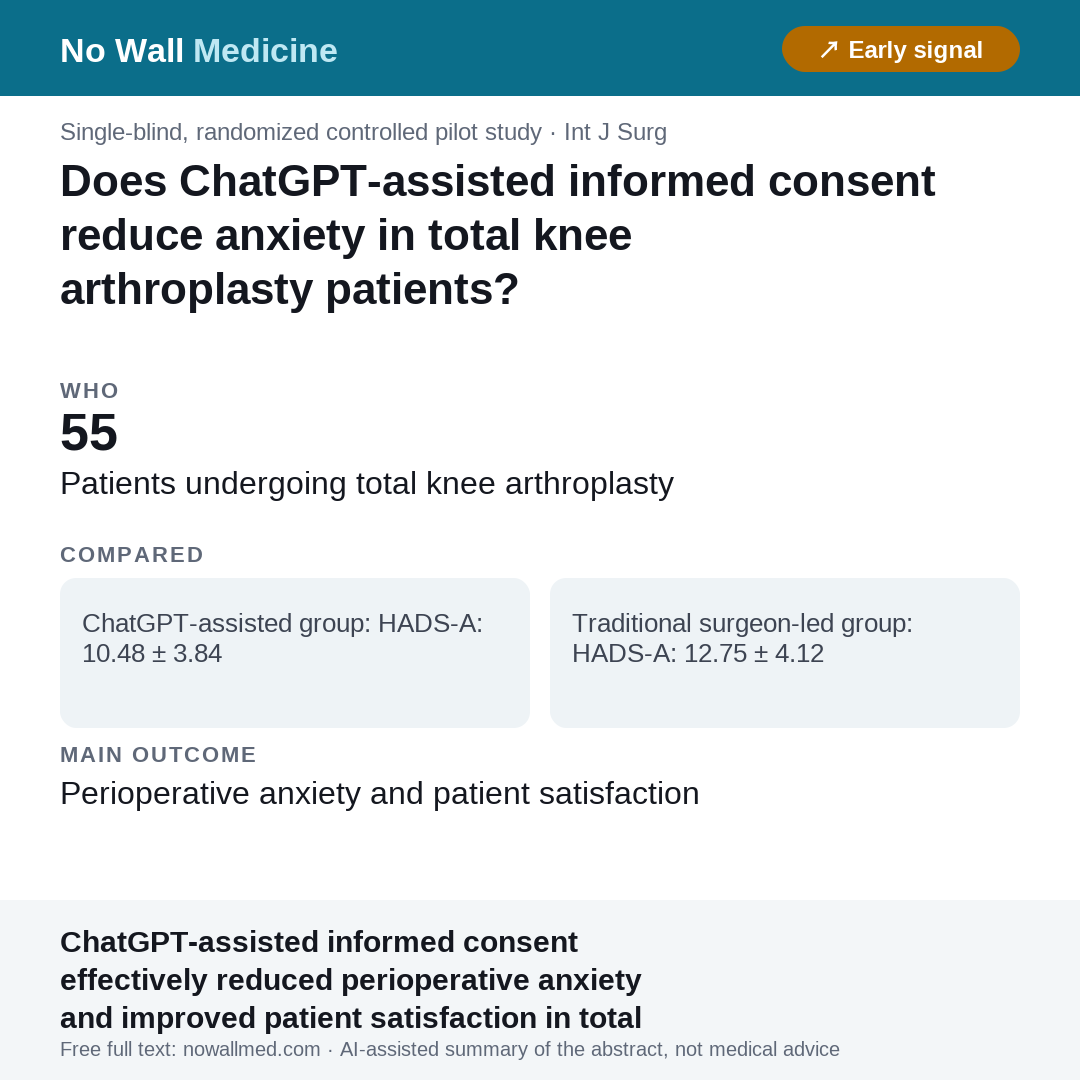
ChatGPT's role in alleviating anxiety in total knee arthroplasty consent process: a randomized controlled trial pilot study
Single-blind, randomized controlled pilot studyBenefit found
Does ChatGPT-assisted informed consent reduce anxiety in total knee arthroplasty patients?
Who
55
Patients undergoing total knee arthroplasty
Compared
ChatGPT-assisted group: HADS-A: 10.48 ± 3.84
Traditional surgeon-led group: HADS-A: 12.75 ± 4.12
Main outcome
Perioperative anxiety and patient satisfaction
Bottom line: ChatGPT-assisted informed consent effectively reduced perioperative anxiety and improved patient satisfaction in total knee arthroplasty patients.
Int J Surg · 2025-03-01Download image
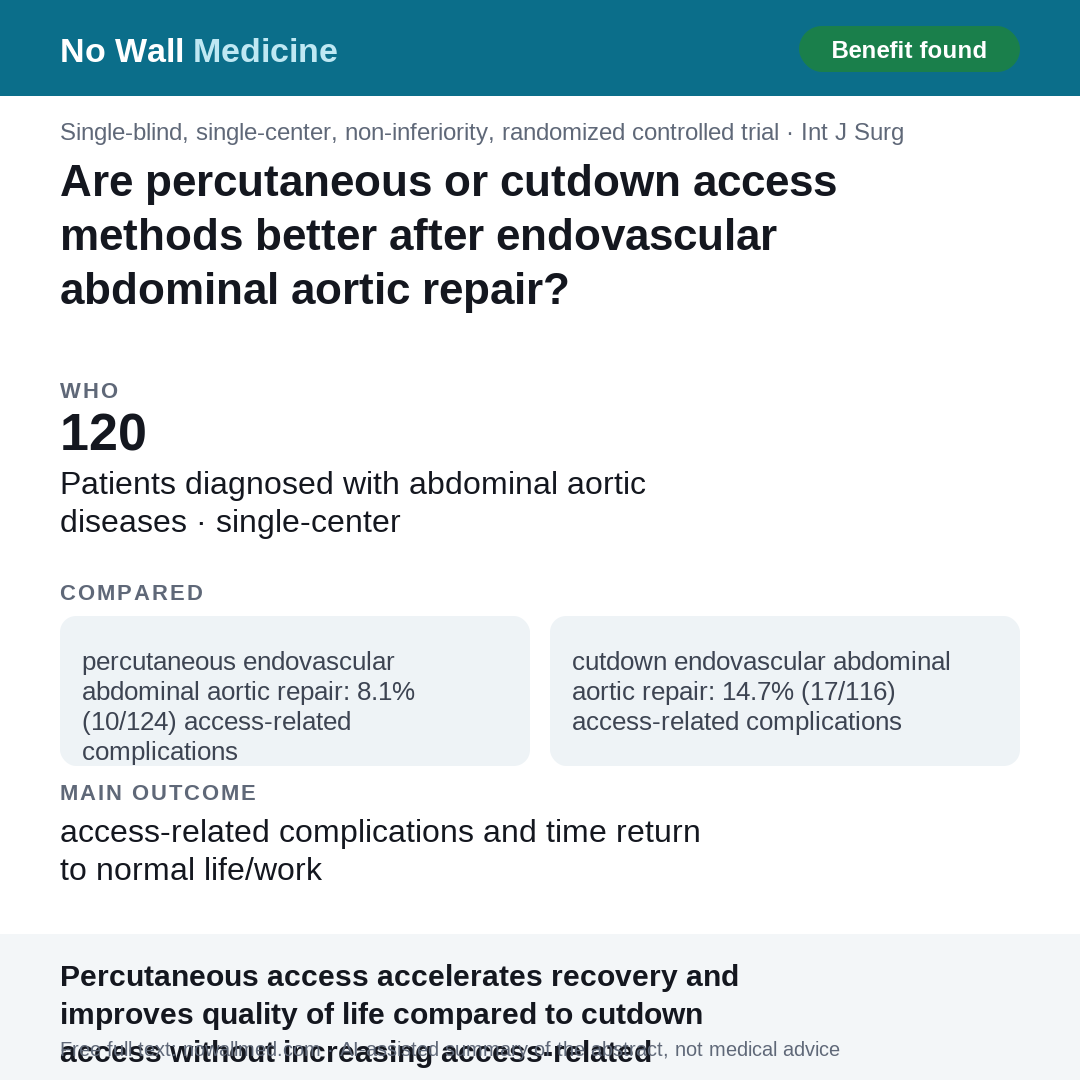
Comparison of percutaneous versus cutdown access in patients after endovascular abdominal aortic repair: a randomized controlled trial (SWEET-EVAR trial)
Single-blind, single-center, non-inferiority, randomized controlled trialBenefit found
Are percutaneous or cutdown access methods better after endovascular abdominal aortic repair?
Who
120
Patients diagnosed with abdominal aortic diseases · single-center
Compared
percutaneous endovascular abdominal aortic repair: 8.1% (10/124) access-related complications
cutdown endovascular abdominal aortic repair: 14.7% (17/116) access-related complications
Main outcome
access-related complications and time return to normal life/work
Result: median difference: 7 days, 95% CI 0-13 days
Bottom line: Percutaneous access accelerates recovery and improves quality of life compared to cutdown access without increasing access-related complications.
Int J Surg · 2025-03-01Download image
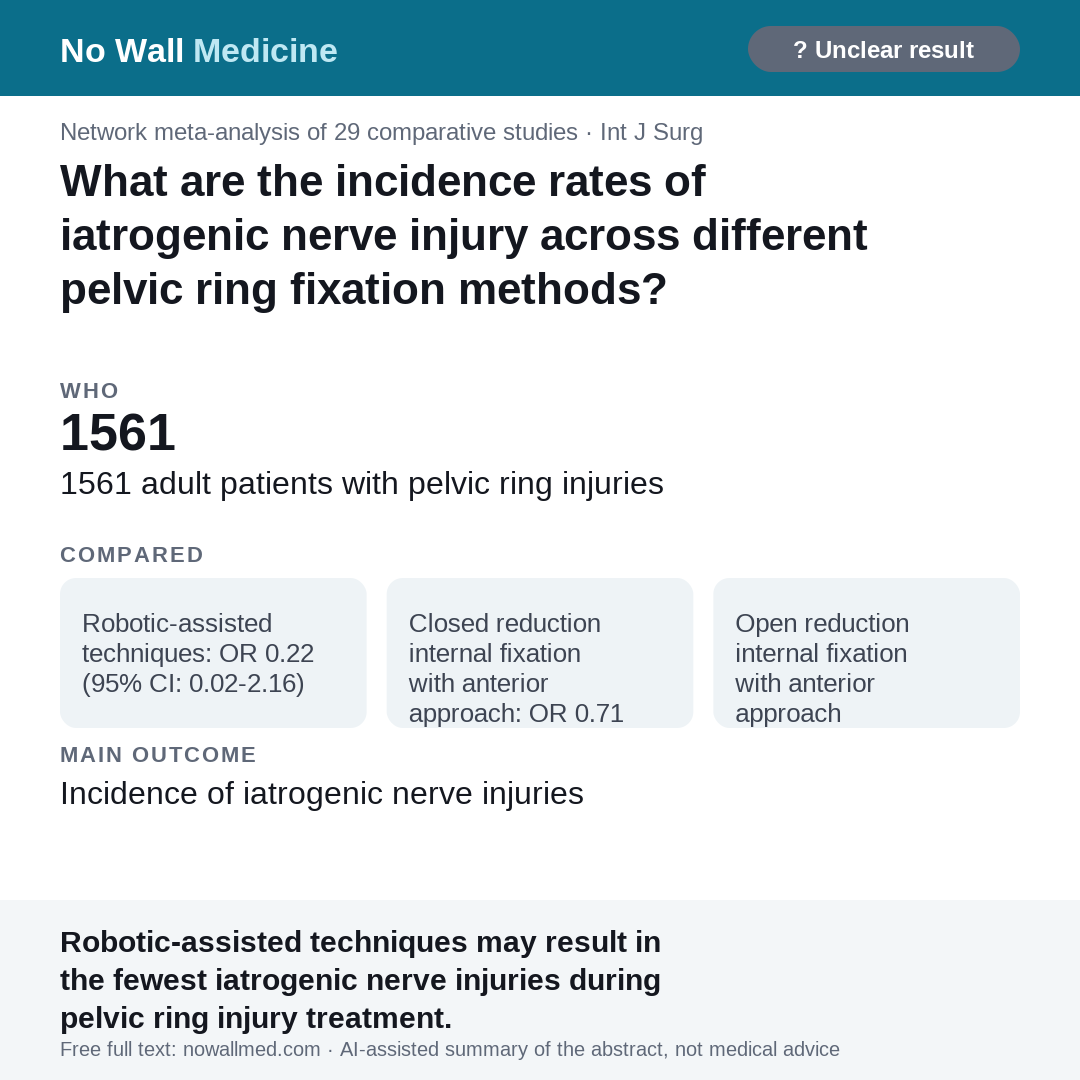
Iatrogenic nerve injury following pelvic ring injury: a network meta-analysis
Network meta-analysis of 29 comparative studiesUnclear result
What are the incidence rates of iatrogenic nerve injury across different pelvic ring fixation methods?
Who
1561
1561 adult patients with pelvic ring injuries
Compared
Robotic-assisted techniques: OR 0.22 (95% CI: 0.02-2.16)
Closed reduction internal fixation with anterior approach: OR 0.71 (95% CI: 0.21-2.48)
Open reduction internal fixation with anterior approach
Main outcome
Incidence of iatrogenic nerve injuries
Bottom line: Robotic-assisted techniques may result in the fewest iatrogenic nerve injuries during pelvic ring injury treatment.
Int J Surg · 2025-03-01Download image
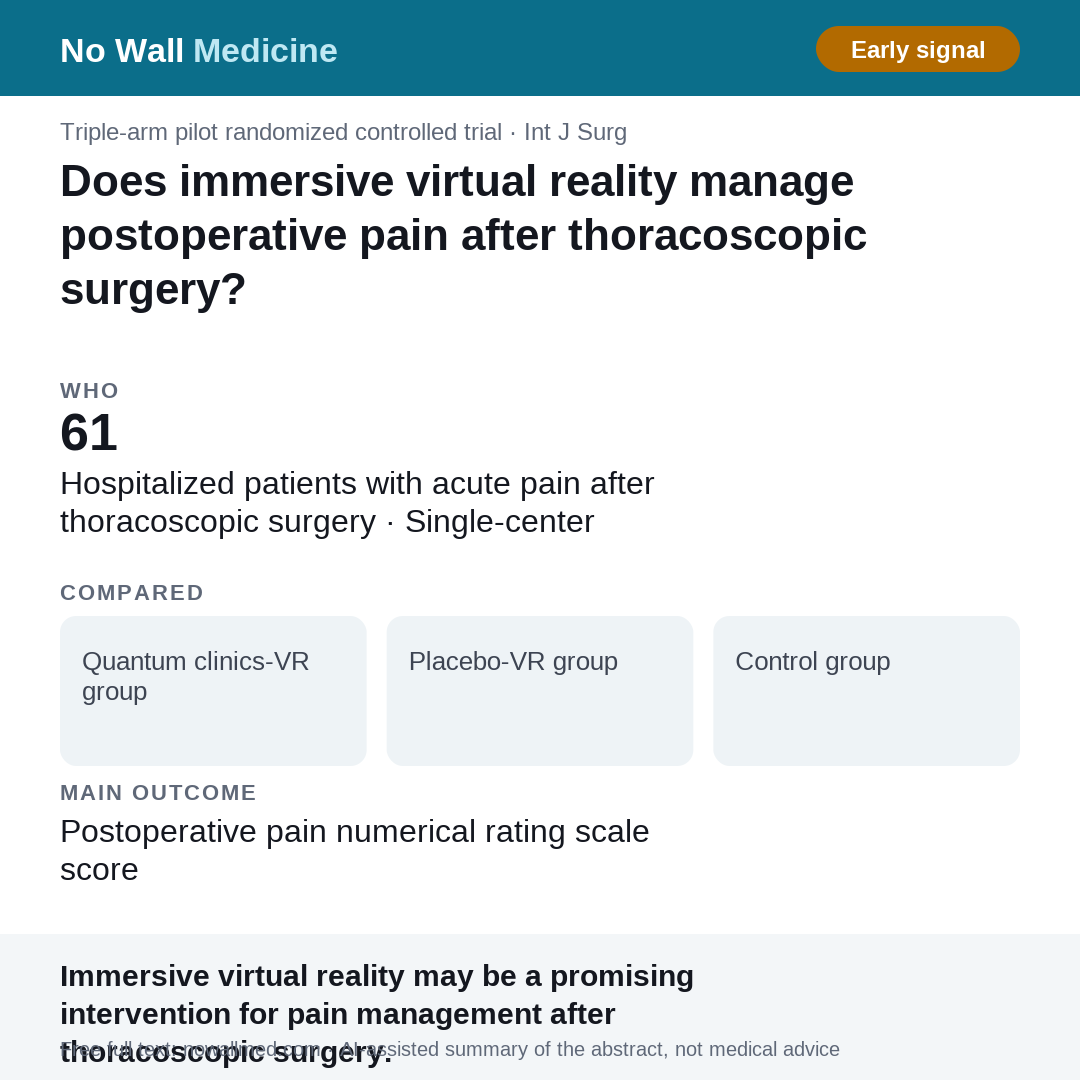
Effect of virtual reality intervention on hospitalized patients with acute pain after thoracoscopic surgery: a pilot randomized clinical trial
Triple-arm pilot randomized controlled trialBenefit found
Does immersive virtual reality manage postoperative pain after thoracoscopic surgery?
Who
61
Hospitalized patients with acute pain after thoracoscopic surgery · Single-center
Compared
Quantum clinics-VR group
Placebo-VR group
Control group
Main outcome
Postoperative pain numerical rating scale score
Result: mean difference -0.889 (95% CI -1.464 to -0.314) on day 1
Bottom line: Immersive virtual reality may be a promising intervention for pain management after thoracoscopic surgery.
Int J Surg · 2025-03-01Download image
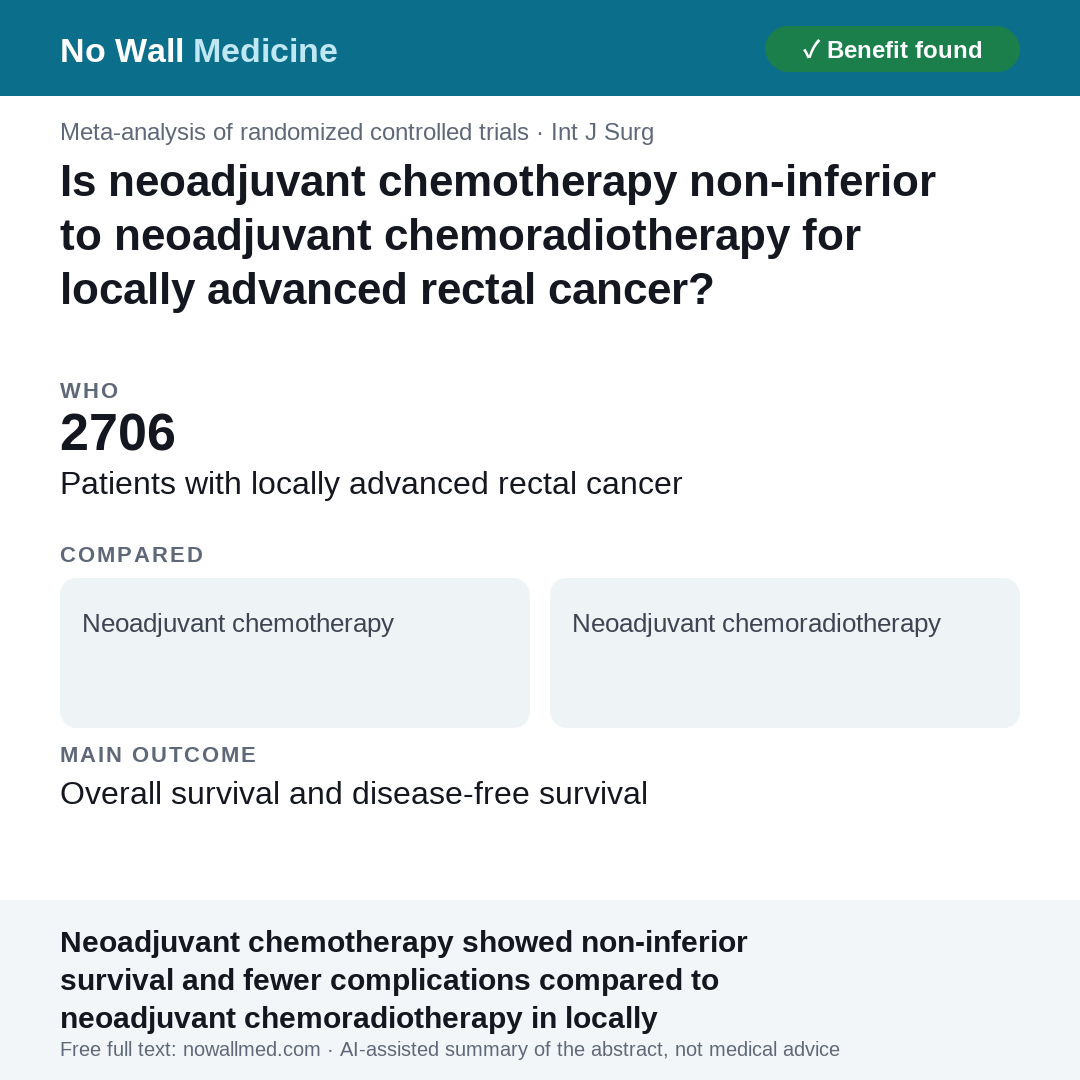
Comparison of the efficacy of neoadjuvant chemotherapy and neoadjuvant chemoradiotherapy in locally advanced rectal cancer patients: meta-analysis of randomized controlled trials
Meta-analysis of randomized controlled trialsBenefit found
Is neoadjuvant chemotherapy non-inferior to neoadjuvant chemoradiotherapy for locally advanced rectal cancer?
Who
2706
Patients with locally advanced rectal cancer
Compared
Neoadjuvant chemotherapy
Neoadjuvant chemoradiotherapy
Main outcome
Overall survival and disease-free survival
Bottom line: Neoadjuvant chemotherapy showed non-inferior survival and fewer complications compared to neoadjuvant chemoradiotherapy in locally advanced rectal cancer.
Limitation: Radiotherapy may still be necessary for patients requiring guaranteed conversion effect or organ preservation.
Int J Surg · 2025-03-01Download image
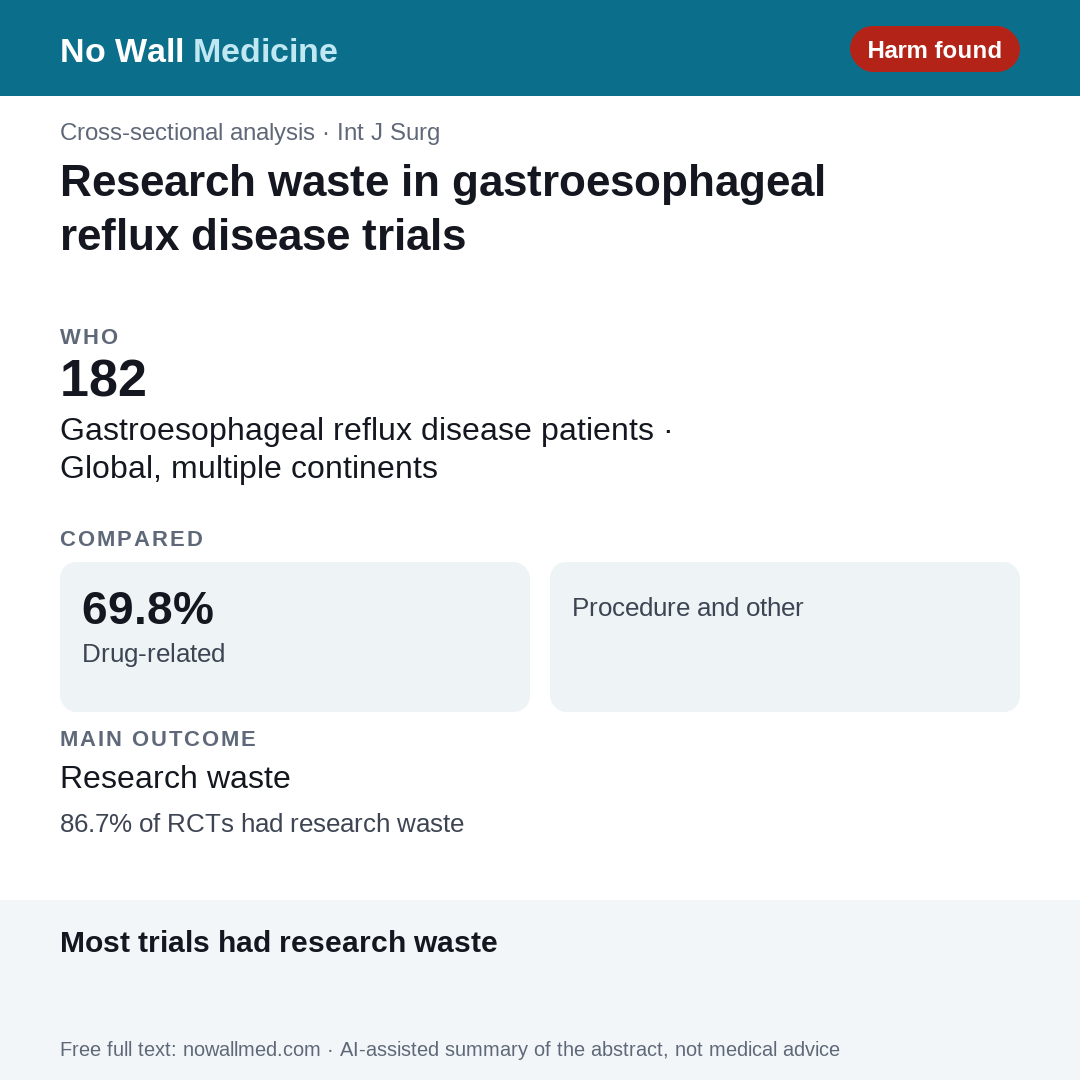
Characterization changes and research waste in randomized controlled trials of global gastroesophageal reflux disease and hiatus hernia over the past 20 years
Cross-sectional analysisHarm found
Research waste in gastroesophageal reflux disease trials
Who
182
Gastroesophageal reflux disease patients · Global, multiple continents
Compared
69.8%Drug-related (127 trials)
Procedure and other
Main outcome
Research waste
Result: 86.7% of RCTs had research waste
Bottom line: Most trials had research waste
Int J Surg · 2025-03-01Download image
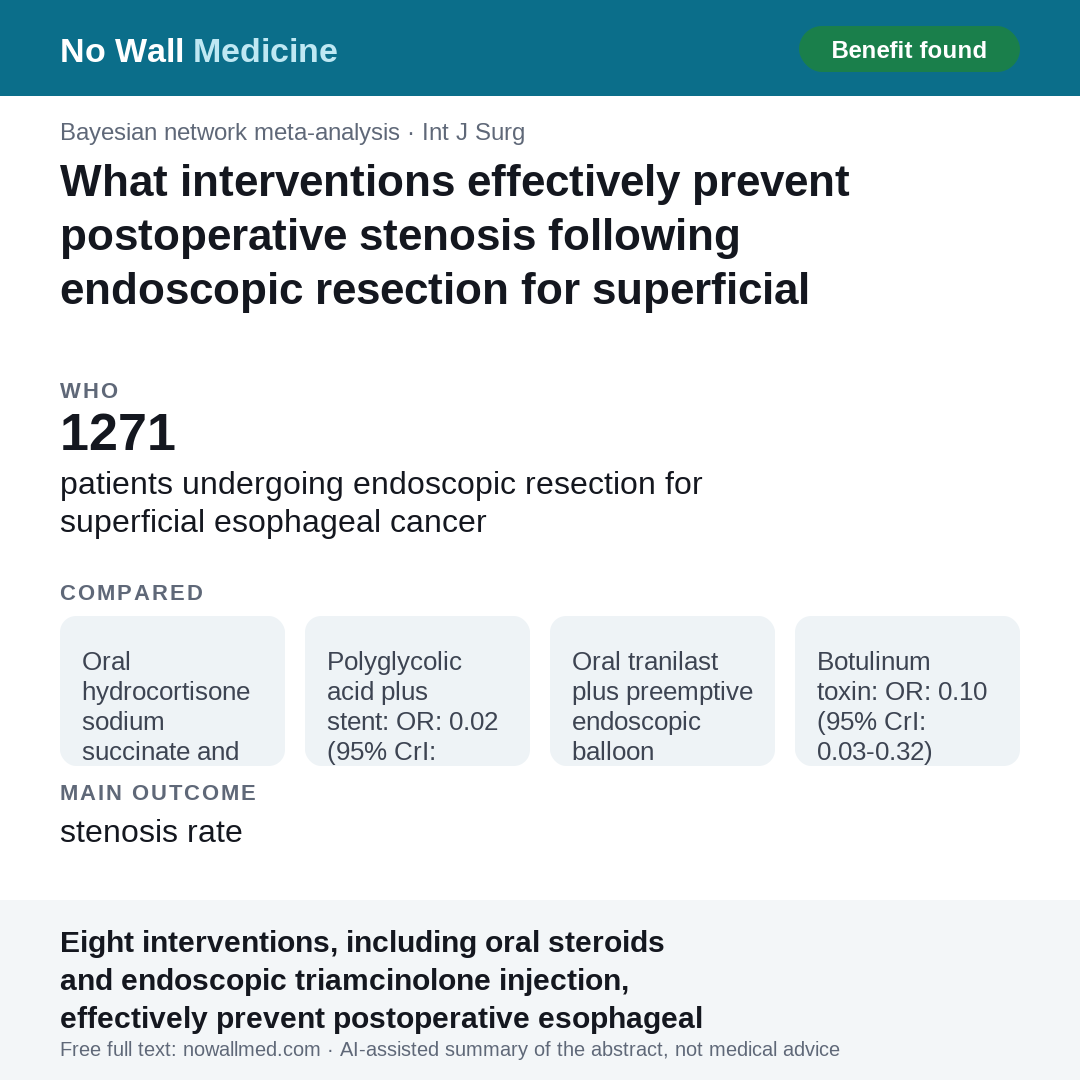
Prevention strategies of esophageal stenosis after endoscopic resection for superficial esophageal cancer: a Bayesian network meta-analysis
Bayesian network meta-analysisBenefit found
What interventions effectively prevent postoperative stenosis following endoscopic resection for superficial esophageal cancer?
Who
1271
patients undergoing endoscopic resection for superficial esophageal cancer
Compared
Oral hydrocortisone sodium succinate and aluminum phosphate gel: OR: 0.02 (95% CrI: 0.00-0.11)
Polyglycolic acid plus stent: OR: 0.02 (95% CrI: 0.00-0.23)
Oral tranilast plus preemptive endoscopic balloon dilatation: OR: 0.08 (95% CrI: 0.01-0.77)
Botulinum toxin: OR: 0.10 (95% CrI: 0.03-0.32)
Main outcome
stenosis rate
Bottom line: Eight interventions, including oral steroids and endoscopic triamcinolone injection, effectively prevent postoperative esophageal stenosis.
Int J Surg · 2025-03-01Download image
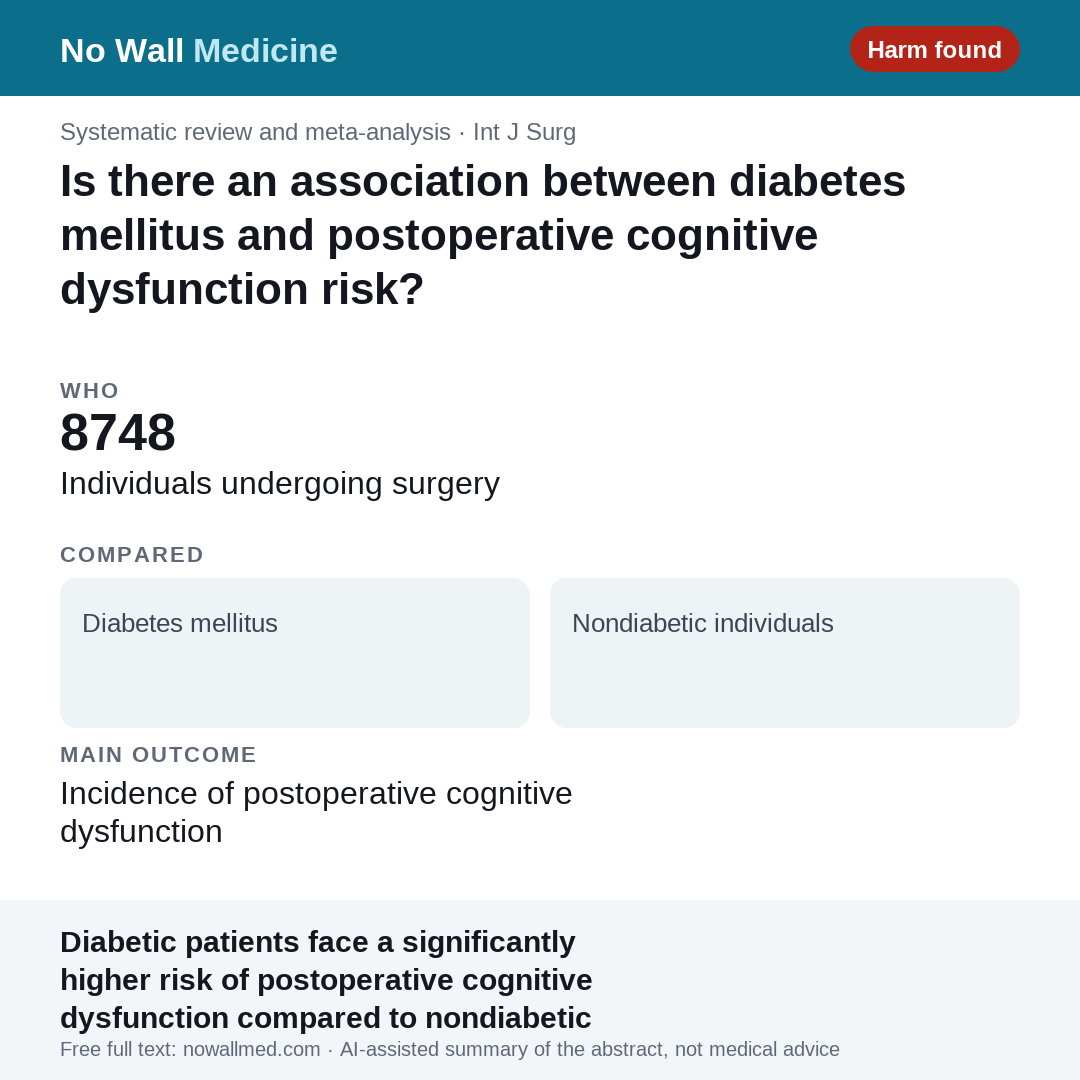
The association between diabetes mellitus and postoperative cognitive dysfunction: a systematic review and meta-analysis
Systematic review and meta-analysisHarm found
Is there an association between diabetes mellitus and postoperative cognitive dysfunction risk?
Who
8748
Individuals undergoing surgery
Compared
Diabetes mellitus
Nondiabetic individuals
Main outcome
Incidence of postoperative cognitive dysfunction
Result: relative risk 1.44 (95% CI 1.26-1.65)
Bottom line: Diabetic patients face a significantly higher risk of postoperative cognitive dysfunction compared to nondiabetic patients.
Limitation: Further research is warranted to clarify the precise mechanisms of this relationship.
Int J Surg · 2025-03-01Download image
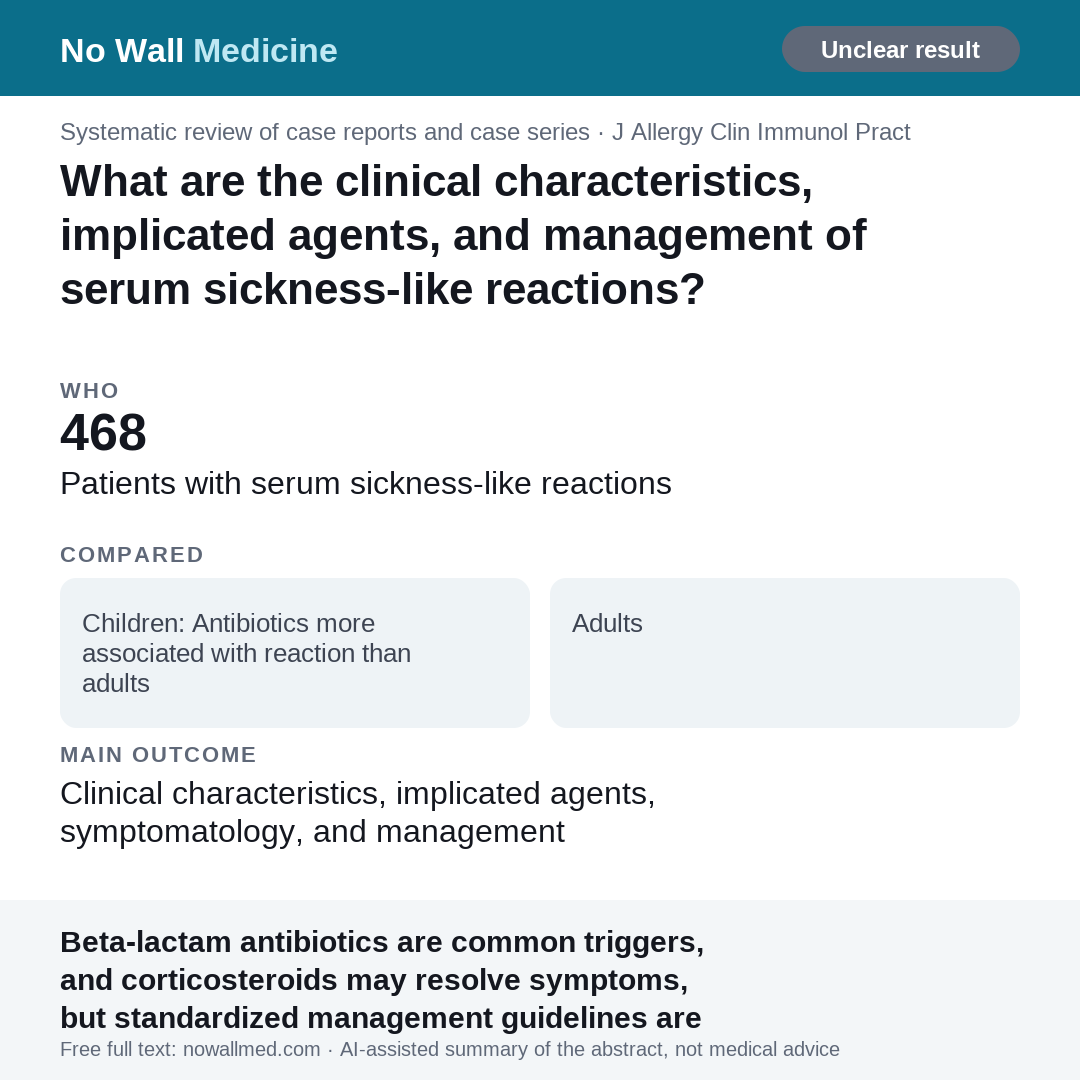
Serum Sickness-Like Reactions Clinical Characteristics and Management: A Systematic Review
Systematic review of case reports and case seriesUnclear result
What are the clinical characteristics, implicated agents, and management of serum sickness-like reactions?
Who
468
Patients with serum sickness-like reactions
Compared
Children: Antibiotics more associated with reaction than adults
Adults
Main outcome
Clinical characteristics, implicated agents, symptomatology, and management
Bottom line: Beta-lactam antibiotics are common triggers, and corticosteroids may resolve symptoms, but standardized management guidelines are needed.
J Allergy Clin Immunol Pract · 2025-03-01Download image
A Bayesian analysis of the VITAL trial: effects of ω-3 fatty acid supplementation on cardiovascular events
Randomized trial with Bayesian reanalysisBenefit found
Does omega-3 fatty acid supplementation reduce cardiovascular events in primary prevention?
Who
25871
Older United States adults · United States
Compared
Omega-3 fatty acid supplementation
Control
Main outcome
Major cardiovascular disease events
Result: posterior hazard ratio 0.88 to 0.93 for CAD and 0.82 to 0.90 for MI
Bottom line: Bayesian analysis suggests daily omega-3 fatty acid supplementation robustly lowers risk of coronary events but not stroke.
Am J Clin Nutr · 2025-03-01Download image
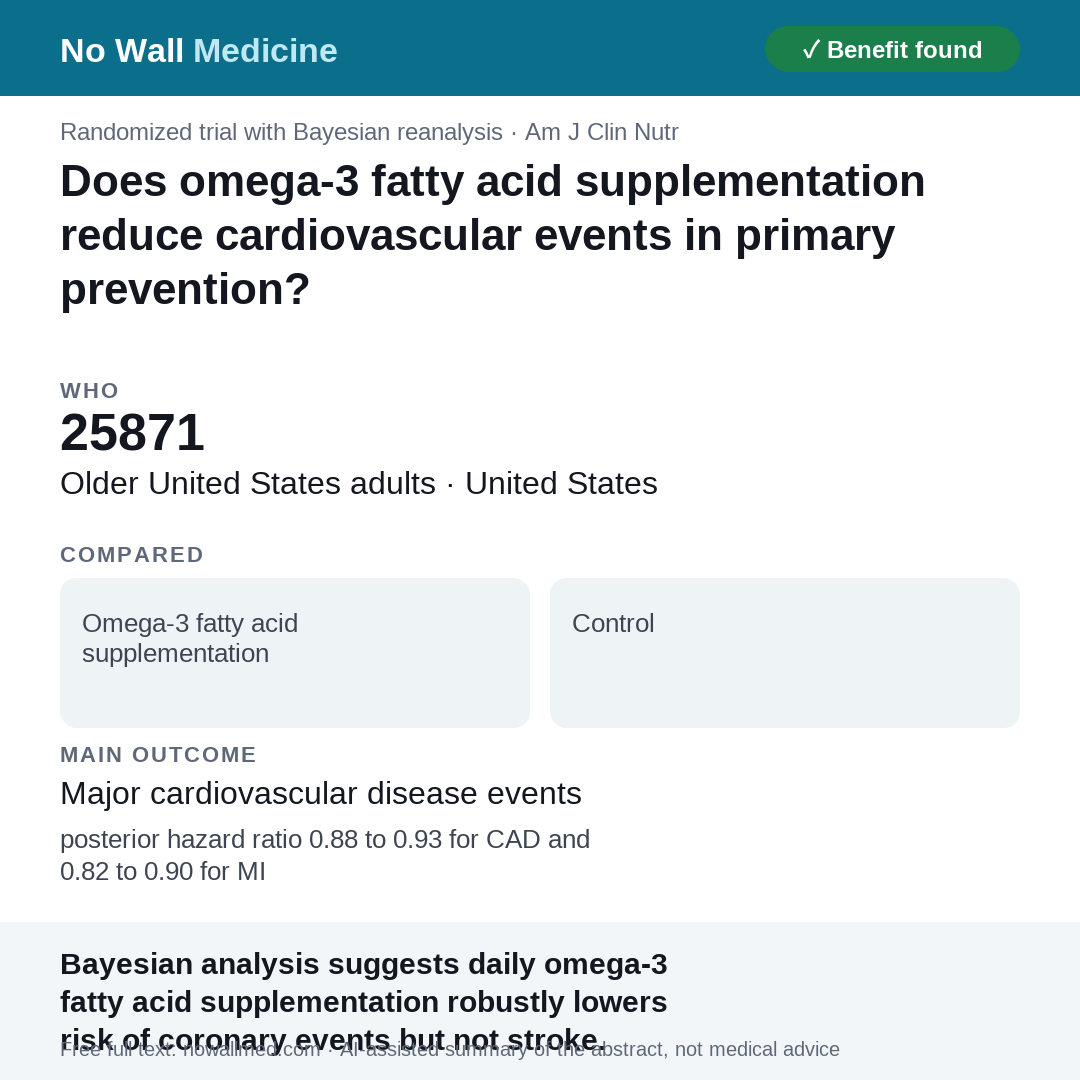
Iodine Staining With Distance Countdown Improving the Safety for Reduction of Adverse Events: A Randomized Controlled Trial
Randomized controlled trialBenefit found
Does distance countdown improve safety by reducing adverse events during iodine staining?
Who
204
Patients undergoing Lugol chromoendoscopy for early esophageal cancer screening
Compared
1.0%Distance countdown group
26.5%No distance countdown group
Main outcome
Incidence of positive starch reagent reaction
Bottom line: Distance countdown reduces iodine solution reflux and other adverse events during Lugol chromoendoscopy.
Clin Transl Gastroenterol · 2025-03-01Download image
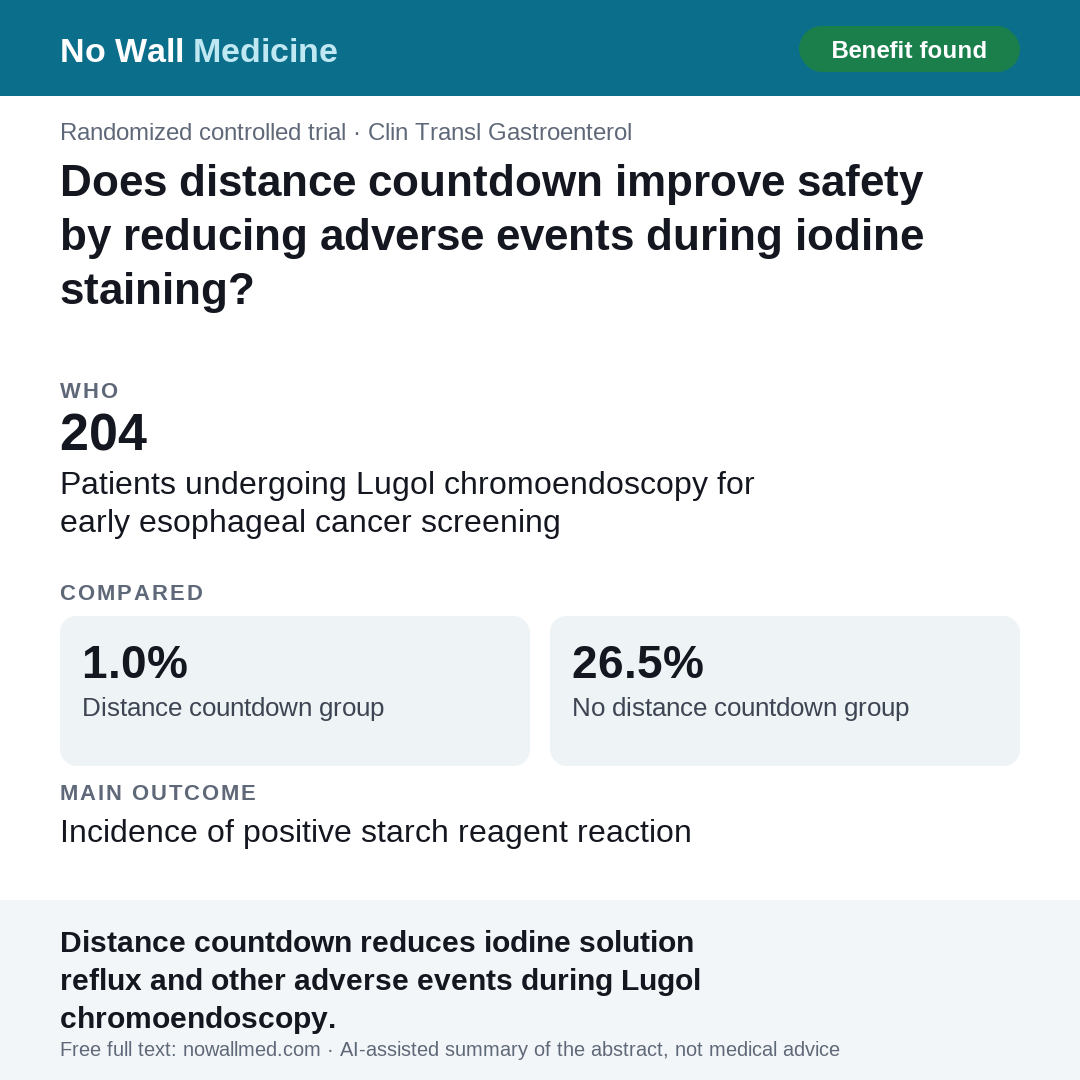
Natural language processing of electronic health records for early detection of cognitive decline: a systematic review
Systematic reviewBenefit found
Can natural language processing detect cognitive impairment in electronic health record clinical notes?
Who
1,064,530
Patients in electronic health record clinical notes
Compared
Rule-based algorithms
Traditional machine learning
Deep learning: area under the receiver operating characteristic curves up to 0.997
Main outcome
Detection of cognitive impairment
Bottom line: Natural language processing shows robust performance in identifying cognitive decline from electronic health record clinical notes.
Limitation: Incomplete data capture, inconsistent documentation practices, and limited external validation.
NPJ Digit Med · 2025-03-01Download image

Patient participation in self-monitoring regarding healthcare of heart failure: an integrated systematic review
Integrative systematic literature reviewMixed results
What is the research knowledge on patient participation in heart failure self-monitoring?
Who
1393
Patients aged between 52-77 years, predominantly men · International spread
Compared
Qualitative studies: increased understanding of disease situations
Quantitative studies: conformity is not shown
Main outcome
Patient participation in self-monitoring regarding heart failure healthcare
Bottom line: Self-monitoring shows positive effects on self-care and satisfaction, but empirical data remains incoherent and lacks proven knowledge increases.
BMC Prim Care · 2025-03-01Download image
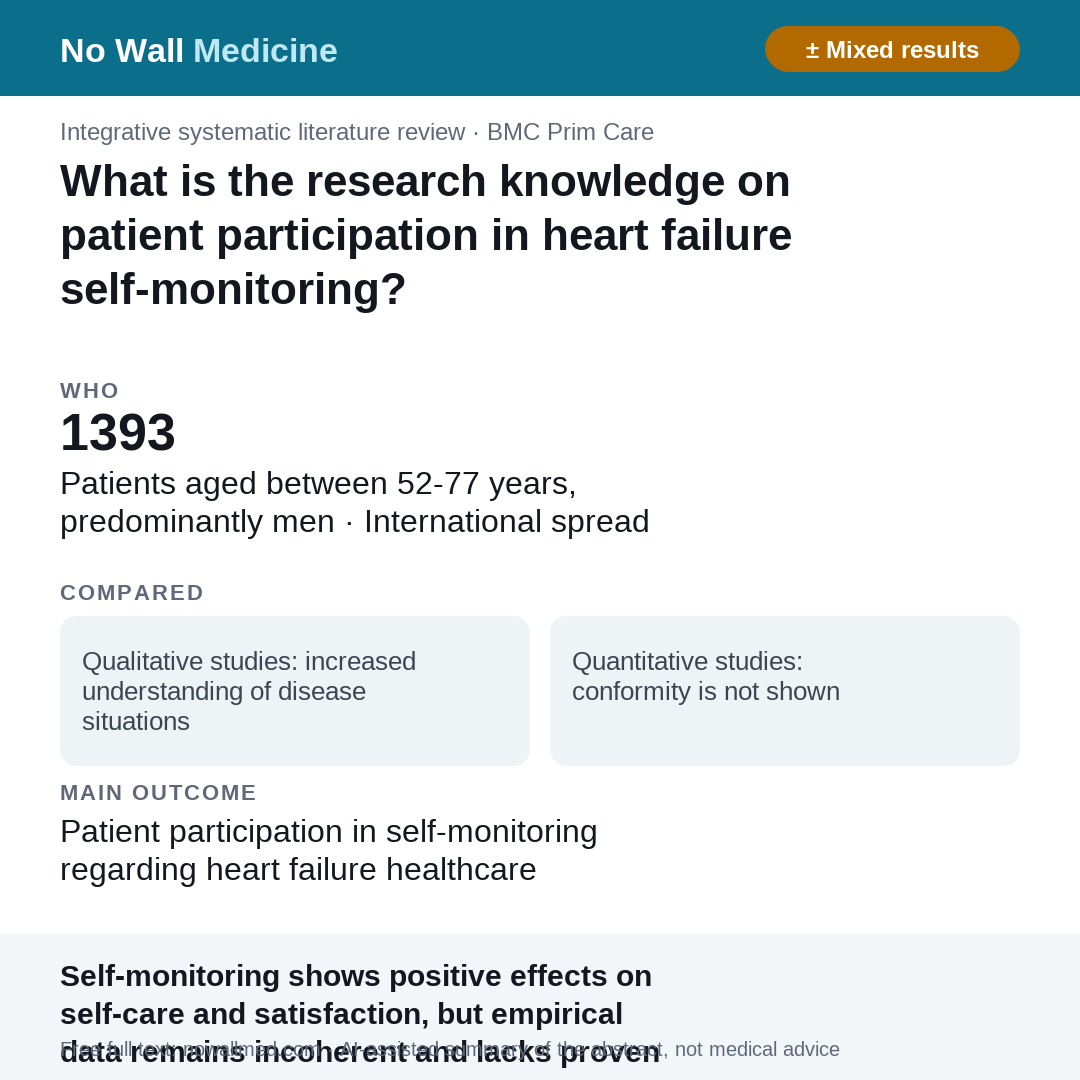
Prognostic models for survival predictions in advanced cancer patients: a systematic review and meta-analysis
Systematic review and meta-analysisMixed results
What are the predictive performances of prognostic models for survival in advanced cancer?
Who
Patients with incurable solid tumors
Compared
0.68Palliative Prognostic Index 30-day survival (95% CI: 0.62-0.73)
0.76Palliative Prognostic Score 30-day survival (95% CI: 0.70-0.80)
0.69Objective Prognostic Score 30-day survival (95% CI: 0.65-0.72)
Main outcome
Predictive performance measured by C-statistic
Bottom line: Palliative Prognostic Score appears to perform better, but all included studies had high risk of bias.
Limitation: All included studies had high risk of bias.
BMC Palliat Care · 2025-03-01Download image
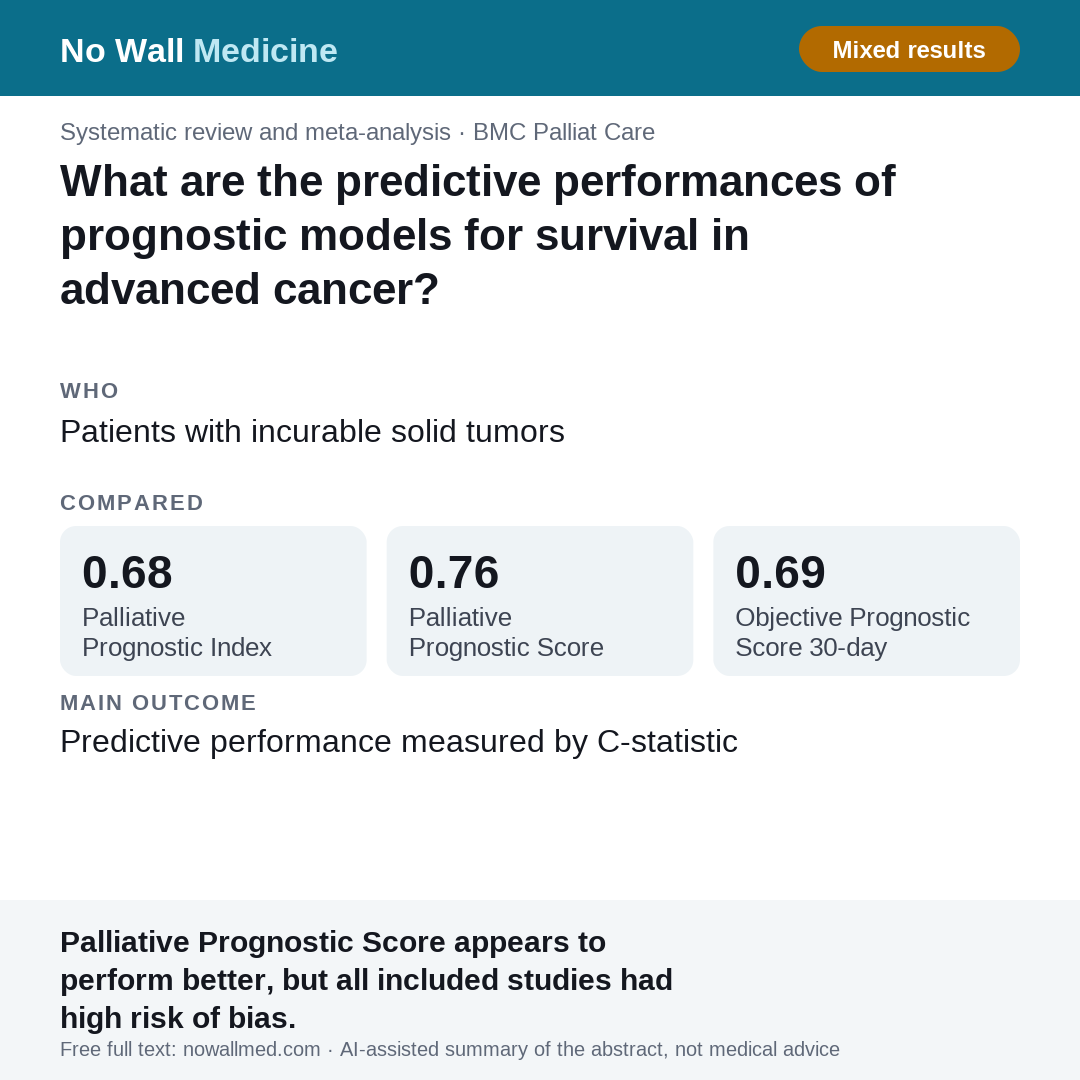
Arsenic trioxide versus Realgar-Indigo naturalis formula in non-high-risk acute promyelocytic leukemia: a multicenter, randomized trial
Multicenter, randomized, controlled trialBenefit found
Is Realgar-Indigo naturalis formula non-inferior to arsenic trioxide for non-high-risk acute promyelocytic leukemia?
Who
108
Patients with non-high-risk acute promyelocytic leukemia
Compared
97%All-trans retinoic acid plus Realgar-Indigo naturalis formula
98%All-trans retinoic acid plus arsenic trioxide
Main outcome
2-year disease-free survival
Result: percentage difference -1% (95% confidence interval: -4.8 to 6.9)
Bottom line: Realgar-Indigo naturalis formula is non-inferior to arsenic trioxide for non-high-risk acute promyelocytic leukemia consolidation therapy.
Haematologica · 2025-03-01Download image

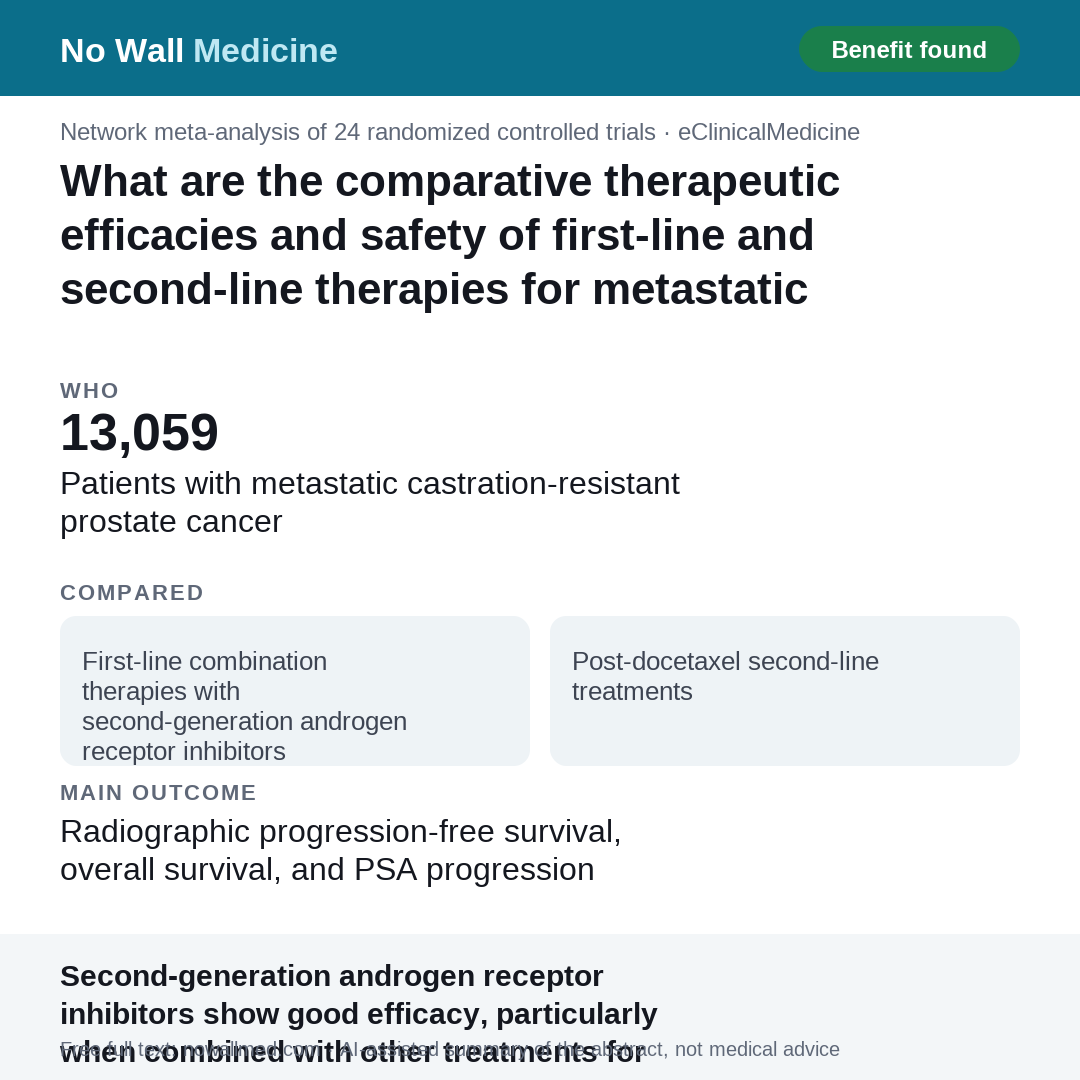
Comparative therapeutic efficacy and safety of first-line and second-line therapies for metastatic castration-resistant prostate cancer: a systematic review and network meta-analysis
Network meta-analysis of 24 randomized controlled trialsBenefit found
What are the comparative therapeutic efficacies and safety of first-line and second-line therapies for metastatic castration-resistant prostate cancer?
Who
13,059
Patients with metastatic castration-resistant prostate cancer
Compared
First-line combination therapies with second-generation androgen receptor inhibitors
Post-docetaxel second-line treatments
Main outcome
Radiographic progression-free survival, overall survival, and PSA progression
Result: HR of Lu177 + ARI: 0.07 (0.01,0.87) for time to PSA progression
Bottom line: Second-generation androgen receptor inhibitors show good efficacy, particularly when combined with other treatments for first-line metastatic castration-resistant prostate cancer.
Limitation: Efficacies of post-androgen receptor inhibitor second-line treatments were not evaluated due to lack of related randomized controlled trials.
Funded by: The National Natural Science Foundation of China
eClinicalMedicine · 2025-02-28Download image
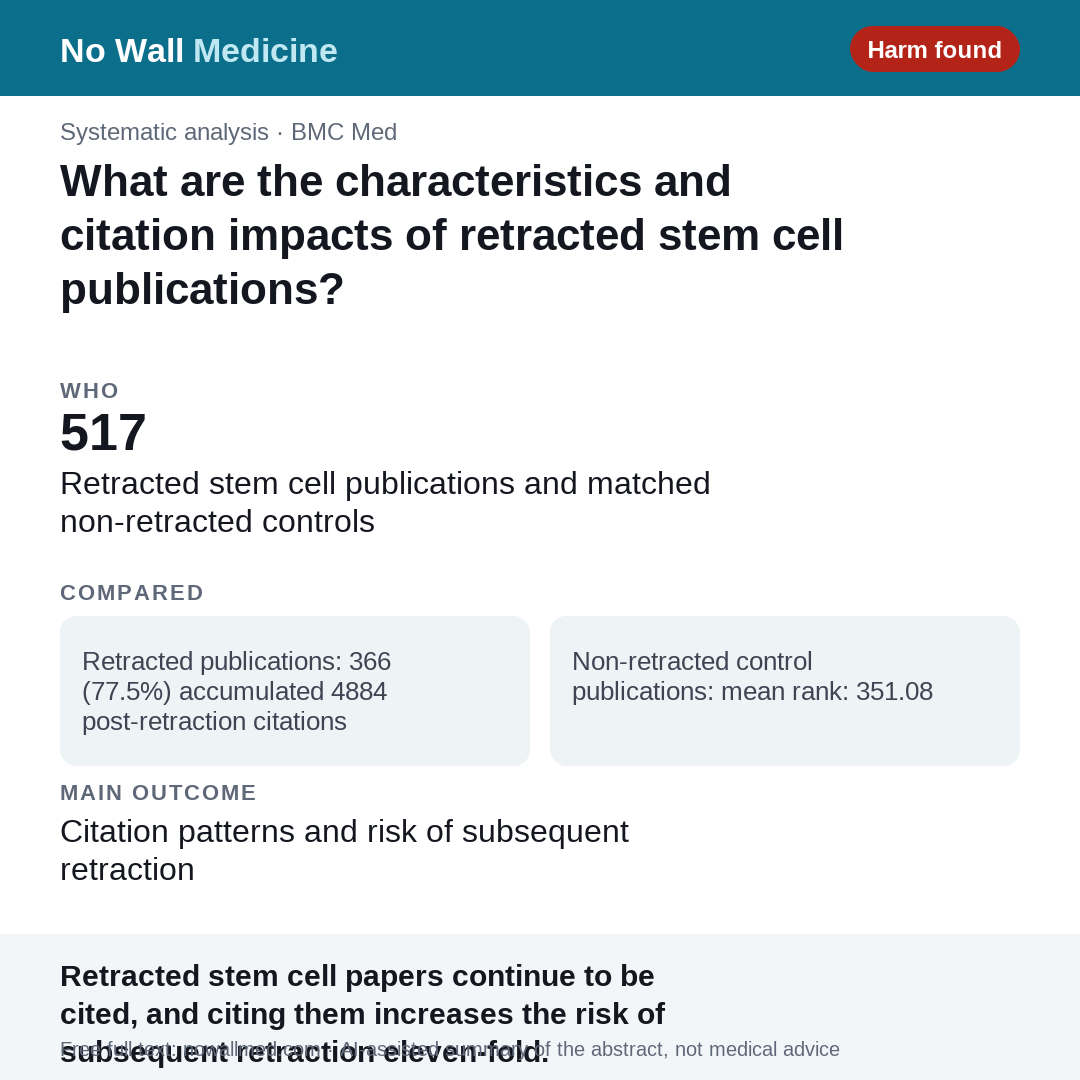
A systematic analysis of temporal trends, characteristics, and citations of retracted stem cell publications
Systematic analysisHarm found
What are the characteristics and citation impacts of retracted stem cell publications?
Who
517
Retracted stem cell publications and matched non-retracted controls
Compared
Retracted publications: 366 (77.5%) accumulated 4884 post-retraction citations
Non-retracted control publications: mean rank: 351.08
Main outcome
Citation patterns and risk of subsequent retraction
Result: odds ratio 11.09 (95% confidence interval 7.06-17.43)
Bottom line: Retracted stem cell papers continue to be cited, and citing them increases the risk of subsequent retraction eleven-fold.
BMC Med · 2025-02-28Download image
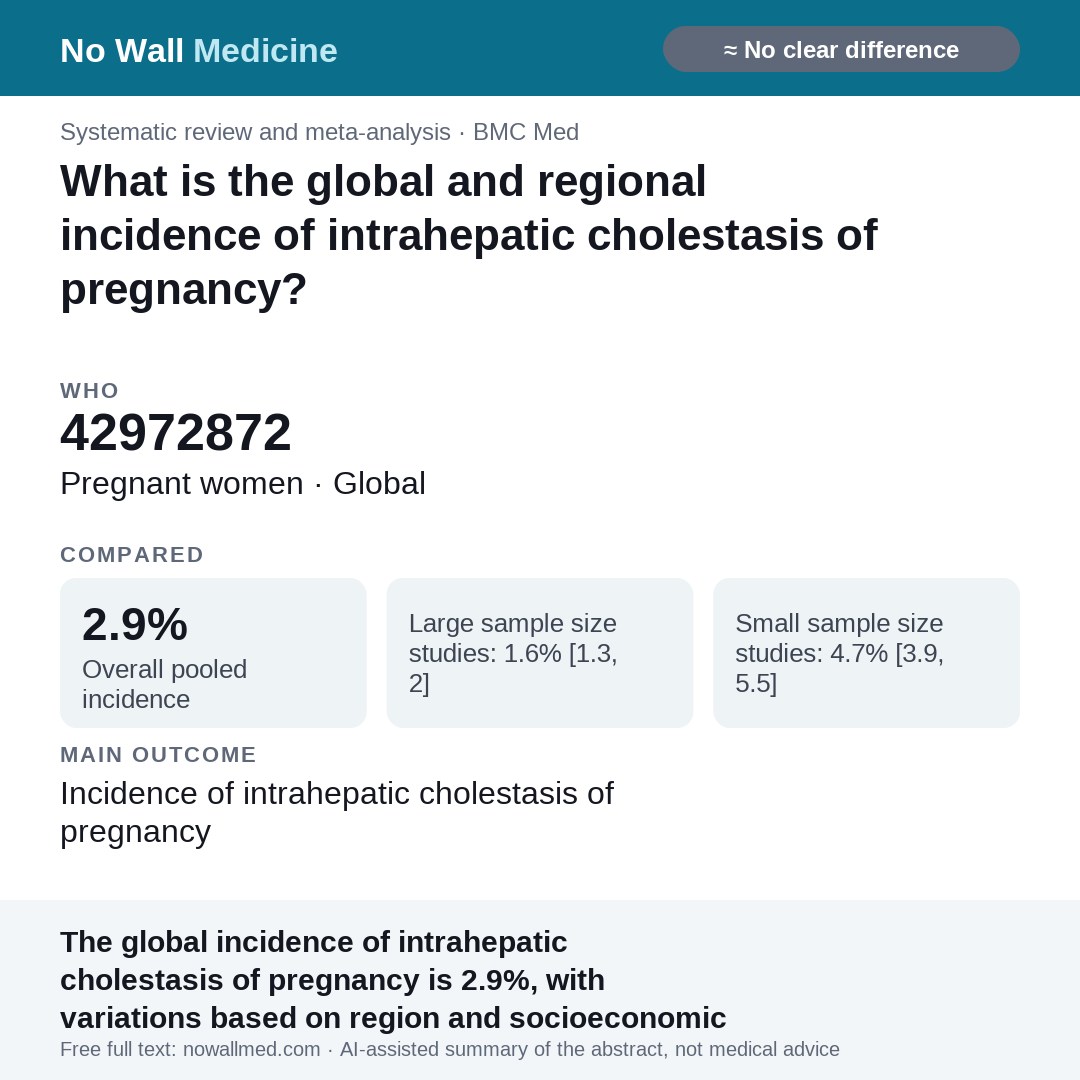
Global and regional incidence of intrahepatic cholestasis of pregnancy: a systematic review and meta-analysis
Systematic review and meta-analysisNo clear difference
What is the global and regional incidence of intrahepatic cholestasis of pregnancy?
Who
42972872
Pregnant women · Global
Compared
2.9%Overall pooled incidence
Large sample size studies: 1.6% [1.3, 2]
Small sample size studies: 4.7% [3.9, 5.5]
Main outcome
Incidence of intrahepatic cholestasis of pregnancy
Result: 2.9% [95% confidence interval 2.5, 3.3]
Bottom line: The global incidence of intrahepatic cholestasis of pregnancy is 2.9%, with variations based on region and socioeconomic status.
BMC Med · 2025-02-28Download image