Visual abstracts
New randomized trials and meta-analyses from leading journals at a glance: who was studied, what was compared, and what was found. Every paper is free to read in full.
All specialtiesCardiology 1731Oncology 1491Gastroenterology & Hepatology 641Infectious Disease 1095Neurology 715Psychiatry & Mental Health 854Pulmonology 740Critical Care 501Endocrinology & Diabetes 937Pediatrics 1019Surgery 851Orthopedics & Sports Medicine 323Neurosurgery 220Cardiothoracic & Vascular Surgery 194Plastic & Reconstructive Surgery 272Nephrology 359Rheumatology 236Hematology 380Dermatology 188Ophthalmology 205Obstetrics & Gynecology 562Public & Global Health 335Radiology & Imaging 235Anesthesiology 347Urology 307ENT (Otolaryngology) 233Emergency Medicine 195Allergy & Immunology 111Geriatrics 370Family Medicine & Primary Care 211Medical Genetics & Genomics 186Pathology & Laboratory Medicine 54Physical Medicine & Rehabilitation 305Palliative Care 154Nutrition 460Digital Health & AI 920General Medicine 135
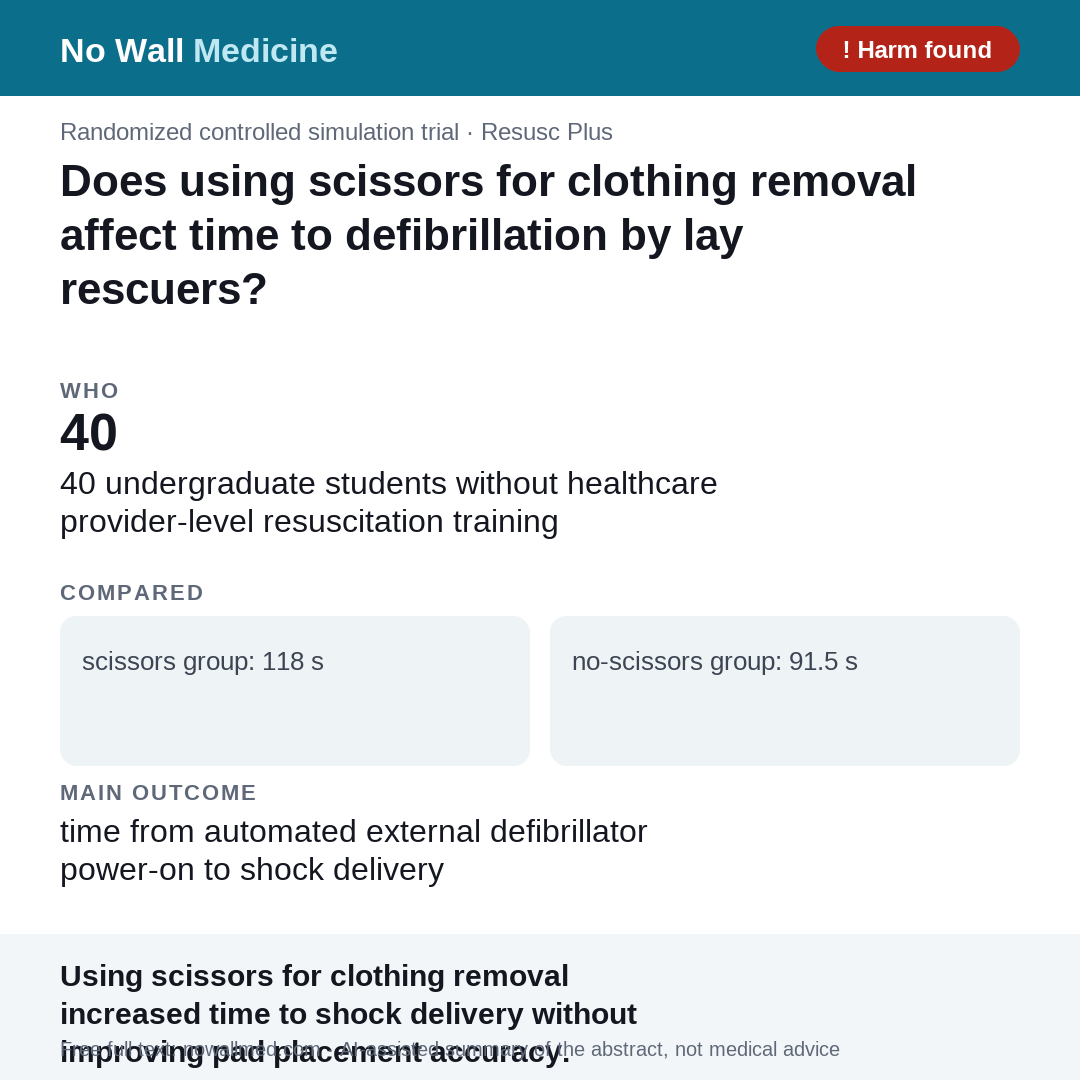
Effect of patient clothing removal with scissors on time to defibrillation by lay rescuers: a randomized controlled simulation trial
Randomized controlled simulation trialHarm found
Does using scissors for clothing removal affect time to defibrillation by lay rescuers?
Who
40
40 undergraduate students without healthcare provider-level resuscitation training
Compared
scissors group: 118 s
no-scissors group: 91.5 s
Main outcome
time from automated external defibrillator power-on to shock delivery
Result: Hodges-Lehmann median difference 24 s, 95% CI 6-39
Bottom line: Using scissors for clothing removal increased time to shock delivery without improving pad placement accuracy.
Limitation: Larger studies are needed to determine the role of clothing removal strategies.
Resusc Plus · 2026-02-26Download image
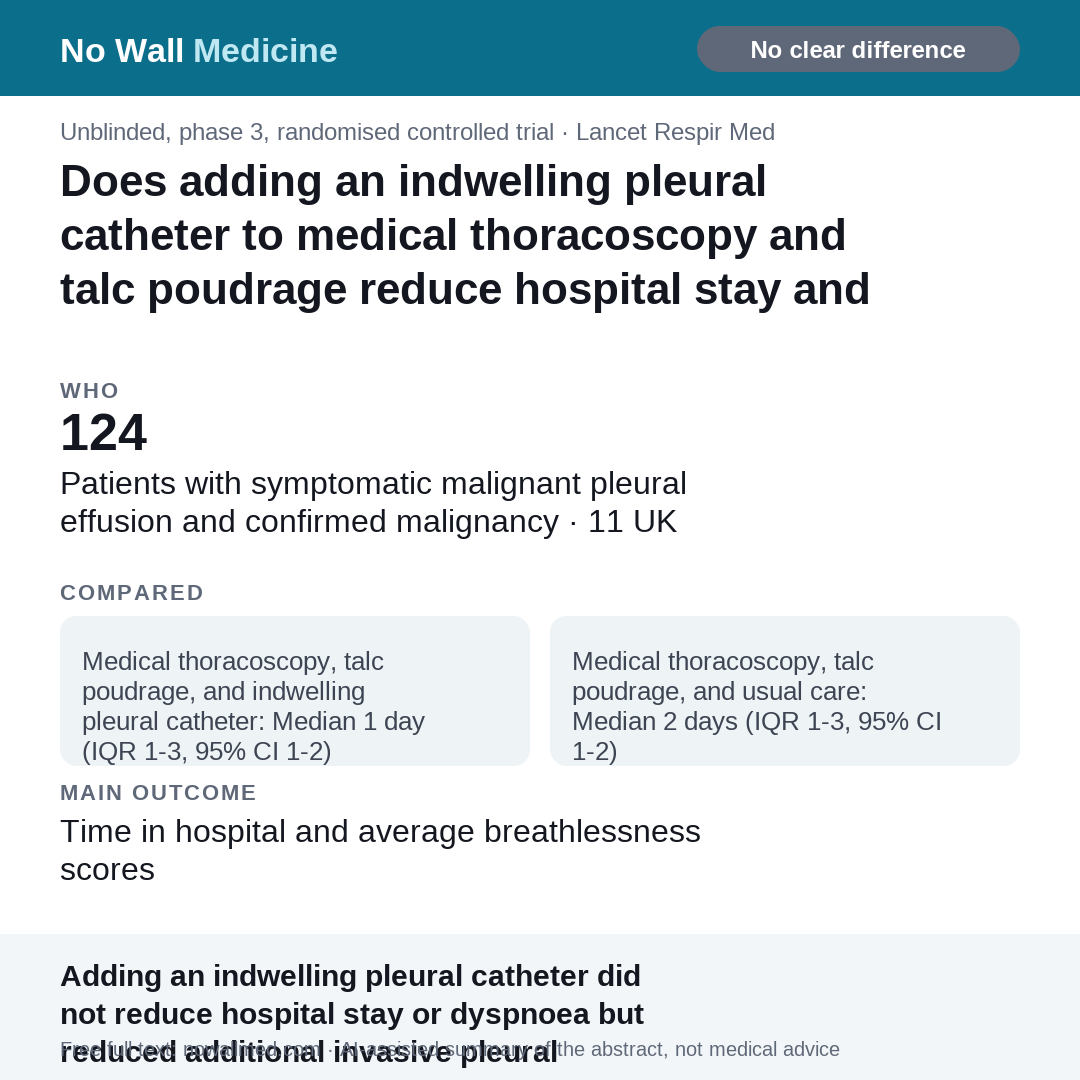
Medical thoracoscopy with talc poudrage and indwelling pleural catheter insertion versus medical thoracoscopy with talc poudrage alone for patients with symptomatic malignant pleural effusion (TACTIC): a randomised, controlled phase 3 trial
Unblinded, phase 3, randomised controlled trialNo clear difference
Does adding an indwelling pleural catheter to medical thoracoscopy and talc poudrage reduce hospital stay and dyspnoea?
Who
124
Patients with symptomatic malignant pleural effusion and confirmed malignancy · 11 UK hospitals
Compared
Medical thoracoscopy, talc poudrage, and indwelling pleural catheter: Median 1 day (IQR 1-3, 95% CI 1-2)
Medical thoracoscopy, talc poudrage, and usual care: Median 2 days (IQR 1-3, 95% CI 1-2)
Main outcome
Time in hospital and average breathlessness scores
Result: p=0·26 for hospital stay; p=0·26 for dyspnoea scores
Bottom line: Adding an indwelling pleural catheter did not reduce hospital stay or dyspnoea but reduced additional invasive pleural procedures.
Funded by: National Institute of Health Research, Research for Patient Benefit
Lancet Respir Med · 2026-02-25Download image
Apixaban Versus Aspirin and Risk of Hemorrhage in the ARCADIA Trial
Multicenter, double-blind, randomized trialBenefit found
What are the bleeding risks of apixaban versus aspirin in cryptogenic stroke patients?
Who
1015
Patients with cryptogenic stroke and evidence of atrial cardiopathy · Multicenter
Compared
Apixaban
Aspirin
Main outcome
Intracranial hemorrhage
Result: incidence rate difference -1.4% (95% confidence interval -2.3% to -0.5%)
Bottom line: Apixaban resulted in significantly fewer intracranial hemorrhages than aspirin in patients with cryptogenic stroke and atrial cardiopathy.
Ann Neurol · 2026-02-25Download image

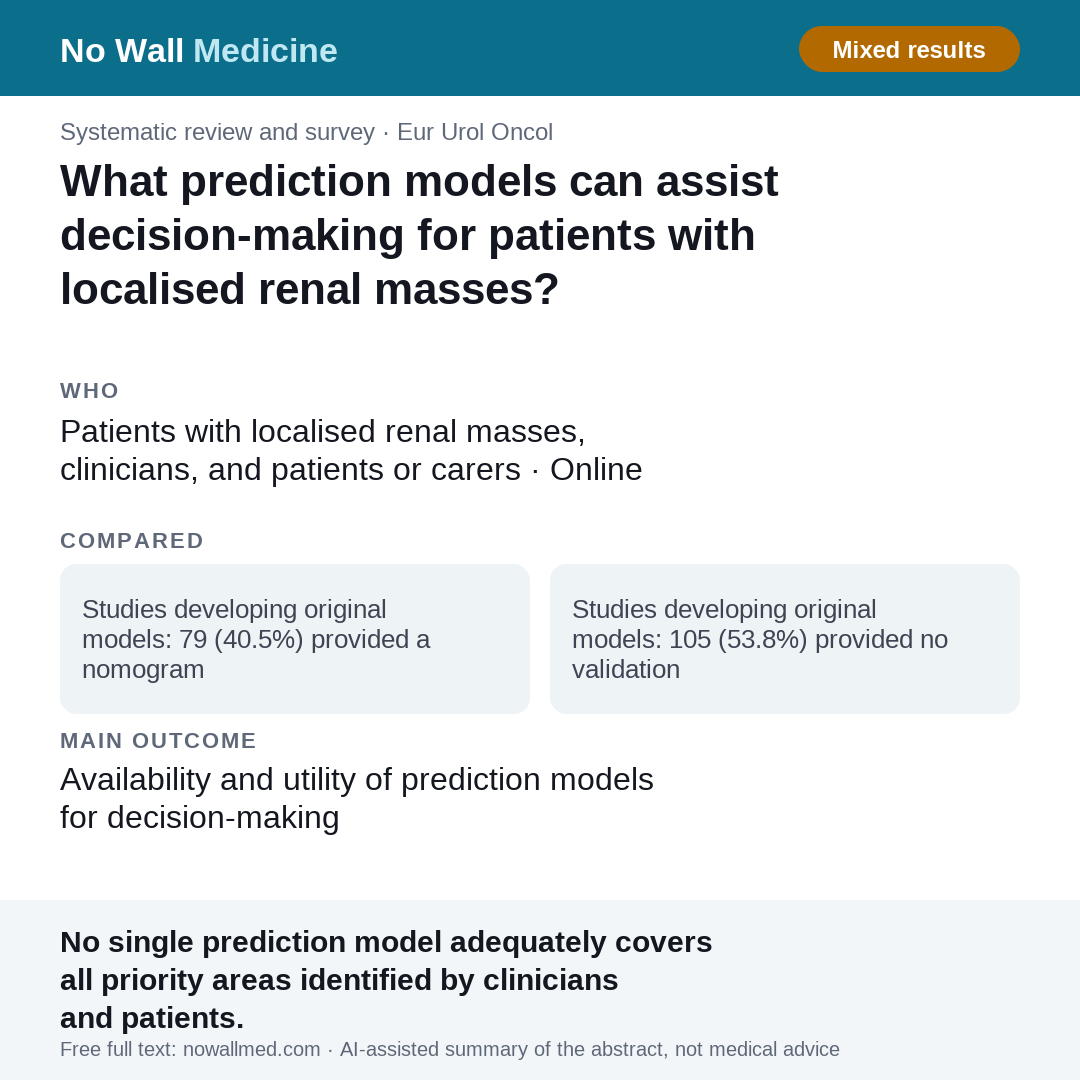
Prediction Models for Shared Decision-making by Patients with Localised Renal Masses: A Systematic Review and a Survey of Patient and Clinician Priorities
Systematic review and surveyMixed results
What prediction models can assist decision-making for patients with localised renal masses?
Who
Patients with localised renal masses, clinicians, and patients or carers · Online survey
Compared
Studies developing original models: 79 (40.5%) provided a nomogram
Studies developing original models: 105 (53.8%) provided no validation
Main outcome
Availability and utility of prediction models for decision-making
Bottom line: No single prediction model adequately covers all priority areas identified by clinicians and patients.
Eur Urol Oncol · 2026-02-25Download image
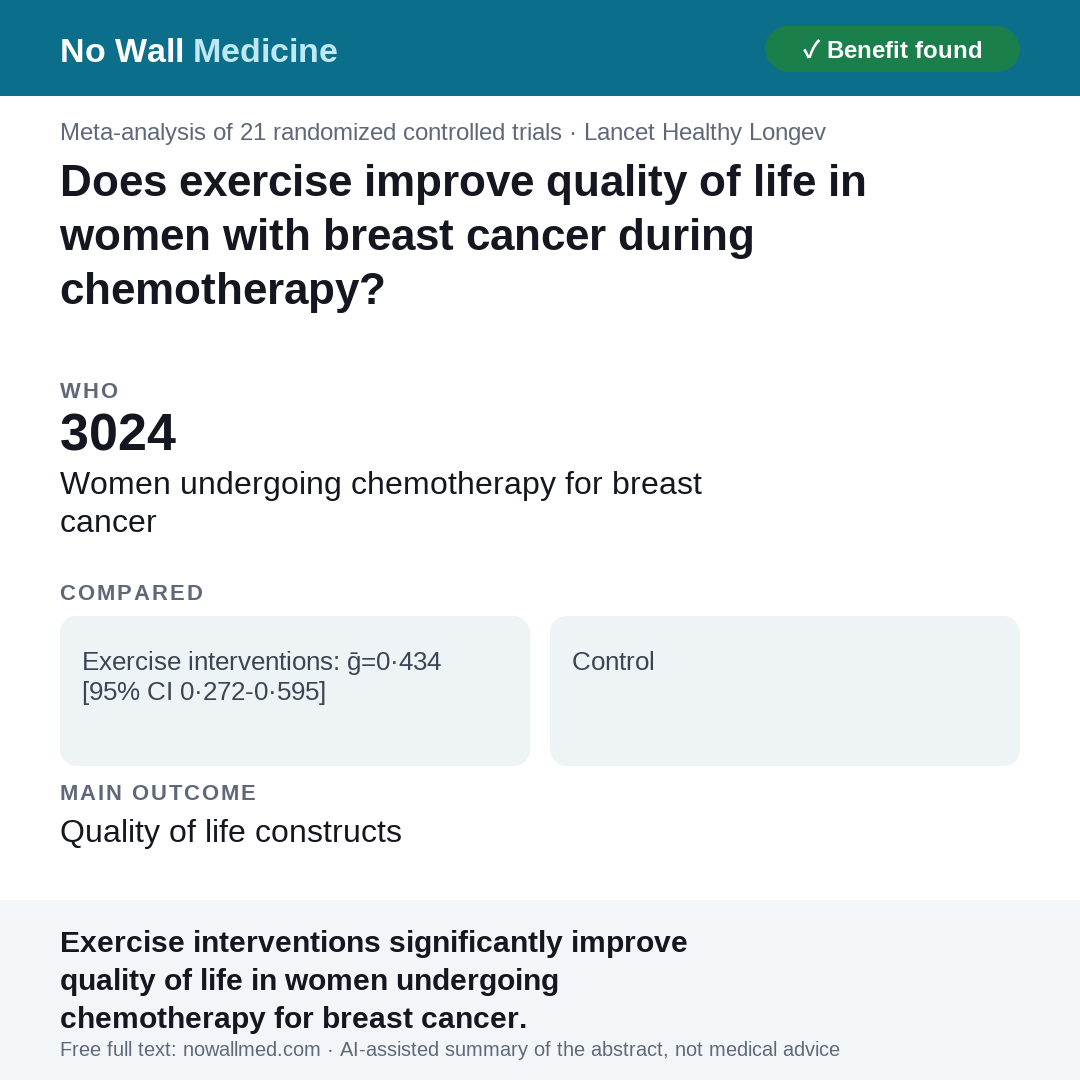
The impact of exercise interventions on domains of quality of life in women diagnosed with breast cancers during chemotherapy treatment: a meta-analytic review
Meta-analysis of 21 randomized controlled trialsBenefit found
Does exercise improve quality of life in women with breast cancer during chemotherapy?
Who
3024
Women undergoing chemotherapy for breast cancer
Compared
Exercise interventions: ḡ=0·434 [95% CI 0·272-0·595]
Control
Main outcome
Quality of life constructs
Result: Hedges' g 0·434 (95% CI 0·272 to 0·595)
Bottom line: Exercise interventions significantly improve quality of life in women undergoing chemotherapy for breast cancer.
Lancet Healthy Longev · 2026-02-25Download image
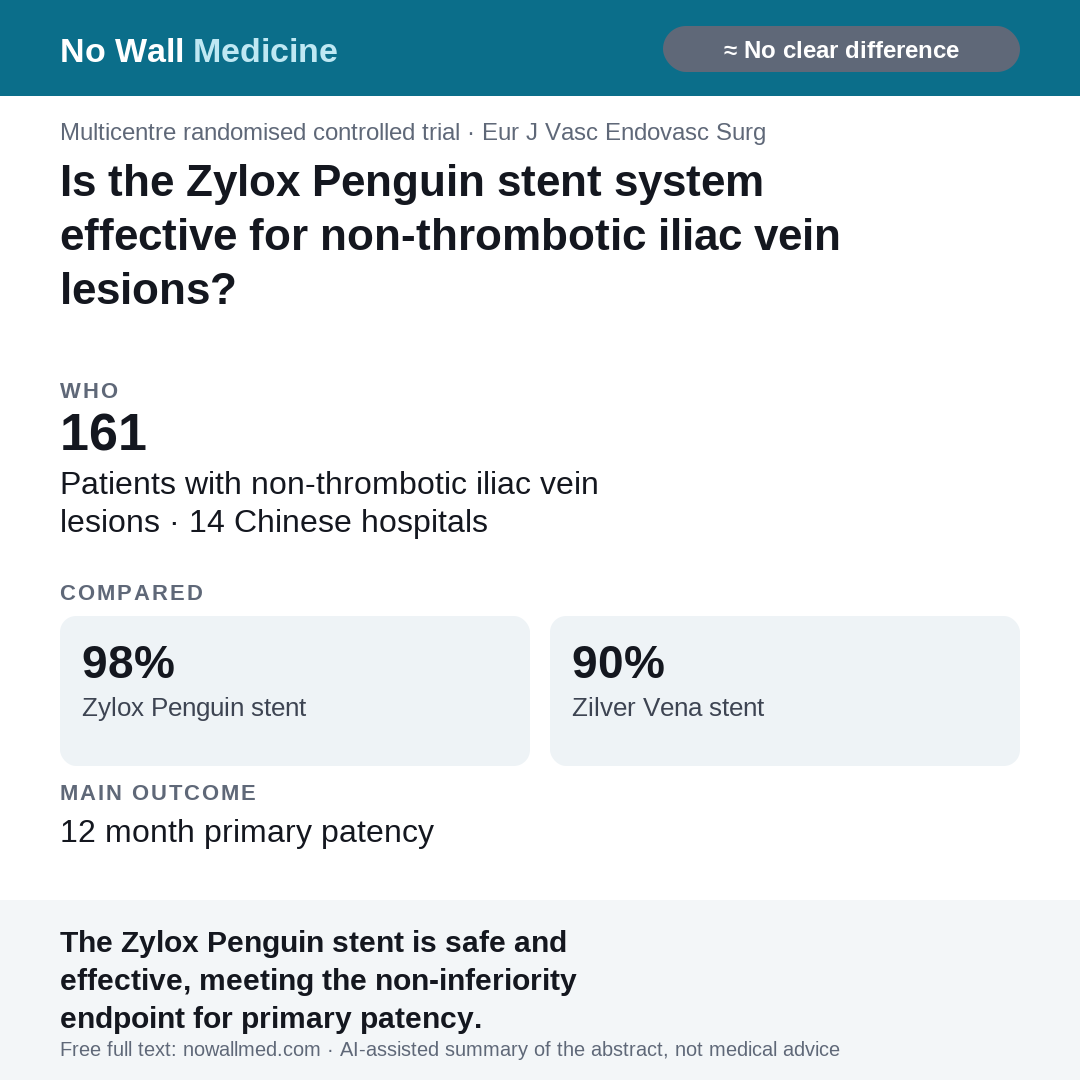
Comparison of the Zylox Penguin Venous Stent System and Zilver Vena Stent for Non-thrombotic Iliac Vein Lesions: A Multicentre Randomised Controlled Trial
Multicentre randomised controlled trialNo clear difference
Is the Zylox Penguin stent system effective for non-thrombotic iliac vein lesions?
Who
161
Patients with non-thrombotic iliac vein lesions · 14 Chinese hospitals
Compared
98%Zylox Penguin stent
90%Zilver Vena stent
Main outcome
12 month primary patency
Result: absolute risk difference 7.5% (95% confidence interval -0.1 to 16.6%)
Bottom line: The Zylox Penguin stent is safe and effective, meeting the non-inferiority endpoint for primary patency.
Eur J Vasc Endovasc Surg · 2026-02-25Download image
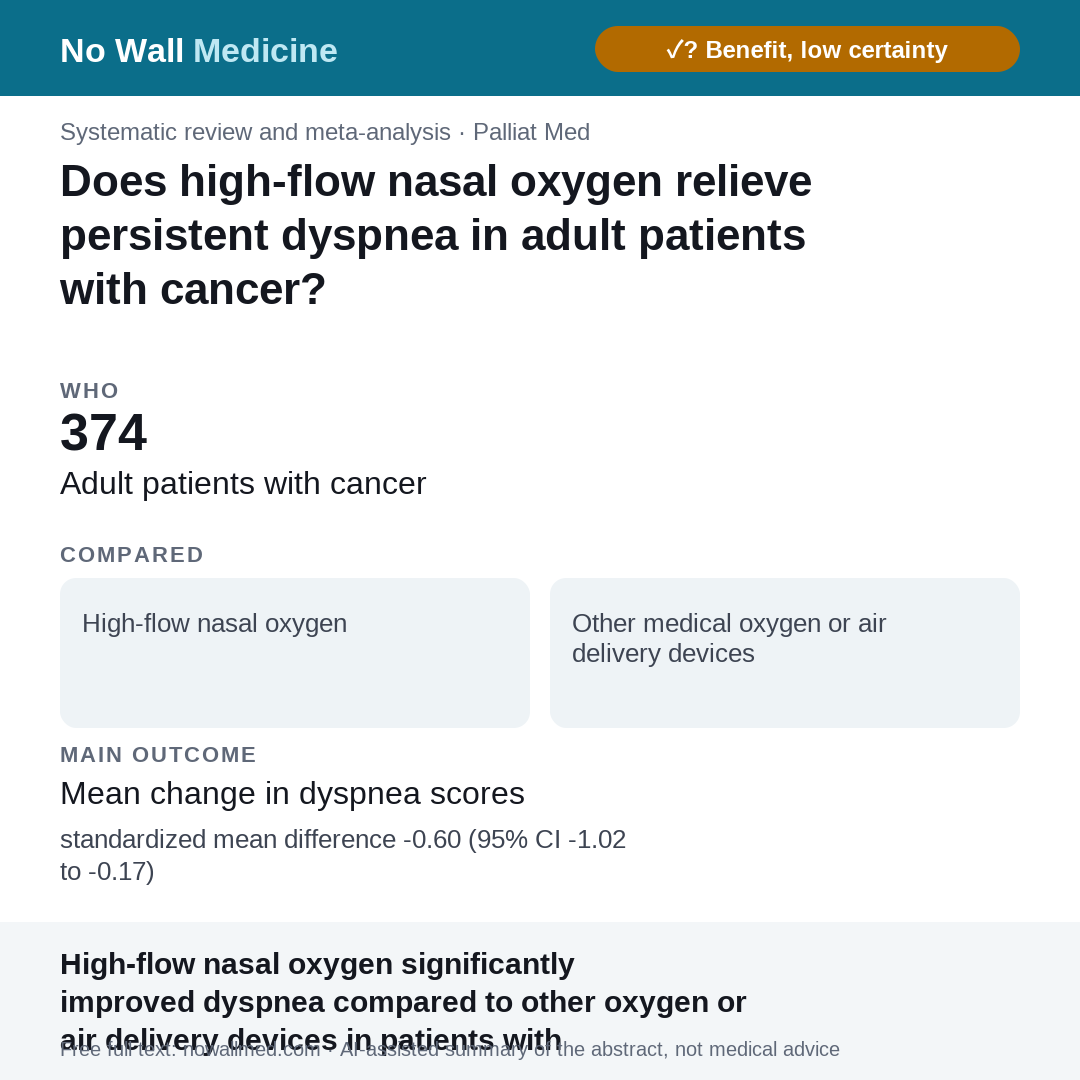
High-flow nasal oxygen for the relief of persistent dyspnea in adult patients with cancer: A systematic review and meta-analysis
Systematic review and meta-analysisBenefit found
Does high-flow nasal oxygen relieve persistent dyspnea in adult patients with cancer?
Who
374
Adult patients with cancer
Compared
High-flow nasal oxygen
Other medical oxygen or air delivery devices
Main outcome
Mean change in dyspnea scores
Result: standardized mean difference -0.60 (95% CI -1.02 to -0.17)
Bottom line: High-flow nasal oxygen significantly improved dyspnea compared to other oxygen or air delivery devices in patients with cancer.
Limitation: Most trials were at a high risk of bias or had some concerns.
Palliat Med · 2026-02-25Download image
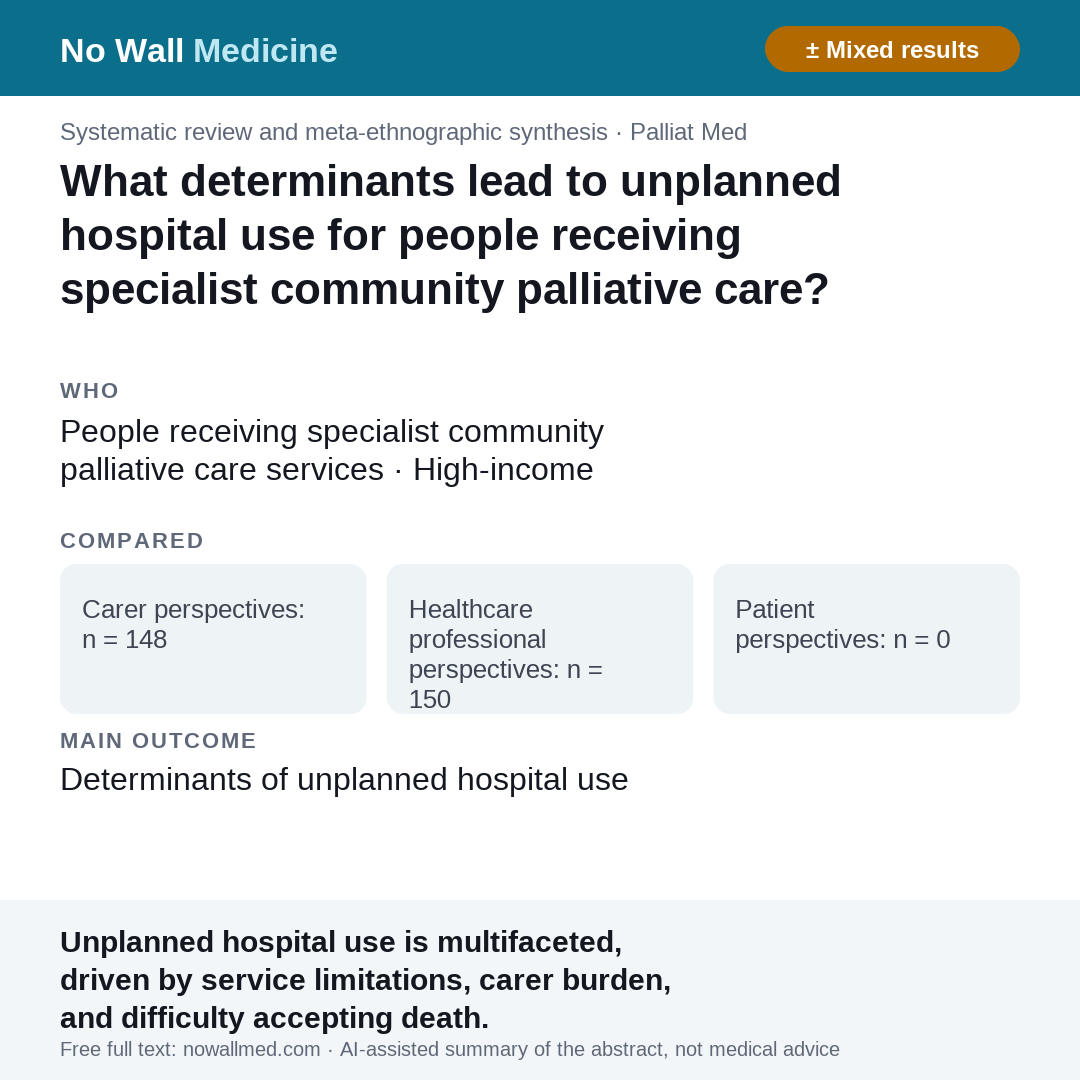
Reasons for patients in high income countries accessing hospital care while receiving specialist community palliative care: A systematic review and meta-ethnography
Systematic review and meta-ethnographic synthesisMixed results
What determinants lead to unplanned hospital use for people receiving specialist community palliative care?
Who
People receiving specialist community palliative care services · High-income countries
Compared
Carer perspectives: n = 148
Healthcare professional perspectives: n = 150
Patient perspectives: n = 0
Main outcome
Determinants of unplanned hospital use
Bottom line: Unplanned hospital use is multifaceted, driven by service limitations, carer burden, and difficulty accepting death.
Limitation: The review lacked perspectives from patients.
Palliat Med · 2026-02-25Download image
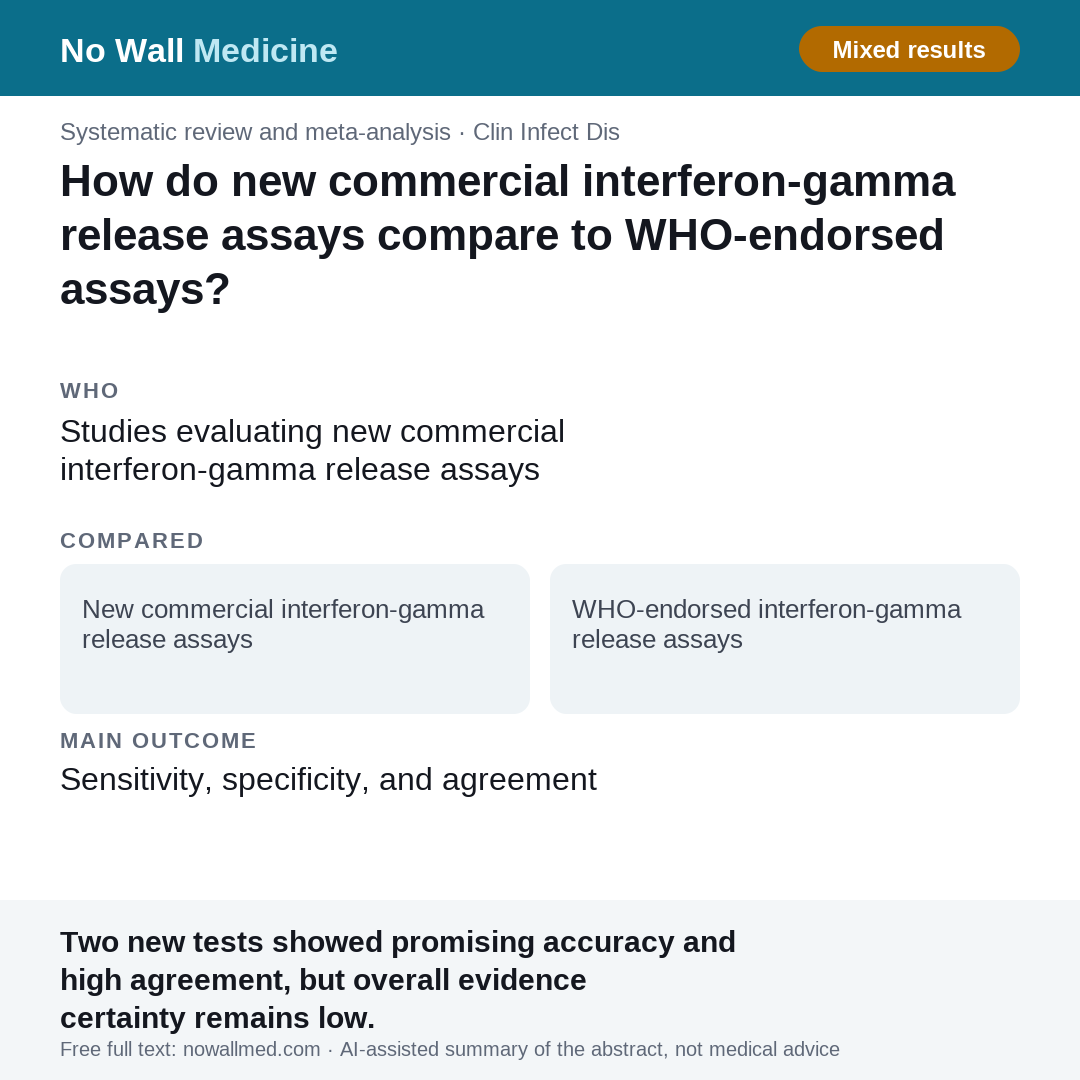
Diagnostic Performance of New Commercial Interferon-Gamma Release Assays for Mycobacterium tuberculosis Infection: An Updated Systematic Review and Meta-analysis
Systematic review and meta-analysisMixed results
How do new commercial interferon-gamma release assays compare to WHO-endorsed assays?
Who
Studies evaluating new commercial interferon-gamma release assays
Compared
New commercial interferon-gamma release assays
WHO-endorsed interferon-gamma release assays
Main outcome
Sensitivity, specificity, and agreement
Bottom line: Two new tests showed promising accuracy and high agreement, but overall evidence certainty remains low.
Limitation: Low certainty of evidence due to risk of bias and imprecision.
Clin Infect Dis · 2026-02-25Download image
Nerandomilast in idiopathic pulmonary fibrosis: data from the whole follow-up period of the FIBRONEER-IPF trial
Randomized, placebo-controlled trialNo clear difference
What are the effects of nerandomilast on key secondary endpoints in idiopathic pulmonary fibrosis?
Who
1177
Patients with idiopathic pulmonary fibrosis
Compared
Placebo
Nerandomilast 9 mg twice daily: hazard ratio 0.92 (95% CI 0.69, 1.22)
Nerandomilast 18 mg twice daily: hazard ratio 0.99 (95% CI 0.75, 1.31)
Main outcome
Time to first acute exacerbation, respiratory hospitalization, or death
Result: hazard ratio 0.92 (95% CI 0.69, 1.22) for 9 mg; 0.99 (95% CI 0.75, 1.31) for 18 mg
Bottom line: Nerandomilast had no effect on the composite endpoint of acute exacerbation, respiratory hospitalization, or death.
AJRCCM · 2026-02-25Download image

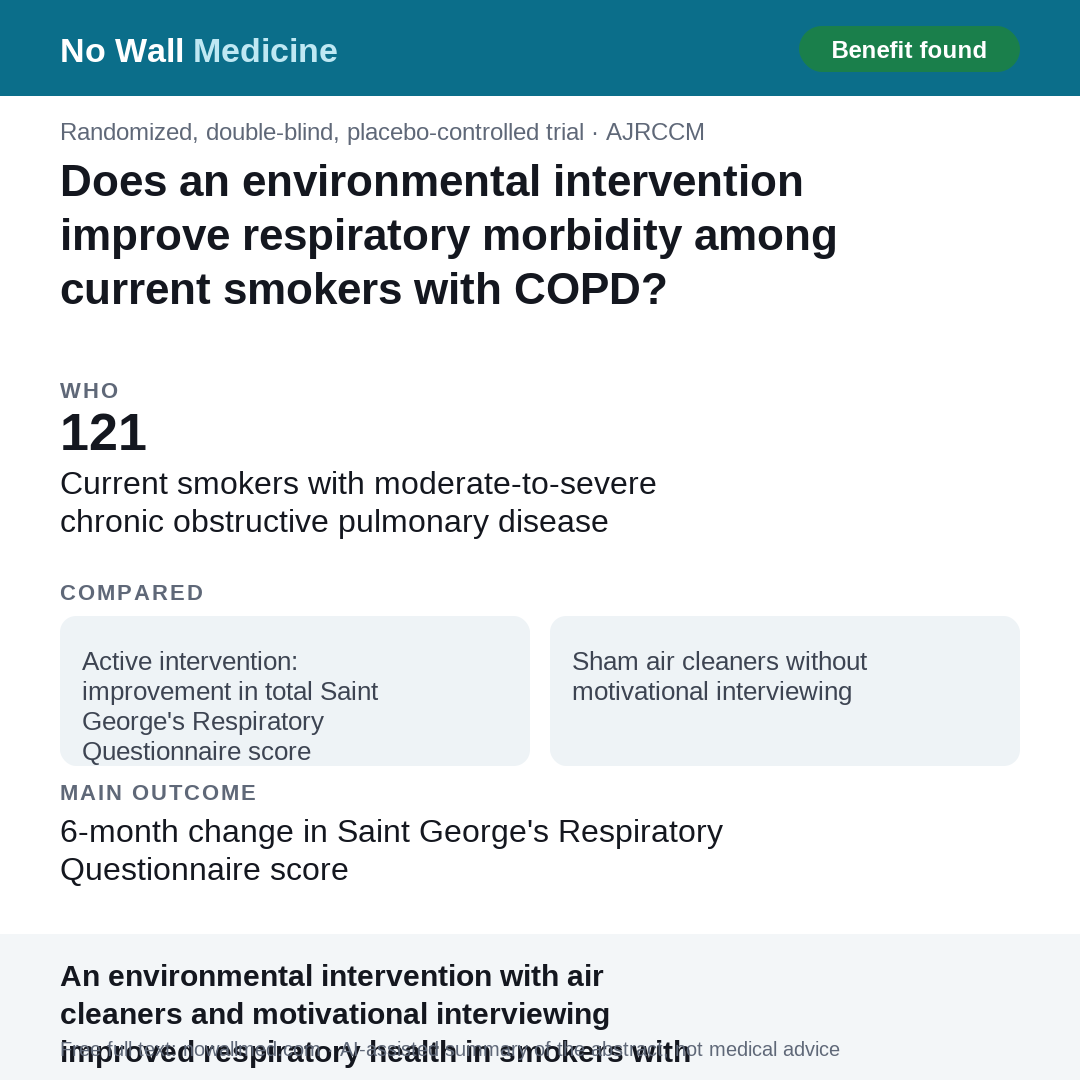
Motivational interviewing and air cleaners for smokers with COPD (MOVE): a randomized, double-blind, placebo-controlled trial
Randomized, double-blind, placebo-controlled trialBenefit found
Does an environmental intervention improve respiratory morbidity among current smokers with COPD?
Who
121
Current smokers with moderate-to-severe chronic obstructive pulmonary disease
Compared
Active intervention: improvement in total Saint George's Respiratory Questionnaire score
Sham air cleaners without motivational interviewing
Main outcome
6-month change in Saint George's Respiratory Questionnaire score
Result: ß -4.4 (95% confidence interval, -8.2 to -0.5)
Bottom line: An environmental intervention with air cleaners and motivational interviewing improved respiratory health in smokers with COPD.
AJRCCM · 2026-02-25Download image
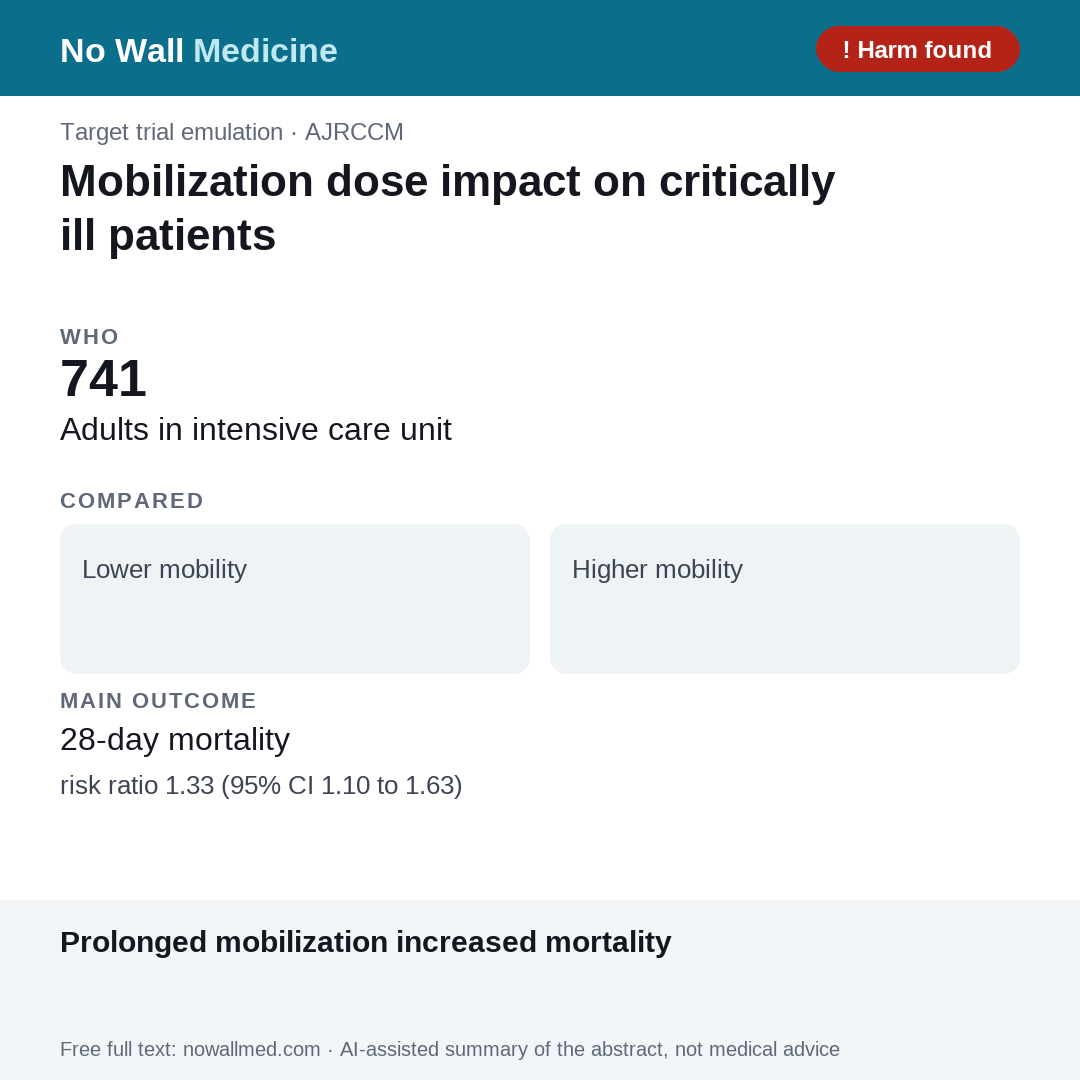
Impact of mobilization dose on outcome of critically ill patients receiving mechanical ventilation-a target trial emulation using data from the TEAM trial
Target trial emulationHarm found
Mobilization dose impact on critically ill patients
Who
741
Adults in intensive care unit
Compared
Lower mobility
Higher mobility
Main outcome
28-day mortality
Result: risk ratio 1.33 (95% CI 1.10 to 1.63)
Bottom line: Prolonged mobilization increased mortality
AJRCCM · 2026-02-25Download image
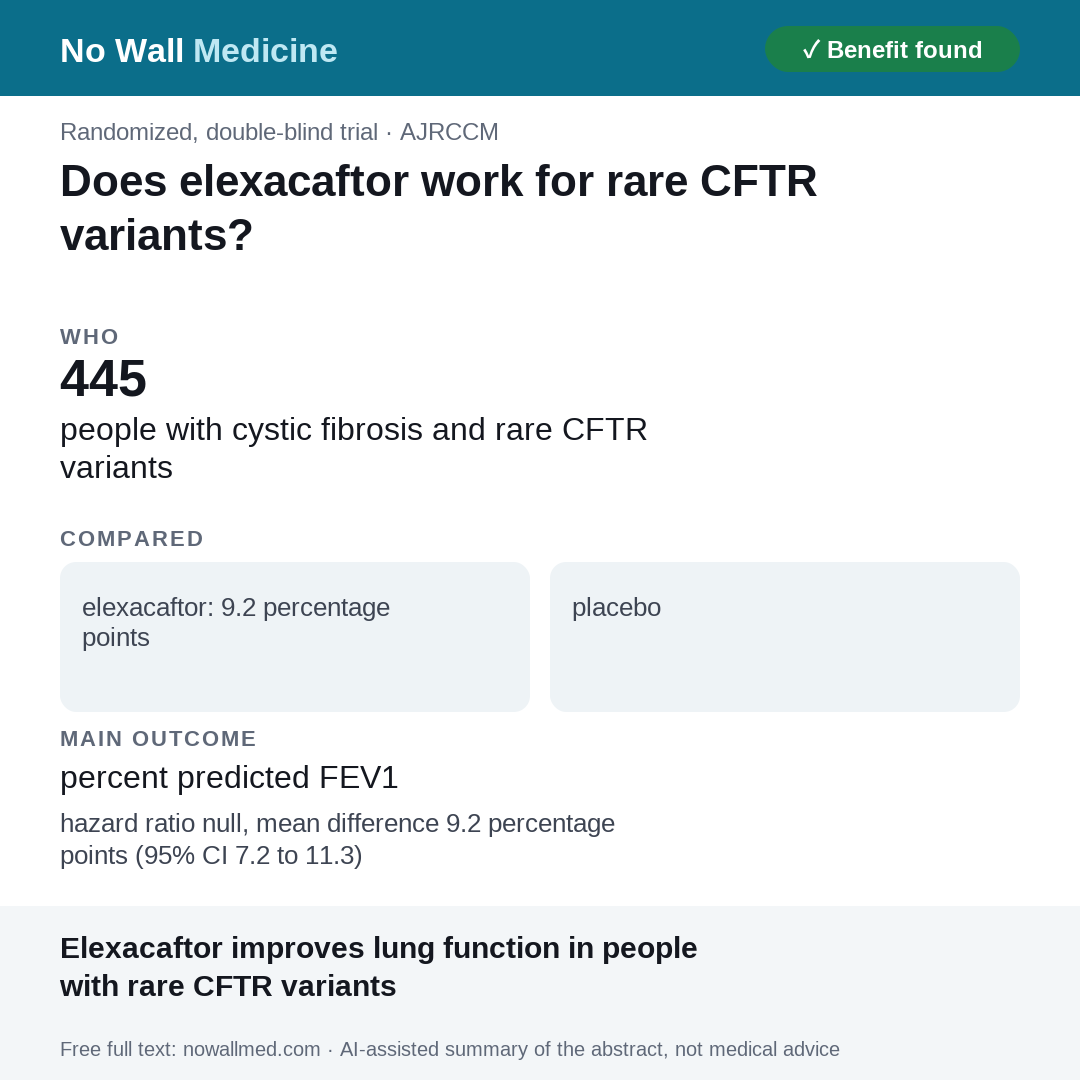
Elexacaftor/tezacaftor/ivacaftor for cystic fibrosis and rare CFTR variants: in vitro translation to a phase 3, double-blind, randomized, placebo-controlled trial, and real-world study
Randomized, double-blind trialBenefit found
Does elexacaftor work for rare CFTR variants?
Who
445
people with cystic fibrosis and rare CFTR variants
Compared
elexacaftor: 9.2 percentage points
placebo
Main outcome
percent predicted FEV1
Result: hazard ratio null, mean difference 9.2 percentage points (95% CI 7.2 to 11.3)
Bottom line: Elexacaftor improves lung function in people with rare CFTR variants
AJRCCM · 2026-02-25Download image
Plasminogen supplementation reverses fibrinolytic insufficiency in sepsis-induced disseminated intravascular coagulation: a pilot study
Randomized pilot studyBenefit found
Does plasminogen supplementation restore fibrinolytic capacity in sepsis-induced coagulopathy?
Who
60
Patients with sepsis-induced coagulopathy
Compared
OctaplasLG®: +46 nM [-96; 118] functional plasminogen
Placebo: -84 [-180; 27] nM functional plasminogen
Main outcome
functional plasminogen and plasmin generation
Bottom line: Plasminogen supplementation increases functional plasminogen and improves plasmin generation in patients with sepsis-induced coagulopathy.
Intensive Care Med · 2026-02-25Download image

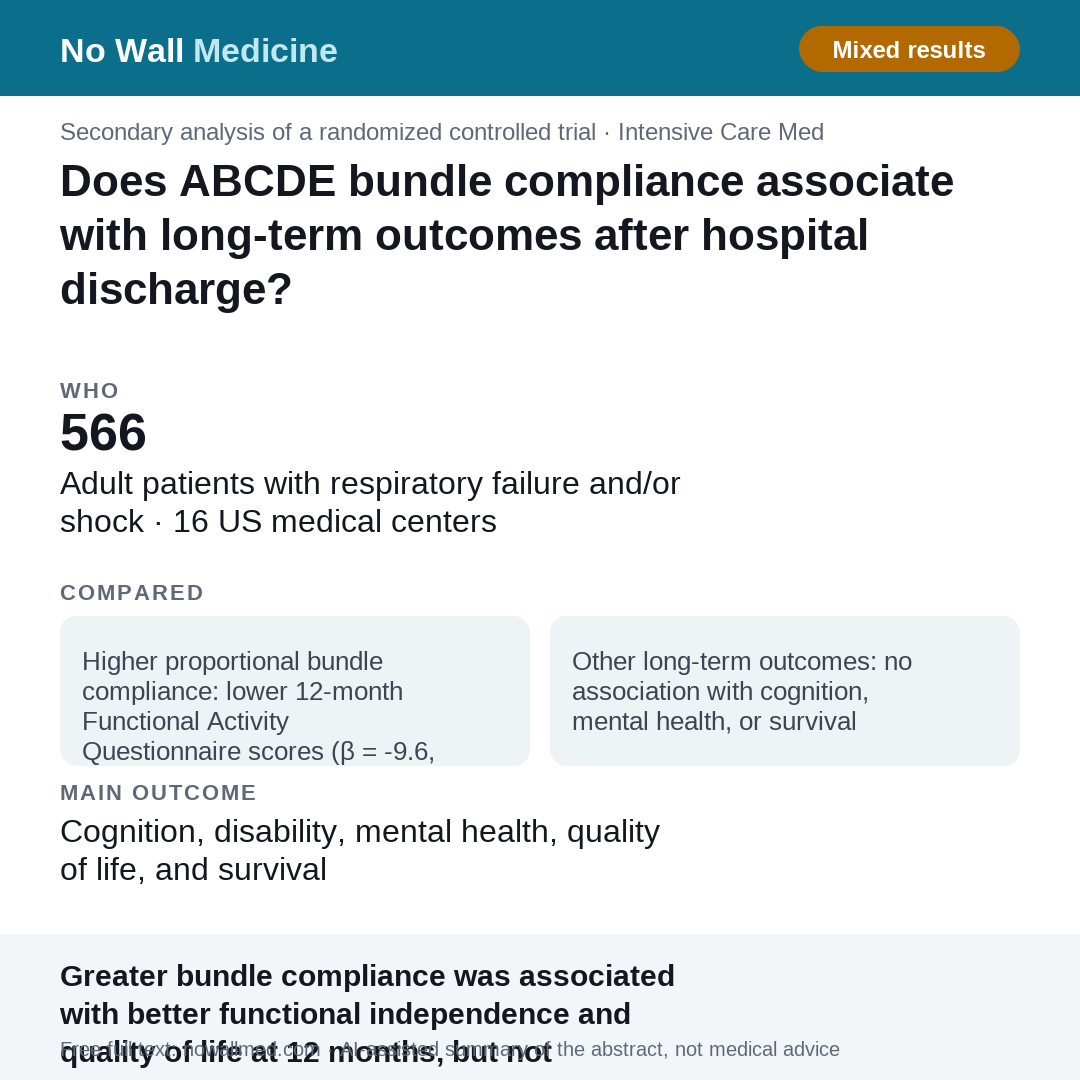
Association between ABCDE bundle compliance and long-term outcomes: a secondary longitudinal analysis
Secondary analysis of a randomized controlled trialMixed results
Does ABCDE bundle compliance associate with long-term outcomes after hospital discharge?
Who
566
Adult patients with respiratory failure and/or shock · 16 US medical centers
Compared
Higher proportional bundle compliance: lower 12-month Functional Activity Questionnaire scores (β = -9.6, CI = -19.6, -1.7, p = 0.04) and higher 12-month EuroQol-5D scores (β = 0.5, CI = 0.1, 0.9, p = 0.01)
Other long-term outcomes: no association with cognition, mental health, or survival
Main outcome
Cognition, disability, mental health, quality of life, and survival
Bottom line: Greater bundle compliance was associated with better functional independence and quality of life at 12 months, but not survival.
Intensive Care Med · 2026-02-25Download image
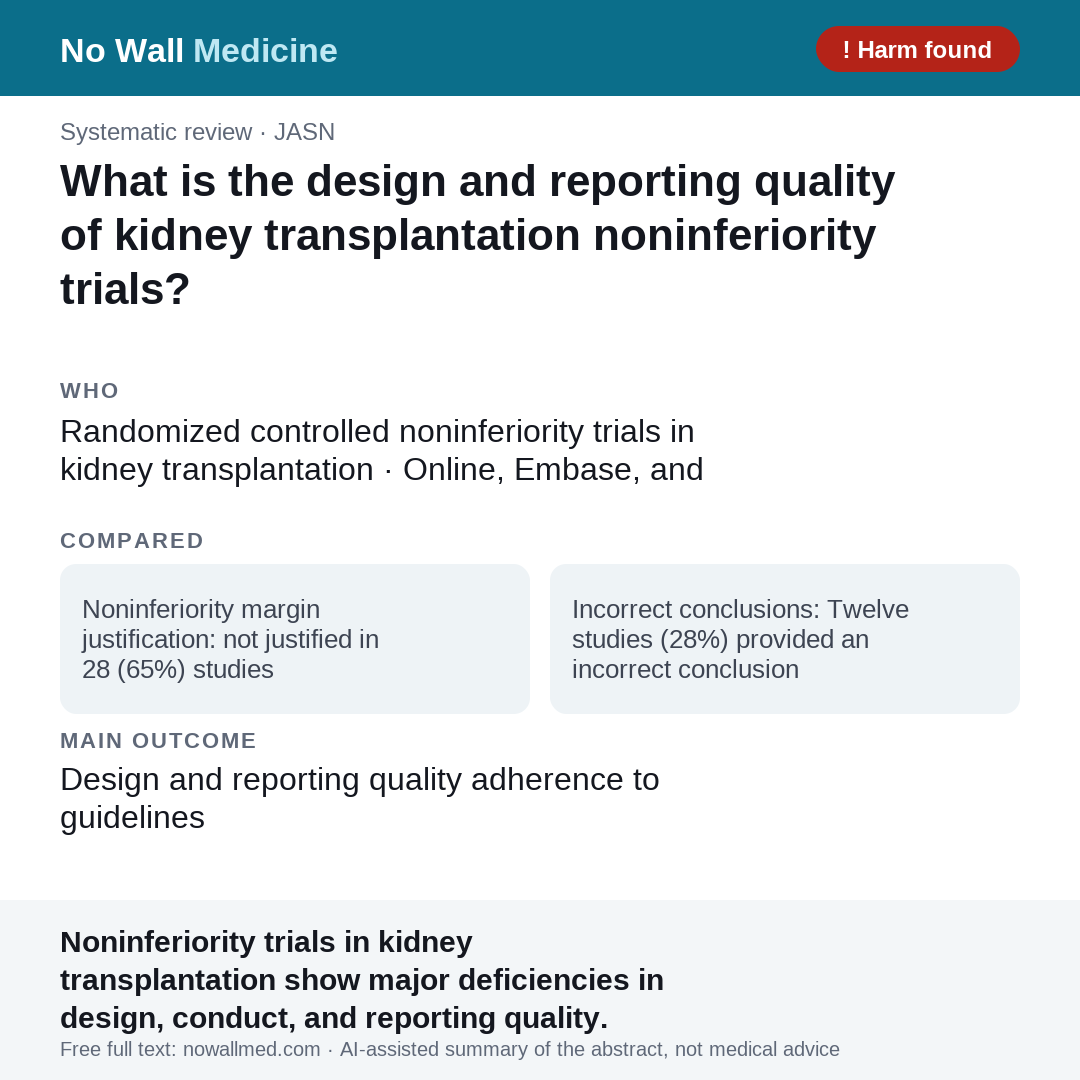
Design and Reporting Quality of Noninferiority Trials in Kidney Transplantation: A Systematic Review
Systematic reviewHarm found
What is the design and reporting quality of kidney transplantation noninferiority trials?
Who
43
Randomized controlled noninferiority trials in kidney transplantation · Online, Embase, and Cochrane Central Register of Controlled Trials
Compared
Noninferiority margin justification: not justified in 28 (65%) studies
Incorrect conclusions: Twelve studies (28%) provided an incorrect conclusion
Main outcome
Design and reporting quality adherence to guidelines
Bottom line: Noninferiority trials in kidney transplantation show major deficiencies in design, conduct, and reporting quality.
JASN · 2026-02-25Download image
Immunogenicity of Two Versus Three Doses of Hepatitis B Vaccine When Administered to Children Aged 2-18 Months: A Randomized Clinical Trial
Randomized clinical trialBenefit found
Is a 2-dose hepatitis B vaccination schedule as immunogenic as a 3-dose schedule in infants?
Who
Children aged 2 to 18 months
Compared
91.7%heterologous 2-dose schedule
90.9%homologous 2-dose schedule
94.2%3-dose schedule
Main outcome
seroprotection rates and anamnestic response after challenge dose
Bottom line: A heterologous 2-dose hepatitis B vaccination schedule provides similar anamnestic response and fewer local reactions than other schedules.
J Infect Dis · 2026-02-25Download image

Transoral robotic surgery in head and neck cancer: an umbrella review of meta-analyses
Umbrella review of 14 meta-analysesMixed results
Is transoral robotic surgery advantageous over other treatments for head and neck cancer?
Who
Patients with head and neck cancer
Compared
Transoral robotic surgery
Open surgery, laser microsurgery, or radiotherapy
Main outcome
Oncological, surgical, functional, and complication outcomes
Bottom line: Transoral robotic surgery is superior to open surgery for several outcomes but shows no significant difference compared to laser microsurgery or radiotherapy.
Int J Surg · 2026-02-25Download image

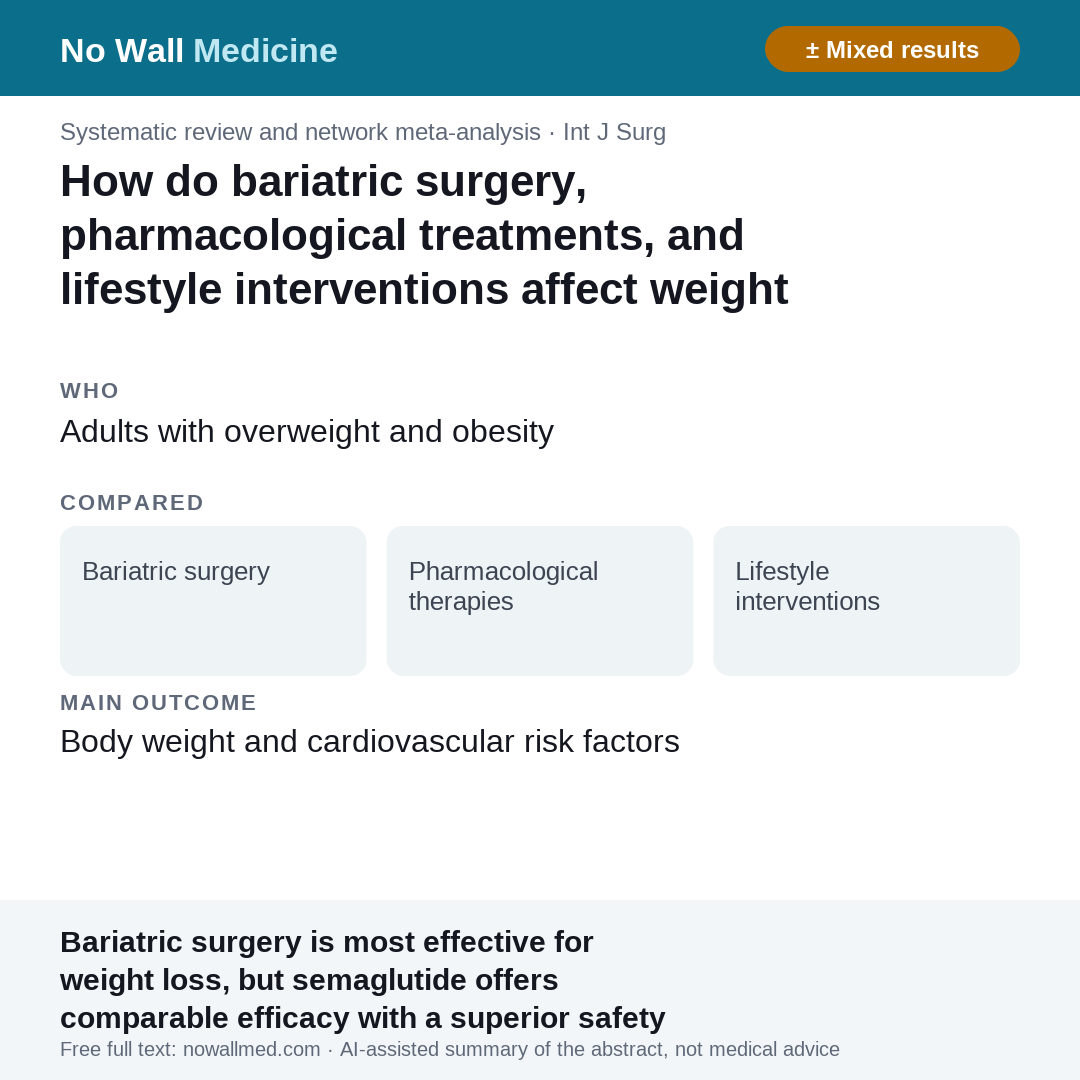
Effect of bariatric surgery and pharmacological treatments on cardiovascular risk factors for adults with overweight and obesity: a systematic review and network meta-analysis
Systematic review and network meta-analysisMixed results
How do bariatric surgery, pharmacological treatments, and lifestyle interventions affect weight and cardiovascular risk?
Who
Adults with overweight and obesity
Compared
Bariatric surgery
Pharmacological therapies
Lifestyle interventions
Main outcome
Body weight and cardiovascular risk factors
Bottom line: Bariatric surgery is most effective for weight loss, but semaglutide offers comparable efficacy with a superior safety profile.
Int J Surg · 2026-02-25Download image
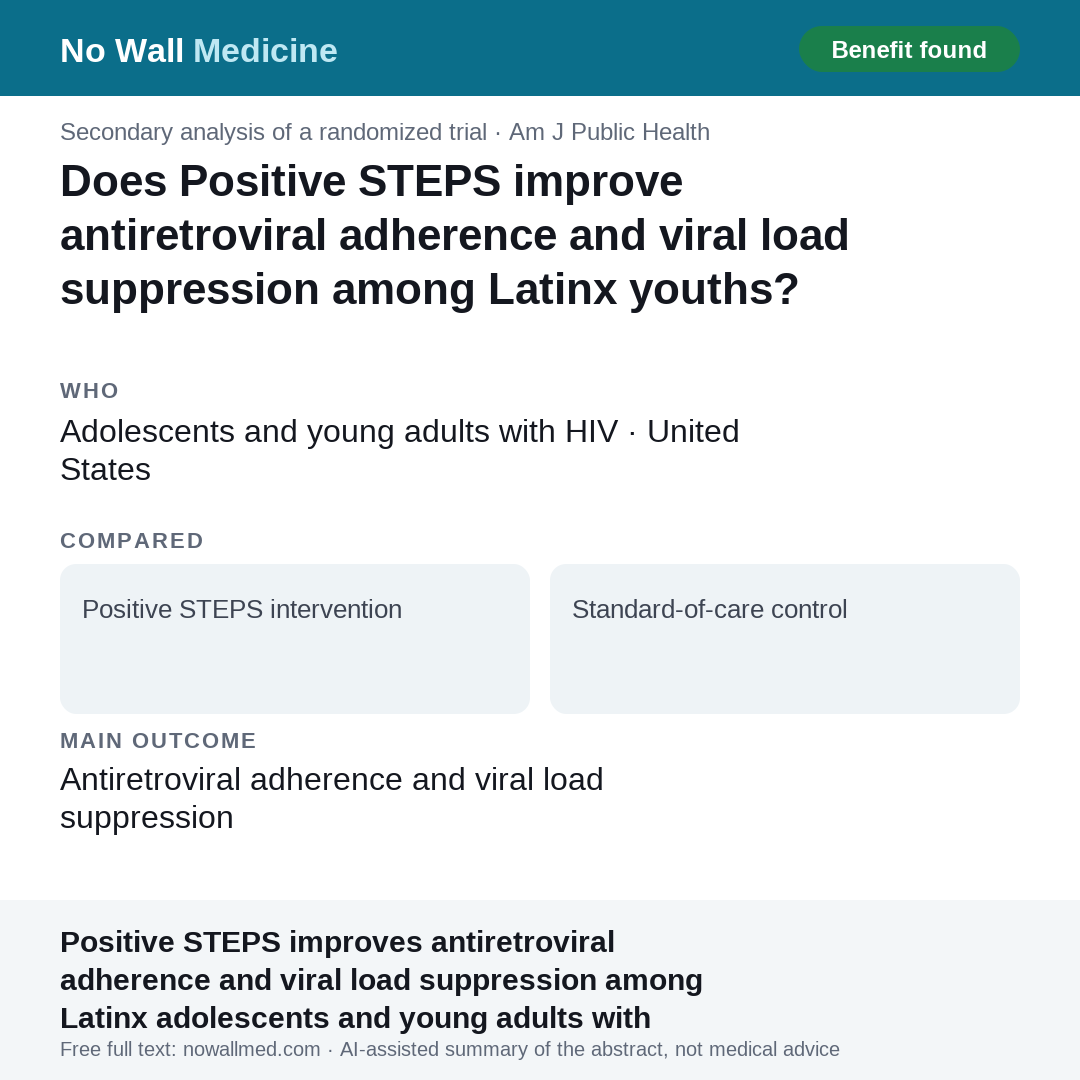
Moderated Effects of Latinx Ethnicity for a Stepped-Care, Technology and Counseling-Based Intervention (Positive STEPS) on Antiretroviral Adherence and Viral Load Suppression Among Youths With HIV, United States, 2018‒2023
Secondary analysis of a randomized trialBenefit found
Does Positive STEPS improve antiretroviral adherence and viral load suppression among Latinx youths?
Who
Adolescents and young adults with HIV · United States
Compared
Positive STEPS intervention
Standard-of-care control
Main outcome
Antiretroviral adherence and viral load suppression
Bottom line: Positive STEPS improves antiretroviral adherence and viral load suppression among Latinx adolescents and young adults with HIV.
Am J Public Health · 2026-02-25Download image