Visual abstracts
New randomized trials and meta-analyses from leading journals at a glance: who was studied, what was compared, and what was found. Every paper is free to read in full.
All specialtiesCardiology 2367Oncology 2020Gastroenterology & Hepatology 893Infectious Disease 1471Neurology 944Psychiatry & Mental Health 1115Pulmonology 988Critical Care 653Endocrinology & Diabetes 1238Pediatrics 1380Surgery 1195Orthopedics & Sports Medicine 426Neurosurgery 294Cardiothoracic & Vascular Surgery 257Plastic & Reconstructive Surgery 361Nephrology 494Rheumatology 334Hematology 505Dermatology 273Ophthalmology 274Obstetrics & Gynecology 772Public & Global Health 433Radiology & Imaging 325Anesthesiology 475Urology 396ENT (Otolaryngology) 303Emergency Medicine 266Allergy & Immunology 146Geriatrics 503Family Medicine & Primary Care 276Medical Genetics & Genomics 254Pathology & Laboratory Medicine 75Physical Medicine & Rehabilitation 400Palliative Care 201Nutrition 621Digital Health & AI 1171General Medicine 173
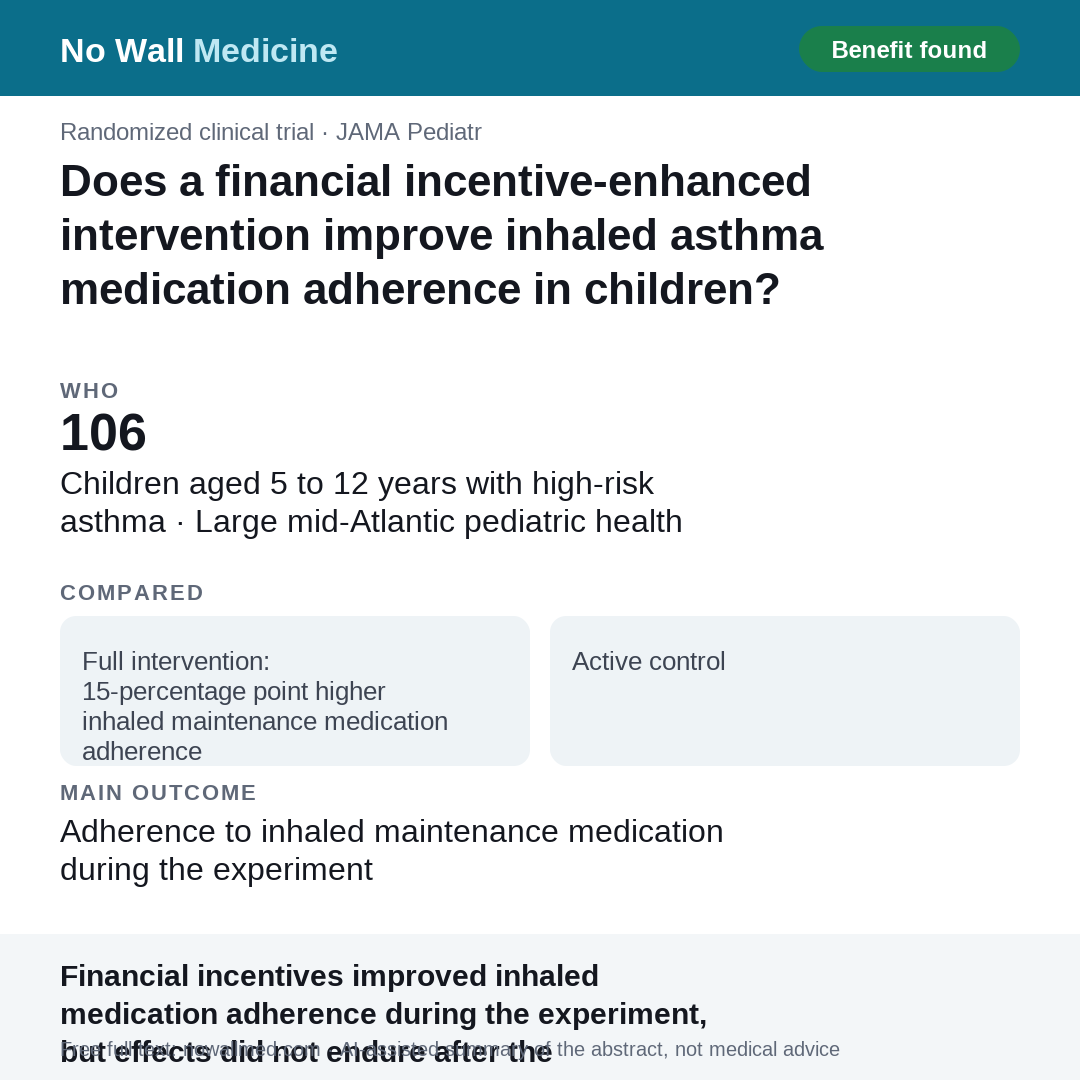
Tailored Adherence Incentives for Childhood Asthma Medications: A Randomized Clinical Trial
Randomized clinical trialBenefit found
Does a financial incentive-enhanced intervention improve inhaled asthma medication adherence in children?
Who
106
Children aged 5 to 12 years with high-risk asthma · Large mid-Atlantic pediatric health system in the US
Compared
Full intervention: 15-percentage point higher inhaled maintenance medication adherence
Active control
Main outcome
Adherence to inhaled maintenance medication during the experiment
Result: 15-percentage point (95% CI, 2-29 percentage points) higher
Bottom line: Financial incentives improved inhaled medication adherence during the experiment, but effects did not endure after the intervention ceased.
JAMA Pediatr · 2025-03-17Download image
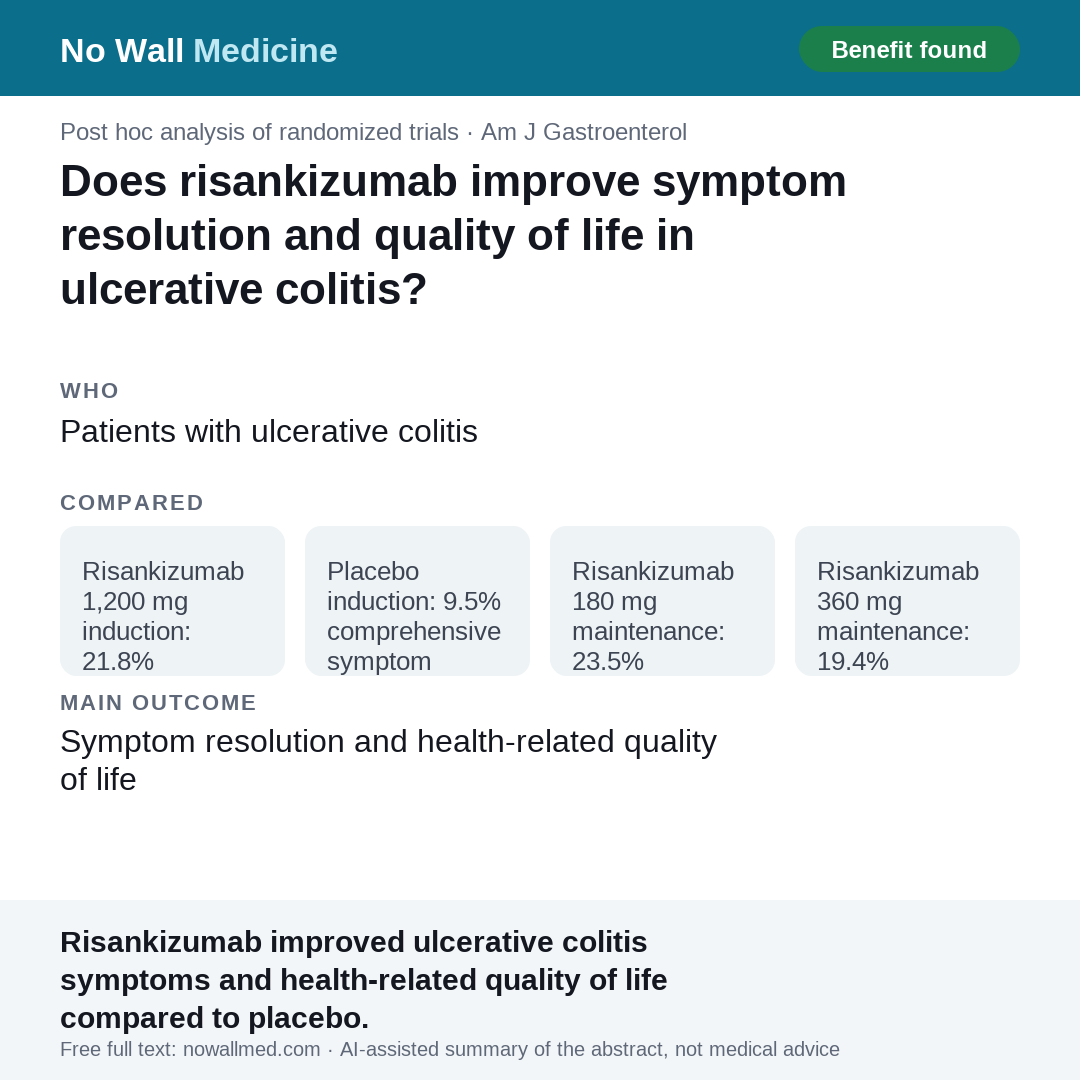
Symptom Resolution and Meaningful Improvement in Quality of Life With Risankizumab in Patients With Ulcerative Colitis: Post Hoc Analysis of the Randomized INSPIRE and COMMAND Studies
Post hoc analysis of randomized trialsBenefit found
Does risankizumab improve symptom resolution and quality of life in ulcerative colitis?
Who
Patients with ulcerative colitis
Compared
Risankizumab 1,200 mg induction: 21.8% comprehensive symptom resolution at week 12
Placebo induction: 9.5% comprehensive symptom resolution at week 12
Risankizumab 180 mg maintenance: 23.5% comprehensive symptom resolution at week 52
Risankizumab 360 mg maintenance: 19.4% comprehensive symptom resolution at week 52
Main outcome
Symptom resolution and health-related quality of life
Bottom line: Risankizumab improved ulcerative colitis symptoms and health-related quality of life compared to placebo.
Am J Gastroenterol · 2025-03-17Download image
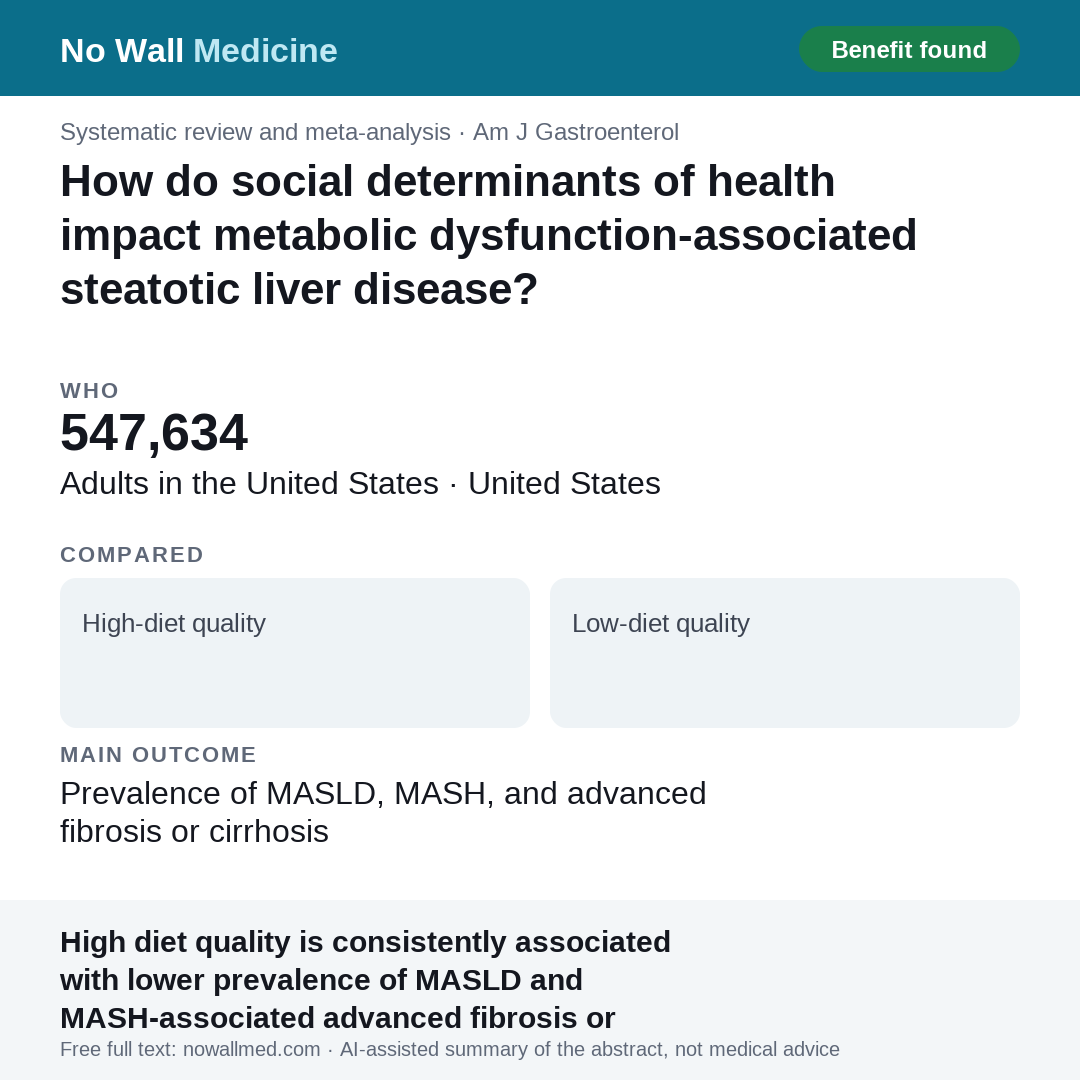
Social Determinants of Health Associated With Metabolic Dysfunction-Associated Steatotic Liver Disease Prevalence and Severity: A Systematic Review and Meta-Analysis
Systematic review and meta-analysisBenefit found
How do social determinants of health impact metabolic dysfunction-associated steatotic liver disease?
Who
547,634
Adults in the United States · United States
Compared
High-diet quality
Low-diet quality
Main outcome
Prevalence of MASLD, MASH, and advanced fibrosis or cirrhosis
Result: summarized odds ratio 0.76 (P < 0.01) for MASLD prevalence
Bottom line: High diet quality is consistently associated with lower prevalence of MASLD and MASH-associated advanced fibrosis or cirrhosis.
Am J Gastroenterol · 2025-03-17Download image
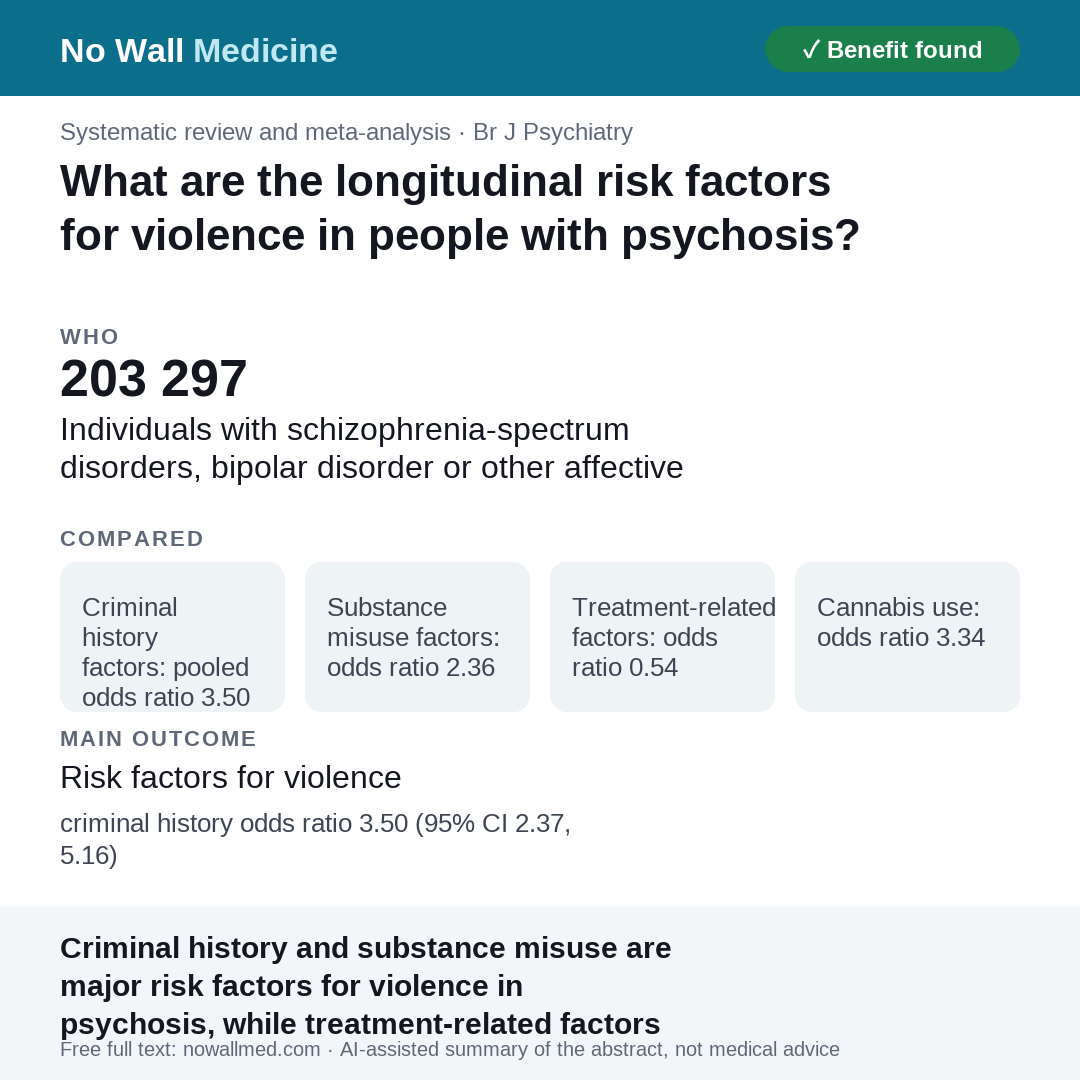
Systematic review of risk factors for violence in psychosis: 10-year update
Systematic review and meta-analysisBenefit found
What are the longitudinal risk factors for violence in people with psychosis?
Who
203 297
Individuals with schizophrenia-spectrum disorders, bipolar disorder or other affective psychoses
Compared
Criminal history factors: pooled odds ratio 3.50
Substance misuse factors: odds ratio 2.36
Treatment-related factors: odds ratio 0.54
Cannabis use: odds ratio 3.34
Main outcome
Risk factors for violence
Result: criminal history odds ratio 3.50 (95% CI 2.37, 5.16)
Bottom line: Criminal history and substance misuse are major risk factors for violence in psychosis, while treatment-related factors may be protective.
Limitation: Effect estimates were attenuated in inpatient settings.
Br J Psychiatry · 2025-03-17Download image
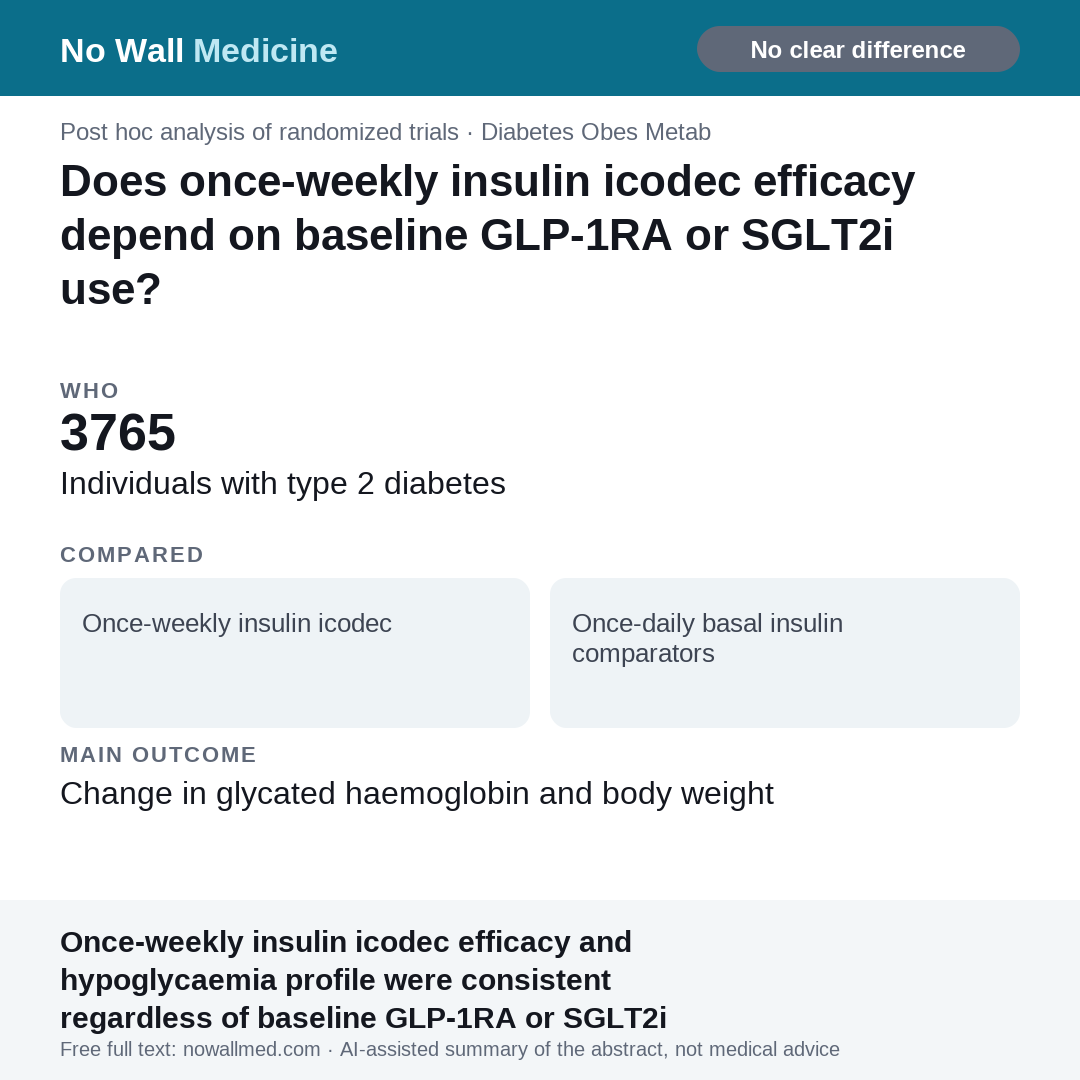
Efficacy and hypoglycaemia outcomes with once-weekly insulin icodec versus once-daily basal insulin in type 2 diabetes according to baseline glucagon-like peptide-1 receptor agonist and sodium-glucose co-transporter-2 inhibitor use: A post hoc analysis of ONWARDS 1-5
Post hoc analysis of randomized trialsNo clear difference
Does once-weekly insulin icodec efficacy depend on baseline GLP-1RA or SGLT2i use?
Who
3765
Individuals with type 2 diabetes
Compared
Once-weekly insulin icodec
Once-daily basal insulin comparators
Main outcome
Change in glycated haemoglobin and body weight
Bottom line: Once-weekly insulin icodec efficacy and hypoglycaemia profile were consistent regardless of baseline GLP-1RA or SGLT2i use.
Diabetes Obes Metab · 2025-03-17Download image
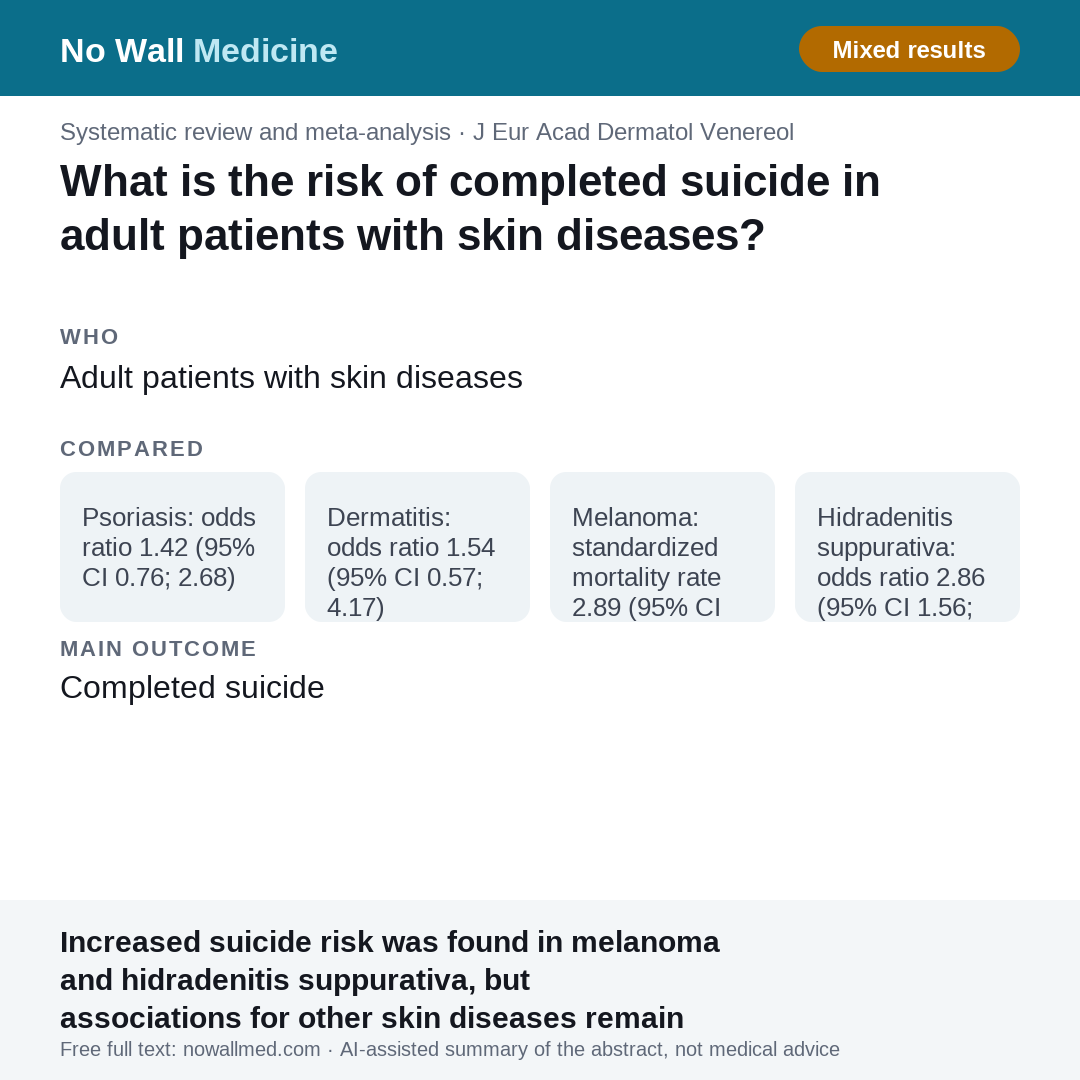
Completed suicide in patients with skin disease: A systematic review and meta-analysis
Systematic review and meta-analysisMixed results
What is the risk of completed suicide in adult patients with skin diseases?
Who
Adult patients with skin diseases
Compared
Psoriasis: odds ratio 1.42 (95% CI 0.76; 2.68)
Dermatitis: odds ratio 1.54 (95% CI 0.57; 4.17)
Melanoma: standardized mortality rate 2.89 (95% CI 1.97; 3.81)
Hidradenitis suppurativa: odds ratio 2.86 (95% CI 1.56; 5.24)
Main outcome
Completed suicide
Bottom line: Increased suicide risk was found in melanoma and hidradenitis suppurativa, but associations for other skin diseases remain unclear.
J Eur Acad Dermatol Venereol · 2025-03-17Download image
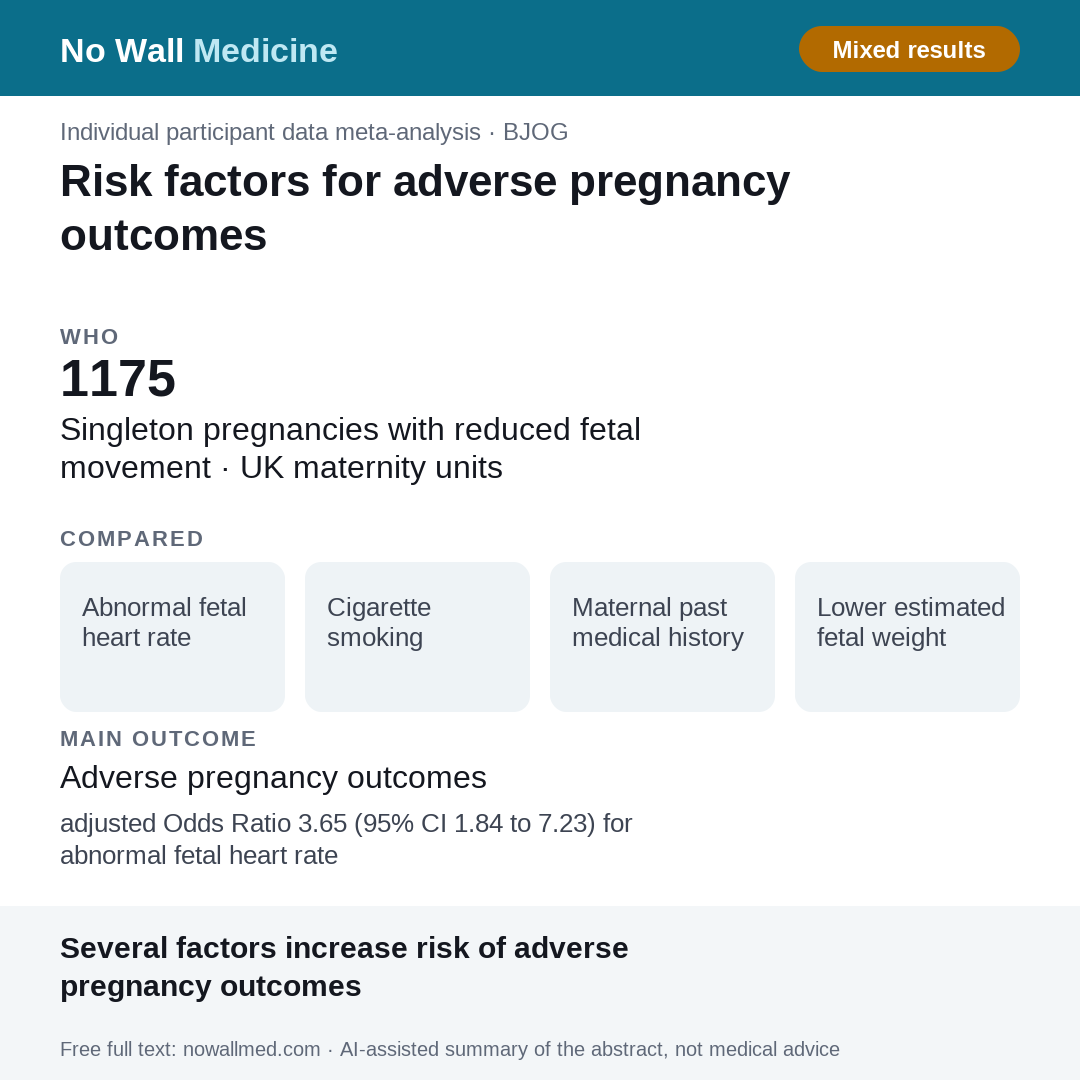
Risk Factors for Adverse Pregnancy Outcomes in Reduced Fetal Movement: An IPD Meta-Analysis
Individual participant data meta-analysisMixed results
Risk factors for adverse pregnancy outcomes
Who
1175
Singleton pregnancies with reduced fetal movement · UK maternity units
Compared
Abnormal fetal heart rate
Cigarette smoking
Maternal past medical history
Lower estimated fetal weight
Main outcome
Adverse pregnancy outcomes
Result: adjusted Odds Ratio 3.65 (95% CI 1.84 to 7.23) for abnormal fetal heart rate
Bottom line: Several factors increase risk of adverse pregnancy outcomes
BJOG · 2025-03-17Download image
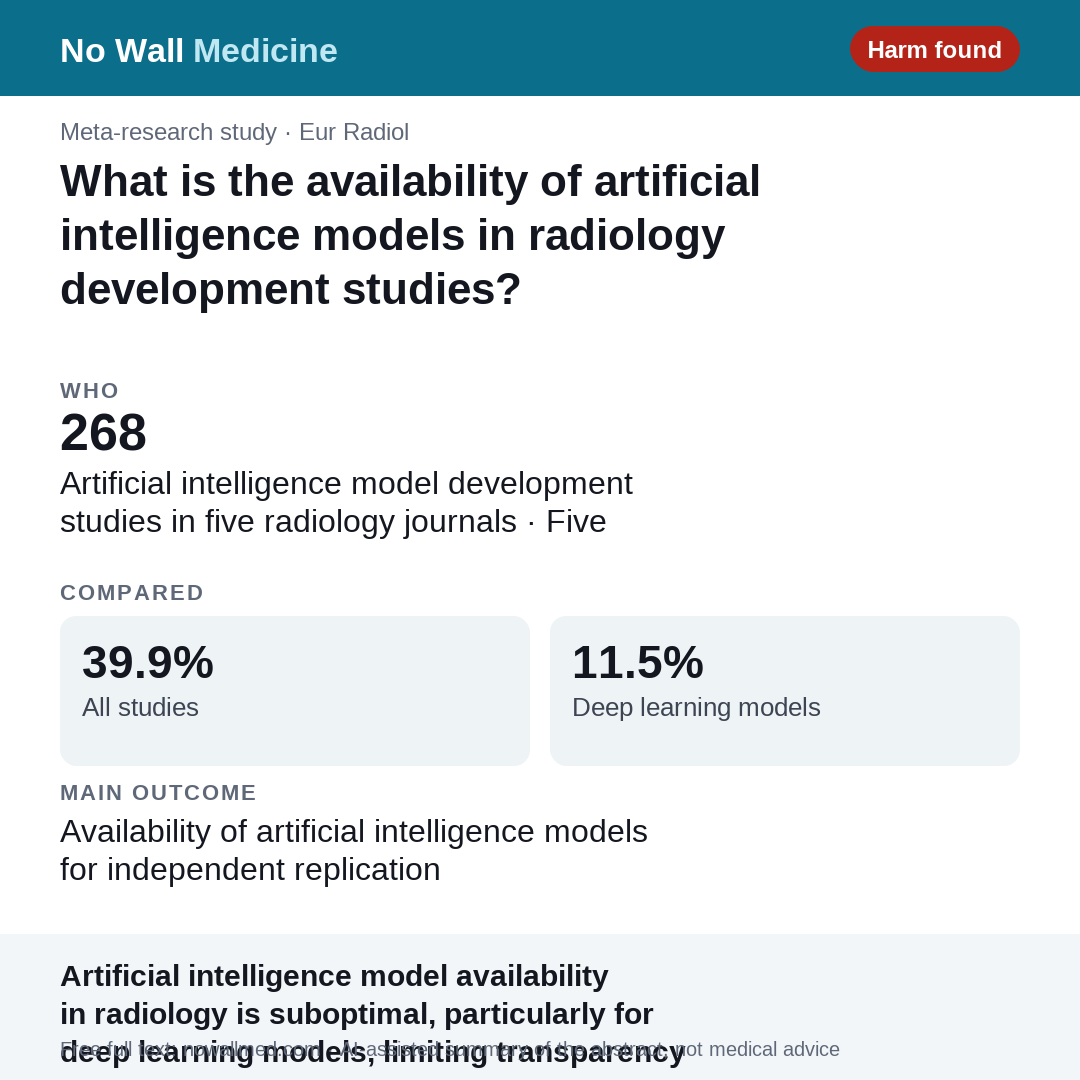
Availability and transparency of artificial intelligence models in radiology: a meta-research study
Meta-research studyHarm found
What is the availability of artificial intelligence models in radiology development studies?
Who
268
Artificial intelligence model development studies in five radiology journals · Five leading radiology journals
Compared
39.9%All studies (n = 107)
11.5%Deep learning models (n = 13)
Main outcome
Availability of artificial intelligence models for independent replication
Bottom line: Artificial intelligence model availability in radiology is suboptimal, particularly for deep learning models, limiting transparency and replicability.
Eur Radiol · 2025-03-17Download image
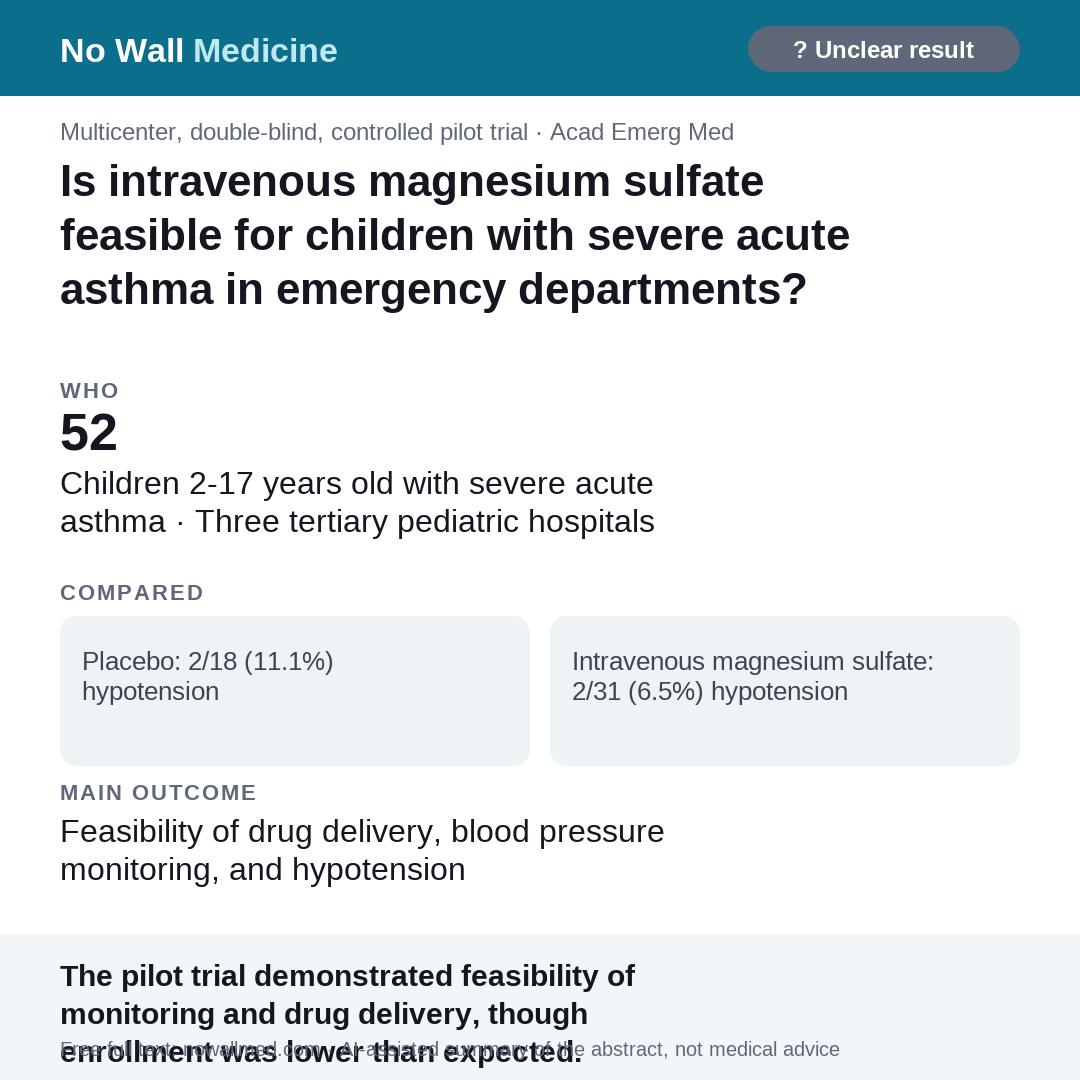
Intravenous Magnesium: Prompt use for Asthma in Children Treated in the Emergency Department (IMPACT-ED), a pilot randomized trial
Multicenter, double-blind, controlled pilot trialUnclear result
Is intravenous magnesium sulfate feasible for children with severe acute asthma in emergency departments?
Who
52
Children 2-17 years old with severe acute asthma · Three tertiary pediatric hospitals
Compared
Placebo: 2/18 (11.1%) hypotension
Intravenous magnesium sulfate: 2/31 (6.5%) hypotension
Main outcome
Feasibility of drug delivery, blood pressure monitoring, and hypotension
Bottom line: The pilot trial demonstrated feasibility of monitoring and drug delivery, though enrollment was lower than expected.
Acad Emerg Med · 2025-03-17Download image
Assessing the gaps in cardiovascular disease risk assessment and management in primary care for Māori and Pacific peoples in Aotearoa New Zealand- a systematic review
Systematic review with narrative synthesisHarm found
Are there gaps in cardiovascular disease risk assessment and management for Māori and Pacific peoples?
Who
69
Māori and Pacific peoples in Aotearoa New Zealand · Aotearoa New Zealand
Compared
Māori and Pacific peoples: inadequate levels of CVDRA
Other ethnicities
Main outcome
cardiovascular disease risk assessment and management access
Bottom line: Māori and Pacific peoples face extensive and inequitable gaps in cardiovascular disease risk assessment and management compared to other ethnicities.
Funded by: The Heart Foundation of New Zealand and Healthier Lives National Science Challenge
Lancet Reg Health West Pac · 2025-03-17Download image

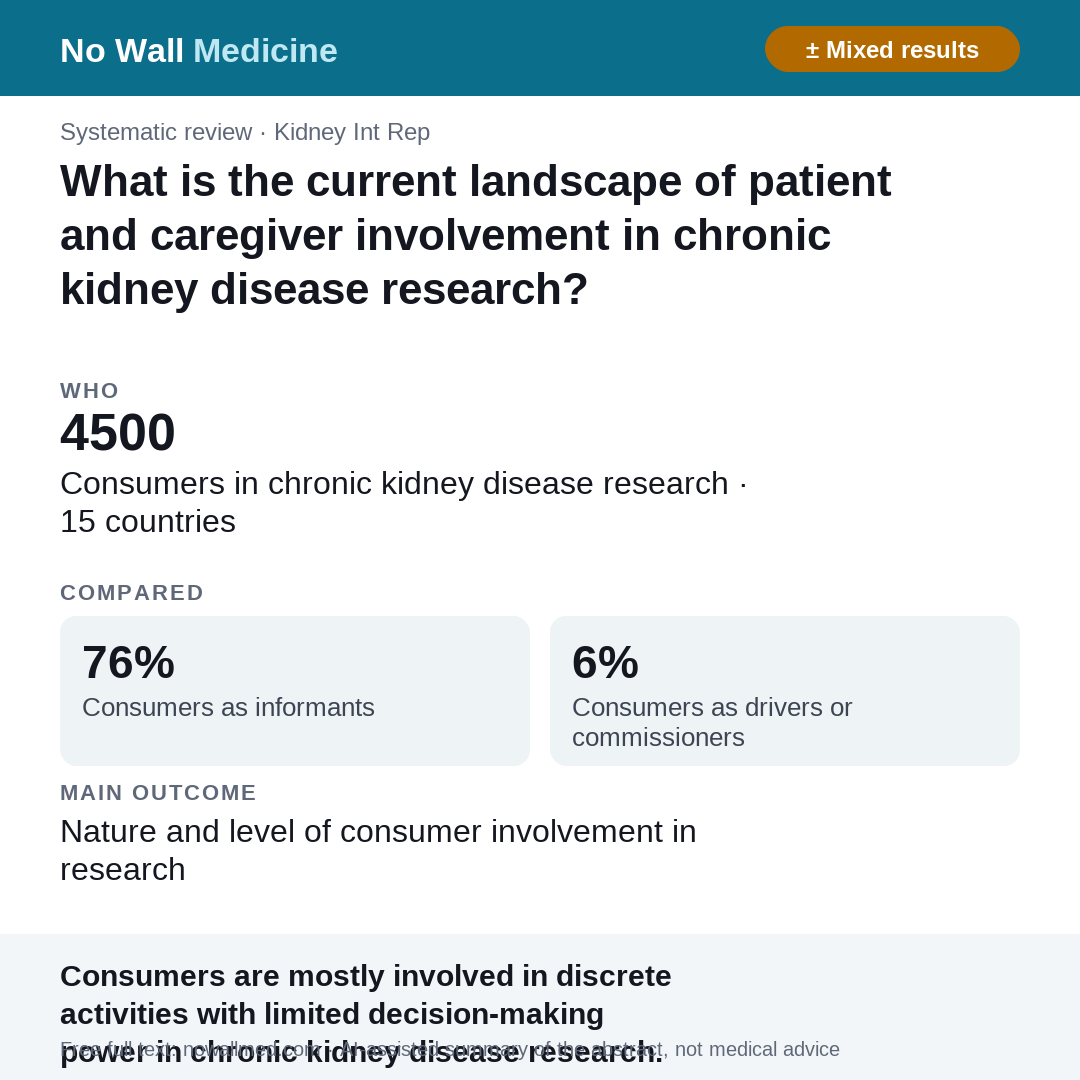
Systematic Review of Patient and Caregiver Involvement in CKD Research
Systematic reviewMixed results
What is the current landscape of patient and caregiver involvement in chronic kidney disease research?
Who
4500
Consumers in chronic kidney disease research · 15 countries
Compared
76%Consumers as informants
6%Consumers as drivers or commissioners
Main outcome
Nature and level of consumer involvement in research
Bottom line: Consumers are mostly involved in discrete activities with limited decision-making power in chronic kidney disease research.
Limitation: Need for ongoing evaluation of processes or impacts and consistent reporting.
Kidney Int Rep · 2025-03-17Download image
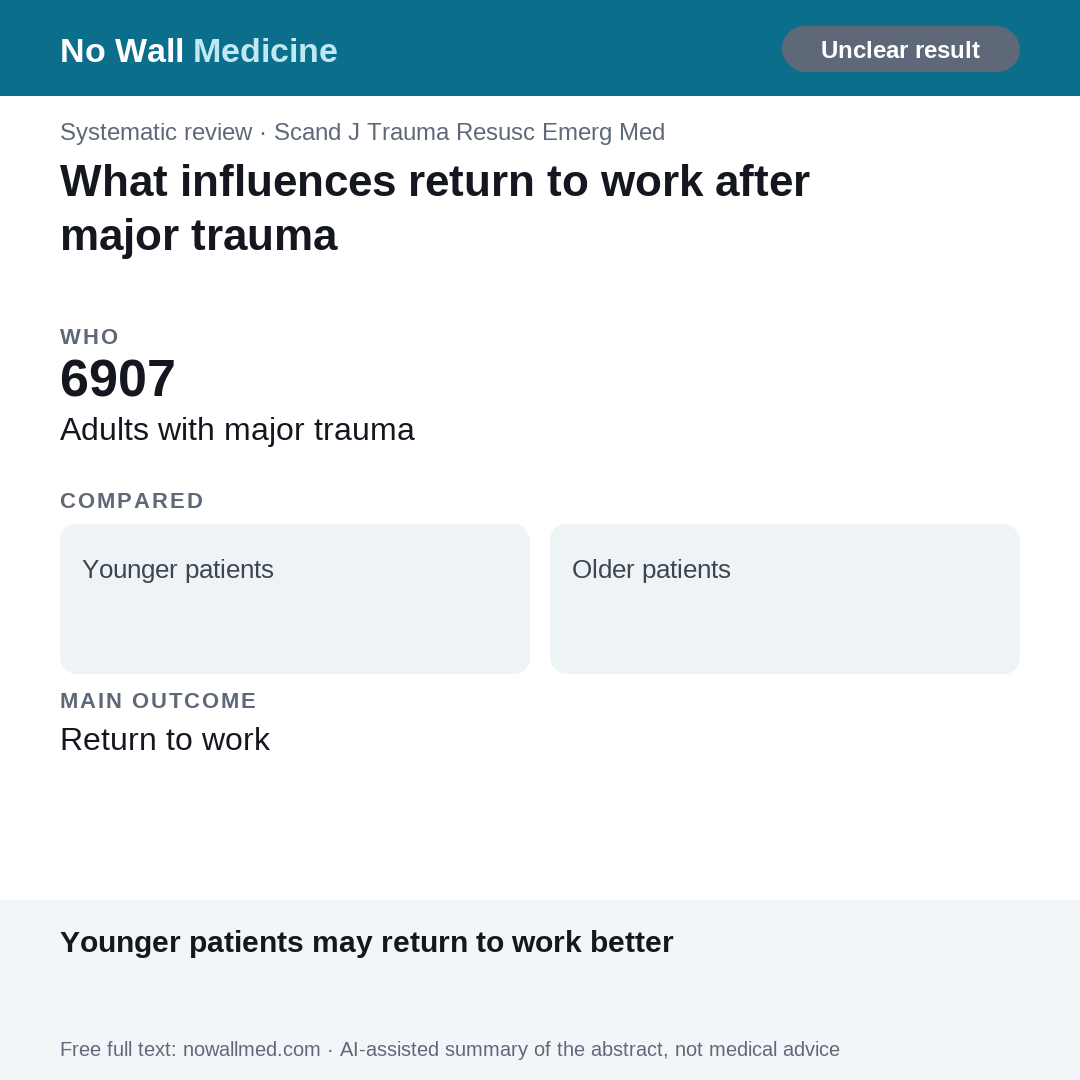
Return to work after major trauma: a systematic review
Systematic reviewUnclear result
What influences return to work after major trauma
Who
6907
Adults with major trauma
Compared
Younger patients
Older patients
Main outcome
Return to work
Bottom line: Younger patients may return to work better
Limitation: High risk of bias in study confounding
Scand J Trauma Resusc Emerg Med · 2025-03-17Download image
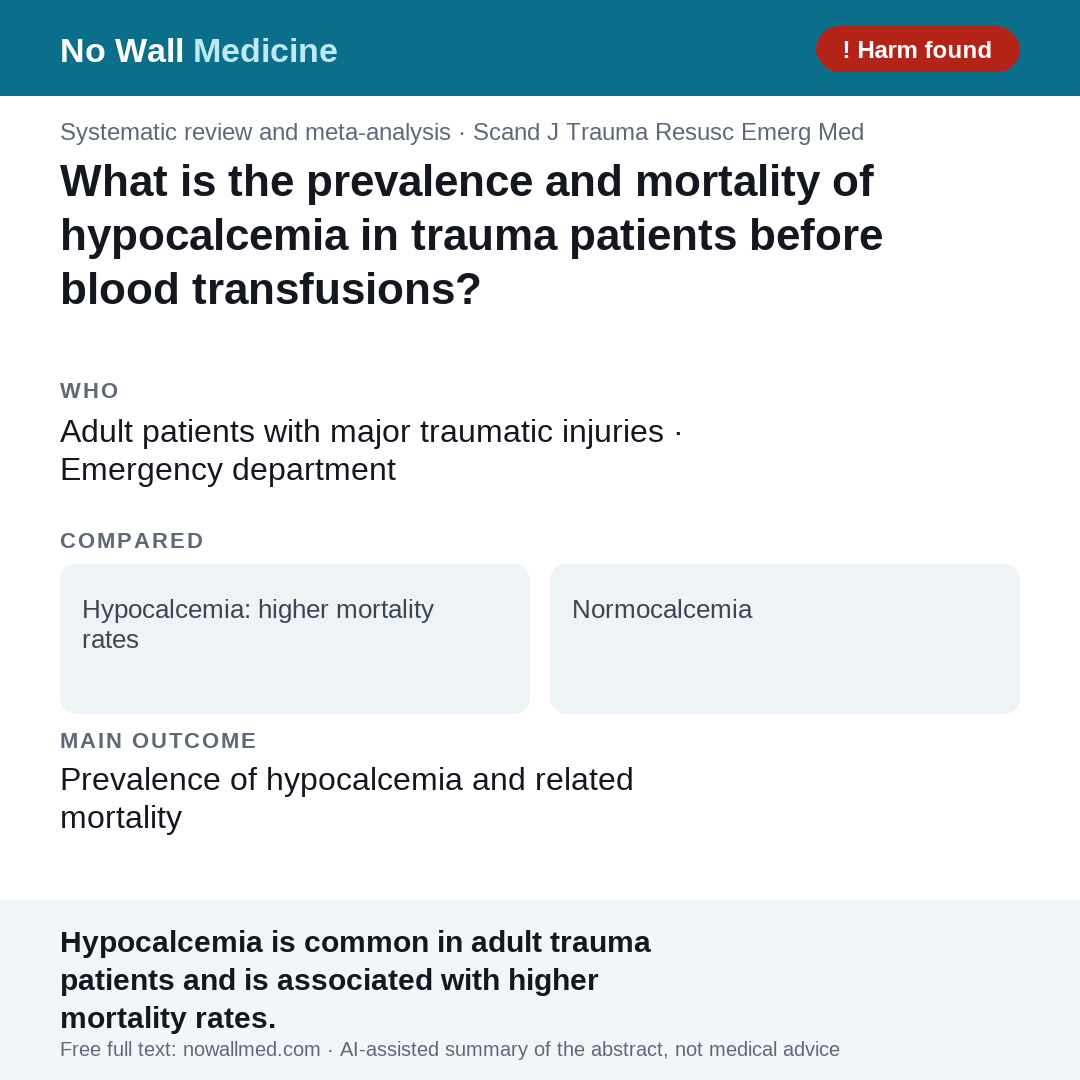
Prevalence and outcomes of hypocalcemia on ED arrival in traumatic patients before blood transfusions: a systematic review and meta-analysis
Systematic review and meta-analysisHarm found
What is the prevalence and mortality of hypocalcemia in trauma patients before blood transfusions?
Who
Adult patients with major traumatic injuries · Emergency department
Compared
Hypocalcemia: higher mortality rates
Normocalcemia
Main outcome
Prevalence of hypocalcemia and related mortality
Result: odds ratio 2.44 (95% CI 1.76-3.40)
Bottom line: Hypocalcemia is common in adult trauma patients and is associated with higher mortality rates.
Limitation: high heterogeneity (I2 99.8%) observed
Scand J Trauma Resusc Emerg Med · 2025-03-17Download image
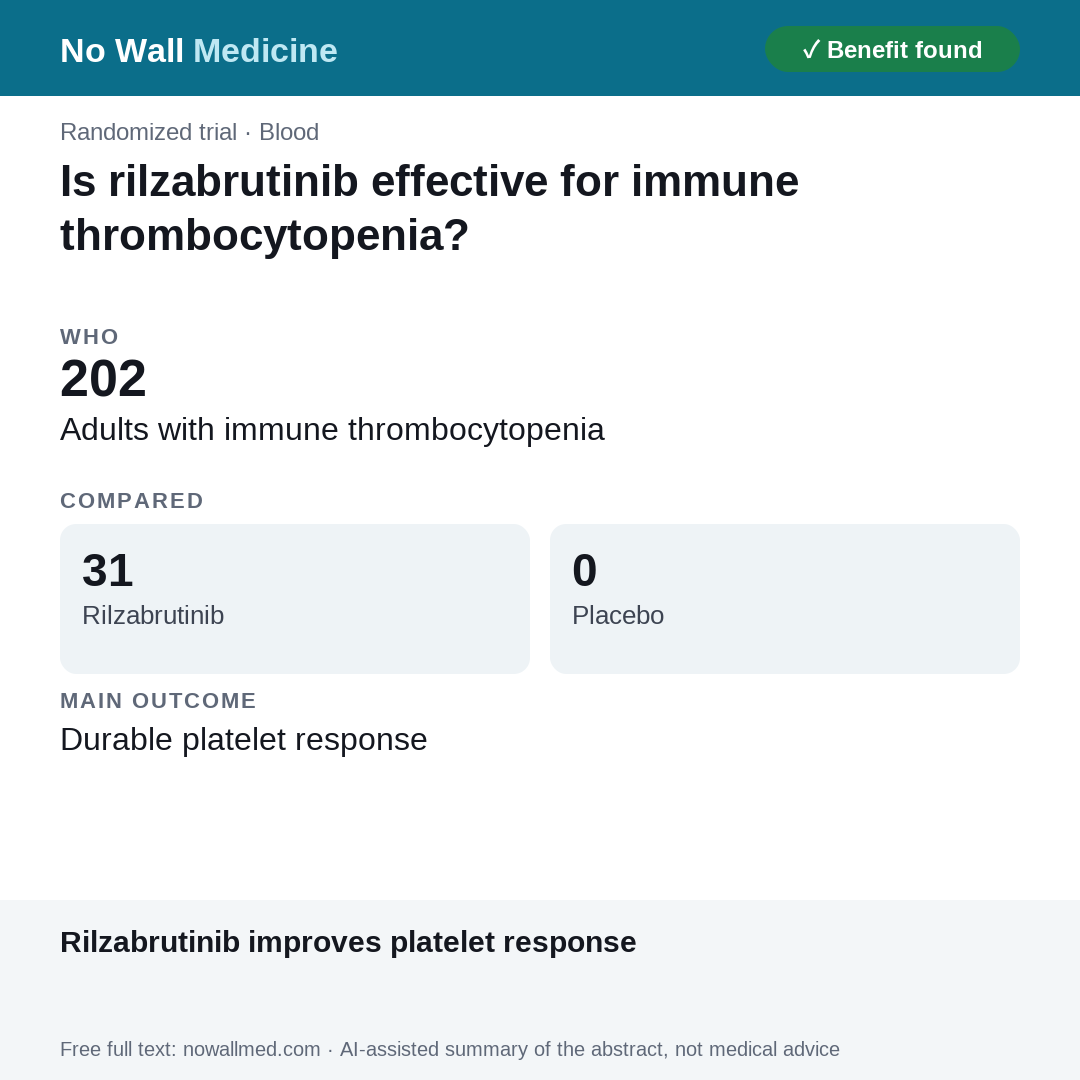
Safety and efficacy of rilzabrutinib vs placebo in adults with immune thrombocytopenia: the phase 3 LUNA3 study
Randomized trialBenefit found
Is rilzabrutinib effective for immune thrombocytopenia?
Who
202
Adults with immune thrombocytopenia
Compared
31Rilzabrutinib (23%)
0Placebo
Main outcome
Durable platelet response
Bottom line: Rilzabrutinib improves platelet response
Blood · 2025-03-16Download image
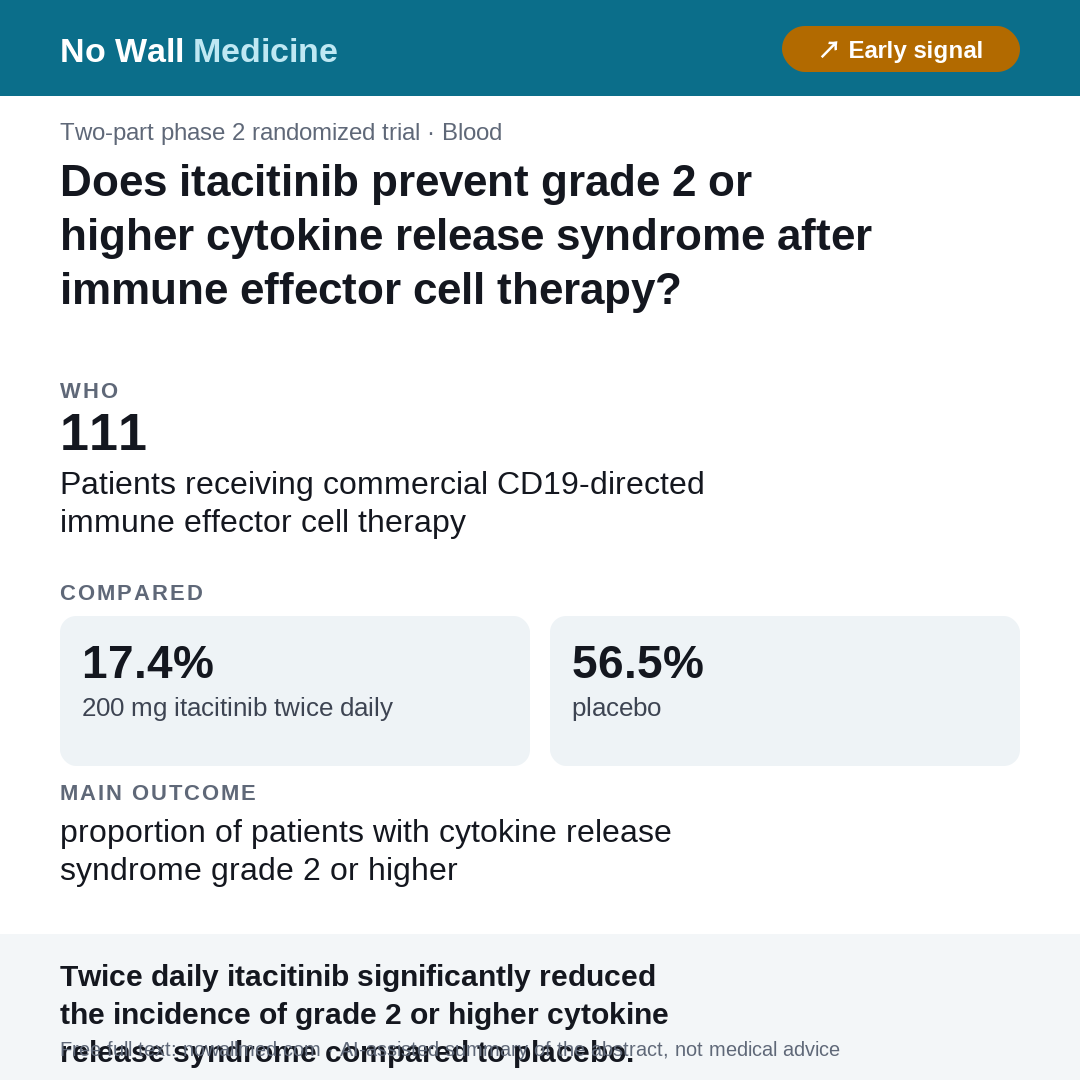
Itacitinib for the prevention of IEC therapy-associated CRS: results from the 2-part phase 2 INCB 39110-211 study
Two-part phase 2 randomized trialBenefit found
Does itacitinib prevent grade 2 or higher cytokine release syndrome after immune effector cell therapy?
Who
111
Patients receiving commercial CD19-directed immune effector cell therapy
Compared
17.4%200 mg itacitinib twice daily
56.5%placebo
Main outcome
proportion of patients with cytokine release syndrome grade 2 or higher
Bottom line: Twice daily itacitinib significantly reduced the incidence of grade 2 or higher cytokine release syndrome compared to placebo.
Blood · 2025-03-16Download image
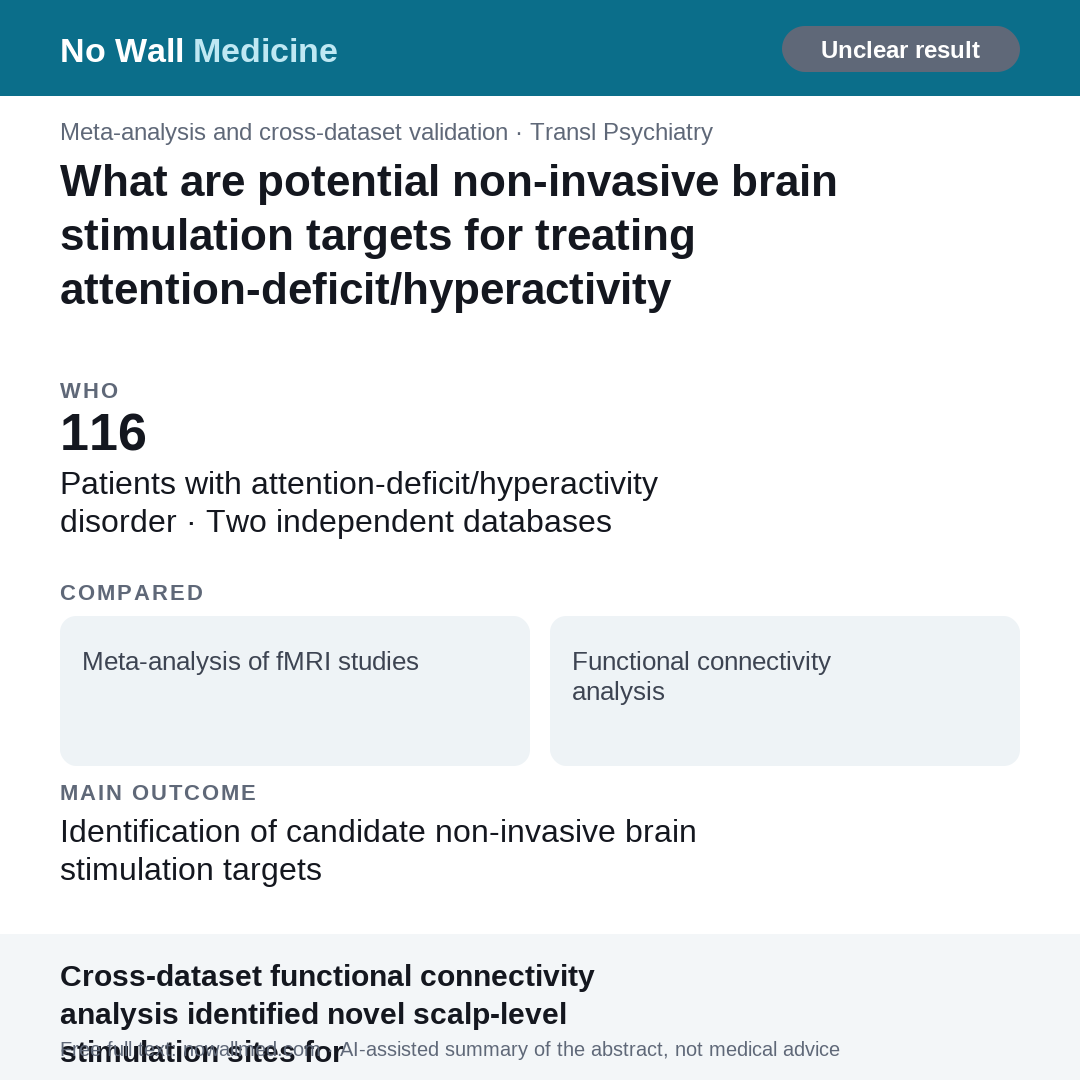
Potential locations for non-invasive brain stimulation in treating ADHD: Results from a cross-dataset validation of functional connectivity analysis
Meta-analysis and cross-dataset validationUnclear result
What are potential non-invasive brain stimulation targets for treating attention-deficit/hyperactivity disorder?
Who
116
Patients with attention-deficit/hyperactivity disorder · Two independent databases
Compared
Meta-analysis of fMRI studies
Functional connectivity analysis
Main outcome
Identification of candidate non-invasive brain stimulation targets
Bottom line: Cross-dataset functional connectivity analysis identified novel scalp-level stimulation sites for attention-deficit/hyperactivity disorder.
Transl Psychiatry · 2025-03-15Download image
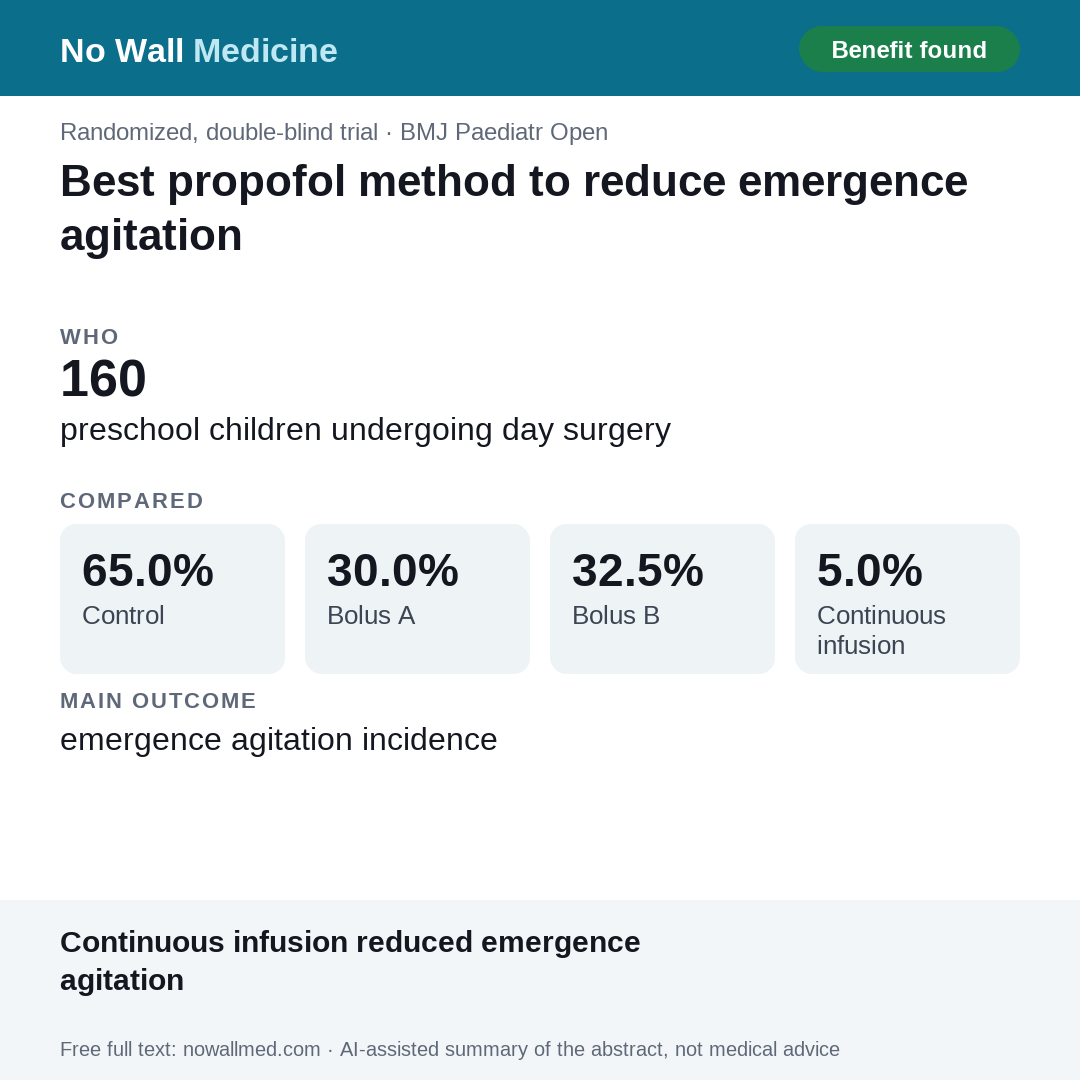
Comparing different administration methods of subanaesthetic propofol to mitigate emergence agitation in preschool children undergoing day surgery: a double-blind, randomised controlled study
Randomized, double-blind trialBenefit found
Best propofol method to reduce emergence agitation
Who
160
preschool children undergoing day surgery
Compared
65.0%Control
30.0%Bolus A
32.5%Bolus B
5.0%Continuous infusion
Main outcome
emergence agitation incidence
Bottom line: Continuous infusion reduced emergence agitation
BMJ Paediatr Open · 2025-03-15Download image
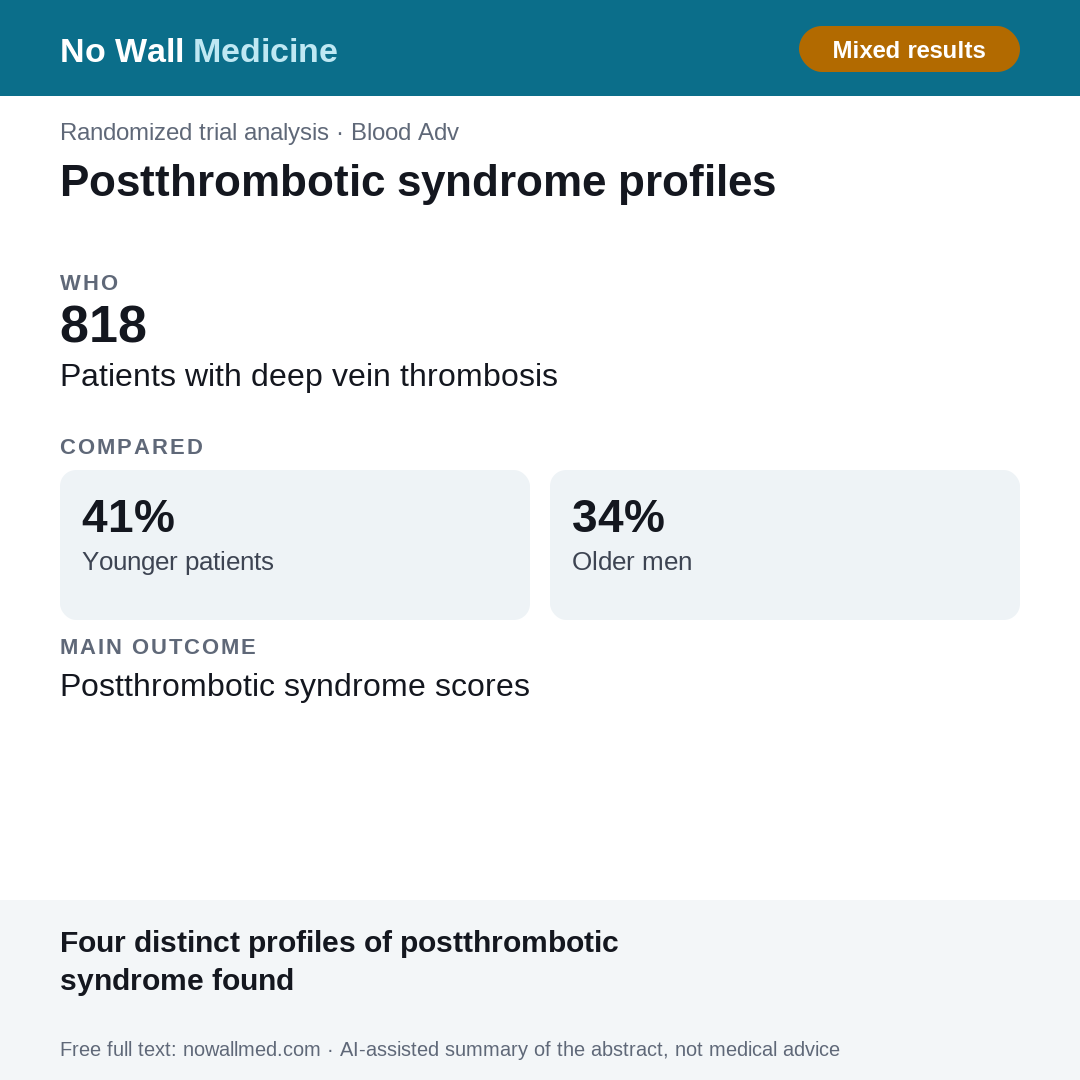
Untangling profiles of postthrombotic syndrome using unsupervised machine learning
Randomized trial analysisMixed results
Postthrombotic syndrome profiles
Who
818
Patients with deep vein thrombosis
Compared
41%Younger patients (≥ 3 symptoms)
34%Older men (≥ 3 signs)
Main outcome
Postthrombotic syndrome scores
Bottom line: Four distinct profiles of postthrombotic syndrome found
Blood Adv · 2025-03-15Download image
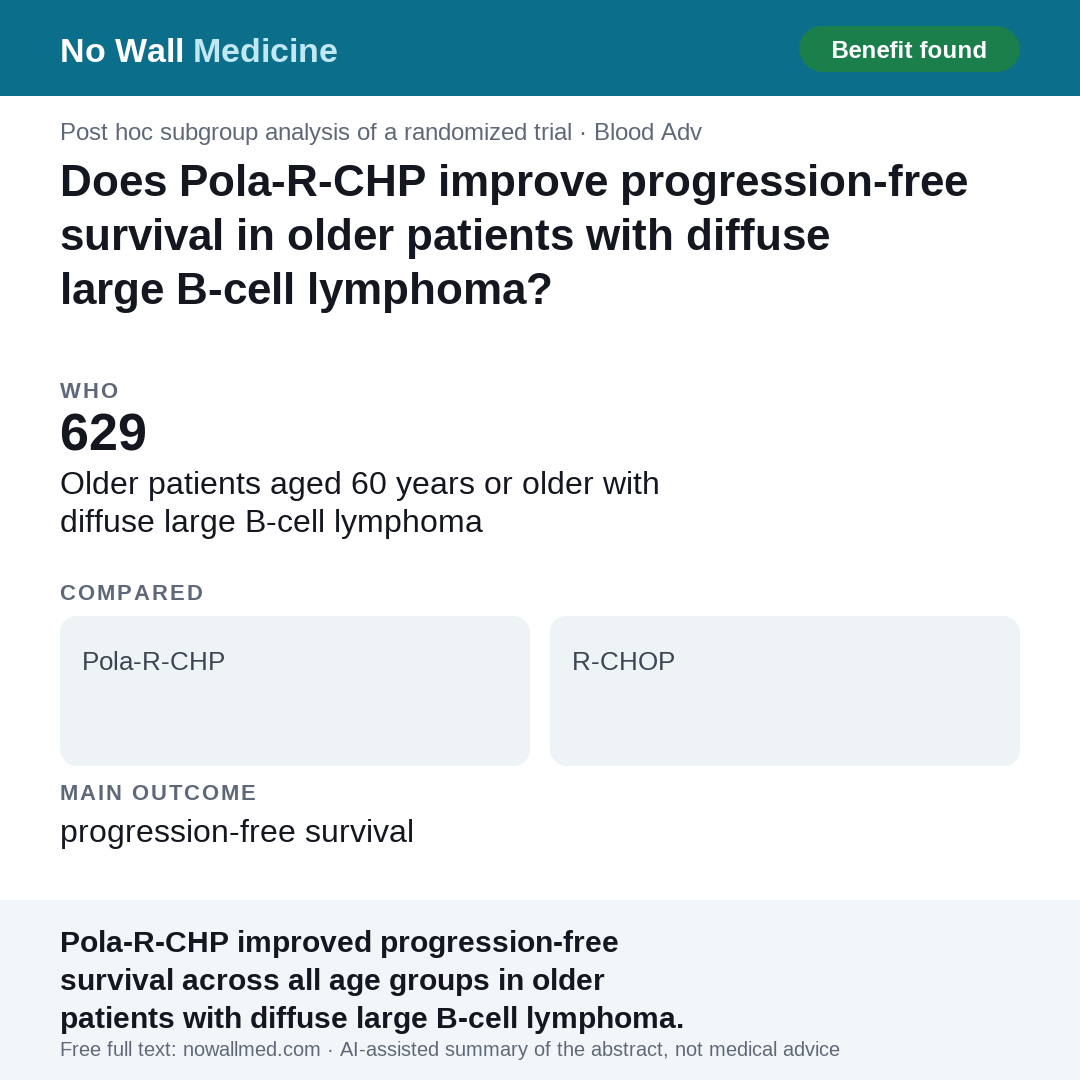
Subgroup analysis of older patients ≥60 years with diffuse large B-cell lymphoma in the phase 3 POLARIX study
Post hoc subgroup analysis of a randomized trialBenefit found
Does Pola-R-CHP improve progression-free survival in older patients with diffuse large B-cell lymphoma?
Who
629
Older patients aged 60 years or older with diffuse large B-cell lymphoma
Compared
Pola-R-CHP
R-CHOP
Main outcome
progression-free survival
Result: hazard ratio 0.63 (95% CI 0.41-0.96) in patients aged ≥70 years
Bottom line: Pola-R-CHP improved progression-free survival across all age groups in older patients with diffuse large B-cell lymphoma.
Blood Adv · 2025-03-15Download image
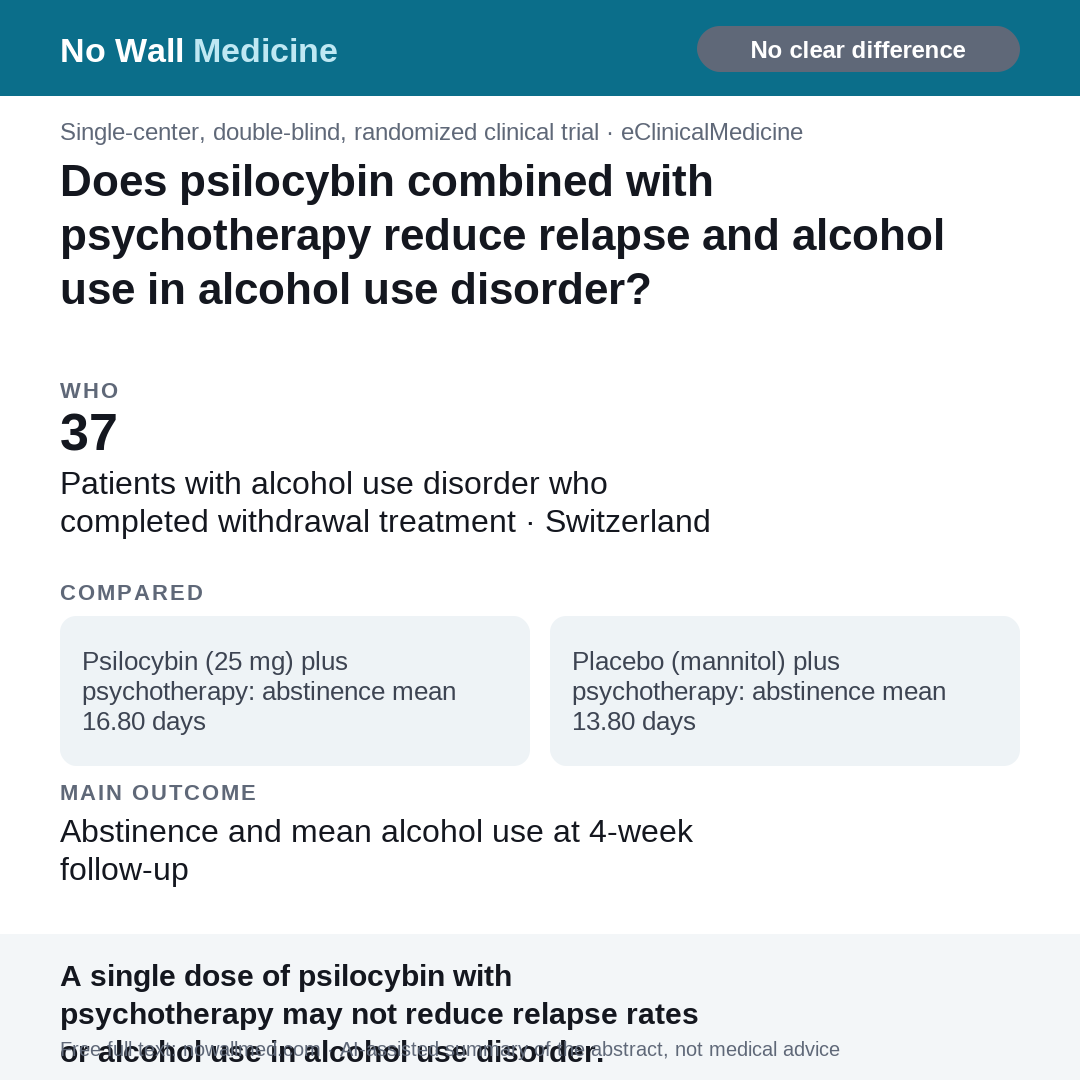
Psilocybin-assisted therapy for relapse prevention in alcohol use disorder: a phase 2 randomized clinical trial
Single-center, double-blind, randomized clinical trialNo clear difference
Does psilocybin combined with psychotherapy reduce relapse and alcohol use in alcohol use disorder?
Who
37
Patients with alcohol use disorder who completed withdrawal treatment · Switzerland
Compared
Psilocybin (25 mg) plus psychotherapy: abstinence mean 16.80 days
Placebo (mannitol) plus psychotherapy: abstinence mean 13.80 days
Main outcome
Abstinence and mean alcohol use at 4-week follow-up
Bottom line: A single dose of psilocybin with psychotherapy may not reduce relapse rates or alcohol use in alcohol use disorder.
Limitation: Limited sample size
Funded by: Swiss National Science Foundation, Swiss Neuromatrix Foundation, Heffter Young Investigator Fellowship
eClinicalMedicine · 2025-03-14Download image