Visual abstracts
New randomized trials and meta-analyses from leading journals at a glance: who was studied, what was compared, and what was found. Every paper is free to read in full.
All specialtiesCardiology 3594Oncology 3069Gastroenterology & Hepatology 1406Infectious Disease 2529Neurology 1444Psychiatry & Mental Health 1696Pulmonology 1535Critical Care 1027Endocrinology & Diabetes 1833Pediatrics 2175Surgery 1889Orthopedics & Sports Medicine 669Neurosurgery 421Cardiothoracic & Vascular Surgery 426Plastic & Reconstructive Surgery 496Nephrology 786Rheumatology 575Hematology 808Dermatology 444Ophthalmology 396Obstetrics & Gynecology 1228Public & Global Health 688Radiology & Imaging 499Anesthesiology 733Urology 590ENT (Otolaryngology) 394Emergency Medicine 383Allergy & Immunology 223Geriatrics 759Family Medicine & Primary Care 415Medical Genetics & Genomics 460Pathology & Laboratory Medicine 118Physical Medicine & Rehabilitation 558Palliative Care 332Nutrition 1085Digital Health & AI 1685General Medicine 257
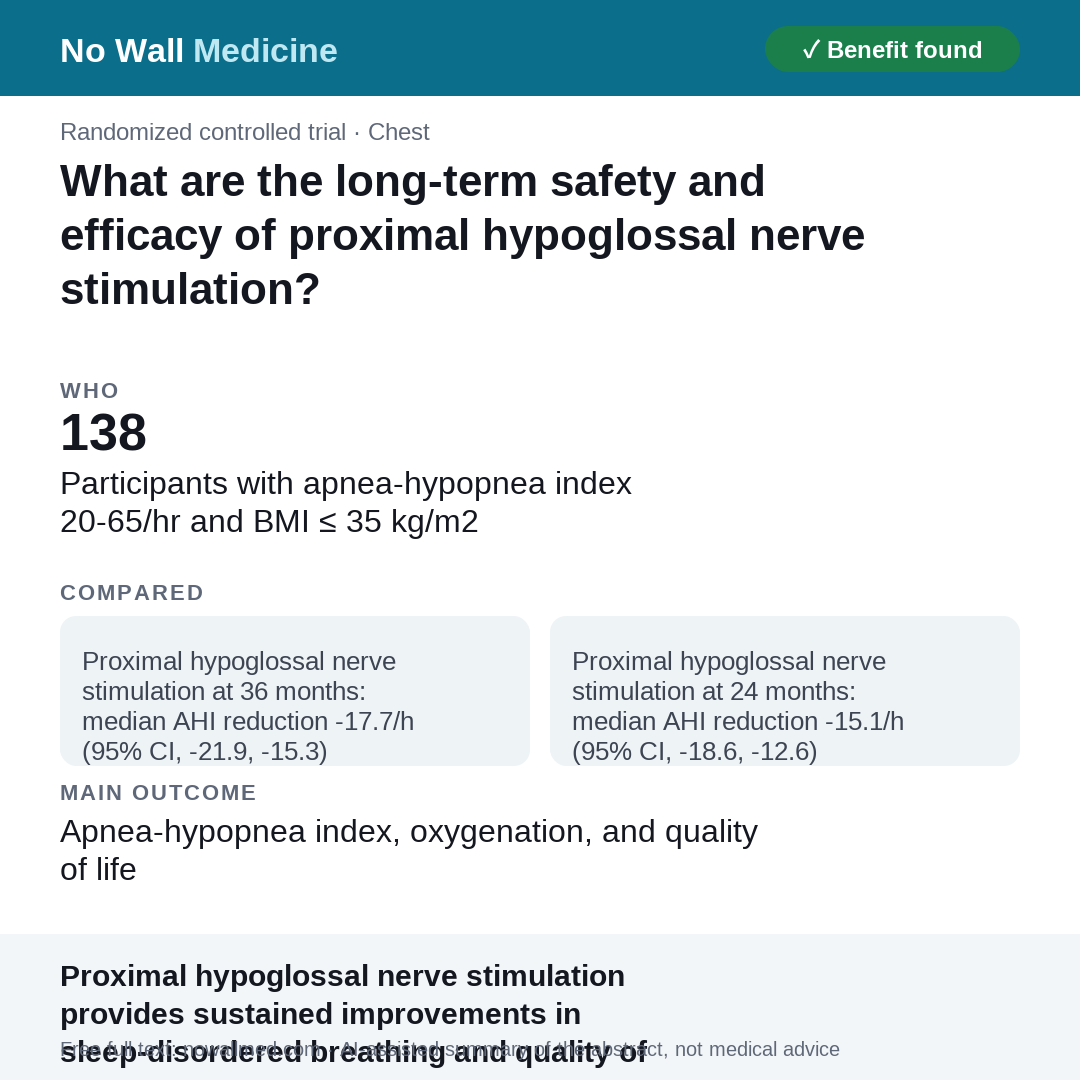
Three-Year Outcomes of Proximal Hypoglossal Nerve Stimulation in OSA
Randomized controlled trialBenefit found
What are the long-term safety and efficacy of proximal hypoglossal nerve stimulation?
Who
138
Participants with apnea-hypopnea index 20-65/hr and BMI ≤ 35 kg/m2
Compared
Proximal hypoglossal nerve stimulation at 36 months: median AHI reduction -17.7/h (95% CI, -21.9, -15.3)
Proximal hypoglossal nerve stimulation at 24 months: median AHI reduction -15.1/h (95% CI, -18.6, -12.6)
Main outcome
Apnea-hypopnea index, oxygenation, and quality of life
Bottom line: Proximal hypoglossal nerve stimulation provides sustained improvements in sleep-disordered breathing and quality of life through 3 years.
Chest · 2026-02-12Download image
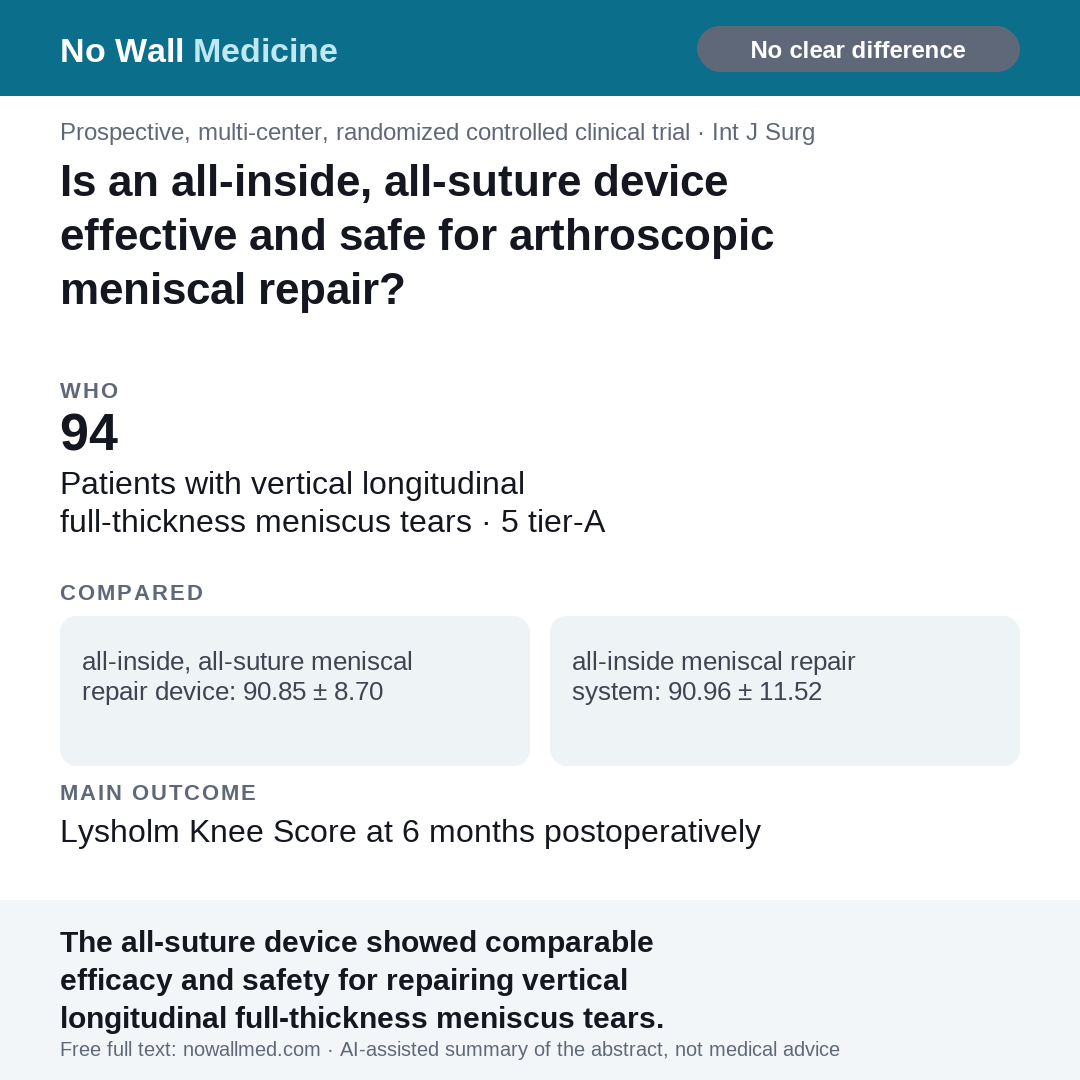
Evaluating the efficacy and safety of an all-inside, all-suture meniscal repair device on arthroscopic meniscal repair: a prospective, multi-center, randomized controlled clinical trial
Prospective, multi-center, randomized controlled clinical trialNo clear difference
Is an all-inside, all-suture device effective and safe for arthroscopic meniscal repair?
Who
94
Patients with vertical longitudinal full-thickness meniscus tears · 5 tier-A centers in China
Compared
all-inside, all-suture meniscal repair device: 90.85 ± 8.70
all-inside meniscal repair system: 90.96 ± 11.52
Main outcome
Lysholm Knee Score at 6 months postoperatively
Bottom line: The all-suture device showed comparable efficacy and safety for repairing vertical longitudinal full-thickness meniscus tears.
Int J Surg · 2026-02-12Download image
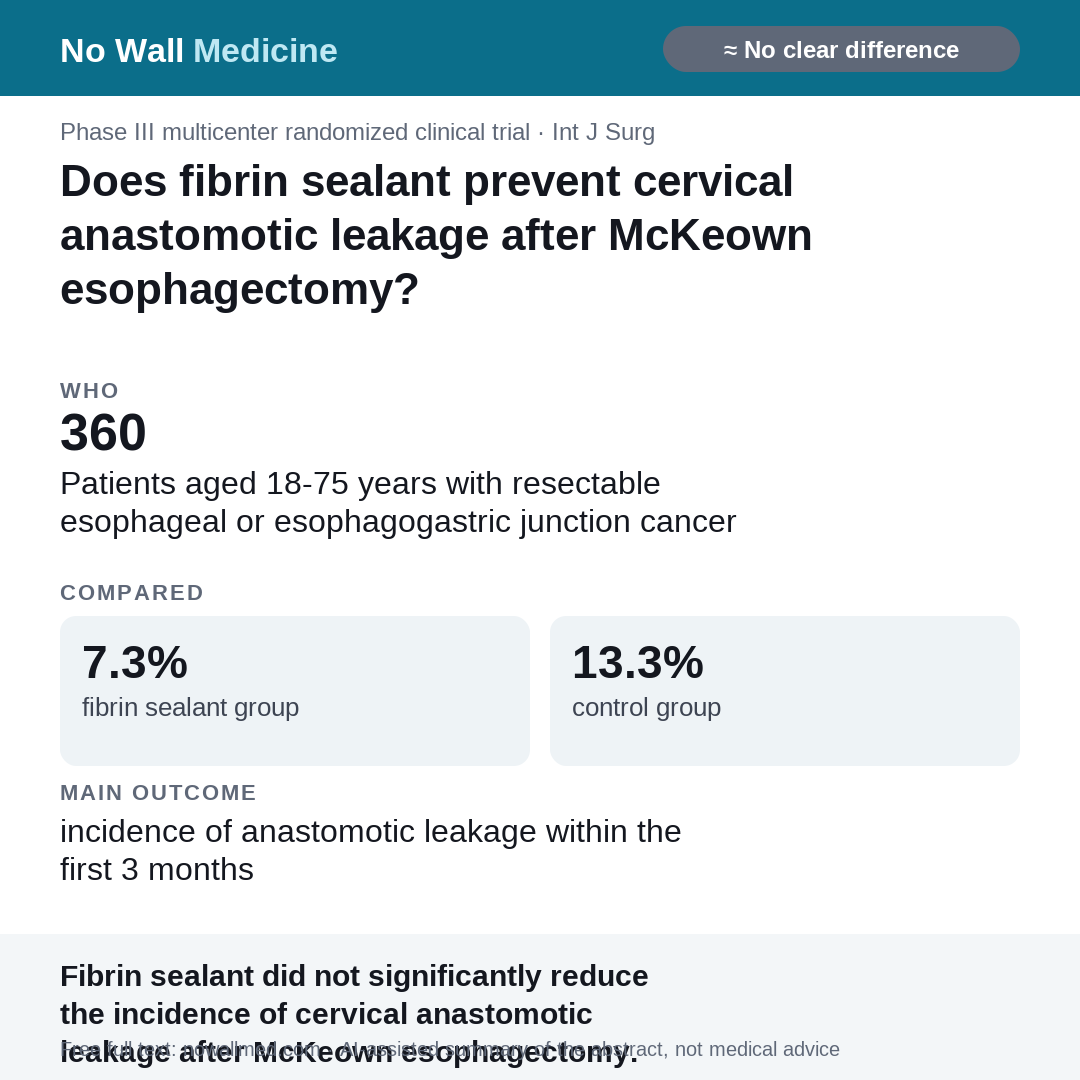
Fibrin sealant for prophylaxis of cervical anastomotic leakage after McKeown esophagectomy for esophageal or esophagogastric junction cancer (PLACE030): a Phase III multicenter randomized clinical trial
Phase III multicenter randomized clinical trialNo clear difference
Does fibrin sealant prevent cervical anastomotic leakage after McKeown esophagectomy?
Who
360
Patients aged 18-75 years with resectable esophageal or esophagogastric junction cancer · six centers in China
Compared
7.3%fibrin sealant group
13.3%control group
Main outcome
incidence of anastomotic leakage within the first 3 months
Bottom line: Fibrin sealant did not significantly reduce the incidence of cervical anastomotic leakage after McKeown esophagectomy.
Int J Surg · 2026-02-12Download image
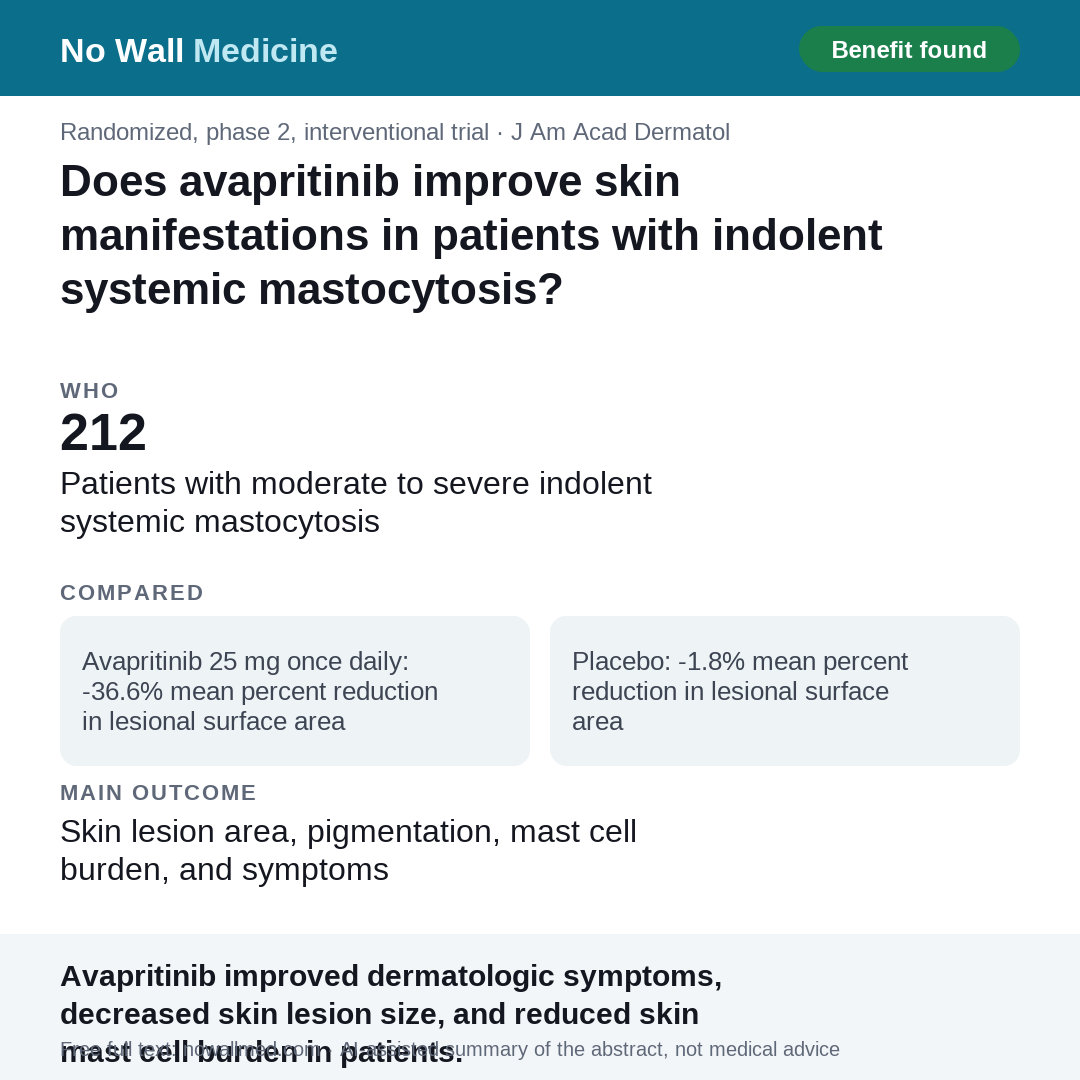
Avapritinib improves cutaneous involvement in patients with indolent systemic mastocytosis: Results from the randomized, phase 2, interventional PIONEER study
Randomized, phase 2, interventional trialBenefit found
Does avapritinib improve skin manifestations in patients with indolent systemic mastocytosis?
Who
212
Patients with moderate to severe indolent systemic mastocytosis
Compared
Avapritinib 25 mg once daily: -36.6% mean percent reduction in lesional surface area
Placebo: -1.8% mean percent reduction in lesional surface area
Main outcome
Skin lesion area, pigmentation, mast cell burden, and symptoms
Bottom line: Avapritinib improved dermatologic symptoms, decreased skin lesion size, and reduced skin mast cell burden in patients.
Limitation: Photography was optional, so analysis population for lesion area and color were smaller.
J Am Acad Dermatol · 2026-02-12Download image
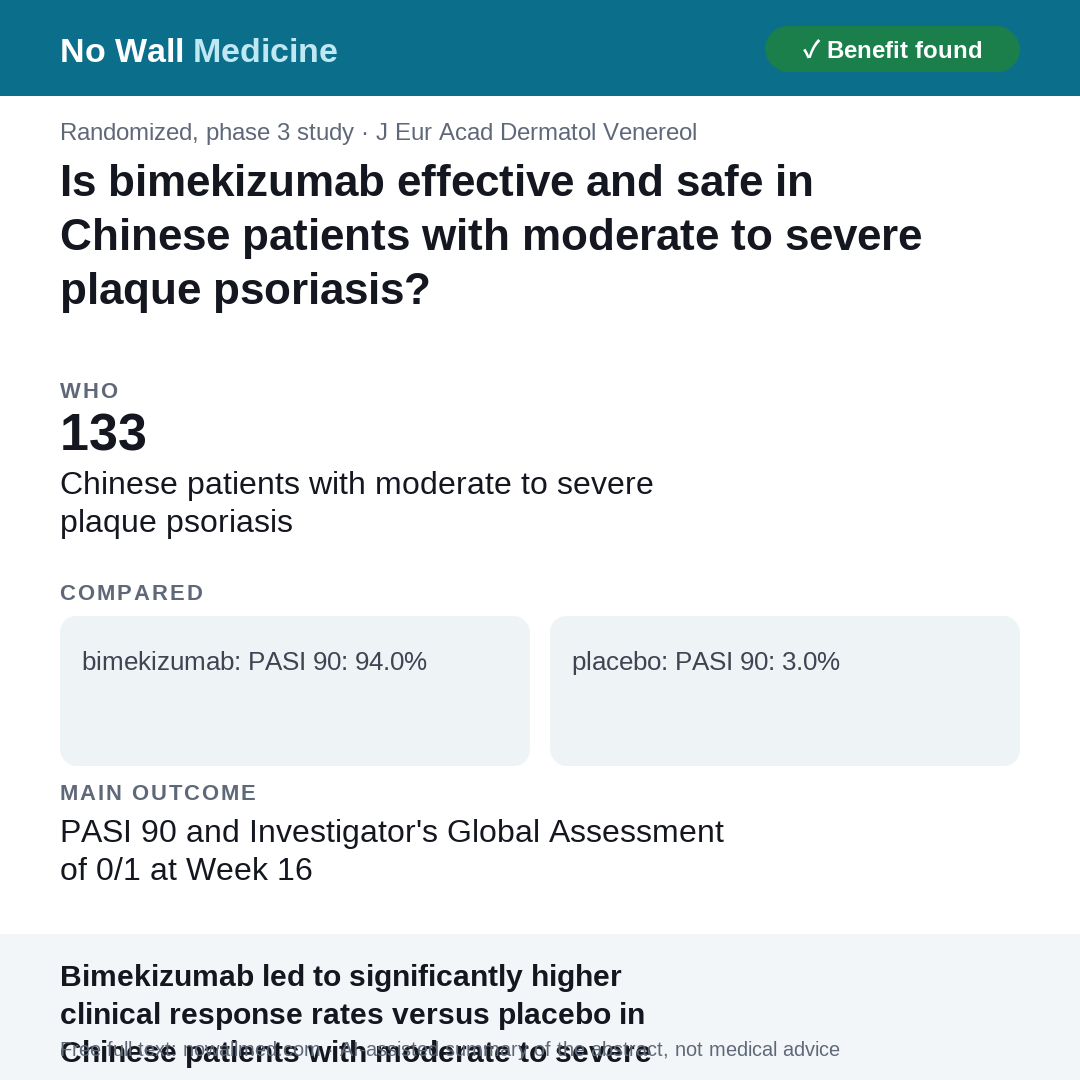
Bimekizumab efficacy and safety in Chinese patients with psoriasis in the BE SHINING Phase 3 study
Randomized, phase 3 studyBenefit found
Is bimekizumab effective and safe in Chinese patients with moderate to severe plaque psoriasis?
Who
133
Chinese patients with moderate to severe plaque psoriasis
Compared
bimekizumab: PASI 90: 94.0%
placebo: PASI 90: 3.0%
Main outcome
PASI 90 and Investigator's Global Assessment of 0/1 at Week 16
Bottom line: Bimekizumab led to significantly higher clinical response rates versus placebo in Chinese patients with moderate to severe psoriasis.
J Eur Acad Dermatol Venereol · 2026-02-12Download image
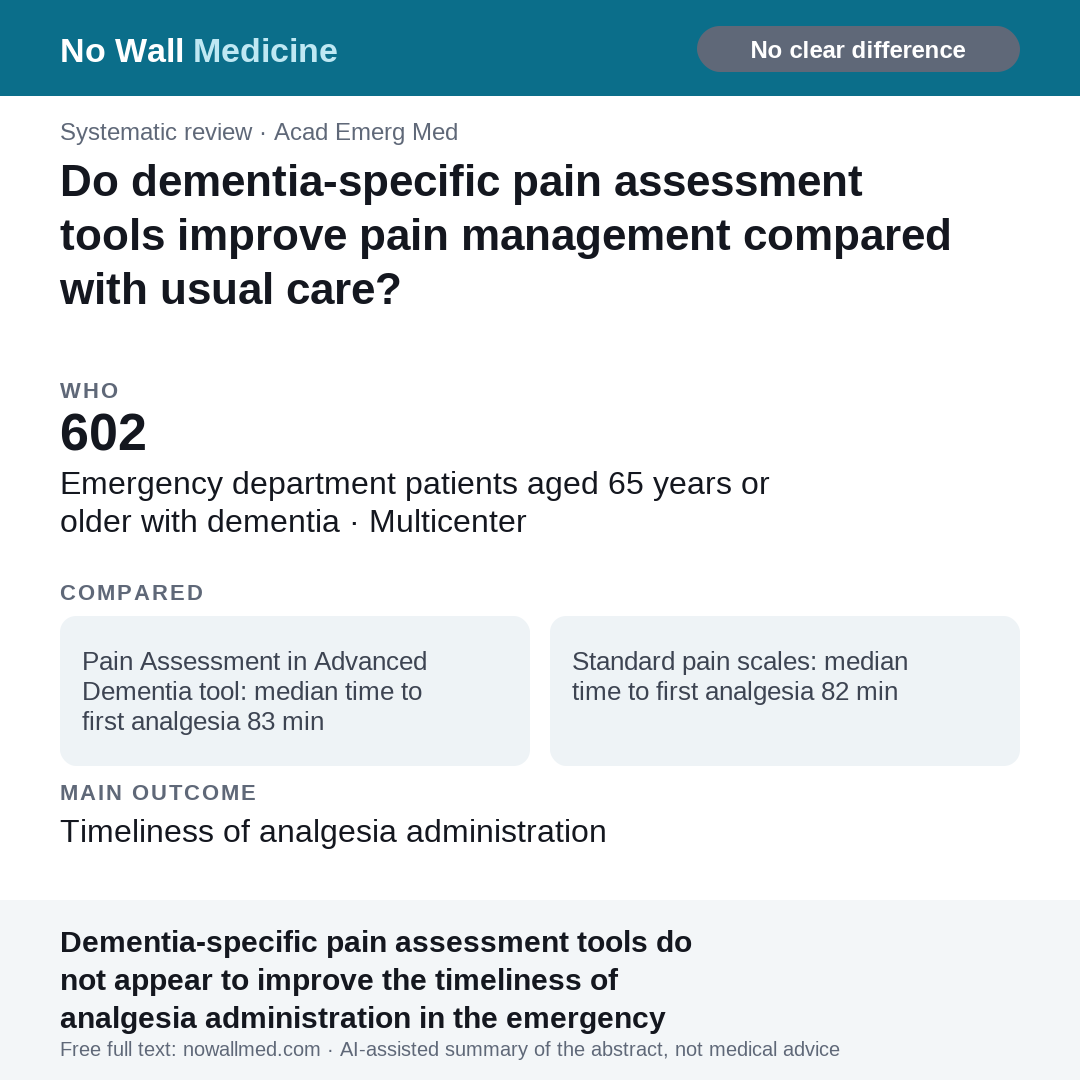
A Systematic Review Evaluating Pain Assessment Strategies for Patients With Dementia in the Emergency Department: The Geriatric ED Guidelines 2.0
Systematic reviewNo clear difference
Do dementia-specific pain assessment tools improve pain management compared with usual care?
Who
602
Emergency department patients aged 65 years or older with dementia · Multicenter
Compared
Pain Assessment in Advanced Dementia tool: median time to first analgesia 83 min
Standard pain scales: median time to first analgesia 82 min
Main outcome
Timeliness of analgesia administration
Result: p = 0.42 for median time to first analgesia
Bottom line: Dementia-specific pain assessment tools do not appear to improve the timeliness of analgesia administration in the emergency department.
Limitation: Evidence certainty was rated very low and available data is extremely limited.
Acad Emerg Med · 2026-02-12Download image
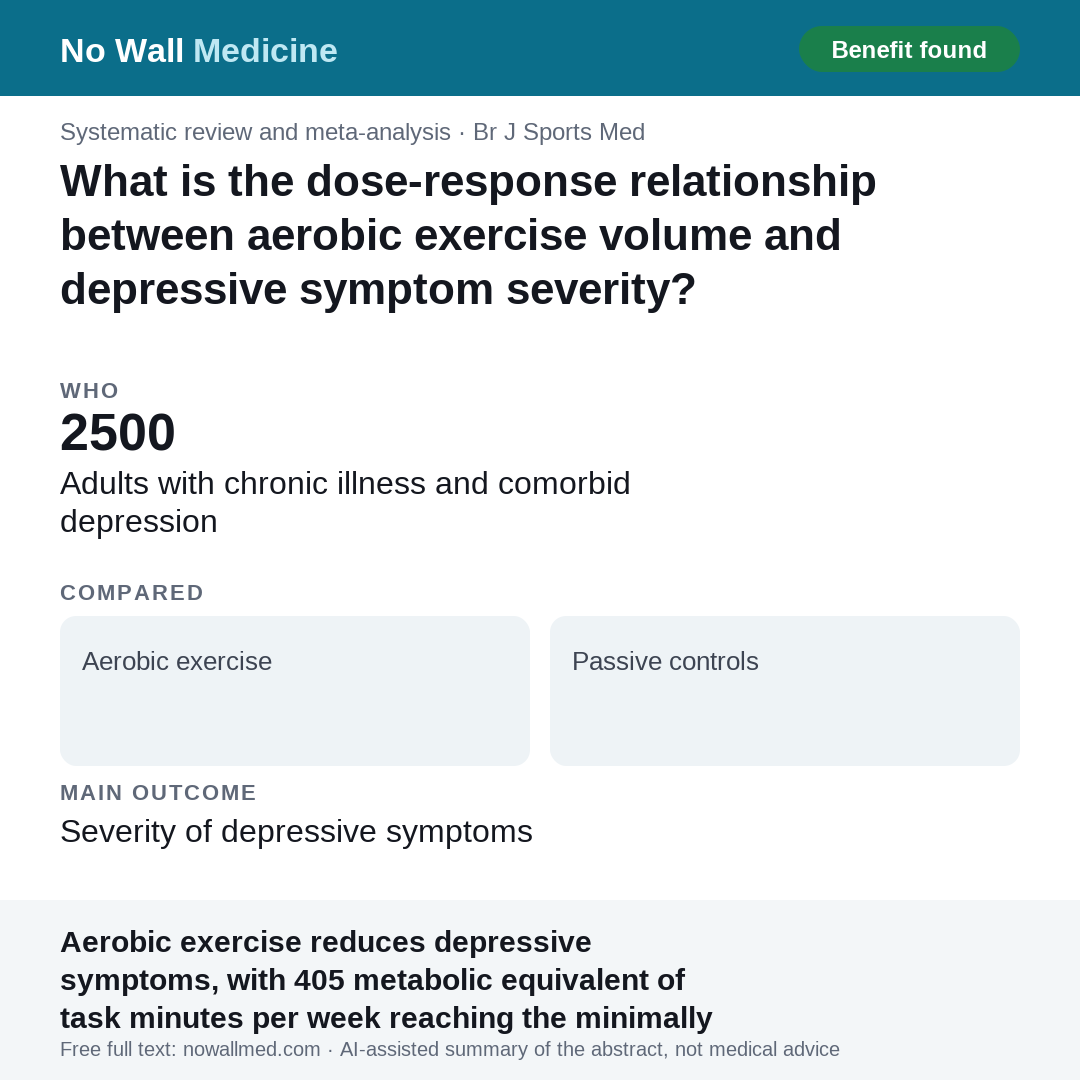
Dose-response effects of aerobic exercise on reducing depression in patients with chronic illness and comorbid depression: a systematic review and meta-analysis
Systematic review and meta-analysisBenefit found
What is the dose-response relationship between aerobic exercise volume and depressive symptom severity?
Who
2500
Adults with chronic illness and comorbid depression
Compared
Aerobic exercise
Passive controls
Main outcome
Severity of depressive symptoms
Result: Hedges' g: -0.73 (95% CI -0.99 to -0.46)
Bottom line: Aerobic exercise reduces depressive symptoms, with 405 metabolic equivalent of task minutes per week reaching the minimally important difference.
Br J Sports Med · 2026-02-12Download image
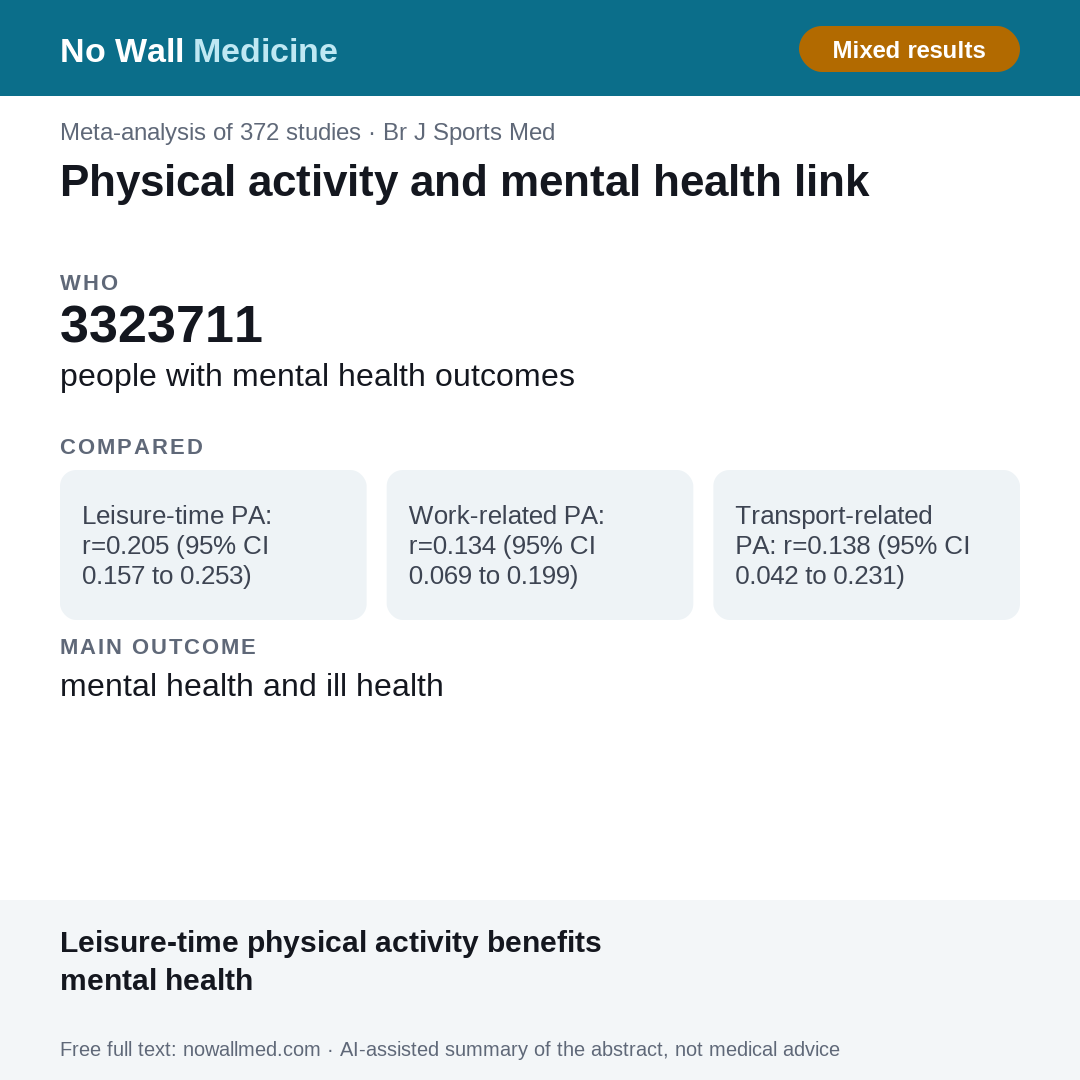
Domain-specific physical activity and mental health: an updated systematic review and multilevel meta-analysis in a combined sample of 3.3 million people
Meta-analysis of 372 studiesMixed results
Physical activity and mental health link
Who
3323711
people with mental health outcomes
Compared
Leisure-time PA: r=0.205 (95% CI 0.157 to 0.253)
Work-related PA: r=0.134 (95% CI 0.069 to 0.199)
Transport-related PA: r=0.138 (95% CI 0.042 to 0.231)
Main outcome
mental health and ill health
Bottom line: Leisure-time physical activity benefits mental health
Br J Sports Med · 2026-02-12Download image
Daily Chlorhexidine Bathing for the Prevention of Nosocomial Infections in Critically Ill Patients (CLEAN-IT): a multicentre, cluster-randomised, crossover trial
Open-label, cluster-randomised crossover trialNo clear difference
Does daily chlorhexidine bathing reduce nosocomial infections in critically ill patients?
Who
15935
Critically ill patients in intensive care units · 22 Brazilian intensive care units
Compared
Chlorhexidine bathing: 3.99 per 1000 patient-days
Soap and water bathing: 3.45 per 1000 patient-days
Main outcome
Nosocomial infection rate
Result: rate-ratio, 1.09 (95% CI 0.95-1.25)
Bottom line: Daily chlorhexidine bathing did not reduce nosocomial infections but lowered multi-drug resistant cultures and reserve antimicrobial use.
Funded by: Brazilian Health Ministry through PROADI-SUS
Lancet Reg Health Am · 2026-02-12Download image

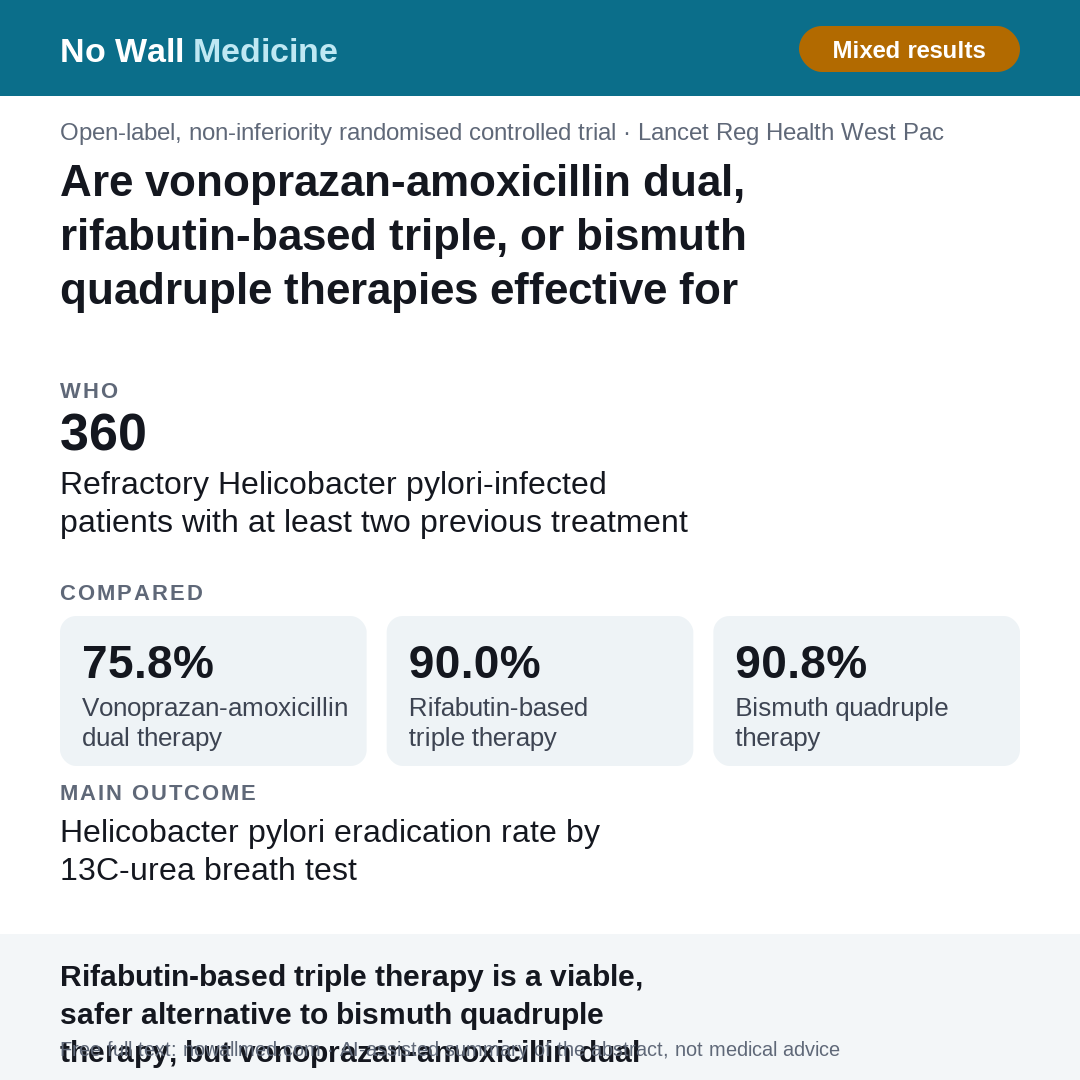
Vonoprazan-amoxicillin dual, rifabutin-based triple, and bismuth quadruple therapies for Helicobacter pylori rescue treatment: a multicentre, open-label, non-inferiority randomised trial
Open-label, non-inferiority randomised controlled trialMixed results
Are vonoprazan-amoxicillin dual, rifabutin-based triple, or bismuth quadruple therapies effective for Helicobacter pylori rescue treatment?
Who
360
Refractory Helicobacter pylori-infected patients with at least two previous treatment failures · Three hospitals in China
Compared
75.8%Vonoprazan-amoxicillin dual therapy (91/120)
90.0%Rifabutin-based triple therapy (108/120)
90.8%Bismuth quadruple therapy (109/120)
Main outcome
Helicobacter pylori eradication rate by 13C-urea breath test
Result: difference -0.8% (95% CI -8.3 to 6.6) for VRA vs BQT
Bottom line: Rifabutin-based triple therapy is a viable, safer alternative to bismuth quadruple therapy, but vonoprazan-amoxicillin dual therapy showed unacceptable efficacy.
Funded by: National Natural Science Foundation of China, and Xinyi Digestive Disease Fund Project
Lancet Reg Health West Pac · 2026-02-12Download image
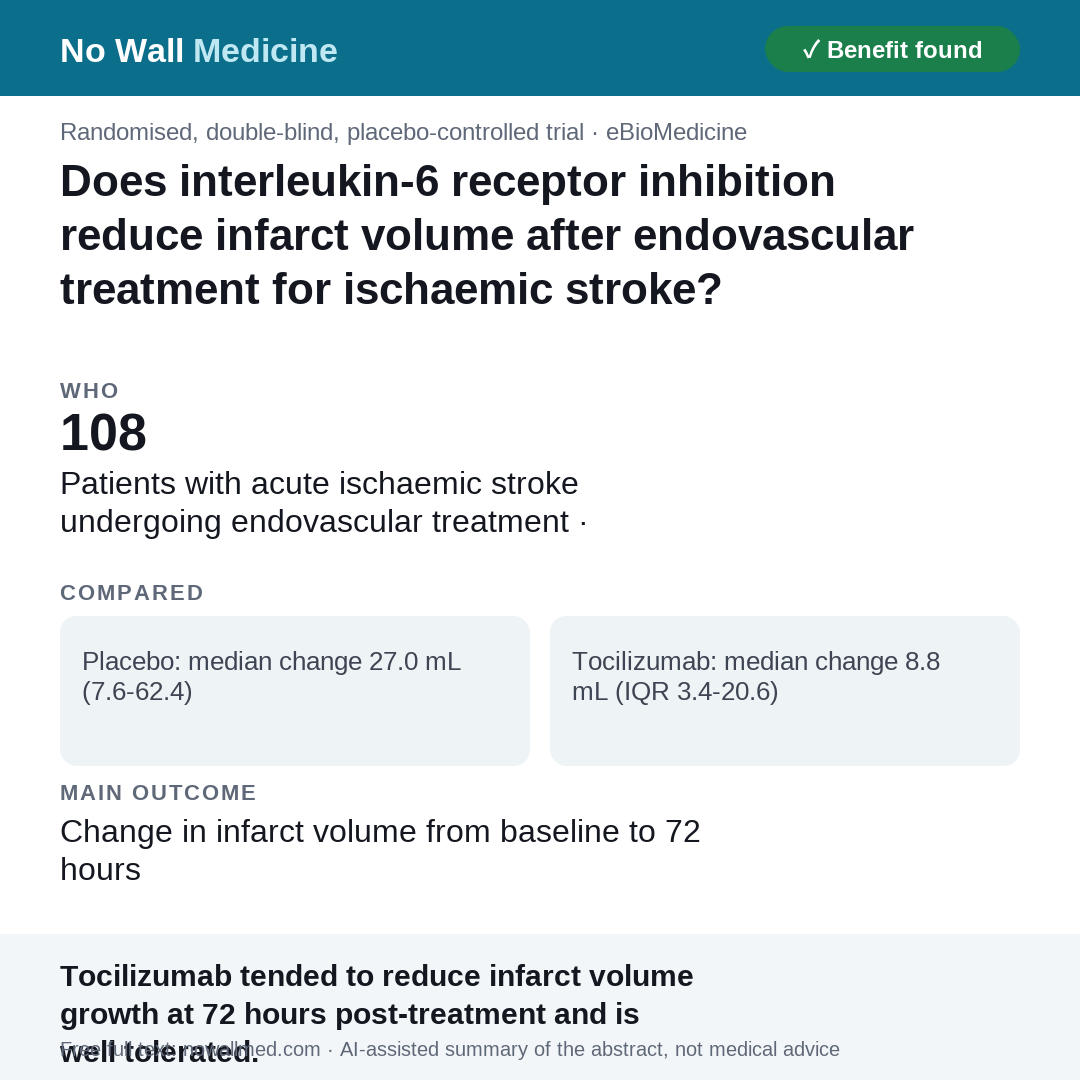
Effect of IL-6 receptor inhibition on infarct volume after endovascular treatment for ischaemic stroke: a phase 2, randomised, placebo-controlled trial
Randomised, double-blind, placebo-controlled trialBenefit found
Does interleukin-6 receptor inhibition reduce infarct volume after endovascular treatment for ischaemic stroke?
Who
108
Patients with acute ischaemic stroke undergoing endovascular treatment · Multicentre
Compared
Placebo: median change 27.0 mL (7.6-62.4)
Tocilizumab: median change 8.8 mL (IQR 3.4-20.6)
Main outcome
Change in infarct volume from baseline to 72 hours
Result: adjusted mean difference in cubic root volume -0.41 (95% CI -0.79 to -0.03)
Bottom line: Tocilizumab tended to reduce infarct volume growth at 72 hours post-treatment and is well tolerated.
Funded by: National Natural Science Foundation of China and others
eBioMedicine · 2026-02-12Download image
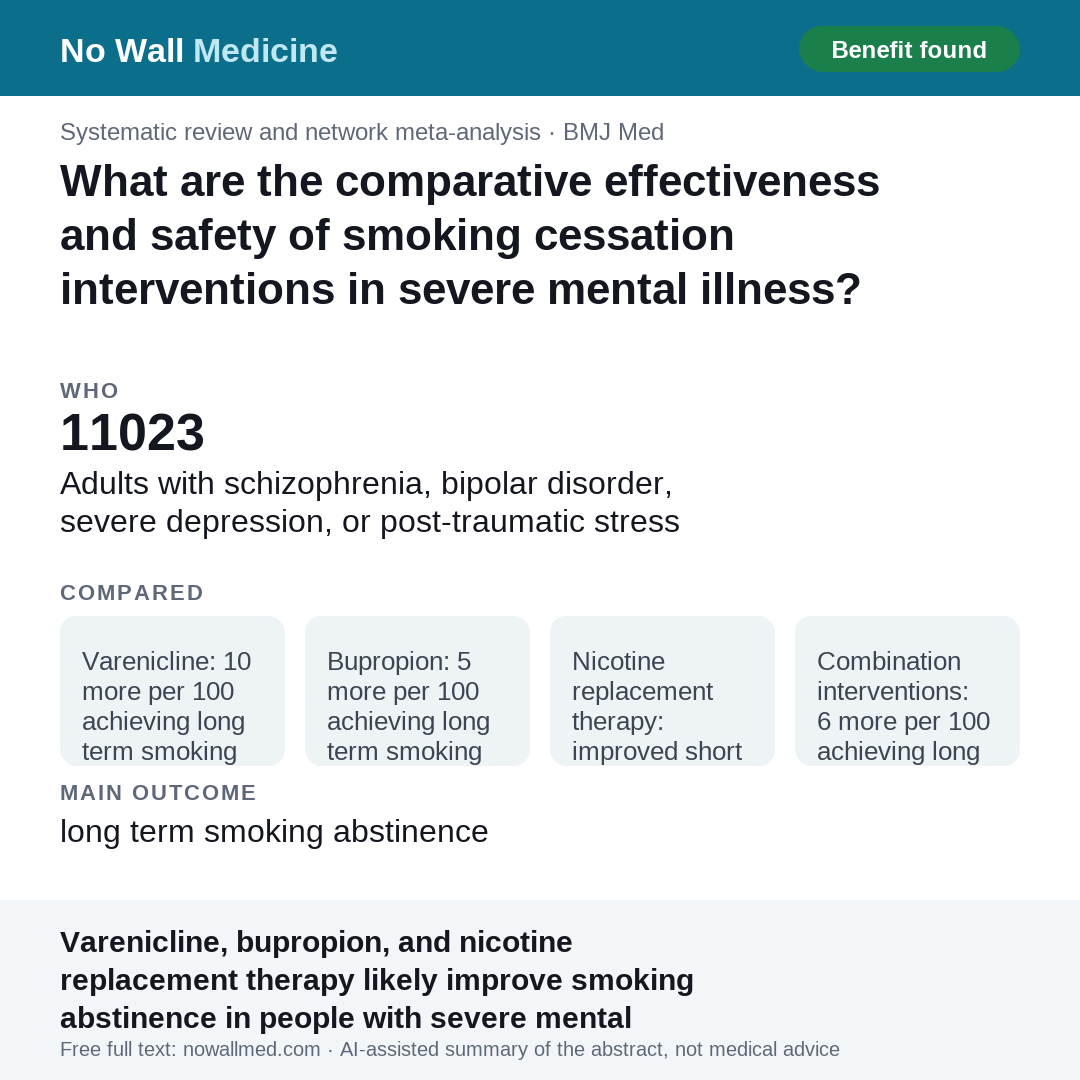
Smoking cessation for people with severe mental illness: systematic review and network meta-analysis
Systematic review and network meta-analysisBenefit found
What are the comparative effectiveness and safety of smoking cessation interventions in severe mental illness?
Who
11023
Adults with schizophrenia, bipolar disorder, severe depression, or post-traumatic stress disorder
Compared
Varenicline: 10 more per 100 achieving long term smoking abstinence
Bupropion: 5 more per 100 achieving long term smoking abstinence
Nicotine replacement therapy: improved short term abstinence
Combination interventions: 6 more per 100 achieving long term smoking abstinence
Main outcome
long term smoking abstinence
Bottom line: Varenicline, bupropion, and nicotine replacement therapy likely improve smoking abstinence in people with severe mental illness.
BMJ Med · 2026-02-12Download image
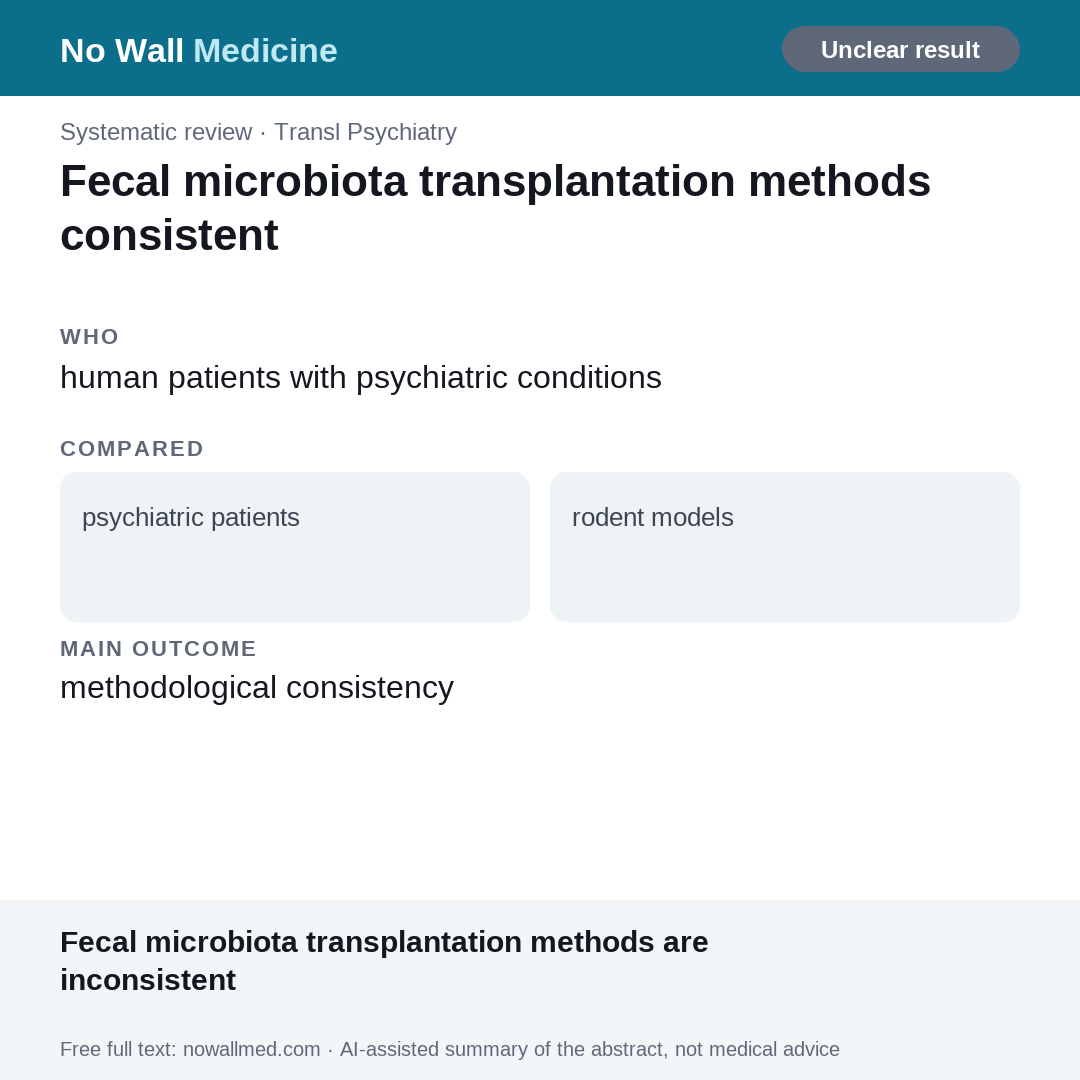
A systematic review of post-liver transplantation treatment and outcomes for late T-cell mediated, chronic ductopenic, and antibody-mediated rejection
Systematic reviewUnclear result
What are the treatments and outcomes for late T-cell-mediated, chronic ductopenic, and antibody-mediated rejection?
Who
374
Liver transplant recipients with various types of rejection
Compared
late T-cell-mediated rejection: 55%-100%
chronic ductopenic rejection: 25%-52%
antibody-mediated rejection: 50%-80% or 52%-63%
Main outcome
Response rates to treatment regimens
Bottom line: Treatment regimens and response rates for these rejection types are heterogeneous and lack standardized definitions.
Hepatol Commun · 2026-02-12Download image
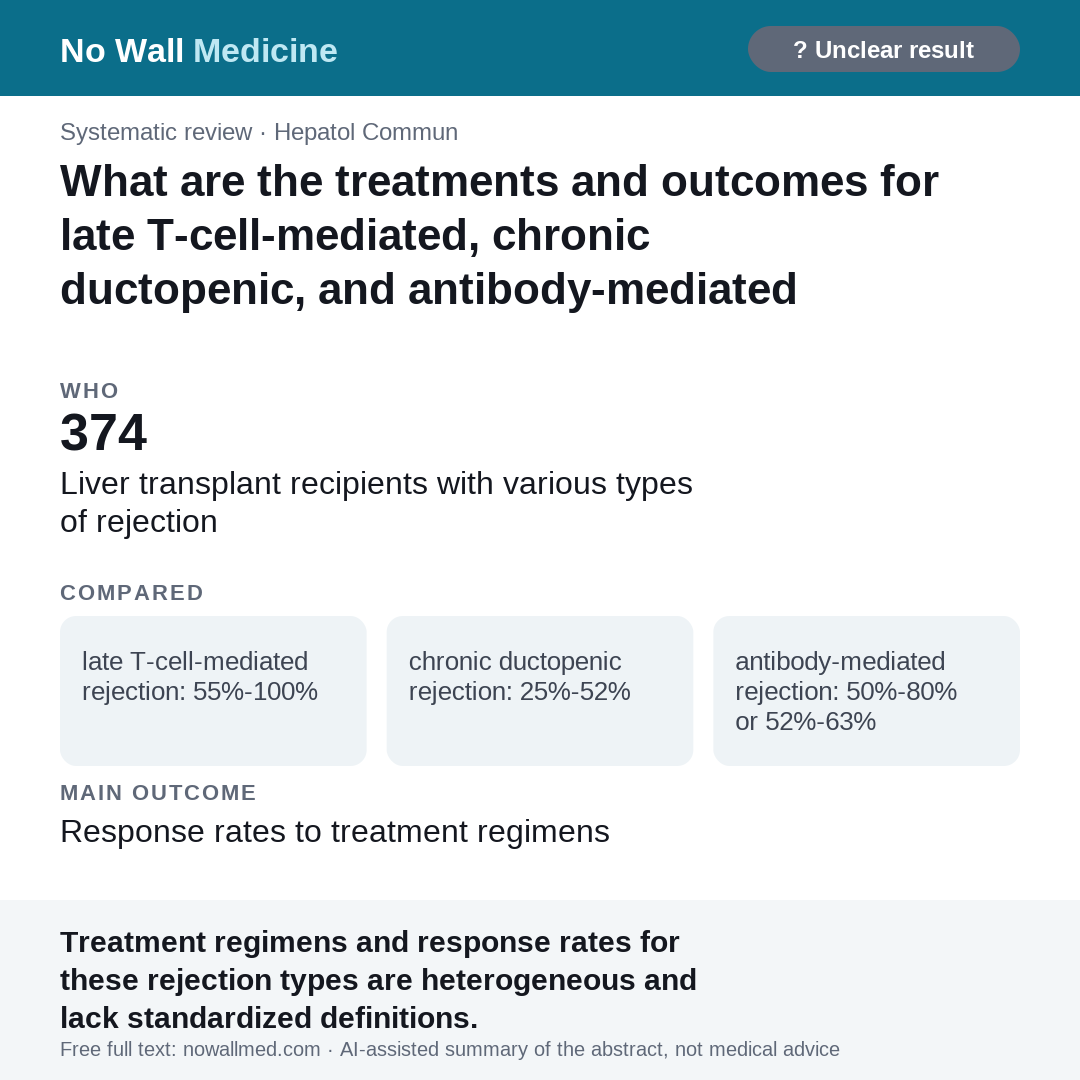
NALIRIFOX versus nab-paclitaxel and gemcitabine in older patients with treatment-naive metastatic pancreatic cancer: a subgroup analysis of the pivotal NAPOLI 3 trial
Post hoc subgroup analysis of a phase III trialBenefit found
Does age impact the efficacy and safety of NALIRIFOX versus gemcitabine and nab-paclitaxel?
Who
770
Adults with previously untreated metastatic pancreatic ductal adenocarcinoma
Compared
NALIRIFOX patients aged <70 years: median overall survival 11.7 months
NALIRIFOX patients aged ≥70 years: median overall survival 10.0 months
Main outcome
overall survival and progression-free survival
Bottom line: NALIRIFOX improved survival versus gemcitabine and nab-paclitaxel regardless of patient age with no increased toxicity.
ESMO Open · 2026-02-12Download image
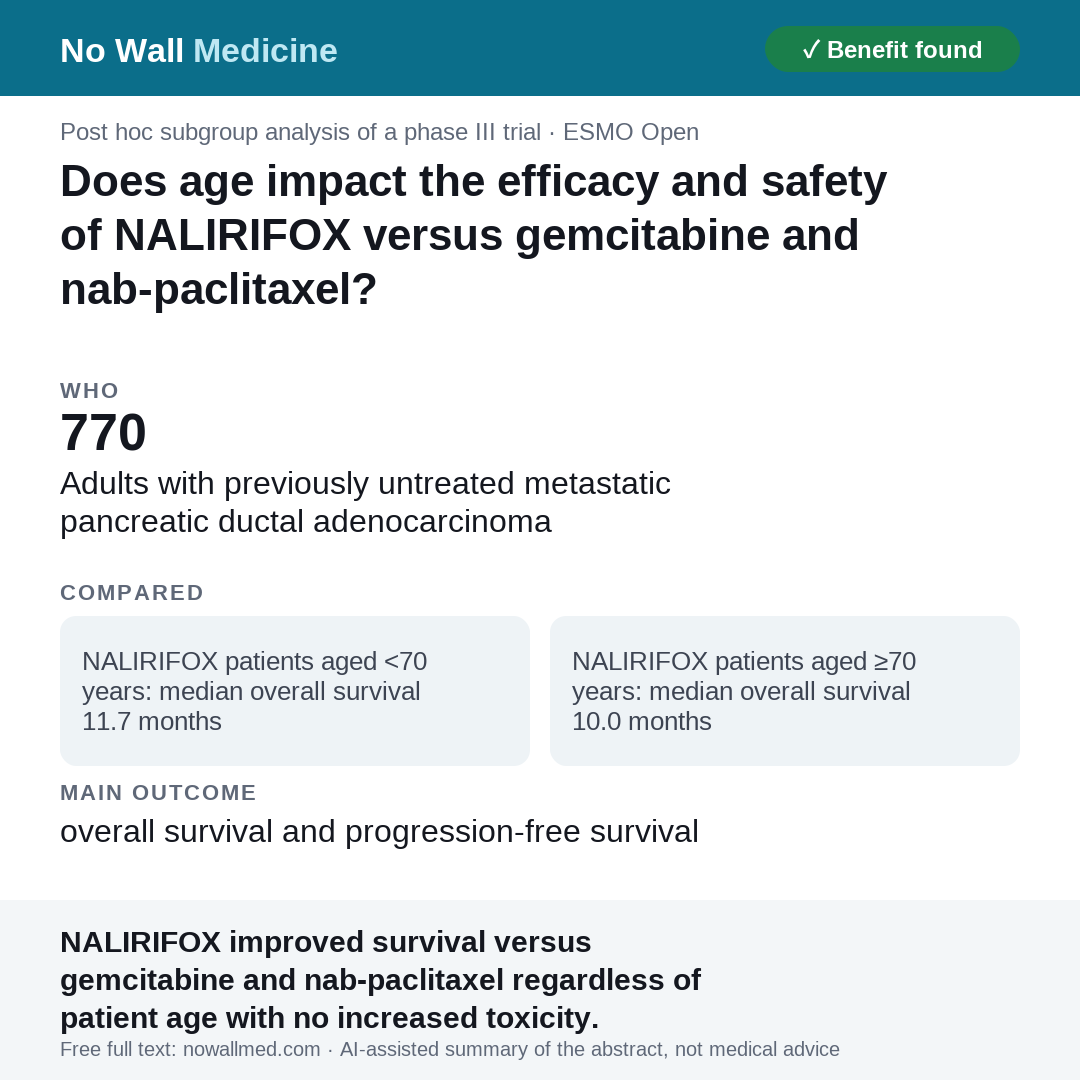
Depression and anxiety in interstitial lung disease: a systematic review, meta-analysis and Mendelian randomization
Systematic review, meta-analysis and Mendelian randomizationNo clear difference
What is the prevalence of depression and anxiety in interstitial lung disease and its causality?
Who
Patients with interstitial lung disease
Compared
22%Depression prevalence (95% CI 17%, 26%)
25%Anxiety prevalence (95% CI 18%, 32%)
Main outcome
Prevalence of depression and anxiety and causal associations
Result: ILD-depression OR 1.000 (95% CI 0.997, 1.003); ILD-anxiety OR 1.000 (95% CI 0.998, 1.002)
Bottom line: Depression and anxiety are prevalent in interstitial lung disease, but no causal relationship was observed.
Transl Psychiatry · 2026-02-12Download image
Fecal microbiota transplantation from psychiatric patients to mice - systematic review of methodologies and a call for standardization
Systematic reviewUnclear result
Fecal microbiota transplantation methods consistent
Who
31
human patients with psychiatric conditions
Compared
psychiatric patients
rodent models
Main outcome
methodological consistency
Bottom line: Fecal microbiota transplantation methods are inconsistent
Limitation: methodological inconsistencies
Transl Psychiatry · 2026-02-12Download image
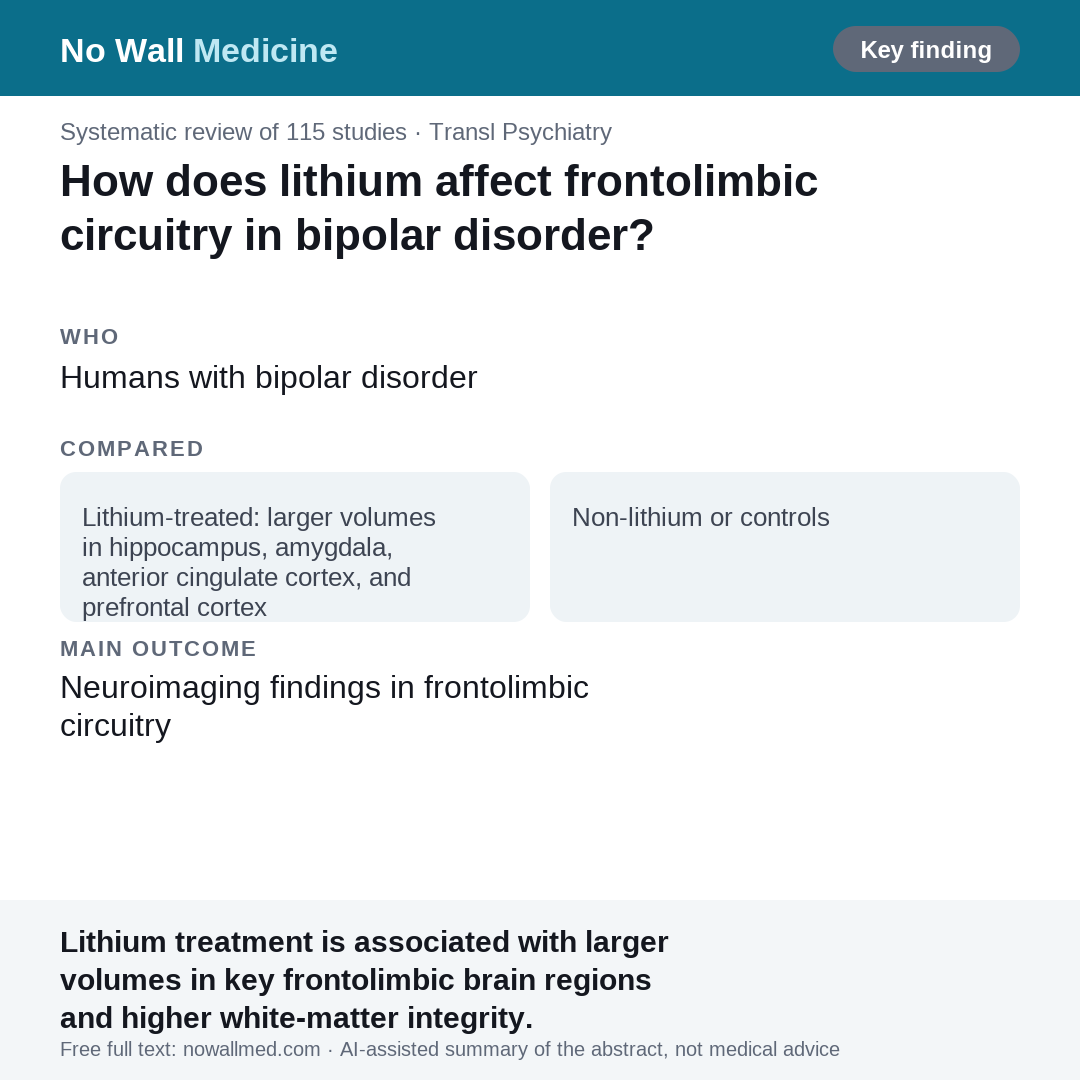
Lithium effects in the frontolimbic circuitry: a systematic review of neuroimaging findings in bipolar disorder
Systematic review of 115 studiesBenefit found
How does lithium affect frontolimbic circuitry in bipolar disorder?
Who
Humans with bipolar disorder
Compared
Lithium-treated: larger volumes in hippocampus, amygdala, anterior cingulate cortex, and prefrontal cortex
Non-lithium or controls
Main outcome
Neuroimaging findings in frontolimbic circuitry
Bottom line: Lithium treatment is associated with larger volumes in key frontolimbic brain regions and higher white-matter integrity.
Limitation: Overall risk of bias was substantial, yielding low-to-moderate certainty of evidence.
Transl Psychiatry · 2026-02-12Download image
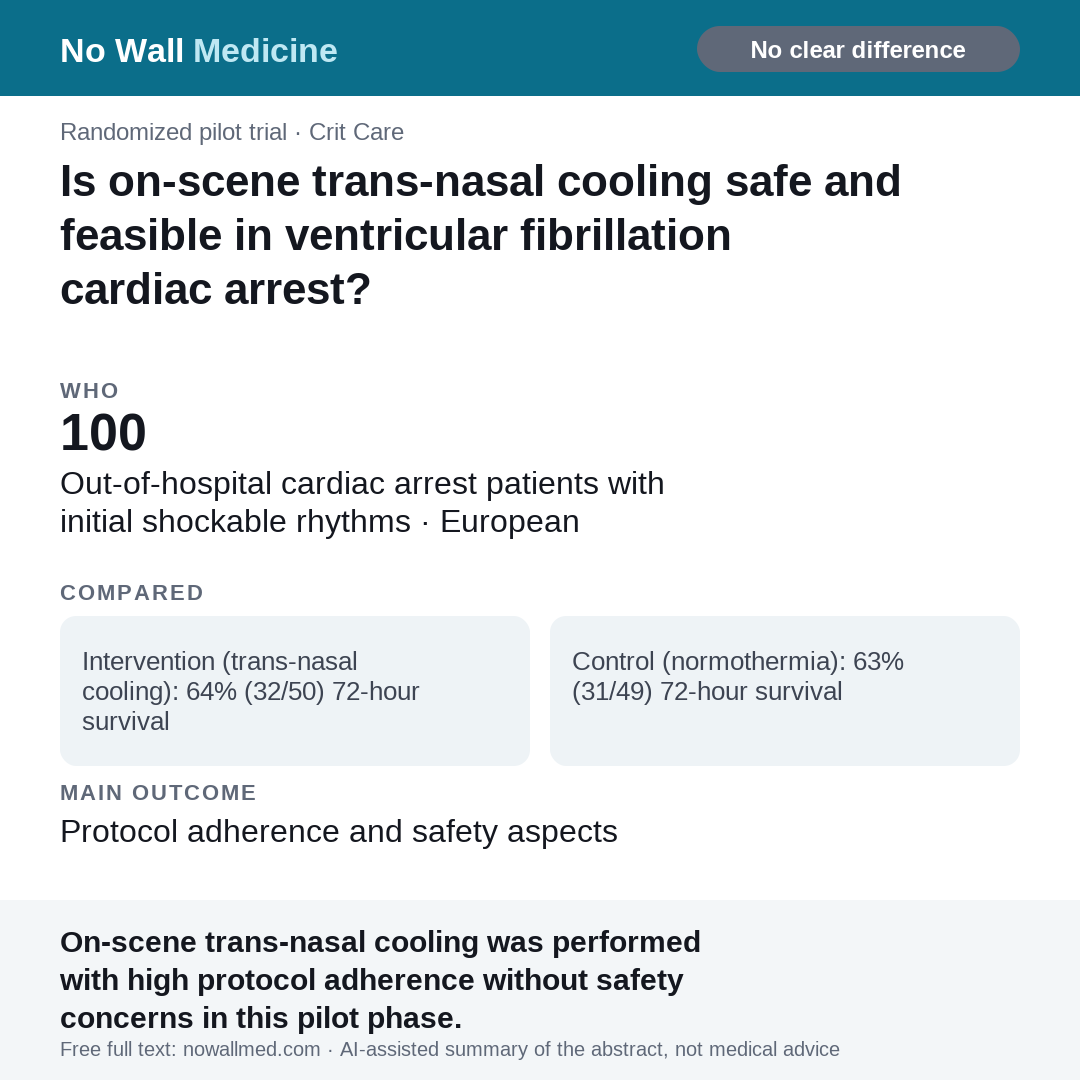
On-scene selective brain cooling in ventricular fibrillation cardiac arrest: pilot results from the PRINCESS2 randomised trial
Randomized pilot trialNo clear difference
Is on-scene trans-nasal cooling safe and feasible in ventricular fibrillation cardiac arrest?
Who
100
Out-of-hospital cardiac arrest patients with initial shockable rhythms · European multicentre trial
Compared
Intervention (trans-nasal cooling): 64% (32/50) 72-hour survival
Control (normothermia): 63% (31/49) 72-hour survival
Main outcome
Protocol adherence and safety aspects
Bottom line: On-scene trans-nasal cooling was performed with high protocol adherence without safety concerns in this pilot phase.
Crit Care · 2026-02-12Download image
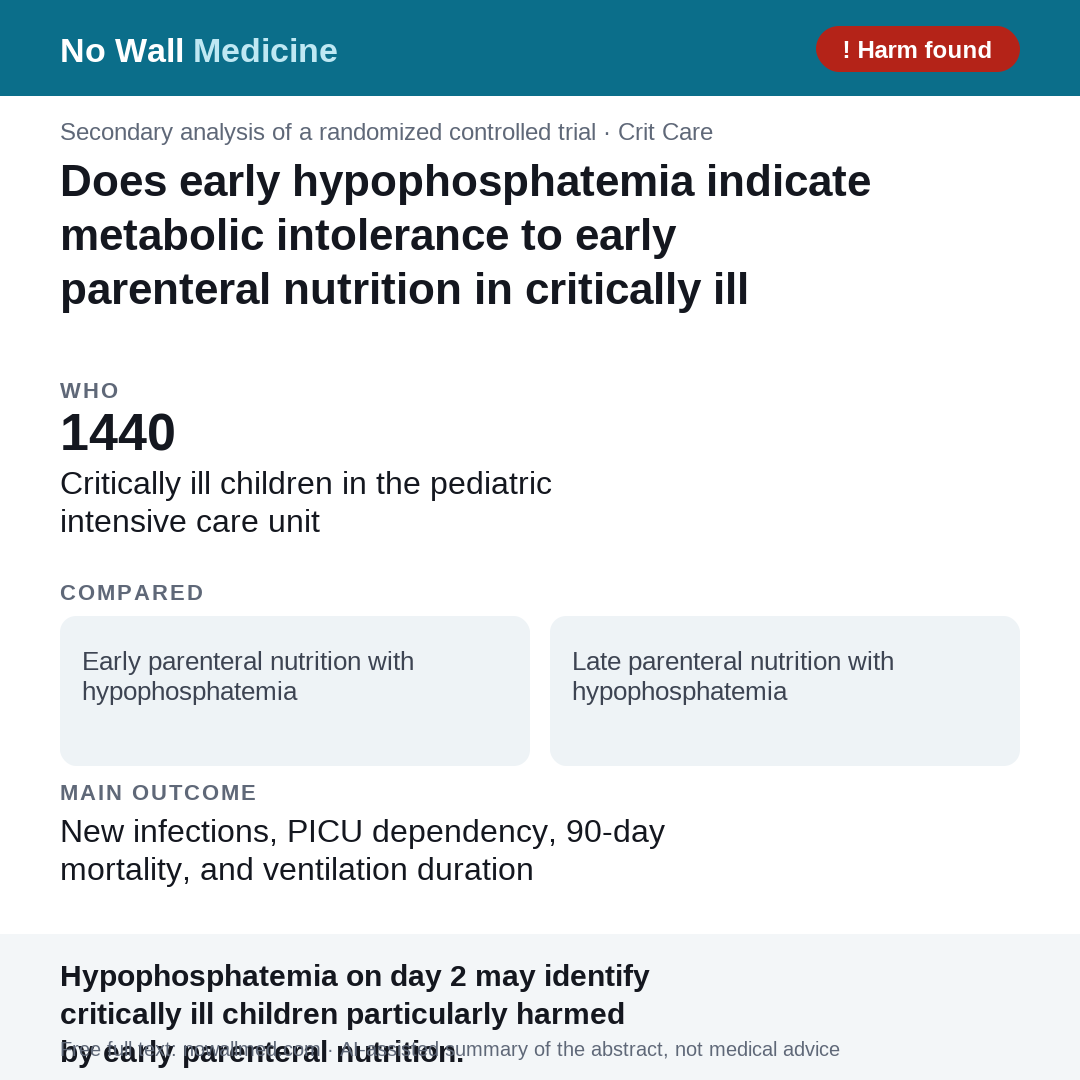
Hypophosphatemia as a biomarker of metabolic intolerance to enhanced nutrition in the PICU: a secondary analysis of the PEPaNIC RCT
Secondary analysis of a randomized controlled trialHarm found
Does early hypophosphatemia indicate metabolic intolerance to early parenteral nutrition in critically ill children?
Who
1440
Critically ill children in the pediatric intensive care unit
Compared
Early parenteral nutrition with hypophosphatemia
Late parenteral nutrition with hypophosphatemia
Main outcome
New infections, PICU dependency, 90-day mortality, and ventilation duration
Bottom line: Hypophosphatemia on day 2 may identify critically ill children particularly harmed by early parenteral nutrition.
Crit Care · 2026-02-12Download image
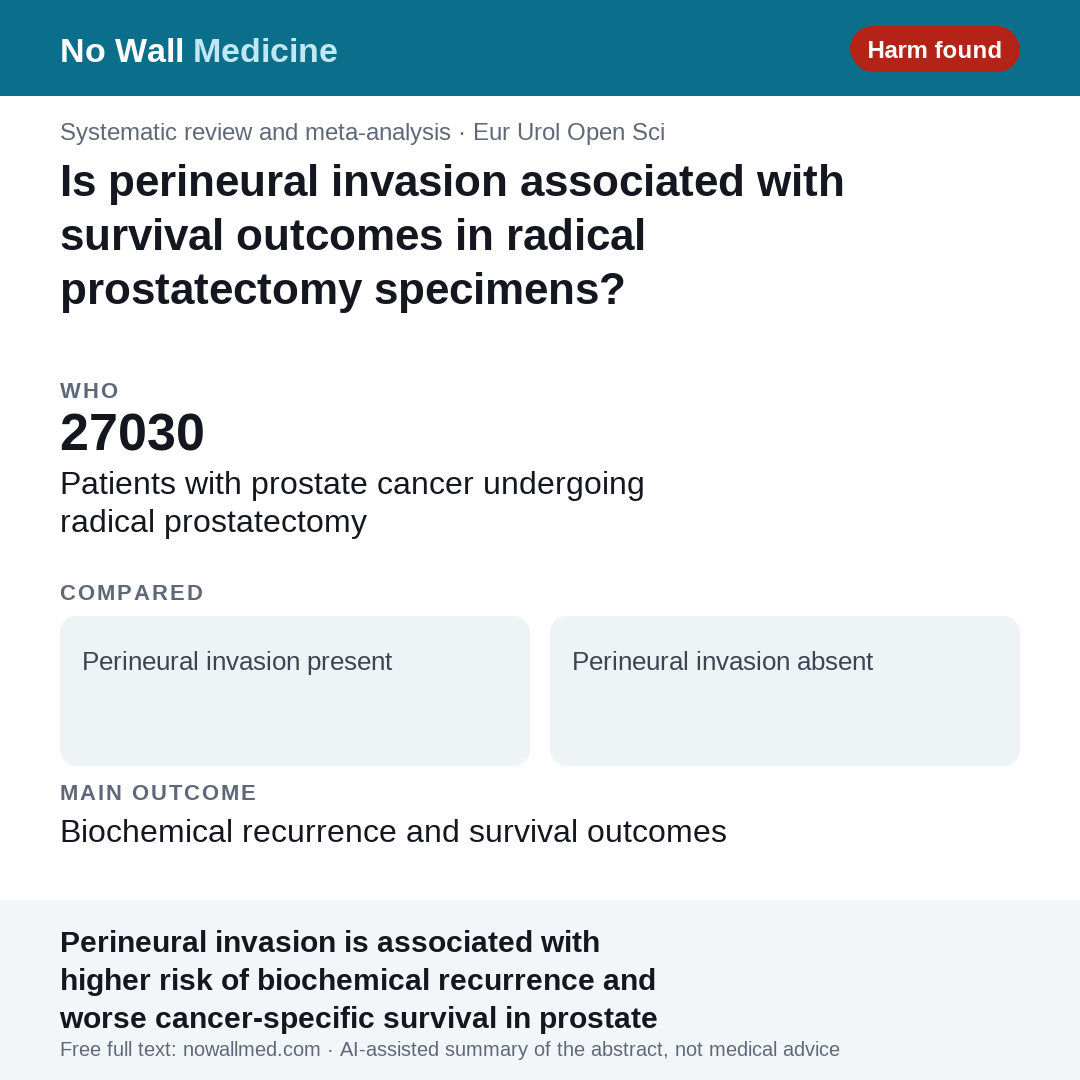
Perineural Invasion in Radical Prostatectomy Specimens and Its Association with Biochemical Recurrence and Survival in Prostate Cancer: A Systematic Review and Meta-analysis
Systematic review and meta-analysisHarm found
Is perineural invasion associated with survival outcomes in radical prostatectomy specimens?
Who
27030
Patients with prostate cancer undergoing radical prostatectomy
Compared
Perineural invasion present
Perineural invasion absent
Main outcome
Biochemical recurrence and survival outcomes
Result: hazard ratio 1.40 (95% CI 1.28-1.52)
Bottom line: Perineural invasion is associated with higher risk of biochemical recurrence and worse cancer-specific survival in prostate cancer.
Limitation: Reliance on predominantly retrospective studies with small samples and high risk of bias.
Eur Urol Open Sci · 2026-02-12Download image