Visual abstracts
New randomized trials and meta-analyses from leading journals at a glance: who was studied, what was compared, and what was found. Every paper is free to read in full.
All specialtiesCardiology 4700Oncology 3953Gastroenterology & Hepatology 1868Infectious Disease 3675Neurology 1824Psychiatry & Mental Health 2179Pulmonology 2069Critical Care 1314Endocrinology & Diabetes 2457Pediatrics 2844Surgery 2457Orthopedics & Sports Medicine 885Neurosurgery 509Cardiothoracic & Vascular Surgery 632Plastic & Reconstructive Surgery 581Nephrology 1057Rheumatology 787Hematology 1064Dermatology 602Ophthalmology 522Obstetrics & Gynecology 1629Public & Global Health 996Radiology & Imaging 620Anesthesiology 948Urology 738ENT (Otolaryngology) 491Emergency Medicine 490Allergy & Immunology 301Geriatrics 950Family Medicine & Primary Care 545Medical Genetics & Genomics 648Pathology & Laboratory Medicine 153Physical Medicine & Rehabilitation 727Palliative Care 427Nutrition 1510Digital Health & AI 2116General Medicine 308
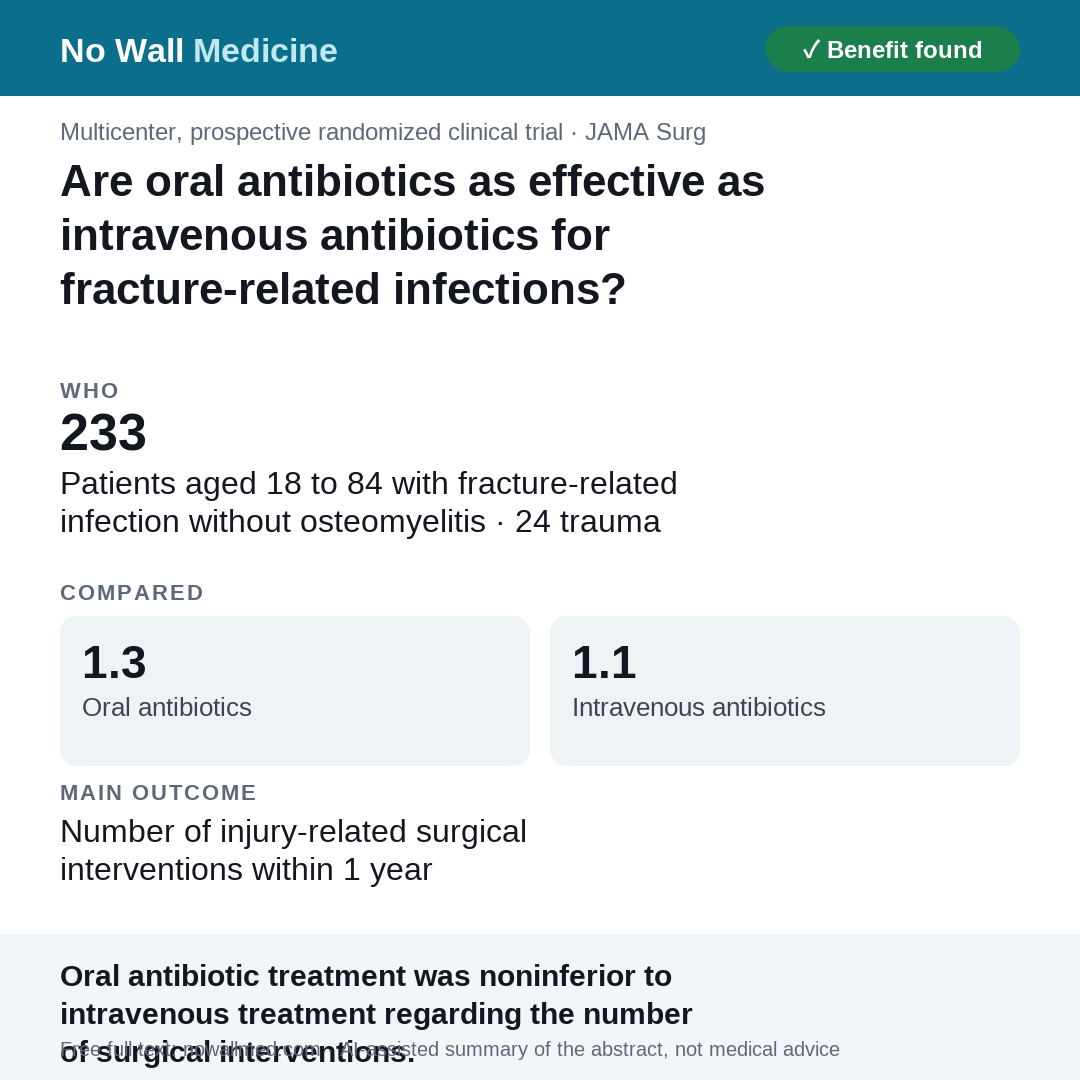
Oral vs Intravenous Antibiotics for Fracture-Related Infections: The POvIV Randomized Clinical Trial
Multicenter, prospective randomized clinical trialBenefit found
Are oral antibiotics as effective as intravenous antibiotics for fracture-related infections?
Who
233
Patients aged 18 to 84 with fracture-related infection without osteomyelitis · 24 trauma centers in the United States
Compared
1.3Oral antibiotics
1.1Intravenous antibiotics
Main outcome
Number of injury-related surgical interventions within 1 year
Result: mean difference 0.59 (95% CI upper bound)
Bottom line: Oral antibiotic treatment was noninferior to intravenous treatment regarding the number of surgical interventions.
Limitation: Adjusted per-protocol analysis did not support noninferiority of the number of reoperations.
JAMA Surg · 2025-01-22Download image
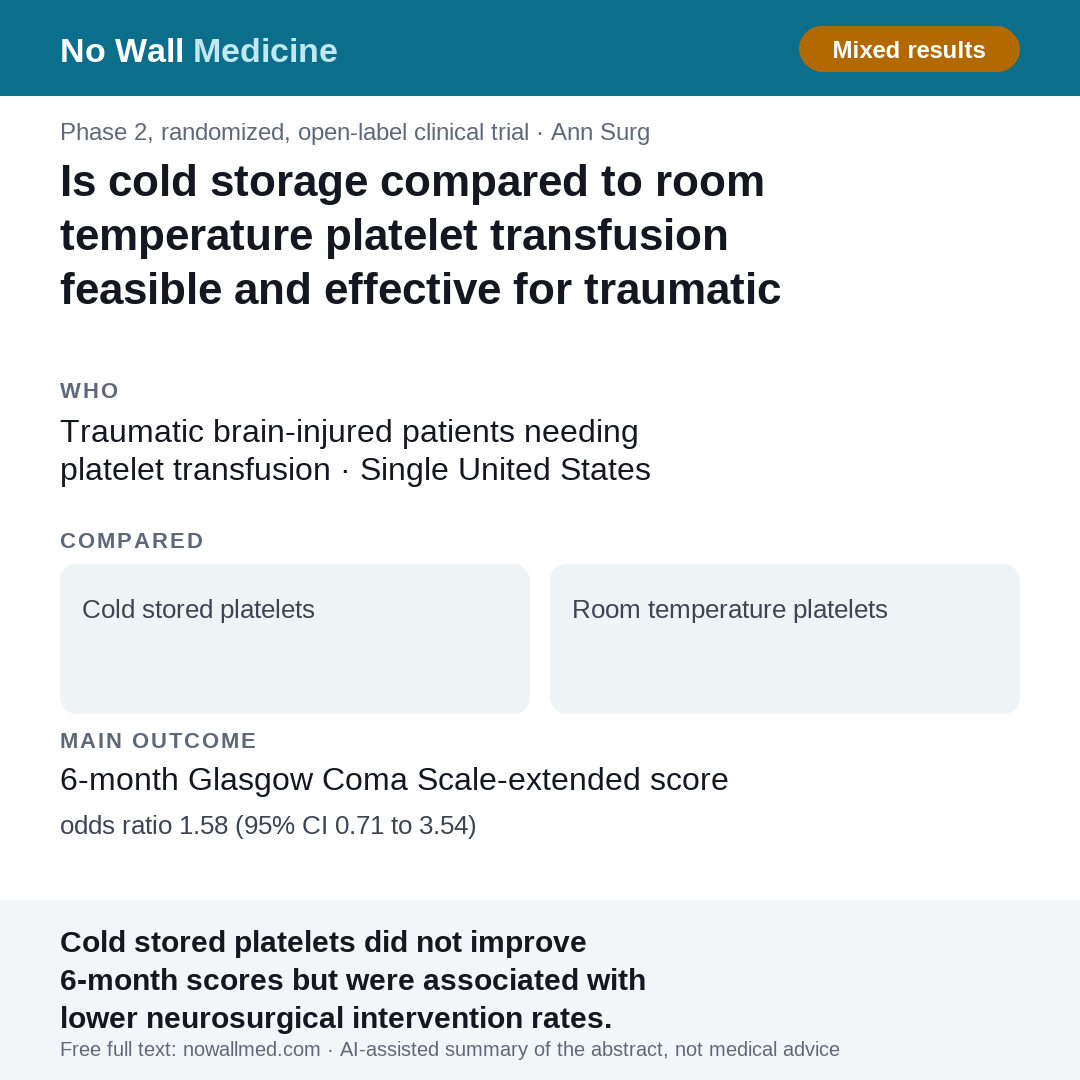
Early Cold-stored Platelet Transfusion following Traumatic Brain Injury: A Randomized Clinical Trial
Phase 2, randomized, open-label clinical trialMixed results
Is cold storage compared to room temperature platelet transfusion feasible and effective for traumatic brain injury?
Who
Traumatic brain-injured patients needing platelet transfusion · Single United States trauma center
Compared
Cold stored platelets
Room temperature platelets
Main outcome
6-month Glasgow Coma Scale-extended score
Result: odds ratio 1.58 (95% CI 0.71 to 3.54)
Bottom line: Cold stored platelets did not improve 6-month scores but were associated with lower neurosurgical intervention rates.
Ann Surg · 2025-01-22Download image
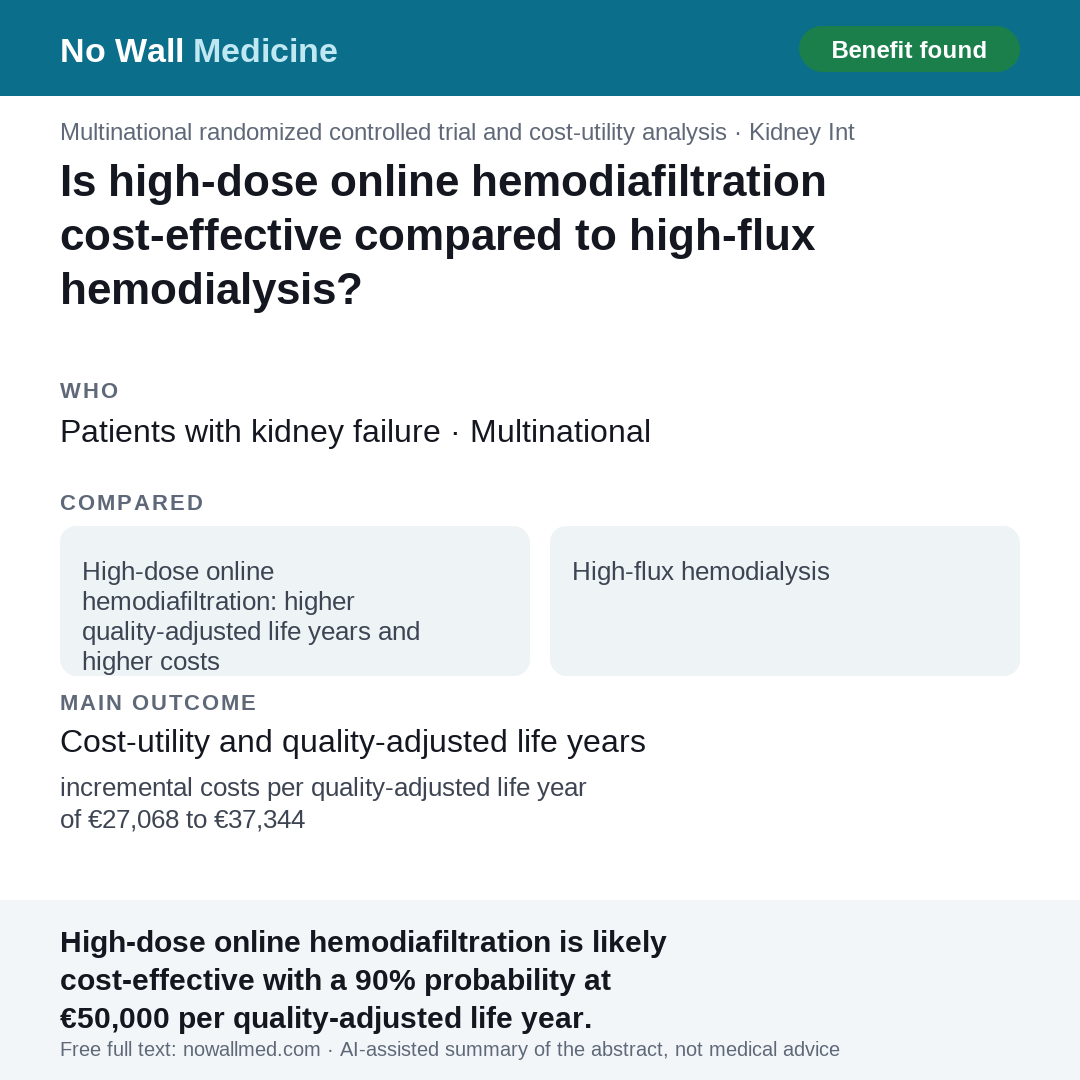
A health economic evaluation of the multinational, randomized controlled CONVINCE trial: cost-utility of high-dose online hemodiafiltration compared to high-flux hemodialysis
Multinational randomized controlled trial and cost-utility analysisBenefit found
Is high-dose online hemodiafiltration cost-effective compared to high-flux hemodialysis?
Who
Patients with kidney failure · Multinational
Compared
High-dose online hemodiafiltration: higher quality-adjusted life years and higher costs
High-flux hemodialysis
Main outcome
Cost-utility and quality-adjusted life years
Result: incremental costs per quality-adjusted life year of €27,068 to €37,344
Bottom line: High-dose online hemodiafiltration is likely cost-effective with a 90% probability at €50,000 per quality-adjusted life year.
Kidney Int · 2025-01-22Download image
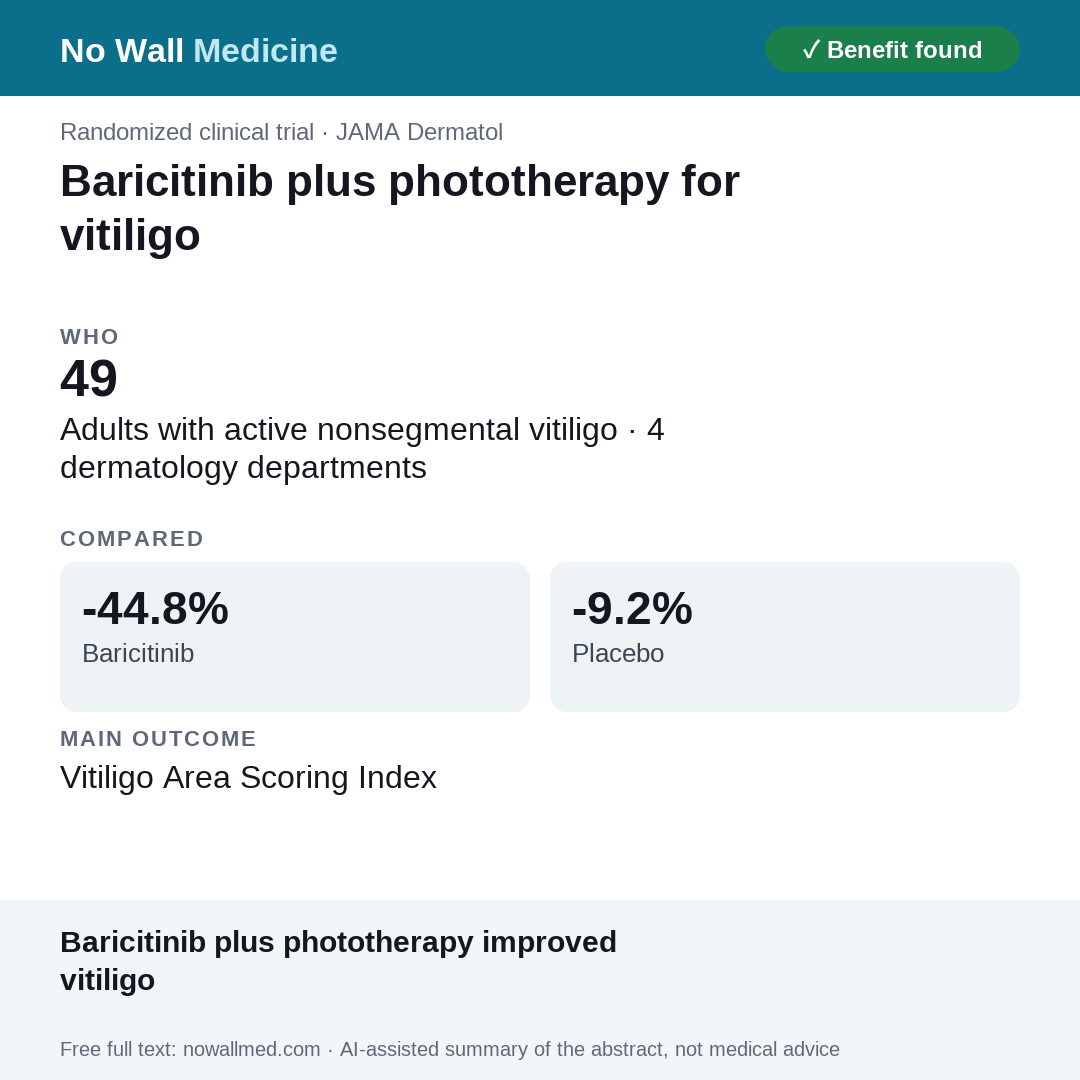
Combination of Baricitinib and Phototherapy in Adults With Active Vitiligo: A Randomized Clinical Trial
Randomized clinical trialBenefit found
Baricitinib plus phototherapy for vitiligo
Who
49
Adults with active nonsegmental vitiligo · 4 dermatology departments
Compared
-44.8%Baricitinib (95% CI, -58.4% to -31.3%)
-9.2%Placebo (95% CI, -27.7% to 24.7%)
Main outcome
Vitiligo Area Scoring Index
Bottom line: Baricitinib plus phototherapy improved vitiligo
JAMA Dermatol · 2025-01-22Download image
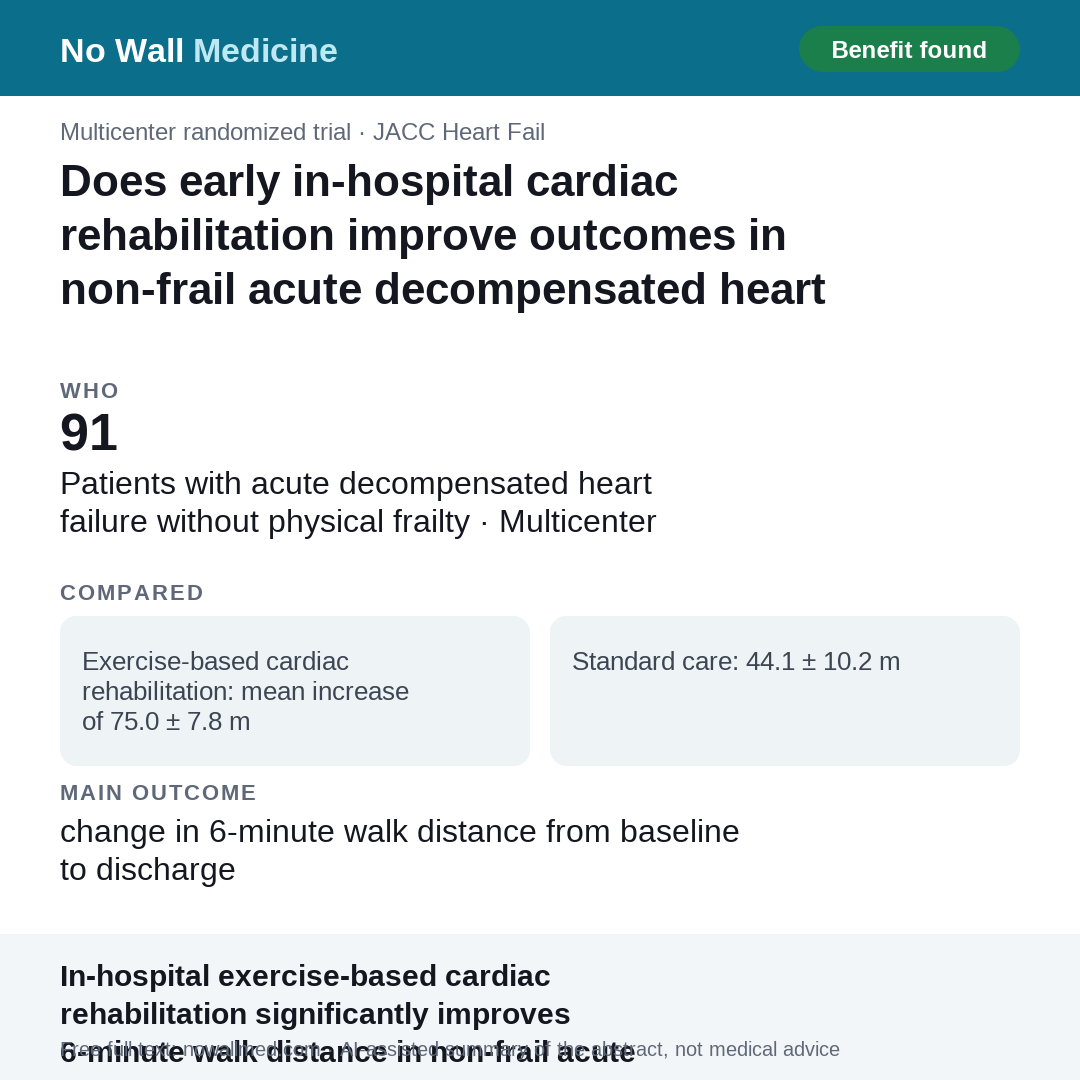
Effects of Acute Phase Intensive Exercise Training in Patients With Acute Decompensated Heart Failure
Multicenter randomized trialBenefit found
Does early in-hospital cardiac rehabilitation improve outcomes in non-frail acute decompensated heart failure patients?
Who
91
Patients with acute decompensated heart failure without physical frailty · Multicenter
Compared
Exercise-based cardiac rehabilitation: mean increase of 75.0 ± 7.8 m
Standard care: 44.1 ± 10.2 m
Main outcome
change in 6-minute walk distance from baseline to discharge
Result: effect size of 30.9 ± 13.1 m (95% CI: 4.8-57.0; P = 0.021)
Bottom line: In-hospital exercise-based cardiac rehabilitation significantly improves 6-minute walk distance in non-frail acute decompensated heart failure patients.
JACC Heart Fail · 2025-01-22Download image
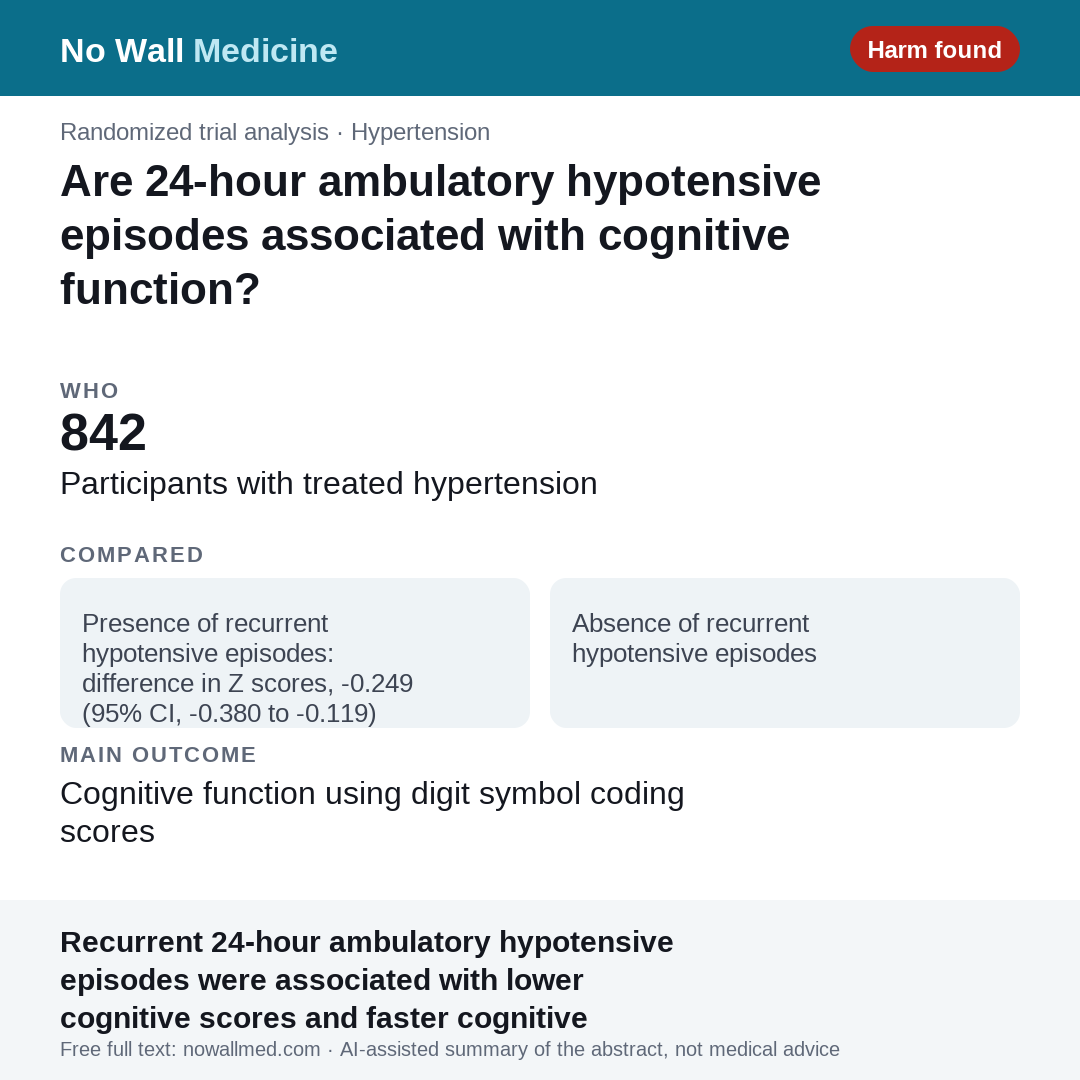
Hypotensive Episodes on 24-Hour Ambulatory Blood Pressure and Cognitive Function: Insights From the SPRINT Study
Randomized trial analysisHarm found
Are 24-hour ambulatory hypotensive episodes associated with cognitive function?
Who
842
Participants with treated hypertension
Compared
Presence of recurrent hypotensive episodes: difference in Z scores, -0.249 (95% CI, -0.380 to -0.119)
Absence of recurrent hypotensive episodes
Main outcome
Cognitive function using digit symbol coding scores
Result: difference in Z scores, -0.249 (95% CI, -0.380 to -0.119)
Bottom line: Recurrent 24-hour ambulatory hypotensive episodes were associated with lower cognitive scores and faster cognitive decline.
Hypertension · 2025-01-22Download image
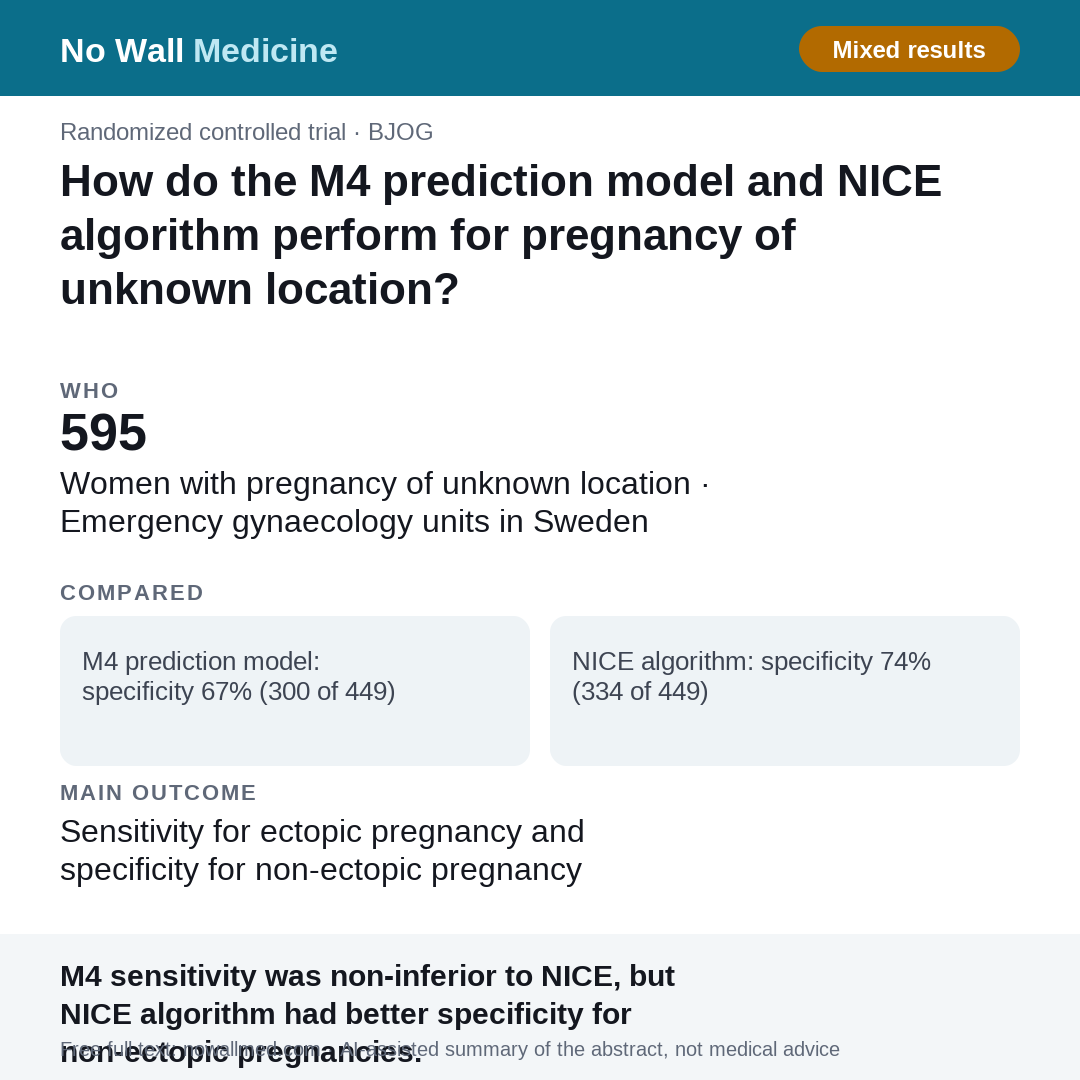
Managing Pregnancies of Unknown Location With the M4 Prediction Model or the NICE Algorithm: A Randomised Controlled Trial With Cross-Sectional Diagnostic Accuracy Data
Randomized controlled trialMixed results
How do the M4 prediction model and NICE algorithm perform for pregnancy of unknown location?
Who
595
Women with pregnancy of unknown location · Emergency gynaecology units in Sweden
Compared
M4 prediction model: specificity 67% (300 of 449)
NICE algorithm: specificity 74% (334 of 449)
Main outcome
Sensitivity for ectopic pregnancy and specificity for non-ectopic pregnancy
Bottom line: M4 sensitivity was non-inferior to NICE, but NICE algorithm had better specificity for non-ectopic pregnancies.
BJOG · 2025-01-22Download image
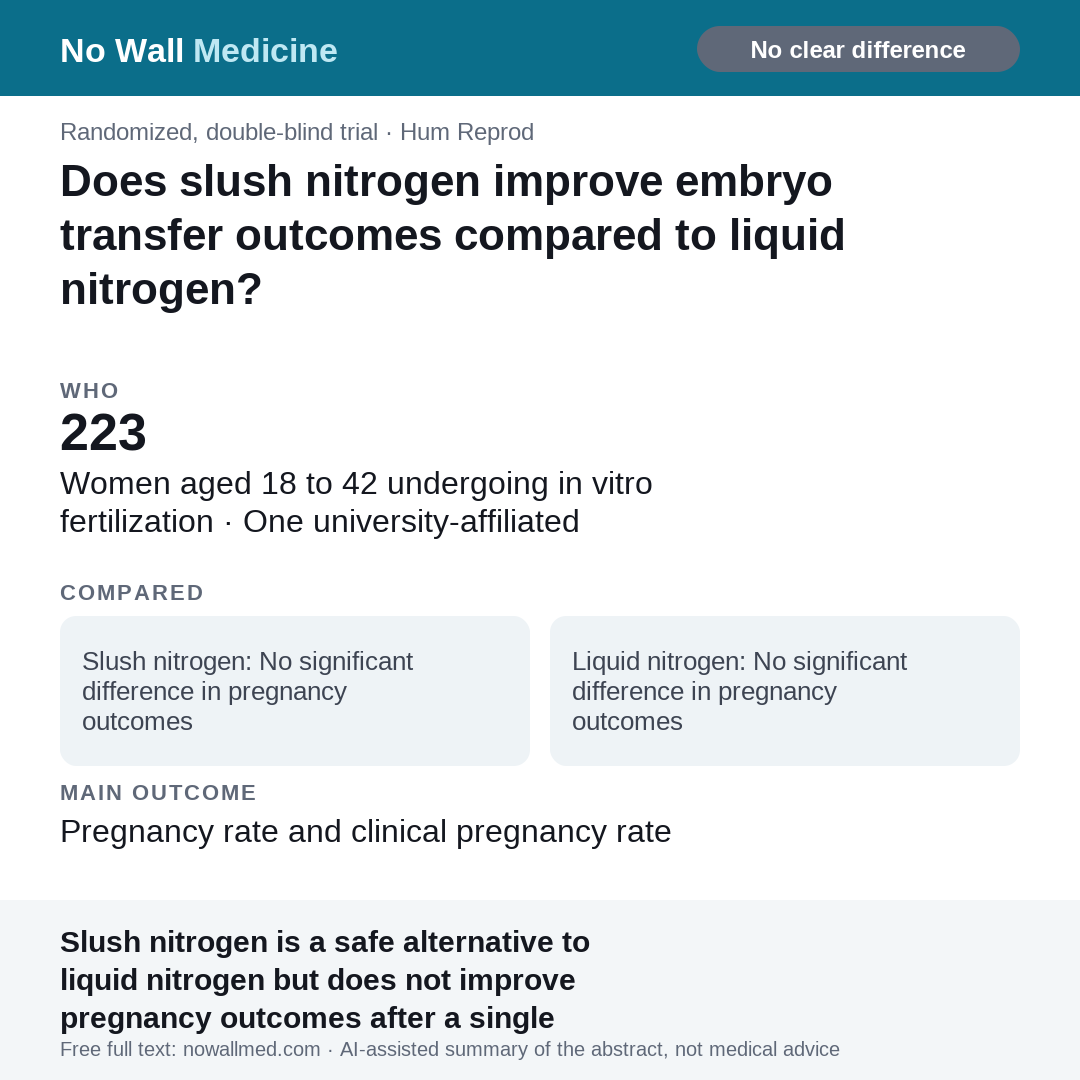
A randomized controlled trial comparing embryo vitrification with slush nitrogen to liquid nitrogen in women undergoing frozen embryo transfer: embryology and clinical outcomes
Randomized, double-blind trialNo clear difference
Does slush nitrogen improve embryo transfer outcomes compared to liquid nitrogen?
Who
223
Women aged 18 to 42 undergoing in vitro fertilization · One university-affiliated infertility center
Compared
Slush nitrogen: No significant difference in pregnancy outcomes
Liquid nitrogen: No significant difference in pregnancy outcomes
Main outcome
Pregnancy rate and clinical pregnancy rate
Bottom line: Slush nitrogen is a safe alternative to liquid nitrogen but does not improve pregnancy outcomes after a single freeze-thaw cycle.
Limitation: Termination based on futility analysis precludes a conclusion of equivalence; neonatal outcomes were not assessed.
Funded by: Foundation for Embryonic Competence
Hum Reprod · 2025-01-22Download image
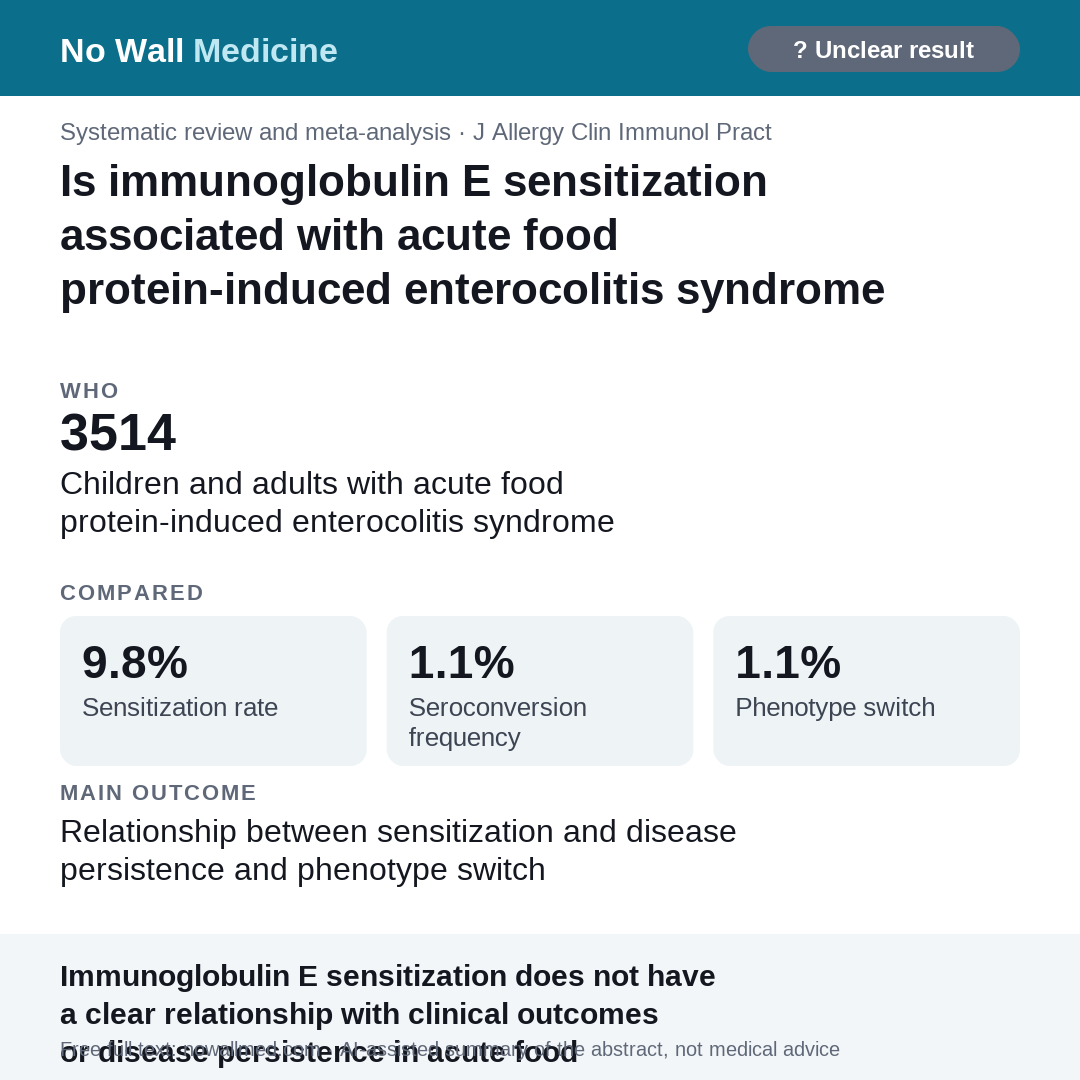
The Role of IgE Sensitization in Acute FPIES: A Systematic Review and Meta-Analysis
Systematic review and meta-analysisUnclear result
Is immunoglobulin E sensitization associated with acute food protein-induced enterocolitis syndrome outcomes?
Who
3514
Children and adults with acute food protein-induced enterocolitis syndrome
Compared
9.8%Sensitization rate (95% confidence interval 7.4%-12.1%)
1.1%Seroconversion frequency (95% confidence interval 0.1%-2.1%)
1.1%Phenotype switch (95% confidence interval 0.4%-1.7%)
Main outcome
Relationship between sensitization and disease persistence and phenotype switch
Bottom line: Immunoglobulin E sensitization does not have a clear relationship with clinical outcomes or disease persistence in acute food protein-induced enterocolitis syndrome.
Limitation: Studies showed inconsistent evidence regarding the relationship between sensitization and disease persistence.
J Allergy Clin Immunol Pract · 2025-01-22Download image
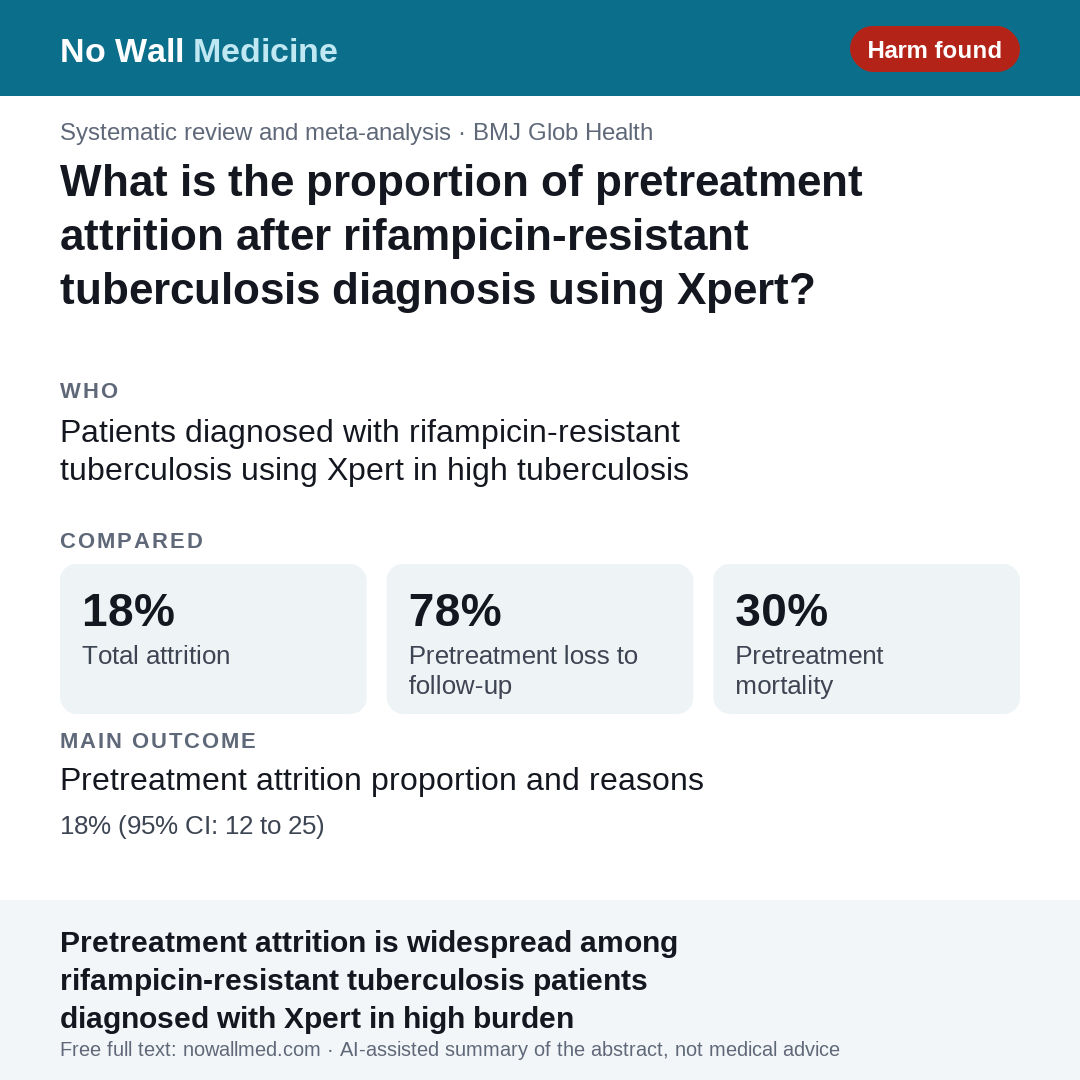
Pretreatment attrition after rifampicin-resistant tuberculosis diagnosis with Xpert MTB/RIF or ultra in high TB burden countries: a systematic review and meta-analysis
Systematic review and meta-analysisHarm found
What is the proportion of pretreatment attrition after rifampicin-resistant tuberculosis diagnosis using Xpert?
Who
Patients diagnosed with rifampicin-resistant tuberculosis using Xpert in high tuberculosis burden countries · 21 countries
Compared
18%Total attrition (95% CI: 12 to 25)
78%Pretreatment loss to follow-up (95% CI: 51% to 92%)
30%Pretreatment mortality (95% CI: 15% to 52%)
Main outcome
Pretreatment attrition proportion and reasons
Result: 18% (95% CI: 12 to 25)
Bottom line: Pretreatment attrition is widespread among rifampicin-resistant tuberculosis patients diagnosed with Xpert in high burden countries.
Limitation: Significant heterogeneity between included studies and most studies used routine programme data.
BMJ Glob Health · 2025-01-22Download image
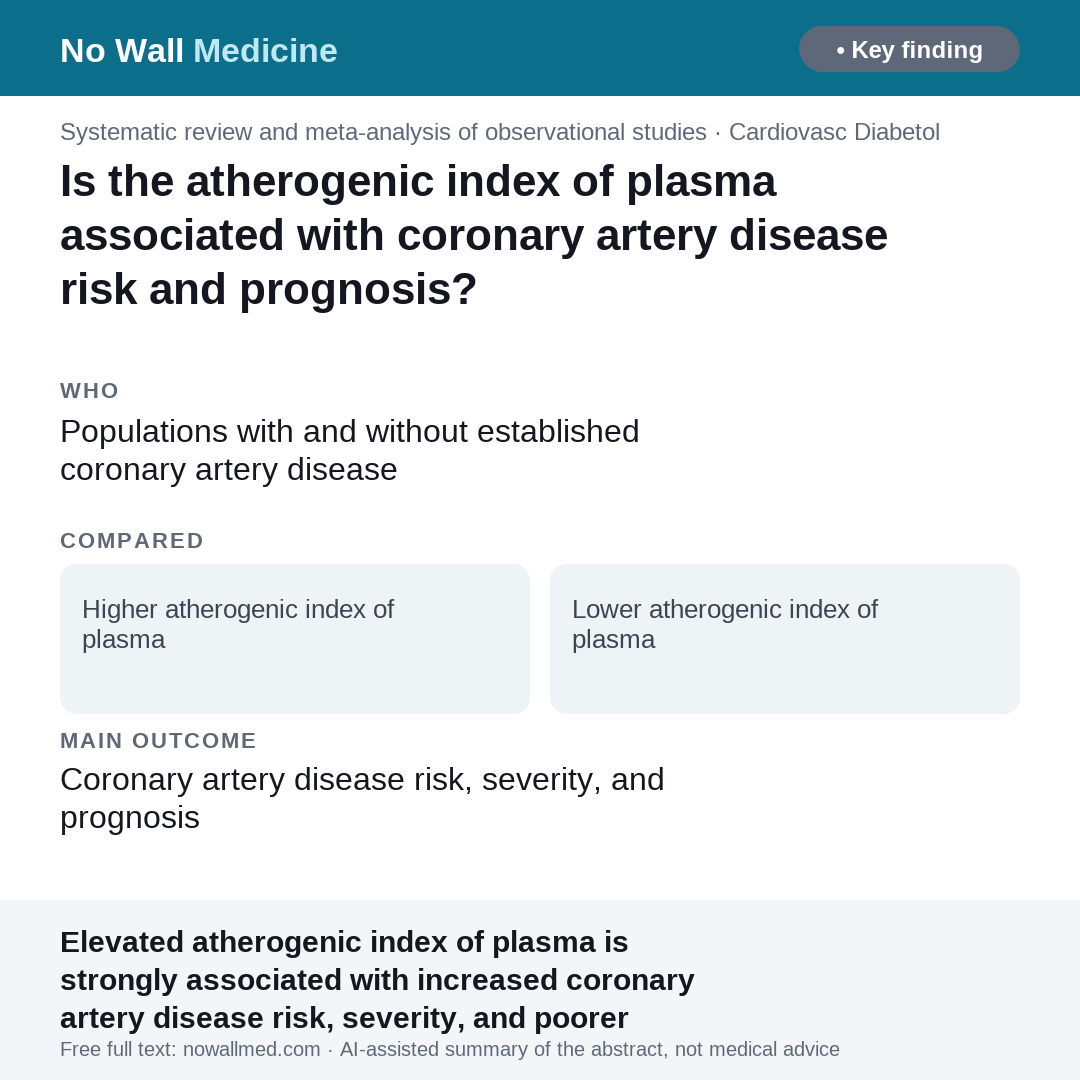
Atherogenic index of plasma and coronary artery disease: a systematic review and meta-analysis of observational studies
Systematic review and meta-analysis of observational studiesBenefit found
Is the atherogenic index of plasma associated with coronary artery disease risk and prognosis?
Who
Populations with and without established coronary artery disease
Compared
Higher atherogenic index of plasma
Lower atherogenic index of plasma
Main outcome
Coronary artery disease risk, severity, and prognosis
Result: odds ratio 2.79 (95% CI 1.75-4.45)
Bottom line: Elevated atherogenic index of plasma is strongly associated with increased coronary artery disease risk, severity, and poorer prognosis.
Limitation: More studies are needed to evaluate predictive performance and determine the optimal cut-off.
Cardiovasc Diabetol · 2025-01-22Download image
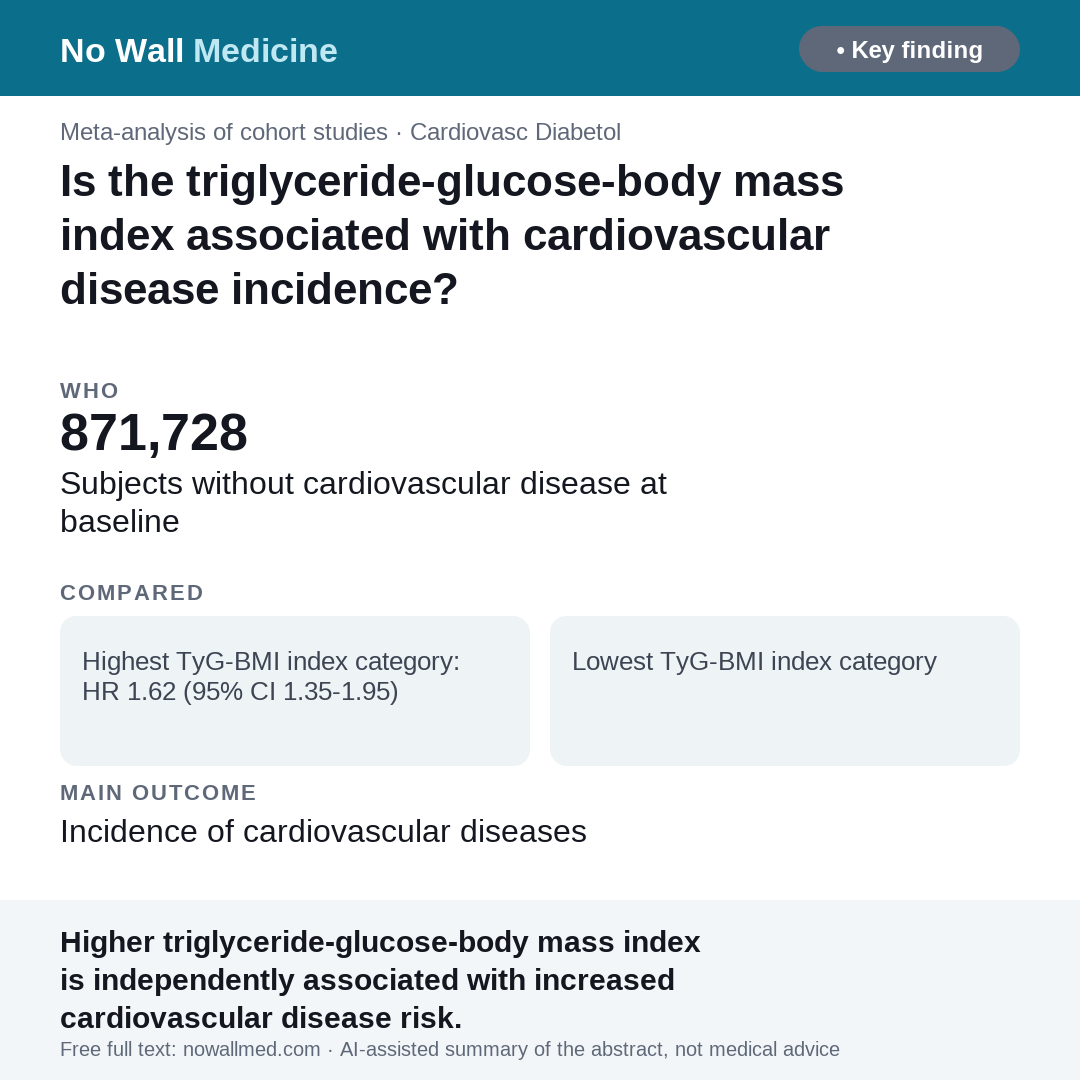
Triglyceride-glucose-body mass index and the incidence of cardiovascular diseases: a meta-analysis of cohort studies
Meta-analysis of cohort studiesHarm found
Is the triglyceride-glucose-body mass index associated with cardiovascular disease incidence?
Who
871,728
Subjects without cardiovascular disease at baseline
Compared
Highest TyG-BMI index category: HR 1.62 (95% CI 1.35-1.95)
Lowest TyG-BMI index category
Main outcome
Incidence of cardiovascular diseases
Result: hazard ratio 1.62 (95% CI 1.35-1.95)
Bottom line: Higher triglyceride-glucose-body mass index is independently associated with increased cardiovascular disease risk.
Cardiovasc Diabetol · 2025-01-22Download image
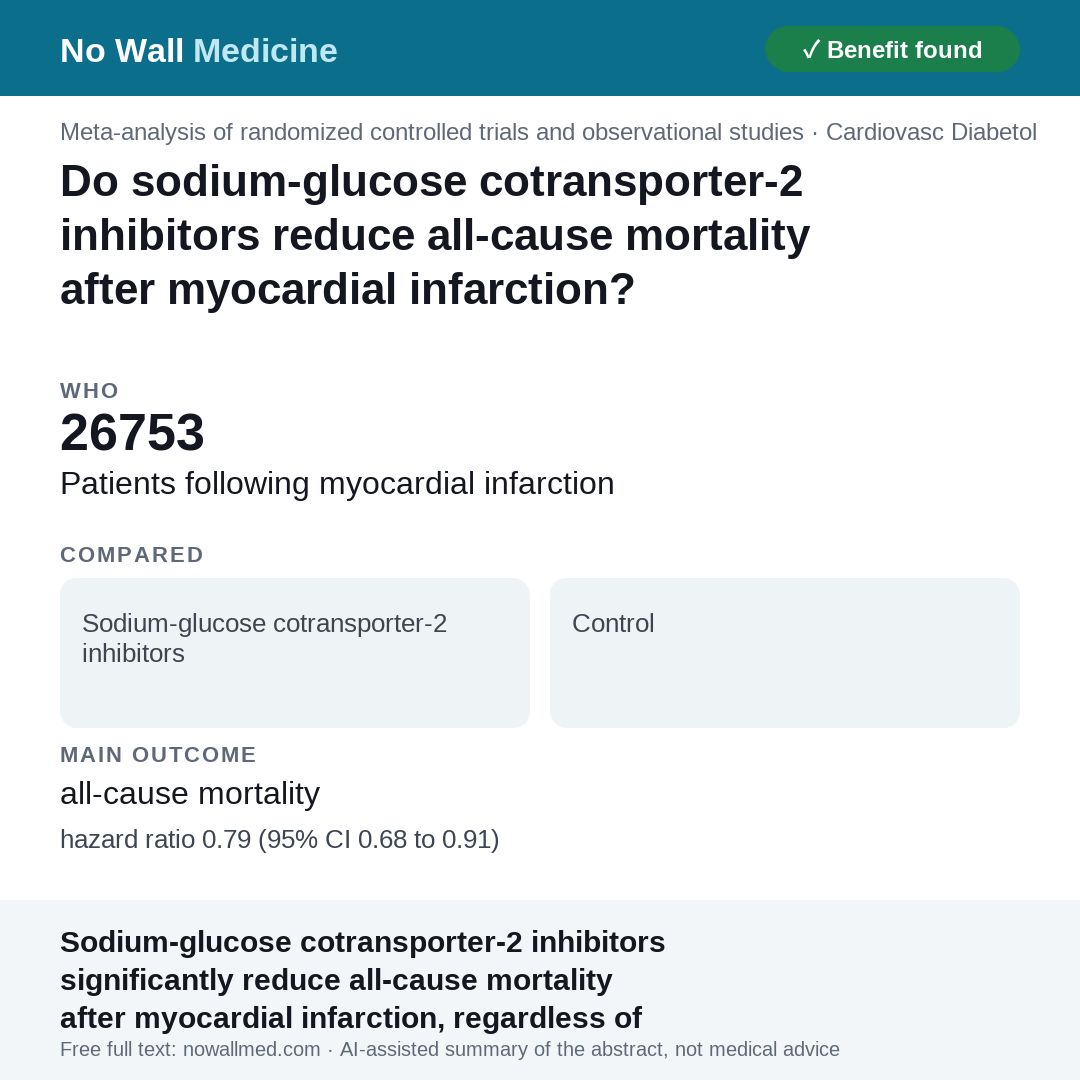
Association of sodium-glucose cotransporter-2 inhibitors with mortality across the spectrum of myocardial infarction: a systematic review and meta-analysis
Meta-analysis of randomized controlled trials and observational studiesBenefit found
Do sodium-glucose cotransporter-2 inhibitors reduce all-cause mortality after myocardial infarction?
Who
26753
Patients following myocardial infarction
Compared
Sodium-glucose cotransporter-2 inhibitors
Control
Main outcome
all-cause mortality
Result: hazard ratio 0.79 (95% CI 0.68 to 0.91)
Bottom line: Sodium-glucose cotransporter-2 inhibitors significantly reduce all-cause mortality after myocardial infarction, regardless of early or delayed treatment.
Cardiovasc Diabetol · 2025-01-22Download image
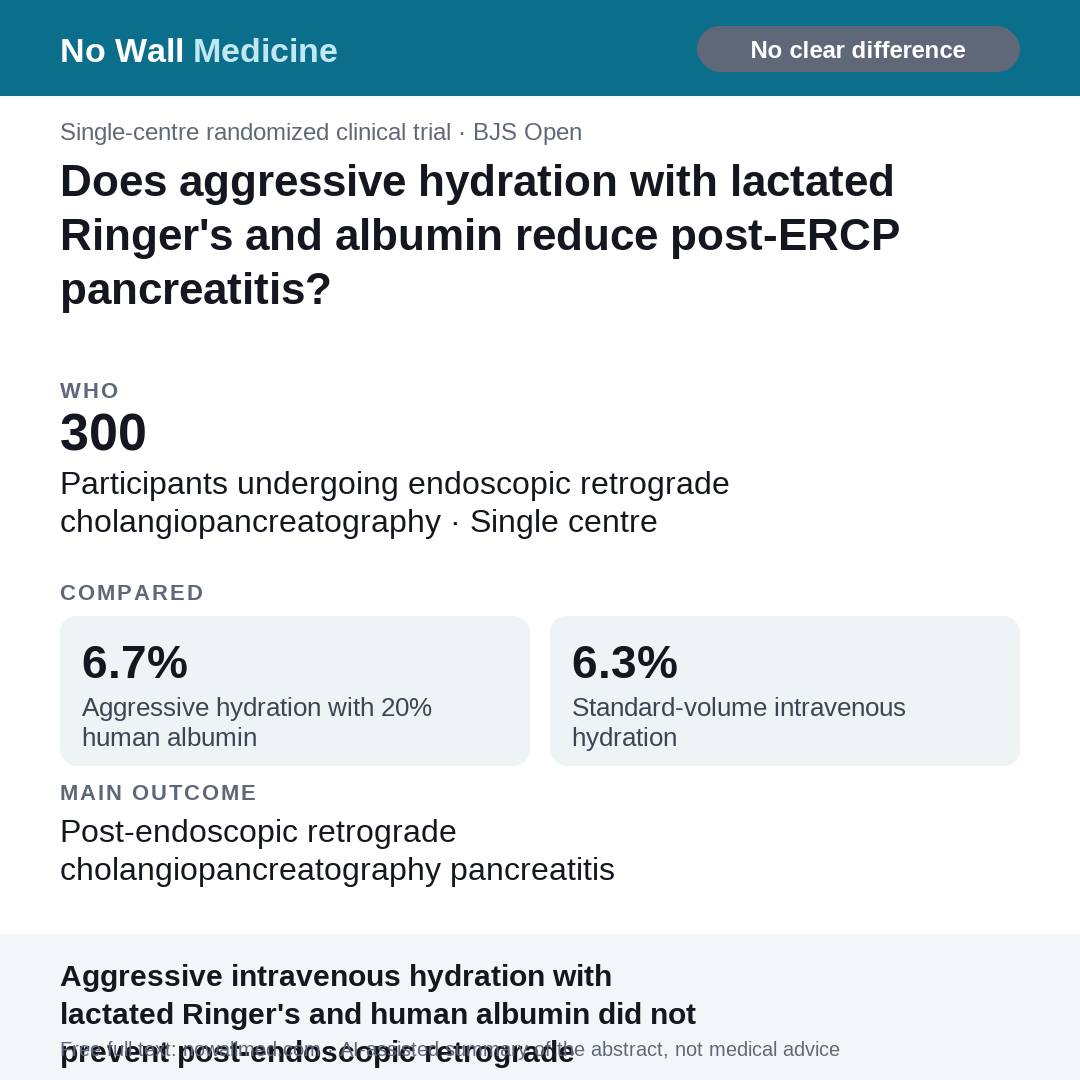
High-volume lactated Ringer's solution with human albumin versus standard-volume infusion as a prophylactic treatment for post-endoscopic retrograde cholangiopancreatography pancreatitis: randomized clinical trial
Single-centre randomized clinical trialNo clear difference
Does aggressive hydration with lactated Ringer's and albumin reduce post-ERCP pancreatitis?
Who
300
Participants undergoing endoscopic retrograde cholangiopancreatography · Single centre
Compared
6.7%Aggressive hydration with 20% human albumin
6.3%Standard-volume intravenous hydration
Main outcome
Post-endoscopic retrograde cholangiopancreatography pancreatitis
Bottom line: Aggressive intravenous hydration with lactated Ringer's and human albumin did not prevent post-endoscopic retrograde cholangiopancreatography pancreatitis.
BJS Open · 2025-01-22Download image
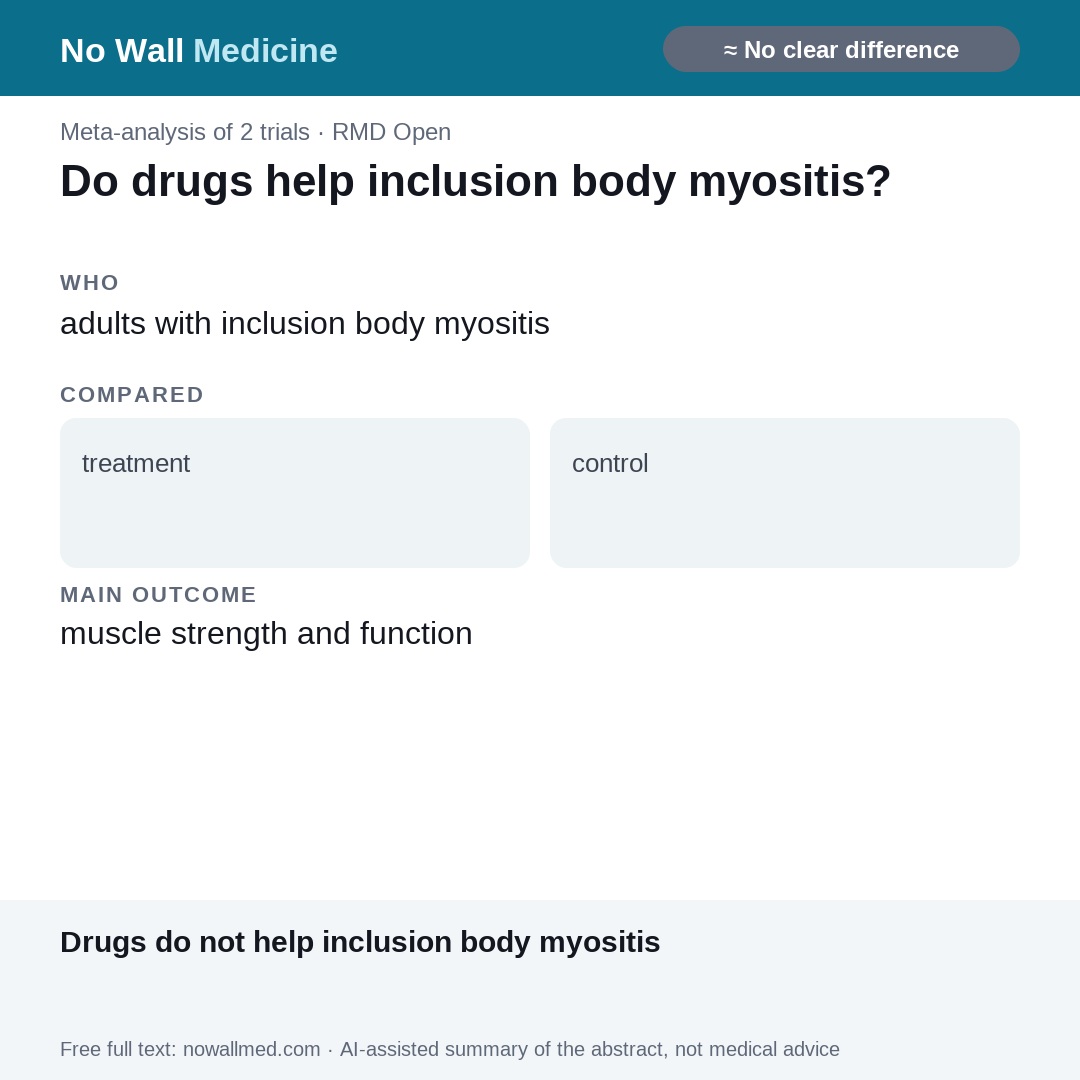
Efficacy and safety of pharmacological treatments in inclusion body myositis: a systematic review
Meta-analysis of 2 trialsNo clear difference
Do drugs help inclusion body myositis?
Who
adults with inclusion body myositis
Compared
treatment
control
Main outcome
muscle strength and function
Bottom line: Drugs do not help inclusion body myositis
Limitation: inconsistency of outcome measures
RMD Open · 2025-01-22Download image
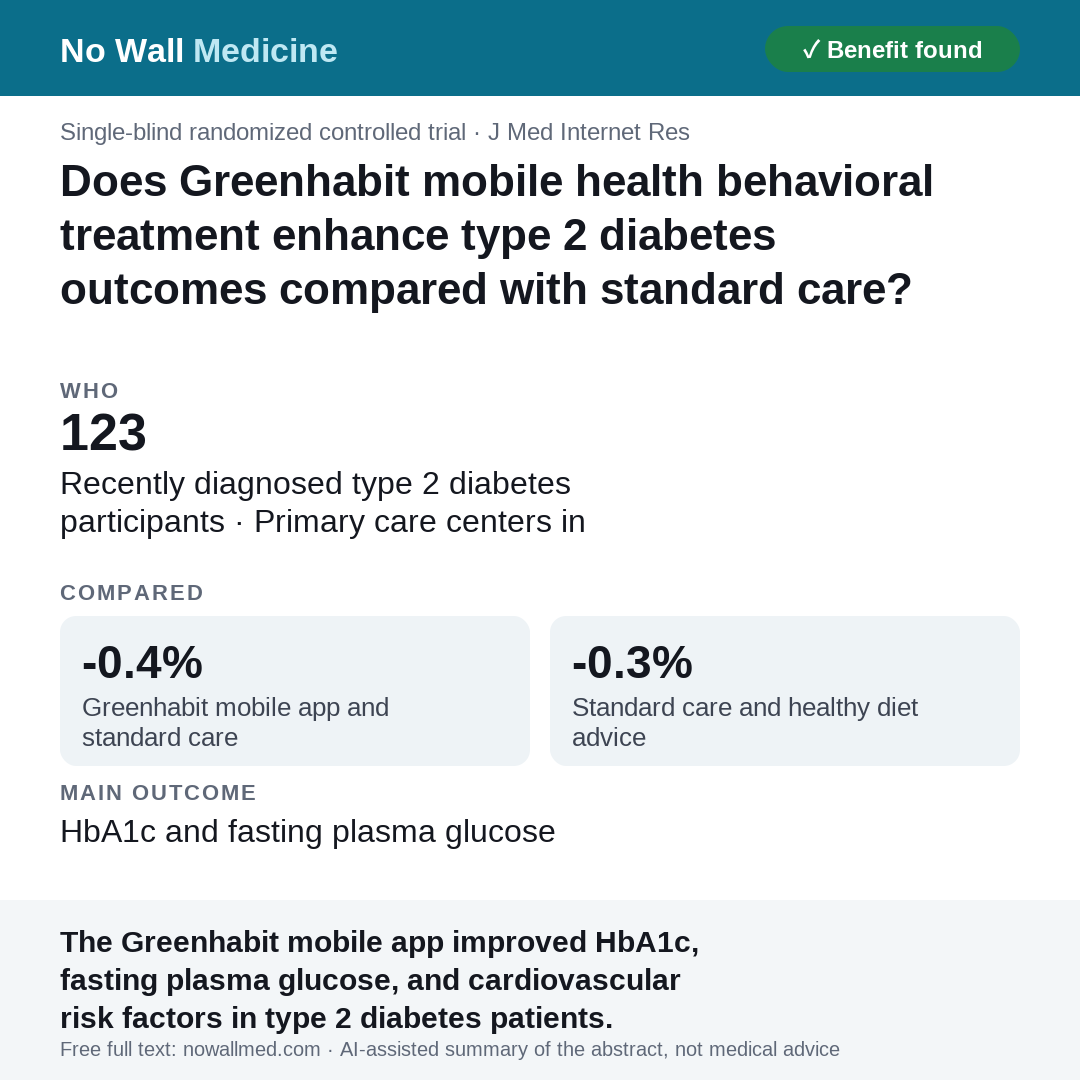
Efficacy of a Mobile Health-Based Behavioral Treatment for Lifestyle Modification in Type 2 Diabetes Self-Management: Greenhabit Randomized Controlled Trial
Single-blind randomized controlled trialBenefit found
Does Greenhabit mobile health behavioral treatment enhance type 2 diabetes outcomes compared with standard care?
Who
123
Recently diagnosed type 2 diabetes participants · Primary care centers in Barcelona, Spain
Compared
-0.4%Greenhabit mobile app and standard care
-0.3%Standard care and healthy diet advice
Main outcome
HbA1c and fasting plasma glucose
Bottom line: The Greenhabit mobile app improved HbA1c, fasting plasma glucose, and cardiovascular risk factors in type 2 diabetes patients.
J Med Internet Res · 2025-01-22Download image
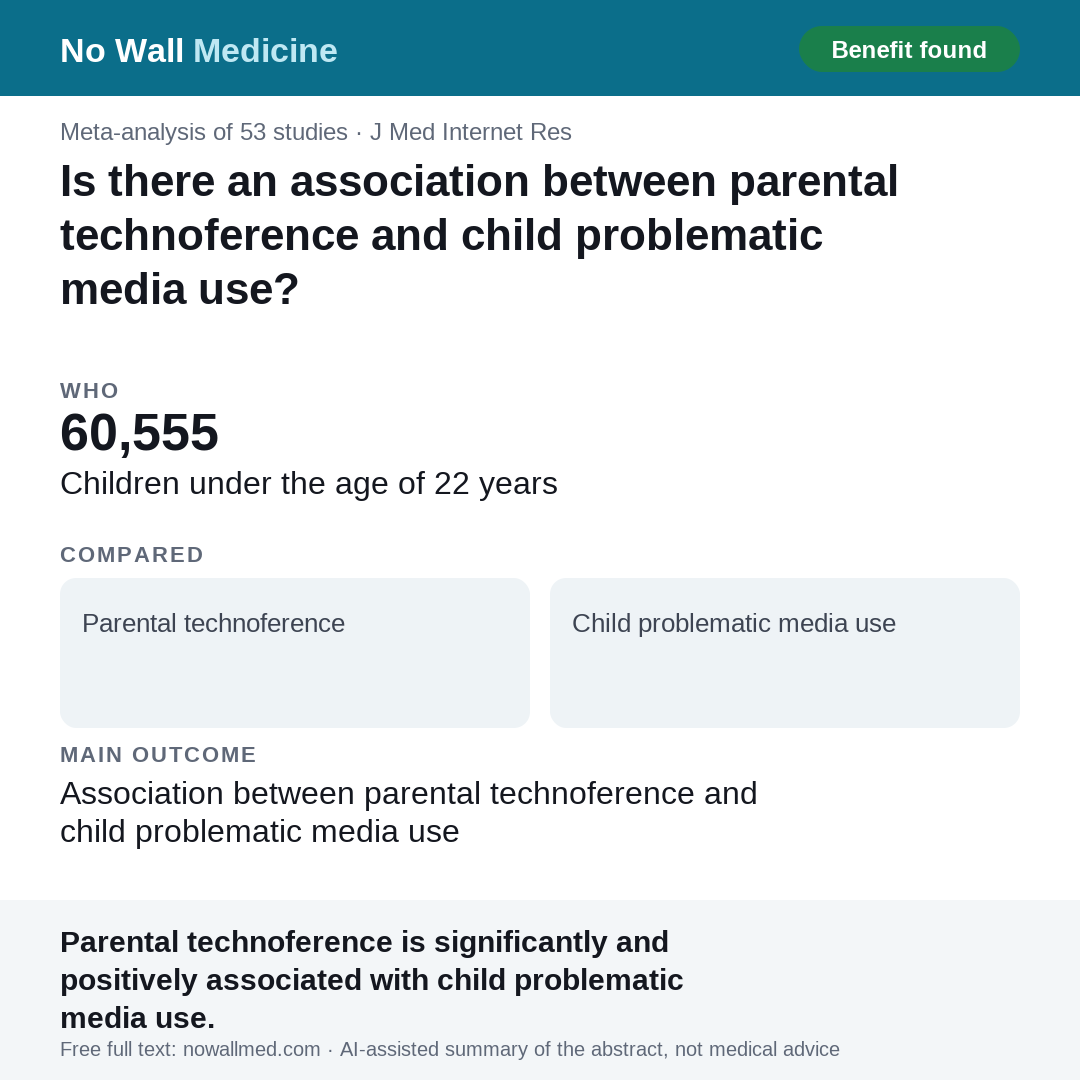
Parental Technoference and Child Problematic Media Use: Meta-Analysis
Meta-analysis of 53 studiesBenefit found
Is there an association between parental technoference and child problematic media use?
Who
60,555
Children under the age of 22 years
Compared
Parental technoference
Child problematic media use
Main outcome
Association between parental technoference and child problematic media use
Result: r=0.296, 95% CI 0.259-0.331
Bottom line: Parental technoference is significantly and positively associated with child problematic media use.
Limitation: The study highlights the need for longitudinal research to understand temporal dynamics.
J Med Internet Res · 2025-01-22Download image
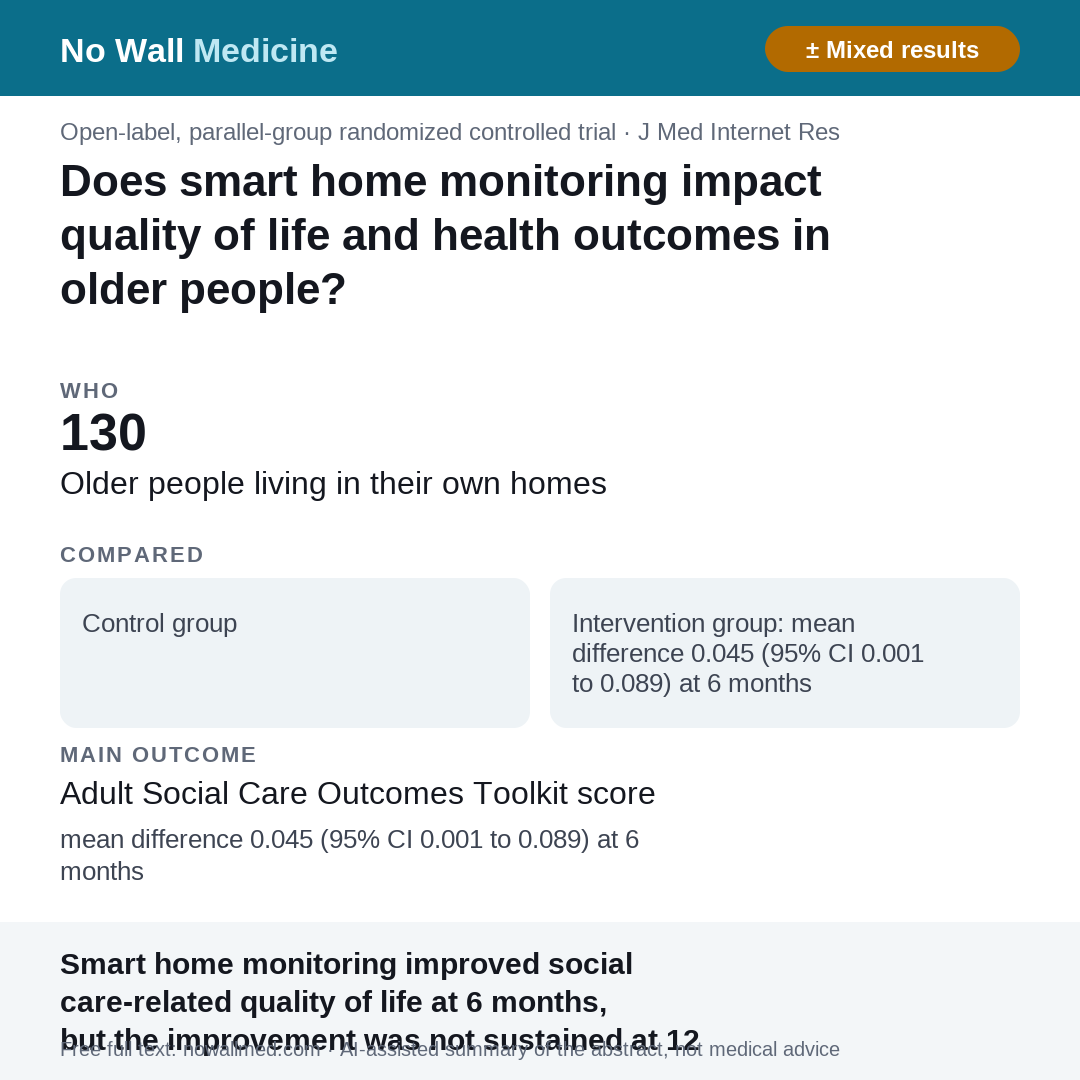
Impact of the Smarter Safer Homes Solution on Quality of Life and Health Outcomes in Older People Living in Their Own Homes: Randomized Controlled Trial
Open-label, parallel-group randomized controlled trialMixed results
Does smart home monitoring impact quality of life and health outcomes in older people?
Who
130
Older people living in their own homes
Compared
Control group
Intervention group: mean difference 0.045 (95% CI 0.001 to 0.089) at 6 months
Main outcome
Adult Social Care Outcomes Toolkit score
Result: mean difference 0.045 (95% CI 0.001 to 0.089) at 6 months
Bottom line: Smart home monitoring improved social care-related quality of life at 6 months, but the improvement was not sustained at 12 months.
Limitation: The influence of the COVID-19 pandemic during the later stage of the trial.
J Med Internet Res · 2025-01-22Download image
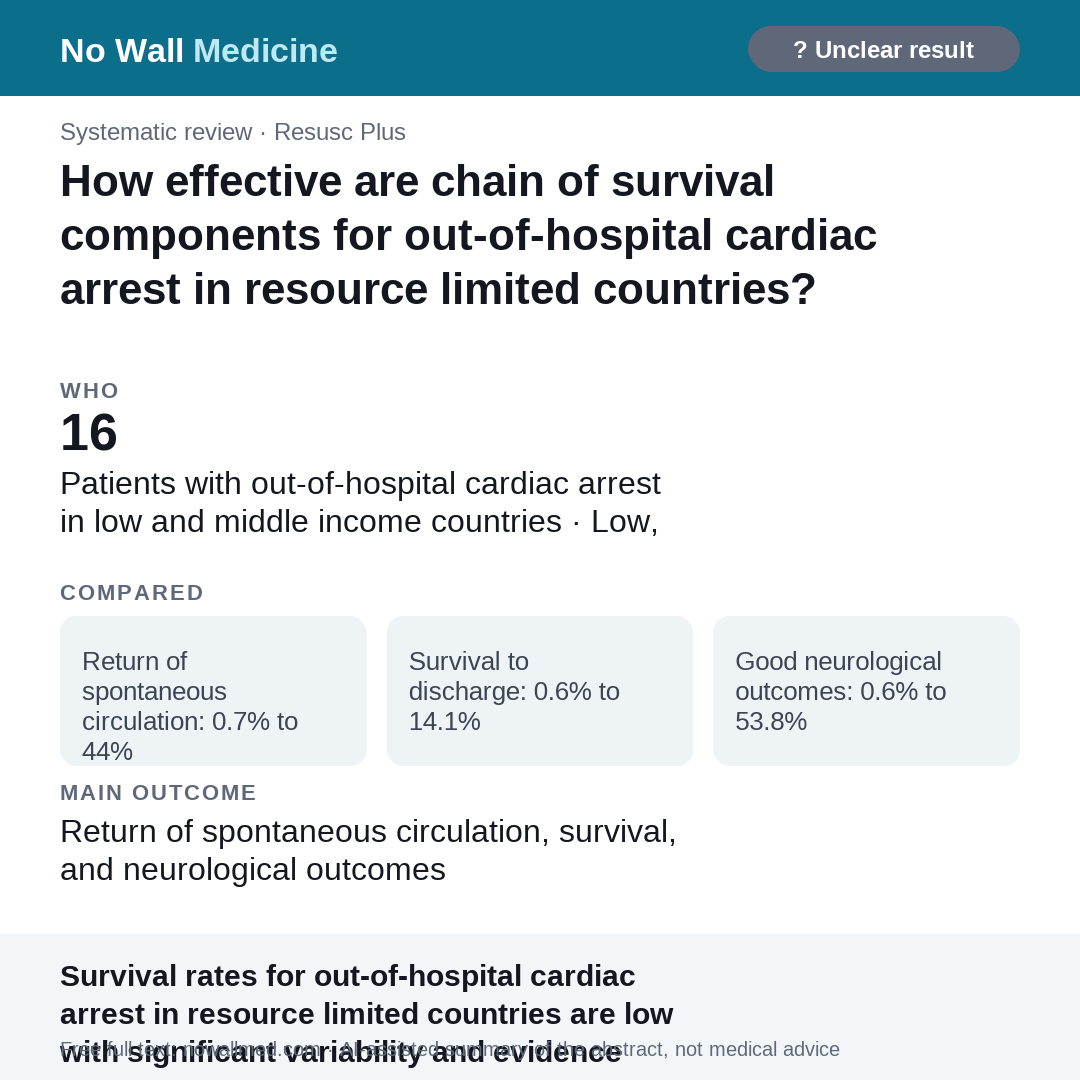
Effectiveness of chain of survival for out-of-hospital-cardiac-arrest (OHCA) in resource limited countries: A systematic review
Systematic reviewUnclear result
How effective are chain of survival components for out-of-hospital cardiac arrest in resource limited countries?
Who
16
Patients with out-of-hospital cardiac arrest in low and middle income countries · Low, lower-middle, and upper-middle-income countries
Compared
Return of spontaneous circulation: 0.7% to 44%
Survival to discharge: 0.6% to 14.1%
Good neurological outcomes: 0.6% to 53.8%
Main outcome
Return of spontaneous circulation, survival, and neurological outcomes
Bottom line: Survival rates for out-of-hospital cardiac arrest in resource limited countries are low with significant variability and evidence gaps.
Limitation: Moderate to high risk of bias due to selection bias and inconsistent reporting.
Resusc Plus · 2025-01-22Download image
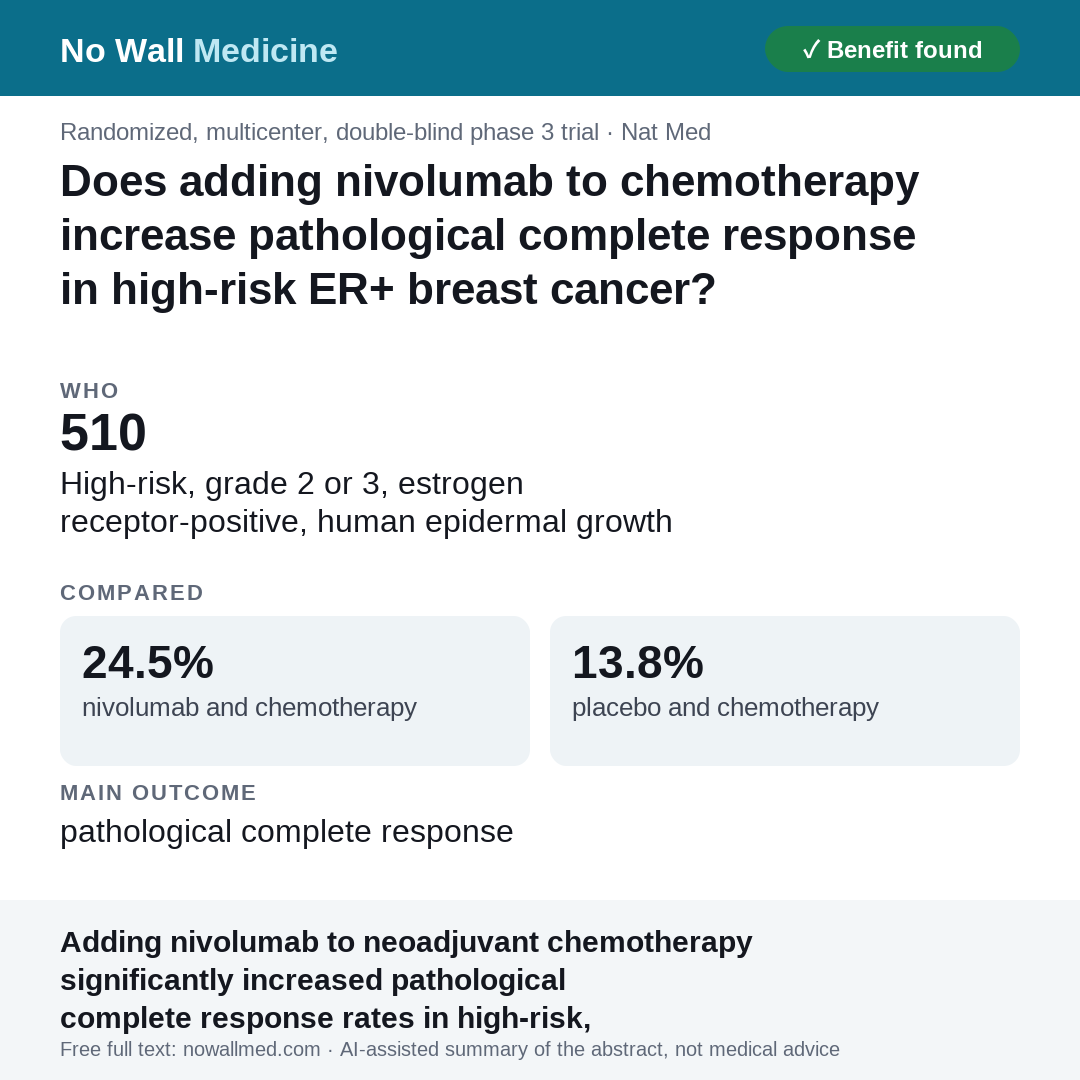
Neoadjuvant nivolumab and chemotherapy in early estrogen receptor-positive breast cancer: a randomized phase 3 trial
Randomized, multicenter, double-blind phase 3 trialBenefit found
Does adding nivolumab to chemotherapy increase pathological complete response in high-risk ER+ breast cancer?
Who
510
High-risk, grade 2 or 3, estrogen receptor-positive, human epidermal growth factor receptor 2-negative primary breast cancer · multicenter
Compared
24.5%nivolumab and chemotherapy
13.8%placebo and chemotherapy
Main outcome
pathological complete response
Bottom line: Adding nivolumab to neoadjuvant chemotherapy significantly increased pathological complete response rates in high-risk, early-stage estrogen receptor-positive breast cancer.
Nat Med · 2025-01-21Download image