Visual abstracts
New randomized trials and meta-analyses from leading journals at a glance: who was studied, what was compared, and what was found. Every paper is free to read in full.
All specialtiesCardiology 840Oncology 760Gastroenterology & Hepatology 306Infectious Disease 626Neurology 350Psychiatry & Mental Health 430Pulmonology 365Critical Care 243Endocrinology & Diabetes 480Pediatrics 534Surgery 319Orthopedics & Sports Medicine 161Neurosurgery 89Cardiothoracic & Vascular Surgery 87Plastic & Reconstructive Surgery 118Nephrology 197Rheumatology 108Hematology 181Dermatology 78Ophthalmology 97Obstetrics & Gynecology 261Public & Global Health 167Radiology & Imaging 96Anesthesiology 107Urology 162ENT (Otolaryngology) 86Emergency Medicine 68Allergy & Immunology 58Geriatrics 160Family Medicine & Primary Care 111Medical Genetics & Genomics 91Pathology & Laboratory Medicine 24Physical Medicine & Rehabilitation 148Palliative Care 81Nutrition 223Digital Health & AI 460General Medicine 101
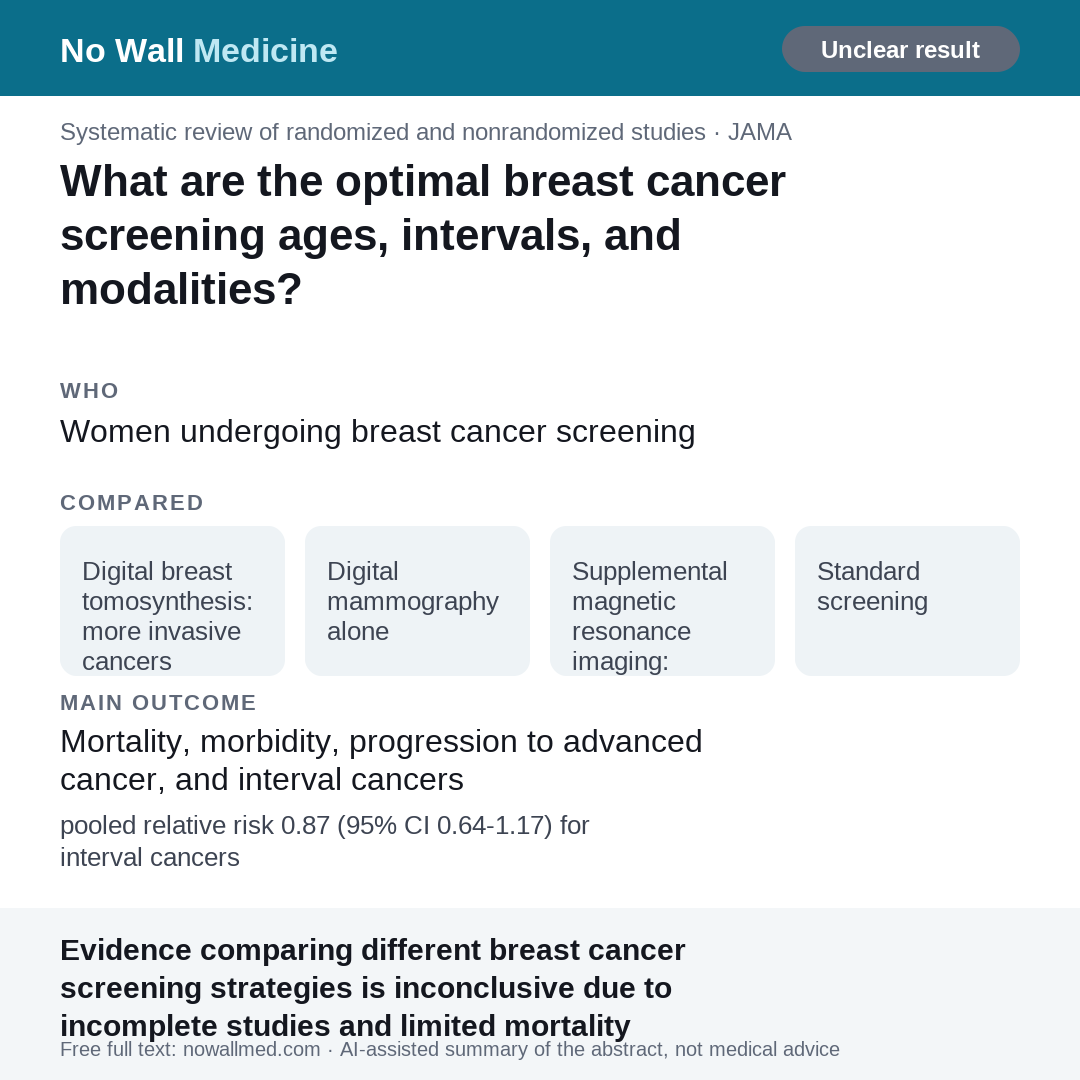
Screening for Breast Cancer: Evidence Report and Systematic Review for the US Preventive Services Task Force
Systematic review of randomized and nonrandomized studiesUnclear result
What are the optimal breast cancer screening ages, intervals, and modalities?
Who
Women undergoing breast cancer screening
Compared
Digital breast tomosynthesis: more invasive cancers detected at first round
Digital mammography alone
Supplemental magnetic resonance imaging: relative risk 0.47 (95% CI 0.29-0.77) for interval cancer
Standard screening
Main outcome
Mortality, morbidity, progression to advanced cancer, and interval cancers
Result: pooled relative risk 0.87 (95% CI 0.64-1.17) for interval cancers
Bottom line: Evidence comparing different breast cancer screening strategies is inconclusive due to incomplete studies and limited mortality outcome data.
Limitation: Key studies are not yet completed and few report stage shift or mortality outcomes.
JAMA · 2024-04-30Download image
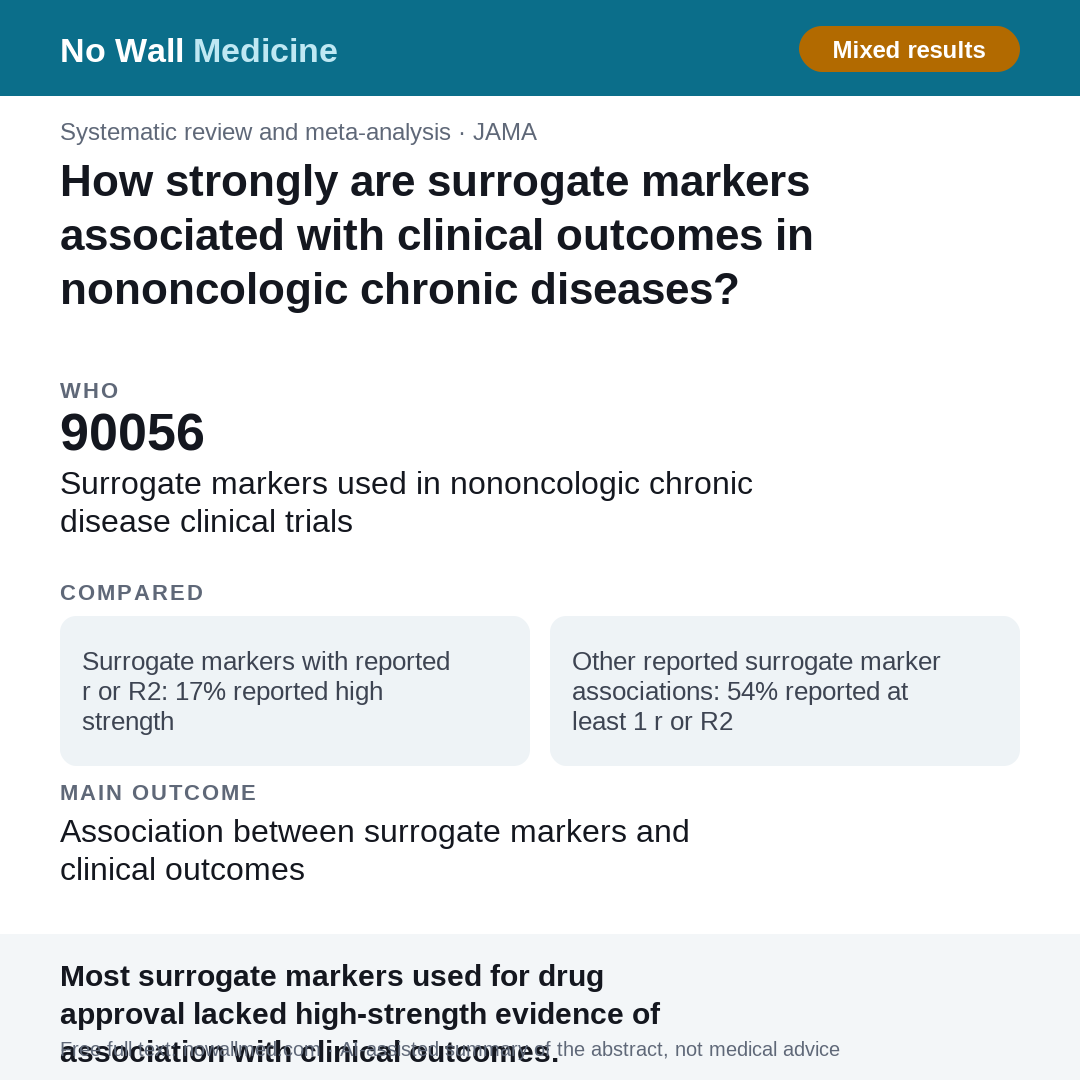
Associations Between Surrogate Markers and Clinical Outcomes for Nononcologic Chronic Disease Treatments
Systematic review and meta-analysisMixed results
How strongly are surrogate markers associated with clinical outcomes in nononcologic chronic diseases?
Who
90056
Surrogate markers used in nononcologic chronic disease clinical trials
Compared
Surrogate markers with reported r or R2: 17% reported high strength
Other reported surrogate marker associations: 54% reported at least 1 r or R2
Main outcome
Association between surrogate markers and clinical outcomes
Bottom line: Most surrogate markers used for drug approval lacked high-strength evidence of association with clinical outcomes.
JAMA · 2024-04-22Download image
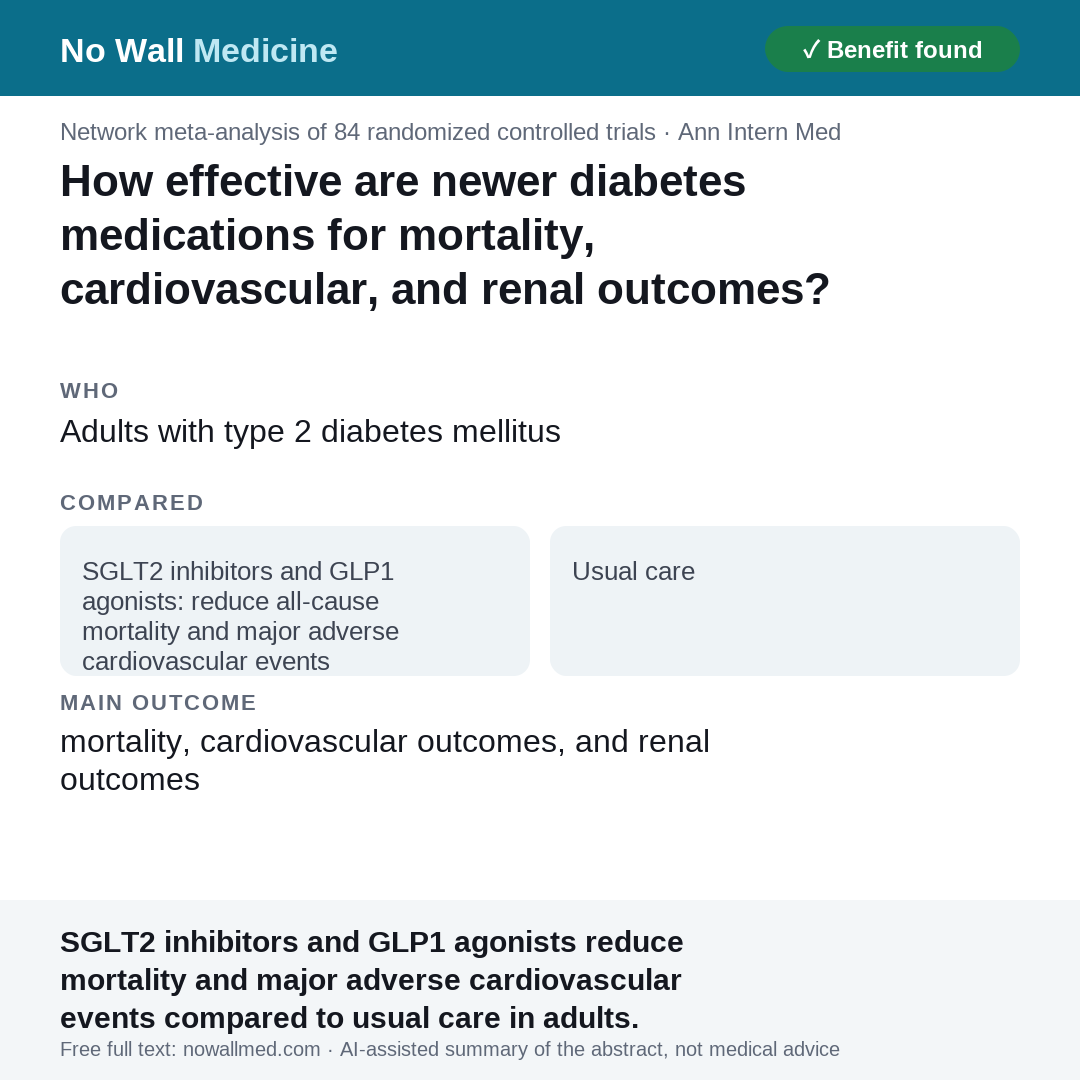
Newer Pharmacologic Treatments in Adults With Type 2 Diabetes: A Systematic Review and Network Meta-analysis for the American College of Physicians
Network meta-analysis of 84 randomized controlled trialsBenefit found
How effective are newer diabetes medications for mortality, cardiovascular, and renal outcomes?
Who
Adults with type 2 diabetes mellitus
Compared
SGLT2 inhibitors and GLP1 agonists: reduce all-cause mortality and major adverse cardiovascular events
Usual care
Main outcome
mortality, cardiovascular outcomes, and renal outcomes
Bottom line: SGLT2 inhibitors and GLP1 agonists reduce mortality and major adverse cardiovascular events compared to usual care in adults.
Limitation: Infrequent direct comparisons, sparse data, and insufficient data on predefined subgroups.
Funded by: American College of Physicians
Ann Intern Med · 2024-04-19Download image
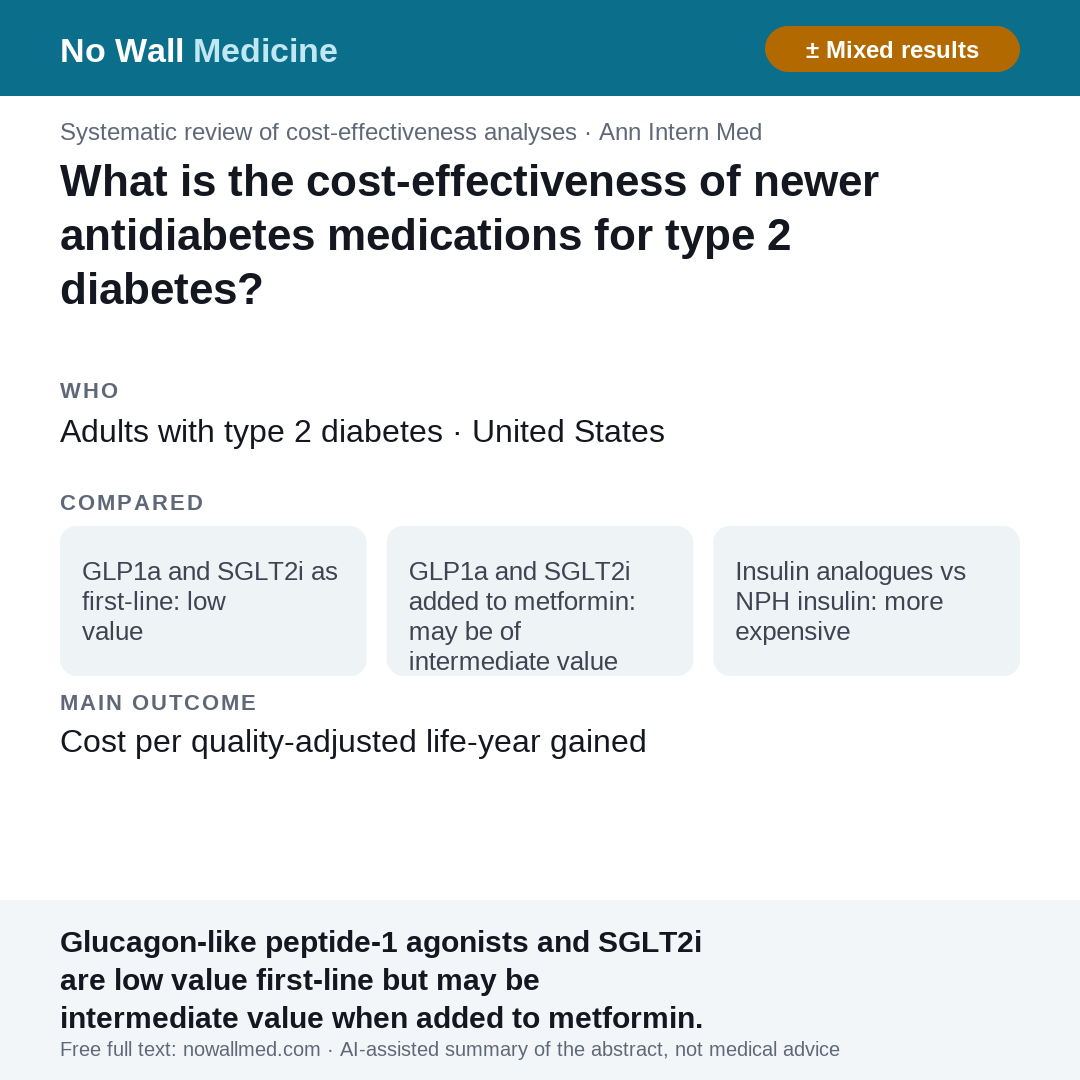
Cost-Effectiveness of Newer Pharmacologic Treatments in Adults With Type 2 Diabetes: A Systematic Review of Cost-Effectiveness Studies for the American College of Physicians
Systematic review of cost-effectiveness analysesMixed results
What is the cost-effectiveness of newer antidiabetes medications for type 2 diabetes?
Who
Adults with type 2 diabetes · United States
Compared
GLP1a and SGLT2i as first-line: low value
GLP1a and SGLT2i added to metformin: may be of intermediate value
Insulin analogues vs NPH insulin: more expensive
Main outcome
Cost per quality-adjusted life-year gained
Bottom line: Glucagon-like peptide-1 agonists and SGLT2i are low value first-line but may be intermediate value when added to metformin.
Limitation: Cost-effectiveness analyses varied in methodological approach, assumptions, and drug comparisons.
Funded by: American College of Physicians
Ann Intern Med · 2024-04-19Download image
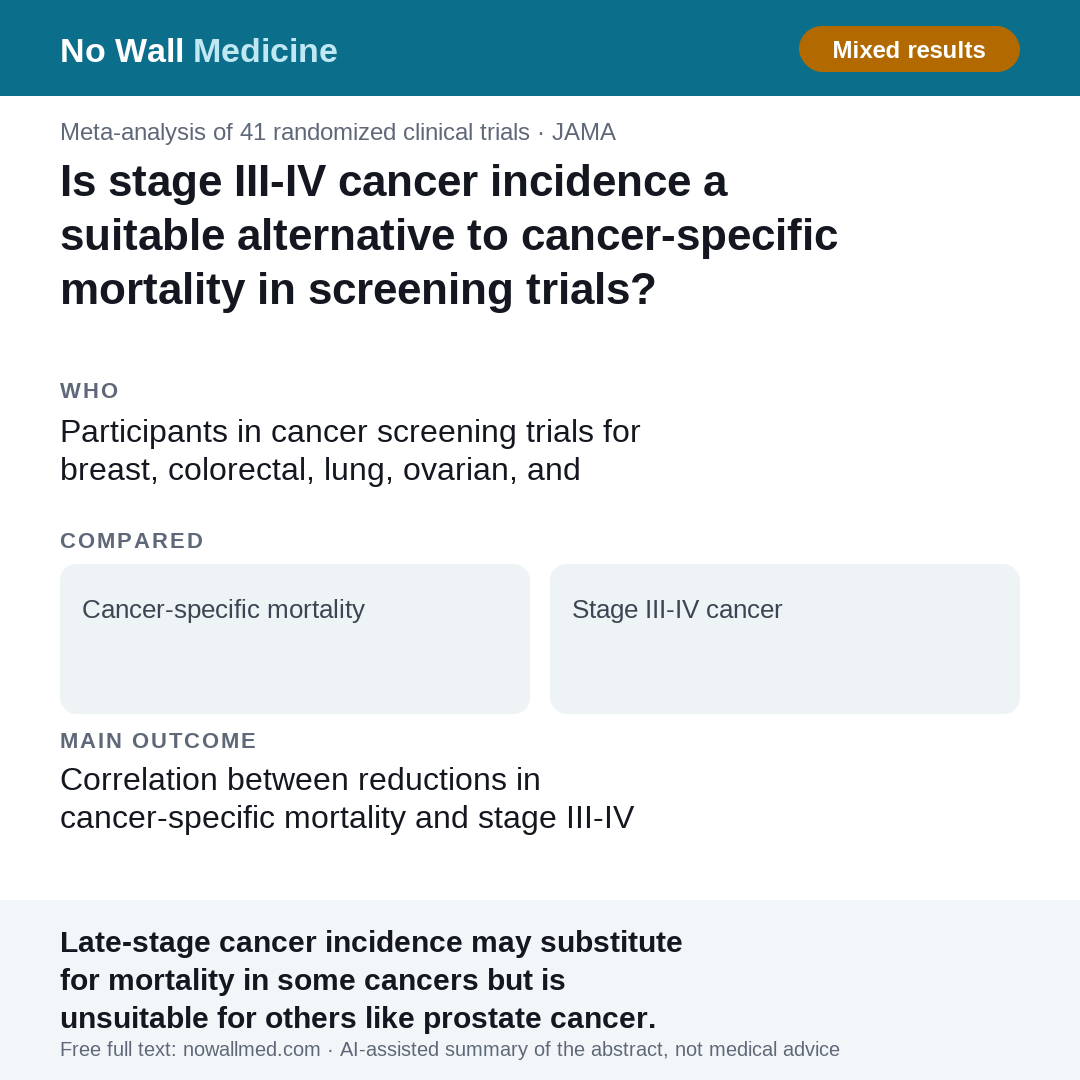
Cancer Stage Compared With Mortality as End Points in Randomized Clinical Trials of Cancer Screening: A Systematic Review and Meta-Analysis
Meta-analysis of 41 randomized clinical trialsMixed results
Is stage III-IV cancer incidence a suitable alternative to cancer-specific mortality in screening trials?
Who
Participants in cancer screening trials for breast, colorectal, lung, ovarian, and prostate cancers · Europe, North America, and Asia
Compared
Cancer-specific mortality
Stage III-IV cancer
Main outcome
Correlation between reductions in cancer-specific mortality and stage III-IV cancer
Bottom line: Late-stage cancer incidence may substitute for mortality in some cancers but is unsuitable for others like prostate cancer.
JAMA · 2024-04-08Download image
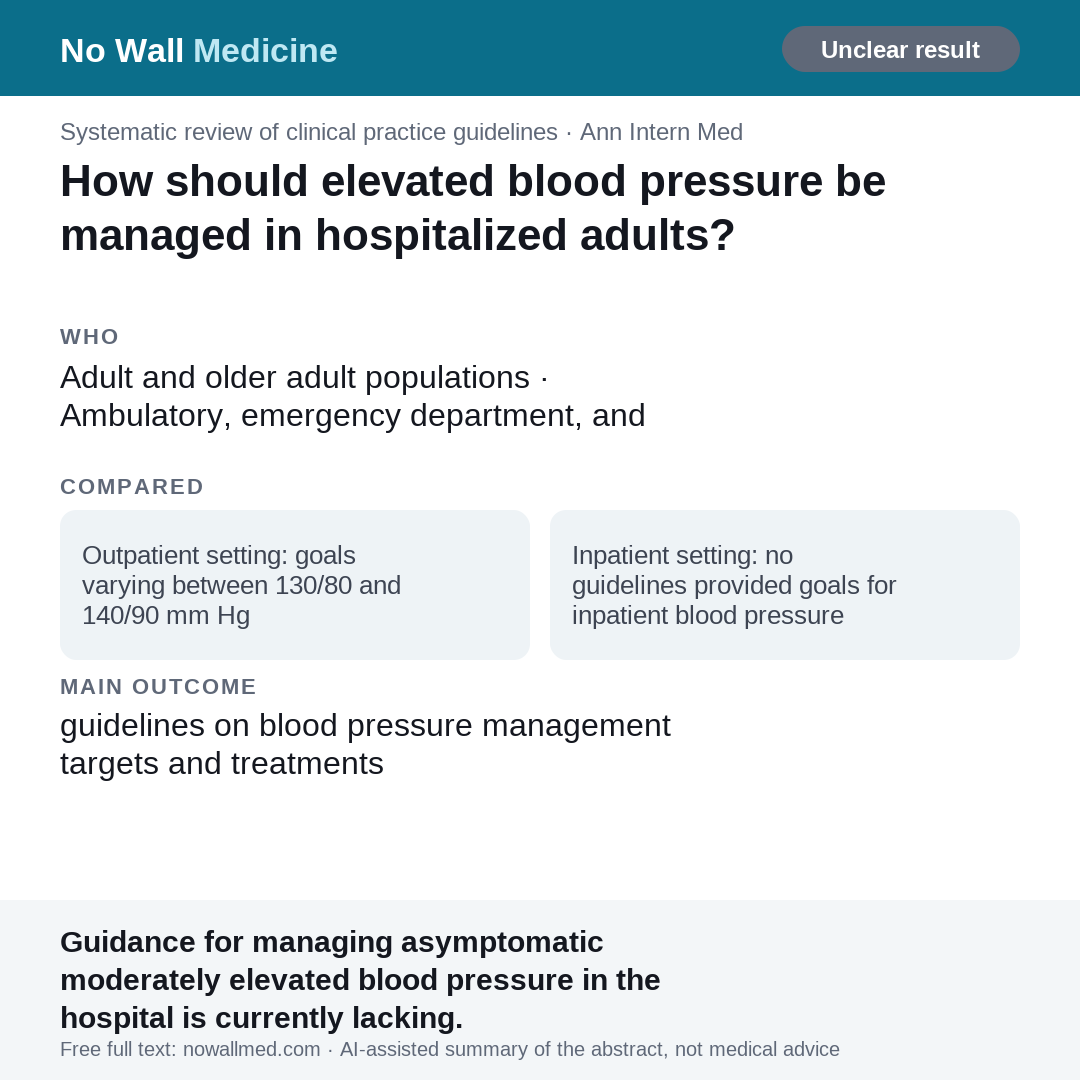
Management of Inpatient Elevated Blood Pressures : A Systematic Review of Clinical Practice Guidelines
Systematic review of clinical practice guidelinesUnclear result
How should elevated blood pressure be managed in hospitalized adults?
Who
Adult and older adult populations · Ambulatory, emergency department, and inpatient settings
Compared
Outpatient setting: goals varying between 130/80 and 140/90 mm Hg
Inpatient setting: no guidelines provided goals for inpatient blood pressure
Main outcome
guidelines on blood pressure management targets and treatments
Bottom line: Guidance for managing asymptomatic moderately elevated blood pressure in the hospital is currently lacking.
Limitation: Exclusion of non-English-language guidelines and guidelines specific to subpopulations.
Funded by: National Institute on Aging
Ann Intern Med · 2024-04-02Download image
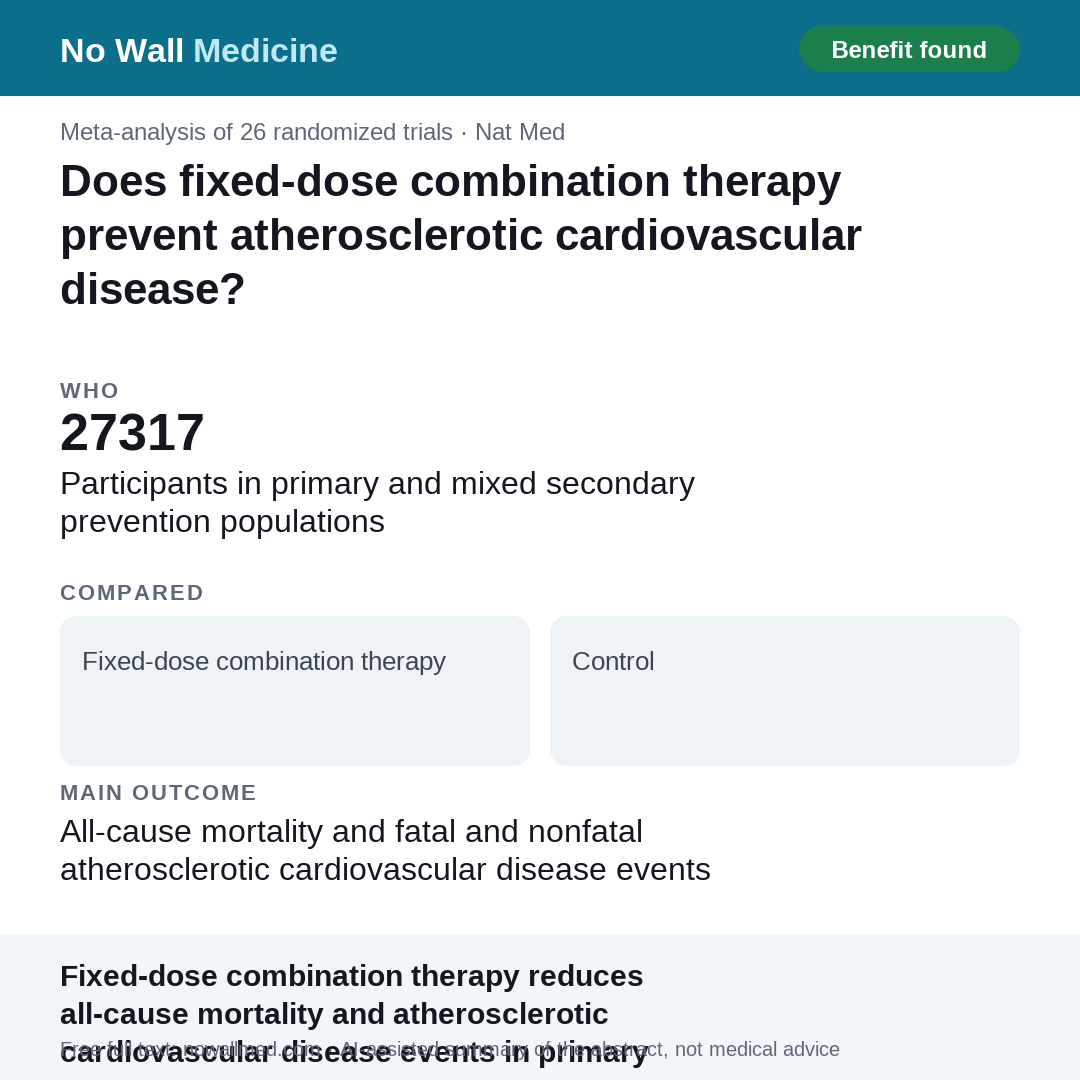
Fixed-dose combination therapy for the prevention of atherosclerotic cardiovascular disease
Meta-analysis of 26 randomized trialsBenefit found
Does fixed-dose combination therapy prevent atherosclerotic cardiovascular disease?
Who
27317
Participants in primary and mixed secondary prevention populations
Compared
Fixed-dose combination therapy
Control
Main outcome
All-cause mortality and fatal and nonfatal atherosclerotic cardiovascular disease events
Result: relative risk 0.89 (95% confidence interval 0.78 to 1.00) for mortality; relative risk 0.71 (95% confidence interval 0.63 to 0.79) for events
Bottom line: Fixed-dose combination therapy reduces all-cause mortality and atherosclerotic cardiovascular disease events in primary prevention populations.
Nat Med · 2024-03-26Download image
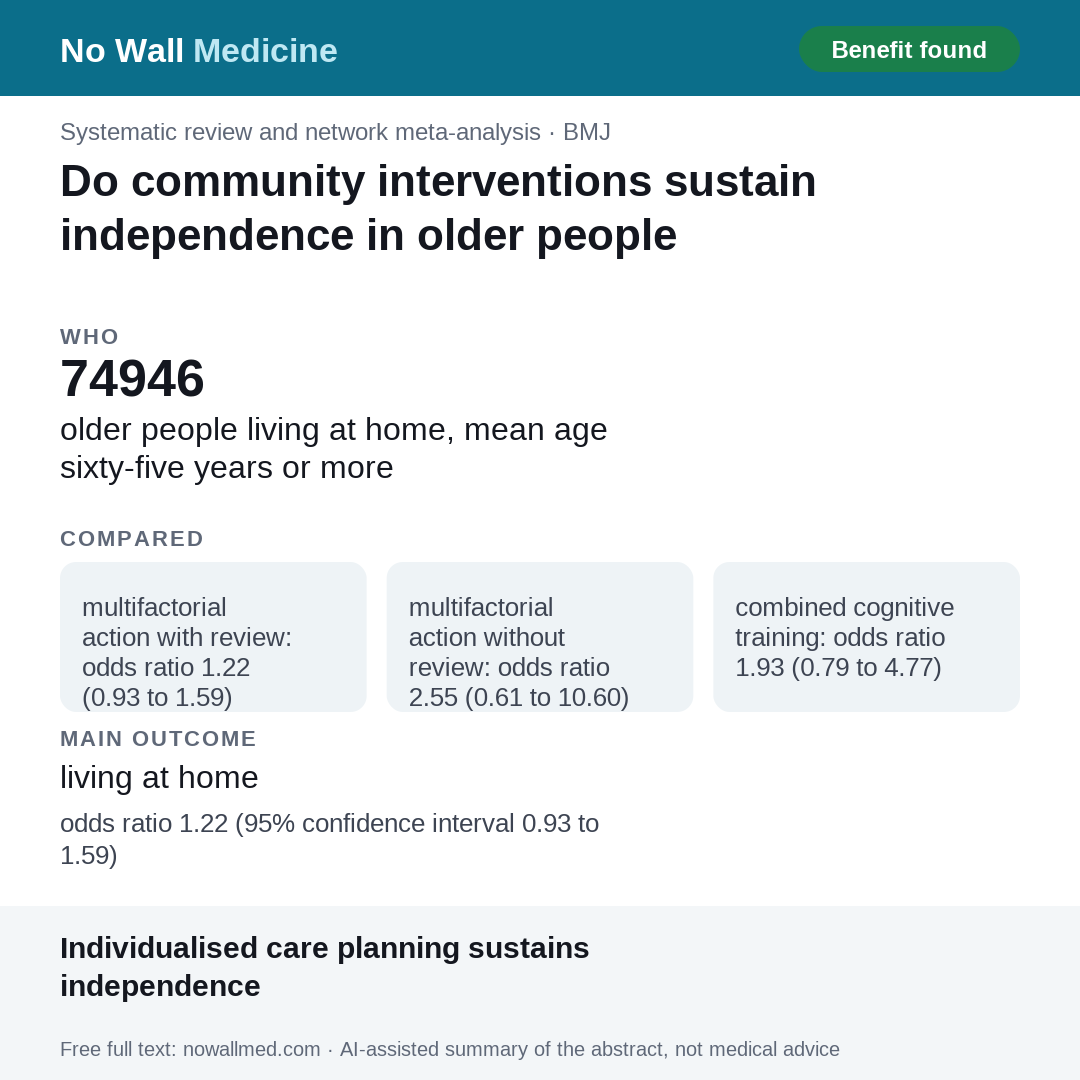
Community based complex interventions to sustain independence in older people: systematic review and network meta-analysis
Systematic review and network meta-analysisBenefit found
Do community interventions sustain independence in older people
Who
74946
older people living at home, mean age sixty-five years or more
Compared
multifactorial action with review: odds ratio 1.22 (0.93 to 1.59)
multifactorial action without review: odds ratio 2.55 (0.61 to 10.60)
combined cognitive training: odds ratio 1.93 (0.79 to 4.77)
Main outcome
living at home
Result: odds ratio 1.22 (95% confidence interval 0.93 to 1.59)
Bottom line: Individualised care planning sustains independence
Limitation: high risk of bias and imprecise estimates
BMJ · 2024-03-21Download image
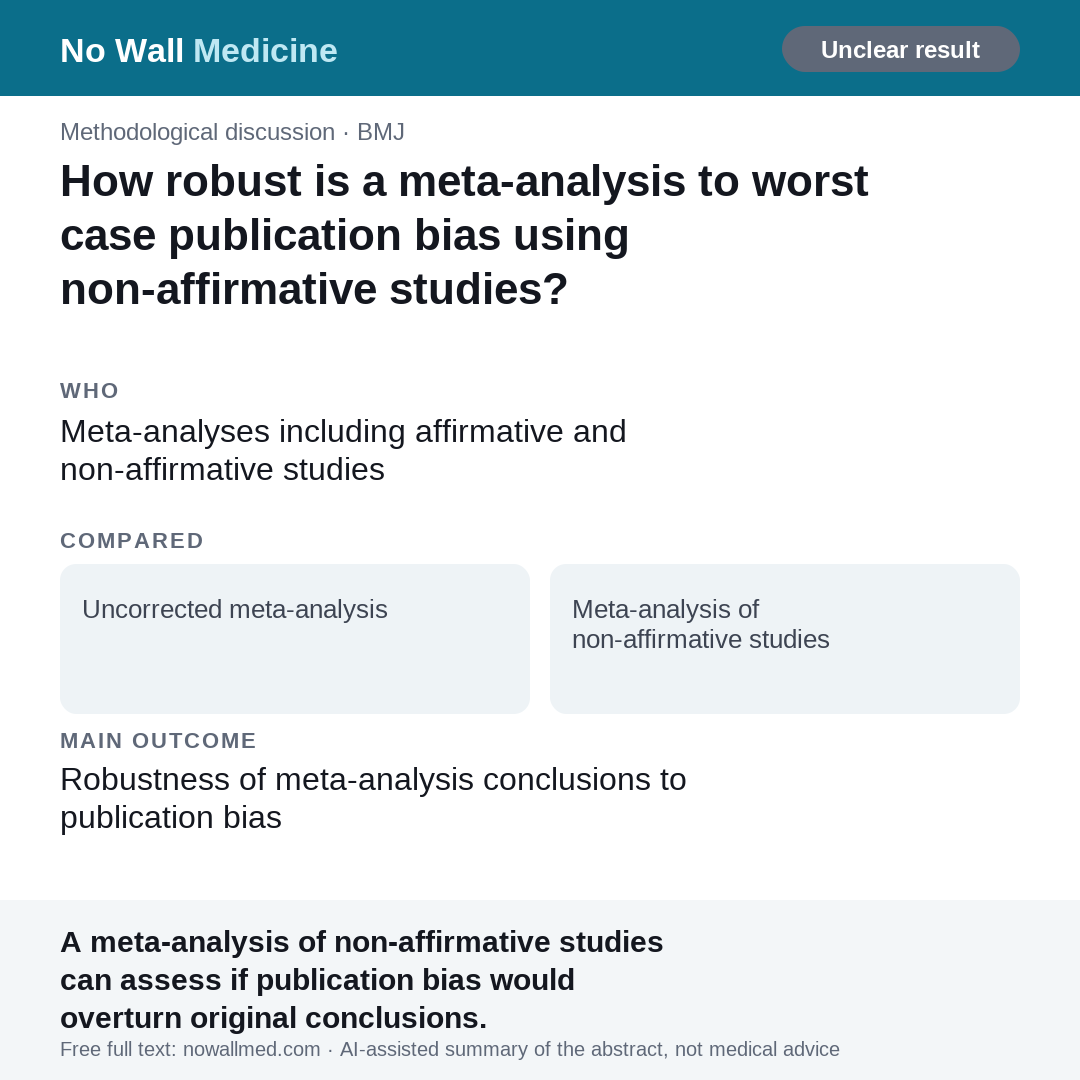
Assessing robustness to worst case publication bias using a simple subset meta-analysis
Methodological discussionUnclear result
How robust is a meta-analysis to worst case publication bias using non-affirmative studies?
Who
Meta-analyses including affirmative and non-affirmative studies
Compared
Uncorrected meta-analysis
Meta-analysis of non-affirmative studies
Main outcome
Robustness of meta-analysis conclusions to publication bias
Bottom line: A meta-analysis of non-affirmative studies can assess if publication bias would overturn original conclusions.
BMJ · 2024-03-15Download image
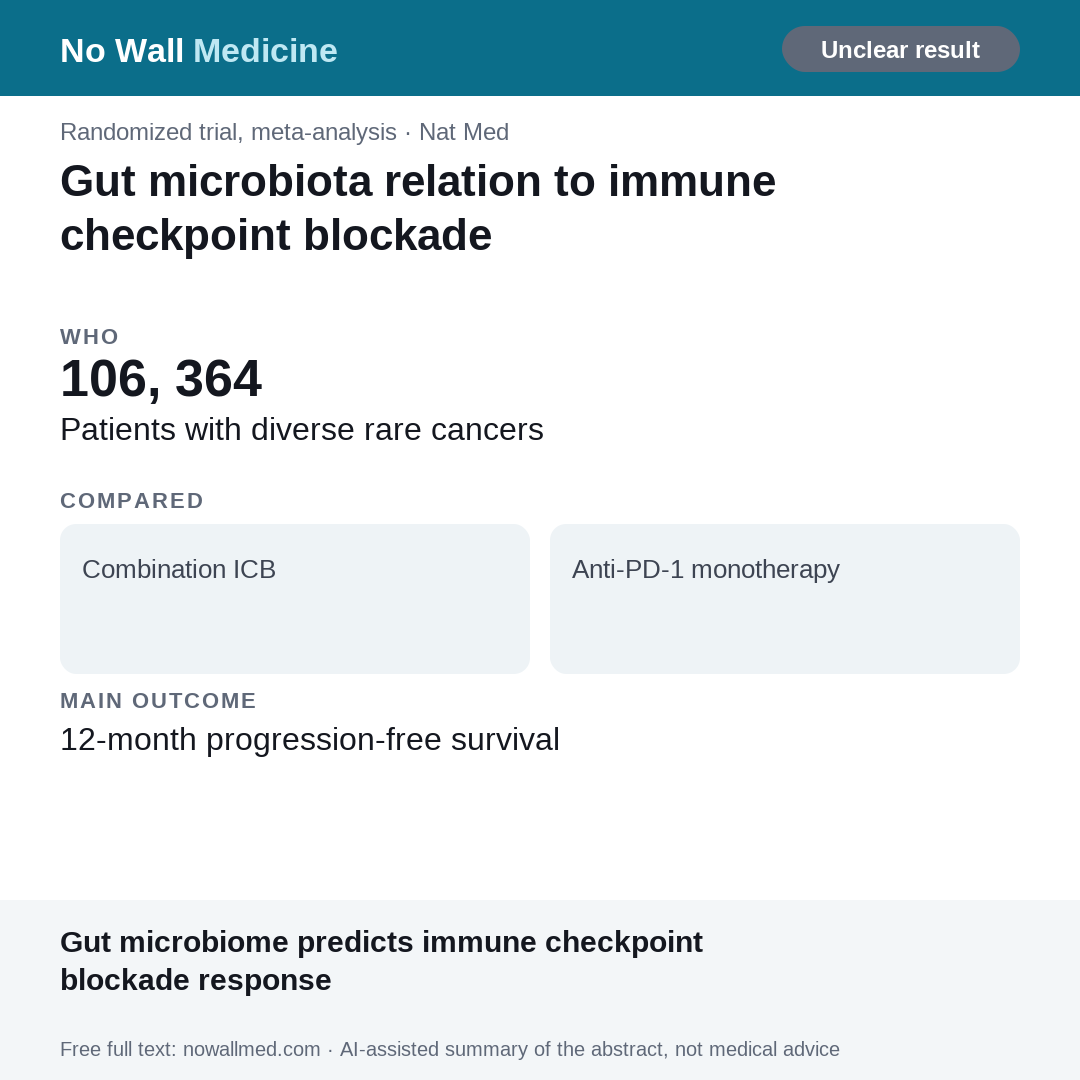
A gut microbial signature for combination immune checkpoint blockade across cancer types
Randomized trial, meta-analysisUnclear result
Gut microbiota relation to immune checkpoint blockade
Who
106, 364
Patients with diverse rare cancers
Compared
Combination ICB
Anti-PD-1 monotherapy
Main outcome
12-month progression-free survival
Bottom line: Gut microbiome predicts immune checkpoint blockade response
Nat Med · 2024-03-01Download image
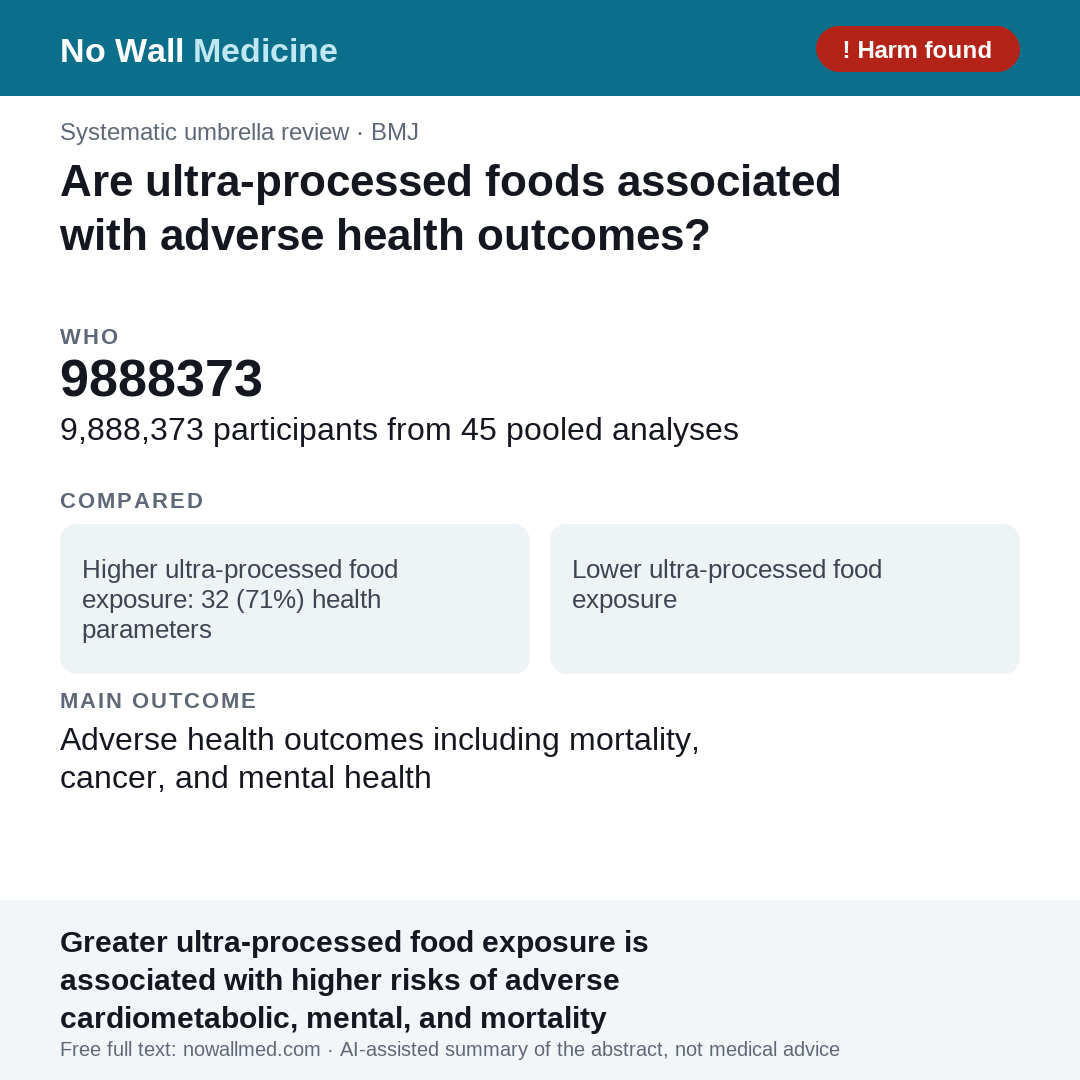
Ultra-processed food exposure and adverse health outcomes: umbrella review of epidemiological meta-analyses
Systematic umbrella reviewHarm found
Are ultra-processed foods associated with adverse health outcomes?
Who
9888373
9,888,373 participants from 45 pooled analyses
Compared
Higher ultra-processed food exposure: 32 (71%) health parameters
Lower ultra-processed food exposure
Main outcome
Adverse health outcomes including mortality, cancer, and mental health
Bottom line: Greater ultra-processed food exposure is associated with higher risks of adverse cardiometabolic, mental, and mortality outcomes.
BMJ · 2024-02-28Download image
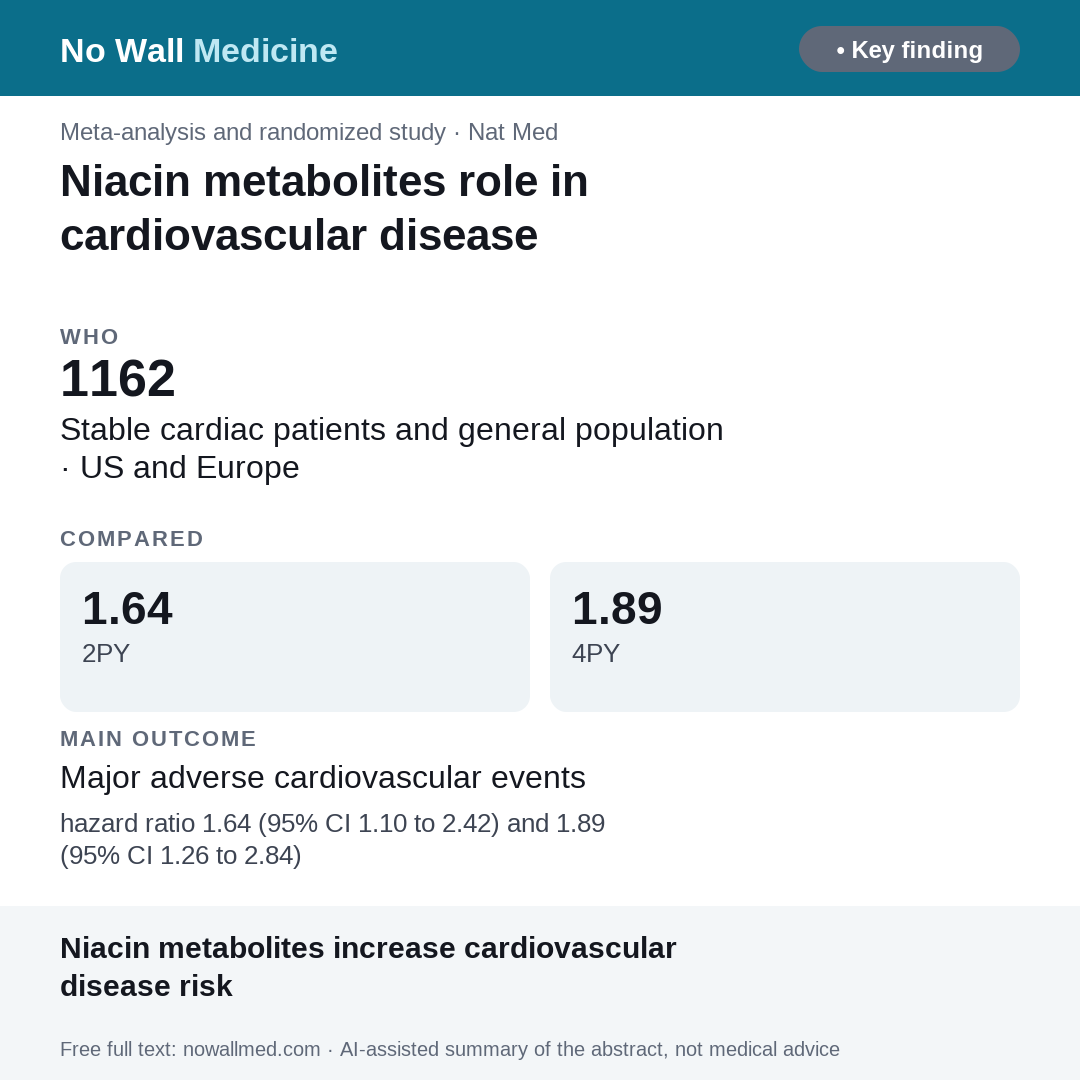
A terminal metabolite of niacin promotes vascular inflammation and contributes to cardiovascular disease risk
Meta-analysis and randomized trialHarm found
Niacin metabolites role in cardiovascular disease
Who
1162
Stable cardiac patients and general population · US and Europe
Compared
1.642PY (1.10-2.42)
1.894PY (1.26-2.84)
Main outcome
Major adverse cardiovascular events
Result: hazard ratio 1.64 (95% CI 1.10 to 2.42) and 1.89 (95% CI 1.26 to 2.84)
Bottom line: Niacin metabolites increase cardiovascular disease risk
Nat Med · 2024-02-19Download image
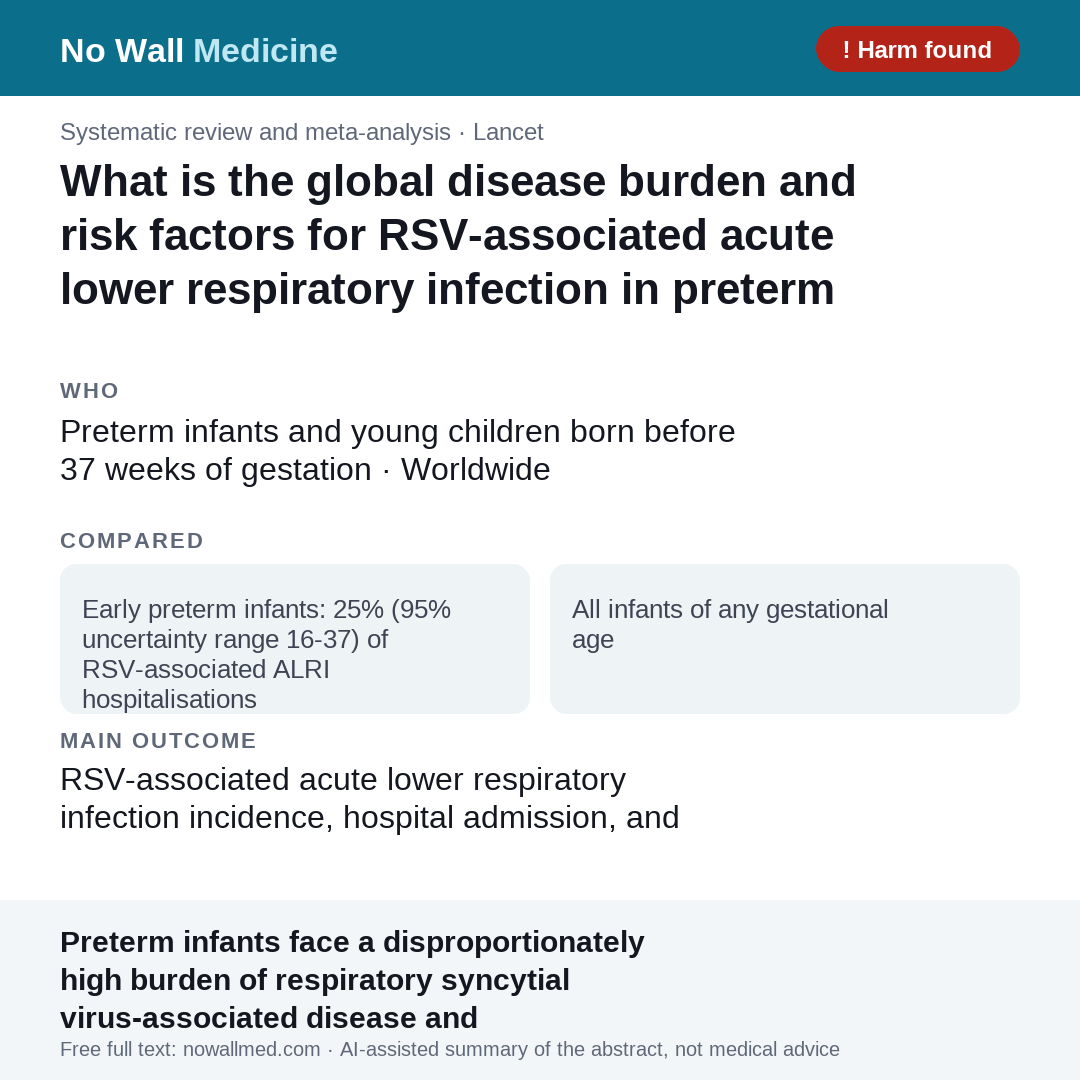
Global disease burden of and risk factors for acute lower respiratory infections caused by respiratory syncytial virus in preterm infants and young children in 2019: a systematic review and meta-analysis of aggregated and individual participant data
Systematic review and meta-analysisHarm found
What is the global disease burden and risk factors for RSV-associated acute lower respiratory infection in preterm infants?
Who
Preterm infants and young children born before 37 weeks of gestation · Worldwide
Compared
Early preterm infants: 25% (95% uncertainty range 16-37) of RSV-associated ALRI hospitalisations
All infants of any gestational age
Main outcome
RSV-associated acute lower respiratory infection incidence, hospital admission, and mortality
Result: rate ratio 2.26 (95% uncertainty range 1.27-3.98)
Bottom line: Preterm infants face a disproportionately high burden of respiratory syncytial virus-associated disease and hospitalisations worldwide.
Funded by: EU Innovative Medicines Initiative Respiratory Syncytial Virus Consortium in Europe
Lancet · 2024-02-14Download image
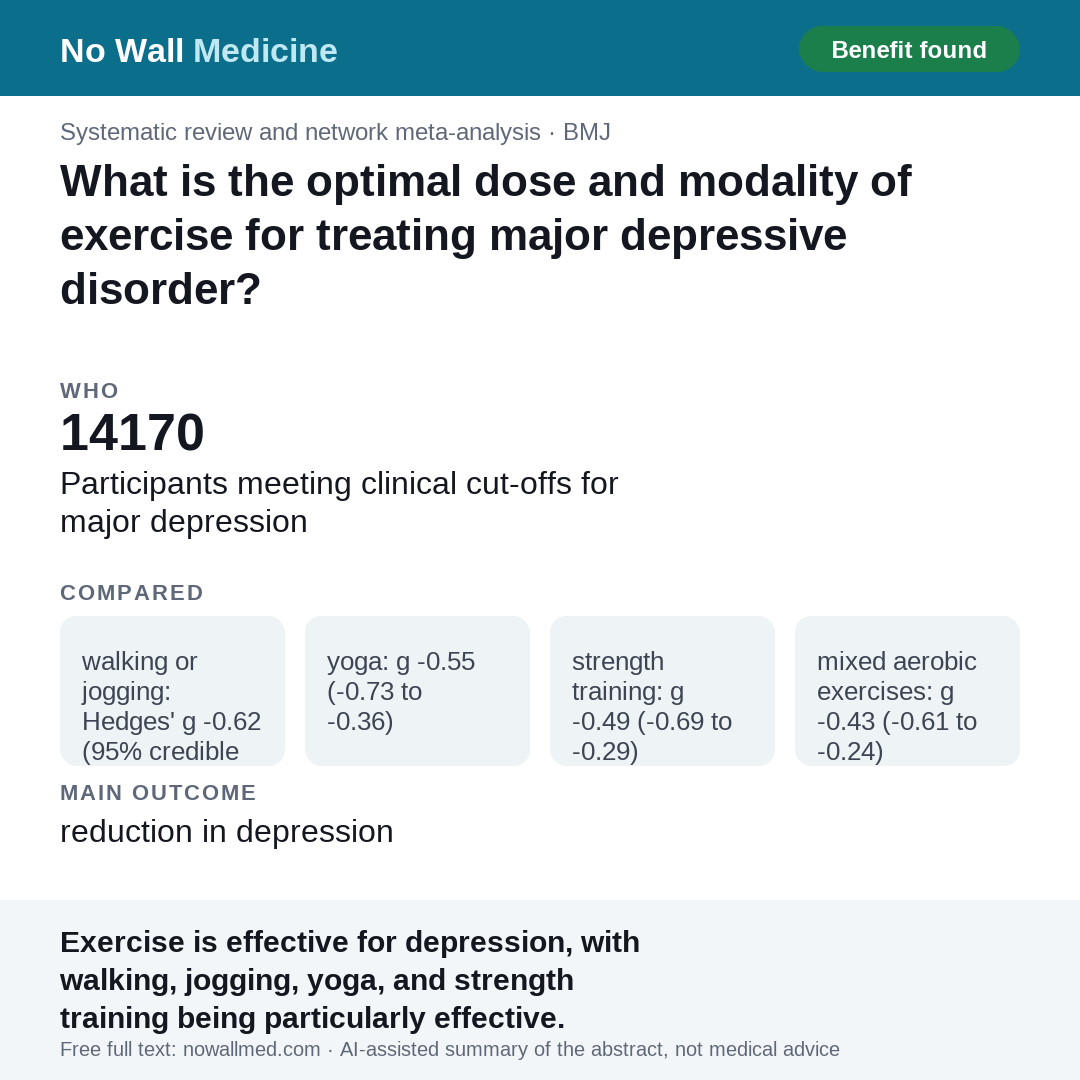
Effect of exercise for depression: systematic review and network meta-analysis of randomised controlled trials
Systematic review and network meta-analysisBenefit found
What is the optimal dose and modality of exercise for treating major depressive disorder?
Who
14170
Participants meeting clinical cut-offs for major depression
Compared
walking or jogging: Hedges' g -0.62 (95% credible interval -0.80 to -0.45)
yoga: g -0.55 (-0.73 to -0.36)
strength training: g -0.49 (-0.69 to -0.29)
mixed aerobic exercises: g -0.43 (-0.61 to -0.24)
Main outcome
reduction in depression
Bottom line: Exercise is effective for depression, with walking, jogging, yoga, and strength training being particularly effective.
Limitation: Only one study met the Cochrane criteria for low risk of bias.
BMJ · 2024-02-14Download image
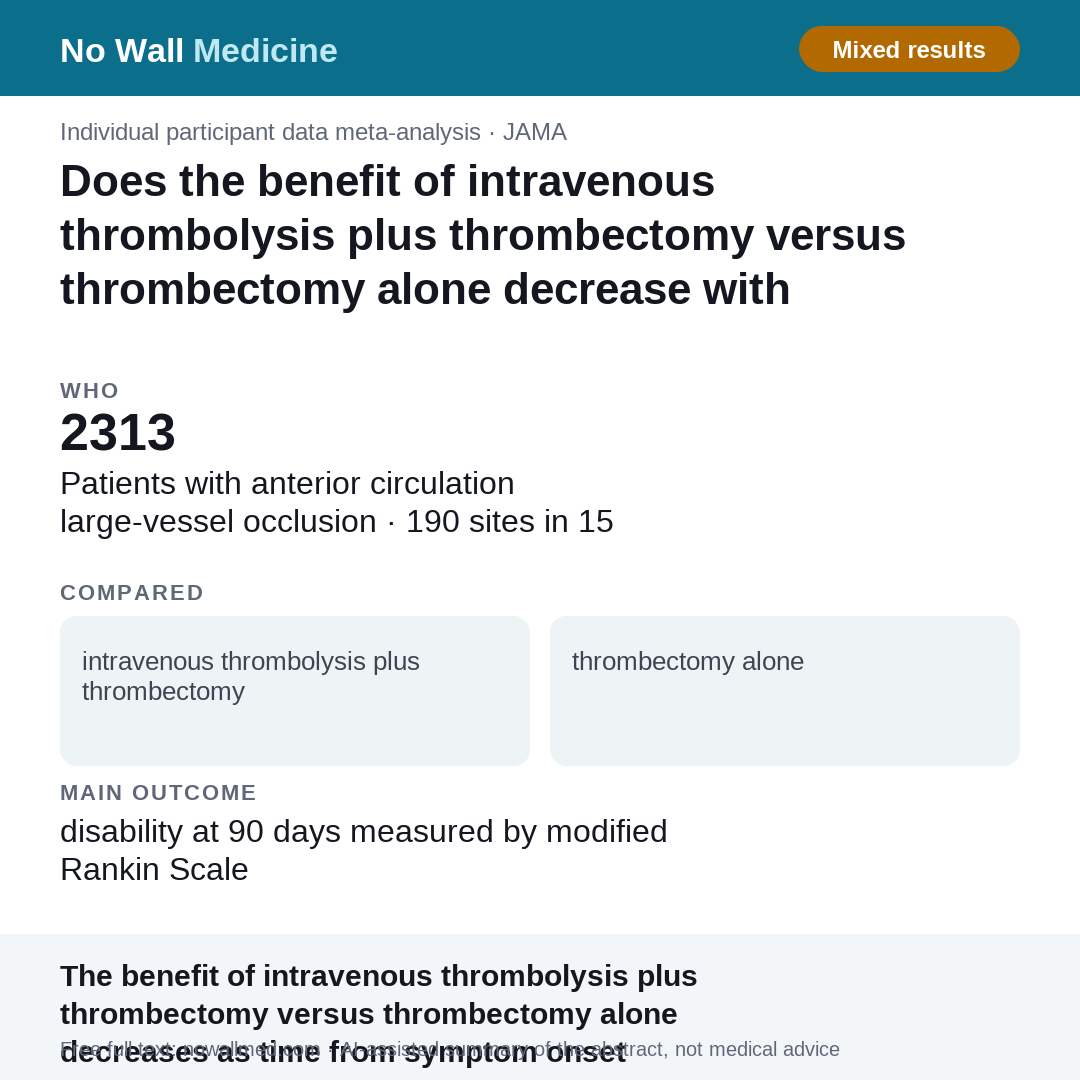
Time to Treatment With Intravenous Thrombolysis Before Thrombectomy and Functional Outcomes in Acute Ischemic Stroke: A Meta-Analysis
Individual participant data meta-analysisMixed results
Does the benefit of intravenous thrombolysis plus thrombectomy versus thrombectomy alone decrease with treatment time?
Who
2313
Patients with anterior circulation large-vessel occlusion · 190 sites in 15 countries
Compared
intravenous thrombolysis plus thrombectomy
thrombectomy alone
Main outcome
disability at 90 days measured by modified Rankin Scale
Result: ratio of adjusted common odds ratio per 1-hour delay 0.84 (95% CI 0.72 to 0.97)
Bottom line: The benefit of intravenous thrombolysis plus thrombectomy versus thrombectomy alone decreases as time from symptom onset increases.
JAMA · 2024-02-07Download image
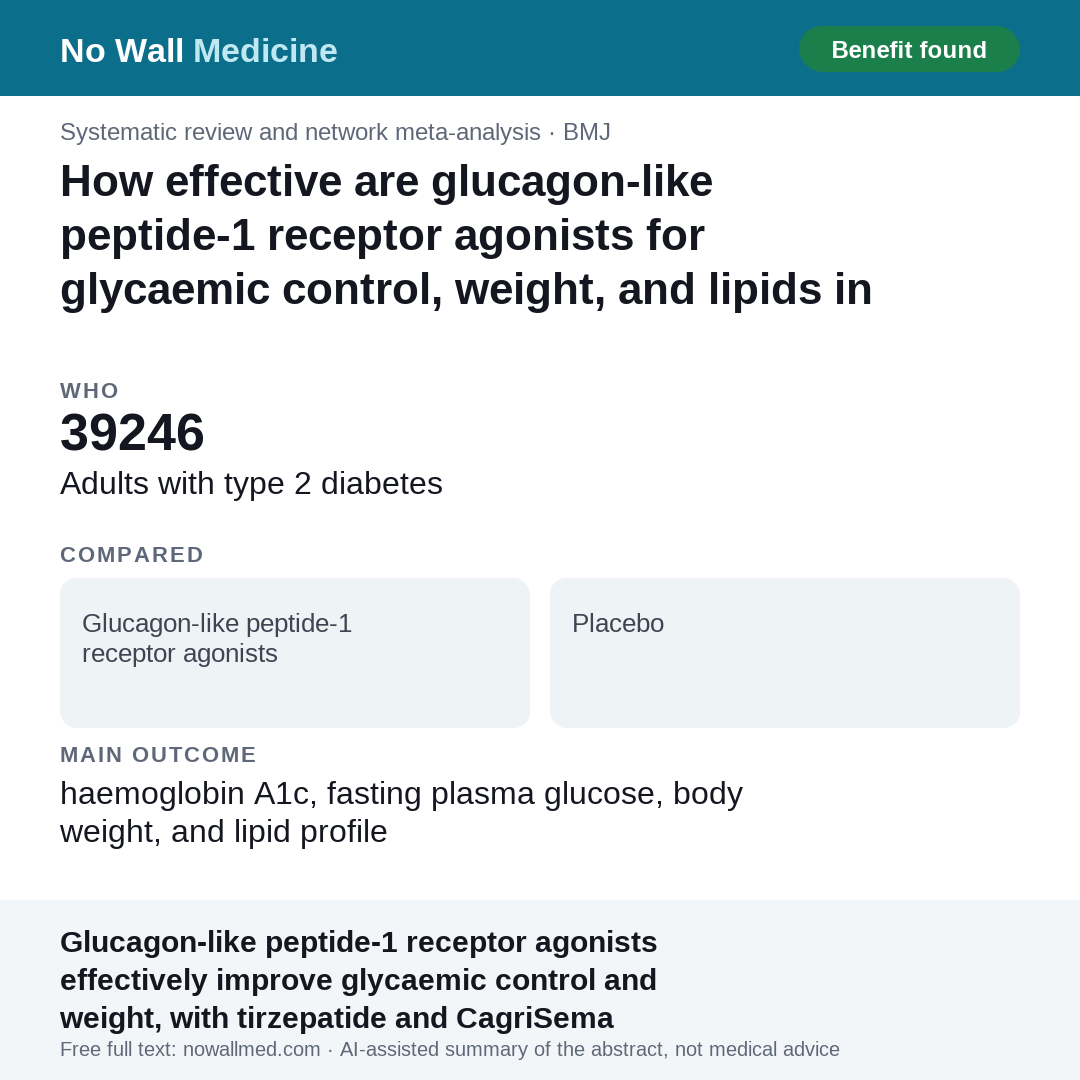
Comparative effectiveness of GLP-1 receptor agonists on glycaemic control, body weight, and lipid profile for type 2 diabetes: systematic review and network meta-analysis
Systematic review and network meta-analysisBenefit found
How effective are glucagon-like peptide-1 receptor agonists for glycaemic control, weight, and lipids in type 2 diabetes?
Who
39246
Adults with type 2 diabetes
Compared
Glucagon-like peptide-1 receptor agonists
Placebo
Main outcome
haemoglobin A1c, fasting plasma glucose, body weight, and lipid profile
Result: Tirzepatide haemoglobin A1c mean difference -2.10% (95% confidence interval -2.47% to -1.74%)
Bottom line: Glucagon-like peptide-1 receptor agonists effectively improve glycaemic control and weight, with tirzepatide and CagriSema showing superior results.
BMJ · 2024-01-29Download image
Undervaccination and severe COVID-19 outcomes: meta-analysis of national cohort studies in England, Northern Ireland, Scotland, and Wales
Meta-analysis of cohort studiesHarm found
Undervaccination risk for severe COVID-19
Who
people at least five years old in UK · England, Northern Ireland, Scotland, Wales
Compared
Fully vaccinated
Undervaccinated
Main outcome
severe COVID-19 outcomes
Result: hazard ratio 2.70 (95% CI 2.61 to 2.78) for one dose fewer
Bottom line: Undervaccination increases severe COVID-19 risk
Funded by: UK Research and Innovation
Lancet · 2024-01-15Download image

Respectful Maternity Care : A Systematic Review
Systematic reviewUnclear result
What are the definitions, measurements, and effectiveness of respectful maternity care?
Who
Pregnant and postpartum individuals
Compared
Respectful maternity care
Usual care
Main outcome
Maternal and infant health outcomes
Bottom line: Evidence is lacking on the effectiveness of respectful maternity care to improve maternal or infant health outcomes.
Limitation: Lack of definition and gold standard limit evaluation of respectful maternity care tools.
Funded by: Agency for Healthcare Research and Quality
Ann Intern Med · 2024-01-02Download image

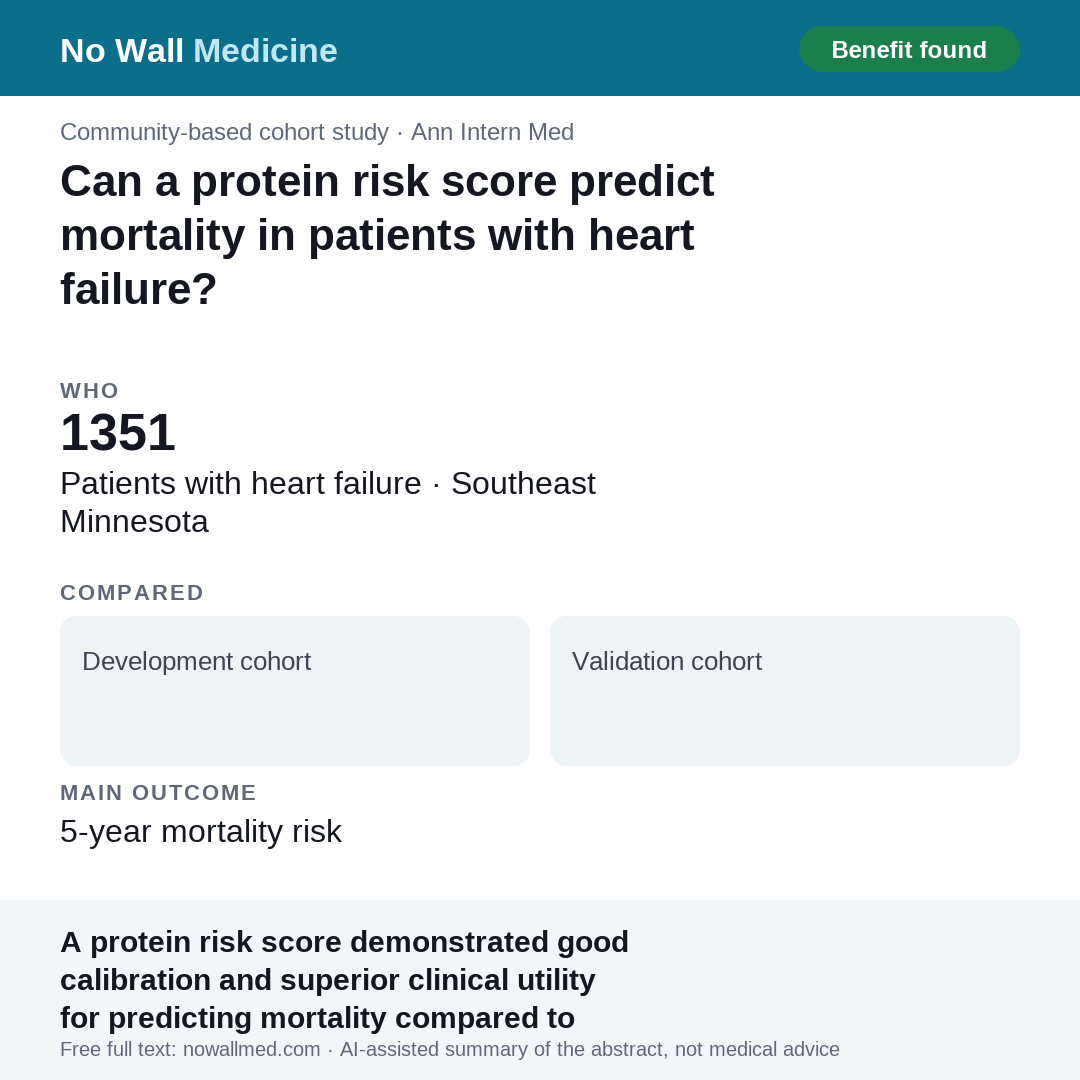
Development and Validation of a Protein Risk Score for Mortality in Heart Failure : A Community Cohort Study
Community-based cohort studyBenefit found
Can a protein risk score predict mortality in patients with heart failure?
Who
1351
Patients with heart failure · Southeast Minnesota
Compared
Development cohort
Validation cohort
Main outcome
5-year mortality risk
Bottom line: A protein risk score demonstrated good calibration and superior clinical utility for predicting mortality compared to clinical models.
Limitation: Participants were predominantly of European ancestry, potentially limiting generalizability to different populations.
Funded by: National Heart, Lung, and Blood Institute
Ann Intern Med · 2024-01-02Download image
Association of health benefits and harms of Christmas dessert ingredients in recipes from The Great British Bake Off: umbrella review of umbrella reviews of meta-analyses of observational studies
Umbrella review of umbrella reviews of meta-analysesBenefit found
What are the health benefits and harms of Christmas dessert ingredients?
Who
17 overarching ingredient groups from 48 Christmas dessert recipes
Compared
110Protective associations (74%)
39Harmful associations (26%)
Main outcome
Risk of death or disease
Bottom line: Christmas dessert ingredients are often associated with reductions rather than increases in death or disease risk.
Limitation: limitations of observational nutrition research
BMJ · 2023-12-20Download image
