Visual abstracts
New randomized trials and meta-analyses from leading journals at a glance: who was studied, what was compared, and what was found. Every paper is free to read in full.
All specialtiesCardiology 4763Oncology 4042Gastroenterology & Hepatology 1902Infectious Disease 3756Neurology 1872Psychiatry & Mental Health 2214Pulmonology 2042Critical Care 1319Endocrinology & Diabetes 2544Pediatrics 2889Surgery 2479Orthopedics & Sports Medicine 917Neurosurgery 525Cardiothoracic & Vascular Surgery 656Plastic & Reconstructive Surgery 574Nephrology 1107Rheumatology 810Hematology 1090Dermatology 611Ophthalmology 532Obstetrics & Gynecology 1645Public & Global Health 1037Radiology & Imaging 617Anesthesiology 957Urology 745ENT (Otolaryngology) 494Emergency Medicine 481Allergy & Immunology 309Geriatrics 972Family Medicine & Primary Care 533Medical Genetics & Genomics 659Pathology & Laboratory Medicine 156Physical Medicine & Rehabilitation 734Palliative Care 421Nutrition 1560Digital Health & AI 2133General Medicine 318
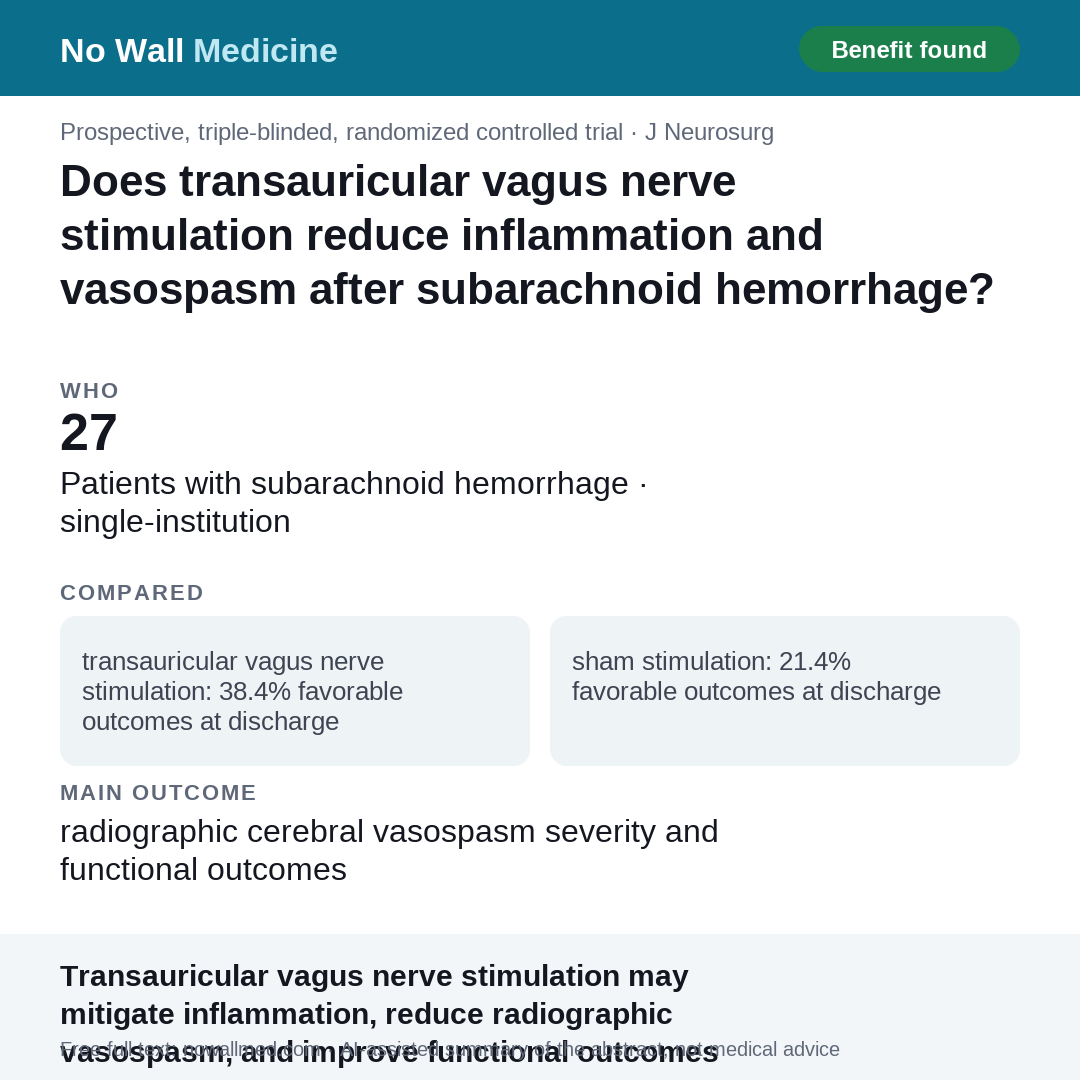
Auricular vagus nerve stimulation for mitigation of inflammation and vasospasm in subarachnoid hemorrhage: a single-institution randomized controlled trial
Prospective, triple-blinded, randomized controlled trialBenefit found
Does transauricular vagus nerve stimulation reduce inflammation and vasospasm after subarachnoid hemorrhage?
Who
27
Patients with subarachnoid hemorrhage · single-institution
Compared
transauricular vagus nerve stimulation: 38.4% favorable outcomes at discharge
sham stimulation: 21.4% favorable outcomes at discharge
Main outcome
radiographic cerebral vasospasm severity and functional outcomes
Bottom line: Transauricular vagus nerve stimulation may mitigate inflammation, reduce radiographic vasospasm, and improve functional outcomes after subarachnoid hemorrhage.
J Neurosurg · 2025-01-24Download image
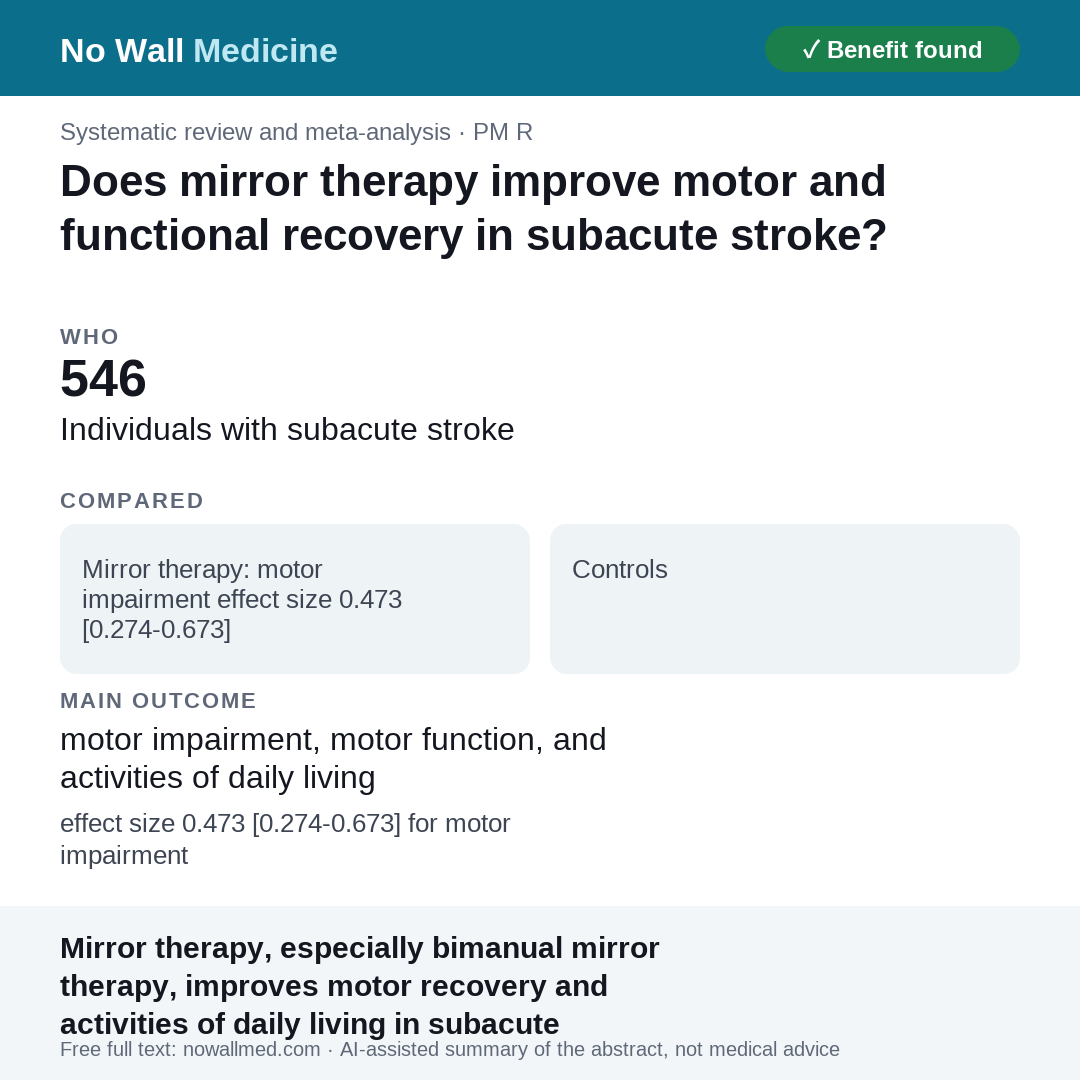
Effects of mirror therapy on motor and functional recovery of the upper extremity in subacute stroke: Systematic review and meta-analysis
Systematic review and meta-analysisBenefit found
Does mirror therapy improve motor and functional recovery in subacute stroke?
Who
546
Individuals with subacute stroke
Compared
Mirror therapy: motor impairment effect size 0.473 [0.274-0.673]
Controls
Main outcome
motor impairment, motor function, and activities of daily living
Result: effect size 0.473 [0.274-0.673] for motor impairment
Bottom line: Mirror therapy, especially bimanual mirror therapy, improves motor recovery and activities of daily living in subacute stroke.
PM R · 2025-01-24Download image
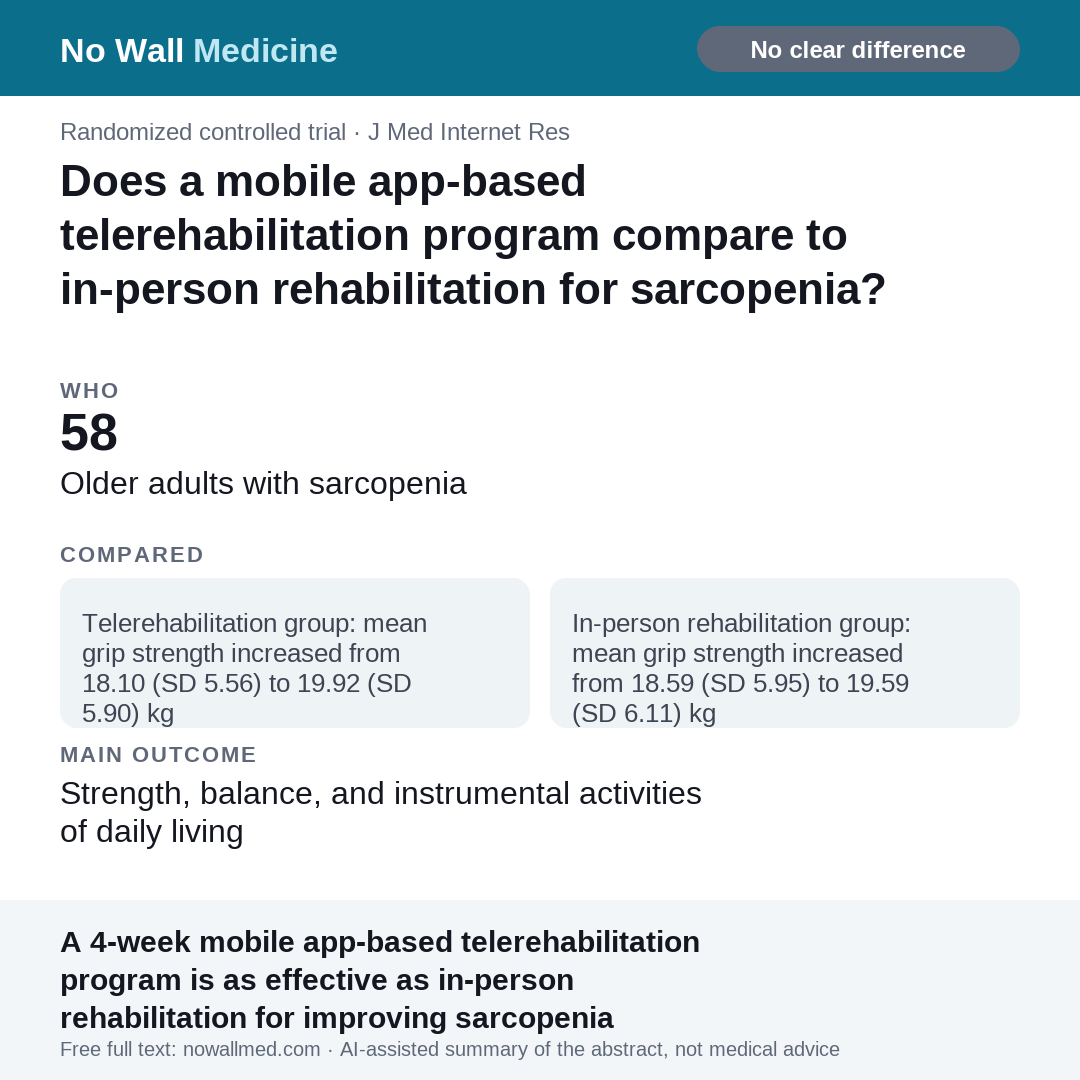
A 4-Week Mobile App-Based Telerehabilitation Program vs Conventional In-Person Rehabilitation in Older Adults With Sarcopenia: Randomized Controlled Trial
Randomized controlled trialNo clear difference
Does mobile app telerehabilitation match in-person rehab for sarcopenia?
Who
58
Older adults with sarcopenia
Compared
Telerehabilitation group: Grip strength 19.92 (SD 5.90) kg
In-person rehabilitation group: Grip strength 19.59 (SD 6.11) kg
Main outcome
Grip strength, balance, and daily living activities
Bottom line: Telerehabilitation improved strength and balance comparably to in-person rehabilitation.
J Med Internet Res · 2025-01-24Download image
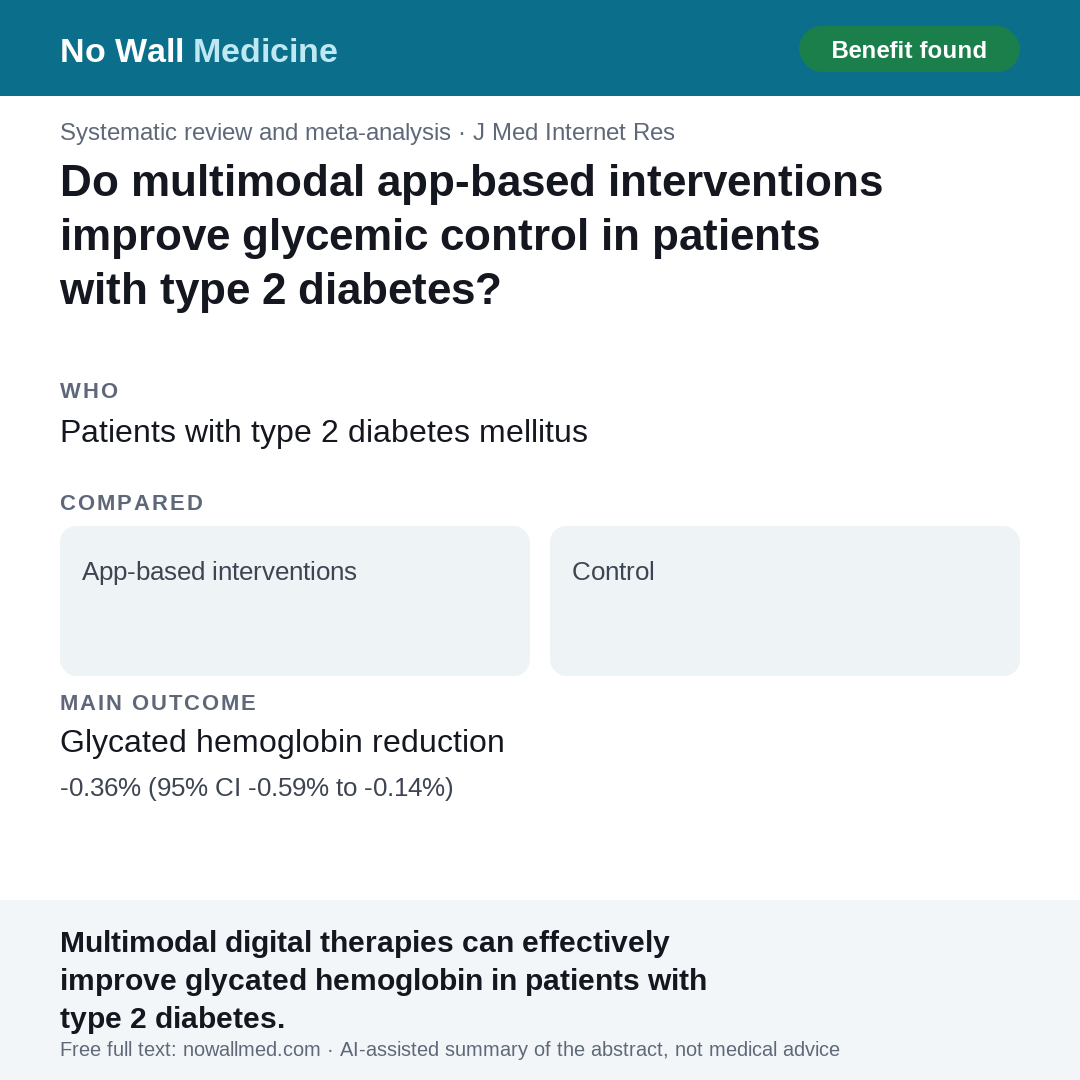
Effect of Multimodal App-Based Interventions on Glycemic Control in Patients With Type 2 Diabetes: Systematic Review and Meta-Analysis
Systematic review and meta-analysisBenefit, low certainty
Do multimodal app-based interventions improve glycemic control in patients with type 2 diabetes?
Who
Patients with type 2 diabetes mellitus
Compared
App-based interventions
Control
Main outcome
Glycated hemoglobin reduction
Result: -0.36% (95% CI -0.59% to -0.14%)
Bottom line: Multimodal digital therapies can effectively improve glycated hemoglobin in patients with type 2 diabetes.
Limitation: The overall quality of evidence was low to very low.
J Med Internet Res · 2025-01-24Download image
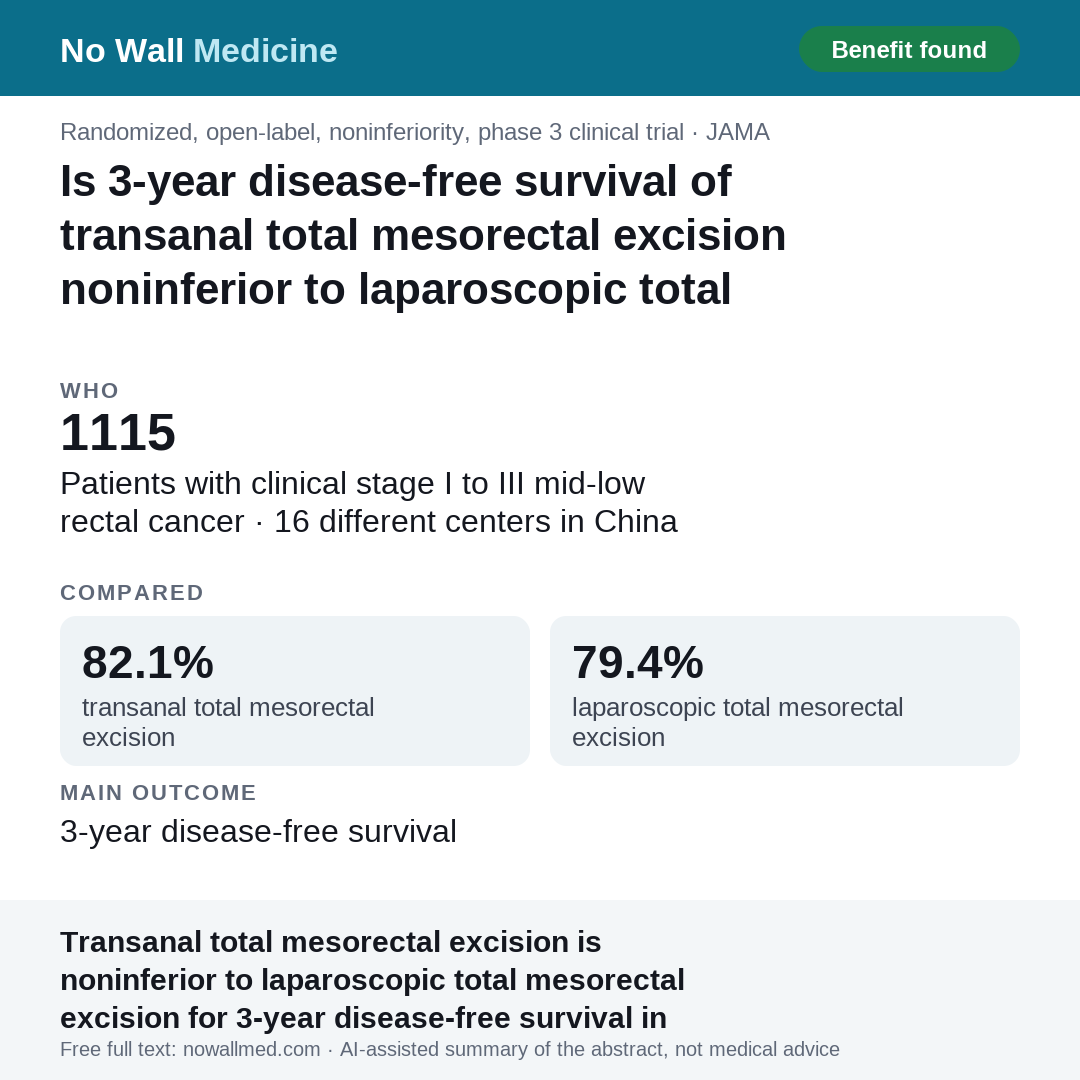
Transanal vs Laparoscopic Total Mesorectal Excision and 3-Year Disease-Free Survival in Rectal Cancer: The TaLaR Randomized Clinical Trial
Randomized, open-label, noninferiority, phase 3 clinical trialBenefit found
Is 3-year disease-free survival of transanal total mesorectal excision noninferior to laparoscopic total mesorectal excision?
Who
1115
Patients with clinical stage I to III mid-low rectal cancer · 16 different centers in China
Compared
82.1%transanal total mesorectal excision (97.5% CI, 78.4%-85.8%)
79.4%laparoscopic total mesorectal excision (97.5% CI, 75.6%-83.4%)
Main outcome
3-year disease-free survival
Result: difference of 2.7% (97.5% CI, -3.0% to 8.1%)
Bottom line: Transanal total mesorectal excision is noninferior to laparoscopic total mesorectal excision for 3-year disease-free survival in mid-low rectal cancer.
JAMA · 2025-01-23Download image
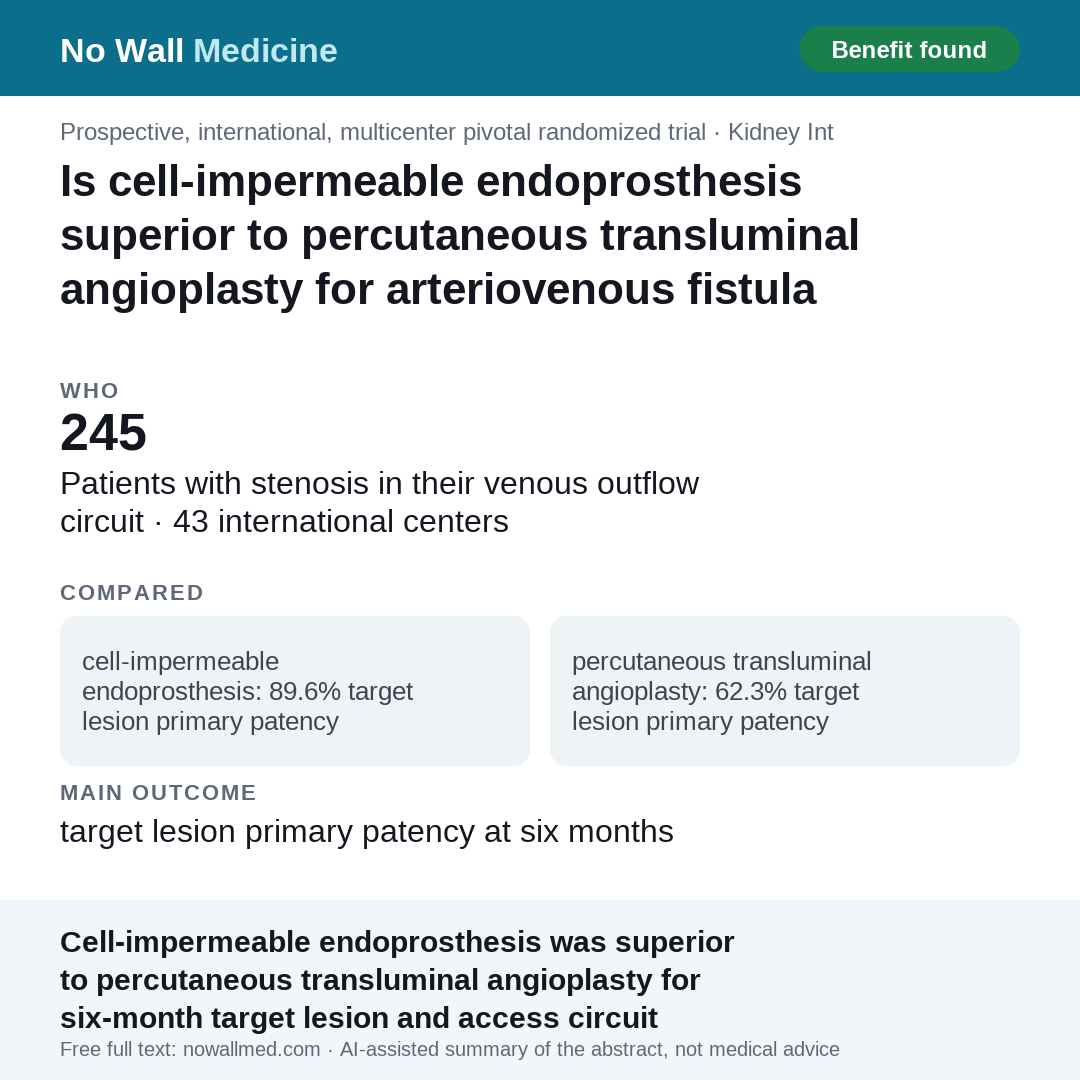
Six-month safety and efficacy outcomes from the randomized-controlled arm of the WRAPSODY Arteriovenous Access Efficacy (WAVE) trial
Prospective, international, multicenter pivotal randomized trialKey finding
Is cell-impermeable endoprosthesis superior to percutaneous transluminal angioplasty for arteriovenous fistula stenosis?
Who
245
Patients with stenosis in their venous outflow circuit · 43 international centers
Compared
cell-impermeable endoprosthesis: 89.6% target lesion primary patency
percutaneous transluminal angioplasty: 62.3% target lesion primary patency
Main outcome
target lesion primary patency at six months
Bottom line: Cell-impermeable endoprosthesis was superior to percutaneous transluminal angioplasty for six-month target lesion and access circuit primary patency.
Kidney Int · 2025-01-23Download image
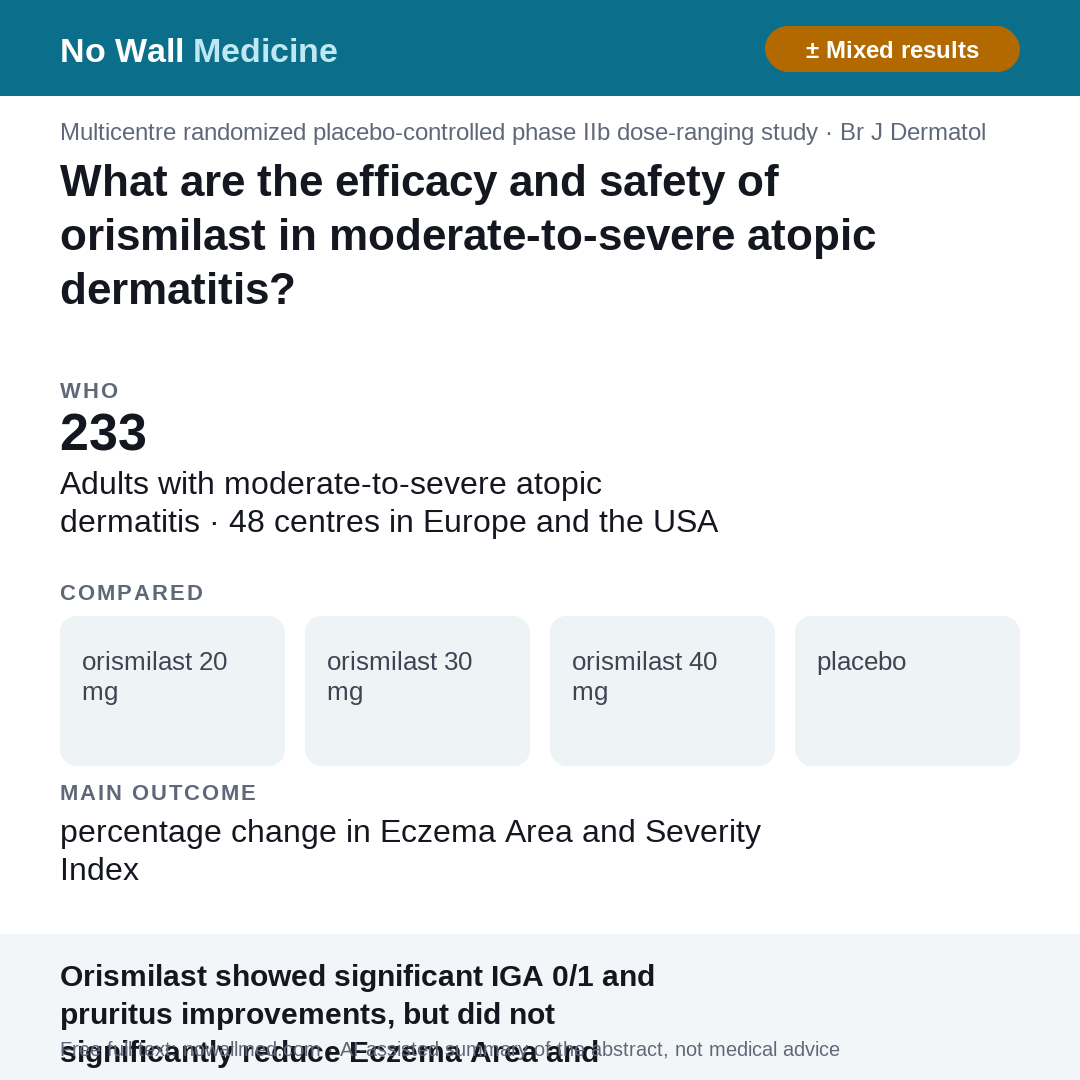
Orismilast, a phosphodiesterase 4B/D inhibitor, in moderate-to-severe atopic dermatitis: efficacy and safety from a multicentre randomized placebo-controlled phase IIb dose-ranging study (ADESOS)
Multicentre randomized placebo-controlled phase IIb dose-ranging studyMixed results
What are the efficacy and safety of orismilast in moderate-to-severe atopic dermatitis?
Who
233
Adults with moderate-to-severe atopic dermatitis · 48 centres in Europe and the USA
Compared
orismilast 20 mg
orismilast 30 mg
orismilast 40 mg
placebo
Main outcome
percentage change in Eczema Area and Severity Index
Bottom line: Orismilast showed significant IGA 0/1 and pruritus improvements, but did not significantly reduce Eczema Area and Severity Index scores.
Br J Dermatol · 2025-01-23Download image
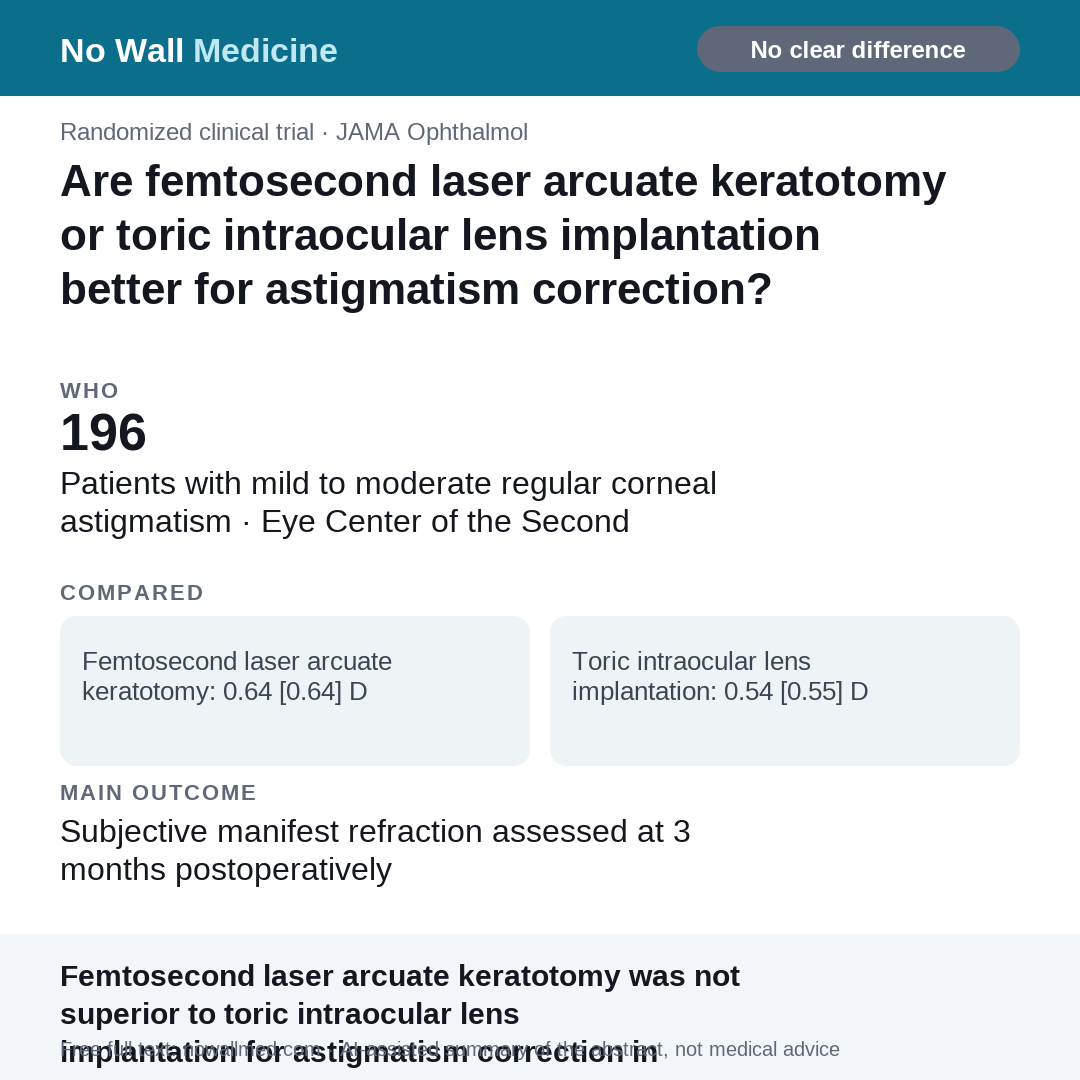
Femtosecond Laser Arcuate Keratotomy vs Toric Intraocular Lens Implantation in Cataract Surgery: A Randomized Clinical Trial
Randomized clinical trialNo clear difference
Are femtosecond laser arcuate keratotomy or toric intraocular lens implantation better for astigmatism correction?
Who
196
Patients with mild to moderate regular corneal astigmatism · Eye Center of the Second Affiliated Hospital, China
Compared
Femtosecond laser arcuate keratotomy: 0.64 [0.64] D
Toric intraocular lens implantation: 0.54 [0.55] D
Main outcome
Subjective manifest refraction assessed at 3 months postoperatively
Result: difference, 0.11 D; 95% CI, -0.06 to 0.27 D
Bottom line: Femtosecond laser arcuate keratotomy was not superior to toric intraocular lens implantation for astigmatism correction in these patients.
Limitation: Future trials are needed to determine if there is greater efficacy of TIOL implantation over FSAK.
JAMA Ophthalmol · 2025-01-23Download image
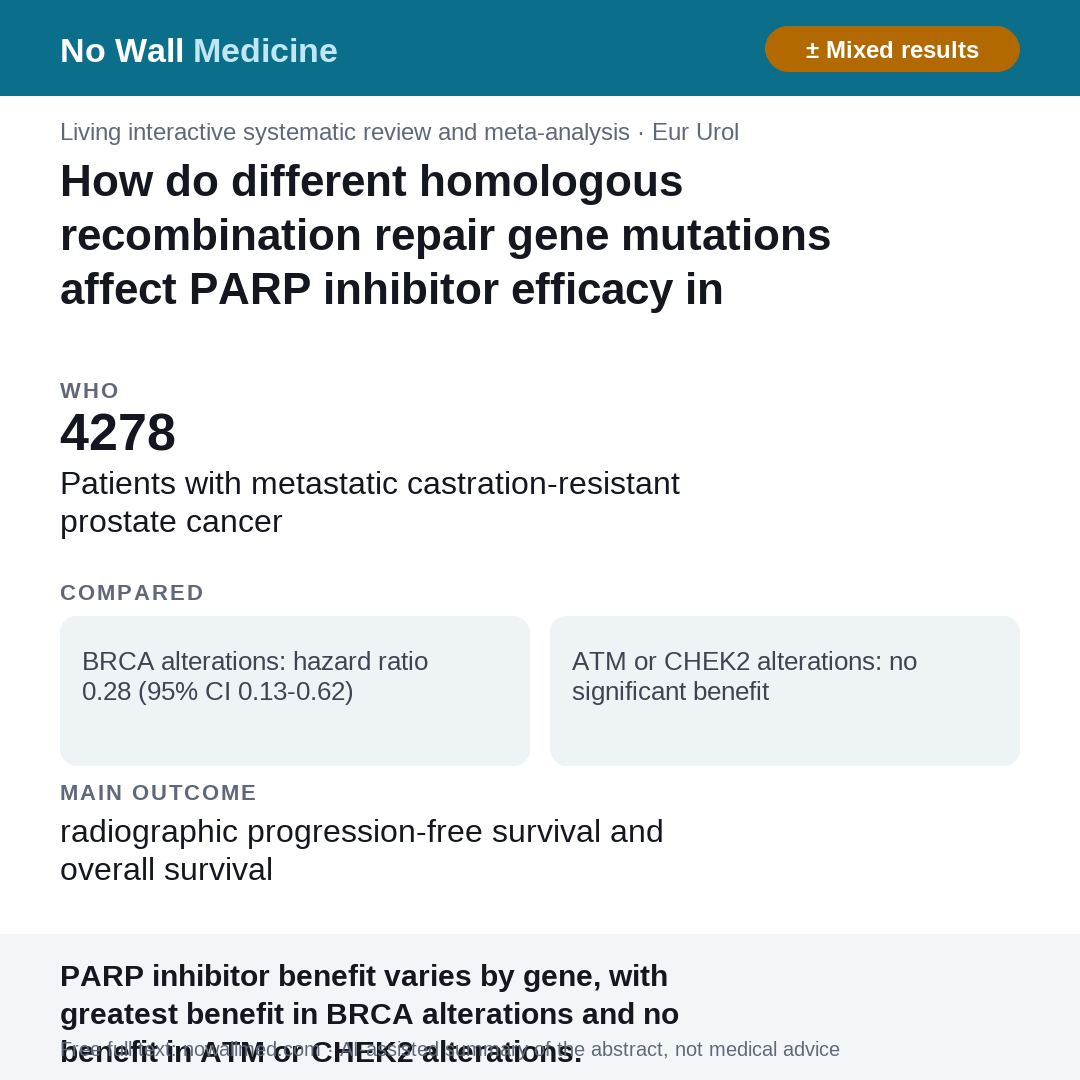
Heterogeneity of the Treatment Effect with PARP Inhibitors in Metastatic Castration-resistant Prostate Cancer: A Living Interactive Systematic Review and Meta-analysis
Living interactive systematic review and meta-analysisMixed results
How do different homologous recombination repair gene mutations affect PARP inhibitor efficacy in metastatic castration-resistant prostate cancer?
Who
4278
Patients with metastatic castration-resistant prostate cancer
Compared
BRCA alterations: hazard ratio 0.28 (95% CI 0.13-0.62)
ATM or CHEK2 alterations: no significant benefit
Main outcome
radiographic progression-free survival and overall survival
Result: hazard ratio 0.28 (95% CI 0.13-0.62)
Bottom line: PARP inhibitor benefit varies by gene, with greatest benefit in BRCA alterations and no benefit in ATM or CHEK2 alterations.
Eur Urol · 2025-01-23Download image
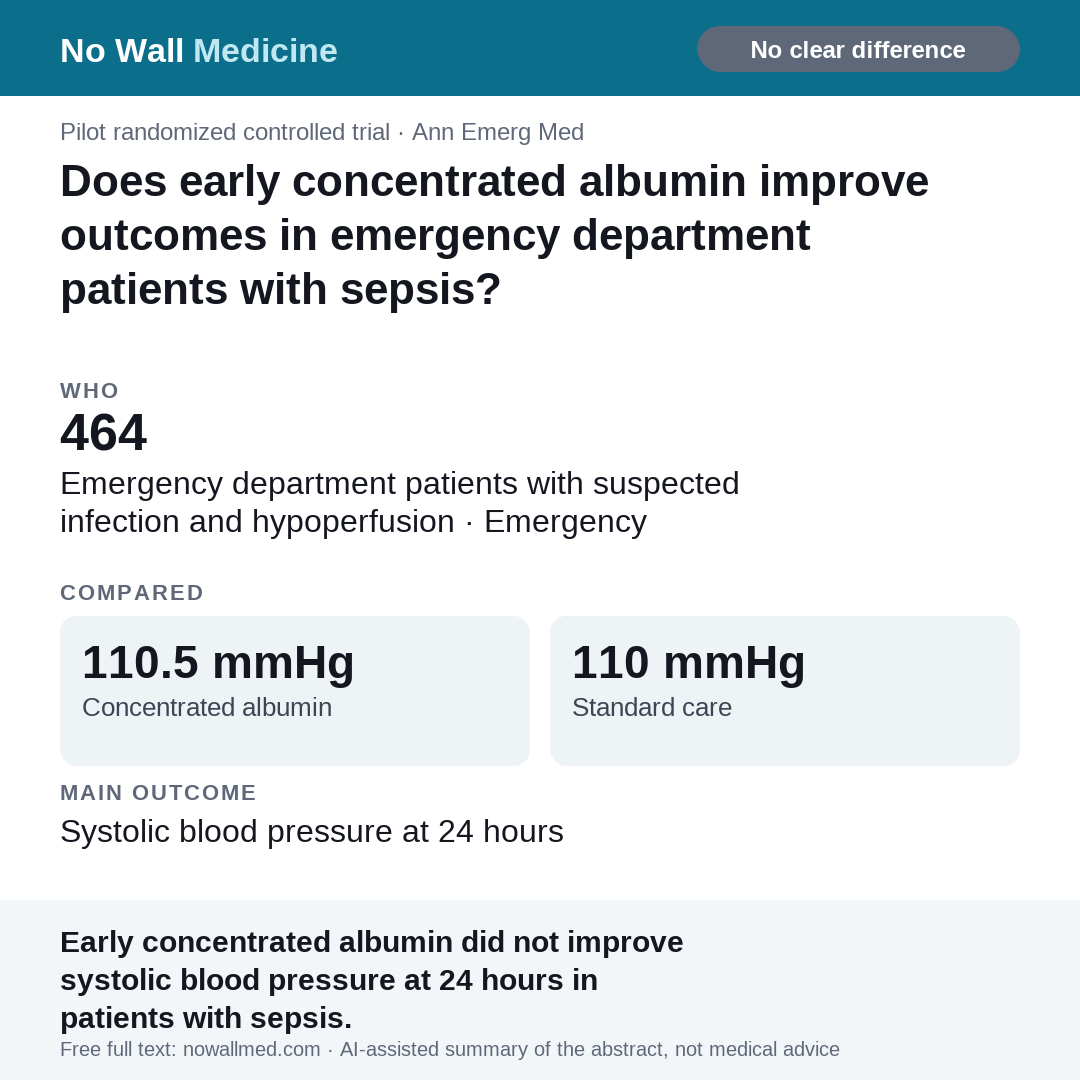
Intervention With Concentrated Albumin for Undifferentiated Sepsis in the Emergency Department (ICARUS-ED): A Pilot Randomized Controlled Trial
Pilot randomized controlled trialNo clear difference
Does early concentrated albumin improve outcomes in emergency department patients with sepsis?
Who
464
Emergency department patients with suspected infection and hypoperfusion · Emergency department
Compared
110.5 mmHgConcentrated albumin
110 mmHgStandard care
Main outcome
Systolic blood pressure at 24 hours
Bottom line: Early concentrated albumin did not improve systolic blood pressure at 24 hours in patients with sepsis.
Ann Emerg Med · 2025-01-23Download image
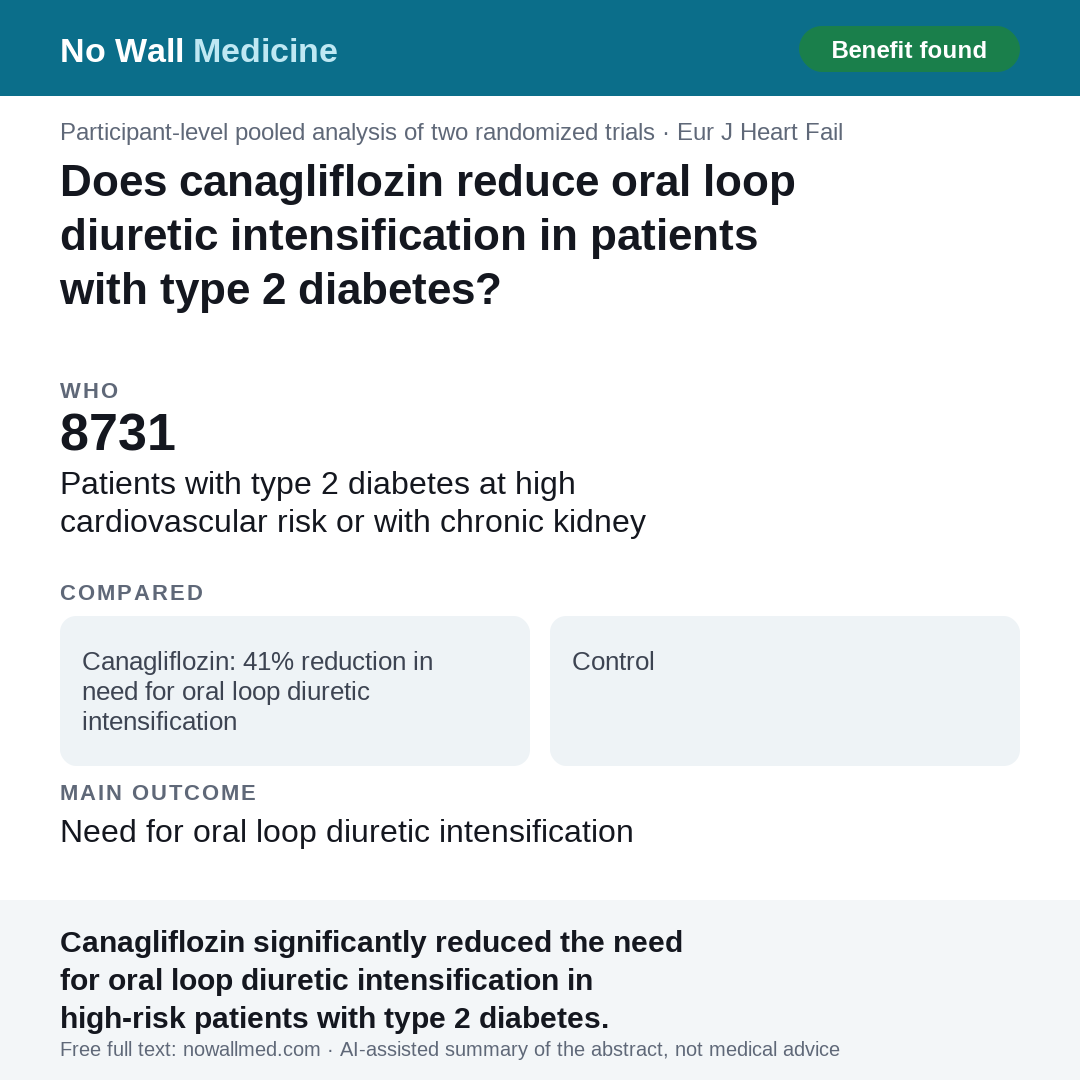
Canagliflozin reduces oral loop diuretic intensification in patients with type 2 diabetes: A participant-level pooled analysis of the CANVAS and CREDENCE trials
Participant-level pooled analysis of two randomized trialsBenefit found
Does canagliflozin reduce oral loop diuretic intensification in patients with type 2 diabetes?
Who
8731
Patients with type 2 diabetes at high cardiovascular risk or with chronic kidney disease
Compared
Canagliflozin: 41% reduction in need for oral loop diuretic intensification
Control
Main outcome
Need for oral loop diuretic intensification
Result: hazard ratio 0.59 (95% CI 0.53-0.66)
Bottom line: Canagliflozin significantly reduced the need for oral loop diuretic intensification in high-risk patients with type 2 diabetes.
Eur J Heart Fail · 2025-01-23Download image
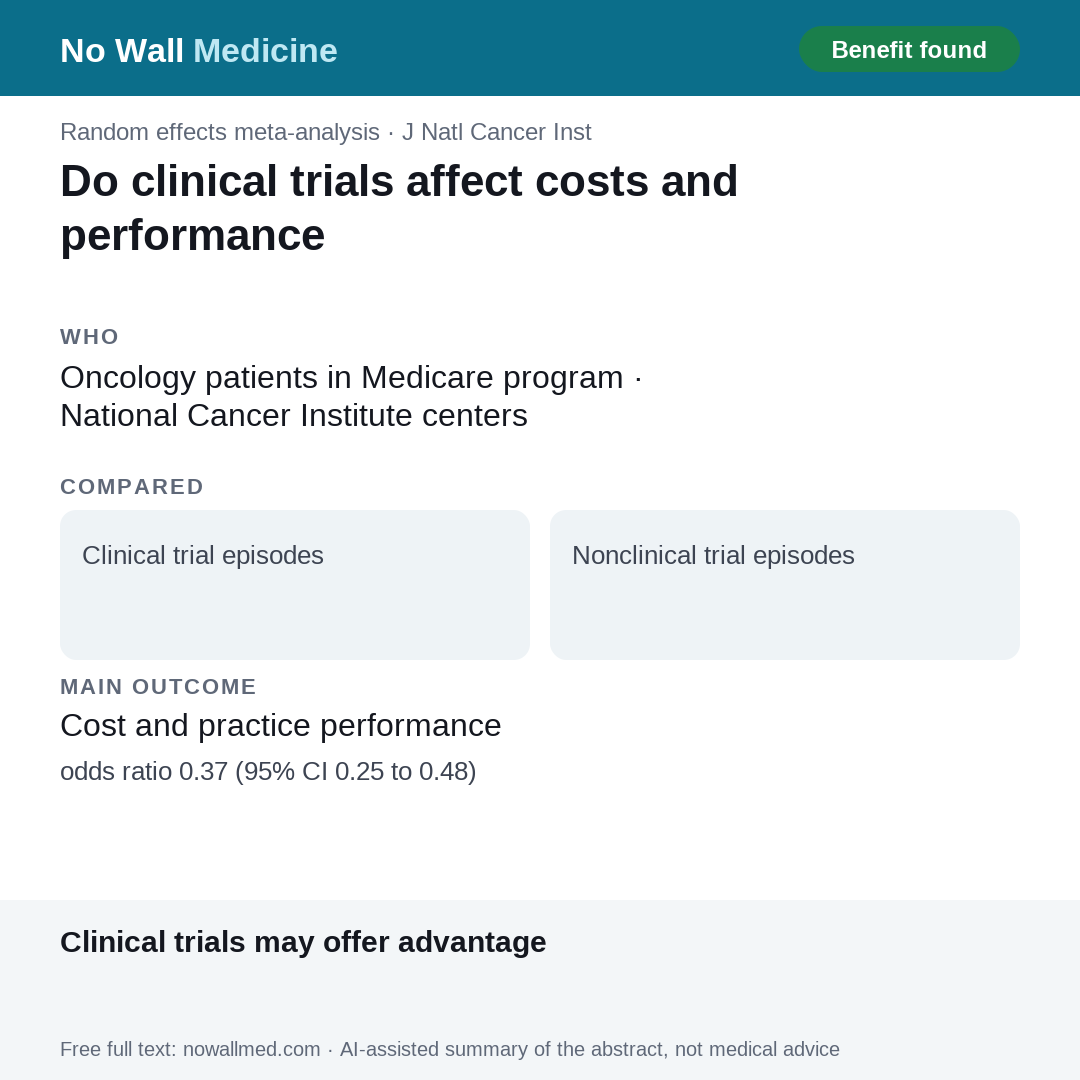
The association between clinical trial participation, drug costs, and performance in the Oncology Care Model
Random effects meta-analysisBenefit found
Do clinical trials affect costs and performance
Who
Oncology patients in Medicare program · National Cancer Institute centers
Compared
Clinical trial episodes
Nonclinical trial episodes
Main outcome
Cost and practice performance
Result: odds ratio 0.37 (95% CI 0.25 to 0.48)
Bottom line: Clinical trials may offer advantage
J Natl Cancer Inst · 2025-01-23Download image
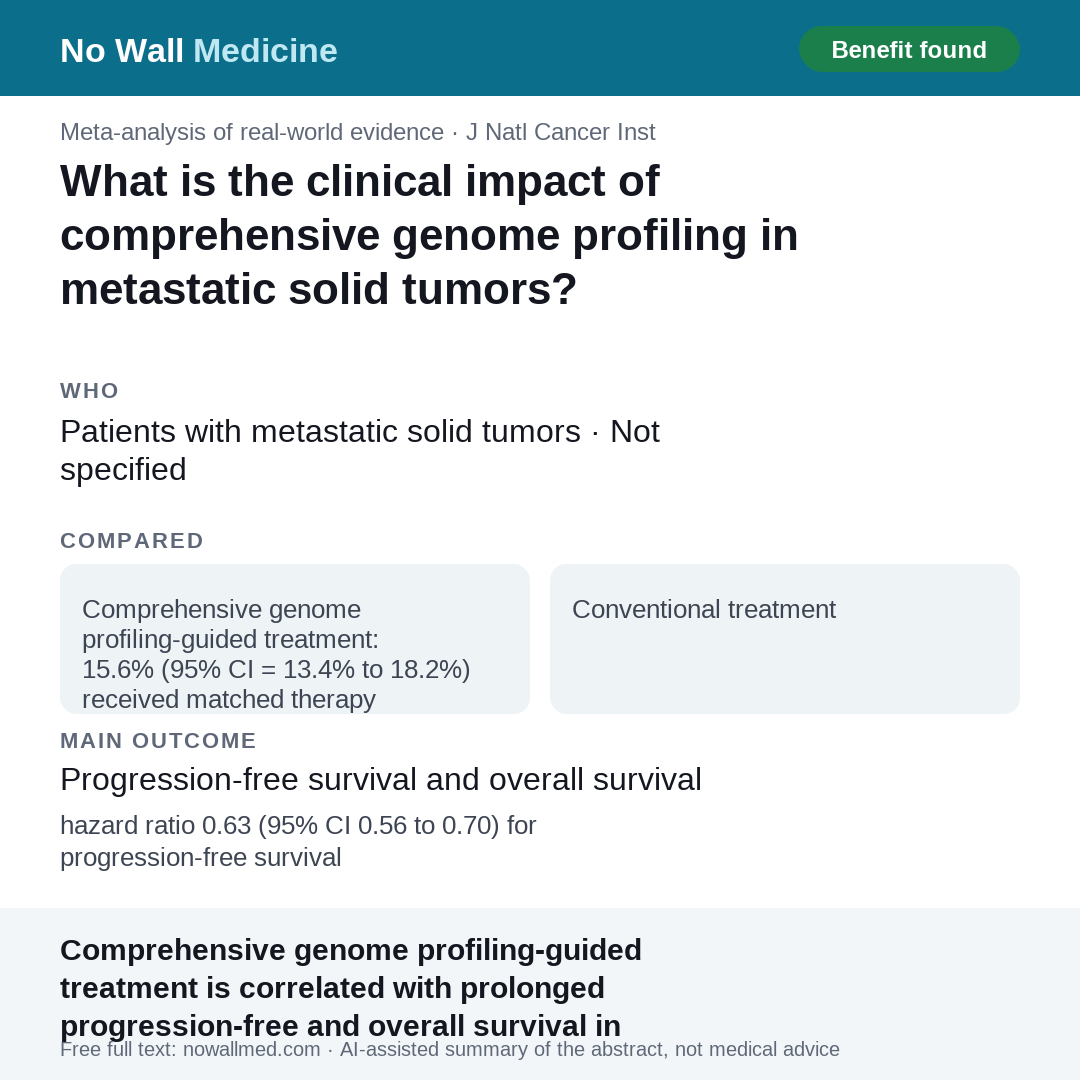
Comprehensive genome profiling for treatment decisions in patients with metastatic tumors: real-world evidence meta-analysis and registry data implementation
Meta-analysis of real-world evidenceBenefit found
What is the clinical impact of comprehensive genome profiling in metastatic solid tumors?
Who
Patients with metastatic solid tumors · Not specified
Compared
Comprehensive genome profiling-guided treatment: 15.6% (95% CI = 13.4% to 18.2%) received matched therapy
Conventional treatment
Main outcome
Progression-free survival and overall survival
Result: hazard ratio 0.63 (95% CI 0.56 to 0.70) for progression-free survival
Bottom line: Comprehensive genome profiling-guided treatment is correlated with prolonged progression-free and overall survival in metastatic cancer patients.
J Natl Cancer Inst · 2025-01-23Download image
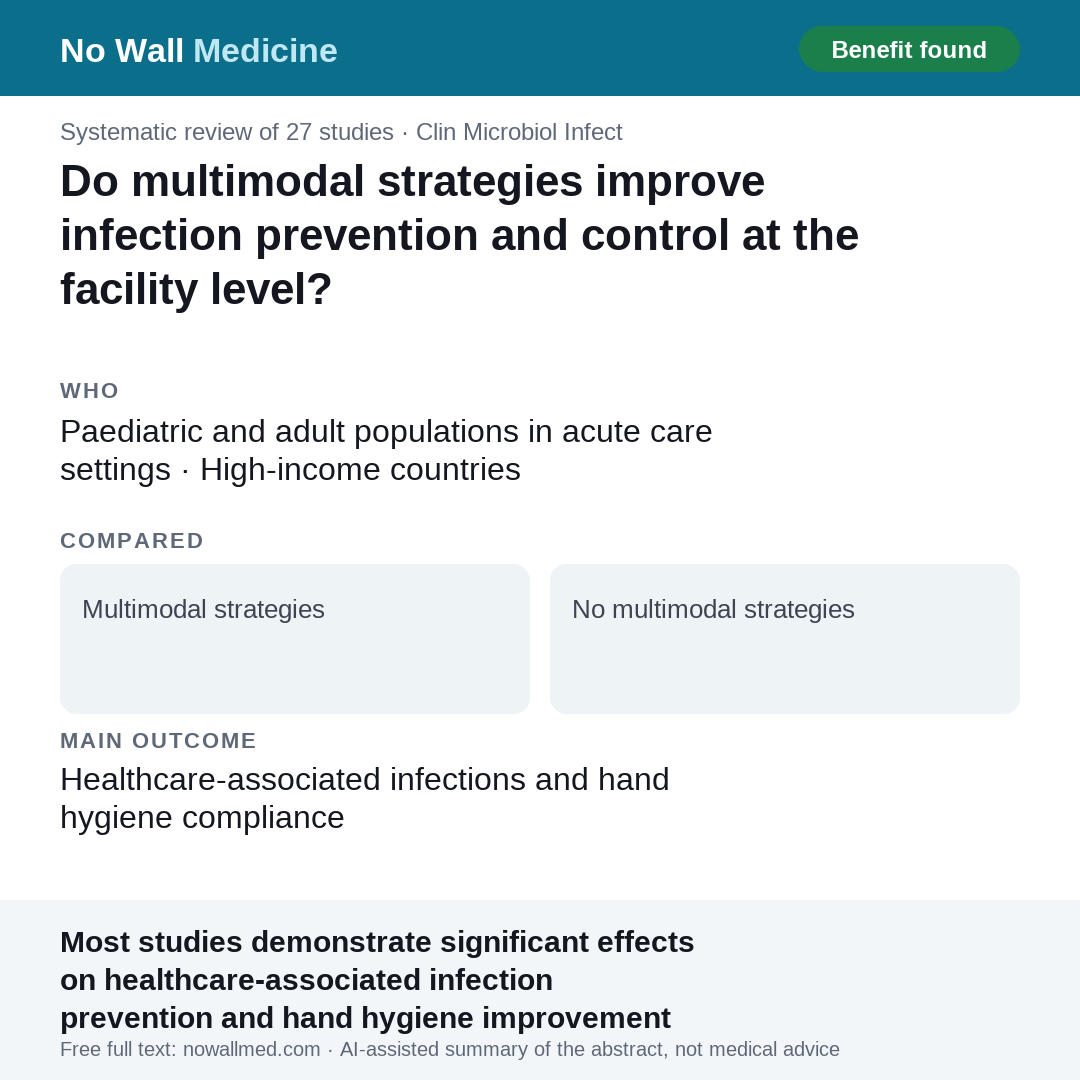
Multimodal strategies for the implementation of infection prevention and control interventions-update of a systematic review for the WHO guidelines on core components of infection prevention and control programmes at the facility level
Systematic review of 27 studiesBenefit found
Do multimodal strategies improve infection prevention and control at the facility level?
Who
Paediatric and adult populations in acute care settings · High-income countries
Compared
Multimodal strategies
No multimodal strategies
Main outcome
Healthcare-associated infections and hand hygiene compliance
Bottom line: Most studies demonstrate significant effects on healthcare-associated infection prevention and hand hygiene improvement using multimodal strategies.
Limitation: Quality of evidence is low to moderate with few studies from low-income or middle-income countries.
Clin Microbiol Infect · 2025-01-23Download image
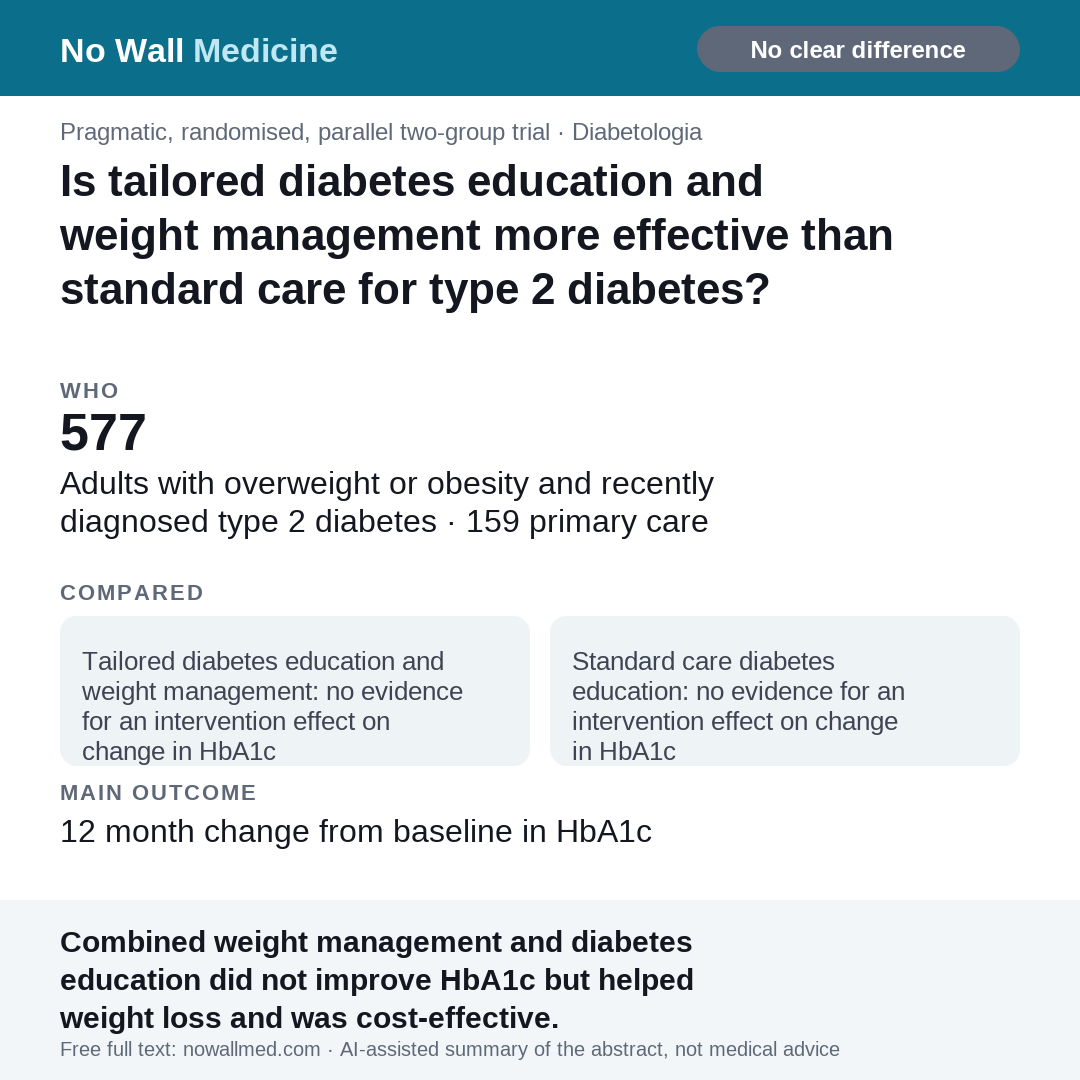
Glucose Lowering through Weight management (GLoW): a randomised controlled trial of the clinical and cost effectiveness of a diabetes education and behavioural weight management programme vs a diabetes education programme in adults with a recent diagnosis of type 2 diabetes
Pragmatic, randomised, parallel two-group trialNo clear difference
Is tailored diabetes education and weight management more effective than standard care for type 2 diabetes?
Who
577
Adults with overweight or obesity and recently diagnosed type 2 diabetes · 159 primary care practices in England
Compared
Tailored diabetes education and weight management: no evidence for an intervention effect on change in HbA1c
Standard care diabetes education: no evidence for an intervention effect on change in HbA1c
Main outcome
12 month change from baseline in HbA1c
Result: -0.84 [95% CI -2.99, 1.31] mmol/mol
Bottom line: Combined weight management and diabetes education did not improve HbA1c but helped weight loss and was cost-effective.
Funded by: National Institute for Health and Care Research and Medical Research Council
Diabetologia · 2025-01-23Download image
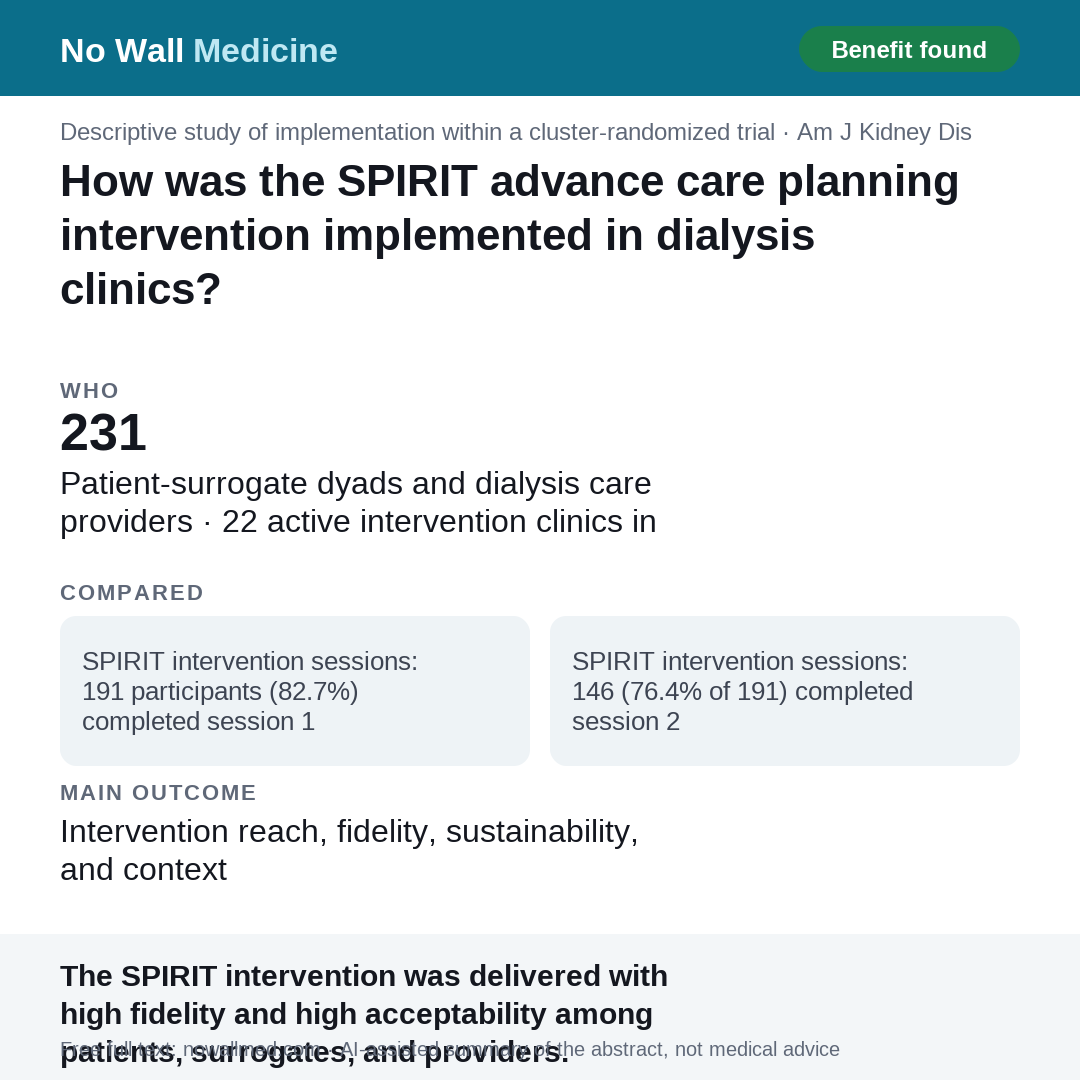
Implementation of An Advance Care Planning Intervention in Dialysis Clinics
Descriptive study of implementation within a cluster-randomized trialBenefit found
How was the SPIRIT advance care planning intervention implemented in dialysis clinics?
Who
231
Patient-surrogate dyads and dialysis care providers · 22 active intervention clinics in 5 states
Compared
SPIRIT intervention sessions: 191 participants (82.7%) completed session 1
SPIRIT intervention sessions: 146 (76.4% of 191) completed session 2
Main outcome
Intervention reach, fidelity, sustainability, and context
Bottom line: The SPIRIT intervention was delivered with high fidelity and high acceptability among patients, surrogates, and providers.
Limitation: Lack of data on actual continued use and low provider participation in acceptability survey.
Am J Kidney Dis · 2025-01-23Download image
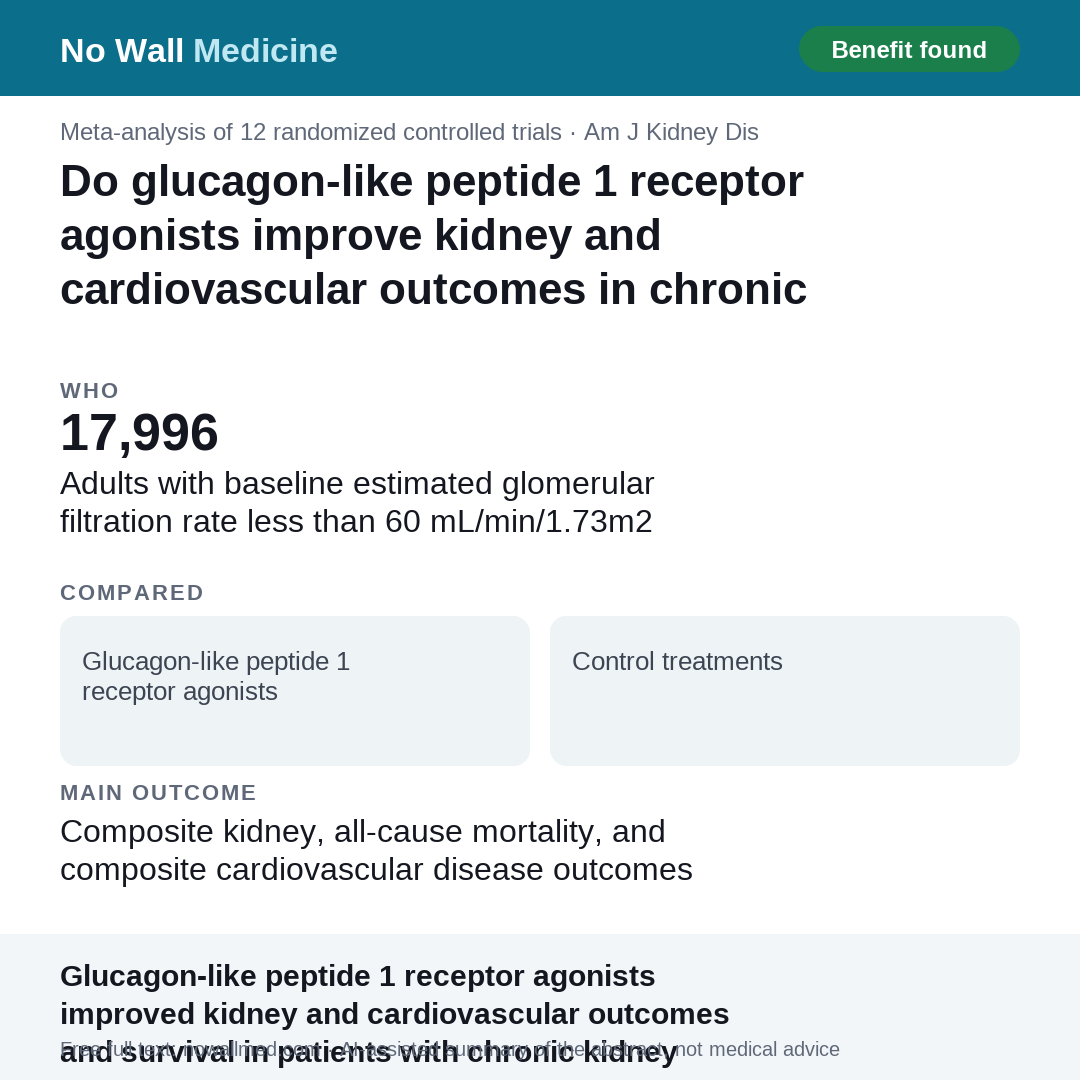
Kidney and Cardiovascular Outcomes Among Patients With CKD Receiving GLP-1 Receptor Agonists: A Systematic Review and Meta-Analysis of Randomized Trials
Meta-analysis of 12 randomized controlled trialsBenefit found
Do glucagon-like peptide 1 receptor agonists improve kidney and cardiovascular outcomes in chronic kidney disease?
Who
17,996
Adults with baseline estimated glomerular filtration rate less than 60 mL/min/1.73m2
Compared
Glucagon-like peptide 1 receptor agonists
Control treatments
Main outcome
Composite kidney, all-cause mortality, and composite cardiovascular disease outcomes
Result: composite kidney outcome OR 0.85 (95% CI 0.77-0.94); all-cause mortality OR 0.77 (95% CI 0.60-0.98); composite cardiovascular outcome OR 0.86 (95% CI 0.74-0.99)
Bottom line: Glucagon-like peptide 1 receptor agonists improved kidney and cardiovascular outcomes and survival in patients with chronic kidney disease.
Limitation: Inconsistent kidney outcome definitions, focus on diabetic populations, and potential publication bias.
Am J Kidney Dis · 2025-01-23Download image
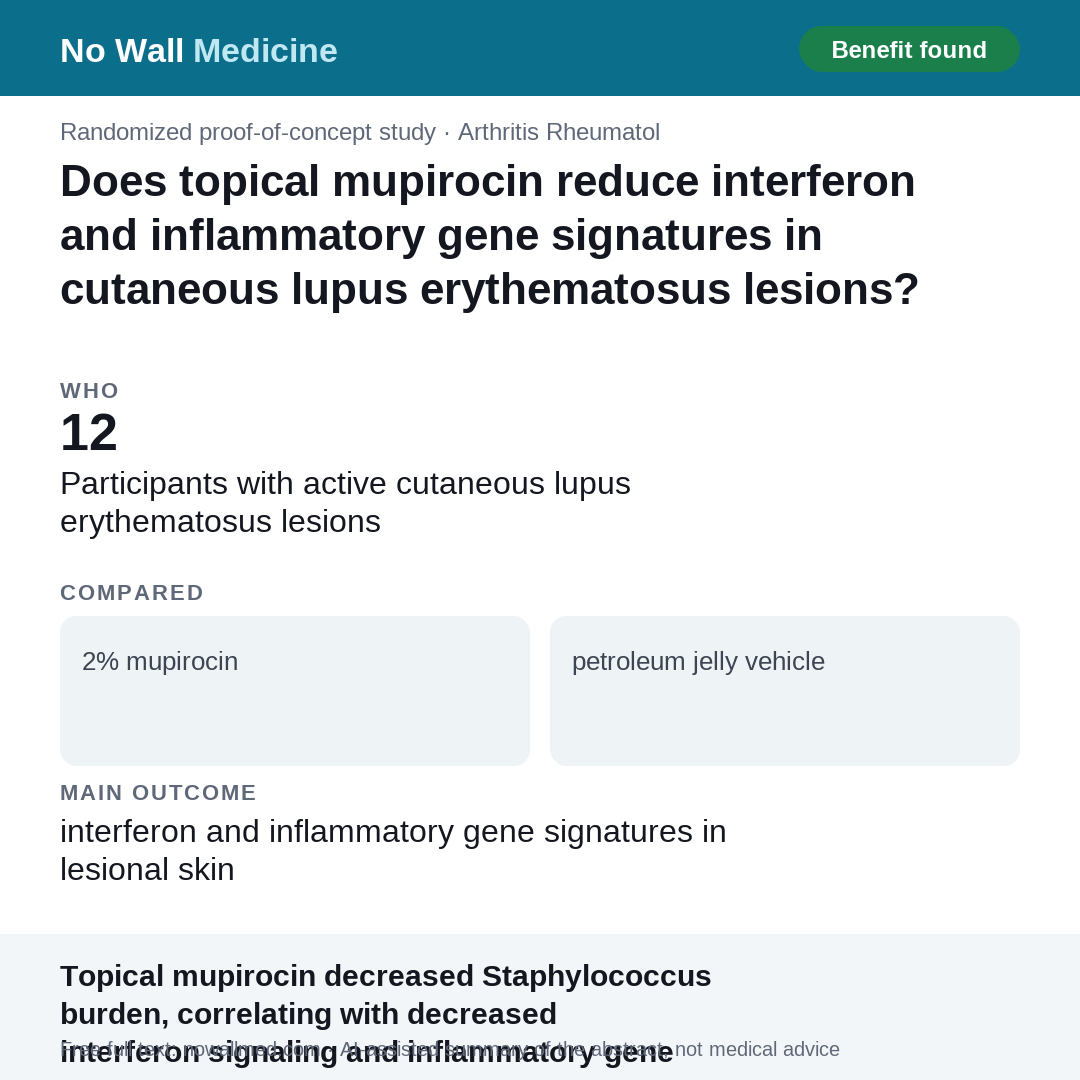
Topical Mupirocin Treatment Reduces Interferon and Myeloid Signatures in Cutaneous Lupus Erythematous Lesions Through Targeting of Staphylococcus Species
Randomized proof-of-concept studyBenefit found
Does topical mupirocin reduce interferon and inflammatory gene signatures in cutaneous lupus erythematosus lesions?
Who
12
Participants with active cutaneous lupus erythematosus lesions
Compared
2% mupirocin
petroleum jelly vehicle
Main outcome
interferon and inflammatory gene signatures in lesional skin
Bottom line: Topical mupirocin decreased Staphylococcus burden, correlating with decreased interferon signaling and inflammatory gene expression in lupus lesions.
Arthritis Rheumatol · 2025-01-23Download image
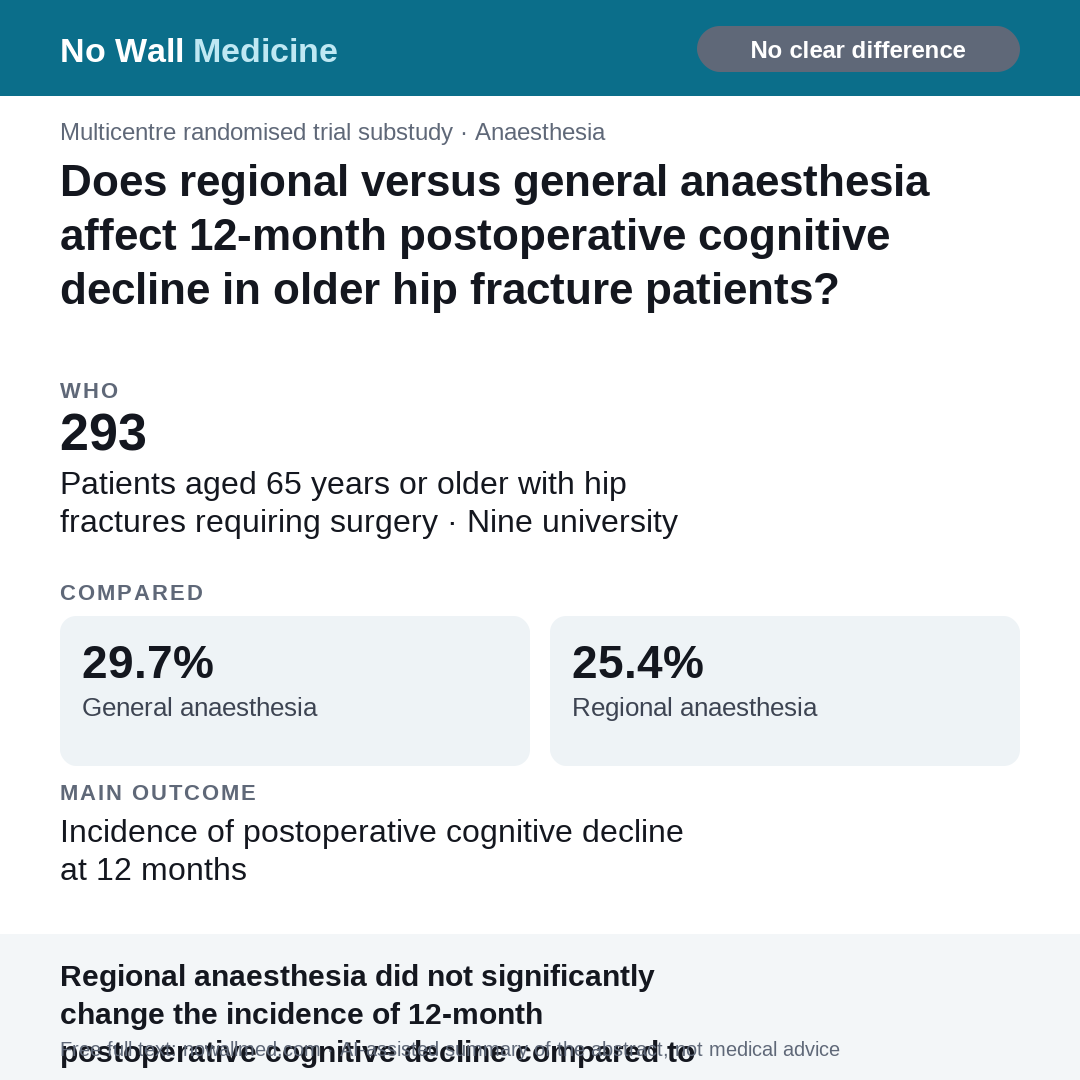
Incidence of 12-month postoperative cognitive decline following regional vs. general anaesthesia in older patients undergoing hip fracture surgery: follow-up of the RAGA trial
Multicentre randomised trial substudyNo clear difference
Does regional versus general anaesthesia affect 12-month postoperative cognitive decline in older hip fracture patients?
Who
293
Patients aged 65 years or older with hip fractures requiring surgery · Nine university hospitals in south-eastern China
Compared
29.7%General anaesthesia
25.4%Regional anaesthesia
Main outcome
Incidence of postoperative cognitive decline at 12 months
Result: unadjusted OR 1.2 (95%CI 0.7-2.1)
Bottom line: Regional anaesthesia did not significantly change the incidence of 12-month postoperative cognitive decline compared to general anaesthesia.
Anaesthesia · 2025-01-23Download image
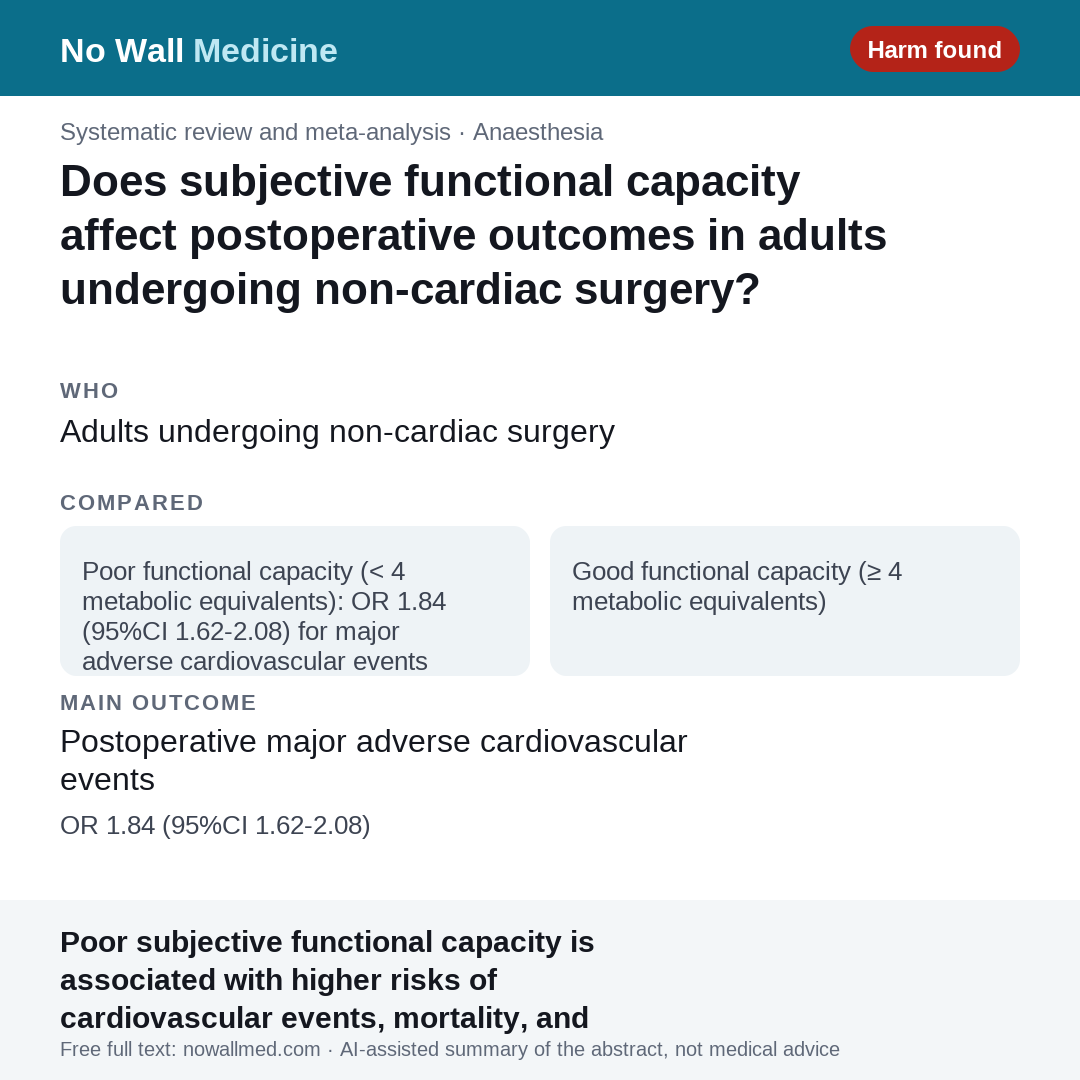
Pre-operative subjective functional capacity and postoperative outcomes in adult non-cardiac surgery: a systematic review and meta-analysis
Systematic review and meta-analysisHarm found
Does subjective functional capacity affect postoperative outcomes in adults undergoing non-cardiac surgery?
Who
Adults undergoing non-cardiac surgery
Compared
Poor functional capacity (< 4 metabolic equivalents): OR 1.84 (95%CI 1.62-2.08) for major adverse cardiovascular events
Good functional capacity (≥ 4 metabolic equivalents)
Main outcome
Postoperative major adverse cardiovascular events
Result: OR 1.84 (95%CI 1.62-2.08)
Bottom line: Poor subjective functional capacity is associated with higher risks of cardiovascular events, mortality, and postoperative complications.
Limitation: Diverse measures used to assess functional capacity.
Anaesthesia · 2025-01-23Download image