Visual abstracts
New randomized trials and meta-analyses from leading journals at a glance: who was studied, what was compared, and what was found. Every paper is free to read in full.
All specialtiesCardiology 4129Oncology 3536Gastroenterology & Hepatology 1640Infectious Disease 3105Neurology 1644Psychiatry & Mental Health 1943Pulmonology 1789Critical Care 1169Endocrinology & Diabetes 2135Pediatrics 2491Surgery 2189Orthopedics & Sports Medicine 777Neurosurgery 467Cardiothoracic & Vascular Surgery 520Plastic & Reconstructive Surgery 545Nephrology 931Rheumatology 685Hematology 925Dermatology 524Ophthalmology 449Obstetrics & Gynecology 1443Public & Global Health 830Radiology & Imaging 551Anesthesiology 844Urology 663ENT (Otolaryngology) 445Emergency Medicine 443Allergy & Immunology 259Geriatrics 856Family Medicine & Primary Care 488Medical Genetics & Genomics 579Pathology & Laboratory Medicine 142Physical Medicine & Rehabilitation 634Palliative Care 374Nutrition 1273Digital Health & AI 1912General Medicine 287
Comparative effectiveness of electroencephalogram-neurofeedback training of 3-45 frequency band on memory in healthy population: a network meta-analysis with systematic literature search
Network meta-analysisBenefit found
Which electroencephalogram-neurofeedback training frequency most effectively enhances working and episodic memory?
Who
Healthy participants
Compared
Alpha combined with working memory training: highest efficacy for working memory (100%)
Alpha neurofeedback training: highest efficacy for episodic memory (87.0%)
Active control
Main outcome
Working memory and episodic memory
Bottom line: Alpha activity combined with working memory training or alone may most effectively enhance memory in healthy individuals.
Limitation: Brain activity combined with other training methods requires more robust studies.
J Neuroeng Rehabil · 2025-04-24Download image

Visual hallucinations in neurosurgery: A systematic review and two case insights into Charles Bonnet Syndrome
Systematic literature review and two case insightsUnclear result
What is the prevalence and characteristics of Charles Bonnet Syndrome in neurosurgery patients?
Who
17
Patients diagnosed with Charles Bonnet Syndrome related to neurosurgery
Compared
76 %Post-surgery cases
Other cases
Main outcome
Charles Bonnet Syndrome occurrence and characteristics
Bottom line: Charles Bonnet Syndrome is an underrecognized cause of complex visual hallucinations following neurosurgical interventions.
Brain Spine · 2025-04-24Download image

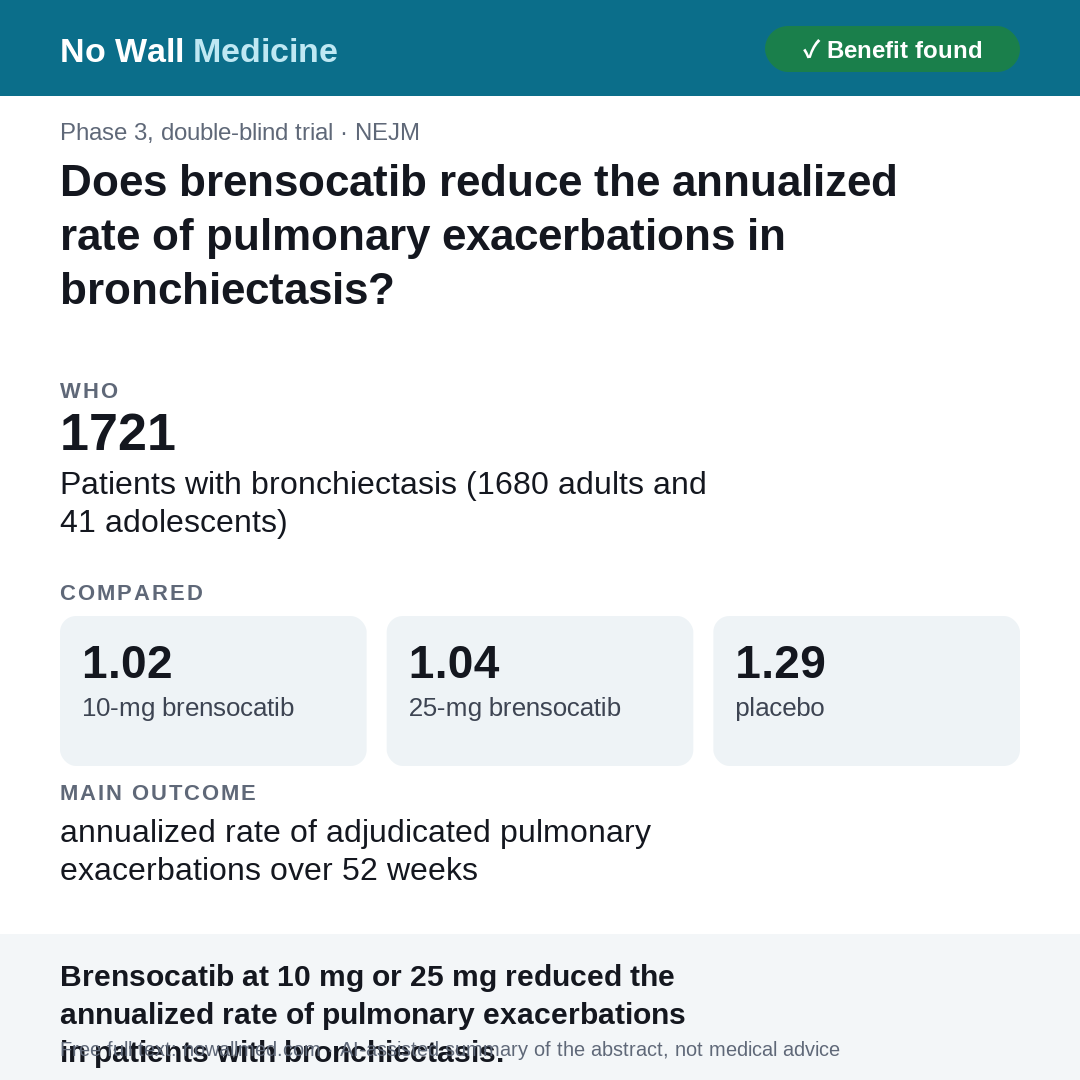
Phase 3 Trial of the DPP-1 Inhibitor Brensocatib in Bronchiectasis
Phase 3, double-blind trialBenefit found
Does brensocatib reduce the annualized rate of pulmonary exacerbations in bronchiectasis?
Who
1721
Patients with bronchiectasis (1680 adults and 41 adolescents)
Compared
1.0210-mg brensocatib
1.0425-mg brensocatib
1.29placebo
Main outcome
annualized rate of adjudicated pulmonary exacerbations over 52 weeks
Result: rate ratio 0.79 (95% CI 0.68 to 0.92) for 10-mg dose
Bottom line: Brensocatib at 10 mg or 25 mg reduced the annualized rate of pulmonary exacerbations in patients with bronchiectasis.
Funded by: Insmed
NEJM · 2025-04-23Download image
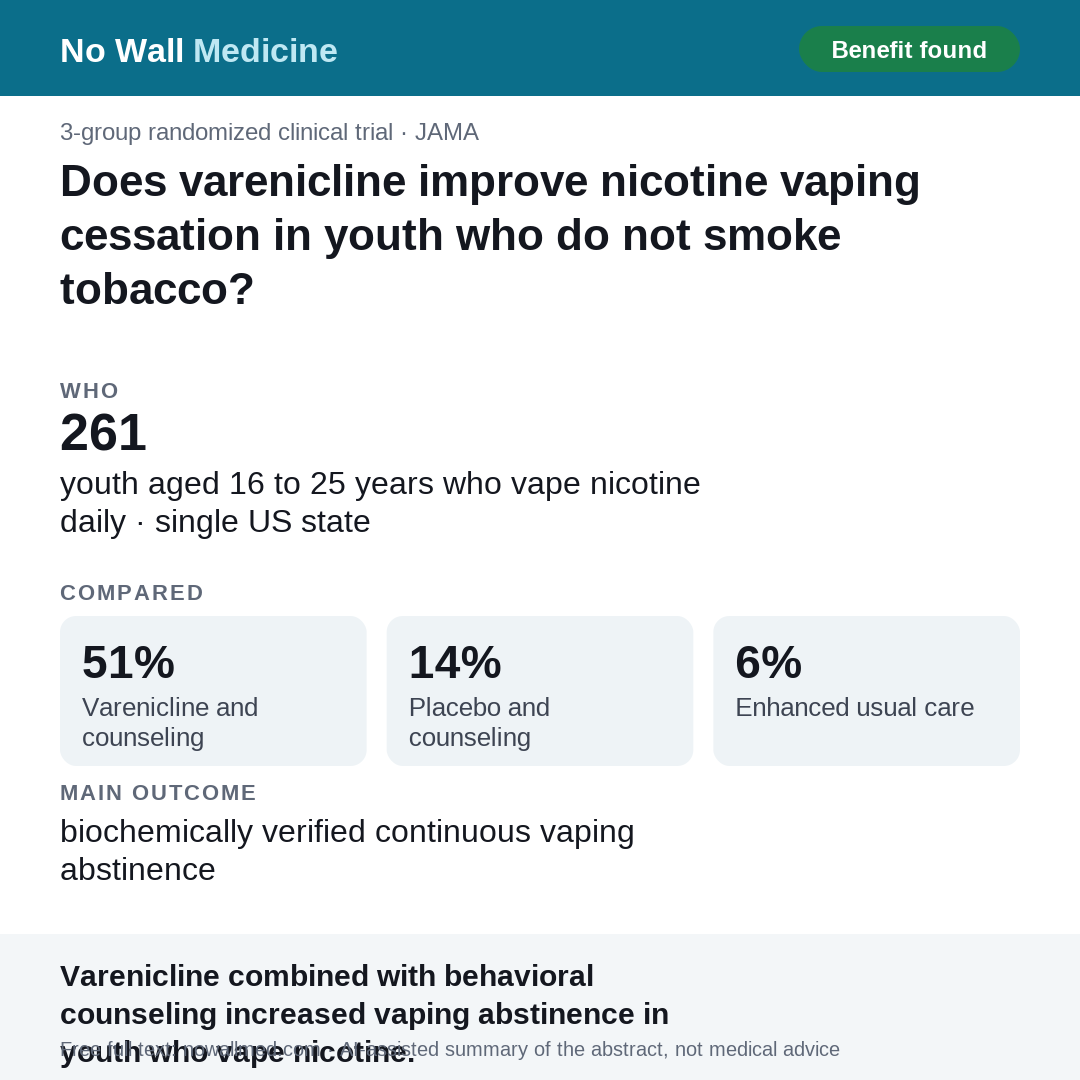
Varenicline for Youth Nicotine Vaping Cessation: A Randomized Clinical Trial
3-group randomized clinical trialBenefit found
Does varenicline improve nicotine vaping cessation in youth who do not smoke tobacco?
Who
261
youth aged 16 to 25 years who vape nicotine daily · single US state
Compared
51%Varenicline and counseling (weeks 9-12)
14%Placebo and counseling (weeks 9-12)
6%Enhanced usual care (weeks 9-12)
Main outcome
biochemically verified continuous vaping abstinence
Result: adjusted odds ratio 6.5 (95% CI 3.0 to 14.1)
Bottom line: Varenicline combined with behavioral counseling increased vaping abstinence in youth who vape nicotine.
JAMA · 2025-04-23Download image
Cognitive behavioral therapy skills via a smartphone app for subthreshold depression among adults in the community: the RESiLIENT randomized controlled trial
Master randomized controlled trialBenefit found
Are cognitive behavioral therapy skills via a smartphone app effective for subthreshold depression?
Who
3936
Adults with subthreshold depression in the community
Compared
Cognitive behavioral therapy skills: effect sizes ranging between -0.67 (95% confidence interval: -0.81 to -0.53) and -0.16 (-0.30 to -0.02)
Control conditions
Main outcome
Changes in depressive symptom severity from baseline to week 6
Result: -0.67 (95% confidence interval: -0.81 to -0.53) to -0.16 (-0.30 to -0.02)
Bottom line: Smartphone-delivered cognitive behavioral therapy skills significantly reduced depressive symptom severity compared to control conditions.
Nat Med · 2025-04-23Download image

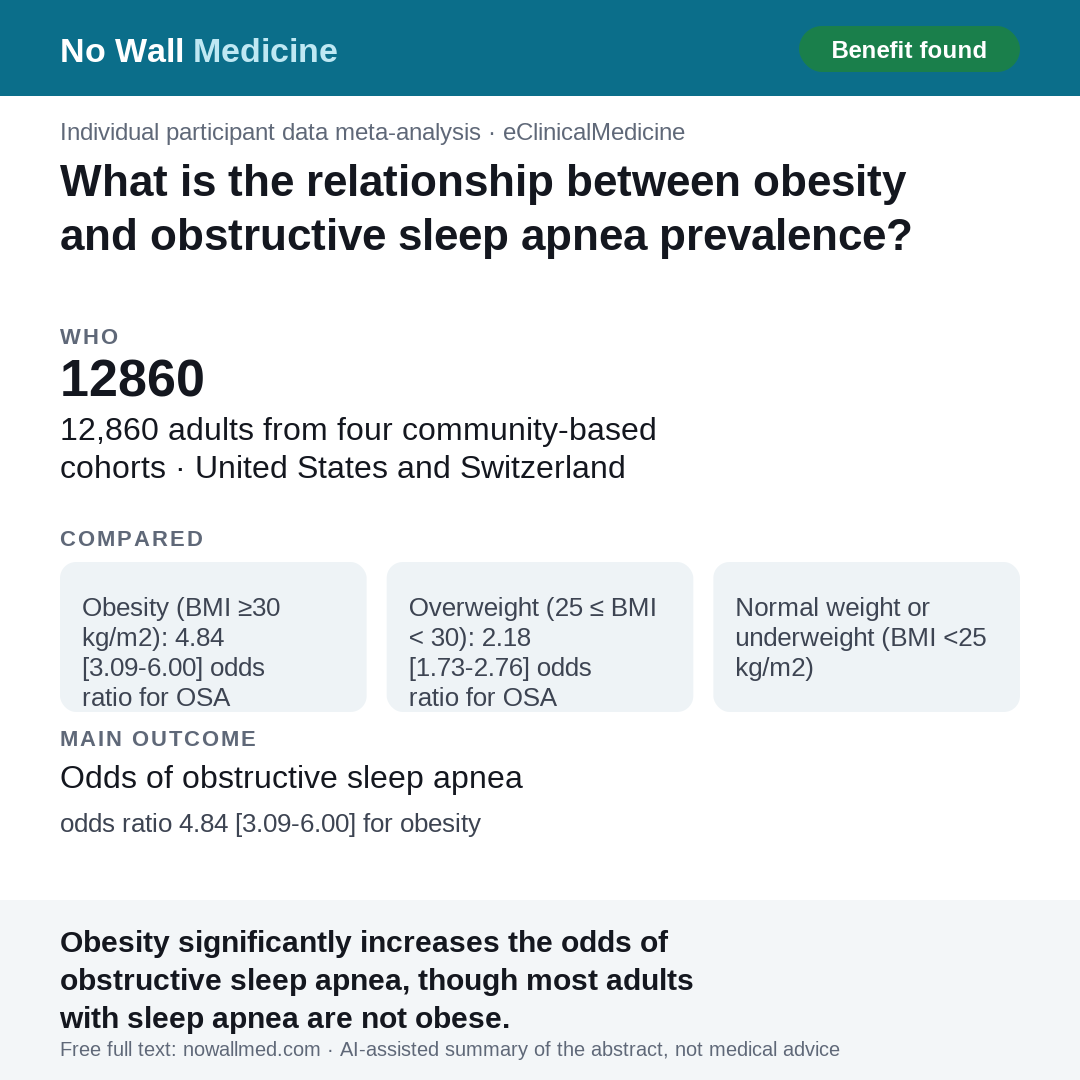
The relationship between obesity and obstructive sleep apnea in four community-based cohorts: an individual participant data meta-analysis of 12,860 adults
Individual participant data meta-analysisBenefit found
What is the relationship between obesity and obstructive sleep apnea prevalence?
Who
12860
12,860 adults from four community-based cohorts · United States and Switzerland
Compared
Obesity (BMI ≥30 kg/m2): 4.84 [3.09-6.00] odds ratio for OSA
Overweight (25 ≤ BMI < 30): 2.18 [1.73-2.76] odds ratio for OSA
Normal weight or underweight (BMI <25 kg/m2)
Main outcome
Odds of obstructive sleep apnea
Result: odds ratio 4.84 [3.09-6.00] for obesity
Bottom line: Obesity significantly increases the odds of obstructive sleep apnea, though most adults with sleep apnea are not obese.
Funded by: American Academy of Sleep Medicine, National Heart, Lung, and Blood Institute, and Apnimed
eClinicalMedicine · 2025-04-23Download image
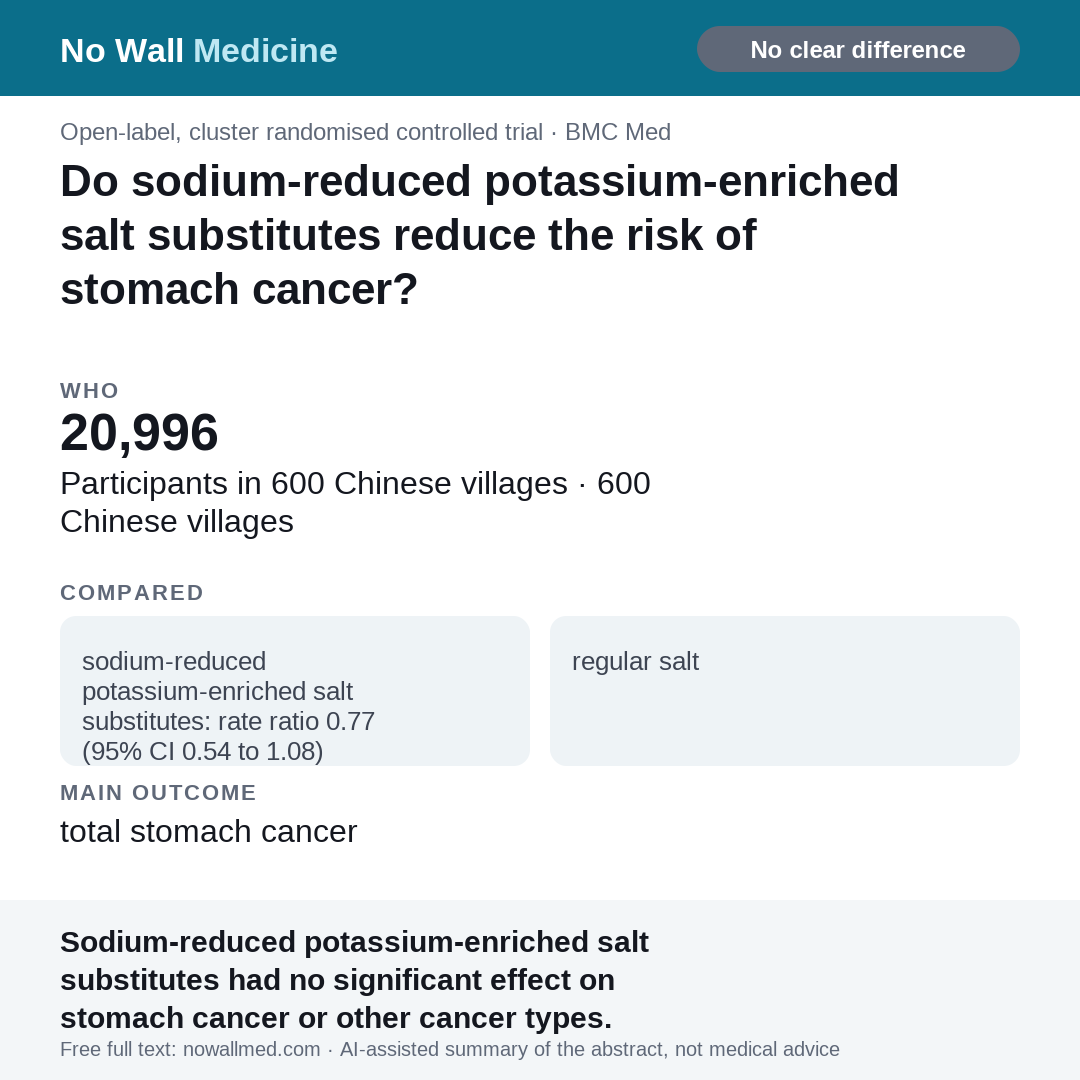
Effect of sodium-reduced potassium-enriched salt substitutes on stomach cancer: the Salt Substitute and Stroke Study (SSaSS)
Open-label, cluster randomised controlled trialNo clear difference
Do sodium-reduced potassium-enriched salt substitutes reduce the risk of stomach cancer?
Who
20,996
Participants in 600 Chinese villages · 600 Chinese villages
Compared
sodium-reduced potassium-enriched salt substitutes: rate ratio 0.77 (95% CI 0.54 to 1.08)
regular salt
Main outcome
total stomach cancer
Result: rate ratio 0.77 (95% CI 0.54 to 1.08)
Bottom line: Sodium-reduced potassium-enriched salt substitutes had no significant effect on stomach cancer or other cancer types.
BMC Med · 2025-04-23Download image
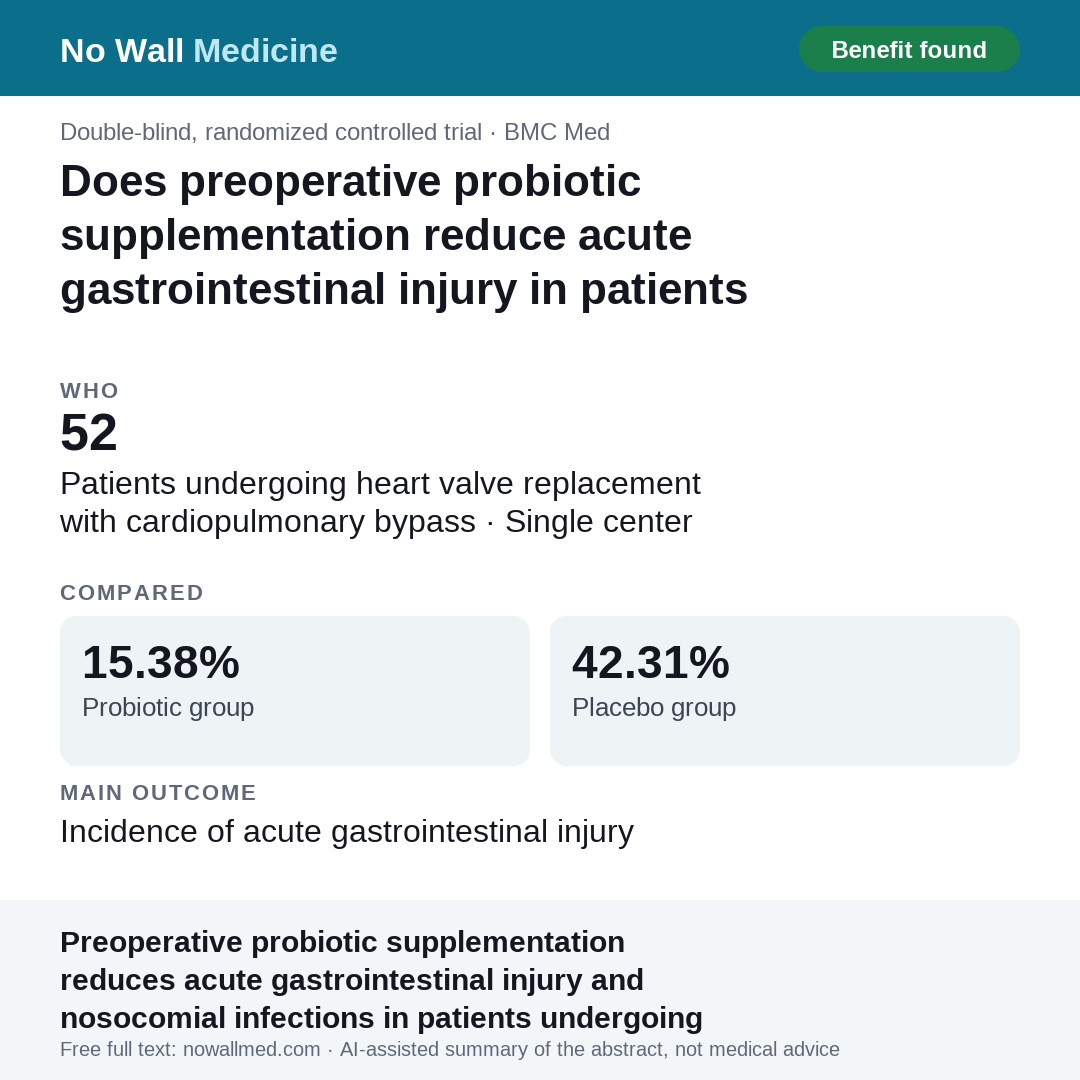
Probiotic mitigates gut hypoperfusion-associated acute gastrointestinal injury in patients undergoing cardiopulmonary bypass: a randomized controlled trial
Double-blind, randomized controlled trialBenefit found
Does preoperative probiotic supplementation reduce acute gastrointestinal injury in patients undergoing cardiopulmonary bypass?
Who
52
Patients undergoing heart valve replacement with cardiopulmonary bypass · Single center
Compared
15.38%Probiotic group
42.31%Placebo group
Main outcome
Incidence of acute gastrointestinal injury
Result: difference of 26.93% (P = 0.032)
Bottom line: Preoperative probiotic supplementation reduces acute gastrointestinal injury and nosocomial infections in patients undergoing cardiopulmonary bypass.
BMC Med · 2025-04-23Download image
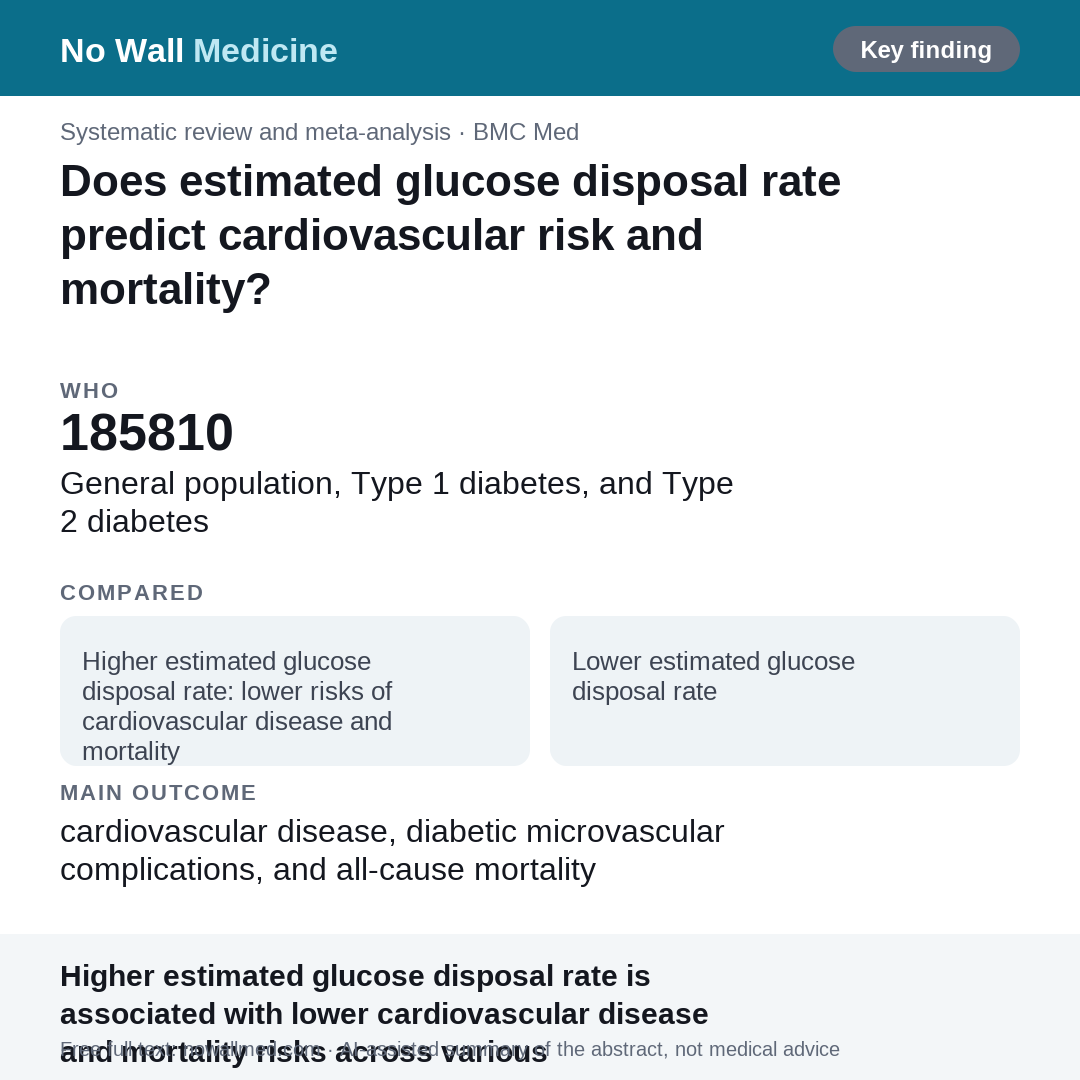
The role of estimated glucose disposal rate in predicting cardiovascular risk among general and diabetes mellitus population: a systematic review and meta-analysis
Systematic review and meta-analysisBenefit found
Does estimated glucose disposal rate predict cardiovascular risk and mortality?
Who
185810
General population, Type 1 diabetes, and Type 2 diabetes
Compared
Higher estimated glucose disposal rate: lower risks of cardiovascular disease and mortality
Lower estimated glucose disposal rate
Main outcome
cardiovascular disease, diabetic microvascular complications, and all-cause mortality
Result: hazard ratio 0.78 (95% CI 0.69-0.87) for cardiovascular disease in Type 1 diabetes
Bottom line: Higher estimated glucose disposal rate is associated with lower cardiovascular disease and mortality risks across various populations.
BMC Med · 2025-04-23Download image
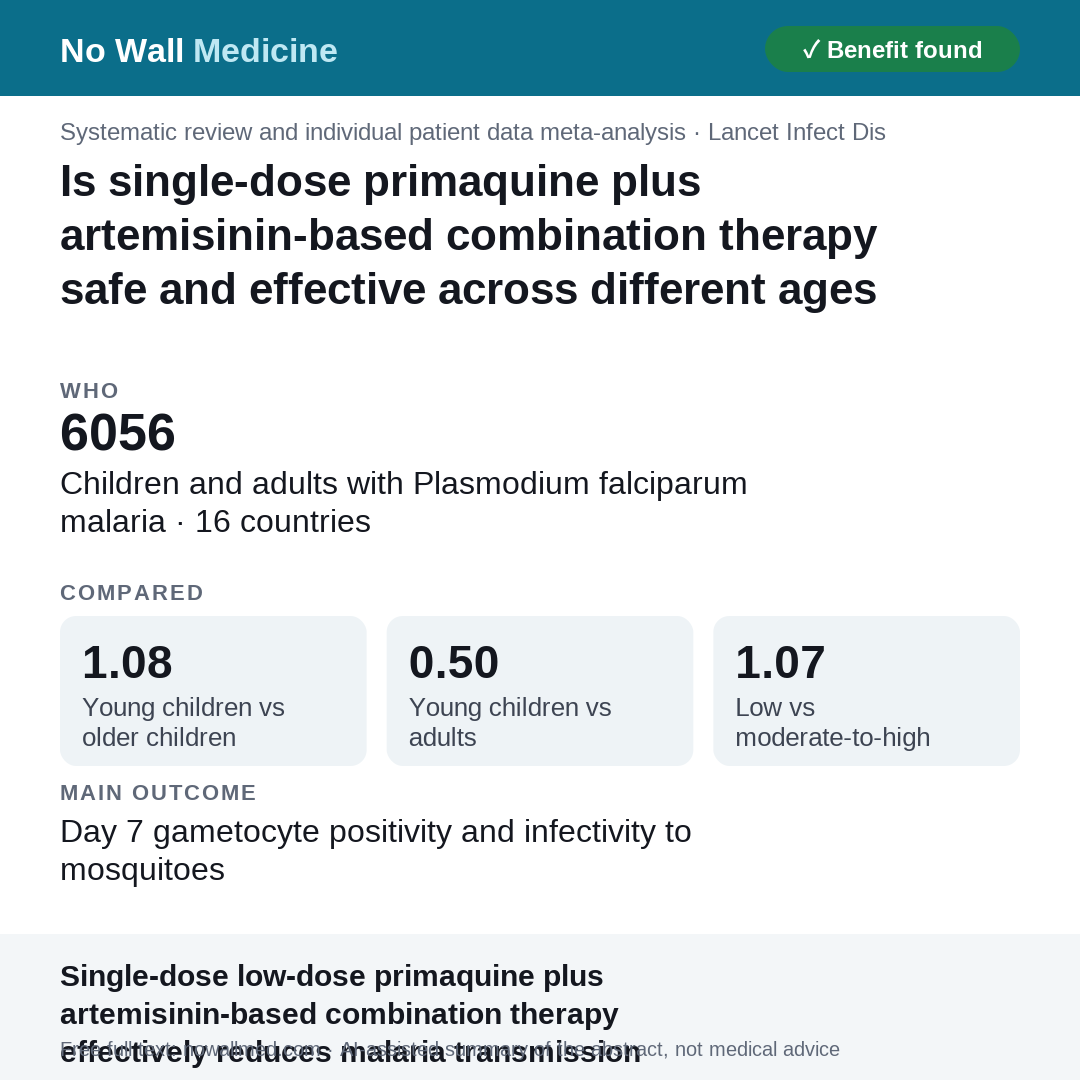
Safety and efficacy of single-dose primaquine to interrupt Plasmodium falciparum malaria transmission in children compared with adults: a systematic review and individual patient data meta-analysis
Systematic review and individual patient data meta-analysisBenefit found
Is single-dose primaquine plus artemisinin-based combination therapy safe and effective across different ages and settings?
Who
6056
Children and adults with Plasmodium falciparum malaria · 16 countries
Compared
1.08Young children vs older children (95% CI 0.52-2.23)
0.50Young children vs adults (95% CI 0.20-1.25)
1.07Low vs moderate-to-high transmission (95% CI 0.46-2.52)
Main outcome
Day 7 gametocyte positivity and infectivity to mosquitoes
Result: adjusted odds ratio 0.34 (95% CI 0.22-0.52)
Bottom line: Single-dose low-dose primaquine plus artemisinin-based combination therapy effectively reduces malaria transmission across different age groups and transmission settings.
Lancet Infect Dis · 2025-04-23Download image
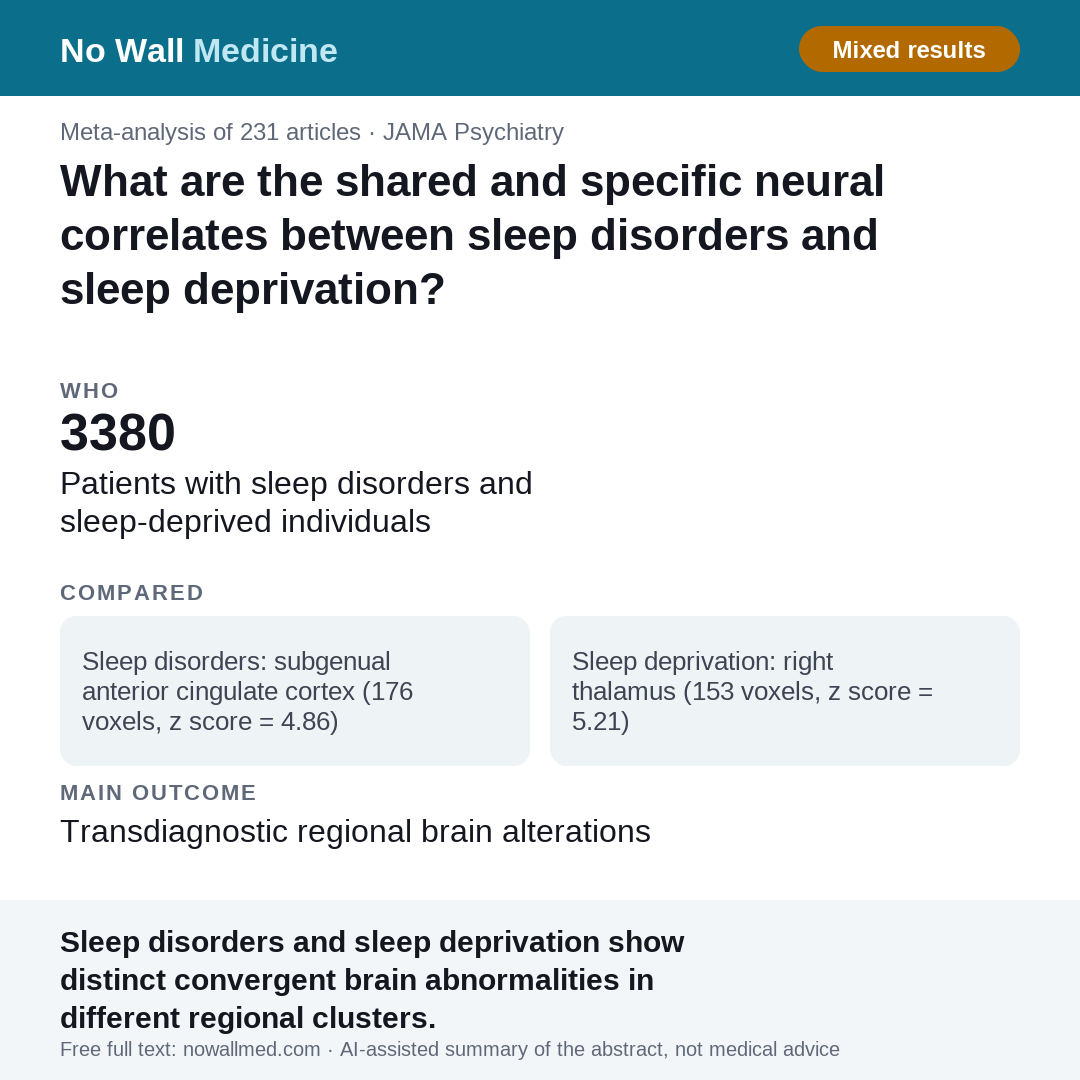
Distinct Convergent Brain Alterations in Sleep Disorders and Sleep Deprivation: A Meta-Analysis
Meta-analysis of 231 articlesMixed results
What are the shared and specific neural correlates between sleep disorders and sleep deprivation?
Who
3380
Patients with sleep disorders and sleep-deprived individuals
Compared
Sleep disorders: subgenual anterior cingulate cortex (176 voxels, z score = 4.86)
Sleep deprivation: right thalamus (153 voxels, z score = 5.21)
Main outcome
Transdiagnostic regional brain alterations
Bottom line: Sleep disorders and sleep deprivation show distinct convergent brain abnormalities in different regional clusters.
JAMA Psychiatry · 2025-04-23Download image
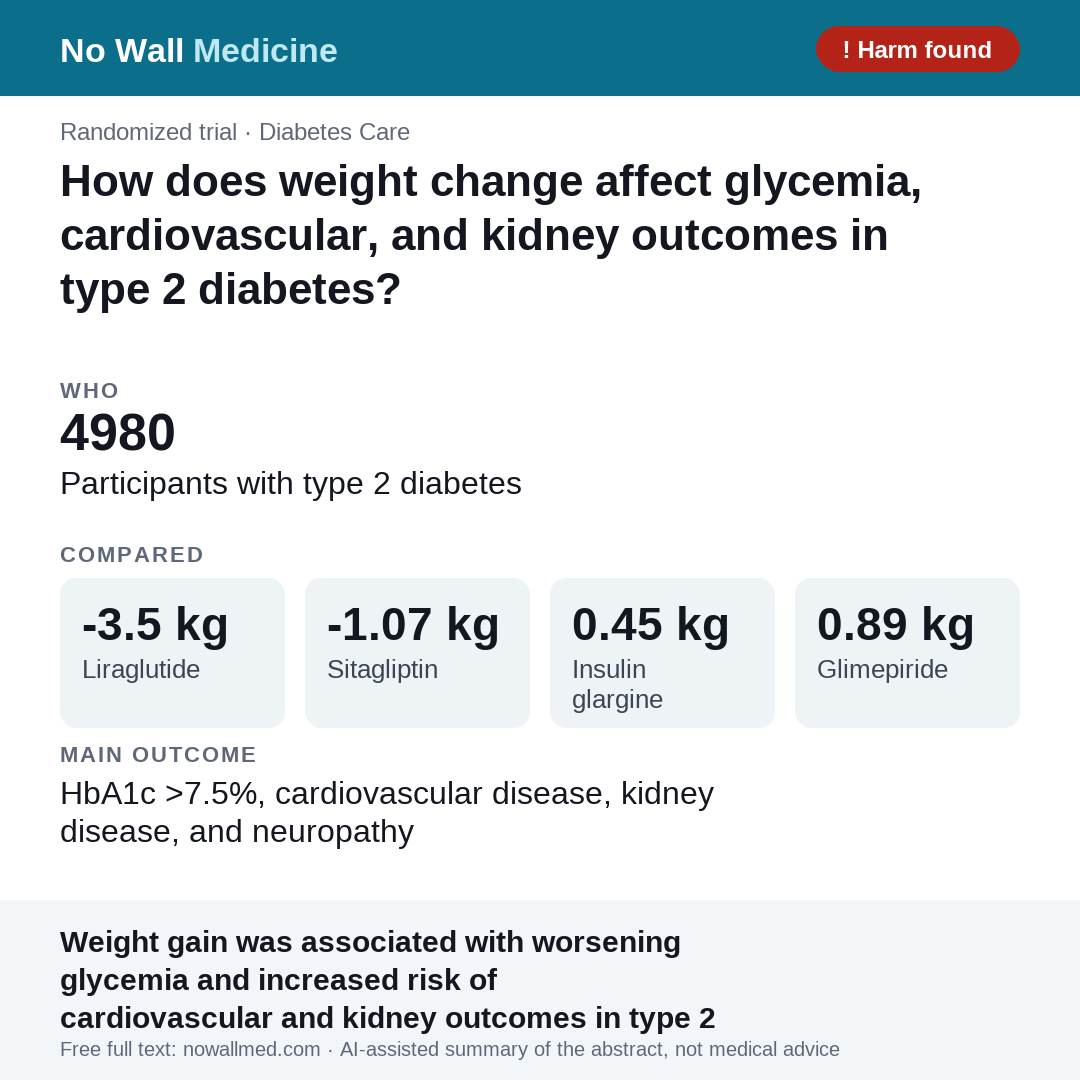
Weight Gain Was Associated With Worsening Glycemia and Cardiovascular and Kidney Outcomes in Patients With Type 2 Diabetes Independent of Diabetes Medication in the GRADE Randomized Controlled Trial
Randomized trialHarm found
How does weight change affect glycemia, cardiovascular, and kidney outcomes in type 2 diabetes?
Who
4980
Participants with type 2 diabetes
Compared
-3.5 kgLiraglutide
-1.07 kgSitagliptin
0.45 kgInsulin glargine
0.89 kgGlimepiride
Main outcome
HbA1c >7.5%, cardiovascular disease, kidney disease, and neuropathy
Result: hazard ratio 1.05 (95% CI 1.04 to 1.07) for HbA1c >7.5%
Bottom line: Weight gain was associated with worsening glycemia and increased risk of cardiovascular and kidney outcomes in type 2 diabetes.
Diabetes Care · 2025-04-23Download image
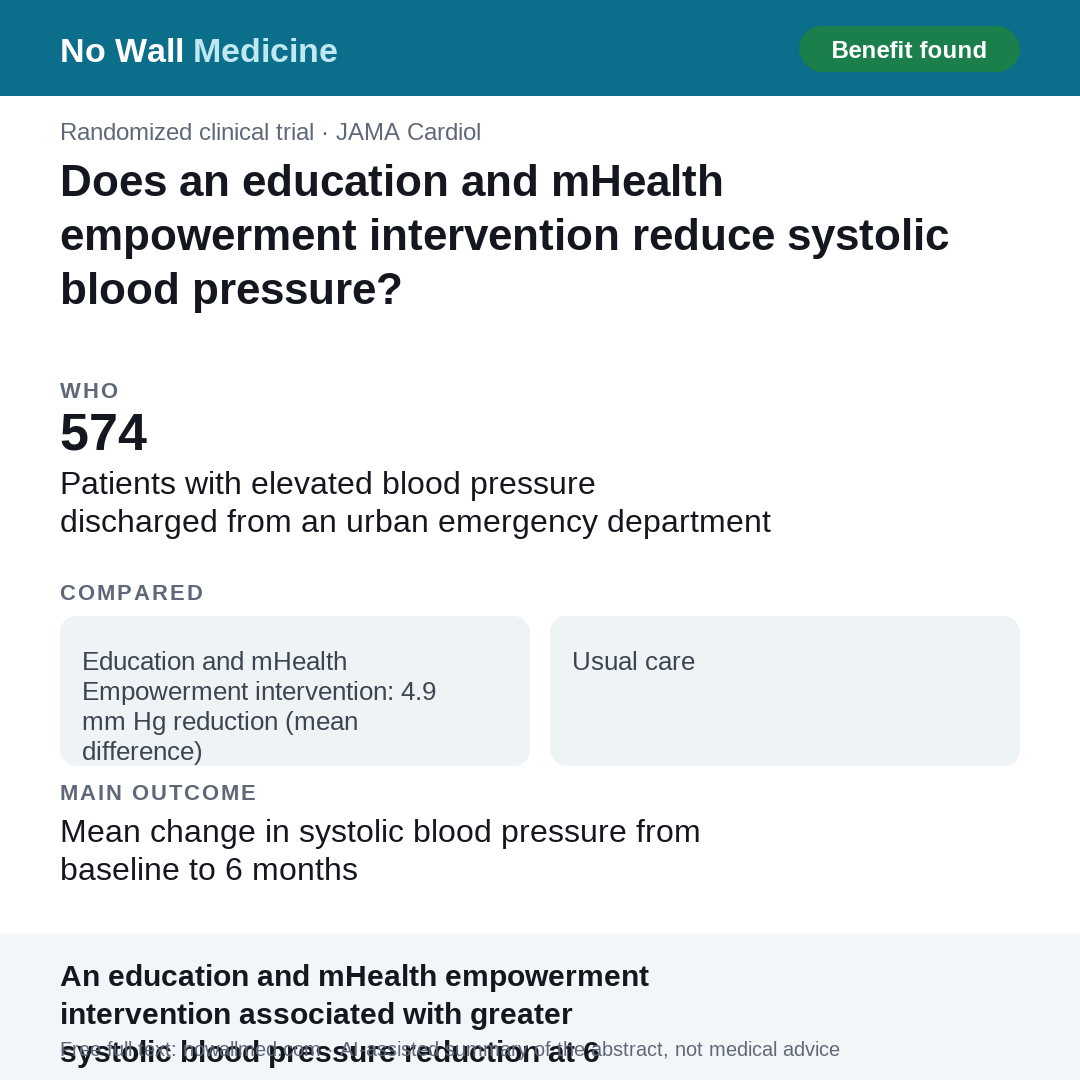
Emergency Department-Based Education and mHealth Empowerment Intervention for Hypertension: The TOUCHED Randomized Clinical Trial
Randomized clinical trialBenefit found
Does an education and mHealth empowerment intervention reduce systolic blood pressure?
Who
574
Patients with elevated blood pressure discharged from an urban emergency department · Urban academic medical center emergency department
Compared
Education and mHealth Empowerment intervention: 4.9 mm Hg reduction (mean difference)
Usual care
Main outcome
Mean change in systolic blood pressure from baseline to 6 months
Result: mean difference, 4.9 mm Hg; 95% CI, 0.8-9.0 mm Hg
Bottom line: An education and mHealth empowerment intervention associated with greater systolic blood pressure reduction at 6 months compared to usual care.
JAMA Cardiol · 2025-04-23Download image
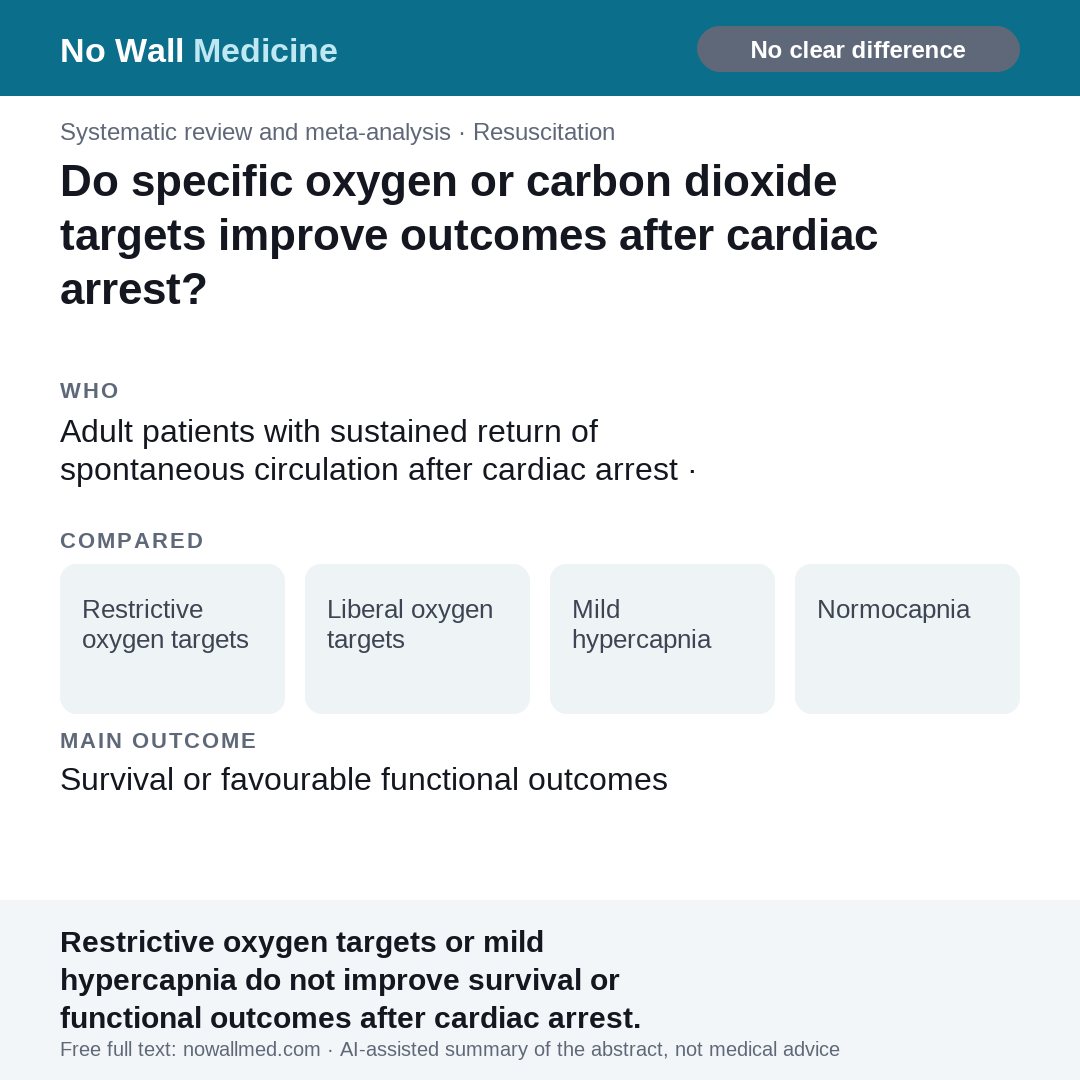
Oxygen and carbon dioxide targets after cardiac arrest: an updated systematic review
Systematic review and meta-analysisNo clear difference
Do specific oxygen or carbon dioxide targets improve outcomes after cardiac arrest?
Who
Adult patients with sustained return of spontaneous circulation after cardiac arrest · Prehospital and intensive care unit settings
Compared
Restrictive oxygen targets
Liberal oxygen targets
Mild hypercapnia
Normocapnia
Main outcome
Survival or favourable functional outcomes
Bottom line: Restrictive oxygen targets or mild hypercapnia do not improve survival or functional outcomes after cardiac arrest.
Limitation: The certainty of evidence was rated as low to moderate.
Resuscitation · 2025-04-23Download image
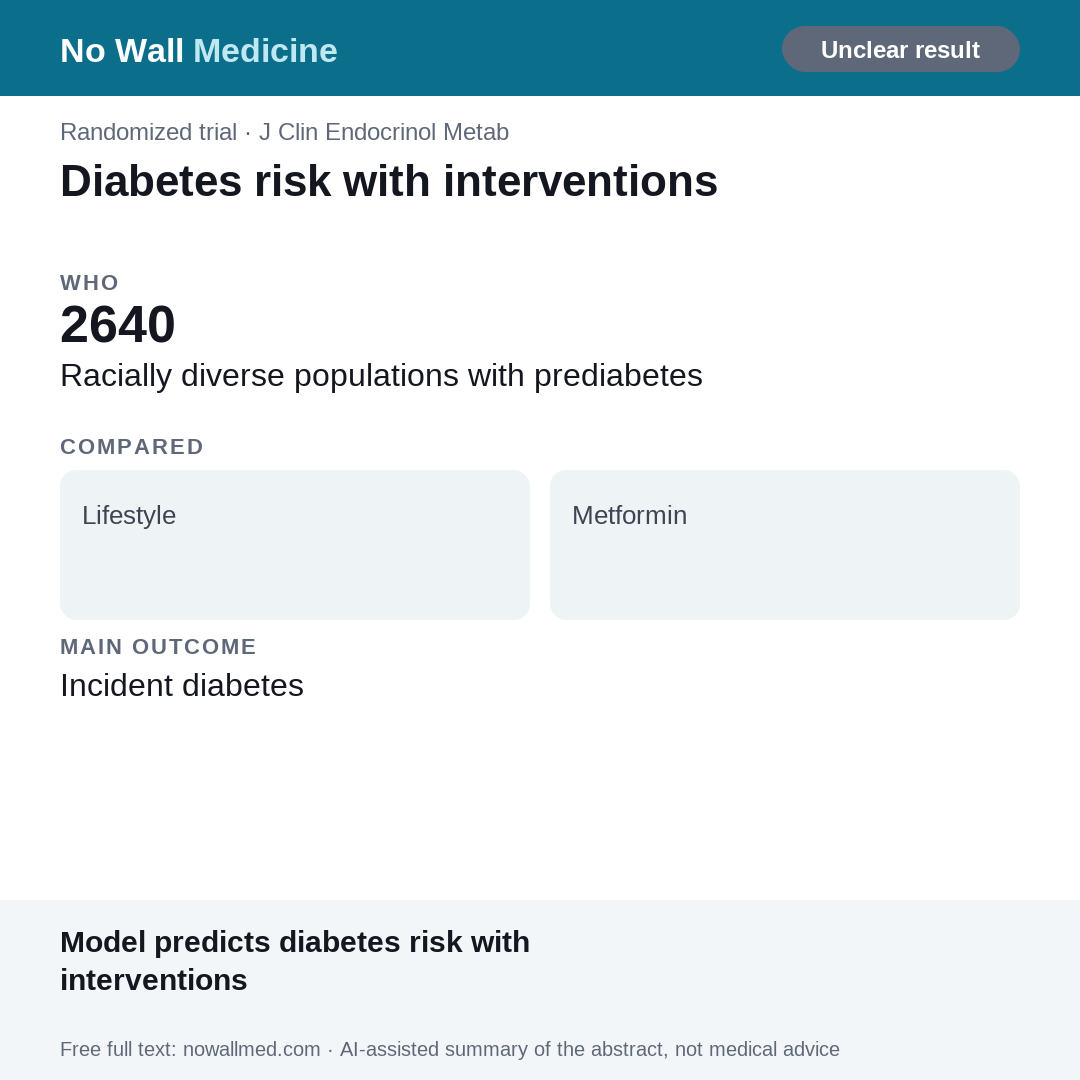
Development and Validation of a Diabetes Risk Prediction Model With Individualized Preventive Intervention Effects
Randomized trialUnclear result
Diabetes risk with interventions
Who
2640
Racially diverse populations with prediabetes
Compared
Lifestyle
Metformin
Main outcome
Incident diabetes
Bottom line: Model predicts diabetes risk with interventions
J Clin Endocrinol Metab · 2025-04-23Download image
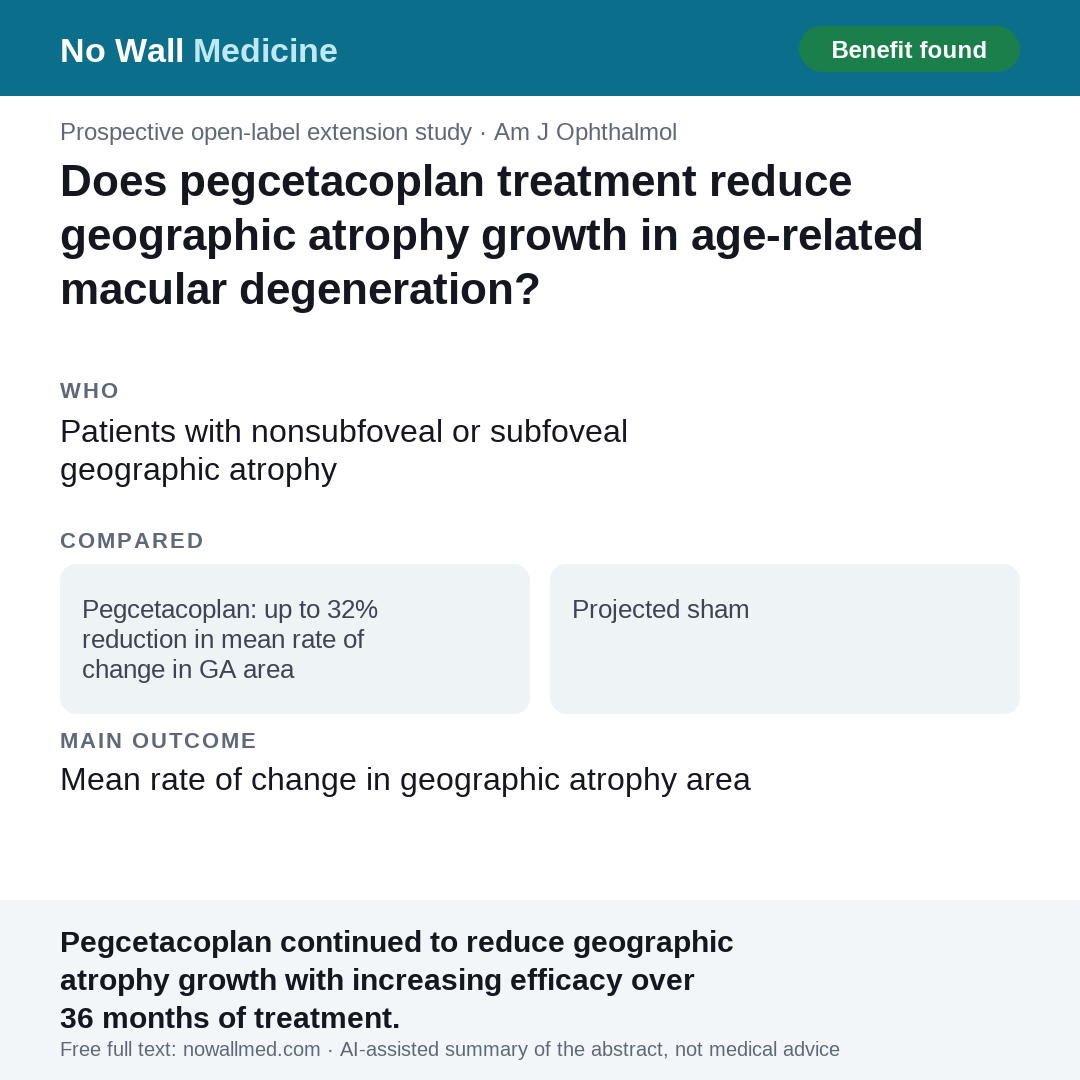
Pegcetacoplan Treatment for Geographic Atrophy in Age-Related Macular Degeneration Over 36 Months: Data From OAKS, DERBY, and GALE
Prospective open-label extension studyBenefit found
Does pegcetacoplan treatment reduce geographic atrophy growth in age-related macular degeneration?
Who
Patients with nonsubfoveal or subfoveal geographic atrophy
Compared
Pegcetacoplan: up to 32% reduction in mean rate of change in GA area
Projected sham
Main outcome
Mean rate of change in geographic atrophy area
Bottom line: Pegcetacoplan continued to reduce geographic atrophy growth with increasing efficacy over 36 months of treatment.
Am J Ophthalmol · 2025-04-23Download image
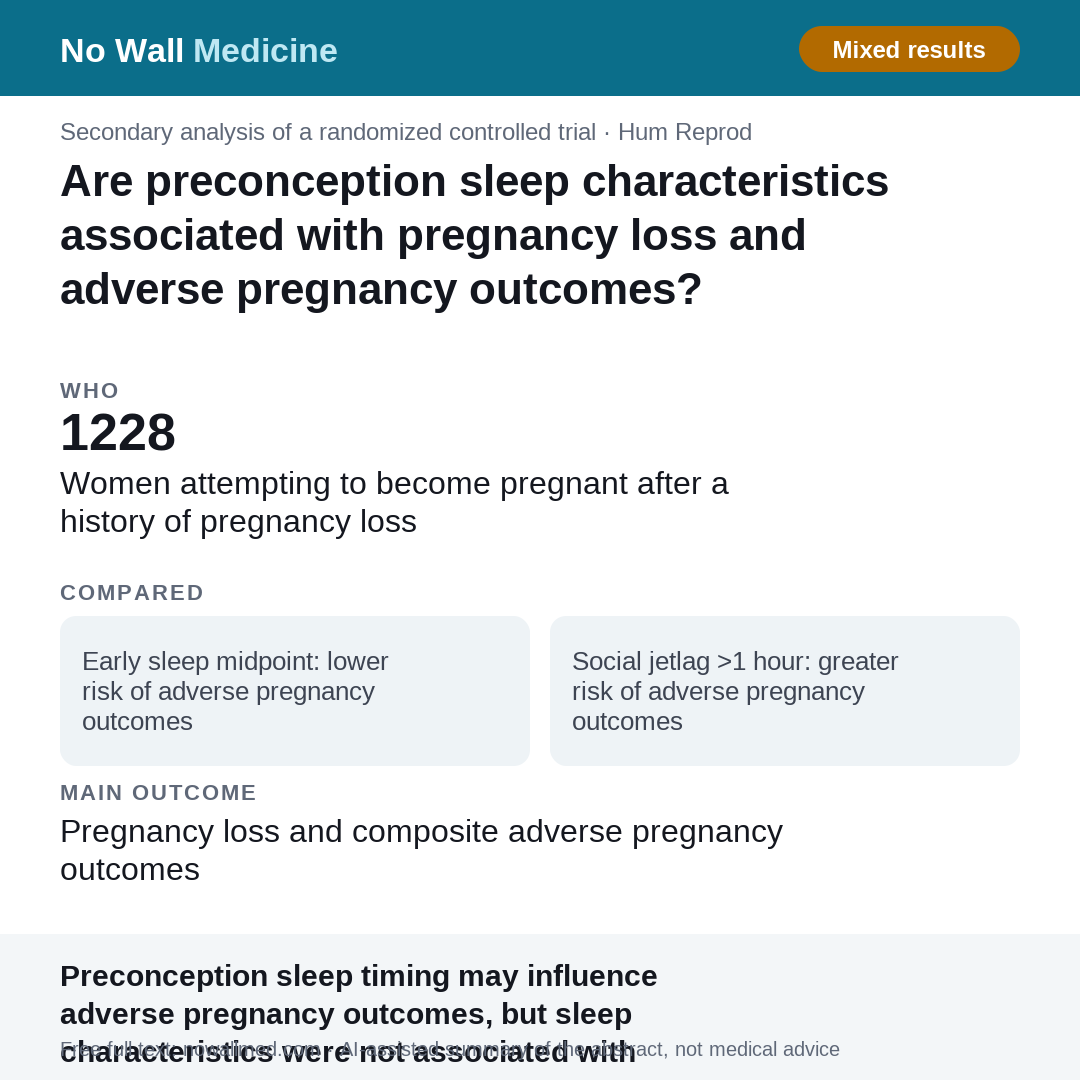
Preconception sleep, pregnancy loss, and adverse pregnancy outcomes among women with a history of pregnancy loss
Secondary analysis of a randomized controlled trialMixed results
Are preconception sleep characteristics associated with pregnancy loss and adverse pregnancy outcomes?
Who
1228
Women attempting to become pregnant after a history of pregnancy loss
Compared
Early sleep midpoint: lower risk of adverse pregnancy outcomes
Social jetlag >1 hour: greater risk of adverse pregnancy outcomes
Main outcome
Pregnancy loss and composite adverse pregnancy outcomes
Result: RR 0.63 (95% CI: 0.40, 0.98) for early midpoint; RR 1.65 (95% CI: 1.11, 2.44) for social jetlag >1h
Bottom line: Preconception sleep timing may influence adverse pregnancy outcomes, but sleep characteristics were not associated with pregnancy loss.
Limitation: Sleep was restricted to baseline self-report and few adverse outcomes limited power.
Funded by: National Cancer Institute and National Institute of Child Health and Human Development
Hum Reprod · 2025-04-23Download image
Palliative prognostic tools in surgical patients at the end of life: a systematic review
Systematic reviewMixed results
What is the role of palliative prognostic tools in adult surgical populations?
Who
Adult surgical patients
Compared
Patients identified at end of life: increased in-hospital and 12-month mortality
Surgical patients at end of life: <15% palliative care referral and end of life document completion
Main outcome
Decision to proceed to surgery and mortality
Bottom line: Palliative prognostic tools identify high-risk surgical patients but impact on surgical decisions remains uncertain.
Br J Anaesth · 2025-04-23Download image

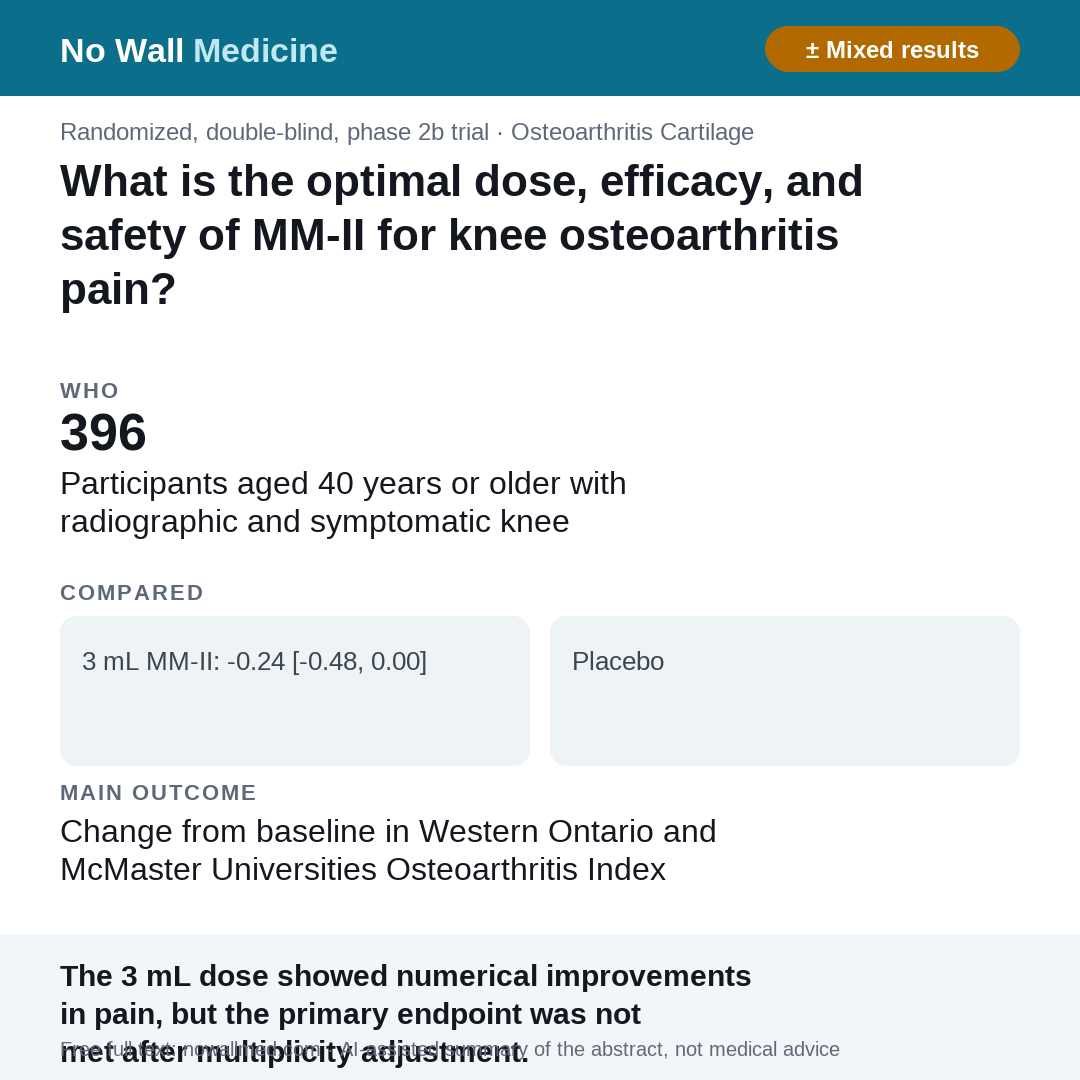
Intra-articular MM-II for the treatment of knee osteoarthritis pain: Efficacy and safety results from a 26-week, phase 2b, placebo-controlled, double-blind, randomized dose-ranging trial
Randomized, double-blind, phase 2b trialMixed results
What is the optimal dose, efficacy, and safety of MM-II for knee osteoarthritis pain?
Who
396
Participants aged 40 years or older with radiographic and symptomatic knee osteoarthritis
Compared
3 mL MM-II: -0.24 [-0.48, 0.00]
Placebo
Main outcome
Change from baseline in Western Ontario and McMaster Universities Osteoarthritis Index pain
Result: -0.24 (95% confidence interval, -0.48 to 0.00)
Bottom line: The 3 mL dose showed numerical improvements in pain, but the primary endpoint was not met after multiplicity adjustment.
Osteoarthritis Cartilage · 2025-04-23Download image
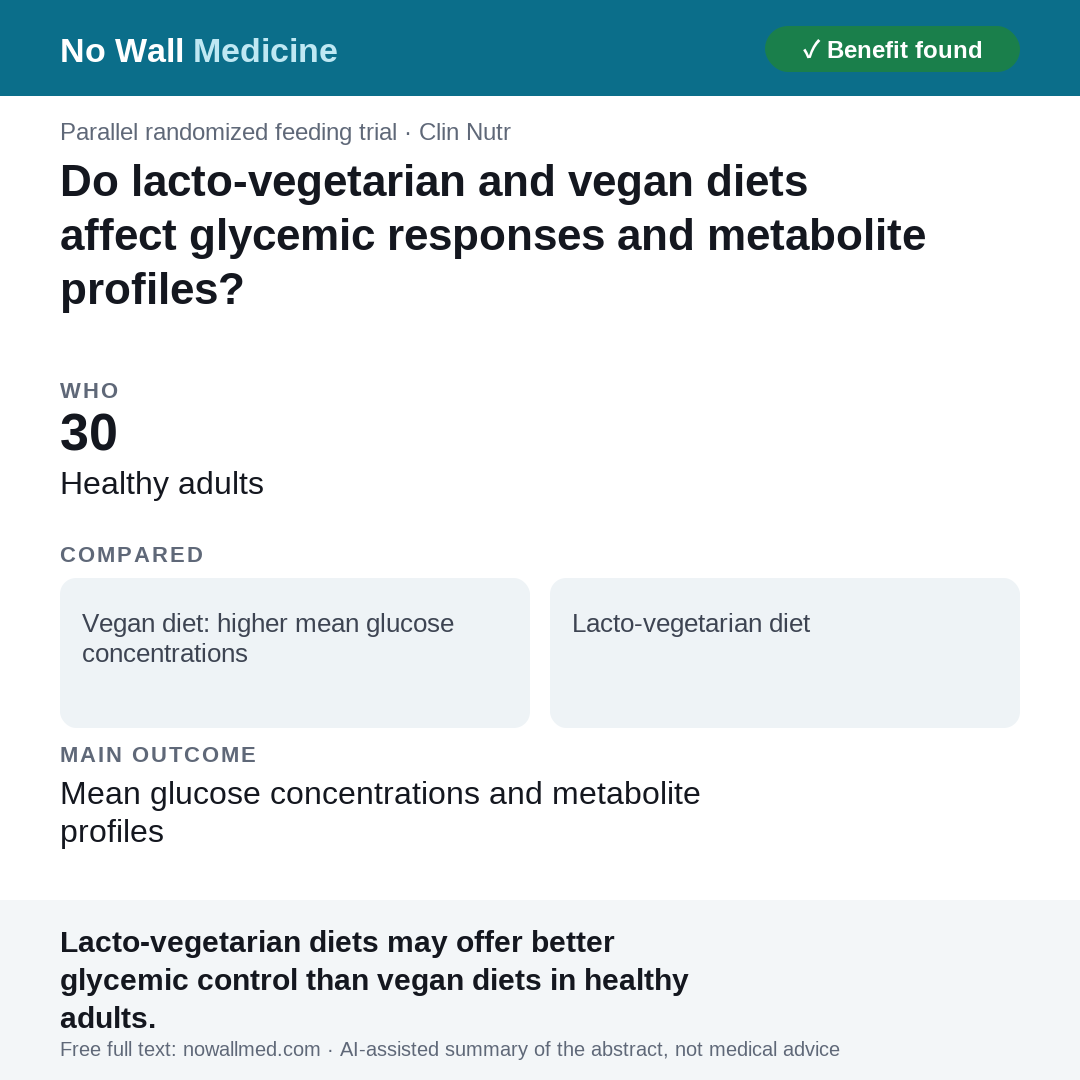
Effects of lacto-vegetarian and vegan diets on glycemic responses and metabolite profiles in healthy adults: A randomized trial using continuous glucose monitoring and targeted metabolomics
Parallel randomized feeding trialBenefit found
Do lacto-vegetarian and vegan diets affect glycemic responses and metabolite profiles?
Who
30
Healthy adults
Compared
Vegan diet: higher mean glucose concentrations
Lacto-vegetarian diet
Main outcome
Mean glucose concentrations and metabolite profiles
Bottom line: Lacto-vegetarian diets may offer better glycemic control than vegan diets in healthy adults.
Limitation: Larger, longer-term studies with more diverse populations are needed.
Clin Nutr · 2025-04-23Download image