Visual abstracts
New randomized trials and meta-analyses from leading journals at a glance: who was studied, what was compared, and what was found. Every paper is free to read in full.
All specialtiesCardiology 4877Oncology 4138Gastroenterology & Hepatology 1942Infectious Disease 3837Neurology 1905Psychiatry & Mental Health 2273Pulmonology 2143Critical Care 1365Endocrinology & Diabetes 2580Pediatrics 2980Surgery 2559Orthopedics & Sports Medicine 931Neurosurgery 537Cardiothoracic & Vascular Surgery 674Plastic & Reconstructive Surgery 591Nephrology 1133Rheumatology 823Hematology 1109Dermatology 621Ophthalmology 543Obstetrics & Gynecology 1686Public & Global Health 1058Radiology & Imaging 648Anesthesiology 986Urology 764ENT (Otolaryngology) 503Emergency Medicine 511Allergy & Immunology 313Geriatrics 981Family Medicine & Primary Care 562Medical Genetics & Genomics 676Pathology & Laboratory Medicine 159Physical Medicine & Rehabilitation 757Palliative Care 444Nutrition 1588Digital Health & AI 2201General Medicine 321
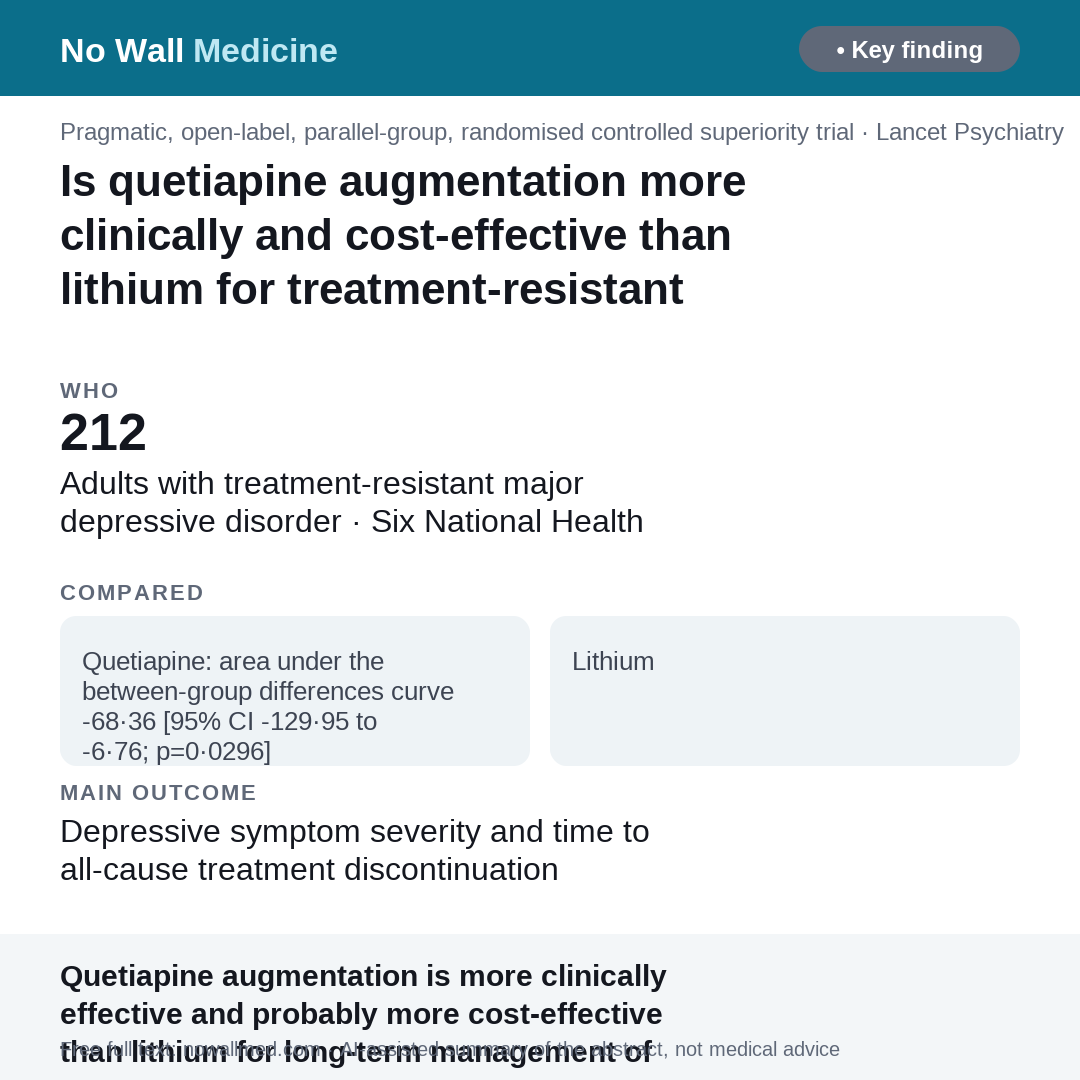
Clinical and cost-effectiveness of lithium versus quetiapine augmentation for treatment-resistant depression: a pragmatic, open-label, parallel-group, randomised controlled superiority trial in the UK
Pragmatic, open-label, parallel-group, randomised controlled superiority trialBenefit found
Is quetiapine augmentation more clinically and cost-effective than lithium for treatment-resistant depression?
Who
212
Adults with treatment-resistant major depressive disorder · Six National Health Service trusts in England
Compared
Quetiapine: area under the between-group differences curve -68·36 [95% CI -129·95 to -6·76; p=0·0296]
Lithium
Main outcome
Depressive symptom severity and time to all-cause treatment discontinuation
Result: area under the between-group differences curve -68·36 (95% CI -129·95 to -6·76)
Bottom line: Quetiapine augmentation is more clinically effective and probably more cost-effective than lithium for long-term management of treatment-resistant depression.
Funded by: National Institute for Health and Care Research
Lancet Psychiatry · 2025-03-21Download image
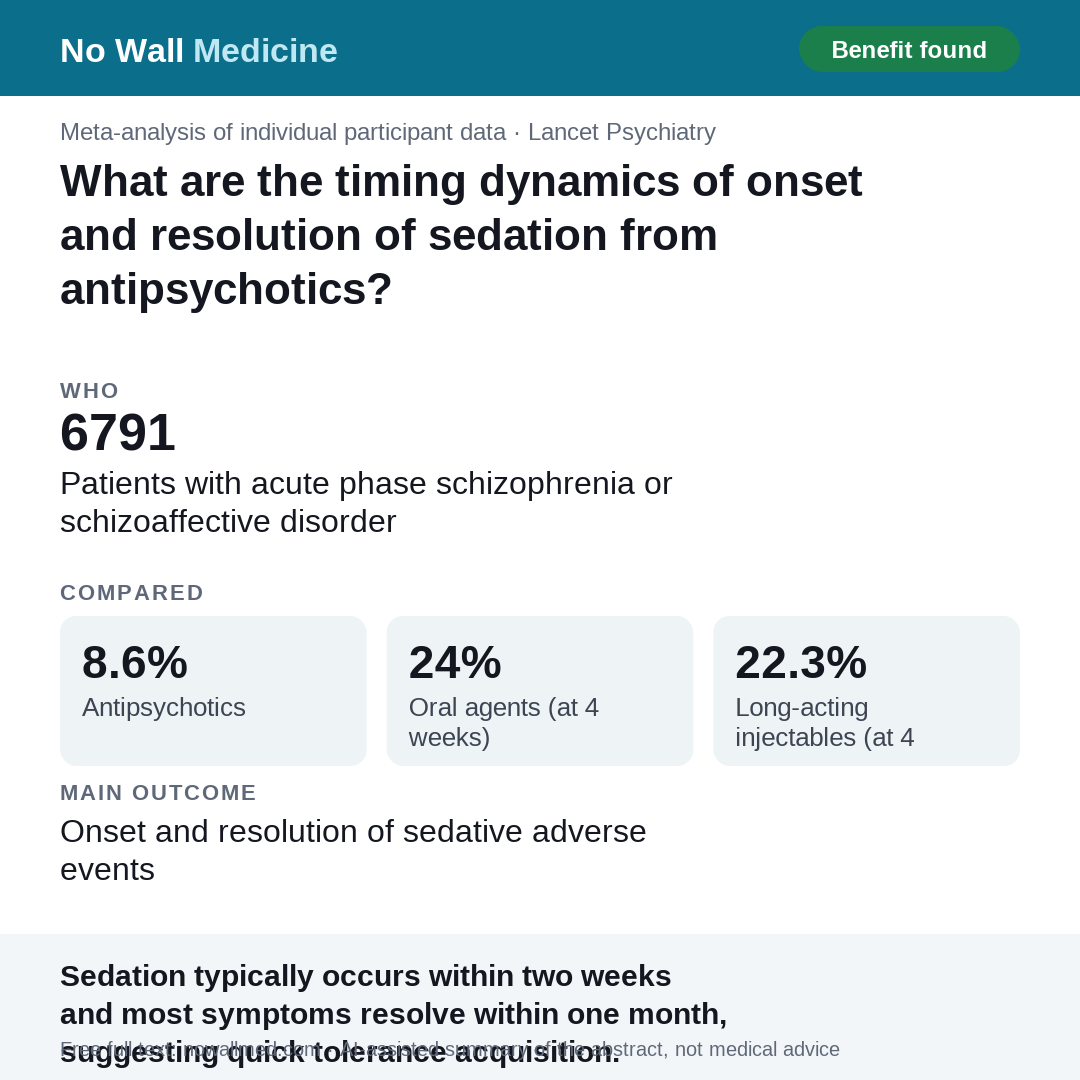
The trajectory of sedative adverse events caused by antipsychotics: a meta-analysis of individual participant data from randomised, placebo-controlled, clinical trials in acute phase schizophrenia
Meta-analysis of individual participant dataBenefit found
What are the timing dynamics of onset and resolution of sedation from antipsychotics?
Who
6791
Patients with acute phase schizophrenia or schizoaffective disorder
Compared
8.6%Antipsychotics
24%Oral agents (at 4 weeks) (95% CI 19.7-29.3)
22.3%Long-acting injectables (at 4 weeks) (15.3-32.3)
Main outcome
Onset and resolution of sedative adverse events
Bottom line: Sedation typically occurs within two weeks and most symptoms resolve within one month, suggesting quick tolerance acquisition.
Funded by: German Federal Ministry of Education and Research
Lancet Psychiatry · 2025-03-21Download image
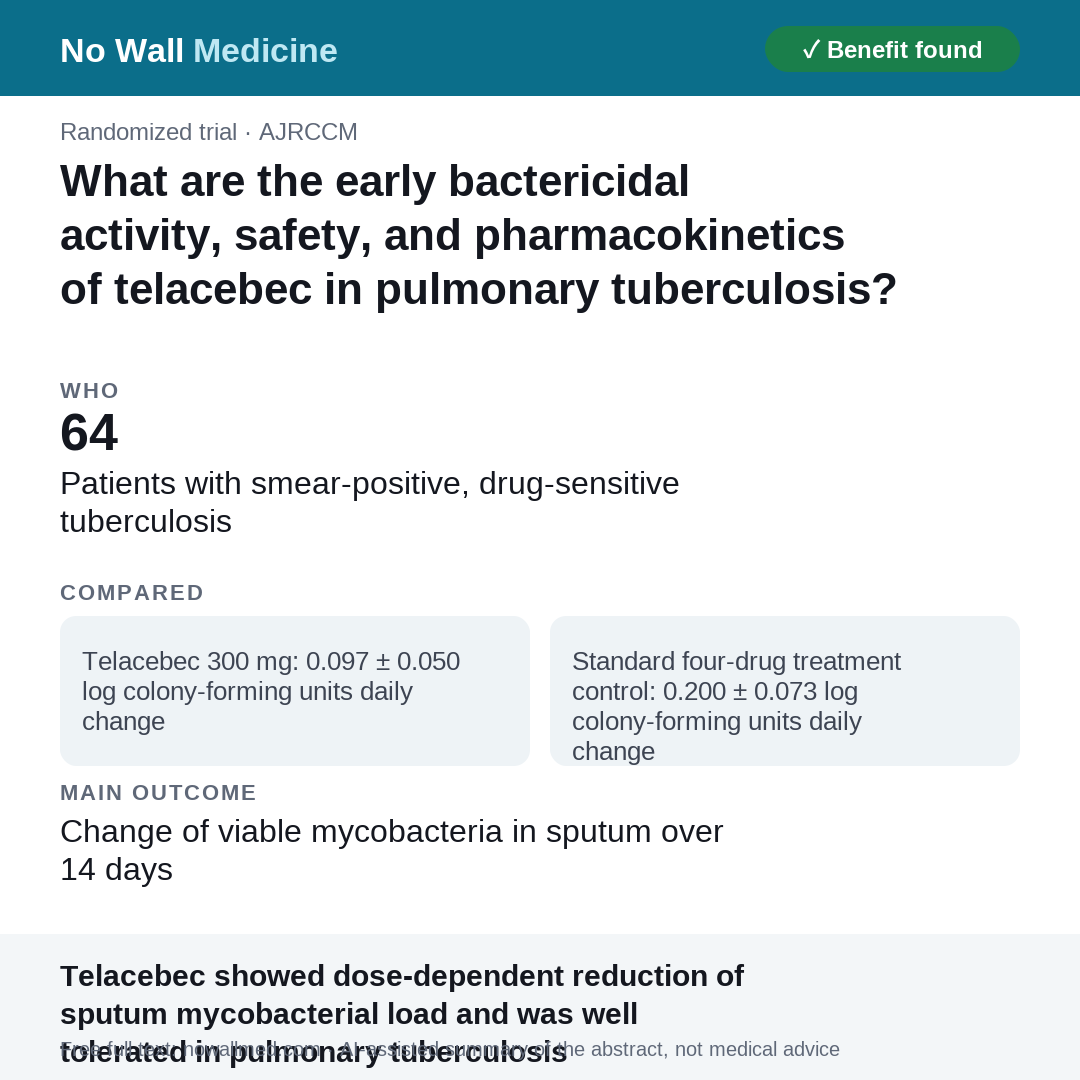
Telacebec, a Potent Agent in the Fight against Tuberculosis: Findings from a Randomized, Phase 2 Clinical Trial and Beyond
Randomized trialBenefit found
What are the early bactericidal activity, safety, and pharmacokinetics of telacebec in pulmonary tuberculosis?
Who
64
Patients with smear-positive, drug-sensitive tuberculosis
Compared
Telacebec 300 mg: 0.097 ± 0.050 log colony-forming units daily change
Standard four-drug treatment control: 0.200 ± 0.073 log colony-forming units daily change
Main outcome
Change of viable mycobacteria in sputum over 14 days
Bottom line: Telacebec showed dose-dependent reduction of sputum mycobacterial load and was well tolerated in pulmonary tuberculosis patients.
AJRCCM · 2025-03-21Download image
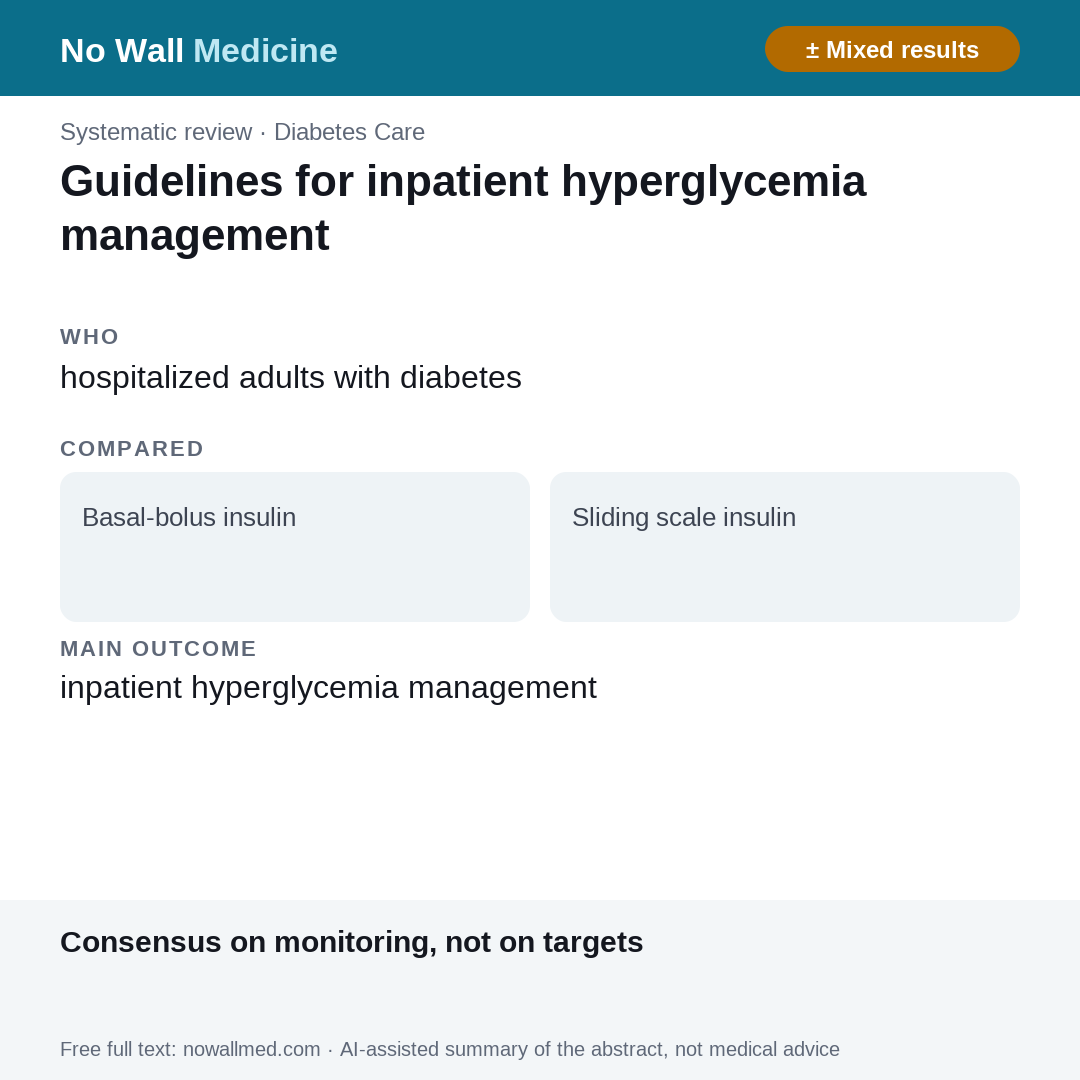
Management of Diabetes and Hyperglycemia in the Hospital: A Systematic Review of Clinical Practice Guidelines
Systematic reviewMixed results
Guidelines for inpatient hyperglycemia management
Who
hospitalized adults with diabetes
Compared
Basal-bolus insulin
Sliding scale insulin
Main outcome
inpatient hyperglycemia management
Bottom line: Consensus on monitoring, not on targets
Limitation: Non-English-language guidelines excluded
Diabetes Care · 2025-03-21Download image
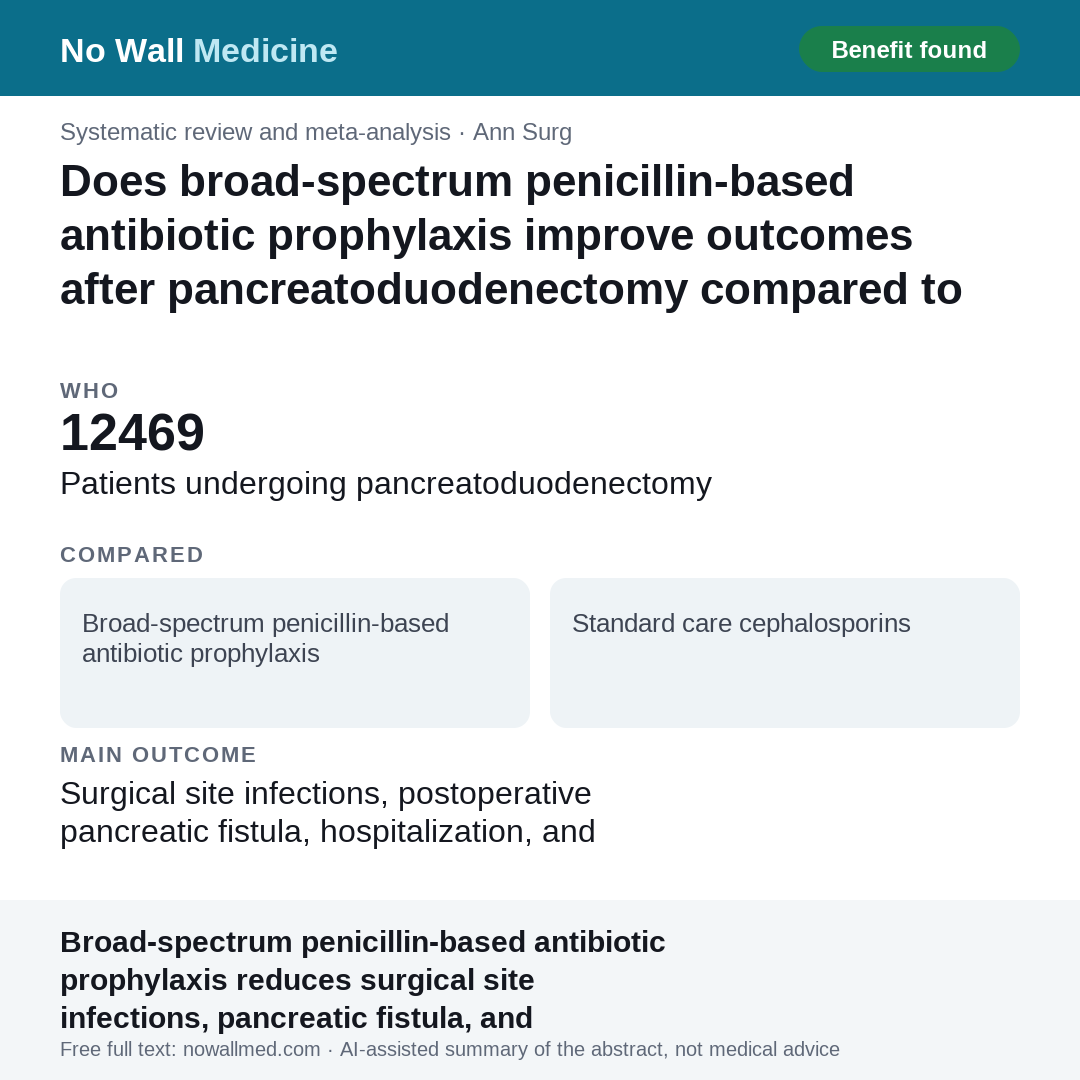
A New Gold Standard? Impact of Broad-spectrum Penicillin-based Antibiotic Prophylaxis on Outcome After Pancreatoduodenectomy: Results of a Systematic Review and Meta-analysis (PROSPERO CRD42024559197)
Systematic review and meta-analysisBenefit found
Does broad-spectrum penicillin-based antibiotic prophylaxis improve outcomes after pancreatoduodenectomy compared to cephalosporins?
Who
12469
Patients undergoing pancreatoduodenectomy
Compared
Broad-spectrum penicillin-based antibiotic prophylaxis
Standard care cephalosporins
Main outcome
Surgical site infections, postoperative pancreatic fistula, hospitalization, and mortality
Result: OR 0.53 (95% CI 0.32 to 0.86) for surgical site infections
Bottom line: Broad-spectrum penicillin-based antibiotic prophylaxis reduces surgical site infections, pancreatic fistula, and mortality after pancreatoduodenectomy.
Ann Surg · 2025-03-21Download image
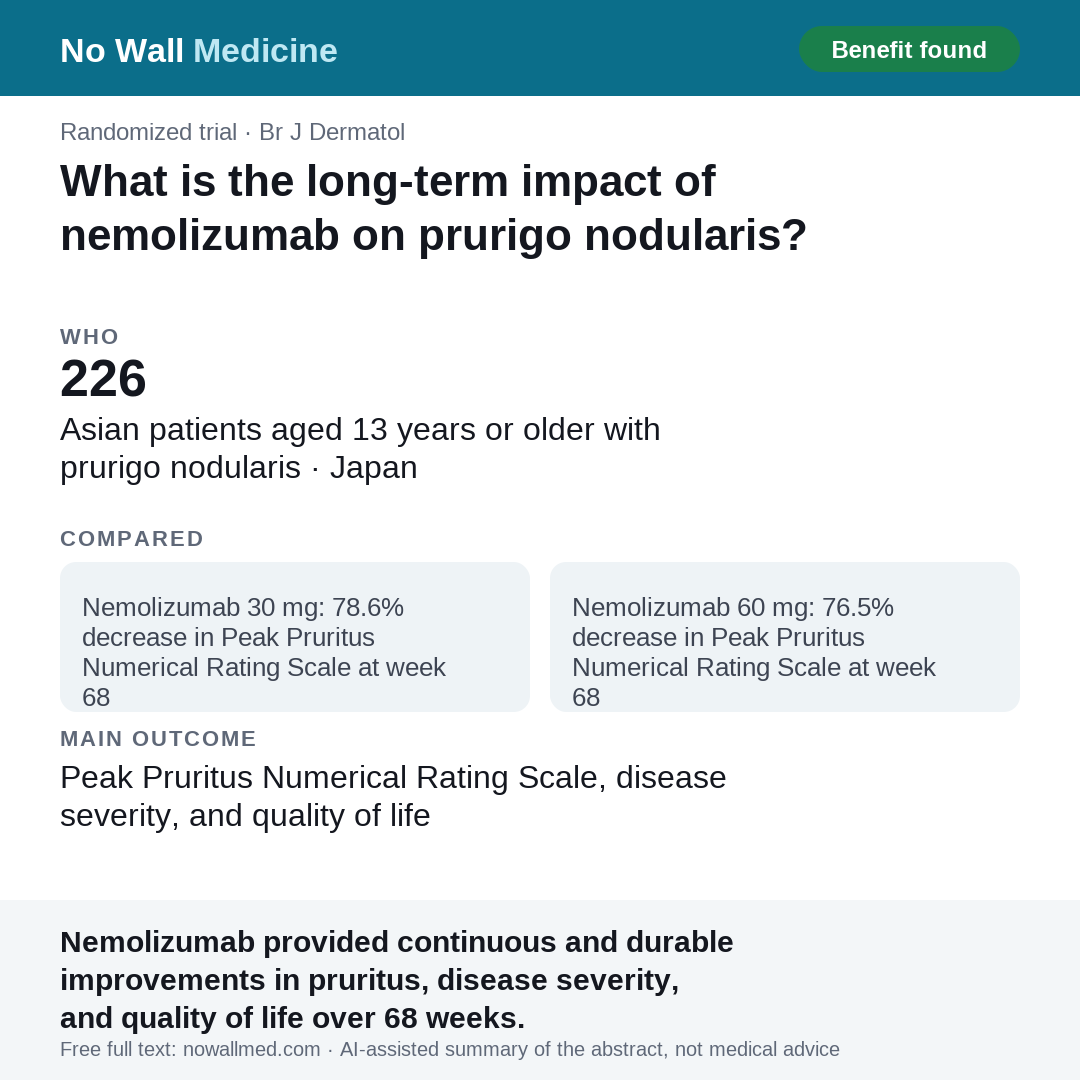
Long-term (68 weeks) administration of nemolizumab and topical corticosteroids for prurigo nodularis in patients aged ≥ 13 years: efficacy and safety data from a phase II/III study
Randomized trialBenefit found
What is the long-term impact of nemolizumab on prurigo nodularis?
Who
226
Asian patients aged 13 years or older with prurigo nodularis · Japan
Compared
Nemolizumab 30 mg: 78.6% decrease in Peak Pruritus Numerical Rating Scale at week 68
Nemolizumab 60 mg: 76.5% decrease in Peak Pruritus Numerical Rating Scale at week 68
Main outcome
Peak Pruritus Numerical Rating Scale, disease severity, and quality of life
Bottom line: Nemolizumab provided continuous and durable improvements in pruritus, disease severity, and quality of life over 68 weeks.
Br J Dermatol · 2025-03-21Download image
Biological research on mental pain, social pain and other pains not primarily felt in the body: methodological systematic review
Methodological systematic reviewUnclear result
What are the conceptual and methodological characteristics of biological research on non-physical pain?
Who
7778
Human and rodent studies on non-physical pain · Embase, MEDLINE and Web of Science
Compared
59.1%Studies without definition
82%Studies without specific measure
71.7%Healthy participants
Main outcome
Conceptual features and methodological characteristics of non-physical pain research
Bottom line: Non-physical pain research uses heterogeneous concepts and methods with unknown external validity and lacks standardized definitions.
Limitation: Experimental paradigms used to induce non-physical pain had unknown external validity.
Br J Psychiatry · 2025-03-21Download image

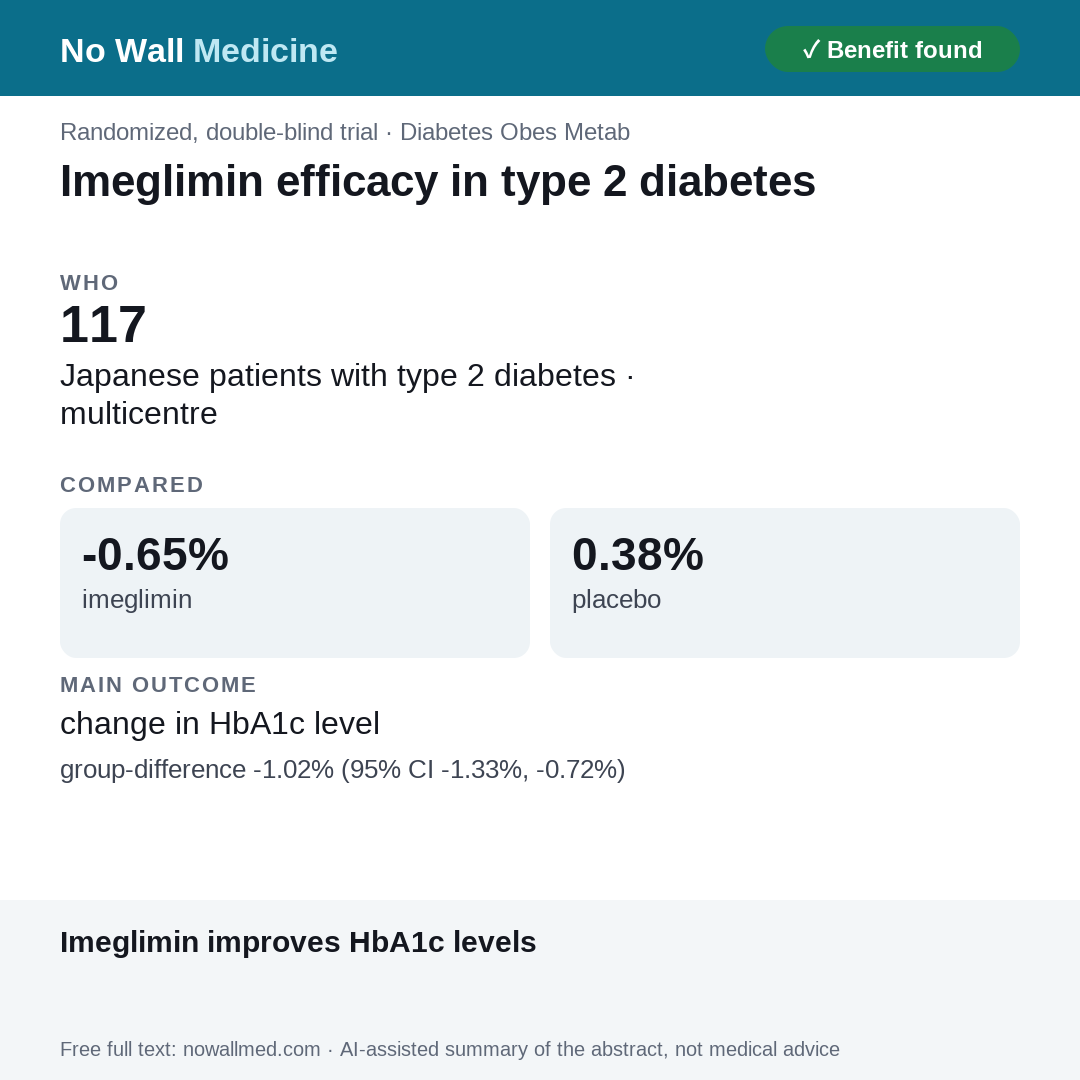
Efficacy and safety of imeglimin add-on to DPP-4 inhibitor therapy in Japanese patients with type 2 diabetes mellitus: An interim analysis of the randomised, double-blind FAMILIAR trial
Randomized, double-blind trialBenefit found
Imeglimin efficacy in type 2 diabetes
Who
117
Japanese patients with type 2 diabetes · multicentre
Compared
-0.65%imeglimin (0.11%)
0.38%placebo (0.11%)
Main outcome
change in HbA1c level
Result: group-difference -1.02% (95% CI -1.33%, -0.72%)
Bottom line: Imeglimin improves HbA1c levels
Diabetes Obes Metab · 2025-03-21Download image
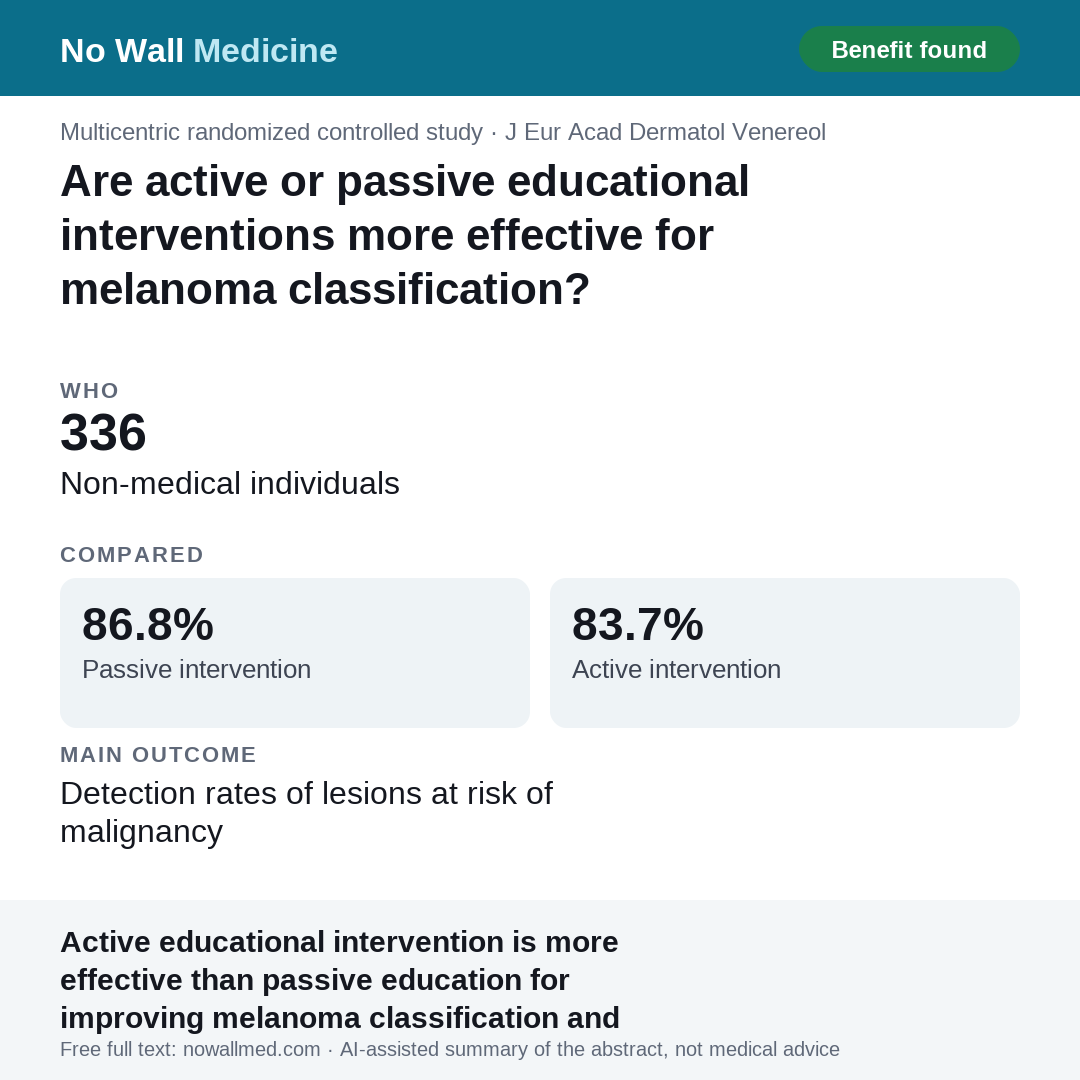
Passive versus active educational interventions for nevus and melanoma classification: A randomized controlled study
Multicentric randomized controlled studyBenefit found
Are active or passive educational interventions more effective for melanoma classification?
Who
336
Non-medical individuals
Compared
86.8%Passive intervention
83.7%Active intervention
Main outcome
Detection rates of lesions at risk of malignancy
Bottom line: Active educational intervention is more effective than passive education for improving melanoma classification and correct rule application.
J Eur Acad Dermatol Venereol · 2025-03-21Download image
Process evaluation in a randomised controlled trial of DREAMS-START (dementia related manual for sleep; strategies for relatives) for sleep disturbance in people with dementia and their carers
Mixed-methods process evaluationBenefit found
How was the DREAMS-START intervention delivered and what mechanisms drove behavior change?
Who
People with dementia and their family carers
Compared
Intervention attendance: 82.8% attended ≥4/6 sessions
Mean fidelity score: 95.4%; SD 0.08
Main outcome
Intervention delivery, behavior change mechanisms, and contextual factors
Bottom line: DREAMS-START showed high fidelity and promoted behavior change through increased carer knowledge and skills.
Age Ageing · 2025-03-21Download image

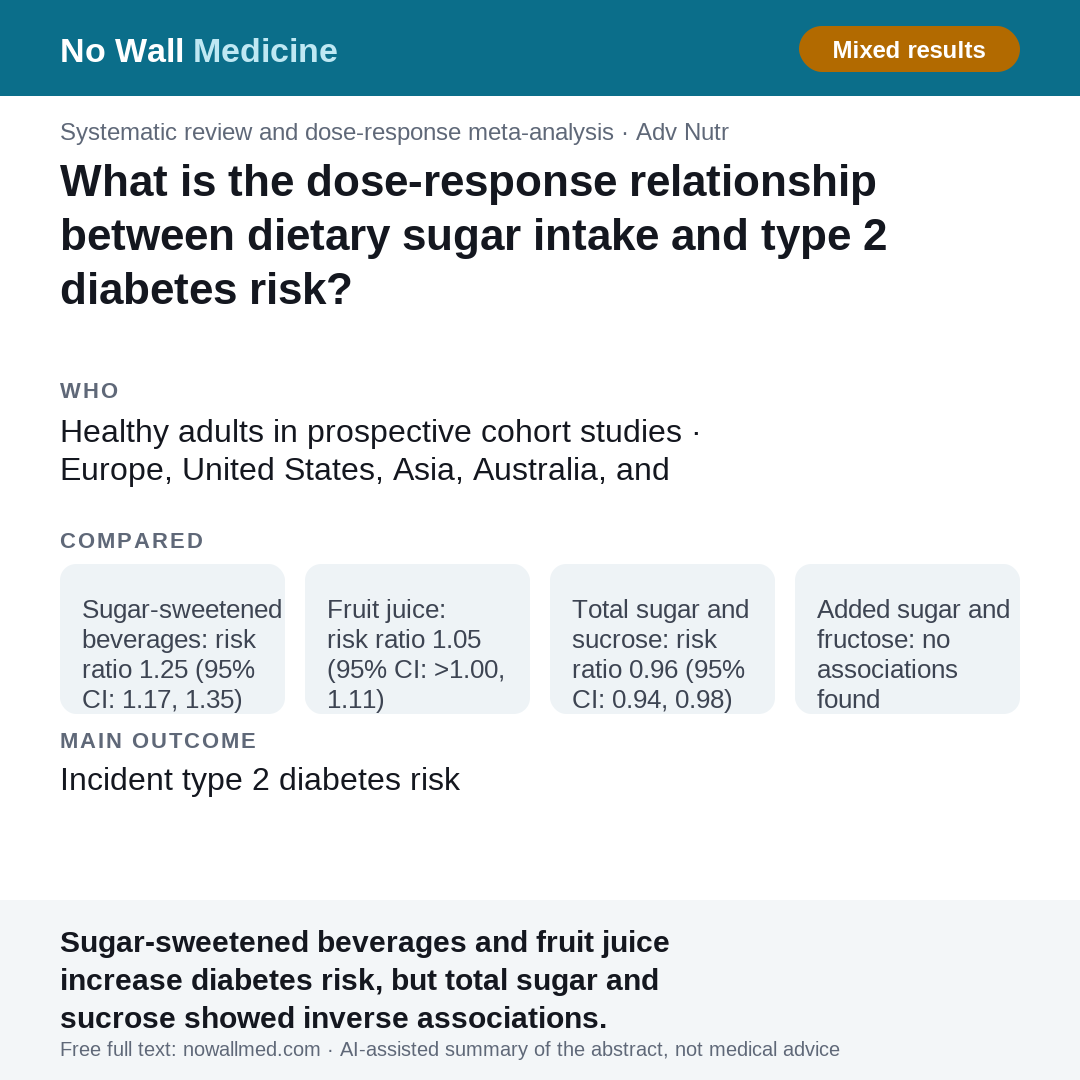
Dietary Sugar Intake and Incident Type 2 Diabetes Risk: A Systematic Review and Dose-Response Meta-Analysis of Prospective Cohort Studies
Systematic review and dose-response meta-analysisMixed results
What is the dose-response relationship between dietary sugar intake and type 2 diabetes risk?
Who
Healthy adults in prospective cohort studies · Europe, United States, Asia, Australia, and Latin America
Compared
Sugar-sweetened beverages: risk ratio 1.25 (95% CI: 1.17, 1.35)
Fruit juice: risk ratio 1.05 (95% CI: >1.00, 1.11)
Total sugar and sucrose: risk ratio 0.96 (95% CI: 0.94, 0.98)
Added sugar and fructose: no associations found
Main outcome
Incident type 2 diabetes risk
Bottom line: Sugar-sweetened beverages and fruit juice increase diabetes risk, but total sugar and sucrose showed inverse associations.
Limitation: Certainty of evidence ranged from very low to moderate.
Adv Nutr · 2025-03-21Download image
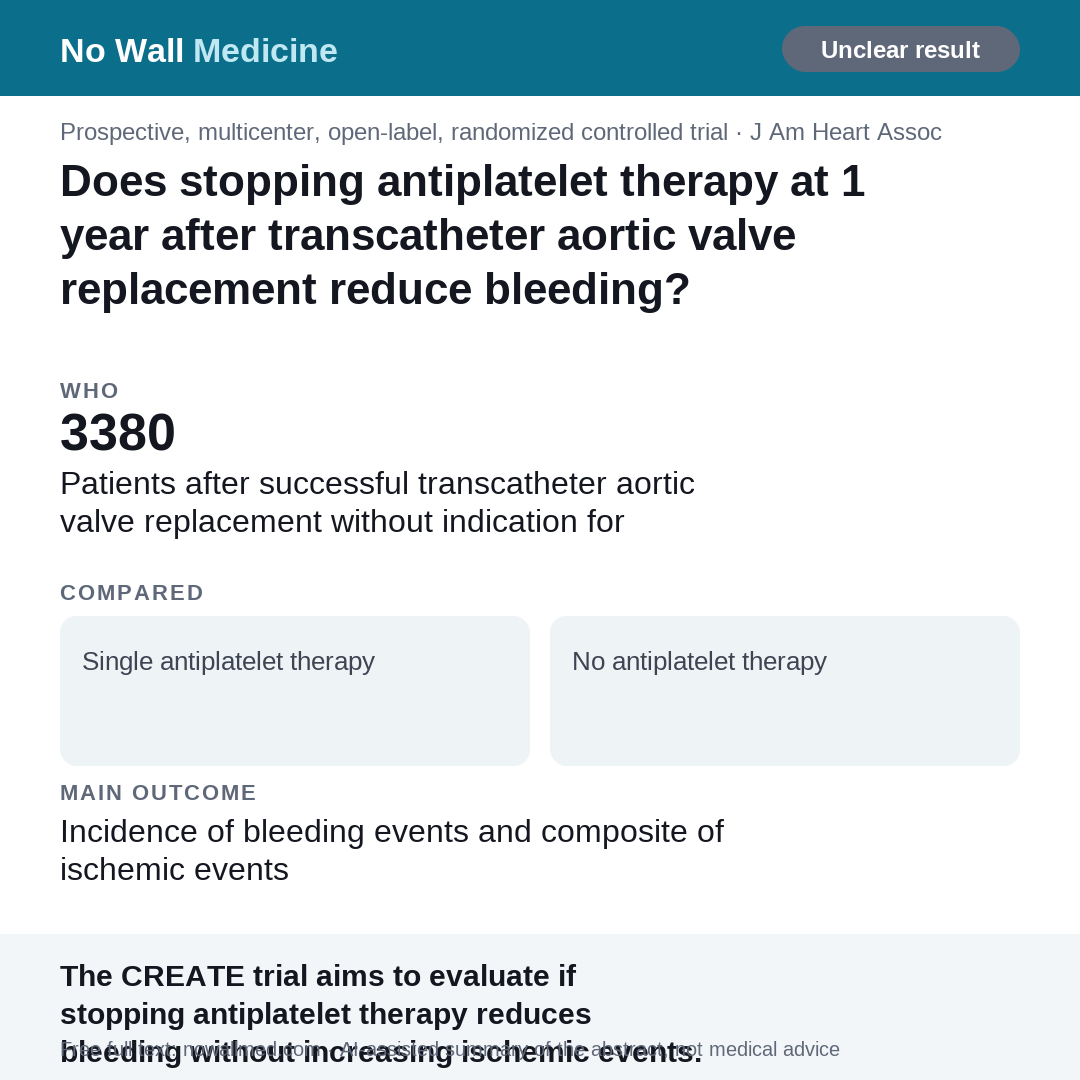
Rationale and Design of the CREATE Trial: A Multicenter, Randomized Comparison of Continuation or Cessation of Single Antithrombotic Therapy at 1 Year After Transcatheter Aortic Valve Replacement
Prospective, multicenter, open-label, randomized controlled trialUnclear result
Does stopping antiplatelet therapy at 1 year after transcatheter aortic valve replacement reduce bleeding?
Who
3380
Patients after successful transcatheter aortic valve replacement without indication for anticoagulation · Multicenter
Compared
Single antiplatelet therapy
No antiplatelet therapy
Main outcome
Incidence of bleeding events and composite of ischemic events
Bottom line: The CREATE trial aims to evaluate if stopping antiplatelet therapy reduces bleeding without increasing ischemic events.
J Am Heart Assoc · 2025-03-21Download image
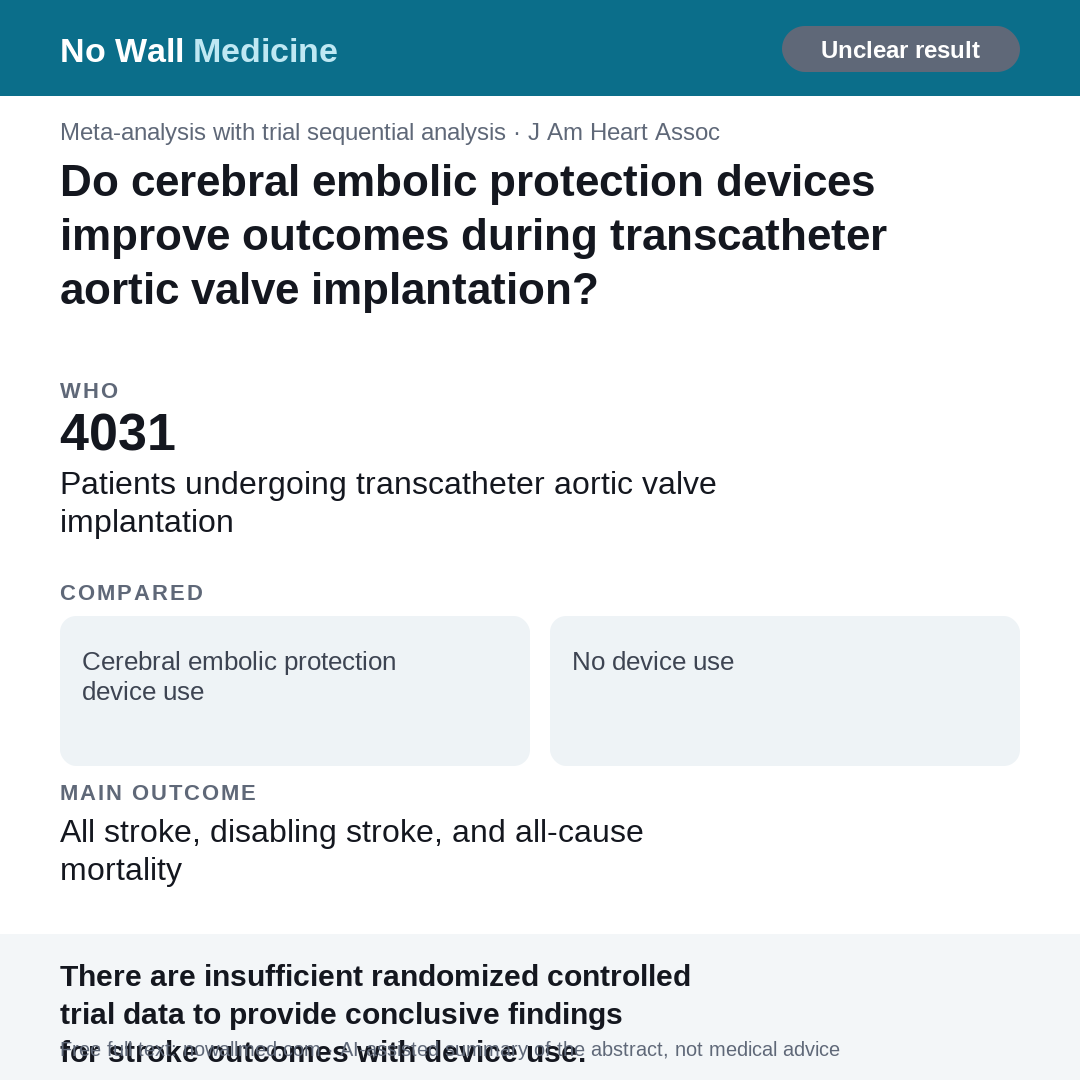
Cerebral Embolic Protection Devices in Transcatheter Aortic Valve Implantation: Meta-Analysis With Trial Sequential Analysis
Meta-analysis with trial sequential analysisUnclear result
Do cerebral embolic protection devices improve outcomes during transcatheter aortic valve implantation?
Who
4031
Patients undergoing transcatheter aortic valve implantation
Compared
Cerebral embolic protection device use
No device use
Main outcome
All stroke, disabling stroke, and all-cause mortality
Result: all stroke relative risk 0.85 (95% CI 0.61-1.18); disabling stroke relative risk 0.59 (95% CI 0.30-1.13); all-cause mortality relative risk 1.03 (95% CI 0.49-2.17)
Bottom line: There are insufficient randomized controlled trial data to provide conclusive findings for stroke outcomes with device use.
J Am Heart Assoc · 2025-03-21Download image
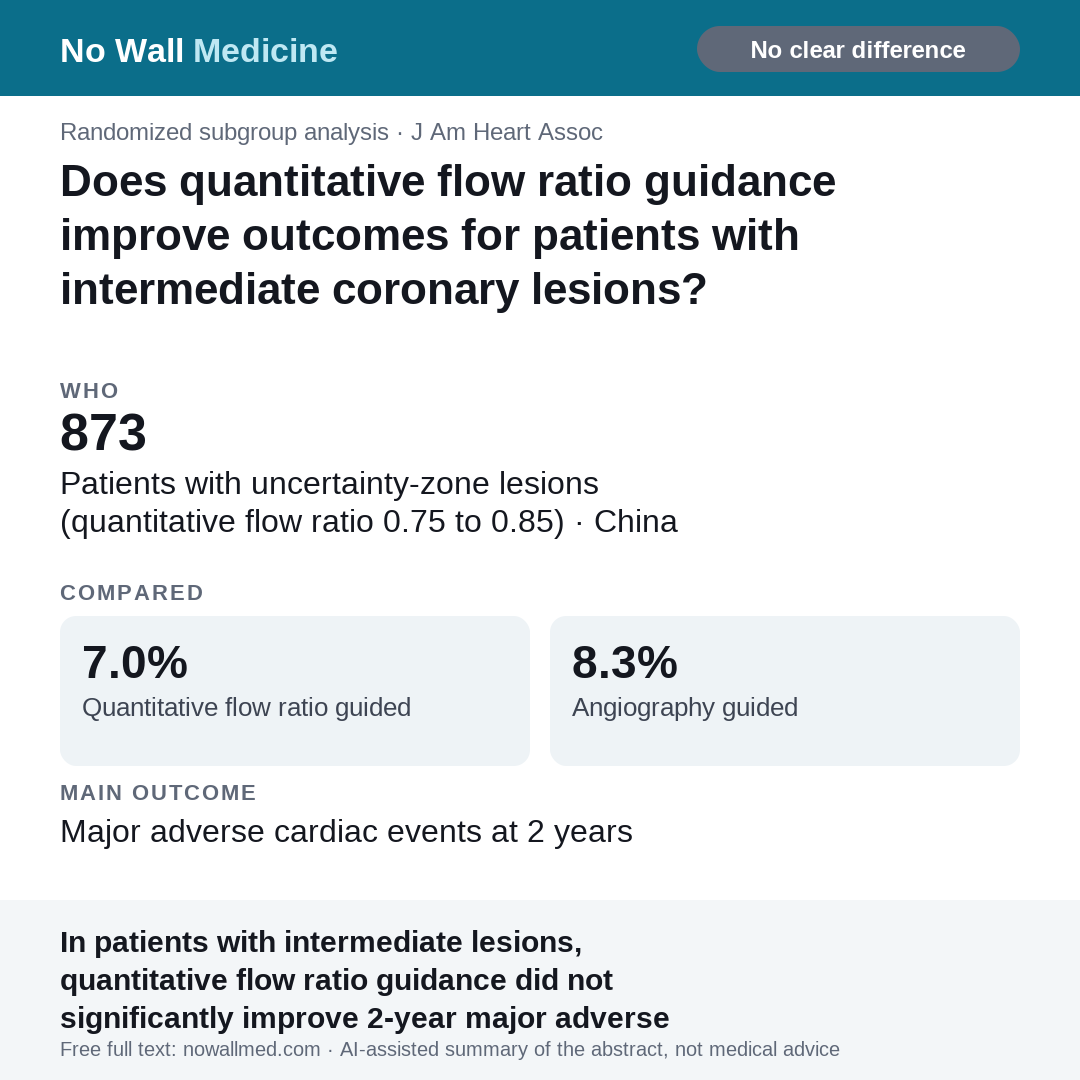
Angiographic Quantitative Flow Ratio-Guided Treatment of Patients With Physiologically Intermediate Coronary Lesions
Randomized subgroup analysisNo clear difference
Does quantitative flow ratio guidance improve outcomes for patients with intermediate coronary lesions?
Who
873
Patients with uncertainty-zone lesions (quantitative flow ratio 0.75 to 0.85) · China
Compared
7.0%Quantitative flow ratio guided
8.3%Angiography guided
Main outcome
Major adverse cardiac events at 2 years
Result: hazard ratio 0.85 (95% CI 0.52-1.37)
Bottom line: In patients with intermediate lesions, quantitative flow ratio guidance did not significantly improve 2-year major adverse cardiac events.
J Am Heart Assoc · 2025-03-21Download image
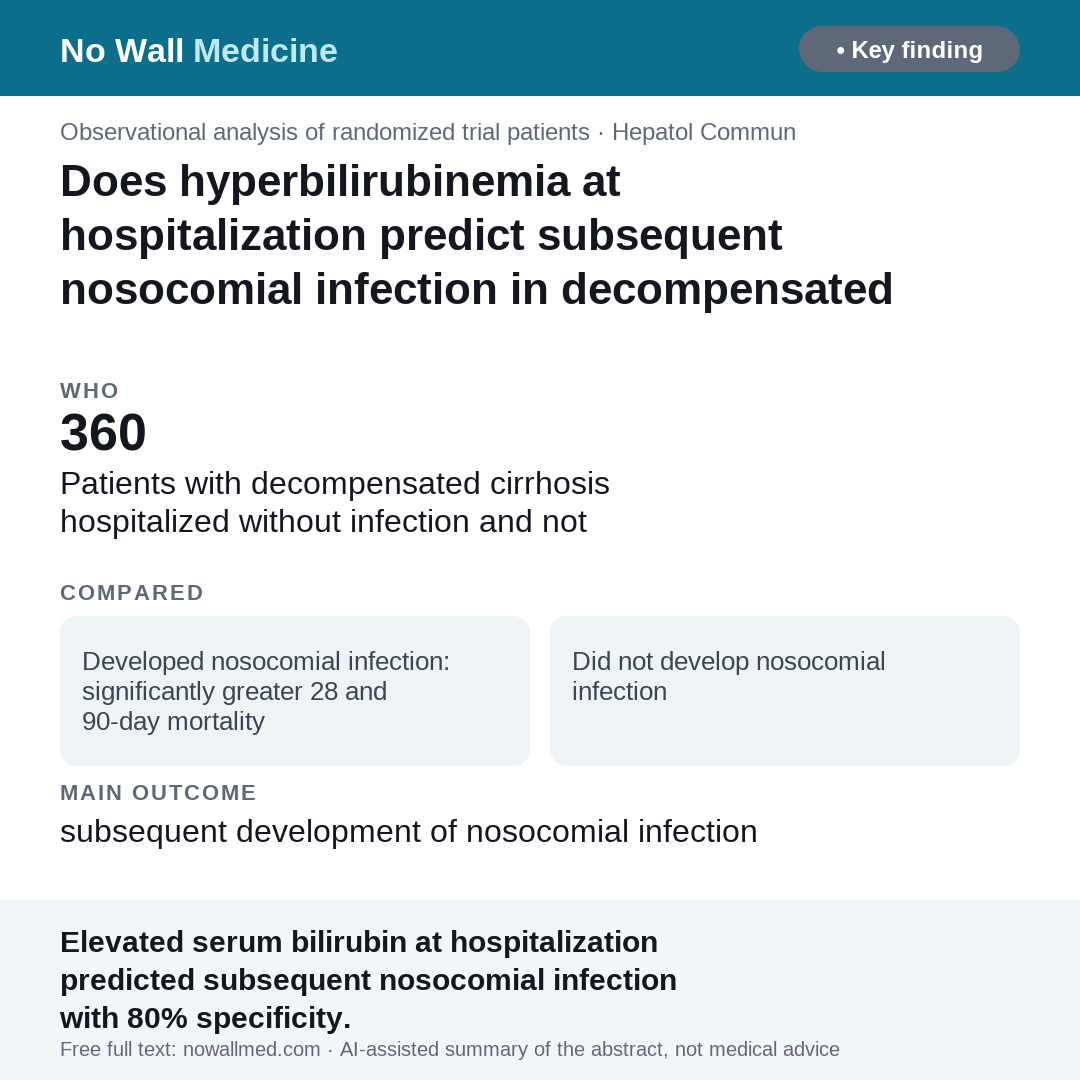
Hyperbilirubinemia at hospitalization predicts nosocomial infection in decompensated cirrhosis: Data from ATTIRE trial
Observational analysis of randomized trial patientsBenefit found
Does hyperbilirubinemia at hospitalization predict subsequent nosocomial infection in decompensated cirrhosis?
Who
360
Patients with decompensated cirrhosis hospitalized without infection and not prescribed antibiotics
Compared
Developed nosocomial infection: significantly greater 28 and 90-day mortality
Did not develop nosocomial infection
Main outcome
subsequent development of nosocomial infection
Bottom line: Elevated serum bilirubin at hospitalization predicted subsequent nosocomial infection with 80% specificity.
Hepatol Commun · 2025-03-21Download image
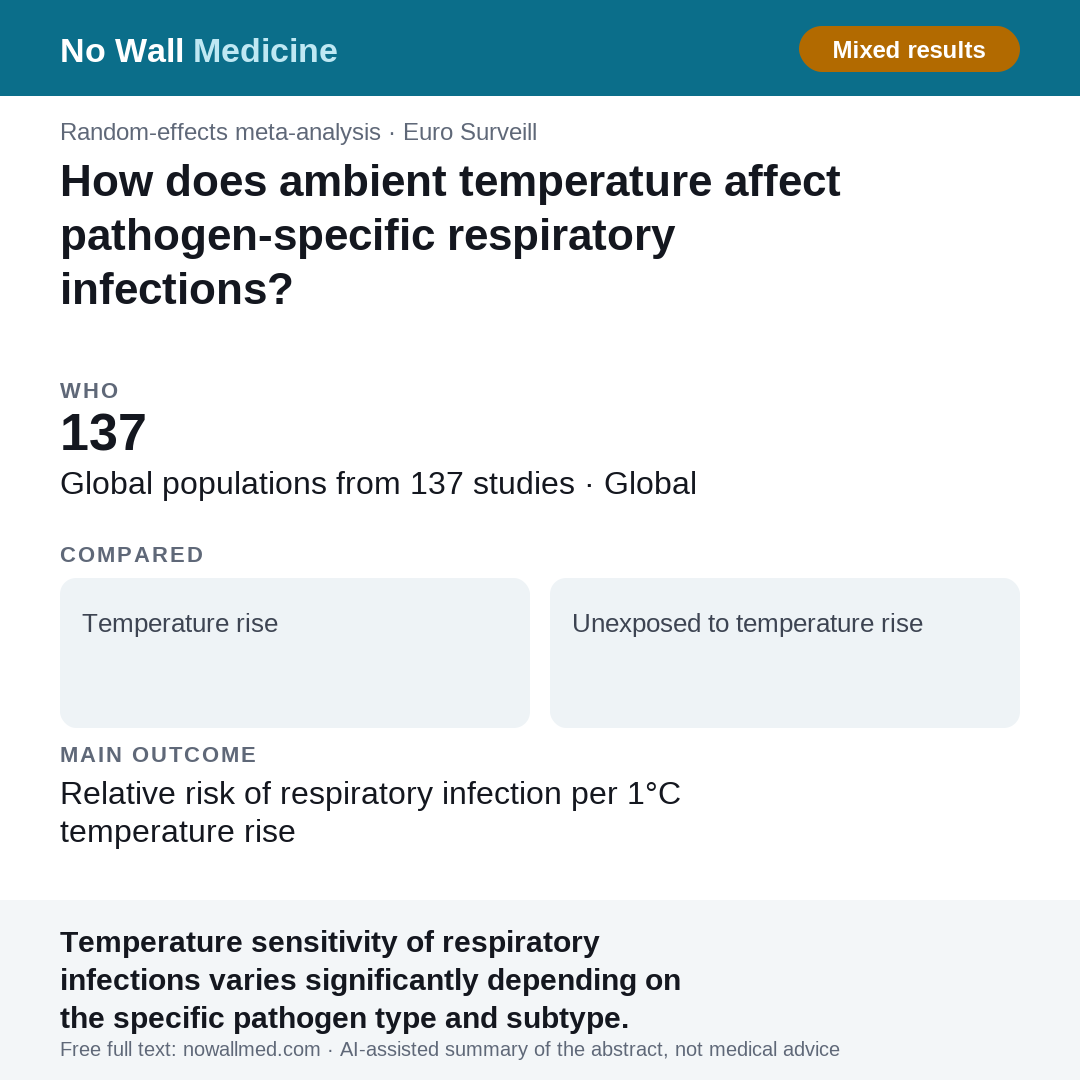
Global meta-analysis of short-term associations between ambient temperature and pathogen-specific respiratory infections, 2004 to 2023
Random-effects meta-analysisMixed results
How does ambient temperature affect pathogen-specific respiratory infections?
Who
137
Global populations from 137 studies · Global
Compared
Temperature rise
Unexposed to temperature rise
Main outcome
Relative risk of respiratory infection per 1°C temperature rise
Bottom line: Temperature sensitivity of respiratory infections varies significantly depending on the specific pathogen type and subtype.
Euro Surveill · 2025-03-21Download image
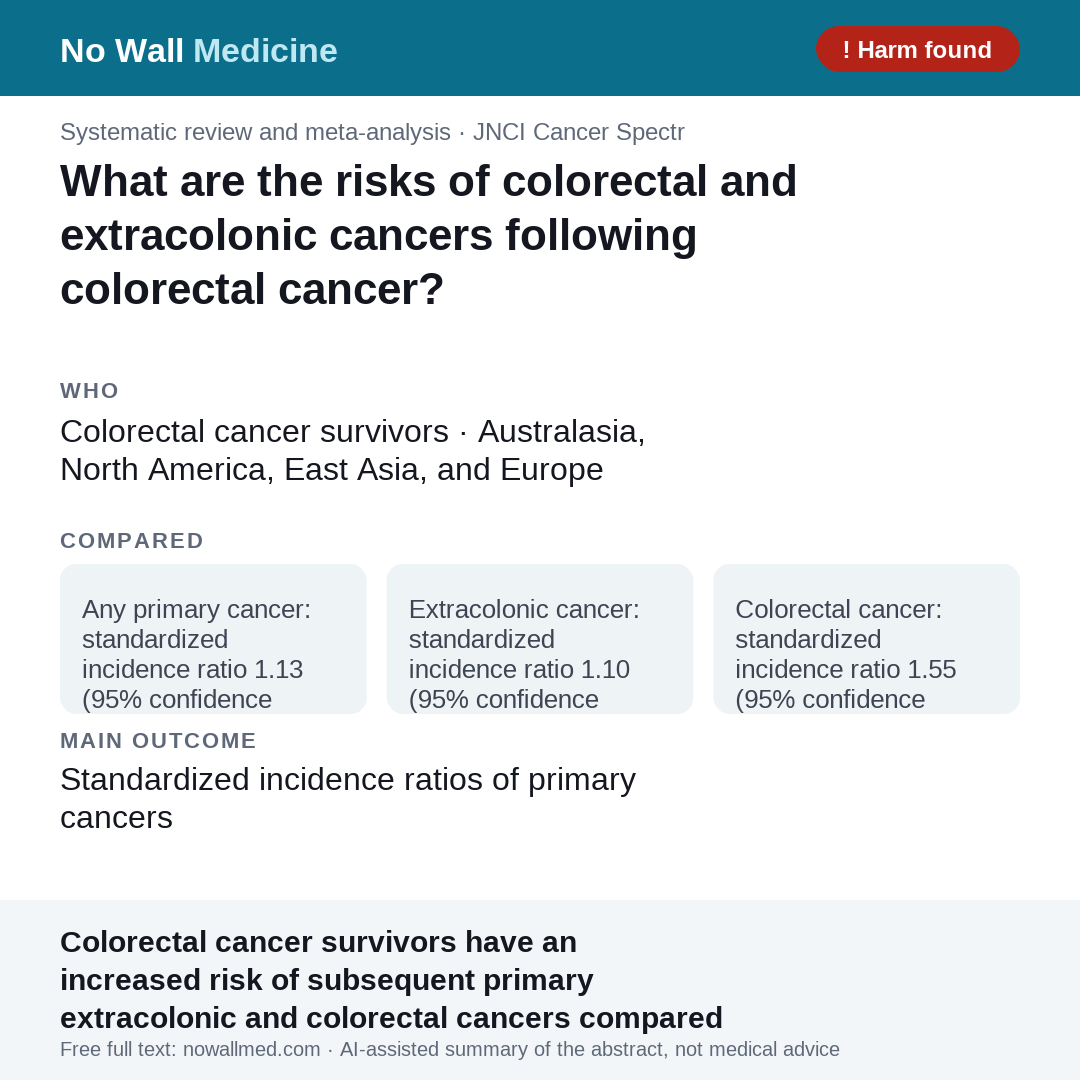
Risks of colorectal and extracolonic cancers following colorectal cancer: a systematic review and meta-analysis
Systematic review and meta-analysisHarm found
What are the risks of colorectal and extracolonic cancers following colorectal cancer?
Who
Colorectal cancer survivors · Australasia, North America, East Asia, and Europe
Compared
Any primary cancer: standardized incidence ratio 1.13 (95% confidence interval 1.06 to 1.20)
Extracolonic cancer: standardized incidence ratio 1.10 (95% confidence interval 1.03 to 1.17)
Colorectal cancer: standardized incidence ratio 1.55 (95% confidence interval 1.33 to 1.77)
Main outcome
Standardized incidence ratios of primary cancers
Result: standardized incidence ratio 1.13 (95% confidence interval 1.06 to 1.20)
Bottom line: Colorectal cancer survivors have an increased risk of subsequent primary extracolonic and colorectal cancers compared to the general population.
JNCI Cancer Spectr · 2025-03-21Download image
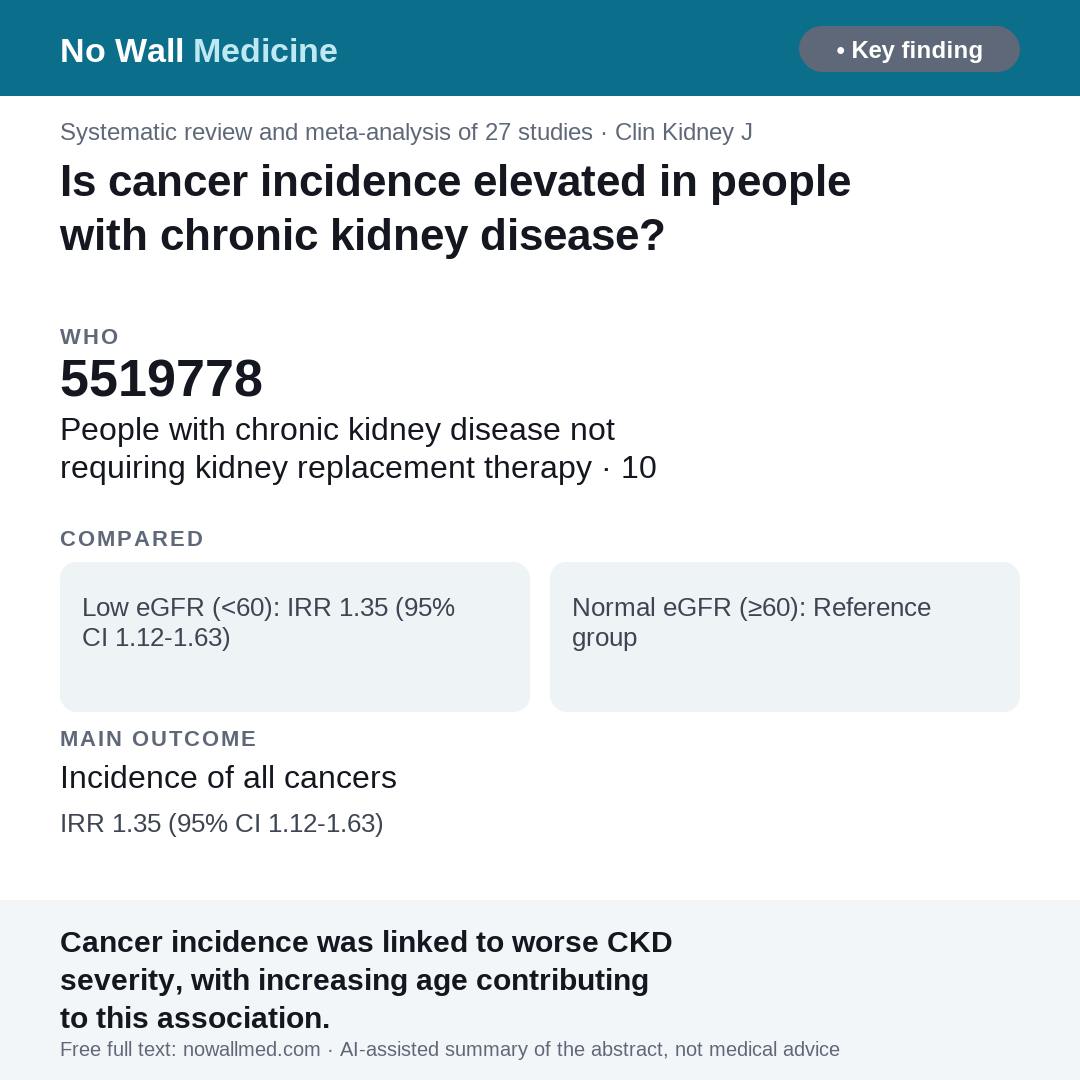
Incidence of cancer in people with CKD not requiring kidney replacement therapy: a systematic review and meta-analysis
Systematic review and meta-analysisBenefit found
Is there an elevated incidence of cancer in people with chronic kidney disease?
Who
5519778
People with chronic kidney disease not requiring kidney replacement therapy · 10 countries
Compared
estimated glomerular filtration rate <60
estimated glomerular filtration rate ≥60
Main outcome
Incidence rates of cancer
Result: incidence rate ratio 1.35 (95% CI 1.12-1.63)
Bottom line: People with chronic kidney disease have an elevated incidence of cancer, especially as age increases.
Clin Kidney J · 2025-03-21Download image
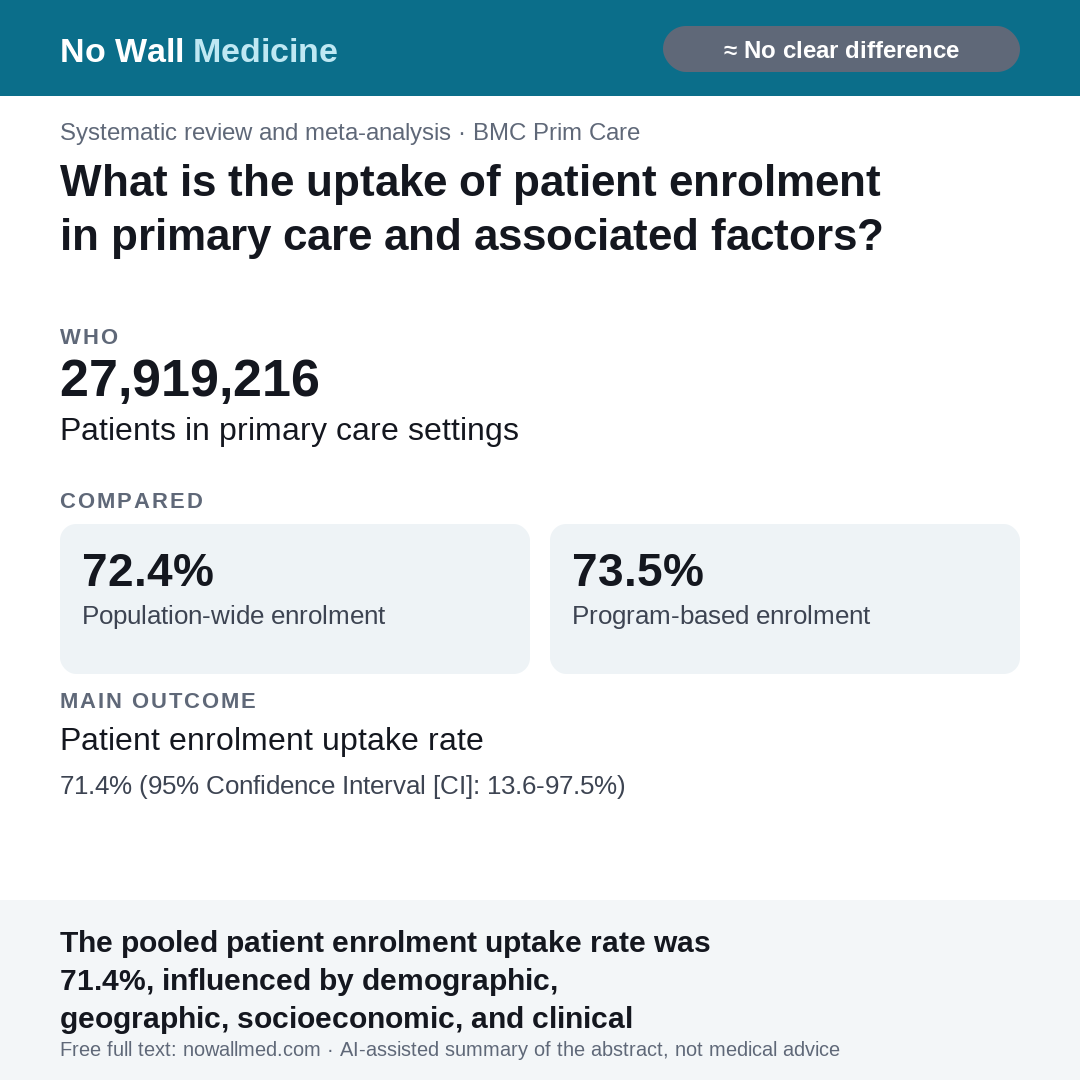
Uptake of patient enrolment in primary care and associated factors: a systematic review and meta-analysis
Systematic review and meta-analysisNo clear difference
What is the uptake of patient enrolment in primary care and associated factors?
Who
27,919,216
Patients in primary care settings
Compared
72.4%Population-wide enrolment
73.5%Program-based enrolment
Main outcome
Patient enrolment uptake rate
Result: 71.4% (95% Confidence Interval [CI]: 13.6-97.5%)
Bottom line: The pooled patient enrolment uptake rate was 71.4%, influenced by demographic, geographic, socioeconomic, and clinical factors.
BMC Prim Care · 2025-03-21Download image
Age-, body surface area-, and sex-specific reference values for cardiovascular magnetic resonance imaging derived ventricular and atrial size and function for Chinese healthy children
Observational study with meta-analysisNo clear difference
What are the normal cardiovascular magnetic resonance reference values for healthy Chinese children?
Who
191
Healthy Chinese children aged 4 to 18 years
Compared
Boys: greater ventricular volumes and masses after normalization for body surface area
Girls
Main outcome
Ventricular and atrial size and function parameters
Bottom line: The study established age, body surface area, and sex-specific cardiovascular magnetic resonance reference values for Chinese children.
J Cardiovasc Magn Reson · 2025-03-21Download image