Visual abstracts
New randomized trials and meta-analyses from leading journals at a glance: who was studied, what was compared, and what was found. Every paper is free to read in full.
All specialtiesCardiology 1367Oncology 1224Gastroenterology & Hepatology 493Infectious Disease 893Neurology 567Psychiatry & Mental Health 683Pulmonology 589Critical Care 404Endocrinology & Diabetes 754Pediatrics 819Surgery 648Orthopedics & Sports Medicine 261Neurosurgery 186Cardiothoracic & Vascular Surgery 155Plastic & Reconstructive Surgery 215Nephrology 289Rheumatology 183Hematology 286Dermatology 144Ophthalmology 156Obstetrics & Gynecology 433Public & Global Health 270Radiology & Imaging 176Anesthesiology 264Urology 255ENT (Otolaryngology) 187Emergency Medicine 152Allergy & Immunology 91Geriatrics 287Family Medicine & Primary Care 174Medical Genetics & Genomics 144Pathology & Laboratory Medicine 42Physical Medicine & Rehabilitation 242Palliative Care 123Nutrition 359Digital Health & AI 713General Medicine 123
Impact of proactive malaria community case management (proCCM) on parasite prevalence and incidence from 2021 to 2023: a randomised controlled trial in Chadiza District, Eastern Province, Zambia
Two-arm cluster-randomised controlled trialMixed results
Does proactive community case management reduce malaria parasite prevalence and incidence?
Who
Children in Chadiza District, Eastern Province, Zambia · Chadiza District, Eastern Province, Zambia
Compared
Proactive community case management plus routine passive care: prevalence decreased from 18.7% to 13.7%
Routine passive care only: prevalence decreased from 19.7% to 16.0%
Main outcome
Malaria parasite prevalence and incidence
Result: adjusted incidence rate ratio 0.98 (95% Bayesian credible interval 0.96 to 0.99)
Bottom line: Proactive community case management may modestly reduce malaria incidence over time in certain settings.
BMJ Glob Health · 2025-05-24Download image

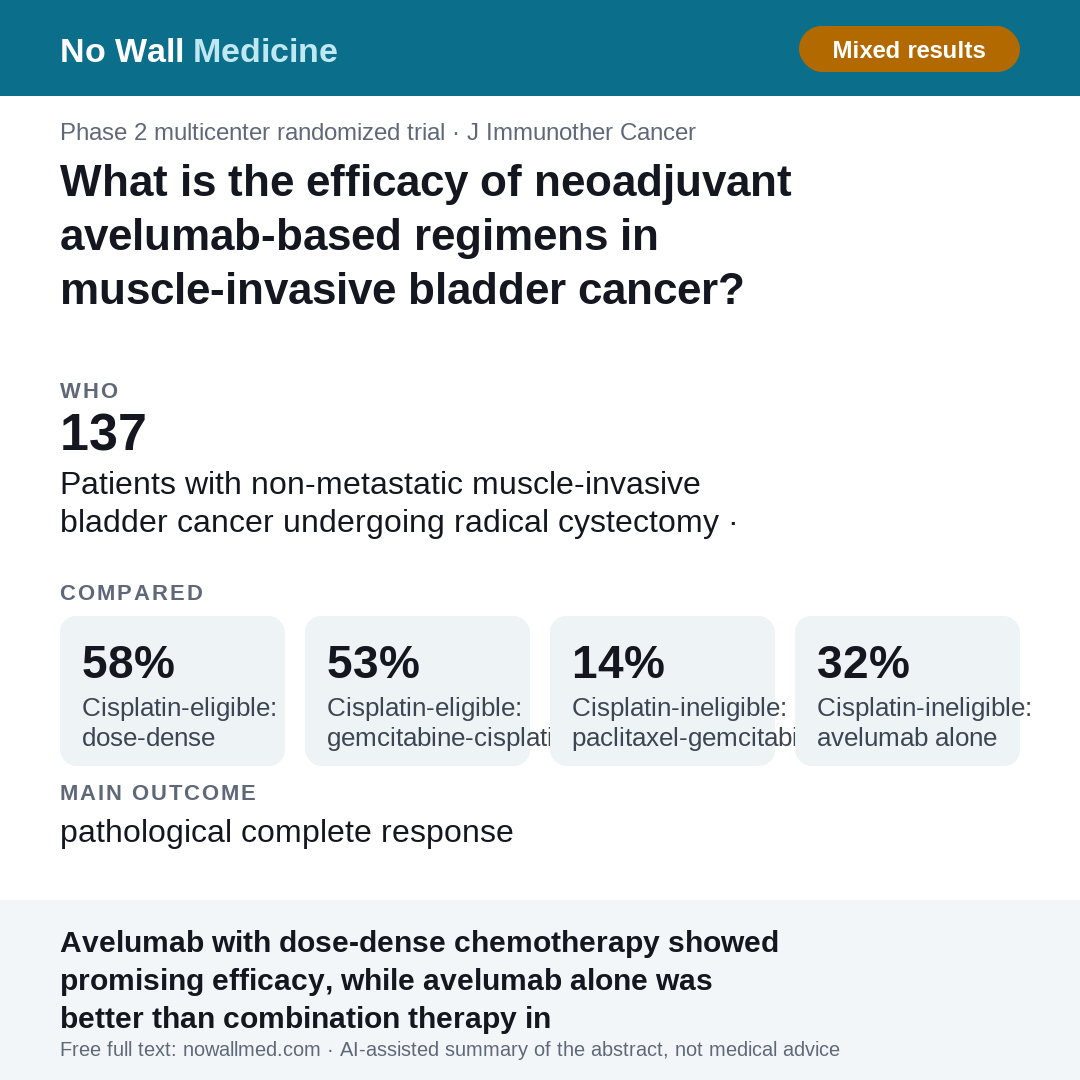
Avelumab-based neoadjuvant therapy in patients with muscle-invasive bladder cancer (AURA Oncodistinct-004): a phase 2 multicenter clinical trial
Phase 2 multicenter randomized trialMixed results
What is the efficacy of neoadjuvant avelumab-based regimens in muscle-invasive bladder cancer?
Who
137
Patients with non-metastatic muscle-invasive bladder cancer undergoing radical cystectomy · Multicenter
Compared
58%Cisplatin-eligible: dose-dense methotrexate-vinblastine-doxorubicin-cisplatin plus avelumab (95% CI: 42% to 72%)
53%Cisplatin-eligible: gemcitabine-cisplatin plus avelumab (95% CI: 37% to 68%)
14%Cisplatin-ineligible: paclitaxel-gemcitabine plus avelumab (95% CI: 6% to 31%)
32%Cisplatin-ineligible: avelumab alone (95% CI: 18% to 51%)
Main outcome
pathological complete response
Bottom line: Avelumab with dose-dense chemotherapy showed promising efficacy, while avelumab alone was better than combination therapy in cisplatin-ineligible patients.
J Immunother Cancer · 2025-05-24Download image
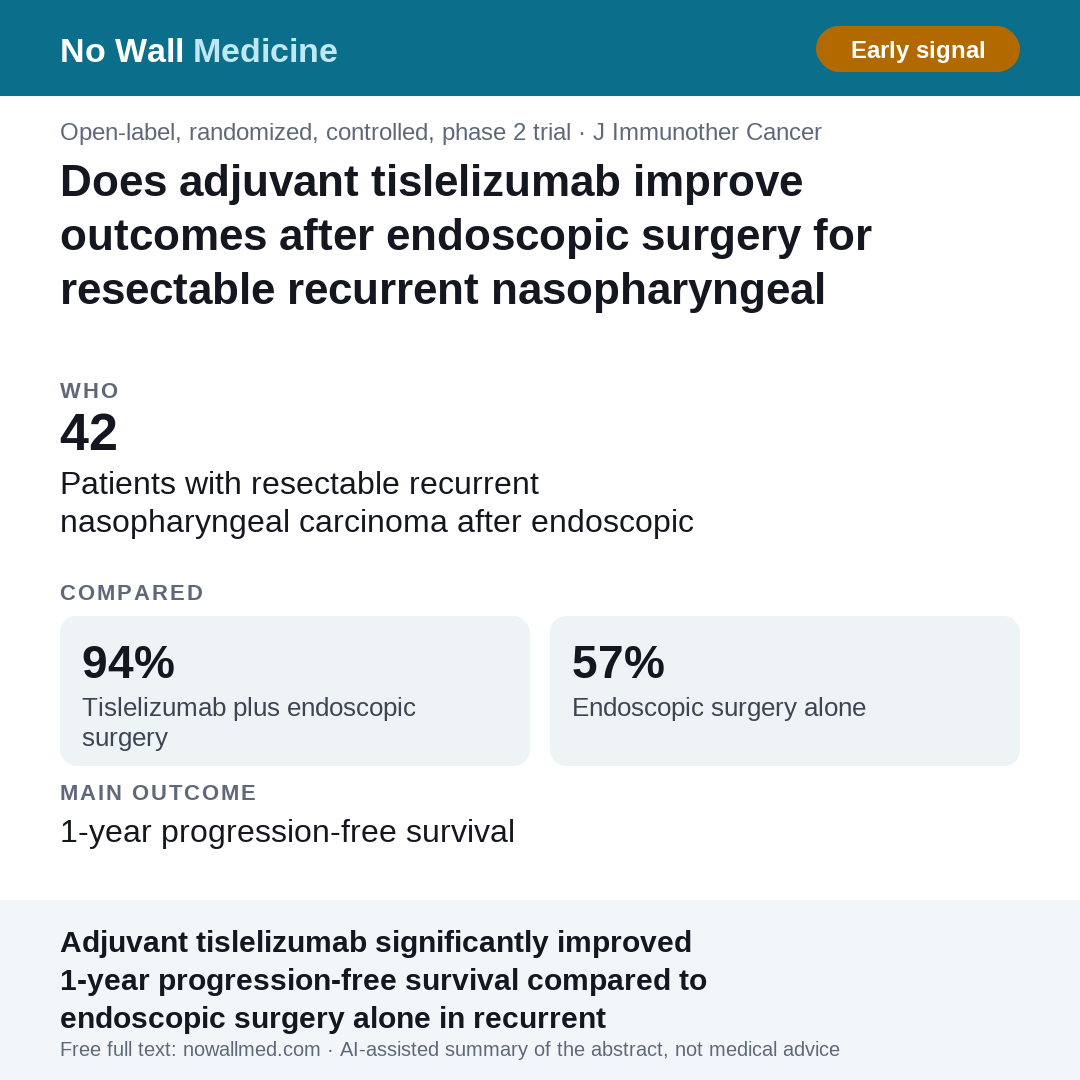
Tislelizumab as adjuvant therapy following endoscopic surgery for resectable recurrent nasopharyngeal carcinoma: a randomized clinical trial
Open-label, randomized, controlled, phase 2 trialBenefit found
Does adjuvant tislelizumab improve outcomes after endoscopic surgery for resectable recurrent nasopharyngeal carcinoma?
Who
42
Patients with resectable recurrent nasopharyngeal carcinoma after endoscopic surgery · Single-center
Compared
94%Tislelizumab plus endoscopic surgery (95% CI: 83% to 100%)
57%Endoscopic surgery alone (95% CI: 38% to 85%)
Main outcome
1-year progression-free survival
Bottom line: Adjuvant tislelizumab significantly improved 1-year progression-free survival compared to endoscopic surgery alone in recurrent nasopharyngeal carcinoma.
J Immunother Cancer · 2025-05-24Download image
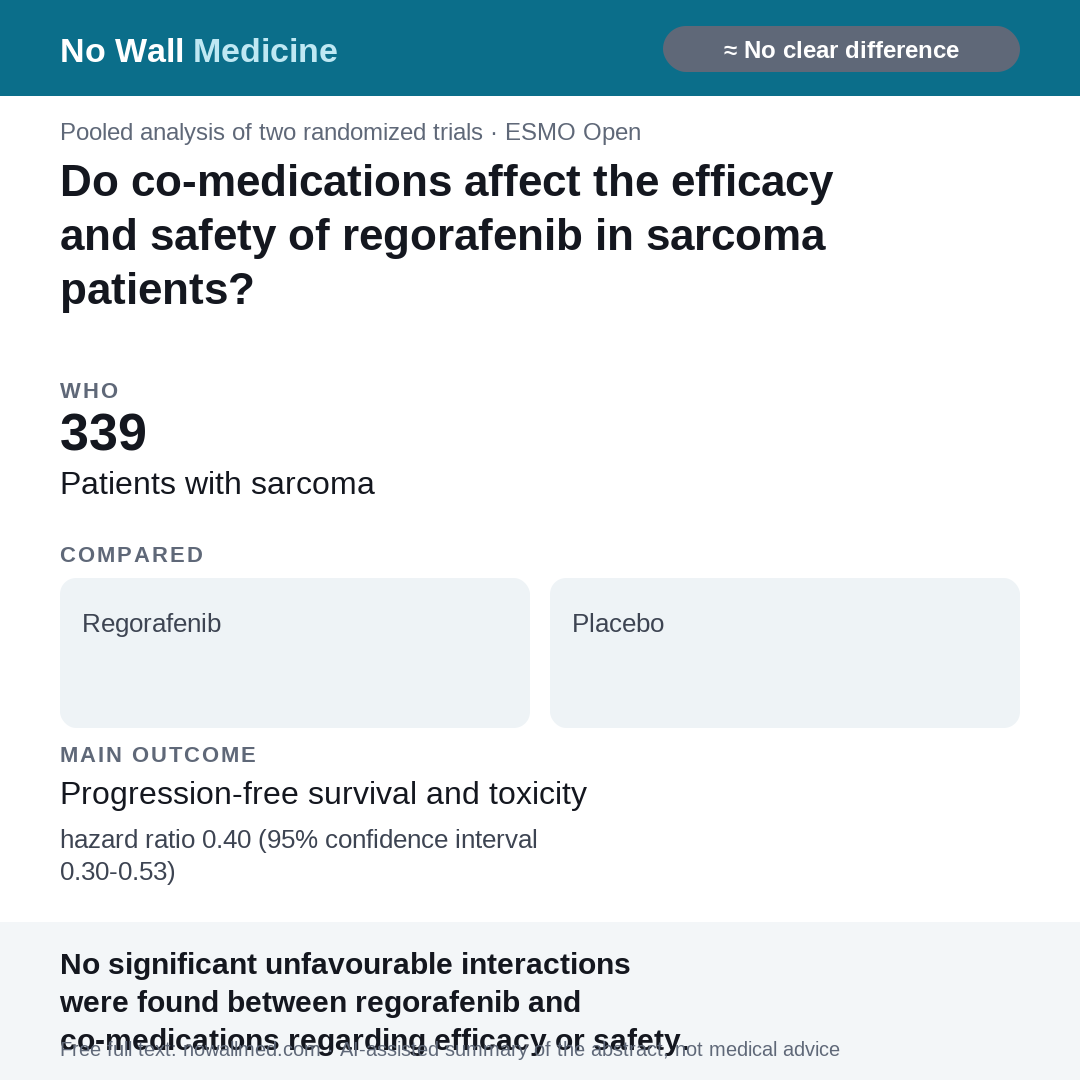
COREGO: drug-drug interaction analysis on the efficacy and safety of regorafenib in patients with a sarcoma: pooled analysis of the data from the REGOSARC and REGOBONE trials
Pooled analysis of two randomized trialsNo clear difference
Do co-medications affect the efficacy and safety of regorafenib in sarcoma patients?
Who
339
Patients with sarcoma
Compared
Regorafenib
Placebo
Main outcome
Progression-free survival and toxicity
Result: hazard ratio 0.40 (95% confidence interval 0.30-0.53)
Bottom line: No significant unfavourable interactions were found between regorafenib and co-medications regarding efficacy or safety.
ESMO Open · 2025-05-24Download image
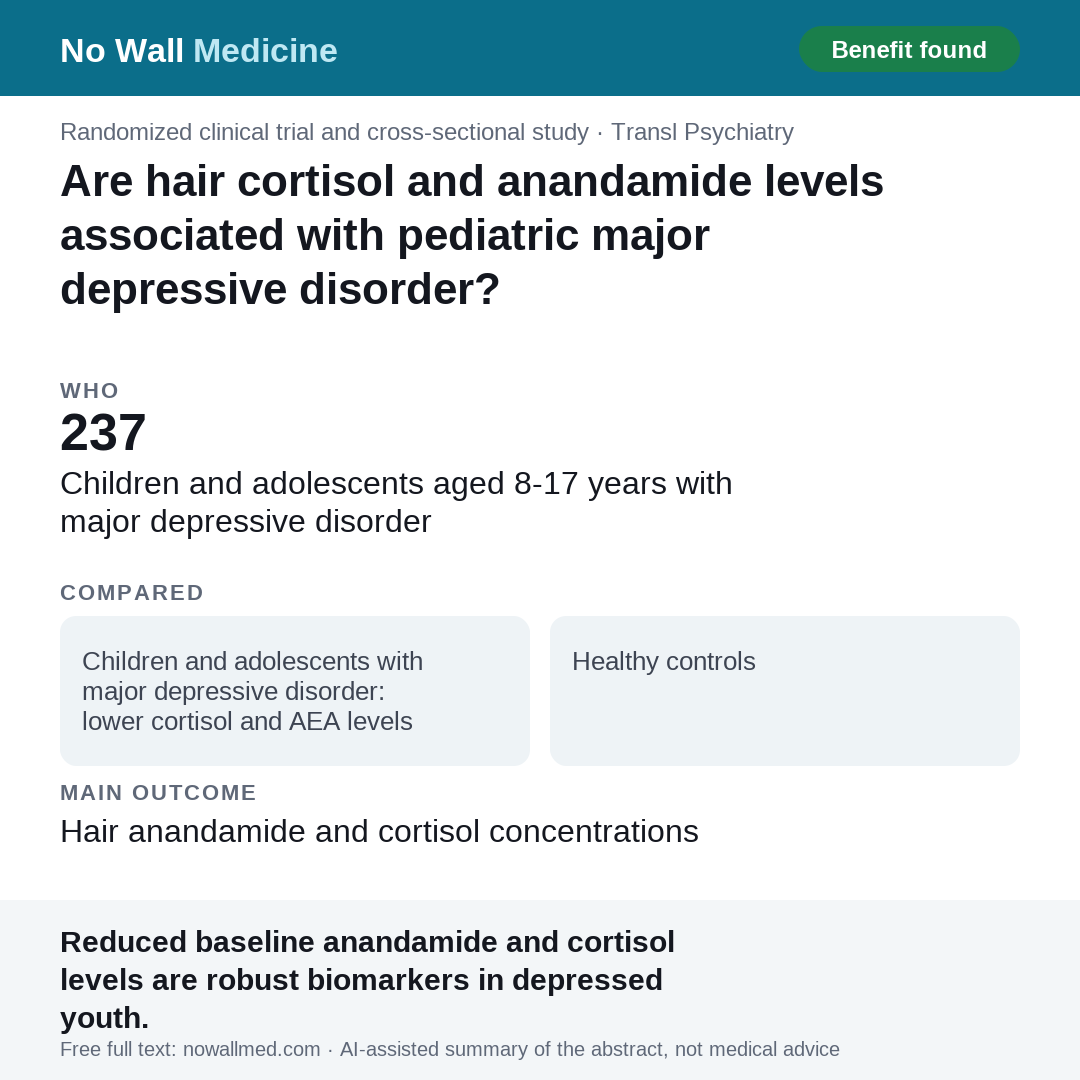
Major depressive disorder in children and adolescents is associated with reduced hair cortisol and anandamide (AEA): cross-sectional and longitudinal evidence from a large randomized clinical trial
Randomized clinical trial and cross-sectional studyBenefit found
Are hair cortisol and anandamide levels associated with pediatric major depressive disorder?
Who
237
Children and adolescents aged 8-17 years with major depressive disorder
Compared
Children and adolescents with major depressive disorder: lower cortisol and AEA levels
Healthy controls
Main outcome
Hair anandamide and cortisol concentrations
Bottom line: Reduced baseline anandamide and cortisol levels are robust biomarkers in depressed youth.
Transl Psychiatry · 2025-05-24Download image
Glucose variability and mode of anaesthesia in major noncardiac surgery (GlucoVITAL): study protocol for a randomised controlled trial
Multicentre, randomised controlled parallel group trialUnclear result
Does total intravenous anaesthesia reduce glucose variability compared to inhalation agents?
Who
450
Participants aged 50 years or older undergoing elective noncardiac surgery · Multicentre
Compared
total intravenous anaesthesia
inhalation agents
Main outcome
blood glucose measured at prespecified timepoints
Bottom line: This study protocol aims to determine if total intravenous anaesthesia reduces glucose variability in noncardiac surgery.
BJA Open · 2025-05-24Download image

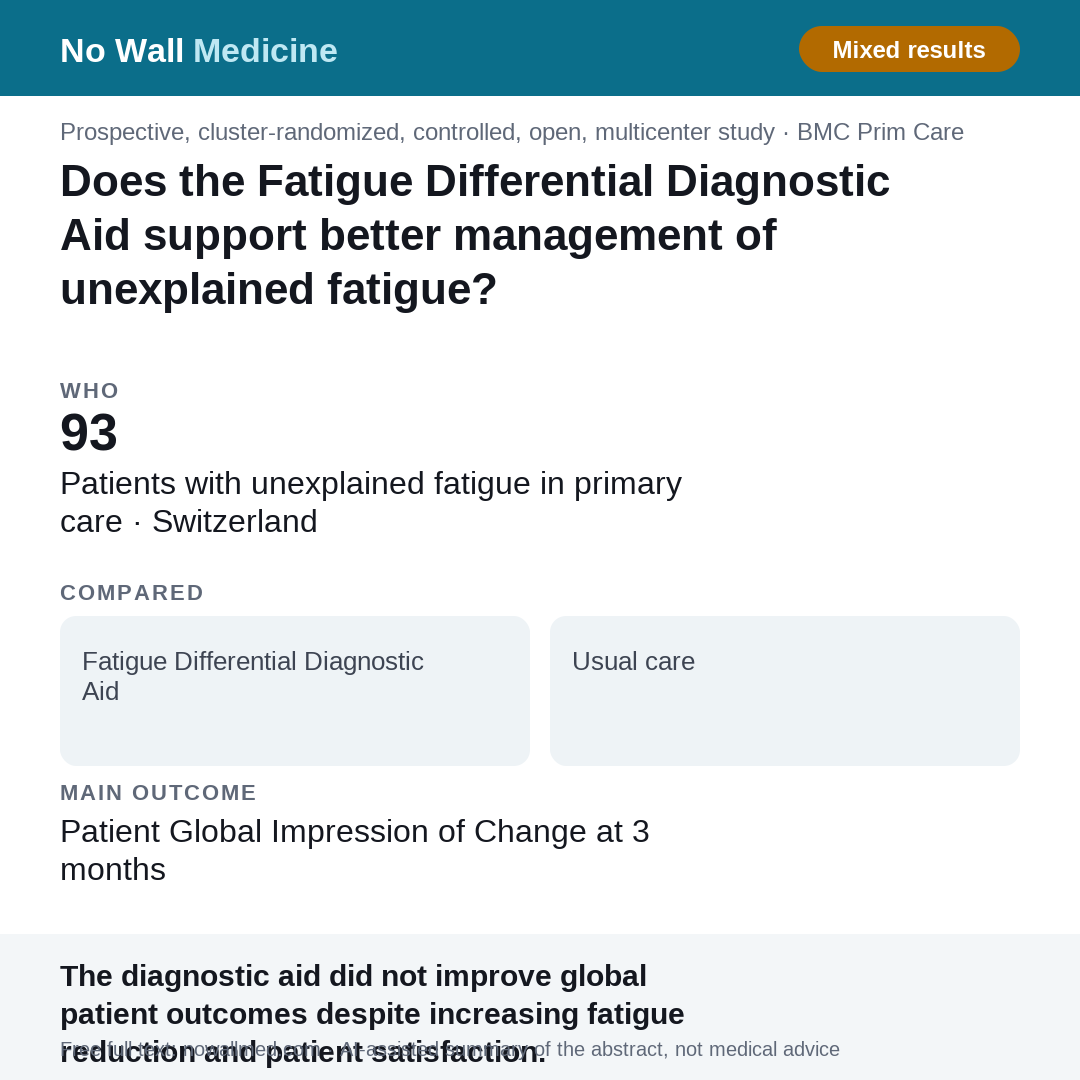
Effects of a novel differential diagnosis aid for managing patients with unexplained fatigue in primary care: a prospective randomized, controlled, open and multicenter study in primary care
Prospective, cluster-randomized, controlled, open, multicenter studyMixed results
Does the Fatigue Differential Diagnostic Aid support better management of unexplained fatigue?
Who
93
Patients with unexplained fatigue in primary care · Switzerland
Compared
Fatigue Differential Diagnostic Aid
Usual care
Main outcome
Patient Global Impression of Change at 3 months
Result: D = 0.06, 95%-CI: -0.41 - -0.53, p = 0.802
Bottom line: The diagnostic aid did not improve global patient outcomes despite increasing fatigue reduction and patient satisfaction.
Limitation: The achieved sample size was less than planned.
BMC Prim Care · 2025-05-24Download image
Etiology, Clinical Presentation, and Management of Retrograde Cricopharyngeus Dysfunction: A Systematic Review
Systematic reviewMixed results
What are the etiology, clinical presentation, and management of retrograde cricopharyngeus dysfunction?
Who
826
Patients with retrograde cricopharyngeus dysfunction · PubMed, Scopus, and Cochrane Library
Compared
Botulinum toxin injection: 92.5% immediate success rate
No treatment
Main outcome
Etiology, clinical presentation, and therapeutic outcomes
Bottom line: Botulinum toxin injection shows high immediate success for facilitating burping, though recurrence and transient dysphagia occur.
J Otolaryngol Head Neck Surg · 2025-05-24Download image

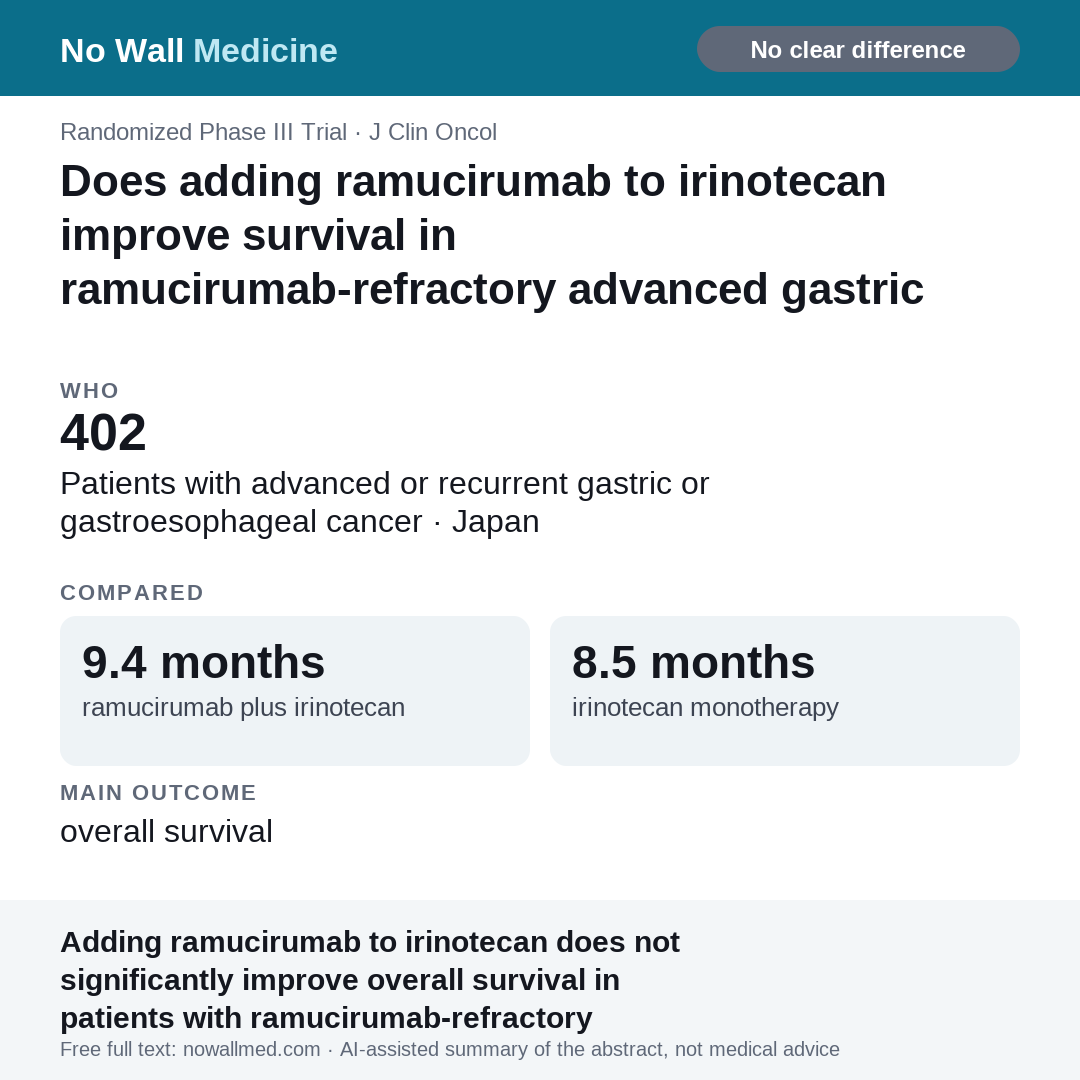
Randomized Phase III Trial of Ramucirumab Beyond Progression Plus Irinotecan in Patients With Ramucirumab-Refractory Advanced Gastric Cancer: RINDBeRG Trial
Randomized Phase III TrialNo clear difference
Does adding ramucirumab to irinotecan improve survival in ramucirumab-refractory advanced gastric cancer?
Who
402
Patients with advanced or recurrent gastric or gastroesophageal cancer · Japan
Compared
9.4 monthsramucirumab plus irinotecan
8.5 monthsirinotecan monotherapy
Main outcome
overall survival
Result: hazard ratio 0.91 (95% CI 0.74 to 1.12)
Bottom line: Adding ramucirumab to irinotecan does not significantly improve overall survival in patients with ramucirumab-refractory advanced gastric cancer.
J Clin Oncol · 2025-05-23Download image
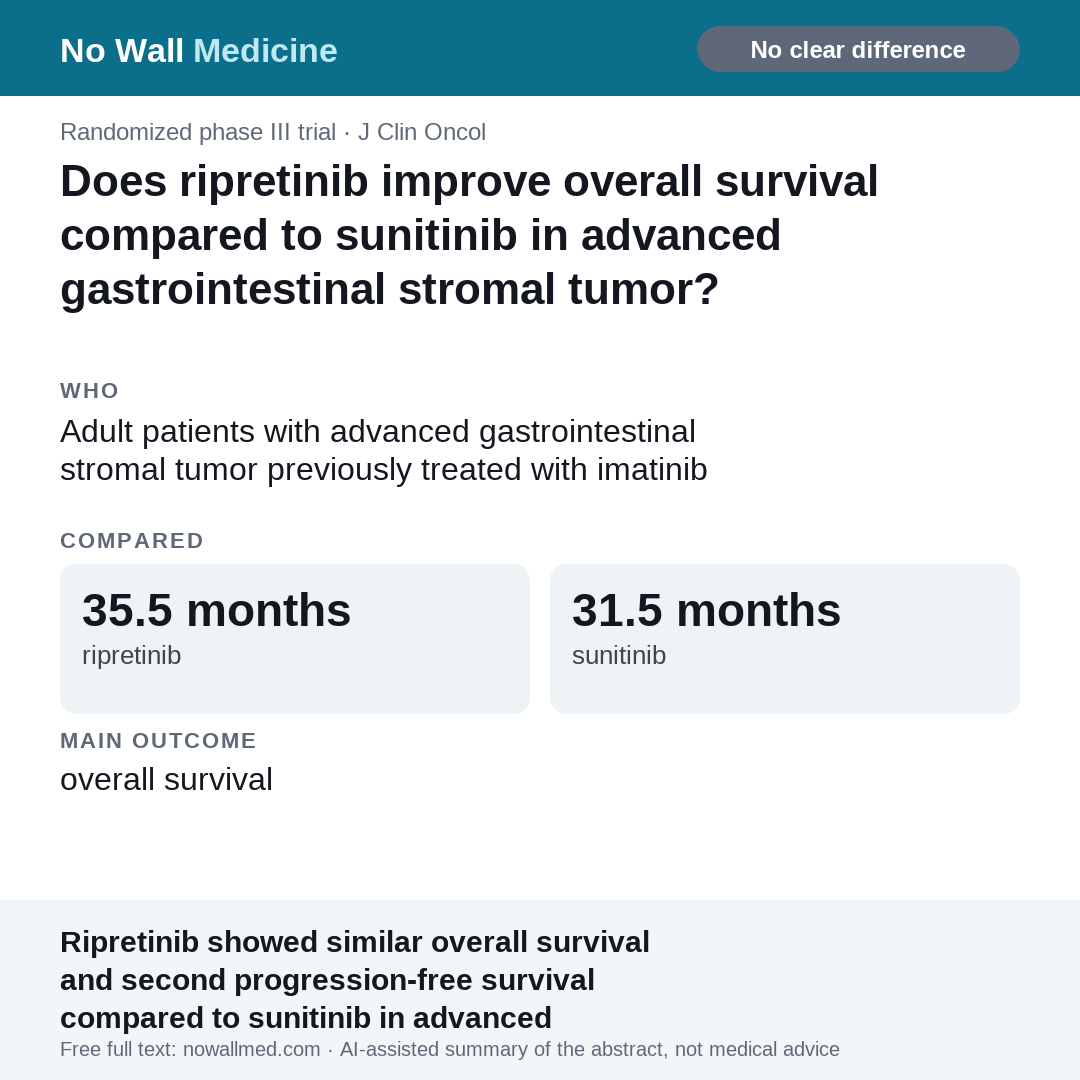
Updated Overall Survival and Long-Term Safety With Ripretinib Versus Sunitinib in Patients With GI Stromal Tumor: Final Overall Survival Analysis From INTRIGUE
Randomized phase III trialNo clear difference
Does ripretinib improve overall survival compared to sunitinib in advanced gastrointestinal stromal tumor?
Who
Adult patients with advanced gastrointestinal stromal tumor previously treated with imatinib
Compared
35.5 monthsripretinib
31.5 monthssunitinib
Main outcome
overall survival
Bottom line: Ripretinib showed similar overall survival and second progression-free survival compared to sunitinib in advanced gastrointestinal stromal tumor.
J Clin Oncol · 2025-05-23Download image
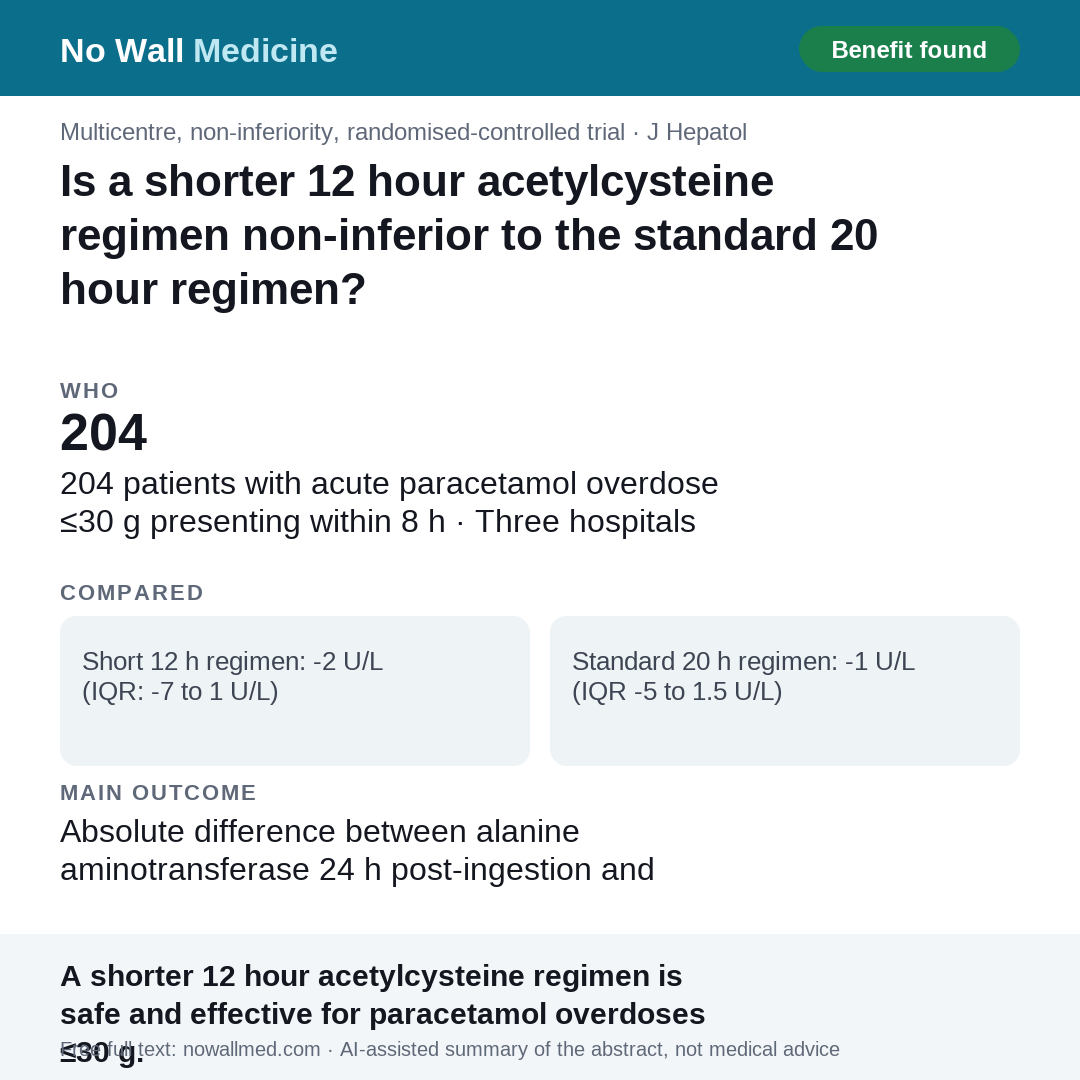
A non-inferiority randomised controlled trial of a shorter acetylcysteine regimen for paracetamol overdose - the SARPO trial
Multicentre, non-inferiority, randomised-controlled trialBenefit found
Is a shorter 12 hour acetylcysteine regimen non-inferior to the standard 20 hour regimen?
Who
204
204 patients with acute paracetamol overdose ≤30 g presenting within 8 h · Three hospitals
Compared
Short 12 h regimen: -2 U/L (IQR: -7 to 1 U/L)
Standard 20 h regimen: -1 U/L (IQR -5 to 1.5 U/L)
Main outcome
Absolute difference between alanine aminotransferase 24 h post-ingestion and admission
Result: difference in medians of -1 U/L (95% CI -3 to 1 U/L)
Bottom line: A shorter 12 hour acetylcysteine regimen is safe and effective for paracetamol overdoses ≤30 g.
J Hepatol · 2025-05-23Download image
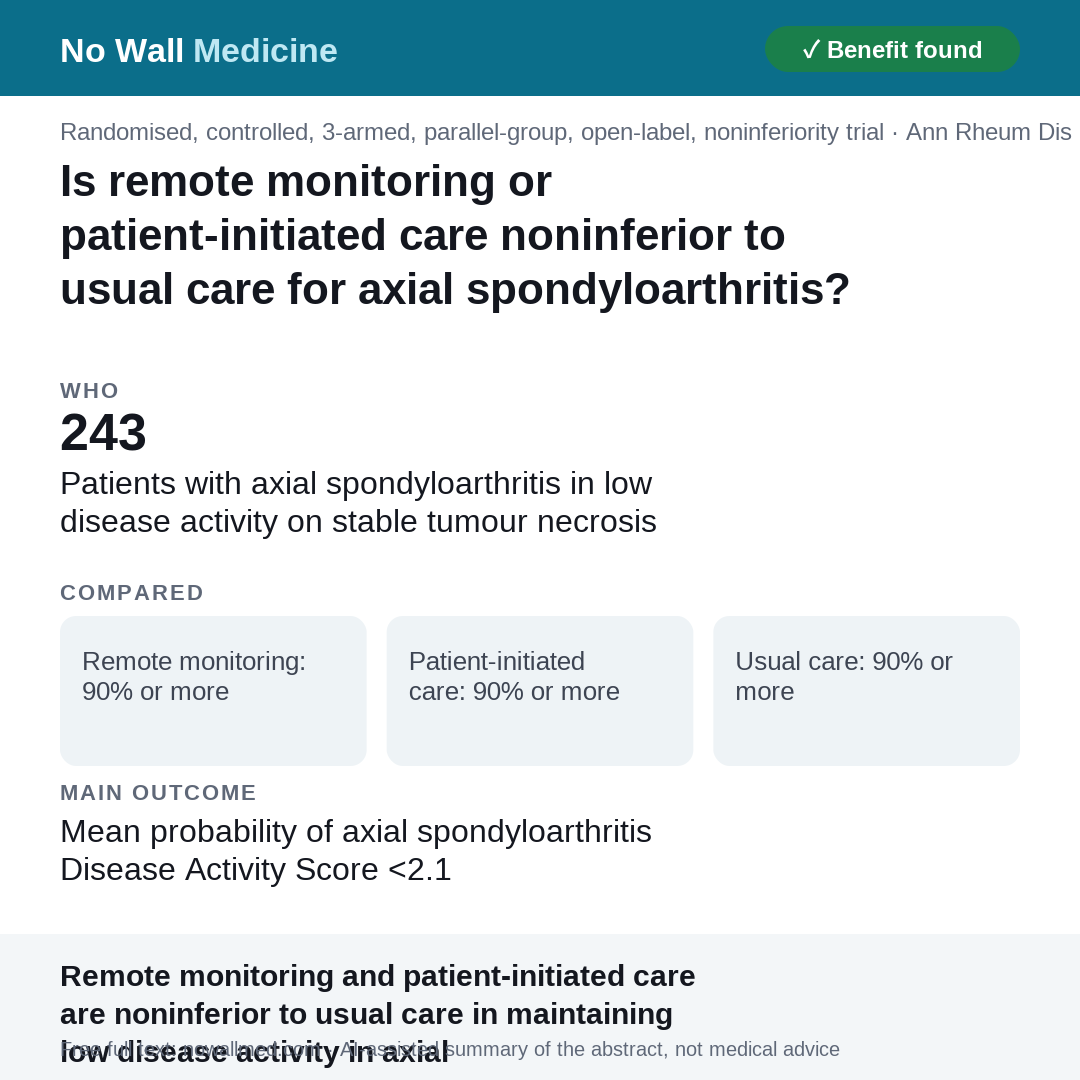
Remote monitoring or patient-initiated care in axial spondyloarthritis: a 3-armed randomised controlled noninferiority trial
Randomised, controlled, 3-armed, parallel-group, open-label, noninferiority trialBenefit found
Is remote monitoring or patient-initiated care noninferior to usual care for axial spondyloarthritis?
Who
243
Patients with axial spondyloarthritis in low disease activity on stable tumour necrosis factor inhibitor · Norwegian outpatient clinic
Compared
Remote monitoring: 90% or more
Patient-initiated care: 90% or more
Usual care: 90% or more
Main outcome
Mean probability of axial spondyloarthritis Disease Activity Score <2.1
Result: usual care vs remote monitoring, -4.1% (97.5% CI, -9.9% to 1.8%)
Bottom line: Remote monitoring and patient-initiated care are noninferior to usual care in maintaining low disease activity in axial spondyloarthritis.
Ann Rheum Dis · 2025-05-23Download image
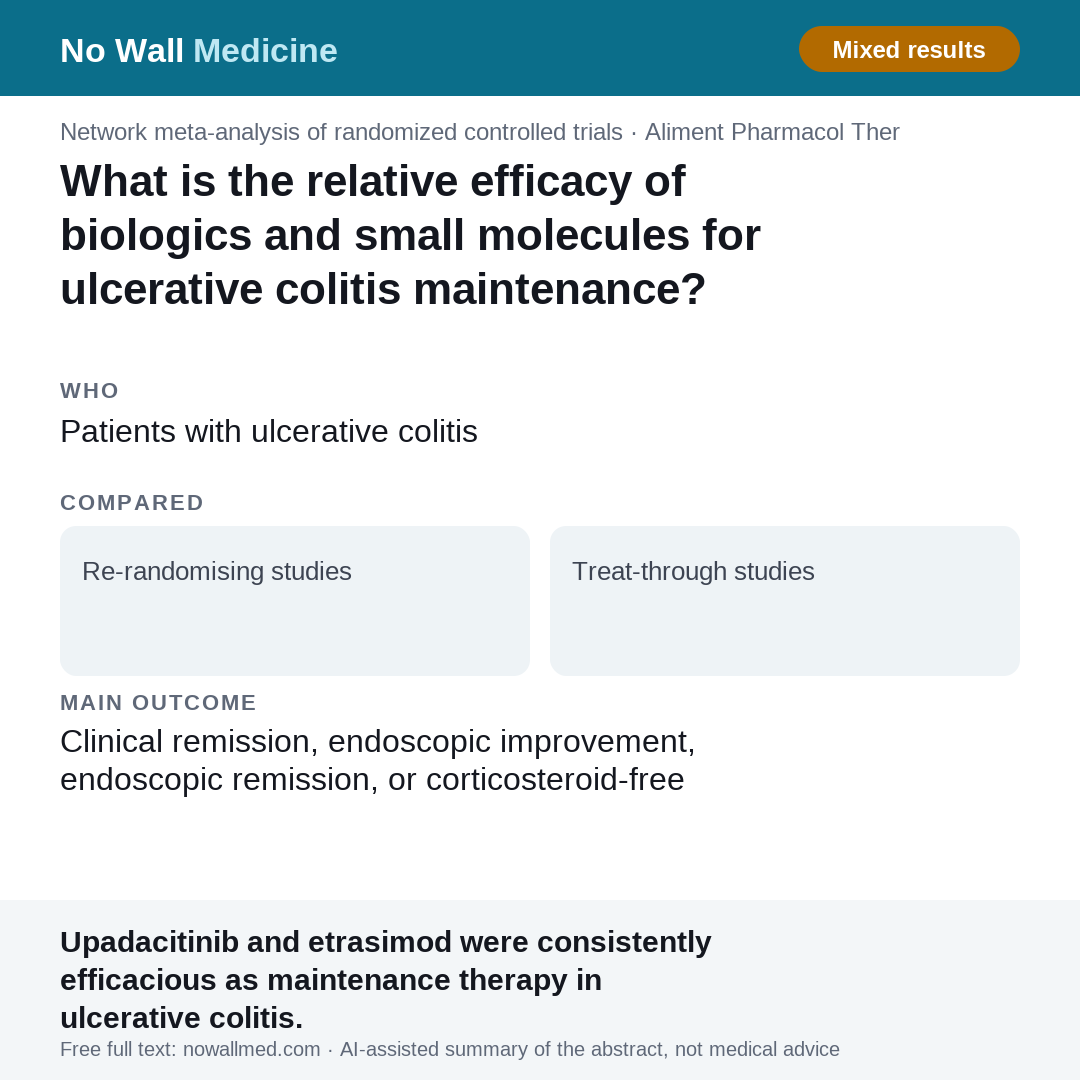
Network Meta-Analysis: Efficacy of Biological Therapies and Small Molecules as Maintenance Therapy in Ulcerative Colitis
Network meta-analysis of randomized controlled trialsMixed results
What is the relative efficacy of biologics and small molecules for ulcerative colitis maintenance?
Who
Patients with ulcerative colitis
Compared
Re-randomising studies
Treat-through studies
Main outcome
Clinical remission, endoscopic improvement, endoscopic remission, or corticosteroid-free remission
Bottom line: Upadacitinib and etrasimod were consistently efficacious as maintenance therapy in ulcerative colitis.
Aliment Pharmacol Ther · 2025-05-23Download image
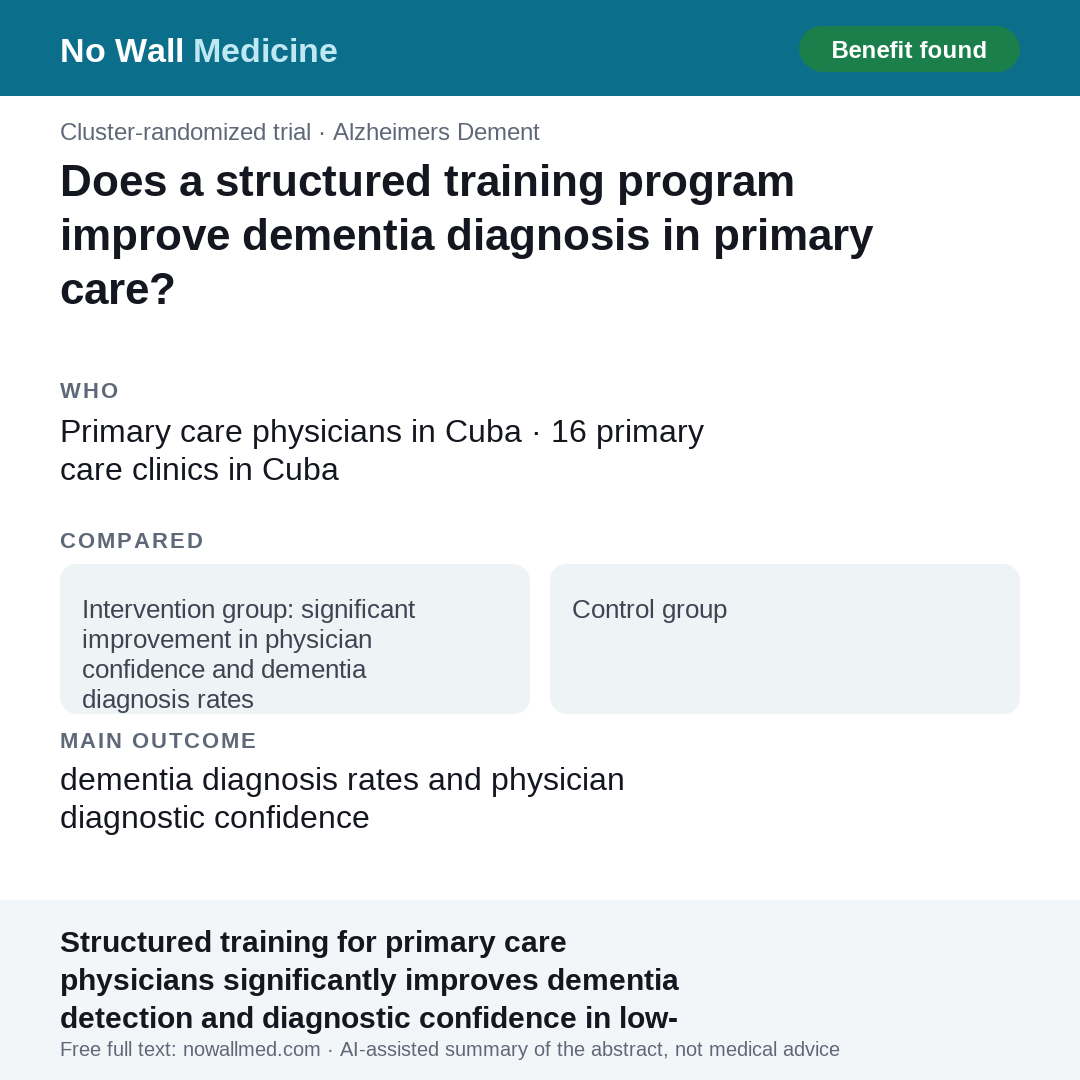
Advancing dementia preparedness in Low and Middle Income countries: A randomized trial to improve diagnosis in primary care
Cluster-randomized trialBenefit found
Does a structured training program improve dementia diagnosis in primary care?
Who
Primary care physicians in Cuba · 16 primary care clinics in Cuba
Compared
Intervention group: significant improvement in physician confidence and dementia diagnosis rates
Control group
Main outcome
dementia diagnosis rates and physician diagnostic confidence
Bottom line: Structured training for primary care physicians significantly improves dementia detection and diagnostic confidence in low- and middle-income countries.
Alzheimers Dement · 2025-05-23Download image
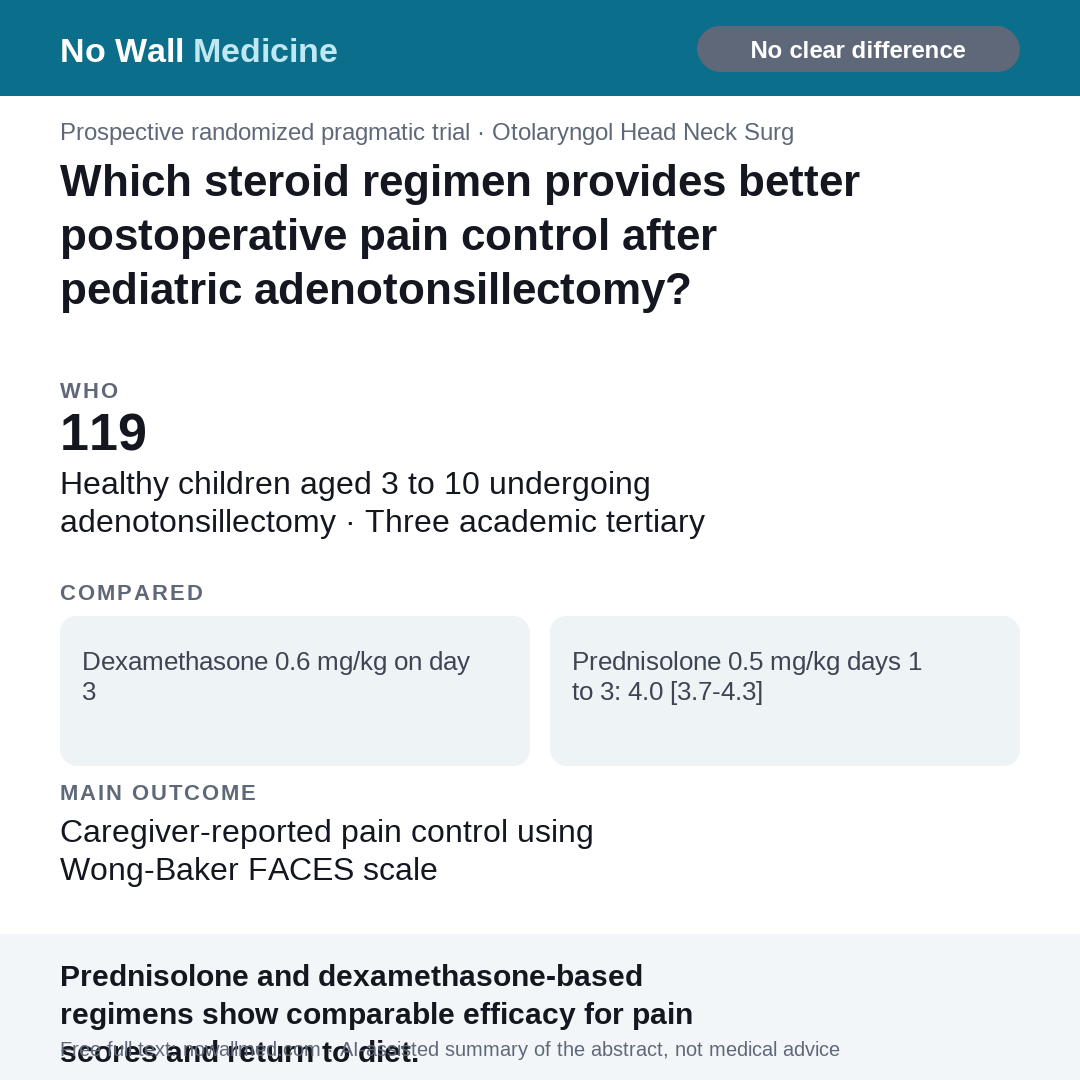
Steroids for Pediatric Adenotonsillectomy Pain-A Prospective Multicenter Randomized Trial
Prospective randomized pragmatic trialNo clear difference
Which steroid regimen provides better postoperative pain control after pediatric adenotonsillectomy?
Who
119
Healthy children aged 3 to 10 undergoing adenotonsillectomy · Three academic tertiary care children's hospitals
Compared
Dexamethasone 0.6 mg/kg on day 3
Prednisolone 0.5 mg/kg days 1 to 3: 4.0 [3.7-4.3]
Main outcome
Caregiver-reported pain control using Wong-Baker FACES scale
Result: b = 0.00 (95% CI -0.52 to 0.52)
Bottom line: Prednisolone and dexamethasone-based regimens show comparable efficacy for pain scores and return to diet.
Otolaryngol Head Neck Surg · 2025-05-23Download image
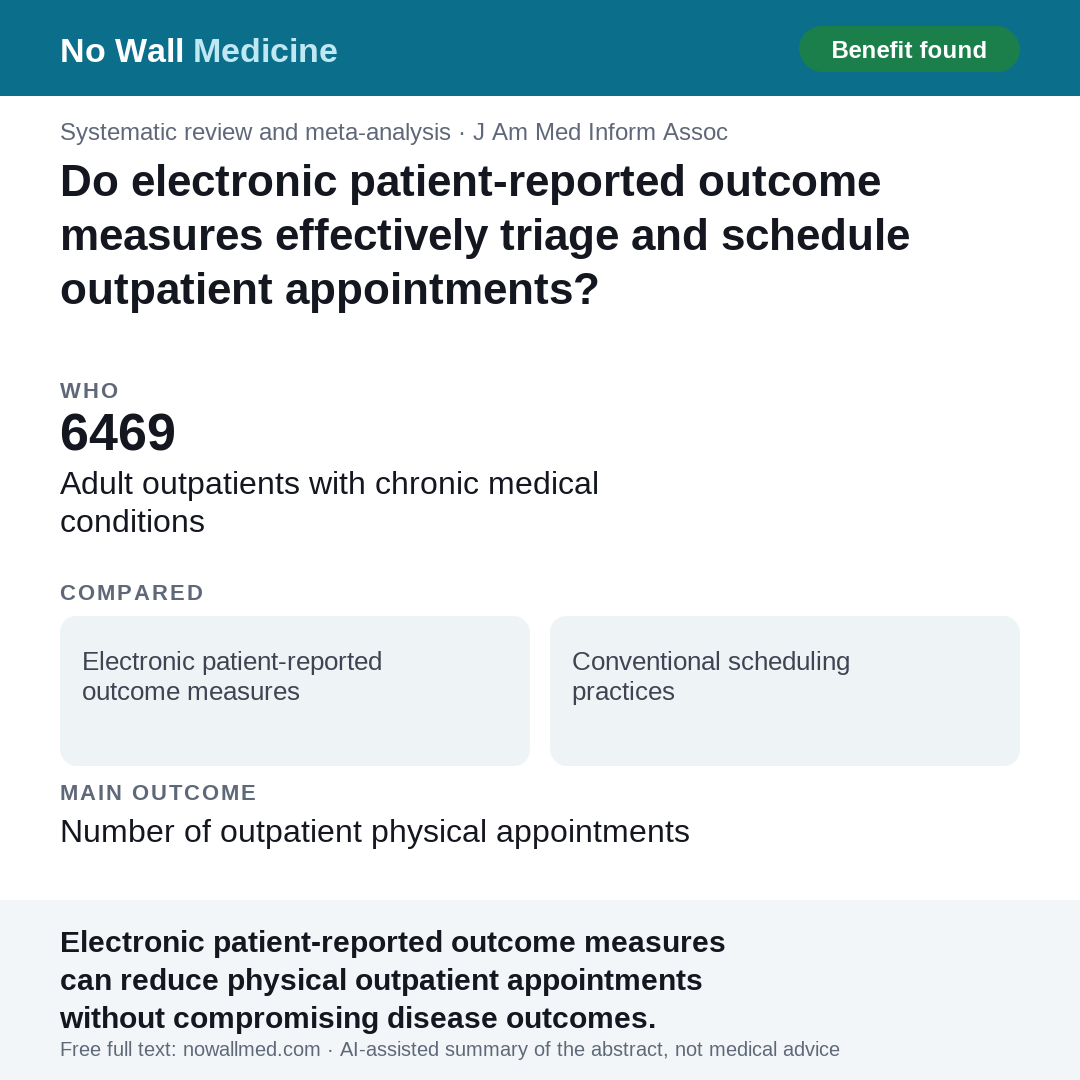
Electronic patient-reported outcome measures for triaging and scheduling outpatient appointments: a systematic review and meta-analysis
Systematic review and meta-analysisBenefit found
Do electronic patient-reported outcome measures effectively triage and schedule outpatient appointments?
Who
6469
Adult outpatients with chronic medical conditions
Compared
Electronic patient-reported outcome measures
Conventional scheduling practices
Main outcome
Number of outpatient physical appointments
Result: mean difference -1.12 (CI, -1.87 to -0.37)
Bottom line: Electronic patient-reported outcome measures can reduce physical outpatient appointments without compromising disease outcomes.
J Am Med Inform Assoc · 2025-05-23Download image
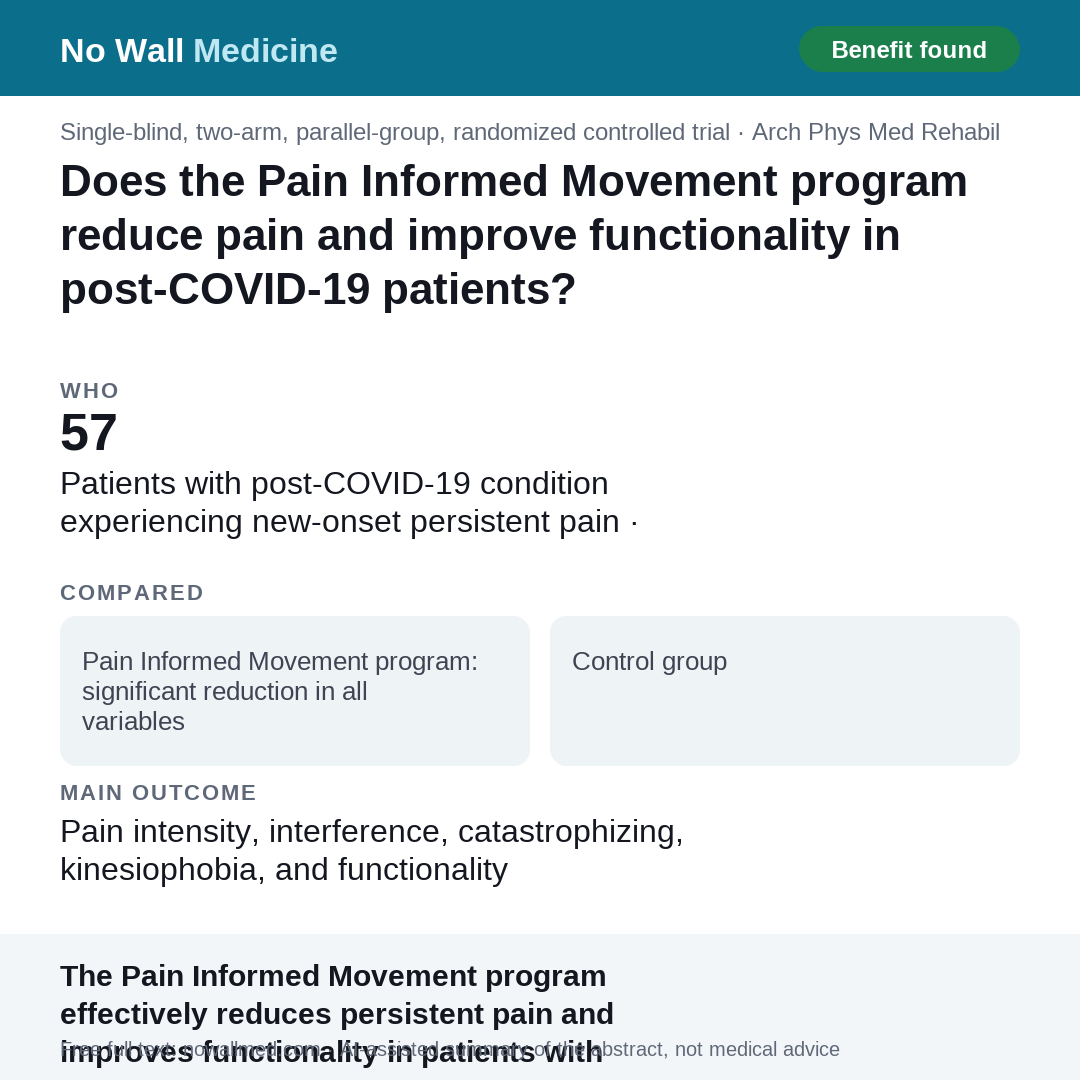
Effectiveness of a Pain Informed Movement Program in Individuals With Post-COVID-19 Condition: A Randomized Controlled Trial
Single-blind, two-arm, parallel-group, randomized controlled trialBenefit found
Does the Pain Informed Movement program reduce pain and improve functionality in post-COVID-19 patients?
Who
57
Patients with post-COVID-19 condition experiencing new-onset persistent pain · Public health sciences faculty
Compared
Pain Informed Movement program: significant reduction in all variables
Control group
Main outcome
Pain intensity, interference, catastrophizing, kinesiophobia, and functionality
Bottom line: The Pain Informed Movement program effectively reduces persistent pain and improves functionality in patients with post-COVID-19 condition.
Arch Phys Med Rehabil · 2025-05-23Download image
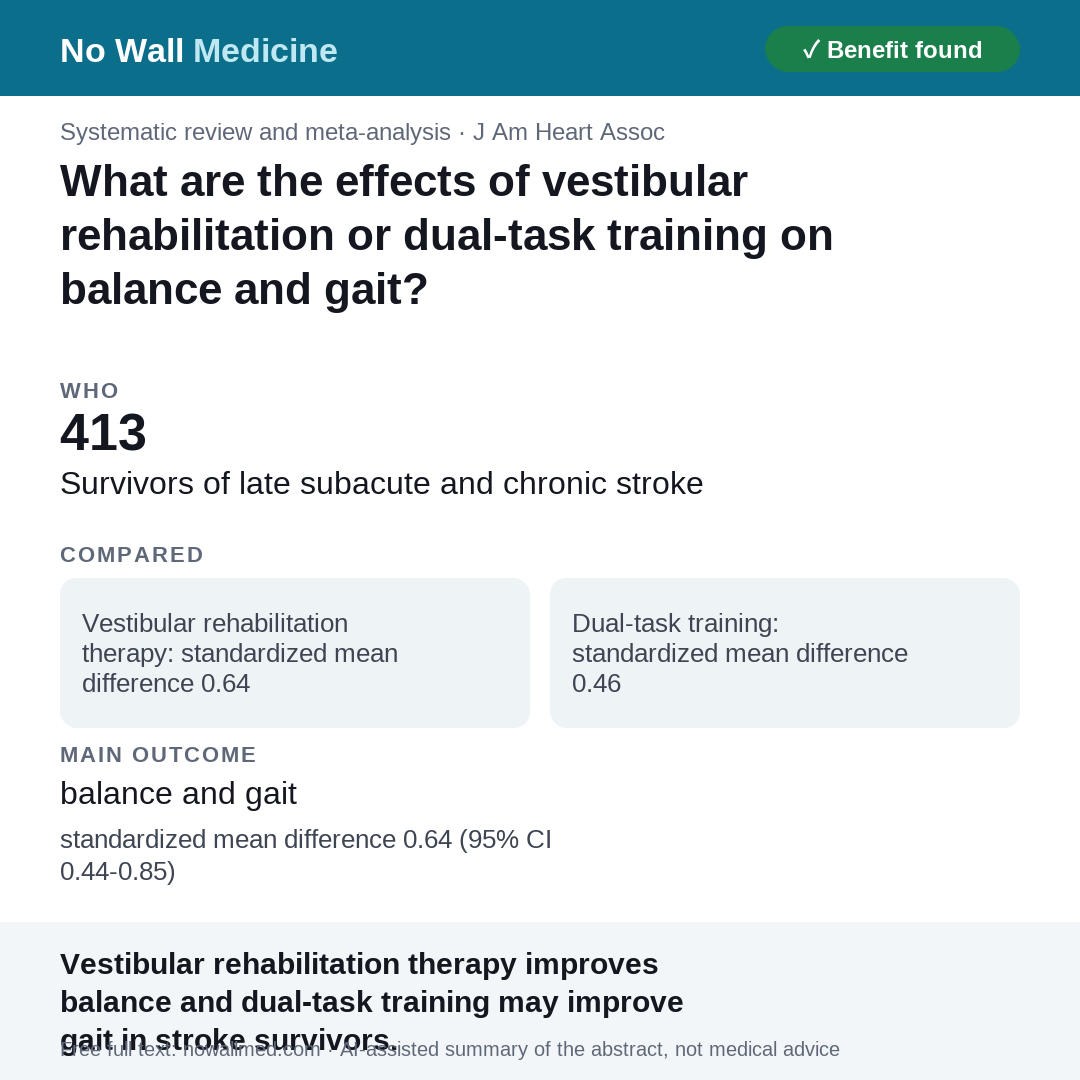
Impact of Vestibular Rehabilitation and Dual-Task Training on Balance and Gait in Survivors of Stroke: A Systematic Review and Meta-Analysis
Systematic review and meta-analysisBenefit found
What are the effects of vestibular rehabilitation or dual-task training on balance and gait?
Who
413
Survivors of late subacute and chronic stroke
Compared
Vestibular rehabilitation therapy: standardized mean difference 0.64
Dual-task training: standardized mean difference 0.46
Main outcome
balance and gait
Result: standardized mean difference 0.64 (95% CI 0.44-0.85)
Bottom line: Vestibular rehabilitation therapy improves balance and dual-task training may improve gait in stroke survivors.
J Am Heart Assoc · 2025-05-23Download image
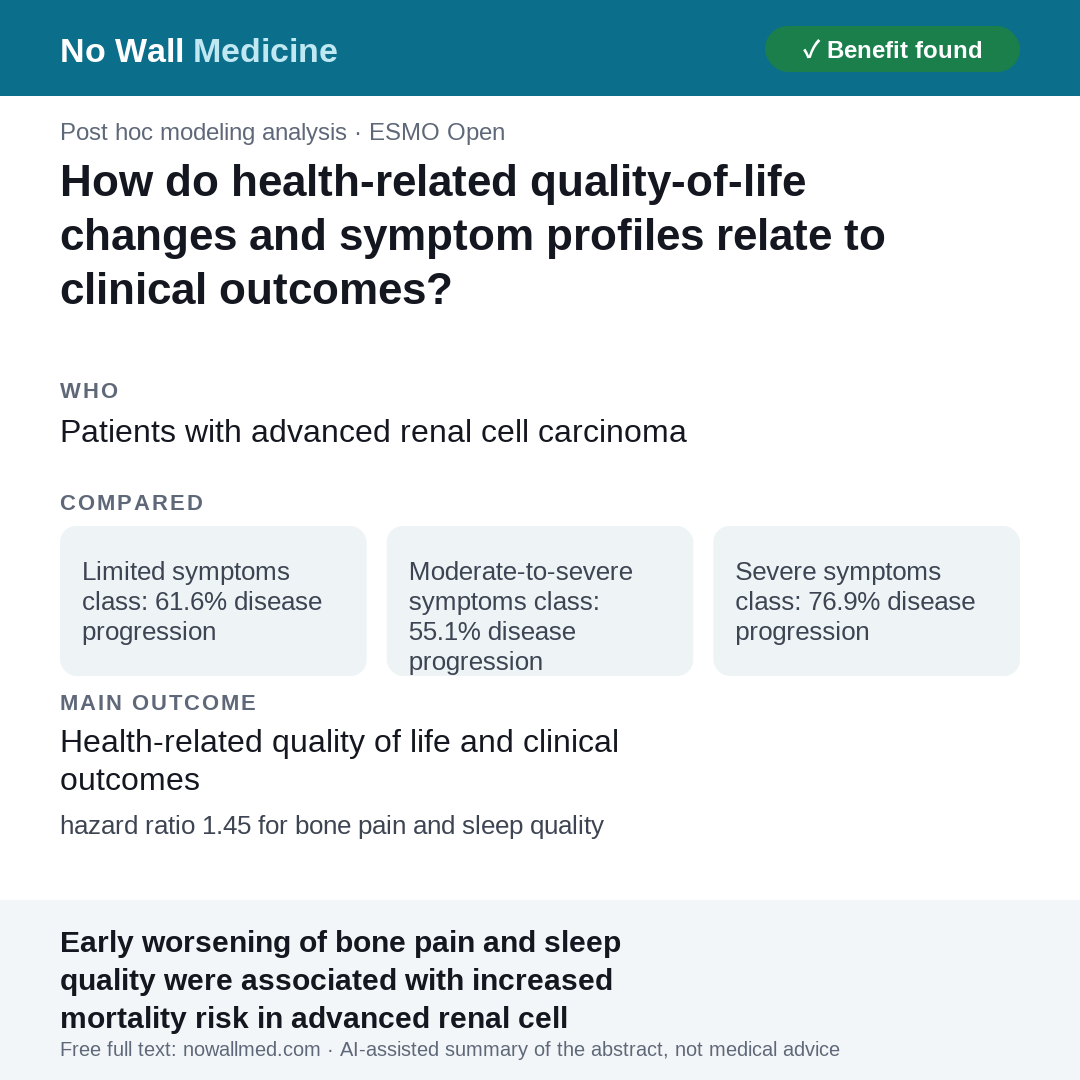
Health-related quality-of-life profile and clinical outcomes in first-line advanced renal cell carcinoma: a modeling analysis based on the CheckMate 9ER study
Post hoc modeling analysisBenefit found
How do health-related quality-of-life changes and symptom profiles relate to clinical outcomes?
Who
Patients with advanced renal cell carcinoma
Compared
Limited symptoms class: 61.6% disease progression
Moderate-to-severe symptoms class: 55.1% disease progression
Severe symptoms class: 76.9% disease progression
Main outcome
Health-related quality of life and clinical outcomes
Result: hazard ratio 1.45 for bone pain and sleep quality
Bottom line: Early worsening of bone pain and sleep quality were associated with increased mortality risk in advanced renal cell carcinoma.
Limitation: This is a post hoc analysis of the CheckMate 9ER study.
ESMO Open · 2025-05-23Download image
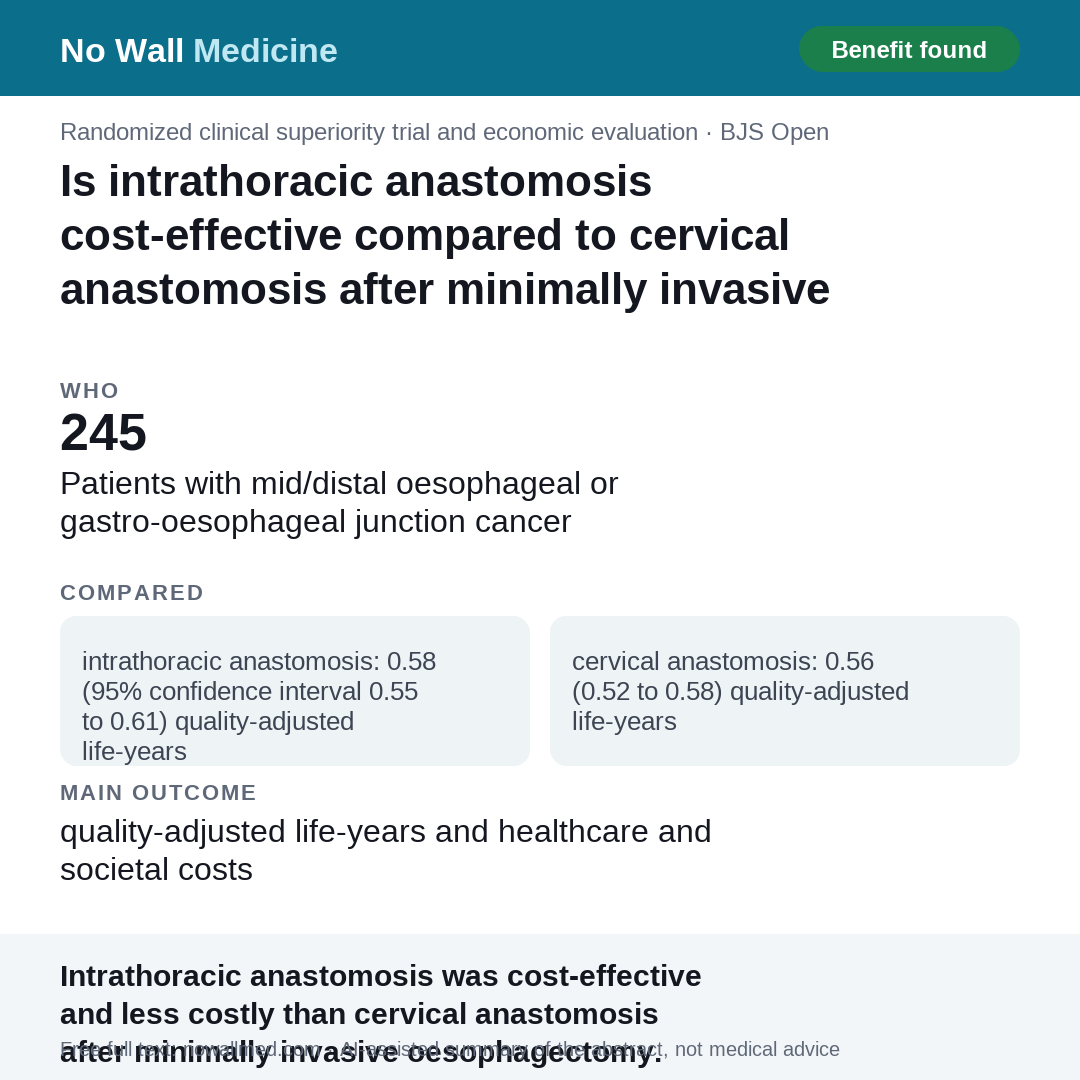
Intrathoracic versus cervical anastomosis after totally or hybrid minimally invasive transthoracic oesophagectomy for oesophageal cancer: cost-effectiveness analysis alongside the randomized ICAN trial
Randomized clinical superiority trial and economic evaluationBenefit found
Is intrathoracic anastomosis cost-effective compared to cervical anastomosis after minimally invasive oesophagectomy?
Who
245
Patients with mid/distal oesophageal or gastro-oesophageal junction cancer
Compared
intrathoracic anastomosis: 0.58 (95% confidence interval 0.55 to 0.61) quality-adjusted life-years
cervical anastomosis: 0.56 (0.52 to 0.58) quality-adjusted life-years
Main outcome
quality-adjusted life-years and healthcare and societal costs
Result: mean difference -9930 (-16 301 to -2521) euros
Bottom line: Intrathoracic anastomosis was cost-effective and less costly than cervical anastomosis after minimally invasive oesophagectomy.
BJS Open · 2025-05-23Download image