Visual abstracts
New randomized trials and meta-analyses from leading journals at a glance: who was studied, what was compared, and what was found. Every paper is free to read in full.
All specialtiesCardiology 1182Oncology 1030Gastroenterology & Hepatology 411Infectious Disease 775Neurology 481Psychiatry & Mental Health 594Pulmonology 500Critical Care 344Endocrinology & Diabetes 654Pediatrics 701Surgery 519Orthopedics & Sports Medicine 225Neurosurgery 161Cardiothoracic & Vascular Surgery 129Plastic & Reconstructive Surgery 186Nephrology 248Rheumatology 156Hematology 240Dermatology 112Ophthalmology 134Obstetrics & Gynecology 358Public & Global Health 226Radiology & Imaging 153Anesthesiology 210Urology 214ENT (Otolaryngology) 160Emergency Medicine 125Allergy & Immunology 79Geriatrics 235Family Medicine & Primary Care 147Medical Genetics & Genomics 122Pathology & Laboratory Medicine 36Physical Medicine & Rehabilitation 202Palliative Care 107Nutrition 306Digital Health & AI 588General Medicine 112
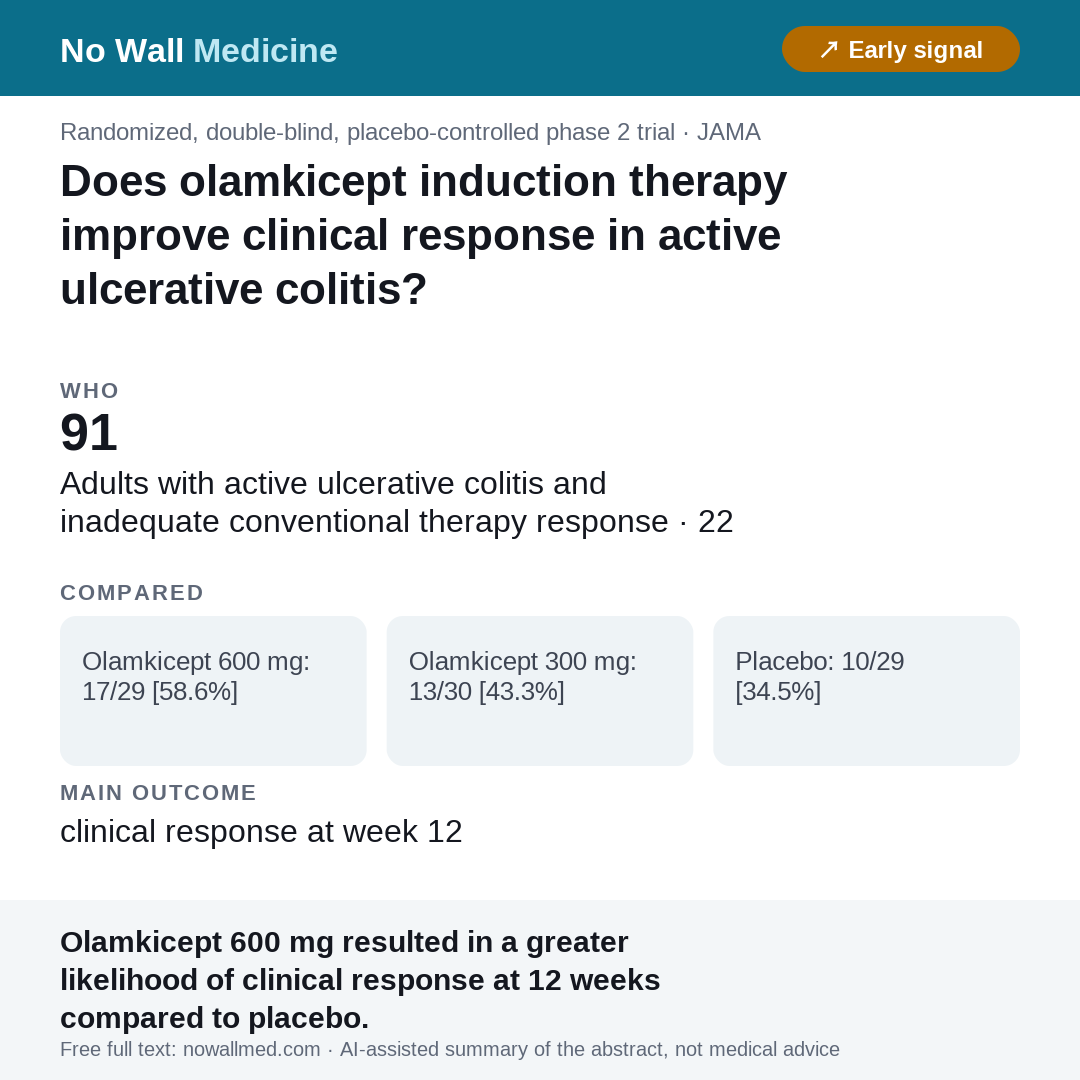
Effect of Induction Therapy With Olamkicept vs Placebo on Clinical Response in Patients With Active Ulcerative Colitis: A Randomized Clinical Trial
Randomized, double-blind, placebo-controlled phase 2 trialBenefit found
Does olamkicept induction therapy improve clinical response in active ulcerative colitis?
Who
91
Adults with active ulcerative colitis and inadequate conventional therapy response · 22 clinical study sites in East Asia
Compared
Olamkicept 600 mg: 17/29 [58.6%]
Olamkicept 300 mg: 13/30 [43.3%]
Placebo: 10/29 [34.5%]
Main outcome
clinical response at week 12
Result: adjusted difference vs placebo of 26.6% (90% CI, 6.2% to 47.1%)
Bottom line: Olamkicept 600 mg resulted in a greater likelihood of clinical response at 12 weeks compared to placebo.
JAMA · 2023-03-07Download image
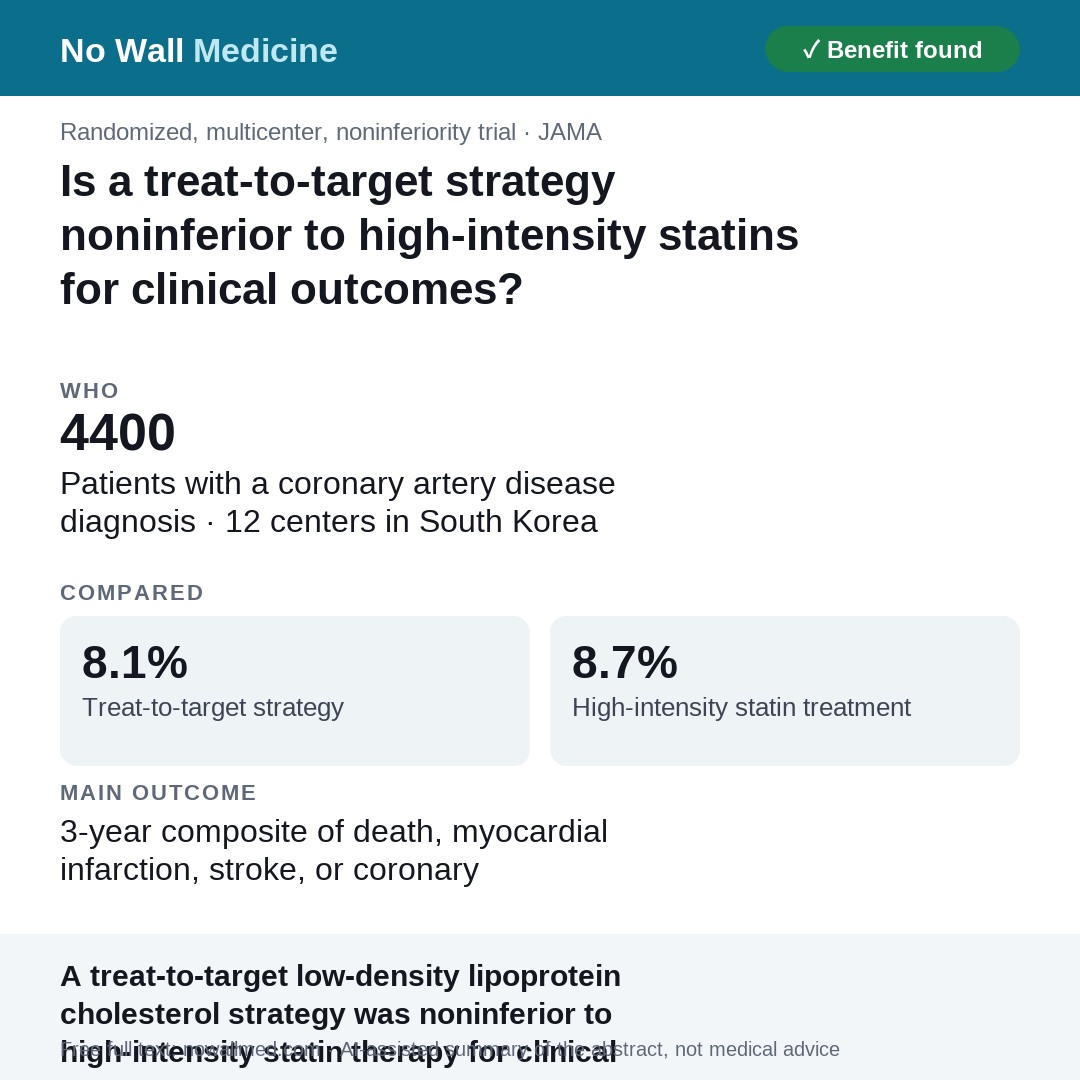
Treat-to-Target or High-Intensity Statin in Patients With Coronary Artery Disease: A Randomized Clinical Trial
Randomized, multicenter, noninferiority trialBenefit found
Is a treat-to-target strategy noninferior to high-intensity statins for clinical outcomes?
Who
4400
Patients with a coronary artery disease diagnosis · 12 centers in South Korea
Compared
8.1%Treat-to-target strategy
8.7%High-intensity statin treatment
Main outcome
3-year composite of death, myocardial infarction, stroke, or coronary revascularization
Result: absolute difference, -0.6 percentage points [upper boundary of the 1-sided 97.5% CI, 1.1 percentage points]
Bottom line: A treat-to-target low-density lipoprotein cholesterol strategy was noninferior to high-intensity statin therapy for clinical outcomes.
JAMA · 2023-03-07Download image
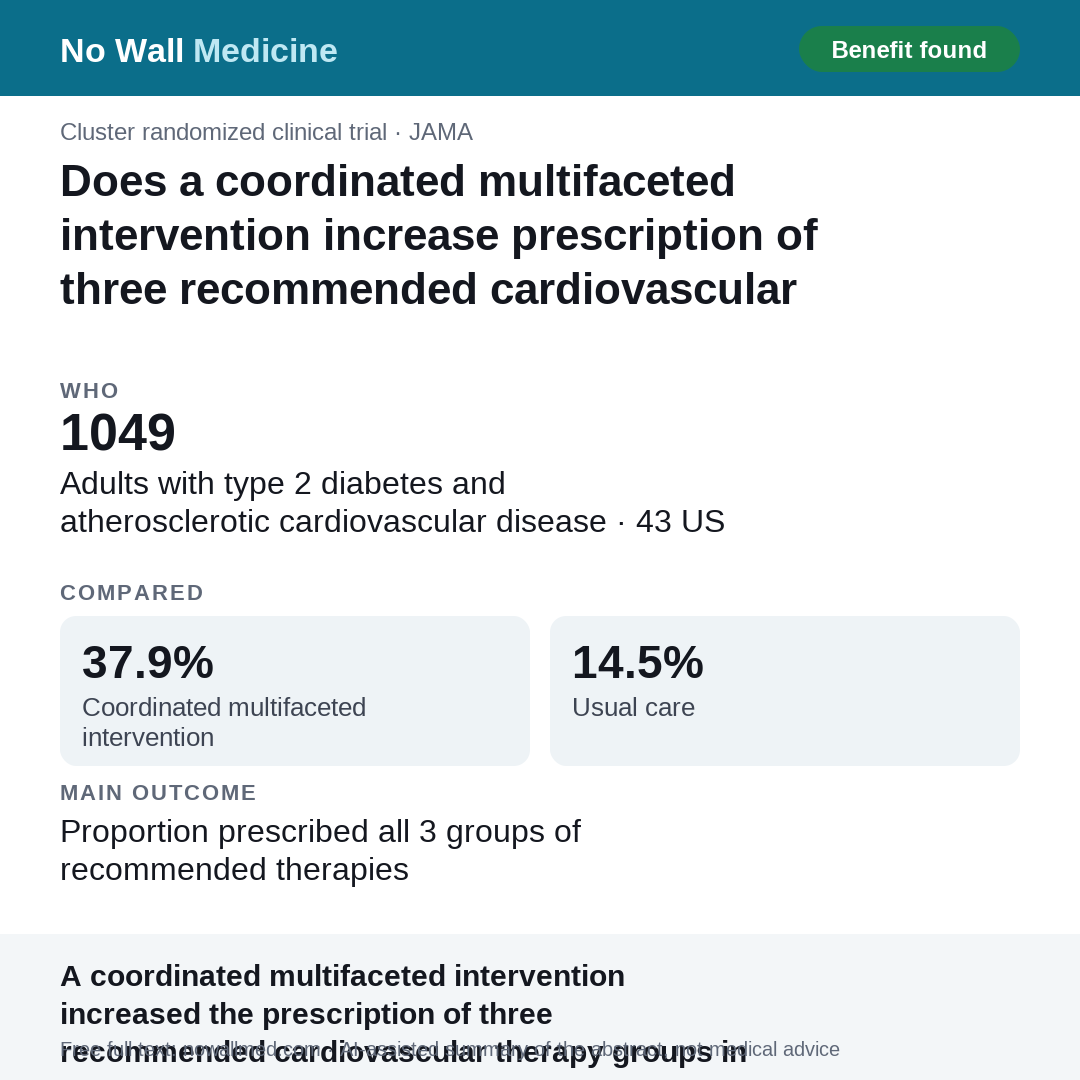
Coordinated Care to Optimize Cardiovascular Preventive Therapies in Type 2 Diabetes: A Randomized Clinical Trial
Cluster randomized clinical trialBenefit found
Does a coordinated multifaceted intervention increase prescription of three recommended cardiovascular therapies?
Who
1049
Adults with type 2 diabetes and atherosclerotic cardiovascular disease · 43 US cardiology clinics
Compared
37.9%Coordinated multifaceted intervention (173/457)
14.5%Usual care (85/588)
Main outcome
Proportion prescribed all 3 groups of recommended therapies
Result: adjusted odds ratio 4.38 (95% CI, 2.49 to 7.71)
Bottom line: A coordinated multifaceted intervention increased the prescription of three recommended cardiovascular therapy groups in adults with type 2 diabetes.
JAMA · 2023-03-07Download image
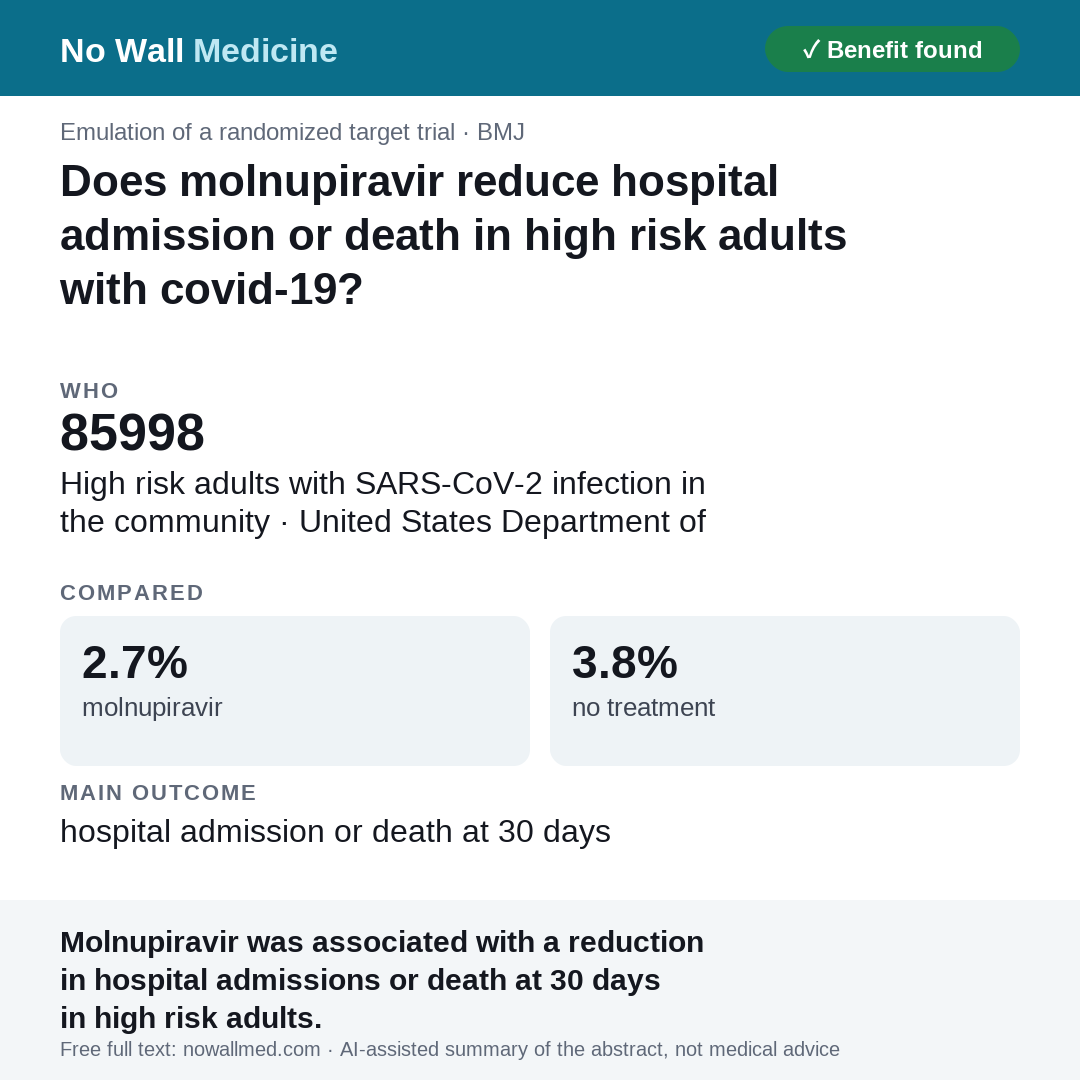
Molnupiravir and risk of hospital admission or death in adults with covid-19: emulation of a randomized target trial using electronic health records
Emulation of a randomized target trialBenefit found
Does molnupiravir reduce hospital admission or death in high risk adults with covid-19?
Who
85998
High risk adults with SARS-CoV-2 infection in the community · United States Department of Veterans Affairs
Compared
2.7%molnupiravir (95% confidence interval 2.5% to 3.0%)
3.8%no treatment (3.7% to 3.9%)
Main outcome
hospital admission or death at 30 days
Result: relative risk 0.72 (95% confidence interval 0.64 to 0.79)
Bottom line: Molnupiravir was associated with a reduction in hospital admissions or death at 30 days in high risk adults.
BMJ · 2023-03-07Download image
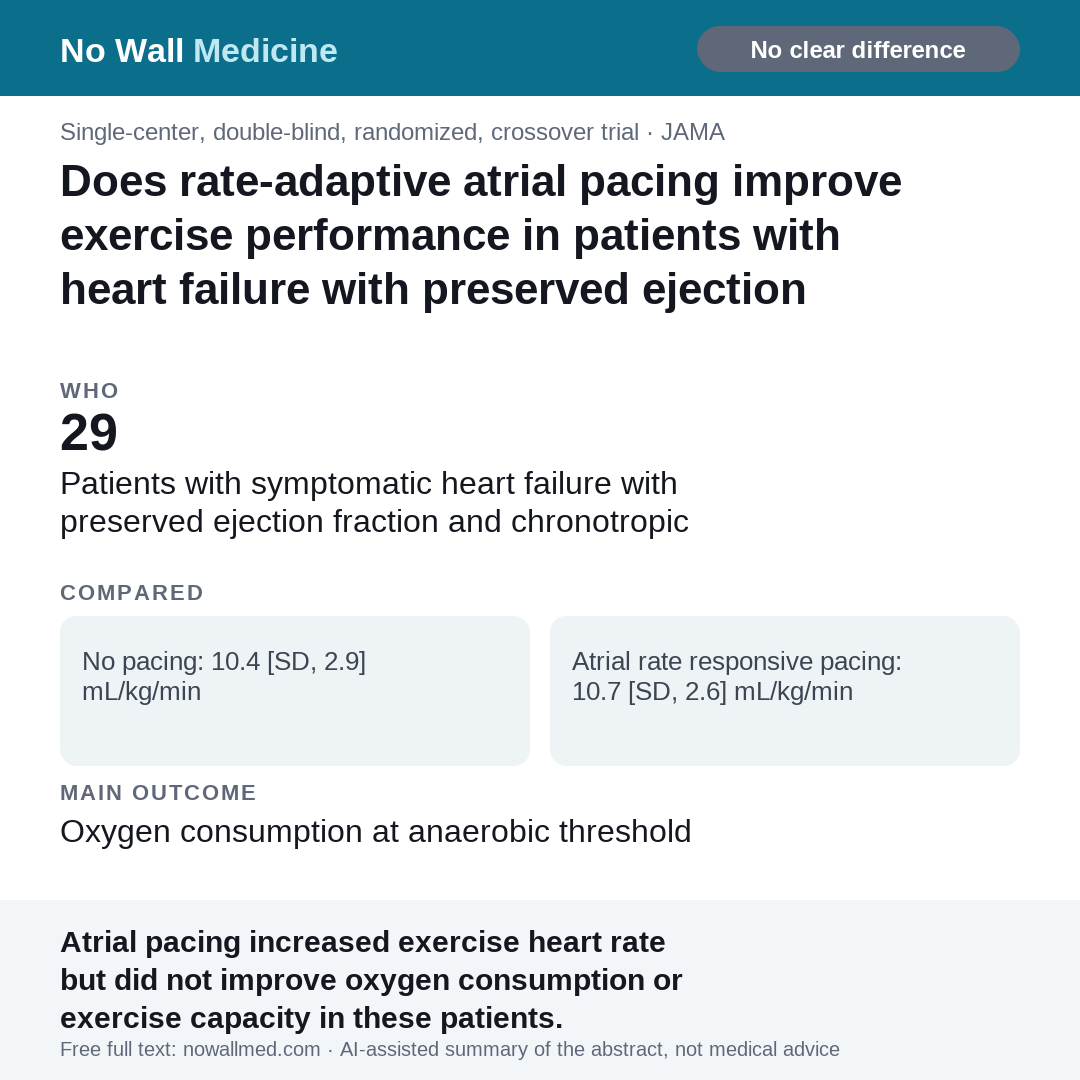
Rate-Adaptive Atrial Pacing for Heart Failure With Preserved Ejection Fraction: The RAPID-HF Randomized Clinical Trial
Single-center, double-blind, randomized, crossover trialNo clear difference
Does rate-adaptive atrial pacing improve exercise performance in patients with heart failure with preserved ejection fraction?
Who
29
Patients with symptomatic heart failure with preserved ejection fraction and chronotropic incompetence · Tertiary referral center, Rochester, Minnesota
Compared
No pacing: 10.4 [SD, 2.9] mL/kg/min
Atrial rate responsive pacing: 10.7 [SD, 2.6] mL/kg/min
Main outcome
Oxygen consumption at anaerobic threshold
Result: absolute difference, 0.3 [95% CI, -0.5 to 1.0] mL/kg/min
Bottom line: Atrial pacing increased exercise heart rate but did not improve oxygen consumption or exercise capacity in these patients.
JAMA · 2023-03-06Download image
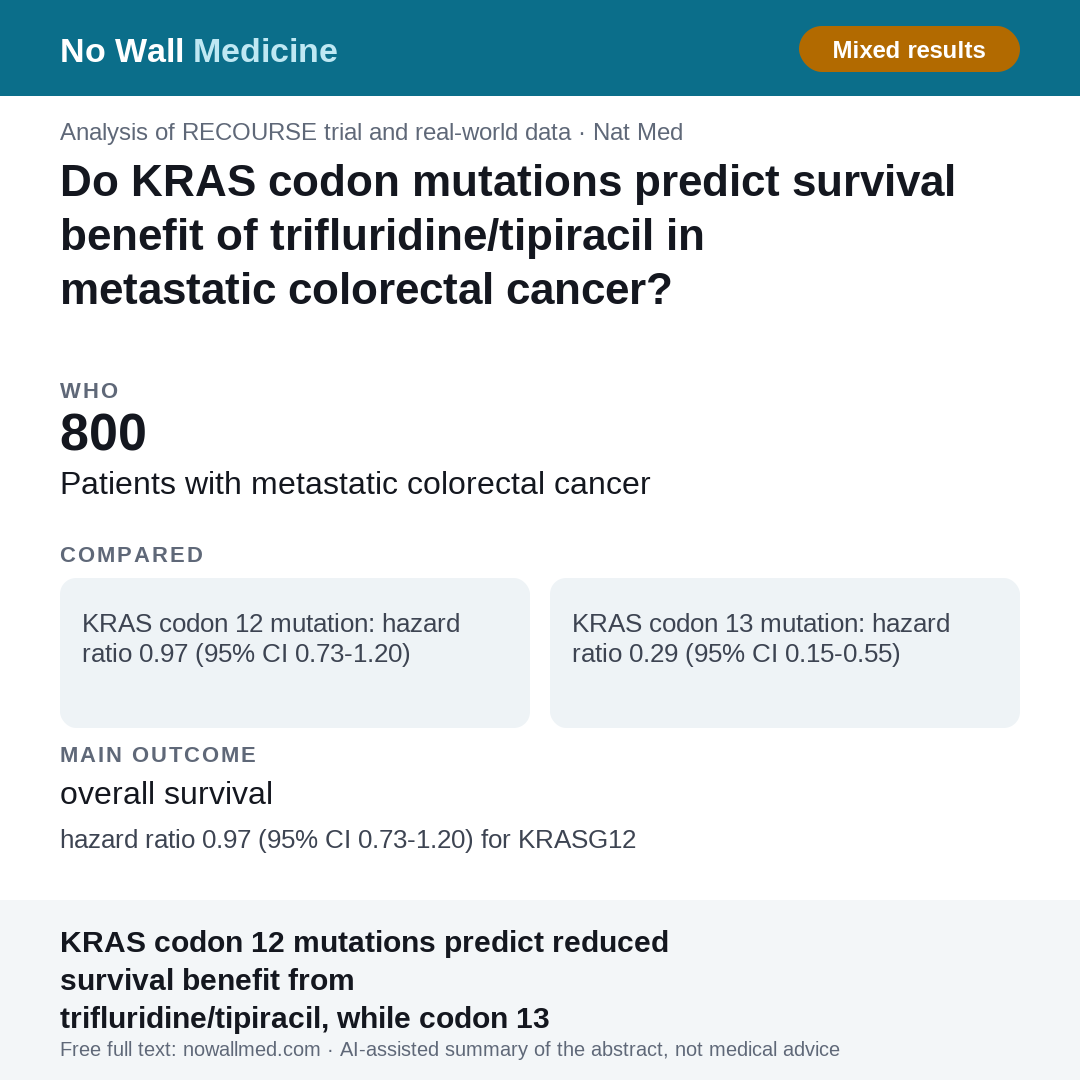
Codon-specific KRAS mutations predict survival benefit of trifluridine/tipiracil in metastatic colorectal cancer
Analysis of RECOURSE trial and real-world dataMixed results
Do KRAS codon mutations predict survival benefit of trifluridine/tipiracil in metastatic colorectal cancer?
Who
800
Patients with metastatic colorectal cancer
Compared
KRAS codon 12 mutation: hazard ratio 0.97 (95% CI 0.73-1.20)
KRAS codon 13 mutation: hazard ratio 0.29 (95% CI 0.15-0.55)
Main outcome
overall survival
Result: hazard ratio 0.97 (95% CI 0.73-1.20) for KRASG12
Bottom line: KRAS codon 12 mutations predict reduced survival benefit from trifluridine/tipiracil, while codon 13 mutations show improved survival.
Nat Med · 2023-03-02Download image
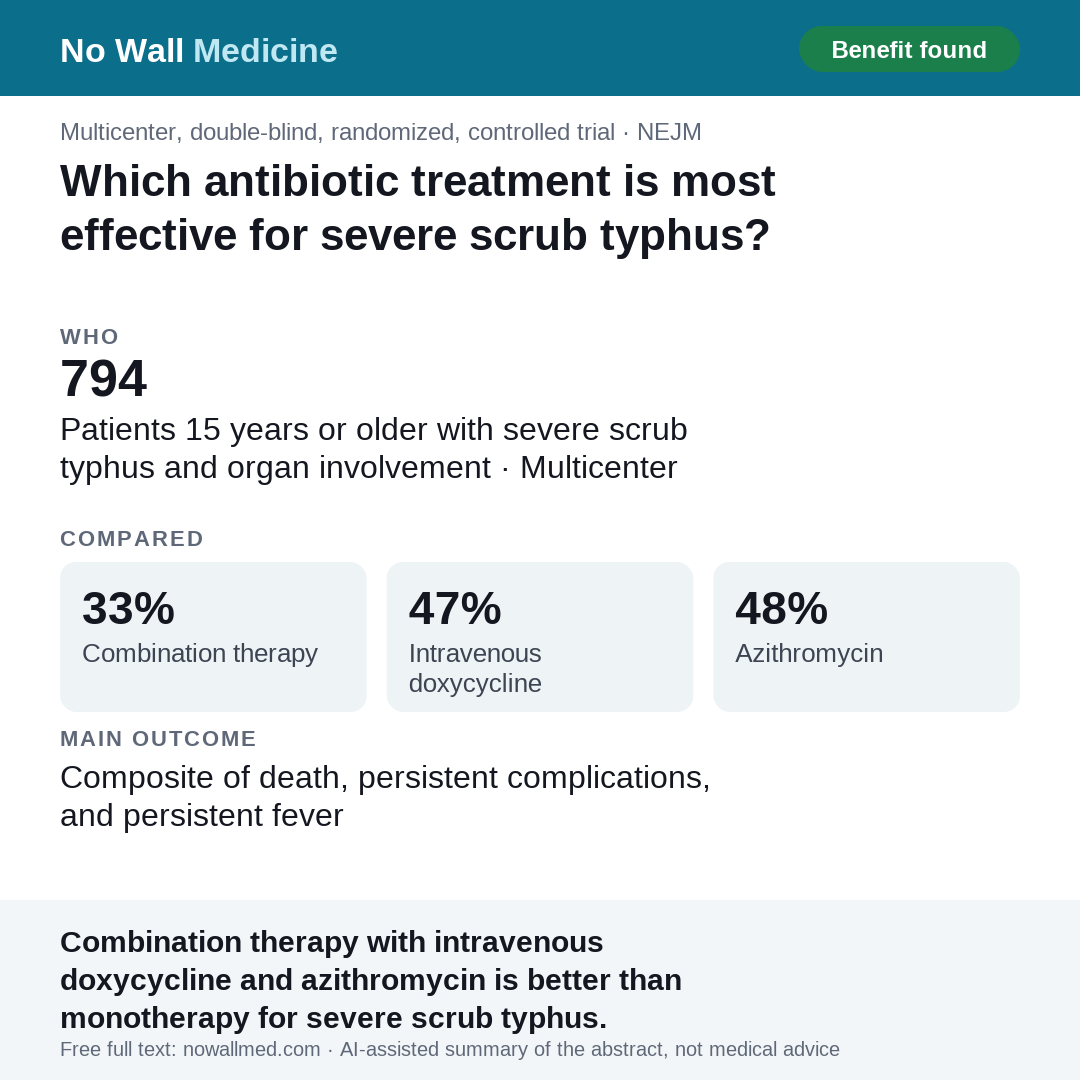
Intravenous Doxycycline, Azithromycin, or Both for Severe Scrub Typhus
Multicenter, double-blind, randomized, controlled trialBenefit found
Which antibiotic treatment is most effective for severe scrub typhus?
Who
794
Patients 15 years or older with severe scrub typhus and organ involvement · Multicenter
Compared
33%Combination therapy
47%Intravenous doxycycline
48%Azithromycin
Main outcome
Composite of death, persistent complications, and persistent fever
Result: risk difference -13.3 percentage points (95% CI -21.6 to -5.1) vs doxycycline; -14.8 percentage points (95% CI -23.1 to -6.5) vs azithromycin
Bottom line: Combination therapy with intravenous doxycycline and azithromycin is better than monotherapy for severe scrub typhus.
Funded by: India Alliance and Wellcome Trust
NEJM · 2023-03-01Download image
Hydrochlorothiazide and Prevention of Kidney-Stone Recurrence
Double-blind randomized trialNo clear difference
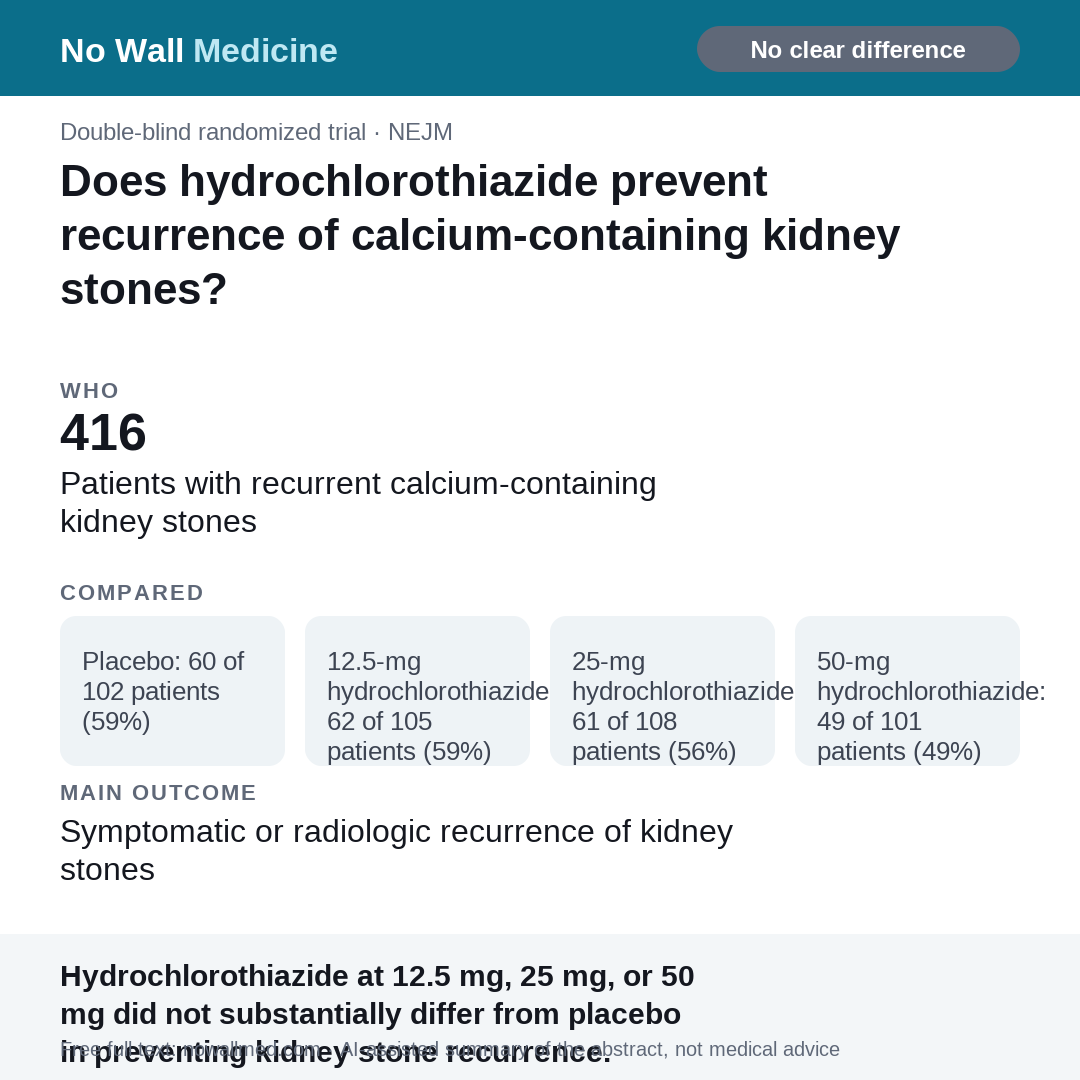
Does hydrochlorothiazide prevent recurrence of calcium-containing kidney stones?
Who
416
Patients with recurrent calcium-containing kidney stones
Compared
Placebo: 60 of 102 patients (59%)
12.5-mg hydrochlorothiazide: 62 of 105 patients (59%)
25-mg hydrochlorothiazide: 61 of 108 patients (56%)
50-mg hydrochlorothiazide: 49 of 101 patients (49%)
Main outcome
Symptomatic or radiologic recurrence of kidney stones
Bottom line: Hydrochlorothiazide at 12.5 mg, 25 mg, or 50 mg did not substantially differ from placebo in preventing kidney stone recurrence.
Funded by: Swiss National Science Foundation and Inselspital
NEJM · 2023-03-01Download image
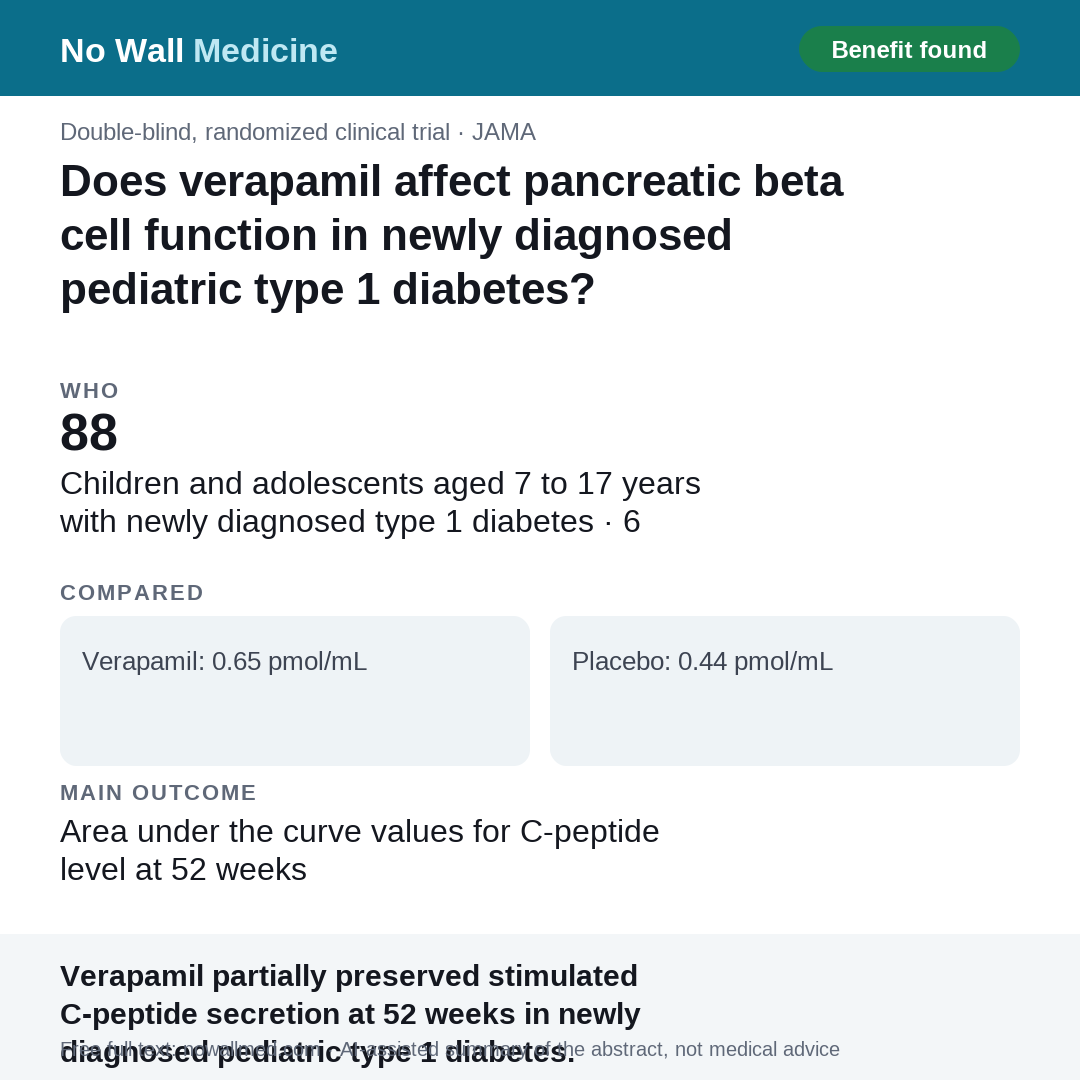
Effect of Verapamil on Pancreatic Beta Cell Function in Newly Diagnosed Pediatric Type 1 Diabetes: A Randomized Clinical Trial
Double-blind, randomized clinical trialBenefit found
Does verapamil affect pancreatic beta cell function in newly diagnosed pediatric type 1 diabetes?
Who
88
Children and adolescents aged 7 to 17 years with newly diagnosed type 1 diabetes · 6 centers in the US
Compared
Verapamil: 0.65 pmol/mL
Placebo: 0.44 pmol/mL
Main outcome
Area under the curve values for C-peptide level at 52 weeks
Result: adjusted between-group difference, 0.14 pmol/mL (95% CI, 0.01 to 0.27 pmol/mL)
Bottom line: Verapamil partially preserved stimulated C-peptide secretion at 52 weeks in newly diagnosed pediatric type 1 diabetes.
JAMA · 2023-02-25Download image
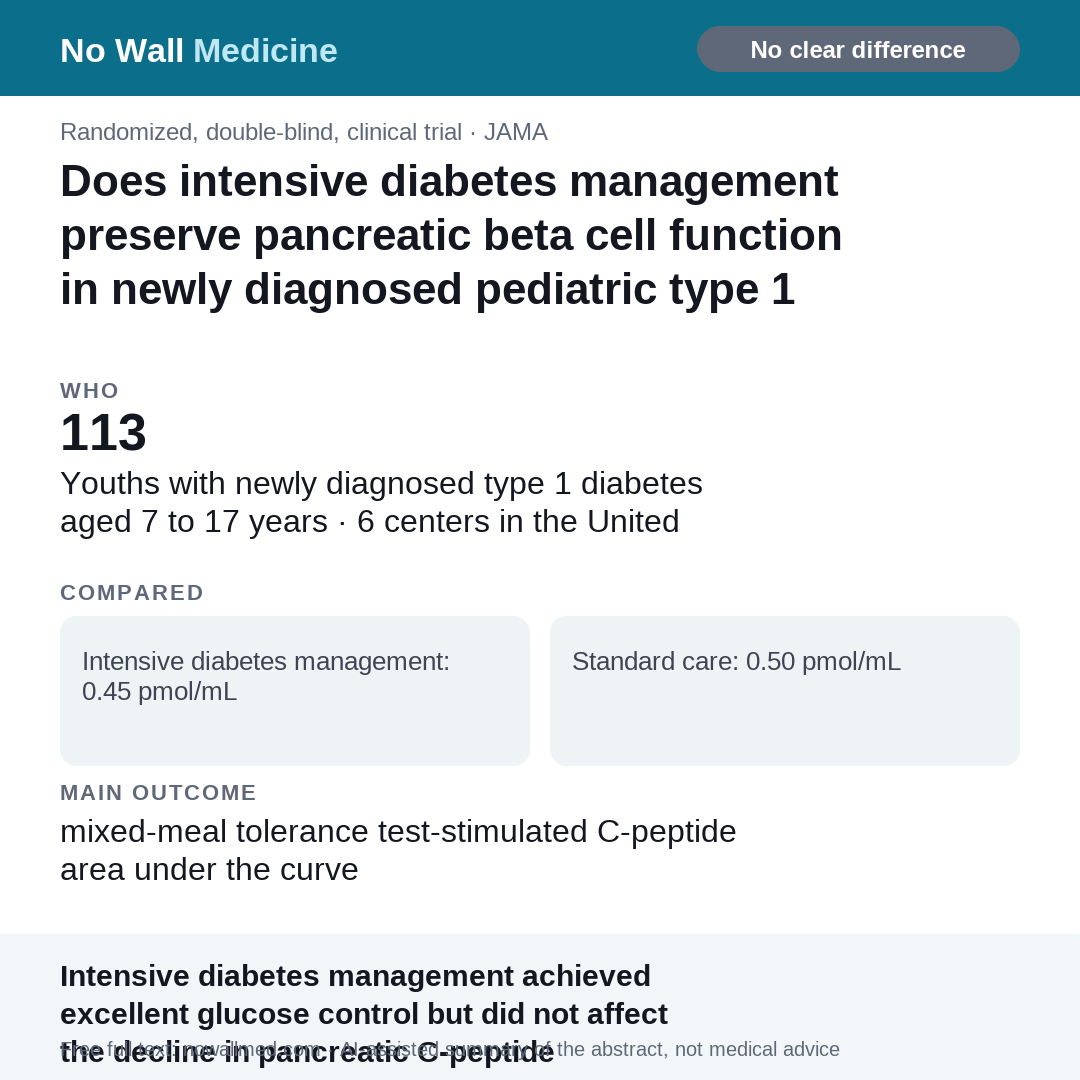
Effect of Tight Glycemic Control on Pancreatic Beta Cell Function in Newly Diagnosed Pediatric Type 1 Diabetes: A Randomized Clinical Trial
Randomized, double-blind, clinical trialNo clear difference
Does intensive diabetes management preserve pancreatic beta cell function in newly diagnosed pediatric type 1 diabetes?
Who
113
Youths with newly diagnosed type 1 diabetes aged 7 to 17 years · 6 centers in the United States
Compared
Intensive diabetes management: 0.45 pmol/mL
Standard care: 0.50 pmol/mL
Main outcome
mixed-meal tolerance test-stimulated C-peptide area under the curve
Result: -0.01 (95% CI, -0.11 to 0.10)
Bottom line: Intensive diabetes management achieved excellent glucose control but did not affect the decline in pancreatic C-peptide secretion.
JAMA · 2023-02-25Download image
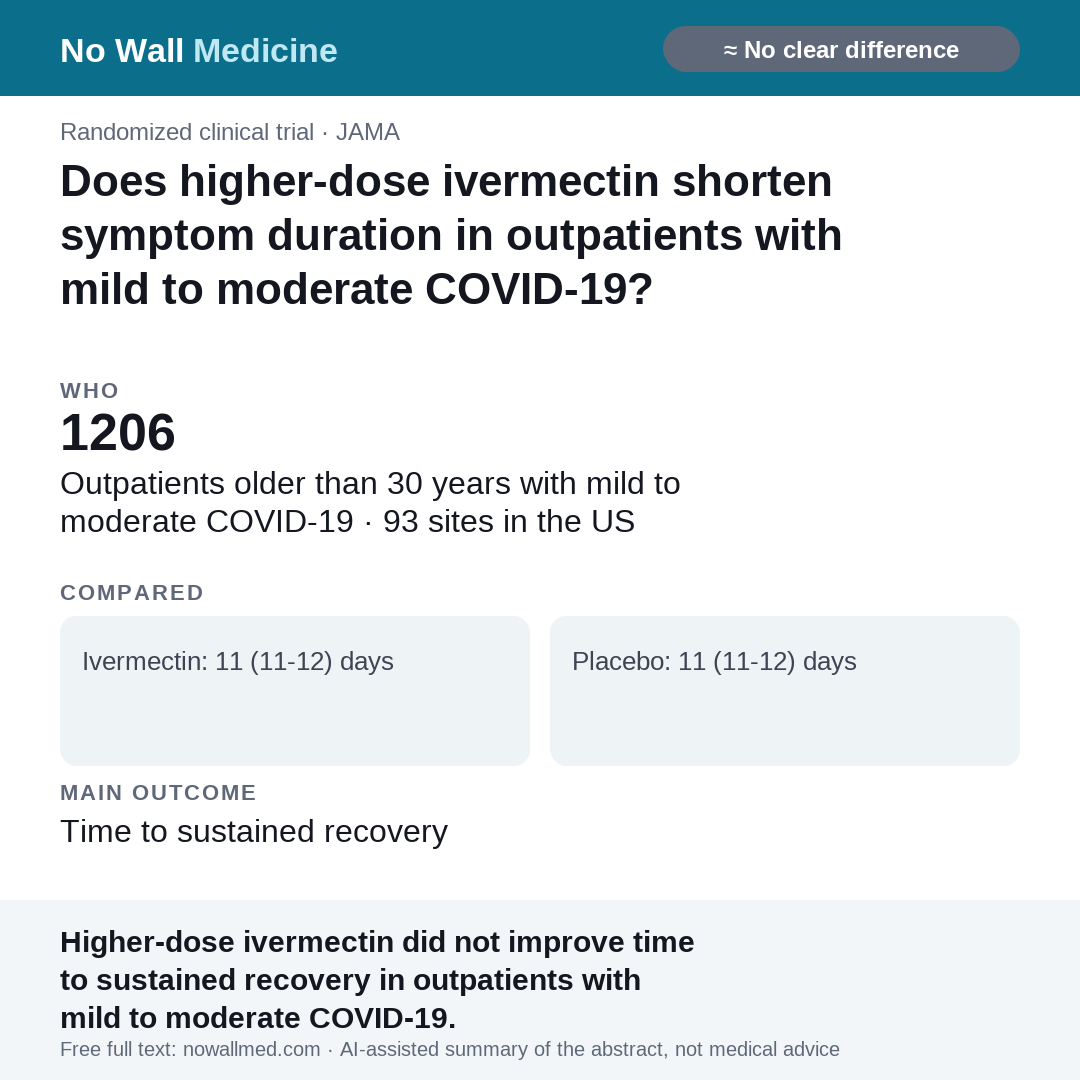
Effect of Higher-Dose Ivermectin for 6 Days vs Placebo on Time to Sustained Recovery in Outpatients With COVID-19: A Randomized Clinical Trial
Randomized clinical trialNo clear difference
Does higher-dose ivermectin shorten symptom duration in outpatients with mild to moderate COVID-19?
Who
1206
Outpatients older than 30 years with mild to moderate COVID-19 · 93 sites in the US
Compared
Ivermectin: 11 (11-12) days
Placebo: 11 (11-12) days
Main outcome
Time to sustained recovery
Result: hazard ratio 1.02 (95% credible interval, 0.92-1.13)
Bottom line: Higher-dose ivermectin did not improve time to sustained recovery in outpatients with mild to moderate COVID-19.
JAMA · 2023-02-23Download image
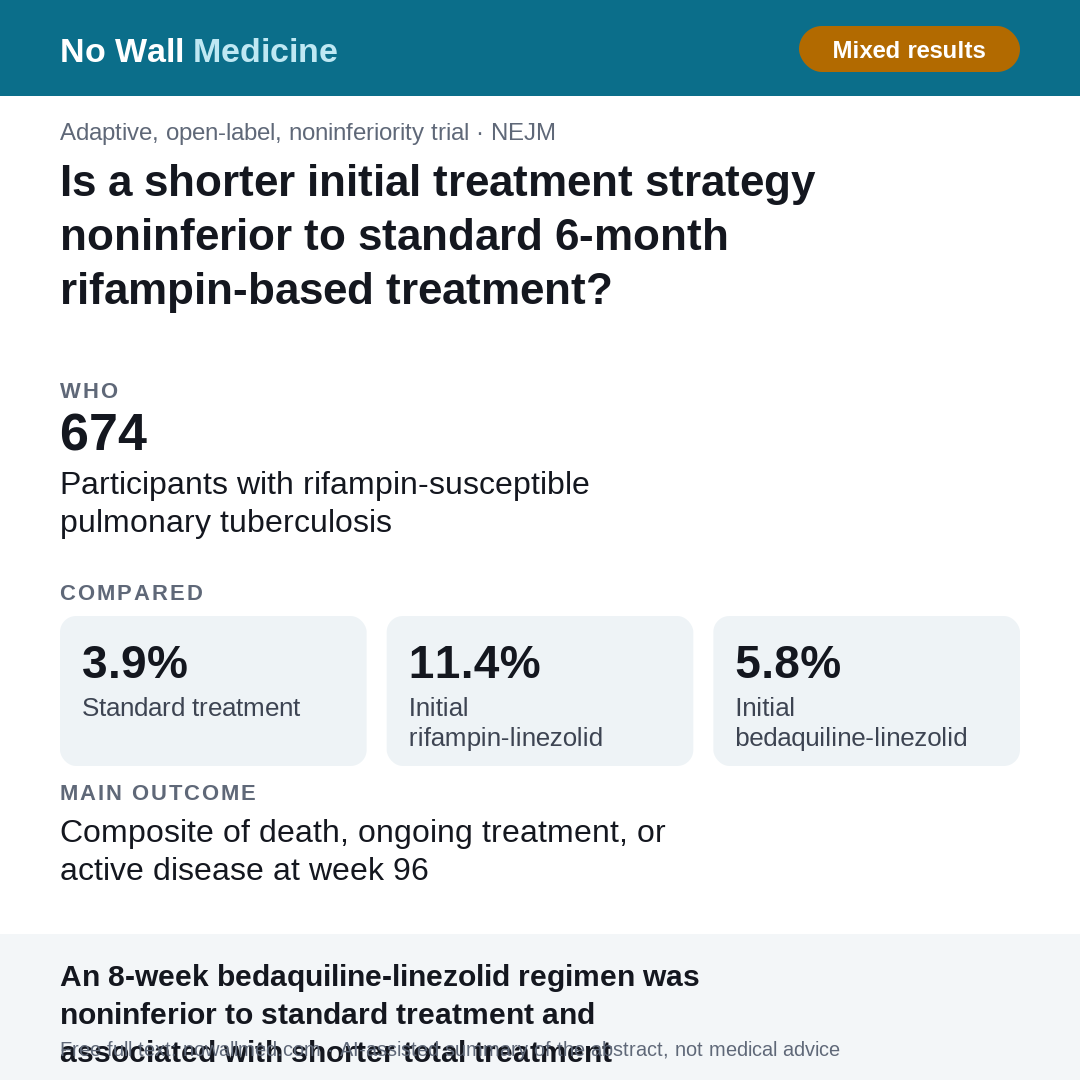
Vorasidenib and ivosidenib in IDH1-mutant low-grade glioma: a randomized, perioperative phase 1 trial
Randomized, perioperative phase 1 trialBenefit found
How do vorasidenib and ivosidenib affect D-2-hydroxyglutarate concentrations in low-grade glioma?
Who
49
Patients with isocitrate dehydrogenase 1-mutant R132H nonenhancing low-grade glioma
Compared
92.6%Vorasidenib 50 mg once daily (95% credible interval, 76.1-97.6)
91.1%Ivosidenib 500 mg once daily (95% credible interval, 72.0-97.0)
No treatment
Main outcome
Concentration of D-2-hydroxyglutarate in tumor tissue
Bottom line: Both vorasidenib and ivosidenib significantly reduced tumor D-2-hydroxyglutarate concentrations in patients with mutant low-grade glioma.
Funded by: Agios Pharmaceuticals, Inc. and Servier Pharmaceuticals LLC
Nat Med · 2023-02-23Download image
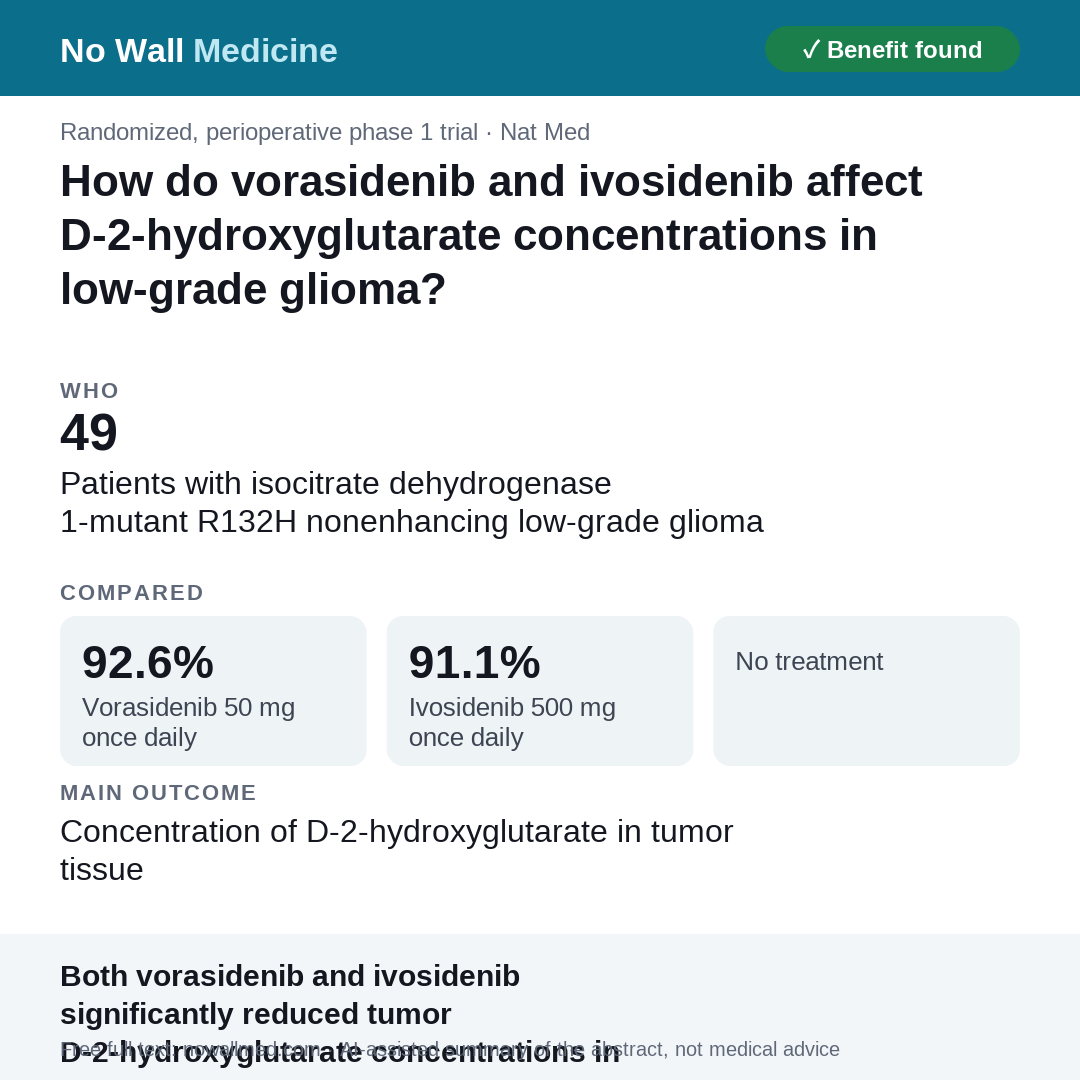
Aspirin Discontinuation at 24 to 28 Weeks' Gestation in Pregnancies at High Risk of Preterm Preeclampsia: A Randomized Clinical Trial
Multicenter, open-label, randomized, phase 3, noninferiority trialBenefit found
Is aspirin discontinuation at 24 to 28 weeks noninferior to continuation for preventing preterm preeclampsia?
Who
936
Pregnant individuals at high risk of preeclampsia with normal sFlt-1:PlGF ratio · 9 maternity hospitals across Spain
Compared
1.48%aspirin discontinuation (7/473)
1.73%aspirin continuation (8/463)
Main outcome
incidence of preterm preeclampsia
Result: absolute difference, -0.25% (95% CI, -1.86% to 1.36%)
Bottom line: Aspirin discontinuation at 24 to 28 weeks was noninferior to continuation for preventing preterm preeclampsia.
JAMA · 2023-02-22Download image
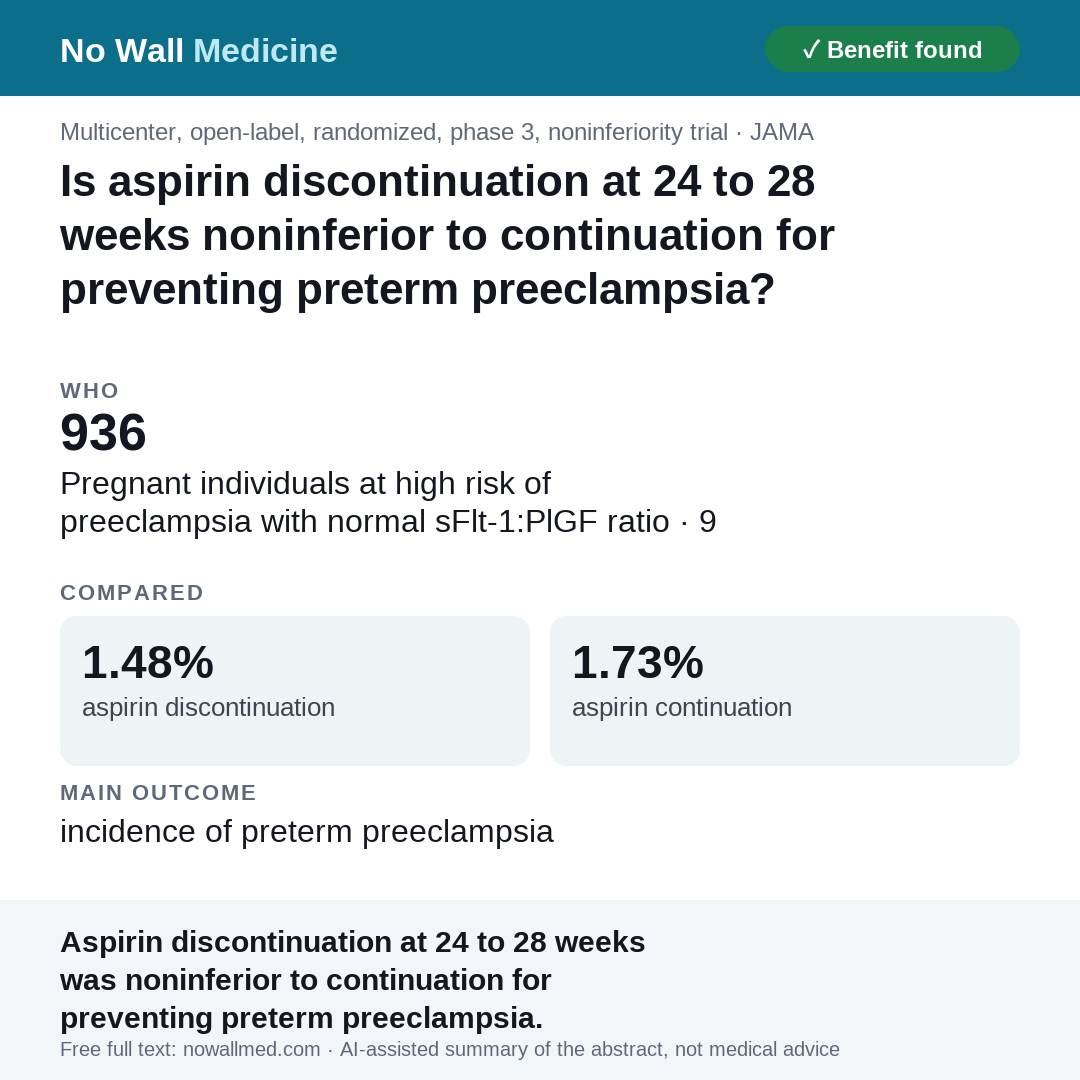
Effect of a multifaceted antibiotic stewardship intervention to improve antibiotic prescribing for suspected urinary tract infections in frail older adults (ImpresU): pragmatic cluster randomised controlled trial in four European countries
Pragmatic, parallel, cluster randomised controlled trialBenefit found
Can a multifaceted antibiotic stewardship intervention reduce antibiotic prescribing for suspected urinary tract infections?
Who
1041
1041 frail older adults aged 70 or older · 38 clusters in Poland, Netherlands, Norway, and Sweden
Compared
intervention group: 0.27 per person year
usual care group: 0.58 per person year
Main outcome
antibiotic prescriptions for suspected urinary tract infections per person year
Result: rate ratio 0.42 (95% confidence interval 0.26 to 0.68)
Bottom line: A multifaceted antibiotic stewardship intervention safely reduced antibiotic prescribing for suspected urinary tract infections in frail older adults.
BMJ · 2023-02-22Download image
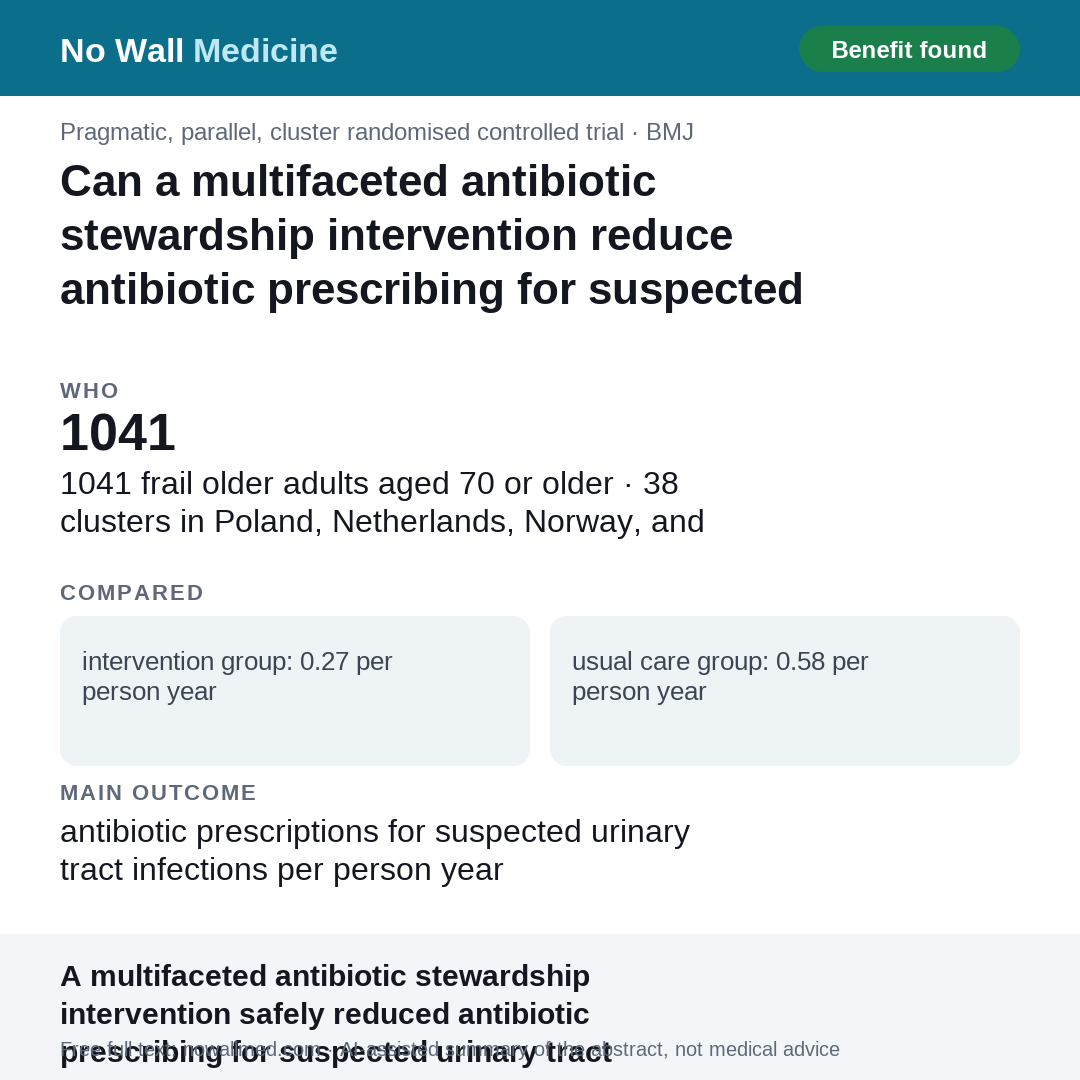
Treatment Strategy for Rifampin-Susceptible Tuberculosis
Adaptive, open-label, noninferiority trialMixed results
Is a shorter initial treatment strategy noninferior to standard 6-month rifampin-based treatment?
Who
674
Participants with rifampin-susceptible pulmonary tuberculosis
Compared
3.9%Standard treatment
11.4%Initial rifampin-linezolid strategy
5.8%Initial bedaquiline-linezolid strategy
Main outcome
Composite of death, ongoing treatment, or active disease at week 96
Result: adjusted difference 0.8 percentage points; 97.5% CI, -3.4 to 5.1
Bottom line: An 8-week bedaquiline-linezolid regimen was noninferior to standard treatment and associated with shorter total treatment duration.
Funded by: Singapore National Medical Research Council and others
NEJM · 2023-02-20Download image
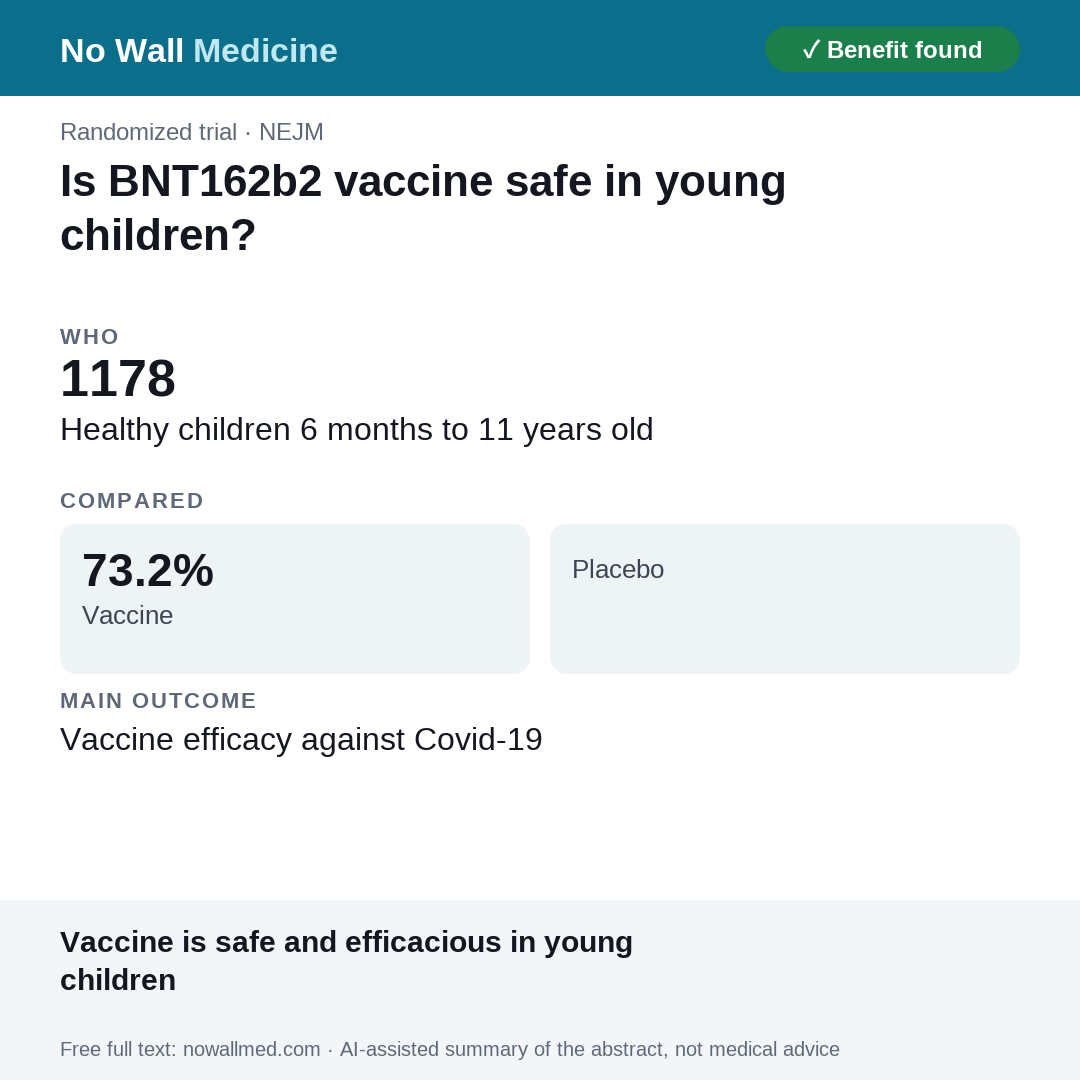
Evaluation of BNT162b2 Covid-19 Vaccine in Children Younger than 5 Years of Age
Randomized trialBenefit found
Is BNT162b2 vaccine safe in young children?
Who
1178
Healthy children 6 months to 11 years old
Compared
73.2%Vaccine (95% CI 43.8 to 87.6)
Placebo
Main outcome
Vaccine efficacy against Covid-19
Bottom line: Vaccine is safe and efficacious in young children
Funded by: BioNTech and Pfizer
NEJM · 2023-02-15Download image
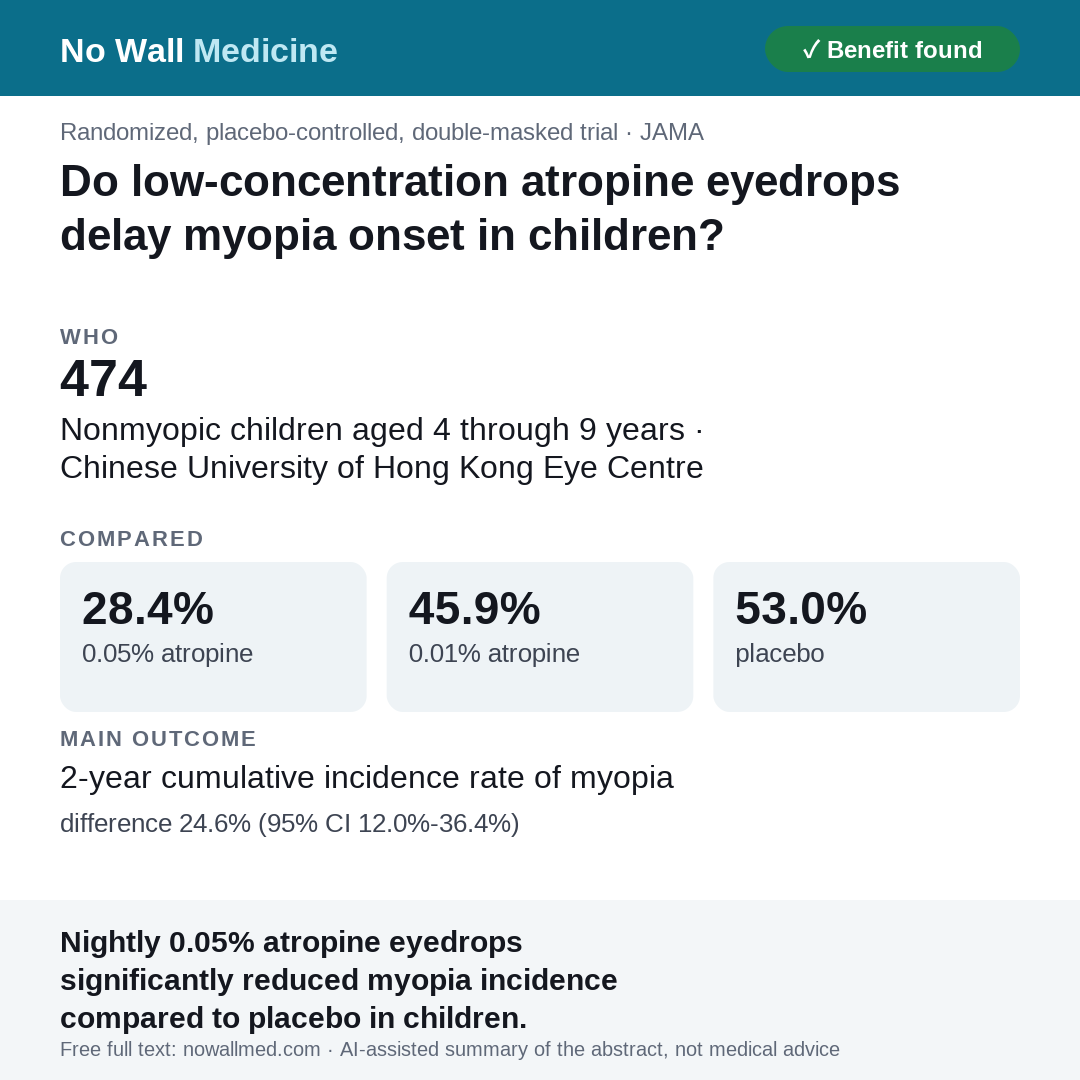
Effect of Low-Concentration Atropine Eyedrops vs Placebo on Myopia Incidence in Children: The LAMP2 Randomized Clinical Trial
Randomized, placebo-controlled, double-masked trialBenefit found
Do low-concentration atropine eyedrops delay myopia onset in children?
Who
474
Nonmyopic children aged 4 through 9 years · Chinese University of Hong Kong Eye Centre
Compared
28.4%0.05% atropine (33/116)
45.9%0.01% atropine (56/122)
53.0%placebo (61/115)
Main outcome
2-year cumulative incidence rate of myopia
Result: difference 24.6% (95% CI 12.0%-36.4%)
Bottom line: Nightly 0.05% atropine eyedrops significantly reduced myopia incidence compared to placebo in children.
JAMA · 2023-02-14Download image
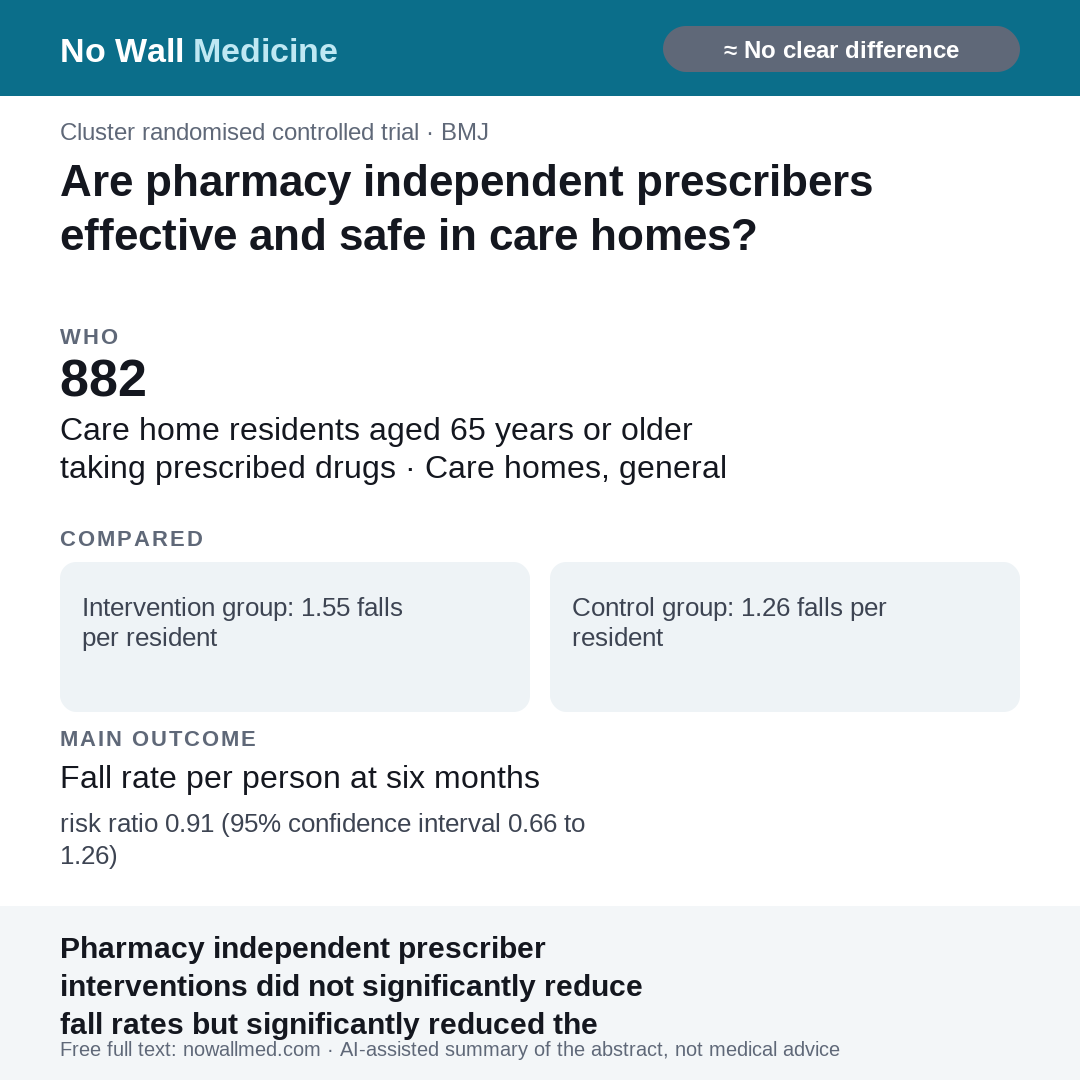
Evaluation of effectiveness and safety of pharmacist independent prescribers in care homes: cluster randomised controlled trial
Cluster randomised controlled trialNo clear difference
Are pharmacy independent prescribers effective and safe in care homes?
Who
882
Care home residents aged 65 years or older taking prescribed drugs · Care homes, general practices, and England, Scotland, and Northern Ireland
Compared
Intervention group: 1.55 falls per resident
Control group: 1.26 falls per resident
Main outcome
Fall rate per person at six months
Result: risk ratio 0.91 (95% confidence interval 0.66 to 1.26)
Bottom line: Pharmacy independent prescriber interventions did not significantly reduce fall rates but significantly reduced the Drug Burden Index.
BMJ · 2023-02-14Download image
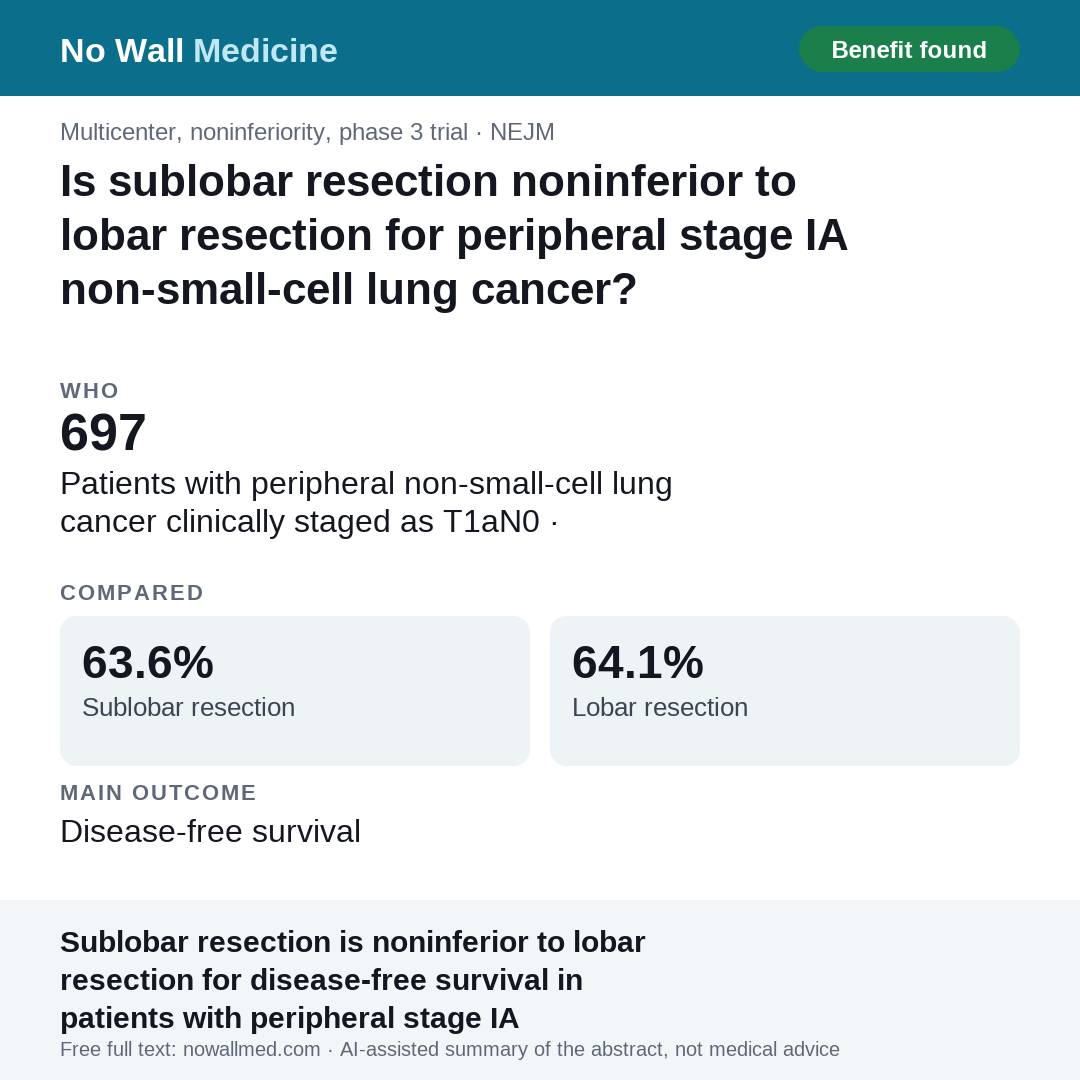
Lobar or Sublobar Resection for Peripheral Stage IA Non-Small-Cell Lung Cancer
Multicenter, noninferiority, phase 3 trialBenefit found
Is sublobar resection noninferior to lobar resection for peripheral stage IA non-small-cell lung cancer?
Who
697
Patients with peripheral non-small-cell lung cancer clinically staged as T1aN0 · Multicenter
Compared
63.6%Sublobar resection (95% CI 57.9 to 68.8)
64.1%Lobar resection (95% CI 58.5 to 69.0)
Main outcome
Disease-free survival
Result: hazard ratio 1.01 (90% CI 0.83 to 1.24)
Bottom line: Sublobar resection is noninferior to lobar resection for disease-free survival in patients with peripheral stage IA non-small-cell lung cancer.
Funded by: National Cancer Institute and others
NEJM · 2023-02-13Download image
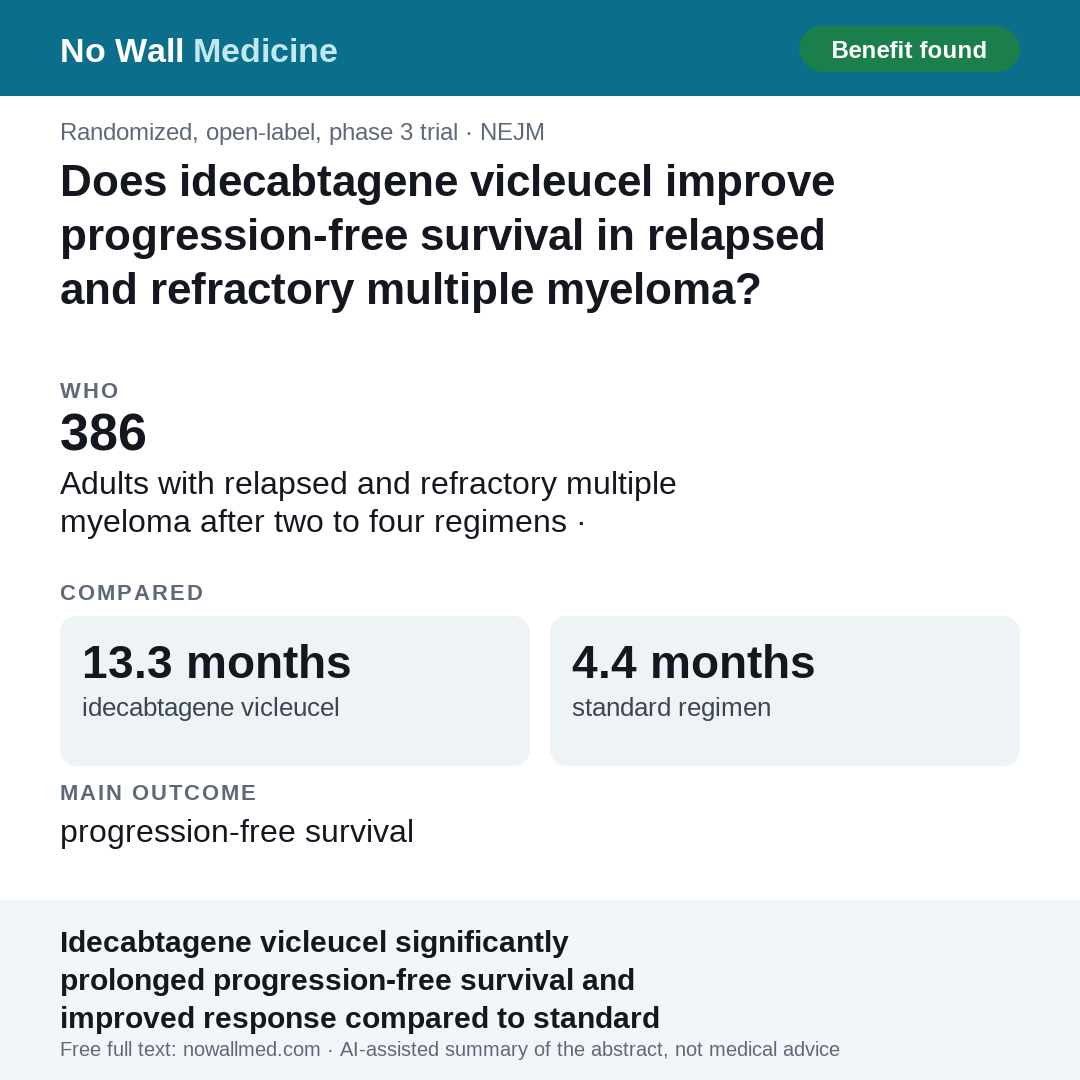
Ide-cel or Standard Regimens in Relapsed and Refractory Multiple Myeloma
Randomized, open-label, phase 3 trialBenefit found
Does idecabtagene vicleucel improve progression-free survival in relapsed and refractory multiple myeloma?
Who
386
Adults with relapsed and refractory multiple myeloma after two to four regimens · International
Compared
13.3 monthsidecabtagene vicleucel
4.4 monthsstandard regimen
Main outcome
progression-free survival
Result: hazard ratio 0.49 (95% confidence interval, 0.38 to 0.65)
Bottom line: Idecabtagene vicleucel significantly prolonged progression-free survival and improved response compared to standard regimens in relapsed and refractory multiple myeloma.
Funded by: 2seventy bio and Celgene, a Bristol-Myers Squibb company
NEJM · 2023-02-10Download image