Visual abstracts
New randomized trials and meta-analyses from leading journals at a glance: who was studied, what was compared, and what was found. Every paper is free to read in full.
All specialtiesCardiology 2340Oncology 2008Gastroenterology & Hepatology 884Infectious Disease 1453Neurology 941Psychiatry & Mental Health 1111Pulmonology 984Critical Care 651Endocrinology & Diabetes 1229Pediatrics 1369Surgery 1187Orthopedics & Sports Medicine 426Neurosurgery 292Cardiothoracic & Vascular Surgery 255Plastic & Reconstructive Surgery 356Nephrology 491Rheumatology 330Hematology 503Dermatology 272Ophthalmology 274Obstetrics & Gynecology 769Public & Global Health 431Radiology & Imaging 323Anesthesiology 472Urology 395ENT (Otolaryngology) 303Emergency Medicine 266Allergy & Immunology 145Geriatrics 499Family Medicine & Primary Care 274Medical Genetics & Genomics 254Pathology & Laboratory Medicine 75Physical Medicine & Rehabilitation 398Palliative Care 200Nutrition 618Digital Health & AI 1166General Medicine 173
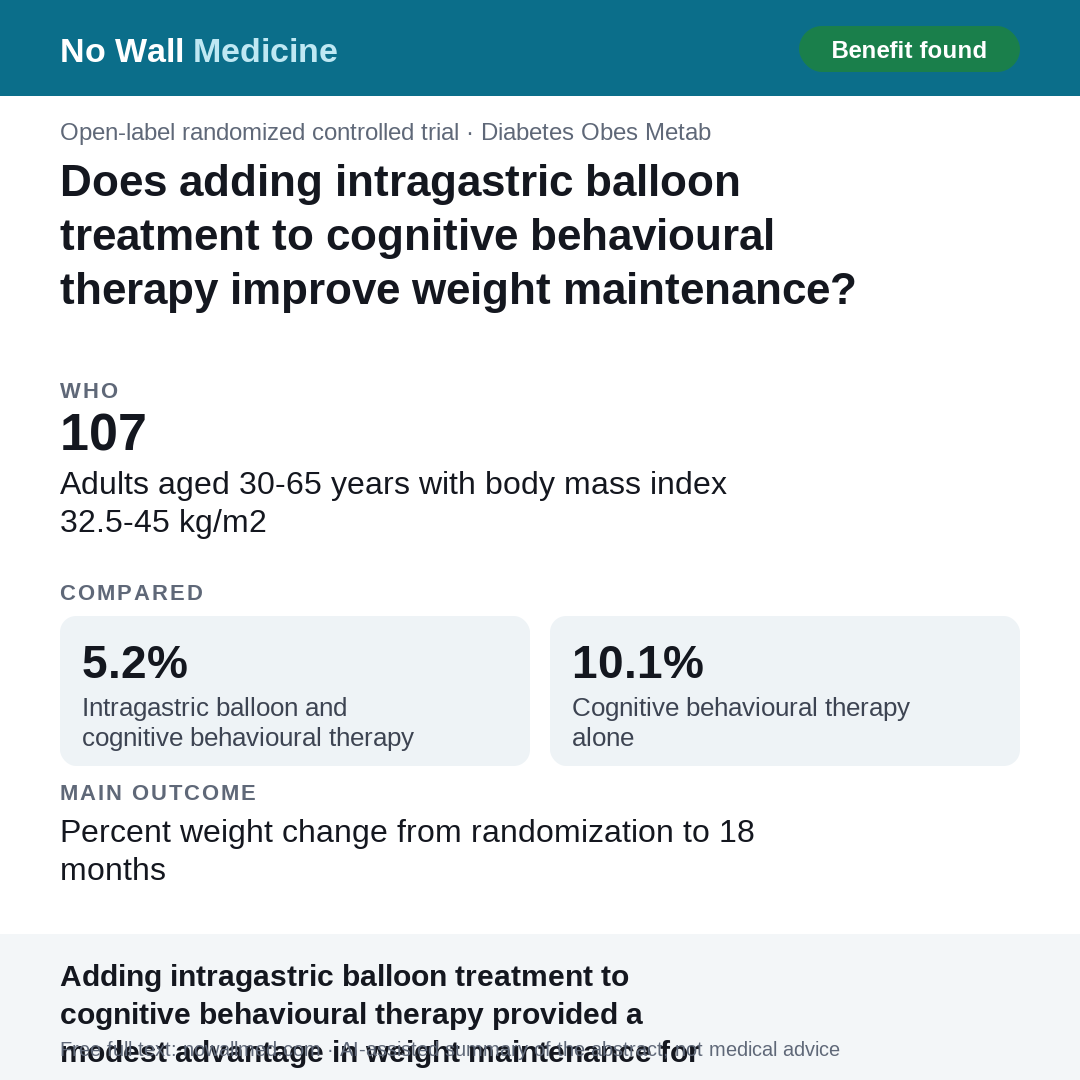
Intragastric Balloon Treatment Enhances Weight Maintenance Adjunct to Low-Energy Diet and Group-Based Cognitive Behavioural Therapy: A Randomized Controlled Trial
Open-label randomized controlled trialBenefit found
Does adding intragastric balloon treatment to cognitive behavioural therapy improve weight maintenance?
Who
107
Adults aged 30-65 years with body mass index 32.5-45 kg/m2
Compared
5.2%Intragastric balloon and cognitive behavioural therapy
10.1%Cognitive behavioural therapy alone
Main outcome
Percent weight change from randomization to 18 months
Bottom line: Adding intragastric balloon treatment to cognitive behavioural therapy provided a modest advantage in weight maintenance for up to 18 months.
Diabetes Obes Metab · 2026-06-03Download image
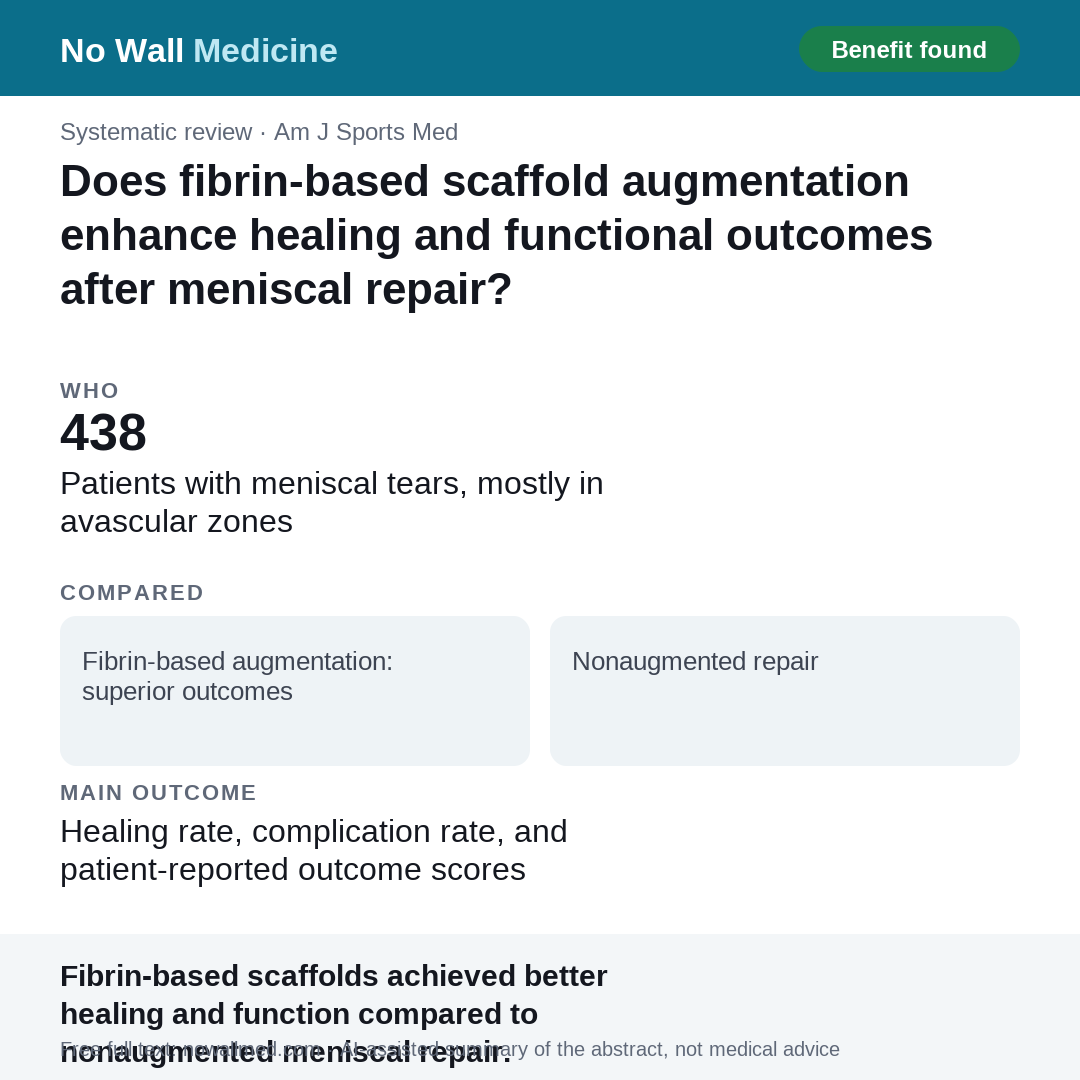
Fibrin-Based Scaffold Augmentation During Meniscal Repair May Enhance Healing and Functional Outcomes: A Systematic Review
Systematic reviewBenefit found
Does fibrin-based scaffold augmentation enhance healing and functional outcomes after meniscal repair?
Who
438
Patients with meniscal tears, mostly in avascular zones
Compared
Fibrin-based augmentation: superior outcomes
Nonaugmented repair
Main outcome
Healing rate, complication rate, and patient-reported outcome scores
Bottom line: Fibrin-based scaffolds achieved better healing and function compared to nonaugmented meniscal repair.
Am J Sports Med · 2026-06-03Download image
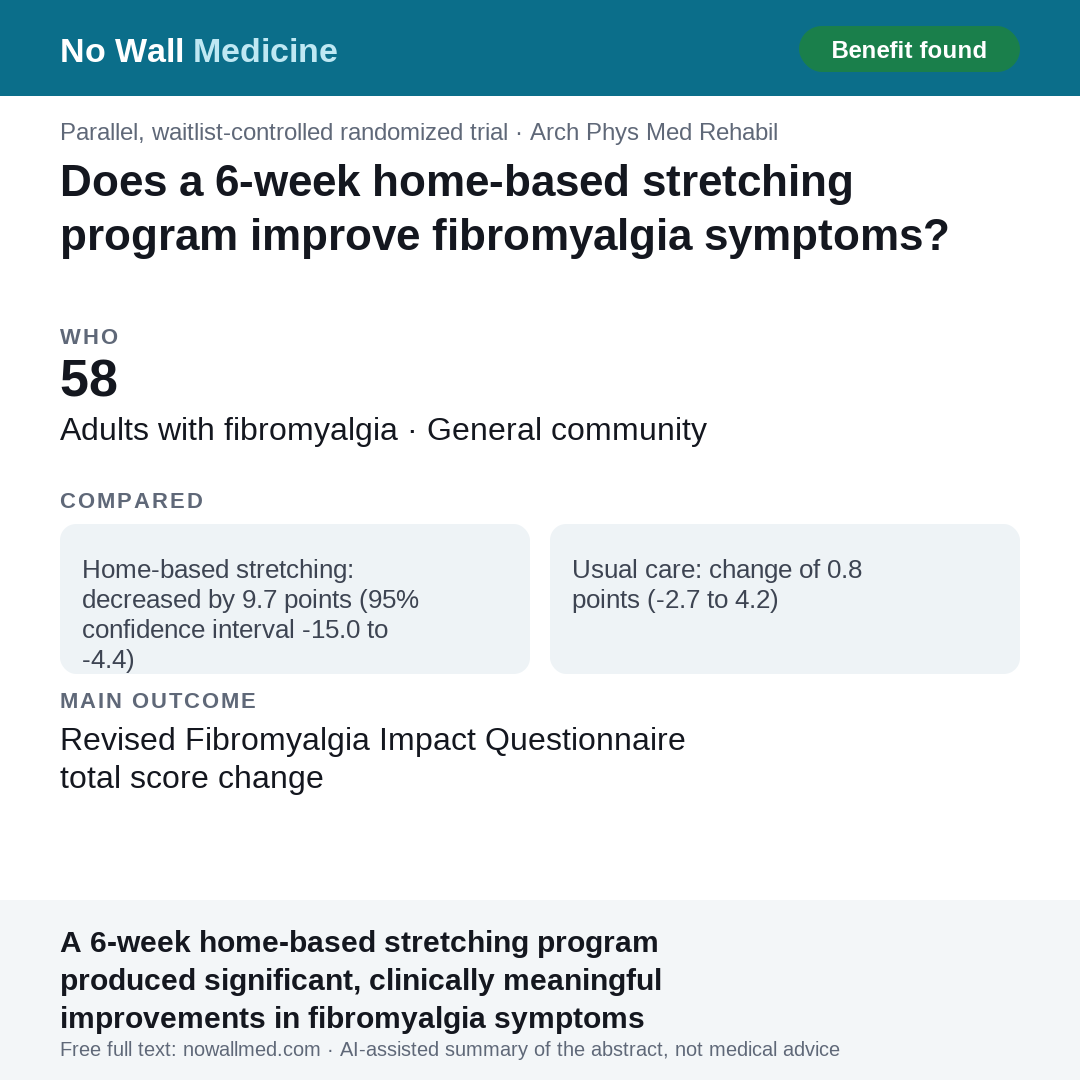
Efficacy of a Novel Home-Based Stretching Program on Fibromyalgia Symptoms: A Randomized Controlled Trial
Parallel, waitlist-controlled randomized trialBenefit found
Does a 6-week home-based stretching program improve fibromyalgia symptoms?
Who
58
Adults with fibromyalgia · General community
Compared
Home-based stretching: decreased by 9.7 points (95% confidence interval -15.0 to -4.4)
Usual care: change of 0.8 points (-2.7 to 4.2)
Main outcome
Revised Fibromyalgia Impact Questionnaire total score change
Bottom line: A 6-week home-based stretching program produced significant, clinically meaningful improvements in fibromyalgia symptoms compared to usual care.
Limitation: Future research should confirm findings in longer-term, sex-balanced trials.
Arch Phys Med Rehabil · 2026-06-03Download image
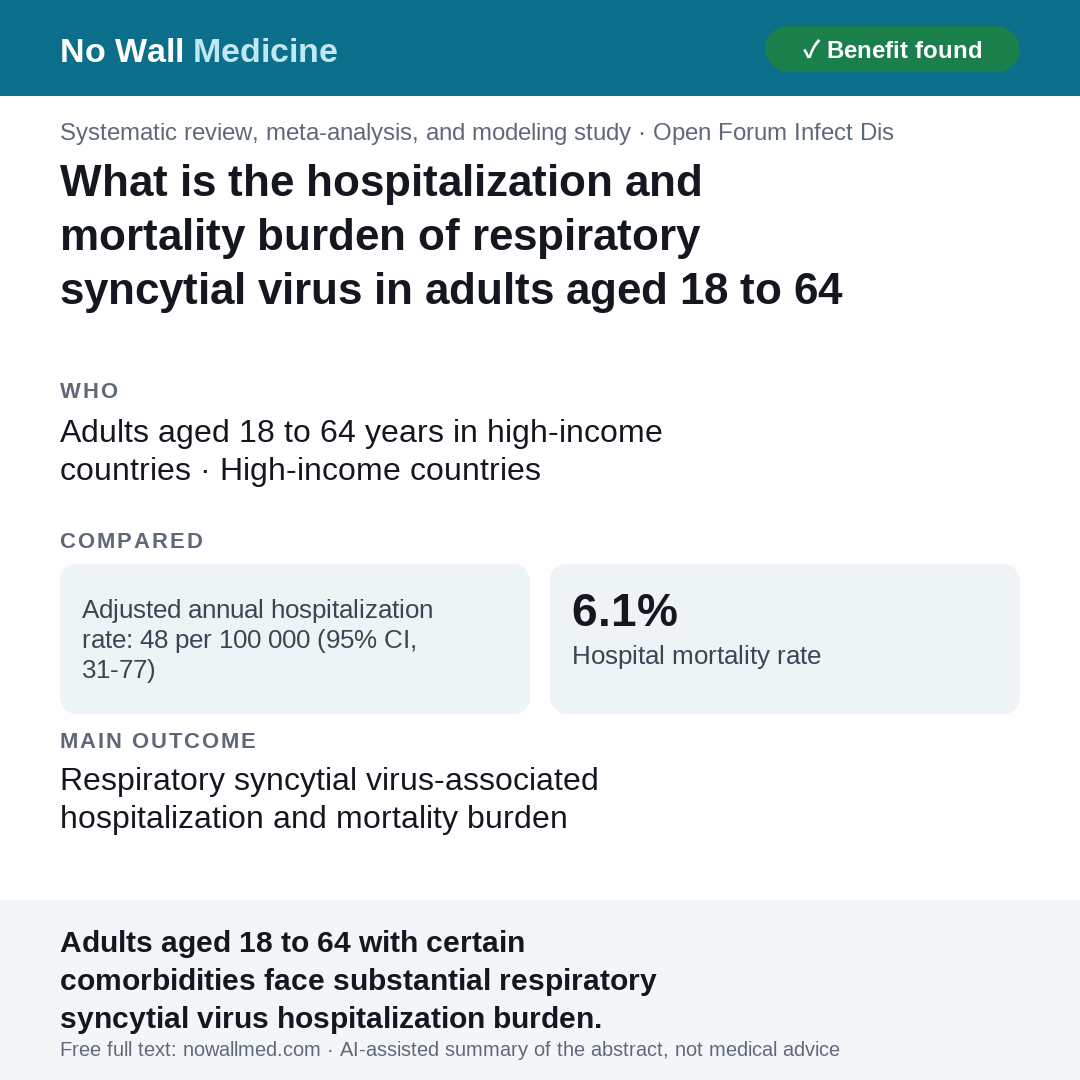
Hospitalization Burden Estimates of Respiratory Syncytial Virus With Adjustment for Case Underascertainment in Adults Aged 18 to 65 Years in High-Income Countries: A Systematic Review, Meta-Analysis, and Modeling Study
Systematic review, meta-analysis, and modeling studyBenefit found
What is the hospitalization and mortality burden of respiratory syncytial virus in adults aged 18 to 64 years?
Who
Adults aged 18 to 64 years in high-income countries · High-income countries
Compared
Adjusted annual hospitalization rate: 48 per 100 000 (95% CI, 31-77)
6.1%Hospital mortality rate (95% CI, 5.2%-7.1%)
Main outcome
Respiratory syncytial virus-associated hospitalization and mortality burden
Bottom line: Adults aged 18 to 64 with certain comorbidities face substantial respiratory syncytial virus hospitalization burden.
Open Forum Infect Dis · 2026-06-03Download image
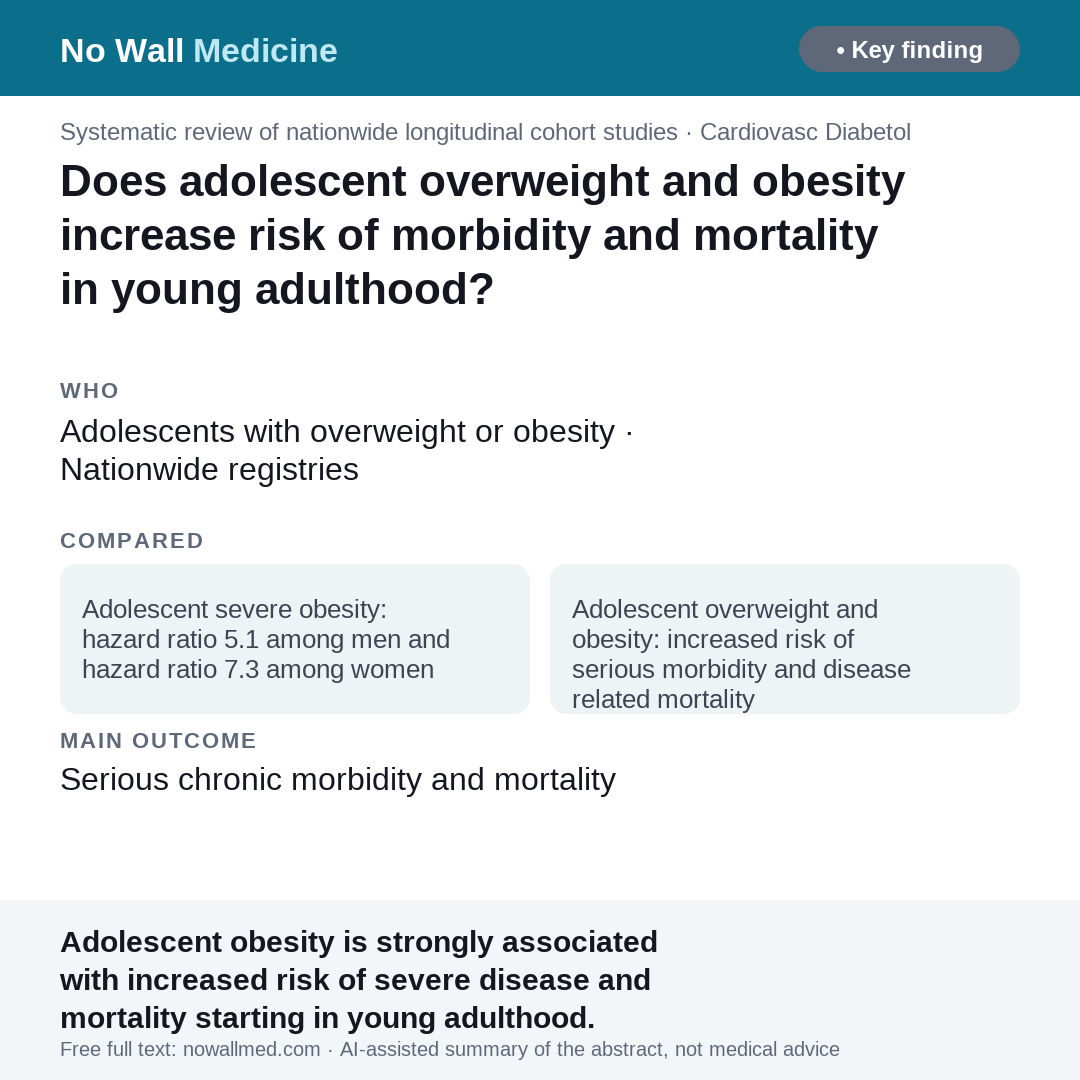
Adolescent obesity and risk of serious chronic morbidity and mortality in young adulthood: a systematic review of cohorts from national registries
Systematic review of nationwide longitudinal cohort studiesHarm found
Does adolescent overweight and obesity increase risk of morbidity and mortality in young adulthood?
Who
Adolescents with overweight or obesity · Nationwide registries
Compared
Adolescent severe obesity: hazard ratio 5.1 among men and hazard ratio 7.3 among women
Adolescent overweight and obesity: increased risk of serious morbidity and disease related mortality
Main outcome
Serious chronic morbidity and mortality
Bottom line: Adolescent obesity is strongly associated with increased risk of severe disease and mortality starting in young adulthood.
Cardiovasc Diabetol · 2026-06-03Download image
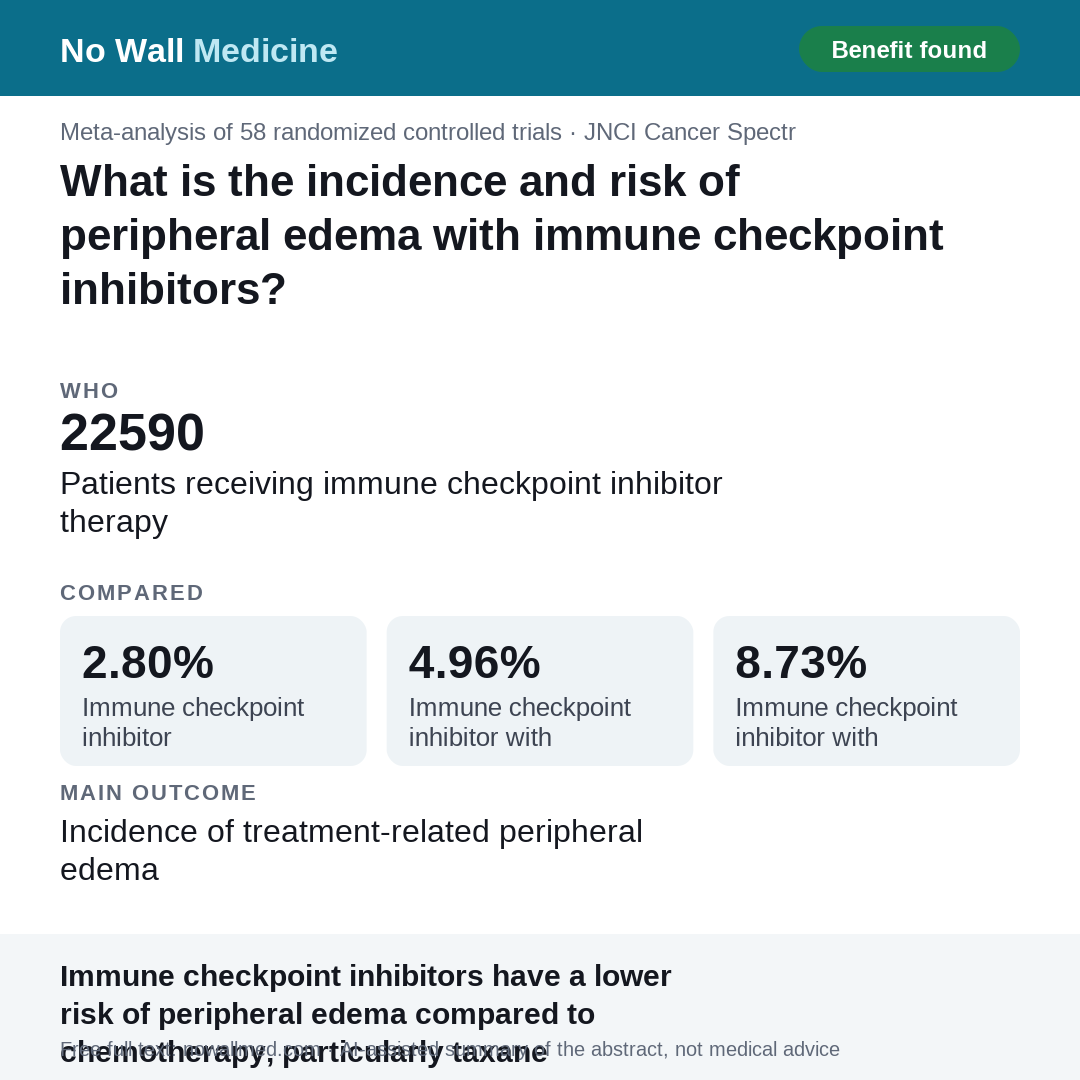
Incidence and treatment-modifying impact of immune checkpoint inhibitor-associated peripheral edema: a systematic review and meta-analysis
Meta-analysis of 58 randomized controlled trialsBenefit found
What is the incidence and risk of peripheral edema with immune checkpoint inhibitors?
Who
22590
Patients receiving immune checkpoint inhibitor therapy
Compared
2.80%Immune checkpoint inhibitor monotherapy (n = 195 of 6969)
4.96%Immune checkpoint inhibitor with chemotherapy (n = 112 of 2257)
8.73%Immune checkpoint inhibitor with targeted therapy (n = 205 of 2349)
Main outcome
Incidence of treatment-related peripheral edema
Result: OR = 0.45, 95% CI = 0.27 to 0.73
Bottom line: Immune checkpoint inhibitors have a lower risk of peripheral edema compared to chemotherapy, particularly taxane chemotherapy.
JNCI Cancer Spectr · 2026-06-03Download image
Safety and benefits of adult-worn slings and baby carriers: a narrative systematic review to inform guidance for parents
Narrative systematic reviewMixed results
What are the risks, benefits, harms, and parental motivations for adult-worn slings and carriers?
Who
Caregivers and infants using adult-worn slings and carriers · Global (North America, Europe, Africa, Asia, and Australia)
Compared
Adult-worn slings and carriers use: benefits for both caregivers and infants
Poorly fitting or positioned use: infrequent accidental infant deaths and injuries
Main outcome
Risks, benefits, harms, and parental motivations for use
Bottom line: Adult-worn slings and carriers offer benefits but carry risks of infant death or injury if poorly fitted.
Limitation: Most research involved small numbers of participants.
BMJ Paediatr Open · 2026-06-03Download image

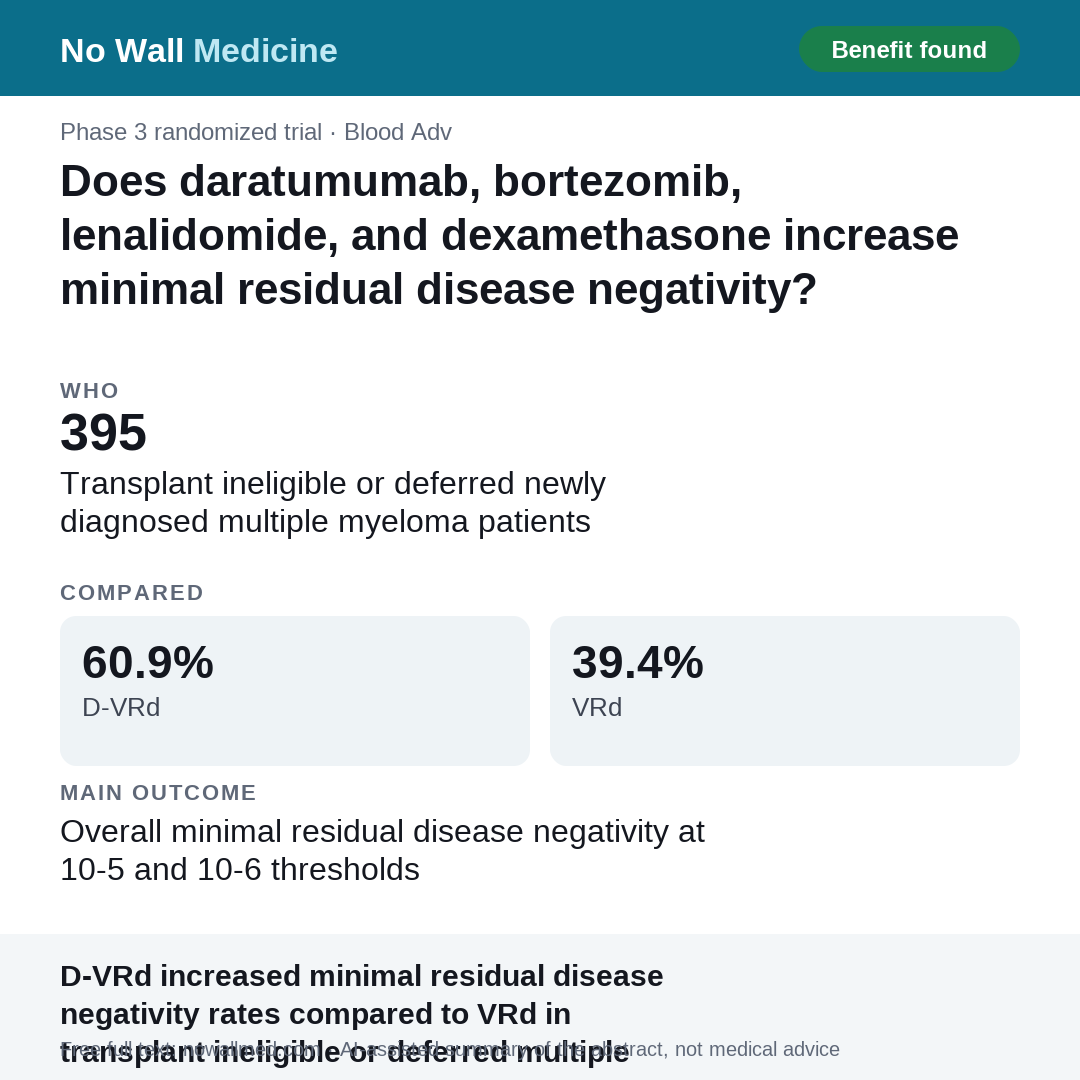
Daratumumab in transplant-ineligible or -deferred newly diagnosed multiple myeloma: minimal residual disease in CEPHEUS
Phase 3 randomized trialBenefit found
Does daratumumab, bortezomib, lenalidomide, and dexamethasone increase minimal residual disease negativity?
Who
395
Transplant ineligible or deferred newly diagnosed multiple myeloma patients
Compared
60.9%D-VRd (10-5 threshold)
39.4%VRd (10-5 threshold)
Main outcome
Overall minimal residual disease negativity at 10-5 and 10-6 thresholds
Result: odds ratio 2.37 (95% CI 1.58 to 3.55)
Bottom line: D-VRd increased minimal residual disease negativity rates compared to VRd in transplant ineligible or deferred multiple myeloma patients.
Blood Adv · 2026-06-03Download image
Effectiveness of eHealth Interventions in Alleviating Burden on Informal Caregivers of People With Dementia: Systematic Review and Meta-Analysis of Randomized Controlled Trials
Systematic review and meta-analysis of randomized controlled trialsBenefit found
Do eHealth interventions reduce burden and depressive symptoms in informal dementia caregivers?
Who
3388
Informal caregivers of people with dementia
Compared
eHealth interventions
Usual care or inactive controls
Main outcome
Caregiver burden and depressive symptoms
Result: standardized mean difference -0.26 (95% CI -0.42 to -0.10) for burden
Bottom line: eHealth interventions provide modest but variable benefits in reducing caregiver burden and depressive symptoms.
Limitation: Wide prediction intervals indicate substantial between-study heterogeneity and variability in real-world effectiveness.
J Med Internet Res · 2026-06-03Download image
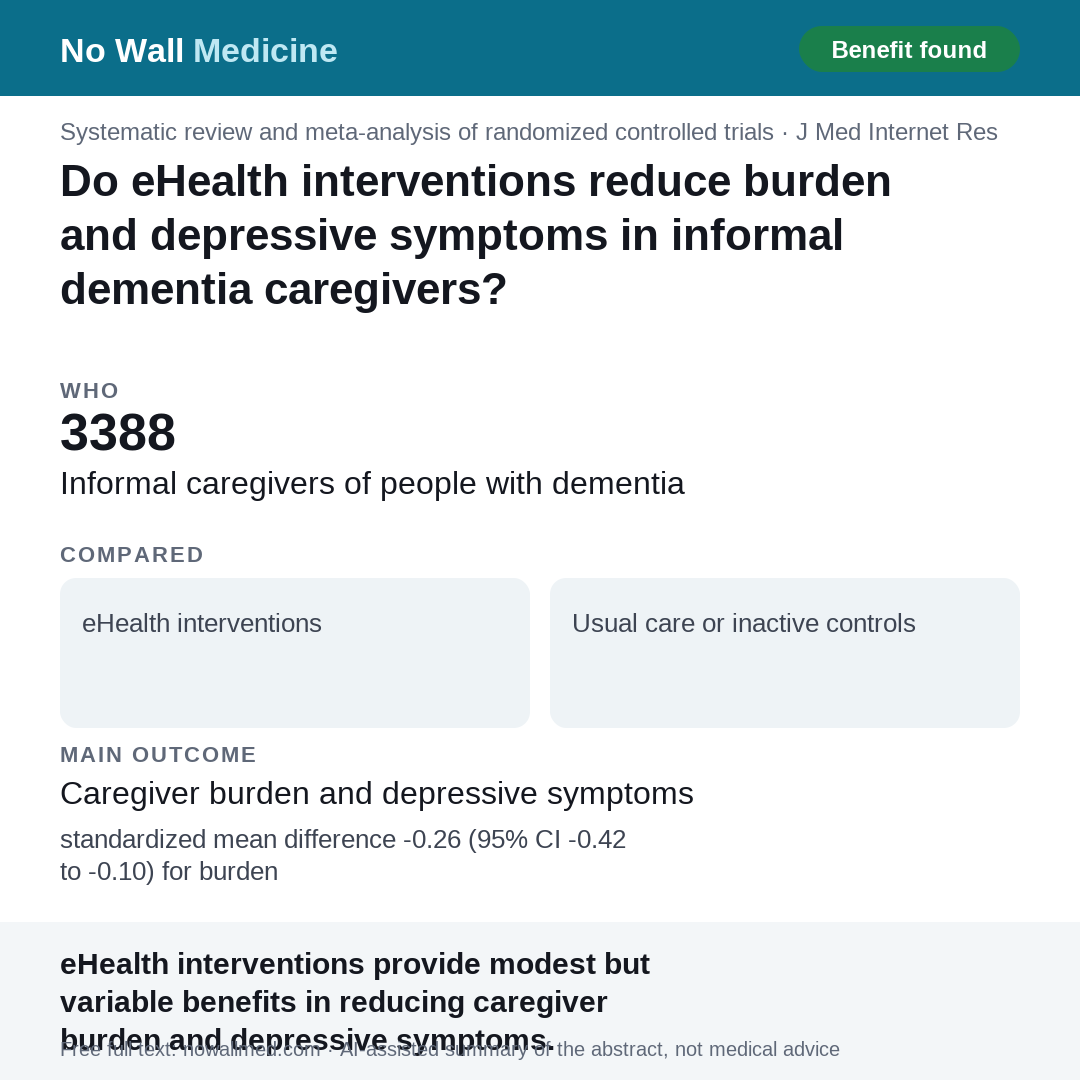
Optimal hypertension screening frequency in adults: a systematic review
Systematic reviewUnclear result
What is the optimal frequency of hypertension screening in adults?
Who
Adults
Compared
Primary research studies
Guideline publications
Main outcome
Optimal frequency of hypertension screening
Bottom line: There is a paucity of primary research addressing the optimal frequency of hypertension screening.
Limitation: Available evidence is limited and indirect with no studies evaluating hypertension-related complications.
BMC Prim Care · 2026-06-03Download image
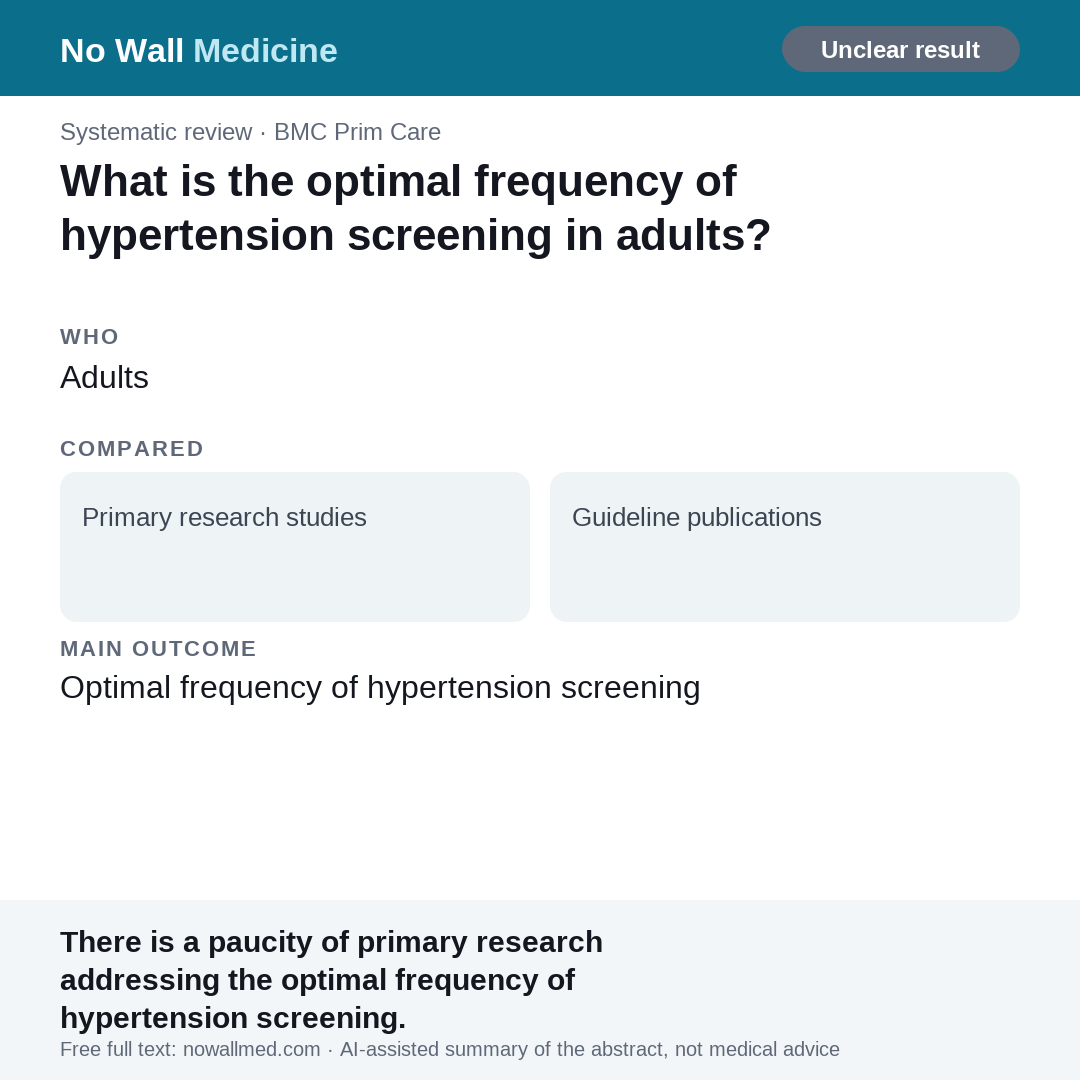
EEG biomarkers for assessment, prognosis, and monitoring of natural upper limb recovery after stroke: a systematic review
Systematic reviewUnclear result
Can electroencephalogram biomarkers assess, predict, or monitor natural upper limb recovery after stroke?
Who
Adults with stroke
Compared
Assessment biomarkers: correlated with impairment severity
Prognostic biomarkers: showed predictive potential
Monitoring biomarkers: paralleled functional gains
Main outcome
upper limb motor outcomes
Bottom line: Electroencephalogram metrics like the brain symmetry index show potential for monitoring and predicting stroke recovery.
Limitation: The immediate clinical translation is limited by the predominantly fair methodological quality of the evidence.
J Neuroeng Rehabil · 2026-06-03Download image

Impact of breast reconstruction on sexual function and body image in breast cancer survivors: A systematic review
Systematic reviewBenefit found
Does breast reconstruction impact sexual function and body image in breast cancer survivors?
Who
25,000
Breast cancer survivors
Compared
Breast reconstruction: significantly higher sexual function and body image scores
Mastectomy alone
Main outcome
Sexual function and body image
Bottom line: Breast reconstruction improves sexual function and body image compared to mastectomy alone in breast cancer survivors.
JPRAS Open · 2026-06-03Download image

15-strain live biotherapeutic product or same donor fecal microbiota transplant for recurrent Clostridioides difficile infection: a randomized phase 1b trial
Randomized controlled trialNo clear difference
Fecal microbiota transplant vs live biotherapeutic product
Who
20
patients with recurrent Clostridioides difficile infection
Compared
low-dose FMT
high-dose FMT
low-dose MTC01
high-dose MTC01
Main outcome
prevention of recurrent infection
Bottom line: Both treatments prevented infection similarly
Nat Med · 2026-06-02Download image
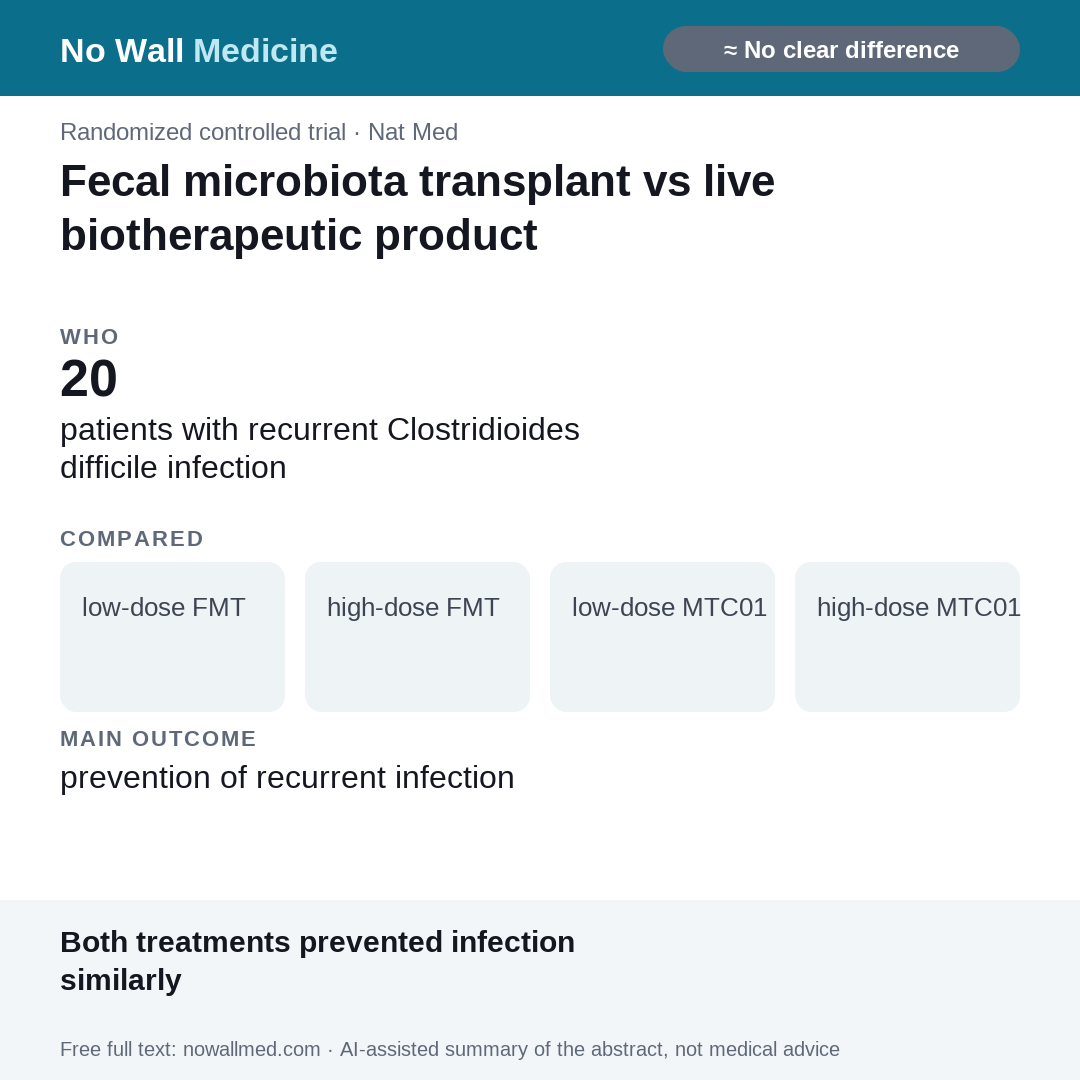
Effects of an early, late, and self-selected time-restricted eating intervention on weight loss maintenance in adults with overweight or obesity: A 12-month follow-up of a randomized controlled trial
Parallel-group, randomized controlled trialBenefit found
Do different time-restricted eating schedules improve weight loss maintenance after 12 months?
Who
99
Adults with overweight or obesity
Compared
Usual care
Early time-restricted eating: significantly greater body weight loss
Late time-restricted eating: significantly greater body weight loss
Self-selected time-restricted eating
Main outcome
Body weight loss maintenance
Bottom line: Early and late time-restricted eating may effectively maintain body weight loss for 12 months in adults.
Limitation: Only 26% of participants reported having engaged in time-restricted eating during the follow-up period.
Clin Nutr · 2026-06-02Download image
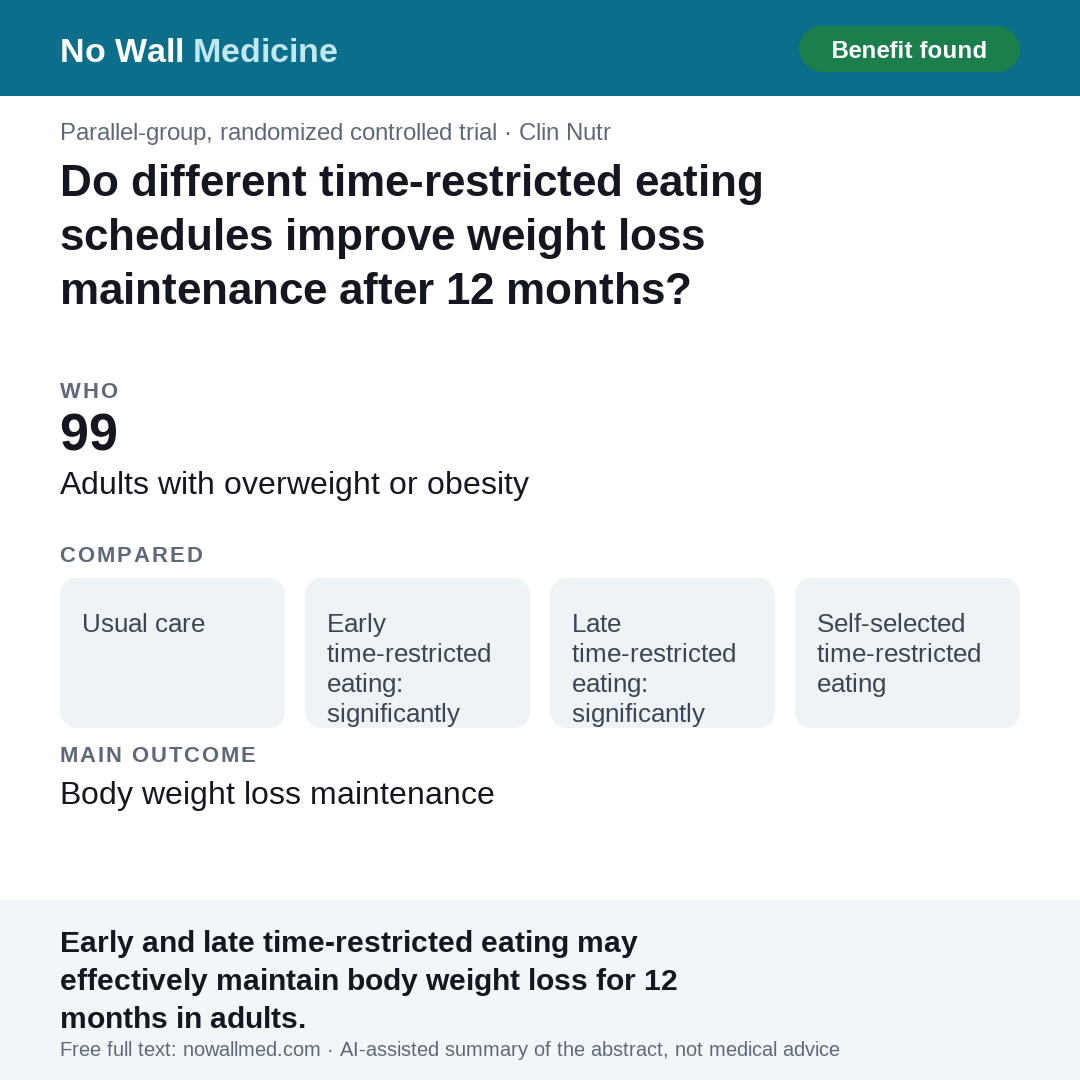
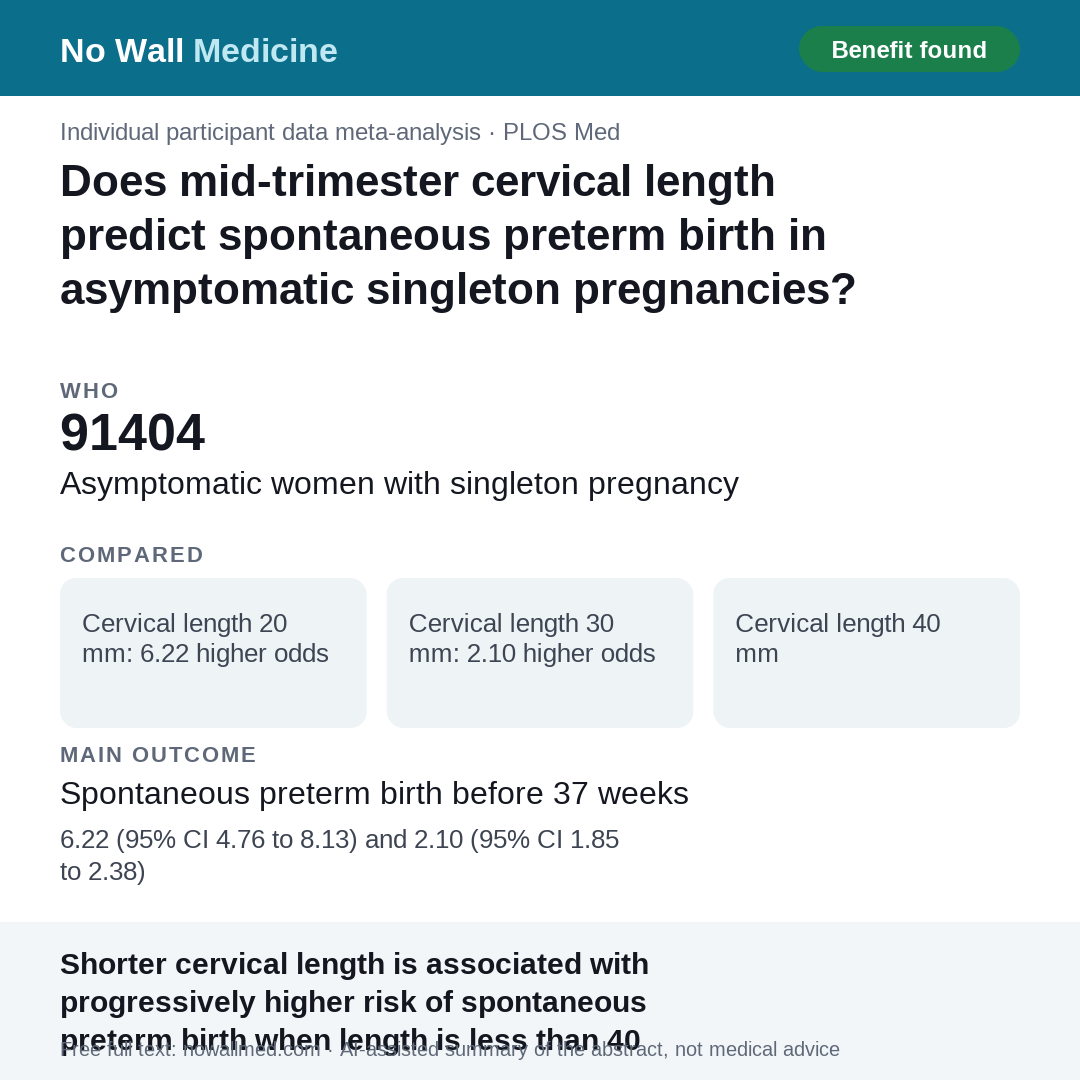
Prognostic value of cervical length for spontaneous preterm birth in asymptomatic women with singleton pregnancy: An individual participant data meta-analysis
Individual participant data meta-analysisBenefit found
Does mid-trimester cervical length predict spontaneous preterm birth in asymptomatic singleton pregnancies?
Who
91404
Asymptomatic women with singleton pregnancy
Compared
Cervical length 20 mm: 6.22 higher odds
Cervical length 30 mm: 2.10 higher odds
Cervical length 40 mm
Main outcome
Spontaneous preterm birth before 37 weeks
Result: 6.22 (95% CI 4.76 to 8.13) and 2.10 (95% CI 1.85 to 2.38)
Bottom line: Shorter cervical length is associated with progressively higher risk of spontaneous preterm birth when length is less than 40 mm.
Limitation: Suboptimal data retrieval rate and lack of comprehensive co-predictors across all datasets.
PLOS Med · 2026-06-02Download image
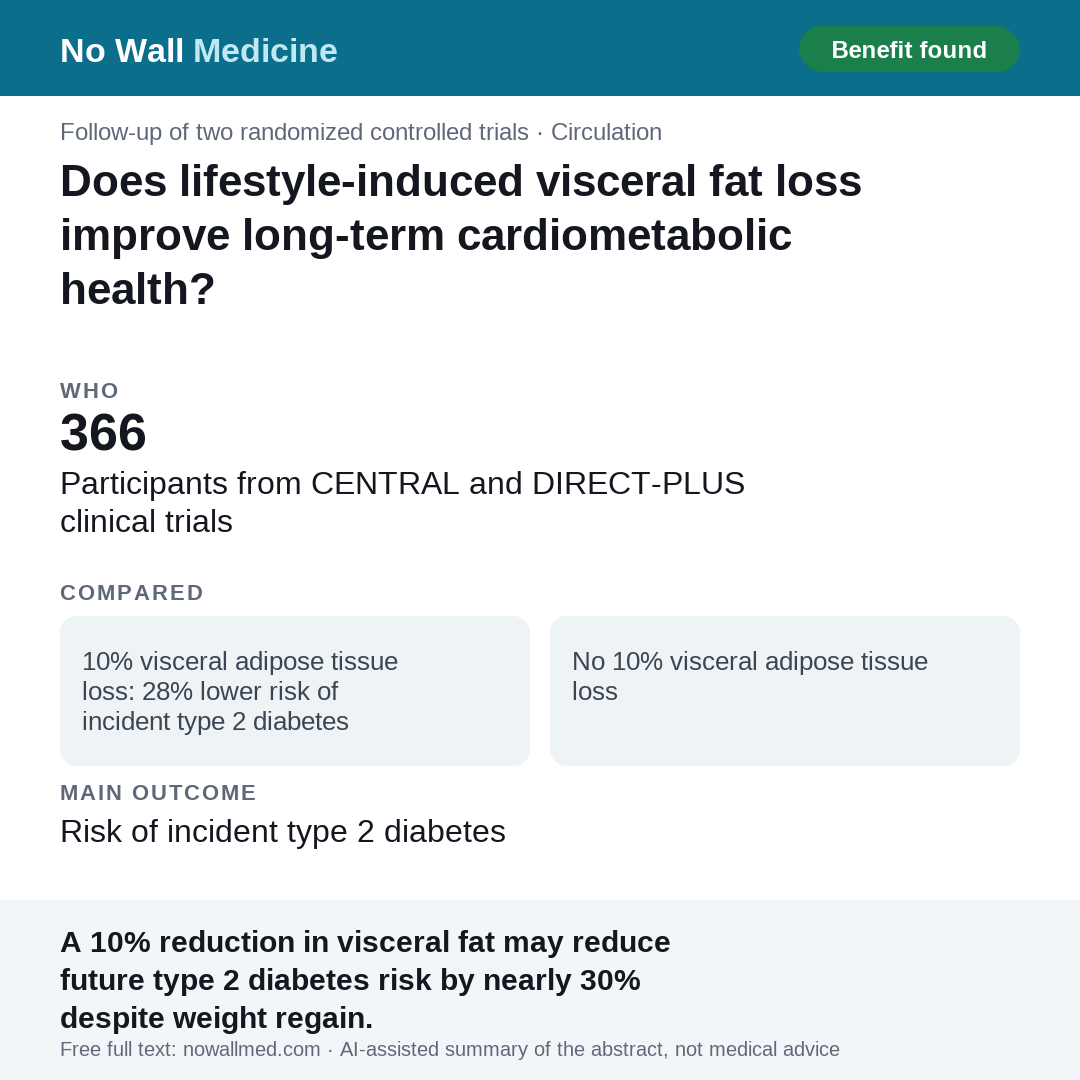
Lifestyle-Induced Visceral Fat Loss as a Key Target for Durable Cardiometabolic Health: MRI-Assessed 5- and 10-Year Follow-Up After 2 Clinical Trials
Follow-up of two randomized controlled trialsBenefit found
Does lifestyle-induced visceral fat loss improve long-term cardiometabolic health?
Who
366
Participants from CENTRAL and DIRECT-PLUS clinical trials
Compared
10% visceral adipose tissue loss: 28% lower risk of incident type 2 diabetes
No 10% visceral adipose tissue loss
Main outcome
Risk of incident type 2 diabetes
Result: hazard ratio 0.72 (95% CI 0.54-0.94)
Bottom line: A 10% reduction in visceral fat may reduce future type 2 diabetes risk by nearly 30% despite weight regain.
Limitation: Participants experienced complete weight regain during the follow-up period.
Circulation · 2026-06-02Download image
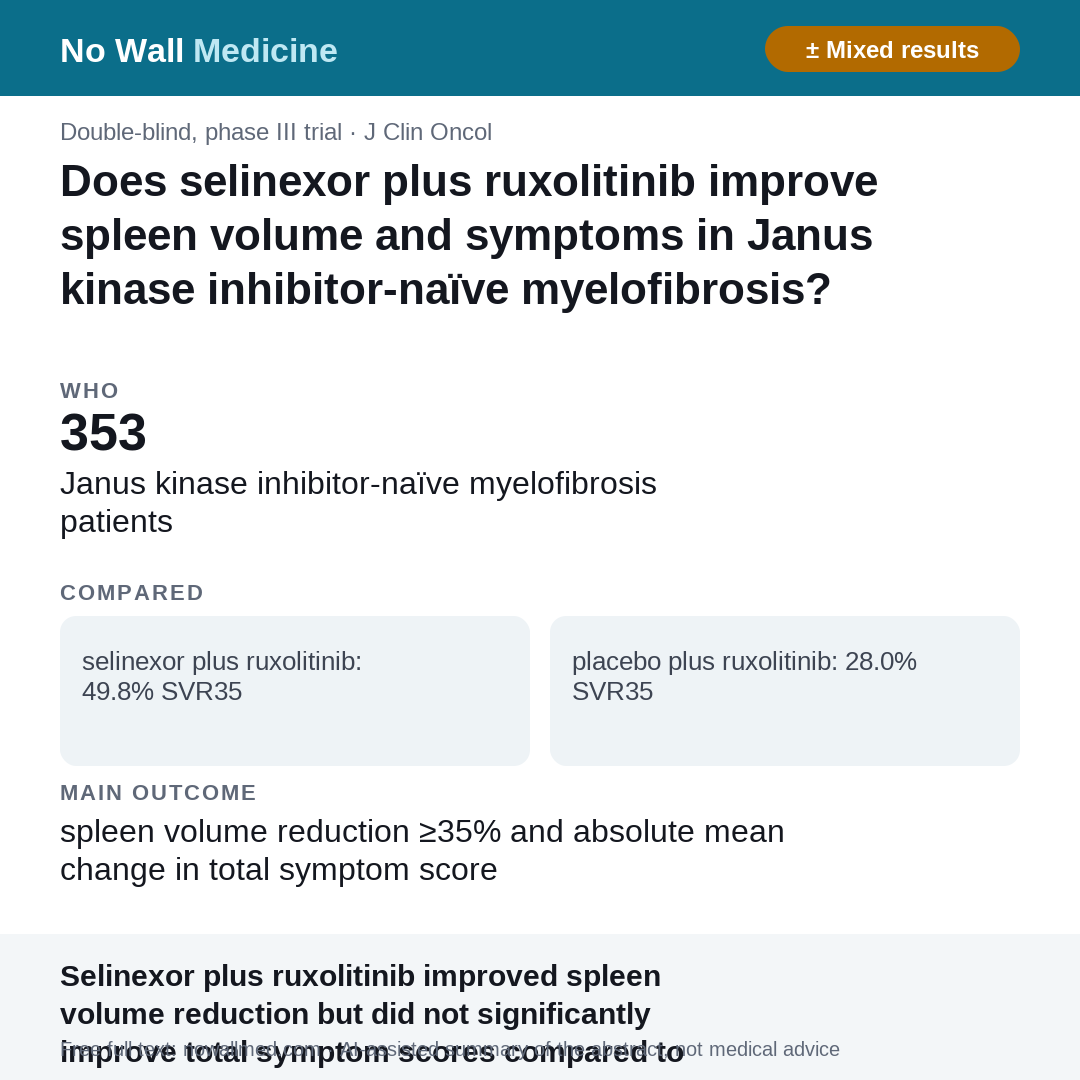
Selinexor Plus Ruxolitinib in Janus Kinase Inhibitor-Naïve Myelofibrosis: Phase III SENTRY Trial
Double-blind, phase III trialMixed results
Does selinexor plus ruxolitinib improve spleen volume and symptoms in Janus kinase inhibitor-naïve myelofibrosis?
Who
353
Janus kinase inhibitor-naïve myelofibrosis patients
Compared
selinexor plus ruxolitinib: 49.8% SVR35
placebo plus ruxolitinib: 28.0% SVR35
Main outcome
spleen volume reduction ≥35% and absolute mean change in total symptom score
Result: odds ratio 2.58 (95% CI 1.60 to 4.17)
Bottom line: Selinexor plus ruxolitinib improved spleen volume reduction but did not significantly improve total symptom scores compared to ruxolitinib alone.
J Clin Oncol · 2026-06-02Download image
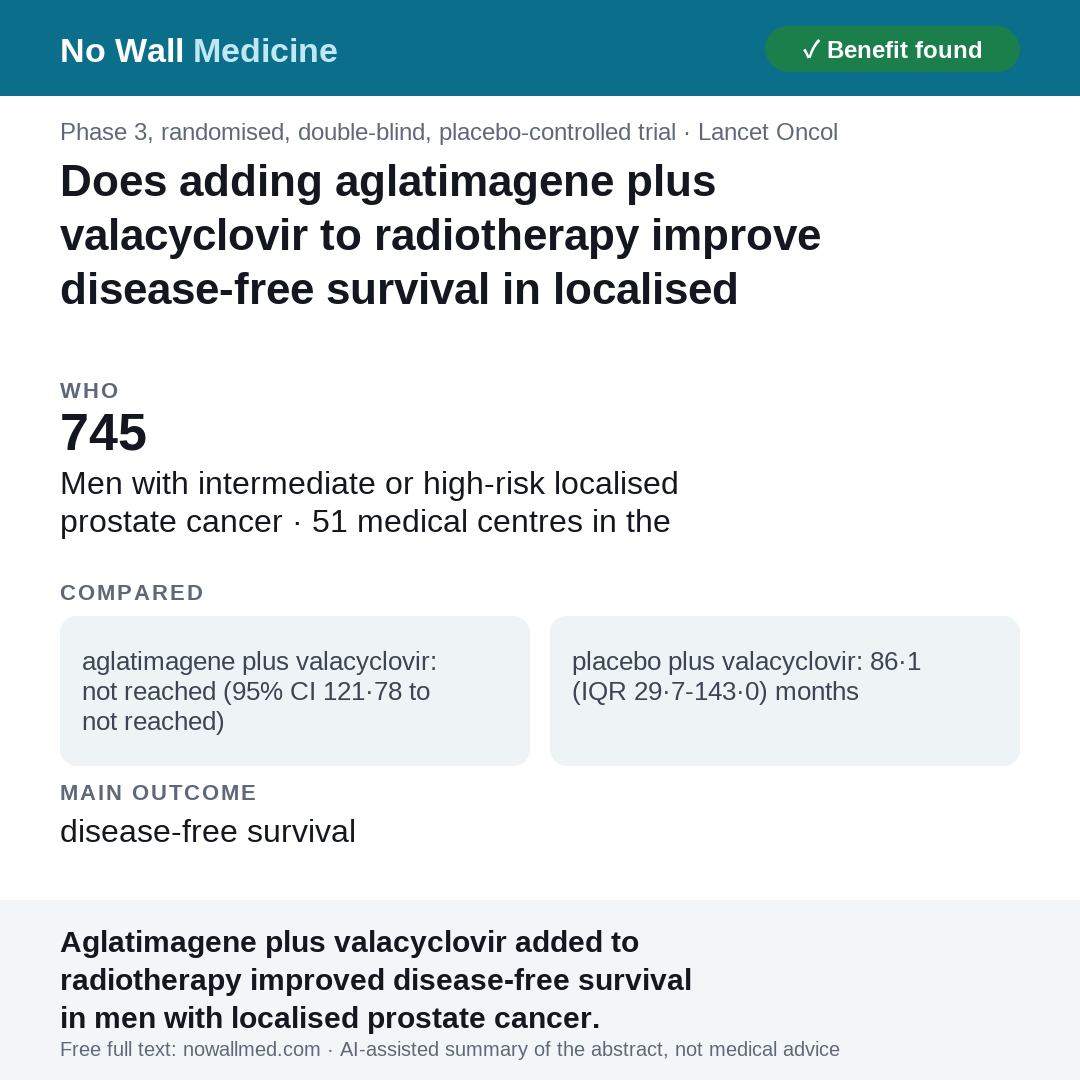
Aglatimagene besadenovec (CAN-2409) with radiotherapy for patients with localised prostate cancer: a phase 3, multicentre, randomised, double-blind, placebo-controlled trial
Phase 3, randomised, double-blind, placebo-controlled trialBenefit found
Does adding aglatimagene plus valacyclovir to radiotherapy improve disease-free survival in localised prostate cancer?
Who
745
Men with intermediate or high-risk localised prostate cancer · 51 medical centres in the USA and Puerto Rico
Compared
aglatimagene plus valacyclovir: not reached (95% CI 121·78 to not reached)
placebo plus valacyclovir: 86·1 (IQR 29·7-143·0) months
Main outcome
disease-free survival
Result: hazard ratio 0·70, 95% CI 0·52-0·94
Bottom line: Aglatimagene plus valacyclovir added to radiotherapy improved disease-free survival in men with localised prostate cancer.
Funded by: Candel Therapeutics and US National Institutes of Health
Lancet Oncol · 2026-06-02Download image
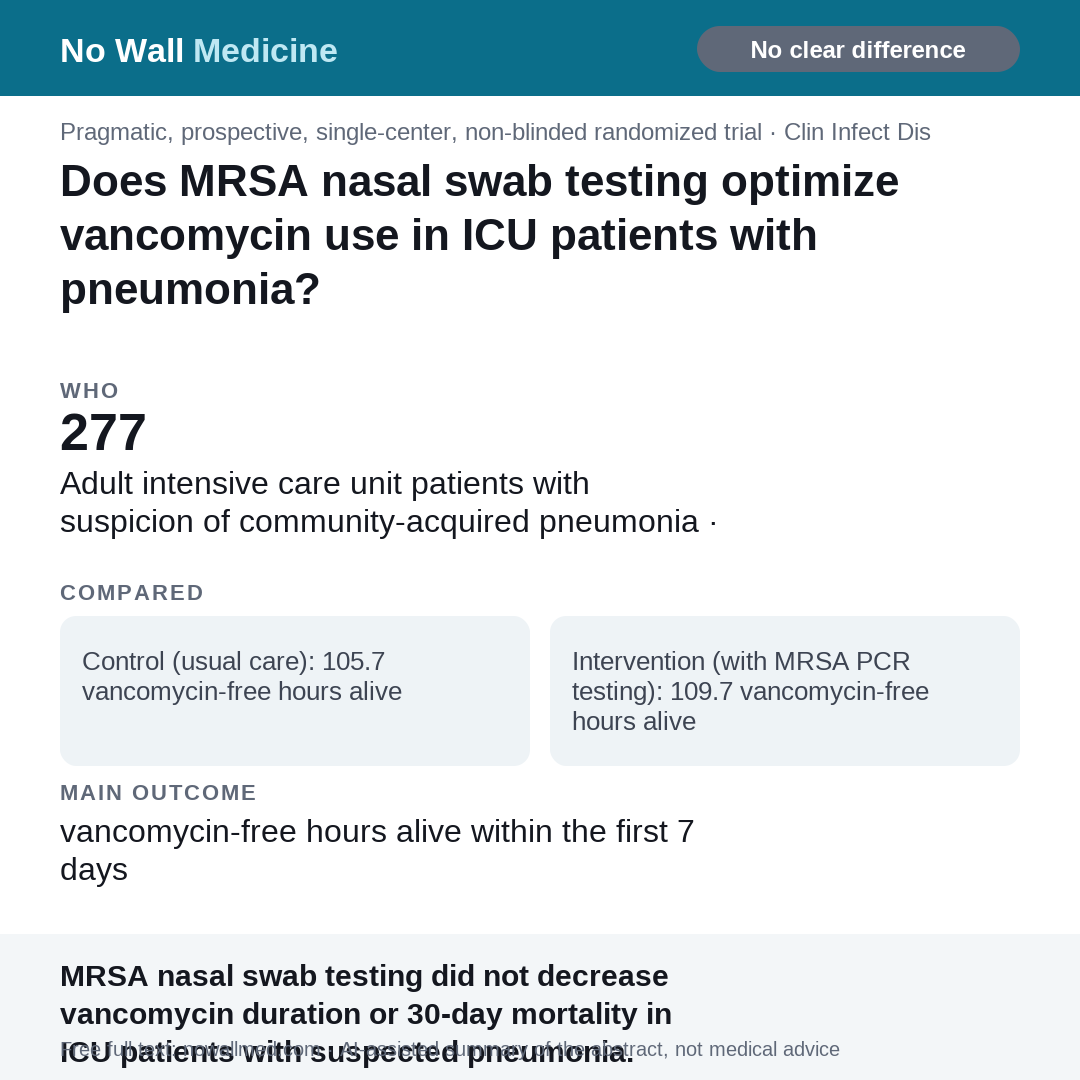
Swab Testing to Optimize Pneumonia Treatment With Empiric Vancomycin: A Randomized Controlled Trial
Pragmatic, prospective, single-center, non-blinded randomized trialNo clear difference
Does MRSA nasal swab testing optimize vancomycin use in ICU patients with pneumonia?
Who
277
Adult intensive care unit patients with suspicion of community-acquired pneumonia · Single-center
Compared
Control (usual care): 105.7 vancomycin-free hours alive
Intervention (with MRSA PCR testing): 109.7 vancomycin-free hours alive
Main outcome
vancomycin-free hours alive within the first 7 days
Result: adjusted difference, 4 hours; 95% CI, -9.5-18.2
Bottom line: MRSA nasal swab testing did not decrease vancomycin duration or 30-day mortality in ICU patients with suspected pneumonia.
Clin Infect Dis · 2026-06-02Download image
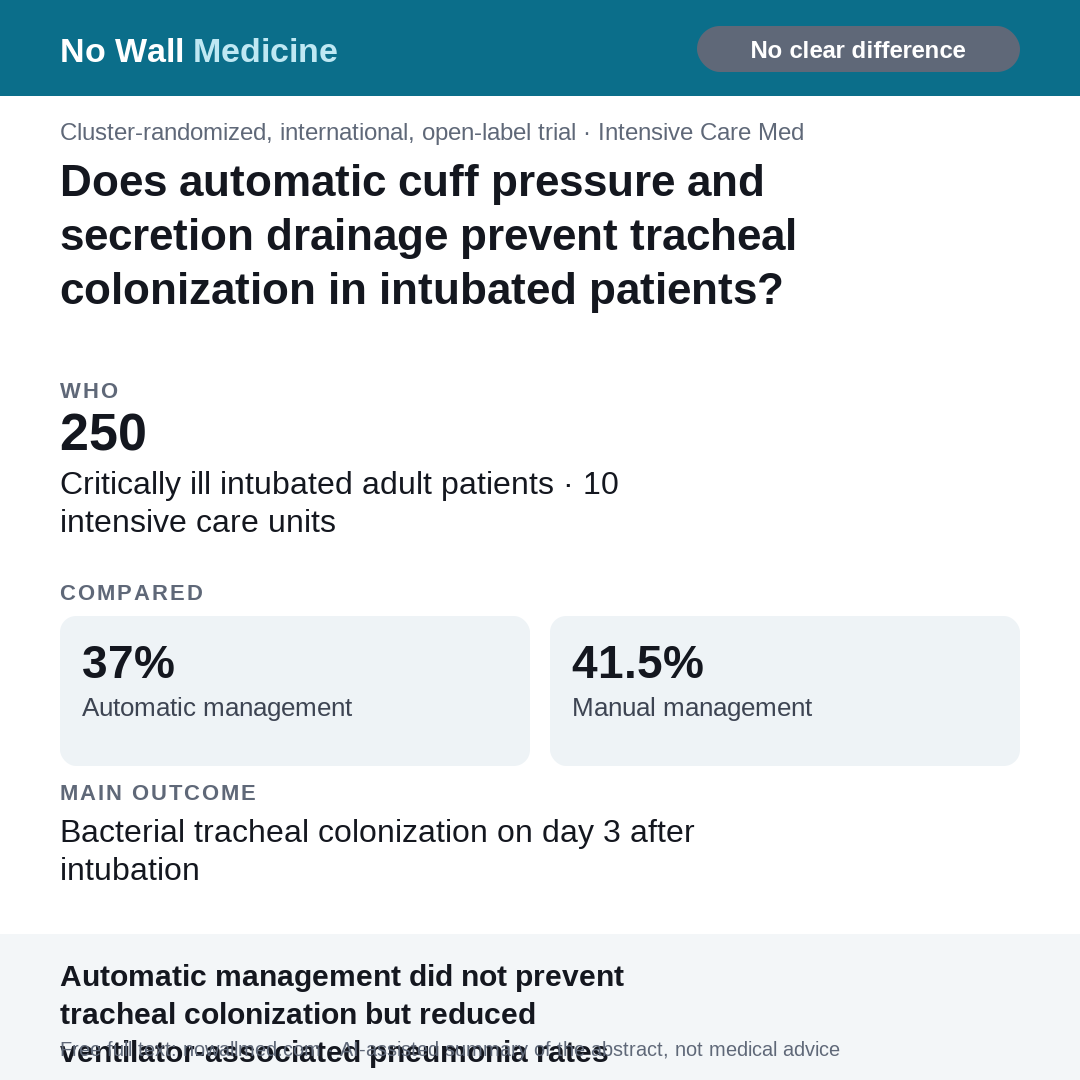
Personalized automatic management of tracheal cuff pressure and subglottic secretions drainage to prevent pneumonia in critically ill intubated patients. The MICROINHALO multicenter randomized controlled trial
Cluster-randomized, international, open-label trialNo clear difference
Does automatic cuff pressure and secretion drainage prevent tracheal colonization in intubated patients?
Who
250
Critically ill intubated adult patients · 10 intensive care units
Compared
37%Automatic management
41.5%Manual management
Main outcome
Bacterial tracheal colonization on day 3 after intubation
Result: absolute difference -4% (95% CI -16 to 8)
Bottom line: Automatic management did not prevent tracheal colonization but reduced ventilator-associated pneumonia rates compared to manual management.
Intensive Care Med · 2026-06-02Download image