Visual abstracts
New randomized trials and meta-analyses from leading journals at a glance: who was studied, what was compared, and what was found. Every paper is free to read in full.
All specialtiesCardiology 847Oncology 766Gastroenterology & Hepatology 307Infectious Disease 626Neurology 353Psychiatry & Mental Health 430Pulmonology 368Critical Care 252Endocrinology & Diabetes 480Pediatrics 540Surgery 328Orthopedics & Sports Medicine 163Neurosurgery 100Cardiothoracic & Vascular Surgery 87Plastic & Reconstructive Surgery 132Nephrology 197Rheumatology 108Hematology 182Dermatology 80Ophthalmology 97Obstetrics & Gynecology 262Public & Global Health 167Radiology & Imaging 98Anesthesiology 117Urology 162ENT (Otolaryngology) 100Emergency Medicine 84Allergy & Immunology 58Geriatrics 160Family Medicine & Primary Care 111Medical Genetics & Genomics 91Pathology & Laboratory Medicine 24Physical Medicine & Rehabilitation 148Palliative Care 81Nutrition 223Digital Health & AI 460General Medicine 101
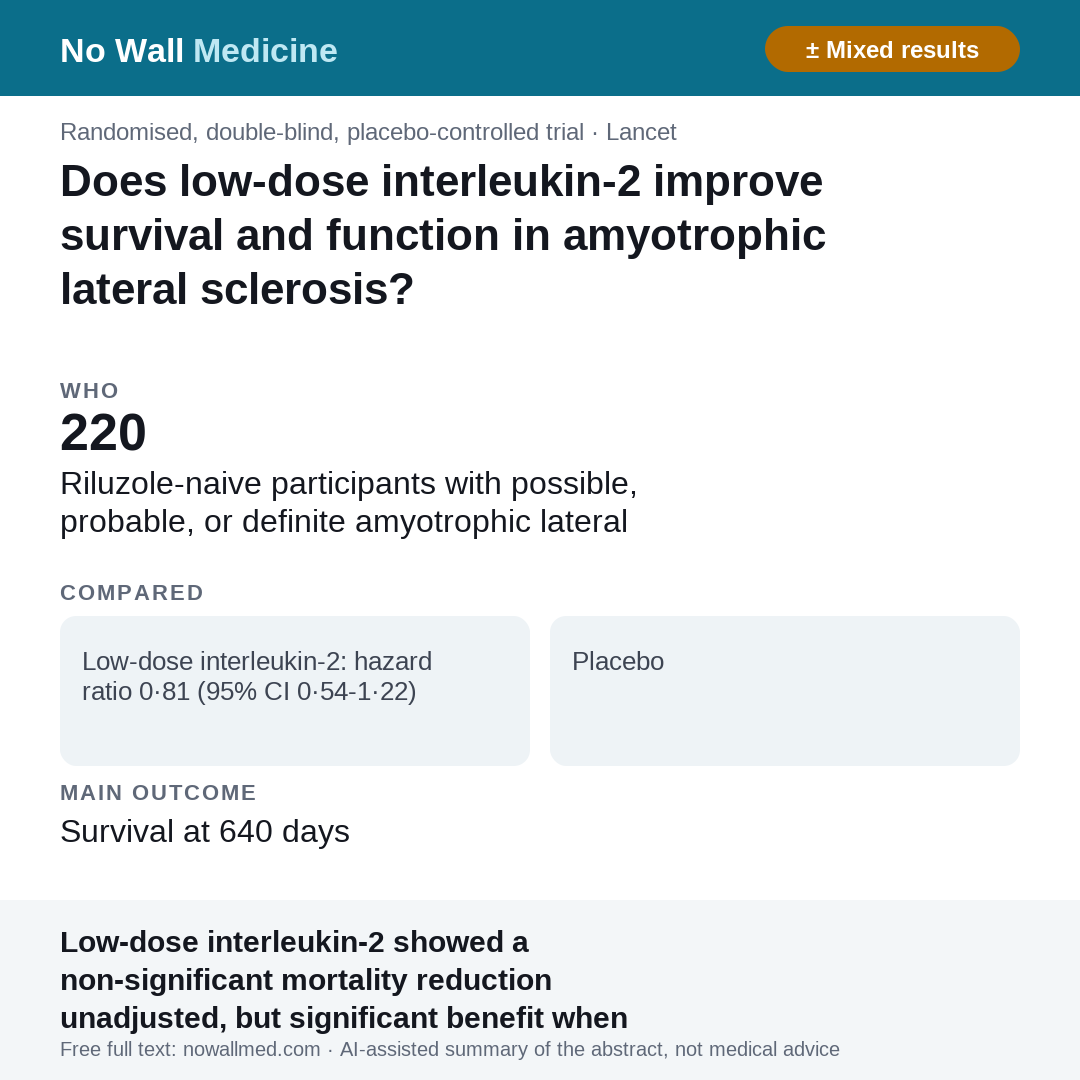
Efficacy and safety of low-dose IL-2 as an add-on therapy to riluzole (MIROCALS): a phase 2b, double-blind, randomised, placebo-controlled trial
Randomised, double-blind, placebo-controlled trialMixed results
Does low-dose interleukin-2 improve survival and function in amyotrophic lateral sclerosis?
Who
220
Riluzole-naive participants with possible, probable, or definite amyotrophic lateral sclerosis
Compared
Low-dose interleukin-2: hazard ratio 0·81 (95% CI 0·54-1·22)
Placebo
Main outcome
Survival at 640 days
Result: hazard ratio 0·32 (95% CI 0·14-0·73)
Bottom line: Low-dose interleukin-2 showed a non-significant mortality reduction unadjusted, but significant benefit when adjusted for prognostic covariates.
Limitation: The primary unadjusted analysis failed to demonstrate the expected two-fold decrease in risk of death.
Funded by: European Commission, French Health Ministry, Motor Neurone Disease Association
Lancet · 2025-05-09Download image
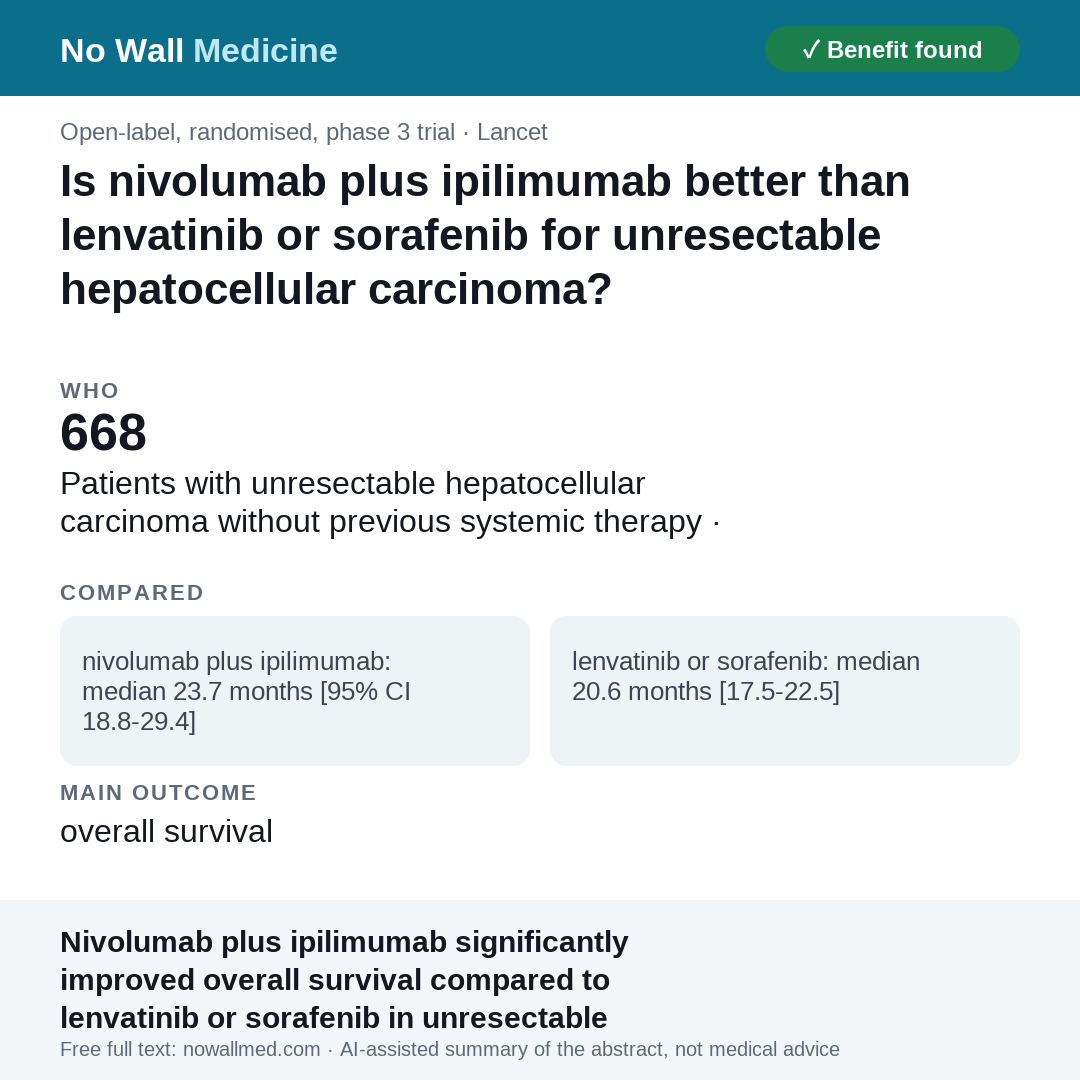
Nivolumab plus ipilimumab versus lenvatinib or sorafenib as first-line treatment for unresectable hepatocellular carcinoma (CheckMate 9DW): an open-label, randomised, phase 3 trial
Open-label, randomised, phase 3 trialBenefit found
Is nivolumab plus ipilimumab better than lenvatinib or sorafenib for unresectable hepatocellular carcinoma?
Who
668
Patients with unresectable hepatocellular carcinoma without previous systemic therapy · 163 hospitals and cancer centres across 25 countries
Compared
nivolumab plus ipilimumab: median 23.7 months [95% CI 18.8-29.4]
lenvatinib or sorafenib: median 20.6 months [17.5-22.5]
Main outcome
overall survival
Result: hazard ratio 0.79 [0.65-0.96]
Bottom line: Nivolumab plus ipilimumab significantly improved overall survival compared to lenvatinib or sorafenib in unresectable hepatocellular carcinoma.
Funded by: Bristol Myers Squibb
Lancet · 2025-05-08Download image
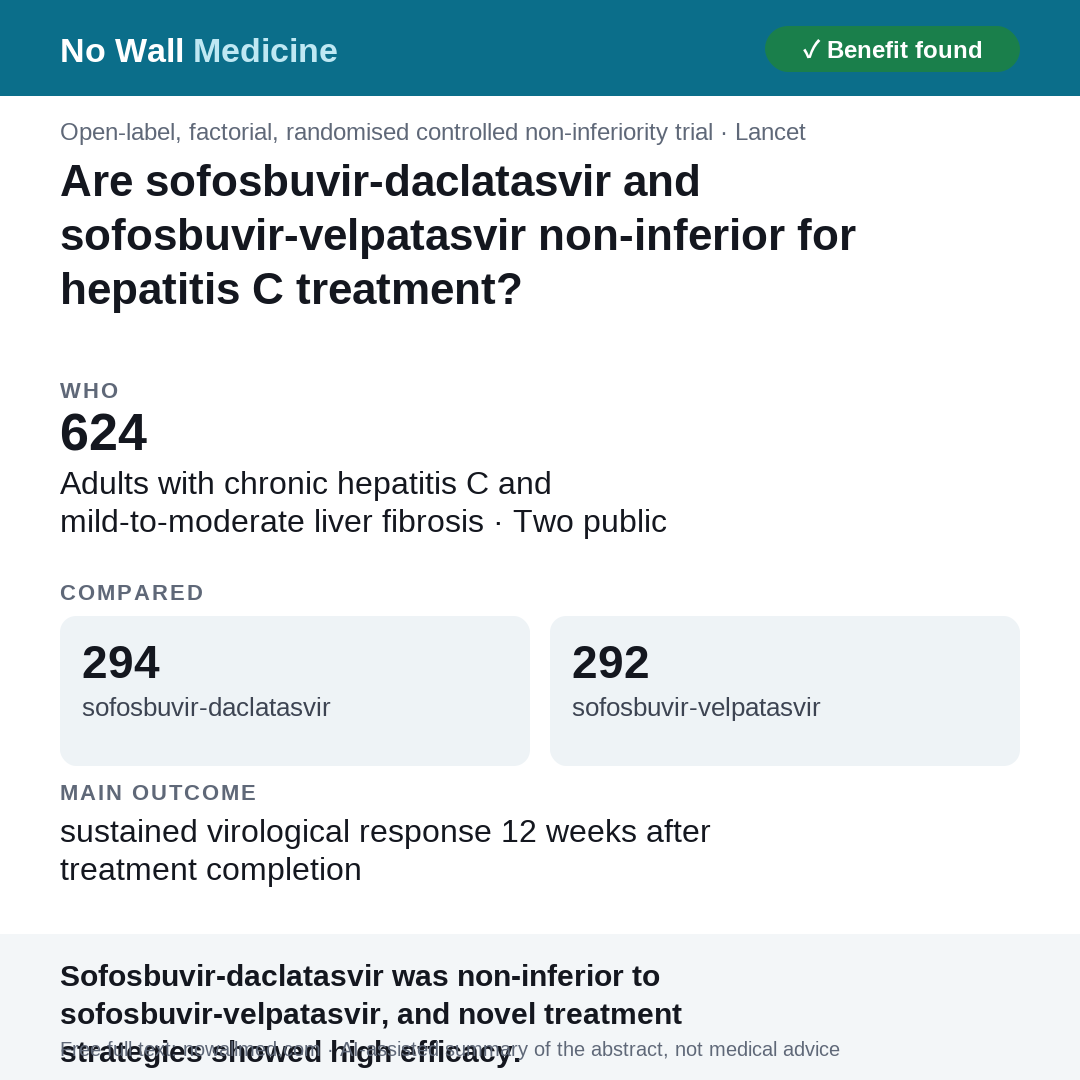
Treatment options to support the elimination of hepatitis C: an open-label, factorial, randomised controlled non-inferiority trial
Open-label, factorial, randomised controlled non-inferiority trialBenefit found
Are sofosbuvir-daclatasvir and sofosbuvir-velpatasvir non-inferior for hepatitis C treatment?
Who
624
Adults with chronic hepatitis C and mild-to-moderate liver fibrosis · Two public hospitals in Viet Nam
Compared
294sofosbuvir-daclatasvir (97%)
292sofosbuvir-velpatasvir (95%)
Main outcome
sustained virological response 12 weeks after treatment completion
Result: risk difference 2·2%, 90% credible interval -0·2 to 4·8
Bottom line: Sofosbuvir-daclatasvir was non-inferior to sofosbuvir-velpatasvir, and novel treatment strategies showed high efficacy.
Funded by: Wellcome Trust
Lancet · 2025-05-08Download image
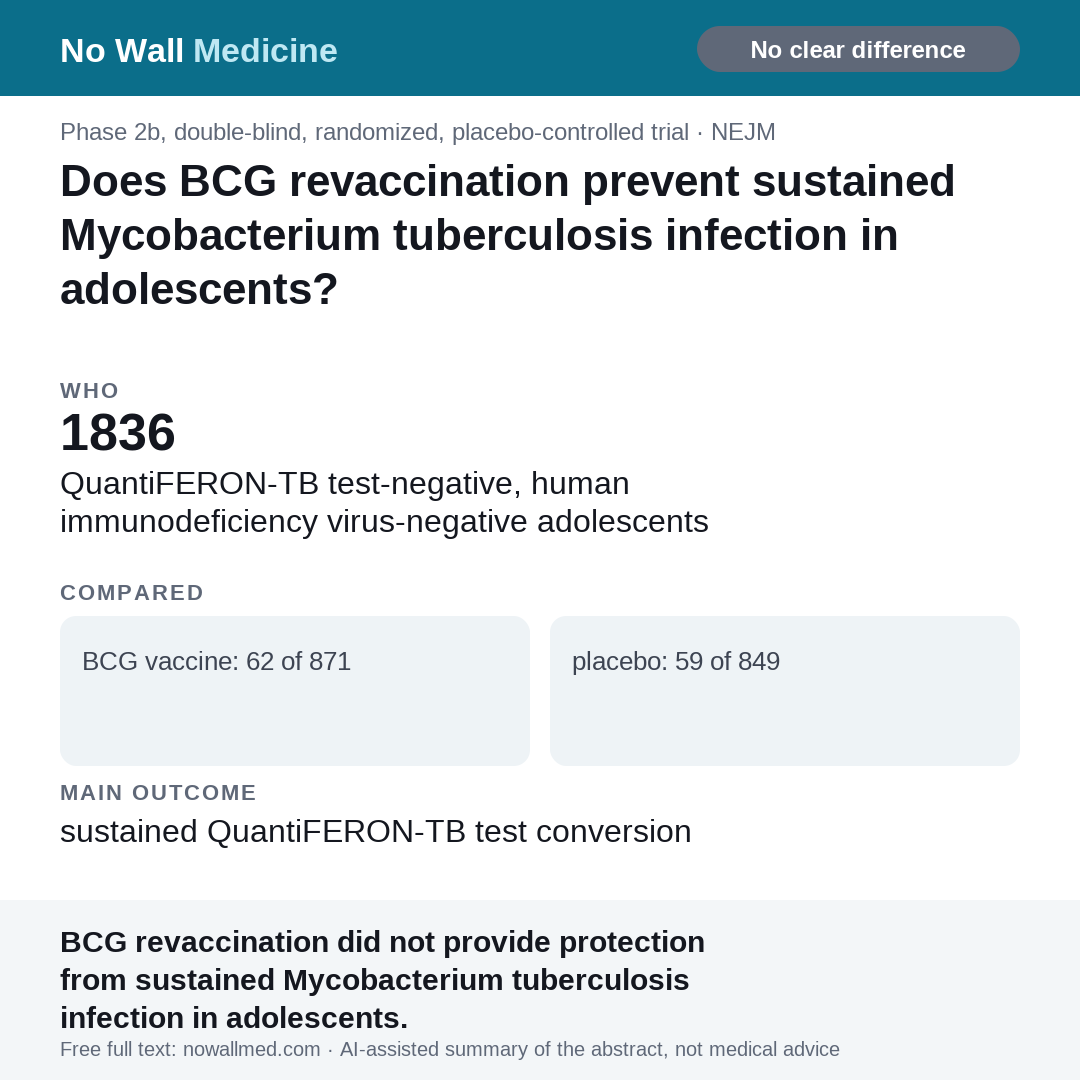
BCG Revaccination for the Prevention of Mycobacterium tuberculosis Infection
Phase 2b, double-blind, randomized, placebo-controlled trialNo clear difference
Does BCG revaccination prevent sustained Mycobacterium tuberculosis infection in adolescents?
Who
1836
QuantiFERON-TB test-negative, human immunodeficiency virus-negative adolescents
Compared
BCG vaccine: 62 of 871
placebo: 59 of 849
Main outcome
sustained QuantiFERON-TB test conversion
Result: hazard ratio 1.04 (95% CI, 0.73 to 1.48)
Bottom line: BCG revaccination did not provide protection from sustained Mycobacterium tuberculosis infection in adolescents.
Funded by: Gates Foundation
NEJM · 2025-05-07Download image
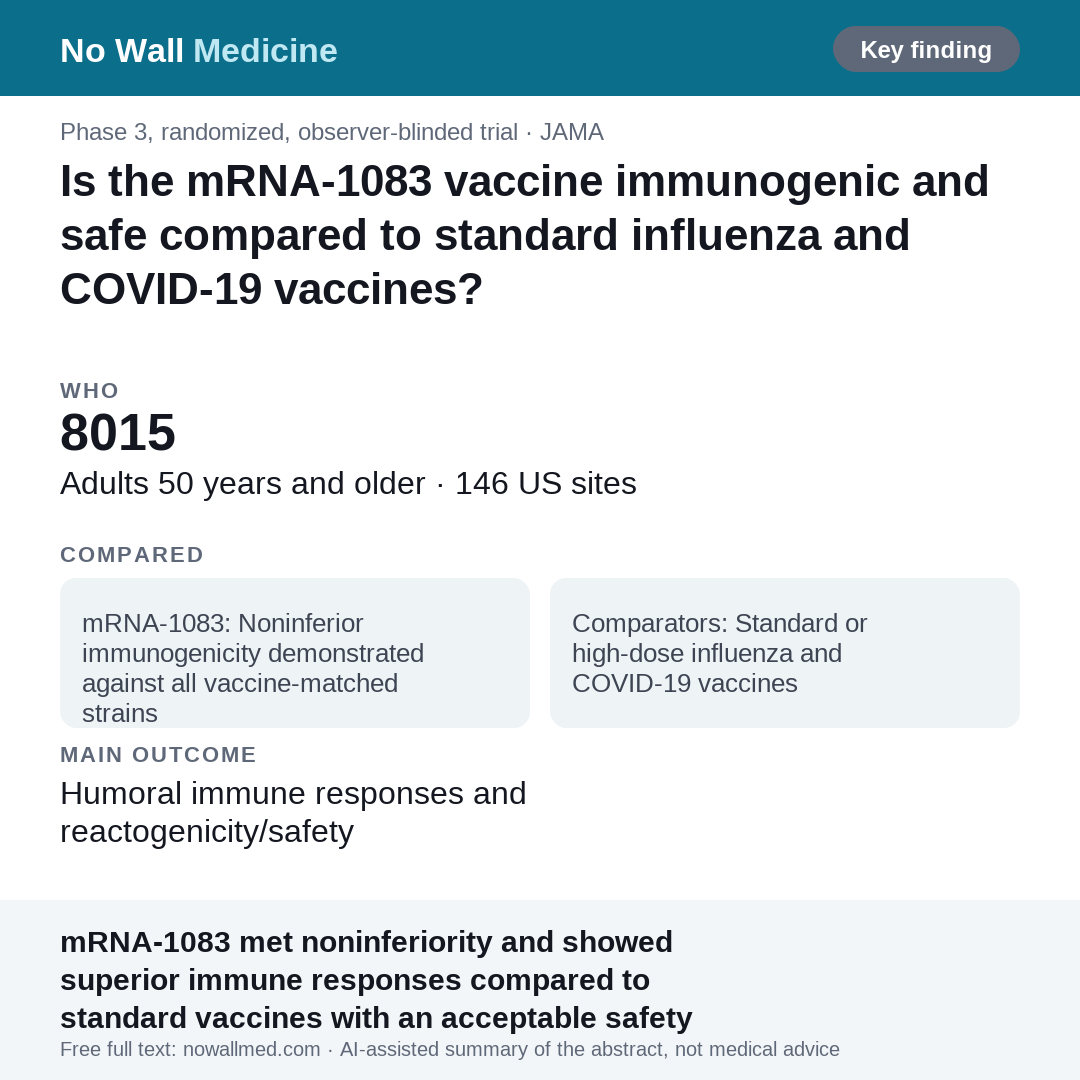
Immunogenicity and Safety of Influenza and COVID-19 Multicomponent Vaccine in Adults ≥50 Years: A Randomized Clinical Trial
Phase 3, randomized, observer-blinded trialBenefit found
Is the mRNA-1083 vaccine immunogenic and safe compared to standard influenza and COVID-19 vaccines?
Who
8015
Adults 50 years and older · 146 US sites
Compared
mRNA-1083: Noninferior immunogenicity demonstrated against all vaccine-matched strains
Comparators: Standard or high-dose influenza and COVID-19 vaccines
Main outcome
Humoral immune responses and reactogenicity/safety
Bottom line: mRNA-1083 met noninferiority and showed superior immune responses compared to standard vaccines with an acceptable safety profile.
JAMA · 2025-05-07Download image
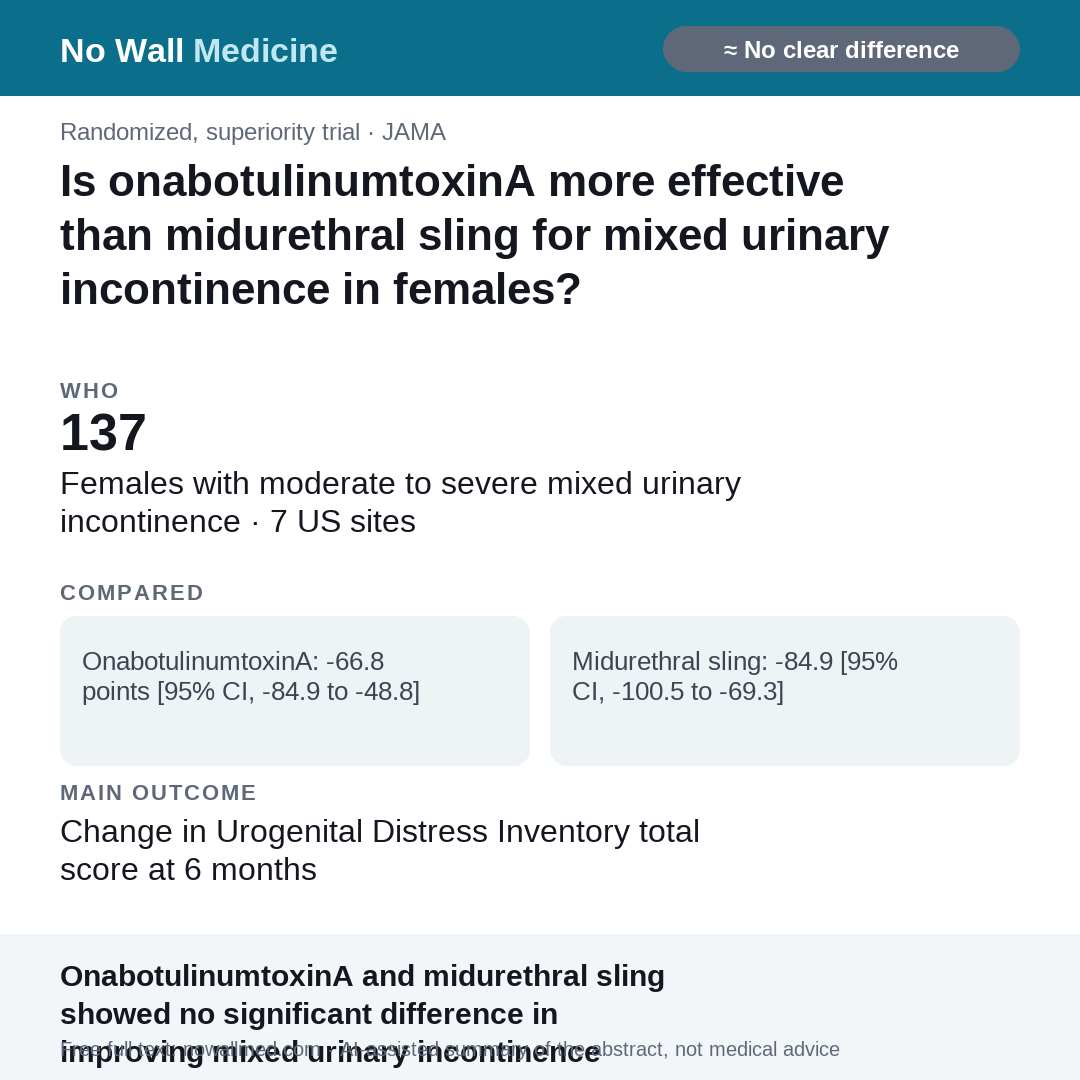
Midurethral Sling vs OnabotulinumtoxinA in Females With Urinary Incontinence: The MUSA Randomized Clinical Trial
Randomized, superiority trialNo clear difference
Is onabotulinumtoxinA more effective than midurethral sling for mixed urinary incontinence in females?
Who
137
Females with moderate to severe mixed urinary incontinence · 7 US sites
Compared
OnabotulinumtoxinA: -66.8 points [95% CI, -84.9 to -48.8]
Midurethral sling: -84.9 [95% CI, -100.5 to -69.3]
Main outcome
Change in Urogenital Distress Inventory total score at 6 months
Result: mean difference, 18.1 points [95% CI, -4.6 to 40.7]
Bottom line: OnabotulinumtoxinA and midurethral sling showed no significant difference in improving mixed urinary incontinence symptoms at 6 months.
JAMA · 2025-05-05Download image
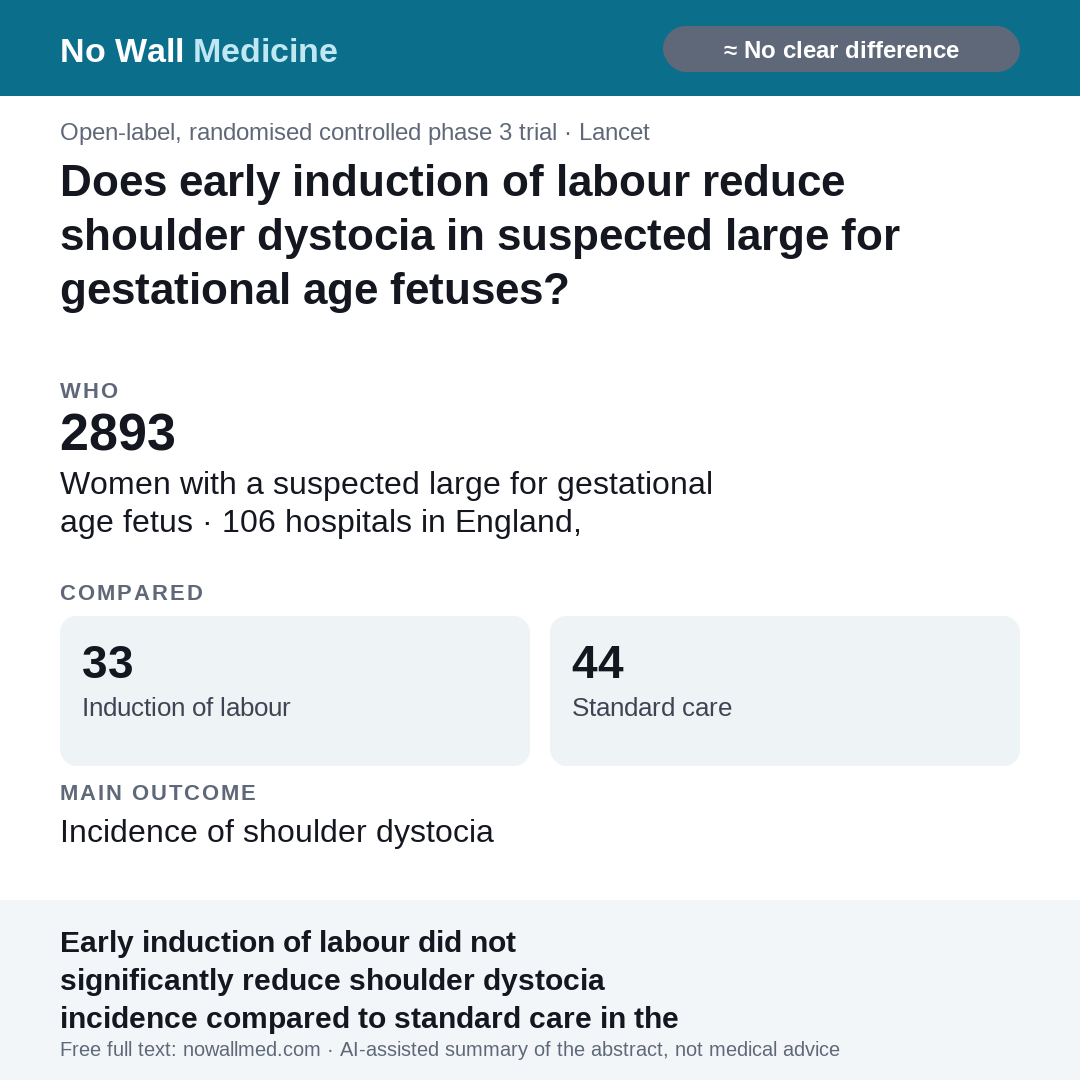
Induction of labour versus standard care to prevent shoulder dystocia in fetuses suspected to be large for gestational age in the UK (the Big Baby trial): a multicentre, open-label, randomised controlled trial
Open-label, randomised controlled phase 3 trialNo clear difference
Does early induction of labour reduce shoulder dystocia in suspected large for gestational age fetuses?
Who
2893
Women with a suspected large for gestational age fetus · 106 hospitals in England, Scotland, and Wales
Compared
33Induction of labour (2·3%)
44Standard care (3·1%)
Main outcome
Incidence of shoulder dystocia
Result: risk ratio 0·75 (95% CI 0·51-1·09)
Bottom line: Early induction of labour did not significantly reduce shoulder dystocia incidence compared to standard care in the intention-to-treat analysis.
Limitation: High proportion of earlier-than-expected deliveries in standard care reduced intended between-group differences.
Lancet · 2025-05-01Download image
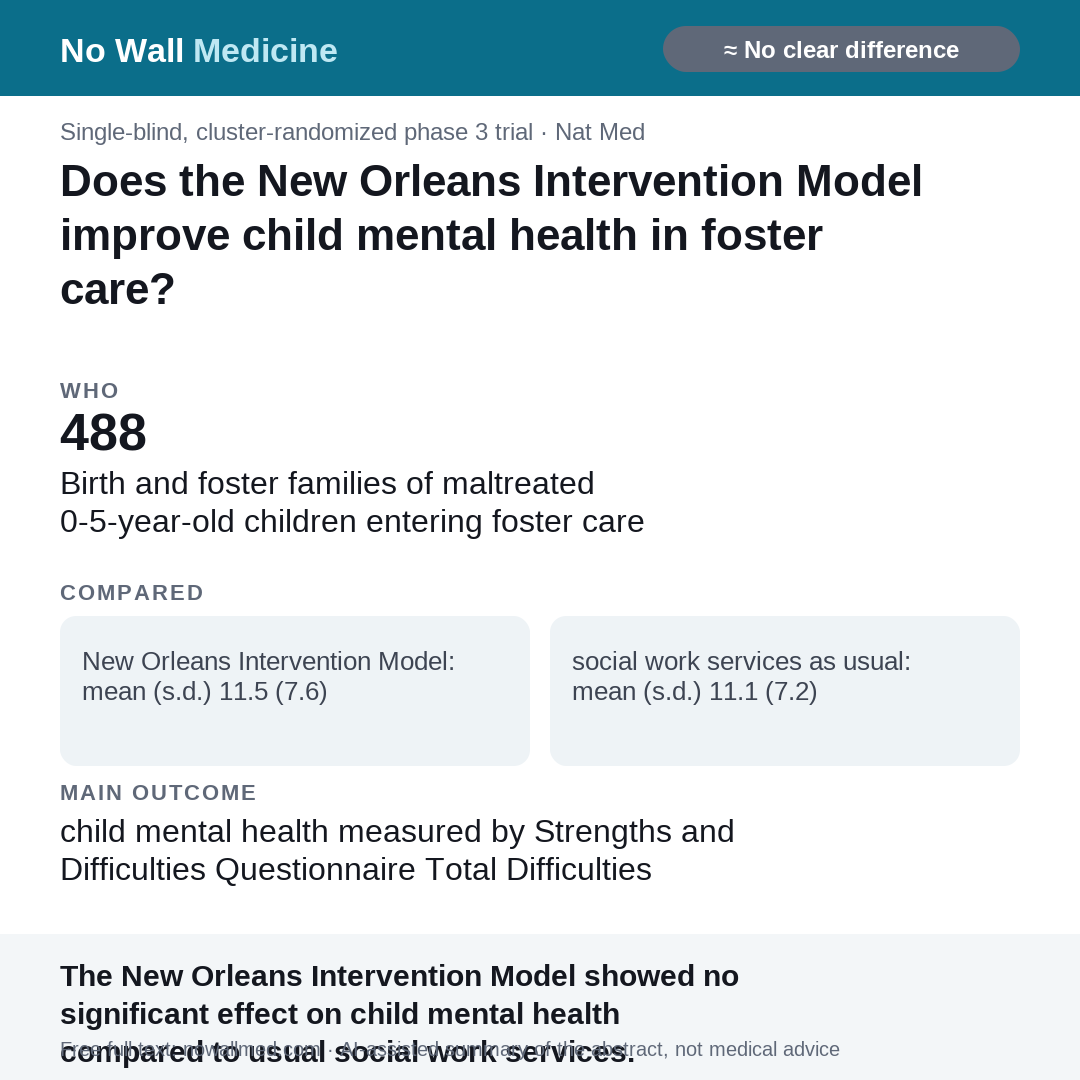
Infant mental health services for birth and foster families of maltreated pre-school children in foster care (BeST?): a cluster-randomized phase 3 clinical effectiveness trial
Single-blind, cluster-randomized phase 3 trialNo clear difference
Does the New Orleans Intervention Model improve child mental health in foster care?
Who
488
Birth and foster families of maltreated 0-5-year-old children entering foster care
Compared
New Orleans Intervention Model: mean (s.d.) 11.5 (7.6)
social work services as usual: mean (s.d.) 11.1 (7.2)
Main outcome
child mental health measured by Strengths and Difficulties Questionnaire Total Difficulties scale
Result: adjusted mean difference 1.4 (95% CI -0.63, 3.53)
Bottom line: The New Orleans Intervention Model showed no significant effect on child mental health compared to usual social work services.
Nat Med · 2025-05-01Download image
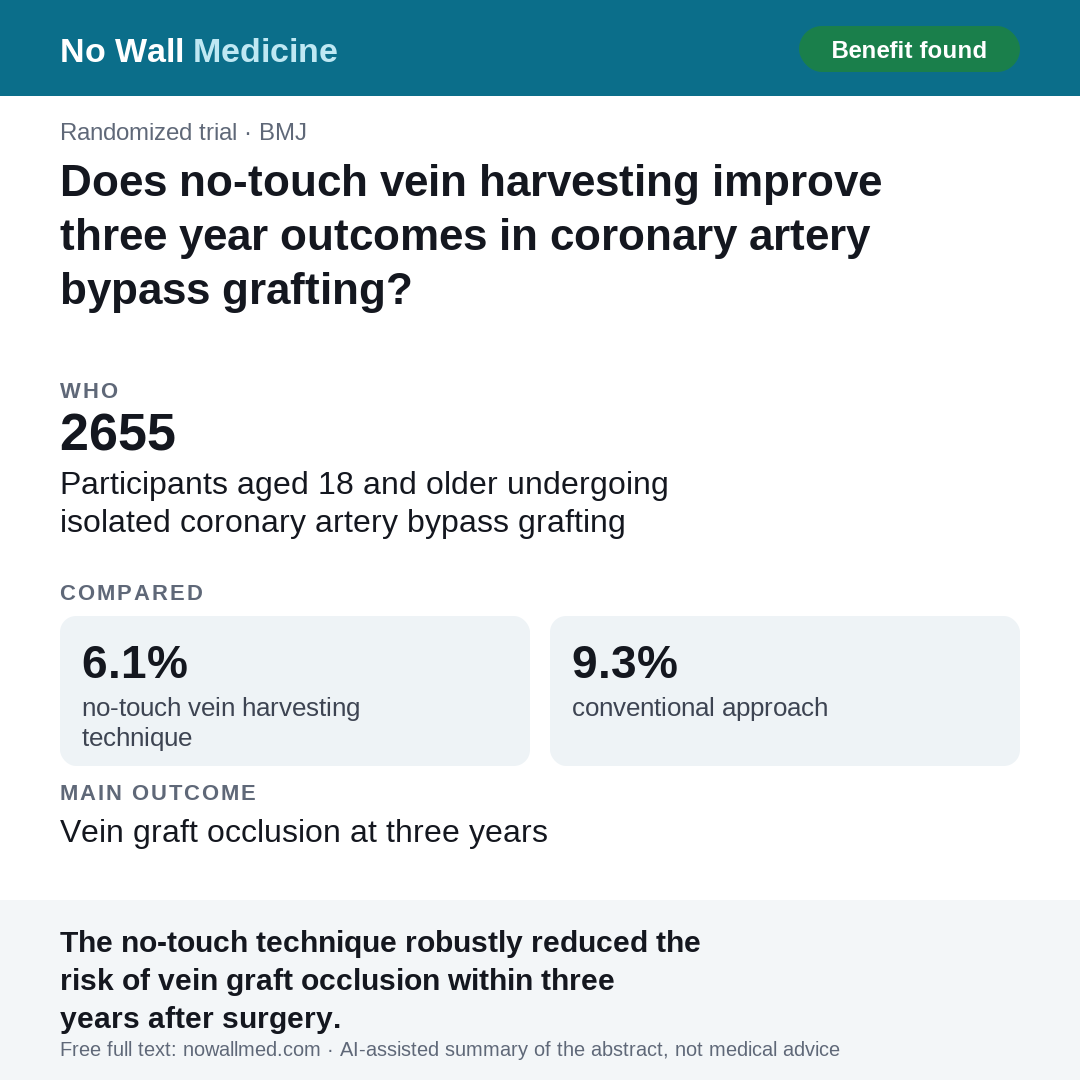
No-touch versus conventional vein in coronary artery bypass grafting: three year follow-up of multicentre randomised PATENCY trial
Randomized trialBenefit found
Does no-touch vein harvesting improve three year outcomes in coronary artery bypass grafting?
Who
2655
Participants aged 18 and older undergoing isolated coronary artery bypass grafting surgery · Seven cardiac surgery centres in China
Compared
6.1%no-touch vein harvesting technique
9.3%conventional approach
Main outcome
Vein graft occlusion at three years
Result: odds ratio 0.63 (95% confidence interval 0.51 to 0.81)
Bottom line: The no-touch technique robustly reduced the risk of vein graft occlusion within three years after surgery.
BMJ · 2025-04-30Download image
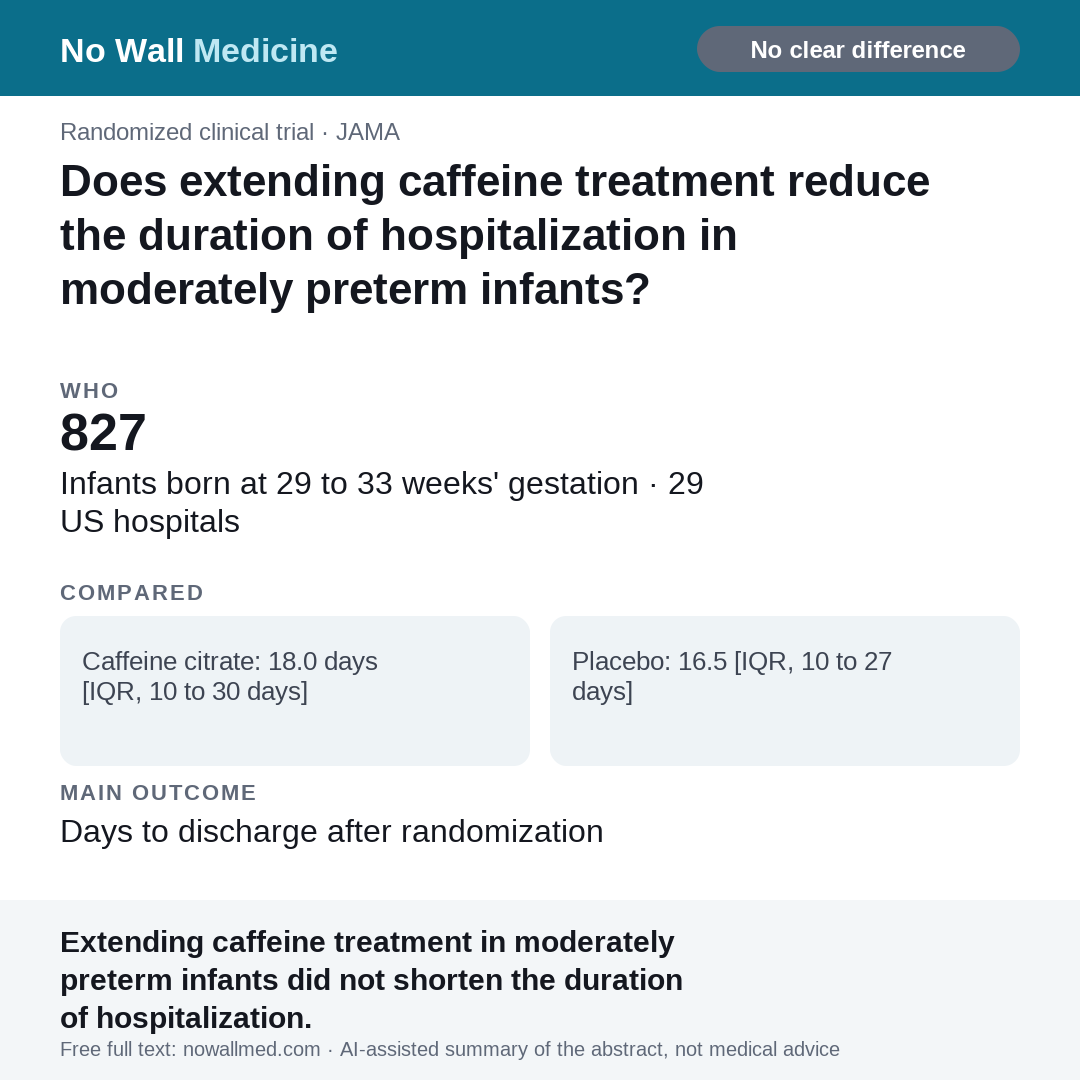
Extended Caffeine for Apnea in Moderately Preterm Infants: The MoCHA Randomized Clinical Trial
Randomized clinical trialNo clear difference
Does extending caffeine treatment reduce the duration of hospitalization in moderately preterm infants?
Who
827
Infants born at 29 to 33 weeks' gestation · 29 US hospitals
Compared
Caffeine citrate: 18.0 days [IQR, 10 to 30 days]
Placebo: 16.5 [IQR, 10 to 27 days]
Main outcome
Days to discharge after randomization
Result: adjusted median difference, 0 days (95% CI, -1.7 to 1.7 days)
Bottom line: Extending caffeine treatment in moderately preterm infants did not shorten the duration of hospitalization.
JAMA · 2025-04-28Download image
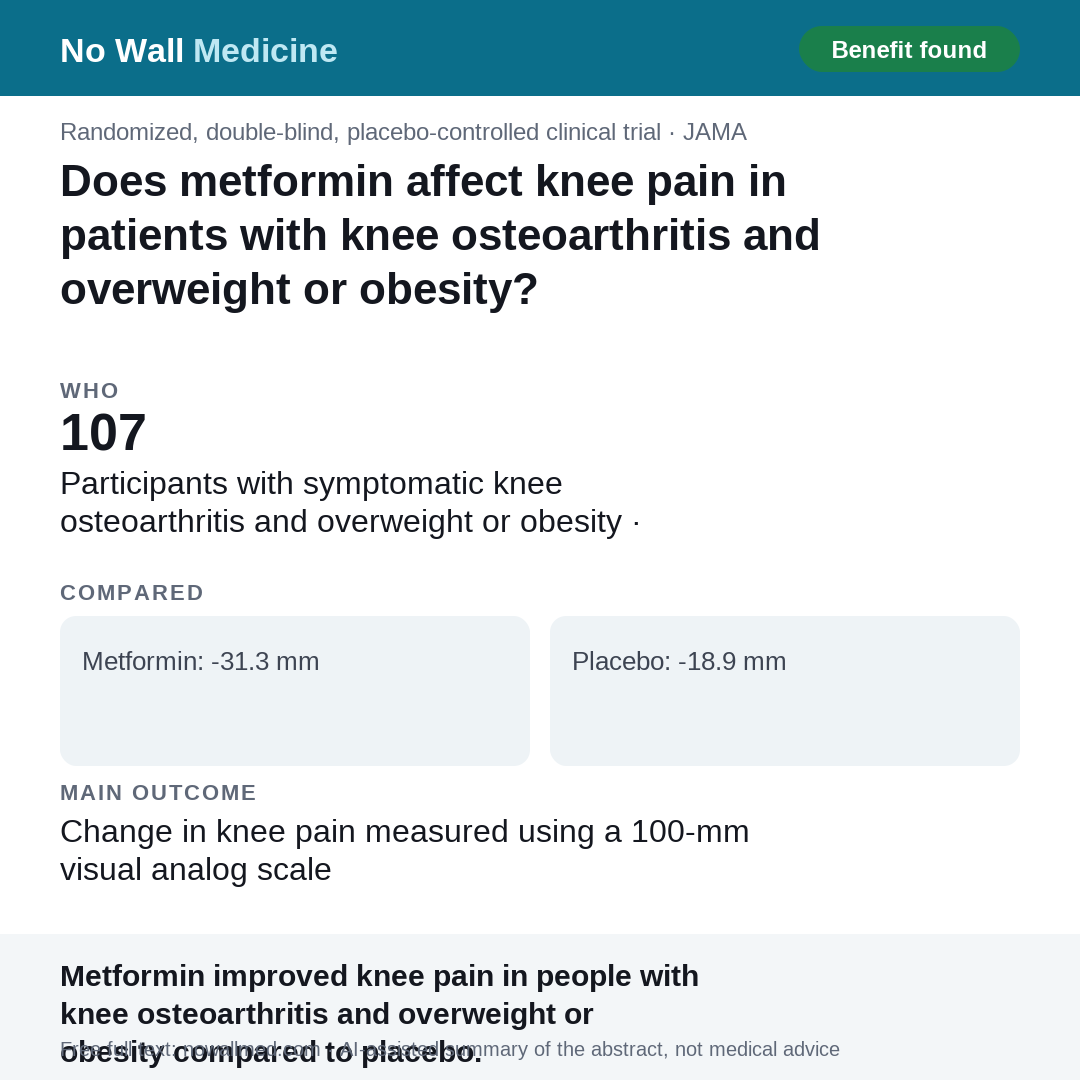
Metformin for Knee Osteoarthritis in Patients With Overweight or Obesity: A Randomized Clinical Trial
Randomized, double-blind, placebo-controlled clinical trialBenefit found
Does metformin affect knee pain in patients with knee osteoarthritis and overweight or obesity?
Who
107
Participants with symptomatic knee osteoarthritis and overweight or obesity · Victoria, Australia
Compared
Metformin: -31.3 mm
Placebo: -18.9 mm
Main outcome
Change in knee pain measured using a 100-mm visual analog scale
Result: standardized mean difference 0.43 (95% CI, 0.02-0.83)
Bottom line: Metformin improved knee pain in people with knee osteoarthritis and overweight or obesity compared to placebo.
JAMA · 2025-04-25Download image
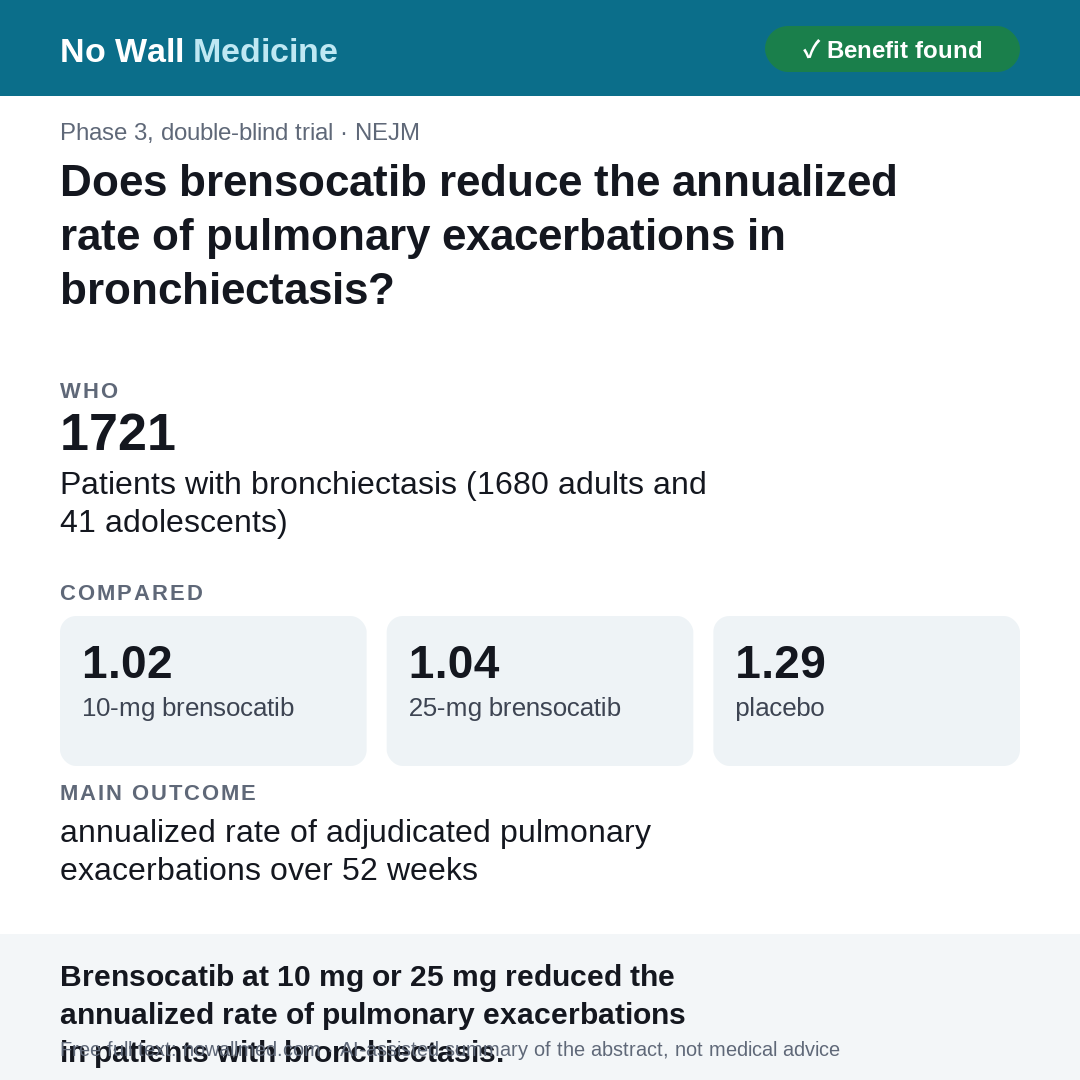
Phase 3 Trial of the DPP-1 Inhibitor Brensocatib in Bronchiectasis
Phase 3, double-blind trialBenefit found
Does brensocatib reduce the annualized rate of pulmonary exacerbations in bronchiectasis?
Who
1721
Patients with bronchiectasis (1680 adults and 41 adolescents)
Compared
1.0210-mg brensocatib
1.0425-mg brensocatib
1.29placebo
Main outcome
annualized rate of adjudicated pulmonary exacerbations over 52 weeks
Result: rate ratio 0.79 (95% CI 0.68 to 0.92) for 10-mg dose
Bottom line: Brensocatib at 10 mg or 25 mg reduced the annualized rate of pulmonary exacerbations in patients with bronchiectasis.
Funded by: Insmed
NEJM · 2025-04-23Download image
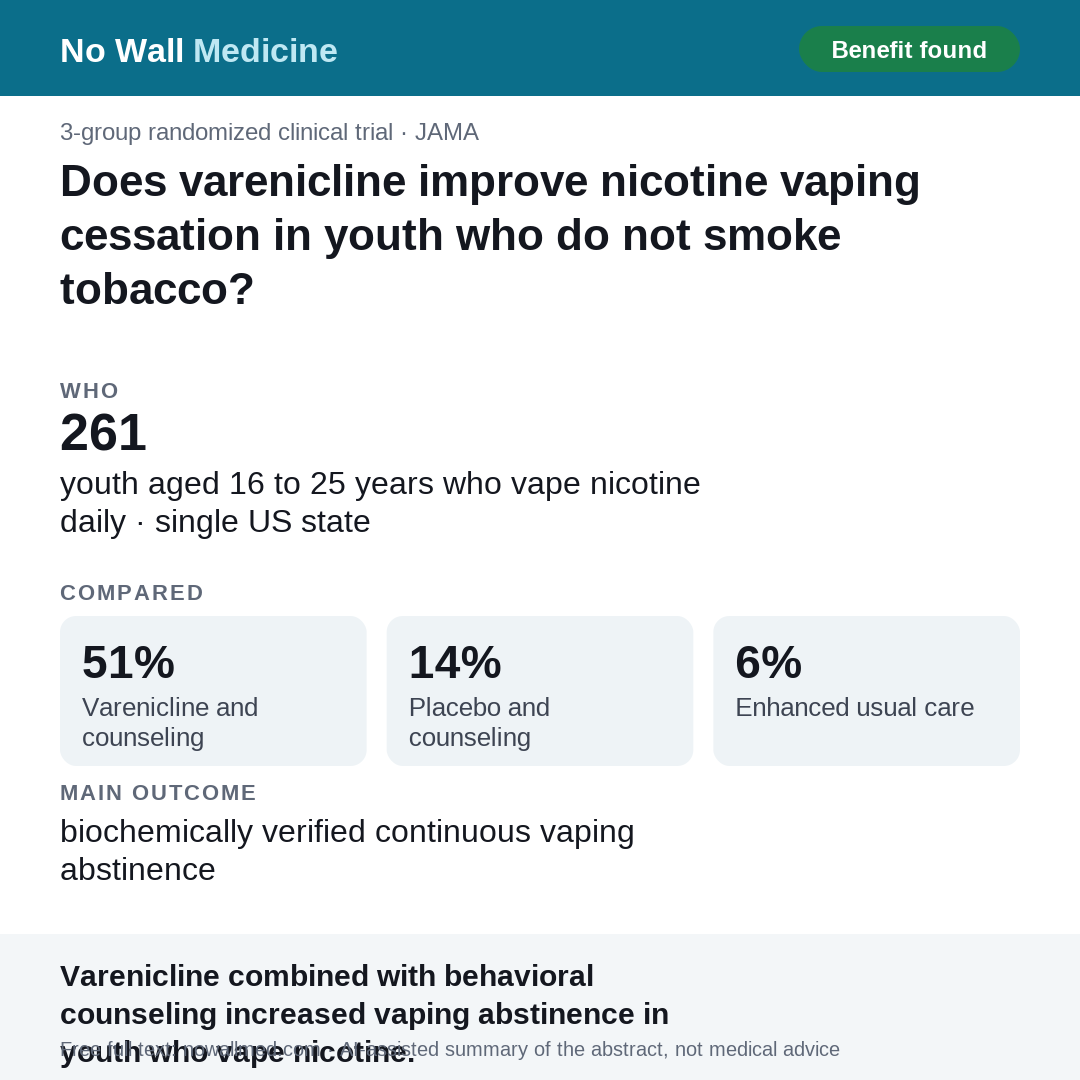
Varenicline for Youth Nicotine Vaping Cessation: A Randomized Clinical Trial
3-group randomized clinical trialBenefit found
Does varenicline improve nicotine vaping cessation in youth who do not smoke tobacco?
Who
261
youth aged 16 to 25 years who vape nicotine daily · single US state
Compared
51%Varenicline and counseling (weeks 9-12)
14%Placebo and counseling (weeks 9-12)
6%Enhanced usual care (weeks 9-12)
Main outcome
biochemically verified continuous vaping abstinence
Result: adjusted odds ratio 6.5 (95% CI 3.0 to 14.1)
Bottom line: Varenicline combined with behavioral counseling increased vaping abstinence in youth who vape nicotine.
JAMA · 2025-04-23Download image
Cognitive behavioral therapy skills via a smartphone app for subthreshold depression among adults in the community: the RESiLIENT randomized controlled trial
Master randomized controlled trialBenefit found
Are cognitive behavioral therapy skills via a smartphone app effective for subthreshold depression?
Who
3936
Adults with subthreshold depression in the community
Compared
Cognitive behavioral therapy skills: effect sizes ranging between -0.67 (95% confidence interval: -0.81 to -0.53) and -0.16 (-0.30 to -0.02)
Control conditions
Main outcome
Changes in depressive symptom severity from baseline to week 6
Result: -0.67 (95% confidence interval: -0.81 to -0.53) to -0.16 (-0.30 to -0.02)
Bottom line: Smartphone-delivered cognitive behavioral therapy skills significantly reduced depressive symptom severity compared to control conditions.
Nat Med · 2025-04-23Download image

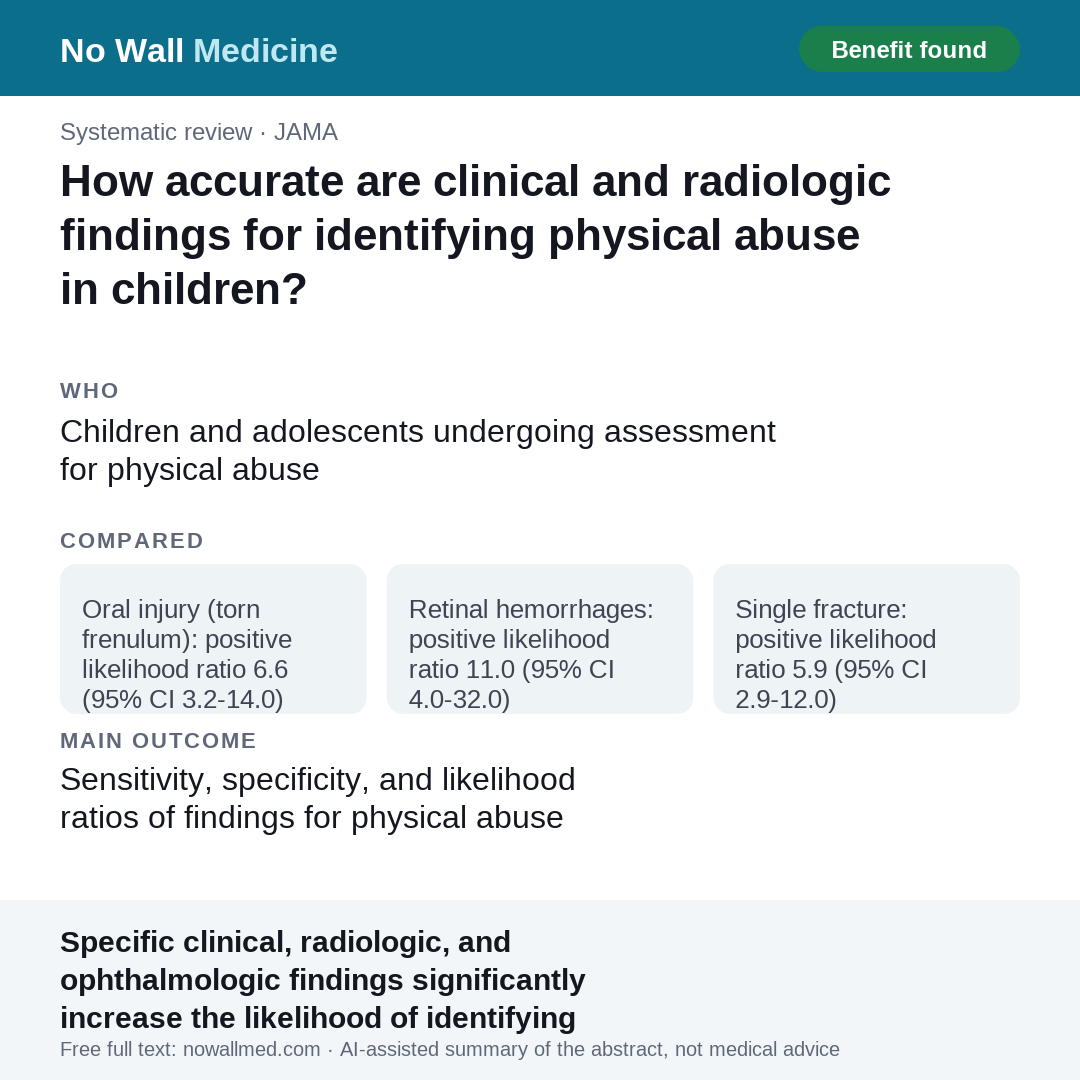
Has This Child Experienced Physical Abuse?: The Rational Clinical Examination Systematic Review
Systematic reviewBenefit found
How accurate are clinical and radiologic findings for identifying physical abuse in children?
Who
Children and adolescents undergoing assessment for physical abuse
Compared
Oral injury (torn frenulum): positive likelihood ratio 6.6 (95% CI 3.2-14.0)
Retinal hemorrhages: positive likelihood ratio 11.0 (95% CI 4.0-32.0)
Single fracture: positive likelihood ratio 5.9 (95% CI 2.9-12.0)
Main outcome
Sensitivity, specificity, and likelihood ratios of findings for physical abuse
Bottom line: Specific clinical, radiologic, and ophthalmologic findings significantly increase the likelihood of identifying physical abuse in children.
JAMA · 2025-04-21Download image
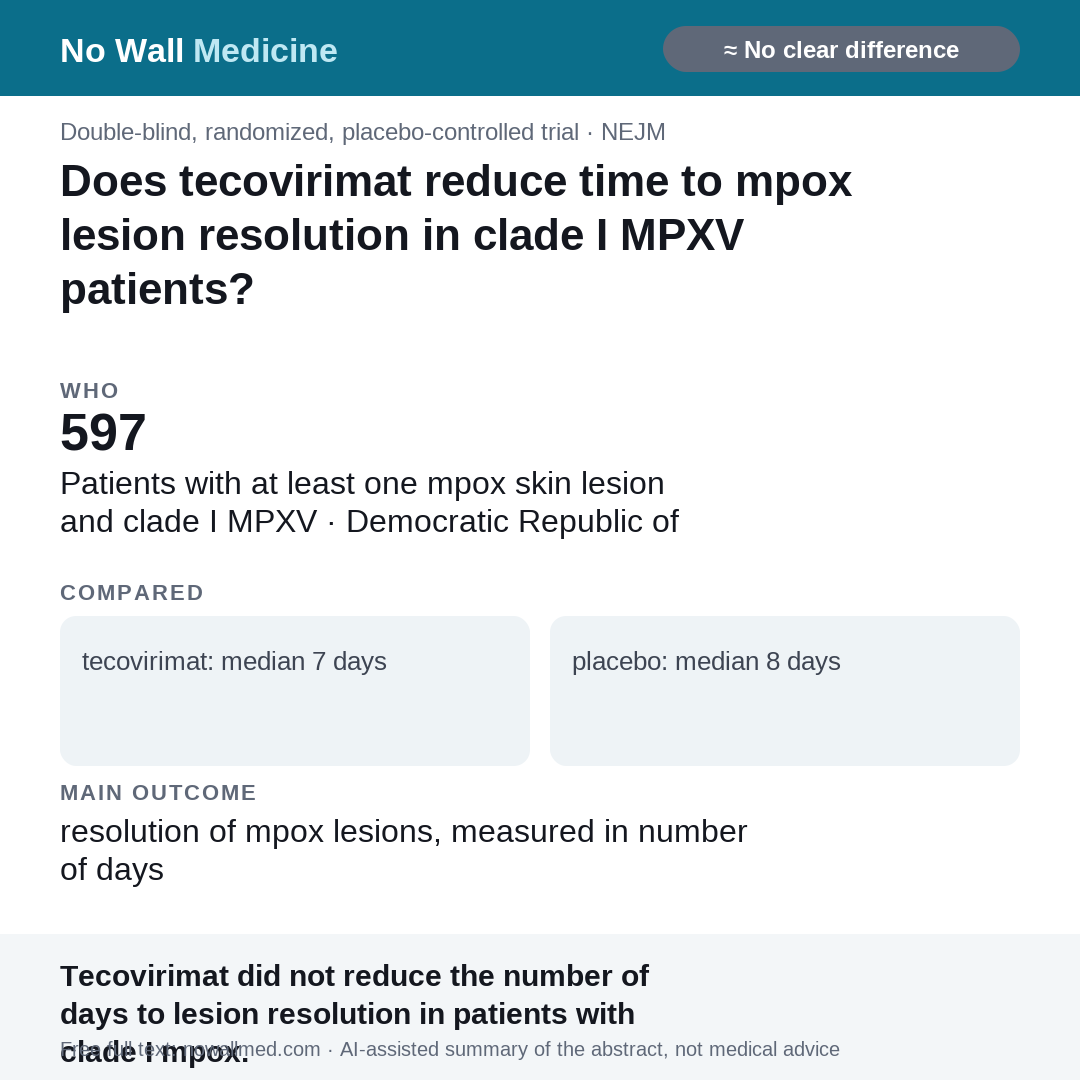
Tecovirimat for Clade I MPXV Infection in the Democratic Republic of Congo
Double-blind, randomized, placebo-controlled trialNo clear difference
Does tecovirimat reduce time to mpox lesion resolution in clade I MPXV patients?
Who
597
Patients with at least one mpox skin lesion and clade I MPXV · Democratic Republic of Congo
Compared
tecovirimat: median 7 days
placebo: median 8 days
Main outcome
resolution of mpox lesions, measured in number of days
Result: competing-risks hazard ratio 1.13 (95% CI 0.97 to 1.31)
Bottom line: Tecovirimat did not reduce the number of days to lesion resolution in patients with clade I mpox.
Funded by: National Institute of Allergy and Infectious Diseases and others
NEJM · 2025-04-16Download image
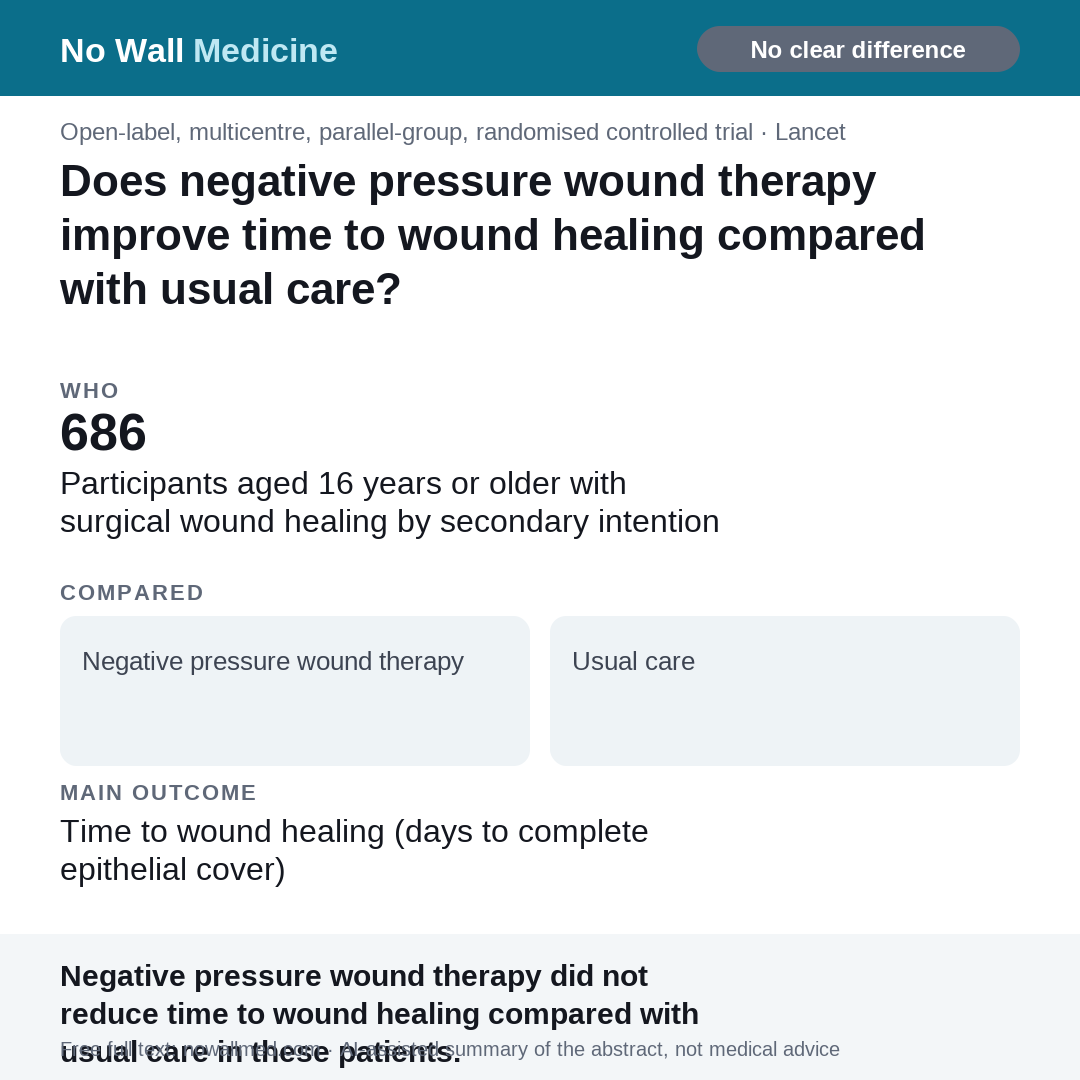
Negative pressure wound therapy versus usual care in patients with surgical wound healing by secondary intention in the UK (SWHSI-2): an open-label, multicentre, parallel-group, randomised controlled trial
Open-label, multicentre, parallel-group, randomised controlled trialNo clear difference
Does negative pressure wound therapy improve time to wound healing compared with usual care?
Who
686
Participants aged 16 years or older with surgical wound healing by secondary intention · 29 United Kingdom National Health Service Trusts
Compared
Negative pressure wound therapy
Usual care
Main outcome
Time to wound healing (days to complete epithelial cover)
Result: hazard ratio 1·08 (95% CI 0·88-1·32)
Bottom line: Negative pressure wound therapy did not reduce time to wound healing compared with usual care in these patients.
Funded by: National Institute for Health Research Health Technology Assessment Programme
Lancet · 2025-04-15Download image
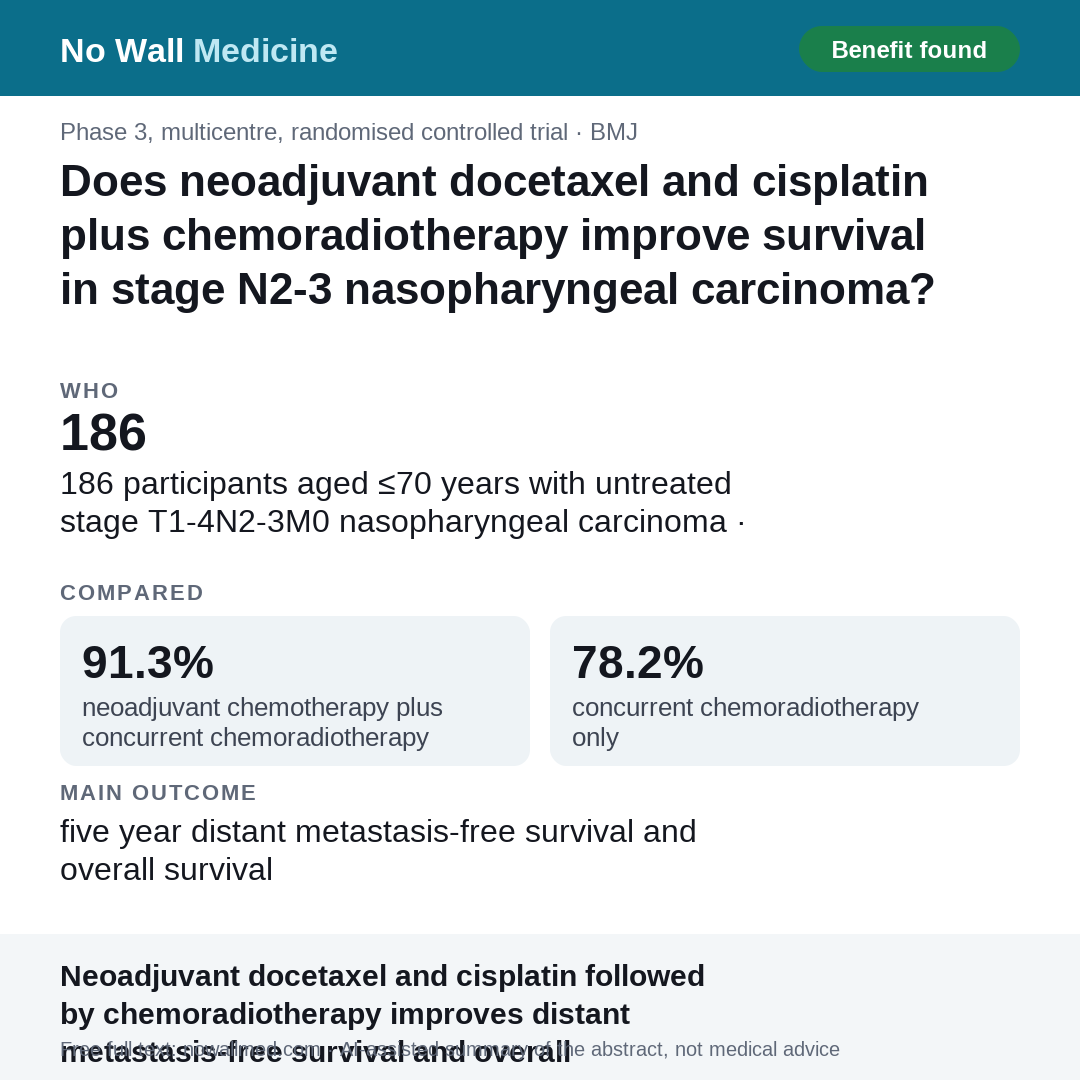
Four cycles of docetaxel plus cisplatin as neoadjuvant chemotherapy followed by concurrent chemoradiotherapy in stage N2-3 nasopharyngeal carcinoma: phase 3 multicentre randomised controlled trial
Phase 3, multicentre, randomised controlled trialBenefit found
Does neoadjuvant docetaxel and cisplatin plus chemoradiotherapy improve survival in stage N2-3 nasopharyngeal carcinoma?
Who
186
186 participants aged ≤70 years with untreated stage T1-4N2-3M0 nasopharyngeal carcinoma · Six sites in China
Compared
91.3%neoadjuvant chemotherapy plus concurrent chemoradiotherapy (95% CI 85.4% to 97.2%)
78.2%concurrent chemoradiotherapy only (69.8% to 86.6%)
Main outcome
five year distant metastasis-free survival and overall survival
Result: hazard ratio 0.41 (95% CI 0.19 to 0.87)
Bottom line: Neoadjuvant docetaxel and cisplatin followed by chemoradiotherapy improves distant metastasis-free survival and overall survival in N2-3 nasopharyngeal carcinoma.
BMJ · 2025-04-15Download image
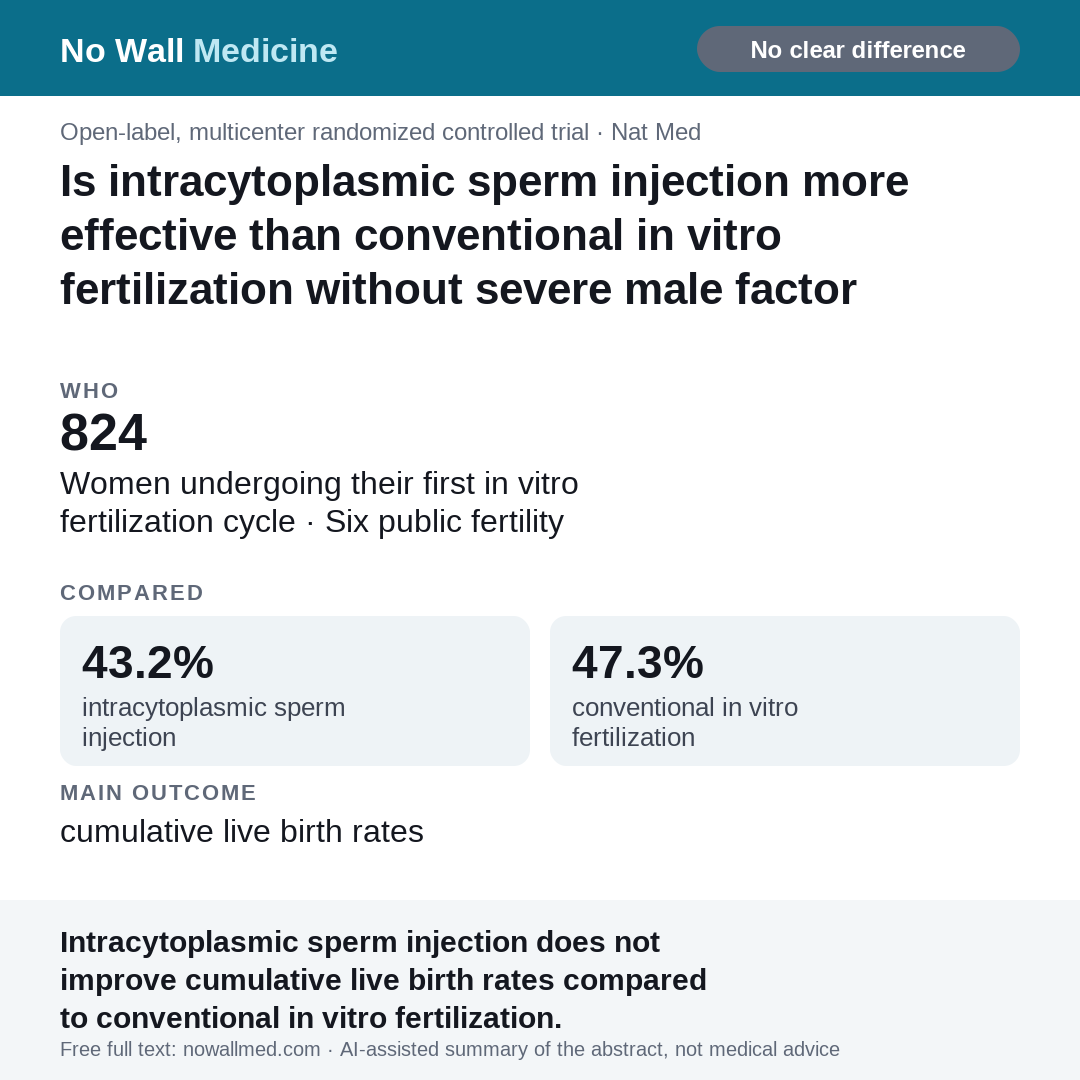
IVF versus ICSI in patients without severe male factor infertility: a randomized clinical trial
Open-label, multicenter randomized controlled trialNo clear difference
Is intracytoplasmic sperm injection more effective than conventional in vitro fertilization without severe male factor infertility?
Who
824
Women undergoing their first in vitro fertilization cycle · Six public fertility clinics in Denmark
Compared
43.2%intracytoplasmic sperm injection (179/414)
47.3%conventional in vitro fertilization (193/408)
Main outcome
cumulative live birth rates
Result: risk ratio 0.91 (95% confidence interval, 0.79-1.06)
Bottom line: Intracytoplasmic sperm injection does not improve cumulative live birth rates compared to conventional in vitro fertilization.
Nat Med · 2025-04-11Download image
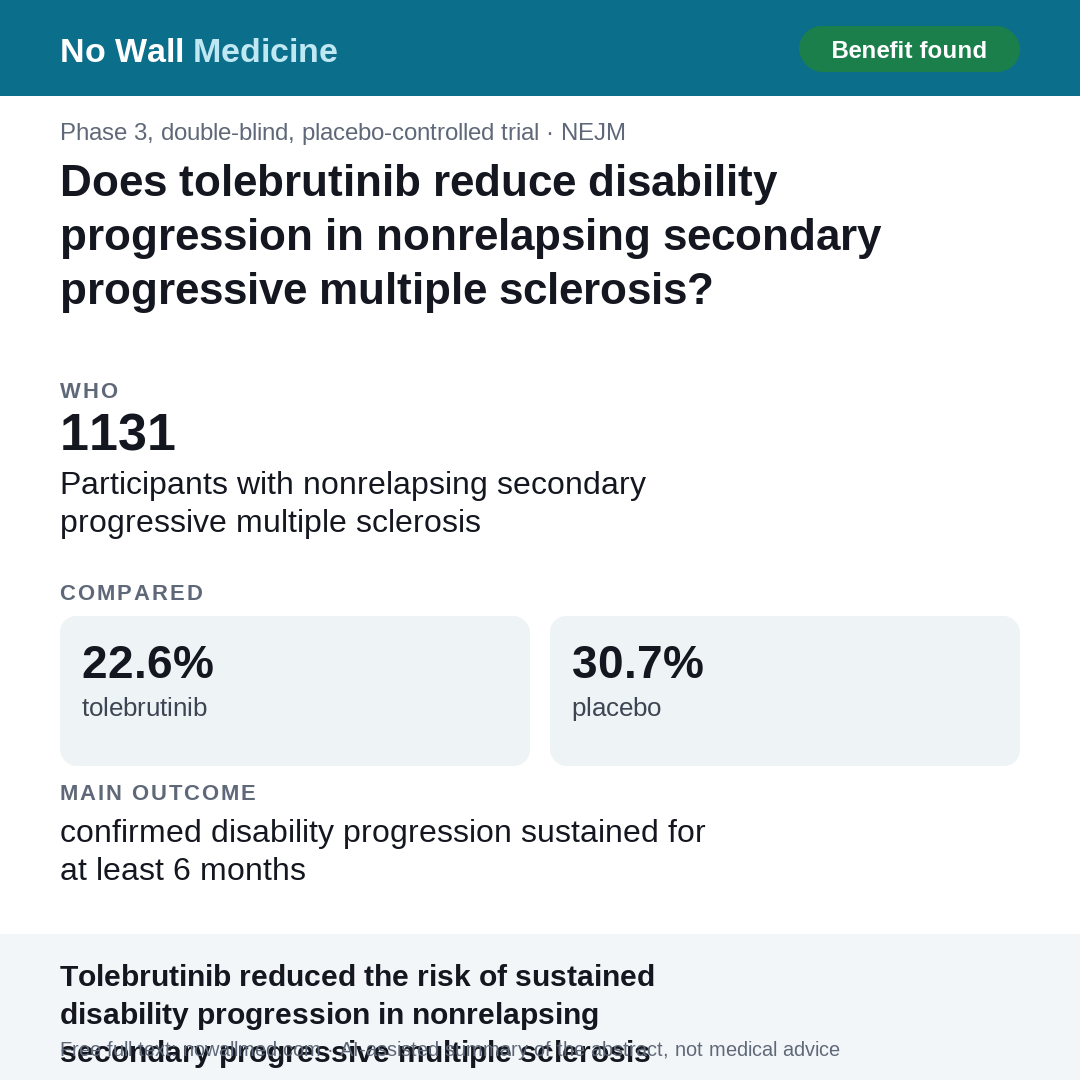
Tolebrutinib in Nonrelapsing Secondary Progressive Multiple Sclerosis
Phase 3, double-blind, placebo-controlled trialBenefit found
Does tolebrutinib reduce disability progression in nonrelapsing secondary progressive multiple sclerosis?
Who
1131
Participants with nonrelapsing secondary progressive multiple sclerosis
Compared
22.6%tolebrutinib
30.7%placebo
Main outcome
confirmed disability progression sustained for at least 6 months
Result: hazard ratio 0.69 (95% CI 0.55 to 0.88)
Bottom line: Tolebrutinib reduced the risk of sustained disability progression in nonrelapsing secondary progressive multiple sclerosis compared to placebo.
Funded by: Sanofi
NEJM · 2025-04-08Download image