Visual abstracts
New randomized trials and meta-analyses from leading journals at a glance: who was studied, what was compared, and what was found. Every paper is free to read in full.
All specialtiesCardiology 3180Oncology 2710Gastroenterology & Hepatology 1242Infectious Disease 2122Neurology 1272Psychiatry & Mental Health 1510Pulmonology 1338Critical Care 892Endocrinology & Diabetes 1601Pediatrics 1897Surgery 1689Orthopedics & Sports Medicine 567Neurosurgery 375Cardiothoracic & Vascular Surgery 371Plastic & Reconstructive Surgery 457Nephrology 671Rheumatology 496Hematology 705Dermatology 383Ophthalmology 353Obstetrics & Gynecology 1058Public & Global Health 599Radiology & Imaging 450Anesthesiology 654Urology 542ENT (Otolaryngology) 349Emergency Medicine 351Allergy & Immunology 198Geriatrics 667Family Medicine & Primary Care 363Medical Genetics & Genomics 385Pathology & Laboratory Medicine 105Physical Medicine & Rehabilitation 501Palliative Care 280Nutrition 905Digital Health & AI 1521General Medicine 221
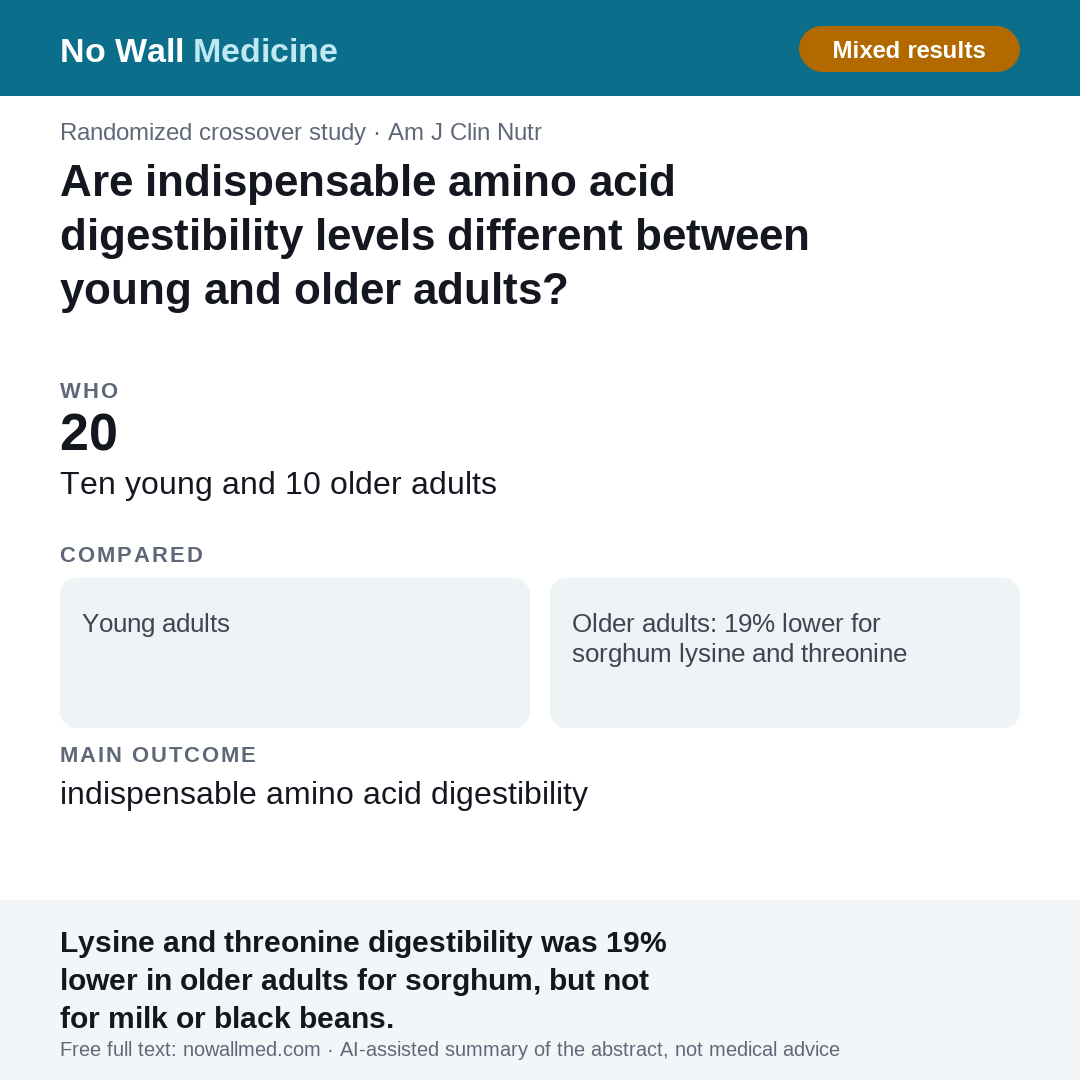
Differences in amino acid digestibility between young and older adults: a randomized crossover study using the dual tracer method
Randomized crossover studyMixed results
Are indispensable amino acid digestibility levels different between young and older adults?
Who
20
Ten young and 10 older adults
Compared
Young adults
Older adults: 19% lower for sorghum lysine and threonine
Main outcome
indispensable amino acid digestibility
Bottom line: Lysine and threonine digestibility was 19% lower in older adults for sorghum, but not for milk or black beans.
Am J Clin Nutr · 2026-05-19Download image
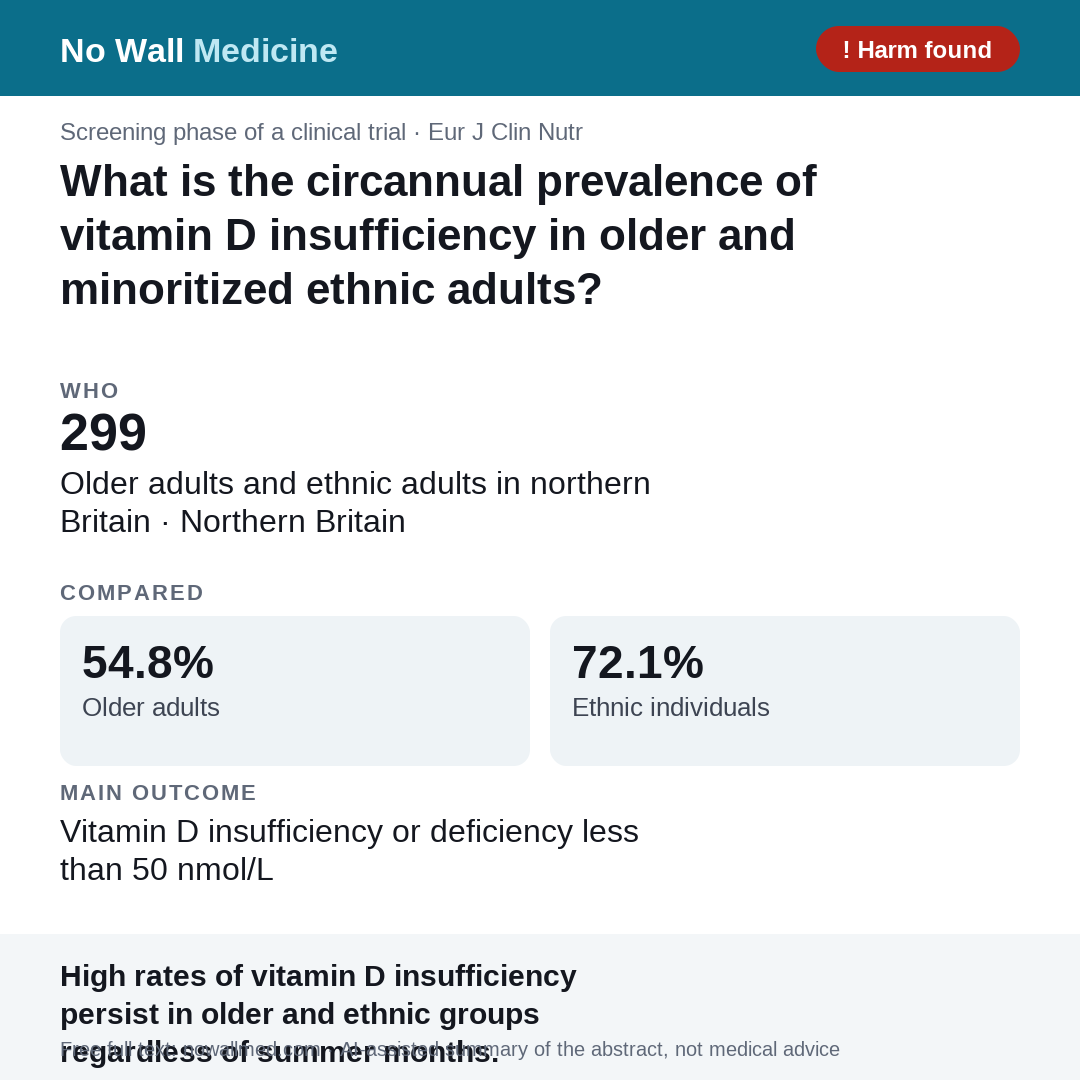
Circannual prevalence of vitamin D insufficiency in older and minoritized ethnic adults in Northern Britain: screening outcomes from a clinical trial
Screening phase of a clinical trialHarm found
What is the circannual prevalence of vitamin D insufficiency in older and minoritized ethnic adults?
Who
299
Older adults and ethnic adults in northern Britain · Northern Britain
Compared
54.8%Older adults
72.1%Ethnic individuals
Main outcome
Vitamin D insufficiency or deficiency less than 50 nmol/L
Bottom line: High rates of vitamin D insufficiency persist in older and ethnic groups regardless of summer months.
Eur J Clin Nutr · 2026-05-19Download image
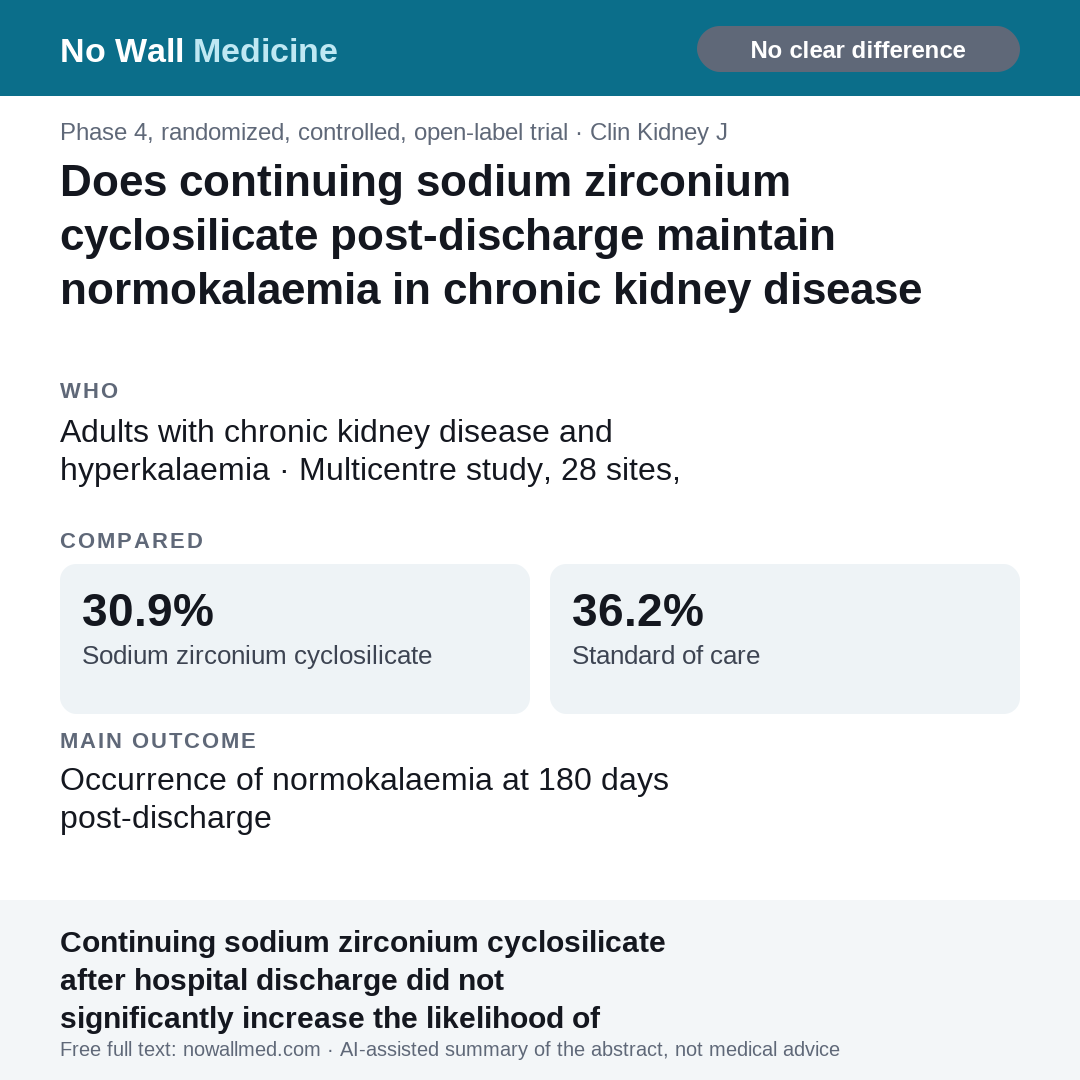
Sodium zirconium cyclosilicate post hospital discharge to prevent hyperkalaemia: phase 4, randomized CONTINUITY trial
Phase 4, randomized, controlled, open-label trialNo clear difference
Does continuing sodium zirconium cyclosilicate post-discharge maintain normokalaemia in chronic kidney disease patients?
Who
Adults with chronic kidney disease and hyperkalaemia · Multicentre study, 28 sites, six European countries
Compared
30.9%Sodium zirconium cyclosilicate
36.2%Standard of care
Main outcome
Occurrence of normokalaemia at 180 days post-discharge
Result: odds ratio 0.81 (95% CI 0.39-1.66)
Bottom line: Continuing sodium zirconium cyclosilicate after hospital discharge did not significantly increase the likelihood of maintaining normokalaemia.
Limitation: High and imbalanced levels of missing serum potassium measurements at 180 days.
Clin Kidney J · 2026-05-19Download image
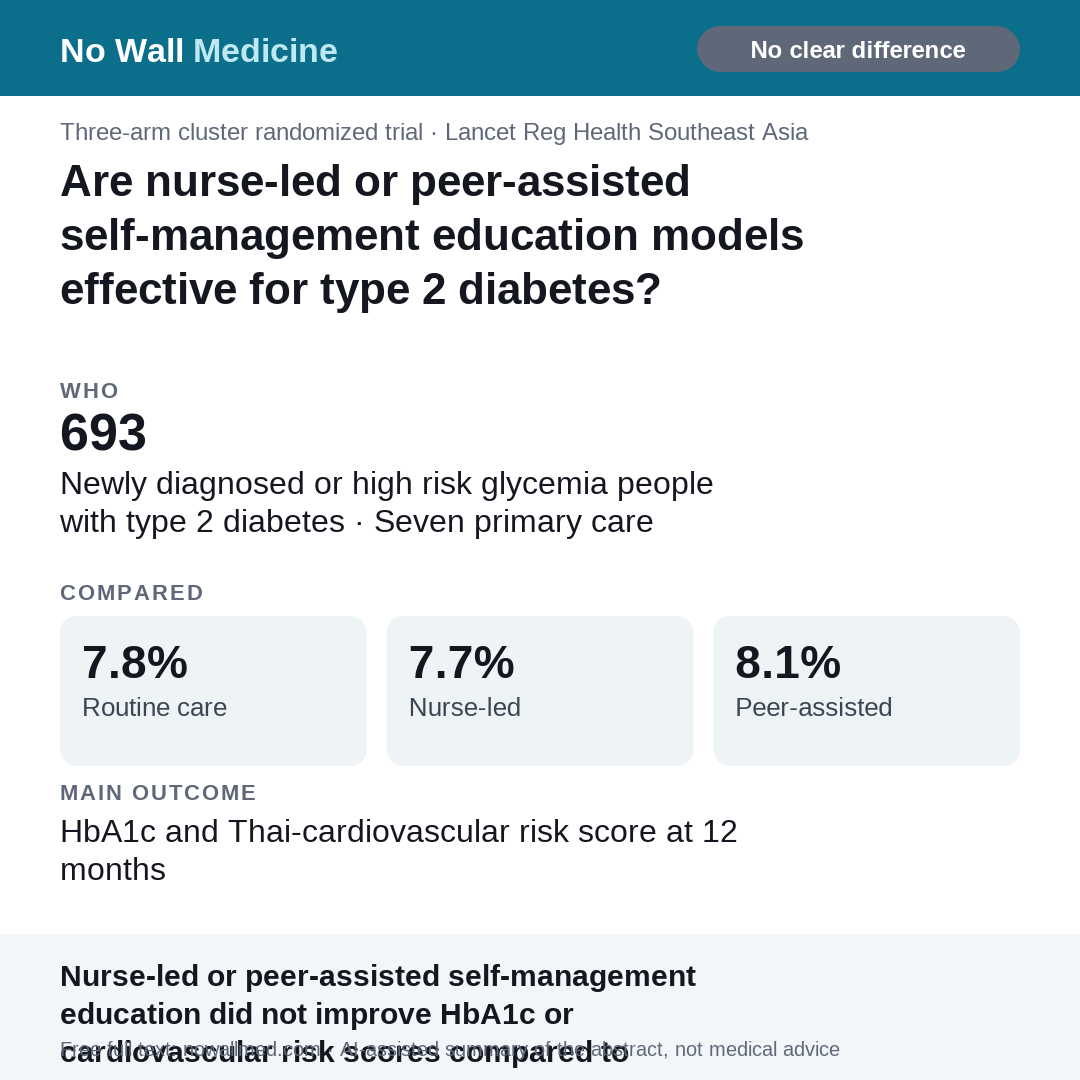
Self-management education and support for type 2 diabetes in Thailand: a cluster randomized trial (2019-2021)
Three-arm cluster randomized trialNo clear difference
Are nurse-led or peer-assisted self-management education models effective for type 2 diabetes?
Who
693
Newly diagnosed or high risk glycemia people with type 2 diabetes · Seven primary care units in Thailand
Compared
7.8%Routine care (SD 1.6)
7.7%Nurse-led (SD 1.3)
8.1%Peer-assisted (SD 1.6)
Main outcome
HbA1c and Thai-cardiovascular risk score at 12 months
Result: HbA1c difference: -0.1% (-0.4 to 0.1) and 0.1% (-0.2 to 0.5)
Bottom line: Nurse-led or peer-assisted self-management education did not improve HbA1c or cardiovascular risk scores compared to routine care.
Funded by: UK Medical Research Council and Thailand Research Fund
Lancet Reg Health Southeast Asia · 2026-05-19Download image
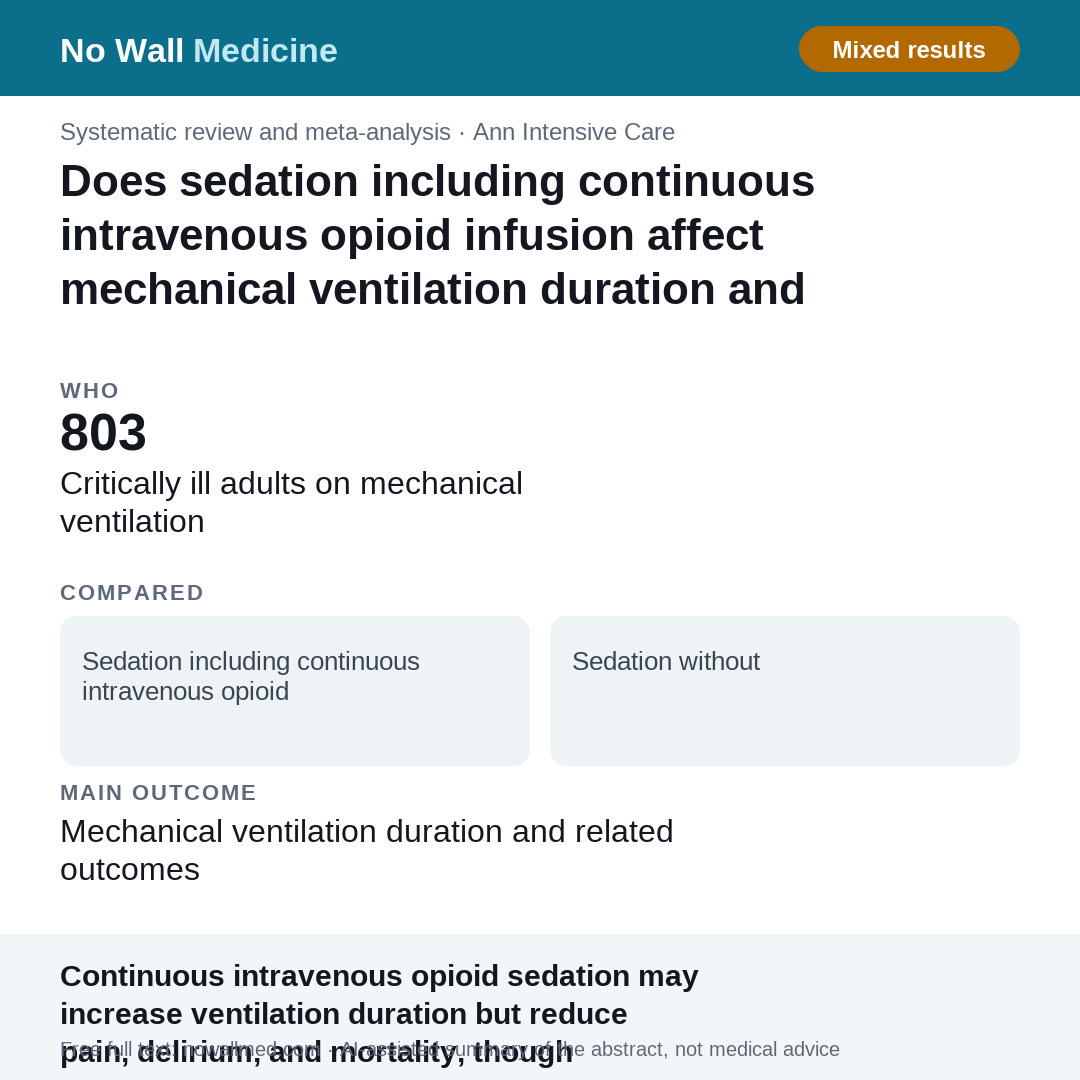
Association between opioid infusion use and duration of mechanical ventilation and related outcomes in critically ill adults: a systematic review and meta-analysis
Systematic review and meta-analysisMixed results
Does sedation including continuous intravenous opioid infusion affect mechanical ventilation duration and outcomes?
Who
803
Critically ill adults on mechanical ventilation
Compared
Sedation including continuous intravenous opioid
Sedation without
Main outcome
Mechanical ventilation duration and related outcomes
Result: mean difference 3.63 h (95% CI 2.27-4.99)
Bottom line: Continuous intravenous opioid sedation may increase ventilation duration but reduce pain, delirium, and mortality, though certainty remains very low.
Limitation: Risk of bias was critical for most studies.
Ann Intensive Care · 2026-05-19Download image
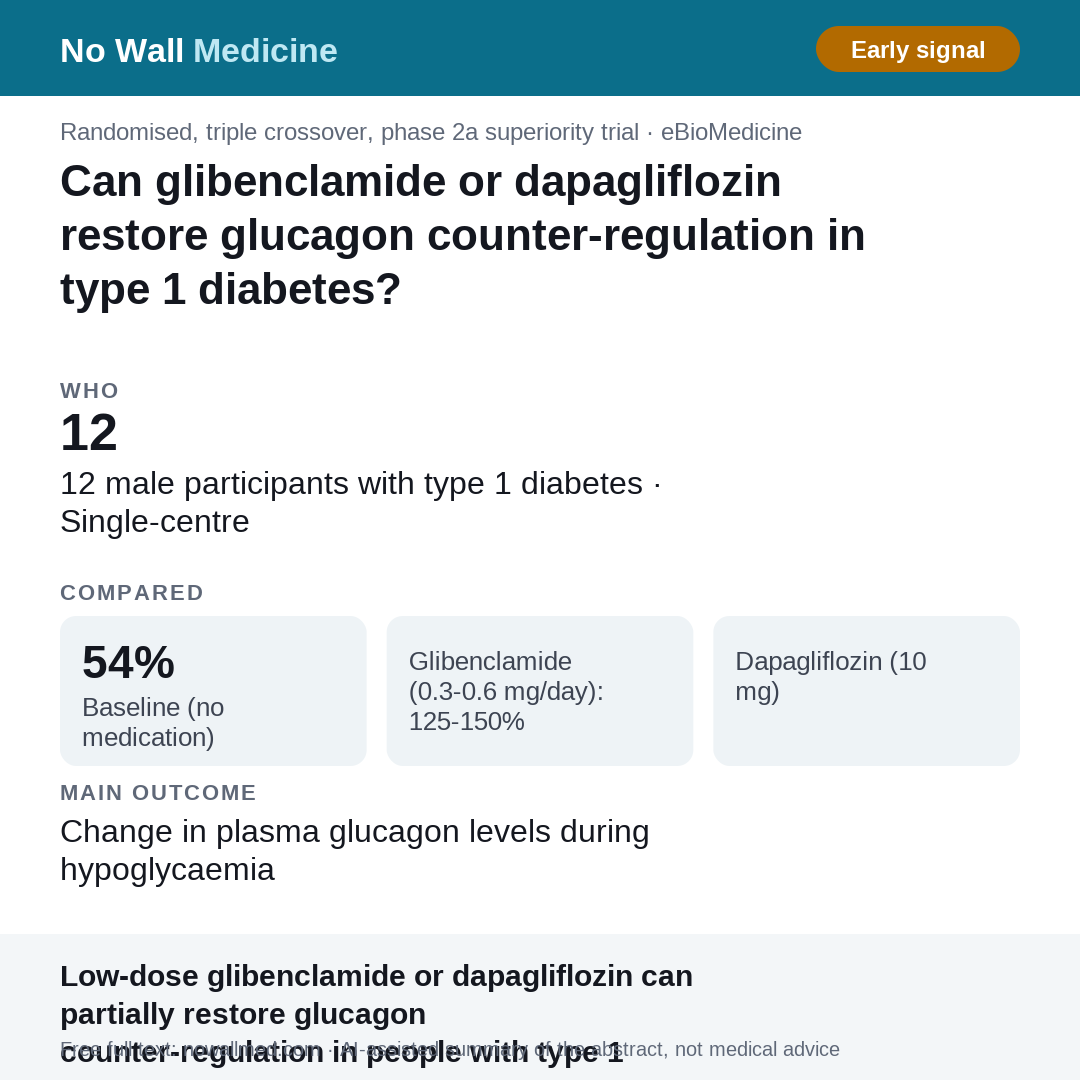
Partial restoration of counterregulatory circulating glucagon by dapagliflozin and low-dose glibenclamide in men with type 1 diabetes: in vitro studies and randomised clinical crossover trial
Randomised, triple crossover, phase 2a superiority trialBenefit found
Can glibenclamide or dapagliflozin restore glucagon counter-regulation in type 1 diabetes?
Who
12
12 male participants with type 1 diabetes · Single-centre
Compared
54%Baseline (no medication)
Glibenclamide (0.3-0.6 mg/day): 125-150%
Dapagliflozin (10 mg)
Main outcome
Change in plasma glucagon levels during hypoglycaemia
Bottom line: Low-dose glibenclamide or dapagliflozin can partially restore glucagon counter-regulation in people with type 1 diabetes.
Funded by: The Leona M. and Harry B. Helmsley Charitable Trust
eBioMedicine · 2026-05-19Download image
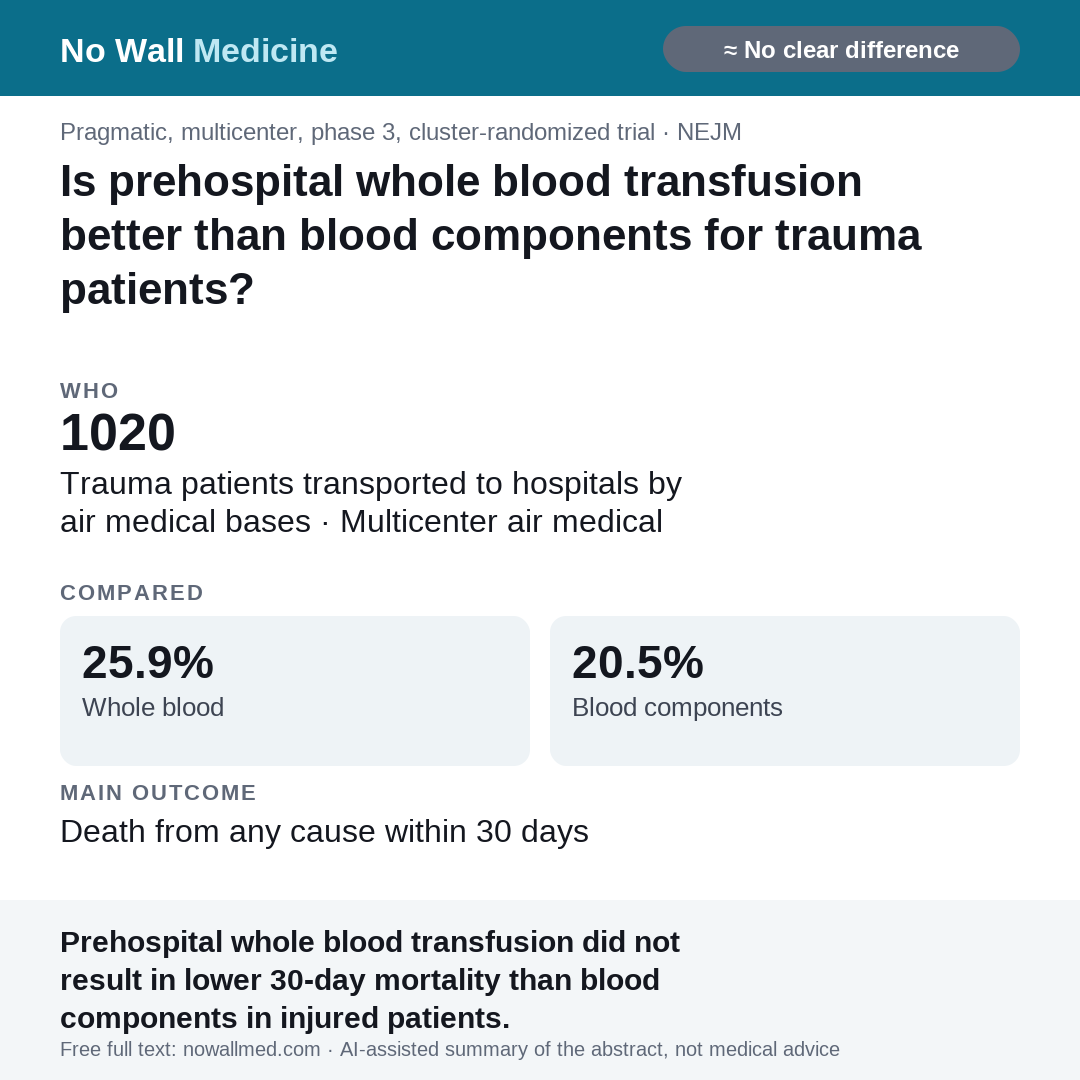
Prehospital Resuscitation with Type O Whole Blood for Trauma and Hemorrhage
Pragmatic, multicenter, phase 3, cluster-randomized trialNo clear difference
Is prehospital whole blood transfusion better than blood components for trauma patients?
Who
1020
Trauma patients transported to hospitals by air medical bases · Multicenter air medical bases
Compared
25.9%Whole blood
20.5%Blood components
Main outcome
Death from any cause within 30 days
Result: adjusted odds ratio 1.24 (95% CI 0.87 to 1.76)
Bottom line: Prehospital whole blood transfusion did not result in lower 30-day mortality than blood components in injured patients.
Funded by: Defense Health Agency Research Technology Portfolio Management
NEJM · 2026-05-18Download image
Azithromycin for Preschoolers with Wheezing in the Emergency Department
Multicenter randomized trialNo clear difference
Does azithromycin reduce wheezing symptom severity in preschoolers with moderate-to-severe wheezing?
Who
840
Preschoolers aged 18 to 59 months with moderate-to-severe wheezing · Emergency department
Compared
Azithromycin: median 9.59 [interquartile range, 7.29 to 12.60] in positive cohort
Placebo: median 9.72 [interquartile range, 7.66 to 12.17] in positive cohort
Main outcome
Asthma Flare-up Diary for Young Children scores over 5 days
Bottom line: Azithromycin did not reduce the severity of wheezing-related symptoms compared to placebo in preschoolers.
Funded by: National Heart, Lung, and Blood Institute and others
NEJM · 2026-05-18Download image
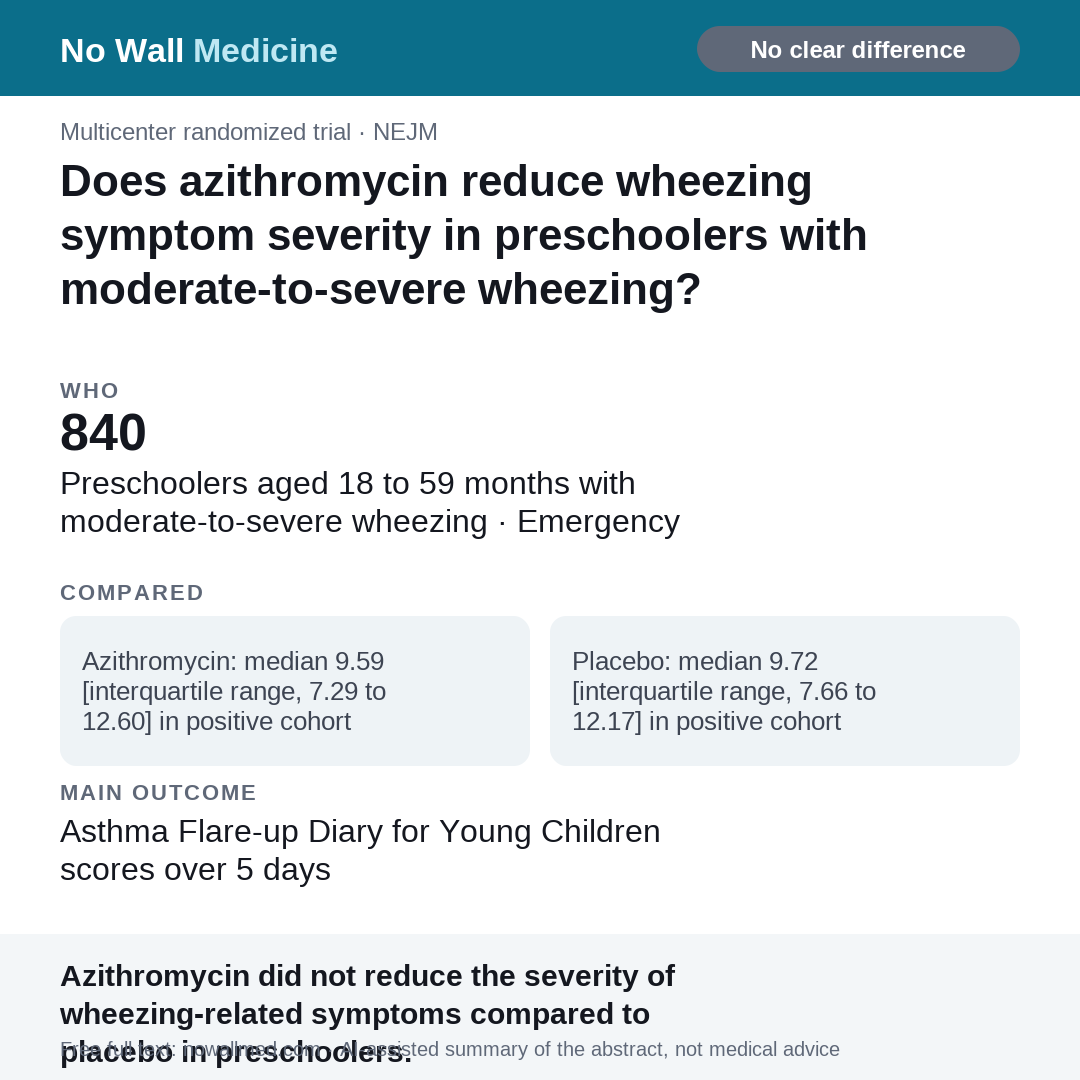
Remote Multicomponent Rehabilitation in Intensive Care Unit Survivors: A Randomized Clinical Trial
Pragmatic, multicenter, assessor-blinded, randomized clinical trialNo clear difference
Does remote multicomponent rehabilitation improve health-related quality of life in intensive care unit survivors?
Who
429
Adults discharged from hospital within 12 weeks after intensive care unit admission · 52 National Health Service hospitals in the UK
Compared
0.69Remote multicomponent rehabilitation (SD, 0.26)
0.67Standard care (SD, 0.27)
Main outcome
Health-related quality of life at 8 weeks
Result: adjusted mean difference, 0.04 (95% CI, -0.001 to 0.09)
Bottom line: A 6-week remote multicomponent rehabilitation program did not improve health-related quality of life at 8 weeks in intensive care survivors.
JAMA · 2026-05-18Download image
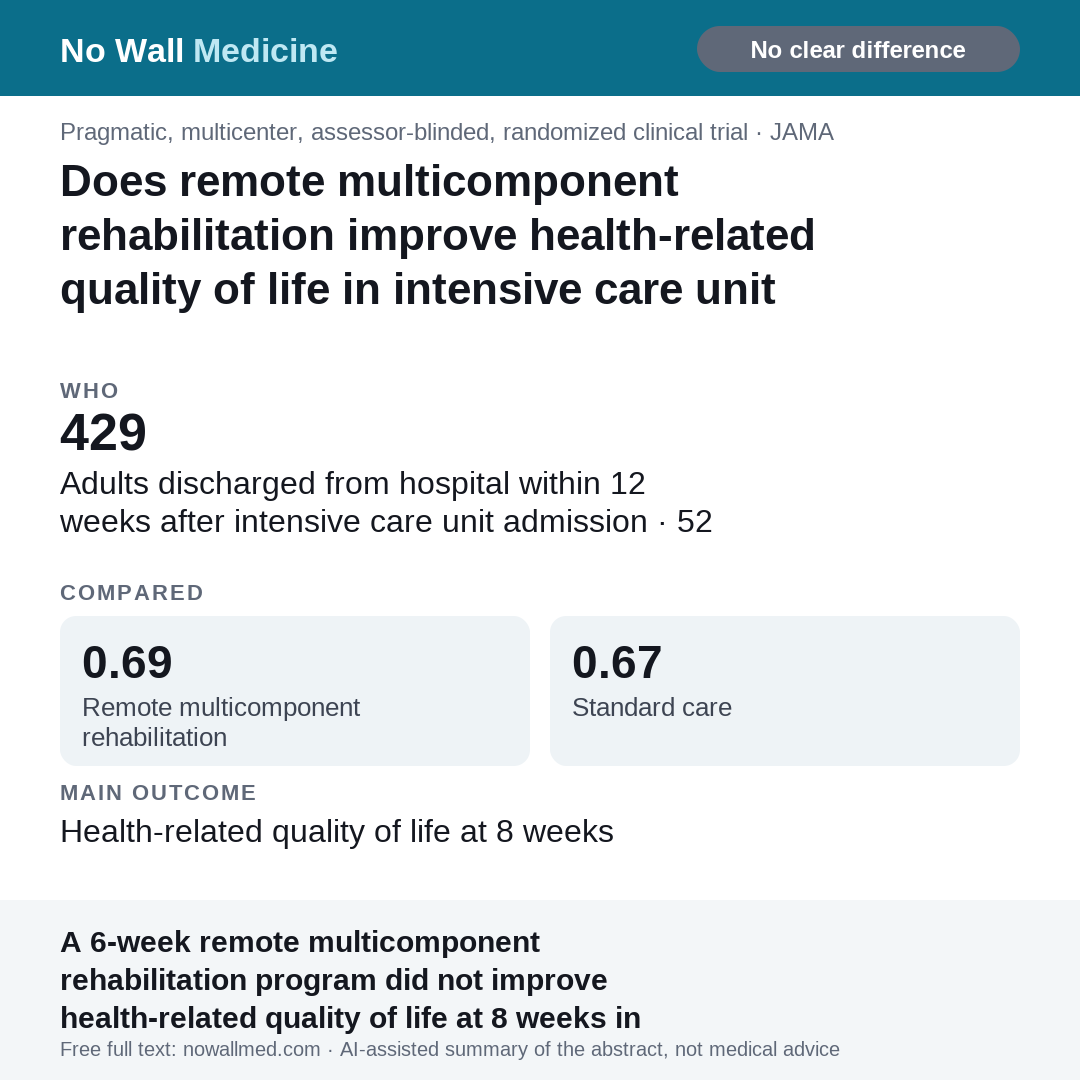
4% Tetrasodium EDTA to Prevent Central Venous Access Device-Associated Complications: A Randomized Clinical Trial
Pragmatic, triple-blind, multicenter, cluster-randomized crossover trialBenefit found
Does 4% tetrasodium EDTA locking fluid reduce central venous access device complications?
Who
1468
Adults in the intensive care unit with a central venous access device · 6 Canadian hospitals
Compared
tetrasodium EDTA: 13.1 per 1000 catheter-days
control: 19.9 per 1000 catheter-days
Main outcome
Composite incidence of infection, occlusion requiring alteplase, or removal due to occlusion
Result: rate ratio 0.68 (95% CI 0.47-0.96)
Bottom line: Using 4% tetrasodium EDTA locking solution reduced composite central venous access device complications in intensive care unit patients.
JAMA · 2026-05-18Download image
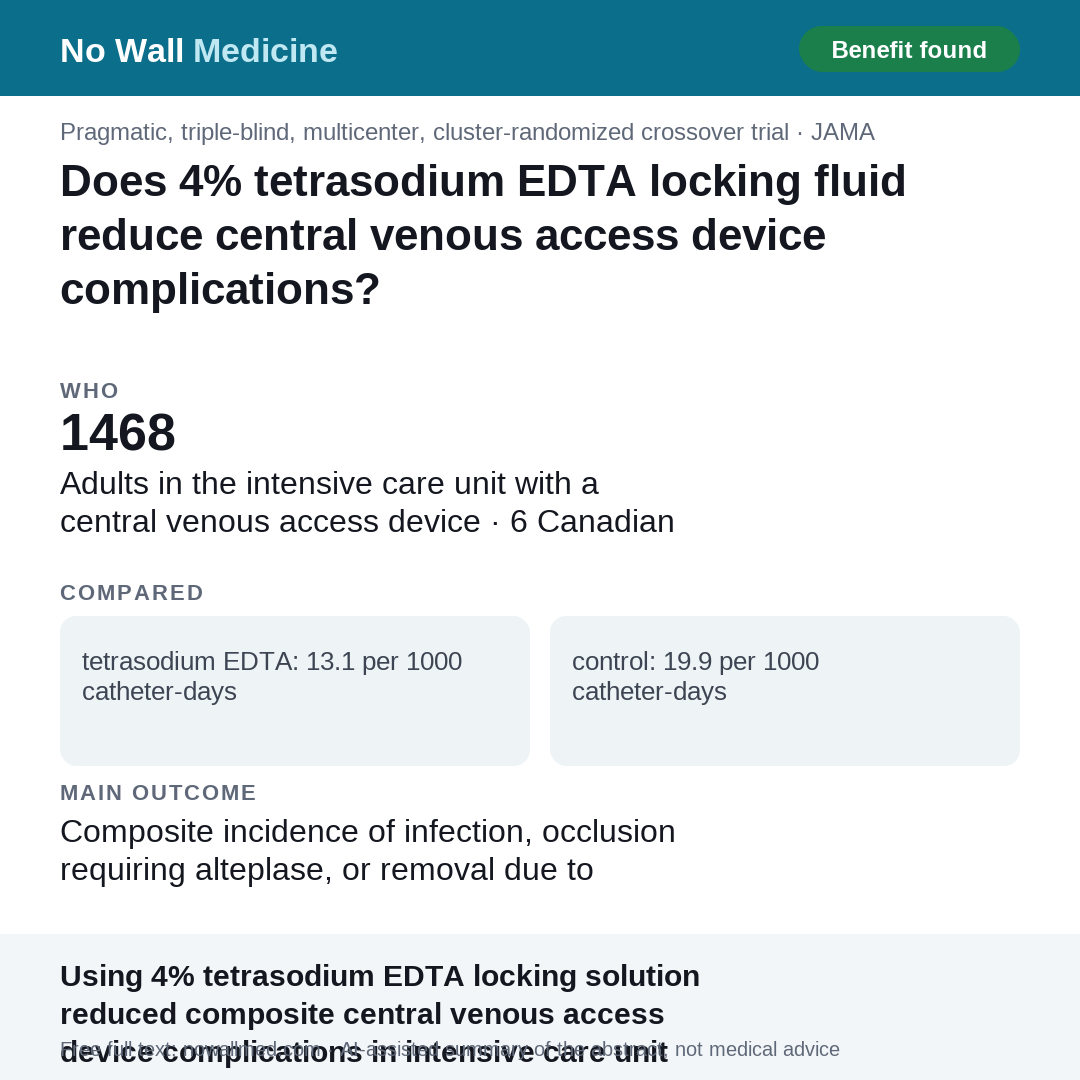
Cryobiopsy vs Forceps for Bronchoscopic Lung Biopsy: The FROSTBITE-2 Randomized Clinical Trial
Open-label, outcome assessor-masked, multicenter randomized clinical trialBenefit found
Is a 1.1-mm cryoprobe more effective than 2.0-mm forceps for transbronchial lung biopsy?
Who
500
Patients aged 18 years or older scheduled for transbronchial biopsy · 9 US medical centers
Compared
1.1-mm cryoprobe: 217 of 245 [88.6%]
2.0-mm forceps: 193 of 245 [78.8%]
Main outcome
diagnostic yield
Result: absolute difference, 9.8%; 95% CI, 3.3%-16.3%
Bottom line: Transbronchial lung biopsy with a 1.1-mm cryoprobe provided a significantly higher diagnostic yield than 2.0-mm forceps.
JAMA · 2026-05-18Download image
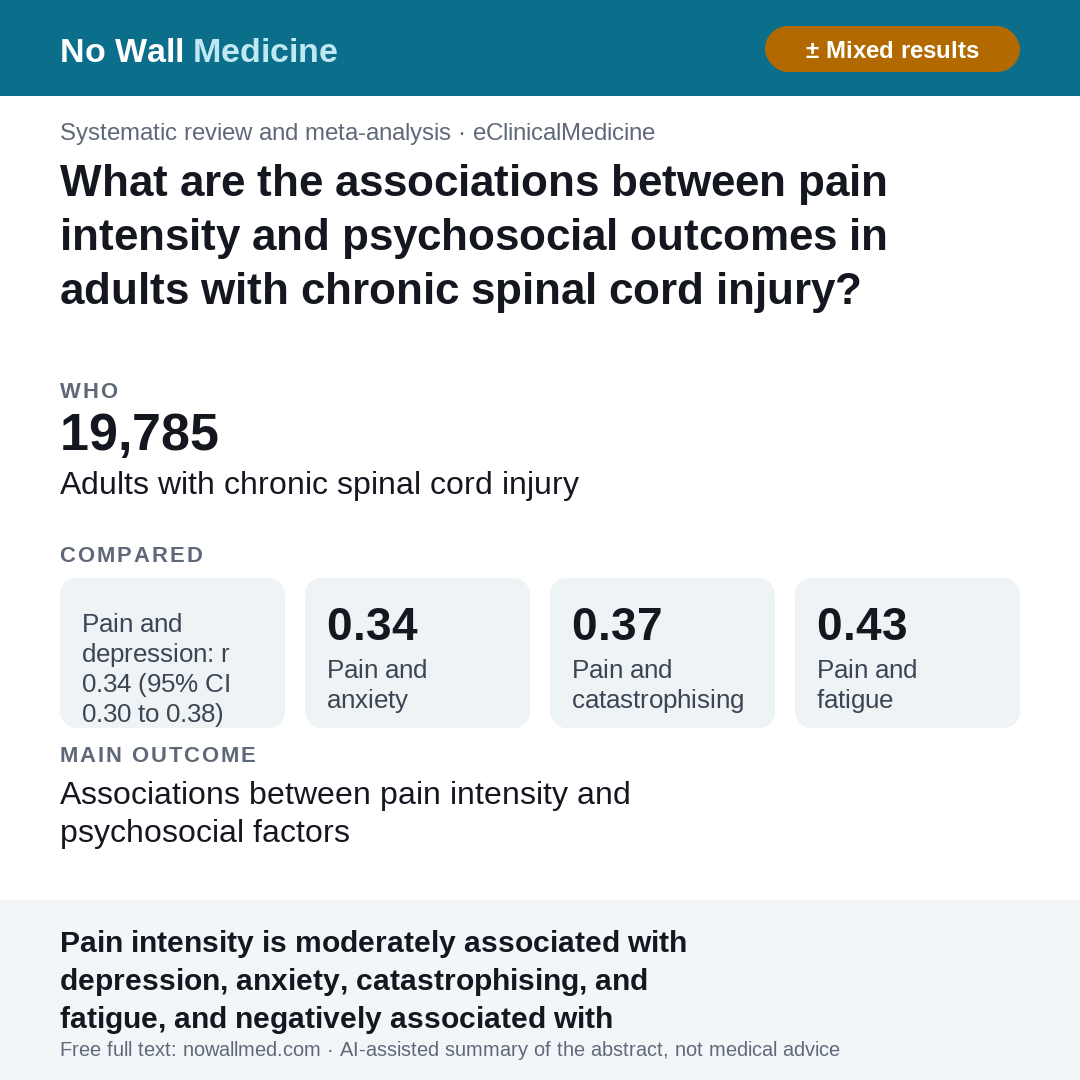
Psychosocial factors associated with pain in spinal cord injury: a systematic review and meta-analysis
Systematic review and meta-analysisMixed results
What are the associations between pain intensity and psychosocial outcomes in adults with chronic spinal cord injury?
Who
19,785
Adults with chronic spinal cord injury
Compared
Pain and depression: r 0.34 (95% CI 0.30 to 0.38)
0.34Pain and anxiety (95% CI 0.28 to 0.40)
0.37Pain and catastrophising (95% CI 0.29 to 0.44)
0.43Pain and fatigue (95% CI 0.31 to 0.53)
Main outcome
Associations between pain intensity and psychosocial factors
Bottom line: Pain intensity is moderately associated with depression, anxiety, catastrophising, and fatigue, and negatively associated with psychological health and quality of life.
Limitation: Limitations related to cross-sectional designs and heterogeneity in measures.
Funded by: Craig H. Neilsen Foundation, Rebecca L. Cooper Medical Research Foundation, and NSW Health
eClinicalMedicine · 2026-05-18Download image
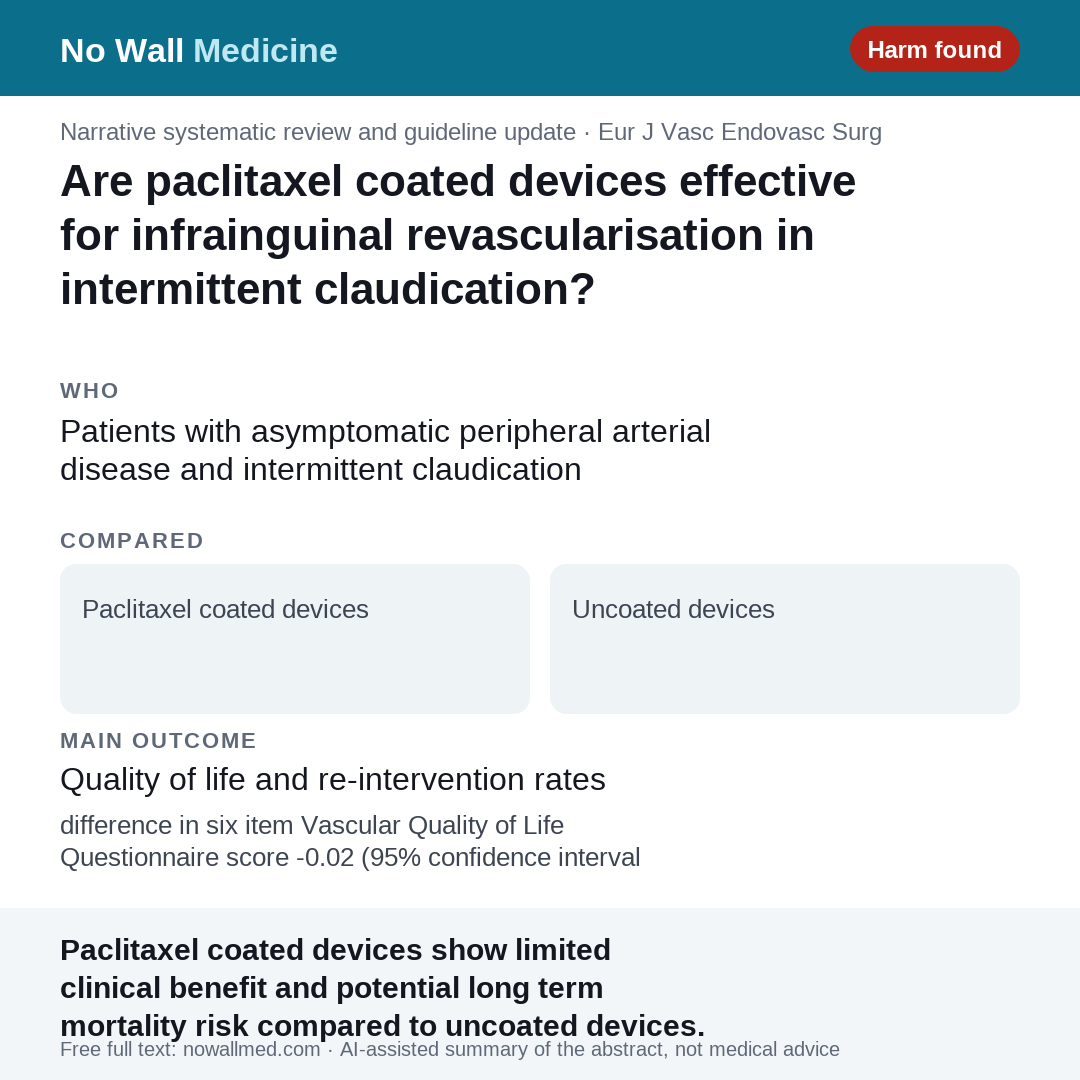
Editor's Choice - Focused Update on Paclitaxel Coated Technologies, from the 2024 European Society for Vascular Surgery (ESVS) Guidelines on the Management of Asymptomatic Peripheral Arterial Disease and Intermittent Claudication
Narrative systematic review and guideline updateHarm found
Are paclitaxel coated devices effective for infrainguinal revascularisation in intermittent claudication?
Who
Patients with asymptomatic peripheral arterial disease and intermittent claudication
Compared
Paclitaxel coated devices
Uncoated devices
Main outcome
Quality of life and re-intervention rates
Result: difference in six item Vascular Quality of Life Questionnaire score -0.02 (95% confidence interval -0.66 to 0.62)
Bottom line: Paclitaxel coated devices show limited clinical benefit and potential long term mortality risk compared to uncoated devices.
Limitation: The update is based on a narrative systematic review of existing evidence.
Eur J Vasc Endovasc Surg · 2026-05-18Download image
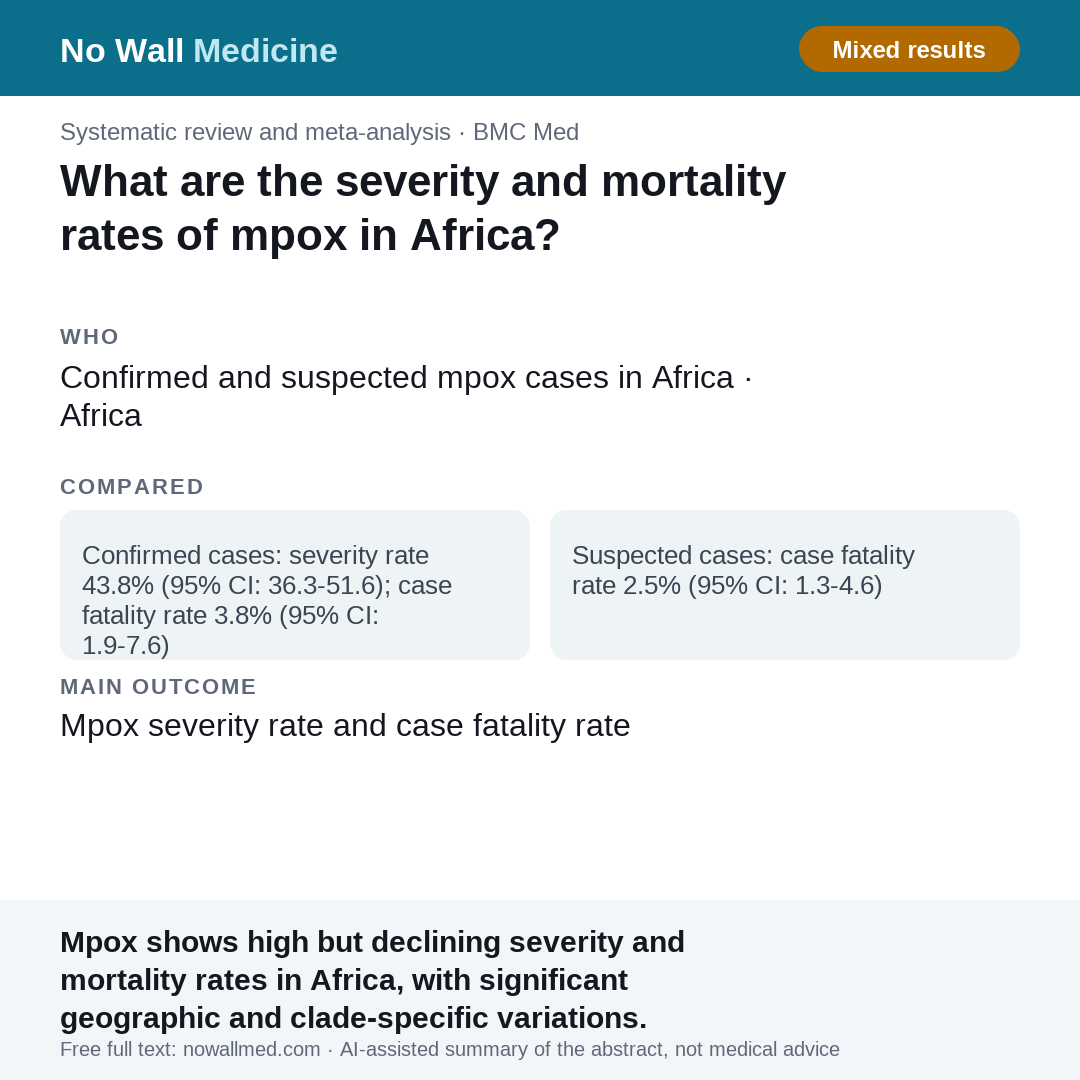
Mpox severity and mortality in Africa: a systematic review and meta-analysis
Systematic review and meta-analysisMixed results
What are the severity and mortality rates of mpox in Africa?
Who
Confirmed and suspected mpox cases in Africa · Africa
Compared
Confirmed cases: severity rate 43.8% (95% CI: 36.3-51.6); case fatality rate 3.8% (95% CI: 1.9-7.6)
Suspected cases: case fatality rate 2.5% (95% CI: 1.3-4.6)
Main outcome
Mpox severity rate and case fatality rate
Bottom line: Mpox shows high but declining severity and mortality rates in Africa, with significant geographic and clade-specific variations.
Limitation: Substantial heterogeneity was present, requiring random-effects models.
BMC Med · 2026-05-18Download image
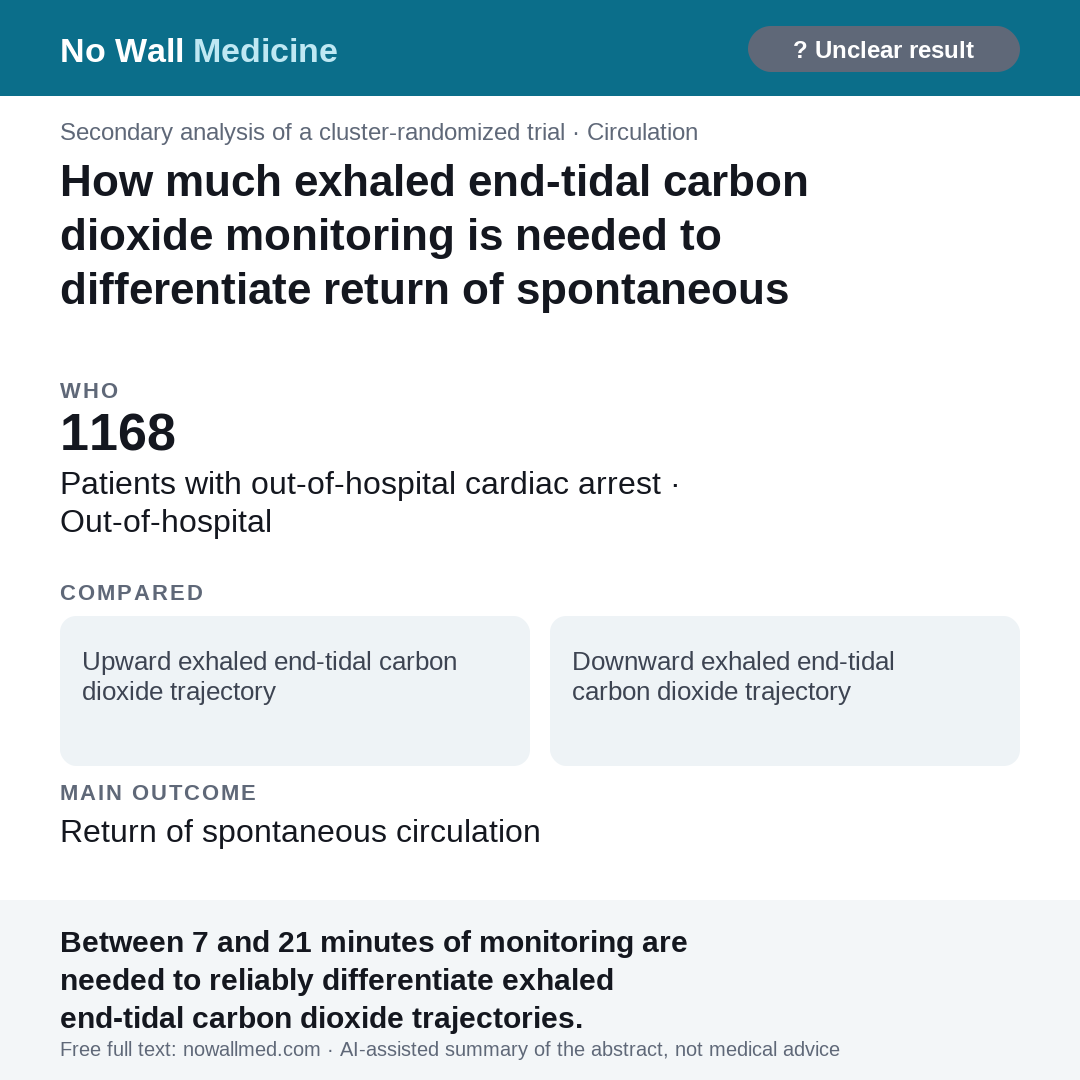
Resuscitation From Out-of-Hospital Cardiac Arrest: When Is EtCO2 Reliably Associated With ROSC?
Secondary analysis of a cluster-randomized trialUnclear result
How much exhaled end-tidal carbon dioxide monitoring is needed to differentiate return of spontaneous circulation?
Who
1168
Patients with out-of-hospital cardiac arrest · Out-of-hospital
Compared
Upward exhaled end-tidal carbon dioxide trajectory
Downward exhaled end-tidal carbon dioxide trajectory
Main outcome
Return of spontaneous circulation
Bottom line: Between 7 and 21 minutes of monitoring are needed to reliably differentiate exhaled end-tidal carbon dioxide trajectories.
Circulation · 2026-05-18Download image
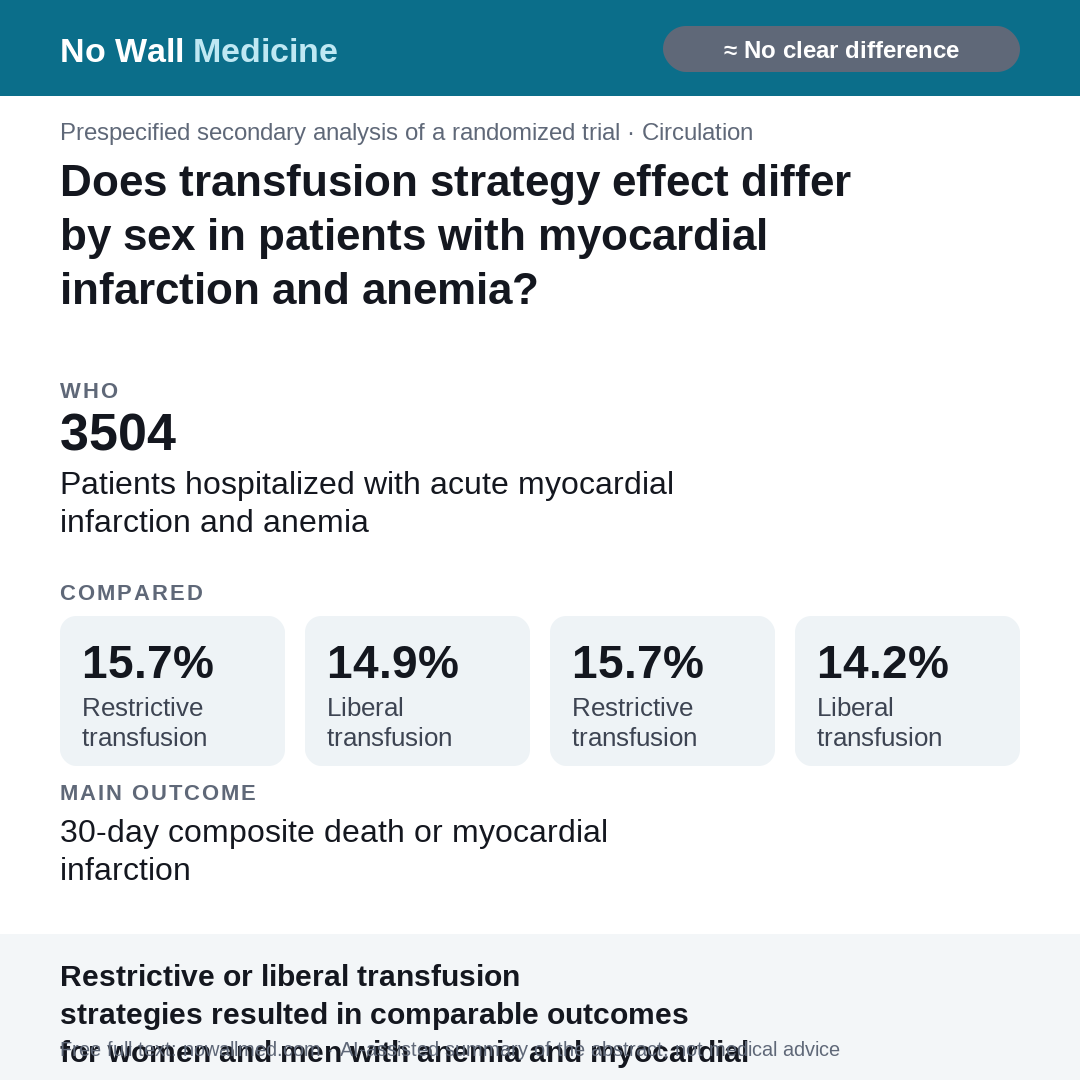
Comparative Efficacy of Transfusion Strategies in Women and Men With Myocardial Infarction and Anemia: Prespecified Secondary Findings From the MINT Trial
Prespecified secondary analysis of a randomized trialNo clear difference
Does transfusion strategy effect differ by sex in patients with myocardial infarction and anemia?
Who
3504
Patients hospitalized with acute myocardial infarction and anemia
Compared
15.7%Restrictive transfusion strategy in women
14.9%Liberal transfusion strategy in women
15.7%Restrictive transfusion strategy in men
14.2%Liberal transfusion strategy in men
Main outcome
30-day composite death or myocardial infarction
Result: interaction P=0.60
Bottom line: Restrictive or liberal transfusion strategies resulted in comparable outcomes for women and men with anemia and myocardial infarction.
Circulation · 2026-05-18Download image
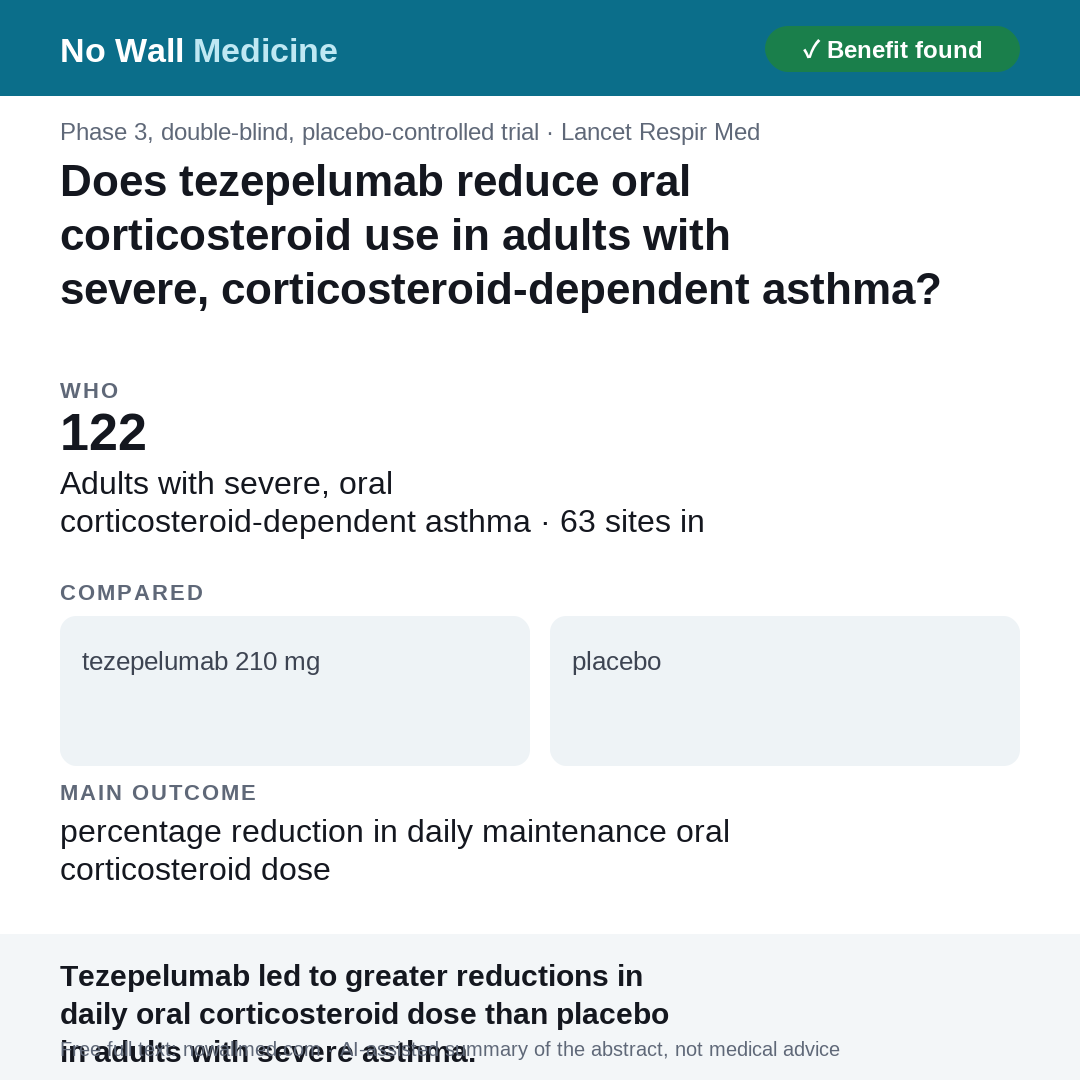
Efficacy and safety of tezepelumab versus placebo in reducing oral corticosteroid use in adults with severe, oral corticosteroid-dependent asthma (SUNRISE): a multicentre, placebo-controlled, double-blind, phase 3 trial
Phase 3, double-blind, placebo-controlled trialBenefit found
Does tezepelumab reduce oral corticosteroid use in adults with severe, corticosteroid-dependent asthma?
Who
122
Adults with severe, oral corticosteroid-dependent asthma · 63 sites in 12 countries
Compared
tezepelumab 210 mg
placebo
Main outcome
percentage reduction in daily maintenance oral corticosteroid dose
Result: odds ratio 2·93 (95% CI 1·43-6·03)
Bottom line: Tezepelumab led to greater reductions in daily oral corticosteroid dose than placebo in adults with severe asthma.
Funded by: AstraZeneca and Amgen
Lancet Respir Med · 2026-05-18Download image
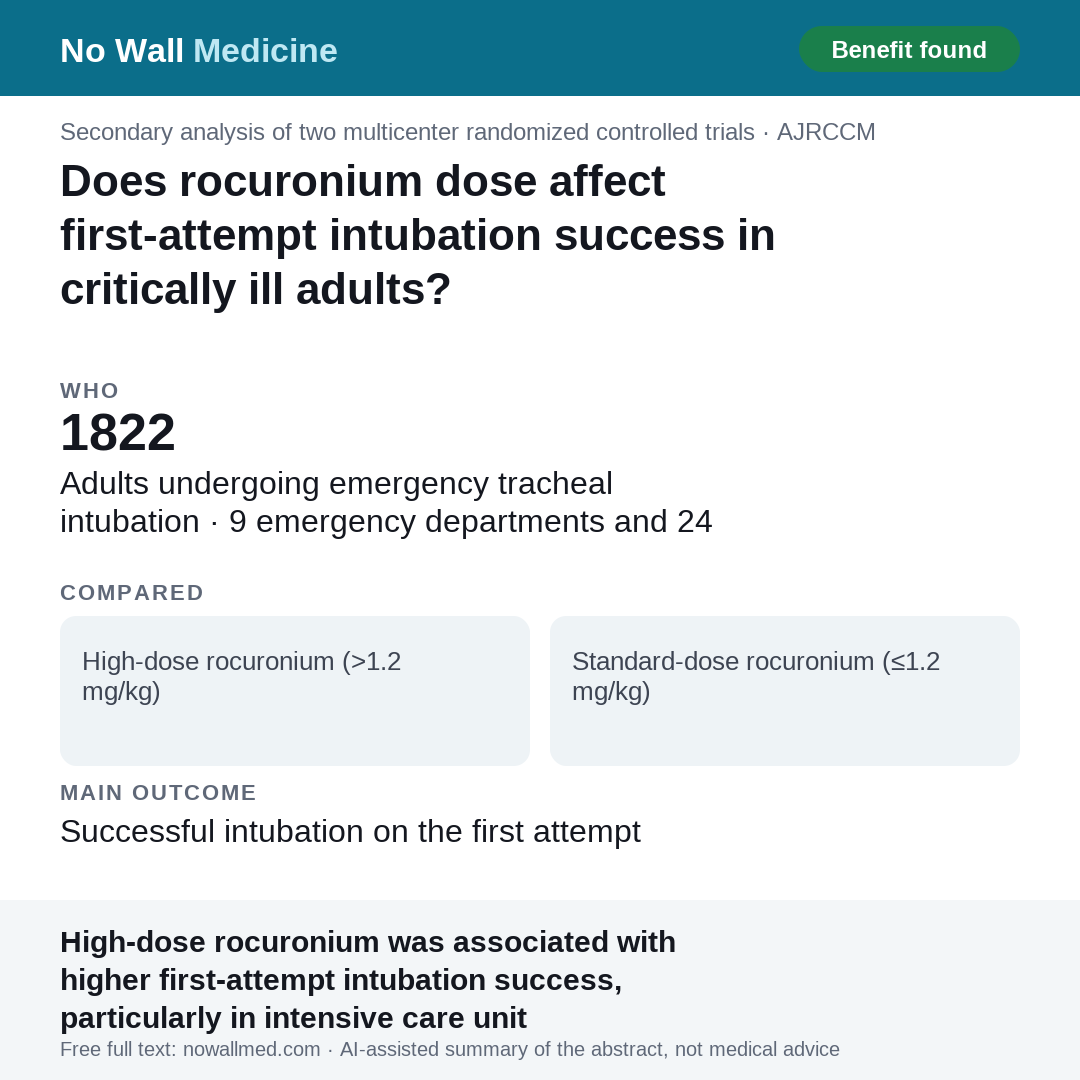
Rocuronium dose and first-attempt intubation success in the critically ill: secondary analysis of two multicenter trials
Secondary analysis of two multicenter randomized controlled trialsBenefit found
Does rocuronium dose affect first-attempt intubation success in critically ill adults?
Who
1822
Adults undergoing emergency tracheal intubation · 9 emergency departments and 24 intensive care units in the United States
Compared
High-dose rocuronium (>1.2 mg/kg)
Standard-dose rocuronium (≤1.2 mg/kg)
Main outcome
Successful intubation on the first attempt
Result: adjusted relative risk 1.07 (95% confidence interval 1.02-1.12)
Bottom line: High-dose rocuronium was associated with higher first-attempt intubation success, particularly in intensive care unit settings.
Limitation: Potential for unmeasured confounding
AJRCCM · 2026-05-18Download image
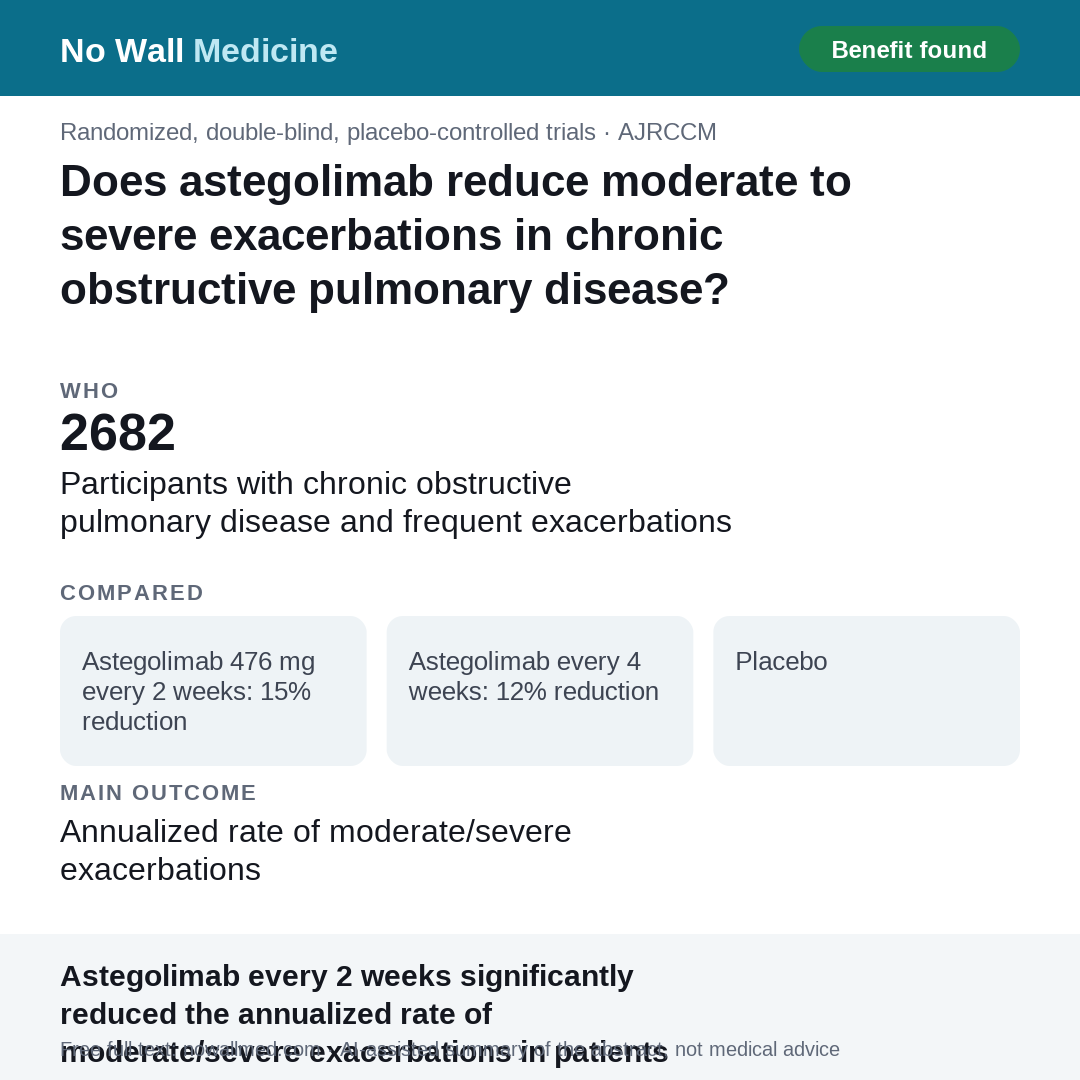
Astegolimab for chronic obstructive pulmonary disease with frequent exacerbations: pooled analysis of the ALIENTO and ARNASA trials
Randomized, double-blind, placebo-controlled trialsBenefit found
Does astegolimab reduce moderate to severe exacerbations in chronic obstructive pulmonary disease?
Who
2682
Participants with chronic obstructive pulmonary disease and frequent exacerbations
Compared
Astegolimab 476 mg every 2 weeks: 15% reduction
Astegolimab every 4 weeks: 12% reduction
Placebo
Main outcome
Annualized rate of moderate/severe exacerbations
Result: adjusted rate ratio 0.85 (95% CI 0.76-0.96)
Bottom line: Astegolimab every 2 weeks significantly reduced the annualized rate of moderate/severe exacerbations in patients with chronic obstructive pulmonary disease.
AJRCCM · 2026-05-18Download image
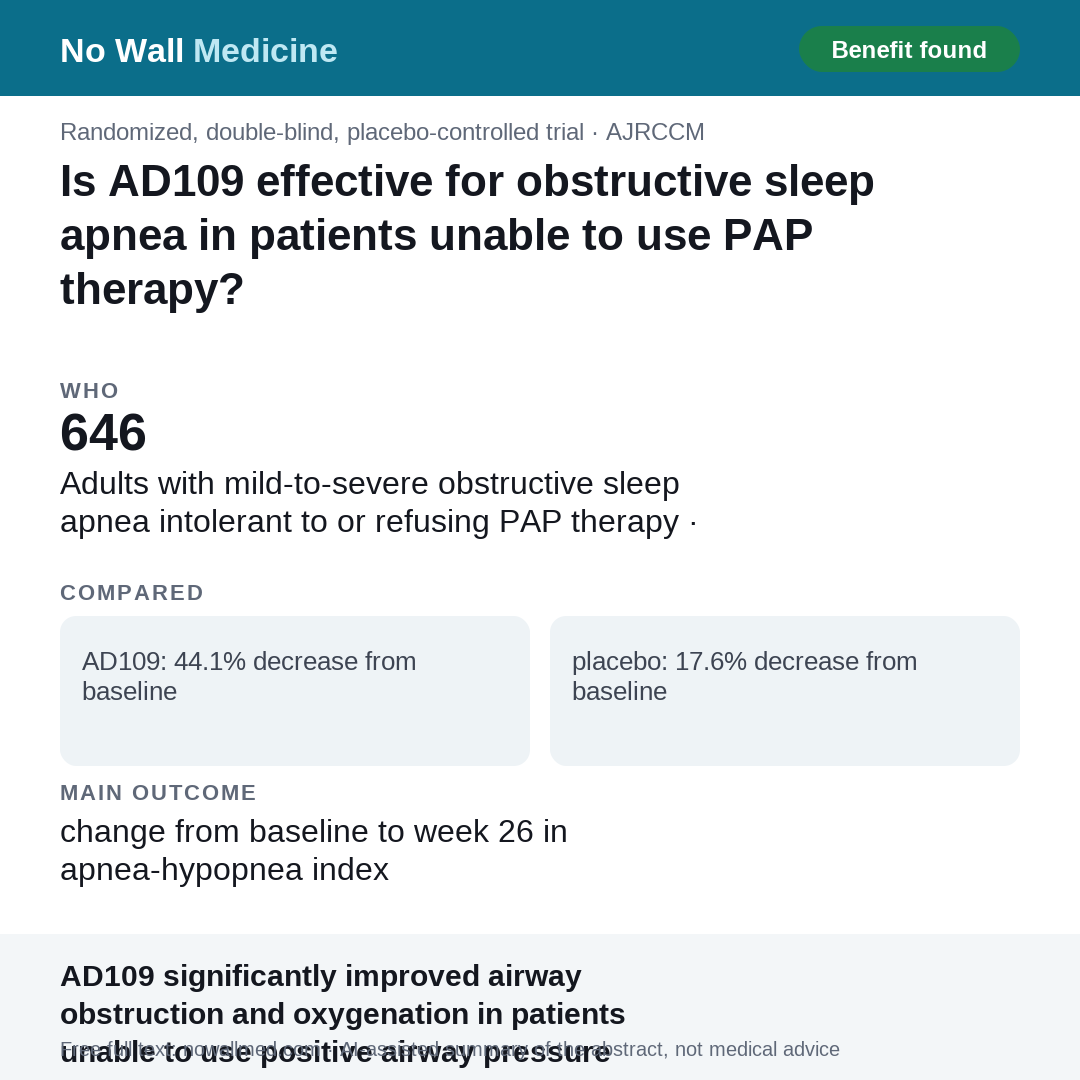
Aroxybutynin and atomoxetine (AD109) for obstructive sleep apnea: a randomized phase 3 trial (SynAIRgy)
Randomized, double-blind, placebo-controlled trialBenefit found
Is AD109 effective for obstructive sleep apnea in patients unable to use PAP therapy?
Who
646
Adults with mild-to-severe obstructive sleep apnea intolerant to or refusing PAP therapy · 69 centers
Compared
AD109: 44.1% decrease from baseline
placebo: 17.6% decrease from baseline
Main outcome
change from baseline to week 26 in apnea-hypopnea index
Result: -4.0 events/hour (95% CI, -6.4 to -1.6)
Bottom line: AD109 significantly improved airway obstruction and oxygenation in patients unable to use positive airway pressure therapy.
AJRCCM · 2026-05-18Download image