Visual abstracts
New randomized trials and meta-analyses from leading journals at a glance: who was studied, what was compared, and what was found. Every paper is free to read in full.
All specialtiesCardiology 3229Oncology 2752Gastroenterology & Hepatology 1265Infectious Disease 2169Neurology 1301Psychiatry & Mental Health 1532Pulmonology 1361Critical Care 908Endocrinology & Diabetes 1626Pediatrics 1935Surgery 1723Orthopedics & Sports Medicine 581Neurosurgery 380Cardiothoracic & Vascular Surgery 375Plastic & Reconstructive Surgery 460Nephrology 684Rheumatology 503Hematology 711Dermatology 396Ophthalmology 361Obstetrics & Gynecology 1083Public & Global Health 611Radiology & Imaging 457Anesthesiology 662Urology 545ENT (Otolaryngology) 352Emergency Medicine 353Allergy & Immunology 202Geriatrics 679Family Medicine & Primary Care 370Medical Genetics & Genomics 396Pathology & Laboratory Medicine 106Physical Medicine & Rehabilitation 507Palliative Care 289Nutrition 924Digital Health & AI 1539General Medicine 224
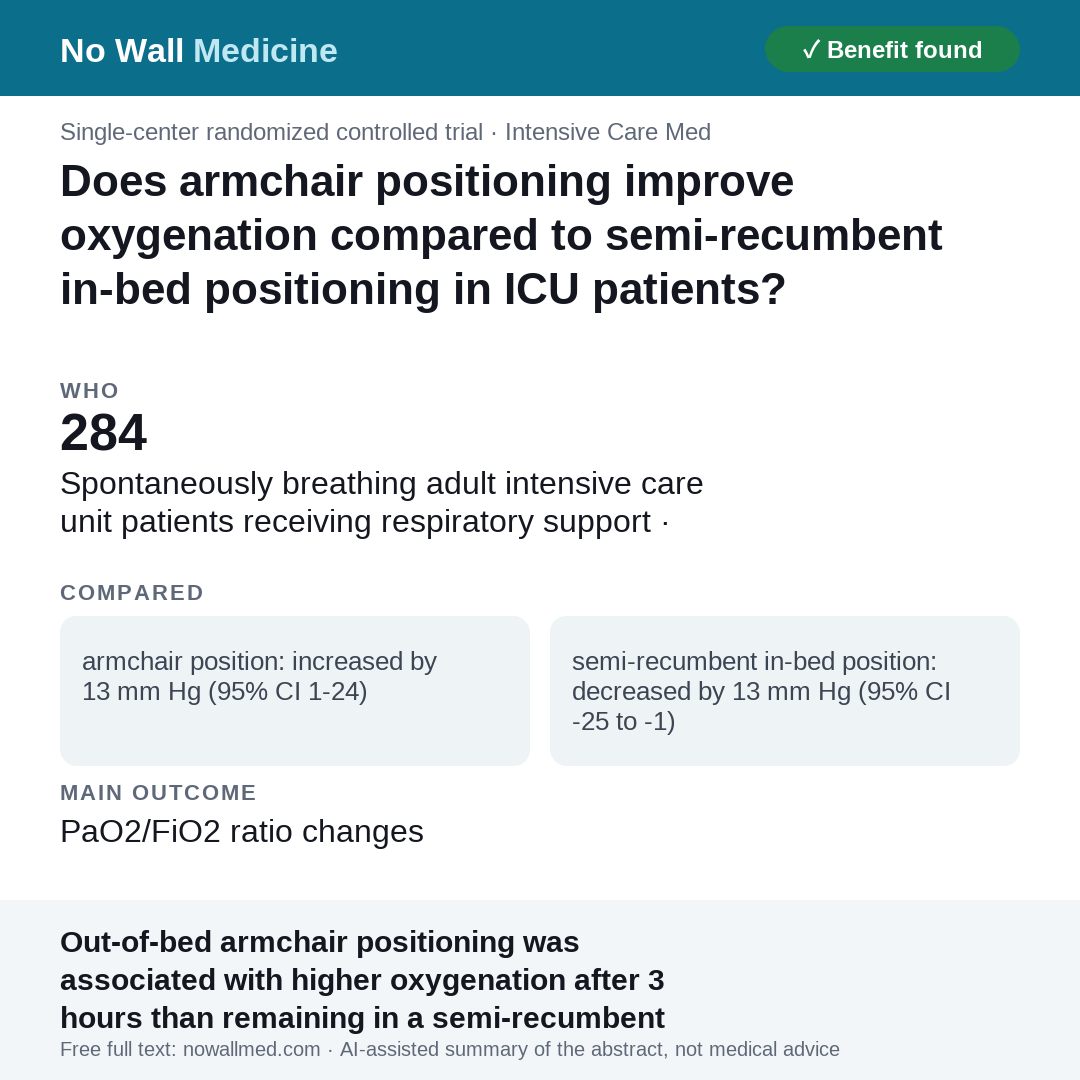
Effects of out-of-bed armchair positioning on oxygenation in spontaneously breathing ICU patients receiving respiratory support: a randomized controlled trial
Single-center randomized controlled trialBenefit found
Does armchair positioning improve oxygenation compared to semi-recumbent in-bed positioning in ICU patients?
Who
284
Spontaneously breathing adult intensive care unit patients receiving respiratory support · Single-center
Compared
armchair position: increased by 13 mm Hg (95% CI 1-24)
semi-recumbent in-bed position: decreased by 13 mm Hg (95% CI -25 to -1)
Main outcome
PaO2/FiO2 ratio changes
Result: 241 mm Hg (95% CI 214-268) vs 206 mm Hg (95% CI 179-233)
Bottom line: Out-of-bed armchair positioning was associated with higher oxygenation after 3 hours than remaining in a semi-recumbent position.
Limitation: Minor adverse events were more frequent in the armchair group.
Intensive Care Med · 2026-05-18Download image
The FICUS cluster randomized controlled trial of a family support intervention in adult intensive care units: mental health and family functioning outcomes
Cluster-randomized controlled trialNo clear difference
Does a nurse-led family support intervention improve family functioning and mental health?
Who
885
Family members of patients in adult intensive care units · 16 Swiss intensive care units
Compared
Family support intervention
Usual care
Main outcome
Family functioning and mental health
Bottom line: The family support intervention showed no significant improvement in family functioning or mental health within one year.
Limitation: Results must be interpreted cautiously and in a hypothesis-generating manner.
Intensive Care Med · 2026-05-18Download image

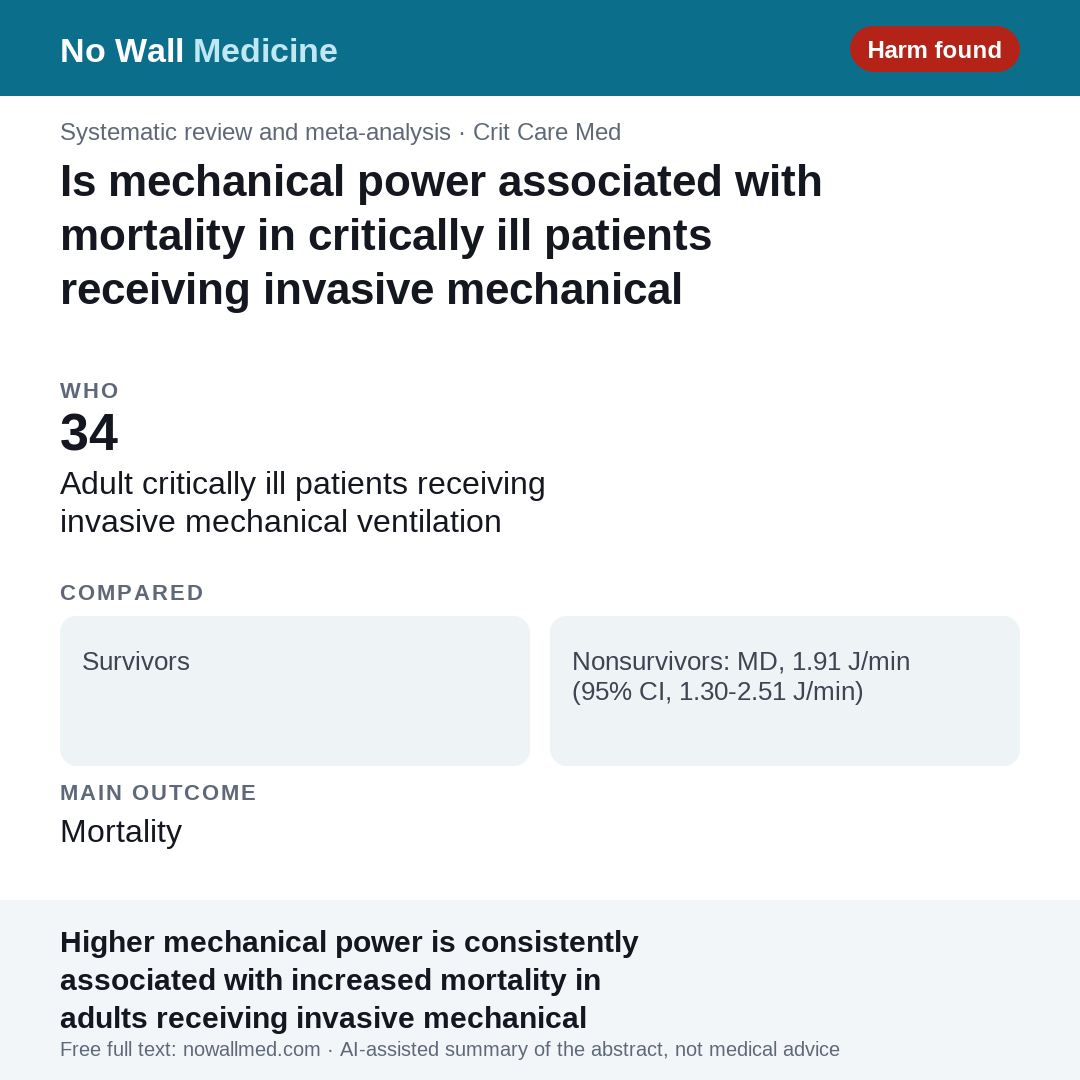
The Association Between Mechanical Power and Mortality in Critically Ill Patients Receiving Invasive Mechanical Ventilation: A Systematic Review and Meta-Analysis
Systematic review and meta-analysisHarm found
Is mechanical power associated with mortality in critically ill patients receiving invasive mechanical ventilation?
Who
34
Adult critically ill patients receiving invasive mechanical ventilation
Compared
Survivors
Nonsurvivors: MD, 1.91 J/min (95% CI, 1.30-2.51 J/min)
Main outcome
Mortality
Result: adjusted odds ratio 1.04 (95% CI, 1.03-1.06 per 1 J/min increase)
Bottom line: Higher mechanical power is consistently associated with increased mortality in adults receiving invasive mechanical ventilation.
Limitation: Whether interventions that reduce mechanical power improve outcomes requires prospective investigation.
Crit Care Med · 2026-05-18Download image
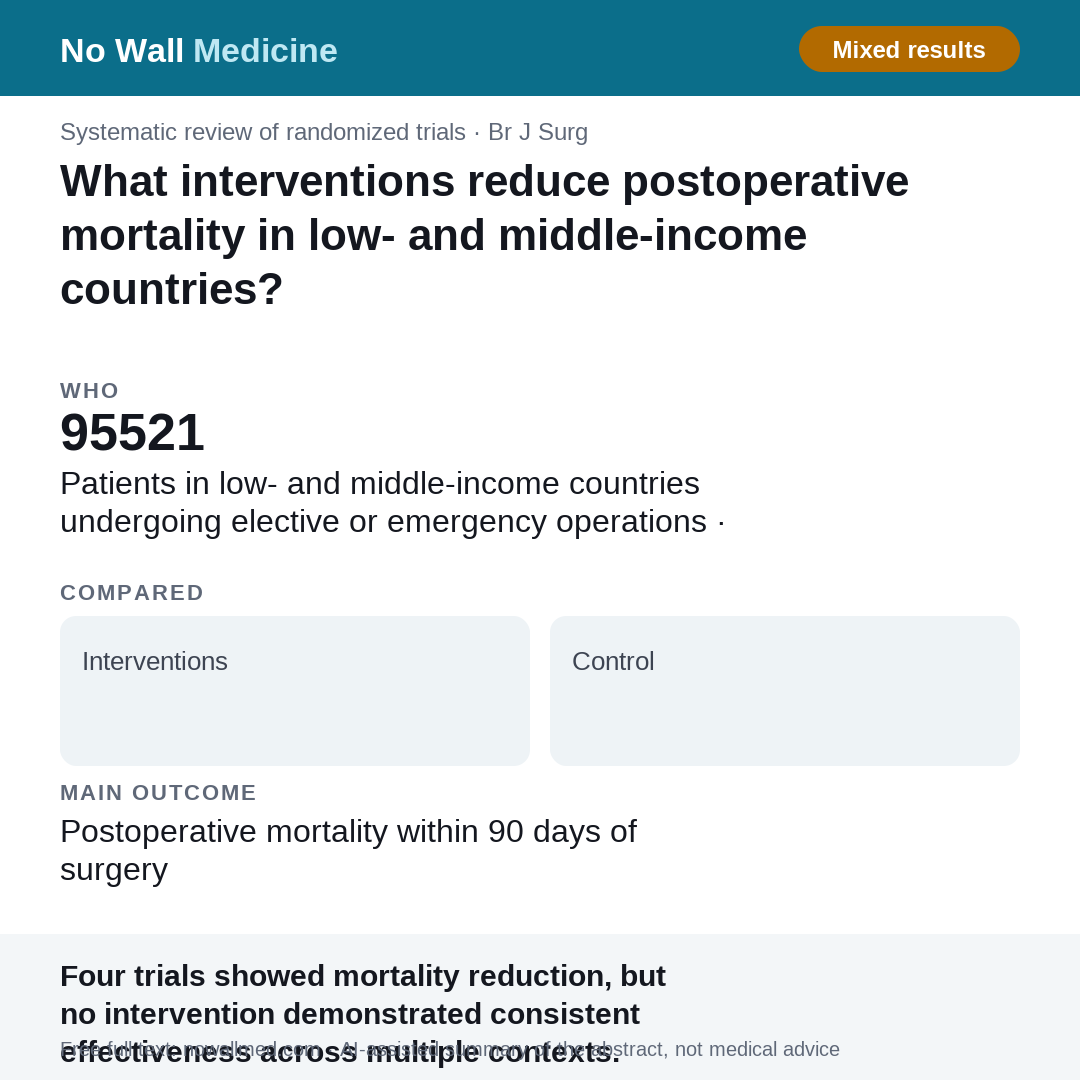
Interventions to reduce postoperative mortality in low- and middle-income countries: systematic review
Systematic review of randomized trialsMixed results
What interventions reduce postoperative mortality in low- and middle-income countries?
Who
95521
Patients in low- and middle-income countries undergoing elective or emergency operations · Low- and middle-income countries, including China, Brazil, Senegal, and Mali
Compared
Interventions
Control
Main outcome
Postoperative mortality within 90 days of surgery
Bottom line: Four trials showed mortality reduction, but no intervention demonstrated consistent effectiveness across multiple contexts.
Limitation: Only 4 of 18 trials were assessed as having a low risk of bias.
Br J Surg · 2026-05-18Download image
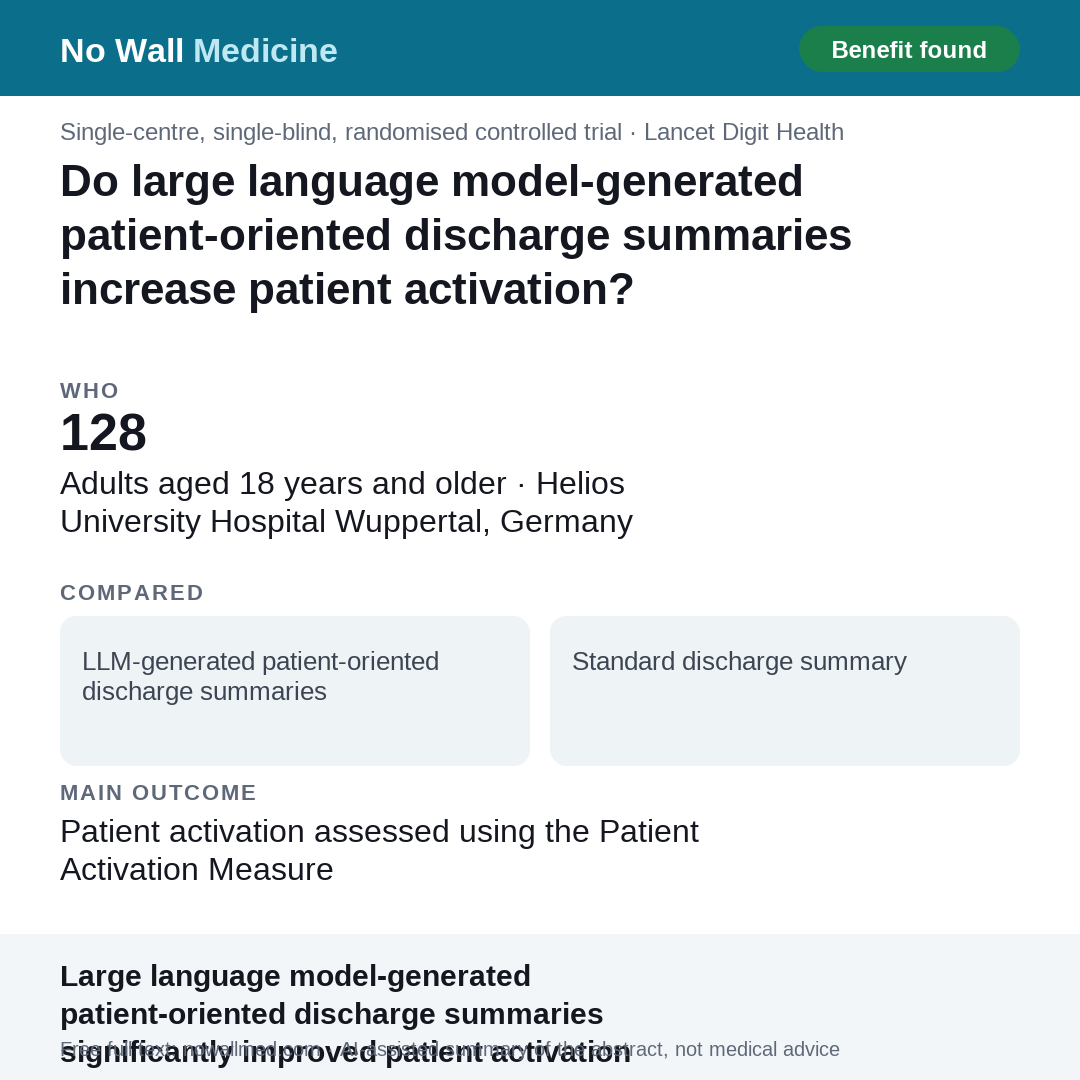
Effects of large language model-generated, patient-oriented discharge summaries on patient activation: a single-centre, single-blind, randomised controlled trial in Germany
Single-centre, single-blind, randomised controlled trialBenefit found
Do large language model-generated patient-oriented discharge summaries increase patient activation?
Who
128
Adults aged 18 years and older · Helios University Hospital Wuppertal, Germany
Compared
LLM-generated patient-oriented discharge summaries
Standard discharge summary
Main outcome
Patient activation assessed using the Patient Activation Measure
Result: Hodges-Lehmann median of differences 9·6 points (95% CI 4·3-15·1)
Bottom line: Large language model-generated patient-oriented discharge summaries significantly improved patient activation compared to standard discharge summaries.
Funded by: Witten/Herdecke University
Lancet Digit Health · 2026-05-18Download image
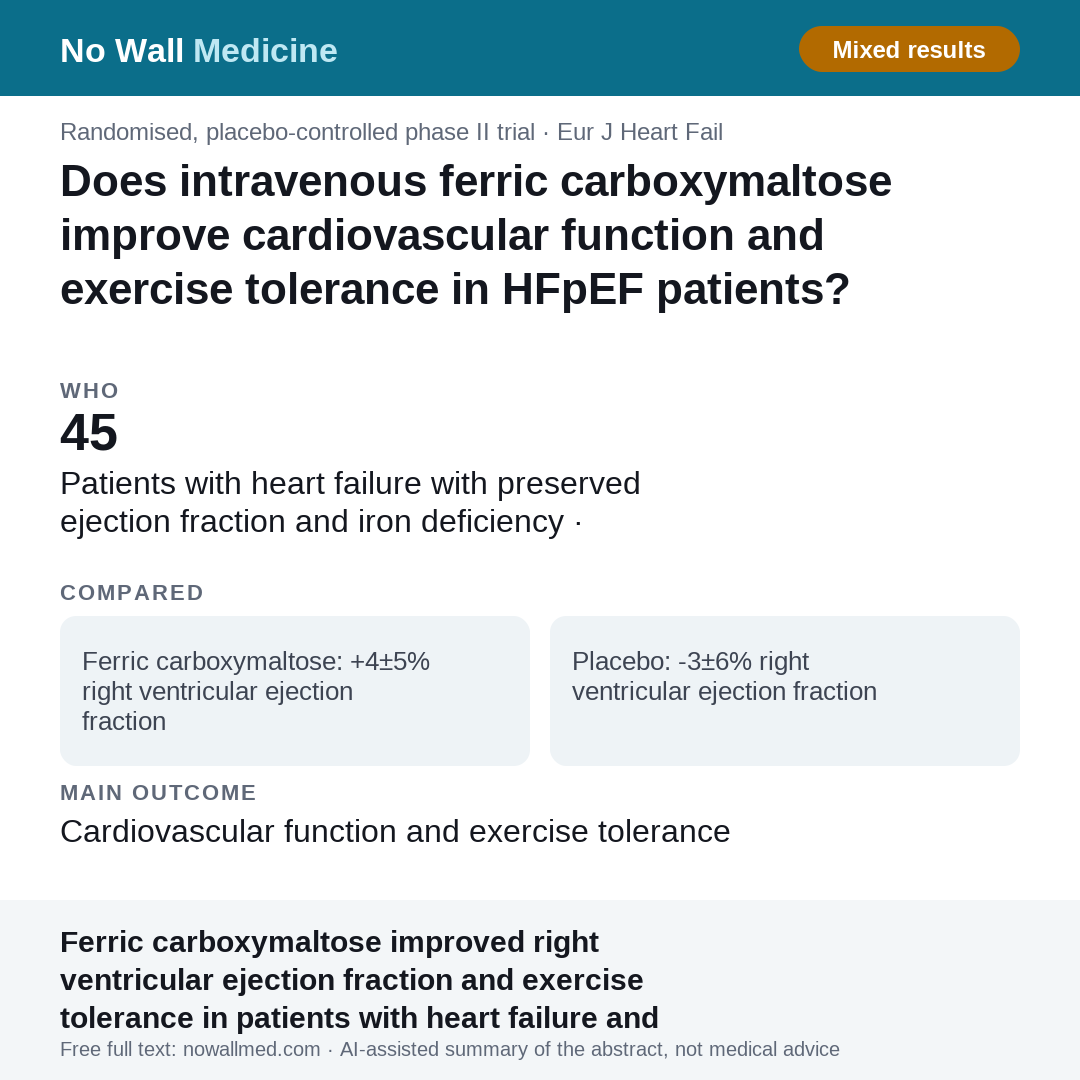
Intravenous IRON supplementation in Heart Failure with Preserved Ejection Fraction and iron deficiency (IRON-HFpEF): a comprehensive phase II multicentre placebo-controlled randomised clinical trial
Randomised, placebo-controlled phase II trialMixed results
Does intravenous ferric carboxymaltose improve cardiovascular function and exercise tolerance in HFpEF patients?
Who
45
Patients with heart failure with preserved ejection fraction and iron deficiency · Amsterdam UMC and Maastricht UMC+
Compared
Ferric carboxymaltose: +4±5% right ventricular ejection fraction
Placebo: -3±6% right ventricular ejection fraction
Main outcome
Cardiovascular function and exercise tolerance
Bottom line: Ferric carboxymaltose improved right ventricular ejection fraction and exercise tolerance in patients with heart failure and iron deficiency.
Limitation: The study was a phase II trial with a small sample size.
Eur J Heart Fail · 2026-05-18Download image
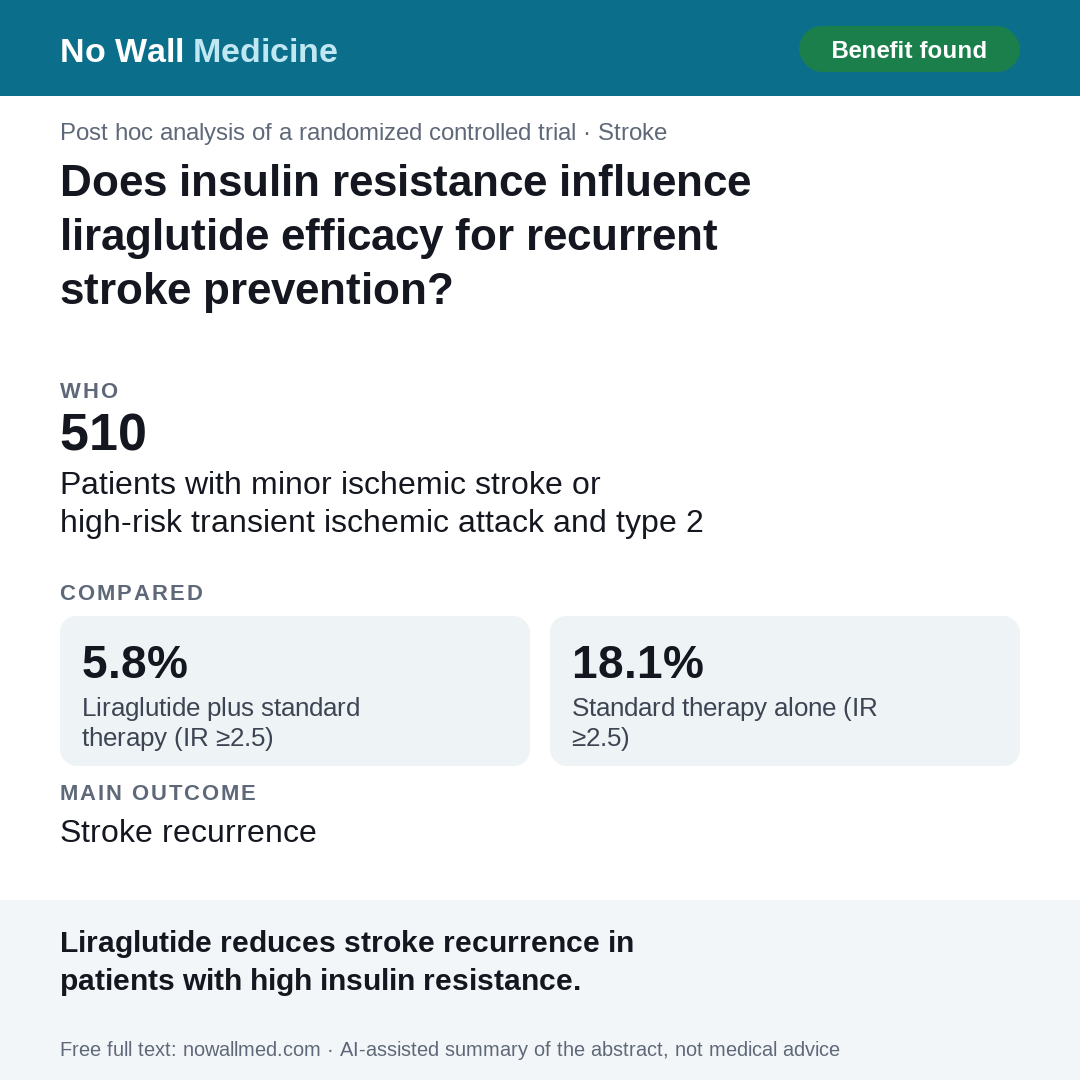
Liraglutide and Recurrent Stroke by Baseline Insulin Resistance: A Post Hoc Analysis of the LAMP Trial
Post hoc analysis of a randomized controlled trialBenefit found
Does insulin resistance influence liraglutide efficacy for recurrent stroke prevention?
Who
510
Patients with minor ischemic stroke or high-risk transient ischemic attack and type 2 diabetes · 27 hospitals in China
Compared
5.8%Liraglutide plus standard therapy (IR ≥2.5)
18.1%Standard therapy alone (IR ≥2.5)
Main outcome
Stroke recurrence
Result: absolute risk reduction 12.3% (95% CI 5.6%-19.0%)
Bottom line: Liraglutide reduces stroke recurrence in patients with high insulin resistance.
Stroke · 2026-05-18Download image
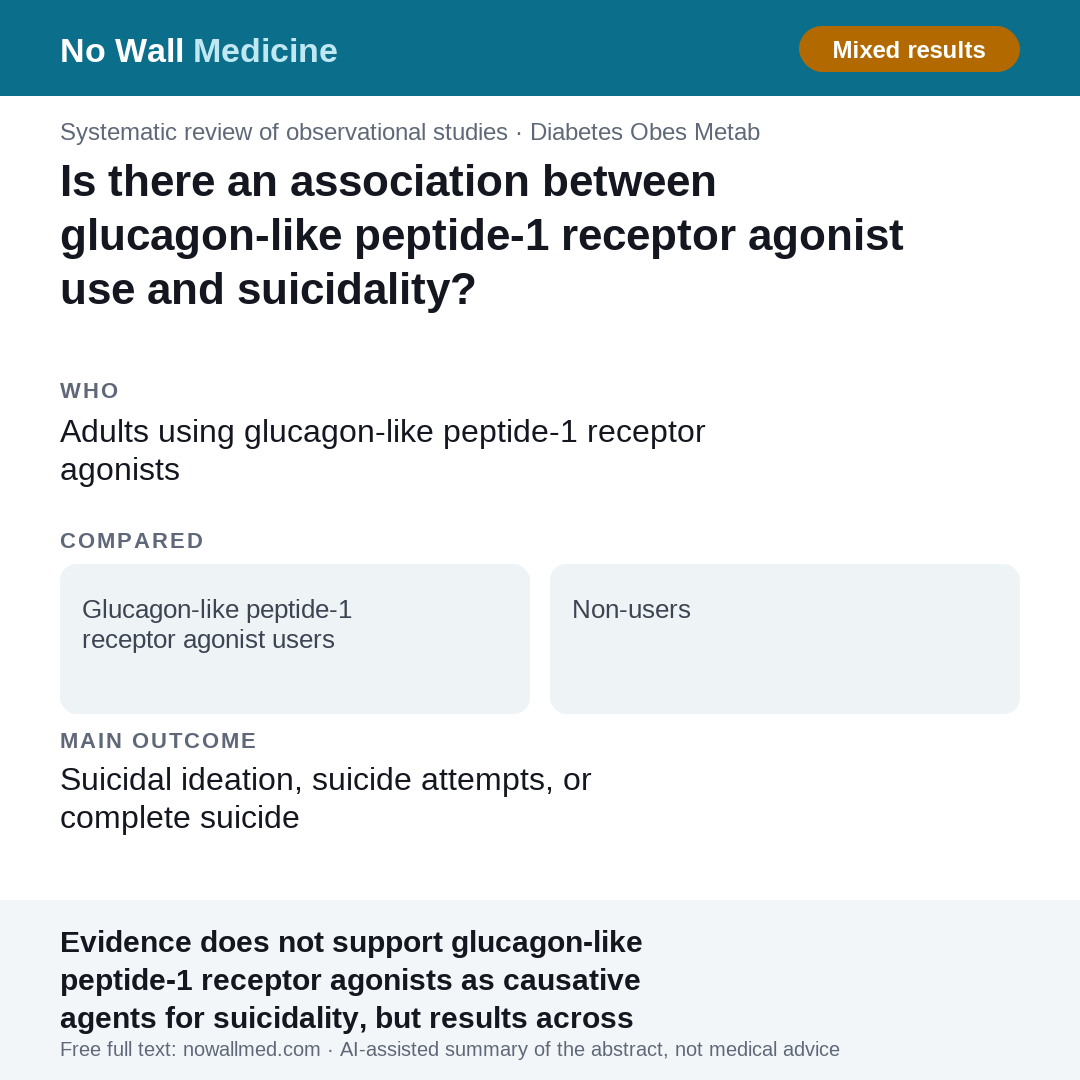
Association Between Glucagon-Like Peptide-1 Receptor Agonists and Suicidality: A Systematic Review
Systematic review of observational studiesMixed results
Is there an association between glucagon-like peptide-1 receptor agonist use and suicidality?
Who
Adults using glucagon-like peptide-1 receptor agonists
Compared
Glucagon-like peptide-1 receptor agonist users
Non-users
Main outcome
Suicidal ideation, suicide attempts, or complete suicide
Bottom line: Evidence does not support glucagon-like peptide-1 receptor agonists as causative agents for suicidality, but results across studies were mixed.
Limitation: Findings varied by study design and included multiple risk factors in the population.
Diabetes Obes Metab · 2026-05-18Download image
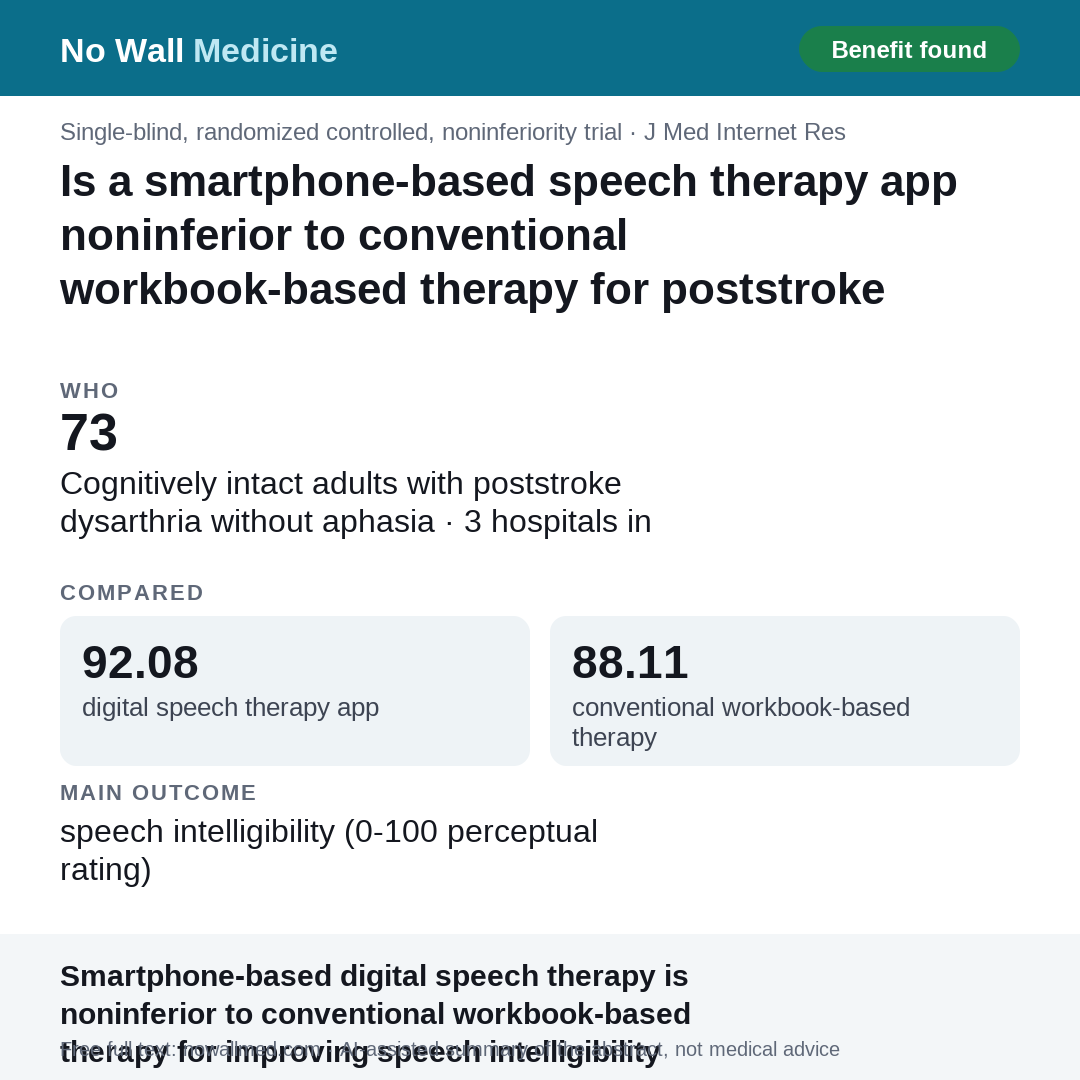
Efficacy of Digital Speech Therapy for Poststroke Dysarthria: Randomized Noninferiority Trial
Single-blind, randomized controlled, noninferiority trialBenefit found
Is a smartphone-based speech therapy app noninferior to conventional workbook-based therapy for poststroke dysarthria?
Who
73
Cognitively intact adults with poststroke dysarthria without aphasia · 3 hospitals in South Korea
Compared
92.08digital speech therapy app (SD 12.38)
88.11conventional workbook-based therapy (SD 18.06)
Main outcome
speech intelligibility (0-100 perceptual rating)
Result: adjusted between-group difference 4.49 (95% CI 0.61-8.37)
Bottom line: Smartphone-based digital speech therapy is noninferior to conventional workbook-based therapy for improving speech intelligibility in poststroke dysarthria.
Limitation: Efficacy in older survivors with cognitive deficits or co-occurring aphasia remains to be established.
J Med Internet Res · 2026-05-18Download image
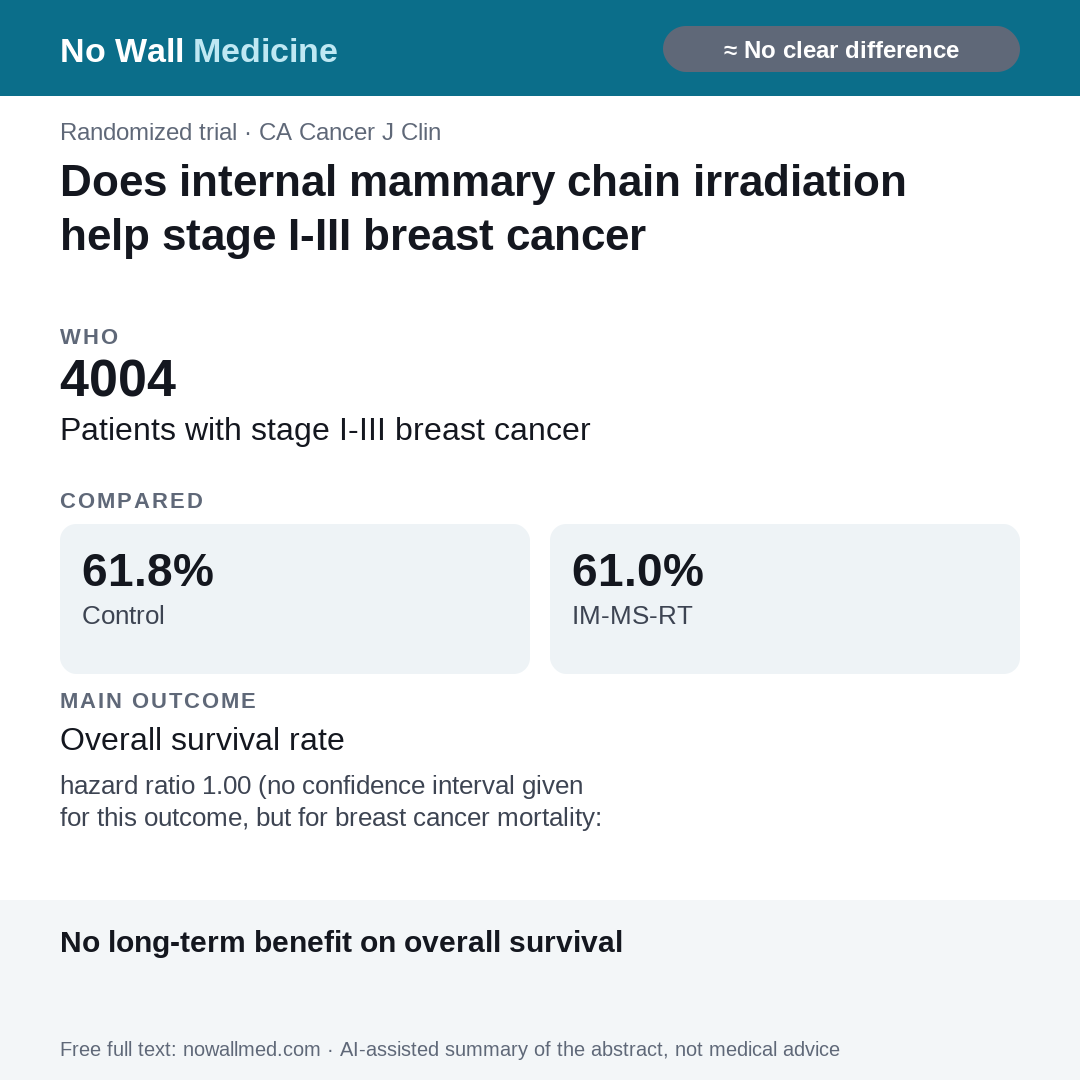
Twenty-year results of the randomized European Organization for Research and Treatment of Cancer trial 22922/10925 evaluating internal mammary chain and medial supraclavicular lymph node irradiation in stage I-III breast cancer
Randomized trialNo clear difference
Does internal mammary chain irradiation help stage I-III breast cancer
Who
4004
Patients with stage I-III breast cancer
Compared
61.8%Control
61.0%IM-MS-RT
Main outcome
Overall survival rate
Result: hazard ratio 1.00 (no confidence interval given for this outcome, but for breast cancer mortality: hazard ratio 0.82)
Bottom line: No long-term benefit on overall survival
CA Cancer J Clin · 2026-05-17Download image
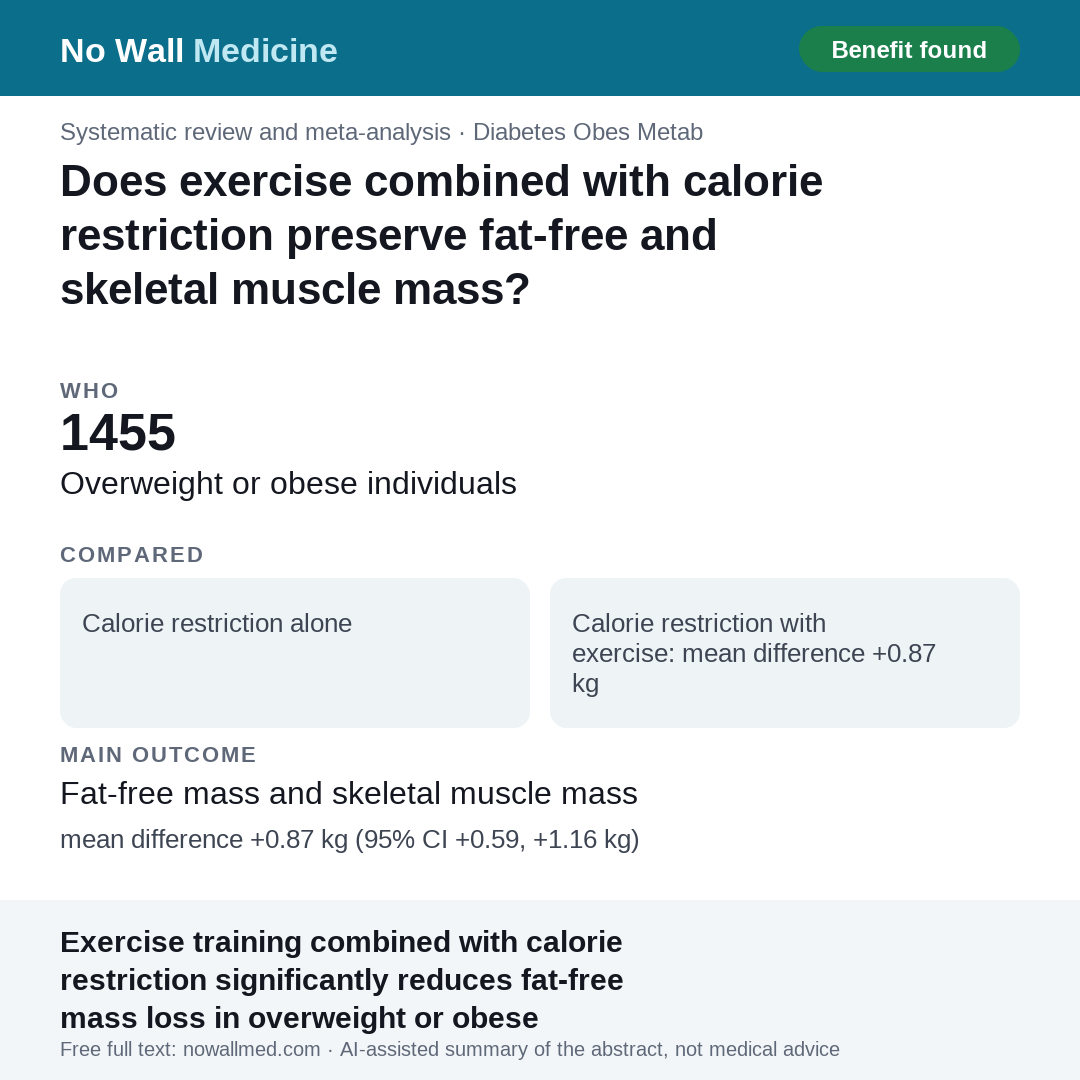
Effects of Calorie Restriction With and Without Strength, Endurance or Mixed Training on Fat-Free and Skeletal Muscle Mass in Overweight or Obese Individuals-A Systematic Review With Pairwise Meta-Analysis and Network Meta-Analysis of Randomized Controlled Studies
Systematic review and meta-analysisBenefit found
Does exercise combined with calorie restriction preserve fat-free and skeletal muscle mass?
Who
1455
Overweight or obese individuals
Compared
Calorie restriction alone
Calorie restriction with exercise: mean difference +0.87 kg
Main outcome
Fat-free mass and skeletal muscle mass
Result: mean difference +0.87 kg (95% CI +0.59, +1.16 kg)
Bottom line: Exercise training combined with calorie restriction significantly reduces fat-free mass loss in overweight or obese individuals.
Diabetes Obes Metab · 2026-05-17Download image
Microlearning to teach geriatric principles in hospitals: a systematic review and meta-analysis
Systematic review and meta-analysisBenefit found
Is microlearning effective for teaching geriatric medicine principles to hospital-based clinicians?
Who
15
Hospital-based clinicians including medical, nursing and allied health
Compared
Microlearning interventions
Pre-post implementation
Main outcome
Educational outcomes across Kirkpatrick model levels
Result: delirium knowledge SMD 0.80 (95% CI 0.49-1.10), delirium recognition SMD 0.91 (95% CI 0.10-1.72)
Bottom line: Microlearning is an effective educational intervention for learning geriatric medicine principles, especially for delirium knowledge and recognition.
Limitation: Further research is needed to assess impact on patient outcomes.
Age Ageing · 2026-05-17Download image

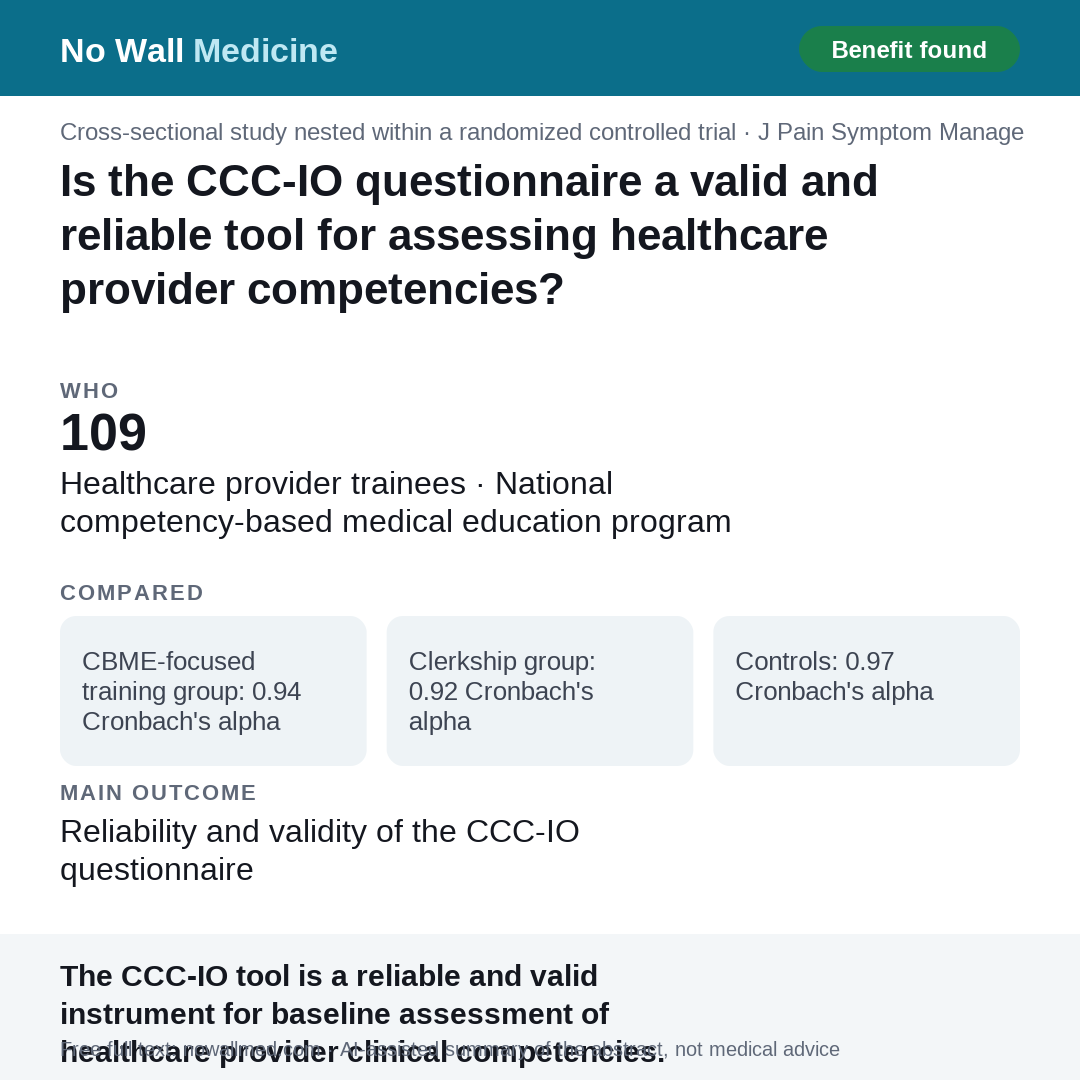
Developing a Preliminarily Validated Competency-Based Integrative Oncology Training Questionnaire
Cross-sectional study nested within a randomized controlled trialBenefit found
Is the CCC-IO questionnaire a valid and reliable tool for assessing healthcare provider competencies?
Who
109
Healthcare provider trainees · National competency-based medical education program
Compared
CBME-focused training group: 0.94 Cronbach's alpha
Clerkship group: 0.92 Cronbach's alpha
Controls: 0.97 Cronbach's alpha
Main outcome
Reliability and validity of the CCC-IO questionnaire
Result: 0.95 Cronbach's alpha for the entire cohort
Bottom line: The CCC-IO tool is a reliable and valid instrument for baseline assessment of healthcare provider clinical competencies.
J Pain Symptom Manage · 2026-05-17Download image
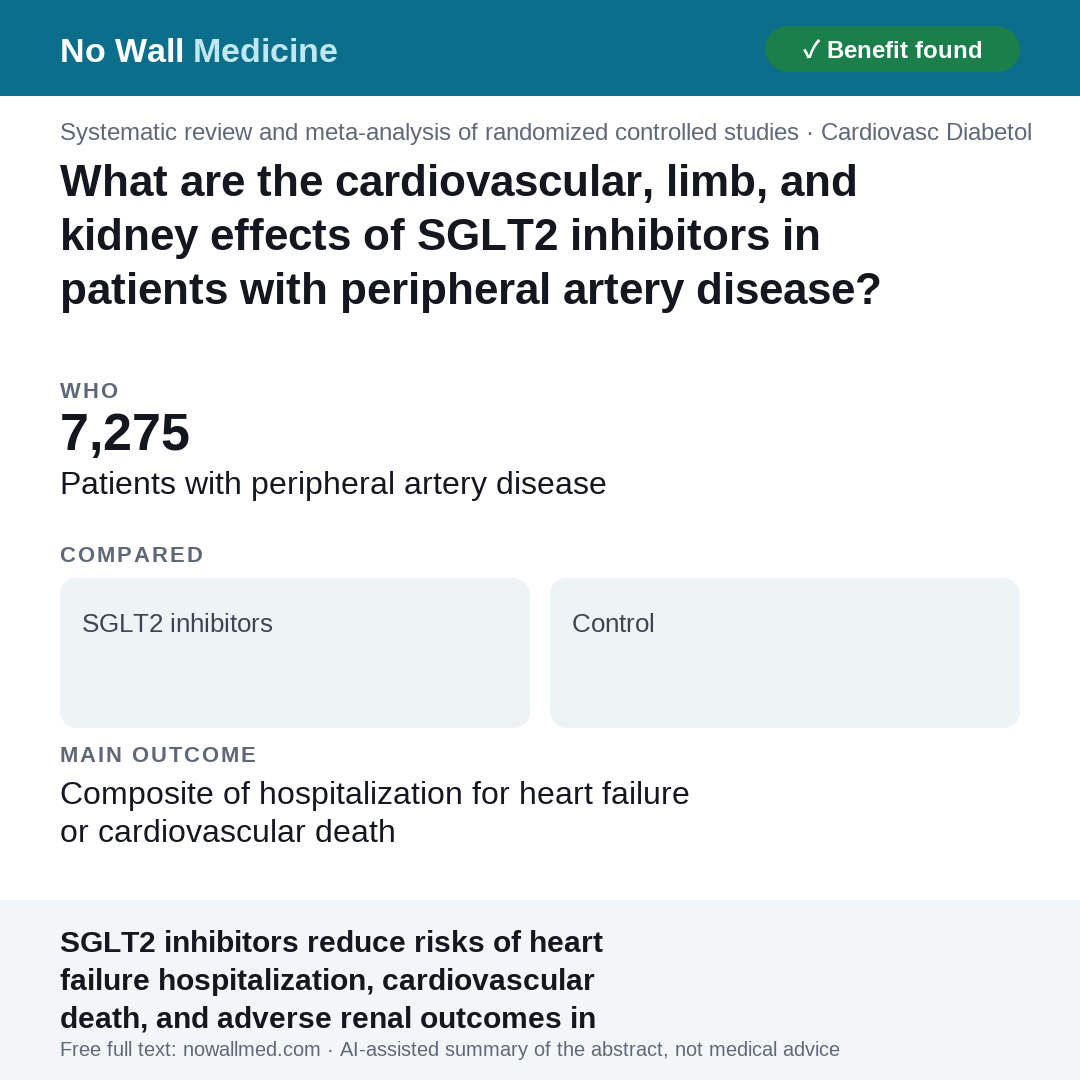
Cardiovascular, limb, and kidney effects of SGLT2 inhibitors in patients with peripheral artery disease: a systematic review and meta-analysis of randomized controlled trial data
Systematic review and meta-analysis of randomized controlled trialsBenefit found
What are the cardiovascular, limb, and kidney effects of SGLT2 inhibitors in patients with peripheral artery disease?
Who
7,275
Patients with peripheral artery disease
Compared
SGLT2 inhibitors
Control
Main outcome
Composite of hospitalization for heart failure or cardiovascular death
Result: hazard ratio 0.73 (95% CI 0.64 to 0.83)
Bottom line: SGLT2 inhibitors reduce risks of heart failure hospitalization, cardiovascular death, and adverse renal outcomes in patients with peripheral artery disease.
Cardiovasc Diabetol · 2026-05-17Download image
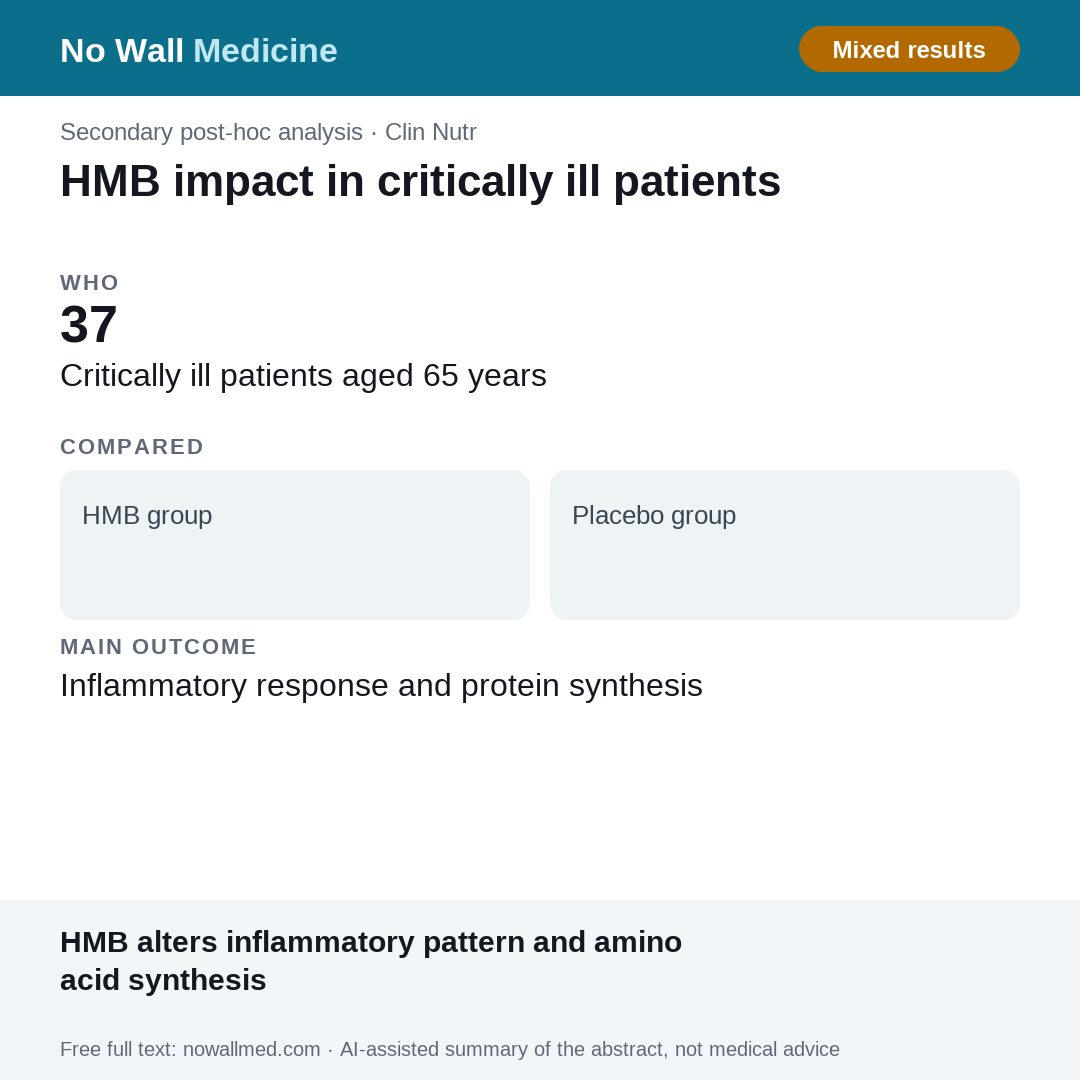
Does β-hydroxy-β-methylbutyrate (HMB) have an anti-inflammatory impact in critically ill patients? A secondary post hoc analysis of an RCT
Secondary post-hoc analysisMixed results
HMB impact in critically ill patients
Who
37
Critically ill patients aged 65 years
Compared
HMB group
Placebo group
Main outcome
Inflammatory response and protein synthesis
Bottom line: HMB alters inflammatory pattern and amino acid synthesis
Clin Nutr · 2026-05-16Download image
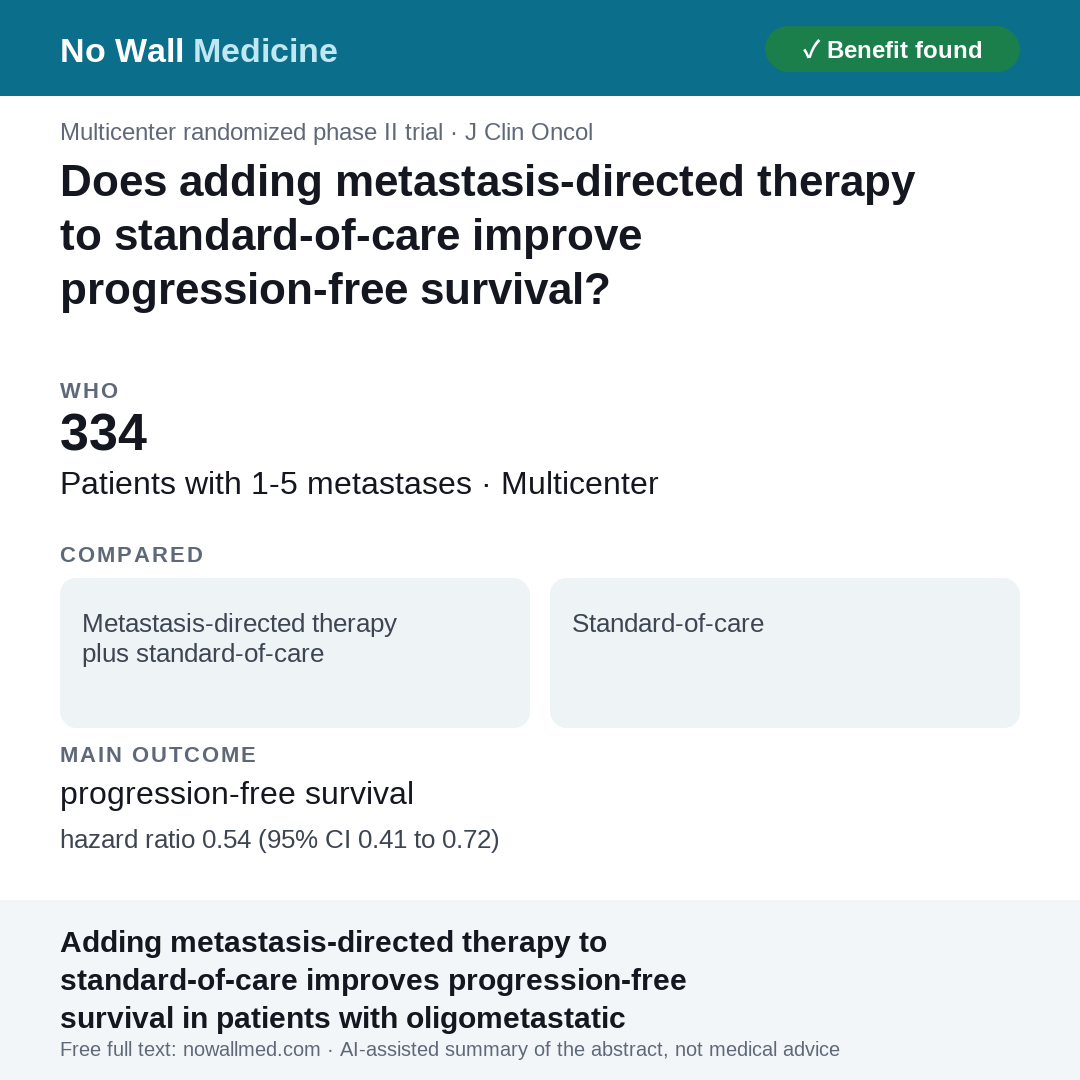
Addition of Metastasis-Directed Therapy to Standard of Care for Oligometastatic Disease: Primary Aggregated Analysis of All Baskets from the Phase II Randomized EXTEND Trial
Multicenter randomized phase II trialBenefit found
Does adding metastasis-directed therapy to standard-of-care improve progression-free survival?
Who
334
Patients with 1-5 metastases · Multicenter
Compared
Metastasis-directed therapy plus standard-of-care
Standard-of-care
Main outcome
progression-free survival
Result: hazard ratio 0.54 (95% CI 0.41 to 0.72)
Bottom line: Adding metastasis-directed therapy to standard-of-care improves progression-free survival in patients with oligometastatic disease.
J Clin Oncol · 2026-05-16Download image
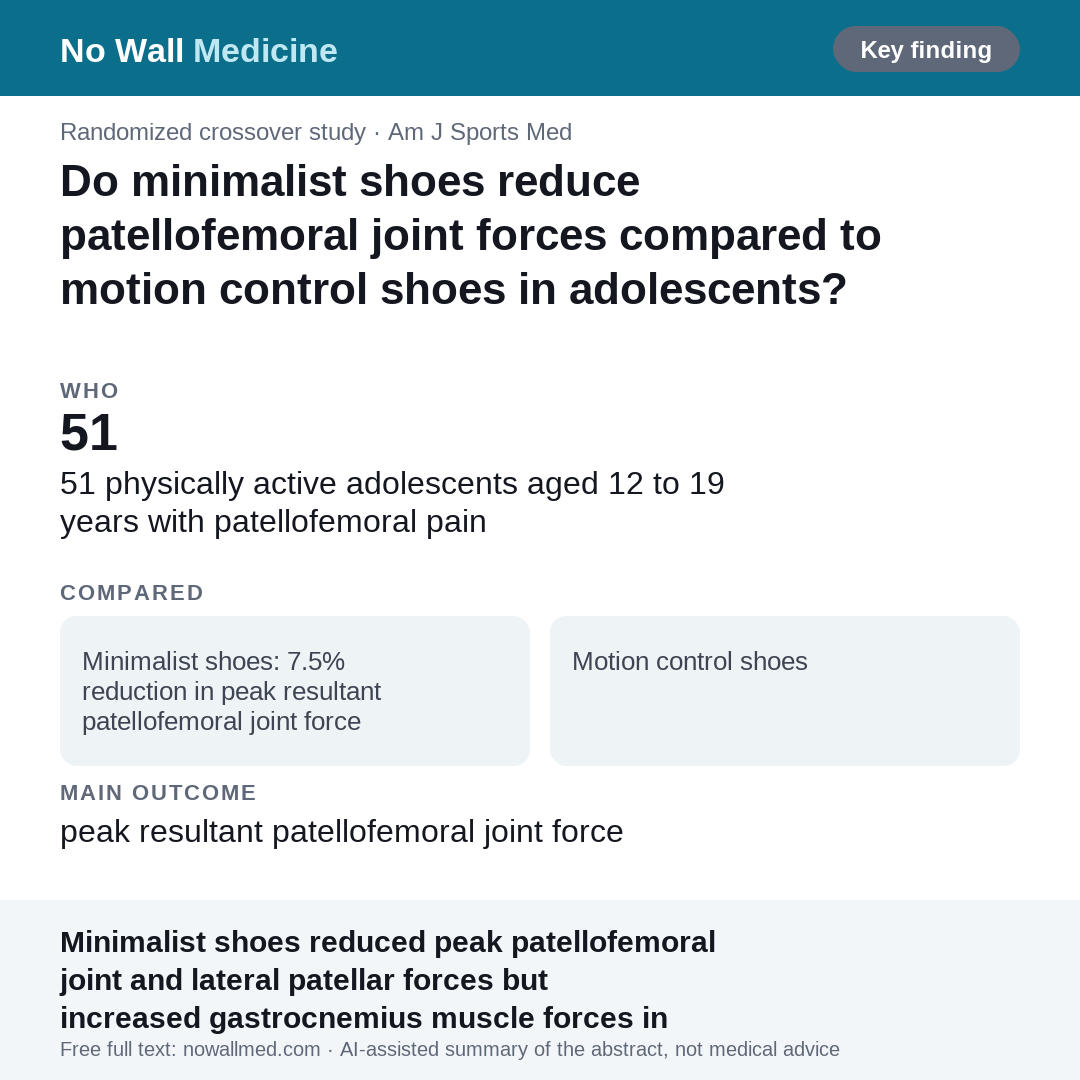
The Effect of Minimalist Versus Motion Control Shoes on Patellofemoral Joint Forces in Adolescents With Patellofemoral Pain During Running: A Randomized Crossover Study
Randomized crossover studyBenefit found
Do minimalist shoes reduce patellofemoral joint forces compared to motion control shoes in adolescents?
Who
51
51 physically active adolescents aged 12 to 19 years with patellofemoral pain
Compared
Minimalist shoes: 7.5% reduction in peak resultant patellofemoral joint force
Motion control shoes
Main outcome
peak resultant patellofemoral joint force
Result: mean difference 363.2 N (95% CI 666.8-59.5)
Bottom line: Minimalist shoes reduced peak patellofemoral joint and lateral patellar forces but increased gastrocnemius muscle forces in adolescents.
Am J Sports Med · 2026-05-16Download image
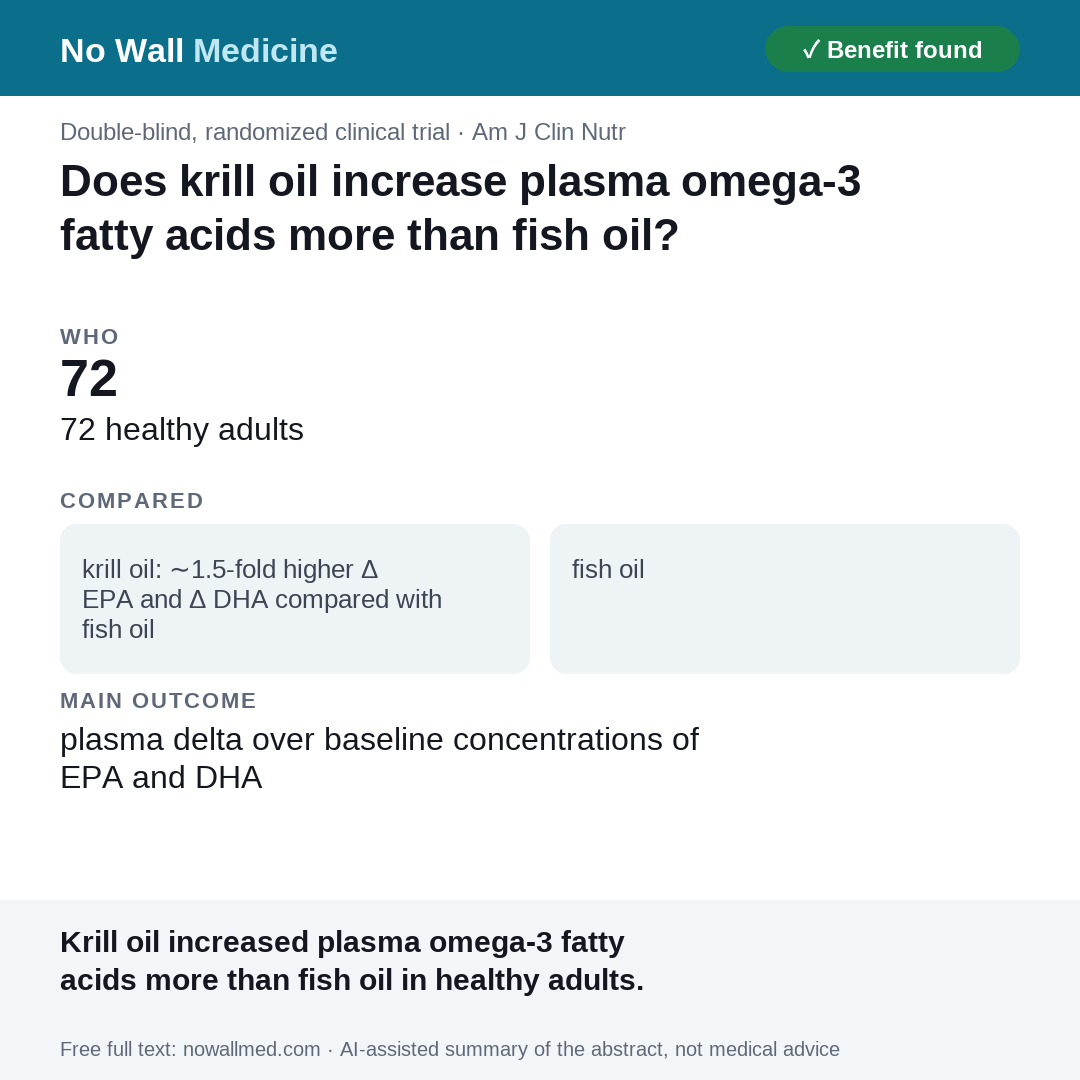
Krill oil increases plasma omega-3 fatty acids more than fish oil in healthy adults: a double-blind randomized controlled trial
Double-blind, randomized clinical trialBenefit found
Does krill oil increase plasma omega-3 fatty acids more than fish oil?
Who
72
72 healthy adults
Compared
krill oil: ∼1.5-fold higher Δ EPA and Δ DHA compared with fish oil
fish oil
Main outcome
plasma delta over baseline concentrations of EPA and DHA
Bottom line: Krill oil increased plasma omega-3 fatty acids more than fish oil in healthy adults.
Am J Clin Nutr · 2026-05-16Download image
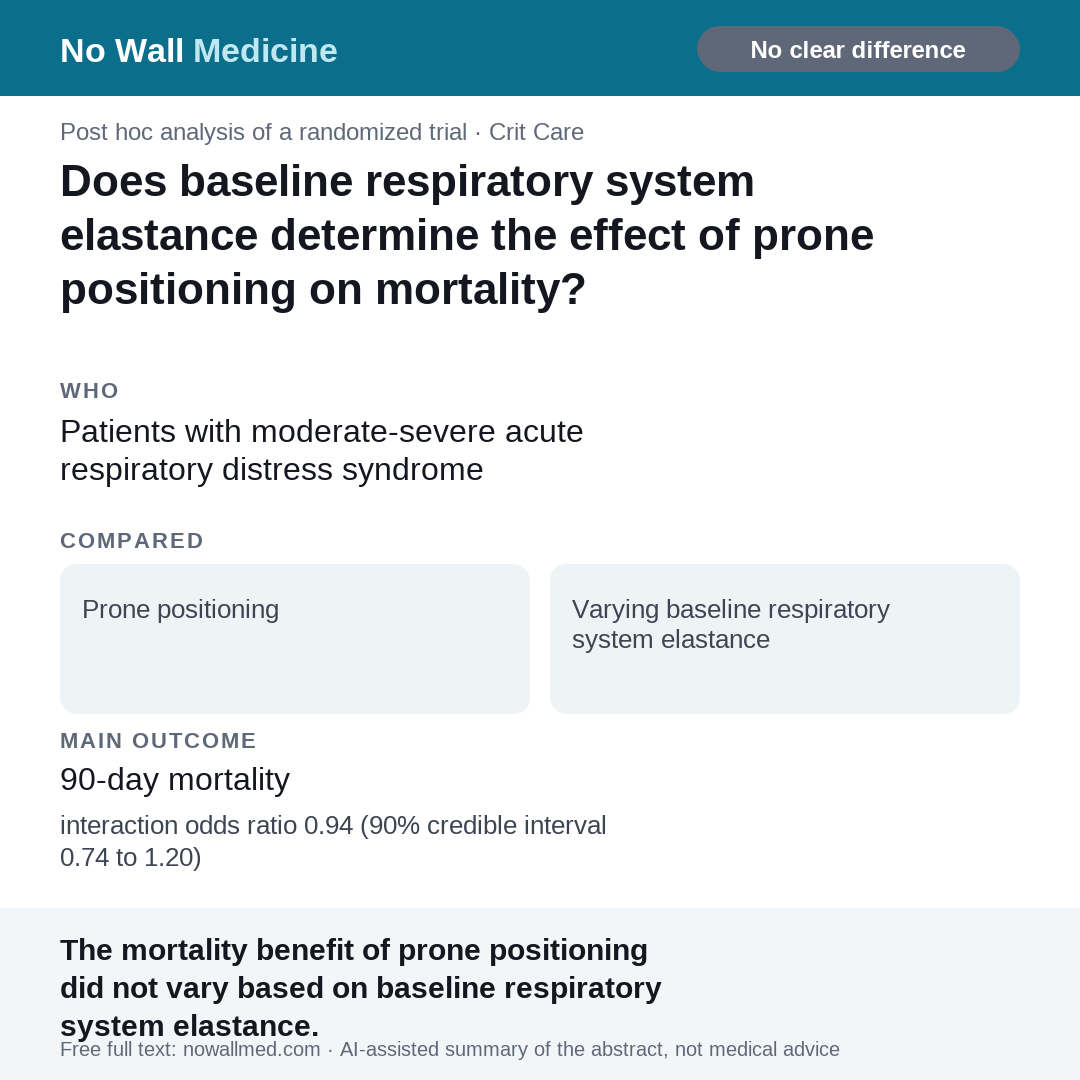
Elastance as a determinant of the effect of prone positioning on mortality in acute respiratory distress syndrome: a post hoc analysis of the PROSEVA trial
Post hoc analysis of a randomized trialNo clear difference
Does baseline respiratory system elastance determine the effect of prone positioning on mortality?
Who
Patients with moderate-severe acute respiratory distress syndrome
Compared
Prone positioning
Varying baseline respiratory system elastance
Main outcome
90-day mortality
Result: interaction odds ratio 0.94 (90% credible interval 0.74 to 1.20)
Bottom line: The mortality benefit of prone positioning did not vary based on baseline respiratory system elastance.
Crit Care · 2026-05-16Download image
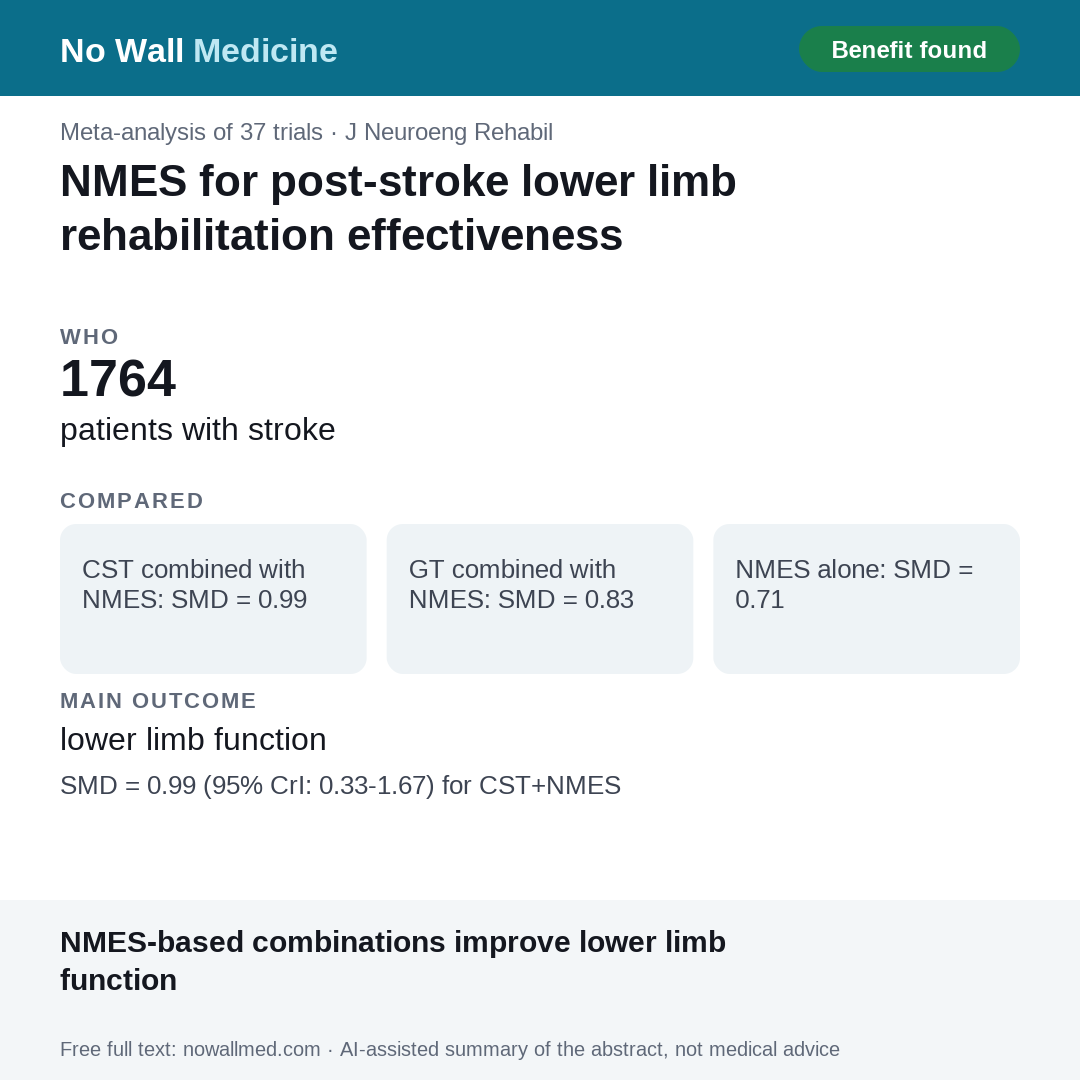
Comparative effectiveness of neuromuscular electrical stimulation-based combination interventions for post-stroke lower limb rehabilitation: a systematic review and network meta-analysis
Meta-analysis of 37 trialsBenefit found
NMES for post-stroke lower limb rehabilitation effectiveness
Who
1764
patients with stroke
Compared
CST combined with NMES: SMD = 0.99
GT combined with NMES: SMD = 0.83
NMES alone: SMD = 0.71
Main outcome
lower limb function
Result: SMD = 0.99 (95% CrI: 0.33-1.67) for CST+NMES
Bottom line: NMES-based combinations improve lower limb function
Limitation: limited evidence for subgroup findings
J Neuroeng Rehabil · 2026-05-16Download image