Visual abstracts
New randomized trials and meta-analyses from leading journals at a glance: who was studied, what was compared, and what was found. Every paper is free to read in full.
All specialtiesCardiology 3593Oncology 3068Gastroenterology & Hepatology 1405Infectious Disease 2529Neurology 1444Psychiatry & Mental Health 1696Pulmonology 1535Critical Care 1027Endocrinology & Diabetes 1833Pediatrics 2175Surgery 1889Orthopedics & Sports Medicine 669Neurosurgery 421Cardiothoracic & Vascular Surgery 425Plastic & Reconstructive Surgery 496Nephrology 785Rheumatology 574Hematology 808Dermatology 444Ophthalmology 396Obstetrics & Gynecology 1228Public & Global Health 688Radiology & Imaging 499Anesthesiology 733Urology 590ENT (Otolaryngology) 394Emergency Medicine 383Allergy & Immunology 223Geriatrics 758Family Medicine & Primary Care 414Medical Genetics & Genomics 460Pathology & Laboratory Medicine 118Physical Medicine & Rehabilitation 558Palliative Care 331Nutrition 1085Digital Health & AI 1685General Medicine 257
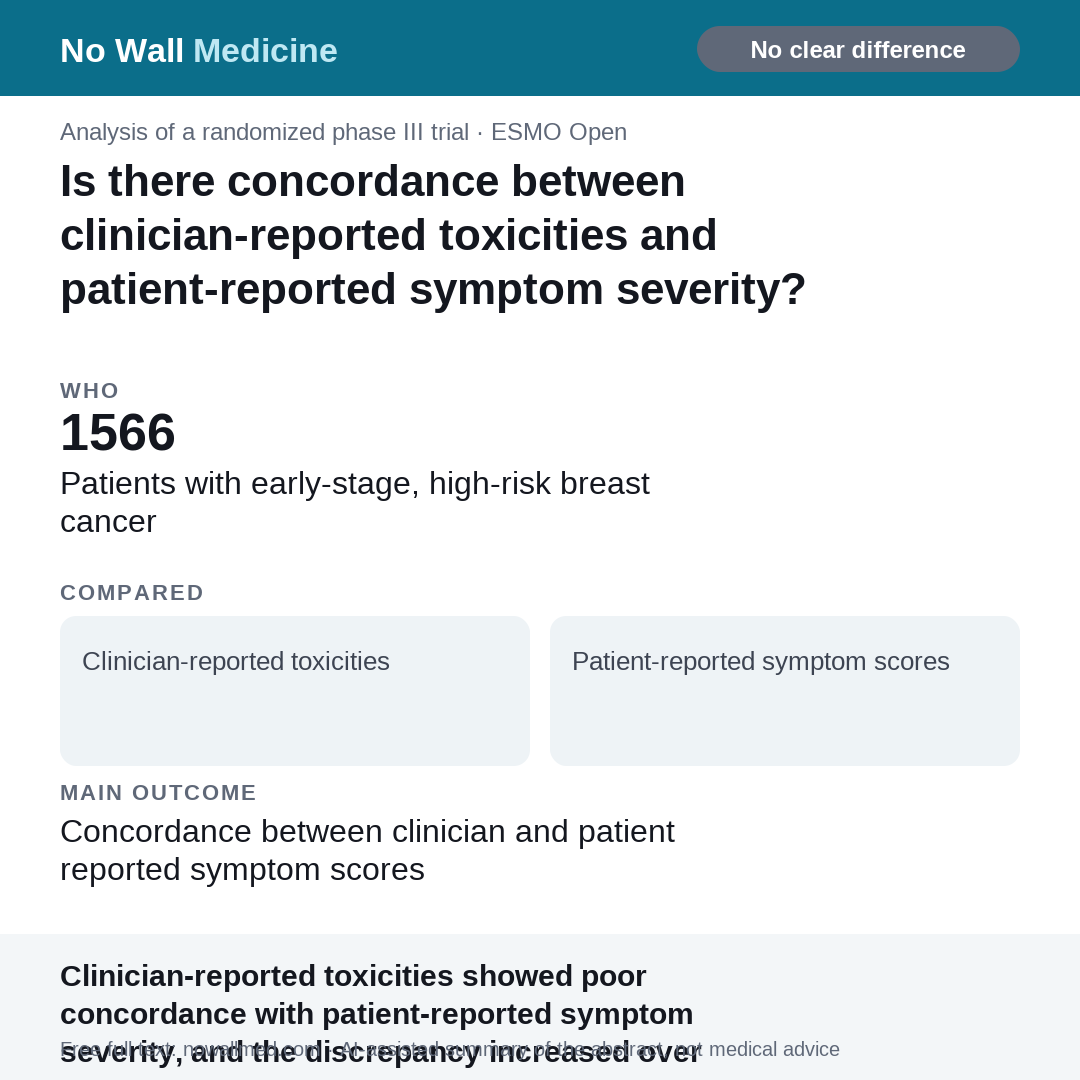
Concordance between clinician-reported toxicities and patient-reported symptom severity in early-stage breast cancer: an analysis of the randomized phase III PANTHER trial
Analysis of a randomized phase III trialNo clear difference
Is there concordance between clinician-reported toxicities and patient-reported symptom severity?
Who
1566
Patients with early-stage, high-risk breast cancer
Compared
Clinician-reported toxicities
Patient-reported symptom scores
Main outcome
Concordance between clinician and patient reported symptom scores
Result: kappa = 0.07-0.34
Bottom line: Clinician-reported toxicities showed poor concordance with patient-reported symptom severity, and the discrepancy increased over time.
ESMO Open · 2026-05-09Download image
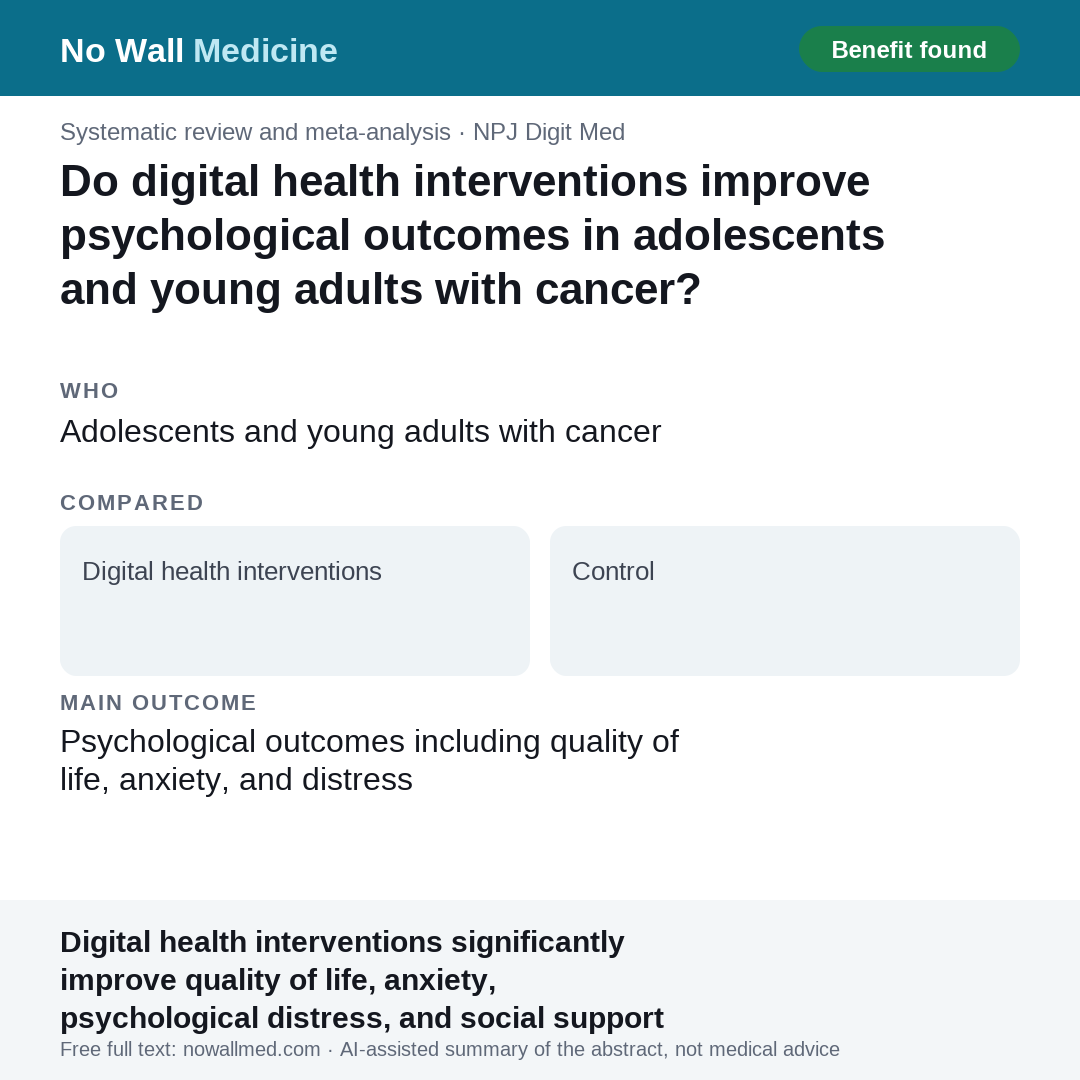
Digital health interventions for psychological outcomes among adolescents and young adults with cancer: a systematic review and meta-analysis
Systematic review and meta-analysisBenefit found
Do digital health interventions improve psychological outcomes in adolescents and young adults with cancer?
Who
Adolescents and young adults with cancer
Compared
Digital health interventions
Control
Main outcome
Psychological outcomes including quality of life, anxiety, and distress
Bottom line: Digital health interventions significantly improve quality of life, anxiety, psychological distress, and social support in adolescents and young adults with cancer.
Limitation: Future randomized controlled trials are needed to evaluate cognitive impairment and cost-effectiveness.
NPJ Digit Med · 2026-05-09Download image
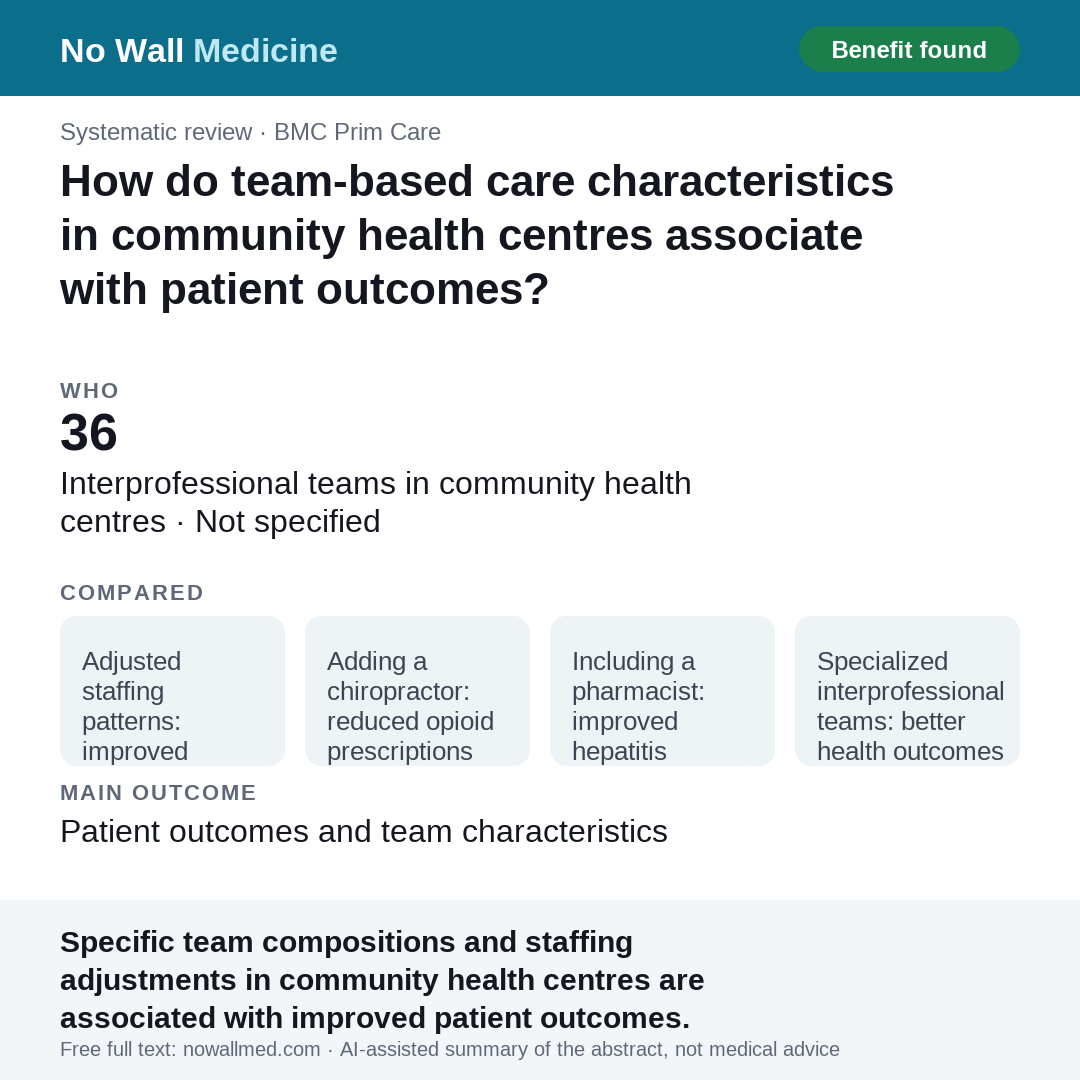
The association between team-based model of care characteristics and patient outcomes in community health centres: a systematic review
Systematic reviewBenefit found
How do team-based care characteristics in community health centres associate with patient outcomes?
Who
36
Interprofessional teams in community health centres · Not specified
Compared
Adjusted staffing patterns: improved patient satisfaction and increased number of visits
Adding a chiropractor: reduced opioid prescriptions and patient pain
Including a pharmacist: improved hepatitis management and patient satisfaction
Specialized interprofessional teams: better health outcomes and care management
Main outcome
Patient outcomes and team characteristics
Bottom line: Specific team compositions and staffing adjustments in community health centres are associated with improved patient outcomes.
Limitation: Inconsistent findings regarding nurse practitioners and physician assistants impact on patients seen.
BMC Prim Care · 2026-05-09Download image
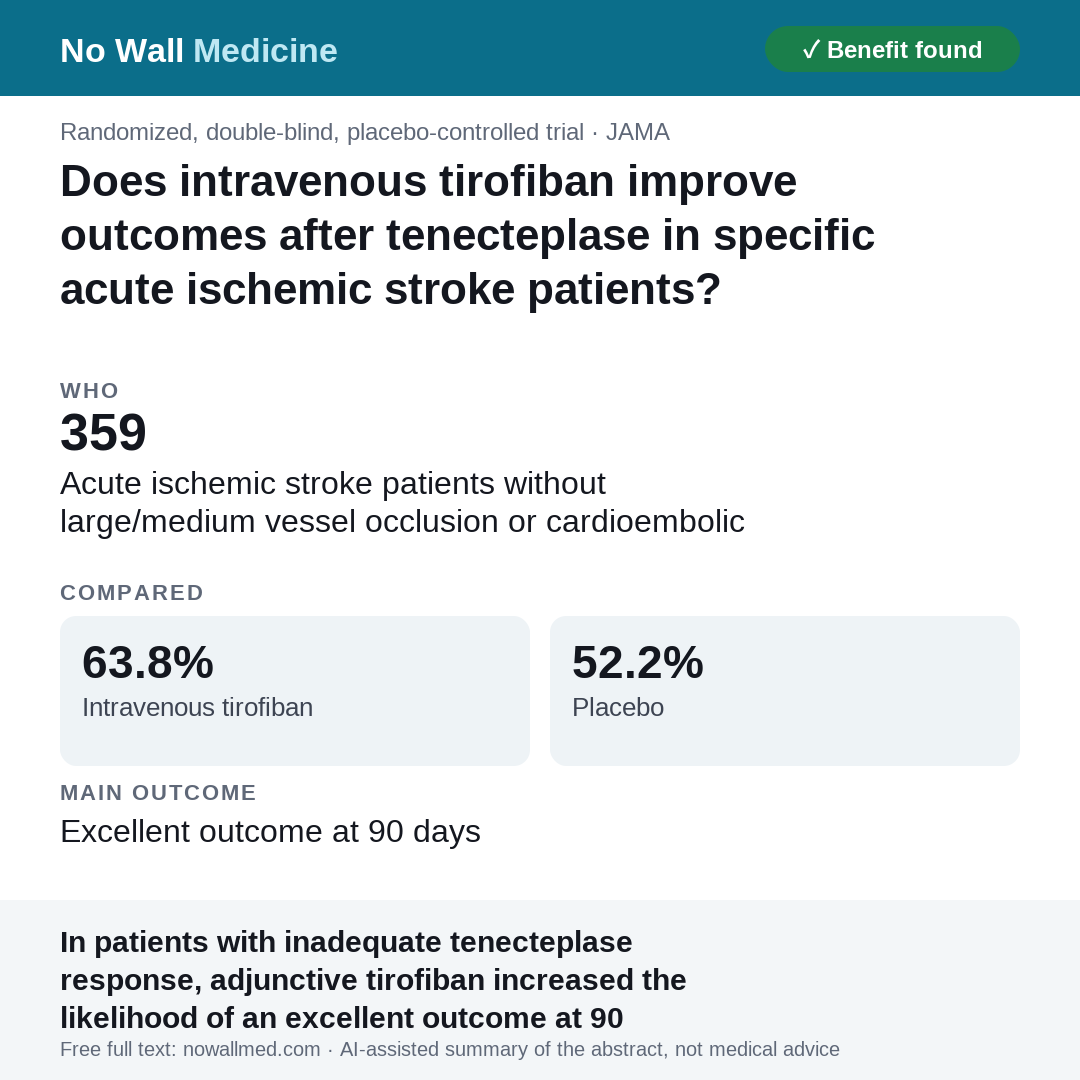
Intravenous Tirofiban After Tenecteplase in Acute Ischemic Stroke: The INSTANT Randomized Clinical Trial
Randomized, double-blind, placebo-controlled trialBenefit found
Does intravenous tirofiban improve outcomes after tenecteplase in specific acute ischemic stroke patients?
Who
359
Acute ischemic stroke patients without large/medium vessel occlusion or cardioembolic source · 37 hospitals in China
Compared
63.8%Intravenous tirofiban
52.2%Placebo
Main outcome
Excellent outcome at 90 days
Result: risk ratio 1.22 (95% CI 1.02-1.46)
Bottom line: In patients with inadequate tenecteplase response, adjunctive tirofiban increased the likelihood of an excellent outcome at 90 days.
JAMA · 2026-05-08Download image
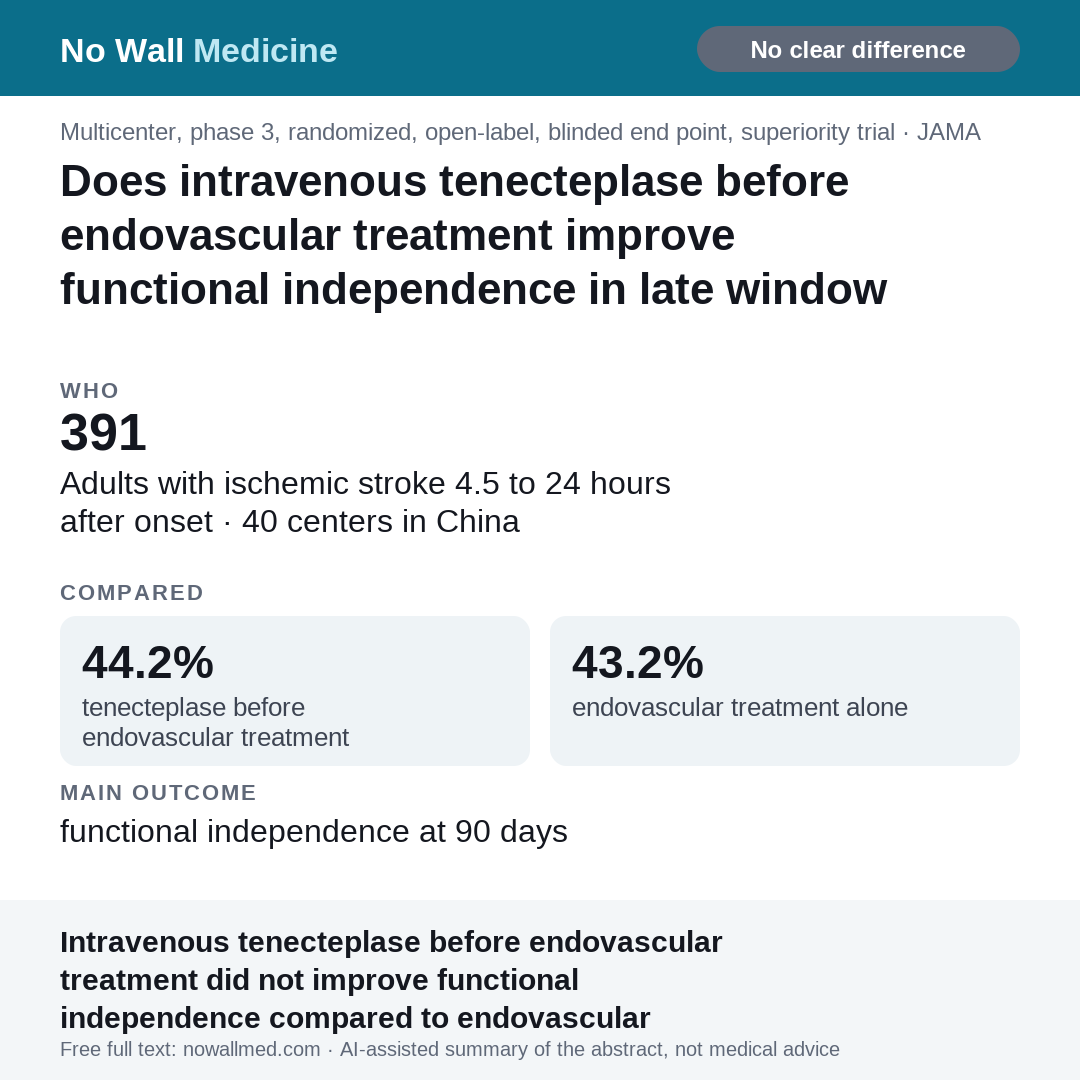
Intravenous Tenecteplase Prior to Endovascular Treatment for Ischemic Stroke at 4.5 to 24 Hours: The TNK-PLUS Randomized Clinical Trial
Multicenter, phase 3, randomized, open-label, blinded end point, superiority trialNo clear difference
Does intravenous tenecteplase before endovascular treatment improve functional independence in late window ischemic stroke?
Who
391
Adults with ischemic stroke 4.5 to 24 hours after onset · 40 centers in China
Compared
44.2%tenecteplase before endovascular treatment
43.2%endovascular treatment alone
Main outcome
functional independence at 90 days
Result: adjusted relative rate, 1.01 (95% CI, 0.83-1.24)
Bottom line: Intravenous tenecteplase before endovascular treatment did not improve functional independence compared to endovascular treatment alone.
JAMA · 2026-05-08Download image
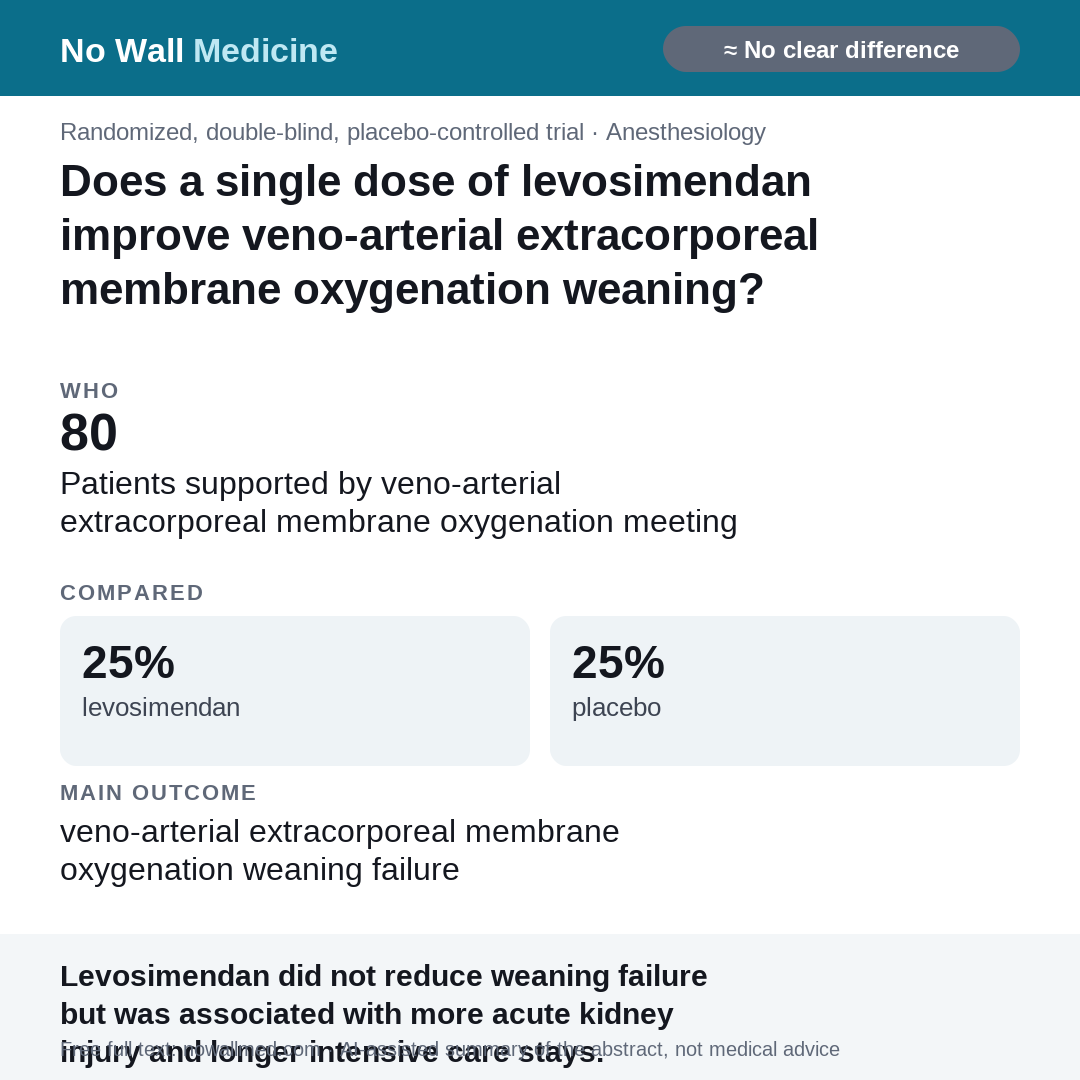
Short- and Long-term Efficacy and Safety of Levosimendan in Veno-arterial Extracorporeal Membrane Oxygenation Weaning: The WEANILEVO Randomized Double-blind Multicenter Trial
Randomized, double-blind, placebo-controlled trialNo clear difference
Does a single dose of levosimendan improve veno-arterial extracorporeal membrane oxygenation weaning?
Who
80
Patients supported by veno-arterial extracorporeal membrane oxygenation meeting weaning criteria · Five French centers
Compared
25%levosimendan
25%placebo
Main outcome
veno-arterial extracorporeal membrane oxygenation weaning failure
Result: odds ratio, 1.00 (95% CI, 0.36 to 2.75)
Bottom line: Levosimendan did not reduce weaning failure but was associated with more acute kidney injury and longer intensive care stays.
Limitation: The planned number of patients could not be recruited due to halted funding.
Anesthesiology · 2026-05-08Download image
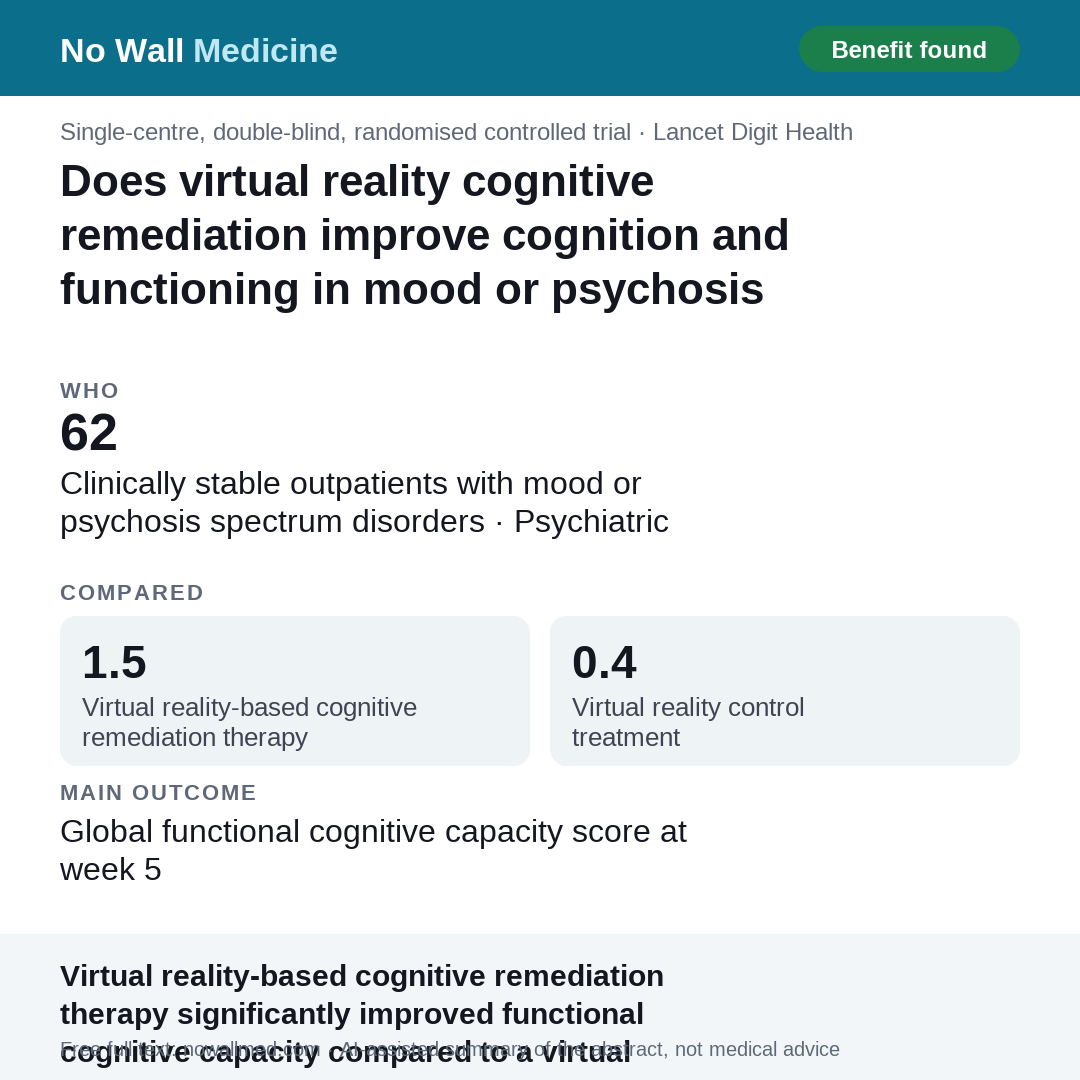
Virtual reality-based cognitive remediation versus virtual reality control in people with mood or psychosis spectrum disorders in Denmark: a single-centre, double-blind, randomised controlled trial
Single-centre, double-blind, randomised controlled trialBenefit found
Does virtual reality cognitive remediation improve cognition and functioning in mood or psychosis spectrum disorders?
Who
62
Clinically stable outpatients with mood or psychosis spectrum disorders · Psychiatric Centre Copenhagen in Denmark
Compared
1.5Virtual reality-based cognitive remediation therapy (SD 0.6)
0.4Virtual reality control treatment (0.8)
Main outcome
Global functional cognitive capacity score at week 5
Result: treatment effect 0.98 (95% CI 0.65-1.32)
Bottom line: Virtual reality-based cognitive remediation therapy significantly improved functional cognitive capacity compared to a virtual reality control group.
Funded by: TrygFonden, Axel Muusfeldts Foundation, Jascha Foundation, Ivan Nielsen Foundation, and Familien Hede Nielsen Foundation
Lancet Digit Health · 2026-05-08Download image
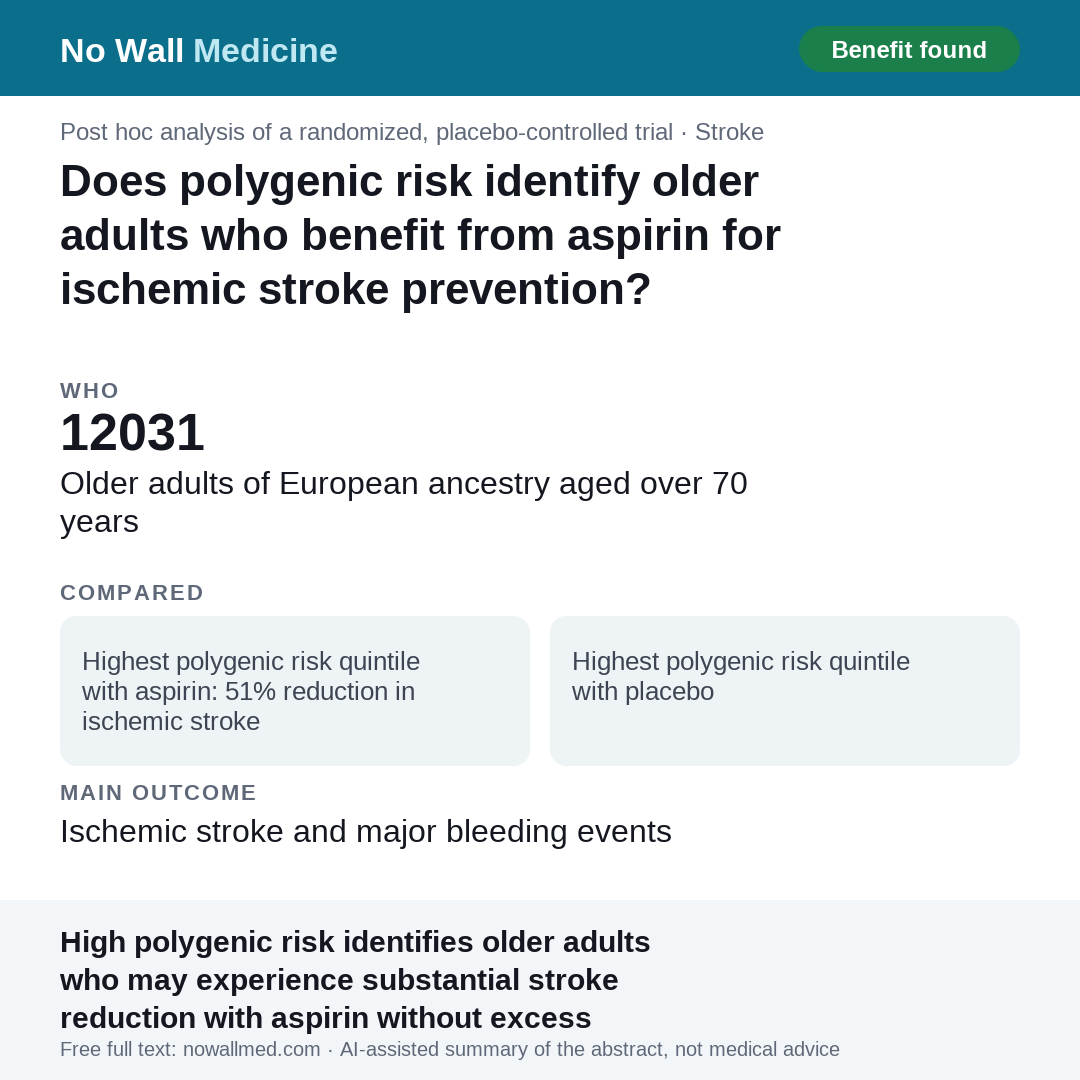
Polygenic Risk Identifies Older Adults Who May Benefit From Aspirin for the Primary Prevention of Ischemic Stroke
Post hoc analysis of a randomized, placebo-controlled trialBenefit found
Does polygenic risk identify older adults who benefit from aspirin for ischemic stroke prevention?
Who
12031
Older adults of European ancestry aged over 70 years
Compared
Highest polygenic risk quintile with aspirin: 51% reduction in ischemic stroke
Highest polygenic risk quintile with placebo
Main outcome
Ischemic stroke and major bleeding events
Result: hazard ratio 0.49 (95% CI 0.28-0.85)
Bottom line: High polygenic risk identifies older adults who may experience substantial stroke reduction with aspirin without excess bleeding.
Stroke · 2026-05-08Download image
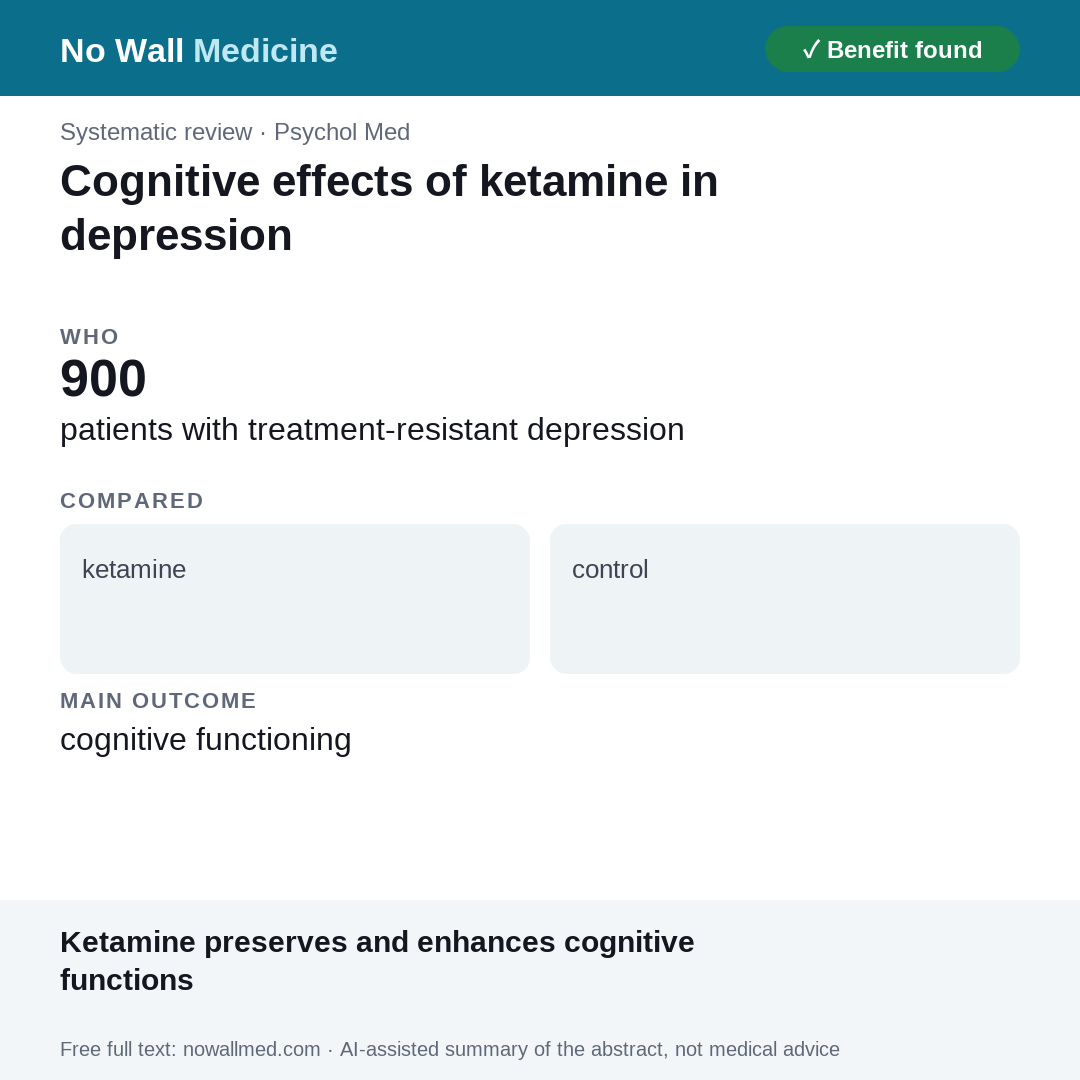
Cognitive effects of intravenous Ketamine in treatment-resistant depression: A systematic review
Systematic reviewBenefit found
Cognitive effects of ketamine in depression
Who
900
patients with treatment-resistant depression
Compared
ketamine
control
Main outcome
cognitive functioning
Bottom line: Ketamine preserves and enhances cognitive functions
Limitation: lack of longitudinal studies
Psychol Med · 2026-05-08Download image
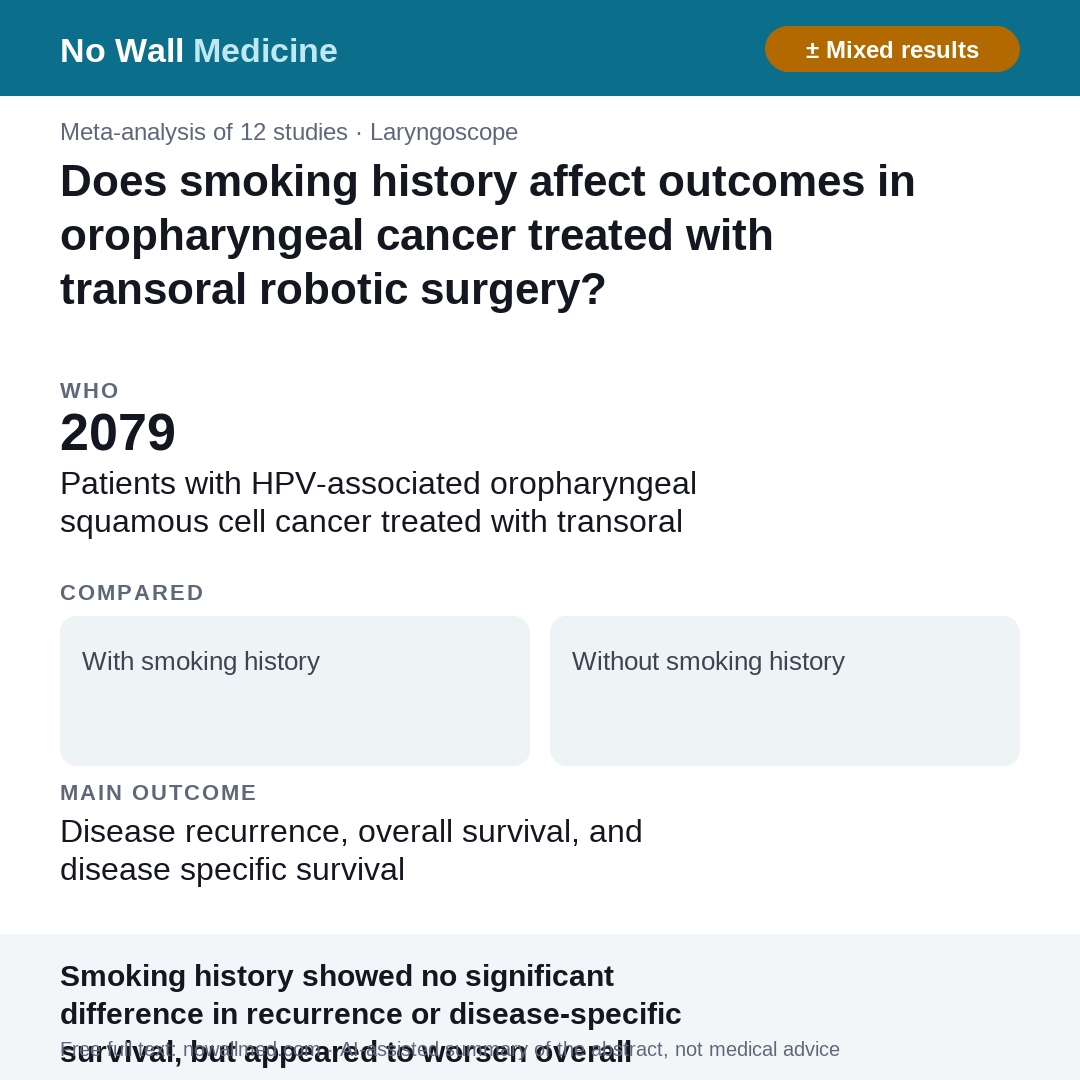
Effect of Smoking in Oropharyngeal Cancer Treated With TORS: Systematic Review and Meta-Analysis
Meta-analysis of 12 studiesMixed results
Does smoking history affect outcomes in oropharyngeal cancer treated with transoral robotic surgery?
Who
2079
Patients with HPV-associated oropharyngeal squamous cell cancer treated with transoral robotic surgery
Compared
With smoking history
Without smoking history
Main outcome
Disease recurrence, overall survival, and disease specific survival
Result: hazard ratio 1.4 (95% confidence interval 1.0-2.0) for disease recurrence
Bottom line: Smoking history showed no significant difference in recurrence or disease-specific survival, but appeared to worsen overall survival.
Laryngoscope · 2026-05-08Download image
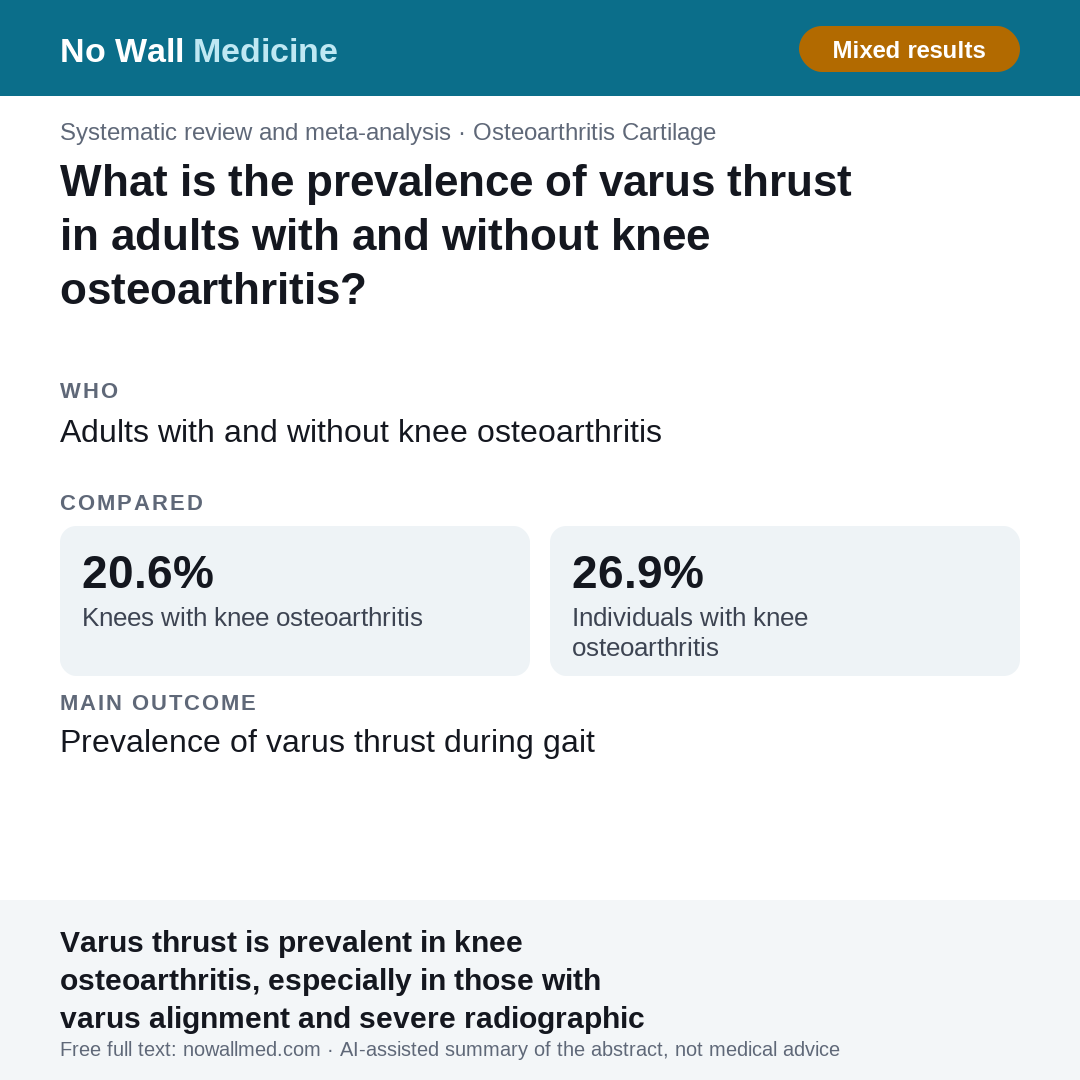
The prevalence of varus thrust: A systematic review and meta-analysis
Systematic review and meta-analysisMixed results
What is the prevalence of varus thrust in adults with and without knee osteoarthritis?
Who
Adults with and without knee osteoarthritis
Compared
20.6%Knees with knee osteoarthritis (95% CI: 15.4%-27.0%)
26.9%Individuals with knee osteoarthritis (95% CI: 21.6%-32.9%)
Main outcome
Prevalence of varus thrust during gait
Bottom line: Varus thrust is prevalent in knee osteoarthritis, especially in those with varus alignment and severe radiographic disease.
Limitation: Evidence in adults without knee osteoarthritis remains limited.
Osteoarthritis Cartilage · 2026-05-08Download image
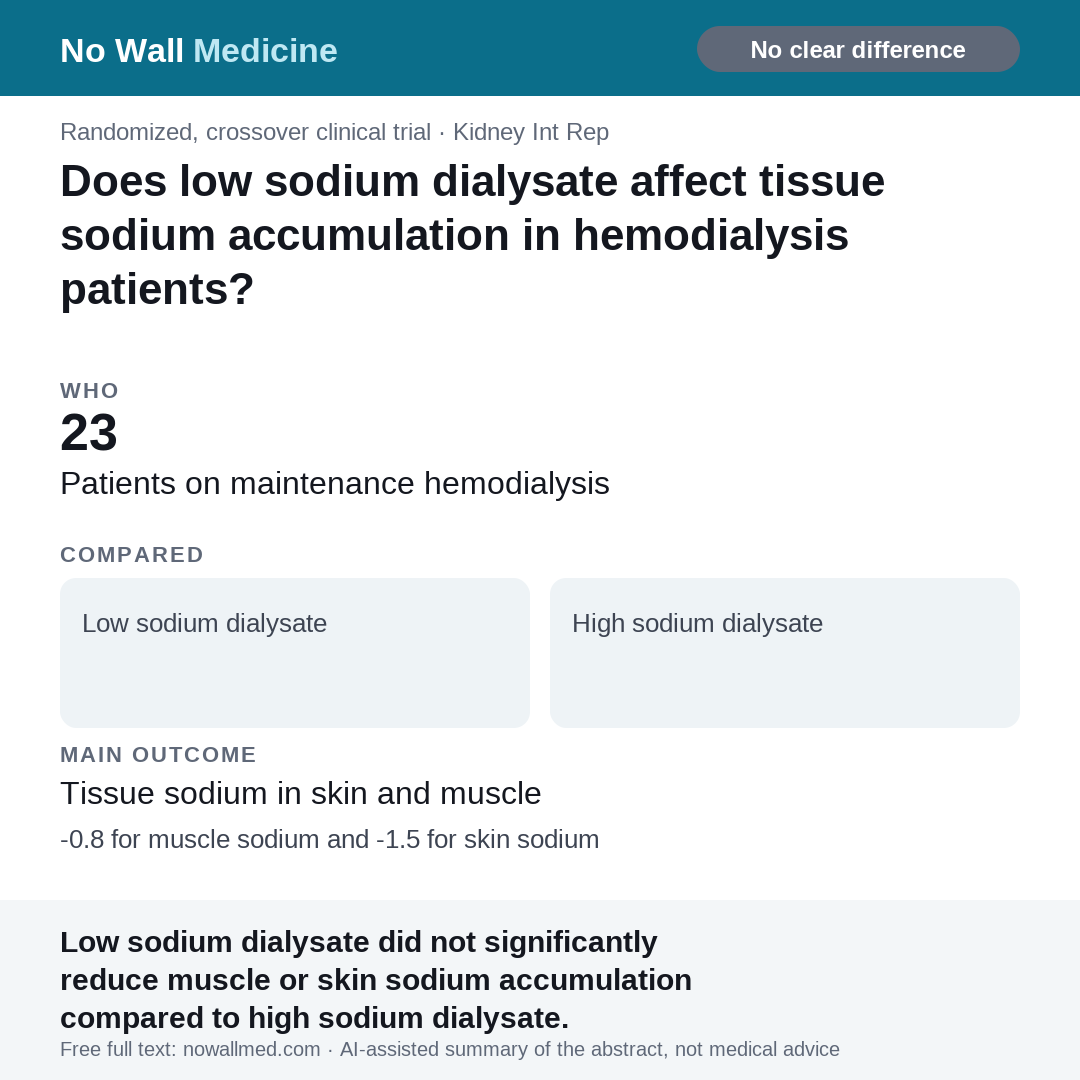
Randomized Crossover Trial of Low Sodium Dialysate on Tissue Sodium Accumulation in Hemodialysis
Randomized, crossover clinical trialNo clear difference
Does low sodium dialysate affect tissue sodium accumulation in hemodialysis patients?
Who
23
Patients on maintenance hemodialysis
Compared
Low sodium dialysate
High sodium dialysate
Main outcome
Tissue sodium in skin and muscle
Result: -0.8 for muscle sodium and -1.5 for skin sodium
Bottom line: Low sodium dialysate did not significantly reduce muscle or skin sodium accumulation compared to high sodium dialysate.
Kidney Int Rep · 2026-05-08Download image
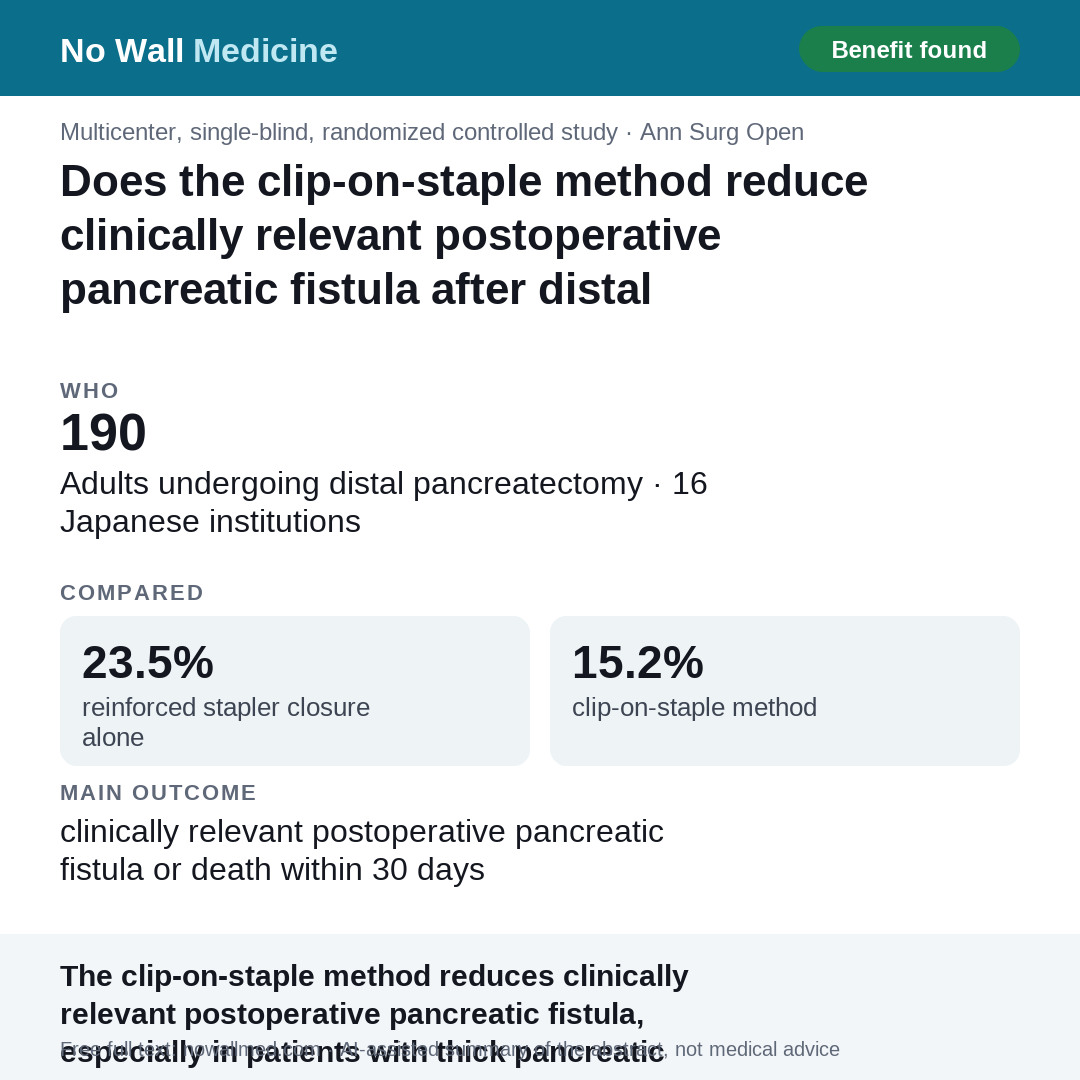
A Multicenter, Single-Blind, Randomized Trial Comparing Stapler Closure With Clip-on-Staple Method Versus Stapler Closure Alone During Distal Pancreatectomy (CLIP-DP Trial)
Multicenter, single-blind, randomized controlled studyBenefit found
Does the clip-on-staple method reduce clinically relevant postoperative pancreatic fistula after distal pancreatectomy?
Who
190
Adults undergoing distal pancreatectomy · 16 Japanese institutions
Compared
23.5%reinforced stapler closure alone
15.2%clip-on-staple method
Main outcome
clinically relevant postoperative pancreatic fistula or death within 30 days
Bottom line: The clip-on-staple method reduces clinically relevant postoperative pancreatic fistula, especially in patients with thick pancreatic parenchyma.
Ann Surg Open · 2026-05-08Download image
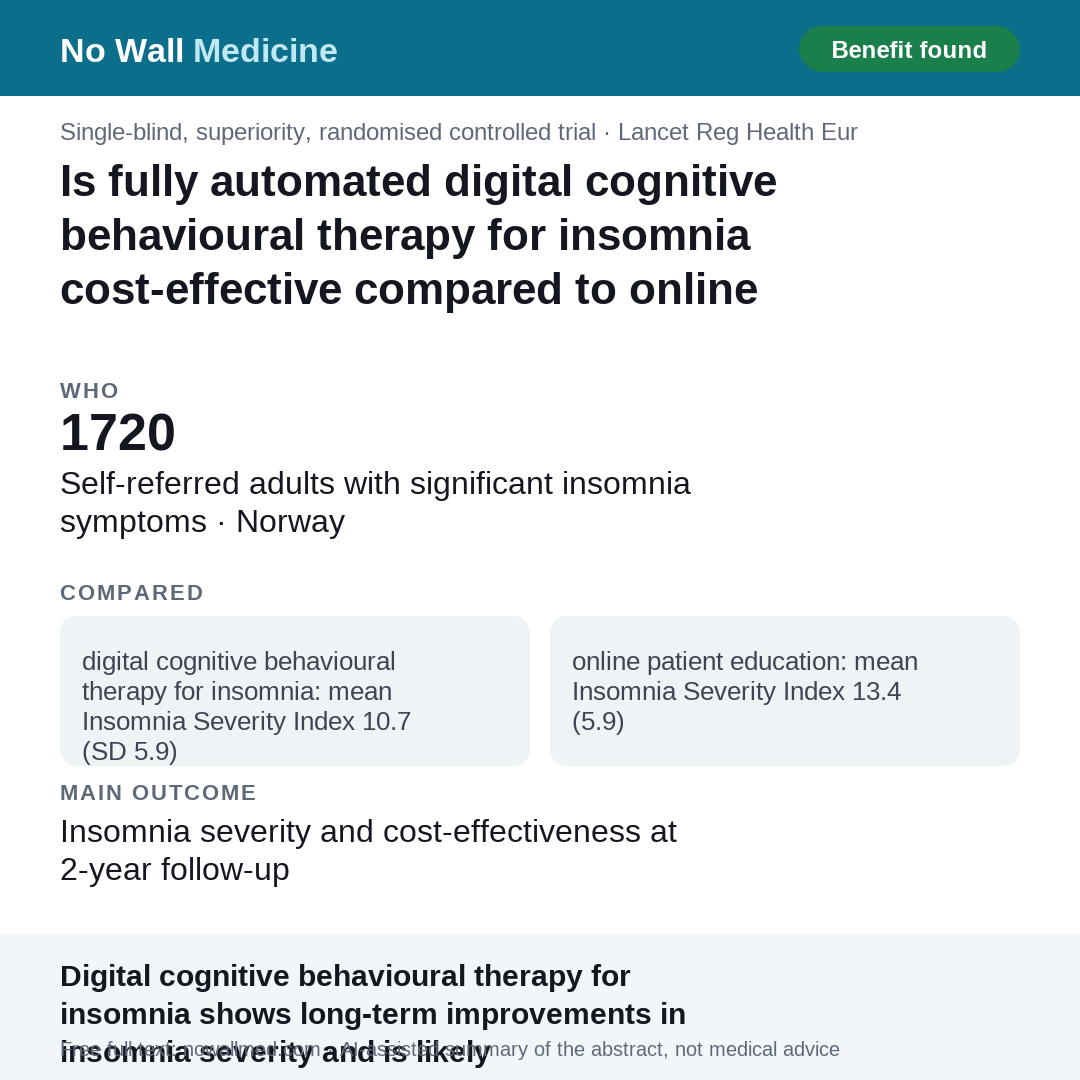
Long-term clinical and cost-effectiveness of a fully automated digital cognitive behavioural therapy for insomnia: 2-year follow-up of a single-blind, superiority, randomised controlled trial
Single-blind, superiority, randomised controlled trialBenefit found
Is fully automated digital cognitive behavioural therapy for insomnia cost-effective compared to online patient education?
Who
1720
Self-referred adults with significant insomnia symptoms · Norway
Compared
digital cognitive behavioural therapy for insomnia: mean Insomnia Severity Index 10.7 (SD 5.9)
online patient education: mean Insomnia Severity Index 13.4 (5.9)
Main outcome
Insomnia severity and cost-effectiveness at 2-year follow-up
Result: estimated difference: -1.77 (95% CI: -2.65 to -0.90)
Bottom line: Digital cognitive behavioural therapy for insomnia shows long-term improvements in insomnia severity and is likely cost-effective.
Limitation: Effects attenuated over time and long-term certainty is limited by attrition.
Funded by: Norwegian Council of Research; Liaison Committee for Education, Research and Innovation
Lancet Reg Health Eur · 2026-05-08Download image
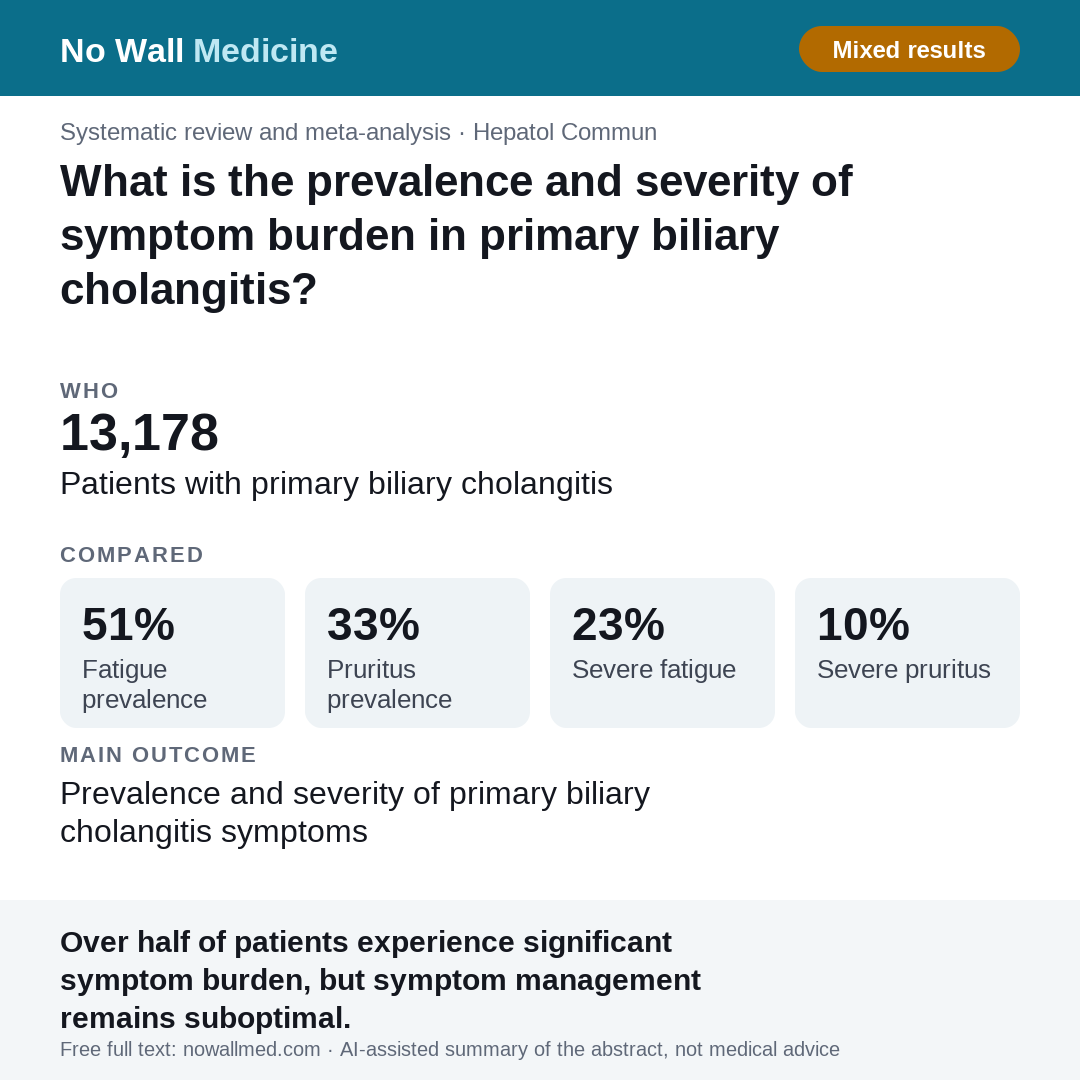
Symptom burden and treatment patterns in primary biliary cholangitis: A systematic review and meta-analysis
Systematic review and meta-analysisMixed results
What is the prevalence and severity of symptom burden in primary biliary cholangitis?
Who
13,178
Patients with primary biliary cholangitis
Compared
51%Fatigue prevalence
33%Pruritus prevalence
23%Severe fatigue
10%Severe pruritus
Main outcome
Prevalence and severity of primary biliary cholangitis symptoms
Bottom line: Over half of patients experience significant symptom burden, but symptom management remains suboptimal.
Limitation: There is an unmet need for standardized assessment and consistent reporting.
Hepatol Commun · 2026-05-08Download image
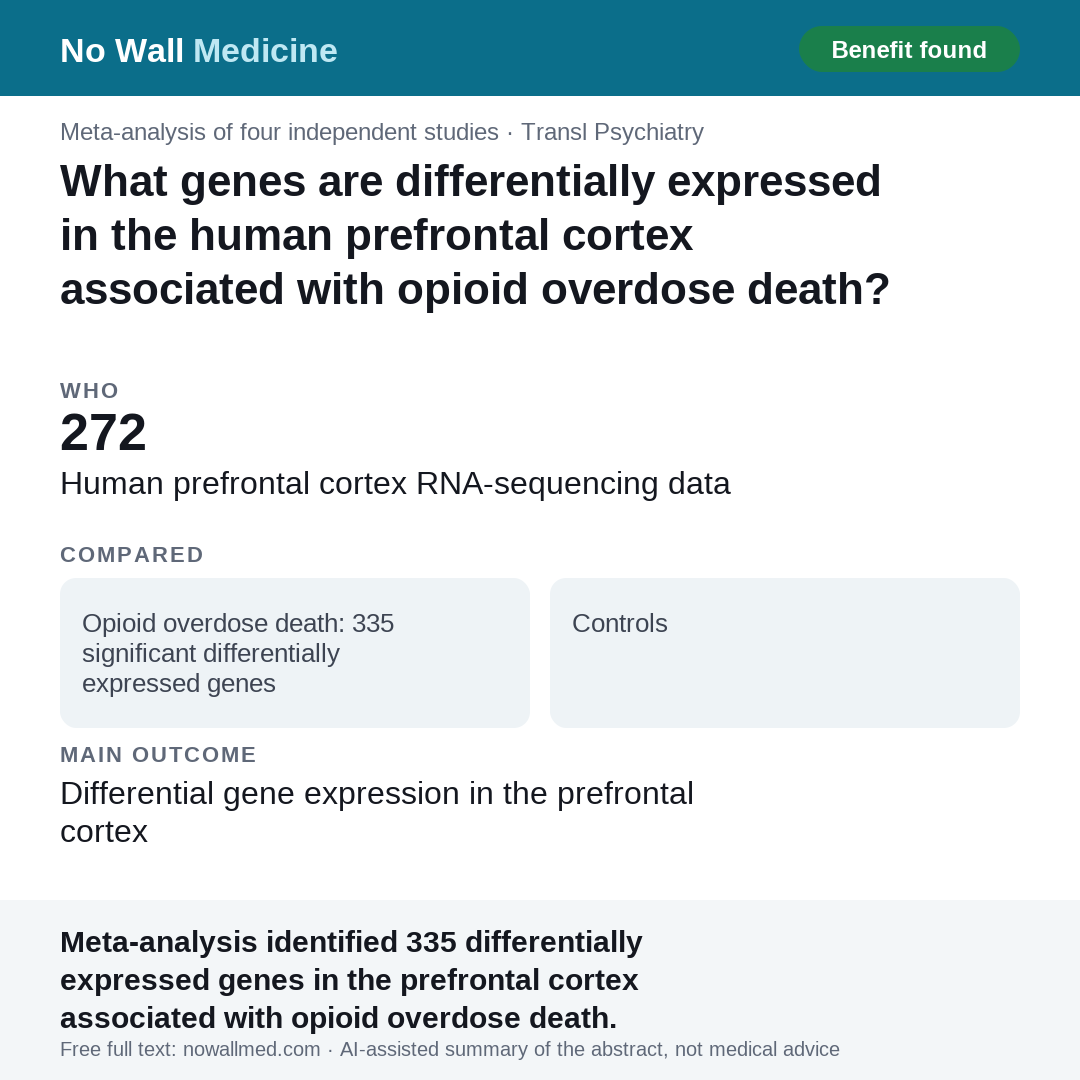
Identifying novel gene dysregulation associated with opioid overdose death: a meta-analysis of differential gene expression in human prefrontal cortex
Meta-analysis of four independent studiesBenefit found
What genes are differentially expressed in the human prefrontal cortex associated with opioid overdose death?
Who
272
Human prefrontal cortex RNA-sequencing data
Compared
Opioid overdose death: 335 significant differentially expressed genes
Controls
Main outcome
Differential gene expression in the prefrontal cortex
Bottom line: Meta-analysis identified 335 differentially expressed genes in the prefrontal cortex associated with opioid overdose death.
Transl Psychiatry · 2026-05-08Download image
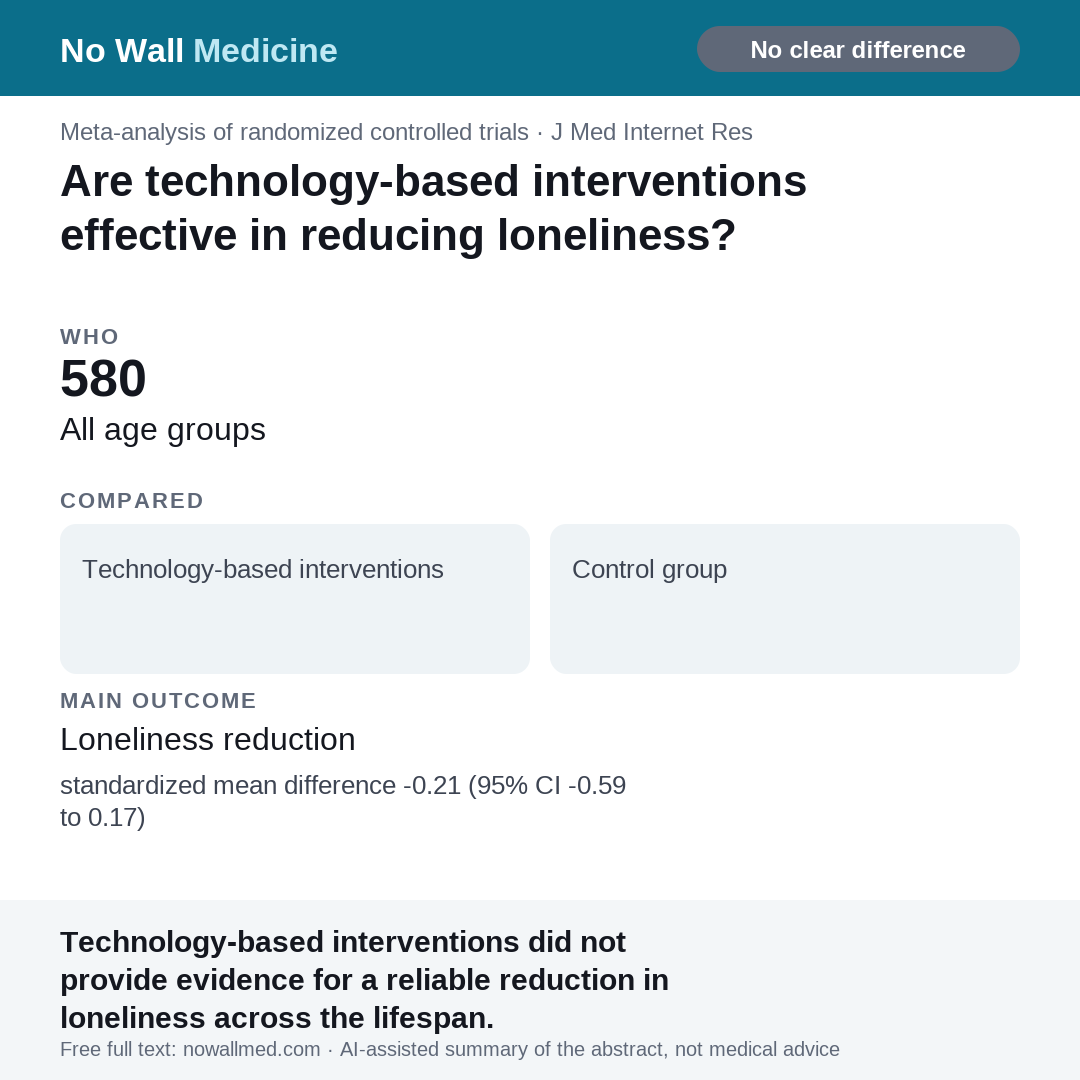
Efficacy of Technology-Based Interventions on the Reduction of Loneliness: Systematic Review and Meta-Analysis
Meta-analysis of randomized controlled trialsNo clear difference
Are technology-based interventions effective in reducing loneliness?
Who
580
All age groups
Compared
Technology-based interventions
Control group
Main outcome
Loneliness reduction
Result: standardized mean difference -0.21 (95% CI -0.59 to 0.17)
Bottom line: Technology-based interventions did not provide evidence for a reliable reduction in loneliness across the lifespan.
Limitation: Limited number of eligible trials prevented analysis of potential moderators.
J Med Internet Res · 2026-05-08Download image
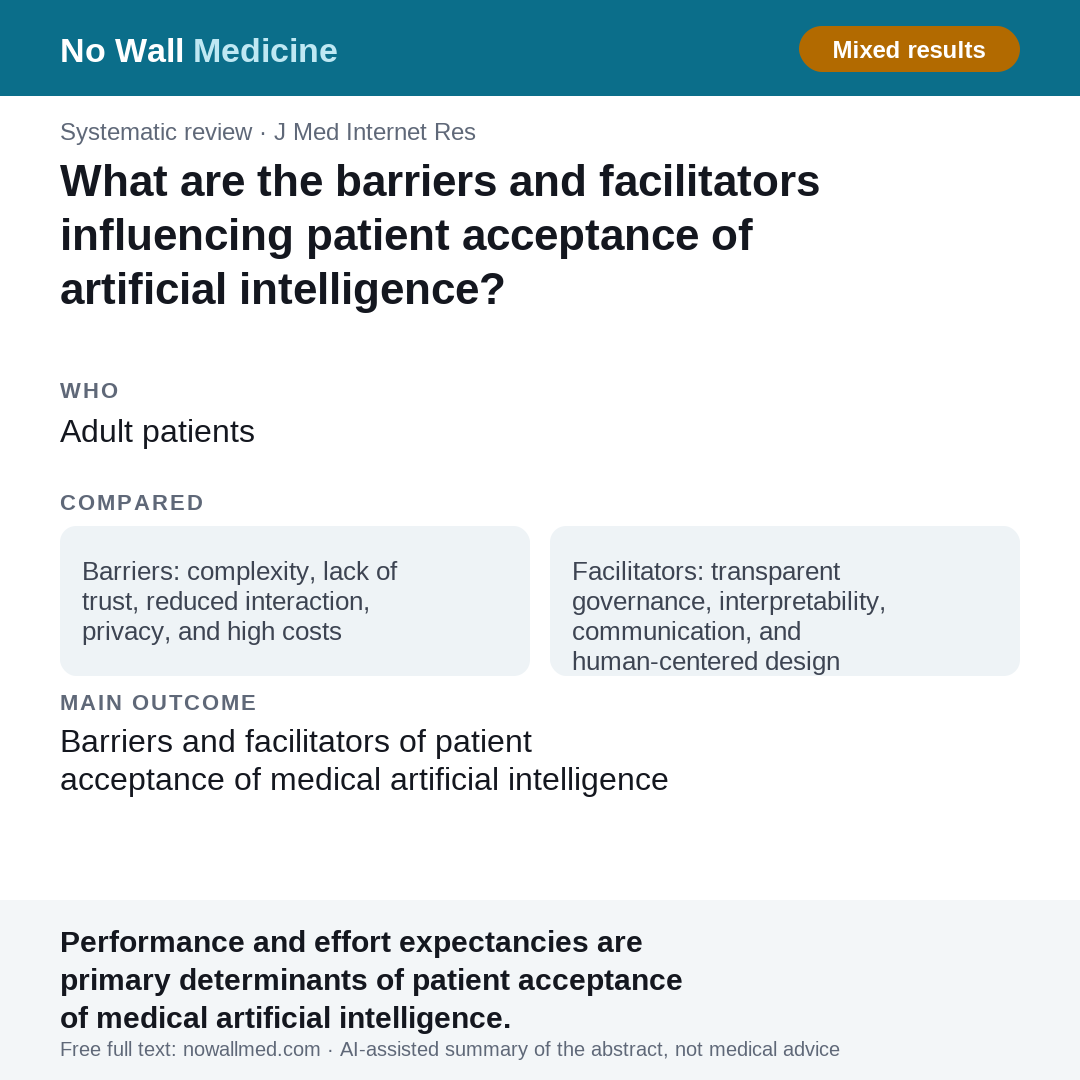
Barriers and Facilitators to Patient Acceptance of Artificial Intelligence in Health Care: Systematic Review
Systematic reviewMixed results
What are the barriers and facilitators influencing patient acceptance of artificial intelligence?
Who
61
Adult patients
Compared
Barriers: complexity, lack of trust, reduced interaction, privacy, and high costs
Facilitators: transparent governance, interpretability, communication, and human-centered design
Main outcome
Barriers and facilitators of patient acceptance of medical artificial intelligence
Bottom line: Performance and effort expectancies are primary determinants of patient acceptance of medical artificial intelligence.
J Med Internet Res · 2026-05-08Download image
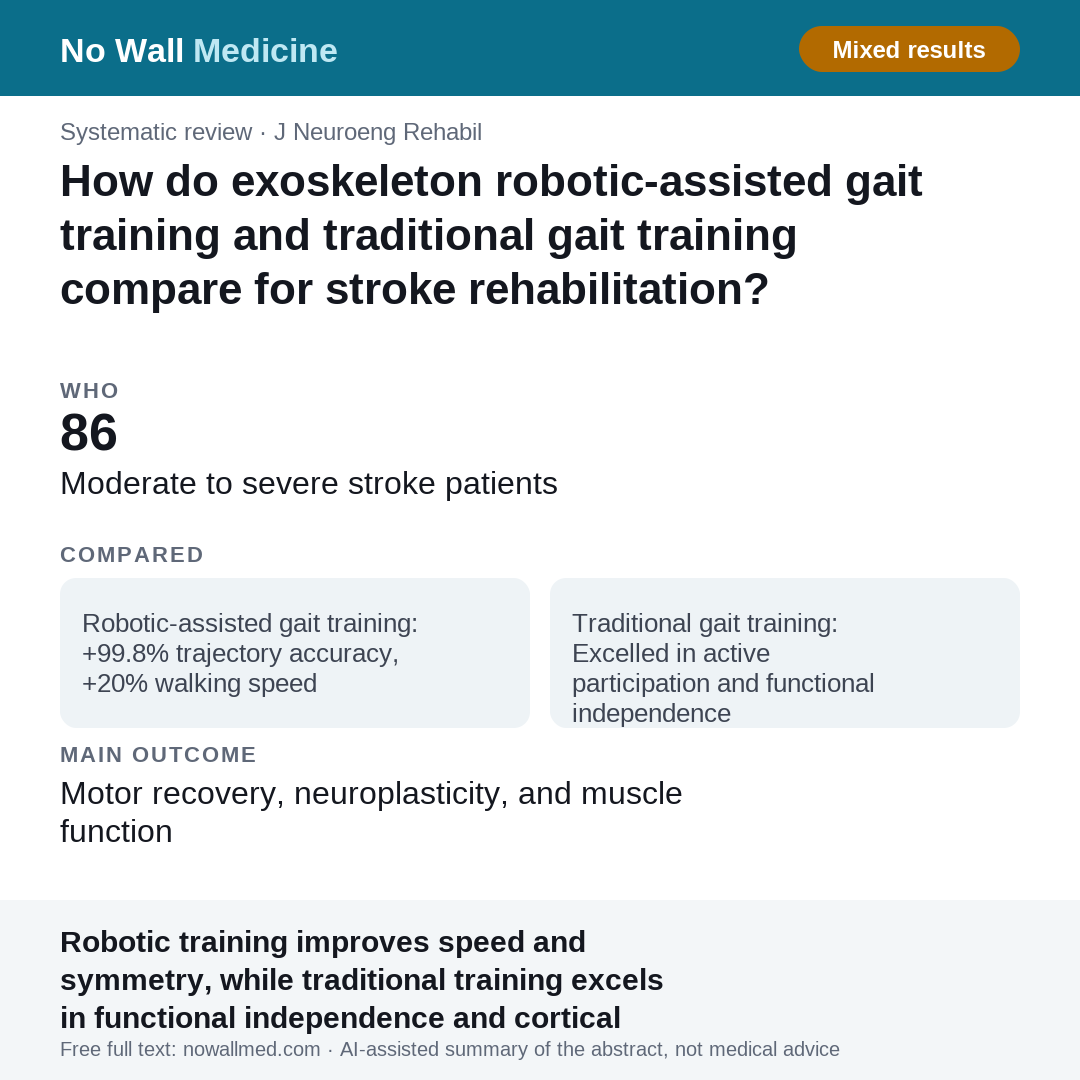
Post-stroke lower limb rehabilitation: a comparative study between exoskeleton robots and traditional gait training
Systematic reviewMixed results
How do exoskeleton robotic-assisted gait training and traditional gait training compare for stroke rehabilitation?
Who
86
Moderate to severe stroke patients
Compared
Robotic-assisted gait training: +99.8% trajectory accuracy, +20% walking speed
Traditional gait training: Excelled in active participation and functional independence
Main outcome
Motor recovery, neuroplasticity, and muscle function
Bottom line: Robotic training improves speed and symmetry, while traditional training excels in functional independence and cortical engagement.
J Neuroeng Rehabil · 2026-05-08Download image
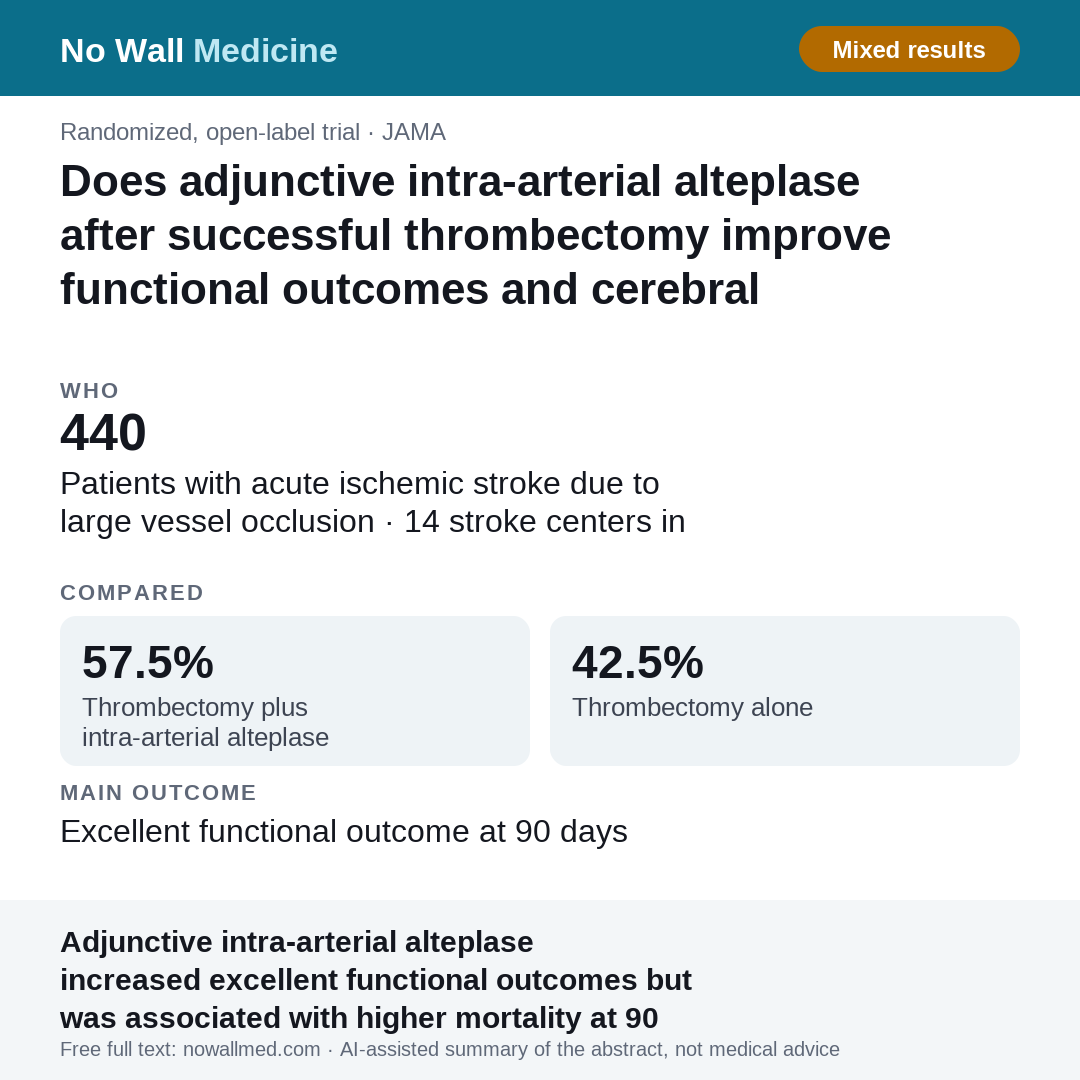
Adjunctive Intra-Arterial Alteplase After Successful Thrombectomy for Acute Ischemic Stroke: The CHOICE-2 Randomized Clinical Trial
Randomized, open-label trialMixed results
Does adjunctive intra-arterial alteplase after successful thrombectomy improve functional outcomes and cerebral reperfusion?
Who
440
Patients with acute ischemic stroke due to large vessel occlusion · 14 stroke centers in Spain
Compared
57.5%Thrombectomy plus intra-arterial alteplase (123/214)
42.5%Thrombectomy alone (93/219)
Main outcome
Excellent functional outcome at 90 days
Result: adjusted risk difference, 15.0% (95% CI, 5.7% to 24.3%)
Bottom line: Adjunctive intra-arterial alteplase increased excellent functional outcomes but was associated with higher mortality at 90 days.
JAMA · 2026-05-07Download image