Visual abstracts
New randomized trials and meta-analyses from leading journals at a glance: who was studied, what was compared, and what was found. Every paper is free to read in full.
All specialtiesCardiology 855Oncology 770Gastroenterology & Hepatology 311Infectious Disease 626Neurology 354Psychiatry & Mental Health 430Pulmonology 370Critical Care 259Endocrinology & Diabetes 484Pediatrics 542Surgery 349Orthopedics & Sports Medicine 166Neurosurgery 115Cardiothoracic & Vascular Surgery 87Plastic & Reconstructive Surgery 144Nephrology 197Rheumatology 108Hematology 183Dermatology 81Ophthalmology 97Obstetrics & Gynecology 266Public & Global Health 168Radiology & Imaging 104Anesthesiology 128Urology 162ENT (Otolaryngology) 114Emergency Medicine 103Allergy & Immunology 58Geriatrics 160Family Medicine & Primary Care 111Medical Genetics & Genomics 91Pathology & Laboratory Medicine 27Physical Medicine & Rehabilitation 149Palliative Care 81Nutrition 223Digital Health & AI 462General Medicine 101
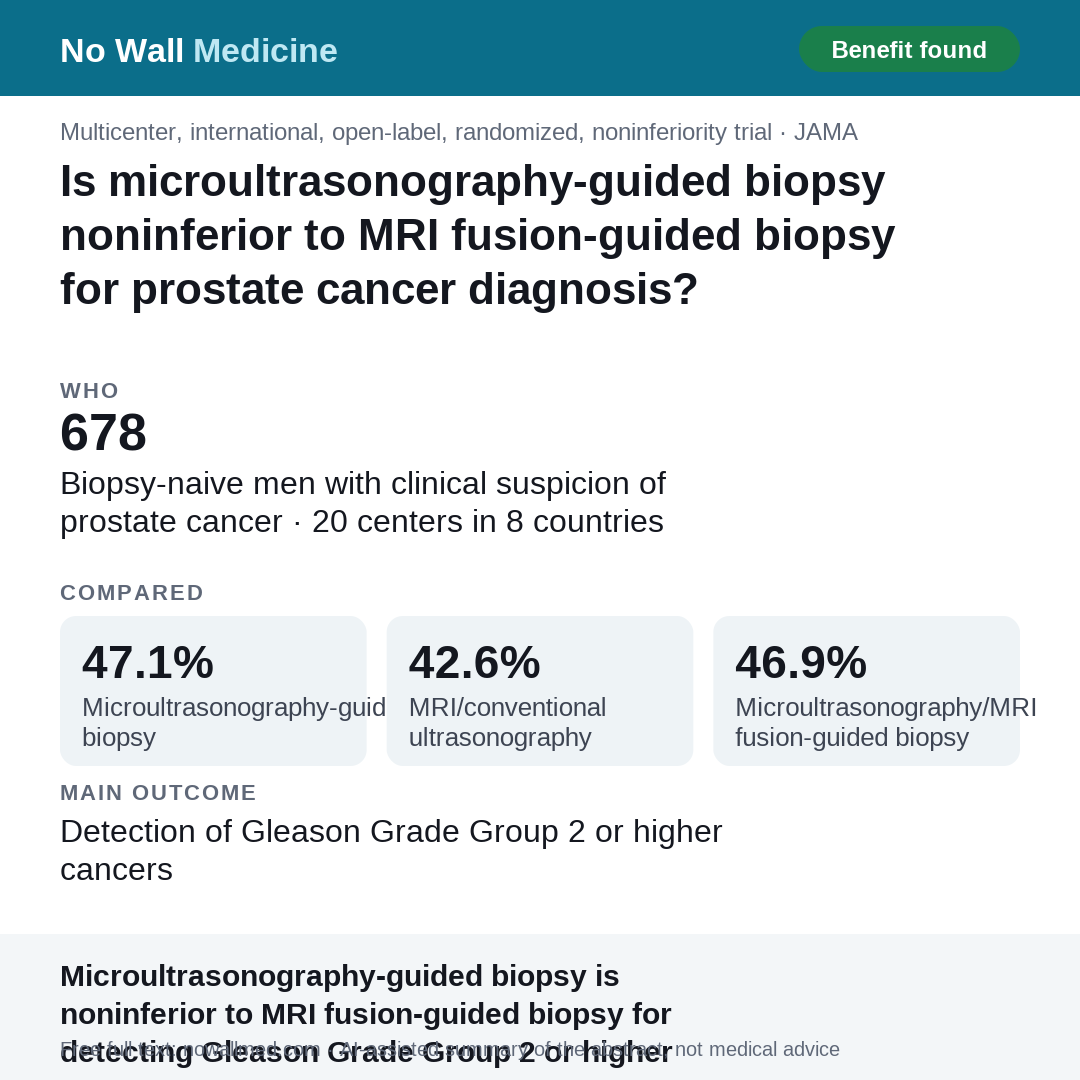
Microultrasonography-Guided vs MRI-Guided Biopsy for Prostate Cancer Diagnosis: The OPTIMUM Randomized Clinical Trial
Multicenter, international, open-label, randomized, noninferiority trialBenefit found
Is microultrasonography-guided biopsy noninferior to MRI fusion-guided biopsy for prostate cancer diagnosis?
Who
678
Biopsy-naive men with clinical suspicion of prostate cancer · 20 centers in 8 countries
Compared
47.1%Microultrasonography-guided biopsy
42.6%MRI/conventional ultrasonography fusion-guided biopsy
46.9%Microultrasonography/MRI fusion-guided biopsy
Main outcome
Detection of Gleason Grade Group 2 or higher cancers
Result: difference, 3.52% (95% CI, -3.95% to 10.92%)
Bottom line: Microultrasonography-guided biopsy is noninferior to MRI fusion-guided biopsy for detecting Gleason Grade Group 2 or higher prostate cancer.
JAMA · 2025-03-23Download image
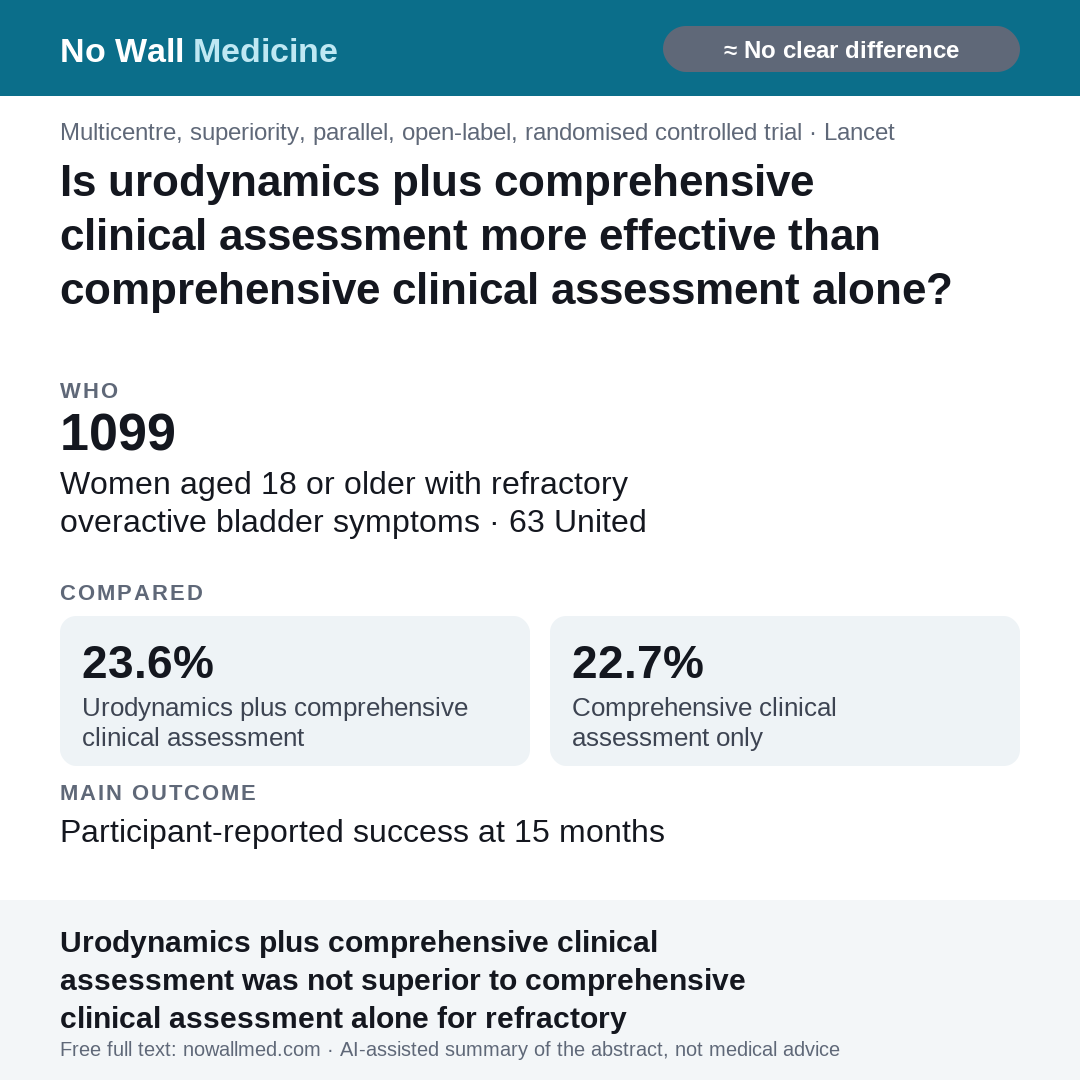
Invasive urodynamic investigations in the management of women with refractory overactive bladder symptoms (FUTURE) in the UK: a multicentre, superiority, parallel, open-label, randomised controlled trial
Multicentre, superiority, parallel, open-label, randomised controlled trialNo clear difference
Is urodynamics plus comprehensive clinical assessment more effective than comprehensive clinical assessment alone?
Who
1099
Women aged 18 or older with refractory overactive bladder symptoms · 63 United Kingdom hospitals
Compared
23.6%Urodynamics plus comprehensive clinical assessment (117/496)
22.7%Comprehensive clinical assessment only (114/503)
Main outcome
Participant-reported success at 15 months
Result: adjusted odds ratio 1.12 (95% CI 0.73 to 1.74)
Bottom line: Urodynamics plus comprehensive clinical assessment was not superior to comprehensive clinical assessment alone for refractory overactive bladder symptoms.
Funded by: UK National Institute for Health and Care Research
Lancet · 2025-03-22Download image
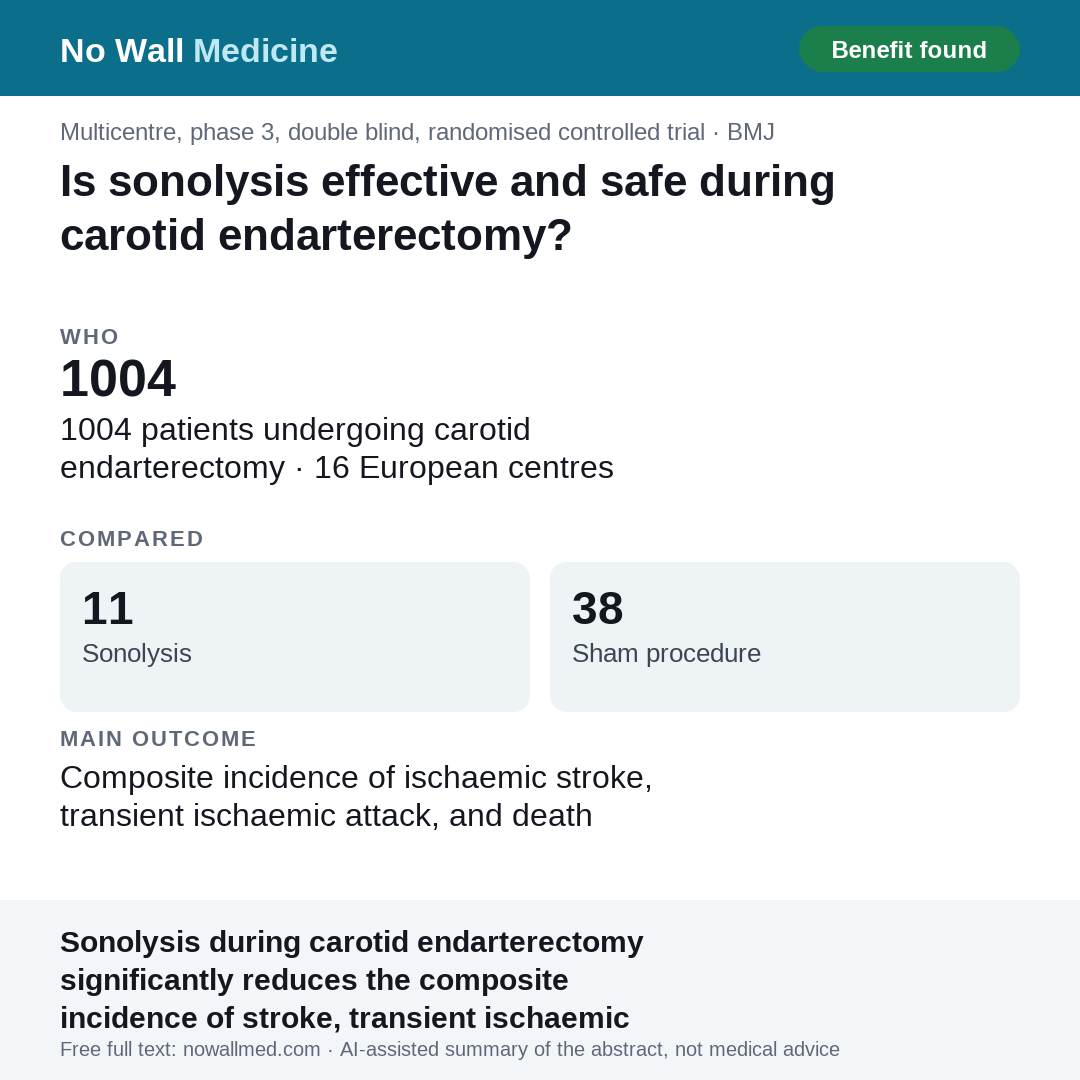
Sonolysis during carotid endarterectomy: randomised controlled trial
Multicentre, phase 3, double blind, randomised controlled trialBenefit found
Is sonolysis effective and safe during carotid endarterectomy?
Who
1004
1004 patients undergoing carotid endarterectomy · 16 European centres
Compared
11Sonolysis (2.2%)
38Sham procedure (7.6%)
Main outcome
Composite incidence of ischaemic stroke, transient ischaemic attack, and death
Result: risk difference -5.5%, 95% confidence interval (CI) -8.3% to -2.8%
Bottom line: Sonolysis during carotid endarterectomy significantly reduces the composite incidence of stroke, transient ischaemic attack, and death within 30 days.
BMJ · 2025-03-19Download image
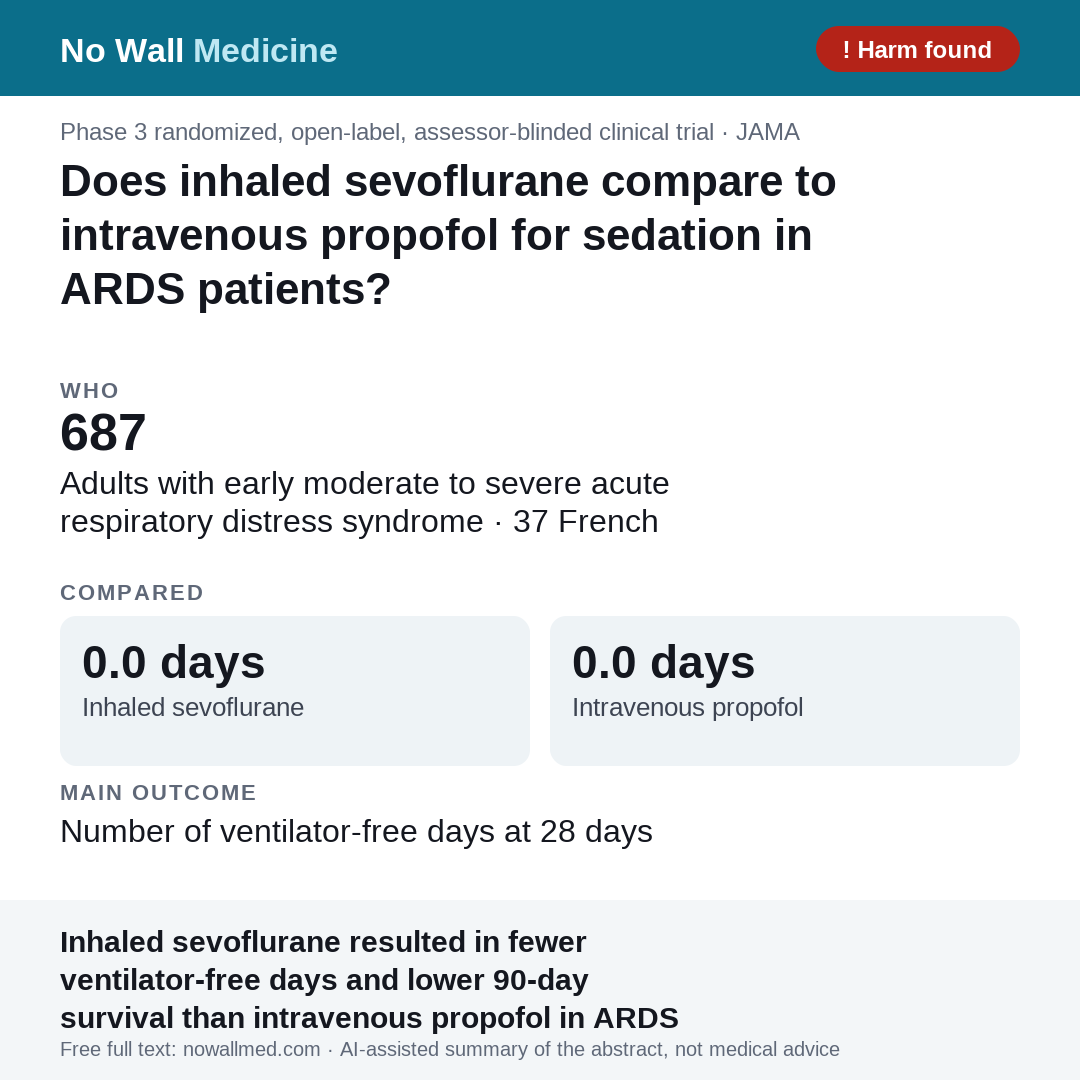
Inhaled Sedation in Acute Respiratory Distress Syndrome: The SESAR Randomized Clinical Trial
Phase 3 randomized, open-label, assessor-blinded clinical trialHarm found
Does inhaled sevoflurane compare to intravenous propofol for sedation in ARDS patients?
Who
687
Adults with early moderate to severe acute respiratory distress syndrome · 37 French intensive care units
Compared
0.0 daysInhaled sevoflurane (IQR, 0.0 to 11.9)
0.0 daysIntravenous propofol (IQR, 0.0 to 18.7)
Main outcome
Number of ventilator-free days at 28 days
Result: standardized hazard ratio 0.76 (95% CI 0.50 to 0.97)
Bottom line: Inhaled sevoflurane resulted in fewer ventilator-free days and lower 90-day survival than intravenous propofol in ARDS patients.
JAMA · 2025-03-18Download image
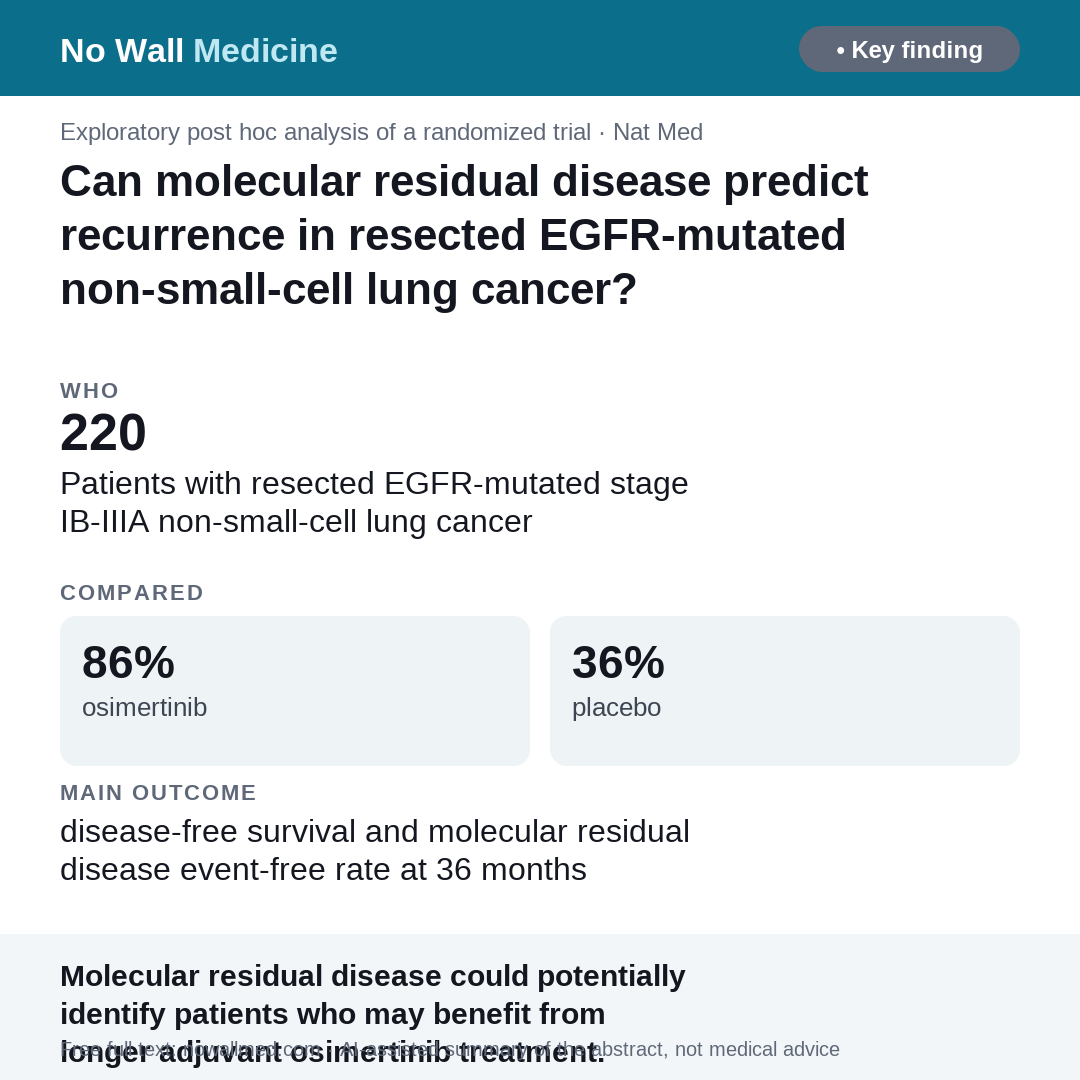
Molecular residual disease analysis of adjuvant osimertinib in resected EGFR-mutated stage IB-IIIA non-small-cell lung cancer
Exploratory post hoc analysis of a randomized trialBenefit found
Can molecular residual disease predict recurrence in resected EGFR-mutated non-small-cell lung cancer?
Who
220
Patients with resected EGFR-mutated stage IB-IIIA non-small-cell lung cancer
Compared
86%osimertinib
36%placebo
Main outcome
disease-free survival and molecular residual disease event-free rate at 36 months
Result: hazard ratio 0.23 (95% confidence interval 0.15-0.36)
Bottom line: Molecular residual disease could potentially identify patients who may benefit from longer adjuvant osimertinib treatment.
Nat Med · 2025-03-17Download image
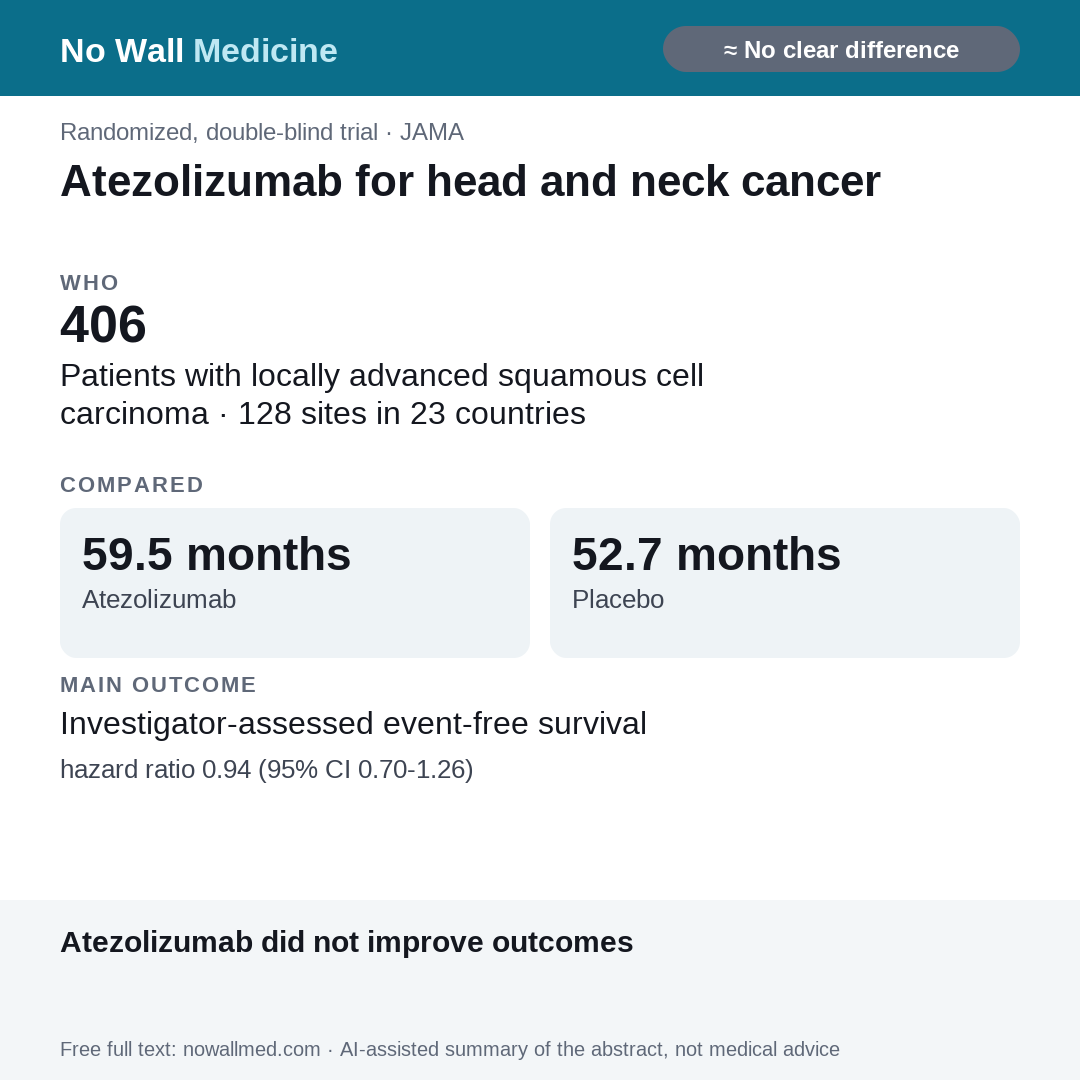
Atezolizumab in High-Risk Locally Advanced Squamous Cell Carcinoma of the Head and Neck: A Randomized Clinical Trial
Randomized, double-blind trialNo clear difference
Atezolizumab for head and neck cancer
Who
406
Patients with locally advanced squamous cell carcinoma · 128 sites in 23 countries
Compared
59.5 monthsAtezolizumab
52.7 monthsPlacebo
Main outcome
Investigator-assessed event-free survival
Result: hazard ratio 0.94 (95% CI 0.70-1.26)
Bottom line: Atezolizumab did not improve outcomes
JAMA · 2025-03-13Download image
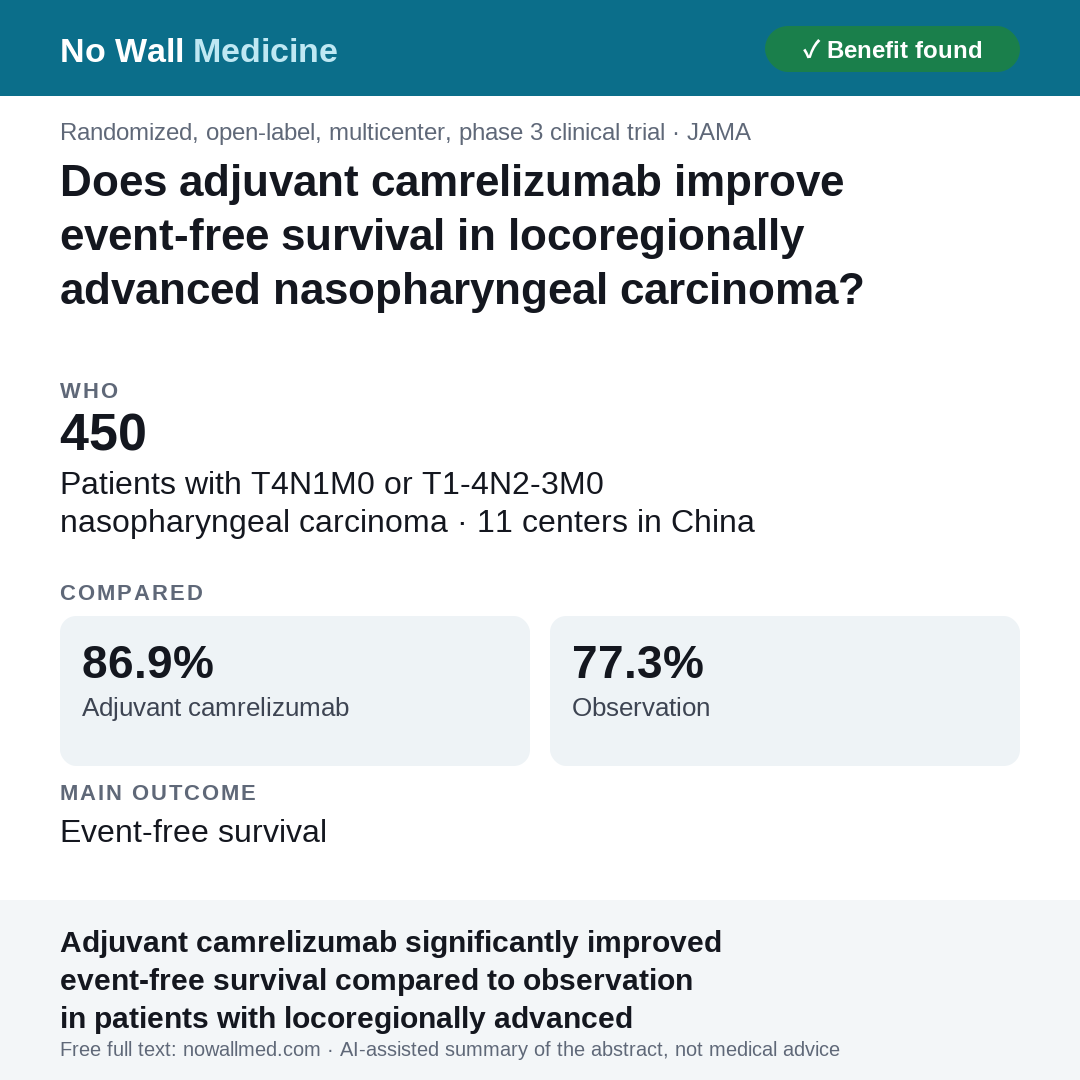
Adjuvant PD-1 Blockade With Camrelizumab for Nasopharyngeal Carcinoma: The DIPPER Randomized Clinical Trial
Randomized, open-label, multicenter, phase 3 clinical trialBenefit found
Does adjuvant camrelizumab improve event-free survival in locoregionally advanced nasopharyngeal carcinoma?
Who
450
Patients with T4N1M0 or T1-4N2-3M0 nasopharyngeal carcinoma · 11 centers in China
Compared
86.9%Adjuvant camrelizumab
77.3%Observation
Main outcome
Event-free survival
Result: stratified hazard ratio 0.56 (95% CI 0.36 to 0.89)
Bottom line: Adjuvant camrelizumab significantly improved event-free survival compared to observation in patients with locoregionally advanced nasopharyngeal carcinoma.
JAMA · 2025-03-13Download image
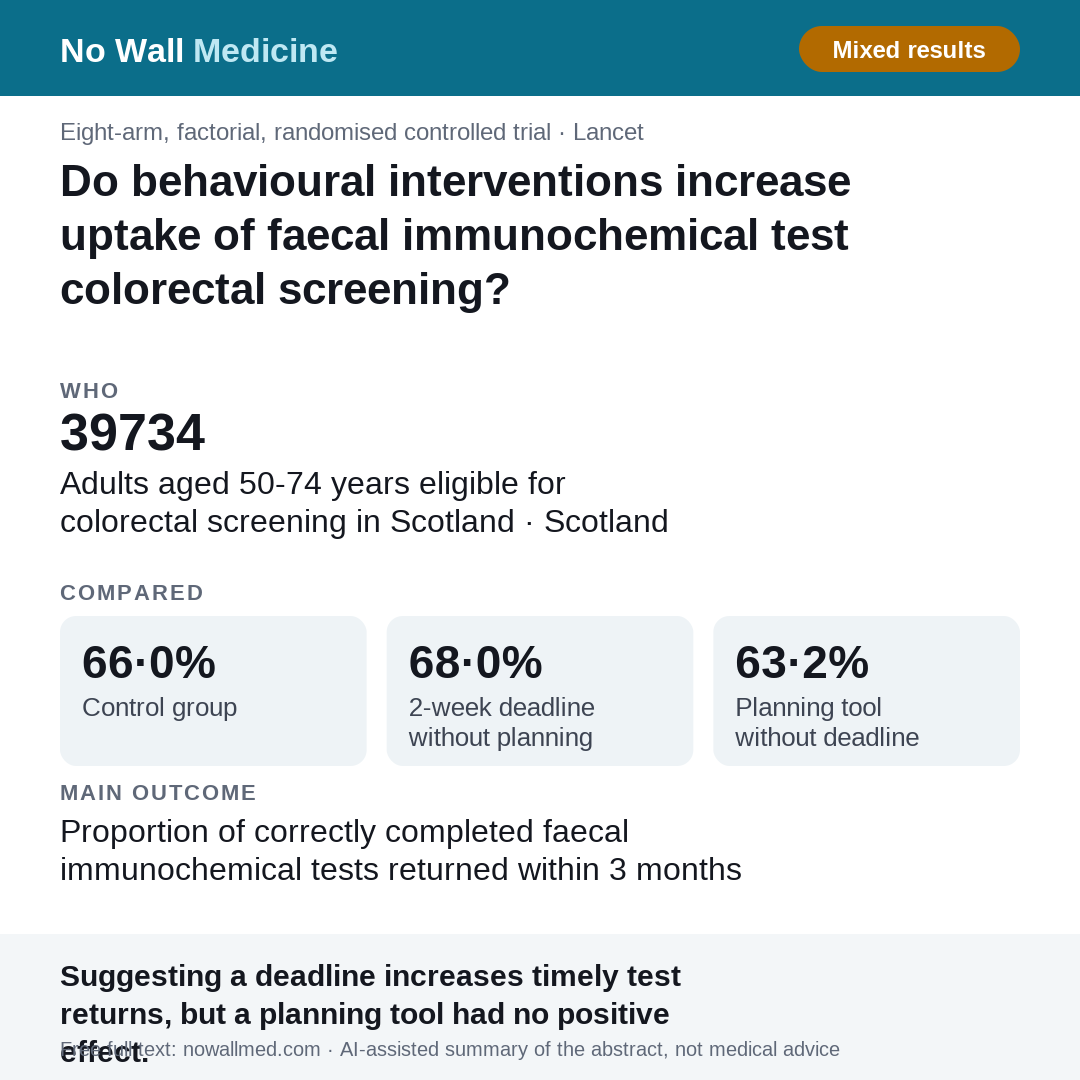
Behavioural interventions to increase uptake of FIT colorectal screening in Scotland (TEMPO): a nationwide, eight-arm, factorial, randomised controlled trial
Eight-arm, factorial, randomised controlled trialMixed results
Do behavioural interventions increase uptake of faecal immunochemical test colorectal screening?
Who
39734
Adults aged 50-74 years eligible for colorectal screening in Scotland · Scotland
Compared
66·0%Control group (3275 of 4965)
68·0%2-week deadline without planning tool (3376 of 4964)
63·2%Planning tool without deadline (3134 of 4958)
Main outcome
Proportion of correctly completed faecal immunochemical tests returned within 3 months
Result: adjusted odds ratio 1·13 (95% CI 1·08 to 1·19) for deadline
Bottom line: Suggesting a deadline increases timely test returns, but a planning tool had no positive effect.
Limitation: The analysis was complicated by an interaction between the two interventions
Funded by: Scottish Government and Cancer Research UK
Lancet · 2025-03-12Download image
Preventive Services for Food Insecurity: Evidence Report and Systematic Review for the US Preventive Services Task Force
Systematic reviewUnclear result
What are the benefits and harms of screening and interventions for food insecurity?
Who
People in United States health care settings · United States
Compared
29.6%Screening intervention
29.8%Usual care
Main outcome
Food insecurity, dietary, physiologic, quality of life, and health outcomes
Bottom line: Brief screening tools are sensitive, but most intervention studies had high risk of bias, limiting firm conclusions.
Limitation: Most studies of interventions to improve food insecurity had high risk of bias.
JAMA · 2025-03-12Download image

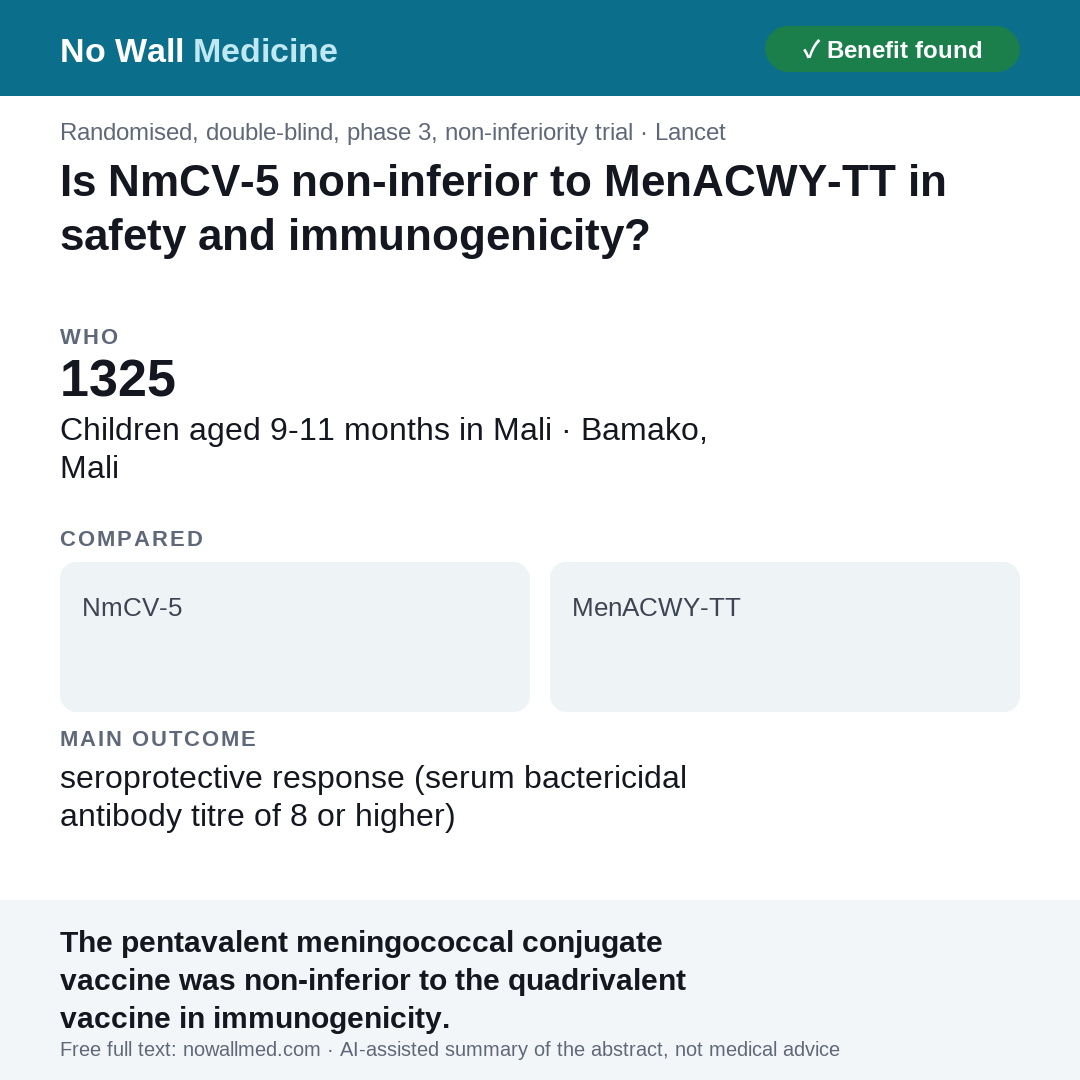
Safety and immunogenicity of a pentavalent meningococcal conjugate vaccine targeting serogroups A, C, W, Y, and X when co-administered with routine childhood vaccines at ages 9 months and 15 months in Mali: a single-centre, double-blind, randomised, controlled, phase 3, non-inferiority trial
Randomised, double-blind, phase 3, non-inferiority trialBenefit found
Is NmCV-5 non-inferior to MenACWY-TT in safety and immunogenicity?
Who
1325
Children aged 9-11 months in Mali · Bamako, Mali
Compared
NmCV-5
MenACWY-TT
Main outcome
seroprotective response (serum bactericidal antibody titre of 8 or higher)
Bottom line: The pentavalent meningococcal conjugate vaccine was non-inferior to the quadrivalent vaccine in immunogenicity.
Lancet · 2025-03-11Download image
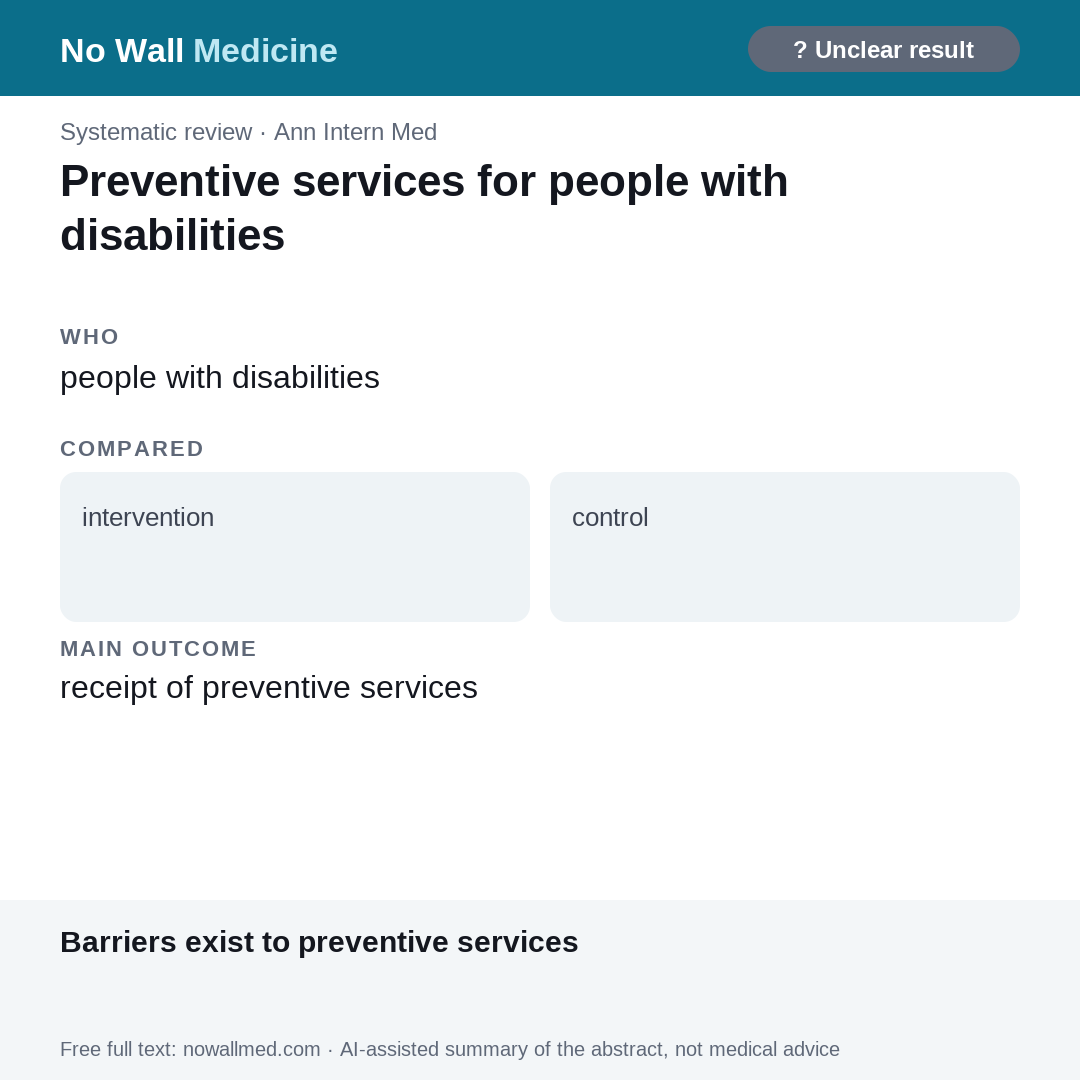
Health Care Delivery of Clinical Preventive Services for People With Disabilities : A Systematic Review
Systematic reviewUnclear result
Preventive services for people with disabilities
Who
74
people with disabilities
Compared
intervention
control
Main outcome
receipt of preventive services
Bottom line: Barriers exist to preventive services
Limitation: high methodological heterogeneity
Funded by: Agency for Healthcare Research and Quality
Ann Intern Med · 2025-03-11Download image
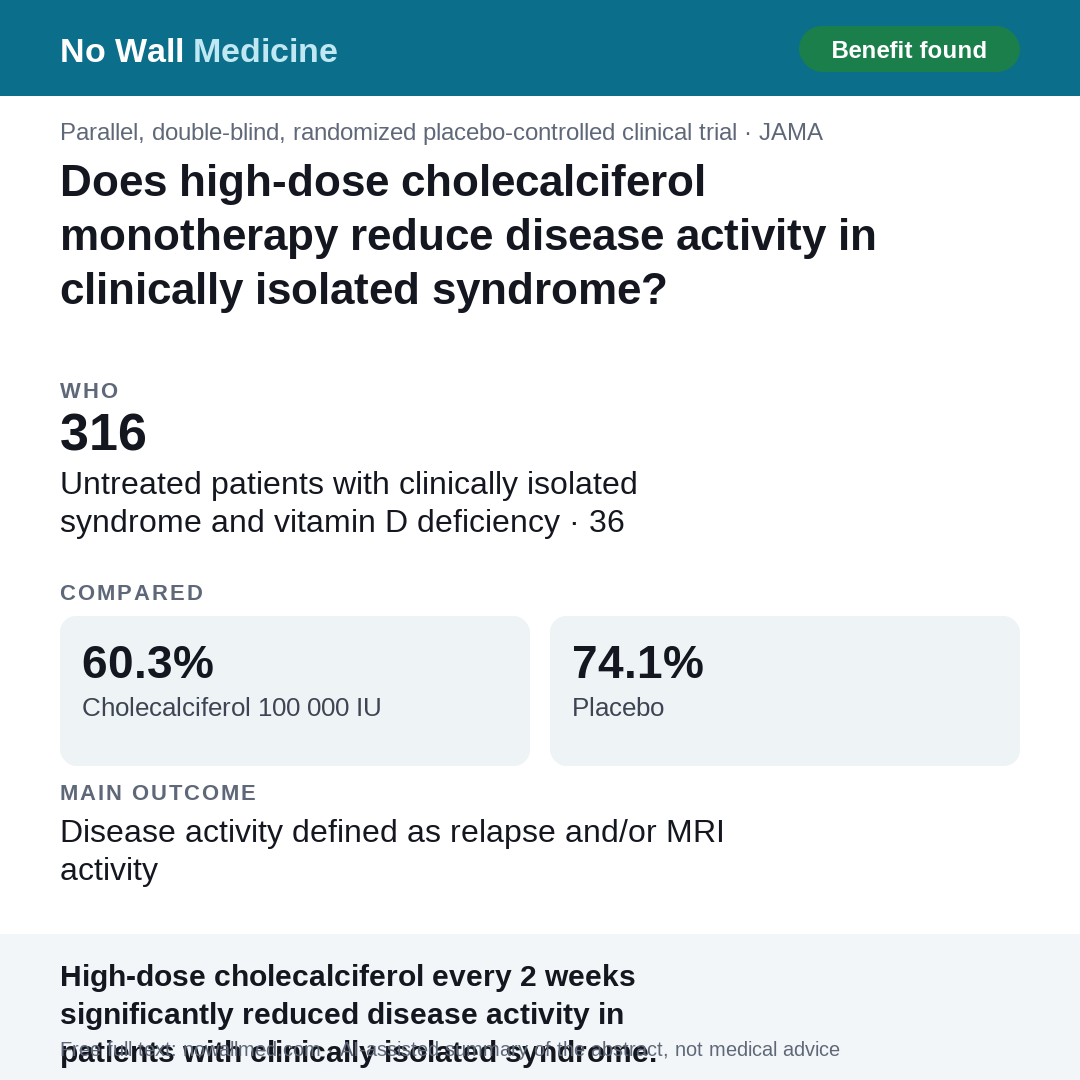
High-Dose Vitamin D in Clinically Isolated Syndrome Typical of Multiple Sclerosis: The D-Lay MS Randomized Clinical Trial
Parallel, double-blind, randomized placebo-controlled clinical trialBenefit found
Does high-dose cholecalciferol monotherapy reduce disease activity in clinically isolated syndrome?
Who
316
Untreated patients with clinically isolated syndrome and vitamin D deficiency · 36 multiple sclerosis centers in France
Compared
60.3%Cholecalciferol 100 000 IU
74.1%Placebo
Main outcome
Disease activity defined as relapse and/or MRI activity
Result: hazard ratio 0.66 (95% CI 0.50-0.87)
Bottom line: High-dose cholecalciferol every 2 weeks significantly reduced disease activity in patients with clinically isolated syndrome.
JAMA · 2025-03-10Download image
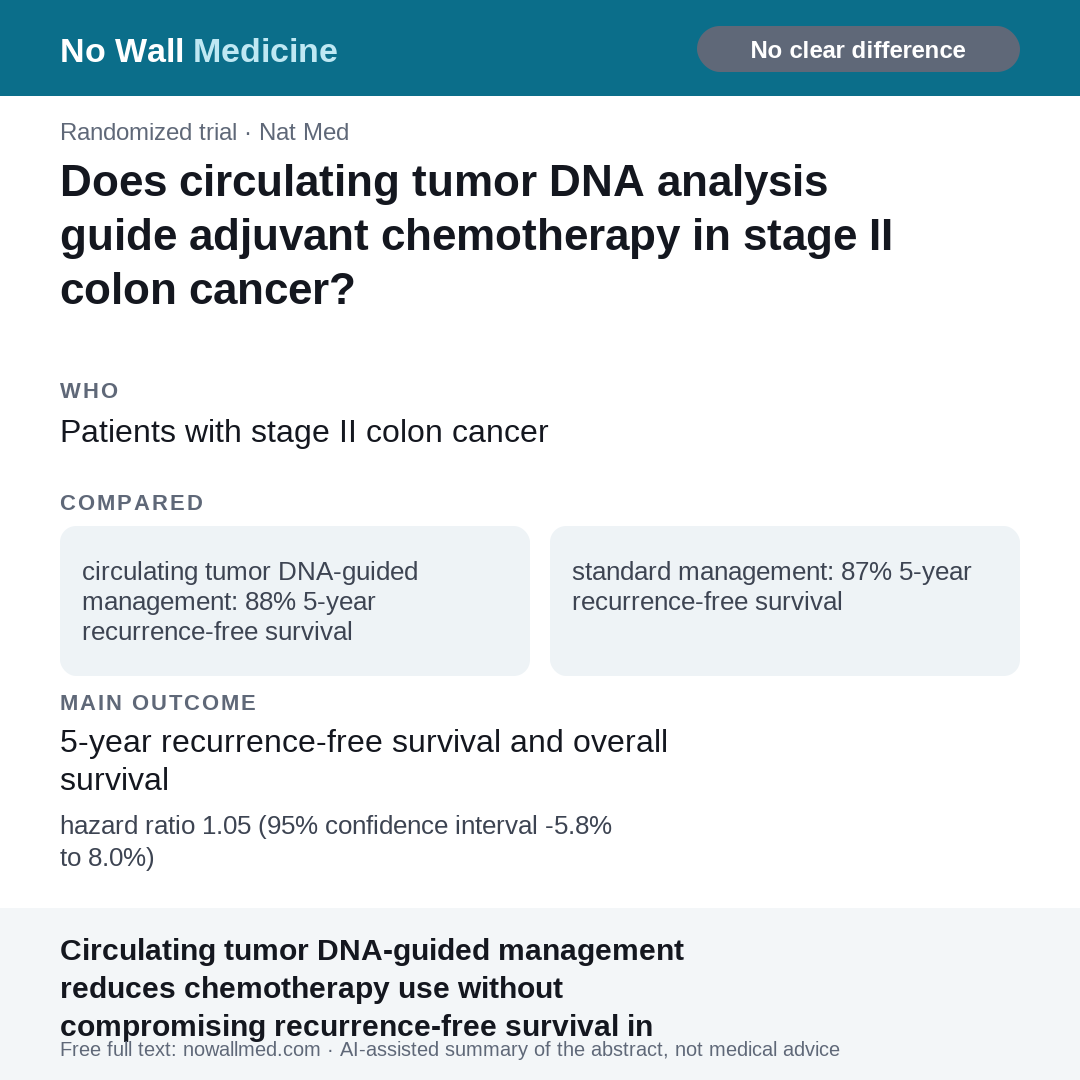
Circulating tumor DNA analysis guiding adjuvant therapy in stage II colon cancer: 5-year outcomes of the randomized DYNAMIC trial
Randomized trialNo clear difference
Does circulating tumor DNA analysis guide adjuvant chemotherapy in stage II colon cancer?
Who
Patients with stage II colon cancer
Compared
circulating tumor DNA-guided management: 88% 5-year recurrence-free survival
standard management: 87% 5-year recurrence-free survival
Main outcome
5-year recurrence-free survival and overall survival
Result: hazard ratio 1.05 (95% confidence interval -5.8% to 8.0%)
Bottom line: Circulating tumor DNA-guided management reduces chemotherapy use without compromising recurrence-free survival in stage II colon cancer.
Nat Med · 2025-03-07Download image
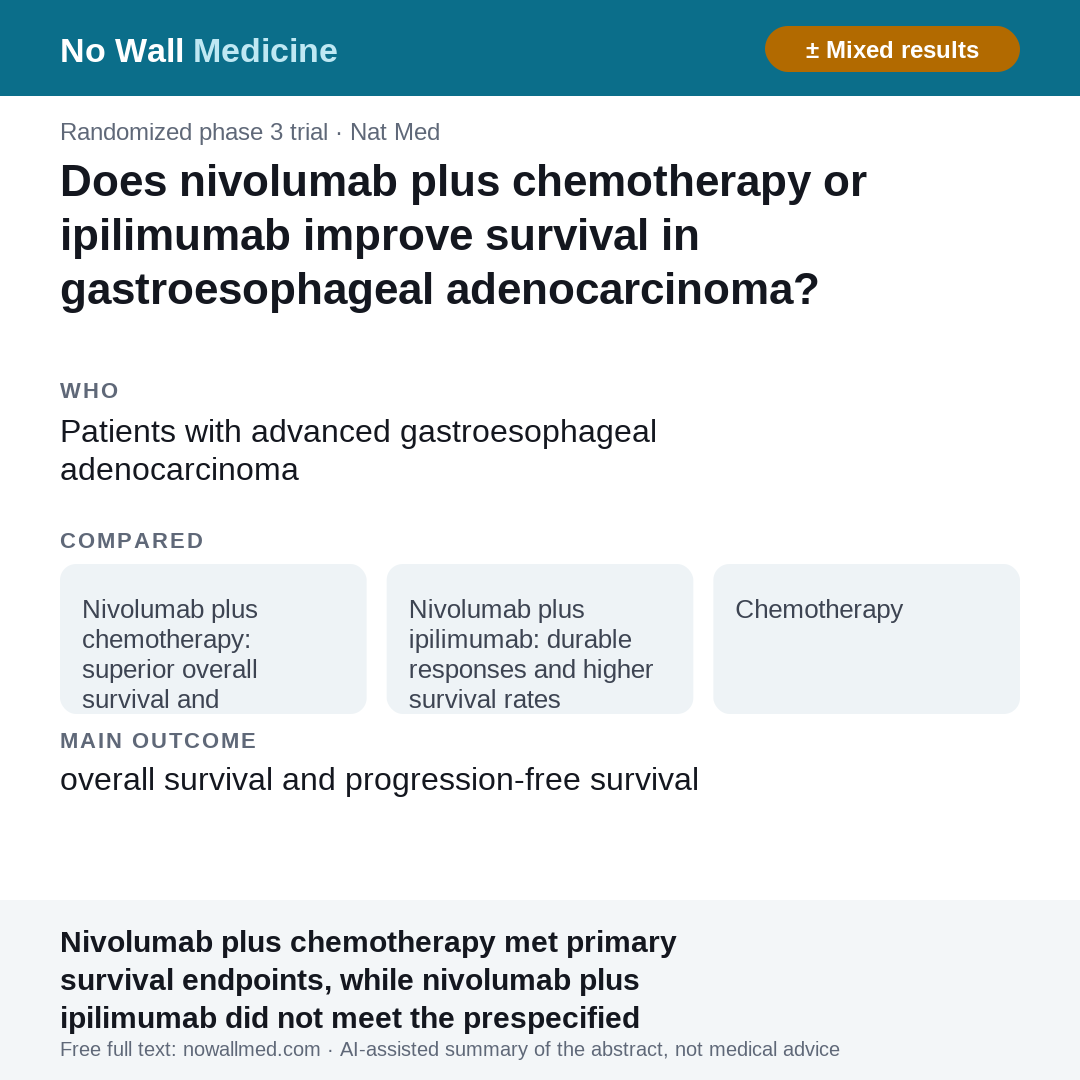
Nivolumab plus chemotherapy or ipilimumab in gastroesophageal cancer: exploratory biomarker analyses of a randomized phase 3 trial
Randomized phase 3 trialMixed results
Does nivolumab plus chemotherapy or ipilimumab improve survival in gastroesophageal adenocarcinoma?
Who
Patients with advanced gastroesophageal adenocarcinoma
Compared
Nivolumab plus chemotherapy: superior overall survival and progression-free survival
Nivolumab plus ipilimumab: durable responses and higher survival rates
Chemotherapy
Main outcome
overall survival and progression-free survival
Bottom line: Nivolumab plus chemotherapy met primary survival endpoints, while nivolumab plus ipilimumab did not meet the prespecified significance boundary.
Limitation: post hoc exploratory analyses
Nat Med · 2025-03-07Download image
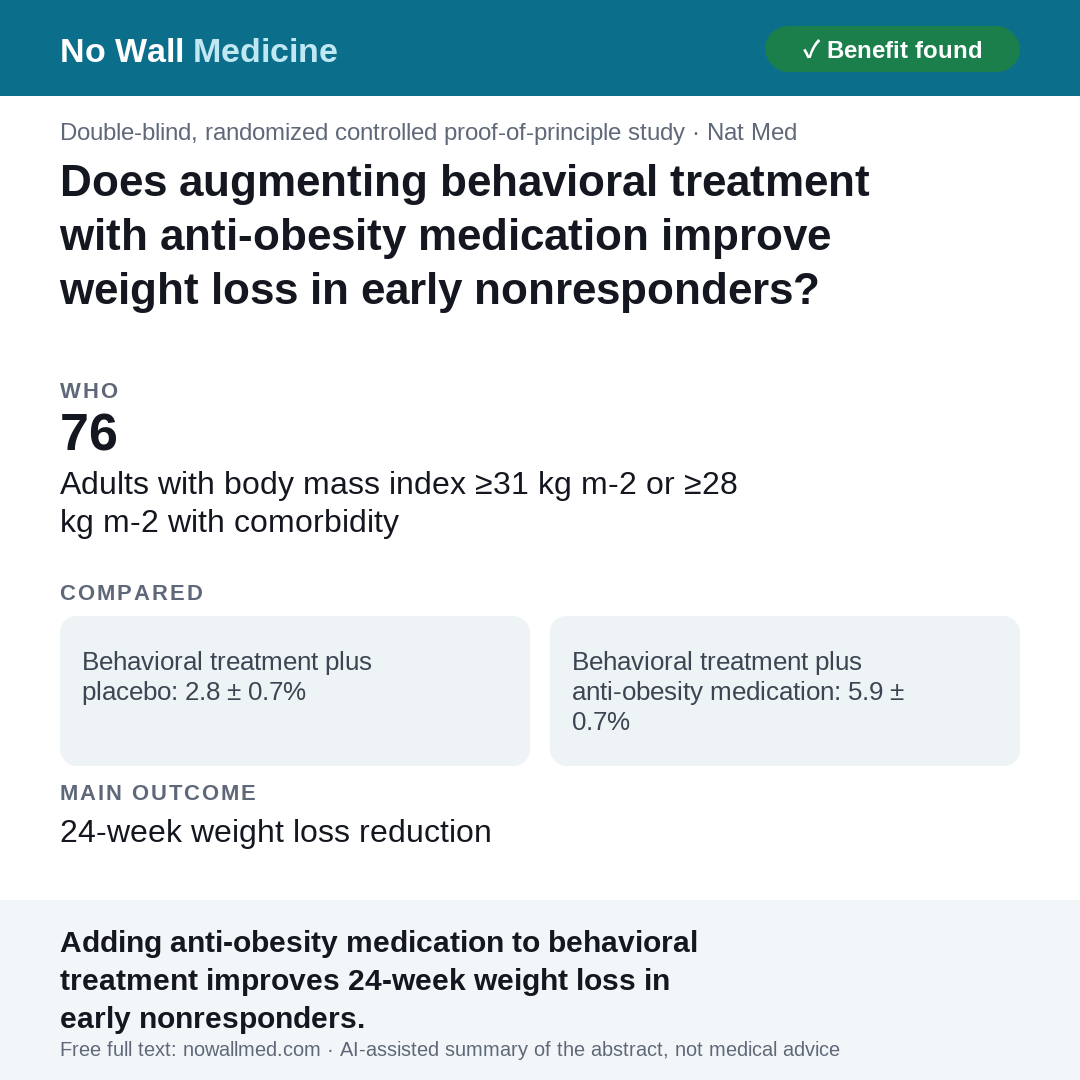
Anti-obesity medication for weight loss in early nonresponders to behavioral treatment: a randomized controlled trial
Double-blind, randomized controlled proof-of-principle studyBenefit found
Does augmenting behavioral treatment with anti-obesity medication improve weight loss in early nonresponders?
Who
76
Adults with body mass index ≥31 kg m-2 or ≥28 kg m-2 with comorbidity
Compared
Behavioral treatment plus placebo: 2.8 ± 0.7%
Behavioral treatment plus anti-obesity medication: 5.9 ± 0.7%
Main outcome
24-week weight loss reduction
Result: mean difference = 3.1 ± 1.0, 95% confidence interval = 1.1-5.1%
Bottom line: Adding anti-obesity medication to behavioral treatment improves 24-week weight loss in early nonresponders.
Nat Med · 2025-03-07Download image
Physician associates and anaesthetic associates in UK: rapid systematic review of recent UK based research
Rapid systematic reviewUnclear result
What is the efficacy and safety of UK physician associates and anaesthetic associates?
Who
Physician associates and anaesthetic associates in UK healthcare · United Kingdom
Compared
Physician associates
Anaesthetic associates
Main outcome
Clinical efficacy or safety
Bottom line: Evidence is sparse and of variable quality, with no evidence that these roles add value in primary care or anaesthetics.
Limitation: Literature is sparse, of variable quality, and some is outdated.
BMJ · 2025-03-06Download image

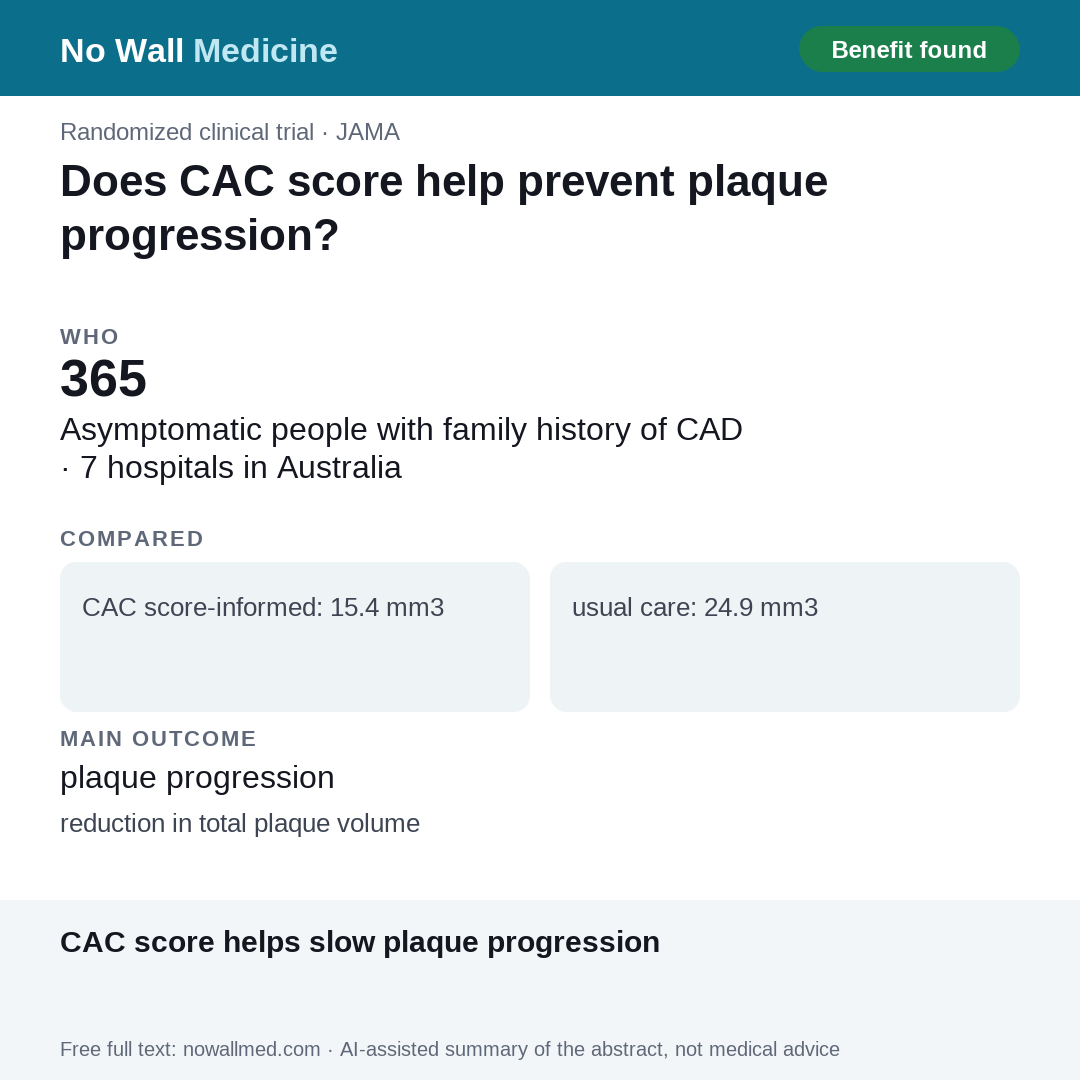
Effects of Combining Coronary Calcium Score With Treatment on Plaque Progression in Familial Coronary Artery Disease: A Randomized Clinical Trial
Randomized clinical trialBenefit found
Does CAC score help prevent plaque progression?
Who
365
Asymptomatic people with family history of CAD · 7 hospitals in Australia
Compared
CAC score-informed: 15.4 mm3
usual care: 24.9 mm3
Main outcome
plaque progression
Result: reduction in total plaque volume
Bottom line: CAC score helps slow plaque progression
JAMA · 2025-03-05Download image
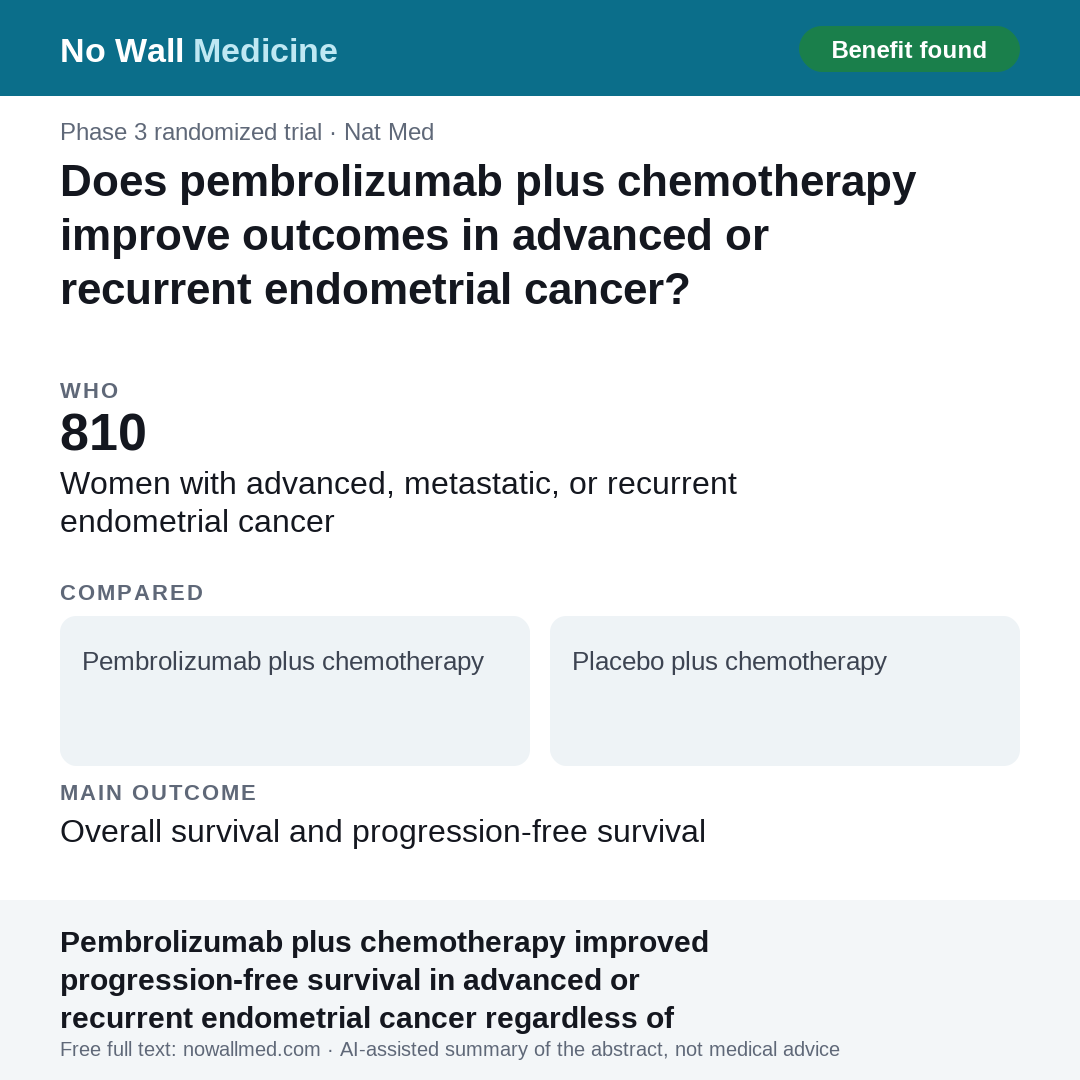
Pembrolizumab plus chemotherapy in advanced or recurrent endometrial cancer: overall survival and exploratory analyses of the NRG GY018 phase 3 randomized trial
Phase 3 randomized trialBenefit found
Does pembrolizumab plus chemotherapy improve outcomes in advanced or recurrent endometrial cancer?
Who
810
Women with advanced, metastatic, or recurrent endometrial cancer
Compared
Pembrolizumab plus chemotherapy
Placebo plus chemotherapy
Main outcome
Overall survival and progression-free survival
Result: mismatch repair-proficient PFS hazard ratio 0.64 (95% CI 0.49 to 0.85)
Bottom line: Pembrolizumab plus chemotherapy improved progression-free survival in advanced or recurrent endometrial cancer regardless of mismatch repair status.
Nat Med · 2025-03-05Download image
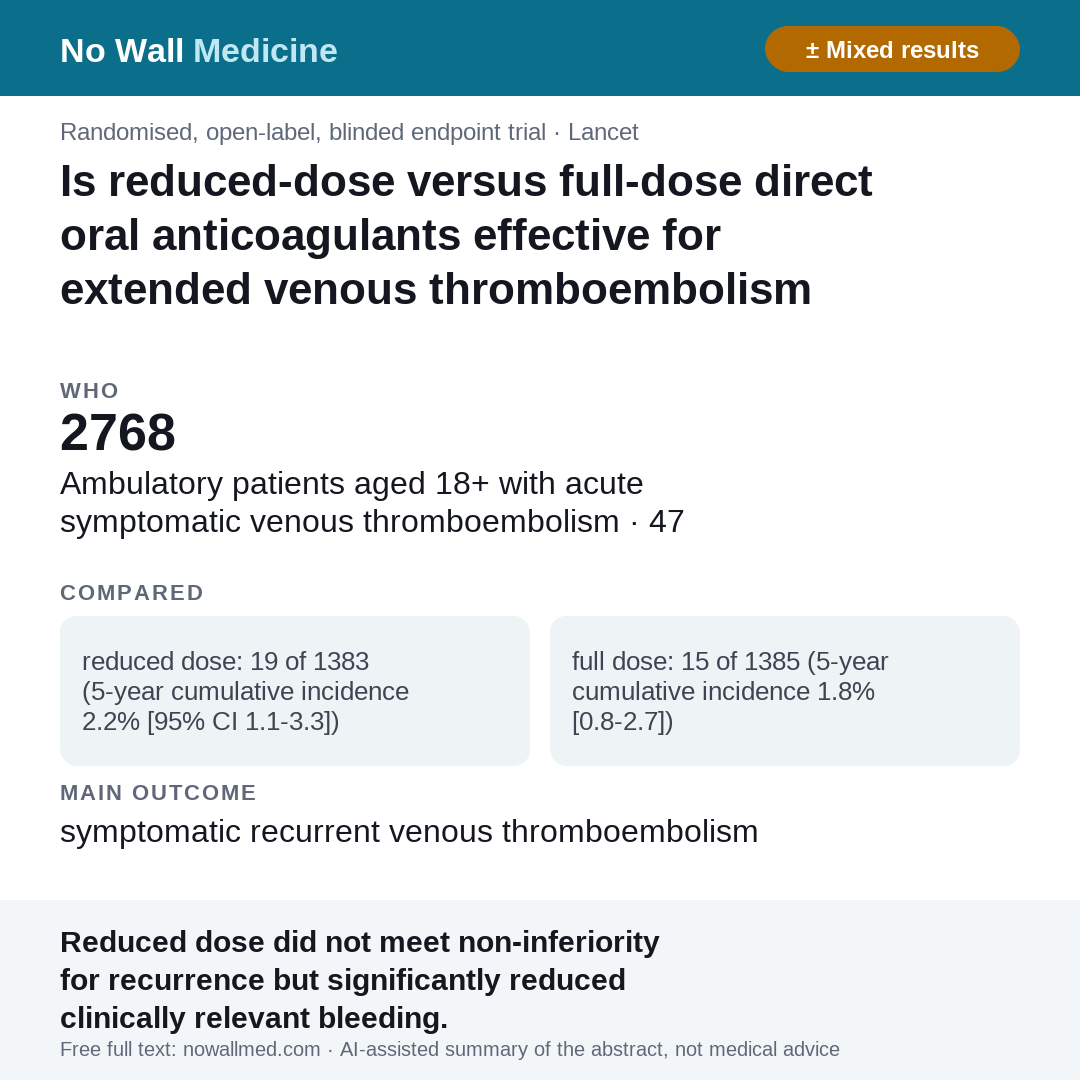
Extended treatment of venous thromboembolism with reduced-dose versus full-dose direct oral anticoagulants in patients at high risk of recurrence: a non-inferiority, multicentre, randomised, open-label, blinded endpoint trial
Randomised, open-label, blinded endpoint trialMixed results
Is reduced-dose versus full-dose direct oral anticoagulants effective for extended venous thromboembolism treatment?
Who
2768
Ambulatory patients aged 18+ with acute symptomatic venous thromboembolism · 47 hospitals in France
Compared
reduced dose: 19 of 1383 (5-year cumulative incidence 2.2% [95% CI 1.1-3.3])
full dose: 15 of 1385 (5-year cumulative incidence 1.8% [0.8-2.7])
Main outcome
symptomatic recurrent venous thromboembolism
Result: adjusted HR 1.32 (95% CI 0.67-2.60)
Bottom line: Reduced dose did not meet non-inferiority for recurrence but significantly reduced clinically relevant bleeding.
Lancet · 2025-03-03Download image
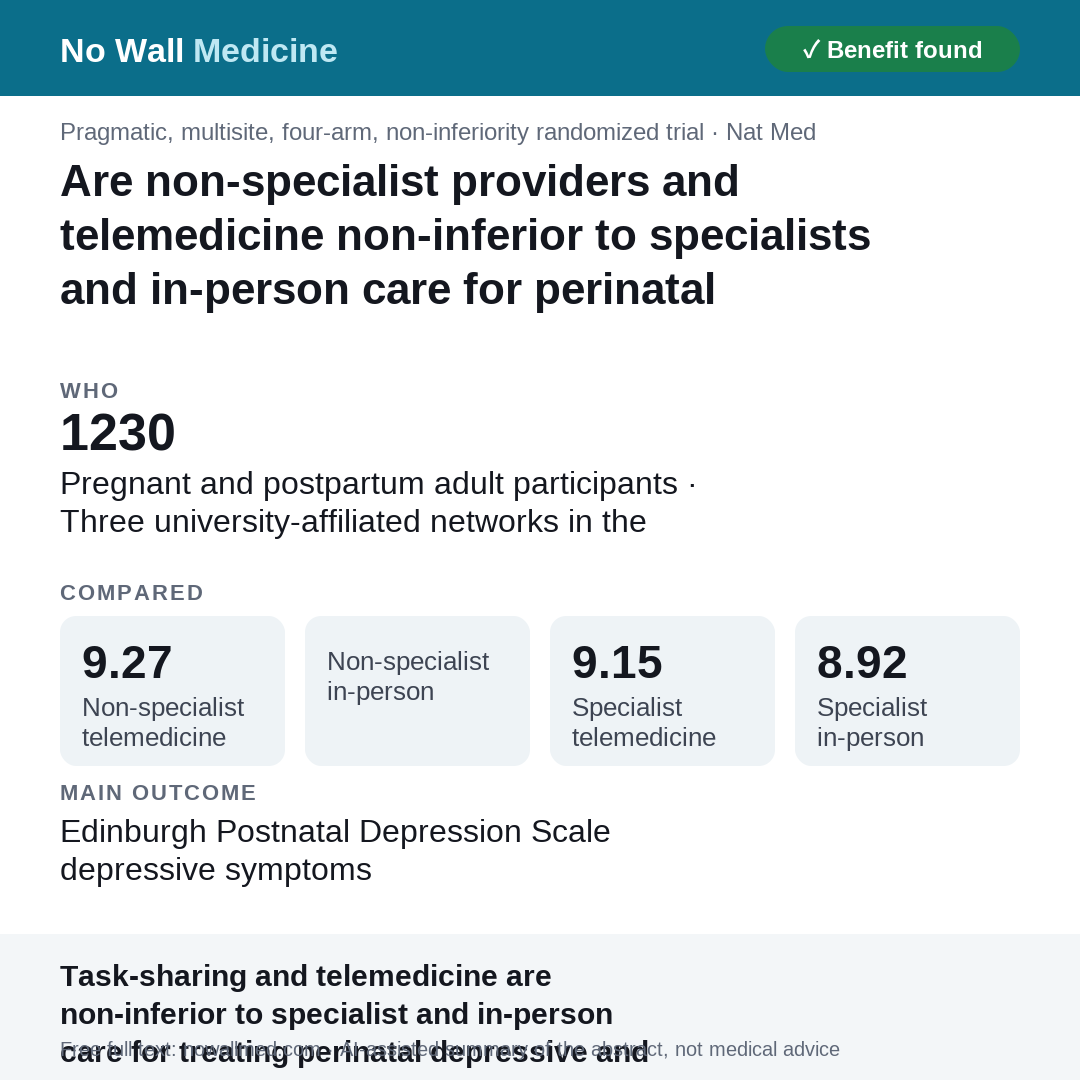
Task-sharing and telemedicine delivery of psychotherapy to treat perinatal depression: a pragmatic, noninferiority randomized trial
Pragmatic, multisite, four-arm, non-inferiority randomized trialBenefit found
Are non-specialist providers and telemedicine non-inferior to specialists and in-person care for perinatal depression?
Who
1230
Pregnant and postpartum adult participants · Three university-affiliated networks in the United States and Canada
Compared
9.27Non-specialist telemedicine (95% CI 8.85-9.70)
Non-specialist in-person
9.15Specialist telemedicine (95% CI 8.79-9.50)
8.92Specialist in-person (95% CI 8.39-9.45)
Main outcome
Edinburgh Postnatal Depression Scale depressive symptoms
Bottom line: Task-sharing and telemedicine are non-inferior to specialist and in-person care for treating perinatal depressive and anxiety symptoms.
Nat Med · 2025-03-03Download image