Visual abstracts
New randomized trials and meta-analyses from leading journals at a glance: who was studied, what was compared, and what was found. Every paper is free to read in full.
All specialtiesCardiology 4877Oncology 4138Gastroenterology & Hepatology 1942Infectious Disease 3837Neurology 1905Psychiatry & Mental Health 2273Pulmonology 2143Critical Care 1365Endocrinology & Diabetes 2580Pediatrics 2980Surgery 2559Orthopedics & Sports Medicine 931Neurosurgery 537Cardiothoracic & Vascular Surgery 674Plastic & Reconstructive Surgery 591Nephrology 1133Rheumatology 823Hematology 1109Dermatology 621Ophthalmology 543Obstetrics & Gynecology 1686Public & Global Health 1058Radiology & Imaging 648Anesthesiology 986Urology 764ENT (Otolaryngology) 503Emergency Medicine 511Allergy & Immunology 313Geriatrics 981Family Medicine & Primary Care 562Medical Genetics & Genomics 676Pathology & Laboratory Medicine 159Physical Medicine & Rehabilitation 757Palliative Care 444Nutrition 1588Digital Health & AI 2201General Medicine 321
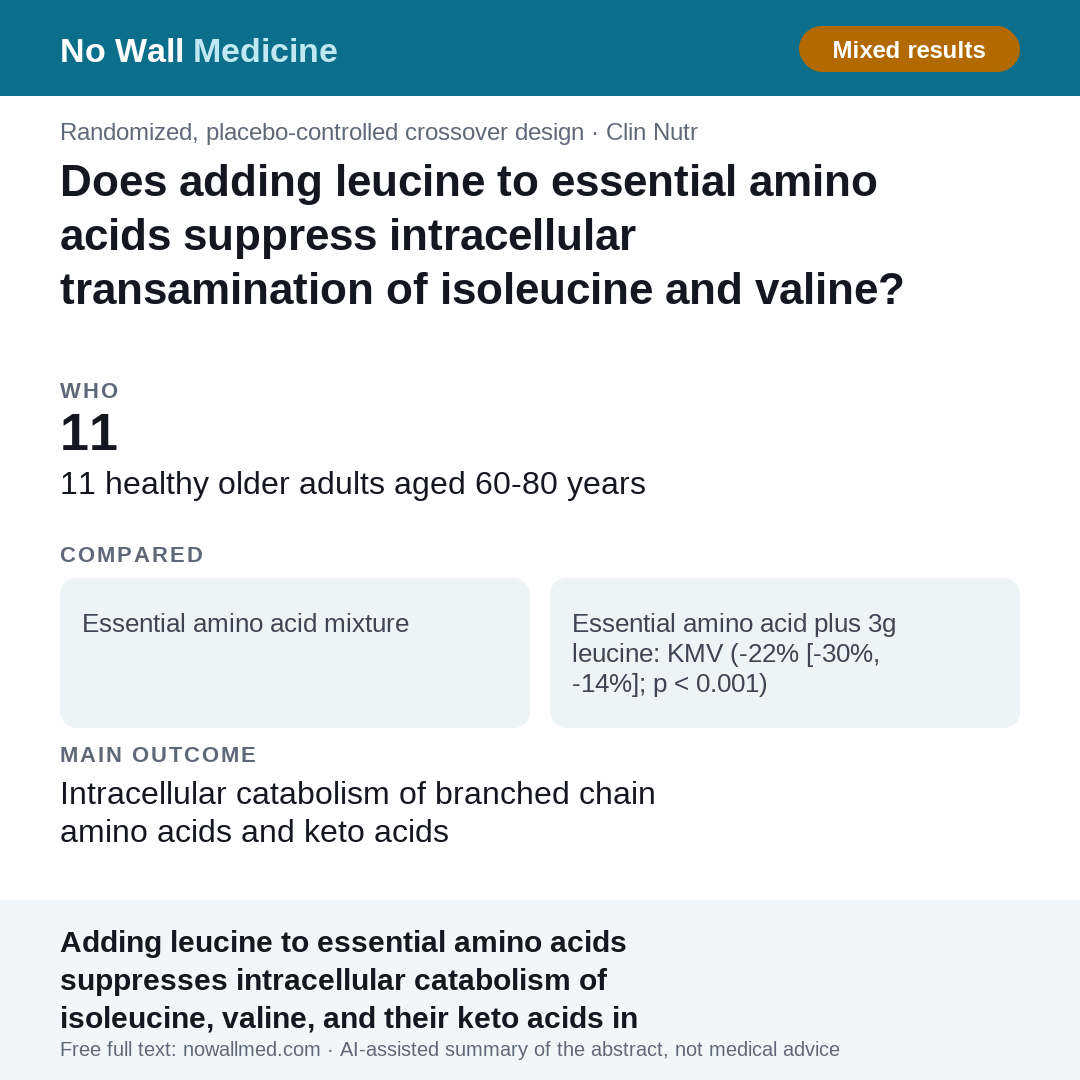
Adding free leucine to a balanced essential amino acid mixture suppresses intracellular transamination of isoleucine and valine in healthy older adults
Randomized, placebo-controlled crossover designMixed results
Does adding leucine to essential amino acids suppress intracellular transamination of isoleucine and valine?
Who
11
11 healthy older adults aged 60-80 years
Compared
Essential amino acid mixture
Essential amino acid plus 3g leucine: KMV (-22% [-30%, -14%]; p < 0.001)
Main outcome
Intracellular catabolism of branched chain amino acids and keto acids
Result: KMV (-22% [-30%, -14%]; p < 0.001)
Bottom line: Adding leucine to essential amino acids suppresses intracellular catabolism of isoleucine, valine, and their keto acids in older adults.
Clin Nutr · 2026-04-09Download image
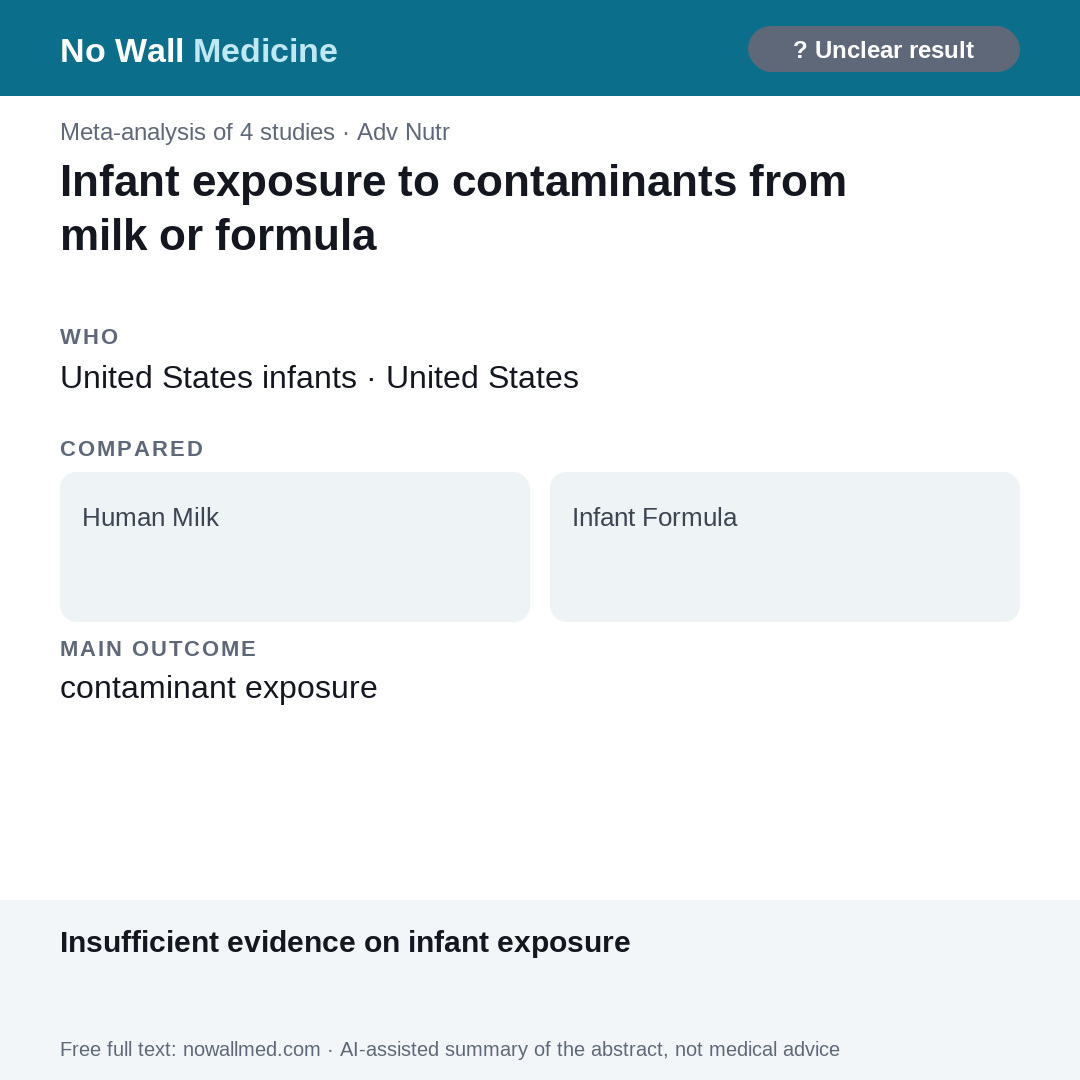
Bioavailability of and US Infant Exposure to Arsenic, Cadmium, Lead, Mercury, and Per- and Polyfluoroalkyls from Human Milk and Infant Formula: Results from a Series of Systematic Reviews
Meta-analysis of 4 studiesUnclear result
Infant exposure to contaminants from milk or formula
Who
United States infants · United States
Compared
Human Milk
Infant Formula
Main outcome
contaminant exposure
Bottom line: Insufficient evidence on infant exposure
Limitation: lacked demographic diversity
Adv Nutr · 2026-04-09Download image
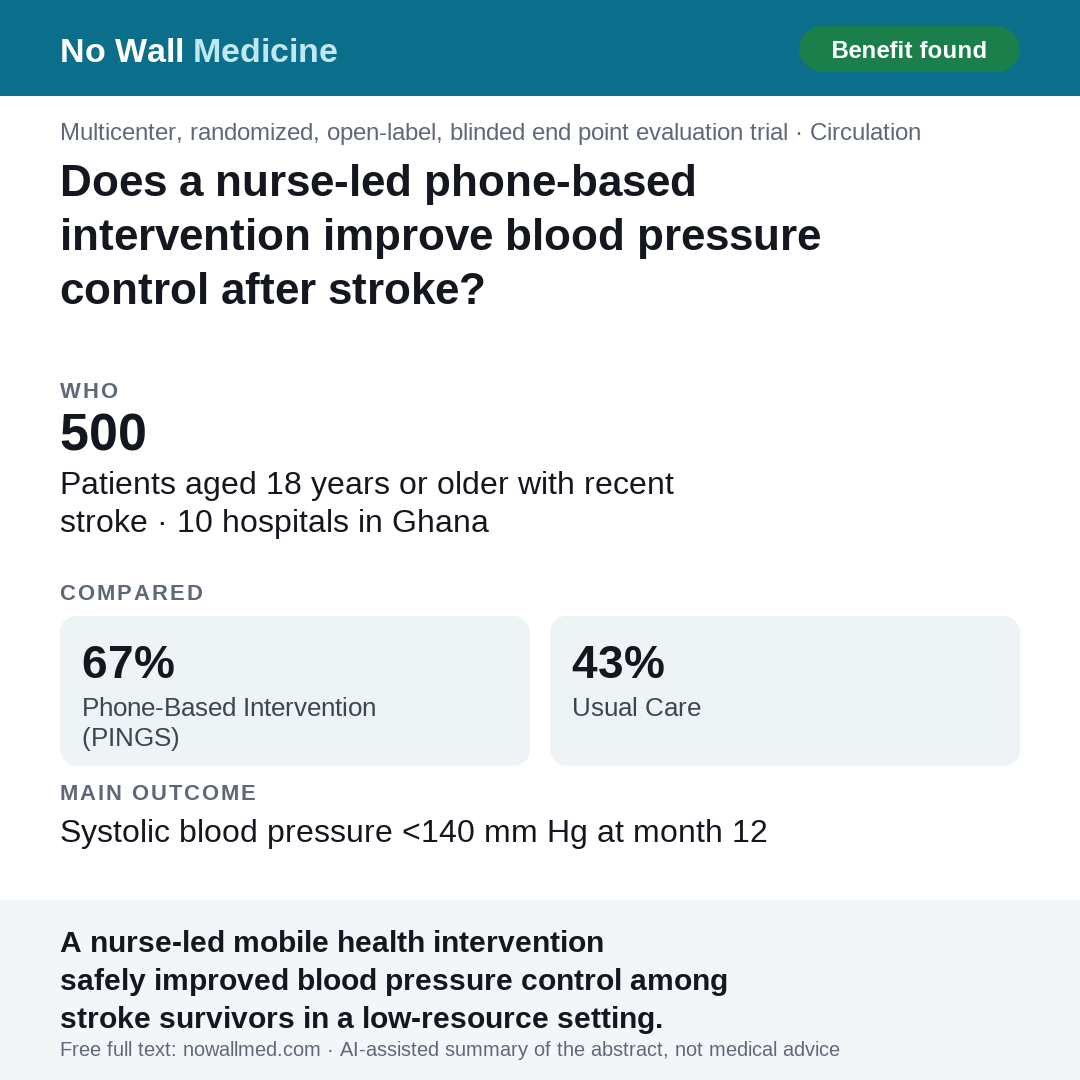
Phone-Based Intervention Under Nurse Guidance for Control of Hypertension After Stroke: A Randomized Multicenter Phase 3 Trial in Ghana
Multicenter, randomized, open-label, blinded end point evaluation trialBenefit found
Does a nurse-led phone-based intervention improve blood pressure control after stroke?
Who
500
Patients aged 18 years or older with recent stroke · 10 hospitals in Ghana
Compared
67%Phone-Based Intervention (PINGS) (163/244)
43%Usual Care (109/256)
Main outcome
Systolic blood pressure <140 mm Hg at month 12
Result: between-group difference of 24% (95% CI, 15%-33%; P<0.001)
Bottom line: A nurse-led mobile health intervention safely improved blood pressure control among stroke survivors in a low-resource setting.
Limitation: Further study is warranted to confirm these findings and understand outcome drivers.
Circulation · 2026-04-09Download image
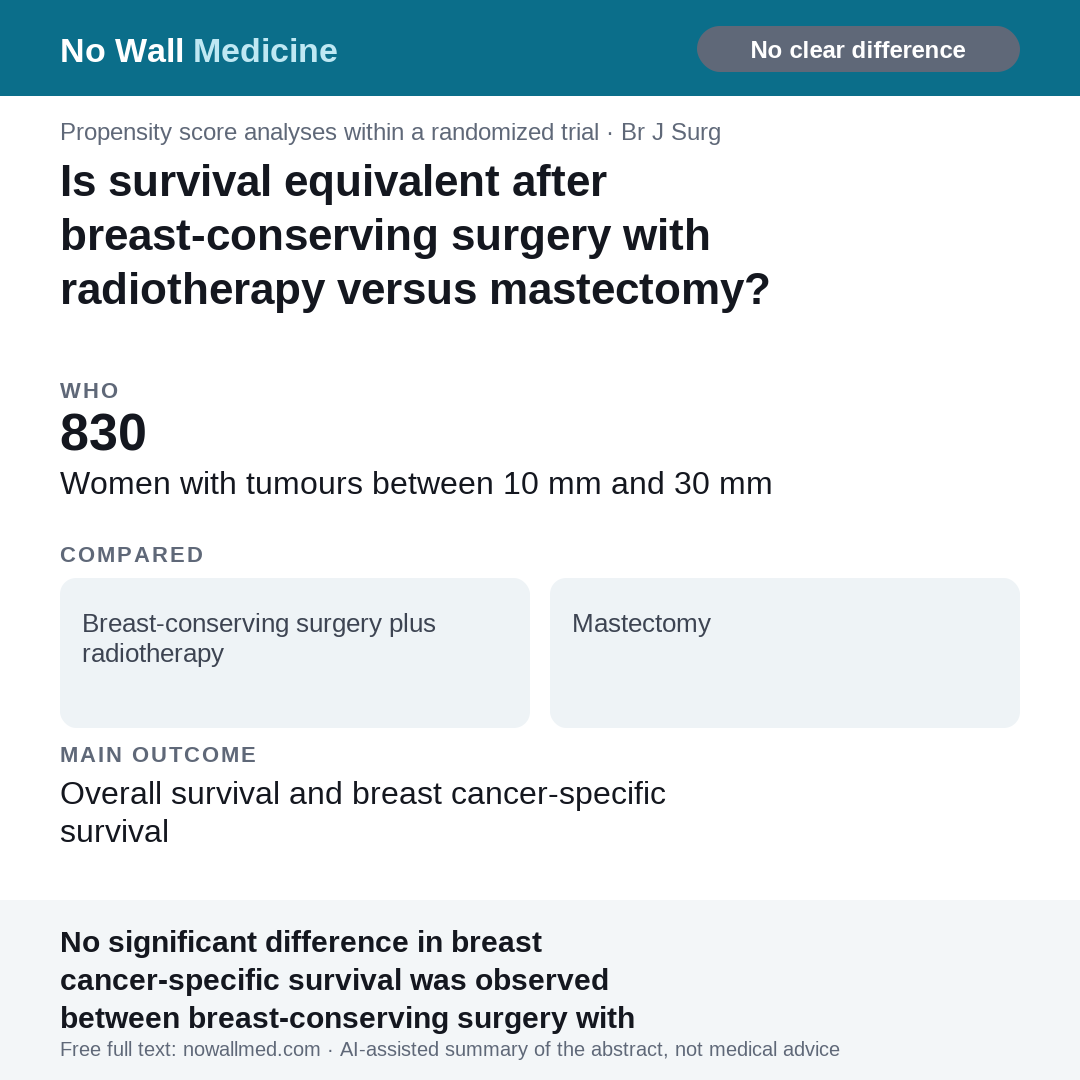
Survival after breast-conserving surgery and radiotherapy versus mastectomy: propensity score analyses within a randomized anaesthesiology trial
Propensity score analyses within a randomized trialNo clear difference
Is survival equivalent after breast-conserving surgery with radiotherapy versus mastectomy?
Who
830
Women with tumours between 10 mm and 30 mm
Compared
Breast-conserving surgery plus radiotherapy
Mastectomy
Main outcome
Overall survival and breast cancer-specific survival
Result: adjusted hazard ratio 1.02 (95% c.i. 0.43 to 2.42)
Bottom line: No significant difference in breast cancer-specific survival was observed between breast-conserving surgery with radiotherapy and mastectomy.
Limitation: Differences in overall survival likely reflect selection bias of patients with higher co-morbidity burden.
Br J Surg · 2026-04-09Download image
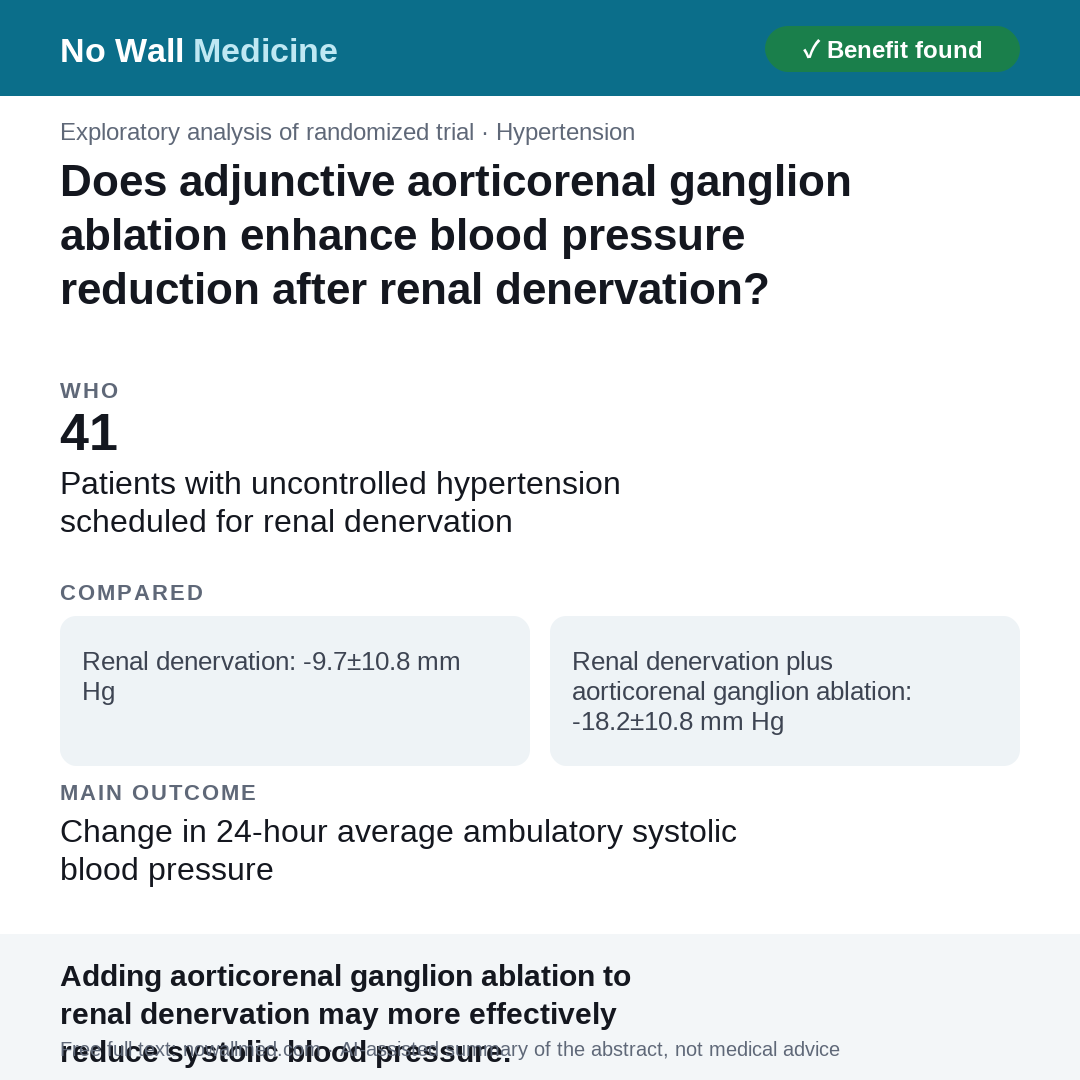
Aorticorenal Ganglion Ablation Enhances Blood Pressure Reduction After Renal Denervation
Exploratory analysis of randomized trialBenefit found
Does adjunctive aorticorenal ganglion ablation enhance blood pressure reduction after renal denervation?
Who
41
Patients with uncontrolled hypertension scheduled for renal denervation
Compared
Renal denervation: -9.7±10.8 mm Hg
Renal denervation plus aorticorenal ganglion ablation: -18.2±10.8 mm Hg
Main outcome
Change in 24-hour average ambulatory systolic blood pressure
Result: -7.5 mm Hg (95% CI, -13.9 to -1.2 mm Hg)
Bottom line: Adding aorticorenal ganglion ablation to renal denervation may more effectively reduce systolic blood pressure.
Hypertension · 2026-04-09Download image
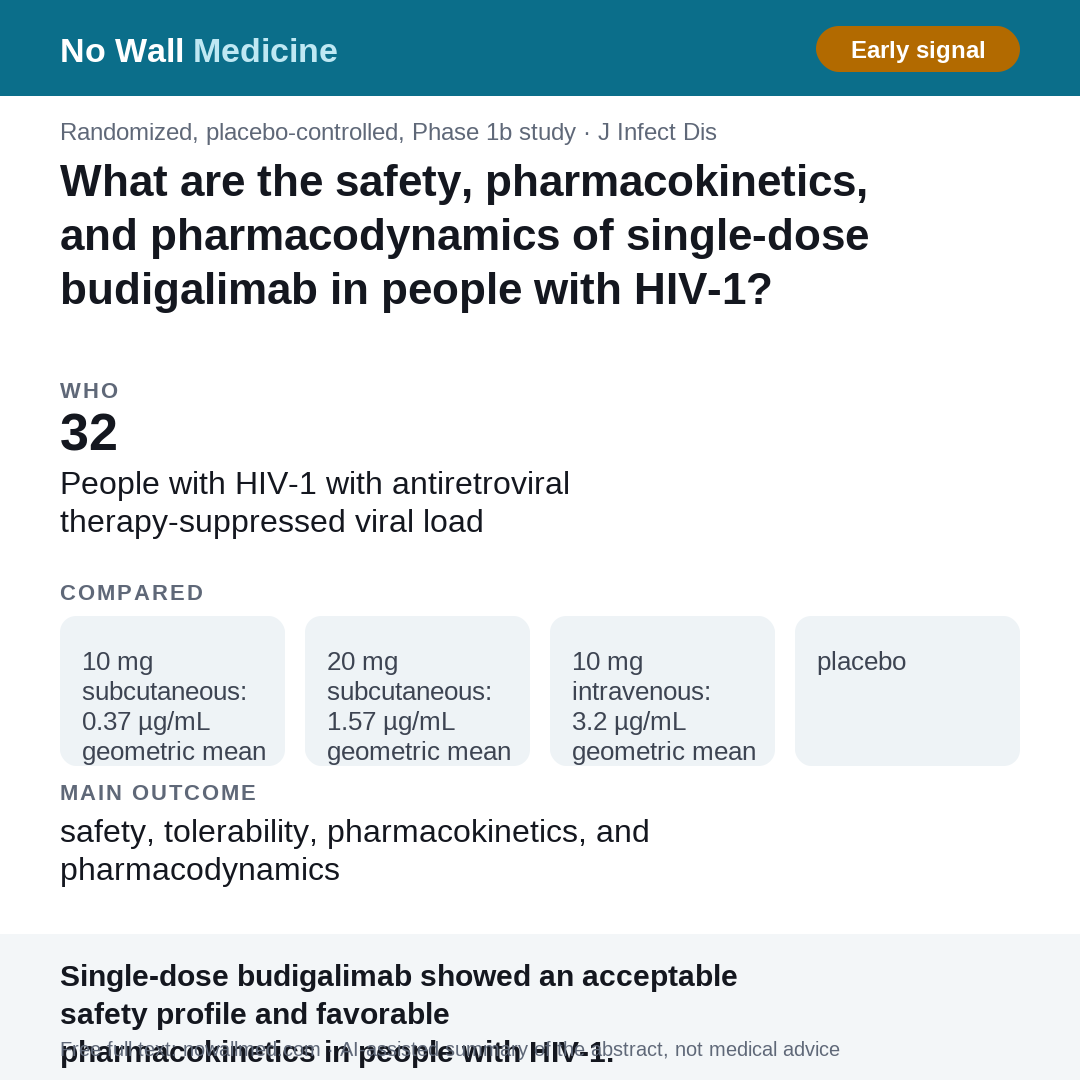
Safety, Pharmacokinetics, and Pharmacodynamics of Single-Dose Programmed Cell Death Protein 1 Inhibitor, Budigalimab, in People With HIV-1 With Antiretroviral Therapy-Suppressed Viral Load
Randomized, placebo-controlled, Phase 1b studyBenefit found
What are the safety, pharmacokinetics, and pharmacodynamics of single-dose budigalimab in people with HIV-1?
Who
32
People with HIV-1 with antiretroviral therapy-suppressed viral load
Compared
10 mg subcutaneous: 0.37 µg/mL geometric mean maximum serum concentration
20 mg subcutaneous: 1.57 µg/mL geometric mean maximum serum concentration
10 mg intravenous: 3.2 µg/mL geometric mean maximum serum concentration
placebo
Main outcome
safety, tolerability, pharmacokinetics, and pharmacodynamics
Bottom line: Single-dose budigalimab showed an acceptable safety profile and favorable pharmacokinetics in people with HIV-1.
J Infect Dis · 2026-04-09Download image
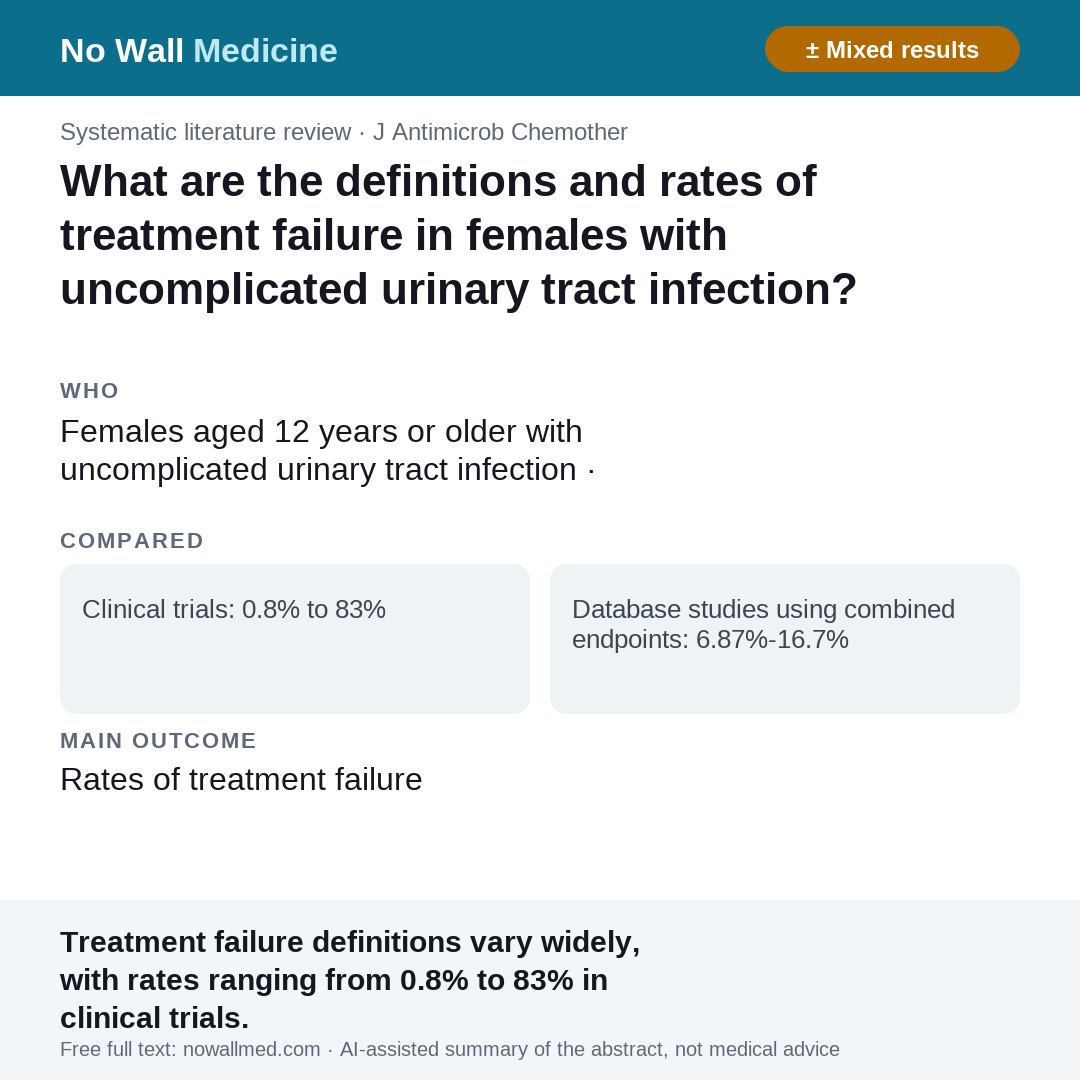
Definitions and rates of treatment failure in females with uncomplicated urinary tract infection: a systematic literature review
Systematic literature reviewMixed results
What are the definitions and rates of treatment failure in females with uncomplicated urinary tract infection?
Who
Females aged 12 years or older with uncomplicated urinary tract infection · MEDLINE, Embase and CENTRAL databases
Compared
Clinical trials: 0.8% to 83%
Database studies using combined endpoints: 6.87%-16.7%
Main outcome
Rates of treatment failure
Bottom line: Treatment failure definitions vary widely, with rates ranging from 0.8% to 83% in clinical trials.
J Antimicrob Chemother · 2026-04-09Download image
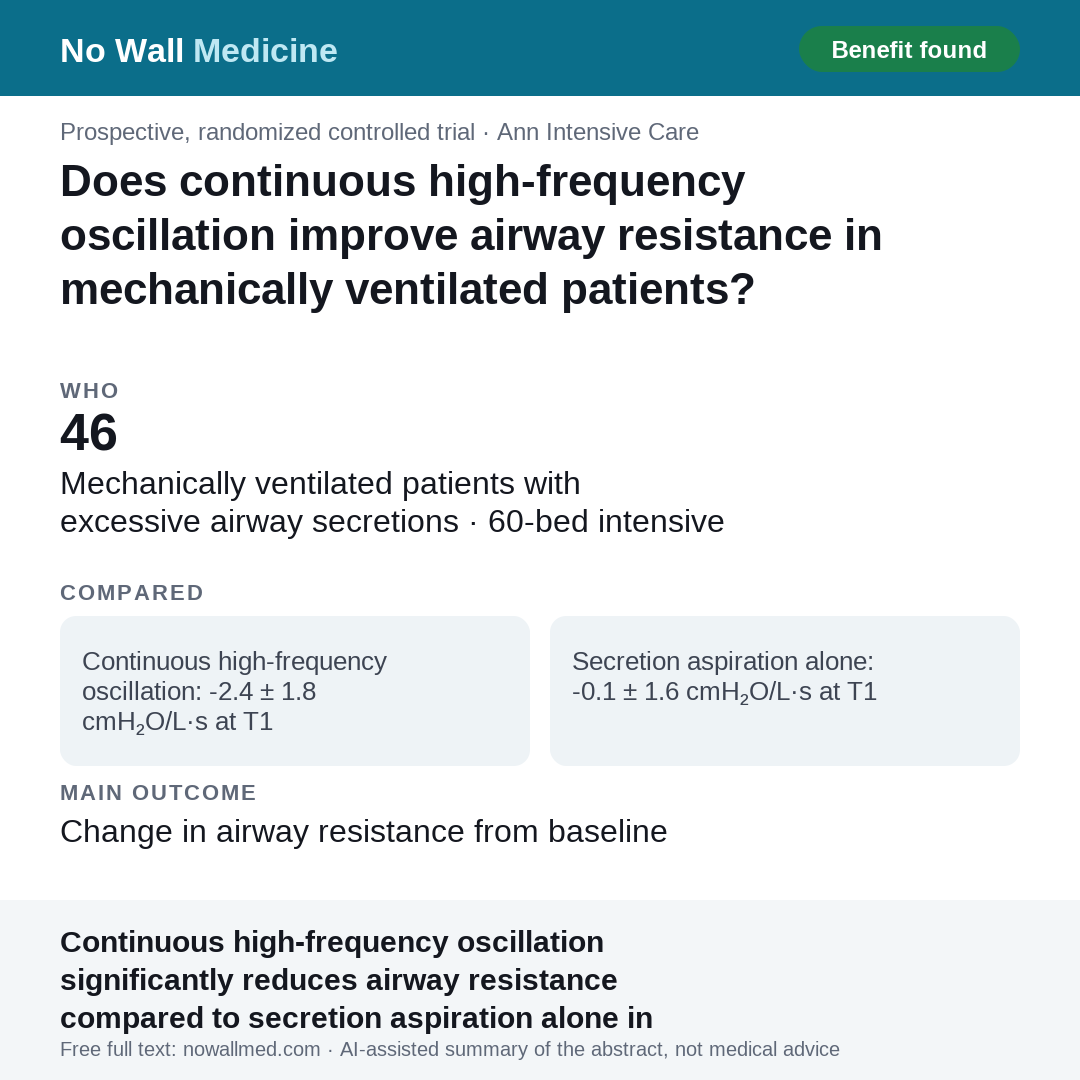
High-frequency oscillation improves mucus clearance and airway resistance in mechanically ventilated patients: a randomized clinical trial
Prospective, randomized controlled trialBenefit found
Does continuous high-frequency oscillation improve airway resistance in mechanically ventilated patients?
Who
46
Mechanically ventilated patients with excessive airway secretions · 60-bed intensive care unit
Compared
Continuous high-frequency oscillation: -2.4 ± 1.8 cmH₂O/L·s at T1
Secretion aspiration alone: -0.1 ± 1.6 cmH₂O/L·s at T1
Main outcome
Change in airway resistance from baseline
Bottom line: Continuous high-frequency oscillation significantly reduces airway resistance compared to secretion aspiration alone in mechanically ventilated patients.
Ann Intensive Care · 2026-04-09Download image
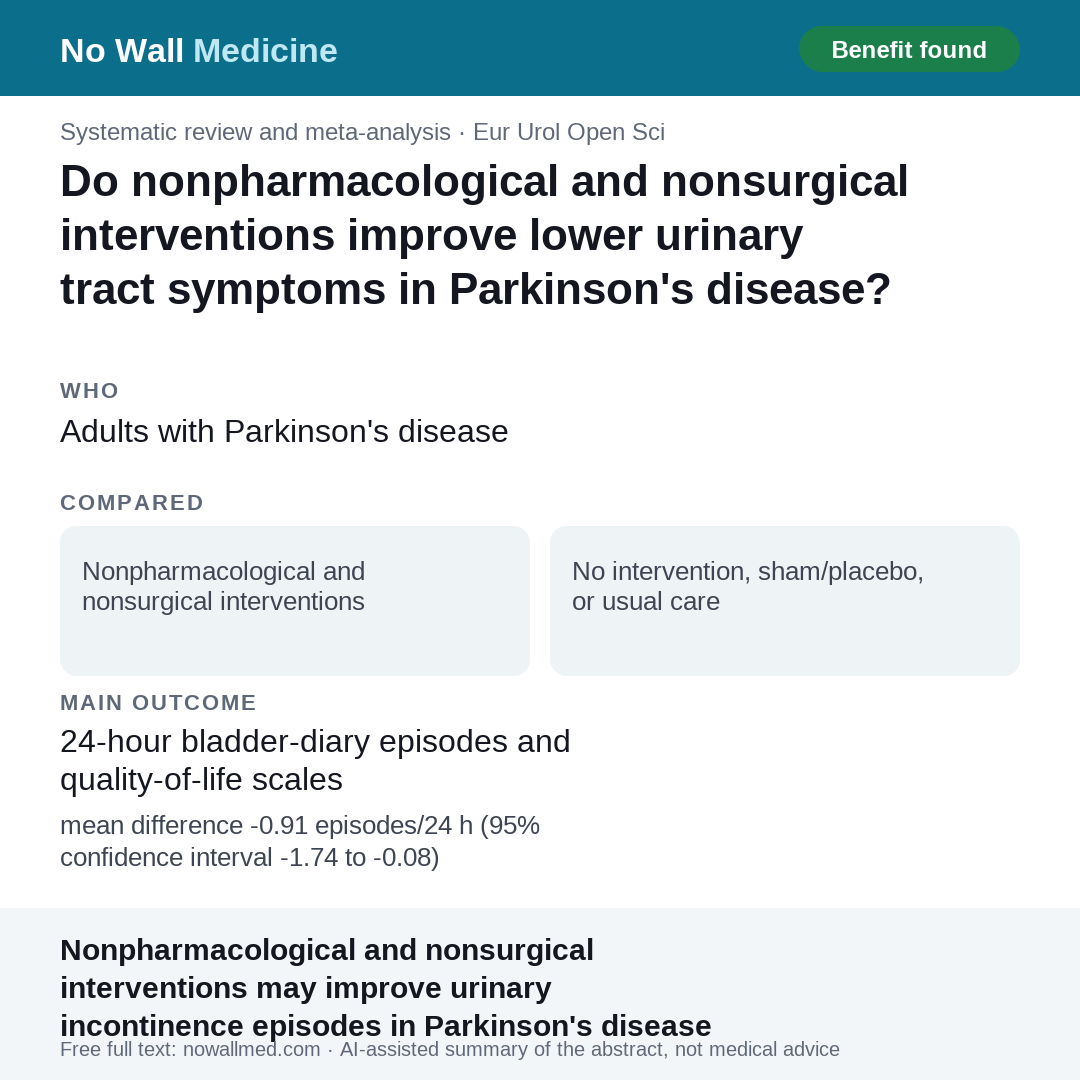
Effects of Nonpharmacological and Nonsurgical Intervention for Lower Urinary Tract Symptoms in Parkinson's Disease: A Systematic Review and Meta-analysis
Systematic review and meta-analysisBenefit found
Do nonpharmacological and nonsurgical interventions improve lower urinary tract symptoms in Parkinson's disease?
Who
Adults with Parkinson's disease
Compared
Nonpharmacological and nonsurgical interventions
No intervention, sham/placebo, or usual care
Main outcome
24-hour bladder-diary episodes and quality-of-life scales
Result: mean difference -0.91 episodes/24 h (95% confidence interval -1.74 to -0.08)
Bottom line: Nonpharmacological and nonsurgical interventions may improve urinary incontinence episodes in Parkinson's disease patients.
Limitation: Substantial heterogeneity and low certainty for many outcomes; publication bias could not be assessed.
Eur Urol Open Sci · 2026-04-09Download image
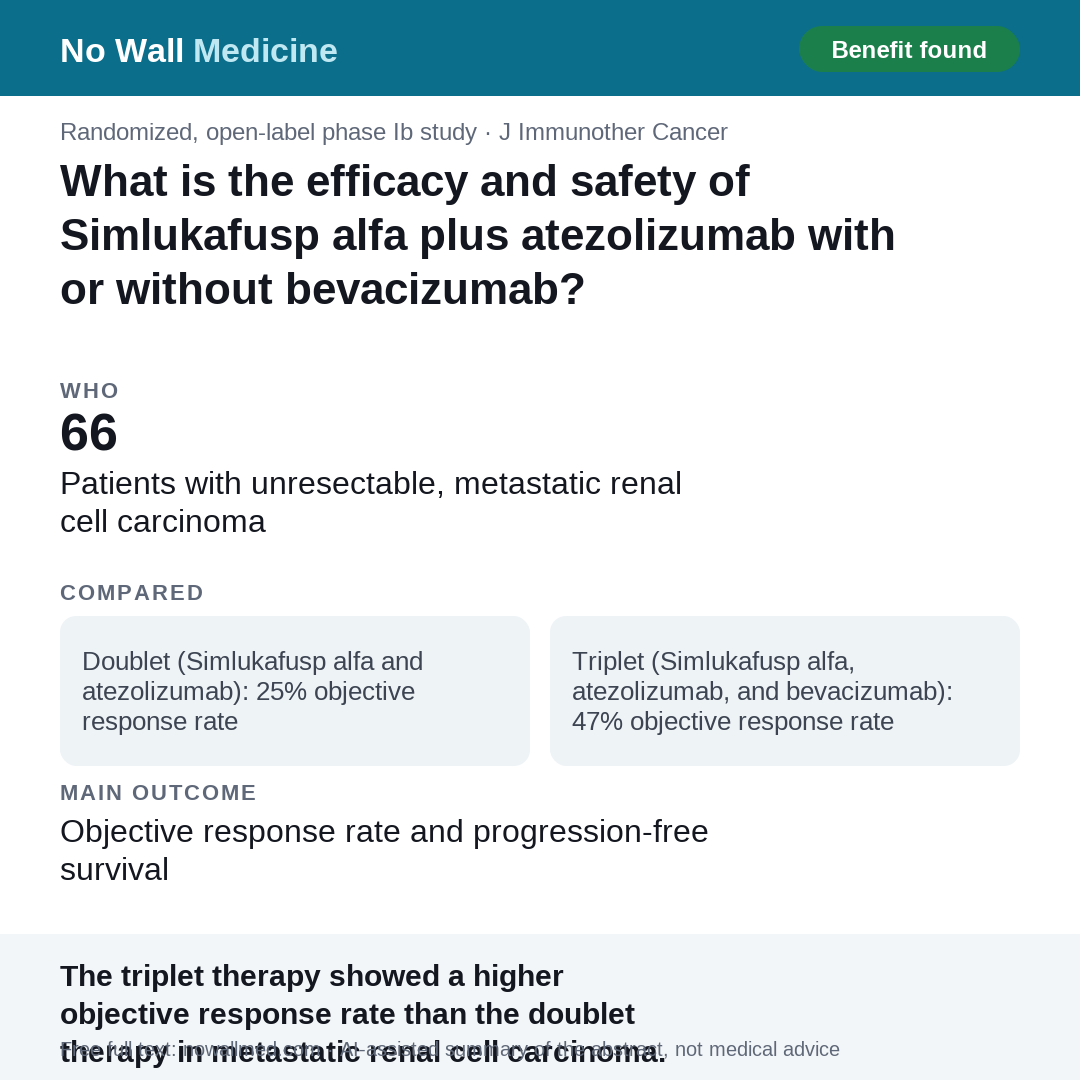
Simlukafusp alfa (FAP-IL2v) plus atezolizumab with or without bevacizumab in unresectable, metastatic renal cell carcinoma: a randomized, open-label phase Ib study
Randomized, open-label phase Ib studyBenefit found
What is the efficacy and safety of Simlukafusp alfa plus atezolizumab with or without bevacizumab?
Who
66
Patients with unresectable, metastatic renal cell carcinoma
Compared
Doublet (Simlukafusp alfa and atezolizumab): 25% objective response rate
Triplet (Simlukafusp alfa, atezolizumab, and bevacizumab): 47% objective response rate
Main outcome
Objective response rate and progression-free survival
Bottom line: The triplet therapy showed a higher objective response rate than the doublet therapy in metastatic renal cell carcinoma.
J Immunother Cancer · 2026-04-09Download image
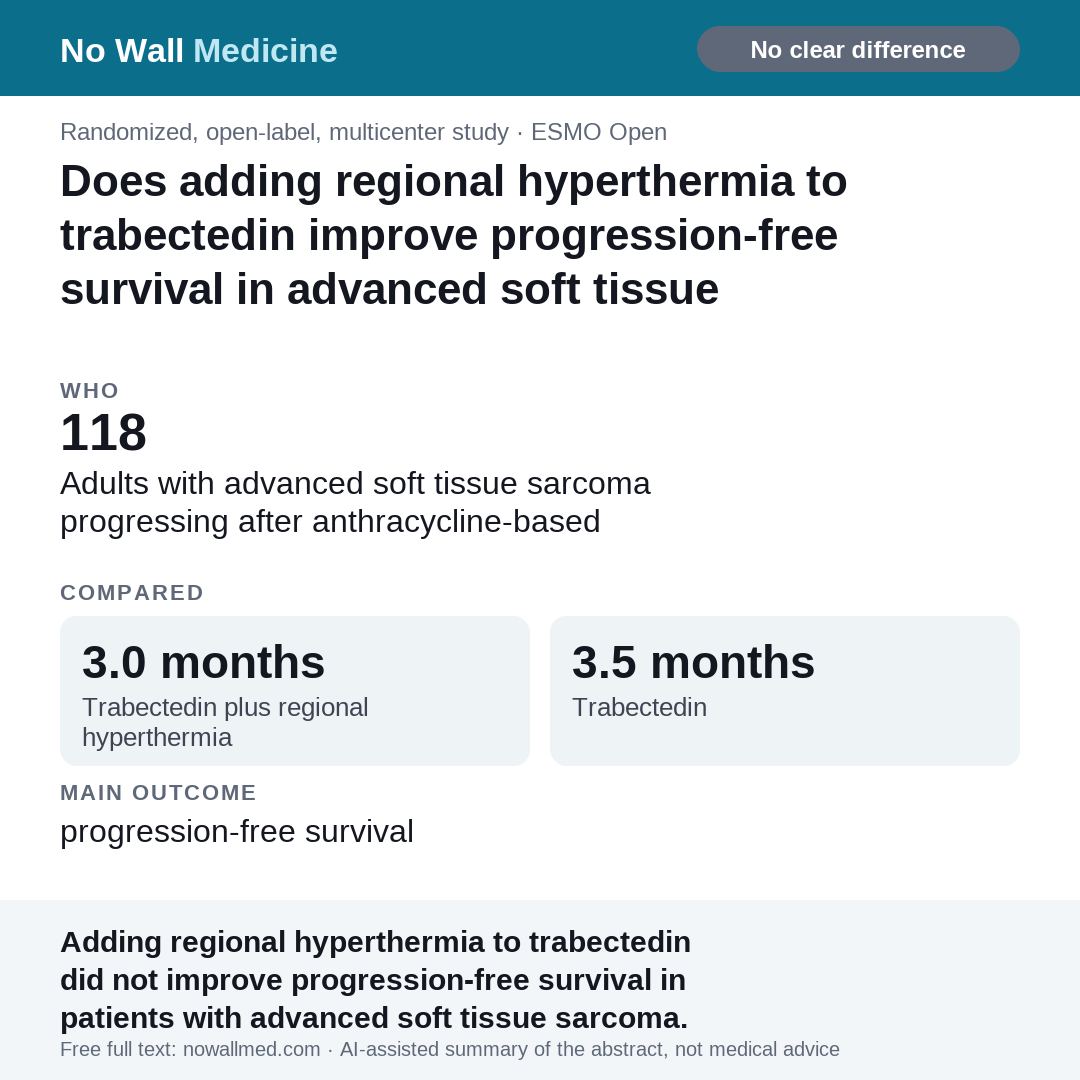
A randomized clinical study comparing trabectedin combined with regional hyperthermia with trabectedin in patients with advanced soft tissue sarcoma: HyperTET, a German Interdisciplinary Sarcoma Group trial
Randomized, open-label, multicenter studyNo clear difference
Does adding regional hyperthermia to trabectedin improve progression-free survival in advanced soft tissue sarcoma?
Who
118
Adults with advanced soft tissue sarcoma progressing after anthracycline-based chemotherapy · Five German Interdisciplinary Sarcoma Group centers
Compared
3.0 monthsTrabectedin plus regional hyperthermia
3.5 monthsTrabectedin
Main outcome
progression-free survival
Result: stratified hazard ratio 0.86 (95% CI 0.57 to 1.29)
Bottom line: Adding regional hyperthermia to trabectedin did not improve progression-free survival in patients with advanced soft tissue sarcoma.
ESMO Open · 2026-04-09Download image
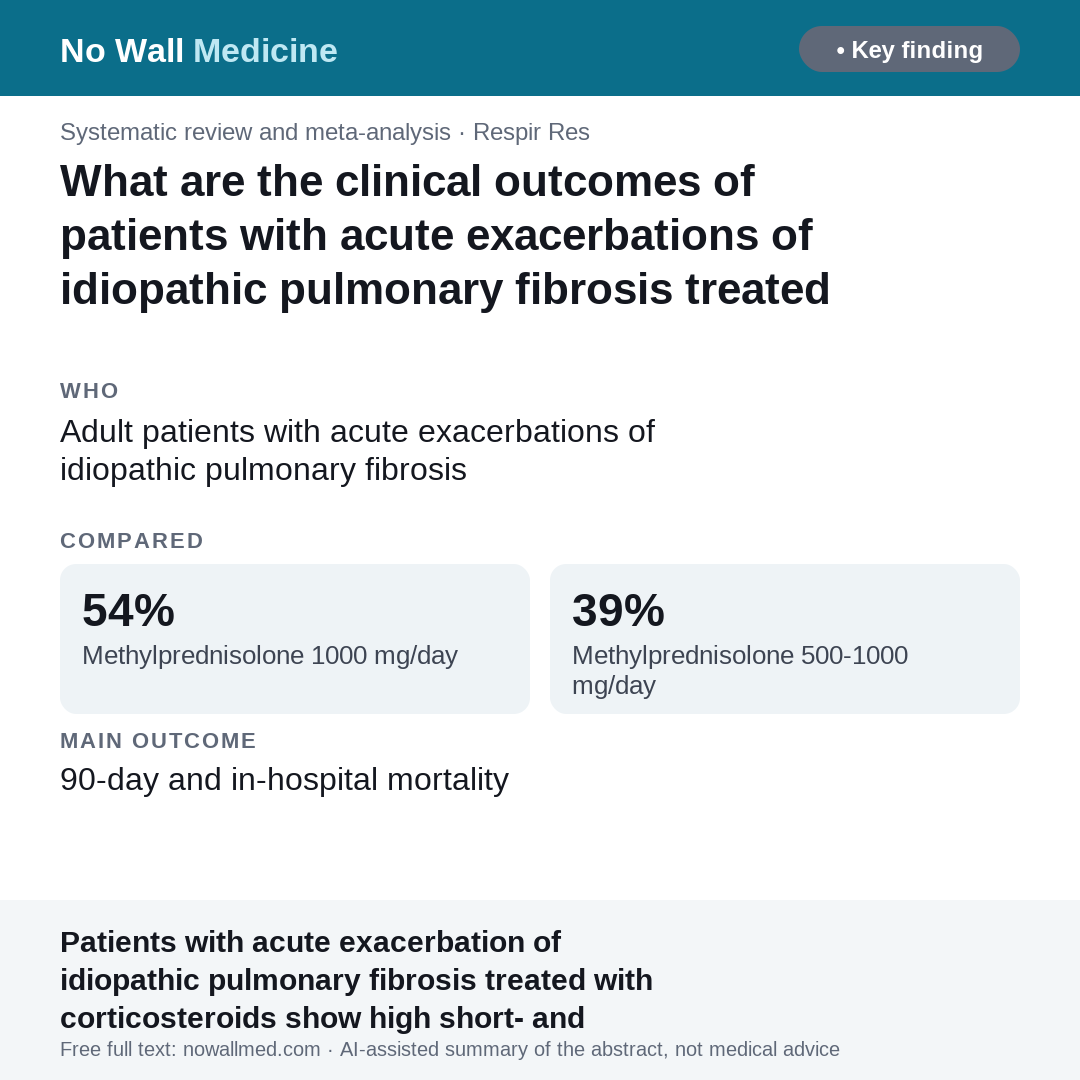
Outcomes of patients with acute exacerbations of idiopathic pulmonary fibrosis treated with corticosteroids: a systematic review and meta-analysis
Systematic review and meta-analysisHarm found
What are the clinical outcomes of patients with acute exacerbations of idiopathic pulmonary fibrosis treated with corticosteroids?
Who
32
Adult patients with acute exacerbations of idiopathic pulmonary fibrosis
Compared
54%Methylprednisolone 1000 mg/day (95% CI = 11-94%)
39%Methylprednisolone 500-1000 mg/day (95% CI = 12 to 71%)
Main outcome
90-day and in-hospital mortality
Bottom line: Patients with acute exacerbation of idiopathic pulmonary fibrosis treated with corticosteroids show high short- and long-term mortality.
Respir Res · 2026-04-09Download image
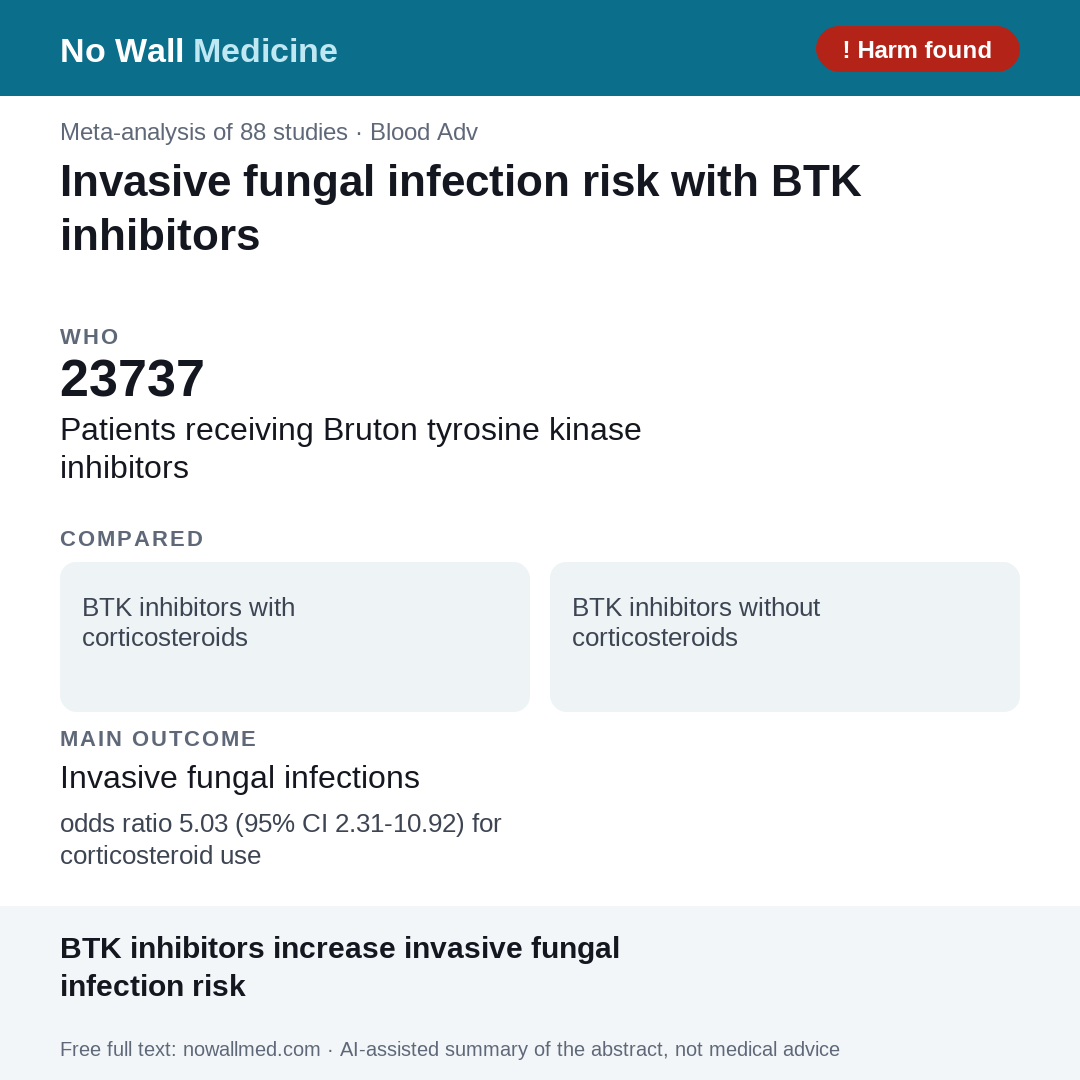
Invasive fungal infections after Bruton tyrosine kinase inhibitor treatment: a systematic review and meta-analysis
Meta-analysis of 88 studiesHarm found
Invasive fungal infection risk with BTK inhibitors
Who
23737
Patients receiving Bruton tyrosine kinase inhibitors
Compared
BTK inhibitors with corticosteroids
BTK inhibitors without corticosteroids
Main outcome
Invasive fungal infections
Result: odds ratio 5.03 (95% CI 2.31-10.92) for corticosteroid use
Bottom line: BTK inhibitors increase invasive fungal infection risk
Limitation: Data on prophylaxis limited and inconclusive
Blood Adv · 2026-04-09Download image
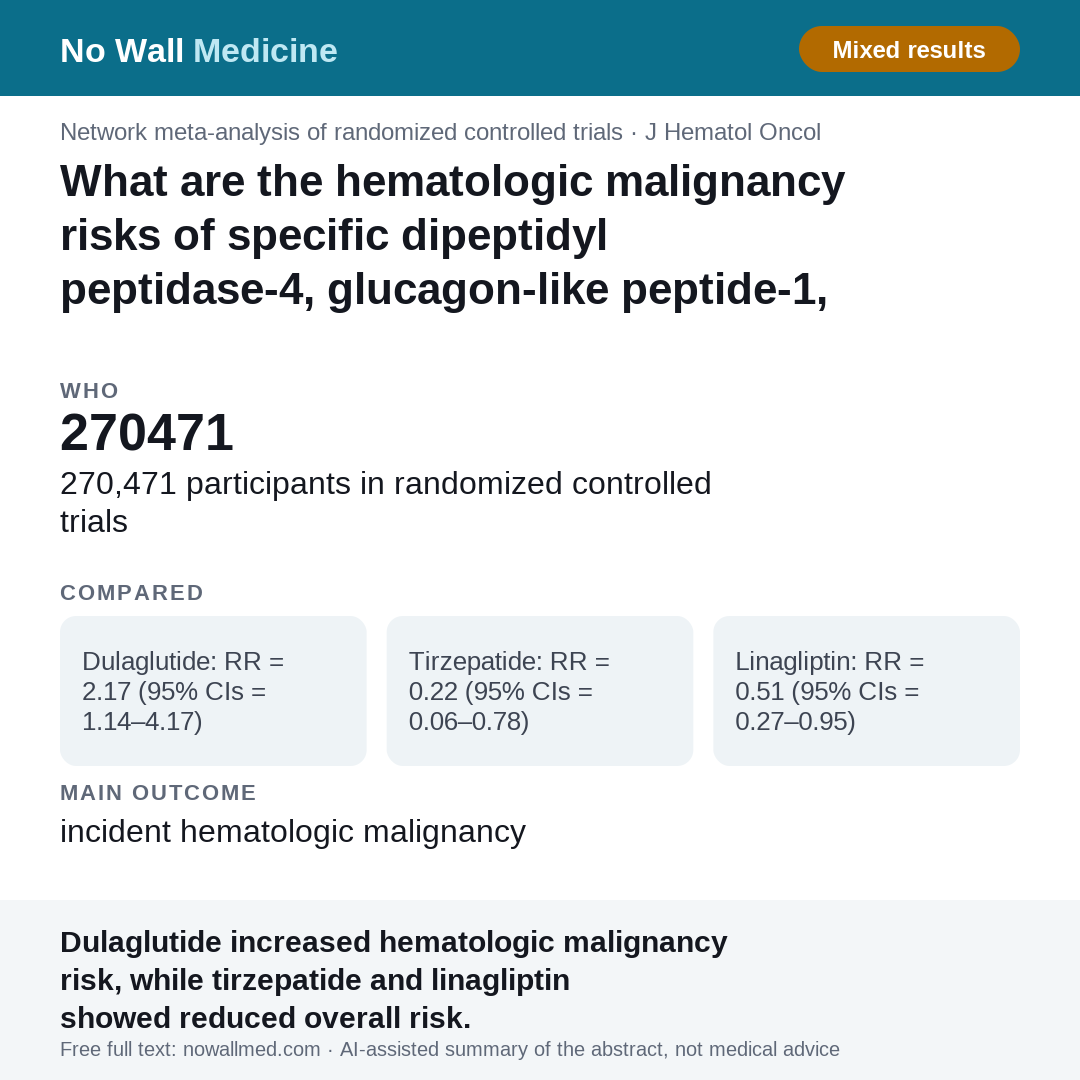
Agent-specific, histopathology-stratified hematologic malignancy risk among dpp-4 inhibitors, glp-1 receptor agonists, and SGLT2 inhibitors: a network meta-analysis of 270,471 participants
Network meta-analysis of randomized controlled trialsMixed results
What are the hematologic malignancy risks of specific dipeptidyl peptidase-4, glucagon-like peptide-1, and sodium-glucose cotransporter 2 inhibitors?
Who
270471
270,471 participants in randomized controlled trials
Compared
Dulaglutide: RR = 2.17 (95% CIs = 1.14–4.17)
Tirzepatide: RR = 0.22 (95% CIs = 0.06–0.78)
Linagliptin: RR = 0.51 (95% CIs = 0.27–0.95)
Main outcome
incident hematologic malignancy
Result: RR = 2.17, 95% CIs = 1.14–4.17 for dulaglutide
Bottom line: Dulaglutide increased hematologic malignancy risk, while tirzepatide and linagliptin showed reduced overall risk.
J Hematol Oncol · 2026-04-09Download image
Innovations in Deaf Health Care Communication: Systematic Review of Sign Language Recognition Systems
Systematic reviewUnclear result
What is the evidence on sign language recognition systems for deaf health care communication?
Who
23
Deaf individuals and hearing health professionals · Various health care settings
Compared
Image-based systems: 25% to 100% accuracy
Sensor-based systems: 72% to 99.7% accuracy
Main outcome
Accuracy of sign language recognition systems
Bottom line: Sign language recognition systems show wide accuracy variability and fail to address bidirectional communication or facial expressions.
J Med Internet Res · 2026-04-09Download image

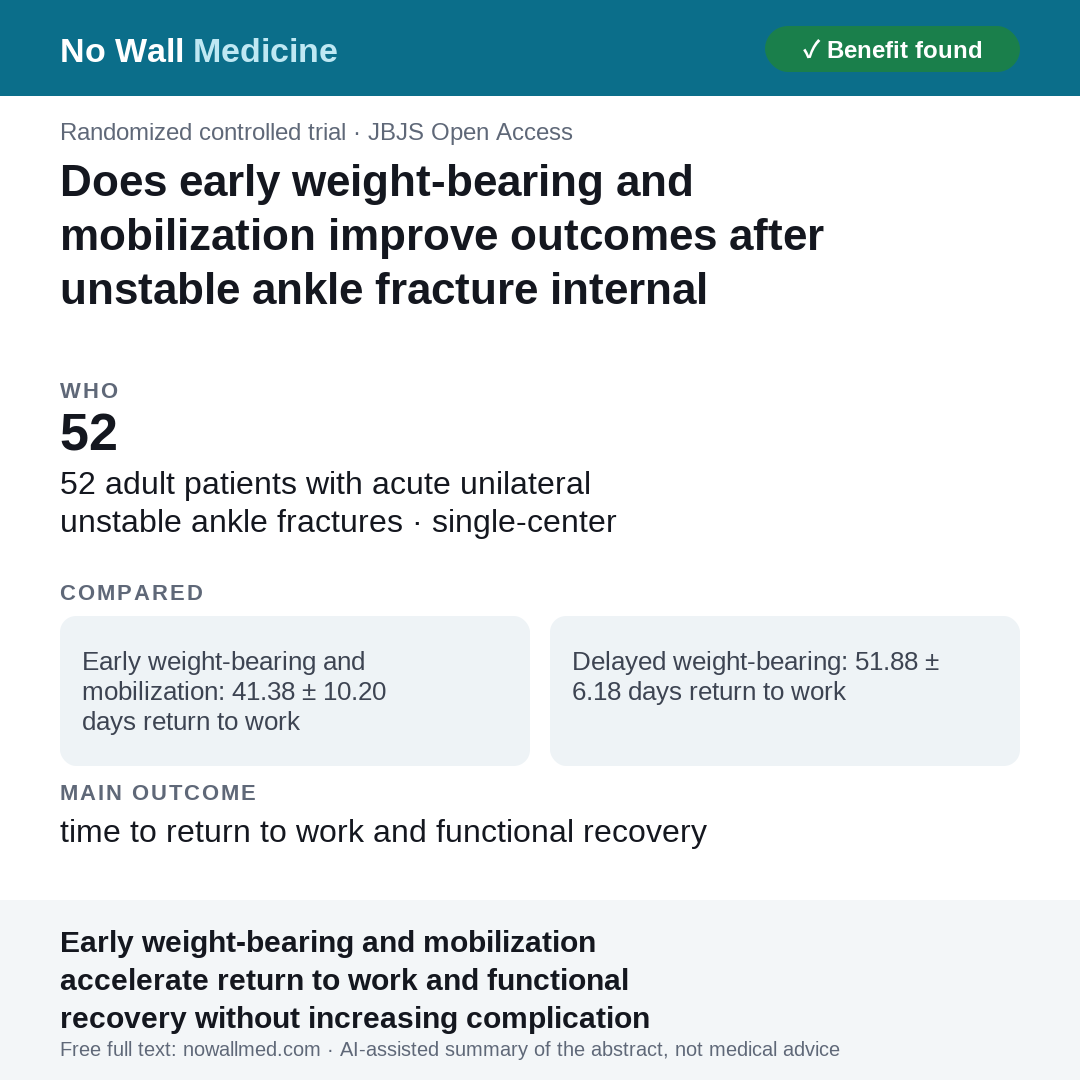
Impact of Weight-Bearing and Early Mobilization in Patients After Internal Fixation of Unstable Ankle Fractures: A Randomized Controlled Trial
Randomized controlled trialBenefit found
Does early weight-bearing and mobilization improve outcomes after unstable ankle fracture internal fixation?
Who
52
52 adult patients with acute unilateral unstable ankle fractures · single-center
Compared
Early weight-bearing and mobilization: 41.38 ± 10.20 days return to work
Delayed weight-bearing: 51.88 ± 6.18 days return to work
Main outcome
time to return to work and functional recovery
Bottom line: Early weight-bearing and mobilization accelerate return to work and functional recovery without increasing complication rates after ankle fracture surgery.
Limitation: modest sample size and single-center design
JBJS Open Access · 2026-04-09Download image
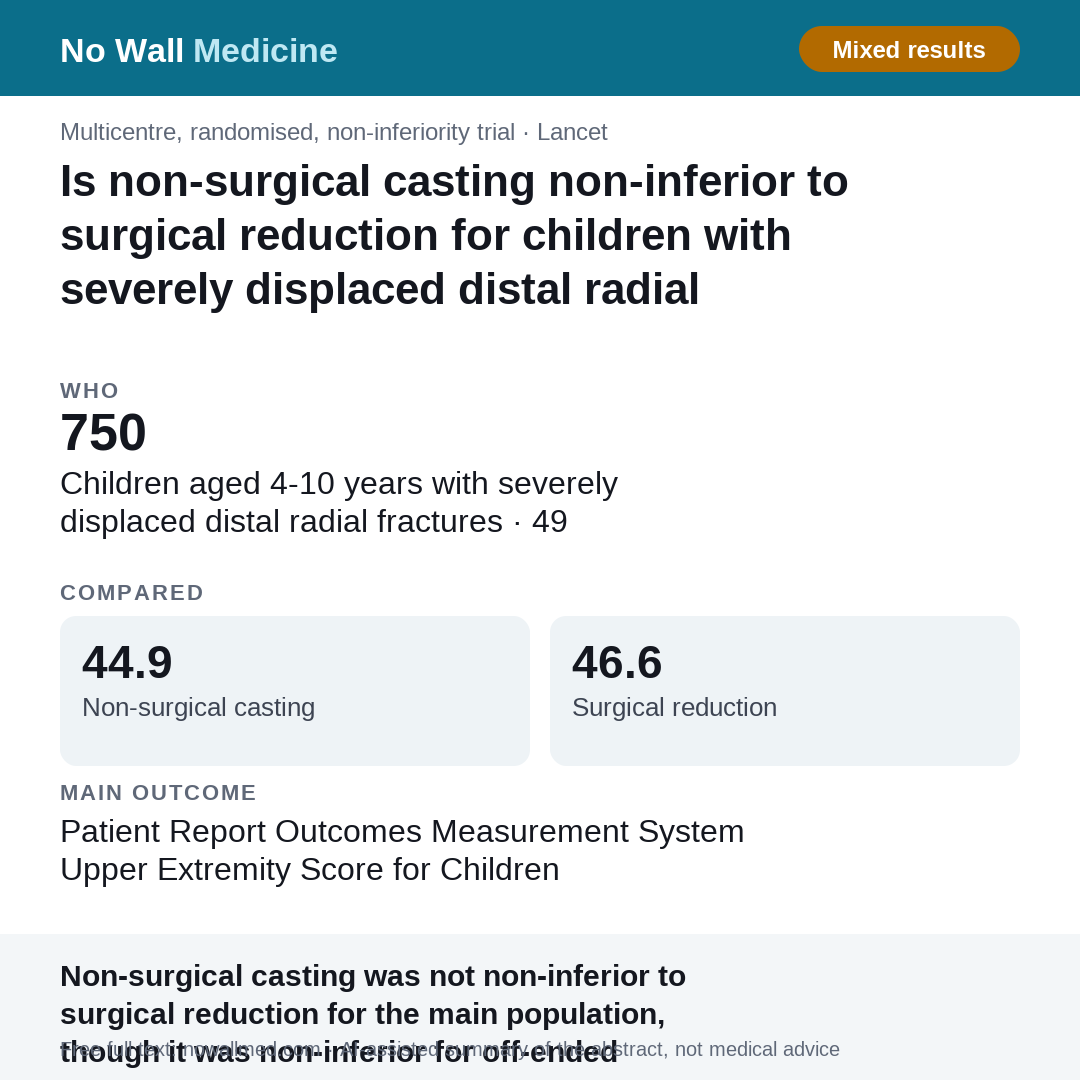
Non-surgical casting versus surgical reduction for children with severely displaced distal radial fractures (the CRAFFT Study): a multicentre, randomised, controlled non-inferiority trial and economic evaluation
Multicentre, randomised, non-inferiority trialMixed results
Is non-surgical casting non-inferior to surgical reduction for children with severely displaced distal radial fractures?
Who
750
Children aged 4-10 years with severely displaced distal radial fractures · 49 hospitals in the UK
Compared
44.9Non-surgical casting (SD 8.7)
46.6Surgical reduction (8.8)
Main outcome
Patient Report Outcomes Measurement System Upper Extremity Score for Children
Result: adjusted mean difference -1.64 (95% CI -2.84 to -0.44)
Bottom line: Non-surgical casting was not non-inferior to surgical reduction for the main population, though it was non-inferior for off-ended fractures.
Limitation: The confidence interval extended beyond the prespecified non-inferiority margin of -2.5 points.
Lancet · 2026-04-08Download image
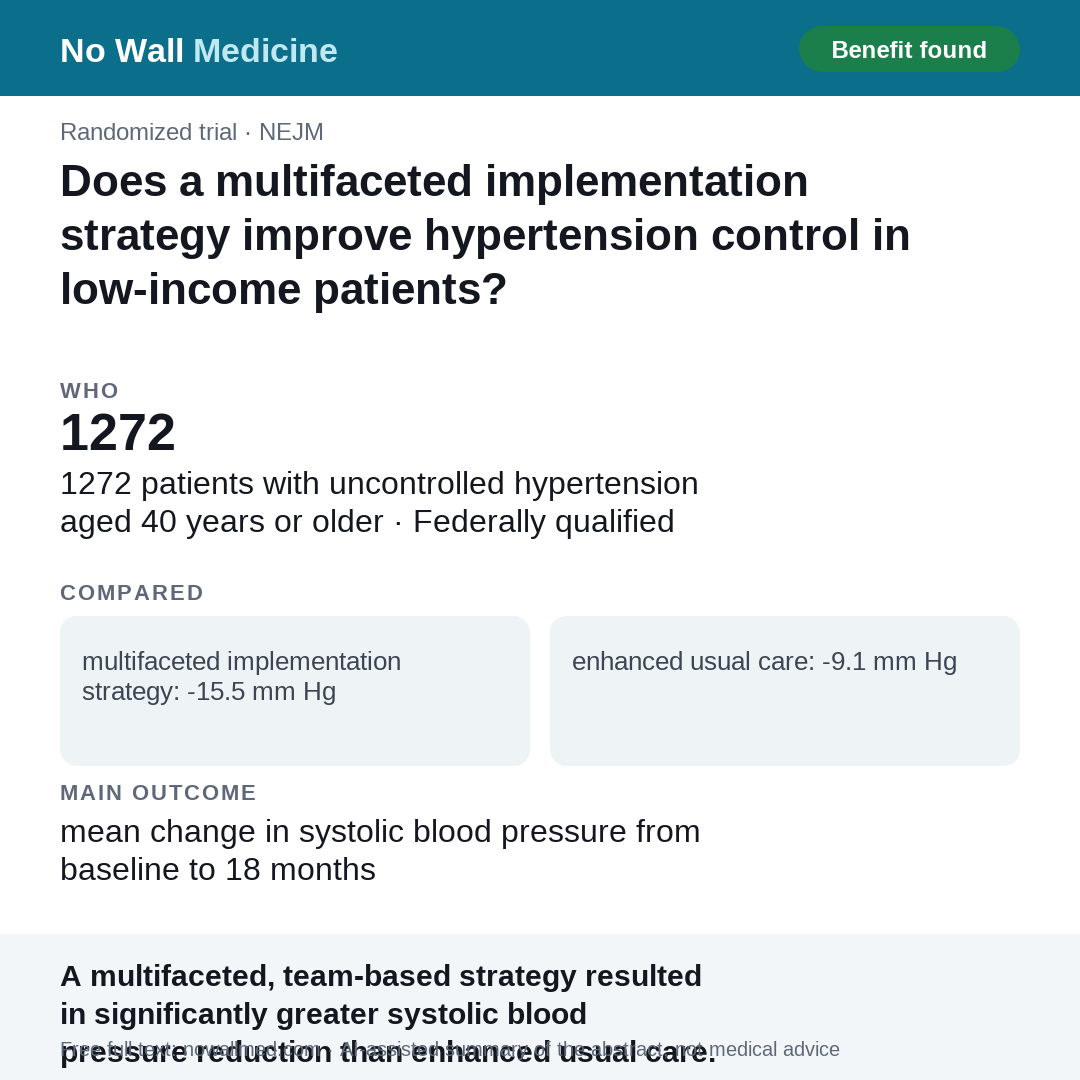
Multifaceted Strategies for Hypertension Control in Low-Income Patients
Randomized trialBenefit found
Does a multifaceted implementation strategy improve hypertension control in low-income patients?
Who
1272
1272 patients with uncontrolled hypertension aged 40 years or older · Federally qualified health center clinics in Louisiana and Mississippi
Compared
multifaceted implementation strategy: -15.5 mm Hg
enhanced usual care: -9.1 mm Hg
Main outcome
mean change in systolic blood pressure from baseline to 18 months
Result: -6.4 mm Hg; 95% CI, -9.0 to -3.8
Bottom line: A multifaceted, team-based strategy resulted in significantly greater systolic blood pressure reduction than enhanced usual care.
Funded by: National Heart, Lung, and Blood Institute and others
NEJM · 2026-04-08Download image
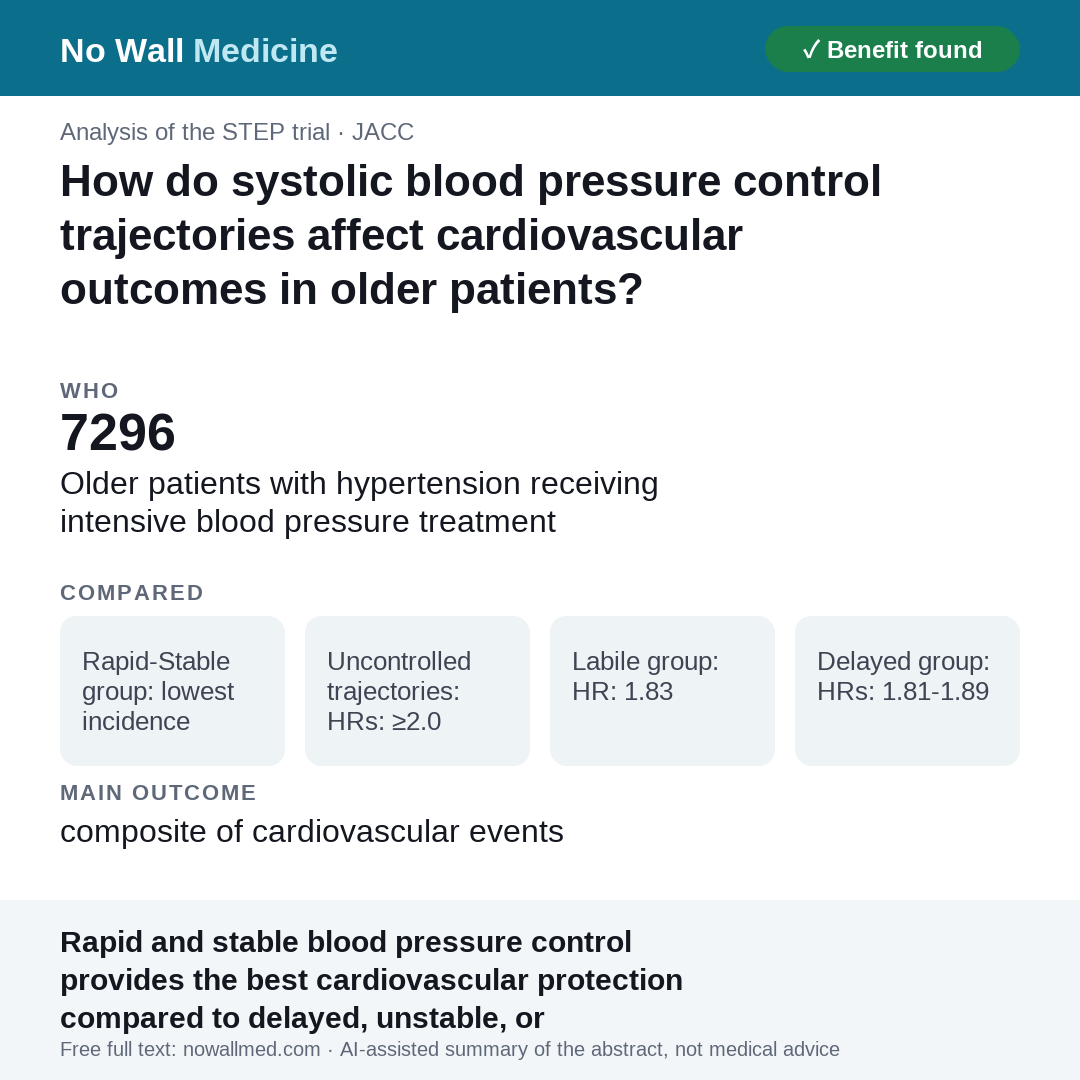
Blood Pressure Trajectories and Cardiovascular Outcomes in Older Patients: Insights From the STEP Trial
Analysis of the STEP trialBenefit found
How do systolic blood pressure control trajectories affect cardiovascular outcomes in older patients?
Who
7296
Older patients with hypertension receiving intensive blood pressure treatment
Compared
Rapid-Stable group: lowest incidence
Uncontrolled trajectories: HRs: ≥2.0
Labile group: HR: 1.83
Delayed group: HRs: 1.81-1.89
Main outcome
composite of cardiovascular events
Bottom line: Rapid and stable blood pressure control provides the best cardiovascular protection compared to delayed, unstable, or uncontrolled trajectories.
JACC · 2026-04-08Download image
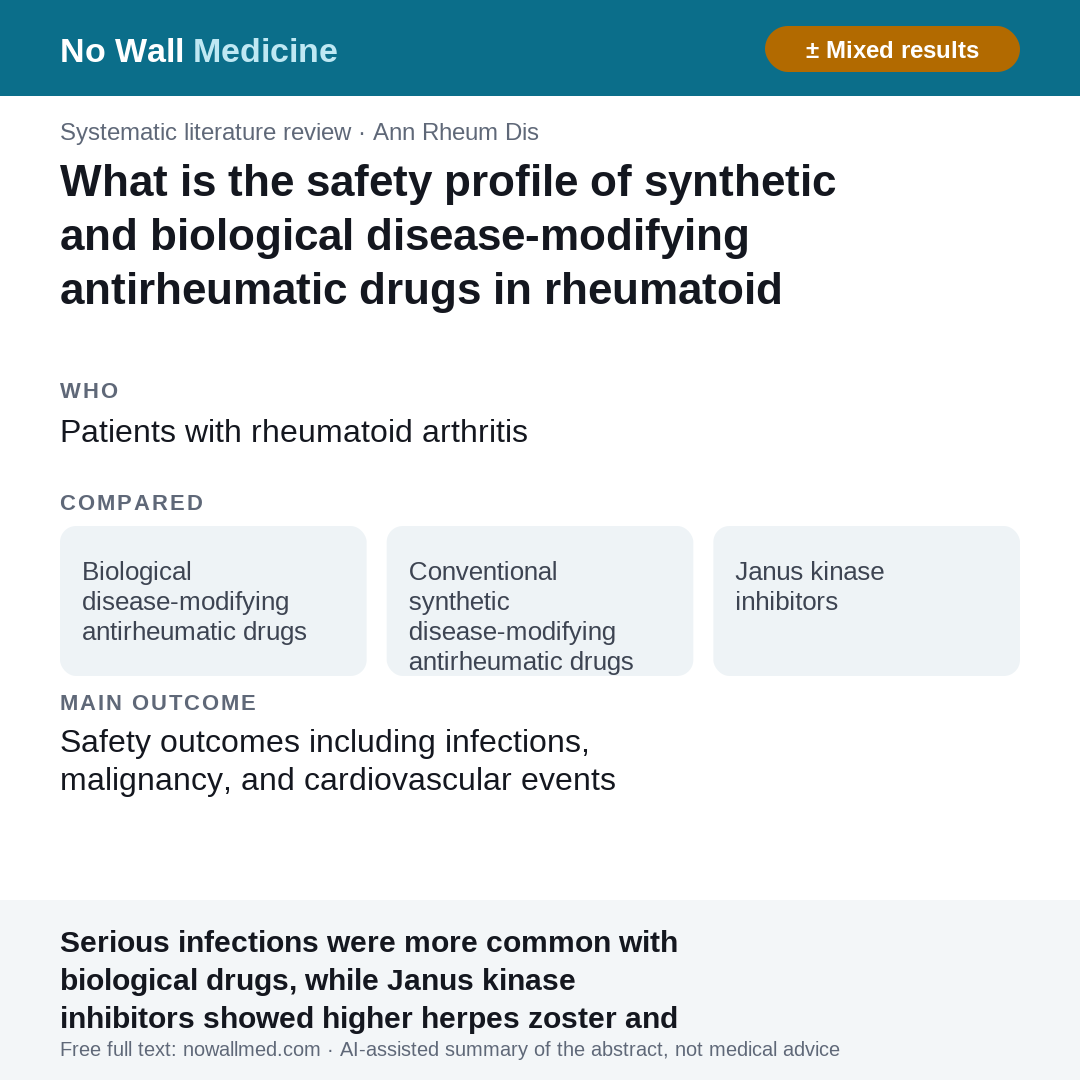
Safety of synthetic and biological DMARDs: a systematic literature review informing the 2025 update of the EULAR recommendations for the management of rheumatoid arthritis
Systematic literature reviewMixed results
What is the safety profile of synthetic and biological disease-modifying antirheumatic drugs in rheumatoid arthritis?
Who
Patients with rheumatoid arthritis
Compared
Biological disease-modifying antirheumatic drugs
Conventional synthetic disease-modifying antirheumatic drugs
Janus kinase inhibitors
Main outcome
Safety outcomes including infections, malignancy, and cardiovascular events
Bottom line: Serious infections were more common with biological drugs, while Janus kinase inhibitors showed higher herpes zoster and venous thromboembolism risks.
Limitation: A substantial proportion of studies relied on claims databases, which carries important methodological limitations.
Ann Rheum Dis · 2026-04-08Download image