Visual abstracts
New randomized trials and meta-analyses from leading journals at a glance: who was studied, what was compared, and what was found. Every paper is free to read in full.
All specialtiesCardiology 4877Oncology 4138Gastroenterology & Hepatology 1942Infectious Disease 3837Neurology 1905Psychiatry & Mental Health 2273Pulmonology 2143Critical Care 1365Endocrinology & Diabetes 2580Pediatrics 2980Surgery 2559Orthopedics & Sports Medicine 931Neurosurgery 537Cardiothoracic & Vascular Surgery 674Plastic & Reconstructive Surgery 591Nephrology 1133Rheumatology 823Hematology 1109Dermatology 621Ophthalmology 543Obstetrics & Gynecology 1686Public & Global Health 1058Radiology & Imaging 648Anesthesiology 986Urology 764ENT (Otolaryngology) 503Emergency Medicine 511Allergy & Immunology 313Geriatrics 981Family Medicine & Primary Care 562Medical Genetics & Genomics 676Pathology & Laboratory Medicine 159Physical Medicine & Rehabilitation 757Palliative Care 444Nutrition 1588Digital Health & AI 2201General Medicine 321
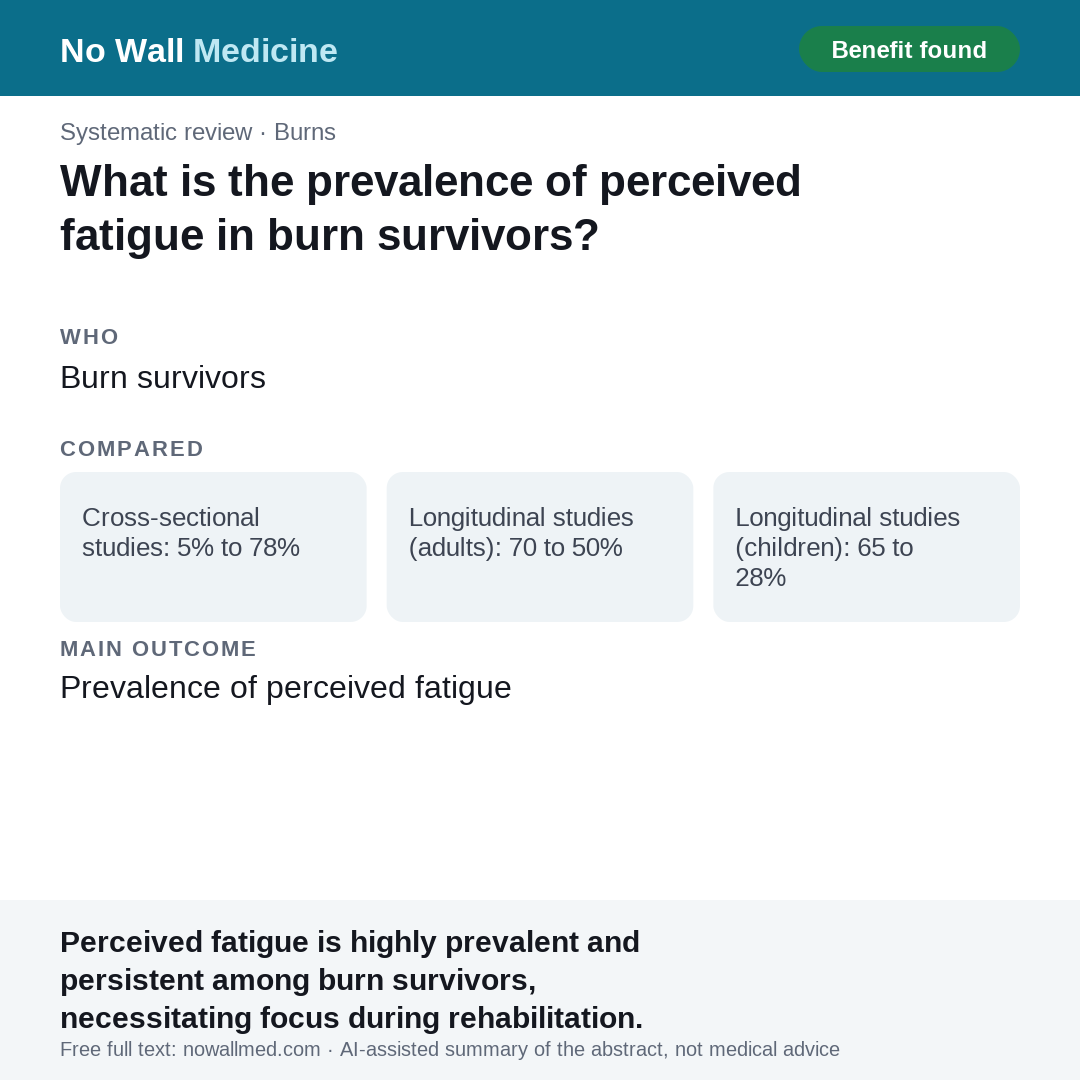
The prevalence of perceived fatigue in burn survivors: A systematic review of cross-sectional and longitudinal studies
Systematic reviewBenefit found
What is the prevalence of perceived fatigue in burn survivors?
Who
Burn survivors
Compared
Cross-sectional studies: 5% to 78%
Longitudinal studies (adults): 70 to 50%
Longitudinal studies (children): 65 to 28%
Main outcome
Prevalence of perceived fatigue
Bottom line: Perceived fatigue is highly prevalent and persistent among burn survivors, necessitating focus during rehabilitation.
Burns · 2025-03-27Download image
Communicating blood test results in primary care: a mixed-methods systematic review
Mixed-methods systematic reviewMixed results
How to communicate blood test results
Who
71
adult patients and carers · primary care
Compared
patients
clinicians
Main outcome
blood test result communication
Bottom line: Patients want quick results and more information
Limitation: poor study quality and high risk of bias
Br J Gen Pract · 2025-03-27Download image
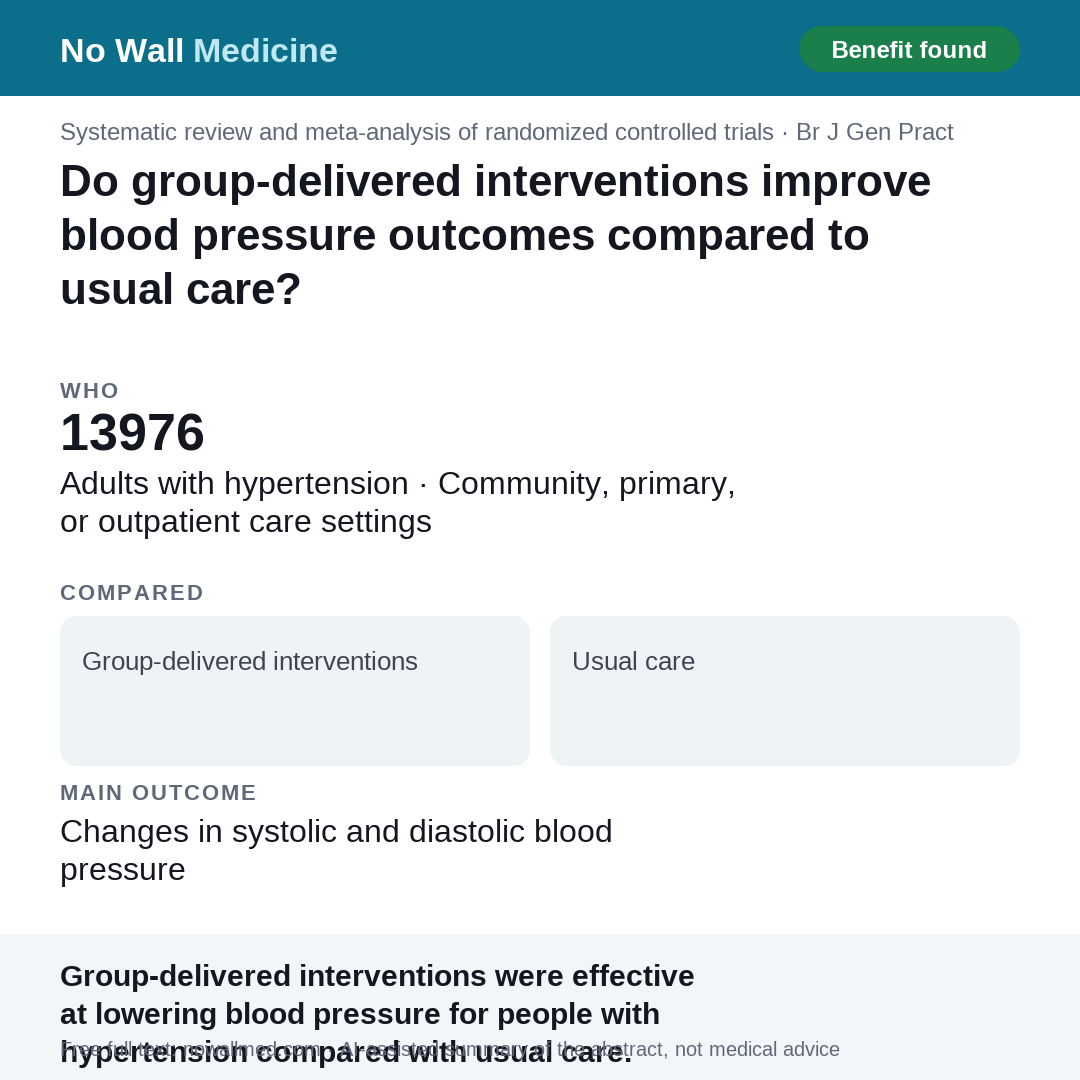
Group-delivered interventions for lowering blood pressure in hypertension: a systematic review and meta-analysis
Systematic review and meta-analysis of randomized controlled trialsBenefit found
Do group-delivered interventions improve blood pressure outcomes compared to usual care?
Who
13976
Adults with hypertension · Community, primary, or outpatient care settings
Compared
Group-delivered interventions
Usual care
Main outcome
Changes in systolic and diastolic blood pressure
Result: systolic BP reduced by 7.2 mmHg (95% CI 4.7 to 9.6)
Bottom line: Group-delivered interventions were effective at lowering blood pressure for people with hypertension compared with usual care.
Limitation: Feasibility and cost-effectiveness in primary care require further study.
Br J Gen Pract · 2025-03-27Download image
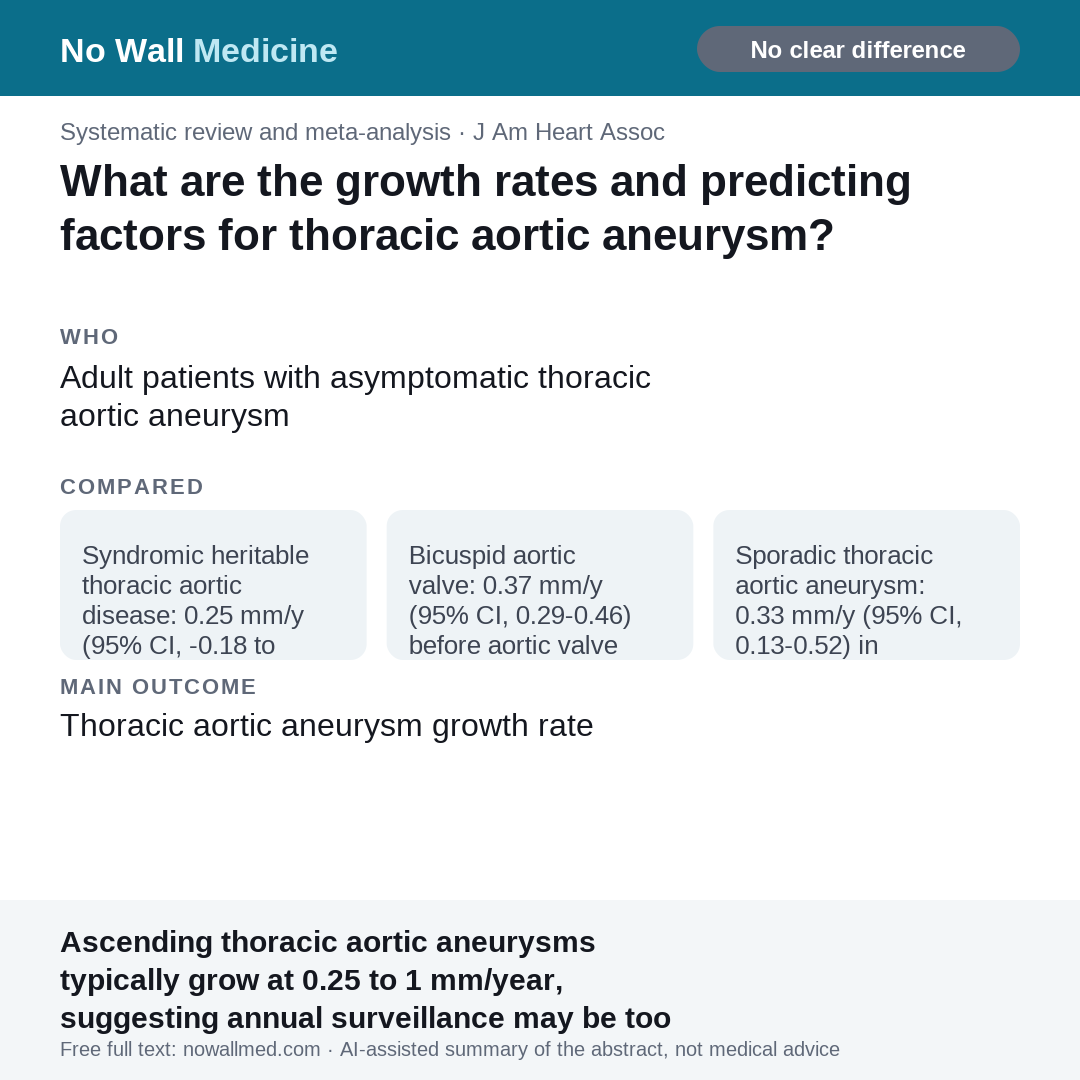
Thoracic Aortic Aneurysm Growth Rates and Predicting Factors: A Systematic Review and Meta-Analysis
Systematic review and meta-analysisNo clear difference
What are the growth rates and predicting factors for thoracic aortic aneurysm?
Who
Adult patients with asymptomatic thoracic aortic aneurysm
Compared
Syndromic heritable thoracic aortic disease: 0.25 mm/y (95% CI, -0.18 to 0.68) in Turner syndrome
Bicuspid aortic valve: 0.37 mm/y (95% CI, 0.29-0.46) before aortic valve surgery
Sporadic thoracic aortic aneurysm: 0.33 mm/y (95% CI, 0.13-0.52) in ascending TAA
Main outcome
Thoracic aortic aneurysm growth rate
Bottom line: Ascending thoracic aortic aneurysms typically grow at 0.25 to 1 mm/year, suggesting annual surveillance may be too frequent.
J Am Heart Assoc · 2025-03-27Download image
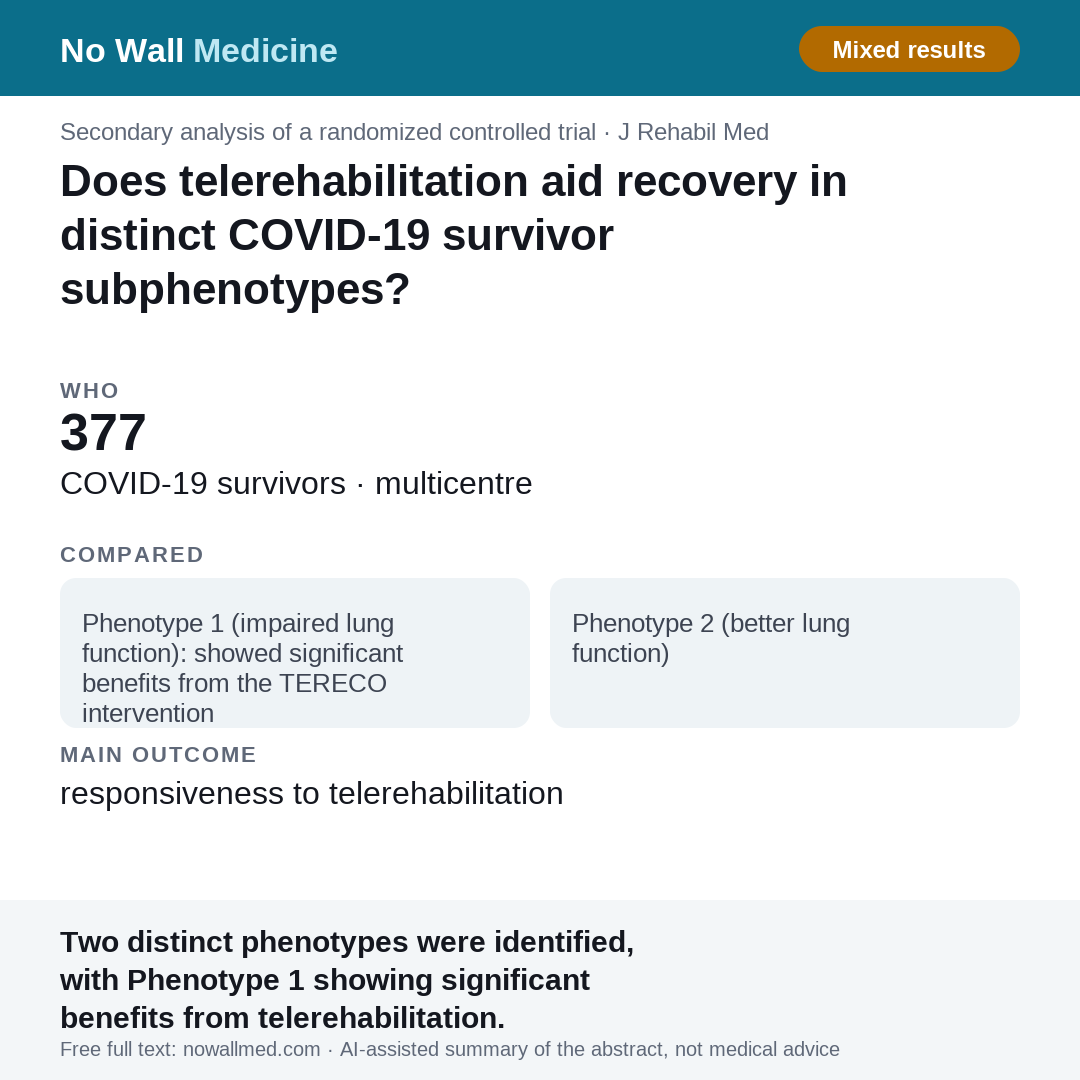
Subphenotypic classification of COVID-19 survivors and response to telerehabilitation: a latent class analysis
Secondary analysis of a randomized controlled trialMixed results
Does telerehabilitation aid recovery in distinct COVID-19 survivor subphenotypes?
Who
377
COVID-19 survivors · multicentre
Compared
Phenotype 1 (impaired lung function): showed significant benefits from the TERECO intervention
Phenotype 2 (better lung function)
Main outcome
responsiveness to telerehabilitation
Bottom line: Two distinct phenotypes were identified, with Phenotype 1 showing significant benefits from telerehabilitation.
J Rehabil Med · 2025-03-27Download image
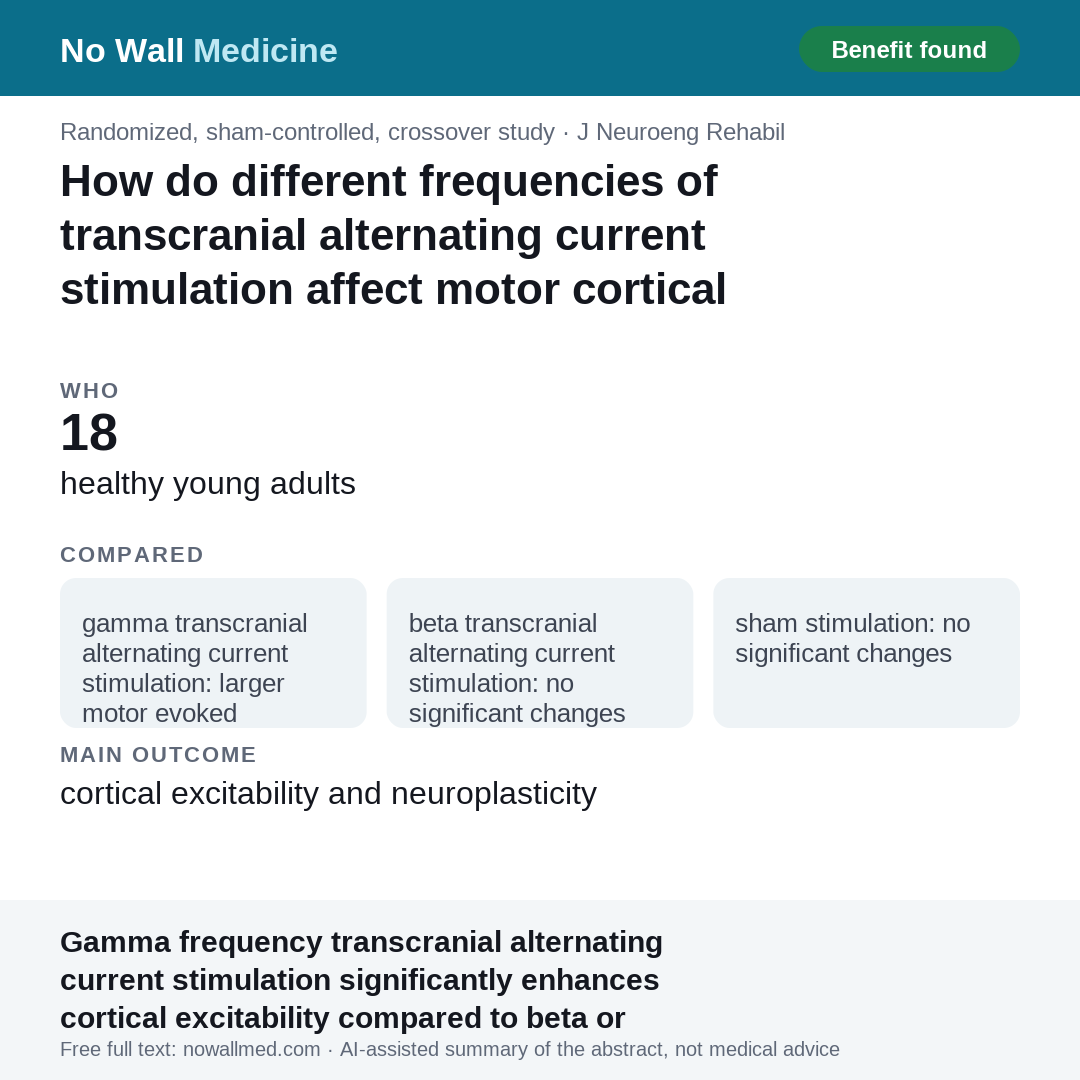
Frequency-specific modulation of motor cortical excitability by transcranial alternating current stimulation
Randomized, sham-controlled, crossover studyBenefit found
How do different frequencies of transcranial alternating current stimulation affect motor cortical excitability?
Who
18
healthy young adults
Compared
gamma transcranial alternating current stimulation: larger motor evoked potential amplitudes
beta transcranial alternating current stimulation: no significant changes
sham stimulation: no significant changes
Main outcome
cortical excitability and neuroplasticity
Bottom line: Gamma frequency transcranial alternating current stimulation significantly enhances cortical excitability compared to beta or sham stimulation.
J Neuroeng Rehabil · 2025-03-27Download image
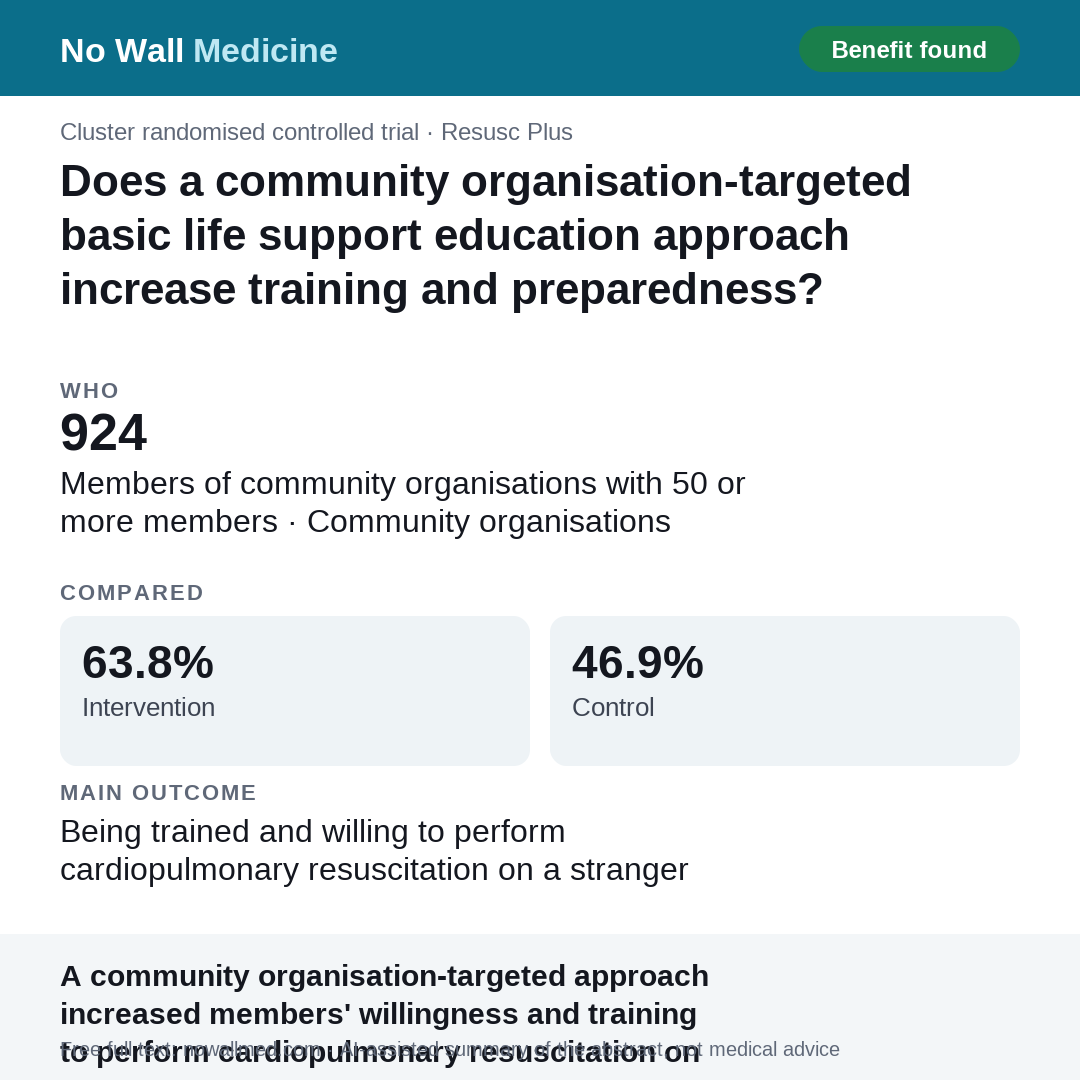
FirstCPR: A pragmatic community organisation-based cluster randomised trial to increase community training and preparedness to respond to out-of-hospital cardiac arrest
Cluster randomised controlled trialBenefit found
Does a community organisation-targeted basic life support education approach increase training and preparedness?
Who
924
Members of community organisations with 50 or more members · Community organisations
Compared
63.8%Intervention
46.9%Control
Main outcome
Being trained and willing to perform cardiopulmonary resuscitation on a stranger
Result: adjusted odds ratio 2.22 (95% confidence interval 1.50 to 3.30)
Bottom line: A community organisation-targeted approach increased members' willingness and training to perform cardiopulmonary resuscitation on strangers.
Limitation: The survey response rates were very low.
Resusc Plus · 2025-03-27Download image
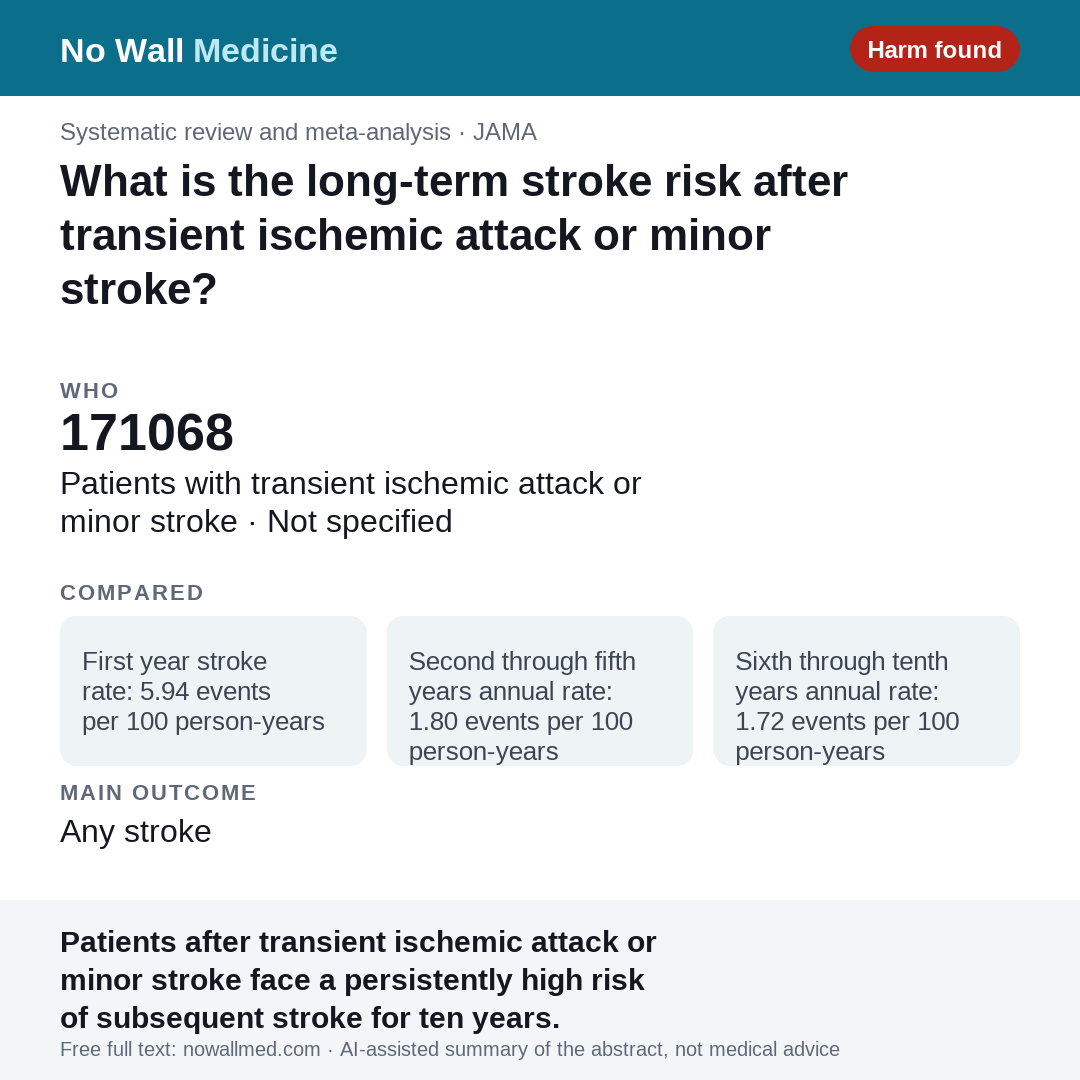
Long-Term Risk of Stroke After Transient Ischemic Attack or Minor Stroke: A Systematic Review and Meta-Analysis
Systematic review and meta-analysisHarm found
What is the long-term stroke risk after transient ischemic attack or minor stroke?
Who
171068
Patients with transient ischemic attack or minor stroke · Not specified
Compared
First year stroke rate: 5.94 events per 100 person-years
Second through fifth years annual rate: 1.80 events per 100 person-years
Sixth through tenth years annual rate: 1.72 events per 100 person-years
Main outcome
Any stroke
Result: 5-year cumulative incidence 12.5% (95% CI, 11.0%-14.1%)
Bottom line: Patients after transient ischemic attack or minor stroke face a persistently high risk of subsequent stroke for ten years.
JAMA · 2025-03-26Download image
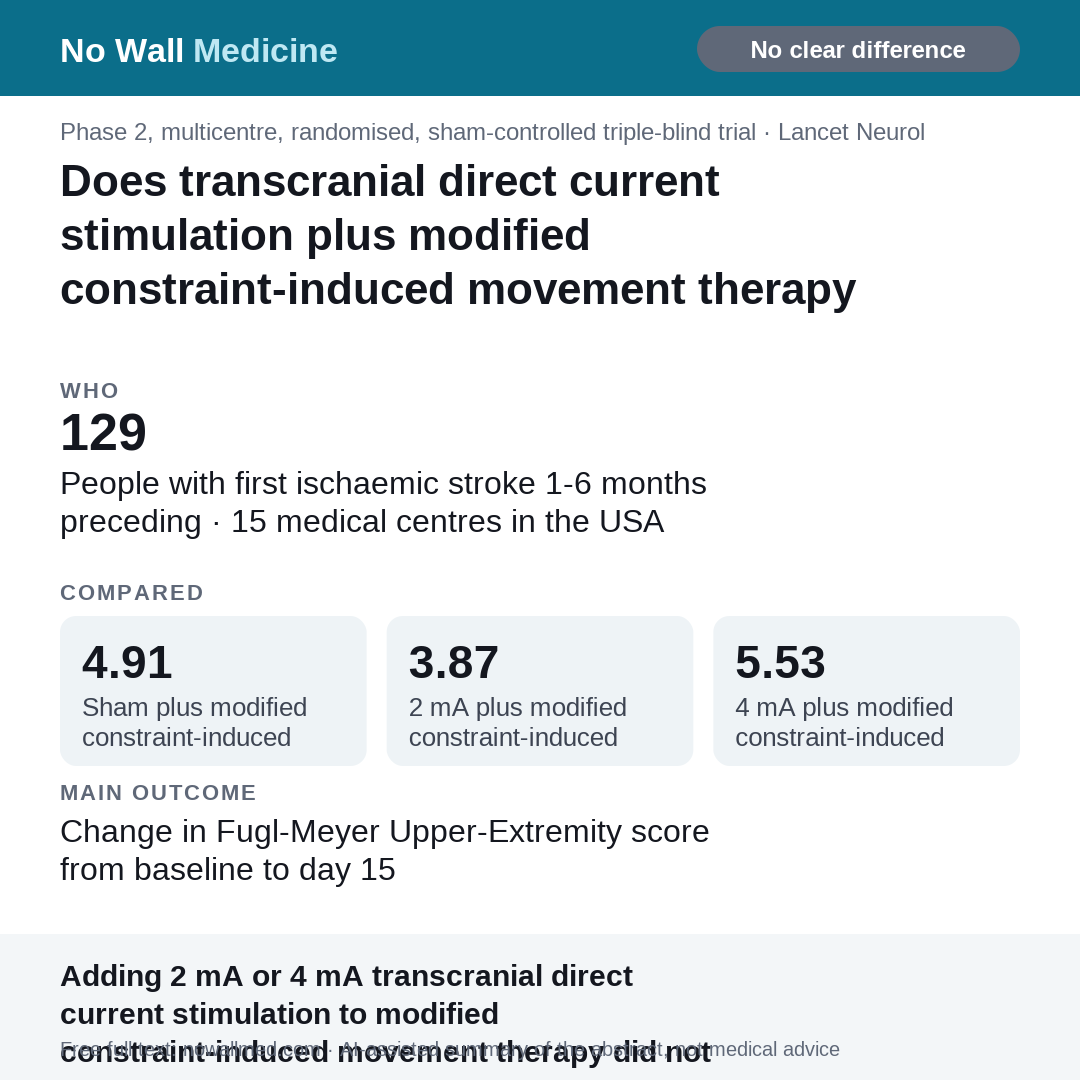
Safety and efficacy of transcranial direct current stimulation in addition to constraint-induced movement therapy for post-stroke motor recovery (TRANSPORT2): a phase 2, multicentre, randomised, sham-controlled triple-blind trial
Phase 2, multicentre, randomised, sham-controlled triple-blind trialNo clear difference
Does transcranial direct current stimulation plus modified constraint-induced movement therapy improve motor recovery after stroke?
Who
129
People with first ischaemic stroke 1-6 months preceding · 15 medical centres in the USA
Compared
4.91Sham plus modified constraint-induced movement therapy (3.00-6.82)
3.872 mA plus modified constraint-induced movement therapy (2.00-5.74)
5.534 mA plus modified constraint-induced movement therapy (3.64-7.42)
Main outcome
Change in Fugl-Meyer Upper-Extremity score from baseline to day 15
Result: p=0.39
Bottom line: Adding 2 mA or 4 mA transcranial direct current stimulation to modified constraint-induced movement therapy did not further reduce motor impairment.
Funded by: National Institute of Neurological Disorders and Stroke
Lancet Neurol · 2025-03-26Download image
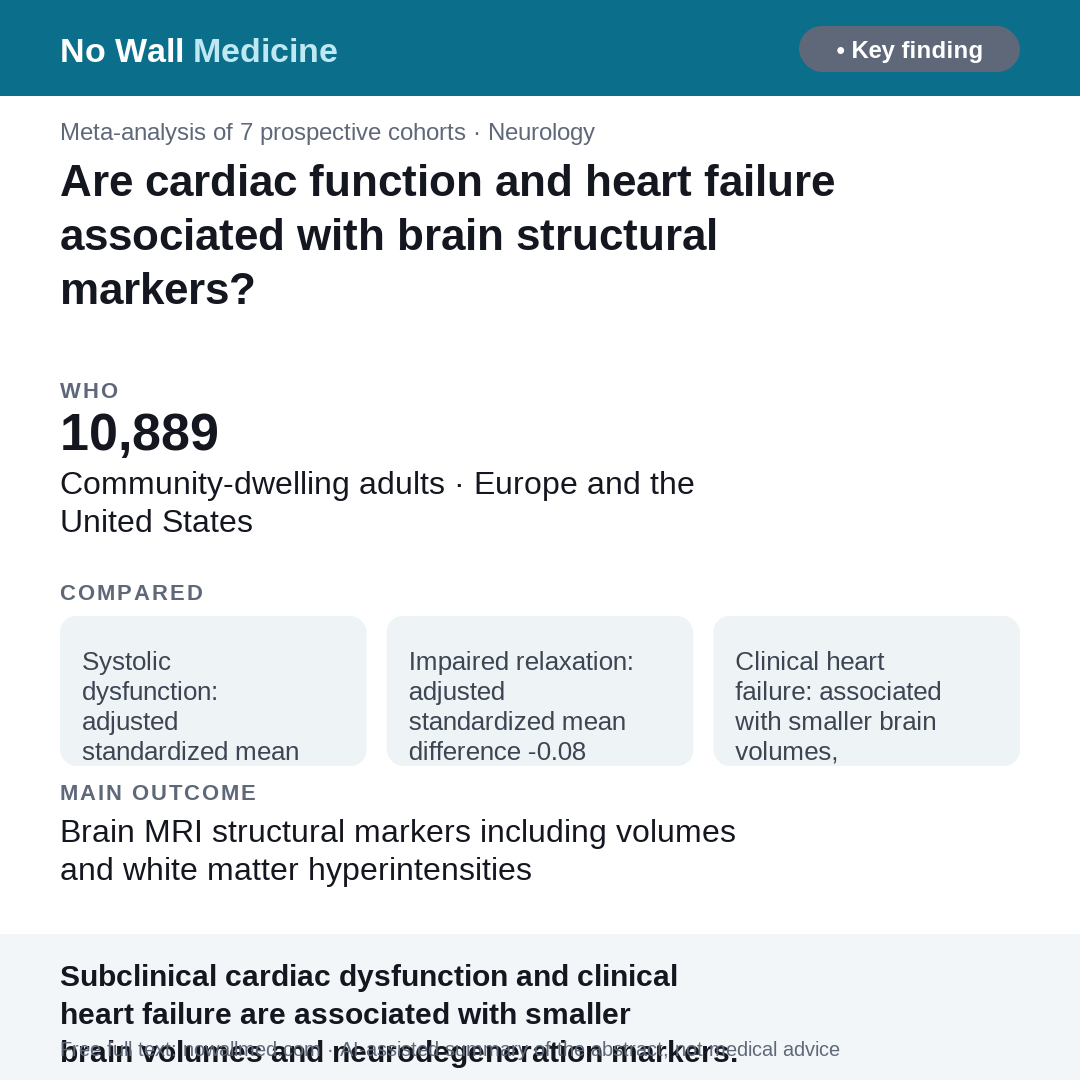
Clinical and Imaging Markers of Cardiac Function and Brain Health: A Meta-Analysis of Community-Based Studies
Meta-analysis of 7 prospective cohortsBenefit found
Are cardiac function and heart failure associated with brain structural markers?
Who
10,889
Community-dwelling adults · Europe and the United States
Compared
Systolic dysfunction: adjusted standardized mean difference -0.19 (95% CI -0.31 to -0.07)
Impaired relaxation: adjusted standardized mean difference -0.08 (95% CI -0.15 to -0.01)
Clinical heart failure: associated with smaller brain volumes, particularly in the hippocampus -0.13 (95% CI -0.23 to -0.02)
Main outcome
Brain MRI structural markers including volumes and white matter hyperintensities
Bottom line: Subclinical cardiac dysfunction and clinical heart failure are associated with smaller brain volumes and neurodegeneration markers.
Neurology · 2025-03-26Download image
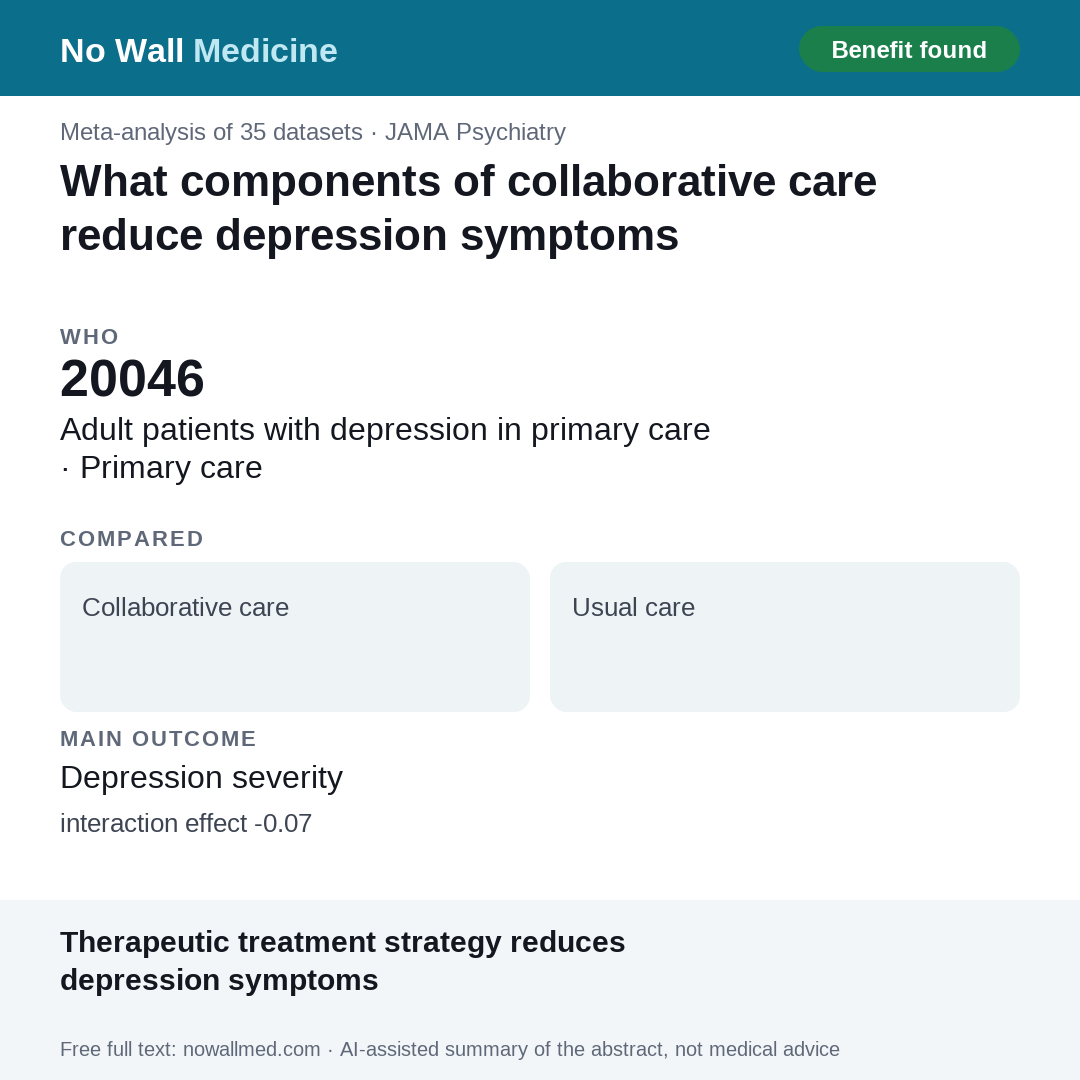
Effective Components of Collaborative Care for Depression in Primary Care: An Individual Participant Data Meta-Analysis
Meta-analysis of 35 datasetsBenefit found
What components of collaborative care reduce depression symptoms
Who
20046
Adult patients with depression in primary care · Primary care
Compared
Collaborative care
Usual care
Main outcome
Depression severity
Result: interaction effect -0.07
Bottom line: Therapeutic treatment strategy reduces depression symptoms
JAMA Psychiatry · 2025-03-26Download image
High-Potency Cannabis Use and Health: A Systematic Review of Observational and Experimental Studies
Systematic review of observational and experimental studiesMixed results
What is the impact of high-potency cannabis use on health outcomes?
Who
42
Users of various cannabis potency levels
Compared
High-potency cannabis use: suggestive of association with problem cannabis use
Other health domains: tended to favor poorer outcomes
Main outcome
A range of health outcomes
Bottom line: High-potency cannabis use is suggestively associated with problem cannabis use, though evidence certainty is very low.
Limitation: Research is largely limited to cross-sectional studies spanning few adverse health domains.
Am J Psychiatry · 2025-03-26Download image
Perioperative Penicillin and Cephalosporin Antibiotic Allergy Assessment and Testing: The PREPARE Pilot Randomized Clinical Trial
Randomized, multicenter, phase 2 feasibility and safety trialBenefit found
Is antibiotic allergy assessment and delabeling feasible and safe in anesthesiologist-led clinics?
Who
150
Adults with a reported beta-lactam antibiotic allergy label · 3 tertiary hospitals in Melbourne, Australia
Compared
Intervention: 5.4% (4/74) antibiotic-associated adverse events
Control
Main outcome
Feasibility of recruitment, intervention delivery, and safety from adverse events
Bottom line: Anesthesiologist-led antibiotic allergy assessment and delabeling is feasible and safe without causing severe adverse events.
JAMA Surg · 2025-03-26Download image
Operative vs Nonoperative Management of Fractures of the Humeral Diaphysis: The Humeral Shaft Fracture Fixation Randomized Clinical Trial
Randomized clinical trialBenefit found
Surgery vs bracing for humeral shaft fractures
Who
70
Adults with isolated, closed humeral shaft fracture · United Kingdom
Compared
Surgery: better DASH score
Bracing
Main outcome
Disabilities of the Arm score
Result: difference, 15.0
Bottom line: Surgery has early functional advantages
Limitation: potential operative risks
JAMA Surg · 2025-03-26Download image
3D Total-Body Photography in Patients at High Risk for Melanoma: A Randomized Clinical Trial
Randomized clinical trialBenefit found
Does 3D photography help melanoma detection?
Who
314
Adults at high risk of melanoma · Brisbane, Australia
Compared
2.03Intervention (95% CI 1.30-3.02)
3.62Control (95% CI 2.62-4.88)
Main outcome
Melanoma detection rate
Result: Lower incidence rate in intervention group
Bottom line: 3D photography reduces melanoma detection rate
JAMA Dermatol · 2025-03-26Download image
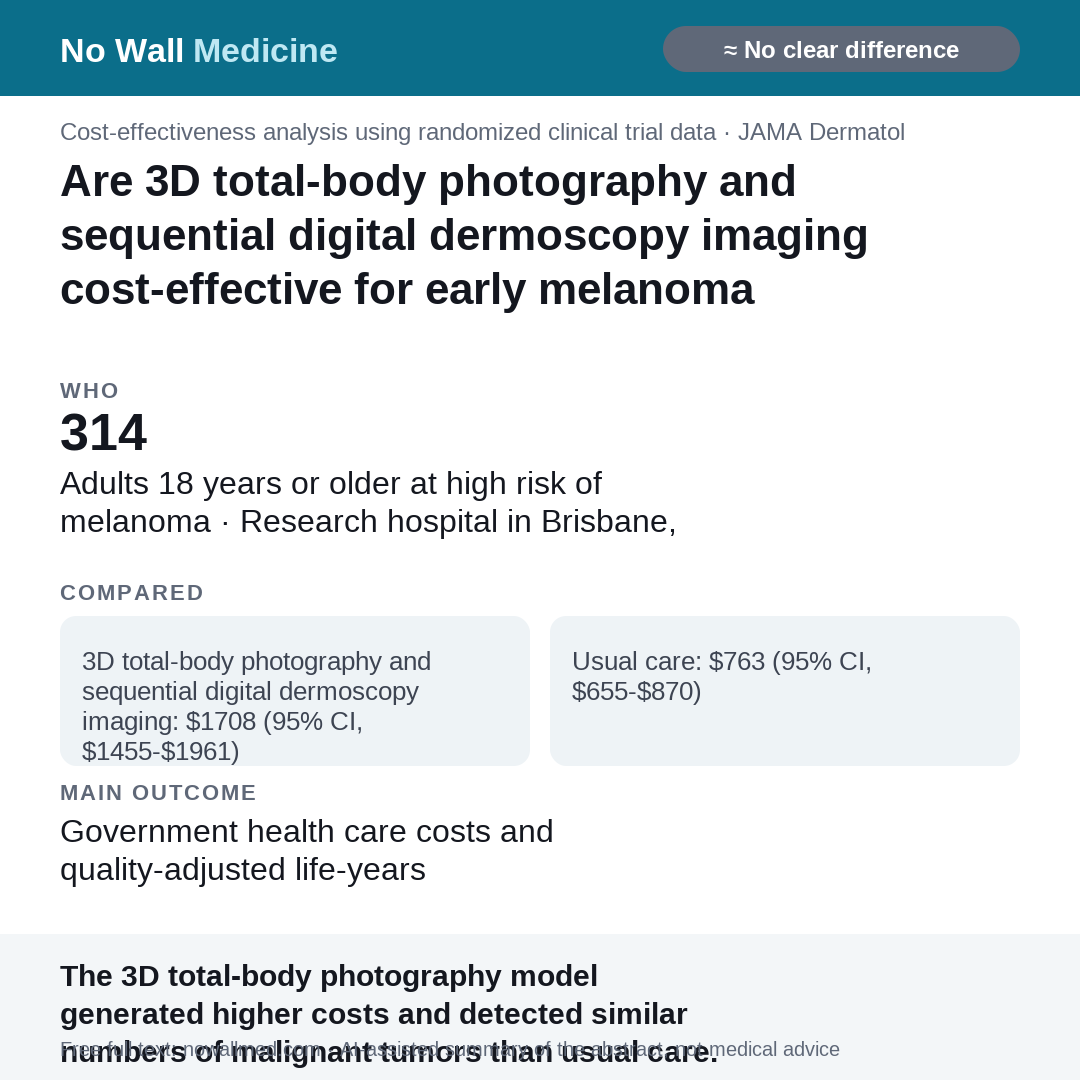
Cost-Effectiveness Analysis of 3D Total-Body Photography for People at High Risk of Melanoma
Cost-effectiveness analysis using randomized clinical trial dataNo clear difference
Are 3D total-body photography and sequential digital dermoscopy imaging cost-effective for early melanoma detection?
Who
314
Adults 18 years or older at high risk of melanoma · Research hospital in Brisbane, Australia
Compared
3D total-body photography and sequential digital dermoscopy imaging: $1708 (95% CI, $1455-$1961)
Usual care: $763 (95% CI, $655-$870)
Main outcome
Government health care costs and quality-adjusted life-years
Result: incremental cost of $945 (95% CI, $738-$1157)
Bottom line: The 3D total-body photography model generated higher costs and detected similar numbers of malignant tumors than usual care.
JAMA Dermatol · 2025-03-26Download image
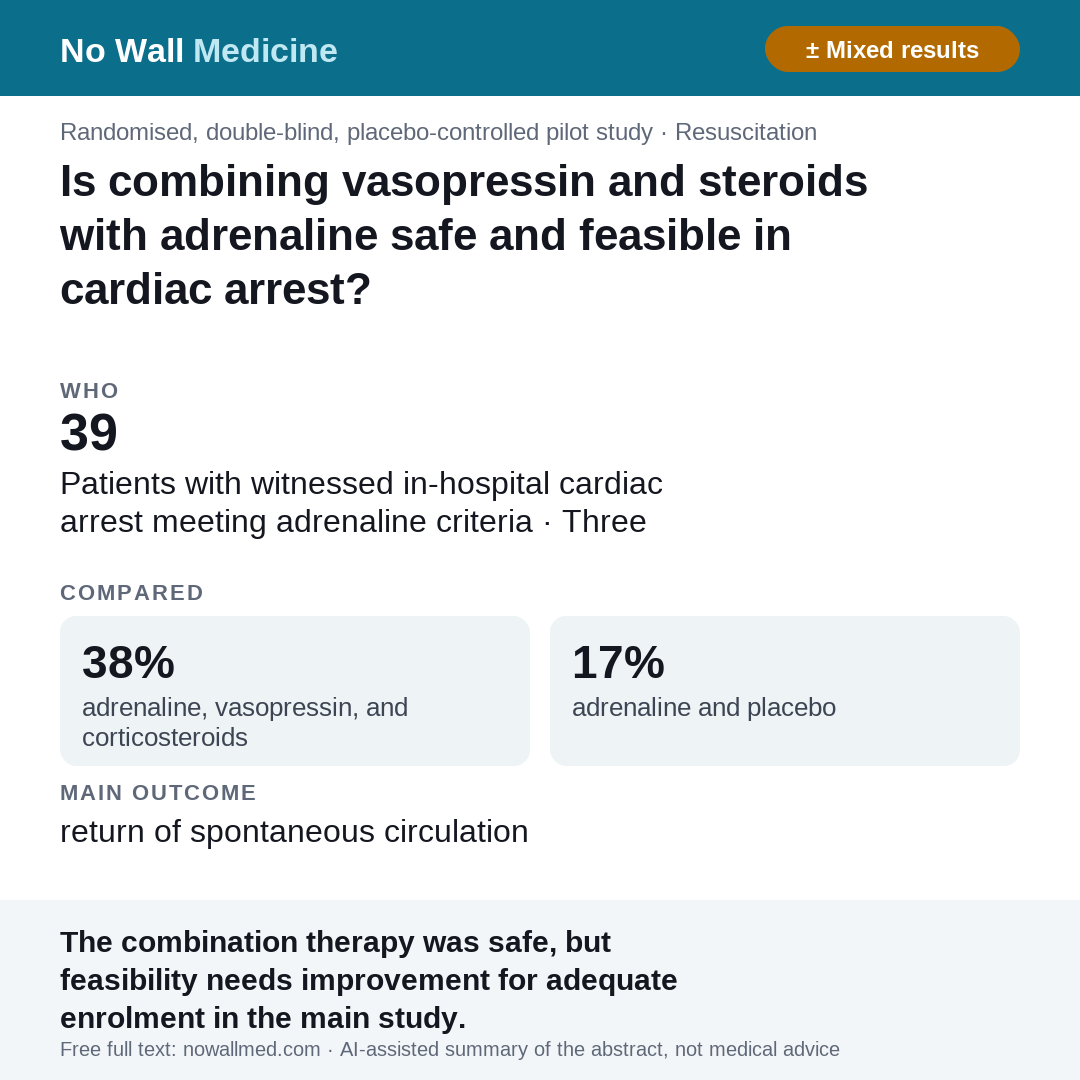
Vasopressin and steroids in addition to adrenaline in cardiac arrest (VAST-A) - A randomised pilot study
Randomised, double-blind, placebo-controlled pilot studyMixed results
Is combining vasopressin and steroids with adrenaline safe and feasible in cardiac arrest?
Who
39
Patients with witnessed in-hospital cardiac arrest meeting adrenaline criteria · Three Swedish hospitals
Compared
38%adrenaline, vasopressin, and corticosteroids (6/16)
17%adrenaline and placebo (4/23)
Main outcome
return of spontaneous circulation
Bottom line: The combination therapy was safe, but feasibility needs improvement for adequate enrolment in the main study.
Resuscitation · 2025-03-26Download image
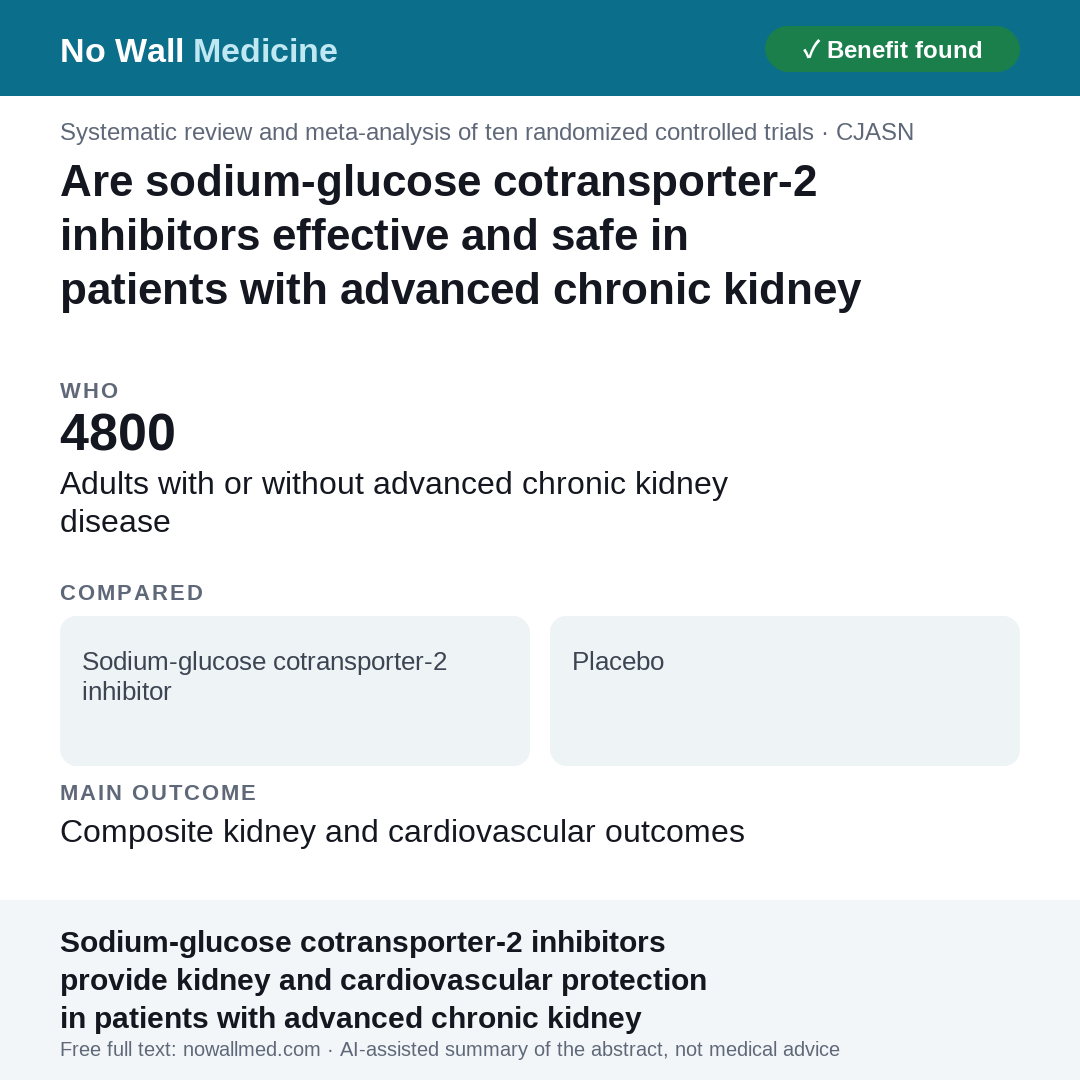
Efficacy and Safety of Sodium-Glucose Cotransporter-2 Inhibitors in Patients with and without Advanced CKD: Systematic Review and Meta-Analysis
Systematic review and meta-analysis of ten randomized controlled trialsBenefit found
Are sodium-glucose cotransporter-2 inhibitors effective and safe in patients with advanced chronic kidney disease?
Who
4800
Adults with or without advanced chronic kidney disease
Compared
Sodium-glucose cotransporter-2 inhibitor
Placebo
Main outcome
Composite kidney and cardiovascular outcomes
Result: risk ratio 0.79 (95% CI 0.70 to 0.89) for eGFR <30
Bottom line: Sodium-glucose cotransporter-2 inhibitors provide kidney and cardiovascular protection in patients with advanced chronic kidney disease.
CJASN · 2025-03-26Download image
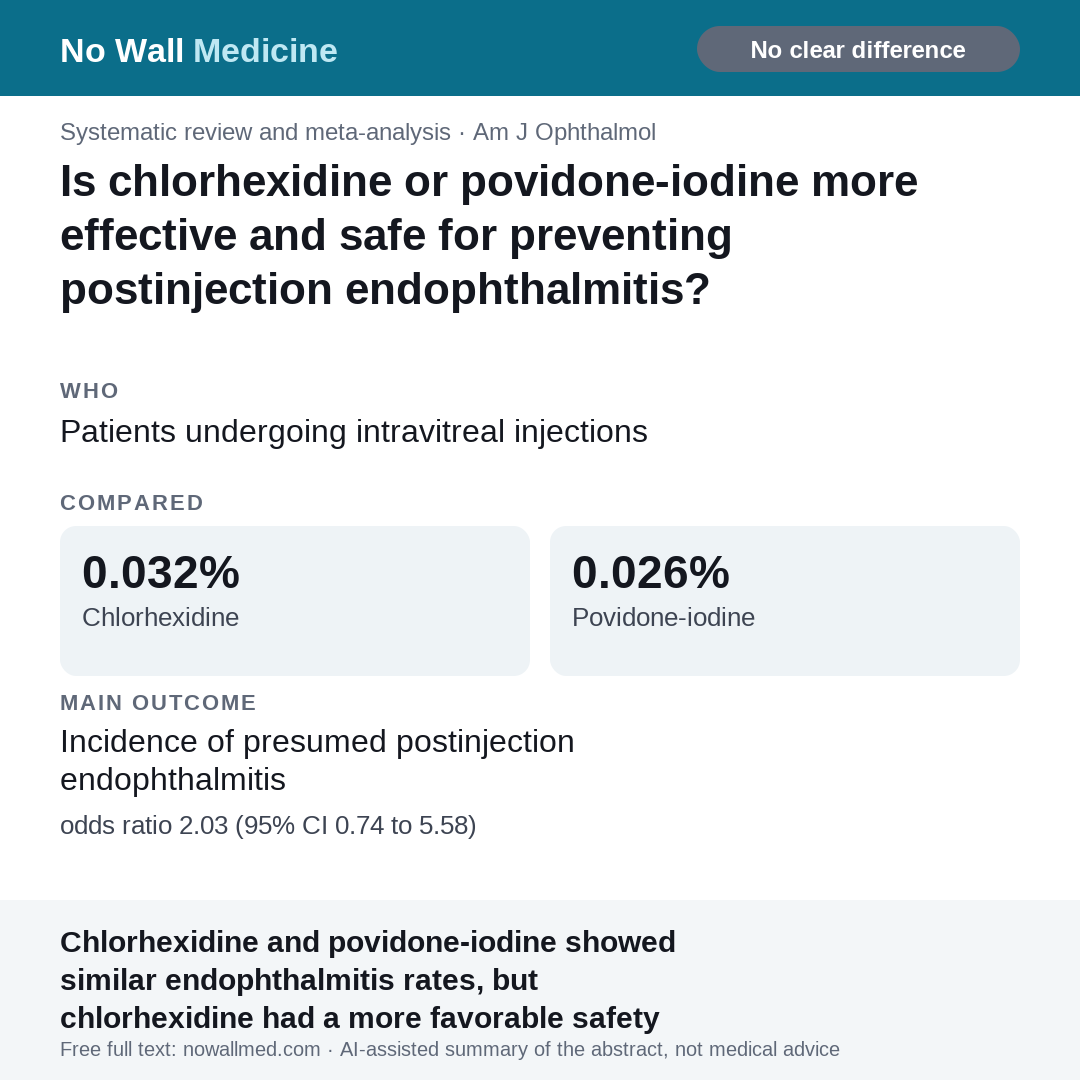
Chlorhexidine Versus Povidone-Iodine for Intravitreal Injection Antisepsis: A Systematic Review and Meta-Analysis
Systematic review and meta-analysisNo clear difference
Is chlorhexidine or povidone-iodine more effective and safe for preventing postinjection endophthalmitis?
Who
Patients undergoing intravitreal injections
Compared
0.032%Chlorhexidine
0.026%Povidone-iodine
Main outcome
Incidence of presumed postinjection endophthalmitis
Result: odds ratio 2.03 (95% CI 0.74 to 5.58)
Bottom line: Chlorhexidine and povidone-iodine showed similar endophthalmitis rates, but chlorhexidine had a more favorable safety and pain profile.
Am J Ophthalmol · 2025-03-26Download image
Association of Age With Glaucoma and Visual Acuity Outcomes 10.5 Years After Unilateral Congenital Cataract Surgery
Randomized trial follow-upMixed results
Age impact on glaucoma and vision
Who
112
Infants with unilateral congenital cataract
Compared
Younger adjusted age
Younger chronological age
Main outcome
Glaucoma and visual acuity
Bottom line: Younger age linked to less glaucoma
Am J Ophthalmol · 2025-03-26Download image