Visual abstracts
New randomized trials and meta-analyses from leading journals at a glance: who was studied, what was compared, and what was found. Every paper is free to read in full.
All specialtiesCardiology 4877Oncology 4138Gastroenterology & Hepatology 1942Infectious Disease 3837Neurology 1905Psychiatry & Mental Health 2273Pulmonology 2143Critical Care 1365Endocrinology & Diabetes 2580Pediatrics 2980Surgery 2559Orthopedics & Sports Medicine 931Neurosurgery 537Cardiothoracic & Vascular Surgery 674Plastic & Reconstructive Surgery 591Nephrology 1133Rheumatology 823Hematology 1109Dermatology 621Ophthalmology 543Obstetrics & Gynecology 1686Public & Global Health 1058Radiology & Imaging 648Anesthesiology 986Urology 764ENT (Otolaryngology) 503Emergency Medicine 511Allergy & Immunology 313Geriatrics 981Family Medicine & Primary Care 562Medical Genetics & Genomics 676Pathology & Laboratory Medicine 159Physical Medicine & Rehabilitation 757Palliative Care 444Nutrition 1588Digital Health & AI 2201General Medicine 321
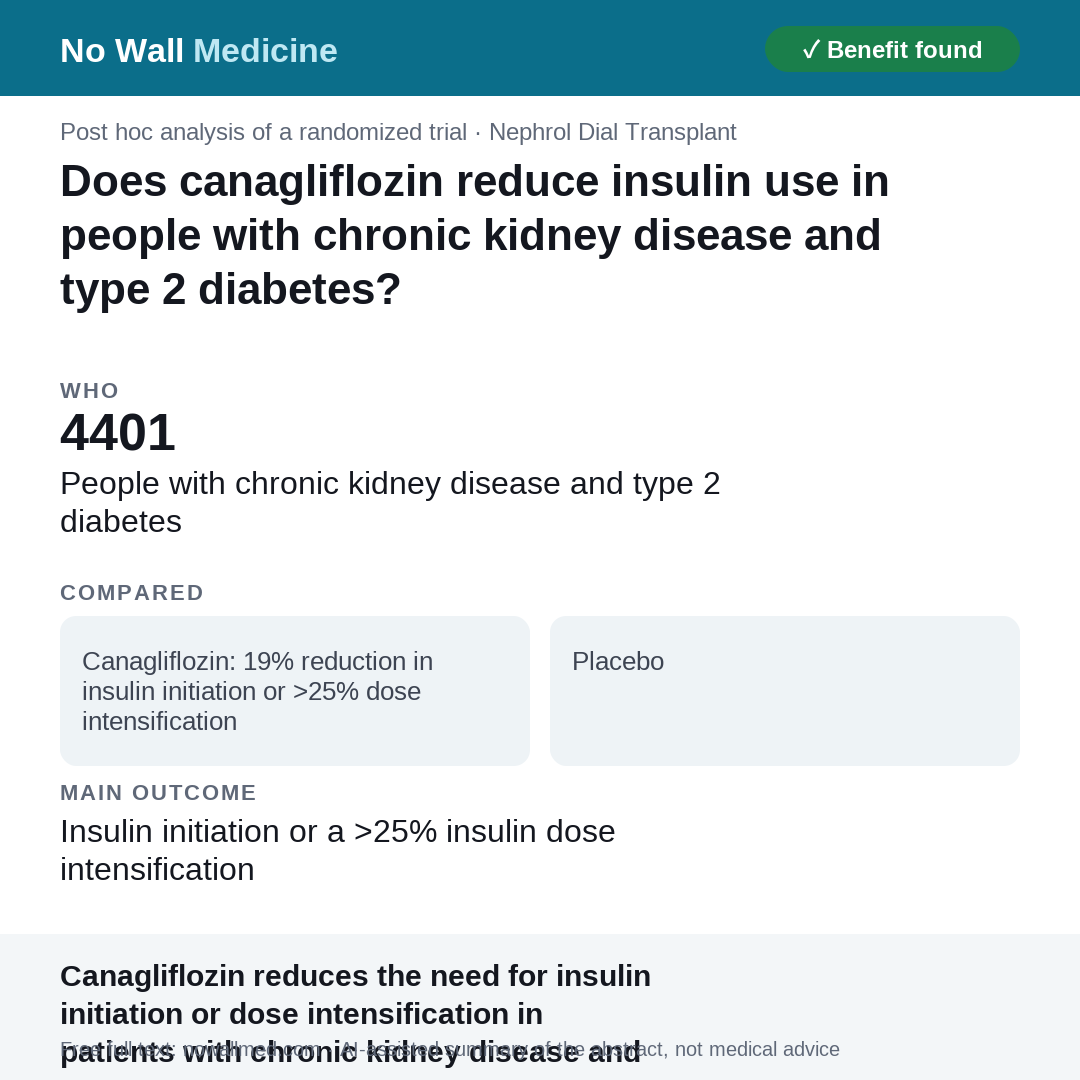
Effects of SGLT2 inhibition on insulin use in CKD and type 2 diabetes: insights from the CREDENCE trial
Post hoc analysis of a randomized trialBenefit found
Does canagliflozin reduce insulin use in people with chronic kidney disease and type 2 diabetes?
Who
4401
People with chronic kidney disease and type 2 diabetes
Compared
Canagliflozin: 19% reduction in insulin initiation or >25% dose intensification
Placebo
Main outcome
Insulin initiation or a >25% insulin dose intensification
Result: hazard ratio 0.81 (95% confidence interval 0.71-0.93)
Bottom line: Canagliflozin reduces the need for insulin initiation or dose intensification in patients with chronic kidney disease and type 2 diabetes.
Limitation: This was a post hoc analysis of the CREDENCE trial.
Nephrol Dial Transplant · 2025-03-04Download image
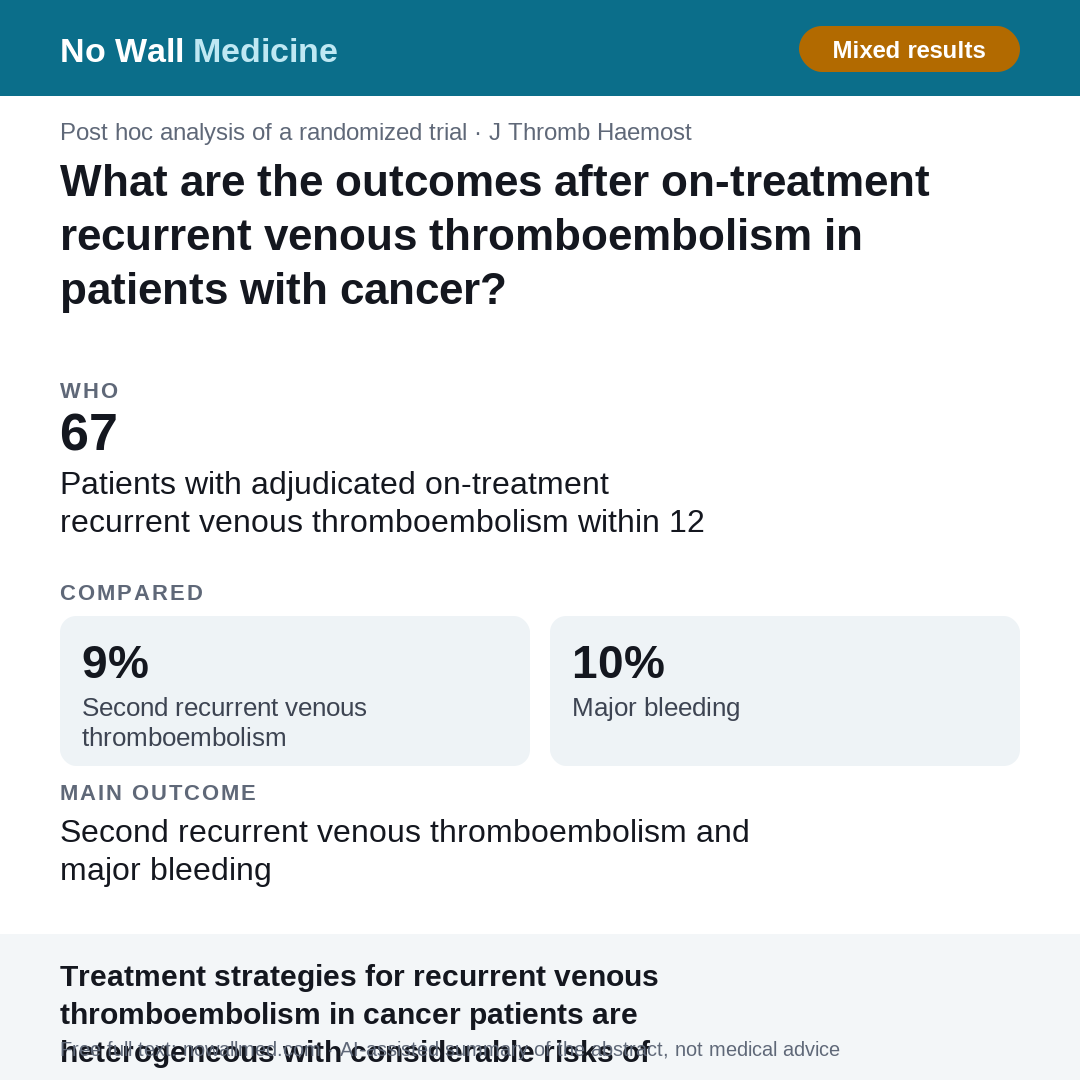
Treatment and outcomes after on-treatment recurrent venous thromboembolism in patients with cancer: a post hoc analysis of the Hokusai venous thromboembolism cancer study
Post hoc analysis of a randomized trialMixed results
What are the outcomes after on-treatment recurrent venous thromboembolism in patients with cancer?
Who
67
Patients with adjudicated on-treatment recurrent venous thromboembolism within 12 months
Compared
9%Second recurrent venous thromboembolism
10%Major bleeding
Main outcome
Second recurrent venous thromboembolism and major bleeding
Bottom line: Treatment strategies for recurrent venous thromboembolism in cancer patients are heterogeneous with considerable risks of recurrence and bleeding.
J Thromb Haemost · 2025-03-04Download image
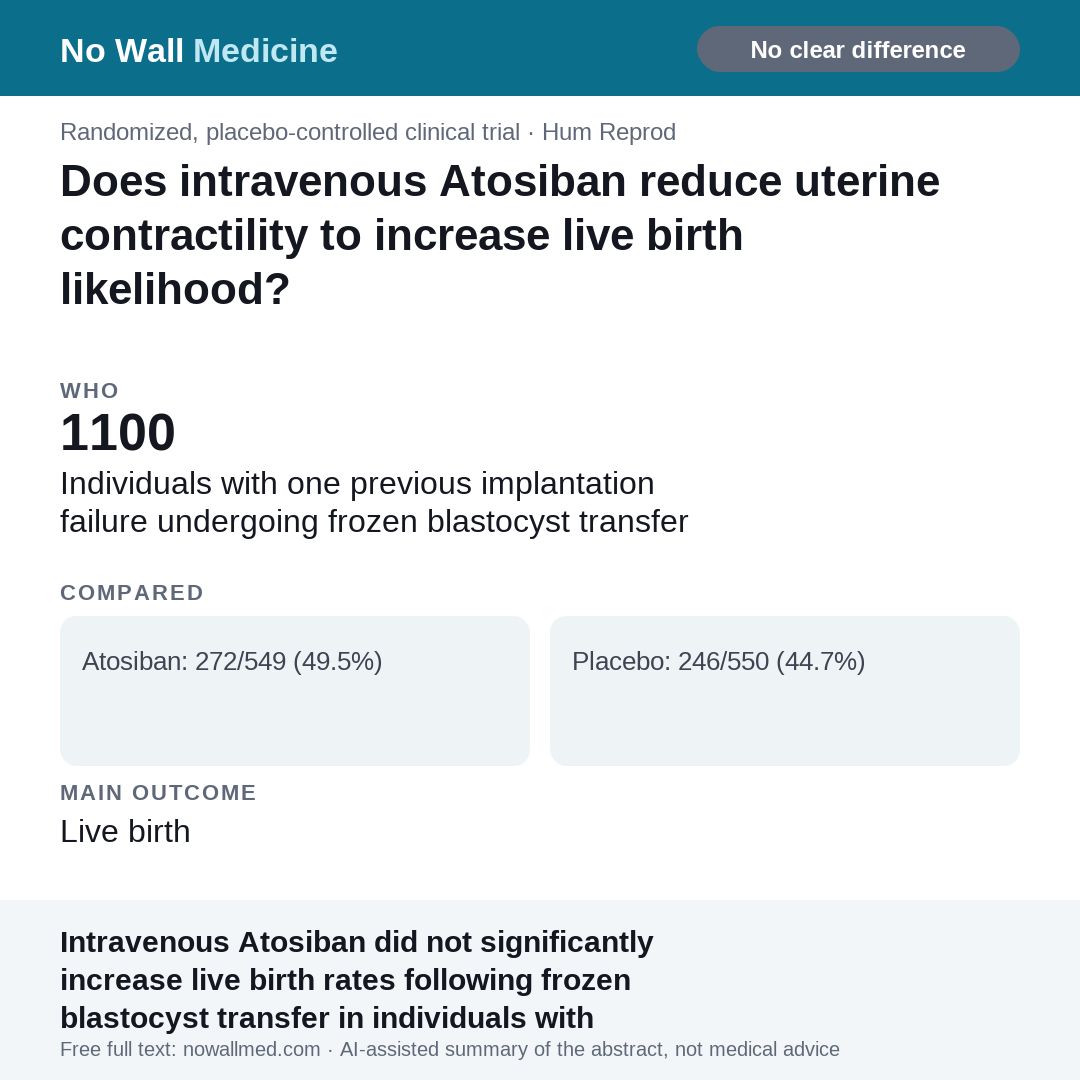
Atosiban in individuals with previous implantation failure undergoing frozen blastocyst transfer: a randomized controlled trial
Randomized, placebo-controlled clinical trialNo clear difference
Does intravenous Atosiban reduce uterine contractility to increase live birth likelihood?
Who
1100
Individuals with one previous implantation failure undergoing frozen blastocyst transfer · Single-center
Compared
Atosiban: 272/549 (49.5%)
Placebo: 246/550 (44.7%)
Main outcome
Live birth
Result: risk ratio 1.11 (95% CI 0.98 to 1.26)
Bottom line: Intravenous Atosiban did not significantly increase live birth rates following frozen blastocyst transfer in individuals with previous implantation failure.
Limitation: Single-center design, subjective video assessments, and limited examination of uterine contractions in only 65% of participants.
Funded by: Science and Technology Department of Shaanxi Province, China
Hum Reprod · 2025-03-04Download image
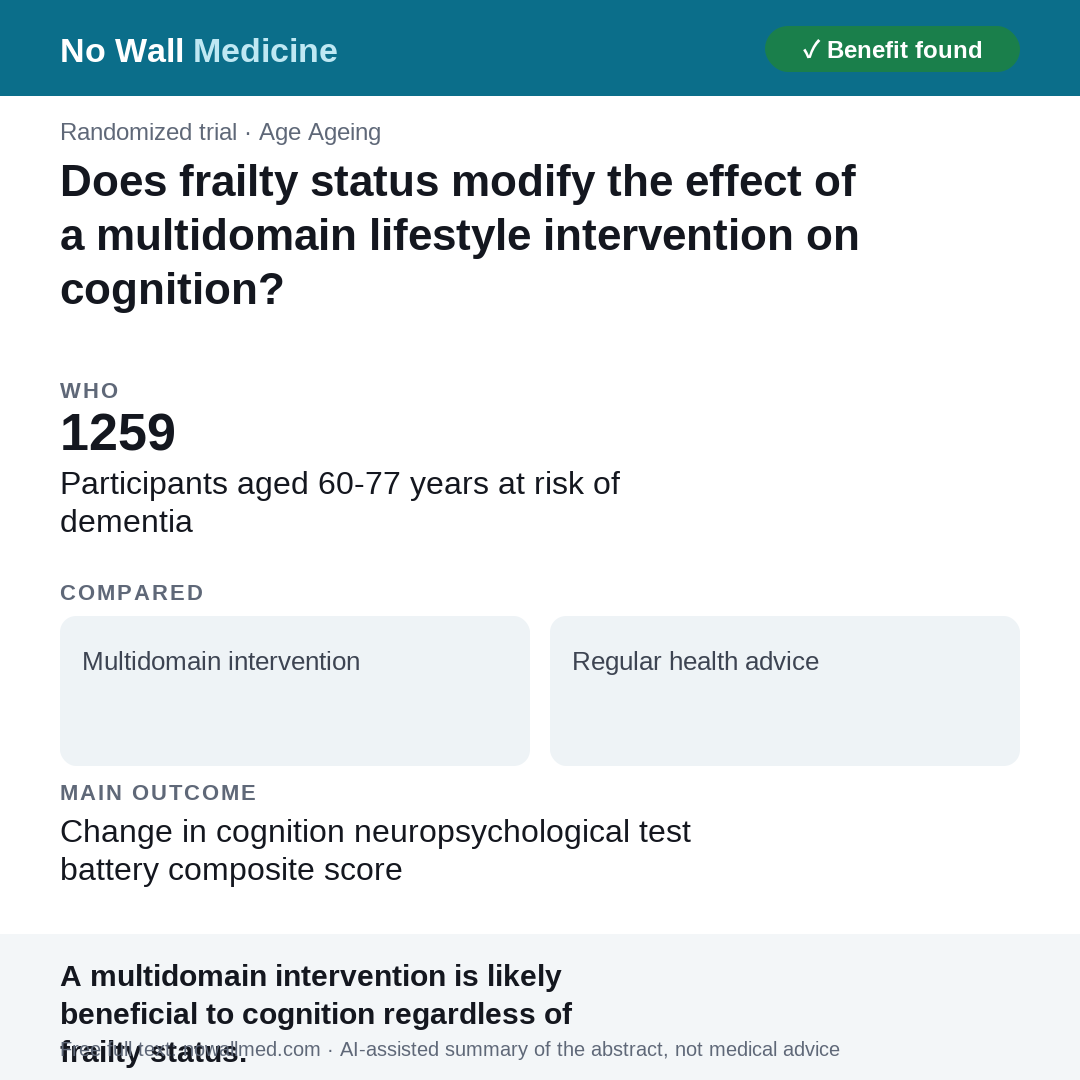
Impact of frailty status on the effect of a multidomain lifestyle intervention on cognition
Randomized trialBenefit found
Does frailty status modify the effect of a multidomain lifestyle intervention on cognition?
Who
1259
Participants aged 60-77 years at risk of dementia
Compared
Multidomain intervention
Regular health advice
Main outcome
Change in cognition neuropsychological test battery composite score
Bottom line: A multidomain intervention is likely beneficial to cognition regardless of frailty status.
Age Ageing · 2025-03-04Download image
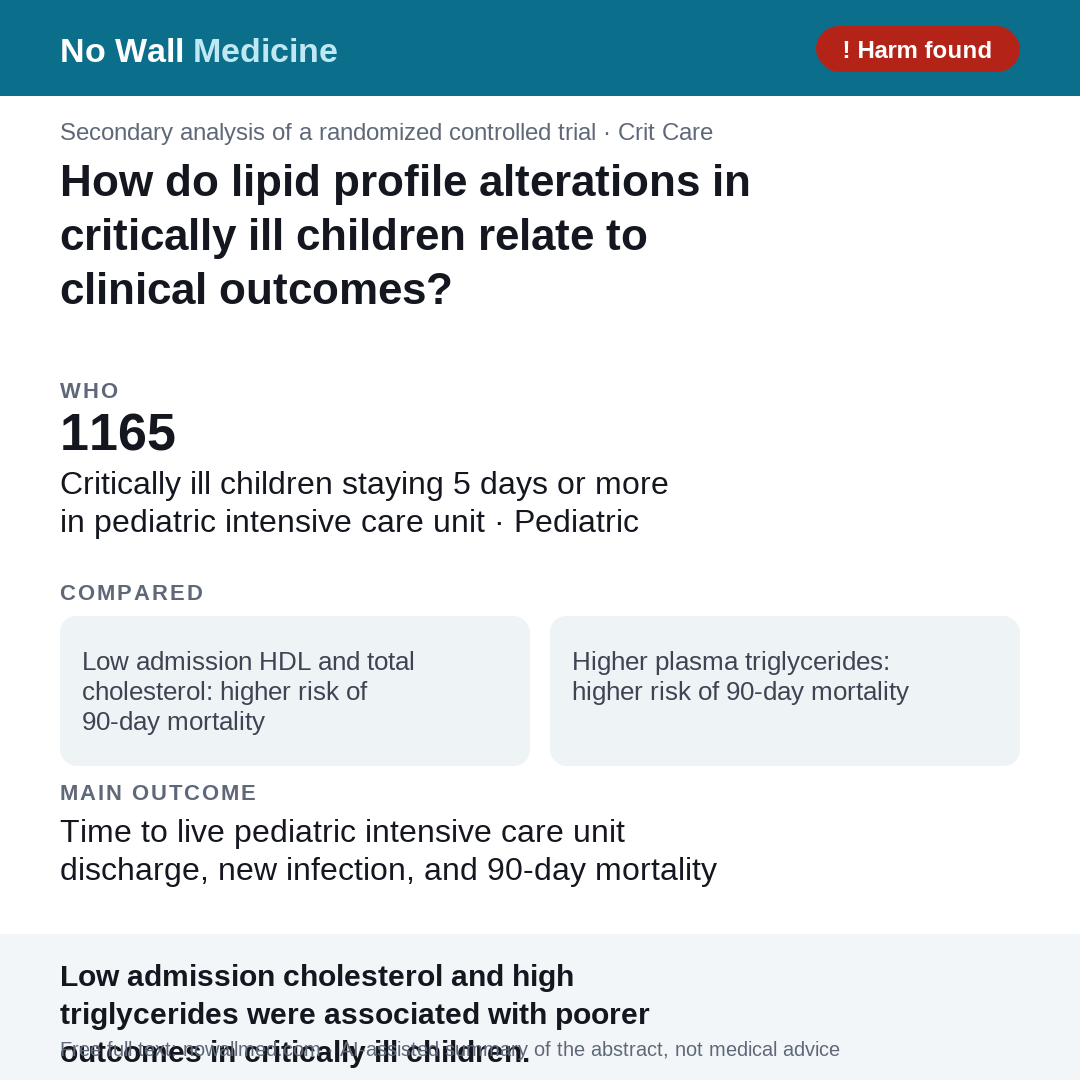
Alterations in the lipid profile of critically ill children in relation to outcome
Secondary analysis of a randomized controlled trialHarm found
How do lipid profile alterations in critically ill children relate to clinical outcomes?
Who
1165
Critically ill children staying 5 days or more in pediatric intensive care unit · Pediatric intensive care unit
Compared
Low admission HDL and total cholesterol: higher risk of 90-day mortality
Higher plasma triglycerides: higher risk of 90-day mortality
Main outcome
Time to live pediatric intensive care unit discharge, new infection, and 90-day mortality
Bottom line: Low admission cholesterol and high triglycerides were associated with poorer outcomes in critically ill children.
Crit Care · 2025-03-04Download image
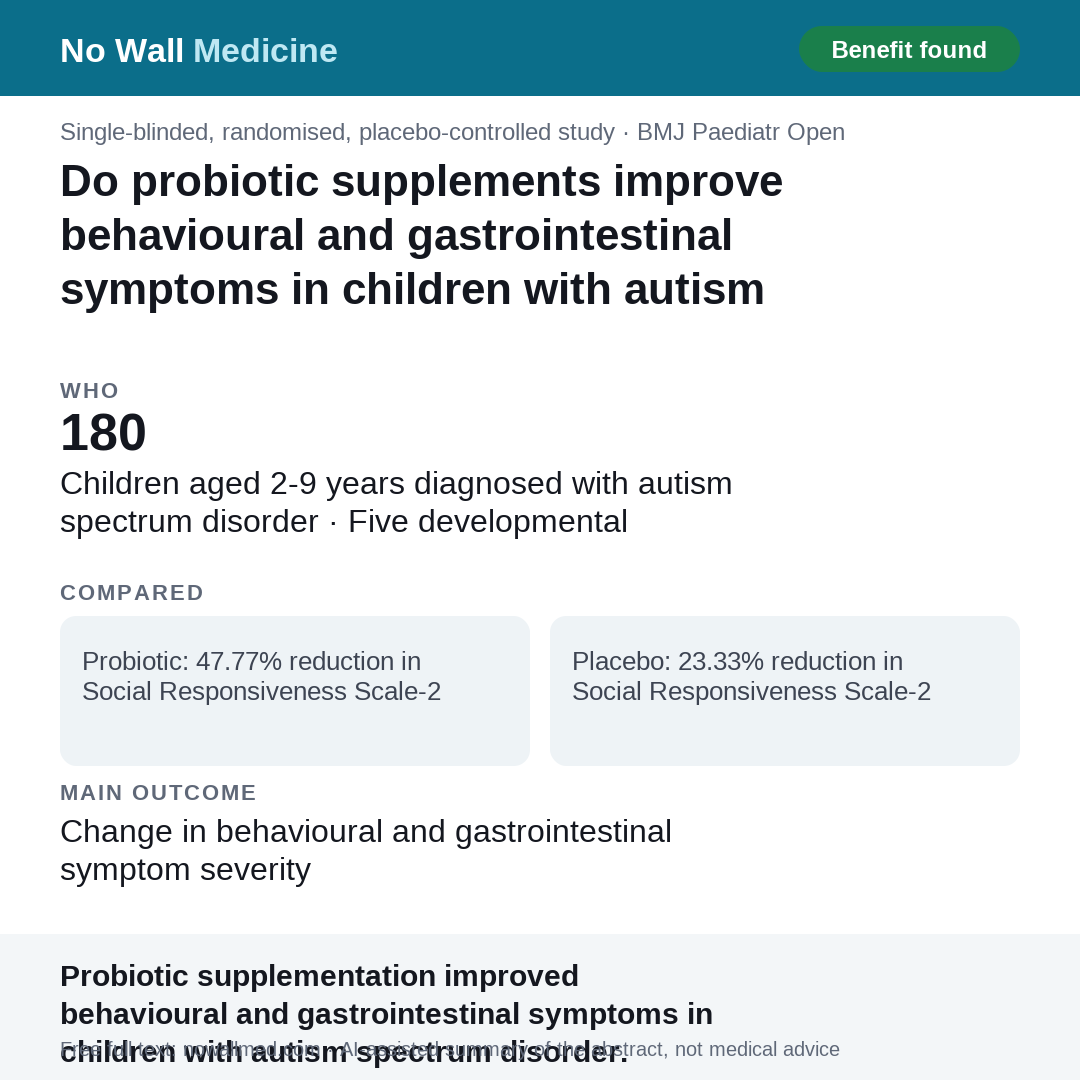
Impact of probiotic supplements on behavioural and gastrointestinal symptoms in children with autism spectrum disorder: A randomised controlled trial
Single-blinded, randomised, placebo-controlled studyBenefit found
Do probiotic supplements improve behavioural and gastrointestinal symptoms in children with autism spectrum disorder?
Who
180
Children aged 2-9 years diagnosed with autism spectrum disorder · Five developmental paediatric outpatient clinics
Compared
Probiotic: 47.77% reduction in Social Responsiveness Scale-2
Placebo: 23.33% reduction in Social Responsiveness Scale-2
Main outcome
Change in behavioural and gastrointestinal symptom severity
Bottom line: Probiotic supplementation improved behavioural and gastrointestinal symptoms in children with autism spectrum disorder.
Limitation: These results need to be validated in a larger sample size.
BMJ Paediatr Open · 2025-03-04Download image
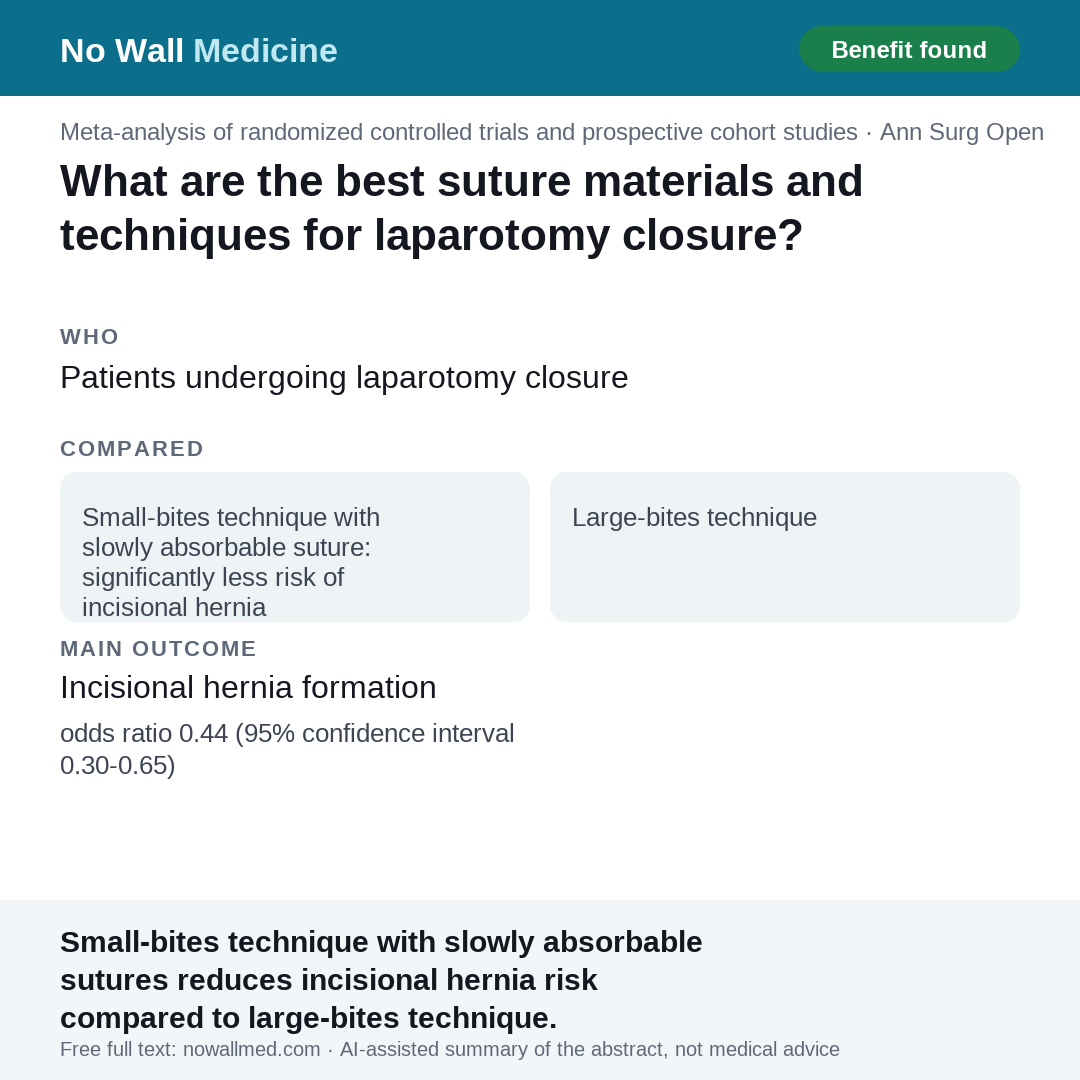
Suture Techniques and Materials for Fascial Closure of Abdominal Wall Incisions: A Comprehensive Meta-Analysis
Meta-analysis of randomized controlled trials and prospective cohort studiesBenefit found
What are the best suture materials and techniques for laparotomy closure?
Who
Patients undergoing laparotomy closure
Compared
Small-bites technique with slowly absorbable suture: significantly less risk of incisional hernia
Large-bites technique
Main outcome
Incisional hernia formation
Result: odds ratio 0.44 (95% confidence interval 0.30-0.65)
Bottom line: Small-bites technique with slowly absorbable sutures reduces incisional hernia risk compared to large-bites technique.
Ann Surg Open · 2025-03-04Download image
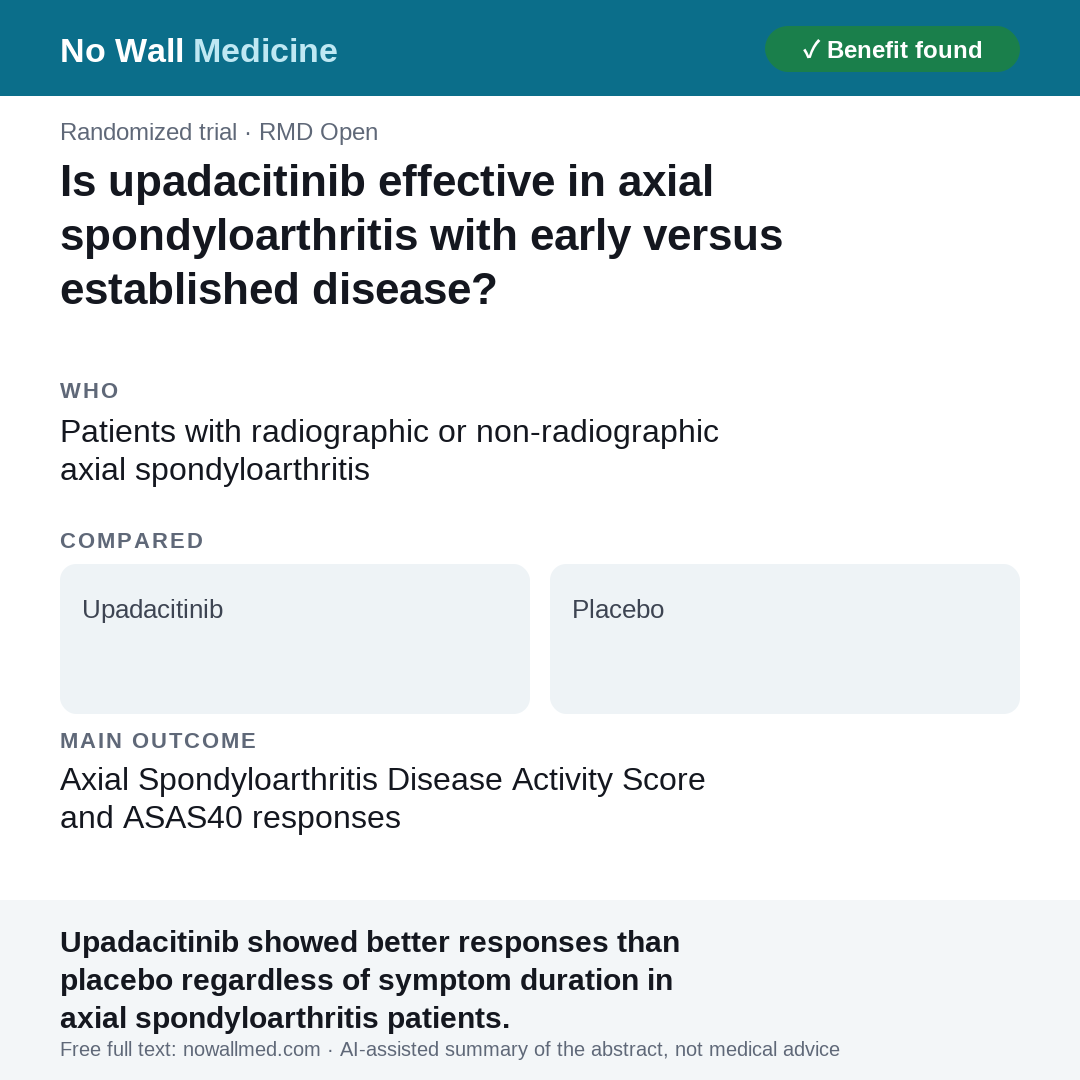
Efficacy of upadacitinib in subgroups of patients with axial spondyloarthritis with early versus established disease
Randomized trialBenefit found
Is upadacitinib effective in axial spondyloarthritis with early versus established disease?
Who
Patients with radiographic or non-radiographic axial spondyloarthritis
Compared
Upadacitinib
Placebo
Main outcome
Axial Spondyloarthritis Disease Activity Score and ASAS40 responses
Bottom line: Upadacitinib showed better responses than placebo regardless of symptom duration in axial spondyloarthritis patients.
RMD Open · 2025-03-04Download image
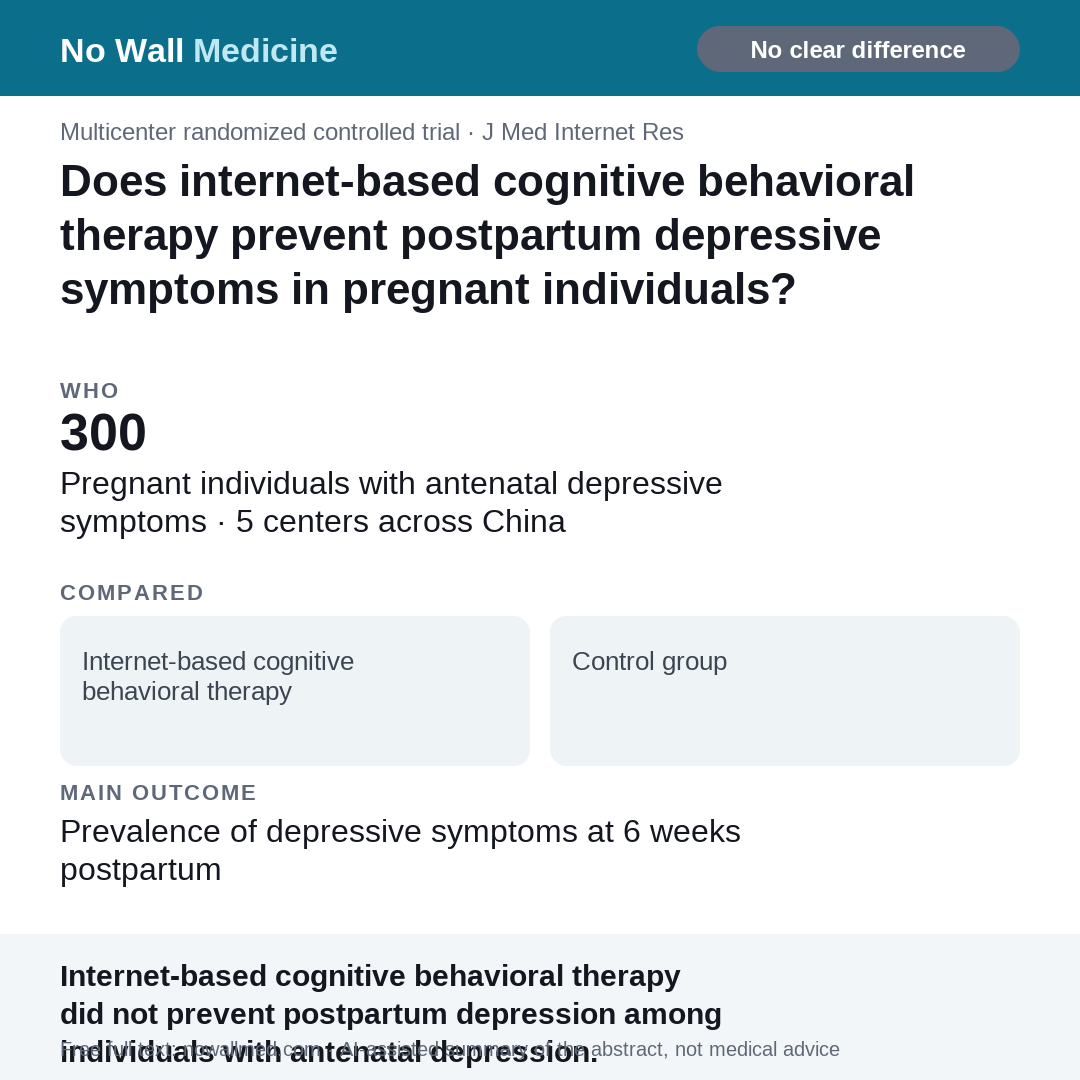
Internet-Based Cognitive Behavioral Therapy for Preventing Postpartum Depressive Symptoms Among Pregnant Individuals With Depression: Multicenter Randomized Controlled Trial in China
Multicenter randomized controlled trialNo clear difference
Does internet-based cognitive behavioral therapy prevent postpartum depressive symptoms in pregnant individuals?
Who
300
Pregnant individuals with antenatal depressive symptoms · 5 centers across China
Compared
Internet-based cognitive behavioral therapy
Control group
Main outcome
Prevalence of depressive symptoms at 6 weeks postpartum
Bottom line: Internet-based cognitive behavioral therapy did not prevent postpartum depression among individuals with antenatal depression.
Limitation: Future research is needed to explore modifications to address more severe depressive symptoms.
J Med Internet Res · 2025-03-04Download image
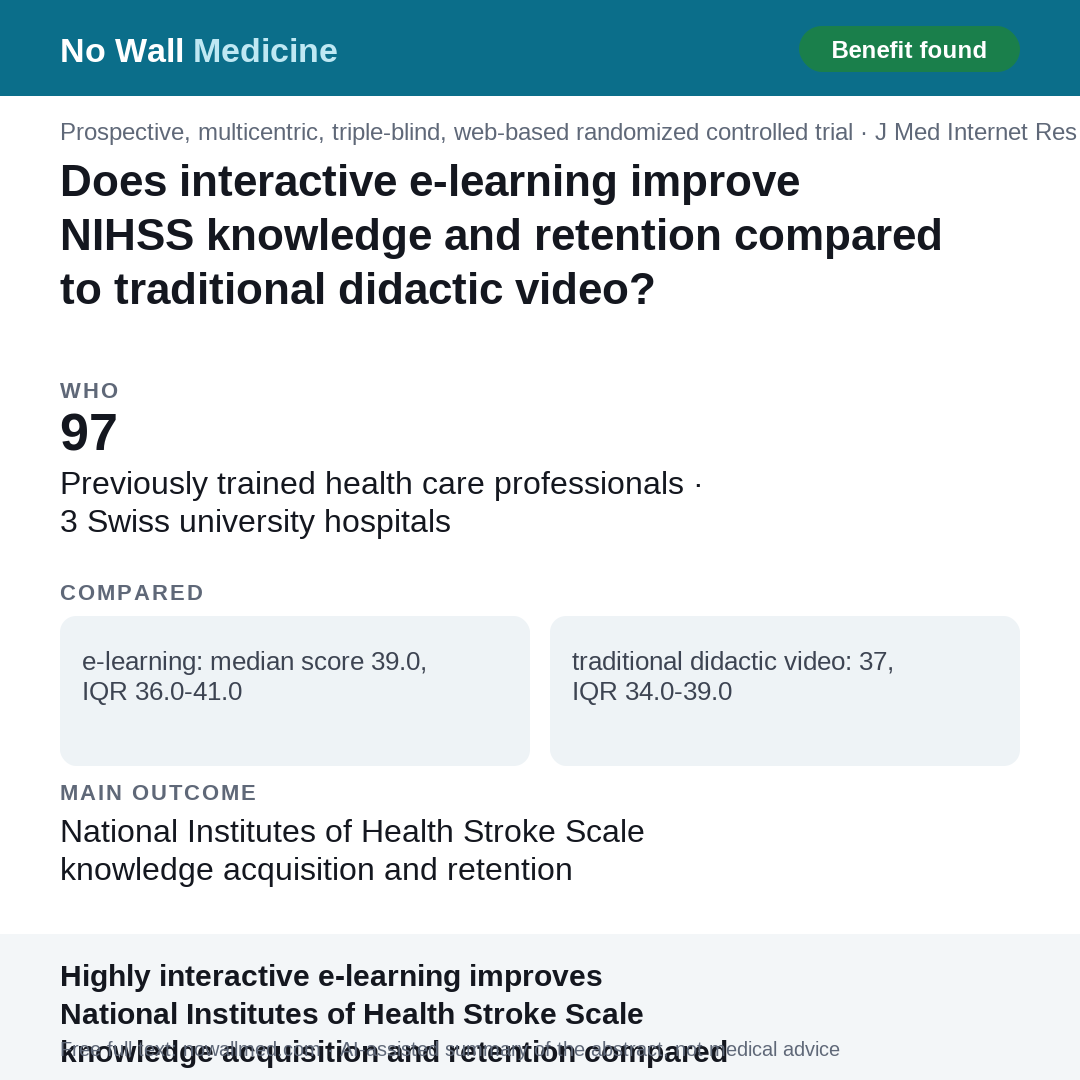
Asynchronous Distance Learning Performance and Knowledge Retention of the National Institutes of Health Stroke Scale Among Health Care Professionals Using Video or e-Learning: Web-based Randomized Controlled Trial
Prospective, multicentric, triple-blind, web-based randomized controlled trialBenefit found
Does interactive e-learning improve NIHSS knowledge and retention compared to traditional didactic video?
Who
97
Previously trained health care professionals · 3 Swiss university hospitals
Compared
e-learning: median score 39.0, IQR 36.0-41.0
traditional didactic video: 37, IQR 34.0-39.0
Main outcome
National Institutes of Health Stroke Scale knowledge acquisition and retention
Result: mean score 38.2, 95% CI 36.7-39.7 vs 35.8, 95% CI 34.8-36.8
Bottom line: Highly interactive e-learning improves National Institutes of Health Stroke Scale knowledge acquisition and retention compared to traditional didactic video.
J Med Internet Res · 2025-03-04Download image
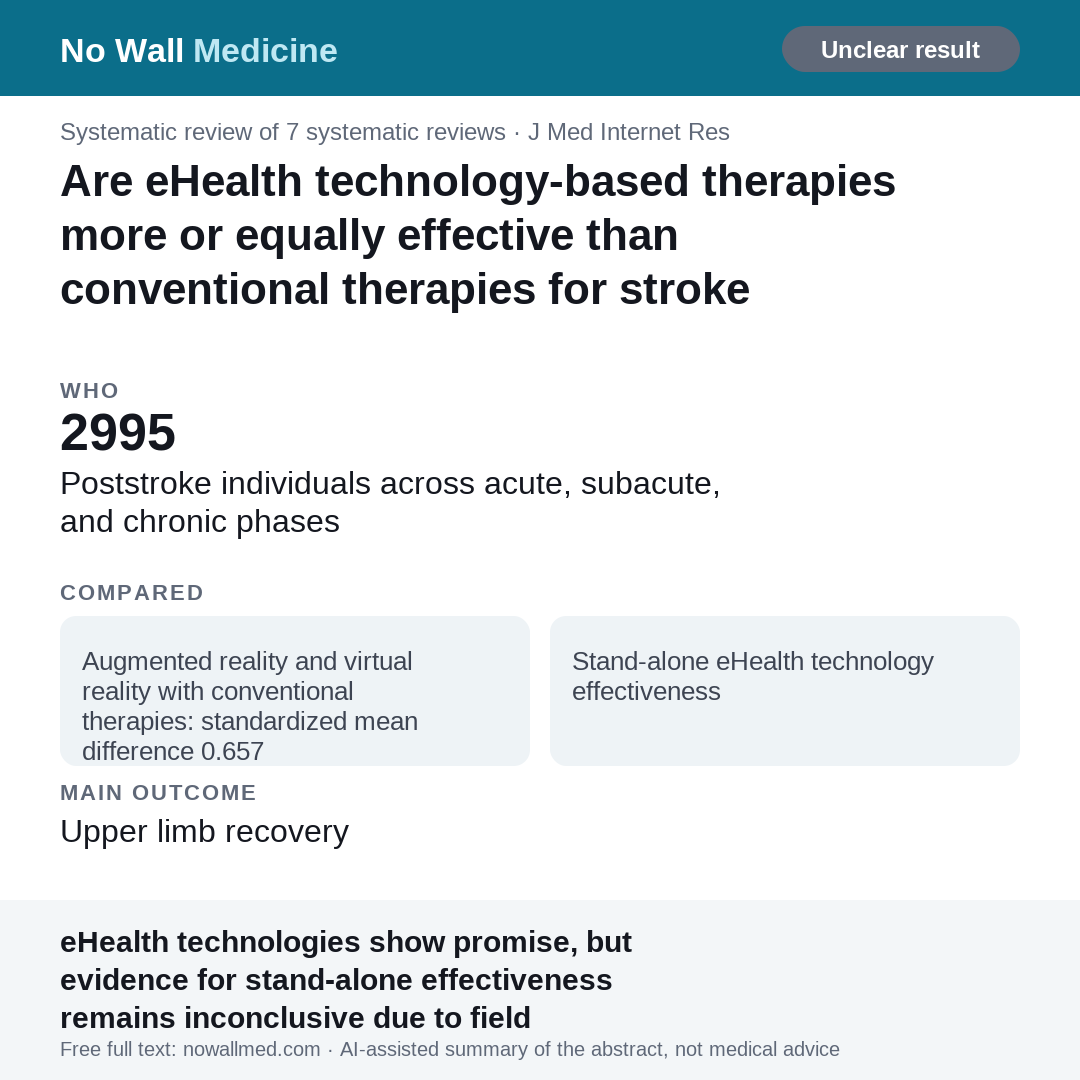
Poststroke eHealth Technologies-Based Rehabilitation for Upper Limb Recovery: Systematic Review
Systematic review of 7 systematic reviewsUnclear result
Are eHealth technology-based therapies more or equally effective than conventional therapies for stroke rehabilitation?
Who
2995
Poststroke individuals across acute, subacute, and chronic phases
Compared
Augmented reality and virtual reality with conventional therapies: standardized mean difference 0.657
Stand-alone eHealth technology effectiveness
Main outcome
Upper limb recovery
Bottom line: eHealth technologies show promise, but evidence for stand-alone effectiveness remains inconclusive due to field fragmentation.
Limitation: Most reviews were rated as critically low quality due to methodological limitations.
J Med Internet Res · 2025-03-04Download image
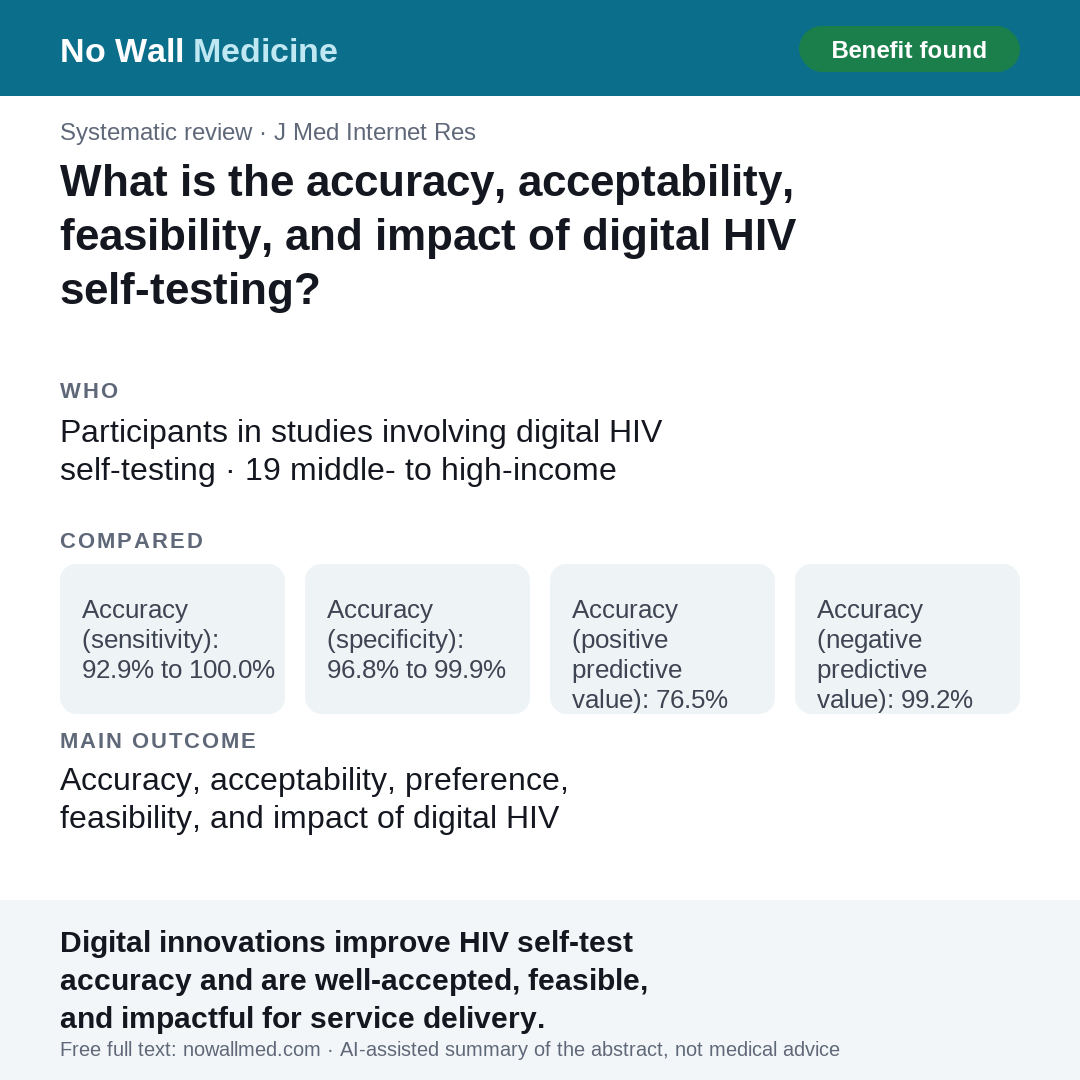
Evidence on Digital HIV Self-Testing From Accuracy to Impact: Updated Systematic Review
Systematic reviewBenefit found
What is the accuracy, acceptability, feasibility, and impact of digital HIV self-testing?
Who
Participants in studies involving digital HIV self-testing · 19 middle- to high-income countries
Compared
Accuracy (sensitivity): 92.9% to 100.0%
Accuracy (specificity): 96.8% to 99.9%
Accuracy (positive predictive value): 76.5% to 99.2%
Accuracy (negative predictive value): 99.2% to 100.0%
Main outcome
Accuracy, acceptability, preference, feasibility, and impact of digital HIV self-testing
Bottom line: Digital innovations improve HIV self-test accuracy and are well-accepted, feasible, and impactful for service delivery.
Limitation: The quality of studies varied, though they generally demonstrated low risk of bias.
J Med Internet Res · 2025-03-04Download image
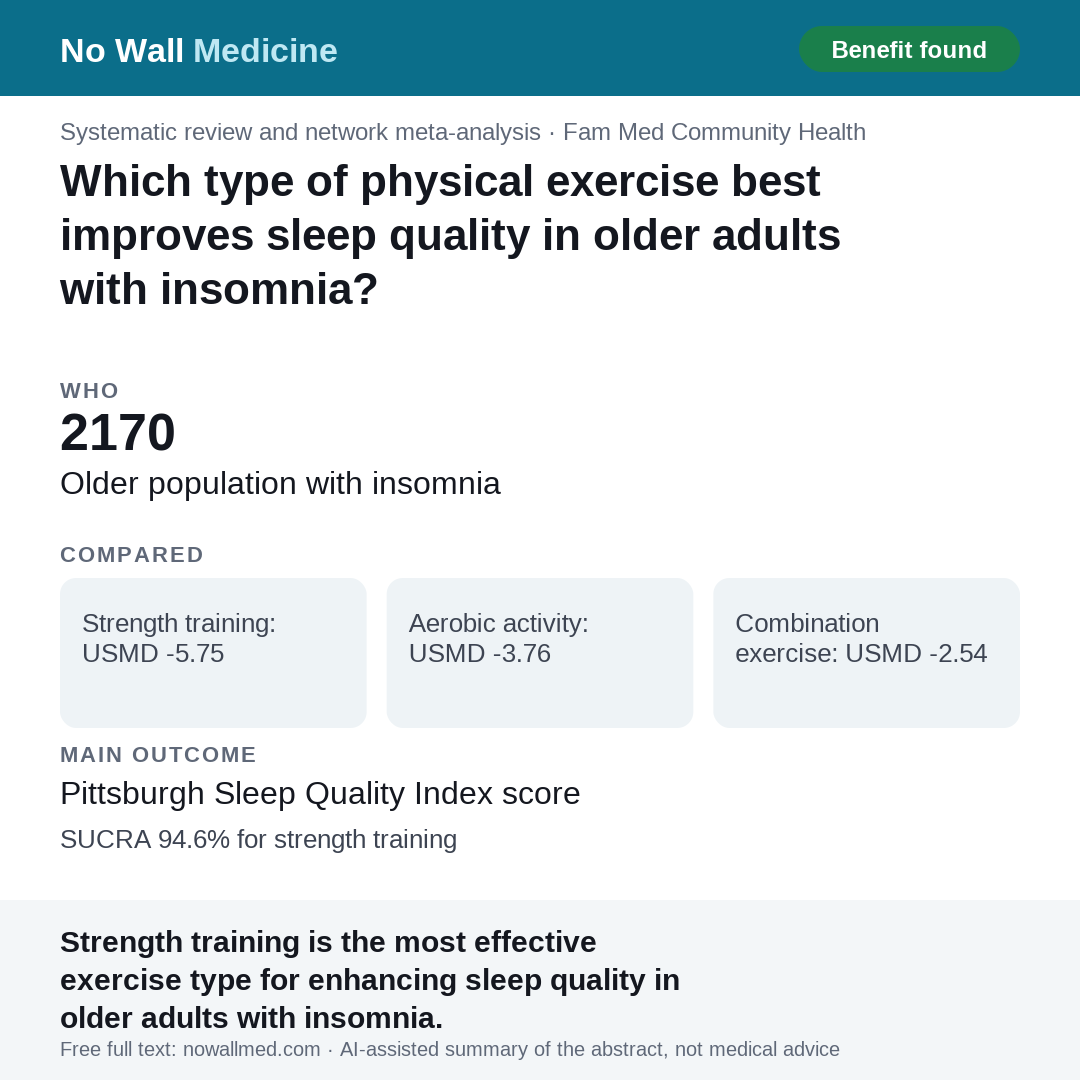
Impact of different types of physical exercise on sleep quality in older population with insomnia: a systematic review and network meta-analysis of randomised controlled trials
Systematic review and network meta-analysisBenefit found
Which type of physical exercise best improves sleep quality in older adults with insomnia?
Who
2170
Older population with insomnia
Compared
Strength training: USMD -5.75
Aerobic activity: USMD -3.76
Combination exercise: USMD -2.54
Main outcome
Pittsburgh Sleep Quality Index score
Result: SUCRA 94.6% for strength training
Bottom line: Strength training is the most effective exercise type for enhancing sleep quality in older adults with insomnia.
Fam Med Community Health · 2025-03-04Download image
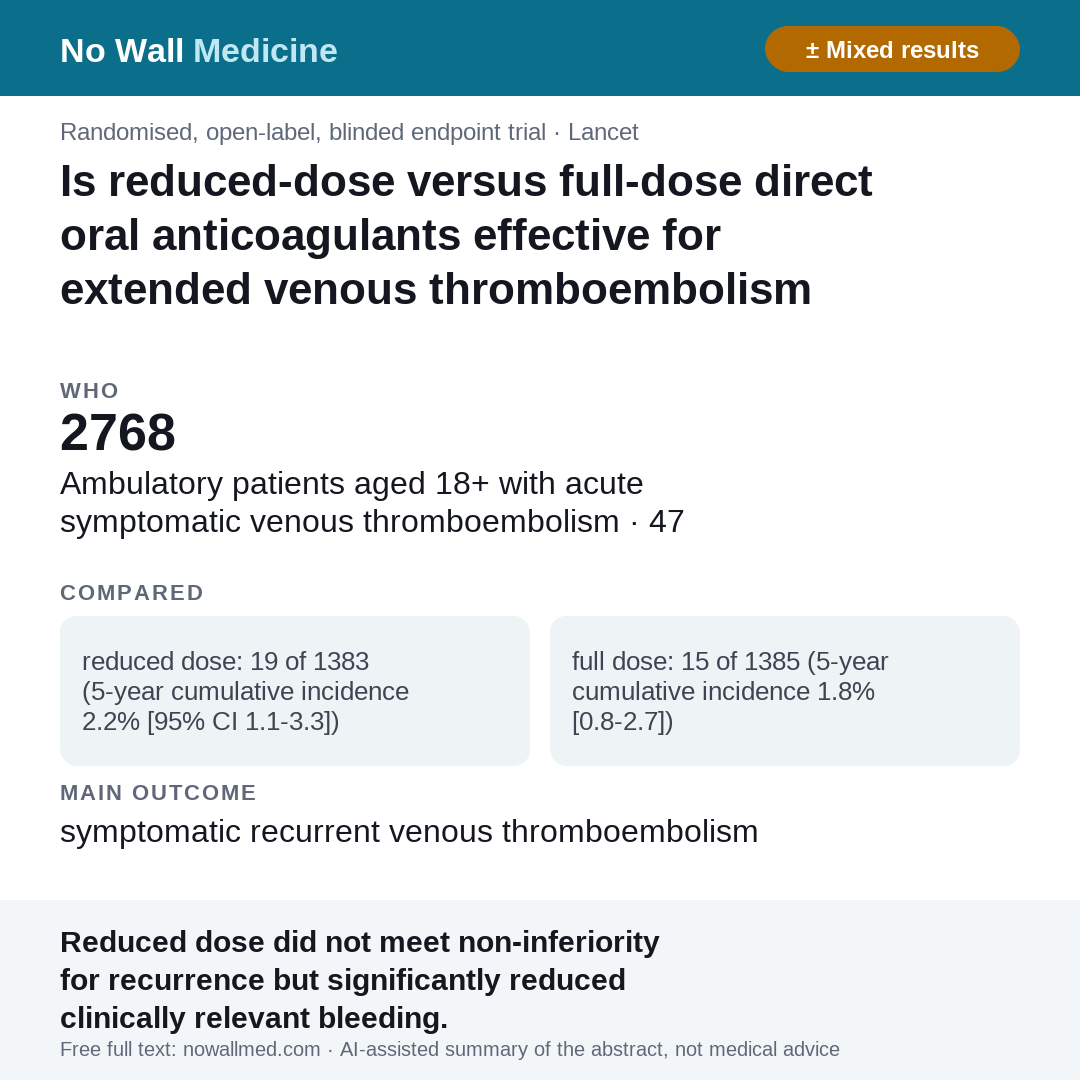
Extended treatment of venous thromboembolism with reduced-dose versus full-dose direct oral anticoagulants in patients at high risk of recurrence: a non-inferiority, multicentre, randomised, open-label, blinded endpoint trial
Randomised, open-label, blinded endpoint trialMixed results
Is reduced-dose versus full-dose direct oral anticoagulants effective for extended venous thromboembolism treatment?
Who
2768
Ambulatory patients aged 18+ with acute symptomatic venous thromboembolism · 47 hospitals in France
Compared
reduced dose: 19 of 1383 (5-year cumulative incidence 2.2% [95% CI 1.1-3.3])
full dose: 15 of 1385 (5-year cumulative incidence 1.8% [0.8-2.7])
Main outcome
symptomatic recurrent venous thromboembolism
Result: adjusted HR 1.32 (95% CI 0.67-2.60)
Bottom line: Reduced dose did not meet non-inferiority for recurrence but significantly reduced clinically relevant bleeding.
Lancet · 2025-03-03Download image
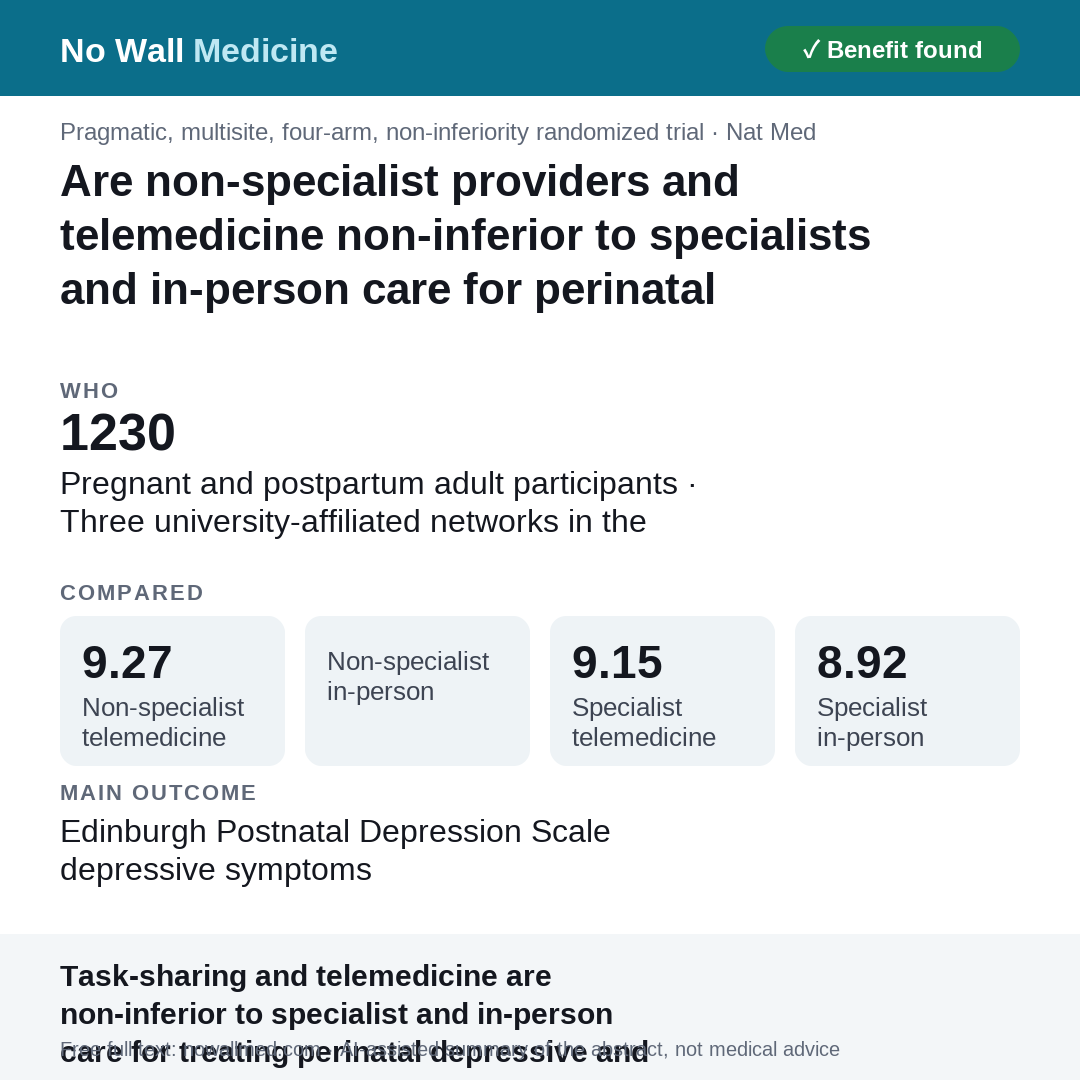
Task-sharing and telemedicine delivery of psychotherapy to treat perinatal depression: a pragmatic, noninferiority randomized trial
Pragmatic, multisite, four-arm, non-inferiority randomized trialBenefit found
Are non-specialist providers and telemedicine non-inferior to specialists and in-person care for perinatal depression?
Who
1230
Pregnant and postpartum adult participants · Three university-affiliated networks in the United States and Canada
Compared
9.27Non-specialist telemedicine (95% CI 8.85-9.70)
Non-specialist in-person
9.15Specialist telemedicine (95% CI 8.79-9.50)
8.92Specialist in-person (95% CI 8.39-9.45)
Main outcome
Edinburgh Postnatal Depression Scale depressive symptoms
Bottom line: Task-sharing and telemedicine are non-inferior to specialist and in-person care for treating perinatal depressive and anxiety symptoms.
Nat Med · 2025-03-03Download image
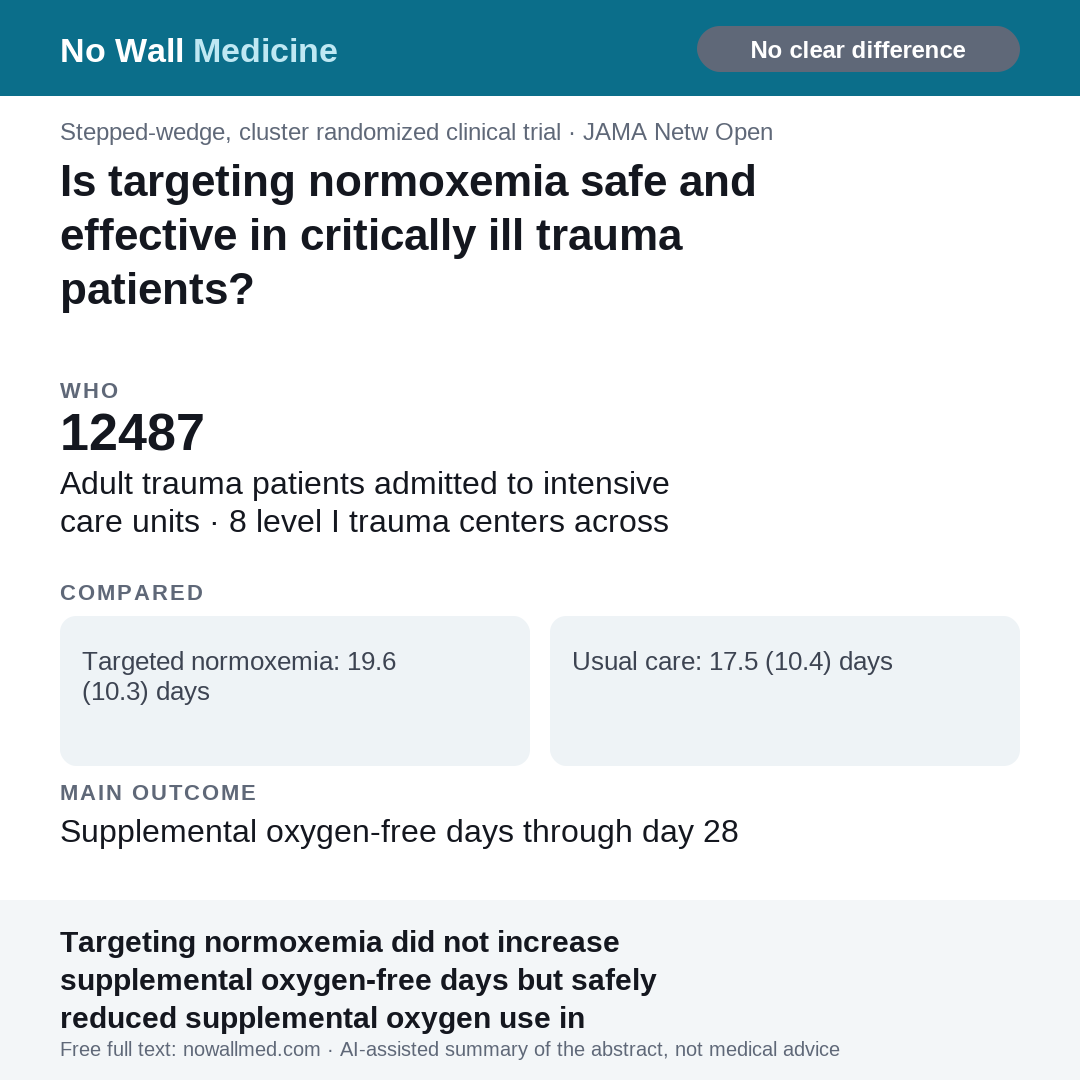
Targeted Normoxemia and Supplemental Oxygen-Free Days in Critically Injured Adults: A Stepped-Wedge Cluster Randomized Clinical Trial
Stepped-wedge, cluster randomized clinical trialNo clear difference
Is targeting normoxemia safe and effective in critically ill trauma patients?
Who
12487
Adult trauma patients admitted to intensive care units · 8 level I trauma centers across the US
Compared
Targeted normoxemia: 19.6 (10.3) days
Usual care: 17.5 (10.4) days
Main outcome
Supplemental oxygen-free days through day 28
Result: adjusted mean difference 0.32 (95% CI -0.37 to 1.00) days
Bottom line: Targeting normoxemia did not increase supplemental oxygen-free days but safely reduced supplemental oxygen use in critically ill trauma patients.
JAMA Netw Open · 2025-03-03Download image
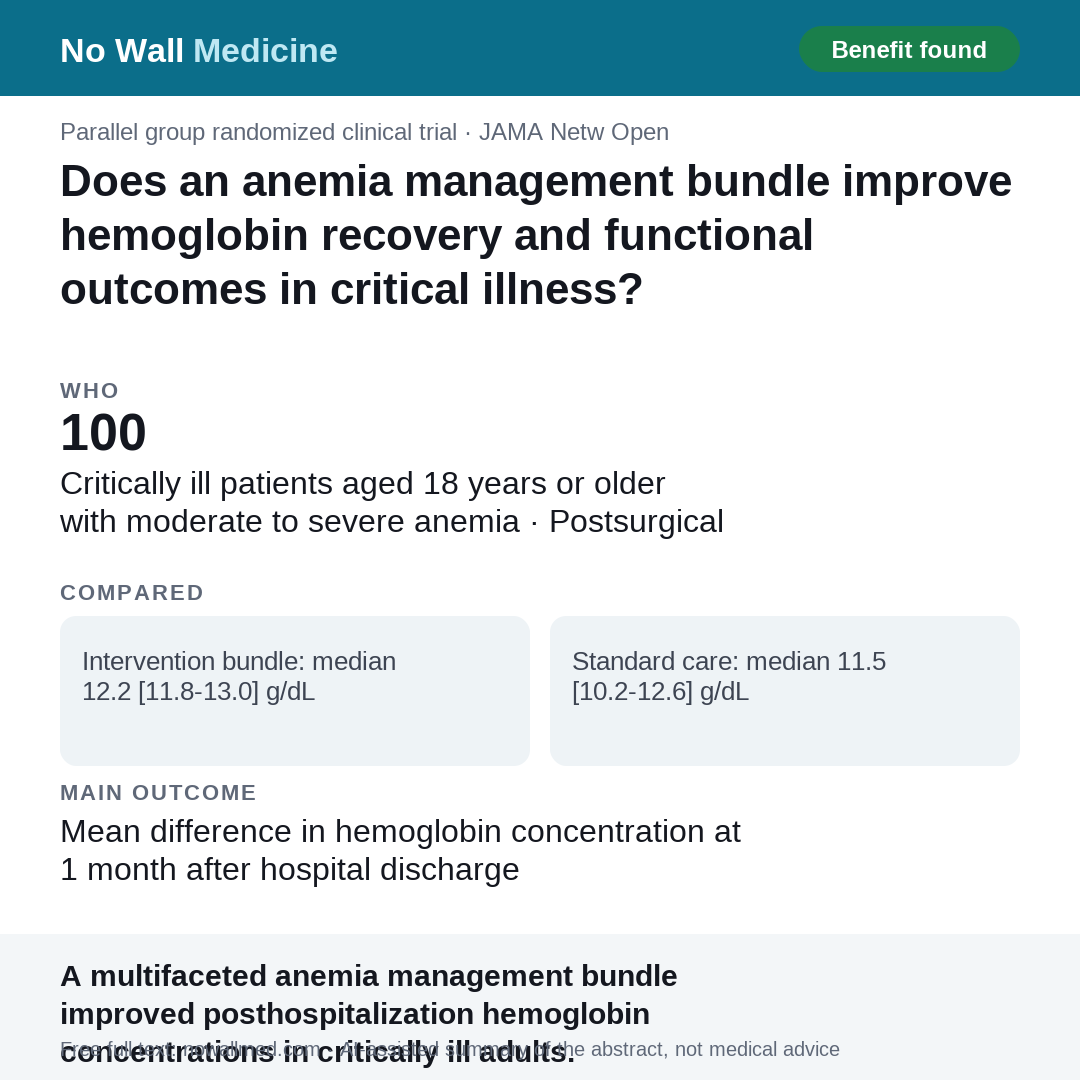
Practical Anemia Bundle and Hemoglobin Recovery in Critical Illness: A Randomized Clinical Trial
Parallel group randomized clinical trialBenefit found
Does an anemia management bundle improve hemoglobin recovery and functional outcomes in critical illness?
Who
100
Critically ill patients aged 18 years or older with moderate to severe anemia · Postsurgical and medical intensive care units at a large US medical center
Compared
Intervention bundle: median 12.2 [11.8-13.0] g/dL
Standard care: median 11.5 [10.2-12.6] g/dL
Main outcome
Mean difference in hemoglobin concentration at 1 month after hospital discharge
Result: adjusted mean difference, 0.69 [95% CI, 0.13-1.20] g/dL
Bottom line: A multifaceted anemia management bundle improved posthospitalization hemoglobin concentrations in critically ill adults.
JAMA Netw Open · 2025-03-03Download image
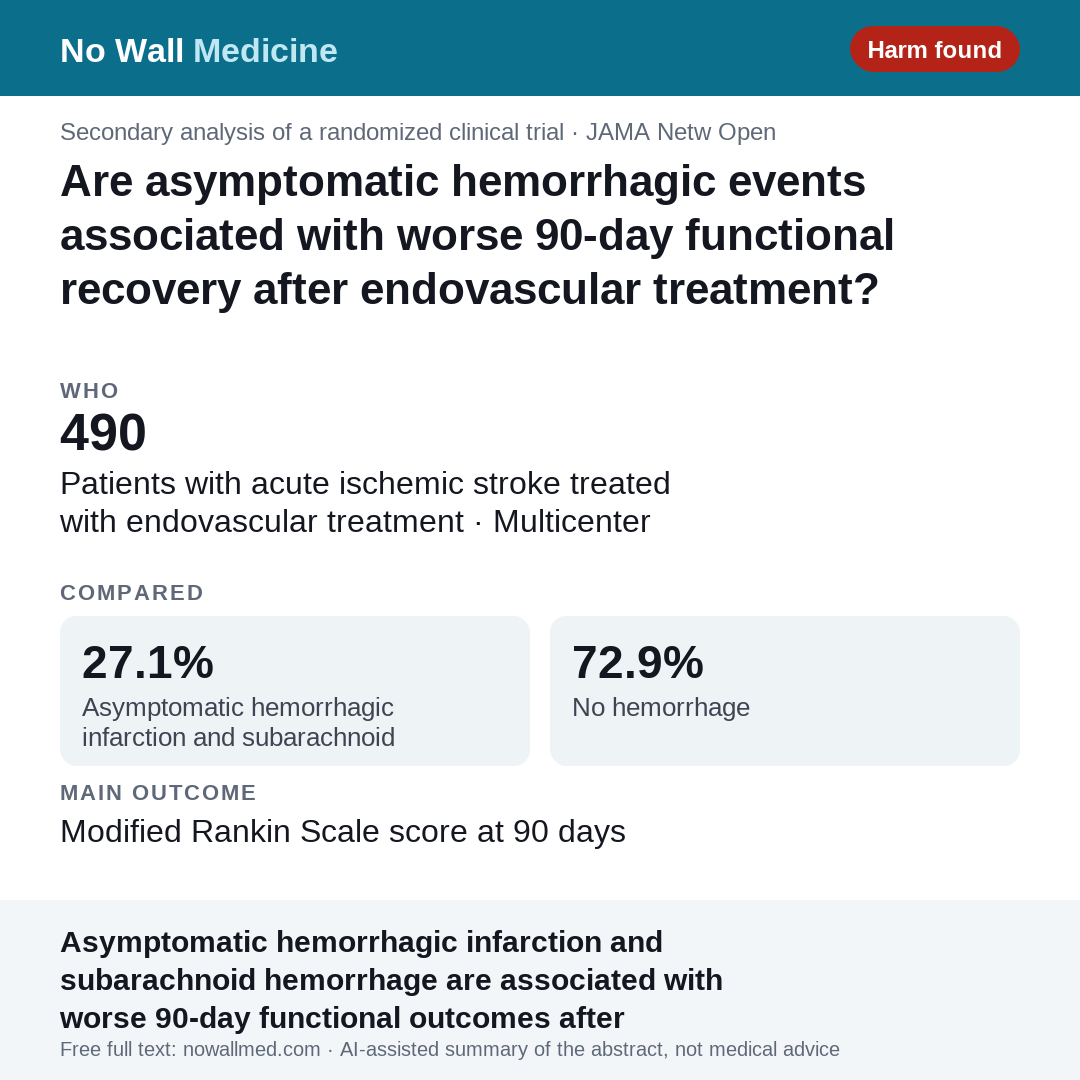
Asymptomatic Hemorrhagic Events and Functional Outcomes in Acute Stroke: A Secondary Analysis of the DIRECT-MI Randomized Clinical Trial
Secondary analysis of a randomized clinical trialHarm found
Are asymptomatic hemorrhagic events associated with worse 90-day functional recovery after endovascular treatment?
Who
490
Patients with acute ischemic stroke treated with endovascular treatment · Multicenter tertiary hospitals in China
Compared
27.1%Asymptomatic hemorrhagic infarction and subarachnoid hemorrhage
72.9%No hemorrhage
Main outcome
Modified Rankin Scale score at 90 days
Result: odds ratio 2.59 (95% CI 1.45-4.63)
Bottom line: Asymptomatic hemorrhagic infarction and subarachnoid hemorrhage are associated with worse 90-day functional outcomes after endovascular treatment.
JAMA Netw Open · 2025-03-03Download image
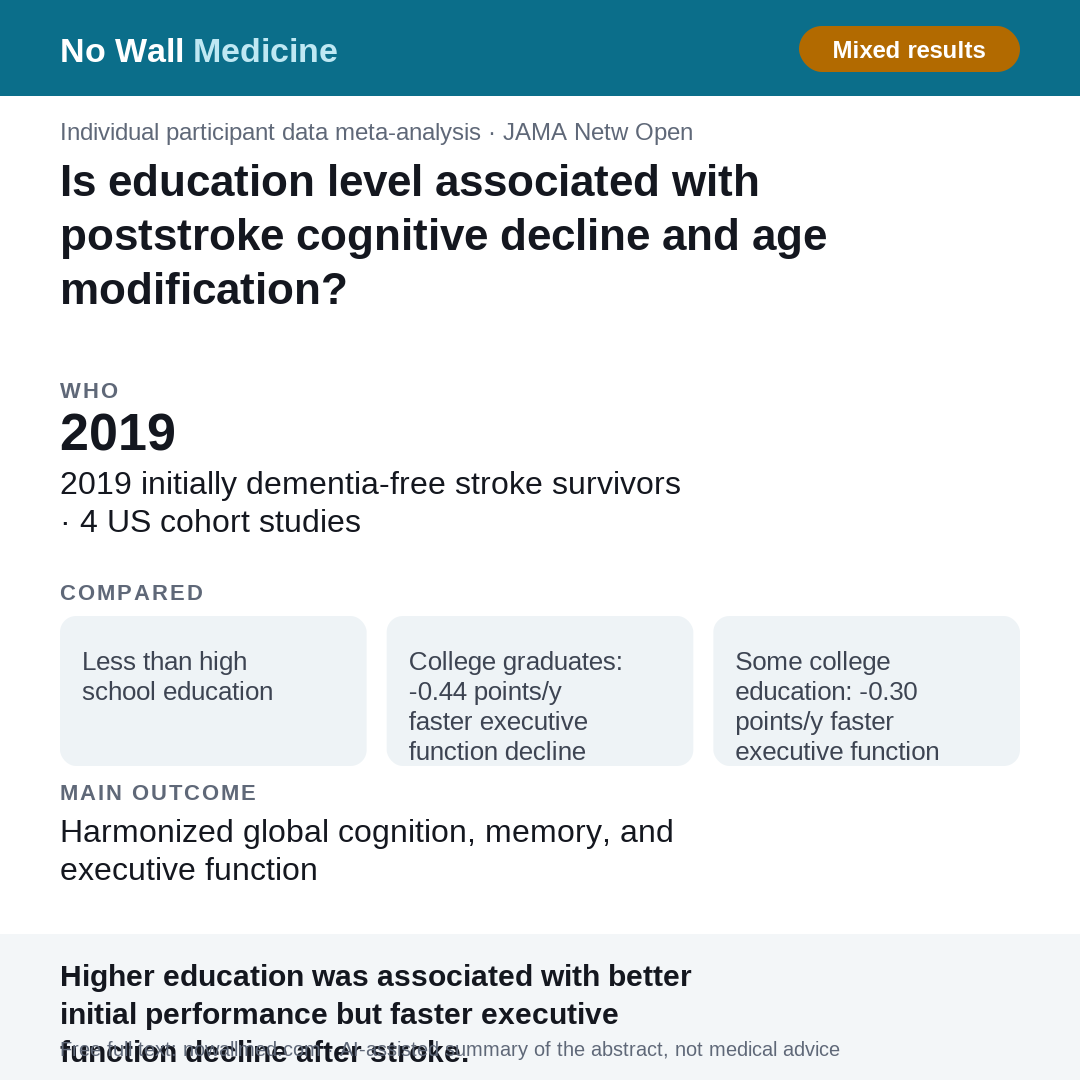
Education Levels and Poststroke Cognitive Trajectories
Individual participant data meta-analysisMixed results
Is education level associated with poststroke cognitive decline and age modification?
Who
2019
2019 initially dementia-free stroke survivors · 4 US cohort studies
Compared
Less than high school education
College graduates: -0.44 points/y faster executive function decline
Some college education: -0.30 points/y faster executive function decline
Main outcome
Harmonized global cognition, memory, and executive function
Bottom line: Higher education was associated with better initial performance but faster executive function decline after stroke.
JAMA Netw Open · 2025-03-03Download image
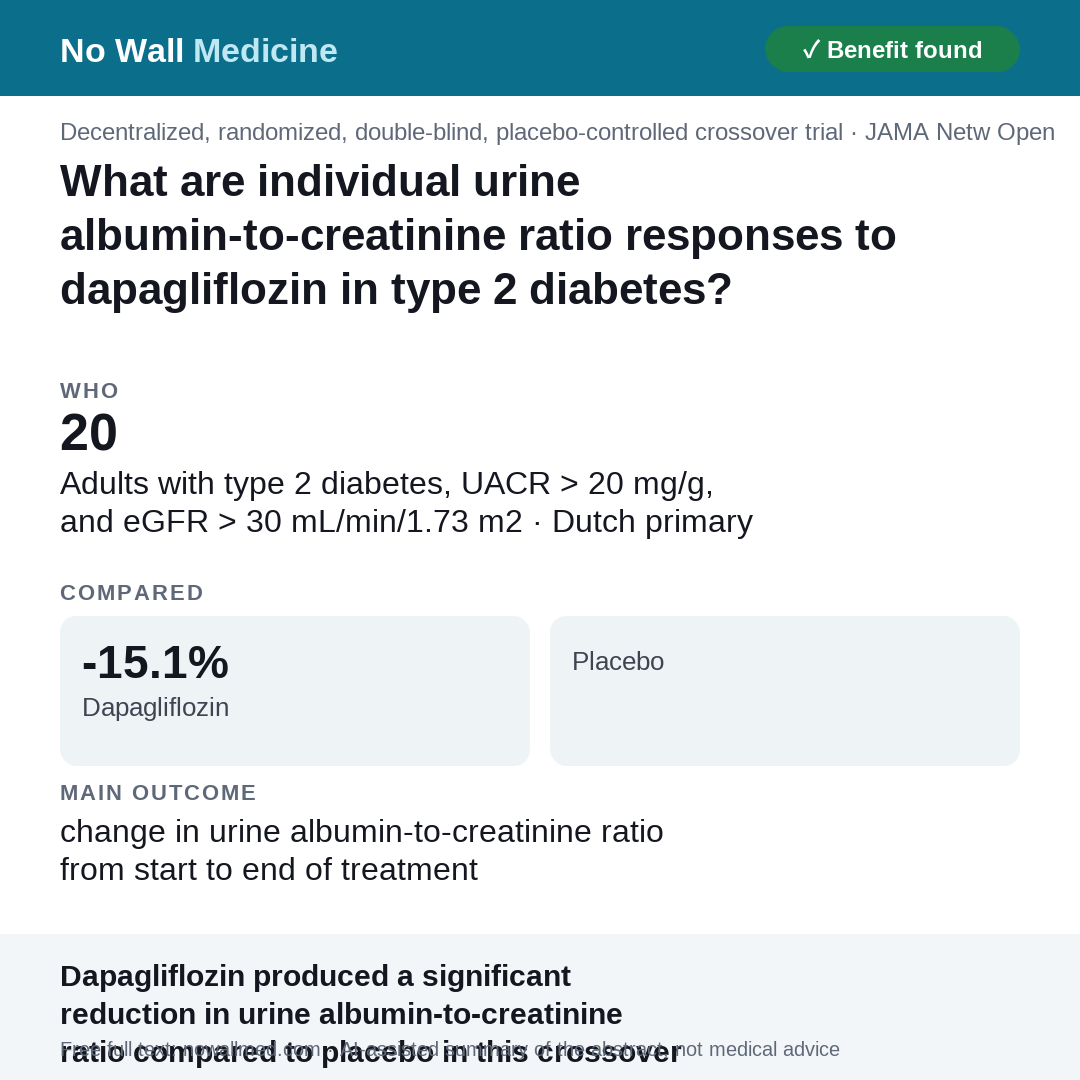
Albuminuria Responses to Dapagliflozin in Patients With Type 2 Diabetes: A Crossover Trial
Decentralized, randomized, double-blind, placebo-controlled crossover trialBenefit found
What are individual urine albumin-to-creatinine ratio responses to dapagliflozin in type 2 diabetes?
Who
20
Adults with type 2 diabetes, UACR > 20 mg/g, and eGFR > 30 mL/min/1.73 m2 · Dutch primary and secondary health care systems
Compared
-15.1%Dapagliflozin
Placebo
Main outcome
change in urine albumin-to-creatinine ratio from start to end of treatment
Result: -15.1% (95% CI, -28.2% to -3.3%)
Bottom line: Dapagliflozin produced a significant reduction in urine albumin-to-creatinine ratio compared to placebo in this crossover trial.
JAMA Netw Open · 2025-03-03Download image