Visual abstracts
New randomized trials and meta-analyses from leading journals at a glance: who was studied, what was compared, and what was found. Every paper is free to read in full.
All specialtiesCardiology 4763Oncology 4043Gastroenterology & Hepatology 1903Infectious Disease 3756Neurology 1872Psychiatry & Mental Health 2216Pulmonology 2044Critical Care 1319Endocrinology & Diabetes 2544Pediatrics 2889Surgery 2480Orthopedics & Sports Medicine 917Neurosurgery 525Cardiothoracic & Vascular Surgery 656Plastic & Reconstructive Surgery 574Nephrology 1107Rheumatology 810Hematology 1090Dermatology 611Ophthalmology 532Obstetrics & Gynecology 1645Public & Global Health 1037Radiology & Imaging 619Anesthesiology 958Urology 745ENT (Otolaryngology) 494Emergency Medicine 481Allergy & Immunology 309Geriatrics 972Family Medicine & Primary Care 534Medical Genetics & Genomics 659Pathology & Laboratory Medicine 156Physical Medicine & Rehabilitation 734Palliative Care 421Nutrition 1560Digital Health & AI 2137General Medicine 318
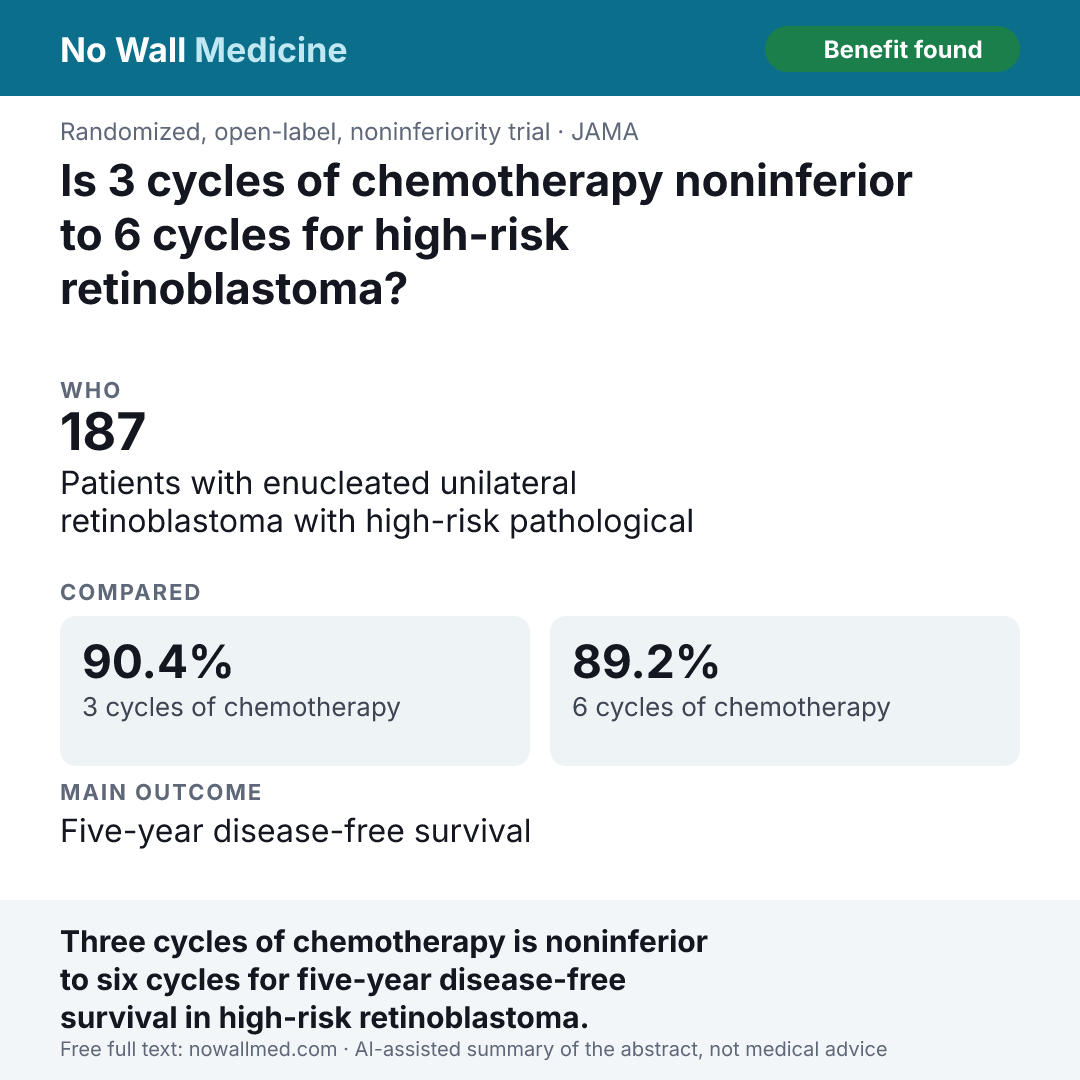
Three vs 6 Cycles of Chemotherapy for High-Risk Retinoblastoma: A Randomized Clinical Trial
Randomized, open-label, noninferiority trialBenefit found
Is 3 cycles of chemotherapy noninferior to 6 cycles for high-risk retinoblastoma?
Who
187
Patients with enucleated unilateral retinoblastoma with high-risk pathological features · 2 premier eye centers in China
Compared
90.4%3 cycles of chemotherapy
89.2%6 cycles of chemotherapy
Main outcome
Five-year disease-free survival
Result: difference, 1.2% (95% CI, -7.5% to 9.8%)
Bottom line: Three cycles of chemotherapy is noninferior to six cycles for five-year disease-free survival in high-risk retinoblastoma.
JAMA · 2024-10-21 · Save PNG
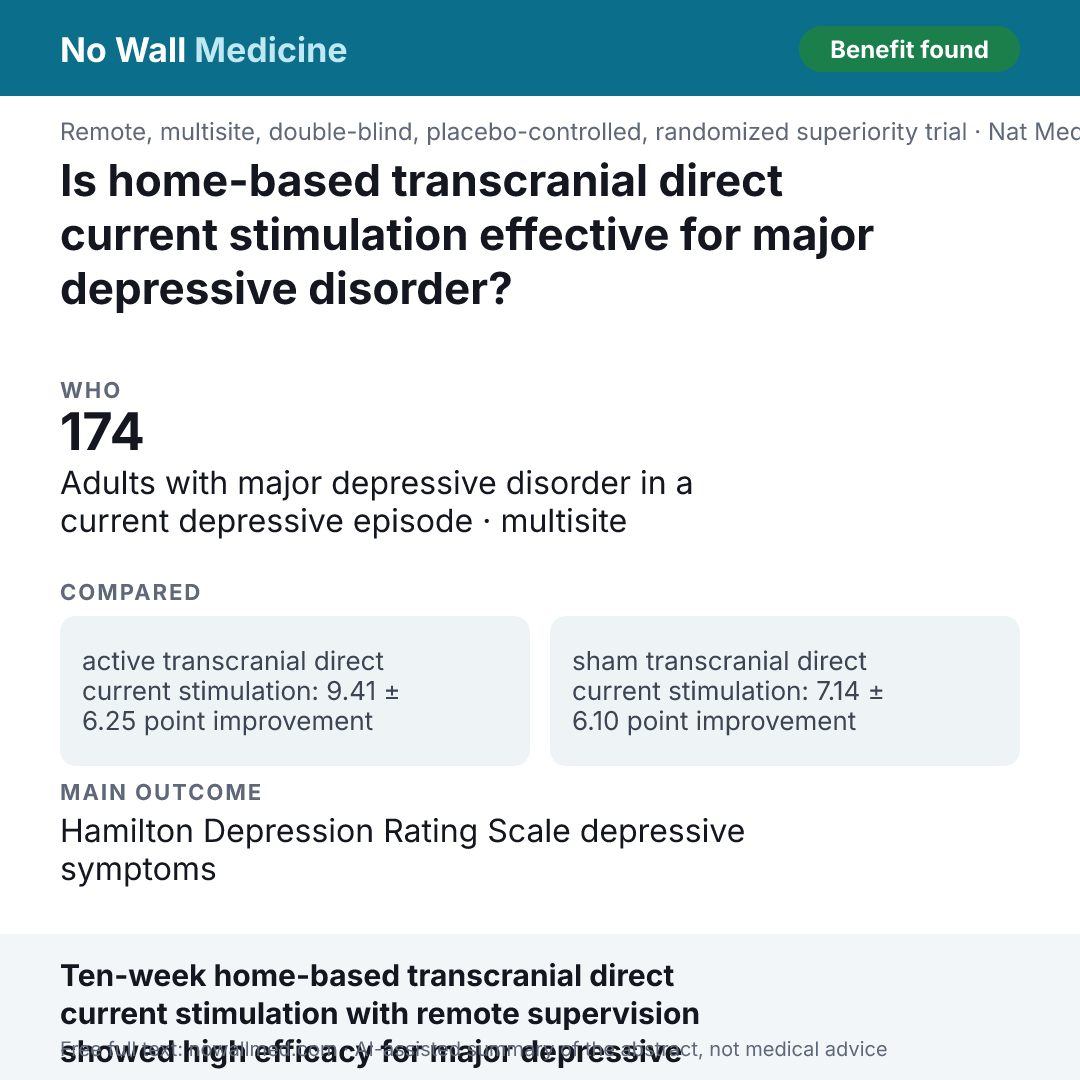
Home-based transcranial direct current stimulation treatment for major depressive disorder: a fully remote phase 2 randomized sham-controlled trial
Remote, multisite, double-blind, placebo-controlled, randomized superiority trialBenefit found
Is home-based transcranial direct current stimulation effective for major depressive disorder?
Who
174
Adults with major depressive disorder in a current depressive episode · multisite
Compared
active transcranial direct current stimulation: 9.41 ± 6.25 point improvement
sham transcranial direct current stimulation: 7.14 ± 6.10 point improvement
Main outcome
Hamilton Depression Rating Scale depressive symptoms
Result: 95% confidence interval = 0.51-4.01, P = 0.012
Bottom line: Ten-week home-based transcranial direct current stimulation with remote supervision showed high efficacy for major depressive disorder.
Nat Med · 2024-10-21 · Save PNG
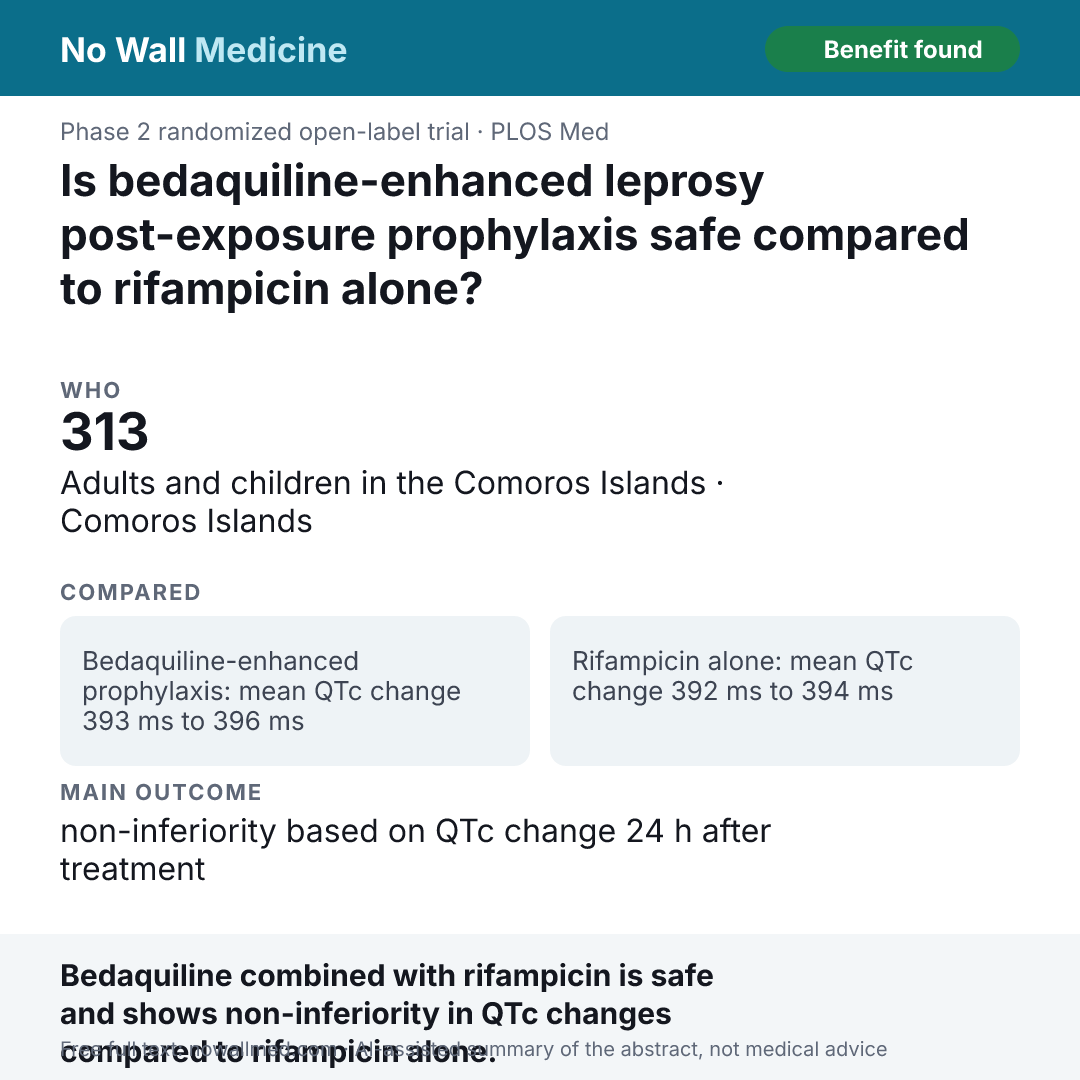
Safety of single-dose bedaquiline combined with rifampicin for leprosy post-exposure prophylaxis: A Phase 2 randomized non-inferiority trial in the Comoros Islands
Phase 2 randomized open-label trialBenefit found
Is bedaquiline-enhanced leprosy post-exposure prophylaxis safe compared to rifampicin alone?
Who
313
Adults and children in the Comoros Islands · Comoros Islands
Compared
Bedaquiline-enhanced prophylaxis: mean QTc change 393 ms to 396 ms
Rifampicin alone: mean QTc change 392 ms to 394 ms
Main outcome
non-inferiority based on QTc change 24 h after treatment
Result: difference between arms 1.8 ms, 95% CI -1.8, 5.3
Bottom line: Bedaquiline combined with rifampicin is safe and shows non-inferiority in QTc changes compared to rifampicin alone.
Limitation: false elevation of ALT/AST during adult recruitment due to a technical error
PLOS Med · 2024-10-21 · Save PNG
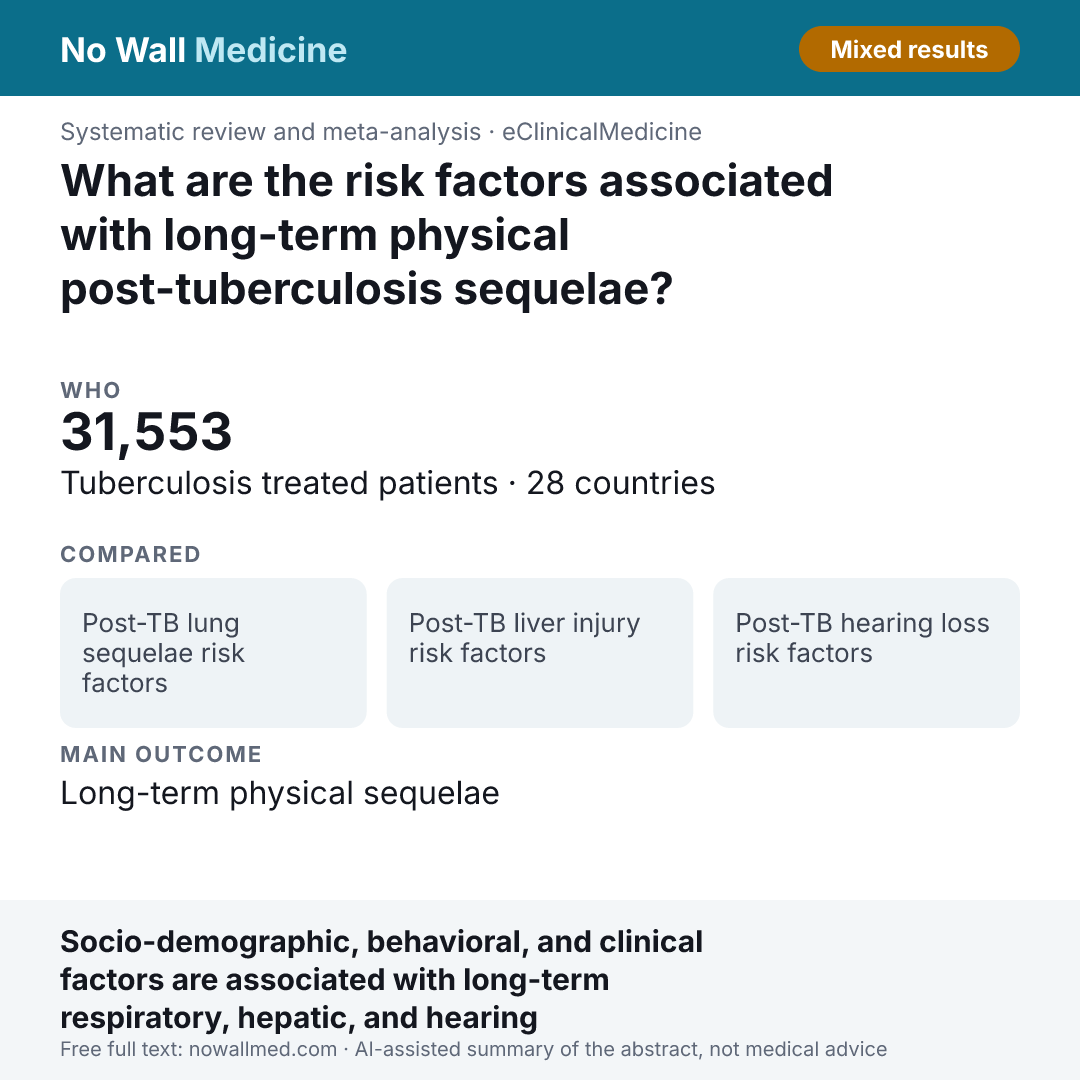
Risk factors associated with post-tuberculosis sequelae: a systematic review and meta-analysis
Systematic review and meta-analysisMixed results
What are the risk factors associated with long-term physical post-tuberculosis sequelae?
Who
31,553
Tuberculosis treated patients · 28 countries
Compared
Post-TB lung sequelae risk factors
Post-TB liver injury risk factors
Post-TB hearing loss risk factors
Main outcome
Long-term physical sequelae
Bottom line: Socio-demographic, behavioral, and clinical factors are associated with long-term respiratory, hepatic, and hearing impairments after tuberculosis.
Funded by: Healy Medical Research Raine Foundation, Australian National Health and Medical Research Council, Curtin University
eClinicalMedicine · 2024-10-21 · Save PNG
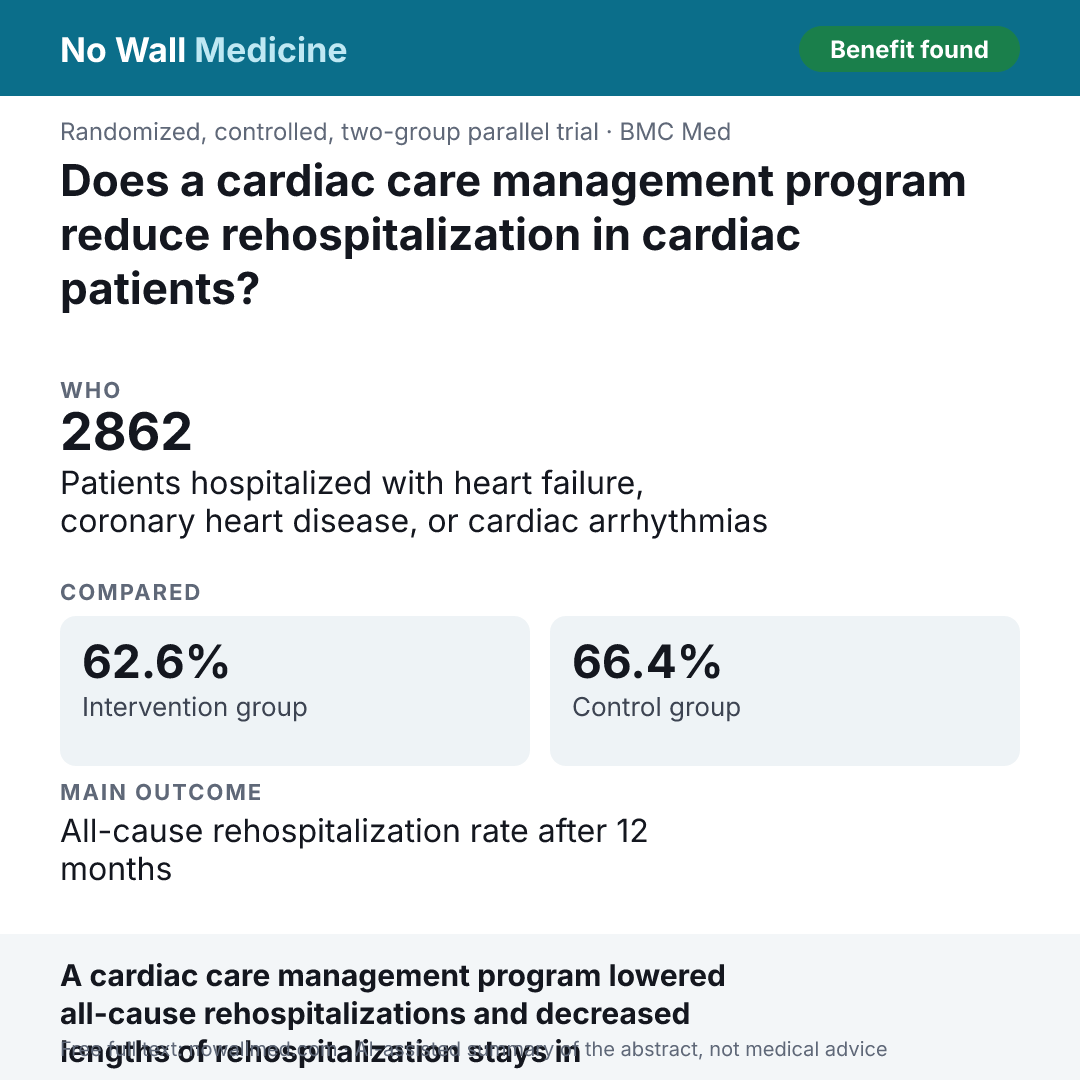
Reducing rehospitalization in cardiac patients: a randomized, controlled trial of a cardiac care management program ("Cardiolotse") in Germany
Randomized, controlled, two-group parallel trialBenefit found
Does a cardiac care management program reduce rehospitalization in cardiac patients?
Who
2862
Patients hospitalized with heart failure, coronary heart disease, or cardiac arrhythmias · Eight sites of a hospital group in Berlin, Germany
Compared
62.6%Intervention group
66.4%Control group
Main outcome
All-cause rehospitalization rate after 12 months
Bottom line: A cardiac care management program lowered all-cause rehospitalizations and decreased lengths of rehospitalization stays in cardiac patients.
BMC Med · 2024-10-21 · Save PNG
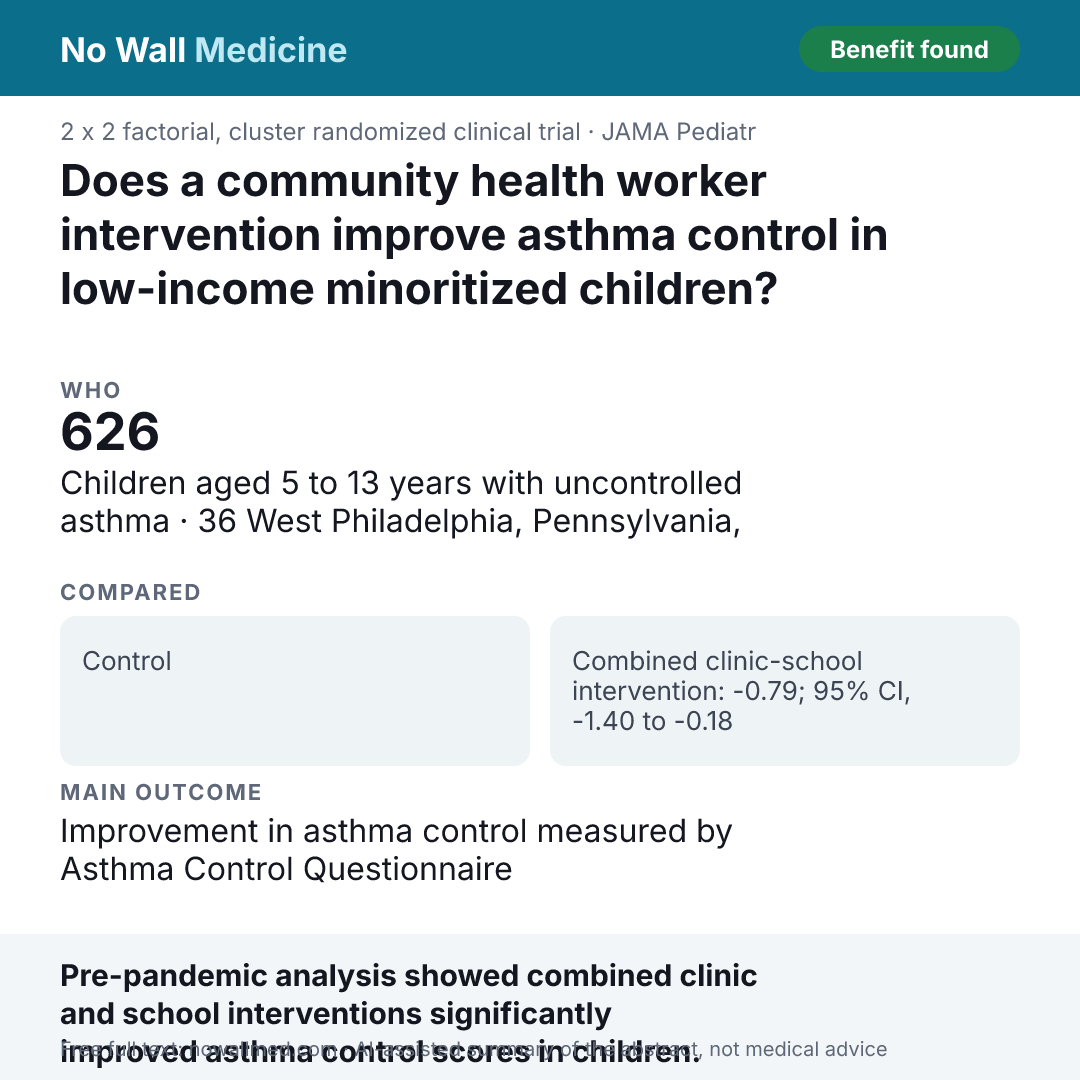
Community Health Workers Linking Clinics and Schools and Asthma Control: A Randomized Clinical Trial
2 x 2 factorial, cluster randomized clinical trialBenefit found
Does a community health worker intervention improve asthma control in low-income minoritized children?
Who
626
Children aged 5 to 13 years with uncontrolled asthma · 36 West Philadelphia, Pennsylvania, public and charter schools
Compared
Control
Combined clinic-school intervention: -0.79; 95% CI, -1.40 to -0.18
Main outcome
Improvement in asthma control measured by Asthma Control Questionnaire
Result: -0.79; 95% CI, -1.40 to -0.18
Bottom line: Pre-pandemic analysis showed combined clinic and school interventions significantly improved asthma control scores in children.
Limitation: Primary care and school interventions were dramatically disrupted by the COVID-19 pandemic.
JAMA Pediatr · 2024-10-21 · Save PNG
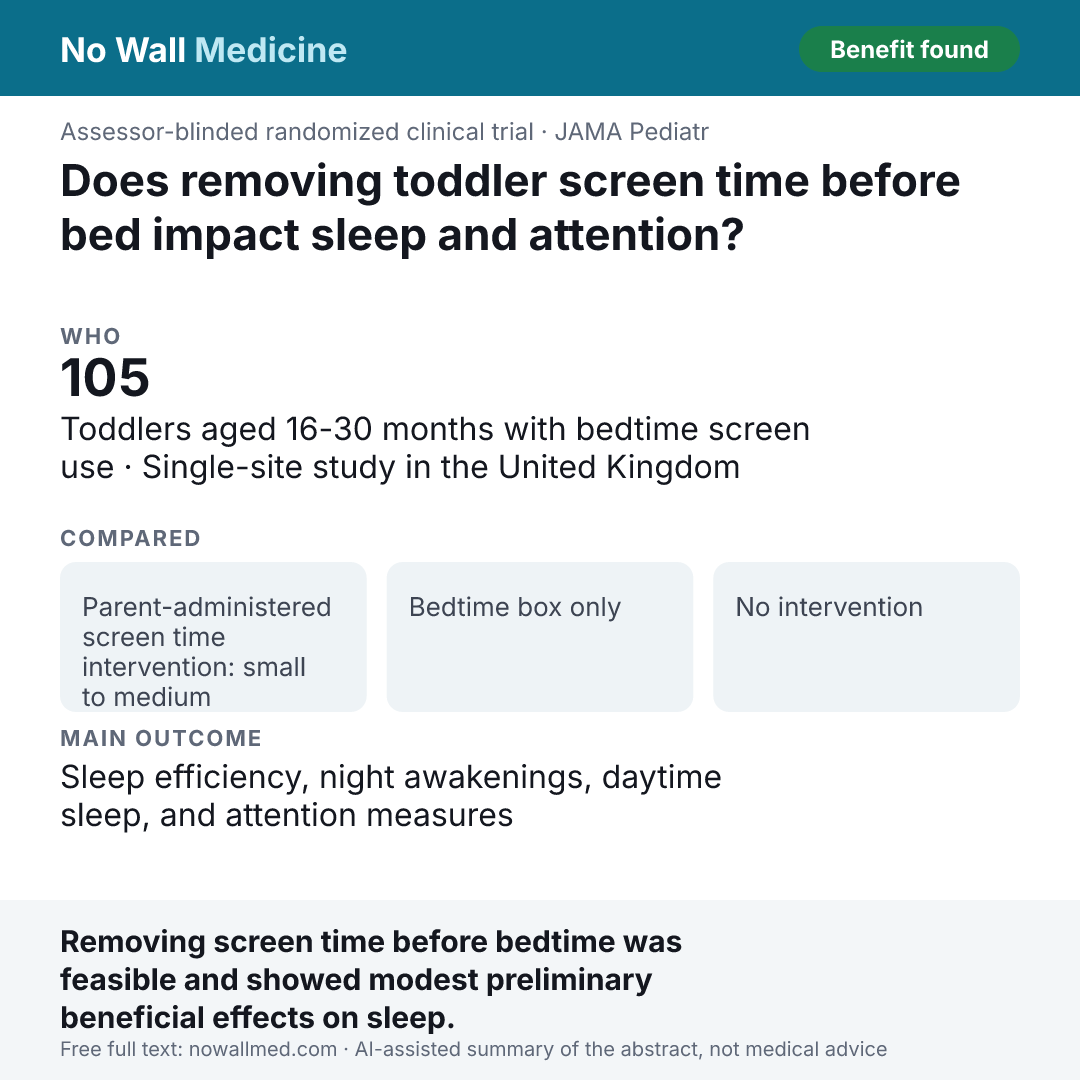
Toddler Screen Use Before Bed and Its Effect on Sleep and Attention: A Randomized Clinical Trial
Assessor-blinded randomized clinical trialBenefit found
Does removing toddler screen time before bed impact sleep and attention?
Who
105
Toddlers aged 16-30 months with bedtime screen use · Single-site study in the United Kingdom
Compared
Parent-administered screen time intervention: small to medium improvements in sleep efficiency
Bedtime box only
No intervention
Main outcome
Sleep efficiency, night awakenings, daytime sleep, and attention measures
Result: Cohen d 0.56 (95% CI, 0.17-0.96) for sleep efficiency vs BB only
Bottom line: Removing screen time before bedtime was feasible and showed modest preliminary beneficial effects on sleep.
JAMA Pediatr · 2024-10-21 · Save PNG
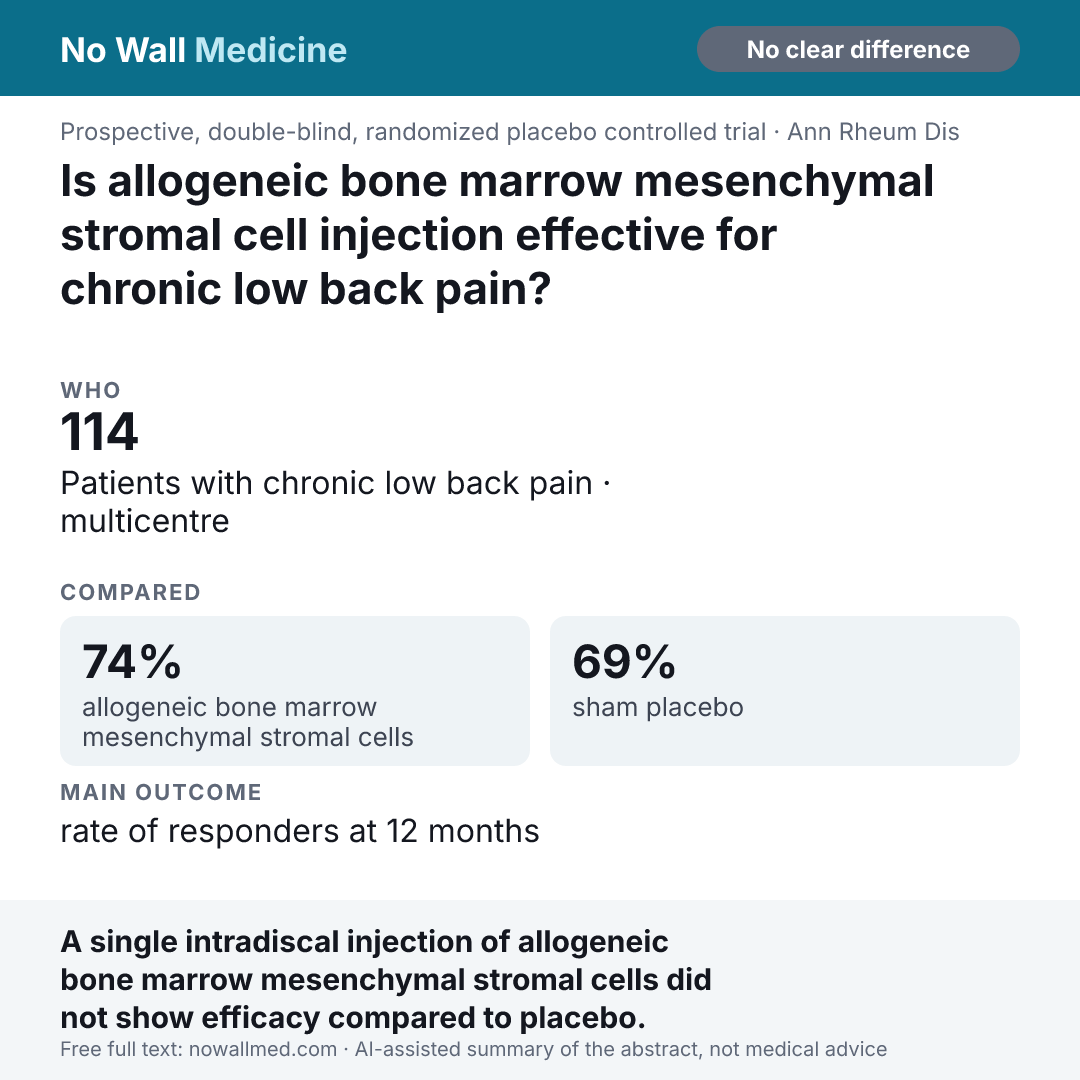
Allogenic bone marrow-derived mesenchymal stromal cell-based therapy for patients with chronic low back pain: a prospective, multicentre, randomised placebo controlled trial (RESPINE study)
Prospective, double-blind, randomized placebo controlled trialNo clear difference
Is allogeneic bone marrow mesenchymal stromal cell injection effective for chronic low back pain?
Who
114
Patients with chronic low back pain · multicentre
Compared
74%allogeneic bone marrow mesenchymal stromal cells
69%sham placebo
Main outcome
rate of responders at 12 months
Bottom line: A single intradiscal injection of allogeneic bone marrow mesenchymal stromal cells did not show efficacy compared to placebo.
Ann Rheum Dis · 2024-10-21 · Save PNG
Treatment of early oligoarticular psoriatic arthritis with apremilast: primary outcomes at week 16 from the FOREMOST randomised controlled trial
Phase 4, multicentre, randomised, double-blind, placebo-controlled trialBenefit found
Is apremilast effective in early oligoarticular psoriatic arthritis?
Who
308
Patients with early oligoarticular psoriatic arthritis · multicentre
Compared
33.9%apremilast 30 mg twice daily
16.0%placebo
Main outcome
proportion achieving minimal disease activity-Joints based on sentinel joints
Bottom line: Apremilast improves clinical and patient-reported outcomes in early oligoarticular psoriatic arthritis compared to placebo.
Ann Rheum Dis · 2024-10-21 · Save PNG

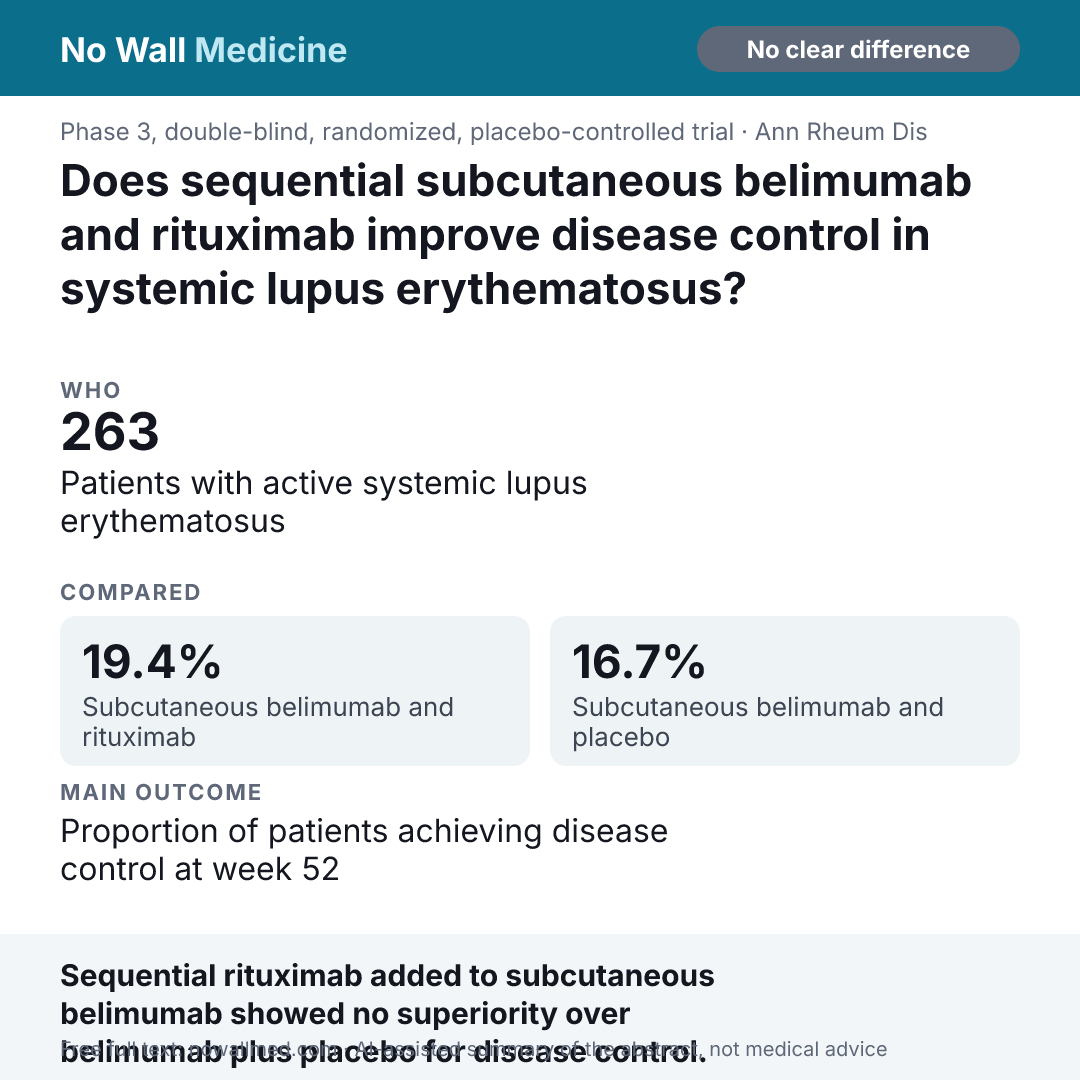
Efficacy and safety of sequential therapy with subcutaneous belimumab and one cycle of rituximab in patients with systemic lupus erythematosus: the phase 3, randomised, placebo-controlled BLISS-BELIEVE study
Phase 3, double-blind, randomized, placebo-controlled trialNo clear difference
Does sequential subcutaneous belimumab and rituximab improve disease control in systemic lupus erythematosus?
Who
263
Patients with active systemic lupus erythematosus
Compared
19.4%Subcutaneous belimumab and rituximab (28/144)
16.7%Subcutaneous belimumab and placebo (12/72)
Main outcome
Proportion of patients achieving disease control at week 52
Result: odds ratio 1.27 (95% CI 0.60 to 2.71)
Bottom line: Sequential rituximab added to subcutaneous belimumab showed no superiority over belimumab plus placebo for disease control.
Ann Rheum Dis · 2024-10-21 · Save PNG
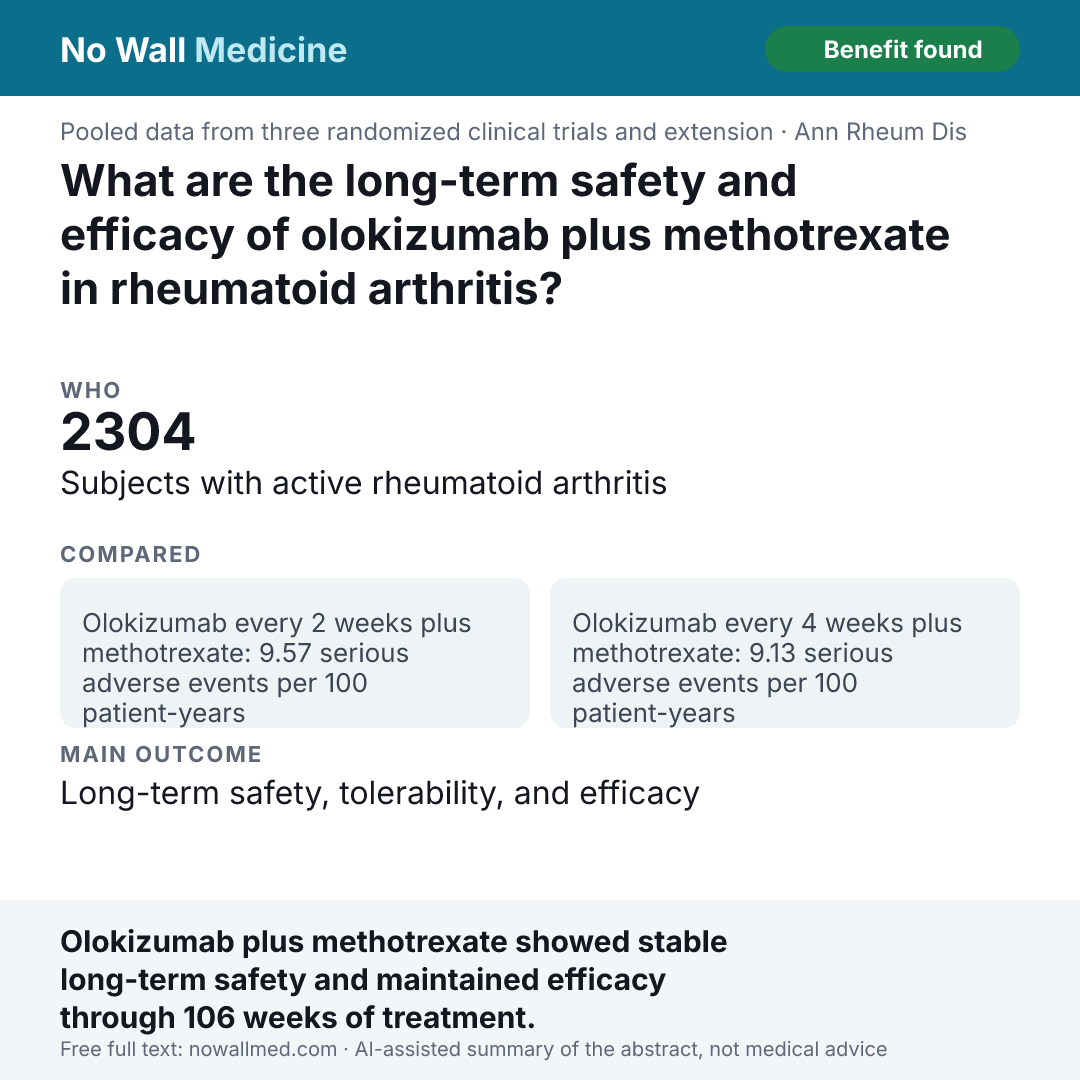
Olokizumab plus methotrexate: safety and efficacy over 106 weeks of treatment
Pooled data from three randomized clinical trials and extensionBenefit found
What are the long-term safety and efficacy of olokizumab plus methotrexate in rheumatoid arthritis?
Who
2304
Subjects with active rheumatoid arthritis
Compared
Olokizumab every 2 weeks plus methotrexate: 9.57 serious adverse events per 100 patient-years
Olokizumab every 4 weeks plus methotrexate: 9.13 serious adverse events per 100 patient-years
Main outcome
Long-term safety, tolerability, and efficacy
Bottom line: Olokizumab plus methotrexate showed stable long-term safety and maintained efficacy through 106 weeks of treatment.
Ann Rheum Dis · 2024-10-21 · Save PNG
Management of systemic lupus erythematosus: a systematic literature review informing the 2023 update of the EULAR recommendations
Systematic literature reviewMixed results
What is the best management for systemic lupus erythematosus based on new evidence?
Who
Patients with systemic lupus erythematosus · Medline and Cochrane Library databases
Compared
Anifrolumab
Standard of care
Belimumab and voclosporin
Main outcome
Disease control and response rates in lupus erythematosus
Bottom line: Anifrolumab, belimumab, and voclosporin show efficacy in specific lupus manifestations compared to standard care.
Limitation: The majority of identified articles were observational studies of low or moderate quality.
Ann Rheum Dis · 2024-10-21 · Save PNG

Gut Microbiota Features in Relation to Fecal Microbiota Transplantation Outcome in Ulcerative Colitis: A Systematic Review and Meta-Analysis
Systematic review and meta-analysisMixed results
How do gut microbiota features relate to fecal microbiota transplantation outcomes in ulcerative colitis?
Who
Patients with ulcerative colitis
Compared
Higher microbial alpha-diversity: associated with better clinical response rates
Low-diversity composition: associated with clinical response shift
Main outcome
clinical response rates to fecal microbiota transplantation
Bottom line: Higher microbial diversity and specific butyrate-producing species are associated with better clinical response to fecal microbiota transplantation.
Clin Gastroenterol Hepatol · 2024-10-21 · Save PNG

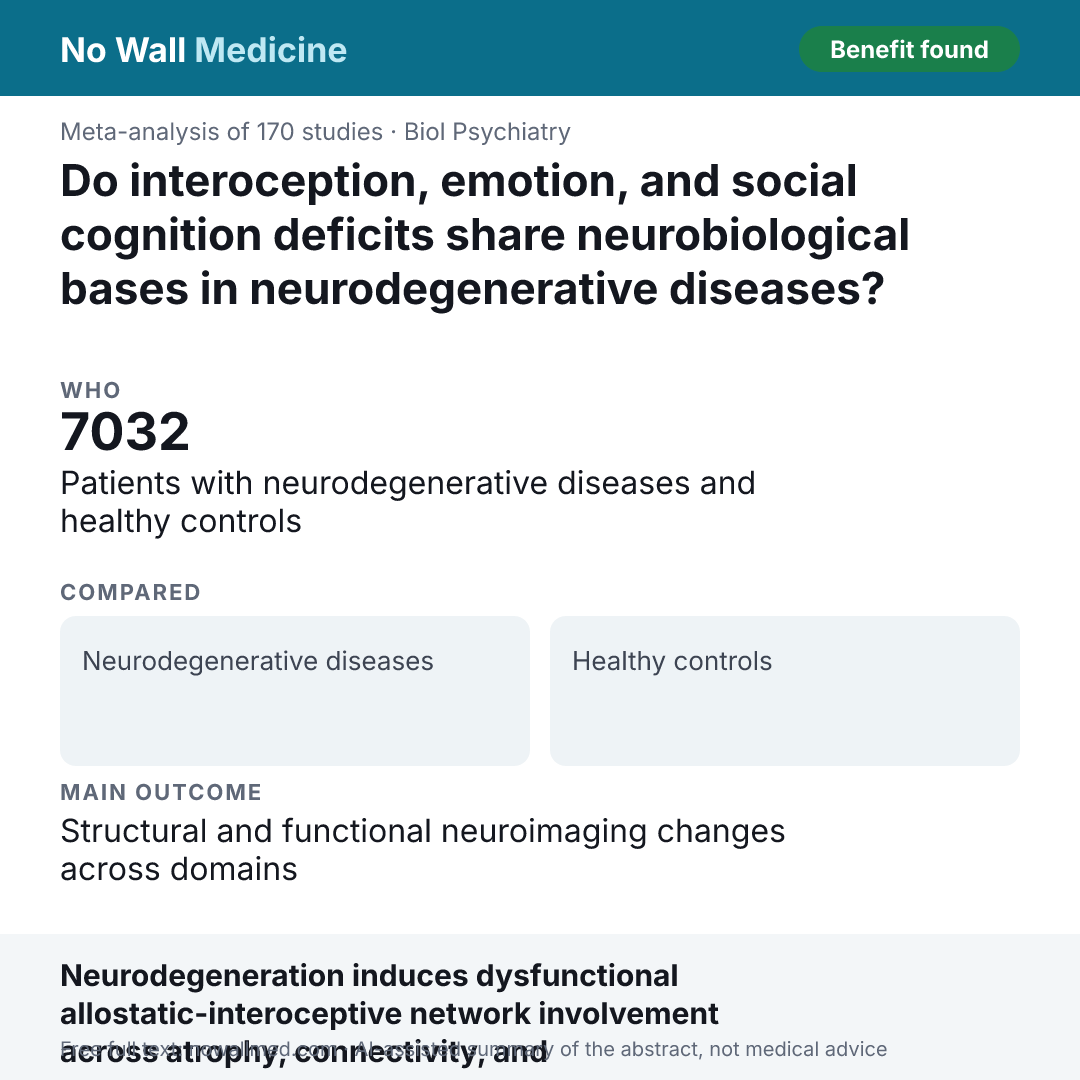
Neuroimaging Meta-Analyses Reveal Convergence of Interoception, Emotion, and Social Cognition Across Neurodegenerative Diseases
Meta-analysis of 170 studiesBenefit found
Do interoception, emotion, and social cognition deficits share neurobiological bases in neurodegenerative diseases?
Who
7032
Patients with neurodegenerative diseases and healthy controls
Compared
Neurodegenerative diseases
Healthy controls
Main outcome
Structural and functional neuroimaging changes across domains
Bottom line: Neurodegeneration induces dysfunctional allostatic-interoceptive network involvement across atrophy, connectivity, and metabolism.
Biol Psychiatry · 2024-10-21 · Save PNG
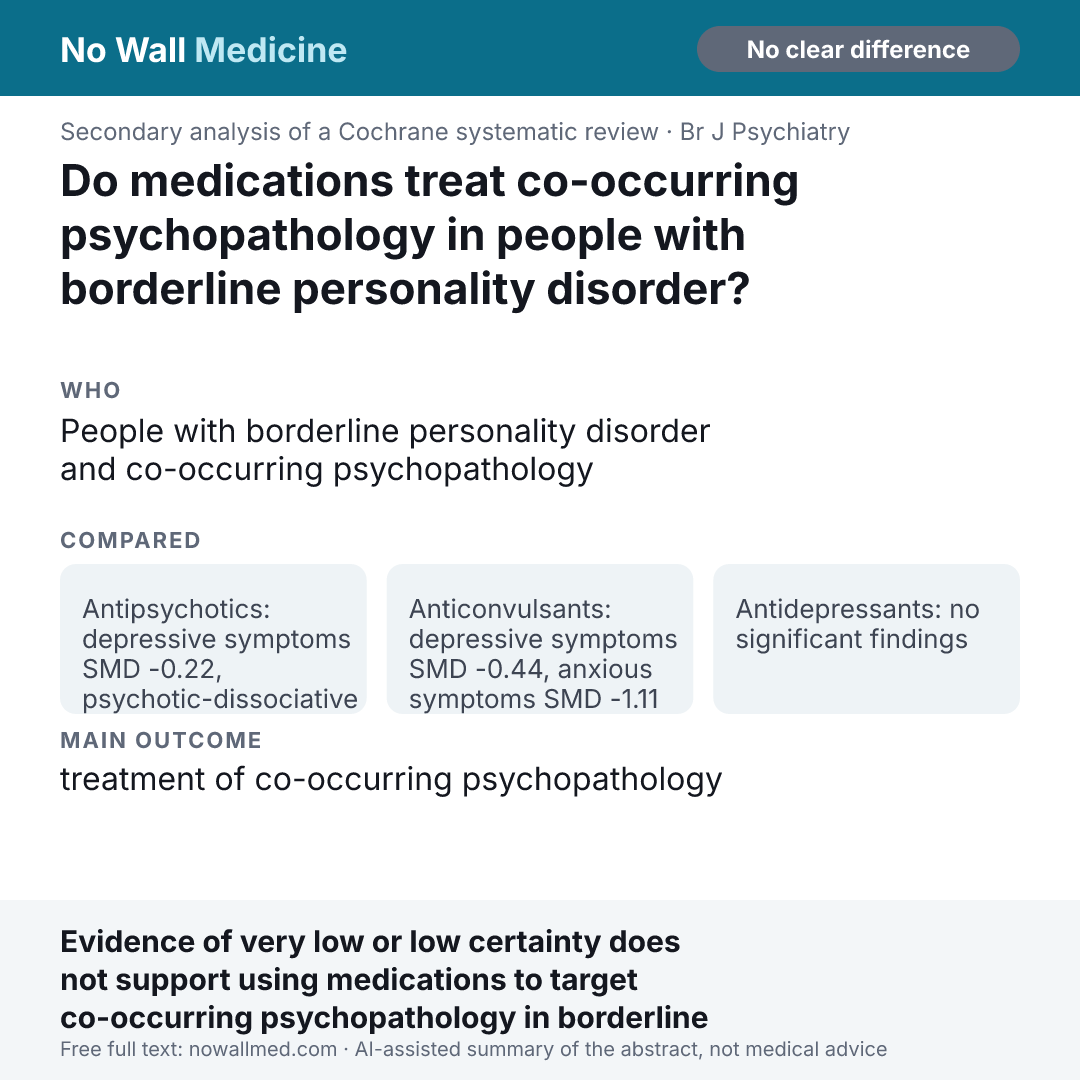
Pharmacological interventions for co-occurring psychopathology in people with borderline personality disorder: secondary analysis of the Cochrane systematic review with meta-analyses
Secondary analysis of a Cochrane systematic reviewNo clear difference
Do medications treat co-occurring psychopathology in people with borderline personality disorder?
Who
People with borderline personality disorder and co-occurring psychopathology
Compared
Antipsychotics: depressive symptoms SMD -0.22, psychotic-dissociative symptoms SMD -0.28
Anticonvulsants: depressive symptoms SMD -0.44, anxious symptoms SMD -1.11
Antidepressants: no significant findings
Main outcome
treatment of co-occurring psychopathology
Bottom line: Evidence of very low or low certainty does not support using medications to target co-occurring psychopathology in borderline personality disorder.
Br J Psychiatry · 2024-10-21 · Save PNG
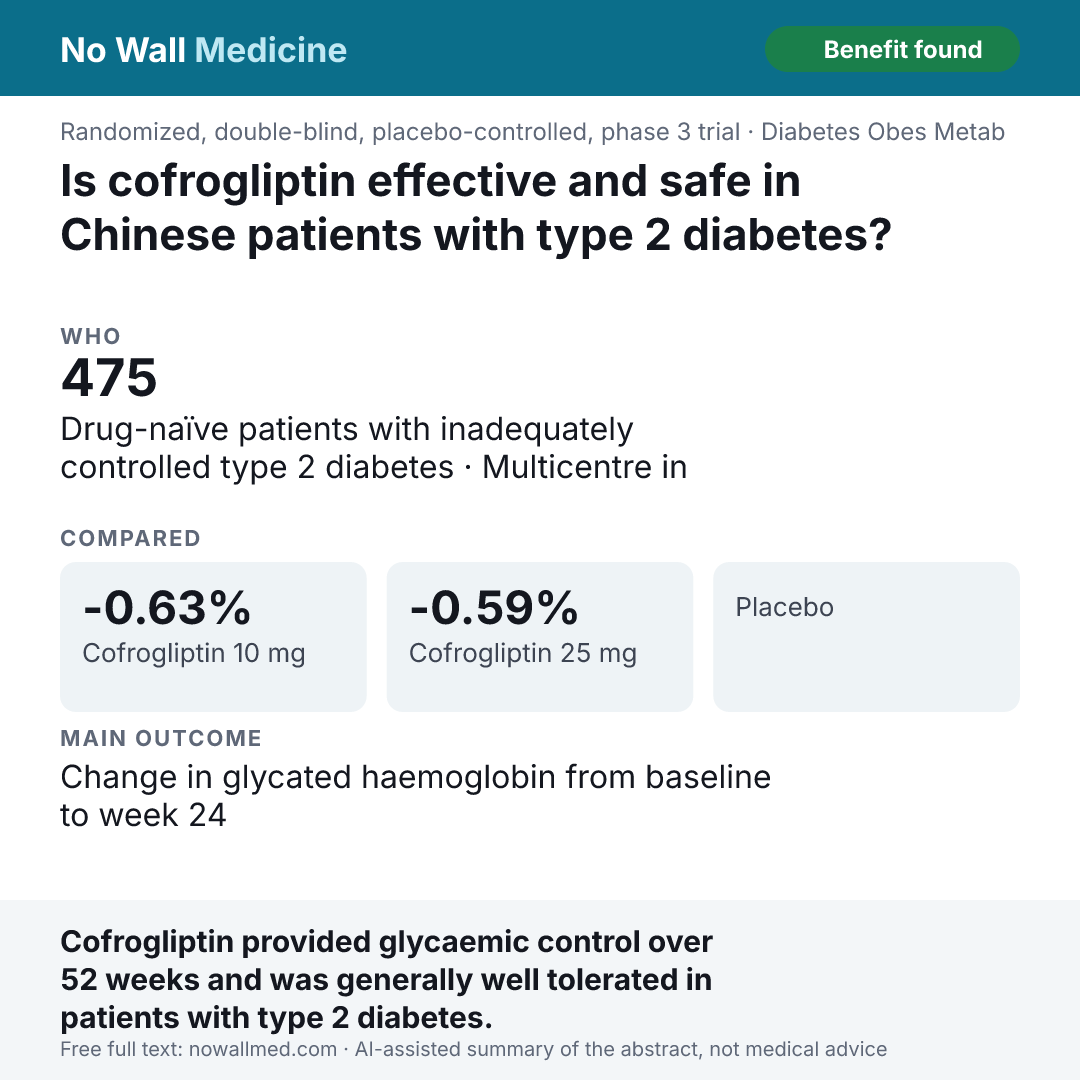
Efficacy and safety of cofrogliptin once every 2 weeks in Chinese patients with type 2 diabetes: A randomized, double-blind, placebo-controlled, phase 3 trial
Randomized, double-blind, placebo-controlled, phase 3 trialBenefit found
Is cofrogliptin effective and safe in Chinese patients with type 2 diabetes?
Who
475
Drug-naïve patients with inadequately controlled type 2 diabetes · Multicentre in China
Compared
-0.63%Cofrogliptin 10 mg (-0.81, -0.46)
-0.59%Cofrogliptin 25 mg (-0.77, -0.42)
Placebo
Main outcome
Change in glycated haemoglobin from baseline to week 24
Result: LS mean difference versus placebo: -0.63% (-0.81, -0.46) and -0.59% (-0.77, -0.42)
Bottom line: Cofrogliptin provided glycaemic control over 52 weeks and was generally well tolerated in patients with type 2 diabetes.
Diabetes Obes Metab · 2024-10-21 · Save PNG
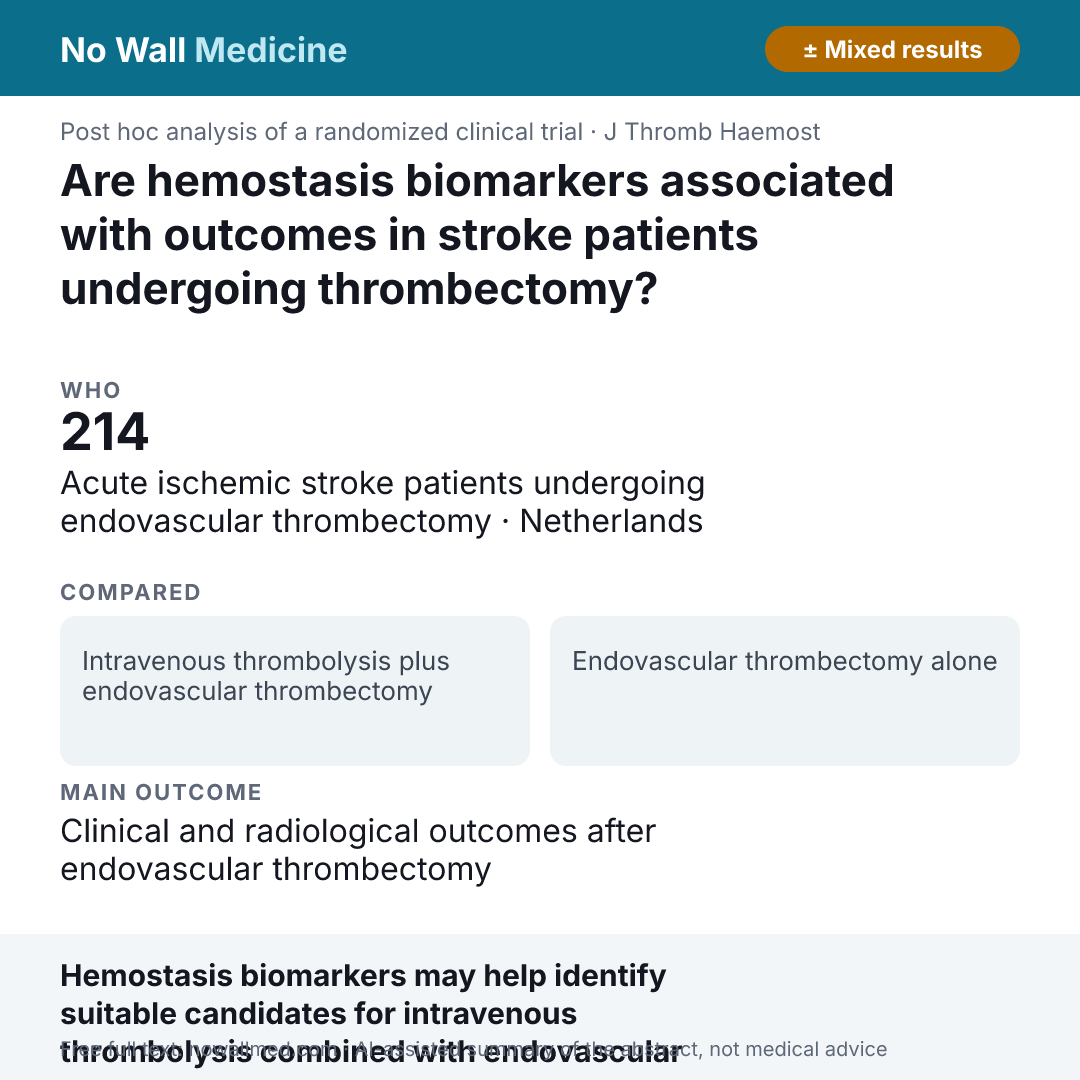
Association of primary and secondary hemostasis biomarkers with acute ischemic stroke outcome in patients undergoing thrombectomy, with or without thrombolytics: post hoc analysis of the Multicenter Randomized Clinical Trial of Endovascular Treatment for Acute Ischemic Stroke in the Netherlands-NO IV
Post hoc analysis of a randomized clinical trialMixed results
Are hemostasis biomarkers associated with outcomes in stroke patients undergoing thrombectomy?
Who
214
Acute ischemic stroke patients undergoing endovascular thrombectomy · Netherlands
Compared
Intravenous thrombolysis plus endovascular thrombectomy
Endovascular thrombectomy alone
Main outcome
Clinical and radiological outcomes after endovascular thrombectomy
Bottom line: Hemostasis biomarkers may help identify suitable candidates for intravenous thrombolysis combined with endovascular thrombectomy.
J Thromb Haemost · 2024-10-21 · Save PNG
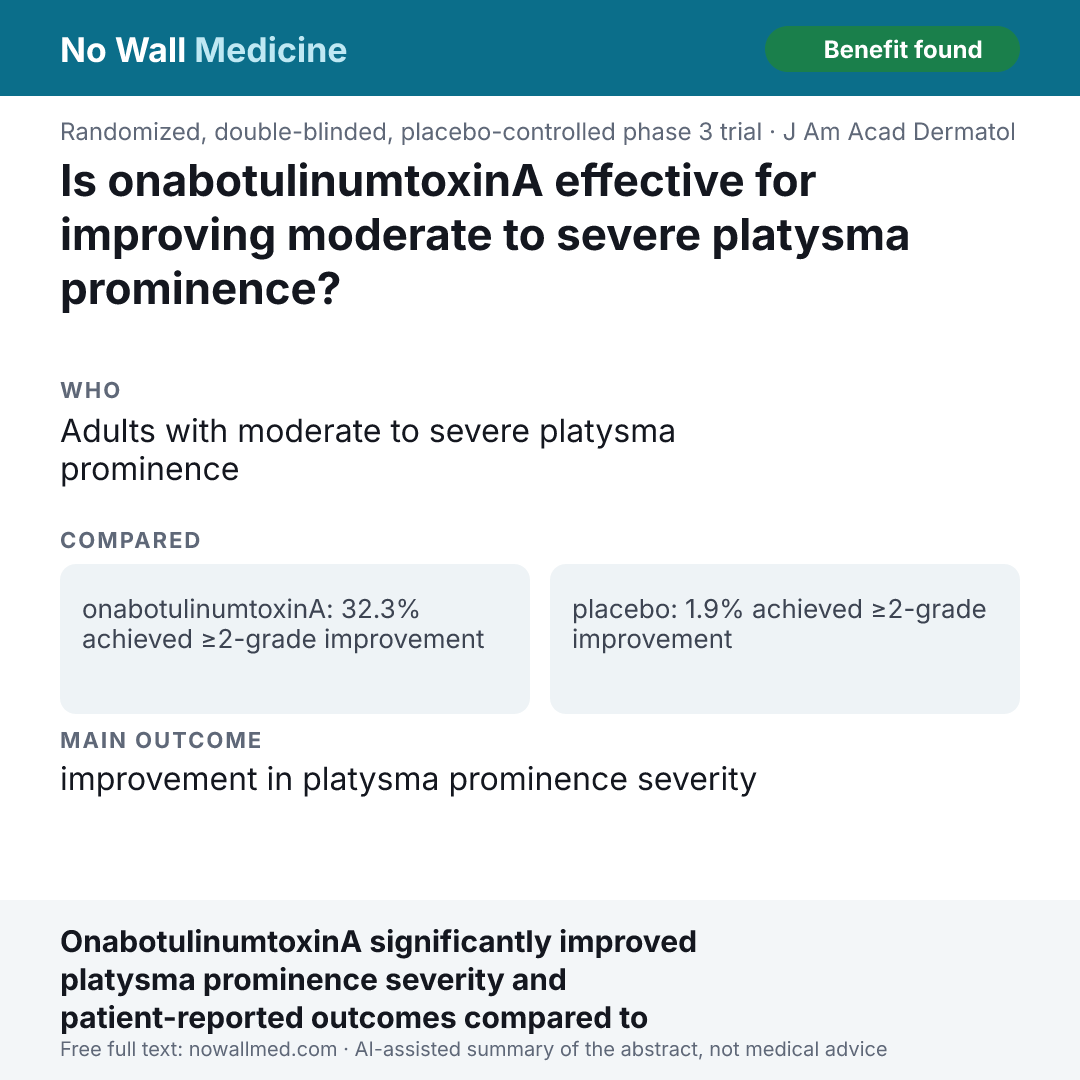
Improvement of platysma prominence with onabotulinumtoxinA: Safety and efficacy results from a randomized, double-blinded, placebo-controlled phase 3 trial
Randomized, double-blinded, placebo-controlled phase 3 trialBenefit found
Is onabotulinumtoxinA effective for improving moderate to severe platysma prominence?
Who
Adults with moderate to severe platysma prominence
Compared
onabotulinumtoxinA: 32.3% achieved ≥2-grade improvement
placebo: 1.9% achieved ≥2-grade improvement
Main outcome
improvement in platysma prominence severity
Bottom line: OnabotulinumtoxinA significantly improved platysma prominence severity and patient-reported outcomes compared to placebo.
Limitation: A single onabotulinumtoxinA treatment was evaluated.
J Am Acad Dermatol · 2024-10-21 · Save PNG
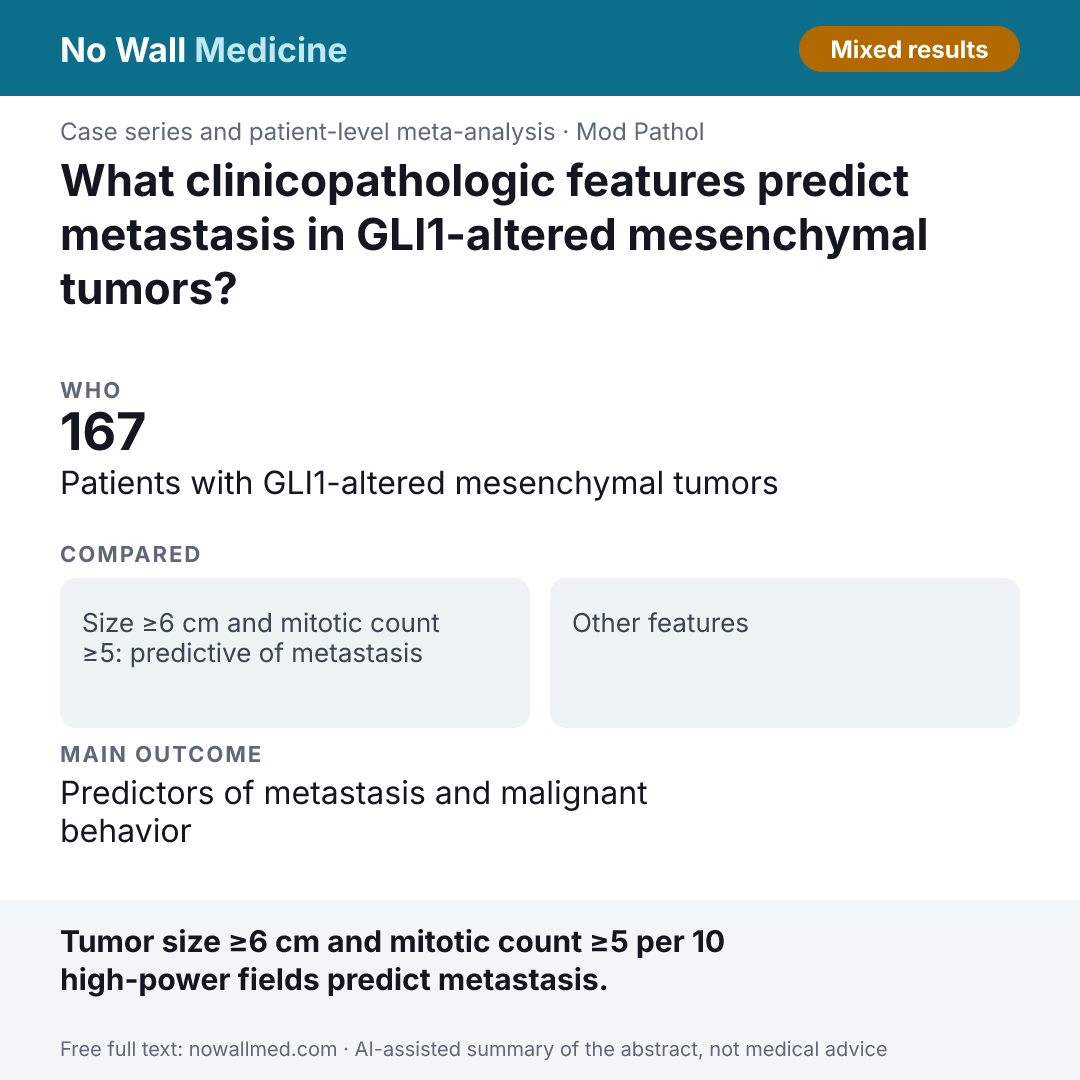
GLI1-Altered Mesenchymal Tumor-Multiomic Characterization of a Case Series and Patient-Level Meta-analysis of One Hundred Sixty-Seven Cases for Risk Stratification
Case series and patient-level meta-analysisMixed results
What clinicopathologic features predict metastasis in GLI1-altered mesenchymal tumors?
Who
167
Patients with GLI1-altered mesenchymal tumors
Compared
Size ≥6 cm and mitotic count ≥5: predictive of metastasis
Other features
Main outcome
Predictors of metastasis and malignant behavior
Bottom line: Tumor size ≥6 cm and mitotic count ≥5 per 10 high-power fields predict metastasis.
Mod Pathol · 2024-10-21 · Save PNG
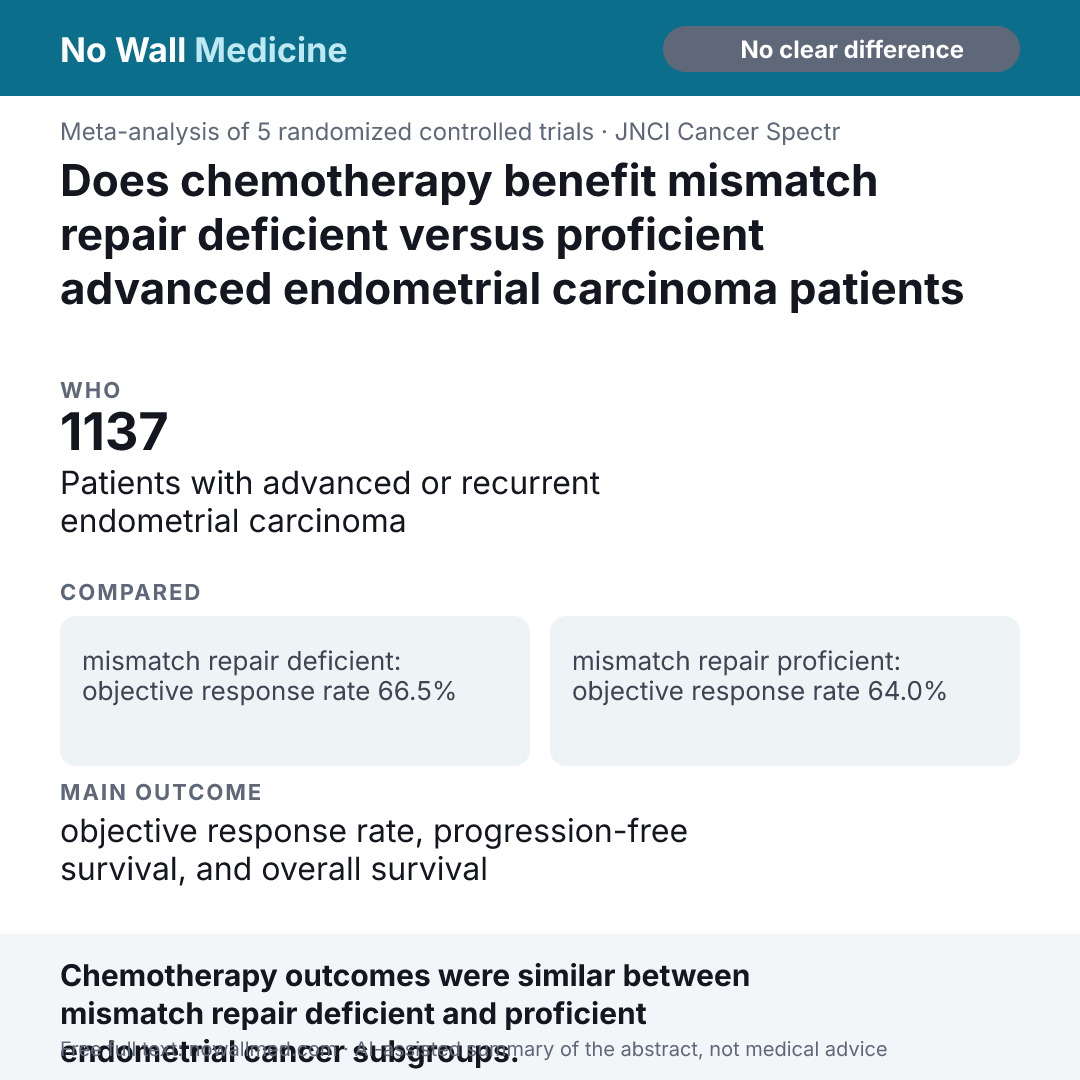
Impact of chemotherapy on patients with mismatch repair deficient advanced endometrial carcinomas-a meta-analysis
Meta-analysis of 5 randomized controlled trialsNo clear difference
Does chemotherapy benefit mismatch repair deficient versus proficient advanced endometrial carcinoma patients differently?
Who
1137
Patients with advanced or recurrent endometrial carcinoma
Compared
mismatch repair deficient: objective response rate 66.5%
mismatch repair proficient: objective response rate 64.0%
Main outcome
objective response rate, progression-free survival, and overall survival
Result: hazard ratio 0.93 (95% CI 0.77 to 1.12)
Bottom line: Chemotherapy outcomes were similar between mismatch repair deficient and proficient endometrial cancer subgroups.
JNCI Cancer Spectr · 2024-10-21 · Save PNG