Visual abstracts
New randomized trials and meta-analyses from leading journals at a glance: who was studied, what was compared, and what was found. Every paper is free to read in full.
All specialtiesCardiology 1465Oncology 1304Gastroenterology & Hepatology 535Infectious Disease 936Neurology 607Psychiatry & Mental Health 728Pulmonology 630Critical Care 437Endocrinology & Diabetes 804Pediatrics 869Surgery 710Orthopedics & Sports Medicine 281Neurosurgery 194Cardiothoracic & Vascular Surgery 164Plastic & Reconstructive Surgery 230Nephrology 309Rheumatology 193Hematology 311Dermatology 154Ophthalmology 164Obstetrics & Gynecology 474Public & Global Health 284Radiology & Imaging 192Anesthesiology 287Urology 275ENT (Otolaryngology) 205Emergency Medicine 163Allergy & Immunology 94Geriatrics 308Family Medicine & Primary Care 180Medical Genetics & Genomics 158Pathology & Laboratory Medicine 45Physical Medicine & Rehabilitation 256Palliative Care 135Nutrition 392Digital Health & AI 772General Medicine 126
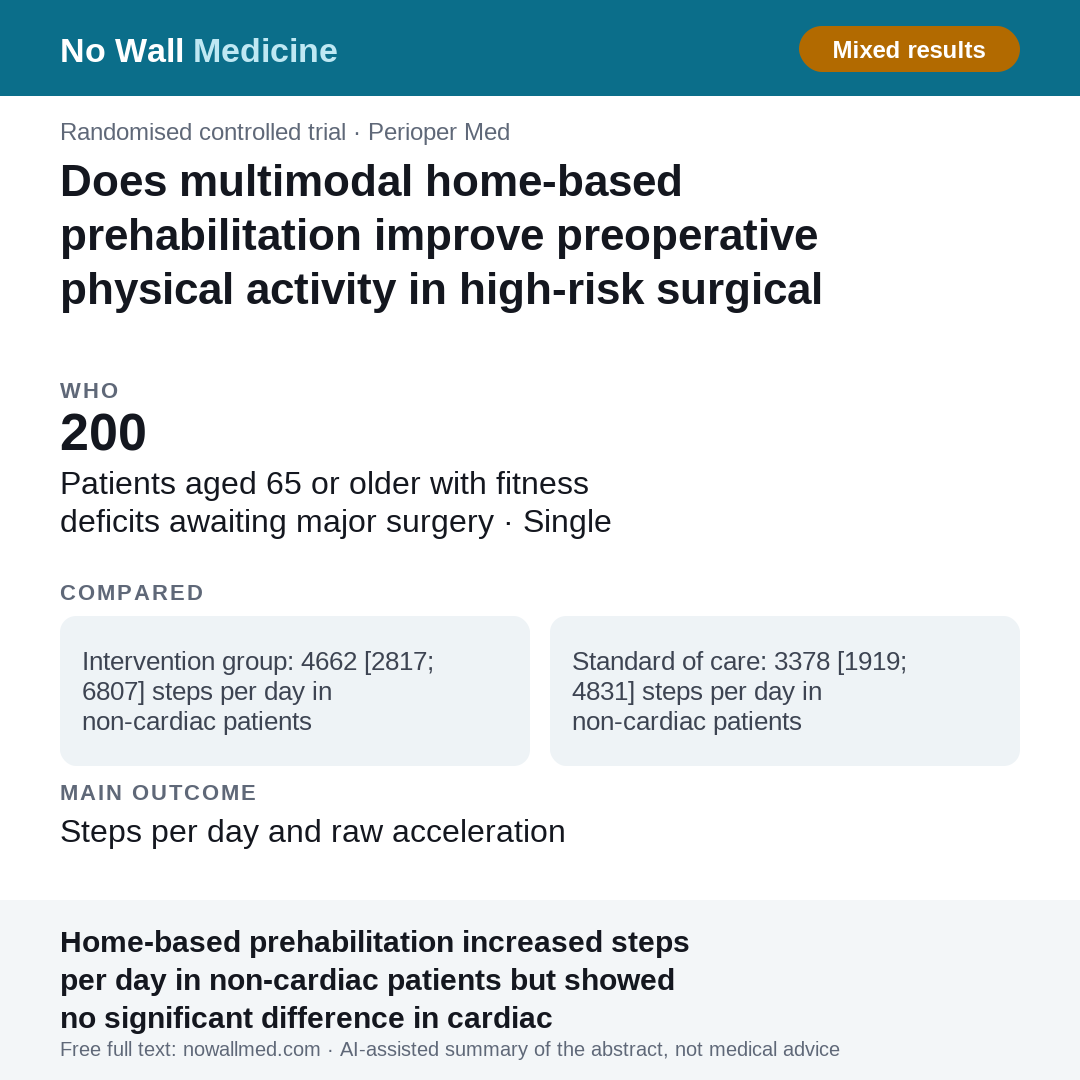
Effect of multimodal home-based prehabilitation on objectively measured physical activity in patients undergoing elective cardiac or non-cardiac major surgery: secondary outcomes from a randomised controlled trial
Randomised controlled trialMixed results
Does multimodal home-based prehabilitation improve preoperative physical activity in high-risk surgical patients?
Who
200
Patients aged 65 or older with fitness deficits awaiting major surgery · Single university hospital in Switzerland
Compared
Intervention group: 4662 [2817; 6807] steps per day in non-cardiac patients
Standard of care: 3378 [1919; 4831] steps per day in non-cardiac patients
Main outcome
Steps per day and raw acceleration
Bottom line: Home-based prehabilitation increased steps per day in non-cardiac patients but showed no significant difference in cardiac patients.
Perioper Med · 2025-07-04Download image
Impact of physician assistants on quality of care: rapid review
Rapid systematic reviewMixed results
How do physician assistants compare with physicians regarding quality of care?
Who
40
Patients in economically developed countries · Economically developed countries
Compared
Physician assistants
Physicians
Main outcome
Safety, effectiveness, patient centredness, timeliness, efficiency, and equity
Bottom line: Physician assistants practice safely and effectively under direct supervision, but evidence for indirect supervision in undifferentiated settings is limited.
Limitation: Most studies were retrospective observational studies of weak quality and no post-covid-19 data were found.
BMJ · 2025-07-03Download image

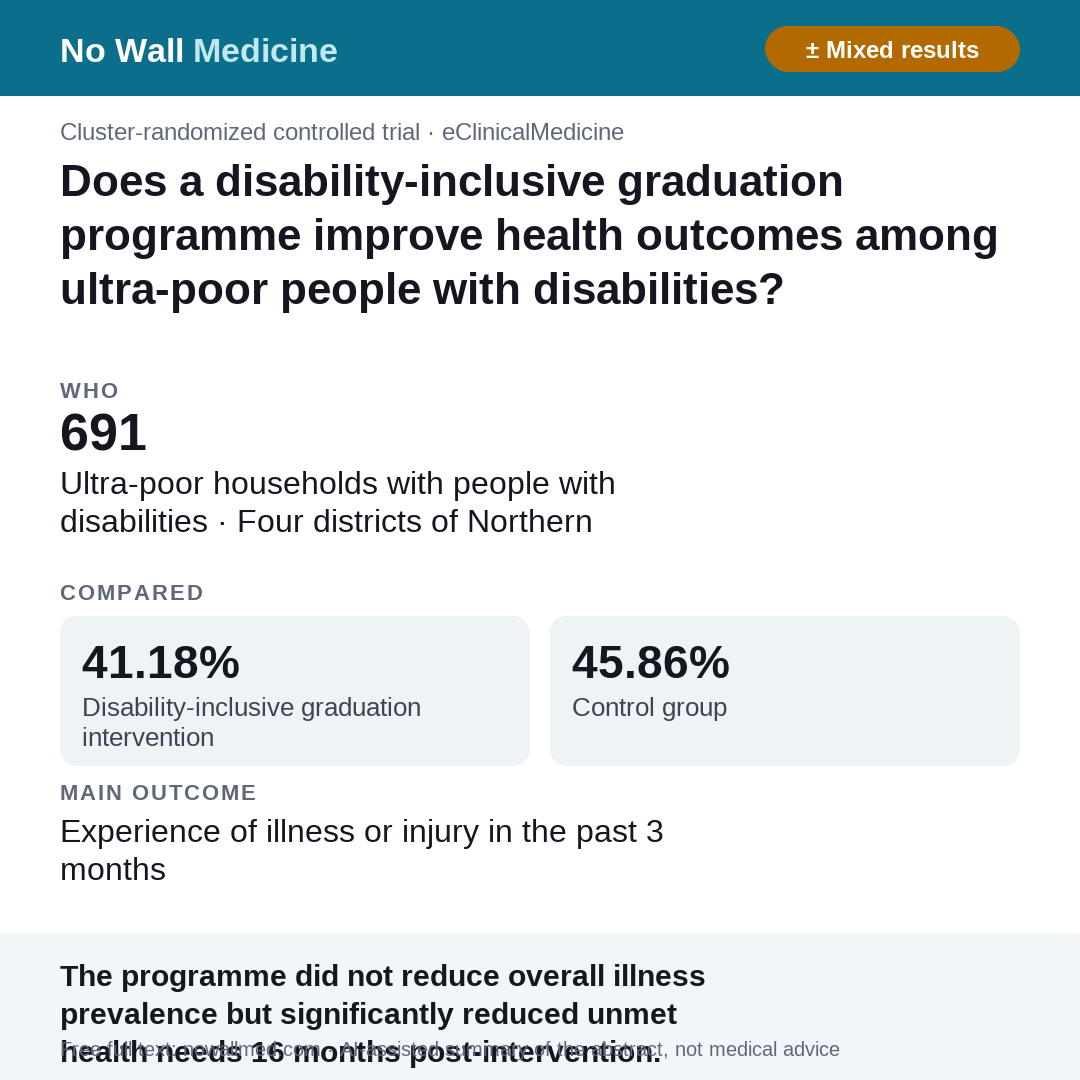
Evaluation of health impacts of a disability-inclusive graduation programme among ultra-poor people with disabilities in Uganda: secondary analysis of a cluster randomized trial
Cluster-randomized controlled trialMixed results
Does a disability-inclusive graduation programme improve health outcomes among ultra-poor people with disabilities?
Who
691
Ultra-poor households with people with disabilities · Four districts of Northern Uganda
Compared
41.18%Disability-inclusive graduation intervention (first follow-up)
45.86%Control group (first follow-up)
Main outcome
Experience of illness or injury in the past 3 months
Result: FAOR 0.84 (95% CI 0.58-1.22)
Bottom line: The programme did not reduce overall illness prevalence but significantly reduced unmet health needs 16 months post-intervention.
Limitation: Subgroup findings regarding sex-differentiated effects require replication in future studies.
Funded by: UK Foreign, Commonwealth and Development Office
eClinicalMedicine · 2025-07-03Download image
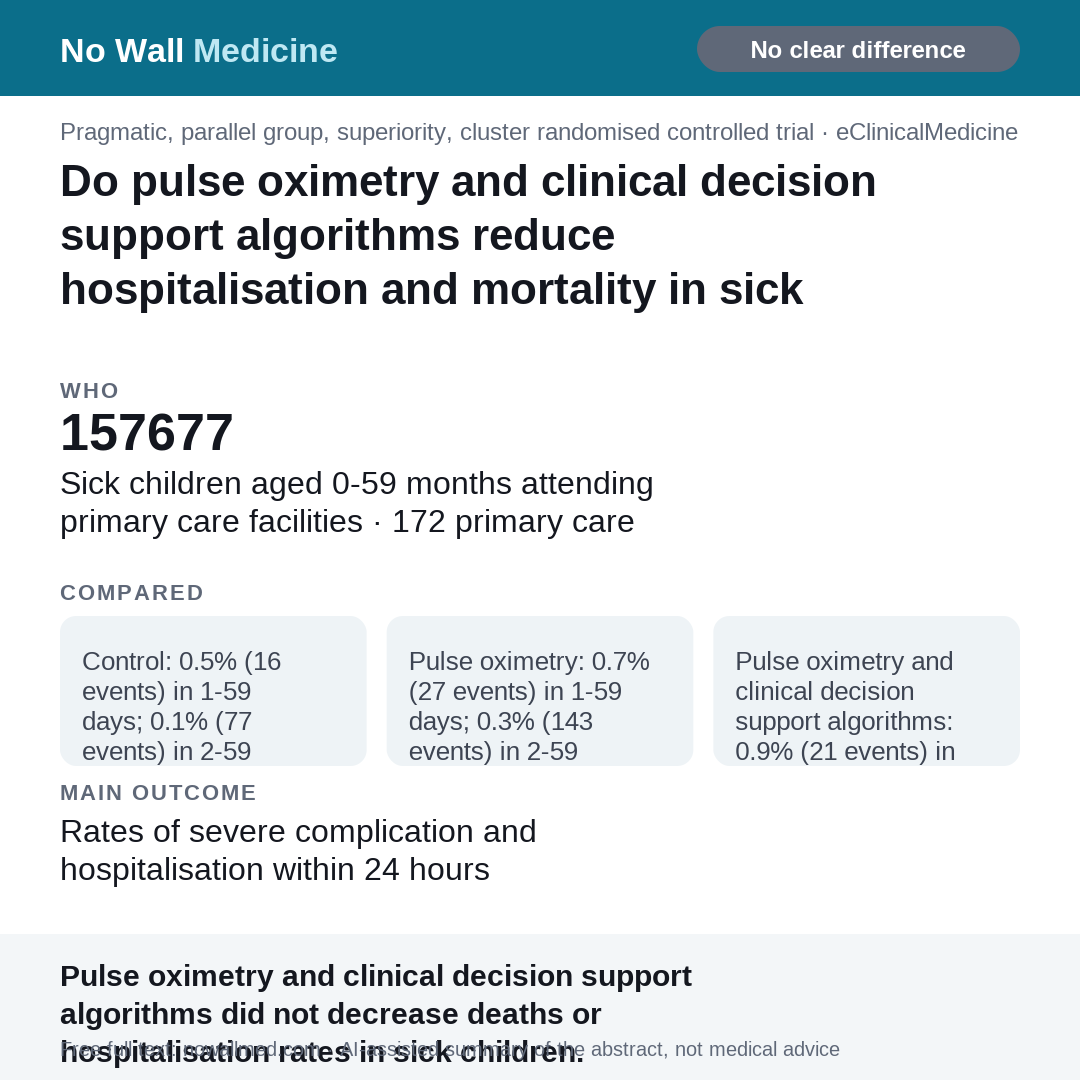
Effectiveness of introducing pulse oximetry and clinical decision support algorithms for the management of sick children in primary care in India and Tanzania on hospitalisation and mortality: the TIMCI pragmatic cluster randomised controlled trial
Pragmatic, parallel group, superiority, cluster randomised controlled trialNo clear difference
Do pulse oximetry and clinical decision support algorithms reduce hospitalisation and mortality in sick children?
Who
157677
Sick children aged 0-59 months attending primary care facilities · 172 primary care facilities in India and Tanzania
Compared
Control: 0.5% (16 events) in 1-59 days; 0.1% (77 events) in 2-59 months
Pulse oximetry: 0.7% (27 events) in 1-59 days; 0.3% (143 events) in 2-59 months
Pulse oximetry and clinical decision support algorithms: 0.9% (21 events) in 1-59 days; 0.3% (128 events) in 2-59 months
Main outcome
Rates of severe complication and hospitalisation within 24 hours
Bottom line: Pulse oximetry and clinical decision support algorithms did not decrease deaths or hospitalisation rates in sick children.
Funded by: Unitaid
eClinicalMedicine · 2025-07-03Download image
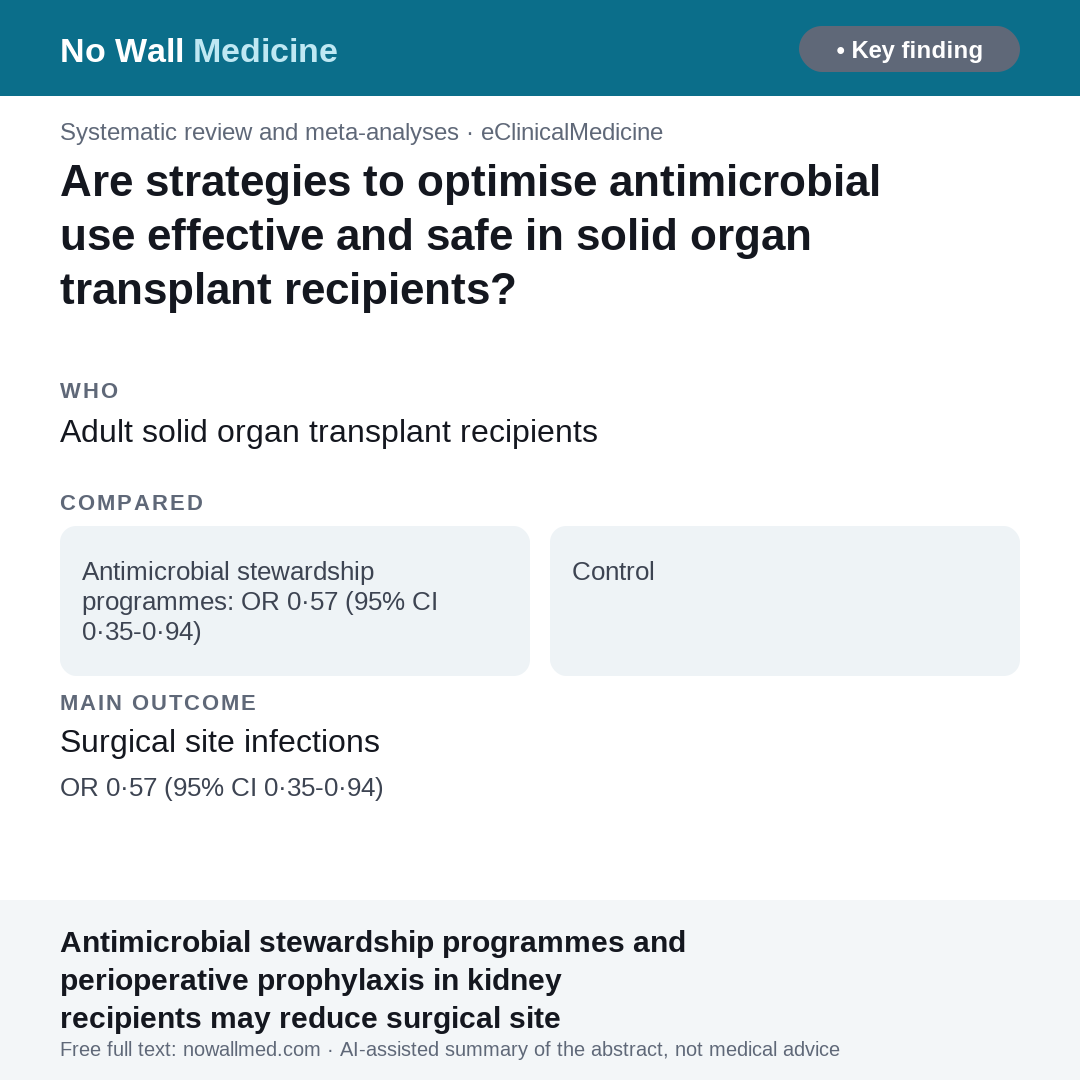
Effectiveness and safety of strategies to optimise antimicrobial use in solid organ transplant recipients. Systematic review and meta-analyses
Systematic review and meta-analysesBenefit found
Are strategies to optimise antimicrobial use effective and safe in solid organ transplant recipients?
Who
Adult solid organ transplant recipients
Compared
Antimicrobial stewardship programmes: OR 0·57 (95% CI 0·35-0·94)
Control
Main outcome
Surgical site infections
Result: OR 0·57 (95% CI 0·35-0·94)
Bottom line: Antimicrobial stewardship programmes and perioperative prophylaxis in kidney recipients may reduce surgical site infections without increasing complications.
Limitation: All included studies had a moderate or high risk of bias.
Funded by: Instituto de Salud Carlos III and CIBERINFEC
eClinicalMedicine · 2025-07-03Download image
3-Year Clinical Outcomes Comparing the Amulet vs Watchman FLX for Left Atrial Appendage Closure in Patients With Atrial Fibrillation: Results From the SWISS-APERO Randomized Clinical Trial
Randomized clinical trialNo clear difference
What are the 3-year clinical outcomes comparing Amulet versus Watchman FLX?
Who
221
Patients with atrial fibrillation and high bleeding risk · 8 centers
Compared
18.2%Amulet
31.0%Watchman FLX
Main outcome
Composite of cardiovascular death, stroke, transient ischemic attack, or systemic embolism
Result: hazard ratio 0.58 (95% CI 0.33-1.03)
Bottom line: At 3 years, there was no significant difference in ischemic risk between Amulet and Watchman FLX.
JACC · 2025-07-03Download image

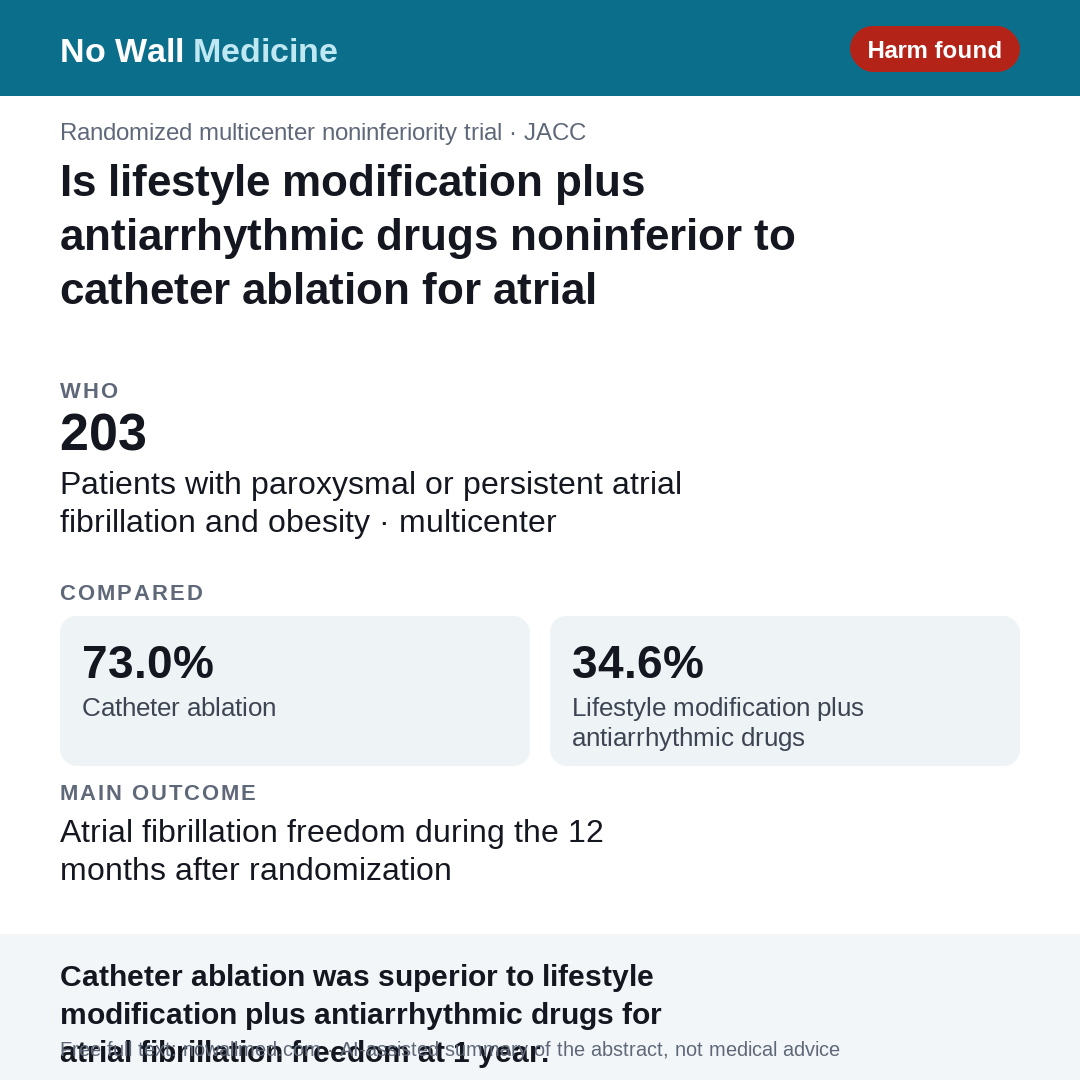
Catheter Ablation vs Lifestyle Modification With Antiarrhythmic Drugs to Treat Atrial Fibrillation: PRAGUE-25 Trial
Randomized multicenter noninferiority trialHarm found
Is lifestyle modification plus antiarrhythmic drugs noninferior to catheter ablation for atrial fibrillation?
Who
203
Patients with paroxysmal or persistent atrial fibrillation and obesity · multicenter
Compared
73.0%Catheter ablation (95% CI: 64.3%-81.7%)
34.6%Lifestyle modification plus antiarrhythmic drugs (95% CI: 25.3%-43.9%)
Main outcome
Atrial fibrillation freedom during the 12 months after randomization
Result: Psuperiority <0.001
Bottom line: Catheter ablation was superior to lifestyle modification plus antiarrhythmic drugs for atrial fibrillation freedom at 1 year.
JACC · 2025-07-03Download image
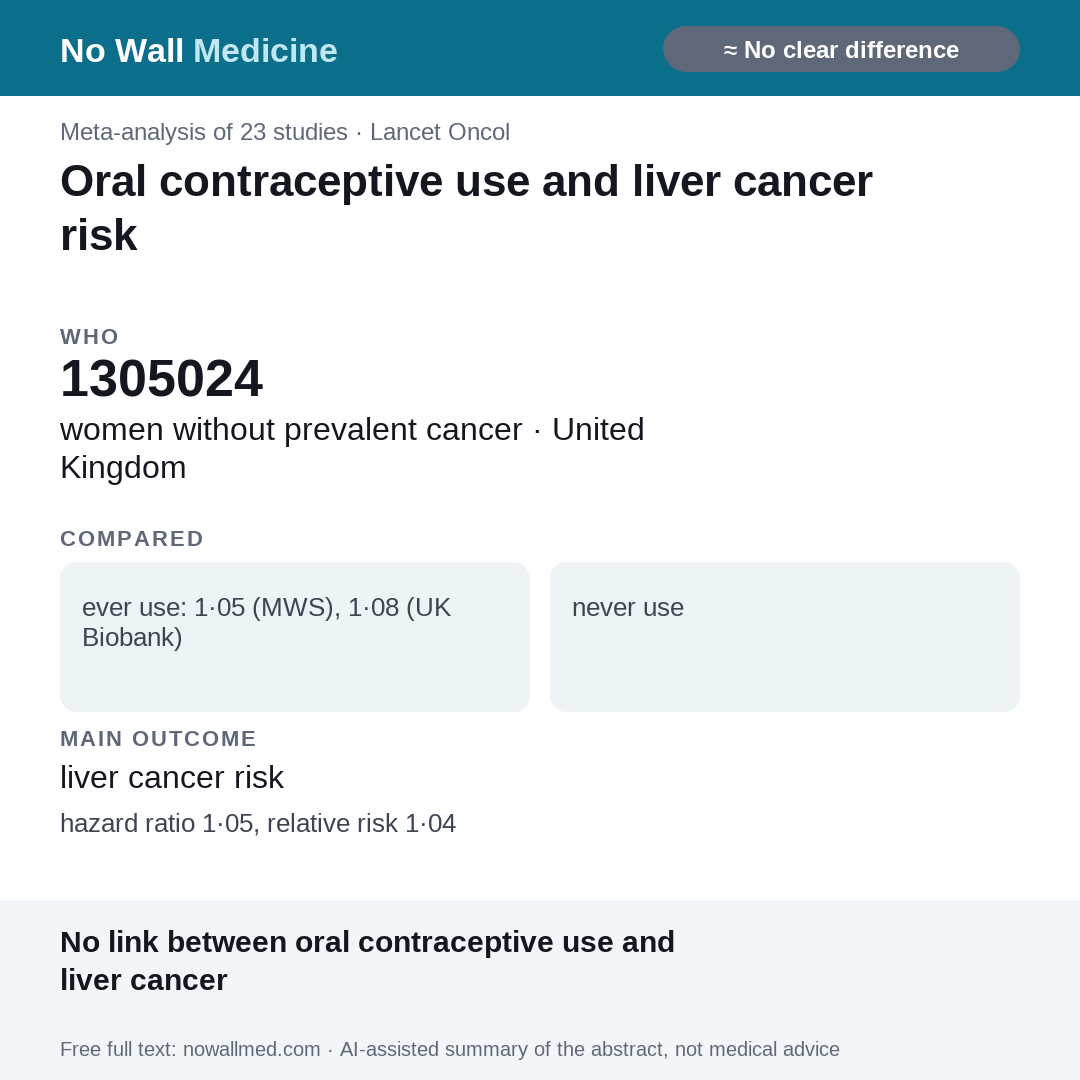
Oral contraceptive use and risk of liver cancer: a population-based study, systematic review, and meta-analysis
Meta-analysis of 23 studiesNo clear difference
Oral contraceptive use and liver cancer risk
Who
1305024
women without prevalent cancer · United Kingdom
Compared
ever use: 1·05 (MWS), 1·08 (UK Biobank)
never use
Main outcome
liver cancer risk
Result: hazard ratio 1·05, relative risk 1·04
Bottom line: No link between oral contraceptive use and liver cancer
Limitation: residual confounding cannot be ruled out
Funded by: Canadian Institutes of Health Research
Lancet Oncol · 2025-07-03Download image
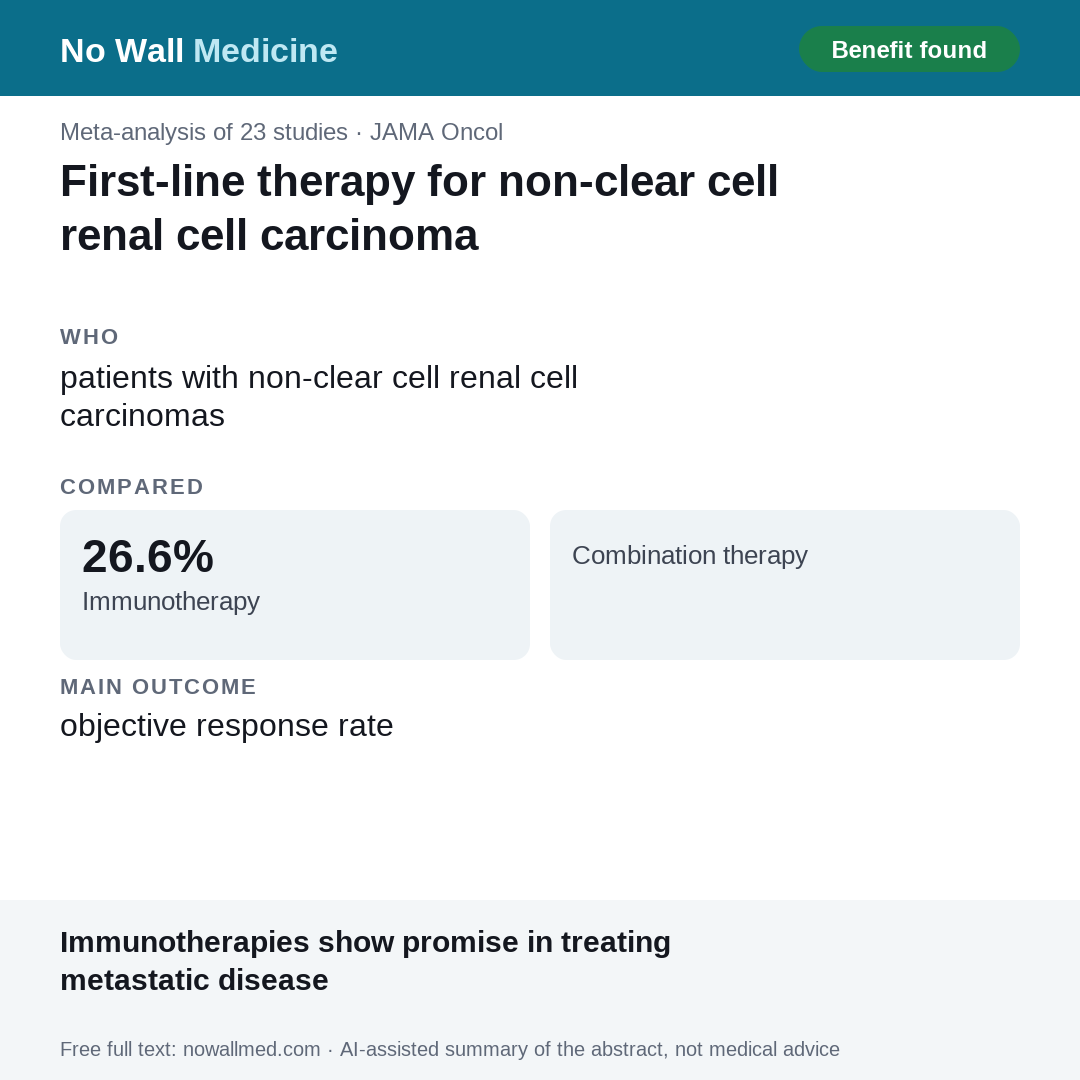
First-Line Therapy For Advanced Non-Clear Cell Renal Cell Carcinoma: A Systematic Review and Meta-Analysis
Meta-analysis of 23 studiesBenefit found
First-line therapy for non-clear cell renal cell carcinoma
Who
patients with non-clear cell renal cell carcinomas
Compared
26.6%Immunotherapy
Combination therapy
Main outcome
objective response rate
Bottom line: Immunotherapies show promise in treating metastatic disease
JAMA Oncol · 2025-07-03Download image
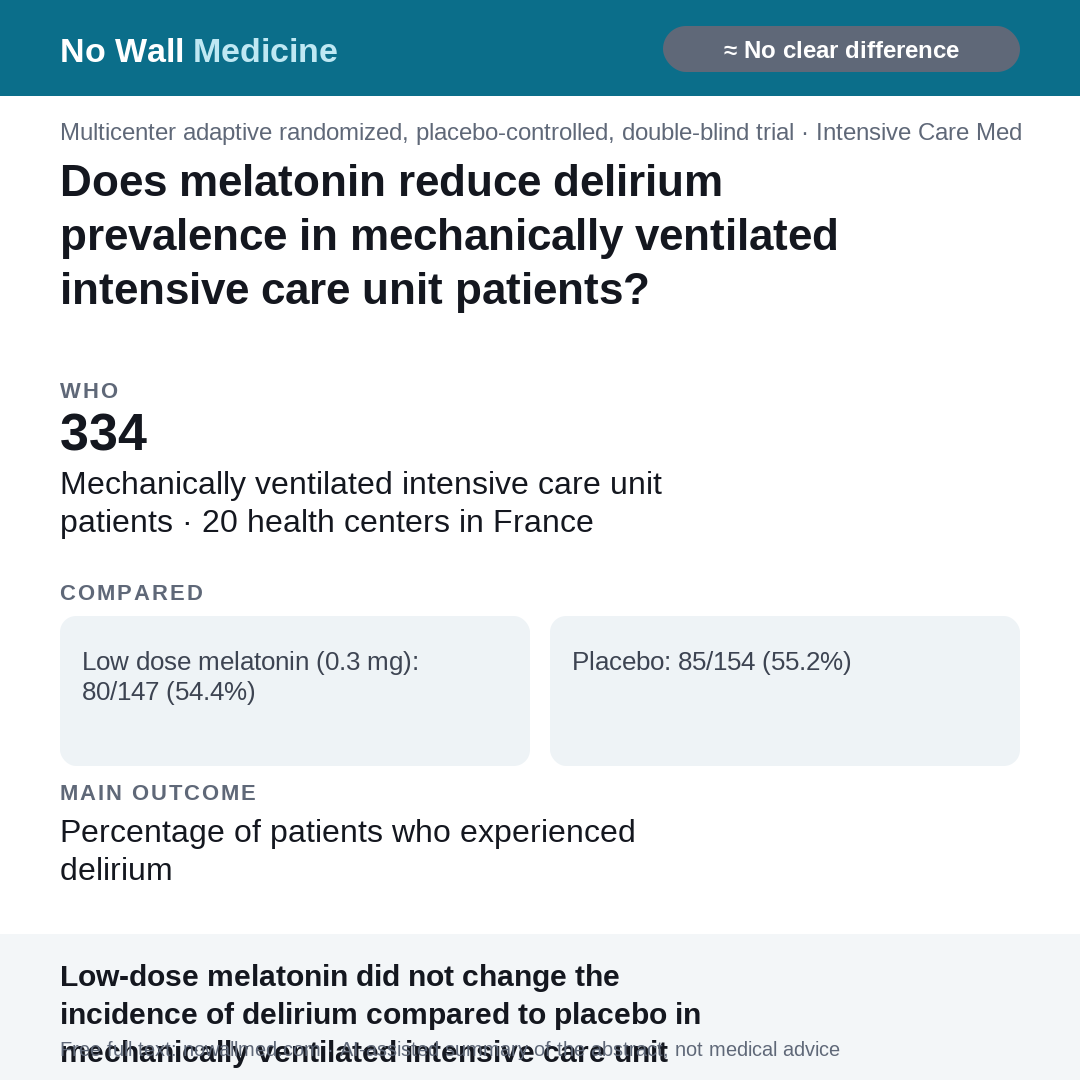
Melatonin for prevention of delirium in patients receiving mechanical ventilation in the intensive care unit: a multiarm multistage adaptive randomized controlled clinical trial (DEMEL)
Multicenter adaptive randomized, placebo-controlled, double-blind trialNo clear difference
Does melatonin reduce delirium prevalence in mechanically ventilated intensive care unit patients?
Who
334
Mechanically ventilated intensive care unit patients · 20 health centers in France
Compared
Low dose melatonin (0.3 mg): 80/147 (54.4%)
Placebo: 85/154 (55.2%)
Main outcome
Percentage of patients who experienced delirium
Result: risk ratio 0.986 [95% CI 0.803 to 1.211]
Bottom line: Low-dose melatonin did not change the incidence of delirium compared to placebo in mechanically ventilated intensive care unit patients.
Intensive Care Med · 2025-07-03Download image
Nicotine e-cigarettes for smoking cessation following discharge from smoke-free inpatient alcohol and other drug withdrawal services: a pragmatic two-arm, single-blinded, parallel-group, randomised controlled trial
Pragmatic, two-arm, single-blinded, parallel-group, randomised controlled trialNo clear difference
Are e-cigarettes effective for smoking abstinence in people with substance use disorders?
Who
363
Adult tobacco smokers with substance use disorders from inpatient withdrawal services · Five smoke-free inpatient withdrawal services in Australia
Compared
11%e-cigarettes (19/179)
10%combination nicotine replacement therapy (18/184)
Main outcome
7 months continuous tobacco smoking abstinence
Result: risk ratio 1·09 (95% credible interval 0·52-1·89)
Bottom line: E-cigarettes and combination nicotine replacement therapy showed no difference in smoking abstinence rates among people with substance use disorders.
Funded by: National Health and Medical Research Council of Australia
Lancet Public Health · 2025-07-03Download image

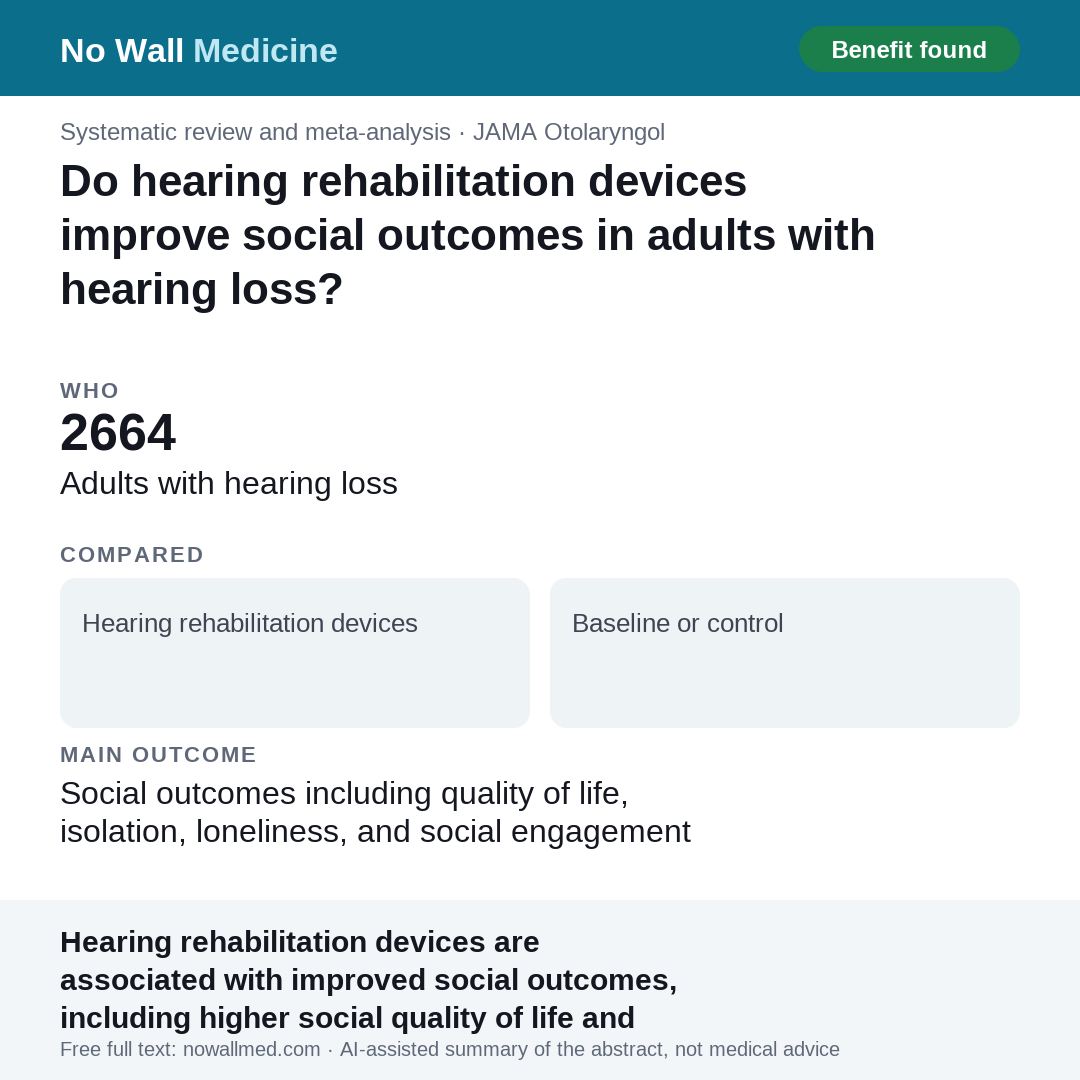
Social Outcomes Among Adults With Hearing Aids and Cochlear Implants: A Systematic Review and Meta-Analysis
Systematic review and meta-analysisBenefit found
Do hearing rehabilitation devices improve social outcomes in adults with hearing loss?
Who
2664
Adults with hearing loss
Compared
Hearing rehabilitation devices
Baseline or control
Main outcome
Social outcomes including quality of life, isolation, loneliness, and social engagement
Result: SMD, 1.22; 95% CI, 0.88-1.57
Bottom line: Hearing rehabilitation devices are associated with improved social outcomes, including higher social quality of life and decreased social handicap.
Limitation: Findings on loneliness were inconclusive due to the limited number of studies.
JAMA Otolaryngol · 2025-07-03Download image
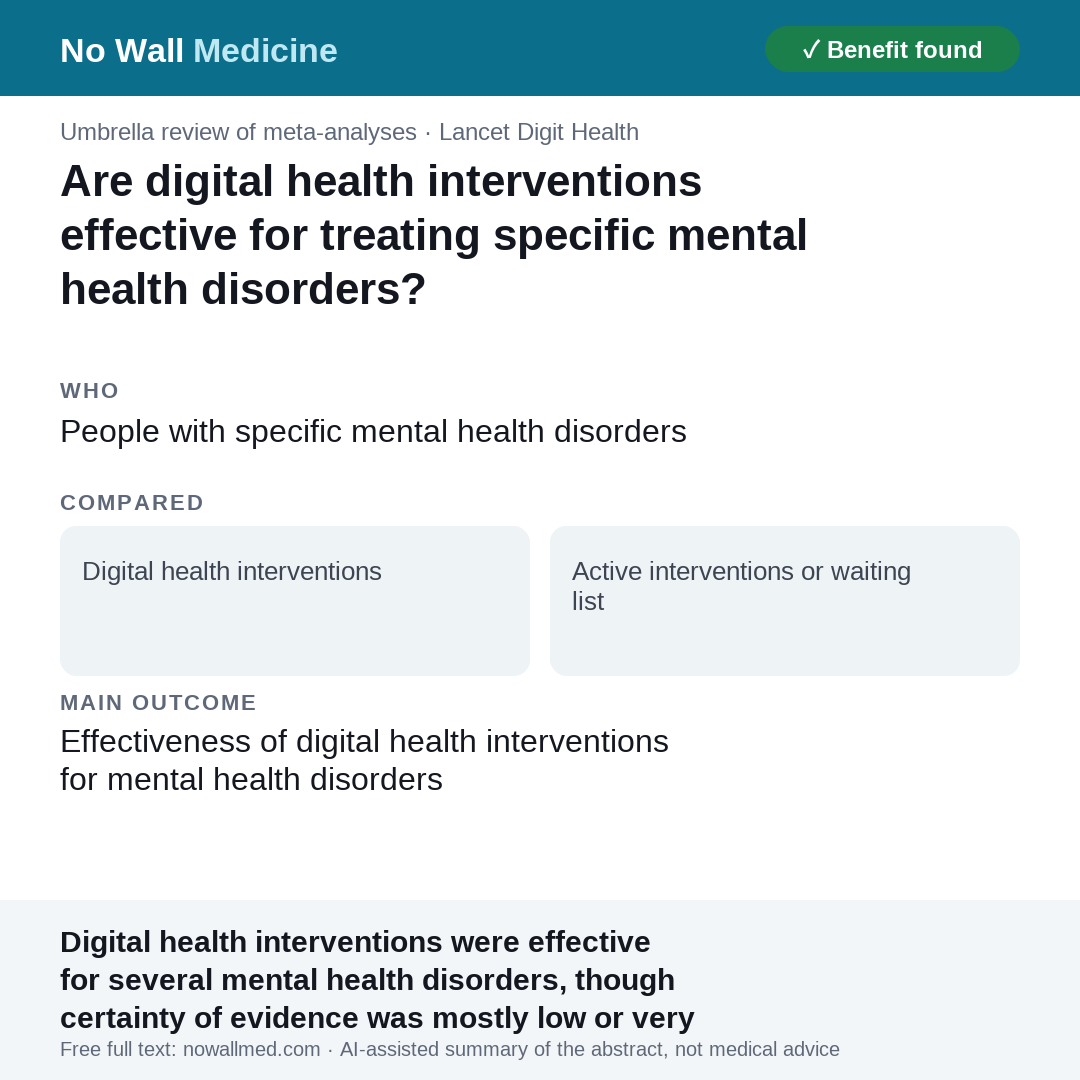
Digital health interventions for mental health disorders: an umbrella review of meta-analyses of randomised controlled trials
Umbrella review of meta-analysesBenefit found
Are digital health interventions effective for treating specific mental health disorders?
Who
People with specific mental health disorders
Compared
Digital health interventions
Active interventions or waiting list
Main outcome
Effectiveness of digital health interventions for mental health disorders
Bottom line: Digital health interventions were effective for several mental health disorders, though certainty of evidence was mostly low or very low.
Limitation: Certainty of evidence was rated as very low or low in most cases.
Lancet Digit Health · 2025-07-03Download image
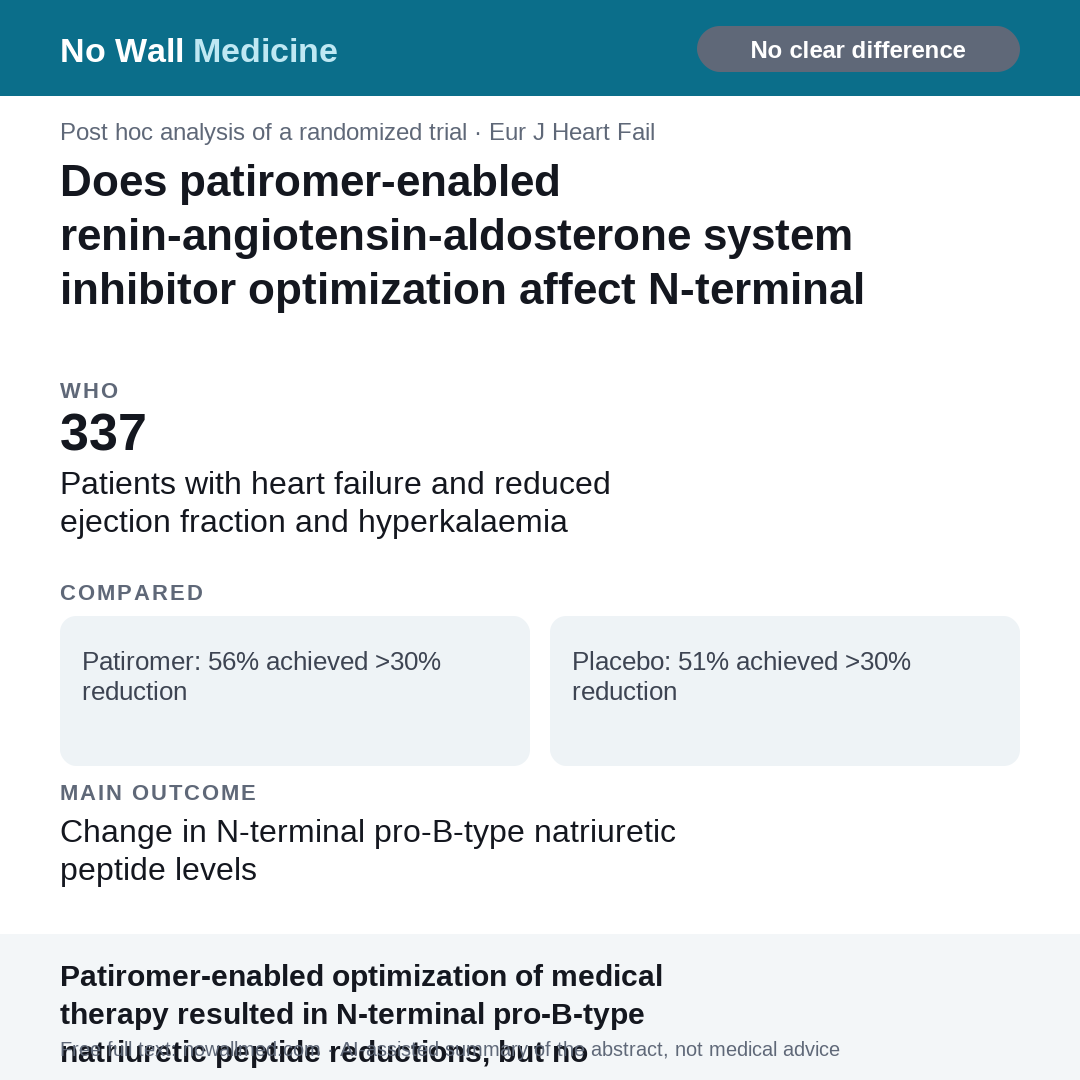
Changes in natriuretic peptide levels following patiromer-enabled optimization of medical therapy in heart failure: A post hoc analysis of the DIAMOND study
Post hoc analysis of a randomized trialNo clear difference
Does patiromer-enabled renin-angiotensin-aldosterone system inhibitor optimization affect N-terminal pro-B-type natriuretic peptide levels?
Who
337
Patients with heart failure and reduced ejection fraction and hyperkalaemia
Compared
Patiromer: 56% achieved >30% reduction
Placebo: 51% achieved >30% reduction
Main outcome
Change in N-terminal pro-B-type natriuretic peptide levels
Result: -53% (95% confidence interval -59% to -46%)
Bottom line: Patiromer-enabled optimization of medical therapy resulted in N-terminal pro-B-type natriuretic peptide reductions, but no significant difference between groups.
Eur J Heart Fail · 2025-07-03Download image
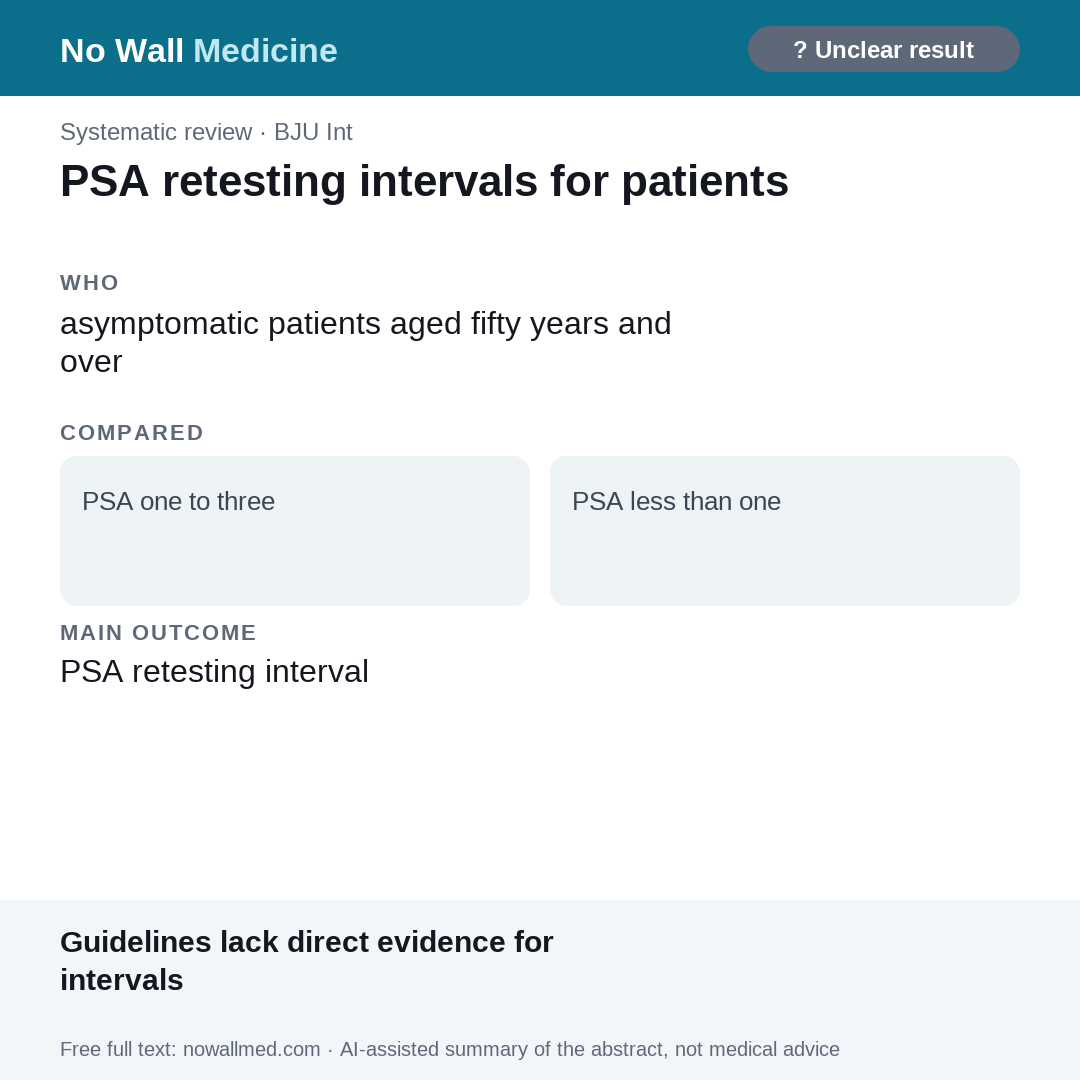
Association Between Intravenous Antihypertensives and Functional Outcome After Successful Endovascular Thrombectomy
Exploratory secondary analysis of a randomized trialHarm found
Does intravenous antihypertensive use affect functional outcomes after successful endovascular thrombectomy?
Who
302
Patients after successful endovascular thrombectomy · 19 stroke centers in South Korea
Compared
Received intravenous antihypertensives: lower rates of functional independence at 3 months
Did not receive intravenous antihypertensives
Main outcome
functional independence at 3 months
Result: adjusted odds ratio 0.51 (95% CI 0.27-0.95)
Bottom line: Intravenous antihypertensive use within 24 hours after successful endovascular thrombectomy was associated with worse functional outcomes.
Stroke · 2025-07-03Download image
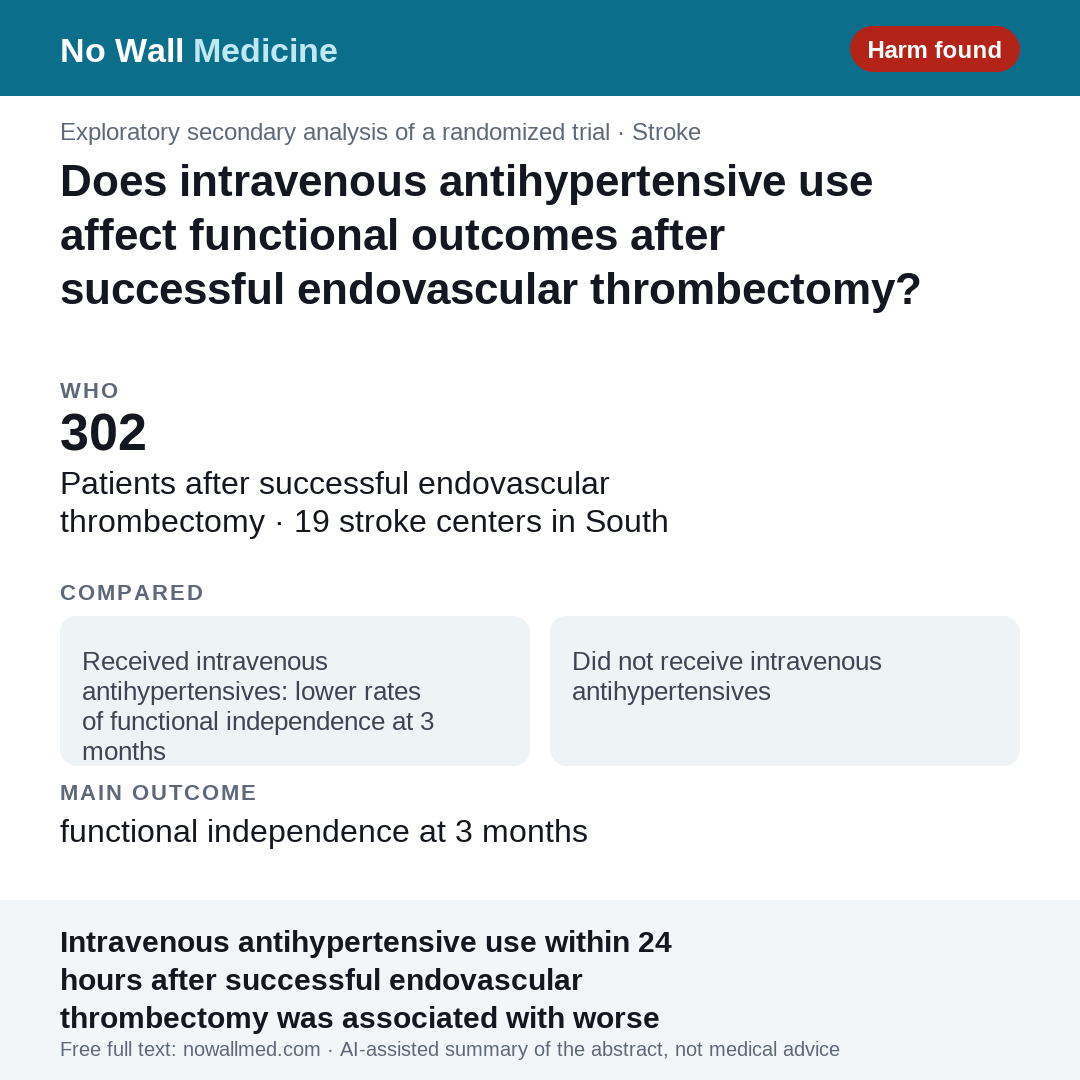
A systematic review on anti-Xa monitoring in the therapeutic use of low-molecular-weight heparins
Systematic review of 48 studiesNo clear difference
Is anti-Xa monitoring and dose adjustment useful for low-molecular-weight heparin therapy?
Who
Patients using low-molecular-weight heparins, including renal impairment, pregnancy, and obesity
Compared
Patients with anti-Xa monitoring
Patients without anti-Xa monitoring
Main outcome
Incidence of clinical events like major bleeding and venous thromboembolism
Bottom line: Measuring anti-Xa levels for dose adjustments in low-molecular-weight heparin therapy is currently not justified.
Limitation: All included studies had a high risk of bias.
J Thromb Haemost · 2025-07-03Download image
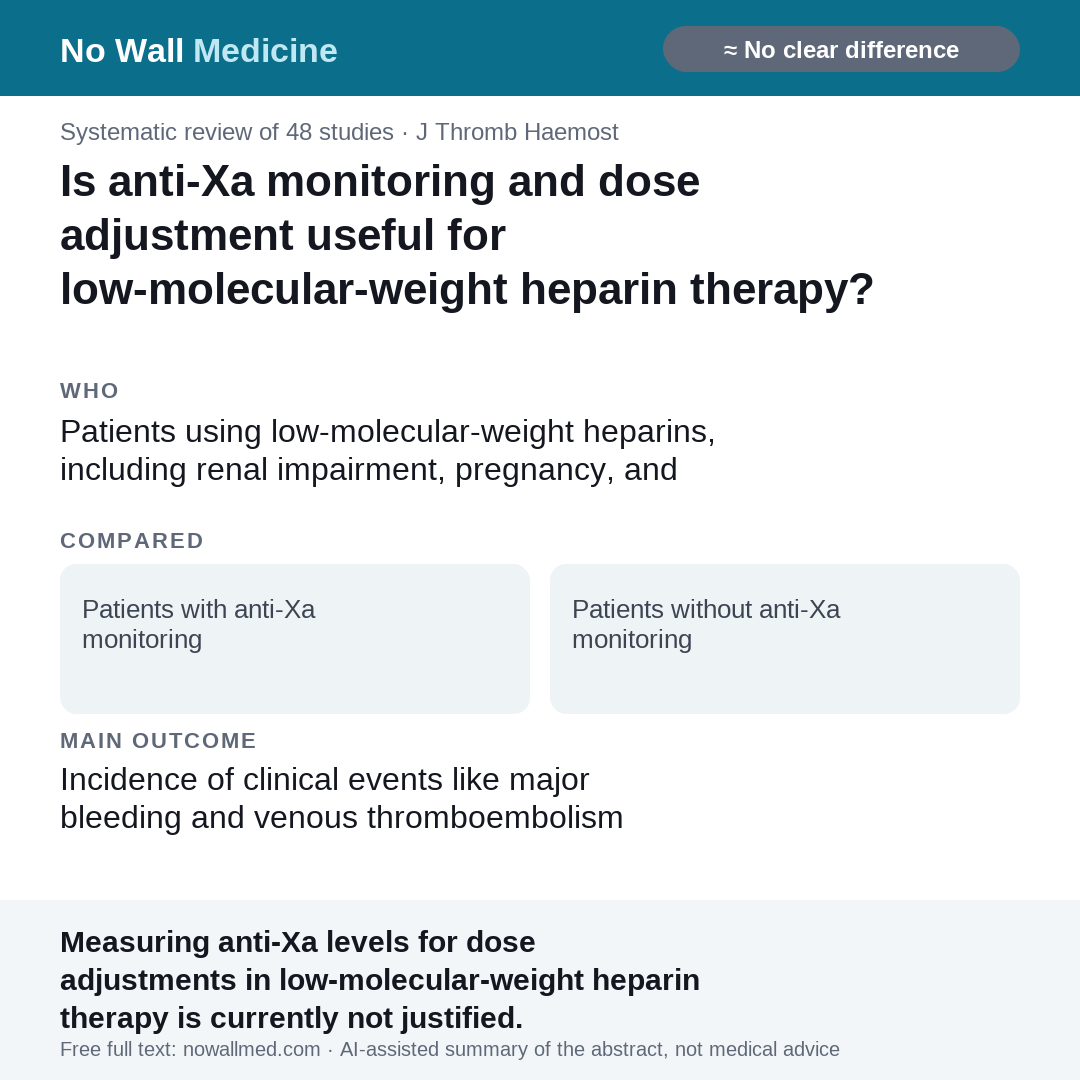
Association between markers of female adiposity and live birth among patients undergoing fertility treatment or attempting unassisted conception
Secondary analysis of a randomized trialBenefit found
Are alternative markers of adiposity better predictors of live birth than BMI?
Who
2370
Heterosexual couples seeking infertility care · Four United States fertility centers
Compared
High BMI: adjusted relative risk 0.85
High percent body fat: adjusted relative risk 0.34
Main outcome
probability of live birth
Result: adjusted relative risk 0.34 (95% CI 0.22 to 0.55) for percent body fat
Bottom line: Percent body fat may be a stronger predictor of live birth than BMI in patients seeking fertility care.
Limitation: Only a subset had percent body fat data, limiting generalizability of that specific finding.
Funded by: National Institutes of Health
Hum Reprod · 2025-07-03Download image
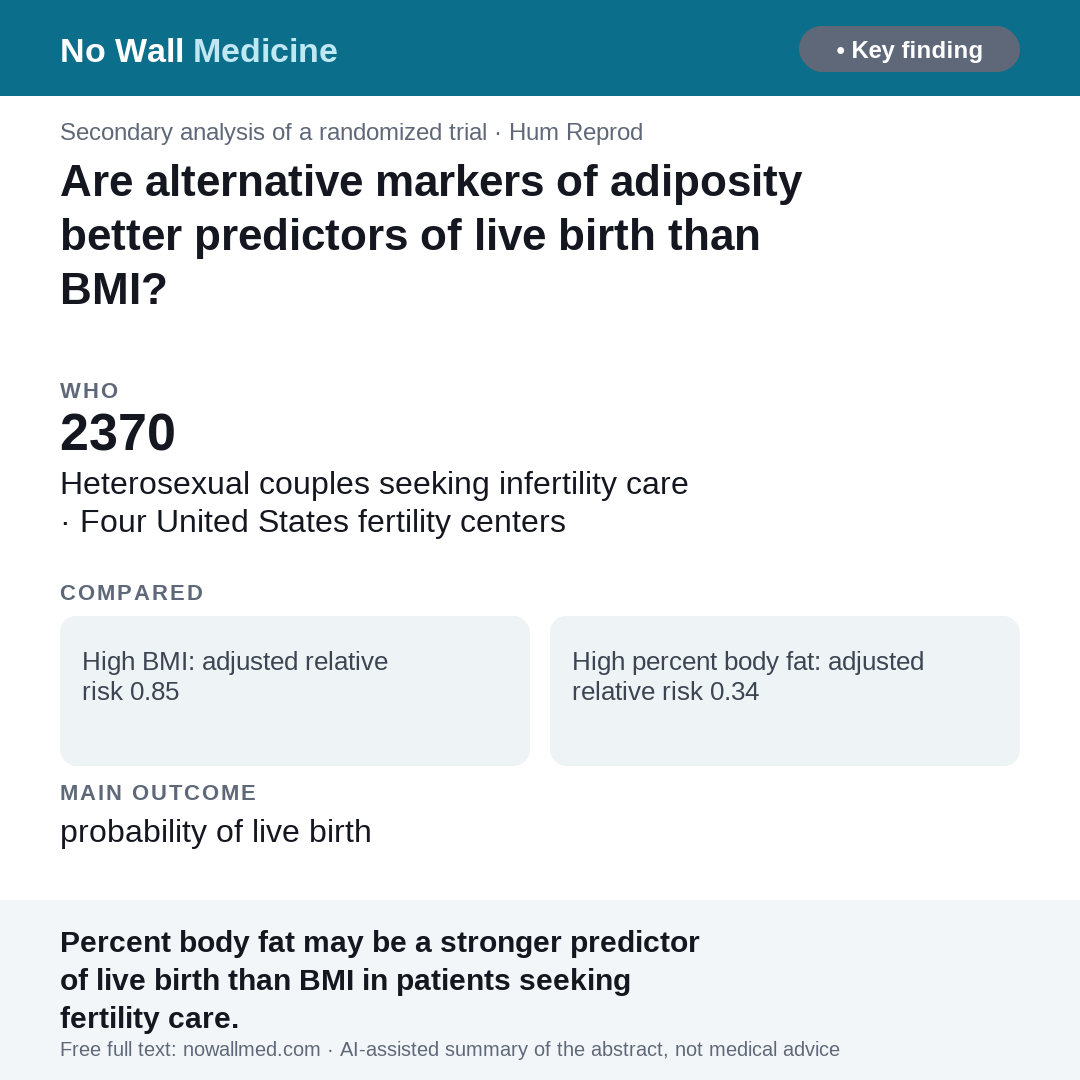
Guideline of guidelines: a critical appraisal of the evidence for PSA retesting intervals
Systematic reviewUnclear result
PSA retesting intervals for patients
Who
asymptomatic patients aged fifty years and over
Compared
PSA one to three
PSA less than one
Main outcome
PSA retesting interval
Bottom line: Guidelines lack direct evidence for intervals
BJU Int · 2025-07-03Download image
Comparative outcomes of allograft with vascularized fibula graft vs vascularized fibula graft alone for post-oncologic lower extremity salvage - Systematic review and meta-analysis
Systematic review and meta-analysisNo clear difference
Are allograft with vascularized fibula graft versus vascularized fibula graft alone better for limb salvage?
Who
560
Pediatric and adult patients undergoing lower extremity salvage
Compared
Capanna technique: 53.3% (pediatric) and 53.4% (adult) overall complications
Vascularized fibula graft alone: 48.9% (pediatric) and 40.9% (adult) overall complications
Main outcome
Overall complication rates and functional outcomes
Bottom line: Capanna technique and vascularized fibula graft alone offer comparable overall complication rates and functional outcomes.
J Plast Reconstr Aesthet Surg · 2025-07-03Download image

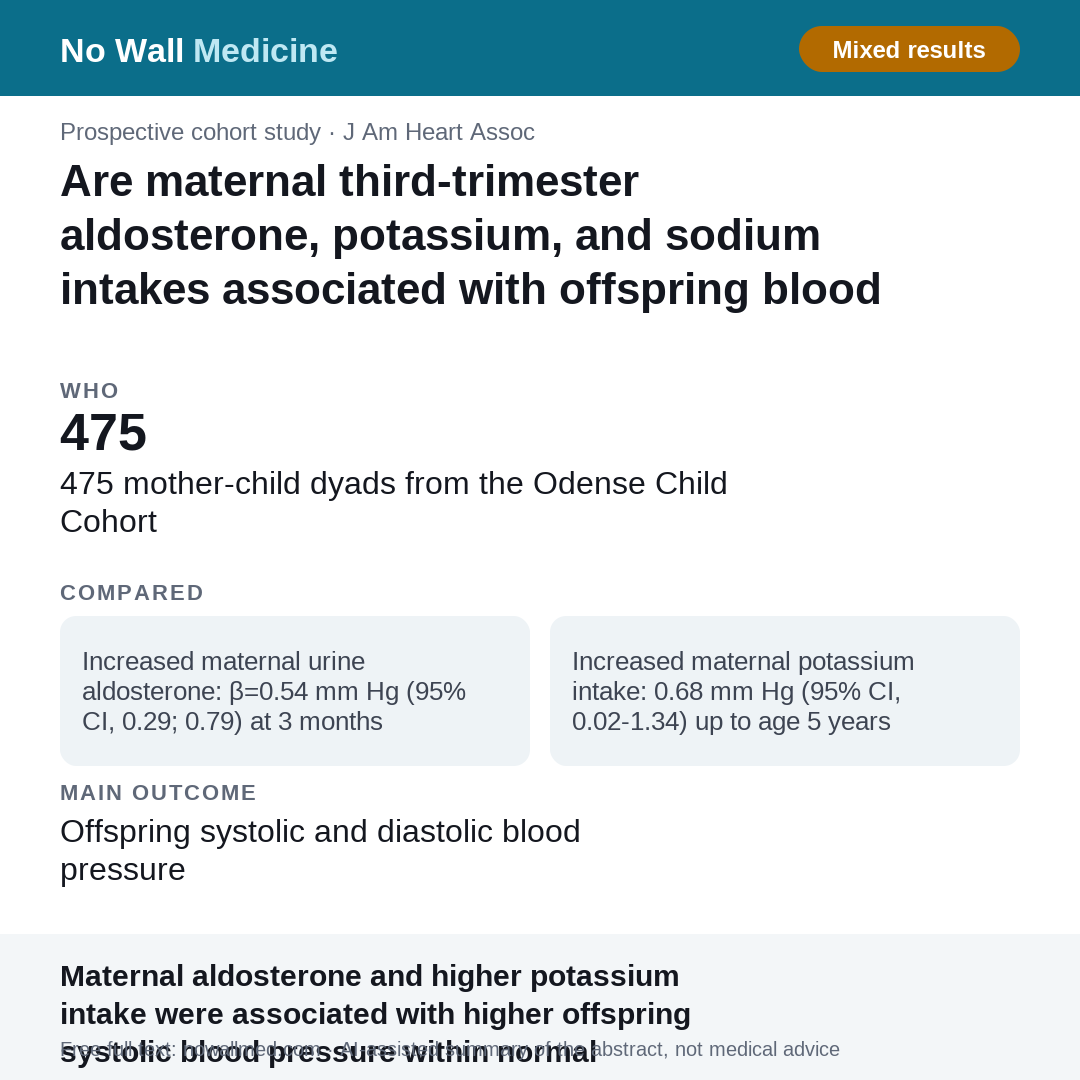
Diurnal Urinary Aldosterone Excretion and Potassium Intake During Pregnancy Are Associated With High Normal Blood Pressure in Early Childhood
Prospective cohort studyMixed results
Are maternal third-trimester aldosterone, potassium, and sodium intakes associated with offspring blood pressure?
Who
475
475 mother-child dyads from the Odense Child Cohort
Compared
Increased maternal urine aldosterone: β=0.54 mm Hg (95% CI, 0.29; 0.79) at 3 months
Increased maternal potassium intake: 0.68 mm Hg (95% CI, 0.02-1.34) up to age 5 years
Main outcome
Offspring systolic and diastolic blood pressure
Bottom line: Maternal aldosterone and higher potassium intake were associated with higher offspring systolic blood pressure within normal ranges.
J Am Heart Assoc · 2025-07-03Download image