Visual abstracts
New randomized trials and meta-analyses from leading journals at a glance: who was studied, what was compared, and what was found. Every paper is free to read in full.
All specialtiesCardiology 2011Oncology 1740Gastroenterology & Hepatology 767Infectious Disease 1281Neurology 830Psychiatry & Mental Health 992Pulmonology 863Critical Care 574Endocrinology & Diabetes 1077Pediatrics 1199Surgery 1023Orthopedics & Sports Medicine 376Neurosurgery 251Cardiothoracic & Vascular Surgery 216Plastic & Reconstructive Surgery 309Nephrology 420Rheumatology 285Hematology 443Dermatology 231Ophthalmology 232Obstetrics & Gynecology 656Public & Global Health 391Radiology & Imaging 278Anesthesiology 404Urology 355ENT (Otolaryngology) 269Emergency Medicine 222Allergy & Immunology 128Geriatrics 433Family Medicine & Primary Care 238Medical Genetics & Genomics 219Pathology & Laboratory Medicine 66Physical Medicine & Rehabilitation 353Palliative Care 174Nutrition 548Digital Health & AI 1051General Medicine 155
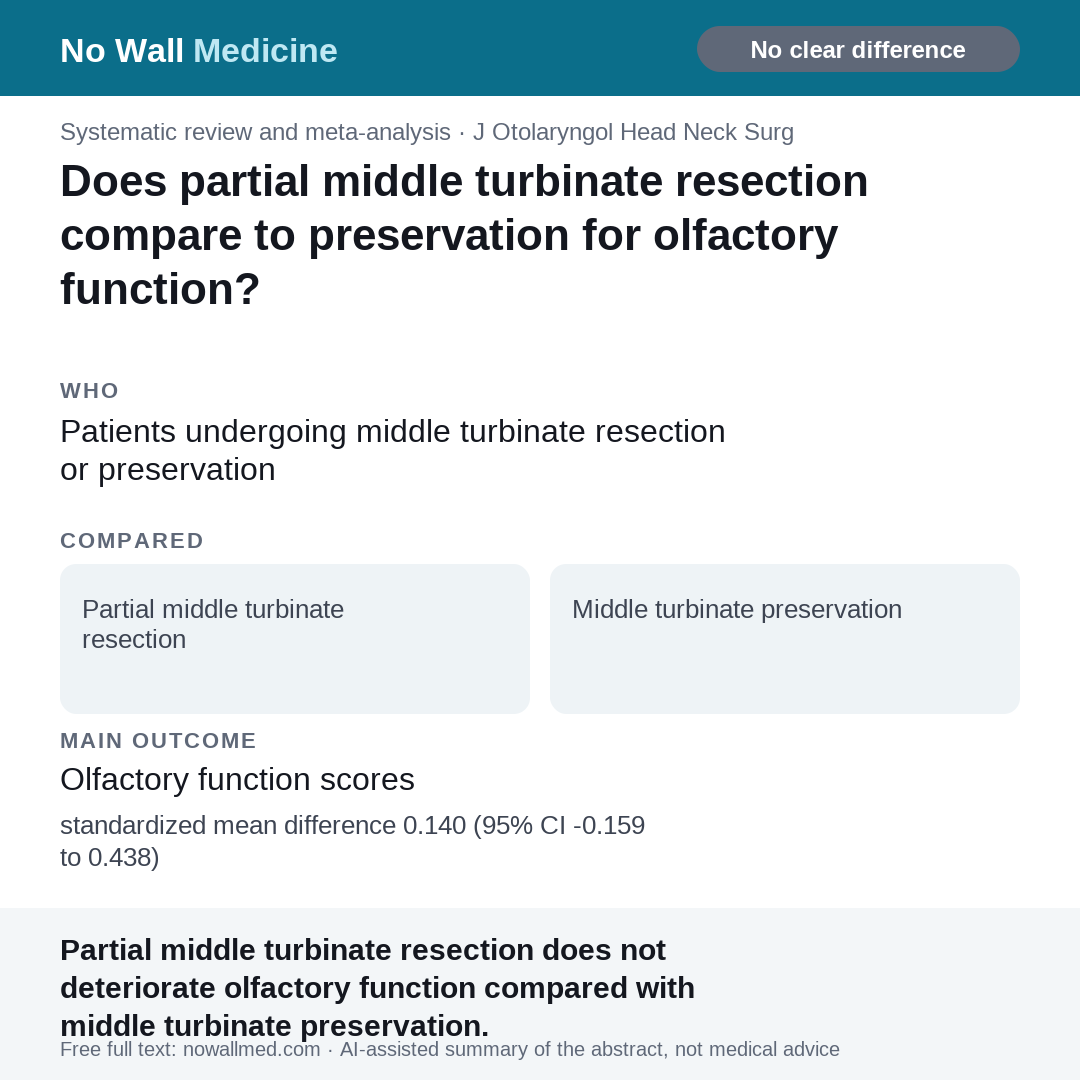
Partial Middle Turbinate Resection Versus Preservation on Olfactory Function: A Systematic Review and Meta-Analysis
Systematic review and meta-analysisNo clear difference
Does partial middle turbinate resection compare to preservation for olfactory function?
Who
Patients undergoing middle turbinate resection or preservation
Compared
Partial middle turbinate resection
Middle turbinate preservation
Main outcome
Olfactory function scores
Result: standardized mean difference 0.140 (95% CI -0.159 to 0.438)
Bottom line: Partial middle turbinate resection does not deteriorate olfactory function compared with middle turbinate preservation.
J Otolaryngol Head Neck Surg · 2025-06-27Download image
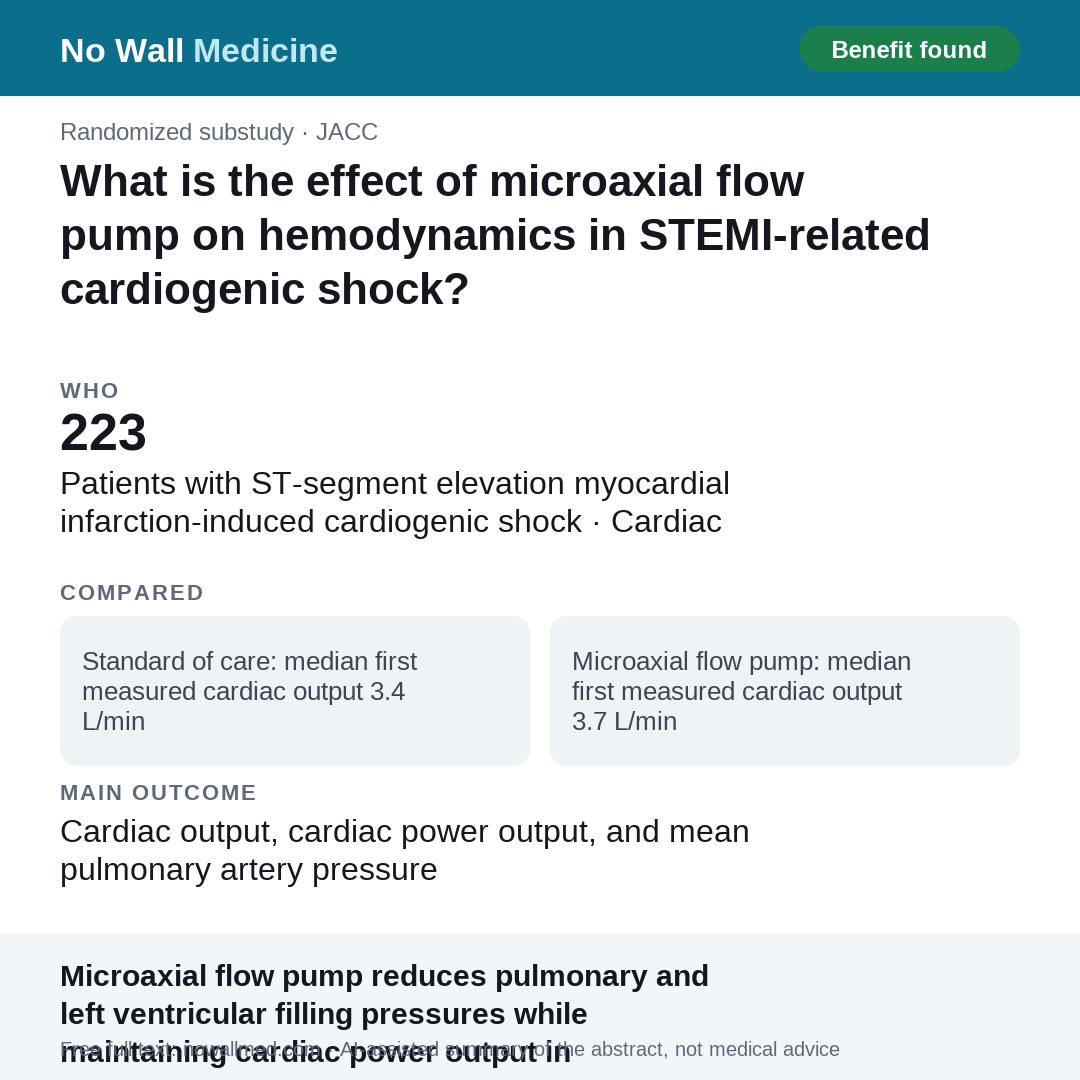
Effect of Microaxial Flow Pump on Hemodynamics in STEMI-Related Cardiogenic Shock
Randomized substudyBenefit found
What is the effect of microaxial flow pump on hemodynamics in STEMI-related cardiogenic shock?
Who
223
Patients with ST-segment elevation myocardial infarction-induced cardiogenic shock · Cardiac intensive care unit
Compared
Standard of care: median first measured cardiac output 3.4 L/min
Microaxial flow pump: median first measured cardiac output 3.7 L/min
Main outcome
Cardiac output, cardiac power output, and mean pulmonary artery pressure
Result: median first measured cardiac power output 0.68 W (95% CI: 0.51-0.85 W)
Bottom line: Microaxial flow pump reduces pulmonary and left ventricular filling pressures while maintaining cardiac power output in cardiogenic shock.
JACC · 2025-06-26Download image
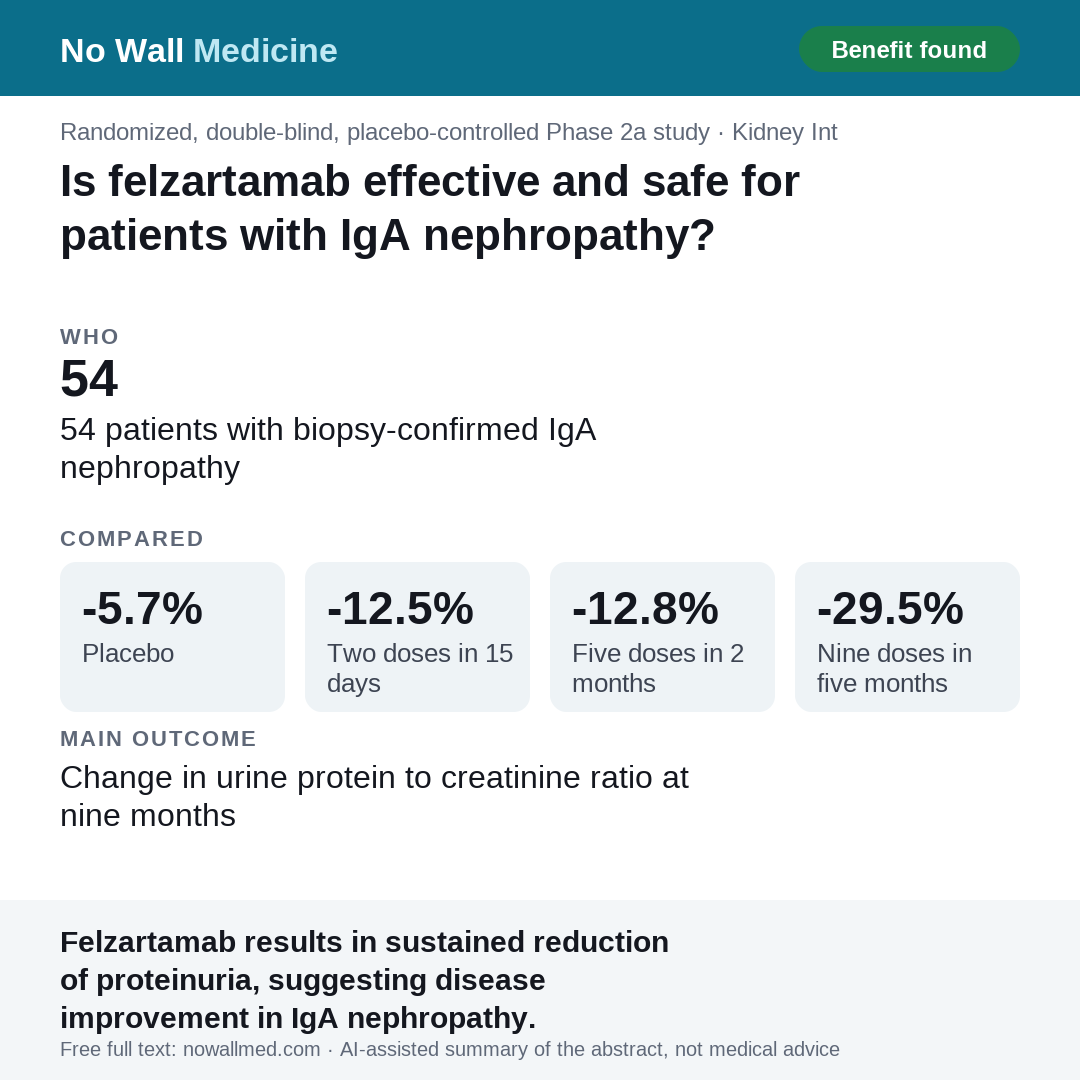
Randomized, double-blind, placebo-controlled phase 2a study assessing the efficacy and safety of felzartamab for IgA nephropathy
Randomized, double-blind, placebo-controlled Phase 2a studyBenefit found
Is felzartamab effective and safe for patients with IgA nephropathy?
Who
54
54 patients with biopsy-confirmed IgA nephropathy
Compared
-5.7%Placebo
-12.5%Two doses in 15 days
-12.8%Five doses in 2 months
-29.5%Nine doses in five months
Main outcome
Change in urine protein to creatinine ratio at nine months
Bottom line: Felzartamab results in sustained reduction of proteinuria, suggesting disease improvement in IgA nephropathy.
Kidney Int · 2025-06-26Download image
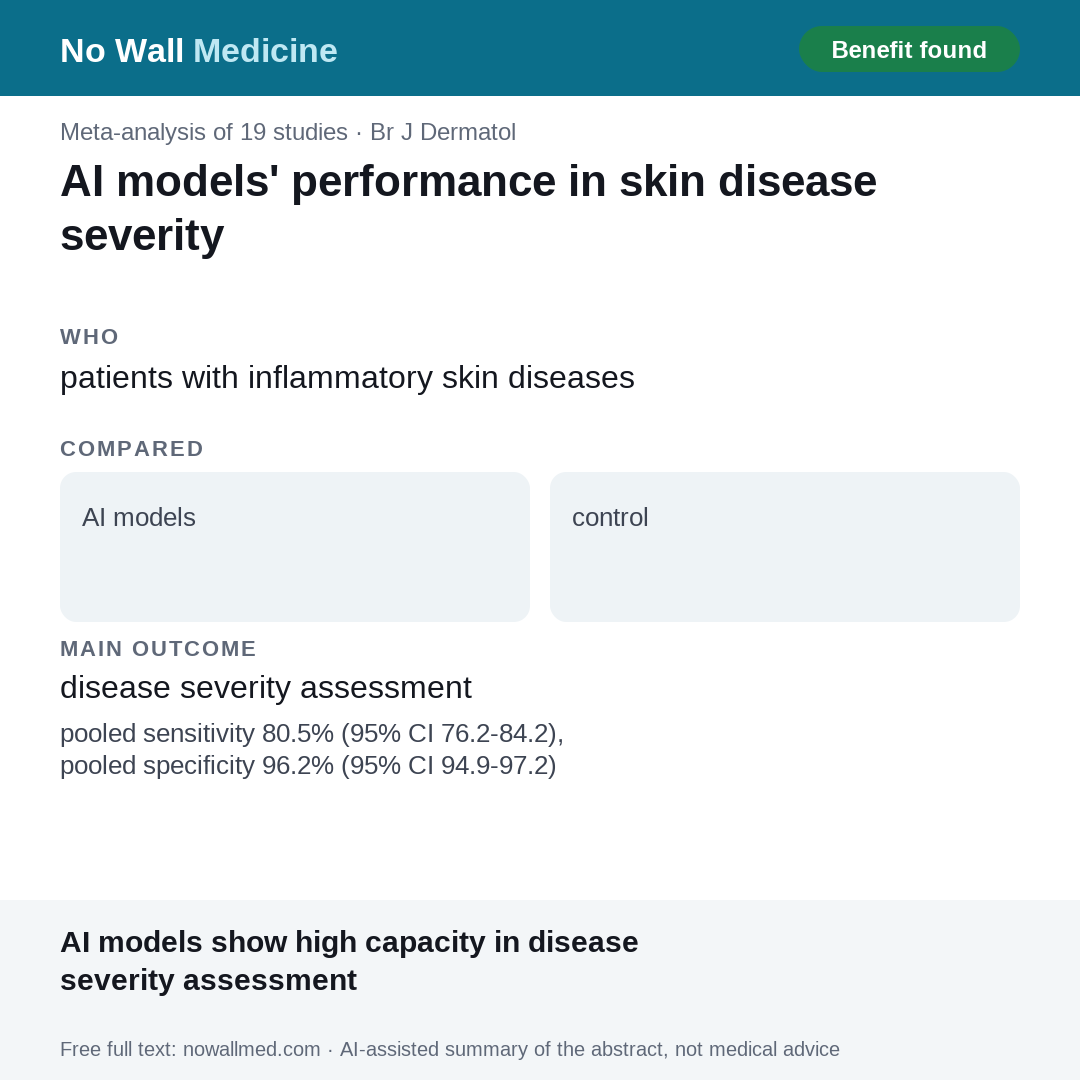
Assessing the performance of artificial intelligence models in evaluating inflammatory skin disease severity: a systematic review and meta-analysis
Meta-analysis of 19 studiesBenefit found
AI models' performance in skin disease severity
Who
patients with inflammatory skin diseases
Compared
AI models
control
Main outcome
disease severity assessment
Result: pooled sensitivity 80.5% (95% CI 76.2-84.2), pooled specificity 96.2% (95% CI 94.9-97.2)
Bottom line: AI models show high capacity in disease severity assessment
Br J Dermatol · 2025-06-26Download image
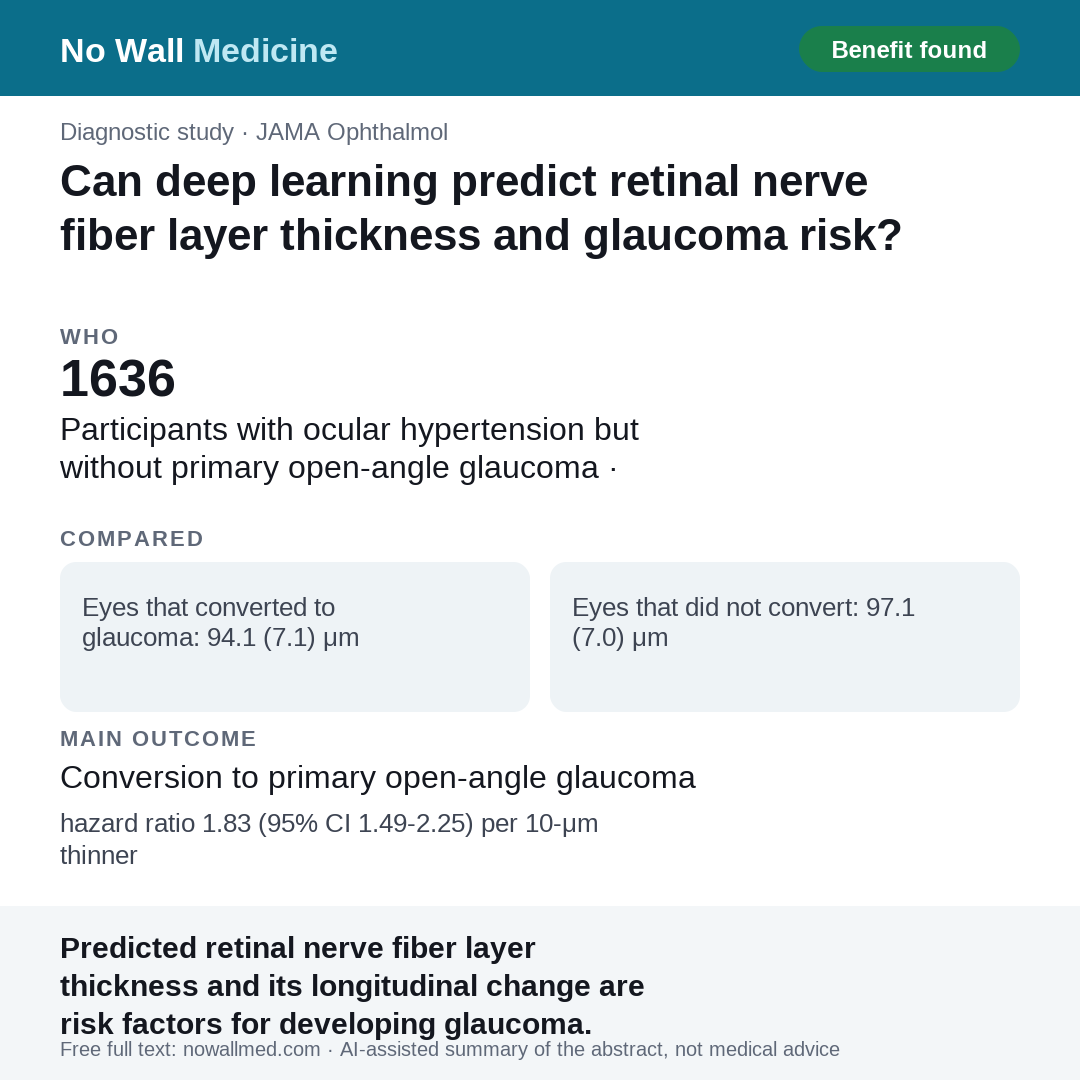
Predicting Retinal Nerve Fiber Layer Thickness From Ocular Hypertension Treatment Study Optic Disc Photographs
Diagnostic studyBenefit found
Can deep learning predict retinal nerve fiber layer thickness and glaucoma risk?
Who
1636
Participants with ocular hypertension but without primary open-angle glaucoma · Multicenter study
Compared
Eyes that converted to glaucoma: 94.1 (7.1) μm
Eyes that did not convert: 97.1 (7.0) μm
Main outcome
Conversion to primary open-angle glaucoma
Result: hazard ratio 1.83 (95% CI 1.49-2.25) per 10-μm thinner
Bottom line: Predicted retinal nerve fiber layer thickness and its longitudinal change are risk factors for developing glaucoma.
JAMA Ophthalmol · 2025-06-26Download image
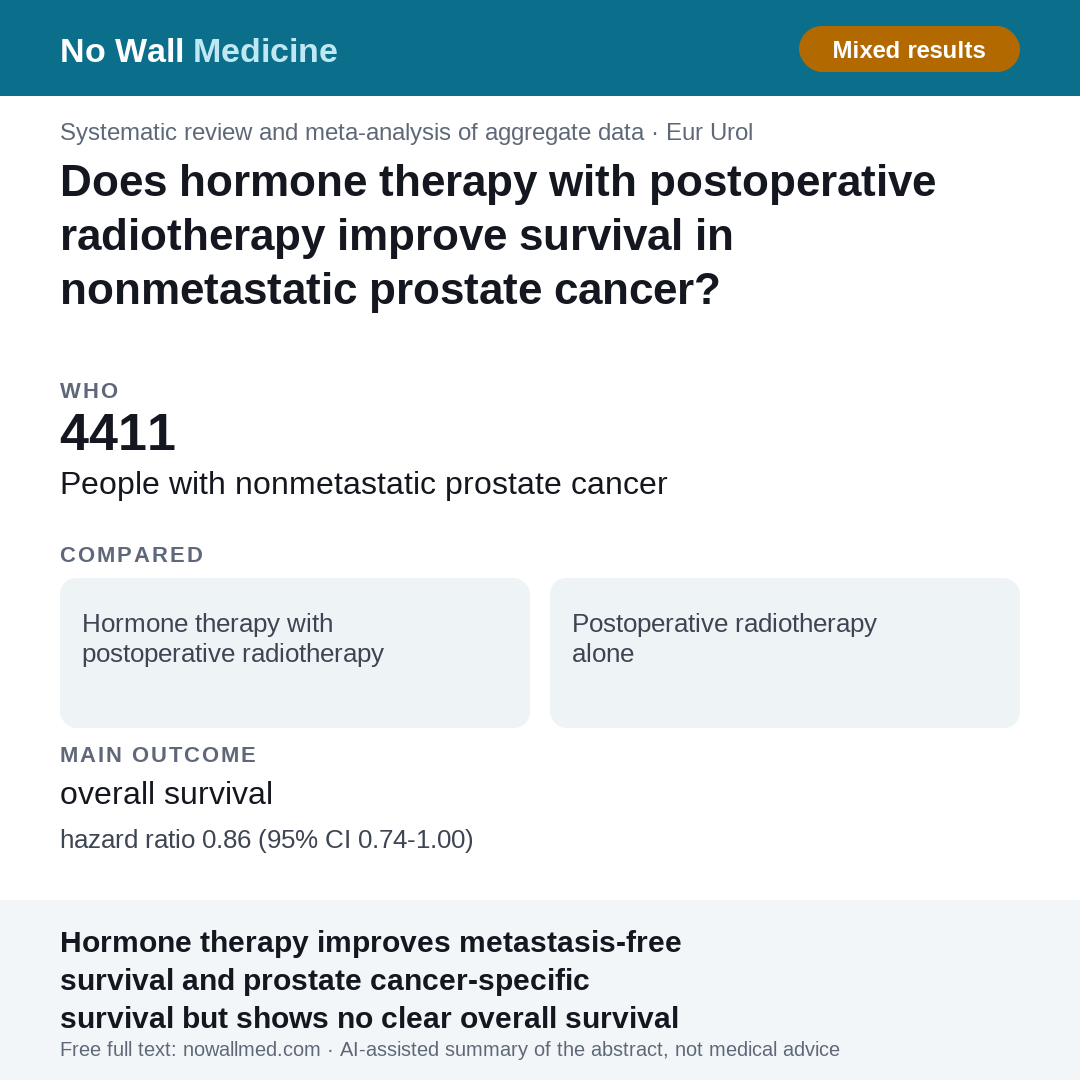
Duration of Androgen Suppression with Postoperative Radiotherapy (DADSPORT) for Nonmetastatic Prostate Cancer: A Collaborative Systematic Review and Meta-analysis of Aggregate Data
Systematic review and meta-analysis of aggregate dataMixed results
Does hormone therapy with postoperative radiotherapy improve survival in nonmetastatic prostate cancer?
Who
4411
People with nonmetastatic prostate cancer
Compared
Hormone therapy with postoperative radiotherapy
Postoperative radiotherapy alone
Main outcome
overall survival
Result: hazard ratio 0.86 (95% CI 0.74-1.00)
Bottom line: Hormone therapy improves metastasis-free survival and prostate cancer-specific survival but shows no clear overall survival benefit.
Eur Urol · 2025-06-26Download image
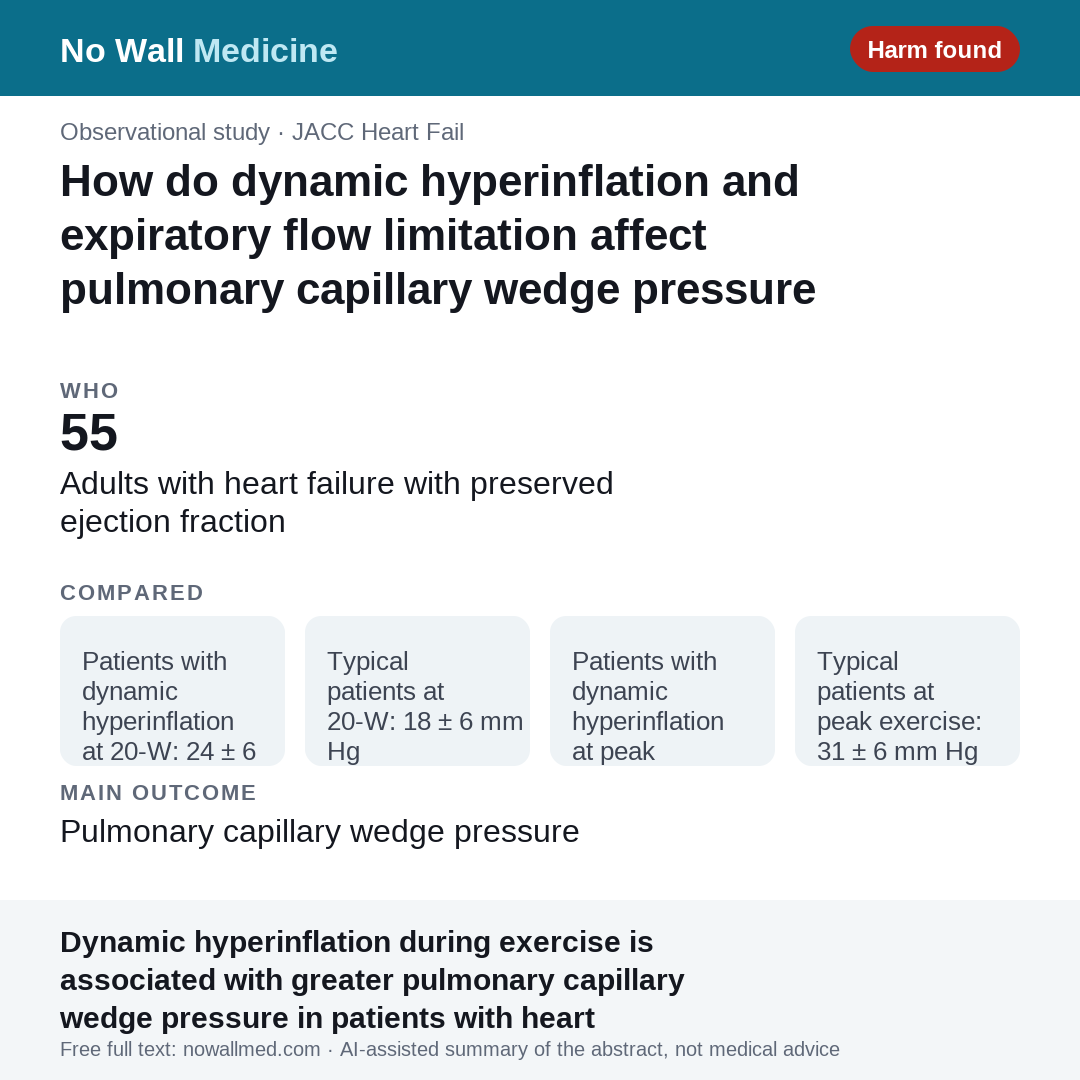
Heart-Lung Interactions in HFpEF: Dynamic Hyperinflation and Exercise PCWP
Observational studyHarm found
How do dynamic hyperinflation and expiratory flow limitation affect pulmonary capillary wedge pressure during exercise?
Who
55
Adults with heart failure with preserved ejection fraction
Compared
Patients with dynamic hyperinflation at 20-W: 24 ± 6 mm Hg
Typical patients at 20-W: 18 ± 6 mm Hg
Patients with dynamic hyperinflation at peak exercise: 44 ± 9 mm Hg
Typical patients at peak exercise: 31 ± 6 mm Hg
Main outcome
Pulmonary capillary wedge pressure
Bottom line: Dynamic hyperinflation during exercise is associated with greater pulmonary capillary wedge pressure in patients with heart failure.
JACC Heart Fail · 2025-06-26Download image
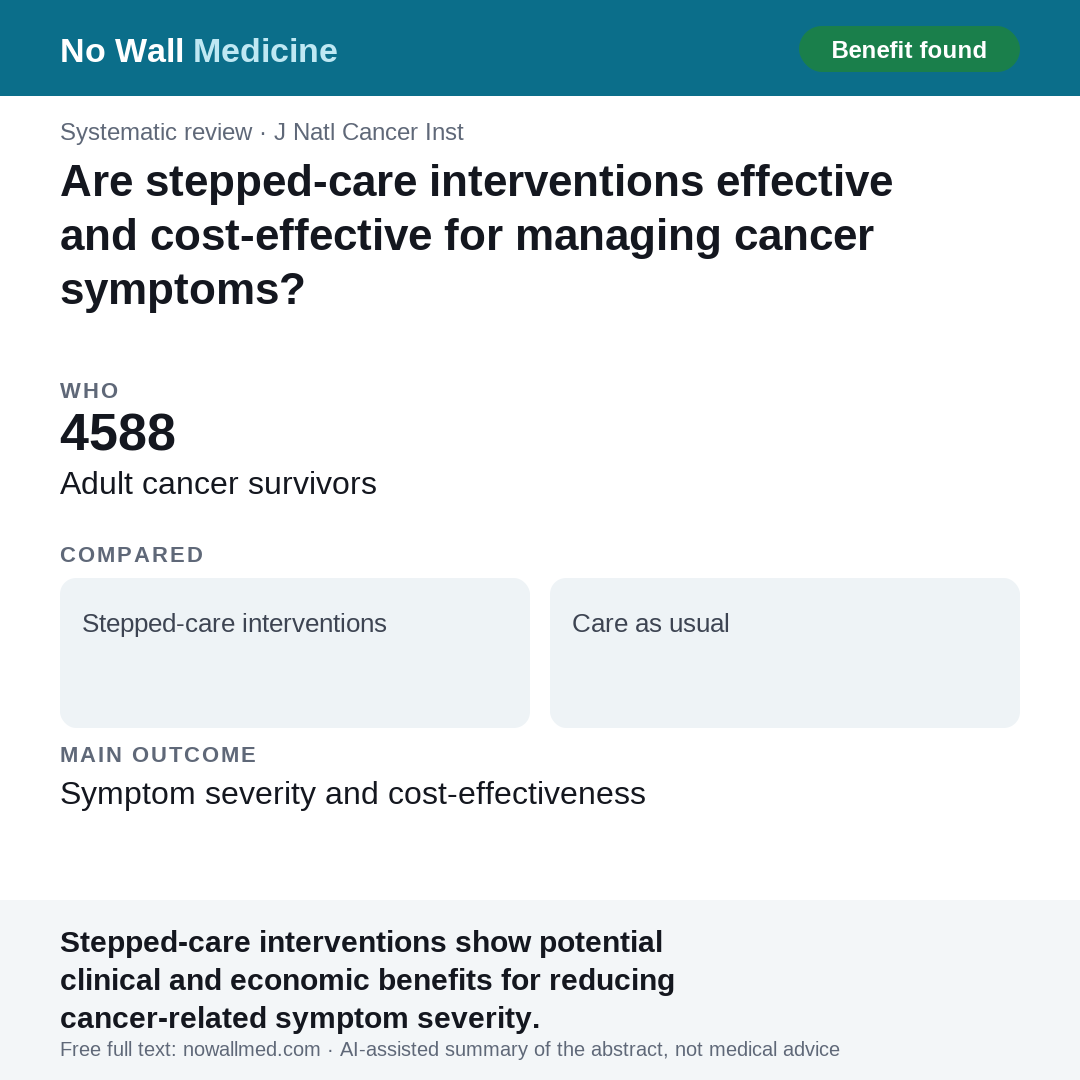
Stepped-care models for cancer symptom management: a systematic review of efficacy and cost-effectiveness
Systematic reviewBenefit found
Are stepped-care interventions effective and cost-effective for managing cancer symptoms?
Who
4588
Adult cancer survivors
Compared
Stepped-care interventions
Care as usual
Main outcome
Symptom severity and cost-effectiveness
Bottom line: Stepped-care interventions show potential clinical and economic benefits for reducing cancer-related symptom severity.
Limitation: Low intervention uptake and inadequate assessment of comorbid symptoms hindered conclusive recommendations.
J Natl Cancer Inst · 2025-06-26Download image
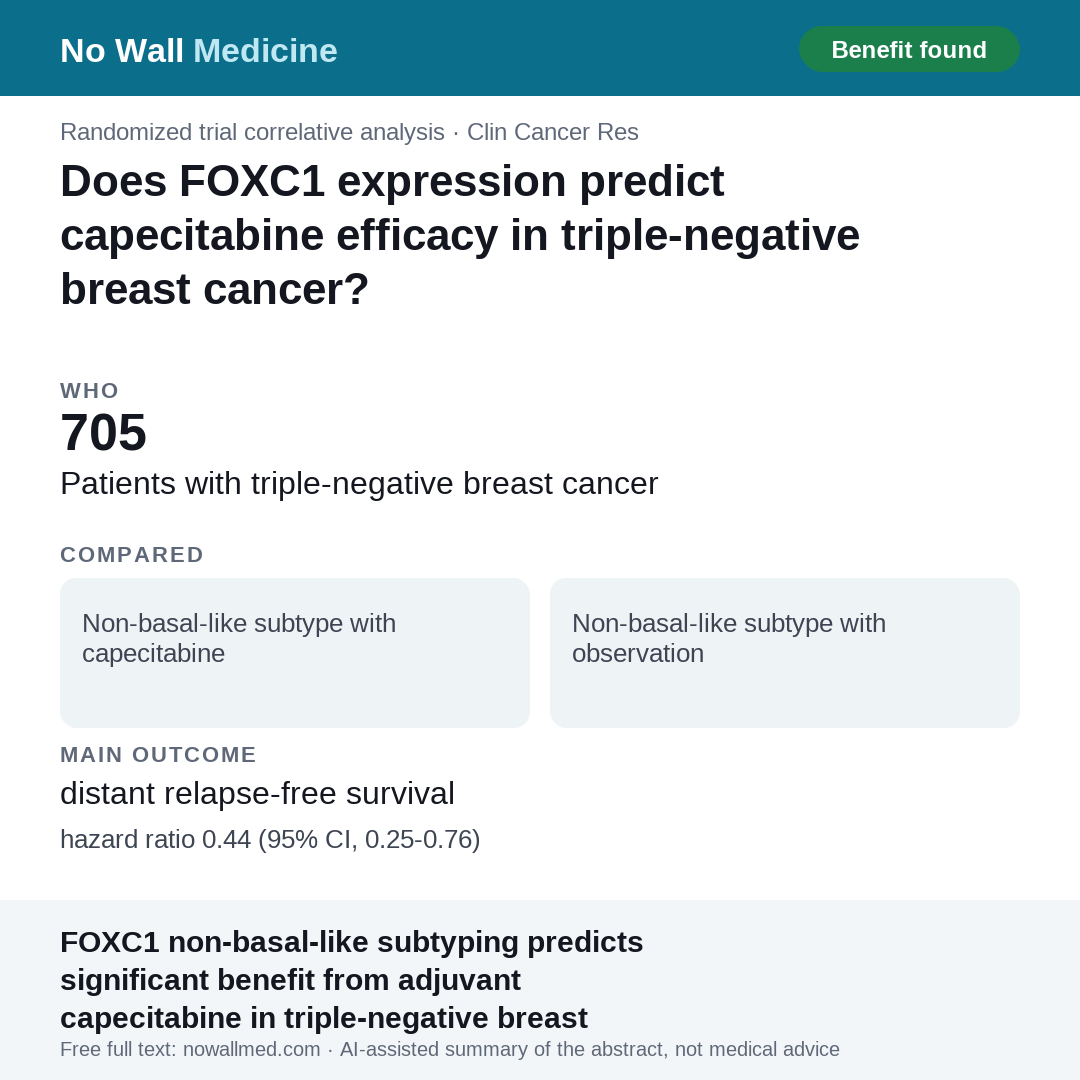
FOXC1 Expression Predicts Capecitabine Efficacy in Patients with Triple-Negative Breast Cancer from the GEICAM_CIBOMA Trial
Randomized trial correlative analysisBenefit found
Does FOXC1 expression predict capecitabine efficacy in triple-negative breast cancer?
Who
705
Patients with triple-negative breast cancer
Compared
Non-basal-like subtype with capecitabine
Non-basal-like subtype with observation
Main outcome
distant relapse-free survival
Result: hazard ratio 0.44 (95% CI, 0.25-0.76)
Bottom line: FOXC1 non-basal-like subtyping predicts significant benefit from adjuvant capecitabine in triple-negative breast cancer patients.
Clin Cancer Res · 2025-06-26Download image
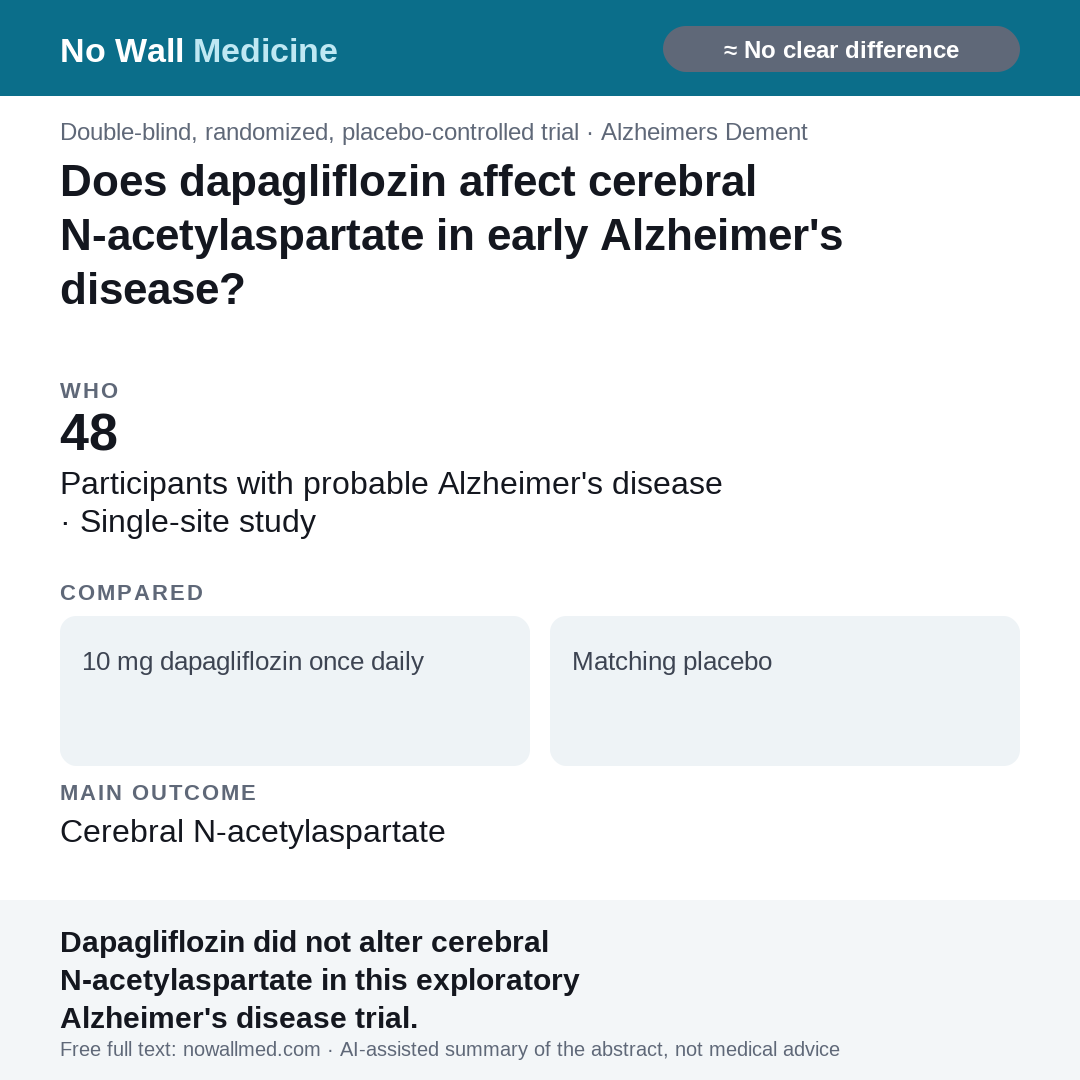
Effects of the SGLT2 inhibitor dapagliflozin in early Alzheimer's disease: A randomized controlled trial
Double-blind, randomized, placebo-controlled trialNo clear difference
Does dapagliflozin affect cerebral N-acetylaspartate in early Alzheimer's disease?
Who
48
Participants with probable Alzheimer's disease · Single-site study
Compared
10 mg dapagliflozin once daily
Matching placebo
Main outcome
Cerebral N-acetylaspartate
Bottom line: Dapagliflozin did not alter cerebral N-acetylaspartate in this exploratory Alzheimer's disease trial.
Alzheimers Dement · 2025-06-26Download image
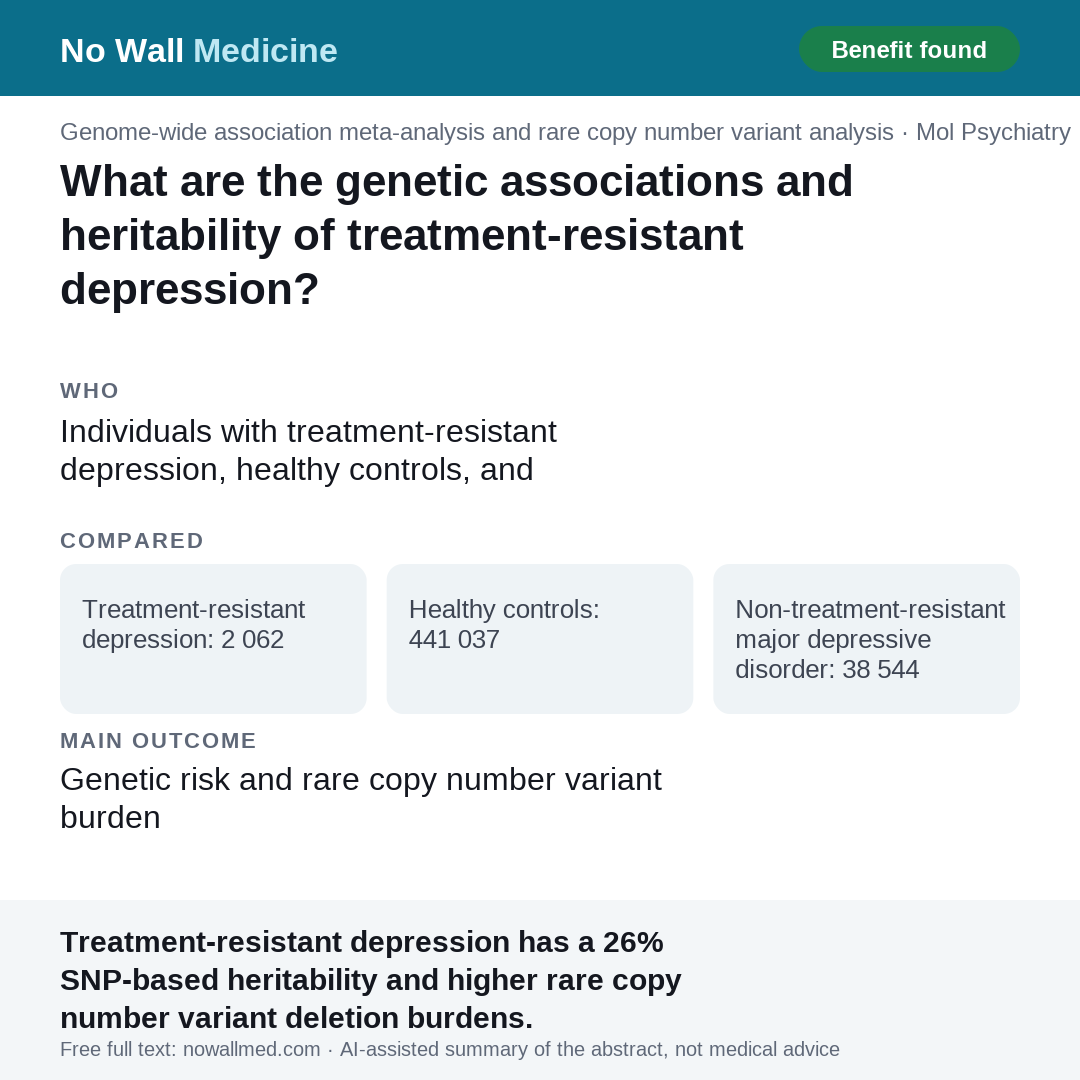
Genome-wide association meta-analysis and rare copy number variant analysis of treatment-resistant depression
Genome-wide association meta-analysis and rare copy number variant analysisBenefit found
What are the genetic associations and heritability of treatment-resistant depression?
Who
Individuals with treatment-resistant depression, healthy controls, and non-treatment-resistant major depressive disorder · Three Nordic countries
Compared
Treatment-resistant depression: 2 062
Healthy controls: 441 037
Non-treatment-resistant major depressive disorder: 38 544
Main outcome
Genetic risk and rare copy number variant burden
Result: SNP-based heritability for treatment-resistant depression risk at 26% (SE = 5%)
Bottom line: Treatment-resistant depression has a 26% SNP-based heritability and higher rare copy number variant deletion burdens.
Mol Psychiatry · 2025-06-26Download image
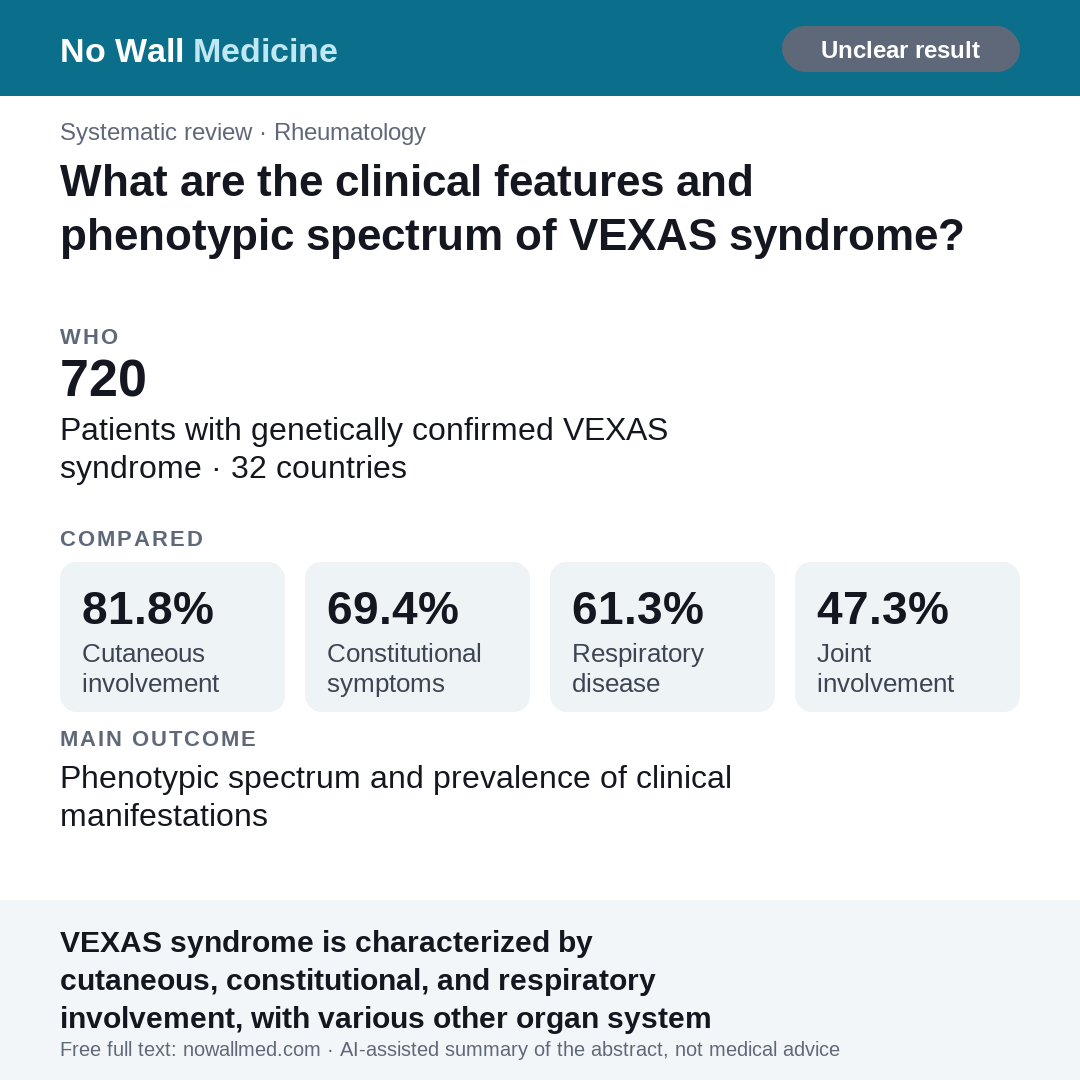
Clinical features in VEXAS syndrome: a systematic review
Systematic reviewUnclear result
What are the clinical features and phenotypic spectrum of VEXAS syndrome?
Who
720
Patients with genetically confirmed VEXAS syndrome · 32 countries
Compared
81.8%Cutaneous involvement (95% CI: 78.8-84.5%)
69.4%Constitutional symptoms (95% CI: 66.0-72.7%)
61.3%Respiratory disease (95% CI: 57.6-64.7%)
47.3%Joint involvement (95% CI: 43.5-51.2%)
Main outcome
Phenotypic spectrum and prevalence of clinical manifestations
Bottom line: VEXAS syndrome is characterized by cutaneous, constitutional, and respiratory involvement, with various other organ system manifestations.
Rheumatology · 2025-06-26Download image
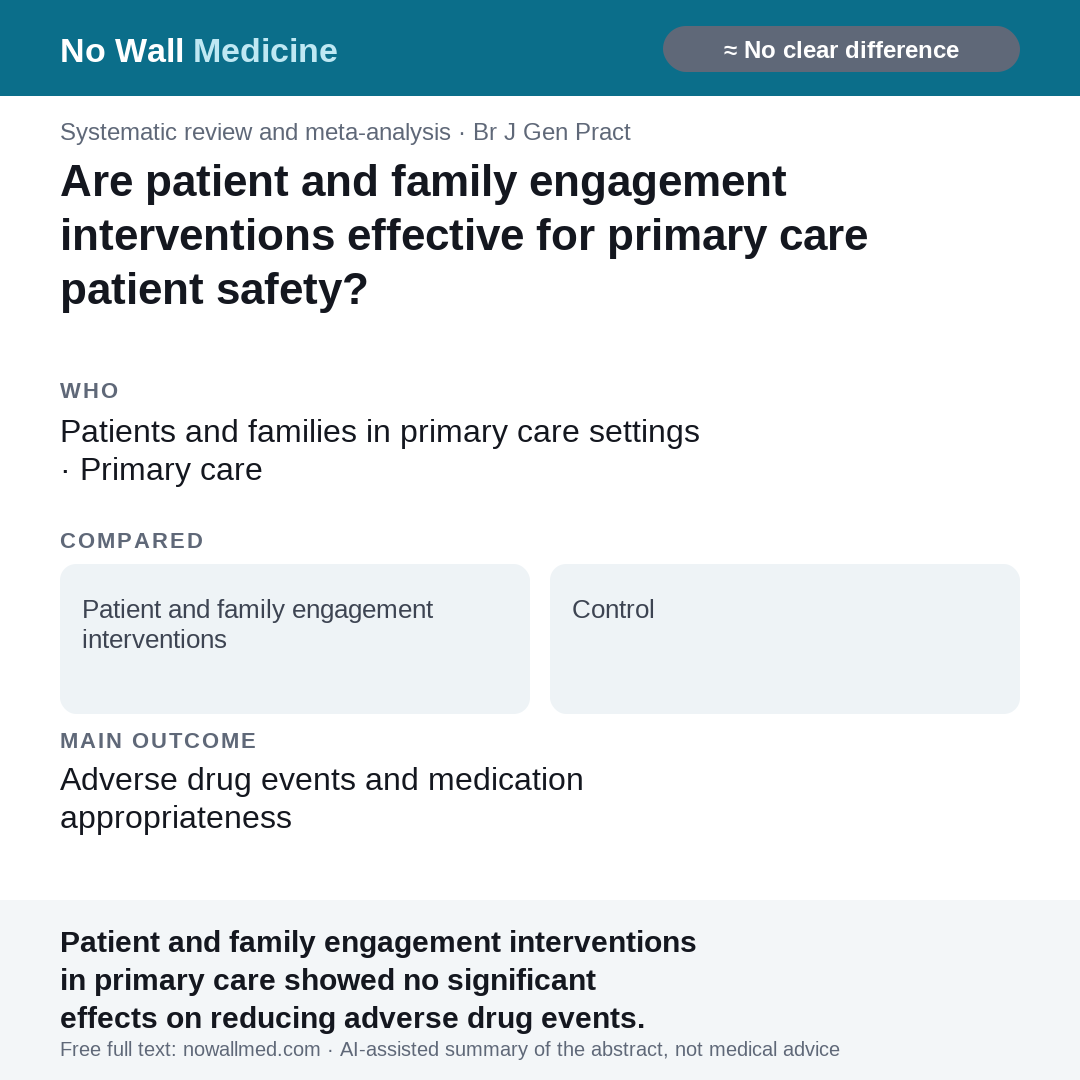
Patient and family engagement interventions in primary care patient safety: systematic review and meta-analysis of randomised controlled trials
Systematic review and meta-analysisNo clear difference
Are patient and family engagement interventions effective for primary care patient safety?
Who
Patients and families in primary care settings · Primary care
Compared
Patient and family engagement interventions
Control
Main outcome
Adverse drug events and medication appropriateness
Result: odds ratio 0.86 (95% CI 0.70 to 1.08)
Bottom line: Patient and family engagement interventions in primary care showed no significant effects on reducing adverse drug events.
Limitation: Certainty of evidence was very low to moderate.
Br J Gen Pract · 2025-06-26Download image
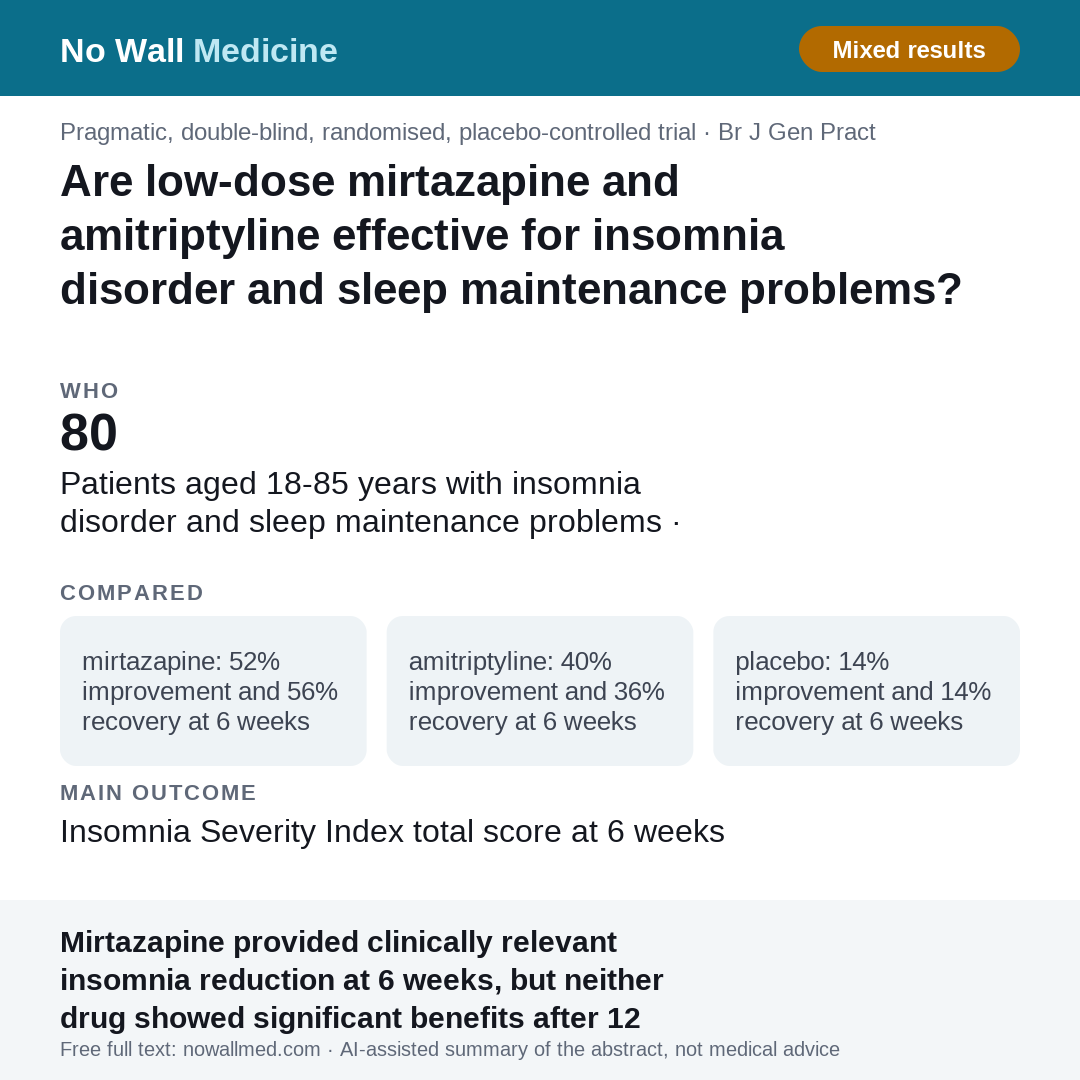
Effectiveness of low-dose amitriptyline and mirtazapine in patients with insomnia disorder and sleep maintenance problems: a randomised, double-blind, placebo-controlled trial in general practice (DREAMING)
Pragmatic, double-blind, randomised, placebo-controlled trialMixed results
Are low-dose mirtazapine and amitriptyline effective for insomnia disorder and sleep maintenance problems?
Who
80
Patients aged 18-85 years with insomnia disorder and sleep maintenance problems · General practices in the Amsterdam region, the Netherlands
Compared
mirtazapine: 52% improvement and 56% recovery at 6 weeks
amitriptyline: 40% improvement and 36% recovery at 6 weeks
placebo: 14% improvement and 14% recovery at 6 weeks
Main outcome
Insomnia Severity Index total score at 6 weeks
Result: mirtazapine mean difference = -6.0 points (95% CI -9.0 to -3.0)
Bottom line: Mirtazapine provided clinically relevant insomnia reduction at 6 weeks, but neither drug showed significant benefits after 12 weeks.
Br J Gen Pract · 2025-06-26Download image
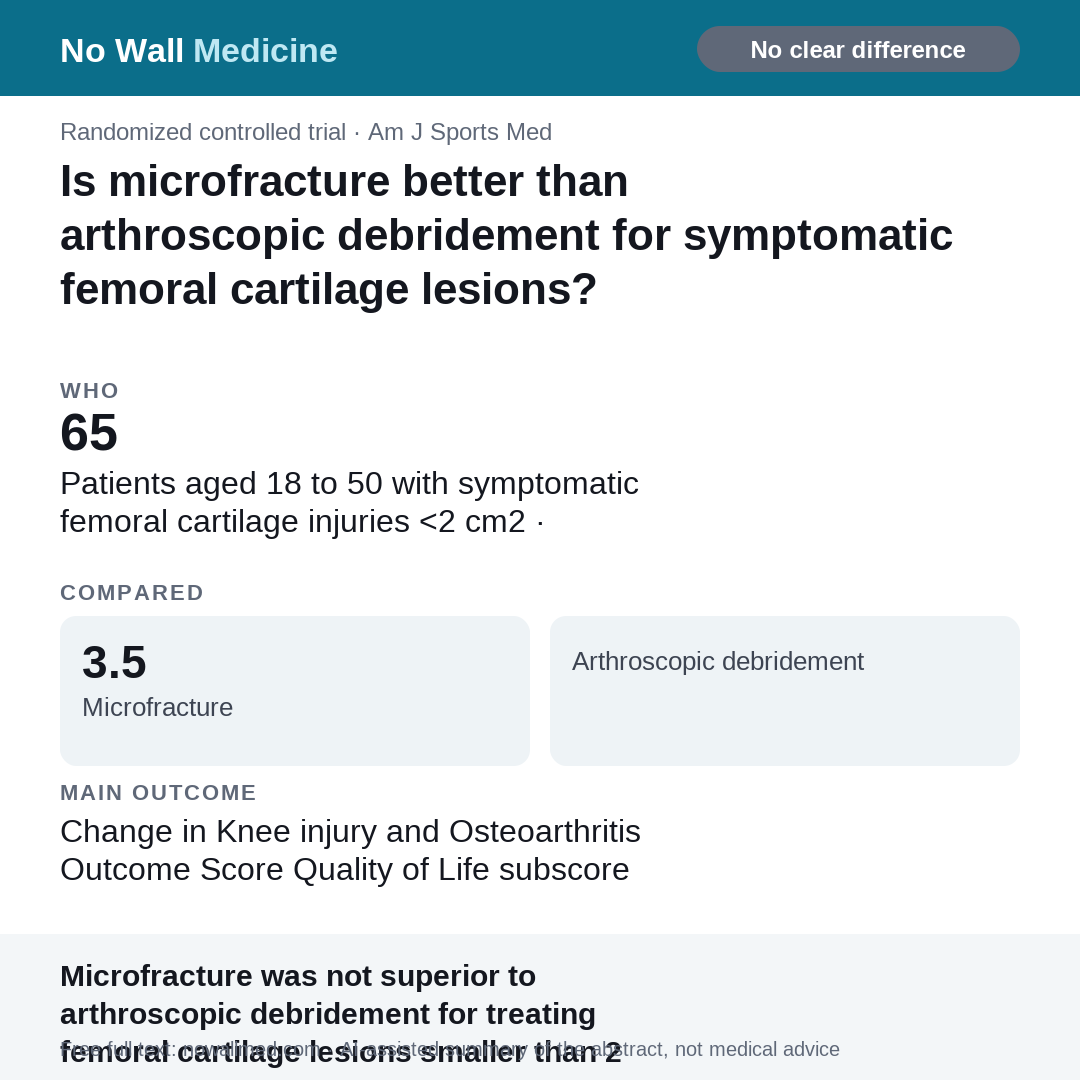
Microfracture Versus Arthroscopic Debridement for the Treatment of Symptomatic Cartilage Lesions of the Knee: 2-Year Results From a Multicenter Double-Blinded Randomized Controlled Trial
Randomized controlled trialNo clear difference
Is microfracture better than arthroscopic debridement for symptomatic femoral cartilage lesions?
Who
65
Patients aged 18 to 50 with symptomatic femoral cartilage injuries <2 cm2 · Multicenter
Compared
3.5Microfracture (95% CI, -10.0 to 16.9)
Arthroscopic debridement
Main outcome
Change in Knee injury and Osteoarthritis Outcome Score Quality of Life subscore
Bottom line: Microfracture was not superior to arthroscopic debridement for treating femoral cartilage lesions smaller than 2 cm2.
Am J Sports Med · 2025-06-26Download image
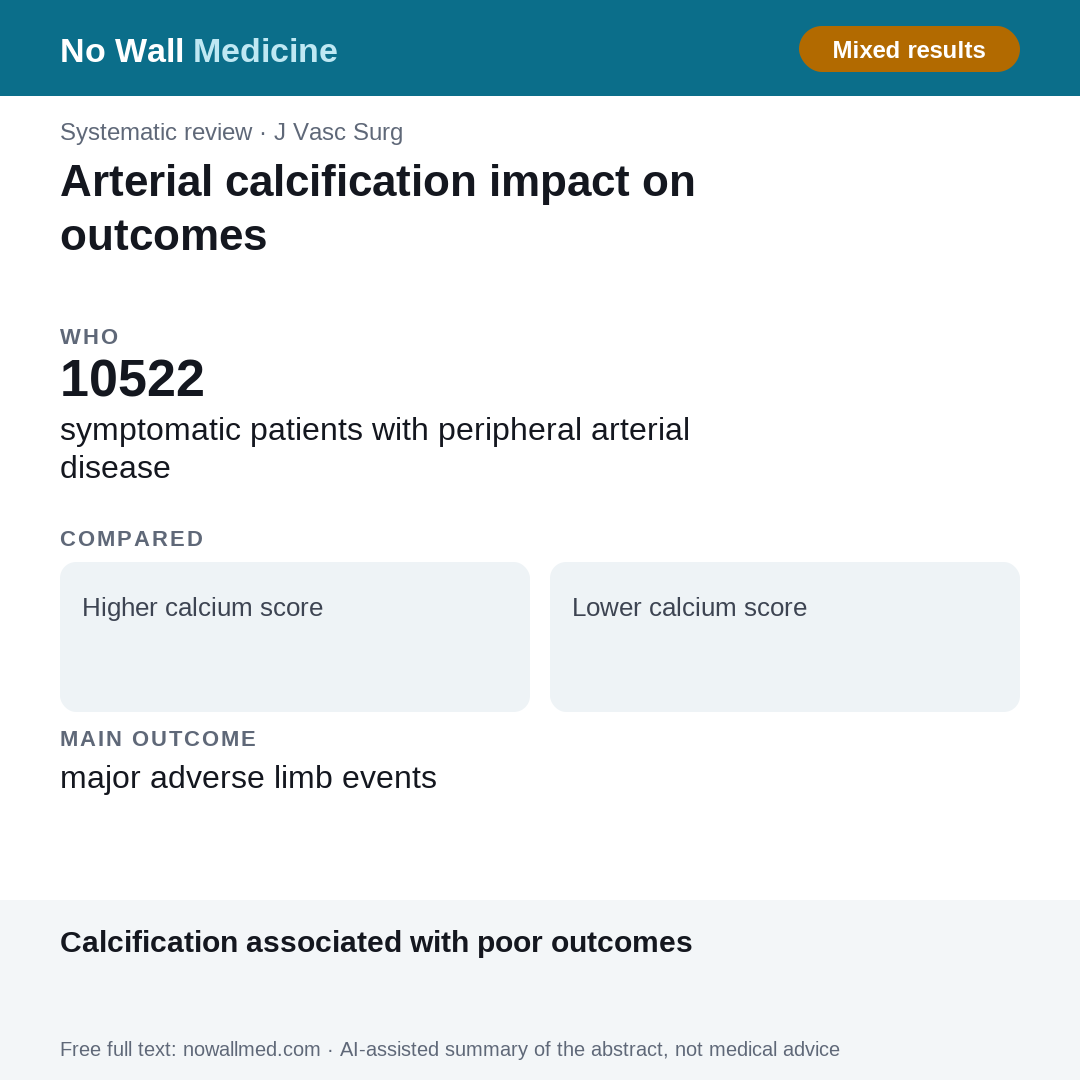
A systematic review of the association between arterial calcification on preoperative imaging and clinical outcomes in peripheral arterial disease
Systematic reviewMixed results
Arterial calcification impact on outcomes
Who
10522
symptomatic patients with peripheral arterial disease
Compared
Higher calcium score
Lower calcium score
Main outcome
major adverse limb events
Bottom line: Calcification associated with poor outcomes
Limitation: low sample sizes and heterogeneity
J Vasc Surg · 2025-06-26Download image
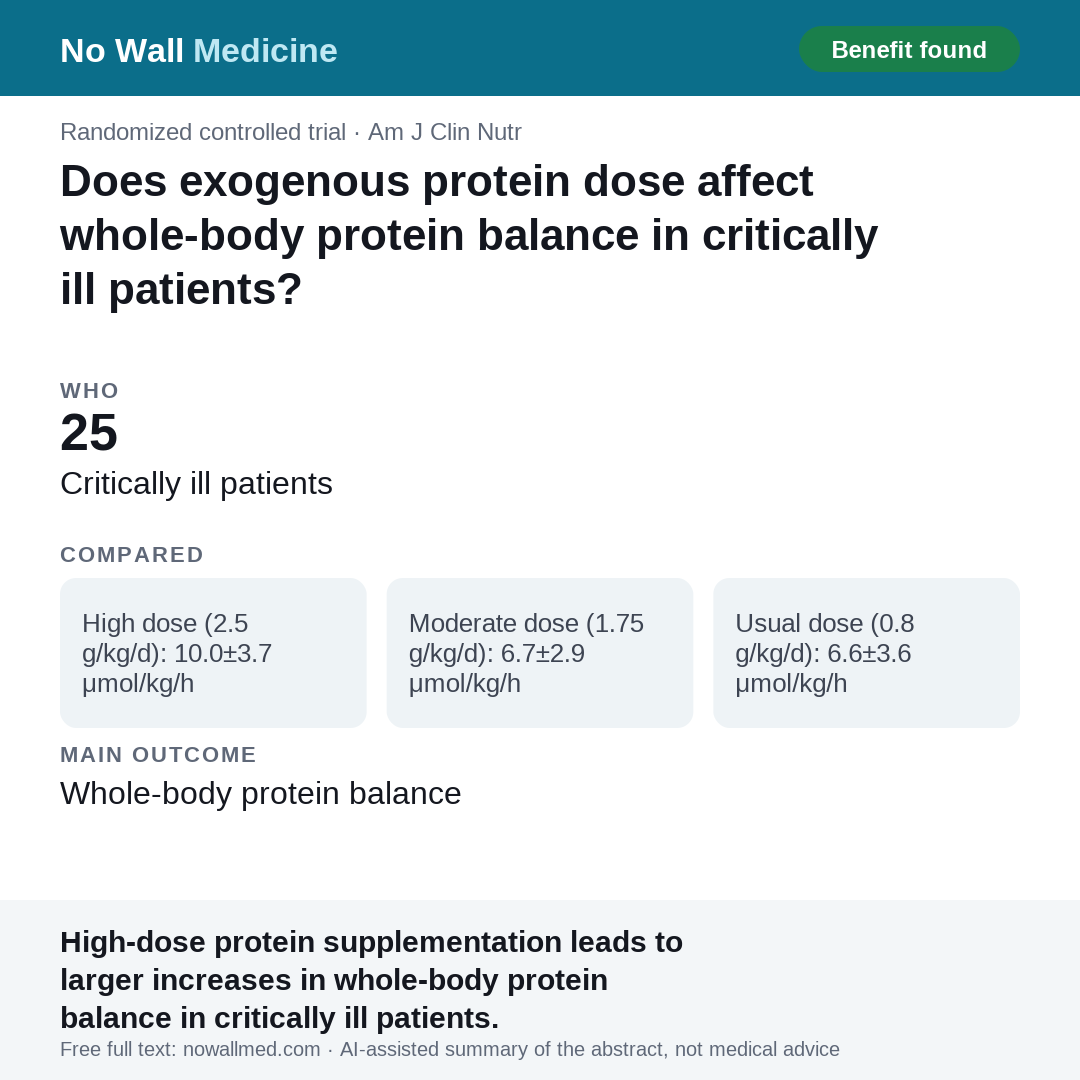
Biological responses during high-dose protein nutrition in the critically ill: a randomized controlled trial
Randomized controlled trialBenefit found
Does exogenous protein dose affect whole-body protein balance in critically ill patients?
Who
25
Critically ill patients
Compared
High dose (2.5 g/kg/d): 10.0±3.7 μmol/kg/h
Moderate dose (1.75 g/kg/d): 6.7±2.9 μmol/kg/h
Usual dose (0.8 g/kg/d): 6.6±3.6 μmol/kg/h
Main outcome
Whole-body protein balance
Bottom line: High-dose protein supplementation leads to larger increases in whole-body protein balance in critically ill patients.
Am J Clin Nutr · 2025-06-26Download image
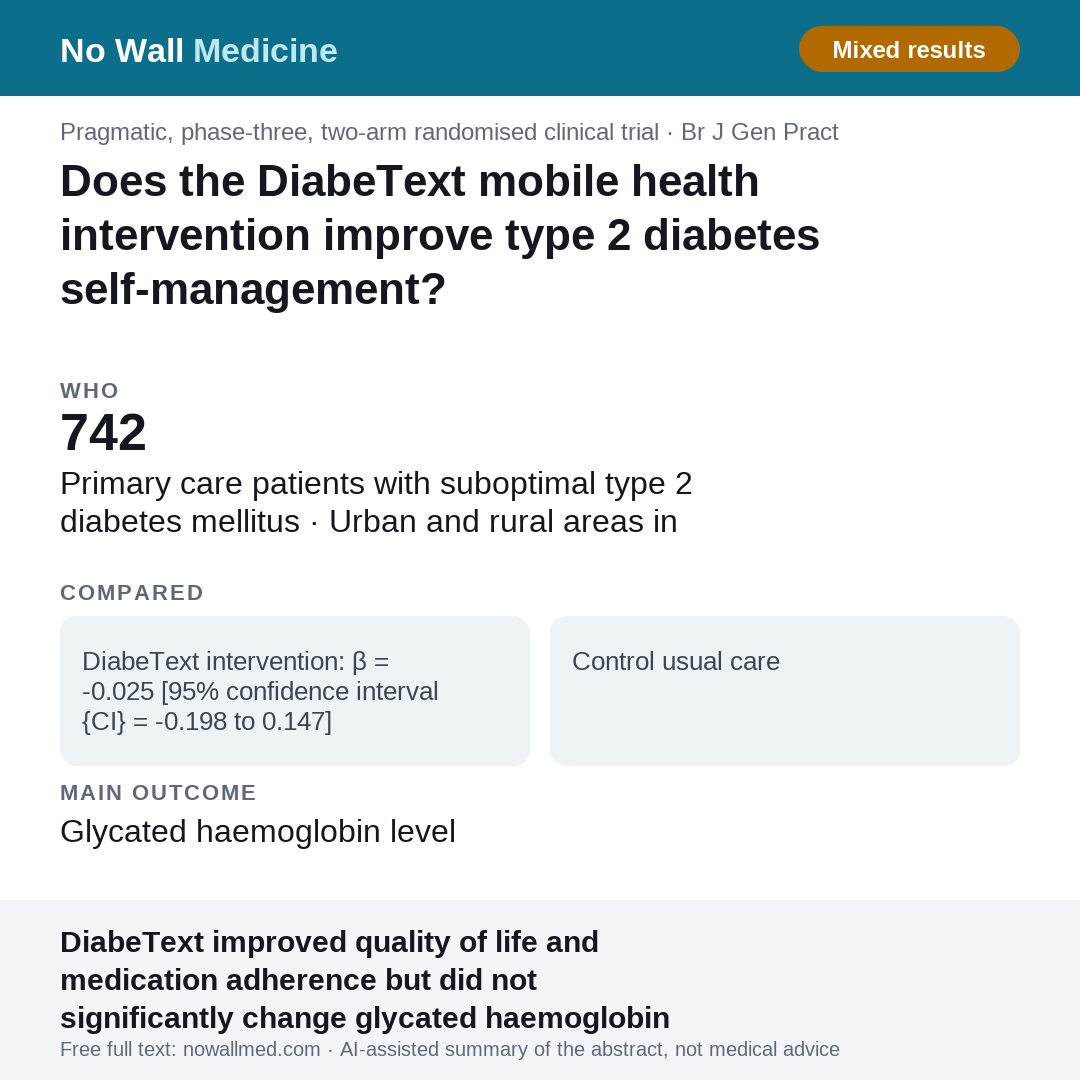
Impact of an SMS intervention to support type 2 diabetes self-management: DiabeText clinical trial
Pragmatic, phase-three, two-arm randomised clinical trialMixed results
Does the DiabeText mobile health intervention improve type 2 diabetes self-management?
Who
742
Primary care patients with suboptimal type 2 diabetes mellitus · Urban and rural areas in Balearic Islands, Spain
Compared
DiabeText intervention: β = -0.025 [95% confidence interval {CI} = -0.198 to 0.147]
Control usual care
Main outcome
Glycated haemoglobin level
Result: β = -0.025 (95% CI -0.198 to 0.147)
Bottom line: DiabeText improved quality of life and medication adherence but did not significantly change glycated haemoglobin levels.
Br J Gen Pract · 2025-06-26Download image
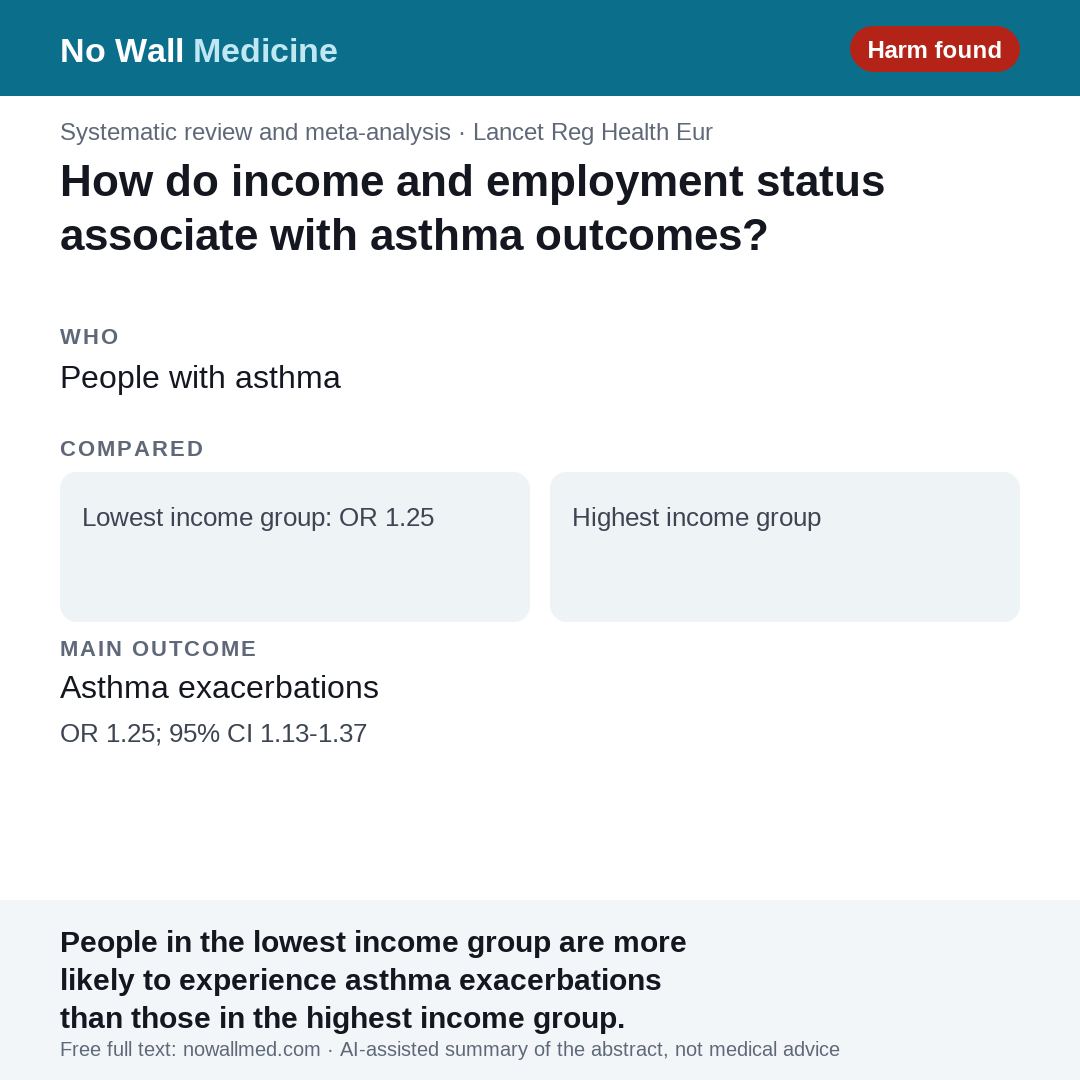
Association between income, employment status, and asthma outcomes: a systematic review and meta-analysis
Systematic review and meta-analysisHarm found
How do income and employment status associate with asthma outcomes?
Who
People with asthma
Compared
Lowest income group: OR 1.25
Highest income group
Main outcome
Asthma exacerbations
Result: OR 1.25; 95% CI 1.13-1.37
Bottom line: People in the lowest income group are more likely to experience asthma exacerbations than those in the highest income group.
Limitation: The role of unemployment in predicting exacerbations was less clear.
Funded by: Health Data Research UK
Lancet Reg Health Eur · 2025-06-26Download image
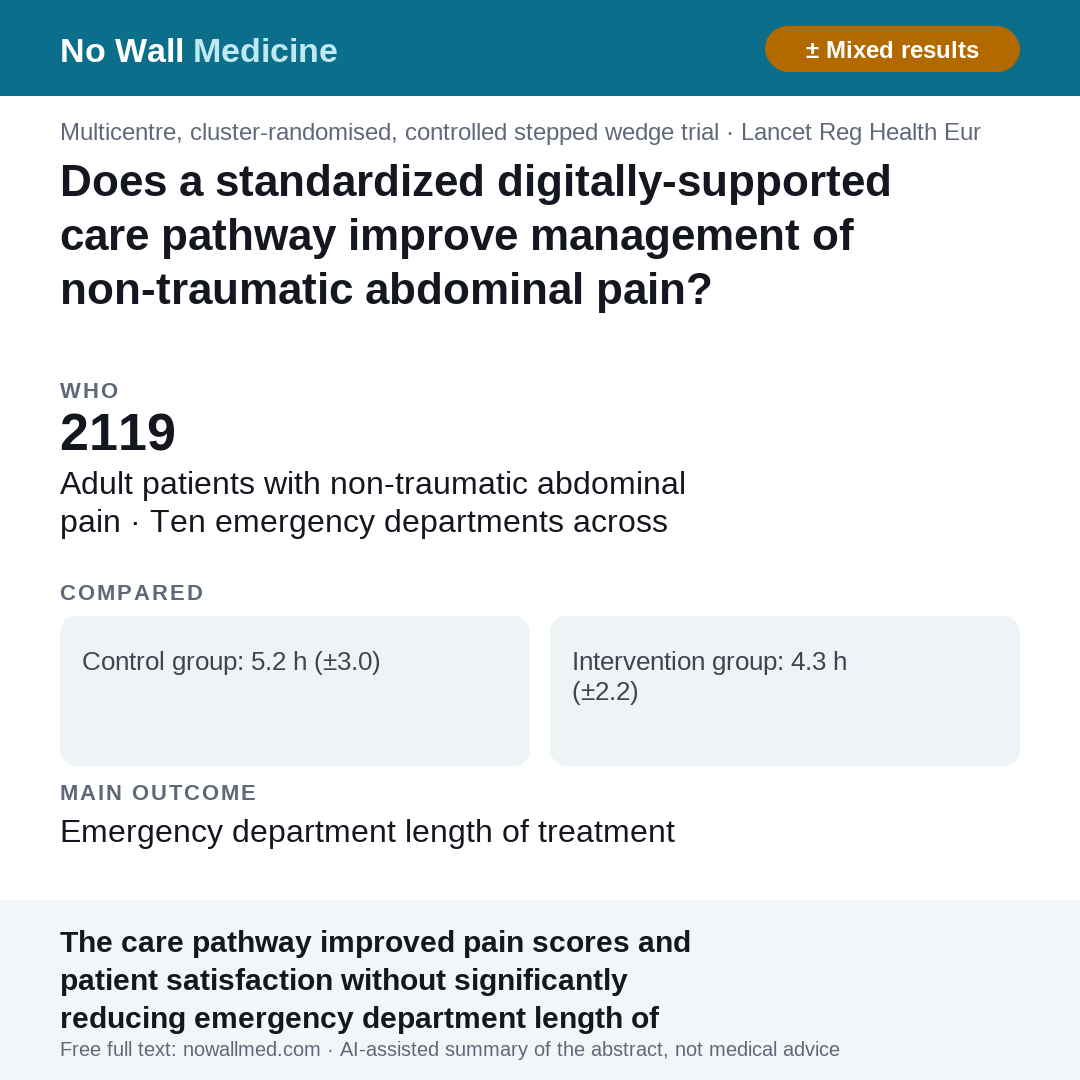
Management of non-traumatic abdominal pain in the emergency department: a multicentre, stepped-wedge, cluster-randomised trial
Multicentre, cluster-randomised, controlled stepped wedge trialMixed results
Does a standardized digitally-supported care pathway improve management of non-traumatic abdominal pain?
Who
2119
Adult patients with non-traumatic abdominal pain · Ten emergency departments across Germany
Compared
Control group: 5.2 h (±3.0)
Intervention group: 4.3 h (±2.2)
Main outcome
Emergency department length of treatment
Result: -0.31 h (95% CI -0.70 to 0.07)
Bottom line: The care pathway improved pain scores and patient satisfaction without significantly reducing emergency department length of treatment.
Funded by: German Innovations Funds
Lancet Reg Health Eur · 2025-06-26Download image