Visual abstracts
New randomized trials and meta-analyses from leading journals at a glance: who was studied, what was compared, and what was found. Every paper is free to read in full.
All specialtiesCardiology 3739Oncology 3193Gastroenterology & Hepatology 1484Infectious Disease 2676Neurology 1494Psychiatry & Mental Health 1762Pulmonology 1595Critical Care 1056Endocrinology & Diabetes 1909Pediatrics 2263Surgery 1982Orthopedics & Sports Medicine 705Neurosurgery 435Cardiothoracic & Vascular Surgery 455Plastic & Reconstructive Surgery 507Nephrology 815Rheumatology 606Hematology 839Dermatology 463Ophthalmology 411Obstetrics & Gynecology 1287Public & Global Health 728Radiology & Imaging 509Anesthesiology 764Urology 604ENT (Otolaryngology) 411Emergency Medicine 400Allergy & Immunology 231Geriatrics 780Family Medicine & Primary Care 434Medical Genetics & Genomics 497Pathology & Laboratory Medicine 125Physical Medicine & Rehabilitation 586Palliative Care 341Nutrition 1126Digital Health & AI 1736General Medicine 263
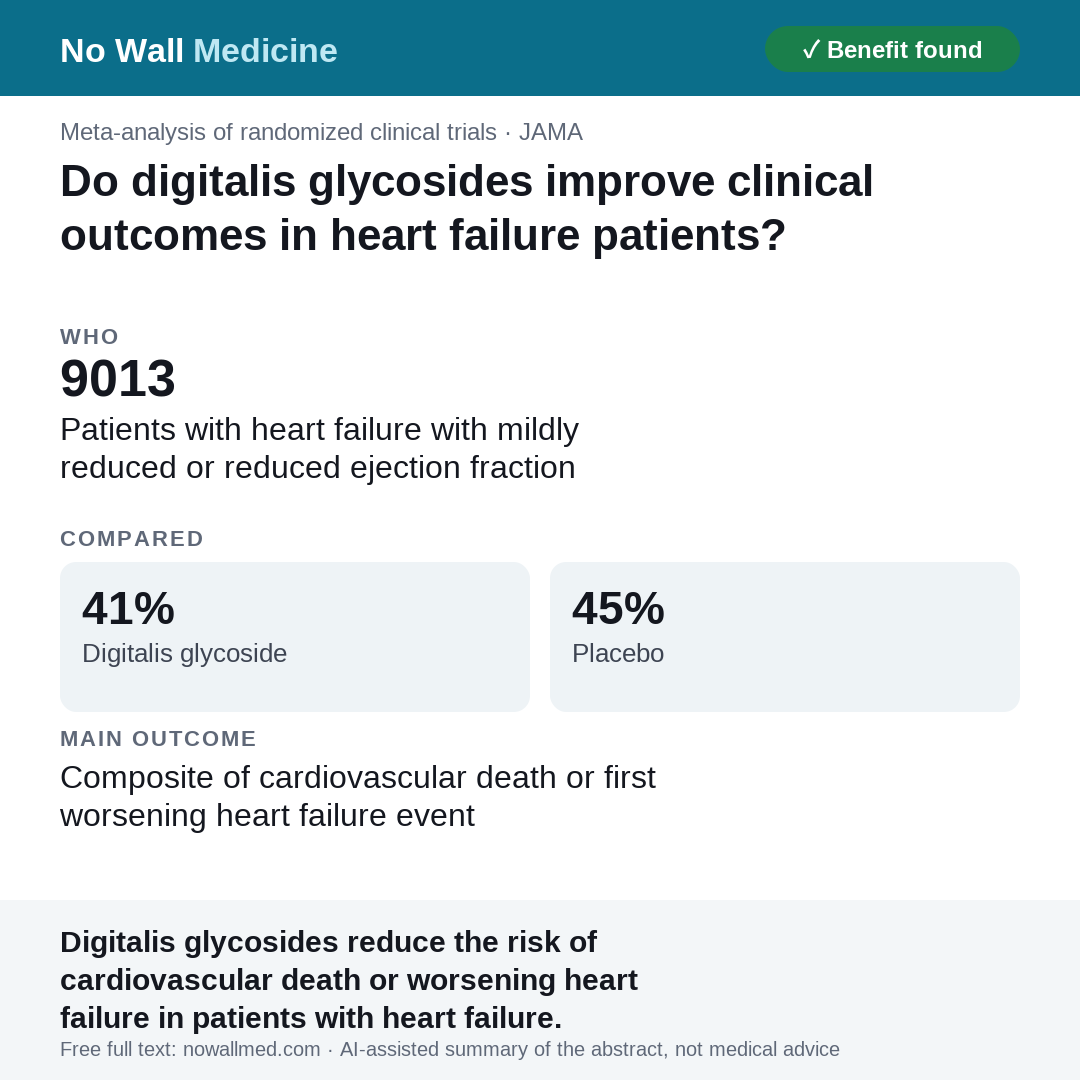
Efficacy and Safety of Digitalis Glycosides in Heart Failure: A Meta-Analysis
Meta-analysis of randomized clinical trialsBenefit found
Do digitalis glycosides improve clinical outcomes in heart failure patients?
Who
9013
Patients with heart failure with mildly reduced or reduced ejection fraction
Compared
41%Digitalis glycoside (1852/4510)
45%Placebo (2037/4503)
Main outcome
Composite of cardiovascular death or first worsening heart failure event
Result: hazard ratio 0.85 (95% CI 0.80-0.90)
Bottom line: Digitalis glycosides reduce the risk of cardiovascular death or worsening heart failure in patients with heart failure.
JAMA · 2026-05-10Download image
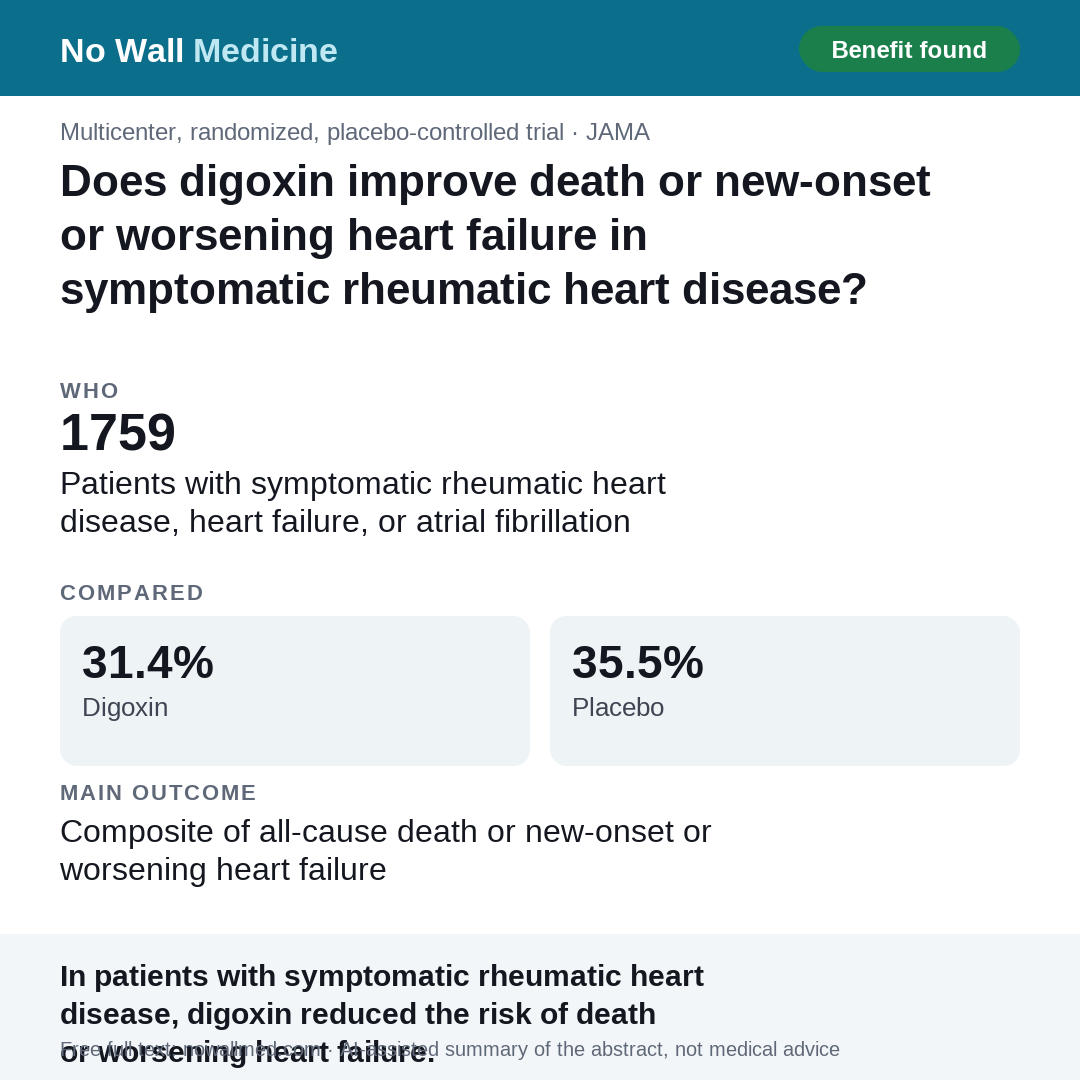
Digoxin in Patients With Symptomatic Rheumatic Heart Disease: A Randomized Clinical Trial
Multicenter, randomized, placebo-controlled trialBenefit found
Does digoxin improve death or new-onset or worsening heart failure in symptomatic rheumatic heart disease?
Who
1759
Patients with symptomatic rheumatic heart disease, heart failure, or atrial fibrillation · 12 tertiary care hospitals in India
Compared
31.4%Digoxin
35.5%Placebo
Main outcome
Composite of all-cause death or new-onset or worsening heart failure
Result: hazard ratio 0.82 (95% CI 0.70-0.97)
Bottom line: In patients with symptomatic rheumatic heart disease, digoxin reduced the risk of death or worsening heart failure.
JAMA · 2026-05-10Download image
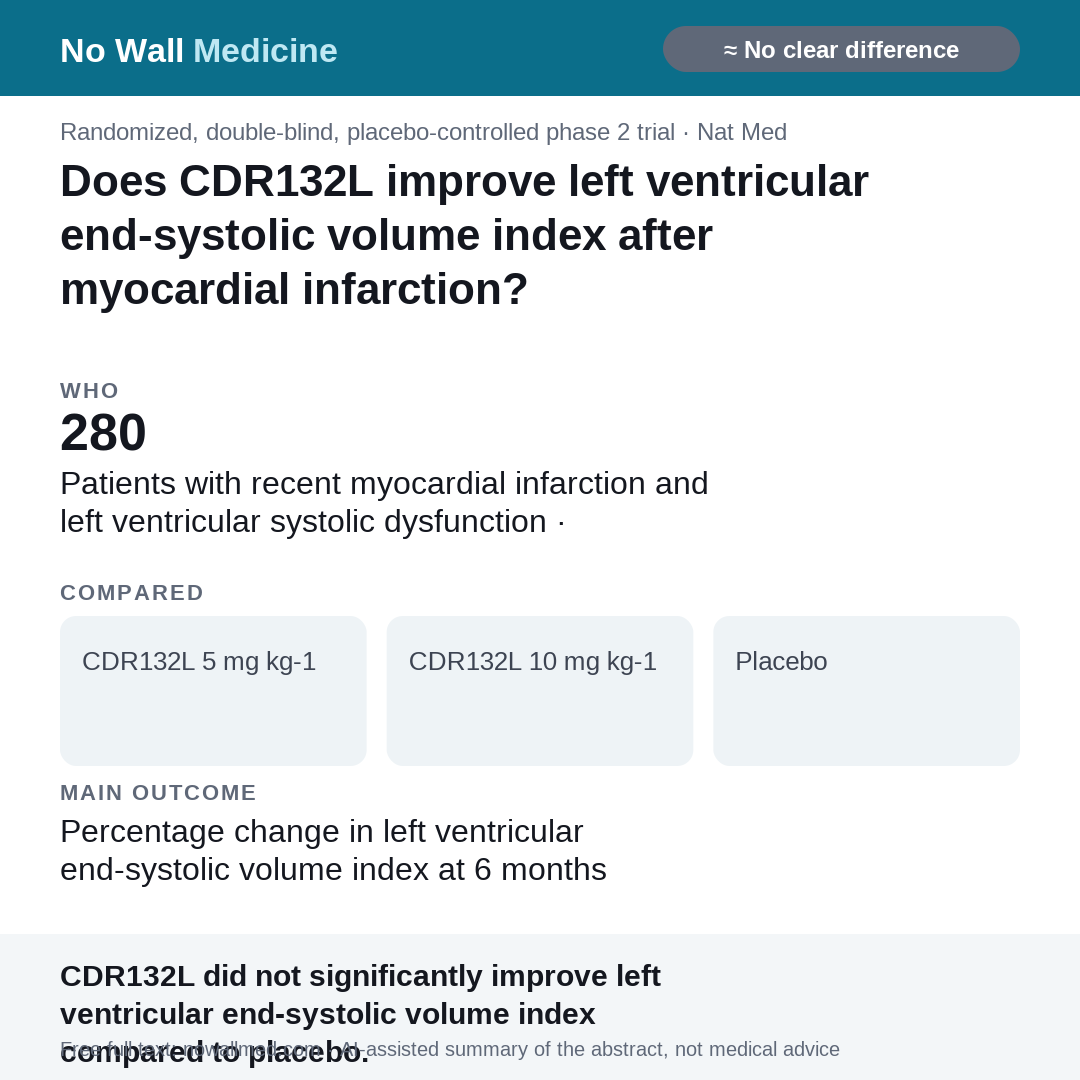
The microRNA inhibitor CDR132L in patients with reduced left ventricular ejection fraction after myocardial infarction: a randomized phase 2 trial
Randomized, double-blind, placebo-controlled phase 2 trialNo clear difference
Does CDR132L improve left ventricular end-systolic volume index after myocardial infarction?
Who
280
Patients with recent myocardial infarction and left ventricular systolic dysfunction · Multinational
Compared
CDR132L 5 mg kg-1
CDR132L 10 mg kg-1
Placebo
Main outcome
Percentage change in left ventricular end-systolic volume index at 6 months
Bottom line: CDR132L did not significantly improve left ventricular end-systolic volume index compared to placebo.
Nat Med · 2026-05-10Download image
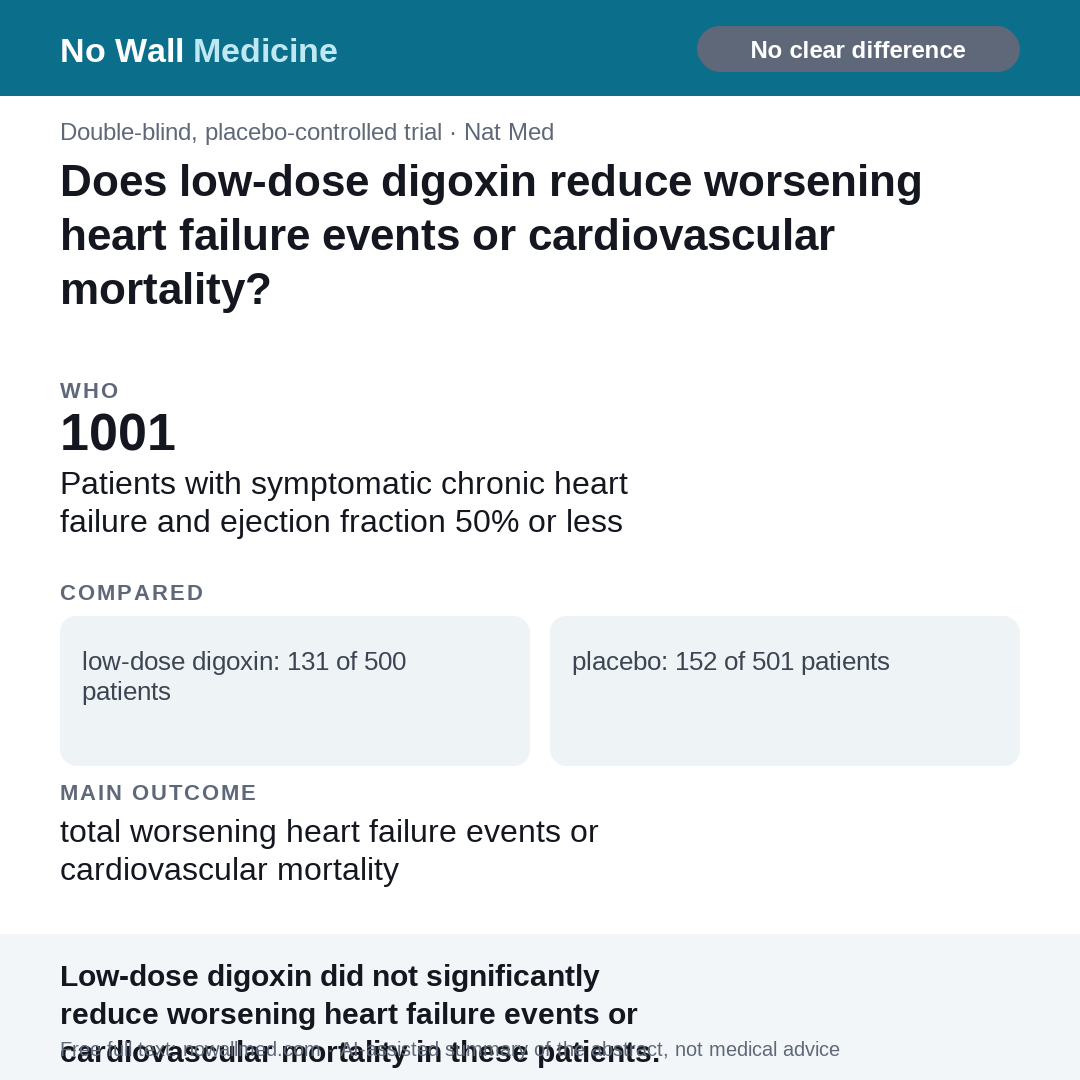
Low-dose digoxin in patients with heart failure with reduced or mildly reduced ejection fraction: a randomized controlled trial
Double-blind, placebo-controlled trialNo clear difference
Does low-dose digoxin reduce worsening heart failure events or cardiovascular mortality?
Who
1001
Patients with symptomatic chronic heart failure and ejection fraction 50% or less
Compared
low-dose digoxin: 131 of 500 patients
placebo: 152 of 501 patients
Main outcome
total worsening heart failure events or cardiovascular mortality
Result: rate ratio 0.81 (95% CI 0.61-1.07)
Bottom line: Low-dose digoxin did not significantly reduce worsening heart failure events or cardiovascular mortality in these patients.
Nat Med · 2026-05-10Download image
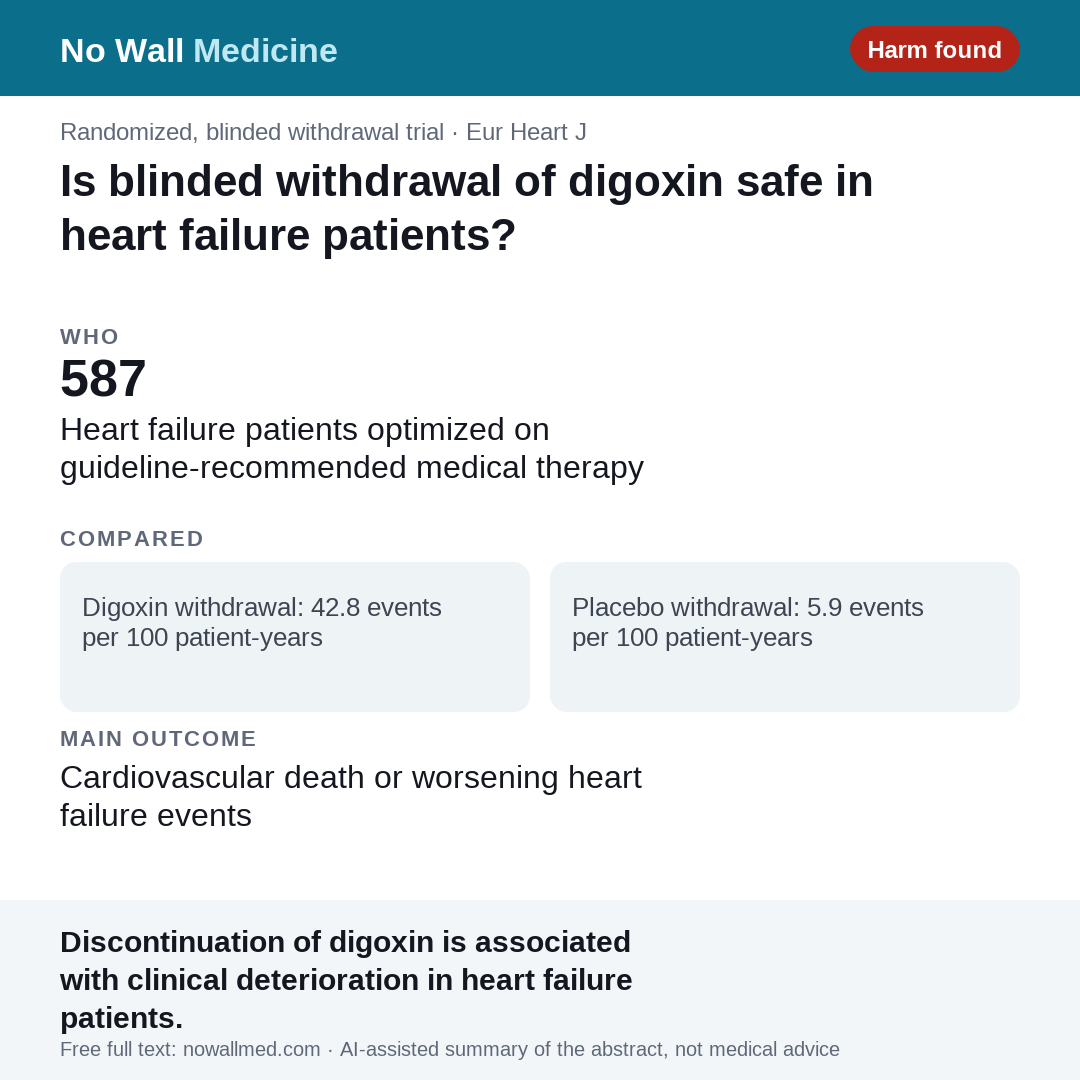
Blinded withdrawal of randomized treatment with low-dose digoxin or placebo in heart failure: the DECISION trial
Randomized, blinded withdrawal trialHarm found
Is blinded withdrawal of digoxin safe in heart failure patients?
Who
587
Heart failure patients optimized on guideline-recommended medical therapy
Compared
Digoxin withdrawal: 42.8 events per 100 patient-years
Placebo withdrawal: 5.9 events per 100 patient-years
Main outcome
Cardiovascular death or worsening heart failure events
Result: rate ratio 7.37 (95% CI 1.56-34.88)
Bottom line: Discontinuation of digoxin is associated with clinical deterioration in heart failure patients.
Eur Heart J · 2026-05-10Download image
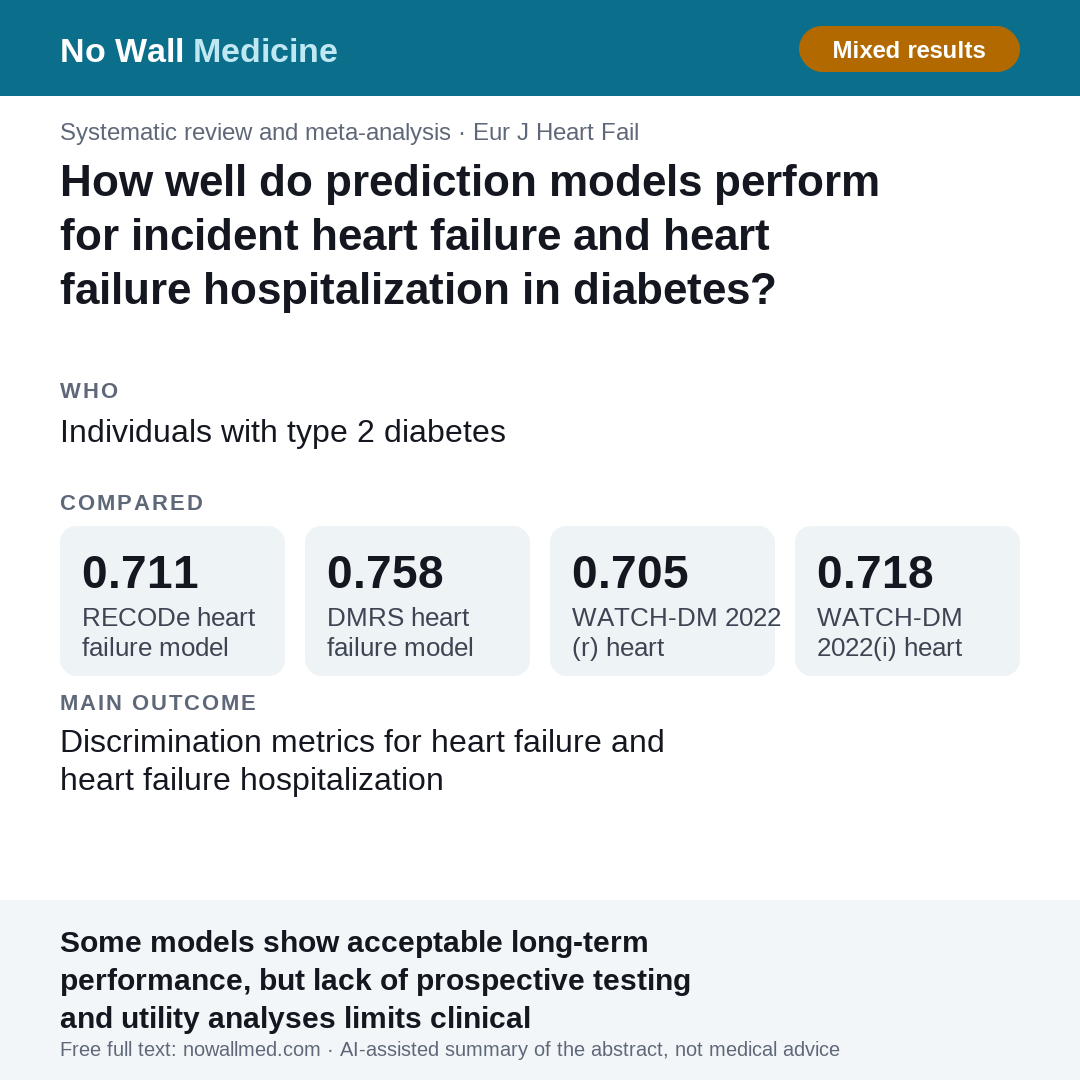
Performance of prediction models for incident heart failure and heart failure hospitalization in individuals with type 2 diabetes: a systematic review and meta-analysis
Systematic review and meta-analysisMixed results
How well do prediction models perform for incident heart failure and heart failure hospitalization in diabetes?
Who
Individuals with type 2 diabetes
Compared
0.711RECODe heart failure model (95% CI 0.651-0.767)
0.758DMRS heart failure model (95% CI 0.684-0.827)
0.705WATCH-DM 2022 (r) heart failure hospitalization model (95% CI, 0.624-0.795)
0.718WATCH-DM 2022(i) heart failure hospitalization model (95% CI 0.587-0.850)
Main outcome
Discrimination metrics for heart failure and heart failure hospitalization
Bottom line: Some models show acceptable long-term performance, but lack of prospective testing and utility analyses limits clinical translation.
Limitation: None of the models were prospectively tested and only three underwent clinical utility analysis.
Eur J Heart Fail · 2026-05-10Download image
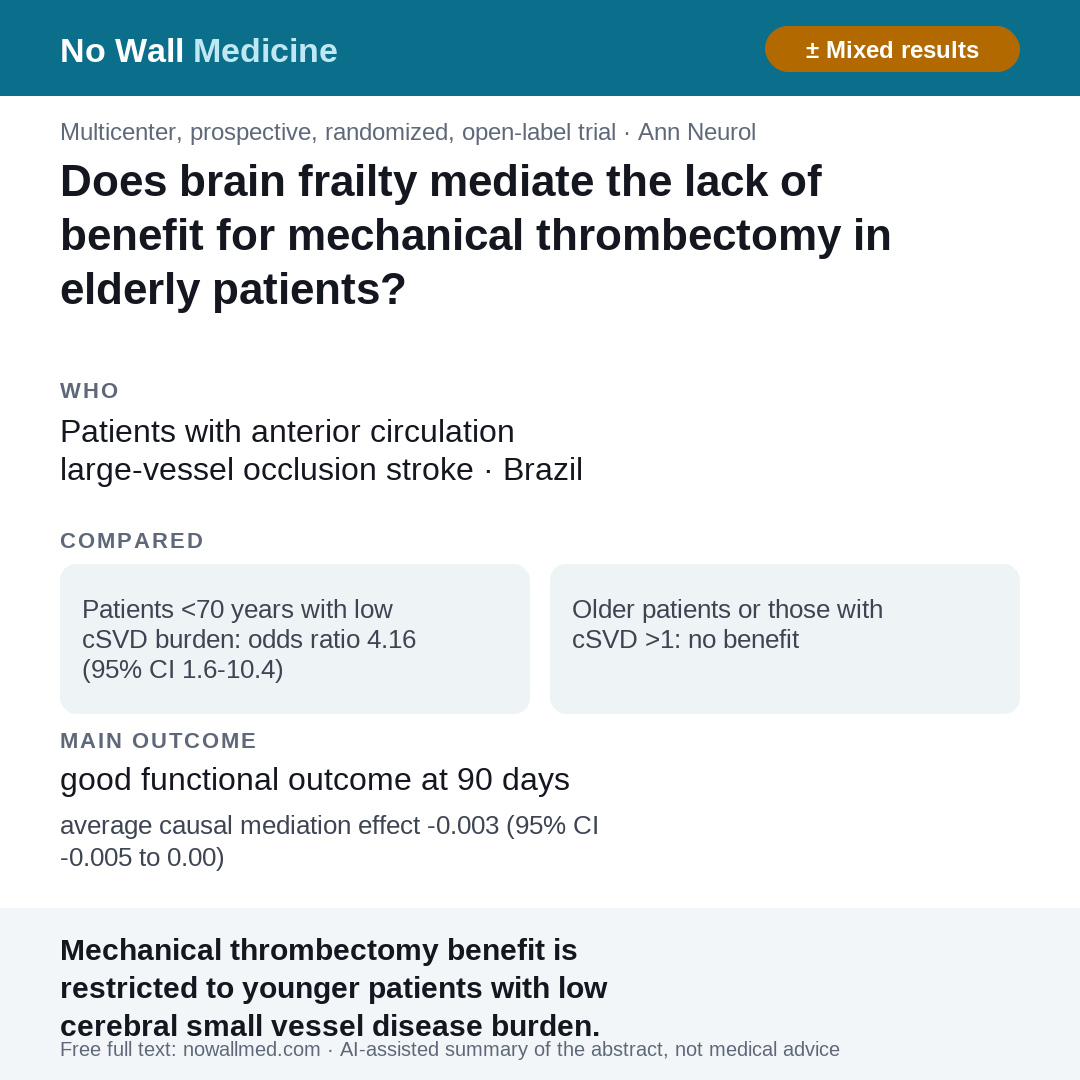
Brain Frailty Rather than Age Alone Mediates the Lack of Benefit for Endovascular Thrombectomy in the Elderly Population of the RESILIENT Trial
Multicenter, prospective, randomized, open-label trialMixed results
Does brain frailty mediate the lack of benefit for mechanical thrombectomy in elderly patients?
Who
Patients with anterior circulation large-vessel occlusion stroke · Brazil
Compared
Patients <70 years with low cSVD burden: odds ratio 4.16 (95% CI 1.6-10.4)
Older patients or those with cSVD >1: no benefit
Main outcome
good functional outcome at 90 days
Result: average causal mediation effect -0.003 (95% CI -0.005 to 0.00)
Bottom line: Mechanical thrombectomy benefit is restricted to younger patients with low cerebral small vessel disease burden.
Ann Neurol · 2026-05-10Download image
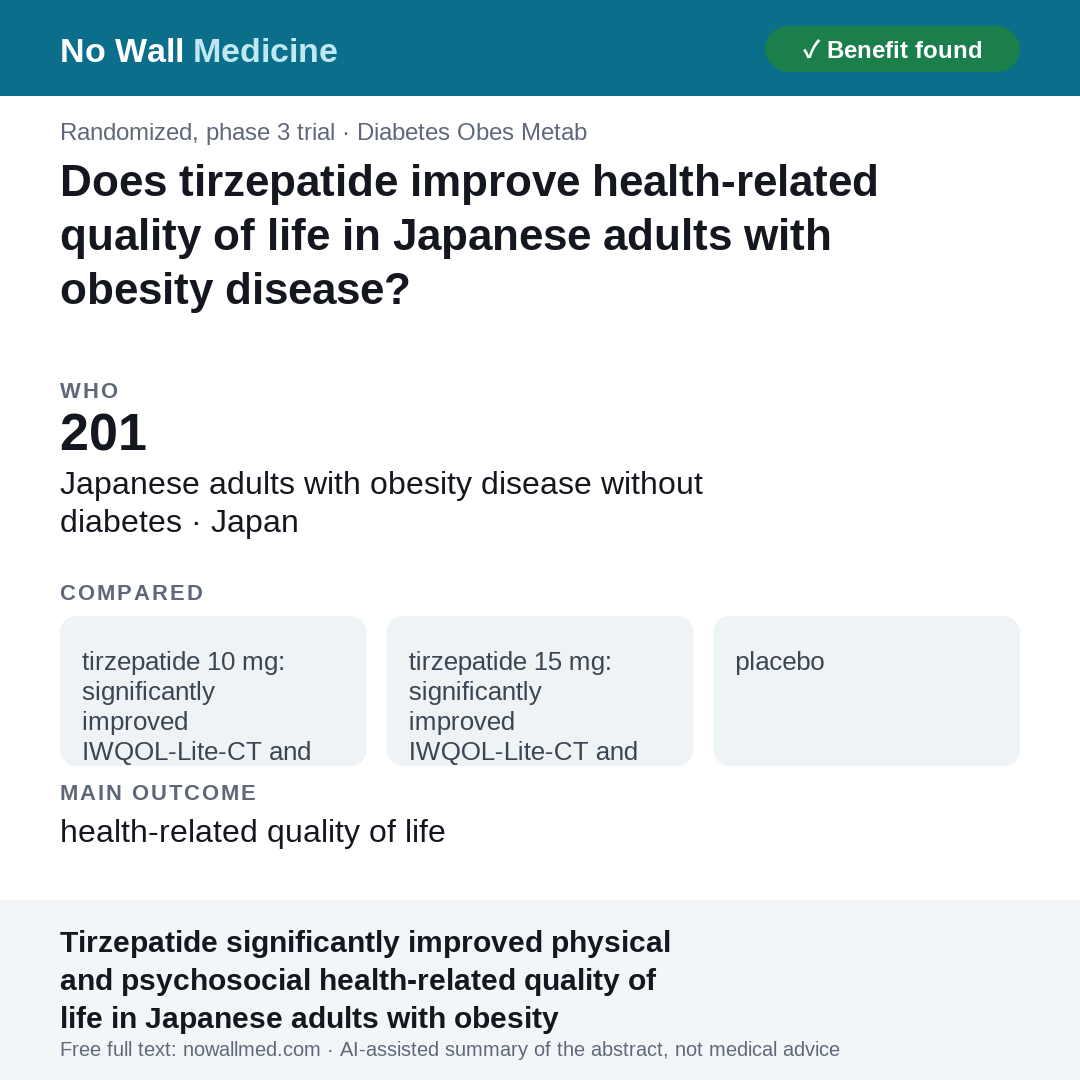
Effect of Tirzepatide on Health-Related Quality of Life in Japanese Patients With Obesity Disease: Patient-Reported Outcomes From the SURMOUNT-J Study
Randomized, phase 3 trialBenefit found
Does tirzepatide improve health-related quality of life in Japanese adults with obesity disease?
Who
201
Japanese adults with obesity disease without diabetes · Japan
Compared
tirzepatide 10 mg: significantly improved IWQOL-Lite-CT and SF-36v2 scores
tirzepatide 15 mg: significantly improved IWQOL-Lite-CT and SF-36v2 scores
placebo
Main outcome
health-related quality of life
Bottom line: Tirzepatide significantly improved physical and psychosocial health-related quality of life in Japanese adults with obesity disease.
Diabetes Obes Metab · 2026-05-10Download image
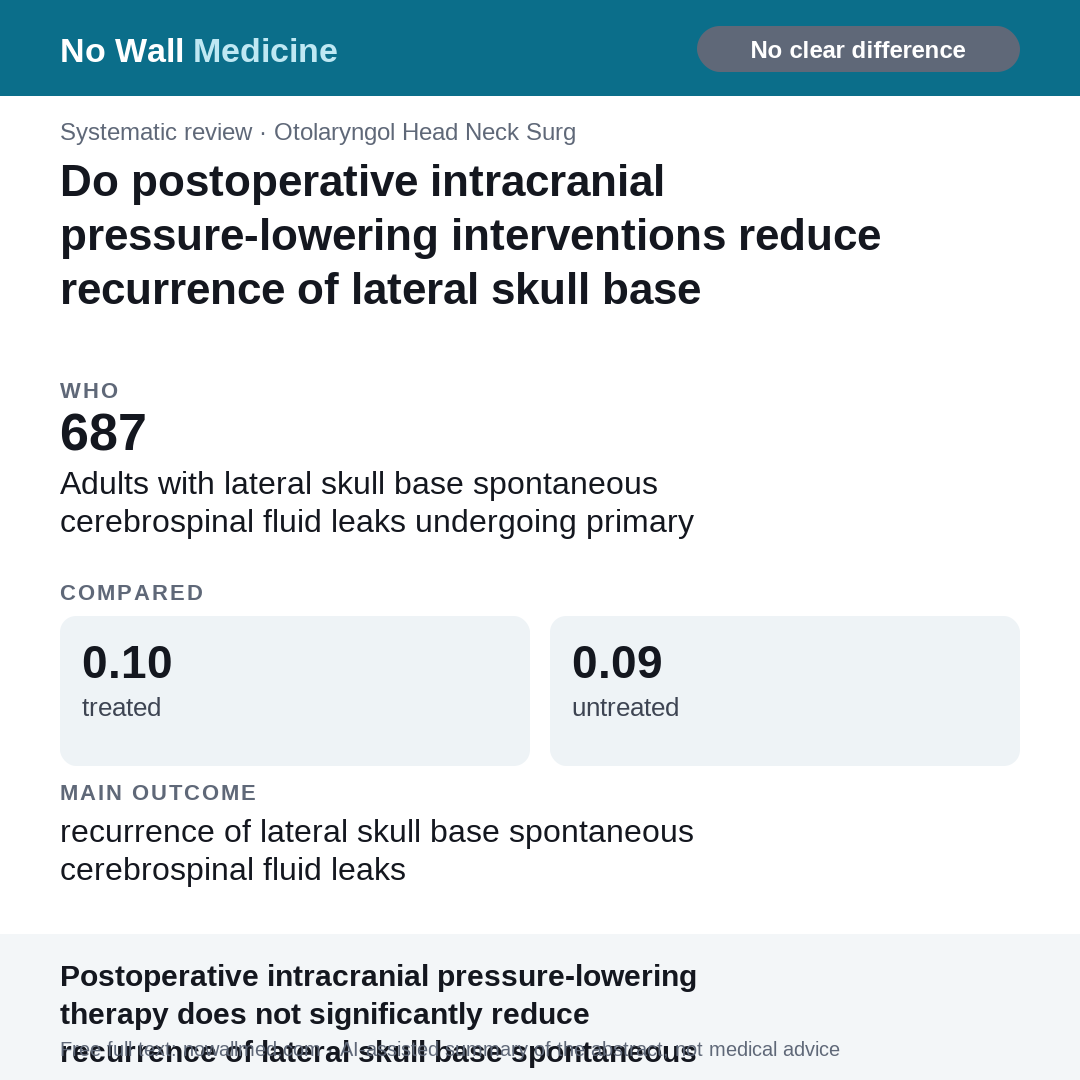
Risk Reduction of Recurrent Cerebrospinal Fluid Leaks With Postoperative Intracranial Pressure Management: A Systematic Review
Systematic reviewNo clear difference
Do postoperative intracranial pressure-lowering interventions reduce recurrence of lateral skull base spontaneous cerebrospinal fluid leaks?
Who
687
Adults with lateral skull base spontaneous cerebrospinal fluid leaks undergoing primary repair
Compared
0.10treated (95% CI: 0.04-0.26)
0.09untreated (95% CI: 0.07-0.12)
Main outcome
recurrence of lateral skull base spontaneous cerebrospinal fluid leaks
Result: risk ratio 1.16 (95% CI 0.14-9.76)
Bottom line: Postoperative intracranial pressure-lowering therapy does not significantly reduce recurrence of lateral skull base spontaneous cerebrospinal fluid leaks.
Limitation: heterogeneity in patient selection and intervention practices
Otolaryngol Head Neck Surg · 2026-05-10Download image
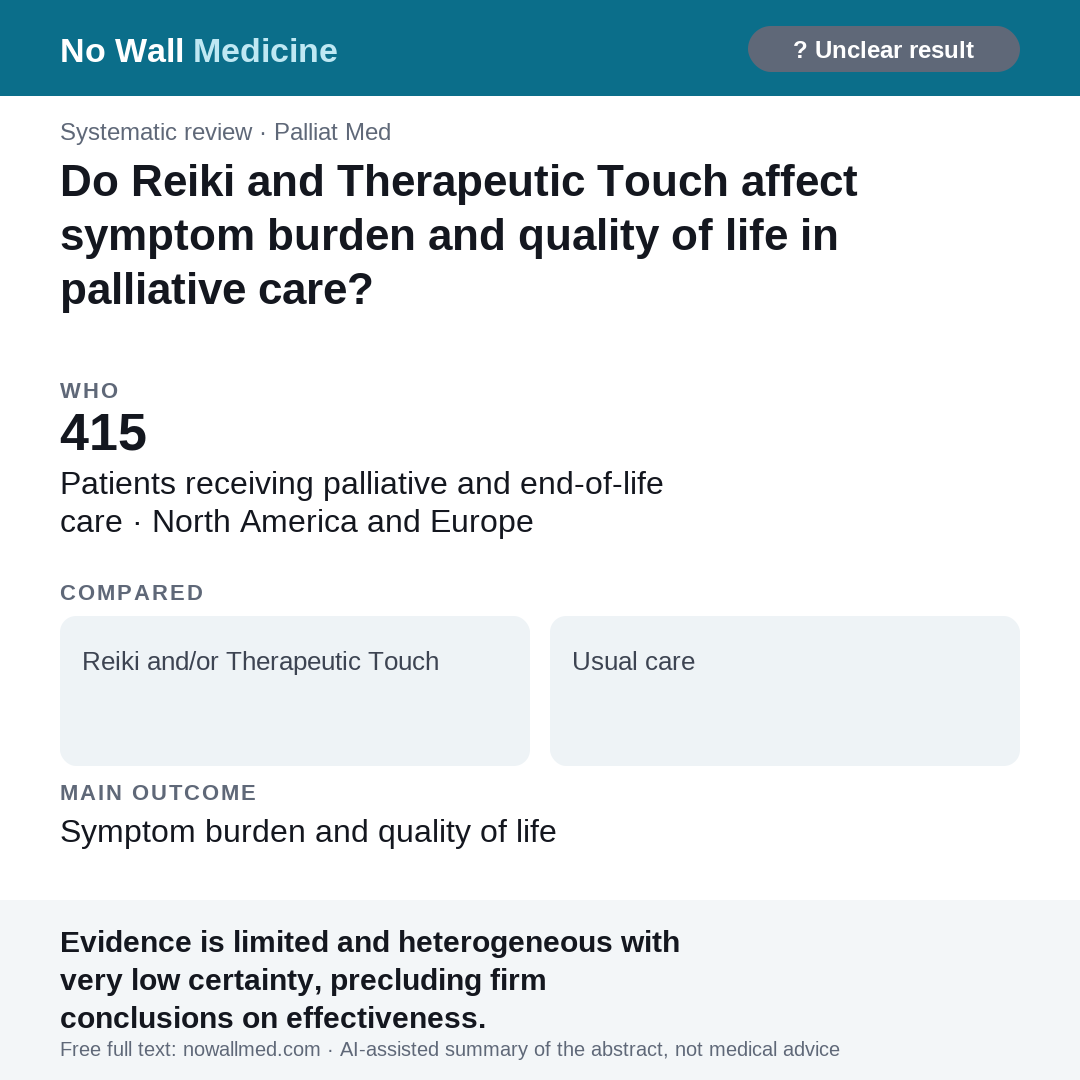
Reiki and Therapeutic Touch for symptom burden and quality of life in palliative settings: A systematic review
Systematic reviewUnclear result
Do Reiki and Therapeutic Touch affect symptom burden and quality of life in palliative care?
Who
415
Patients receiving palliative and end-of-life care · North America and Europe
Compared
Reiki and/or Therapeutic Touch
Usual care
Main outcome
Symptom burden and quality of life
Bottom line: Evidence is limited and heterogeneous with very low certainty, precluding firm conclusions on effectiveness.
Limitation: Very low certainty of evidence and risk of bias in included studies.
Palliat Med · 2026-05-10Download image
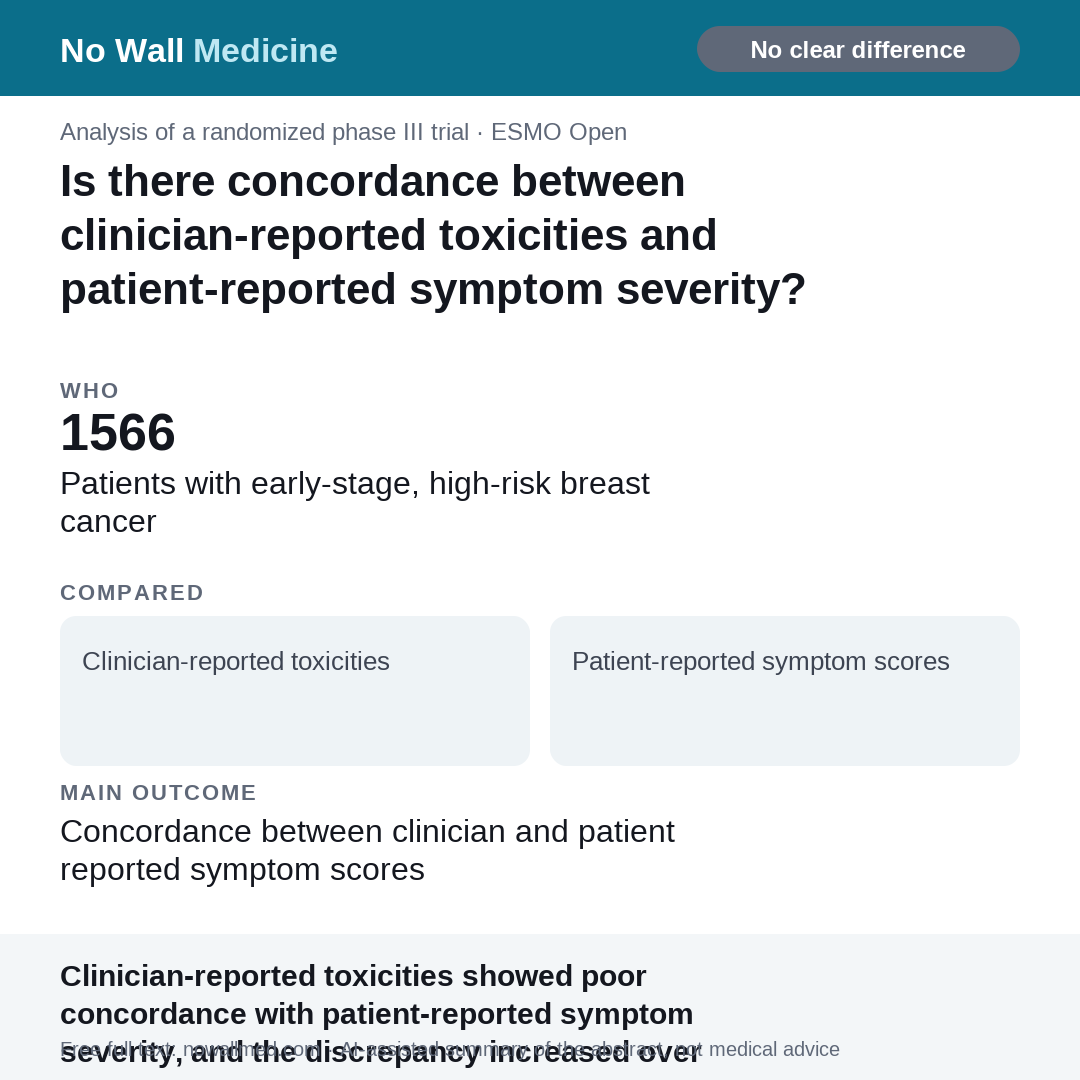
Concordance between clinician-reported toxicities and patient-reported symptom severity in early-stage breast cancer: an analysis of the randomized phase III PANTHER trial
Analysis of a randomized phase III trialNo clear difference
Is there concordance between clinician-reported toxicities and patient-reported symptom severity?
Who
1566
Patients with early-stage, high-risk breast cancer
Compared
Clinician-reported toxicities
Patient-reported symptom scores
Main outcome
Concordance between clinician and patient reported symptom scores
Result: kappa = 0.07-0.34
Bottom line: Clinician-reported toxicities showed poor concordance with patient-reported symptom severity, and the discrepancy increased over time.
ESMO Open · 2026-05-09Download image
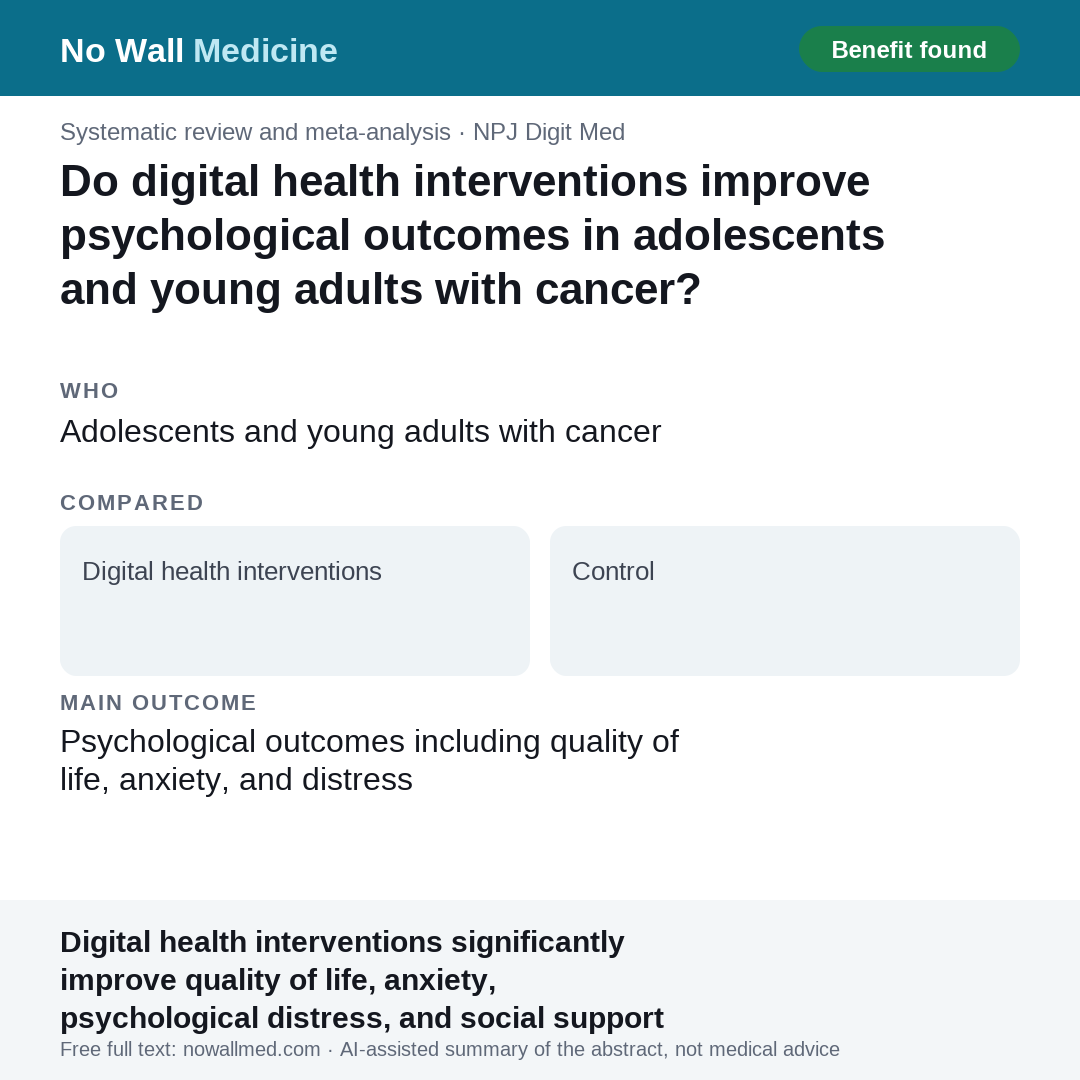
Digital health interventions for psychological outcomes among adolescents and young adults with cancer: a systematic review and meta-analysis
Systematic review and meta-analysisBenefit found
Do digital health interventions improve psychological outcomes in adolescents and young adults with cancer?
Who
Adolescents and young adults with cancer
Compared
Digital health interventions
Control
Main outcome
Psychological outcomes including quality of life, anxiety, and distress
Bottom line: Digital health interventions significantly improve quality of life, anxiety, psychological distress, and social support in adolescents and young adults with cancer.
Limitation: Future randomized controlled trials are needed to evaluate cognitive impairment and cost-effectiveness.
NPJ Digit Med · 2026-05-09Download image
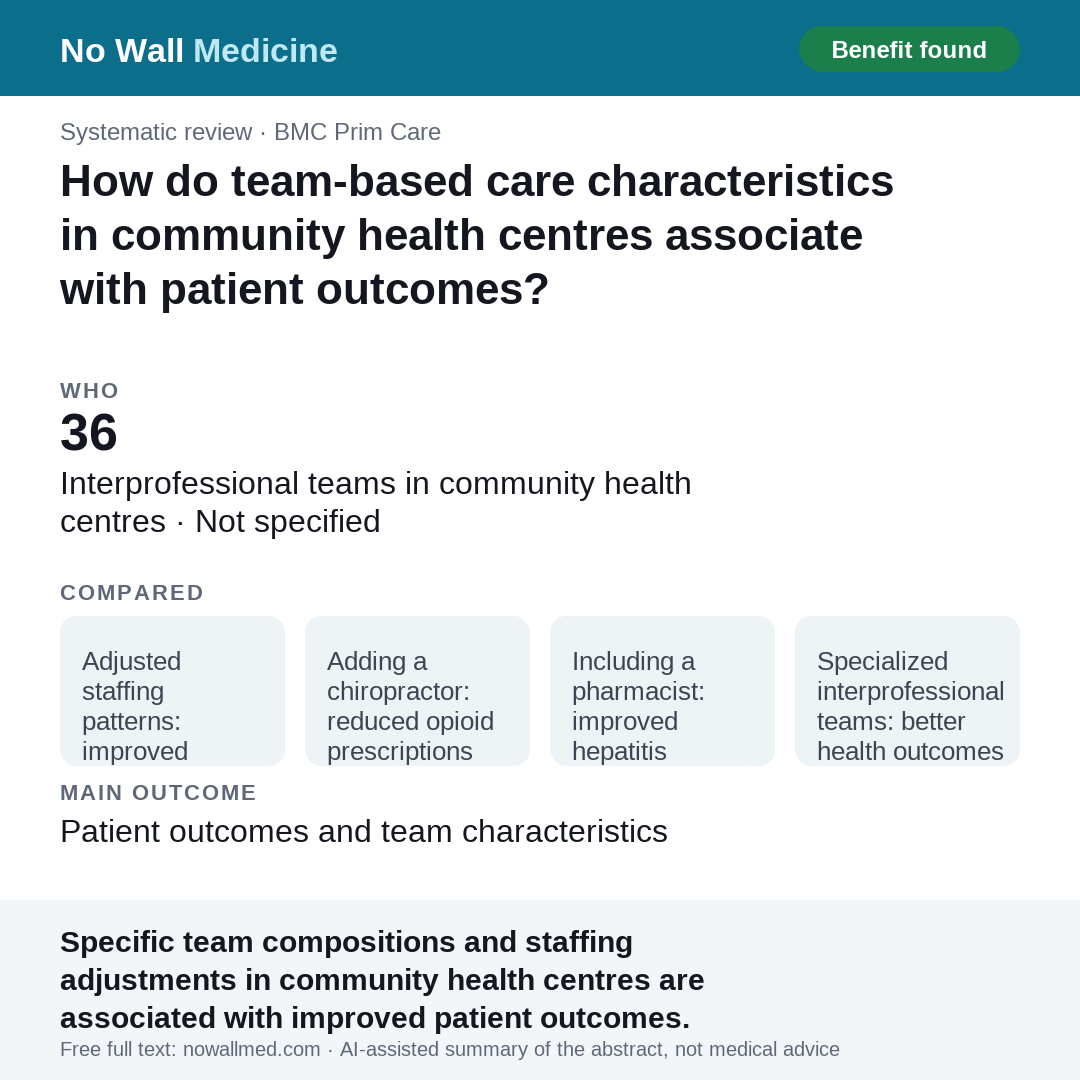
The association between team-based model of care characteristics and patient outcomes in community health centres: a systematic review
Systematic reviewBenefit found
How do team-based care characteristics in community health centres associate with patient outcomes?
Who
36
Interprofessional teams in community health centres · Not specified
Compared
Adjusted staffing patterns: improved patient satisfaction and increased number of visits
Adding a chiropractor: reduced opioid prescriptions and patient pain
Including a pharmacist: improved hepatitis management and patient satisfaction
Specialized interprofessional teams: better health outcomes and care management
Main outcome
Patient outcomes and team characteristics
Bottom line: Specific team compositions and staffing adjustments in community health centres are associated with improved patient outcomes.
Limitation: Inconsistent findings regarding nurse practitioners and physician assistants impact on patients seen.
BMC Prim Care · 2026-05-09Download image
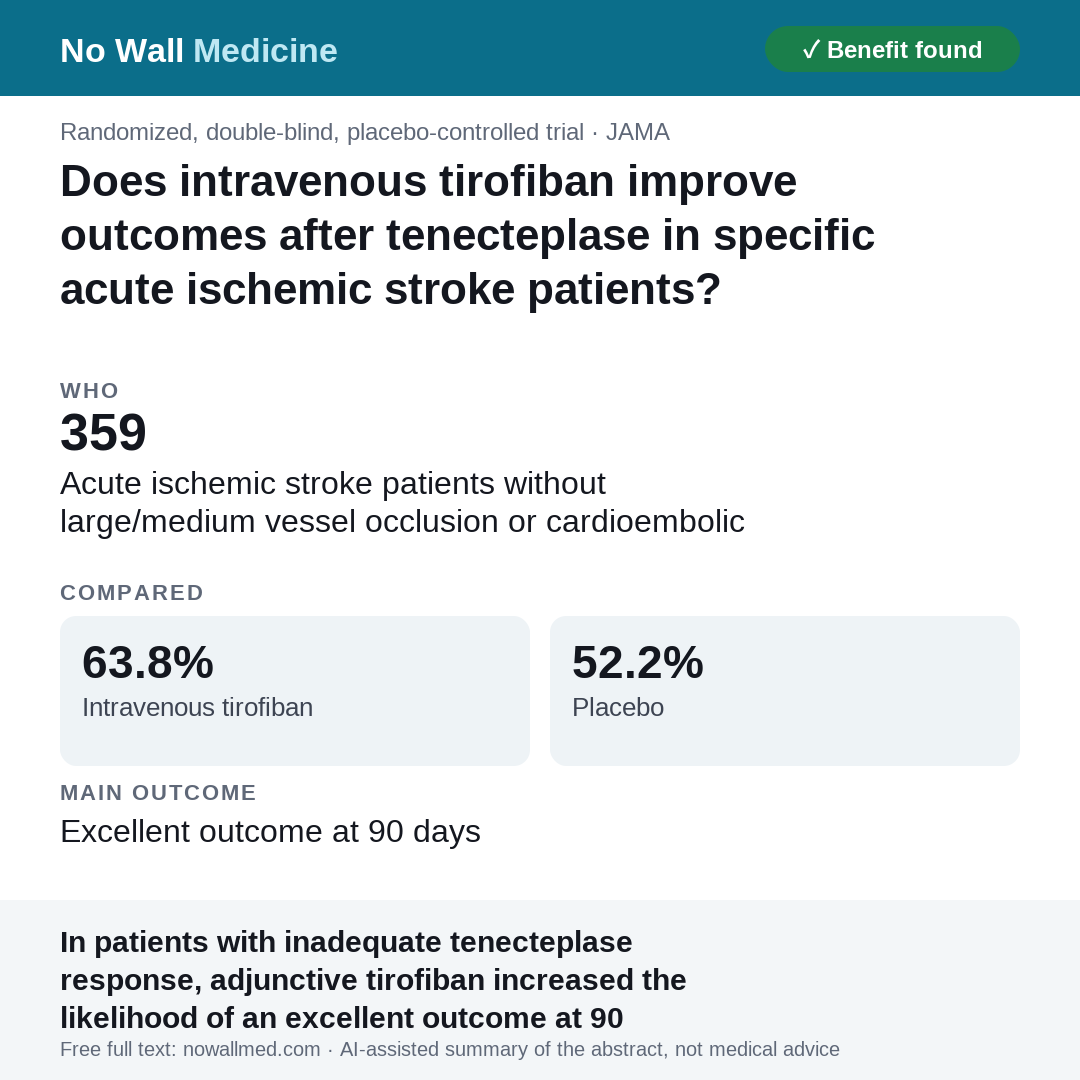
Intravenous Tirofiban After Tenecteplase in Acute Ischemic Stroke: The INSTANT Randomized Clinical Trial
Randomized, double-blind, placebo-controlled trialBenefit found
Does intravenous tirofiban improve outcomes after tenecteplase in specific acute ischemic stroke patients?
Who
359
Acute ischemic stroke patients without large/medium vessel occlusion or cardioembolic source · 37 hospitals in China
Compared
63.8%Intravenous tirofiban
52.2%Placebo
Main outcome
Excellent outcome at 90 days
Result: risk ratio 1.22 (95% CI 1.02-1.46)
Bottom line: In patients with inadequate tenecteplase response, adjunctive tirofiban increased the likelihood of an excellent outcome at 90 days.
JAMA · 2026-05-08Download image
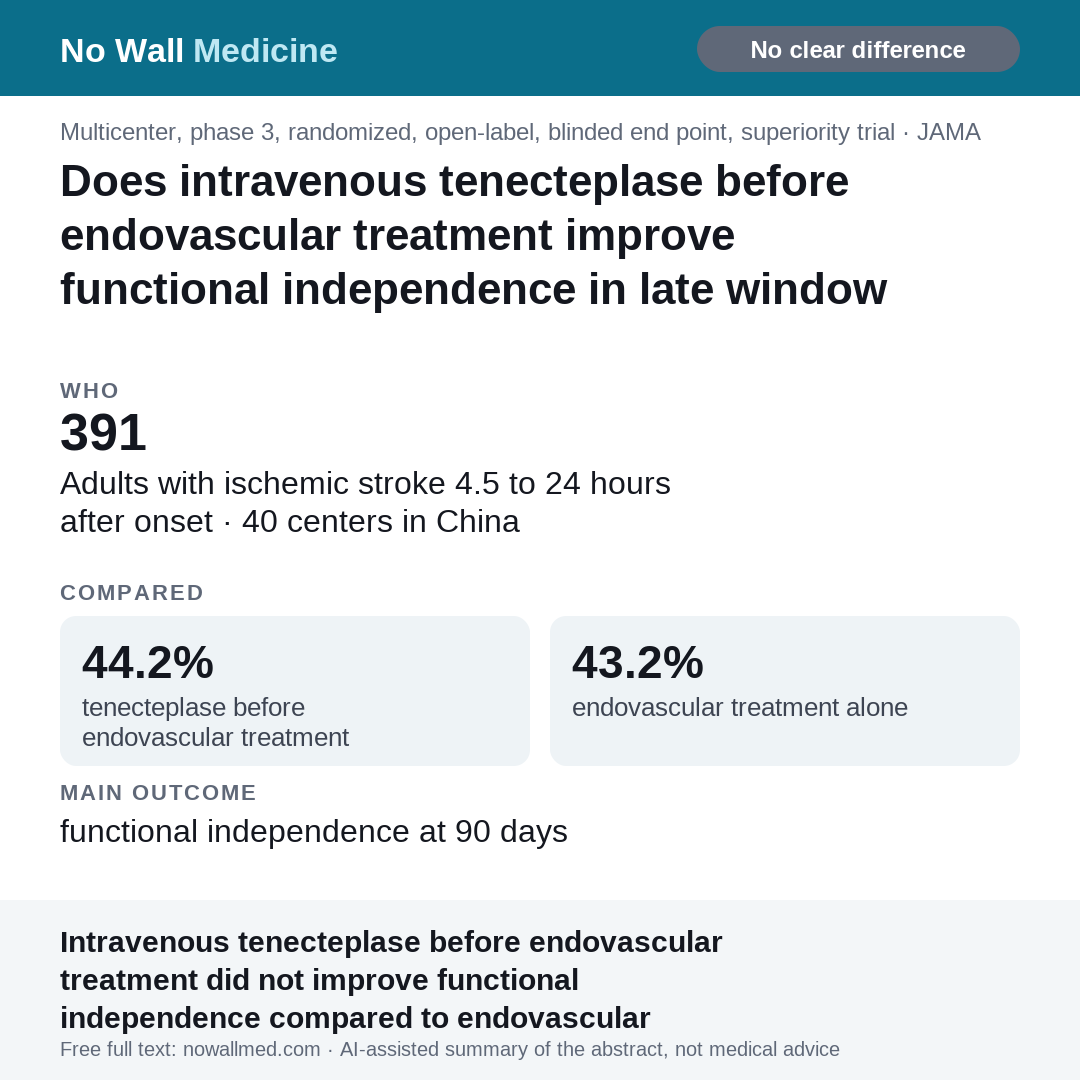
Intravenous Tenecteplase Prior to Endovascular Treatment for Ischemic Stroke at 4.5 to 24 Hours: The TNK-PLUS Randomized Clinical Trial
Multicenter, phase 3, randomized, open-label, blinded end point, superiority trialNo clear difference
Does intravenous tenecteplase before endovascular treatment improve functional independence in late window ischemic stroke?
Who
391
Adults with ischemic stroke 4.5 to 24 hours after onset · 40 centers in China
Compared
44.2%tenecteplase before endovascular treatment
43.2%endovascular treatment alone
Main outcome
functional independence at 90 days
Result: adjusted relative rate, 1.01 (95% CI, 0.83-1.24)
Bottom line: Intravenous tenecteplase before endovascular treatment did not improve functional independence compared to endovascular treatment alone.
JAMA · 2026-05-08Download image
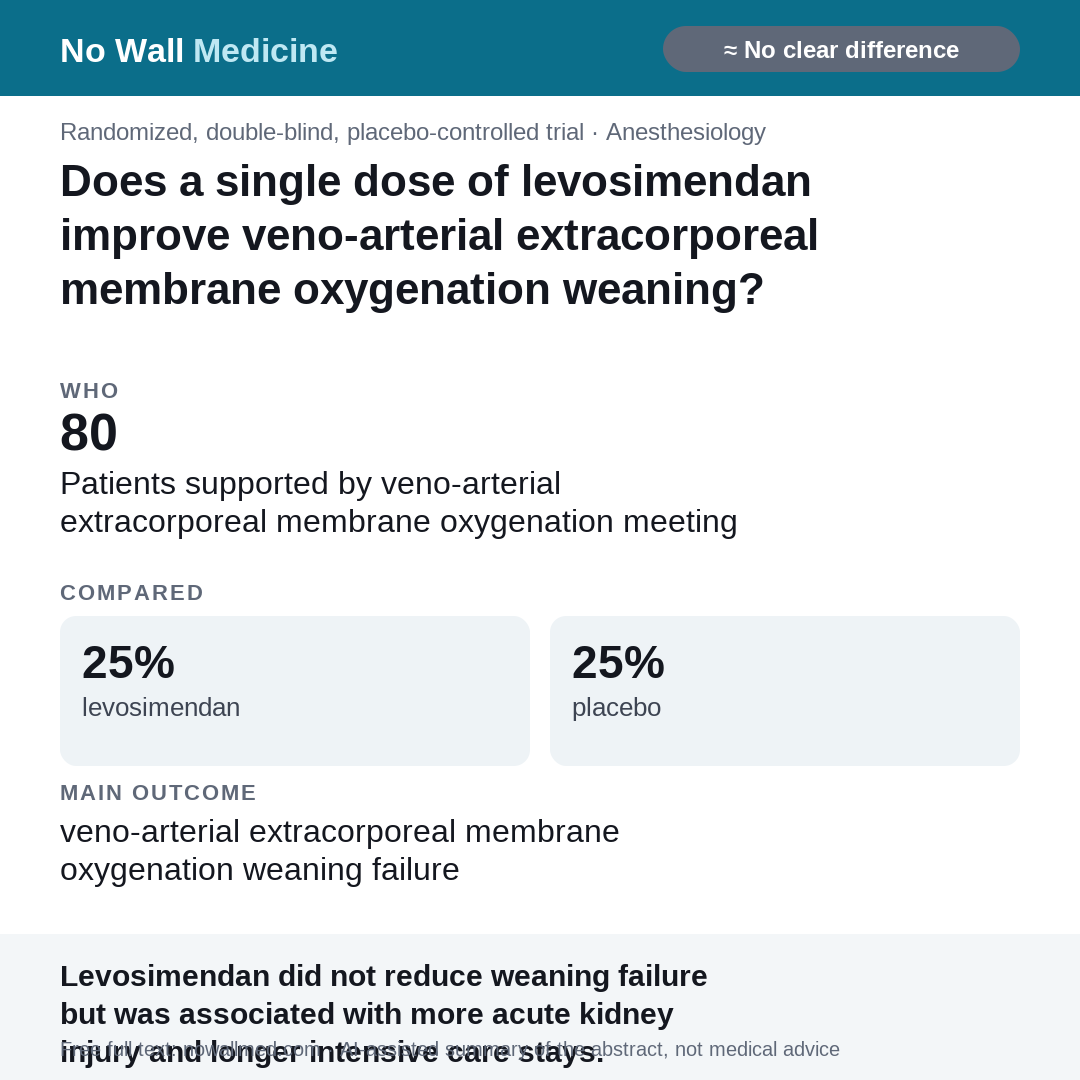
Short- and Long-term Efficacy and Safety of Levosimendan in Veno-arterial Extracorporeal Membrane Oxygenation Weaning: The WEANILEVO Randomized Double-blind Multicenter Trial
Randomized, double-blind, placebo-controlled trialNo clear difference
Does a single dose of levosimendan improve veno-arterial extracorporeal membrane oxygenation weaning?
Who
80
Patients supported by veno-arterial extracorporeal membrane oxygenation meeting weaning criteria · Five French centers
Compared
25%levosimendan
25%placebo
Main outcome
veno-arterial extracorporeal membrane oxygenation weaning failure
Result: odds ratio, 1.00 (95% CI, 0.36 to 2.75)
Bottom line: Levosimendan did not reduce weaning failure but was associated with more acute kidney injury and longer intensive care stays.
Limitation: The planned number of patients could not be recruited due to halted funding.
Anesthesiology · 2026-05-08Download image
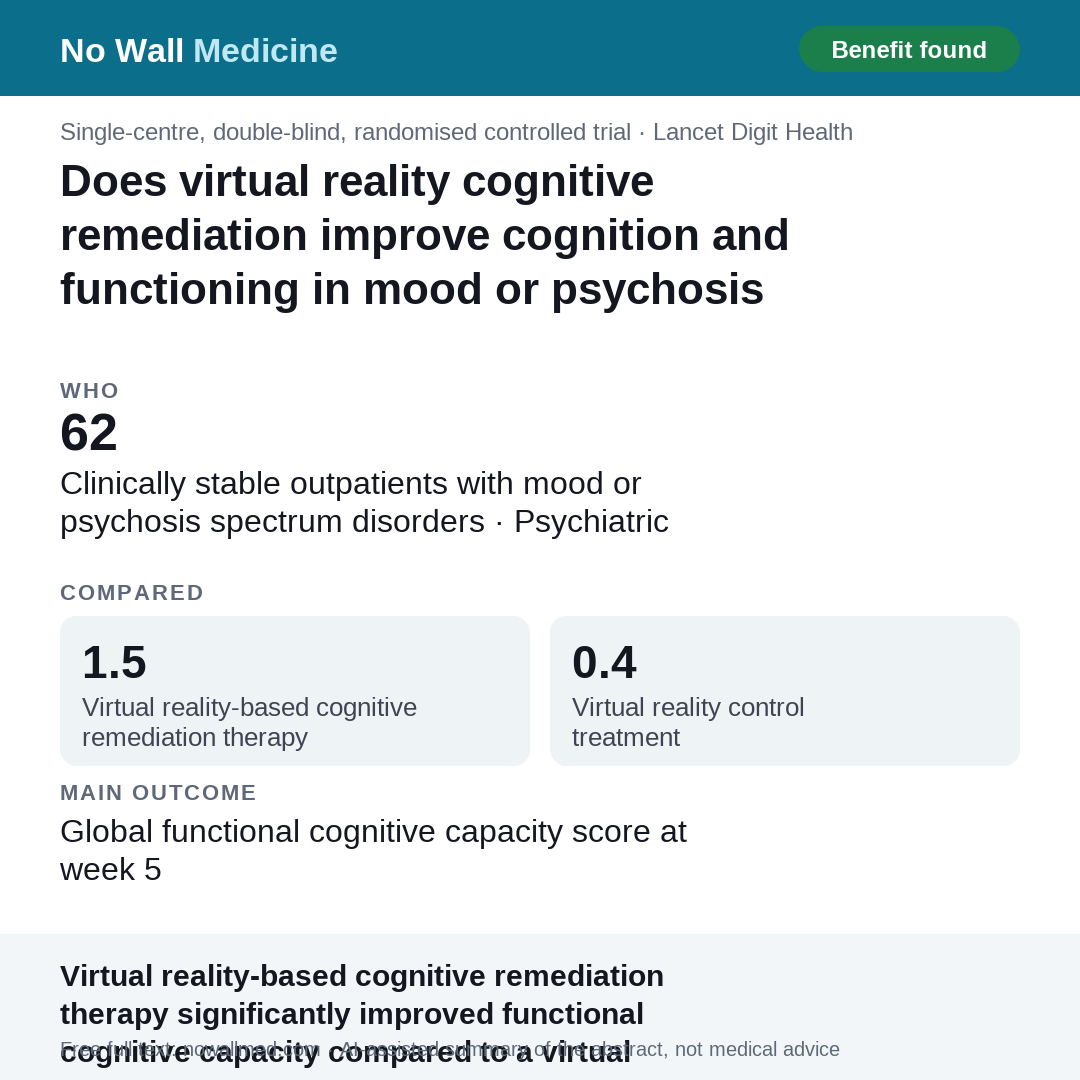
Virtual reality-based cognitive remediation versus virtual reality control in people with mood or psychosis spectrum disorders in Denmark: a single-centre, double-blind, randomised controlled trial
Single-centre, double-blind, randomised controlled trialBenefit found
Does virtual reality cognitive remediation improve cognition and functioning in mood or psychosis spectrum disorders?
Who
62
Clinically stable outpatients with mood or psychosis spectrum disorders · Psychiatric Centre Copenhagen in Denmark
Compared
1.5Virtual reality-based cognitive remediation therapy (SD 0.6)
0.4Virtual reality control treatment (0.8)
Main outcome
Global functional cognitive capacity score at week 5
Result: treatment effect 0.98 (95% CI 0.65-1.32)
Bottom line: Virtual reality-based cognitive remediation therapy significantly improved functional cognitive capacity compared to a virtual reality control group.
Funded by: TrygFonden, Axel Muusfeldts Foundation, Jascha Foundation, Ivan Nielsen Foundation, and Familien Hede Nielsen Foundation
Lancet Digit Health · 2026-05-08Download image
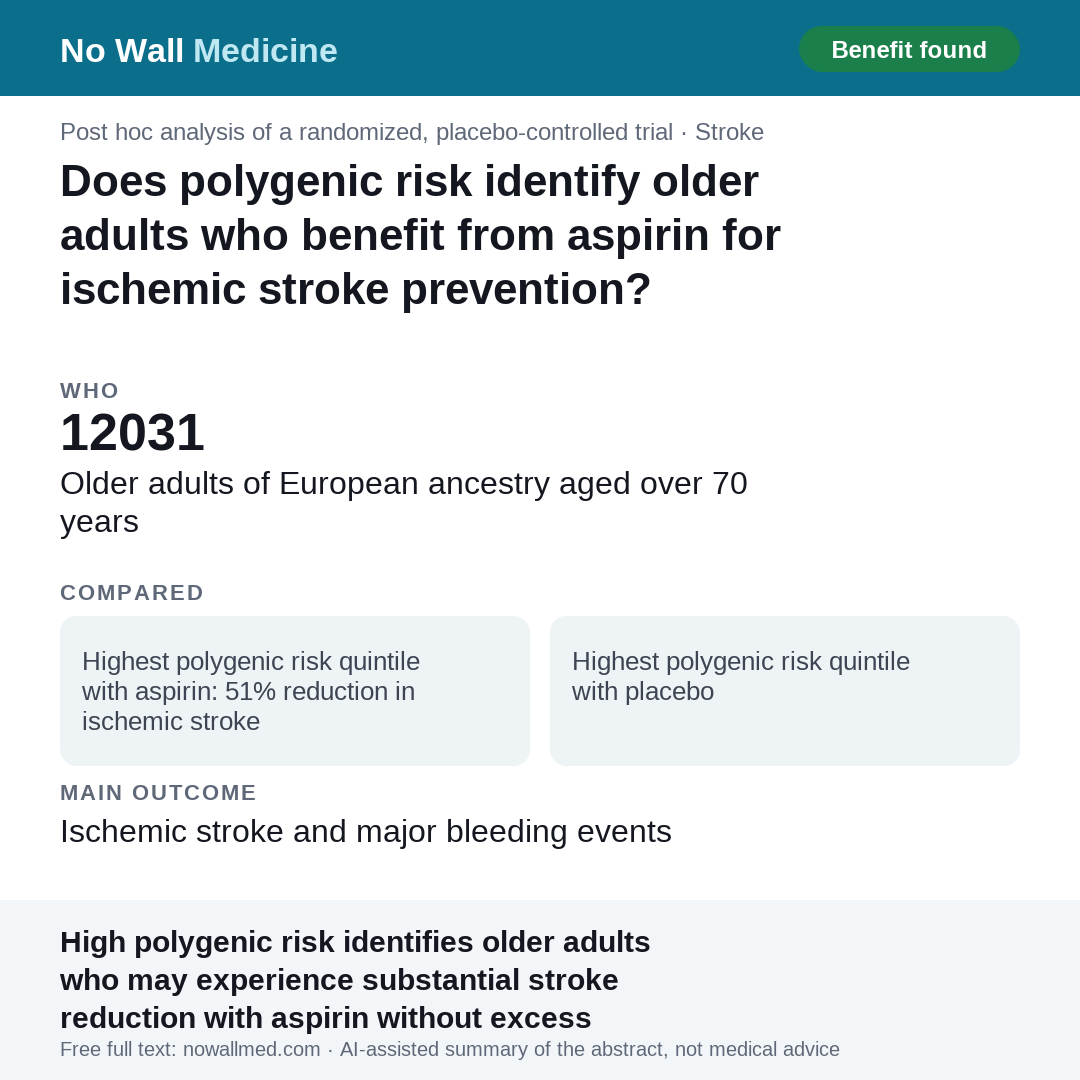
Polygenic Risk Identifies Older Adults Who May Benefit From Aspirin for the Primary Prevention of Ischemic Stroke
Post hoc analysis of a randomized, placebo-controlled trialBenefit found
Does polygenic risk identify older adults who benefit from aspirin for ischemic stroke prevention?
Who
12031
Older adults of European ancestry aged over 70 years
Compared
Highest polygenic risk quintile with aspirin: 51% reduction in ischemic stroke
Highest polygenic risk quintile with placebo
Main outcome
Ischemic stroke and major bleeding events
Result: hazard ratio 0.49 (95% CI 0.28-0.85)
Bottom line: High polygenic risk identifies older adults who may experience substantial stroke reduction with aspirin without excess bleeding.
Stroke · 2026-05-08Download image
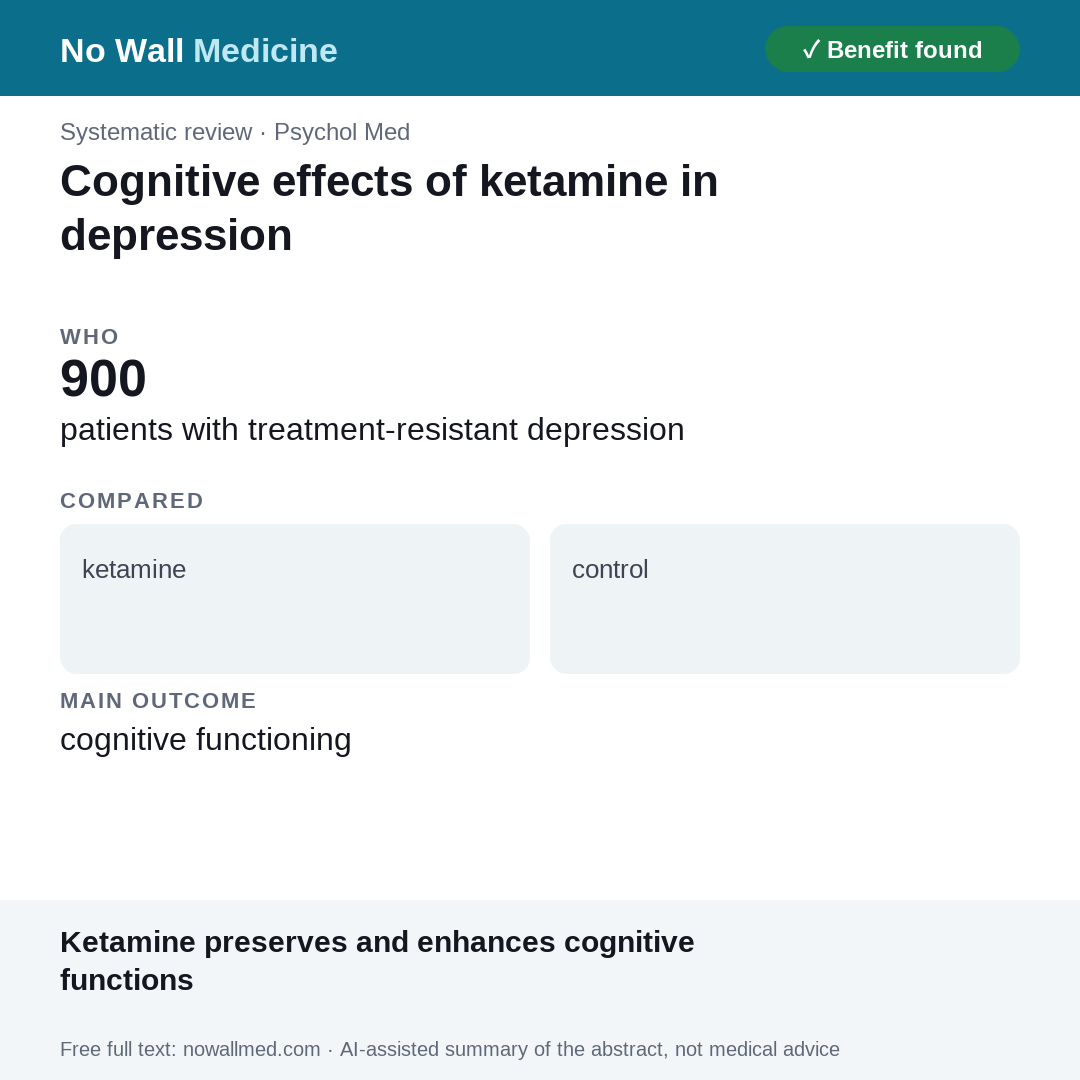
Cognitive effects of intravenous Ketamine in treatment-resistant depression: A systematic review
Systematic reviewBenefit found
Cognitive effects of ketamine in depression
Who
900
patients with treatment-resistant depression
Compared
ketamine
control
Main outcome
cognitive functioning
Bottom line: Ketamine preserves and enhances cognitive functions
Limitation: lack of longitudinal studies
Psychol Med · 2026-05-08Download image
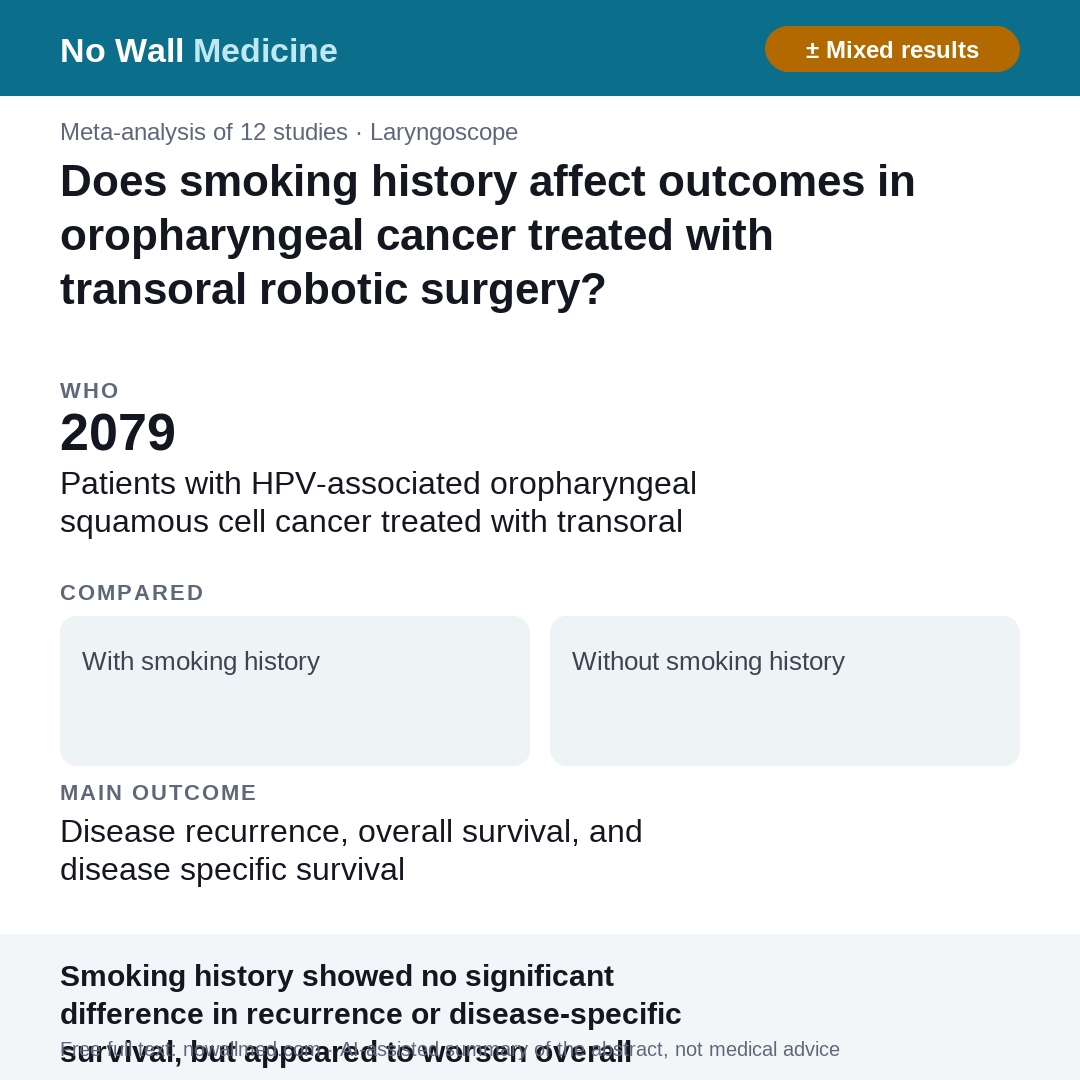
Effect of Smoking in Oropharyngeal Cancer Treated With TORS: Systematic Review and Meta-Analysis
Meta-analysis of 12 studiesMixed results
Does smoking history affect outcomes in oropharyngeal cancer treated with transoral robotic surgery?
Who
2079
Patients with HPV-associated oropharyngeal squamous cell cancer treated with transoral robotic surgery
Compared
With smoking history
Without smoking history
Main outcome
Disease recurrence, overall survival, and disease specific survival
Result: hazard ratio 1.4 (95% confidence interval 1.0-2.0) for disease recurrence
Bottom line: Smoking history showed no significant difference in recurrence or disease-specific survival, but appeared to worsen overall survival.
Laryngoscope · 2026-05-08Download image