Visual abstracts
New randomized trials and meta-analyses from leading journals at a glance: who was studied, what was compared, and what was found. Every paper is free to read in full.
All specialtiesCardiology 4877Oncology 4138Gastroenterology & Hepatology 1942Infectious Disease 3837Neurology 1905Psychiatry & Mental Health 2273Pulmonology 2143Critical Care 1365Endocrinology & Diabetes 2580Pediatrics 2980Surgery 2559Orthopedics & Sports Medicine 931Neurosurgery 537Cardiothoracic & Vascular Surgery 674Plastic & Reconstructive Surgery 591Nephrology 1133Rheumatology 823Hematology 1109Dermatology 621Ophthalmology 543Obstetrics & Gynecology 1686Public & Global Health 1058Radiology & Imaging 648Anesthesiology 986Urology 764ENT (Otolaryngology) 503Emergency Medicine 511Allergy & Immunology 313Geriatrics 981Family Medicine & Primary Care 562Medical Genetics & Genomics 676Pathology & Laboratory Medicine 159Physical Medicine & Rehabilitation 757Palliative Care 444Nutrition 1588Digital Health & AI 2201General Medicine 321
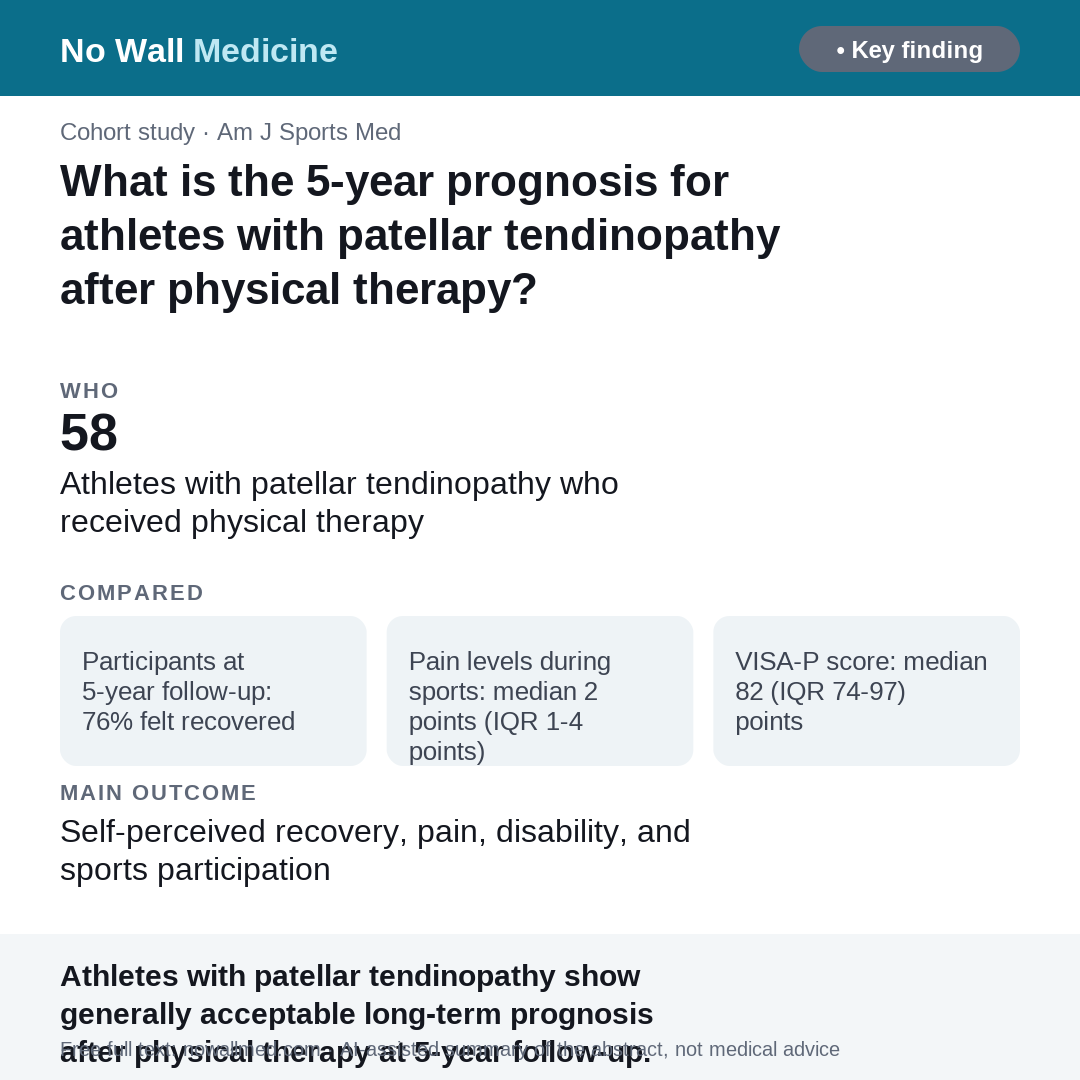
Long-term Prognosis of Athletes With Patellar Tendinopathy Receiving Physical Therapy: Patient-Reported Outcomes at 5-Year Follow-up
Cohort studyBenefit found
What is the 5-year prognosis for athletes with patellar tendinopathy after physical therapy?
Who
58
Athletes with patellar tendinopathy who received physical therapy
Compared
Participants at 5-year follow-up: 76% felt recovered
Pain levels during sports: median 2 points (IQR 1-4 points)
VISA-P score: median 82 (IQR 74-97) points
Main outcome
Self-perceived recovery, pain, disability, and sports participation
Bottom line: Athletes with patellar tendinopathy show generally acceptable long-term prognosis after physical therapy at 5-year follow-up.
Am J Sports Med · 2025-05-12Download image
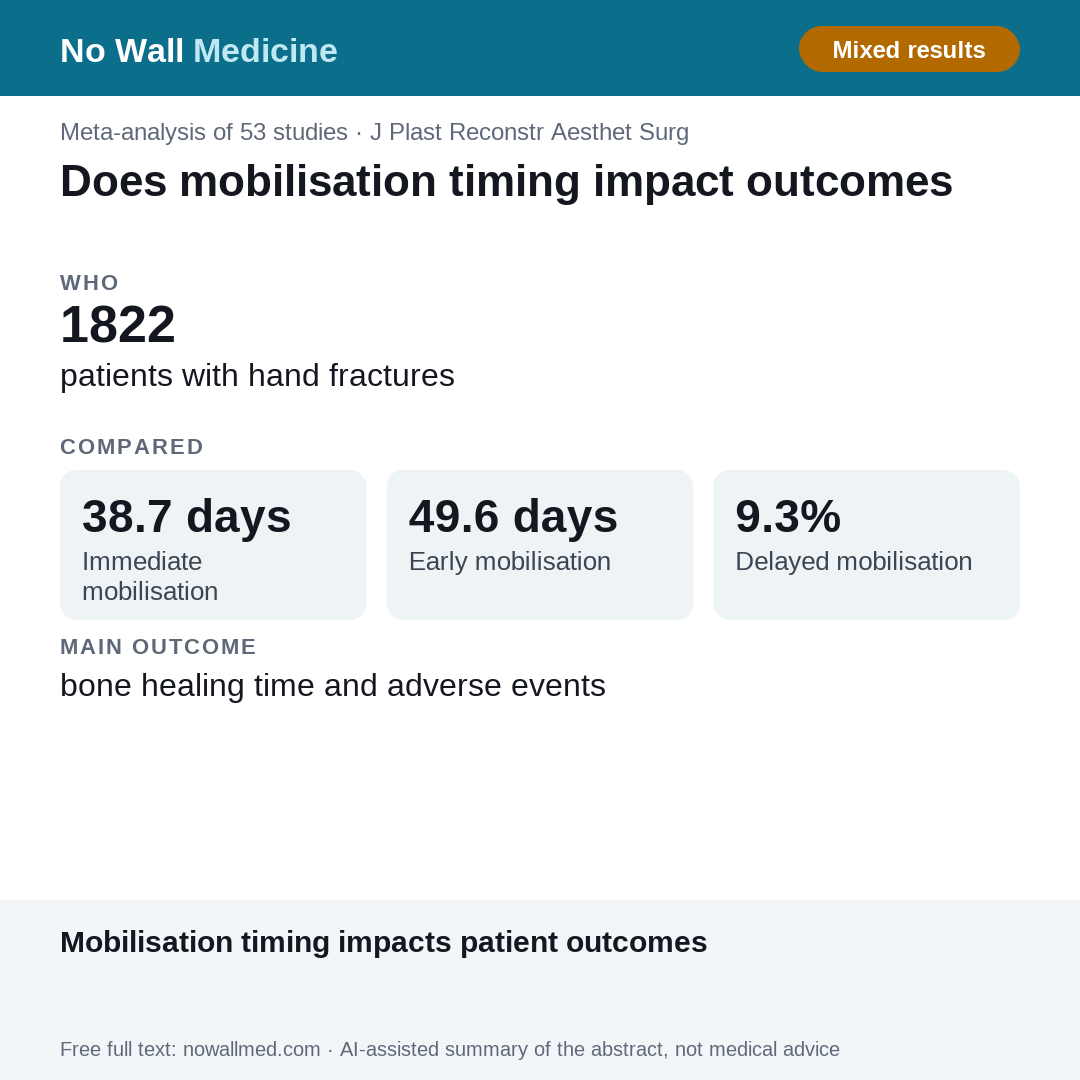
Systematic review and meta-analysis of mobilisation following open reduction and internal fixation of hand fractures
Meta-analysis of 53 studiesMixed results
Does mobilisation timing impact outcomes
Who
1822
patients with hand fractures
Compared
38.7 daysImmediate mobilisation
49.6 daysEarly mobilisation
9.3%Delayed mobilisation
Main outcome
bone healing time and adverse events
Bottom line: Mobilisation timing impacts patient outcomes
Limitation: variable outcome reporting
J Plast Reconstr Aesthet Surg · 2025-05-12Download image
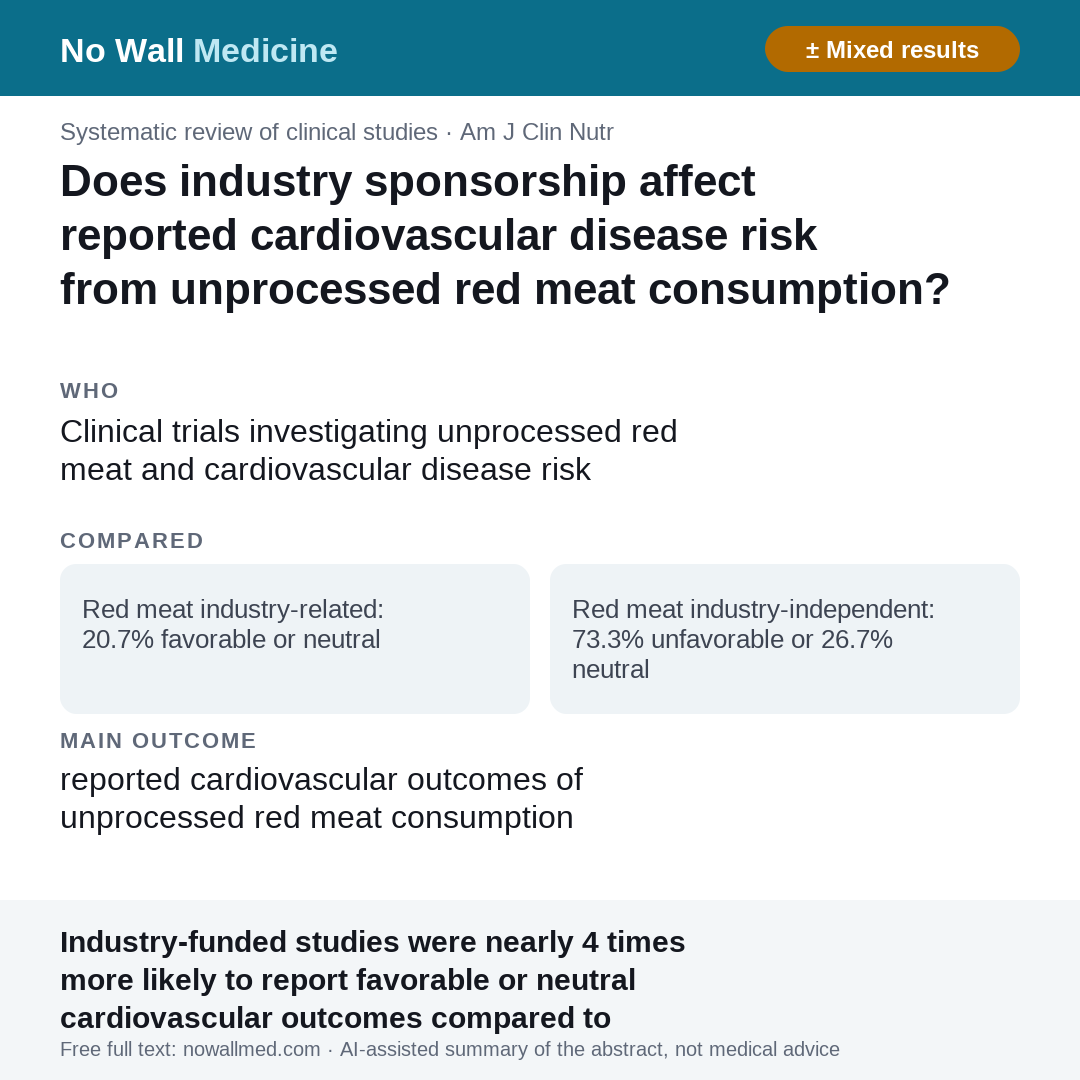
Industry study sponsorship and conflicts of interest on the effect of unprocessed red meat on cardiovascular disease risk: a systematic review of clinical trials
Systematic review of clinical trialsMixed results
Does industry sponsorship affect reported cardiovascular disease risk from unprocessed red meat consumption?
Who
44
Clinical trials investigating unprocessed red meat and cardiovascular disease risk
Compared
Red meat industry-related: 20.7% favorable or neutral
Red meat industry-independent: 73.3% unfavorable or 26.7% neutral
Main outcome
reported cardiovascular outcomes of unprocessed red meat consumption
Result: odds ratio 3.75 (95% confidence interval: 1.62, 8.67)
Bottom line: Industry-funded studies were nearly 4 times more likely to report favorable or neutral cardiovascular outcomes compared to independent studies.
Am J Clin Nutr · 2025-05-12Download image
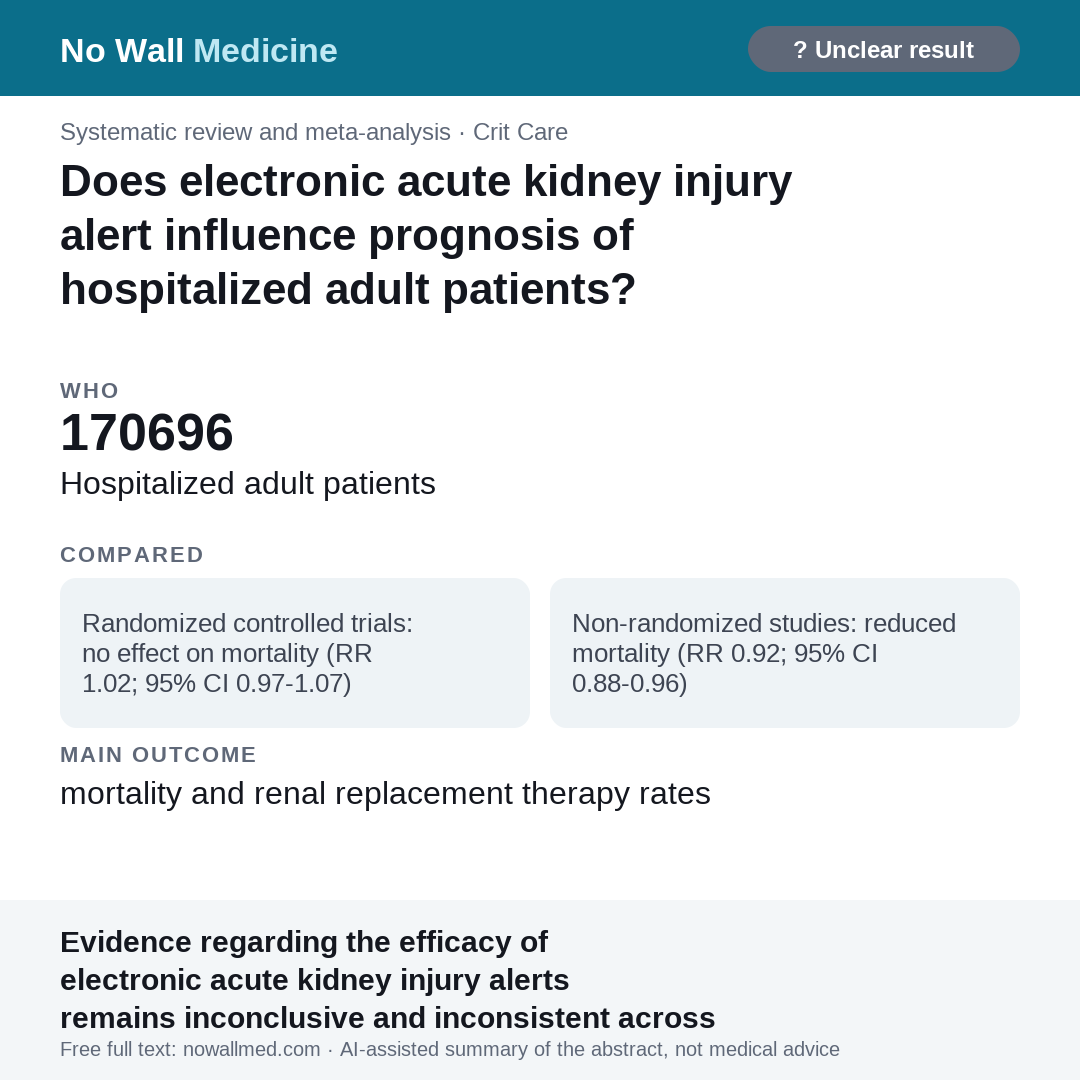
The influence of electronic AKI alert on prognosis of adult hospitalized patients: a systematic review and meta-analysis
Systematic review and meta-analysisUnclear result
Does electronic acute kidney injury alert influence prognosis of hospitalized adult patients?
Who
170696
Hospitalized adult patients
Compared
Randomized controlled trials: no effect on mortality (RR 1.02; 95% CI 0.97-1.07)
Non-randomized studies: reduced mortality (RR 0.92; 95% CI 0.88-0.96)
Main outcome
mortality and renal replacement therapy rates
Bottom line: Evidence regarding the efficacy of electronic acute kidney injury alerts remains inconclusive and inconsistent across study designs.
Limitation: Variability in response intensity, hospital type and geographic region may explain discrepancies.
Crit Care · 2025-05-12Download image
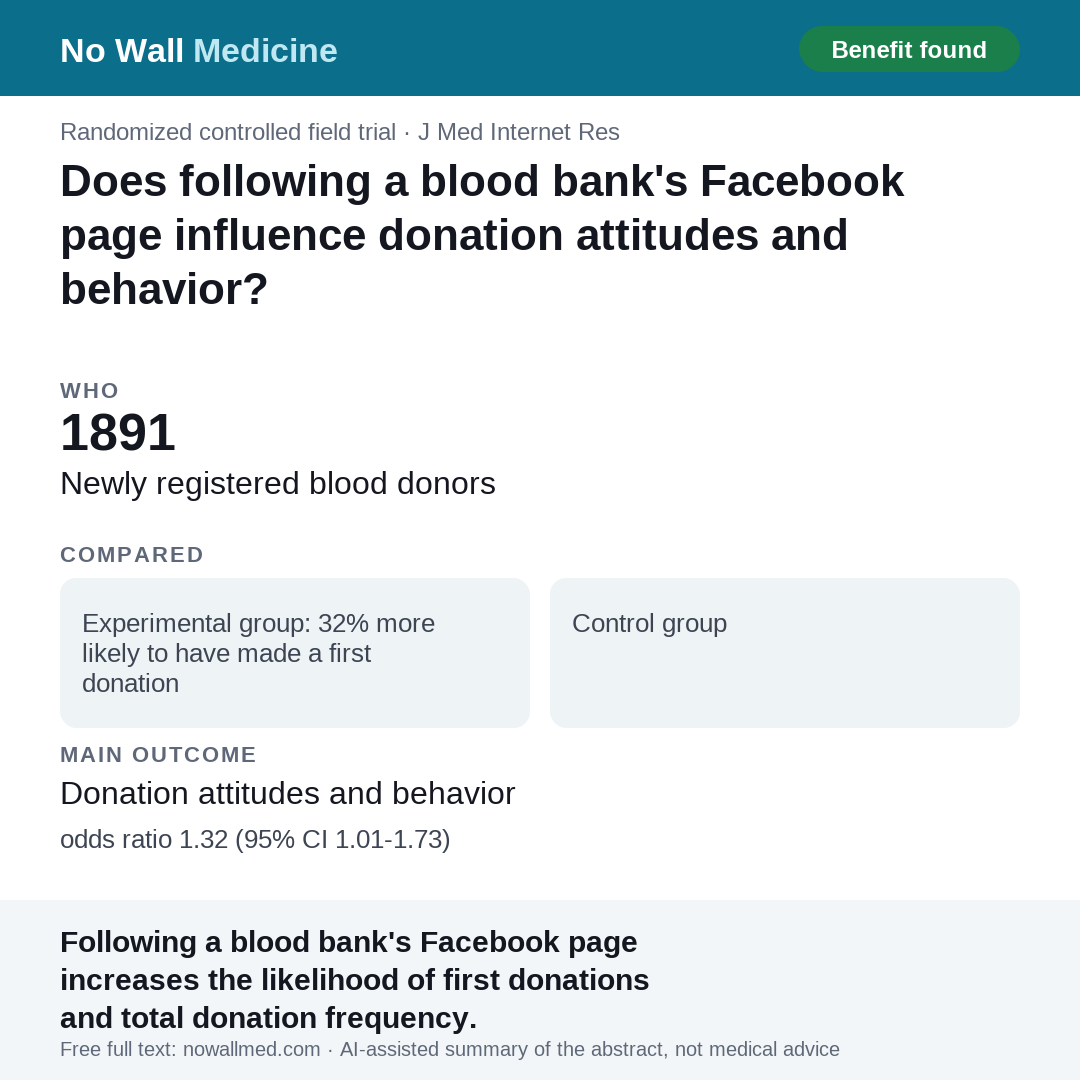
Boosting Blood Donations Through Facebook Engagement: Randomized Controlled Field Trial
Randomized controlled field trialBenefit found
Does following a blood bank's Facebook page influence donation attitudes and behavior?
Who
1891
Newly registered blood donors
Compared
Experimental group: 32% more likely to have made a first donation
Control group
Main outcome
Donation attitudes and behavior
Result: odds ratio 1.32 (95% CI 1.01-1.73)
Bottom line: Following a blood bank's Facebook page increases the likelihood of first donations and total donation frequency.
J Med Internet Res · 2025-05-12Download image
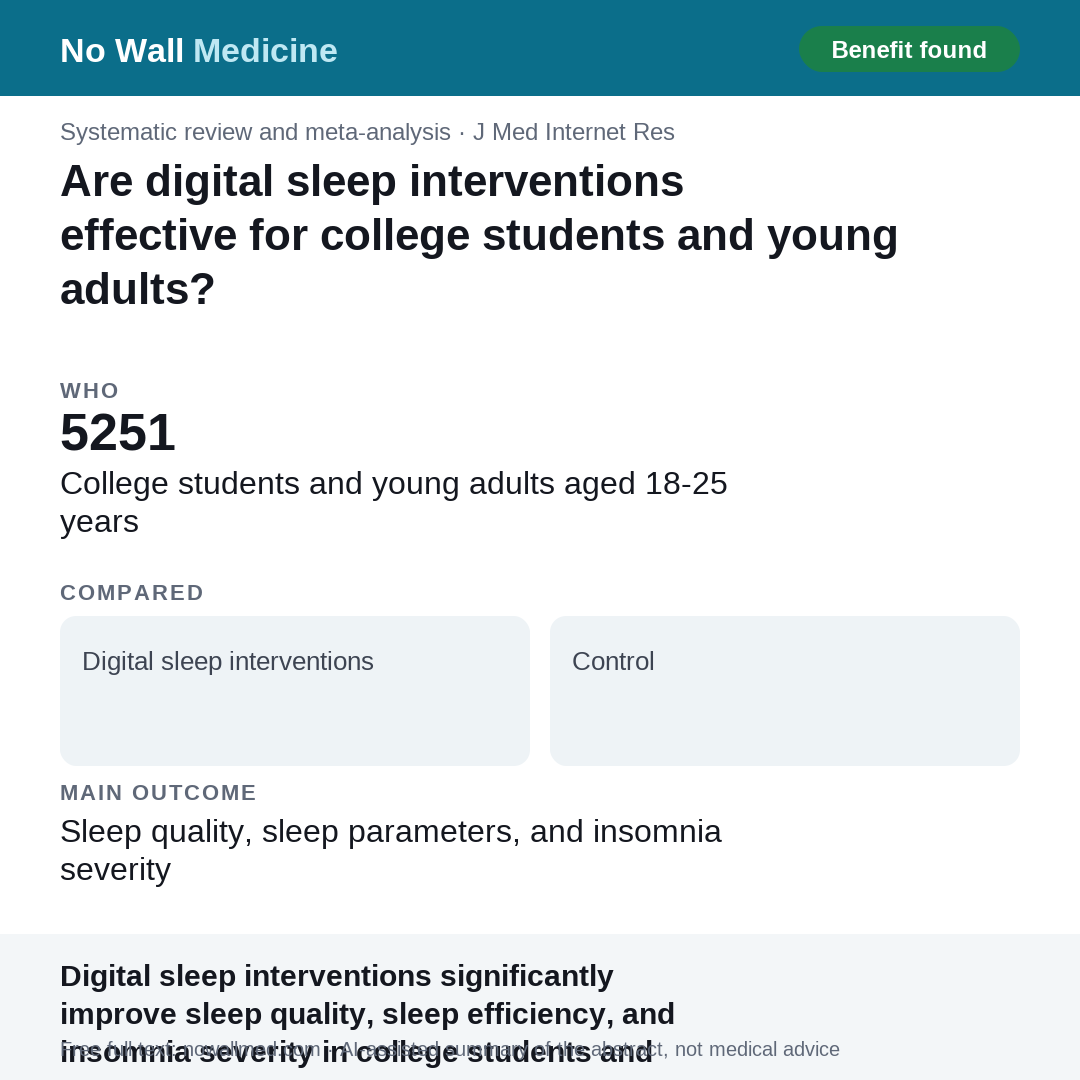
Effects of Digital Sleep Interventions on Sleep Among College Students and Young Adults: Systematic Review and Meta-Analysis
Systematic review and meta-analysisBenefit found
Are digital sleep interventions effective for college students and young adults?
Who
5251
College students and young adults aged 18-25 years
Compared
Digital sleep interventions
Control
Main outcome
Sleep quality, sleep parameters, and insomnia severity
Result: Hedges g=-1.25 (95% CI -1.83 to -0.66) for sleep quality
Bottom line: Digital sleep interventions significantly improve sleep quality, sleep efficiency, and insomnia severity in college students and young adults.
Limitation: The evidence quality ranged from moderate to very low certainty across measured outcomes.
J Med Internet Res · 2025-05-12Download image
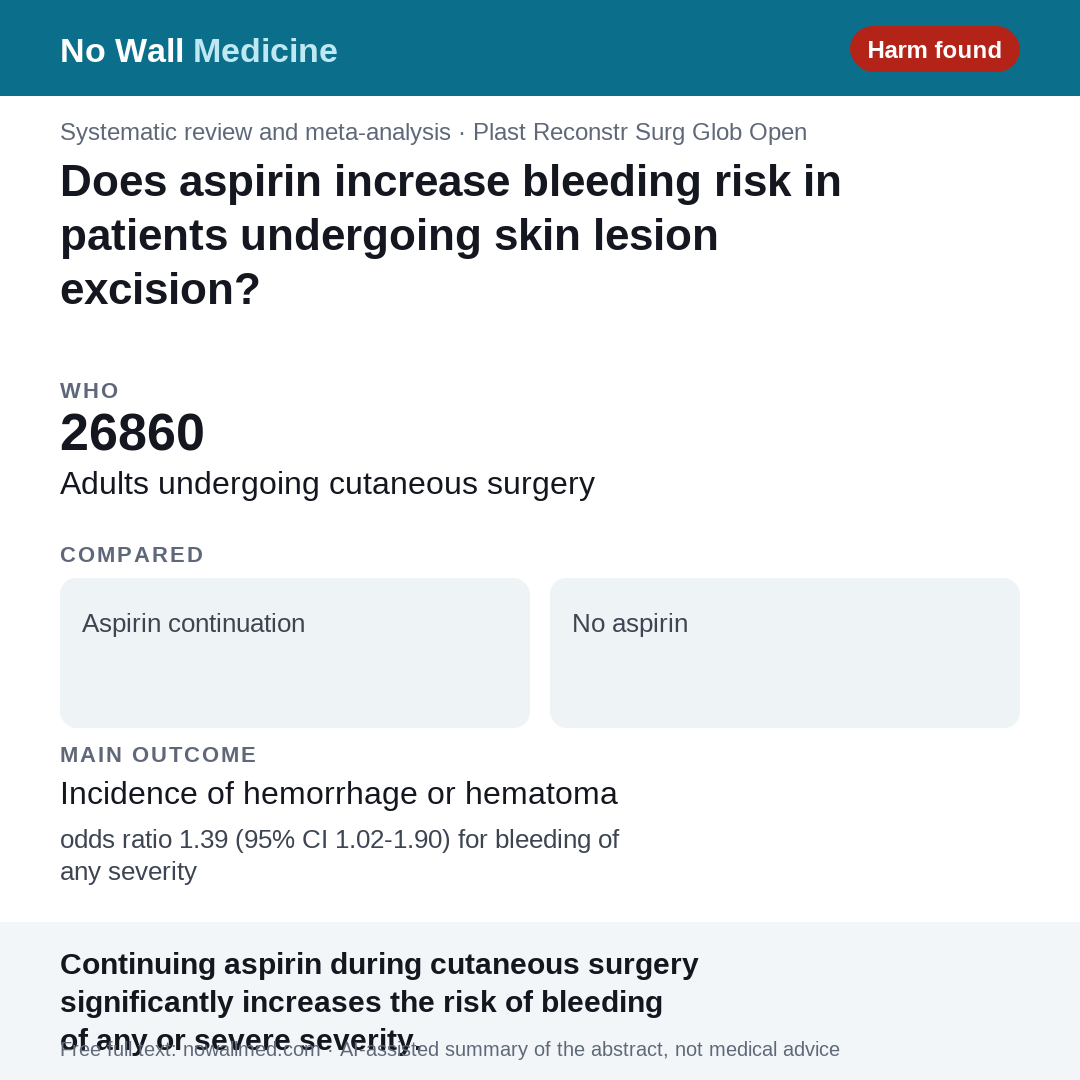
Does Aspirin Increase Risk of Bleeding in Patients Undergoing Skin Lesion Excision: A Systematic Review and Meta-Analysis
Systematic review and meta-analysisHarm found
Does aspirin increase bleeding risk in patients undergoing skin lesion excision?
Who
26860
Adults undergoing cutaneous surgery
Compared
Aspirin continuation
No aspirin
Main outcome
Incidence of hemorrhage or hematoma
Result: odds ratio 1.39 (95% CI 1.02-1.90) for bleeding of any severity
Bottom line: Continuing aspirin during cutaneous surgery significantly increases the risk of bleeding of any or severe severity.
Plast Reconstr Surg Glob Open · 2025-05-12Download image
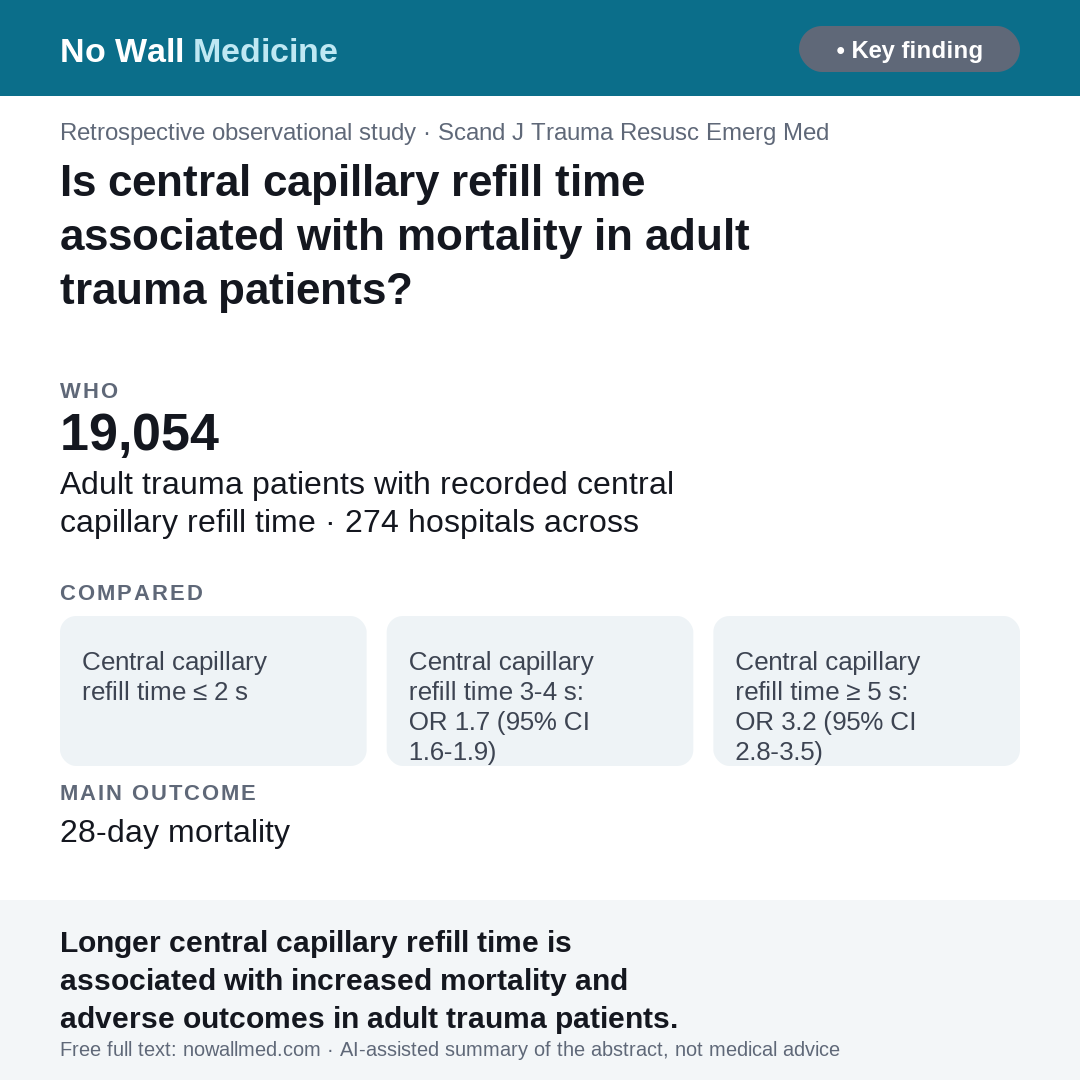
Association of central capillary refill time with mortality in adult trauma patients: a secondary analysis of the crash-2 randomised controlled trial data
Retrospective observational studyHarm found
Is central capillary refill time associated with mortality in adult trauma patients?
Who
19,054
Adult trauma patients with recorded central capillary refill time · 274 hospitals across 40 countries and 5 continents
Compared
Central capillary refill time ≤ 2 s
Central capillary refill time 3-4 s: OR 1.7 (95% CI 1.6-1.9)
Central capillary refill time ≥ 5 s: OR 3.2 (95% CI 2.8-3.5)
Main outcome
28-day mortality
Result: OR 3.2 (95% CI 2.8-3.5) for CRT ≥ 5 s
Bottom line: Longer central capillary refill time is associated with increased mortality and adverse outcomes in adult trauma patients.
Scand J Trauma Resusc Emerg Med · 2025-05-12Download image
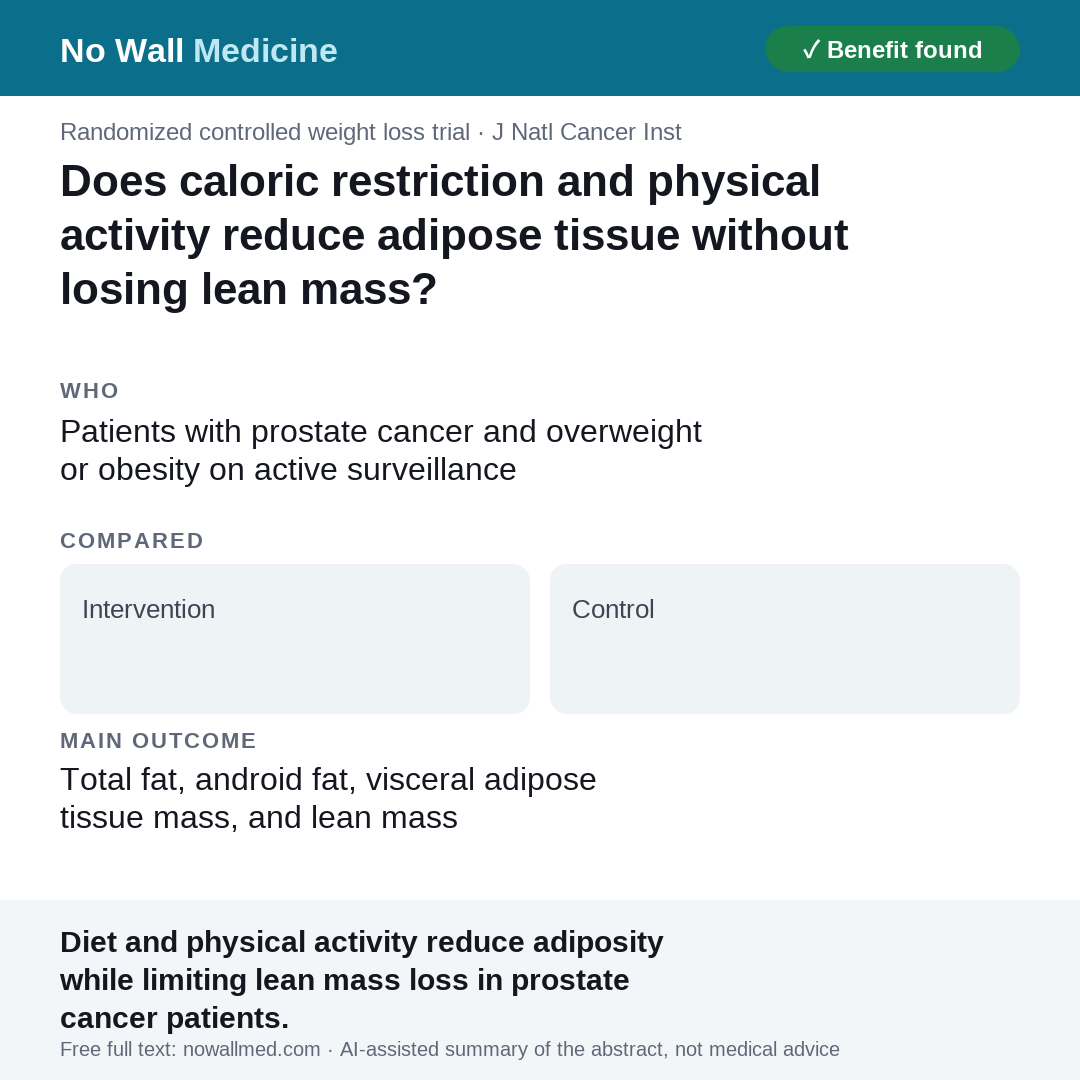
Reduced adipose tissue with limited loss of lean mass after weight loss: results from the Prostate Cancer Active Lifestyle Study
Randomized controlled weight loss trialBenefit found
Does caloric restriction and physical activity reduce adipose tissue without losing lean mass?
Who
Patients with prostate cancer and overweight or obesity on active surveillance
Compared
Intervention
Control
Main outcome
Total fat, android fat, visceral adipose tissue mass, and lean mass
Result: lean mass to fat ratio 0.40 (95% CI 0.06 to 0.73)
Bottom line: Diet and physical activity reduce adiposity while limiting lean mass loss in prostate cancer patients.
J Natl Cancer Inst · 2025-05-11Download image
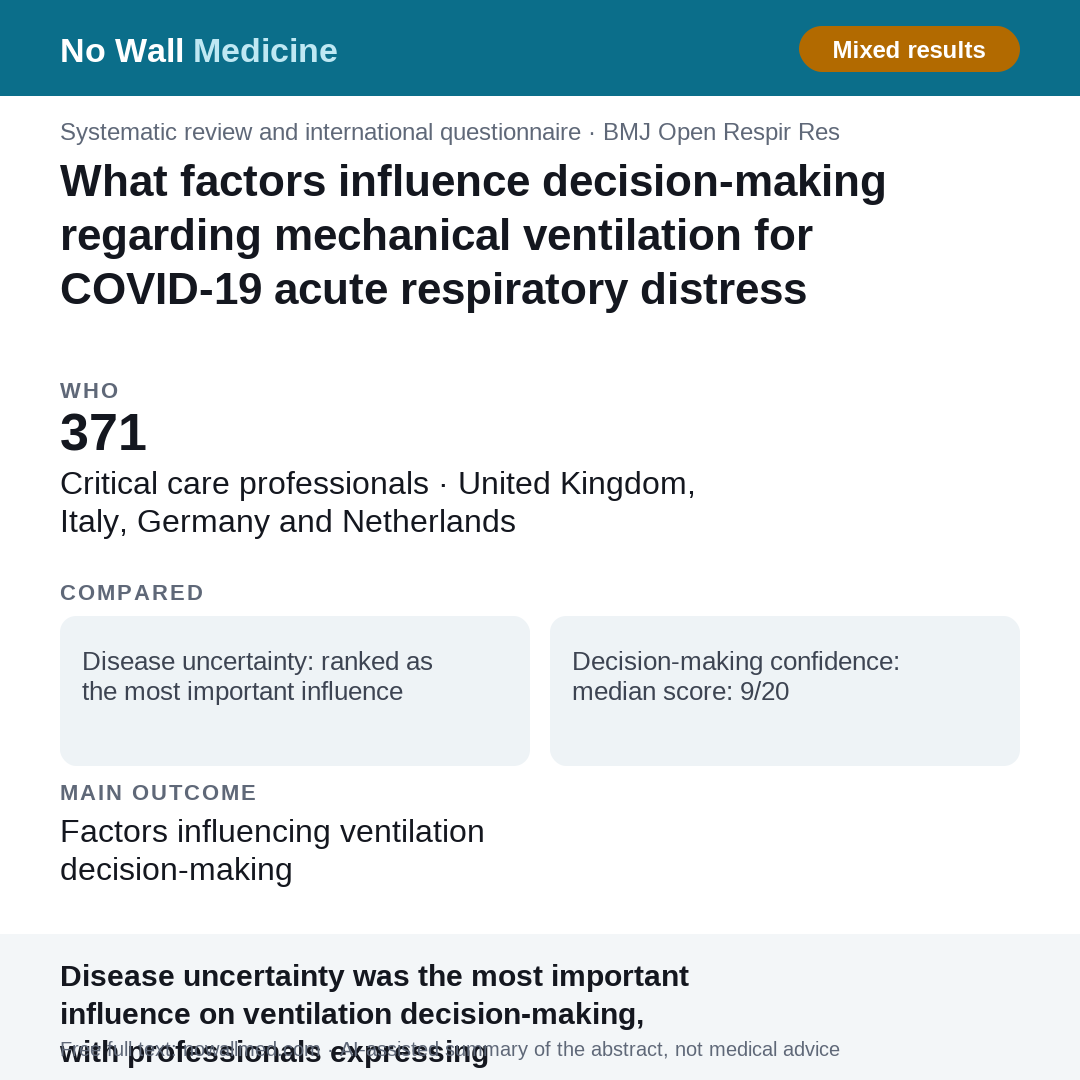
Uncertainty and decision-making in critical care: lessons from managing COVID-19 ARDS in preparation for the next pandemic
Systematic review and international questionnaireMixed results
What factors influence decision-making regarding mechanical ventilation for COVID-19 acute respiratory distress syndrome?
Who
371
Critical care professionals · United Kingdom, Italy, Germany and Netherlands
Compared
Disease uncertainty: ranked as the most important influence
Decision-making confidence: median score: 9/20
Main outcome
Factors influencing ventilation decision-making
Bottom line: Disease uncertainty was the most important influence on ventilation decision-making, with professionals expressing underconfidence in their decisions.
BMJ Open Respir Res · 2025-05-11Download image
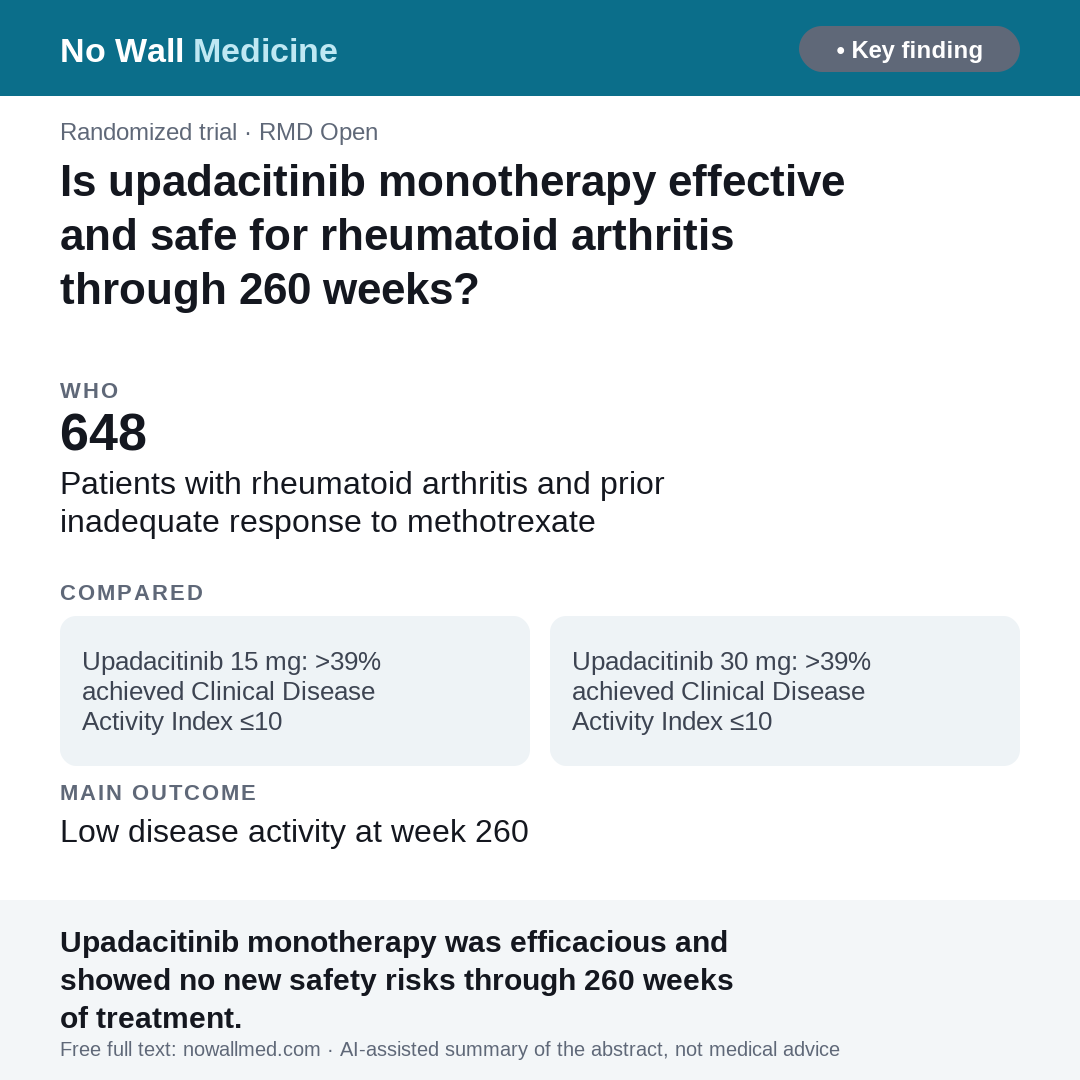
Upadacitinib as monotherapy in patients with rheumatoid arthritis and prior inadequate response to methotrexate: results at 260 weeks from the SELECT-MONOTHERAPY randomised study
Randomized trialBenefit found
Is upadacitinib monotherapy effective and safe for rheumatoid arthritis through 260 weeks?
Who
648
Patients with rheumatoid arthritis and prior inadequate response to methotrexate
Compared
Upadacitinib 15 mg: >39% achieved Clinical Disease Activity Index ≤10
Upadacitinib 30 mg: >39% achieved Clinical Disease Activity Index ≤10
Main outcome
Low disease activity at week 260
Bottom line: Upadacitinib monotherapy was efficacious and showed no new safety risks through 260 weeks of treatment.
RMD Open · 2025-05-11Download image
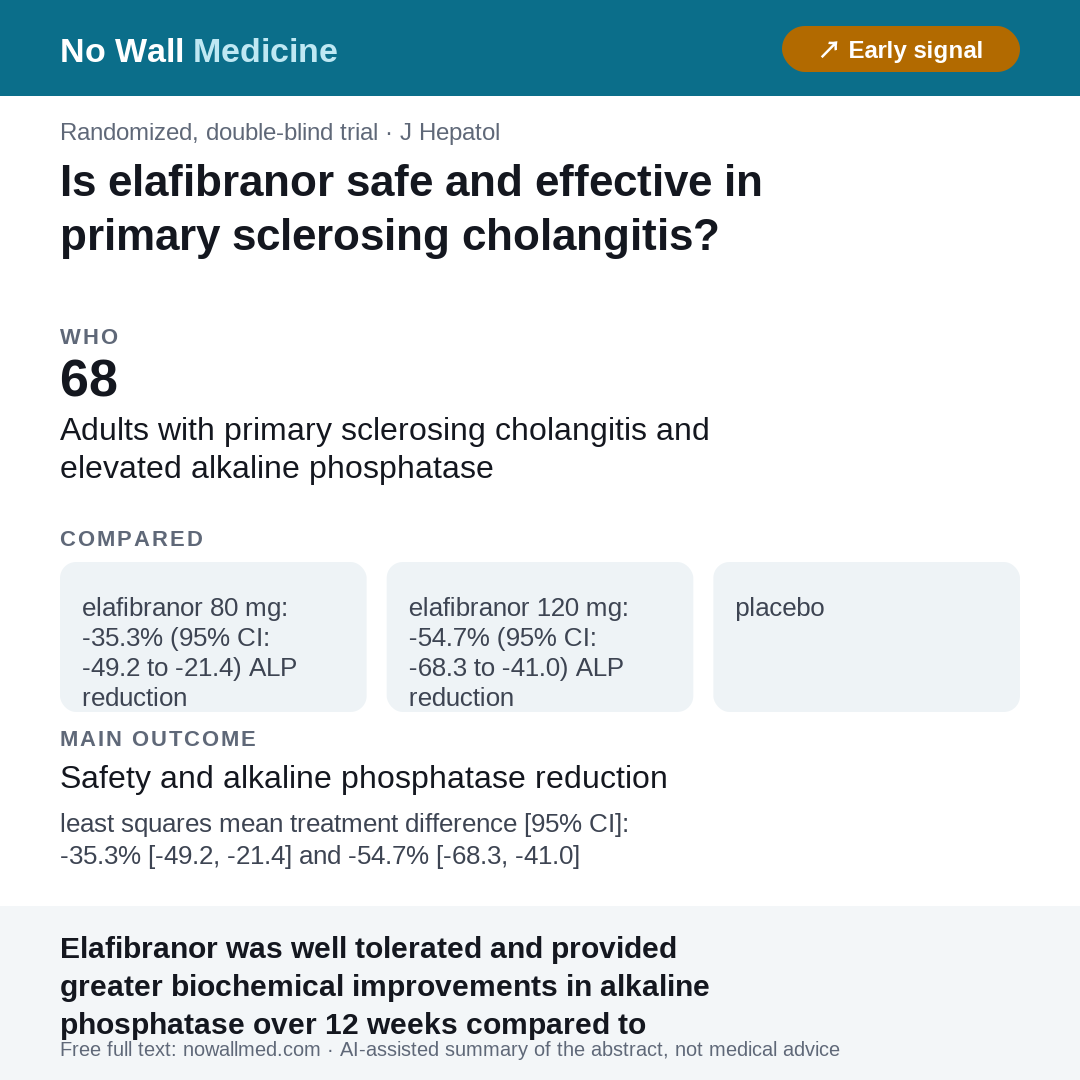
Safety and efficacy of elafibranor in primary sclerosing cholangitis: The ELMWOOD phase II randomized-controlled trial
Randomized, double-blind trialBenefit found
Is elafibranor safe and effective in primary sclerosing cholangitis?
Who
68
Adults with primary sclerosing cholangitis and elevated alkaline phosphatase
Compared
elafibranor 80 mg: -35.3% (95% CI: -49.2 to -21.4) ALP reduction
elafibranor 120 mg: -54.7% (95% CI: -68.3 to -41.0) ALP reduction
placebo
Main outcome
Safety and alkaline phosphatase reduction
Result: least squares mean treatment difference [95% CI]: -35.3% [-49.2, -21.4] and -54.7% [-68.3, -41.0]
Bottom line: Elafibranor was well tolerated and provided greater biochemical improvements in alkaline phosphatase over 12 weeks compared to placebo.
J Hepatol · 2025-05-10Download image
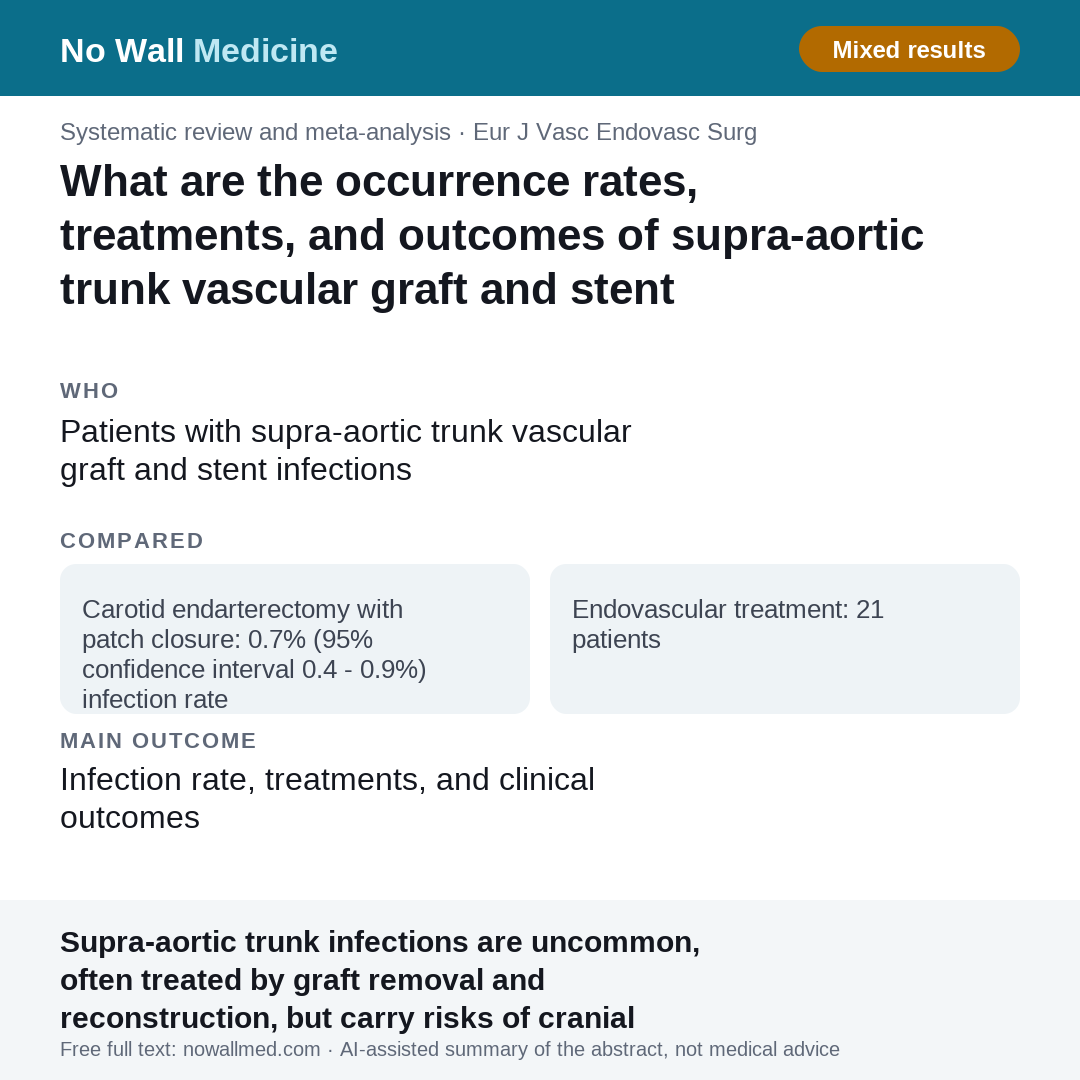
Editor's Choice - Systematic Review and Meta-analysis of Occurrence Rate, Treatments, and Outcomes of Vascular Graft and Stent Infections in the Supra-aortic Trunks
Systematic review and meta-analysisMixed results
What are the occurrence rates, treatments, and outcomes of supra-aortic trunk vascular graft and stent infections?
Who
Patients with supra-aortic trunk vascular graft and stent infections
Compared
Carotid endarterectomy with patch closure: 0.7% (95% confidence interval 0.4 - 0.9%) infection rate
Endovascular treatment: 21 patients
Main outcome
Infection rate, treatments, and clinical outcomes
Bottom line: Supra-aortic trunk infections are uncommon, often treated by graft removal and reconstruction, but carry risks of cranial nerve injury.
Eur J Vasc Endovasc Surg · 2025-05-10Download image
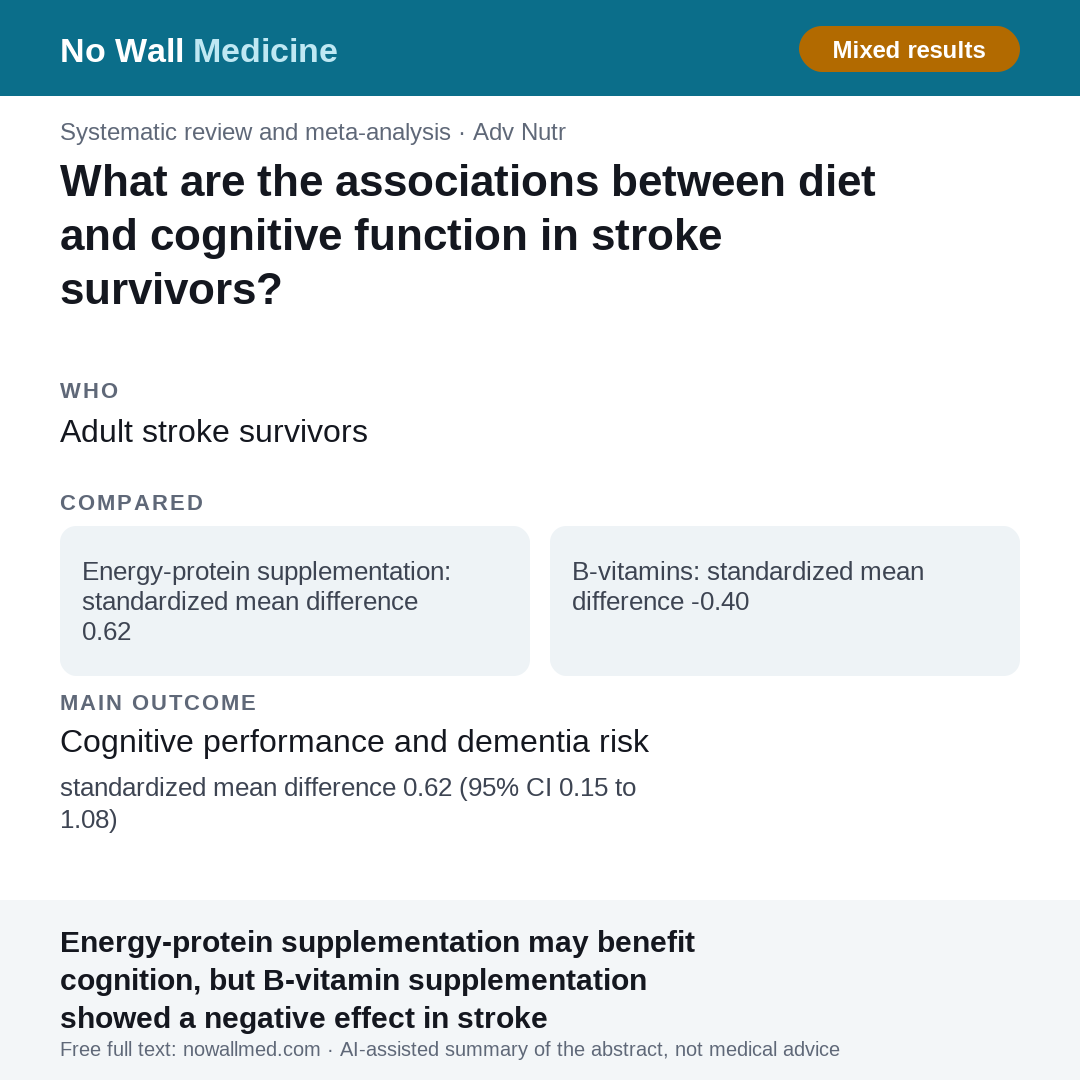
Associations between Diet and Cognitive Function in Stroke Survivors: A Systematic Review and Meta-analysis
Systematic review and meta-analysisMixed results
What are the associations between diet and cognitive function in stroke survivors?
Who
Adult stroke survivors
Compared
Energy-protein supplementation: standardized mean difference 0.62
B-vitamins: standardized mean difference -0.40
Main outcome
Cognitive performance and dementia risk
Result: standardized mean difference 0.62 (95% CI 0.15 to 1.08)
Bottom line: Energy-protein supplementation may benefit cognition, but B-vitamin supplementation showed a negative effect in stroke survivors.
Adv Nutr · 2025-05-10Download image
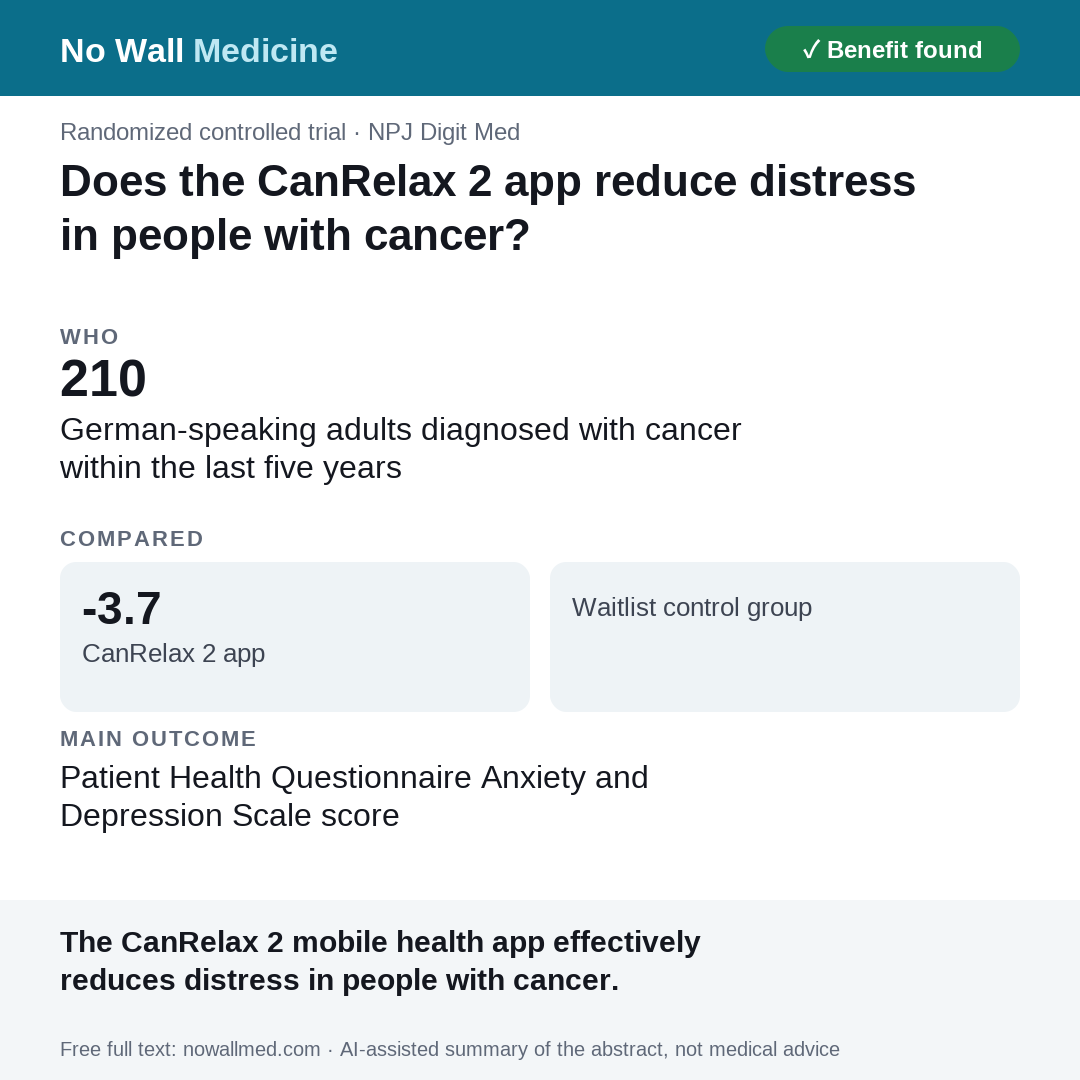
Mobile health intervention CanRelax reduces distress in people with cancer in a randomized controlled trial
Randomized controlled trialBenefit found
Does the CanRelax 2 app reduce distress in people with cancer?
Who
210
German-speaking adults diagnosed with cancer within the last five years
Compared
-3.7CanRelax 2 app
Waitlist control group
Main outcome
Patient Health Questionnaire Anxiety and Depression Scale score
Result: -3.7 (95% CI -5.7 to -1.6)
Bottom line: The CanRelax 2 mobile health app effectively reduces distress in people with cancer.
NPJ Digit Med · 2025-05-10Download image
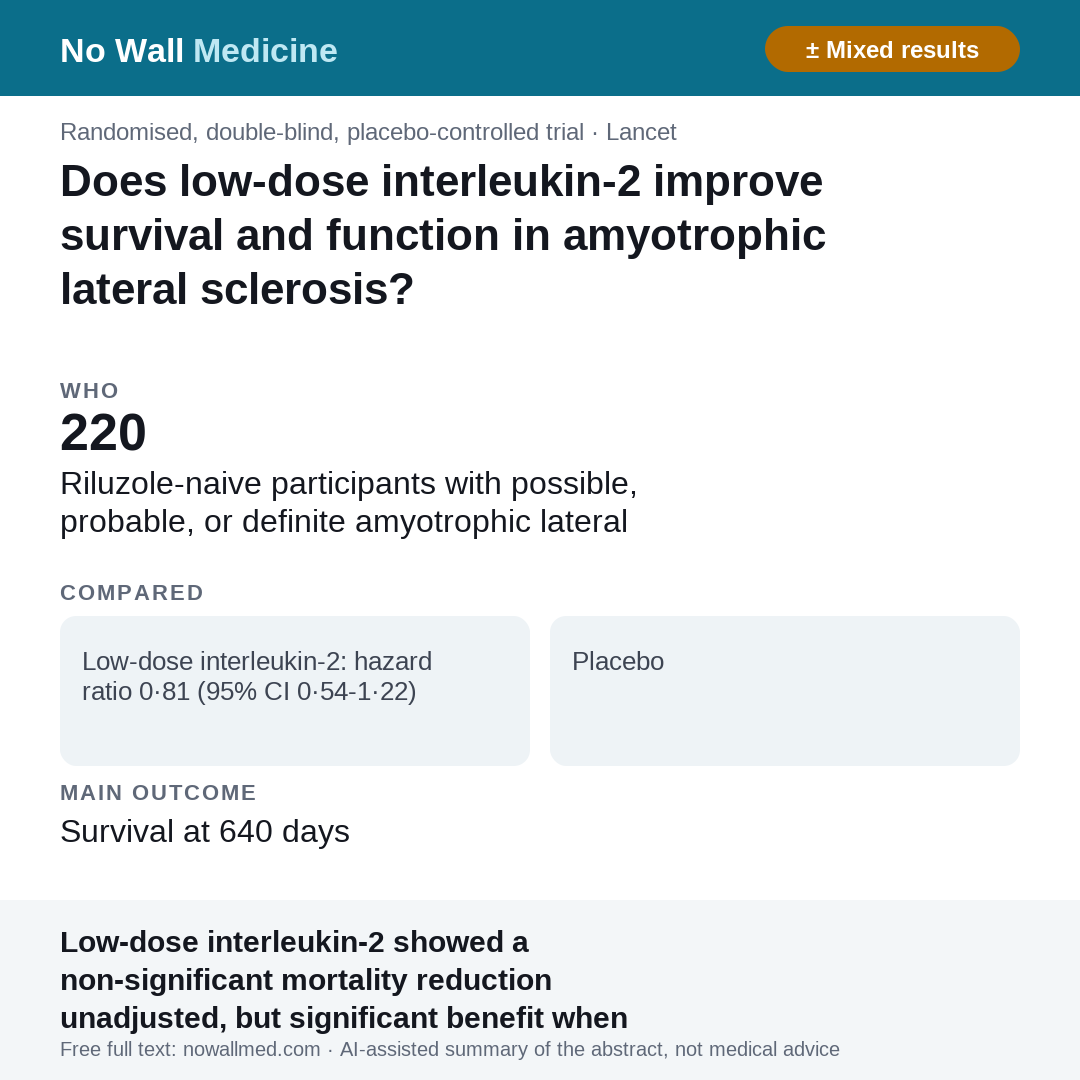
Efficacy and safety of low-dose IL-2 as an add-on therapy to riluzole (MIROCALS): a phase 2b, double-blind, randomised, placebo-controlled trial
Randomised, double-blind, placebo-controlled trialMixed results
Does low-dose interleukin-2 improve survival and function in amyotrophic lateral sclerosis?
Who
220
Riluzole-naive participants with possible, probable, or definite amyotrophic lateral sclerosis
Compared
Low-dose interleukin-2: hazard ratio 0·81 (95% CI 0·54-1·22)
Placebo
Main outcome
Survival at 640 days
Result: hazard ratio 0·32 (95% CI 0·14-0·73)
Bottom line: Low-dose interleukin-2 showed a non-significant mortality reduction unadjusted, but significant benefit when adjusted for prognostic covariates.
Limitation: The primary unadjusted analysis failed to demonstrate the expected two-fold decrease in risk of death.
Funded by: European Commission, French Health Ministry, Motor Neurone Disease Association
Lancet · 2025-05-09Download image
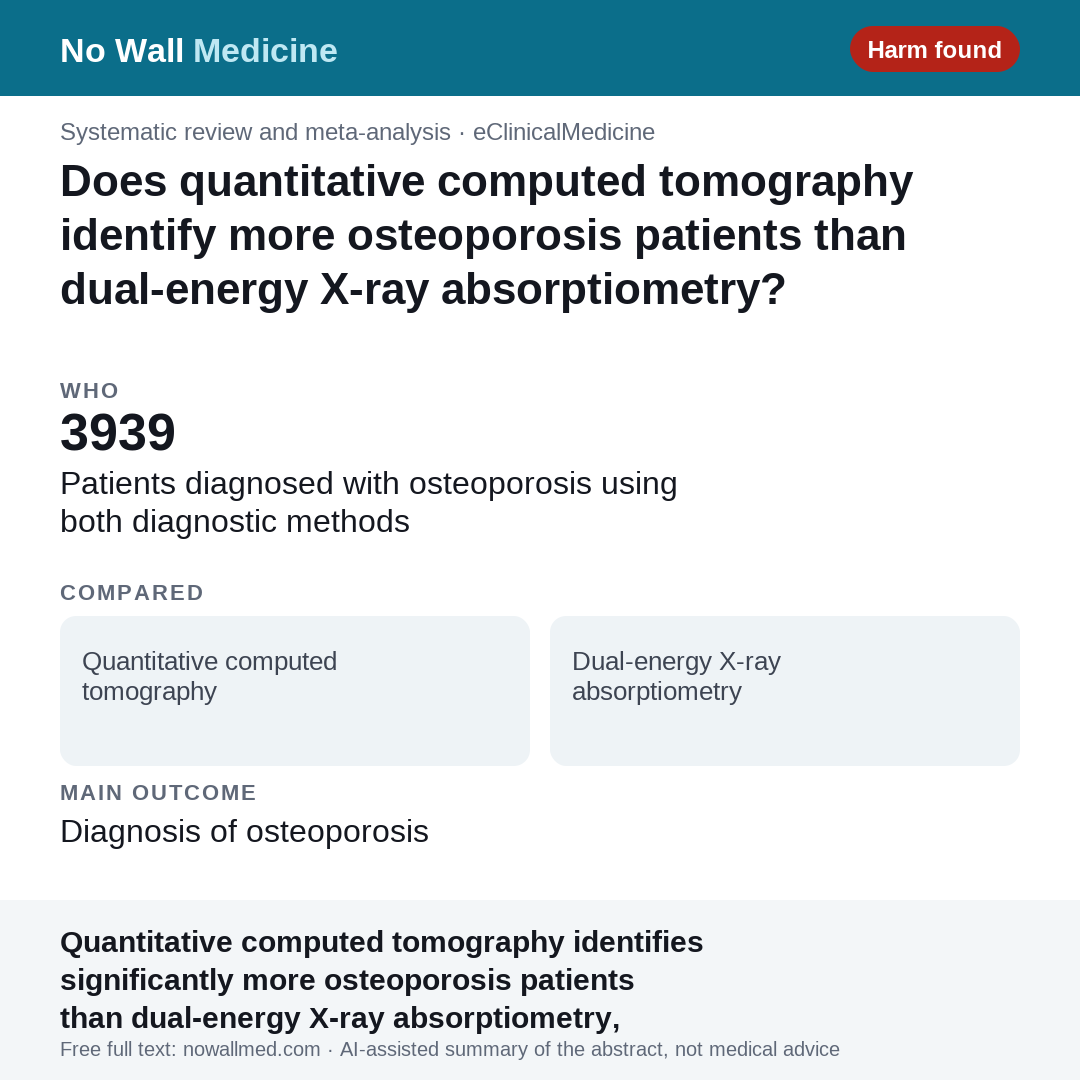
Criteria for osteoporosis diagnosis: a systematic review and meta-analysis of osteoporosis diagnostic studies with DXA and QCT
Systematic review and meta-analysisHarm found
Does quantitative computed tomography identify more osteoporosis patients than dual-energy X-ray absorptiometry?
Who
3939
Patients diagnosed with osteoporosis using both diagnostic methods
Compared
Quantitative computed tomography
Dual-energy X-ray absorptiometry
Main outcome
Diagnosis of osteoporosis
Result: odds ratio 4.91 (95% CI 3.19-7.54)
Bottom line: Quantitative computed tomography identifies significantly more osteoporosis patients than dual-energy X-ray absorptiometry, potentially complicating clinical practice.
eClinicalMedicine · 2025-05-09Download image
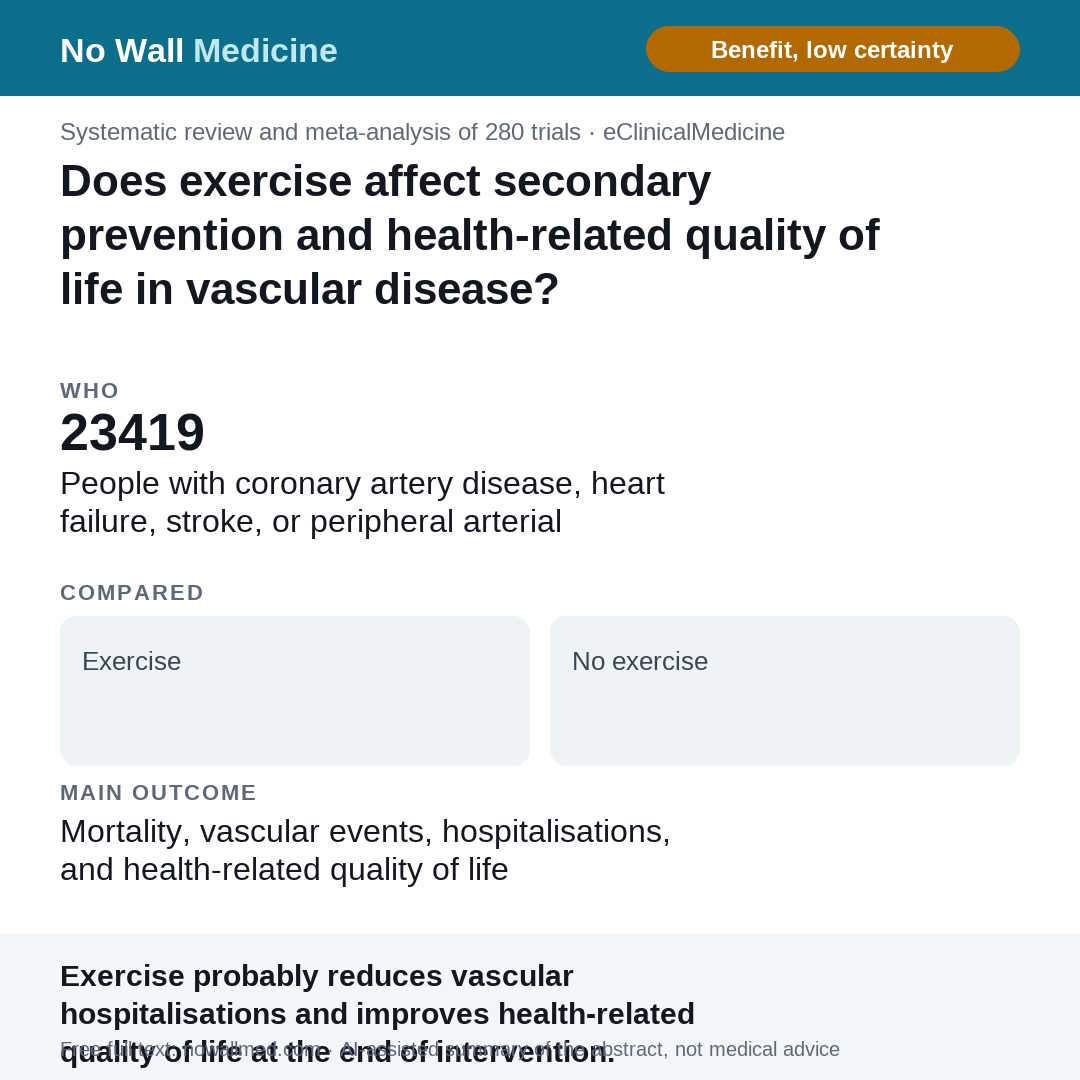
The effects of exercise on secondary prevention and health-related quality of life in people with existing vascular disease: systematic review and meta-analysis of randomised controlled trials
Systematic review and meta-analysis of 280 trialsBenefit found
Does exercise affect secondary prevention and health-related quality of life in vascular disease?
Who
23419
People with coronary artery disease, heart failure, stroke, or peripheral arterial disease
Compared
Exercise
No exercise
Main outcome
Mortality, vascular events, hospitalisations, and health-related quality of life
Result: risk ratio 0.73 (95% CI 0.56 to 0.95) for vascular hospitalisations
Bottom line: Exercise probably reduces vascular hospitalisations and improves health-related quality of life at the end of intervention.
Limitation: Poor descriptions of exercise and inconsistent reporting of inclusion and exclusion criteria.
eClinicalMedicine · 2025-05-09Download image
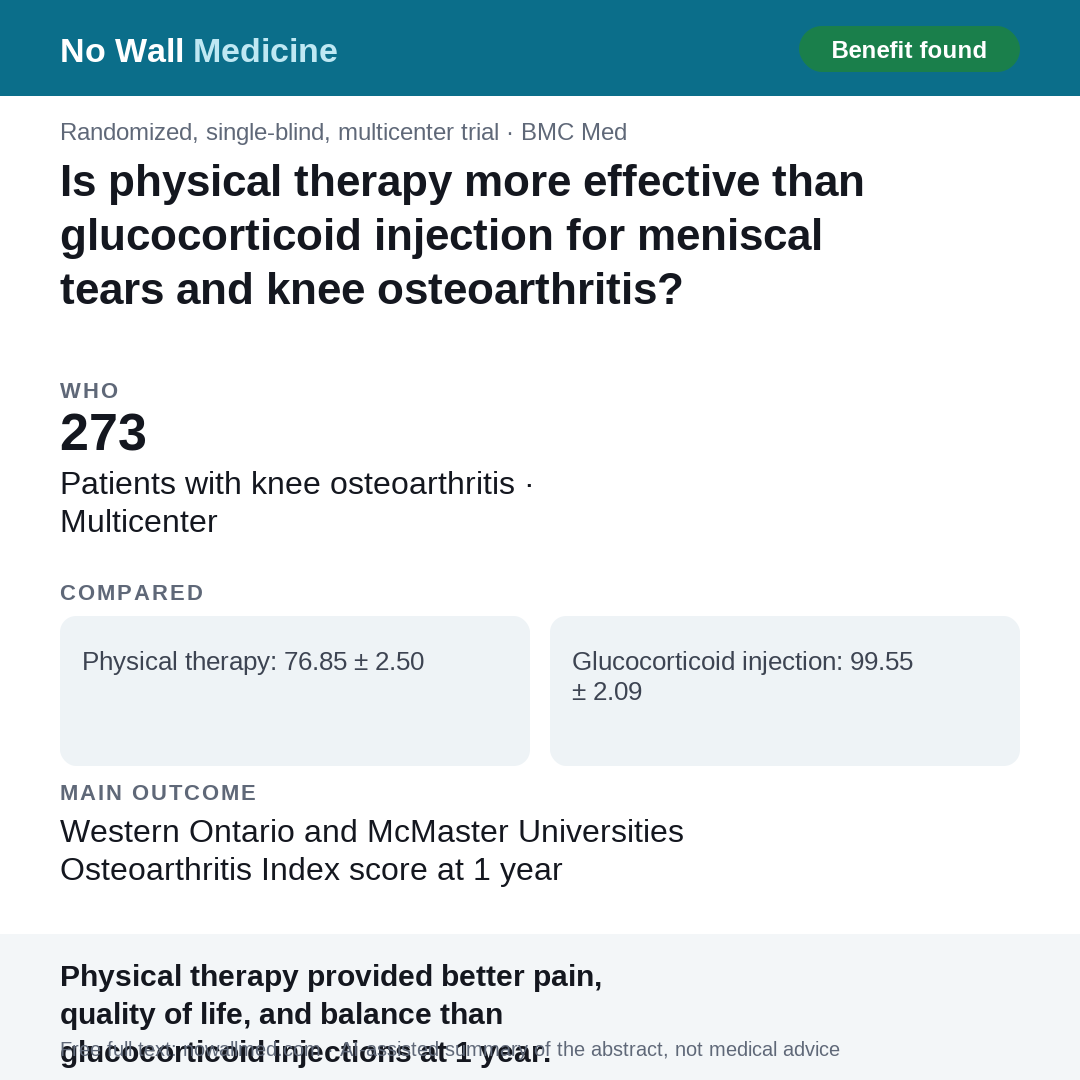
Physical therapy vs. glucocorticoid injection in patients with meniscal tears and knee osteoarthritis: a multi-center, randomized, controlled trial
Randomized, single-blind, multicenter trialBenefit found
Is physical therapy more effective than glucocorticoid injection for meniscal tears and knee osteoarthritis?
Who
273
Patients with knee osteoarthritis · Multicenter
Compared
Physical therapy: 76.85 ± 2.50
Glucocorticoid injection: 99.55 ± 2.09
Main outcome
Western Ontario and McMaster Universities Osteoarthritis Index score at 1 year
Result: mean difference = - 22.70 (95% CI -23.43 to -21.96)
Bottom line: Physical therapy provided better pain, quality of life, and balance than glucocorticoid injections at 1 year.
Limitation: Long-term effects beyond 1 year remain unknown.
BMC Med · 2025-05-09Download image
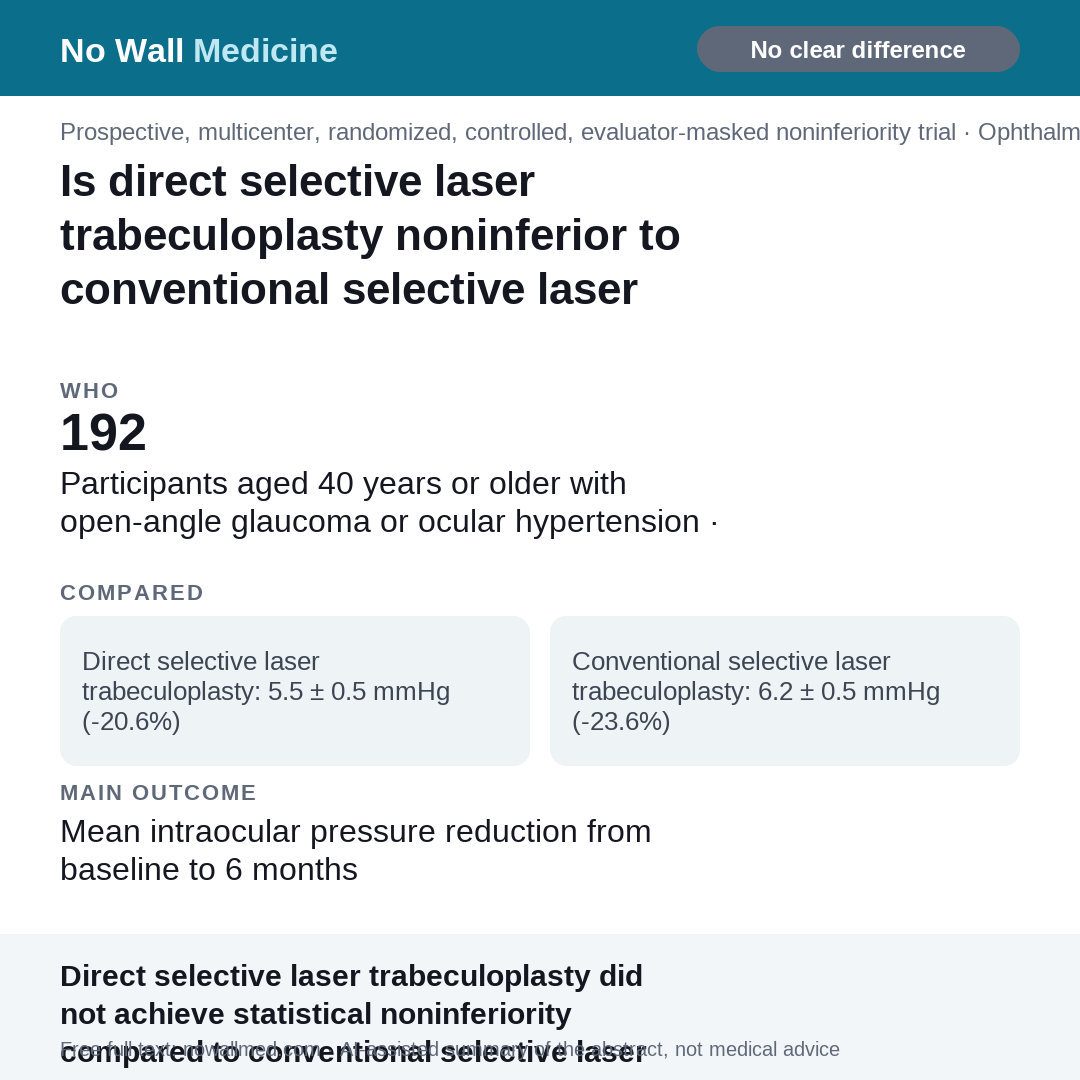
Randomized Noninferiority Trial of Direct Selective Laser Trabeculoplasty in Open-Angle Glaucoma and Ocular Hypertension: GLAUrious Study
Prospective, multicenter, randomized, controlled, evaluator-masked noninferiority trialNo clear difference
Is direct selective laser trabeculoplasty noninferior to conventional selective laser trabeculoplasty for reducing intraocular pressure?
Who
192
Participants aged 40 years or older with open-angle glaucoma or ocular hypertension · 14 centers
Compared
Direct selective laser trabeculoplasty: 5.5 ± 0.5 mmHg (-20.6%)
Conventional selective laser trabeculoplasty: 6.2 ± 0.5 mmHg (-23.6%)
Main outcome
Mean intraocular pressure reduction from baseline to 6 months
Result: -0.7 mmHg (95% CI, -2.2 to 0.8 mmHg)
Bottom line: Direct selective laser trabeculoplasty did not achieve statistical noninferiority compared to conventional selective laser trabeculoplasty at 6 months.
Limitation: The 6-month primary end point did not achieve statistical noninferiority.
Ophthalmology · 2025-05-09Download image