Visual abstracts
New randomized trials and meta-analyses from leading journals at a glance: who was studied, what was compared, and what was found. Every paper is free to read in full.
All specialtiesCardiology 4877Oncology 4138Gastroenterology & Hepatology 1942Infectious Disease 3837Neurology 1905Psychiatry & Mental Health 2273Pulmonology 2143Critical Care 1365Endocrinology & Diabetes 2580Pediatrics 2980Surgery 2559Orthopedics & Sports Medicine 931Neurosurgery 537Cardiothoracic & Vascular Surgery 674Plastic & Reconstructive Surgery 591Nephrology 1133Rheumatology 823Hematology 1109Dermatology 621Ophthalmology 543Obstetrics & Gynecology 1686Public & Global Health 1058Radiology & Imaging 648Anesthesiology 986Urology 764ENT (Otolaryngology) 503Emergency Medicine 511Allergy & Immunology 313Geriatrics 981Family Medicine & Primary Care 562Medical Genetics & Genomics 676Pathology & Laboratory Medicine 159Physical Medicine & Rehabilitation 757Palliative Care 444Nutrition 1588Digital Health & AI 2201General Medicine 321
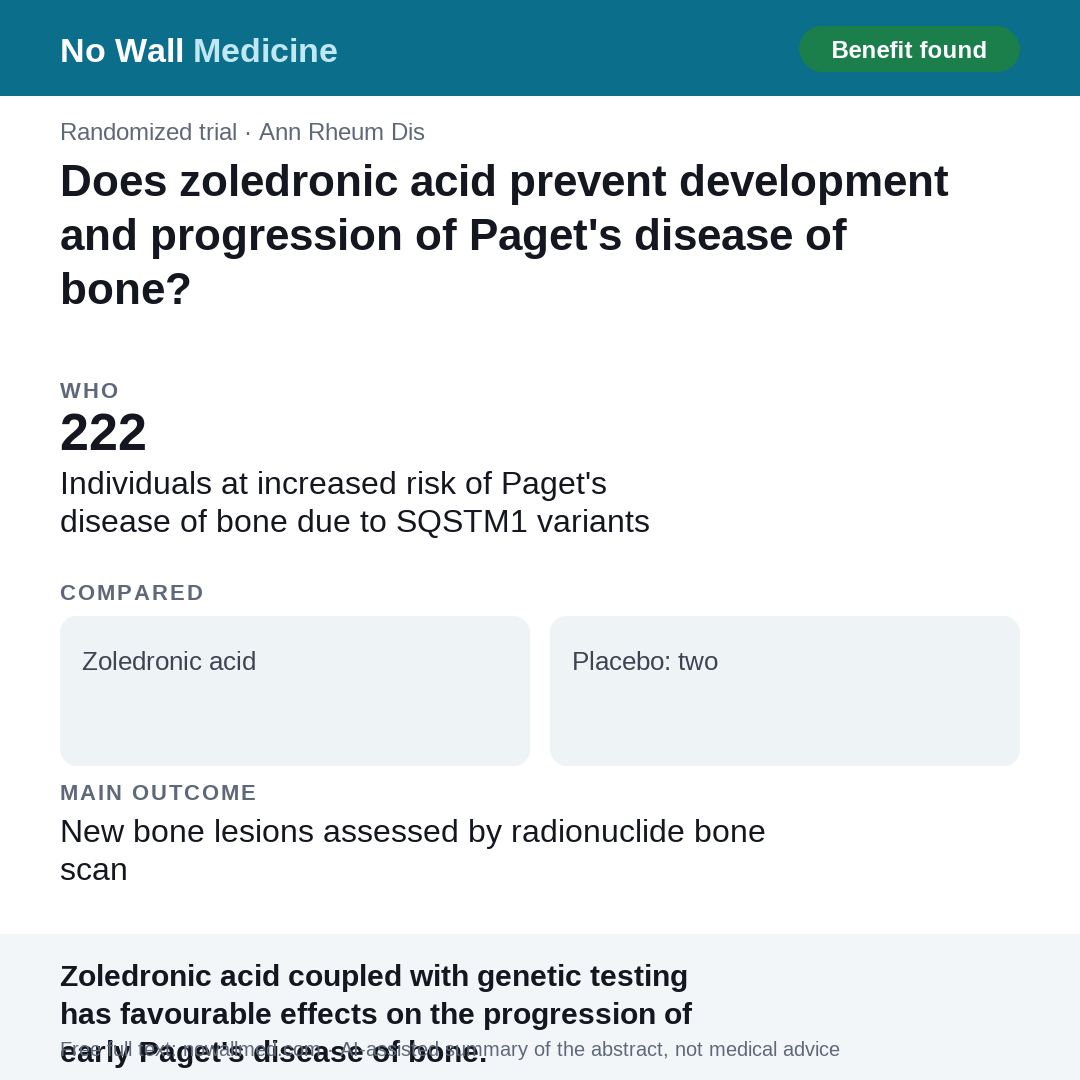
Randomised trial of genetic testing and targeted intervention to prevent the development and progression of Paget's disease of bone
Randomized trialBenefit found
Does zoledronic acid prevent development and progression of Paget's disease of bone?
Who
222
Individuals at increased risk of Paget's disease of bone due to SQSTM1 variants
Compared
Zoledronic acid
Placebo: two
Main outcome
New bone lesions assessed by radionuclide bone scan
Result: odds ratio 0.41 (95% CI 0.00 to 3.43)
Bottom line: Zoledronic acid coupled with genetic testing has favourable effects on the progression of early Paget's disease of bone.
Ann Rheum Dis · 2024-03-12Download image
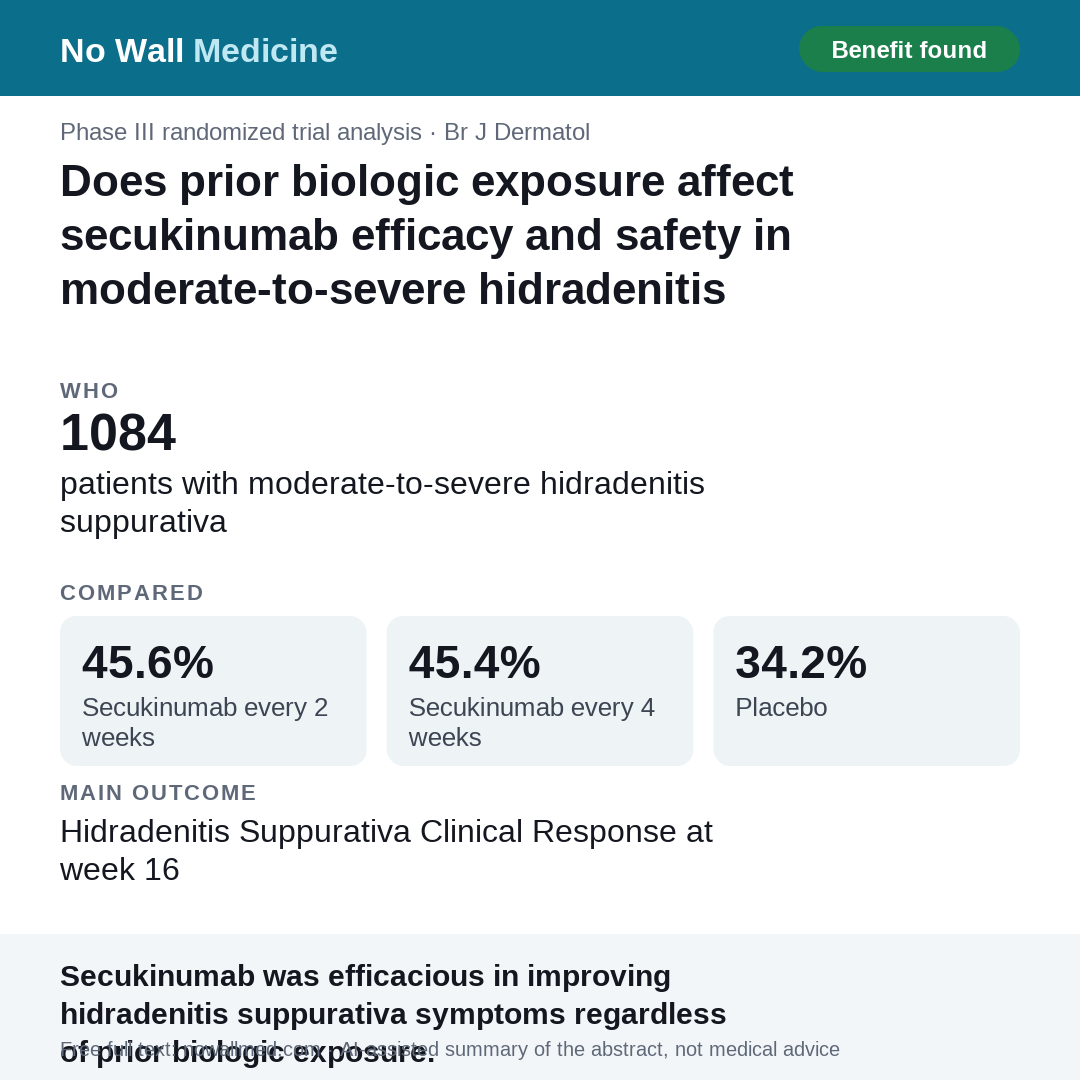
Secukinumab in patients with moderate-to-severe hidradenitis suppurativa based on prior biologic exposure: an efficacy and safety analysis from the SUNSHINE and SUNRISE phase III trials
Phase III randomized trial analysisBenefit found
Does prior biologic exposure affect secukinumab efficacy and safety in moderate-to-severe hidradenitis suppurativa?
Who
1084
patients with moderate-to-severe hidradenitis suppurativa
Compared
45.6%Secukinumab every 2 weeks (biologic-naïve)
45.4%Secukinumab every 4 weeks (biologic-naïve)
34.2%Placebo (biologic-naïve)
Main outcome
Hidradenitis Suppurativa Clinical Response at week 16
Result: OR 1.64 (95% CI 1.15 to 2.33)
Bottom line: Secukinumab was efficacious in improving hidradenitis suppurativa symptoms regardless of prior biologic exposure.
Br J Dermatol · 2024-03-12Download image
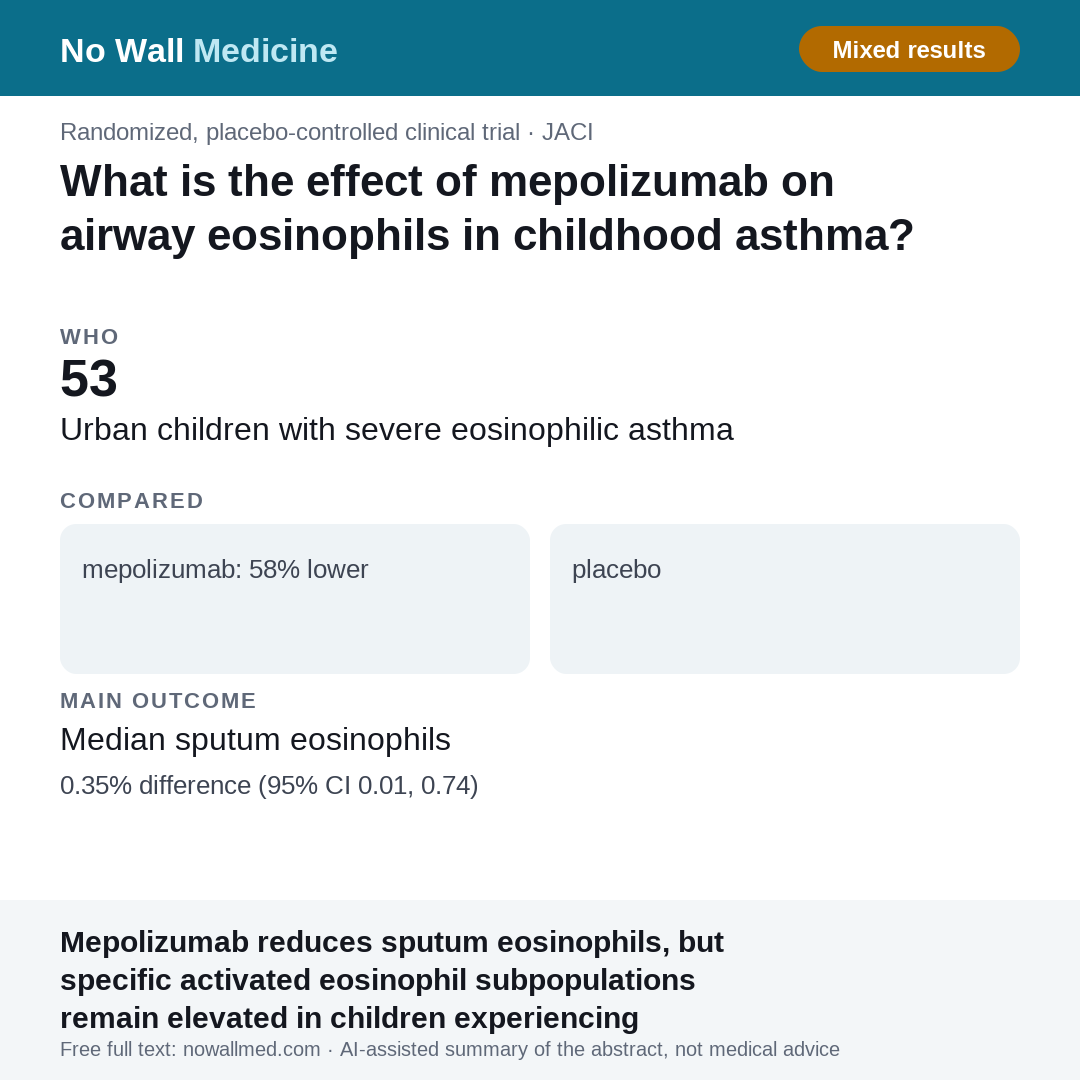
Activated sputum eosinophils associated with exacerbations in children on mepolizumab
Randomized, placebo-controlled clinical trialMixed results
What is the effect of mepolizumab on airway eosinophils in childhood asthma?
Who
53
Urban children with severe eosinophilic asthma
Compared
mepolizumab: 58% lower
placebo
Main outcome
Median sputum eosinophils
Result: 0.35% difference (95% CI 0.01, 0.74)
Bottom line: Mepolizumab reduces sputum eosinophils, but specific activated eosinophil subpopulations remain elevated in children experiencing exacerbations.
JACI · 2024-03-12Download image
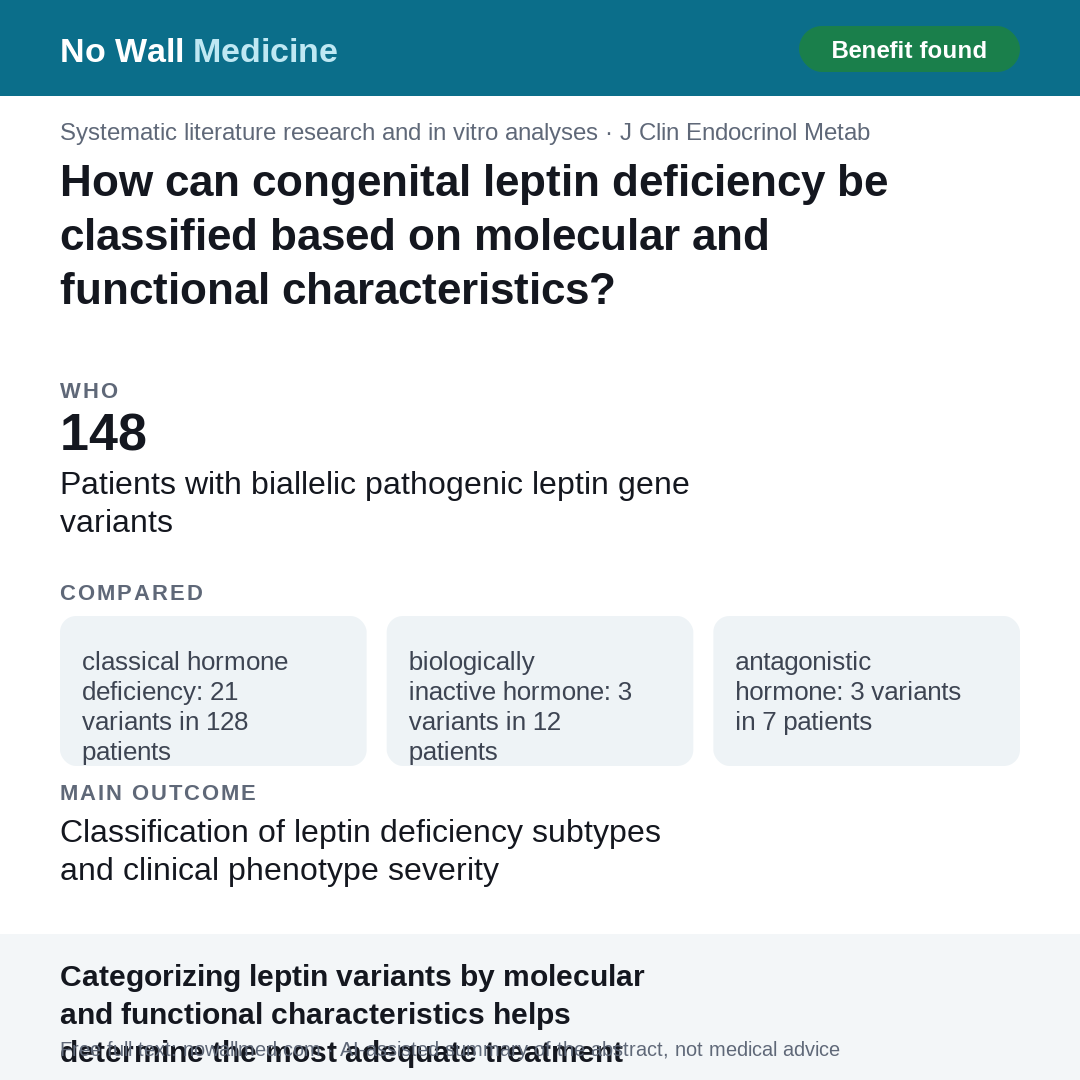
Classification of Congenital Leptin Deficiency
Systematic literature research and in vitro analysesBenefit found
How can congenital leptin deficiency be classified based on molecular and functional characteristics?
Who
148
Patients with biallelic pathogenic leptin gene variants
Compared
classical hormone deficiency: 21 variants in 128 patients
biologically inactive hormone: 3 variants in 12 patients
antagonistic hormone: 3 variants in 7 patients
Main outcome
Classification of leptin deficiency subtypes and clinical phenotype severity
Bottom line: Categorizing leptin variants by molecular and functional characteristics helps determine the most adequate treatment approach.
J Clin Endocrinol Metab · 2024-03-12Download image
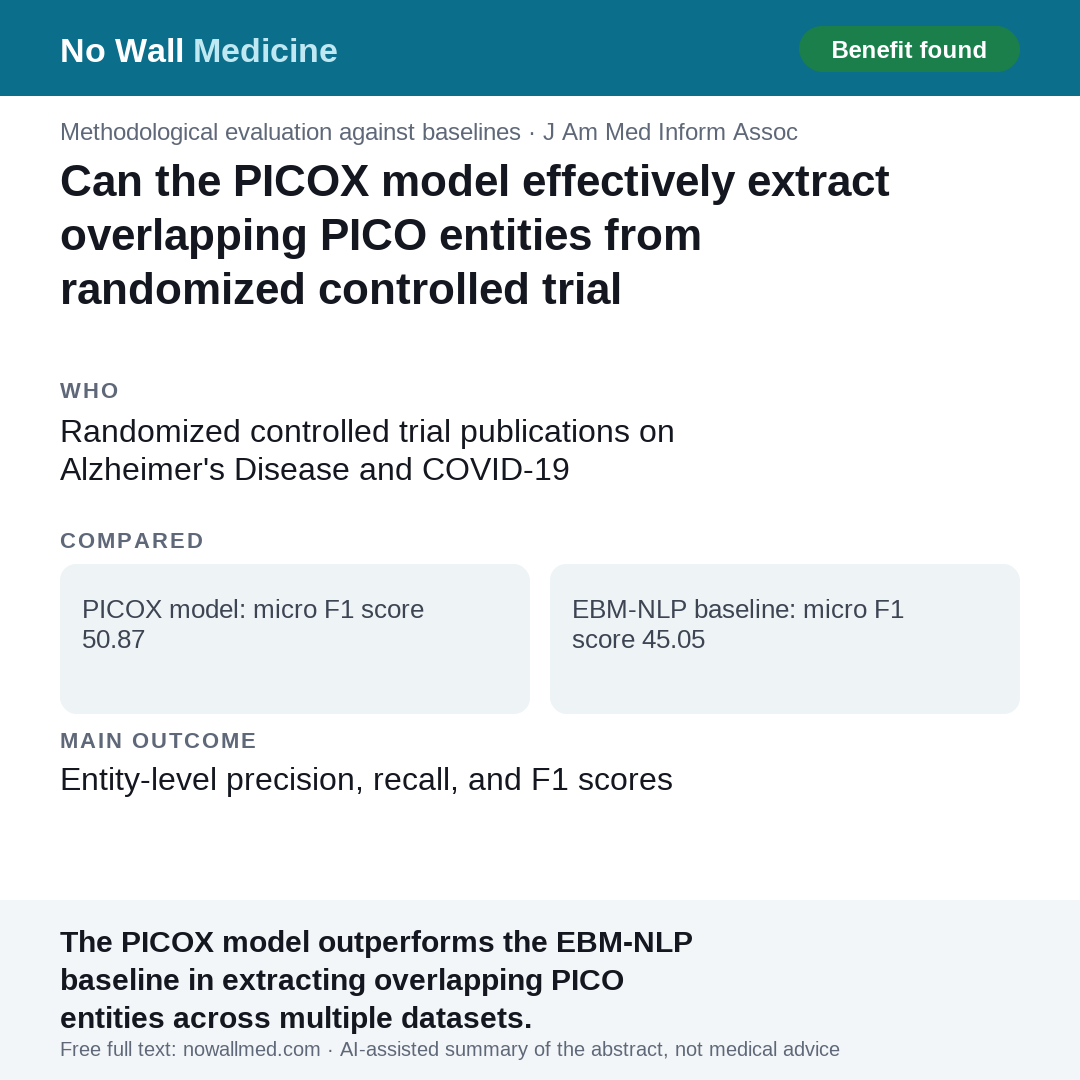
A span-based model for extracting overlapping PICO entities from randomized controlled trial publications
Methodological evaluation against baselinesBenefit found
Can the PICOX model effectively extract overlapping PICO entities from randomized controlled trial publications?
Who
Randomized controlled trial publications on Alzheimer's Disease and COVID-19
Compared
PICOX model: micro F1 score 50.87
EBM-NLP baseline: micro F1 score 45.05
Main outcome
Entity-level precision, recall, and F1 scores
Bottom line: The PICOX model outperforms the EBM-NLP baseline in extracting overlapping PICO entities across multiple datasets.
J Am Med Inform Assoc · 2024-03-12Download image
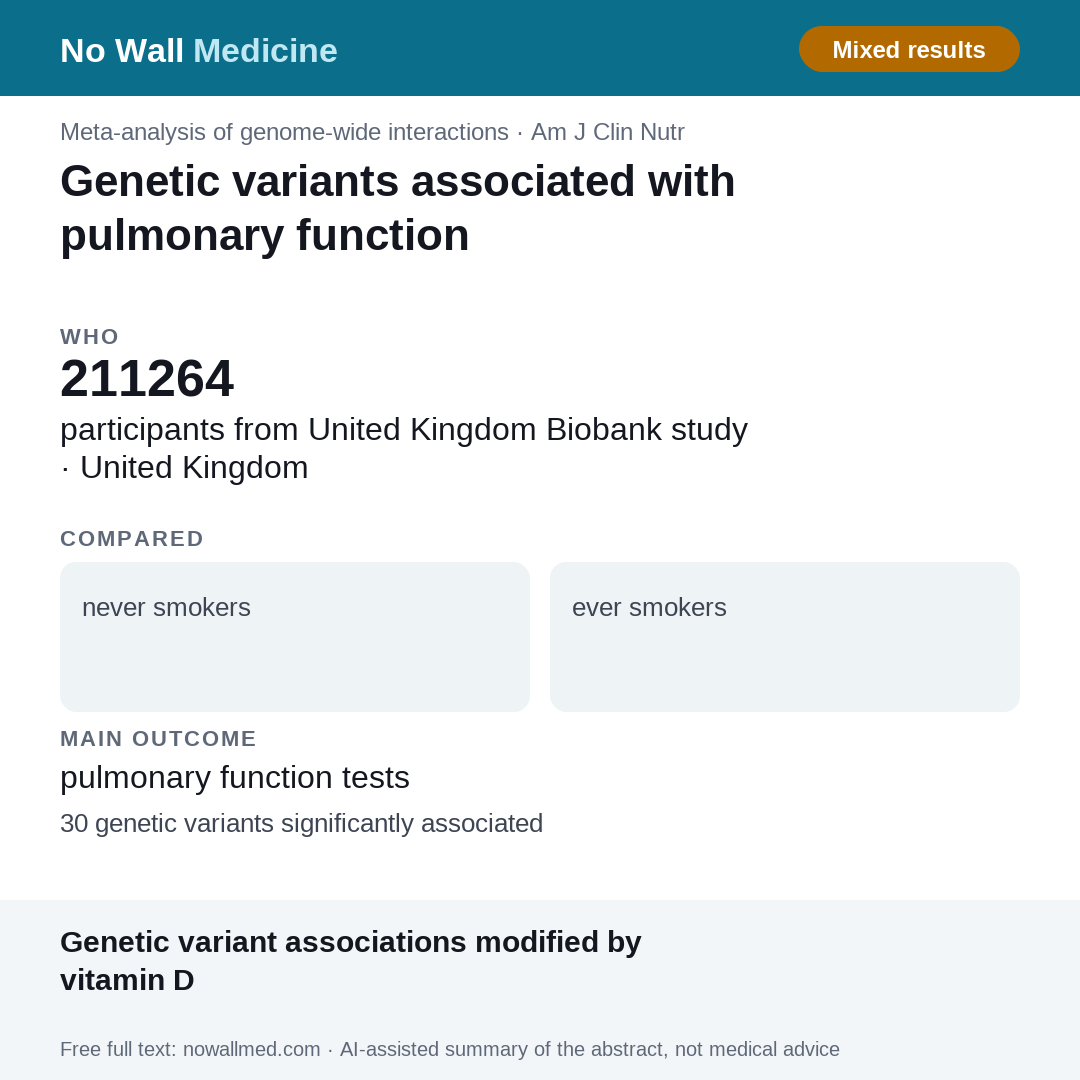
Exploiting meta-analysis of genome-wide interaction with serum 25-hydroxyvitamin D to identify novel genetic loci associated with pulmonary function
Meta-analysis of genome-wide interactionsMixed results
Genetic variants associated with pulmonary function
Who
211264
participants from United Kingdom Biobank study · United Kingdom
Compared
never smokers
ever smokers
Main outcome
pulmonary function tests
Result: 30 genetic variants significantly associated
Bottom line: Genetic variant associations modified by vitamin D
Am J Clin Nutr · 2024-03-12Download image
Effects of the Communities that Heal (CTH) intervention on perceived opioid-related community stigma in the HEALing Communities Study: results of a multi-site, community-level, cluster-randomized trial
Multi-site, community-level, cluster-randomized trialBenefit found
Does the Communities that Heal intervention reduce perceived opioid-related community stigma?
Who
Community coalition members in 66 communities across four states · 66 communities across four states
Compared
Intervention: stigma toward people treated for OUD AMC -3.20 [95% C.I. -4.43, -1.98]
Wait-list Control: stigma toward people treated for OUD AMC -0.18 [95% C.I. -1.38, 1.02]
Main outcome
Perceived community stigma toward people treated for OUD, naloxone, and medication
Result: AMC -3.20 [95% C.I. -4.43, -1.98] for OUD stigma
Bottom line: The Communities that Heal intervention decreased stakeholder perceptions of community stigma toward people treated for OUD and medication for opioid use disorder.
Funded by: US National Institute on Drug Abuse
Lancet Reg Health Am · 2024-03-12Download image

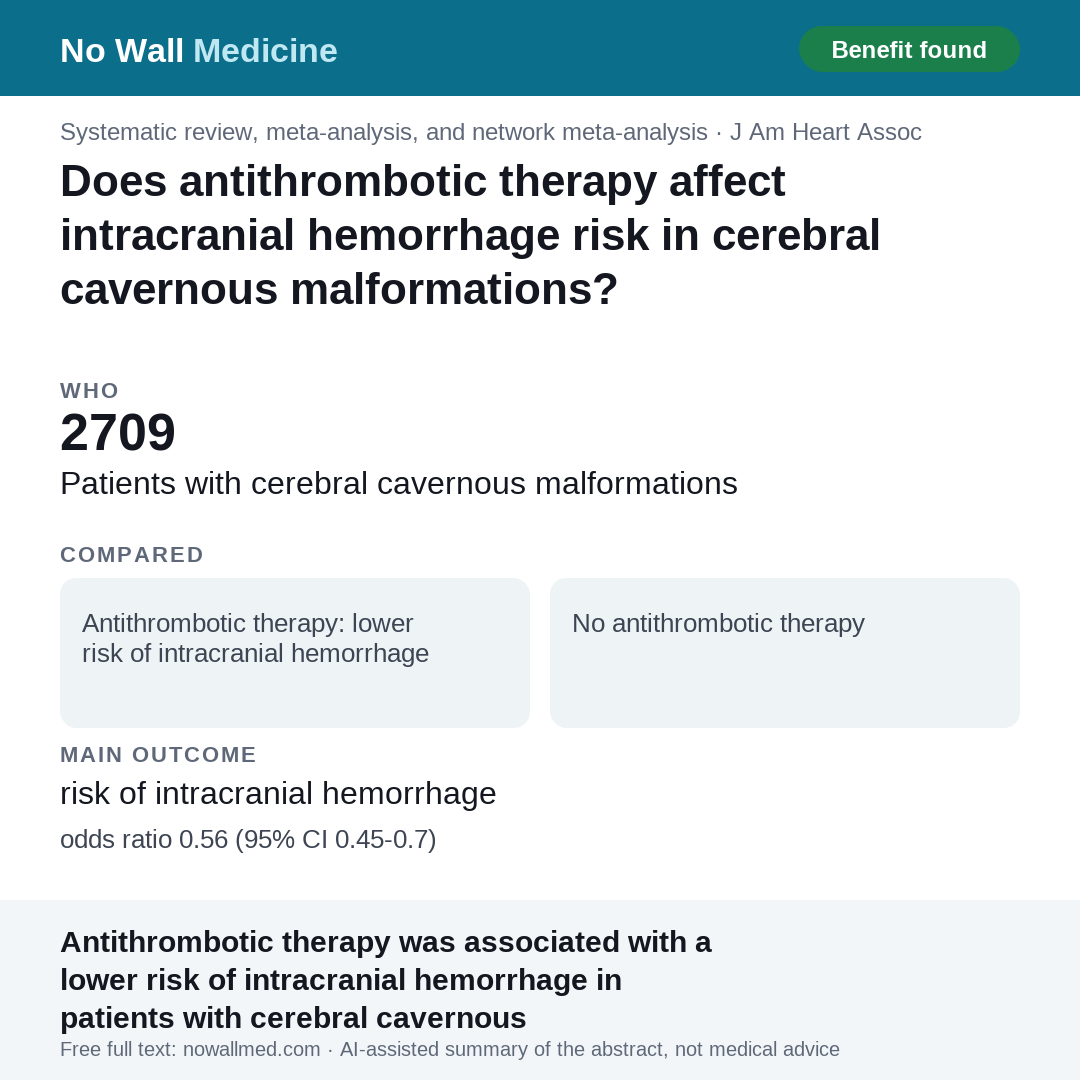
Antithrombotic Therapy in Cerebral Cavernous Malformations: A Systematic Review, Meta-Analysis, and Network Meta-Analysis
Systematic review, meta-analysis, and network meta-analysisBenefit found
Does antithrombotic therapy affect intracranial hemorrhage risk in cerebral cavernous malformations?
Who
2709
Patients with cerebral cavernous malformations
Compared
Antithrombotic therapy: lower risk of intracranial hemorrhage
No antithrombotic therapy
Main outcome
risk of intracranial hemorrhage
Result: odds ratio 0.56 (95% CI 0.45-0.7)
Bottom line: Antithrombotic therapy was associated with a lower risk of intracranial hemorrhage in patients with cerebral cavernous malformations.
Limitation: Fundamental biases in study design, such as ascertainment and assignment bias, limit the weight of conclusions.
J Am Heart Assoc · 2024-03-12Download image
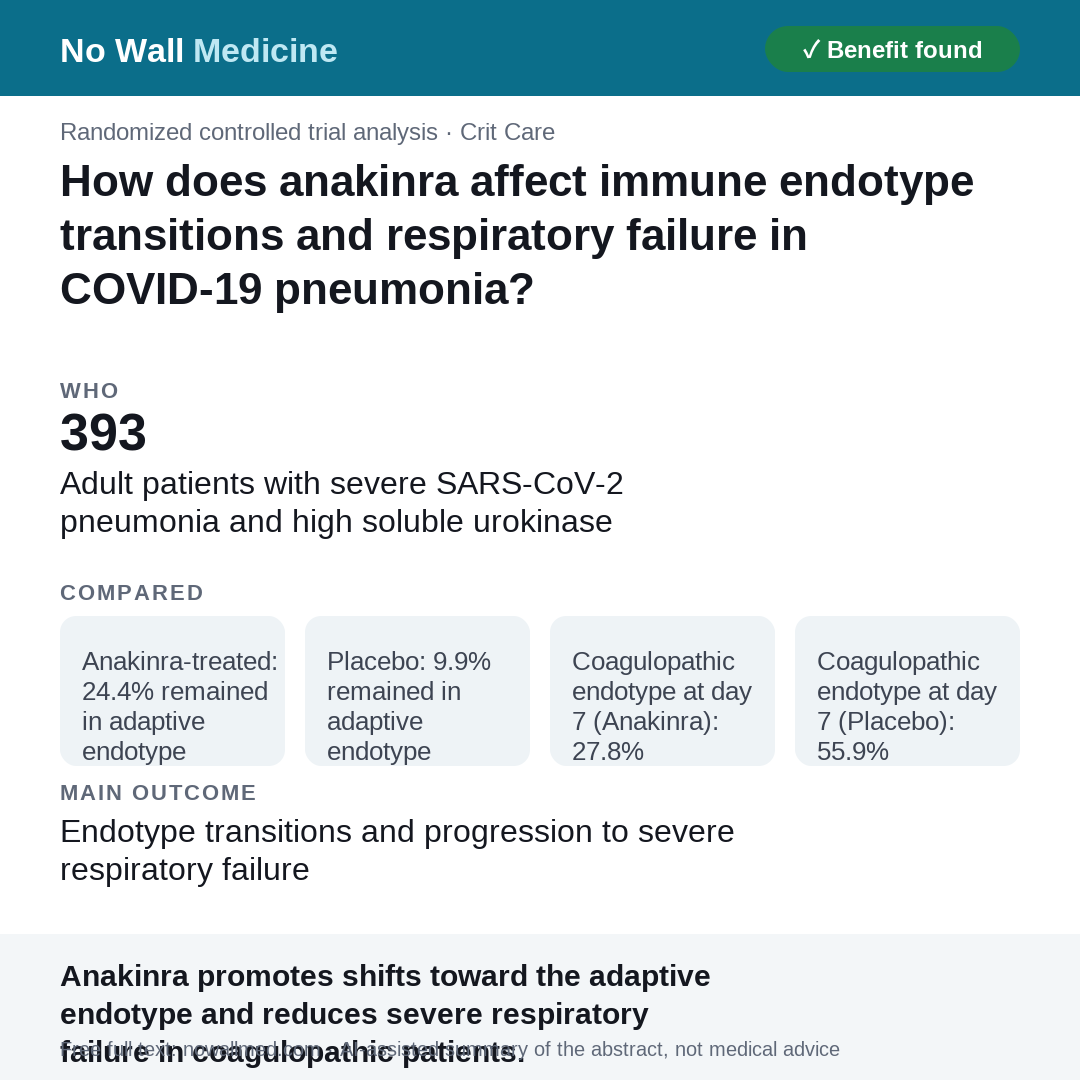
Transitions of blood immune endotypes and improved outcome by anakinra in COVID-19 pneumonia: an analysis of the SAVE-MORE randomized controlled trial
Randomized controlled trial analysisBenefit found
How does anakinra affect immune endotype transitions and respiratory failure in COVID-19 pneumonia?
Who
393
Adult patients with severe SARS-CoV-2 pneumonia and high soluble urokinase plasminogen activator receptor
Compared
Anakinra-treated: 24.4% remained in adaptive endotype
Placebo: 9.9% remained in adaptive endotype
Coagulopathic endotype at day 7 (Anakinra): 27.8% progression to severe respiratory failure
Coagulopathic endotype at day 7 (Placebo): 55.9% progression to severe respiratory failure
Main outcome
Endotype transitions and progression to severe respiratory failure
Bottom line: Anakinra promotes shifts toward the adaptive endotype and reduces severe respiratory failure in coagulopathic patients.
Crit Care · 2024-03-12Download image
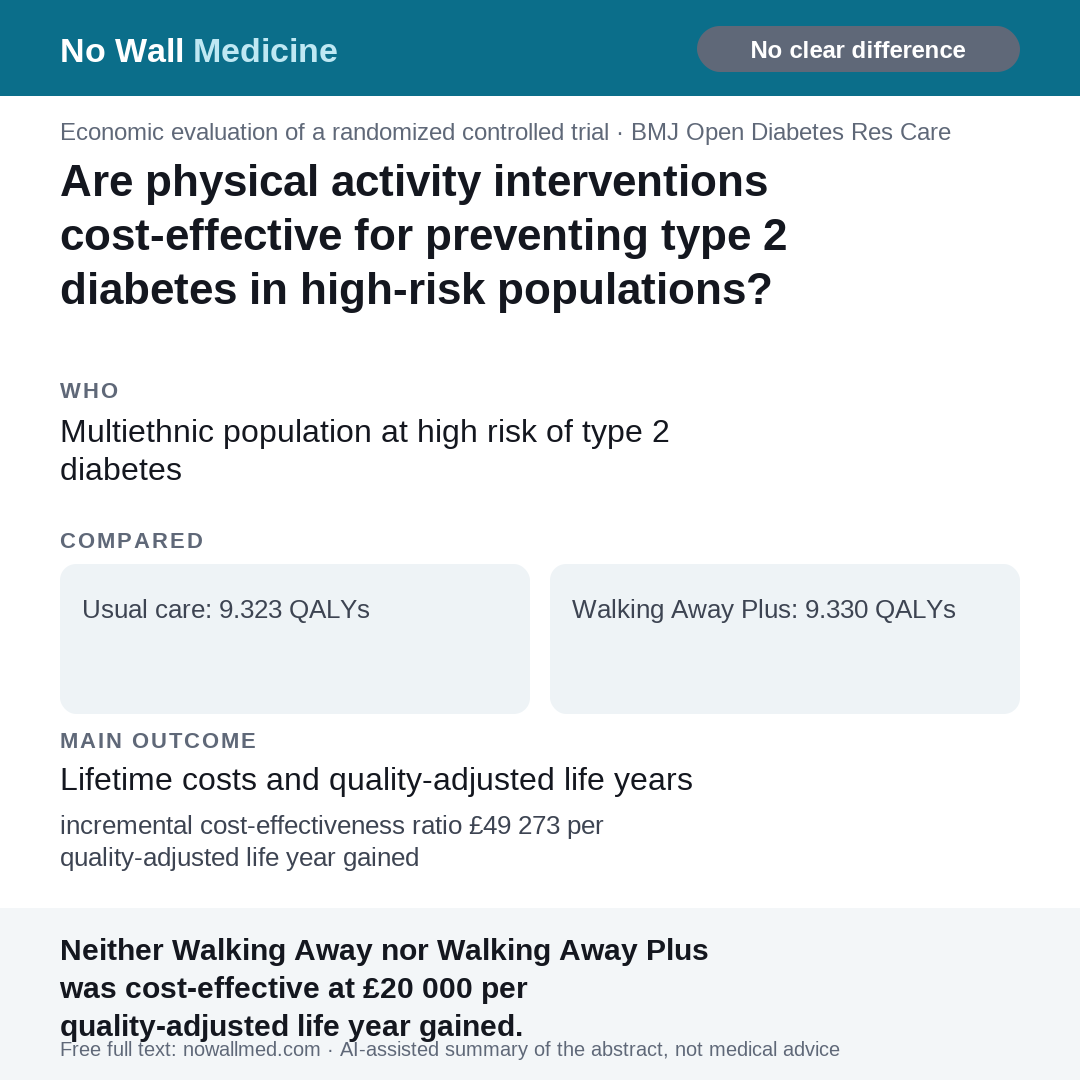
Cost-effectiveness analysis of two interventions to promote physical activity in a multiethnic population at high risk of diabetes: an economic evaluation of the 48-month PROPELS randomized controlled trial
Economic evaluation of a randomized controlled trialNo clear difference
Are physical activity interventions cost-effective for preventing type 2 diabetes in high-risk populations?
Who
Multiethnic population at high risk of type 2 diabetes
Compared
Usual care: 9.323 QALYs
Walking Away Plus: 9.330 QALYs
Main outcome
Lifetime costs and quality-adjusted life years
Result: incremental cost-effectiveness ratio £49 273 per quality-adjusted life year gained
Bottom line: Neither Walking Away nor Walking Away Plus was cost-effective at £20 000 per quality-adjusted life year gained.
BMJ Open Diabetes Res Care · 2024-03-12Download image
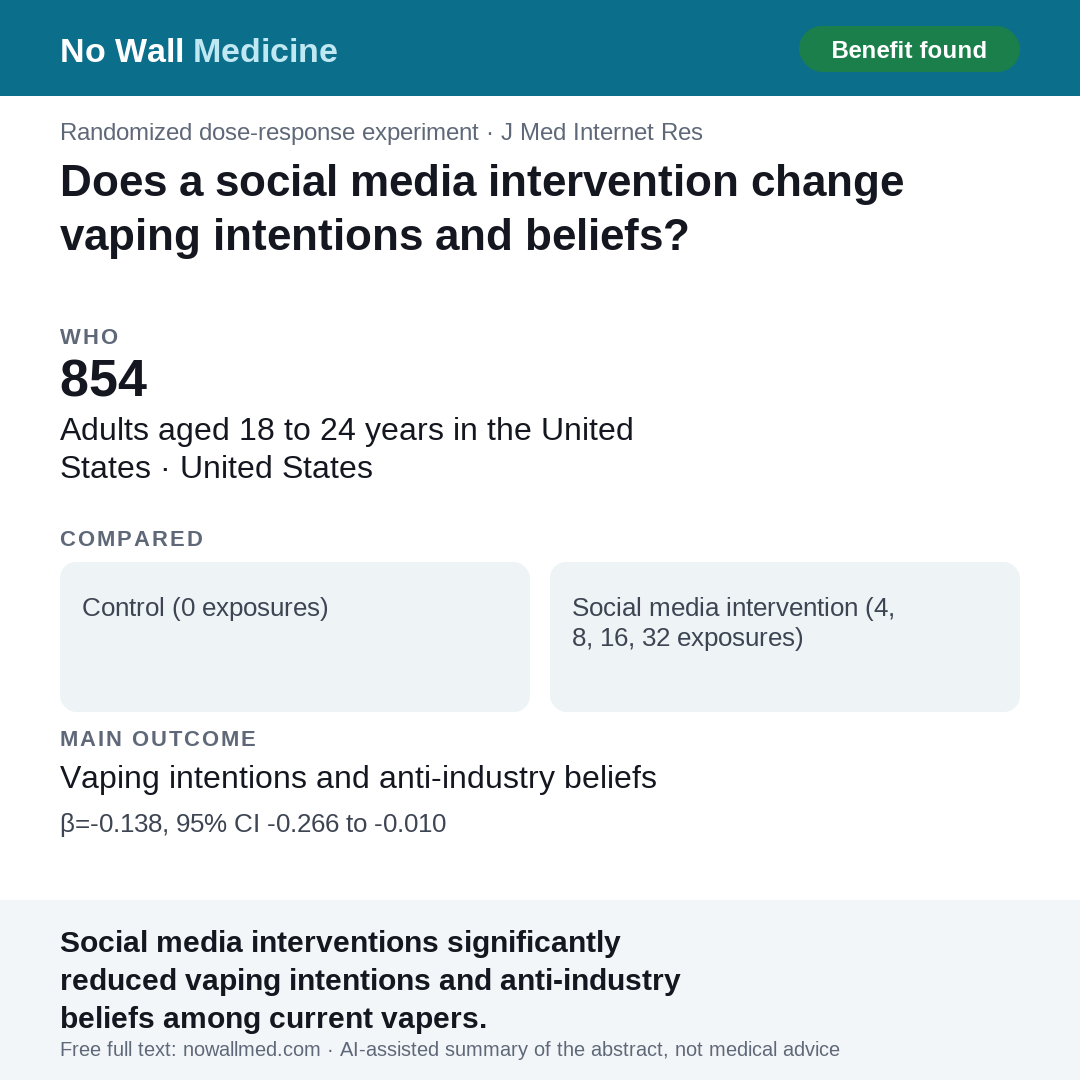
Effects of a Social Media Intervention on Vaping Intentions: Randomized Dose-Response Experiment
Randomized dose-response experimentBenefit found
Does a social media intervention change vaping intentions and beliefs?
Who
854
Adults aged 18 to 24 years in the United States · United States
Compared
Control (0 exposures)
Social media intervention (4, 8, 16, 32 exposures)
Main outcome
Vaping intentions and anti-industry beliefs
Result: β=-0.138, 95% CI -0.266 to -0.010
Bottom line: Social media interventions significantly reduced vaping intentions and anti-industry beliefs among current vapers.
J Med Internet Res · 2024-03-12Download image
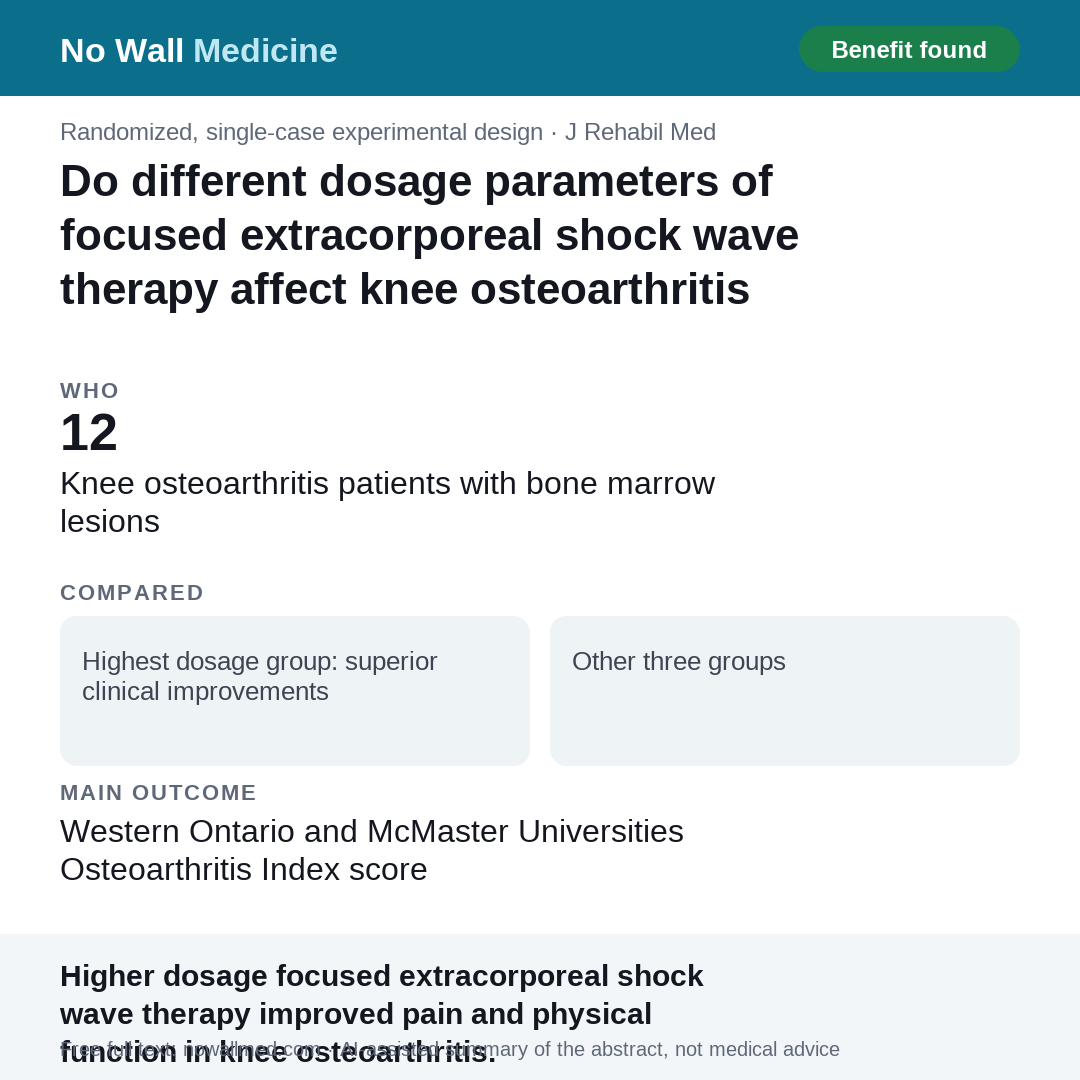
Evaluation of treatment parameters for focused-extracorporeal shock wave therapy in knee osteoarthritis patients with bone marrow lesions: a pilot study
Randomized, single-case experimental designBenefit found
Do different dosage parameters of focused extracorporeal shock wave therapy affect knee osteoarthritis symptoms?
Who
12
Knee osteoarthritis patients with bone marrow lesions
Compared
Highest dosage group: superior clinical improvements
Other three groups
Main outcome
Western Ontario and McMaster Universities Osteoarthritis Index score
Bottom line: Higher dosage focused extracorporeal shock wave therapy improved pain and physical function in knee osteoarthritis.
Limitation: The study was a pilot study with a small sample size.
J Rehabil Med · 2024-03-12Download image
10-Day versus 14-day bismuth quadruple therapy for first-line eradication of Helicobacter pylori infection: a randomised, open-label, non-inferiority trial
Randomised, open-label, non-inferiority trialBenefit found
Is 10-day bismuth quadruple therapy non-inferior to 14-day therapy for Helicobacter pylori eradication?
Who
313
Helicobacter pylori treatment-naïve patients · One medical centre and one teaching hospital in Taiwan
Compared
10-day bismuth quadruple therapy: 92.4% (ITT) or 97.9% (PP)
14-day bismuth quadruple therapy: 92.9% (ITT) or 99.3% (PP)
Main outcome
Helicobacter pylori eradication rate
Result: absolute difference lower boundary -0.6% (97.5% CI -6.7%) in ITT
Bottom line: Ten-day bismuth quadruple therapy is non-inferior to fourteen-day therapy for Helicobacter pylori eradication with fewer instances of dizziness and vomiting.
Funded by: National Science and Technology Council and Ministry of Health and Welfare, Taiwan
eClinicalMedicine · 2024-03-11Download image

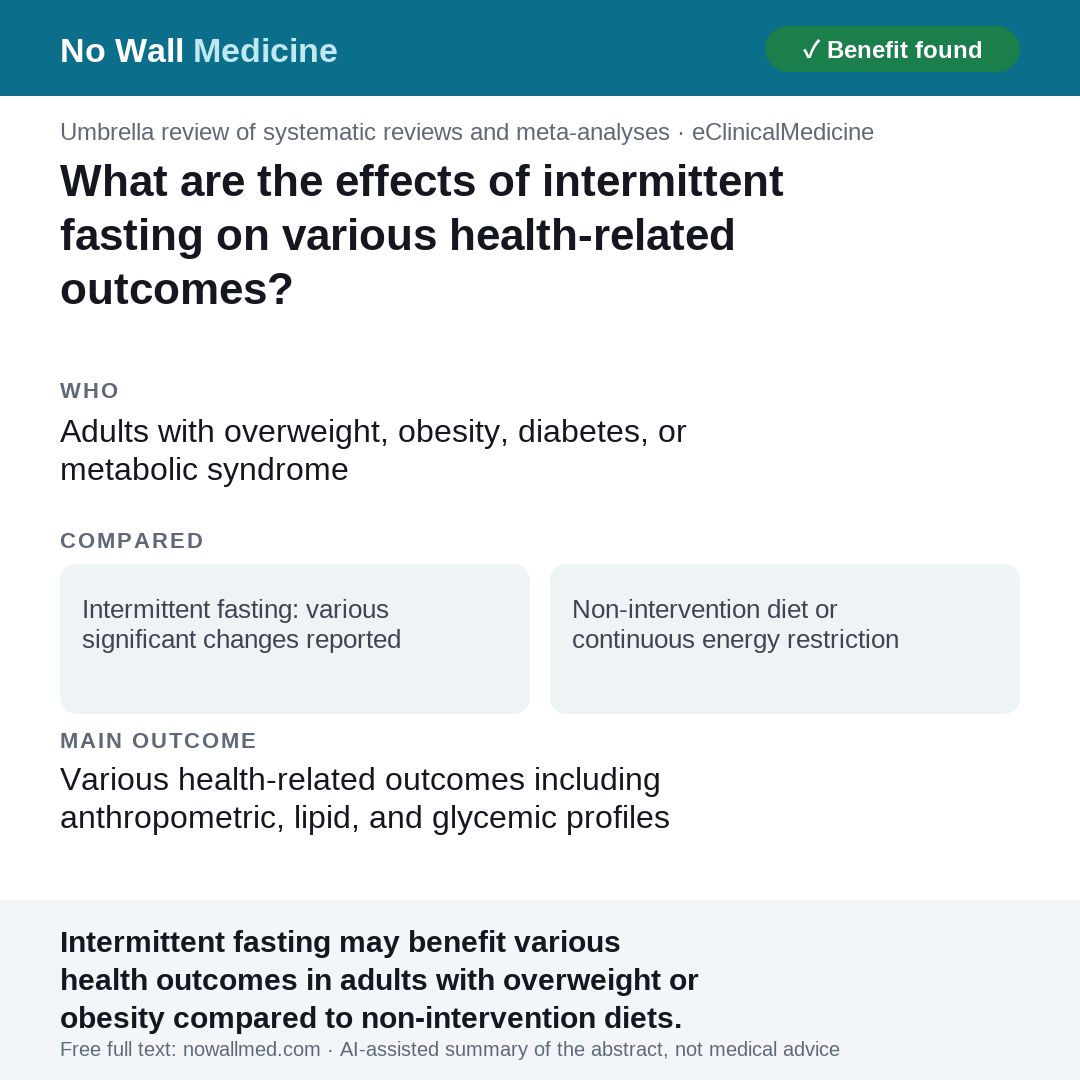
Intermittent fasting and health outcomes: an umbrella review of systematic reviews and meta-analyses of randomised controlled trials
Umbrella review of systematic reviews and meta-analysesBenefit found
What are the effects of intermittent fasting on various health-related outcomes?
Who
Adults with overweight, obesity, diabetes, or metabolic syndrome
Compared
Intermittent fasting: various significant changes reported
Non-intervention diet or continuous energy restriction
Main outcome
Various health-related outcomes including anthropometric, lipid, and glycemic profiles
Bottom line: Intermittent fasting may benefit various health outcomes in adults with overweight or obesity compared to non-intervention diets.
Funded by: National Key Research and Development Program of China
eClinicalMedicine · 2024-03-11Download image
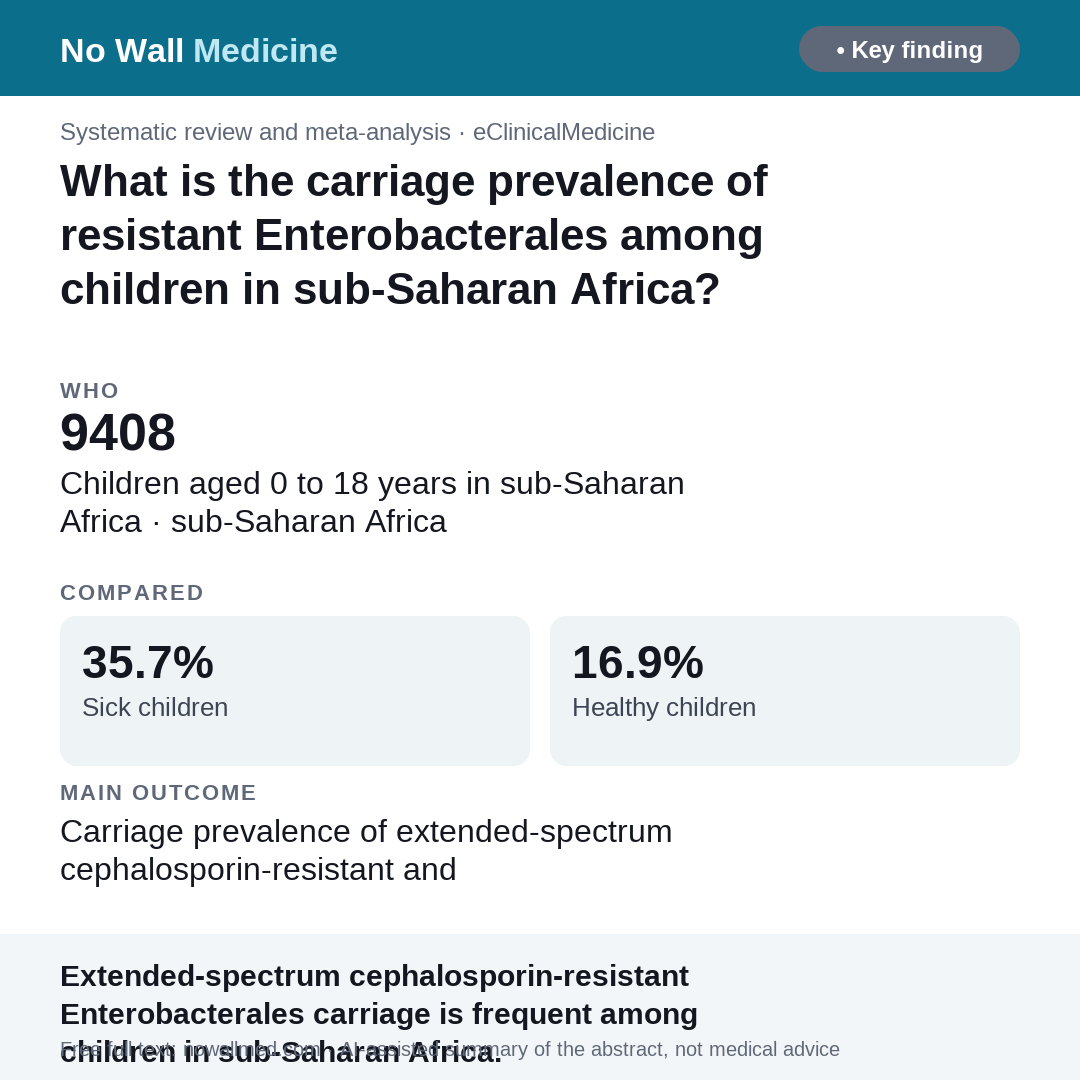
Carriage of third-generation cephalosporin-resistant and carbapenem-resistant Enterobacterales among children in sub-Saharan Africa: a systematic review and meta-analysis
Systematic review and meta-analysisHarm found
What is the carriage prevalence of resistant Enterobacterales among children in sub-Saharan Africa?
Who
9408
Children aged 0 to 18 years in sub-Saharan Africa · sub-Saharan Africa
Compared
35.7%Sick children
16.9%Healthy children
Main outcome
Carriage prevalence of extended-spectrum cephalosporin-resistant and carbapenem-resistant Enterobacterales
Result: ESCR-E prevalence 32.2% (95% CI: 25.2%-40.2%)
Bottom line: Extended-spectrum cephalosporin-resistant Enterobacterales carriage is frequent among children in sub-Saharan Africa.
Limitation: High between-study heterogeneity and bias in participant selection and microbiological specimens.
eClinicalMedicine · 2024-03-11Download image
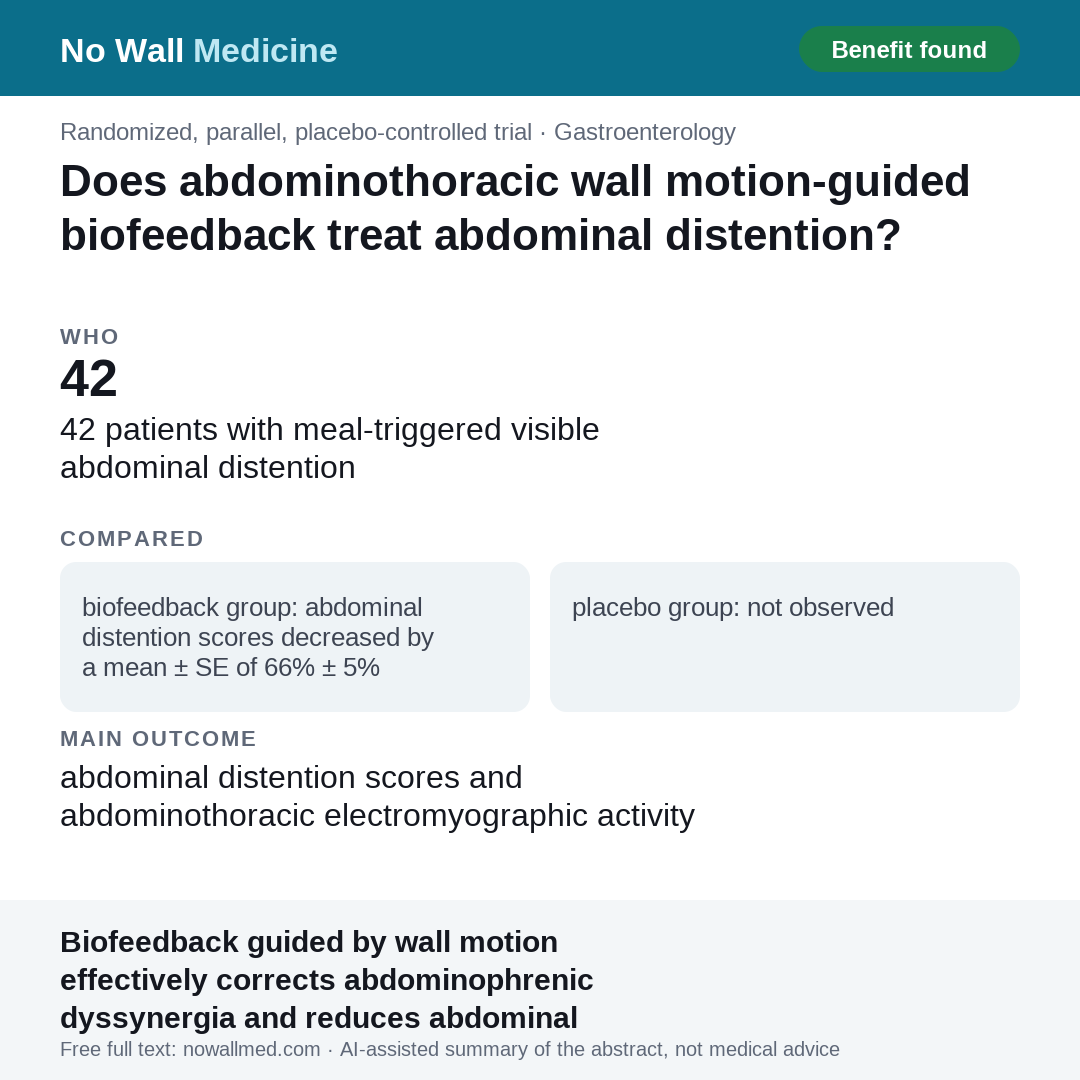
Thoracoabdominal Wall Motion-Guided Biofeedback Treatment of Abdominal Distention: A Randomized Placebo-Controlled Trial
Randomized, parallel, placebo-controlled trialBenefit found
Does abdominothoracic wall motion-guided biofeedback treat abdominal distention?
Who
42
42 patients with meal-triggered visible abdominal distention
Compared
biofeedback group: abdominal distention scores decreased by a mean ± SE of 66% ± 5%
placebo group: not observed
Main outcome
abdominal distention scores and abdominothoracic electromyographic activity
Bottom line: Biofeedback guided by wall motion effectively corrects abdominophrenic dyssynergia and reduces abdominal distention.
Gastroenterology · 2024-03-11Download image
Pharmacokinetic-Pharmacodynamic Evidence From a Phase 3 Trial to Support Flat-Dosing of Rifampicin for Tuberculosis
Phase 3 clinical trialBenefit found
Is flat-dosing of rifampicin as effective and safe as weight-banded dosing?
Who
Participants with drug-susceptible tuberculosis
Compared
Flat-dosed rifampicin
Weight-banded dose
Main outcome
Stable culture conversion and tuberculosis-related unfavorable outcomes
Bottom line: Flat-dosing of 600 mg rifampicin daily may be a reasonable alternative to weight-banded dosing.
Clin Infect Dis · 2024-03-11Download image

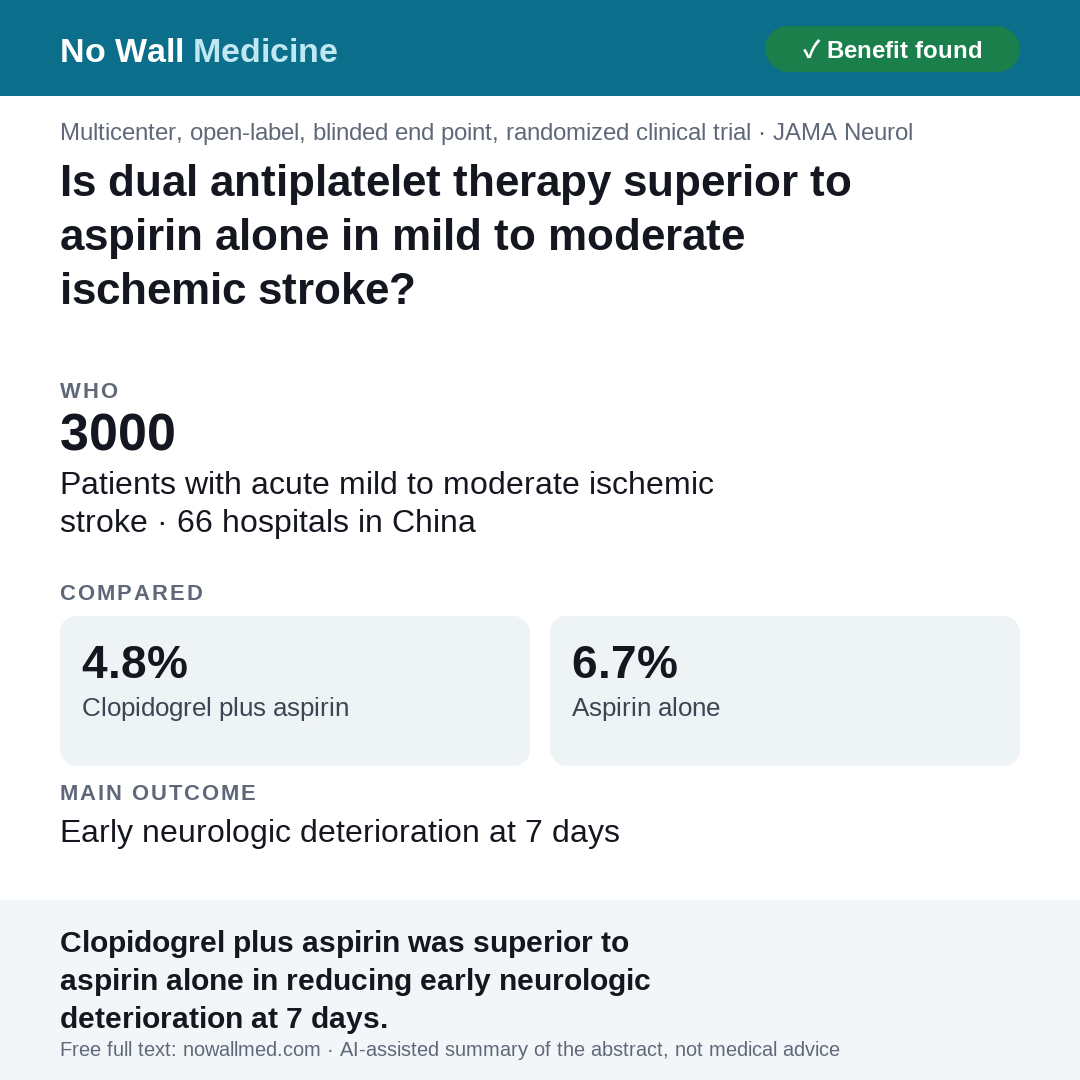
Clopidogrel Plus Aspirin vs Aspirin Alone in Patients With Acute Mild to Moderate Stroke: The ATAMIS Randomized Clinical Trial
Multicenter, open-label, blinded end point, randomized clinical trialBenefit found
Is dual antiplatelet therapy superior to aspirin alone in mild to moderate ischemic stroke?
Who
3000
Patients with acute mild to moderate ischemic stroke · 66 hospitals in China
Compared
4.8%Clopidogrel plus aspirin
6.7%Aspirin alone
Main outcome
Early neurologic deterioration at 7 days
Result: risk difference -1.9% (95% CI, -3.6 to -0.2)
Bottom line: Clopidogrel plus aspirin was superior to aspirin alone in reducing early neurologic deterioration at 7 days.
JAMA Neurol · 2024-03-11Download image
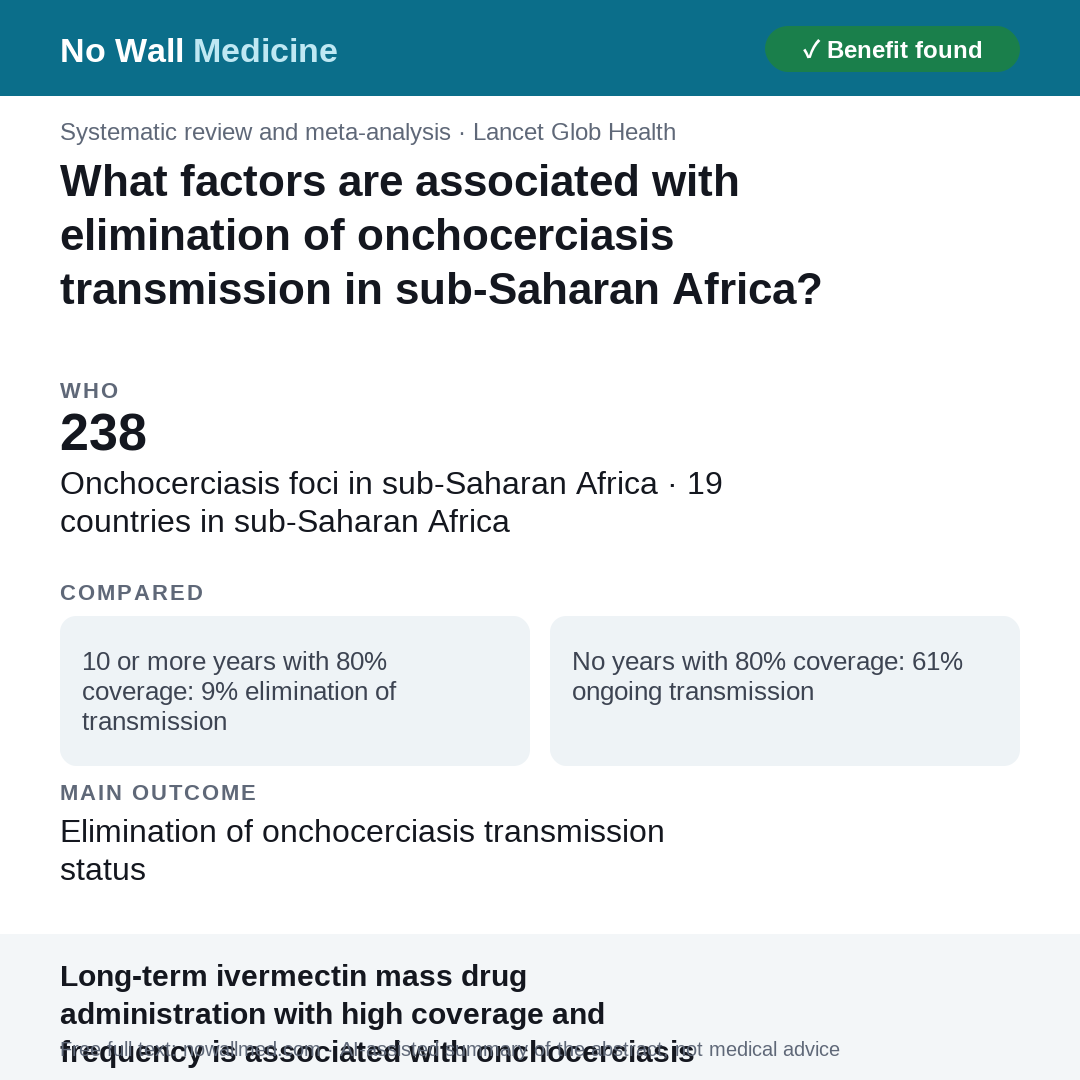
Elimination of transmission of onchocerciasis (river blindness) with long-term ivermectin mass drug administration with or without vector control in sub-Saharan Africa: a systematic review and meta-analysis
Systematic review and meta-analysisBenefit found
What factors are associated with elimination of onchocerciasis transmission in sub-Saharan Africa?
Who
238
Onchocerciasis foci in sub-Saharan Africa · 19 countries in sub-Saharan Africa
Compared
10 or more years with 80% coverage: 9% elimination of transmission
No years with 80% coverage: 61% ongoing transmission
Main outcome
Elimination of onchocerciasis transmission status
Result: log-odds 8·5 (95% CI 3·5 to 13·5)
Bottom line: Long-term ivermectin mass drug administration with high coverage and frequency is associated with onchocerciasis transmission elimination.
Funded by: Bill & Melinda Gates Foundation
Lancet Glob Health · 2024-03-11Download image
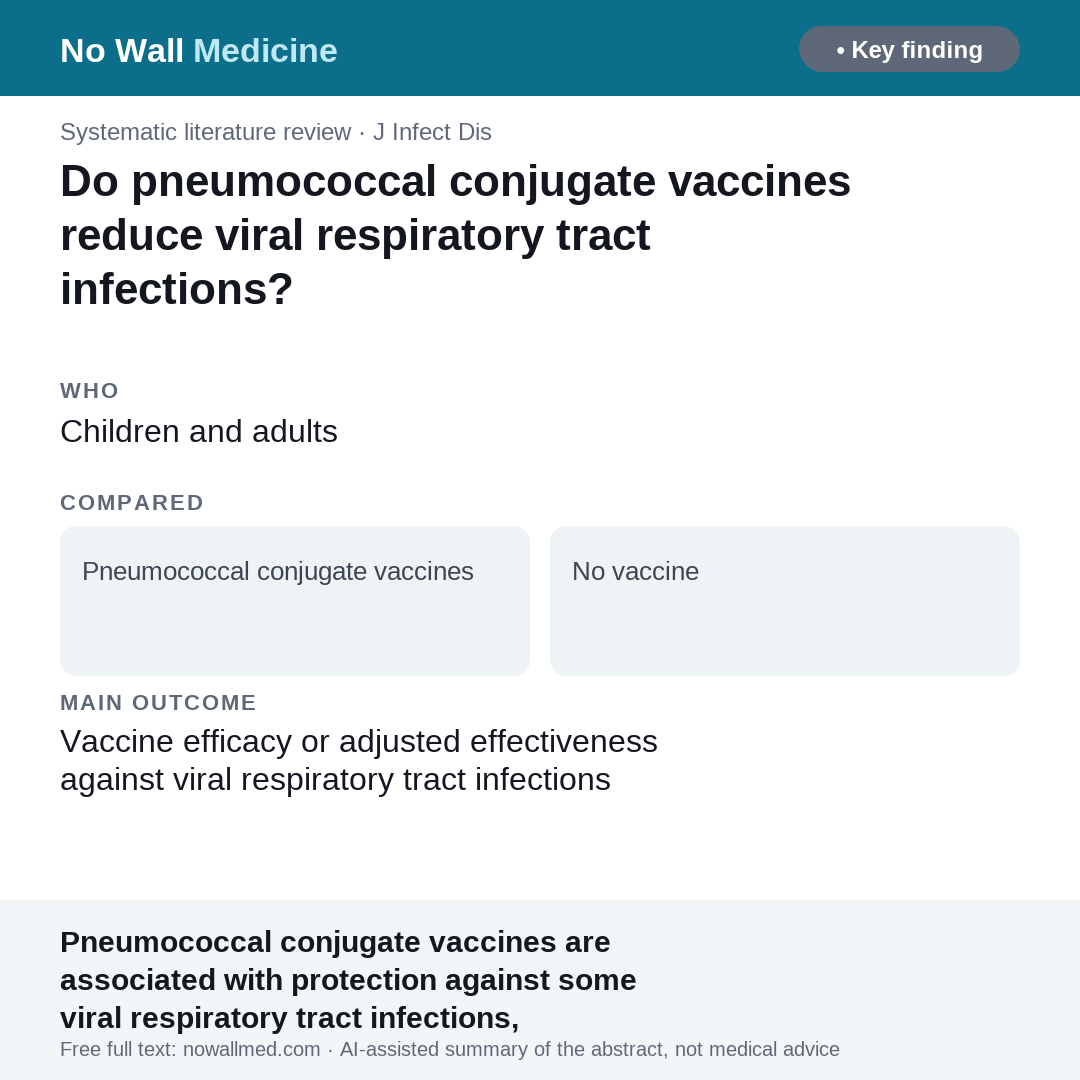
Effect of Pneumococcal Conjugate Vaccines on Viral Respiratory Infections: A Systematic Literature Review
Systematic literature reviewBenefit found
Do pneumococcal conjugate vaccines reduce viral respiratory tract infections?
Who
Children and adults
Compared
Pneumococcal conjugate vaccines
No vaccine
Main outcome
Vaccine efficacy or adjusted effectiveness against viral respiratory tract infections
Bottom line: Pneumococcal conjugate vaccines are associated with protection against some viral respiratory tract infections, especially influenza in children.
Limitation: Data in adults were limited.
J Infect Dis · 2024-03-11Download image