Visual abstracts
New randomized trials and meta-analyses from leading journals at a glance: who was studied, what was compared, and what was found. Every paper is free to read in full.
All specialtiesCardiology 4877Oncology 4138Gastroenterology & Hepatology 1942Infectious Disease 3837Neurology 1905Psychiatry & Mental Health 2273Pulmonology 2143Critical Care 1365Endocrinology & Diabetes 2580Pediatrics 2980Surgery 2559Orthopedics & Sports Medicine 931Neurosurgery 537Cardiothoracic & Vascular Surgery 674Plastic & Reconstructive Surgery 591Nephrology 1133Rheumatology 823Hematology 1109Dermatology 621Ophthalmology 543Obstetrics & Gynecology 1686Public & Global Health 1058Radiology & Imaging 648Anesthesiology 986Urology 764ENT (Otolaryngology) 503Emergency Medicine 511Allergy & Immunology 313Geriatrics 981Family Medicine & Primary Care 562Medical Genetics & Genomics 676Pathology & Laboratory Medicine 159Physical Medicine & Rehabilitation 757Palliative Care 444Nutrition 1588Digital Health & AI 2201General Medicine 321
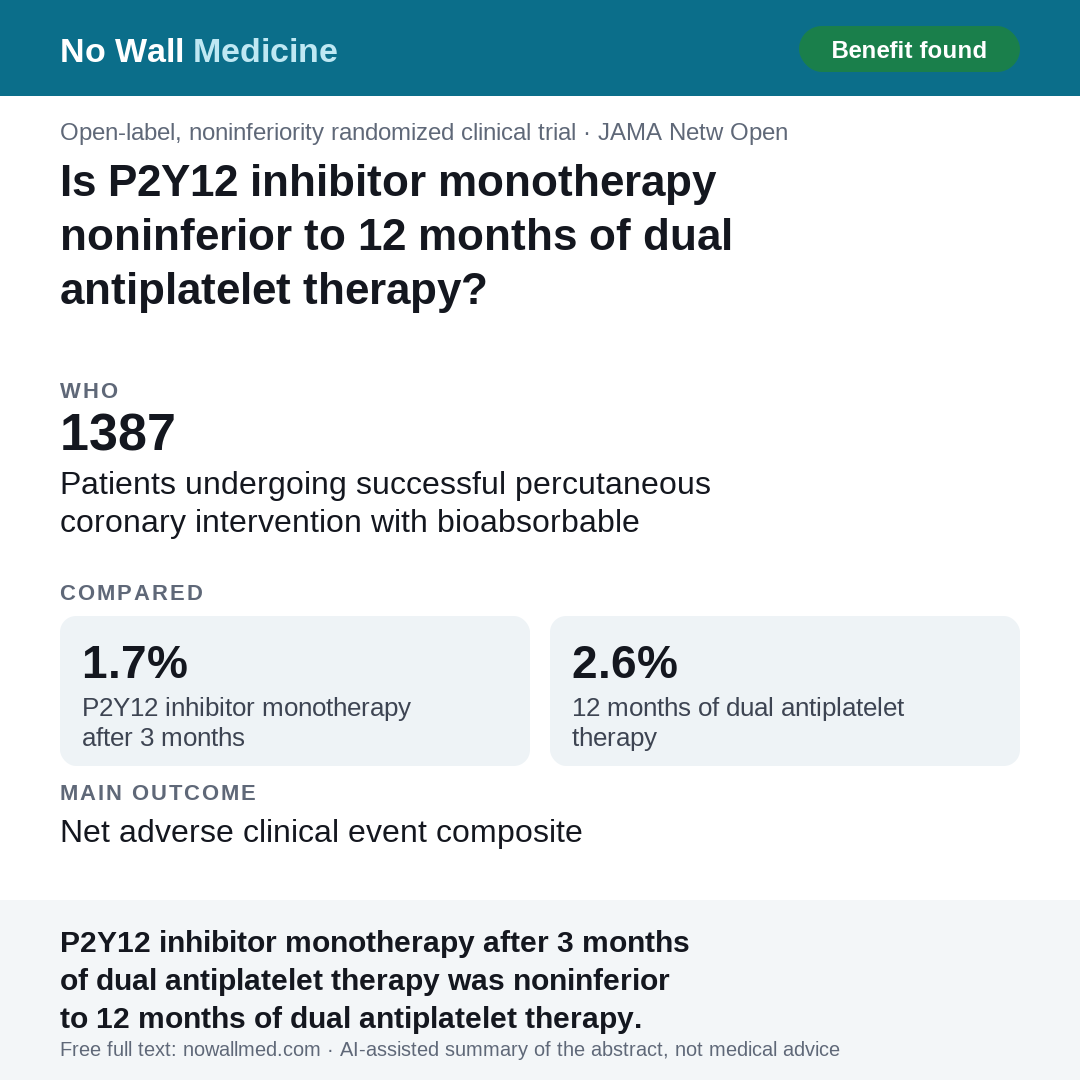
P2Y12 Inhibitor Monotherapy vs Dual Antiplatelet Therapy After Deployment of a Drug-Eluting Stent: The SHARE Randomized Clinical Trial
Open-label, noninferiority randomized clinical trialBenefit found
Is P2Y12 inhibitor monotherapy noninferior to 12 months of dual antiplatelet therapy?
Who
1387
Patients undergoing successful percutaneous coronary intervention with bioabsorbable polymer everolimus-eluting stents · 20 hospitals in South Korea
Compared
1.7%P2Y12 inhibitor monotherapy after 3 months
2.6%12 months of dual antiplatelet therapy
Main outcome
Net adverse clinical event composite
Result: -0.93 [1-sided 95% CI, -2.64 to 0.77] percentage points
Bottom line: P2Y12 inhibitor monotherapy after 3 months of dual antiplatelet therapy was noninferior to 12 months of dual antiplatelet therapy.
JAMA Netw Open · 2024-03-04Download image
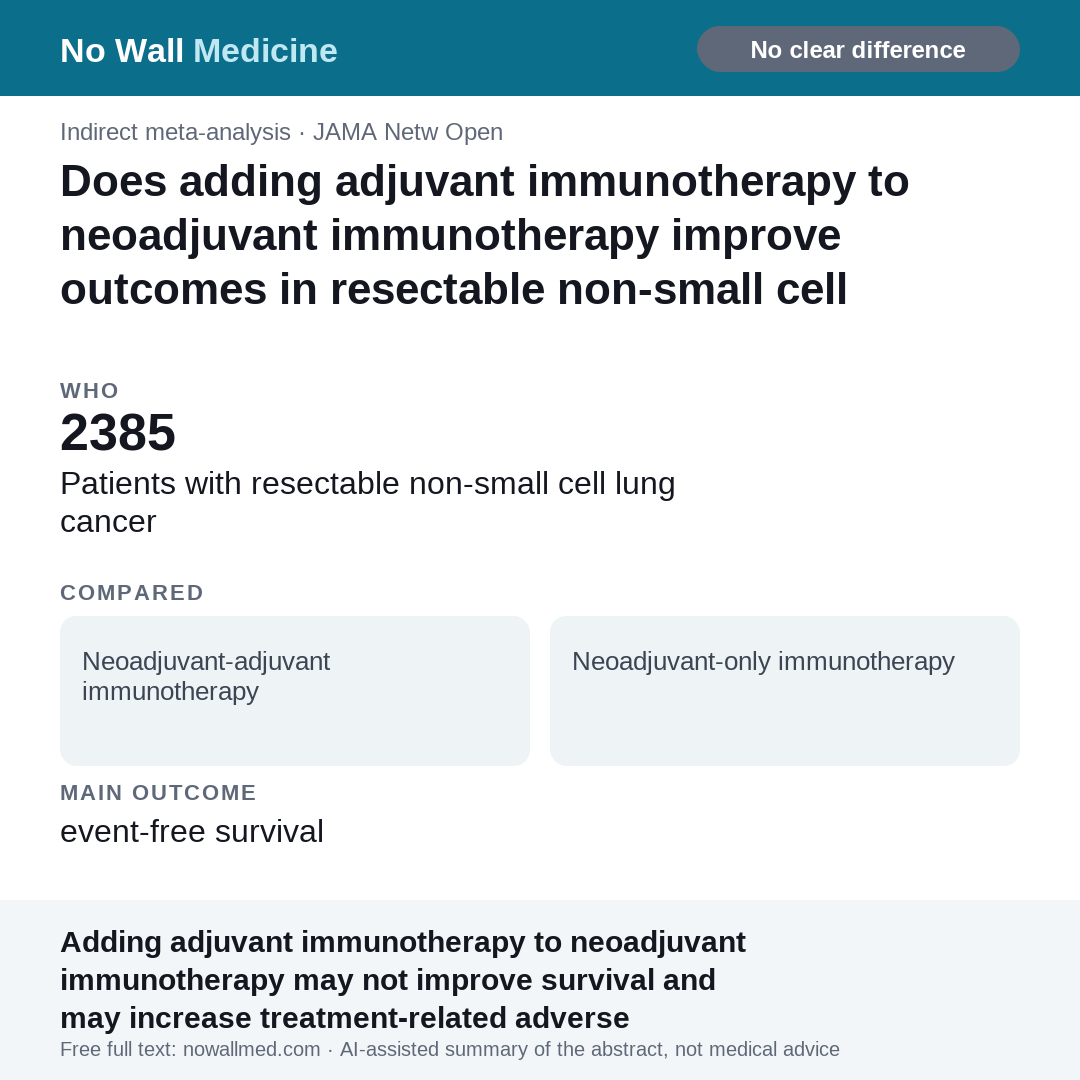
Neoadjuvant-Adjuvant vs Neoadjuvant-Only PD-1 and PD-L1 Inhibitors for Patients With Resectable NSCLC: An Indirect Meta-Analysis
Indirect meta-analysisNo clear difference
Does adding adjuvant immunotherapy to neoadjuvant immunotherapy improve outcomes in resectable non-small cell lung cancer?
Who
2385
Patients with resectable non-small cell lung cancer
Compared
Neoadjuvant-adjuvant immunotherapy
Neoadjuvant-only immunotherapy
Main outcome
event-free survival
Result: hazard ratio 0.90 (95% CI, 0.63-1.30)
Bottom line: Adding adjuvant immunotherapy to neoadjuvant immunotherapy may not improve survival and may increase treatment-related adverse events.
Limitation: Future validation is warranted through head-to-head randomized clinical trials.
JAMA Netw Open · 2024-03-04Download image
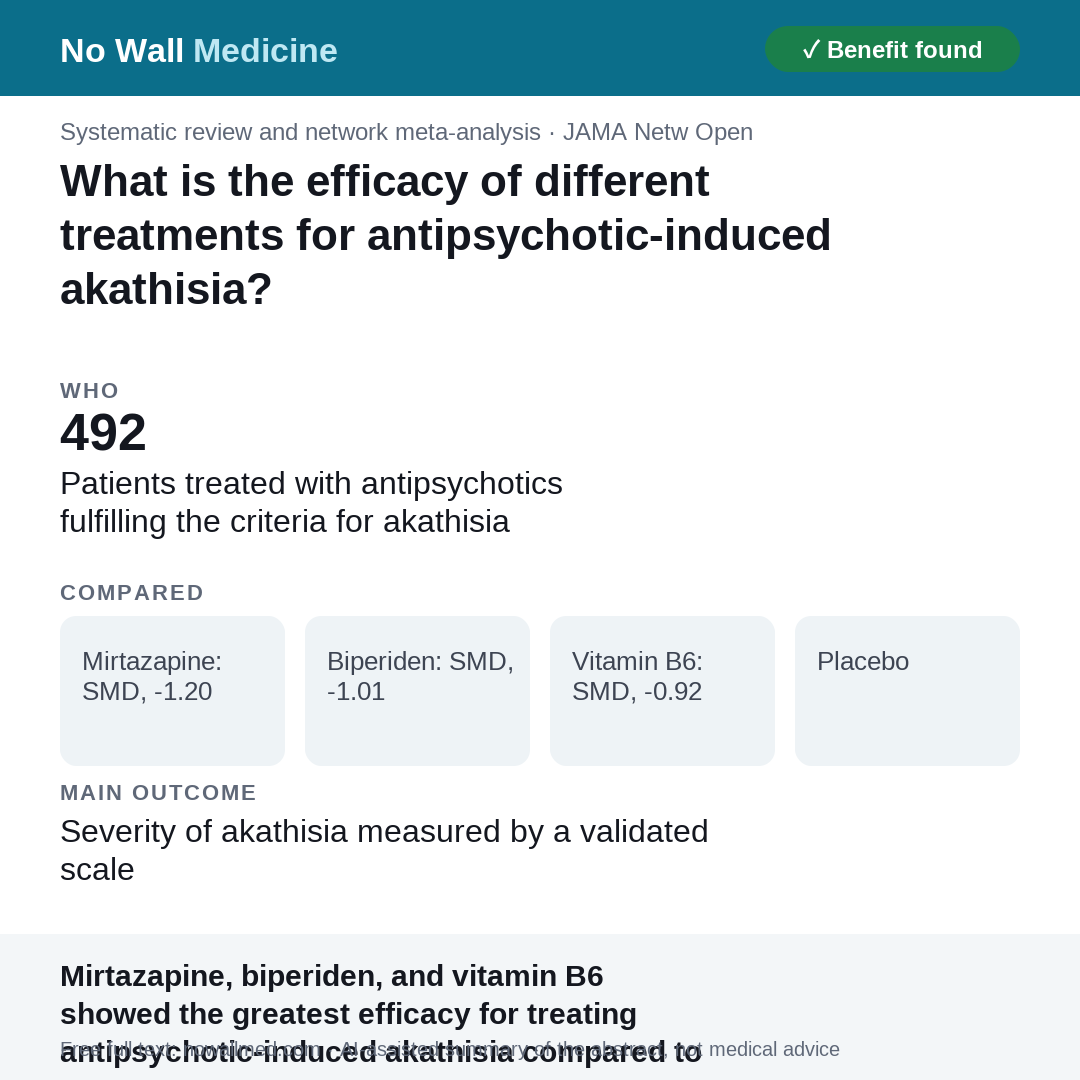
Drug Efficacy in the Treatment of Antipsychotic-Induced Akathisia: A Systematic Review and Network Meta-Analysis
Systematic review and network meta-analysisBenefit found
What is the efficacy of different treatments for antipsychotic-induced akathisia?
Who
492
Patients treated with antipsychotics fulfilling the criteria for akathisia
Compared
Mirtazapine: SMD, -1.20
Biperiden: SMD, -1.01
Vitamin B6: SMD, -0.92
Placebo
Main outcome
Severity of akathisia measured by a validated scale
Bottom line: Mirtazapine, biperiden, and vitamin B6 showed the greatest efficacy for treating antipsychotic-induced akathisia compared to placebo.
Limitation: Some trials were rated as having moderate or high risk of bias.
JAMA Netw Open · 2024-03-04Download image
Invasive Treatment Strategy in Adults With Frailty and Non-ST-Segment Elevation Myocardial Infarction: A Secondary Analysis of a Randomized Clinical Trial
Randomized clinical trial secondary analysisMixed results
Does invasive versus conservative treatment improve outcomes in frail adults with NSTEMI?
Who
167
Adults aged 70 or older with frailty and NSTEMI · 13 hospitals in Spain
Compared
Invasive strategy: 3.13 (95% CI, 2.72-3.60) years RMST
Conservative strategy: 3.06 (95% CI, 2.84-3.32) years RMST
Main outcome
Restricted mean survival time for all-cause death
Result: 28 [95% CI, -188 to 230] days difference
Bottom line: Invasive treatment showed early harm followed by a late benefit in frail patients with NSTEMI.
Limitation: The phenomenon of depletion of susceptible patients may be responsible for the observed behavior.
JAMA Netw Open · 2024-03-04Download image
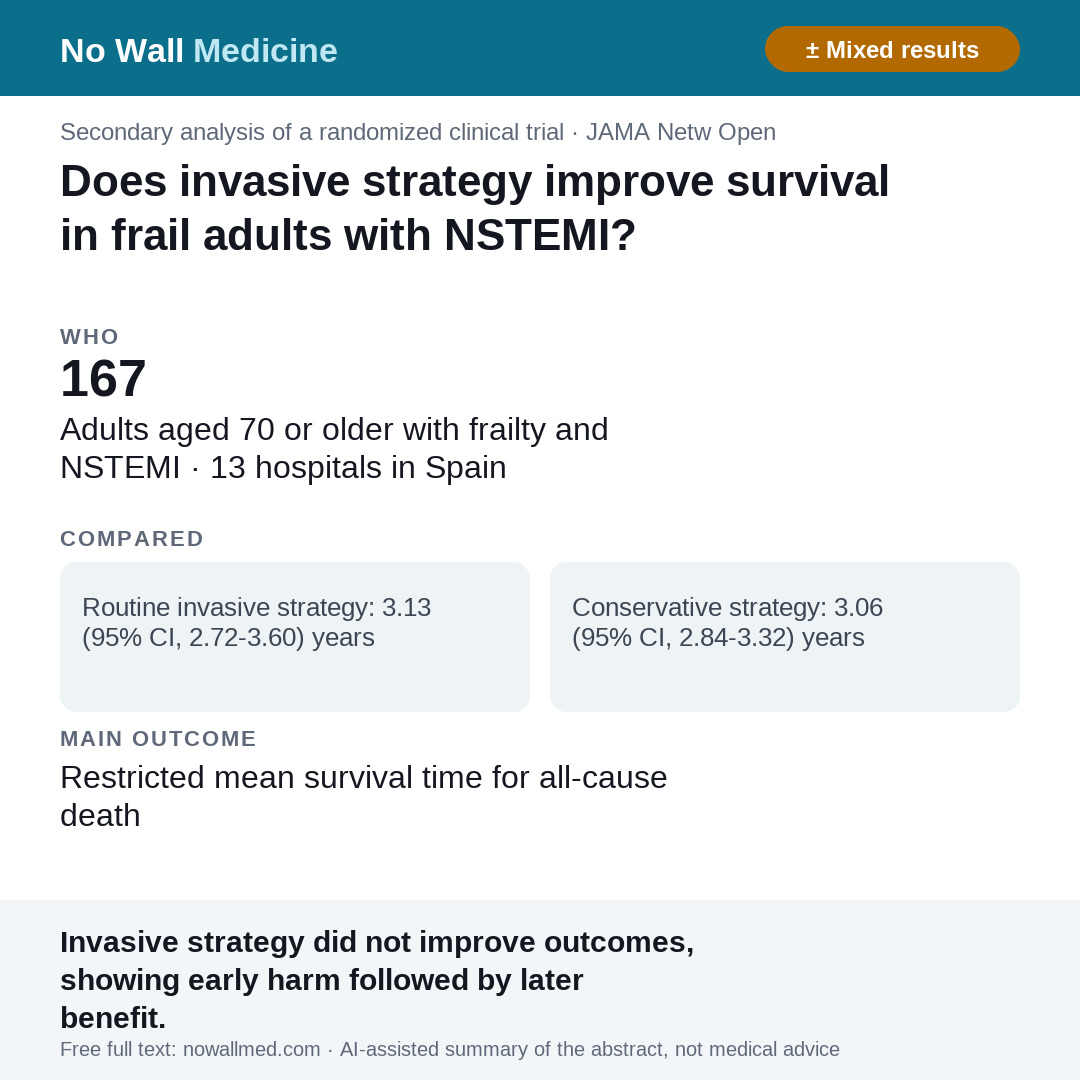
Diagnostic Stewardship in Community-Acquired Pneumonia With Syndromic Molecular Testing: A Randomized Clinical Trial
Single-blinded, single-center, randomized clinical superiority trialBenefit found
Does syndromic polymerase chain reaction testing lead to faster, more accurate pathogen-directed treatment in community-acquired pneumonia?
Who
374
Adult patients presenting to the emergency department with suspected community-acquired pneumonia · Emergency department, Haukeland University Hospital, Norway
Compared
Intervention (rapid syndromic polymerase chain reaction testing): 35.3% (66/187) received pathogen-directed treatment
Standard of care (standard microbiological diagnostics alone): 13.4% (25/187) received pathogen-directed treatment
Main outcome
Provision of pathogen-directed treatment and time to provision of treatment
Result: odds ratio 3.53 (95% CI 2.13-6.02); mean difference -9.4 hours (95% CI -12.7 to -6.0 hours)
Bottom line: Rapid syndromic polymerase chain reaction testing led to faster and more targeted microbial treatment for suspected community-acquired pneumonia.
JAMA Netw Open · 2024-03-04Download image
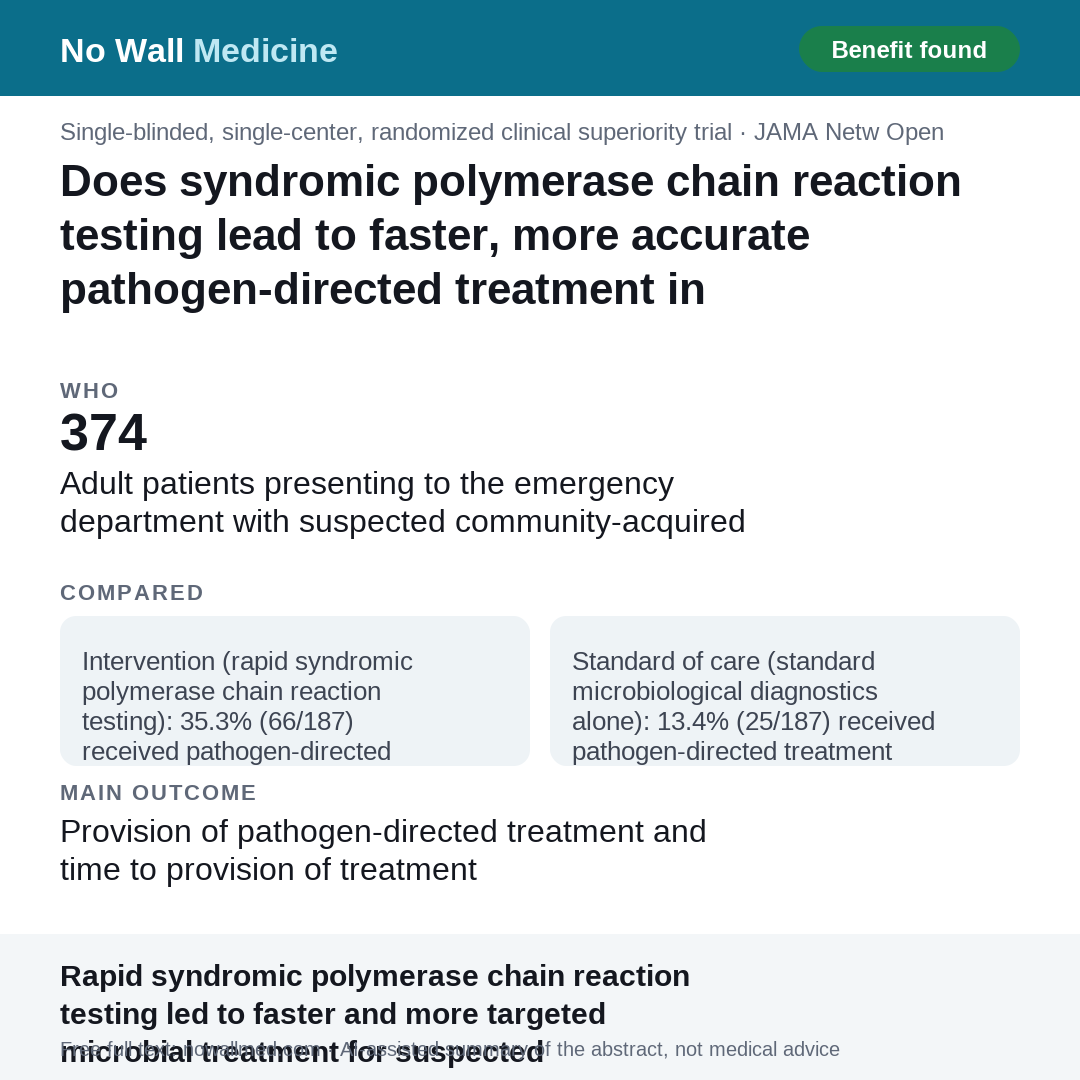
Perioperative Adjunctive Esketamine for Postpartum Depression Among Women Undergoing Elective Cesarean Delivery: A Randomized Clinical Trial
Single-center, double-blind, placebo-controlled, randomized clinical trialBenefit found
Does perioperative adjunctive esketamine prevent postpartum depression after elective cesarean delivery?
Who
298
Women aged 18 to 40 with singleton full-term pregnancies · Fujian Provincial Hospital
Compared
23.0%Esketamine (34/148)
35.3%Control (53/150)
Main outcome
Postpartum depression symptoms using Edinburgh Postnatal Depression Scale
Result: odds ratio 0.55 (95% CI 0.33-0.91)
Bottom line: Perioperative esketamine administration may improve depression symptoms during the early postpartum period after elective cesarean delivery.
Limitation: The antidepression effect may not be universally applicable to patients with low Edinburgh Postnatal Depression Scale scores.
JAMA Netw Open · 2024-03-04Download image
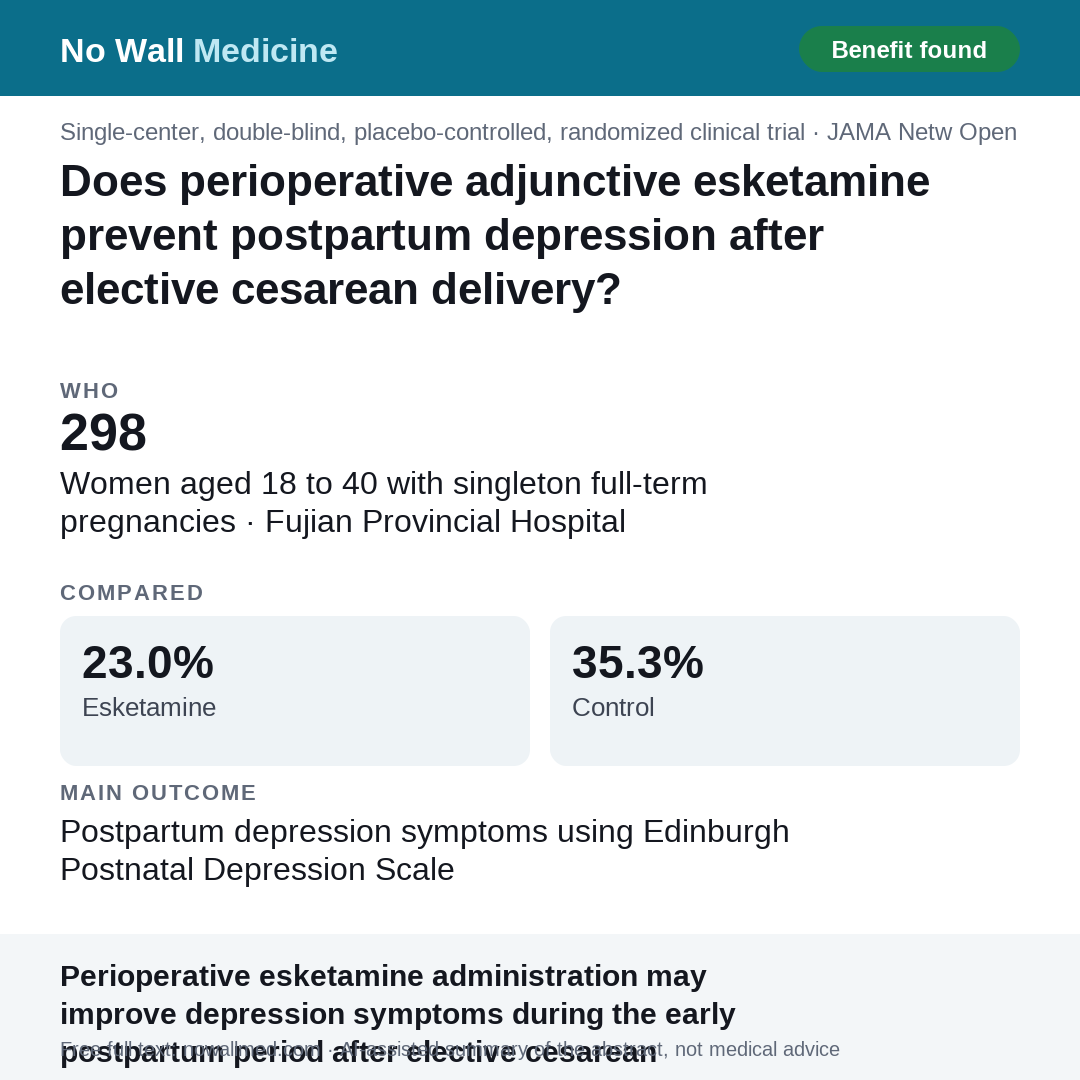
Significance of PD-L1 in Metastatic Urothelial Carcinoma Treated With Immune Checkpoint Inhibitors: A Systematic Review and Meta-Analysis
Systematic review and meta-analysisBenefit found
Does PD-L1 status associate with response and survival in metastatic urothelial carcinoma treated with immune checkpoint inhibitors?
Who
5271
Patients with metastatic urothelial carcinoma treated with immune checkpoint inhibitors
Compared
PD-L1-positive tumors: ORR 13.8% to 78.6%
PD-L1-negative tumors: ORR 5.1% to 63.2%
Main outcome
overall response rate, overall survival, and progression-free survival
Result: hazard ratio 0.71 (95% CI 0.57-0.89) for overall survival
Bottom line: PD-L1 expression is associated with improved response and survival but is unlikely to be a useful predictive biomarker.
JAMA Netw Open · 2024-03-04Download image
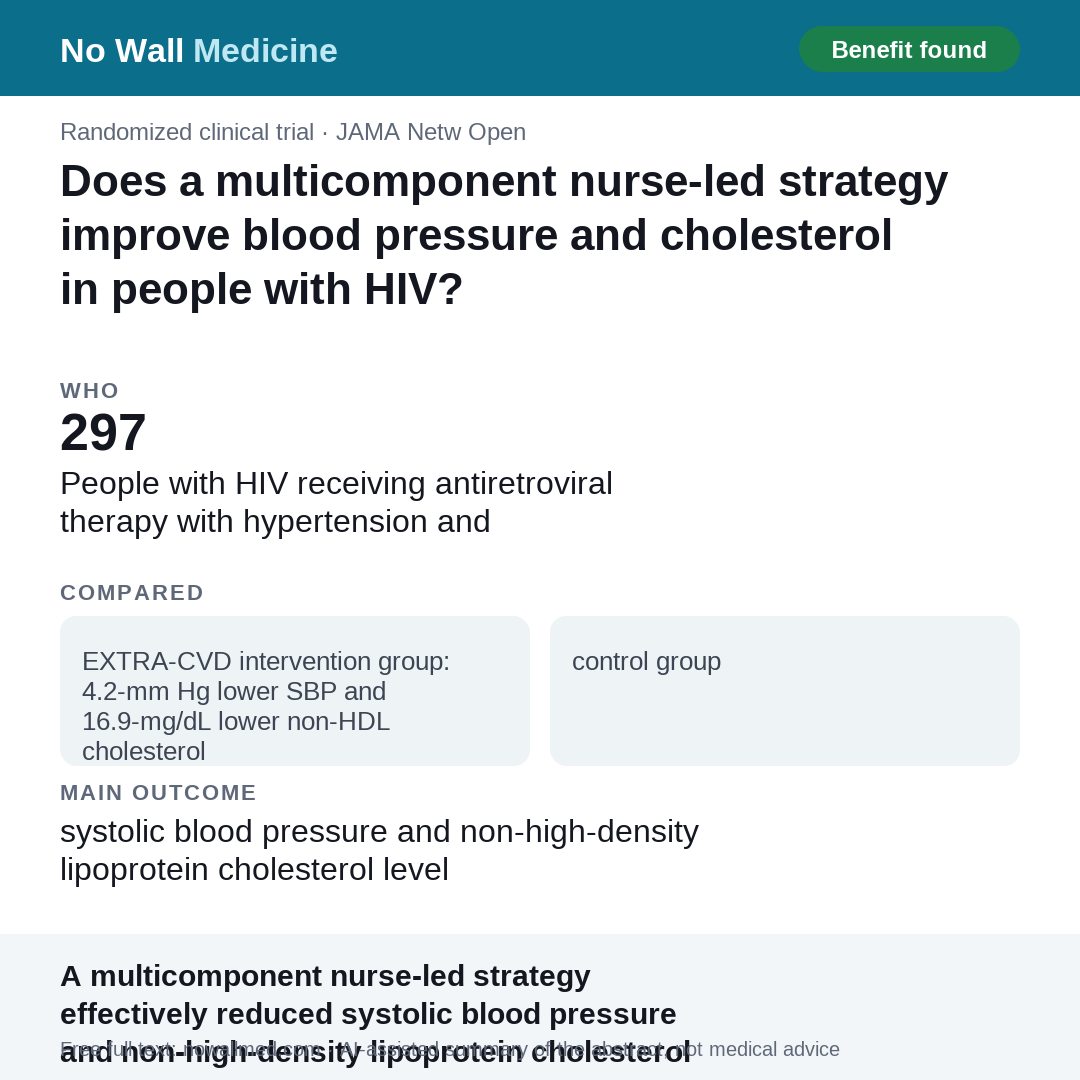
Nurse-Led Strategy to Improve Blood Pressure and Cholesterol Level Among People With HIV: A Randomized Clinical Trial
Randomized clinical trialBenefit found
Does a multicomponent nurse-led strategy improve blood pressure and cholesterol in people with HIV?
Who
297
People with HIV receiving antiretroviral therapy with hypertension and hypercholesterolemia · 3 academic HIV clinics in the US
Compared
EXTRA-CVD intervention group: 4.2-mm Hg lower SBP and 16.9-mg/dL lower non-HDL cholesterol
control group
Main outcome
systolic blood pressure and non-high-density lipoprotein cholesterol level
Result: 4.2-mm Hg (95% CI, 0.3-8.2 mm Hg) lower SBP; 16.9-mg/dL (95% CI, 8.6-25.2 mg/dL) lower non-HDL cholesterol
Bottom line: A multicomponent nurse-led strategy effectively reduced systolic blood pressure and non-high-density lipoprotein cholesterol in people with HIV.
JAMA Netw Open · 2024-03-04Download image
Bias and Accuracy of Glomerular Filtration Rate Estimating Equations in the US: A Systematic Review and Meta-Analysis
Systematic review and meta-analysisHarm found
How do glomerular filtration rate estimating equations perform across varied patient populations?
Who
44721
Adults with measured and estimated glomerular filtration rate
Compared
84.5%Black persons
87.8%non-Black persons
Main outcome
Bias and accuracy (P30) of estimated glomerular filtration rates
Result: mean bias 2.1 mL/min/1.73 m2 (95% CI, -0.2 mL/min/1.73 m2 to 4.4 mL/min/1.73 m2) in Black persons
Bottom line: Race-based glomerular filtration rate equations show bias and lower accuracy in Black populations, potentially exacerbating kidney disease disparities.
Limitation: Significant heterogeneity was found in the bias of various estimating equations.
JAMA Netw Open · 2024-03-04Download image

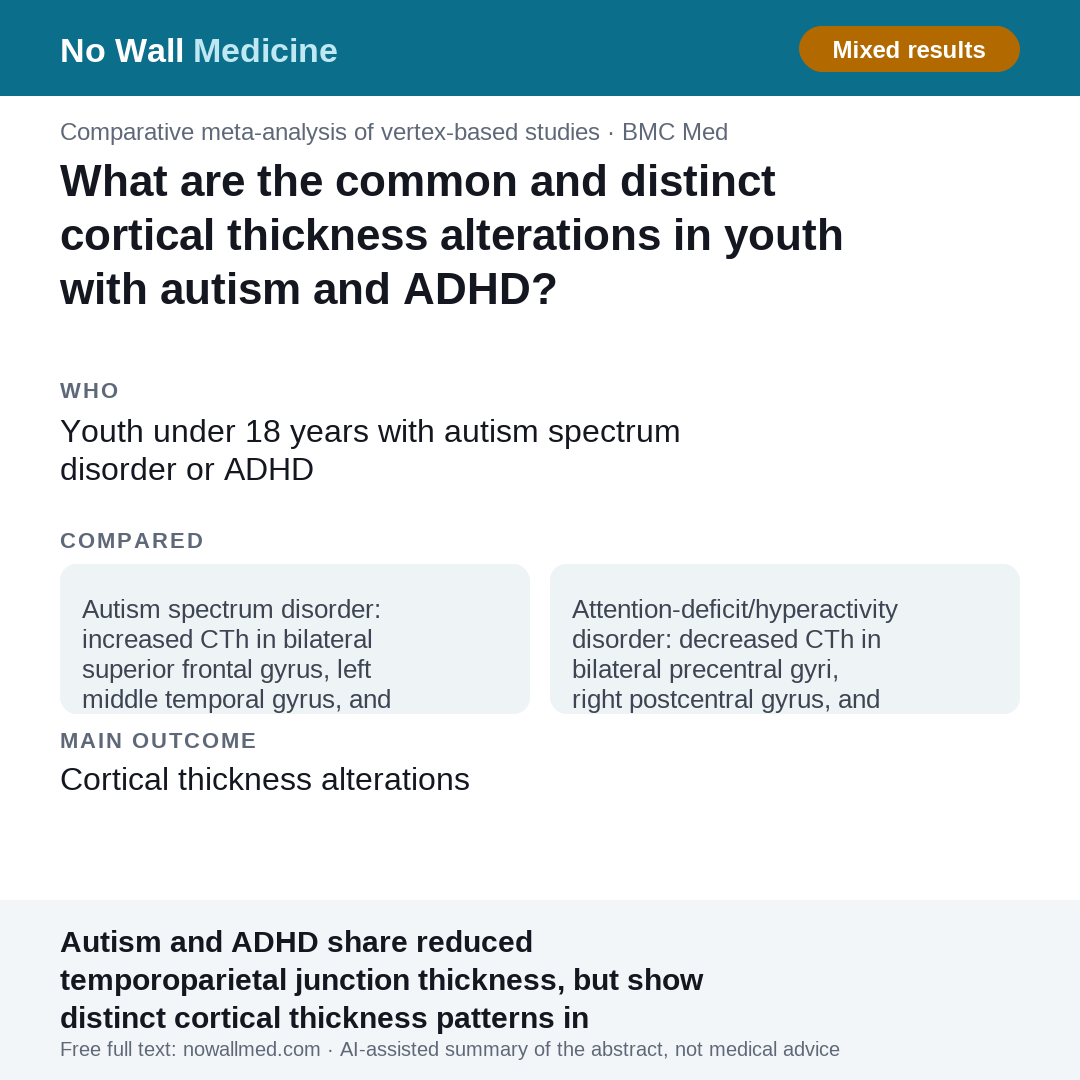
Common and distinct cortical thickness alterations in youth with autism spectrum disorder and attention-deficit/hyperactivity disorder
Comparative meta-analysis of vertex-based studiesMixed results
What are the common and distinct cortical thickness alterations in youth with autism and ADHD?
Who
Youth under 18 years with autism spectrum disorder or ADHD
Compared
Autism spectrum disorder: increased CTh in bilateral superior frontal gyrus, left middle temporal gyrus, and right superior parietal lobule and decreased CTh in right temporoparietal junction
Attention-deficit/hyperactivity disorder: decreased CTh in bilateral precentral gyri, right postcentral gyrus, and right temporoparietal junction
Main outcome
Cortical thickness alterations
Bottom line: Autism and ADHD share reduced temporoparietal junction thickness, but show distinct cortical thickness patterns in different attention networks.
BMC Med · 2024-03-04Download image
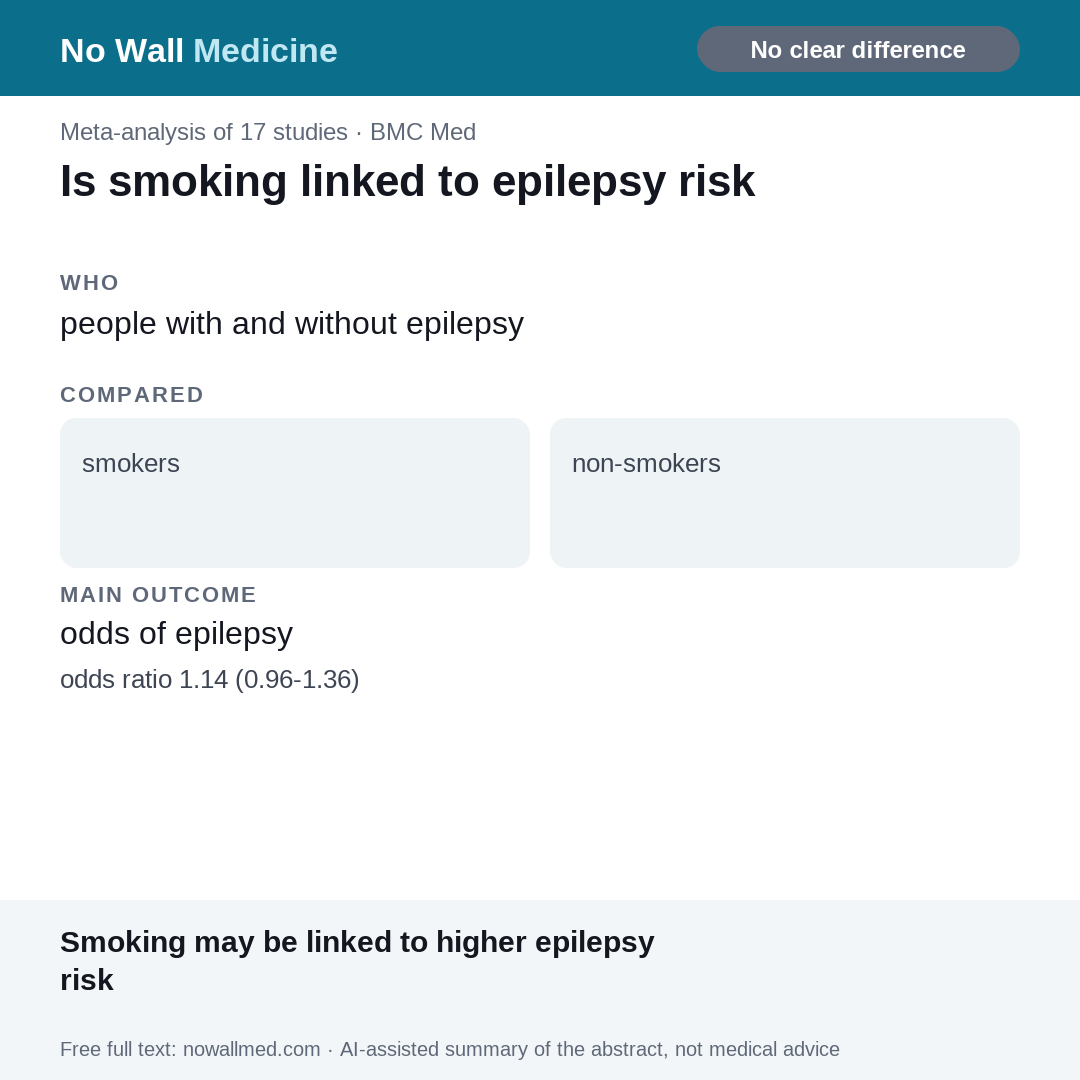
Exploring the Smoking-Epilepsy Nexus: a systematic review and meta-analysis of observational studies : Smoking and epilepsy
Meta-analysis of 17 studiesNo clear difference
Is smoking linked to epilepsy risk
Who
people with and without epilepsy
Compared
smokers
non-smokers
Main outcome
odds of epilepsy
Result: odds ratio 1.14 (0.96-1.36)
Bottom line: Smoking may be linked to higher epilepsy risk
Limitation: did not reach statistical significance
BMC Med · 2024-03-04Download image
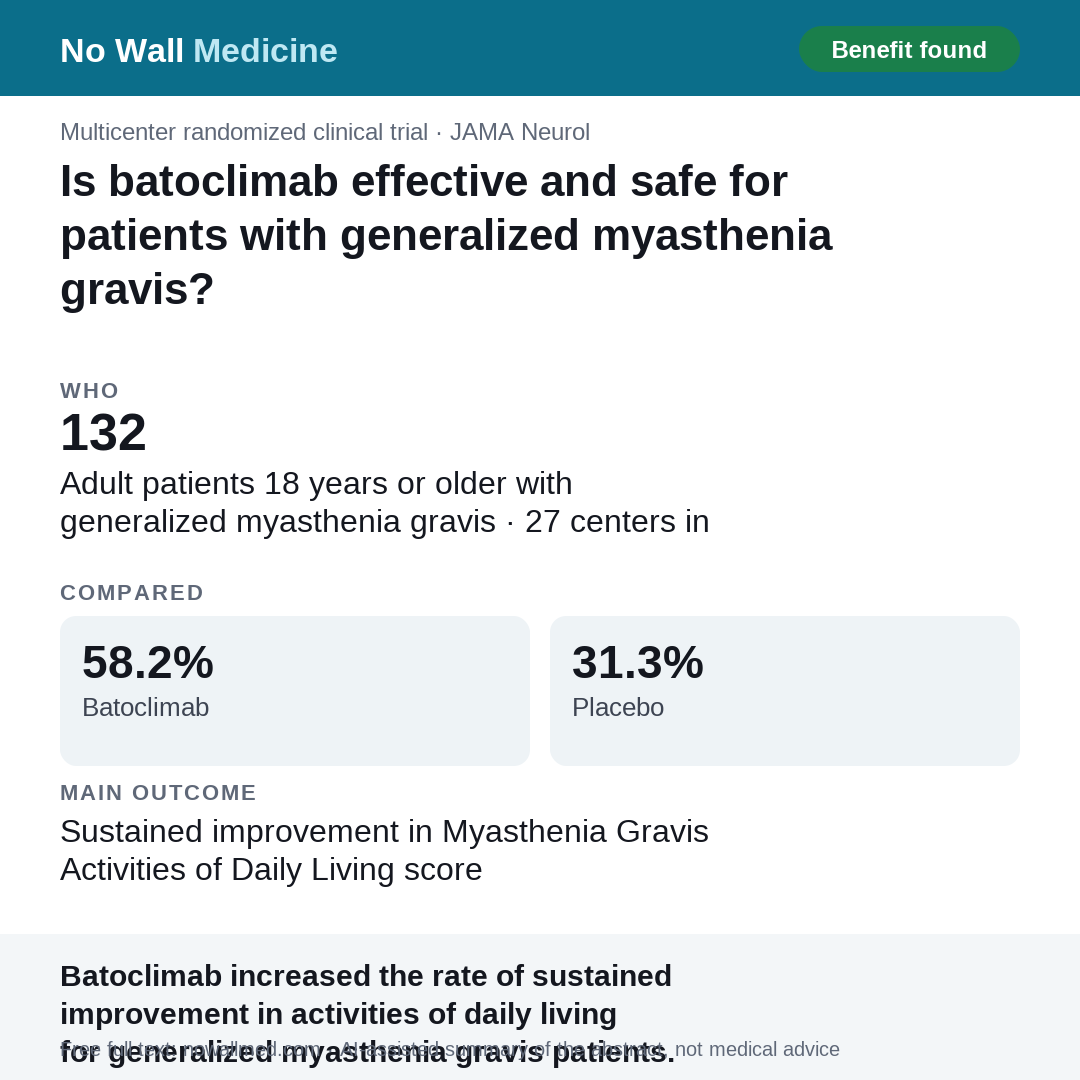
Batoclimab vs Placebo for Generalized Myasthenia Gravis: A Randomized Clinical Trial
Multicenter randomized clinical trialBenefit found
Is batoclimab effective and safe for patients with generalized myasthenia gravis?
Who
132
Adult patients 18 years or older with generalized myasthenia gravis · 27 centers in China
Compared
58.2%Batoclimab (39 of 67)
31.3%Placebo (20 of 64)
Main outcome
Sustained improvement in Myasthenia Gravis Activities of Daily Living score
Result: odds ratio 3.45 (95% CI 1.62-7.35)
Bottom line: Batoclimab increased the rate of sustained improvement in activities of daily living for generalized myasthenia gravis patients.
Limitation: Future studies of large sample size are needed to further understand the safety profile.
JAMA Neurol · 2024-03-04Download image
Noninferiority of Silver Diamine Fluoride vs Sealants for Reducing Dental Caries Prevalence and Incidence: A Randomized Clinical Trial
Pragmatic noninferiority cluster-randomized clinical trialBenefit found
Is silver diamine fluoride noninferior to sealants and atraumatic restorative treatment for dental caries prevalence?
Who
4100
Black or Hispanic children in New York primary schools · Primary schools in New York, New York
Compared
Silver diamine fluoride
Sealants and atraumatic restorative treatment
Main outcome
Prevalence and incidence of dental caries
Result: odds ratio 0.94 (95% CI, 0.80-1.11)
Bottom line: Silver diamine fluoride was noninferior to sealants and atraumatic restorative treatment for preventing dental caries prevalence and incidence.
JAMA Pediatr · 2024-03-04Download image

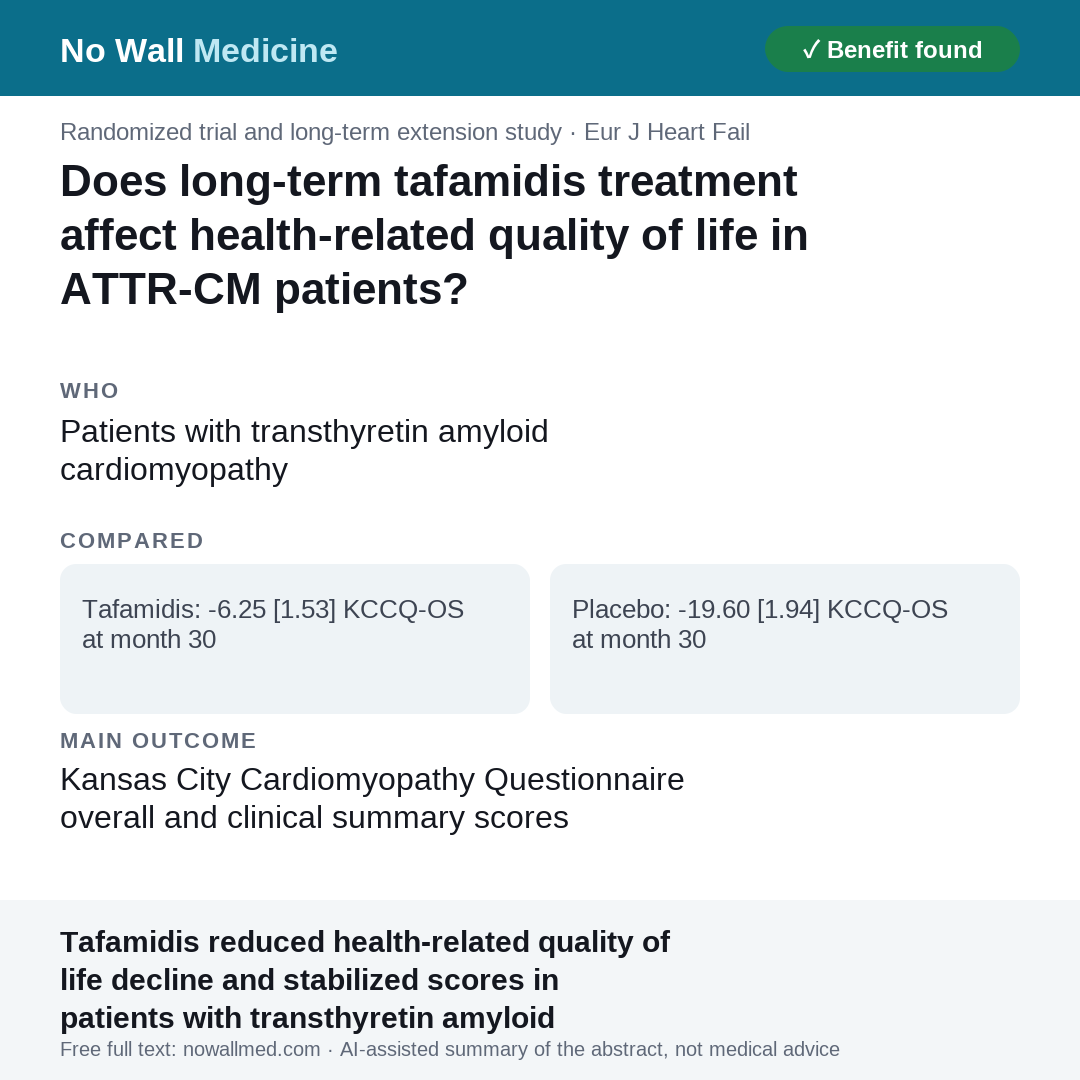
Effect of long-term tafamidis treatment on health-related quality of life in patients with transthyretin amyloid cardiomyopathy
Randomized trial and long-term extension studyBenefit found
Does long-term tafamidis treatment affect health-related quality of life in ATTR-CM patients?
Who
Patients with transthyretin amyloid cardiomyopathy
Compared
Tafamidis: -6.25 [1.53] KCCQ-OS at month 30
Placebo: -19.60 [1.94] KCCQ-OS at month 30
Main outcome
Kansas City Cardiomyopathy Questionnaire overall and clinical summary scores
Bottom line: Tafamidis reduced health-related quality of life decline and stabilized scores in patients with transthyretin amyloid cardiomyopathy.
Eur J Heart Fail · 2024-03-04Download image
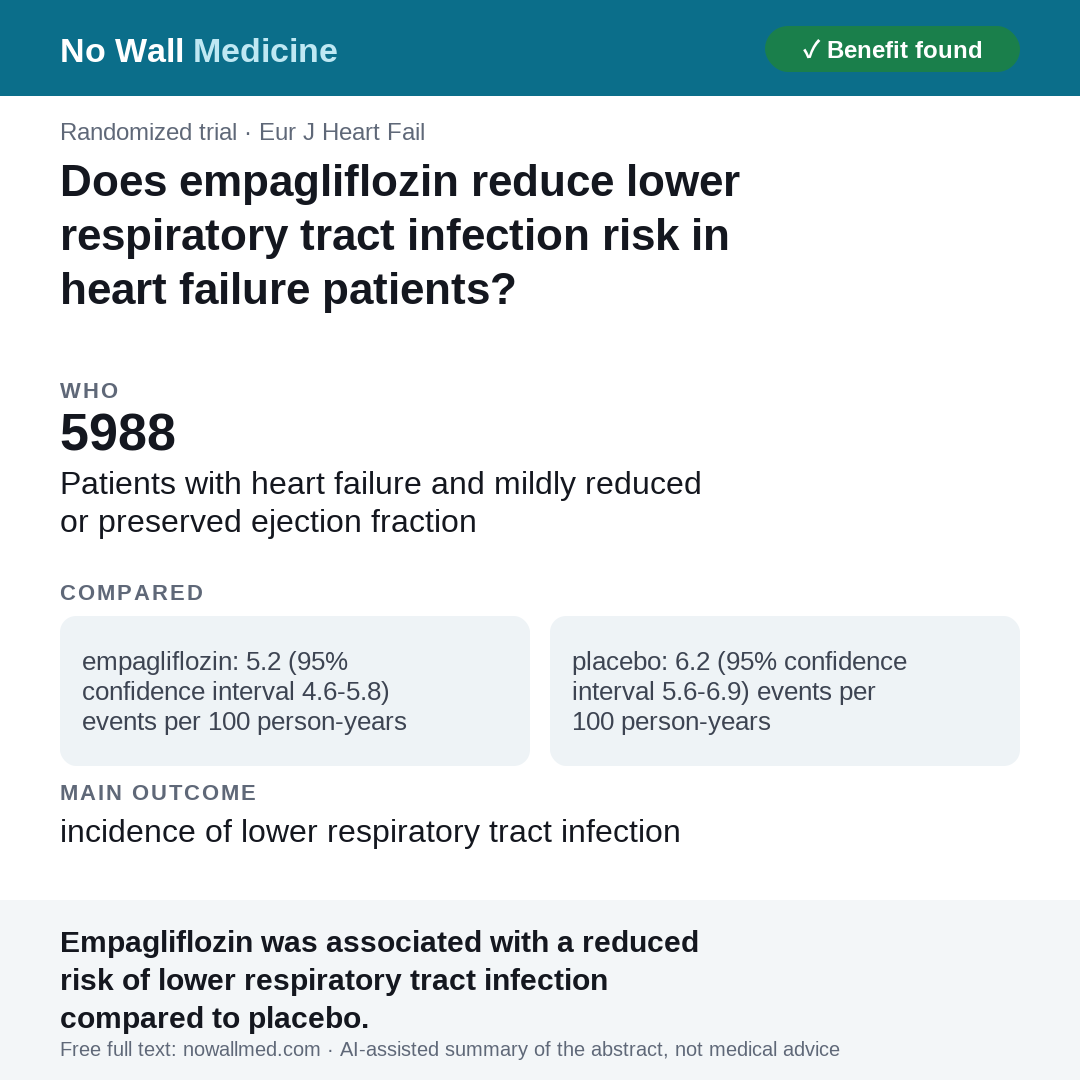
Empagliflozin and risk of lower respiratory tract infection in heart failure with mildly reduced and preserved ejection fraction: An EMPEROR-Preserved analysis
Randomized trialBenefit found
Does empagliflozin reduce lower respiratory tract infection risk in heart failure patients?
Who
5988
Patients with heart failure and mildly reduced or preserved ejection fraction
Compared
empagliflozin: 5.2 (95% confidence interval 4.6-5.8) events per 100 person-years
placebo: 6.2 (95% confidence interval 5.6-6.9) events per 100 person-years
Main outcome
incidence of lower respiratory tract infection
Result: hazard ratio 0.83, 95% CI 0.71-0.96
Bottom line: Empagliflozin was associated with a reduced risk of lower respiratory tract infection compared to placebo.
Eur J Heart Fail · 2024-03-04Download image
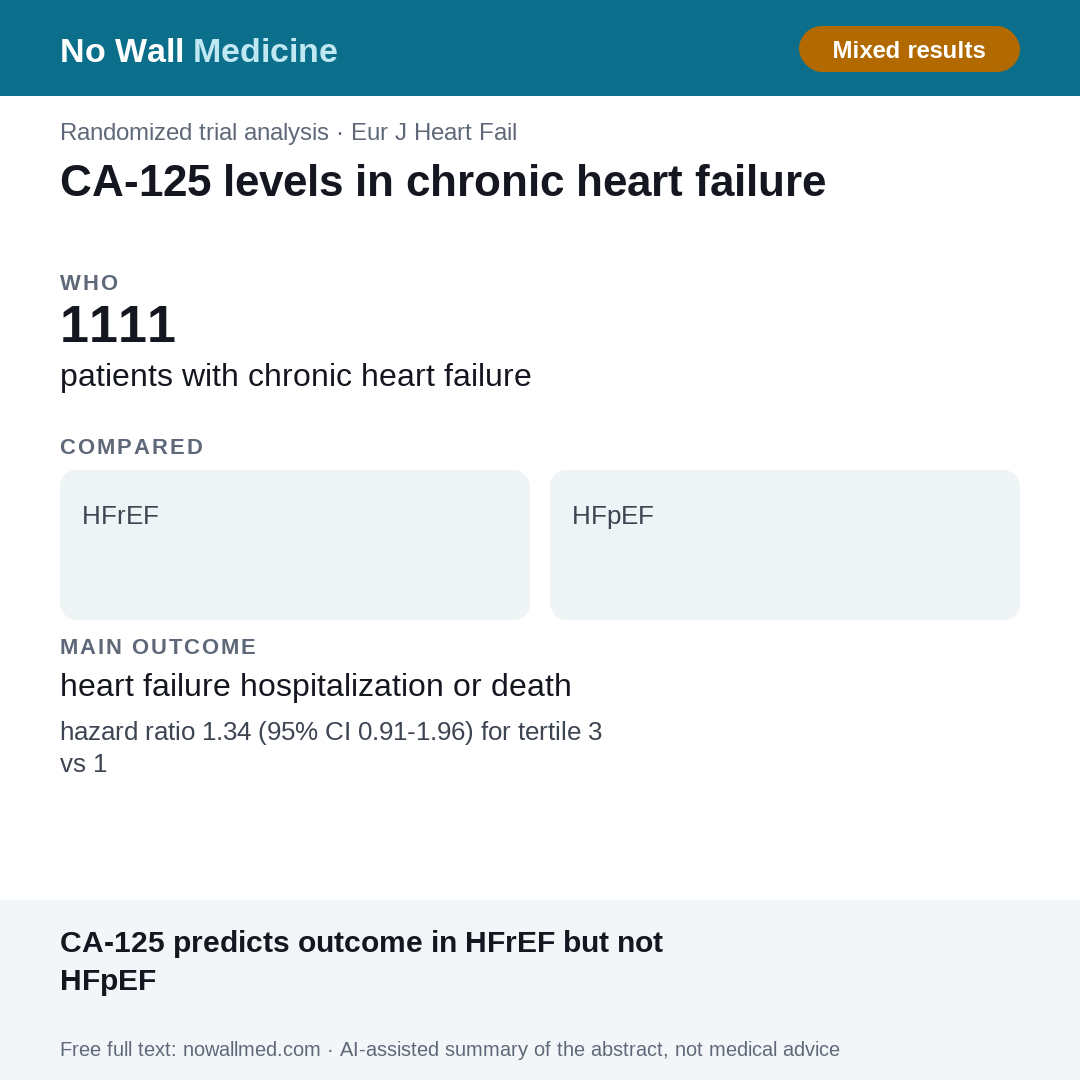
Carbohydrate antigen 125 concentrations across the ejection fraction spectrum in chronic heart failure: The EMPEROR programme
Randomized trial analysisMixed results
CA-125 levels in chronic heart failure
Who
1111
patients with chronic heart failure
Compared
HFrEF
HFpEF
Main outcome
heart failure hospitalization or death
Result: hazard ratio 1.34 (95% CI 0.91-1.96) for tertile 3 vs 1
Bottom line: CA-125 predicts outcome in HFrEF but not HFpEF
Eur J Heart Fail · 2024-03-04Download image
Safety and Efficacy of Efruxifermin in Combination With a GLP-1 Receptor Agonist in Patients With NASH/MASH and Type 2 Diabetes in a Randomized Phase 2 Study
Double-blind, placebo-controlled, phase 2b studyBenefit found
Is efruxifermin safe and effective when added to glucagon-like peptide-1 receptor agonist therapy?
Who
31
Adults with type 2 diabetes and metabolic dysfunction-associated steatohepatitis with fibrosis
Compared
efruxifermin 50 mg: 65% reduction in hepatic fat fraction
placebo: 10% reduction in hepatic fat fraction
Main outcome
safety, tolerability, and hepatic fat fraction reduction
Bottom line: Adding efruxifermin to a glucagon-like peptide-1 receptor agonist significantly reduced hepatic fat fraction in patients with MASH.
Clin Gastroenterol Hepatol · 2024-03-04Download image

Safety and efficacy of phage application in bacterial decolonisation: a systematic review
Systematic review of 56 studiesBenefit found
Is phage application safe and effective
Who
56
Humans and vertebrate animal models
Compared
80%Phage treatment (45/56)
Control
Main outcome
Bacterial load decrease
Bottom line: Phages decrease bacterial load in most studies
Lancet Microbe · 2024-03-04Download image

Association of coronary angiography with ST-elevation and no ST-elevation in patients with refractory ventricular fibrillation - A substudy of the DOuble SEquential External Defibrillation for Refractory Ventricular Fibrillation (DOSE-VF randomized control trial)
Substudy of a randomized controlled trialMixed results
What is the association of coronary angiography with ST-elevation and no ST-elevation?
Who
151
Adults with refractory ventricular fibrillation or pulseless ventricular tachycardia · out-of-hospital cardiac arrest
Compared
ST-elevation: 87.8% angiography
no ST-elevation: 44.2% angiography
Main outcome
proportion of angiography and survival to discharge
Result: angiography OR 9.33 (95% CI 3.60-26.94)
Bottom line: ST-elevation patients had higher angiography rates, but survival to discharge was similar between ST-elevation and no ST-elevation groups.
Resuscitation · 2024-03-04Download image

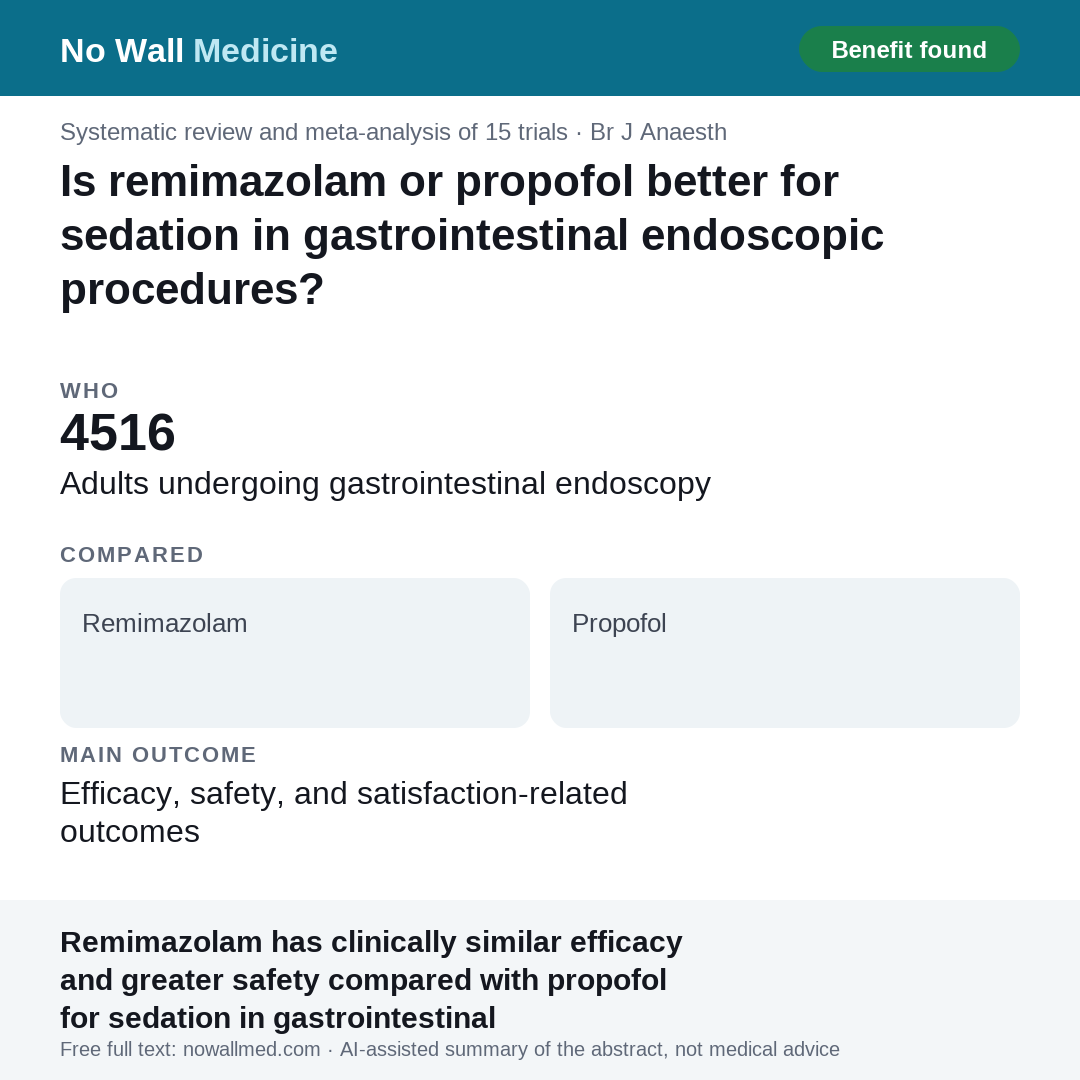
Remimazolam versus propofol for sedation in gastrointestinal endoscopic procedures: a systematic review and meta-analysis
Systematic review and meta-analysis of 15 trialsBenefit found
Is remimazolam or propofol better for sedation in gastrointestinal endoscopic procedures?
Who
4516
Adults undergoing gastrointestinal endoscopy
Compared
Remimazolam
Propofol
Main outcome
Efficacy, safety, and satisfaction-related outcomes
Result: risk ratio 0.41 (95% CI 0.30-0.56) for respiratory depression
Bottom line: Remimazolam has clinically similar efficacy and greater safety compared with propofol for sedation in gastrointestinal endoscopies.
Br J Anaesth · 2024-03-04Download image