Visual abstracts
New randomized trials and meta-analyses from leading journals at a glance: who was studied, what was compared, and what was found. Every paper is free to read in full.
All specialtiesCardiology 4763Oncology 4043Gastroenterology & Hepatology 1903Infectious Disease 3756Neurology 1872Psychiatry & Mental Health 2216Pulmonology 2044Critical Care 1319Endocrinology & Diabetes 2544Pediatrics 2889Surgery 2480Orthopedics & Sports Medicine 917Neurosurgery 525Cardiothoracic & Vascular Surgery 656Plastic & Reconstructive Surgery 574Nephrology 1107Rheumatology 810Hematology 1090Dermatology 611Ophthalmology 532Obstetrics & Gynecology 1645Public & Global Health 1037Radiology & Imaging 619Anesthesiology 958Urology 745ENT (Otolaryngology) 494Emergency Medicine 481Allergy & Immunology 309Geriatrics 972Family Medicine & Primary Care 534Medical Genetics & Genomics 659Pathology & Laboratory Medicine 156Physical Medicine & Rehabilitation 734Palliative Care 421Nutrition 1560Digital Health & AI 2137General Medicine 318
Epistasis of ERAP1 With 4 Major Histocompatibility Complex Class I Alleles in Frontal Fibrosing Alopecia: A Genome-Wide Association Study Meta-Analysis
Genome-wide association study meta-analysisBenefit found
What are the genetic loci and epistatic interactions affecting frontal fibrosing alopecia susceptibility?
Who
6668
European female individuals with frontal fibrosing alopecia and controls
Compared
ERAP1 rs10045403 risk allele: odds ratio 1.30 (95% CI 1.19-1.43)
Controls
Main outcome
Genome-wide significant locus associated with frontal fibrosing alopecia
Result: odds ratio 1.30 (95% CI 1.19-1.43)
Bottom line: Genetic variation at the ERAP1 locus and MHC class I alleles show a supra-additive effect on frontal fibrosing alopecia susceptibility.
JAMA Dermatol · 2025-02-12 · Save PNG

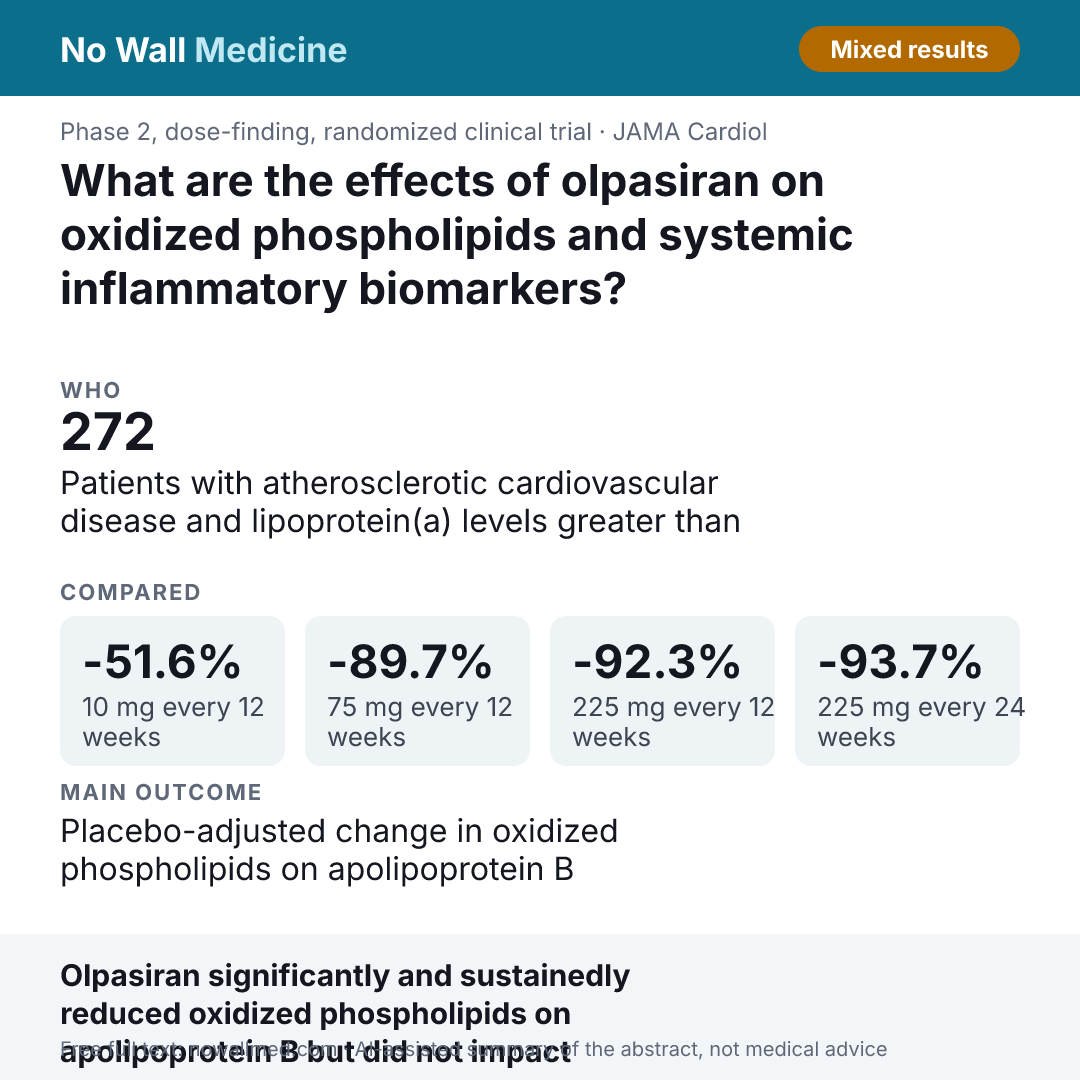
Olpasiran, Oxidized Phospholipids, and Systemic Inflammatory Biomarkers: Results From the OCEAN(a)-DOSE Trial
Phase 2, dose-finding, randomized clinical trialMixed results
What are the effects of olpasiran on oxidized phospholipids and systemic inflammatory biomarkers?
Who
272
Patients with atherosclerotic cardiovascular disease and lipoprotein(a) levels greater than 150 nmol/L · International, multicenter
Compared
-51.6%10 mg every 12 weeks (95% CI, -64.9% to -38.2%)
-89.7%75 mg every 12 weeks (95% CI, -103.0% to -76.4%)
-92.3%225 mg every 12 weeks (95% CI, -105.6% to -78.9%)
-93.7%225 mg every 24 weeks (95% CI, -107.1% to -80.3%)
Main outcome
Placebo-adjusted change in oxidized phospholipids on apolipoprotein B
Bottom line: Olpasiran significantly and sustainedly reduced oxidized phospholipids on apolipoprotein B but did not impact inflammatory biomarkers.
JAMA Cardiol · 2025-02-12 · Save PNG
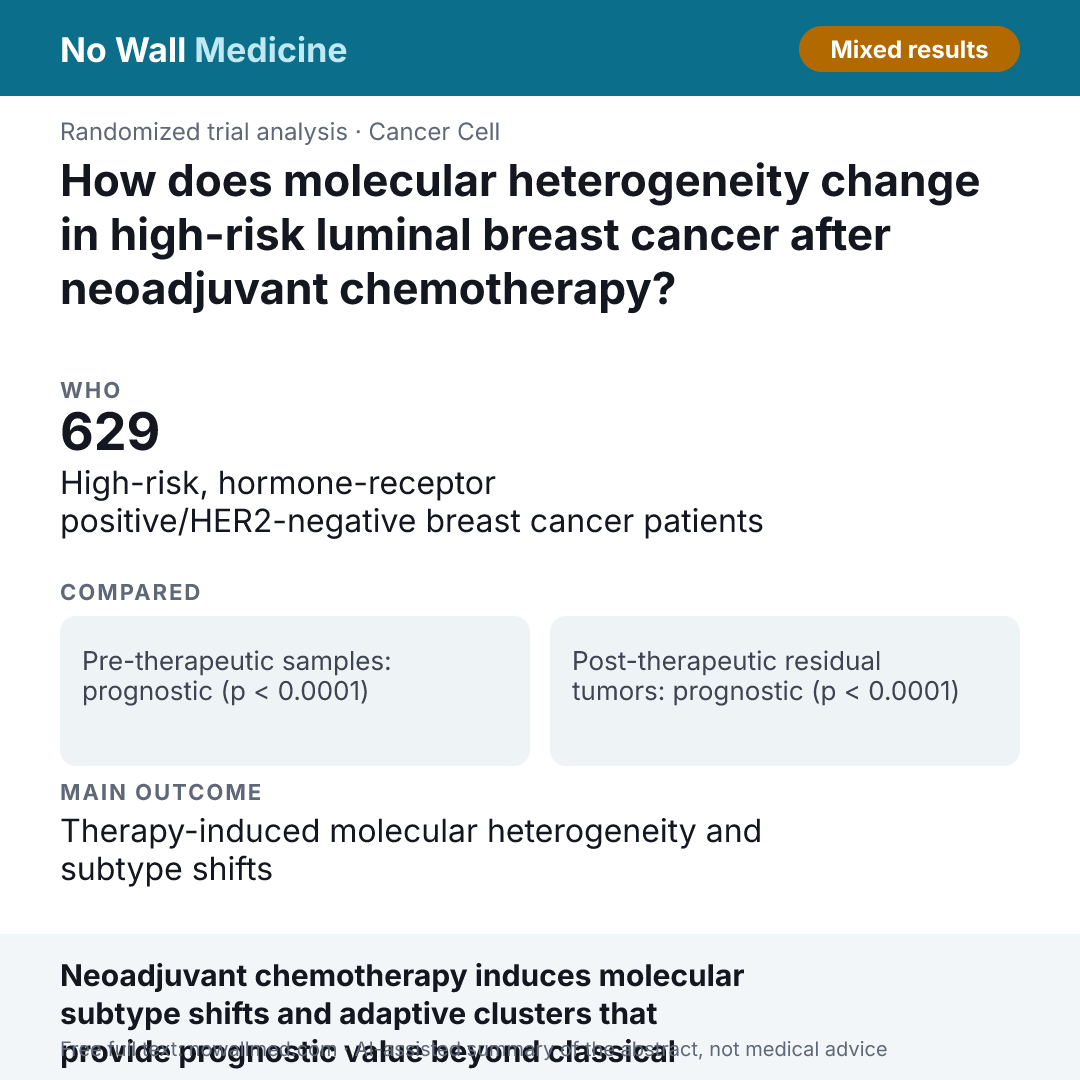
Dynamics of molecular heterogeneity in high-risk luminal breast cancer-From intrinsic to adaptive subtyping
Randomized trial analysisMixed results
How does molecular heterogeneity change in high-risk luminal breast cancer after neoadjuvant chemotherapy?
Who
629
High-risk, hormone-receptor positive/HER2-negative breast cancer patients · Penelope-B trial
Compared
Pre-therapeutic samples: prognostic (p < 0.0001)
Post-therapeutic residual tumors: prognostic (p < 0.0001)
Main outcome
Therapy-induced molecular heterogeneity and subtype shifts
Bottom line: Neoadjuvant chemotherapy induces molecular subtype shifts and adaptive clusters that provide prognostic value beyond classical subtyping.
Cancer Cell · 2025-02-12 · Save PNG
Safety and drug quantification of the dapivirine vaginal ring and oral pre-exposure prophylaxis in breastfeeding mother-infant pairs (MTN-043): a phase 3B, open-label, randomised trial
Phase 3B, open-label, randomised trialBenefit found
What are the safety and drug quantification profiles of dapivirine vaginal rings and oral pre-exposure prophylaxis?
Who
197
HIV-negative breastfeeding mothers and their infants · Four sites in Malawi, South Africa, Uganda, and Zimbabwe
Compared
Dapivirine vaginal ring: 2% (3/148) mothers had grade 3 or worse adverse events
Oral pre-exposure prophylaxis: 4% (2/49) mothers had grade 3 or worse adverse events
Main outcome
Maternal and infant safety and drug concentrations
Bottom line: Dapivirine vaginal rings showed a favourable safety profile and low drug exposure in infants during breastfeeding.
Funded by: US National Institutes of Health
Lancet HIV · 2025-02-12 · Save PNG

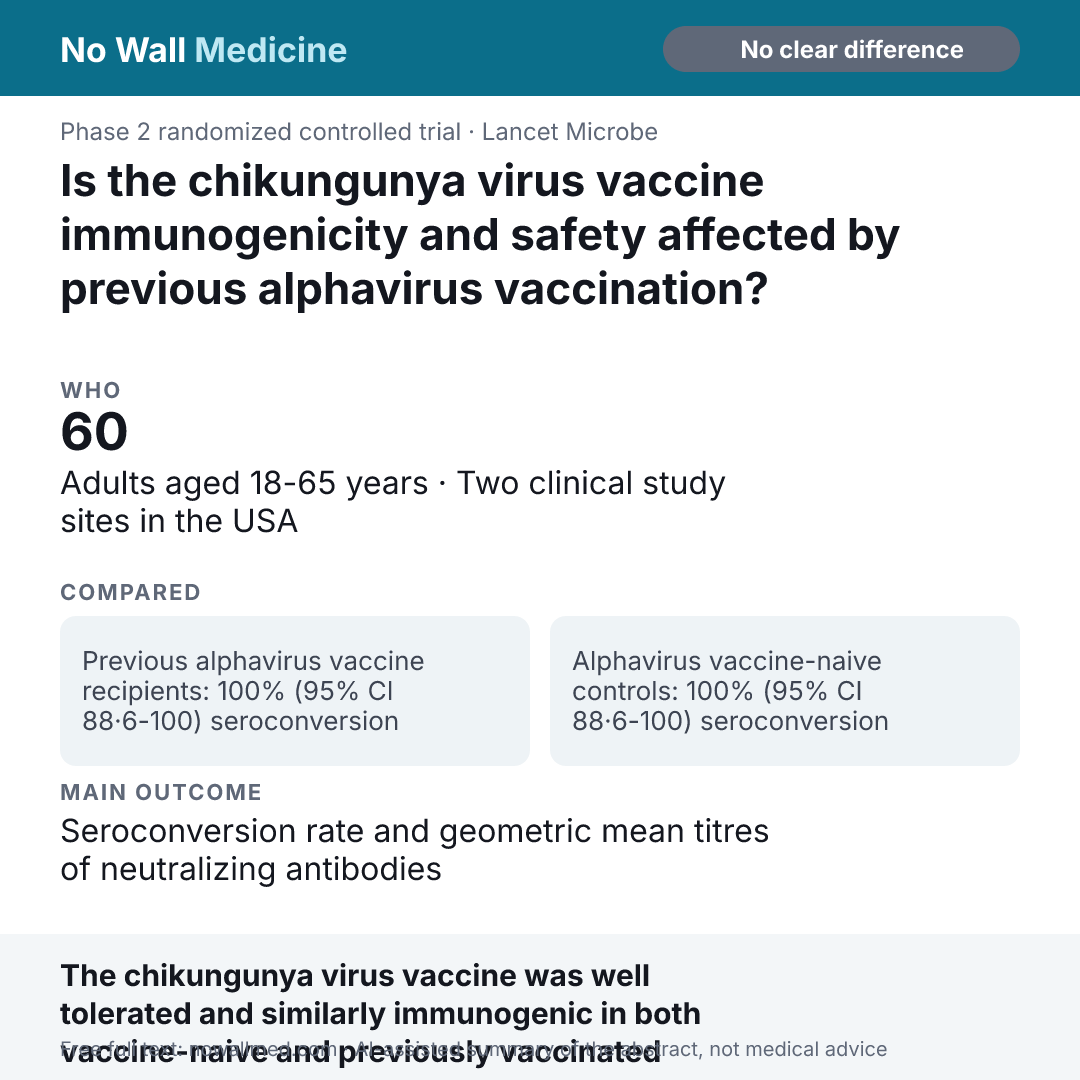
Safety and immunogenicity of an adjuvanted chikungunya virus virus-like particle (CHIKV VLP) vaccine in previous recipients of other alphavirus vaccines versus alphavirus vaccine-naive controls: an open-label, parallel-group, age-matched, sex-matched, phase 2 randomised controlled study
Phase 2 randomized controlled trialNo clear difference
Is the chikungunya virus vaccine immunogenicity and safety affected by previous alphavirus vaccination?
Who
60
Adults aged 18-65 years · Two clinical study sites in the USA
Compared
Previous alphavirus vaccine recipients: 100% (95% CI 88·6-100) seroconversion
Alphavirus vaccine-naive controls: 100% (95% CI 88·6-100) seroconversion
Main outcome
Seroconversion rate and geometric mean titres of neutralizing antibodies
Bottom line: The chikungunya virus vaccine was well tolerated and similarly immunogenic in both vaccine-naive and previously vaccinated individuals.
Limitation: The relatively small sample size limited the power to detect significant differences in adverse events.
Funded by: Defense Health Program, Emergent Travel Health, and Bavarian Nordic A/S
Lancet Microbe · 2025-02-12 · Save PNG
The association between cannabis and depression: an updated Systematic Review and Meta-analysis
Systematic review and meta-analysisKey finding
Is there an association between cannabis use and depression?
Who
Participants in longitudinal studies · Eleven studies were United States based
Compared
Cannabis users
Non-users
Main outcome
Risk of depression
Result: odds ratio 1.29 (95% CI 1.13-1.46)
Bottom line: Cannabis use is associated with a higher risk of depression in longitudinal studies.
Limitation: Medium risk of bias across studies, particularly in exposure measurement.
Psychol Med · 2025-02-12 · Save PNG

Sensitivity of the clinical high-risk and familial high-risk approaches for psychotic disorders - a systematic review and meta-analysis
Systematic review and meta-analysisNo clear difference
What is the sensitivity of clinical high-risk and familial high-risk approaches for psychosis?
Who
Individuals with clinical high-risk or familial high-risk for psychotic disorders
Compared
6.7%Clinical high-risk approach (95% CI: 1.5-15.0%)
6.5%Familial high-risk approach (95% CI: 4.4-8.9%)
Main outcome
Sensitivity of identifying future psychotic disorders
Bottom line: Both clinical high-risk and familial high-risk approaches capture only about 6-7% of future psychotic disorders.
Limitation: High level of heterogeneity between studies and high risk of bias in clinical high-risk studies.
Psychol Med · 2025-02-12 · Save PNG

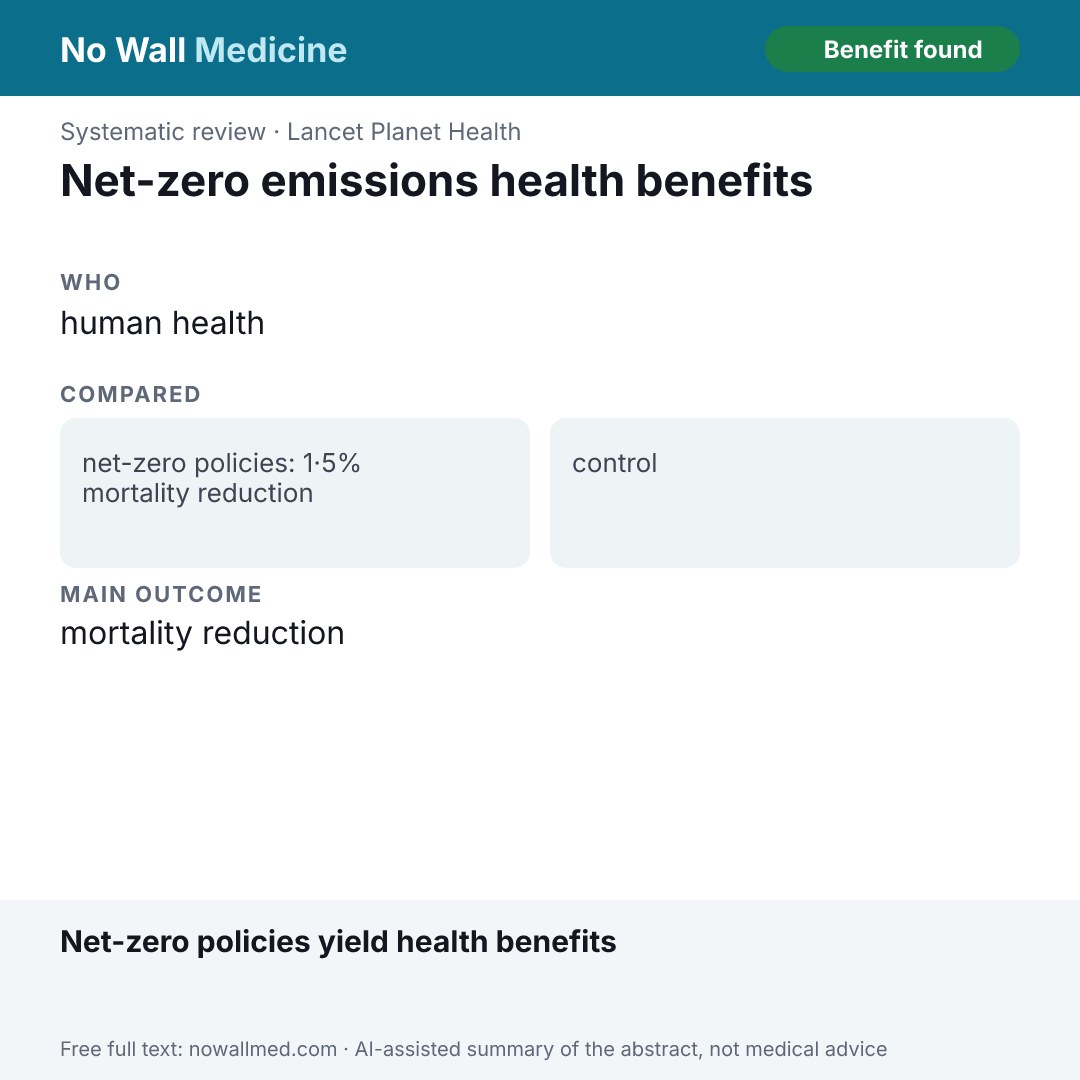
The public health co-benefits of strategies consistent with net-zero emissions: a systematic review
Systematic reviewBenefit found
Net-zero emissions health benefits
Who
human health
Compared
net-zero policies: 1·5% mortality reduction
control
Main outcome
mortality reduction
Bottom line: Net-zero policies yield health benefits
Lancet Planet Health · 2025-02-12 · Save PNG
Radiomics for differentiating radiation-induced brain injury from recurrence in gliomas: systematic review, meta-analysis, and methodological quality evaluation using METRICS and RQS
Systematic review and meta-analysisMixed results
Can radiomics differentiate radiation-induced brain injury from glioma recurrence?
Who
Patients with gliomas
Compared
Radiomics
Control
Main outcome
Differentiating radiation-induced brain injury from tumor recurrence
Result: area under the receiver operating characteristic curve 0.832 (95% CI 0.757-0.908)
Bottom line: Radiomics shows good performance but results require cautious interpretation due to heterogeneity, publication bias, and quality issues.
Limitation: Significant heterogeneity, publication bias toward positive findings, and notable concerns regarding methodological quality.
Eur Radiol · 2025-02-12 · Save PNG

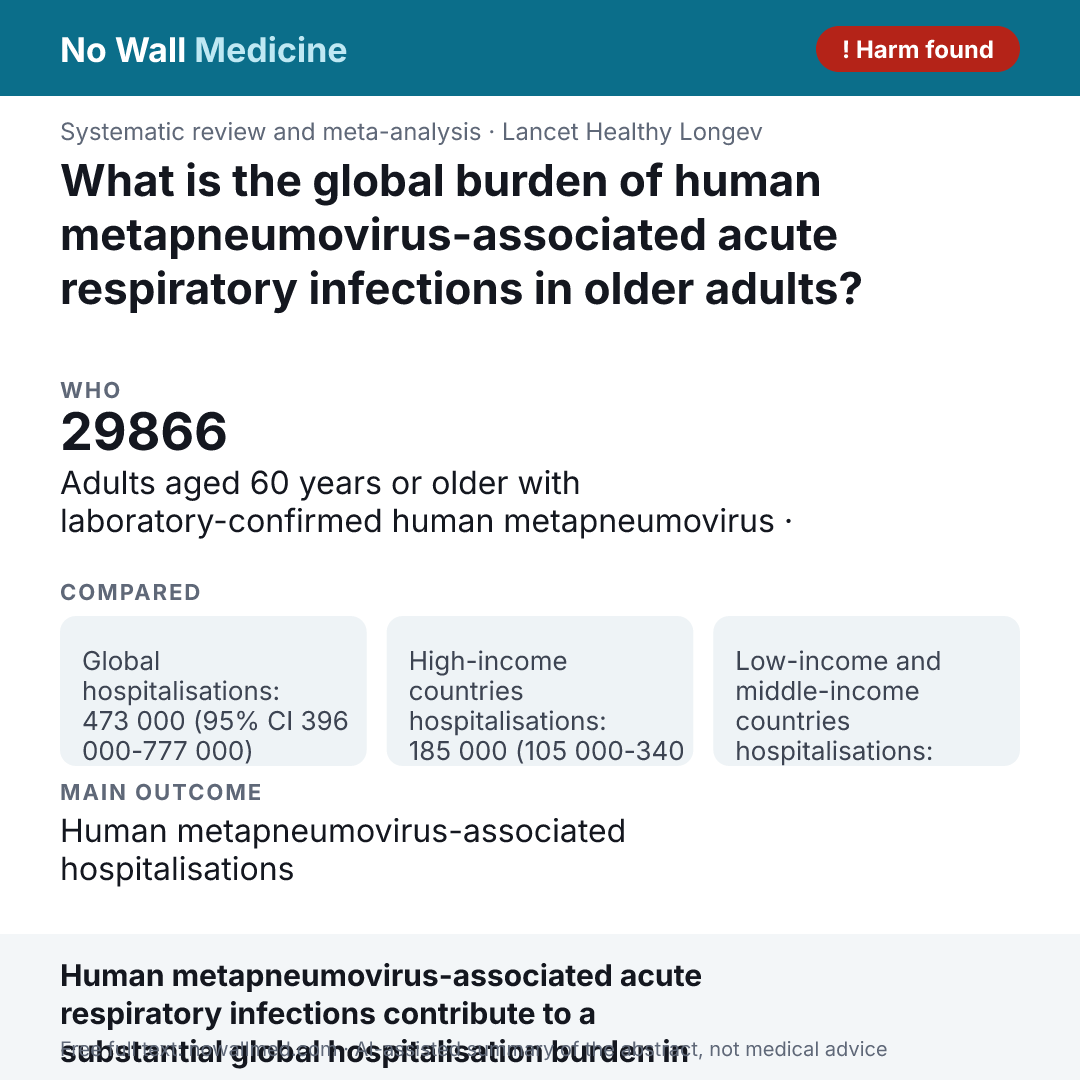
The global burden of human metapneumovirus-associated acute respiratory infections in older adults: a systematic review and meta-analysis
Systematic review and meta-analysisHarm found
What is the global burden of human metapneumovirus-associated acute respiratory infections in older adults?
Who
29866
Adults aged 60 years or older with laboratory-confirmed human metapneumovirus · Global
Compared
Global hospitalisations: 473 000 (95% CI 396 000-777 000)
High-income countries hospitalisations: 185 000 (105 000-340 000)
Low-income and middle-income countries hospitalisations: 288 000 (193 000-436 000)
Main outcome
Human metapneumovirus-associated hospitalisations
Bottom line: Human metapneumovirus-associated acute respiratory infections contribute to a substantial global hospitalisation burden in older adults.
Limitation: Scarcity of data for incidence in countries other than the USA and outpatient settings.
Funded by: Icosavax, a member of the AstraZeneca group
Lancet Healthy Longev · 2025-02-12 · Save PNG
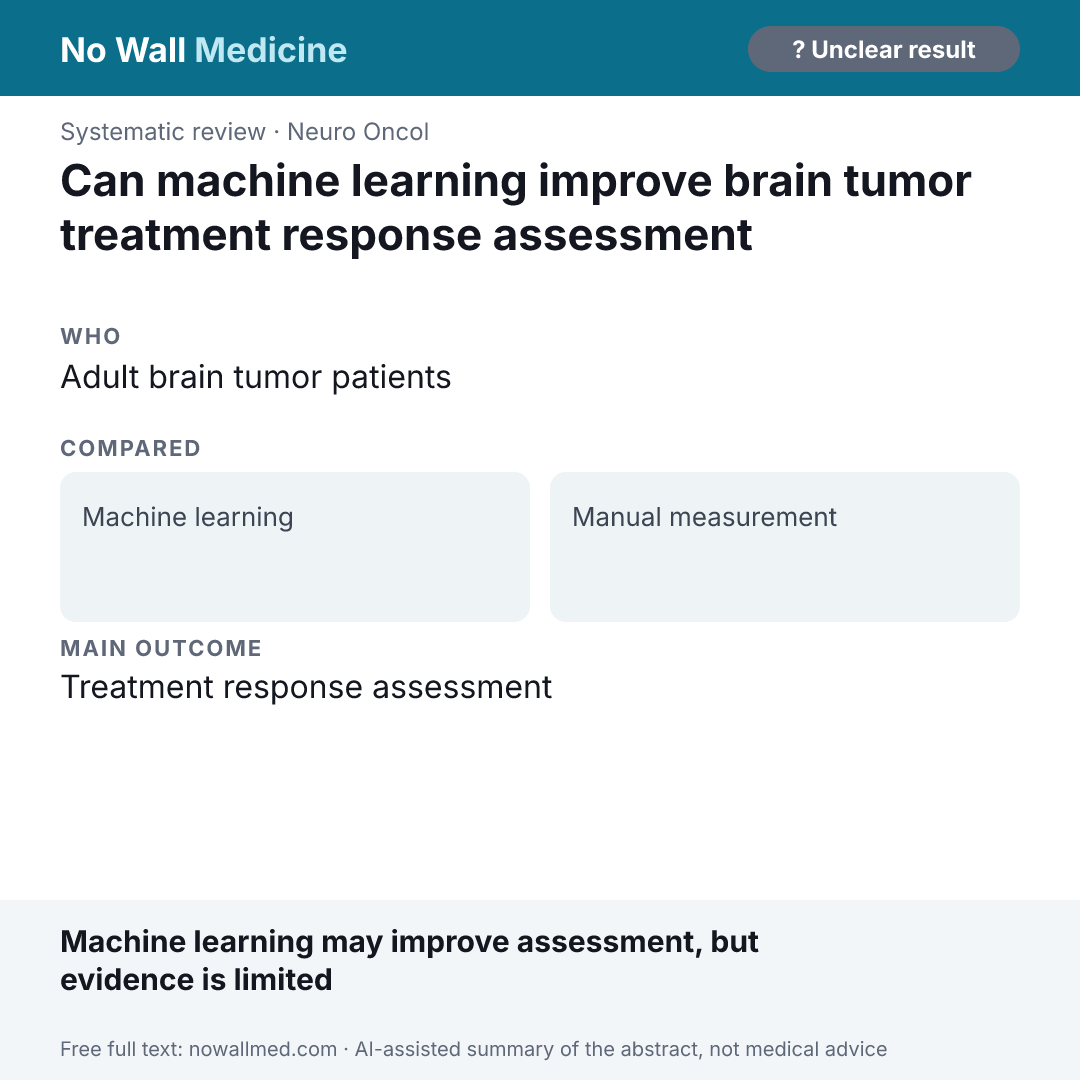
Automated longitudinal treatment response assessment of brain tumors: A systematic review
Systematic reviewUnclear result
Can machine learning improve brain tumor treatment response assessment
Who
Adult brain tumor patients
Compared
Machine learning
Manual measurement
Main outcome
Treatment response assessment
Bottom line: Machine learning may improve assessment, but evidence is limited
Limitation: High bias risk and limited generalizability
Neuro Oncol · 2025-02-12 · Save PNG
The economic burden of ischaemic heart diseases on health systems: a systematic review
Systematic reviewKey finding
What is the global economic burden of ischaemic heart diseases on health systems?
Who
National-level studies on ischaemic heart diseases · 21 countries worldwide
Compared
Direct healthcare cost per episode: median 8062 Int$ 2019 (IQR: 5770-9580)
Direct healthcare cost per patient-year: median 10 064 Int$ 2019 (IQR: 7619-14 818)
Main outcome
Direct healthcare costs of ischaemic heart diseases
Bottom line: Ischaemic heart diseases impose a substantial economic burden, primarily driven by acute episodes, exceeding per capita public health expenditure.
BMJ Glob Health · 2025-02-12 · Save PNG

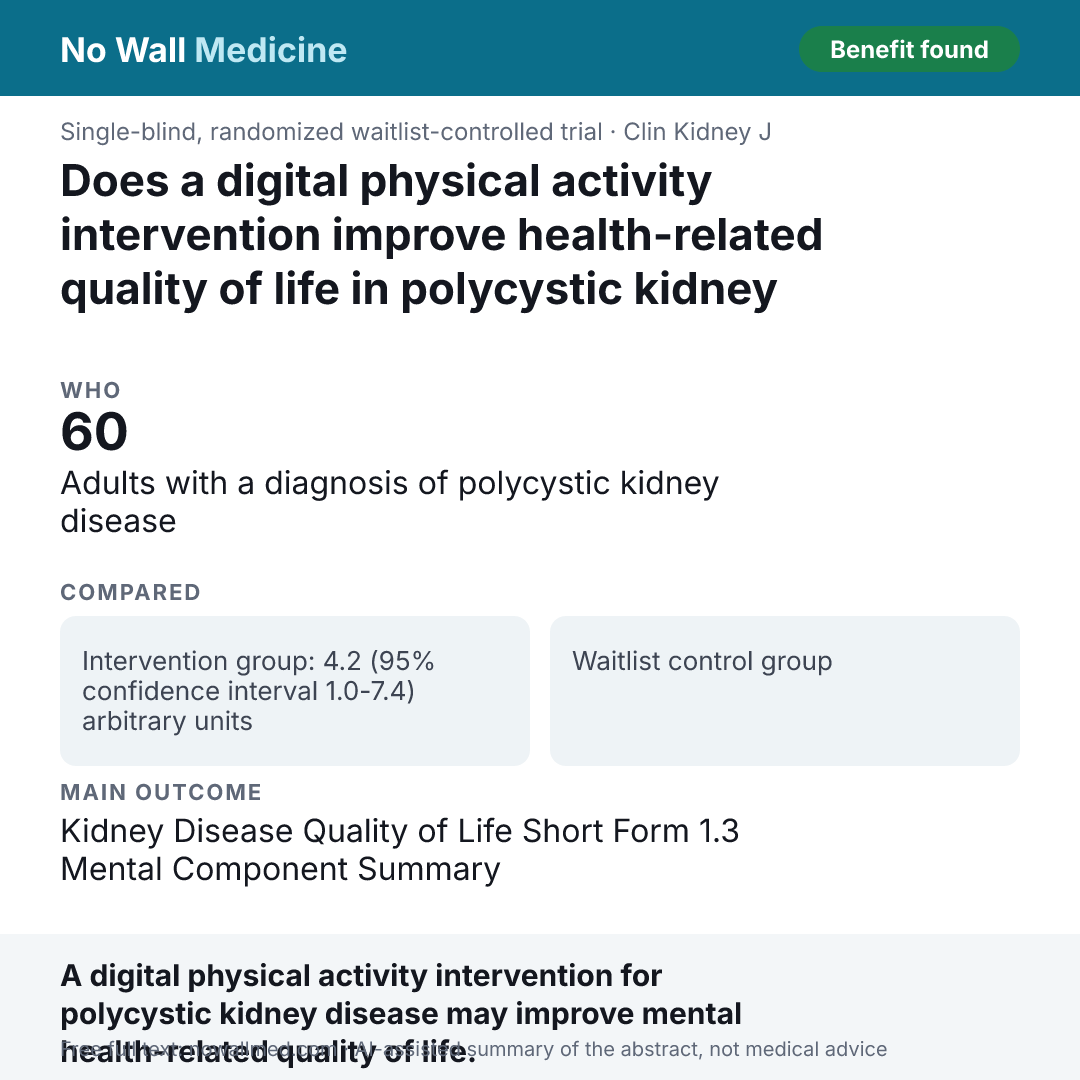
Digital physical activity intervention via the Kidney BEAM platform in patients with polycystic kidney disease: a randomized controlled trial
Single-blind, randomized waitlist-controlled trialBenefit found
Does a digital physical activity intervention improve health-related quality of life in polycystic kidney disease?
Who
60
Adults with a diagnosis of polycystic kidney disease
Compared
Intervention group: 4.2 (95% confidence interval 1.0-7.4) arbitrary units
Waitlist control group
Main outcome
Kidney Disease Quality of Life Short Form 1.3 Mental Component Summary
Result: 4.2 (95% confidence interval 1.0-7.4) arbitrary units
Bottom line: A digital physical activity intervention for polycystic kidney disease may improve mental health-related quality of life.
Clin Kidney J · 2025-02-12 · Save PNG
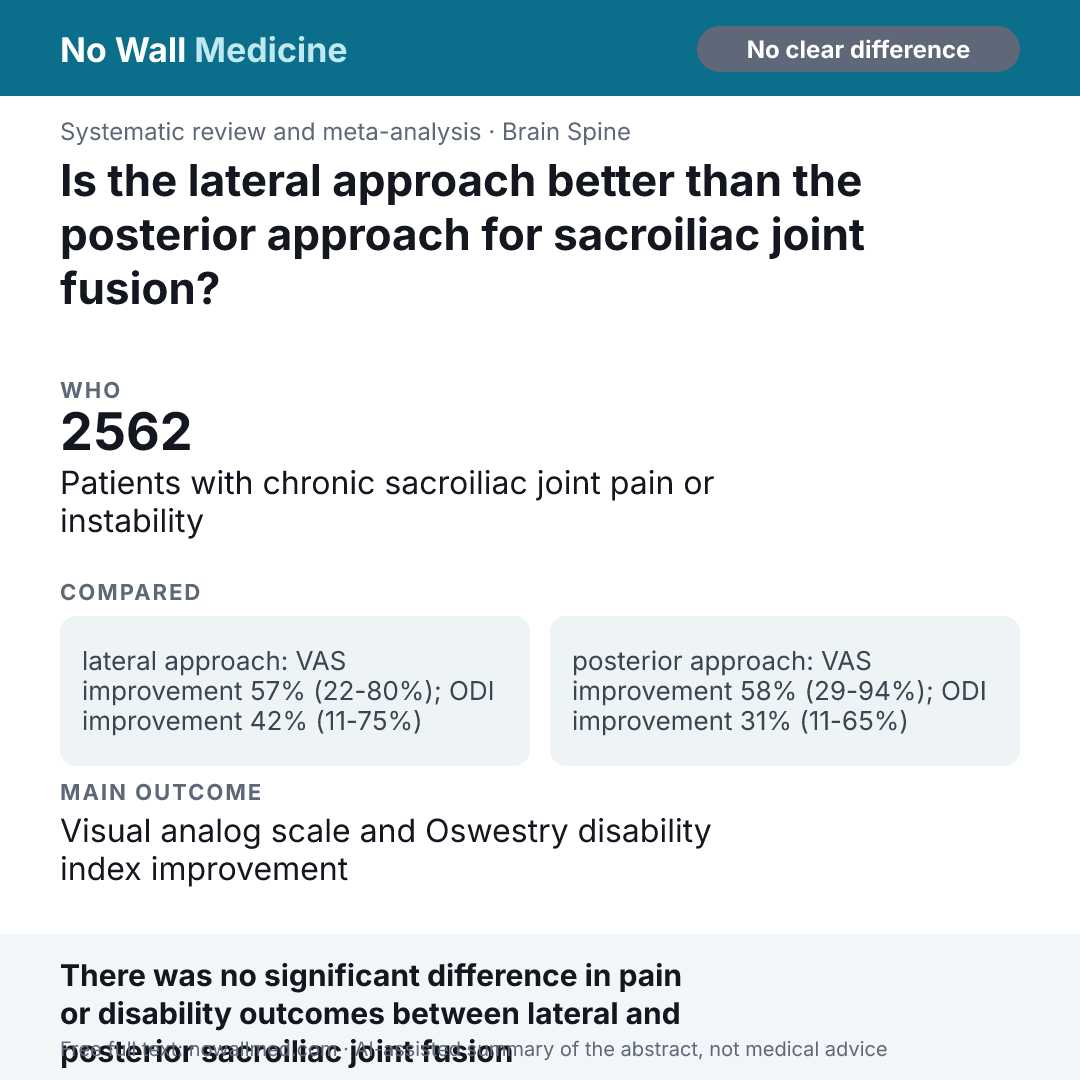
Clinical outcome measures following lateral versus posterior sacroiliac joint fusion: Systematic review and meta-analysis
Systematic review and meta-analysisNo clear difference
Is the lateral approach better than the posterior approach for sacroiliac joint fusion?
Who
2562
Patients with chronic sacroiliac joint pain or instability
Compared
lateral approach: VAS improvement 57% (22-80%); ODI improvement 42% (11-75%)
posterior approach: VAS improvement 58% (29-94%); ODI improvement 31% (11-65%)
Main outcome
Visual analog scale and Oswestry disability index improvement
Bottom line: There was no significant difference in pain or disability outcomes between lateral and posterior sacroiliac joint fusion approaches.
Limitation: Selection bias as the majority of included articles were observational.
Brain Spine · 2025-02-12 · Save PNG
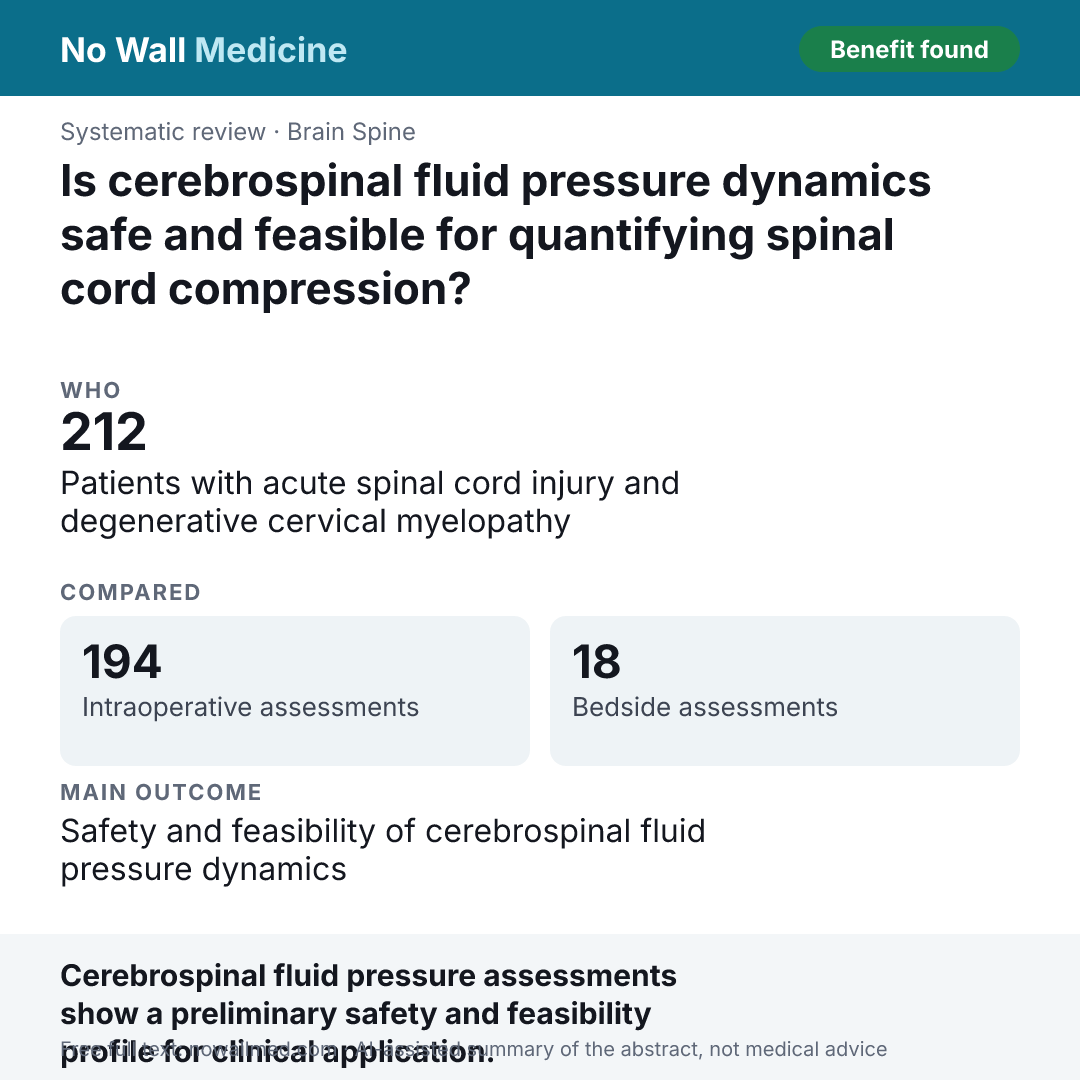
Cerebrospinal fluid pressure dynamics as a biomechanical marker for quantification of spinal cord compression: Conceptual framework and systematic review of clinical trials
Systematic reviewBenefit found
Is cerebrospinal fluid pressure dynamics safe and feasible for quantifying spinal cord compression?
Who
212
Patients with acute spinal cord injury and degenerative cervical myelopathy
Compared
194Intraoperative assessments
18Bedside assessments
Main outcome
Safety and feasibility of cerebrospinal fluid pressure dynamics
Bottom line: Cerebrospinal fluid pressure assessments show a preliminary safety and feasibility profile for clinical application.
Limitation: Clinical value is not yet determined due to challenges defining critical pressure thresholds.
Brain Spine · 2025-02-12 · Save PNG
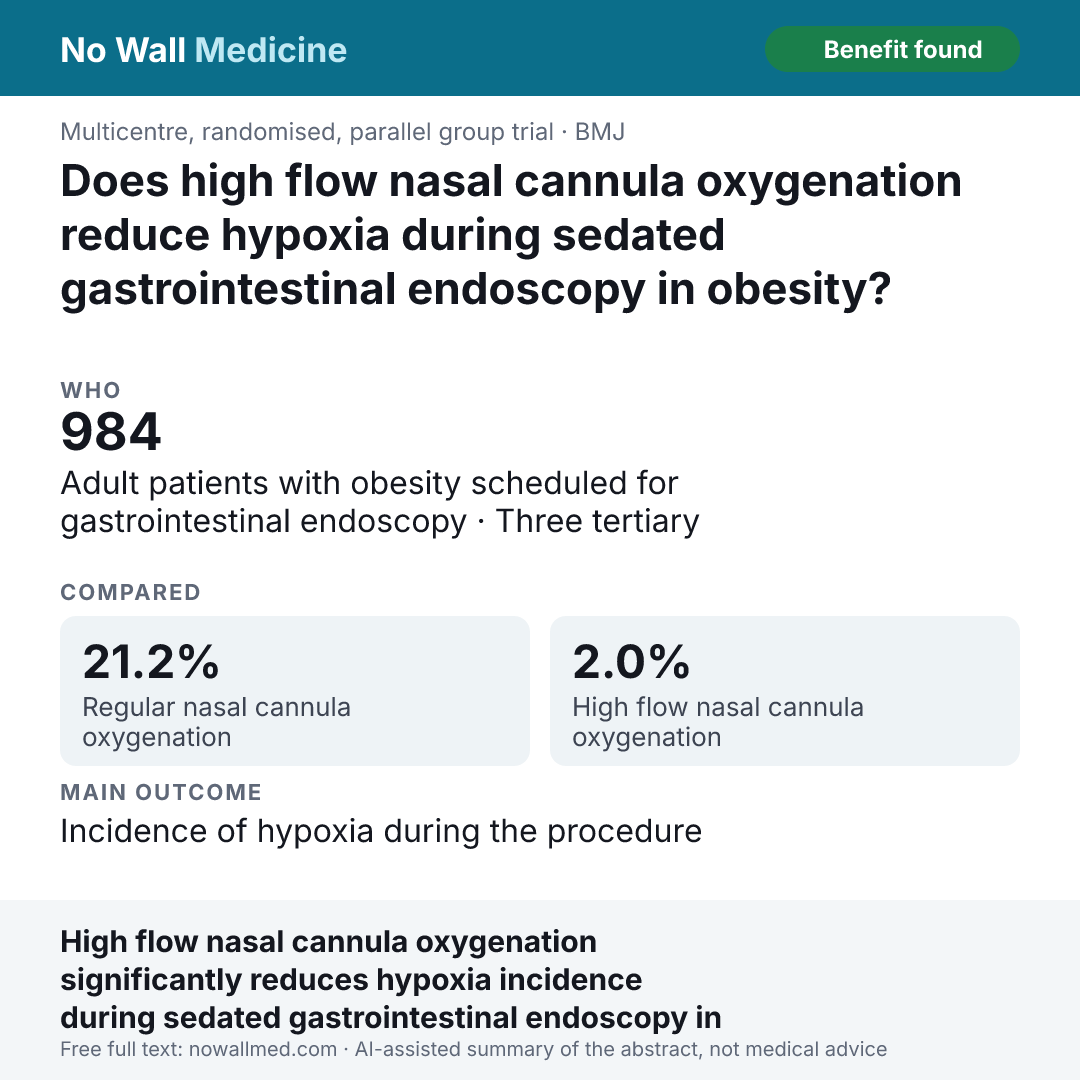
Effect of high flow nasal cannula oxygenation on incidence of hypoxia during sedated gastrointestinal endoscopy in patients with obesity: multicentre randomised controlled trial
Multicentre, randomised, parallel group trialBenefit found
Does high flow nasal cannula oxygenation reduce hypoxia during sedated gastrointestinal endoscopy in obesity?
Who
984
Adult patients with obesity scheduled for gastrointestinal endoscopy · Three tertiary hospitals in Shanghai, China
Compared
21.2%Regular nasal cannula oxygenation (103/487)
2.0%High flow nasal cannula oxygenation (10/497)
Main outcome
Incidence of hypoxia during the procedure
Result: difference -19.14, 95% confidence interval -23.09 to -15.36
Bottom line: High flow nasal cannula oxygenation significantly reduces hypoxia incidence during sedated gastrointestinal endoscopy in patients with obesity.
BMJ · 2025-02-11 · Save PNG
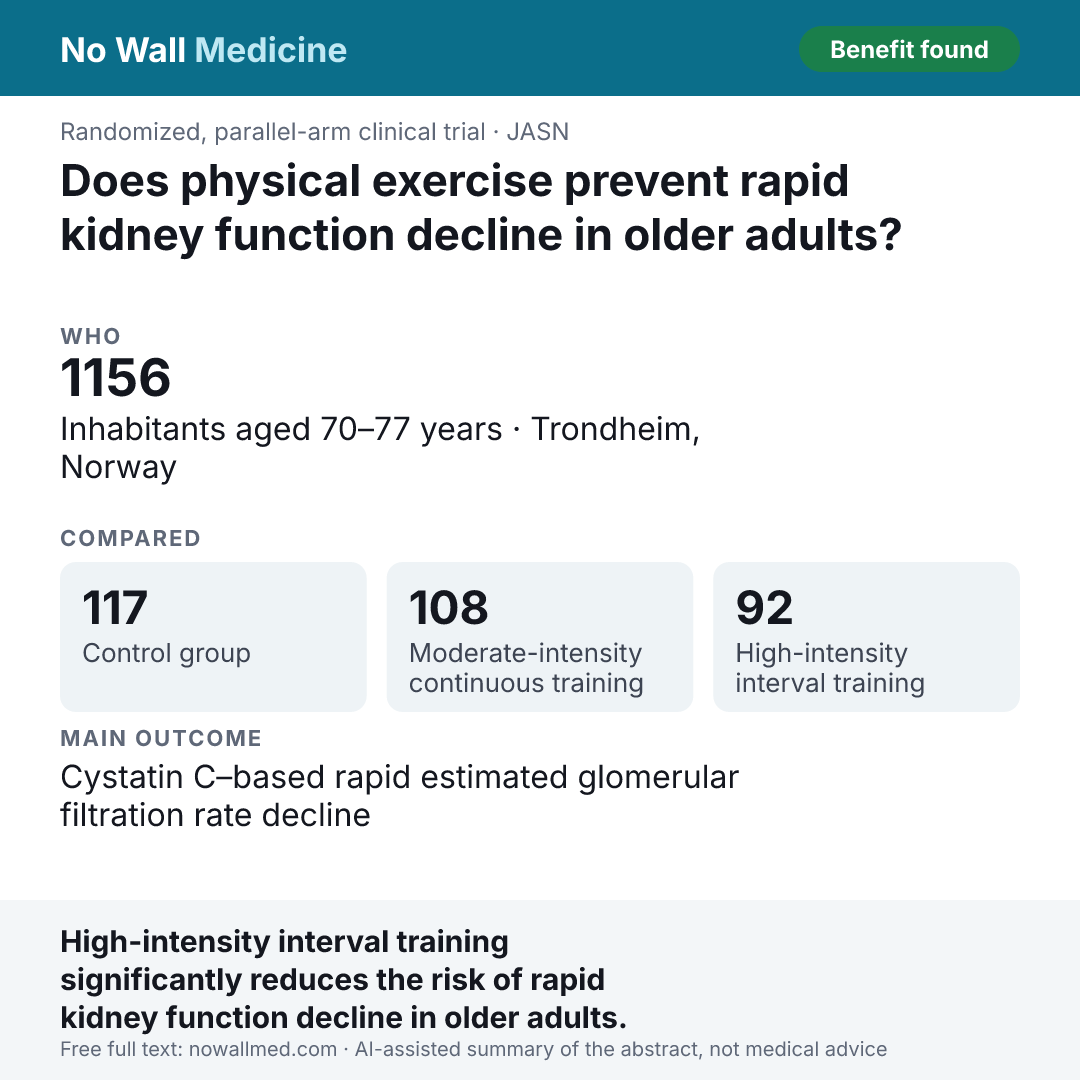
Long-Term Physical Exercise for Preventing CKD in Older Adults: A Randomized Clinical Trial
Randomized, parallel-arm clinical trialBenefit found
Does physical exercise prevent rapid kidney function decline in older adults?
Who
1156
Inhabitants aged 70–77 years · Trondheim, Norway
Compared
117Control group (30%)
108Moderate-intensity continuous training (28%)
92High-intensity interval training (23%)
Main outcome
Cystatin C–based rapid estimated glomerular filtration rate decline
Result: relative risk 0.75 (95% CI, 0.59 to 0.95) for high-intensity
Bottom line: High-intensity interval training significantly reduces the risk of rapid kidney function decline in older adults.
JASN · 2025-02-11 · Save PNG
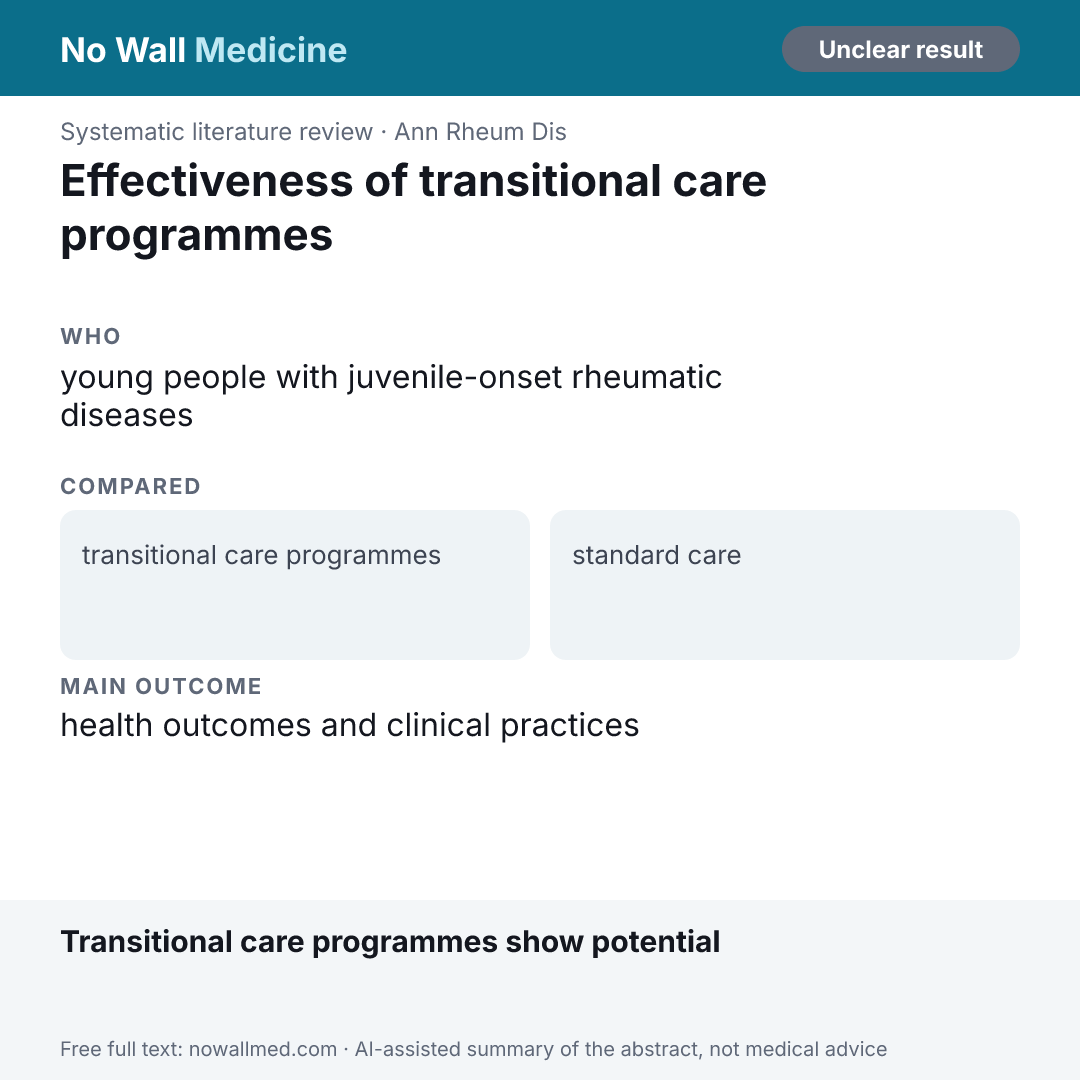
Systematic literature review informing the EULAR points to consider for patient education in physical activity and self-management of pain during transitional care
Systematic literature reviewUnclear result
Effectiveness of transitional care programmes
Who
young people with juvenile-onset rheumatic diseases
Compared
transitional care programmes
standard care
Main outcome
health outcomes and clinical practices
Bottom line: Transitional care programmes show potential
Limitation: limited quantitative evidence
Ann Rheum Dis · 2025-02-11 · Save PNG
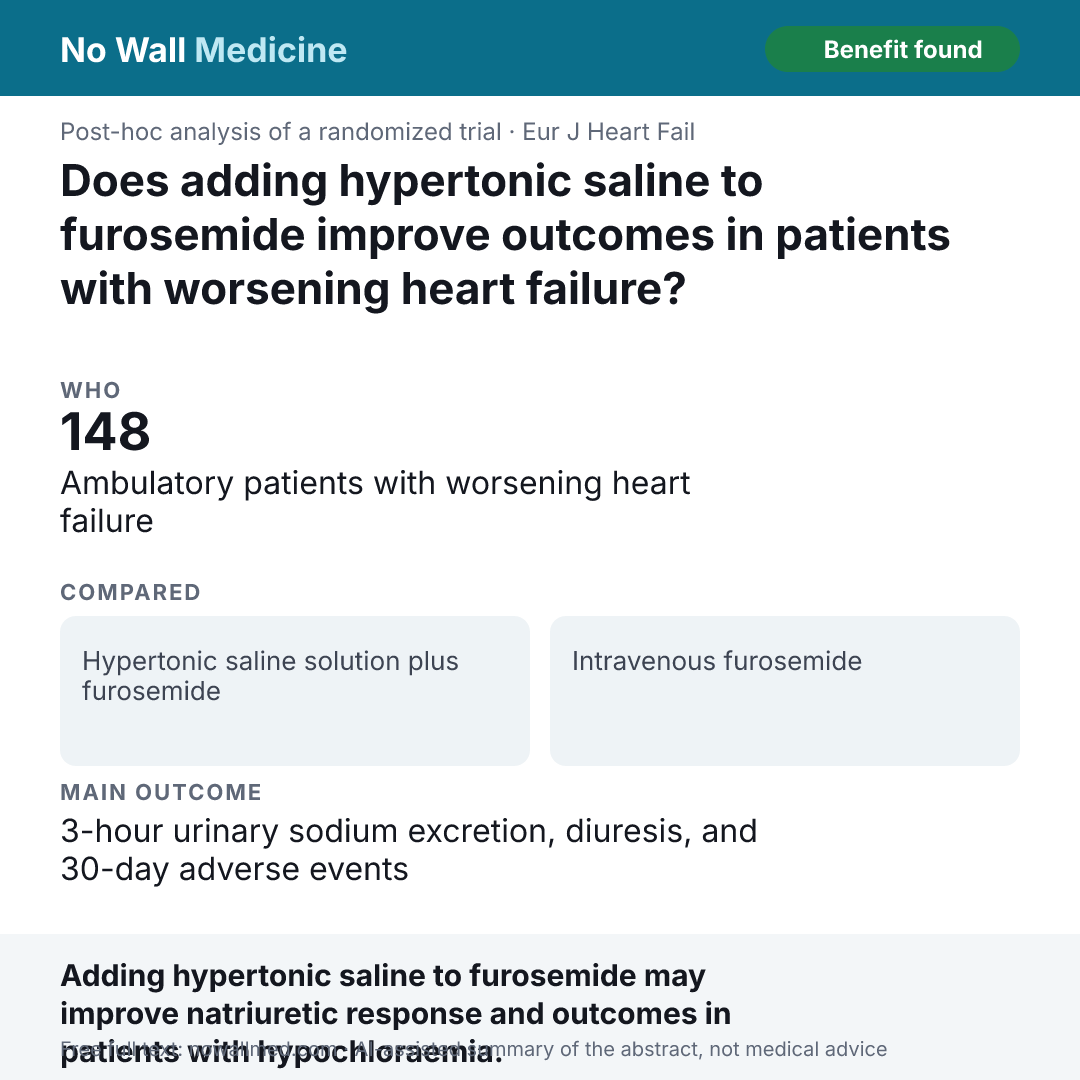
Salt repletion and diuretic response: The role of serum chloride. A post-hoc analysis of the SALT-HF trial on furosemide and hypertonic saline solution administration in ambulatory patients with worsening heart failure
Post-hoc analysis of a randomized trialBenefit found
Does adding hypertonic saline to furosemide improve outcomes in patients with worsening heart failure?
Who
148
Ambulatory patients with worsening heart failure
Compared
Hypertonic saline solution plus furosemide
Intravenous furosemide
Main outcome
3-hour urinary sodium excretion, diuresis, and 30-day adverse events
Bottom line: Adding hypertonic saline to furosemide may improve natriuretic response and outcomes in patients with hypochloraemia.
Eur J Heart Fail · 2025-02-11 · Save PNG
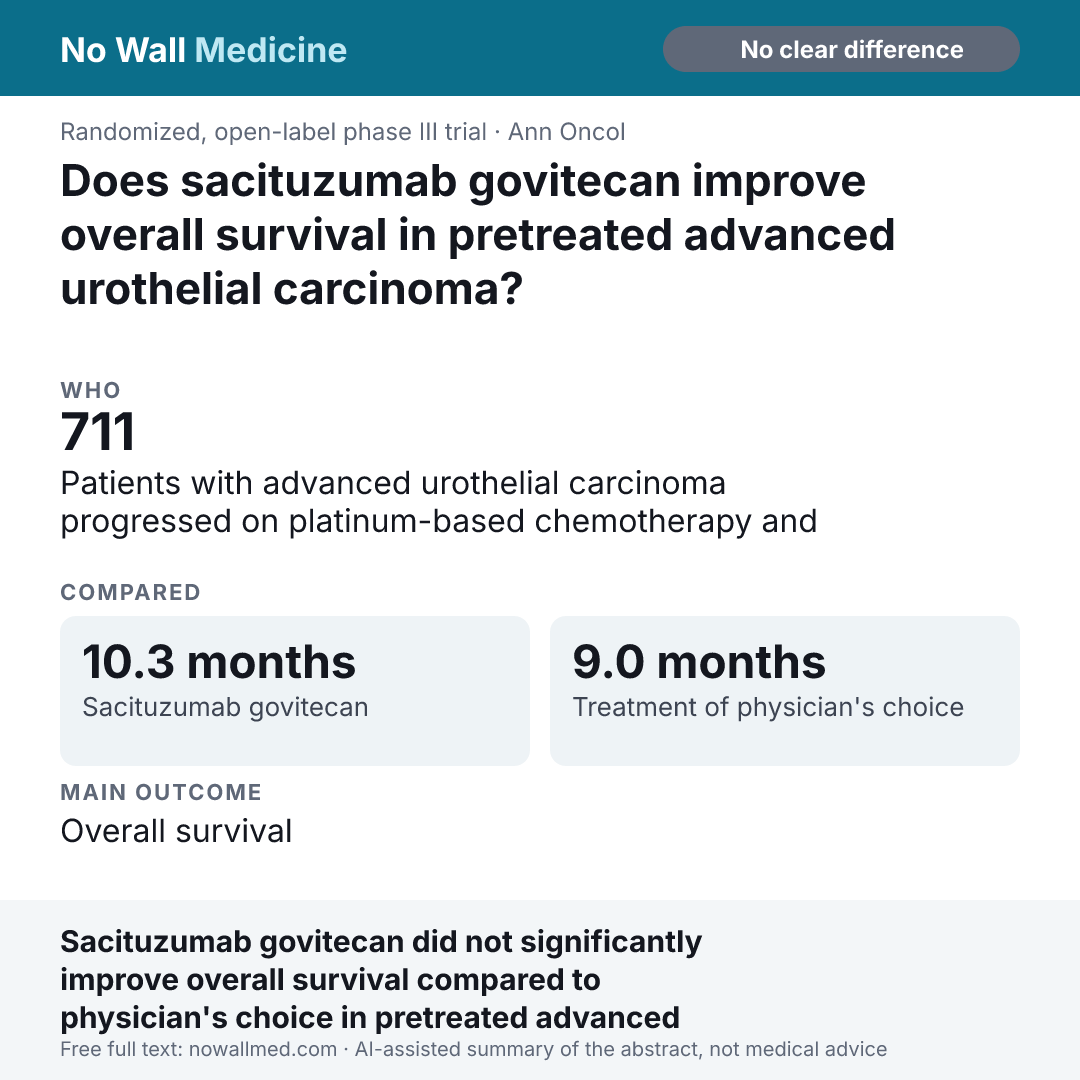
Sacituzumab govitecan in advanced urothelial carcinoma: TROPiCS-04, a phase III randomized trial
Randomized, open-label phase III trialNo clear difference
Does sacituzumab govitecan improve overall survival in pretreated advanced urothelial carcinoma?
Who
711
Patients with advanced urothelial carcinoma progressed on platinum-based chemotherapy and checkpoint inhibitor therapy · Global
Compared
10.3 monthsSacituzumab govitecan
9.0 monthsTreatment of physician's choice
Main outcome
Overall survival
Result: hazard ratio 0.86, 95% confidence interval 0.73-1.02
Bottom line: Sacituzumab govitecan did not significantly improve overall survival compared to physician's choice in pretreated advanced urothelial carcinoma.
Ann Oncol · 2025-02-11 · Save PNG