Visual abstracts
New randomized trials and meta-analyses from leading journals at a glance: who was studied, what was compared, and what was found. Every paper is free to read in full.
All specialtiesCardiology 4763Oncology 4042Gastroenterology & Hepatology 1902Infectious Disease 3756Neurology 1872Psychiatry & Mental Health 2214Pulmonology 2042Critical Care 1319Endocrinology & Diabetes 2544Pediatrics 2889Surgery 2479Orthopedics & Sports Medicine 917Neurosurgery 525Cardiothoracic & Vascular Surgery 656Plastic & Reconstructive Surgery 574Nephrology 1107Rheumatology 810Hematology 1090Dermatology 611Ophthalmology 532Obstetrics & Gynecology 1645Public & Global Health 1037Radiology & Imaging 617Anesthesiology 957Urology 745ENT (Otolaryngology) 494Emergency Medicine 481Allergy & Immunology 309Geriatrics 972Family Medicine & Primary Care 533Medical Genetics & Genomics 659Pathology & Laboratory Medicine 156Physical Medicine & Rehabilitation 734Palliative Care 421Nutrition 1560Digital Health & AI 2133General Medicine 318
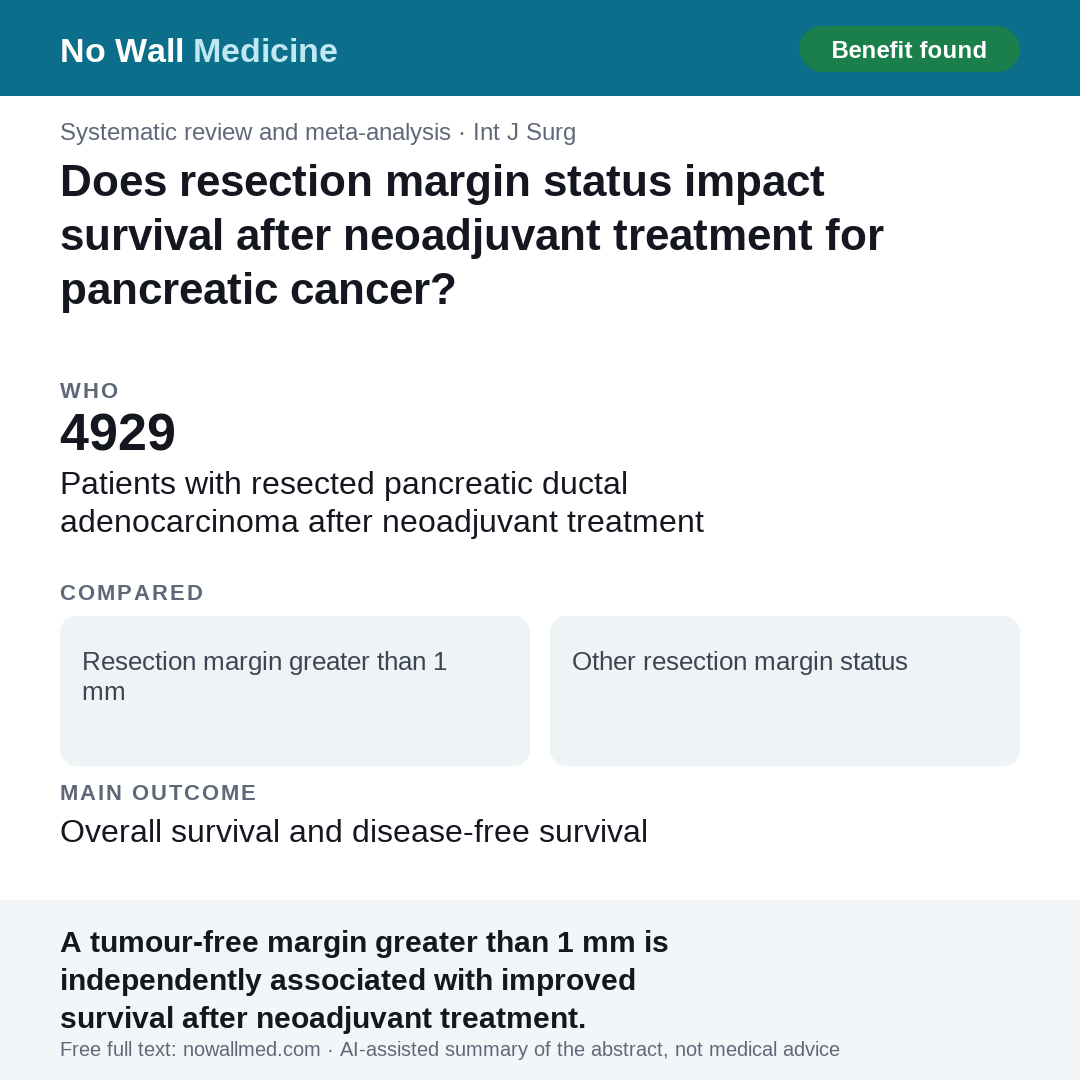
Prognostic impact of resection margin status on survival after neoadjuvant treatment for pancreatic cancer: systematic review and meta-analysis
Systematic review and meta-analysisKey finding
Does resection margin status impact survival after neoadjuvant treatment for pancreatic cancer?
Who
4929
Patients with resected pancreatic ductal adenocarcinoma after neoadjuvant treatment
Compared
Resection margin greater than 1 mm
Other resection margin status
Main outcome
Overall survival and disease-free survival
Result: hazard ratio 1.65 (95% CI 1.39 to 1.97) for overall survival
Bottom line: A tumour-free margin greater than 1 mm is independently associated with improved survival after neoadjuvant treatment.
Limitation: No prognostic impact was detected in sensitivity analysis including only partial pancreatoduodenectomies.
Int J Surg · 2024-01-01Download image
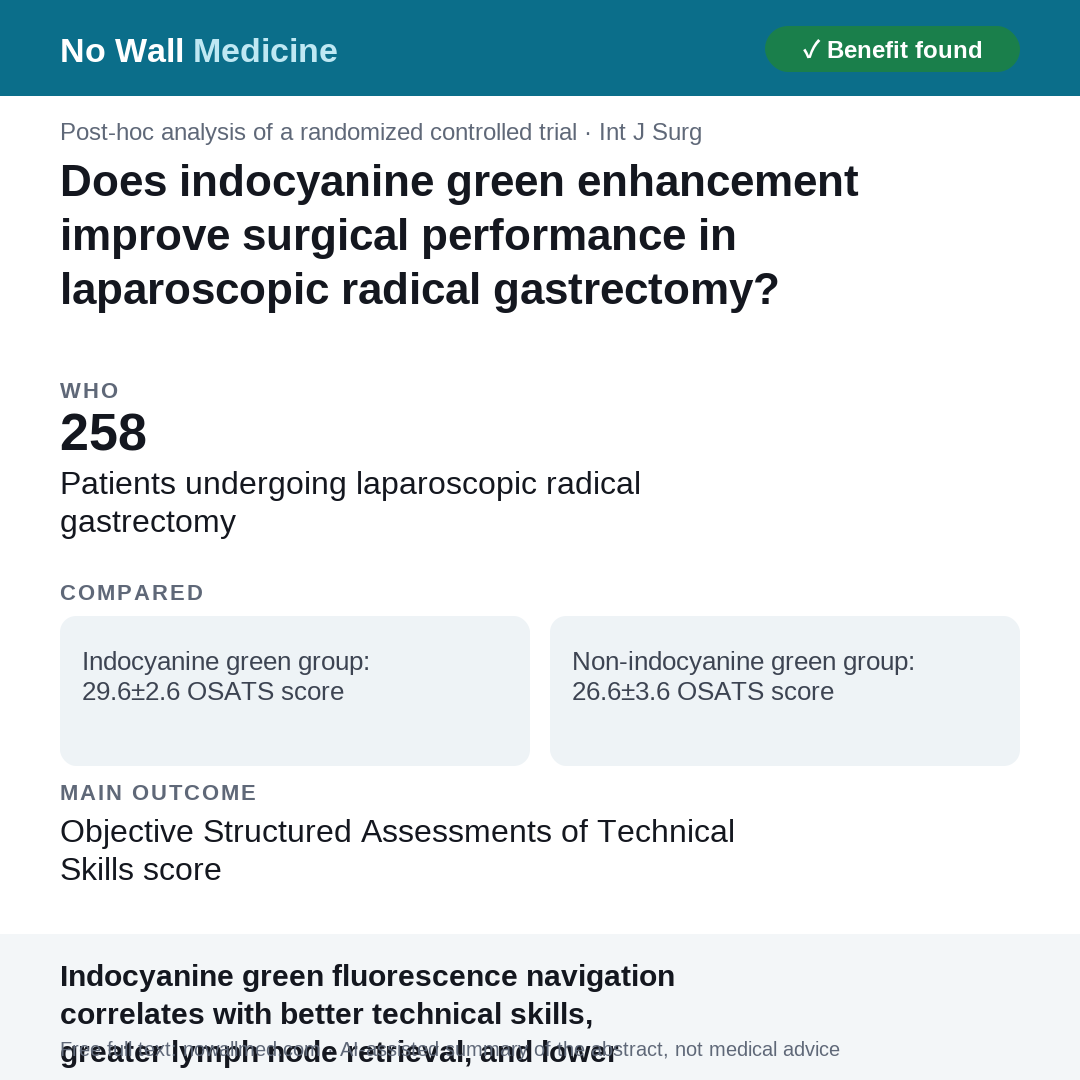
OSATS scoring confirms ICG enhancement of performance in laparoscopic radical gastrectomy: a post-hoc analysis of a randomized controlled trial
Post-hoc analysis of a randomized controlled trialBenefit found
Does indocyanine green enhancement improve surgical performance in laparoscopic radical gastrectomy?
Who
258
Patients undergoing laparoscopic radical gastrectomy
Compared
Indocyanine green group: 29.6±2.6 OSATS score
Non-indocyanine green group: 26.6±3.6 OSATS score
Main outcome
Objective Structured Assessments of Technical Skills score
Bottom line: Indocyanine green fluorescence navigation correlates with better technical skills, greater lymph node retrieval, and lower noncompliance rates.
Int J Surg · 2024-01-01Download image
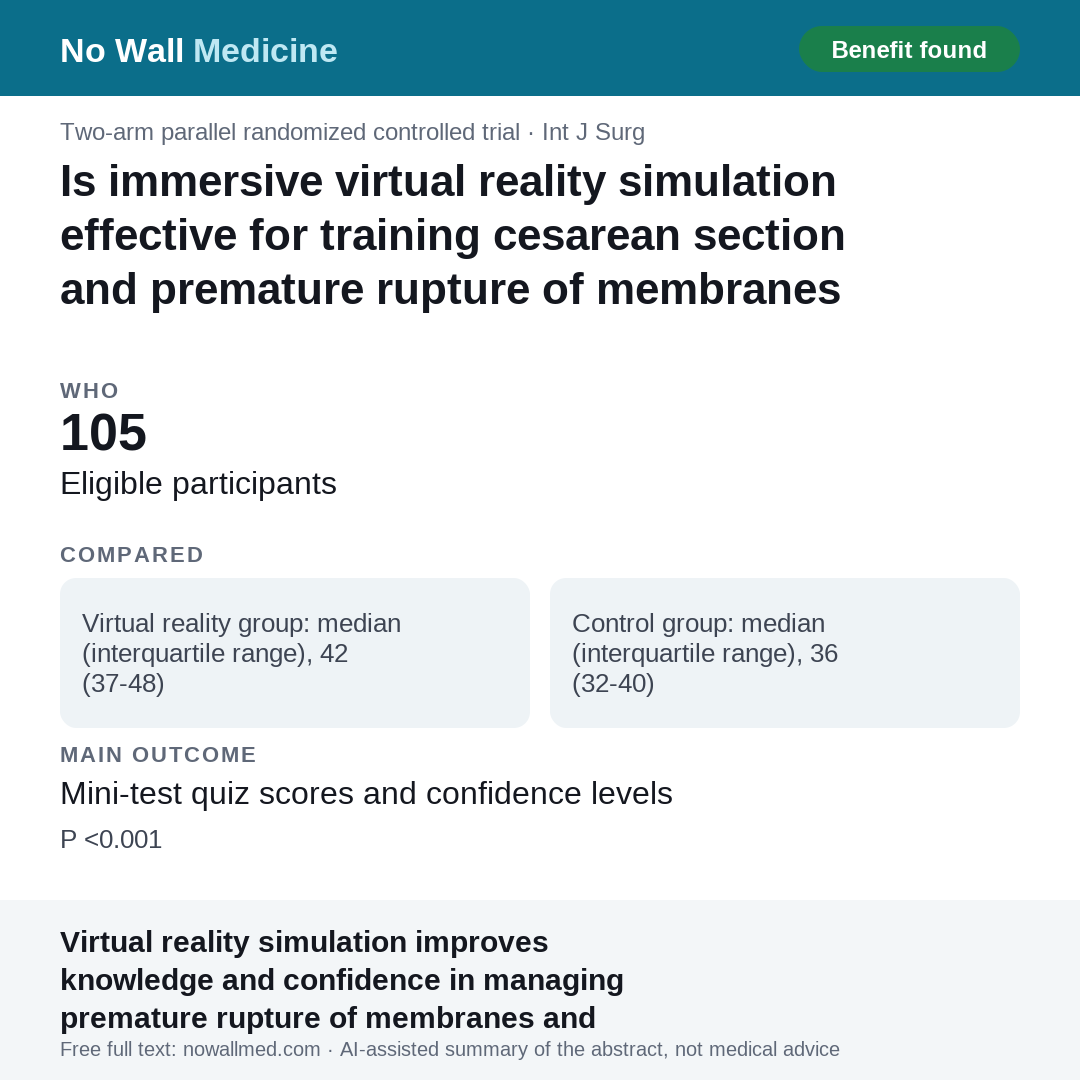
Immersive virtual reality simulation training for cesarean section: a randomized controlled trial
Two-arm parallel randomized controlled trialBenefit found
Is immersive virtual reality simulation effective for training cesarean section and premature rupture of membranes management?
Who
105
Eligible participants
Compared
Virtual reality group: median (interquartile range), 42 (37-48)
Control group: median (interquartile range), 36 (32-40)
Main outcome
Mini-test quiz scores and confidence levels
Result: P <0.001
Bottom line: Virtual reality simulation improves knowledge and confidence in managing premature rupture of membranes and performing cesarean sections.
Int J Surg · 2024-01-01Download image
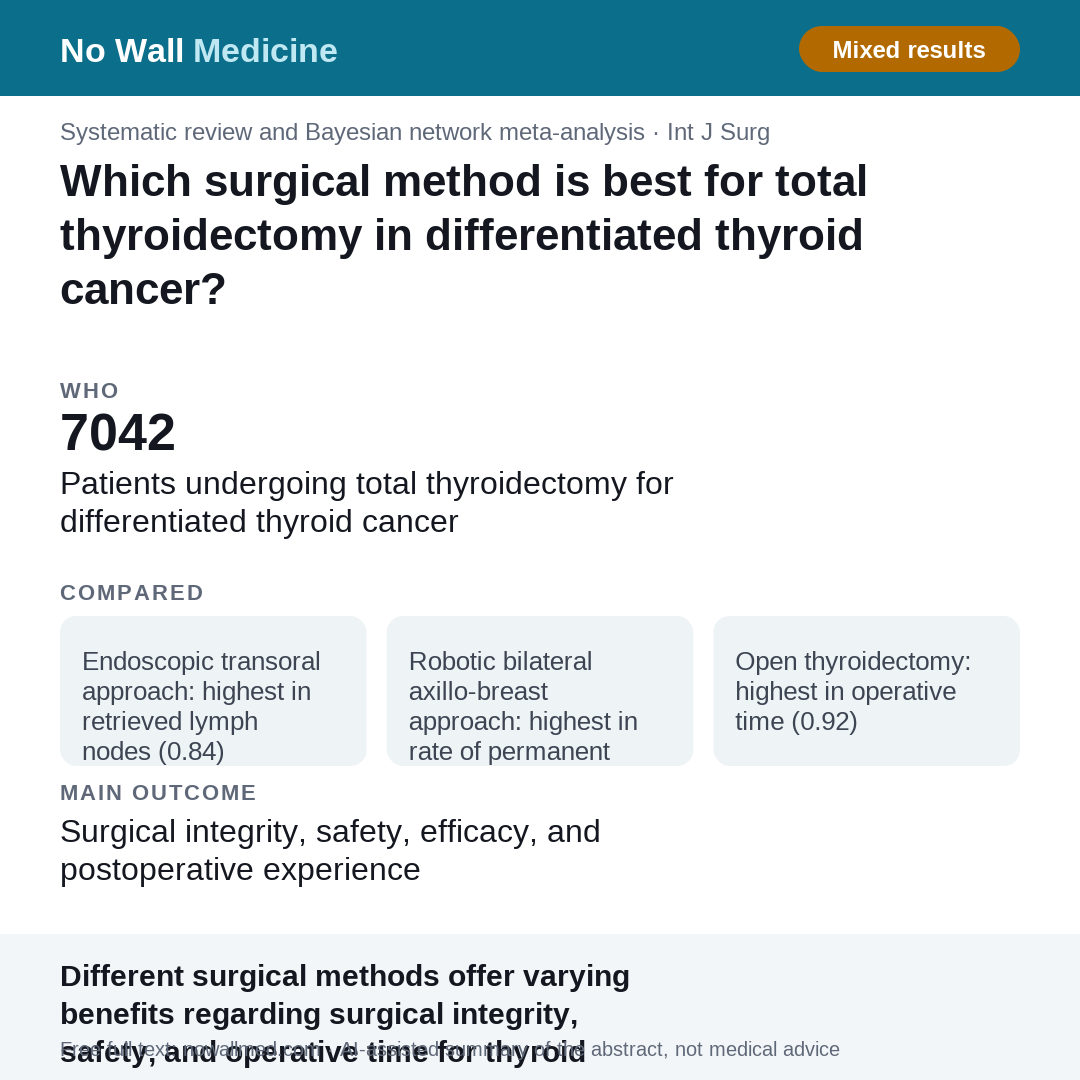
Surgical methods of total thyroidectomy for differentiated thyroid cancer: a systematic review and Bayesian network meta-analysis
Systematic review and Bayesian network meta-analysisMixed results
Which surgical method is best for total thyroidectomy in differentiated thyroid cancer?
Who
7042
Patients undergoing total thyroidectomy for differentiated thyroid cancer
Compared
Endoscopic transoral approach: highest in retrieved lymph nodes (0.84)
Robotic bilateral axillo-breast approach: highest in rate of permanent recurrent laryngeal nerve palsy (0.94)
Open thyroidectomy: highest in operative time (0.92)
Main outcome
Surgical integrity, safety, efficacy, and postoperative experience
Bottom line: Different surgical methods offer varying benefits regarding surgical integrity, safety, and operative time for thyroid cancer patients.
Int J Surg · 2024-01-01Download image
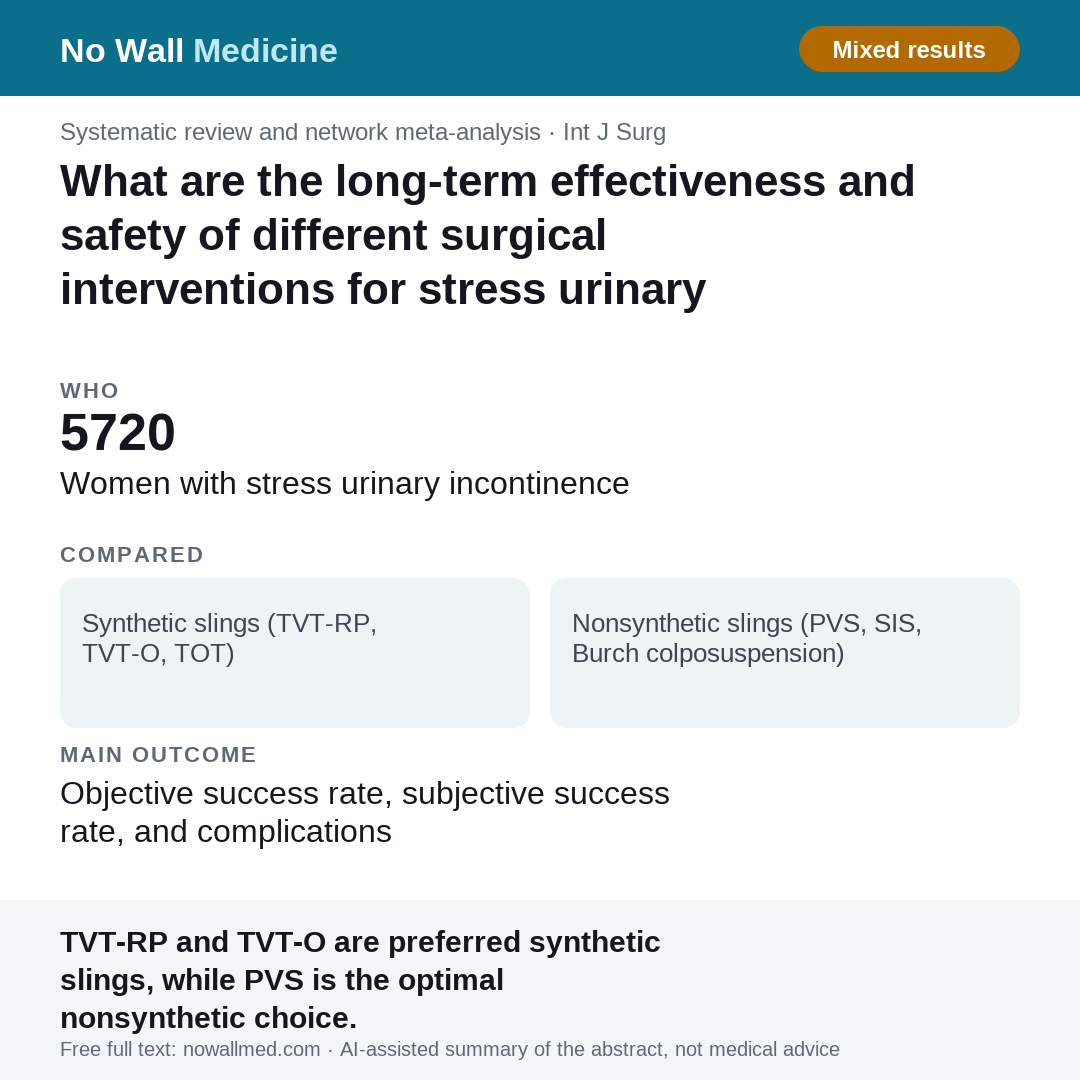
Long-term outcomes of surgical interventions for stress urinary incontinence: a systematic review and network meta-analysis
Systematic review and network meta-analysisMixed results
What are the long-term effectiveness and safety of different surgical interventions for stress urinary incontinence?
Who
5720
Women with stress urinary incontinence
Compared
Synthetic slings (TVT-RP, TVT-O, TOT)
Nonsynthetic slings (PVS, SIS, Burch colposuspension)
Main outcome
Objective success rate, subjective success rate, and complications
Bottom line: TVT-RP and TVT-O are preferred synthetic slings, while PVS is the optimal nonsynthetic choice.
Int J Surg · 2024-01-01Download image
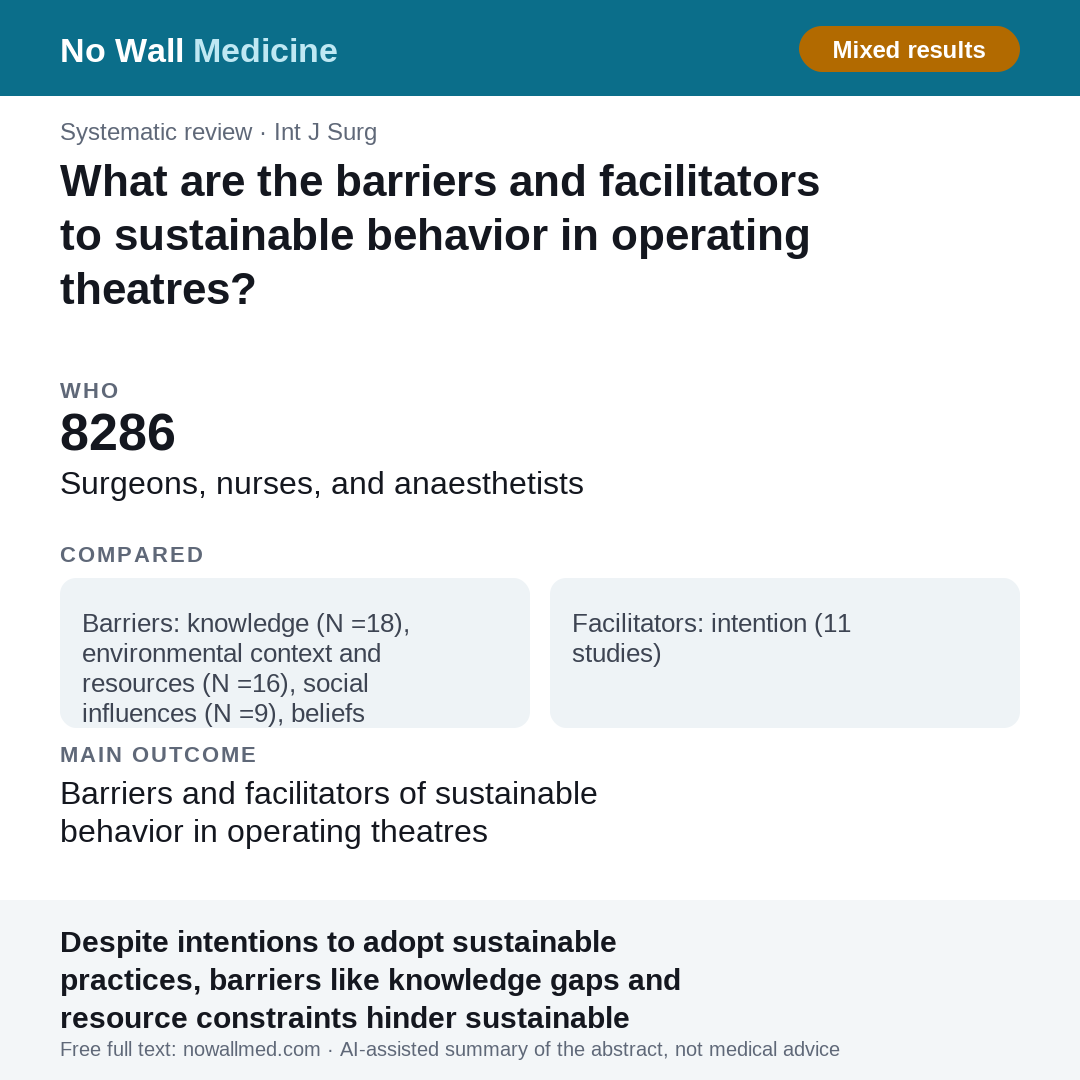
Barriers and facilitators to sustainable operating theatres: a systematic review using the Theoretical Domains Framework
Systematic reviewMixed results
What are the barriers and facilitators to sustainable behavior in operating theatres?
Who
8286
Surgeons, nurses, and anaesthetists
Compared
Barriers: knowledge (N =18), environmental context and resources (N =16), social influences (N =9), beliefs about consequences (N =9)
Facilitators: intention (11 studies)
Main outcome
Barriers and facilitators of sustainable behavior in operating theatres
Bottom line: Despite intentions to adopt sustainable practices, barriers like knowledge gaps and resource constraints hinder sustainable behavior in operating theatres.
Int J Surg · 2024-01-01Download image
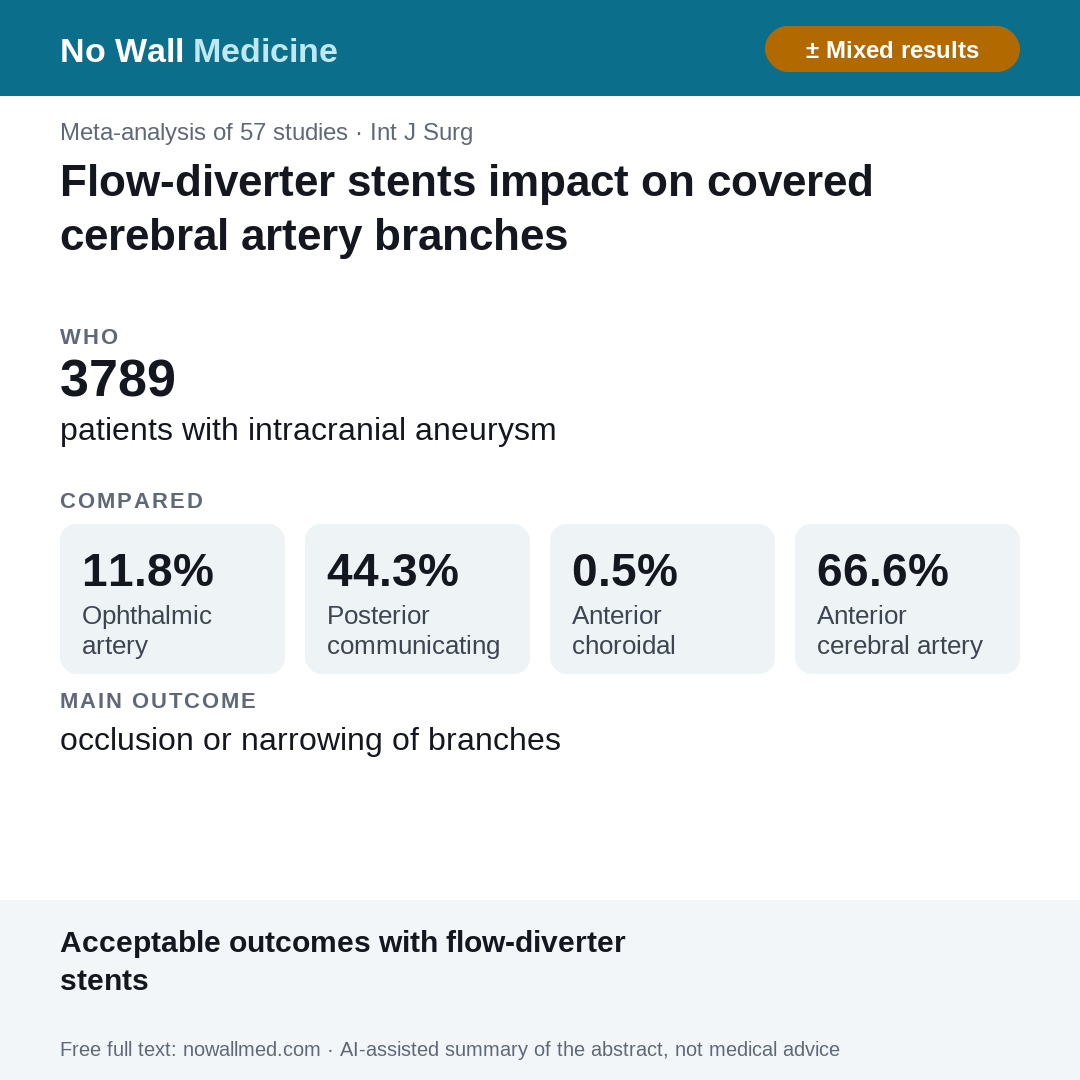
Flow-diverter stents in intracranial aneurysm treatment: impact on covered cerebral artery branches
Meta-analysis of 57 studiesMixed results
Flow-diverter stents impact on covered cerebral artery branches
Who
3789
patients with intracranial aneurysm
Compared
11.8%Ophthalmic artery (95% CI: 8.8-15.1)
44.3%Posterior communicating artery (95% CI: 34.2-54.6)
0.5%Anterior choroidal artery (95% CI: 0.0-2.9)
66.6%Anterior cerebral artery (95% CI: 45.1-85.3)
Main outcome
occlusion or narrowing of branches
Bottom line: Acceptable outcomes with flow-diverter stents
Int J Surg · 2024-01-01Download image
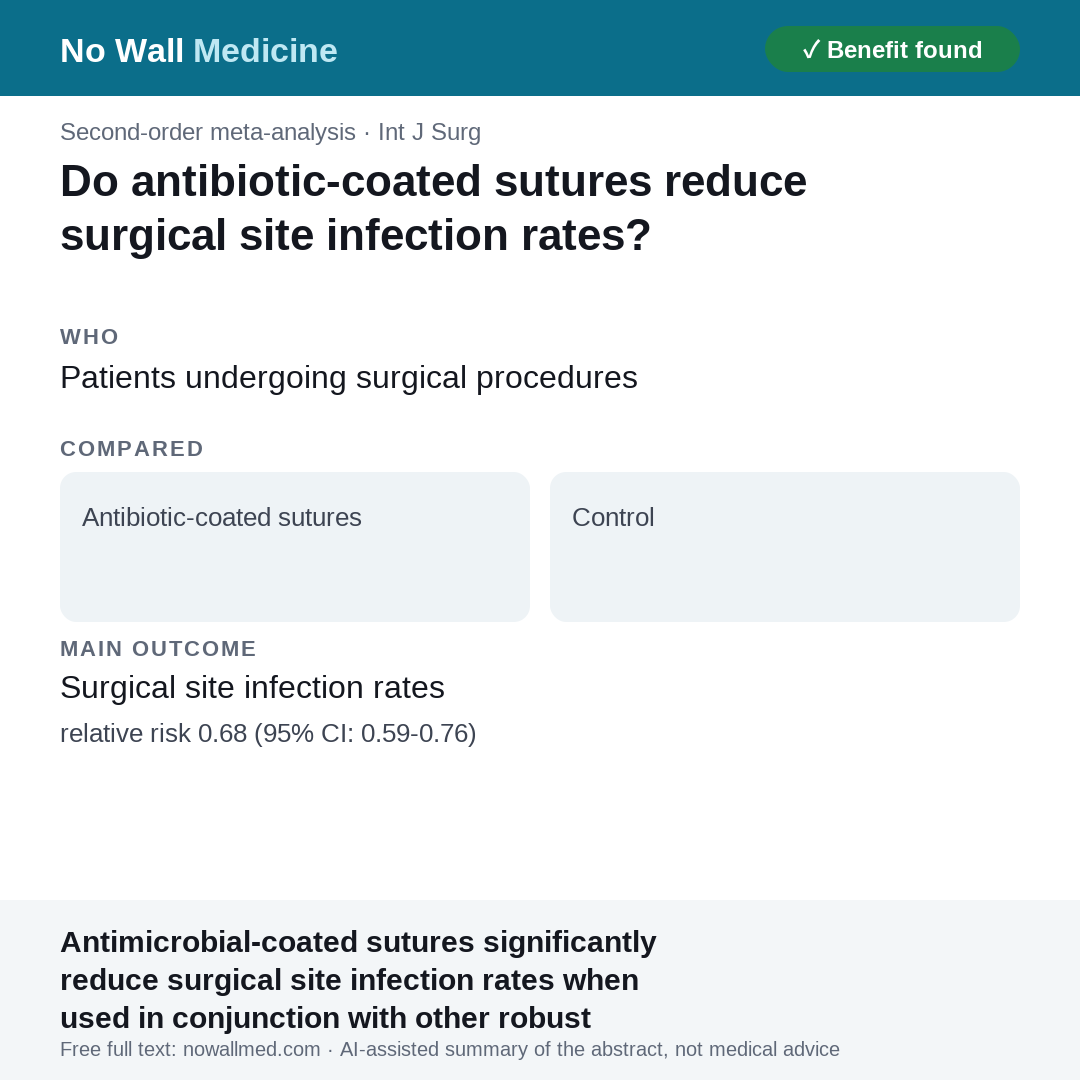
Impact of antibiotic-coated sutures on surgical site infections: a second-order meta-analysis
Second-order meta-analysisBenefit found
Do antibiotic-coated sutures reduce surgical site infection rates?
Who
Patients undergoing surgical procedures
Compared
Antibiotic-coated sutures
Control
Main outcome
Surgical site infection rates
Result: relative risk 0.68 (95% CI: 0.59-0.76)
Bottom line: Antimicrobial-coated sutures significantly reduce surgical site infection rates when used in conjunction with other robust practices.
Limitation: Moderate heterogeneity was noted in the included studies.
Int J Surg · 2024-01-01Download image
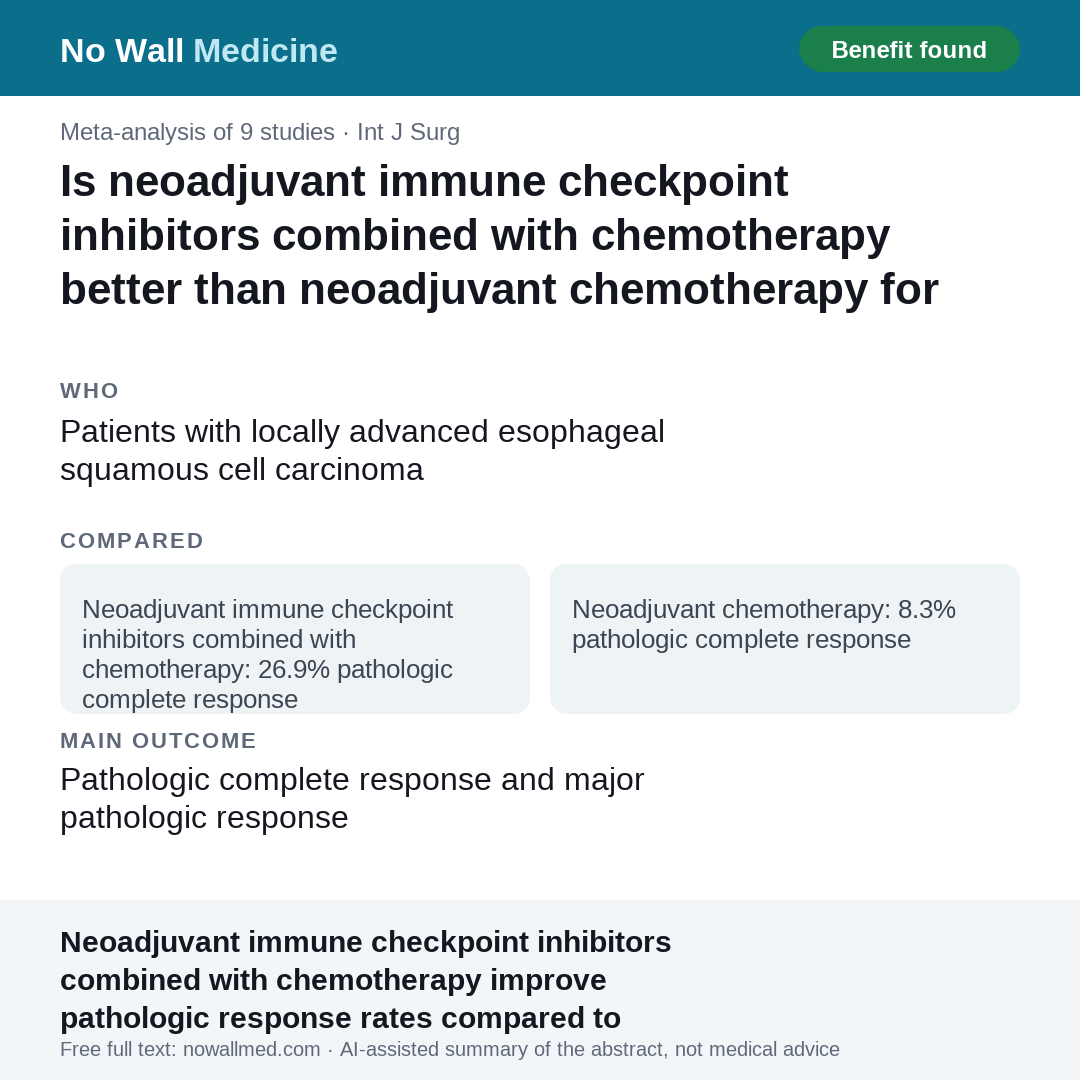
Comparison of efficacy and safety between neoadjuvant chemotherapy and neoadjuvant immune checkpoint inhibitors combined with chemotherapy for locally advanced esophageal squamous cell carcinoma: a systematic review and meta-analysis
Meta-analysis of 9 studiesBenefit found
Is neoadjuvant immune checkpoint inhibitors combined with chemotherapy better than neoadjuvant chemotherapy for esophageal squamous cell carcinoma?
Who
Patients with locally advanced esophageal squamous cell carcinoma
Compared
Neoadjuvant immune checkpoint inhibitors combined with chemotherapy: 26.9% pathologic complete response
Neoadjuvant chemotherapy: 8.3% pathologic complete response
Main outcome
Pathologic complete response and major pathologic response
Result: OR 4.24 (95% CI 2.84-6.32) for pathologic complete response
Bottom line: Neoadjuvant immune checkpoint inhibitors combined with chemotherapy improve pathologic response rates compared to chemotherapy alone in esophageal squamous cell carcinoma.
Limitation: Additional randomized trials are required to confirm the optimal treatment regimen.
Int J Surg · 2024-01-01Download image
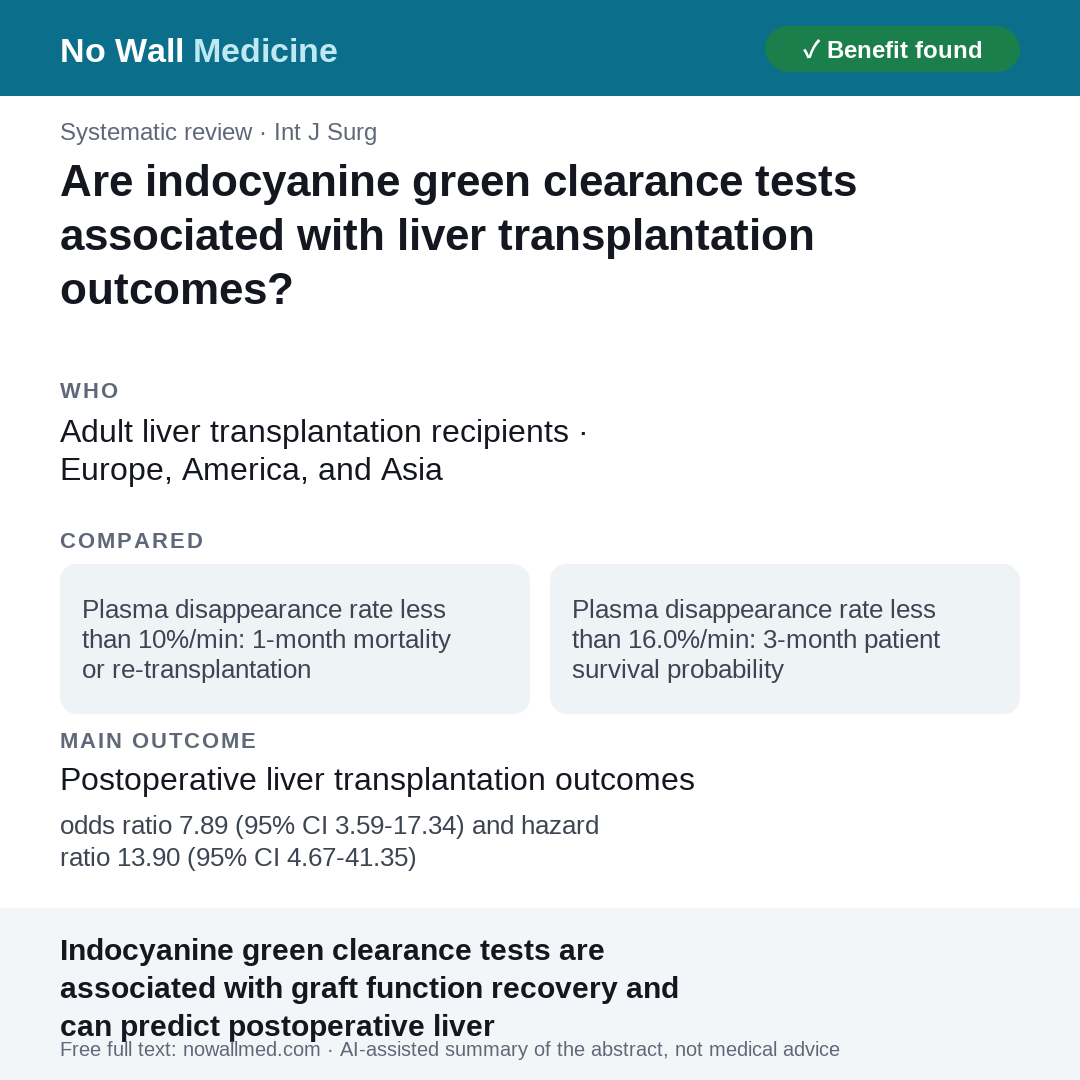
Indocyanine green clearance tests to assess liver transplantation outcomes: a systematic review
Systematic reviewBenefit found
Are indocyanine green clearance tests associated with liver transplantation outcomes?
Who
Adult liver transplantation recipients · Europe, America, and Asia
Compared
Plasma disappearance rate less than 10%/min: 1-month mortality or re-transplantation
Plasma disappearance rate less than 16.0%/min: 3-month patient survival probability
Main outcome
Postoperative liver transplantation outcomes
Result: odds ratio 7.89 (95% CI 3.59-17.34) and hazard ratio 13.90 (95% CI 4.67-41.35)
Bottom line: Indocyanine green clearance tests are associated with graft function recovery and can predict postoperative liver transplantation outcomes.
Limitation: Methodological quality varied from low to high across risk of bias domains.
Int J Surg · 2024-01-01Download image
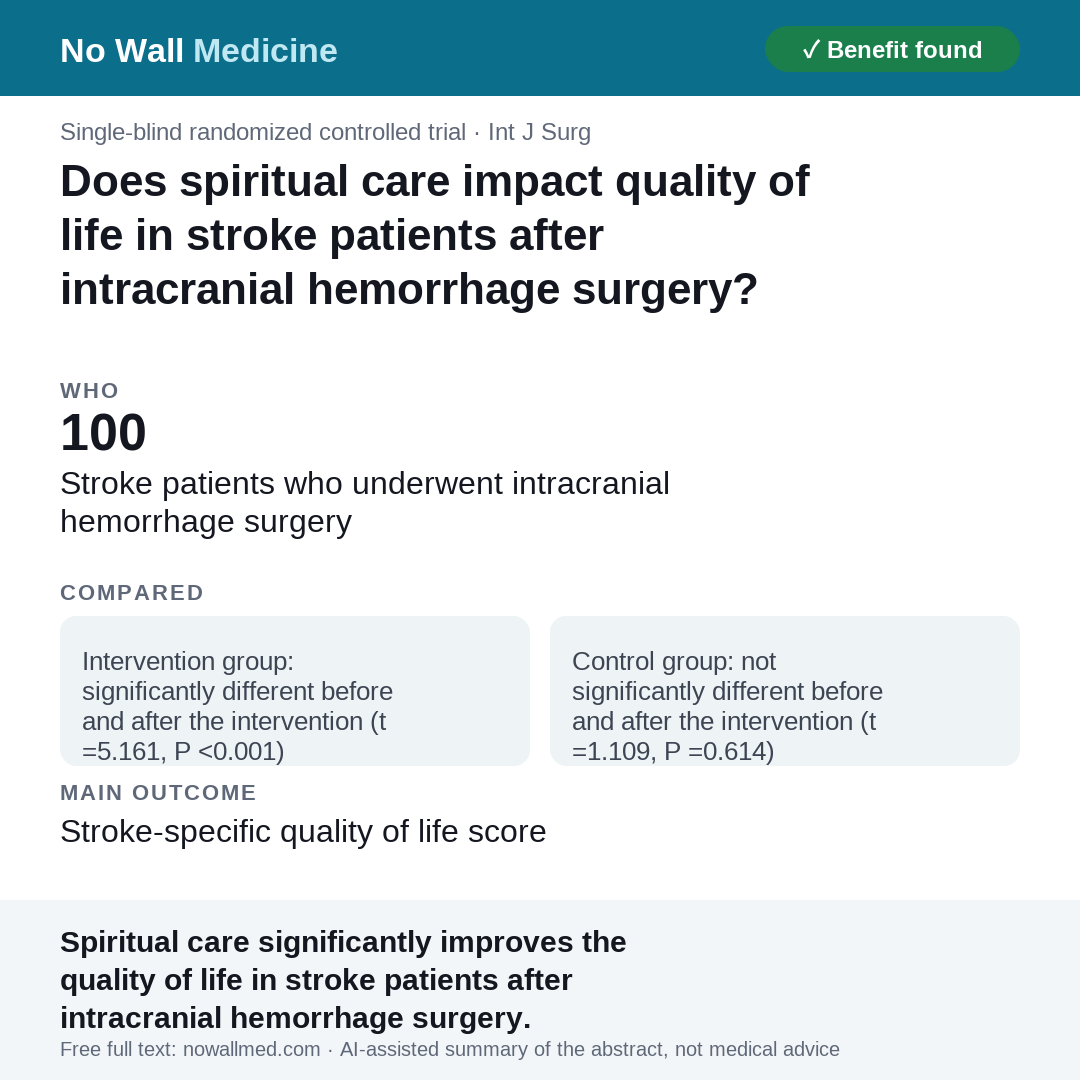
Effect of spiritual care on the quality of life in patients who underwent intracranial hemorrhage surgery: a randomized controlled trial
Single-blind randomized controlled trialBenefit found
Does spiritual care impact quality of life in stroke patients after intracranial hemorrhage surgery?
Who
100
Stroke patients who underwent intracranial hemorrhage surgery
Compared
Intervention group: significantly different before and after the intervention (t =5.161, P <0.001)
Control group: not significantly different before and after the intervention (t =1.109, P =0.614)
Main outcome
Stroke-specific quality of life score
Bottom line: Spiritual care significantly improves the quality of life in stroke patients after intracranial hemorrhage surgery.
Int J Surg · 2024-01-01Download image
Effect of mode of delivery of patient reported outcomes in patients with breast disease: a randomised controlled trial
Randomized, open-label, phase 3 trialNo clear difference
Is electronic or paper delivery more effective for patient reported outcomes in breast disease?
Who
218
Adult women with perceived or confirmed breast disease · Institutional
Compared
61.8%Electronic patient reported outcomes
63.9%Paper patient reported outcomes
Main outcome
Response rate
Result: difference -2.1%, 95% CI: -15.8-11.7%
Bottom line: Electronic delivery does not increase response rates but reduces costs, administrative time, and carbon dioxide emissions.
Int J Surg · 2024-01-01Download image

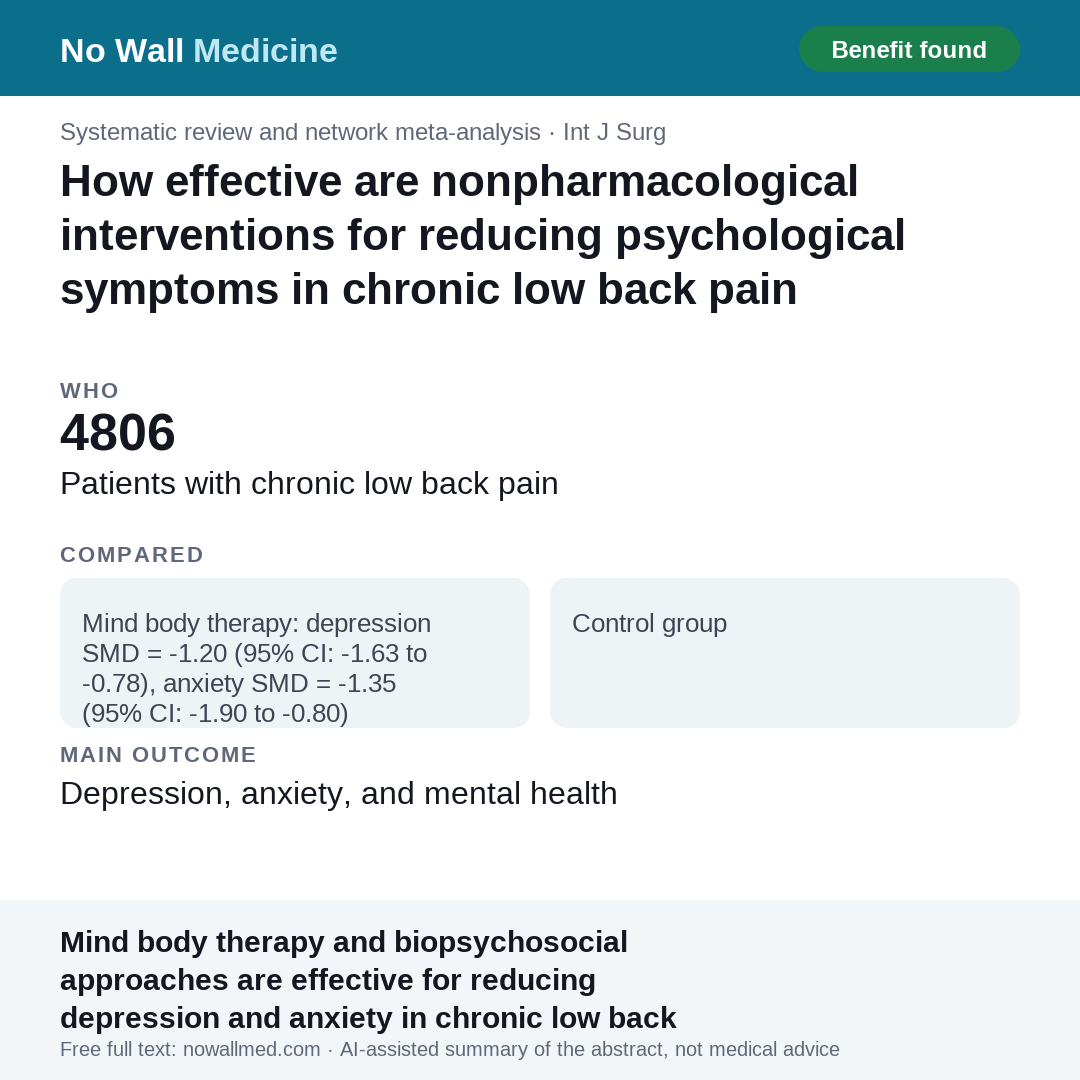
Comparative effectiveness of nonpharmacological interventions in reducing psychological symptoms among patients with chronic low back pain
Systematic review and network meta-analysisBenefit found
How effective are nonpharmacological interventions for reducing psychological symptoms in chronic low back pain patients?
Who
4806
Patients with chronic low back pain
Compared
Mind body therapy: depression SMD = -1.20 (95% CI: -1.63 to -0.78), anxiety SMD = -1.35 (95% CI: -1.90 to -0.80)
Control group
Main outcome
Depression, anxiety, and mental health
Bottom line: Mind body therapy and biopsychosocial approaches are effective for reducing depression and anxiety in chronic low back pain patients.
Limitation: The quality of evidence was typically low or some risks of bias in 71.3% of trials.
Int J Surg · 2024-01-01Download image
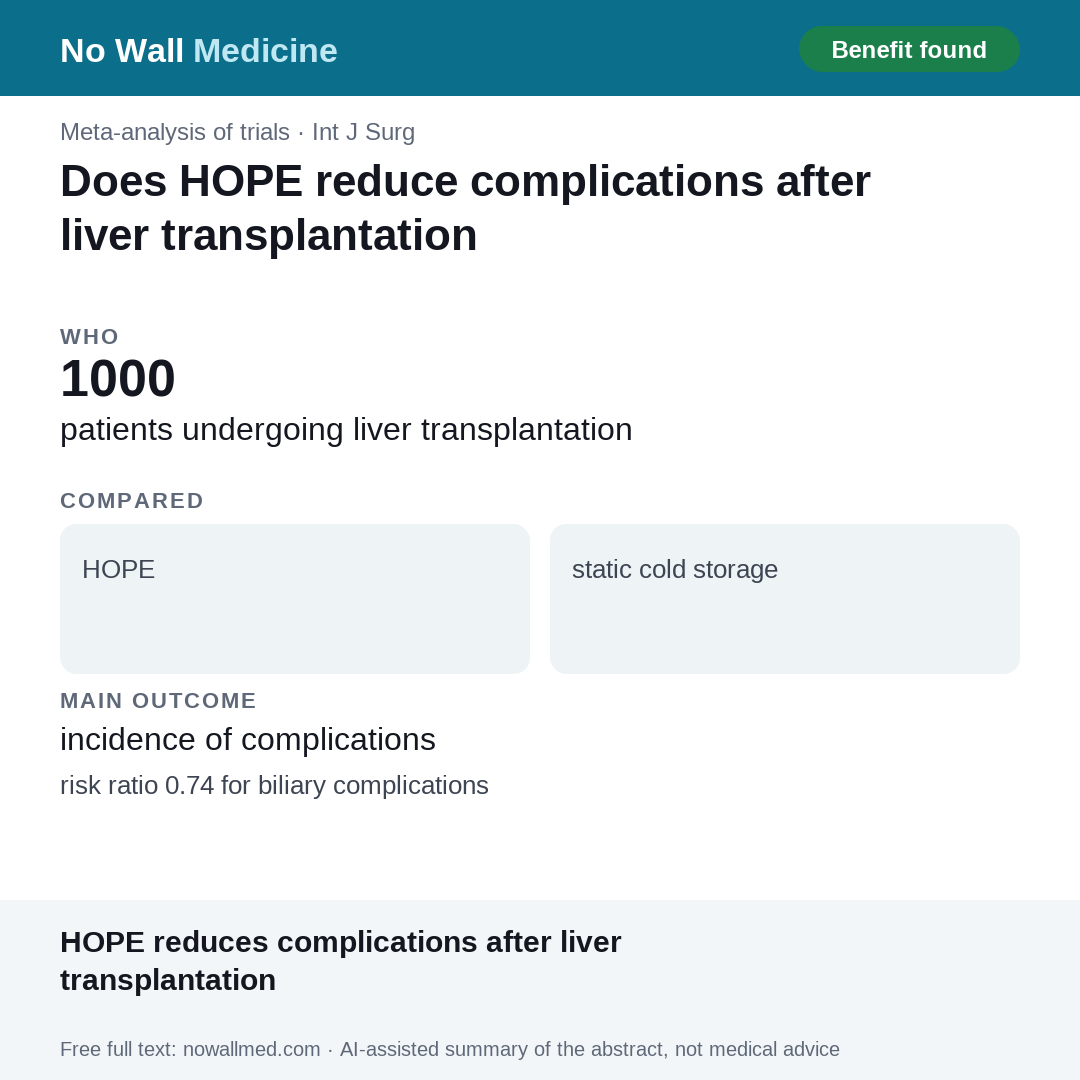
Hypothermic oxygenated perfusion in liver transplantation: a meta-analysis of randomized controlled trials and matched studies
Meta-analysis of trialsBenefit found
Does HOPE reduce complications after liver transplantation
Who
1000
patients undergoing liver transplantation
Compared
HOPE
static cold storage
Main outcome
incidence of complications
Result: risk ratio 0.74 for biliary complications
Bottom line: HOPE reduces complications after liver transplantation
Limitation: further research needed
Int J Surg · 2024-01-01Download image
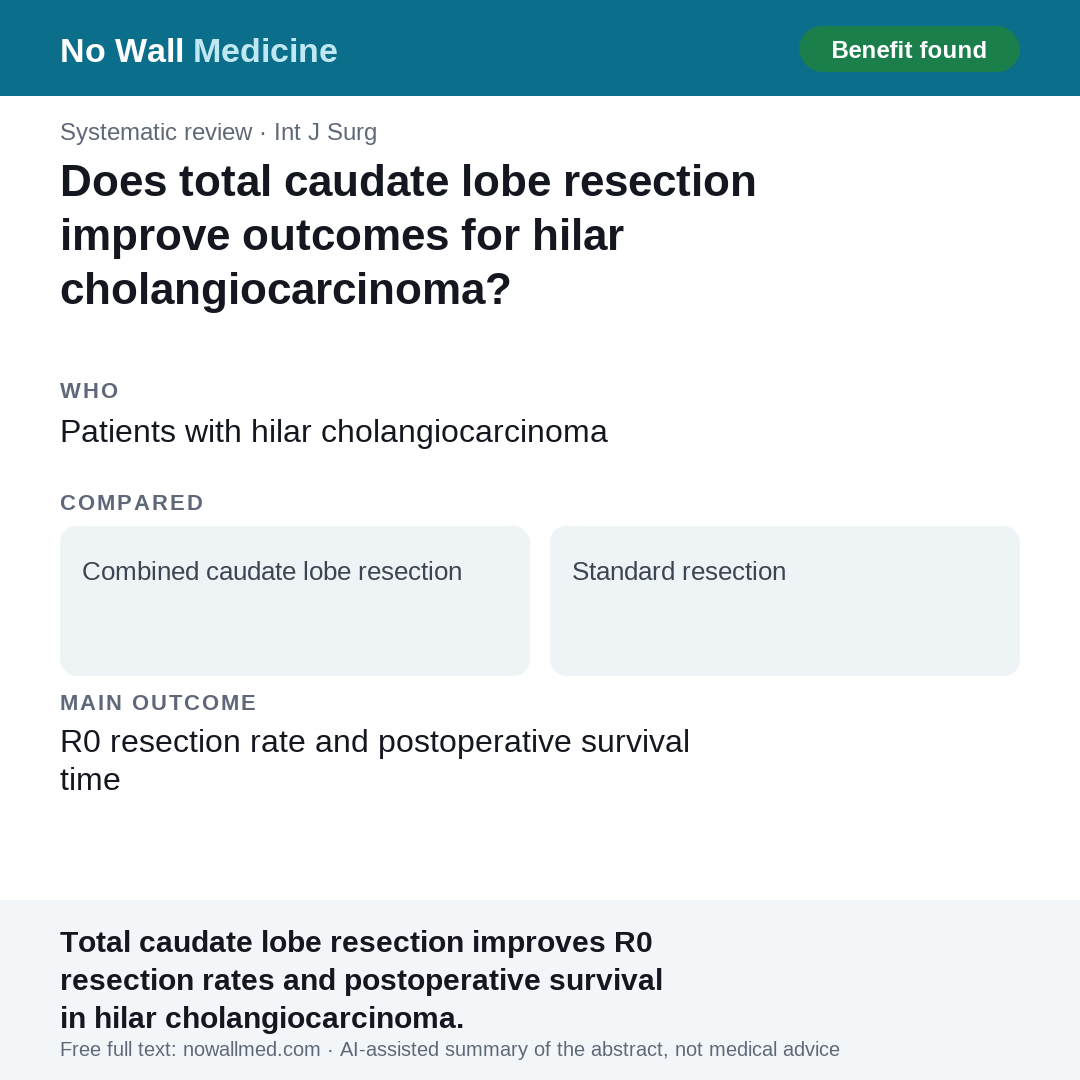
The value of total caudate lobe resection for hilar cholangiocarcinoma: a systematic review
Systematic reviewBenefit found
Does total caudate lobe resection improve outcomes for hilar cholangiocarcinoma?
Who
Patients with hilar cholangiocarcinoma
Compared
Combined caudate lobe resection
Standard resection
Main outcome
R0 resection rate and postoperative survival time
Bottom line: Total caudate lobe resection improves R0 resection rates and postoperative survival in hilar cholangiocarcinoma.
Int J Surg · 2024-01-01Download image
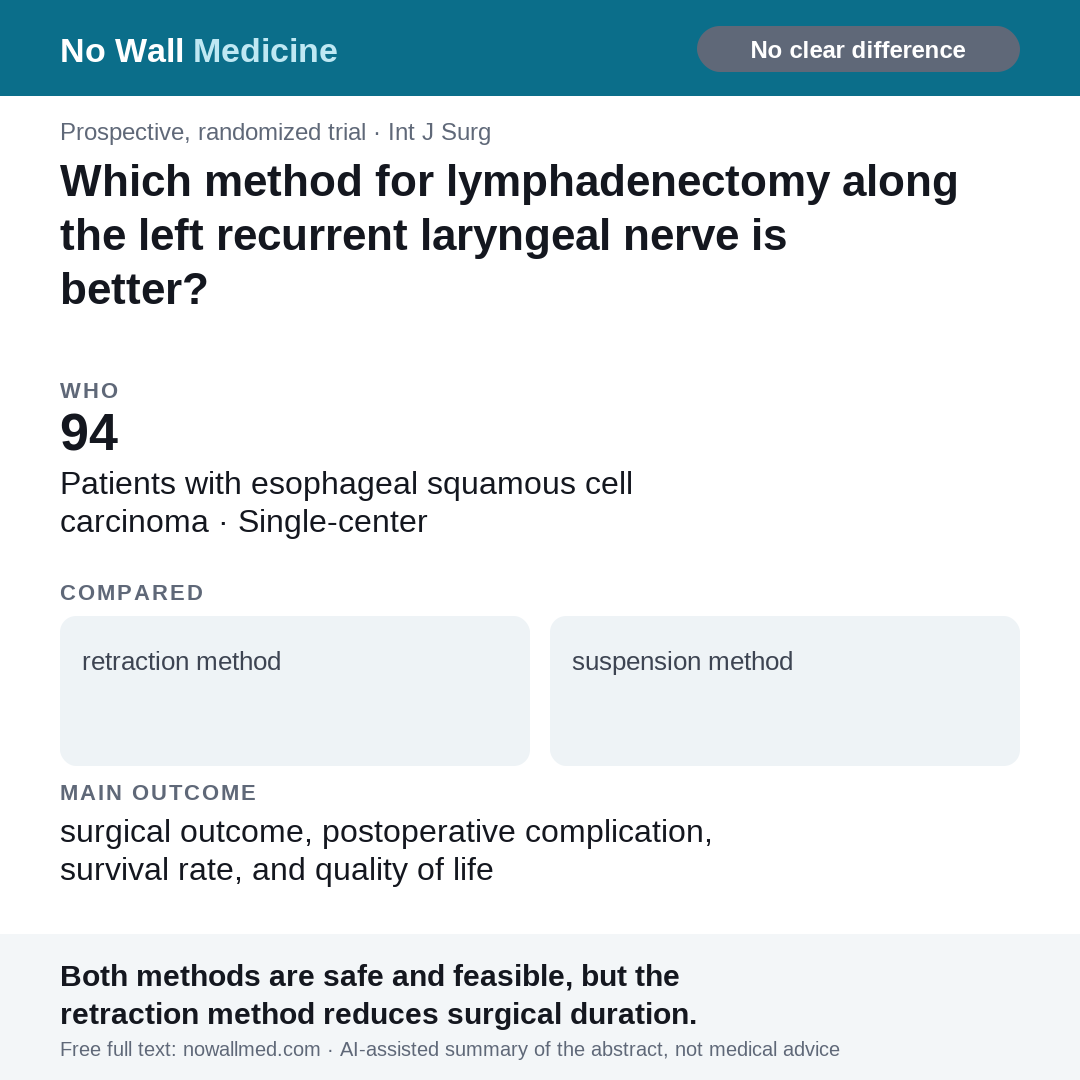
Comparison of two different methods for lymphadenectomy along the left recurrent laryngeal nerve by minimally invasive esophagectomy in patients with esophageal squamous cell carcinoma: a prospective randomized trial
Prospective, randomized trialNo clear difference
Which method for lymphadenectomy along the left recurrent laryngeal nerve is better?
Who
94
Patients with esophageal squamous cell carcinoma · Single-center
Compared
retraction method
suspension method
Main outcome
surgical outcome, postoperative complication, survival rate, and quality of life
Bottom line: Both methods are safe and feasible, but the retraction method reduces surgical duration.
Int J Surg · 2024-01-01Download image
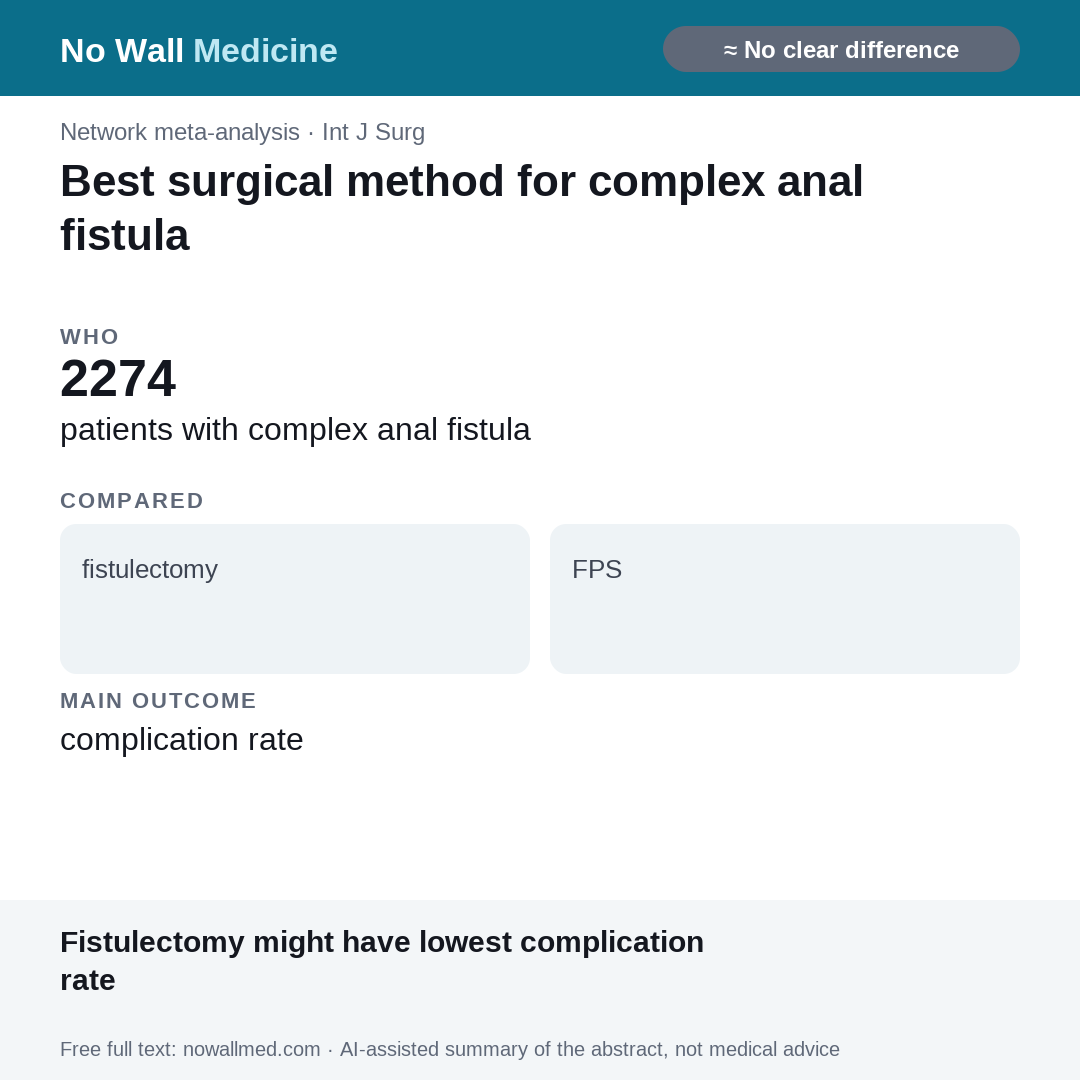
Efficacy and safety of 13 surgical techniques for the treatment of complex anal fistula, non-Crohn CAF: a systematic review and network meta-analysis
Network meta-analysisNo clear difference
Best surgical method for complex anal fistula
Who
2274
patients with complex anal fistula
Compared
fistulectomy
FPS
Main outcome
complication rate
Bottom line: Fistulectomy might have lowest complication rate
Int J Surg · 2024-01-01Download image
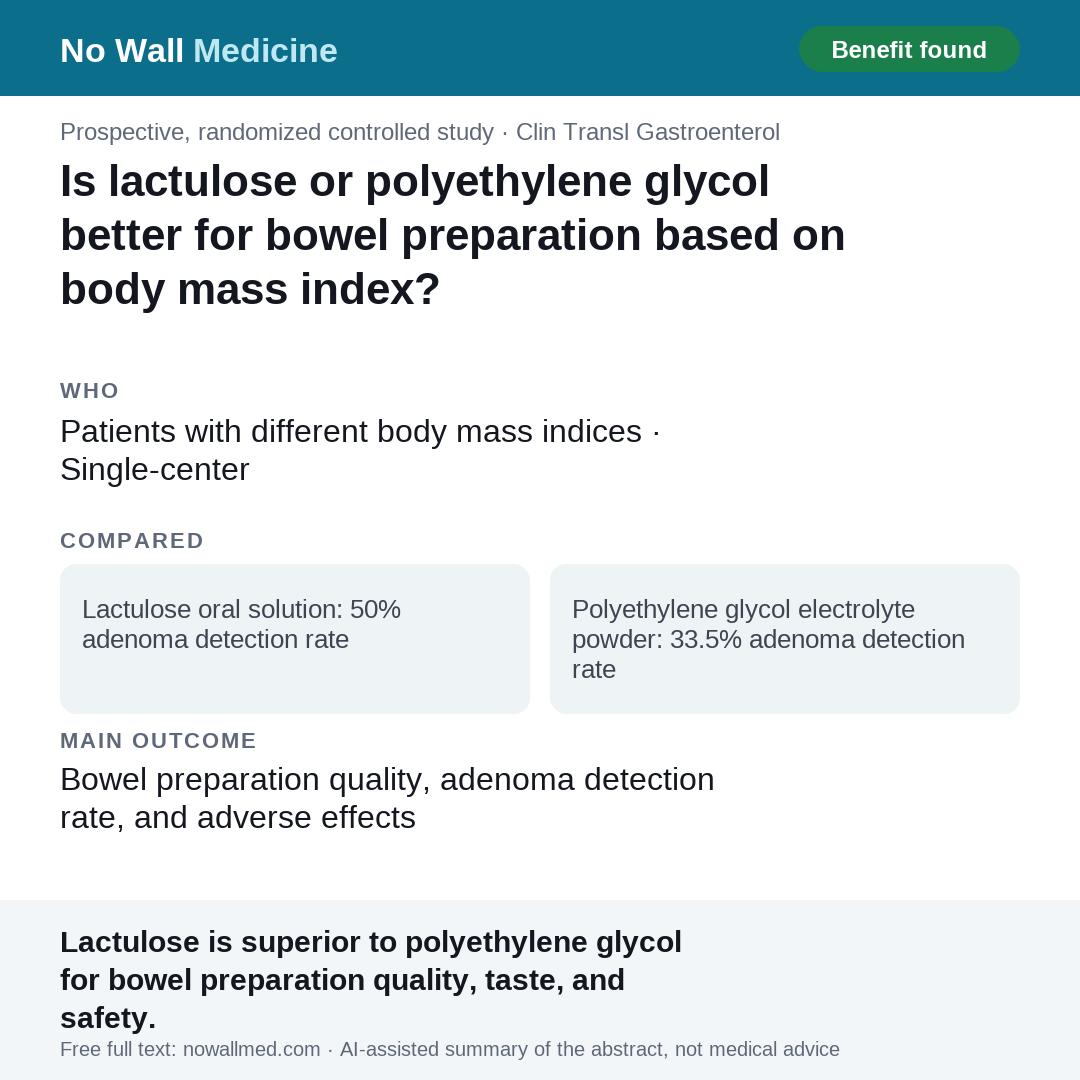
Lactulose vs Polyethylene Glycol for Bowel Preparation: A Single-Center, Prospective, Randomized Controlled Study Based on BMI
Prospective, randomized controlled studyBenefit found
Is lactulose or polyethylene glycol better for bowel preparation based on body mass index?
Who
Patients with different body mass indices · Single-center
Compared
Lactulose oral solution: 50% adenoma detection rate
Polyethylene glycol electrolyte powder: 33.5% adenoma detection rate
Main outcome
Bowel preparation quality, adenoma detection rate, and adverse effects
Bottom line: Lactulose is superior to polyethylene glycol for bowel preparation quality, taste, and safety.
Clin Transl Gastroenterol · 2024-01-01Download image
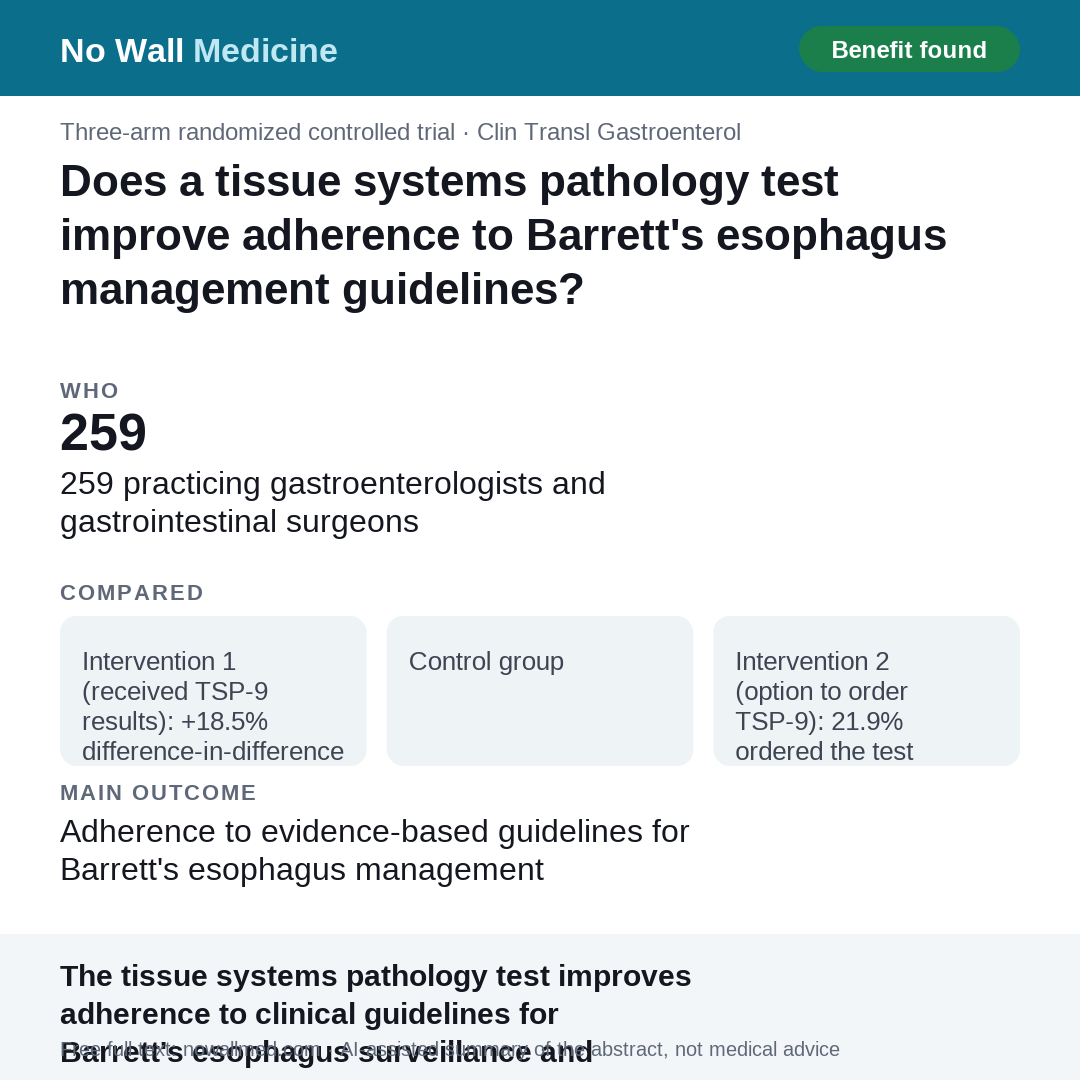
A Randomized Controlled Study on Clinical Adherence to Evidence-Based Guidelines in the Management of Simulated Patients With Barrett's Esophagus and the Clinical Utility of a Tissue Systems Pathology Test: Results From Q-TAB
Three-arm randomized controlled trialBenefit found
Does a tissue systems pathology test improve adherence to Barrett's esophagus management guidelines?
Who
259
259 practicing gastroenterologists and gastrointestinal surgeons
Compared
Intervention 1 (received TSP-9 results): +18.5% difference-in-difference for annual endoscopic surveillance adherence
Control group
Intervention 2 (option to order TSP-9): 21.9% ordered the test
Main outcome
Adherence to evidence-based guidelines for Barrett's esophagus management
Result: +6.9% (95% confidence interval +1.4% to +12.3%)
Bottom line: The tissue systems pathology test improves adherence to clinical guidelines for Barrett's esophagus surveillance and treatment.
Clin Transl Gastroenterol · 2024-01-01Download image
Umbrella review and Delphi study on modifiable factors for dementia risk reduction
Umbrella review and Delphi studyUnclear result
modifiable factors for dementia risk
Who
18
general population
Compared
hearing impairment
social contact
sleep
Main outcome
dementia risk reduction
Bottom line: hearing, social contact, sleep are key factors
Alzheimers Dement · 2023-12-30Download image