Visual abstracts
New randomized trials and meta-analyses from leading journals at a glance: who was studied, what was compared, and what was found. Every paper is free to read in full.
All specialtiesCardiology 2957Oncology 2514Gastroenterology & Hepatology 1134Infectious Disease 1906Neurology 1182Psychiatry & Mental Health 1373Pulmonology 1226Critical Care 817Endocrinology & Diabetes 1496Pediatrics 1747Surgery 1547Orthopedics & Sports Medicine 531Neurosurgery 355Cardiothoracic & Vascular Surgery 334Plastic & Reconstructive Surgery 424Nephrology 611Rheumatology 455Hematology 651Dermatology 355Ophthalmology 331Obstetrics & Gynecology 973Public & Global Health 546Radiology & Imaging 416Anesthesiology 601Urology 494ENT (Otolaryngology) 332Emergency Medicine 326Allergy & Immunology 189Geriatrics 631Family Medicine & Primary Care 339Medical Genetics & Genomics 348Pathology & Laboratory Medicine 102Physical Medicine & Rehabilitation 472Palliative Care 253Nutrition 814Digital Health & AI 1393General Medicine 212
Systematic review and meta-analysis of the role of machine learning in predicting postoperative complications following colorectal surgery: how far has machine learning come?
Systematic review and meta-analysisBenefit found
What is the clinical utility of machine learning in predicting postoperative colorectal surgery complications?
Who
Patients undergoing colorectal surgery
Compared
0.813Anastomotic leak (95% confidence interval 0.753-0.873)
0.867Mortality (95% confidence interval 0.838-0.896)
0.810Prolonged length of stay (95% confidence interval 0.728-0.892)
0.802Surgical site infection (95% confidence interval 0.742-0.862)
Main outcome
Area under the curve for postoperative complications
Bottom line: Machine learning shows promising clinical utility in accurately predicting postoperative complications following colorectal surgery.
Limitation: Future well-designed, adequately powered, multi-center studies are needed to investigate usefulness and generalizability.
Int J Surg · 2025-07-29Download image

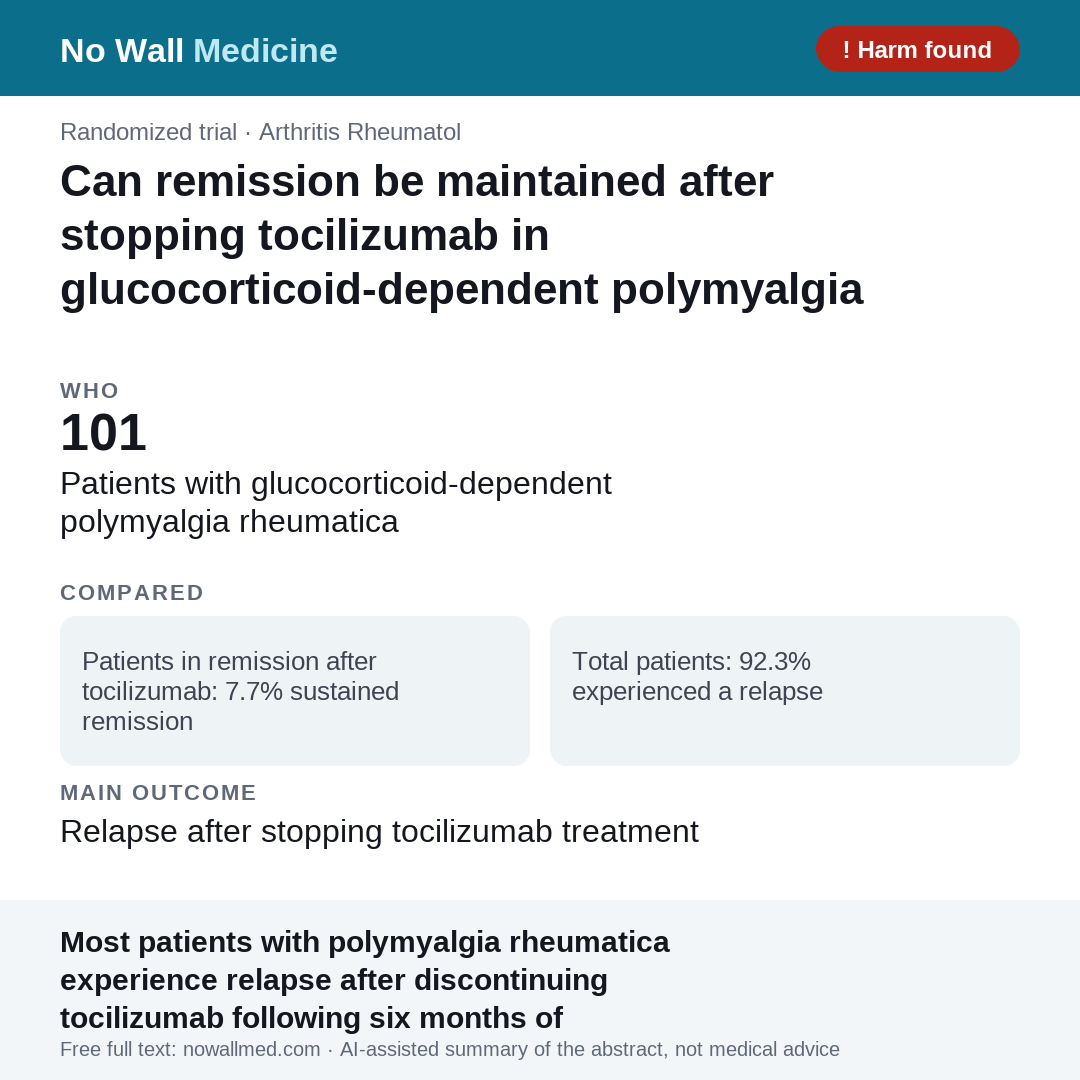
Maintenance of Remission After Tocilizumab Withdrawal in Patients With Glucocorticoid-Dependent Polymyalgia Rheumatica
Randomized trialHarm found
Can remission be maintained after stopping tocilizumab in glucocorticoid-dependent polymyalgia rheumatica?
Who
101
Patients with glucocorticoid-dependent polymyalgia rheumatica
Compared
Patients in remission after tocilizumab: 7.7% sustained remission
Total patients: 92.3% experienced a relapse
Main outcome
Relapse after stopping tocilizumab treatment
Bottom line: Most patients with polymyalgia rheumatica experience relapse after discontinuing tocilizumab following six months of treatment.
Arthritis Rheumatol · 2025-07-29Download image
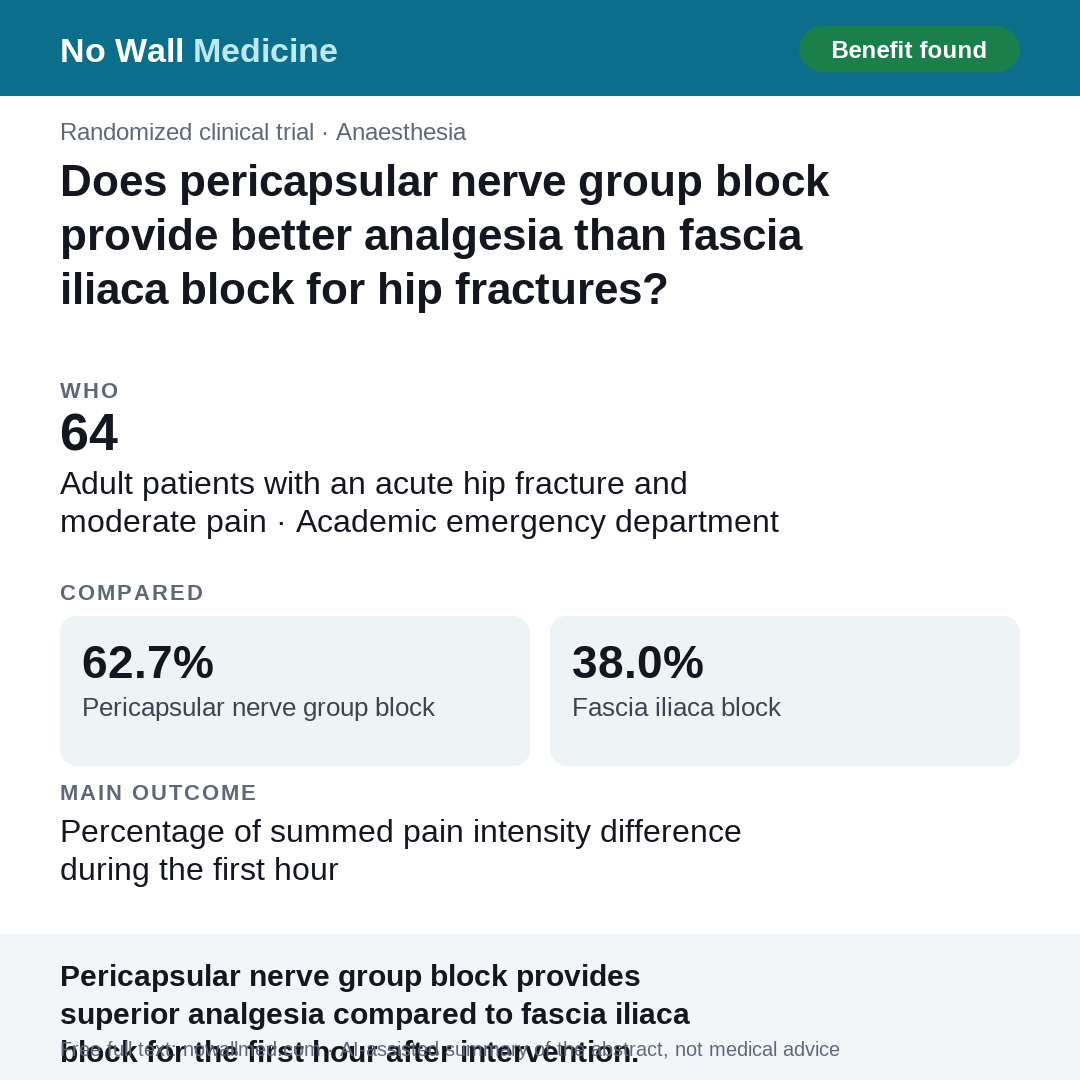
Comparing the pericapsular nerve group block and fascia iliaca block for acute pain management in patients with hip fracture: a randomised clinical trial
Randomized clinical trialBenefit found
Does pericapsular nerve group block provide better analgesia than fascia iliaca block for hip fractures?
Who
64
Adult patients with an acute hip fracture and moderate pain · Academic emergency department
Compared
62.7%Pericapsular nerve group block (95%CI 52.9-72.4%)
38.0%Fascia iliaca block (95%CI 30.7-45.4%)
Main outcome
Percentage of summed pain intensity difference during the first hour
Result: difference: -24.7% (95%CI -36.6 to -12.7%), p < 0.001
Bottom line: Pericapsular nerve group block provides superior analgesia compared to fascia iliaca block for the first hour after intervention.
Anaesthesia · 2025-07-29Download image
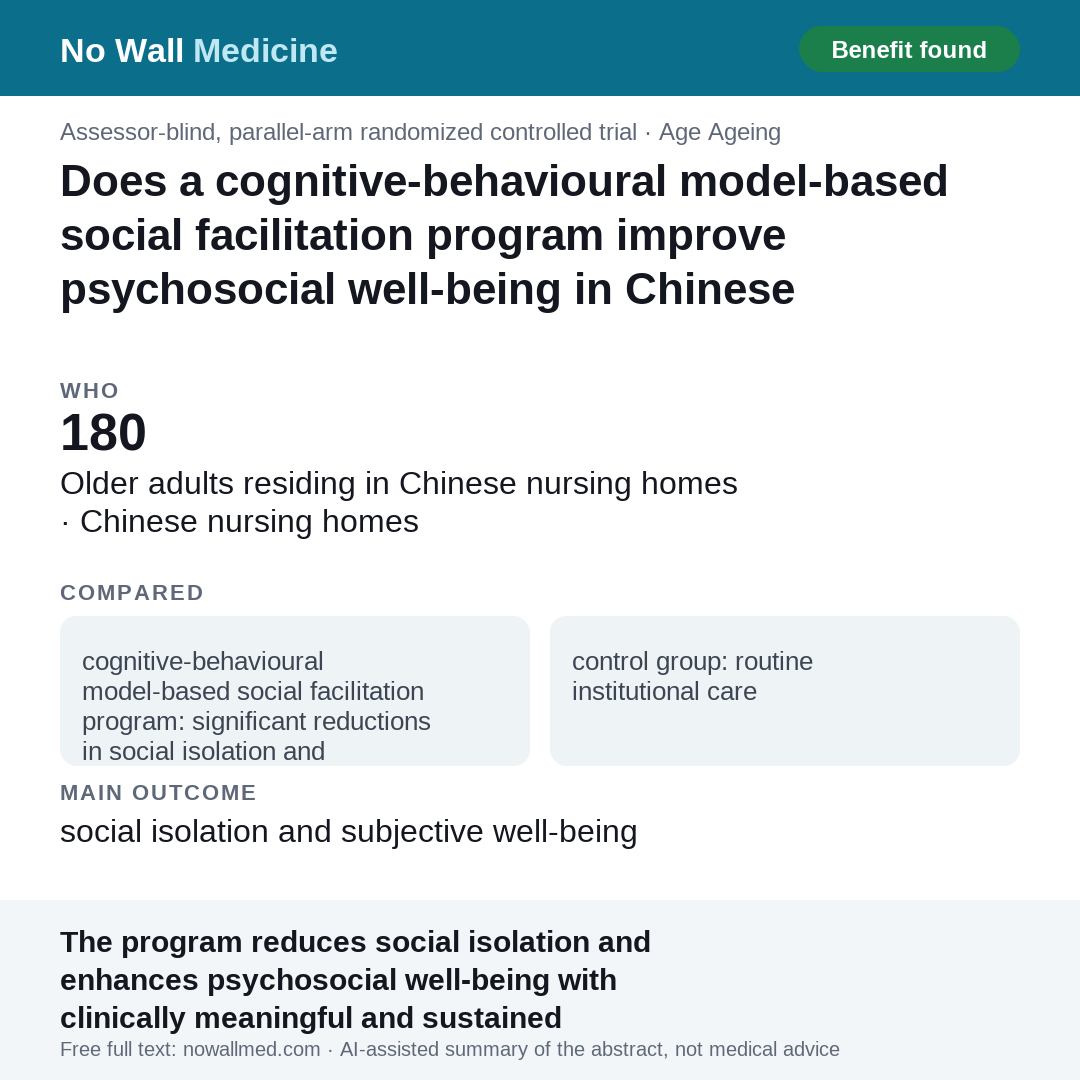
The effects of a cognitive-behavioural model-based social facilitation program on psychosocial well-being amongst Chinese nursing home residents: a randomized controlled trial
Assessor-blind, parallel-arm randomized controlled trialBenefit found
Does a cognitive-behavioural model-based social facilitation program improve psychosocial well-being in Chinese nursing home residents?
Who
180
Older adults residing in Chinese nursing homes · Chinese nursing homes
Compared
cognitive-behavioural model-based social facilitation program: significant reductions in social isolation and significant improvements in subjective well-being
control group: routine institutional care
Main outcome
social isolation and subjective well-being
Bottom line: The program reduces social isolation and enhances psychosocial well-being with clinically meaningful and sustained benefits.
Age Ageing · 2025-07-29Download image
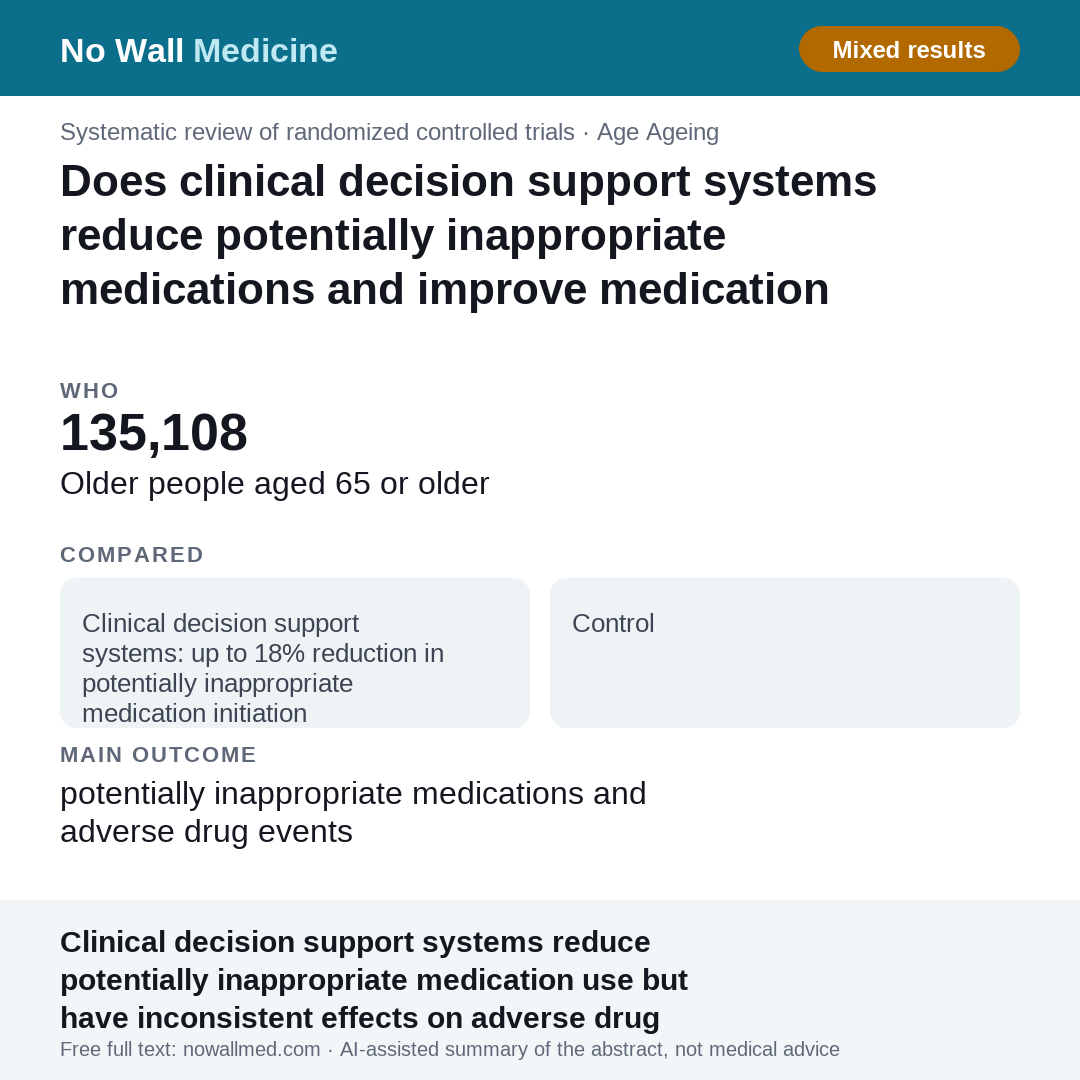
Evaluating the role of clinical decision support systems in medication safety for older people: a systematic review
Systematic review of randomized controlled trialsMixed results
Does clinical decision support systems reduce potentially inappropriate medications and improve medication safety?
Who
135,108
Older people aged 65 or older
Compared
Clinical decision support systems: up to 18% reduction in potentially inappropriate medication initiation
Control
Main outcome
potentially inappropriate medications and adverse drug events
Bottom line: Clinical decision support systems reduce potentially inappropriate medication use but have inconsistent effects on adverse drug events.
Limitation: Inconsistent effects on adverse drug events and implementation challenges like alert fatigue.
Age Ageing · 2025-07-29Download image
Efficacy and Safety of Osteobiologics for Lumbar Spinal Fusion: A Systematic Review and Network Meta-Analysis
Systematic review and network meta-analysisBenefit found
How do osteobiologics compare to autologous iliac crest bone graft for lumbar spinal fusion?
Who
3823
Patients undergoing lumbar spinal fusion
Compared
rhBMP-2: significantly improved fusion rates
autologous iliac crest bone graft
Main outcome
fusion rates, complications, and clinical outcomes
Result: odds ratio 3.71 (95% CI 2.59 to 5.32)
Bottom line: Recombinant human bone morphogenetic protein-2 significantly improved fusion rates and reduced complications compared to autologous iliac crest bone graft.
Limitation: Low quality evidence for other osteobiologics and underrepresentation of materials in published literature.
J Bone Joint Surg Am · 2025-07-29Download image

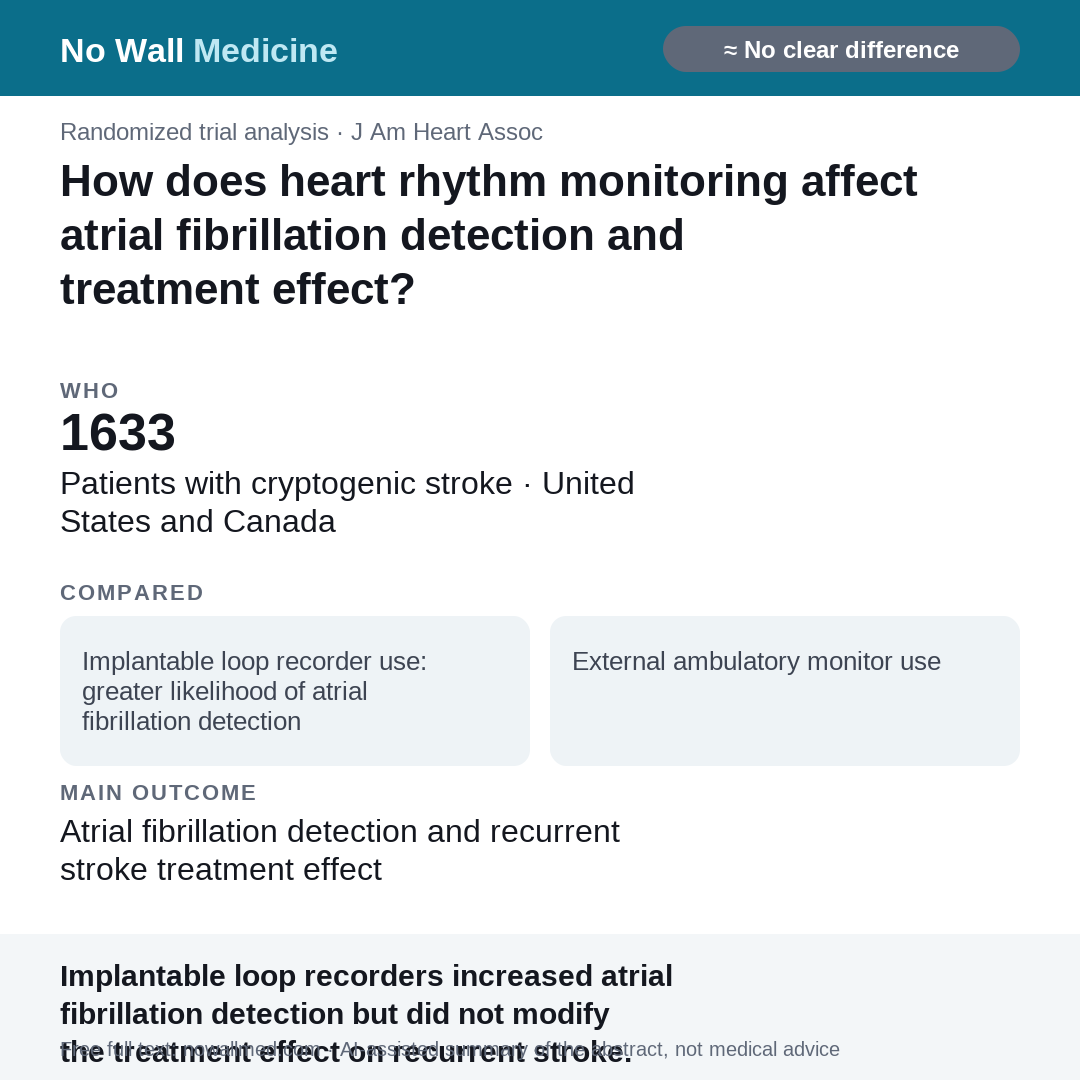
Heart Rhythm Monitoring Practices, Detection of Atrial Fibrillation, and Effect of Anticoagulation in the ARCADIA Trial
Randomized trial analysisNo clear difference
How does heart rhythm monitoring affect atrial fibrillation detection and treatment effect?
Who
1633
Patients with cryptogenic stroke · United States and Canada
Compared
Implantable loop recorder use: greater likelihood of atrial fibrillation detection
External ambulatory monitor use
Main outcome
Atrial fibrillation detection and recurrent stroke treatment effect
Result: relative risk 3.9 (95% CI 2.1-7.4)
Bottom line: Implantable loop recorders increased atrial fibrillation detection but did not modify the treatment effect on recurrent stroke.
J Am Heart Assoc · 2025-07-29Download image
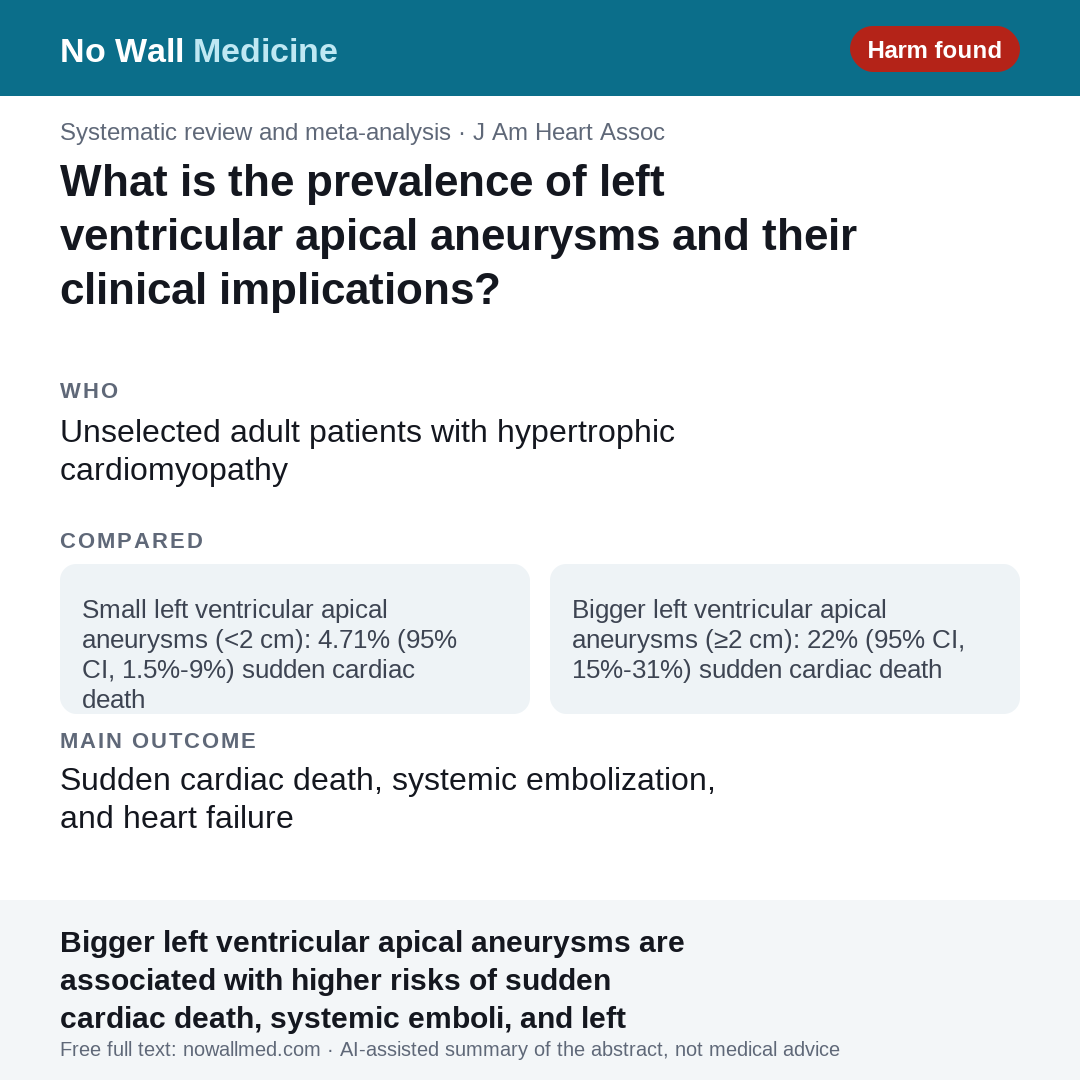
Size Matters. Prevalence and Clinical Implications of Left Ventricular Apical Aneurysms in Hypertrophic Cardiomyopathy: A Systematic Review and Meta-Analysis
Systematic review and meta-analysisHarm found
What is the prevalence of left ventricular apical aneurysms and their clinical implications?
Who
Unselected adult patients with hypertrophic cardiomyopathy
Compared
Small left ventricular apical aneurysms (<2 cm): 4.71% (95% CI, 1.5%-9%) sudden cardiac death
Bigger left ventricular apical aneurysms (≥2 cm): 22% (95% CI, 15%-31%) sudden cardiac death
Main outcome
Sudden cardiac death, systemic embolization, and heart failure
Result: odds ratio 4.65 (95% CI, 2.14-10.10) for sudden cardiac death
Bottom line: Bigger left ventricular apical aneurysms are associated with higher risks of sudden cardiac death, systemic emboli, and left ventricular thrombi.
J Am Heart Assoc · 2025-07-29Download image
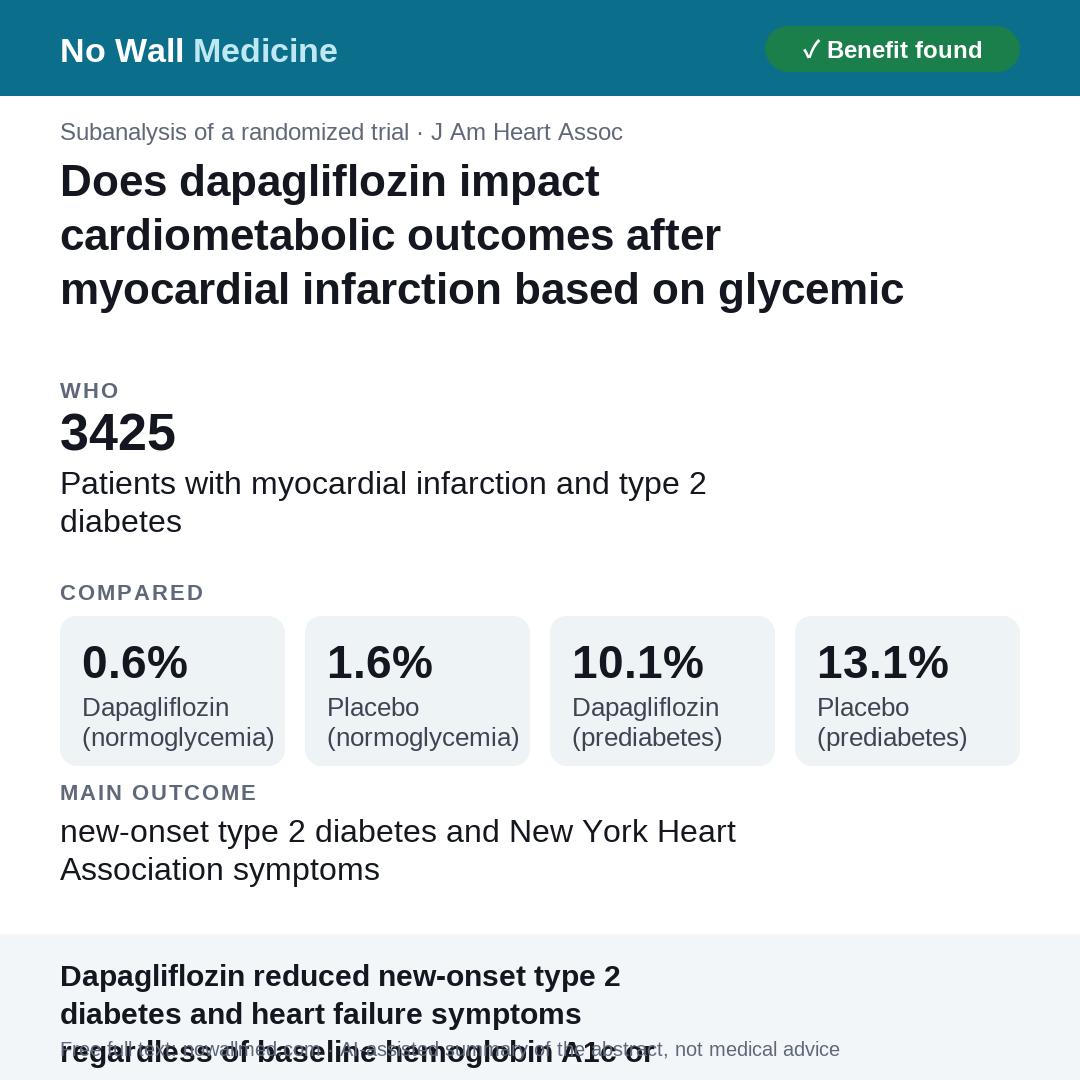
Impact of Dapagliflozin on Cardiometabolic Outcomes After Acute Myocardial Infarction According to Baseline Glycemic Status and Body Mass Index: Subanalyses of the DAPA-MI Trial
Subanalysis of a randomized trialBenefit found
Does dapagliflozin impact cardiometabolic outcomes after myocardial infarction based on glycemic status and BMI?
Who
3425
Patients with myocardial infarction and type 2 diabetes
Compared
0.6%Dapagliflozin (normoglycemia)
1.6%Placebo (normoglycemia)
10.1%Dapagliflozin (prediabetes)
13.1%Placebo (prediabetes)
Main outcome
new-onset type 2 diabetes and New York Heart Association symptoms
Result: hazard ratio 0.74 (95% CI 0.55 to 0.99)
Bottom line: Dapagliflozin reduced new-onset type 2 diabetes and heart failure symptoms regardless of baseline hemoglobin A1c or body mass index.
J Am Heart Assoc · 2025-07-29Download image
Trust in Artificial Intelligence-Based Clinical Decision Support Systems Among Health Care Workers: Systematic Review
Systematic reviewUnclear result
What factors influence health care workers' trust in artificial intelligence-based clinical decision support systems?
Who
Diverse health care workers · Predominantly hospitalized settings
Compared
Enabling factors
Barriers to trust
Main outcome
Factors influencing trust in artificial intelligence-based clinical decision support systems
Bottom line: Trust is influenced by transparency, usability, and reliability, but hindered by algorithmic opacity and insufficient training.
Limitation: Heterogeneity of study designs and lack of specific data limit further analysis.
J Med Internet Res · 2025-07-29Download image

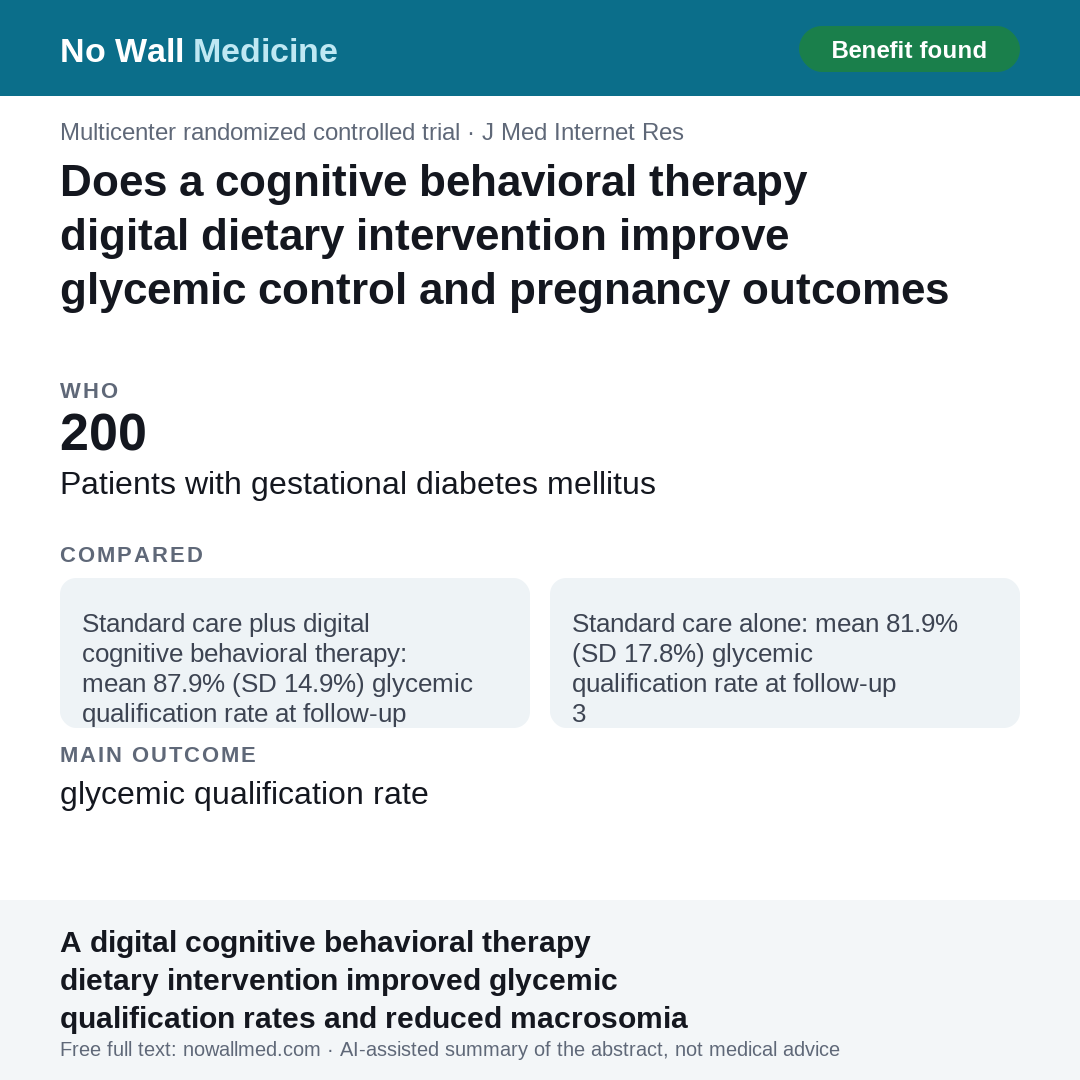
Effects of Cognitive Behavioral Therapy for Diet on Postprandial Glucose and Pregnancy Outcomes in Gestational Diabetes Mellitus: Multicenter Randomized Controlled Trial
Multicenter randomized controlled trialBenefit found
Does a cognitive behavioral therapy digital dietary intervention improve glycemic control and pregnancy outcomes in gestational diabetes?
Who
200
Patients with gestational diabetes mellitus
Compared
Standard care plus digital cognitive behavioral therapy: mean 87.9% (SD 14.9%) glycemic qualification rate at follow-up 3
Standard care alone: mean 81.9% (SD 17.8%) glycemic qualification rate at follow-up 3
Main outcome
glycemic qualification rate
Bottom line: A digital cognitive behavioral therapy dietary intervention improved glycemic qualification rates and reduced macrosomia incidence in women with gestational diabetes.
J Med Internet Res · 2025-07-29Download image
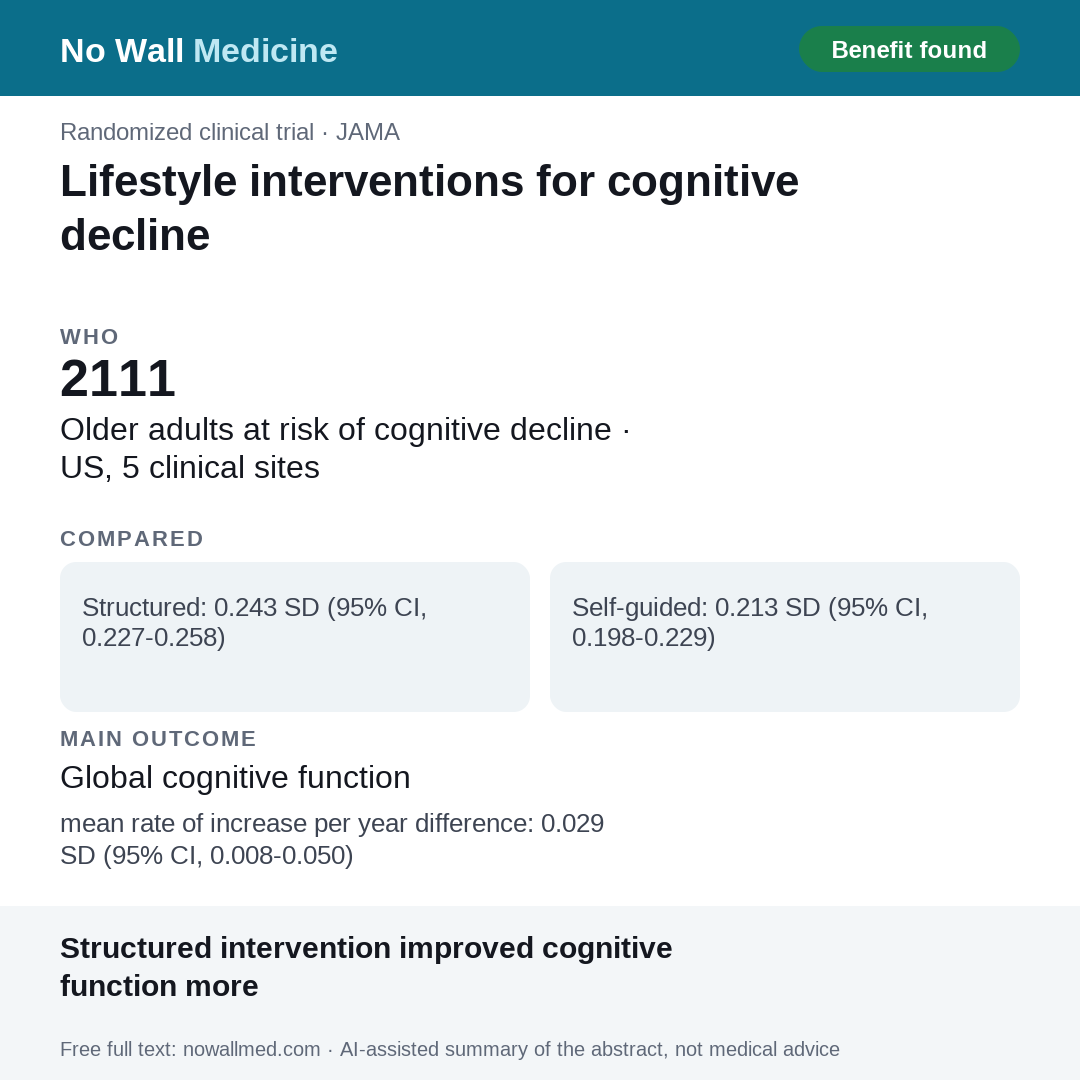
Structured vs Self-Guided Multidomain Lifestyle Interventions for Global Cognitive Function: The US POINTER Randomized Clinical Trial
Randomized clinical trialBenefit found
Lifestyle interventions for cognitive decline
Who
2111
Older adults at risk of cognitive decline · US, 5 clinical sites
Compared
Structured: 0.243 SD (95% CI, 0.227-0.258)
Self-guided: 0.213 SD (95% CI, 0.198-0.229)
Main outcome
Global cognitive function
Result: mean rate of increase per year difference: 0.029 SD (95% CI, 0.008-0.050)
Bottom line: Structured intervention improved cognitive function more
JAMA · 2025-07-28Download image
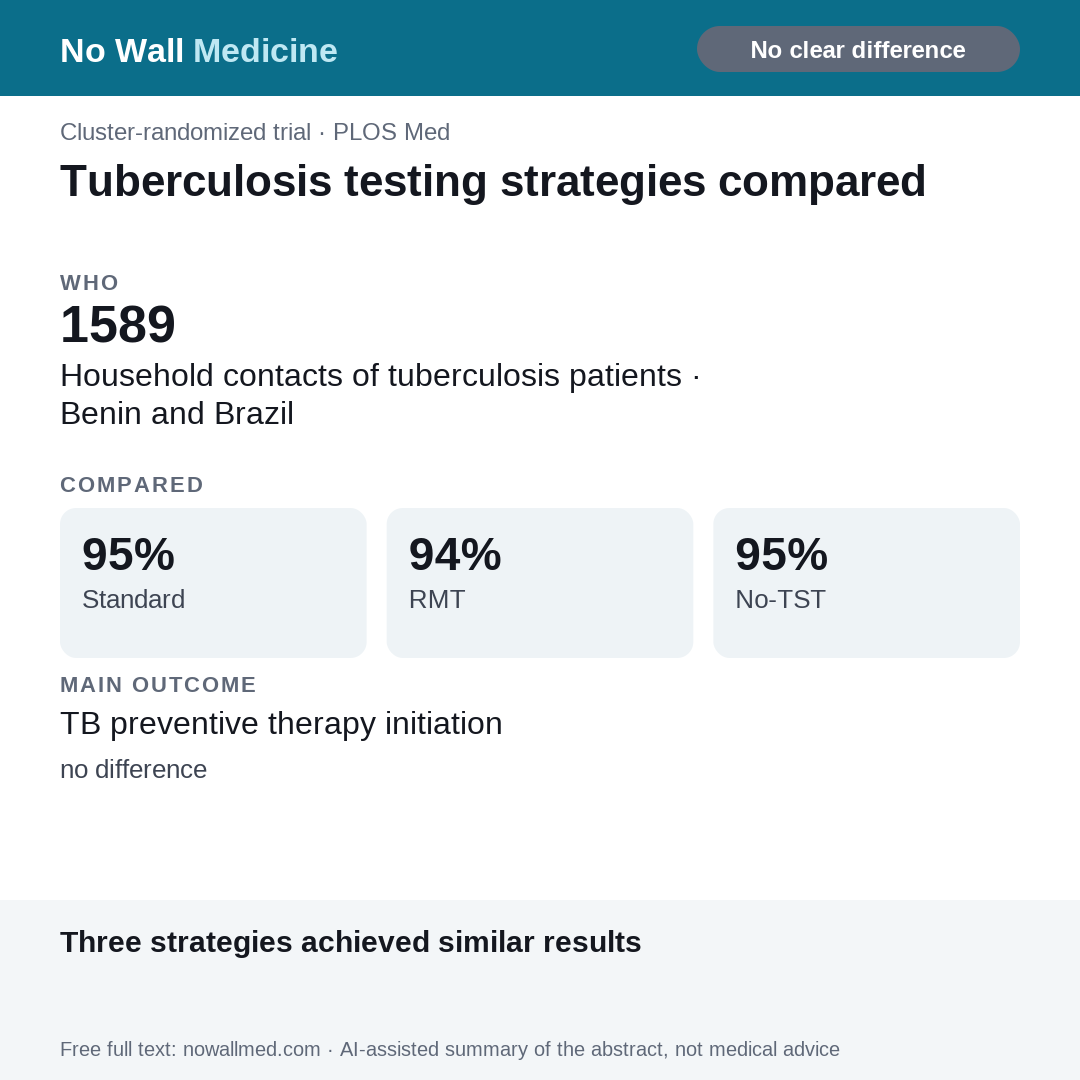
Rapid molecular testing or chest X-ray or tuberculin skin testing for household contact assessment of tuberculosis infection: A cluster-randomized trial
Cluster-randomized trialNo clear difference
Tuberculosis testing strategies compared
Who
1589
Household contacts of tuberculosis patients · Benin and Brazil
Compared
95%Standard
94%RMT
95%No-TST
Main outcome
TB preventive therapy initiation
Result: no difference
Bottom line: Three strategies achieved similar results
Limitation: potential study effect
PLOS Med · 2025-07-28Download image
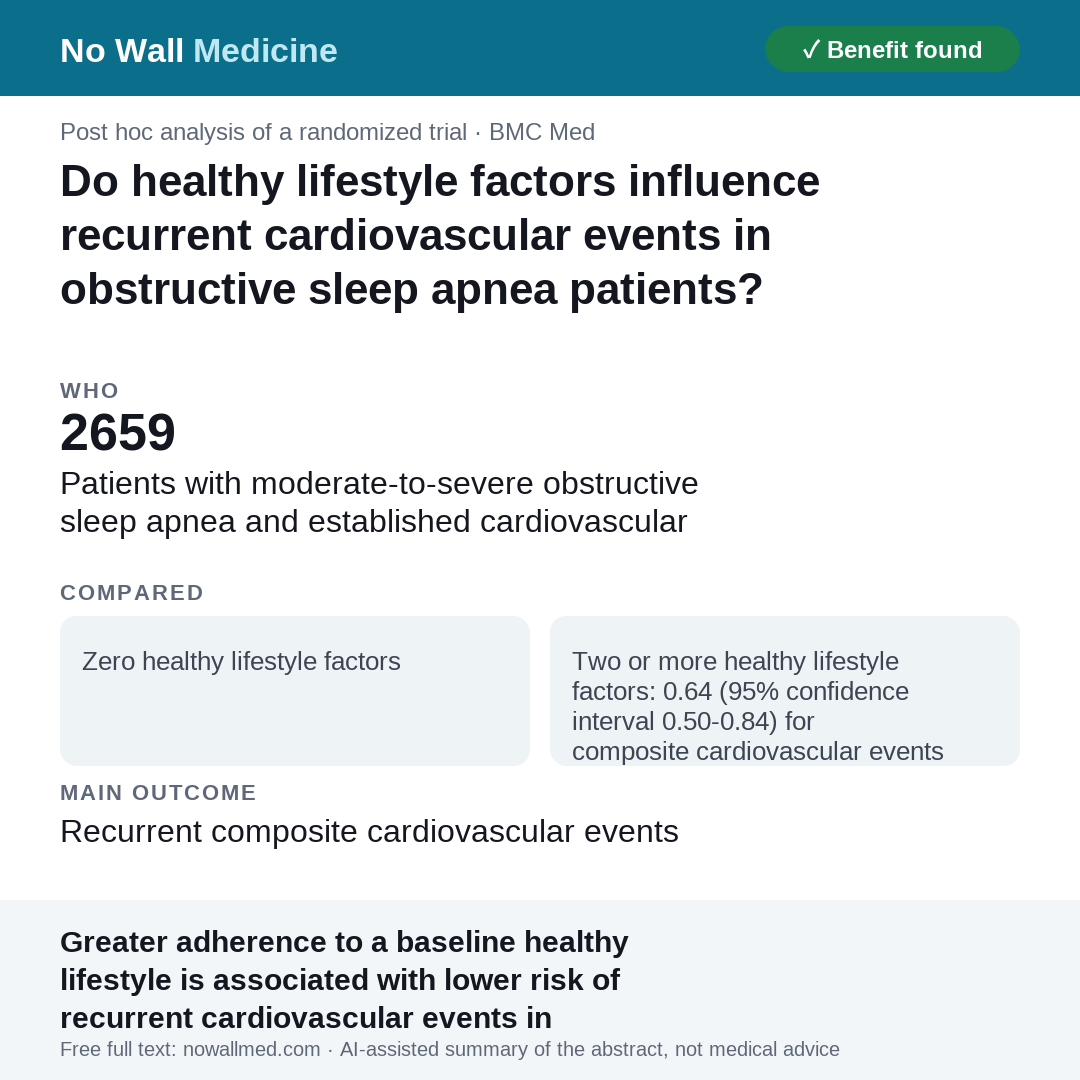
Healthy lifestyle factors and recurrent cardiovascular events in patients with OSA: the SAVE study
Post hoc analysis of a randomized trialBenefit found
Do healthy lifestyle factors influence recurrent cardiovascular events in obstructive sleep apnea patients?
Who
2659
Patients with moderate-to-severe obstructive sleep apnea and established cardiovascular disease
Compared
Zero healthy lifestyle factors
Two or more healthy lifestyle factors: 0.64 (95% confidence interval 0.50-0.84) for composite cardiovascular events
Main outcome
Recurrent composite cardiovascular events
Result: hazard ratio 0.64 (95% CI 0.50-0.84)
Bottom line: Greater adherence to a baseline healthy lifestyle is associated with lower risk of recurrent cardiovascular events in obstructive sleep apnea patients.
BMC Med · 2025-07-28Download image
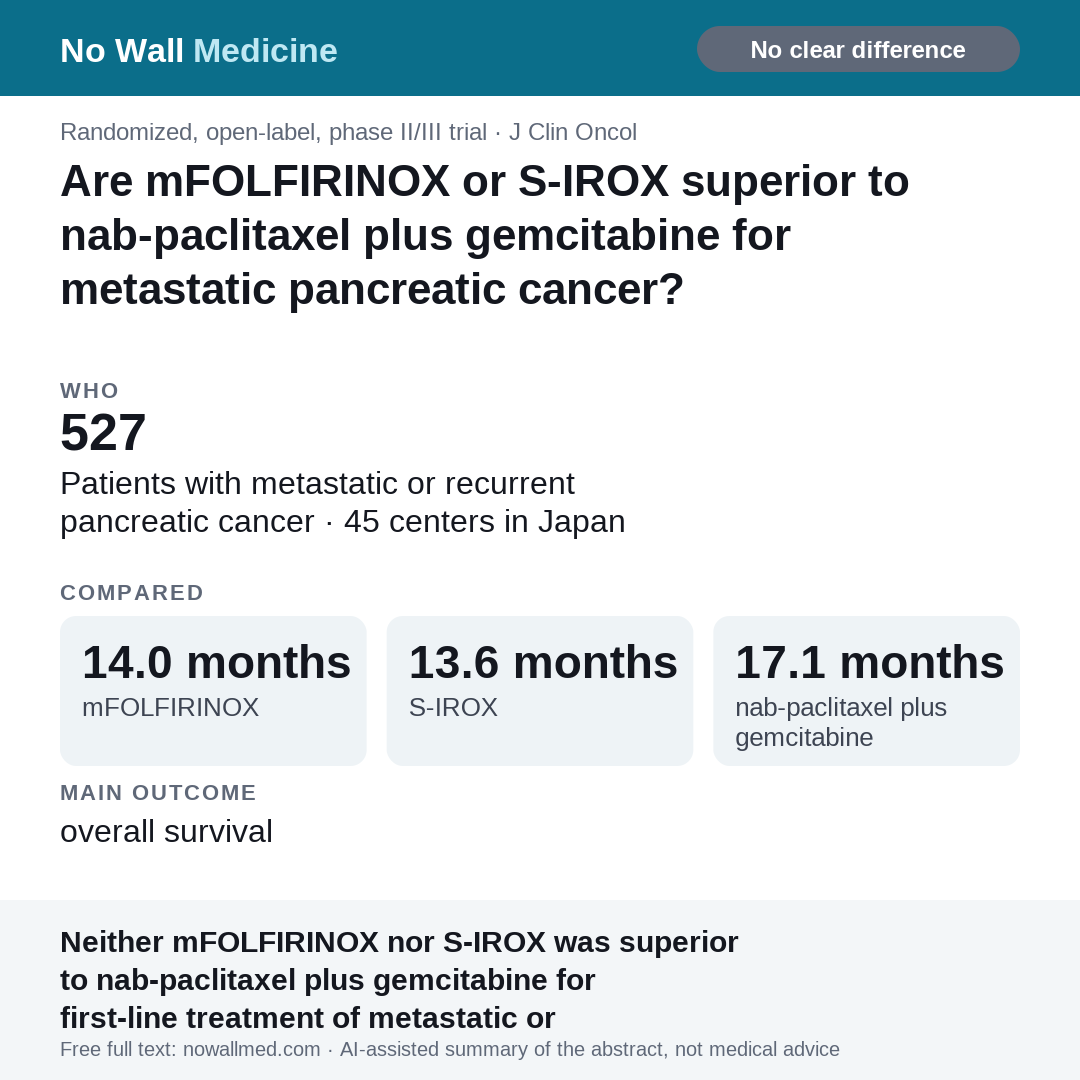
Modified Fluorouracil, Leucovorin, Irinotecan, and Oxaliplatin or S-1, Irinotecan, and Oxaliplatin Versus Nab-Paclitaxel + Gemcitabine in Metastatic or Recurrent Pancreatic Cancer (GENERATE, JCOG1611): A Randomized, Open-Label, Phase II/III Trial
Randomized, open-label, phase II/III trialNo clear difference
Are mFOLFIRINOX or S-IROX superior to nab-paclitaxel plus gemcitabine for metastatic pancreatic cancer?
Who
527
Patients with metastatic or recurrent pancreatic cancer · 45 centers in Japan
Compared
14.0 monthsmFOLFIRINOX
13.6 monthsS-IROX
17.1 monthsnab-paclitaxel plus gemcitabine
Main outcome
overall survival
Result: hazard ratio 1.31 (95% CI 0.97 to 1.77)
Bottom line: Neither mFOLFIRINOX nor S-IROX was superior to nab-paclitaxel plus gemcitabine for first-line treatment of metastatic or recurrent pancreatic cancer.
J Clin Oncol · 2025-07-28Download image
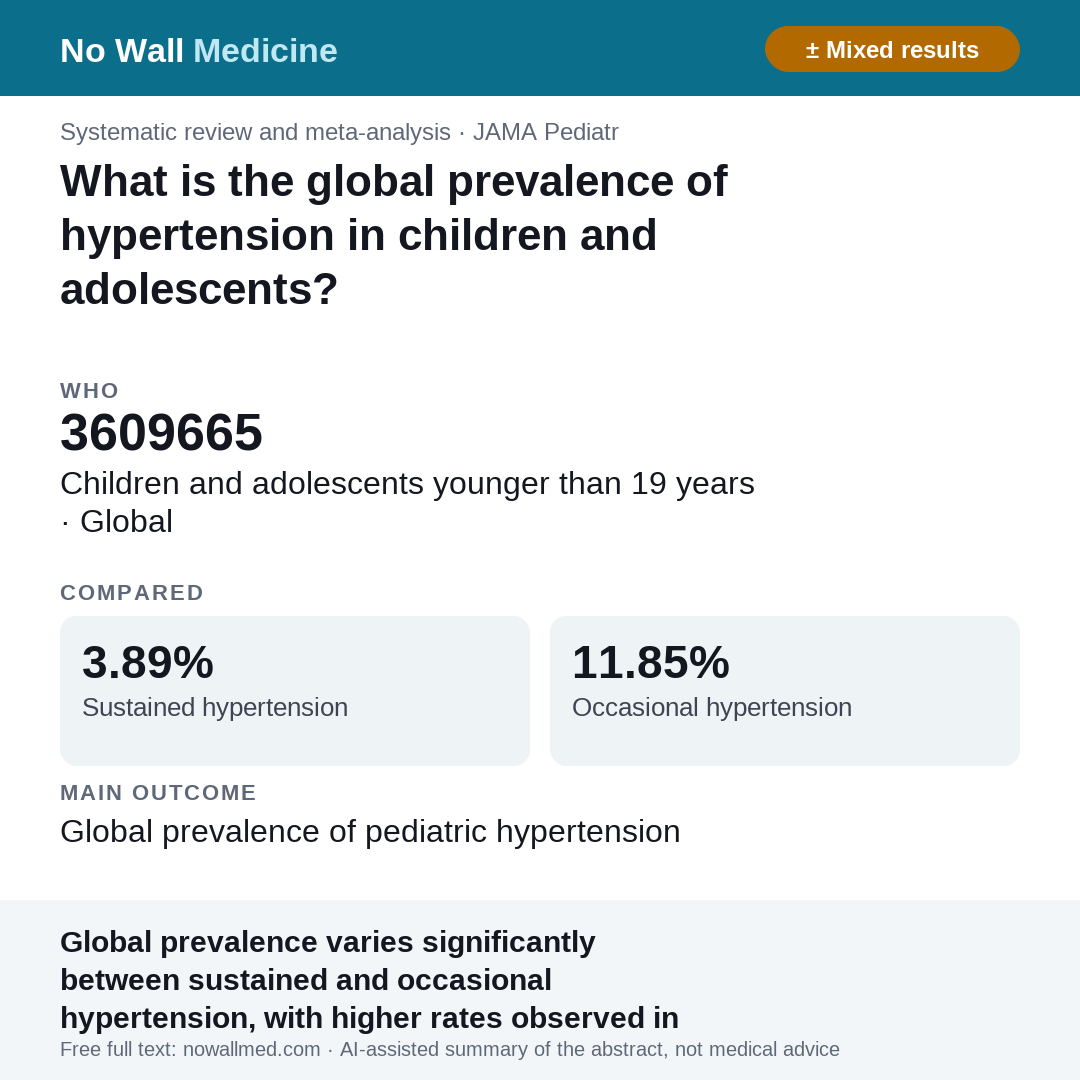
Global Prevalence of Hypertension in Children and Adolescents Younger Than 19 Years: A Systematic Review and Meta-Analysis
Systematic review and meta-analysisMixed results
What is the global prevalence of hypertension in children and adolescents?
Who
3609665
Children and adolescents younger than 19 years · Global
Compared
3.89%Sustained hypertension (95% CI, 3.27%-4.62%)
11.85%Occasional hypertension (95% CI, 10.98%-12.75%)
Main outcome
Global prevalence of pediatric hypertension
Bottom line: Global prevalence varies significantly between sustained and occasional hypertension, with higher rates observed in children with obesity or overweight.
JAMA Pediatr · 2025-07-28Download image
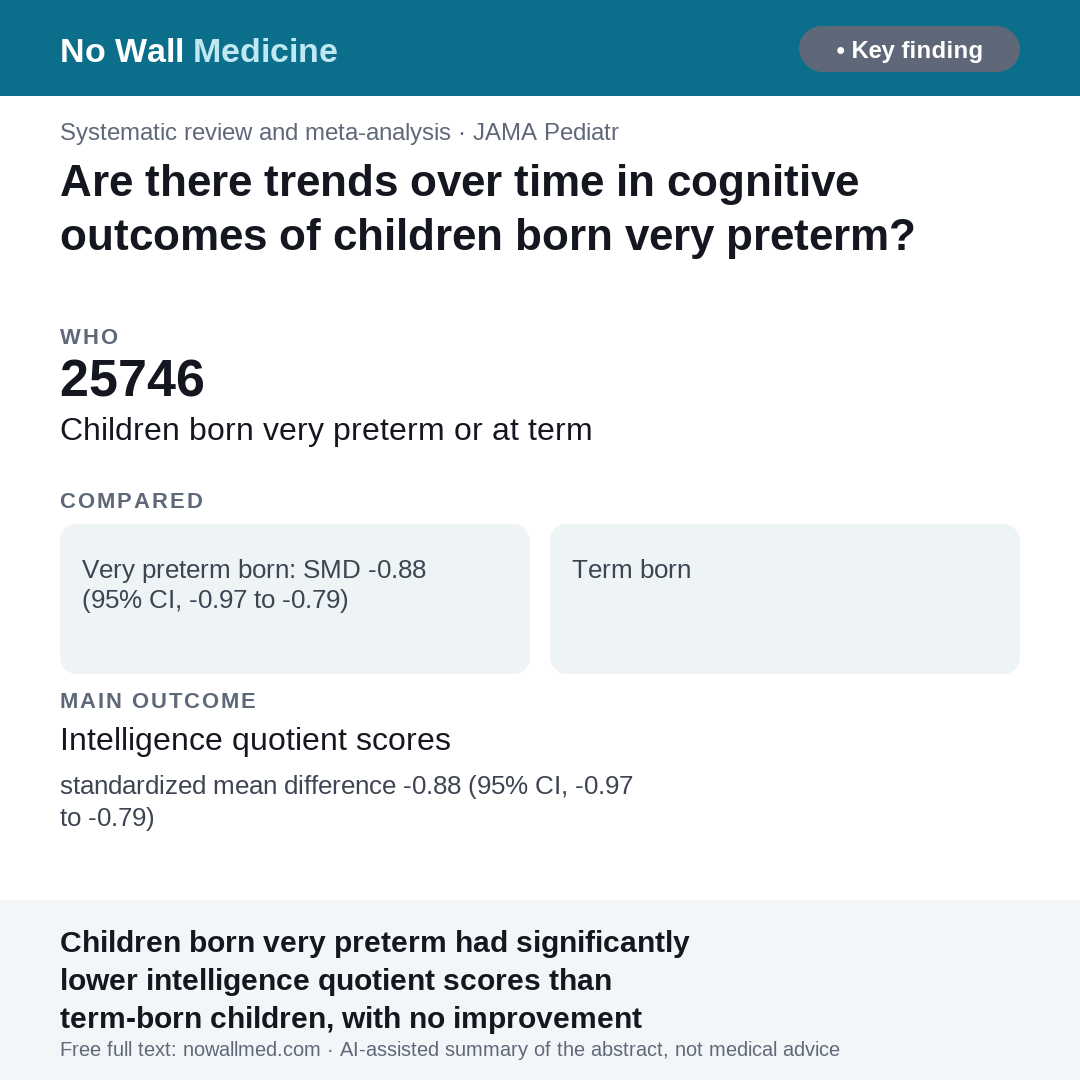
Trends Over Time in Cognitive Outcomes of Children Born Very Preterm: A Systematic Review and Meta-Analysis
Systematic review and meta-analysisHarm found
Are there trends over time in cognitive outcomes of children born very preterm?
Who
25746
Children born very preterm or at term
Compared
Very preterm born: SMD -0.88 (95% CI, -0.97 to -0.79)
Term born
Main outcome
Intelligence quotient scores
Result: standardized mean difference -0.88 (95% CI, -0.97 to -0.79)
Bottom line: Children born very preterm had significantly lower intelligence quotient scores than term-born children, with no improvement observed over four decades.
JAMA Pediatr · 2025-07-28Download image
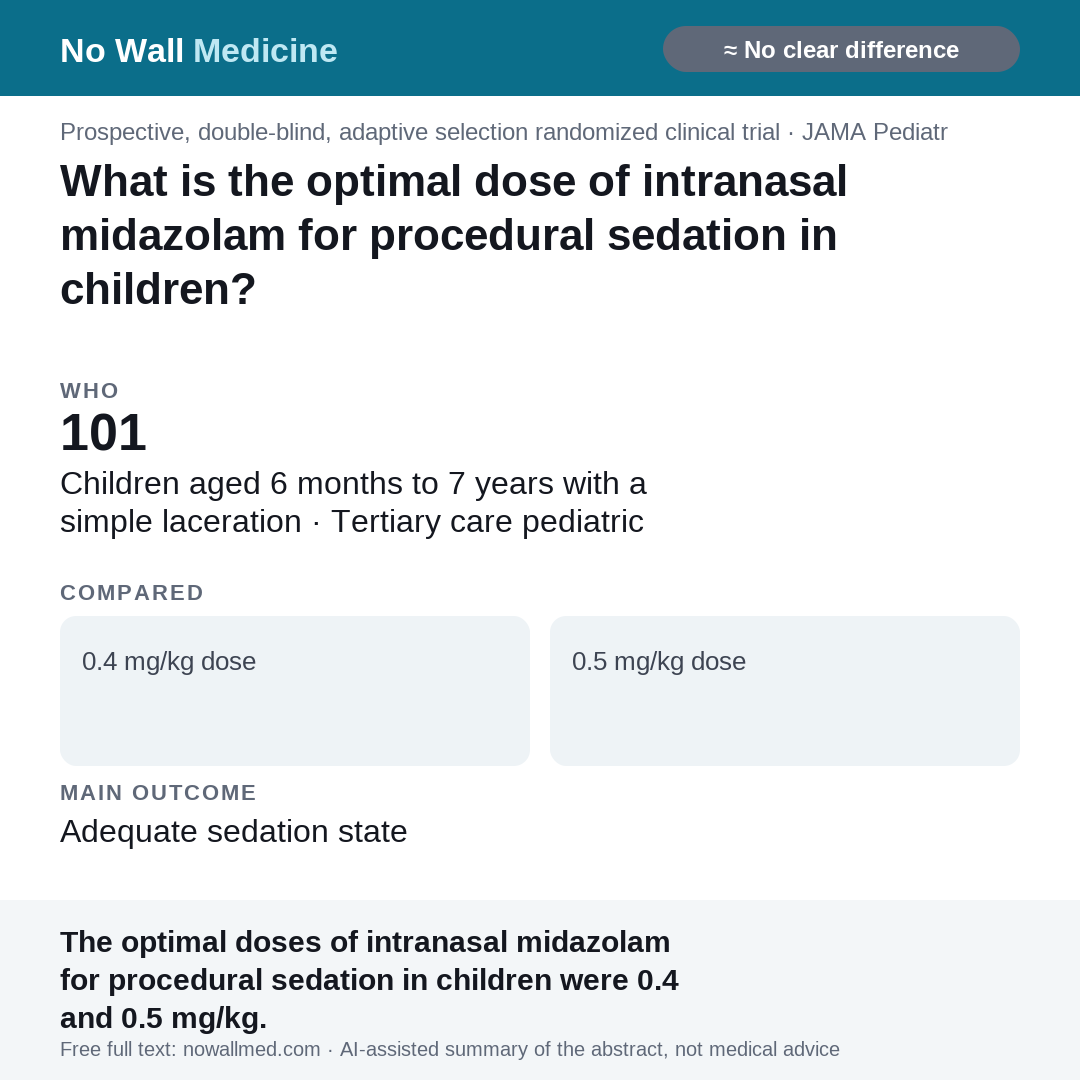
Optimal Dose of Intranasal Midazolam for Procedural Sedation in Children: A Randomized Clinical Trial
Prospective, double-blind, adaptive selection randomized clinical trialNo clear difference
What is the optimal dose of intranasal midazolam for procedural sedation in children?
Who
101
Children aged 6 months to 7 years with a simple laceration · Tertiary care pediatric emergency department
Compared
0.4 mg/kg dose
0.5 mg/kg dose
Main outcome
Adequate sedation state
Bottom line: The optimal doses of intranasal midazolam for procedural sedation in children were 0.4 and 0.5 mg/kg.
JAMA Pediatr · 2025-07-28Download image
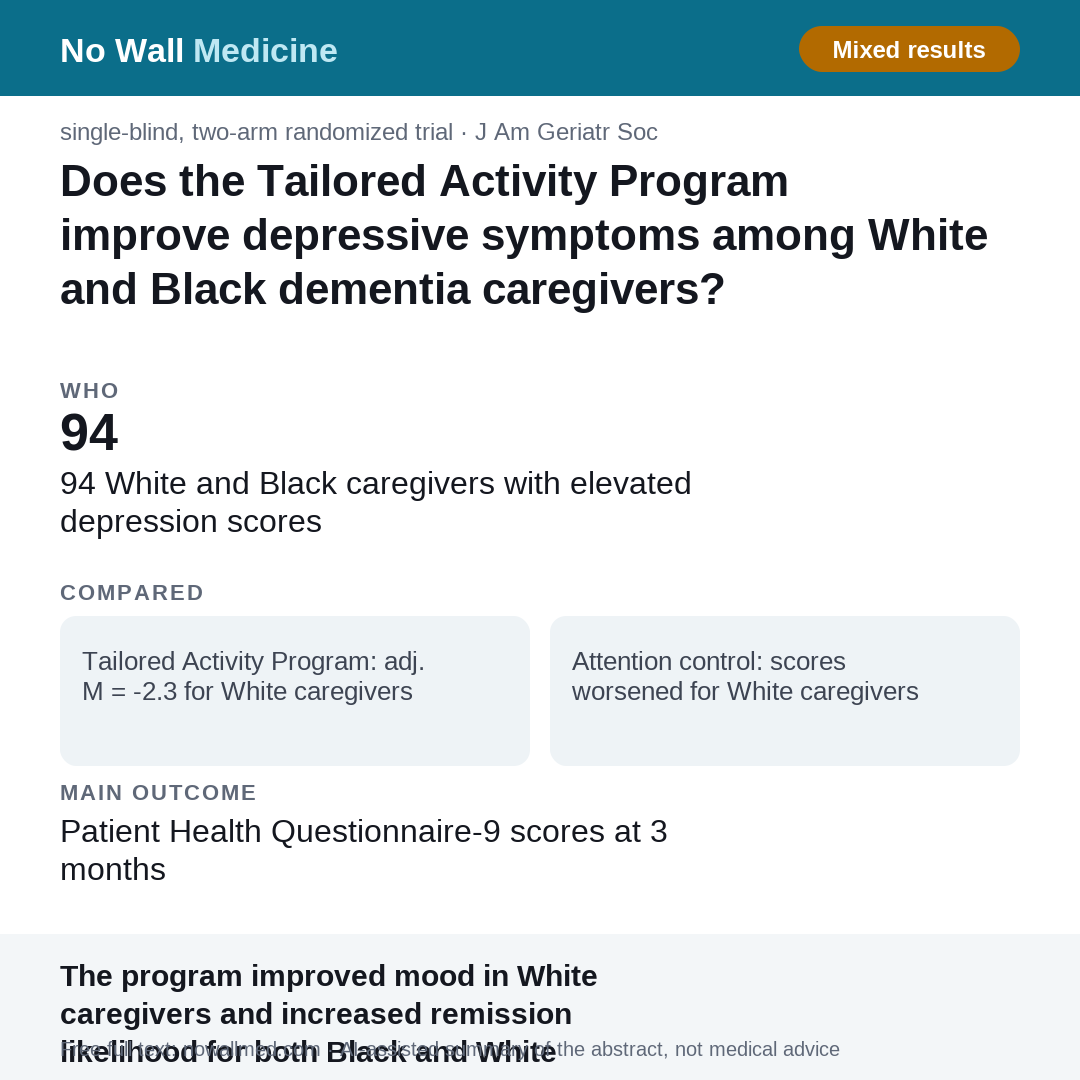
Impact of the Tailored Activity Program (TAP) on Depressive Symptoms Among White and Black Dementia Caregivers
single-blind, two-arm randomized trialMixed results
Does the Tailored Activity Program improve depressive symptoms among White and Black dementia caregivers?
Who
94
94 White and Black caregivers with elevated depression scores
Compared
Tailored Activity Program: adj. M = -2.3 for White caregivers
Attention control: scores worsened for White caregivers
Main outcome
Patient Health Questionnaire-9 scores at 3 months
Result: odds ratio = 3.24, 95% CI = 1.05-10.14
Bottom line: The program improved mood in White caregivers and increased remission likelihood for both Black and White caregivers.
J Am Geriatr Soc · 2025-07-28Download image
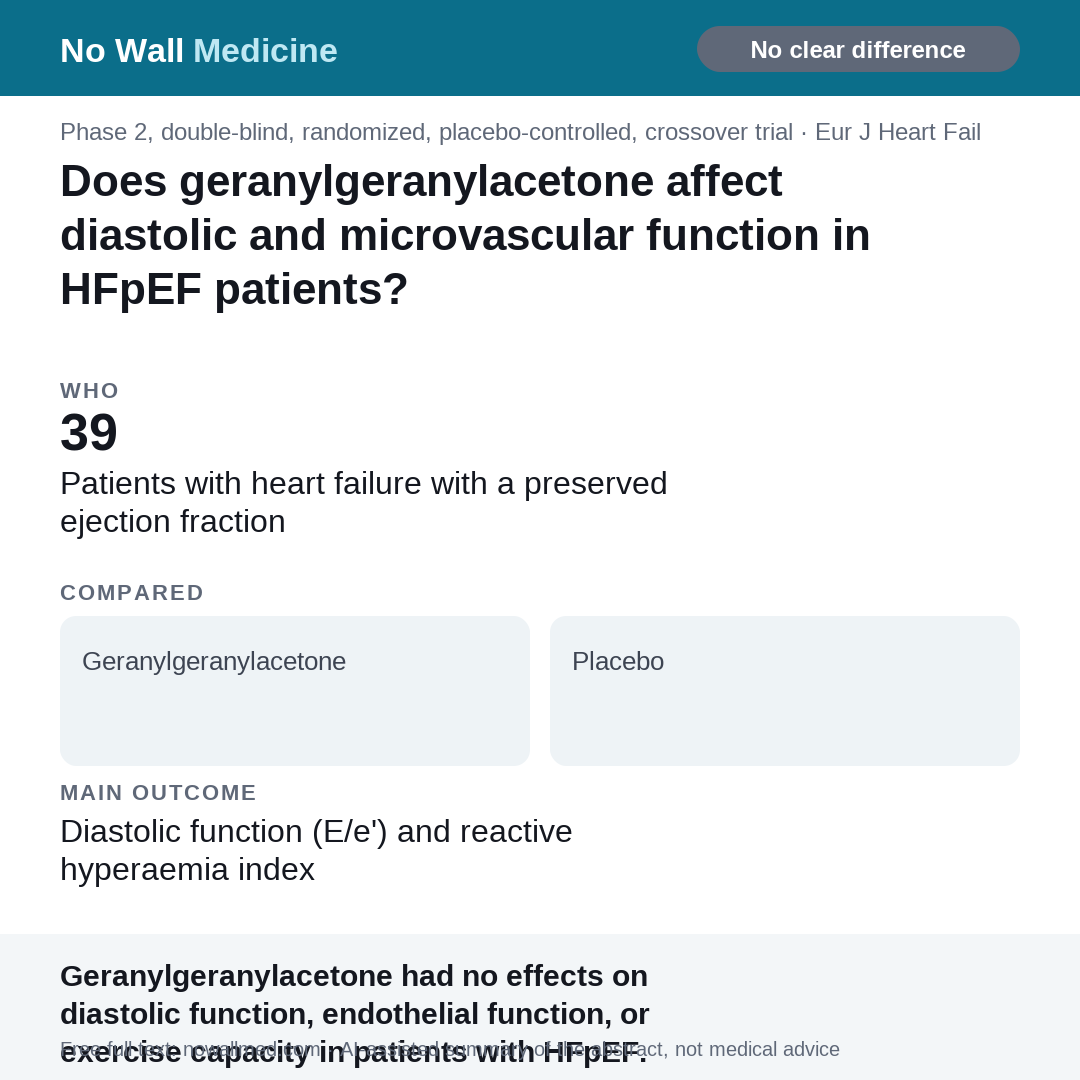
Effects of geranylgeranylacetone on diastolic and microvascular function in patients with heart failure with a preserved ejection fraction: A phase 2, randomized, placebo-controlled, crossover trial
Phase 2, double-blind, randomized, placebo-controlled, crossover trialNo clear difference
Does geranylgeranylacetone affect diastolic and microvascular function in HFpEF patients?
Who
39
Patients with heart failure with a preserved ejection fraction
Compared
Geranylgeranylacetone
Placebo
Main outcome
Diastolic function (E/e') and reactive hyperaemia index
Result: E/e' -0.24 (95% CI -0.90 to 0.41), RHI -0.02 (95% CI -0.36 to 0.33)
Bottom line: Geranylgeranylacetone had no effects on diastolic function, endothelial function, or exercise capacity in patients with HFpEF.
Eur J Heart Fail · 2025-07-28Download image