Visual abstracts
New randomized trials and meta-analyses from leading journals at a glance: who was studied, what was compared, and what was found. Every paper is free to read in full.
All specialtiesCardiology 4877Oncology 4138Gastroenterology & Hepatology 1942Infectious Disease 3837Neurology 1905Psychiatry & Mental Health 2273Pulmonology 2143Critical Care 1365Endocrinology & Diabetes 2580Pediatrics 2980Surgery 2559Orthopedics & Sports Medicine 931Neurosurgery 537Cardiothoracic & Vascular Surgery 674Plastic & Reconstructive Surgery 591Nephrology 1133Rheumatology 823Hematology 1109Dermatology 621Ophthalmology 543Obstetrics & Gynecology 1686Public & Global Health 1058Radiology & Imaging 648Anesthesiology 986Urology 764ENT (Otolaryngology) 503Emergency Medicine 511Allergy & Immunology 313Geriatrics 981Family Medicine & Primary Care 562Medical Genetics & Genomics 676Pathology & Laboratory Medicine 159Physical Medicine & Rehabilitation 757Palliative Care 444Nutrition 1588Digital Health & AI 2201General Medicine 321
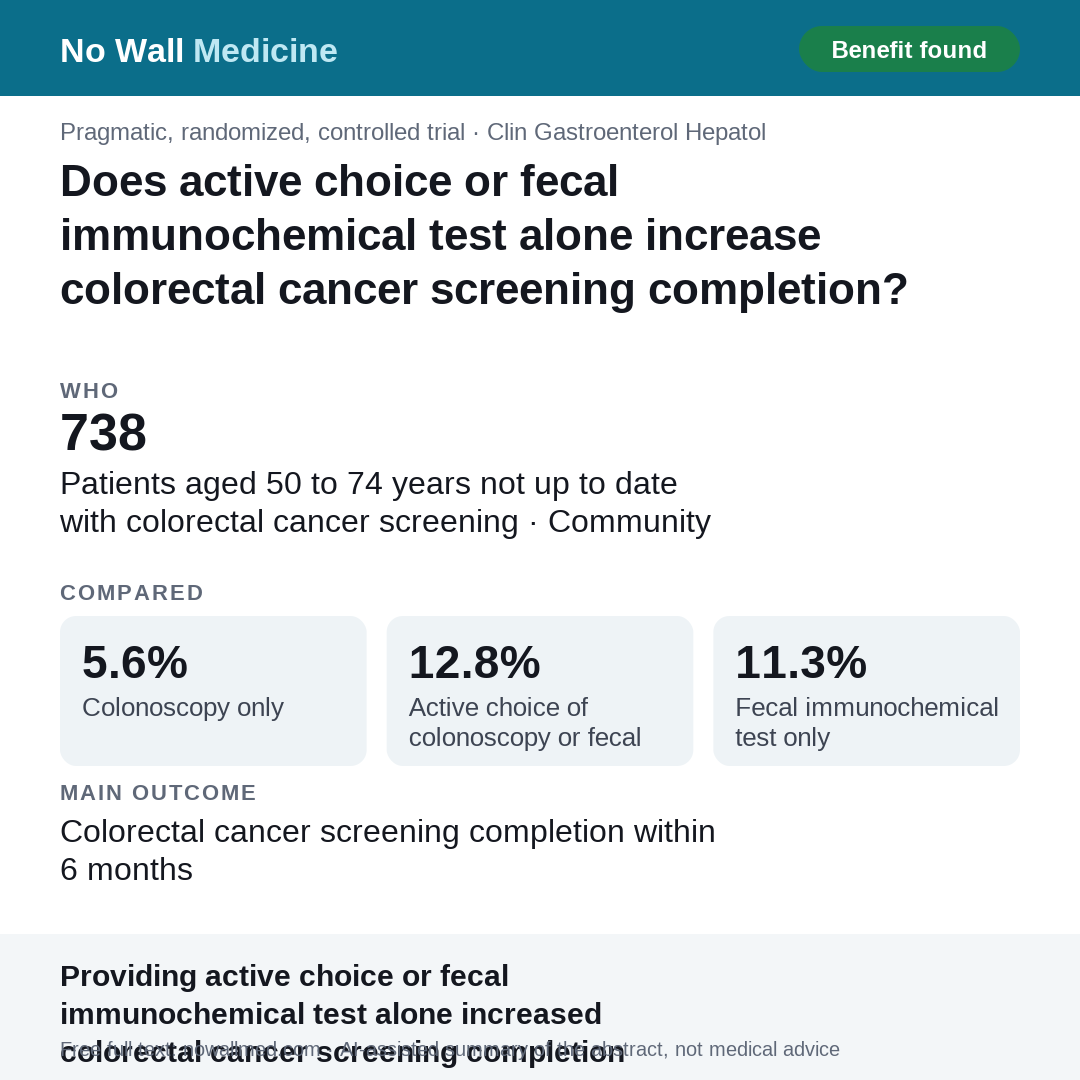
A Randomized Trial of Choice Architecture and Mailed Colorectal Cancer Screening Outreach in a Community Health Setting
Pragmatic, randomized, controlled trialBenefit found
Does active choice or fecal immunochemical test alone increase colorectal cancer screening completion?
Who
738
Patients aged 50 to 74 years not up to date with colorectal cancer screening · Community health center
Compared
5.6%Colonoscopy only (95% CI, 2.8-8.5)
12.8%Active choice of colonoscopy or fecal immunochemical test (95% CI, 8.6-17.0)
11.3%Fecal immunochemical test only (95% CI, 7.4-15.3)
Main outcome
Colorectal cancer screening completion within 6 months
Result: absolute difference 7.1% (95% CI, 2.0-12.2) for active choice; 5.7% (95% CI, 0.8-10.6) for fecal immunochemical test only
Bottom line: Providing active choice or fecal immunochemical test alone increased colorectal cancer screening completion compared to colonoscopy only.
Clin Gastroenterol Hepatol · 2024-04-30Download image
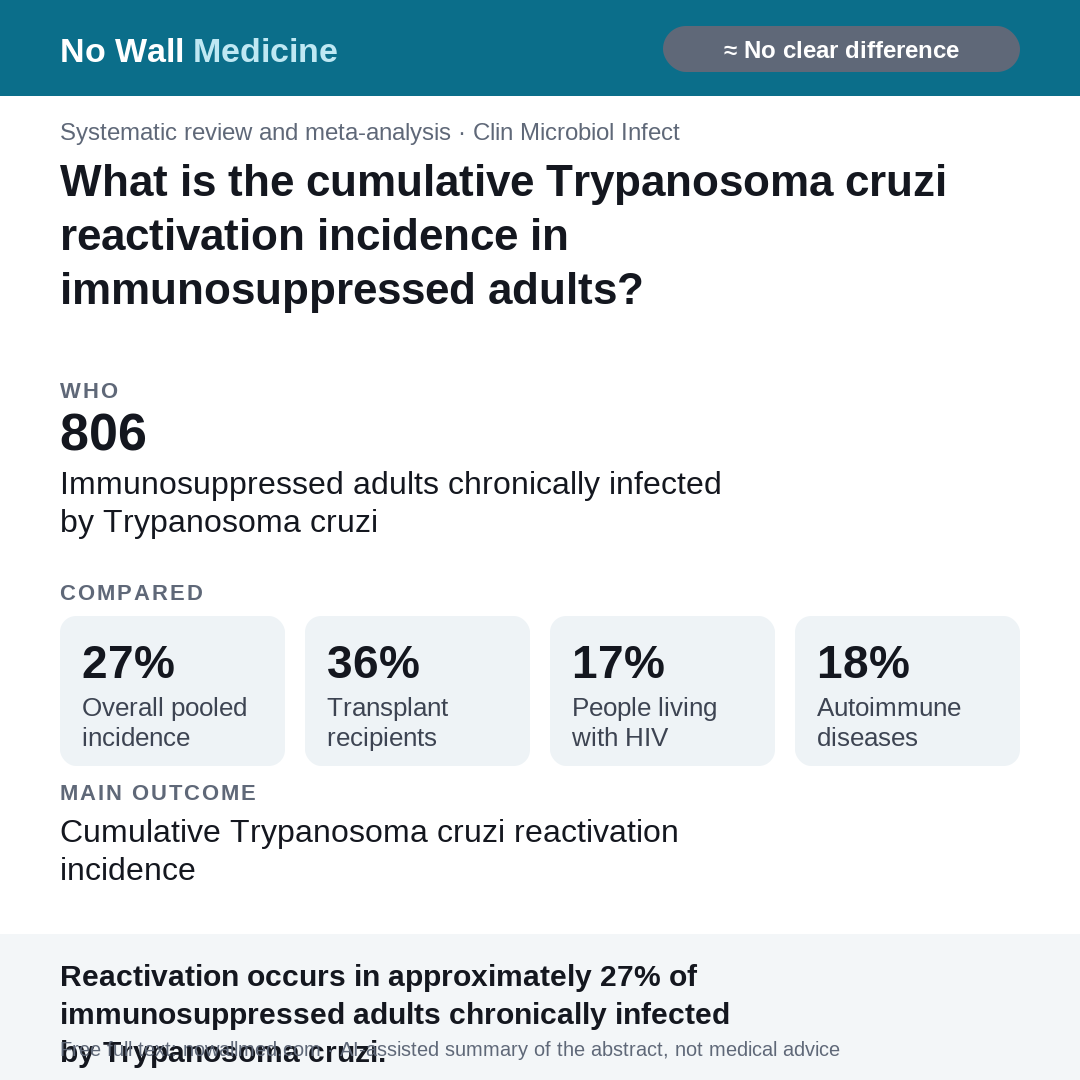
Reactivation of Trypanosoma cruzi infection in immunosuppressed patients: a systematic review and meta-analysis
Systematic review and meta-analysisNo clear difference
What is the cumulative Trypanosoma cruzi reactivation incidence in immunosuppressed adults?
Who
806
Immunosuppressed adults chronically infected by Trypanosoma cruzi
Compared
27%Overall pooled incidence (95% CI, 19-36)
36%Transplant recipients (95% CI, 25-48)
17%People living with HIV (95% CI, 8-29)
18%Autoimmune diseases (95% CI, 9-29)
Main outcome
Cumulative Trypanosoma cruzi reactivation incidence
Bottom line: Reactivation occurs in approximately 27% of immunosuppressed adults chronically infected by Trypanosoma cruzi.
Limitation: The heterogeneity of diagnostic algorithms was substantial.
Clin Microbiol Infect · 2024-04-30Download image
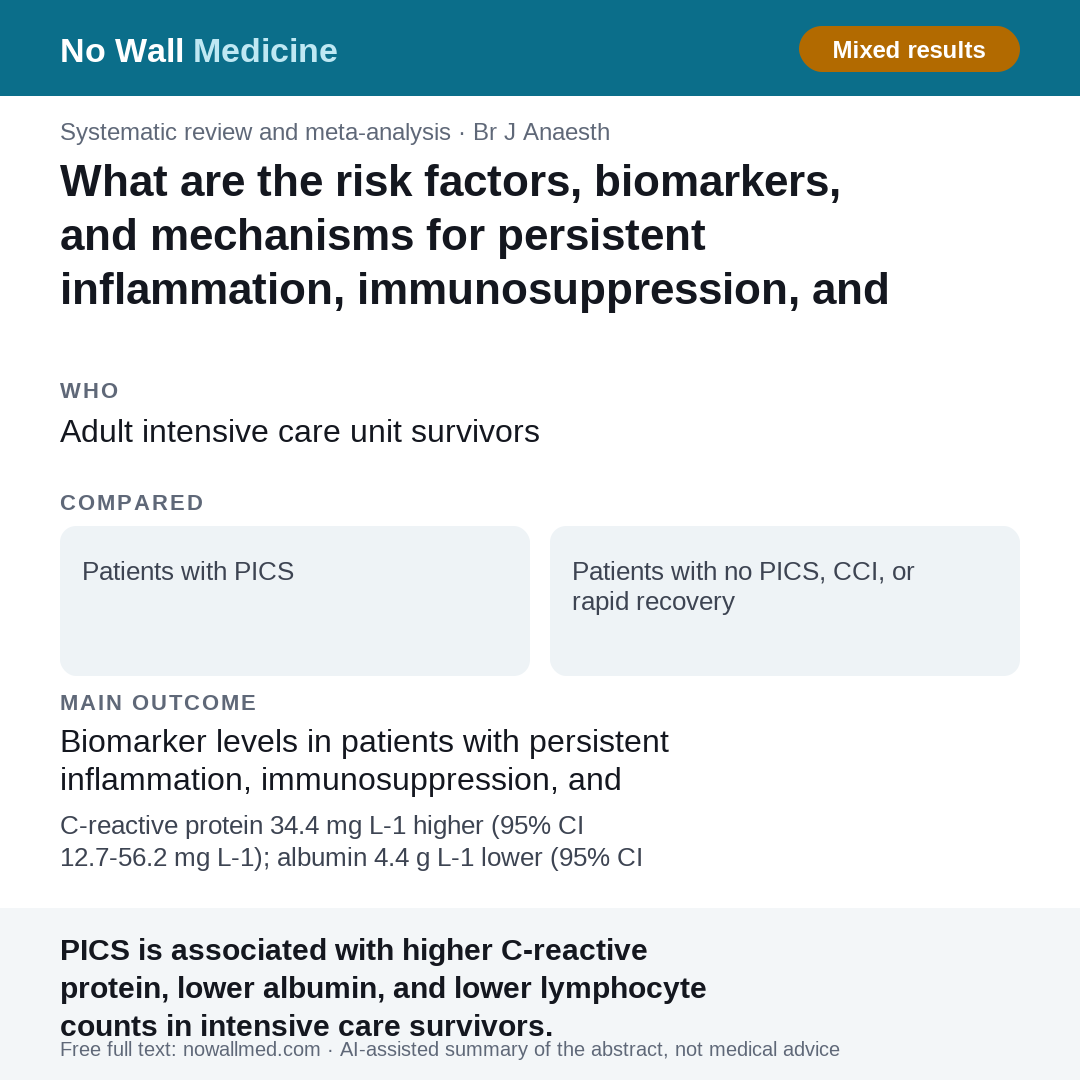
Risk factors, biomarkers, and mechanisms for persistent inflammation, immunosuppression, and catabolism syndrome (PICS): a systematic review and meta-analysis
Systematic review and meta-analysisMixed results
What are the risk factors, biomarkers, and mechanisms for persistent inflammation, immunosuppression, and catabolism syndrome?
Who
Adult intensive care unit survivors
Compared
Patients with PICS
Patients with no PICS, CCI, or rapid recovery
Main outcome
Biomarker levels in patients with persistent inflammation, immunosuppression, and catabolism syndrome
Result: C-reactive protein 34.4 mg L-1 higher (95% CI 12.7-56.2 mg L-1); albumin 4.4 g L-1 lower (95% CI 0.5-8.3 g L-1); lymphocyte count 0.36×10⁹ L-1 lower (95% CI 0.25-0.47×10⁹ L-1)
Bottom line: PICS is associated with higher C-reactive protein, lower albumin, and lower lymphocyte counts in intensive care survivors.
Limitation: The overall quality of evidence is limited and validation studies are limited.
Br J Anaesth · 2024-04-30Download image
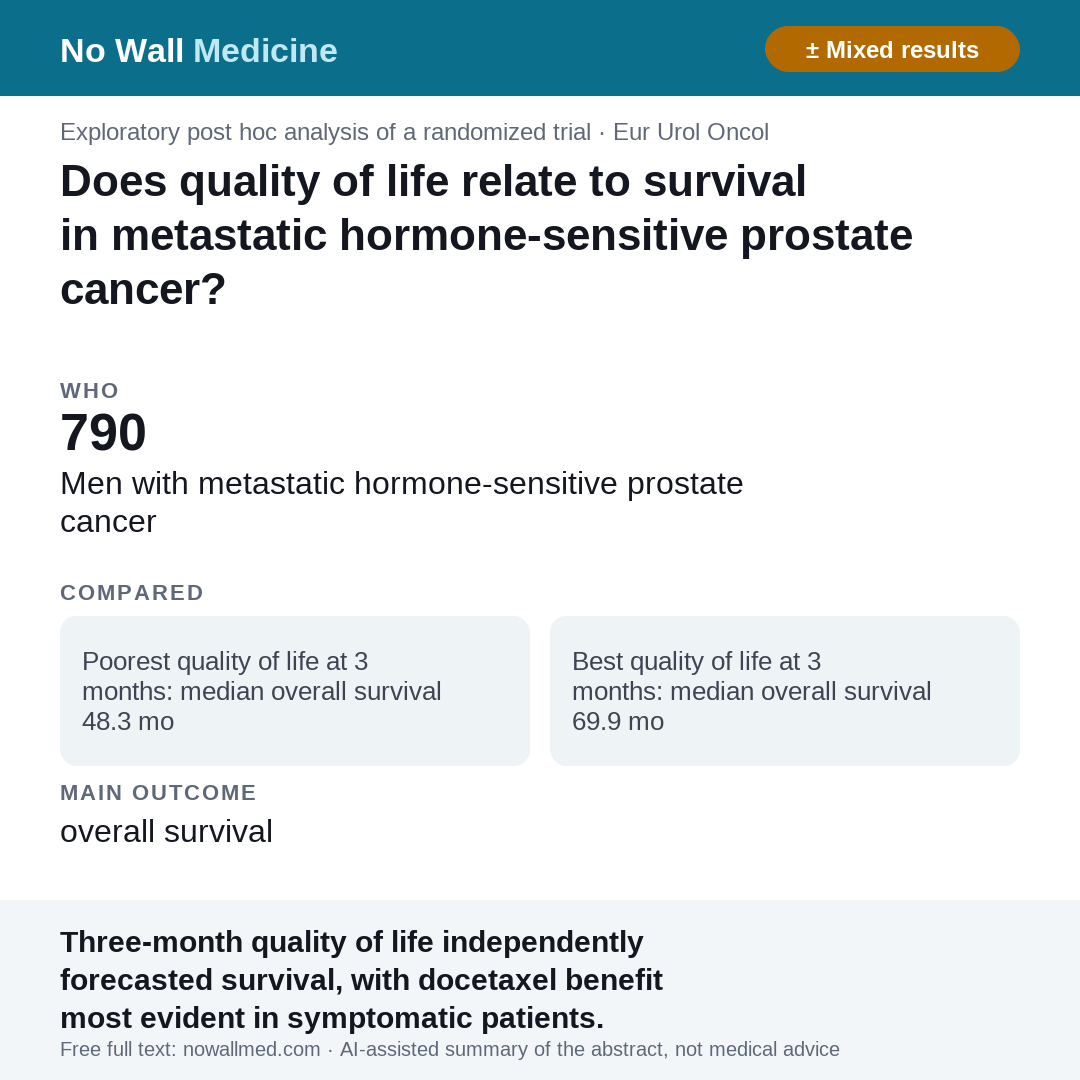
Patient-reported Quality of Life and Survival Outcomes in Prostate Cancer: Analysis of the ECOG-ACRIN E3805 Chemohormonal Androgen Ablation Randomized Trial (CHAARTED)
Exploratory post hoc analysis of a randomized trialMixed results
Does quality of life relate to survival in metastatic hormone-sensitive prostate cancer?
Who
790
Men with metastatic hormone-sensitive prostate cancer
Compared
Poorest quality of life at 3 months: median overall survival 48.3 mo
Best quality of life at 3 months: median overall survival 69.9 mo
Main outcome
overall survival
Result: hazard ratio 0.76 [0.58, 1.0]
Bottom line: Three-month quality of life independently forecasted survival, with docetaxel benefit most evident in symptomatic patients.
Eur Urol Oncol · 2024-04-30Download image
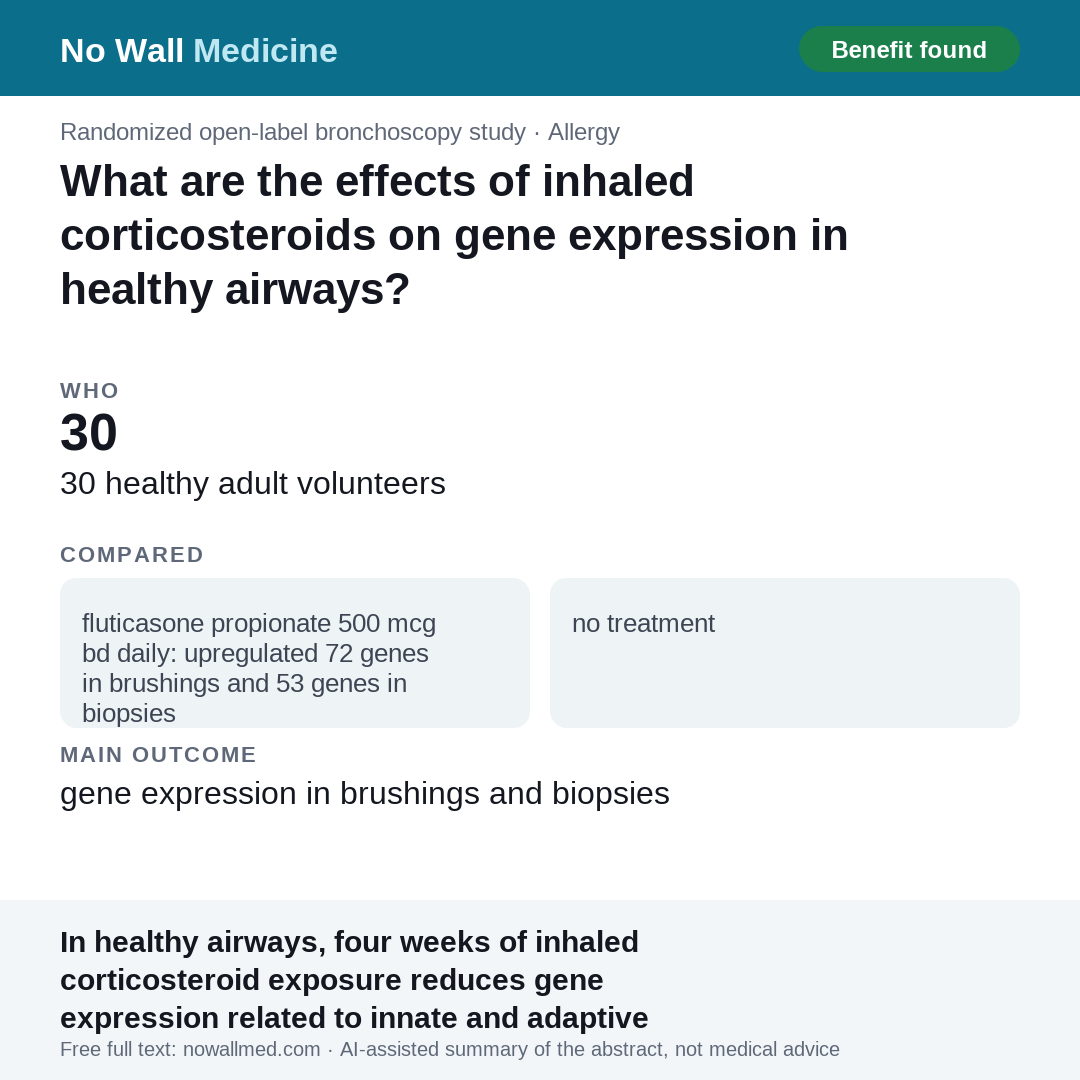
The effects of inhaled corticosteroids on healthy airways
Randomized open-label bronchoscopy studyBenefit found
What are the effects of inhaled corticosteroids on gene expression in healthy airways?
Who
30
30 healthy adult volunteers
Compared
fluticasone propionate 500 mcg bd daily: upregulated 72 genes in brushings and 53 genes in biopsies
no treatment
Main outcome
gene expression in brushings and biopsies
Bottom line: In healthy airways, four weeks of inhaled corticosteroid exposure reduces gene expression related to innate and adaptive immunity.
Allergy · 2024-04-30Download image
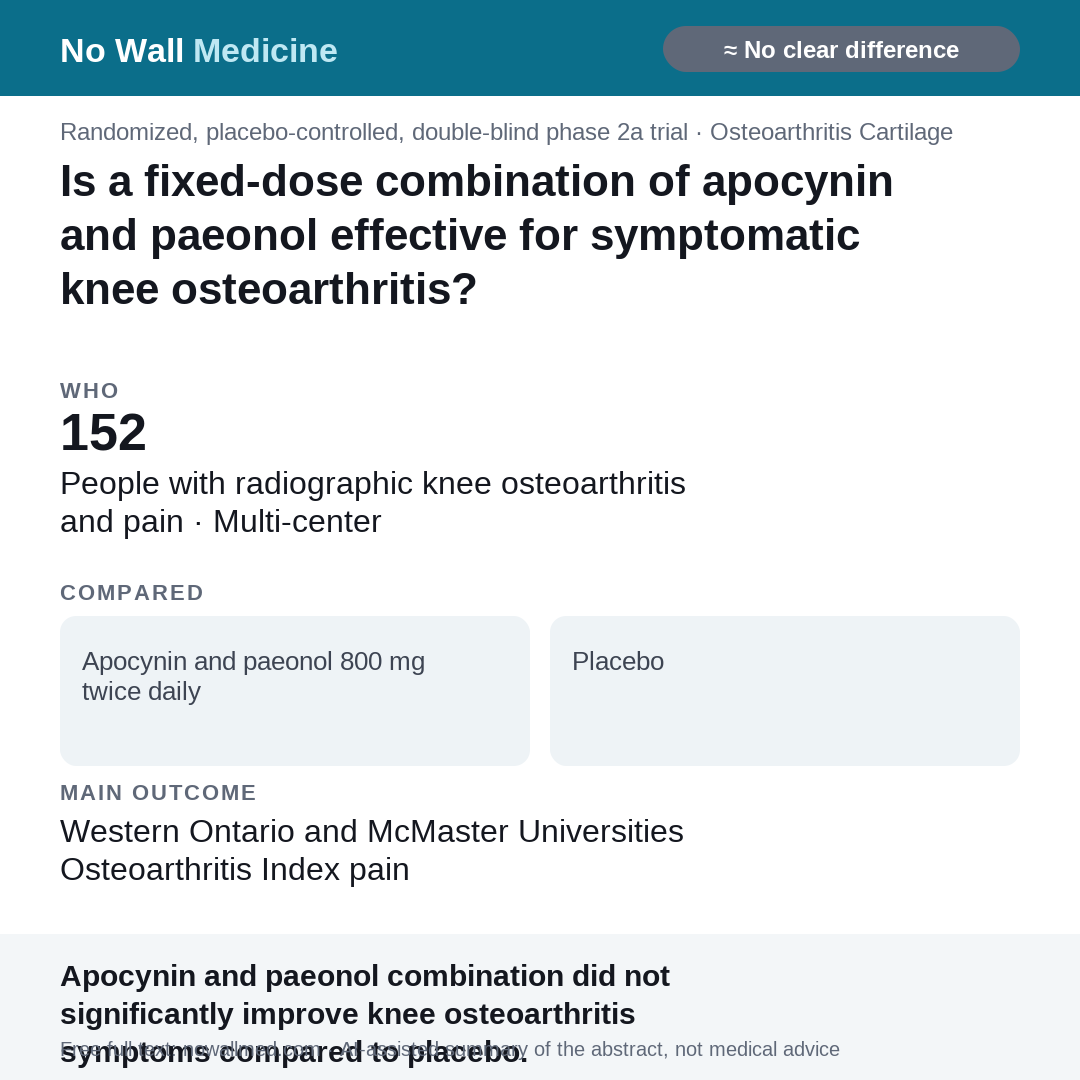
The efficacy and safety of a fixed-dose combination of apocynin and paeonol, APPA, in symptomatic knee OA: A double-blind, randomized, placebo-controlled, clinical trial
Randomized, placebo-controlled, double-blind phase 2a trialNo clear difference
Is a fixed-dose combination of apocynin and paeonol effective for symptomatic knee osteoarthritis?
Who
152
People with radiographic knee osteoarthritis and pain · Multi-center
Compared
Apocynin and paeonol 800 mg twice daily
Placebo
Main outcome
Western Ontario and McMaster Universities Osteoarthritis Index pain
Result: mean difference -0.89 (95% CI -5.62 to 3.84)
Bottom line: Apocynin and paeonol combination did not significantly improve knee osteoarthritis symptoms compared to placebo.
Limitation: The study was not powered for subgroup analyses.
Osteoarthritis Cartilage · 2024-04-30Download image
Treatment with inhaled Argon: a systematic review of pre-clinical and clinical studies with meta-analysis on neuroprotective effect
Systematic review and meta-analysisBenefit found
Does inhaled Argon have a neuroprotective effect in pre-clinical and clinical studies?
Who
Pre-clinical models and one clinical study
Compared
Argon administration
Control
Main outcome
Neurological, cognitive, locomotor, histological, and physiological measures
Bottom line: Argon administration improved neurological, cognitive, locomotor, and histological outcomes in pre-clinical models without changing physiological parameters.
Limitation: Data availability prevented investigation into potential sources of heterogeneity due to study design.
Funded by: Italian Ministry of Health and Ministero della Salute Italiano
eBioMedicine · 2024-04-30Download image

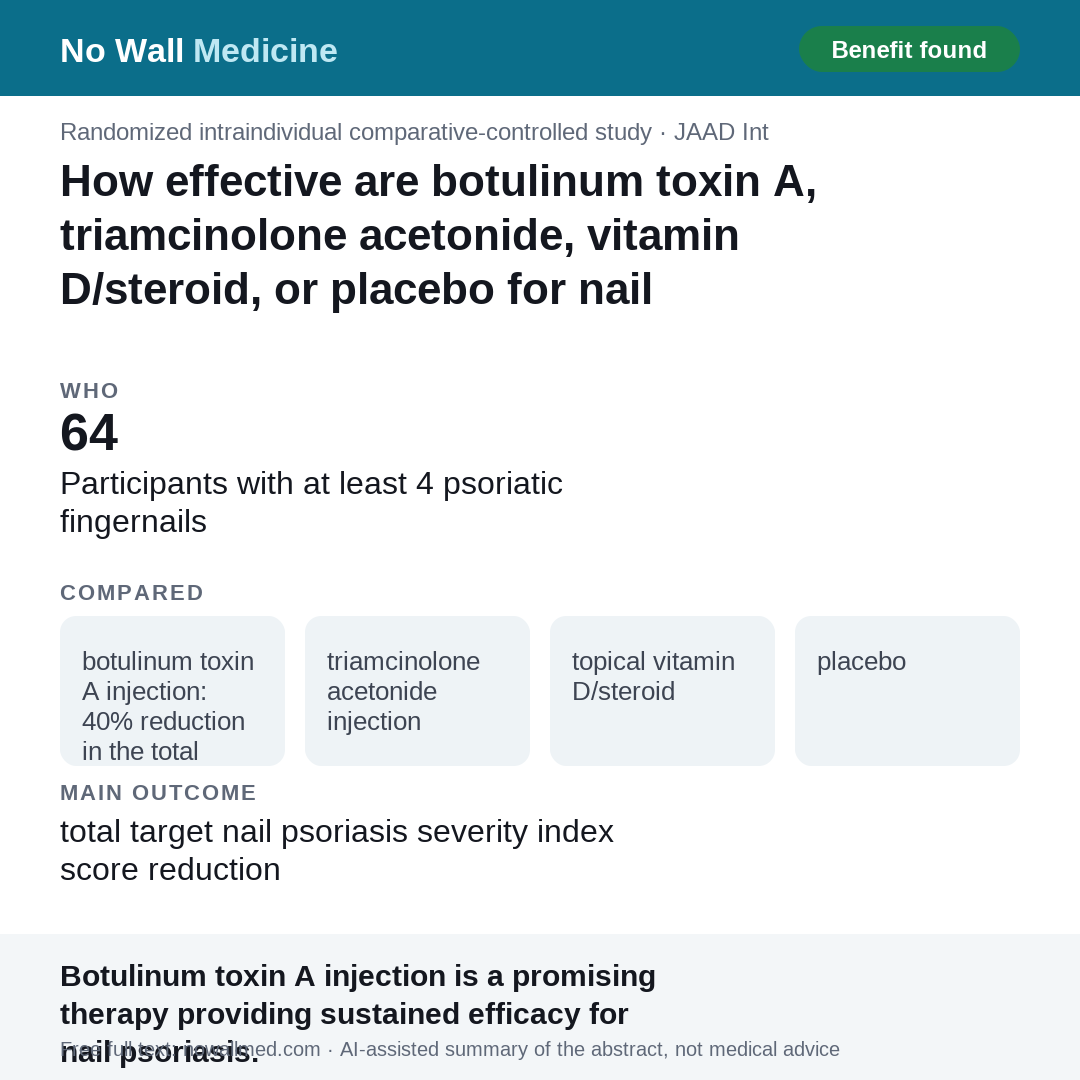
Botulinum toxin injection shows promise in nail psoriasis: A comparative randomized controlled trial
Randomized intraindividual comparative-controlled studyBenefit found
How effective are botulinum toxin A, triamcinolone acetonide, vitamin D/steroid, or placebo for nail psoriasis?
Who
64
Participants with at least 4 psoriatic fingernails
Compared
botulinum toxin A injection: 40% reduction in the total target NAPSI score
triamcinolone acetonide injection
topical vitamin D/steroid
placebo
Main outcome
total target nail psoriasis severity index score reduction
Bottom line: Botulinum toxin A injection is a promising therapy providing sustained efficacy for nail psoriasis.
Limitation: Relatively small sample size and potential interference from hand hygiene during the pandemic.
JAAD Int · 2024-04-30Download image
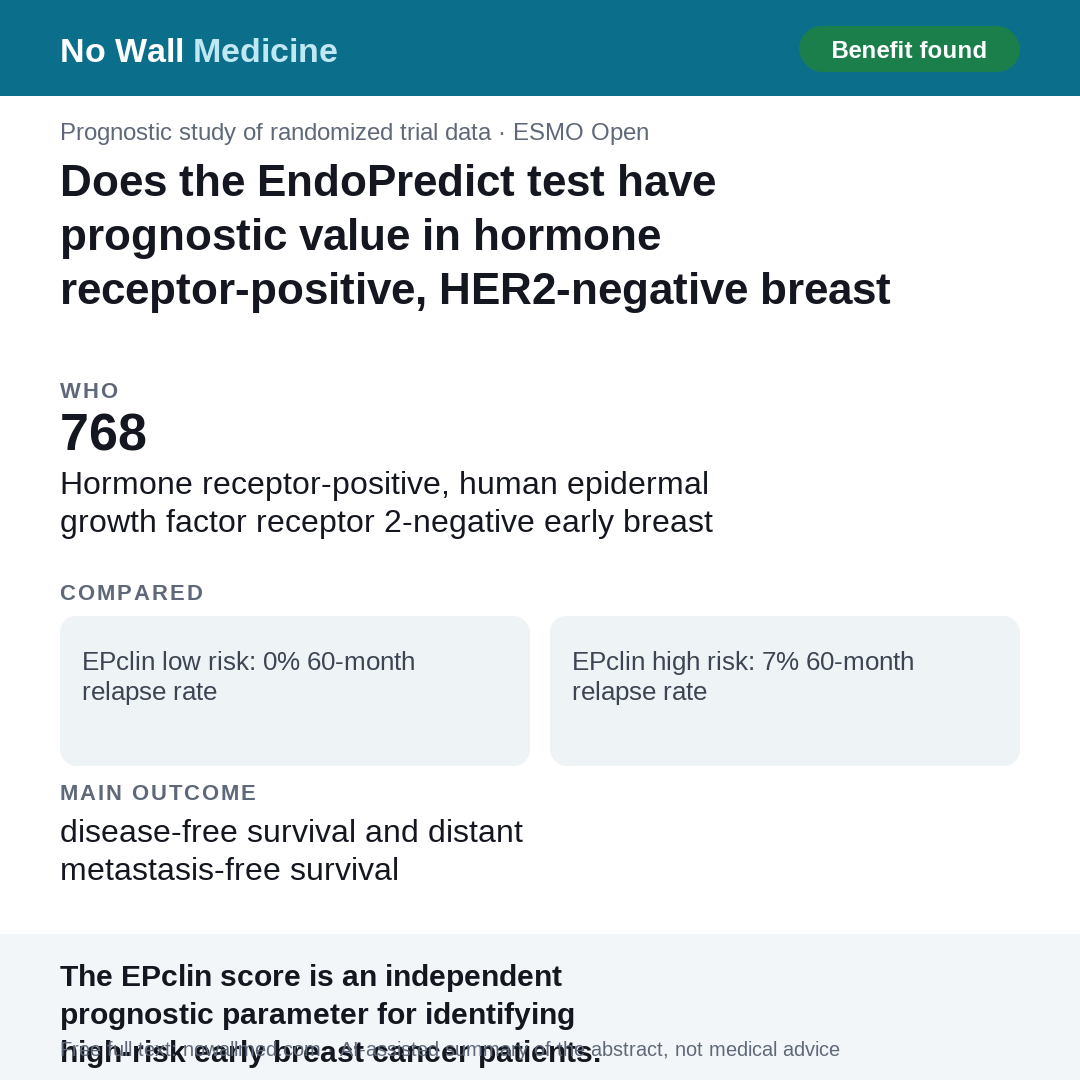
Prognostic value of EndoPredict test in patients with hormone receptor-positive, human epidermal growth factor receptor 2-negative primary breast cancer screened for the randomized, double-blind, phase III UNIRAD trial
Prognostic study of randomized trial dataBenefit found
Does the EndoPredict test have prognostic value in hormone receptor-positive, HER2-negative breast cancer?
Who
768
Hormone receptor-positive, human epidermal growth factor receptor 2-negative early breast cancer patients · UNIRAD trial sites
Compared
EPclin low risk: 0% 60-month relapse rate
EPclin high risk: 7% 60-month relapse rate
Main outcome
disease-free survival and distant metastasis-free survival
Result: hazard ratio 1.87 (95% CI 1.4-2.5)
Bottom line: The EPclin score is an independent prognostic parameter for identifying high-risk early breast cancer patients.
ESMO Open · 2024-04-30Download image
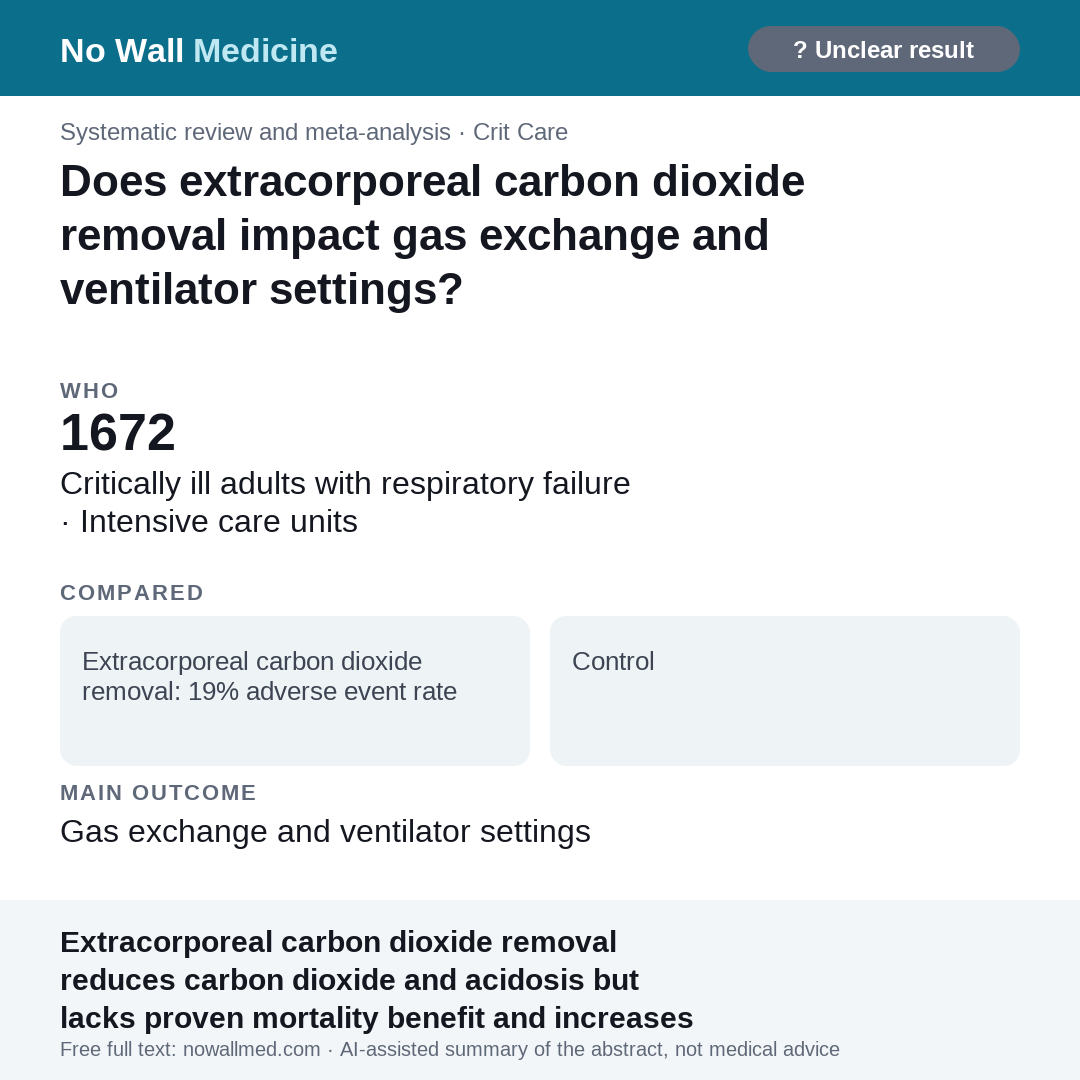
Effects of extracorporeal CO2 removal on gas exchange and ventilator settings: a systematic review and meta-analysis
Systematic review and meta-analysisUnclear result
Does extracorporeal carbon dioxide removal impact gas exchange and ventilator settings?
Who
1672
Critically ill adults with respiratory failure · Intensive care units
Compared
Extracorporeal carbon dioxide removal: 19% adverse event rate
Control
Main outcome
Gas exchange and ventilator settings
Bottom line: Extracorporeal carbon dioxide removal reduces carbon dioxide and acidosis but lacks proven mortality benefit and increases hospital stay.
Limitation: Randomized controlled trials did not demonstrate an effect on mortality.
Crit Care · 2024-04-30Download image
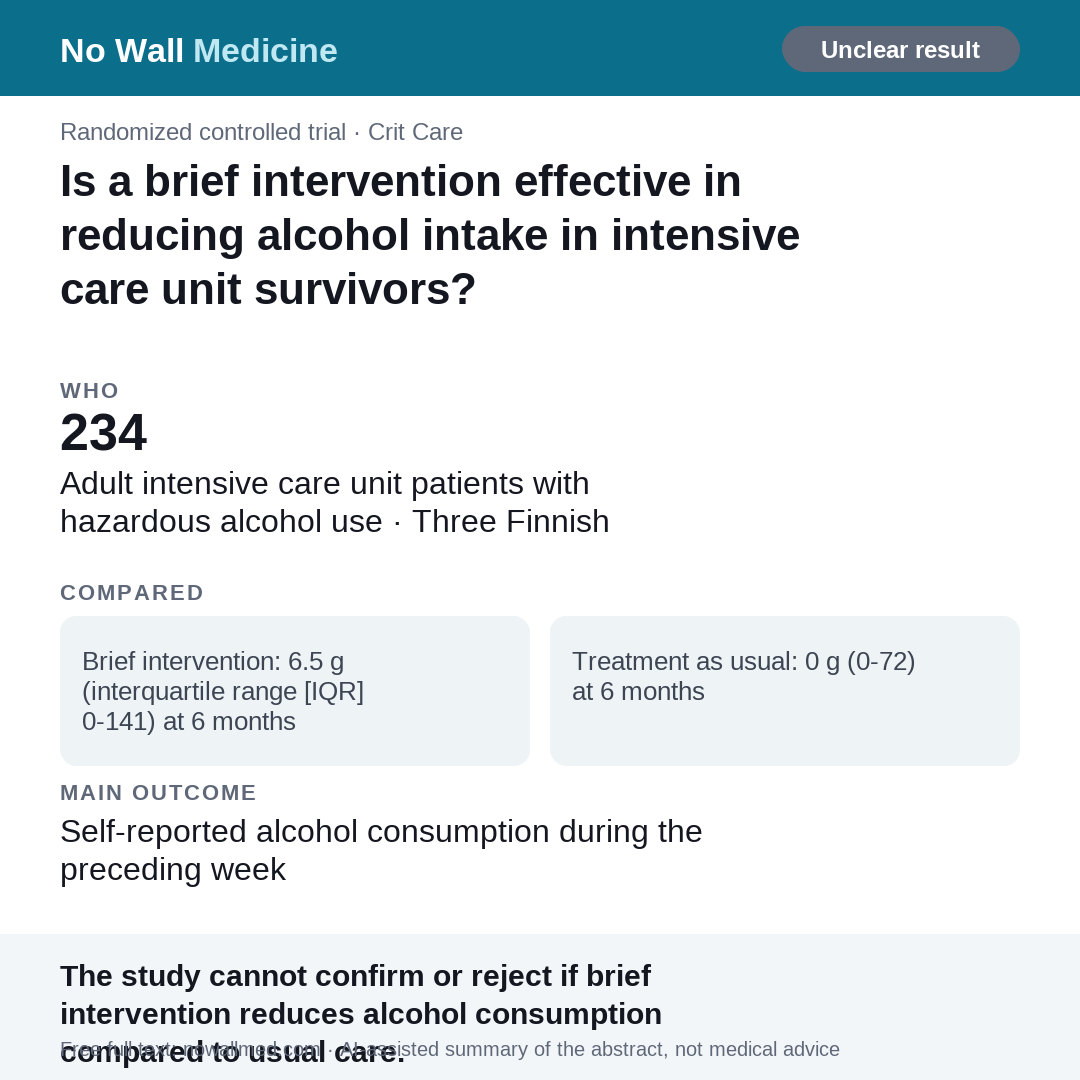
The effectiveness of a brief intervention for intensive care unit patients with hazardous alcohol use: a randomized controlled trial
Randomized controlled trialUnclear result
Is a brief intervention effective in reducing alcohol intake in intensive care unit survivors?
Who
234
Adult intensive care unit patients with hazardous alcohol use · Three Finnish university hospitals
Compared
Brief intervention: 6.5 g (interquartile range [IQR] 0-141) at 6 months
Treatment as usual: 0 g (0-72) at 6 months
Main outcome
Self-reported alcohol consumption during the preceding week
Bottom line: The study cannot confirm or reject if brief intervention reduces alcohol consumption compared to usual care.
Limitation: The trial was terminated early due to slow recruitment during the pandemic and was underpowered.
Crit Care · 2024-04-30Download image
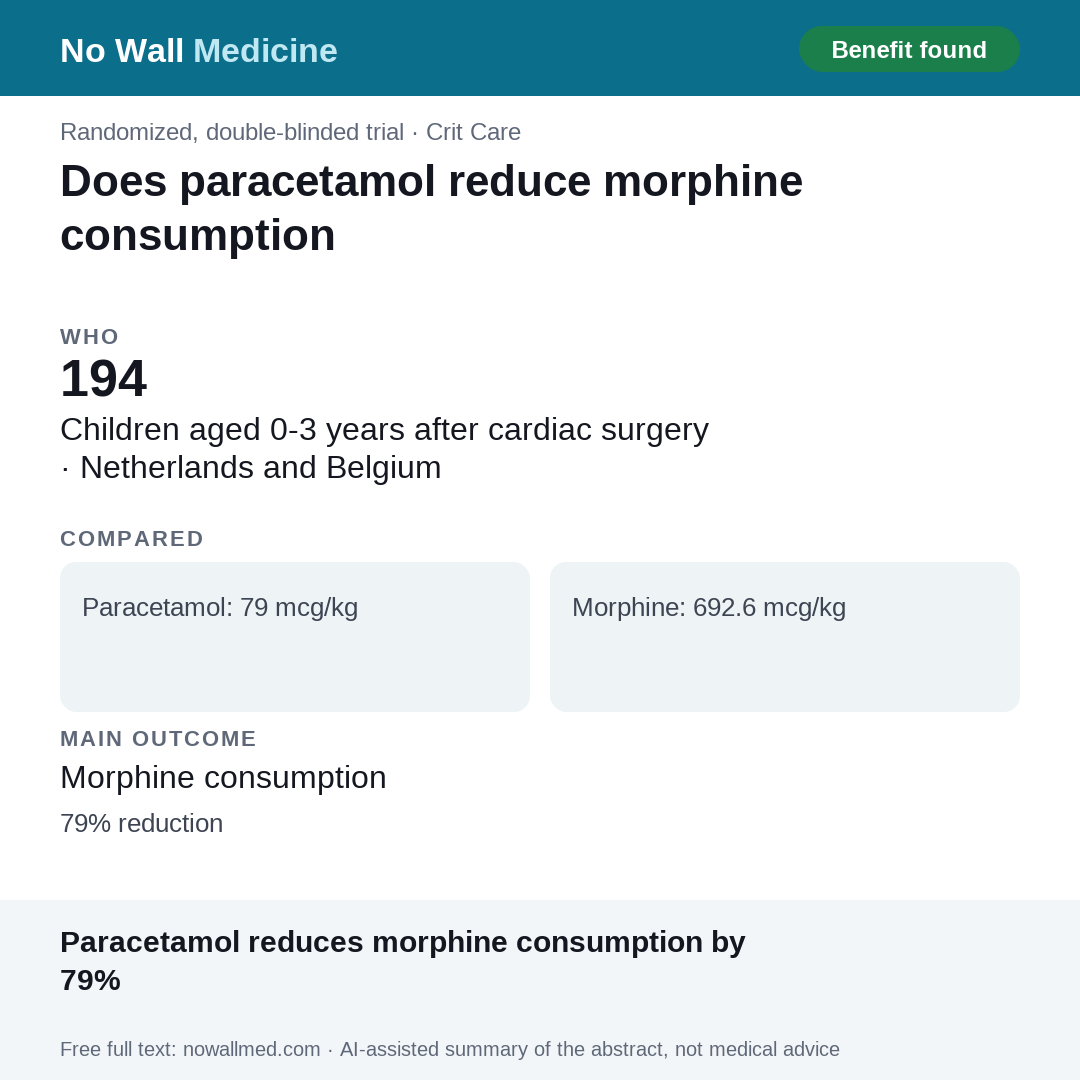
Intermittent intravenous paracetamol versus continuous morphine in infants undergoing cardiothoracic surgery: a multi-center randomized controlled trial
Randomized, double-blinded trialBenefit found
Does paracetamol reduce morphine consumption
Who
194
Children aged 0-3 years after cardiac surgery · Netherlands and Belgium
Compared
Paracetamol: 79 mcg/kg
Morphine: 692.6 mcg/kg
Main outcome
Morphine consumption
Result: 79% reduction
Bottom line: Paracetamol reduces morphine consumption by 79%
Crit Care · 2024-04-30Download image
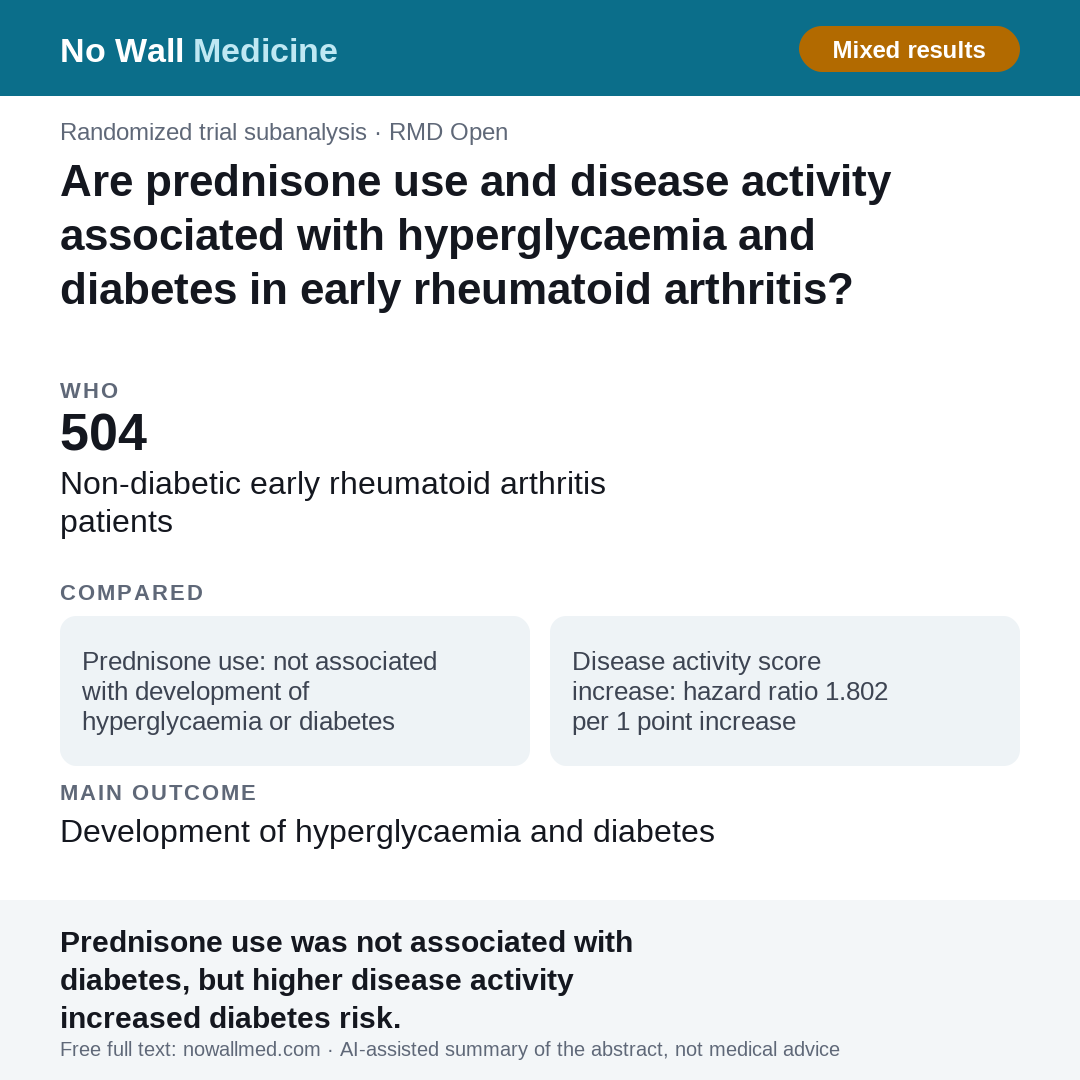
Prednisone use, disease activity and the occurrence of hyperglycaemia and diabetes in patients with early rheumatoid arthritis: a 10-year subanalysis of the BeSt study
Randomized trial subanalysisMixed results
Are prednisone use and disease activity associated with hyperglycaemia and diabetes in early rheumatoid arthritis?
Who
504
Non-diabetic early rheumatoid arthritis patients
Compared
Prednisone use: not associated with development of hyperglycaemia or diabetes
Disease activity score increase: hazard ratio 1.802 per 1 point increase
Main outcome
Development of hyperglycaemia and diabetes
Result: hazard ratio 1.802 (95% CI 1.284 to 2.529) per 1 point disease activity score increase
Bottom line: Prednisone use was not associated with diabetes, but higher disease activity increased diabetes risk.
RMD Open · 2024-04-30Download image
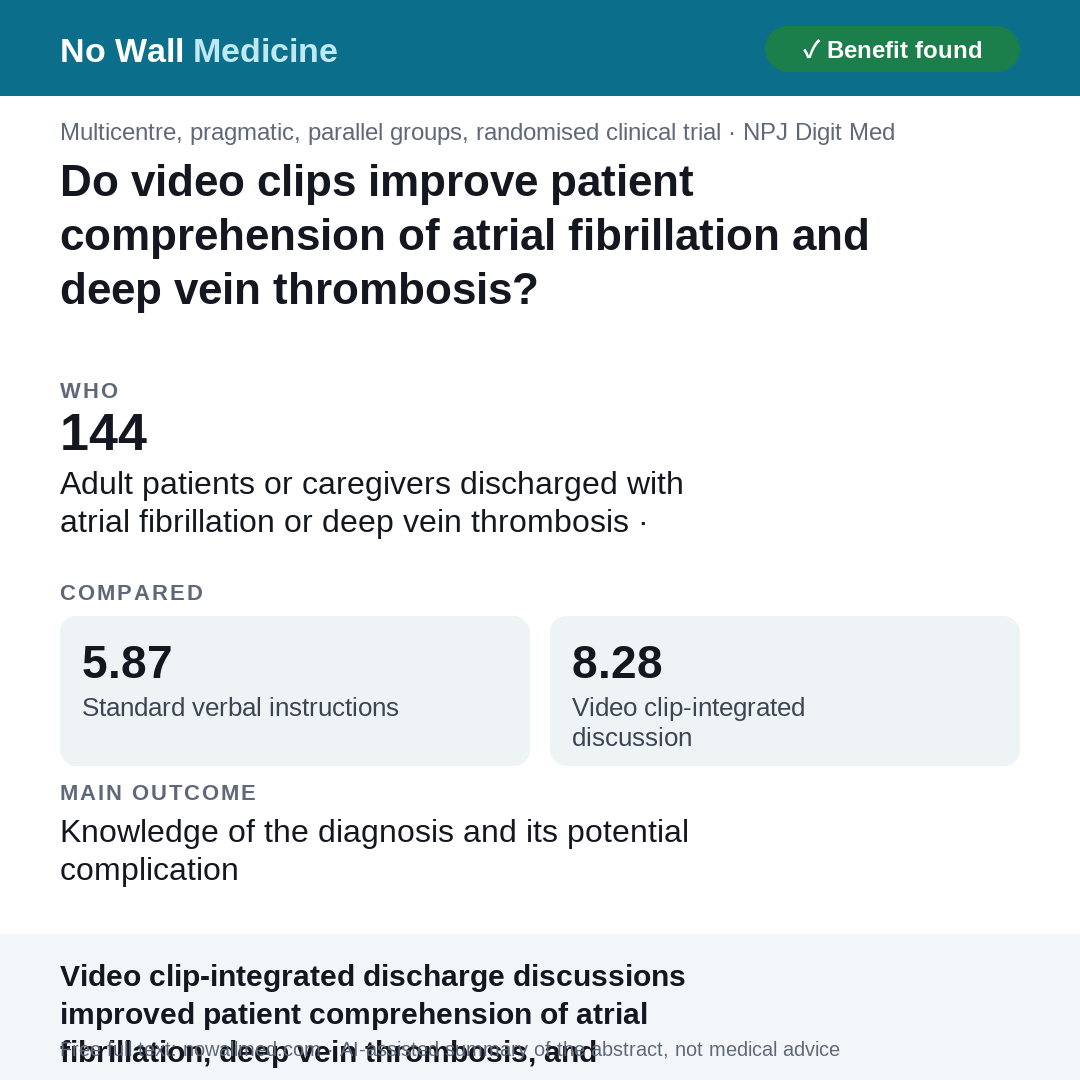
Video clips for patient comprehension of atrial fibrillation and deep vein thrombosis in emergency care. A randomised clinical trial
Multicentre, pragmatic, parallel groups, randomised clinical trialBenefit found
Do video clips improve patient comprehension of atrial fibrillation and deep vein thrombosis?
Who
144
Adult patients or caregivers discharged with atrial fibrillation or deep vein thrombosis · Two Emergency Units in Italy
Compared
5.87Standard verbal instructions (95% CI, 5.02-6.72)
8.28Video clip-integrated discussion (95% CI, 7.27-9.31)
Main outcome
Knowledge of the diagnosis and its potential complication
Result: mean difference, -2.41; 95% CI, -3.73 to -1.09
Bottom line: Video clip-integrated discharge discussions improved patient comprehension of atrial fibrillation, deep vein thrombosis, and their main complications.
NPJ Digit Med · 2024-04-30Download image
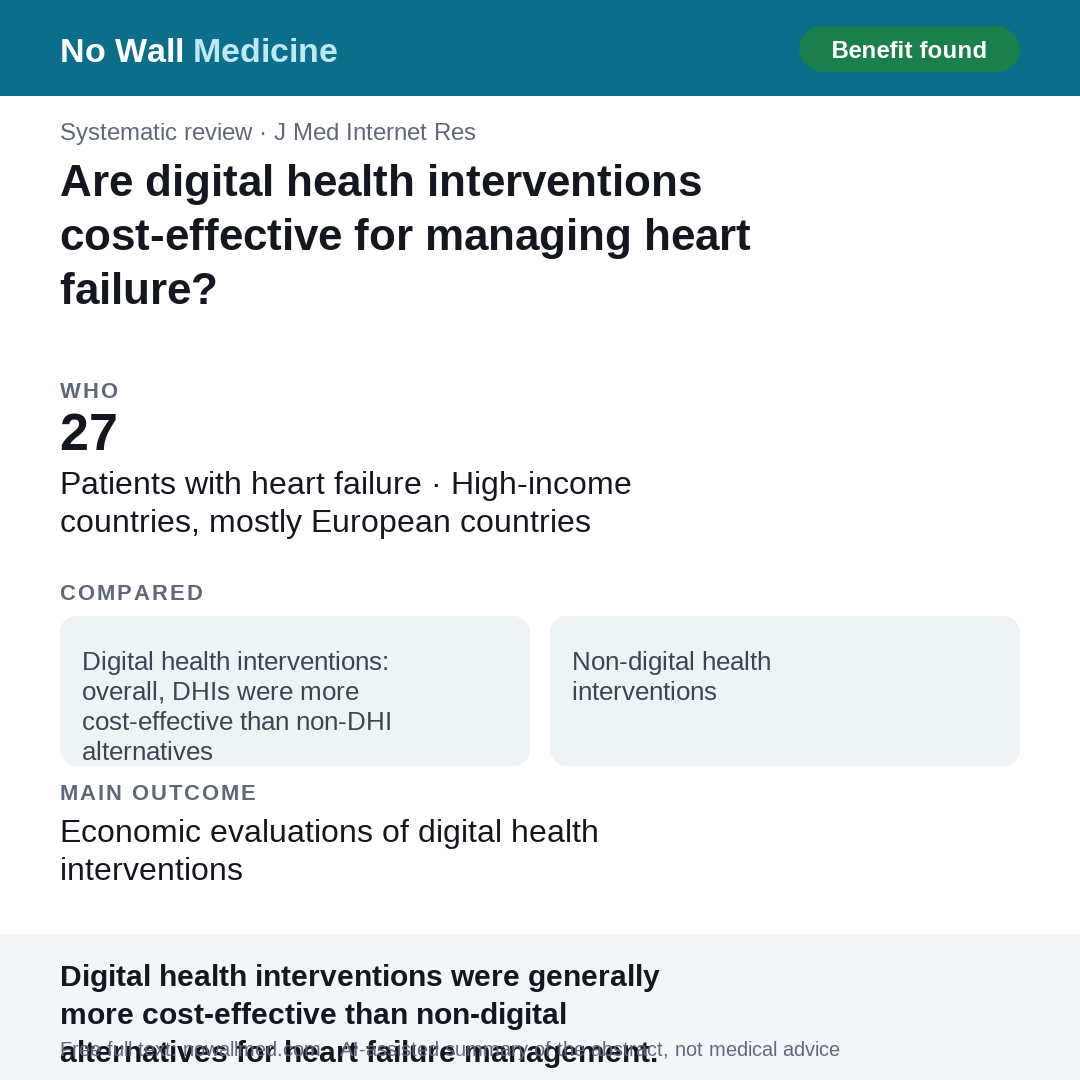
Economic Evaluations of Digital Health Interventions for Patients With Heart Failure: Systematic Review
Systematic reviewBenefit found
Are digital health interventions cost-effective for managing heart failure?
Who
27
Patients with heart failure · High-income countries, mostly European countries
Compared
Digital health interventions: overall, DHIs were more cost-effective than non-DHI alternatives
Non-digital health interventions
Main outcome
Economic evaluations of digital health interventions
Bottom line: Digital health interventions were generally more cost-effective than non-digital alternatives for heart failure management.
Limitation: Conflicting results were observed in noninvasive remote monitoring devices and telephone support.
J Med Internet Res · 2024-04-30Download image
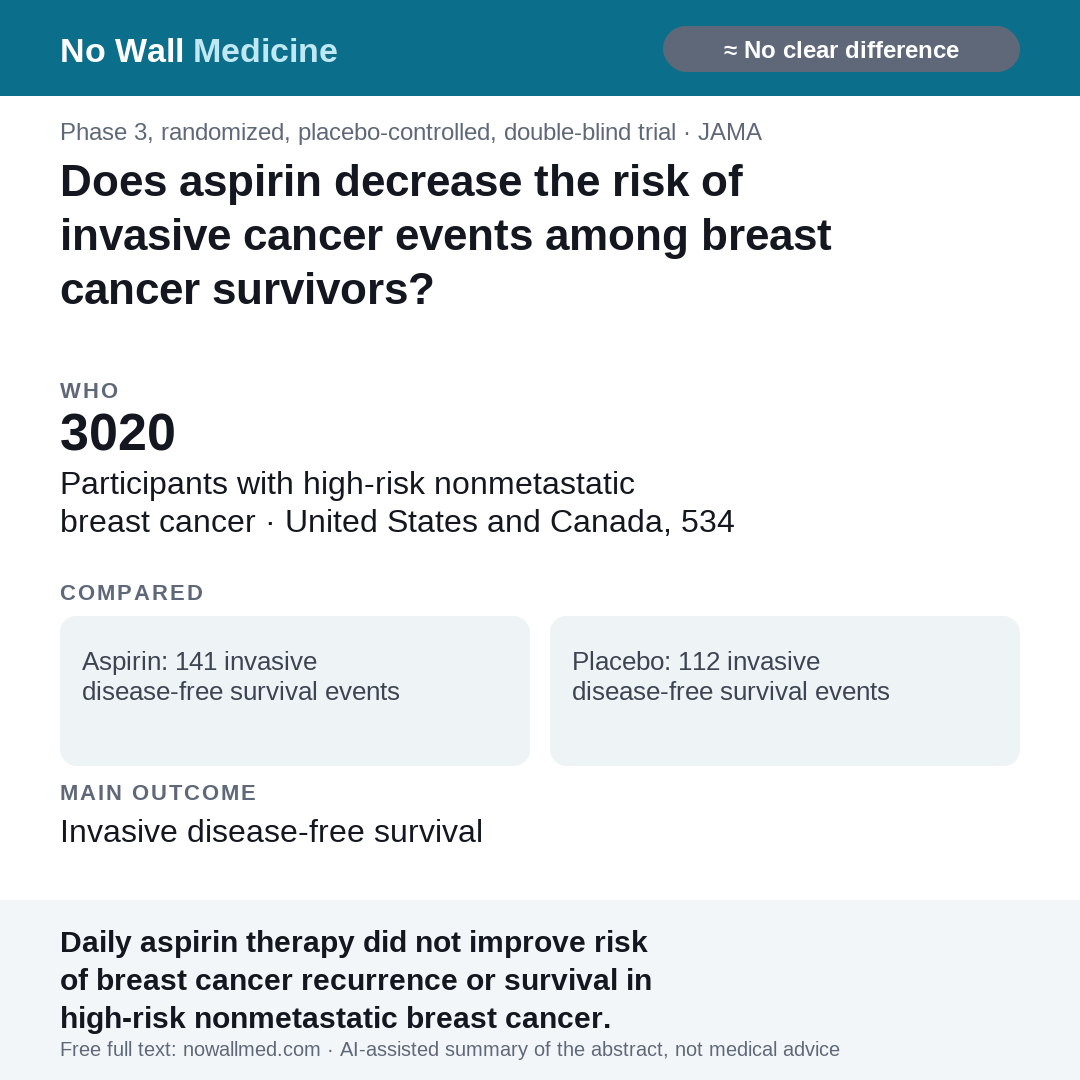
Aspirin vs Placebo as Adjuvant Therapy for Breast Cancer: The Alliance A011502 Randomized Trial
Phase 3, randomized, placebo-controlled, double-blind trialNo clear difference
Does aspirin decrease the risk of invasive cancer events among breast cancer survivors?
Who
3020
Participants with high-risk nonmetastatic breast cancer · United States and Canada, 534 sites
Compared
Aspirin: 141 invasive disease-free survival events
Placebo: 112 invasive disease-free survival events
Main outcome
Invasive disease-free survival
Result: hazard ratio 1.27 (95% CI, 0.99-1.63)
Bottom line: Daily aspirin therapy did not improve risk of breast cancer recurrence or survival in high-risk nonmetastatic breast cancer.
JAMA · 2024-04-29Download image
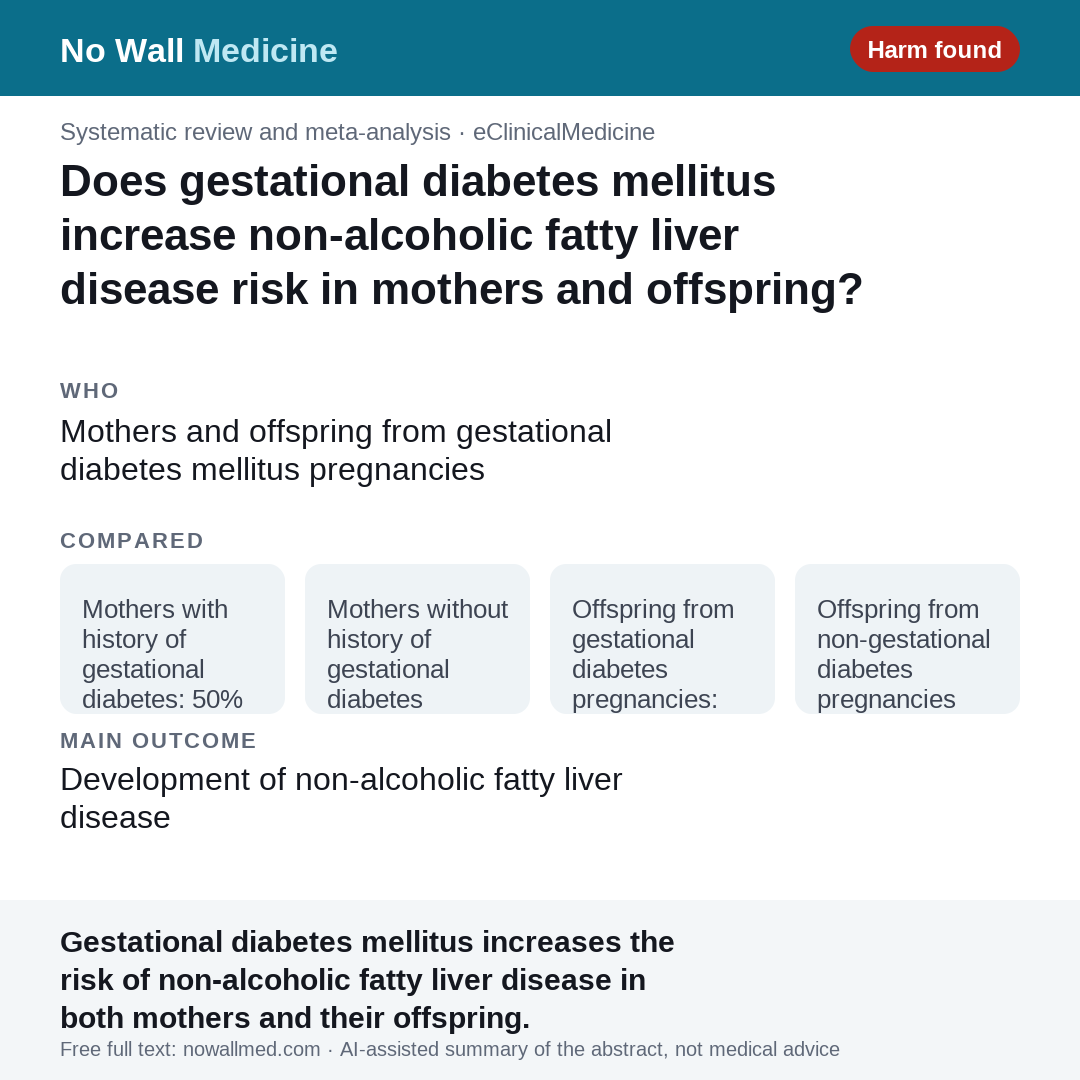
Gestational diabetes mellitus and development of intergenerational non-alcoholic fatty liver disease (NAFLD) after delivery: a systematic review and meta-analysis
Systematic review and meta-analysisHarm found
Does gestational diabetes mellitus increase non-alcoholic fatty liver disease risk in mothers and offspring?
Who
Mothers and offspring from gestational diabetes mellitus pregnancies
Compared
Mothers with history of gestational diabetes: 50% increased risk
Mothers without history of gestational diabetes
Offspring from gestational diabetes pregnancies: 2.14; 1.57-2.92
Offspring from non-gestational diabetes pregnancies
Main outcome
Development of non-alcoholic fatty liver disease
Result: OR 1.50 (95% CI: 1.21-1.87) for mothers; 2.14 (95% CI 1.57-2.92) for offspring
Bottom line: Gestational diabetes mellitus increases the risk of non-alcoholic fatty liver disease in both mothers and their offspring.
eClinicalMedicine · 2024-04-29Download image
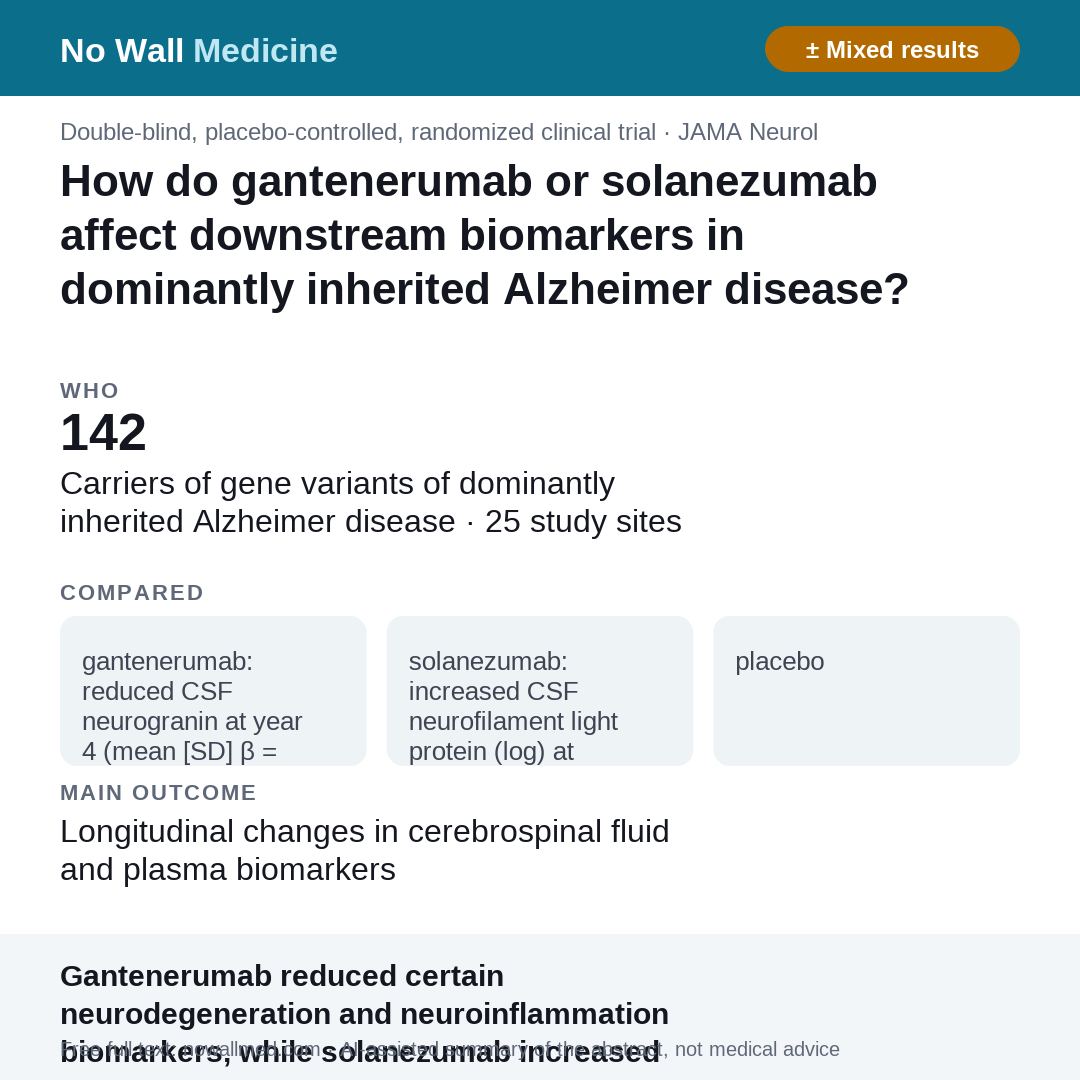
Downstream Biomarker Effects of Gantenerumab or Solanezumab in Dominantly Inherited Alzheimer Disease: The DIAN-TU-001 Randomized Clinical Trial
Double-blind, placebo-controlled, randomized clinical trialMixed results
How do gantenerumab or solanezumab affect downstream biomarkers in dominantly inherited Alzheimer disease?
Who
142
Carriers of gene variants of dominantly inherited Alzheimer disease · 25 study sites in 7 countries
Compared
gantenerumab: reduced CSF neurogranin at year 4 (mean [SD] β = -242.43 [48.04] pg/mL)
solanezumab: increased CSF neurofilament light protein (log) at year 4 (mean [SD] β = 0.14 [0.06])
placebo
Main outcome
Longitudinal changes in cerebrospinal fluid and plasma biomarkers
Bottom line: Gantenerumab reduced certain neurodegeneration and neuroinflammation biomarkers, while solanezumab increased cerebrospinal fluid neurofilament light protein.
JAMA Neurol · 2024-04-29Download image
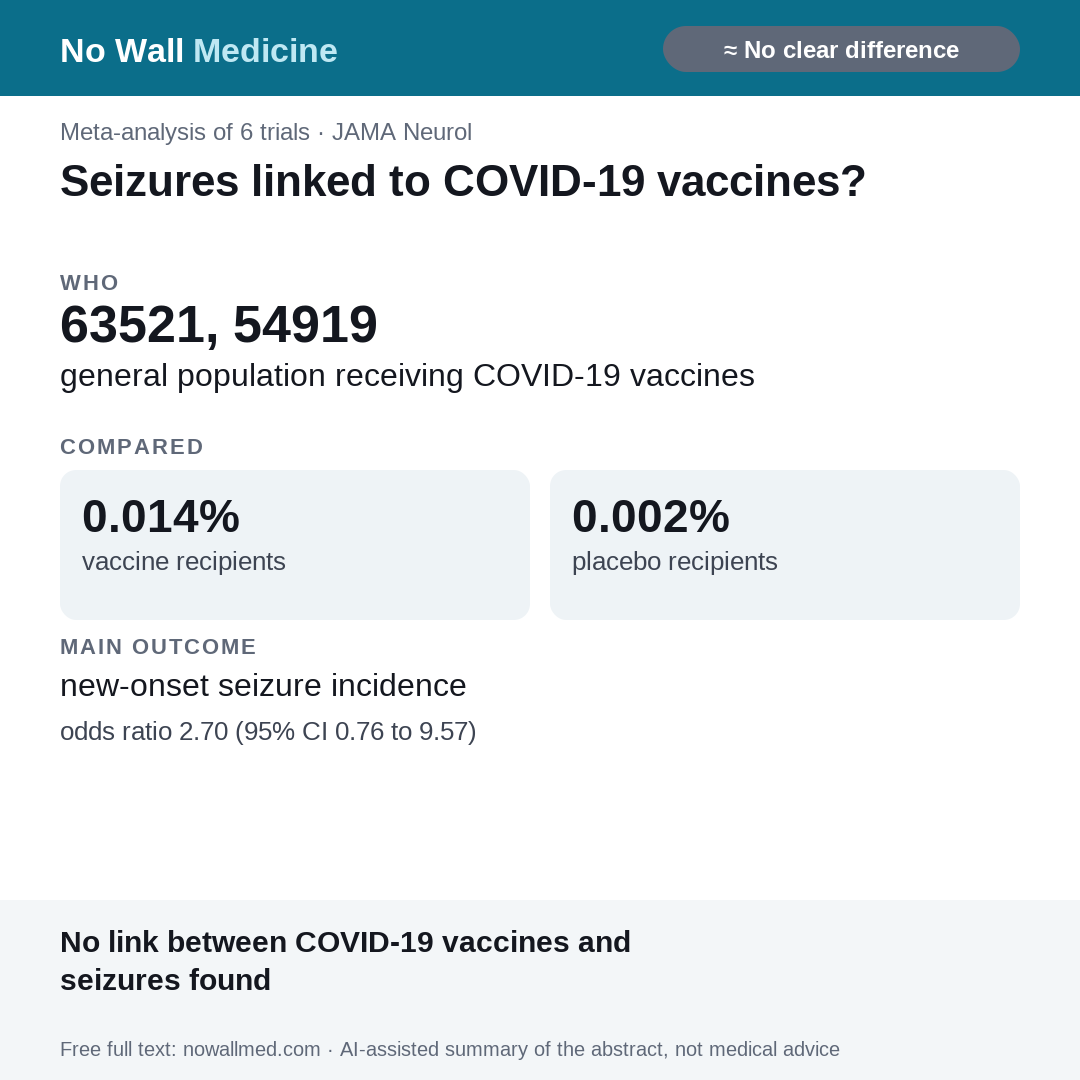
Association of New-Onset Seizures With SARS-CoV-2 Vaccines: A Systematic Review and Meta-Analysis of Randomized Clinical Trials
Meta-analysis of 6 trialsNo clear difference
Seizures linked to COVID-19 vaccines?
Who
63521, 54919
general population receiving COVID-19 vaccines
Compared
0.014%vaccine recipients (9/63521)
0.002%placebo recipients (1/54919)
Main outcome
new-onset seizure incidence
Result: odds ratio 2.70 (95% CI 0.76 to 9.57)
Bottom line: No link between COVID-19 vaccines and seizures found
JAMA Neurol · 2024-04-29Download image
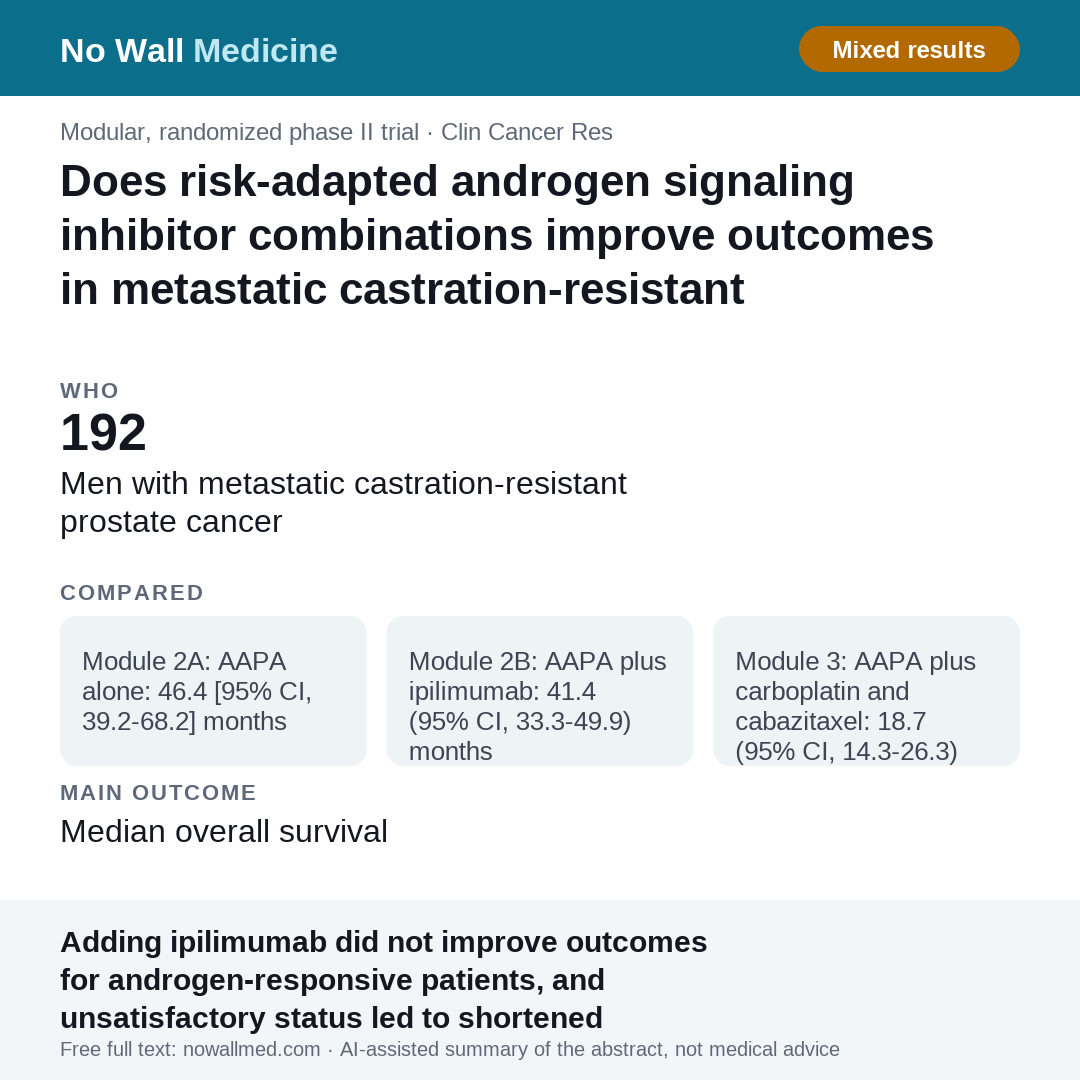
A Modular Trial of Androgen Signaling Inhibitor Combinations Testing a Risk-Adapted Strategy in Patients with Metastatic Castration-Resistant Prostate Cancer
Modular, randomized phase II trialMixed results
Does risk-adapted androgen signaling inhibitor combinations improve outcomes in metastatic castration-resistant prostate cancer?
Who
192
Men with metastatic castration-resistant prostate cancer
Compared
Module 2A: AAPA alone: 46.4 [95% CI, 39.2-68.2] months
Module 2B: AAPA plus ipilimumab: 41.4 (95% CI, 33.3-49.9) months
Module 3: AAPA plus carboplatin and cabazitaxel: 18.7 (95% CI, 14.3-26.3) months
Main outcome
Median overall survival
Bottom line: Adding ipilimumab did not improve outcomes for androgen-responsive patients, and unsatisfactory status led to shortened survival despite intensive therapy.
Clin Cancer Res · 2024-04-29Download image