Visual abstracts
New randomized trials and meta-analyses from leading journals at a glance: who was studied, what was compared, and what was found. Every paper is free to read in full.
All specialtiesCardiology 4877Oncology 4138Gastroenterology & Hepatology 1942Infectious Disease 3837Neurology 1905Psychiatry & Mental Health 2273Pulmonology 2143Critical Care 1365Endocrinology & Diabetes 2580Pediatrics 2980Surgery 2559Orthopedics & Sports Medicine 931Neurosurgery 537Cardiothoracic & Vascular Surgery 674Plastic & Reconstructive Surgery 591Nephrology 1133Rheumatology 823Hematology 1109Dermatology 621Ophthalmology 543Obstetrics & Gynecology 1686Public & Global Health 1058Radiology & Imaging 648Anesthesiology 986Urology 764ENT (Otolaryngology) 503Emergency Medicine 511Allergy & Immunology 313Geriatrics 981Family Medicine & Primary Care 562Medical Genetics & Genomics 676Pathology & Laboratory Medicine 159Physical Medicine & Rehabilitation 757Palliative Care 444Nutrition 1588Digital Health & AI 2201General Medicine 321
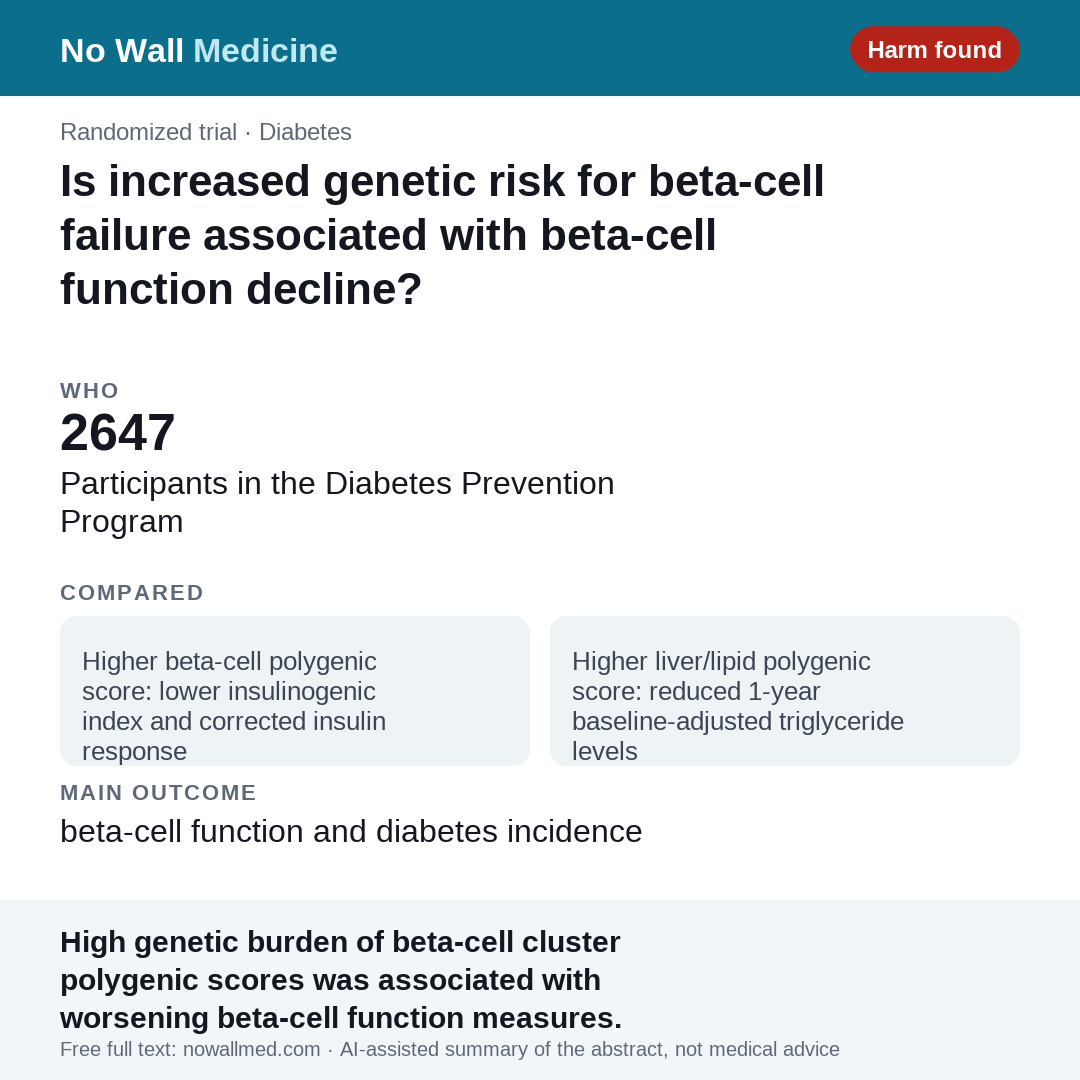
Increased Genetic Risk for β-Cell Failure Is Associated With β-Cell Function Decline in People With Prediabetes
Randomized trialHarm found
Is increased genetic risk for beta-cell failure associated with beta-cell function decline?
Who
2647
Participants in the Diabetes Prevention Program
Compared
Higher beta-cell polygenic score: lower insulinogenic index and corrected insulin response
Higher liver/lipid polygenic score: reduced 1-year baseline-adjusted triglyceride levels
Main outcome
beta-cell function and diabetes incidence
Result: hazard ratio 1.10 per SD (P = 0.035)
Bottom line: High genetic burden of beta-cell cluster polygenic scores was associated with worsening beta-cell function measures.
Diabetes · 2024-05-17Download image
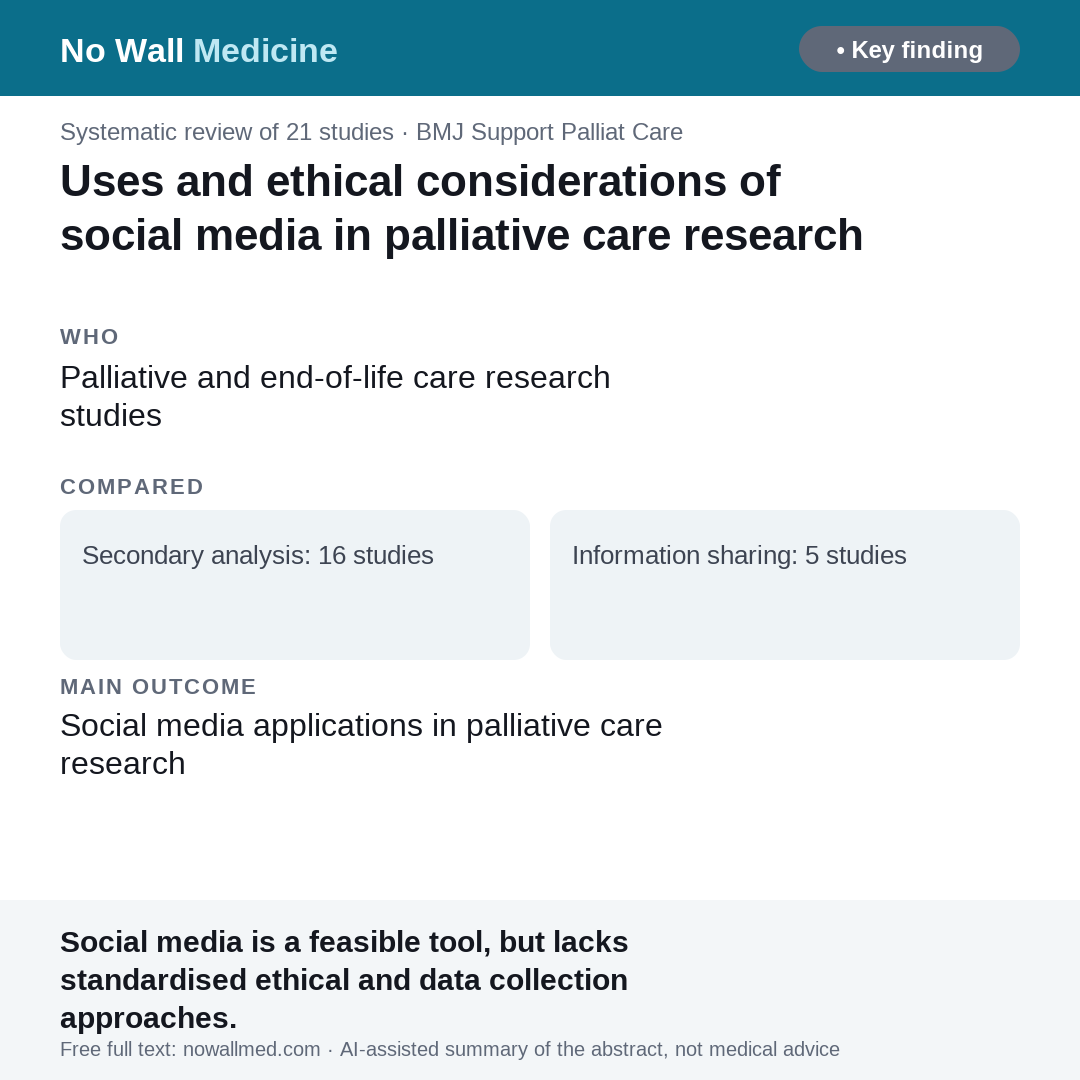
Social media for palliative and end-of-life care research: a systematic review
Systematic review and narrative synthesisMixed results
What are the uses, ethical considerations, and data collection approaches of social media in palliative care research?
Who
21
Palliative and end-of-life care research studies
Compared
16Secondary analysis studies
5Information sharing studies
Main outcome
Uses, ethical considerations, and data collection approaches
Bottom line: Social media is a promising research tool, but lacks standardized ethical handling and data collection approaches.
Limitation: Absence of standardised ethical handling and data collection approaches.
BMJ Support Palliat Care · 2024-05-17Download image
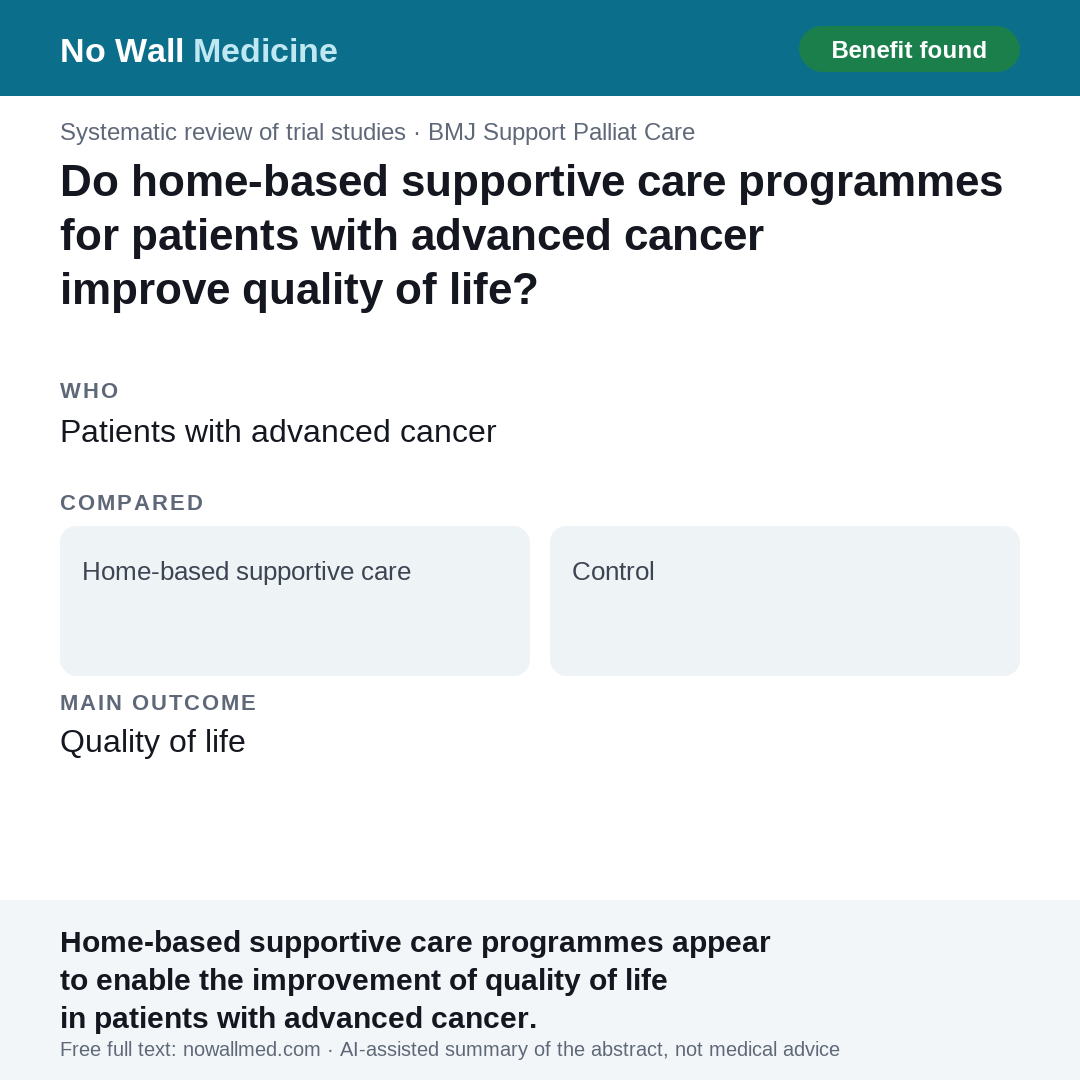
Home-based supportive care in advanced cancer: systematic review
Systematic review of trial studiesBenefit found
Do home-based supportive care programmes for patients with advanced cancer improve quality of life?
Who
Patients with advanced cancer
Compared
Home-based supportive care
Control
Main outcome
Quality of life
Bottom line: Home-based supportive care programmes appear to enable the improvement of quality of life in patients with advanced cancer.
BMJ Support Palliat Care · 2024-05-17Download image
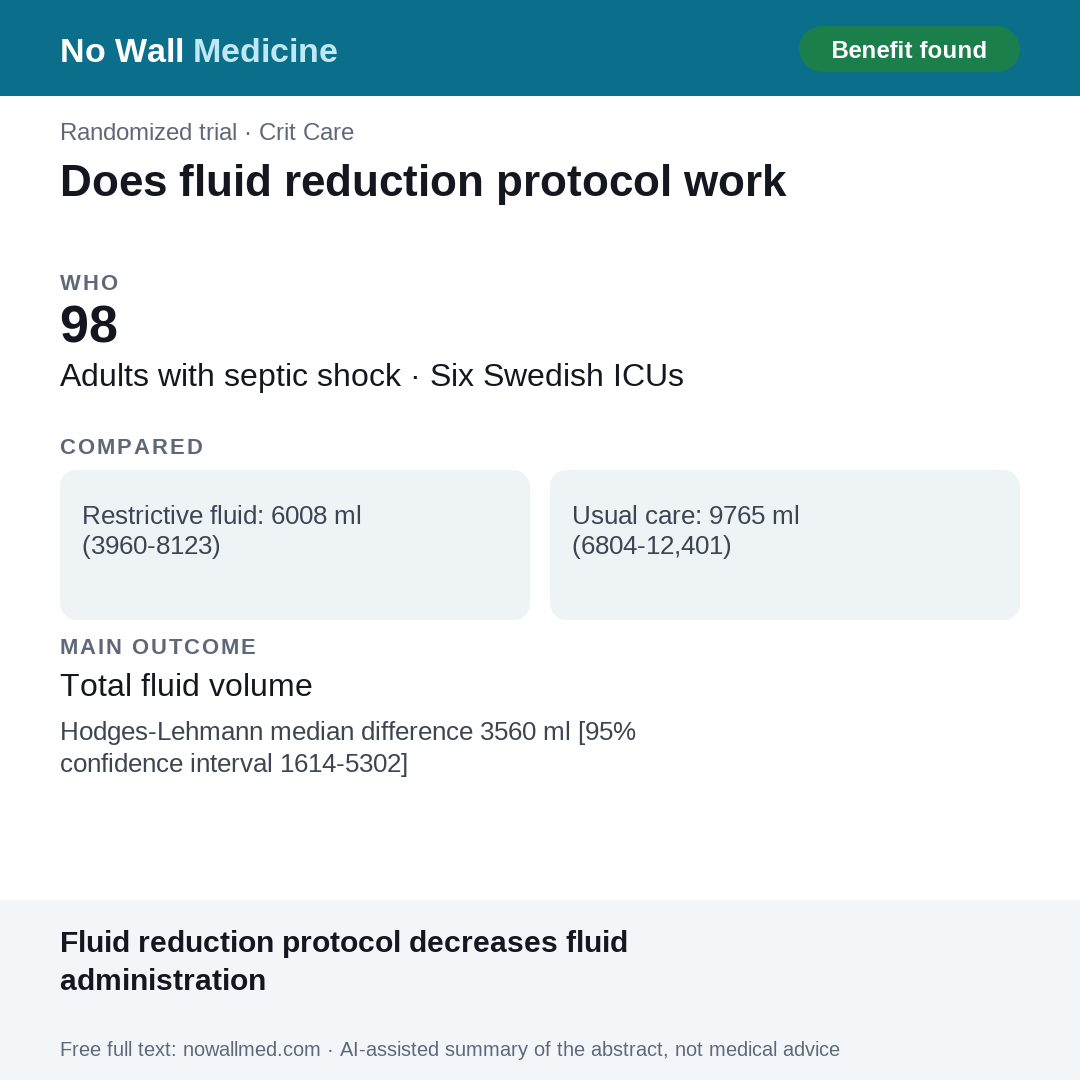
Protocolized reduction of non-resuscitation fluids versus usual care in septic shock patients (REDUSE): a randomized multicentre feasibility trial
Randomized trialBenefit found
Does fluid reduction protocol work
Who
98
Adults with septic shock · Six Swedish ICUs
Compared
Restrictive fluid: 6008 ml (3960-8123)
Usual care: 9765 ml (6804-12,401)
Main outcome
Total fluid volume
Result: Hodges-Lehmann median difference 3560 ml [95% confidence interval 1614-5302]
Bottom line: Fluid reduction protocol decreases fluid administration
Crit Care · 2024-05-17Download image
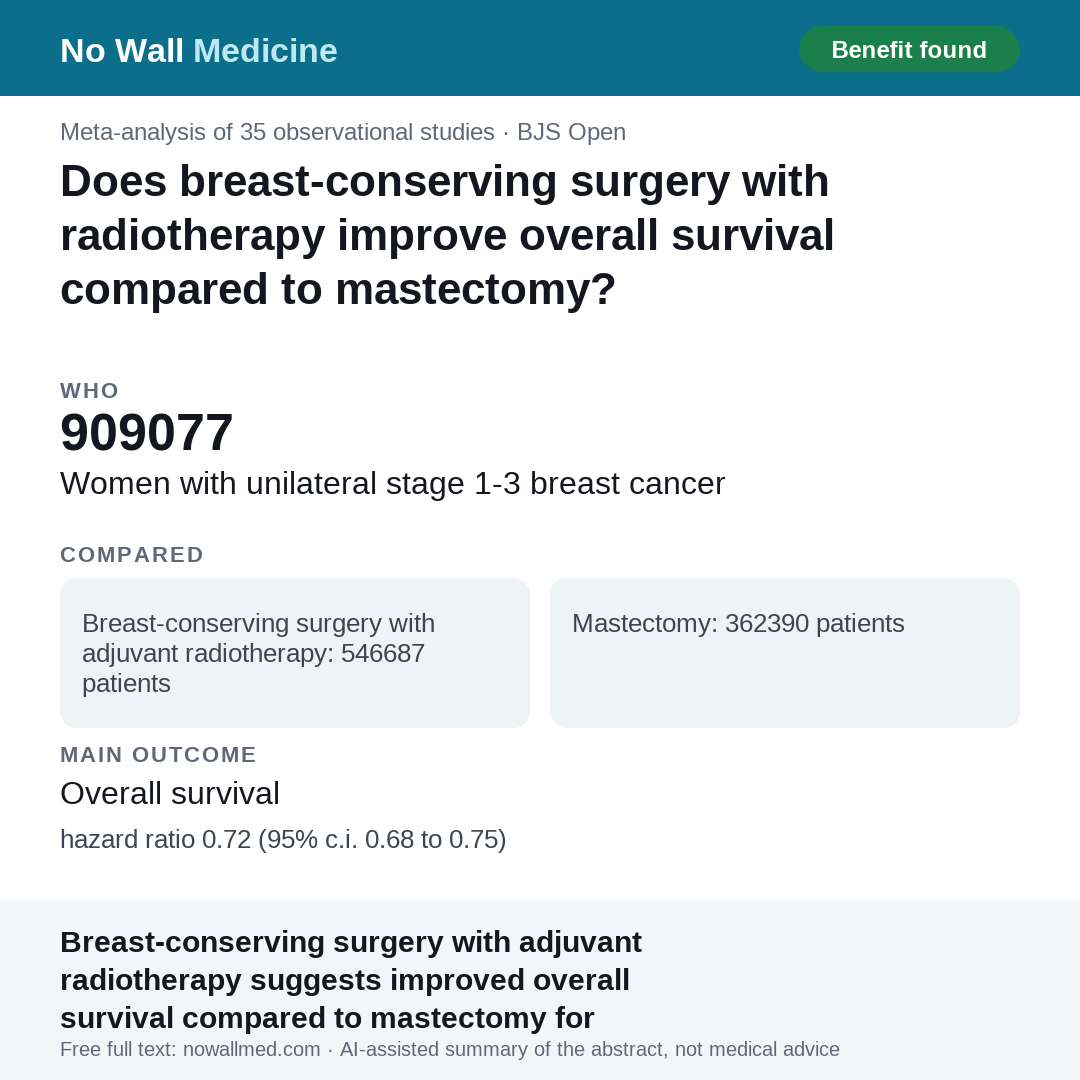
Overall survival after mastectomy versus breast-conserving surgery with adjuvant radiotherapy for early-stage breast cancer: meta-analysis
Meta-analysis of 35 observational studiesBenefit found
Does breast-conserving surgery with radiotherapy improve overall survival compared to mastectomy?
Who
909077
Women with unilateral stage 1-3 breast cancer
Compared
Breast-conserving surgery with adjuvant radiotherapy: 546687 patients
Mastectomy: 362390 patients
Main outcome
Overall survival
Result: hazard ratio 0.72 (95% c.i. 0.68 to 0.75)
Bottom line: Breast-conserving surgery with adjuvant radiotherapy suggests improved overall survival compared to mastectomy for early-stage breast cancer.
Limitation: The overall certainty of the evidence was very low.
BJS Open · 2024-05-17Download image
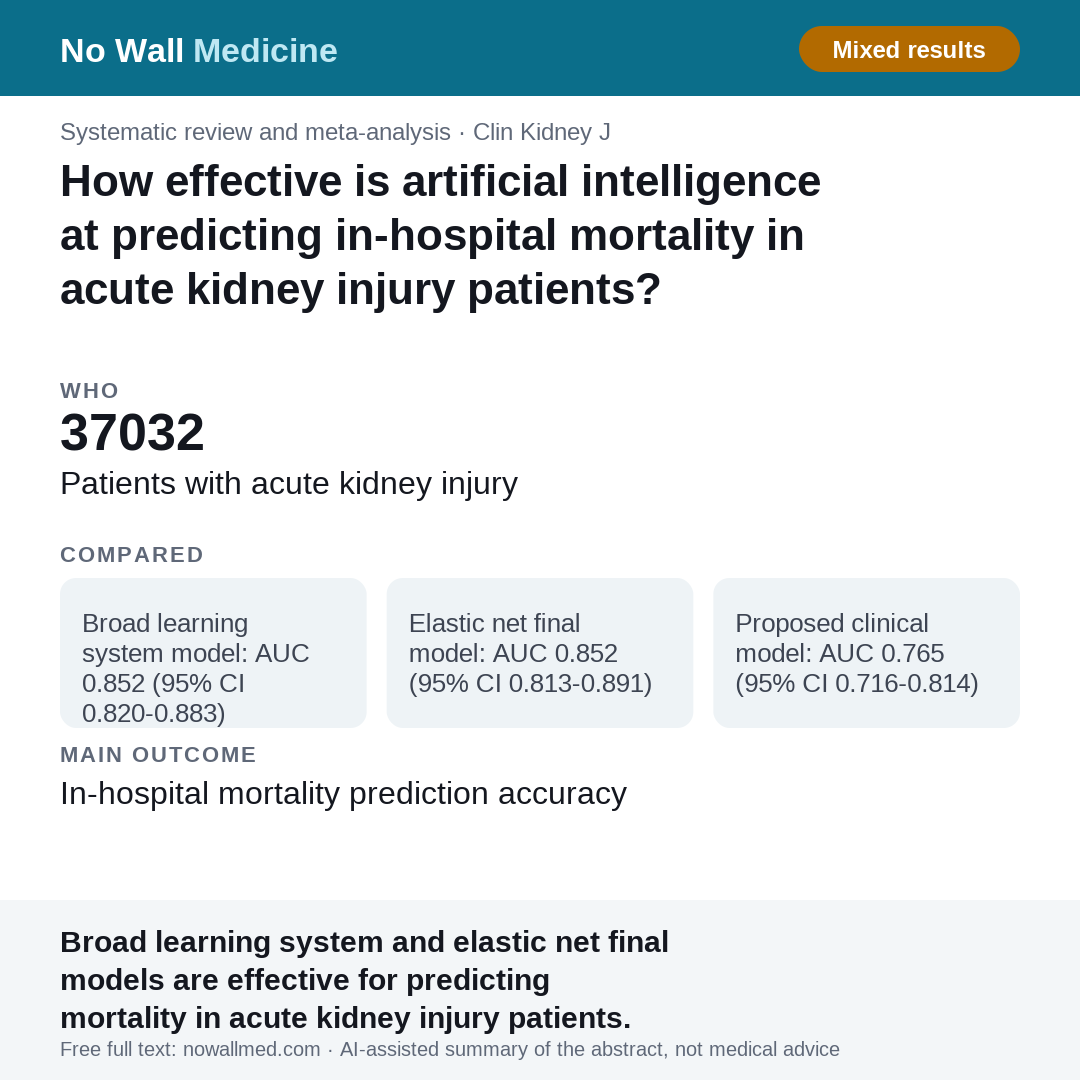
Using artificial intelligence to predict mortality in AKI patients: a systematic review/meta-analysis
Systematic review and meta-analysisMixed results
How effective is artificial intelligence at predicting in-hospital mortality in acute kidney injury patients?
Who
37032
Patients with acute kidney injury
Compared
Broad learning system model: AUC 0.852 (95% CI 0.820-0.883)
Elastic net final model: AUC 0.852 (95% CI 0.813-0.891)
Proposed clinical model: AUC 0.765 (95% CI 0.716-0.814)
Main outcome
In-hospital mortality prediction accuracy
Bottom line: Broad learning system and elastic net final models are effective for predicting mortality in acute kidney injury patients.
Clin Kidney J · 2024-05-17Download image
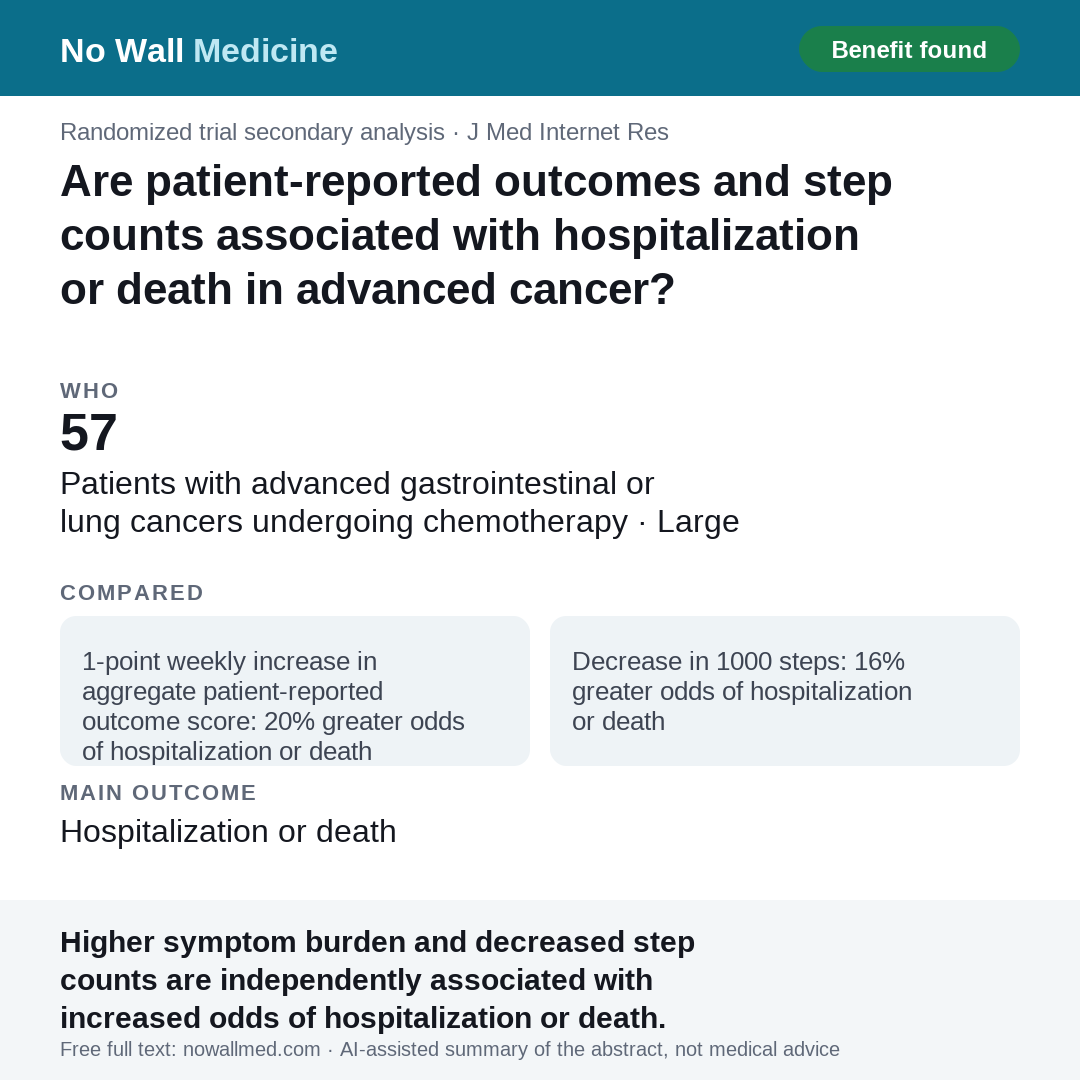
Association of Remote Patient-Reported Outcomes and Step Counts With Hospitalization or Death Among Patients With Advanced Cancer Undergoing Chemotherapy: Secondary Analysis of the PROStep Randomized Trial
Randomized trial secondary analysisBenefit found
Are patient-reported outcomes and step counts associated with hospitalization or death in advanced cancer?
Who
57
Patients with advanced gastrointestinal or lung cancers undergoing chemotherapy · Large academic cancer center
Compared
1-point weekly increase in aggregate patient-reported outcome score: 20% greater odds of hospitalization or death
Decrease in 1000 steps: 16% greater odds of hospitalization or death
Main outcome
Hospitalization or death
Result: adjusted odds ratio 1.2 (95% CI 1.1-1.4)
Bottom line: Higher symptom burden and decreased step counts are independently associated with increased odds of hospitalization or death.
J Med Internet Res · 2024-05-17Download image
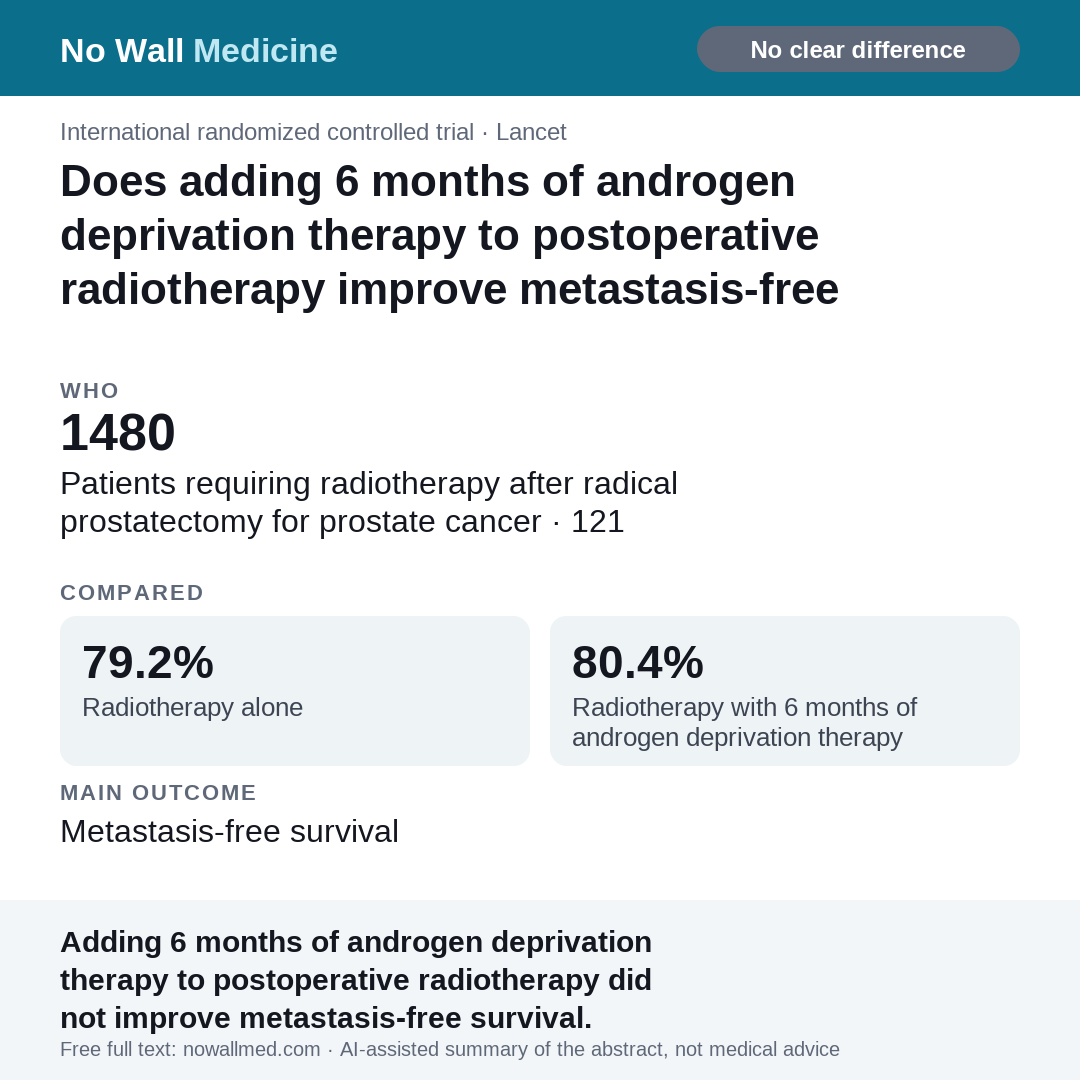
Adding 6 months of androgen deprivation therapy to postoperative radiotherapy for prostate cancer: a comparison of short-course versus no androgen deprivation therapy in the RADICALS-HD randomised controlled trial
International randomized controlled trialNo clear difference
Does adding 6 months of androgen deprivation therapy to postoperative radiotherapy improve metastasis-free survival?
Who
1480
Patients requiring radiotherapy after radical prostatectomy for prostate cancer · 121 centres in Canada, Denmark, Ireland, and the UK
Compared
79.2%Radiotherapy alone (95% CI 75.4-82.5)
80.4%Radiotherapy with 6 months of androgen deprivation therapy (76.6-83.6%)
Main outcome
Metastasis-free survival
Result: hazard ratio 0.886 (95% CI 0.688-1.140)
Bottom line: Adding 6 months of androgen deprivation therapy to postoperative radiotherapy did not improve metastasis-free survival.
Funded by: Cancer Research UK, UK Research and Innovation, Canadian Cancer Society
Lancet · 2024-05-16Download image
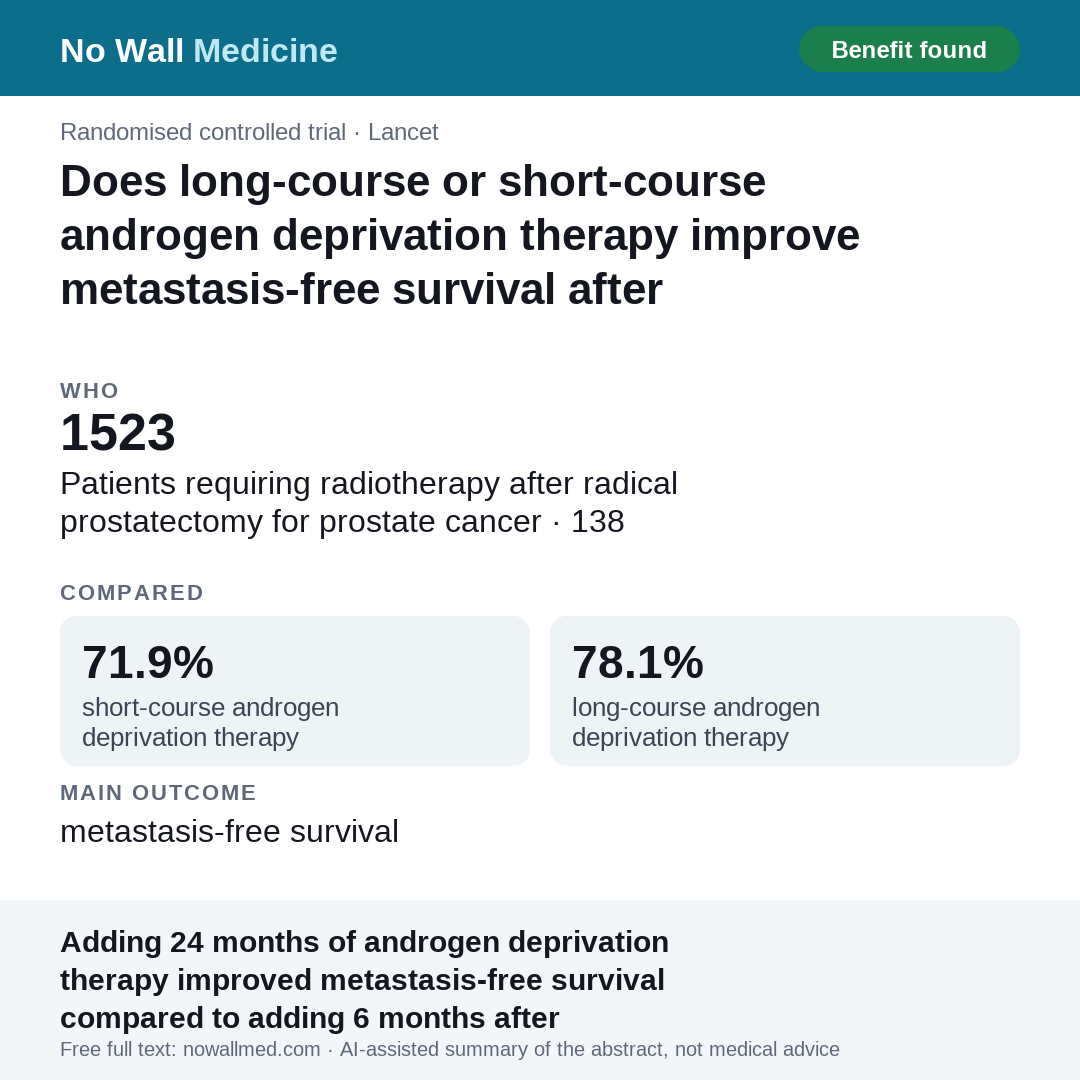
Duration of androgen deprivation therapy with postoperative radiotherapy for prostate cancer: a comparison of long-course versus short-course androgen deprivation therapy in the RADICALS-HD randomised trial
Randomised controlled trialBenefit found
Does long-course or short-course androgen deprivation therapy improve metastasis-free survival after postoperative radiotherapy?
Who
1523
Patients requiring radiotherapy after radical prostatectomy for prostate cancer · 138 centres in Canada, Denmark, Ireland, and the UK
Compared
71.9%short-course androgen deprivation therapy (95% CI 67.6-75.7)
78.1%long-course androgen deprivation therapy (74.2-81.5)
Main outcome
metastasis-free survival
Result: hazard ratio 0.773 (95% CI 0.612-0.975)
Bottom line: Adding 24 months of androgen deprivation therapy improved metastasis-free survival compared to adding 6 months after postoperative radiotherapy.
Limitation: The allocated treatment was not masked.
Funded by: Cancer Research UK, UK Research and Innovation, Canadian Cancer Society
Lancet · 2024-05-16Download image
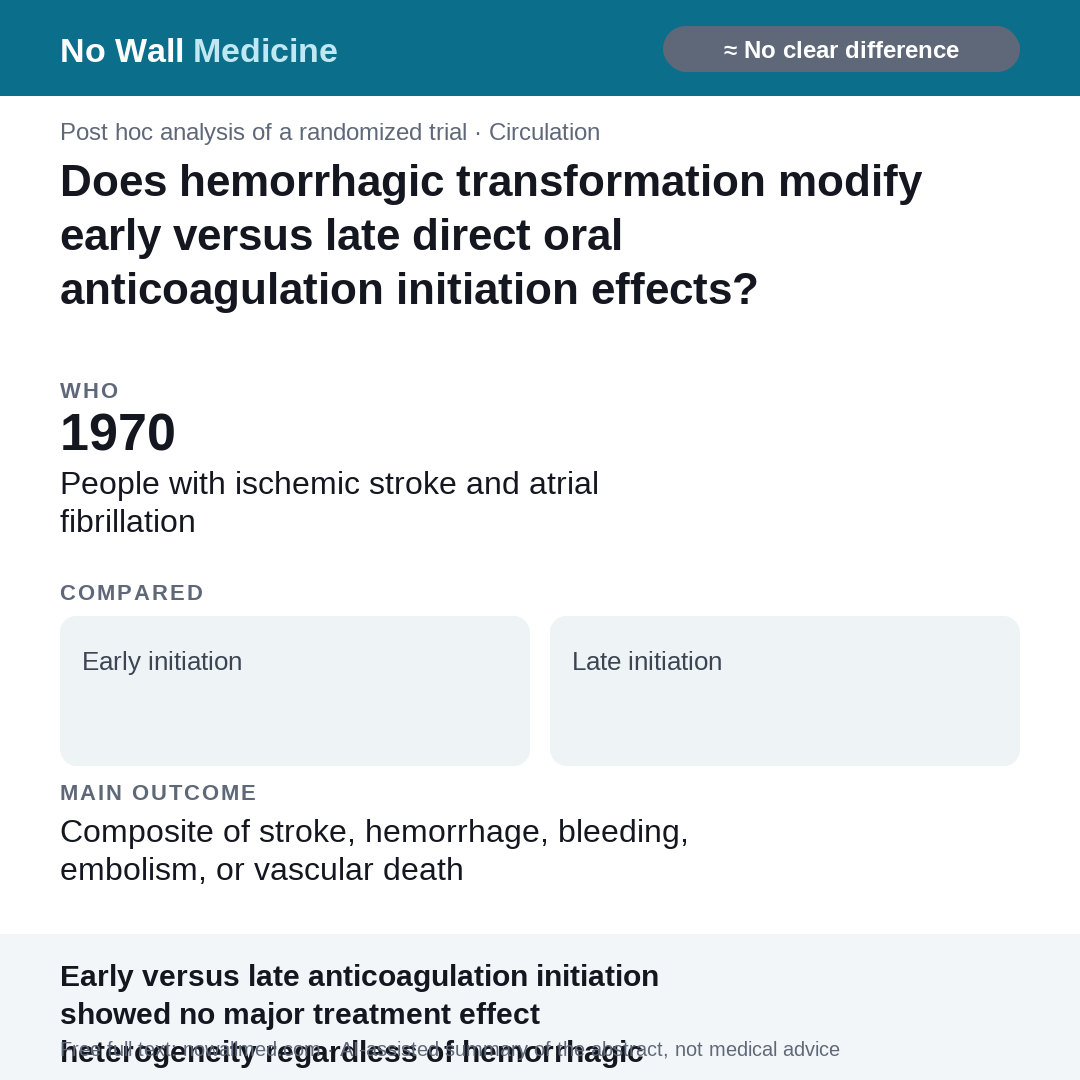
Early Versus Late Initiation of Direct Oral Anticoagulants After Ischemic Stroke in People With Atrial Fibrillation and Hemorrhagic Transformation: Prespecified Subanalysis of the Randomized Controlled ELAN Trial
Post hoc analysis of a randomized trialNo clear difference
Does hemorrhagic transformation modify early versus late direct oral anticoagulation initiation effects?
Who
1970
People with ischemic stroke and atrial fibrillation
Compared
Early initiation
Late initiation
Main outcome
Composite of stroke, hemorrhage, bleeding, embolism, or vascular death
Result: adjusted risk difference -2.2% (95% CI, -7.8% to 3.5%)
Bottom line: Early versus late anticoagulation initiation showed no major treatment effect heterogeneity regardless of hemorrhagic transformation status.
Limitation: This was a post hoc subanalysis of the ELAN trial.
Circulation · 2024-05-16Download image
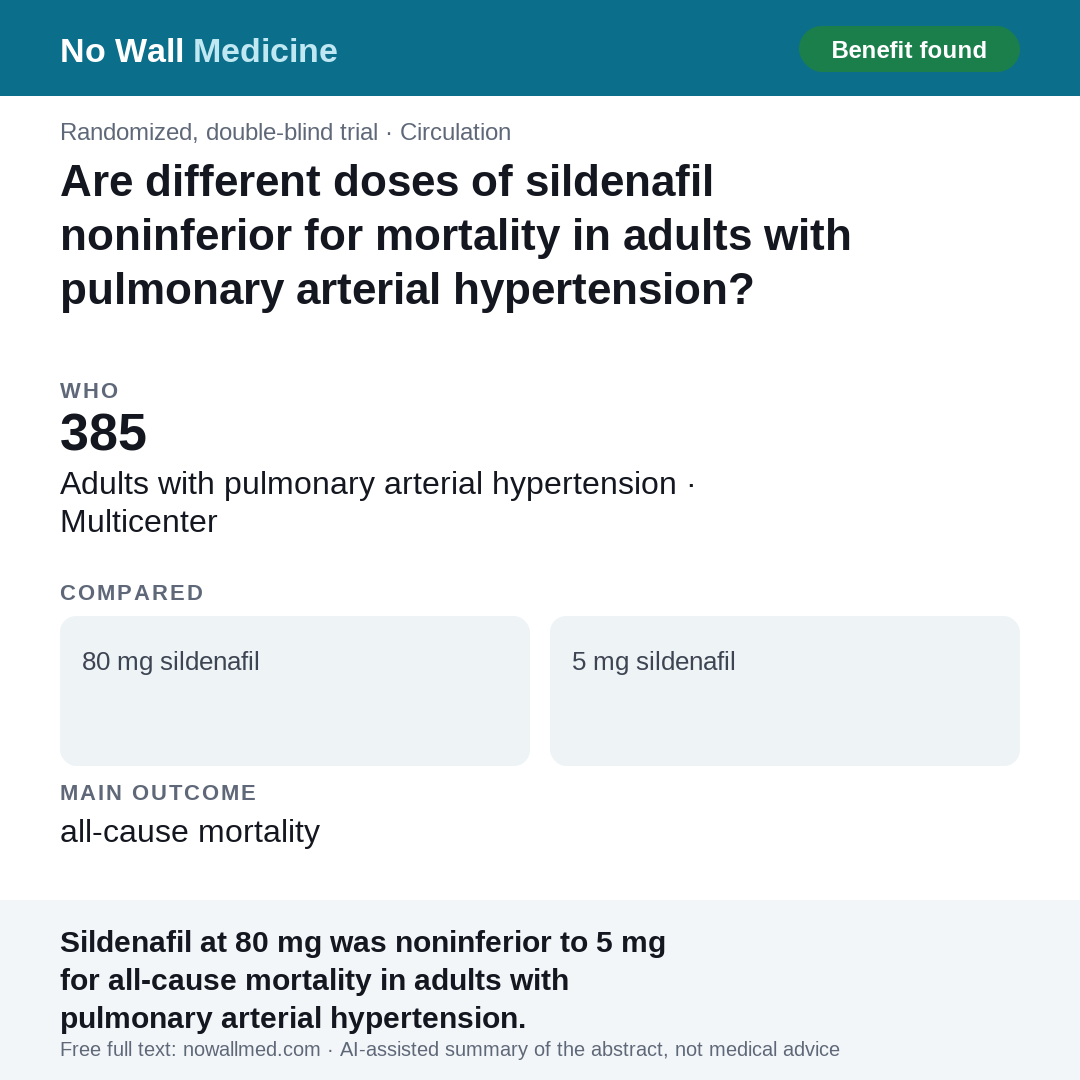
Randomized, Multicenter Study to Assess the Effects of Different Doses of Sildenafil on Mortality in Adults With Pulmonary Arterial Hypertension
Randomized, double-blind trialBenefit found
Are different doses of sildenafil noninferior for mortality in adults with pulmonary arterial hypertension?
Who
385
Adults with pulmonary arterial hypertension · Multicenter
Compared
80 mg sildenafil
5 mg sildenafil
Main outcome
all-cause mortality
Result: hazard ratio 0.51 (99.7% CI, 0.22-1.21)
Bottom line: Sildenafil at 80 mg was noninferior to 5 mg for all-cause mortality in adults with pulmonary arterial hypertension.
Circulation · 2024-05-16Download image
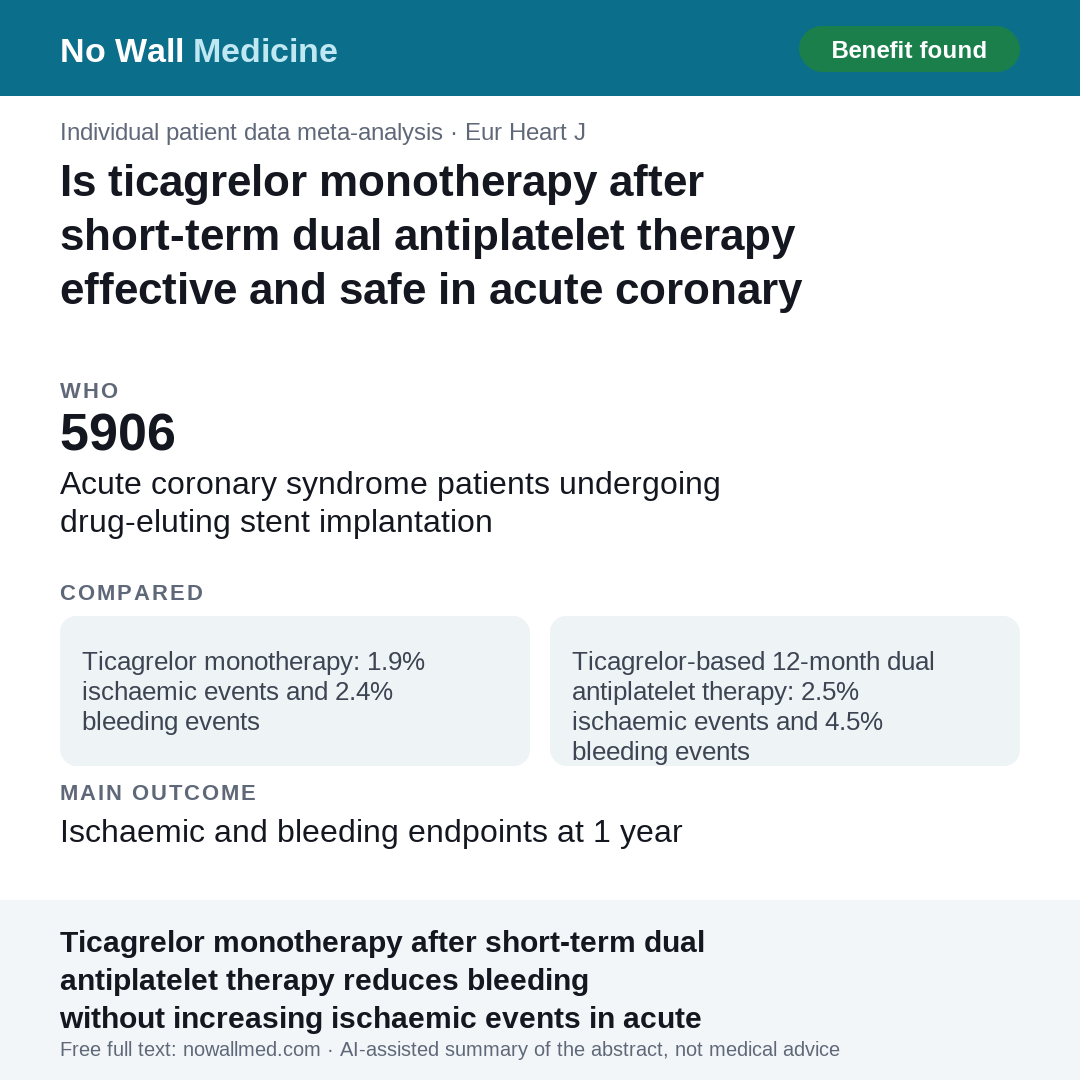
Ticagrelor monotherapy for acute coronary syndrome: an individual patient data meta-analysis of TICO and T-PASS trials
Individual patient data meta-analysisBenefit found
Is ticagrelor monotherapy after short-term dual antiplatelet therapy effective and safe in acute coronary syndrome?
Who
5906
Acute coronary syndrome patients undergoing drug-eluting stent implantation
Compared
Ticagrelor monotherapy: 1.9% ischaemic events and 2.4% bleeding events
Ticagrelor-based 12-month dual antiplatelet therapy: 2.5% ischaemic events and 4.5% bleeding events
Main outcome
Ischaemic and bleeding endpoints at 1 year
Result: adjusted hazard ratio 0.79 (95% CI 0.56-1.13) for ischaemia; adjusted hazard ratio 0.54 (95% CI 0.40-0.72) for bleeding
Bottom line: Ticagrelor monotherapy after short-term dual antiplatelet therapy reduces bleeding without increasing ischaemic events in acute coronary syndrome.
Eur Heart J · 2024-05-16Download image
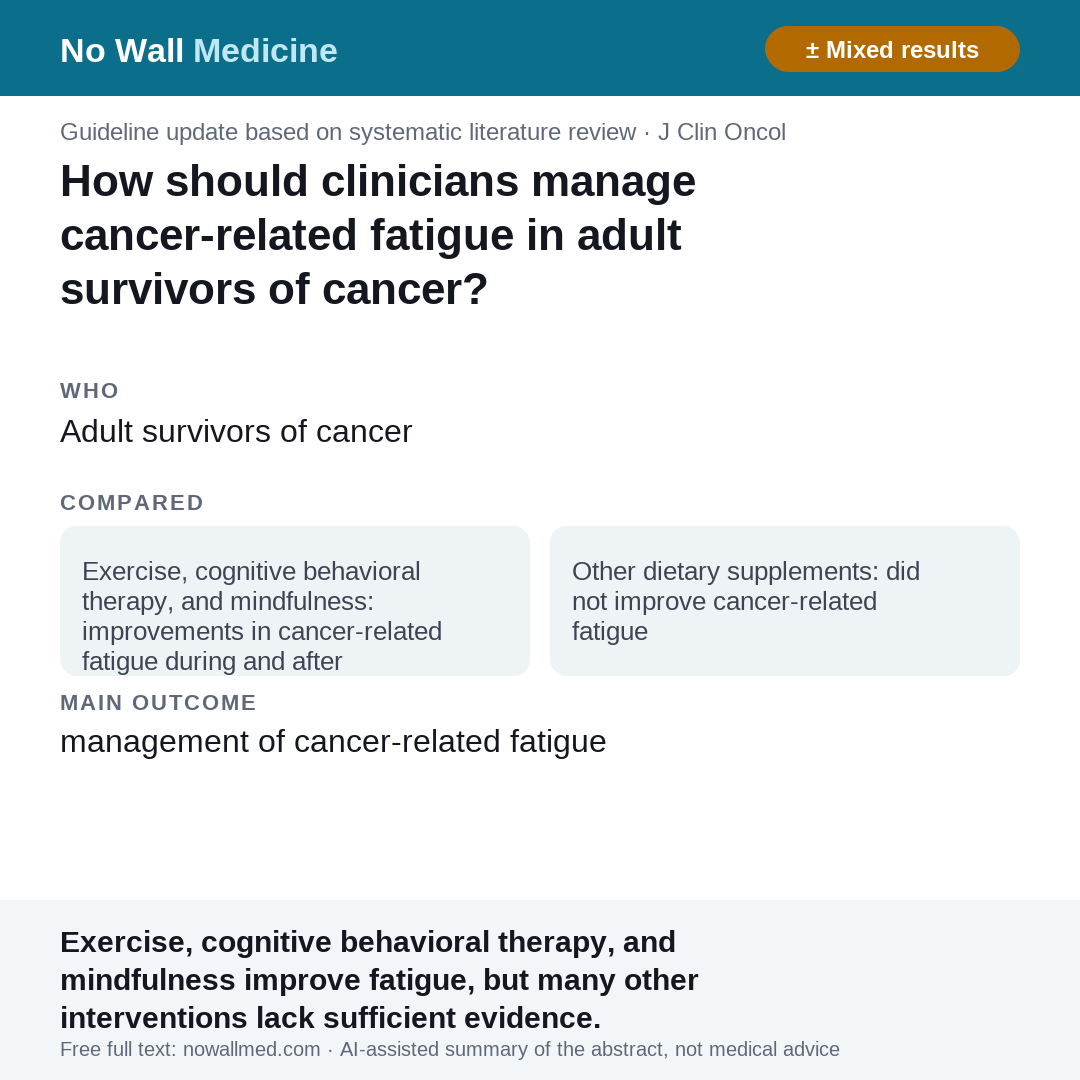
Management of Fatigue in Adult Survivors of Cancer: ASCO-Society for Integrative Oncology Guideline Update
Guideline update based on systematic literature reviewMixed results
How should clinicians manage cancer-related fatigue in adult survivors of cancer?
Who
Adult survivors of cancer
Compared
Exercise, cognitive behavioral therapy, and mindfulness: improvements in cancer-related fatigue during and after treatment
Other dietary supplements: did not improve cancer-related fatigue
Main outcome
management of cancer-related fatigue
Bottom line: Exercise, cognitive behavioral therapy, and mindfulness improve fatigue, but many other interventions lack sufficient evidence.
J Clin Oncol · 2024-05-16Download image
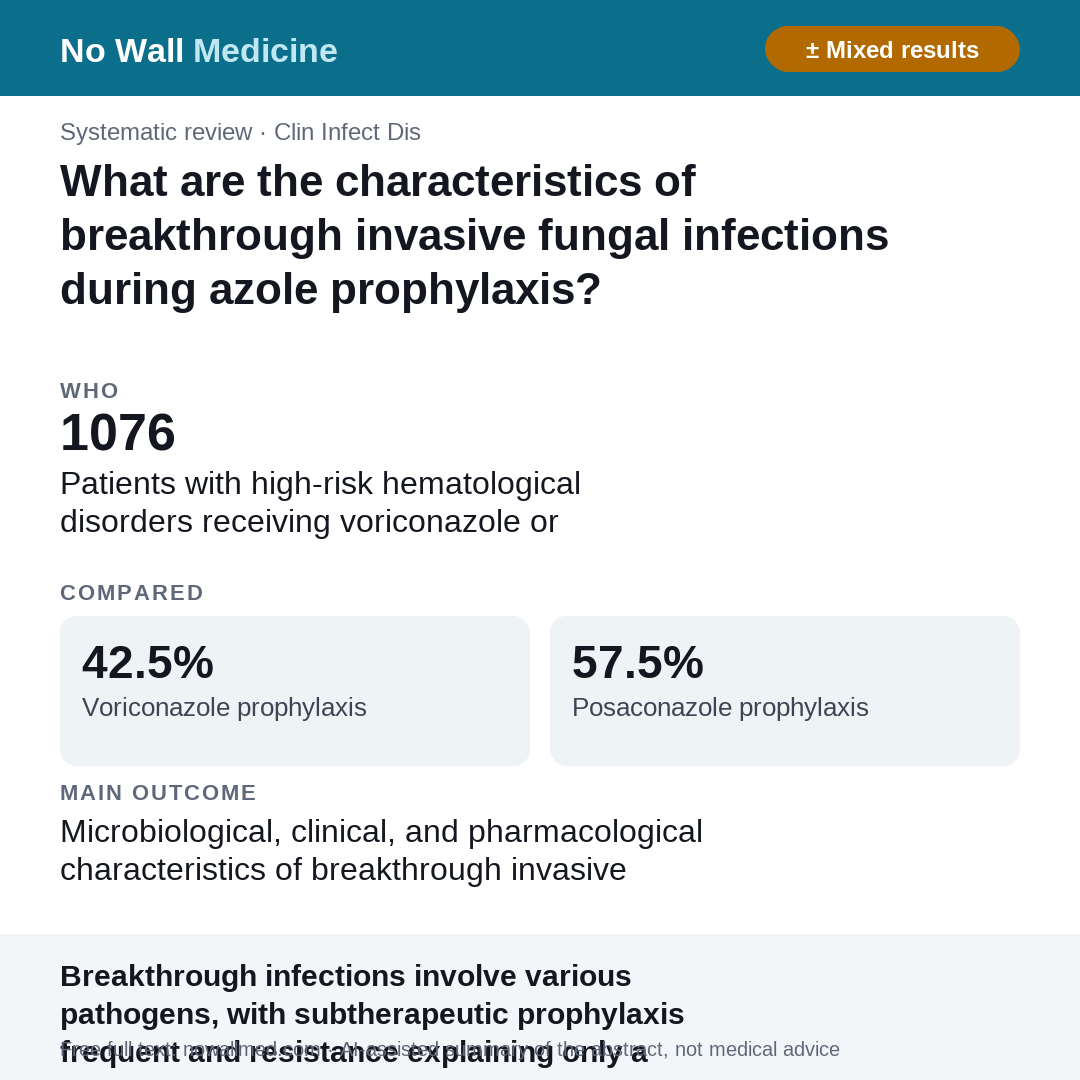
Breakthrough Invasive Fungal Infections in Patients With High-Risk Hematological Disorders Receiving Voriconazole and Posaconazole Prophylaxis: A Systematic Review
Systematic reviewMixed results
What are the characteristics of breakthrough invasive fungal infections during azole prophylaxis?
Who
1076
Patients with high-risk hematological disorders receiving voriconazole or posaconazole prophylaxis
Compared
42.5%Voriconazole prophylaxis
57.5%Posaconazole prophylaxis
Main outcome
Microbiological, clinical, and pharmacological characteristics of breakthrough invasive fungal infections
Bottom line: Breakthrough infections involve various pathogens, with subtherapeutic prophylaxis frequent and resistance explaining only a minority of cases.
Limitation: Prospective studies are needed to better understand these infections and establish optimal management.
Clin Infect Dis · 2024-05-16Download image
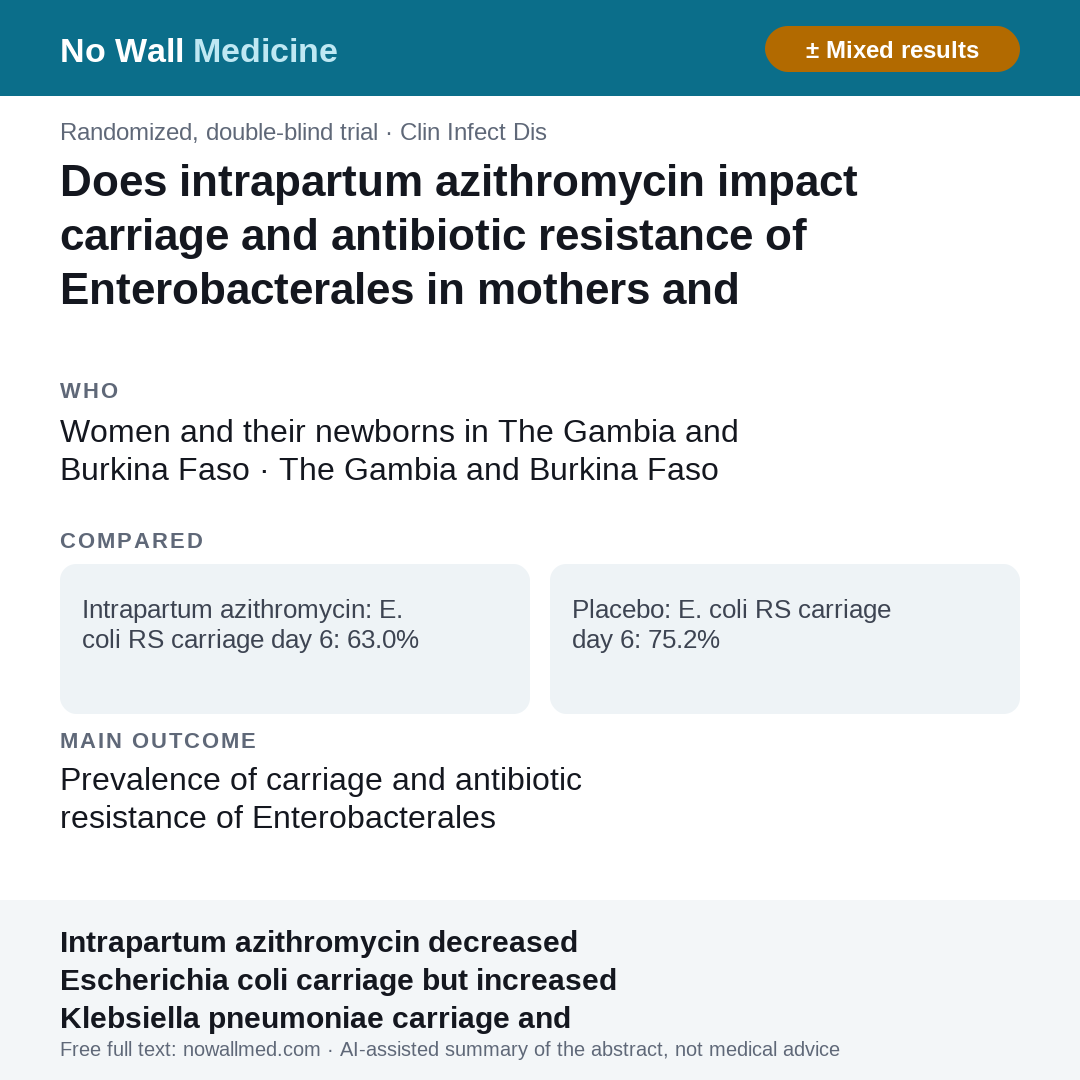
Impact of Intrapartum Azithromycin on the Carriage and Antibiotic Resistance of Escherichia coli and Klebsiella pneumoniae in Mothers and Their Newborns: A Substudy of a Randomized, Double-Blind Trial Conducted in The Gambia and Burkina Faso
Randomized, double-blind trialMixed results
Does intrapartum azithromycin impact carriage and antibiotic resistance of Enterobacterales in mothers and newborns?
Who
Women and their newborns in The Gambia and Burkina Faso · The Gambia and Burkina Faso
Compared
Intrapartum azithromycin: E. coli RS carriage day 6: 63.0%
Placebo: E. coli RS carriage day 6: 75.2%
Main outcome
Prevalence of carriage and antibiotic resistance of Enterobacterales
Result: PR 0.84 (95% CI .75-.95) for E. coli RS carriage
Bottom line: Intrapartum azithromycin decreased Escherichia coli carriage but increased Klebsiella pneumoniae carriage and azithromycin resistance.
Clin Infect Dis · 2024-05-16Download image
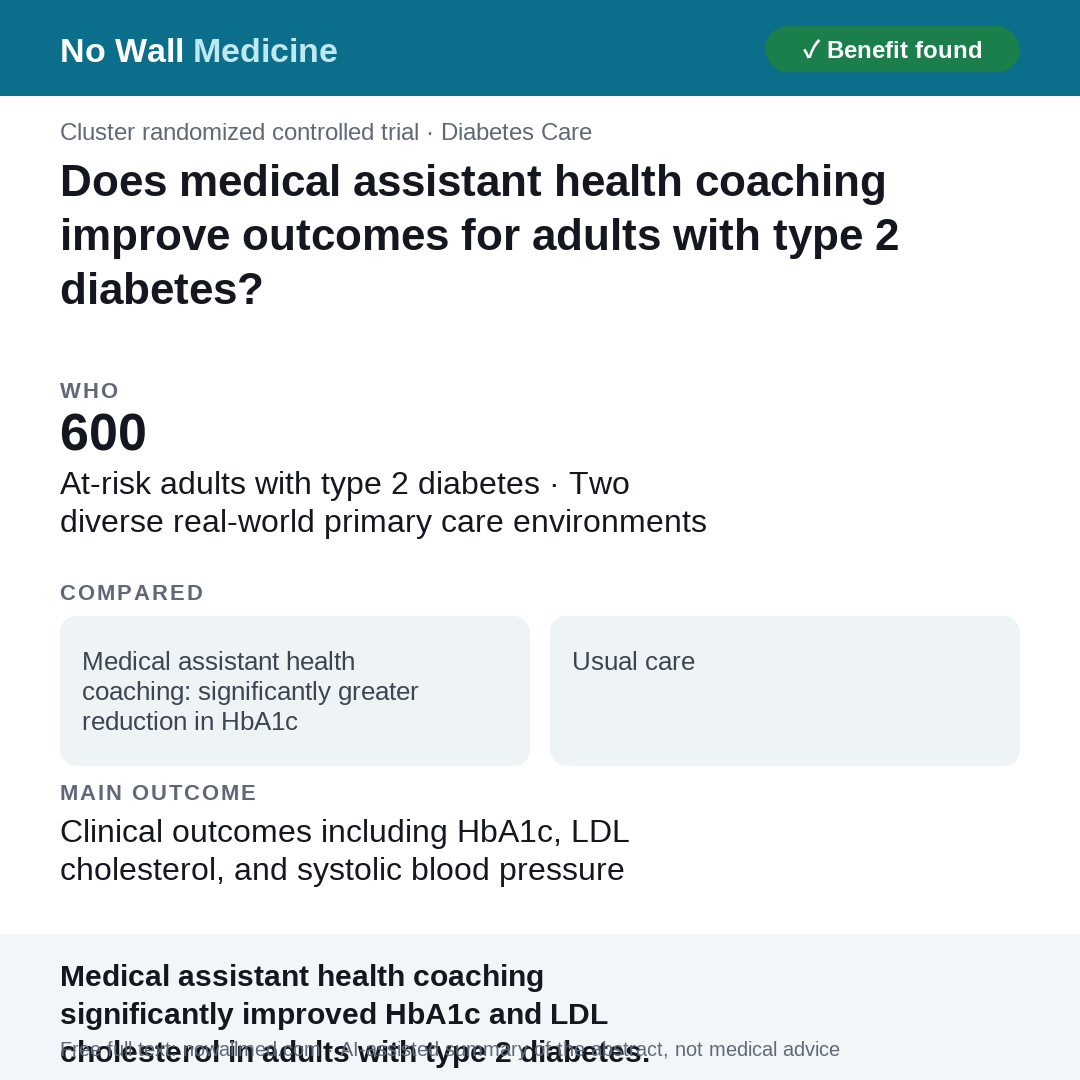
Medical Assistant Health Coaching for Type 2 Diabetes in Primary Care: Results From a Pragmatic Cluster Randomized Controlled Trial
Cluster randomized controlled trialBenefit found
Does medical assistant health coaching improve outcomes for adults with type 2 diabetes?
Who
600
At-risk adults with type 2 diabetes · Two diverse real-world primary care environments in the United States
Compared
Medical assistant health coaching: significantly greater reduction in HbA1c
Usual care
Main outcome
Clinical outcomes including HbA1c, LDL cholesterol, and systolic blood pressure
Bottom line: Medical assistant health coaching significantly improved HbA1c and LDL cholesterol in adults with type 2 diabetes.
Diabetes Care · 2024-05-16Download image
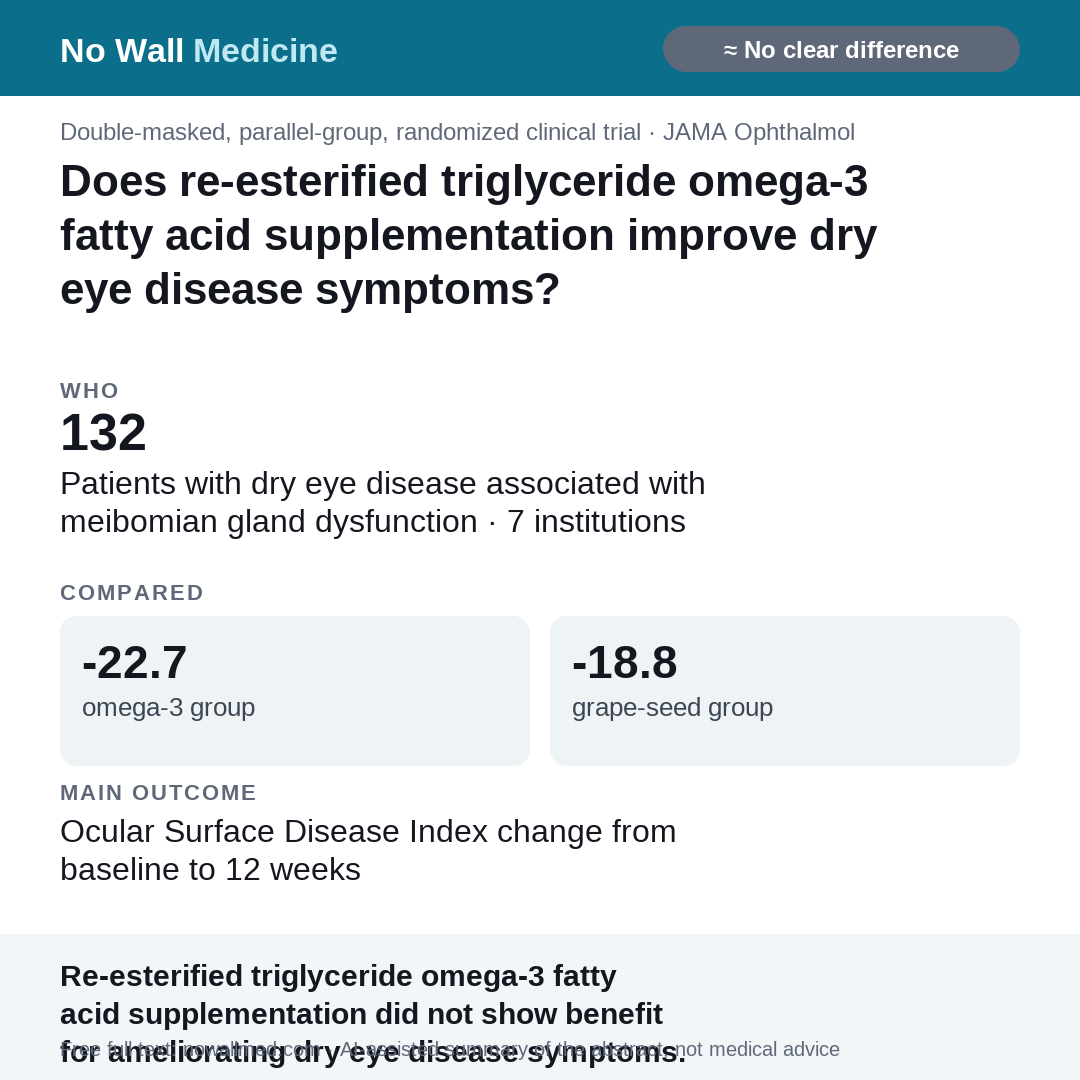
Re-Esterified Triglyceride ω-3 Fatty Acids in Dry Eye Disease With Meibomian Gland Dysfunction: A Randomized Clinical Trial
Double-masked, parallel-group, randomized clinical trialNo clear difference
Does re-esterified triglyceride omega-3 fatty acid supplementation improve dry eye disease symptoms?
Who
132
Patients with dry eye disease associated with meibomian gland dysfunction · 7 institutions
Compared
-22.7omega-3 group (15.7)
-18.8grape-seed group (21.7)
Main outcome
Ocular Surface Disease Index change from baseline to 12 weeks
Result: difference at 12 weeks = -3.9; 95% CI, -10.90 to 3.13
Bottom line: Re-esterified triglyceride omega-3 fatty acid supplementation did not show benefit for ameliorating dry eye disease symptoms.
Limitation: Fewer than 60 participants were evaluated in each group.
JAMA Ophthalmol · 2024-05-16Download image
Malignant Transformation of Dysplastic Vocal Fold Lesions: A Systematic Review and Meta-Analysis
Systematic review and meta-analysisBenefit found
What are the malignant transformation rates and timing for different laryngeal dysplasia grades?
Who
3243
Participants with dysplastic laryngeal lesions
Compared
4.5%Nondysplastic lesions
10.9%Mildly dysplastic lesions
23.3%Moderately dysplastic lesions
30.5%Severely dysplastic lesions
Main outcome
Malignant transformation rate and time to transformation
Bottom line: The rate of malignant transformation increases with the grade of laryngeal dysplasia.
JAMA Otolaryngol · 2024-05-16Download image

Intentional weight loss in overweight and obese patients with heart failure: A systematic review
Systematic reviewBenefit found
Does intentional weight loss benefit overweight and obese patients with heart failure?
Who
Overweight and obese patients with heart failure
Compared
Lifestyle intervention: weight loss, minimal adverse events, and improvement in symptoms
Pharmacotherapy (semaglutide): weight loss with improvement in quality of life
Bariatric surgery: weight loss and improvement in left ventricular ejection fraction
Main outcome
mortality, hospitalization, symptoms, quality of life, left ventricular ejection fraction, and adverse events
Bottom line: Weight loss interventions likely result in significant weight loss, improved symptoms, and quality of life in heart failure patients.
Limitation: All studies had moderate to high risk of bias except one randomized controlled trial.
Eur J Heart Fail · 2024-05-16Download image
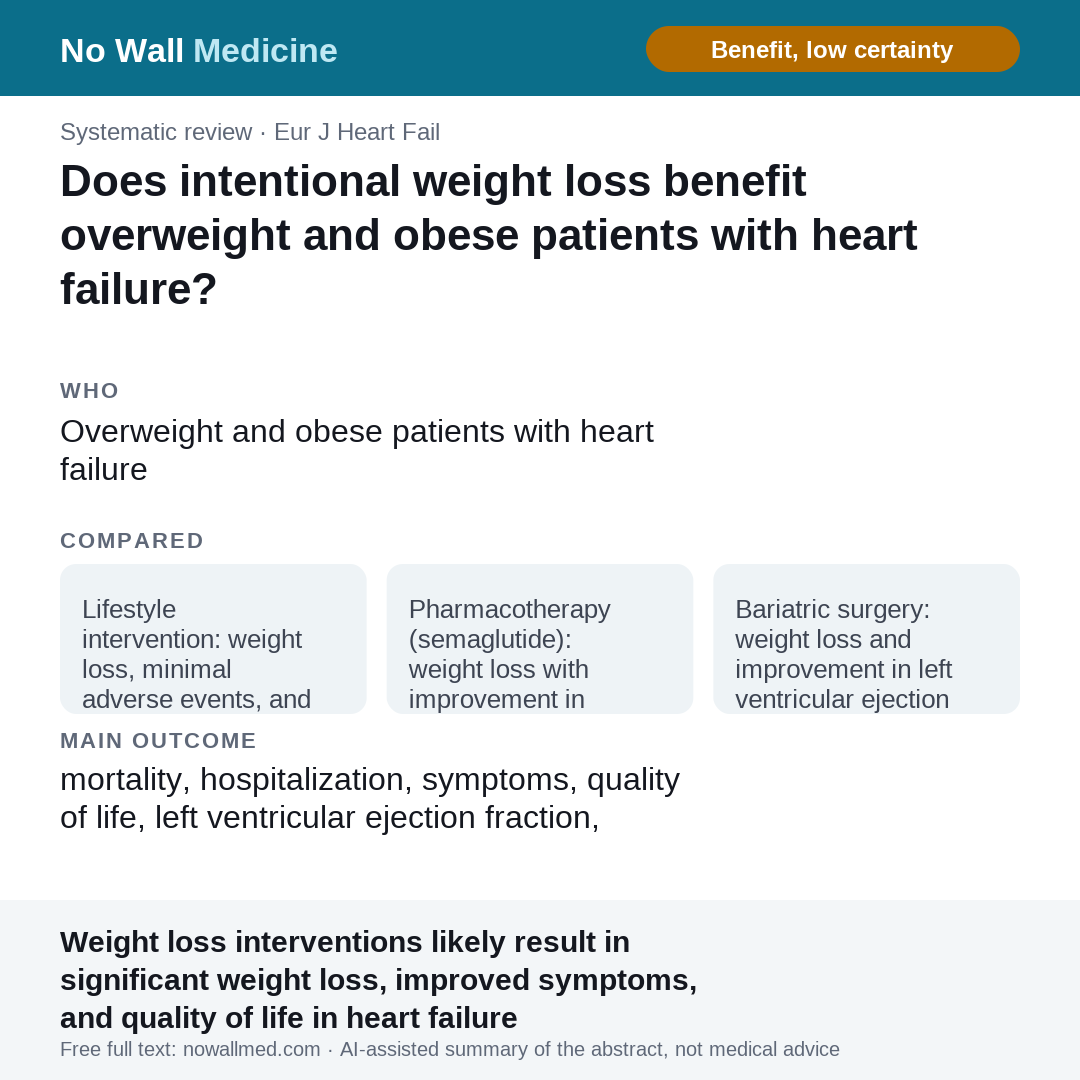
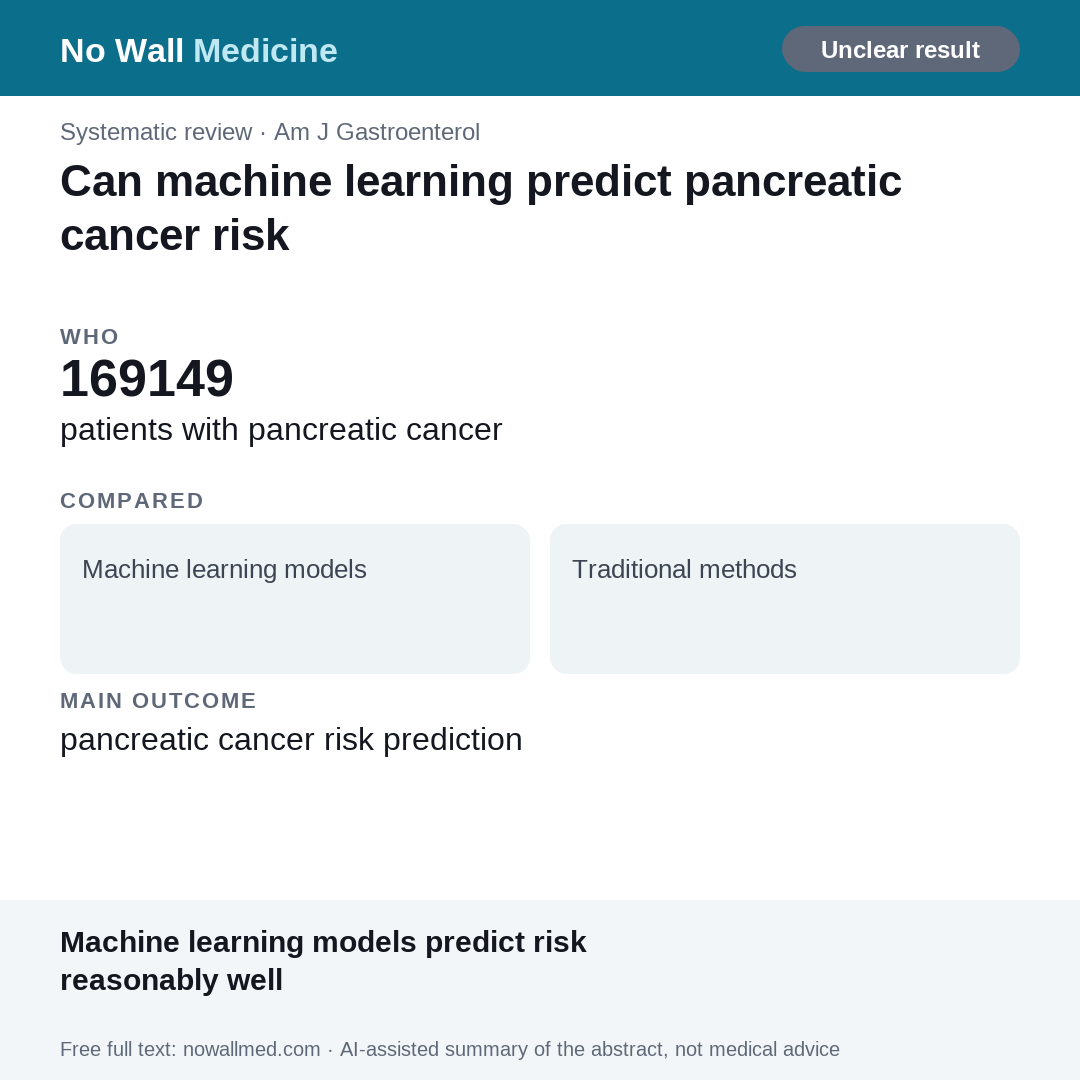
Machine Learning Models for Pancreatic Cancer Risk Prediction Using Electronic Health Record Data-A Systematic Review and Assessment
Systematic reviewUnclear result
Can machine learning predict pancreatic cancer risk
Who
169149
patients with pancreatic cancer
Compared
Machine learning models
Traditional methods
Main outcome
pancreatic cancer risk prediction
Bottom line: Machine learning models predict risk reasonably well
Limitation: missing data underreported
Am J Gastroenterol · 2024-05-16Download image