Visual abstracts
New randomized trials and meta-analyses from leading journals at a glance: who was studied, what was compared, and what was found. Every paper is free to read in full.
All specialtiesCardiology 4877Oncology 4138Gastroenterology & Hepatology 1942Infectious Disease 3837Neurology 1905Psychiatry & Mental Health 2273Pulmonology 2143Critical Care 1365Endocrinology & Diabetes 2580Pediatrics 2980Surgery 2559Orthopedics & Sports Medicine 931Neurosurgery 537Cardiothoracic & Vascular Surgery 674Plastic & Reconstructive Surgery 591Nephrology 1133Rheumatology 823Hematology 1109Dermatology 621Ophthalmology 543Obstetrics & Gynecology 1686Public & Global Health 1058Radiology & Imaging 648Anesthesiology 986Urology 764ENT (Otolaryngology) 503Emergency Medicine 511Allergy & Immunology 313Geriatrics 981Family Medicine & Primary Care 562Medical Genetics & Genomics 676Pathology & Laboratory Medicine 159Physical Medicine & Rehabilitation 757Palliative Care 444Nutrition 1588Digital Health & AI 2201General Medicine 321
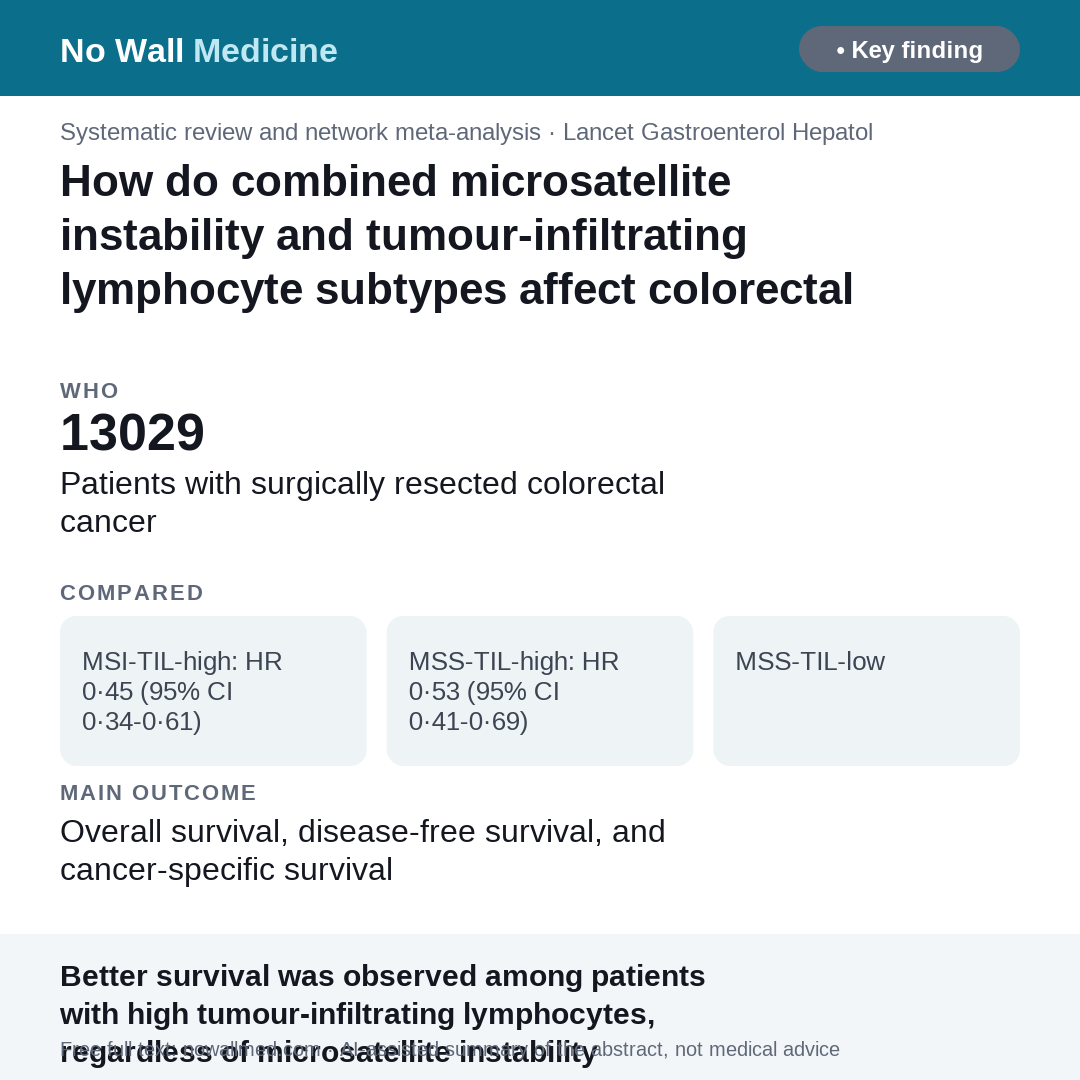
Clinical significance of combined tumour-infiltrating lymphocytes and microsatellite instability status in colorectal cancer: a systematic review and network meta-analysis
Systematic review and network meta-analysisBenefit found
How do combined microsatellite instability and tumour-infiltrating lymphocyte subtypes affect colorectal cancer survival?
Who
13029
Patients with surgically resected colorectal cancer
Compared
MSI-TIL-high: HR 0·45 (95% CI 0·34-0·61)
MSS-TIL-high: HR 0·53 (95% CI 0·41-0·69)
MSS-TIL-low
Main outcome
Overall survival, disease-free survival, and cancer-specific survival
Result: HR 0·45 (95% CI 0·34-0·61) for overall survival in MSI-TIL-H
Bottom line: Better survival was observed among patients with high tumour-infiltrating lymphocytes, regardless of microsatellite instability status.
Limitation: Studies were often limited by sample size, particularly for microsatellite instability-high tumours.
Funded by: German Research Council
Lancet Gastroenterol Hepatol · 2024-05-09Download image
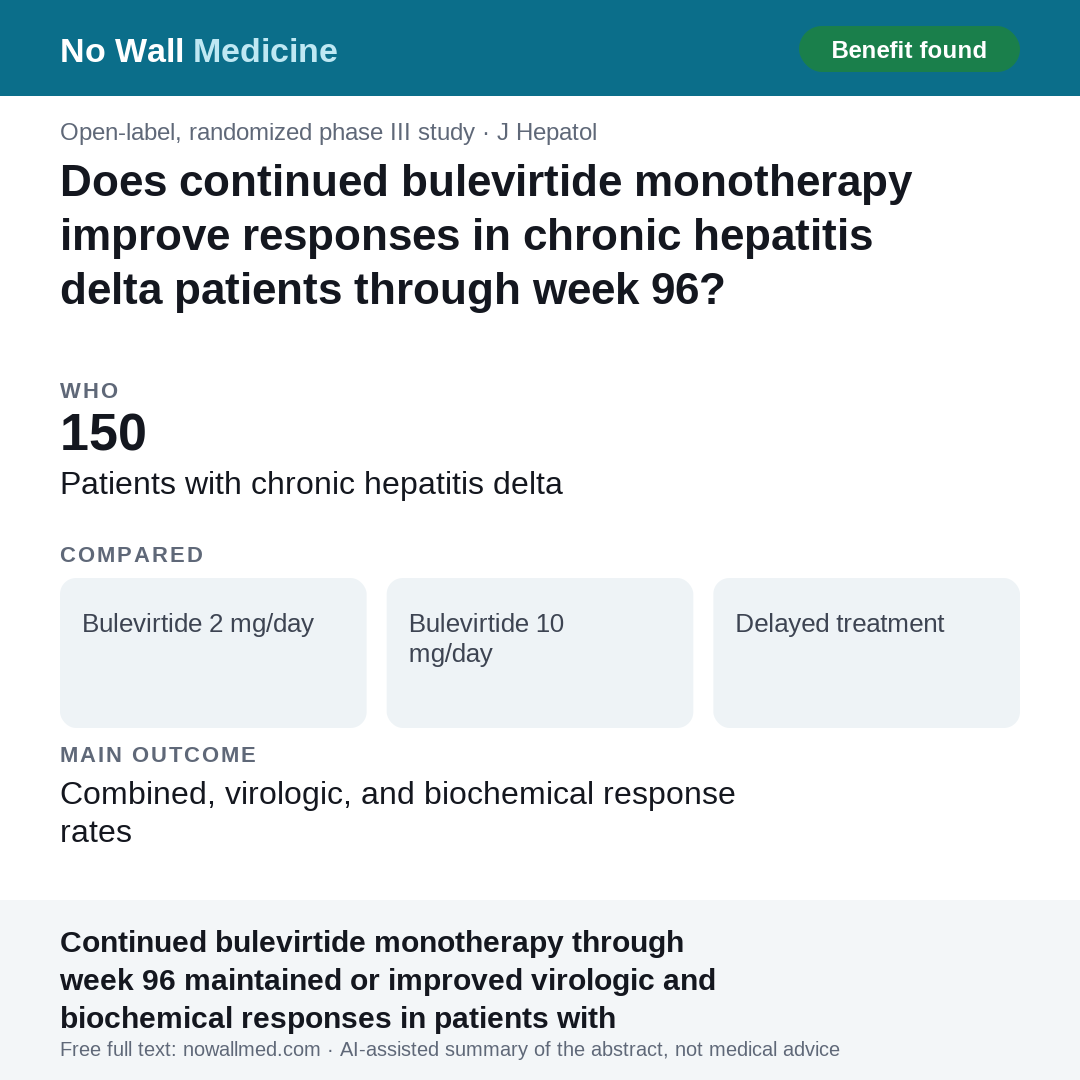
Bulevirtide monotherapy in patients with chronic HDV: Efficacy and safety results through week 96 from a phase III randomized trial
Open-label, randomized phase III studyBenefit found
Does continued bulevirtide monotherapy improve responses in chronic hepatitis delta patients through week 96?
Who
150
Patients with chronic hepatitis delta
Compared
Bulevirtide 2 mg/day
Bulevirtide 10 mg/day
Delayed treatment
Main outcome
Combined, virologic, and biochemical response rates
Bottom line: Continued bulevirtide monotherapy through week 96 maintained or improved virologic and biochemical responses in patients with chronic hepatitis delta.
J Hepatol · 2024-05-09Download image
Pegcetacoplan Treatment and Consensus Features of Geographic Atrophy Over 24 Months
Randomized, double-masked trialBenefit found
Pegcetacoplan effect on geographic atrophy
Who
936
Adults with geographic atrophy · Multicenter
Compared
Pegcetacoplan monthly: -0.86 mm2
Pegcetacoplan every other month: -0.69 mm2
Pooled sham
Main outcome
Retinal pigment epithelium atrophy area
Result: least squares mean difference vs pooled sham at month 24, pegcetacoplan monthly: -0.86 mm2; 95% CI, -1.15 to -0.57
Bottom line: Pegcetacoplan reduced geographic atrophy growth
JAMA Ophthalmol · 2024-05-09Download image

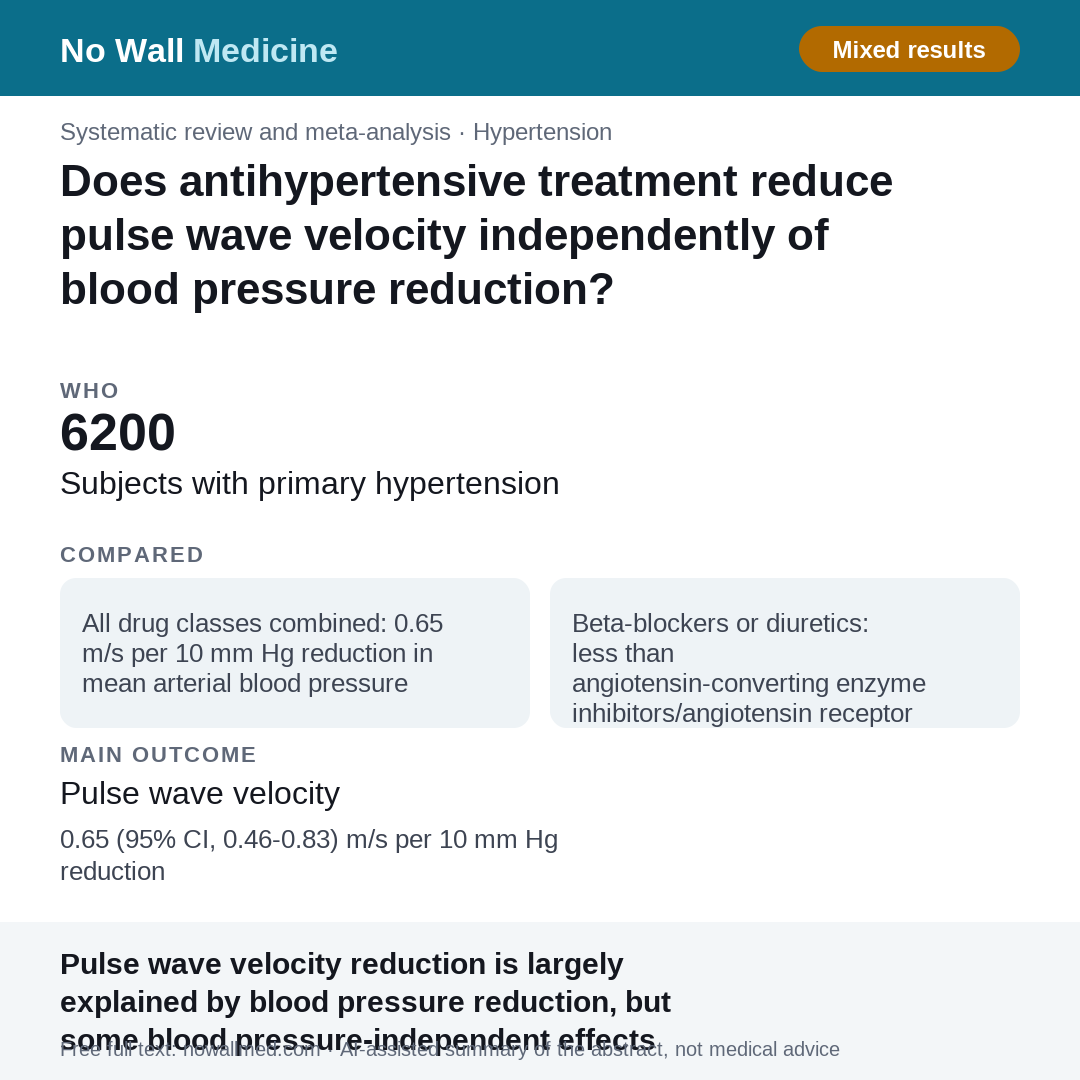
Influence of Blood Pressure Reduction on Pulse Wave Velocity in Primary Hypertension: A Meta-Analysis and Comparison With an Acute Modulation of Transmural Pressure
Systematic review and meta-analysisMixed results
Does antihypertensive treatment reduce pulse wave velocity independently of blood pressure reduction?
Who
6200
Subjects with primary hypertension
Compared
All drug classes combined: 0.65 m/s per 10 mm Hg reduction in mean arterial blood pressure
Beta-blockers or diuretics: less than angiotensin-converting enzyme inhibitors/angiotensin receptor antagonists or calcium channel antagonists
Main outcome
Pulse wave velocity
Result: 0.65 (95% CI, 0.46-0.83) m/s per 10 mm Hg reduction
Bottom line: Pulse wave velocity reduction is largely explained by blood pressure reduction, but some blood pressure-independent effects exist.
Hypertension · 2024-05-09Download image
The use of master protocols for efficient trial design to evaluate radiotherapy interventions: a systematic review
Systematic reviewBenefit found
Are master protocols useful for radiotherapy trials
Who
Patients with solid tumors
Compared
Novel agent combinations
Radiotherapy dose personalization
Device evaluation
Main outcome
Research efficiency and cost savings
Bottom line: Master protocols improve radiotherapy trial efficiency
J Natl Cancer Inst · 2024-05-09Download image

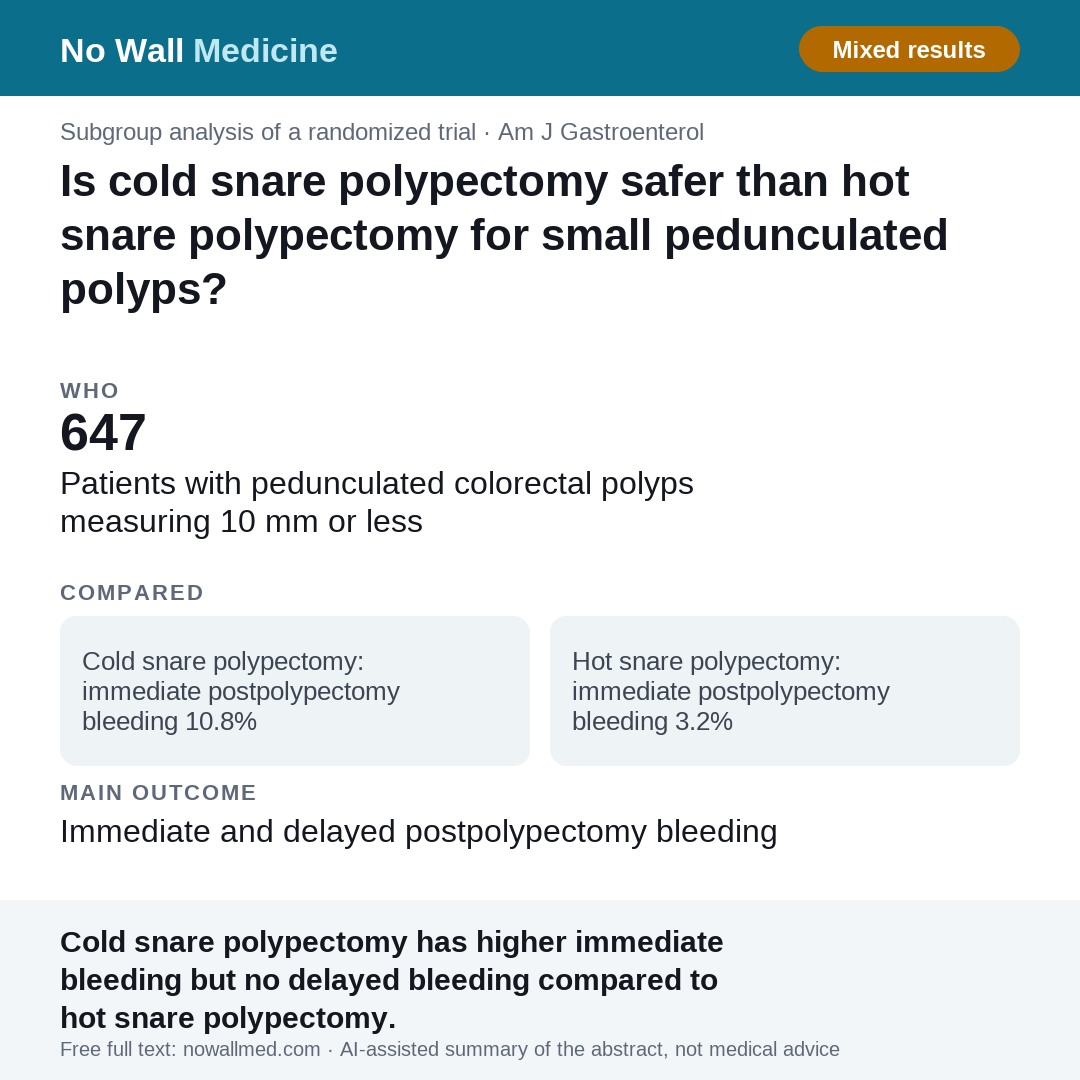
Bleeding Risk of Cold Versus Hot Snare Polypectomy for Pedunculated Colorectal Polyps Measuring 10 mm or Less: Subgroup Analysis of a Large Randomized Controlled Trial
Subgroup analysis of a randomized trialMixed results
Is cold snare polypectomy safer than hot snare polypectomy for small pedunculated polyps?
Who
647
Patients with pedunculated colorectal polyps measuring 10 mm or less
Compared
Cold snare polypectomy: immediate postpolypectomy bleeding 10.8%
Hot snare polypectomy: immediate postpolypectomy bleeding 3.2%
Main outcome
Immediate and delayed postpolypectomy bleeding
Bottom line: Cold snare polypectomy has higher immediate bleeding but no delayed bleeding compared to hot snare polypectomy.
Am J Gastroenterol · 2024-05-09Download image
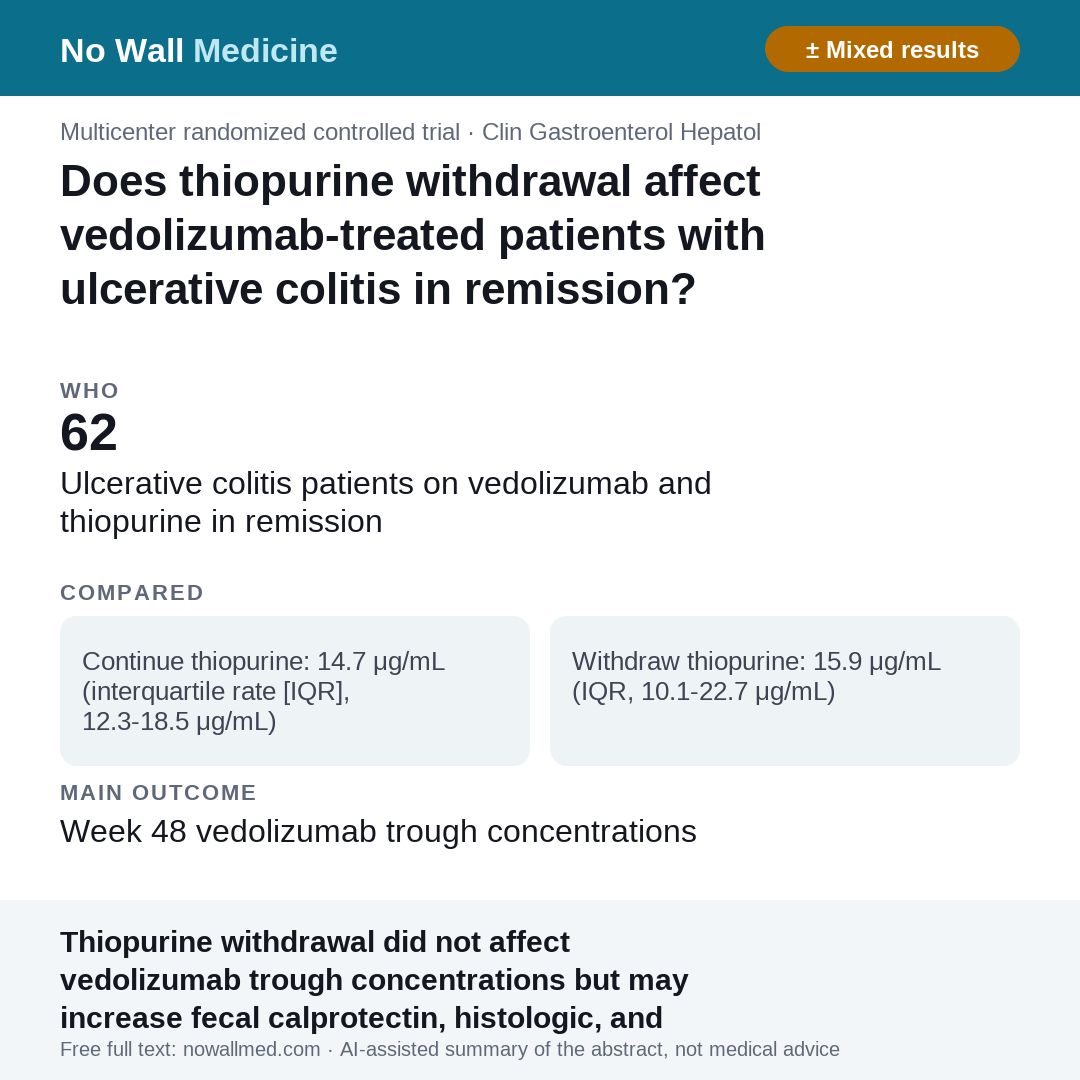
Effects of Thiopurine Withdrawal on Vedolizumab-Treated Patients With Ulcerative Colitis: A Randomized Controlled Trial
Multicenter randomized controlled trialMixed results
Does thiopurine withdrawal affect vedolizumab-treated patients with ulcerative colitis in remission?
Who
62
Ulcerative colitis patients on vedolizumab and thiopurine in remission
Compared
Continue thiopurine: 14.7 μg/mL (interquartile rate [IQR], 12.3-18.5 μg/mL)
Withdraw thiopurine: 15.9 μg/mL (IQR, 10.1-22.7 μg/mL)
Main outcome
Week 48 vedolizumab trough concentrations
Bottom line: Thiopurine withdrawal did not affect vedolizumab trough concentrations but may increase fecal calprotectin, histologic, and histo-endoscopic activity.
Clin Gastroenterol Hepatol · 2024-05-09Download image
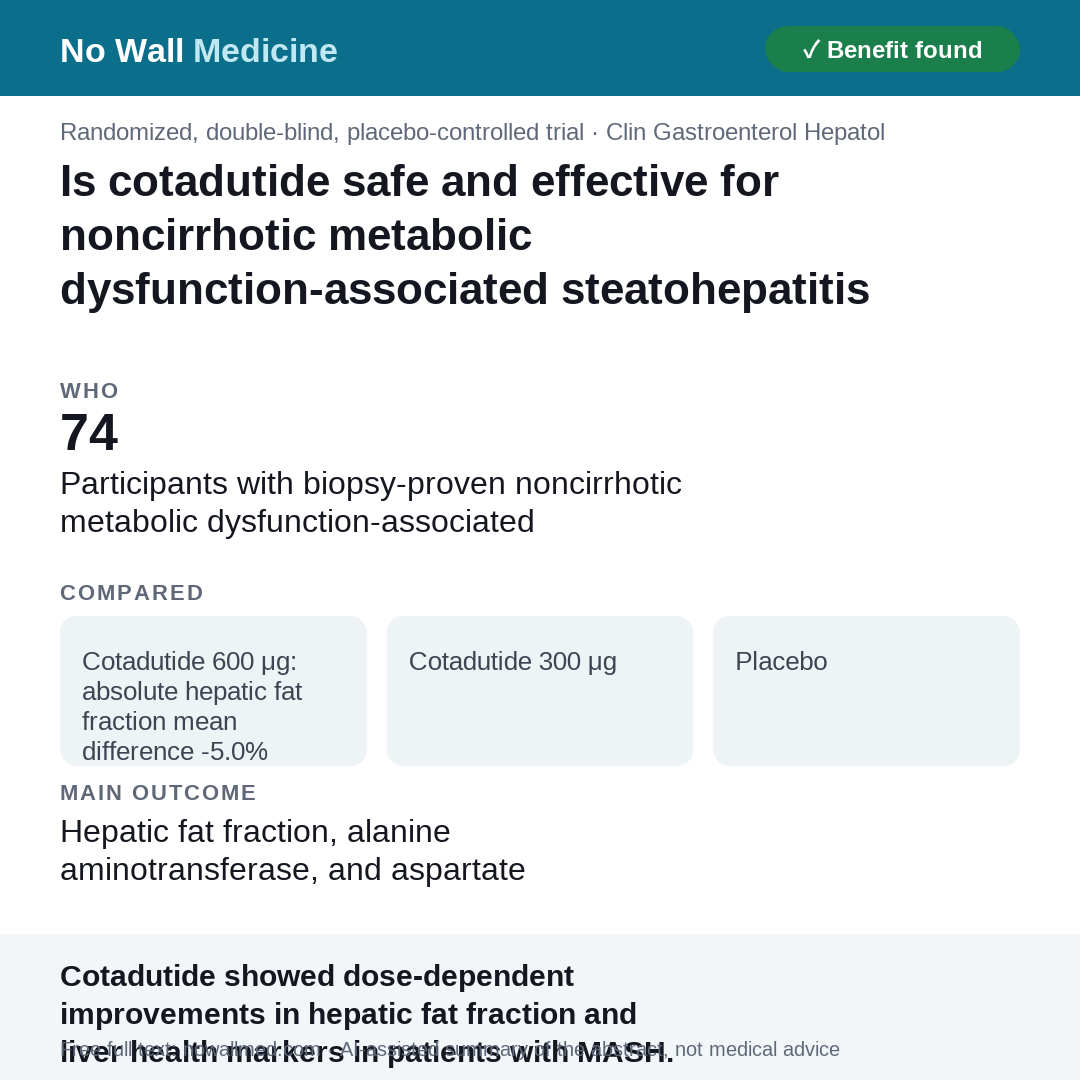
Safety and Efficacy of Novel Incretin Co-agonist Cotadutide in Biopsy-proven Noncirrhotic MASH With Fibrosis
Randomized, double-blind, placebo-controlled trialBenefit found
Is cotadutide safe and effective for noncirrhotic metabolic dysfunction-associated steatohepatitis with fibrosis?
Who
74
Participants with biopsy-proven noncirrhotic metabolic dysfunction-associated steatohepatitis with fibrosis
Compared
Cotadutide 600 μg: absolute hepatic fat fraction mean difference -5.0% [-8.5 to -1.5]
Cotadutide 300 μg
Placebo
Main outcome
Hepatic fat fraction, alanine aminotransferase, and aspartate aminotransferase
Result: absolute hepatic fat fraction mean difference -5.0% (95% CI -8.5 to -1.5)
Bottom line: Cotadutide showed dose-dependent improvements in hepatic fat fraction and liver health markers in patients with MASH.
Clin Gastroenterol Hepatol · 2024-05-09Download image
Breastfeeding Duration Is Not Associated With Offspring Inflammatory Bowel Disease Risk in Three Population-Based Birth Cohorts
Meta-analysis of 3 population-based birth cohortsNo clear difference
Is breastfeeding duration associated with offspring inflammatory bowel disease risk?
Who
169510
Offspring from Danish, Norwegian, and Swedish birth cohorts · Denmark, Norway, and Sweden
Compared
Exclusive breastfeeding ≥6 months
Exclusive breastfeeding <4 months
Exclusive breastfeeding 4-5 months
Main outcome
Inflammatory bowel disease risk
Result: hazard ratio 1.24 (95% confidence interval, 0.94-1.62)
Bottom line: The duration of exclusive or any breastfeeding was not associated with offspring inflammatory bowel disease risk.
Clin Gastroenterol Hepatol · 2024-05-09Download image

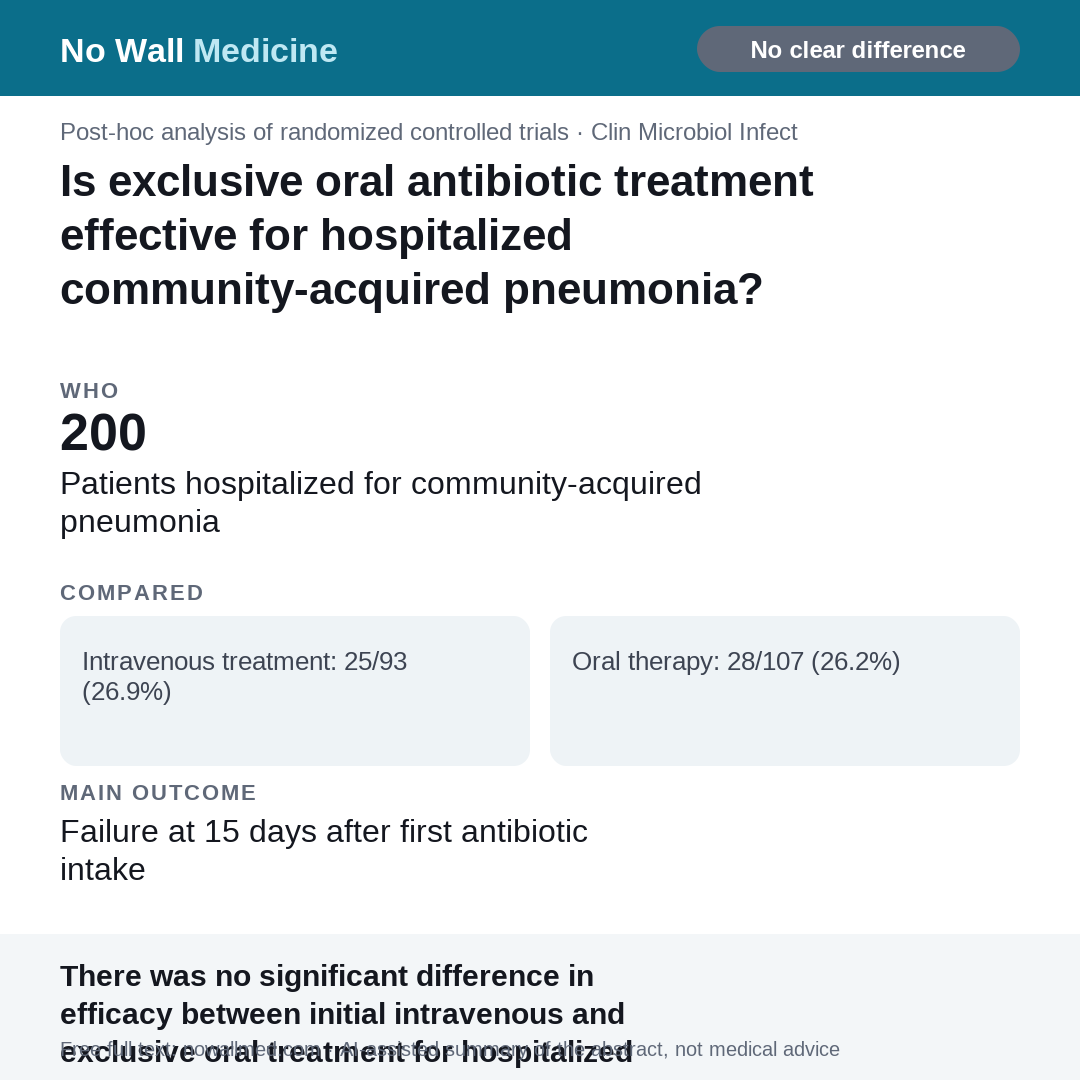
Exclusive oral antibiotic treatment for hospitalized community-acquired pneumonia: a post-hoc analysis of a randomized clinical trial
Post-hoc analysis of randomized controlled trialsNo clear difference
Is exclusive oral antibiotic treatment effective for hospitalized community-acquired pneumonia?
Who
200
Patients hospitalized for community-acquired pneumonia
Compared
Intravenous treatment: 25/93 (26.9%)
Oral therapy: 28/107 (26.2%)
Main outcome
Failure at 15 days after first antibiotic intake
Result: adjusted odds ratios 0.973 (95% CI 0.519-1.823)
Bottom line: There was no significant difference in efficacy between initial intravenous and exclusive oral treatment for hospitalized community-acquired pneumonia.
Limitation: This was a post-hoc analysis of a randomized clinical trial.
Clin Microbiol Infect · 2024-05-09Download image
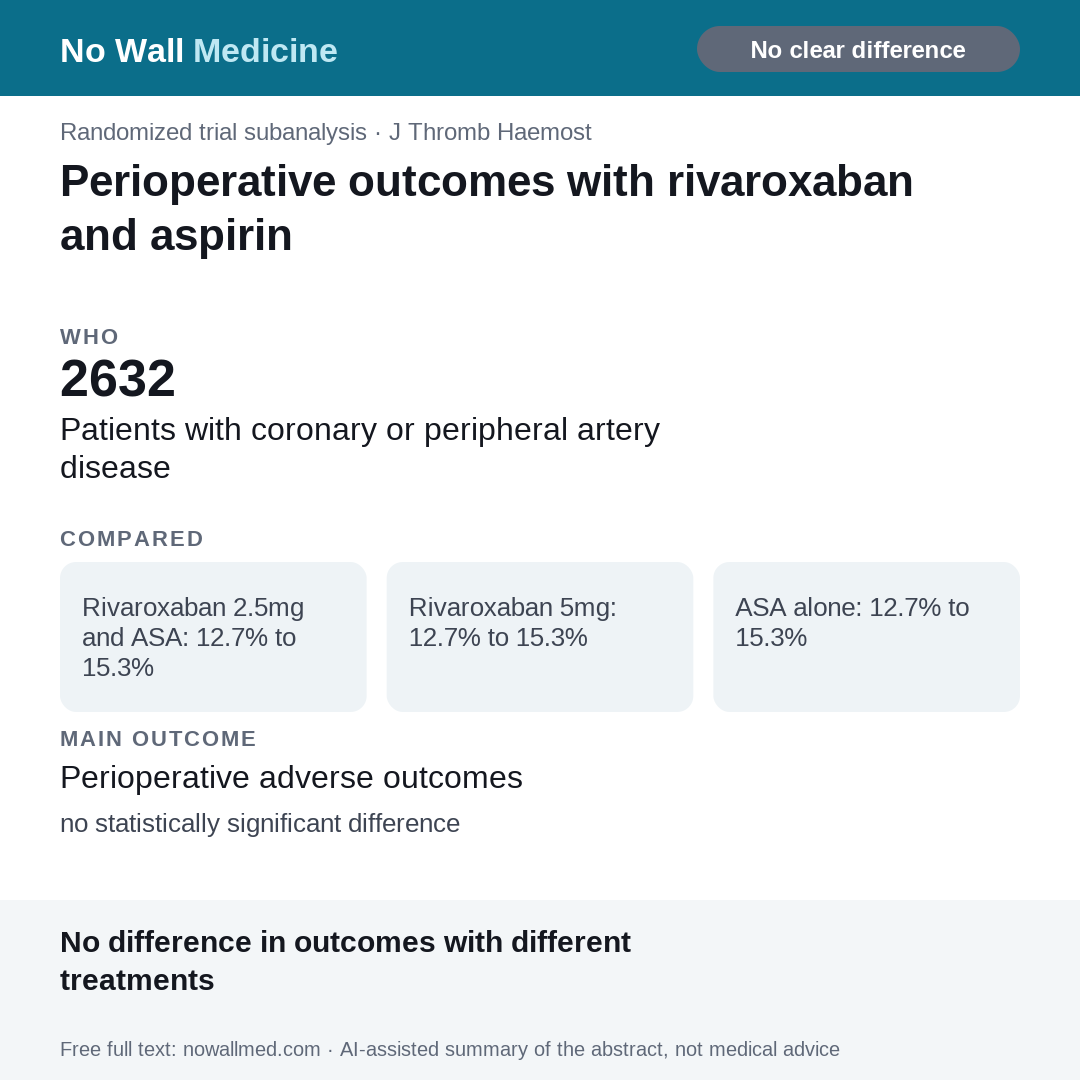
Perioperative management and outcomes in patients receiving low-dose rivaroxaban and/or aspirin: a subanalysis of the Cardiovascular Outcomes for People Using Anticoagulation Strategies (COMPASS) trial
Randomized trial subanalysisNo clear difference
Perioperative outcomes with rivaroxaban and aspirin
Who
2632
Patients with coronary or peripheral artery disease
Compared
Rivaroxaban 2.5mg and ASA: 12.7% to 15.3%
Rivaroxaban 5mg: 12.7% to 15.3%
ASA alone: 12.7% to 15.3%
Main outcome
Perioperative adverse outcomes
Result: no statistically significant difference
Bottom line: No difference in outcomes with different treatments
J Thromb Haemost · 2024-05-09Download image
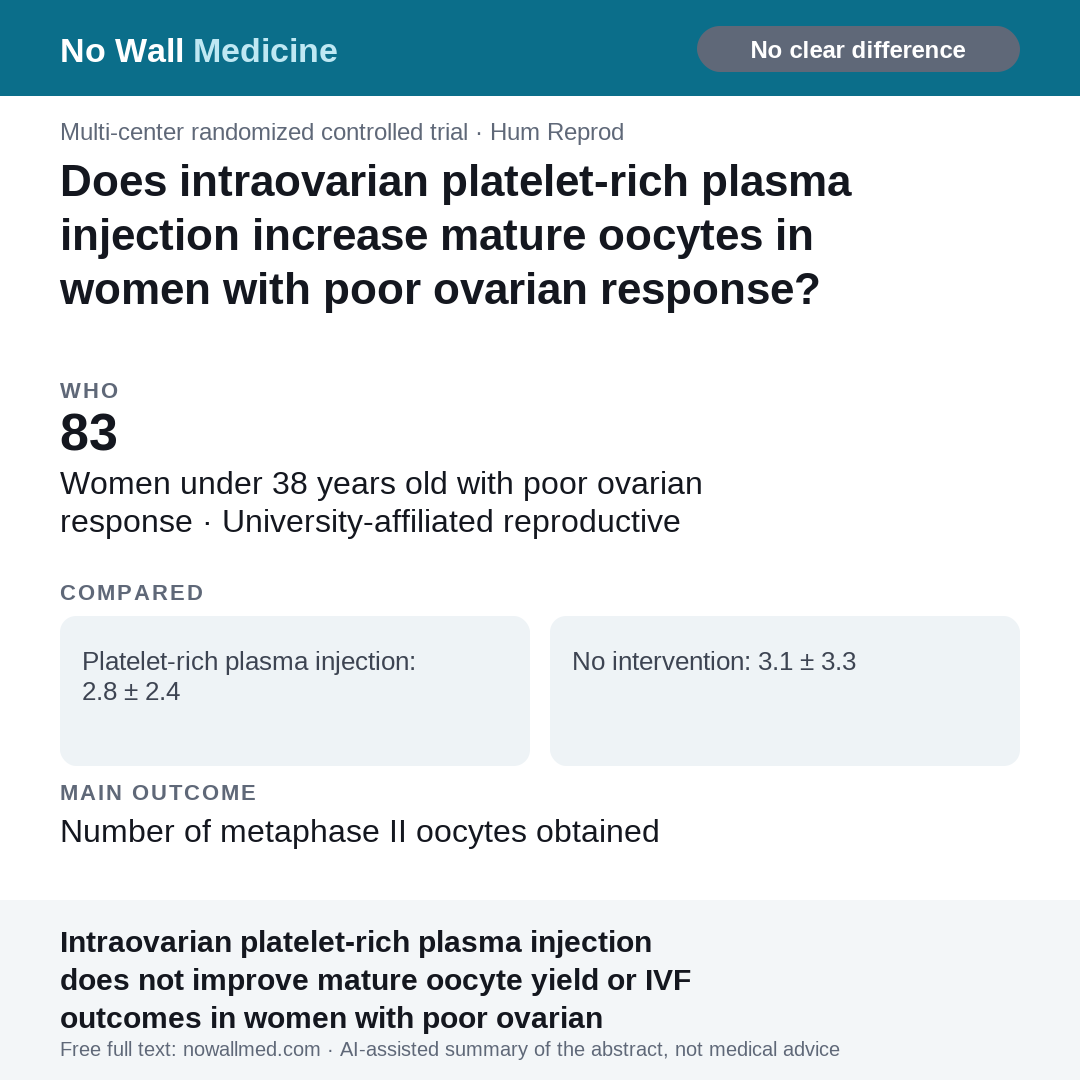
Effect of intraovarian platelet-rich plasma injection on IVF outcomes in women with poor ovarian response: the PROVA randomized controlled trial
Multi-center randomized controlled trialNo clear difference
Does intraovarian platelet-rich plasma injection increase mature oocytes in women with poor ovarian response?
Who
83
Women under 38 years old with poor ovarian response · University-affiliated reproductive centers in USA and Turkey
Compared
Platelet-rich plasma injection: 2.8 ± 2.4
No intervention: 3.1 ± 3.3
Main outcome
Number of metaphase II oocytes obtained
Bottom line: Intraovarian platelet-rich plasma injection does not improve mature oocyte yield or IVF outcomes in women with poor ovarian response.
Limitation: Results may not generalize due to lack of standardization and absence of a sham injection in the control group.
Funded by: Departmental funds
Hum Reprod · 2024-05-09Download image
BEYOND: a randomized controlled trial comparing efficacy and safety of individualized follitropin delta dosing in a GnRH agonist versus antagonist protocol during the first ovarian stimulation cycle
Randomized, controlled, open-label, multi-centre trialBenefit found
Does GnRH agonist versus antagonist protocol affect ovarian response with individualized follitropin delta dosing?
Who
437
Women aged 18-40 years with anti-Müllerian hormone ≤35 pmol/l · Specialist reproductive health clinics in seven European and Middle Eastern countries
Compared
GnRH agonist protocol: 11.1 ± 5.9 oocytes retrieved
GnRH antagonist protocol: 9.6 ± 5.5 oocytes retrieved
Main outcome
Number of oocytes retrieved
Result: mean difference of 1.31 oocytes (95% CI: 0.22; 2.40)
Bottom line: Individualized follitropin delta dosing in a GnRH agonist protocol resulted in significantly more retrieved oocytes than an antagonist protocol.
Hum Reprod · 2024-05-09Download image

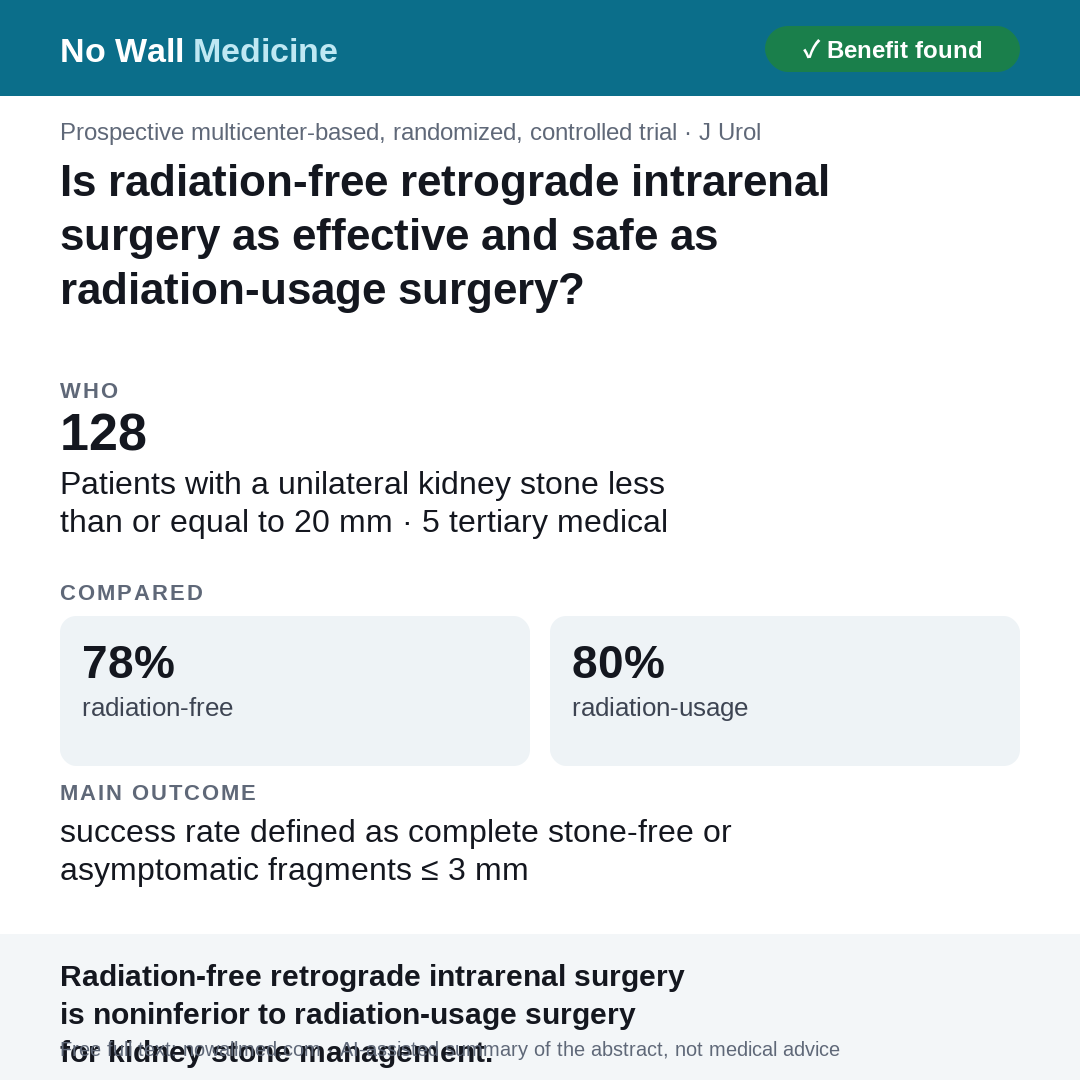
The Efficacy and Safety of Radiation-Free Retrograde Intrarenal Surgery: A Prospective Multicenter-Based, Randomized, Controlled Trial
Prospective multicenter-based, randomized, controlled trialBenefit found
Is radiation-free retrograde intrarenal surgery as effective and safe as radiation-usage surgery?
Who
128
Patients with a unilateral kidney stone less than or equal to 20 mm · 5 tertiary medical centers
Compared
78%radiation-free
80%radiation-usage
Main outcome
success rate defined as complete stone-free or asymptomatic fragments ≤ 3 mm
Result: difference was 2.2% (95% CI, 0.16-0.12)
Bottom line: Radiation-free retrograde intrarenal surgery is noninferior to radiation-usage surgery for kidney stone management.
J Urol · 2024-05-09Download image
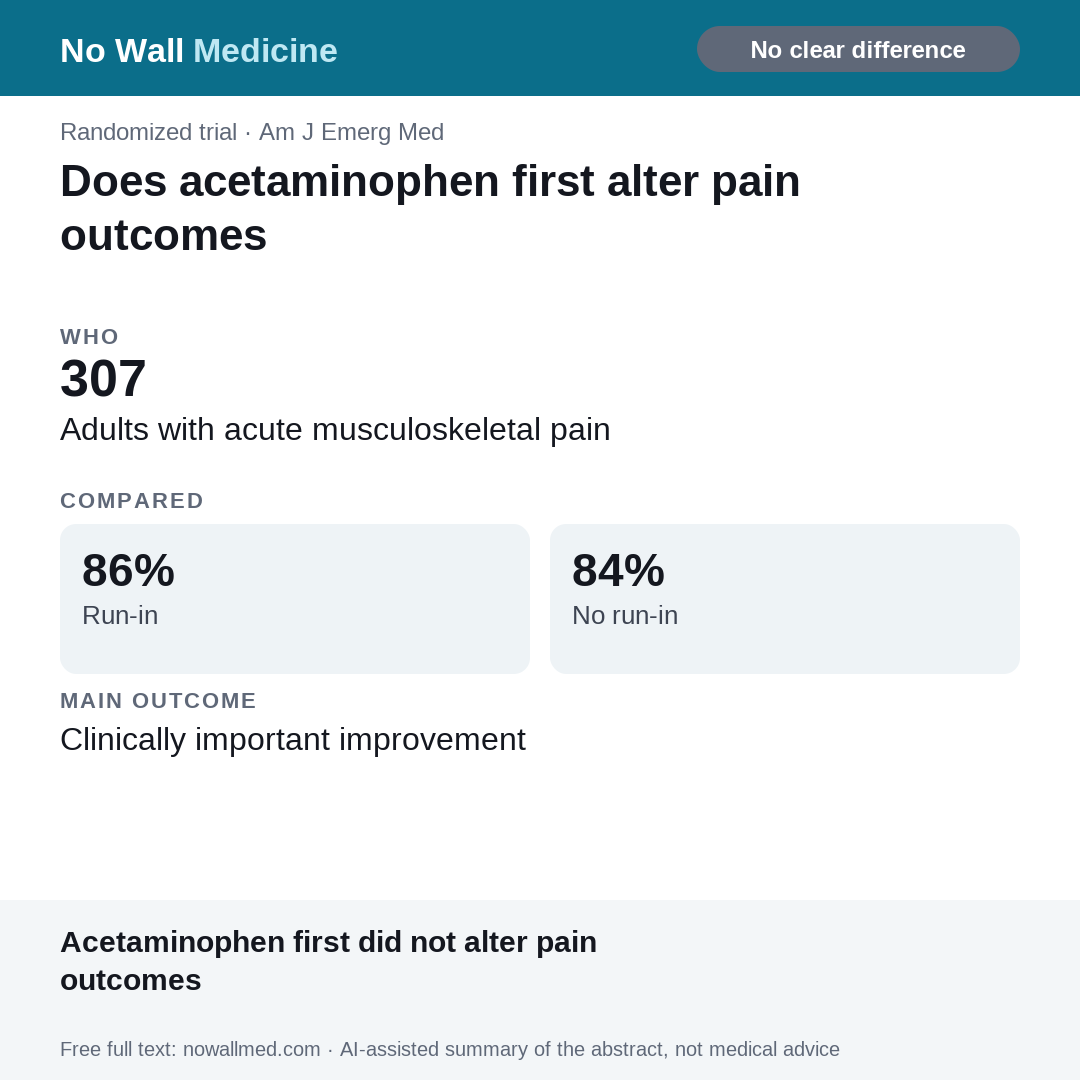
A sequential, multiple-assignment, randomized trial of analgesic strategies for acute musculoskeletal Pain
Randomized trialNo clear difference
Does acetaminophen first alter pain outcomes
Who
307
Adults with acute musculoskeletal pain
Compared
86%Run-in (246/287)
84%No run-in (84/100)
Main outcome
Clinically important improvement
Bottom line: Acetaminophen first did not alter pain outcomes
Am J Emerg Med · 2024-05-09Download image
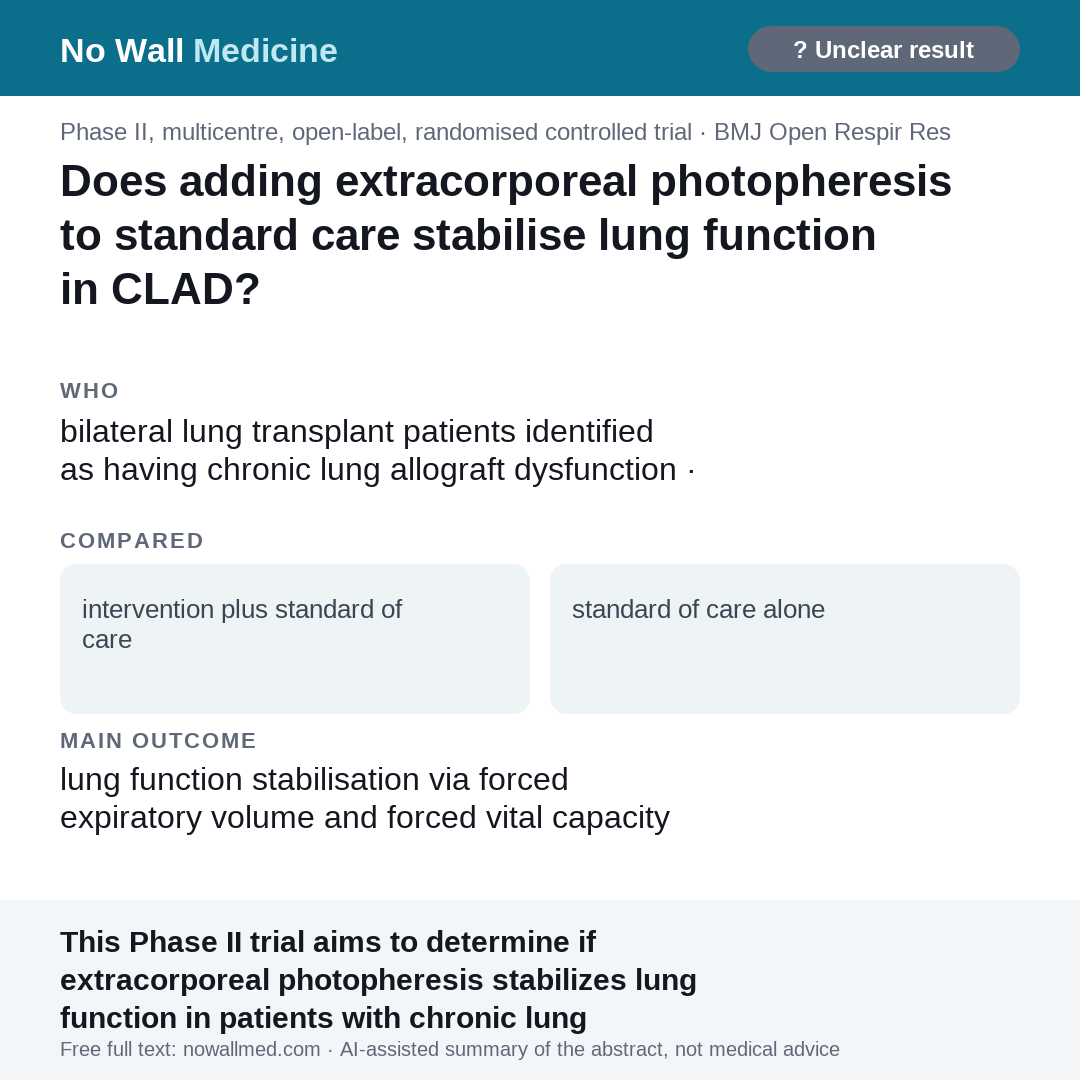
Extracorporeal photopheresis (ECP) in the treatment of chronic lung allograft dysfunction (CLAD): a prospective, multicentre, open-label, randomised controlled trial studying the addition of ECP to standard care in the treatment of bilateral lung transplant patients with CLAD (E-CLAD UK)
Phase II, multicentre, open-label, randomised controlled trialUnclear result
Does adding extracorporeal photopheresis to standard care stabilise lung function in CLAD?
Who
bilateral lung transplant patients identified as having chronic lung allograft dysfunction · five United Kingdom adult lung transplant centres
Compared
intervention plus standard of care
standard of care alone
Main outcome
lung function stabilisation via forced expiratory volume and forced vital capacity
Bottom line: This Phase II trial aims to determine if extracorporeal photopheresis stabilizes lung function in patients with chronic lung allograft dysfunction.
BMJ Open Respir Res · 2024-05-09Download image
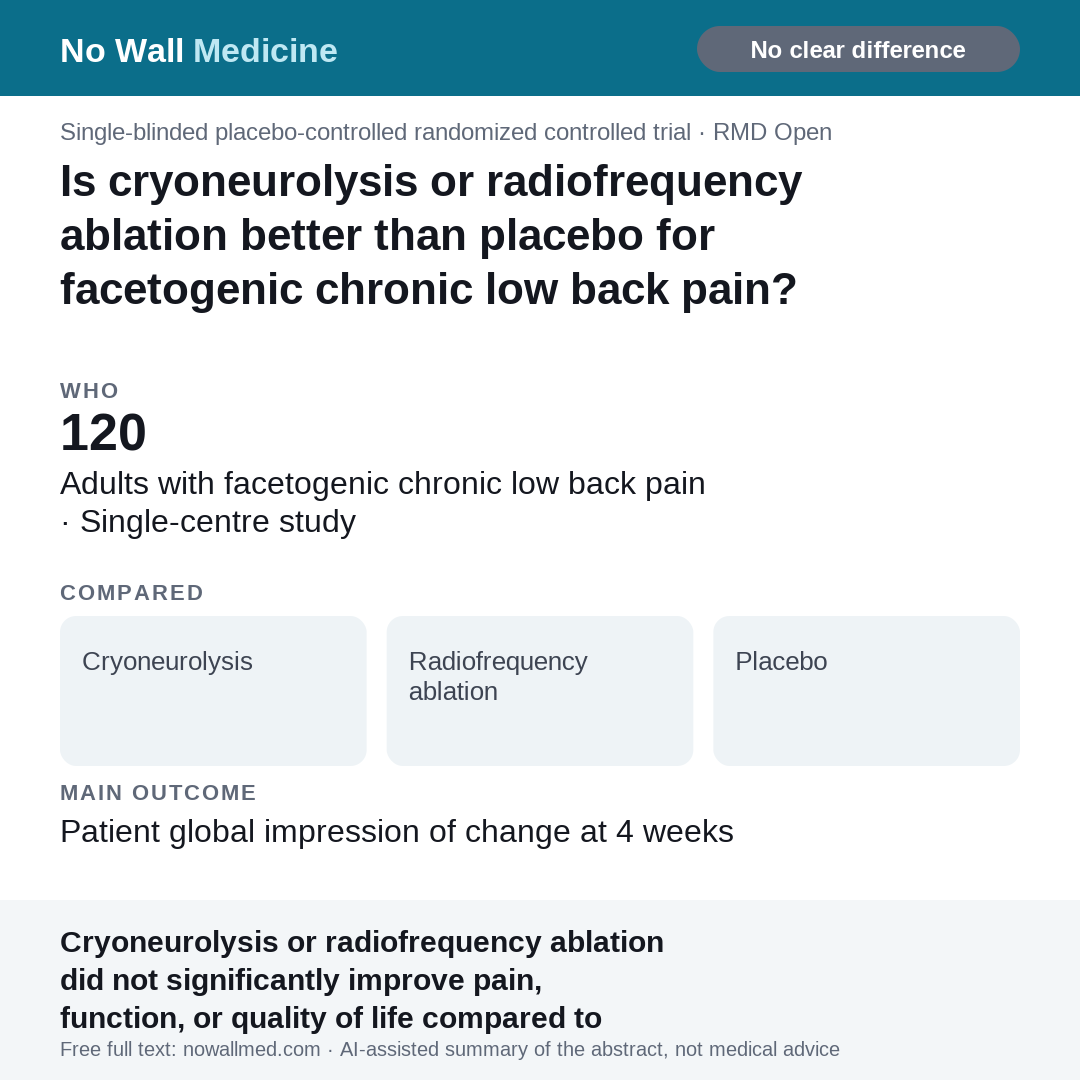
Cryoneurolysis versus radiofrequency ablation outcome on pain experience in chronic low back pain (COPE): a single-blinded randomised controlled trial
Single-blinded placebo-controlled randomized controlled trialNo clear difference
Is cryoneurolysis or radiofrequency ablation better than placebo for facetogenic chronic low back pain?
Who
120
Adults with facetogenic chronic low back pain · Single-centre study
Compared
Cryoneurolysis
Radiofrequency ablation
Placebo
Main outcome
Patient global impression of change at 4 weeks
Result: risk ratio 2 (95% CI 0.75 to 5.33) for cryoneurolysis vs placebo
Bottom line: Cryoneurolysis or radiofrequency ablation did not significantly improve pain, function, or quality of life compared to placebo.
RMD Open · 2024-05-09Download image
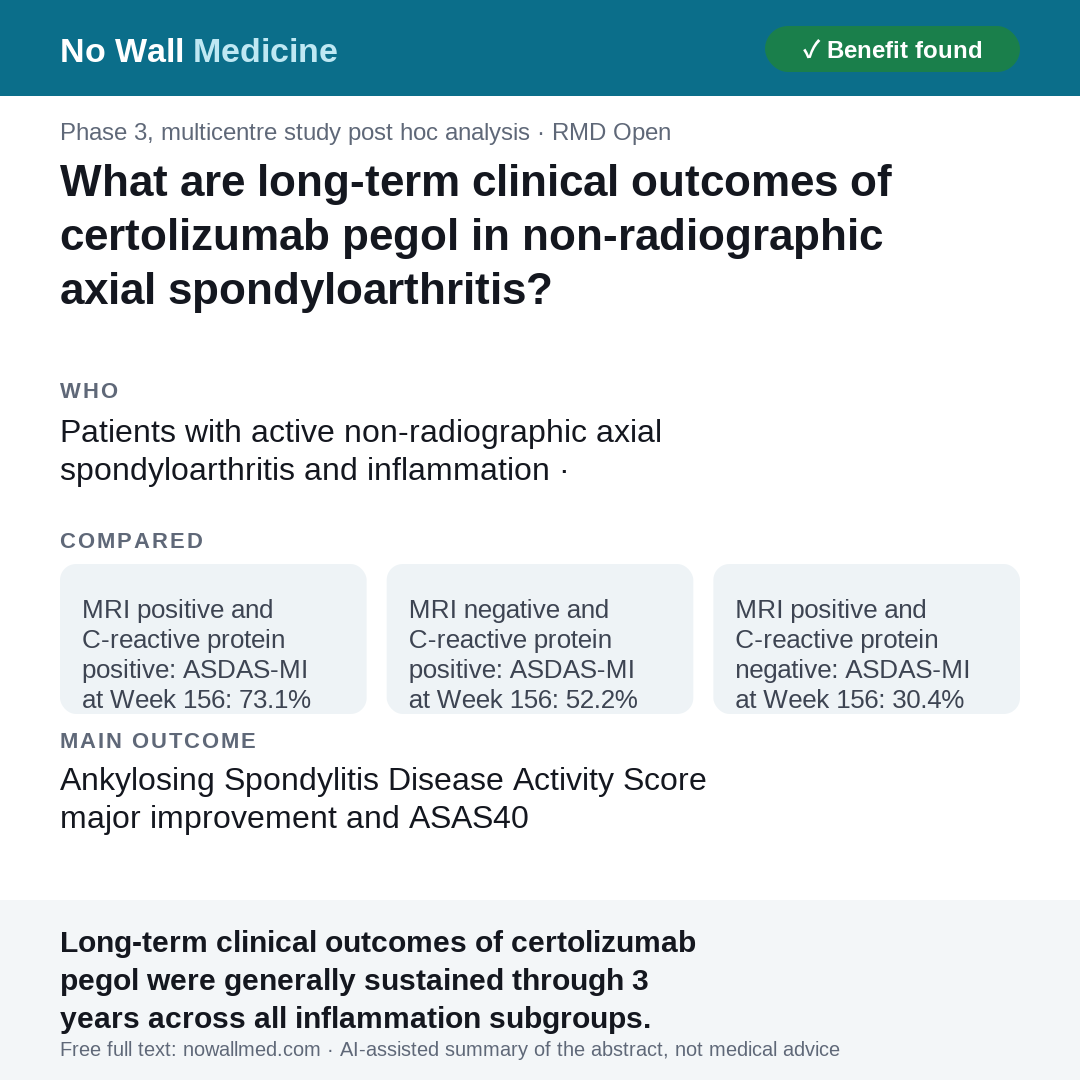
Long-term clinical outcomes of certolizumab pegol treatment in non-radiographic axial spondyloarthritis stratified by baseline MRI and CRP status
Phase 3, multicentre study post hoc analysisBenefit found
What are long-term clinical outcomes of certolizumab pegol in non-radiographic axial spondyloarthritis?
Who
Patients with active non-radiographic axial spondyloarthritis and inflammation · Multicentre
Compared
MRI positive and C-reactive protein positive: ASDAS-MI at Week 156: 73.1%
MRI negative and C-reactive protein positive: ASDAS-MI at Week 156: 52.2%
MRI positive and C-reactive protein negative: ASDAS-MI at Week 156: 30.4%
Main outcome
Ankylosing Spondylitis Disease Activity Score major improvement and ASAS40
Bottom line: Long-term clinical outcomes of certolizumab pegol were generally sustained through 3 years across all inflammation subgroups.
Limitation: This was a post hoc analysis of the C-axSpAnd trial.
RMD Open · 2024-05-09Download image
The application of machine learning techniques in posttraumatic stress disorder: a systematic review and meta-analysis
Systematic review and meta-analysisBenefit found
How effective are machine learning techniques in classifying posttraumatic stress disorder?
Who
210,001
Individuals in studies involving posttraumatic stress disorder
Compared
0.96multi-dimensional data
single data types: 0.86 to 0.90
Main outcome
classification accuracy
Result: overall accuracy of 0.89
Bottom line: Machine learning effectively classifies posttraumatic stress disorder, with multi-dimensional data providing higher accuracy than single data types.
Limitation: Selecting optimal combinations of data types and algorithms for clinical application remains a challenge.
NPJ Digit Med · 2024-05-09Download image

Diet-microbiota associations in gastrointestinal research: a systematic review
Systematic reviewUnclear result
What foods and nutrients influence the human gut microbiota?
Who
Human diet-microbiota associations
Compared
Routinely analyzed nutrients: dominated reported associations
Microbiota-relevant nutrients: underrepresented in included studies
Main outcome
Identification of foods and nutrients influencing gut microbiota
Bottom line: Current dietary assessment methods underrepresent microbiota-relevant nutrients, necessitating advancements in food composition databases.
Limitation: Current dietary assessment methods focus on components relevant to human digestion only.
Gut Microbes · 2024-05-09Download image