Visual abstracts
New randomized trials and meta-analyses from leading journals at a glance: who was studied, what was compared, and what was found. Every paper is free to read in full.
All specialtiesCardiology 4877Oncology 4138Gastroenterology & Hepatology 1942Infectious Disease 3837Neurology 1905Psychiatry & Mental Health 2273Pulmonology 2143Critical Care 1365Endocrinology & Diabetes 2580Pediatrics 2980Surgery 2559Orthopedics & Sports Medicine 931Neurosurgery 537Cardiothoracic & Vascular Surgery 674Plastic & Reconstructive Surgery 591Nephrology 1133Rheumatology 823Hematology 1109Dermatology 621Ophthalmology 543Obstetrics & Gynecology 1686Public & Global Health 1058Radiology & Imaging 648Anesthesiology 986Urology 764ENT (Otolaryngology) 503Emergency Medicine 511Allergy & Immunology 313Geriatrics 981Family Medicine & Primary Care 562Medical Genetics & Genomics 676Pathology & Laboratory Medicine 159Physical Medicine & Rehabilitation 757Palliative Care 444Nutrition 1588Digital Health & AI 2201General Medicine 321
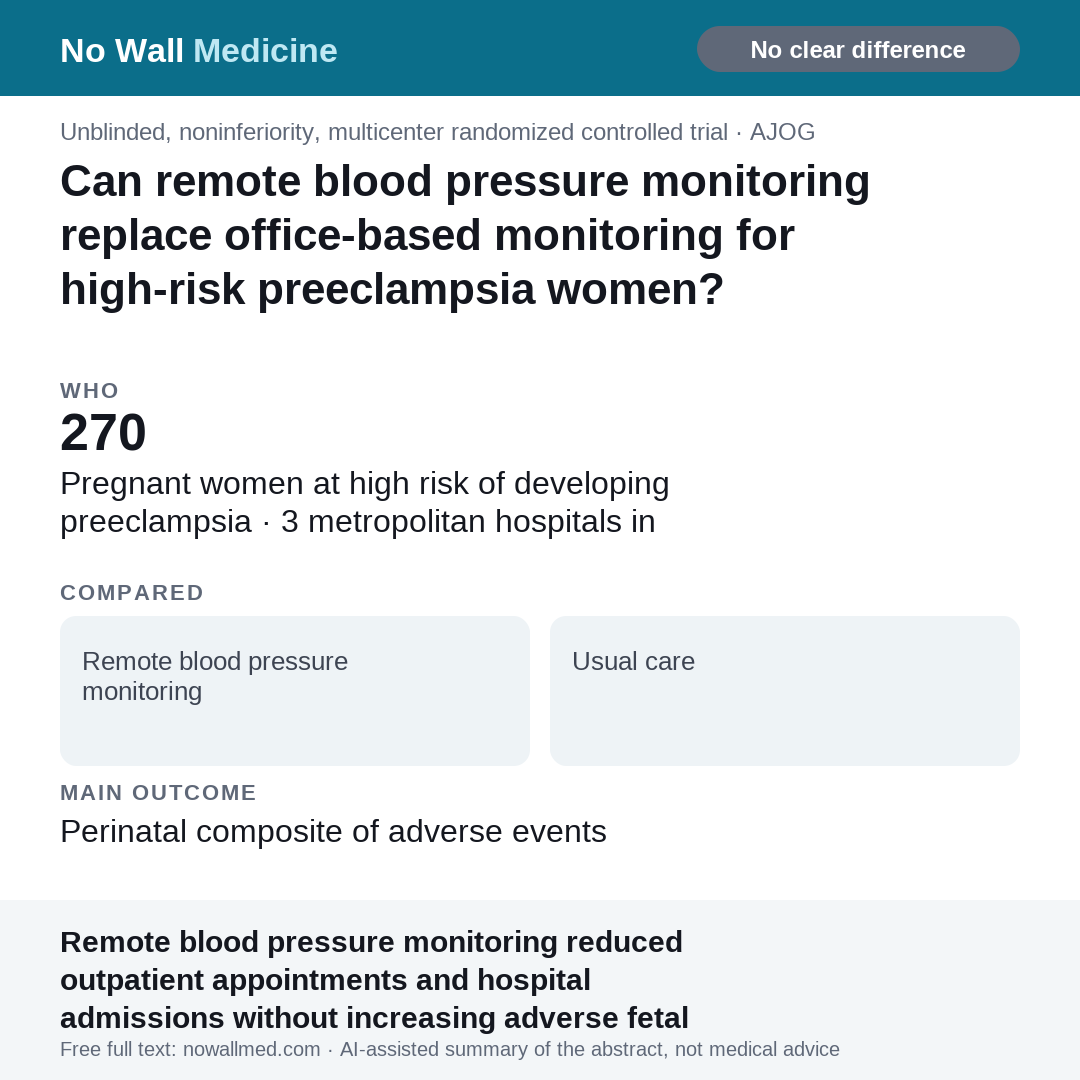
A randomized controlled trial comparing remote blood pressure monitoring with office-based blood pressure monitoring for women at high risk of preeclampsia
Unblinded, noninferiority, multicenter randomized controlled trialNo clear difference
Can remote blood pressure monitoring replace office-based monitoring for high-risk preeclampsia women?
Who
270
Pregnant women at high risk of developing preeclampsia · 3 metropolitan hospitals in Australia
Compared
Remote blood pressure monitoring
Usual care
Main outcome
Perinatal composite of adverse events
Result: hazard ratio 1.0 (95% CI 0.57-1.76)
Bottom line: Remote blood pressure monitoring reduced outpatient appointments and hospital admissions without increasing adverse fetal or maternal outcomes.
AJOG · 2026-04-21Download image
Safety and Efficacy of Tranexamic Acid in Urologic Surgery: Results from the International, Randomized, Placebo-Controlled POISE-3 Trial
International, randomized, placebo-controlled trialBenefit found
Is tranexamic acid effective and safe for patients undergoing urologic surgery?
Who
1124
Patients undergoing urologic surgery with bleeding and cardiovascular risk factors · International
Compared
Tranexamic acid: 8.1% composite bleeding
Placebo: 10.9% composite bleeding
Main outcome
30-day bleeding composite and 30-day thrombosis composite
Result: hazard ratio 0.73 (95% CI 0.50-1.07)
Bottom line: Tranexamic acid reduced major bleeding in urologic surgery, though the composite bleeding outcome did not reach statistical significance.
Limitation: Few patient-important thrombotic events limited precision for stroke and venous thromboembolism estimates.
Eur Urol · 2026-04-21Download image

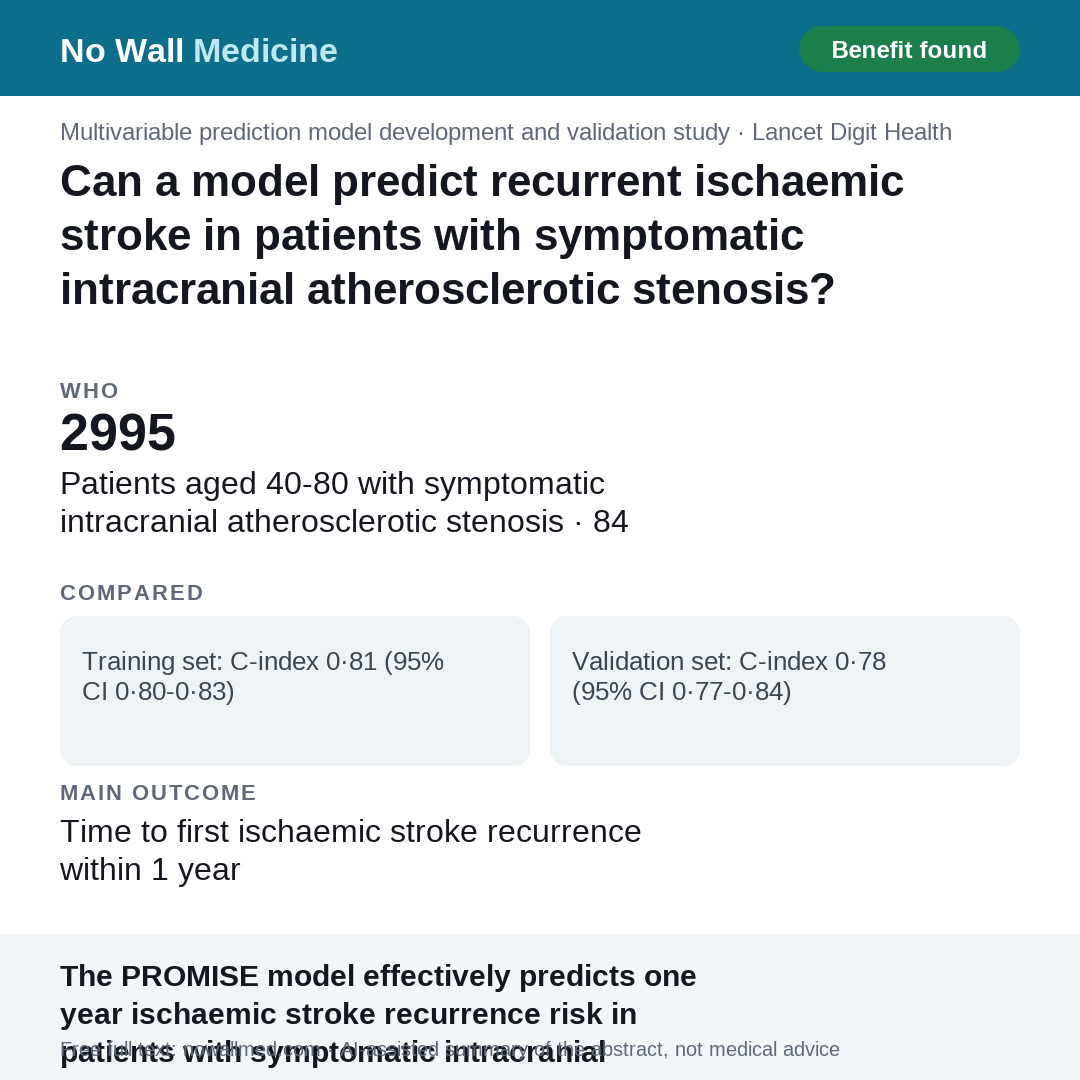
Ischaemic stroke recurrence in patients with symptomatic intracranial atherosclerotic stenosis in China (PROMISE): a multivariable prediction model development and validation study
Multivariable prediction model development and validation studyBenefit found
Can a model predict recurrent ischaemic stroke in patients with symptomatic intracranial atherosclerotic stenosis?
Who
2995
Patients aged 40-80 with symptomatic intracranial atherosclerotic stenosis · 84 hospitals in China
Compared
Training set: C-index 0·81 (95% CI 0·80-0·83)
Validation set: C-index 0·78 (95% CI 0·77-0·84)
Main outcome
Time to first ischaemic stroke recurrence within 1 year
Bottom line: The PROMISE model effectively predicts one year ischaemic stroke recurrence risk in patients with symptomatic intracranial atherosclerotic stenosis.
Funded by: National Natural Science Foundation of China and others
Lancet Digit Health · 2026-04-21Download image
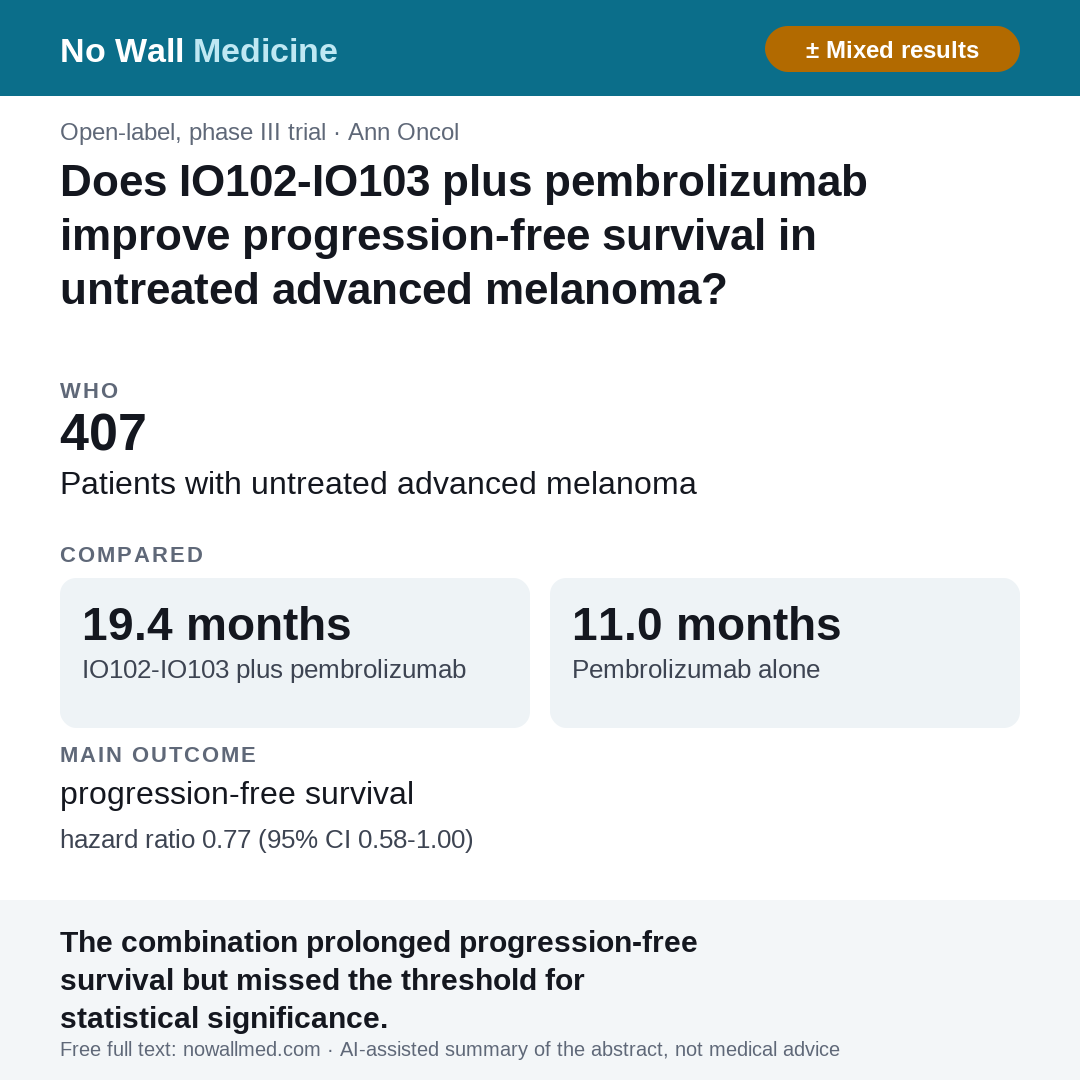
IO102-IO103 immune-modulatory cancer vaccine and pembrolizumab in melanoma
Open-label, phase III trialMixed results
Does IO102-IO103 plus pembrolizumab improve progression-free survival in untreated advanced melanoma?
Who
407
Patients with untreated advanced melanoma
Compared
19.4 monthsIO102-IO103 plus pembrolizumab
11.0 monthsPembrolizumab alone
Main outcome
progression-free survival
Result: hazard ratio 0.77 (95% CI 0.58-1.00)
Bottom line: The combination prolonged progression-free survival but missed the threshold for statistical significance.
Limitation: The statistical significance threshold was missed for the primary endpoint.
Ann Oncol · 2026-04-21Download image
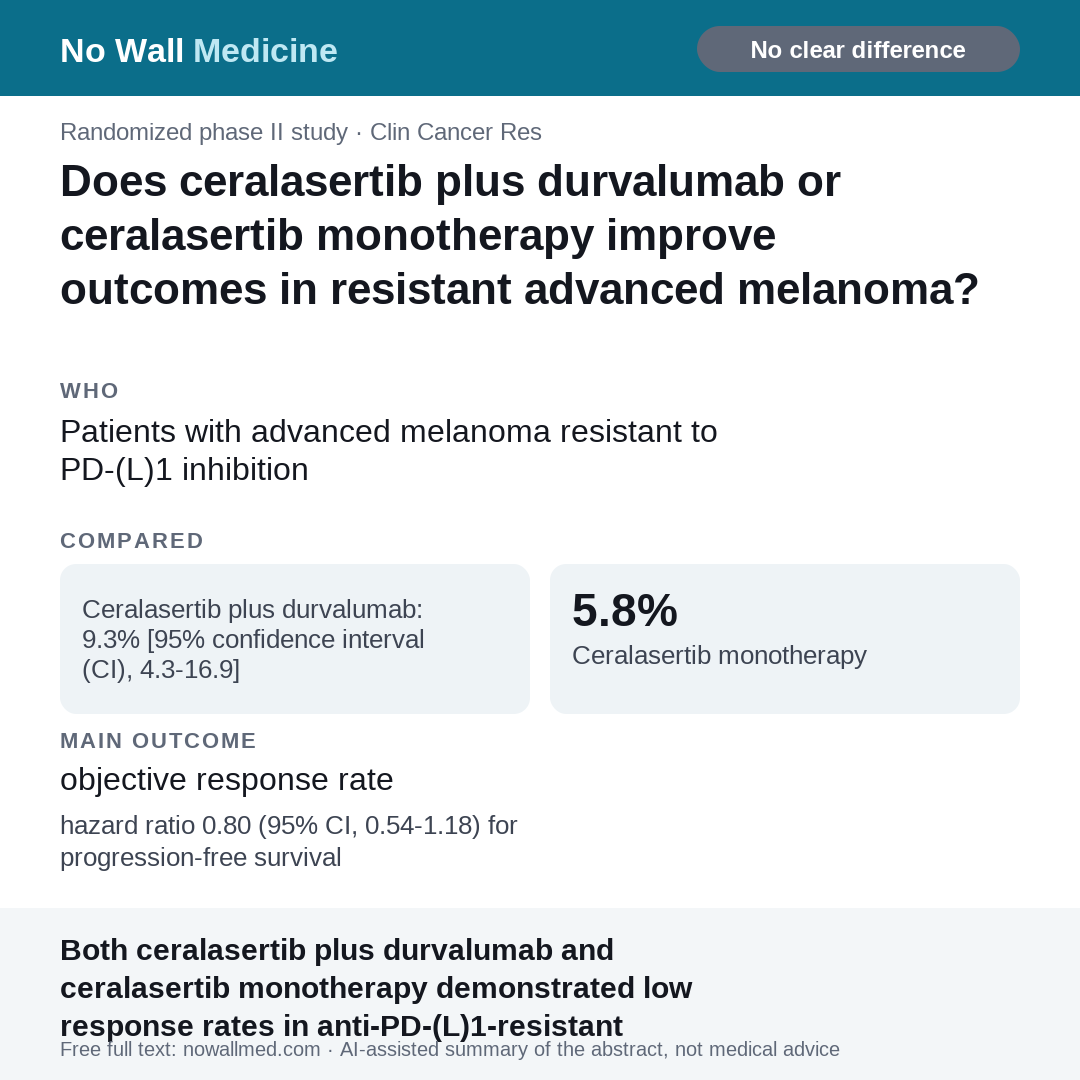
MONETTE: A Randomized Phase II Study of Ceralasertib plus Durvalumab or Ceralasertib Monotherapy in Patients with Advanced Melanoma Resistant to PD-(L)1 Inhibition
Randomized phase II studyNo clear difference
Does ceralasertib plus durvalumab or ceralasertib monotherapy improve outcomes in resistant advanced melanoma?
Who
Patients with advanced melanoma resistant to PD-(L)1 inhibition
Compared
Ceralasertib plus durvalumab: 9.3% [95% confidence interval (CI), 4.3-16.9]
5.8%Ceralasertib monotherapy (95% CI, 1.2-15.9)
Main outcome
objective response rate
Result: hazard ratio 0.80 (95% CI, 0.54-1.18) for progression-free survival
Bottom line: Both ceralasertib plus durvalumab and ceralasertib monotherapy demonstrated low response rates in anti-PD-(L)1-resistant advanced melanoma.
Clin Cancer Res · 2026-04-21Download image
Multimodal microglial and kynurenine pathway alterations across the affective-psychosis spectrum: a systematic review of patterns, heterogeneity, and dimensional implications
Systematic reviewMixed results
How do microglia and kynurenine pathway alterations differ across affective and psychotic illnesses?
Who
Patients with major depressive disorder, bipolar disorder, and schizophrenia
Compared
Major depressive disorder: increased TSPO binding in frontolimbic regions
Schizophrenia: shift toward the KYNA branch
Main outcome
Microglial and kynurenine pathway alterations
Bottom line: Alterations are better explained by biological subgroups and symptom dimensions than by categorical diagnoses.
Limitation: Limited cellular specificity of TSPO-PET and small sample sizes in postmortem studies.
Mol Psychiatry · 2026-04-21Download image

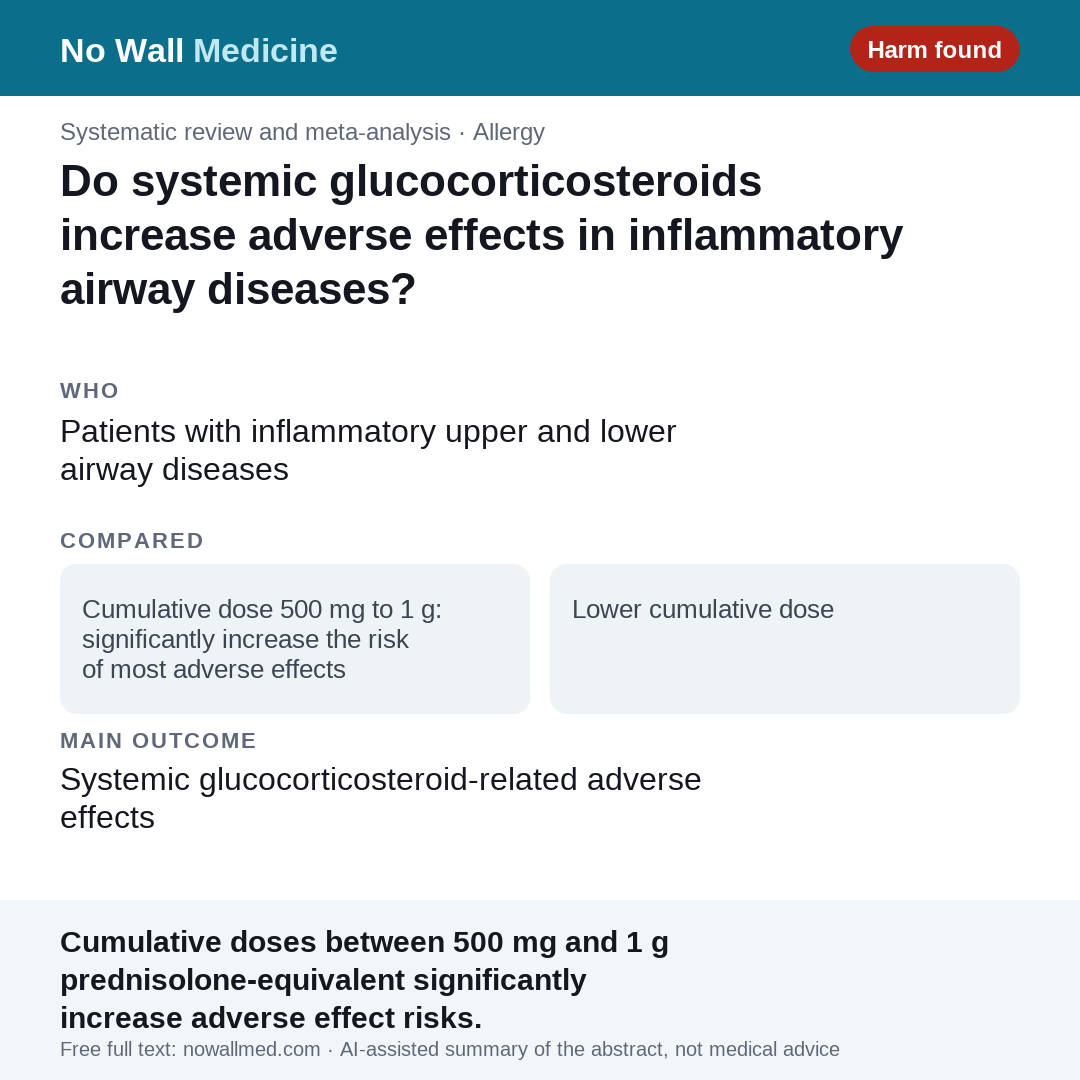
Meta-Analysis on the Harm of Systemic Glucocorticosteroids in Inflammatory Upper Airway Disease and Asthma: An EAACI Task Force
Systematic review and meta-analysisHarm found
Do systemic glucocorticosteroids increase adverse effects in inflammatory airway diseases?
Who
Patients with inflammatory upper and lower airway diseases
Compared
Cumulative dose 500 mg to 1 g: significantly increase the risk of most adverse effects
Lower cumulative dose
Main outcome
Systemic glucocorticosteroid-related adverse effects
Bottom line: Cumulative doses between 500 mg and 1 g prednisolone-equivalent significantly increase adverse effect risks.
Allergy · 2026-04-21Download image
Improved coping and self-efficacy drive improvements in mood among caregivers of patients with primary malignant brain tumors: Results from a randomized controlled trial
Randomized controlled trialBenefit found
Do improved coping and self-efficacy mediate NeuroCARE effects on caregiver anxiety and depression?
Who
120
Caregivers of patients with primary malignant brain tumors
Compared
NeuroCARE
Usual care
Main outcome
Anxiety and depression symptoms
Bottom line: NeuroCARE improves mood by enhancing coping skills and improving caregivers' self-efficacy.
Neuro Oncol · 2026-04-21Download image

Responsiveness and reliability of MRI in knee osteoarthritis: An updated meta-analysis
Meta-analysis of 145 studiesBenefit found
How reliable and responsive is magnetic resonance imaging for assessing knee osteoarthritis structural changes?
Who
Patients with knee osteoarthritis
Compared
2.7%Total cartilage volume reliability (95% CI: 1.9-3.8%)
3.0%Total cartilage thickness reliability (95% CI: 2.1-4.2%)
1.5%Total cartilage surface area reliability (95% CI: 0.9-2.7%)
Medial tibiofemoral cartilage thickness responsiveness: SRM=-0.350, 95% CI: -0.405 to -0.294
Main outcome
Reliability and responsiveness of magnetic resonance imaging for structural changes
Bottom line: Magnetic resonance imaging is highly reliable and responsive for monitoring structural changes in knee osteoarthritis.
Osteoarthritis Cartilage · 2026-04-21Download image

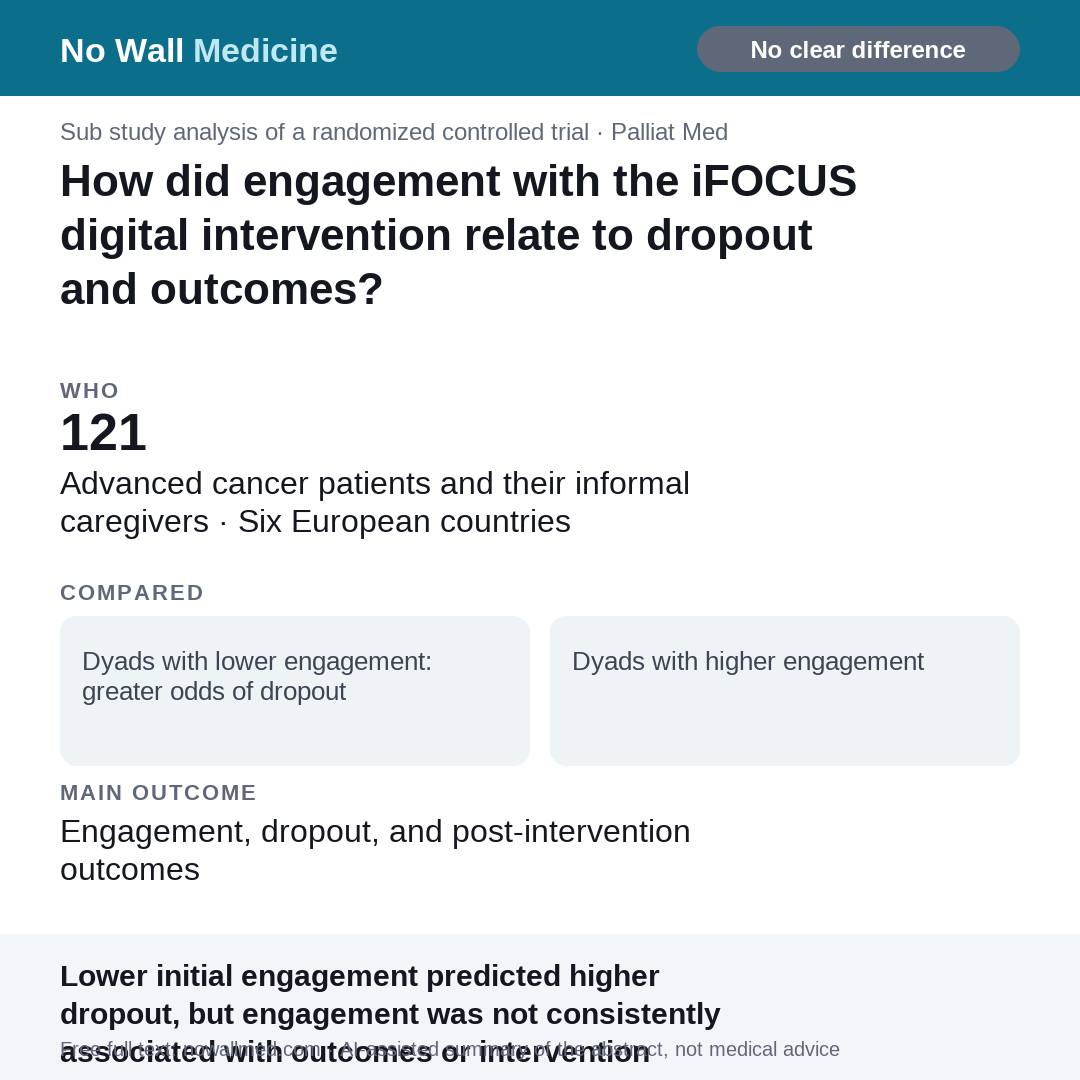
Exploring engagement with a web-based self-directed psychoeducational program for advanced cancer patients and their caregivers (iFOCUS): A sub study analysis of the DIAdIC trial
Sub study analysis of a randomized controlled trialNo clear difference
How did engagement with the iFOCUS digital intervention relate to dropout and outcomes?
Who
121
Advanced cancer patients and their informal caregivers · Six European countries
Compared
Dyads with lower engagement: greater odds of dropout
Dyads with higher engagement
Main outcome
Engagement, dropout, and post-intervention outcomes
Bottom line: Lower initial engagement predicted higher dropout, but engagement was not consistently associated with outcomes or intervention evaluation.
Limitation: Inconsistencies in the extent and nature of associations between engagement and characteristics.
Palliat Med · 2026-04-21Download image
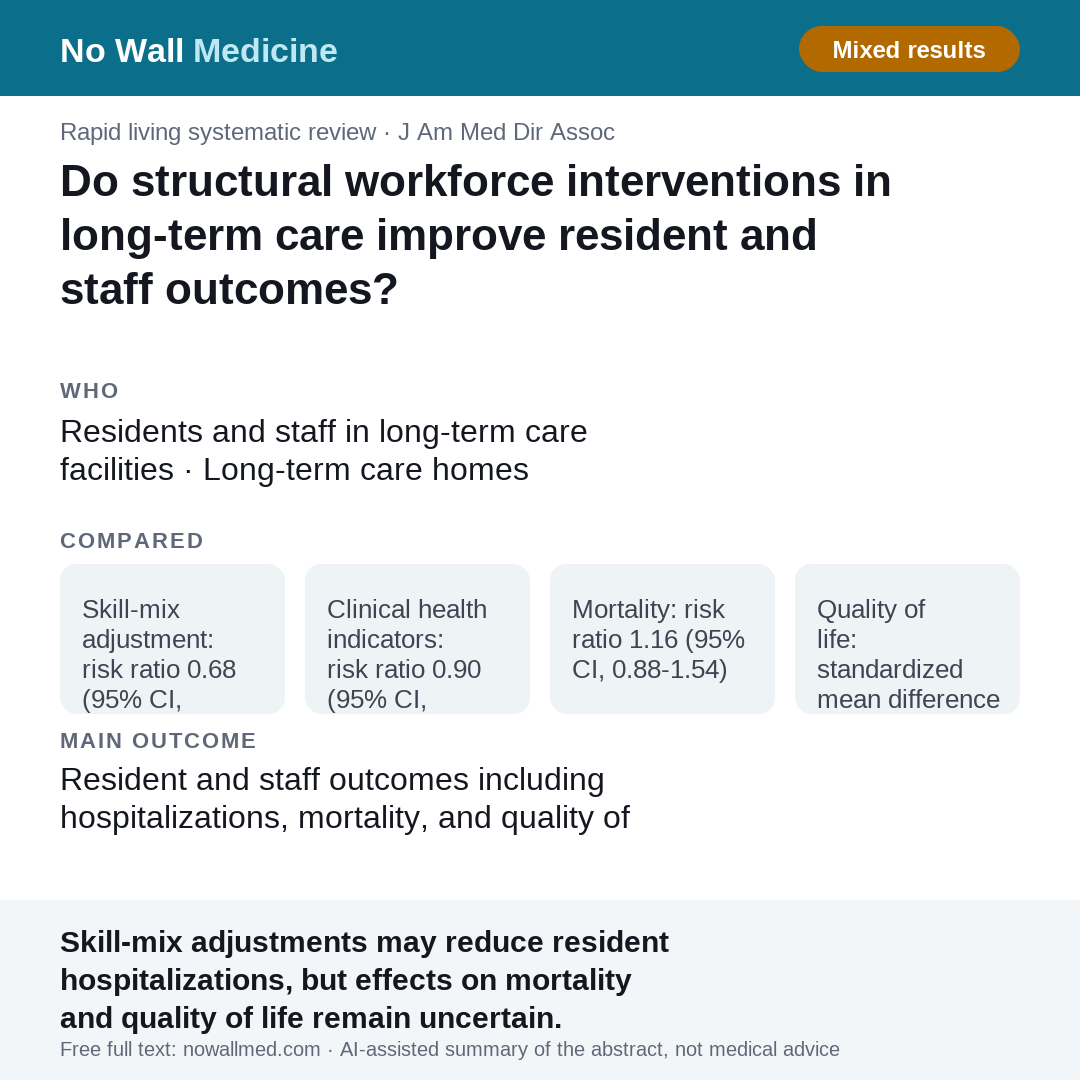
Effects of Structural Workforce Interventions on Resident and Staff Outcomes in Long-Term Care Facilities: A Rapid Living Systematic Review
Rapid living systematic reviewMixed results
Do structural workforce interventions in long-term care improve resident and staff outcomes?
Who
Residents and staff in long-term care facilities · Long-term care homes
Compared
Skill-mix adjustment: risk ratio 0.68 (95% CI, 0.51-0.91)
Clinical health indicators: risk ratio 0.90 (95% CI, 0.72-1.13)
Mortality: risk ratio 1.16 (95% CI, 0.88-1.54)
Quality of life: standardized mean difference -0.10 (95% CI, -0.22 to 0.03)
Main outcome
Resident and staff outcomes including hospitalizations, mortality, and quality of life
Result: risk ratio 0.68 (95% CI, 0.51-0.91) for hospitalizations
Bottom line: Skill-mix adjustments may reduce resident hospitalizations, but effects on mortality and quality of life remain uncertain.
Limitation: High risk of bias from deviations from intended interventions and selective outcome reporting.
J Am Med Dir Assoc · 2026-04-21Download image
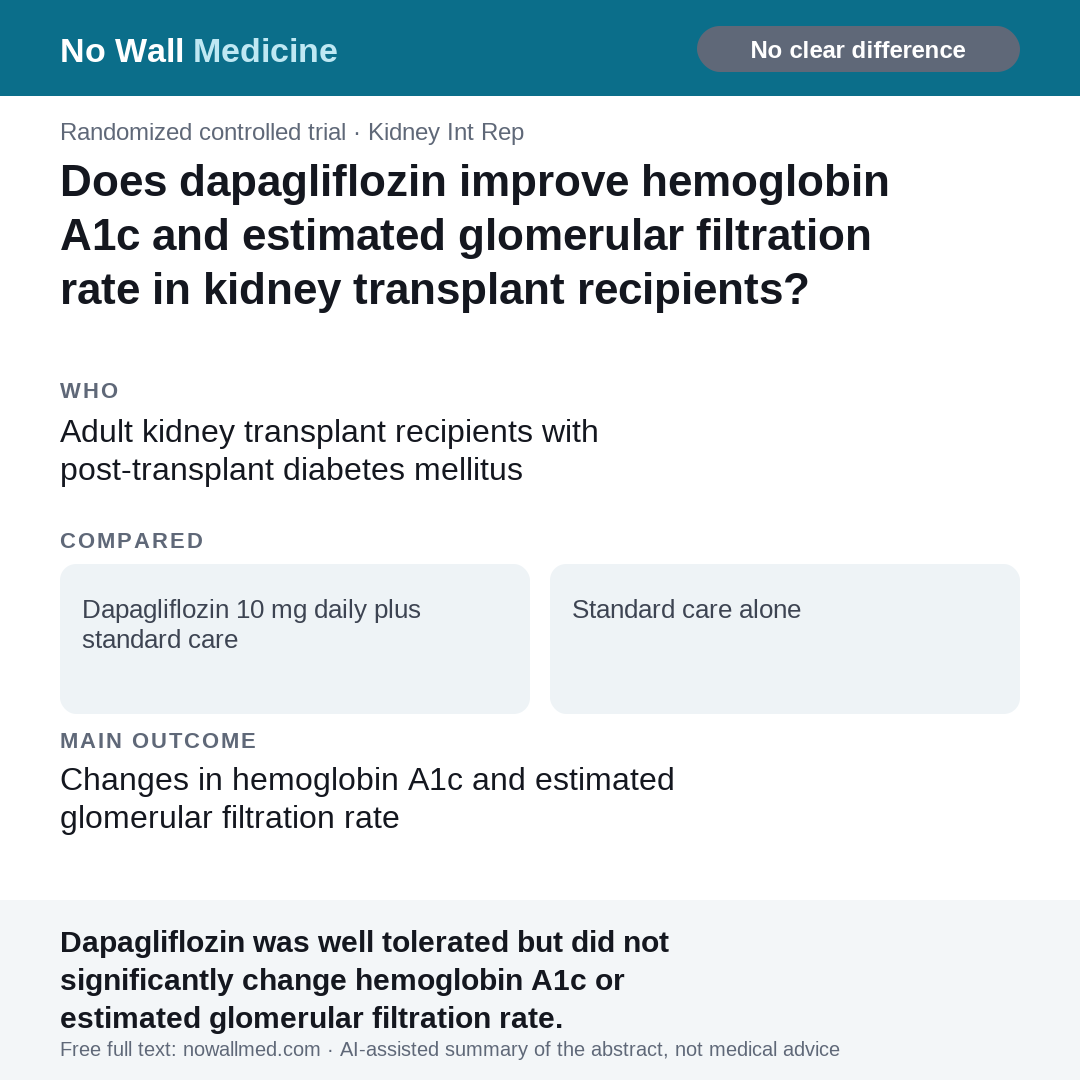
Randomized Controlled Trial of Dapagliflozin for Post-Transplant Diabetes Mellitus in Renal Transplant Recipients
Randomized controlled trialNo clear difference
Does dapagliflozin improve hemoglobin A1c and estimated glomerular filtration rate in kidney transplant recipients?
Who
Adult kidney transplant recipients with post-transplant diabetes mellitus
Compared
Dapagliflozin 10 mg daily plus standard care
Standard care alone
Main outcome
Changes in hemoglobin A1c and estimated glomerular filtration rate
Bottom line: Dapagliflozin was well tolerated but did not significantly change hemoglobin A1c or estimated glomerular filtration rate.
Limitation: Findings are hypothesis-generating and require confirmation in larger blinded trials.
Kidney Int Rep · 2026-04-21Download image
Return on investment of community health workers in the United States: a systematic review
Systematic reviewBenefit found
What is the return on investment of community health worker programmes in the United States?
Who
2155
Forty-one distinct community health worker programmes across 23 states · United States
Compared
Community health worker programmes: median annual savings of $403,298
Investment cost: median inflation-adjusted annual programme cost was $155,275
Main outcome
Return on investment
Result: median ROI was $2.12 (interquartile range: 1.64-4.03) per dollar invested
Bottom line: Community health worker programmes in the United States demonstrate consistent, favourable financial returns.
Limitation: Most return on investment analyses used simple cost analysis rather than complex modelling.
Funded by: Centers for Disease Control and Prevention
Lancet Reg Health Am · 2026-04-21Download image

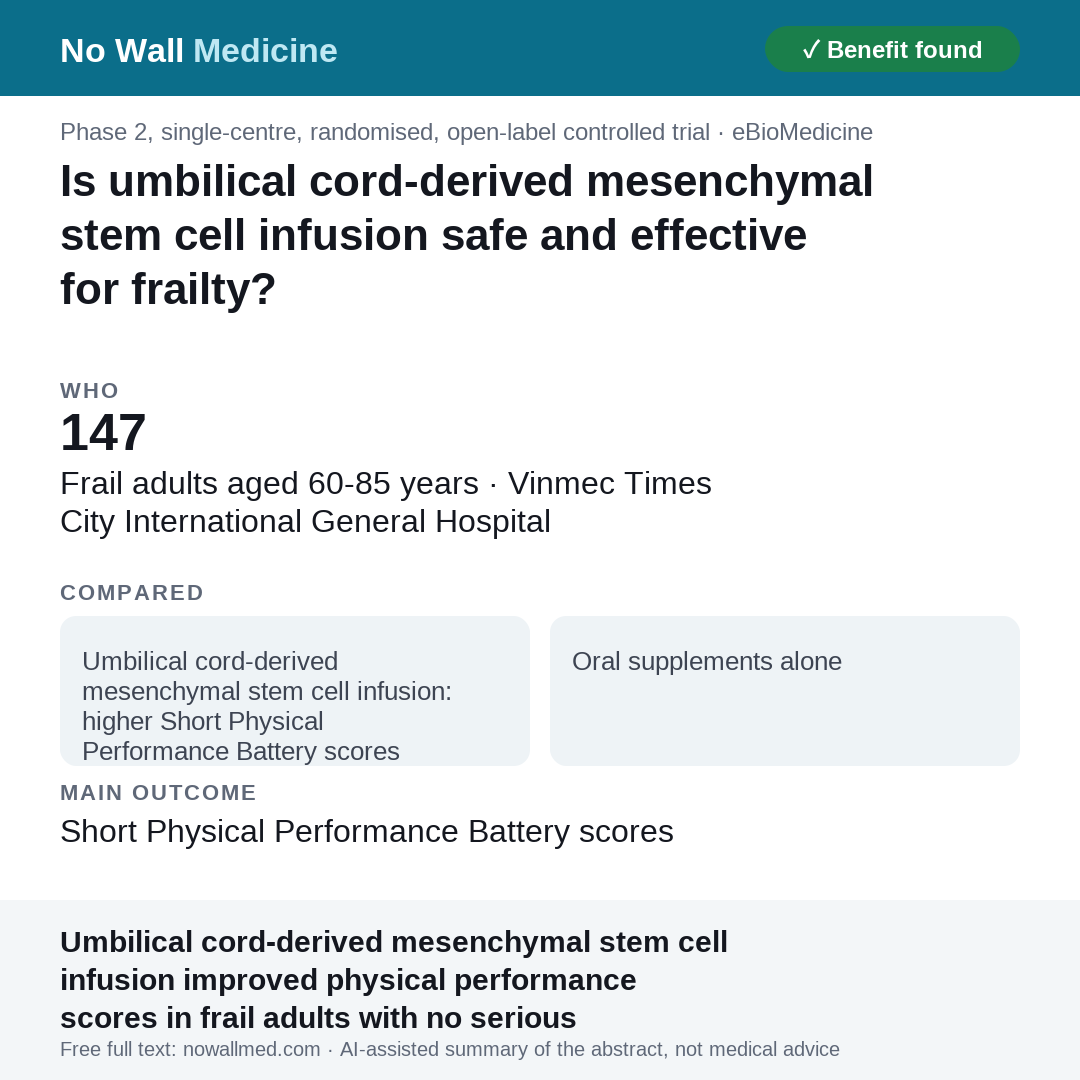
Safety and efficacy of allogeneic umbilical cord-derived mesenchymal stem cell infusion for frailty: a phase 2, single-centre, randomised, open-label controlled trial
Phase 2, single-centre, randomised, open-label controlled trialBenefit found
Is umbilical cord-derived mesenchymal stem cell infusion safe and effective for frailty?
Who
147
Frail adults aged 60-85 years · Vinmec Times City International General Hospital
Compared
Umbilical cord-derived mesenchymal stem cell infusion: higher Short Physical Performance Battery scores
Oral supplements alone
Main outcome
Short Physical Performance Battery scores
Result: least-squares mean difference 1.1 points (95% CI: 0.6-1.6)
Bottom line: Umbilical cord-derived mesenchymal stem cell infusion improved physical performance scores in frail adults with no serious adverse events.
Funded by: Vingroup Joint Stock Company
eBioMedicine · 2026-04-21Download image
Subcallosal cingulate functional connectivity in depression: a systematic review of brain stimulation-induced changes and pretreatment connectivity predictors
Systematic reviewMixed results
How does neurostimulation affect subcallosal cingulate functional connectivity in depression?
Who
28
Patients with major depressive episode
Compared
Repetitive transcranial magnetic stimulation
Electroconvulsive therapy
Transcranial focused ultrasound stimulation
Main outcome
Subcallosal cingulate functional connectivity changes
Bottom line: Neurostimulation affects subcallosal cingulate connectivity, but findings are highly heterogeneous across different stimulation modalities.
Transl Psychiatry · 2026-04-21Download image

Craniofacial Fracture and Secretome: A Systematic Review
Systematic reviewBenefit found
Does secretome therapy enhance craniofacial bone regeneration in animal and human models?
Who
Human and animal models (dogs, rabbits, and rats)
Compared
Secretome therapy: expedited bone healing
Control
Main outcome
Craniofacial bone regeneration and healing
Bottom line: Secretome therapy enhances craniofacial bone healing by promoting key cytokines and facilitating repair.
Limitation: Further research with larger sample sizes and reduced risk of bias is needed.
Plast Reconstr Surg Glob Open · 2026-04-21Download image

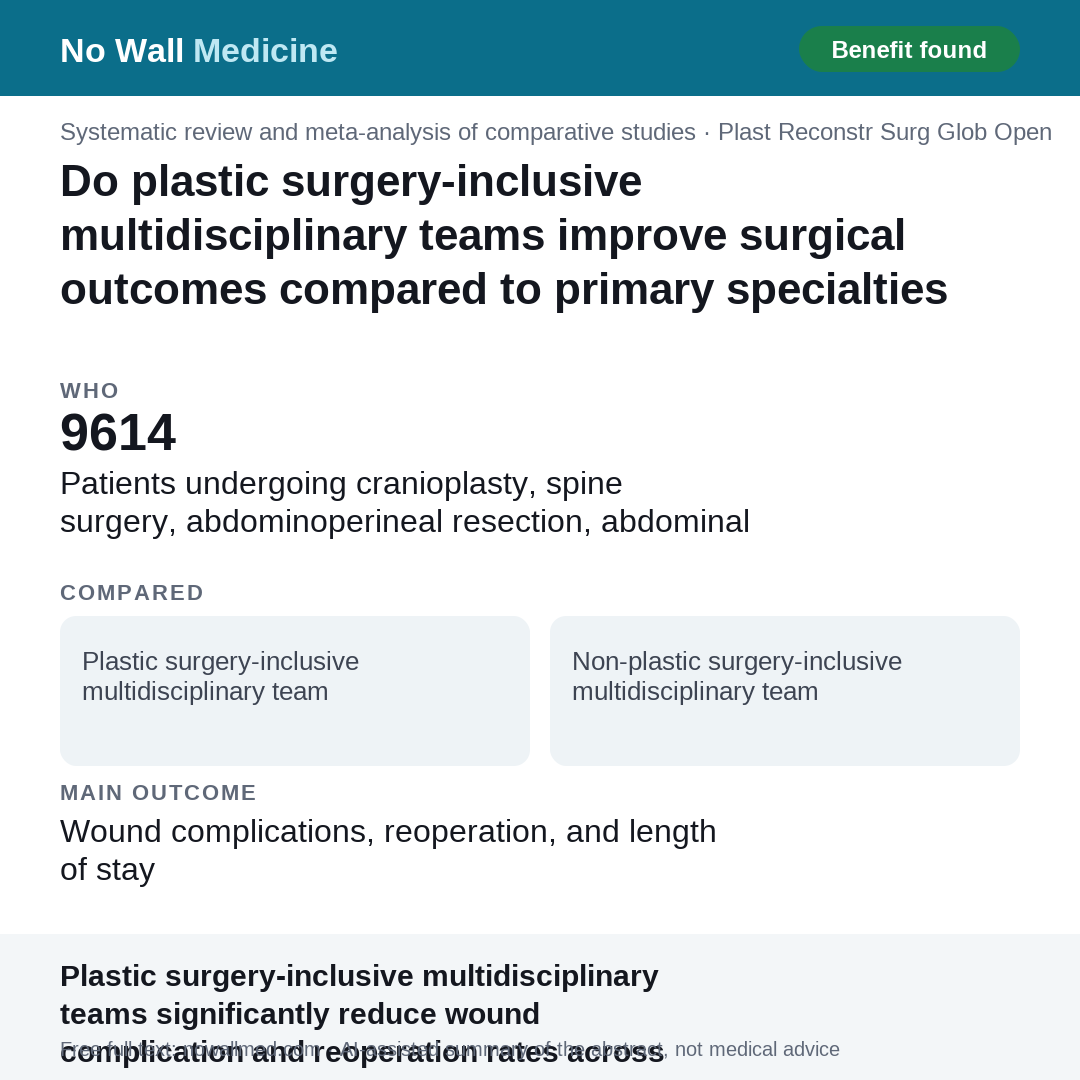
The Importance of Plastic Surgery in Multidisciplinary Teams: A Systematic Review and Meta-analysis of Comparative Studies
Systematic review and meta-analysis of comparative studiesBenefit found
Do plastic surgery-inclusive multidisciplinary teams improve surgical outcomes compared to primary specialties alone?
Who
9614
Patients undergoing cranioplasty, spine surgery, abdominoperineal resection, abdominal wall reconstruction, and extremity reconstruction
Compared
Plastic surgery-inclusive multidisciplinary team
Non-plastic surgery-inclusive multidisciplinary team
Main outcome
Wound complications, reoperation, and length of stay
Result: OR 0.65 (95% CI 0.47-0.90) for abdominoperineal resection wound complications
Bottom line: Plastic surgery-inclusive multidisciplinary teams significantly reduce wound complication and reoperation rates across complex surgical procedures.
Plast Reconstr Surg Glob Open · 2026-04-21Download image
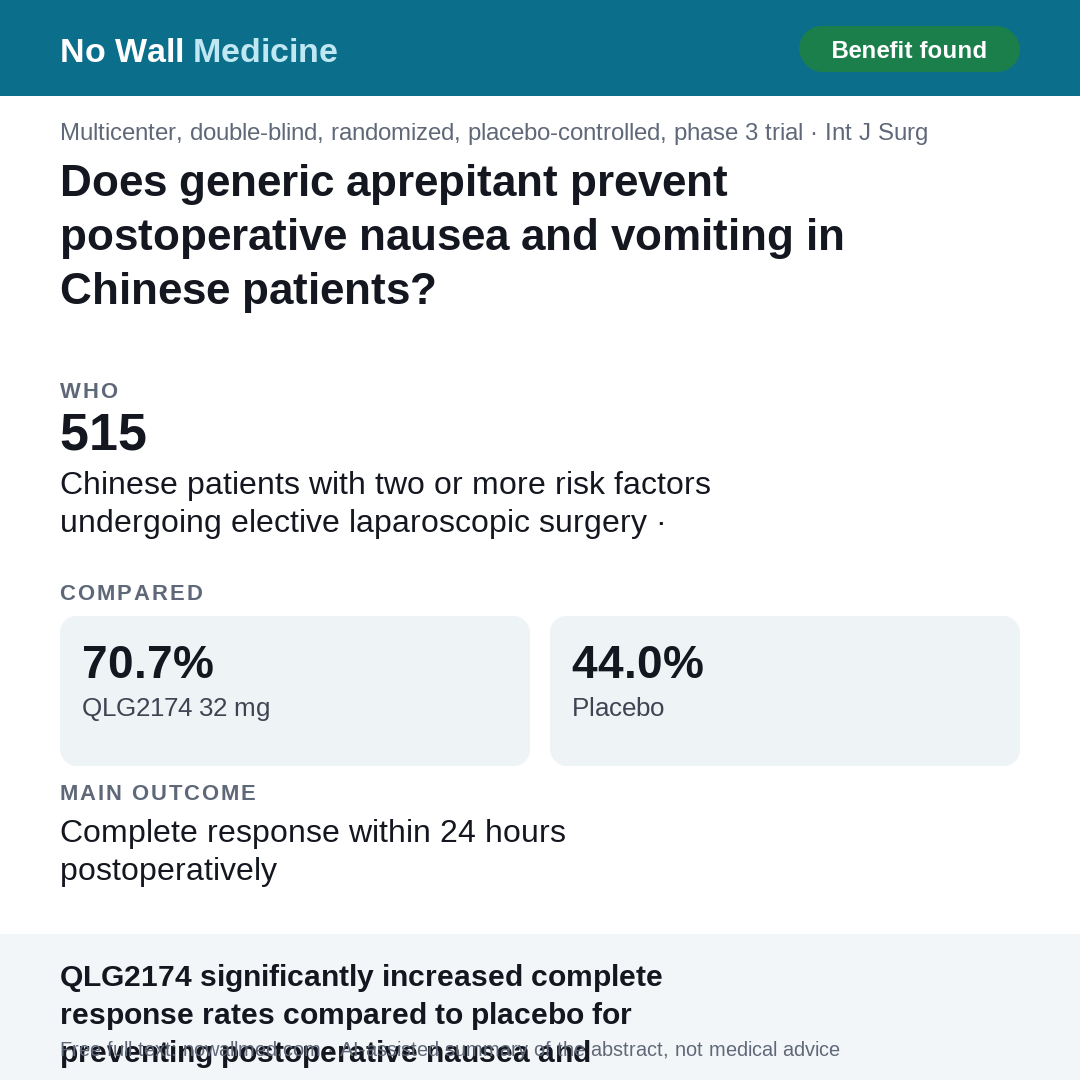
A multicenter parallel-group double-blind randomized placebo-controlled phase III clinical trial of generic aprepitant QLG2174 for the prevention of postoperative nausea and vomiting
Multicenter, double-blind, randomized, placebo-controlled, phase 3 trialBenefit found
Does generic aprepitant prevent postoperative nausea and vomiting in Chinese patients?
Who
515
Chinese patients with two or more risk factors undergoing elective laparoscopic surgery · Multicenter
Compared
70.7%QLG2174 32 mg (181/256)
44.0%Placebo (114/259)
Main outcome
Complete response within 24 hours postoperatively
Result: adjusted rate difference 26.6% (95% confidence interval, 18.4-34.7)
Bottom line: QLG2174 significantly increased complete response rates compared to placebo for preventing postoperative nausea and vomiting.
Int J Surg · 2026-04-20Download image
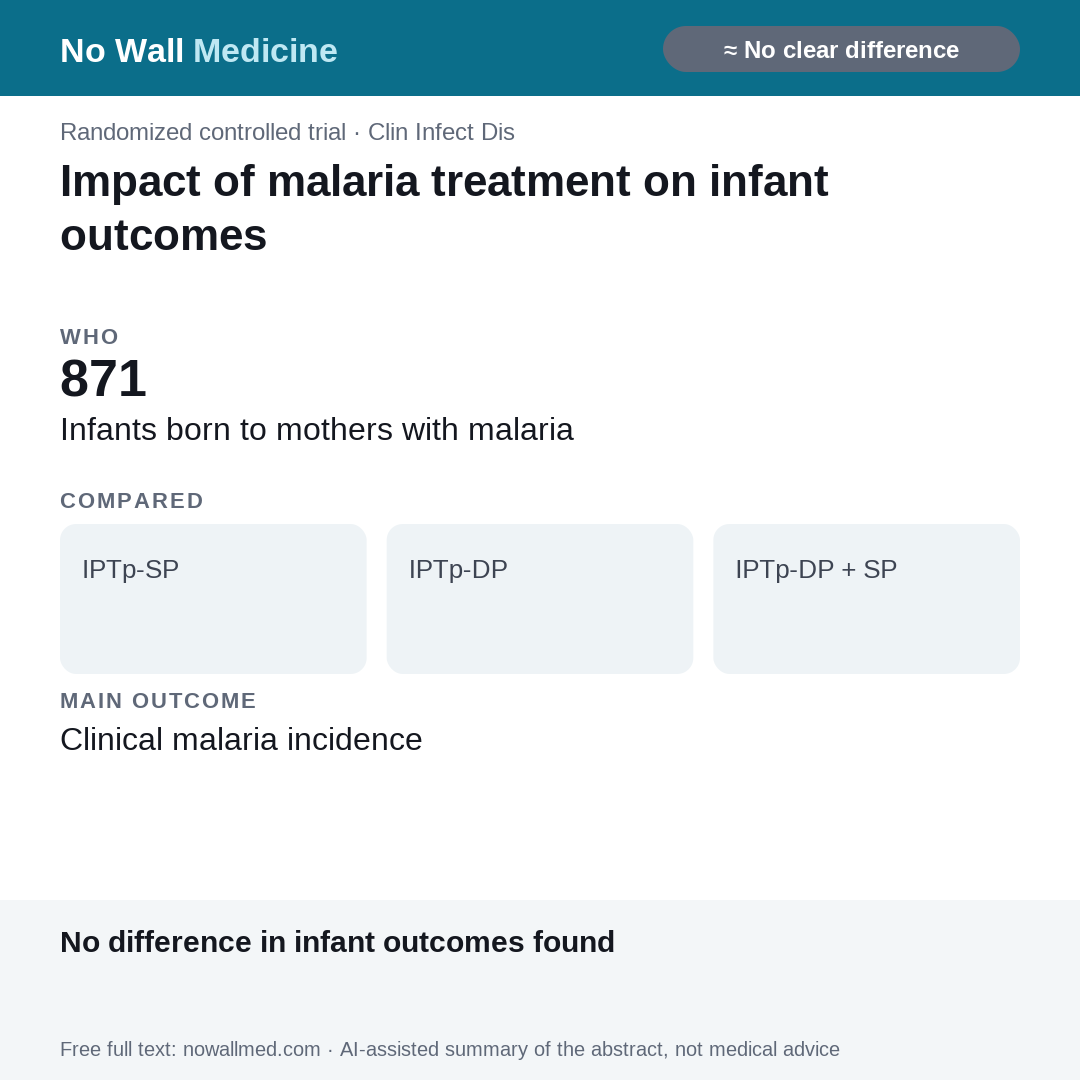
Impact of Intermittent Preventive Treatment for Malaria in Pregnancy With Sulfadoxine-Pyrimethamine, Dihydroartemisinin-Piperaquine, and Their Combination on Infant Outcomes: A Randomized Controlled Trial
Randomized controlled trialNo clear difference
Impact of malaria treatment on infant outcomes
Who
871
Infants born to mothers with malaria
Compared
IPTp-SP
IPTp-DP
IPTp-DP + SP
Main outcome
Clinical malaria incidence
Bottom line: No difference in infant outcomes found
Clin Infect Dis · 2026-04-20Download image
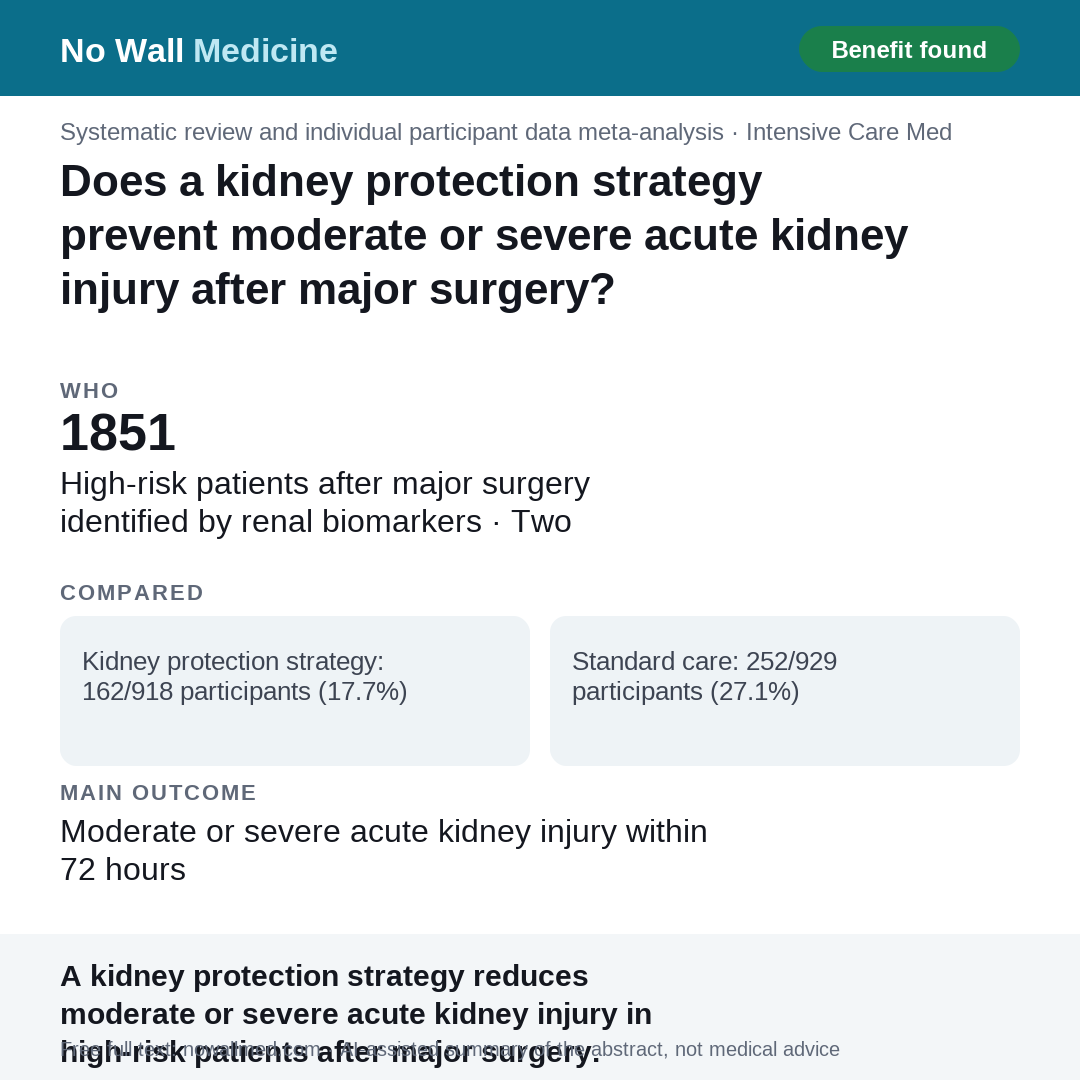
Implementation of a kidney protection strategy to prevent acute kidney injury after major surgery in high-risk patients identified by biomarkers: a systematic review and individual participant data meta-analysis of randomized controlled trials
Systematic review and individual participant data meta-analysisBenefit found
Does a kidney protection strategy prevent moderate or severe acute kidney injury after major surgery?
Who
1851
High-risk patients after major surgery identified by renal biomarkers · Two single-center and two multinational-multicenter trials
Compared
Kidney protection strategy: 162/918 participants (17.7%)
Standard care: 252/929 participants (27.1%)
Main outcome
Moderate or severe acute kidney injury within 72 hours
Result: odds ratio 0.55 (95% CI 0.44-0.70)
Bottom line: A kidney protection strategy reduces moderate or severe acute kidney injury in high-risk patients after major surgery.
Limitation: The incremental clinical value of biomarker-guided selection itself remains uncertain.
Intensive Care Med · 2026-04-20Download image