Visual abstracts
New randomized trials and meta-analyses from leading journals at a glance: who was studied, what was compared, and what was found. Every paper is free to read in full.
All specialtiesCardiology 4877Oncology 4138Gastroenterology & Hepatology 1942Infectious Disease 3837Neurology 1905Psychiatry & Mental Health 2273Pulmonology 2143Critical Care 1365Endocrinology & Diabetes 2580Pediatrics 2980Surgery 2559Orthopedics & Sports Medicine 931Neurosurgery 537Cardiothoracic & Vascular Surgery 674Plastic & Reconstructive Surgery 591Nephrology 1133Rheumatology 823Hematology 1109Dermatology 621Ophthalmology 543Obstetrics & Gynecology 1686Public & Global Health 1058Radiology & Imaging 648Anesthesiology 986Urology 764ENT (Otolaryngology) 503Emergency Medicine 511Allergy & Immunology 313Geriatrics 981Family Medicine & Primary Care 562Medical Genetics & Genomics 676Pathology & Laboratory Medicine 159Physical Medicine & Rehabilitation 757Palliative Care 444Nutrition 1588Digital Health & AI 2201General Medicine 321
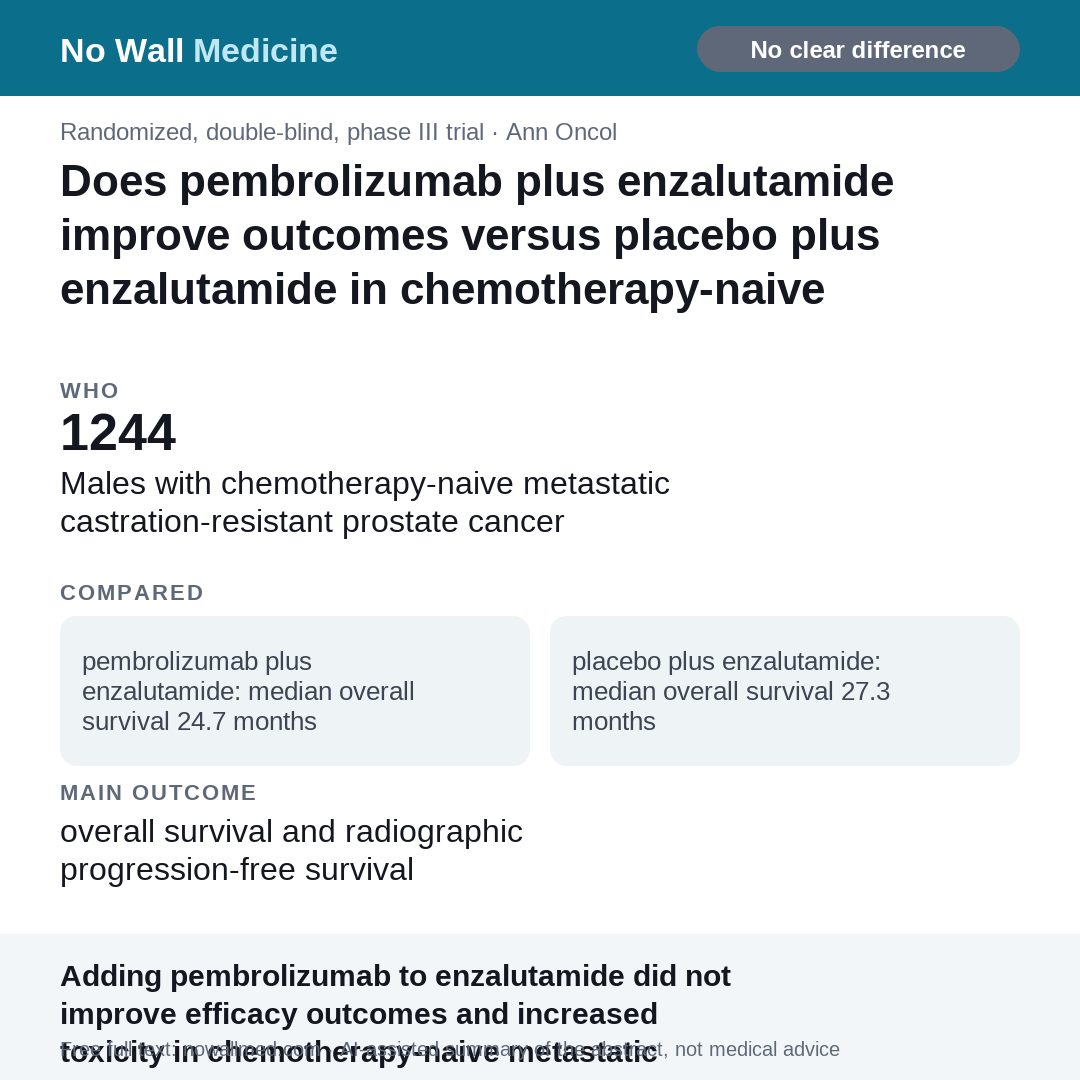
Pembrolizumab plus enzalutamide versus placebo plus enzalutamide for chemotherapy-naive metastatic castration-resistant prostate cancer: the randomized, double-blind, phase III KEYNOTE-641 study
Randomized, double-blind, phase III trialNo clear difference
Does pembrolizumab plus enzalutamide improve outcomes versus placebo plus enzalutamide in chemotherapy-naive mCRPC?
Who
1244
Males with chemotherapy-naive metastatic castration-resistant prostate cancer
Compared
pembrolizumab plus enzalutamide: median overall survival 24.7 months
placebo plus enzalutamide: median overall survival 27.3 months
Main outcome
overall survival and radiographic progression-free survival
Result: hazard ratio 1.04 (95% CI 0.88 to 1.22)
Bottom line: Adding pembrolizumab to enzalutamide did not improve efficacy outcomes and increased toxicity in chemotherapy-naive metastatic castration-resistant prostate cancer.
Ann Oncol · 2025-05-16Download image
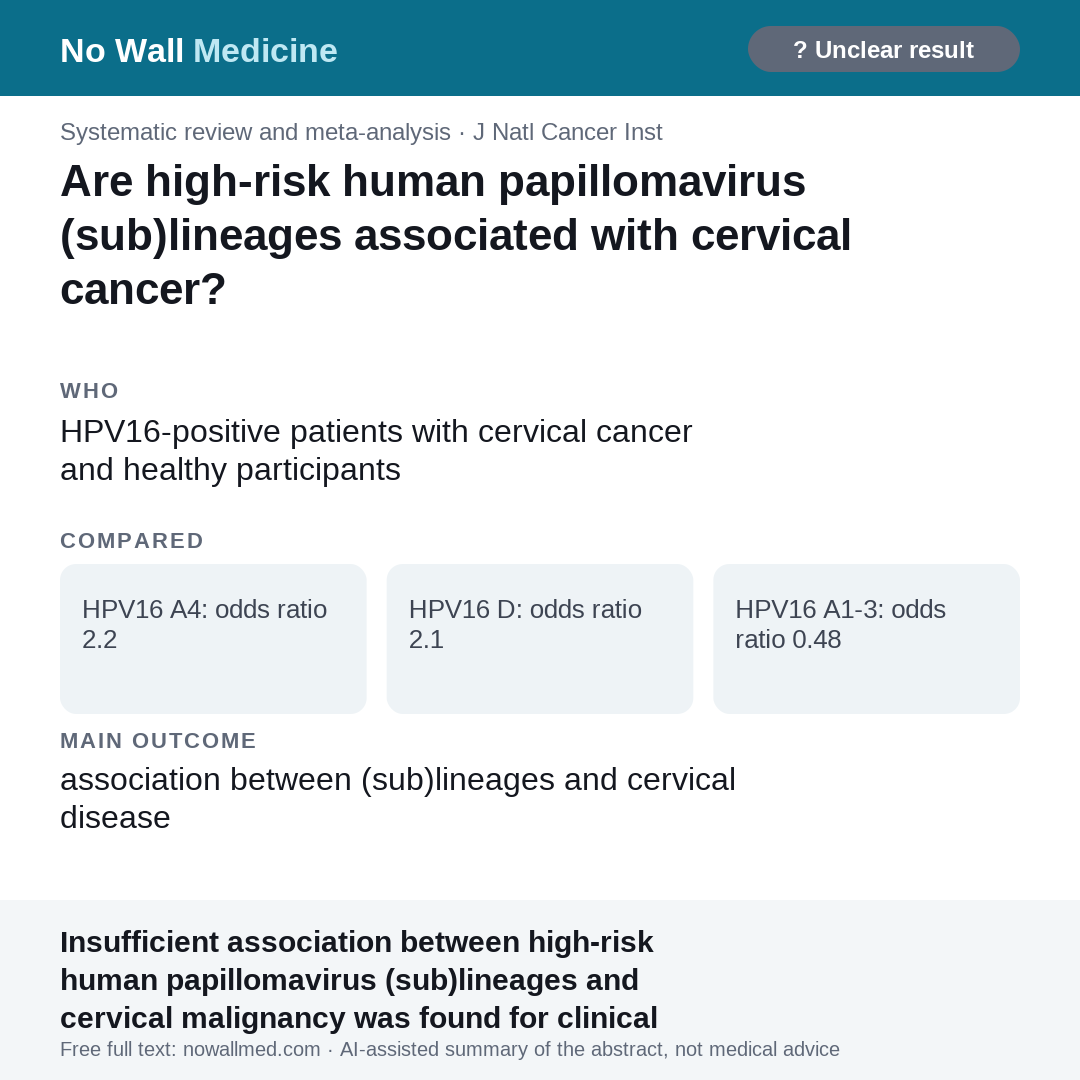
Lineages and sublineages of high-risk human papillomavirus types associated with cervical cancer and precancer: a systematic review and meta-analysis
Systematic review and meta-analysisUnclear result
Are high-risk human papillomavirus (sub)lineages associated with cervical cancer?
Who
HPV16-positive patients with cervical cancer and healthy participants
Compared
HPV16 A4: odds ratio 2.2
HPV16 D: odds ratio 2.1
HPV16 A1-3: odds ratio 0.48
Main outcome
association between (sub)lineages and cervical disease
Result: odds ratio 2.2 (95% CI 1.49 to 3.15) for HPV16 A4; 2.1 (95% CI 1.25 to 3.40) for HPV16 D; 0.48 (95% CI 0.33 to 0.68) for HPV16 A1-3
Bottom line: Insufficient association between high-risk human papillomavirus (sub)lineages and cervical malignancy was found for clinical use.
Limitation: Reports are heterogeneous in study design and often characterized by a small sample size.
J Natl Cancer Inst · 2025-05-16Download image
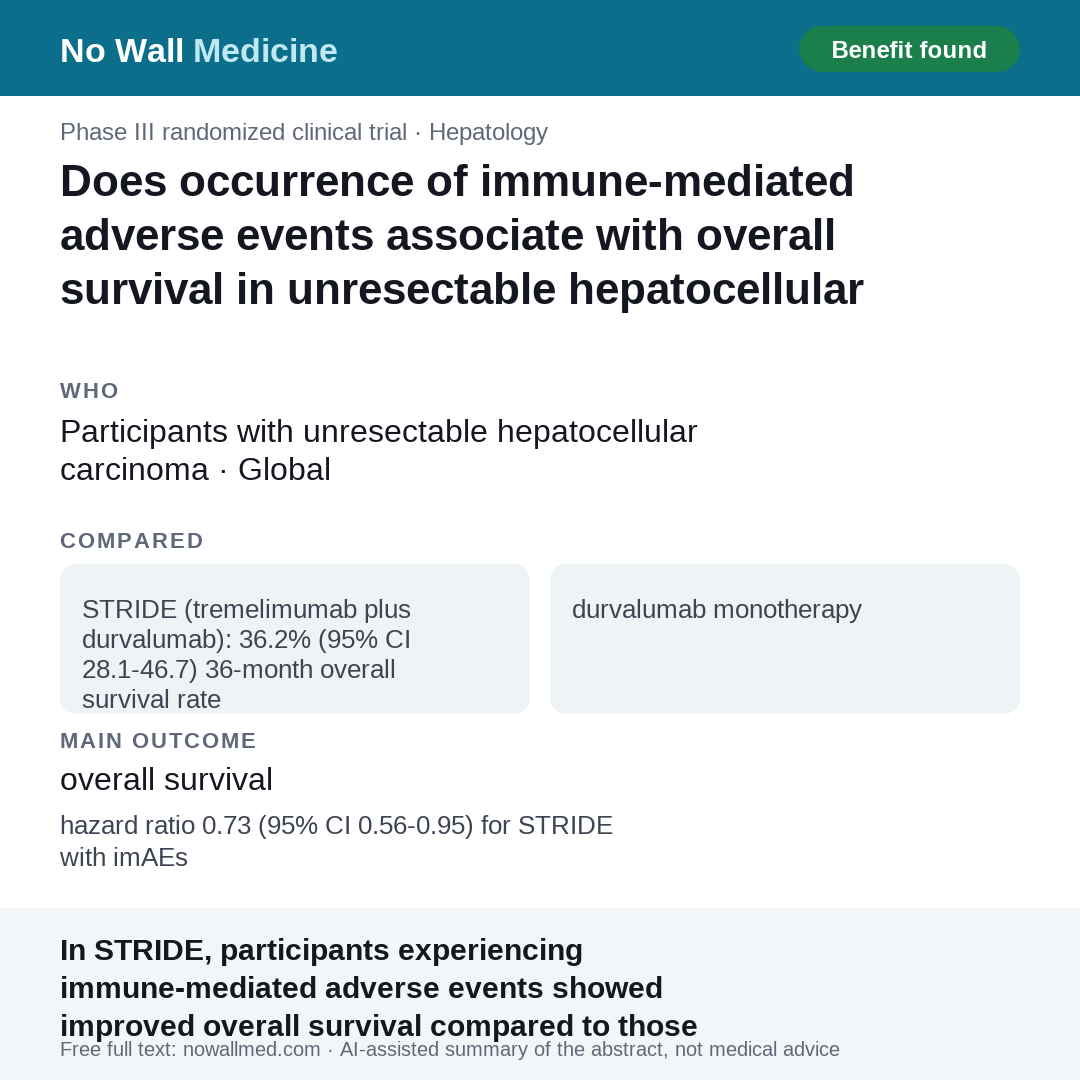
Immune-mediated adverse events and overall survival with tremelimumab plus durvalumab and durvalumab monotherapy in unresectable HCC: HIMALAYA phase III randomized clinical trial
Phase III randomized clinical trialBenefit found
Does occurrence of immune-mediated adverse events associate with overall survival in unresectable hepatocellular carcinoma?
Who
Participants with unresectable hepatocellular carcinoma · Global
Compared
STRIDE (tremelimumab plus durvalumab): 36.2% (95% CI 28.1-46.7) 36-month overall survival rate
durvalumab monotherapy
Main outcome
overall survival
Result: hazard ratio 0.73 (95% CI 0.56-0.95) for STRIDE with imAEs
Bottom line: In STRIDE, participants experiencing immune-mediated adverse events showed improved overall survival compared to those who did not.
Hepatology · 2025-05-16Download image
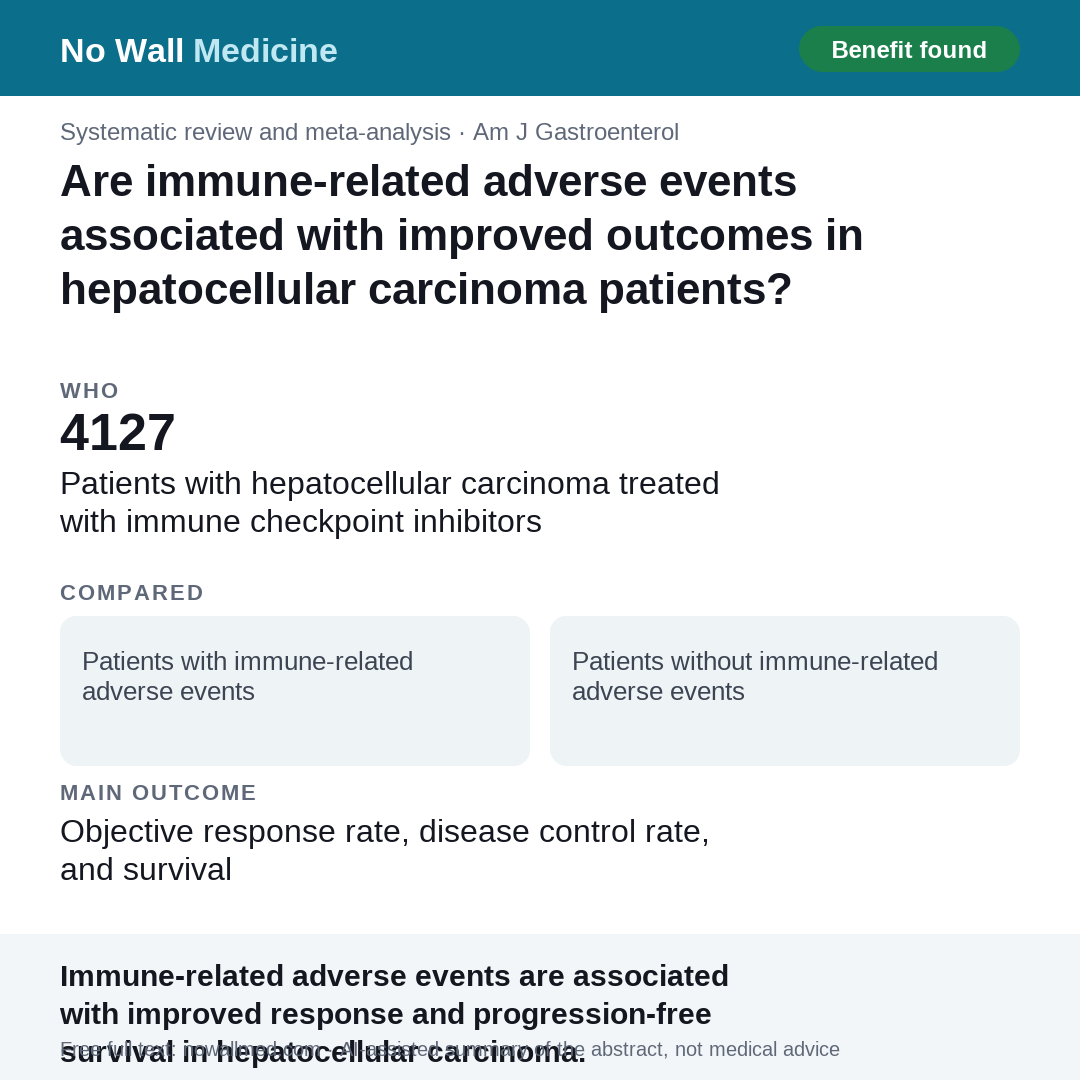
Immune-Related Adverse Events Are Associated With Improved Outcomes After Immune Checkpoint Inhibitor Treatment in Hepatocellular Carcinoma: A Systematic Review and Meta-Analysis
Systematic review and meta-analysisBenefit found
Are immune-related adverse events associated with improved outcomes in hepatocellular carcinoma patients?
Who
4127
Patients with hepatocellular carcinoma treated with immune checkpoint inhibitors
Compared
Patients with immune-related adverse events
Patients without immune-related adverse events
Main outcome
Objective response rate, disease control rate, and survival
Result: pooled hazard ratio 0.66 (95% CI 0.52-0.84)
Bottom line: Immune-related adverse events are associated with improved response and progression-free survival in hepatocellular carcinoma.
Am J Gastroenterol · 2025-05-16Download image
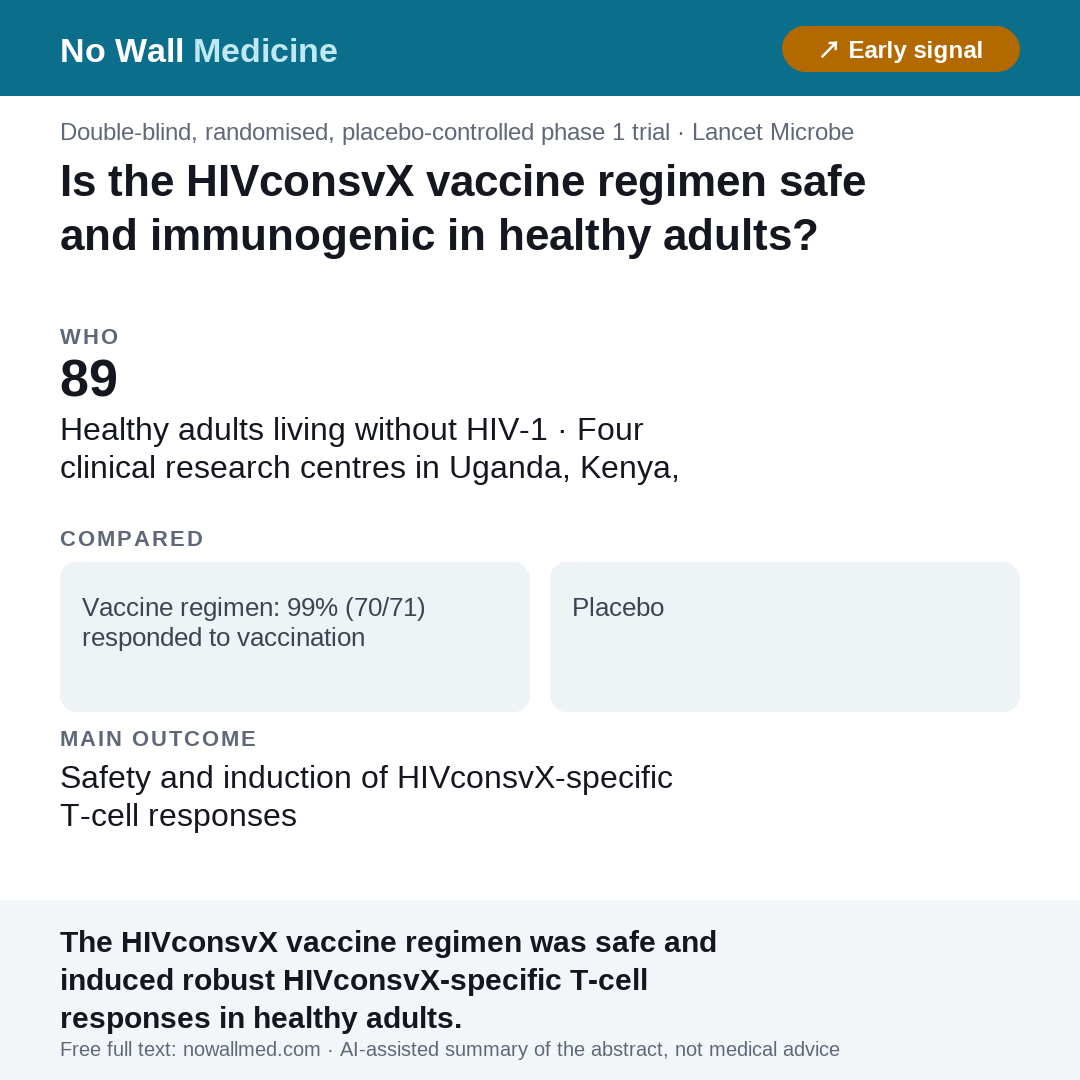
Safety and broad immunogenicity of HIVconsvX conserved mosaic candidate T-cell vaccines vectored by ChAdOx1 and MVA in HIV-CORE 006: a double-blind, randomised, placebo-controlled phase 1 trial in healthy adults living without HIV-1 in eastern and southern Africa
Double-blind, randomised, placebo-controlled phase 1 trialBenefit found
Is the HIVconsvX vaccine regimen safe and immunogenic in healthy adults?
Who
89
Healthy adults living without HIV-1 · Four clinical research centres in Uganda, Kenya, and Zambia
Compared
Vaccine regimen: 99% (70/71) responded to vaccination
Placebo
Main outcome
Safety and induction of HIVconsvX-specific T-cell responses
Bottom line: The HIVconsvX vaccine regimen was safe and induced robust HIVconsvX-specific T-cell responses in healthy adults.
Funded by: European and Developing Countries Clinical Trials Partnership
Lancet Microbe · 2025-05-16Download image
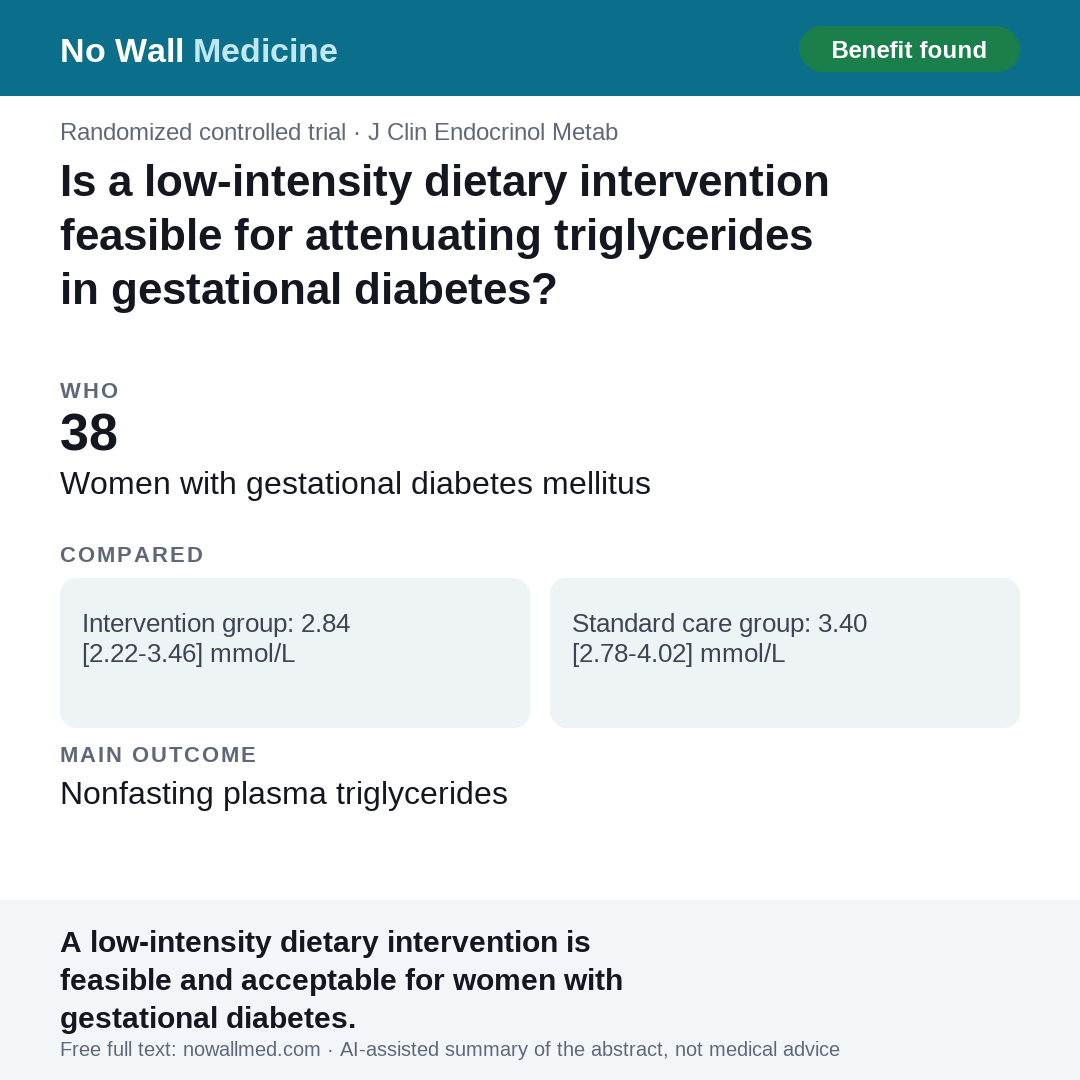
A Low-Intensity Nutrition Intervention Targeting Triglycerides in Gestational Diabetes: A Feasibility RCT
Randomized controlled trialBenefit found
Is a low-intensity dietary intervention feasible for attenuating triglycerides in gestational diabetes?
Who
38
Women with gestational diabetes mellitus
Compared
Intervention group: 2.84 [2.22-3.46] mmol/L
Standard care group: 3.40 [2.78-4.02] mmol/L
Main outcome
Nonfasting plasma triglycerides
Bottom line: A low-intensity dietary intervention is feasible and acceptable for women with gestational diabetes.
J Clin Endocrinol Metab · 2025-05-16Download image
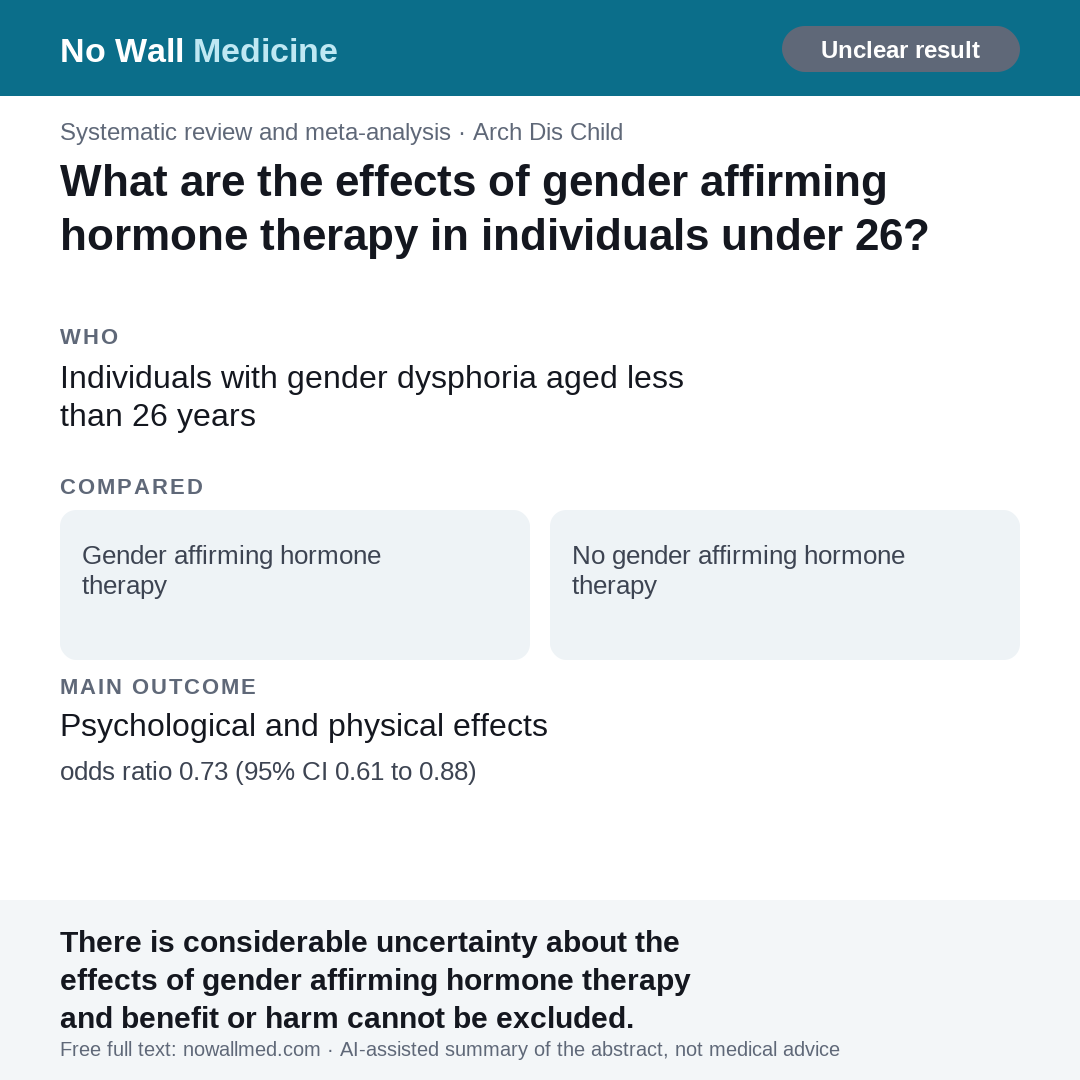
Gender affirming hormone therapy for individuals with gender dysphoria aged <26 years: a systematic review and meta-analysis
Systematic review and meta-analysisUnclear result
What are the effects of gender affirming hormone therapy in individuals under 26?
Who
Individuals with gender dysphoria aged less than 26 years
Compared
Gender affirming hormone therapy
No gender affirming hormone therapy
Main outcome
Psychological and physical effects
Result: odds ratio 0.73 (95% CI 0.61 to 0.88)
Bottom line: There is considerable uncertainty about the effects of gender affirming hormone therapy and benefit or harm cannot be excluded.
Limitation: Evidence provided was mostly very low certainty and methodologically rigorous prospective studies are needed.
Arch Dis Child · 2025-05-16Download image
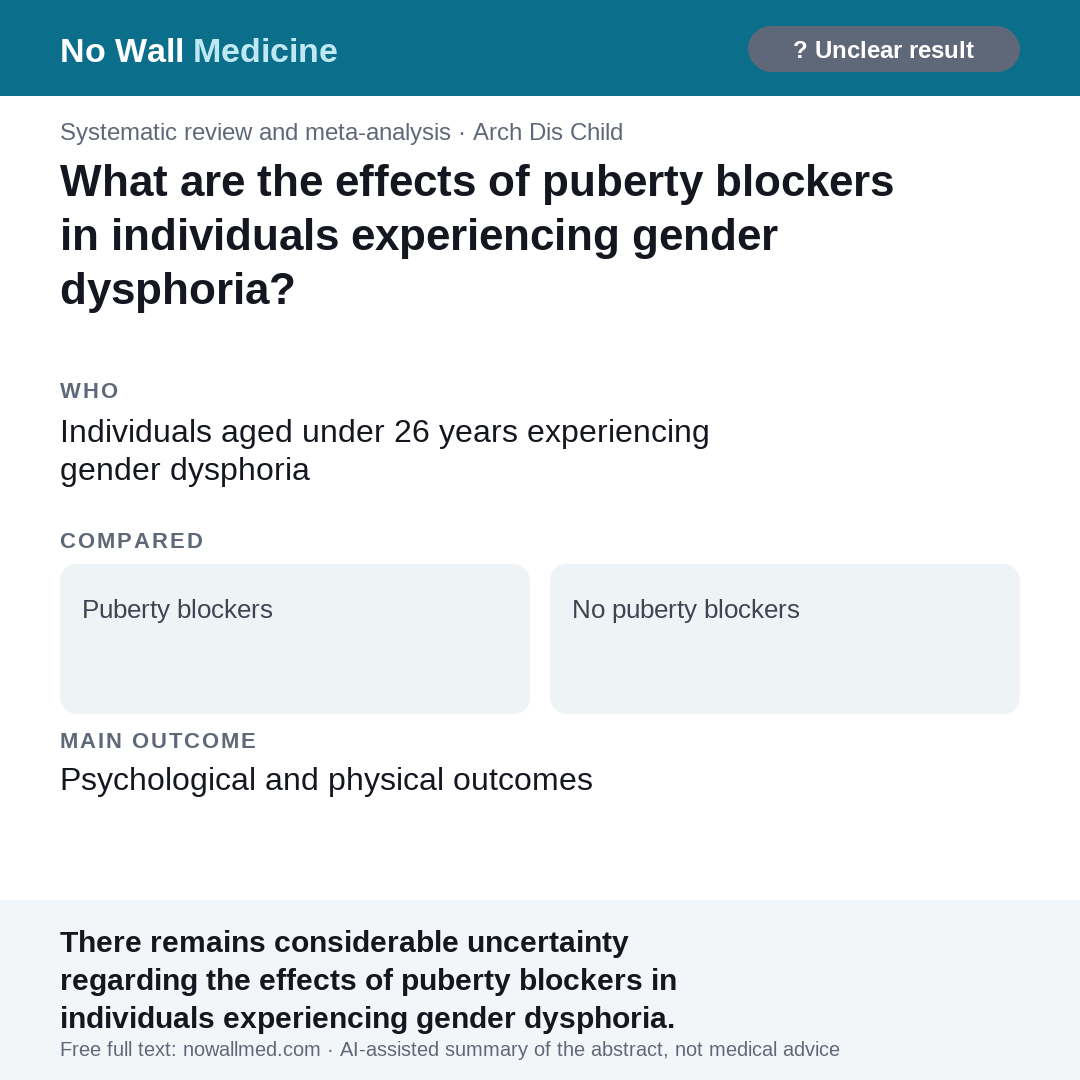
Puberty blockers for gender dysphoria in youth: A systematic review and meta-analysis
Systematic review and meta-analysisUnclear result
What are the effects of puberty blockers in individuals experiencing gender dysphoria?
Who
Individuals aged under 26 years experiencing gender dysphoria
Compared
Puberty blockers
No puberty blockers
Main outcome
Psychological and physical outcomes
Bottom line: There remains considerable uncertainty regarding the effects of puberty blockers in individuals experiencing gender dysphoria.
Limitation: Very low certainty of evidence from included observational and before-after studies.
Arch Dis Child · 2025-05-16Download image
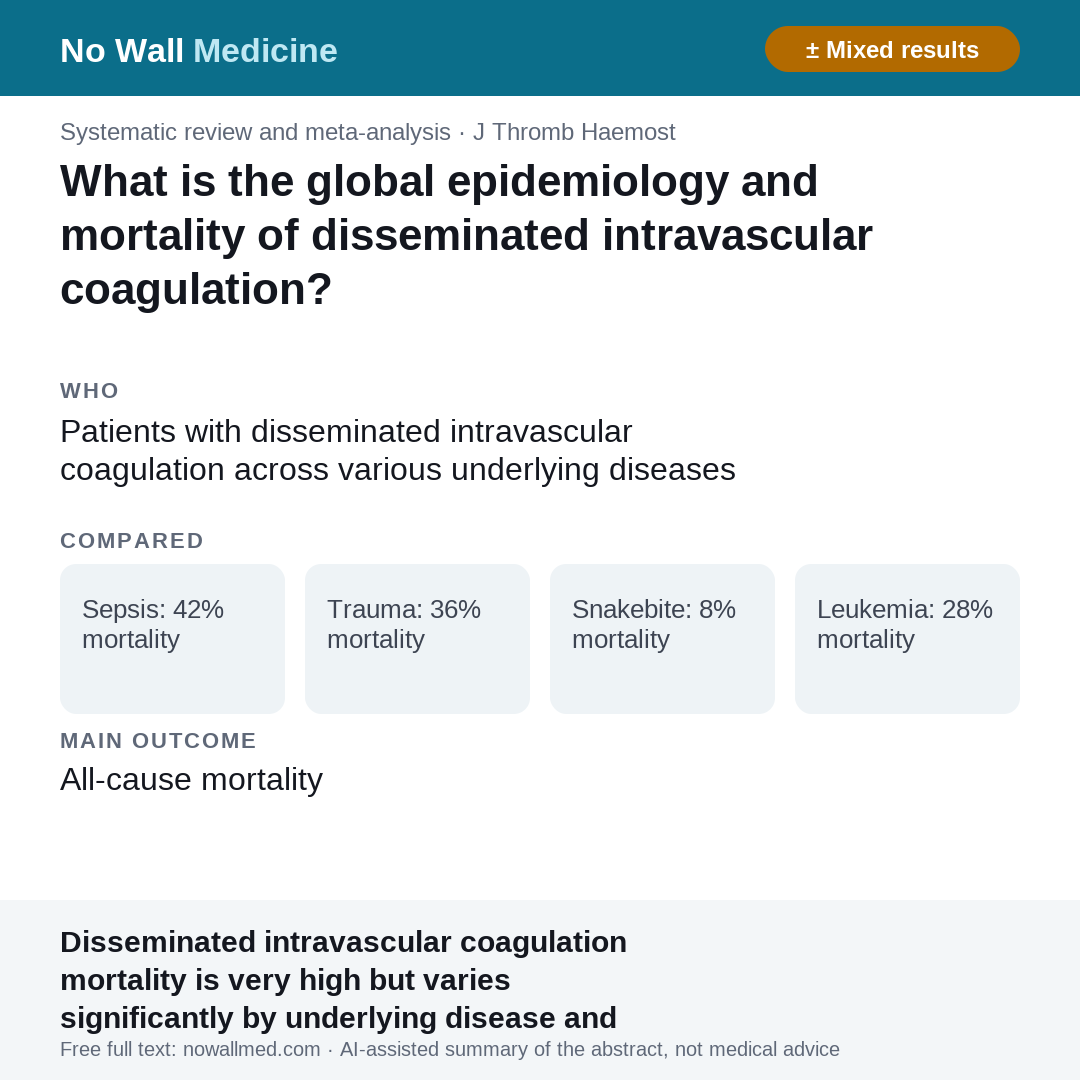
Mortality, diagnosis, and etiology of disseminated intravascular coagulation-a systematic review and meta-analysis: communication from the ISTH SSC subcommittee on disseminated intravascular coagulation
Systematic review and meta-analysisMixed results
What is the global epidemiology and mortality of disseminated intravascular coagulation?
Who
Patients with disseminated intravascular coagulation across various underlying diseases · Global
Compared
Sepsis: 42% mortality
Trauma: 36% mortality
Snakebite: 8% mortality
Leukemia: 28% mortality
Main outcome
All-cause mortality
Bottom line: Disseminated intravascular coagulation mortality is very high but varies significantly by underlying disease and diagnostic criteria.
Limitation: Mortality and odds ratio varied widely by underlying disease and diagnostic criteria.
J Thromb Haemost · 2025-05-16Download image
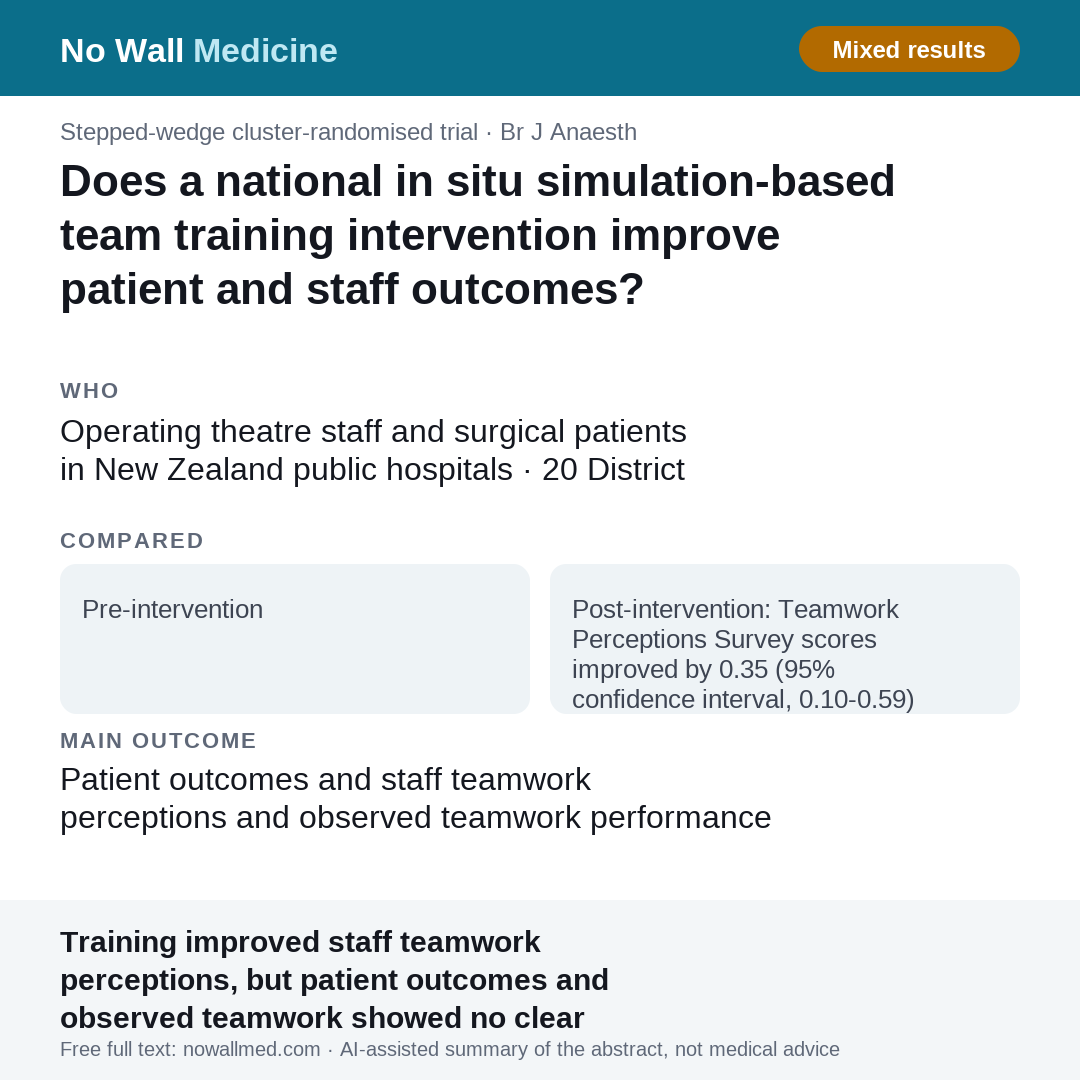
Effects of a national team training intervention for operating theatre teams on patient and staff outcomes: a stepped-wedge cluster-randomised trial and mixed-methods study
Stepped-wedge cluster-randomised trialMixed results
Does a national in situ simulation-based team training intervention improve patient and staff outcomes?
Who
Operating theatre staff and surgical patients in New Zealand public hospitals · 20 District Health Boards in New Zealand
Compared
Pre-intervention
Post-intervention: Teamwork Perceptions Survey scores improved by 0.35 (95% confidence interval, 0.10-0.59)
Main outcome
Patient outcomes and staff teamwork perceptions and observed teamwork performance
Bottom line: Training improved staff teamwork perceptions, but patient outcomes and observed teamwork showed no clear improvement.
Limitation: Could not separate intervention effect from temporal factors like the COVID-19 pandemic.
Br J Anaesth · 2025-05-16Download image
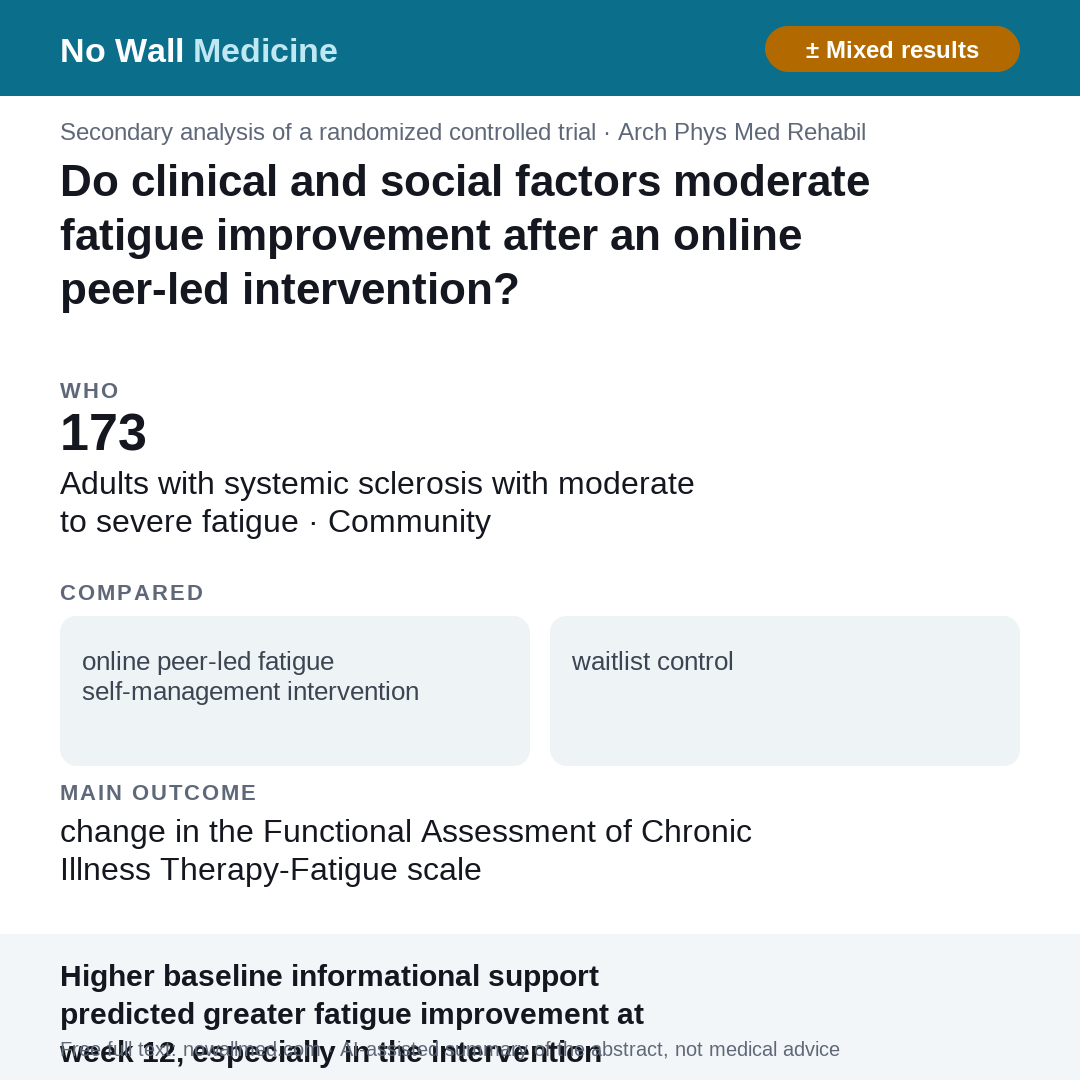
Moderating Effects of Clinical and Social Factors on Fatigue Improvement After an Online Peer-Led Fatigue Self-management Intervention in People With Systemic Sclerosis: A Secondary Analysis of a Randomized Controlled Trial
Secondary analysis of a randomized controlled trialMixed results
Do clinical and social factors moderate fatigue improvement after an online peer-led intervention?
Who
173
Adults with systemic sclerosis with moderate to severe fatigue · Community
Compared
online peer-led fatigue self-management intervention
waitlist control
Main outcome
change in the Functional Assessment of Chronic Illness Therapy-Fatigue scale
Bottom line: Higher baseline informational support predicted greater fatigue improvement at week 12, especially in the intervention group.
Arch Phys Med Rehabil · 2025-05-16Download image
The Medicolegal Challenges of Facial Plastic Surgery: A Systematic Review
Systematic reviewUnclear result
Medicolegal challenges in facial plastic surgery
Who
27
facial plastic surgery patients · over 10 countries
Compared
litigation cases
non-litigation cases
Main outcome
medicolegal challenges
Bottom line: Informed consent and precision mitigate risks
Aesthet Surg J · 2025-05-16Download image

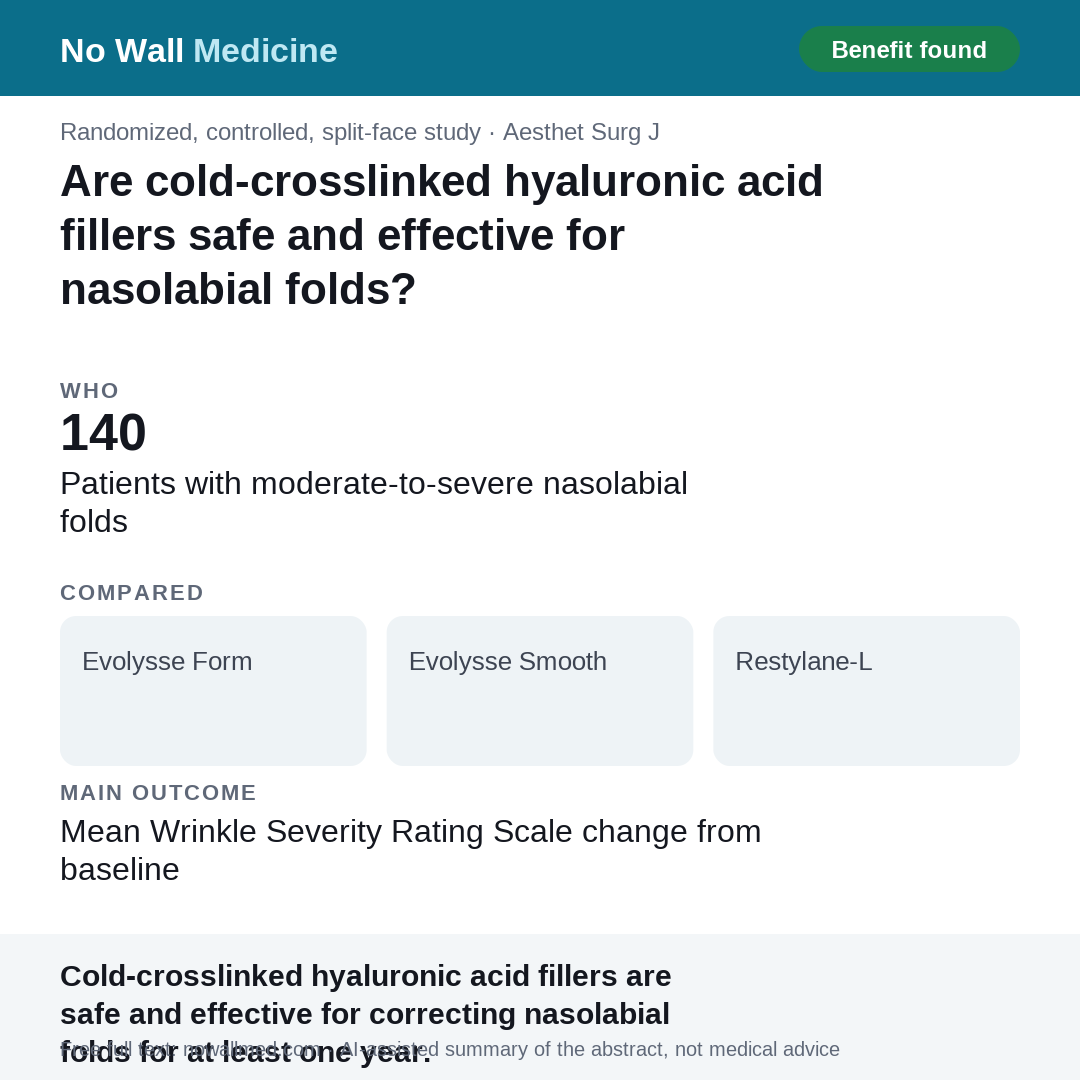
Long-term Safety and Effectiveness of Cold-Crosslinked Hyaluronic Acid Fillers: Multicenter, Randomized, Controlled, Double-Blind Study
Randomized, controlled, split-face studyBenefit found
Are cold-crosslinked hyaluronic acid fillers safe and effective for nasolabial folds?
Who
140
Patients with moderate-to-severe nasolabial folds
Compared
Evolysse Form
Evolysse Smooth
Restylane-L
Main outcome
Mean Wrinkle Severity Rating Scale change from baseline
Bottom line: Cold-crosslinked hyaluronic acid fillers are safe and effective for correcting nasolabial folds for at least one year.
Aesthet Surg J · 2025-05-16Download image
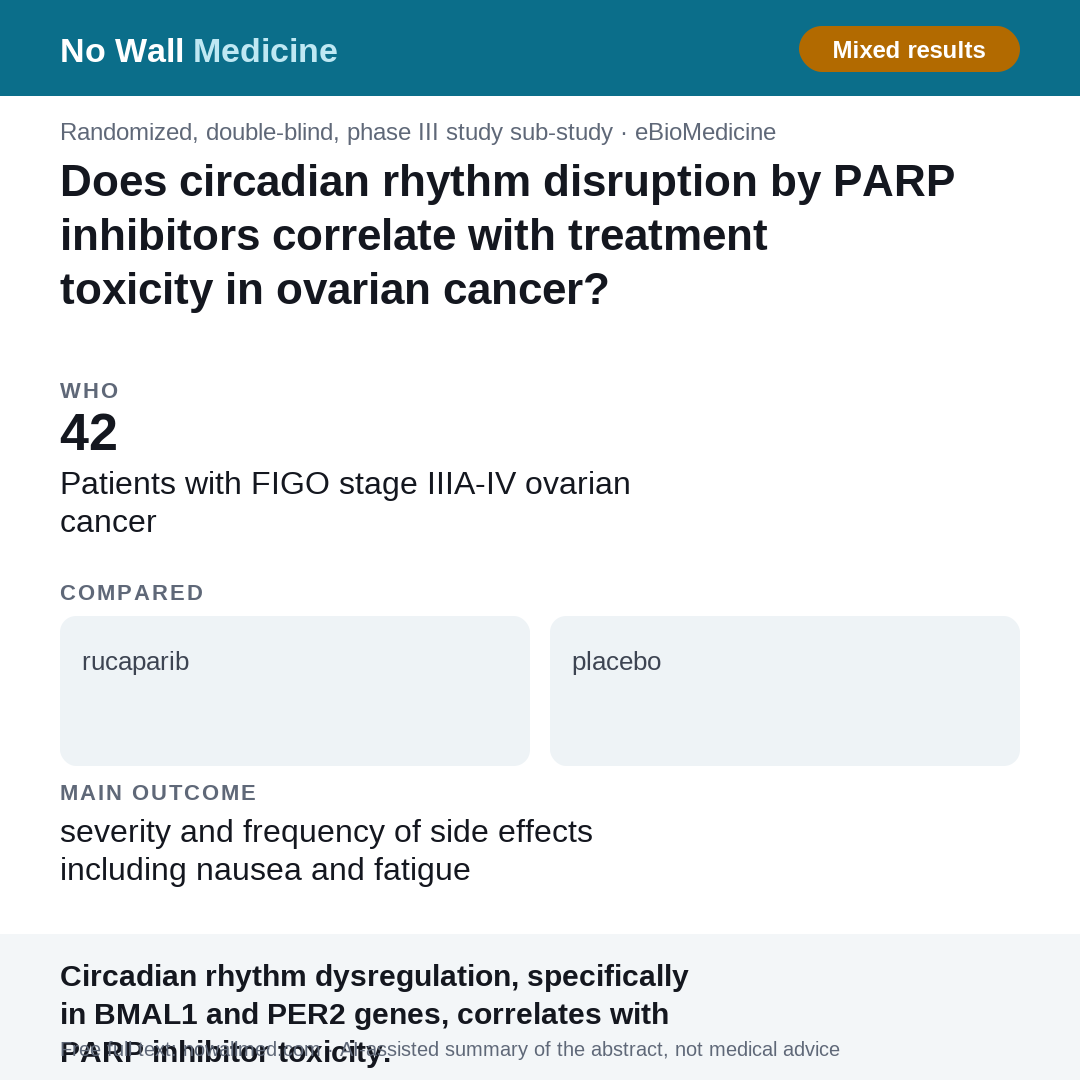
Circadian rhythm disruption by PARP inhibitors correlates with treatment toxicity in patients with ovarian cancer and is a predictor of side effects
Randomized, double-blind, phase III study sub-studyMixed results
Does circadian rhythm disruption by PARP inhibitors correlate with treatment toxicity in ovarian cancer?
Who
42
Patients with FIGO stage IIIA-IV ovarian cancer
Compared
rucaparib
placebo
Main outcome
severity and frequency of side effects including nausea and fatigue
Bottom line: Circadian rhythm dysregulation, specifically in BMAL1 and PER2 genes, correlates with PARP inhibitor toxicity.
Funded by: Dr. Rolf Schwiete Stiftung, MSH Medical School Hamburg, and Clovis Oncology
eBioMedicine · 2025-05-16Download image
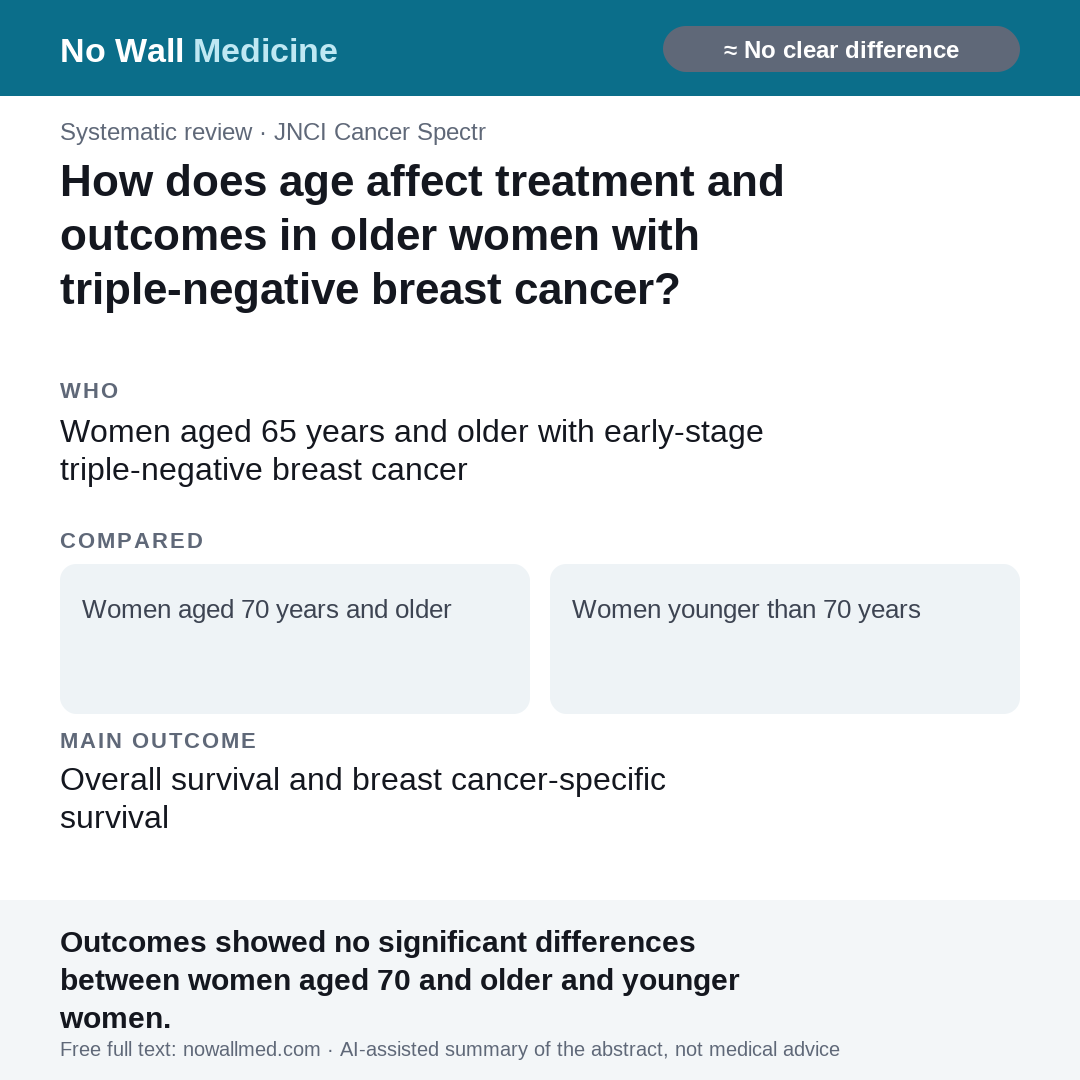
Treatment strategies for triple-negative primary breast cancer in older women: a systematic review
Systematic reviewNo clear difference
How does age affect treatment and outcomes in older women with triple-negative breast cancer?
Who
Women aged 65 years and older with early-stage triple-negative breast cancer
Compared
Women aged 70 years and older
Women younger than 70 years
Main outcome
Overall survival and breast cancer-specific survival
Bottom line: Outcomes showed no significant differences between women aged 70 and older and younger women.
JNCI Cancer Spectr · 2025-05-16Download image
Self-navigating the "Island of Reil": a systematic review of real-time fMRI neurofeedback training of insula activity
Systematic reviewBenefit found
Does rtfMRI neurofeedback train insula activity?
Who
individuals with insula dysfunction
Compared
rtfMRI NF training
control
Main outcome
insula activity modulation
Bottom line: rtfMRI neurofeedback trains insula activity
Limitation: inconsistent behavioral changes
Transl Psychiatry · 2025-05-16Download image

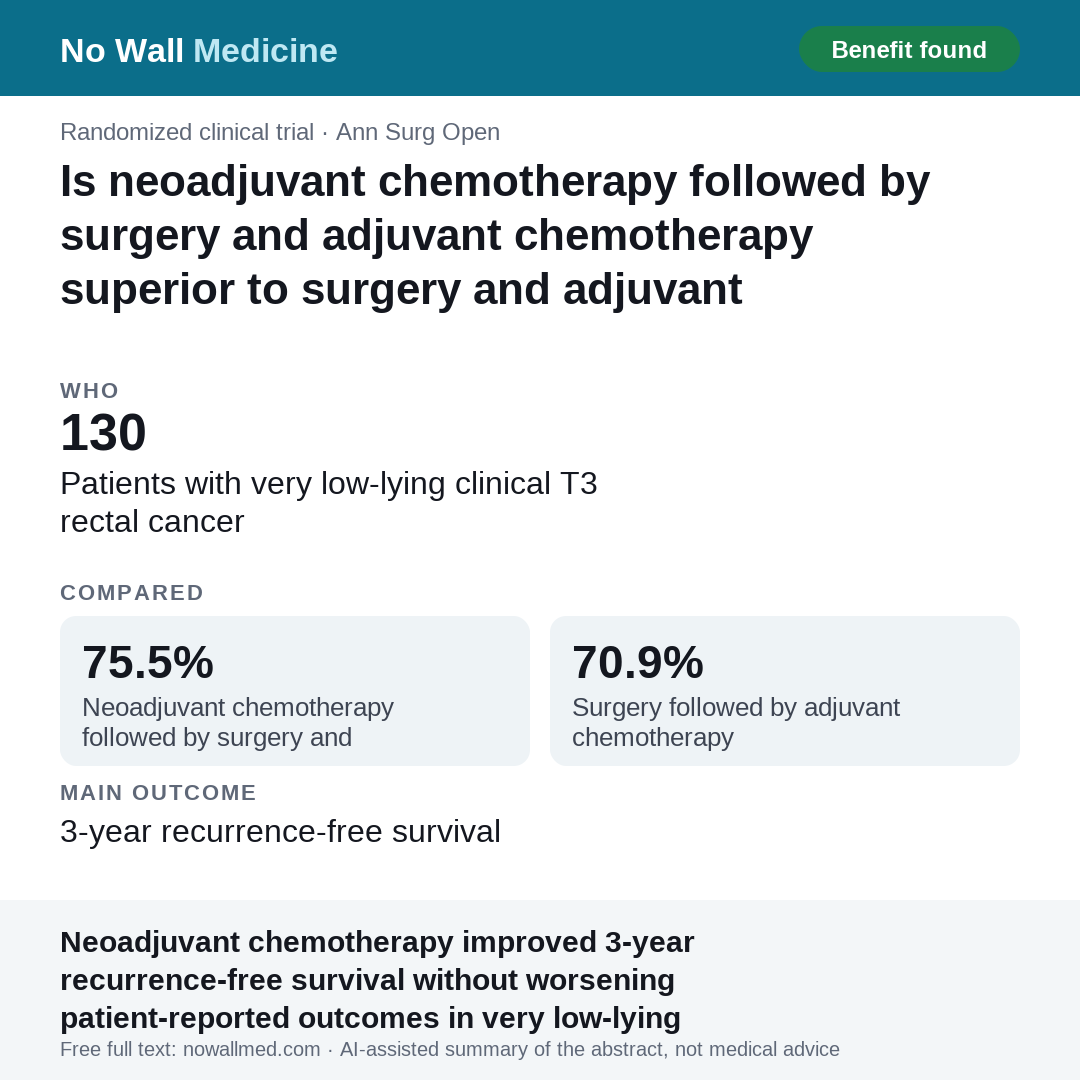
Neoadjuvant Chemotherapy Versus Adjuvant Chemotherapy for Very Low-Lying Clinical T3 Rectal Cancer: The NAIR Phase 2/3 Randomized Clinical Trial
Randomized clinical trialBenefit found
Is neoadjuvant chemotherapy followed by surgery and adjuvant chemotherapy superior to surgery and adjuvant chemotherapy?
Who
130
Patients with very low-lying clinical T3 rectal cancer
Compared
75.5%Neoadjuvant chemotherapy followed by surgery and adjuvant chemotherapy
70.9%Surgery followed by adjuvant chemotherapy
Main outcome
3-year recurrence-free survival
Result: hazard ratio 0.67, 60% confidence interval 0.48-0.86, 95% confidence interval 0.34-1.32
Bottom line: Neoadjuvant chemotherapy improved 3-year recurrence-free survival without worsening patient-reported outcomes in very low-lying clinical T3 rectal cancer.
Limitation: Local recurrence rate remained high.
Ann Surg Open · 2025-05-16Download image
Ethical, legal, and social aspects of health technologies for home-based paediatric palliative care - a systematic review
Systematic reviewMixed results
Ethical aspects of home health technologies
Who
Children in palliative care and families
Compared
Health technologies
Traditional care
Main outcome
Quality of care and well-being
Bottom line: Health technologies improve care but create new burdens
BMC Palliat Care · 2025-05-16Download image

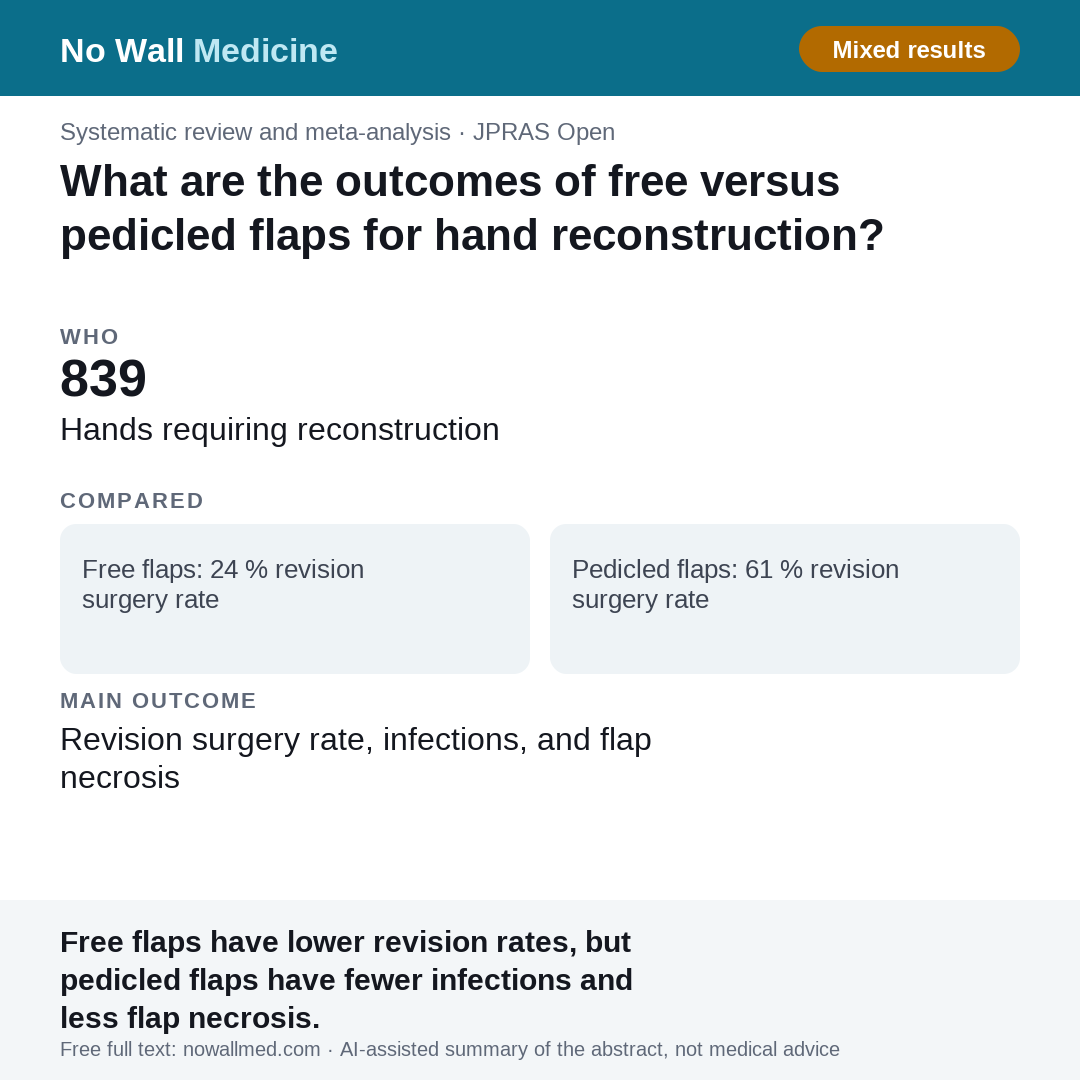
Free versus pedicled flaps for hand reconstruction: A systematic review and meta-analysis
Systematic review and meta-analysisMixed results
What are the outcomes of free versus pedicled flaps for hand reconstruction?
Who
839
Hands requiring reconstruction
Compared
Free flaps: 24 % revision surgery rate
Pedicled flaps: 61 % revision surgery rate
Main outcome
Revision surgery rate, infections, and flap necrosis
Bottom line: Free flaps have lower revision rates, but pedicled flaps have fewer infections and less flap necrosis.
JPRAS Open · 2025-05-16Download image
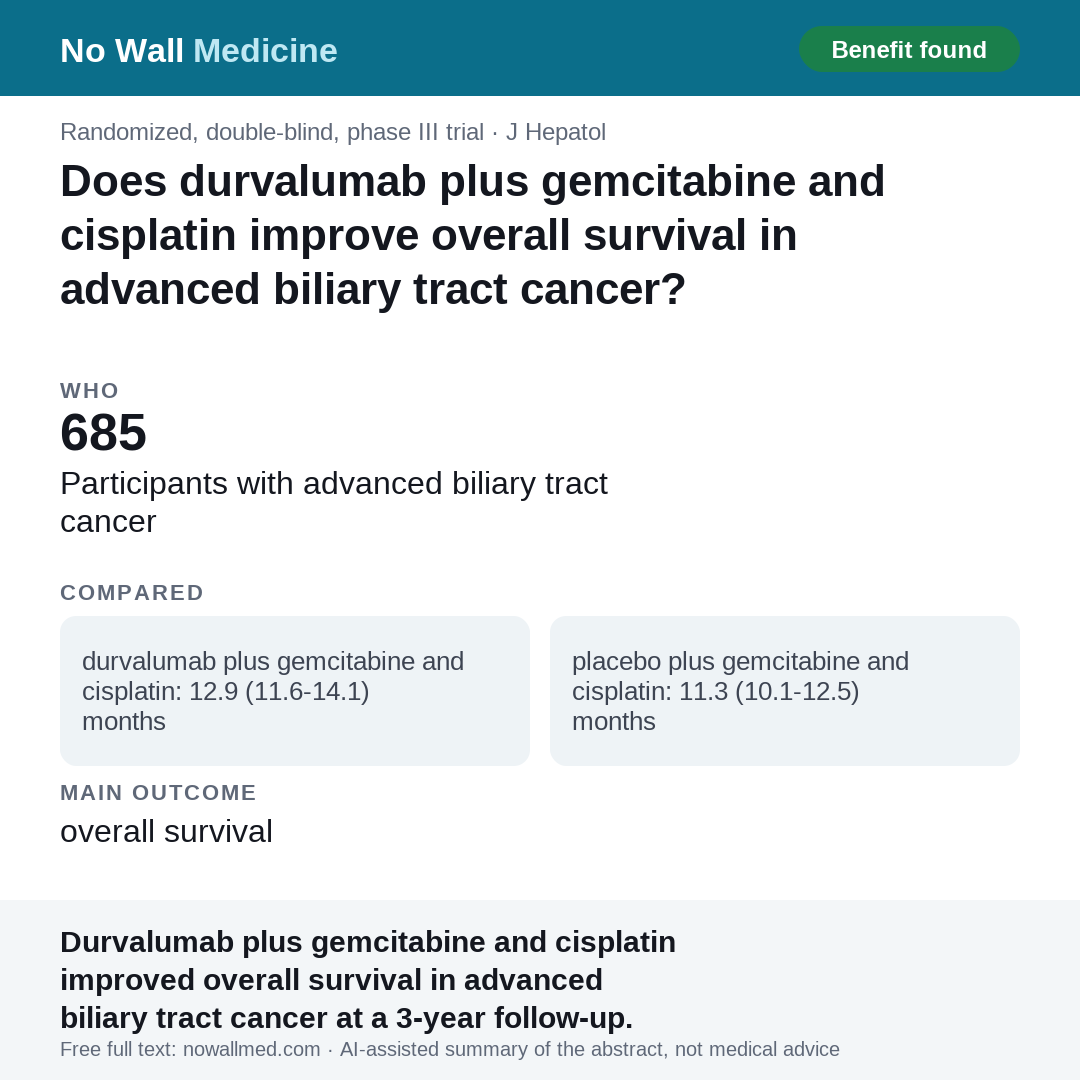
Durvalumab plus chemotherapy in advanced biliary tract cancer: 3-year overall survival update from the phase III TOPAZ-1 study
Randomized, double-blind, phase III trialBenefit found
Does durvalumab plus gemcitabine and cisplatin improve overall survival in advanced biliary tract cancer?
Who
685
Participants with advanced biliary tract cancer
Compared
durvalumab plus gemcitabine and cisplatin: 12.9 (11.6-14.1) months
placebo plus gemcitabine and cisplatin: 11.3 (10.1-12.5) months
Main outcome
overall survival
Result: hazard ratio 0.74 (95% CI 0.63-0.87)
Bottom line: Durvalumab plus gemcitabine and cisplatin improved overall survival in advanced biliary tract cancer at a 3-year follow-up.
J Hepatol · 2025-05-15Download image