Visual abstracts
New randomized trials and meta-analyses from leading journals at a glance: who was studied, what was compared, and what was found. Every paper is free to read in full.
All specialtiesCardiology 4763Oncology 4043Gastroenterology & Hepatology 1903Infectious Disease 3756Neurology 1872Psychiatry & Mental Health 2216Pulmonology 2044Critical Care 1319Endocrinology & Diabetes 2544Pediatrics 2889Surgery 2480Orthopedics & Sports Medicine 917Neurosurgery 525Cardiothoracic & Vascular Surgery 656Plastic & Reconstructive Surgery 574Nephrology 1107Rheumatology 810Hematology 1090Dermatology 611Ophthalmology 532Obstetrics & Gynecology 1645Public & Global Health 1037Radiology & Imaging 619Anesthesiology 958Urology 745ENT (Otolaryngology) 494Emergency Medicine 481Allergy & Immunology 309Geriatrics 972Family Medicine & Primary Care 534Medical Genetics & Genomics 659Pathology & Laboratory Medicine 156Physical Medicine & Rehabilitation 734Palliative Care 421Nutrition 1560Digital Health & AI 2137General Medicine 318
Risk-Based vs Annual Breast Cancer Screening: The WISDOM Randomized Clinical Trial
Parallel-group, pragmatic, multicenter randomized clinical trialMixed results
Is risk-based breast cancer screening a feasible alternative to annual mammography?
Who
28372
Women aged 40 to 74 years without prior breast cancer diagnoses · All 50 US states
Compared
Risk-based screening: 30.0 [95% CI, 16.3-43.8] per 100 000 person-years
Annual screening: 48.0 [95% CI, 30.1-65.5] per 100 000 person-years
Main outcome
Noninferiority for stage IIB or greater cancers and biopsy rates
Result: rate difference, -18.0 per 100 000 person-years [95% CI, -40.2 to 4.1]
Bottom line: Risk-based screening was noninferior for stage IIB or greater cancers but did not reduce breast biopsy rates.
JAMA · 2025-12-12 · Save PNG

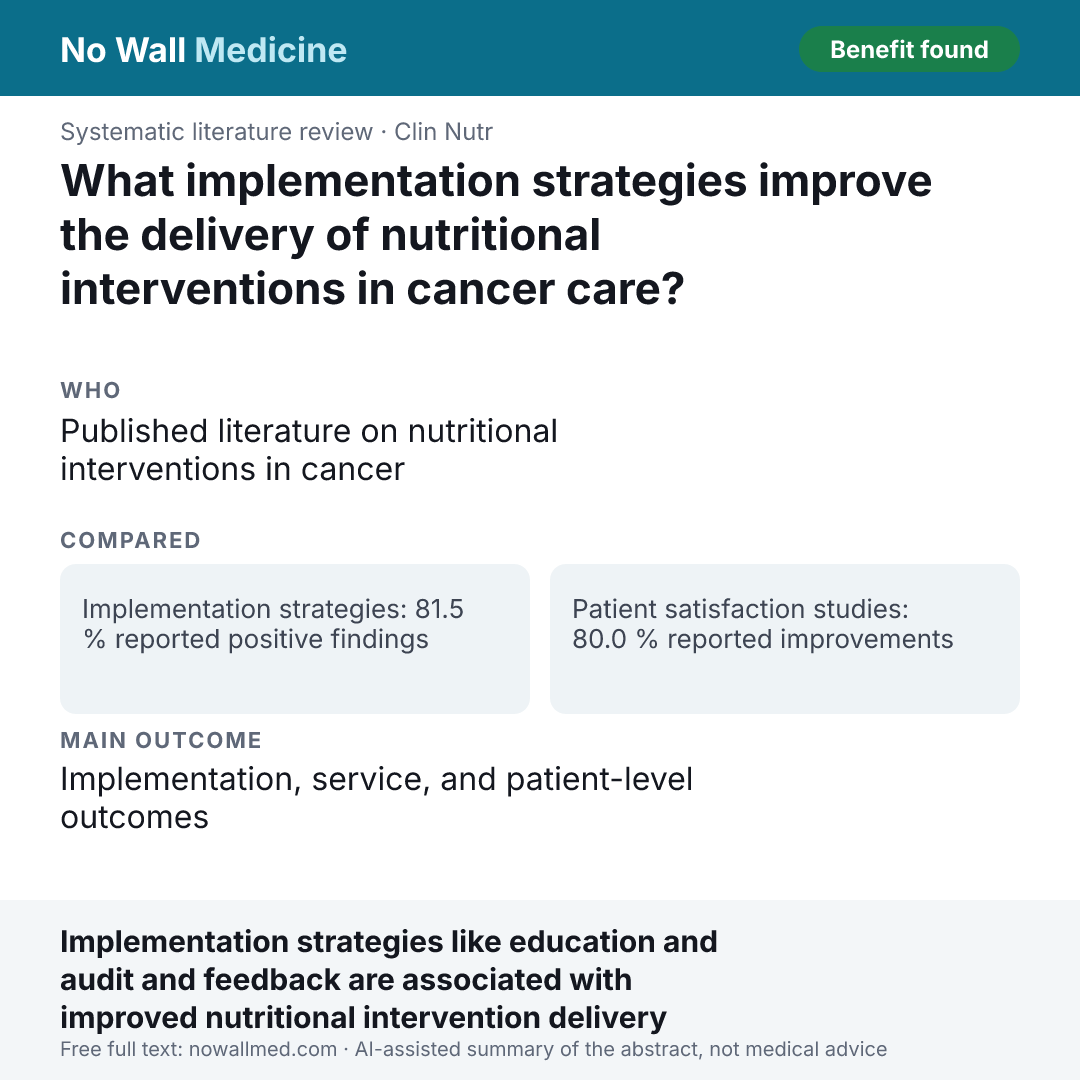
Implementation strategies for integrating nutritional interventions into cancer care: A systematic literature review
Systematic literature reviewBenefit found
What implementation strategies improve the delivery of nutritional interventions in cancer care?
Who
Published literature on nutritional interventions in cancer
Compared
Implementation strategies: 81.5 % reported positive findings
Patient satisfaction studies: 80.0 % reported improvements
Main outcome
Implementation, service, and patient-level outcomes
Bottom line: Implementation strategies like education and audit and feedback are associated with improved nutritional intervention delivery in cancer.
Clin Nutr · 2025-12-12 · Save PNG
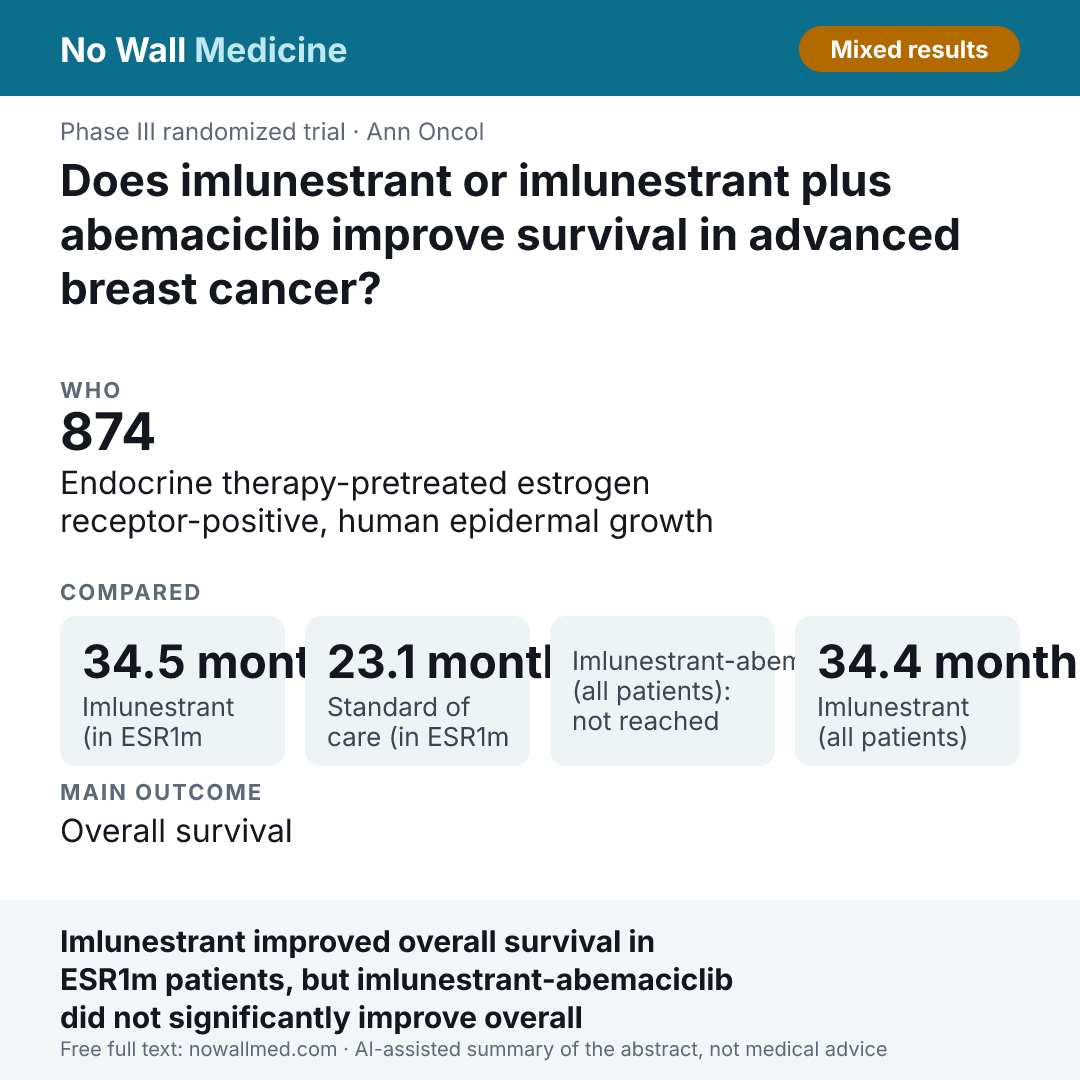
Imlunestrant with or without abemaciclib in advanced breast cancer: updated efficacy results from the phase III EMBER-3 trial
Phase III randomized trialMixed results
Does imlunestrant or imlunestrant plus abemaciclib improve survival in advanced breast cancer?
Who
874
Endocrine therapy-pretreated estrogen receptor-positive, human epidermal growth factor receptor 2-negative advanced breast cancer patients
Compared
34.5 monthsImlunestrant (in ESR1m patients)
23.1 monthsStandard of care (in ESR1m patients)
Imlunestrant-abemaciclib (all patients): not reached
34.4 monthsImlunestrant (all patients)
Main outcome
Overall survival
Result: hazard ratio 0.60 (95% CI 0.43-0.86) for ESR1m patients
Bottom line: Imlunestrant improved overall survival in ESR1m patients, but imlunestrant-abemaciclib did not significantly improve overall survival in all patients.
Limitation: Due to only two of three progression-free survival endpoints being met, a limited significance level was passed to overall survival.
Ann Oncol · 2025-12-12 · Save PNG
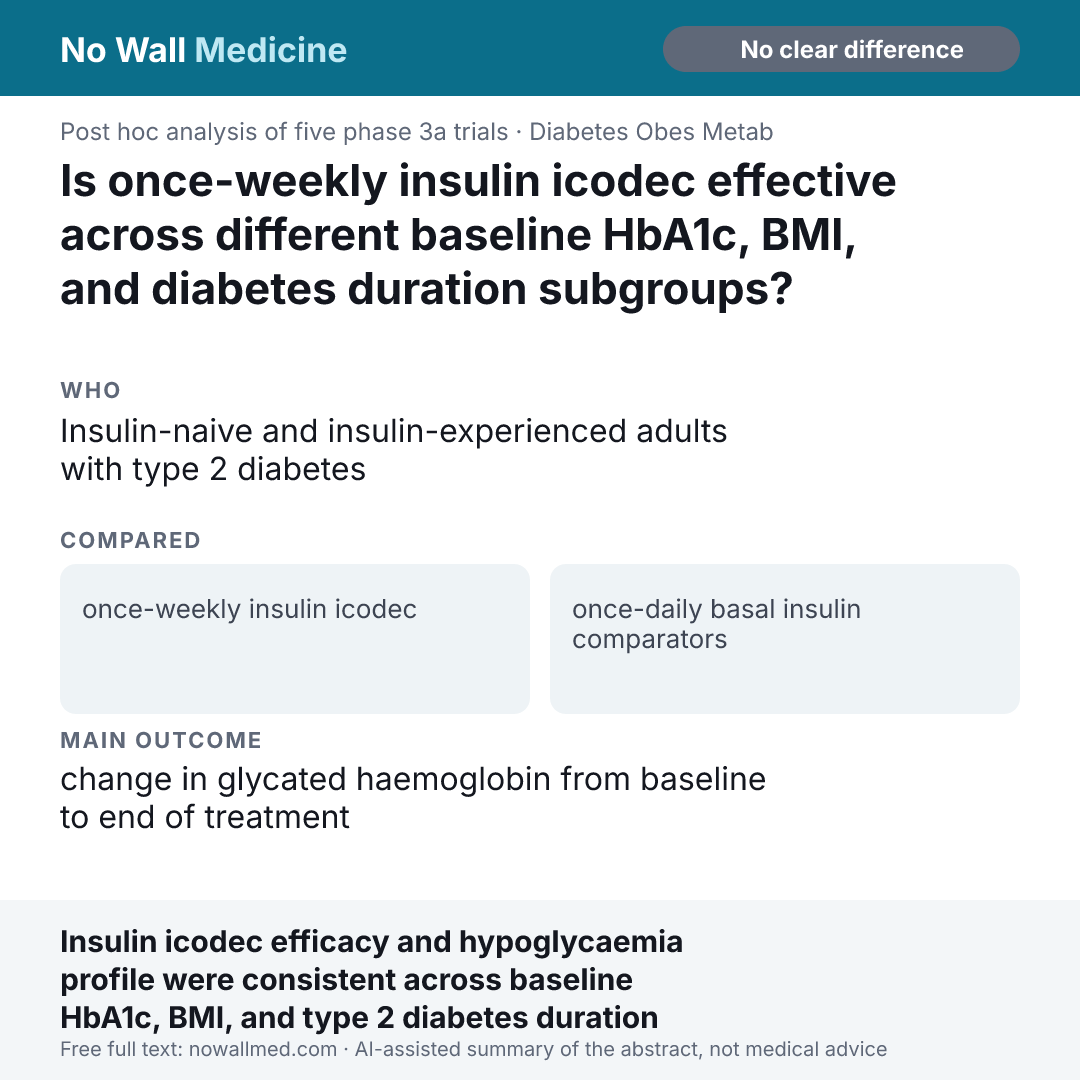
Efficacy and hypoglycaemia outcomes of once-weekly insulin icodec versus once-daily basal insulin comparators across baseline HbA1c, BMI and duration of type 2 diabetes subgroups: A post hoc analysis of ONWARDS 1-5
Post hoc analysis of five phase 3a trialsNo clear difference
Is once-weekly insulin icodec effective across different baseline HbA1c, BMI, and diabetes duration subgroups?
Who
Insulin-naive and insulin-experienced adults with type 2 diabetes
Compared
once-weekly insulin icodec
once-daily basal insulin comparators
Main outcome
change in glycated haemoglobin from baseline to end of treatment
Bottom line: Insulin icodec efficacy and hypoglycaemia profile were consistent across baseline HbA1c, BMI, and type 2 diabetes duration subgroups.
Diabetes Obes Metab · 2025-12-12 · Save PNG
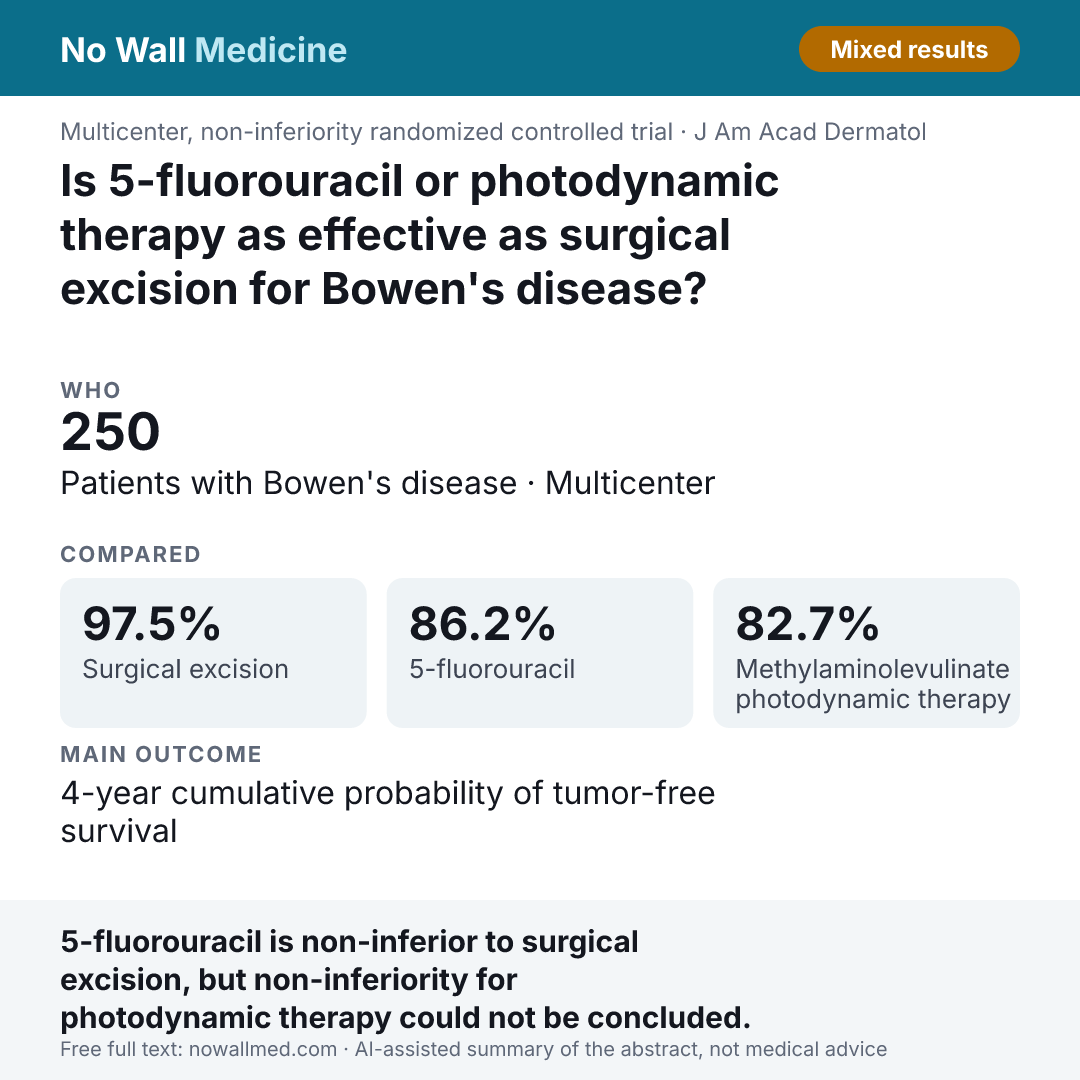
Surgical excision versus topical 5% 5-fluorouracil and photodynamic therapy in the treatment of Bowen's disease: Long-term results of a multicenter randomized controlled trial
Multicenter, non-inferiority randomized controlled trialMixed results
Is 5-fluorouracil or photodynamic therapy as effective as surgical excision for Bowen's disease?
Who
250
Patients with Bowen's disease · Multicenter
Compared
97.5%Surgical excision (95% CI 90.4-99.4)
86.2%5-fluorouracil (95% CI 76.4-92.1)
82.7%Methylaminolevulinate photodynamic therapy (95% CI 72.6-89.4)
Main outcome
4-year cumulative probability of tumor-free survival
Bottom line: 5-fluorouracil is non-inferior to surgical excision, but non-inferiority for photodynamic therapy could not be concluded.
Limitation: Loss to follow-up occurred in 23.2% of patients.
J Am Acad Dermatol · 2025-12-12 · Save PNG
Placental Growth Factor Led Management of the Small for Gestational Age Fetus: Randomised Controlled Feasibility Study
Randomised feasibility trialUnclear result
Is it feasible to use angiogenic biomarker-led care for suspected small for gestational age pregnancies?
Who
78
Women with suspected small for gestational age pregnancies between 32 and 37 weeks gestation · Two tertiary maternity hospitals in the United Kingdom
Compared
Biomarker-led care
Standard care
Main outcome
Feasibility measured through recruitment rate and adherence
Result: recruitment rate of 60.1% (95% confidence interval 52%-69%)
Bottom line: Biomarker-led care is acceptable for managing small for gestational age pregnancies, but feasibility remains less certain.
BJOG · 2025-12-12 · Save PNG

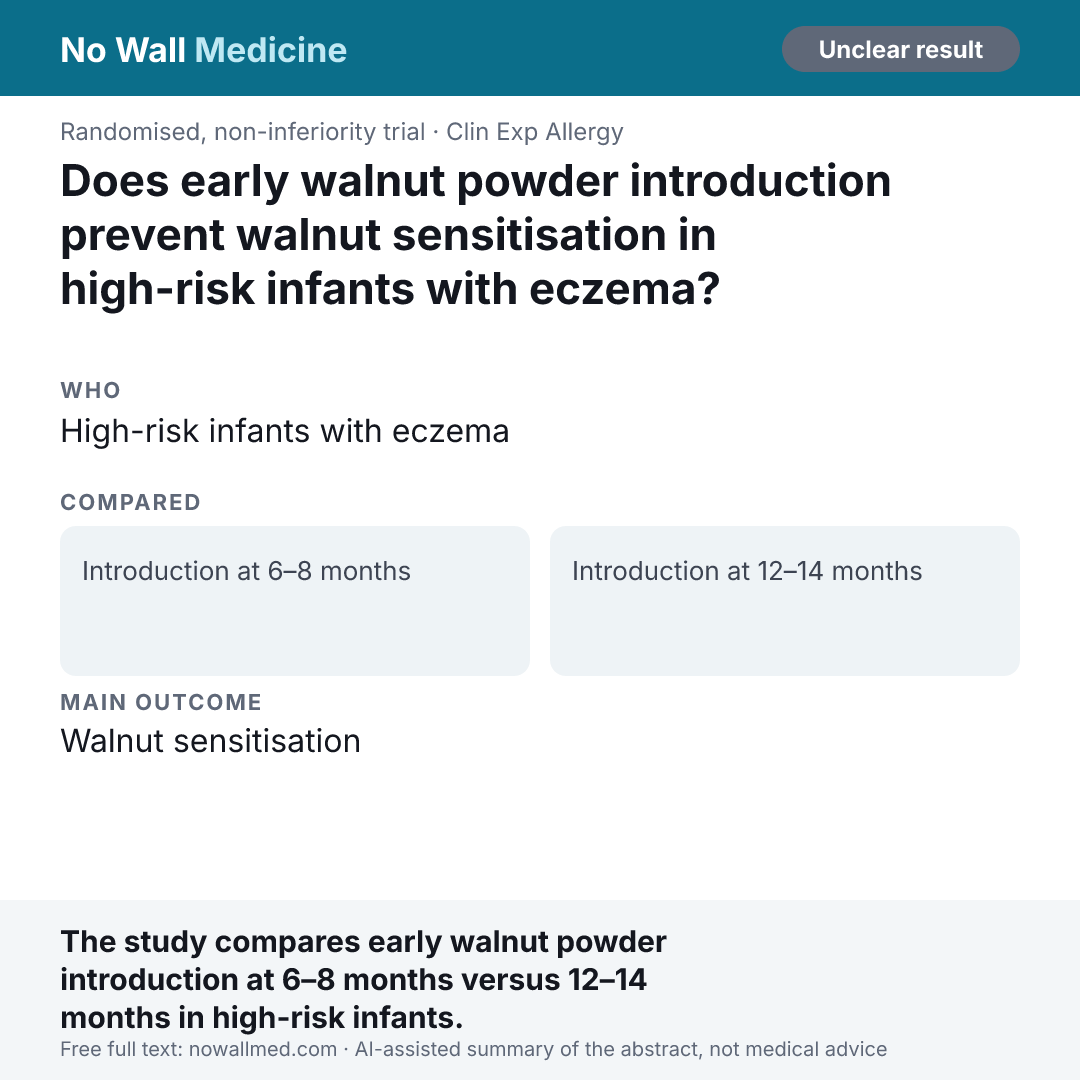
Early Walnut Powder Introduction for Prevention of Walnut Sensitisation in High-Risk Infants With Eczema: An Open-Label, Randomised, Non-Inferiority Trial
Randomised, non-inferiority trialUnclear result
Does early walnut powder introduction prevent walnut sensitisation in high-risk infants with eczema?
Who
High-risk infants with eczema
Compared
Introduction at 6–8 months
Introduction at 12–14 months
Main outcome
Walnut sensitisation
Bottom line: The study compares early walnut powder introduction at 6–8 months versus 12–14 months in high-risk infants.
Clin Exp Allergy · 2025-12-12 · Save PNG
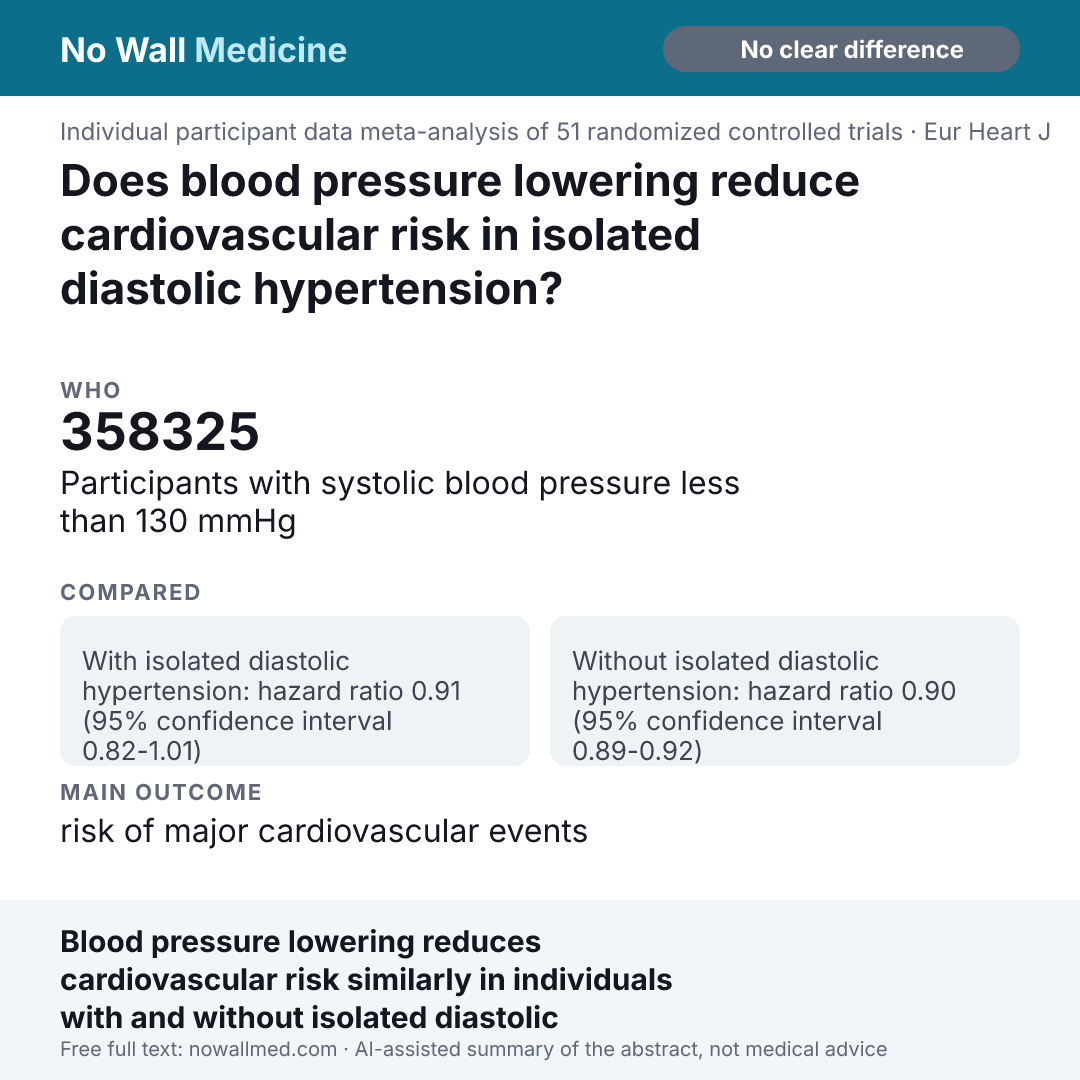
Blood pressure lowering in isolated diastolic hypertension and cardiovascular risk: an individual patient data meta-analysis
Individual participant data meta-analysis of 51 randomized controlled trialsNo clear difference
Does blood pressure lowering reduce cardiovascular risk in isolated diastolic hypertension?
Who
358325
Participants with systolic blood pressure less than 130 mmHg
Compared
With isolated diastolic hypertension: hazard ratio 0.91 (95% confidence interval 0.82-1.01)
Without isolated diastolic hypertension: hazard ratio 0.90 (95% confidence interval 0.89-0.92)
Main outcome
risk of major cardiovascular events
Result: hazard ratio 0.91 (95% CI 0.82-1.01) vs hazard ratio 0.90 (95% CI 0.89-0.92)
Bottom line: Blood pressure lowering reduces cardiovascular risk similarly in individuals with and without isolated diastolic hypertension.
Eur Heart J · 2025-12-12 · Save PNG
Venous thromboembolism and bleeding in cancer patients: role of inflammatory and cardiac biomarkers
Post hoc analysis of a randomized trialMixed results
Do inflammatory and cardiac biomarkers predict venous thromboembolism and bleeding in cancer patients?
Who
574
Ambulatory cancer patients with a Khorana score of 2 or more
Compared
Elevated baseline growth differentiation factor-15: increased VTE risk
N-terminal pro-B-type natriuretic peptide: linked to bleeding risk
C-reactive protein: linked to bleeding risk
Increasing high-sensitivity troponin T: higher VTE risk
Main outcome
venous thromboembolism and clinically relevant bleeding
Bottom line: Specific inflammatory and cardiac markers are associated with venous thromboembolism and bleeding risks in cancer patients.
Eur Heart J · 2025-12-12 · Save PNG

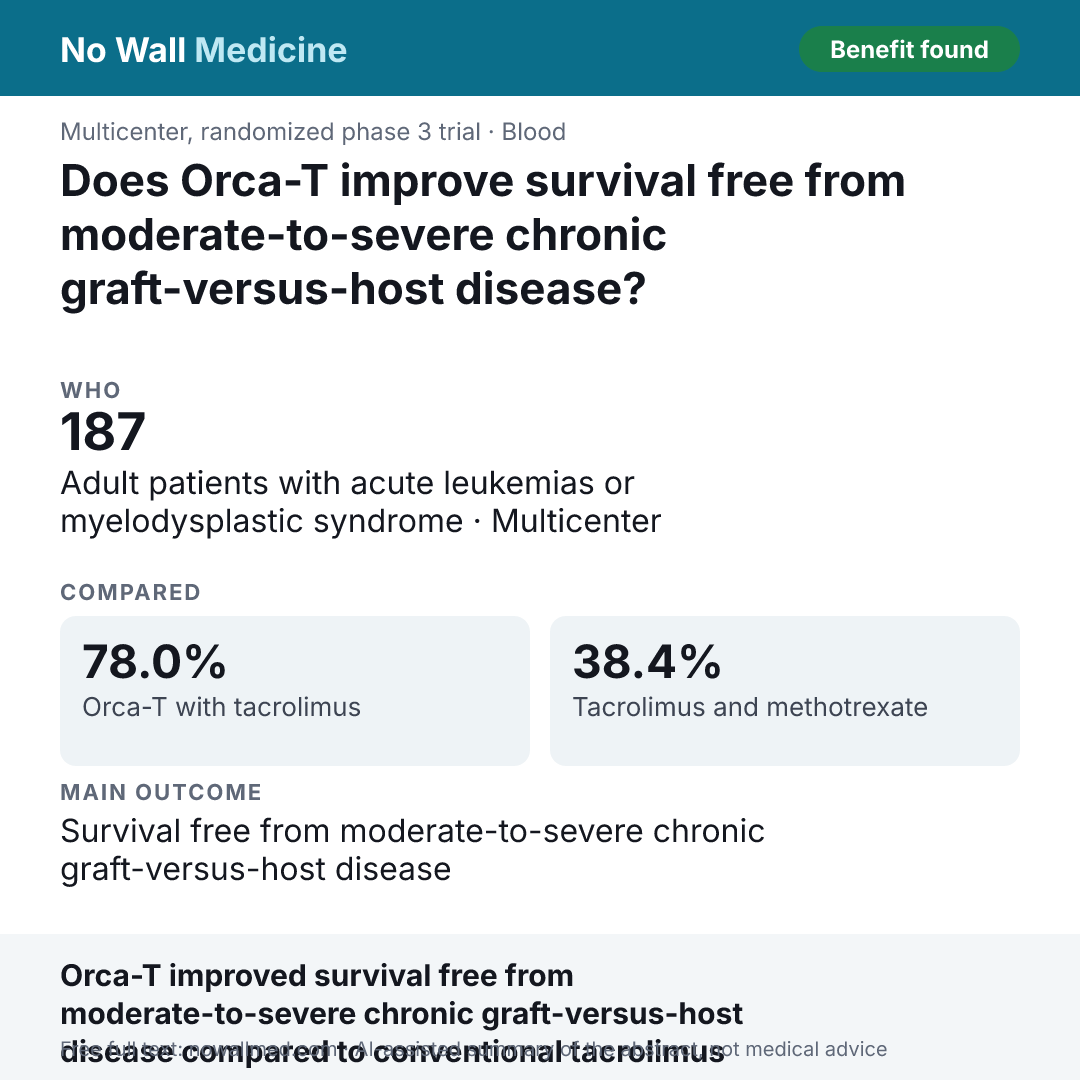
Orca-T vs allogeneic hematopoietic stem cell transplantation (Precision-T): a multicenter, randomized phase 3 trial
Multicenter, randomized phase 3 trialBenefit found
Does Orca-T improve survival free from moderate-to-severe chronic graft-versus-host disease?
Who
187
Adult patients with acute leukemias or myelodysplastic syndrome · Multicenter
Compared
78.0%Orca-T with tacrolimus
38.4%Tacrolimus and methotrexate
Main outcome
Survival free from moderate-to-severe chronic graft-versus-host disease
Result: hazard ratio 0.26 (95% confidence interval 0.14-0.47)
Bottom line: Orca-T improved survival free from moderate-to-severe chronic graft-versus-host disease compared to conventional tacrolimus and methotrexate prophylaxis.
Blood · 2025-12-12 · Save PNG
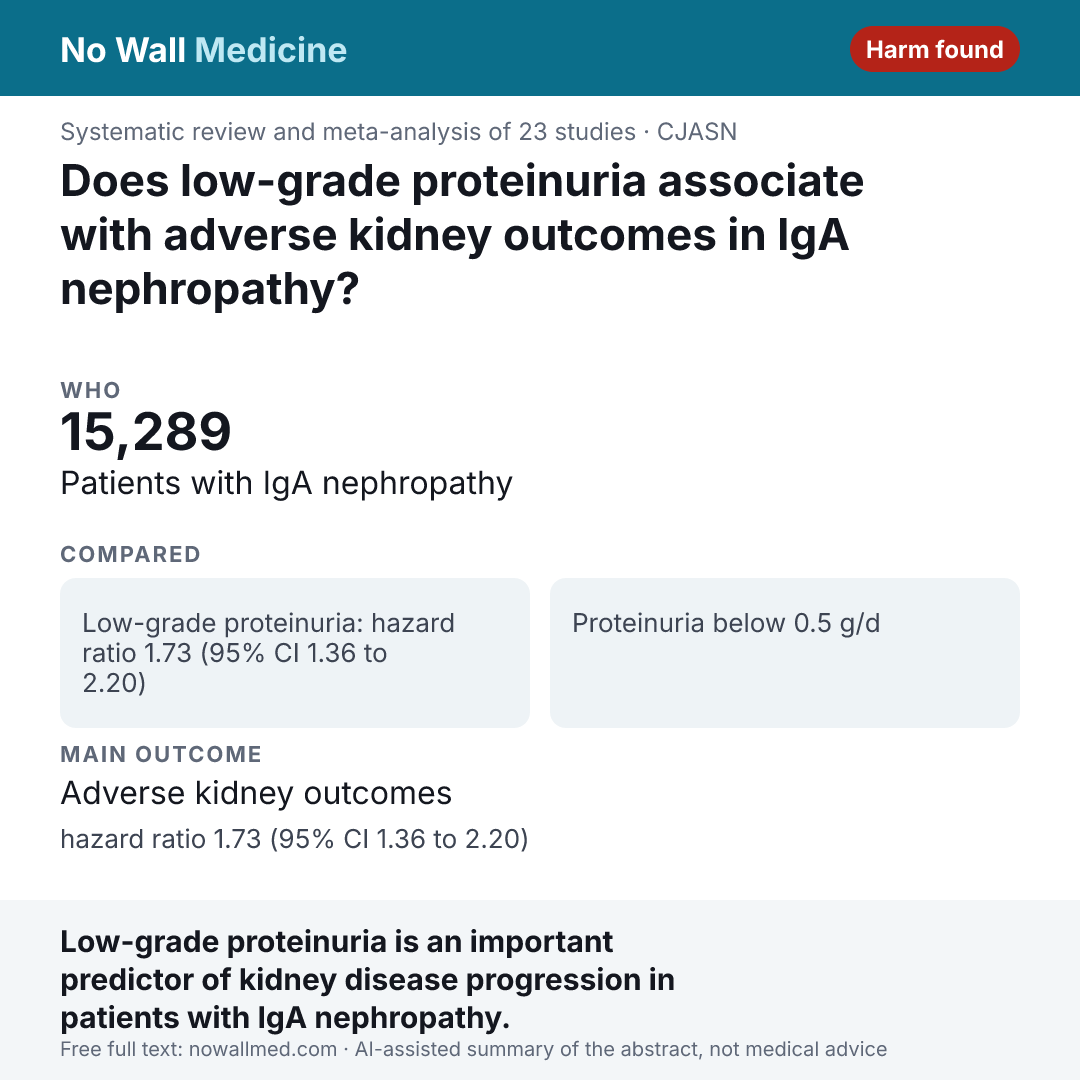
Neoadjuvant Abemaciclib plus Letrozole Versus Chemotherapy in Patients with HR+/HER2- Highly Proliferative Breast Cancer
Phase II, open-label randomized trialNo clear difference
Is 12 months of letrozole plus abemaciclib an alternative to chemotherapy?
Who
200
Patients with hormone receptor-positive and human epidermal growth factor receptor 2-negative stage II to III breast cancer
Compared
13%letrozole plus abemaciclib
18%chemotherapy
Main outcome
rate of residual cancer burden 0 to I
Bottom line: Letrozole plus abemaciclib may not offer similar efficacy to chemotherapy for highly proliferative breast cancer.
Clin Cancer Res · 2025-12-12 · Save PNG
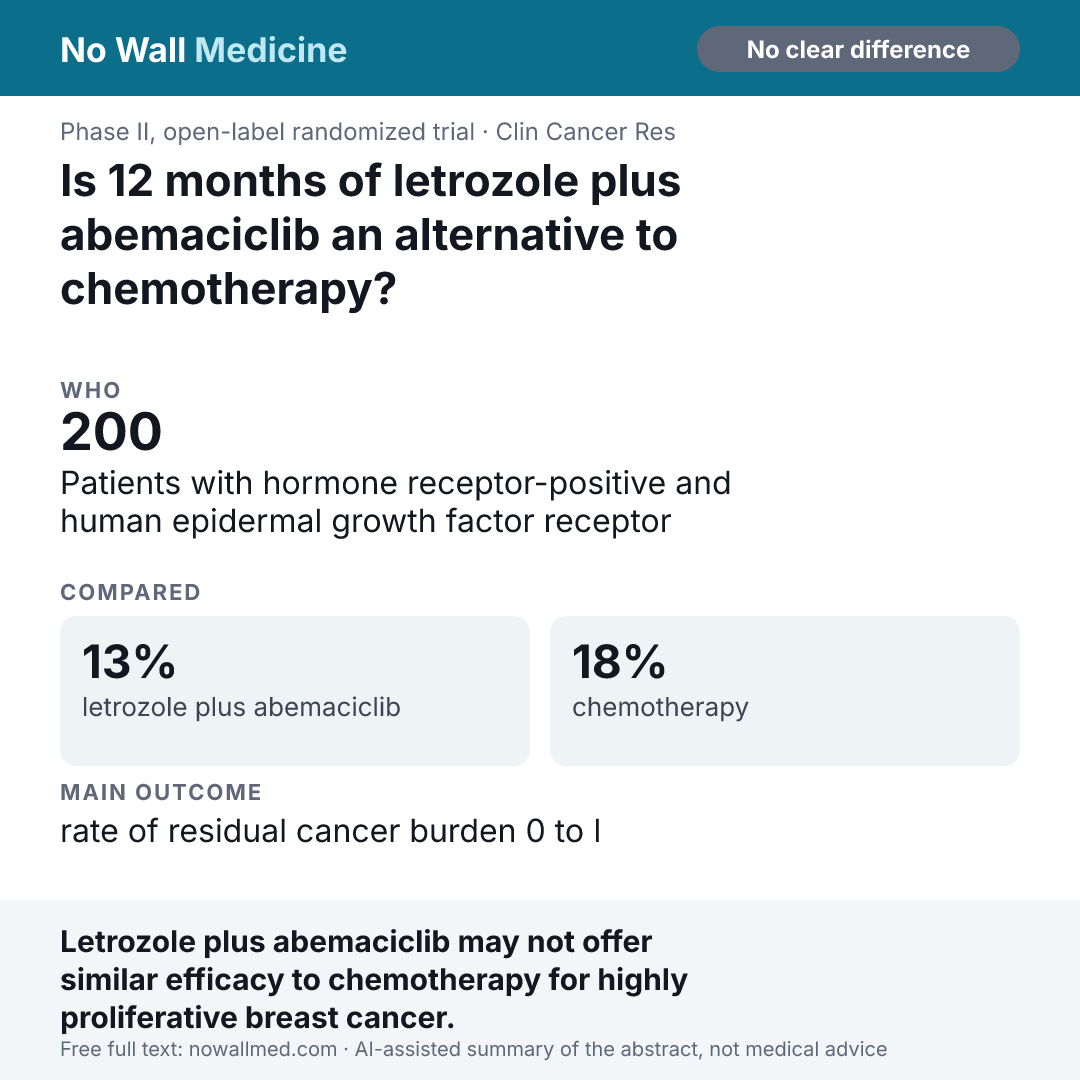
Intracellular Ganciclovir Triphosphate Concentrations in Children With Congenital Cytomegalovirus Infection
Randomized trial and PK studyUnclear result
Ganciclovir triphosphate in children with cCMV
Who
Infants with congenital cytomegalovirus infection
Compared
First-dose
Steady-state
Main outcome
GCV-TP concentrations
Bottom line: GCV-TP accumulates in dried blood spots
J Infect Dis · 2025-12-12 · Save PNG
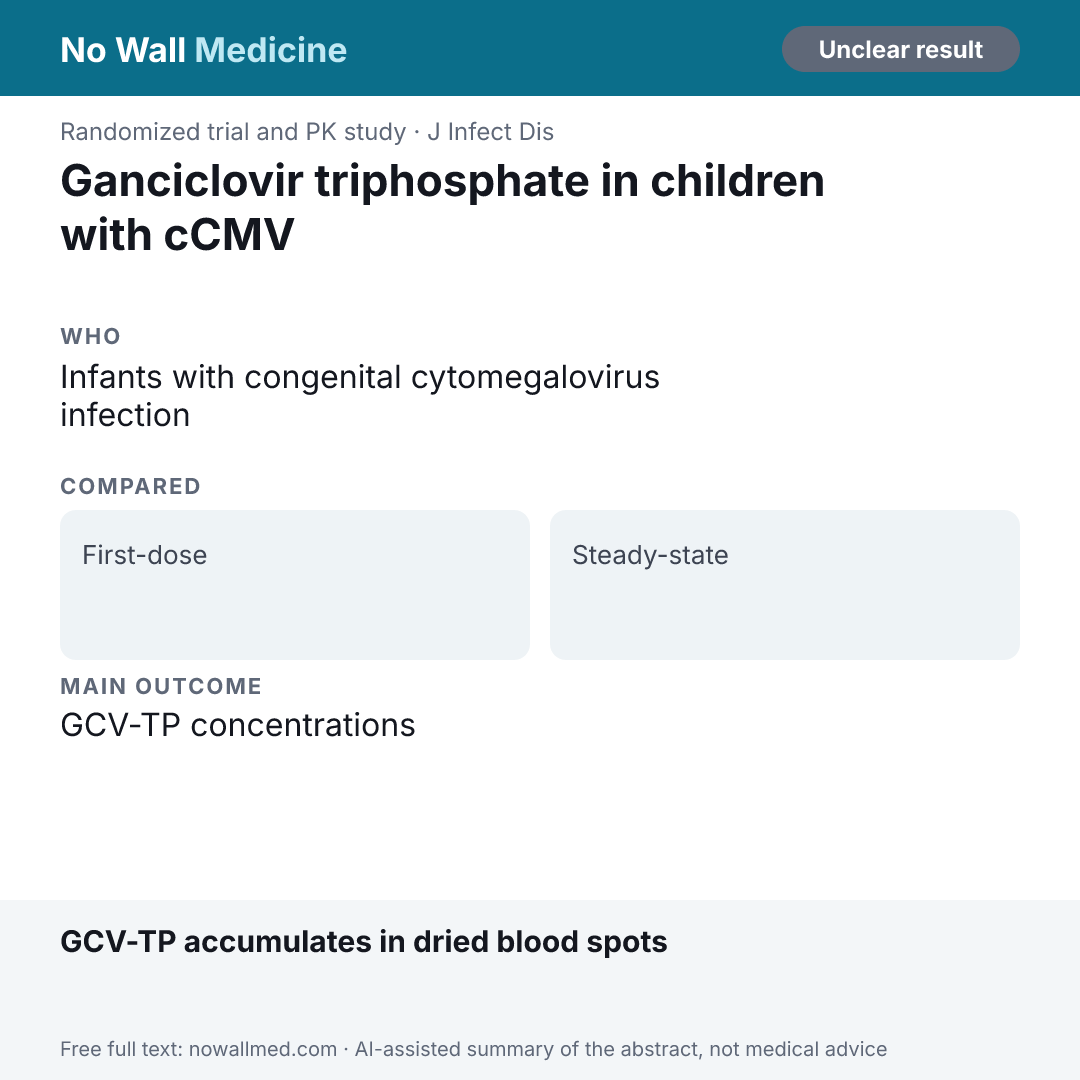
Efficacy, Mechanisms, and Safety of Sodium-Glucose Cotransporter-2 Inhibitors in Kidney Transplant Recipients: A Randomized, Double-Blind, Placebo-Controlled Trial
Randomized, double-blind trialMixed results
Do SGLT2 inhibitors work in kidney transplant recipients
Who
52
kidney transplant recipients with and without diabetes
Compared
Dapagliflozin
Placebo
Main outcome
blood pressure and kidney function
Result: mean arterial pressure reduction 3.9 mm Hg (95% CI, -7.5 to -0.2)
Bottom line: Dapagliflozin lowered blood pressure and reduced kidney function
CJASN · 2025-12-12 · Save PNG
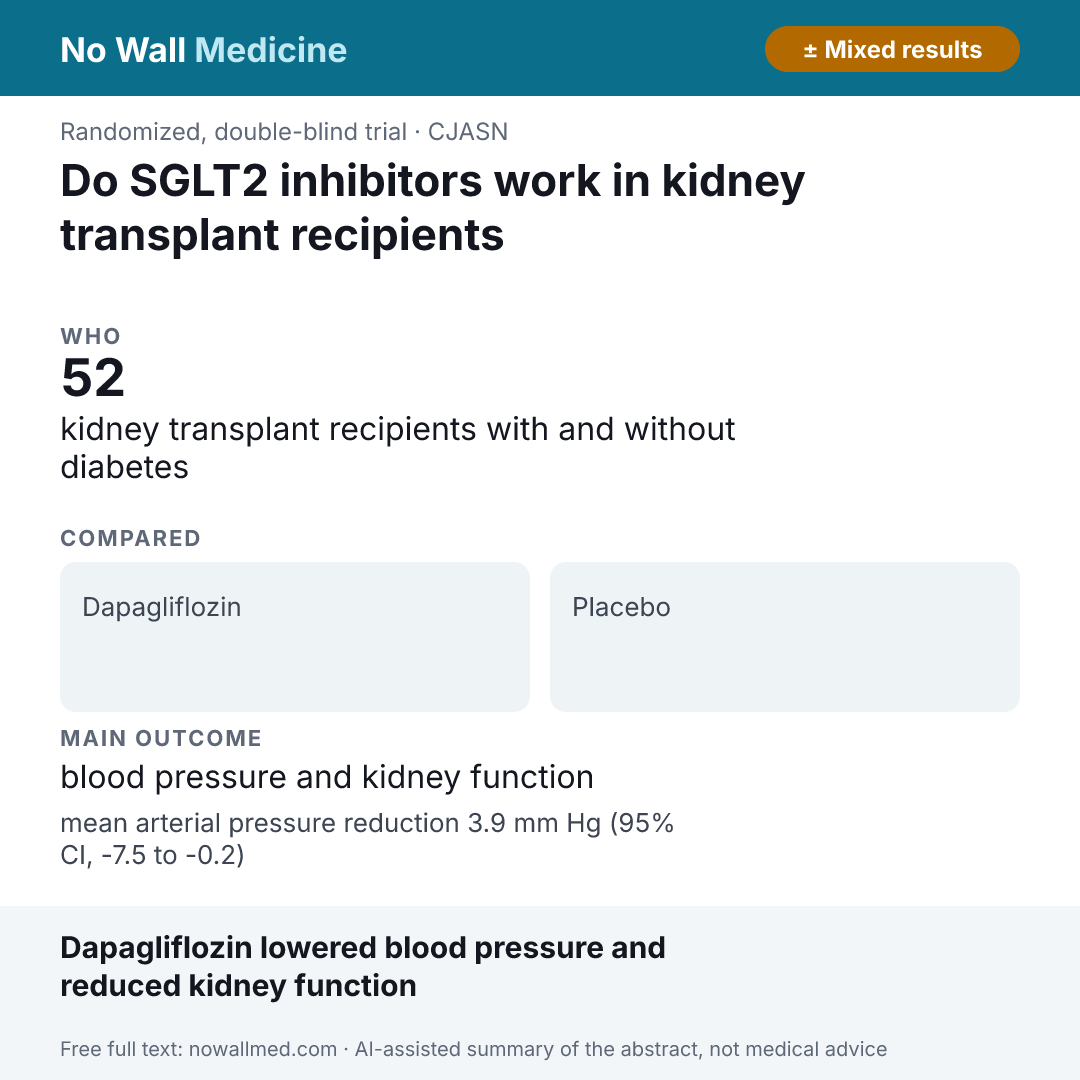
The Association between Low-Grade Proteinuria and Adverse Kidney Outcomes in IgA Nephropathy: A Systematic Review and Meta-Analysis
Systematic review and meta-analysis of 23 studiesHarm found
Does low-grade proteinuria associate with adverse kidney outcomes in IgA nephropathy?
Who
15,289
Patients with IgA nephropathy
Compared
Low-grade proteinuria: hazard ratio 1.73 (95% CI 1.36 to 2.20)
Proteinuria below 0.5 g/d
Main outcome
Adverse kidney outcomes
Result: hazard ratio 1.73 (95% CI 1.36 to 2.20)
Bottom line: Low-grade proteinuria is an important predictor of kidney disease progression in patients with IgA nephropathy.
CJASN · 2025-12-12 · Save PNG
Effects of supplemental protein in older people: an overview of meta-analyses
Overview of reviewsMixed results
What are the effects of supplemental protein on health outcomes in older people?
Who
Older people in different health states and settings
Compared
Protein supplementation
No protein supplementation
Main outcome
Muscle mass, strength, physical performance, and medical complications
Bottom line: Protein supplementation improves muscle mass and strength in older people with long-term conditions and reduces complications in hip fracture patients.
Age Ageing · 2025-12-12 · Save PNG

Clinical outcomes and economic impact of a digital telemedicine intervention in patients with functional motor disorders: a single-blind, randomised controlled trial
Single-blind, randomised controlled trialBenefit found
Does digital telemedicine integrated into multidisciplinary management improve clinical and economic outcomes in functional motor disorders?
Who
62
Patients with functional motor disorders
Compared
Digital telemedicine: 0.037 additional quality-adjusted life years
Standard care: lower mental quality of life score
Main outcome
Changes in motor symptoms, non-motor symptoms, quality of life, and mobility
Bottom line: Digital telemedicine maintains mental health quality of life and reduces healthcare costs despite similar motor symptom improvements.
J Neurol Neurosurg Psychiatry · 2025-12-12 · Save PNG

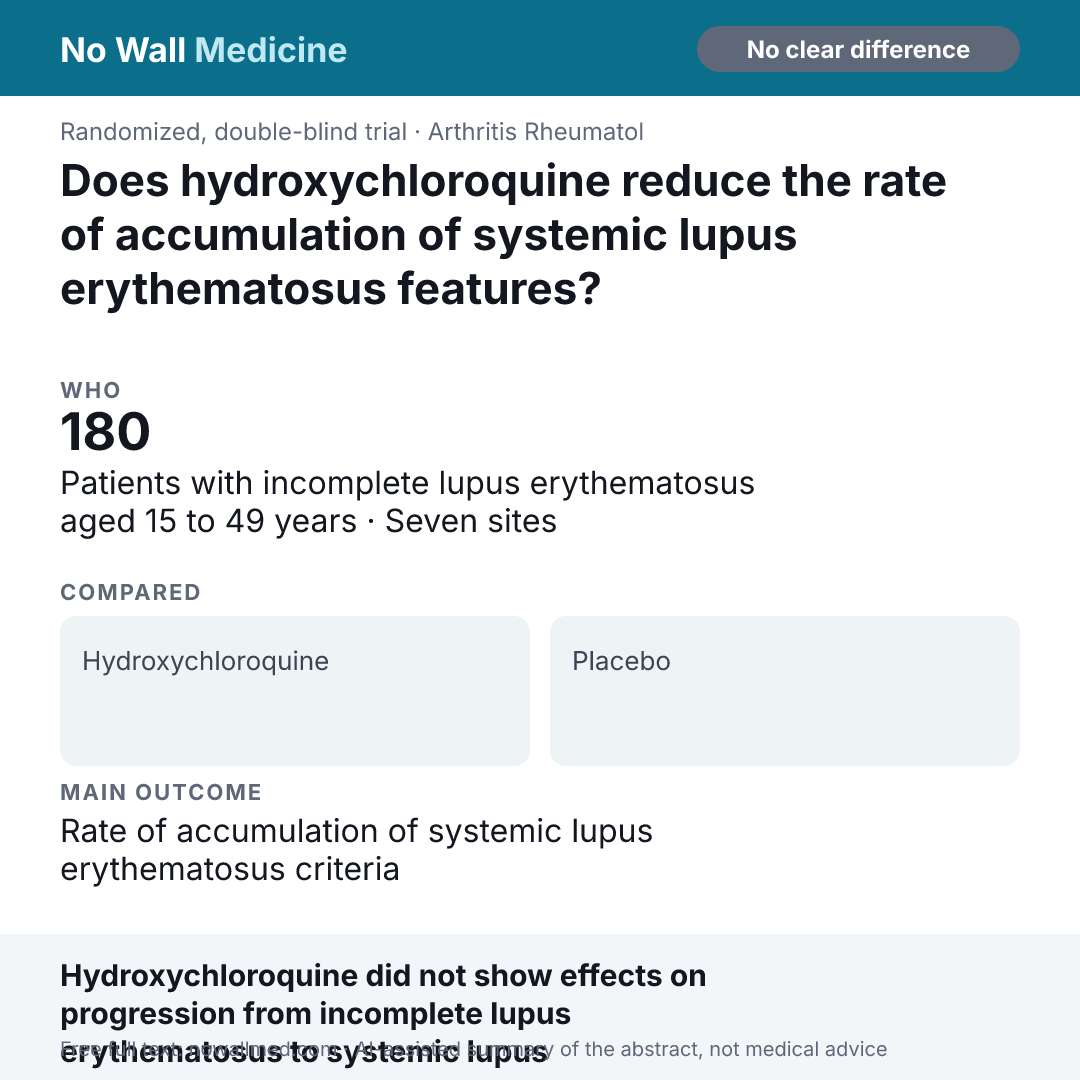
A Randomized, Placebo-Controlled Trial of Hydroxychloroquine in Incomplete Lupus
Randomized, double-blind trialNo clear difference
Does hydroxychloroquine reduce the rate of accumulation of systemic lupus erythematosus features?
Who
180
Patients with incomplete lupus erythematosus aged 15 to 49 years · Seven sites
Compared
Hydroxychloroquine
Placebo
Main outcome
Rate of accumulation of systemic lupus erythematosus criteria
Bottom line: Hydroxychloroquine did not show effects on progression from incomplete lupus erythematosus to systemic lupus erythematosus.
Arthritis Rheumatol · 2025-12-12 · Save PNG
Botulism Sequelae: A Systematic Review
Systematic review of 9 studiesKey finding
What are the long-term sequelae following recovery from botulism?
Who
Individuals with foodborne, wound, or infant botulism
Compared
Botulism survivors: fatigue (66.2%)
Control groups
Main outcome
Post-recovery symptoms and long-term sequelae
Bottom line: Botulism survivors experience significant long-term sequelae including fatigue, respiratory impairment, and psychosocial dysfunction.
Limitation: Need for standardized outcome measures and longitudinal studies.
Open Forum Infect Dis · 2025-12-12 · Save PNG

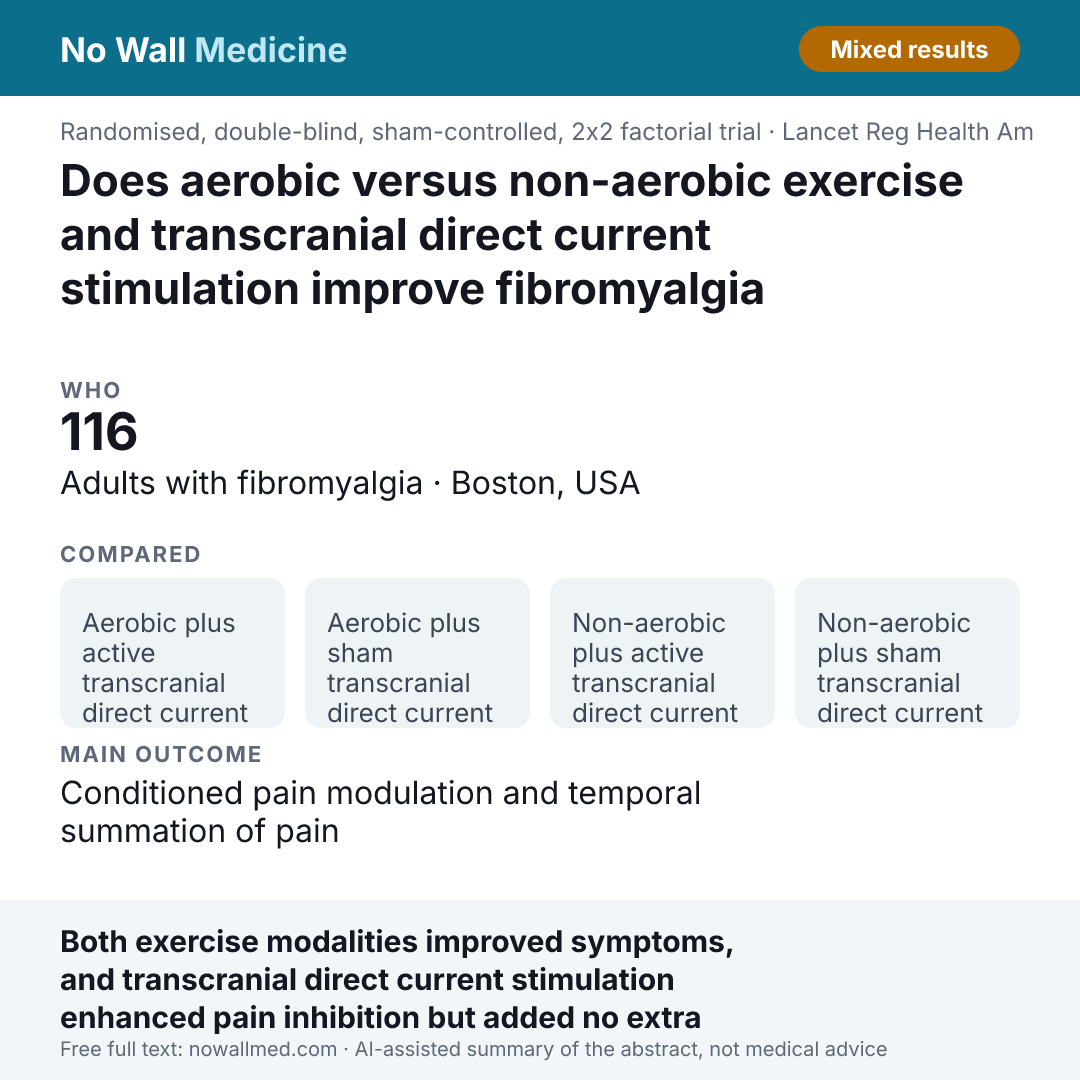
A randomised, double-blind, sham-controlled, 2×2 factorial trial of aerobic vs. non-aerobic exercise and motor cortex transcranial direct current stimulation in fibromyalgia: effects on clinical outcomes and descending pain modulation
Randomised, double-blind, sham-controlled, 2x2 factorial trialMixed results
Does aerobic versus non-aerobic exercise and transcranial direct current stimulation improve fibromyalgia outcomes?
Who
116
Adults with fibromyalgia · Boston, USA
Compared
Aerobic plus active transcranial direct current stimulation
Aerobic plus sham transcranial direct current stimulation
Non-aerobic plus active transcranial direct current stimulation
Non-aerobic plus sham transcranial direct current stimulation
Main outcome
Conditioned pain modulation and temporal summation of pain
Result: Cohen's d = 0.66 (for CPM improvement with active tDCS)
Bottom line: Both exercise modalities improved symptoms, and transcranial direct current stimulation enhanced pain inhibition but added no extra clinical benefit.
Funded by: National Institutes of health
Lancet Reg Health Am · 2025-12-12 · Save PNG
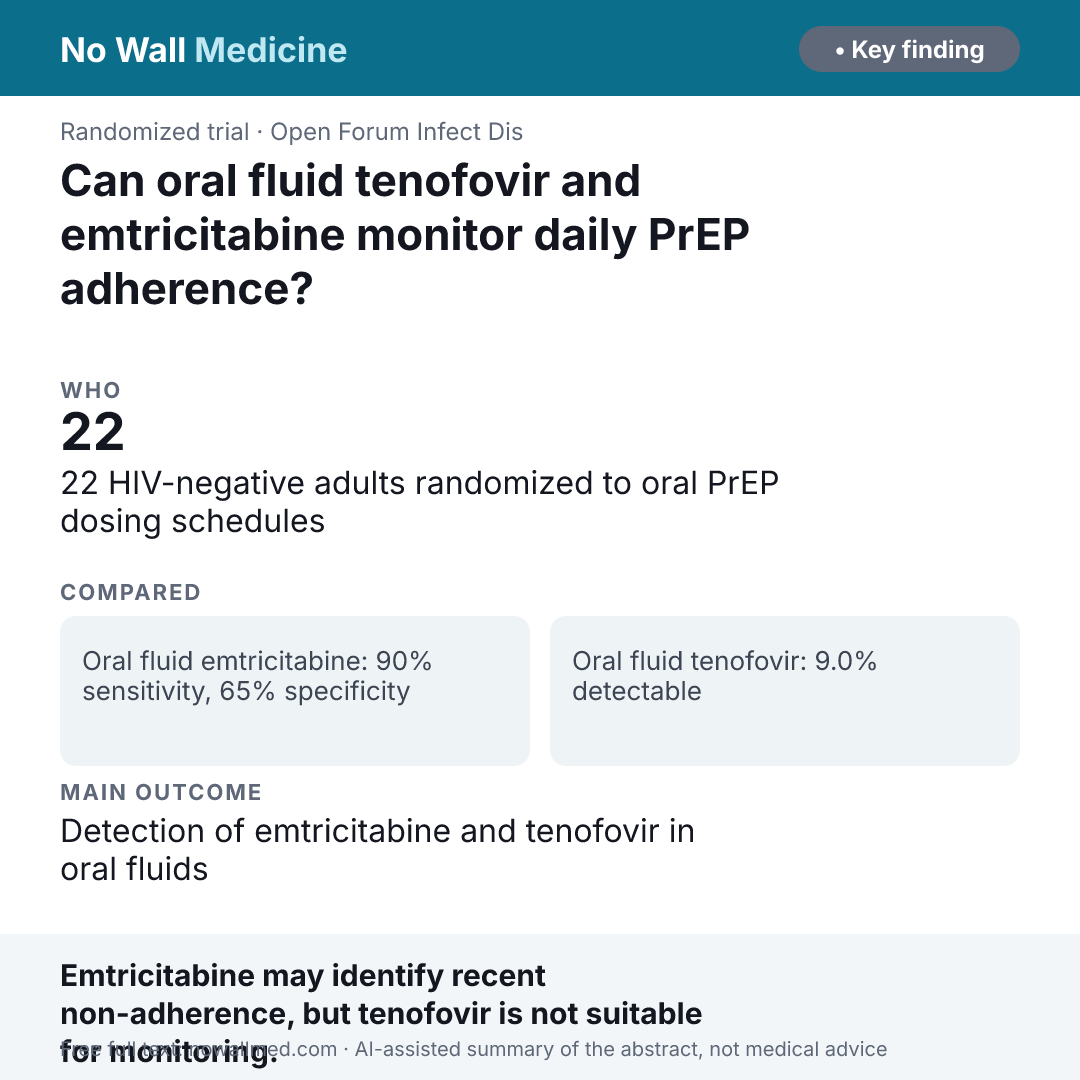
Oral Fluid Concentrations of Tenofovir and Emtricitabine for Monitoring HIV Antiretroviral Adherence: Findings From a Randomized Trial with Directly Observed Therapy (TARGET Study)
Randomized trialKey finding
Can oral fluid tenofovir and emtricitabine monitor daily PrEP adherence?
Who
22
22 HIV-negative adults randomized to oral PrEP dosing schedules
Compared
Oral fluid emtricitabine: 90% sensitivity, 65% specificity
Oral fluid tenofovir: 9.0% detectable
Main outcome
Detection of emtricitabine and tenofovir in oral fluids
Result: odds ratio: 0.21, 95% confidence interval [CI]: 0.11-0.38
Bottom line: Emtricitabine may identify recent non-adherence, but tenofovir is not suitable for monitoring.
Open Forum Infect Dis · 2025-12-12 · Save PNG