Visual abstracts
New randomized trials and meta-analyses from leading journals at a glance: who was studied, what was compared, and what was found. Every paper is free to read in full.
All specialtiesCardiology 2577Oncology 2194Gastroenterology & Hepatology 986Infectious Disease 1623Neurology 1024Psychiatry & Mental Health 1198Pulmonology 1079Critical Care 709Endocrinology & Diabetes 1337Pediatrics 1515Surgery 1311Orthopedics & Sports Medicine 473Neurosurgery 313Cardiothoracic & Vascular Surgery 282Plastic & Reconstructive Surgery 391Nephrology 530Rheumatology 378Hematology 560Dermatology 293Ophthalmology 302Obstetrics & Gynecology 844Public & Global Health 475Radiology & Imaging 355Anesthesiology 511Urology 432ENT (Otolaryngology) 314Emergency Medicine 287Allergy & Immunology 166Geriatrics 547Family Medicine & Primary Care 293Medical Genetics & Genomics 290Pathology & Laboratory Medicine 80Physical Medicine & Rehabilitation 425Palliative Care 217Nutrition 681Digital Health & AI 1246General Medicine 186
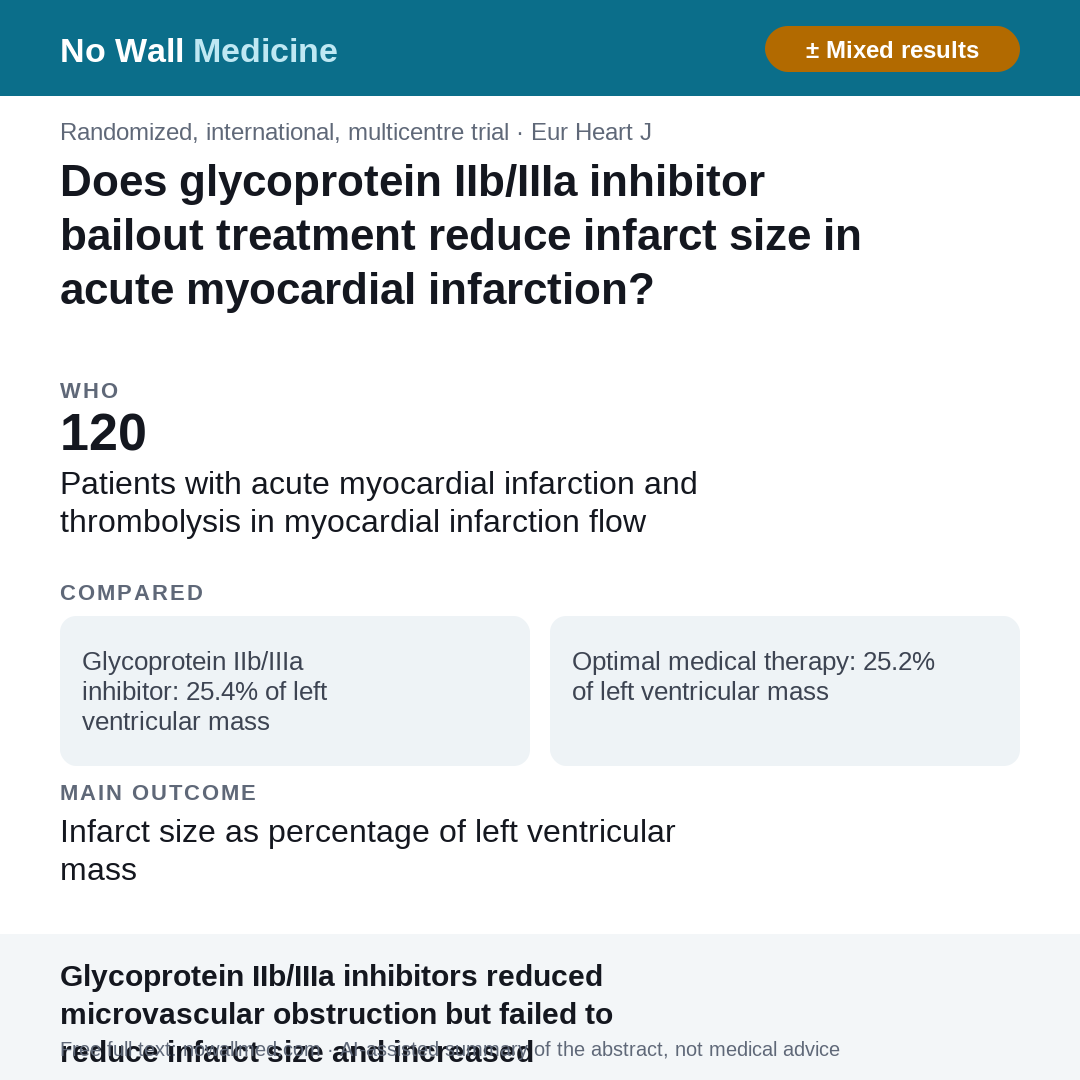
Glycoprotein IIb/IIIa inhibitors in acute myocardial infarction and angiographic microvascular obstruction: the REVERSE-FLOW trial
Randomized, international, multicentre trialMixed results
Does glycoprotein IIb/IIIa inhibitor bailout treatment reduce infarct size in acute myocardial infarction?
Who
120
Patients with acute myocardial infarction and thrombolysis in myocardial infarction flow grade ≤ 2 · International, multicentre
Compared
Glycoprotein IIb/IIIa inhibitor: 25.4% of left ventricular mass
Optimal medical therapy: 25.2% of left ventricular mass
Main outcome
Infarct size as percentage of left ventricular mass
Bottom line: Glycoprotein IIb/IIIa inhibitors reduced microvascular obstruction but failed to reduce infarct size and increased non-life-threatening bleeding.
Eur Heart J · 2024-09-01Download image
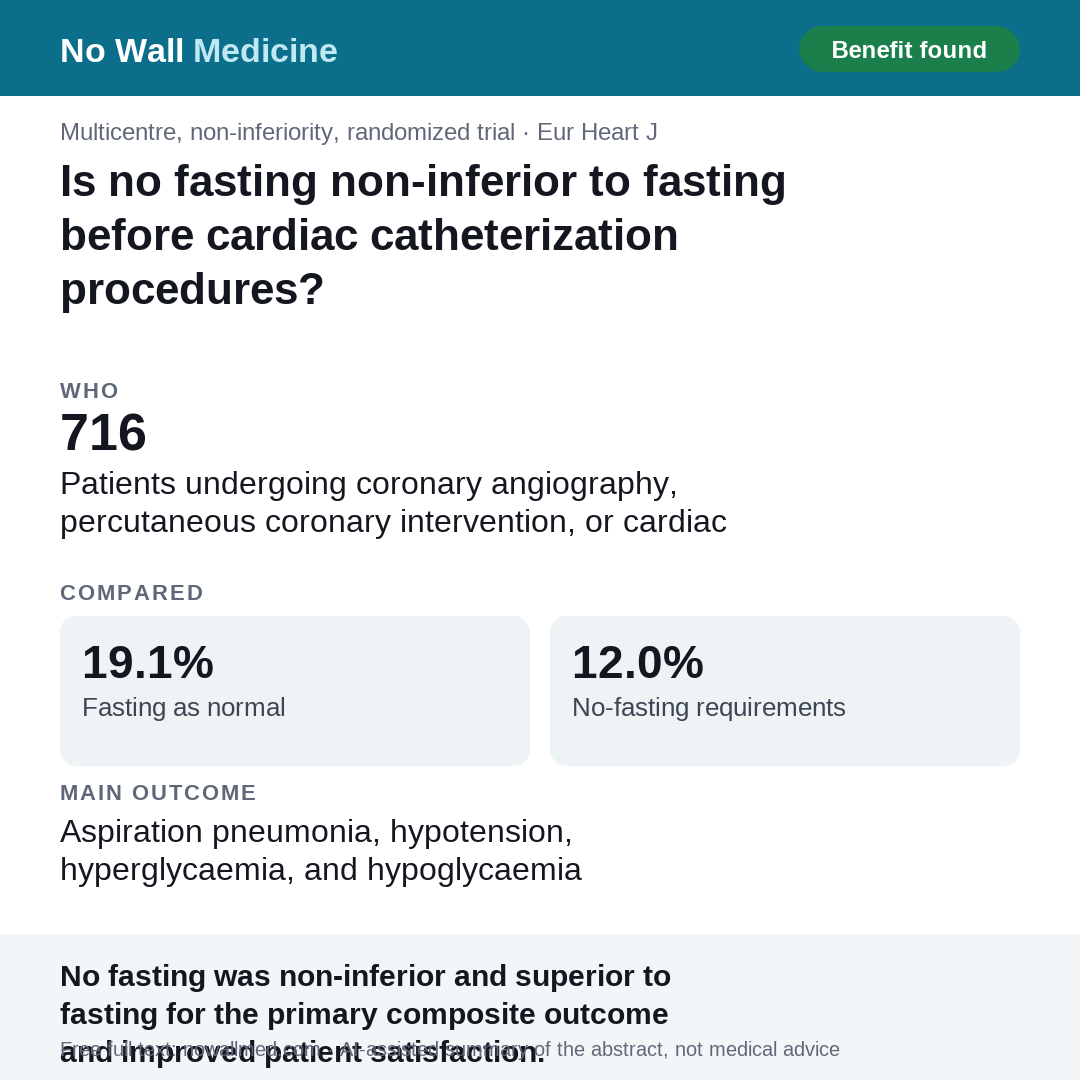
Fasting vs. no fasting prior to catheterization laboratory procedures: the SCOFF trial
Multicentre, non-inferiority, randomized trialBenefit found
Is no fasting non-inferior to fasting before cardiac catheterization procedures?
Who
716
Patients undergoing coronary angiography, percutaneous coronary intervention, or cardiac implantable electronic device procedures · Australia
Compared
19.1%Fasting as normal
12.0%No-fasting requirements
Main outcome
Aspiration pneumonia, hypotension, hyperglycaemia, and hypoglycaemia
Result: -5.2% (95% CI -9.6 to -.9)
Bottom line: No fasting was non-inferior and superior to fasting for the primary composite outcome and improved patient satisfaction.
Eur Heart J · 2024-09-01Download image
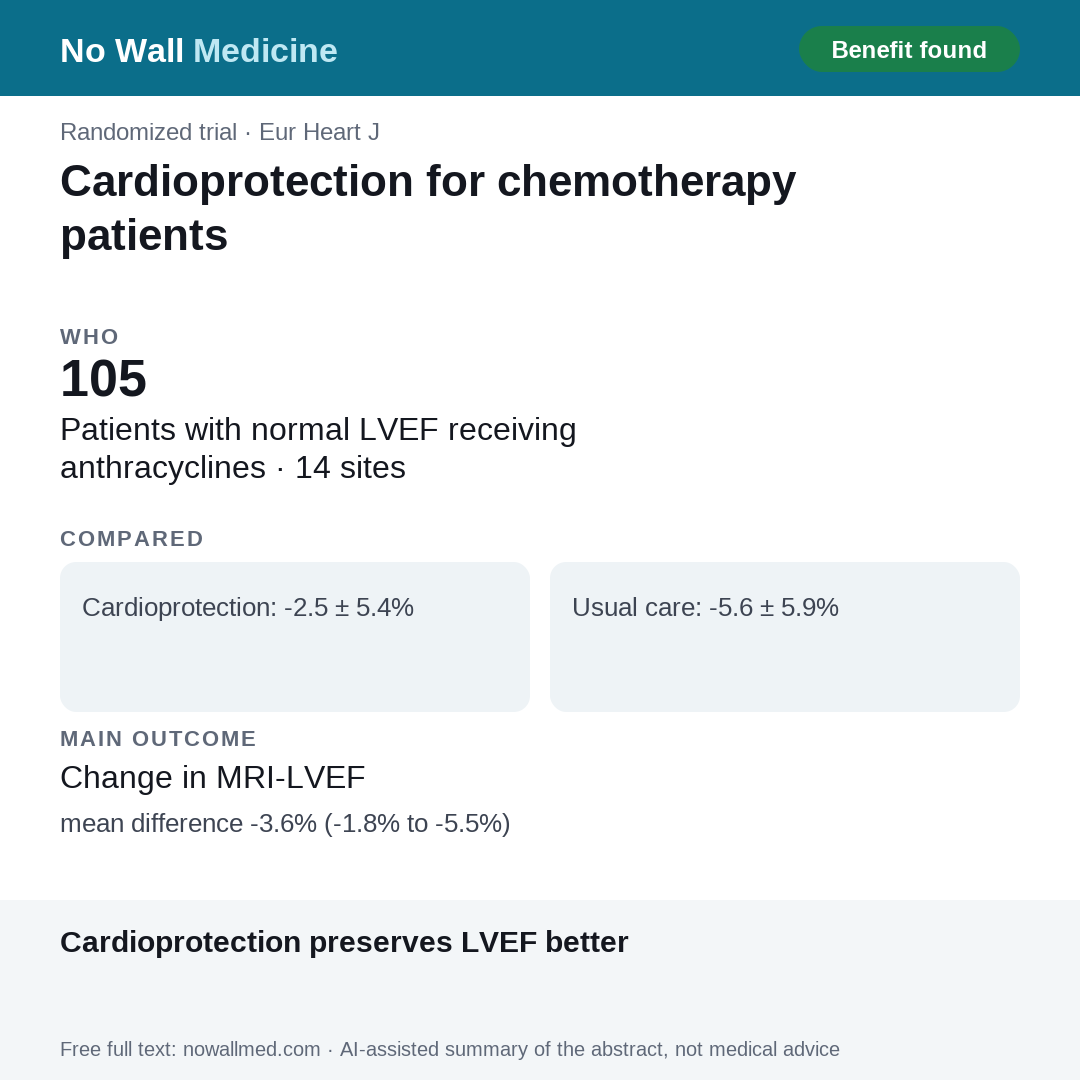
Strain surveillance during chemotherapy to improve cardiovascular outcomes: the SUCCOUR-MRI trial
Randomized trialBenefit found
Cardioprotection for chemotherapy patients
Who
105
Patients with normal LVEF receiving anthracyclines · 14 sites
Compared
Cardioprotection: -2.5 ± 5.4%
Usual care: -5.6 ± 5.9%
Main outcome
Change in MRI-LVEF
Result: mean difference -3.6% (-1.8% to -5.5%)
Bottom line: Cardioprotection preserves LVEF better
Eur Heart J · 2024-09-01Download image
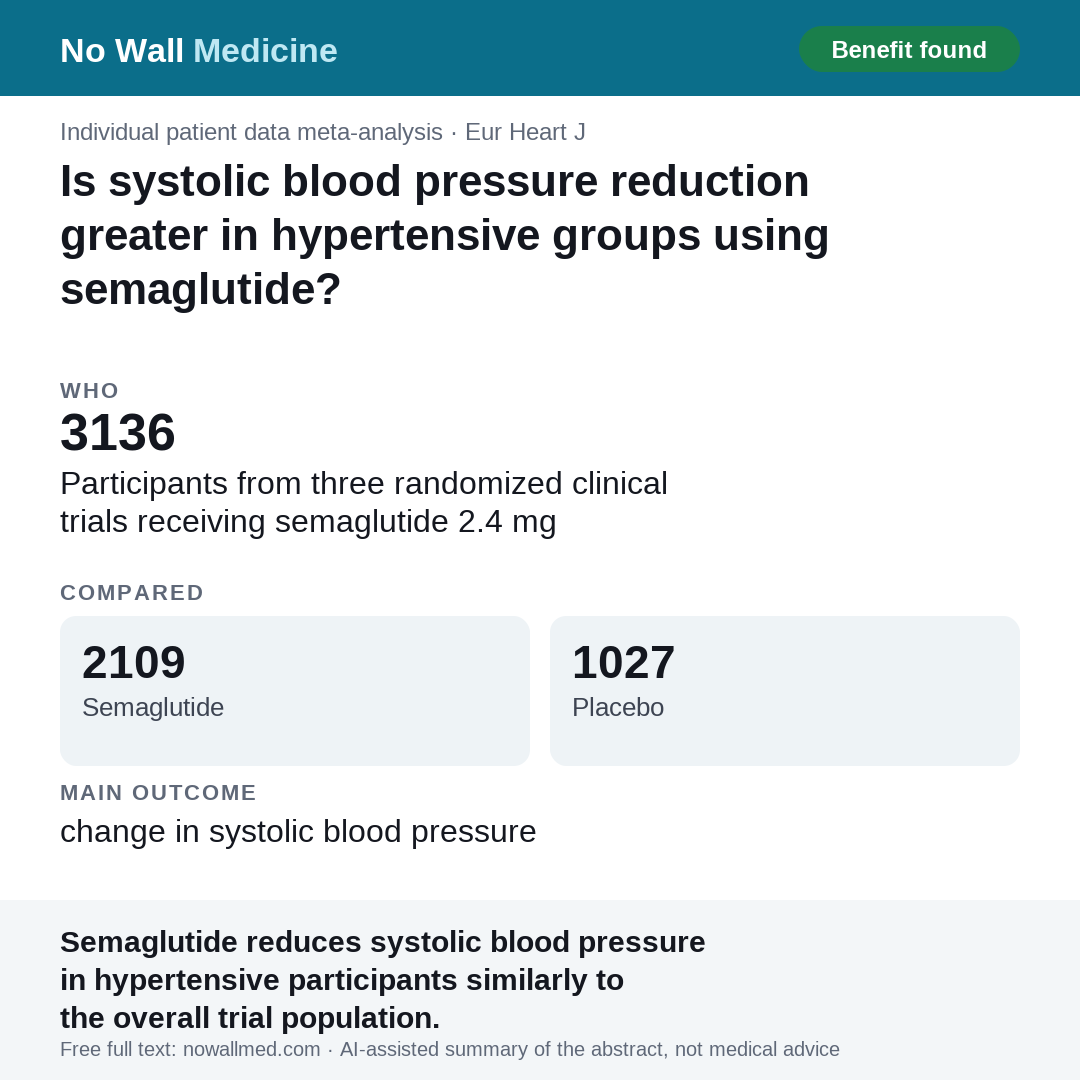
Semaglutide and blood pressure: an individual patient data meta-analysis
Individual patient data meta-analysisBenefit found
Is systolic blood pressure reduction greater in hypertensive groups using semaglutide?
Who
3136
Participants from three randomized clinical trials receiving semaglutide 2.4 mg
Compared
2109Semaglutide
1027Placebo
Main outcome
change in systolic blood pressure
Result: -4.95 mmHg [95% confidence interval -5.86 to -4.05]
Bottom line: Semaglutide reduces systolic blood pressure in hypertensive participants similarly to the overall trial population.
Eur Heart J · 2024-09-01Download image
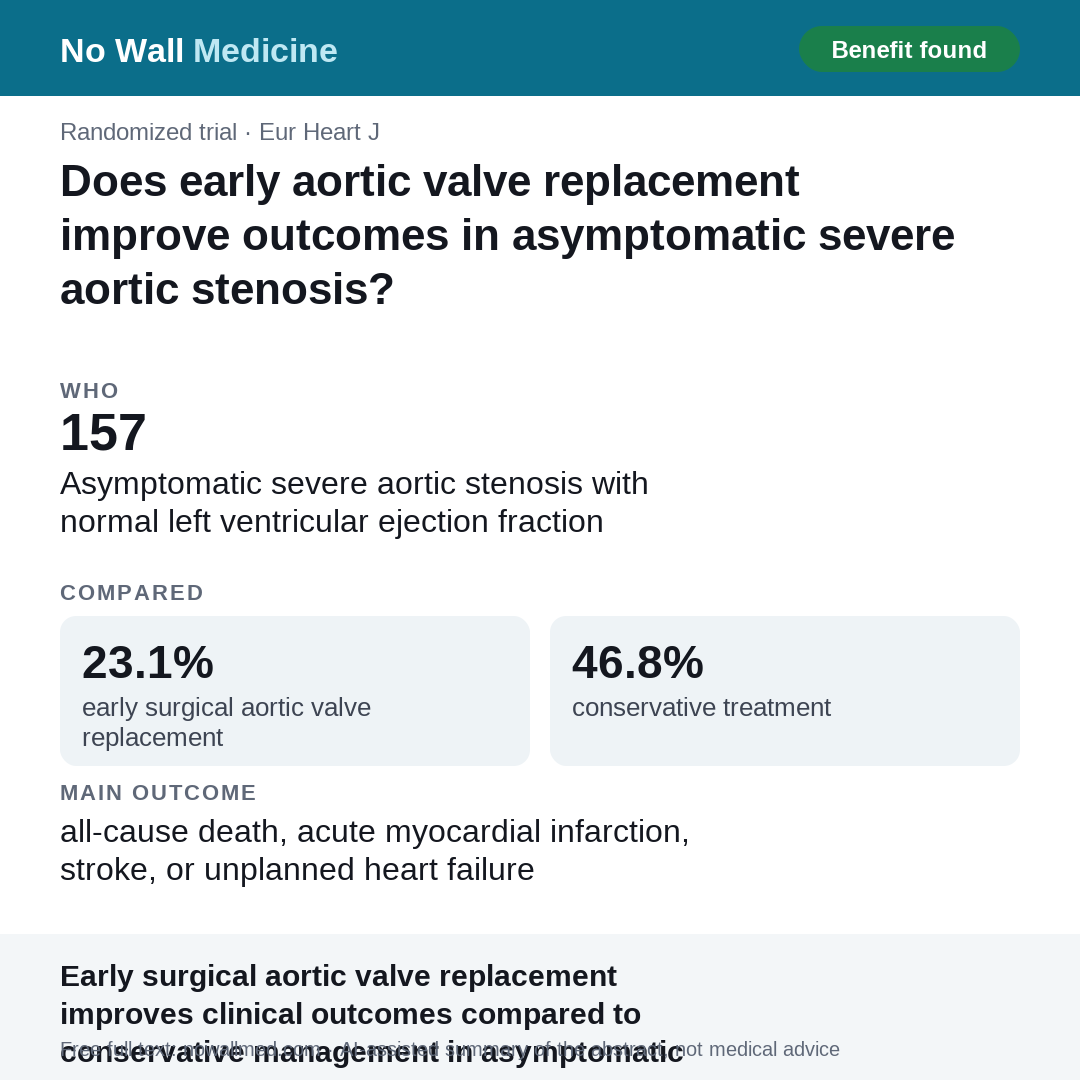
Aortic valve replacement vs. conservative treatment in asymptomatic severe aortic stenosis: long-term follow-up of the AVATAR trial
Randomized trialBenefit found
Does early aortic valve replacement improve outcomes in asymptomatic severe aortic stenosis?
Who
157
Asymptomatic severe aortic stenosis with normal left ventricular ejection fraction
Compared
23.1%early surgical aortic valve replacement
46.8%conservative treatment
Main outcome
all-cause death, acute myocardial infarction, stroke, or unplanned heart failure hospitalization
Result: hazard ratio 0.42 (95% CI 0.24-0.73)
Bottom line: Early surgical aortic valve replacement improves clinical outcomes compared to conservative management in asymptomatic severe aortic stenosis.
Eur Heart J · 2024-09-01Download image
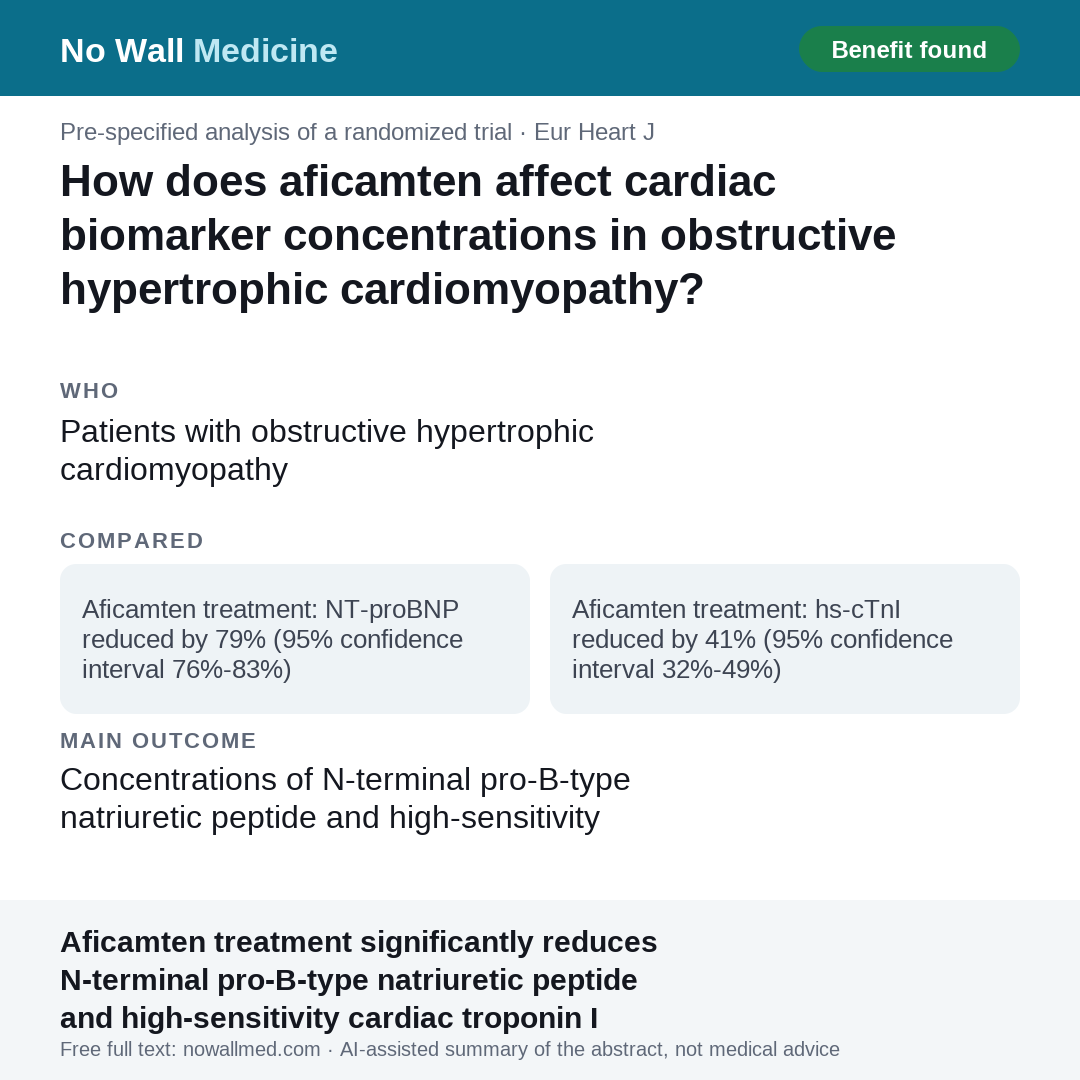
Cardiac biomarkers and effects of aficamten in obstructive hypertrophic cardiomyopathy: the SEQUOIA-HCM trial
Pre-specified analysis of a randomized trialBenefit found
How does aficamten affect cardiac biomarker concentrations in obstructive hypertrophic cardiomyopathy?
Who
Patients with obstructive hypertrophic cardiomyopathy
Compared
Aficamten treatment: NT-proBNP reduced by 79% (95% confidence interval 76%-83%)
Aficamten treatment: hs-cTnI reduced by 41% (95% confidence interval 32%-49%)
Main outcome
Concentrations of N-terminal pro-B-type natriuretic peptide and high-sensitivity cardiac troponin I
Bottom line: Aficamten treatment significantly reduces N-terminal pro-B-type natriuretic peptide and high-sensitivity cardiac troponin I concentrations.
Eur Heart J · 2024-09-01Download image
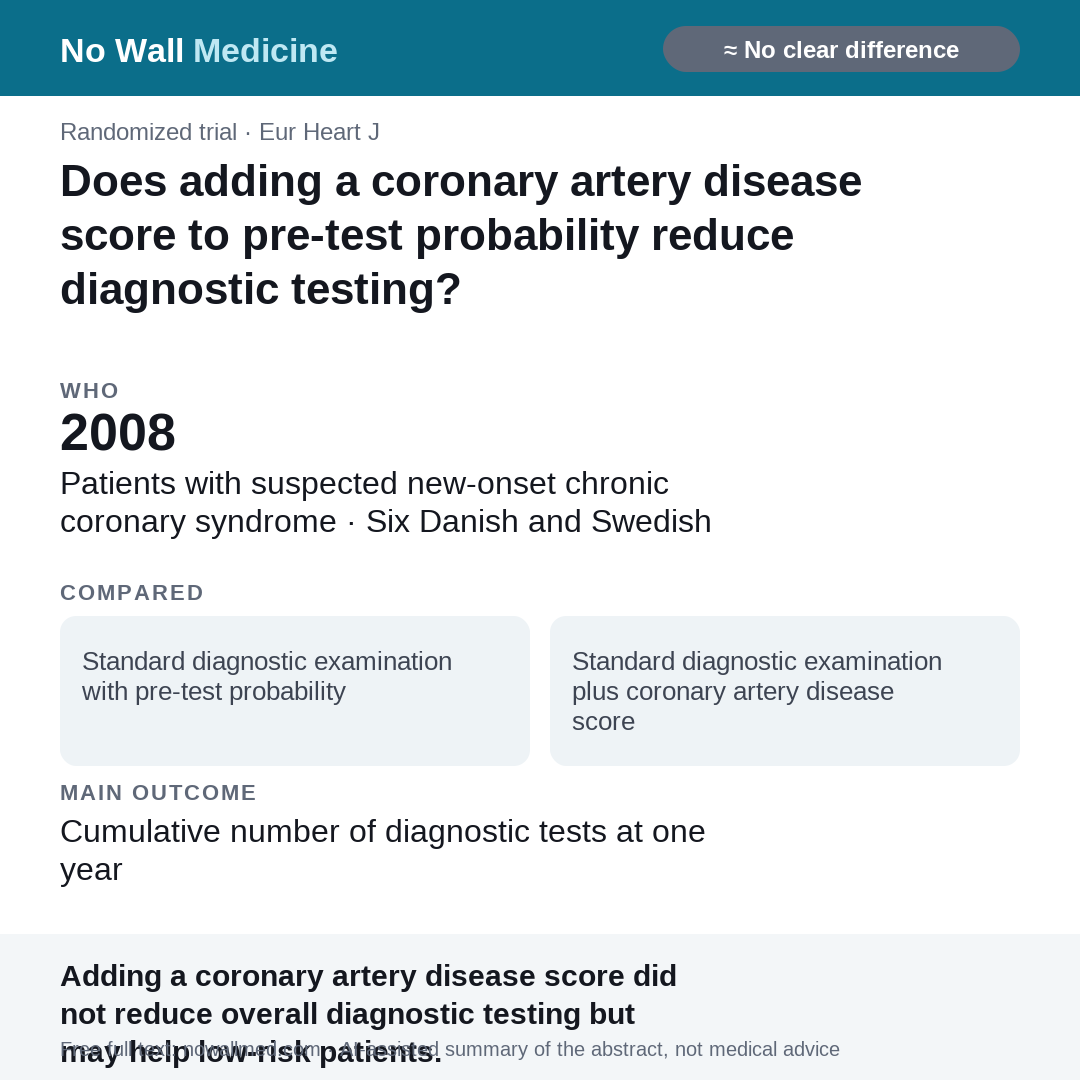
Acoustic-based rule-out of stable coronary artery disease: the FILTER-SCAD trial
Randomized trialNo clear difference
Does adding a coronary artery disease score to pre-test probability reduce diagnostic testing?
Who
2008
Patients with suspected new-onset chronic coronary syndrome · Six Danish and Swedish outpatient clinics
Compared
Standard diagnostic examination with pre-test probability
Standard diagnostic examination plus coronary artery disease score
Main outcome
Cumulative number of diagnostic tests at one year
Result: absolute risk difference 0.49% (95% confidence interval -1.96-0.97)
Bottom line: Adding a coronary artery disease score did not reduce overall diagnostic testing but may help low-risk patients.
Eur Heart J · 2024-09-01Download image
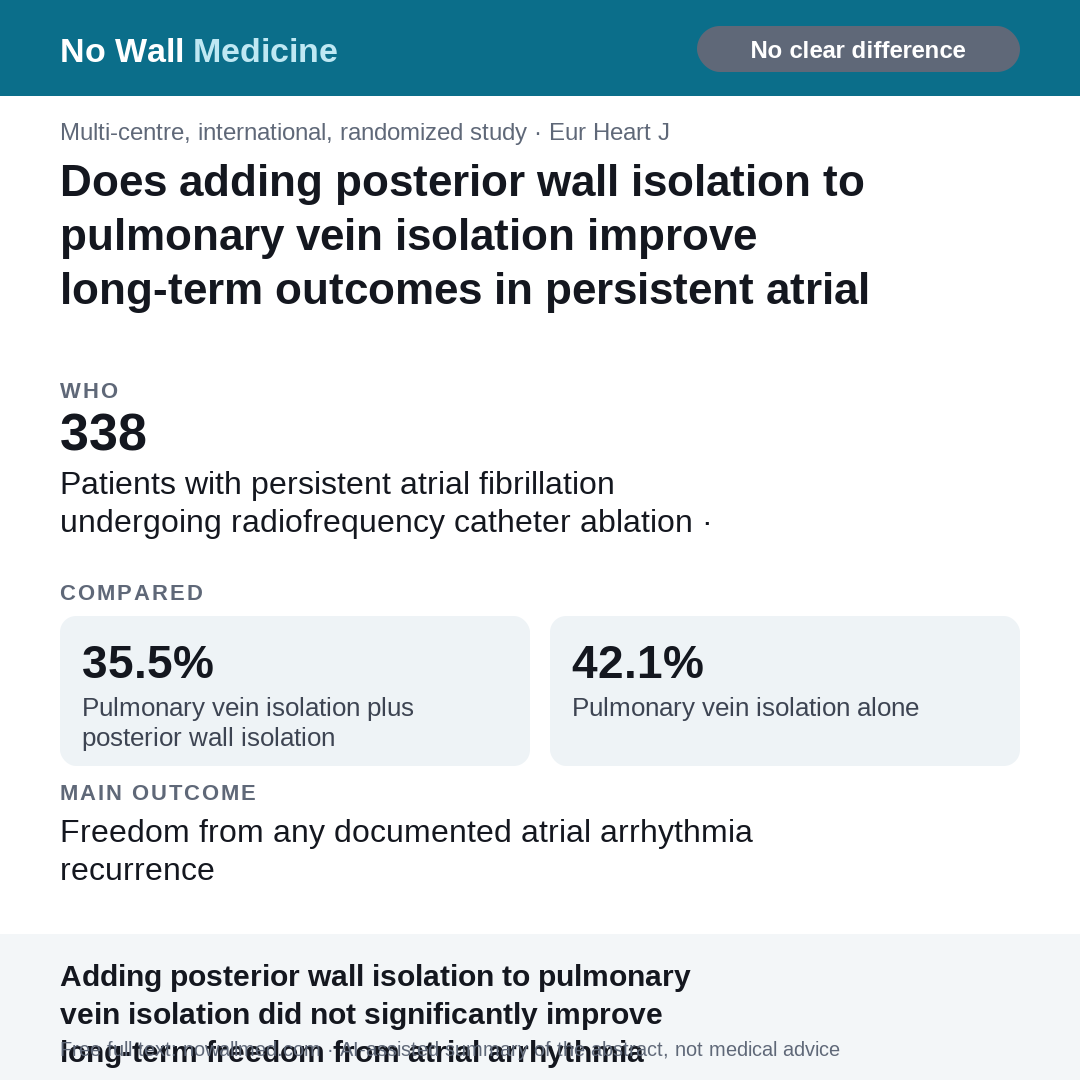
Radiofrequency catheter ablation of persistent atrial fibrillation by pulmonary vein isolation with or without left atrial posterior wall isolation: long-term outcomes of the CAPLA trial
Multi-centre, international, randomized studyNo clear difference
Does adding posterior wall isolation to pulmonary vein isolation improve long-term outcomes in persistent atrial fibrillation?
Who
338
Patients with persistent atrial fibrillation undergoing radiofrequency catheter ablation · Multi-centre, international
Compared
35.5%Pulmonary vein isolation plus posterior wall isolation
42.1%Pulmonary vein isolation alone
Main outcome
Freedom from any documented atrial arrhythmia recurrence
Result: hazard ratio 1.15, 95% confidence interval 0.88-1.51
Bottom line: Adding posterior wall isolation to pulmonary vein isolation did not significantly improve long-term freedom from atrial arrhythmia recurrence.
Eur Heart J · 2024-09-01Download image
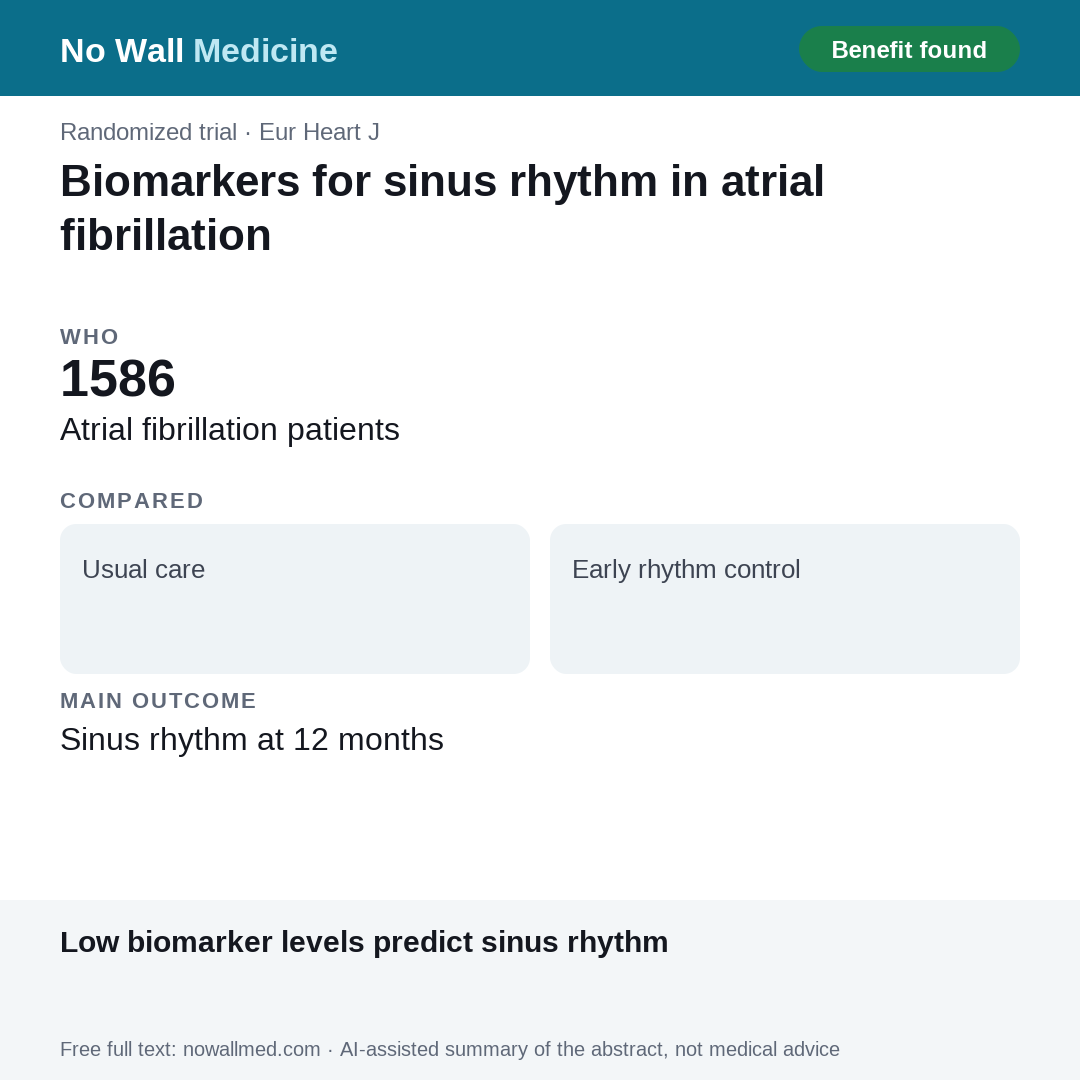
Biomarker-based prediction of sinus rhythm in atrial fibrillation patients: the EAST-AFNET 4 biomolecule study
Randomized trialBenefit found
Biomarkers for sinus rhythm in atrial fibrillation
Who
1586
Atrial fibrillation patients
Compared
Usual care
Early rhythm control
Main outcome
Sinus rhythm at 12 months
Bottom line: Low biomarker levels predict sinus rhythm
Eur Heart J · 2024-09-01Download image
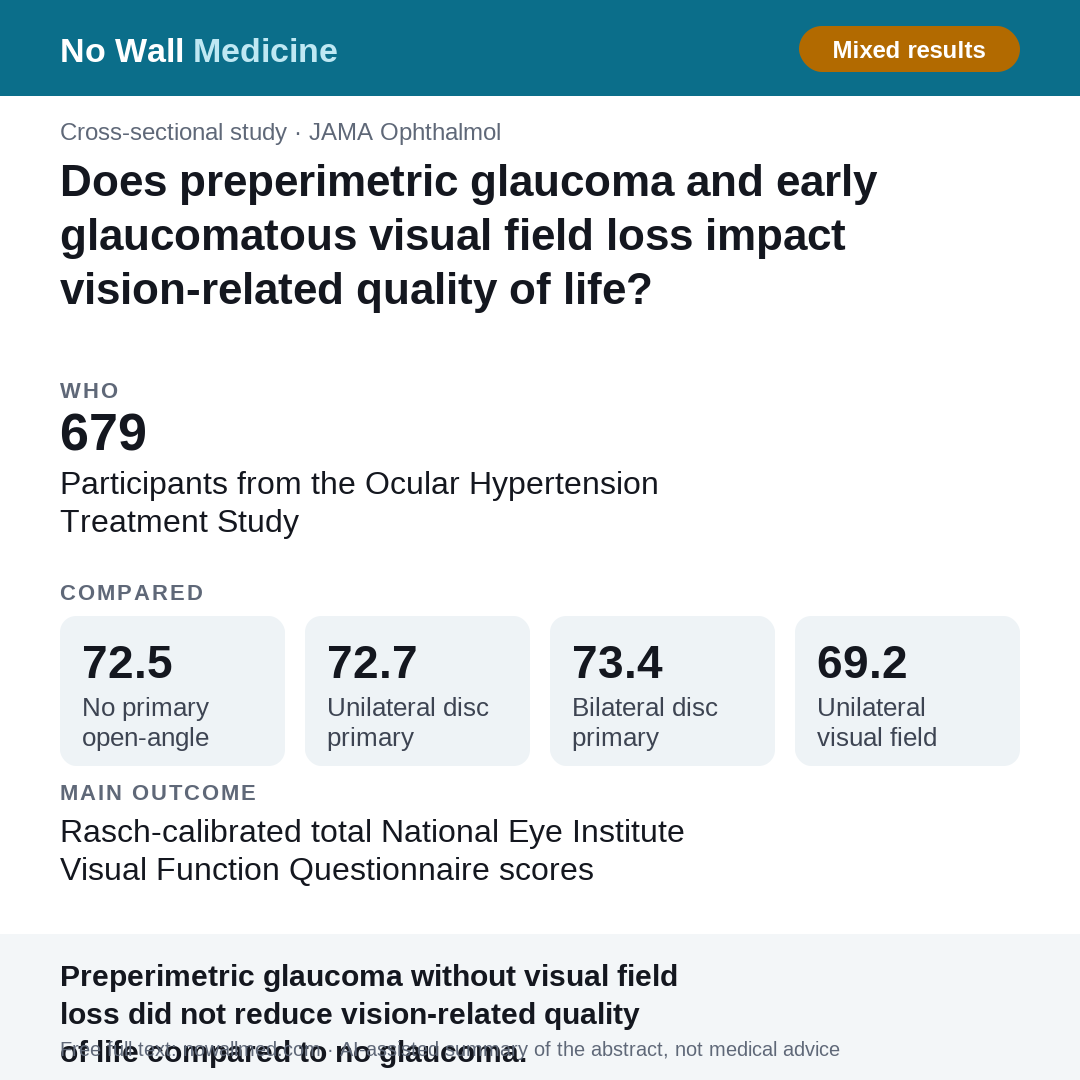
Quality of Life and Primary Open-Angle Glaucoma in the Ocular Hypertension Treatment Study
Cross-sectional studyMixed results
Does preperimetric glaucoma and early glaucomatous visual field loss impact vision-related quality of life?
Who
679
Participants from the Ocular Hypertension Treatment Study
Compared
72.5No primary open-angle glaucoma (13.4)
72.7Unilateral disc primary open-angle glaucoma (13.8)
73.4Bilateral disc primary open-angle glaucoma (14.0)
69.2Unilateral visual field primary open-angle glaucoma (14.5)
Main outcome
Rasch-calibrated total National Eye Institute Visual Function Questionnaire scores
Result: difference -13.96 (95% CI -17.73 to -10.19) for bilateral visual field glaucoma
Bottom line: Preperimetric glaucoma without visual field loss did not reduce vision-related quality of life compared to no glaucoma.
JAMA Ophthalmol · 2024-09-01Download image
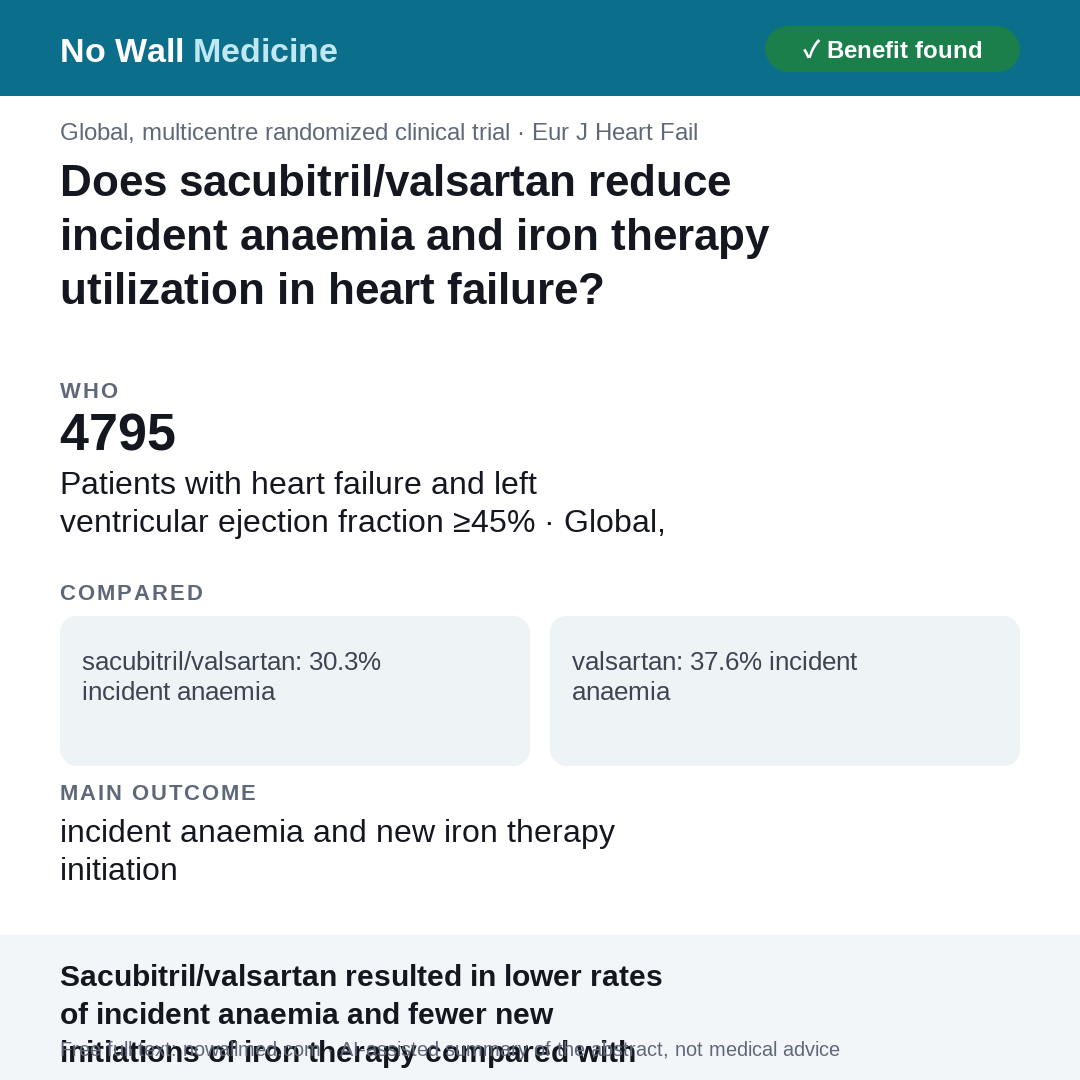
Sacubitril/valsartan reduces incident anaemia and iron therapy utilization in heart failure: The PARAGON-HF trial
Global, multicentre randomized clinical trialBenefit found
Does sacubitril/valsartan reduce incident anaemia and iron therapy utilization in heart failure?
Who
4795
Patients with heart failure and left ventricular ejection fraction ≥45% · Global, multicentre
Compared
sacubitril/valsartan: 30.3% incident anaemia
valsartan: 37.6% incident anaemia
Main outcome
incident anaemia and new iron therapy initiation
Result: hazard ratio 0.76 (95% CI 0.68-0.85)
Bottom line: Sacubitril/valsartan resulted in lower rates of incident anaemia and fewer new initiations of iron therapy compared with valsartan.
Eur J Heart Fail · 2024-09-01Download image
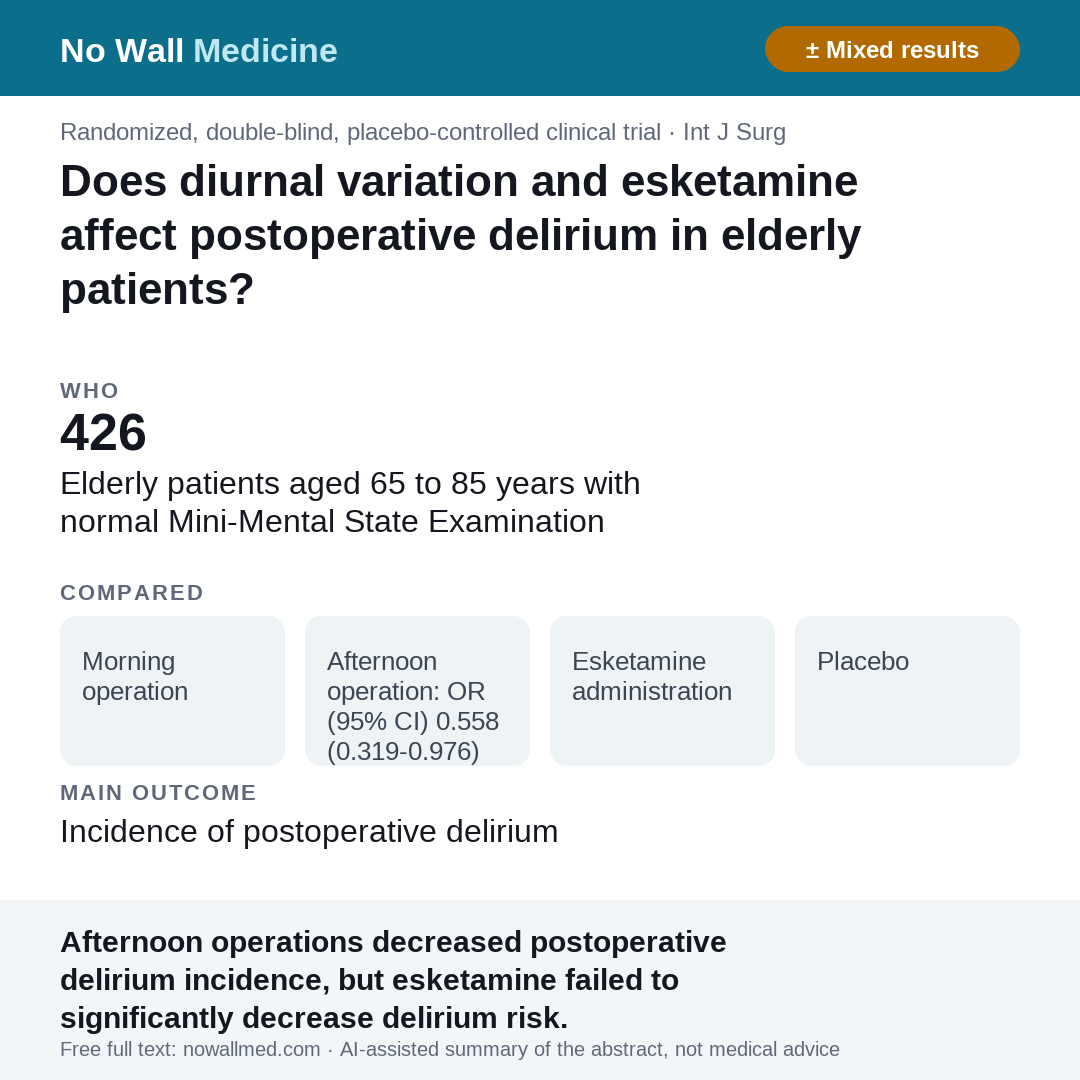
Diurnal variation of postoperative delirium in elderly patients undergoing esketamine anesthesia for elective noncardiac surgery: a randomized clinical trial
Randomized, double-blind, placebo-controlled clinical trialMixed results
Does diurnal variation and esketamine affect postoperative delirium in elderly patients?
Who
426
Elderly patients aged 65 to 85 years with normal Mini-Mental State Examination
Compared
Morning operation
Afternoon operation: OR (95% CI) 0.558 (0.319-0.976)
Esketamine administration
Placebo
Main outcome
Incidence of postoperative delirium
Result: OR (95% CI) 0.558 (0.319-0.976)
Bottom line: Afternoon operations decreased postoperative delirium incidence, but esketamine failed to significantly decrease delirium risk.
Int J Surg · 2024-09-01Download image
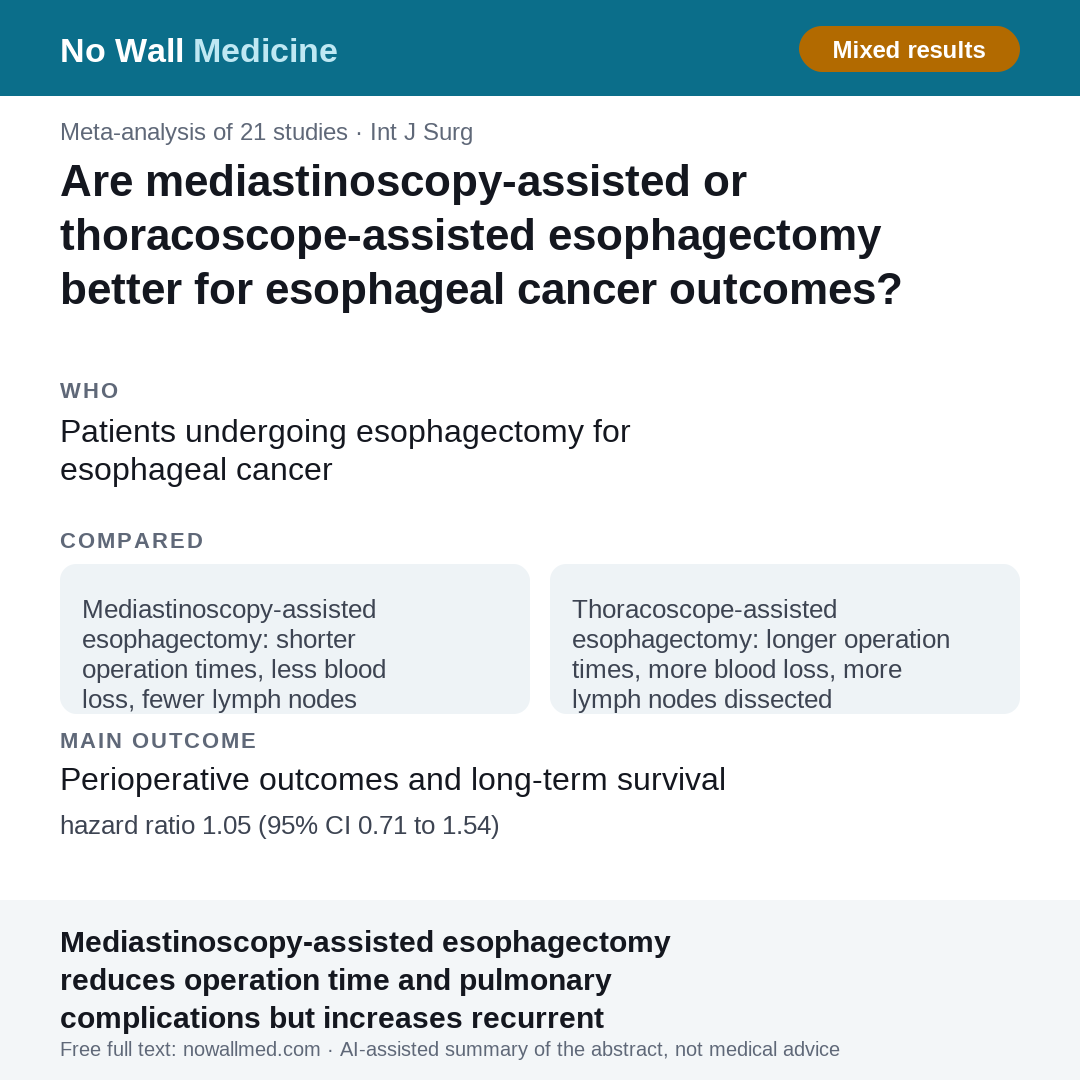
Substitute or coexistence? Mediastinoscopy-assisted versus thoracoscope-assisted esophagectomy in esophageal cancer: a meta-analysis of perioperative outcomes and long-term survival
Meta-analysis of 21 studiesMixed results
Are mediastinoscopy-assisted or thoracoscope-assisted esophagectomy better for esophageal cancer outcomes?
Who
Patients undergoing esophagectomy for esophageal cancer
Compared
Mediastinoscopy-assisted esophagectomy: shorter operation times, less blood loss, fewer lymph nodes dissected
Thoracoscope-assisted esophagectomy: longer operation times, more blood loss, more lymph nodes dissected
Main outcome
Perioperative outcomes and long-term survival
Result: hazard ratio 1.05 (95% CI 0.71 to 1.54)
Bottom line: Mediastinoscopy-assisted esophagectomy reduces operation time and pulmonary complications but increases recurrent laryngeal nerve injury risk.
Int J Surg · 2024-09-01Download image
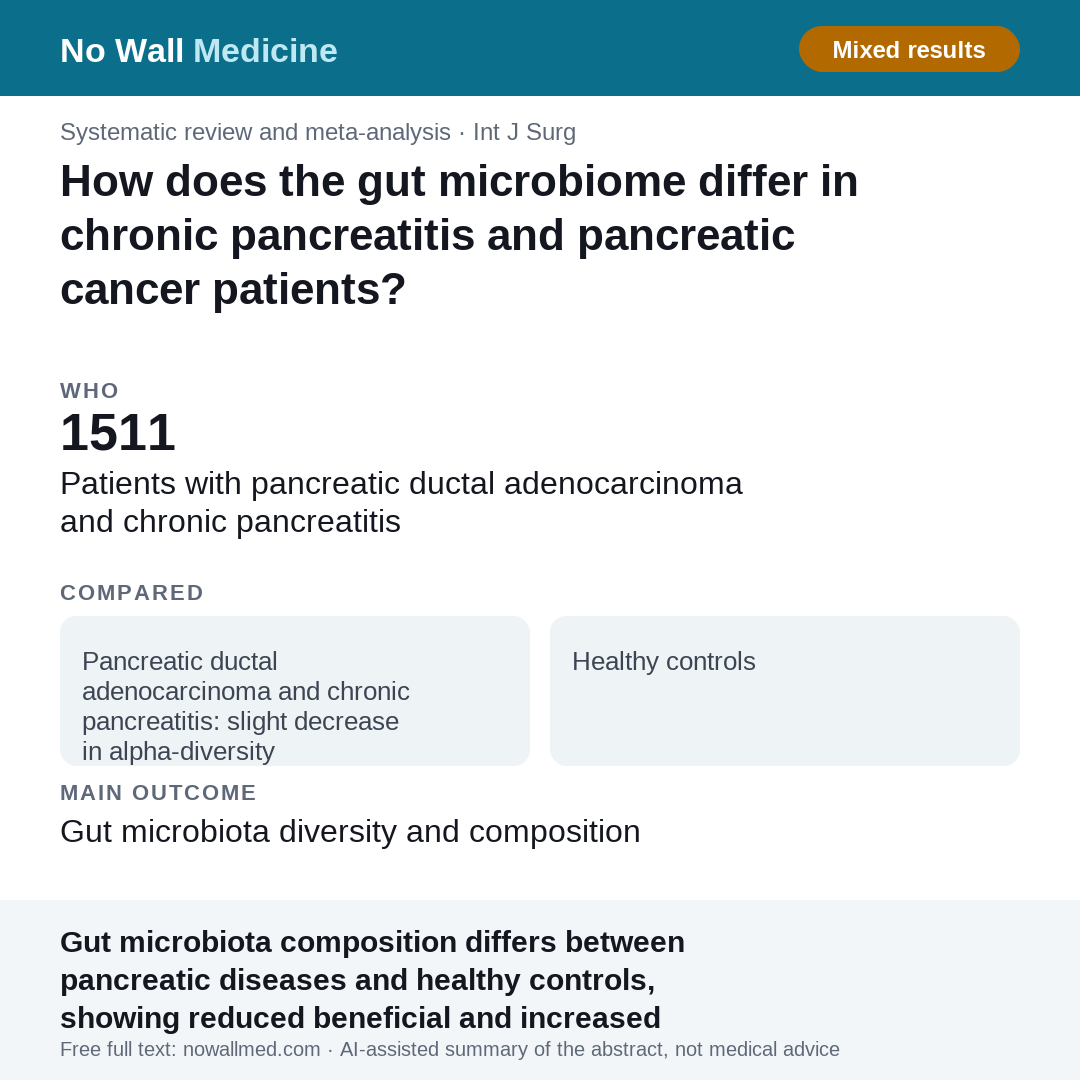
Gut microbiome changes associated with chronic pancreatitis and pancreatic cancer: a systematic review and meta-analysis
Systematic review and meta-analysisMixed results
How does the gut microbiome differ in chronic pancreatitis and pancreatic cancer patients?
Who
1511
Patients with pancreatic ductal adenocarcinoma and chronic pancreatitis
Compared
Pancreatic ductal adenocarcinoma and chronic pancreatitis: slight decrease in alpha-diversity
Healthy controls
Main outcome
Gut microbiota diversity and composition
Bottom line: Gut microbiota composition differs between pancreatic diseases and healthy controls, showing reduced beneficial and increased pathogenic species.
Int J Surg · 2024-09-01Download image
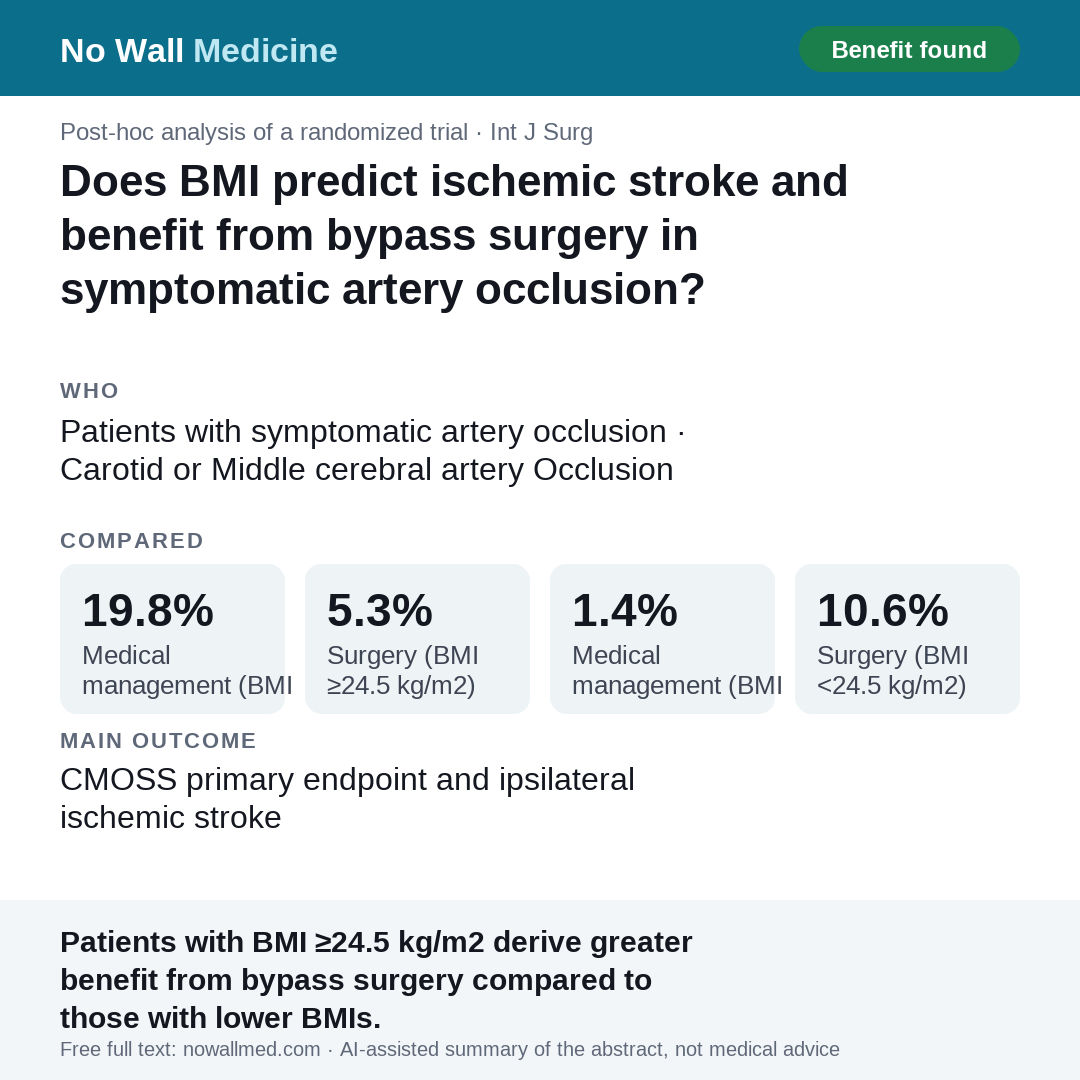
Potential of BMI as a screening indicator for extracranial-intracranial bypass surgery in patients with symptomatic artery occlusion: a post-hoc analysis of the CMOSS trial
Post-hoc analysis of a randomized trialBenefit found
Does BMI predict ischemic stroke and benefit from bypass surgery in symptomatic artery occlusion?
Who
Patients with symptomatic artery occlusion · Carotid or Middle cerebral artery Occlusion Surgery Study
Compared
19.8%Medical management (BMI ≥24.5 kg/m2)
5.3%Surgery (BMI ≥24.5 kg/m2)
1.4%Medical management (BMI <24.5 kg/m2)
10.6%Surgery (BMI <24.5 kg/m2)
Main outcome
CMOSS primary endpoint and ipsilateral ischemic stroke
Result: hazard ratio 1.16 per kg/m 2 (95% CI 1.06-1.27)
Bottom line: Patients with BMI ≥24.5 kg/m2 derive greater benefit from bypass surgery compared to those with lower BMIs.
Limitation: Small sample size and inherent limitations of retrospective analyses.
Int J Surg · 2024-09-01Download image
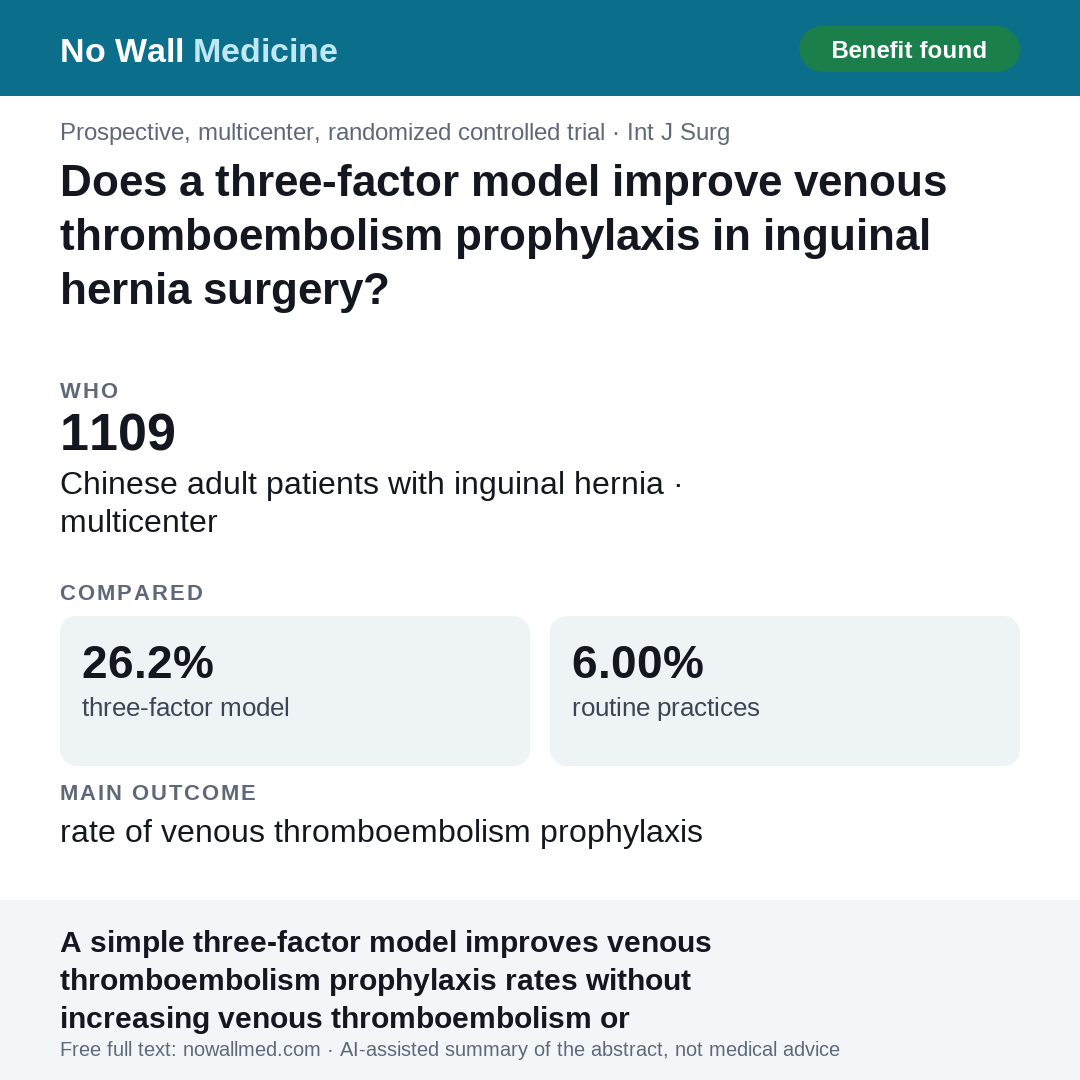
A new simplified risk assessment model enhances postoperative prophylaxis of venous thromboembolism in Chinese adult patients with inguinal hernia (CHAT-3): a prospective, multicenter, randomized controlled trial
Prospective, multicenter, randomized controlled trialBenefit found
Does a three-factor model improve venous thromboembolism prophylaxis in inguinal hernia surgery?
Who
1109
Chinese adult patients with inguinal hernia · multicenter
Compared
26.2%three-factor model
6.00%routine practices
Main outcome
rate of venous thromboembolism prophylaxis
Bottom line: A simple three-factor model improves venous thromboembolism prophylaxis rates without increasing venous thromboembolism or bleeding risks.
Int J Surg · 2024-09-01Download image
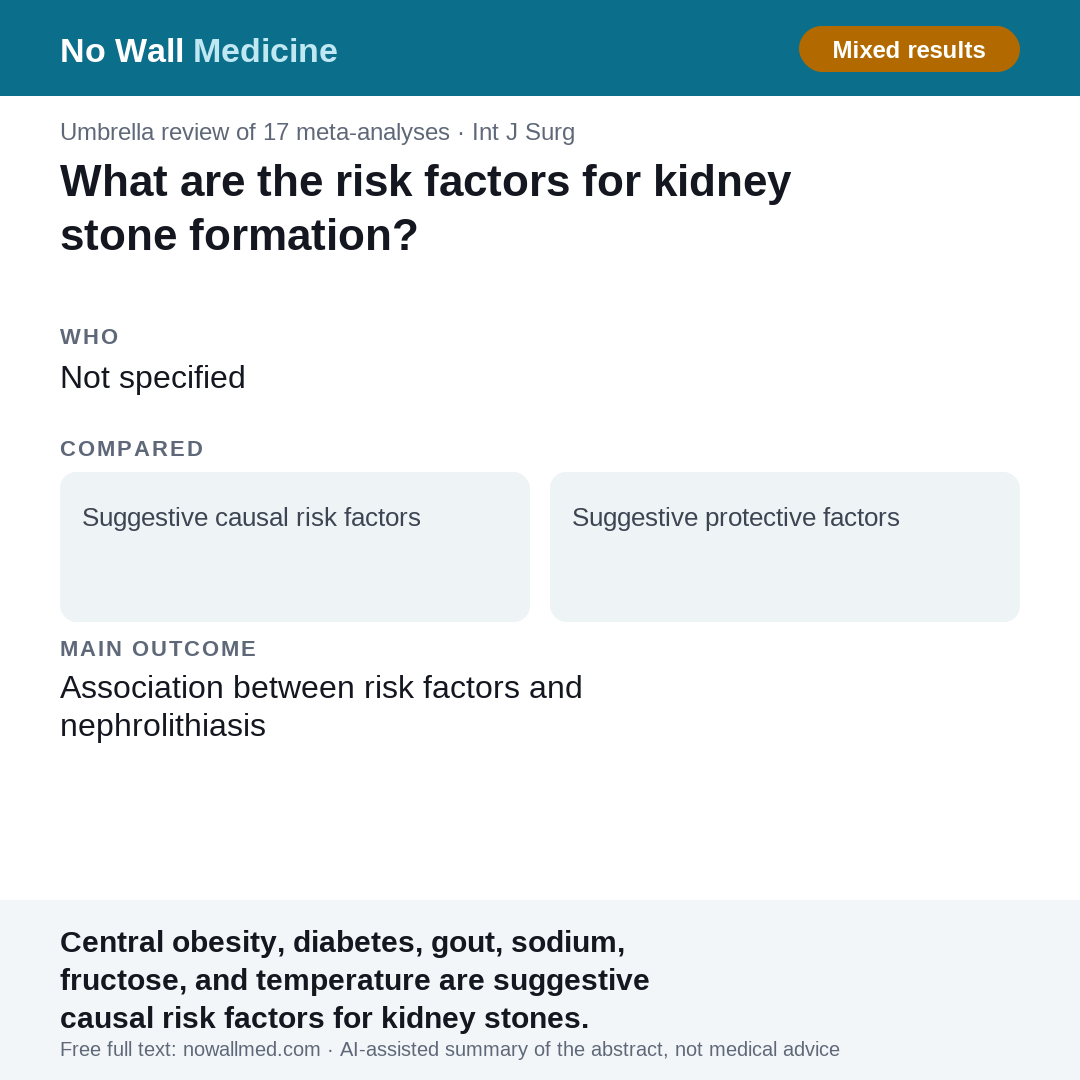
Risk factors for nephrolithiasis formation: an umbrella review
Umbrella review of 17 meta-analysesMixed results
What are the risk factors for kidney stone formation?
Who
Not specified
Compared
Suggestive causal risk factors
Suggestive protective factors
Main outcome
Association between risk factors and nephrolithiasis
Bottom line: Central obesity, diabetes, gout, sodium, fructose, and temperature are suggestive causal risk factors for kidney stones.
Int J Surg · 2024-09-01Download image
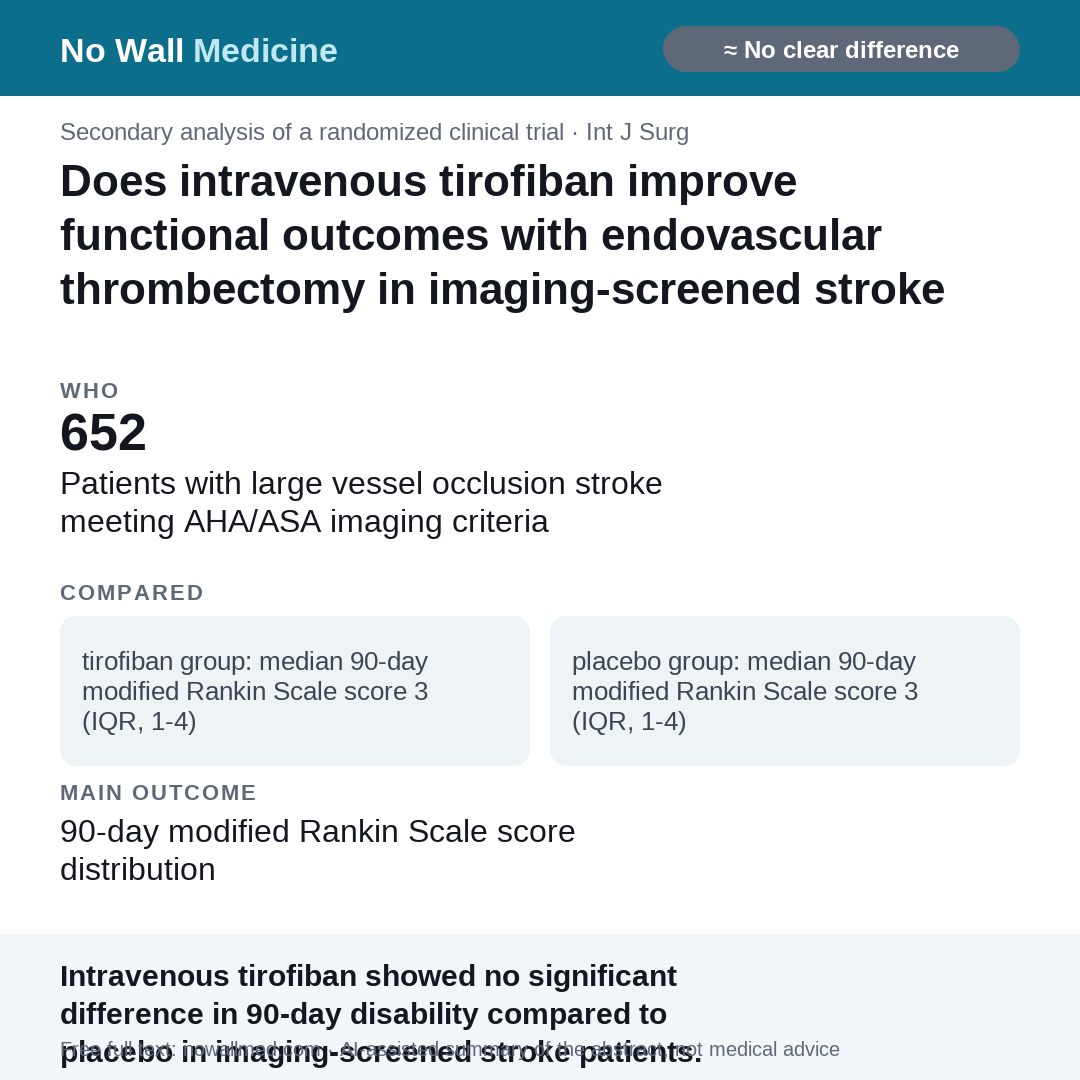
Association of functional outcomes between intravenous tirofiban and endovascular thrombectomy in imaging-screened patients with large vessel occlusion stroke: a secondary analysis of randomized clinical trial
Secondary analysis of a randomized clinical trialNo clear difference
Does intravenous tirofiban improve functional outcomes with endovascular thrombectomy in imaging-screened stroke patients?
Who
652
Patients with large vessel occlusion stroke meeting AHA/ASA imaging criteria
Compared
tirofiban group: median 90-day modified Rankin Scale score 3 (IQR, 1-4)
placebo group: median 90-day modified Rankin Scale score 3 (IQR, 1-4)
Main outcome
90-day modified Rankin Scale score distribution
Result: adjusted common odds ratio 1.08 (95% CI: 0.83-1.42)
Bottom line: Intravenous tirofiban showed no significant difference in 90-day disability compared to placebo in imaging-screened stroke patients.
Limitation: Potential increased risk of symptomatic intracranial hemorrhage in patients with cardioembolism stroke.
Int J Surg · 2024-09-01Download image
Perioperative outcomes and safety of valveless insufflation system in minimally invasive urological surgery: a systematic review and meta-analysis
Meta-analysis of trialsBenefit found
Valveless insufflation safety in urology
Who
Patients undergoing urological surgery
Compared
Valveless insufflation
Conventional insufflation
Main outcome
Perioperative outcomes and safety
Bottom line: Valveless insufflation has perioperative advantages
Limitation: High heterogeneity of results
Int J Surg · 2024-09-01Download image
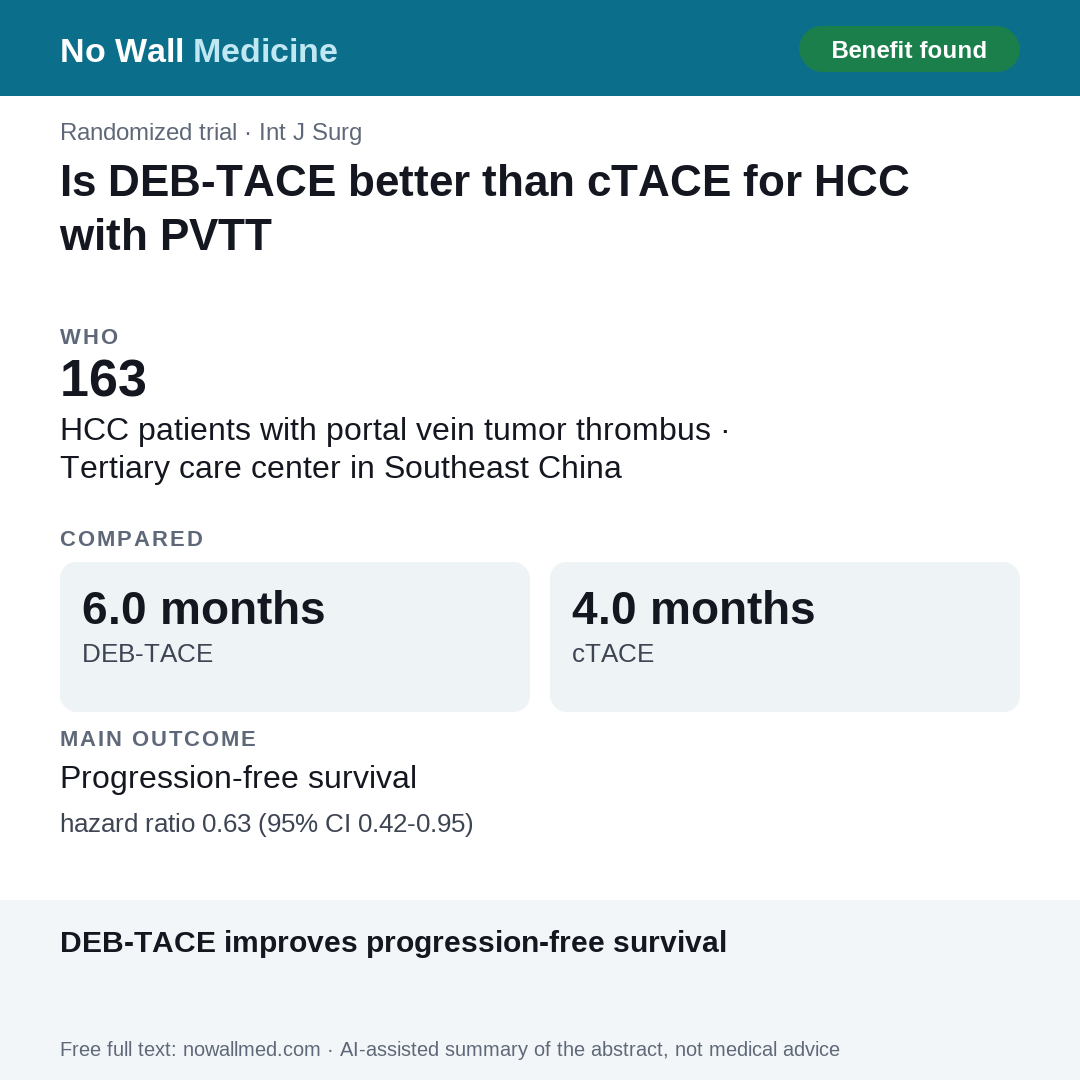
Comparison of drug-eluting bead with conventional transcatheter arterial chemoembolization for hepatocellular carcinoma with portal vein tumor thrombus: a randomized clinical trial
Randomized trialBenefit found
Is DEB-TACE better than cTACE for HCC with PVTT
Who
163
HCC patients with portal vein tumor thrombus · Tertiary care center in Southeast China
Compared
6.0 monthsDEB-TACE (95% CI, 5.0-10.0)
4.0 monthscTACE (95% CI, 3.0-5.0)
Main outcome
Progression-free survival
Result: hazard ratio 0.63 (95% CI 0.42-0.95)
Bottom line: DEB-TACE improves progression-free survival
Int J Surg · 2024-09-01Download image