Visual abstracts
New randomized trials and meta-analyses from leading journals at a glance: who was studied, what was compared, and what was found. Every paper is free to read in full.
All specialtiesCardiology 4877Oncology 4138Gastroenterology & Hepatology 1942Infectious Disease 3837Neurology 1905Psychiatry & Mental Health 2273Pulmonology 2143Critical Care 1365Endocrinology & Diabetes 2580Pediatrics 2980Surgery 2559Orthopedics & Sports Medicine 931Neurosurgery 537Cardiothoracic & Vascular Surgery 674Plastic & Reconstructive Surgery 591Nephrology 1133Rheumatology 823Hematology 1109Dermatology 621Ophthalmology 543Obstetrics & Gynecology 1686Public & Global Health 1058Radiology & Imaging 648Anesthesiology 986Urology 764ENT (Otolaryngology) 503Emergency Medicine 511Allergy & Immunology 313Geriatrics 981Family Medicine & Primary Care 562Medical Genetics & Genomics 676Pathology & Laboratory Medicine 159Physical Medicine & Rehabilitation 757Palliative Care 444Nutrition 1588Digital Health & AI 2201General Medicine 321
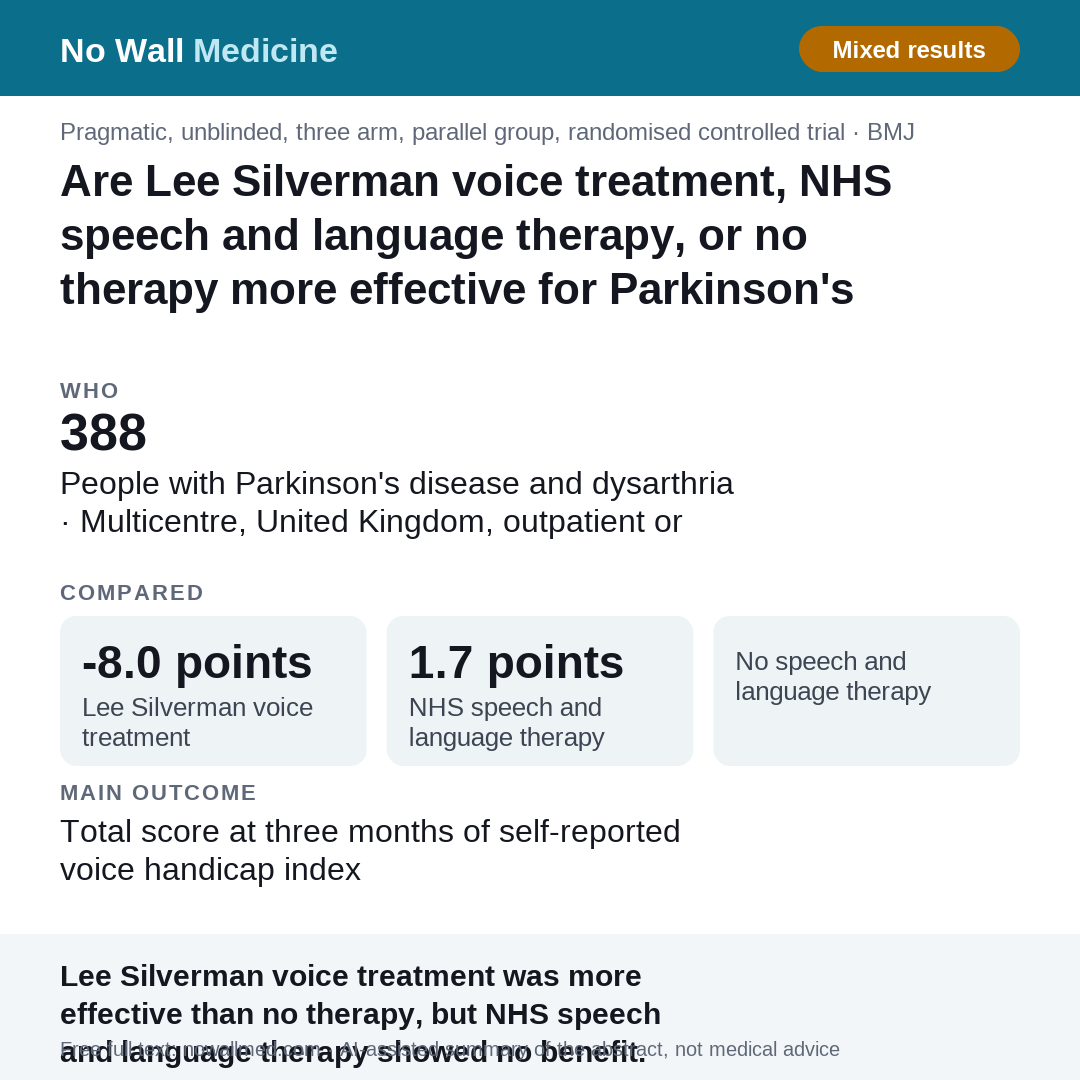
Lee Silverman voice treatment versus NHS speech and language therapy versus control for dysarthria in people with Parkinson's disease (PD COMM): pragmatic, UK based, multicentre, three arm, parallel group, unblinded, randomised controlled trial
Pragmatic, unblinded, three arm, parallel group, randomised controlled trialMixed results
Are Lee Silverman voice treatment, NHS speech and language therapy, or no therapy more effective for Parkinson's dysarthria?
Who
388
People with Parkinson's disease and dysarthria · Multicentre, United Kingdom, outpatient or home settings
Compared
-8.0 pointsLee Silverman voice treatment (99% confidence interval -13.3 to -2.6)
1.7 pointsNHS speech and language therapy (-3.8 to 7.1)
No speech and language therapy
Main outcome
Total score at three months of self-reported voice handicap index
Result: -8.0 points (99% confidence interval -13.3 to -2.6)
Bottom line: Lee Silverman voice treatment was more effective than no therapy, but NHS speech and language therapy showed no benefit.
BMJ · 2024-07-10Download image
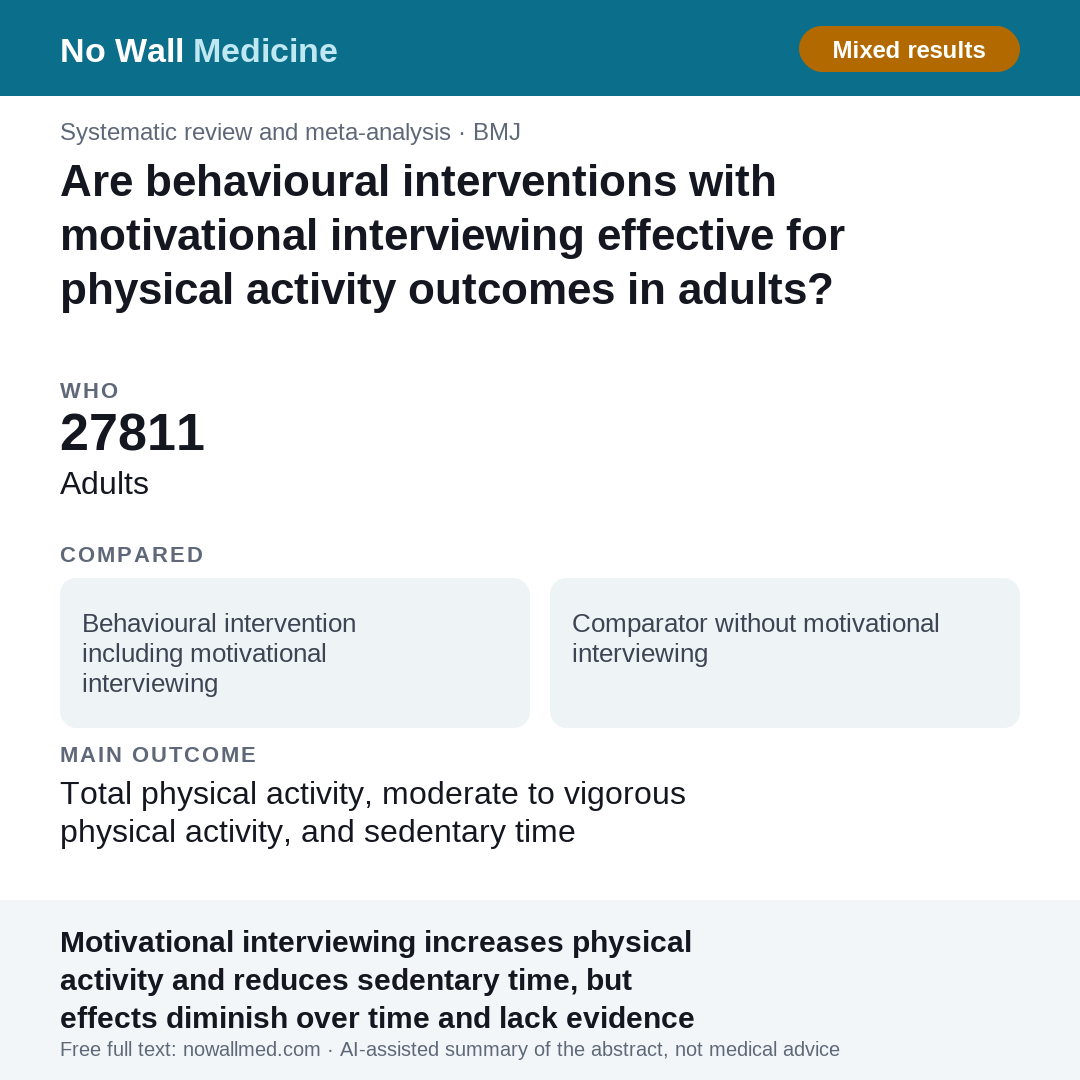
Effectiveness of behavioural interventions with motivational interviewing on physical activity outcomes in adults: systematic review and meta-analysis
Systematic review and meta-analysisMixed results
Are behavioural interventions with motivational interviewing effective for physical activity outcomes in adults?
Who
27811
Adults
Compared
Behavioural intervention including motivational interviewing
Comparator without motivational interviewing
Main outcome
Total physical activity, moderate to vigorous physical activity, and sedentary time
Result: SMD 0.45 (95% CI 0.33 to 0.65) for total physical activity
Bottom line: Motivational interviewing increases physical activity and reduces sedentary time, but effects diminish over time and lack evidence beyond one year.
Limitation: Effectiveness waned over time and evidence of benefit beyond one year was lacking.
BMJ · 2024-07-10Download image
COVID-19 among migrants, refugees, and internally displaced persons: systematic review, meta-analysis and qualitative synthesis of the global empirical literature
Systematic review and random-effects meta-analysisHarm found
What are the COVID-19 risks and outcomes for migrants compared to non-migrants?
Who
53
Migrants, refugees, asylum-seekers, and internally displaced persons · Global, mainly from high income countries
Compared
Migrants: elevated risk of infection
Non-migrants
Main outcome
COVID-19 infection, hospitalisation, ICU admission, and mortality
Result: relative risk 1.84 (95%-CI: 1.44-2.35) for infection
Bottom line: Migrants face higher infection risks and disproportionately suffer from COVID-19 consequences, including deaths.
Limitation: The lack of migration variables makes it difficult to close coverage gaps.
eClinicalMedicine · 2024-07-10Download image

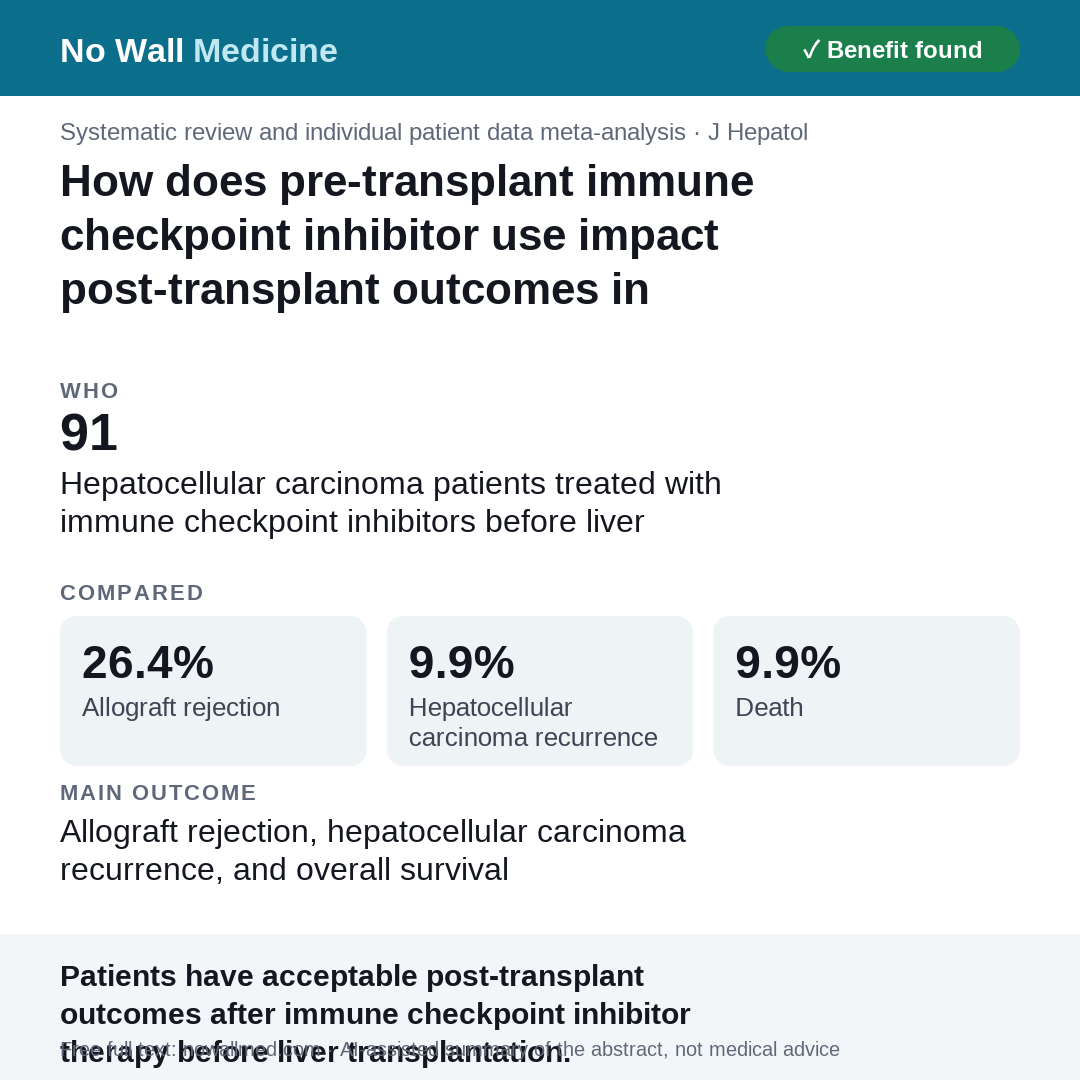
Impact of pre-transplant immune checkpoint inhibitor use on post-transplant outcomes in HCC: A systematic review and individual patient data meta-analysis
Systematic review and individual patient data meta-analysisBenefit found
How does pre-transplant immune checkpoint inhibitor use impact post-transplant outcomes in hepatocellular carcinoma?
Who
91
Hepatocellular carcinoma patients treated with immune checkpoint inhibitors before liver transplantation
Compared
26.4%Allograft rejection
9.9%Hepatocellular carcinoma recurrence
9.9%Death
Main outcome
Allograft rejection, hepatocellular carcinoma recurrence, and overall survival
Bottom line: Patients have acceptable post-transplant outcomes after immune checkpoint inhibitor therapy before liver transplantation.
Limitation: Large prospective studies are necessary to confirm these associations.
J Hepatol · 2024-07-10Download image
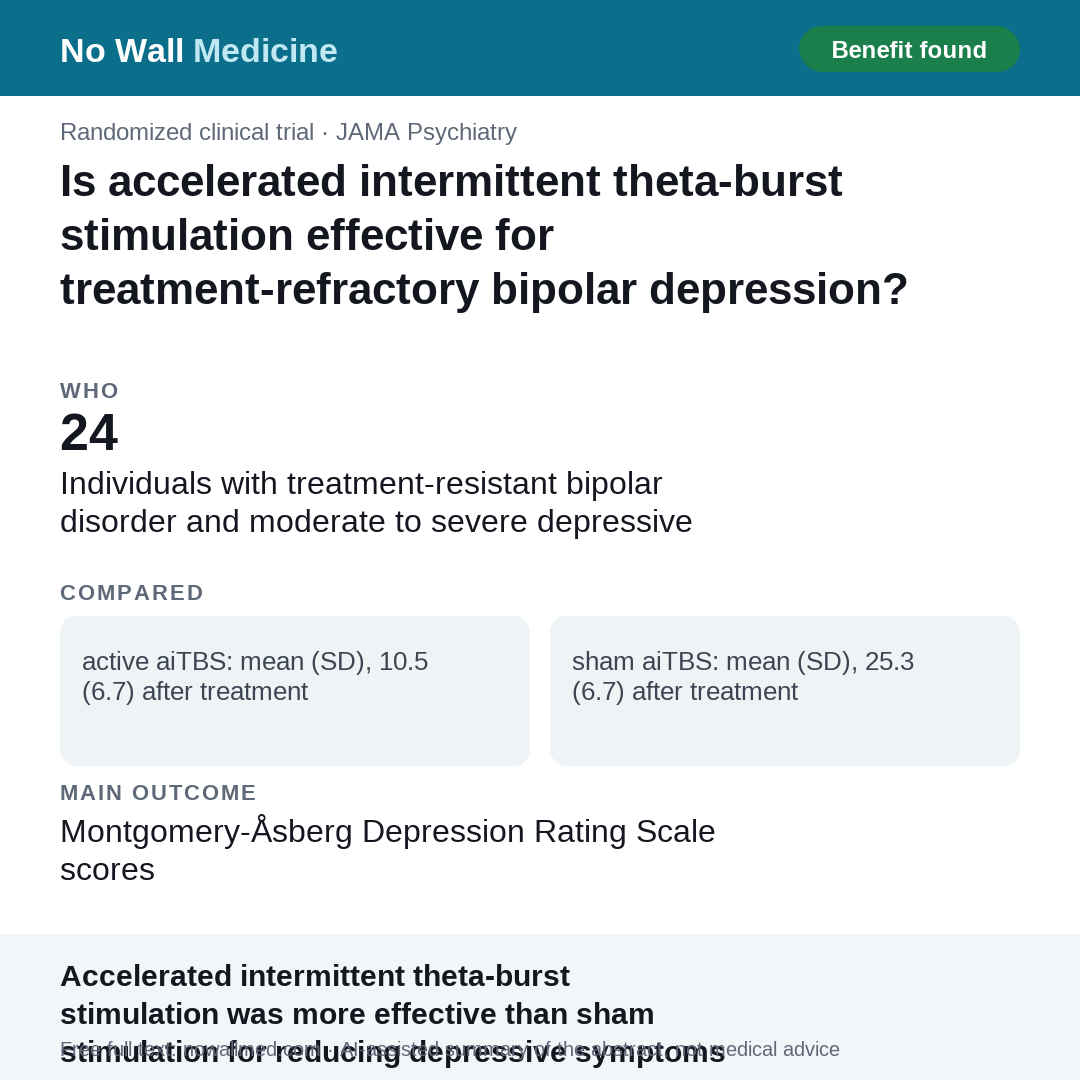
Accelerated Intermittent Theta-Burst Stimulation and Treatment-Refractory Bipolar Depression: A Randomized Clinical Trial
Randomized clinical trialBenefit found
Is accelerated intermittent theta-burst stimulation effective for treatment-refractory bipolar depression?
Who
24
Individuals with treatment-resistant bipolar disorder and moderate to severe depressive episodes · Penn Bipolar outpatient clinic
Compared
active aiTBS: mean (SD), 10.5 (6.7) after treatment
sham aiTBS: mean (SD), 25.3 (6.7) after treatment
Main outcome
Montgomery-Åsberg Depression Rating Scale scores
Result: estimated difference, -14.75 (95% CI, -19.73 to -9.77)
Bottom line: Accelerated intermittent theta-burst stimulation was more effective than sham stimulation for reducing depressive symptoms in treatment-resistant bipolar depression.
JAMA Psychiatry · 2024-07-10Download image
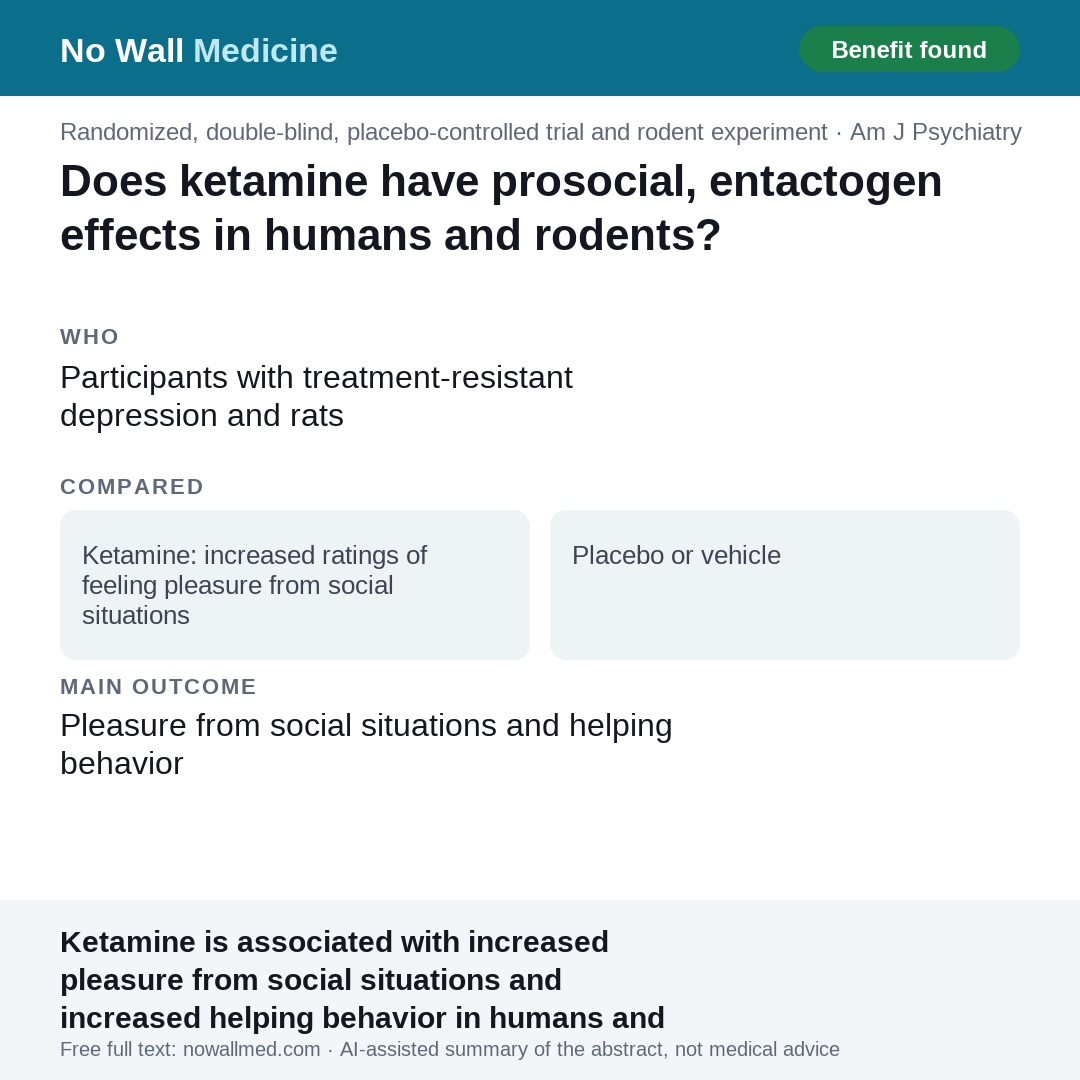
Entactogen Effects of Ketamine: A Reverse-Translational Study
Randomized, double-blind, placebo-controlled trial and rodent experimentBenefit found
Does ketamine have prosocial, entactogen effects in humans and rodents?
Who
Participants with treatment-resistant depression and rats
Compared
Ketamine: increased ratings of feeling pleasure from social situations
Placebo or vehicle
Main outcome
Pleasure from social situations and helping behavior
Bottom line: Ketamine is associated with increased pleasure from social situations and increased helping behavior in humans and rats.
Am J Psychiatry · 2024-07-10Download image
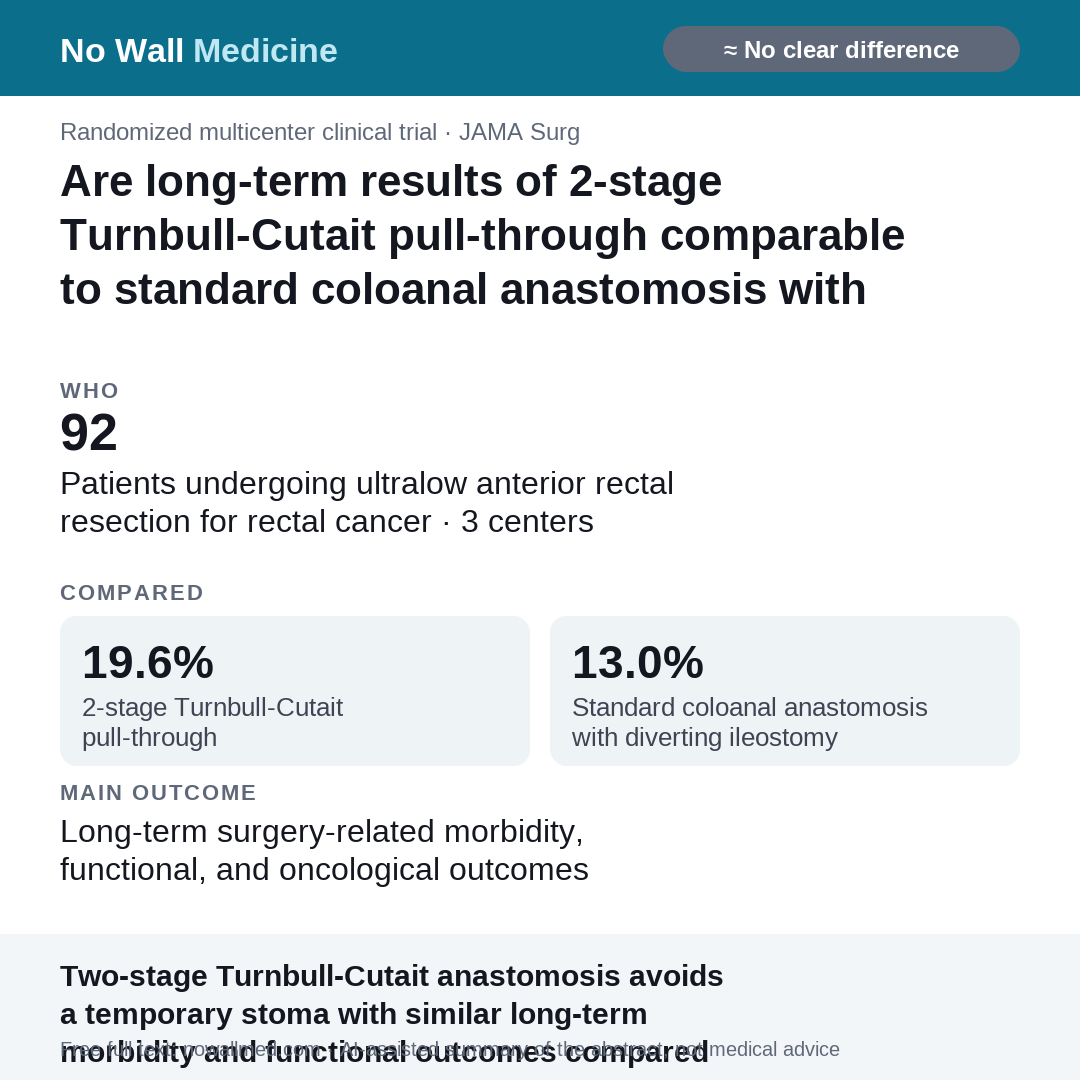
Long-Term Results of 2-Stage Turnbull-Cutait Pull-Through Coloanal Anastomosis for Low Rectal Cancer: A Randomized Clinical Trial
Randomized multicenter clinical trialNo clear difference
Are long-term results of 2-stage Turnbull-Cutait pull-through comparable to standard coloanal anastomosis with diverting ileostomy?
Who
92
Patients undergoing ultralow anterior rectal resection for rectal cancer · 3 centers
Compared
19.6%2-stage Turnbull-Cutait pull-through
13.0%Standard coloanal anastomosis with diverting ileostomy
Main outcome
Long-term surgery-related morbidity, functional, and oncological outcomes
Result: difference of 6.52 (95% CI, -8.93 to 21.79)
Bottom line: Two-stage Turnbull-Cutait anastomosis avoids a temporary stoma with similar long-term morbidity and functional outcomes compared to standard anastomosis.
JAMA Surg · 2024-07-10Download image
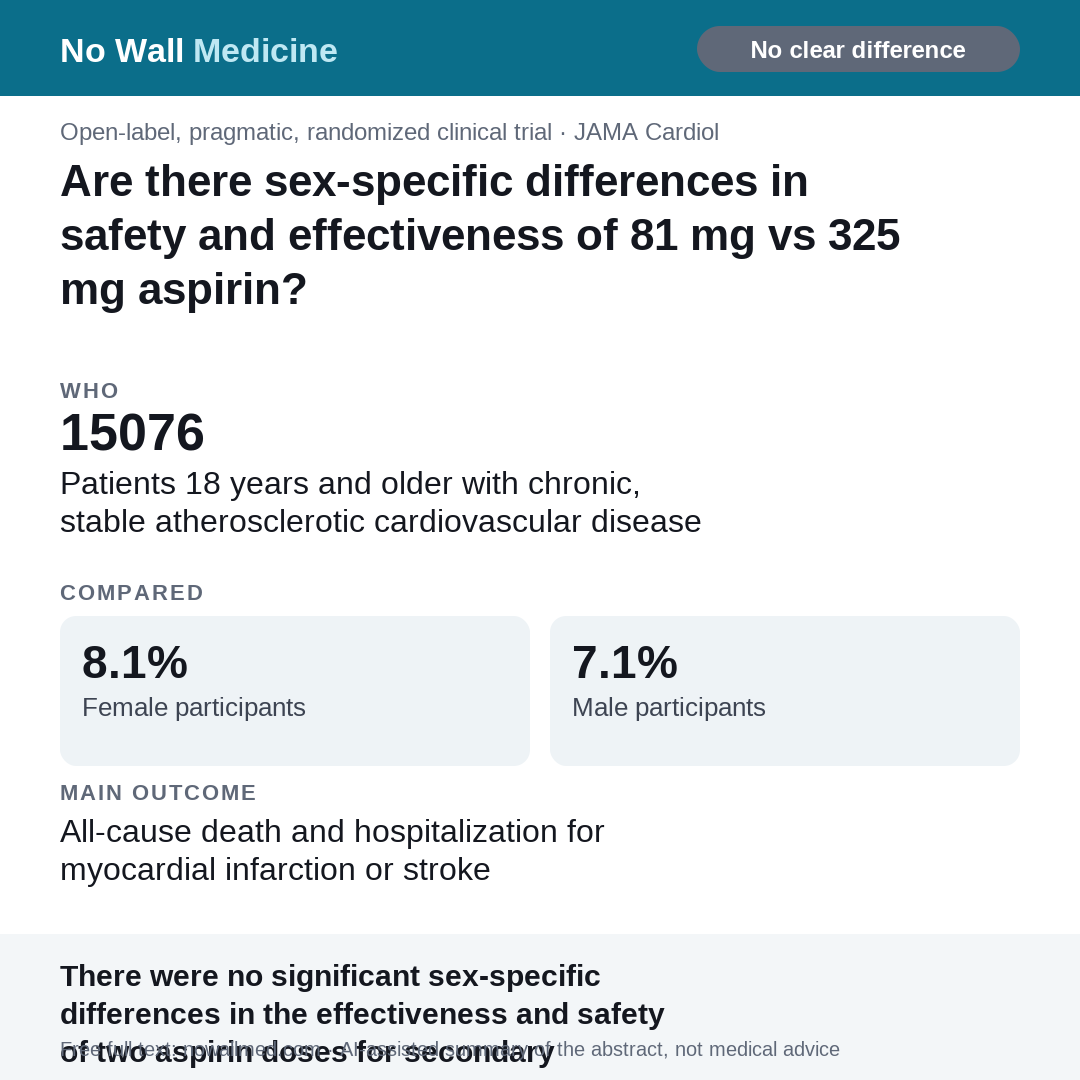
Aspirin Dosing for Secondary Prevention of Atherosclerotic Cardiovascular Disease in Male and Female Patients: A Secondary Analysis of the ADAPTABLE Randomized Clinical Trial
Open-label, pragmatic, randomized clinical trialNo clear difference
Are there sex-specific differences in safety and effectiveness of 81 mg vs 325 mg aspirin?
Who
15076
Patients 18 years and older with chronic, stable atherosclerotic cardiovascular disease · 40 medical centers and 1 health plan
Compared
8.1%Female participants
7.1%Male participants
Main outcome
All-cause death and hospitalization for myocardial infarction or stroke
Result: female adjusted hazard ratio 1.01 (95% CI 0.82-1.26); male adjusted hazard ratio 1.06 (95% CI 0.91-1.23)
Bottom line: There were no significant sex-specific differences in the effectiveness and safety of two aspirin doses for secondary prevention.
JAMA Cardiol · 2024-07-10Download image
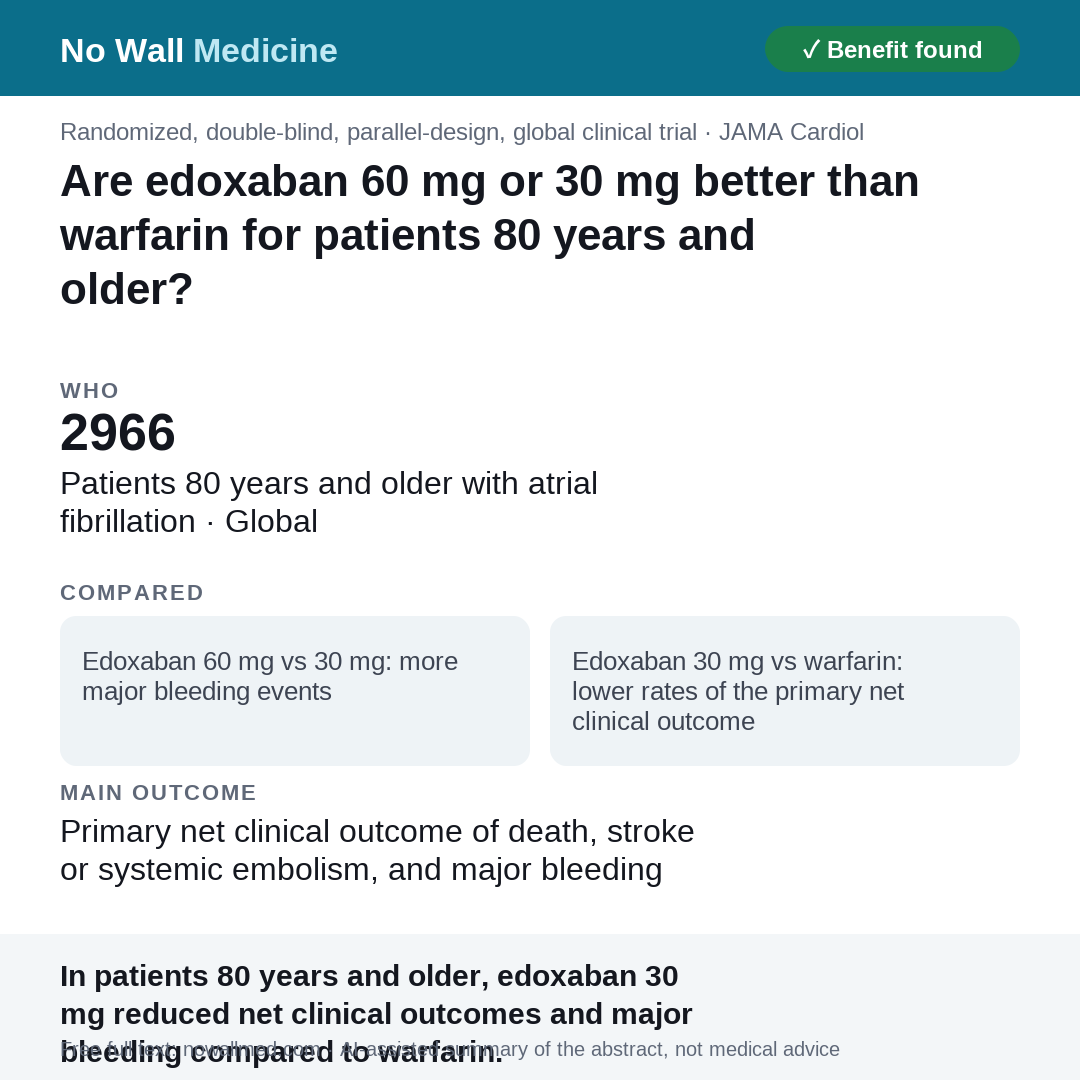
Dose Reduction of Edoxaban in Patients 80 Years and Older With Atrial Fibrillation: Post Hoc Analysis of the ENGAGE AF-TIMI 48 Randomized Clinical Trial
Randomized, double-blind, parallel-design, global clinical trialBenefit found
Are edoxaban 60 mg or 30 mg better than warfarin for patients 80 years and older?
Who
2966
Patients 80 years and older with atrial fibrillation · Global
Compared
Edoxaban 60 mg vs 30 mg: more major bleeding events
Edoxaban 30 mg vs warfarin: lower rates of the primary net clinical outcome
Main outcome
Primary net clinical outcome of death, stroke or systemic embolism, and major bleeding
Result: HR 0.78 (95% CI 0.68 to 0.91) for net clinical outcome
Bottom line: In patients 80 years and older, edoxaban 30 mg reduced net clinical outcomes and major bleeding compared to warfarin.
Limitation: This was a post hoc analysis of the ENGAGE AF-TIMI 48 trial
JAMA Cardiol · 2024-07-10Download image
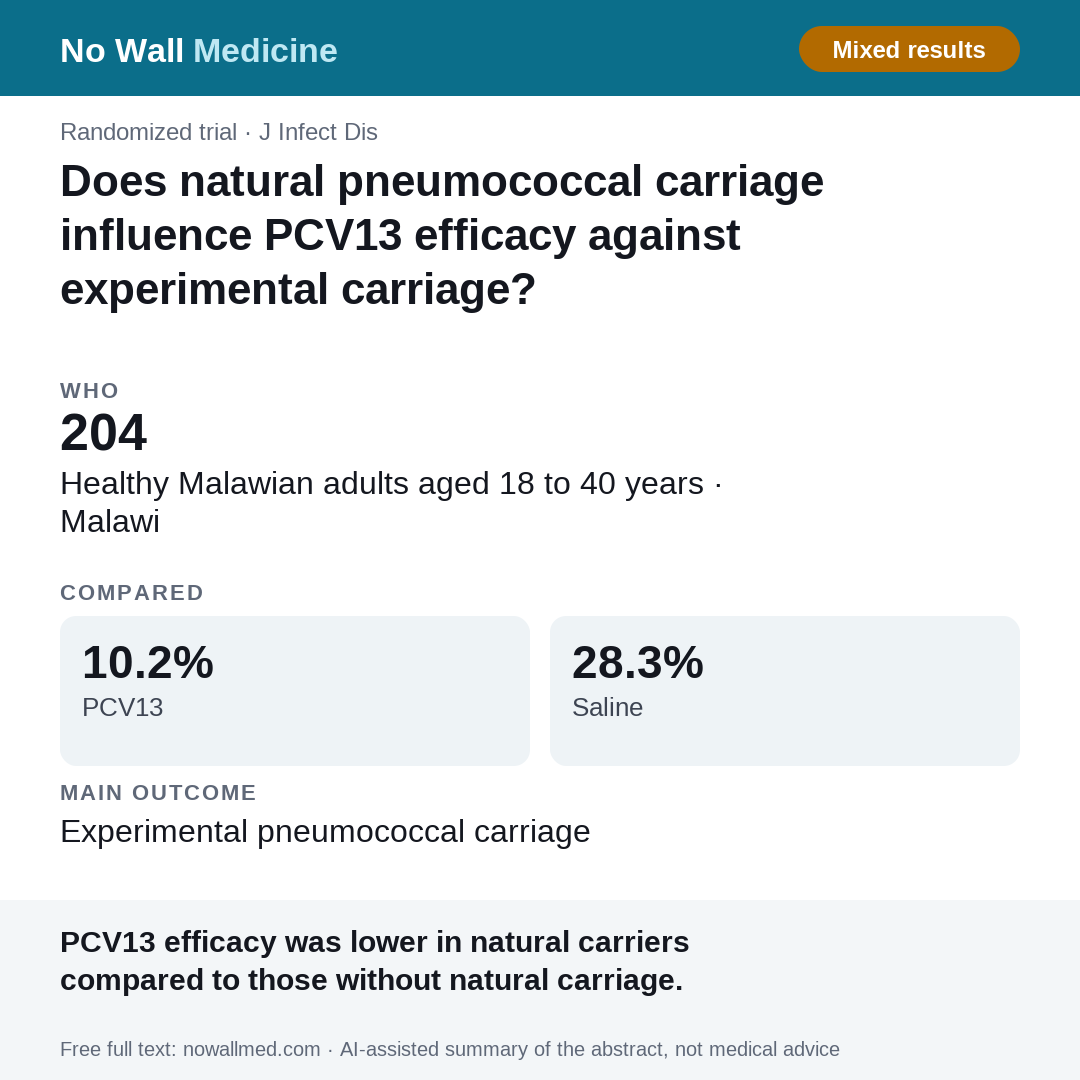
Natural Carriage of Streptococcus pneumoniae Is Associated With Increased Experimental Pneumococcal Carriage but Reduced Conjugate Vaccine Efficacy in a Human Challenge Model
Randomized trialMixed results
Does natural pneumococcal carriage influence PCV13 efficacy against experimental carriage?
Who
204
Healthy Malawian adults aged 18 to 40 years · Malawi
Compared
10.2%PCV13 (n = 10/98)
28.3%Saline (30/106)
Main outcome
Experimental pneumococcal carriage
Result: vaccine effectiveness 62%
Bottom line: PCV13 efficacy was lower in natural carriers compared to those without natural carriage.
J Infect Dis · 2024-07-10Download image
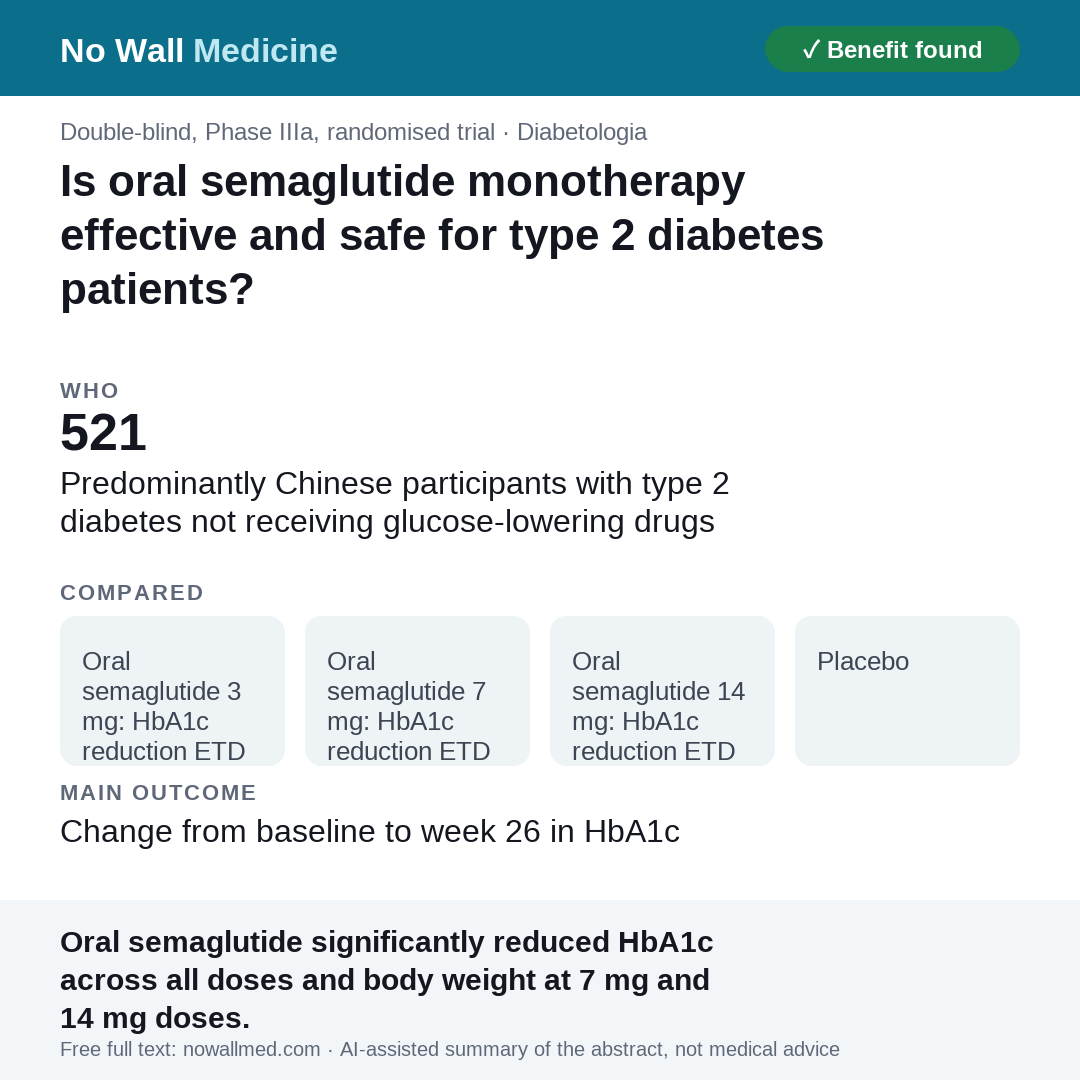
Efficacy and safety of oral semaglutide monotherapy vs placebo in a predominantly Chinese population with type 2 diabetes (PIONEER 11): a double-blind, Phase IIIa, randomised trial
Double-blind, Phase IIIa, randomised trialBenefit found
Is oral semaglutide monotherapy effective and safe for type 2 diabetes patients?
Who
521
Predominantly Chinese participants with type 2 diabetes not receiving glucose-lowering drugs · 52 sites in China, Hungary, Serbia and Ukraine
Compared
Oral semaglutide 3 mg: HbA1c reduction ETD -11 (-13, -9) mmol/mol
Oral semaglutide 7 mg: HbA1c reduction ETD -16 (-18, -13) mmol/mol
Oral semaglutide 14 mg: HbA1c reduction ETD -17 (-19, -15) mmol/mol
Placebo
Main outcome
Change from baseline to week 26 in HbA1c
Result: ETD -11 (-13, -9) mmol/mol for 3 mg, -16 (-18, -13) mmol/mol for 7 mg, and -17 (-19, -15) mmol/mol for 14 mg
Bottom line: Oral semaglutide significantly reduced HbA1c across all doses and body weight at 7 mg and 14 mg doses.
Funded by: Novo Nordisk A/S
Diabetologia · 2024-07-10Download image
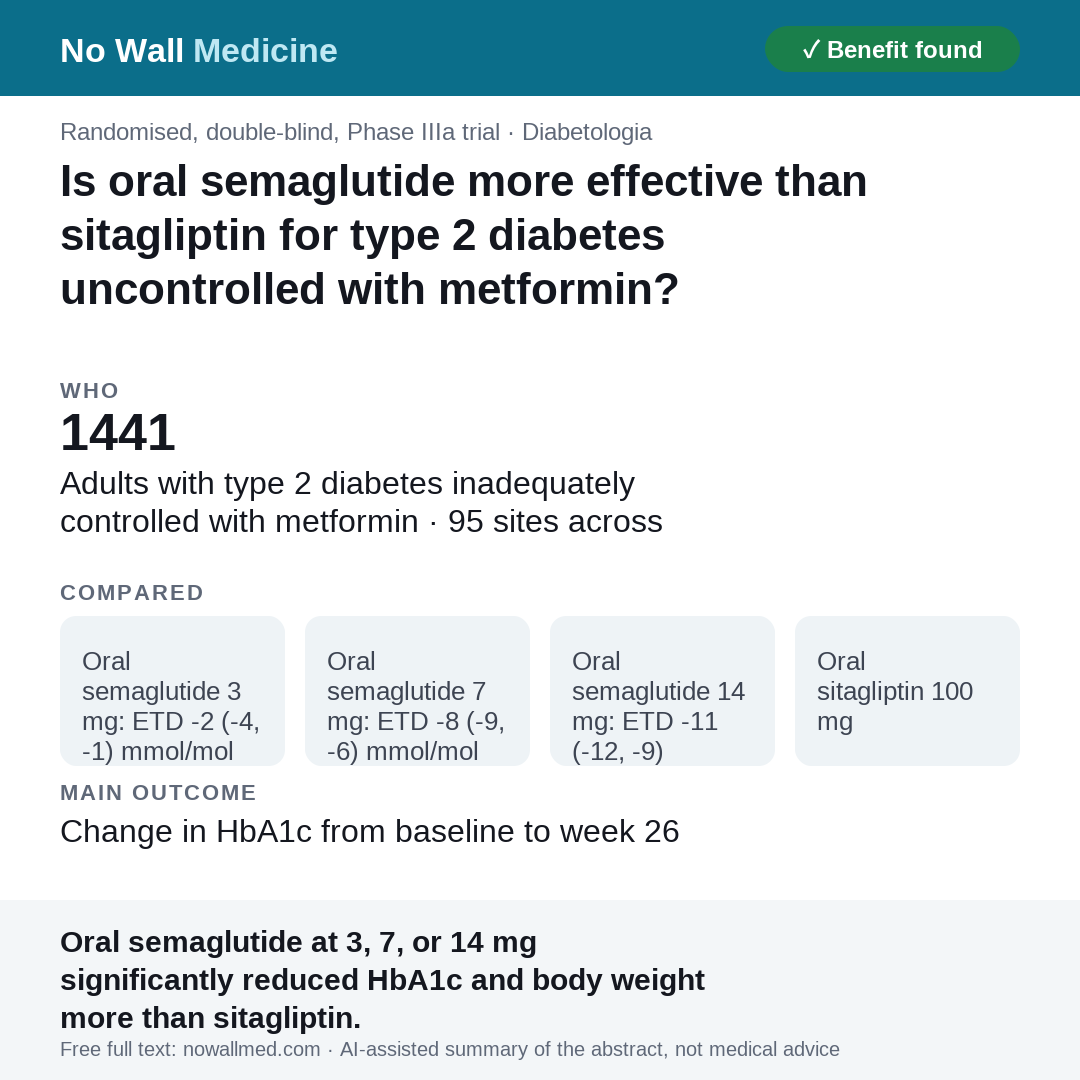
Efficacy and safety of oral semaglutide vs sitagliptin in a predominantly Chinese population with type 2 diabetes uncontrolled with metformin: PIONEER 12, a double-blind, Phase IIIa, randomised trial
Randomised, double-blind, Phase IIIa trialBenefit found
Is oral semaglutide more effective than sitagliptin for type 2 diabetes uncontrolled with metformin?
Who
1441
Adults with type 2 diabetes inadequately controlled with metformin · 95 sites across China region and five other countries
Compared
Oral semaglutide 3 mg: ETD -2 (-4, -1) mmol/mol
Oral semaglutide 7 mg: ETD -8 (-9, -6) mmol/mol
Oral semaglutide 14 mg: ETD -11 (-12, -9) mmol/mol
Oral sitagliptin 100 mg
Main outcome
Change in HbA1c from baseline to week 26
Result: ETD -2 (-4, -1) mmol/mol for 3 mg dose
Bottom line: Oral semaglutide at 3, 7, or 14 mg significantly reduced HbA1c and body weight more than sitagliptin.
Funded by: Novo Nordisk A/S
Diabetologia · 2024-07-10Download image
Nonclinical and clinical characterization of MAU868, a novel human-derived monoclonal neutralizing antibody targeting BK polyomavirus VP1
Randomized, placebo-controlled, double-blinded trialBenefit found
What are the safety, tolerability, and pharmacokinetics of MAU868 in healthy adults?
Who
Healthy adults
Compared
MAU868
Placebo
Main outcome
Safety, tolerability, and pharmacokinetics
Bottom line: MAU868 was safe, well-tolerated, and showed dose-proportional systemic exposure in healthy adults.
Am J Transplant · 2024-07-10Download image

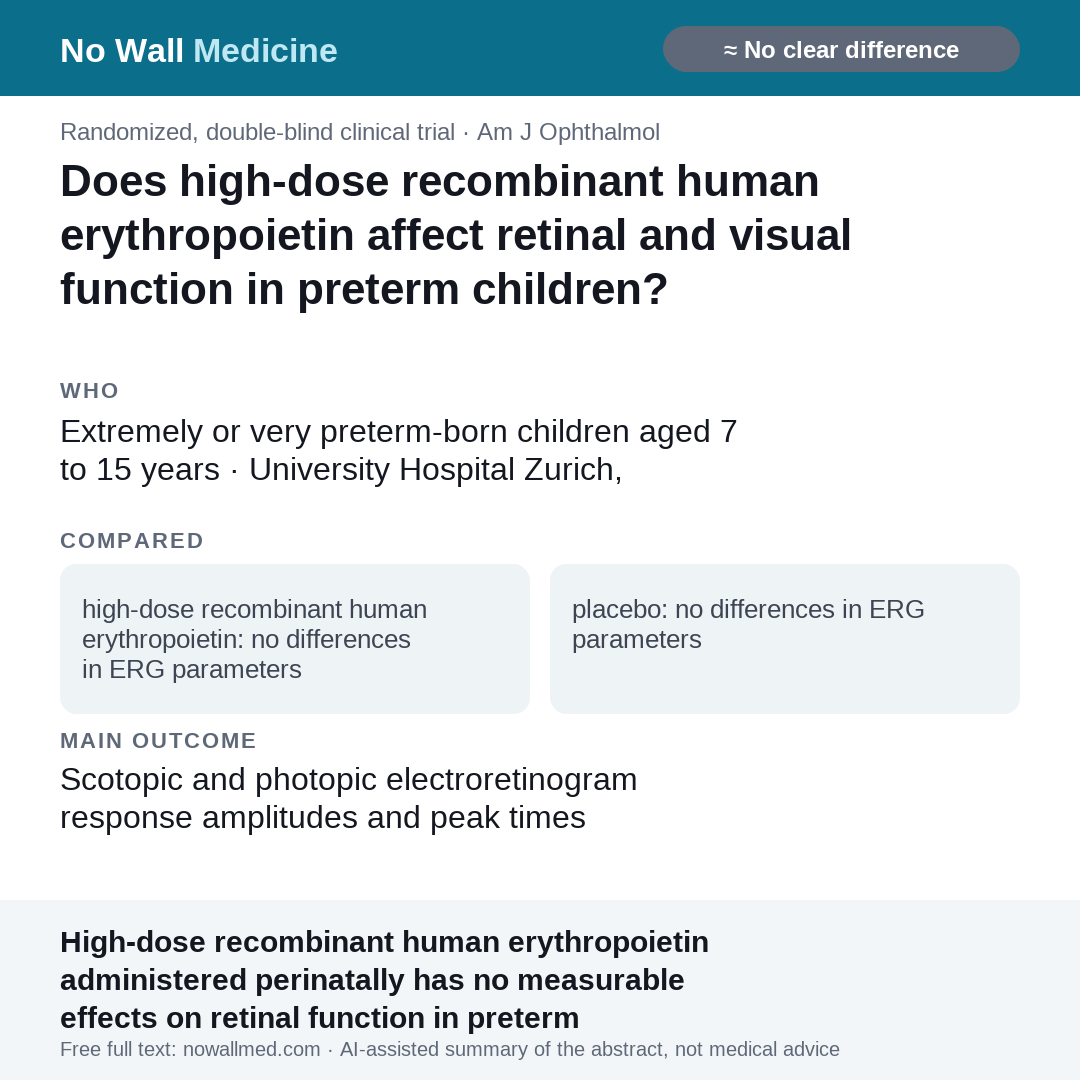
The Effect of High-Dose Erythropoietin Perinatally on Retinal Function in School-Aged Children Born Extremely or Very Preterm
Randomized, double-blind clinical trialNo clear difference
Does high-dose recombinant human erythropoietin affect retinal and visual function in preterm children?
Who
Extremely or very preterm-born children aged 7 to 15 years · University Hospital Zurich, Switzerland
Compared
high-dose recombinant human erythropoietin: no differences in ERG parameters
placebo: no differences in ERG parameters
Main outcome
Scotopic and photopic electroretinogram response amplitudes and peak times
Bottom line: High-dose recombinant human erythropoietin administered perinatally has no measurable effects on retinal function in preterm children.
Am J Ophthalmol · 2024-07-10Download image
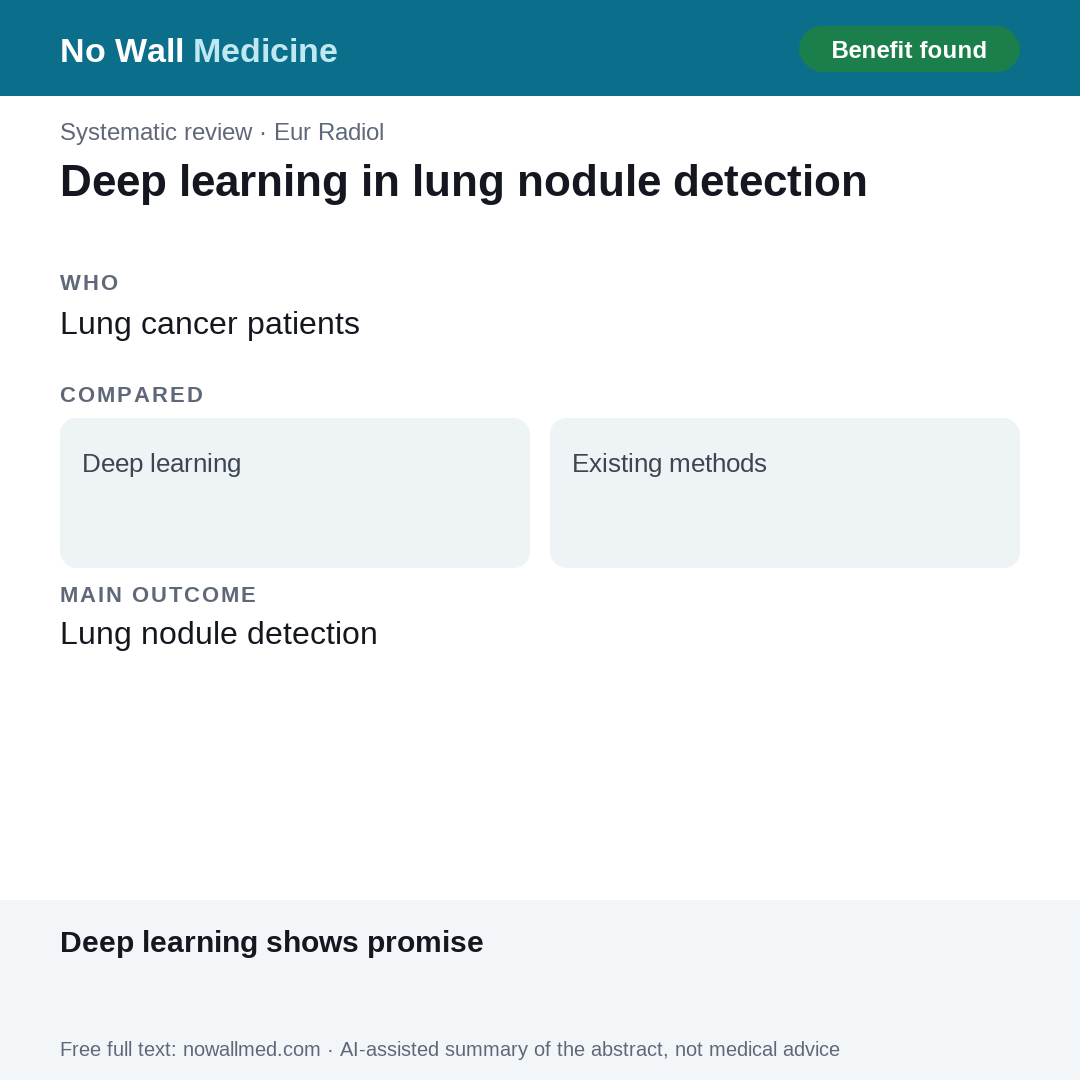
Deep learning in pulmonary nodule detection and segmentation: a systematic review
Systematic reviewBenefit found
Deep learning in lung nodule detection
Who
Lung cancer patients
Compared
Deep learning
Existing methods
Main outcome
Lung nodule detection
Bottom line: Deep learning shows promise
Limitation: Methodological gaps and biases
Eur Radiol · 2024-07-10Download image
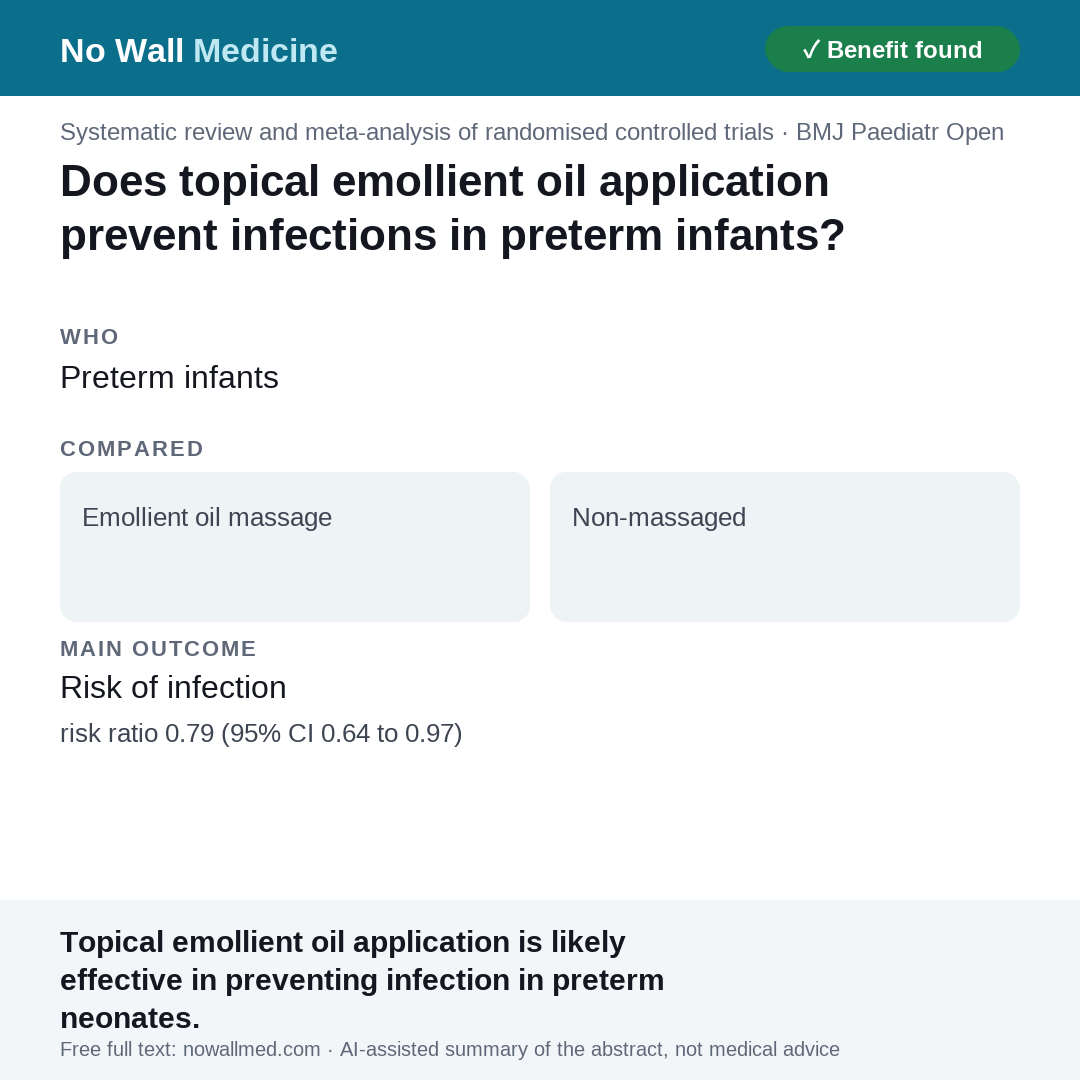
Infection in preterm infants receiving topical emollient oil massage: a systematic review and meta-analysis of randomised control trials
Systematic review and meta-analysis of randomised controlled trialsBenefit found
Does topical emollient oil application prevent infections in preterm infants?
Who
Preterm infants
Compared
Emollient oil massage
Non-massaged
Main outcome
Risk of infection
Result: risk ratio 0.79 (95% CI 0.64 to 0.97)
Bottom line: Topical emollient oil application is likely effective in preventing infection in preterm neonates.
Limitation: Further studies, particularly from the African continent, are warranted to support universal recommendations.
BMJ Paediatr Open · 2024-07-10Download image
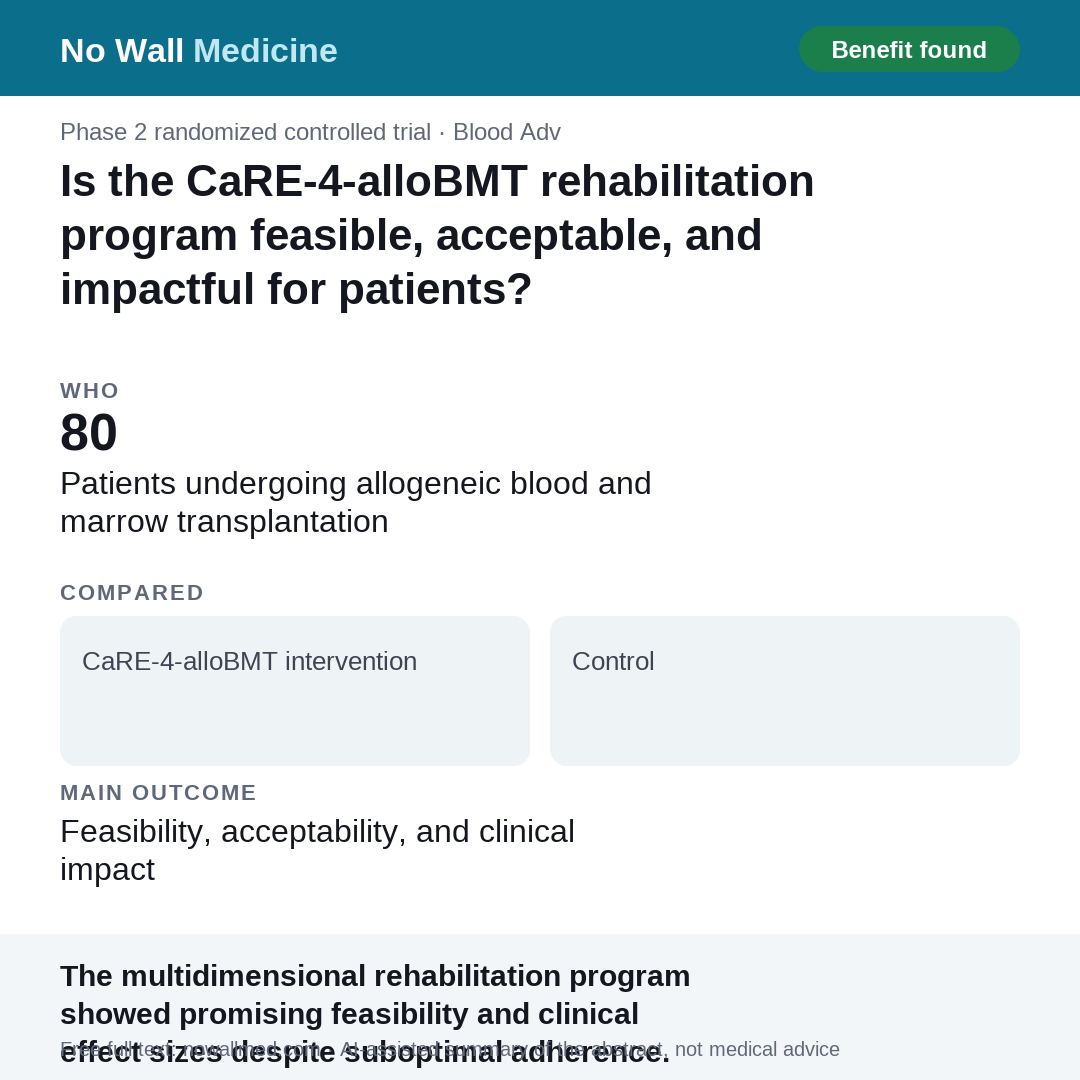
A phase 2 study of a longitudinal multidimensional rehabilitation program for allogeneic blood and marrow transplantation patients
Phase 2 randomized controlled trialBenefit found
Is the CaRE-4-alloBMT rehabilitation program feasible, acceptable, and impactful for patients?
Who
80
Patients undergoing allogeneic blood and marrow transplantation
Compared
CaRE-4-alloBMT intervention
Control
Main outcome
Feasibility, acceptability, and clinical impact
Result: 0.70 (95% CI 0.20-1.21; 30-second sit-to-stand test)
Bottom line: The multidimensional rehabilitation program showed promising feasibility and clinical effect sizes despite suboptimal adherence.
Limitation: Findings are limited by missing data owing to attrition.
Blood Adv · 2024-07-10Download image
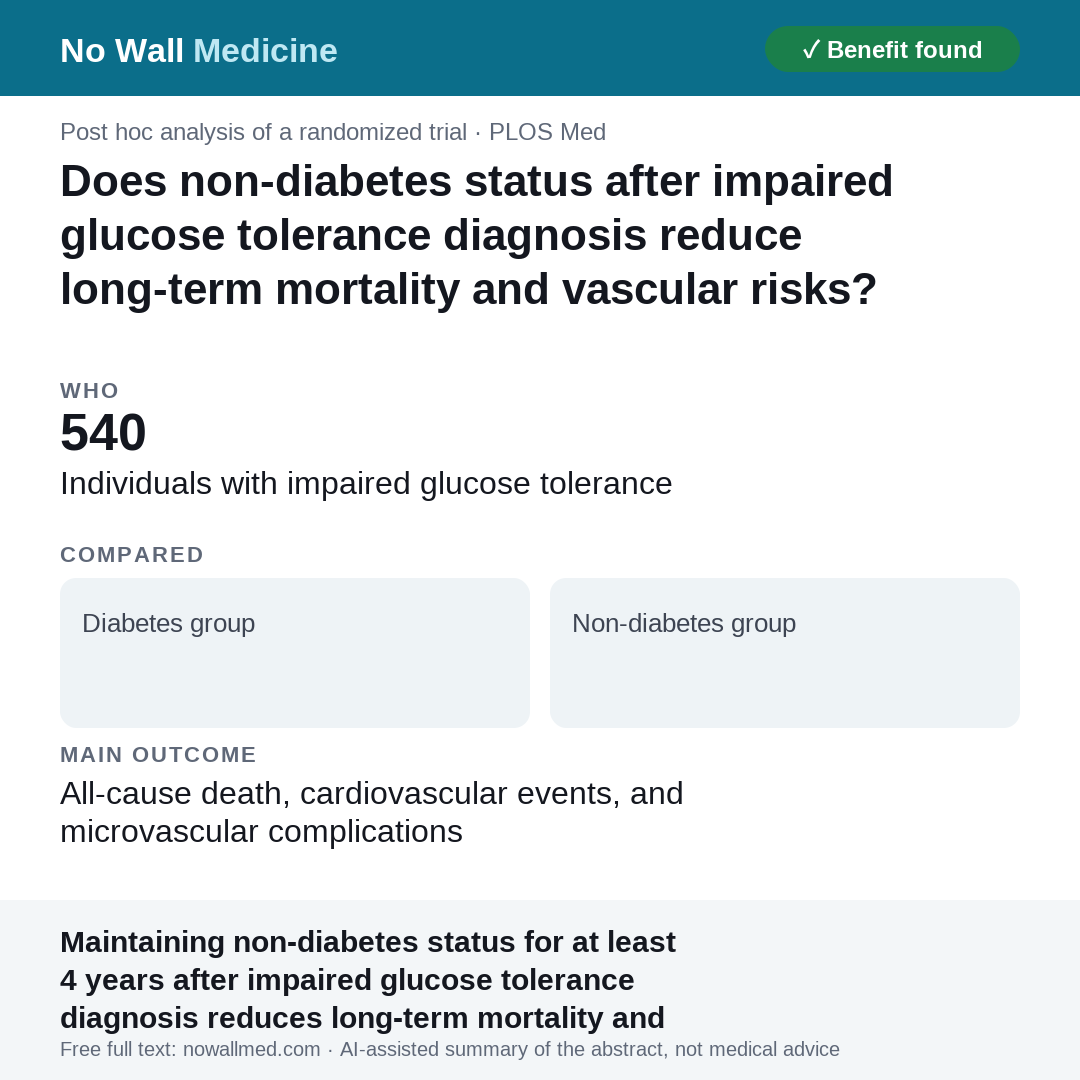
Non-diabetes status after diagnosis of impaired glucose tolerance and risk of long-term death and vascular complications: A post hoc analysis of the Da Qing Diabetes Prevention Outcome Study
Post hoc analysis of a randomized trialBenefit found
Does non-diabetes status after impaired glucose tolerance diagnosis reduce long-term mortality and vascular risks?
Who
540
Individuals with impaired glucose tolerance
Compared
Diabetes group
Non-diabetes group
Main outcome
All-cause death, cardiovascular events, and microvascular complications
Result: hazard ratio 0.74 (95% CI 0.57 to 0.97)
Bottom line: Maintaining non-diabetes status for at least 4 years after impaired glucose tolerance diagnosis reduces long-term mortality and vascular risks.
Limitation: Limited number of participants and the sole ethnicity of the Chinese population.
PLOS Med · 2024-07-09Download image
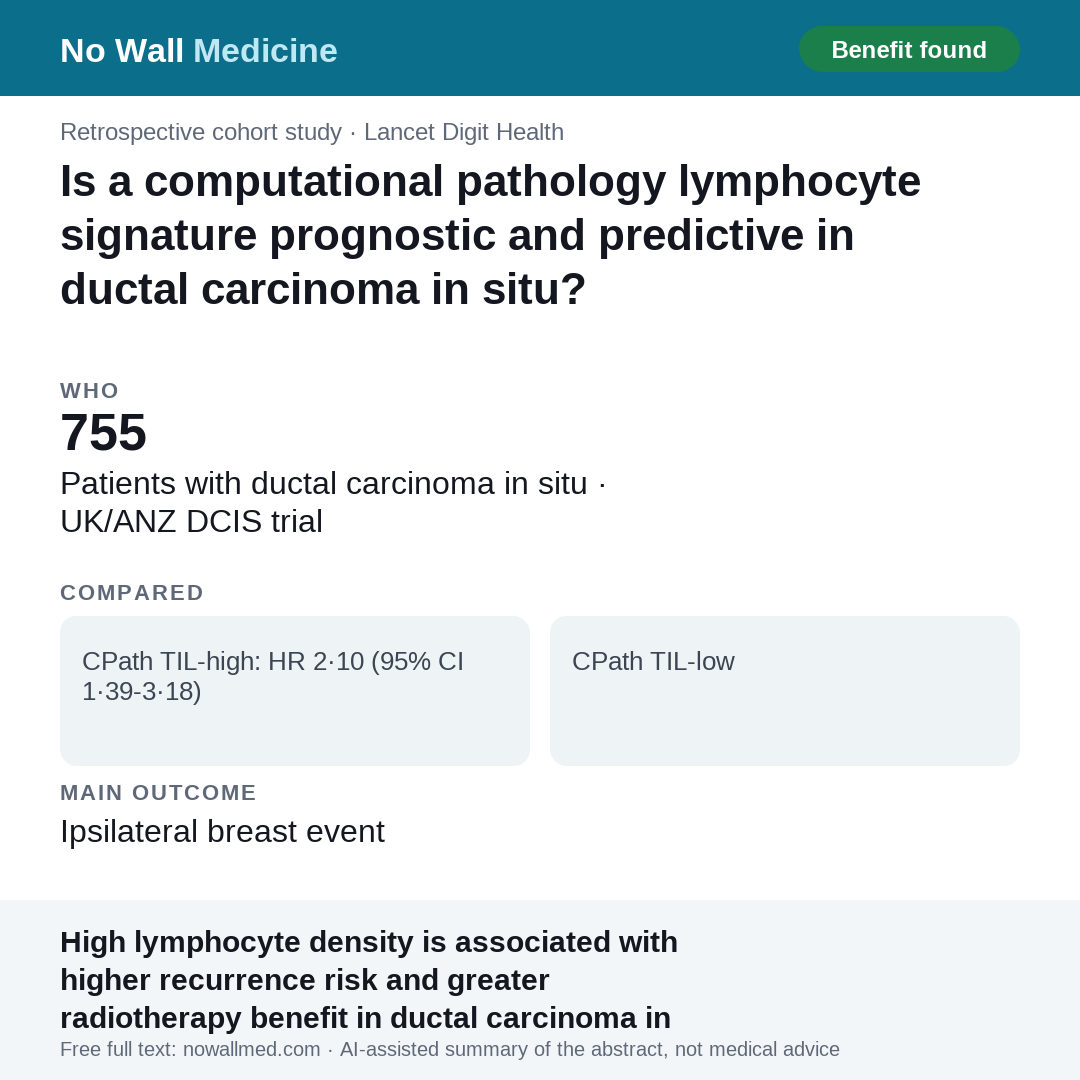
A prognostic and predictive computational pathology immune signature for ductal carcinoma in situ: retrospective results from a cohort within the UK/ANZ DCIS trial
Retrospective cohort studyBenefit found
Is a computational pathology lymphocyte signature prognostic and predictive in ductal carcinoma in situ?
Who
755
Patients with ductal carcinoma in situ · UK/ANZ DCIS trial
Compared
CPath TIL-high: HR 2·10 (95% CI 1·39-3·18)
CPath TIL-low
Main outcome
Ipsilateral breast event
Result: hazard ratio 2·10 (95% CI 1·39-3·18)
Bottom line: High lymphocyte density is associated with higher recurrence risk and greater radiotherapy benefit in ductal carcinoma in situ.
Funded by: National Cancer Institute, Cancer Research UK, and Breast Cancer Research Foundation
Lancet Digit Health · 2024-07-09Download image
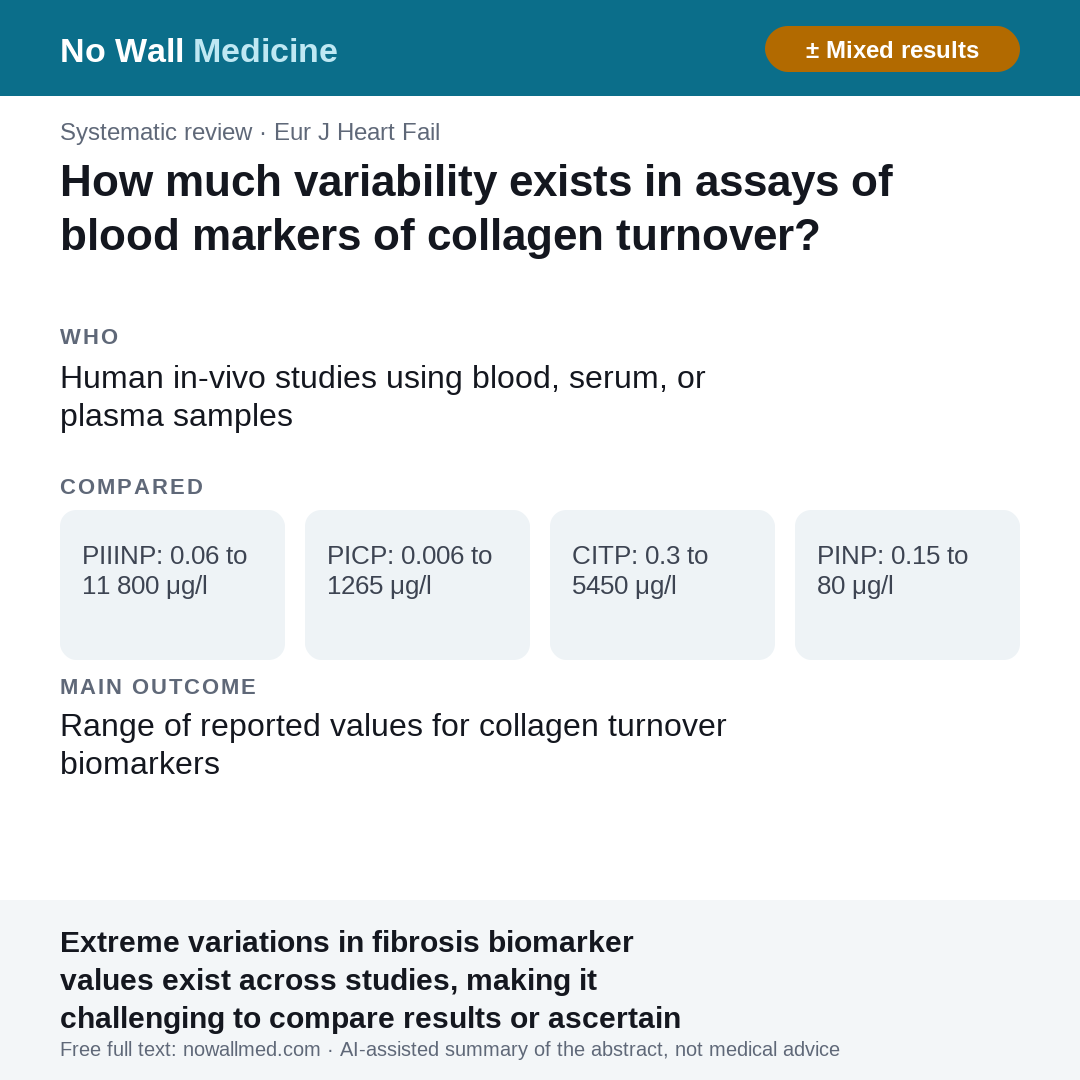
High variability in assays of blood markers of collagen turnover in cardiovascular disease: Implications for research and clinical practice
Systematic reviewMixed results
How much variability exists in assays of blood markers of collagen turnover?
Who
89
Human in-vivo studies using blood, serum, or plasma samples
Compared
PIIINP: 0.06 to 11 800 μg/l
PICP: 0.006 to 1265 μg/l
CITP: 0.3 to 5450 μg/l
PINP: 0.15 to 80 μg/l
Main outcome
Range of reported values for collagen turnover biomarkers
Bottom line: Extreme variations in fibrosis biomarker values exist across studies, making it challenging to compare results or ascertain normal ranges.
Eur J Heart Fail · 2024-07-09Download image