Visual abstracts
New randomized trials and meta-analyses from leading journals at a glance: who was studied, what was compared, and what was found. Every paper is free to read in full.
All specialtiesCardiology 1417Oncology 1252Gastroenterology & Hepatology 515Infectious Disease 914Neurology 583Psychiatry & Mental Health 706Pulmonology 613Critical Care 414Endocrinology & Diabetes 777Pediatrics 842Surgery 677Orthopedics & Sports Medicine 269Neurosurgery 189Cardiothoracic & Vascular Surgery 158Plastic & Reconstructive Surgery 226Nephrology 301Rheumatology 189Hematology 297Dermatology 150Ophthalmology 159Obstetrics & Gynecology 449Public & Global Health 273Radiology & Imaging 179Anesthesiology 276Urology 265ENT (Otolaryngology) 193Emergency Medicine 157Allergy & Immunology 92Geriatrics 296Family Medicine & Primary Care 175Medical Genetics & Genomics 151Pathology & Laboratory Medicine 43Physical Medicine & Rehabilitation 248Palliative Care 127Nutrition 372Digital Health & AI 742General Medicine 123
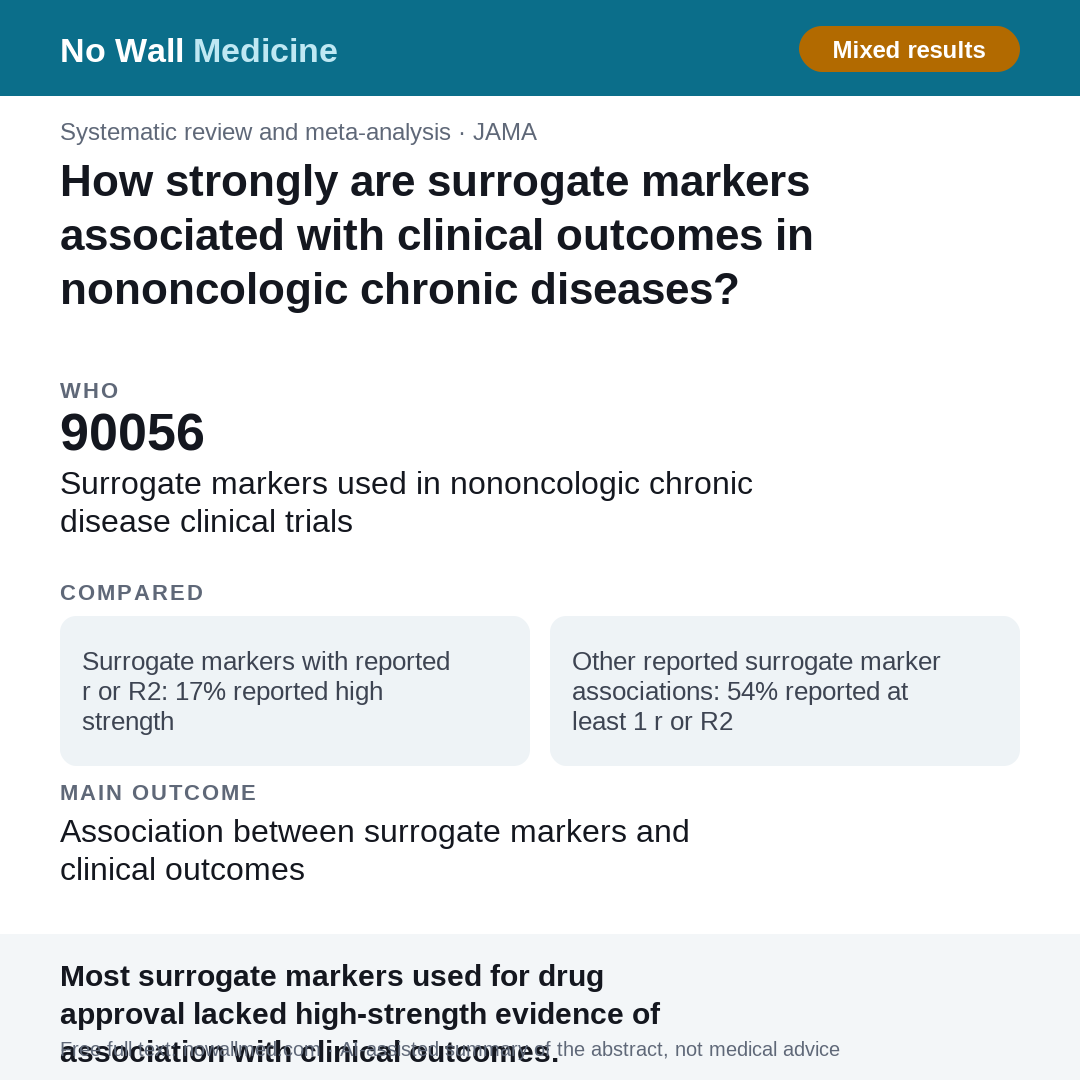
Associations Between Surrogate Markers and Clinical Outcomes for Nononcologic Chronic Disease Treatments
Systematic review and meta-analysisMixed results
How strongly are surrogate markers associated with clinical outcomes in nononcologic chronic diseases?
Who
90056
Surrogate markers used in nononcologic chronic disease clinical trials
Compared
Surrogate markers with reported r or R2: 17% reported high strength
Other reported surrogate marker associations: 54% reported at least 1 r or R2
Main outcome
Association between surrogate markers and clinical outcomes
Bottom line: Most surrogate markers used for drug approval lacked high-strength evidence of association with clinical outcomes.
JAMA · 2024-04-22Download image
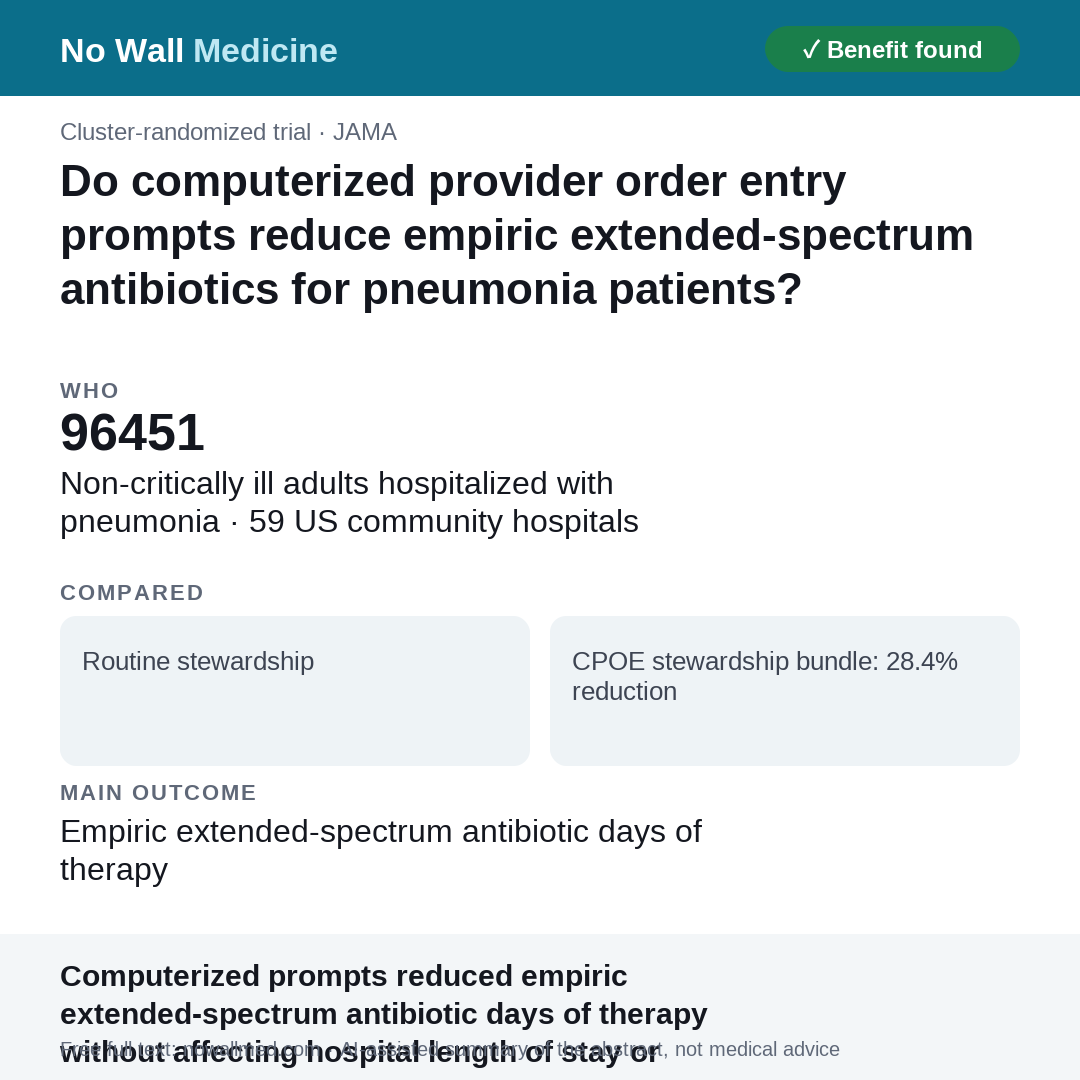
Stewardship Prompts to Improve Antibiotic Selection for Pneumonia: The INSPIRE Randomized Clinical Trial
Cluster-randomized trialBenefit found
Do computerized provider order entry prompts reduce empiric extended-spectrum antibiotics for pneumonia patients?
Who
96451
Non-critically ill adults hospitalized with pneumonia · 59 US community hospitals
Compared
Routine stewardship
CPOE stewardship bundle: 28.4% reduction
Main outcome
Empiric extended-spectrum antibiotic days of therapy
Result: rate ratio, 0.72 (95% CI, 0.66-0.78)
Bottom line: Computerized prompts reduced empiric extended-spectrum antibiotic days of therapy without affecting hospital length of stay or intensive care unit transfer.
JAMA · 2024-04-19Download image
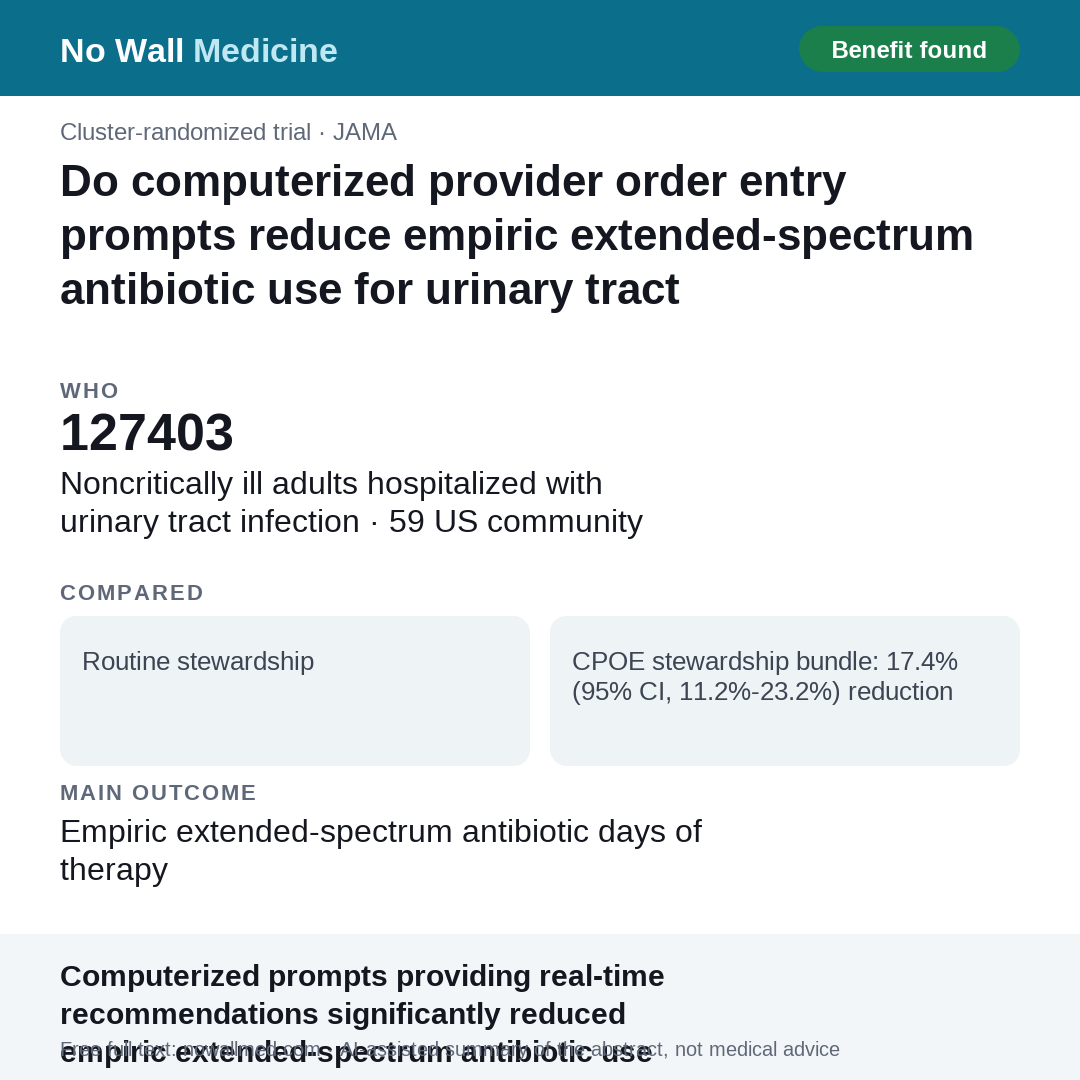
Stewardship Prompts to Improve Antibiotic Selection for Urinary Tract Infection: The INSPIRE Randomized Clinical Trial
Cluster-randomized trialBenefit found
Do computerized provider order entry prompts reduce empiric extended-spectrum antibiotic use for urinary tract infection?
Who
127403
Noncritically ill adults hospitalized with urinary tract infection · 59 US community hospitals
Compared
Routine stewardship
CPOE stewardship bundle: 17.4% (95% CI, 11.2%-23.2%) reduction
Main outcome
Empiric extended-spectrum antibiotic days of therapy
Result: rate ratio, 0.83 (95% CI, 0.77-0.89)
Bottom line: Computerized prompts providing real-time recommendations significantly reduced empiric extended-spectrum antibiotic use without affecting hospital length of stay.
JAMA · 2024-04-19Download image
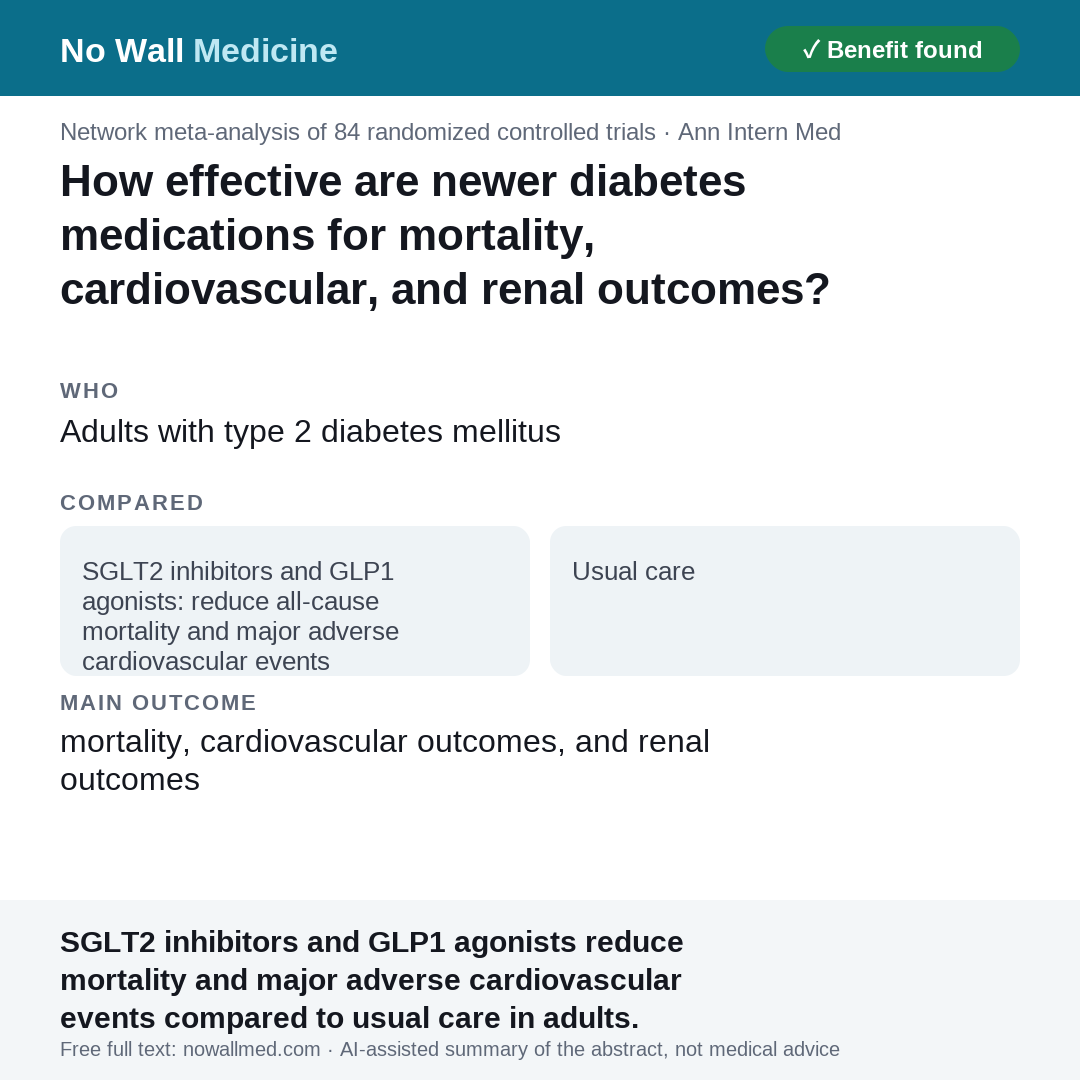
Newer Pharmacologic Treatments in Adults With Type 2 Diabetes: A Systematic Review and Network Meta-analysis for the American College of Physicians
Network meta-analysis of 84 randomized controlled trialsBenefit found
How effective are newer diabetes medications for mortality, cardiovascular, and renal outcomes?
Who
Adults with type 2 diabetes mellitus
Compared
SGLT2 inhibitors and GLP1 agonists: reduce all-cause mortality and major adverse cardiovascular events
Usual care
Main outcome
mortality, cardiovascular outcomes, and renal outcomes
Bottom line: SGLT2 inhibitors and GLP1 agonists reduce mortality and major adverse cardiovascular events compared to usual care in adults.
Limitation: Infrequent direct comparisons, sparse data, and insufficient data on predefined subgroups.
Funded by: American College of Physicians
Ann Intern Med · 2024-04-19Download image
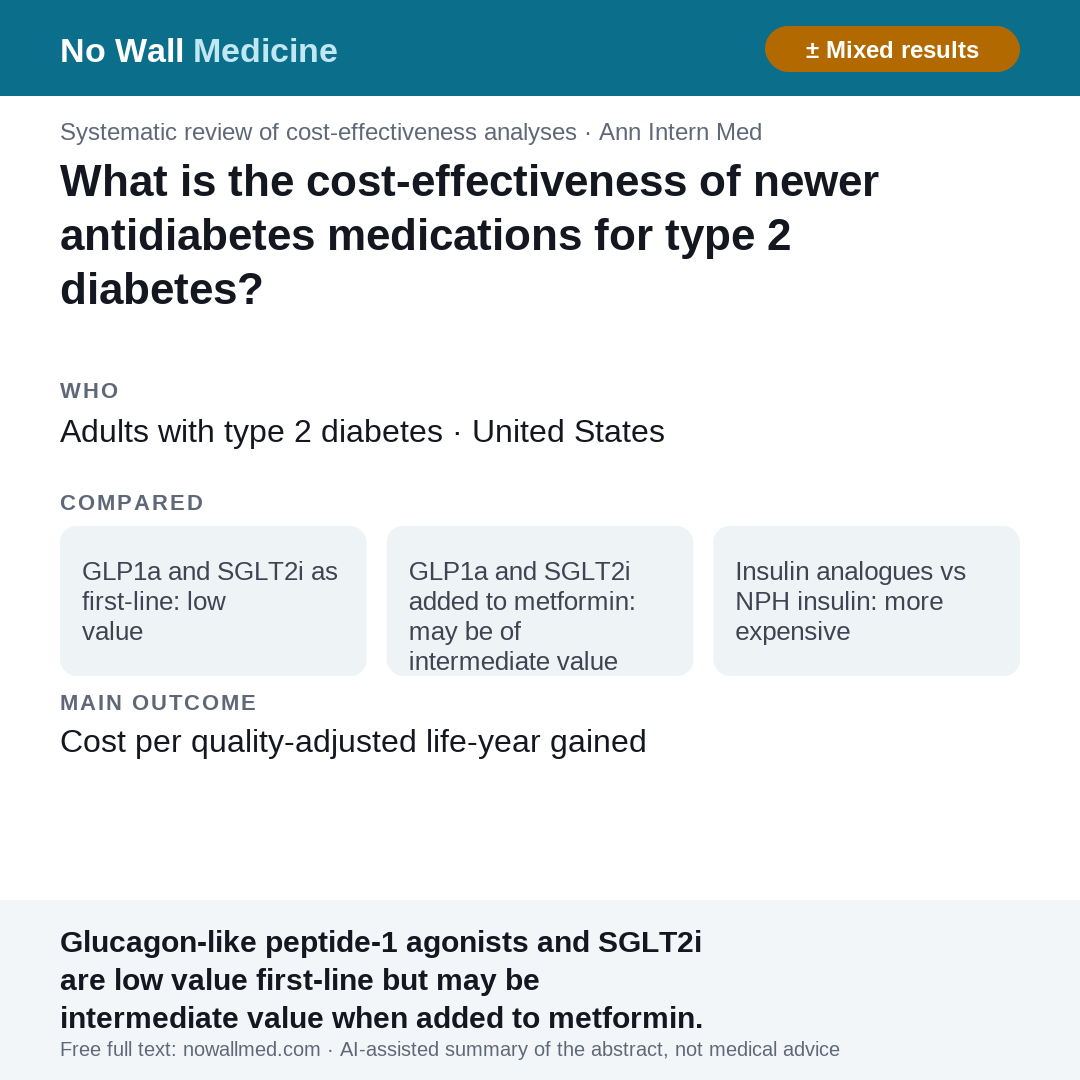
Cost-Effectiveness of Newer Pharmacologic Treatments in Adults With Type 2 Diabetes: A Systematic Review of Cost-Effectiveness Studies for the American College of Physicians
Systematic review of cost-effectiveness analysesMixed results
What is the cost-effectiveness of newer antidiabetes medications for type 2 diabetes?
Who
Adults with type 2 diabetes · United States
Compared
GLP1a and SGLT2i as first-line: low value
GLP1a and SGLT2i added to metformin: may be of intermediate value
Insulin analogues vs NPH insulin: more expensive
Main outcome
Cost per quality-adjusted life-year gained
Bottom line: Glucagon-like peptide-1 agonists and SGLT2i are low value first-line but may be intermediate value when added to metformin.
Limitation: Cost-effectiveness analyses varied in methodological approach, assumptions, and drug comparisons.
Funded by: American College of Physicians
Ann Intern Med · 2024-04-19Download image
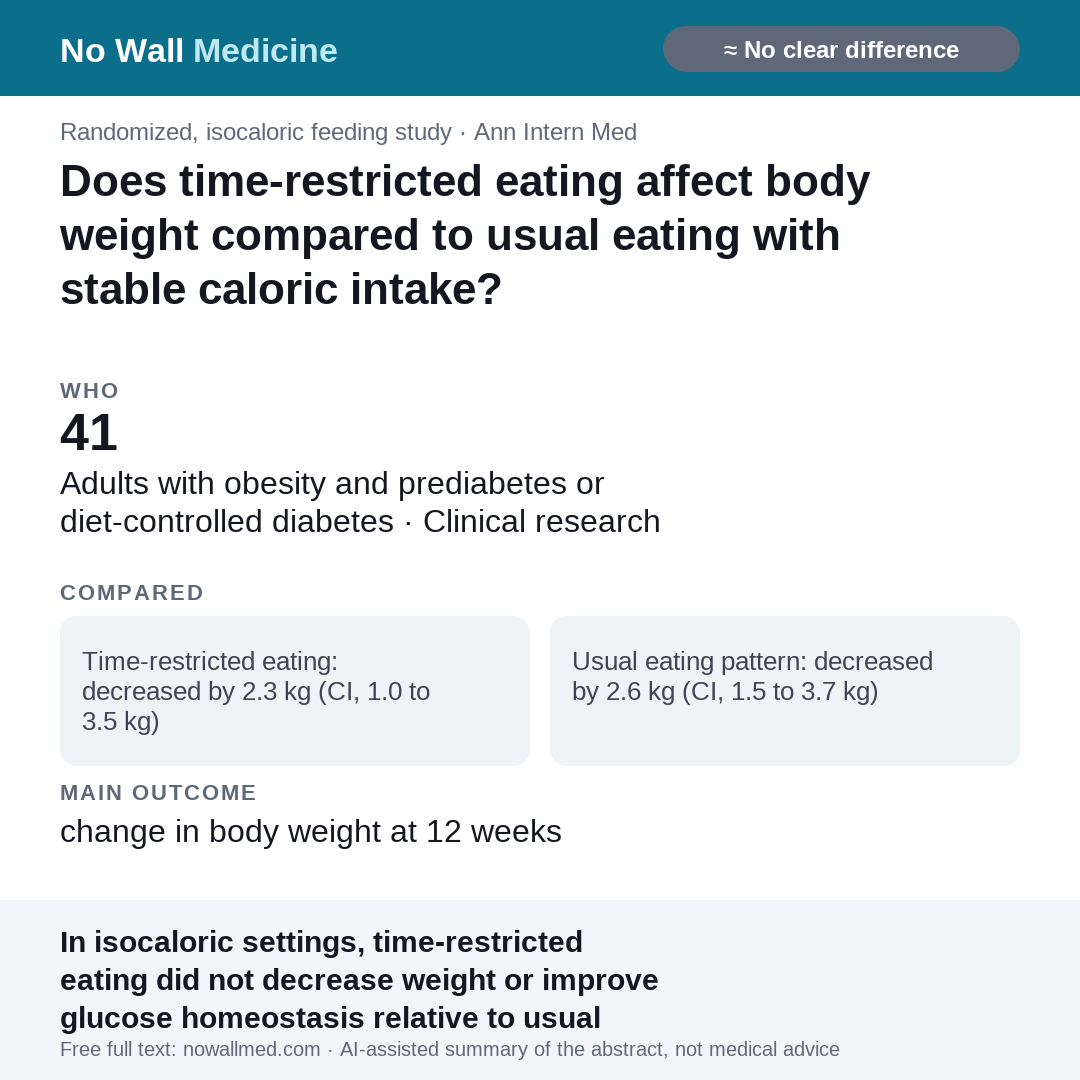
Effect of Isocaloric, Time-Restricted Eating on Body Weight in Adults With Obesity : A Randomized Controlled Trial
Randomized, isocaloric feeding studyNo clear difference
Does time-restricted eating affect body weight compared to usual eating with stable caloric intake?
Who
41
Adults with obesity and prediabetes or diet-controlled diabetes · Clinical research unit
Compared
Time-restricted eating: decreased by 2.3 kg (CI, 1.0 to 3.5 kg)
Usual eating pattern: decreased by 2.6 kg (CI, 1.5 to 3.7 kg)
Main outcome
change in body weight at 12 weeks
Result: average difference 0.3 kg (CI, -1.2 to 1.9 kg)
Bottom line: In isocaloric settings, time-restricted eating did not decrease weight or improve glucose homeostasis relative to usual eating.
Limitation: Small, single-site study; baseline differences in weight by group.
Funded by: American Heart Association
Ann Intern Med · 2024-04-19Download image
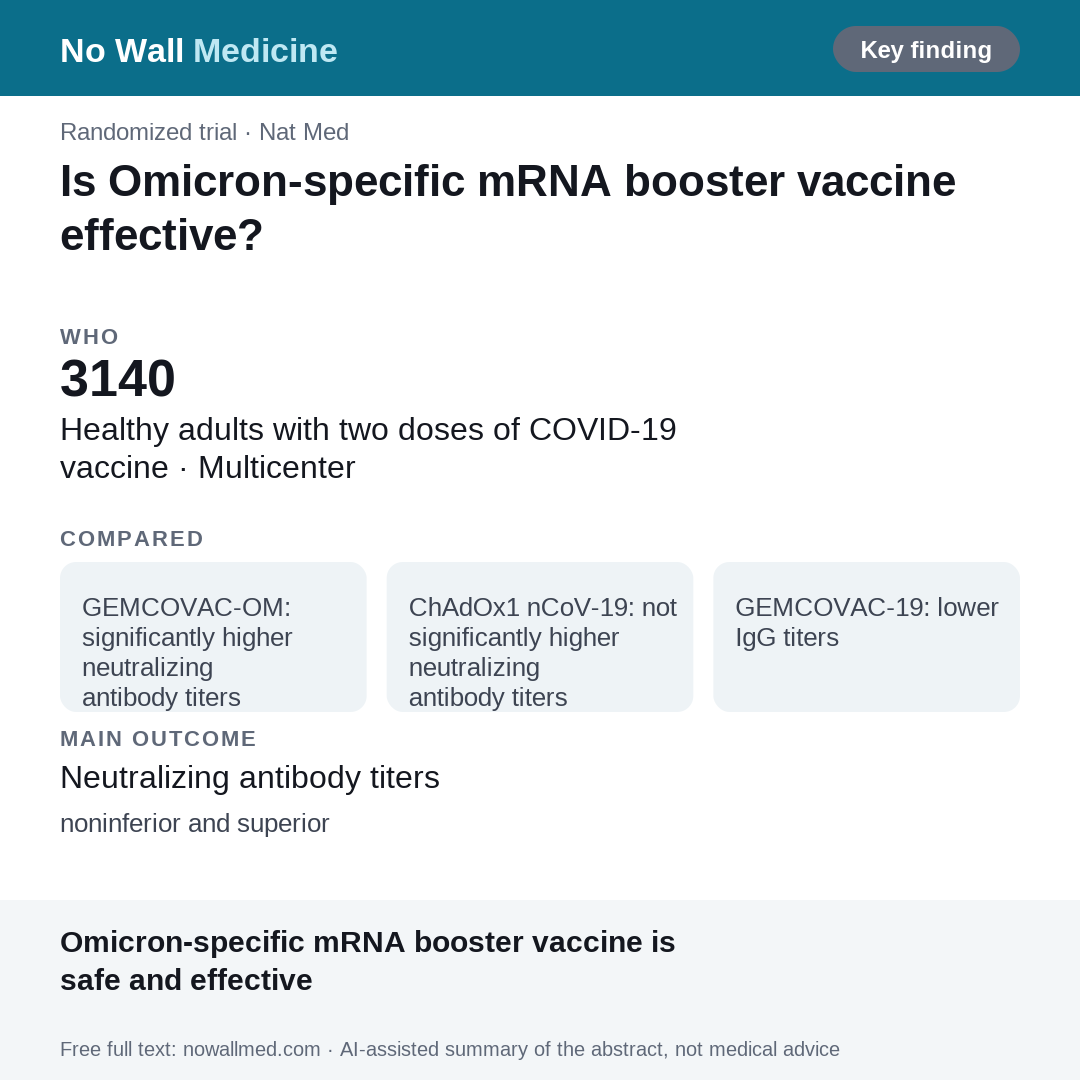
An Omicron-specific, self-amplifying mRNA booster vaccine for COVID-19: a phase 2/3 randomized trial
Randomized trialBenefit found
Is Omicron-specific mRNA booster vaccine effective?
Who
3140
Healthy adults with two doses of COVID-19 vaccine · Multicenter
Compared
GEMCOVAC-OM: significantly higher neutralizing antibody titers
ChAdOx1 nCoV-19: not significantly higher neutralizing antibody titers
GEMCOVAC-19: lower IgG titers
Main outcome
Neutralizing antibody titers
Result: noninferior and superior
Bottom line: Omicron-specific mRNA booster vaccine is safe and effective
Nat Med · 2024-04-18Download image
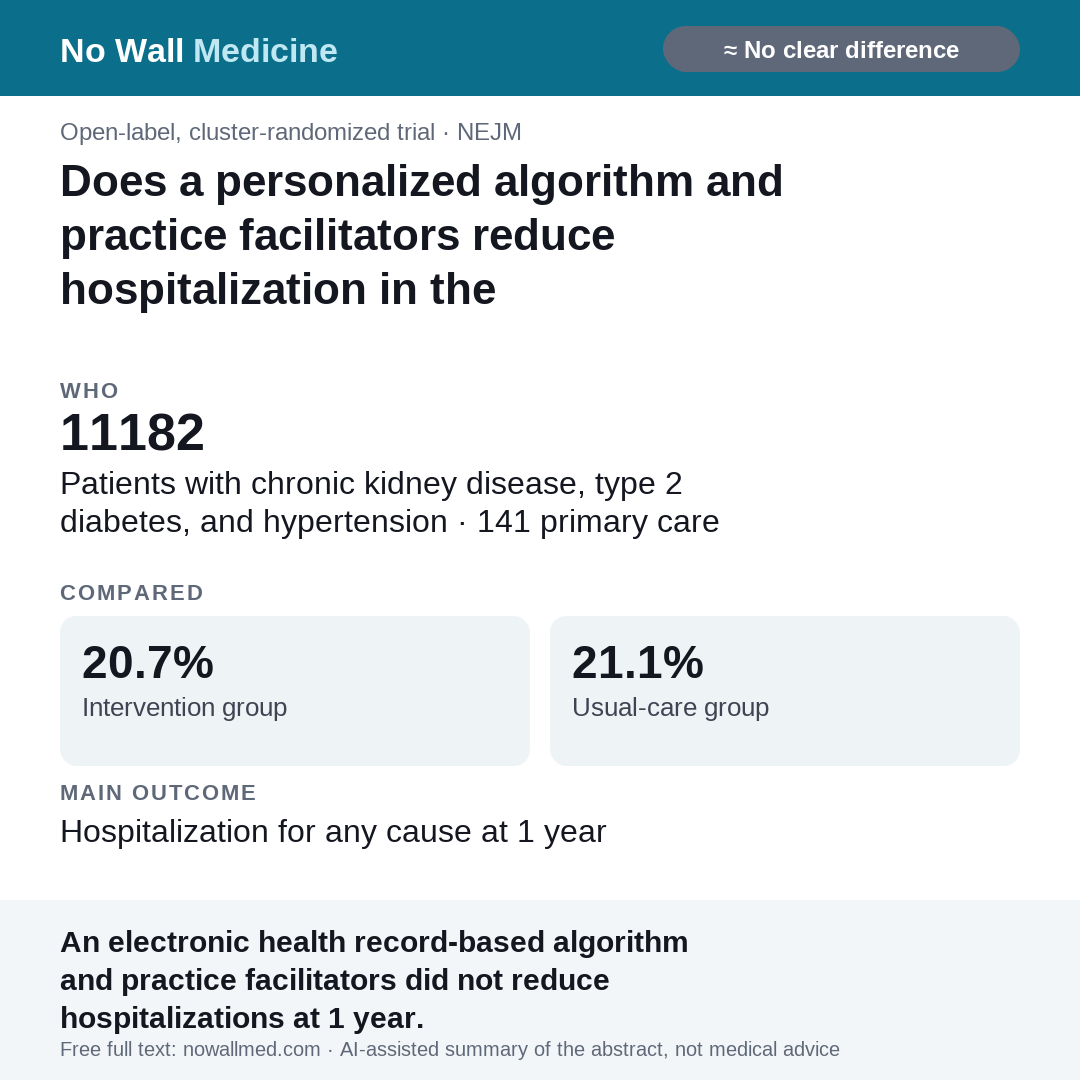
Pragmatic Trial of Hospitalization Rate in Chronic Kidney Disease
Open-label, cluster-randomized trialNo clear difference
Does a personalized algorithm and practice facilitators reduce hospitalization in the kidney-dysfunction triad?
Who
11182
Patients with chronic kidney disease, type 2 diabetes, and hypertension · 141 primary care clinics
Compared
20.7%Intervention group (95% confidence interval, 19.7 to 21.8)
21.1%Usual-care group (95% confidence interval, 20.1 to 22.2)
Main outcome
Hospitalization for any cause at 1 year
Result: between-group difference, 0.4 percentage points; P = 0.58
Bottom line: An electronic health record-based algorithm and practice facilitators did not reduce hospitalizations at 1 year.
Funded by: National Institutes of Health and others
NEJM · 2024-04-10Download image
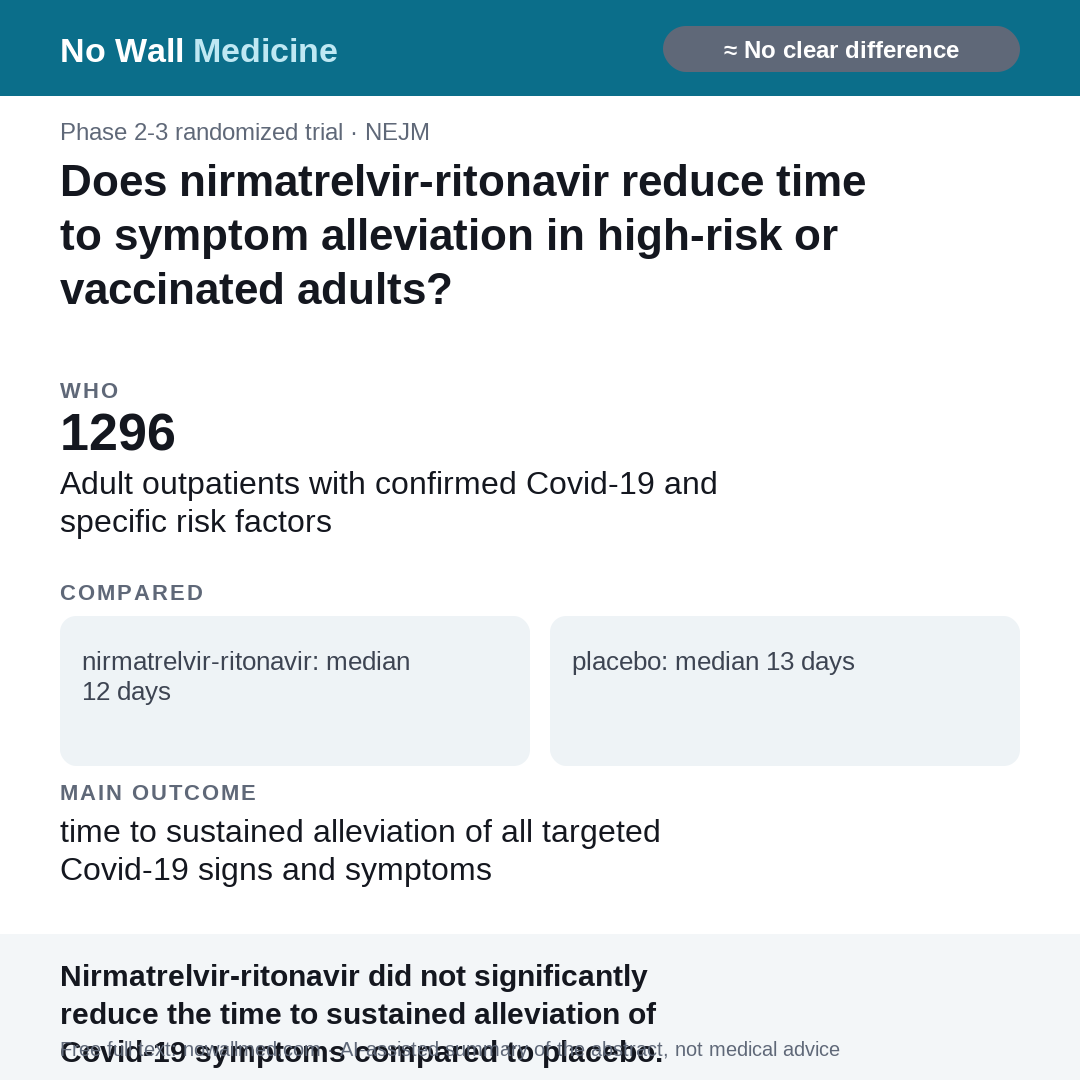
Nirmatrelvir for Vaccinated or Unvaccinated Adult Outpatients with Covid-19
Phase 2-3 randomized trialNo clear difference
Does nirmatrelvir-ritonavir reduce time to symptom alleviation in high-risk or vaccinated adults?
Who
1296
Adult outpatients with confirmed Covid-19 and specific risk factors
Compared
nirmatrelvir-ritonavir: median 12 days
placebo: median 13 days
Main outcome
time to sustained alleviation of all targeted Covid-19 signs and symptoms
Result: difference, -0.8 percentage points; 95% confidence interval, -2.0 to 0.4
Bottom line: Nirmatrelvir-ritonavir did not significantly reduce the time to sustained alleviation of Covid-19 symptoms compared to placebo.
Funded by: Pfizer
NEJM · 2024-04-10Download image
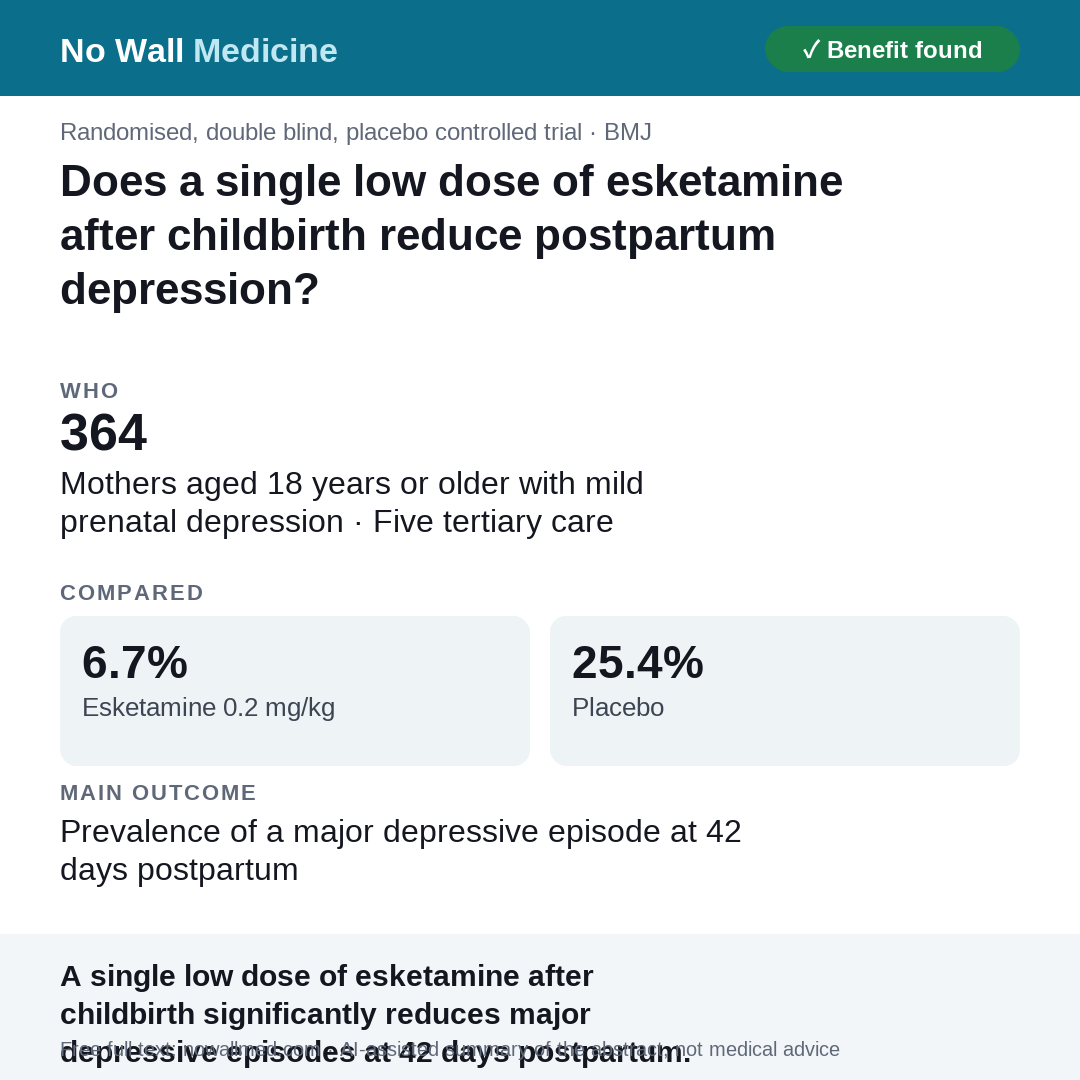
Efficacy of a single low dose of esketamine after childbirth for mothers with symptoms of prenatal depression: randomised clinical trial
Randomised, double blind, placebo controlled trialBenefit found
Does a single low dose of esketamine after childbirth reduce postpartum depression?
Who
364
Mothers aged 18 years or older with mild prenatal depression · Five tertiary care hospitals in China
Compared
6.7%Esketamine 0.2 mg/kg (12/180)
25.4%Placebo (46/181)
Main outcome
Prevalence of a major depressive episode at 42 days postpartum
Result: relative risk 0.26 (95% CI 0.14 to 0.48)
Bottom line: A single low dose of esketamine after childbirth significantly reduces major depressive episodes at 42 days postpartum.
BMJ · 2024-04-10Download image
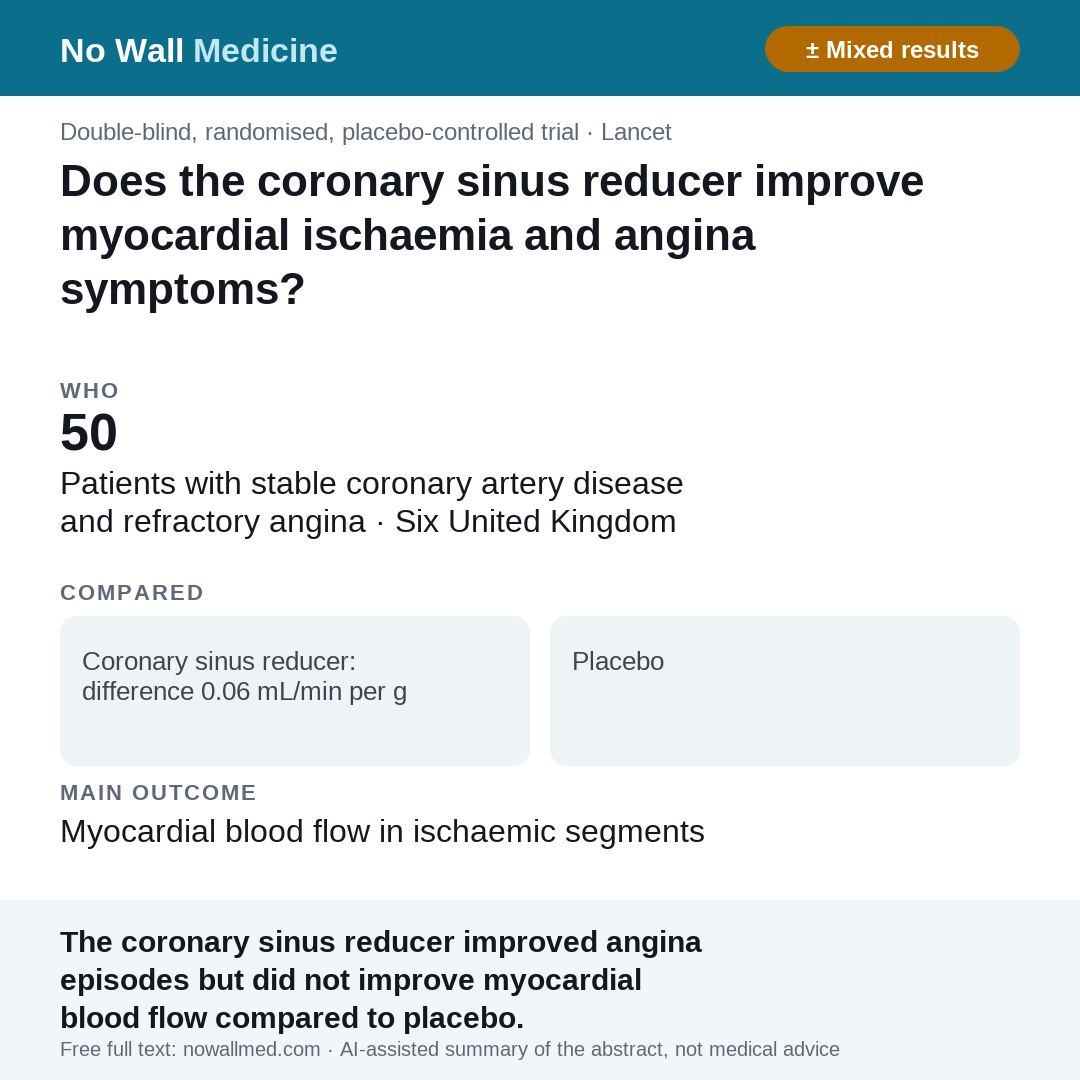
Coronary sinus reducer for the treatment of refractory angina (ORBITA-COSMIC): a randomised, placebo-controlled trial
Double-blind, randomised, placebo-controlled trialMixed results
Does the coronary sinus reducer improve myocardial ischaemia and angina symptoms?
Who
50
Patients with stable coronary artery disease and refractory angina · Six United Kingdom hospitals
Compared
Coronary sinus reducer: difference 0.06 mL/min per g
Placebo
Main outcome
Myocardial blood flow in ischaemic segments
Result: difference 0.06 mL/min per g (95% CrI -0.09 to 0.20)
Bottom line: The coronary sinus reducer improved angina episodes but did not improve myocardial blood flow compared to placebo.
Funded by: Medical Research Council and others
Lancet · 2024-04-08Download image
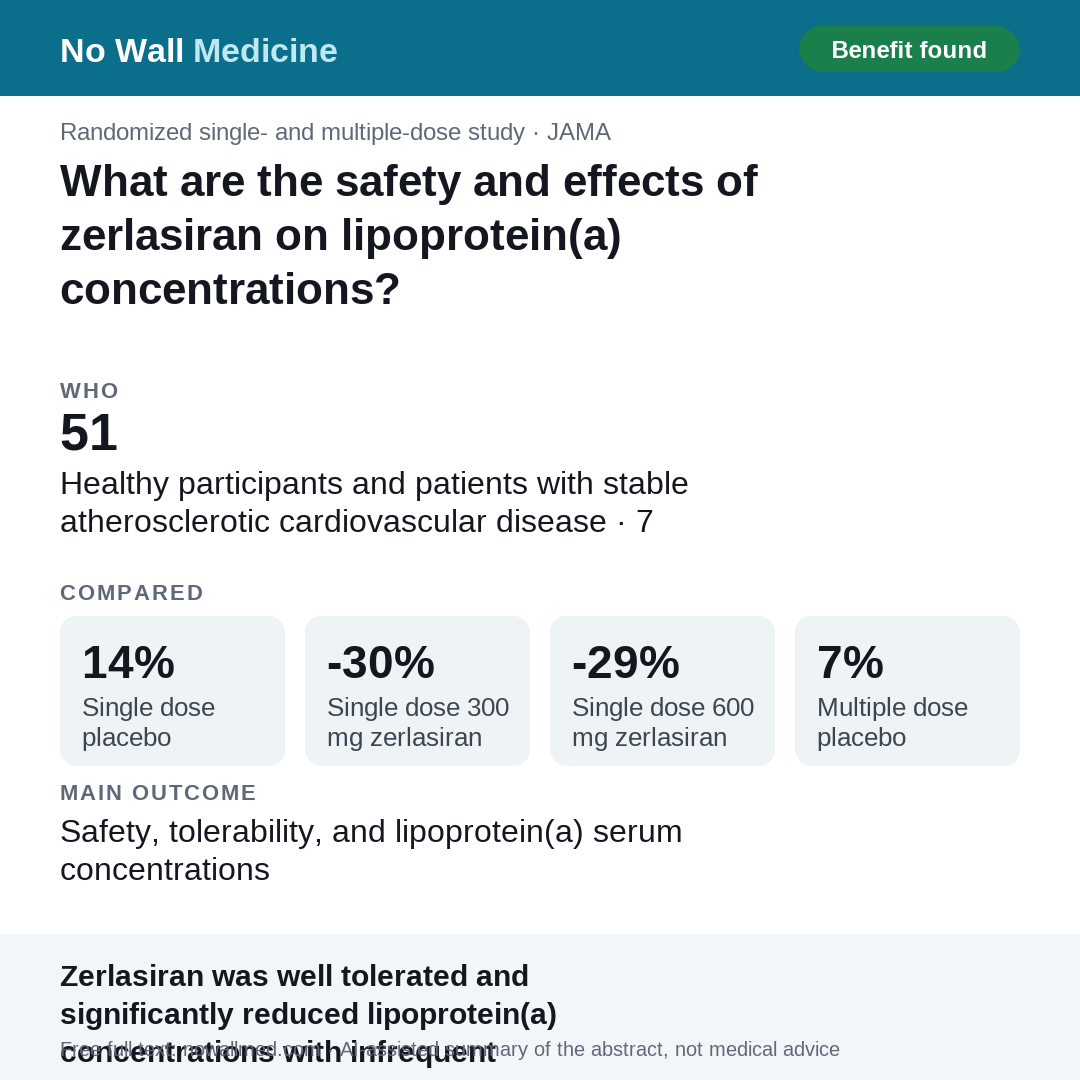
Single Ascending and Multiple-Dose Trial of Zerlasiran, a Short Interfering RNA Targeting Lipoprotein(a): A Randomized Clinical Trial
Randomized single- and multiple-dose studyBenefit found
What are the safety and effects of zerlasiran on lipoprotein(a) concentrations?
Who
51
Healthy participants and patients with stable atherosclerotic cardiovascular disease · 7 research sites in US, Netherlands, UK, and Australia
Compared
14%Single dose placebo (IQR, 13% to 15%)
-30%Single dose 300 mg zerlasiran (IQR, -51% to -18%)
-29%Single dose 600 mg zerlasiran (IQR, -39% to -7%)
7%Multiple dose placebo (IQR, -4% to 21%)
Main outcome
Safety, tolerability, and lipoprotein(a) serum concentrations
Bottom line: Zerlasiran was well tolerated and significantly reduced lipoprotein(a) concentrations with infrequent administration.
JAMA · 2024-04-08Download image
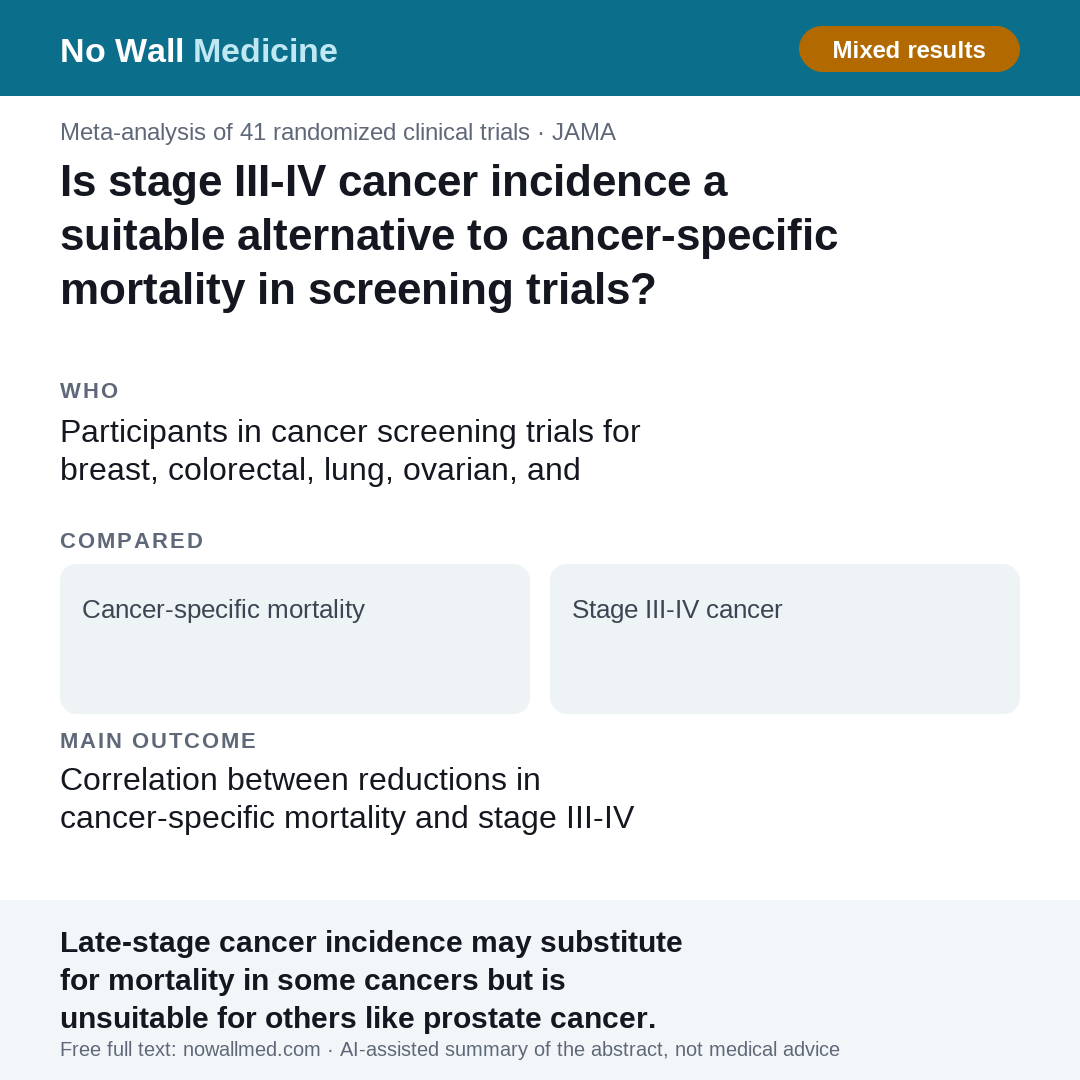
Cancer Stage Compared With Mortality as End Points in Randomized Clinical Trials of Cancer Screening: A Systematic Review and Meta-Analysis
Meta-analysis of 41 randomized clinical trialsMixed results
Is stage III-IV cancer incidence a suitable alternative to cancer-specific mortality in screening trials?
Who
Participants in cancer screening trials for breast, colorectal, lung, ovarian, and prostate cancers · Europe, North America, and Asia
Compared
Cancer-specific mortality
Stage III-IV cancer
Main outcome
Correlation between reductions in cancer-specific mortality and stage III-IV cancer
Bottom line: Late-stage cancer incidence may substitute for mortality in some cancers but is unsuitable for others like prostate cancer.
JAMA · 2024-04-08Download image
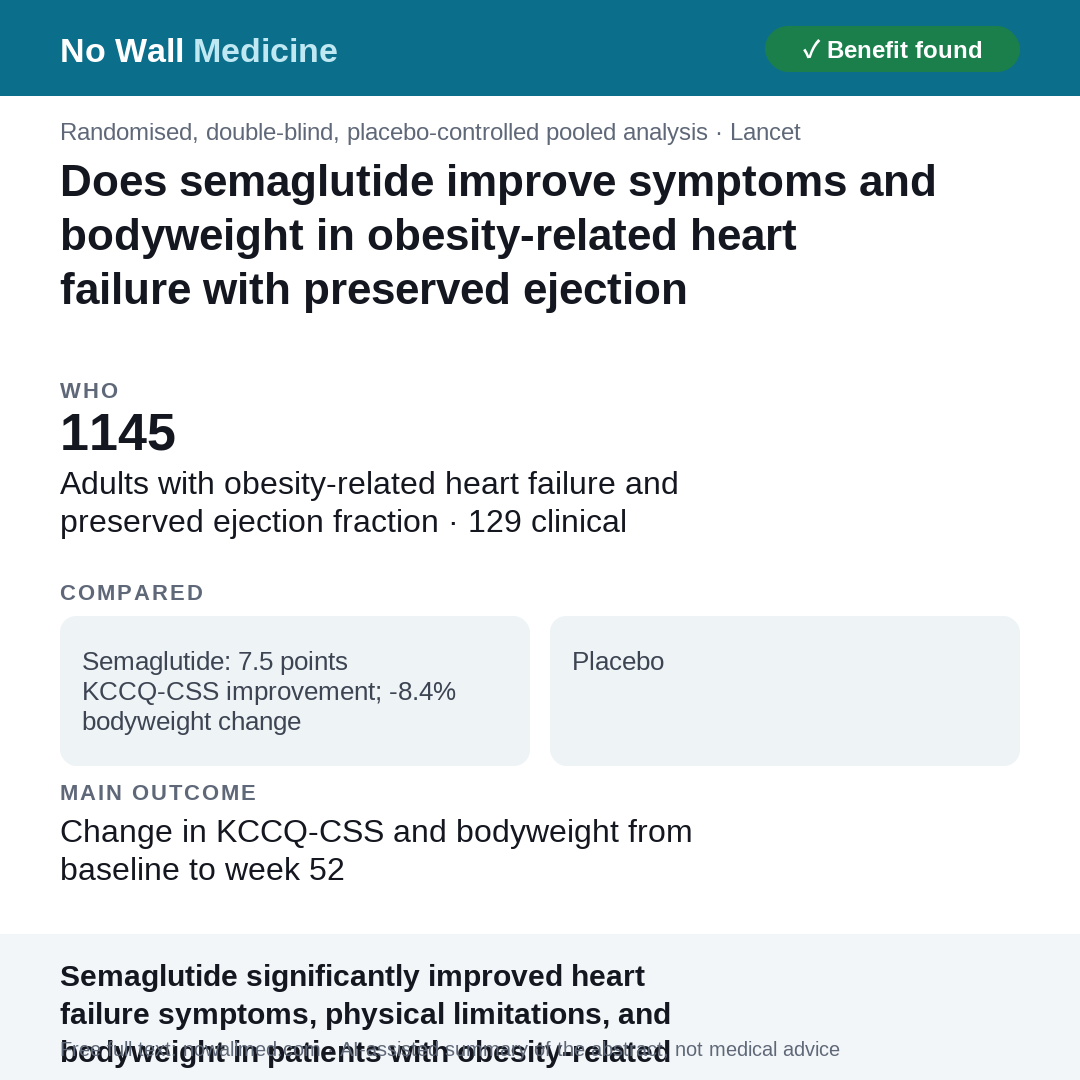
Semaglutide versus placebo in people with obesity-related heart failure with preserved ejection fraction: a pooled analysis of the STEP-HFpEF and STEP-HFpEF DM randomised trials
Randomised, double-blind, placebo-controlled pooled analysisBenefit found
Does semaglutide improve symptoms and bodyweight in obesity-related heart failure with preserved ejection fraction?
Who
1145
Adults with obesity-related heart failure and preserved ejection fraction · 129 clinical research sites in 18 countries
Compared
Semaglutide: 7.5 points KCCQ-CSS improvement; -8.4% bodyweight change
Placebo
Main outcome
Change in KCCQ-CSS and bodyweight from baseline to week 52
Result: mean between-group difference for KCCQ-CSS 7·5 points (95% CI 5·3 to 9·8)
Bottom line: Semaglutide significantly improved heart failure symptoms, physical limitations, and bodyweight in patients with obesity-related preserved ejection fraction.
Lancet · 2024-04-07Download image
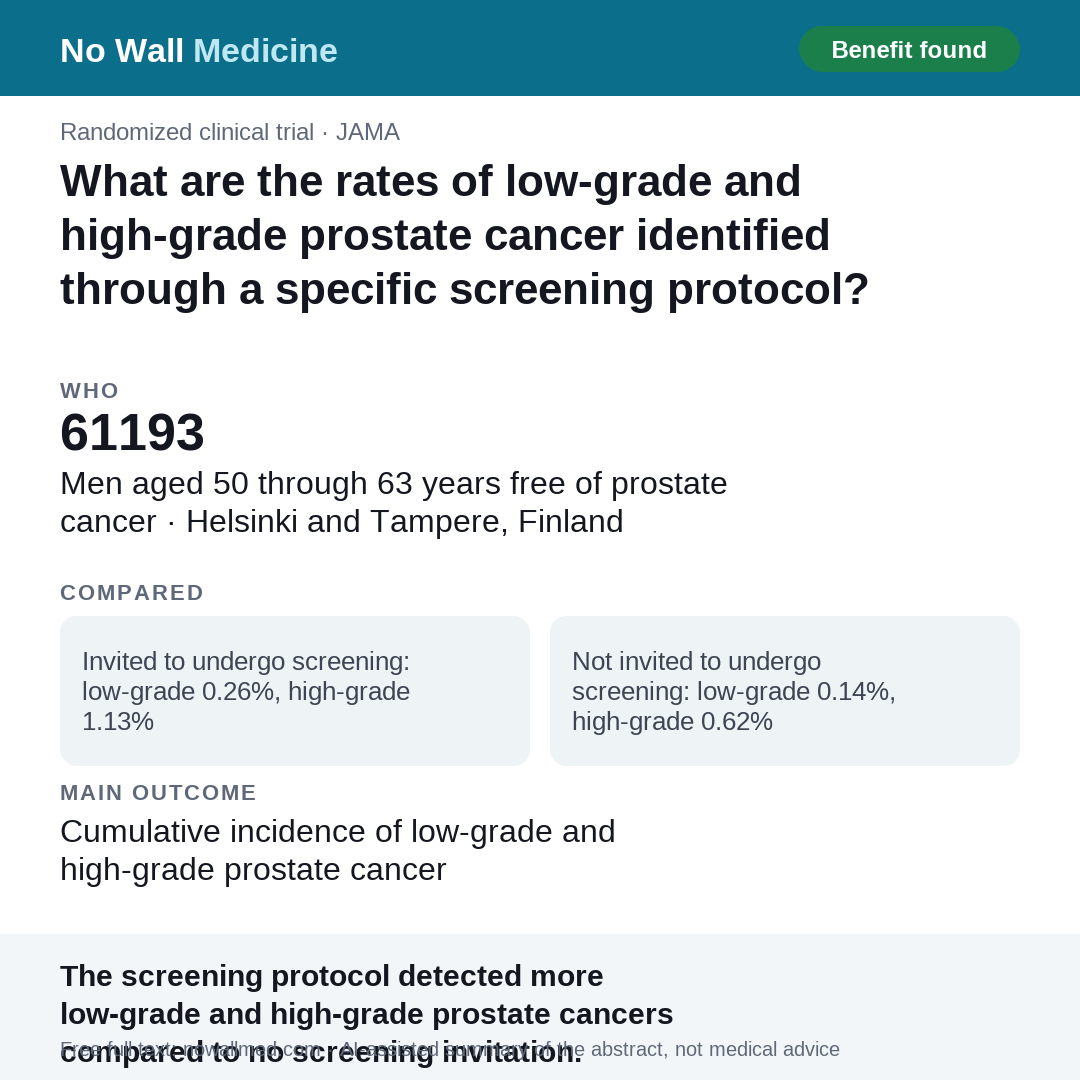
Prostate Cancer Screening With PSA, Kallikrein Panel, and MRI: The ProScreen Randomized Trial
Randomized clinical trialBenefit found
What are the rates of low-grade and high-grade prostate cancer identified through a specific screening protocol?
Who
61193
Men aged 50 through 63 years free of prostate cancer · Helsinki and Tampere, Finland
Compared
Invited to undergo screening: low-grade 0.26%, high-grade 1.13%
Not invited to undergo screening: low-grade 0.14%, high-grade 0.62%
Main outcome
Cumulative incidence of low-grade and high-grade prostate cancer
Result: risk difference 0.11% (95% CI, 0.03%-0.20%) for low-grade and 0.51% (95% CI, 0.33%-0.70%) for high-grade cancer
Bottom line: The screening protocol detected more low-grade and high-grade prostate cancers compared to no screening invitation.
JAMA · 2024-04-06Download image
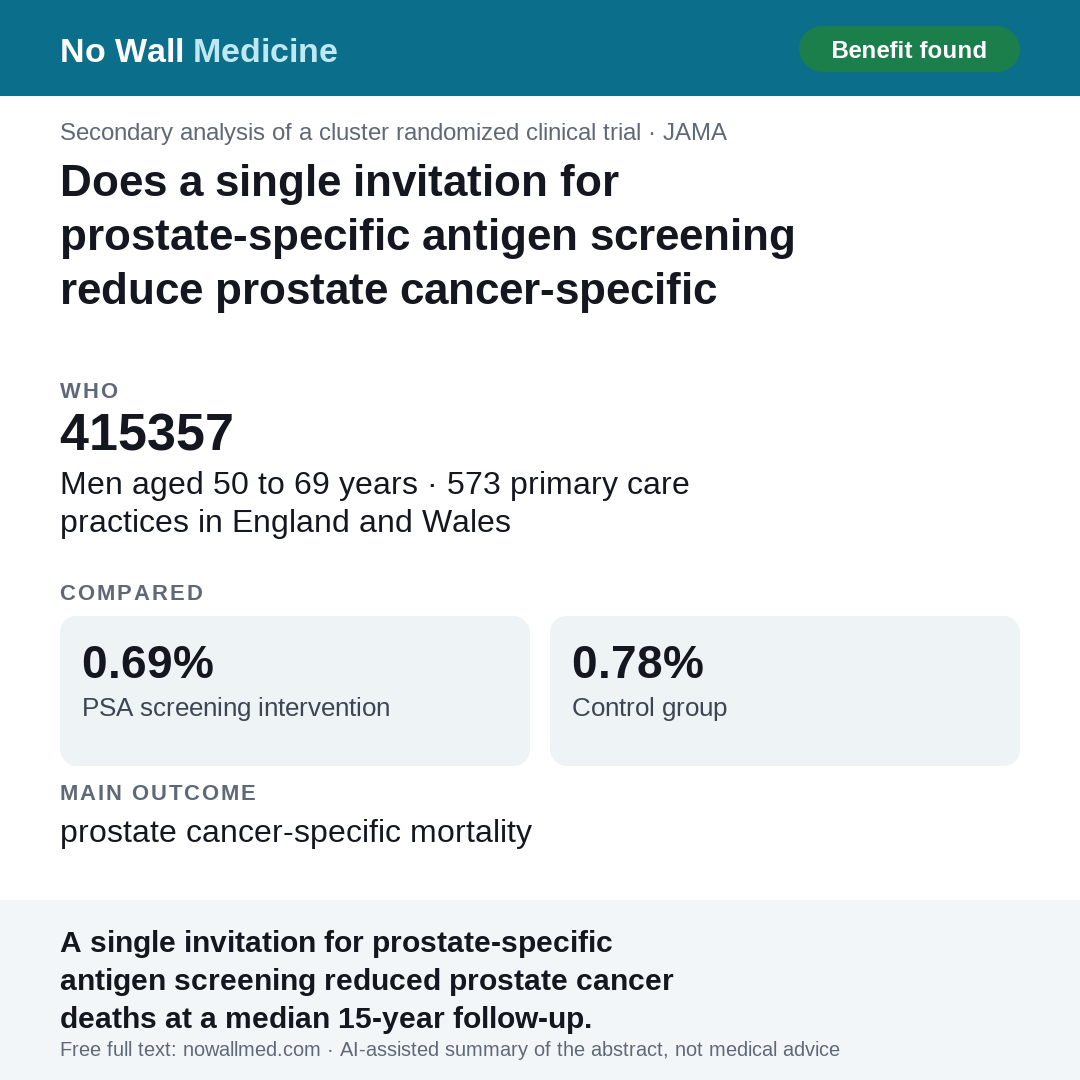
Prostate-Specific Antigen Screening and 15-Year Prostate Cancer Mortality: A Secondary Analysis of the CAP Randomized Clinical Trial
Secondary analysis of a cluster randomized clinical trialBenefit found
Does a single invitation for prostate-specific antigen screening reduce prostate cancer-specific mortality?
Who
415357
Men aged 50 to 69 years · 573 primary care practices in England and Wales
Compared
0.69%PSA screening intervention (95% CI, 0.65%-0.73%)
0.78%Control group (95% CI, 0.73%-0.82%)
Main outcome
prostate cancer-specific mortality
Result: rate ratio 0.92 (95% CI, 0.85-0.99)
Bottom line: A single invitation for prostate-specific antigen screening reduced prostate cancer deaths at a median 15-year follow-up.
Limitation: the absolute reduction in deaths was small
JAMA · 2024-04-06Download image
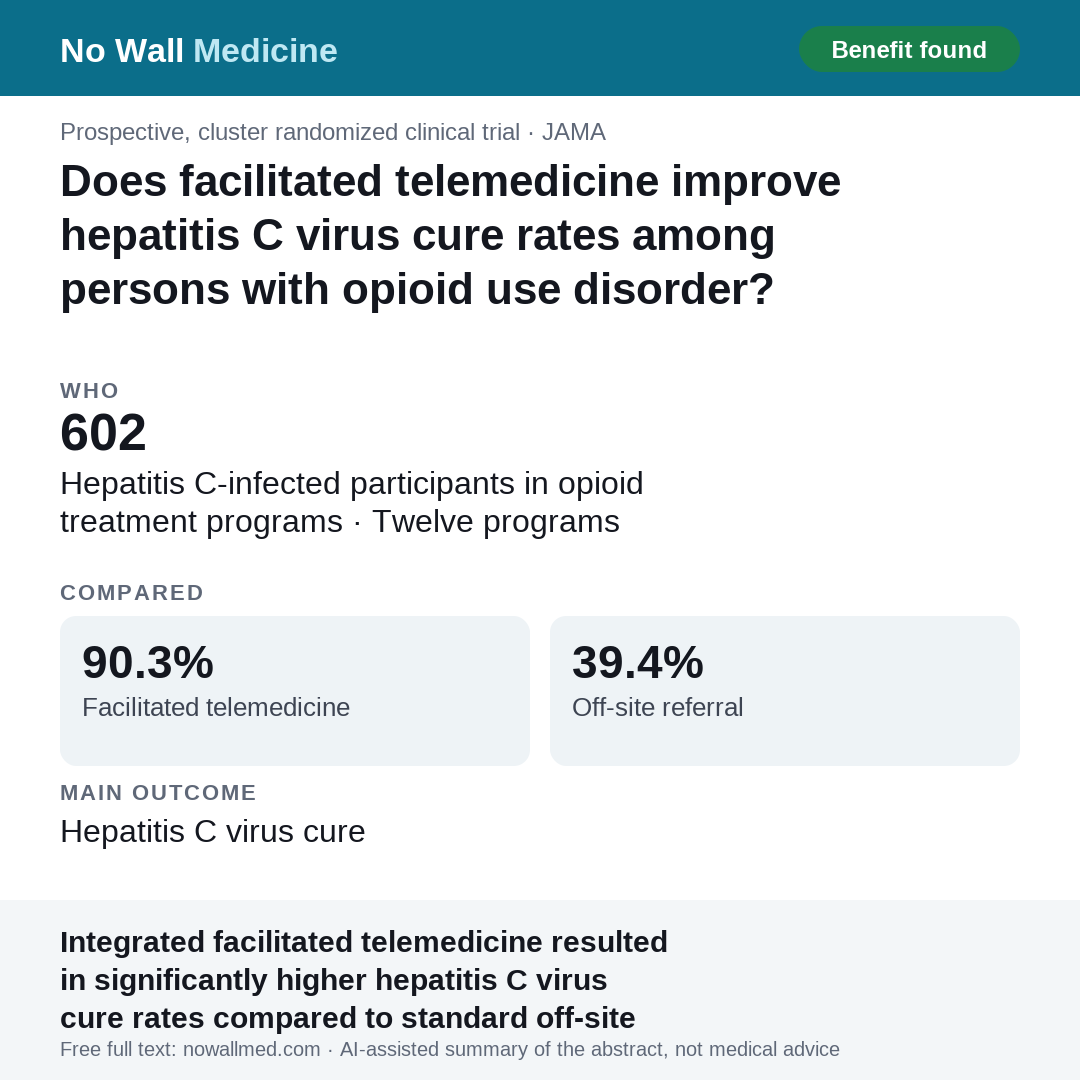
Integrated Hepatitis C-Opioid Use Disorder Care Through Facilitated Telemedicine: A Randomized Trial
Prospective, cluster randomized clinical trialBenefit found
Does facilitated telemedicine improve hepatitis C virus cure rates among persons with opioid use disorder?
Who
602
Hepatitis C-infected participants in opioid treatment programs · Twelve programs throughout New York State
Compared
90.3%Facilitated telemedicine (262 of 290)
39.4%Off-site referral (123 of 312)
Main outcome
Hepatitis C virus cure
Result: logarithmic odds ratio 2.9 (95% CI 2.0-3.5)
Bottom line: Integrated facilitated telemedicine resulted in significantly higher hepatitis C virus cure rates compared to standard off-site referral.
JAMA · 2024-04-03Download image
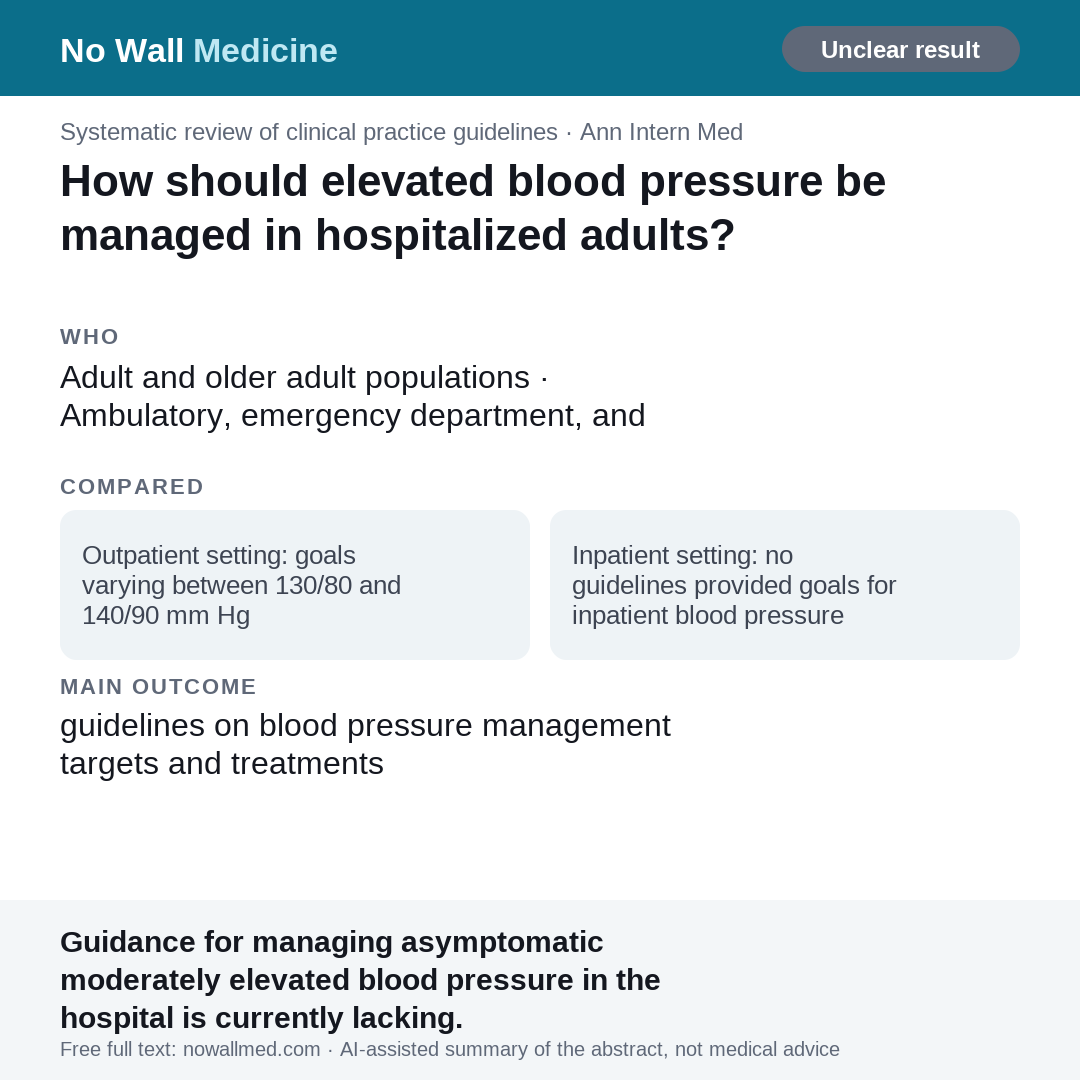
Management of Inpatient Elevated Blood Pressures : A Systematic Review of Clinical Practice Guidelines
Systematic review of clinical practice guidelinesUnclear result
How should elevated blood pressure be managed in hospitalized adults?
Who
Adult and older adult populations · Ambulatory, emergency department, and inpatient settings
Compared
Outpatient setting: goals varying between 130/80 and 140/90 mm Hg
Inpatient setting: no guidelines provided goals for inpatient blood pressure
Main outcome
guidelines on blood pressure management targets and treatments
Bottom line: Guidance for managing asymptomatic moderately elevated blood pressure in the hospital is currently lacking.
Limitation: Exclusion of non-English-language guidelines and guidelines specific to subpopulations.
Funded by: National Institute on Aging
Ann Intern Med · 2024-04-02Download image
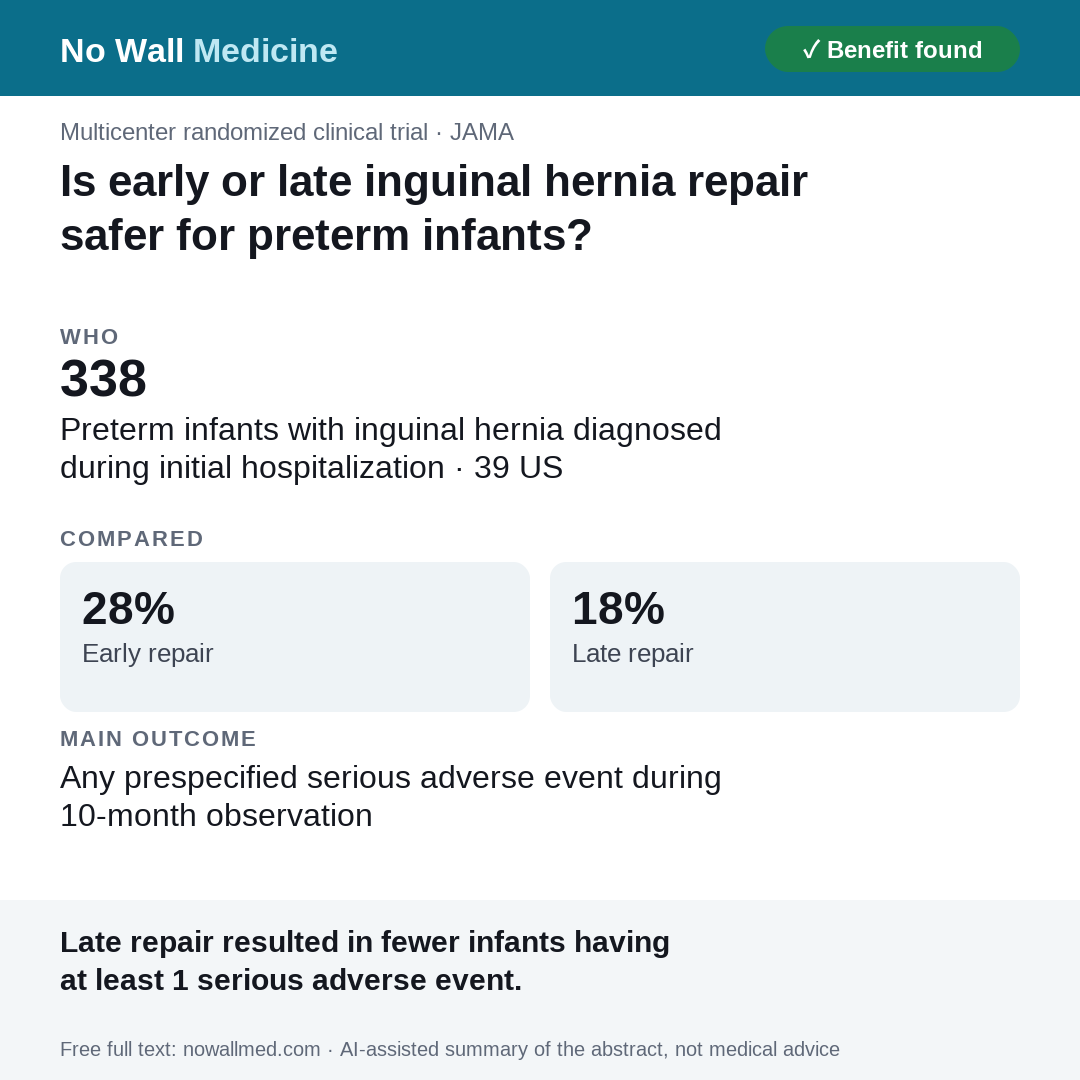
Effect of Early vs Late Inguinal Hernia Repair on Serious Adverse Event Rates in Preterm Infants: A Randomized Clinical Trial
Multicenter randomized clinical trialBenefit found
Is early or late inguinal hernia repair safer for preterm infants?
Who
338
Preterm infants with inguinal hernia diagnosed during initial hospitalization · 39 US hospitals
Compared
28%Early repair (159/149)
18%Late repair (149/149)
Main outcome
Occurrence of any prespecified serious adverse event
Result: risk difference, -7.9% (95% credible interval, -16.9% to 0%)
Bottom line: Late inguinal hernia repair resulted in fewer serious adverse events among preterm infants compared to early repair.
JAMA · 2024-03-26Download image
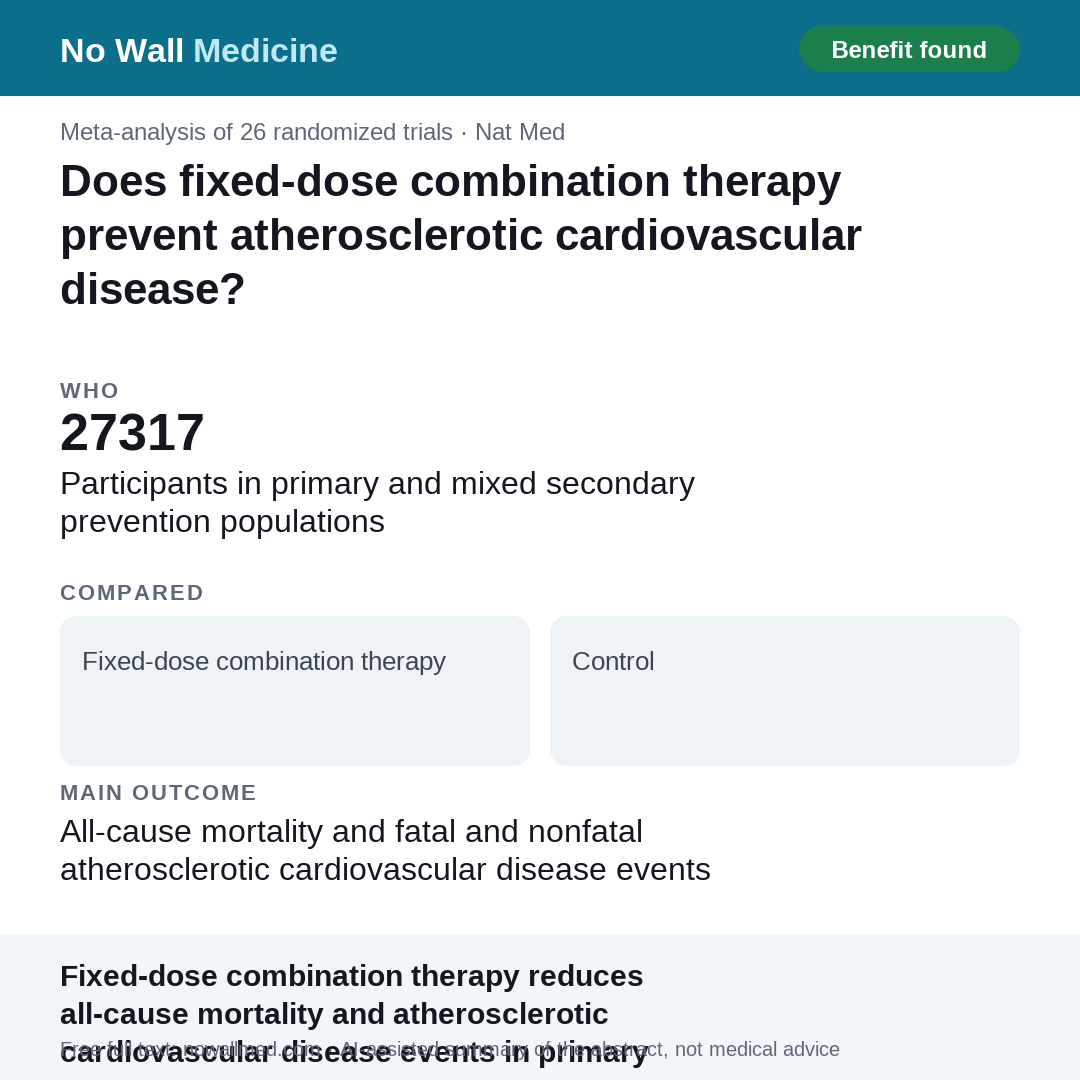
Fixed-dose combination therapy for the prevention of atherosclerotic cardiovascular disease
Meta-analysis of 26 randomized trialsBenefit found
Does fixed-dose combination therapy prevent atherosclerotic cardiovascular disease?
Who
27317
Participants in primary and mixed secondary prevention populations
Compared
Fixed-dose combination therapy
Control
Main outcome
All-cause mortality and fatal and nonfatal atherosclerotic cardiovascular disease events
Result: relative risk 0.89 (95% confidence interval 0.78 to 1.00) for mortality; relative risk 0.71 (95% confidence interval 0.63 to 0.79) for events
Bottom line: Fixed-dose combination therapy reduces all-cause mortality and atherosclerotic cardiovascular disease events in primary prevention populations.
Nat Med · 2024-03-26Download image