Visual abstracts
New randomized trials and meta-analyses from leading journals at a glance: who was studied, what was compared, and what was found. Every paper is free to read in full.
All specialtiesCardiology 4763Oncology 4043Gastroenterology & Hepatology 1903Infectious Disease 3756Neurology 1872Psychiatry & Mental Health 2216Pulmonology 2044Critical Care 1319Endocrinology & Diabetes 2544Pediatrics 2889Surgery 2480Orthopedics & Sports Medicine 917Neurosurgery 525Cardiothoracic & Vascular Surgery 656Plastic & Reconstructive Surgery 574Nephrology 1107Rheumatology 810Hematology 1090Dermatology 611Ophthalmology 532Obstetrics & Gynecology 1645Public & Global Health 1037Radiology & Imaging 619Anesthesiology 958Urology 745ENT (Otolaryngology) 494Emergency Medicine 481Allergy & Immunology 309Geriatrics 972Family Medicine & Primary Care 534Medical Genetics & Genomics 659Pathology & Laboratory Medicine 156Physical Medicine & Rehabilitation 734Palliative Care 421Nutrition 1560Digital Health & AI 2137General Medicine 318
The cross-sectional and prospective associations between time-restricted eating and cardiometabolic health in community-dwelling adults: A systematic review and meta-analysis of observational studies
Systematic review and meta-analysis of observational studiesNo clear difference
Are time-restricted eating and cardiometabolic health associated in community-dwelling adults?
Who
Community-dwelling adults
Compared
Time-restricted eating
Control
Main outcome
Cardiometabolic health markers
Bottom line: Cross-sectional data have not consistently demonstrated associations between time-restricted eating and cardiometabolic health.
Limitation: Insufficient data to draw conclusions about prospective associations.
Eur J Clin Nutr · 2026-05-23 · Save PNG

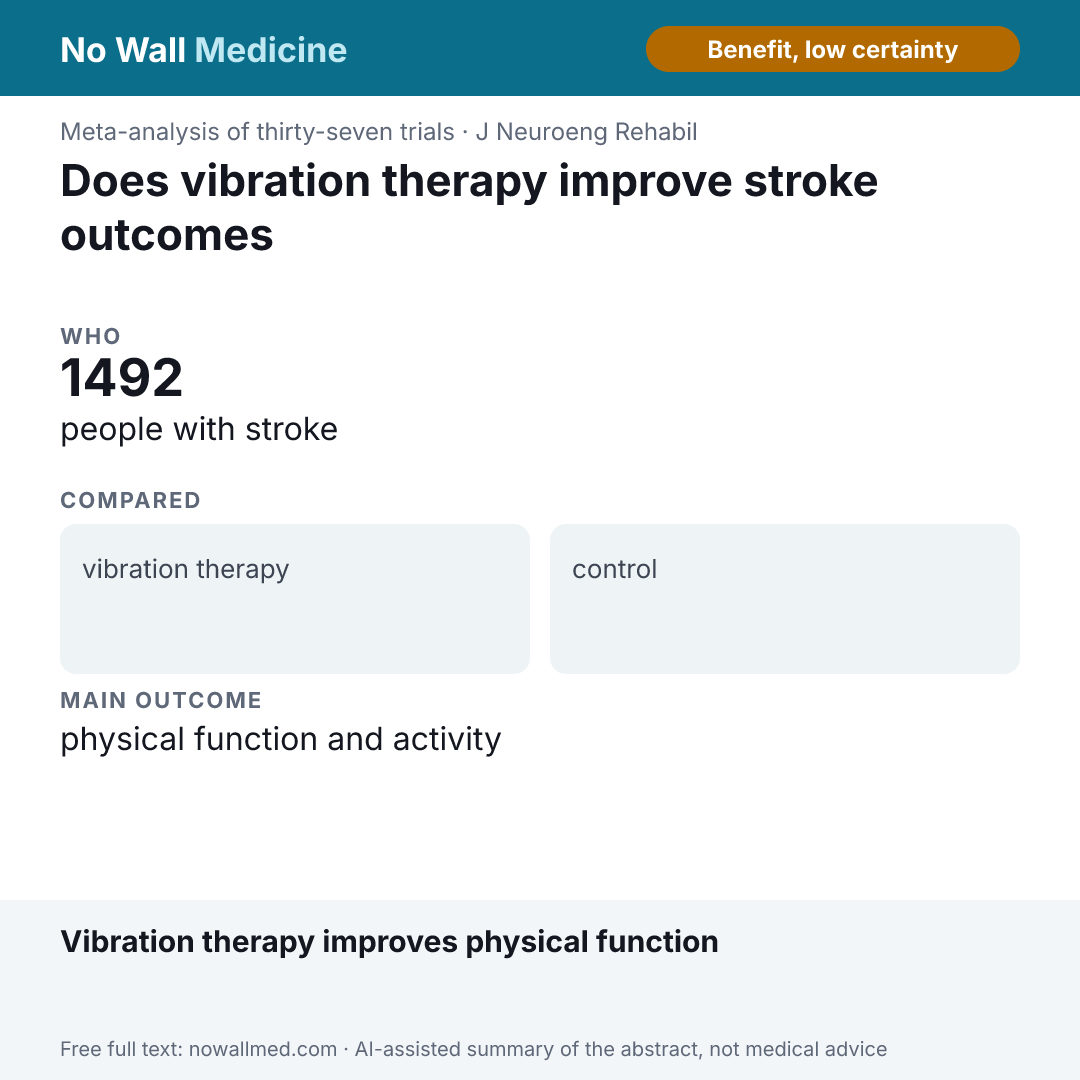
Efficacy of vibration therapy on physical function, activity and participation in people with stroke: a systematic review and meta-analysis of randomized controlled trials
Meta-analysis of thirty-seven trialsBenefit, low certainty
Does vibration therapy improve stroke outcomes
Who
1492
people with stroke
Compared
vibration therapy
control
Main outcome
physical function and activity
Bottom line: Vibration therapy improves physical function
Limitation: low to moderate quality evidence
J Neuroeng Rehabil · 2026-05-23 · Save PNG
Semaglutide versus placebo in individuals with poor weight loss after bariatric surgery: a double-blinded, randomized, placebo-controlled trial
Double-blinded, randomized, placebo-controlled trialBenefit found
Does semaglutide improve weight loss in individuals with poor response after bariatric surgery?
Who
63
Adults at least 1 year after gastric bypass or sleeve gastrectomy
Compared
semaglutide 2.4 mg: -18.0 (9.2)%
placebo: +0.4 (7.0)%
Main outcome
percentage weight loss after 68-week treatment
Result: -19.18 (95% confidence interval -23.4 to -14.8)
Bottom line: Semaglutide 2.4 mg results in substantial and clinically significant body weight reduction compared to placebo after bariatric surgery.
Nat Med · 2026-05-22 · Save PNG

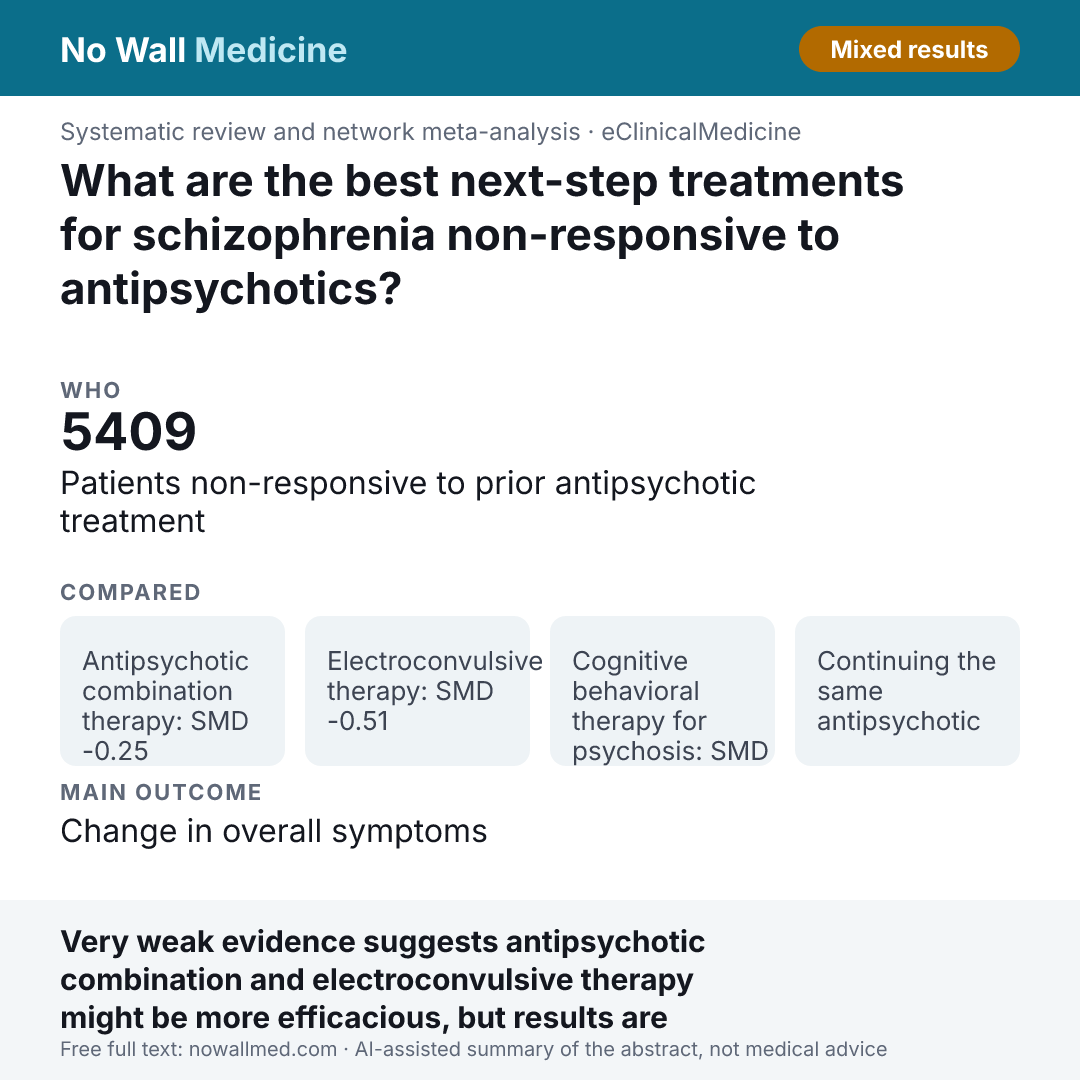
Next-step treatment for schizophrenia non-responsive to antipsychotics: a systematic review and network meta-analysis
Systematic review and network meta-analysisMixed results
What are the best next-step treatments for schizophrenia non-responsive to antipsychotics?
Who
5409
Patients non-responsive to prior antipsychotic treatment
Compared
Antipsychotic combination therapy: SMD -0.25
Electroconvulsive therapy: SMD -0.51
Cognitive behavioral therapy for psychosis: SMD -0.23
Continuing the same antipsychotic
Main outcome
Change in overall symptoms
Bottom line: Very weak evidence suggests antipsychotic combination and electroconvulsive therapy might be more efficacious, but results are very uncertain.
Limitation: The results were very uncertain and evidence quality was very low.
Funded by: German Research Foundation, Federal Ministry of Research, Technology, and Space
eClinicalMedicine · 2026-05-22 · Save PNG
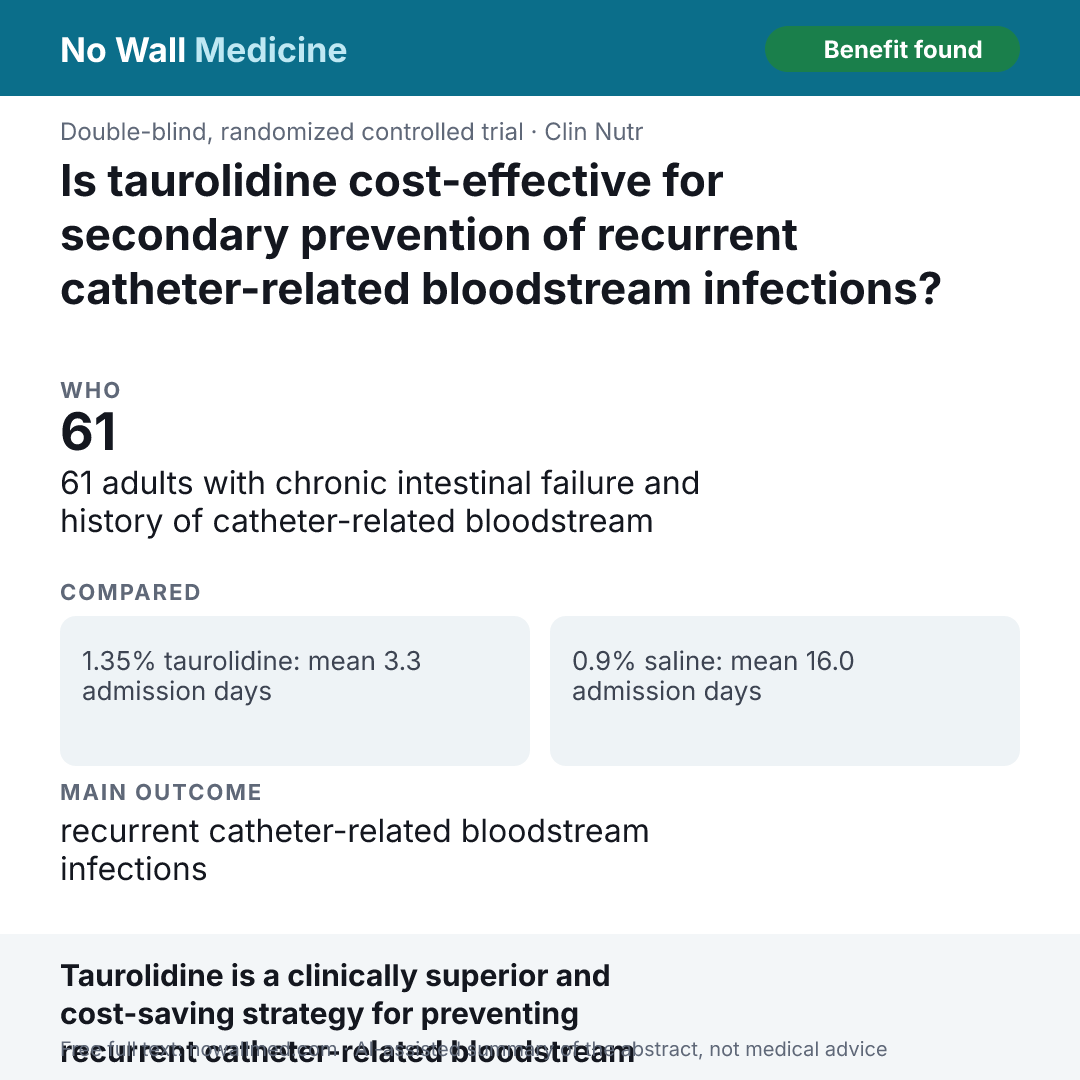
Cost-effectiveness of Taurolidine as secondary prevention of recurrent catheter-related bloodstream infections in patients with chronic intestinal failure: Findings from a randomized controlled trial
Double-blind, randomized controlled trialBenefit found
Is taurolidine cost-effective for secondary prevention of recurrent catheter-related bloodstream infections?
Who
61
61 adults with chronic intestinal failure and history of catheter-related bloodstream infections
Compared
1.35% taurolidine: mean 3.3 admission days
0.9% saline: mean 16.0 admission days
Main outcome
recurrent catheter-related bloodstream infections
Result: ratio: 0.23 (95% CI: 0.09-0.60)
Bottom line: Taurolidine is a clinically superior and cost-saving strategy for preventing recurrent catheter-related bloodstream infections in these patients.
Limitation: Need to evaluate taurolidine for primary prevention where early risk stratification remains challenging.
Clin Nutr · 2026-05-22 · Save PNG
Differences in tuberculosis prevalence by sex in low- and middle-income countries over 1993-2025: A systematic review and meta-analysis
Systematic review and meta-analysisHarm found
What are the sex differences in tuberculosis prevalence in low- and middle-income countries?
Who
4658310
Adults aged 15 years or older in low- and middle-income countries · 33 low- and middle-income countries
Compared
Bacteriologically confirmed tuberculosis: 2.02 (95% credible interval: 1.71, 2.34) male to female ratio
Smear-positive tuberculosis: 2.38 (95% credible interval: 1.91, 2.90) male to female ratio
Main outcome
Male to female tuberculosis prevalence ratio
Result: pooled male to female prevalence ratio of 2.02 (95% CrI: 1.71, 2.34) for bacteriologically confirmed tuberculosis
Bottom line: Men in low- and middle-income countries consistently have a higher tuberculosis prevalence than women.
Limitation: Heterogeneity in survey methods and limited data from certain regions and the post-COVID-19 period.
PLOS Med · 2026-05-22 · Save PNG

Community health worker-led versus facility-based type 2 diabetes care in rural Lesotho: a cluster-randomized trial within the ComBaCaL cohort study
Cluster-randomised trialNo clear difference
Is community health worker-led care better than facility-based care for type 2 diabetes?
Who
103
Participants with uncomplicated and uncontrolled type 2 diabetes in rural Lesotho · 103 rural villages in Lesotho
Compared
Control arm: 7·1 ± 1·9%
Intervention arm: 6·5 ± 1·3%
Main outcome
Glycated haemoglobin at 12 months
Result: adjusted mean difference -0·46%, 95%CI -1·14 to 0·22
Bottom line: Community health worker-led care may improve engagement and glycaemic control, but findings require larger studies to confirm.
BMC Med · 2026-05-22 · Save PNG

Quantitative assessment of efficacy and evaluation of feasibility of exercise training protocols in adult and pediatric primary mitochondrial disease
Systematic literature review and feasibility evaluationKey finding
What exercise training protocols are effective and feasible for primary mitochondrial disease?
Who
Adults and children with primary or secondary mitochondrial disease
Compared
Aerobic exercise training: significant effect on relative peak oxygen consumption, peak work, and SF-36 physical summary score
Combination exercise training: significant effect on relative peak VO2 and SF-36
Main outcome
Efficacy of exercise types and feasibility of training protocols
Bottom line: Aerobic and combination exercise training show potential efficacy for patients with mitochondrial disease.
Limitation: Limited number of primary mitochondrial disease exercise studies available.
BMC Med · 2026-05-22 · Save PNG

Treatment Effect Reanalysis of the Randomized Individual Screening Trial of Innovative Glioblastoma Therapy in Newly Diagnosed Glioblastoma With External Control Data
Randomized phase II platform trial reanalysisNo clear difference
Do abemaciclib, neratinib, or CC-115 improve survival in newly diagnosed glioblastoma?
Who
Newly diagnosed O6-methylguanine-DNA methyltransferase-unmethylated glioblastoma patients
Compared
Abemaciclib: hazard ratio 1.00 (95% CI 0.75 to 1.34)
Neratinib: hazard ratio 0.93 (95% CI 0.70 to 1.24)
CC-115: hazard ratio 0.88 (95% CI 0.41 to 1.88)
Main outcome
survival
Bottom line: Experimental therapies did not improve survival compared to controls, even when using matched external control data.
Limitation: Validity depends on availability of comprehensive and accurate data on all potential confounders.
J Clin Oncol · 2026-05-22 · Save PNG

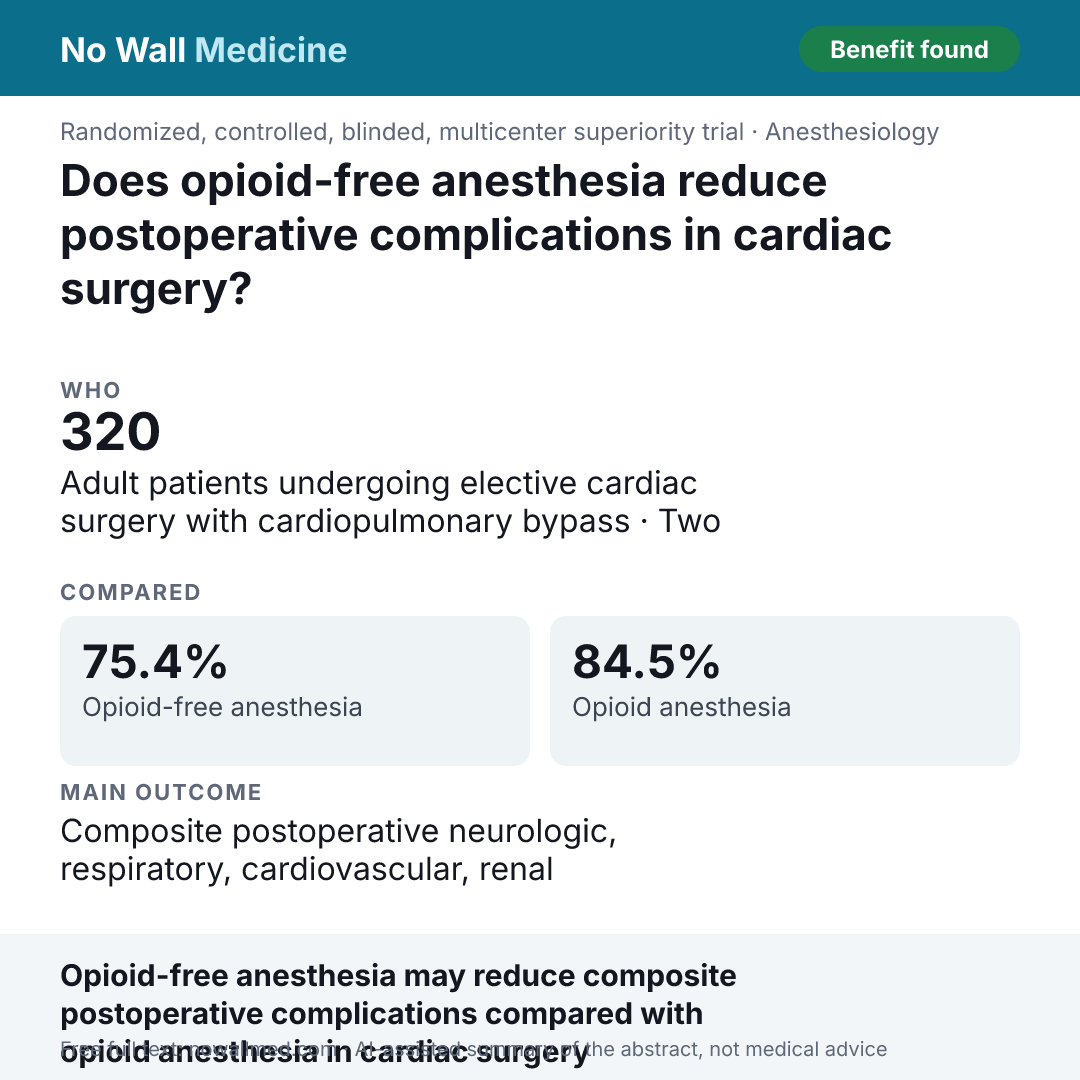
Opioid-free Anesthesia in Cardiac Surgery: The OFACAR Randomized Clinical Trial
Randomized, controlled, blinded, multicenter superiority trialBenefit found
Does opioid-free anesthesia reduce postoperative complications in cardiac surgery?
Who
320
Adult patients undergoing elective cardiac surgery with cardiopulmonary bypass · Two tertiary university hospitals in France
Compared
75.4%Opioid-free anesthesia
84.5%Opioid anesthesia
Main outcome
Composite postoperative neurologic, respiratory, cardiovascular, renal complications, or death
Result: risk ratio 0.90 (95% CI 0.80 to 0.99)
Bottom line: Opioid-free anesthesia may reduce composite postoperative complications compared with opioid anesthesia in cardiac surgery patients.
Limitation: The primary endpoint composite fragility index indicates results should be considered hypothesis generating.
Anesthesiology · 2026-05-22 · Save PNG
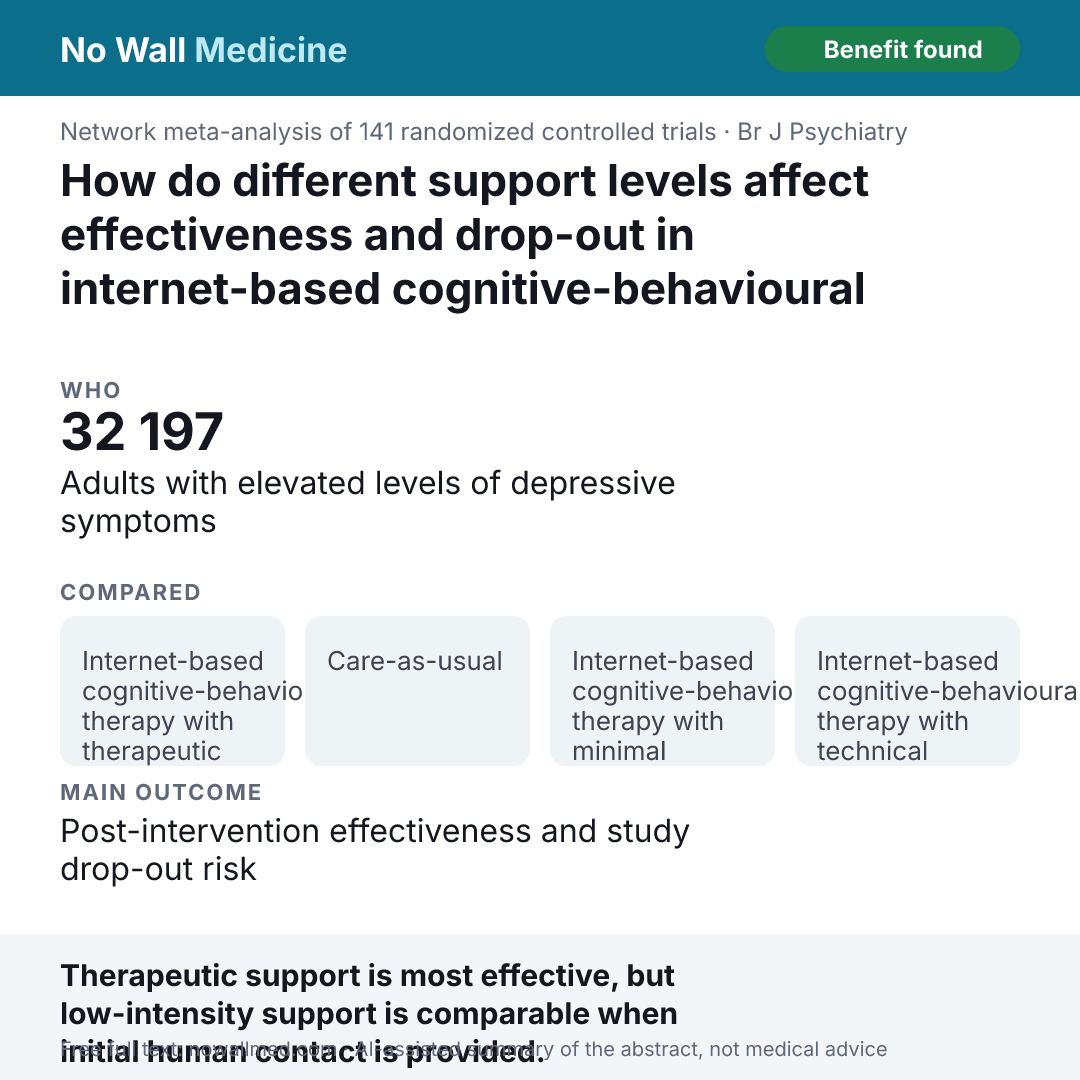
Impact of support levels on effectiveness and drop-out of internet-based interventions for depression: network meta-analysis
Network meta-analysis of 141 randomized controlled trialsBenefit found
How do different support levels affect effectiveness and drop-out in internet-based cognitive-behavioural therapy?
Who
32 197
Adults with elevated levels of depressive symptoms
Compared
Internet-based cognitive-behavioural therapy with therapeutic support: g = 0.42
Care-as-usual
Internet-based cognitive-behavioural therapy with minimal coaching: g = 0.19
Internet-based cognitive-behavioural therapy with technical support: g = 0.27
Main outcome
Post-intervention effectiveness and study drop-out risk
Result: g = 0.42 (95% CI: 0.30 to 0.55)
Bottom line: Therapeutic support is most effective, but low-intensity support is comparable when initial human contact is provided.
Limitation: Evidence regarding the potential harms of no-human support is needed before implementation.
Br J Psychiatry · 2026-05-22 · Save PNG
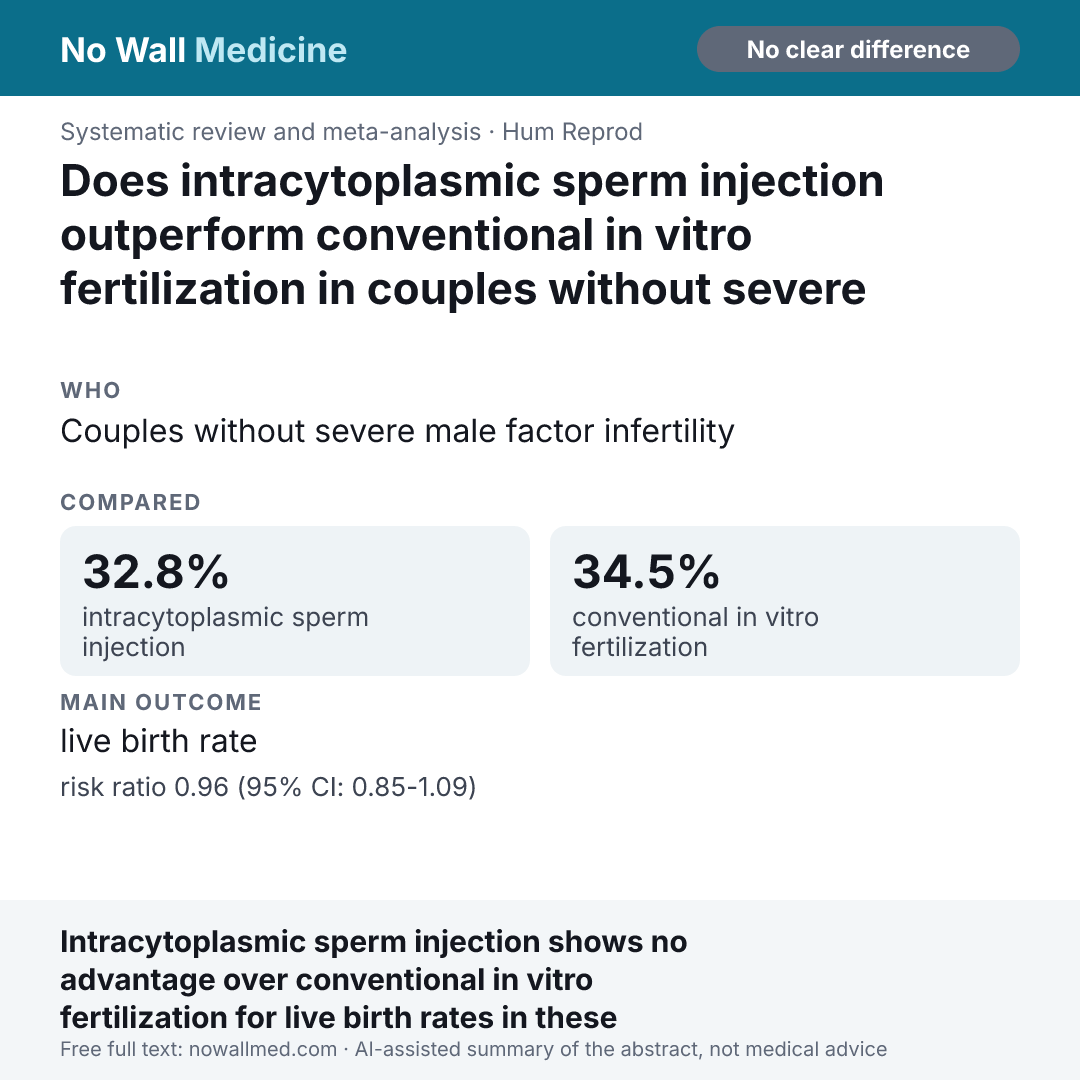
Does intracytoplasmic sperm injection outperform conventional in vitro fertilization in couples without severe male factor infertility? A systematic review and meta-analysis of randomized controlled trials
Systematic review and meta-analysisNo clear difference
Does intracytoplasmic sperm injection outperform conventional in vitro fertilization in couples without severe male factor infertility?
Who
Couples without severe male factor infertility
Compared
32.8%intracytoplasmic sperm injection
34.5%conventional in vitro fertilization
Main outcome
live birth rate
Result: risk ratio 0.96 (95% CI: 0.85-1.09)
Bottom line: Intracytoplasmic sperm injection shows no advantage over conventional in vitro fertilization for live birth rates in these couples.
Limitation: Limited number of high-quality studies, limited subgroup-specific evidence, and some heterogeneity in outcome measures.
Funded by: National Natural Science Foundation of China and Peking University Third Hospital
Hum Reprod · 2026-05-22 · Save PNG
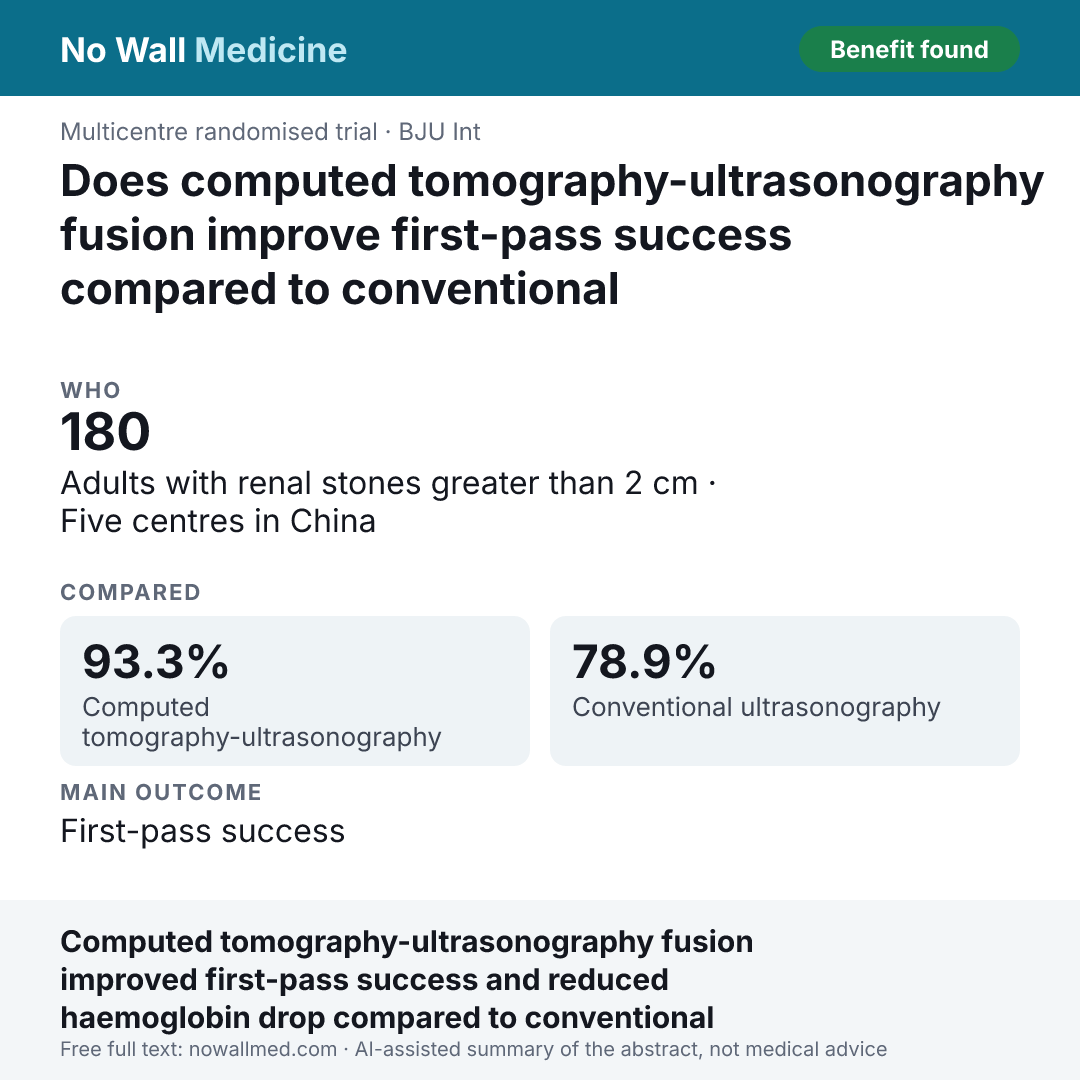
Computed tomography-ultrasonography (US) fusion for percutaneous nephrolithotomy access versus conventional US: A multicentre randomised trial
Multicentre randomised trialBenefit found
Does computed tomography-ultrasonography fusion improve first-pass success compared to conventional ultrasonography?
Who
180
Adults with renal stones greater than 2 cm · Five centres in China
Compared
93.3%Computed tomography-ultrasonography fusion
78.9%Conventional ultrasonography
Main outcome
First-pass success
Result: risk ratio 1.18 (95% CI 1.05-1.33)
Bottom line: Computed tomography-ultrasonography fusion improved first-pass success and reduced haemoglobin drop compared to conventional ultrasonography guidance.
BJU Int · 2026-05-22 · Save PNG
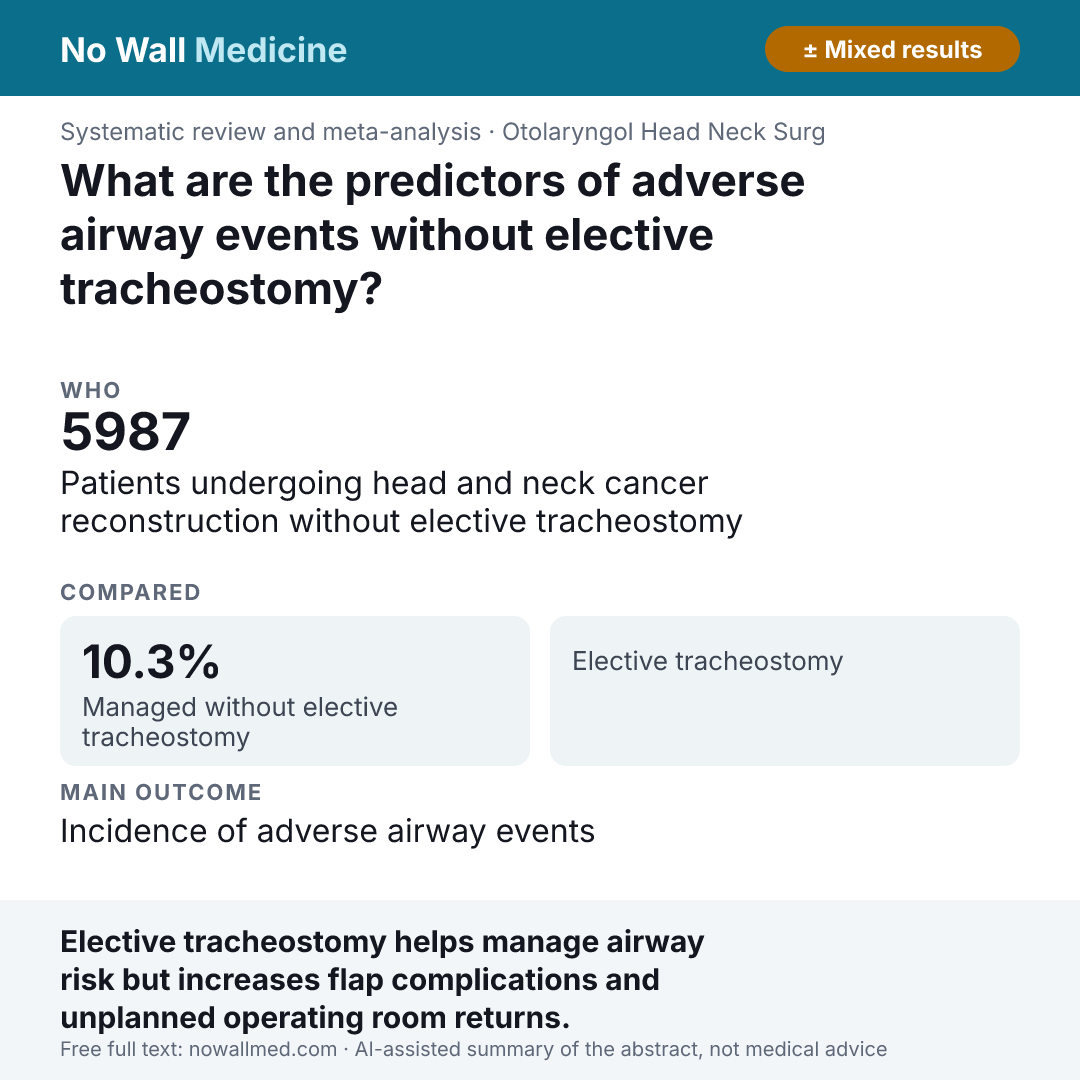
Adverse Airway Events Following Head and Neck Cancer Reconstruction Without Elective Tracheostomy
Systematic review and meta-analysisMixed results
What are the predictors of adverse airway events without elective tracheostomy?
Who
5987
Patients undergoing head and neck cancer reconstruction without elective tracheostomy
Compared
10.3%Managed without elective tracheostomy (95% CI, 6.7%-15.6%)
Elective tracheostomy
Main outcome
Incidence of adverse airway events
Bottom line: Elective tracheostomy helps manage airway risk but increases flap complications and unplanned operating room returns.
Otolaryngol Head Neck Surg · 2026-05-22 · Save PNG
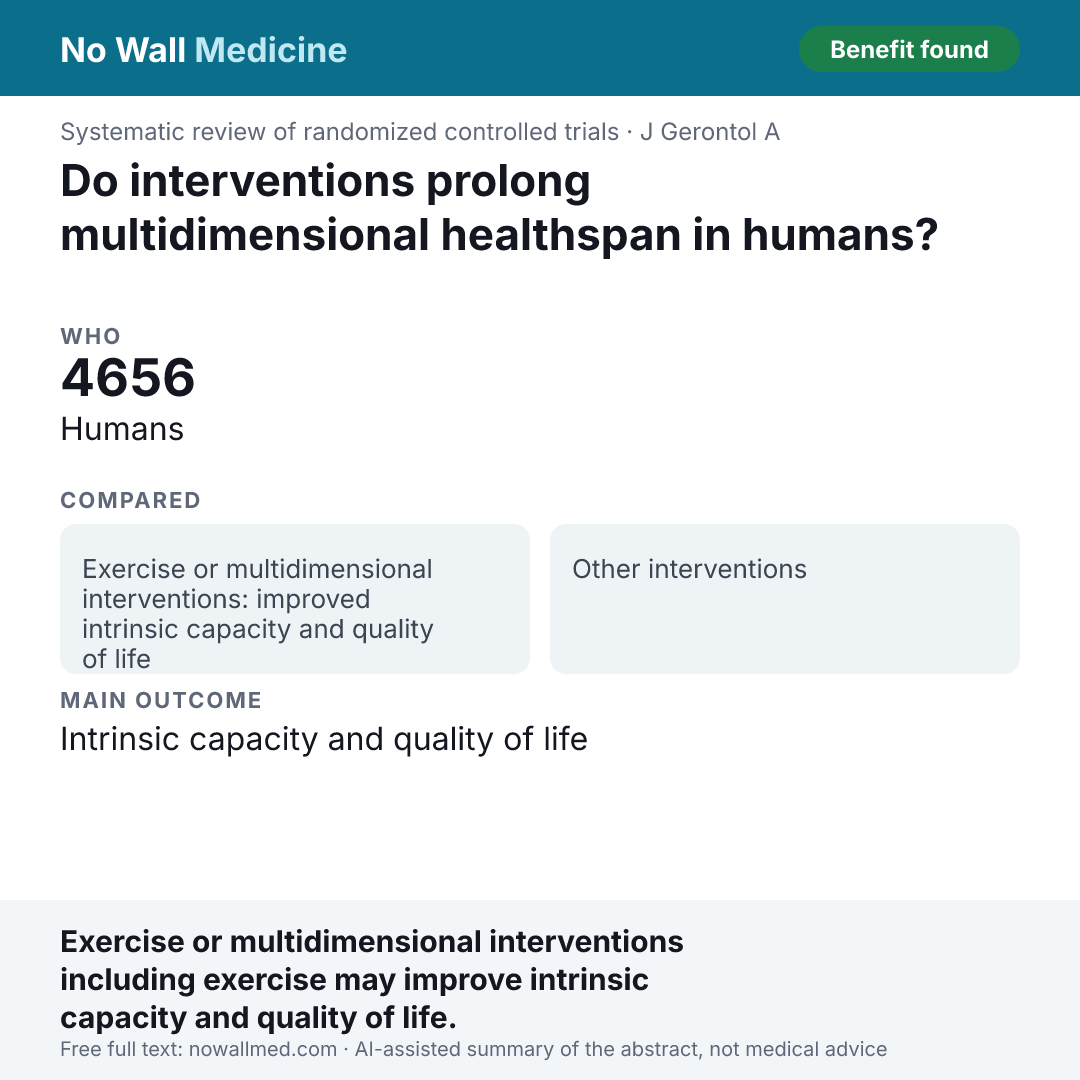
Interventions that prolong multidimensional healthspan in humans: a systematic review of randomized controlled trials
Systematic review of randomized controlled trialsBenefit found
Do interventions prolong multidimensional healthspan in humans?
Who
4656
Humans
Compared
Exercise or multidimensional interventions: improved intrinsic capacity and quality of life
Other interventions
Main outcome
Intrinsic capacity and quality of life
Bottom line: Exercise or multidimensional interventions including exercise may improve intrinsic capacity and quality of life.
Limitation: High heterogeneity between studies and small number of studies for other interventions.
J Gerontol A · 2026-05-22 · Save PNG
Estimated efficacy of the adjuvanted RSVPreF3 vaccine against diverse and worldwide predominant RSV strains, irrespective of RSV F protein variation: results of a post-hoc analysis from the AReSVi-006 trial
Post-hoc analysis of a phase 3 efficacy trialBenefit found
What is the efficacy of adjuvanted RSVPreF3 vaccine against diverse worldwide RSV strains?
Who
Adults aged 60 years or older · Not specified
Compared
Vaccinated
Placebo
Main outcome
Respiratory syncytial virus lower respiratory tract disease and acute respiratory illnesses
Bottom line: Adjuvanted RSVPreF3 vaccine efficacy is maintained across a broad set of globally circulating respiratory syncytial virus strains.
Funded by: GSK
eBioMedicine · 2026-05-22 · Save PNG

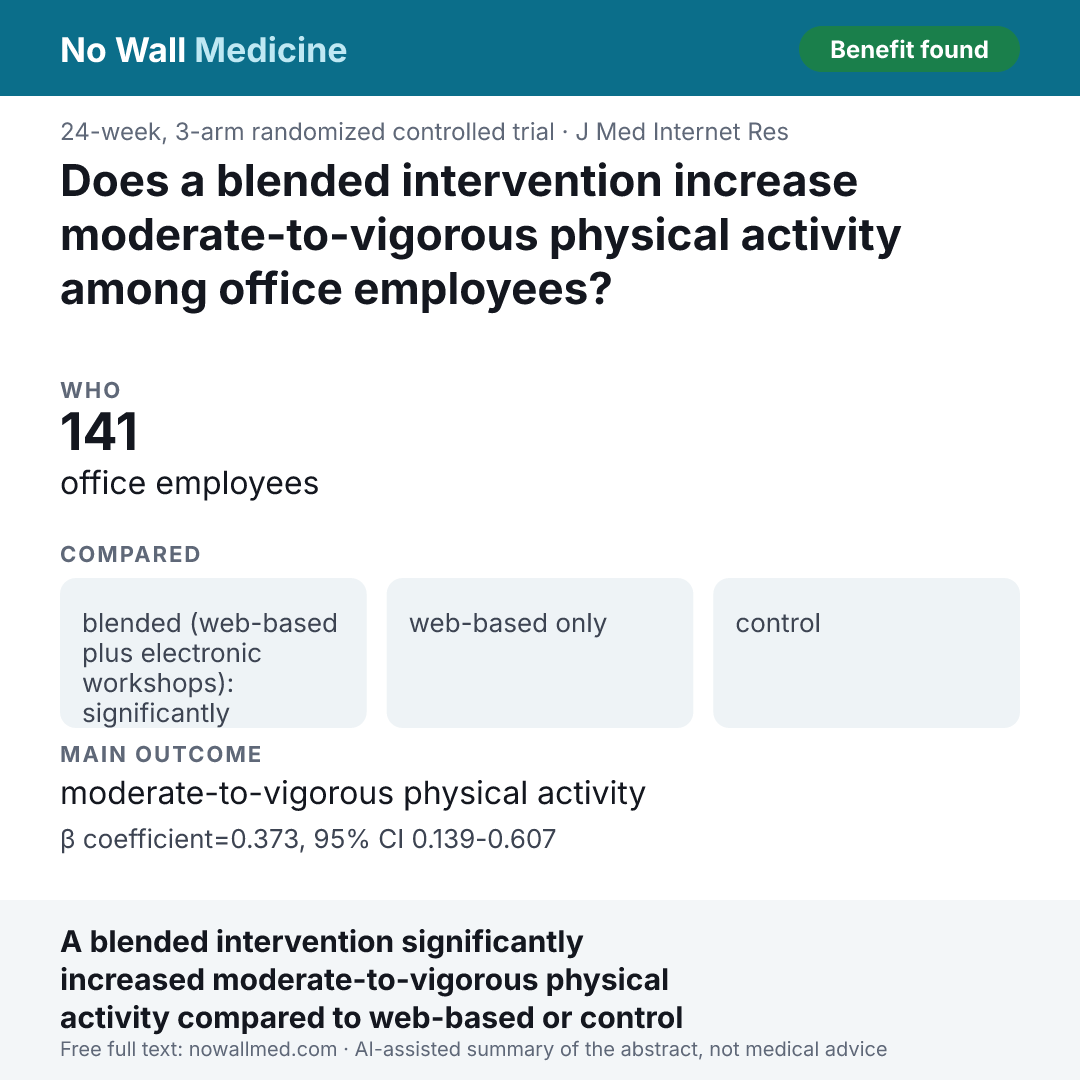
Effectiveness of a Blended Intervention to Promote Physical Activity Among Office Employees: Randomized Controlled Trial
24-week, 3-arm randomized controlled trialBenefit found
Does a blended intervention increase moderate-to-vigorous physical activity among office employees?
Who
141
office employees
Compared
blended (web-based plus electronic workshops): significantly greater MVPA increases
web-based only
control
Main outcome
moderate-to-vigorous physical activity
Result: β coefficient=0.373, 95% CI 0.139-0.607
Bottom line: A blended intervention significantly increased moderate-to-vigorous physical activity compared to web-based or control groups at 12 and 24 weeks.
J Med Internet Res · 2026-05-22 · Save PNG
Semaglutide-associated risk of nonarteritic anterior ischemic optic neuropathy in patients with type 2 diabetes: A systematic review and meta-analysis of observational studies
Systematic review and meta-analysis of observational studiesKey finding
Is semaglutide use associated with increased risk of nonarteritic anterior ischemic optic neuropathy in type 2 diabetes?
Who
Patients with type 2 diabetes aged 12 years or older
Compared
Semaglutide
Other glucose-lowering therapies
Main outcome
Nonarteritic anterior ischemic optic neuropathy
Result: hazard ratio 2.17 (95% CI 1.73 to 2.74)
Bottom line: Semaglutide use is associated with an increased risk of nonarteritic anterior ischemic optic neuropathy, though absolute risk remains low.
Limitation: Limited by exclusive focus on retrospective, registry-based observational studies, potential outcome misclassification, and confounding.
PLOS Med · 2026-05-21 · Save PNG

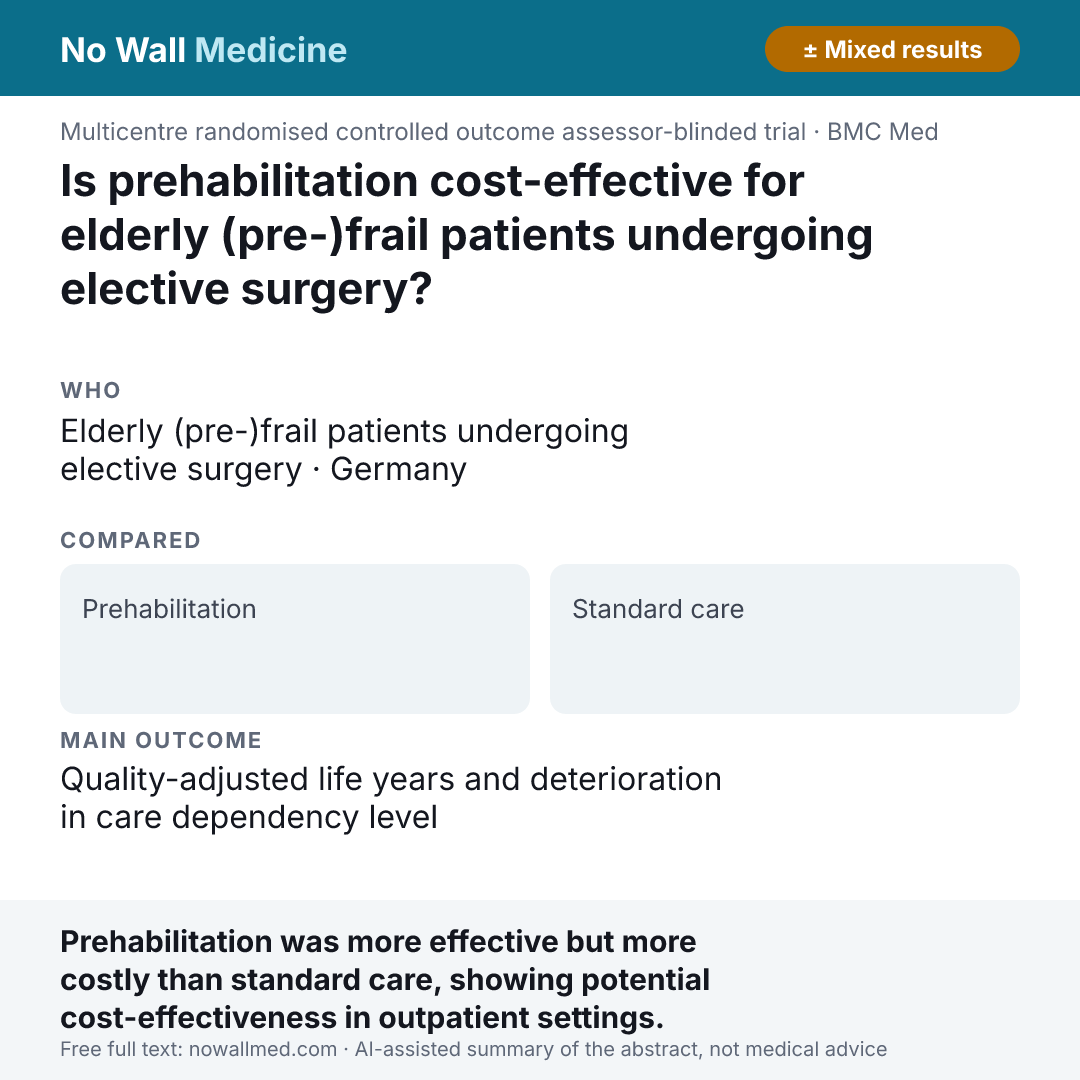
Cost-effectiveness of prehabilitation for elderly (pre-)frail patients prior to elective surgery compared to standard care - an economic evaluation from a societal perspective
Multicentre randomised controlled outcome assessor-blinded trialMixed results
Is prehabilitation cost-effective for elderly (pre-)frail patients undergoing elective surgery?
Who
Elderly (pre-)frail patients undergoing elective surgery · Germany
Compared
Prehabilitation
Standard care
Main outcome
Quality-adjusted life years and deterioration in care dependency level
Result: ICER 45,547 EUR per QALY gained
Bottom line: Prehabilitation was more effective but more costly than standard care, showing potential cost-effectiveness in outpatient settings.
BMC Med · 2026-05-21 · Save PNG
Peripheral Measurable Residual Disease Activity Assessment by MALDI-TOF Mass Spectrometry in Patients With Newly Diagnosed Multiple Myeloma in the Phase III GMMG-HD7 Trial
Phase III trial analysisBenefit found
Does mass spectrometry detect measurable residual disease activity in newly diagnosed multiple myeloma?
Who
617
Patients with newly diagnosed multiple myeloma · GMMG-HD7 trial
Compared
Mass spectrometry negative: superior progression-free survival
Mass spectrometry positive
Main outcome
progression-free survival
Result: hazard ratio 0.25 (95% CI 0.15 to 0.43)
Bottom line: Serum mass spectrometry is a sensitive biomarker where negativity is associated with superior progression-free survival.
J Clin Oncol · 2026-05-21 · Save PNG