Visual abstracts
New randomized trials and meta-analyses from leading journals at a glance: who was studied, what was compared, and what was found. Every paper is free to read in full.
All specialtiesCardiology 4877Oncology 4138Gastroenterology & Hepatology 1942Infectious Disease 3837Neurology 1905Psychiatry & Mental Health 2273Pulmonology 2143Critical Care 1365Endocrinology & Diabetes 2580Pediatrics 2980Surgery 2559Orthopedics & Sports Medicine 931Neurosurgery 537Cardiothoracic & Vascular Surgery 674Plastic & Reconstructive Surgery 591Nephrology 1133Rheumatology 823Hematology 1109Dermatology 621Ophthalmology 543Obstetrics & Gynecology 1686Public & Global Health 1058Radiology & Imaging 648Anesthesiology 986Urology 764ENT (Otolaryngology) 503Emergency Medicine 511Allergy & Immunology 313Geriatrics 981Family Medicine & Primary Care 562Medical Genetics & Genomics 676Pathology & Laboratory Medicine 159Physical Medicine & Rehabilitation 757Palliative Care 444Nutrition 1588Digital Health & AI 2201General Medicine 321
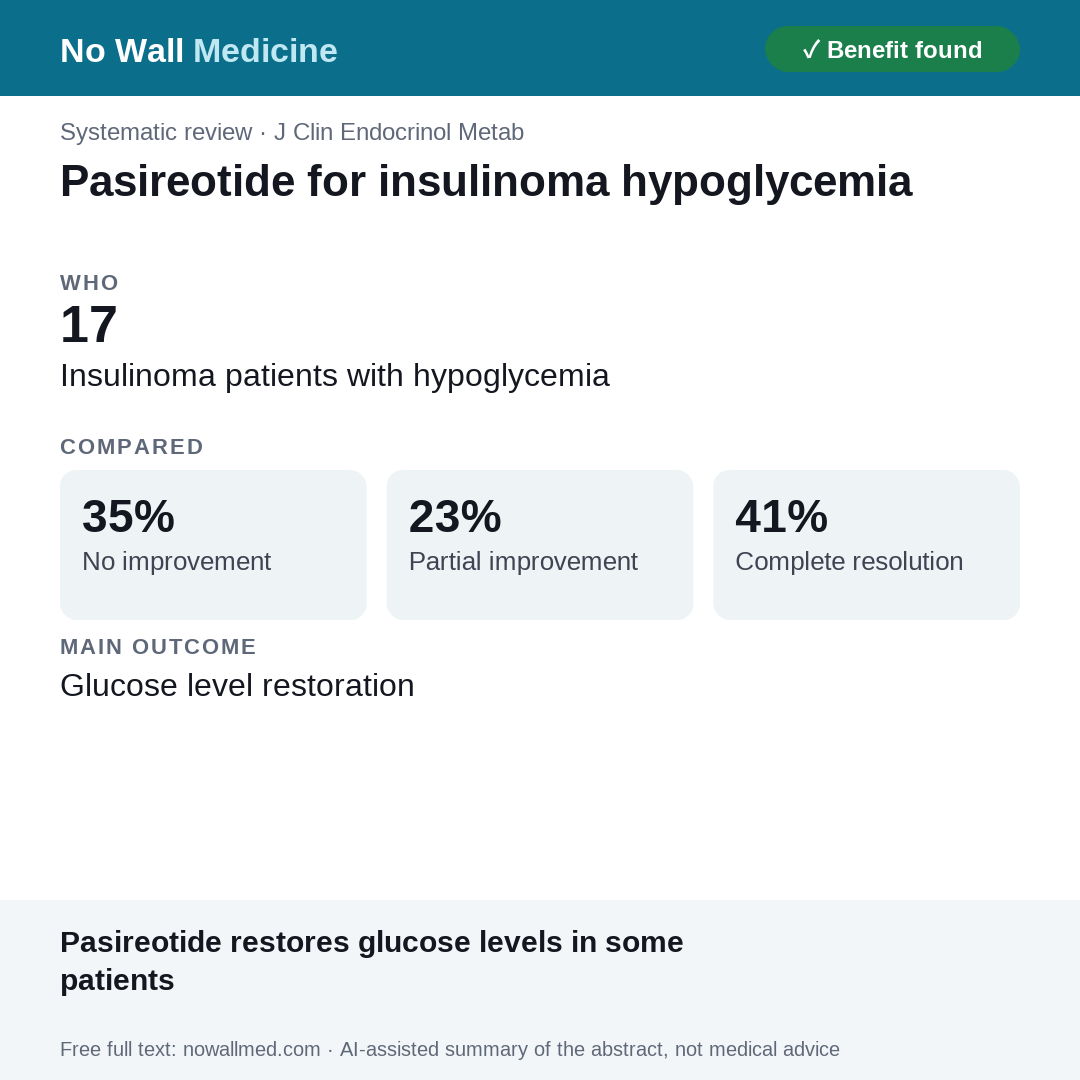
Efficacy and Safety of Pasireotide in Insulinoma-Associated Hypoglycemia
Systematic reviewBenefit found
Pasireotide for insulinoma hypoglycemia
Who
17
Insulinoma patients with hypoglycemia
Compared
35%No improvement
23%Partial improvement
41%Complete resolution
Main outcome
Glucose level restoration
Bottom line: Pasireotide restores glucose levels in some patients
Limitation: Small number of cases
J Clin Endocrinol Metab · 2025-04-01Download image
Maximizing oral intake tolerance in malignant gastric outlet obstruction - a Markov decision tree analysis comparing duodenal stenting, endoscopic ultrasound-guided gastroenterostomy and surgical gastrojejunostomy based on a meta-analysis of randomized controlled trials
Markov decision model based on meta-analysisMixed results
Which management strategy maximizes oral intake tolerance in malignant gastric outlet obstruction?
Who
patients with malignant gastric outlet obstruction
Compared
duodenal stenting: 81.2% at 1-month and 21.3% at 6-month
endoscopic ultrasound-guided gastroenterostomy: 80.4% at 1-month and 23.8% at 6-month
surgical gastrojejunostomy: 75.5% at 1-month and 25.2% at 6-month
Main outcome
successful oral intake tolerance at 1-6 months post-intervention
Bottom line: Duodenal stenting is best at 1-month, but EUS-GE or surgery is preferred for 6-month oral intake tolerance.
Limitation: scarcity of randomized controlled trials for endoscopic ultrasound-guided gastroenterostomy
Int J Surg · 2025-04-01Download image

Risk factors of failure to achieve textbook outcome in patients after pancreatoduodenectomy: a systematic review and meta-analysis
Systematic review and meta-analysisMixed results
What are the risk factors for failure to achieve textbook outcome after pancreatoduodenectomy?
Who
5238
Patients undergoing pancreatoduodenectomy
Compared
Preoperative biliary drainage: OR = 2.09 (95%CI 1.30-3.36)
Smaller tumor size: OR = 1.36 (95%CI 1.02-1.81)
Soft pancreatic texture: OR = 2.25 (95%CI 1.01-5.02)
Small pancreatic duct diameter: OR = 2.30 (95%CI 1.62-3.28)
Main outcome
Failure to achieve textbook outcome after pancreatoduodenectomy
Bottom line: Biliary drainage, tumor size, pancreatic texture, duct diameter, and blood loss are risk factors for non-textbook outcome.
Int J Surg · 2025-04-01Download image

Rectal cancer approach strategies after neoadjuvant treatment - a systematic review and network meta-analysis
Systematic review and network meta-analysisMixed results
What are the long-term outcomes of different rectal cancer approach strategies after neoadjuvant treatment?
Who
2778
Patients with rectal cancer after neoadjuvant chemoradiotherapy
Compared
Total mesorectal excision surgery
Watch-and-wait: OR, 0.20; 95% CI, 0.12-0.35
Local excision: 3.00; 1.60-5.80
Main outcome
2-year local regrowth rate and overall survival
Result: OR, 0.37; 95% CI, 0.09-0.95
Bottom line: Total mesorectal excision reduces 2-year local regrowth, but watch-and-wait and local excision show noninferiority in long-term survival.
Limitation: Low-certainty evidence for 2-year local regrowth rate
Int J Surg · 2025-04-01Download image

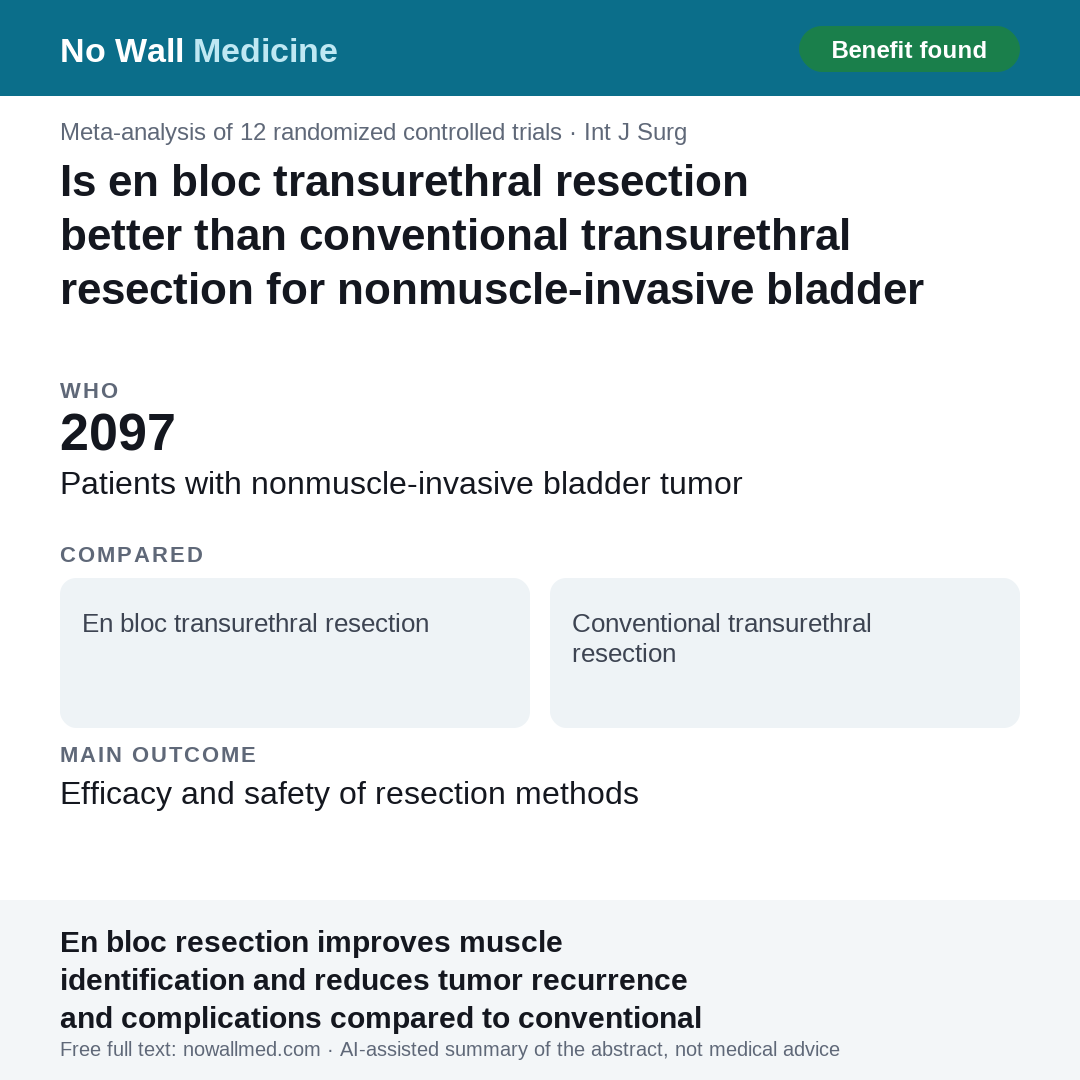
An updated systematic review, meta-analysis, and trial sequential analysis of the efficacy and safety of en bloc transurethral resection vs. conventional transurethral resection for nonmuscle-invasive bladder tumor
Meta-analysis of 12 randomized controlled trialsBenefit found
Is en bloc transurethral resection better than conventional transurethral resection for nonmuscle-invasive bladder tumor?
Who
2097
Patients with nonmuscle-invasive bladder tumor
Compared
En bloc transurethral resection
Conventional transurethral resection
Main outcome
Efficacy and safety of resection methods
Bottom line: En bloc resection improves muscle identification and reduces tumor recurrence and complications compared to conventional resection.
Int J Surg · 2025-04-01Download image
Essential components and validation of multi-specialty robotic surgical training curricula: a systematic review
Systematic reviewMixed results
What are the essential components and validity of multi-specialty robotic surgical training curricula?
Who
66
Studies reporting on robotic surgical training curricula · MEDLINE, EMBASE, Emcare, and CINAHL databases
Compared
Common curriculum components: didactic teaching (n = 48, 72.7%)
Common curriculum components: dry laboratory skills (n = 46, 69.7%)
Common curriculum components: virtual reality simulation (n = 44, 66.7%)
Main outcome
Essential components and validity of robotic training curricula
Bottom line: Robotic training includes didactic teaching, dry lab, and simulation, but assessment methods vary and validation gaps remain.
Limitation: Majority of studies were single-center and observational with moderate methodological quality.
Int J Surg · 2025-04-01Download image

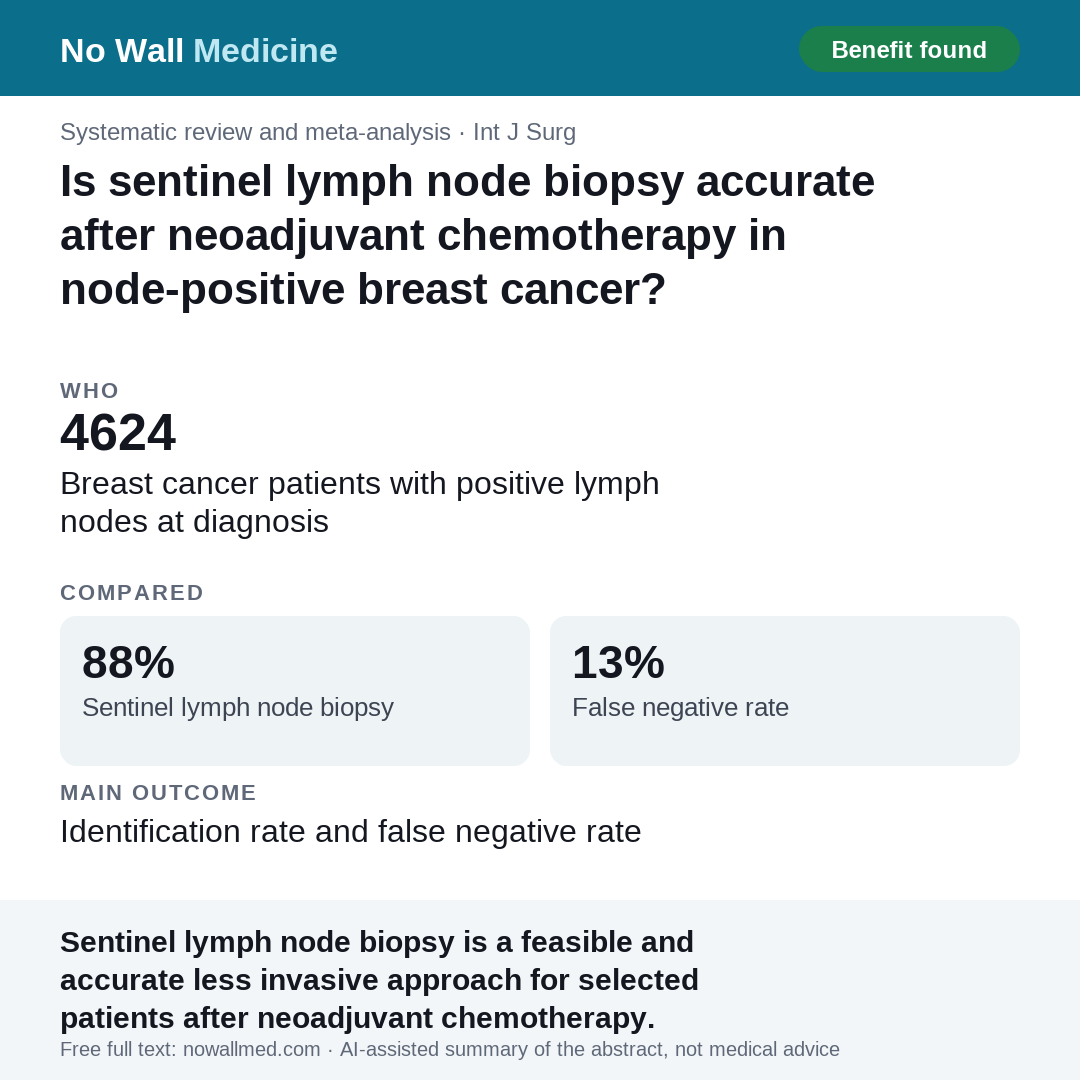
Performance of sentinel lymph node biopsy after neoadjuvant chemotherapy in clinically node-positive breast cancer patients: systematic review and meta-analysis
Systematic review and meta-analysisBenefit found
Is sentinel lymph node biopsy accurate after neoadjuvant chemotherapy in node-positive breast cancer?
Who
4624
Breast cancer patients with positive lymph nodes at diagnosis
Compared
88%Sentinel lymph node biopsy (95% confidence interval 86-90)
13%False negative rate (95% confidence interval 11-15)
Main outcome
Identification rate and false negative rate
Result: pooled identification rate 88% (95% CI 86-90) and pooled false negative rate 13% (95% CI 11-15)
Bottom line: Sentinel lymph node biopsy is a feasible and accurate less invasive approach for selected patients after neoadjuvant chemotherapy.
Int J Surg · 2025-04-01Download image
The efficacy of diltiazem, glyceryl trinitrate, nifedipine, minoxidil, and lidocaine for the medical management of anal fissure: a systematic review and network meta-analysis of randomized controlled trials
Systematic review and network meta-analysisMixed results
What are the most effective pharmacological treatments for medical management of anal fissure?
Who
1770
Participants with anal fissure
Compared
nifedipine: highest healing rate
diltiazem: lowest recurrence rate and most effective in pain reduction
minoxidil: relatively low incidence of adverse effects
lidocaine: lowest healing rate and least effective in alleviating pain
Main outcome
anal fissure healing
Bottom line: Nifedipine had the highest healing rate, while diltiazem is preferred for pain reduction despite needing more studies.
Int J Surg · 2025-04-01Download image

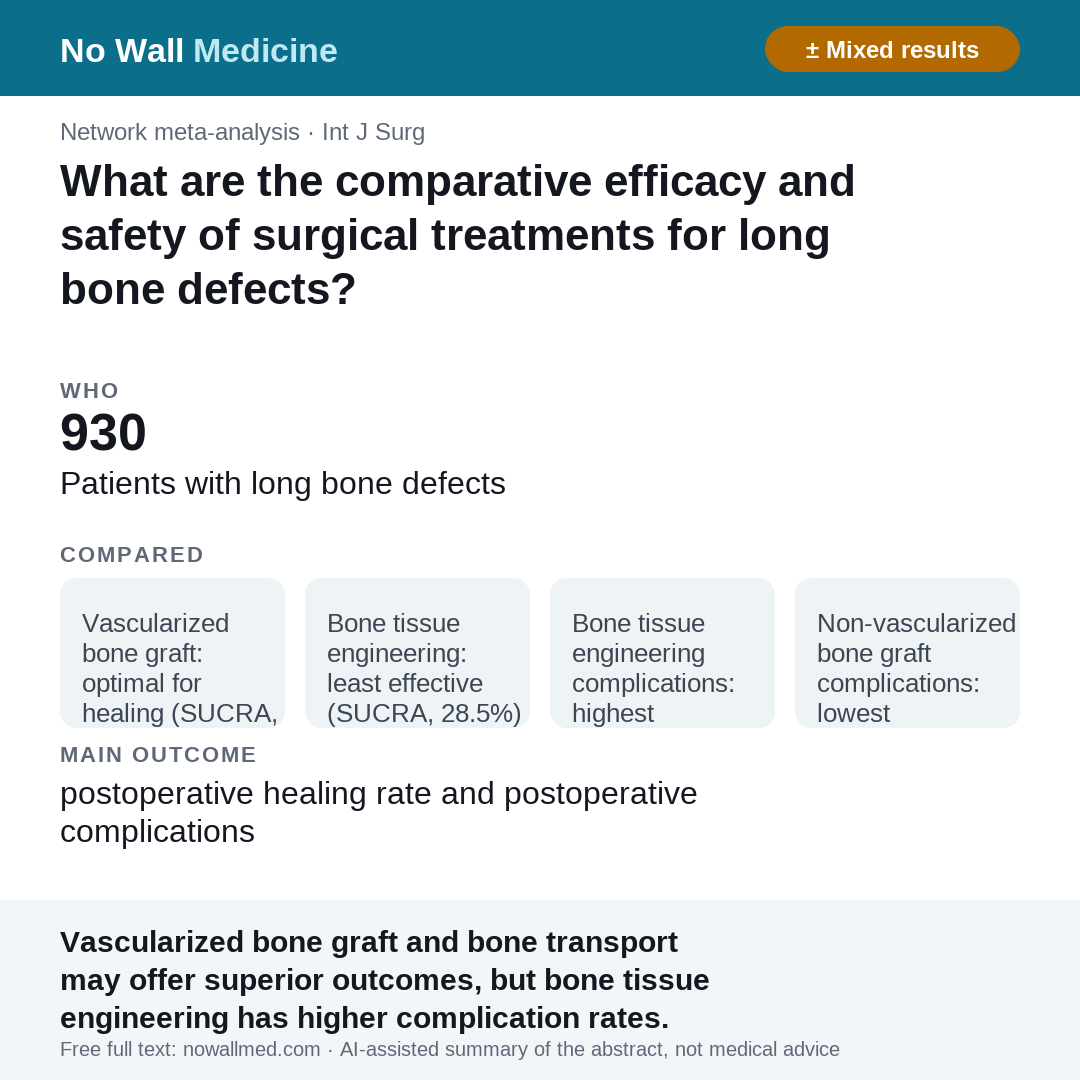
Evaluation of the comparative efficacy and safety of surgical strategies for long bone defects: a network meta-analysis
Network meta-analysisMixed results
What are the comparative efficacy and safety of surgical treatments for long bone defects?
Who
930
Patients with long bone defects
Compared
Vascularized bone graft: optimal for healing (SUCRA, 75.1%)
Bone tissue engineering: least effective (SUCRA, 28.5%)
Bone tissue engineering complications: highest complication rate (SUCRA, 90.9%)
Non-vascularized bone graft complications: lowest complication rate (SUCRA, 27.6%)
Main outcome
postoperative healing rate and postoperative complications
Bottom line: Vascularized bone graft and bone transport may offer superior outcomes, but bone tissue engineering has higher complication rates.
Limitation: Further high-quality, large-sample randomized controlled trials are required to confirm these findings.
Int J Surg · 2025-04-01Download image
The effects of extracorporeal shock wave therapy in children with cerebral palsy: a systematic review
Systematic review of twelve randomized controlled trialsBenefit found
What are the effects of extracorporeal shockwave therapy in children with spastic cerebral palsy?
Who
421
Children with spastic cerebral palsy
Compared
Extracorporeal shockwave therapy
Control
Main outcome
International Classification of Functioning, Disability, and Health domains
Result: effect sizes ranging from moderate (0.65) to very large (14.62)
Bottom line: Extracorporeal shockwave therapy demonstrated positive effects on motor skills and range of motion in children with spastic cerebral palsy.
Limitation: PEDro scores ranged from three to eight
Int J Surg · 2025-04-01Download image

Anti-inflammatory interventions for the treatment and prevention of depression among older adults: a systematic review and meta-analysis
Systematic review and meta-analysis of 31 randomized controlled trialsBenefit found
Do anti-inflammatory interventions treat or prevent depression in older adults?
Who
Older adults
Compared
Anti-inflammatory interventions
Placebo
Main outcome
Mean change scores of depression scores
Result: standardized mean difference -0.57 (95% CI -0.98 to -0.15)
Bottom line: Anti-inflammatory interventions show moderate beneficial effects for treating and preventing depression among older adults.
Limitation: Substantial heterogeneity among included studies
Transl Psychiatry · 2025-04-01Download image

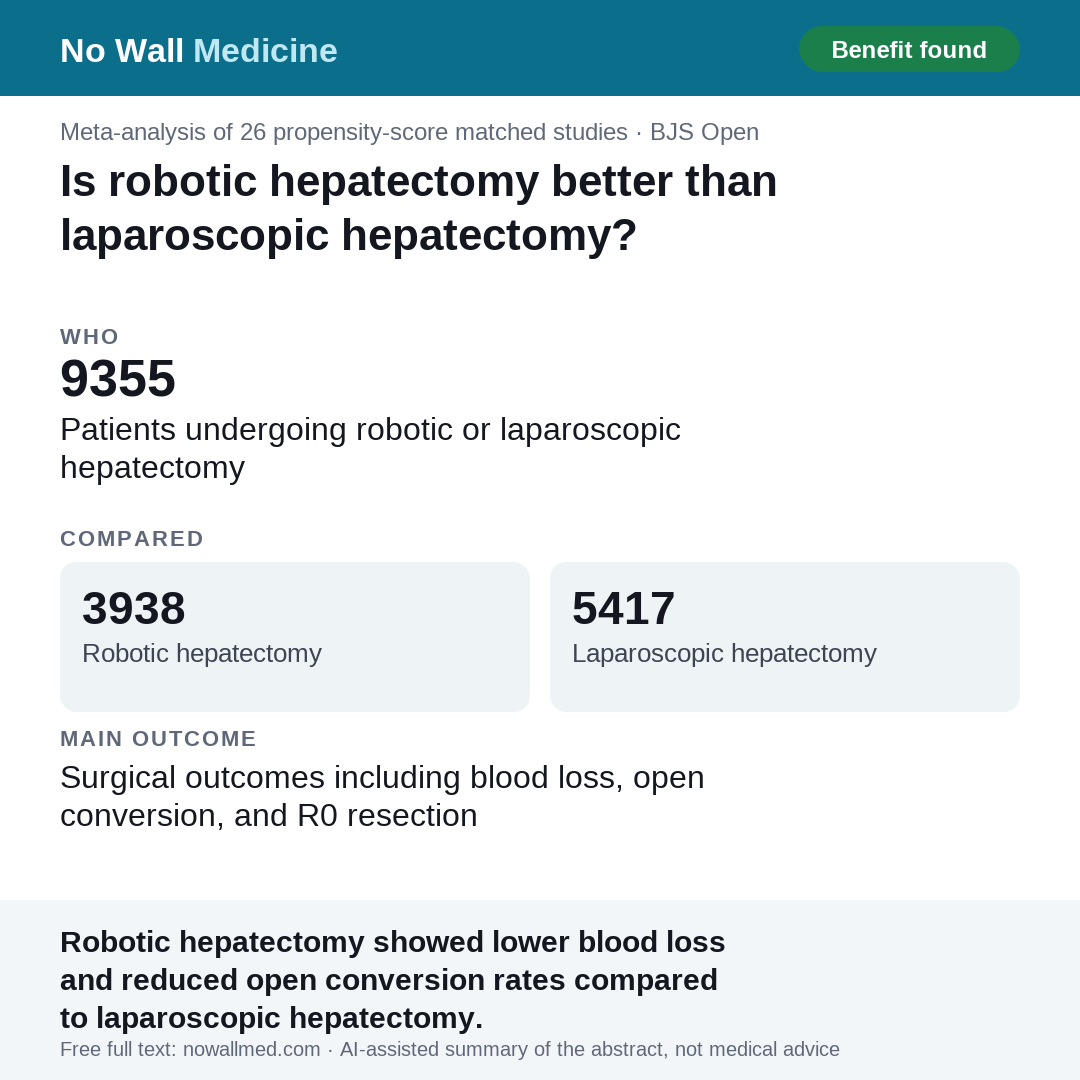
Robotic versus laparoscopic hepatectomy: meta-analysis of propensity-score matched studies
Meta-analysis of 26 propensity-score matched studiesBenefit found
Is robotic hepatectomy better than laparoscopic hepatectomy?
Who
9355
Patients undergoing robotic or laparoscopic hepatectomy
Compared
3938Robotic hepatectomy
5417Laparoscopic hepatectomy
Main outcome
Surgical outcomes including blood loss, open conversion, and R0 resection
Result: mean difference -86.22 (95% CI -116.49 to -55.95) for blood loss
Bottom line: Robotic hepatectomy showed lower blood loss and reduced open conversion rates compared to laparoscopic hepatectomy.
BJS Open · 2025-04-01Download image
Artificial Intelligence Performance in Image-Based Cancer Identification: Umbrella Review of Systematic Reviews
Umbrella review of systematic reviewsBenefit found
What is the performance of artificial intelligence in image-based cancer identification?
Who
158
Noninvasive imaging diagnosis across 8 major human system cancers
Compared
Esophageal cancer: sensitivity 90%-95% and specificity 80%-93.8%
Breast cancer: sensitivity 75.4%-92% and specificity 83%-90.6%
Ovarian cancer: sensitivity 75%-94% and specificity 75%-94%
Lung cancer: specificity 65% to 80%
Main outcome
Diagnostic performance of artificial intelligence algorithms
Bottom line: Artificial intelligence shows great potential for accurate cancer diagnosis, though hurdles remain before clinical implementation.
J Med Internet Res · 2025-04-01Download image

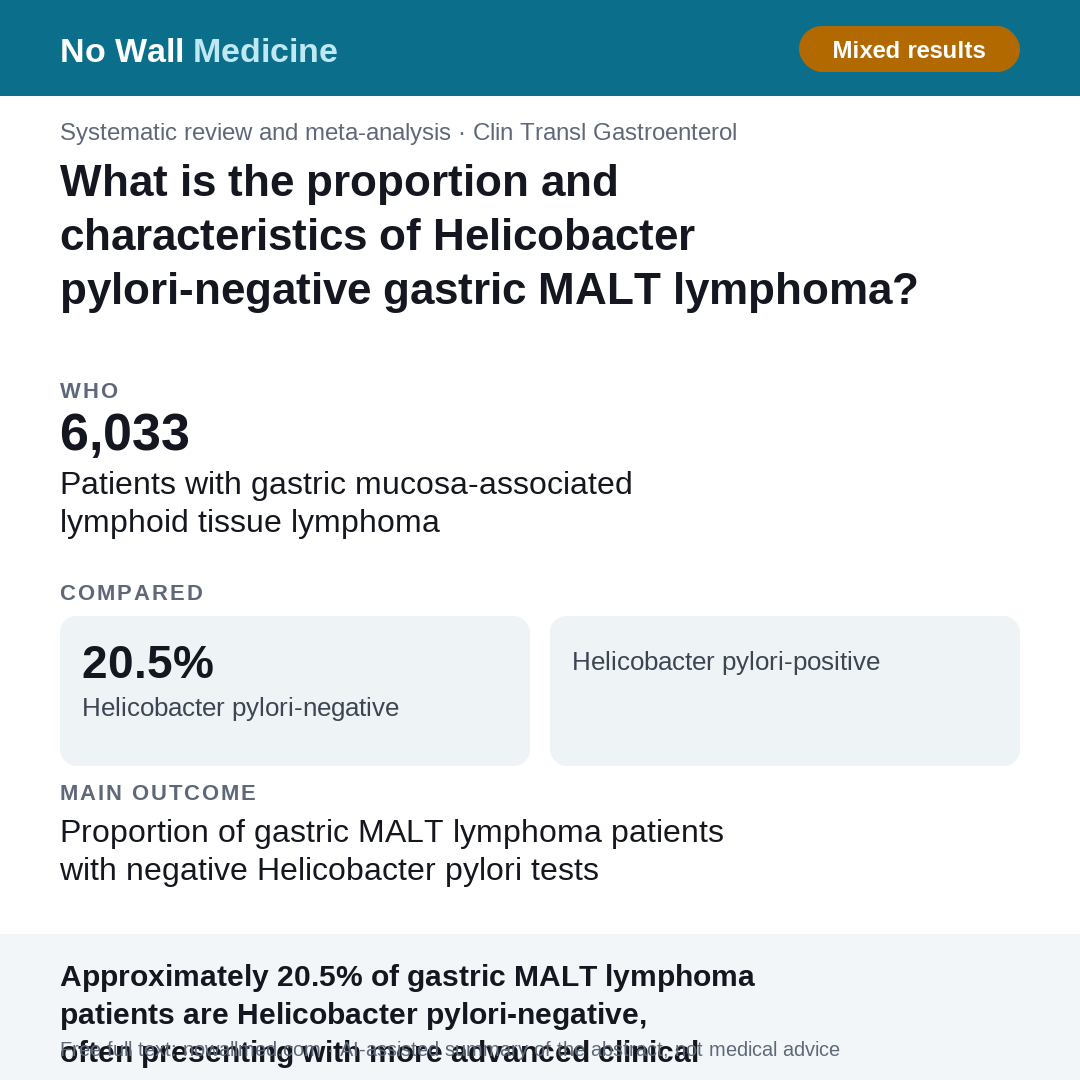
Proportion and Characteristics of Helicobacter Pylori -Negative Gastric Mucosa-Associated Lymphoid Tissue Lymphoma: A Systematic Review and Meta-Analysis
Systematic review and meta-analysisMixed results
What is the proportion and characteristics of Helicobacter pylori-negative gastric MALT lymphoma?
Who
6,033
Patients with gastric mucosa-associated lymphoid tissue lymphoma
Compared
20.5%Helicobacter pylori-negative (95% confidence interval: 17.0%-24.6%)
Helicobacter pylori-positive
Main outcome
Proportion of gastric MALT lymphoma patients with negative Helicobacter pylori tests
Bottom line: Approximately 20.5% of gastric MALT lymphoma patients are Helicobacter pylori-negative, often presenting with more advanced clinical features.
Clin Transl Gastroenterol · 2025-04-01Download image
Efficacy and safety of passive immunotherapies targeting amyloid beta in Alzheimer's disease: A systematic review and meta-analysis
Meta-analysis of 13 phase III randomized controlled trialsMixed results
Are anti-amyloid beta monoclonal antibodies effective and safe for Alzheimer's disease?
Who
18826
Patients with mild cognitive impairment or dementia due to Alzheimer's disease
Compared
Anti-amyloid beta monoclonal antibodies
Placebo
Main outcome
Cognitive performance and adverse events
Result: mean difference -0.25 (95% CI -0.38 to -0.11) for CDR-SB
Bottom line: Anti-amyloid beta monoclonal antibodies slow cognitive decline but carry risks of amyloid-related imaging abnormalities and headaches.
Limitation: Differences in trial designs introduce limitations in cross-trial comparisons.
PLOS Med · 2025-03-31Download image

Genetic and genomic insights into male reproductive tract development
Systematic review and single-cell atlas analysisUnclear result
What are the genetic and genomic insights into male reproductive tract development?
Who
Human and mouse male reproductive tract development
Compared
Human phenotype terms: 35 terms associated with 269 unique genes
Mouse phenotype terms: differences in phenotype terms and gene identity
Main outcome
Identification of genes and cell types in male reproductive tract development
Bottom line: Leydig and Sertoli cells are primary cell types expressing male reproductive tract genes during fetal development.
Fertil Steril · 2025-03-31Download image

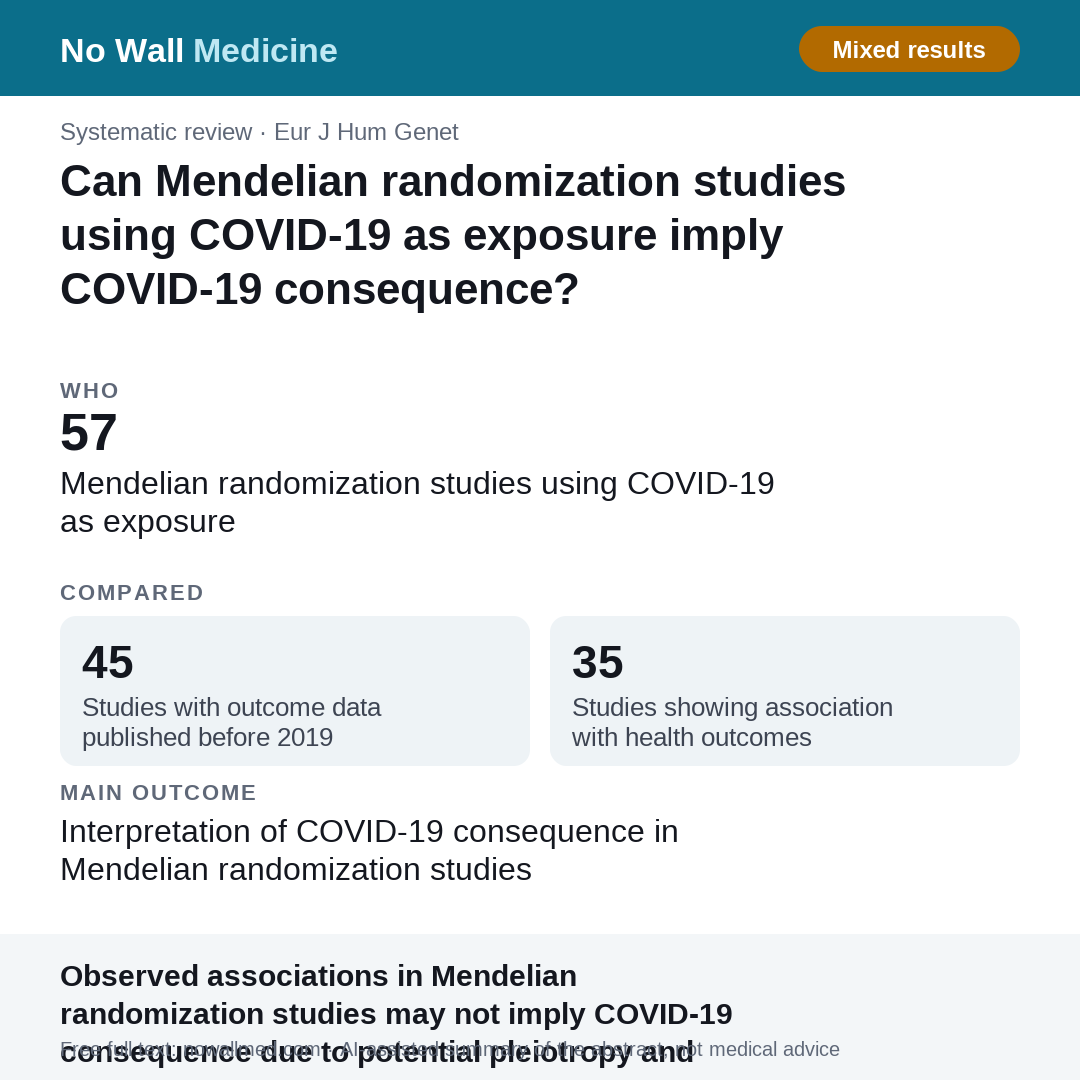
Challenges in interpreting Mendelian randomization studies with a disease as the exposure: Using COVID-19 liability studies as an exemplar
Systematic reviewMixed results
Can Mendelian randomization studies using COVID-19 as exposure imply COVID-19 consequence?
Who
57
Mendelian randomization studies using COVID-19 as exposure
Compared
45Studies with outcome data published before 2019
35Studies showing association with health outcomes
Main outcome
Interpretation of COVID-19 consequence in Mendelian randomization studies
Bottom line: Observed associations in Mendelian randomization studies may not imply COVID-19 consequence due to potential pleiotropy and relevance issues.
Eur J Hum Genet · 2025-03-31Download image
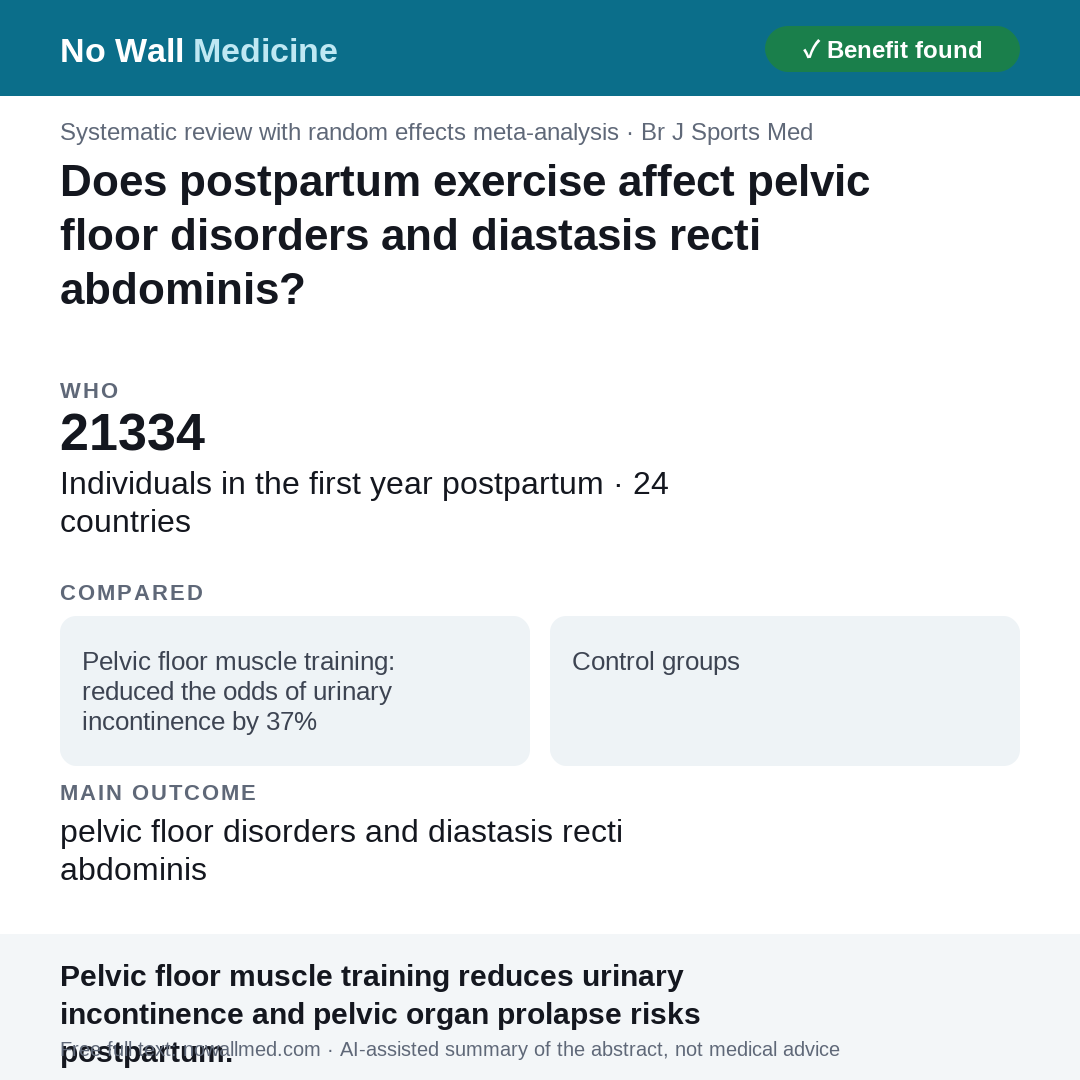
Impact of postpartum exercise on pelvic floor disorders and diastasis recti abdominis: a systematic review and meta-analysis
Systematic review with random effects meta-analysisBenefit found
Does postpartum exercise affect pelvic floor disorders and diastasis recti abdominis?
Who
21334
Individuals in the first year postpartum · 24 countries
Compared
Pelvic floor muscle training: reduced the odds of urinary incontinence by 37%
Control groups
Main outcome
pelvic floor disorders and diastasis recti abdominis
Result: OR 0.63, 95% CI 0.41 to 0.97
Bottom line: Pelvic floor muscle training reduces urinary incontinence and pelvic organ prolapse risks postpartum.
Limitation: Evidence on anal incontinence, diastasis recti abdominis, and symptom severity is limited.
Br J Sports Med · 2025-03-31Download image
Risk factors for the development of knee osteoarthritis across the lifespan: A systematic review and meta-analysis
Systematic review and meta-analysisMixed results
What are the risk factors for developing incident knee osteoarthritis across the lifespan?
Who
Participants developing incident symptomatic and/or radiographic knee osteoarthritis
Compared
Previous knee injury: OR 2.67 (95% CI 1.41, 5.05)
Older age: OR 1.15 (95% CI 1.00, 1.33)
High bone mineral density: OR 1.82 (95% CI 1.12, 2.94)
Main outcome
Incident radiographic knee osteoarthritis
Bottom line: Previous knee injury, older age, and high bone mineral density increase radiographic knee osteoarthritis risk.
Osteoarthritis Cartilage · 2025-03-31Download image

Impact of Caregiver and Patient Age on Efficacy of Caregiver Interventions in Advanced Cancer: A Meta-Regression
Meta-regression of randomized controlled trialsMixed results
Does patient and caregiver age impact efficacy of caregiver interventions in advanced cancer?
Who
3306
Adult caregivers of adults with advanced cancer
Compared
Older mean patient age: greater impact on quality of life (P = 0.04)
Younger mean caregiver age: greater impact on depression (P = 0.02)
Larger patient-caregiver age difference: greater impact on anxiety (P = 0.01)
Main outcome
quality of life, anxiety, or depression
Bottom line: Patient and caregiver age may influence the efficacy of caregiver support interventions in advanced cancer.
J Pain Symptom Manage · 2025-03-31Download image