Visual abstracts
New randomized trials and meta-analyses from leading journals at a glance: who was studied, what was compared, and what was found. Every paper is free to read in full.
All specialtiesCardiology 855Oncology 770Gastroenterology & Hepatology 311Infectious Disease 626Neurology 354Psychiatry & Mental Health 430Pulmonology 370Critical Care 259Endocrinology & Diabetes 484Pediatrics 542Surgery 349Orthopedics & Sports Medicine 166Neurosurgery 115Cardiothoracic & Vascular Surgery 87Plastic & Reconstructive Surgery 144Nephrology 197Rheumatology 108Hematology 183Dermatology 81Ophthalmology 97Obstetrics & Gynecology 266Public & Global Health 168Radiology & Imaging 104Anesthesiology 128Urology 162ENT (Otolaryngology) 114Emergency Medicine 103Allergy & Immunology 58Geriatrics 160Family Medicine & Primary Care 111Medical Genetics & Genomics 91Pathology & Laboratory Medicine 27Physical Medicine & Rehabilitation 149Palliative Care 81Nutrition 223Digital Health & AI 462General Medicine 101
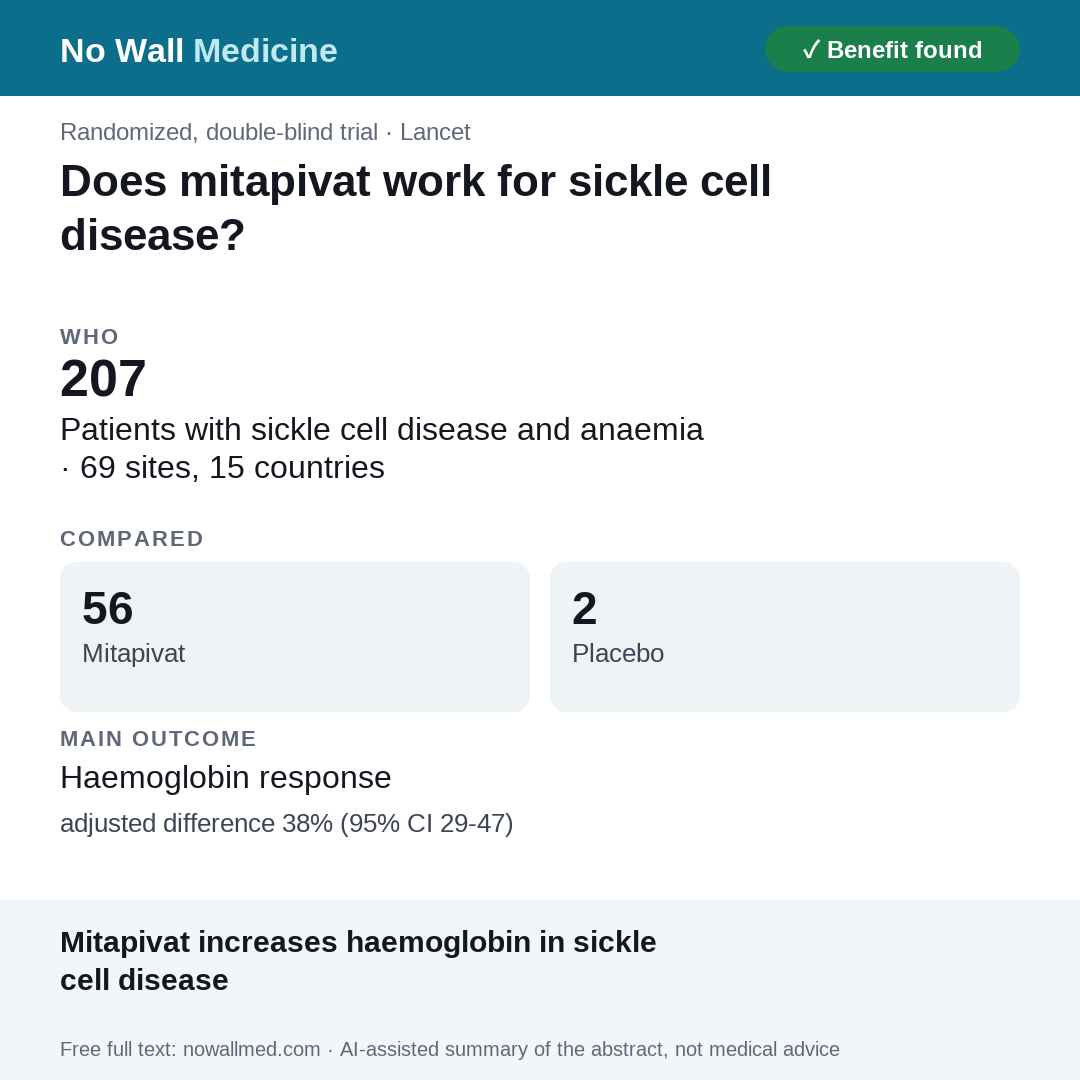
Efficacy and safety of mitapivat in patients with sickle cell disease (RISE UP): a phase 3, double-blind, global, randomised, placebo-controlled trial
Randomized, double-blind trialBenefit found
Does mitapivat work for sickle cell disease?
Who
207
Patients with sickle cell disease and anaemia · 69 sites, 15 countries
Compared
56Mitapivat (41%)
2Placebo (3%)
Main outcome
Haemoglobin response
Result: adjusted difference 38% (95% CI 29-47)
Bottom line: Mitapivat increases haemoglobin in sickle cell disease
Funded by: Agios Pharmaceuticals
Lancet · 2026-10-23Download image
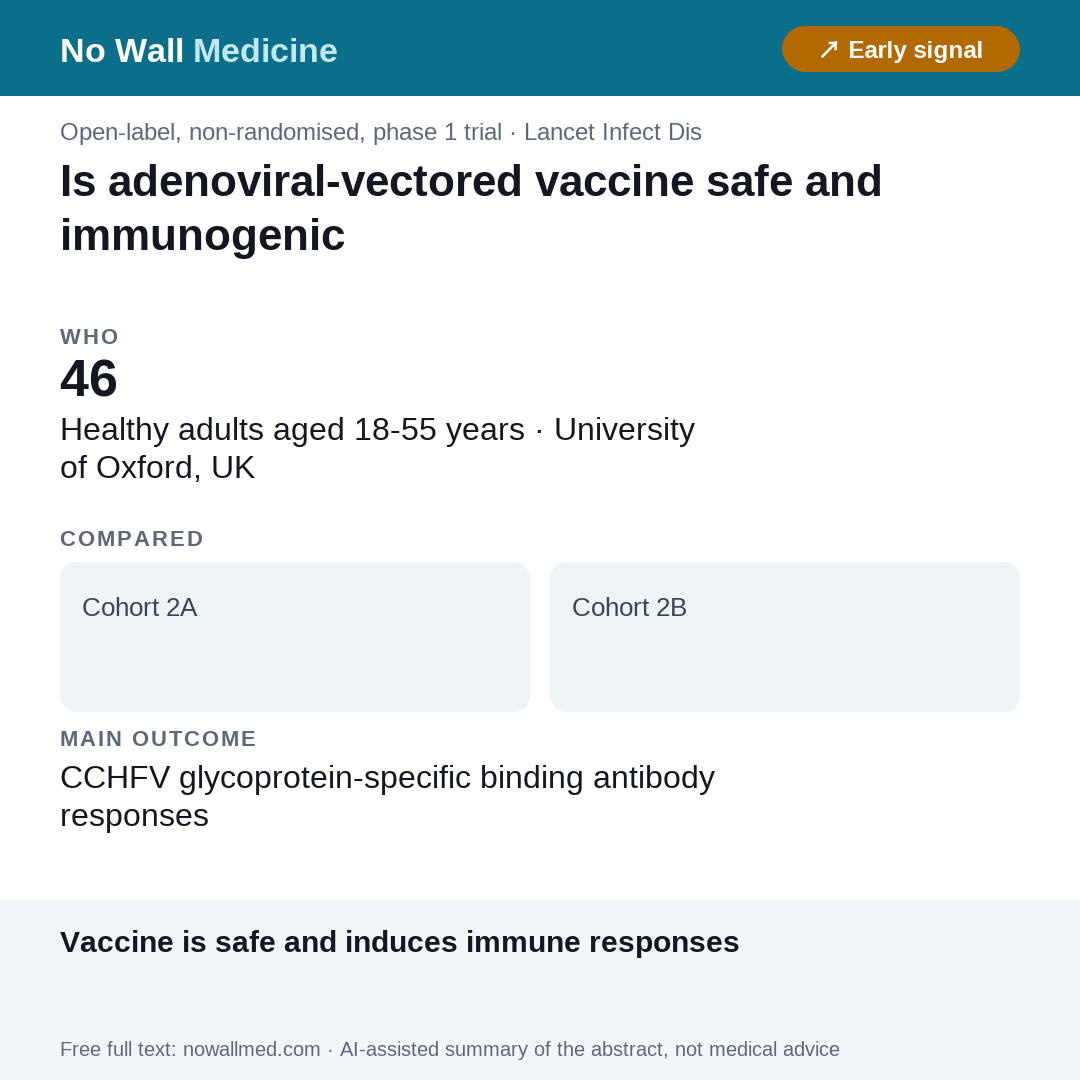
Safety and immunogenicity of an adenoviral-vectored vaccine against Crimean-Congo haemorrhagic fever in the UK (CCHF01): an open-label, first-in-human, non-randomised, phase 1 clinical trial
Open-label, non-randomised, phase 1 trialBenefit found
Is adenoviral-vectored vaccine safe and immunogenic
Who
46
Healthy adults aged 18-55 years · University of Oxford, UK
Compared
Cohort 2A
Cohort 2B
Main outcome
CCHFV glycoprotein-specific binding antibody responses
Result: Median CCHFV glycoprotein Gc-specific IgG response was 88·20 AU 28 days after second vaccination
Bottom line: Vaccine is safe and induces immune responses
Funded by: UK Research and Innovation
Lancet Infect Dis · 2026-10-23Download image
Efficacy and toxicity of antibody-drug conjugates in older adults with breast cancer: A systematic review and meta-analysis
Meta-analysis of 20 trialsBenefit found
Do antibody-drug conjugates work in older adults with breast cancer
Who
13055
breast cancer patients aged sixty five and older
Compared
older adults: pHR 0.64 (95% CI 0.51-0.79)
younger adults: pHR 0.58 (95% CI 0.51-0.66)
Main outcome
progression free survival
Result: pooled hazard ratio 0.64 (95% CI 0.51-0.79) for older adults
Bottom line: Antibody-drug conjugates work in older adults with breast cancer
Limitation: insufficient age and treatment stratified toxicity reporting
J Natl Cancer Inst · 2026-10-23Download image

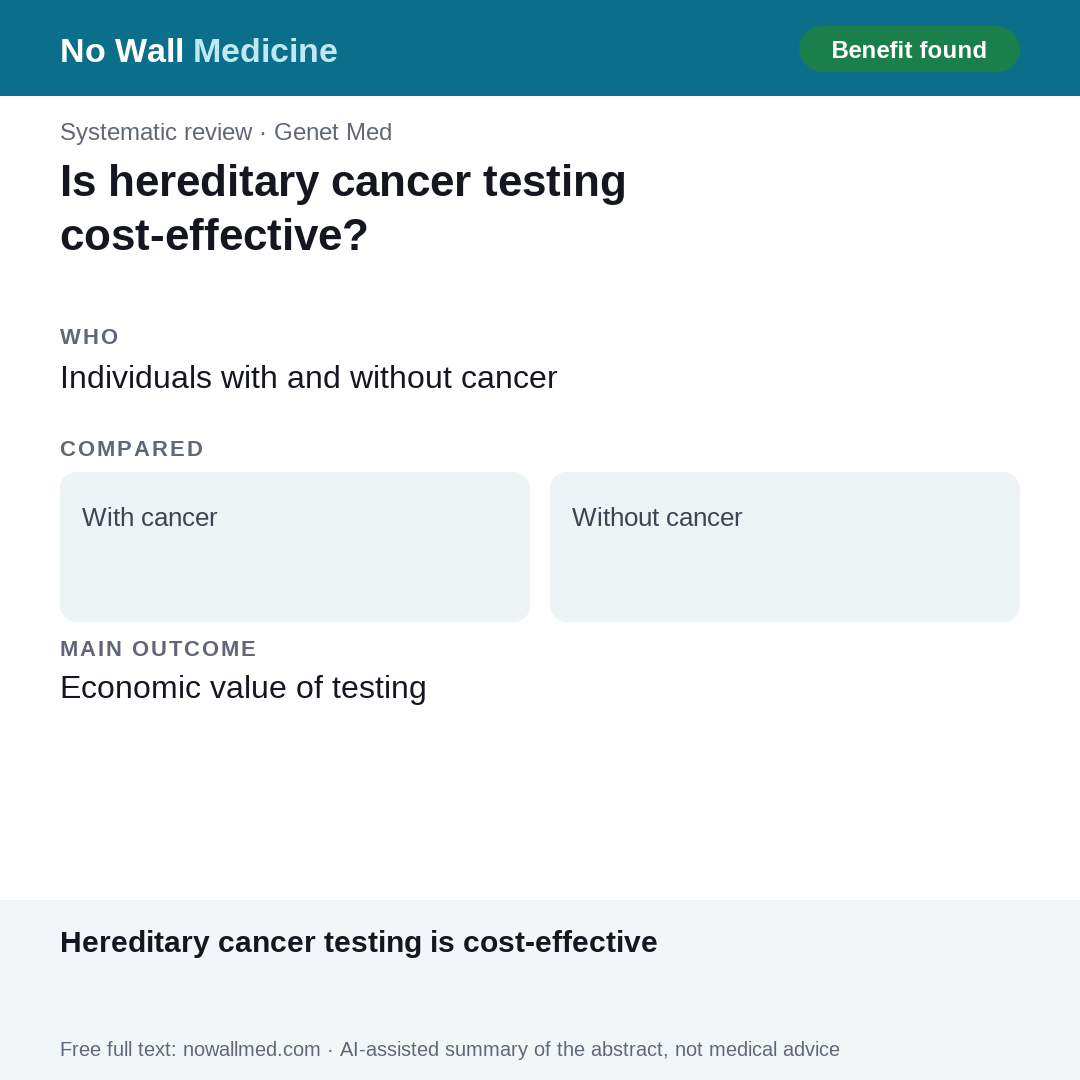
The Economic Value of Hereditary Cancer Testing: A Systematic Review
Systematic reviewBenefit found
Is hereditary cancer testing cost-effective?
Who
Individuals with and without cancer
Compared
With cancer
Without cancer
Main outcome
Economic value of testing
Bottom line: Hereditary cancer testing is cost-effective
Genet Med · 2026-10-23Download image
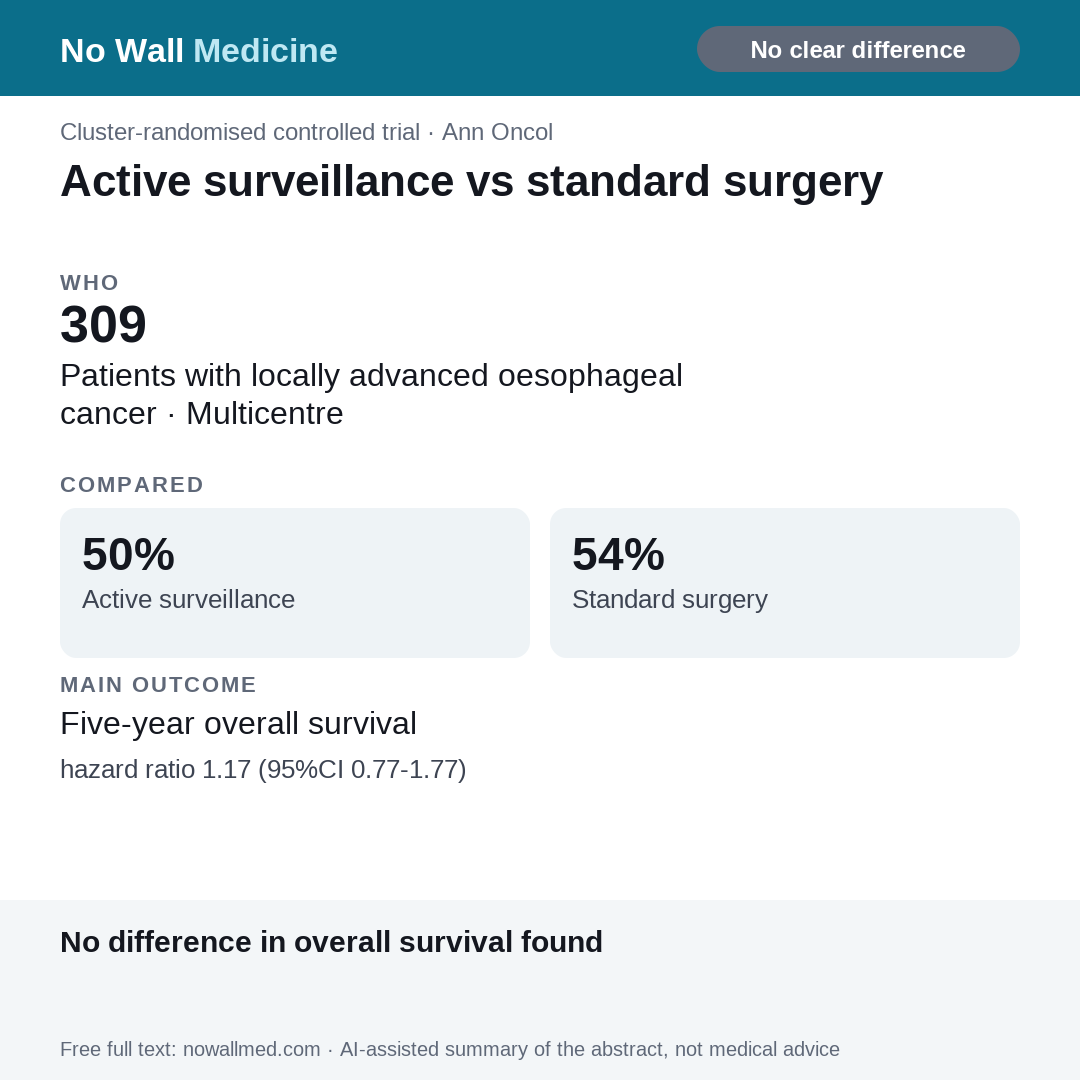
Active surveillance versus standard surgery after neoadjuvant chemoradiotherapy for oesophageal cancer: long-term results of a cluster-randomised controlled trial (SANO)
Cluster-randomised controlled trialNo clear difference
Active surveillance vs surgery after chemoradiotherapy
Who
309
Patients with locally advanced oesophageal cancer · Multicentre
Compared
50%Active surveillance (95%CI 43-57)
54%Standard surgery (95%CI 46-64)
Main outcome
Five-year overall survival
Result: hazard ratio 1.17 (95%CI 0.77-1.77)
Bottom line: Active surveillance is as good as surgery
Ann Oncol · 2026-10-23Download image
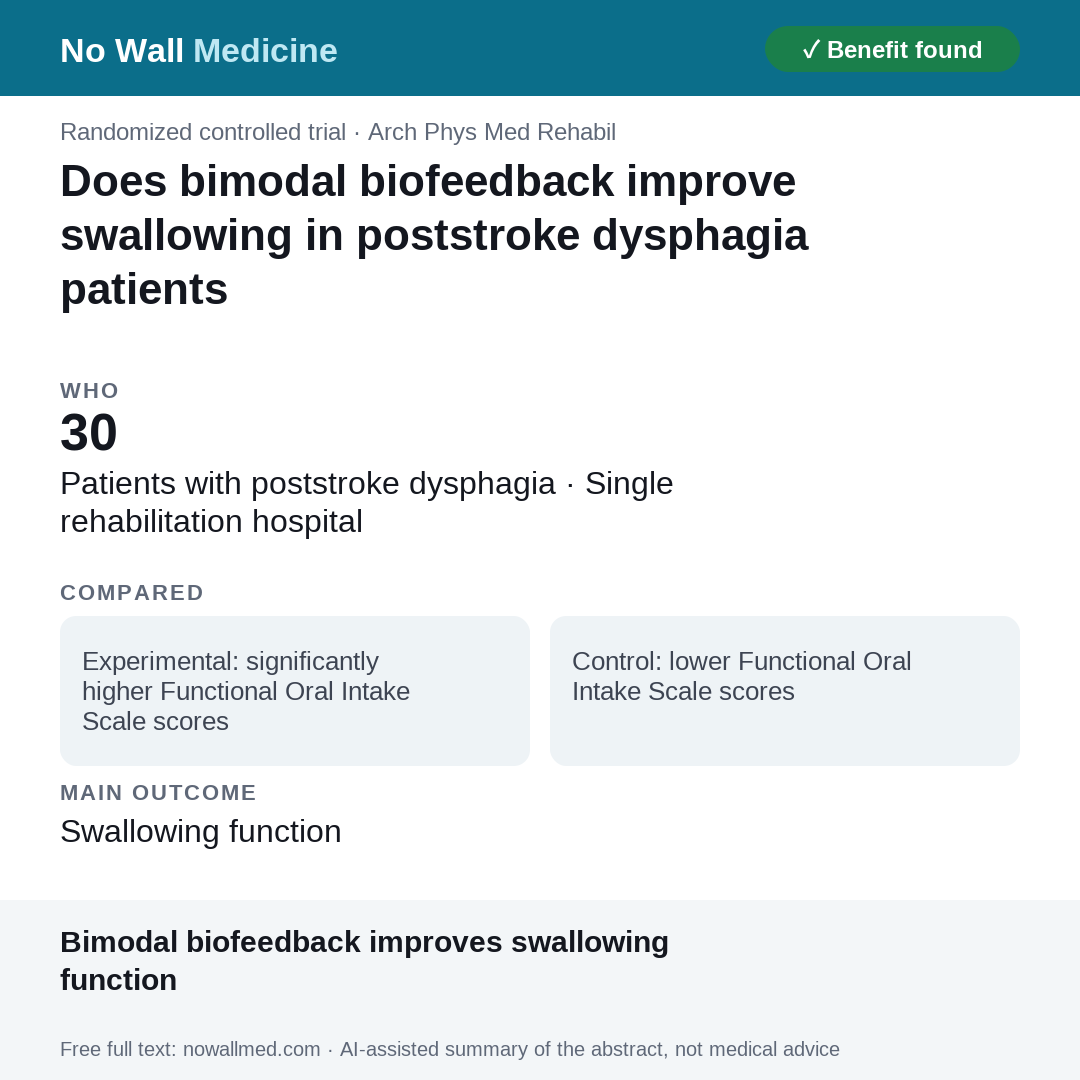
Effect of Bimodal Signal Biofeedback on the Supraglottic Swallowing Maneuver in Individuals With Poststroke Dysphagia: A Randomized Controlled Trial
Randomized controlled trialBenefit found
Does bimodal biofeedback improve swallowing in poststroke dysphagia patients
Who
30
Patients with poststroke dysphagia · Single rehabilitation hospital
Compared
Experimental: significantly higher Functional Oral Intake Scale scores
Control: lower Functional Oral Intake Scale scores
Main outcome
Swallowing function
Bottom line: Bimodal biofeedback improves swallowing function
Arch Phys Med Rehabil · 2026-10-23Download image
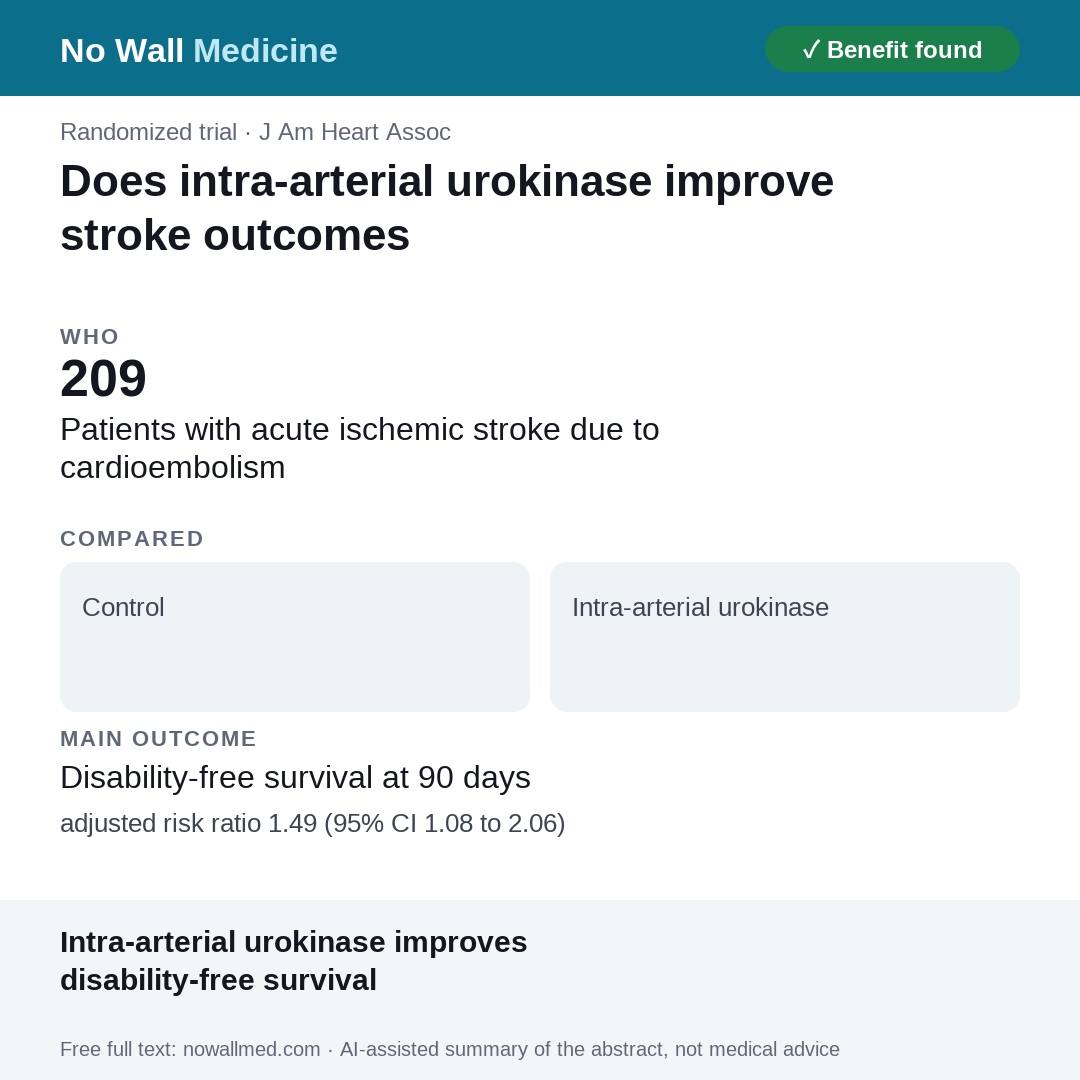
Outcomes of Intra-Arterial Urokinase After Endovascular Reperfusion for Acute Ischemic Stroke Due to Cardioembolism: A Secondary Analysis of the POST-UK Trial
Randomized trialBenefit found
Does intra-arterial urokinase improve stroke outcomes
Who
209
Patients with acute ischemic stroke due to cardioembolism
Compared
Control
Intra-arterial urokinase
Main outcome
Disability-free survival at 90 days
Result: adjusted risk ratio 1.49 (95% CI 1.08 to 2.06)
Bottom line: Intra-arterial urokinase improves disability-free survival
J Am Heart Assoc · 2026-10-23Download image
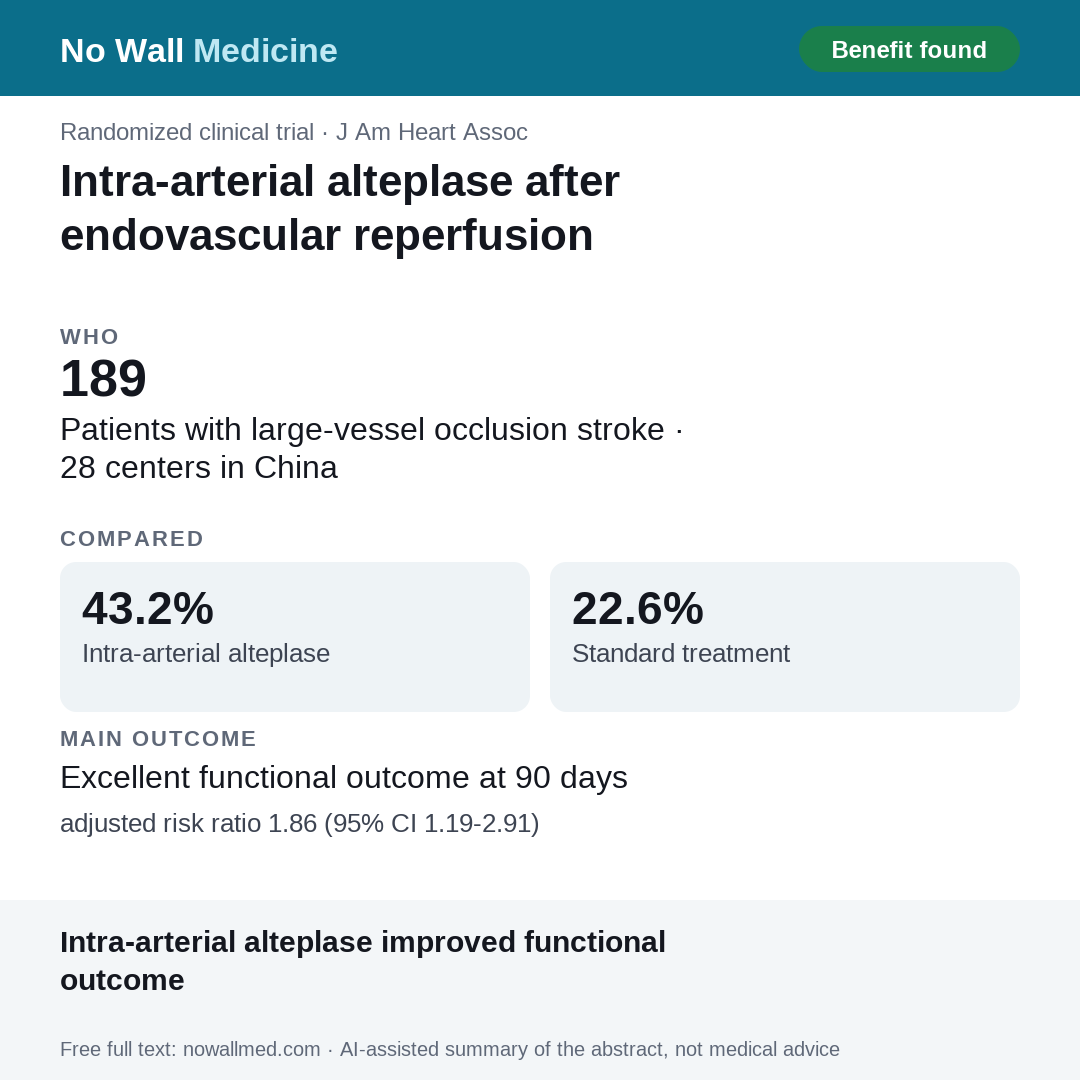
Intra-Arterial Alteplase After Successful Endovascular Reperfusion in Patients Without Intravenous Thrombolysis: A Subgroup Analysis of the PEARL Randomized Clinical Trial
Randomized clinical trialBenefit found
Intra-arterial alteplase after endovascular reperfusion
Who
189
Patients with large-vessel occlusion stroke · 28 centers in China
Compared
43.2%Intra-arterial alteplase (41/95)
22.6%Standard treatment (21/93)
Main outcome
Excellent functional outcome at 90 days
Result: adjusted risk ratio 1.86 (95% CI 1.19-2.91)
Bottom line: Intra-arterial alteplase improved functional outcome
J Am Heart Assoc · 2026-10-23Download image
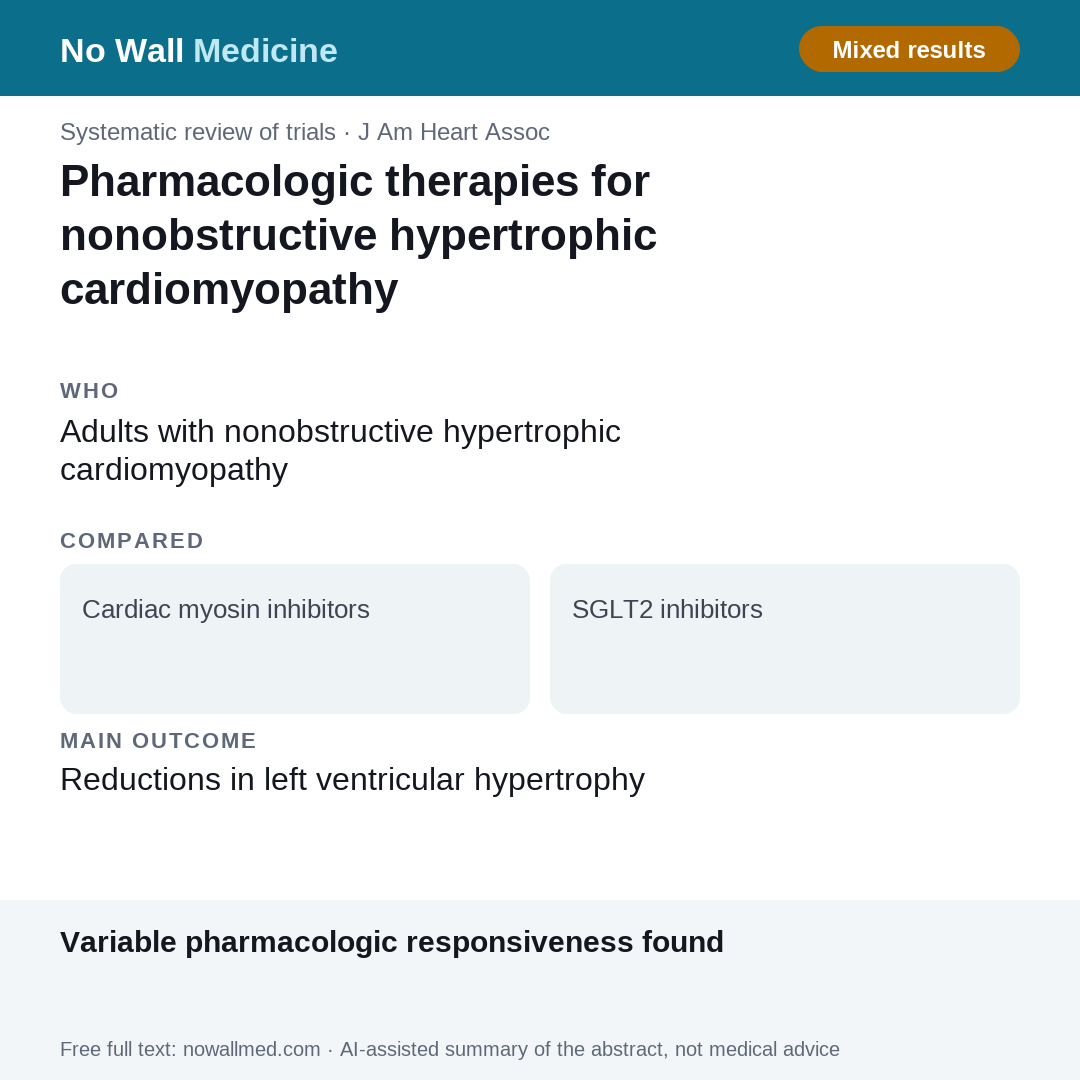
Efficacy and Safety of Pharmacologic Therapies in Nonobstructive Hypertrophic Cardiomyopathy: A Systematic Review
Systematic review of trialsMixed results
Pharmacologic therapies for nonobstructive hypertrophic cardiomyopathy
Who
Adults with nonobstructive hypertrophic cardiomyopathy
Compared
Cardiac myosin inhibitors
SGLT2 inhibitors
Main outcome
Reductions in left ventricular hypertrophy
Bottom line: Variable pharmacologic responsiveness found
J Am Heart Assoc · 2026-10-23Download image
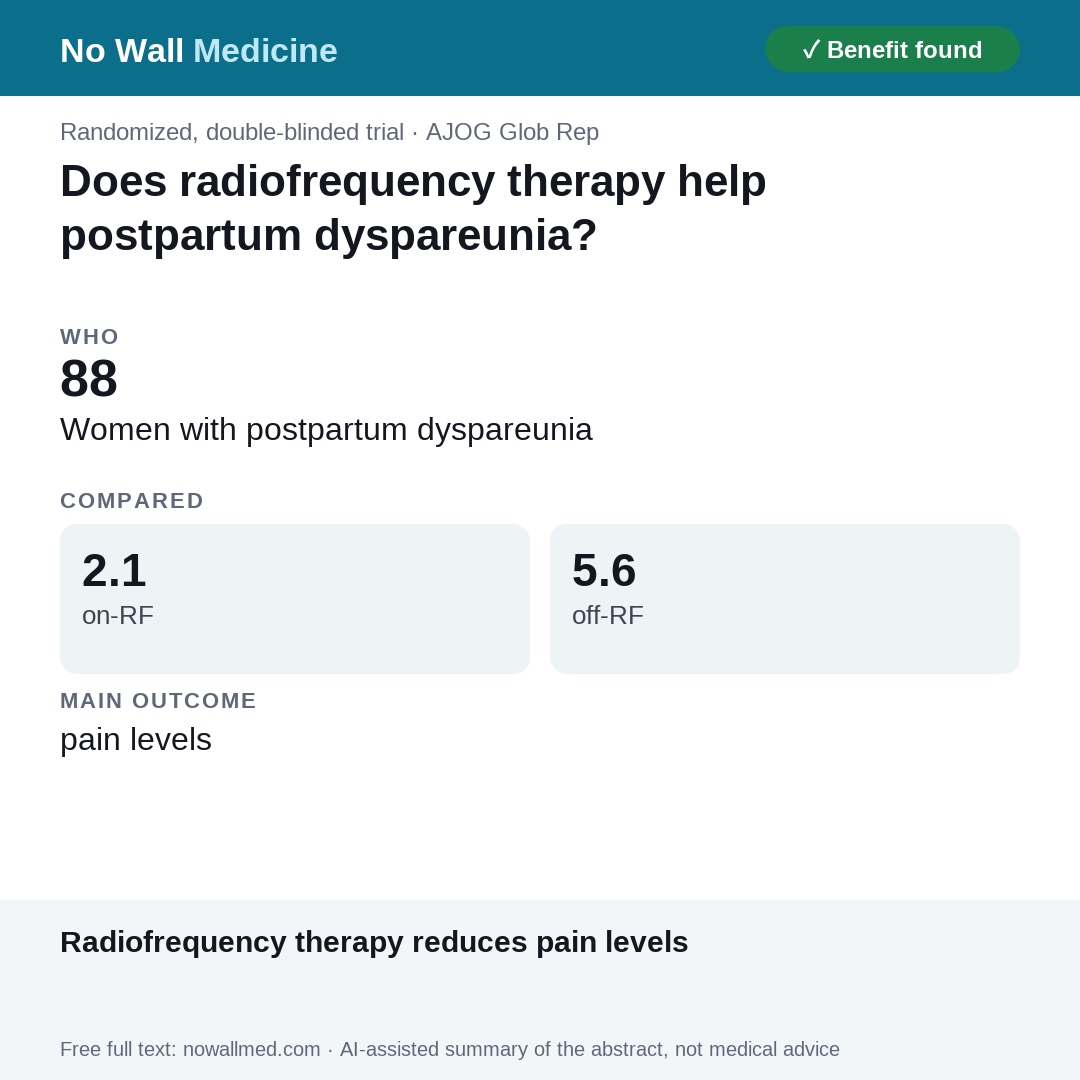
Effect of radiofrequency therapy in the treatment of de novo dyspareunia at 4 to 12 months postpartum: a randomized clinical trial
Randomized, double-blinded trialBenefit found
Does radiofrequency therapy help postpartum dyspareunia?
Who
88
Women with postpartum dyspareunia
Compared
2.1on-RF (1.9)
5.6off-RF (2.1)
Main outcome
pain levels
Bottom line: Radiofrequency therapy reduces pain levels
AJOG Glob Rep · 2026-10-23Download image
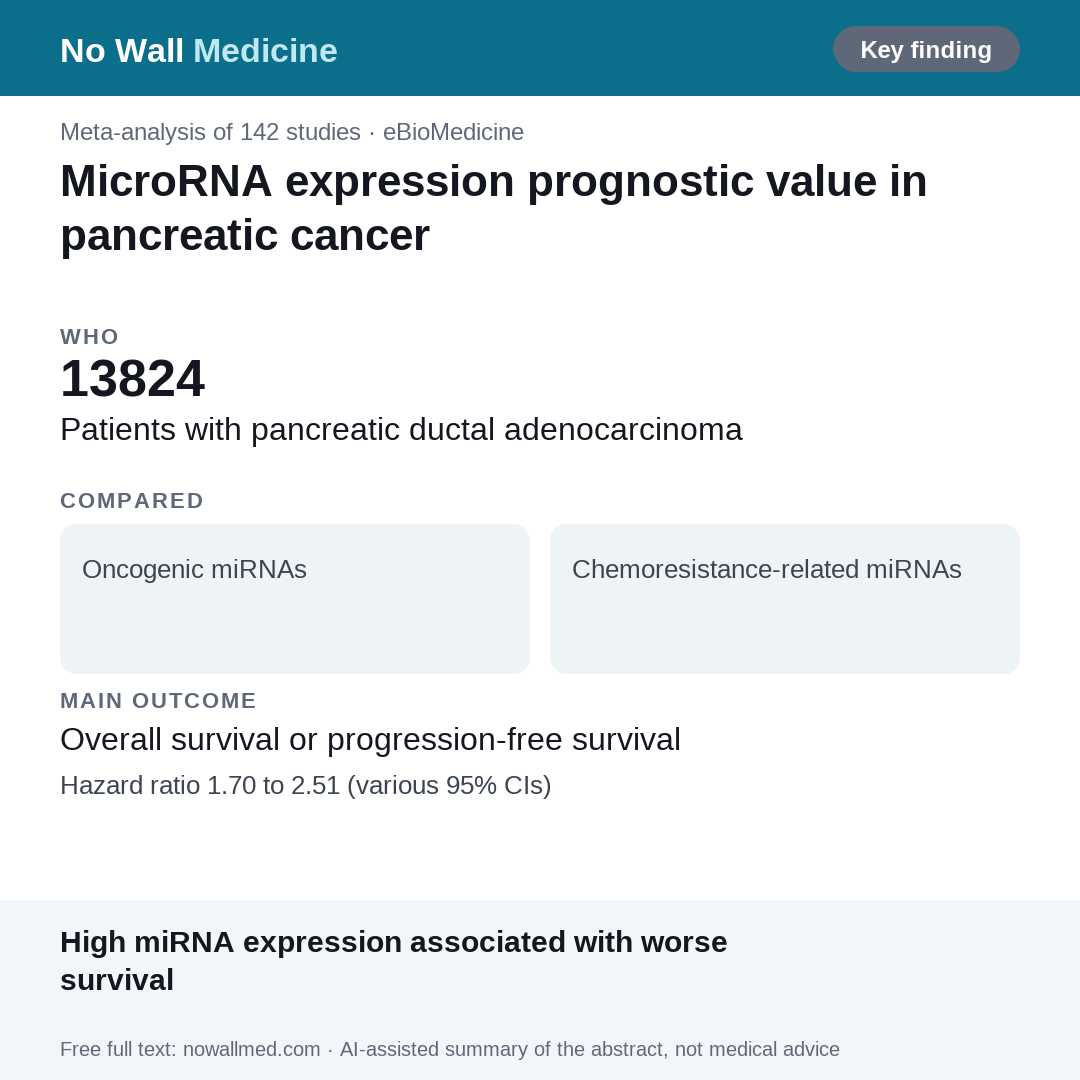
Prognostic value of microRNA expression in pancreatic ductal adenocarcinoma: a systematic review and meta-analysis
Meta-analysis of 142 studiesHarm found
MicroRNA expression prognostic value in pancreatic cancer
Who
13824
Patients with pancreatic ductal adenocarcinoma
Compared
Oncogenic miRNAs
Chemoresistance-related miRNAs
Main outcome
Overall survival or progression-free survival
Result: Hazard ratio 1.70 to 2.51 (various 95% CIs)
Bottom line: High miRNA expression associated with worse survival
Limitation: Substantial heterogeneity across studies
eBioMedicine · 2026-10-23Download image
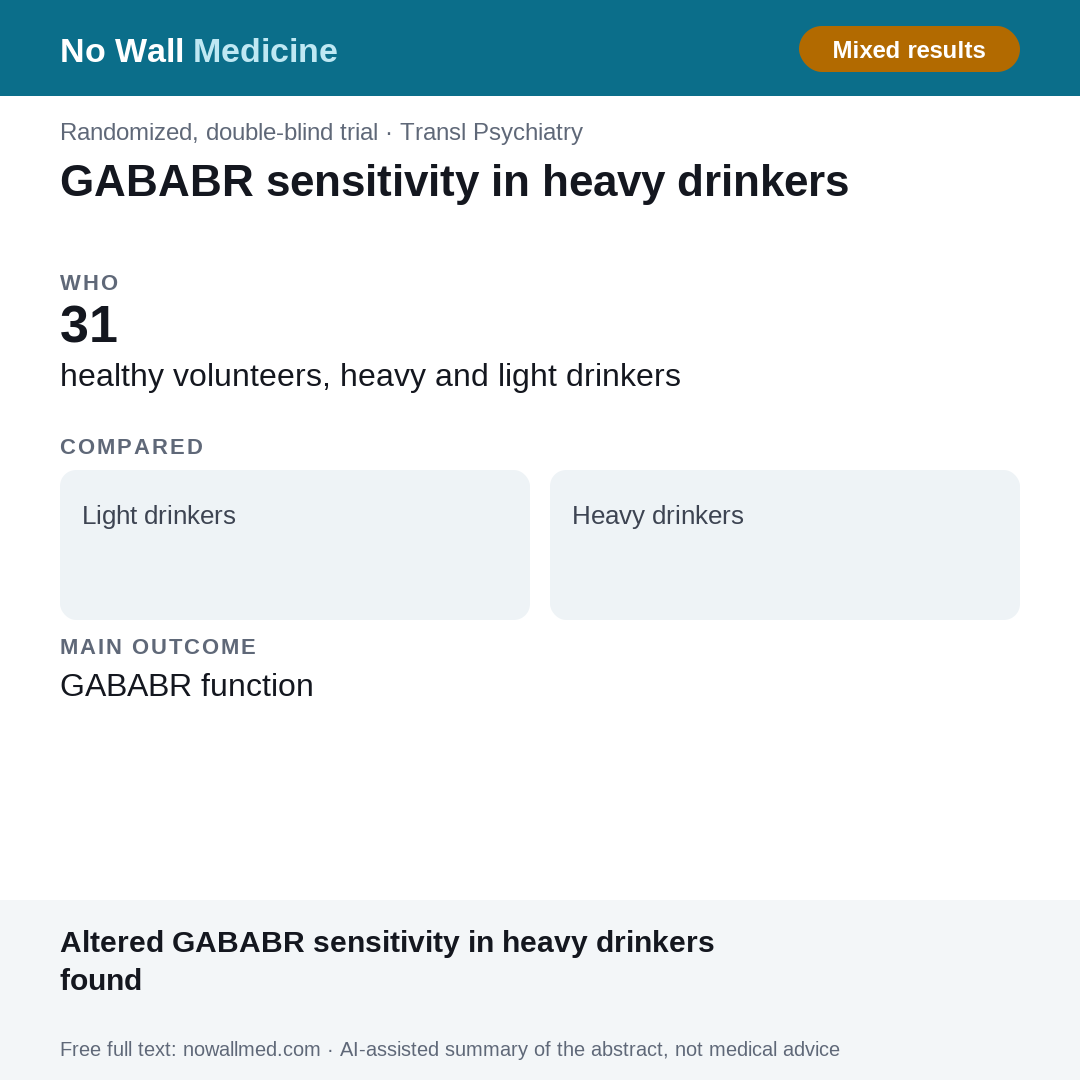
Altered GABAB receptor sensitivity in heavy drinkers indexed using a TMS-based biomarker: a randomized controlled experimental medicine trial
Randomized, double-blind trialMixed results
GABABR sensitivity in heavy drinkers
Who
31
healthy volunteers, heavy and light drinkers
Compared
Light drinkers
Heavy drinkers
Main outcome
GABABR function
Bottom line: Altered GABABR sensitivity in heavy drinkers found
Transl Psychiatry · 2026-10-23Download image
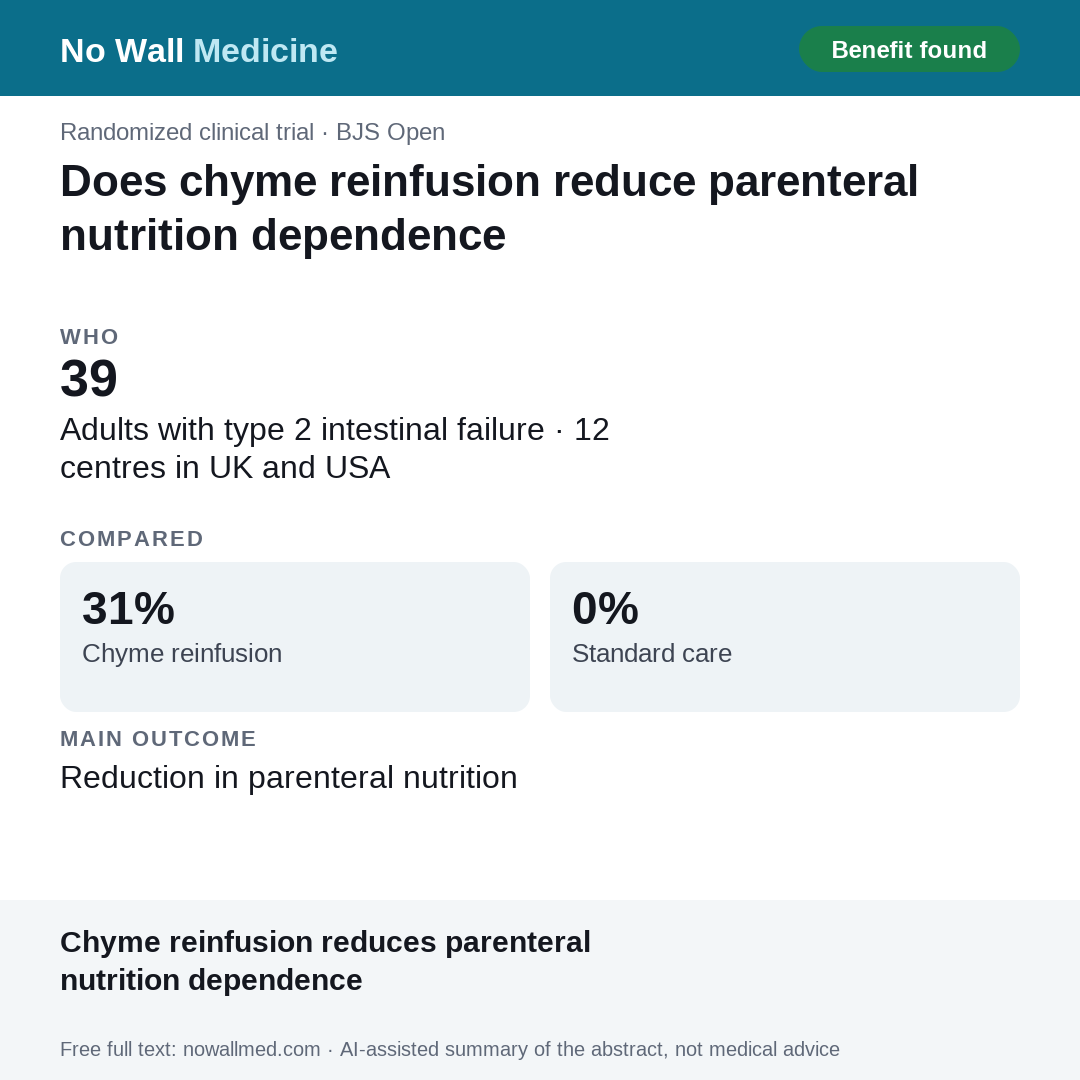
Chyme reinfusion using The Insides® System to reduce parenteral nutrition dependence in type 2 intestinal failure: multicentre randomized clinical trial (REINFUSE)
Randomized clinical trialBenefit found
Does chyme reinfusion reduce parenteral nutrition dependence
Who
39
Adults with type 2 intestinal failure · 12 centres in UK and USA
Compared
31%Chyme reinfusion (8/26)
0%Standard care (0/13)
Main outcome
Reduction in parenteral nutrition
Bottom line: Chyme reinfusion reduces parenteral nutrition dependence
BJS Open · 2026-10-23Download image
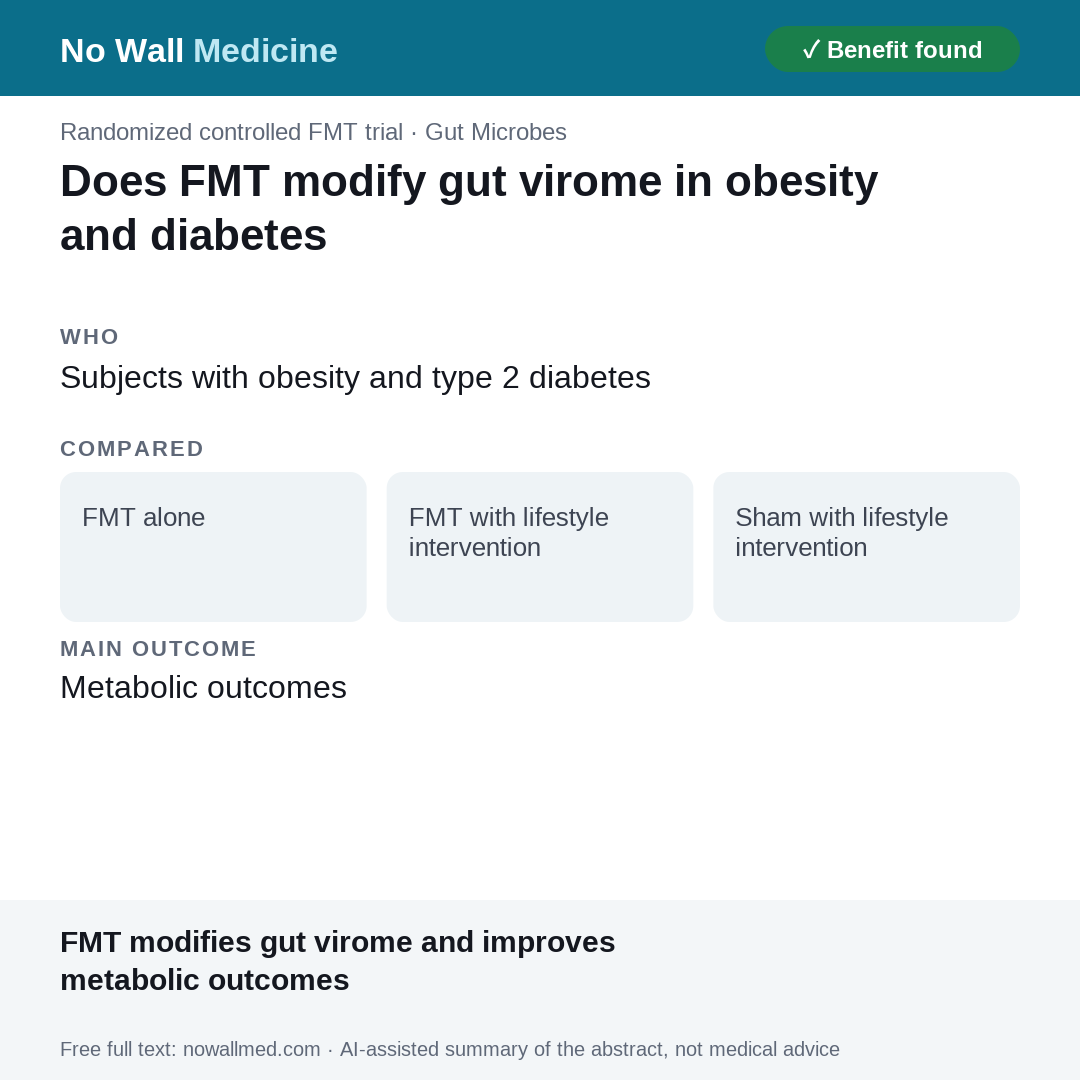
Gut virome remodeling after fecal microbiota transplantation is associated with virus-bacteria co-variation and metabolic response in obesity and type 2 diabetes
Randomized controlled FMT trialBenefit found
Does FMT modify gut virome in obesity and diabetes
Who
Subjects with obesity and type 2 diabetes
Compared
FMT alone
FMT with lifestyle intervention
Sham with lifestyle intervention
Main outcome
Metabolic outcomes
Bottom line: FMT modifies gut virome and improves metabolic outcomes
Gut Microbes · 2026-10-23Download image
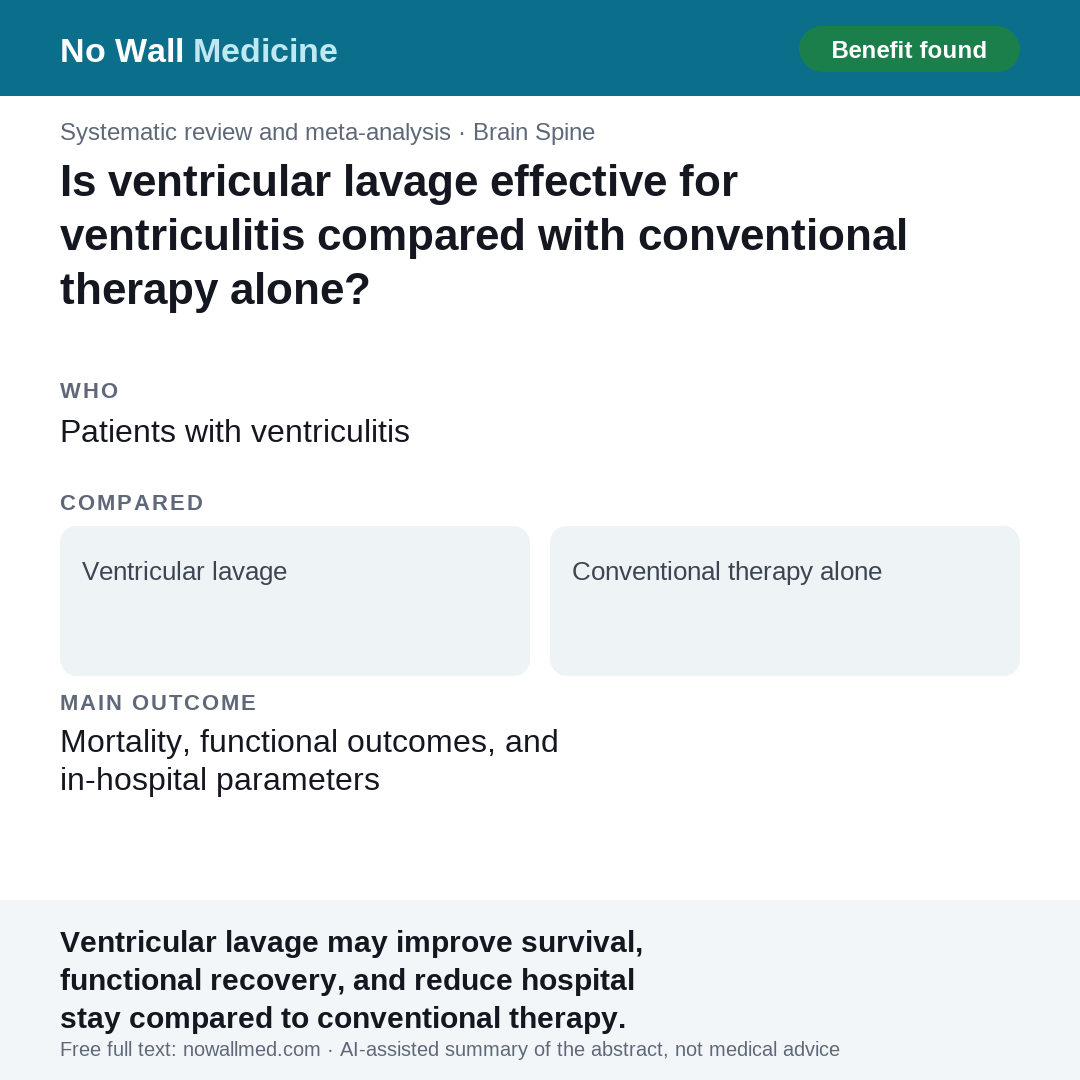
Ventricular lavage (VeLa) for ventriculitis: A systematic review of techniques and meta-analysis of outcomes
Systematic review and meta-analysisBenefit found
Is ventricular lavage effective for ventriculitis compared with conventional therapy alone?
Who
Patients with ventriculitis
Compared
Ventricular lavage
Conventional therapy alone
Main outcome
Mortality, functional outcomes, and in-hospital parameters
Bottom line: Ventricular lavage may improve survival, functional recovery, and reduce hospital stay compared to conventional therapy.
Limitation: Limited and predominantly observational evidence with methodological heterogeneity.
Brain Spine · 2026-10-23Download image
Rilvegostomig Plus Trastuzumab-Deruxtecan for Early-Stage Breast Cancer: The I-SPY2.2 Randomized Clinical Trial
Randomized clinical trialBenefit found
Rilvegostomig plus trastuzumab effective for breast cancer
Who
182
high-risk early breast cancer patients · US, 30 sites
Compared
54%RT-DXd
control
Main outcome
pathologic complete response
Result: pCR rate 54% in immune-positive tumors
Bottom line: RT-DXd shows promise for immune-positive breast cancer
Limitation: paused twice for ILD evaluation
JAMA Oncol · 2026-10-22Download image

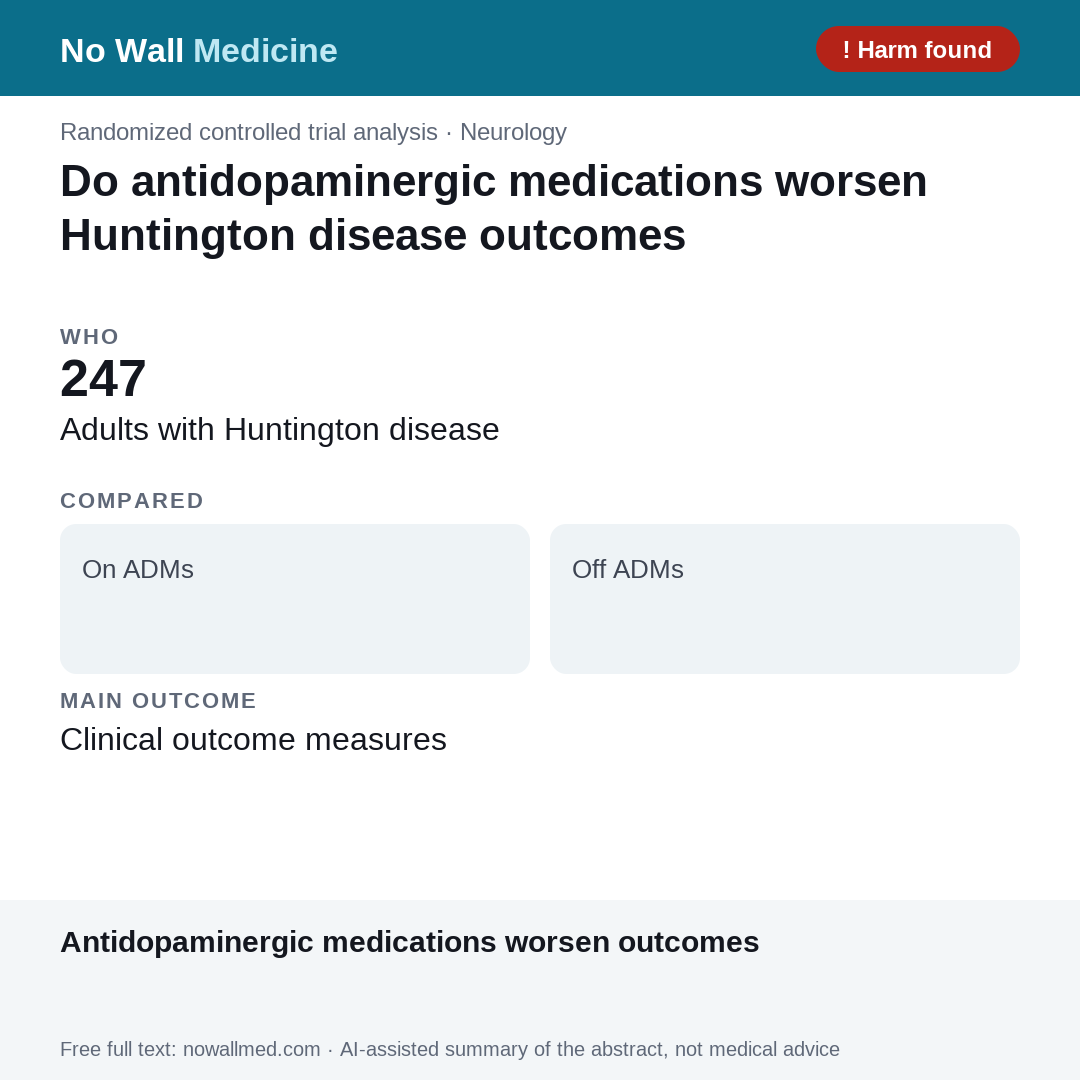
Antidopaminergic Medications and Clinical Outcomes in Huntington Disease: Evidence From the PROOF-HD Placebo-Controlled Trial
Randomized controlled trial analysisHarm found
Do antidopaminergic medications worsen Huntington disease outcomes
Who
247
Adults with Huntington disease
Compared
On ADMs
Off ADMs
Main outcome
Clinical outcome measures
Bottom line: Antidopaminergic medications worsen outcomes
Limitation: Residual confounding by disease severity
Neurology · 2026-10-22Download image
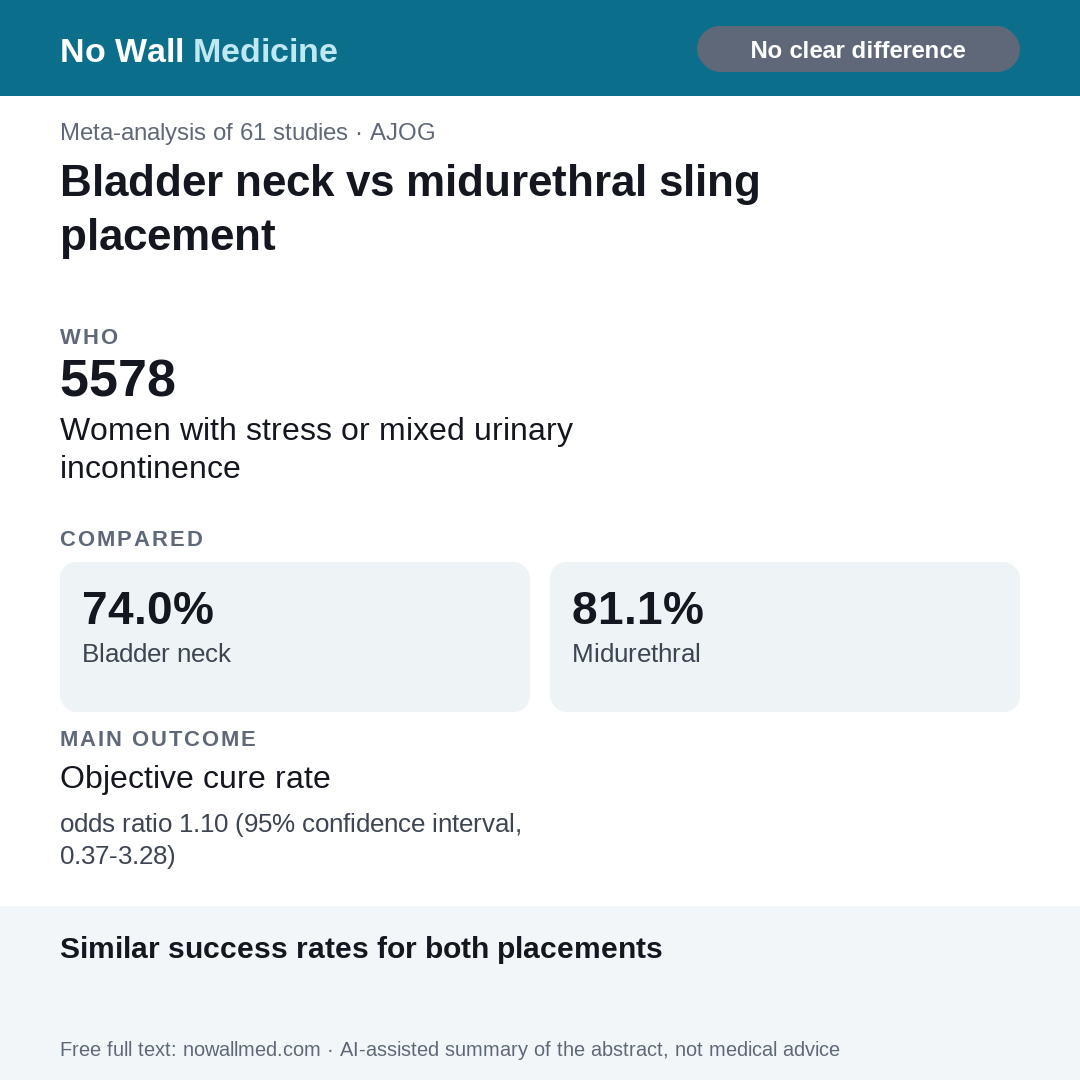
Bladder neck vs midurethral placement of autologous retropubic fascial slings: a systematic review
Meta-analysis of 61 studiesNo clear difference
Bladder neck vs midurethral sling placement
Who
5578
Women with stress or mixed urinary incontinence
Compared
74.0%Bladder neck
81.1%Midurethral
Main outcome
Objective cure rate
Result: odds ratio 1.10 (95% confidence interval, 0.37-3.28)
Bottom line: Similar success rates for both placements
Limitation: Moderate-to-high risk of bias
AJOG · 2026-10-22Download image
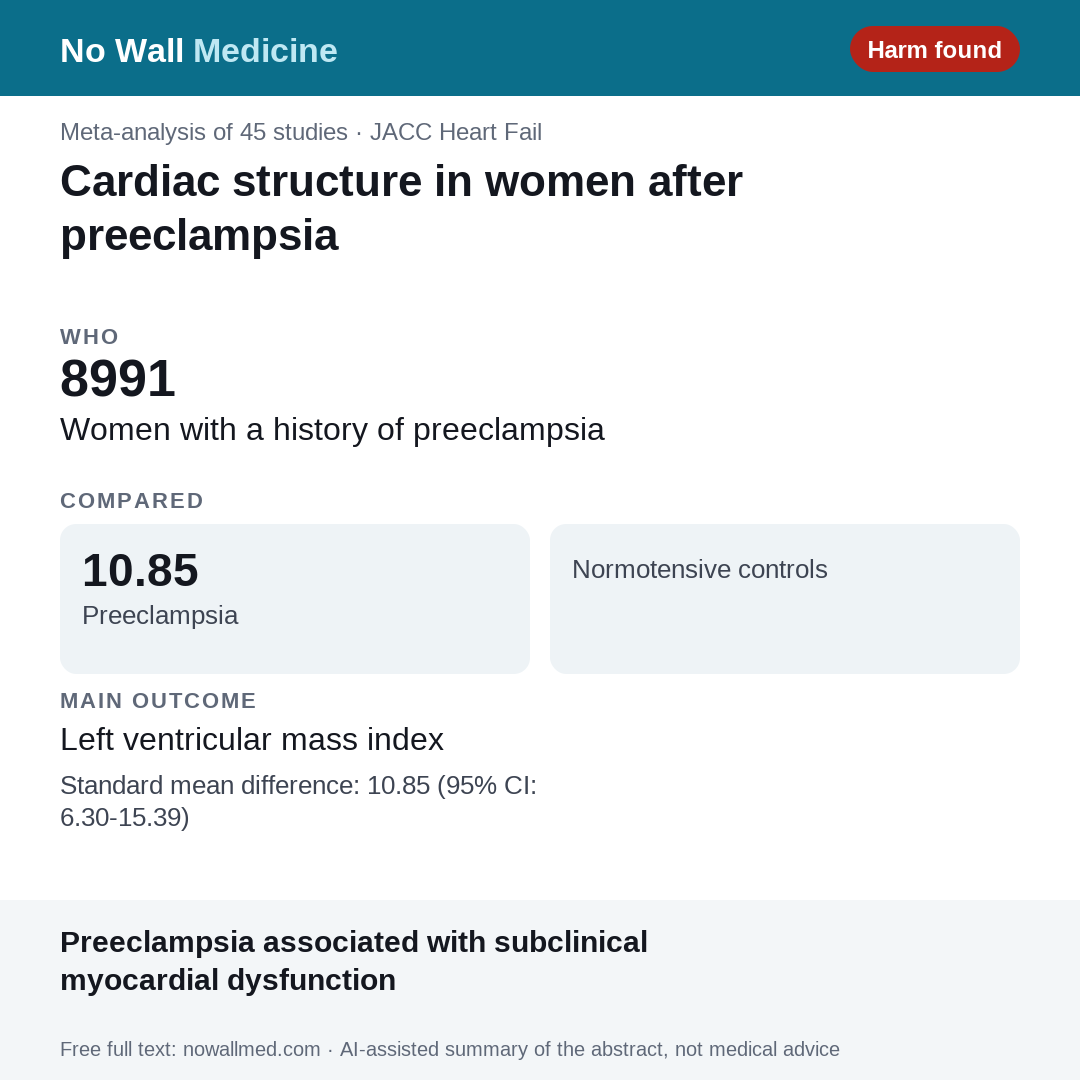
Cardiac Structure and Function in Women After Preeclampsia: A Systematic Review and Meta-Analysis
Meta-analysis of 45 studiesHarm found
Cardiac structure in women after preeclampsia
Who
8991
Women with a history of preeclampsia
Compared
10.85Preeclampsia (95% CI: 6.30-15.39)
Normotensive controls
Main outcome
Left ventricular mass index
Result: Standard mean difference: 10.85 (95% CI: 6.30-15.39)
Bottom line: Preeclampsia associated with subclinical myocardial dysfunction
Limitation: Evidence for persistent LVMI elevation not robust
JACC Heart Fail · 2026-10-22Download image
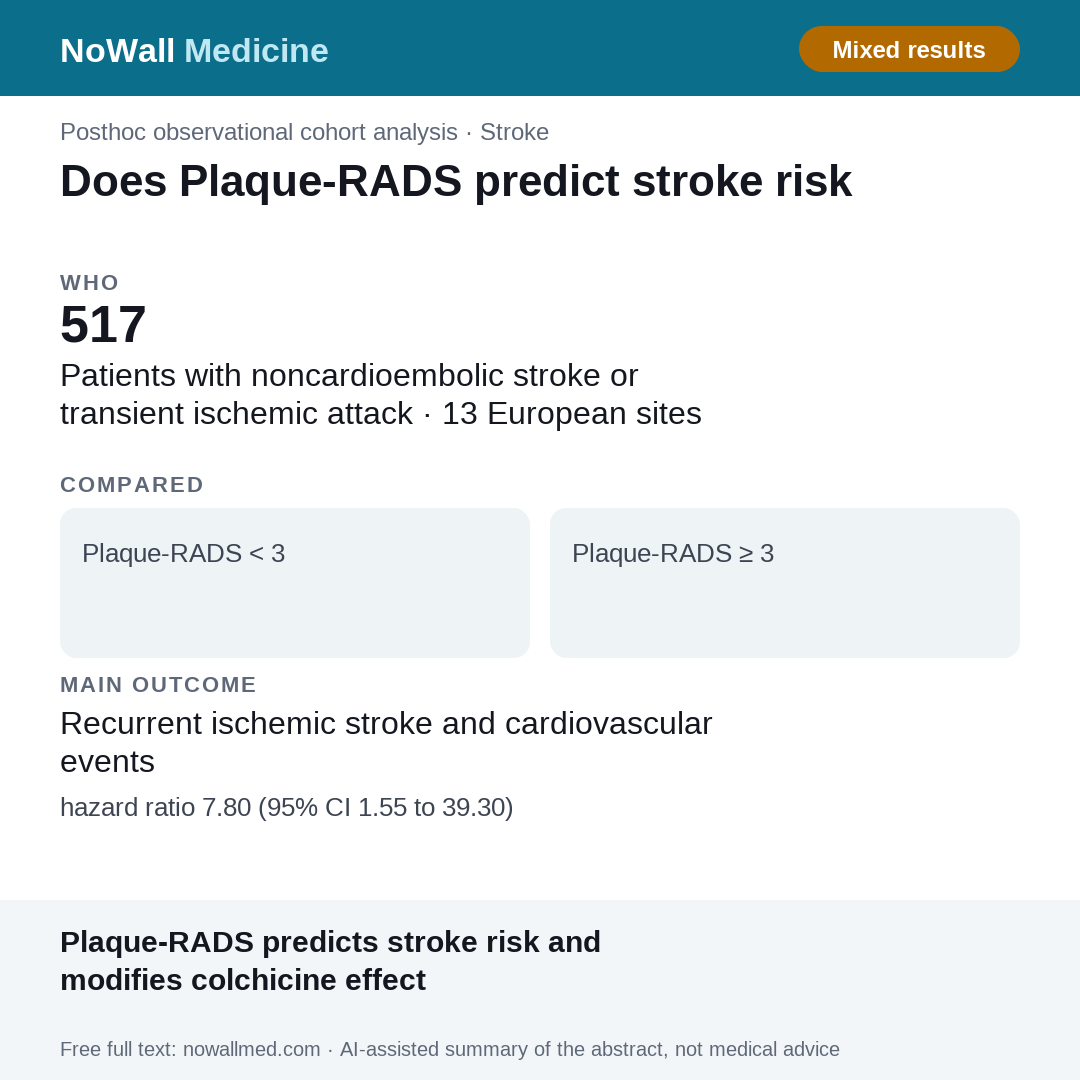
Computed-Tomography Angiography-Based Carotid Plaque-RADS, Recurrent Vascular Events, and the Effect of Colchicine: An Imaging Substudy of the CONVINCE Randomized Trial
Posthoc observational cohort analysisBenefit found
Does Plaque-RADS predict vascular events?
Who
517
Patients with noncardioembolic stroke or transient ischemic attack · 13 European sites
Compared
Plaque-RADS < 3
Plaque-RADS ≥ 3
Main outcome
Recurrent ischemic stroke and cardiovascular events
Result: hazard ratio 0.35 (95% CI 0.15-0.82)
Bottom line: Plaque-RADS predicts vascular events and refines colchicine benefit
Limitation: posthoc analysis
Stroke · 2026-10-22Download image