Visual abstracts
New randomized trials and meta-analyses from leading journals at a glance: who was studied, what was compared, and what was found. Every paper is free to read in full.
All specialtiesCardiology 4877Oncology 4138Gastroenterology & Hepatology 1942Infectious Disease 3837Neurology 1905Psychiatry & Mental Health 2273Pulmonology 2143Critical Care 1365Endocrinology & Diabetes 2580Pediatrics 2980Surgery 2559Orthopedics & Sports Medicine 931Neurosurgery 537Cardiothoracic & Vascular Surgery 674Plastic & Reconstructive Surgery 591Nephrology 1133Rheumatology 823Hematology 1109Dermatology 621Ophthalmology 543Obstetrics & Gynecology 1686Public & Global Health 1058Radiology & Imaging 648Anesthesiology 986Urology 764ENT (Otolaryngology) 503Emergency Medicine 511Allergy & Immunology 313Geriatrics 981Family Medicine & Primary Care 562Medical Genetics & Genomics 676Pathology & Laboratory Medicine 159Physical Medicine & Rehabilitation 757Palliative Care 444Nutrition 1588Digital Health & AI 2201General Medicine 321
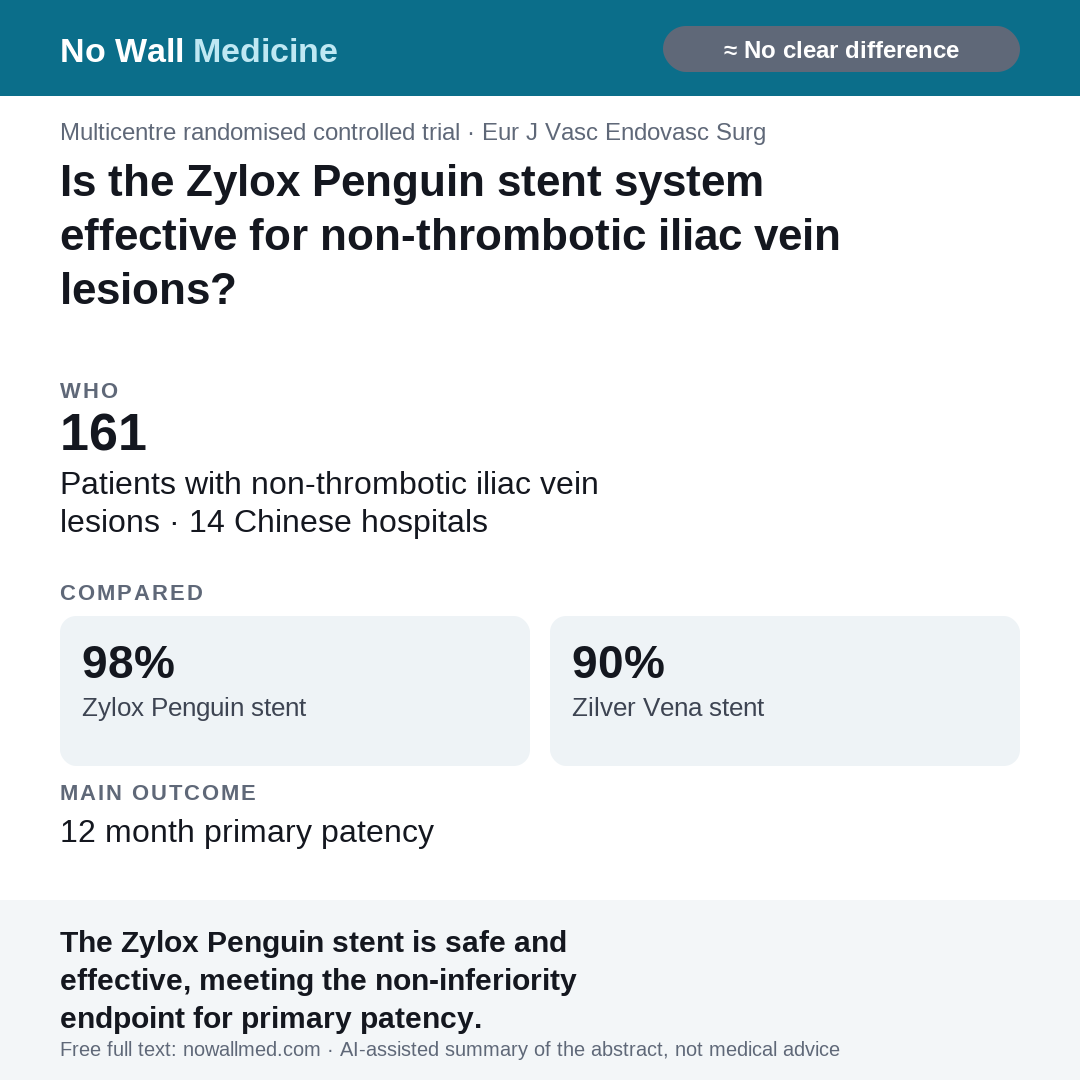
Comparison of the Zylox Penguin Venous Stent System and Zilver Vena Stent for Non-thrombotic Iliac Vein Lesions: A Multicentre Randomised Controlled Trial
Multicentre randomised controlled trialNo clear difference
Is the Zylox Penguin stent system effective for non-thrombotic iliac vein lesions?
Who
161
Patients with non-thrombotic iliac vein lesions · 14 Chinese hospitals
Compared
98%Zylox Penguin stent
90%Zilver Vena stent
Main outcome
12 month primary patency
Result: absolute risk difference 7.5% (95% confidence interval -0.1 to 16.6%)
Bottom line: The Zylox Penguin stent is safe and effective, meeting the non-inferiority endpoint for primary patency.
Eur J Vasc Endovasc Surg · 2026-02-25Download image
Nerandomilast in idiopathic pulmonary fibrosis: data from the whole follow-up period of the FIBRONEER-IPF trial
Randomized, placebo-controlled trialNo clear difference
What are the effects of nerandomilast on key secondary endpoints in idiopathic pulmonary fibrosis?
Who
1177
Patients with idiopathic pulmonary fibrosis
Compared
Placebo
Nerandomilast 9 mg twice daily: hazard ratio 0.92 (95% CI 0.69, 1.22)
Nerandomilast 18 mg twice daily: hazard ratio 0.99 (95% CI 0.75, 1.31)
Main outcome
Time to first acute exacerbation, respiratory hospitalization, or death
Result: hazard ratio 0.92 (95% CI 0.69, 1.22) for 9 mg; 0.99 (95% CI 0.75, 1.31) for 18 mg
Bottom line: Nerandomilast had no effect on the composite endpoint of acute exacerbation, respiratory hospitalization, or death.
AJRCCM · 2026-02-25Download image

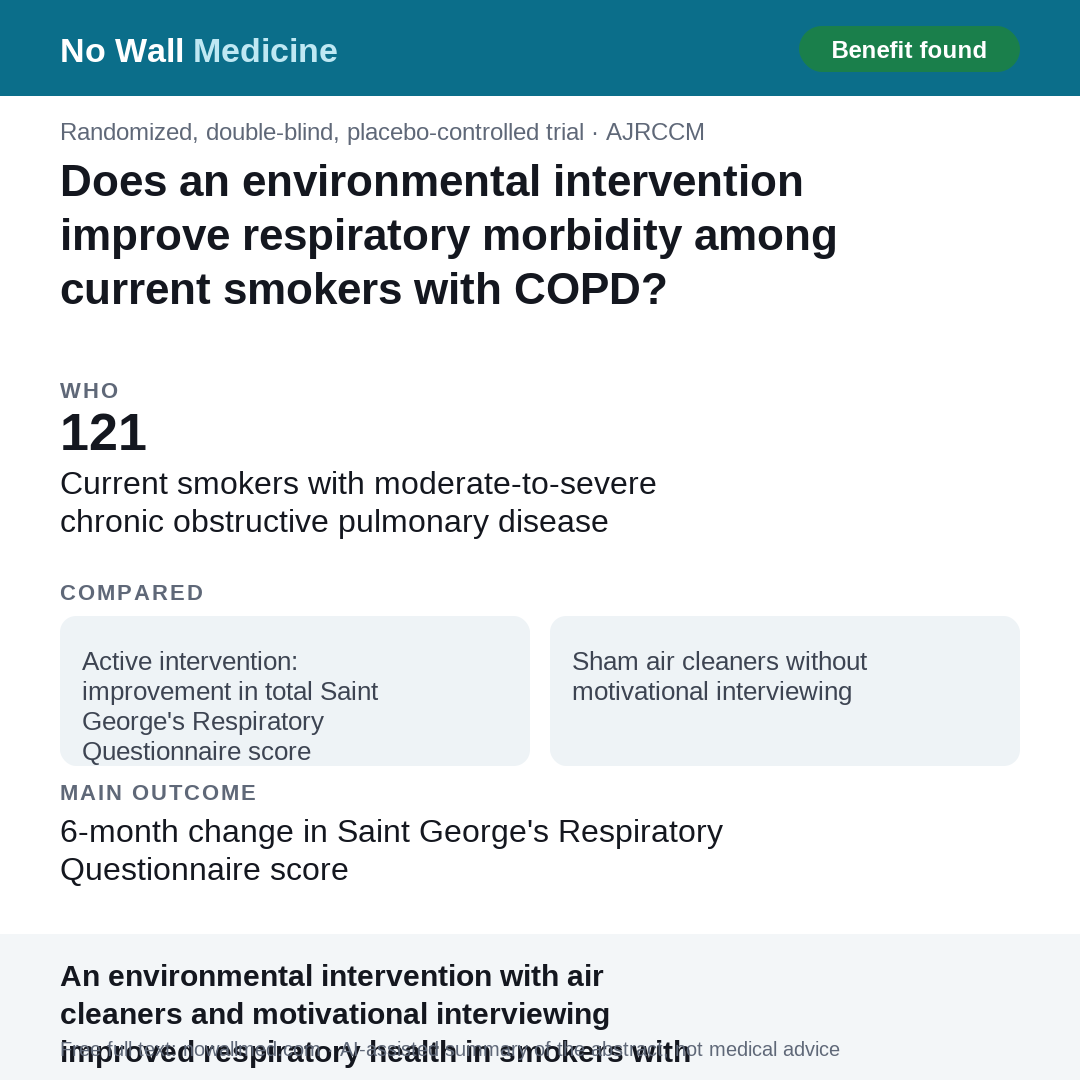
Motivational interviewing and air cleaners for smokers with COPD (MOVE): a randomized, double-blind, placebo-controlled trial
Randomized, double-blind, placebo-controlled trialBenefit found
Does an environmental intervention improve respiratory morbidity among current smokers with COPD?
Who
121
Current smokers with moderate-to-severe chronic obstructive pulmonary disease
Compared
Active intervention: improvement in total Saint George's Respiratory Questionnaire score
Sham air cleaners without motivational interviewing
Main outcome
6-month change in Saint George's Respiratory Questionnaire score
Result: ß -4.4 (95% confidence interval, -8.2 to -0.5)
Bottom line: An environmental intervention with air cleaners and motivational interviewing improved respiratory health in smokers with COPD.
AJRCCM · 2026-02-25Download image
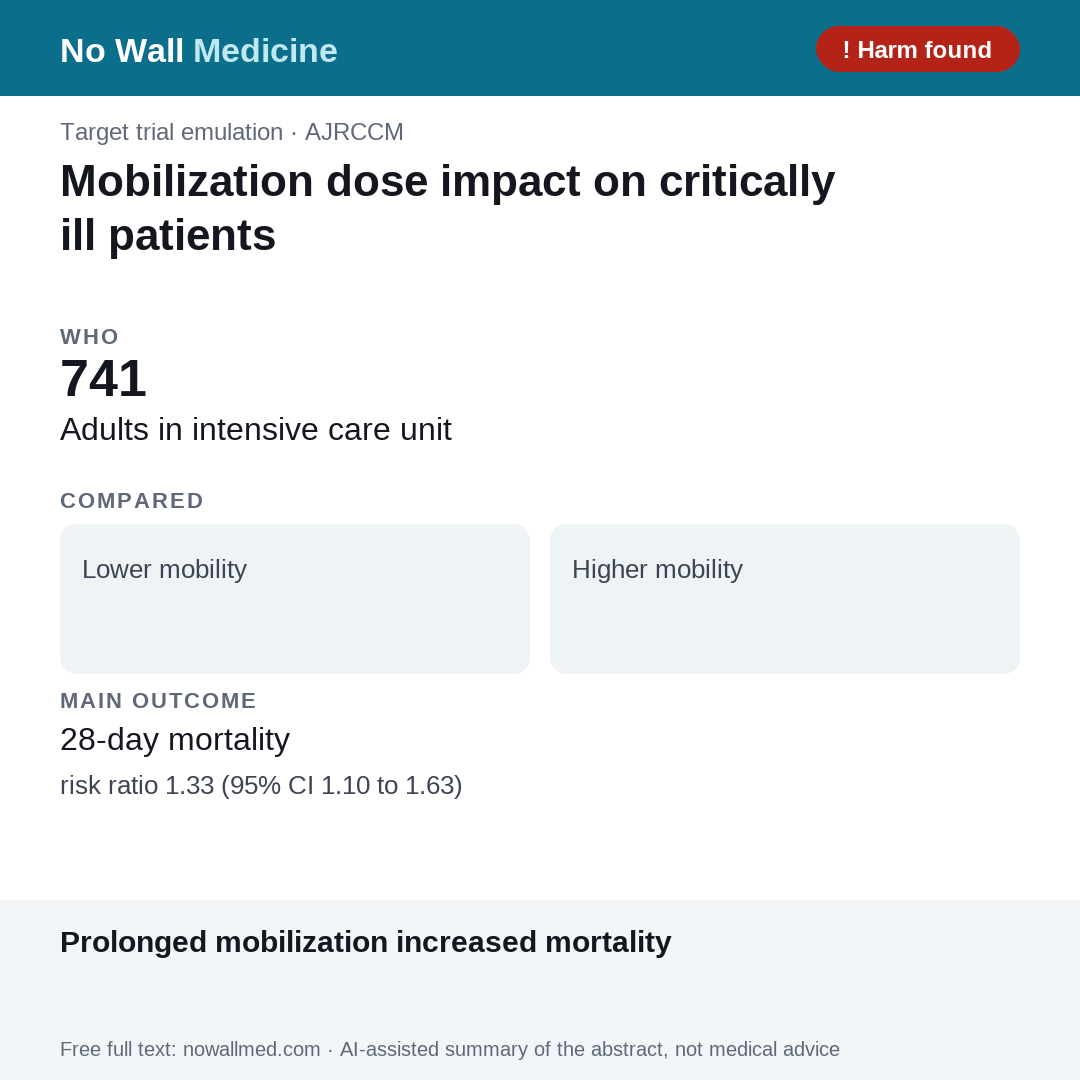
Impact of mobilization dose on outcome of critically ill patients receiving mechanical ventilation-a target trial emulation using data from the TEAM trial
Target trial emulationHarm found
Mobilization dose impact on critically ill patients
Who
741
Adults in intensive care unit
Compared
Lower mobility
Higher mobility
Main outcome
28-day mortality
Result: risk ratio 1.33 (95% CI 1.10 to 1.63)
Bottom line: Prolonged mobilization increased mortality
AJRCCM · 2026-02-25Download image
Elexacaftor/tezacaftor/ivacaftor for cystic fibrosis and rare CFTR variants: in vitro translation to a phase 3, double-blind, randomized, placebo-controlled trial, and real-world study
Randomized, double-blind trialBenefit found
Does elexacaftor work for rare CFTR variants?
Who
445
people with cystic fibrosis and rare CFTR variants
Compared
elexacaftor: 9.2 percentage points
placebo
Main outcome
percent predicted FEV1
Result: hazard ratio null, mean difference 9.2 percentage points (95% CI 7.2 to 11.3)
Bottom line: Elexacaftor improves lung function in people with rare CFTR variants
AJRCCM · 2026-02-25Download image
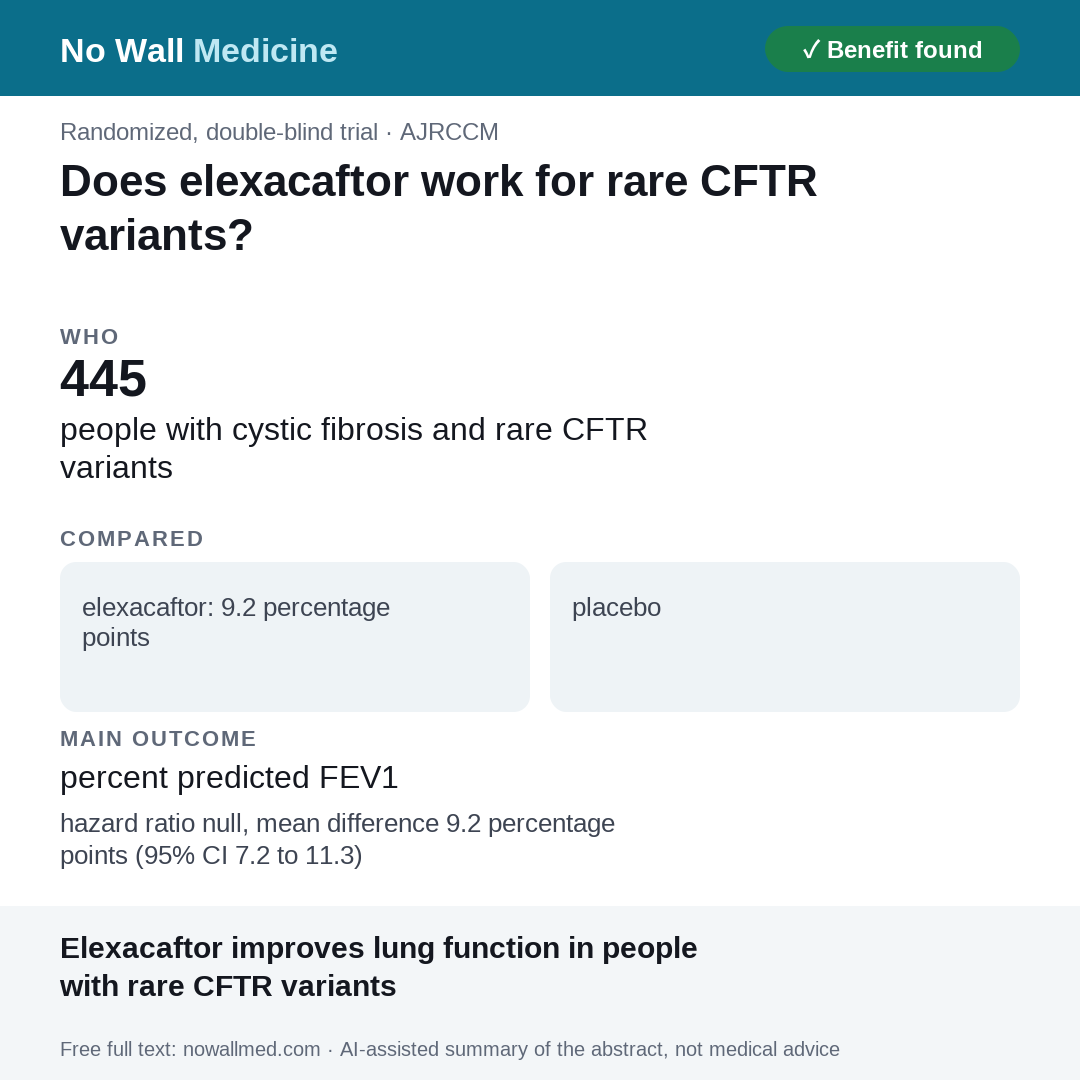
Plasminogen supplementation reverses fibrinolytic insufficiency in sepsis-induced disseminated intravascular coagulation: a pilot study
Randomized pilot studyBenefit found
Does plasminogen supplementation restore fibrinolytic capacity in sepsis-induced coagulopathy?
Who
60
Patients with sepsis-induced coagulopathy
Compared
OctaplasLG®: +46 nM [-96; 118] functional plasminogen
Placebo: -84 [-180; 27] nM functional plasminogen
Main outcome
functional plasminogen and plasmin generation
Bottom line: Plasminogen supplementation increases functional plasminogen and improves plasmin generation in patients with sepsis-induced coagulopathy.
Intensive Care Med · 2026-02-25Download image
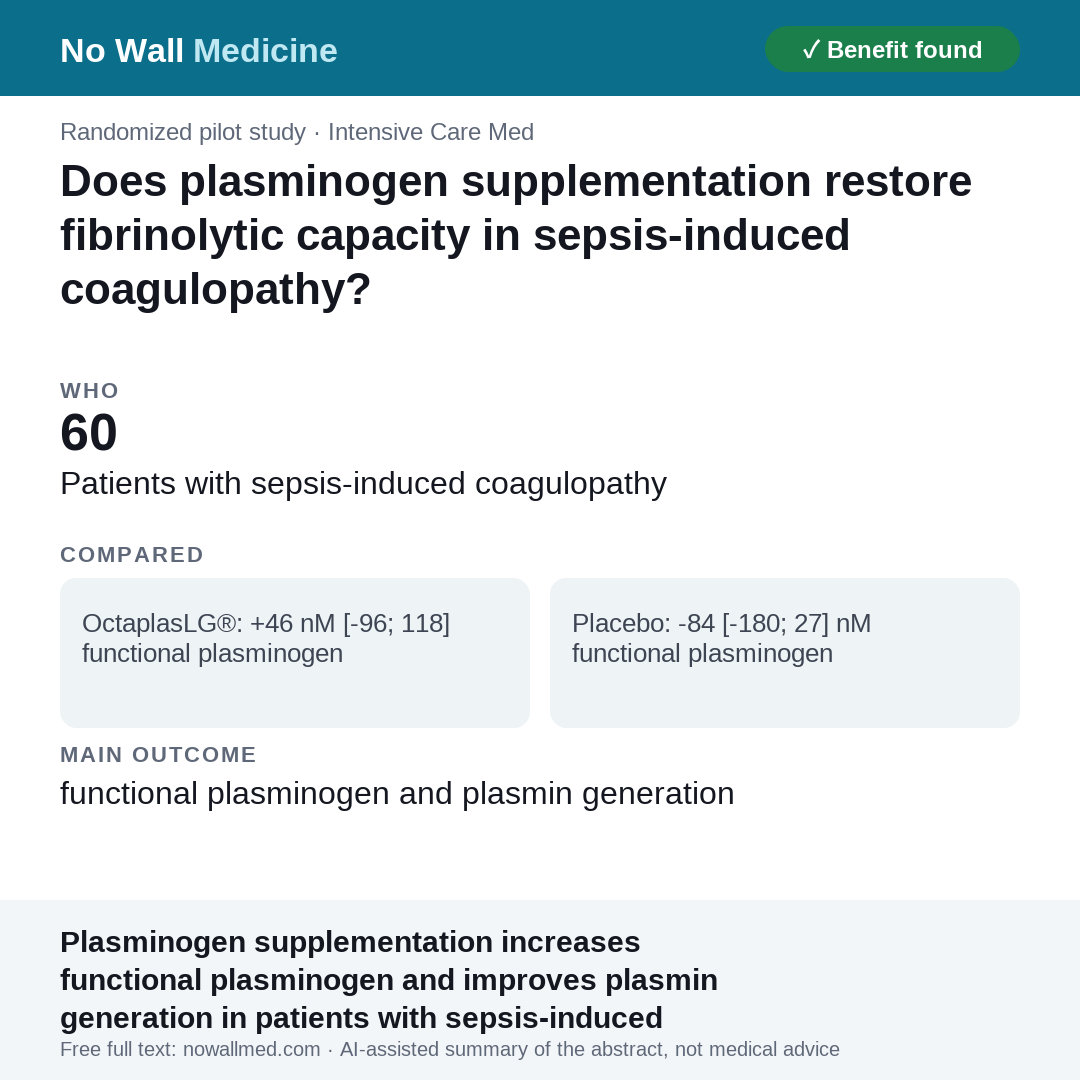
Association between ABCDE bundle compliance and long-term outcomes: a secondary longitudinal analysis
Secondary analysis of a randomized controlled trialMixed results
Does ABCDE bundle compliance associate with long-term outcomes after hospital discharge?
Who
566
Adult patients with respiratory failure and/or shock · 16 US medical centers
Compared
Higher proportional bundle compliance: lower 12-month Functional Activity Questionnaire scores (β = -9.6, CI = -19.6, -1.7, p = 0.04) and higher 12-month EuroQol-5D scores (β = 0.5, CI = 0.1, 0.9, p = 0.01)
Other long-term outcomes: no association with cognition, mental health, or survival
Main outcome
Cognition, disability, mental health, quality of life, and survival
Bottom line: Greater bundle compliance was associated with better functional independence and quality of life at 12 months, but not survival.
Intensive Care Med · 2026-02-25Download image
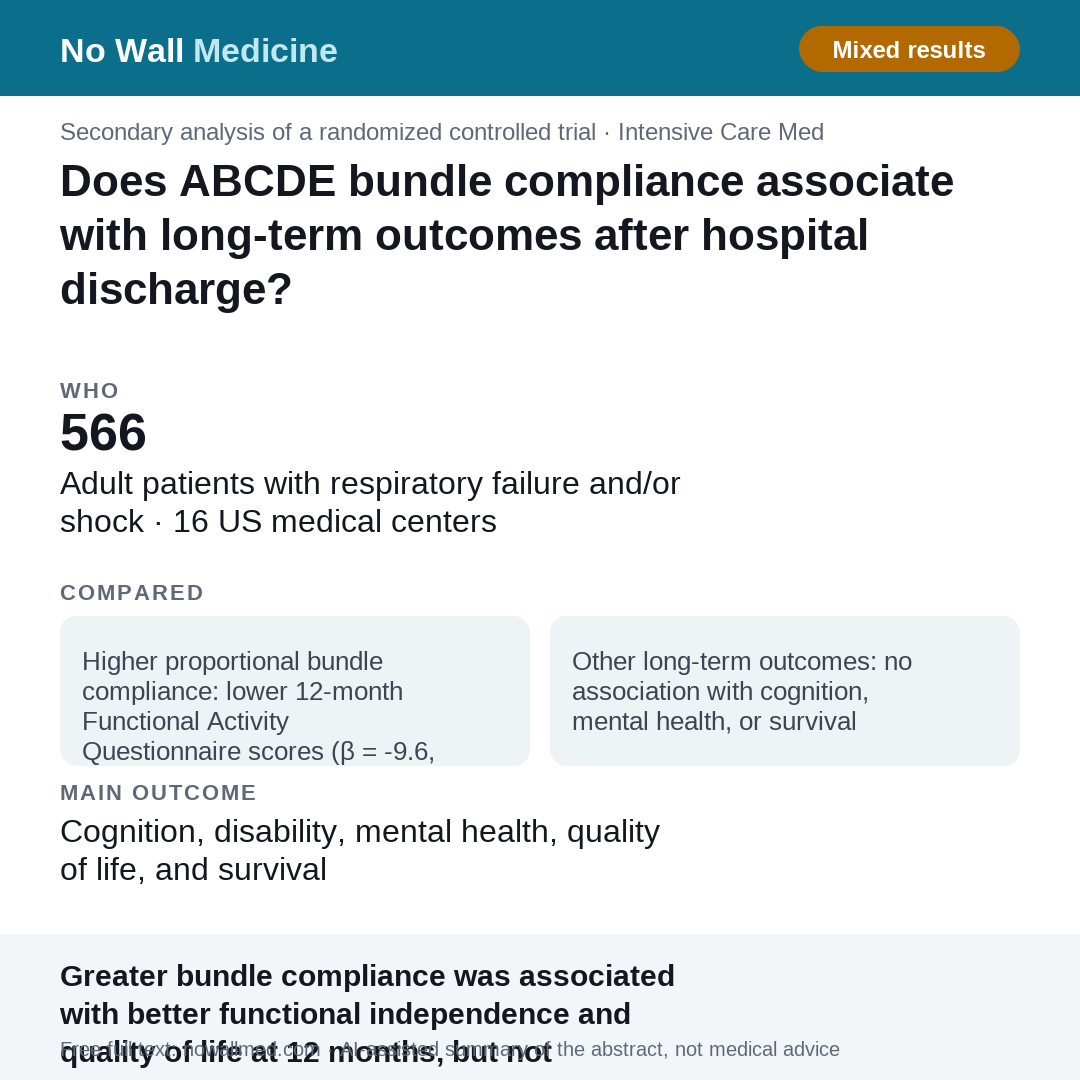
Immunogenicity of Two Versus Three Doses of Hepatitis B Vaccine When Administered to Children Aged 2-18 Months: A Randomized Clinical Trial
Randomized clinical trialBenefit found
Is a 2-dose hepatitis B vaccination schedule as immunogenic as a 3-dose schedule in infants?
Who
Children aged 2 to 18 months
Compared
91.7%heterologous 2-dose schedule
90.9%homologous 2-dose schedule
94.2%3-dose schedule
Main outcome
seroprotection rates and anamnestic response after challenge dose
Bottom line: A heterologous 2-dose hepatitis B vaccination schedule provides similar anamnestic response and fewer local reactions than other schedules.
J Infect Dis · 2026-02-25Download image
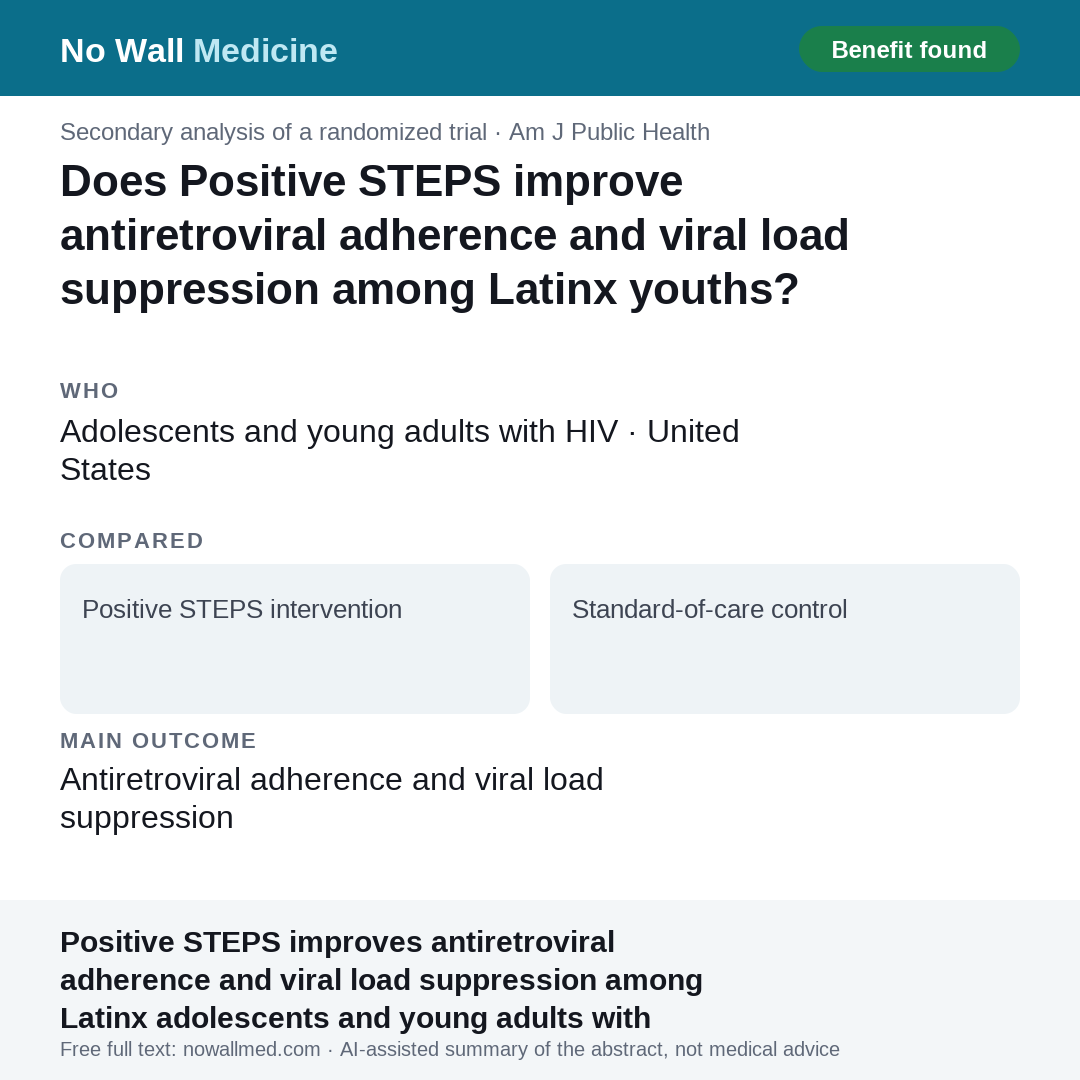
Moderated Effects of Latinx Ethnicity for a Stepped-Care, Technology and Counseling-Based Intervention (Positive STEPS) on Antiretroviral Adherence and Viral Load Suppression Among Youths With HIV, United States, 2018‒2023
Secondary analysis of a randomized trialBenefit found
Does Positive STEPS improve antiretroviral adherence and viral load suppression among Latinx youths?
Who
Adolescents and young adults with HIV · United States
Compared
Positive STEPS intervention
Standard-of-care control
Main outcome
Antiretroviral adherence and viral load suppression
Bottom line: Positive STEPS improves antiretroviral adherence and viral load suppression among Latinx adolescents and young adults with HIV.
Am J Public Health · 2026-02-25Download image
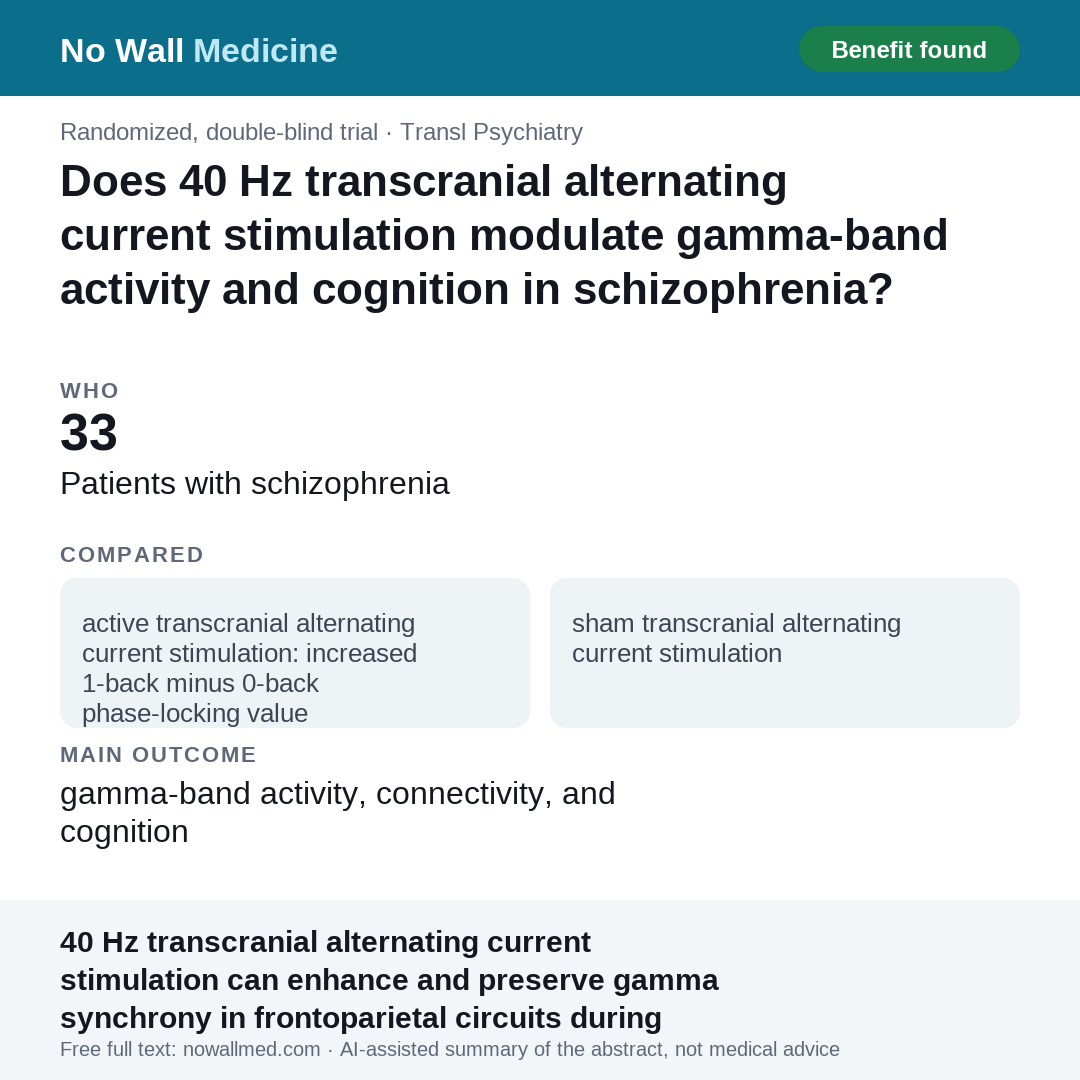
Effects of 40 Hz transcranial alternating current stimulation on neural synchronization and cognitive correlates in schizophrenia: An EEG study
Randomized, double-blind trialBenefit found
Does 40 Hz transcranial alternating current stimulation modulate gamma-band activity and cognition in schizophrenia?
Who
33
Patients with schizophrenia
Compared
active transcranial alternating current stimulation: increased 1-back minus 0-back phase-locking value
sham transcranial alternating current stimulation
Main outcome
gamma-band activity, connectivity, and cognition
Bottom line: 40 Hz transcranial alternating current stimulation can enhance and preserve gamma synchrony in frontoparietal circuits during working memory.
Limitation: No significant correlation with n-back measures of working memory was found.
Transl Psychiatry · 2026-02-25Download image
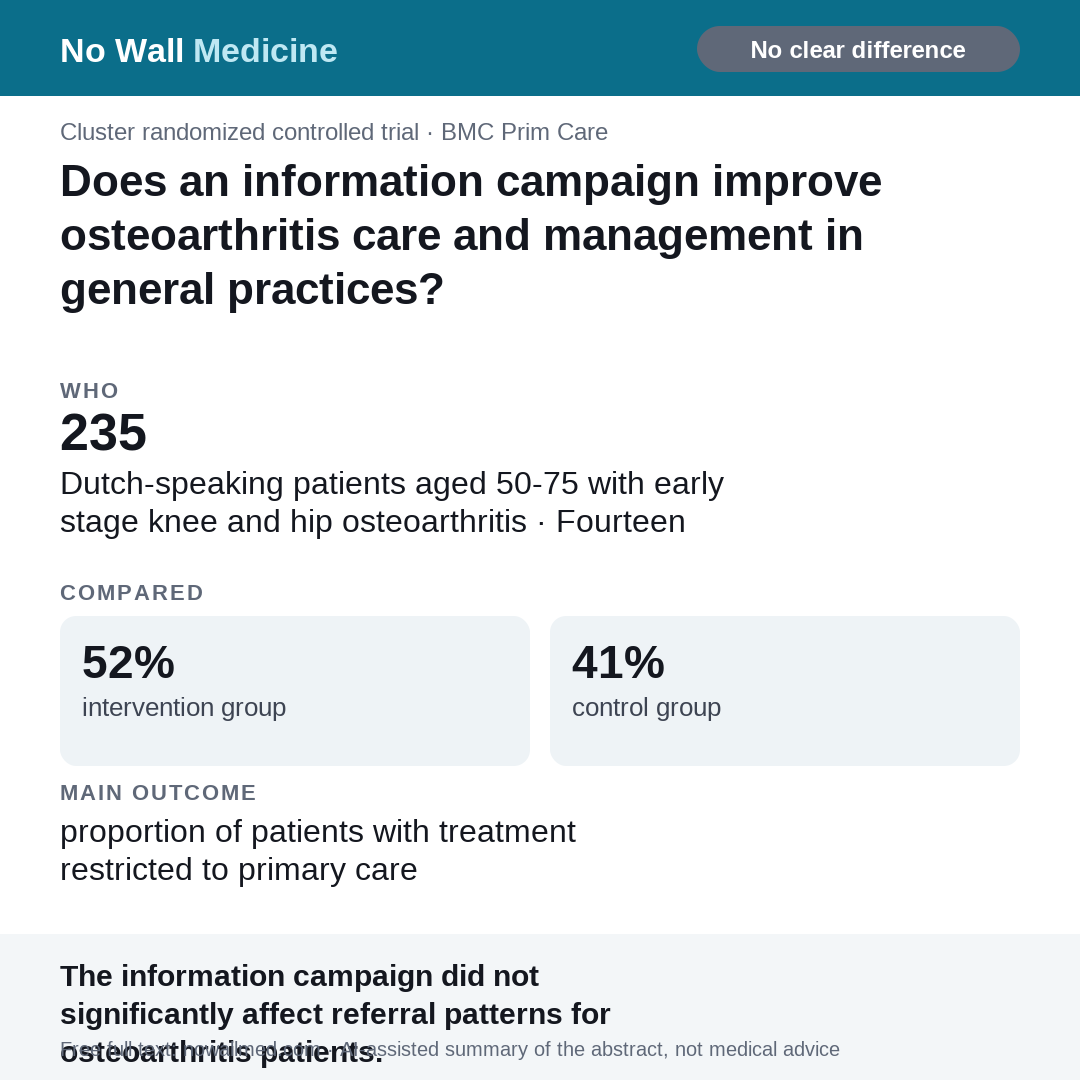
BABS (Becoming Active in Beating osteoarthritiS): a cluster randomized controlled trial evaluating an information campaign to improve osteoarthritis care and management in Dutch general practices
Cluster randomized controlled trialNo clear difference
Does an information campaign improve osteoarthritis care and management in general practices?
Who
235
Dutch-speaking patients aged 50-75 with early stage knee and hip osteoarthritis · Fourteen Dutch general practices
Compared
52%intervention group
41%control group
Main outcome
proportion of patients with treatment restricted to primary care
Result: odds ratio 1.60 (95% CI 0.88;2.84, NS)
Bottom line: The information campaign did not significantly affect referral patterns for osteoarthritis patients.
BMC Prim Care · 2026-02-25Download image
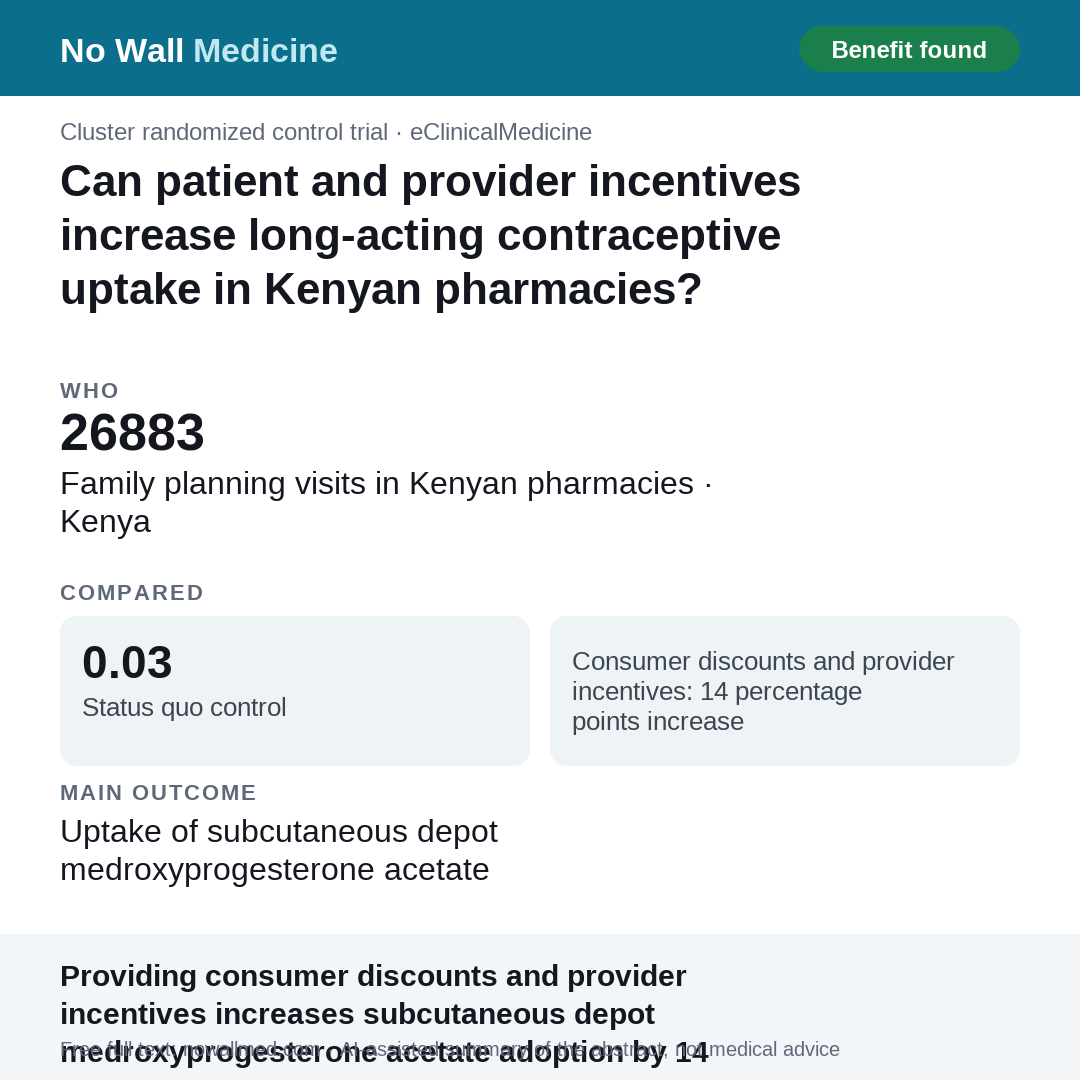
Alleviating price and information barriers to long-acting contraception uptake in Kenyan pharmacies using patient and provider incentives: a cluster randomized control trial
Cluster randomized control trialBenefit found
Can patient and provider incentives increase long-acting contraceptive uptake in Kenyan pharmacies?
Who
26883
Family planning visits in Kenyan pharmacies · Kenya
Compared
0.03Status quo control
Consumer discounts and provider incentives: 14 percentage points increase
Main outcome
Uptake of subcutaneous depot medroxyprogesterone acetate
Bottom line: Providing consumer discounts and provider incentives increases subcutaneous depot medroxyprogesterone acetate adoption by 14 percentage points.
Funded by: Children's Investment Fund Foundation and The Weiss Fund
eClinicalMedicine · 2026-02-24Download image
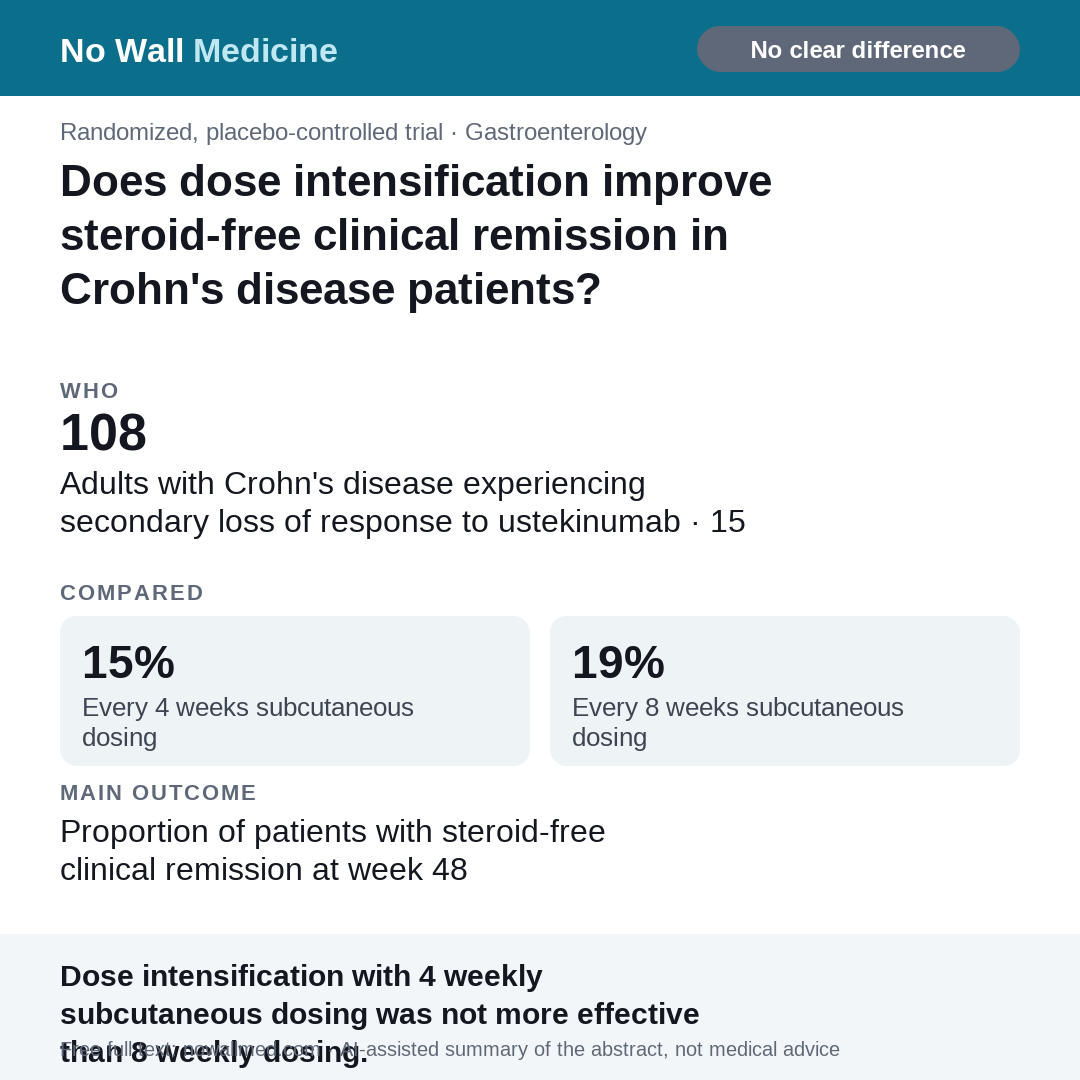
The Effect of Dose Intensification After Secondary Loss of Response to Ustekinumab in Crohn's Disease: Results of the REScUE Study
Randomized, placebo-controlled trialNo clear difference
Does dose intensification improve steroid-free clinical remission in Crohn's disease patients?
Who
108
Adults with Crohn's disease experiencing secondary loss of response to ustekinumab · 15 hospitals in Belgium
Compared
15%Every 4 weeks subcutaneous dosing
19%Every 8 weeks subcutaneous dosing
Main outcome
Proportion of patients with steroid-free clinical remission at week 48
Result: difference 4%; P = 0.5
Bottom line: Dose intensification with 4 weekly subcutaneous dosing was not more effective than 8 weekly dosing.
Gastroenterology · 2026-02-24Download image
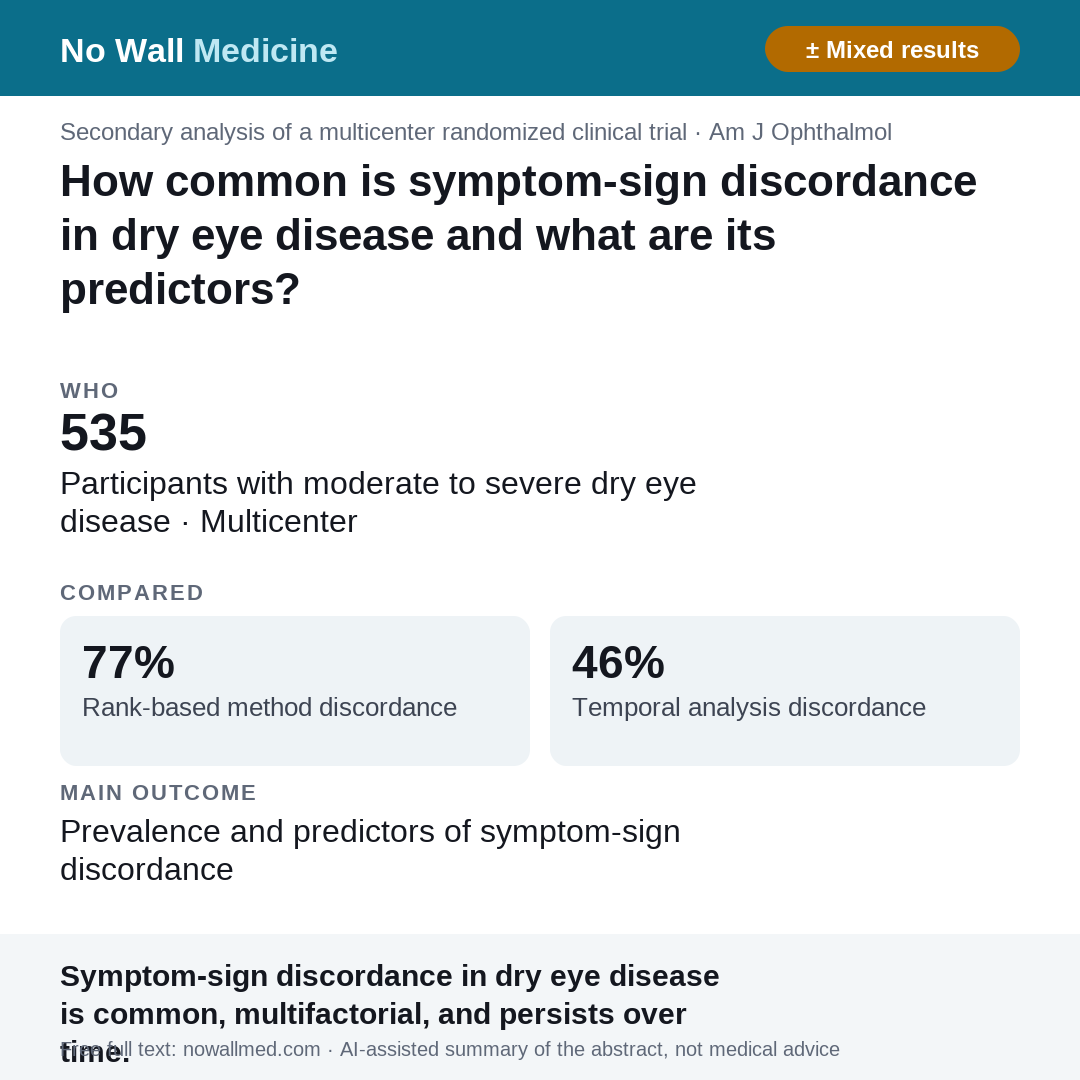
Defining Discordance Between Signs and Symptoms in Dry Eye Disease: Insights From the DRy Eye Assessment and Management (DREAM) Study
Secondary analysis of a multicenter randomized clinical trialMixed results
How common is symptom-sign discordance in dry eye disease and what are its predictors?
Who
535
Participants with moderate to severe dry eye disease · Multicenter
Compared
77%Rank-based method discordance
46%Temporal analysis discordance
Main outcome
Prevalence and predictors of symptom-sign discordance
Bottom line: Symptom-sign discordance in dry eye disease is common, multifactorial, and persists over time.
Am J Ophthalmol · 2026-02-24Download image
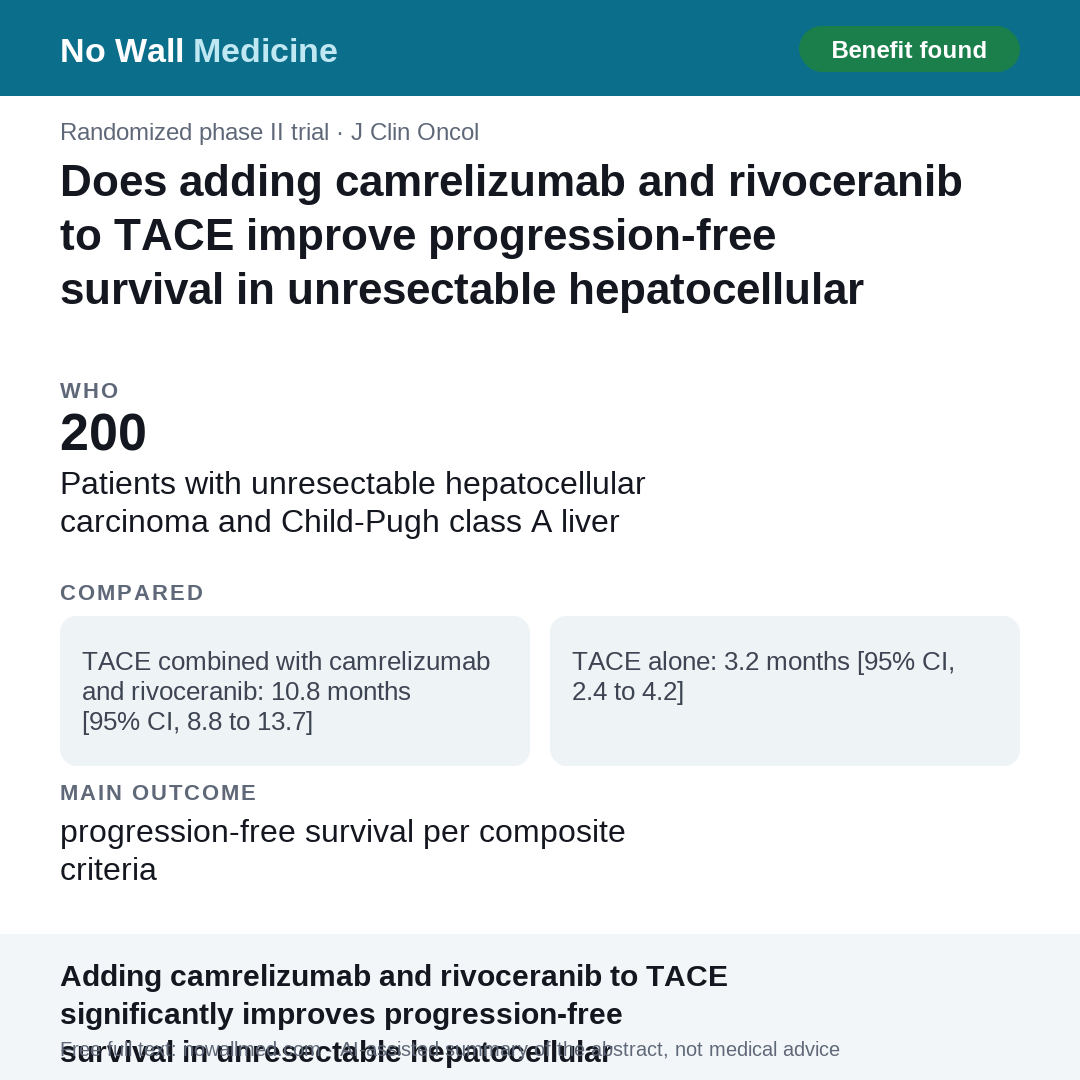
Transarterial Chemoembolization Combined With Camrelizumab and Rivoceranib for Unresectable Hepatocellular Carcinoma (CHANCE2005/CARES-005): A Randomized Phase II Trial
Randomized phase II trialBenefit found
Does adding camrelizumab and rivoceranib to TACE improve progression-free survival in unresectable hepatocellular carcinoma?
Who
200
Patients with unresectable hepatocellular carcinoma and Child-Pugh class A liver function
Compared
TACE combined with camrelizumab and rivoceranib: 10.8 months [95% CI, 8.8 to 13.7]
TACE alone: 3.2 months [95% CI, 2.4 to 4.2]
Main outcome
progression-free survival per composite criteria
Result: hazard ratio 0.34 [95% CI, 0.24 to 0.50]
Bottom line: Adding camrelizumab and rivoceranib to TACE significantly improves progression-free survival in unresectable hepatocellular carcinoma patients.
Limitation: Follow-up for further overall survival analysis is ongoing.
J Clin Oncol · 2026-02-24Download image
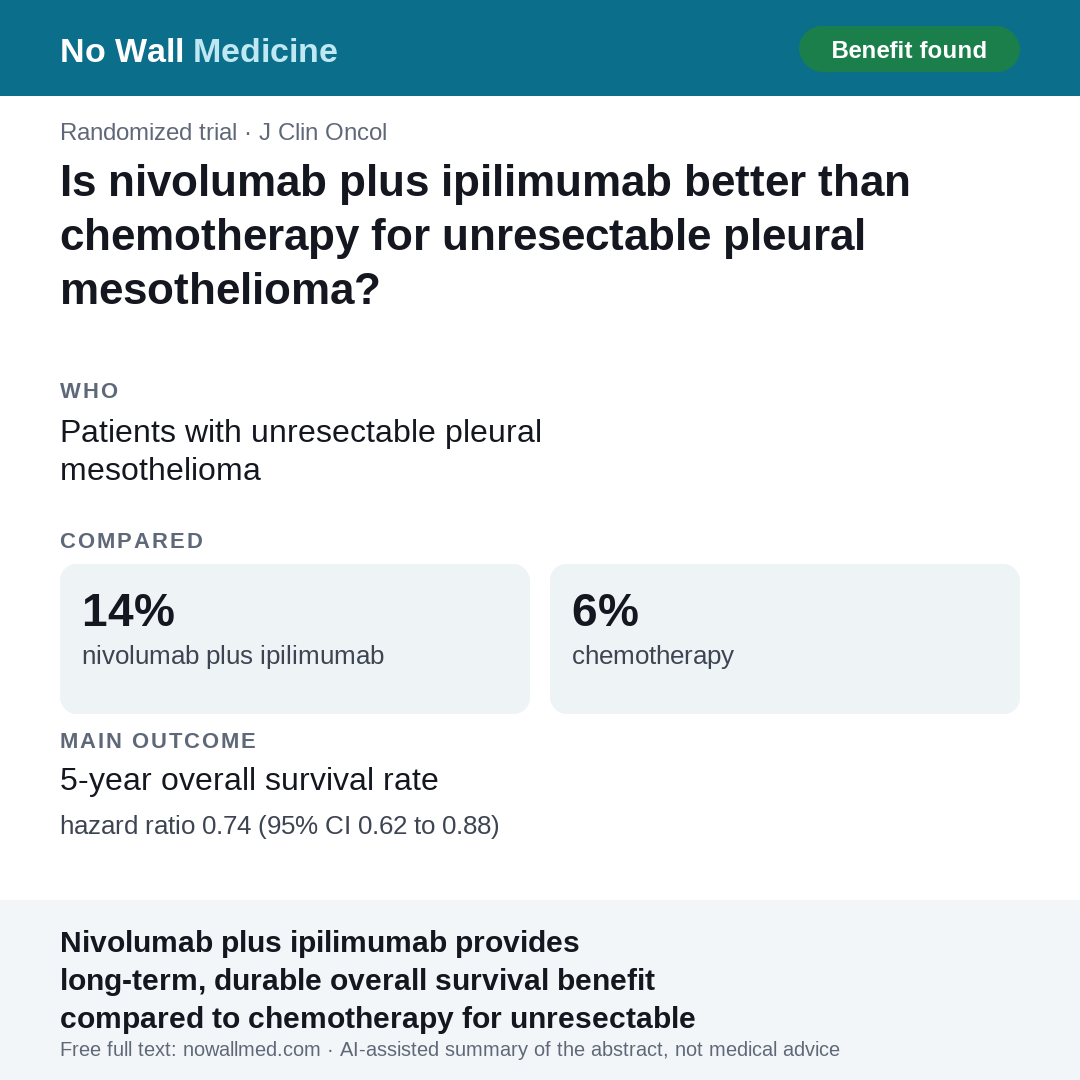
Five-Year Clinical Outcomes With Nivolumab Plus Ipilimumab Versus Chemotherapy as First-Line Treatment for Unresectable Pleural Mesothelioma in CheckMate 743
Randomized trialBenefit found
Is nivolumab plus ipilimumab better than chemotherapy for unresectable pleural mesothelioma?
Who
Patients with unresectable pleural mesothelioma
Compared
14%nivolumab plus ipilimumab
6%chemotherapy
Main outcome
5-year overall survival rate
Result: hazard ratio 0.74 (95% CI 0.62 to 0.88)
Bottom line: Nivolumab plus ipilimumab provides long-term, durable overall survival benefit compared to chemotherapy for unresectable pleural mesothelioma.
J Clin Oncol · 2026-02-24Download image
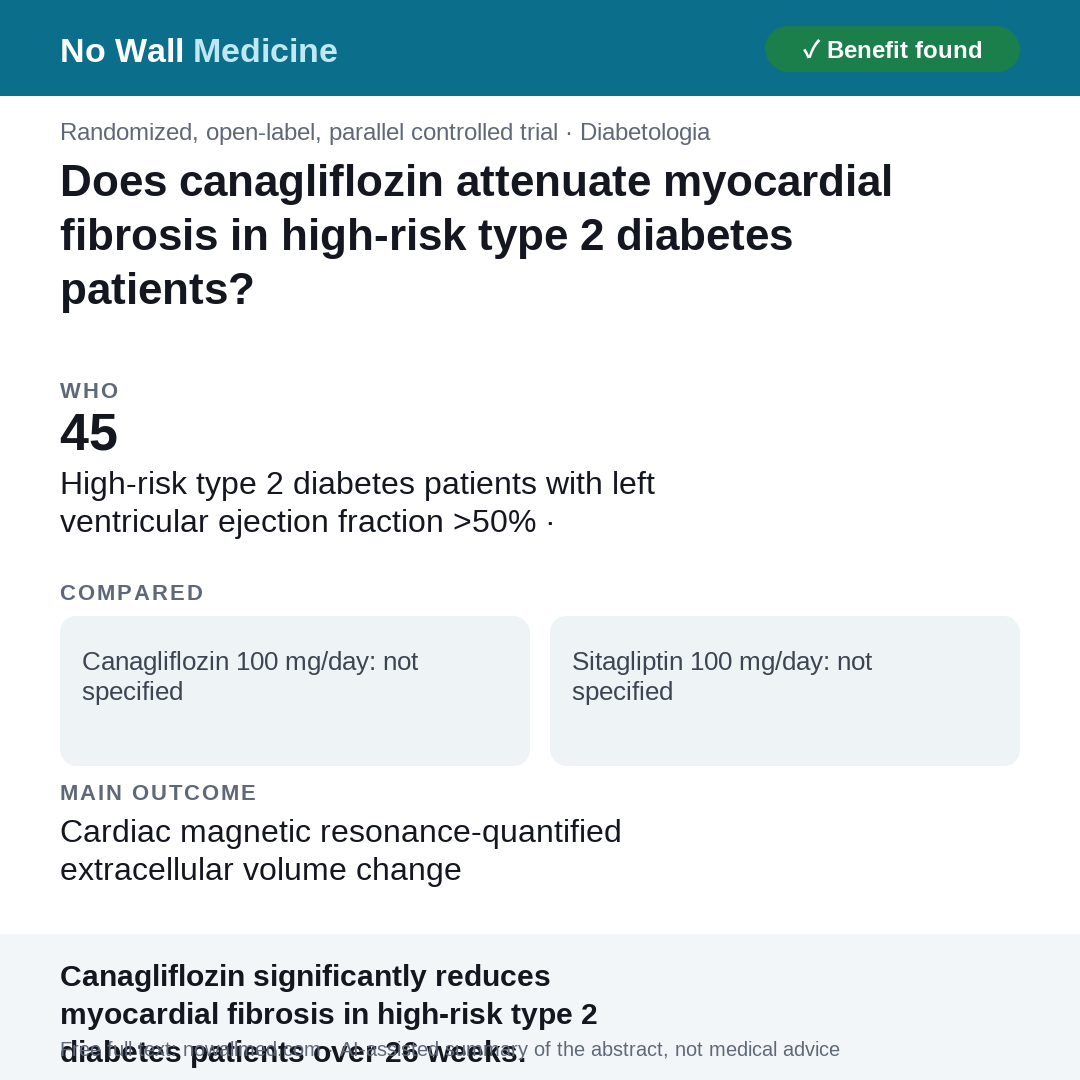
Canagliflozin attenuates CMR-quantified myocardial fibrosis in individuals with type 2 diabetes mellitus at high cardiovascular risk: a randomised open-label controlled trial
Randomized, open-label, parallel controlled trialBenefit found
Does canagliflozin attenuate myocardial fibrosis in high-risk type 2 diabetes patients?
Who
45
High-risk type 2 diabetes patients with left ventricular ejection fraction >50% · Endocrinology Outpatient Clinic of Zhongshan Hospital, China
Compared
Canagliflozin 100 mg/day: not specified
Sitagliptin 100 mg/day: not specified
Main outcome
Cardiac magnetic resonance-quantified extracellular volume change
Result: adjusted mean difference -3.67% (95% CI -5.33, -2.01)
Bottom line: Canagliflozin significantly reduces myocardial fibrosis in high-risk type 2 diabetes patients over 26 weeks.
Limitation: The study used an open-label design where participants and providers knew treatment assignments.
Funded by: National Key Research and Development programme and others
Diabetologia · 2026-02-24Download image
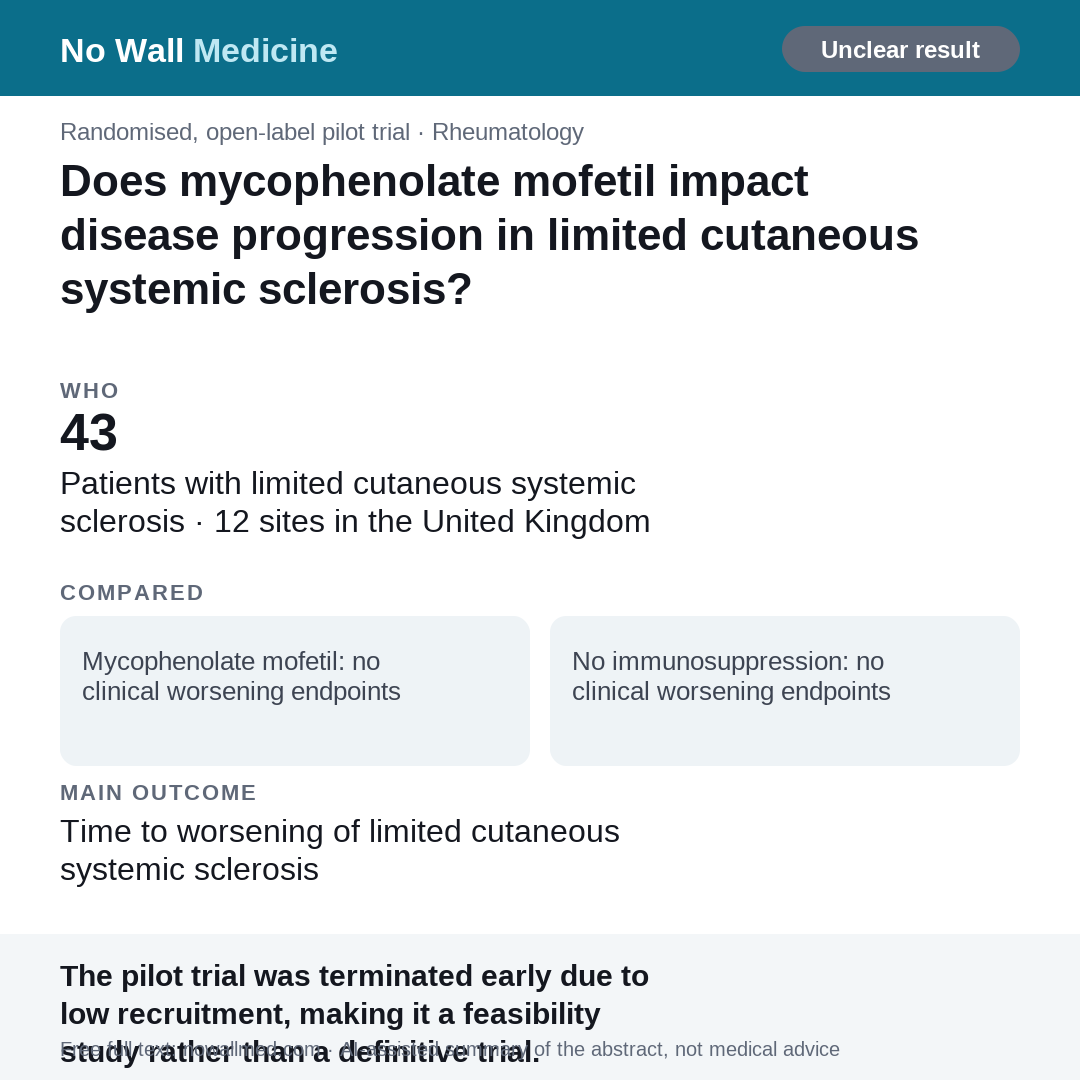
A randomised open-label pilot trial comparing mycophenolate mofetil with no immunosuppression in limited cutaneous systemic sclerosis (MINIMISE-Pilot)
Randomised, open-label pilot trialUnclear result
Does mycophenolate mofetil impact disease progression in limited cutaneous systemic sclerosis?
Who
43
Patients with limited cutaneous systemic sclerosis · 12 sites in the United Kingdom
Compared
Mycophenolate mofetil: no clinical worsening endpoints
No immunosuppression: no clinical worsening endpoints
Main outcome
Time to worsening of limited cutaneous systemic sclerosis
Bottom line: The pilot trial was terminated early due to low recruitment, making it a feasibility study rather than a definitive trial.
Limitation: The study was terminated early because recruitment was below the prespecified threshold.
Rheumatology · 2026-02-24Download image
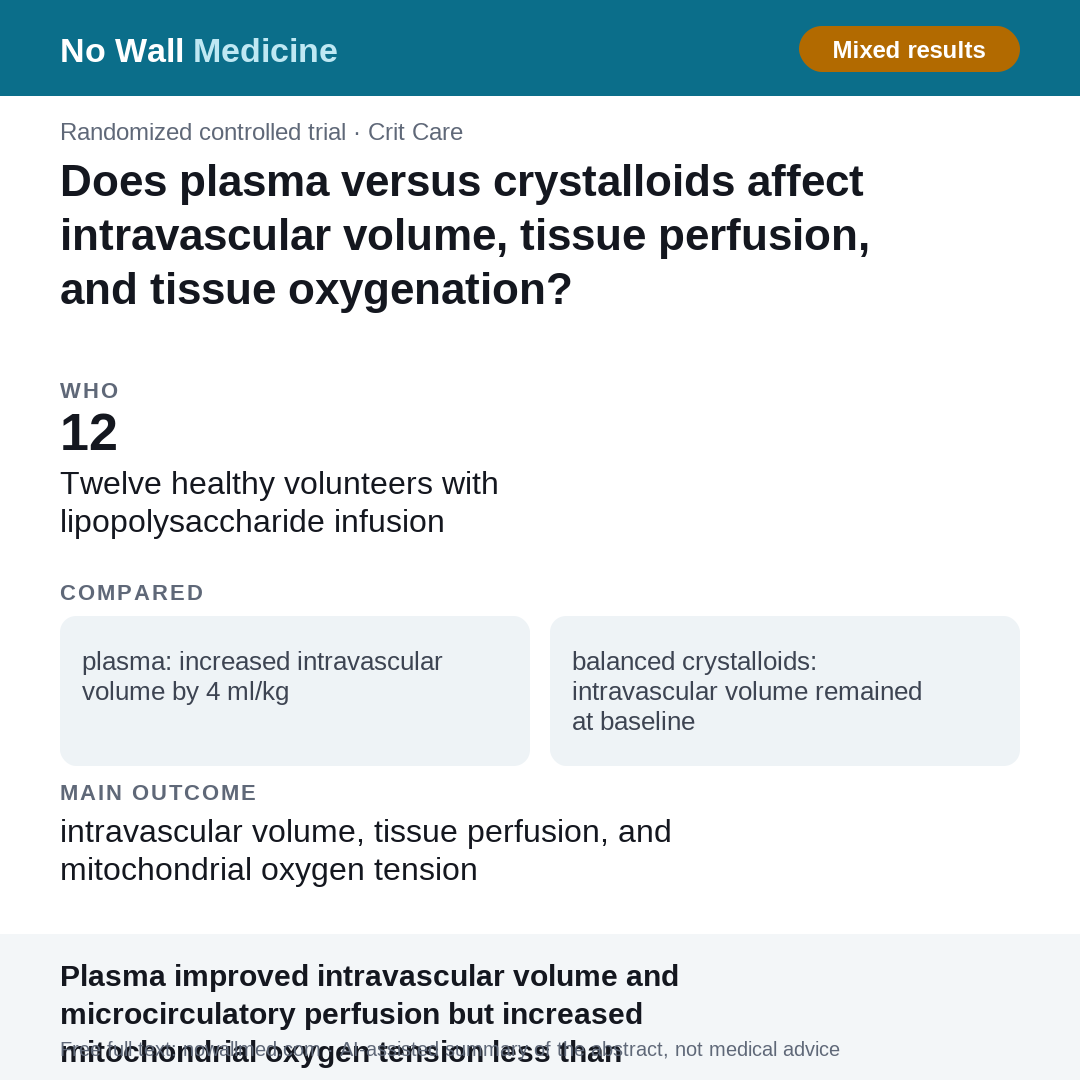
The effect of plasma versus crystalloids on intravascular volume, tissue perfusion and tissue oxygenation: a randomized controlled trial in a human endotoxemia model
Randomized controlled trialMixed results
Does plasma versus crystalloids affect intravascular volume, tissue perfusion, and tissue oxygenation?
Who
12
Twelve healthy volunteers with lipopolysaccharide infusion
Compared
plasma: increased intravascular volume by 4 ml/kg
balanced crystalloids: intravascular volume remained at baseline
Main outcome
intravascular volume, tissue perfusion, and mitochondrial oxygen tension
Bottom line: Plasma improved intravascular volume and microcirculatory perfusion but increased mitochondrial oxygen tension less than crystalloids.
Limitation: The study used a human endotoxemia model in healthy volunteers without shock.
Crit Care · 2026-02-24Download image
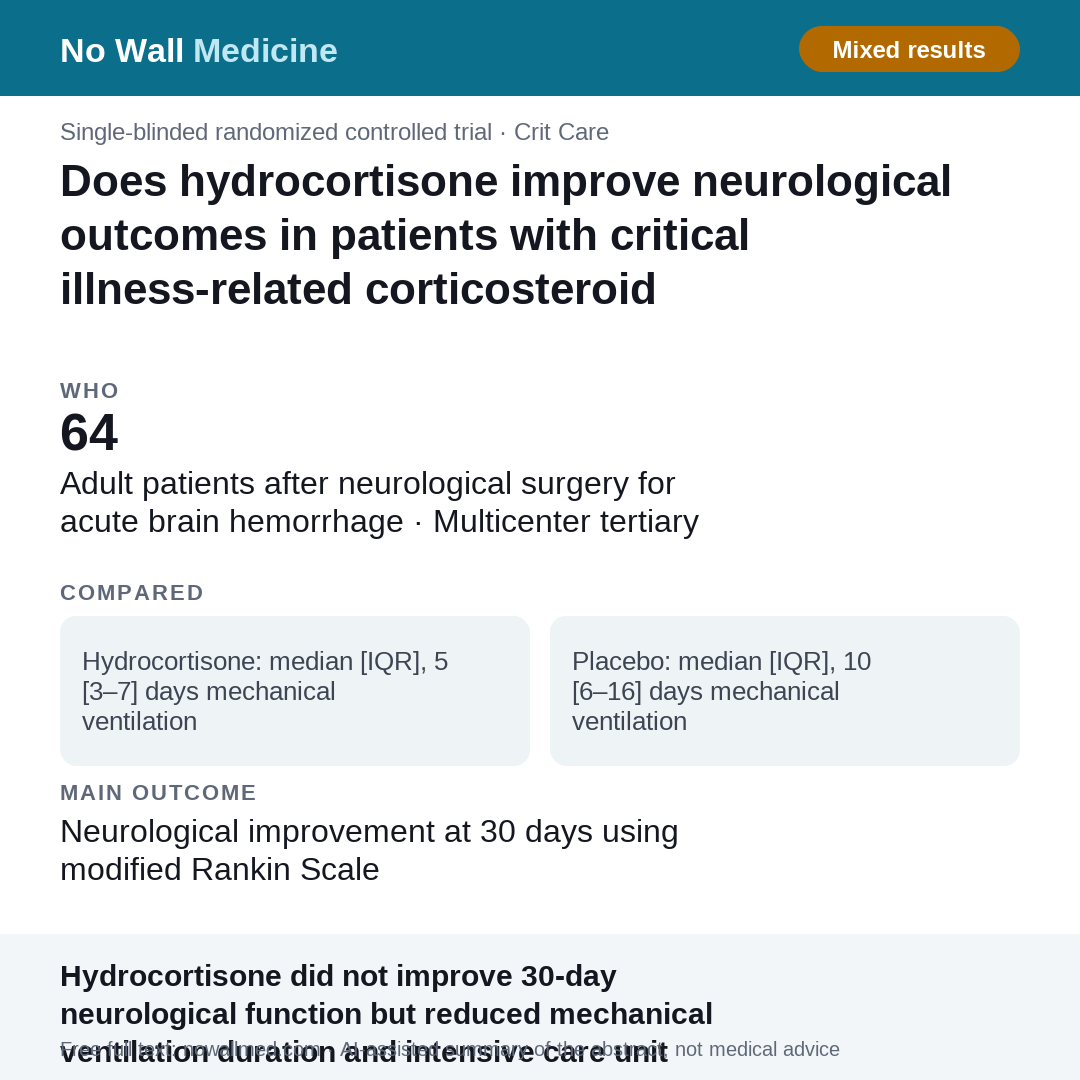
Critical illness-related corticosteroid insufficiency after acute brain hemorrhage surgery: a prospective cohort study with a randomized trial of hydrocortisone : HYdrocortisone theraPy in nEurocRitical illness; HYPER study
Single-blinded randomized controlled trialMixed results
Does hydrocortisone improve neurological outcomes in patients with critical illness-related corticosteroid insufficiency?
Who
64
Adult patients after neurological surgery for acute brain hemorrhage · Multicenter tertiary care hospitals
Compared
Hydrocortisone: median [IQR], 5 [3–7] days mechanical ventilation
Placebo: median [IQR], 10 [6–16] days mechanical ventilation
Main outcome
Neurological improvement at 30 days using modified Rankin Scale
Bottom line: Hydrocortisone did not improve 30-day neurological function but reduced mechanical ventilation duration and intensive care unit stay.
Crit Care · 2026-02-24Download image