Visual abstracts
New randomized trials and meta-analyses from leading journals at a glance: who was studied, what was compared, and what was found. Every paper is free to read in full.
All specialtiesCardiology 4763Oncology 4042Gastroenterology & Hepatology 1902Infectious Disease 3756Neurology 1872Psychiatry & Mental Health 2214Pulmonology 2042Critical Care 1319Endocrinology & Diabetes 2544Pediatrics 2889Surgery 2479Orthopedics & Sports Medicine 917Neurosurgery 525Cardiothoracic & Vascular Surgery 656Plastic & Reconstructive Surgery 574Nephrology 1107Rheumatology 810Hematology 1090Dermatology 611Ophthalmology 532Obstetrics & Gynecology 1645Public & Global Health 1037Radiology & Imaging 617Anesthesiology 957Urology 745ENT (Otolaryngology) 494Emergency Medicine 481Allergy & Immunology 309Geriatrics 972Family Medicine & Primary Care 533Medical Genetics & Genomics 659Pathology & Laboratory Medicine 156Physical Medicine & Rehabilitation 734Palliative Care 421Nutrition 1560Digital Health & AI 2133General Medicine 318
Degree of Behavioral Health Integration and Patient Outcomes
Secondary analysis of a randomized, controlled studyBenefit found
Is there a threshold effect of integrated behavioral health on patient outcomes?
Who
3929
Adults with multiple chronic medical and behavioral conditions · Multistate
Compared
Highly integrated practices (PIP ≥ 65)
Other practices
Main outcome
Patient-reported outcomes including functional status, depression, and anxiety
Result: Pain Intensity -0.51 (95% CI -0.97, 0.04), patient centeredness 2.52 (95% CI 0.88, 4.16), CARE 1.62 (95% CI 0.62, 2.61)
Bottom line: Patients in highly integrated behavioral health practices report significantly better pain intensity, patient centeredness, and empathy outcomes.
J Am Board Fam Med · 2026-01-06Download image

The sustained effect of texture-based eating rate on food intake in an 11-d randomised controlled trial
Randomised cross-over feeding trialBenefit found
Does texture-based eating rate have a sustained effect on food and energy intake?
Who
20
Dutch adults
Compared
slow eating rate diet: 6 % lower cumulative food intake
fast eating rate diet
Main outcome
cumulative food and energy intake
Bottom line: A slow eating rate diet reduced cumulative food intake by 6% without affecting energy intake.
Br J Nutr · 2026-01-06Download image
Singing for lung health following completion of pulmonary rehabilitation: feasibility of a randomised controlled trial
Multicentre, mixed-methods randomised controlled feasibility trialEarly signal
Is singing for lung health after pulmonary rehabilitation feasible?
Who
64
People completing pulmonary rehabilitation · Four sites
Compared
Singing for lung health: 62.5% completed at least 8/12 sessions
Usual care: 90.6% completed the study
Main outcome
Recruitment rate, intervention compliance, and health economic analysis
Bottom line: A definitive trial of singing for lung health after pulmonary rehabilitation appears feasible with acceptable uptake and completion rates.
BMJ Open Respir Res · 2026-01-06Download image
Cognitive-Behavioral Therapy-Based Massed Brief Psychoeducational Group via Videoconference for Social Anxiety: Randomized Controlled Trial
Randomized controlled trialBenefit found
Is a 2-day videoconference cognitive-behavioral therapy group effective for social anxiety?
Who
Chinese university students with social anxiety · Online
Compared
Intervention group: significant reductions in Social Phobia Inventory scores
Waitlist control group
Main outcome
Social anxiety symptoms and knowledge
Result: β=-4.00, 95% bootstrap CI -6.55 to -1.22
Bottom line: A 2-day videoconference cognitive-behavioral therapy workshop effectively reduces social anxiety among Chinese university students.
Limitation: Future research with larger and more diverse samples is recommended.
J Med Internet Res · 2026-01-06Download image

Visual and visual-proprioceptive training improve gait via sensory reweighting after chronic stroke: a randomized controlled trial
Assessor- and analyst-blinded randomized controlled trialBenefit found
Does visual oculomotor training or visual-proprioceptive integration improve gait after chronic stroke?
Who
45
Participants with chronic stroke · Single-center
Compared
Control group
Visual oculomotor training
Visual-proprioceptive integration: improved significantly more than control group (P = 0.018)
Main outcome
comfortable gait speed measured during 10-meter walk tests
Bottom line: Visual-proprioceptive integration combined with standardized gait training significantly improved gait speed and symmetry in chronic stroke patients.
J Neuroeng Rehabil · 2026-01-06Download image
Oral splicing modulator branaplam in Huntington's disease: a phase 2 randomized controlled trial
Randomized phase 2b studyKey finding
Does oral branaplam reduce mutant huntingtin levels in Huntington's disease?
Who
21
Individuals with Huntington's disease
Compared
branaplam 56 mg weekly: 18 (85.7%) showed at least one sign or symptom of peripheral neuropathy
placebo
Main outcome
decrease in cerebrospinal fluid mutant huntingtin levels
Bottom line: The trial was terminated early due to signs of peripheral neuropathy in participants receiving branaplam.
Nat Med · 2026-01-05Download image
The impact of an oral purified microbiome therapeutic on the gastrointestinal microbiome
Phase 3 trial and post hoc analysisBenefit found
Does a higher dose of VOWST prevent recurrent Clostridioides difficile infection?
Who
Patients with recurrent Clostridioides difficile infection
Compared
12%VOS-treated patients
40%Placebo patients
Main outcome
recurrence by week 8
Result: relative risk 0.32, P < 0.001
Bottom line: A higher dose of VOWST significantly reduced Clostridioides difficile infection recurrence compared to placebo.
Nat Med · 2026-01-05Download image
Botulinum toxin for endometriosis-associated chronic pelvic pain: a randomised, double-masked, parallel, phase 2 trial
Randomised, double-masked, parallel, phase 2 trialEarly signal
Does pelvic floor botulinum toxin injection reduce endometriosis-associated chronic pelvic pain and spasm?
Who
29
Women with endometriosis-associated chronic pelvic pain and pelvic floor muscle spasm
Compared
onabotulinumtoxinA: 11 (73%) of 15
saline placebo: 4 (29%) of 14
Main outcome
patient report of benefit or no benefit
Bottom line: Pelvic floor botulinum toxin injection significantly increased patient reported benefit for endometriosis-associated chronic pelvic pain.
Funded by: U.S. National Institutes of Health and Allergan, Inc.
eClinicalMedicine · 2026-01-05Download image
Dose-intensified Versus Conventional-dose Salvage Radiotherapy for Biochemically Recurrent Prostate Cancer After Prostatectomy: Long-term Data from the SAKK 09/10 Randomised Phase 3 Trial
Randomized phase 3 trialNo clear difference
Is dose-intensified or conventional-dose salvage radiotherapy better for biochemical recurrent prostate cancer?
Who
350
Men with biochemical progression after radical prostatectomy
Compared
Conventional-dose (64 Gy): median 8.7 yr (95% CI 7.1-not reached [NR])
Dose-intensified (70 Gy): median 8.7 yr (95% CI 6.7-NR)
Main outcome
freedom from biochemical progression
Result: hazard ratio 1.03 (95% CI 0.75-1.41)
Bottom line: Dose-intensified salvage radiotherapy is not superior to conventional-dose but increases late grade 2 and 3 gastrointestinal toxicity.
Eur Urol · 2026-01-05Download image
Serum Magnesium, Outcomes, and the Effect of Empagliflozin in Heart Failure With Mildly Reduced and Preserved Ejection Fraction: Findings From EMPEROR-Preserved
Randomized trialMixed results
Does serum magnesium influence outcomes and empagliflozin effect in heart failure?
Who
5988
Patients with heart failure with mildly reduced or preserved ejection fraction
Compared
Empagliflozin: HR: 0.60 [95% CI: 0.45-0.79] at Q5
Placebo: higher risk of primary outcome events with higher magnesium levels
Main outcome
composite of cardiovascular death or heart failure hospitalization
Result: interaction P-trend = 0.030
Bottom line: Empagliflozin showed a more pronounced reduction of primary outcome events at higher baseline magnesium levels.
JACC Heart Fail · 2026-01-05Download image
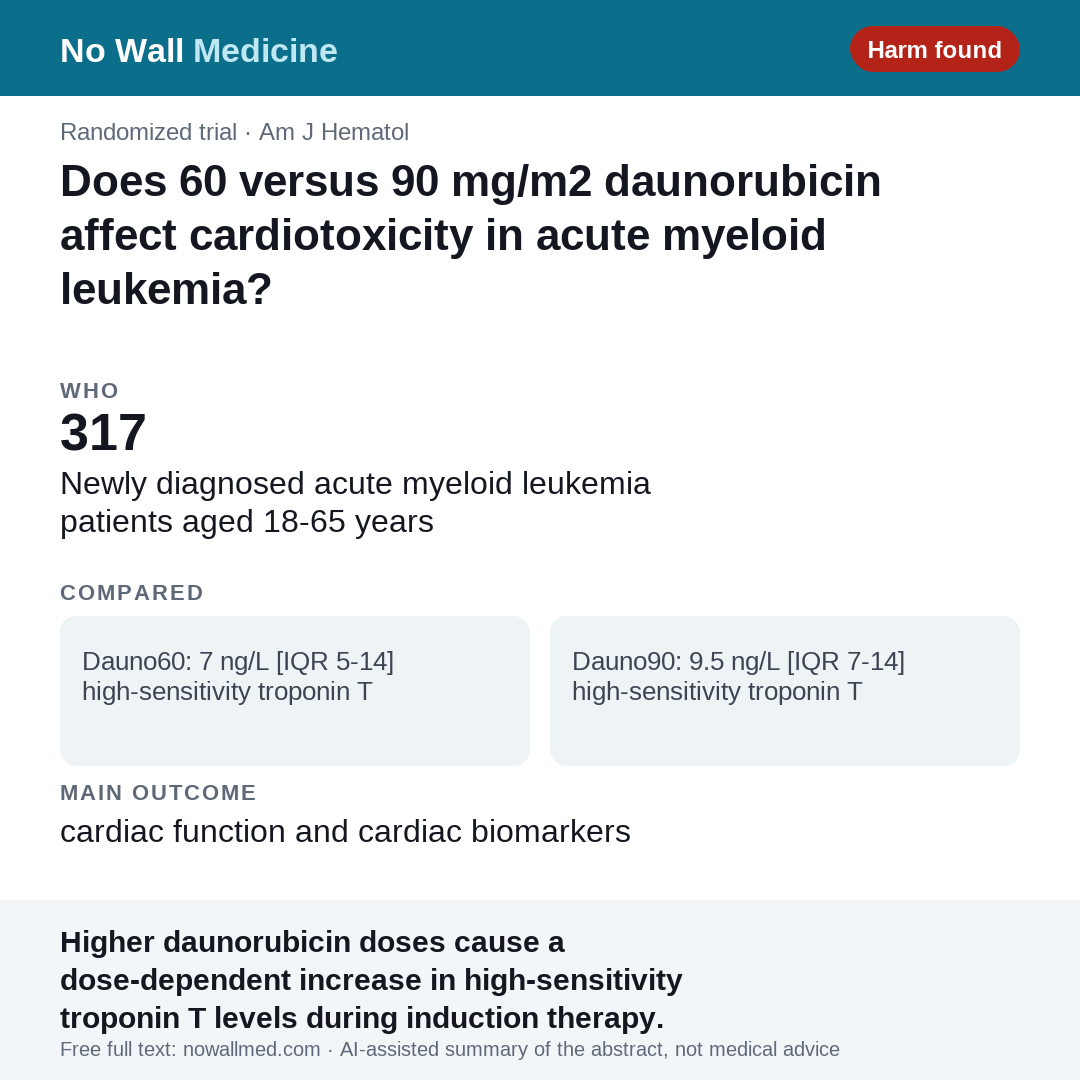
Randomized Comparison of Cardiotoxicity With 60 Versus 90 mg Daunorubicin in AML Induction Therapy
Randomized trialHarm found
Does 60 versus 90 mg/m2 daunorubicin affect cardiotoxicity in acute myeloid leukemia?
Who
317
Newly diagnosed acute myeloid leukemia patients aged 18-65 years
Compared
Dauno60: 7 ng/L [IQR 5-14] high-sensitivity troponin T
Dauno90: 9.5 ng/L [IQR 7-14] high-sensitivity troponin T
Main outcome
cardiac function and cardiac biomarkers
Result: p < 0.01 for high-sensitivity troponin T difference
Bottom line: Higher daunorubicin doses cause a dose-dependent increase in high-sensitivity troponin T levels during induction therapy.
Am J Hematol · 2026-01-05Download image
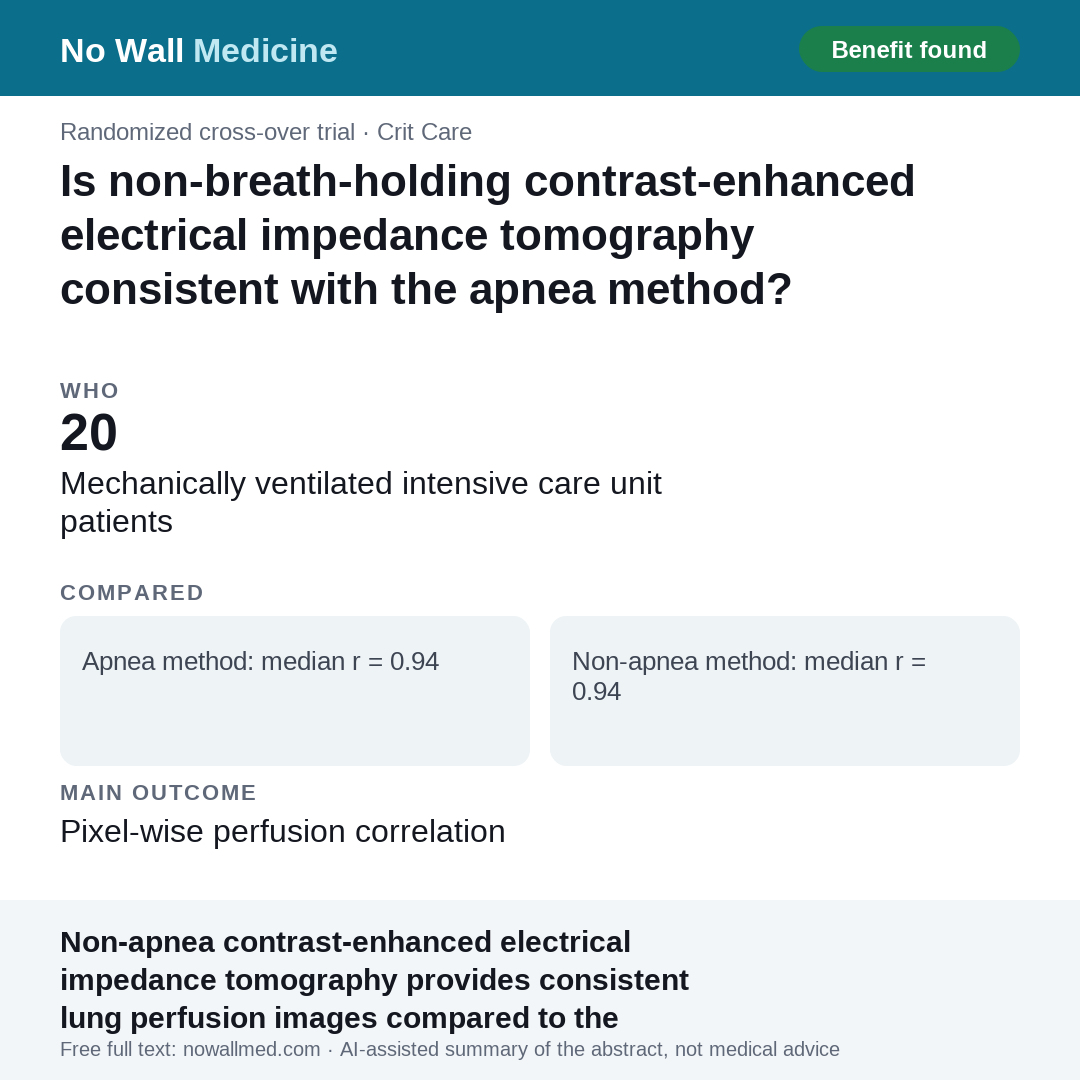
Lung perfusion estimation by saline-contrast EIT without breath hold: a randomized cross-over trial
Randomized cross-over trialBenefit found
Is non-breath-holding contrast-enhanced electrical impedance tomography consistent with the apnea method?
Who
20
Mechanically ventilated intensive care unit patients
Compared
Apnea method: median r = 0.94
Non-apnea method: median r = 0.94
Main outcome
Pixel-wise perfusion correlation
Bottom line: Non-apnea contrast-enhanced electrical impedance tomography provides consistent lung perfusion images compared to the conventional apnea method.
Crit Care · 2026-01-05Download image
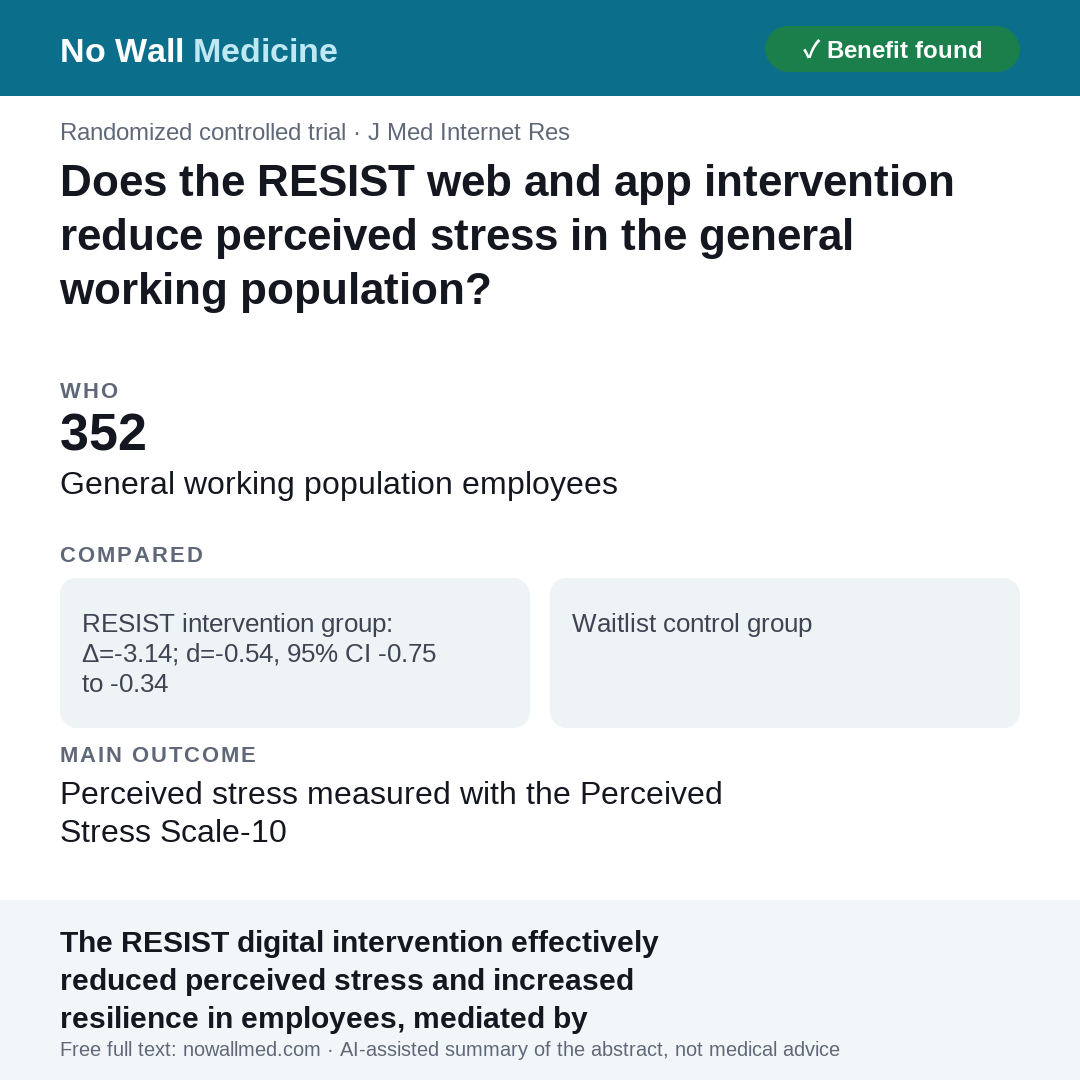
Effectiveness of and Mechanisms of Change in a Self-Help Web- and App-Based Resilience Intervention on Perceived Stress in the General Working Population: Randomized Controlled Trial
Randomized controlled trialBenefit found
Does the RESIST web and app intervention reduce perceived stress in the general working population?
Who
352
General working population employees
Compared
RESIST intervention group: Δ=-3.14; d=-0.54, 95% CI -0.75 to -0.34
Waitlist control group
Main outcome
Perceived stress measured with the Perceived Stress Scale-10
Result: d=-0.54, 95% CI -0.75 to -0.34
Bottom line: The RESIST digital intervention effectively reduced perceived stress and increased resilience in employees, mediated by optimism and self-compassion.
J Med Internet Res · 2026-01-05Download image
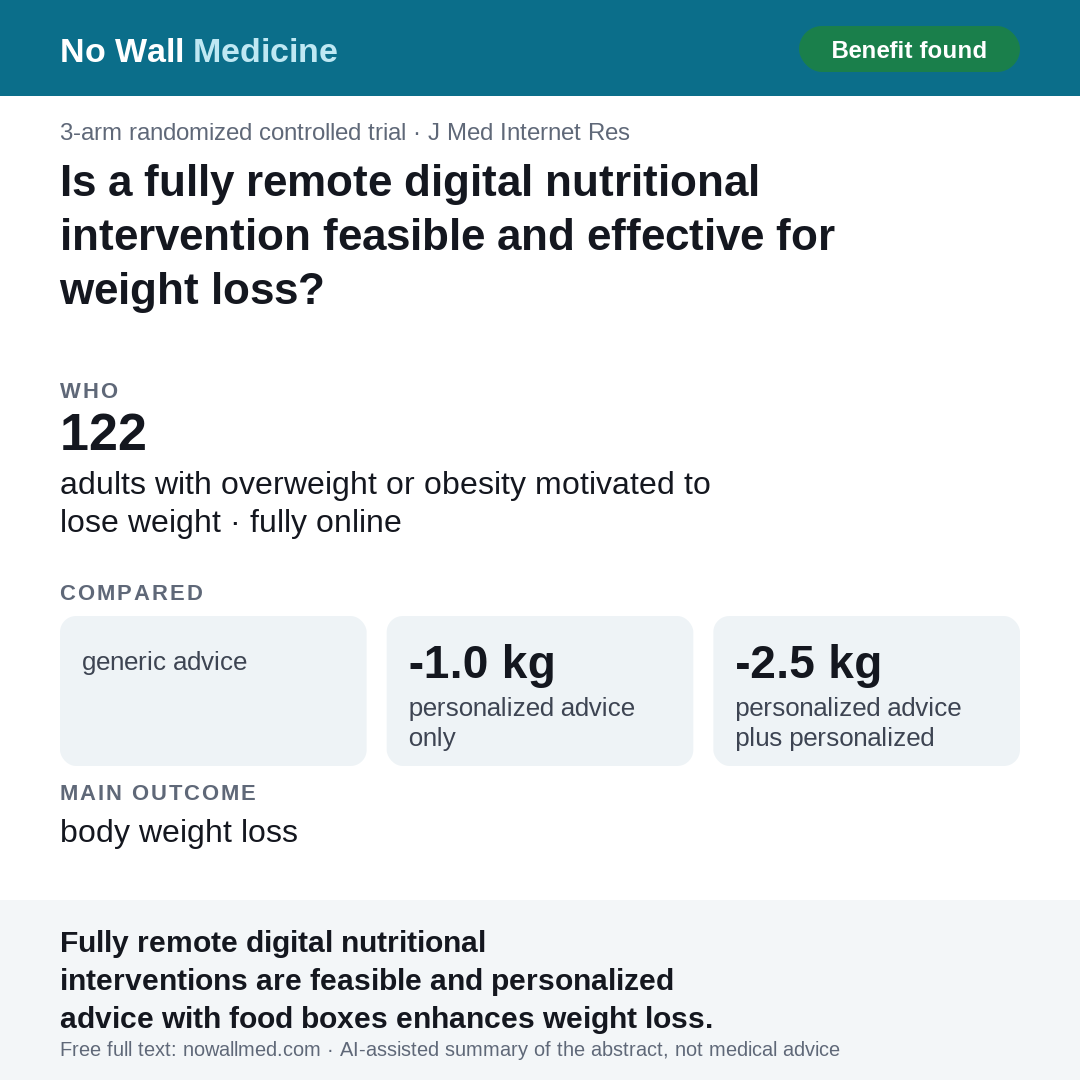
A Real-Life Digital Intervention for Personalized Nutrition in Adults With Overweight or Obesity: Remote Randomized Controlled Trial
3-arm randomized controlled trialBenefit found
Is a fully remote digital nutritional intervention feasible and effective for weight loss?
Who
122
adults with overweight or obesity motivated to lose weight · fully online
Compared
generic advice
-1.0 kgpersonalized advice only
-2.5 kgpersonalized advice plus personalized food boxes
Main outcome
body weight loss
Bottom line: Fully remote digital nutritional interventions are feasible and personalized advice with food boxes enhances weight loss.
Limitation: fully remote studies lack face-to-face interaction and rely on self-reported data
J Med Internet Res · 2026-01-05Download image
Effect of AI-Based Natural Language Feedback on Engagement and Clinical Outcomes in Fully Self-Guided Internet-Based Cognitive Behavioral Therapy for Depression: 3-Arm Randomized Controlled Trial
3-arm randomized controlled trialMixed results
Does AI-based natural language feedback improve engagement and clinical outcomes in self-guided internet-based cognitive behavioral therapy?
Who
1187
1187 adults aged 20-60 years · online
Compared
AI-augmented internet-based cognitive behavioral therapy
Internet-based cognitive behavioral therapy without AI
Waitlist control
Main outcome
depressive symptom severity and engagement
Result: odds ratio 1.23 (95% CI 1.09-1.39) for weekly participation
Bottom line: AI feedback improved engagement and showed lower depressive symptom proportions at follow-up compared to control.
Limitation: Further research is required.
J Med Internet Res · 2026-01-05Download image

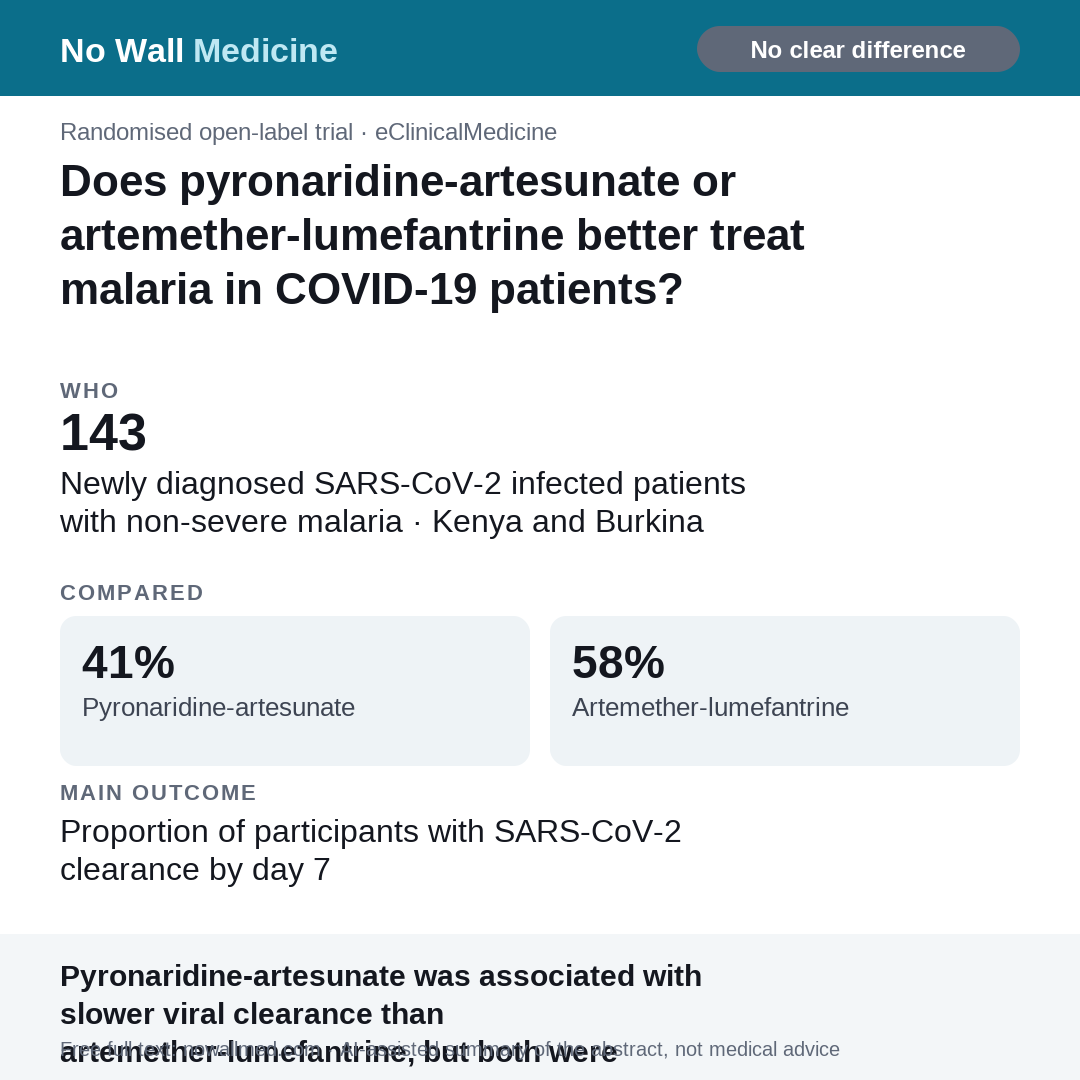
Artemether-lumefantrine versus pyronaridine-artesunate for the treatment of malaria in patients with mild to moderate COVID-19 in Kenya and Burkina Faso: a randomised open-label trial (MALCOV)
Randomised open-label trialNo clear difference
Does pyronaridine-artesunate or artemether-lumefantrine better treat malaria in COVID-19 patients?
Who
143
Newly diagnosed SARS-CoV-2 infected patients with non-severe malaria · Kenya and Burkina Faso
Compared
41%Pyronaridine-artesunate (22/54)
58%Artemether-lumefantrine (33/57)
Main outcome
Proportion of participants with SARS-CoV-2 clearance by day 7
Result: adjusted risk ratio 0.78 (95% CI 0.45-1.35)
Bottom line: Pyronaridine-artesunate was associated with slower viral clearance than artemether-lumefantrine, but both were effective antimalarials.
Funded by: Gates Foundation
eClinicalMedicine · 2026-01-03Download image
Regional Variations of Rates and Determinants of Drug Resistance Mutations in People Failing First-line Therapy for HIV-1: A Substudy from the D2EFT Phase 3b/4 Clinical Trial
Substudy from a randomized clinical trialMixed results
What are the rates and determinants of drug resistance mutations in people failing first-line HIV-1 therapy?
Who
826
People failing first-line HIV-1 therapy · 14 countries
Compared
88.3%Lamivudine and emtricitabine resistance
92.8%Efavirenz resistance
96.8%Nevirapine resistance
Main outcome
Distribution of drug resistance mutations
Bottom line: Drug resistance mutation patterns vary by region and prior antiretroviral therapy exposure.
Clin Infect Dis · 2026-01-03Download image

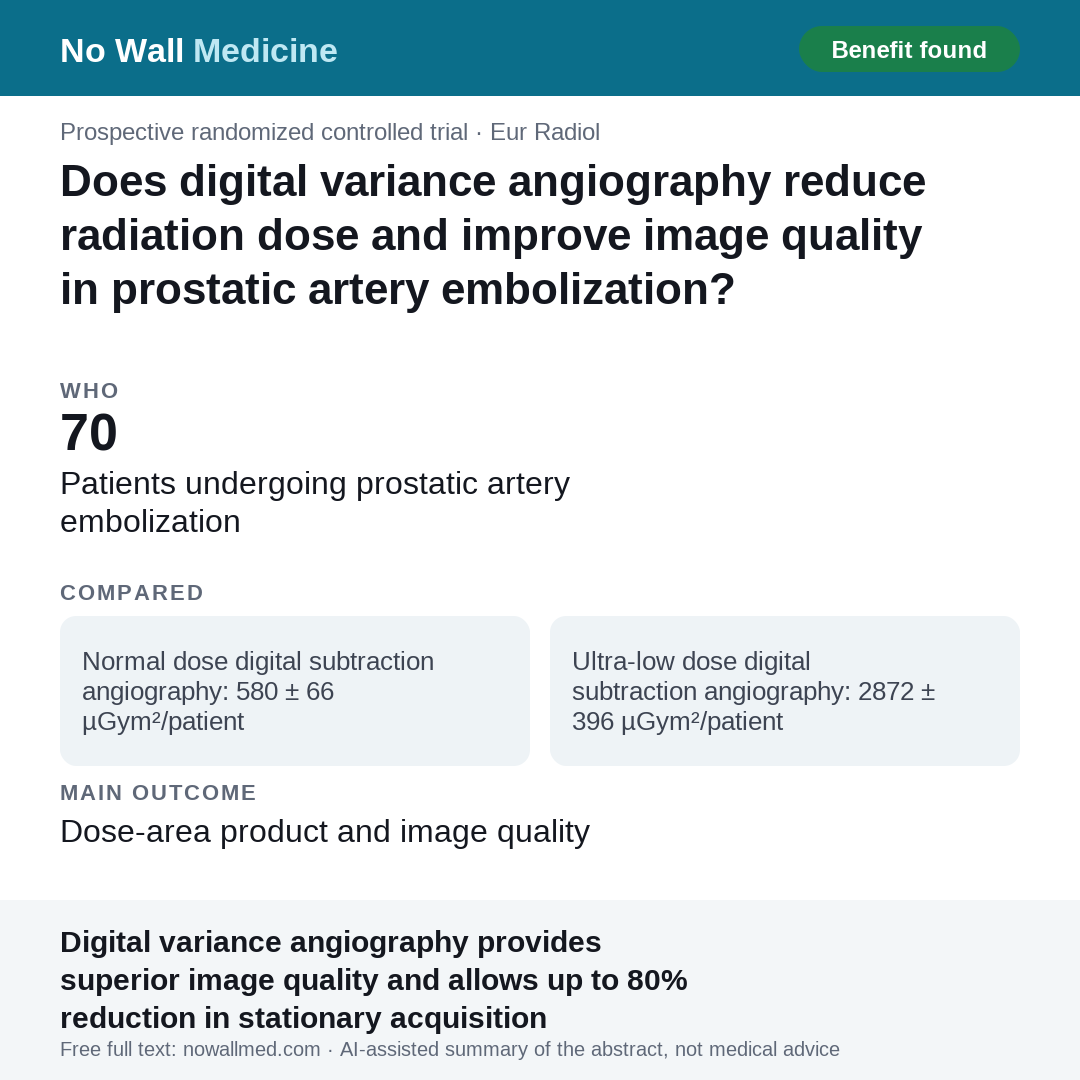
Digital variance angiography enables up to 80% reduction in stationary acquisition radiation dose during prostatic artery embolization: a prospective randomized trial
Prospective randomized controlled trialBenefit found
Does digital variance angiography reduce radiation dose and improve image quality in prostatic artery embolization?
Who
70
Patients undergoing prostatic artery embolization
Compared
Normal dose digital subtraction angiography: 580 ± 66 µGym²/patient
Ultra-low dose digital subtraction angiography: 2872 ± 396 µGym²/patient
Main outcome
Dose-area product and image quality
Bottom line: Digital variance angiography provides superior image quality and allows up to 80% reduction in stationary acquisition radiation dose.
Limitation: Radiation dose analysis was limited to stationary acquisitions only.
Eur Radiol · 2026-01-03Download image
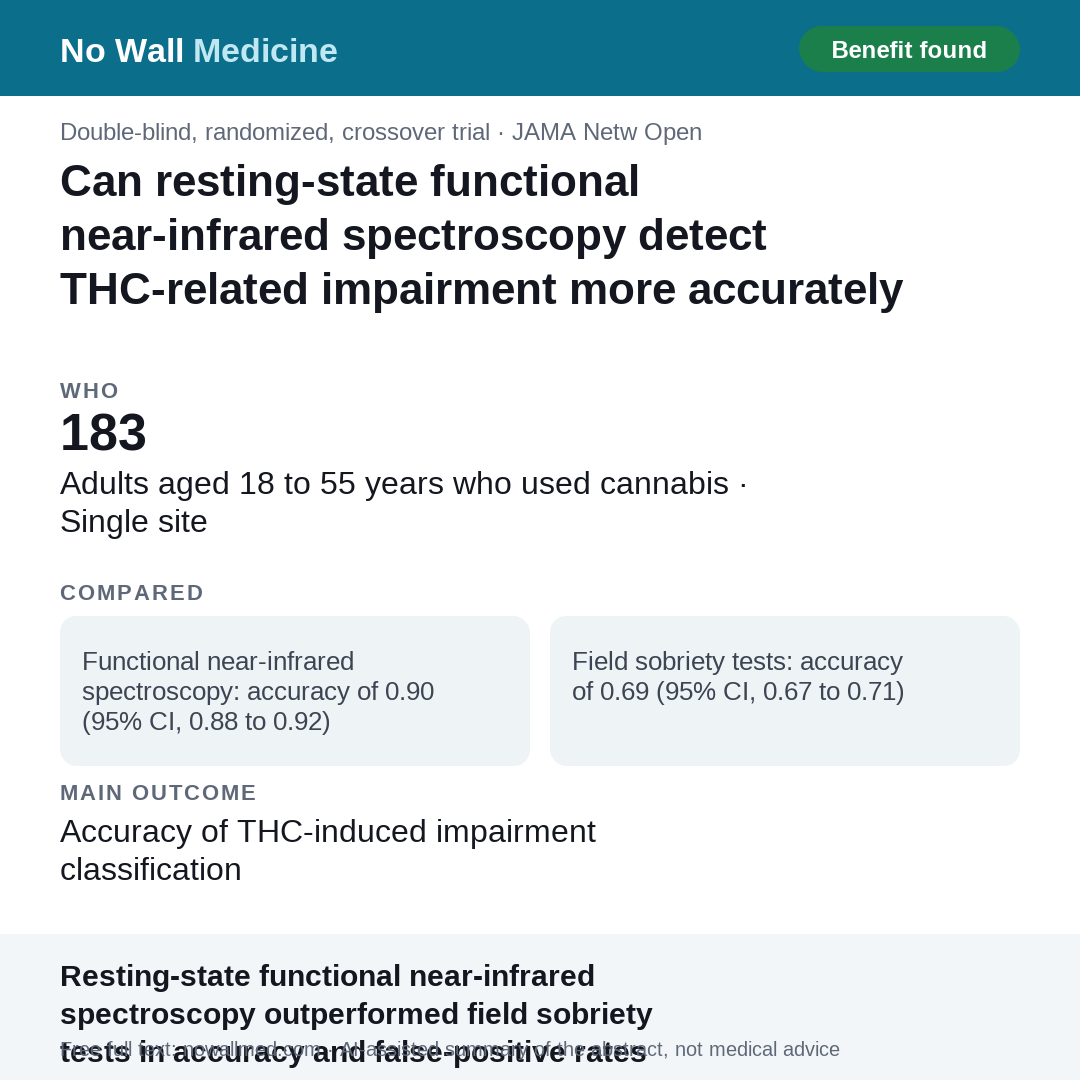
Detection of Δ9-Tetrahydrocannabinol Impairment Using Resting-State Functional Near-Infrared Spectroscopy: A Randomized Clinical Trial
Double-blind, randomized, crossover trialKey finding
Can resting-state functional near-infrared spectroscopy detect THC-related impairment more accurately than field sobriety tests?
Who
183
Adults aged 18 to 55 years who used cannabis · Single site
Compared
Functional near-infrared spectroscopy: accuracy of 0.90 (95% CI, 0.88 to 0.92)
Field sobriety tests: accuracy of 0.69 (95% CI, 0.67 to 0.71)
Main outcome
Accuracy of THC-induced impairment classification
Result: ROC-AUC difference 0.08 (95% CI, 0.01 to 0.14)
Bottom line: Resting-state functional near-infrared spectroscopy outperformed field sobriety tests in accuracy and false-positive rates for detecting THC impairment.
JAMA Netw Open · 2026-01-02Download image
Acupuncture for Migraine Without Aura and Connection-Based Efficacy Prediction: A Randomized Clinical Trial
Single-blinded randomized clinical trialBenefit found
Is real acupuncture more effective than sham acupuncture for migraine without aura?
Who
120
Participants aged 18 to 65 years with migraine without aura · Beijing Hospital of Traditional Chinese Medicine in China
Compared
Real acupuncture: not specified
Sham acupuncture: not specified
Main outcome
Change from baseline in monthly migraine days
Result: median difference, -1.0; 95% CI, -2.0 to 0
Bottom line: Real acupuncture significantly improved monthly migraine days, headache days, and quality of life compared to sham acupuncture.
JAMA Netw Open · 2026-01-02Download image