Visual abstracts
New randomized trials and meta-analyses from leading journals at a glance: who was studied, what was compared, and what was found. Every paper is free to read in full.
All specialtiesCardiology 4763Oncology 4043Gastroenterology & Hepatology 1903Infectious Disease 3756Neurology 1872Psychiatry & Mental Health 2216Pulmonology 2044Critical Care 1319Endocrinology & Diabetes 2544Pediatrics 2889Surgery 2480Orthopedics & Sports Medicine 917Neurosurgery 525Cardiothoracic & Vascular Surgery 656Plastic & Reconstructive Surgery 574Nephrology 1107Rheumatology 810Hematology 1090Dermatology 611Ophthalmology 532Obstetrics & Gynecology 1645Public & Global Health 1037Radiology & Imaging 619Anesthesiology 958Urology 745ENT (Otolaryngology) 494Emergency Medicine 481Allergy & Immunology 309Geriatrics 972Family Medicine & Primary Care 534Medical Genetics & Genomics 659Pathology & Laboratory Medicine 156Physical Medicine & Rehabilitation 734Palliative Care 421Nutrition 1560Digital Health & AI 2137General Medicine 318
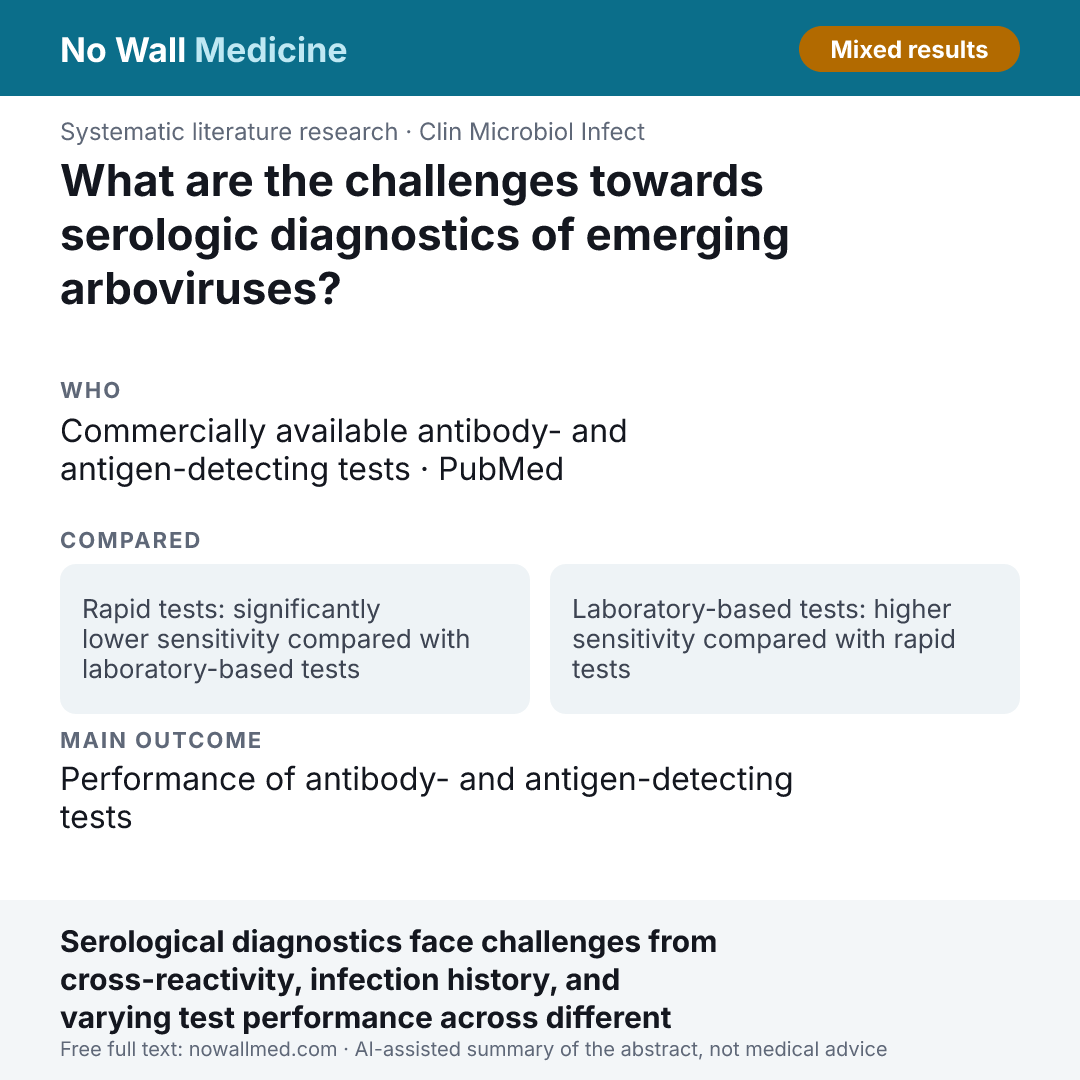
Challenges towards serologic diagnostics of emerging arboviruses
Systematic literature researchMixed results
What are the challenges towards serologic diagnostics of emerging arboviruses?
Who
Commercially available antibody- and antigen-detecting tests · PubMed
Compared
Rapid tests: significantly lower sensitivity compared with laboratory-based tests
Laboratory-based tests: higher sensitivity compared with rapid tests
Main outcome
Performance of antibody- and antigen-detecting tests
Bottom line: Serological diagnostics face challenges from cross-reactivity, infection history, and varying test performance across different settings.
Limitation: Unambiguous results may not always be achievable due to inherent test limitations.
Clin Microbiol Infect · 2021-06-07 · Save PNG
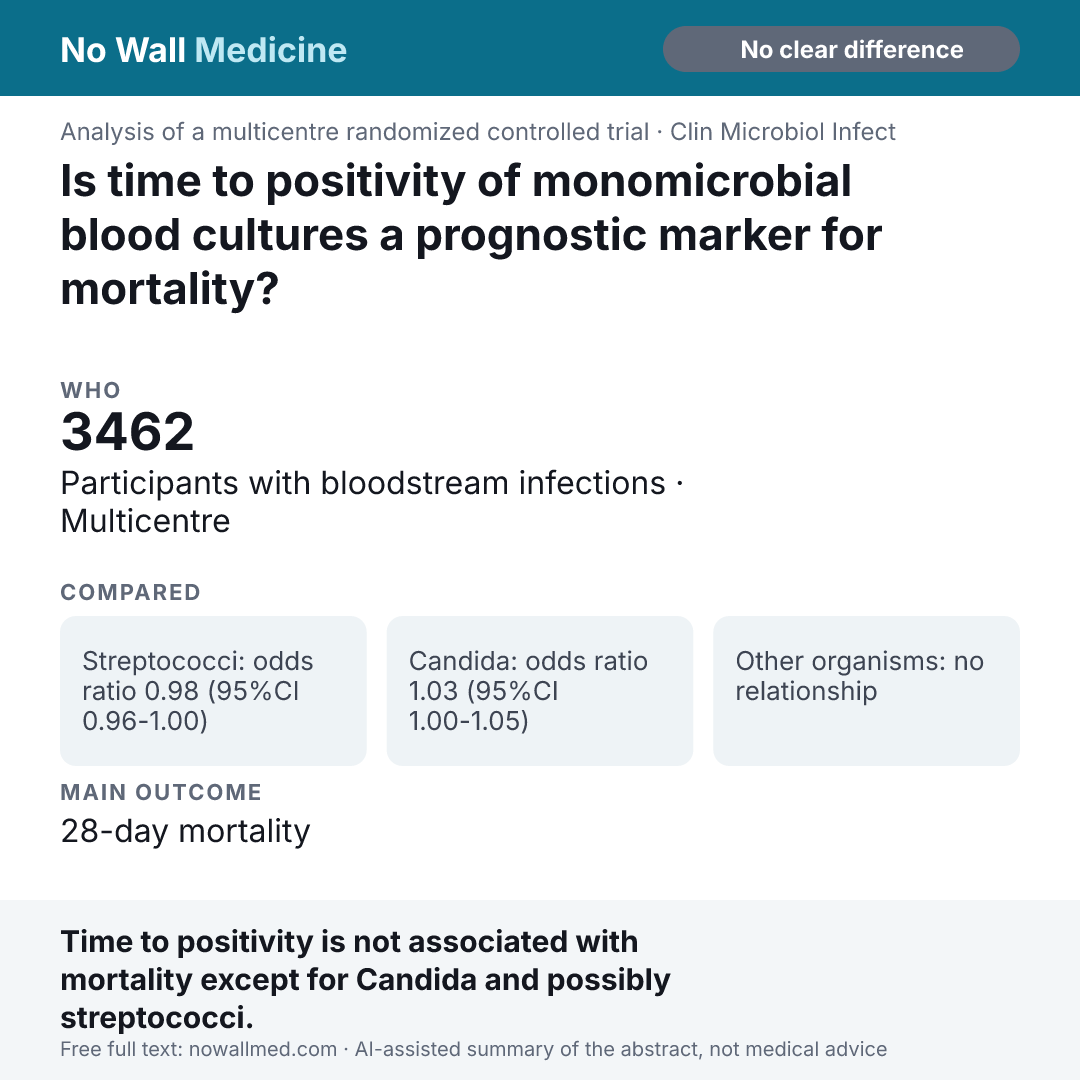
Time to positivity in bloodstream infection is not a prognostic marker for mortality: analysis of a prospective multicentre randomized control trial
Analysis of a multicentre randomized controlled trialNo clear difference
Is time to positivity of monomicrobial blood cultures a prognostic marker for mortality?
Who
3462
Participants with bloodstream infections · Multicentre
Compared
Streptococci: odds ratio 0.98 (95%CI 0.96-1.00)
Candida: odds ratio 1.03 (95%CI 1.00-1.05)
Other organisms: no relationship
Main outcome
28-day mortality
Bottom line: Time to positivity is not associated with mortality except for Candida and possibly streptococci.
Clin Microbiol Infect · 2021-06-07 · Save PNG
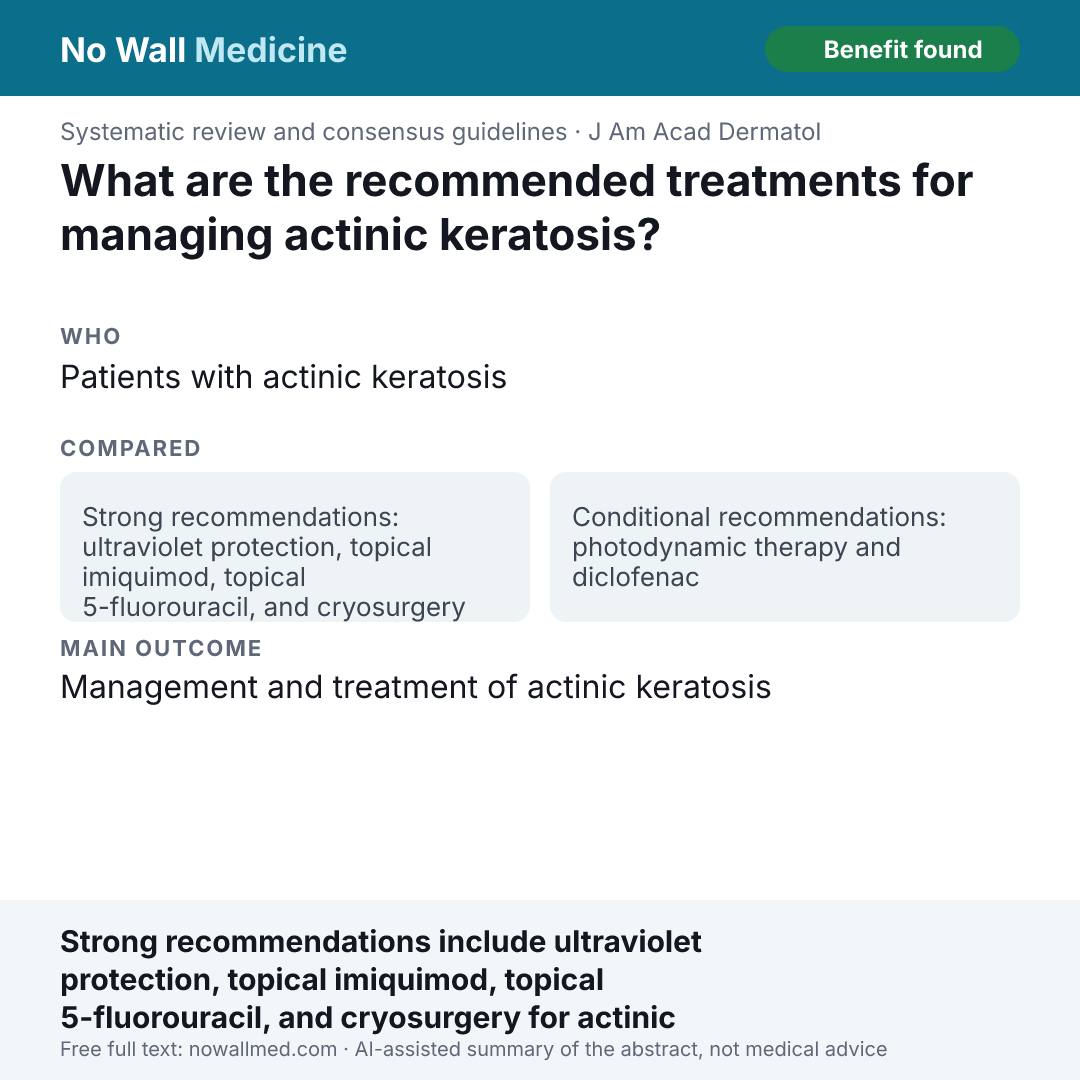
Guidelines of care for the management of actinic keratosis: Executive summary
Systematic review and consensus guidelinesBenefit found
What are the recommended treatments for managing actinic keratosis?
Who
Patients with actinic keratosis
Compared
Strong recommendations: ultraviolet protection, topical imiquimod, topical 5-fluorouracil, and cryosurgery
Conditional recommendations: photodynamic therapy and diclofenac
Main outcome
Management and treatment of actinic keratosis
Bottom line: Strong recommendations include ultraviolet protection, topical imiquimod, topical 5-fluorouracil, and cryosurgery for actinic keratosis.
Limitation: Recommendations are based on the best available evidence at the time of conduct.
J Am Acad Dermatol · 2021-06-07 · Save PNG
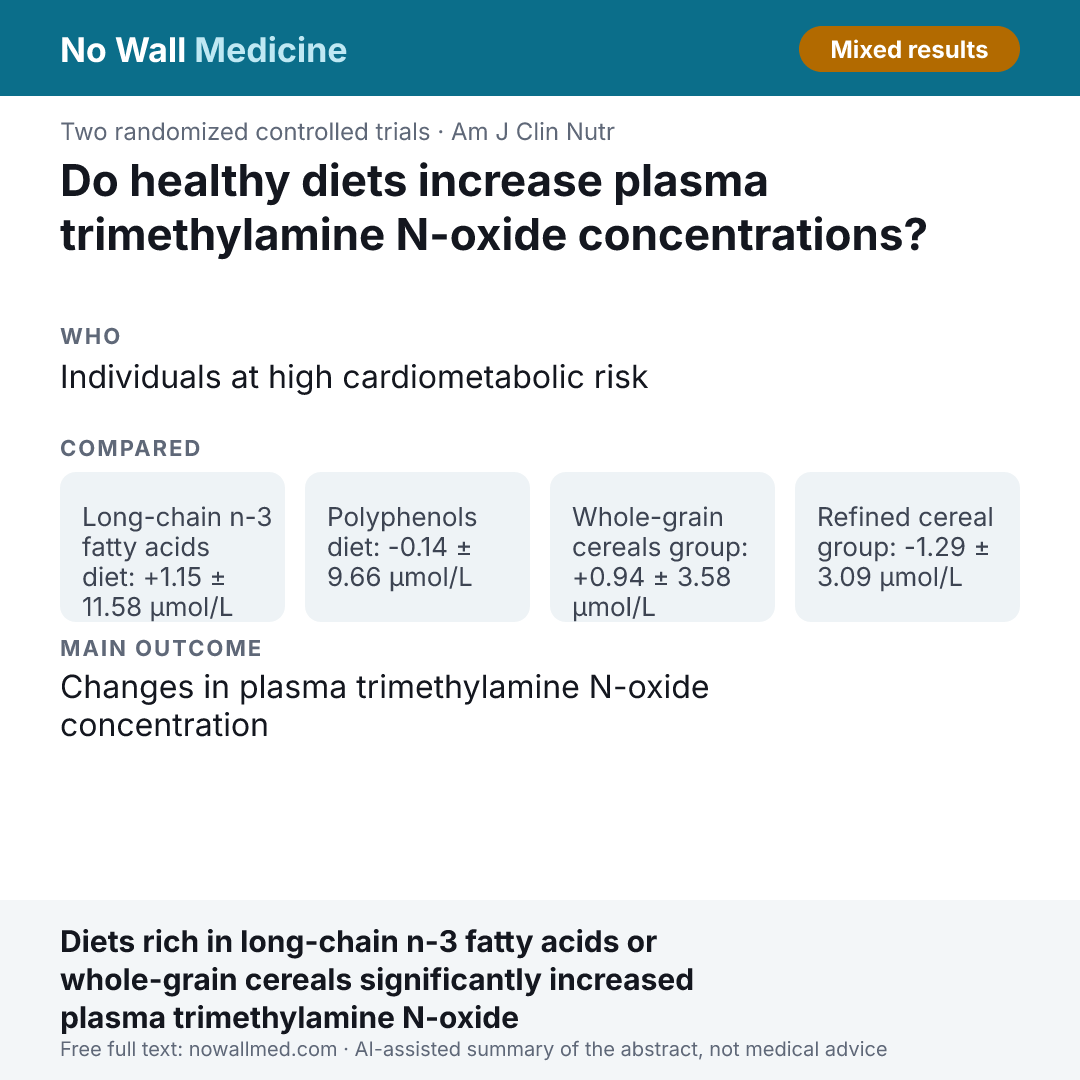
Plasma TMAO increase after healthy diets: results from 2 randomized controlled trials with dietary fish, polyphenols, and whole-grain cereals
Two randomized controlled trialsMixed results
Do healthy diets increase plasma trimethylamine N-oxide concentrations?
Who
Individuals at high cardiometabolic risk
Compared
Long-chain n-3 fatty acids diet: +1.15 ± 11.58 μmol/L
Polyphenols diet: -0.14 ± 9.66 μmol/L
Whole-grain cereals group: +0.94 ± 3.58 μmol/L
Refined cereal group: -1.29 ± 3.09 μmol/L
Main outcome
Changes in plasma trimethylamine N-oxide concentration
Bottom line: Diets rich in long-chain n-3 fatty acids or whole-grain cereals significantly increased plasma trimethylamine N-oxide concentrations.
Am J Clin Nutr · 2021-06-07 · Save PNG
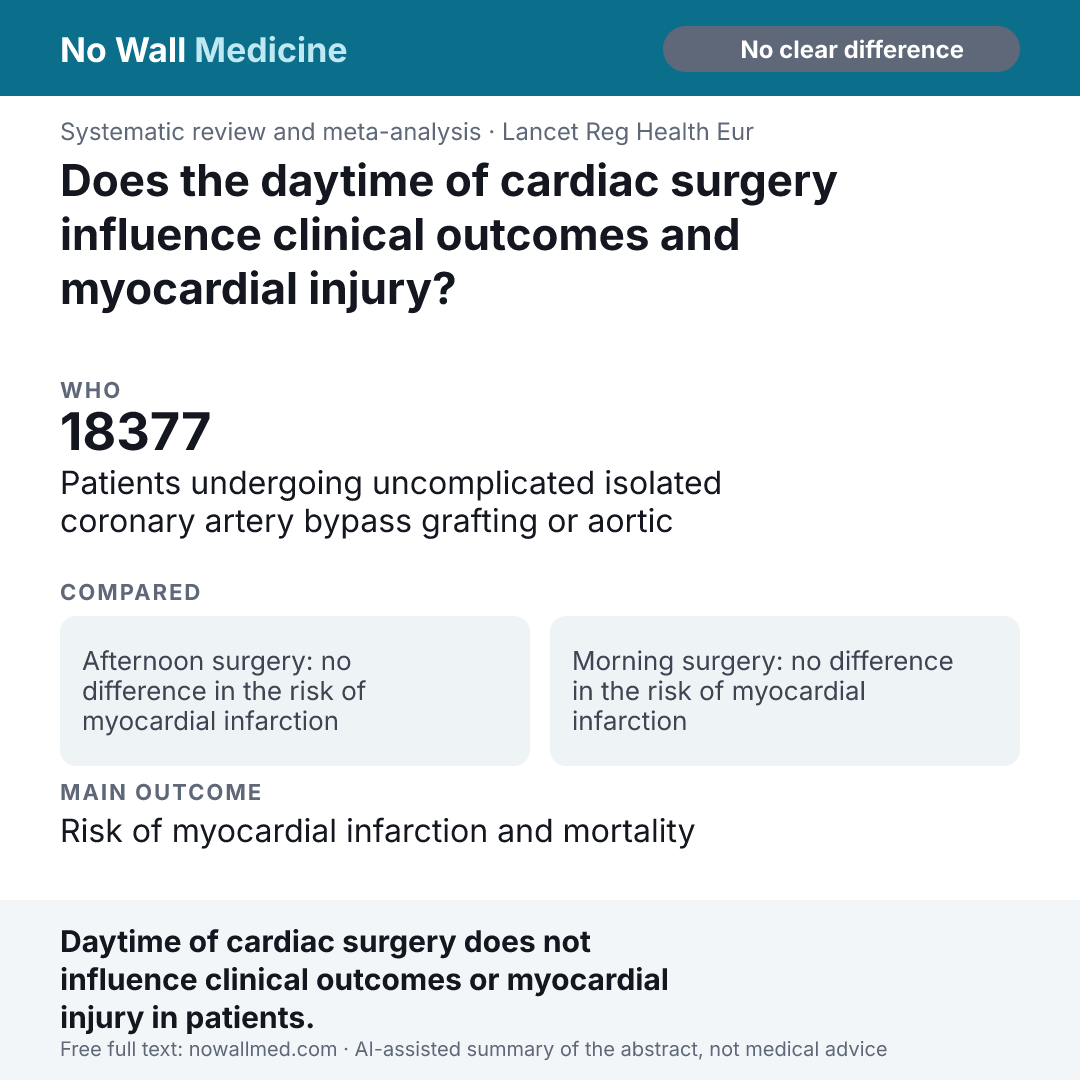
Daytime and outcomes after cardiac surgery: Systematic review and metaanalysis, insights from a large UK database review and post-hoc trial analysis
Systematic review and meta-analysisNo clear difference
Does the daytime of cardiac surgery influence clinical outcomes and myocardial injury?
Who
18377
Patients undergoing uncomplicated isolated coronary artery bypass grafting or aortic valve replacement · United Kingdom
Compared
Afternoon surgery: no difference in the risk of myocardial infarction
Morning surgery: no difference in the risk of myocardial infarction
Main outcome
Risk of myocardial infarction and mortality
Result: OR 1.02, 95% CI:0.79-1.32
Bottom line: Daytime of cardiac surgery does not influence clinical outcomes or myocardial injury in patients.
Lancet Reg Health Eur · 2021-06-07 · Save PNG
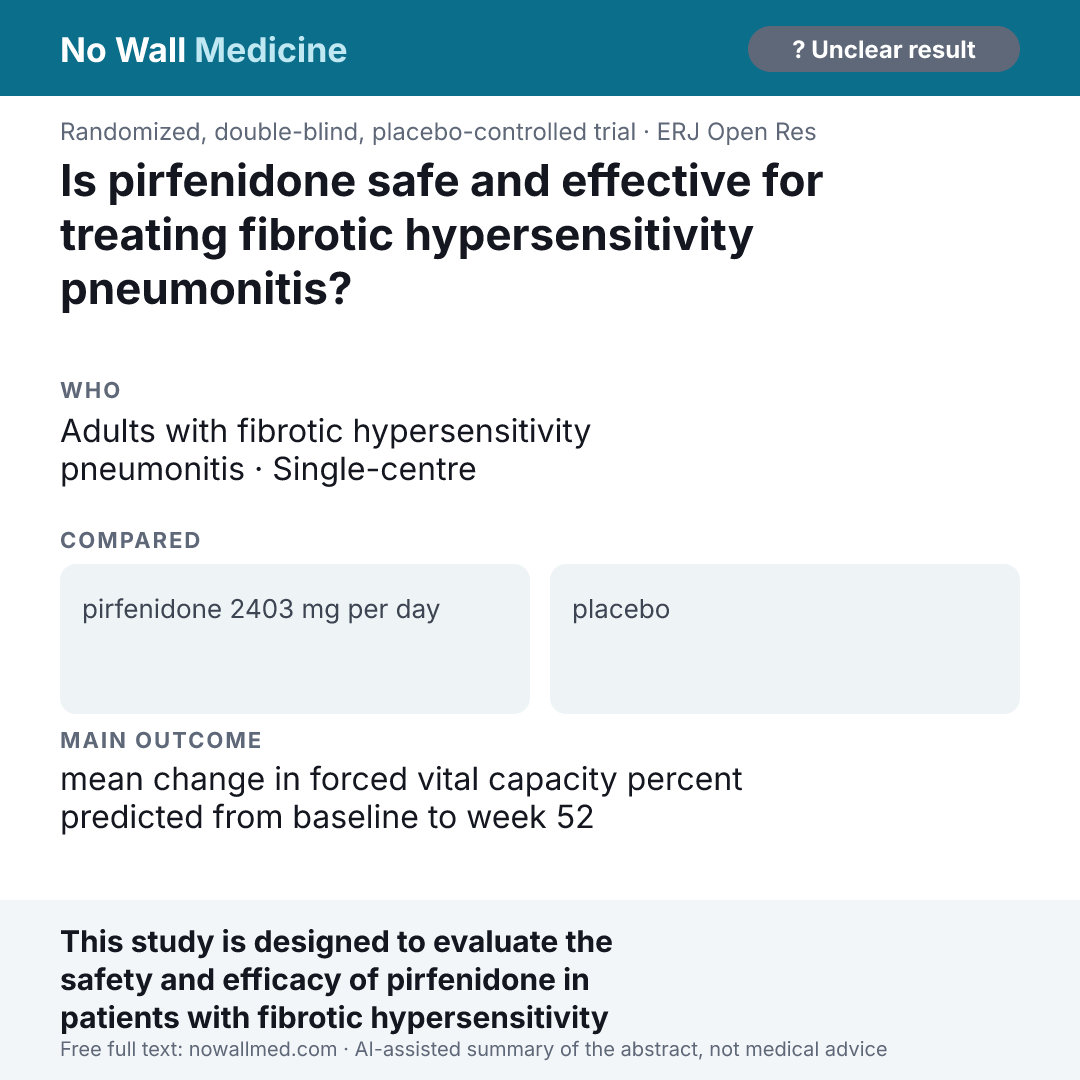
Design and rationale of a randomised, double-blind trial of the efficacy and safety of pirfenidone in patients with fibrotic hypersensitivity pneumonitis
Randomized, double-blind, placebo-controlled trialUnclear result
Is pirfenidone safe and effective for treating fibrotic hypersensitivity pneumonitis?
Who
Adults with fibrotic hypersensitivity pneumonitis · Single-centre
Compared
pirfenidone 2403 mg per day
placebo
Main outcome
mean change in forced vital capacity percent predicted from baseline to week 52
Bottom line: This study is designed to evaluate the safety and efficacy of pirfenidone in patients with fibrotic hypersensitivity pneumonitis.
ERJ Open Res · 2021-06-07 · Save PNG
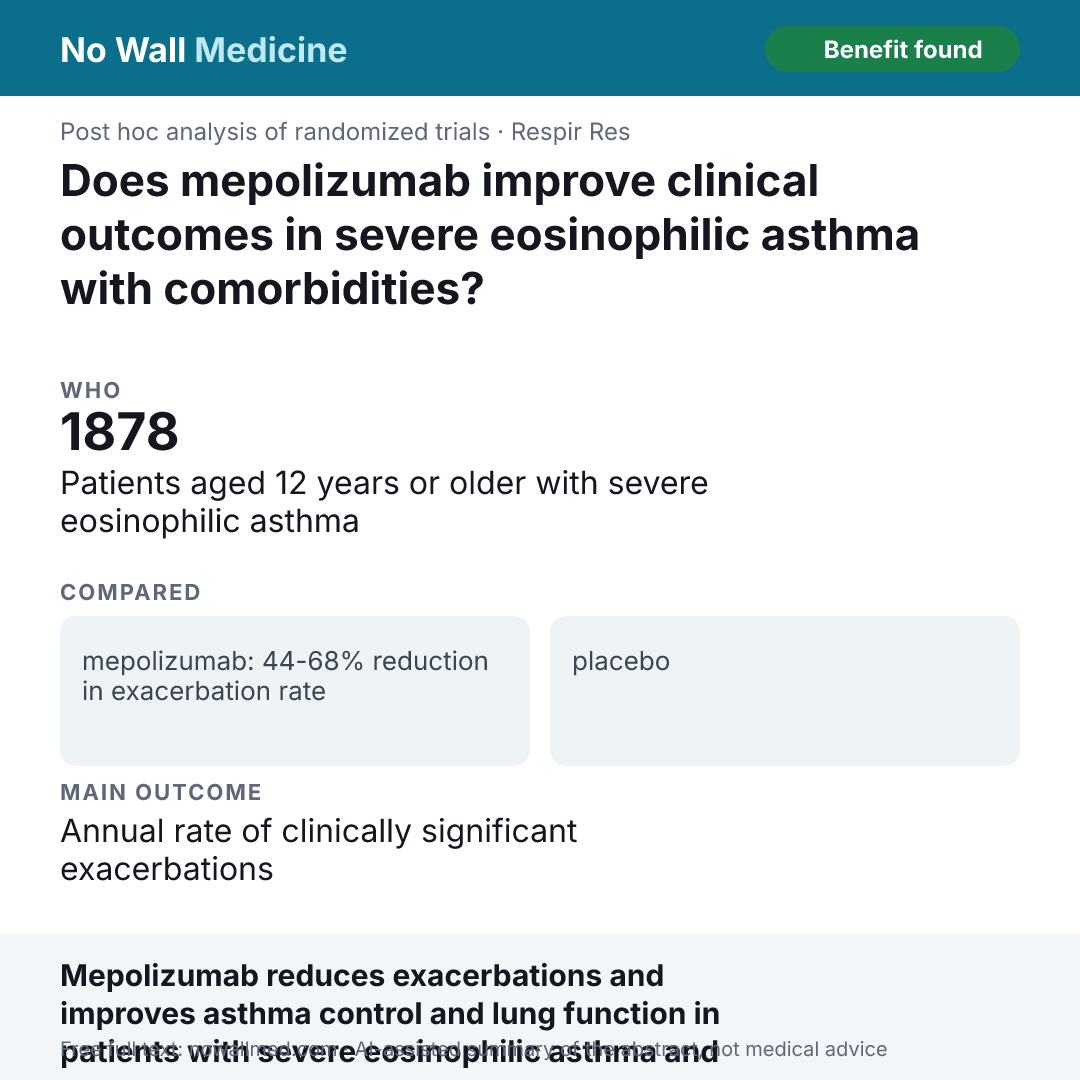
Mepolizumab improves clinical outcomes in patients with severe asthma and comorbid conditions
Post hoc analysis of randomized trialsBenefit found
Does mepolizumab improve clinical outcomes in severe eosinophilic asthma with comorbidities?
Who
1878
Patients aged 12 years or older with severe eosinophilic asthma
Compared
mepolizumab: 44-68% reduction in exacerbation rate
placebo
Main outcome
Annual rate of clinically significant exacerbations
Bottom line: Mepolizumab reduces exacerbations and improves asthma control and lung function in patients with severe eosinophilic asthma and comorbidities.
Respir Res · 2021-06-07 · Save PNG
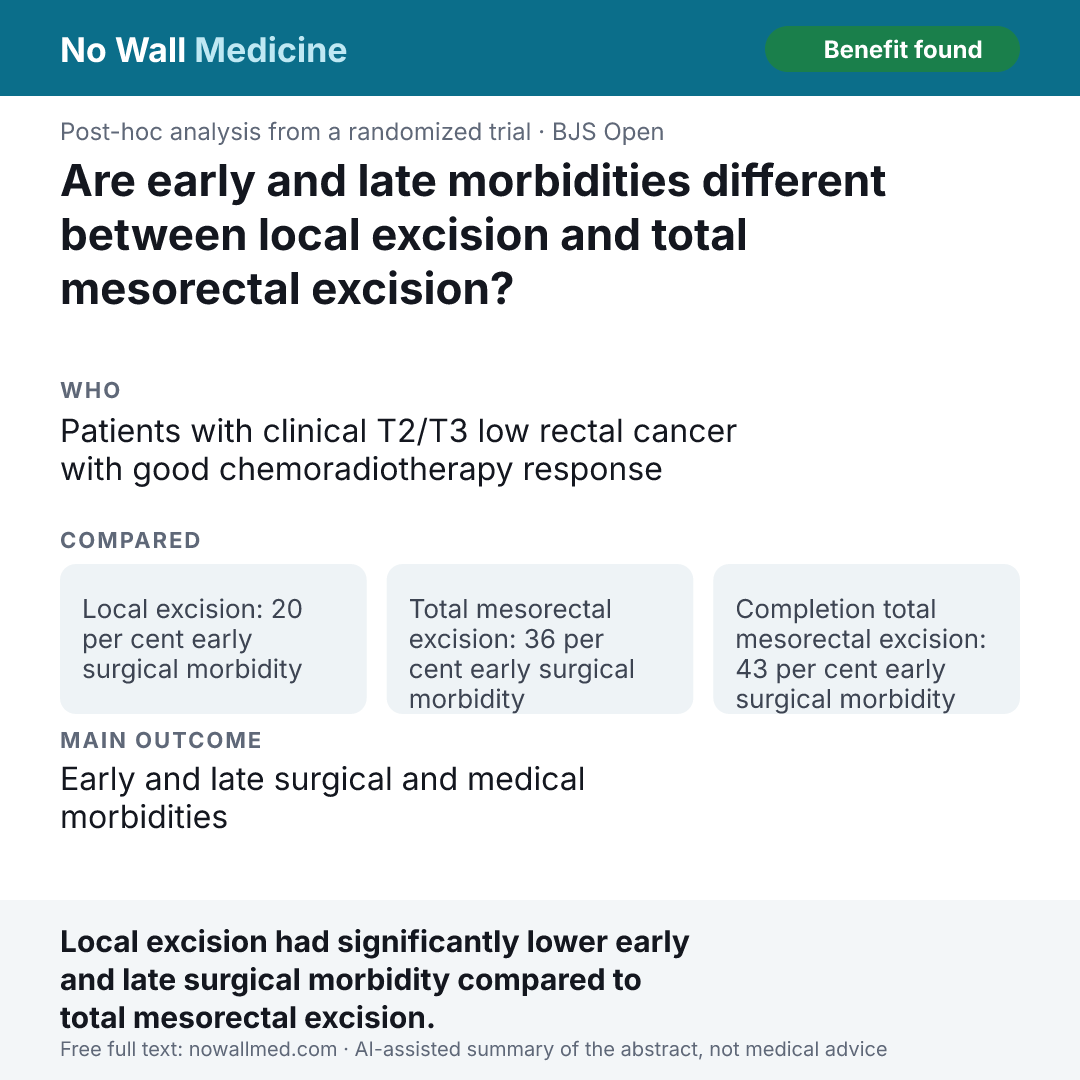
Early and late morbidity of local excision after chemoradiotherapy for rectal cancer
Post-hoc analysis from a randomized trialBenefit found
Are early and late morbidities different between local excision and total mesorectal excision?
Who
Patients with clinical T2/T3 low rectal cancer with good chemoradiotherapy response
Compared
Local excision: 20 per cent early surgical morbidity
Total mesorectal excision: 36 per cent early surgical morbidity
Completion total mesorectal excision: 43 per cent early surgical morbidity
Main outcome
Early and late surgical and medical morbidities
Bottom line: Local excision had significantly lower early and late surgical morbidity compared to total mesorectal excision.
BJS Open · 2021-06-07 · Save PNG
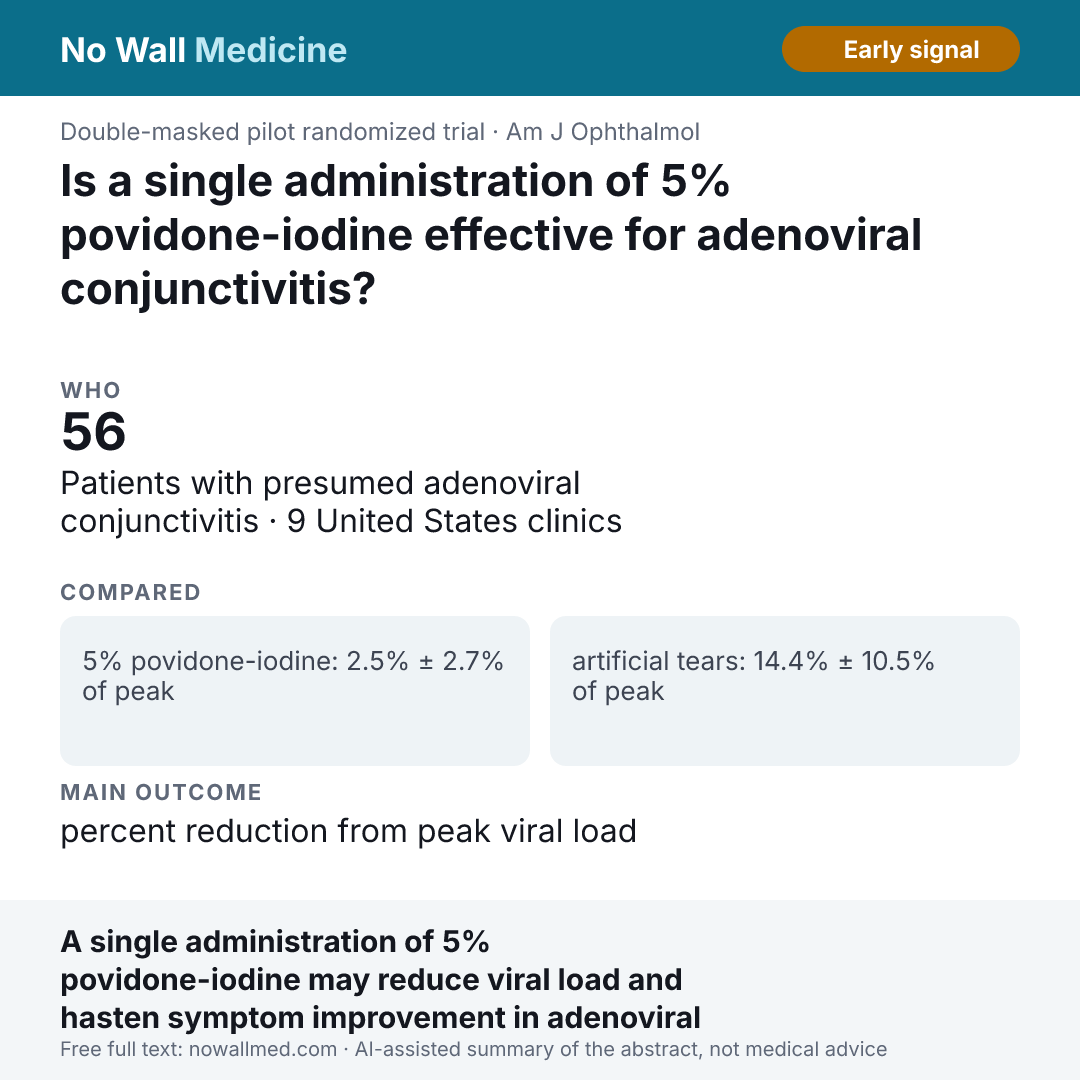
Efficacy of a Single Administration of 5% Povidone-Iodine in the Treatment of Adenoviral Conjunctivitis
Double-masked pilot randomized trialEarly signal
Is a single administration of 5% povidone-iodine effective for adenoviral conjunctivitis?
Who
56
Patients with presumed adenoviral conjunctivitis · 9 United States clinics
Compared
5% povidone-iodine: 2.5% ± 2.7% of peak
artificial tears: 14.4% ± 10.5% of peak
Main outcome
percent reduction from peak viral load
Bottom line: A single administration of 5% povidone-iodine may reduce viral load and hasten symptom improvement in adenoviral conjunctivitis.
Am J Ophthalmol · 2021-06-06 · Save PNG
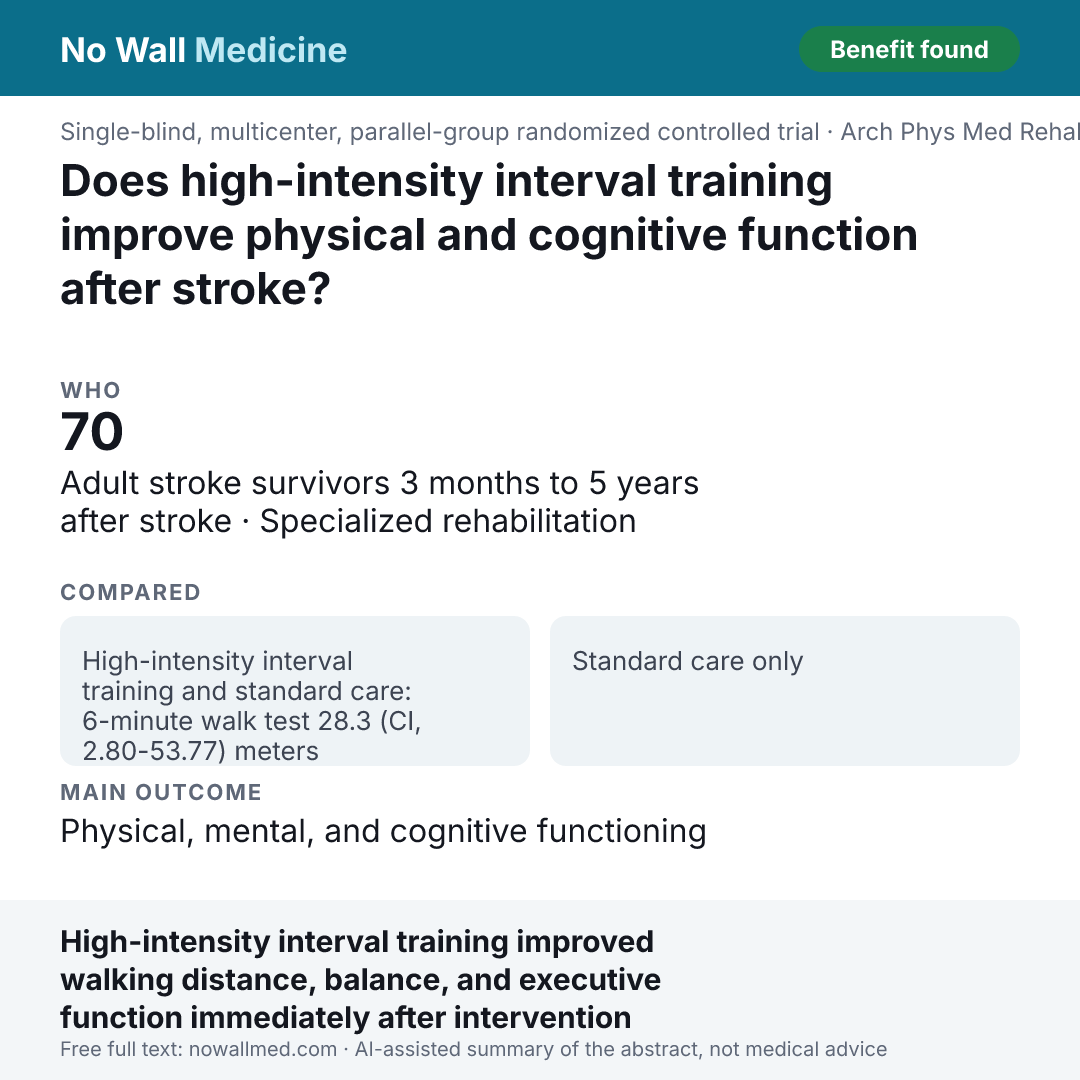
Effects of High-Intensity Interval Training After Stroke (The HIIT Stroke Study) on Physical and Cognitive Function: A Multicenter Randomized Controlled Trial
Single-blind, multicenter, parallel-group randomized controlled trialBenefit found
Does high-intensity interval training improve physical and cognitive function after stroke?
Who
70
Adult stroke survivors 3 months to 5 years after stroke · Specialized rehabilitation units at 3 Norwegian hospitals
Compared
High-intensity interval training and standard care: 6-minute walk test 28.3 (CI, 2.80-53.77) meters
Standard care only
Main outcome
Physical, mental, and cognitive functioning
Bottom line: High-intensity interval training improved walking distance, balance, and executive function immediately after intervention compared to standard care.
Arch Phys Med Rehabil · 2021-06-06 · Save PNG
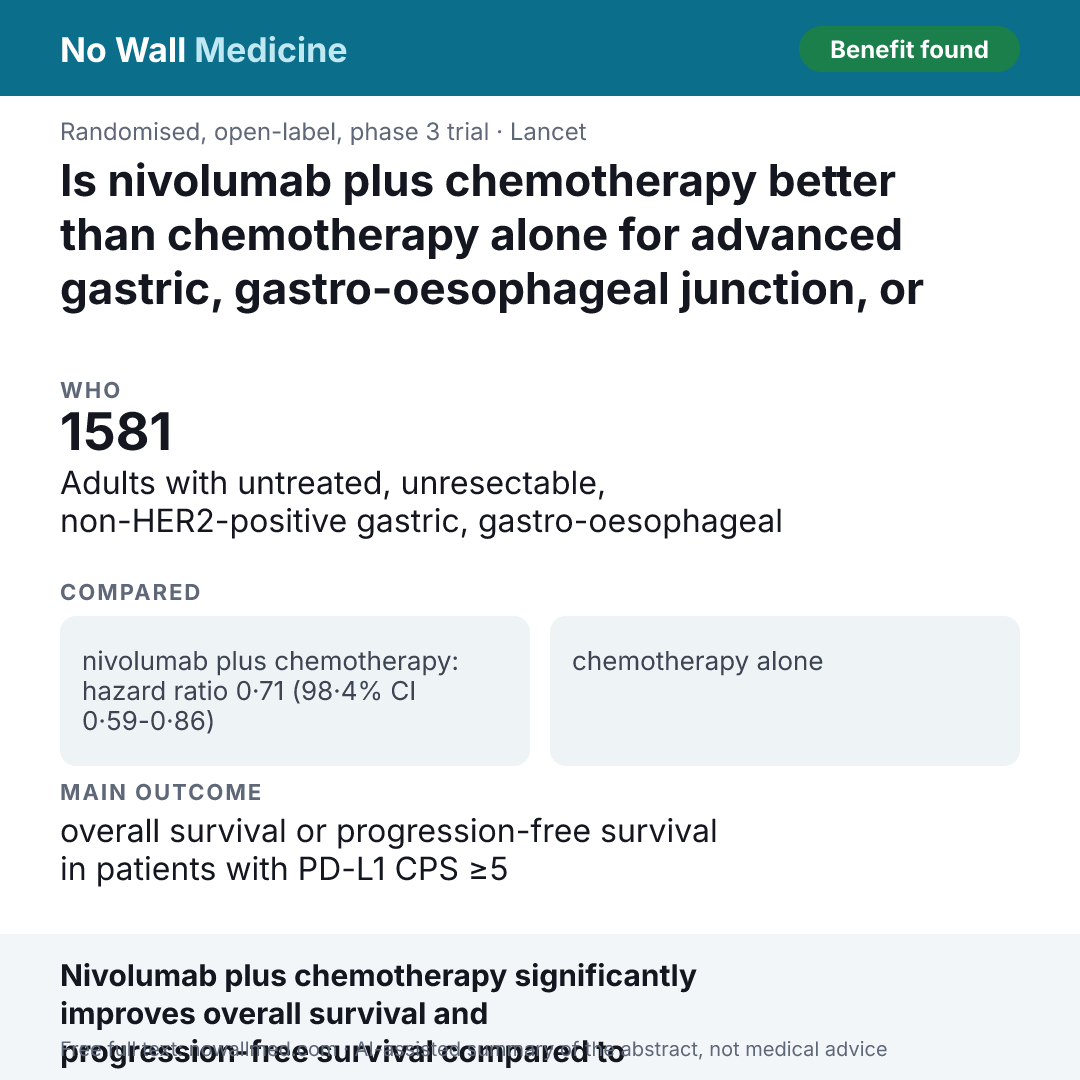
First-line nivolumab plus chemotherapy versus chemotherapy alone for advanced gastric, gastro-oesophageal junction, and oesophageal adenocarcinoma (CheckMate 649): a randomised, open-label, phase 3 trial
Randomised, open-label, phase 3 trialBenefit found
Is nivolumab plus chemotherapy better than chemotherapy alone for advanced gastric, gastro-oesophageal junction, or oesophageal adenocarcinoma?
Who
1581
Adults with untreated, unresectable, non-HER2-positive gastric, gastro-oesophageal junction, or oesophageal adenocarcinoma · 175 hospitals and cancer centres in 29 countries
Compared
nivolumab plus chemotherapy: hazard ratio 0·71 (98·4% CI 0·59-0·86)
chemotherapy alone
Main outcome
overall survival or progression-free survival in patients with PD-L1 CPS ≥5
Result: hazard ratio 0·71 (98·4% CI 0·59-0·86)
Bottom line: Nivolumab plus chemotherapy significantly improves overall survival and progression-free survival compared to chemotherapy alone in selected patients.
Funded by: Bristol Myers Squibb and Ono Pharmaceutical
Lancet · 2021-06-05 · Save PNG
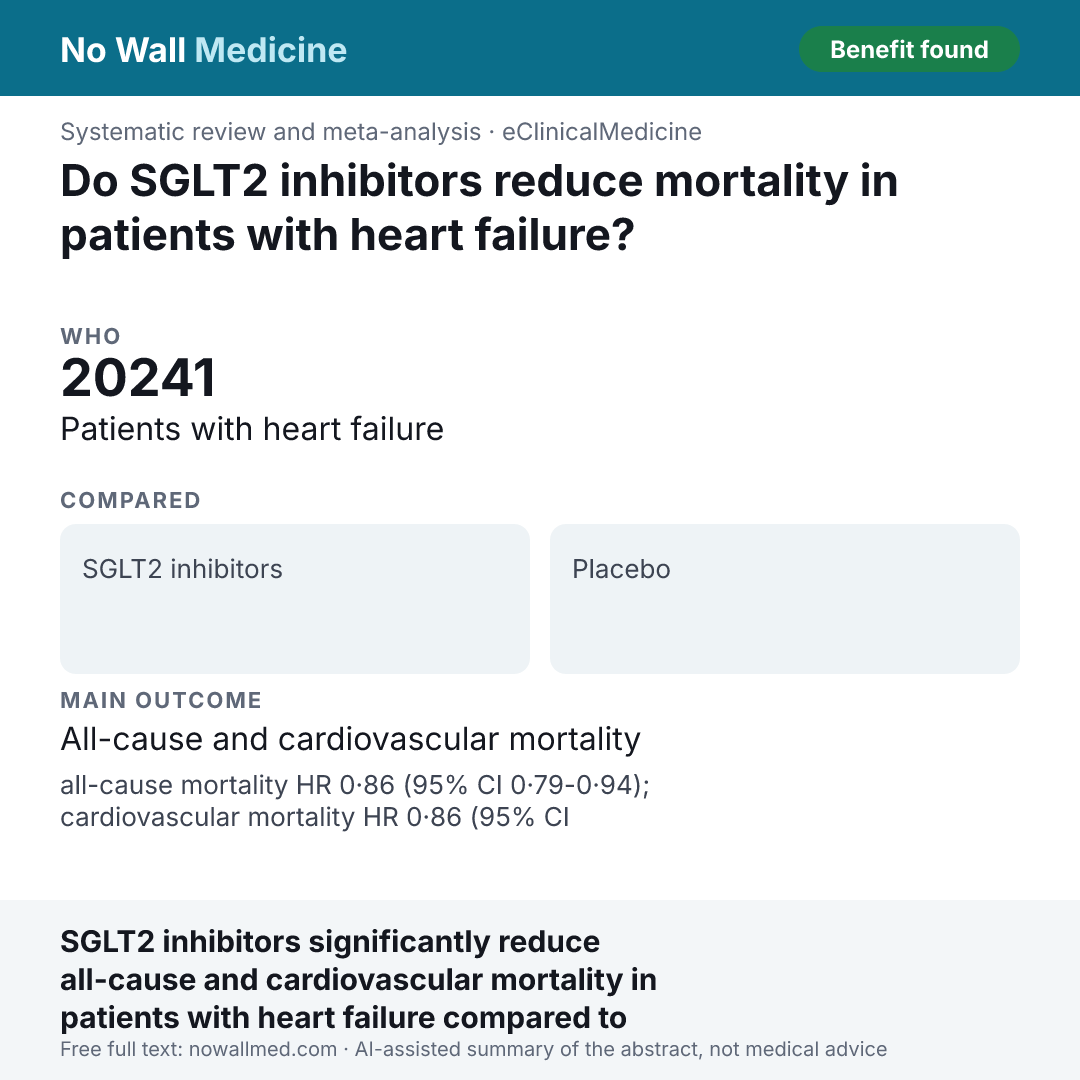
SGLT2 inhibitors decrease cardiovascular death and heart failure hospitalizations in patients with heart failure: A systematic review and meta-analysis
Systematic review and meta-analysisBenefit found
Do SGLT2 inhibitors reduce mortality in patients with heart failure?
Who
20241
Patients with heart failure
Compared
SGLT2 inhibitors
Placebo
Main outcome
All-cause and cardiovascular mortality
Result: all-cause mortality HR 0·86 (95% CI 0·79-0·94); cardiovascular mortality HR 0·86 (95% CI 0·78-0·96)
Bottom line: SGLT2 inhibitors significantly reduce all-cause and cardiovascular mortality in patients with heart failure compared to placebo.
eClinicalMedicine · 2021-06-05 · Save PNG
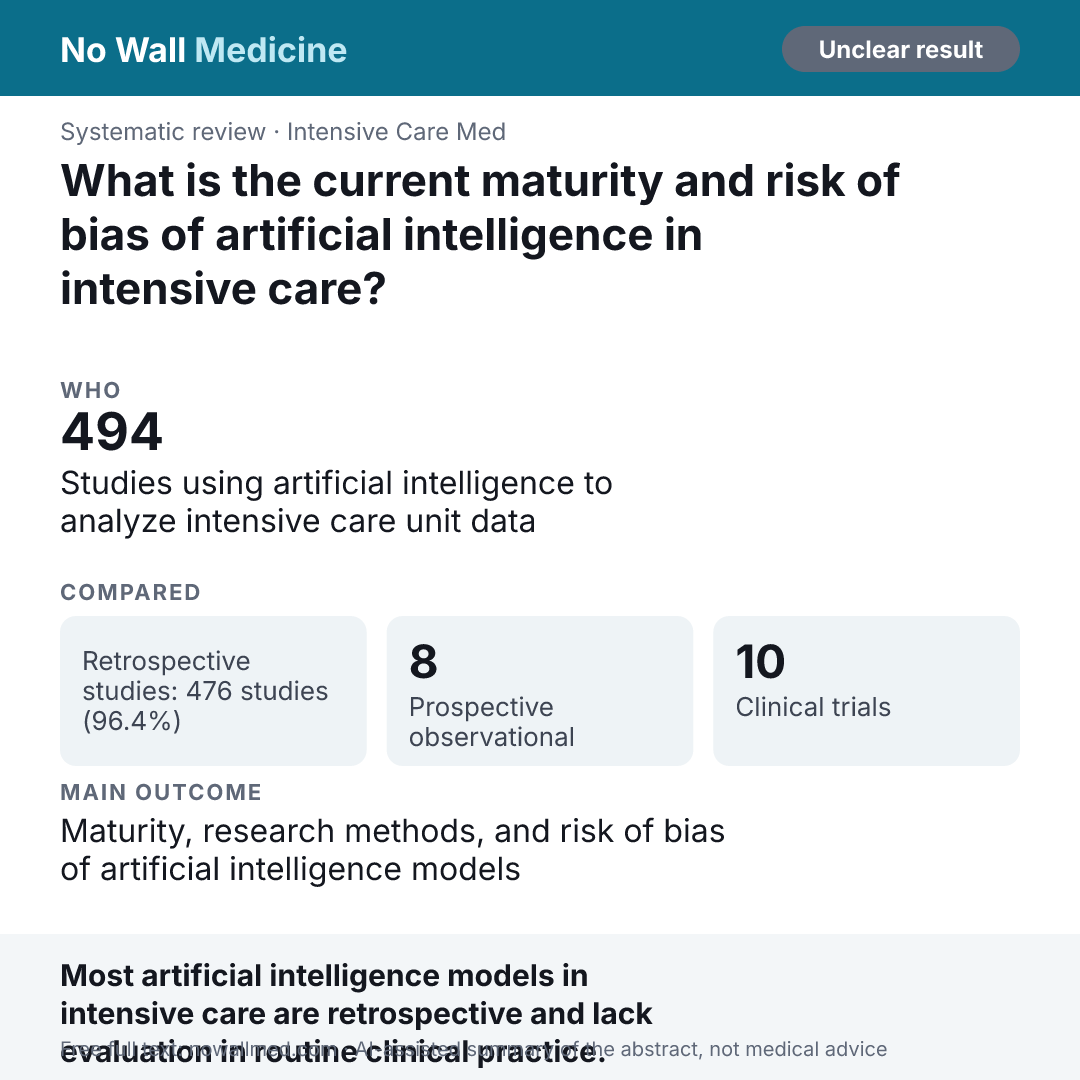
Moving from bytes to bedside: a systematic review on the use of artificial intelligence in the intensive care unit
Systematic reviewUnclear result
What is the current maturity and risk of bias of artificial intelligence in intensive care?
Who
494
Studies using artificial intelligence to analyze intensive care unit data
Compared
Retrospective studies: 476 studies (96.4%)
8Prospective observational studies (1.6%)
10Clinical trials (2%)
Main outcome
Maturity, research methods, and risk of bias of artificial intelligence models
Bottom line: Most artificial intelligence models in intensive care are retrospective and lack evaluation in routine clinical practice.
Limitation: No studies reported outcome evaluation of artificial intelligence models integrated in routine clinical practice.
Intensive Care Med · 2021-06-05 · Save PNG
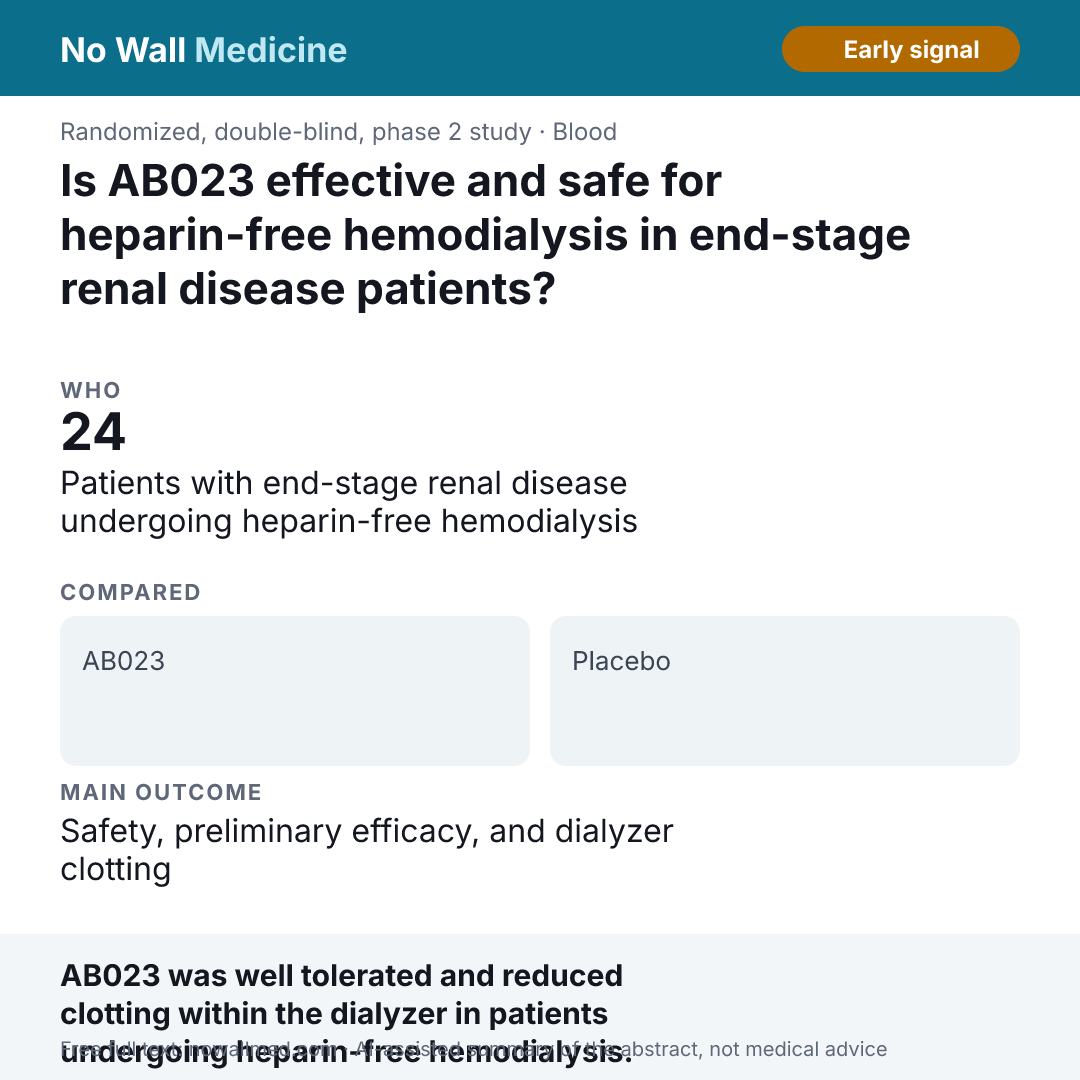
The contact activation inhibitor AB023 in heparin-free hemodialysis: results of a randomized phase 2 clinical trial
Randomized, double-blind, phase 2 studyEarly signal
Is AB023 effective and safe for heparin-free hemodialysis in end-stage renal disease patients?
Who
24
Patients with end-stage renal disease undergoing heparin-free hemodialysis
Compared
AB023
Placebo
Main outcome
Safety, preliminary efficacy, and dialyzer clotting
Bottom line: AB023 was well tolerated and reduced clotting within the dialyzer in patients undergoing heparin-free hemodialysis.
Limitation: small sample size
Blood · 2021-06-05 · Save PNG
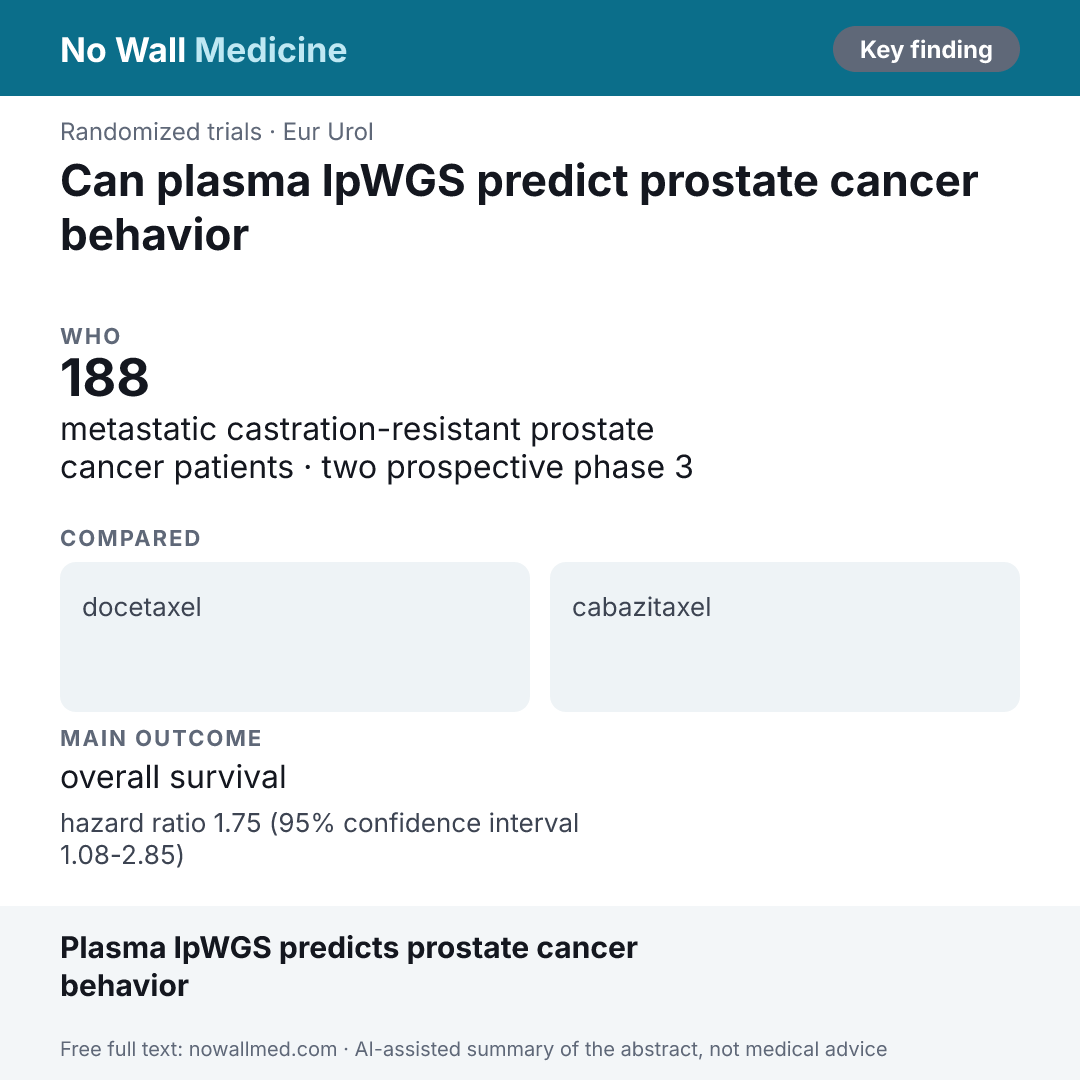
Elucidating Prostate Cancer Behaviour During Treatment via Low-pass Whole-genome Sequencing of Circulating Tumour DNA
Randomized trialsKey finding
Can plasma lpWGS predict prostate cancer behavior
Who
188
metastatic castration-resistant prostate cancer patients · two prospective phase 3 trials
Compared
docetaxel
cabazitaxel
Main outcome
overall survival
Result: hazard ratio 1.75 (95% confidence interval 1.08-2.85)
Bottom line: Plasma lpWGS predicts prostate cancer behavior
Limitation: requires further study
Eur Urol · 2021-06-05 · Save PNG
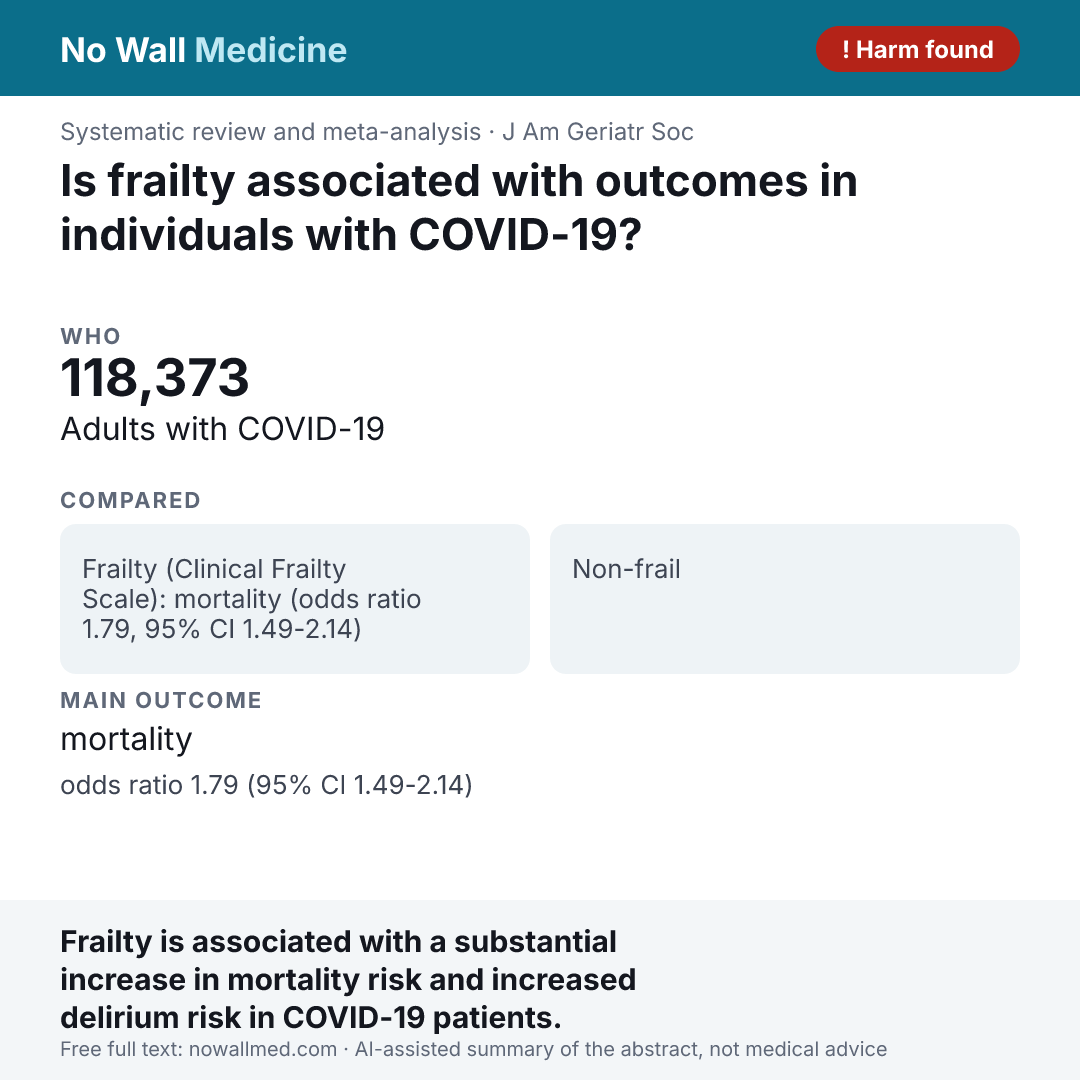
Association of frailty with outcomes in individuals with COVID-19: A living review and meta-analysis
Systematic review and meta-analysisHarm found
Is frailty associated with outcomes in individuals with COVID-19?
Who
118,373
Adults with COVID-19
Compared
Frailty (Clinical Frailty Scale): mortality (odds ratio 1.79, 95% CI 1.49-2.14)
Non-frail
Main outcome
mortality
Result: odds ratio 1.79 (95% CI 1.49-2.14)
Bottom line: Frailty is associated with a substantial increase in mortality risk and increased delirium risk in COVID-19 patients.
Limitation: Patient-reported, cost and experience outcomes were rarely reported.
J Am Geriatr Soc · 2021-06-05 · Save PNG
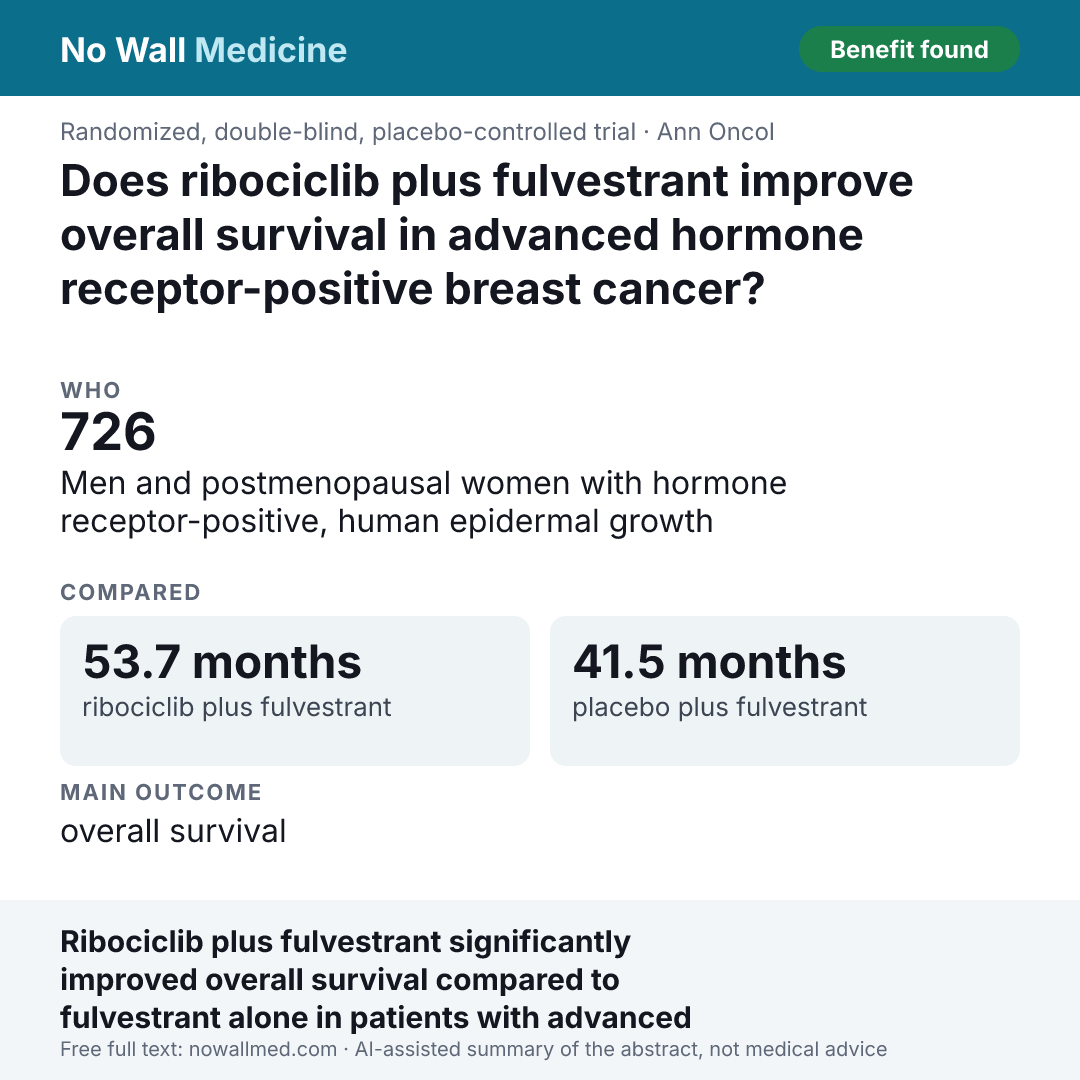
Ribociclib plus fulvestrant for postmenopausal women with hormone receptor-positive, human epidermal growth factor receptor 2-negative advanced breast cancer in the phase III randomized MONALEESA-3 trial: updated overall survival
Randomized, double-blind, placebo-controlled trialBenefit found
Does ribociclib plus fulvestrant improve overall survival in advanced hormone receptor-positive breast cancer?
Who
726
Men and postmenopausal women with hormone receptor-positive, human epidermal growth factor receptor 2-negative advanced breast cancer · 174 sites in 30 countries
Compared
53.7 monthsribociclib plus fulvestrant
41.5 monthsplacebo plus fulvestrant
Main outcome
overall survival
Result: hazard ratio 0.73 (95% CI 0.59-0.90)
Bottom line: Ribociclib plus fulvestrant significantly improved overall survival compared to fulvestrant alone in patients with advanced hormone receptor-positive breast cancer.
Ann Oncol · 2021-06-05 · Save PNG
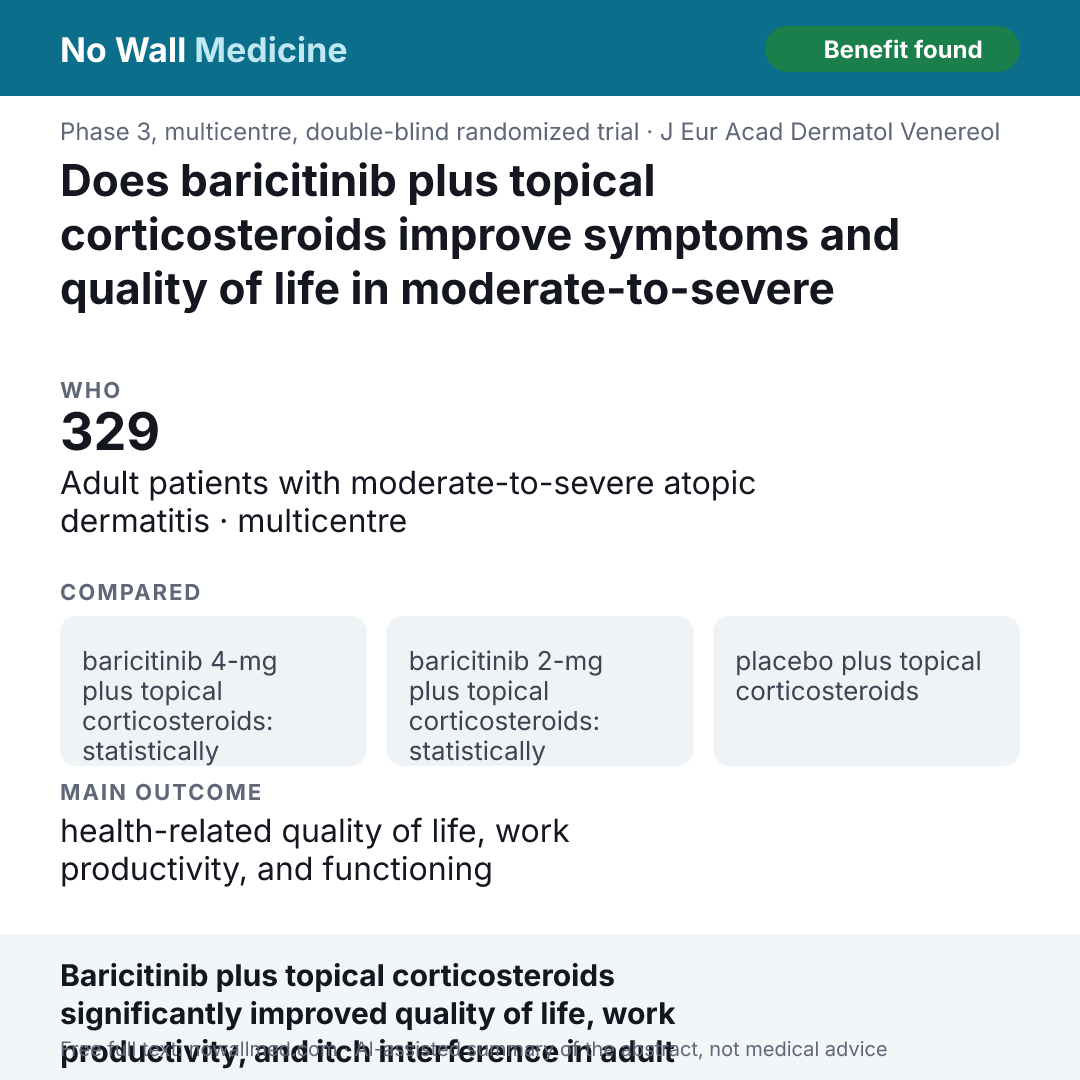
Impact of baricitinib in combination with topical steroids on atopic dermatitis symptoms, quality of life and functioning in adult patients with moderate-to-severe atopic dermatitis from the BREEZE-AD7 Phase 3 randomized trial
Phase 3, multicentre, double-blind randomized trialBenefit found
Does baricitinib plus topical corticosteroids improve symptoms and quality of life in moderate-to-severe atopic dermatitis?
Who
329
Adult patients with moderate-to-severe atopic dermatitis · multicentre
Compared
baricitinib 4-mg plus topical corticosteroids: statistically significant improvements
baricitinib 2-mg plus topical corticosteroids: statistically significant improvements
placebo plus topical corticosteroids
Main outcome
health-related quality of life, work productivity, and functioning
Bottom line: Baricitinib plus topical corticosteroids significantly improved quality of life, work productivity, and itch interference in adult patients.
J Eur Acad Dermatol Venereol · 2021-06-05 · Save PNG
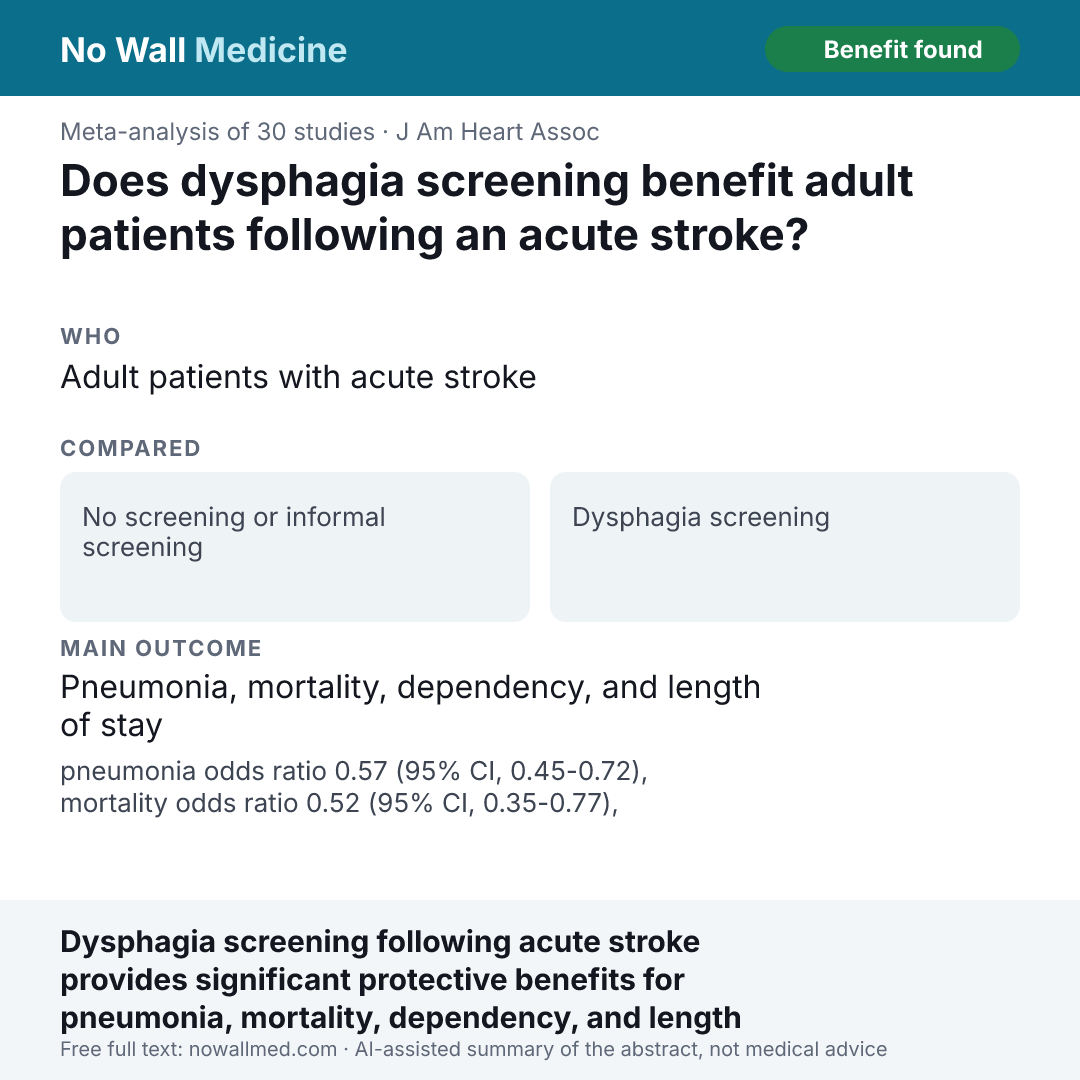
The Benefit of Dysphagia Screening in Adult Patients With Stroke: A Meta-Analysis
Meta-analysis of 30 studiesBenefit found
Does dysphagia screening benefit adult patients following an acute stroke?
Who
Adult patients with acute stroke
Compared
No screening or informal screening
Dysphagia screening
Main outcome
Pneumonia, mortality, dependency, and length of stay
Result: pneumonia odds ratio 0.57 (95% CI, 0.45-0.72), mortality odds ratio 0.52 (95% CI, 0.35-0.77), dependency odds ratio 0.54 (95% CI, 0.35-0.85), length of stay standardized mean difference -0.62 (95% CI, -1.05 to -0.20)
Bottom line: Dysphagia screening following acute stroke provides significant protective benefits for pneumonia, mortality, dependency, and length of stay.
J Am Heart Assoc · 2021-06-05 · Save PNG
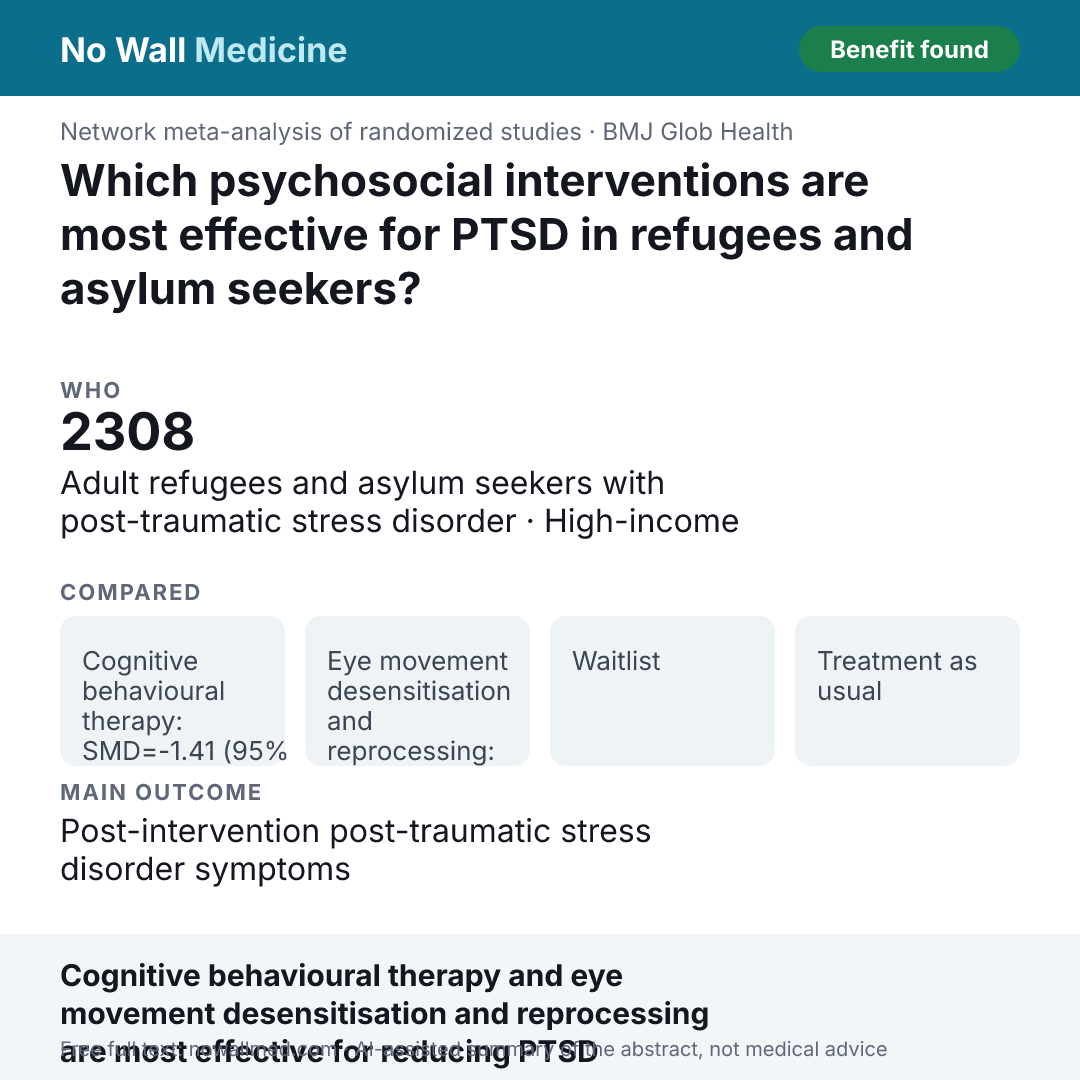
A network meta-analysis of psychosocial interventions for refugees and asylum seekers with PTSD
Network meta-analysis of randomized studiesBenefit found
Which psychosocial interventions are most effective for PTSD in refugees and asylum seekers?
Who
2308
Adult refugees and asylum seekers with post-traumatic stress disorder · High-income and low-income or middle-income countries
Compared
Cognitive behavioural therapy: SMD=-1.41 (95% CI -2.43 to -0.38) vs waitlist
Eye movement desensitisation and reprocessing: SMD=-1.30 (95% CI -2.40 to -0.20) vs waitlist
Waitlist
Treatment as usual
Main outcome
Post-intervention post-traumatic stress disorder symptoms
Result: SMD=-1.41 (95% CI -2.43 to -0.38) for CBT vs waitlist
Bottom line: Cognitive behavioural therapy and eye movement desensitisation and reprocessing are most effective for reducing PTSD symptoms.
BMJ Glob Health · 2021-06-05 · Save PNG