Visual abstracts
New randomized trials and meta-analyses from leading journals at a glance: who was studied, what was compared, and what was found. Every paper is free to read in full.
All specialtiesCardiology 4770Oncology 4022Gastroenterology & Hepatology 1889Infectious Disease 3728Neurology 1848Psychiatry & Mental Health 2213Pulmonology 2096Critical Care 1342Endocrinology & Diabetes 2492Pediatrics 2882Surgery 2492Orthopedics & Sports Medicine 902Neurosurgery 519Cardiothoracic & Vascular Surgery 651Plastic & Reconstructive Surgery 584Nephrology 1074Rheumatology 801Hematology 1084Dermatology 612Ophthalmology 528Obstetrics & Gynecology 1647Public & Global Health 1015Radiology & Imaging 629Anesthesiology 956Urology 749ENT (Otolaryngology) 495Emergency Medicine 497Allergy & Immunology 305Geriatrics 959Family Medicine & Primary Care 551Medical Genetics & Genomics 656Pathology & Laboratory Medicine 154Physical Medicine & Rehabilitation 739Palliative Care 432Nutrition 1537Digital Health & AI 2141General Medicine 312
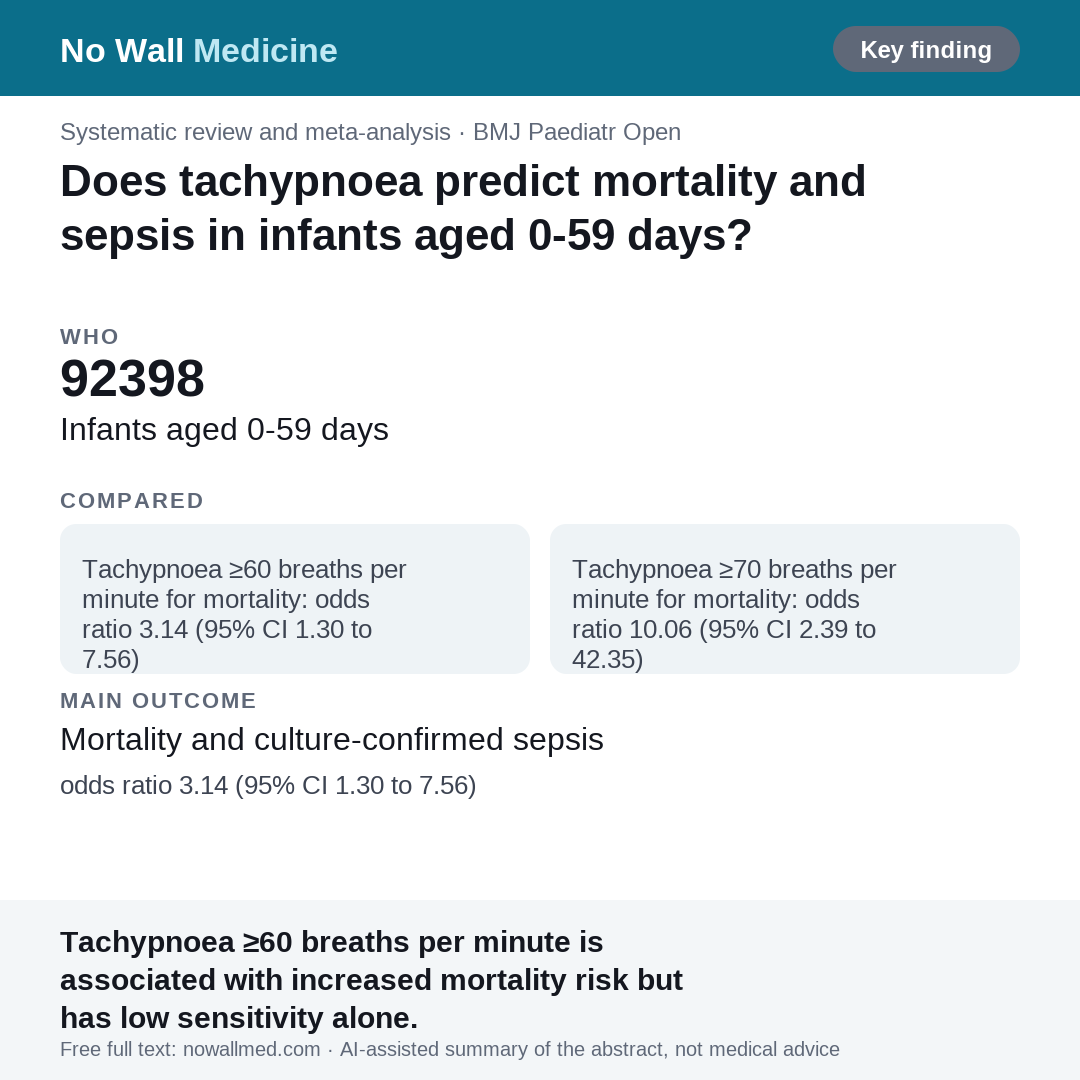
Diagnostic accuracy of tachypnoea for predicting mortality and identifying sepsis in young infants aged 0-59 days: a systematic review and meta-analysis
Systematic review and meta-analysisBenefit found
Does tachypnoea predict mortality and sepsis in infants aged 0-59 days?
Who
92398
Infants aged 0-59 days
Compared
Tachypnoea ≥60 breaths per minute for mortality: odds ratio 3.14 (95% CI 1.30 to 7.56)
Tachypnoea ≥70 breaths per minute for mortality: odds ratio 10.06 (95% CI 2.39 to 42.35)
Main outcome
Mortality and culture-confirmed sepsis
Result: odds ratio 3.14 (95% CI 1.30 to 7.56)
Bottom line: Tachypnoea ≥60 breaths per minute is associated with increased mortality risk but has low sensitivity alone.
BMJ Paediatr Open · 2026-07-02Download image
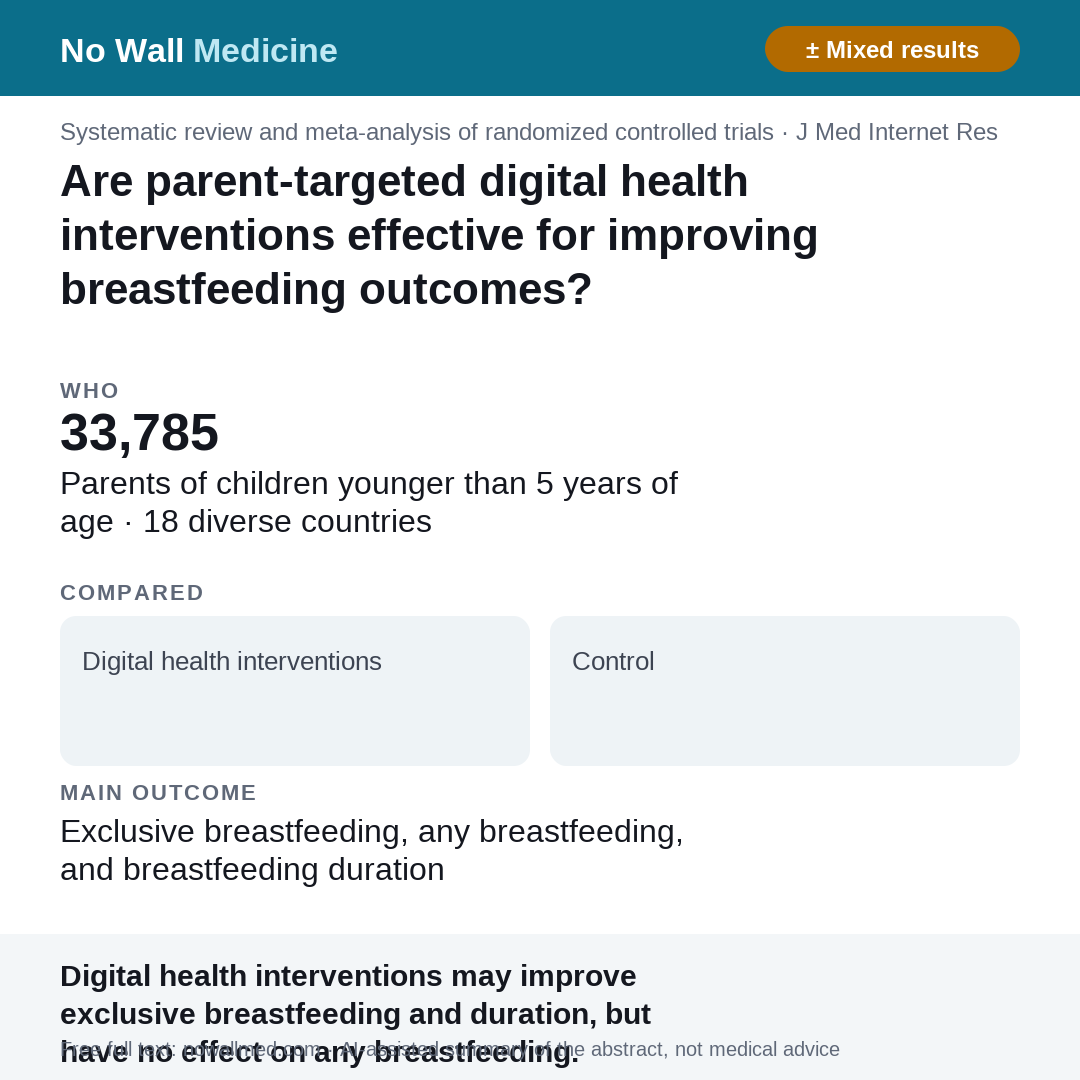
The Effectiveness of Parent-Targeted Digital Health Interventions on Breastfeeding Practices: Systematic Review and Meta-Analysis of Randomized Controlled Trials
Systematic review and meta-analysis of randomized controlled trialsMixed results
Are parent-targeted digital health interventions effective for improving breastfeeding outcomes?
Who
33,785
Parents of children younger than 5 years of age · 18 diverse countries
Compared
Digital health interventions
Control
Main outcome
Exclusive breastfeeding, any breastfeeding, and breastfeeding duration
Result: odds ratio 2.58 (95% CI 1.91-3.50) for exclusive breastfeeding
Bottom line: Digital health interventions may improve exclusive breastfeeding and duration, but have no effect on any breastfeeding.
Limitation: Variable risk of bias, potential publication bias, and substantial heterogeneity.
J Med Internet Res · 2026-07-02Download image
Variability in the Diagnostic Criteria for Severe Pertussis: A Systematic Review
Systematic reviewMixed results
What is the variability in terminology and criteria used to define severe pertussis?
Who
78
Studies involving infants with pertussis
Compared
Terminology used: 5 different terms identified
Clinical severity criteria: 22 different criteria used
Main outcome
Variability in terminology and criteria for severe pertussis
Bottom line: There is substantial heterogeneity in how severe pertussis is defined across published literature.
JAMA Netw Open · 2026-07-01Download image

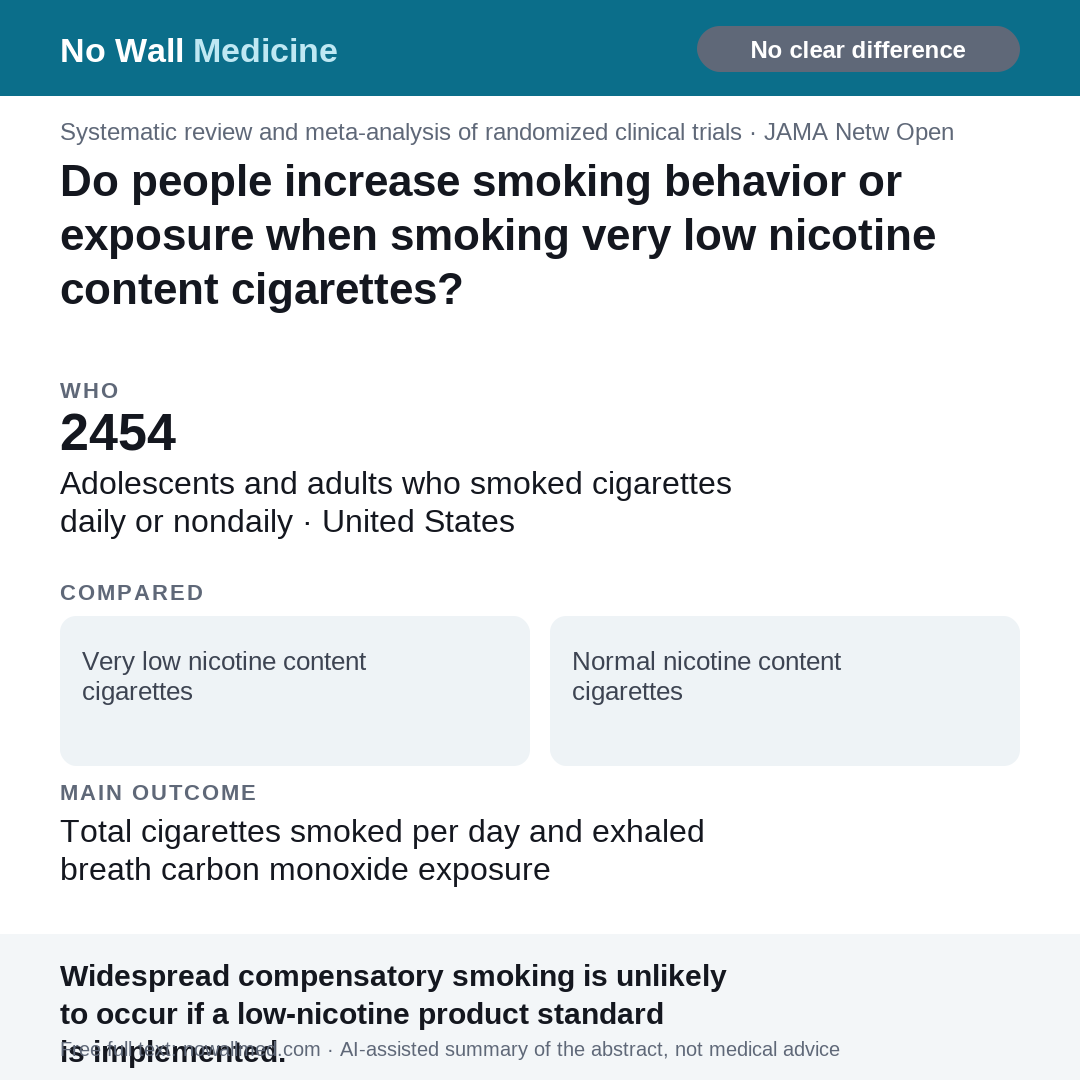
Compensatory Smoking With Very Low Nicotine Content Cigarettes: A Systematic Review and Meta-Analysis
Systematic review and meta-analysis of randomized clinical trialsNo clear difference
Do people increase smoking behavior or exposure when smoking very low nicotine content cigarettes?
Who
2454
Adolescents and adults who smoked cigarettes daily or nondaily · United States
Compared
Very low nicotine content cigarettes
Normal nicotine content cigarettes
Main outcome
Total cigarettes smoked per day and exhaled breath carbon monoxide exposure
Bottom line: Widespread compensatory smoking is unlikely to occur if a low-nicotine product standard is implemented.
JAMA Netw Open · 2026-07-01Download image
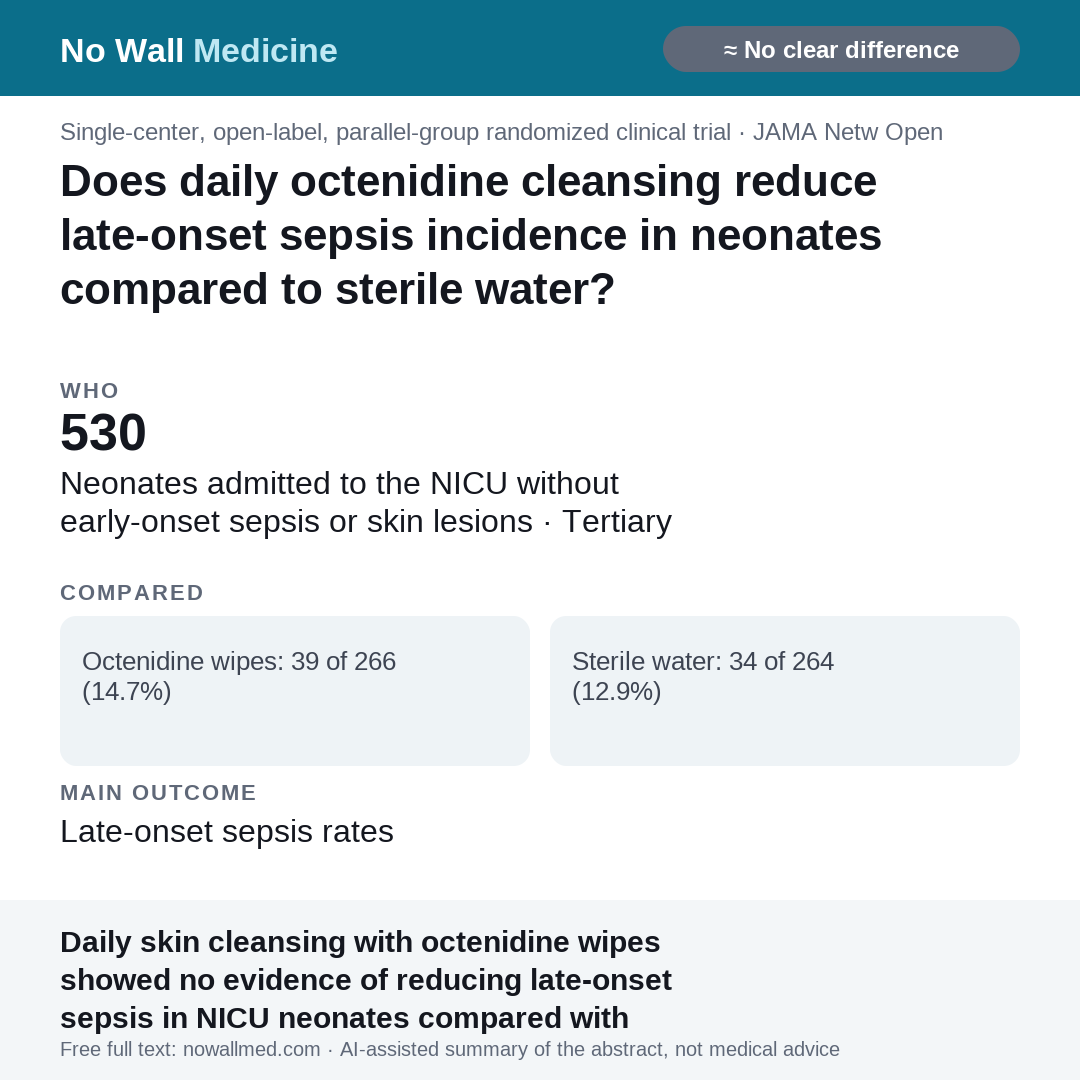
Octenidine or Sterile Water Cleansing and Late-Onset Sepsis in Neonates in the NICU: A Randomized Clinical Trial
Single-center, open-label, parallel-group randomized clinical trialNo clear difference
Does daily octenidine cleansing reduce late-onset sepsis incidence in neonates compared to sterile water?
Who
530
Neonates admitted to the NICU without early-onset sepsis or skin lesions · Tertiary care hospital in India
Compared
Octenidine wipes: 39 of 266 (14.7%)
Sterile water: 34 of 264 (12.9%)
Main outcome
Late-onset sepsis rates
Result: relative risk 1.10 (95% CI 0.75-1.70)
Bottom line: Daily skin cleansing with octenidine wipes showed no evidence of reducing late-onset sepsis in NICU neonates compared with sterile water.
JAMA Netw Open · 2026-07-01Download image
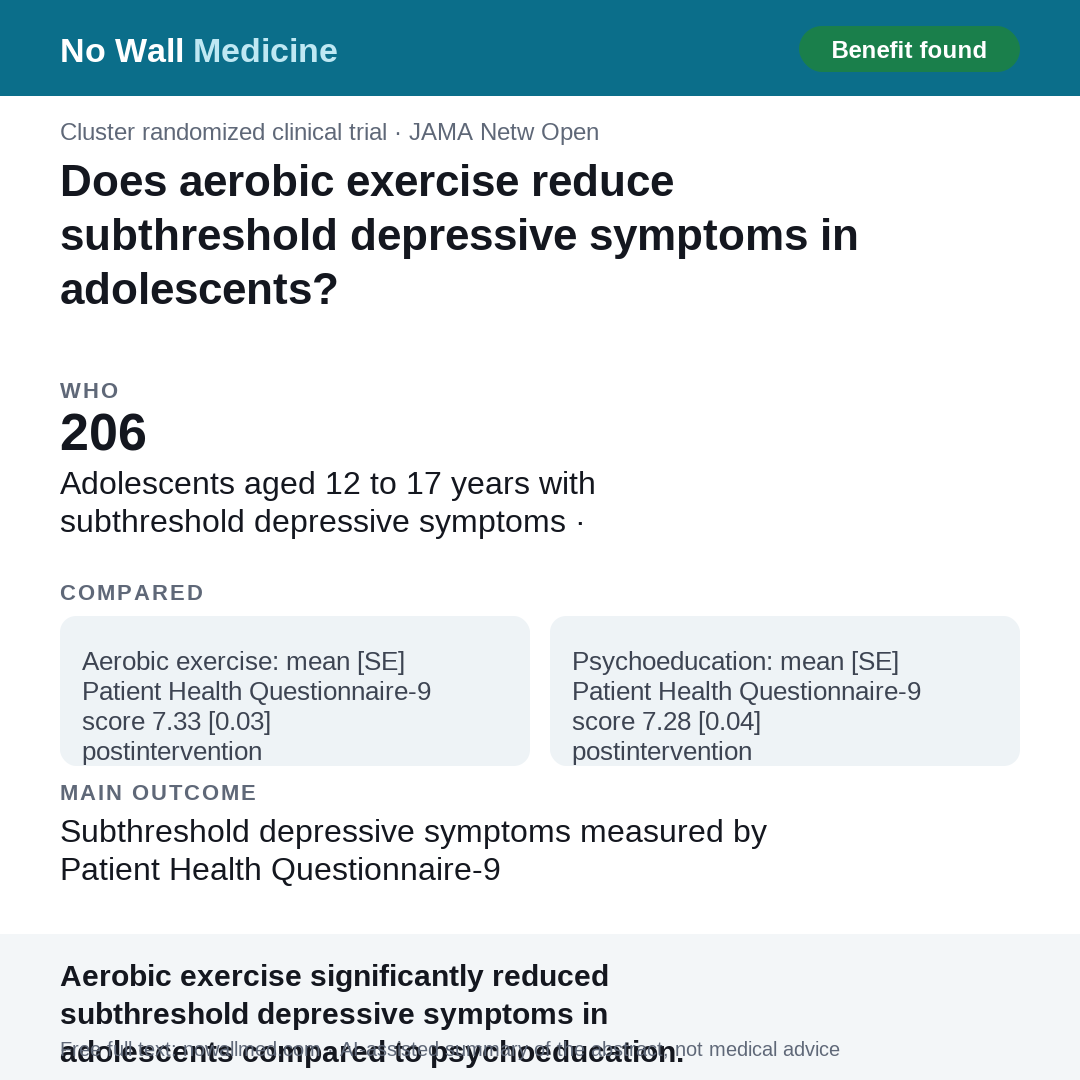
Aerobic Exercise and Subthreshold Depressive Symptoms in Adolescents: Secondary Analysis of a Randomized Clinical Trial
Cluster randomized clinical trialBenefit found
Does aerobic exercise reduce subthreshold depressive symptoms in adolescents?
Who
206
Adolescents aged 12 to 17 years with subthreshold depressive symptoms · Multicenter, China
Compared
Aerobic exercise: mean [SE] Patient Health Questionnaire-9 score 7.33 [0.03] postintervention
Psychoeducation: mean [SE] Patient Health Questionnaire-9 score 7.28 [0.04] postintervention
Main outcome
Subthreshold depressive symptoms measured by Patient Health Questionnaire-9
Bottom line: Aerobic exercise significantly reduced subthreshold depressive symptoms in adolescents compared to psychoeducation.
JAMA Netw Open · 2026-07-01Download image
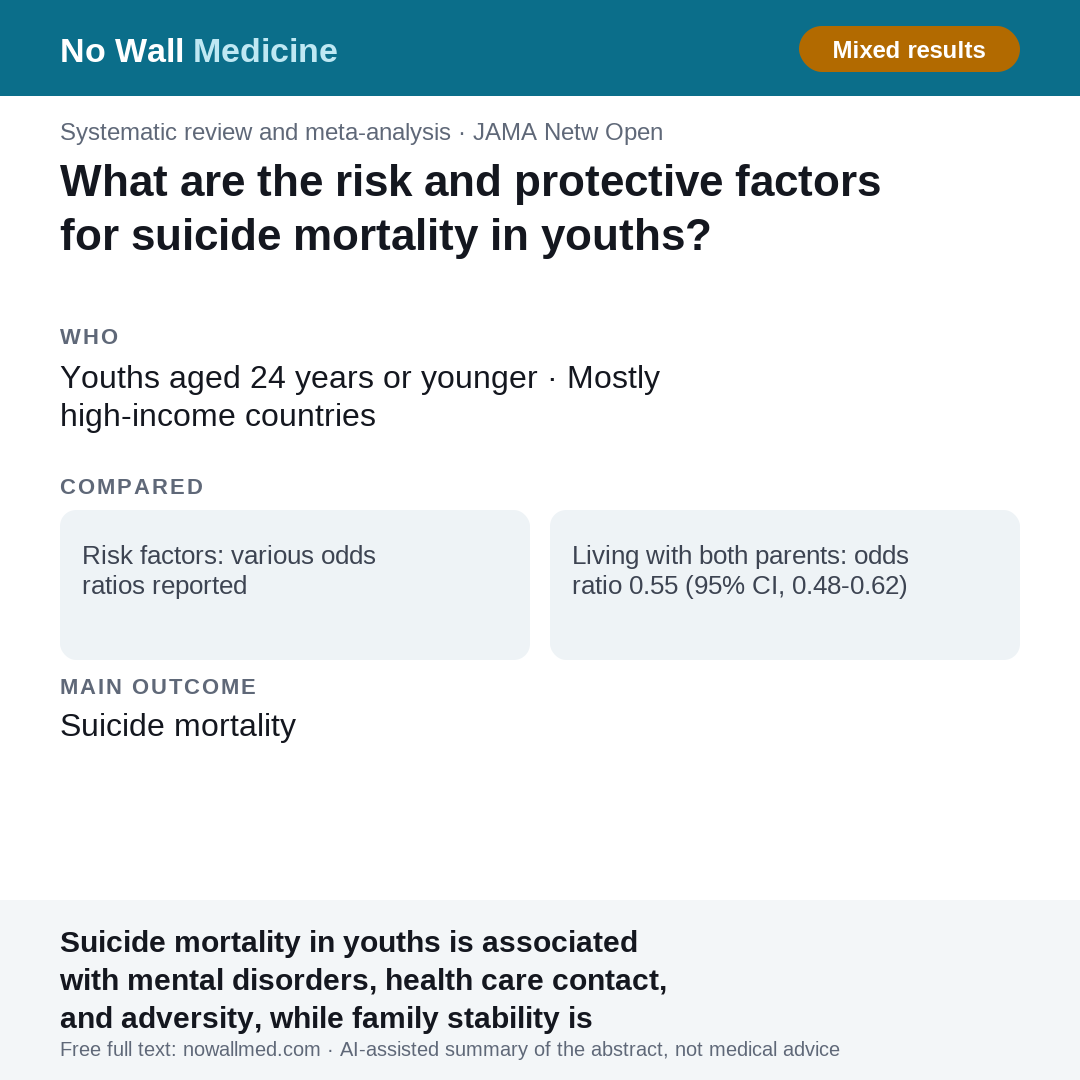
Risk and Protective Factors for Suicide Mortality in Youths: A Systematic Review and Meta-Analysis
Systematic review and meta-analysisMixed results
What are the risk and protective factors for suicide mortality in youths?
Who
Youths aged 24 years or younger · Mostly high-income countries
Compared
Risk factors: various odds ratios reported
Living with both parents: odds ratio 0.55 (95% CI, 0.48-0.62)
Main outcome
Suicide mortality
Bottom line: Suicide mortality in youths is associated with mental disorders, health care contact, and adversity, while family stability is protective.
JAMA Netw Open · 2026-07-01Download image
Blood-Based Biomarkers Predict Cerebral Palsy and Cognitive Delay in Hypoxic-Ischemic Encephalopathy: A Secondary Analysis of the High-Dose Erythropoietin for Asphyxia and Encephalopathy Randomized Controlled Trial
Secondary analysis of a randomized controlled trialBenefit found
Can blood-based biomarkers predict cerebral palsy and cognitive delay in hypoxic-ischemic encephalopathy?
Who
180
Infants with moderate-severe hypoxic-ischemic encephalopathy · United States
Compared
Cerebral palsy group: Tau on day 2 AUC 0.902 (95% CI: 0.812-0.992)
Cognitive/language delay group: Tau on day 2 AUC 0.669 (95% CI: 0.564-0.774)
Main outcome
Cerebral palsy and cognitive/language delay at 2 years
Bottom line: Tau on day 2 of life is an excellent predictor for cerebral palsy in infants with hypoxic-ischemic encephalopathy.
J Pediatr · 2026-07-01Download image

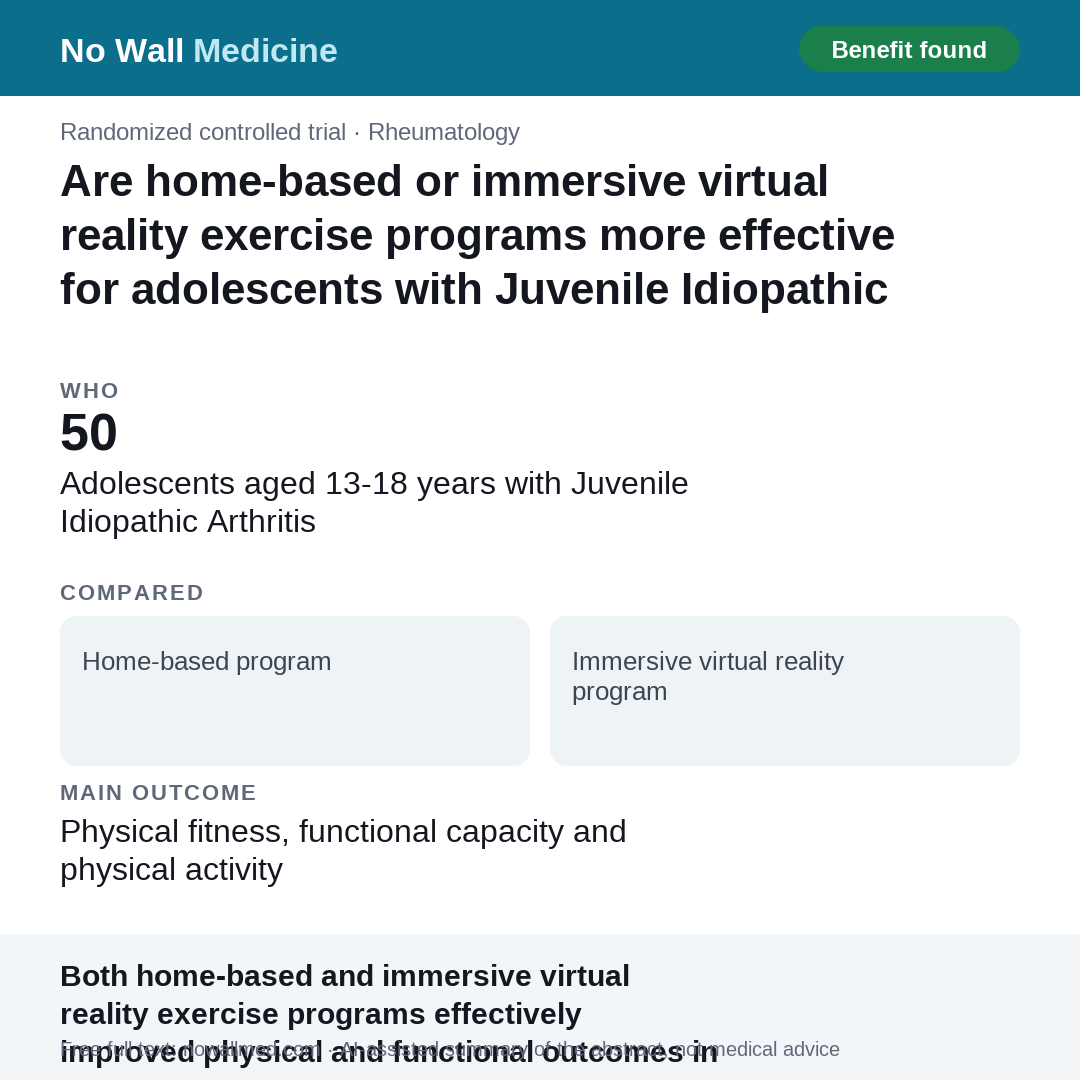
Personalized, physiotherapist-guided exercise programs in JIA: home-based vs. immersive virtual reality (JiaFitXR)
Randomized controlled trialMixed results
Are home-based or immersive virtual reality exercise programs more effective for adolescents with Juvenile Idiopathic Arthritis?
Who
50
50 adolescents aged 13-18 years with Juvenile Idiopathic Arthritis
Compared
Home-based program: superior improvements in flexibility and upper-extremity strength
Immersive virtual reality program: greater gains in 1-Min Sit-to-Stand, Step-Up and Step-Down tests
Main outcome
physical fitness, functional capacity and physical activity
Bottom line: Both exercise approaches improved outcomes, but virtual reality offered more lower-extremity gains while home-based programs improved flexibility.
Rheumatology · 2026-07-01Download image
Success of Anterior Ethmoidal Artery Flaps for Nasal Septal Perforation Repair: A Systematic Review
Systematic review of 16 studiesBenefit found
What is the efficacy of anterior ethmoidal artery flaps for nasal septal perforation repair?
Who
249
249 patients with nasal septal perforation
Compared
83.8%Original anterior ethmoidal artery flap with interposition graft (62/74)
85.1%Original anterior ethmoidal artery flap without interposition graft (86/101)
Main outcome
Nasal septal perforation closure success rate
Bottom line: The anterior ethmoidal artery flap is a reliable endoscopic technique with an 84.6% success rate for repairing perforations.
Laryngoscope · 2026-07-01Download image

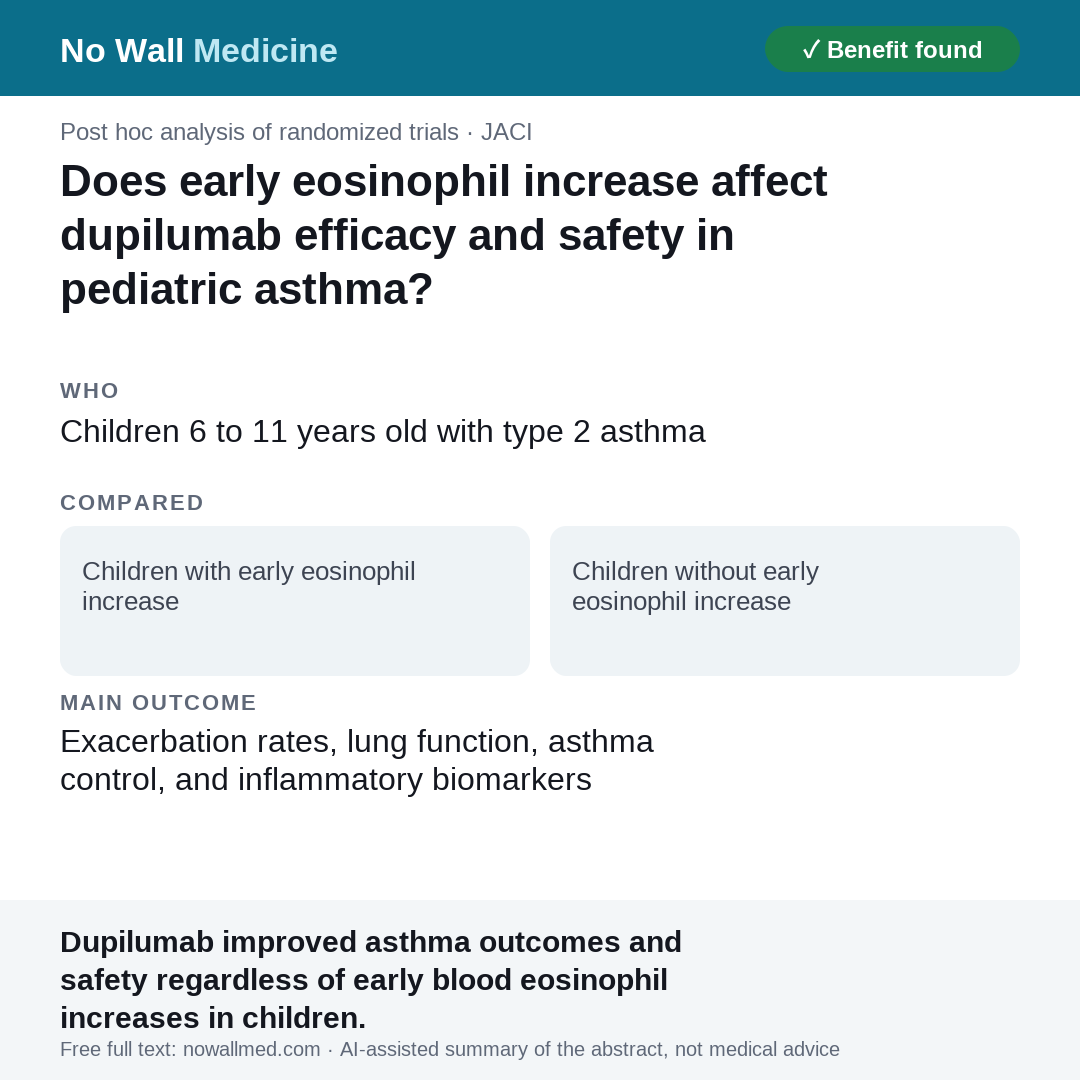
Dupilumab outcomes in pediatric asthma by early eosinophil status: Post hoc analysis of VOYAGE/EXCURSION
Post hoc analysis of randomized trialsBenefit found
Does early eosinophil increase affect dupilumab efficacy and safety in pediatric asthma?
Who
Children 6 to 11 years old with type 2 asthma
Compared
Children with early eosinophil increase
Children without early eosinophil increase
Main outcome
Exacerbation rates, lung function, asthma control, and inflammatory biomarkers
Bottom line: Dupilumab improved asthma outcomes and safety regardless of early blood eosinophil increases in children.
JACI · 2026-06-30Download image
US race/ethnic disparities in diabetes technologies: a systematic review and meta-analysis of 950 000 individuals
Systematic review and meta-analysisHarm found
Are there racial and ethnic disparities in continuous glucose monitoring and insulin pump use?
Who
955 556
People living with diabetes in the United States · United States
Compared
Continuous glucose monitoring: Black/African American: OR = 0.47 (95% CI = 0.38-0.60)
Continuous glucose monitoring: Hispanic: OR = 0.59 (95% CI = 0.50-0.69)
Continuous glucose monitoring: Other: OR = 0.69 (95% CI = 0.58-0.83)
Continuous subcutaneous insulin infusion: Black/African American: OR = 0.31 (95% CI = 0.23-0.42)
Main outcome
Use of continuous glucose monitoring and continuous subcutaneous insulin infusion
Bottom line: Racial and ethnic disparities exist in the use of diabetes technologies among people in the United States.
Limitation: Moderate/substantial heterogeneity and reliance on electronic medical record data.
J Endocr Soc · 2026-06-30Download image

Care Robots as Emerging Health Technologies: Systematic Review and Meta-Analysis of Randomized Controlled Trials
Systematic review and meta-analysis of randomized controlled trialsMixed results
What are the pooled effects of care-robot interventions across seven outcome domains?
Who
2476
Older adult and pediatric populations · 17 countries
Compared
Care robots
Standard care, active controls, or waitlist
Main outcome
Seven prespecified outcome domains including neuropsychiatric symptoms
Result: Hedges g=0.44 (95% CI 0.03-0.84) for neuropsychiatric symptoms
Bottom line: Care robots showed significant reduction in neuropsychiatric symptoms, but evidence certainty is low and routine clinical adoption is not yet supported.
Limitation: The neuropsychiatric symptom result was fragile and significance was lost in most leave-one-out iterations.
J Med Internet Res · 2026-06-30Download image

Comparing video-based and four-step simulation training in paediatric basic life support: a pilot randomised controlled study
Pilot randomised controlled trialNo clear difference
Does video-based instruction or four-step simulation training better improve paediatric basic life support?
Who
60
Interns and nurses · Two teaching hospitals in Tunisia
Compared
Video-based instruction
Four-step low-fidelity simulation
Main outcome
Knowledge, practical skills, and learner satisfaction
Bottom line: Both video-based instruction and low-fidelity simulation improved paediatric basic life support knowledge and skills.
BMJ Paediatr Open · 2026-06-29Download image

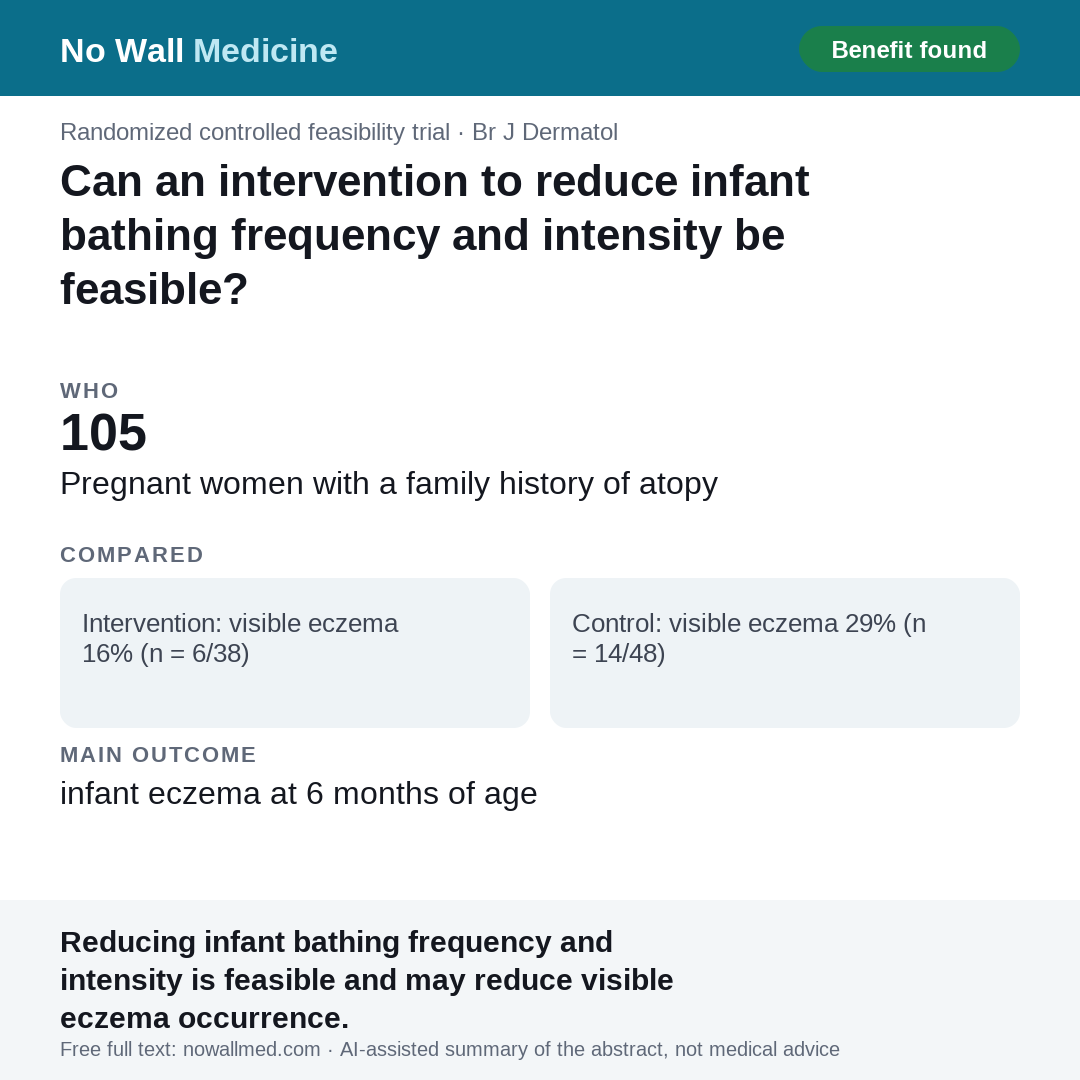
Randomized controlled feasibility trial of an intervention to reduce infant bathing
Randomized controlled feasibility trialBenefit found
Can an intervention to reduce infant bathing frequency and intensity be feasible?
Who
105
Pregnant women with a family history of atopy
Compared
Intervention: visible eczema 16% (n = 6/38)
Control: visible eczema 29% (n = 14/48)
Main outcome
infant eczema at 6 months of age
Bottom line: Reducing infant bathing frequency and intensity is feasible and may reduce visible eczema occurrence.
Br J Dermatol · 2026-06-26Download image
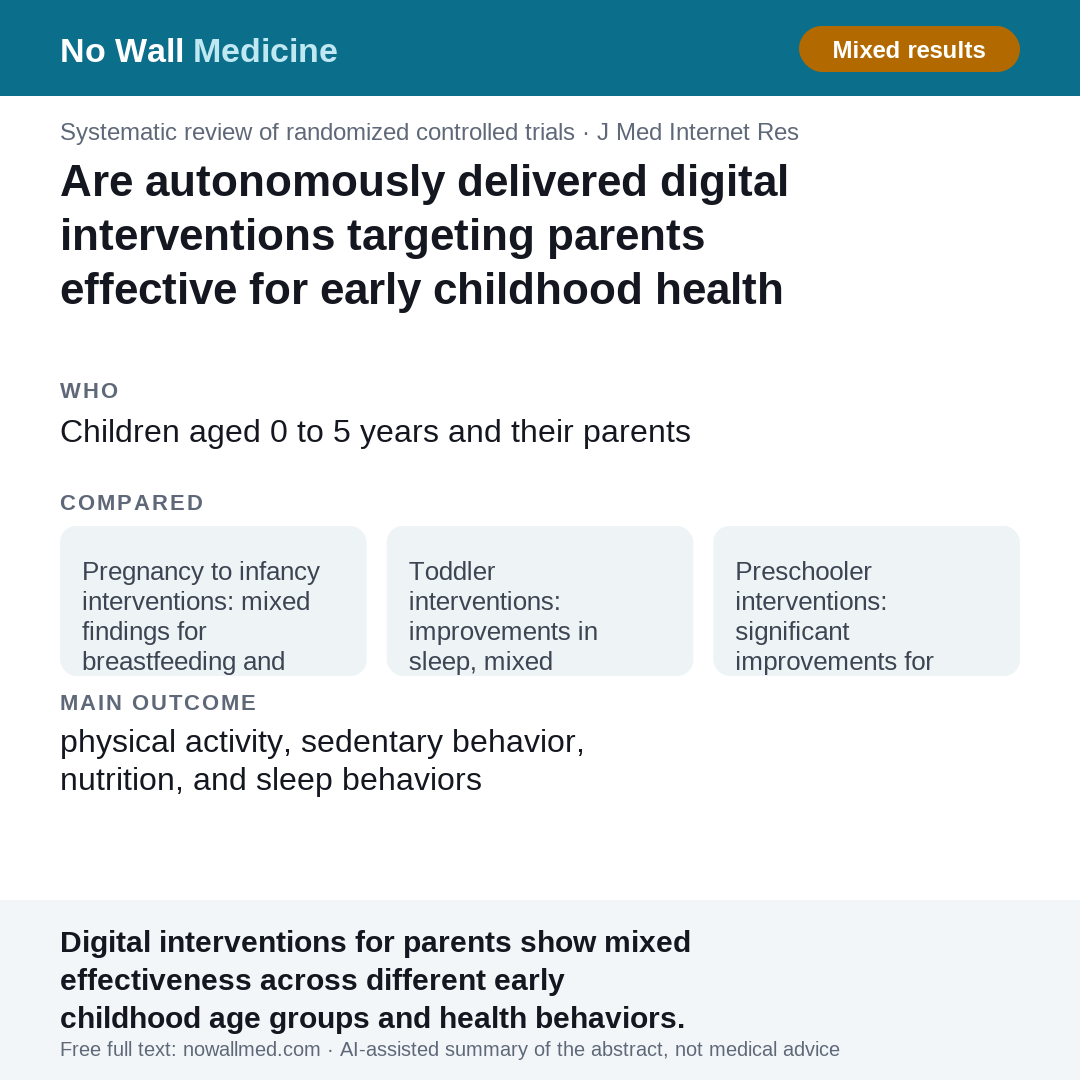
Digital Interventions Targeting Parents to Improve Early Childhood Movement, Nutrition, and Sleep Behaviors: Systematic Review
Systematic review of randomized controlled trialsMixed results
Are autonomously delivered digital interventions targeting parents effective for early childhood health behaviors?
Who
Children aged 0 to 5 years and their parents
Compared
Pregnancy to infancy interventions: mixed findings for breastfeeding and feeding practices
Toddler interventions: improvements in sleep, mixed findings for diet and screen time
Preschooler interventions: significant improvements for feeding practices and diet
Main outcome
physical activity, sedentary behavior, nutrition, and sleep behaviors
Bottom line: Digital interventions for parents show mixed effectiveness across different early childhood age groups and health behaviors.
Limitation: Heterogeneous designs, inconsistent outcome measures, and mixed risk-of-bias ratings across studies.
J Med Internet Res · 2026-06-26Download image
Does consuming ascorbate-rich fruits and fruit juices with meals improve iron bioavailability? A systematic review and meta-analysis of interventions
Systematic review and meta-analysis of interventionsBenefit found
Does consuming ascorbate-rich fruits or juices with meals improve iron bioavailability?
Who
1381
Females aged 15-74 years and children
Compared
Ascorbate-rich fruits or juices
Controls
Main outcome
Iron absorption and serum ferritin
Result: mean difference 9.39 μg/L for serum ferritin
Bottom line: Consuming ascorbate-rich fruits or juices probably increases serum ferritin and hemoglobin concentrations.
Limitation: Low certainty for iron absorption, iron balance, and plasma transferrin receptor results.
Am J Clin Nutr · 2026-06-25Download image

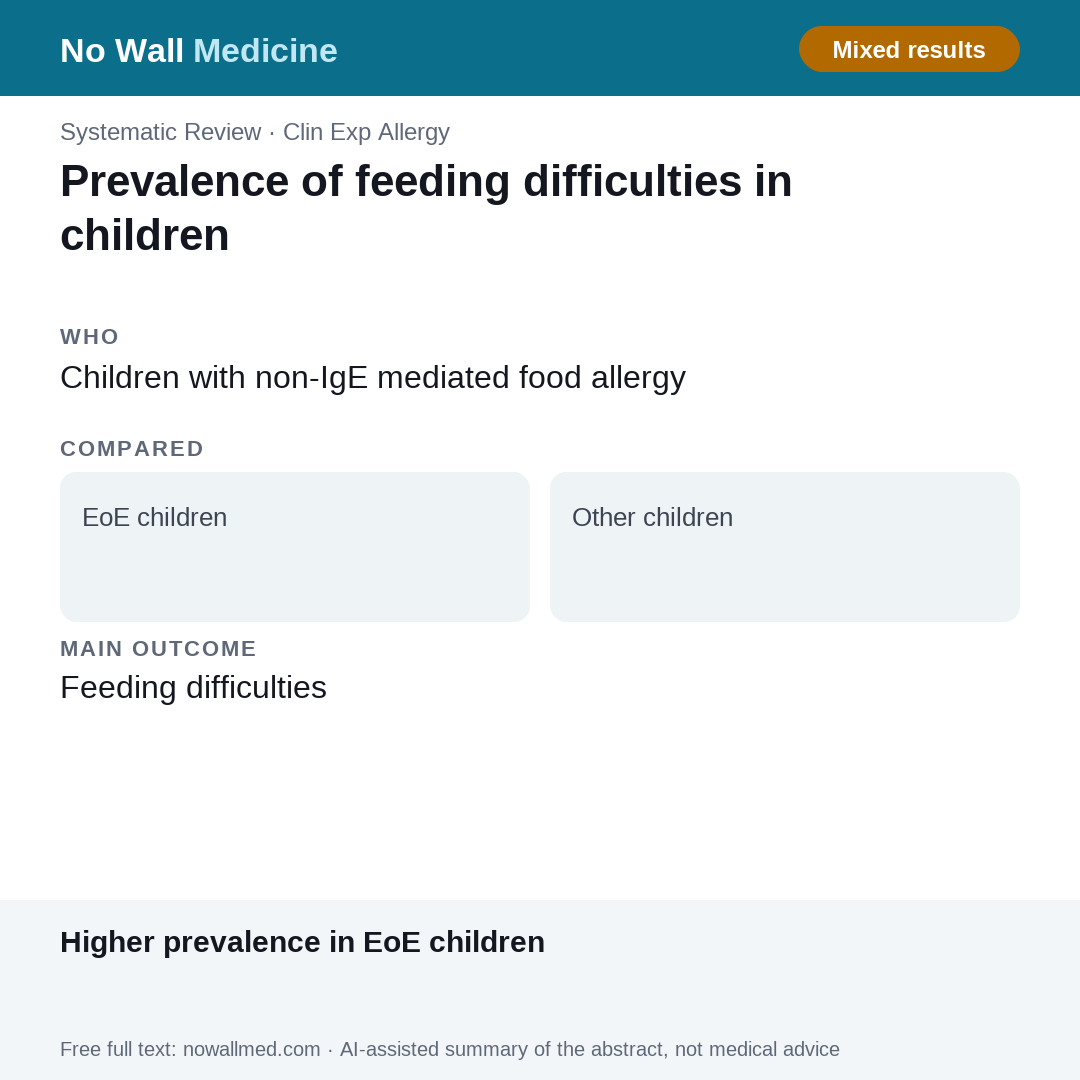
Prevalence of Feeding Difficulties in Children With Non-IgE Mediated Food Allergies: A Systematic Review
Systematic ReviewMixed results
Prevalence of feeding difficulties in children
Who
Children with non-IgE mediated food allergy
Compared
EoE children
Other children
Main outcome
Feeding difficulties
Bottom line: Higher prevalence in EoE children
Clin Exp Allergy · 2026-06-25Download image
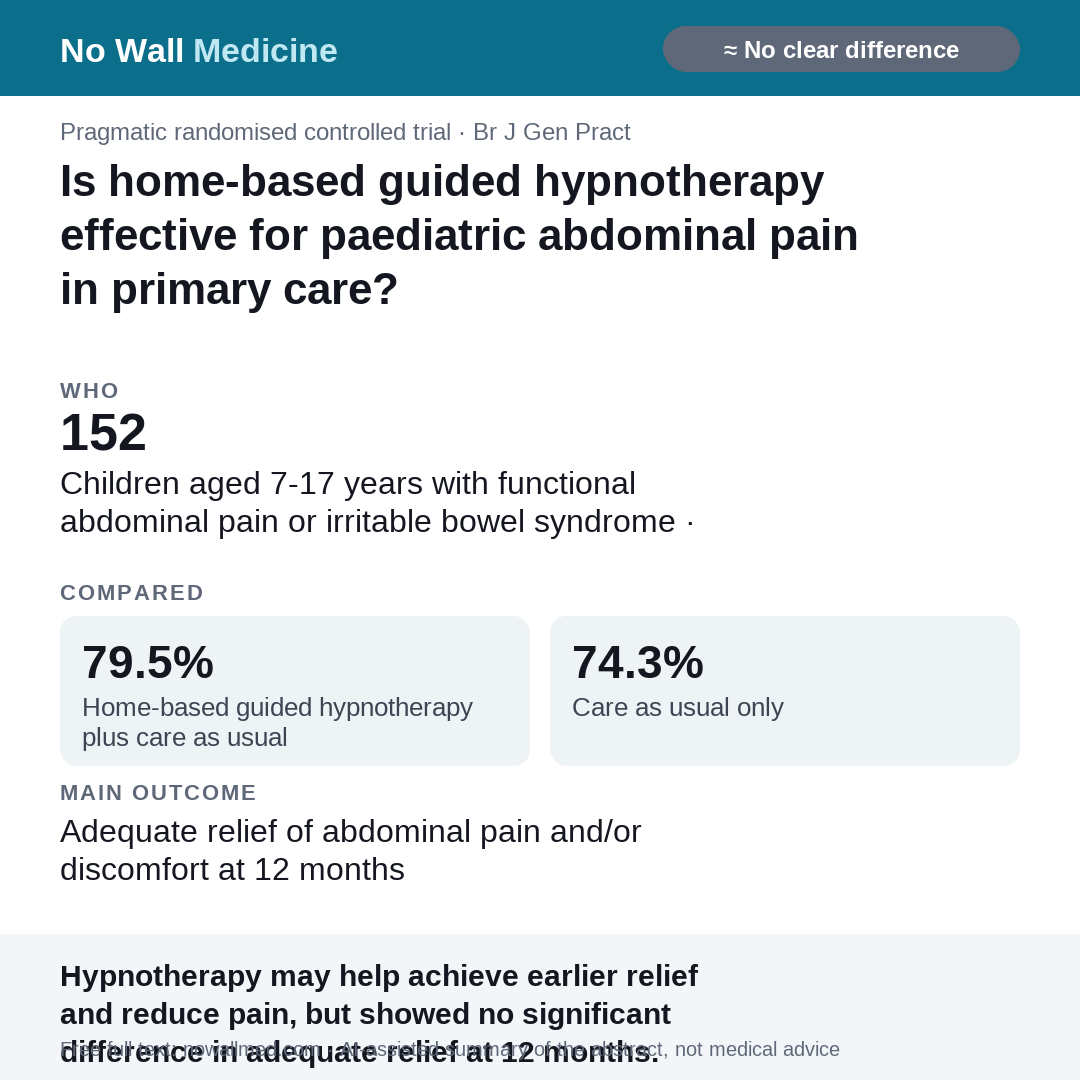
Effectiveness of hypnotherapy for paediatric abdominal pain in primary care: a randomised controlled trial
Pragmatic randomised controlled trialNo clear difference
Is home-based guided hypnotherapy effective for paediatric abdominal pain in primary care?
Who
152
Children aged 7-17 years with functional abdominal pain or irritable bowel syndrome · Dutch primary care
Compared
79.5%Home-based guided hypnotherapy plus care as usual (58/73 children)
74.3%Care as usual only (52/70 children)
Main outcome
Adequate relief of abdominal pain and/or discomfort at 12 months
Result: aOR 1.47 (90% CI 0.74 to 2.93)
Bottom line: Hypnotherapy may help achieve earlier relief and reduce pain, but showed no significant difference in adequate relief at 12 months.
Br J Gen Pract · 2026-06-25Download image
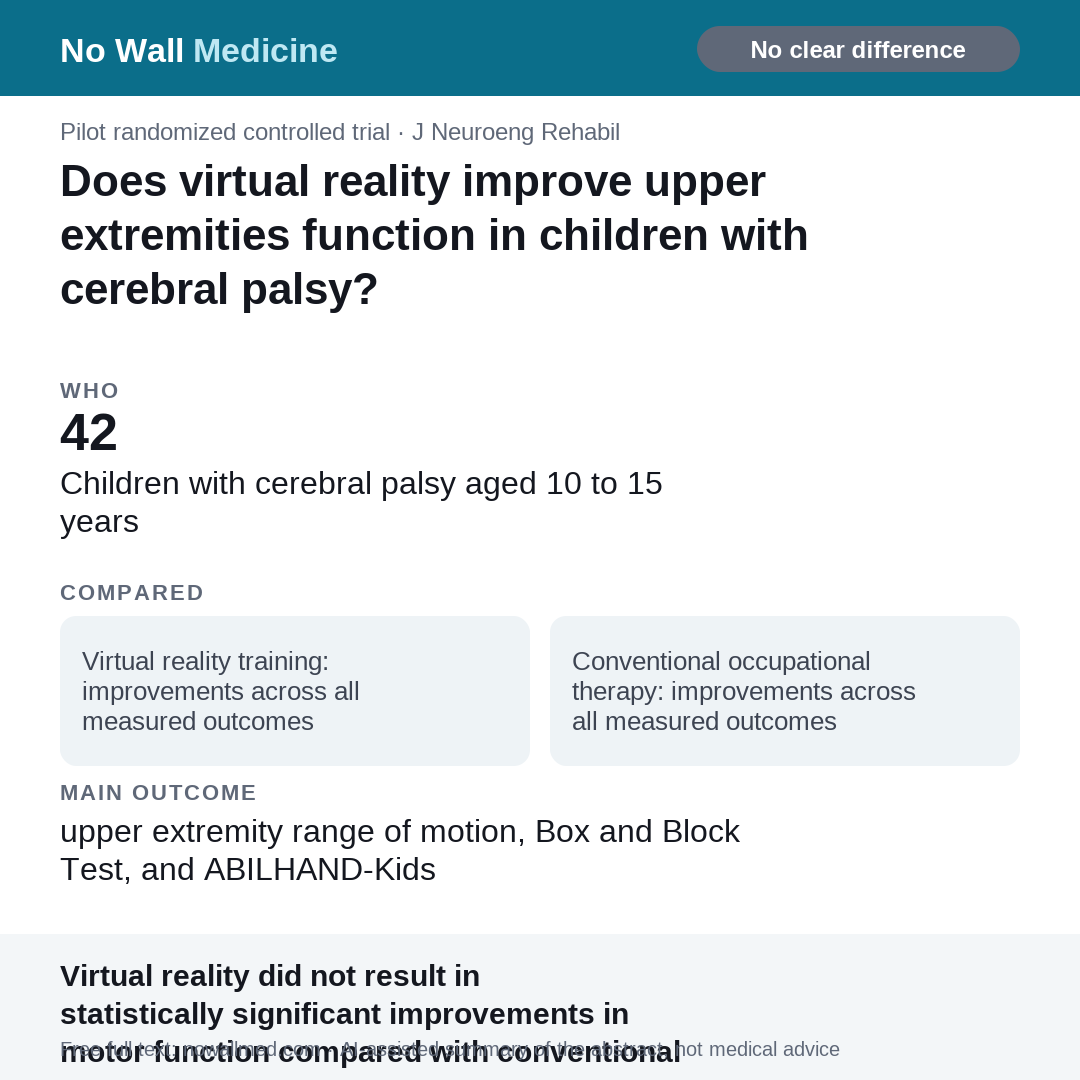
Development of virtual reality in the upper extremities function in children with Cerebral Palsy. A pilot randomized controlled trial
Pilot randomized controlled trialNo clear difference
Does virtual reality improve upper extremities function in children with cerebral palsy?
Who
42
Children with cerebral palsy aged 10 to 15 years
Compared
Virtual reality training: improvements across all measured outcomes
Conventional occupational therapy: improvements across all measured outcomes
Main outcome
upper extremity range of motion, Box and Block Test, and ABILHAND-Kids
Bottom line: Virtual reality did not result in statistically significant improvements in motor function compared with conventional therapy.
J Neuroeng Rehabil · 2026-06-25Download image